Stargazing Winter’s Crab: Watching the 2019 Total Lunar Eclipse Near Cancer’s Beehive Cluster

Join me as a full moon slips into Earth’s shadow, turning copper beside Cancer’s Beehive—science, illusion, and wonder entwined in a winter night.

Colored lights of our skies are lifelong triggers for the imagination. On any moonless, crystal night—far from the town-glow—three thousand or so stars and the wandering planets scatter across the dark. We read them instinctively, stitching patterns the way our ancestors did, turning a brilliant chaos into stories. Along the ecliptic, twelve of those patterns became the constellations, a starry calendar by which careful observers told the seasons. When Cancer, the Crab rides high, winter has the northern hemisphere in its grip
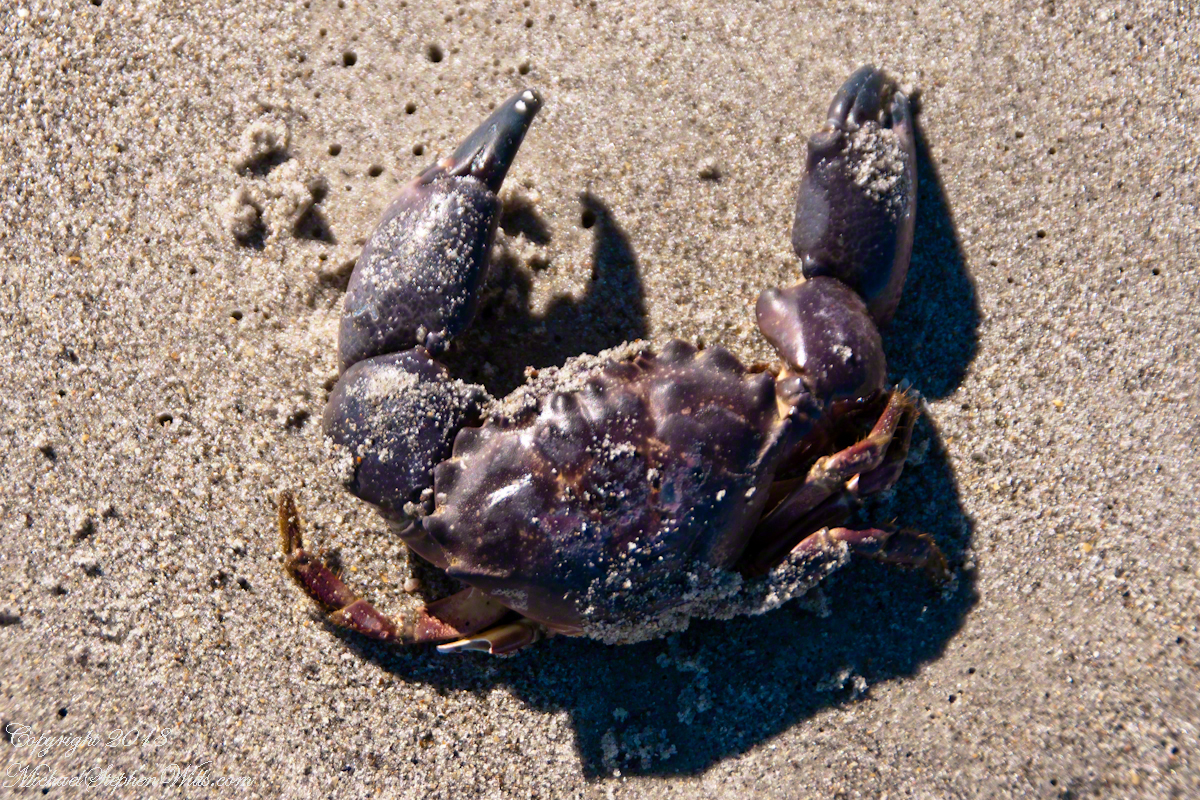
Click Photograph for my OnLine Galleries
Click photograph for my OnLine Galleries. Clicking the other photographs in this post will yield a larger image.

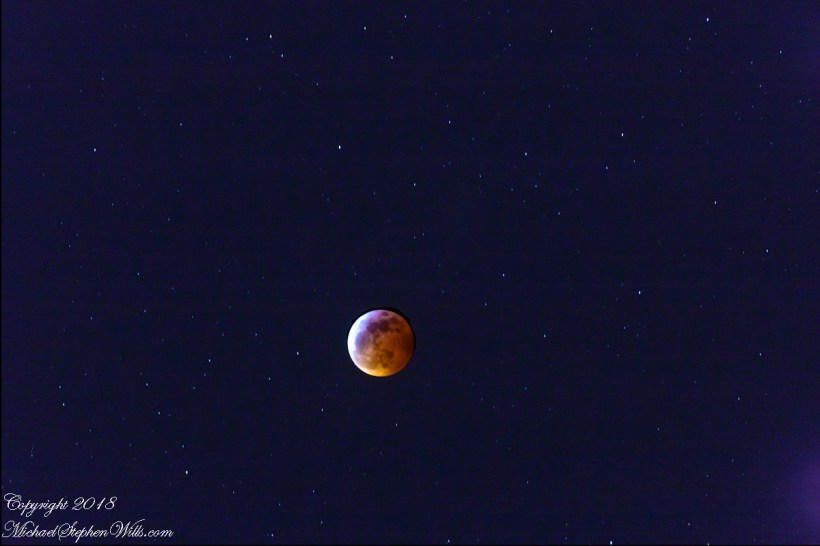
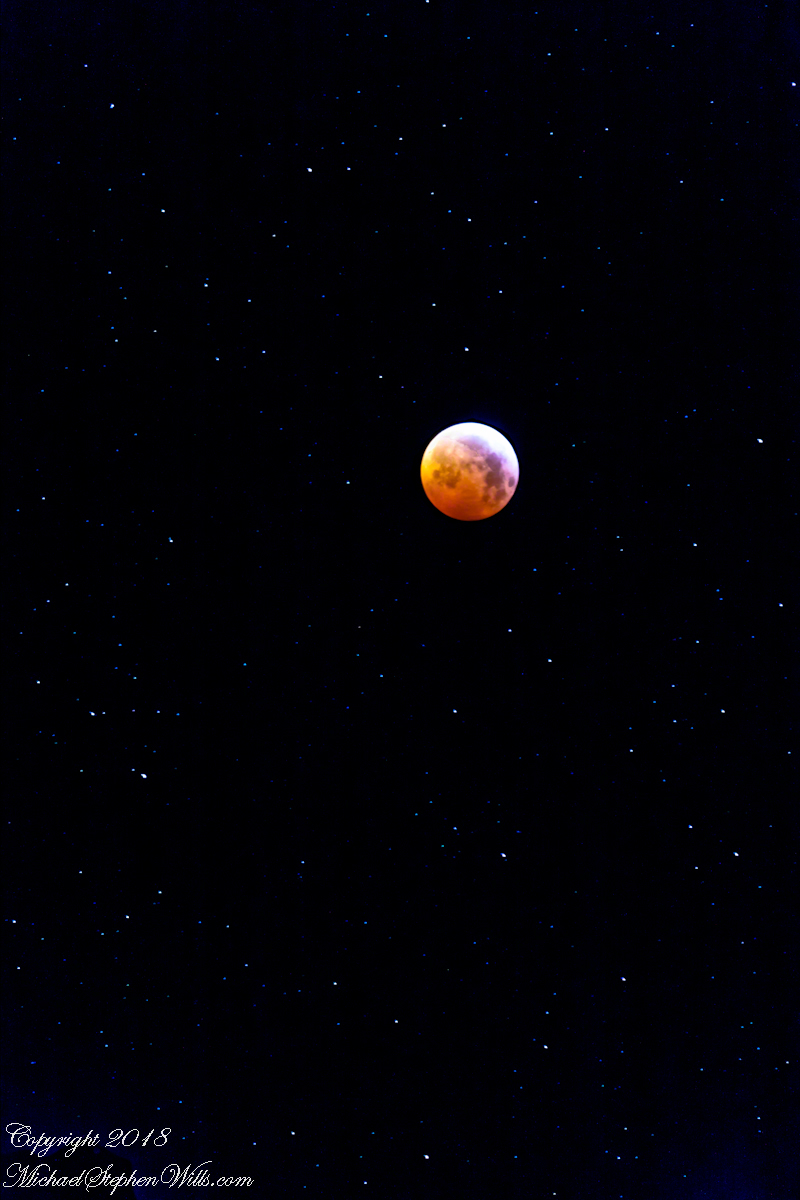
On the night of January 20–21, 2019, a full moon climbed from the horizon and slid into Earth’s shadow, transforming a familiar face into a copper coin. As it rose, that low-horizon “larger” moon—an illusion born of context—felt close enough to pocket. Hours later, the moon darkened to a dull copper color and appeared to float amid Cancer’s dim stars.

I set up a Canon DSLR on a tripod with a 24mm f/1.4 lens, pushed the ISO to 3200, and shortened the exposure to 1.3 seconds—a compromise between freezing star points and preserving the feel of the sky. The moon, of course, was overexposed in that wide frame; later, I overlaid a correctly exposed moon (from a telephoto shot later in the night) at its true apparent size to match the scene as the eye saw it. Is it the most “technical” astrophotograph of the eclipse? No. But it is faithful to the moment I witnessed and good enough to carry the story forward.

The Moon on the Crab’s back

Cancer is never an easy connect-the-dots. Its stars are modest, more suggestion than signature. Look just to the side of the moon’s position that night and you come to Delta Cancri, the orange giant nicknamed the Southern Donkey. Draw a mental line down and slightly right to the faint pair Nu and Gamma Cancri—white stars that only masquerade as twins. They are not physically bound, merely near each other by line of sight: Nu about 390 light-years away, Gamma at 181. Scatter in Alpha and Beta off the Crab’s back and the outline becomes more plausible, the way a minimal sketch becomes a creature once the eye knows what to look for.

The Beehive

Between Nu and Gamma, edged closer to the moon, lies the real prize: the Beehive Cluster—also known as Praesepe or M44. Even with modest binoculars, Praesepe explodes into a field of delicate sparks, a thousand stars loosely wrapped into a hive. Galileo famously turned his early telescope on this cloud and teased forty separate points from the mist; modern optics reveal a populous neighborhood of stellar siblings in shades from ice-blue to ember-red. It is one of those sights that converts a casual sky-gazer into a repeat offender.

Click for more information about this view
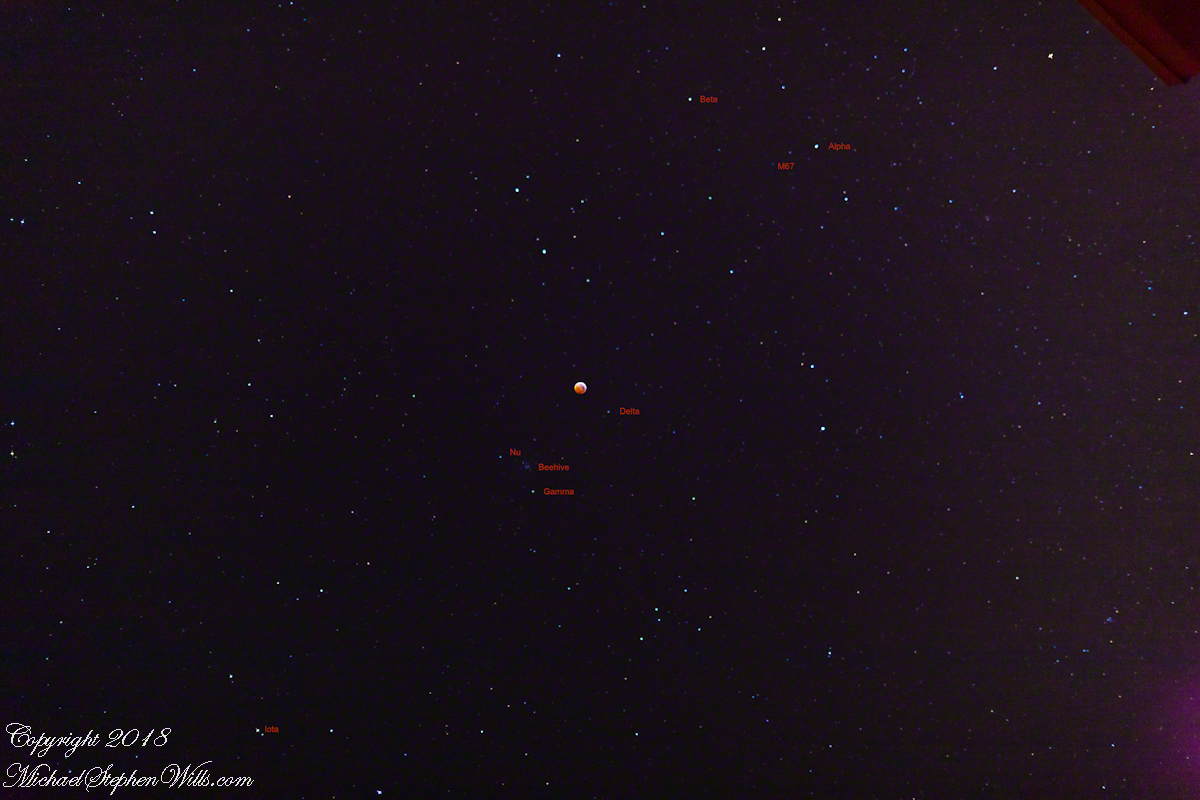
Click photograph for a higher resolution version
Total Lunar Eclipse and Surrounding Sky with labels for primary element of the Cancer constellation

Later in the night I lifted the telephoto—70–300mm at 300mm, ISO 3200, 3.2 seconds—and let the moon fill more of the frame. At totality, the light thinned to a clay-jar red as Earth’s atmosphere bent sunlight around the planet and into its shadow. The effect is both simple and profound: every sunset on Earth happening at once, projected onto the moon’s face. Craters and maria softened into relief, and the globe stopped being a flat disk and became a round, ancient body again. Even without Delta, Gamma, Nu, and the Beehive in that tighter field, the sense of placement remained; I knew the Crab’s back was there in the dark, and that the moon had joined it—just for an hour—as a guest at the manger.
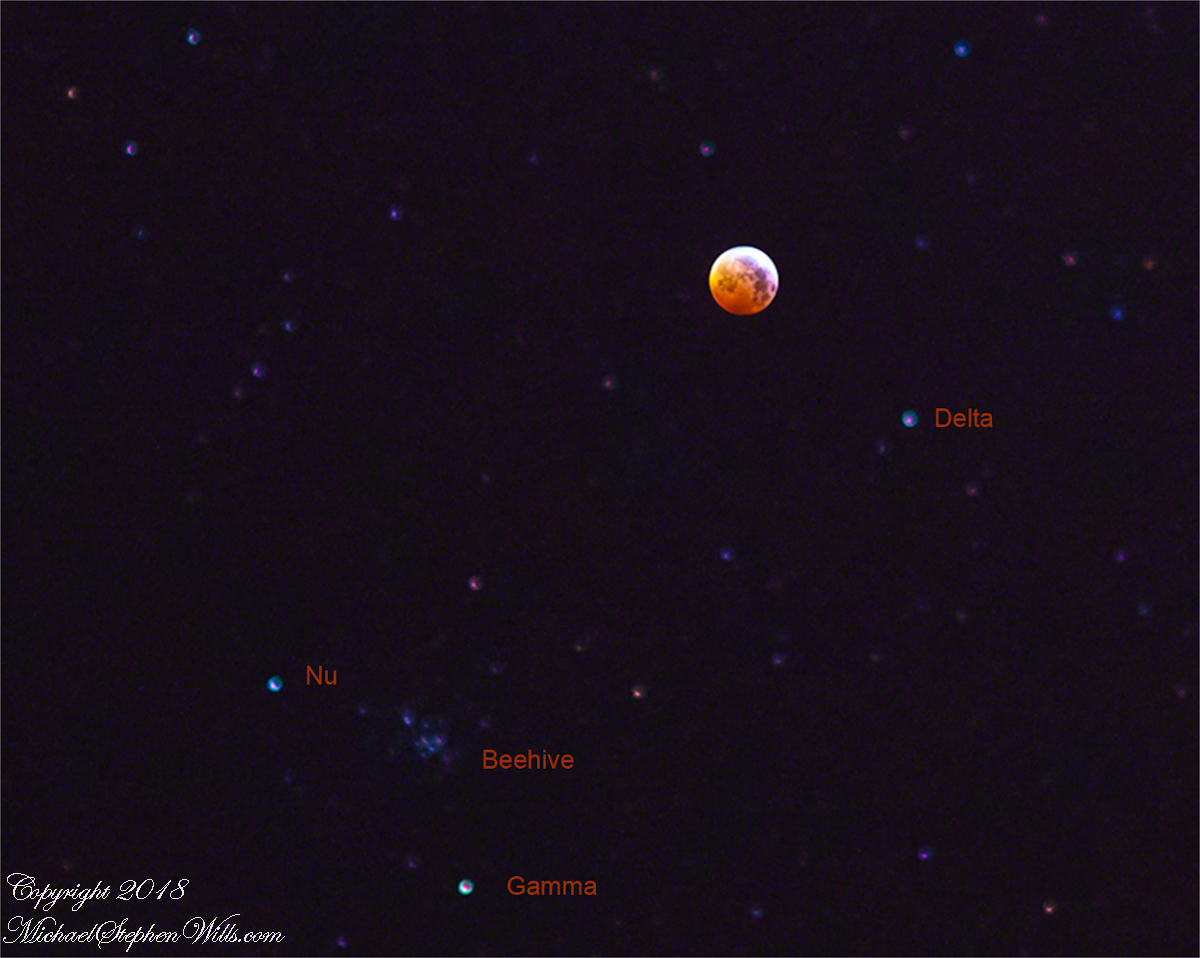
Click photograph for a higher resolution image
“Beehive” with Total Lunar Eclipse with labels for primary elements of Cancer Constellation

The Total Eclipse

What I love most about an eclipse is its pace. Nothing is impatient: the bite appears, the light drains, the color warms, and the world around you changes temperament. As the bright glare wanes, neighborhood sounds recalibrate—the hush between footfalls, the small click of a door, even the steadying breath you didn’t know you were holding. A total lunar eclipse is an astronomy lesson that behaves like a poem; it teaches by arranging time and light until awe and understanding meet.
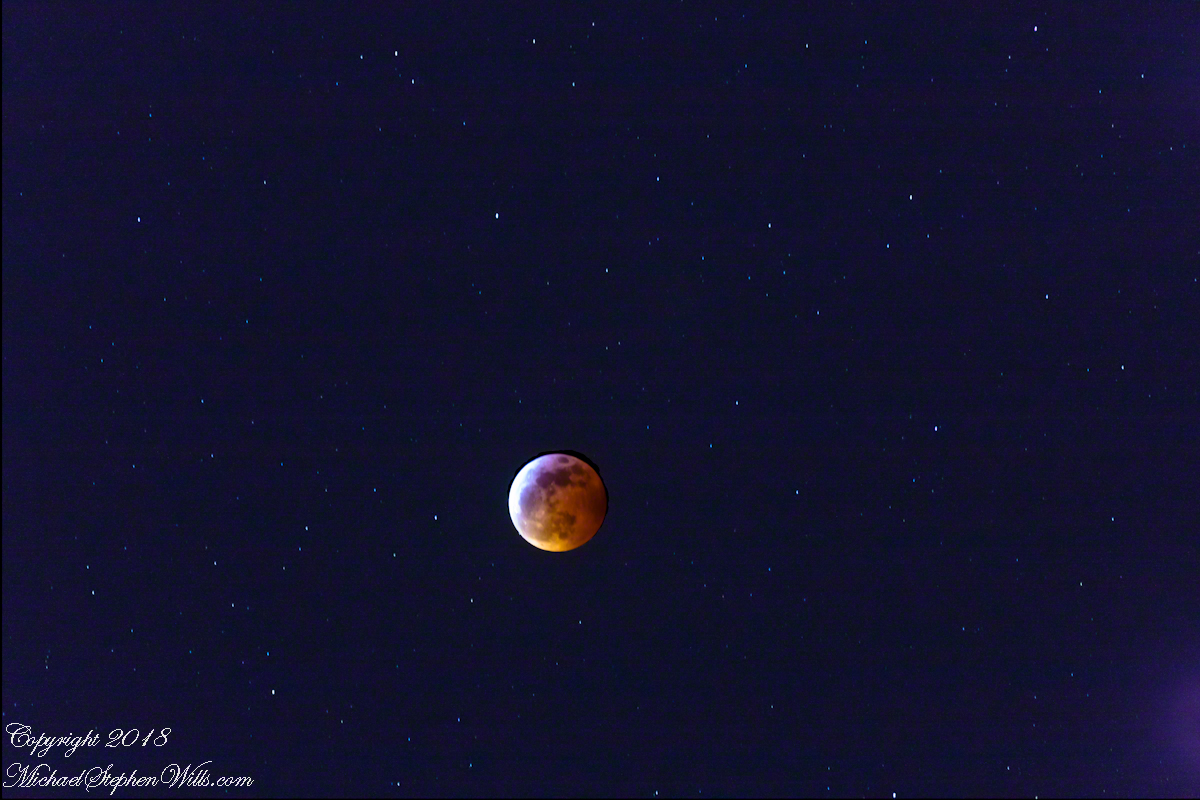
Click photograph for larger image

And then, quietly, it returns what it borrowed. A thin wedge of white blooms at one edge, a rehearsal for dawn. Copper gives way to pearl, and the old moon looks new again, just higher and smaller against the deepening night. Cancer recedes into suggestion; Praesepe goes back to being a faint cloud to the unaided eye. The camera is packed away, the tripod shoulders its own shadow, and you keep the best exposure of the night where it can’t be corrupted: in memory.
Click photograph for larger image

If you have binoculars, mark Cancer on a winter chart and step outside when the sky is clear. Find Delta, sweep toward the dim pair of Nu and Gamma, and then rest your gaze on that hazy patch between them. Bring a friend into the circle and let the cluster resolve, star by star, into something alive with depth. It will not be the last time you look for it. And if you’re lucky enough, as we were that January, the moon will pass nearby, reminding you that even the most familiar companion can be made strange and beautiful by the turn of a shadow.

The sky is a storybook, yes—but also an instrument. Nights like this tune both.

Enter your email to receive notification of future postings. I will not sell or share your email address.

Iquique by Sea I

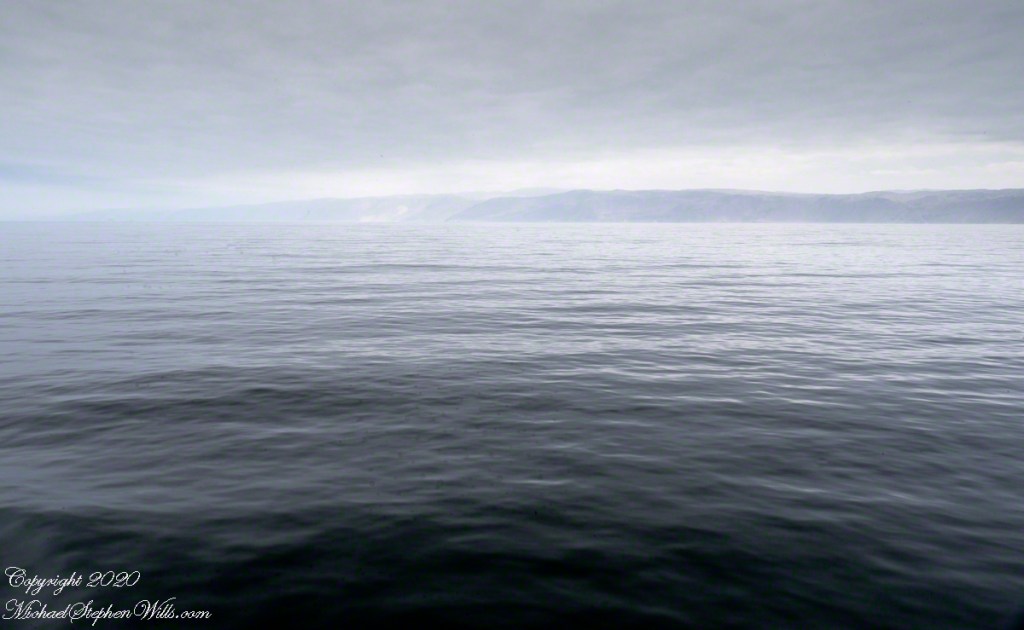
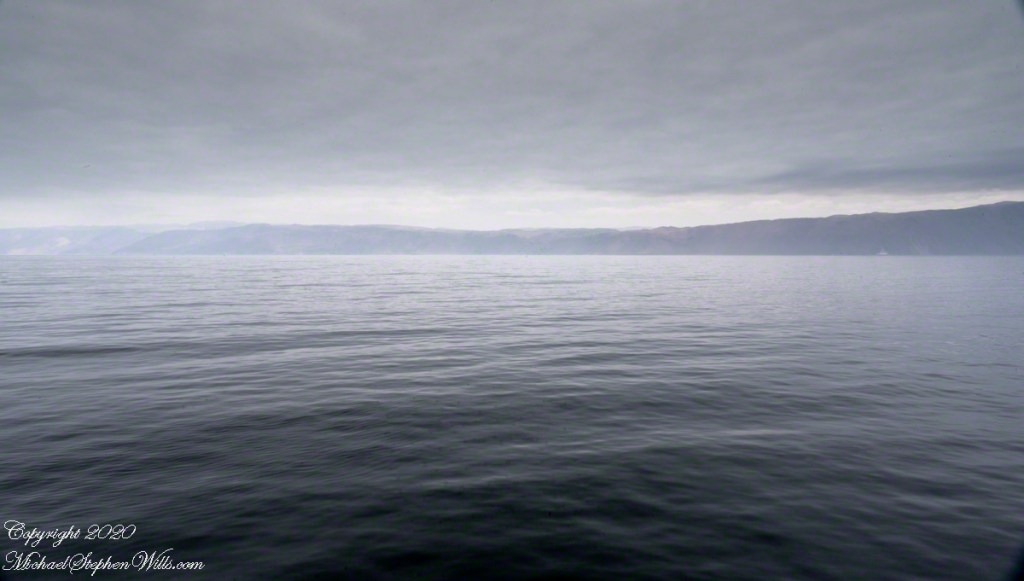
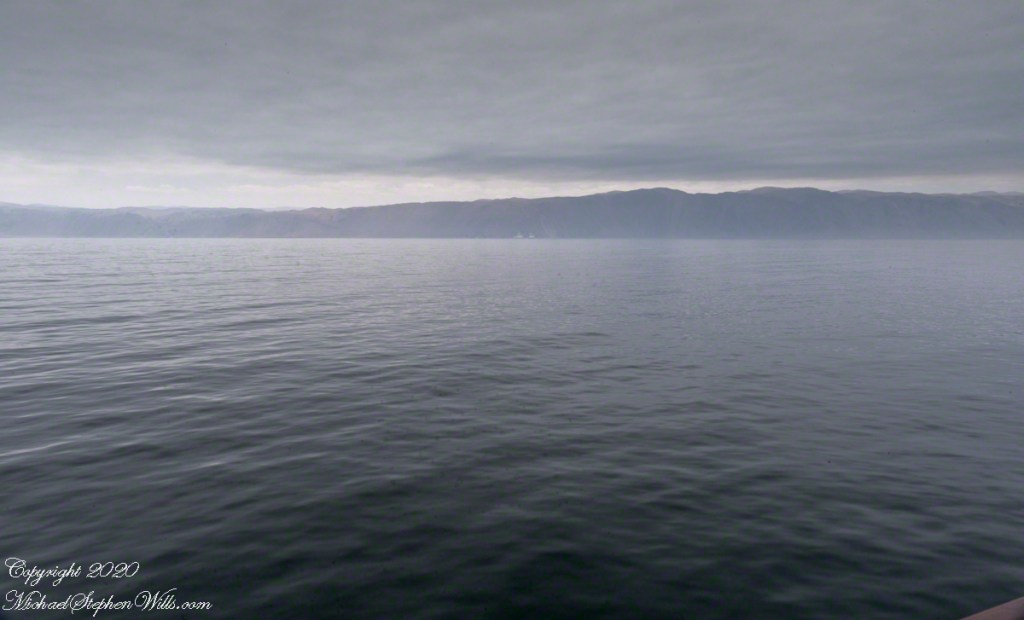
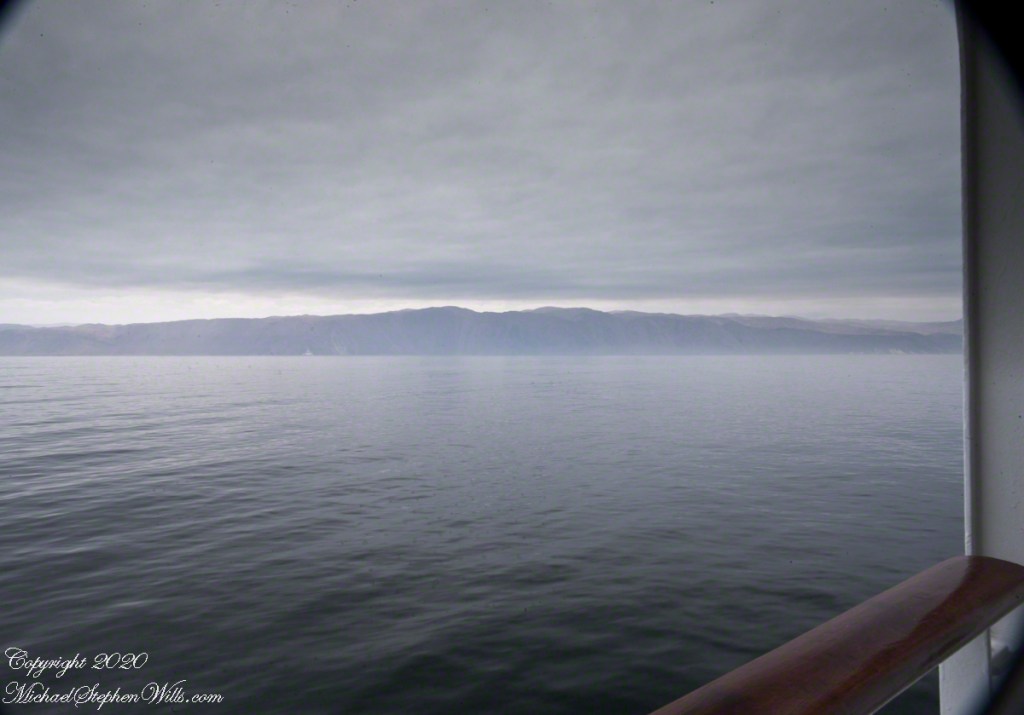
Join me on an early morning approach to Iquique, Chile, as we sail past the stark, mesmerizing Atacama Desert coastline. Experience the serene isolation and rugged beauty captured from the balcony of our cruise ship.

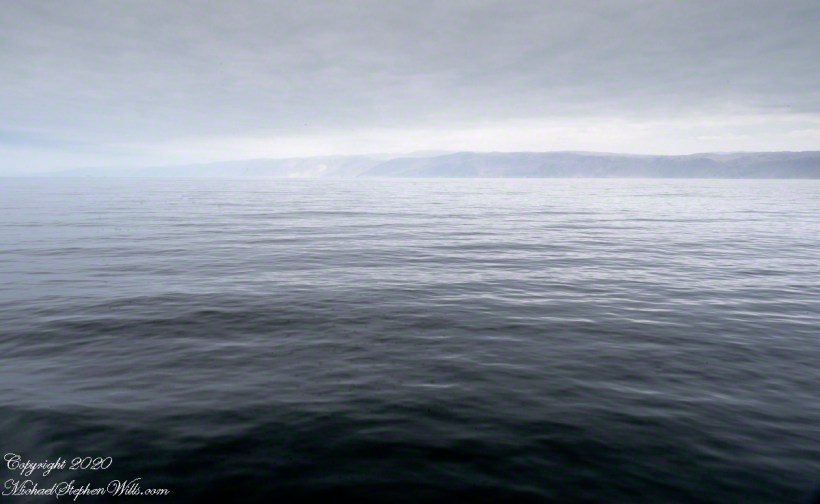
Standing on the balcony of our port side stateroom, the early morning light casts a subdued, almost ethereal glow over the vast expanse of the Pacific Ocean. The Oceania Regatta glides smoothly through the cold, dark waters, making its way toward Iquique, our first Chilean port of call. The sense of anticipation is palpable as we approach the coast of the Atacama Desert, a region renowned for being the driest place on Earth.

The view is both stark and mesmerizing. The coastline of the Atacama Desert rises sharply from the Pacific, a dramatic contrast to the vast, cold ocean that stretches out before us. The Humbolt current, a cold, nutrient-rich flow of water from southern Chile to northern Peru, swirls beneath the ship, adding a sense of dynamic movement to the scene. The chilly air, the muted colors of the sea and sky, and the barren, rugged landscape all combine to create an atmosphere of serene isolation.

In the distance, I imagine a dark point of land—the remnants of the abandoned town of Caleta Buena. Perched on a 750-foot escarpment, the town was once a bustling hub of nitrate mining, a vital industry that shaped the history of Iquique. The remains of piers jutting out into the ocean stand as silent witnesses to a bygone era, their weathered structures blending into the rugged coastline.

The sequence of photographs I’ve captured from this vantage point, working north to south, offers a panoramic view of this desolate yet captivating landscape. Using a 24 mm “wide angle” Canon lens mounted on a tripod, I’ve been able to frame the vastness of the ocean and the stark beauty of the Atacama coastline in a single, sweeping seascape.

Reflecting on our overnight journey from Matarani, Peru, I’m struck by the profound sense of isolation that accompanies travel along this desolate coast. During the 250-mile sail, the darkness was absolute, the inky blackness of the night broken only by the occasional glimmer of stars reflected in the ocean below. It was a journey through a void, a stark reminder of the sheer scale and remoteness of this part of the world.

As we draw closer to Iquique, the coastal mountains rise up, marking the transition from the Pacific to the arid plains of the Atacama Desert. The stark beauty of this landscape, with its rugged cliffs and barren expanses, is both humbling and awe-inspiring. It’s a reminder of the harsh conditions that have shaped this region, and of the resilience of the people who have carved out a living here over the centuries.

From the balcony of our stateroom, I feel a deep sense of connection to this place. The vastness of the ocean, the stark beauty of the desert coastline, and the rich history of the region all combine to create a profound sense of place. This is a land of extremes, a place where the forces of nature have sculpted a landscape of breathtaking beauty and unforgiving harshness.

As we approach Iquique, I feel a sense of gratitude for the opportunity to witness this unique corner of the world. The journey is a reminder of the incredible diversity and beauty of our planet, and of the importance of preserving these natural wonders for future generations. This approach to Iquique is a journey to a new port, a journey into the heart of one of the world’s most remarkable landscapes.

Copyright 2024 Michael Stephen Wills All Rights Reserved

Light, Hope

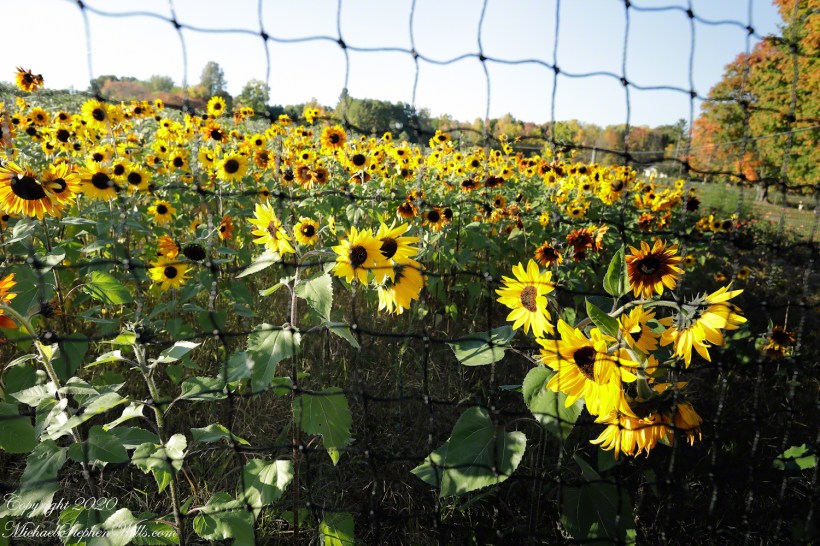
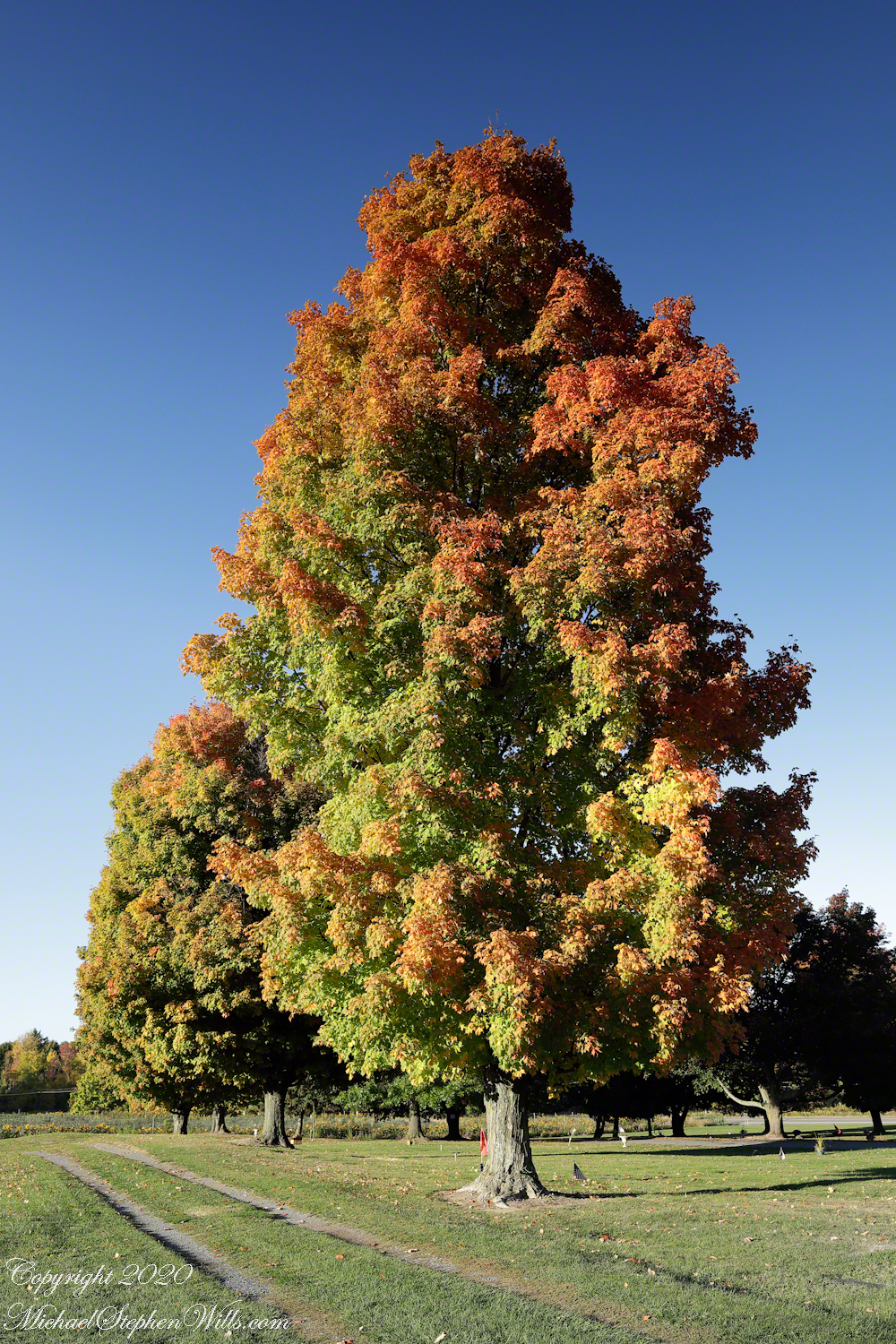
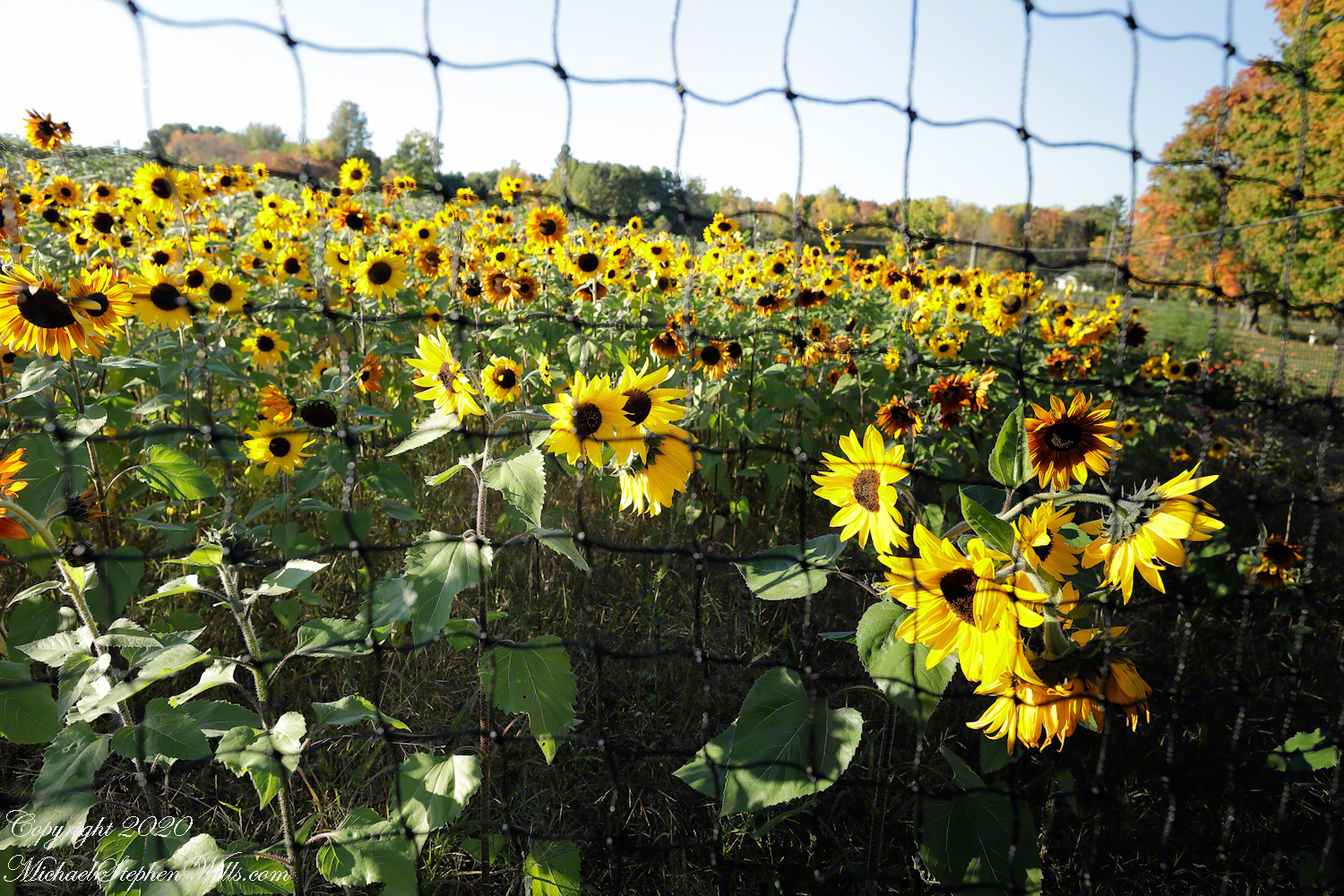
The post describes a photographic expedition featuring a sunflower field and maples at Frear Memorial Park, and explores the notable Frear family’s history in Ithaca, New York.

Descending Hayts Road toward Cayuga Lake in the course of a photographic scouting expedition I spotted a mature linear maple tree planting forming the western edge of Frear Memorial Park. This day Pam and I headed out at day’s end, stopping here to capture the turning maples.

Click photograph for larger view. Use combination keys to enlarge/reduce: Ctrl+ (Control / Plus) and Ctrl- (Control / Minus)

A sunflower field was a hidden surprise. The 24 mm “wide angle” lens was mounted on a Canon EOS 5D Mark IV dslr on a light carbon fiber tripod.

The Frear family has a notable presence in Ithaca, New York’s history. One significant member was William Frear, a well-known businessman who lived his entire life in Ithaca. He ran a candy store and a photograph gallery, and was involved in the county fair. William passed away in 1915 at his daughter’s home on East Buffalo Street in Ithaca​​.

In terms of the Frear family’s broader historical context, the name was found in the USA, the UK, Canada, and Scotland between 1840 and 1920, with the most Frear families in the USA recorded in 1880. Remarkably, in 1840, about 67% of all recorded Frear families in the USA were living in New York, indicating a significant concentration of the family in the state​​.

The family tree of William Frear includes his parents Baltus Frear (1793–1881) and Lavina Westerveldt Frear (1800–1868), his spouse Ann Amelia Hopkins Frear (1838–1906), and his children Baltus W Frear (1865–1885), Donna Frear Luker (1868–1929), T Wilbur Frear (1874–1874), and Edward Hughson Frear (1876–1910)​​.

This snapshot of the Frear family in Ithaca provides a glimpse into their lives and contributions to the local community during the 19th and early 20th centuries.

Additionally, there is a Frear Park in Troy, New York. Donated by the family of William H. Frear in June, 1917, Wright Lake and Bradley Lake, located in the park were named for members of the Frear Family. The Frear Family was originally from France where the name was as Frere. The Frere’s moved to England to escape prosecutions, where the spelling of the name was changed to Frear. The family was founded in the United States by Joseph Frear, Grandfather of William H. Frear of Troy, New York.

Click Me to view my photographs on Getty.

Copyright 2023 Michael Stephen Wills All Rights Reserved http://www.MichaelStephenWills.com

Lengthening Shadows

Sere Goldenrod

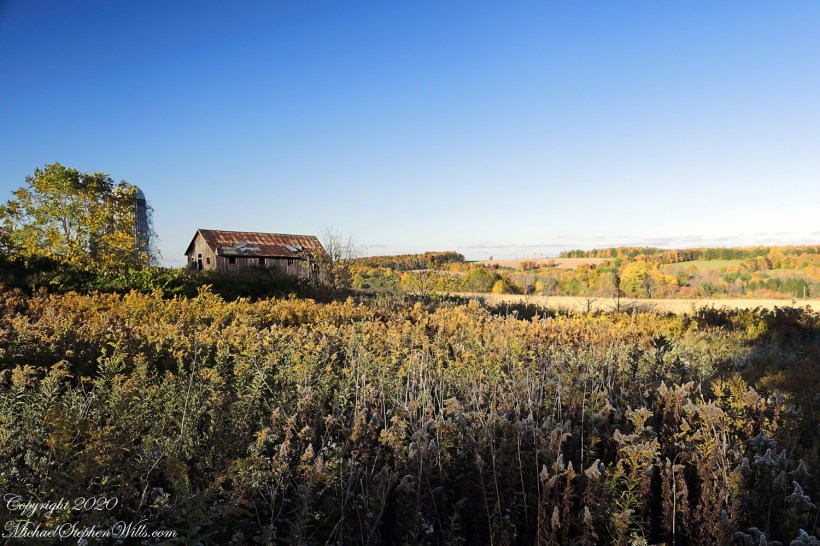
West Hill, Ithaca, resolves to this plain here sere goldenrod, abandoned barn, silo, distant hills. We headed out from home as sunset approached.

Click photograph for larger view. Use combination keys to enlarge/reduce: Ctrl+ (Control / Plus) and Ctrl- (Control / Minus)
Click to view my autumn photographs on Getty.

Mizpah and Mitzvah

I was reading the story of Jacob and Laban and encountered the word “Mizpah” is Hebrew for “watchtower”. It is used to refer to an emotional bond or covenant made between two people with God as their witness, often symbolized by a pile of stones marking an agreement​​. Mizpah sounds similar to “Mitzvah,” often used to mean “a good deed,” and is related to the Aramaic word “tzavta,” which means to attach or join. This term is commonly used to describe any charitable act and has deep roots in Jewish tradition and texts, such as the Jerusalem Talmud.​​

The relationship between “Mizpah” and “Mitzvah” seems to be more linguistic and symbolic rather than direct. Both terms originate from Semitic languages and carry connotations of connection and covenant. “Mizpah” symbolizes a bond overseen by God, while “Mitzvah” refers to actions that connect individuals through good deeds, potentially strengthening communal bonds.

Click Me to view my photographs on Getty.

Copyright 2023 Michael Stephen Wills All Rights Reserved http://www.MichaelStephenWills.com

Treman Gallery Footbridge II

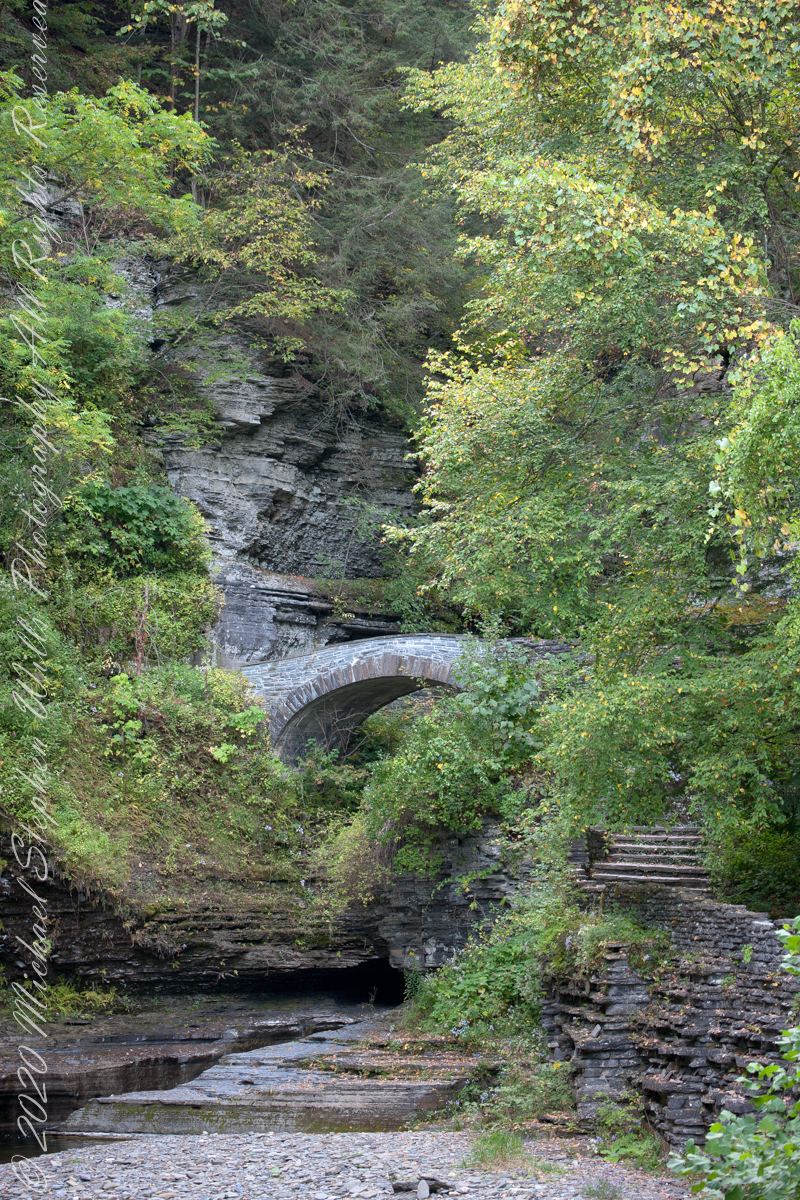
Looking back after crossing the Gallery Footbridge we are rewarded with this view, providing a better understanding of the site. It is evening on a mid-September evening, Robert H. Treman Park, Ithaca, Tompkins County, New York Copyright 2023 All Rights Reserved Michael Stephen Wills

Looking back after crossing the Gallery Footbridge we are rewarded with this view, providing a better understanding of the site.

This is the footbridge at east side of gorge gallery entrance, seen from the east where the trail descends.

It is evening on a mid-September evening, Robert H. Treman Park, Ithaca, Tompkins County, New York

Copyright 2023 All Rights Reserved Michael Stephen Wills

Treman Gallery Footbridge I

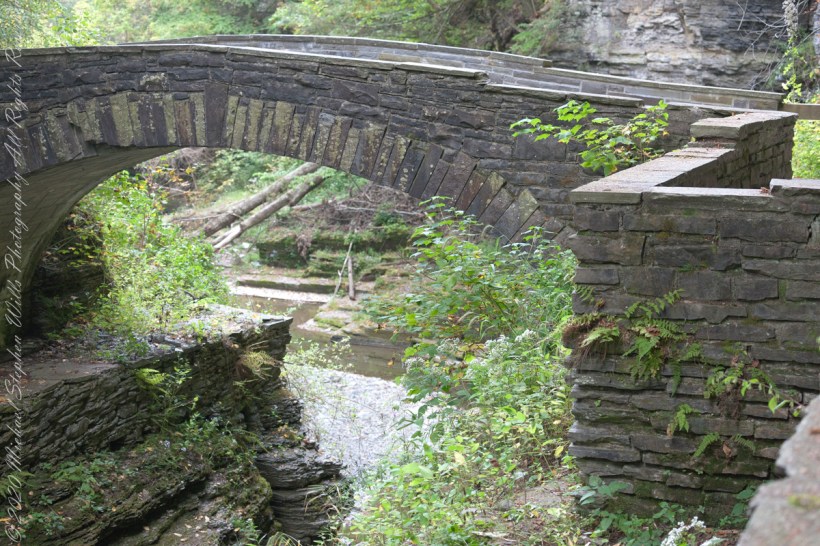
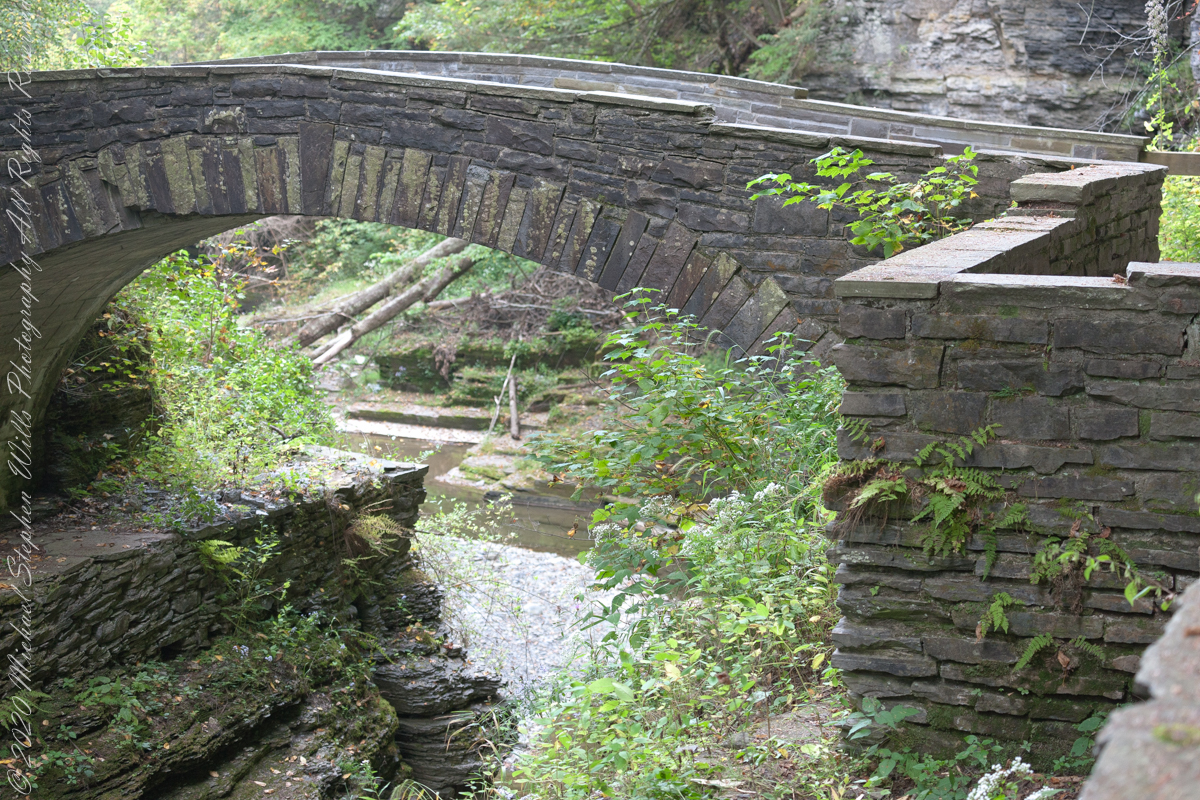
Here we are on the Gorge Trail of Treman State Park. My readers have seen this marvelous stone bridge from a distance. Here it is on the west side, facing east/northeast and looking down into the gorge. It is evening on a mid-September evening, Robert H. Treman Park, Ithaca, Tompkins County, New York Copyright 2023 […]

Here we are on the Gorge Trail of Treman State Park. My readers have seen this marvelous stone bridge from a distance. Here it is on the west side, facing east/northeast and looking down into the gorge.

Spanning the eastern side of the gallery entrance of the gorge.

It is evening on a mid-September evening, Robert H. Treman Park, Ithaca, Tompkins County, New York

Copyright 2023 All Rights Reserved Michael Stephen Wills

Devil’s Kitchen

A small difference

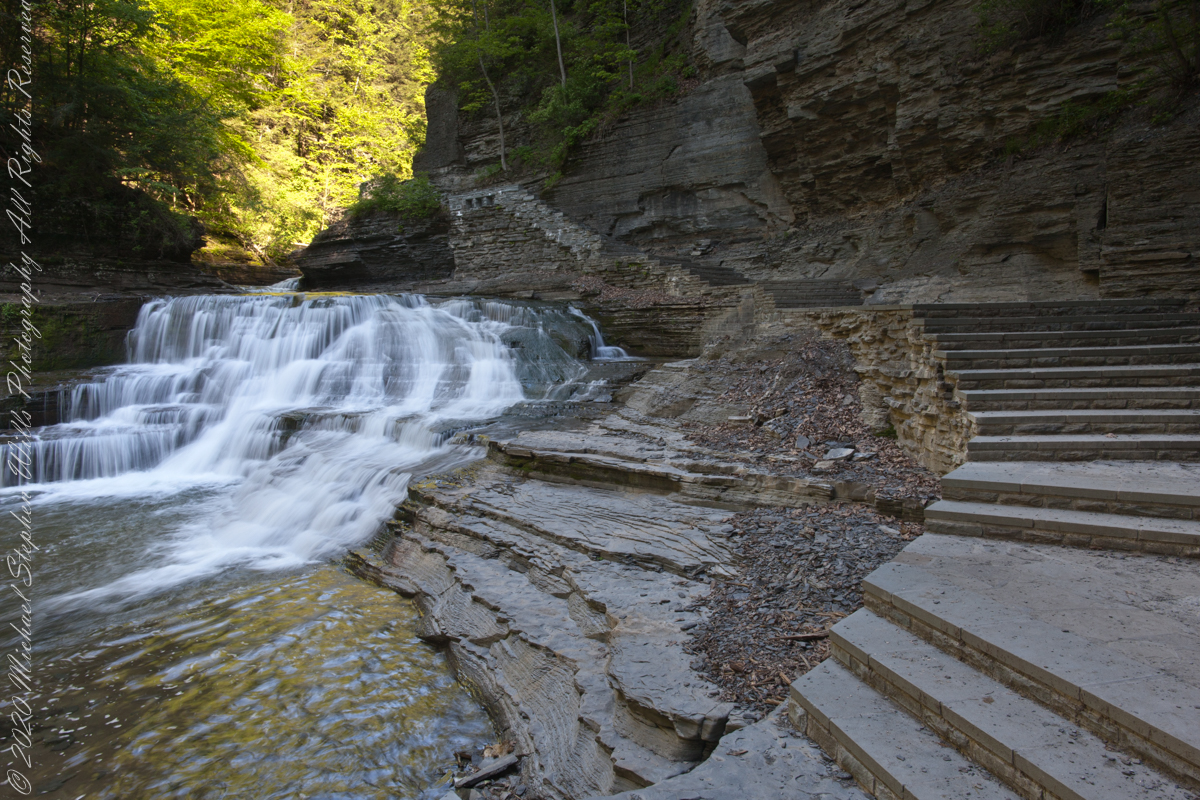
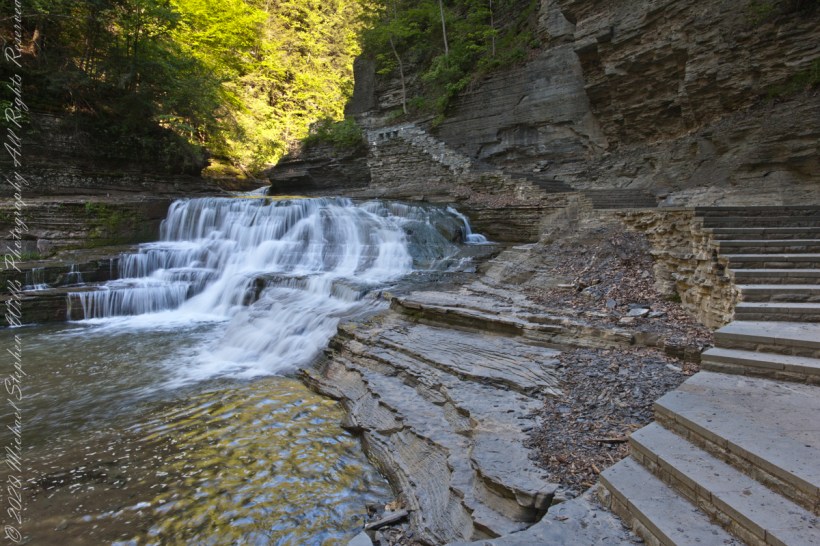
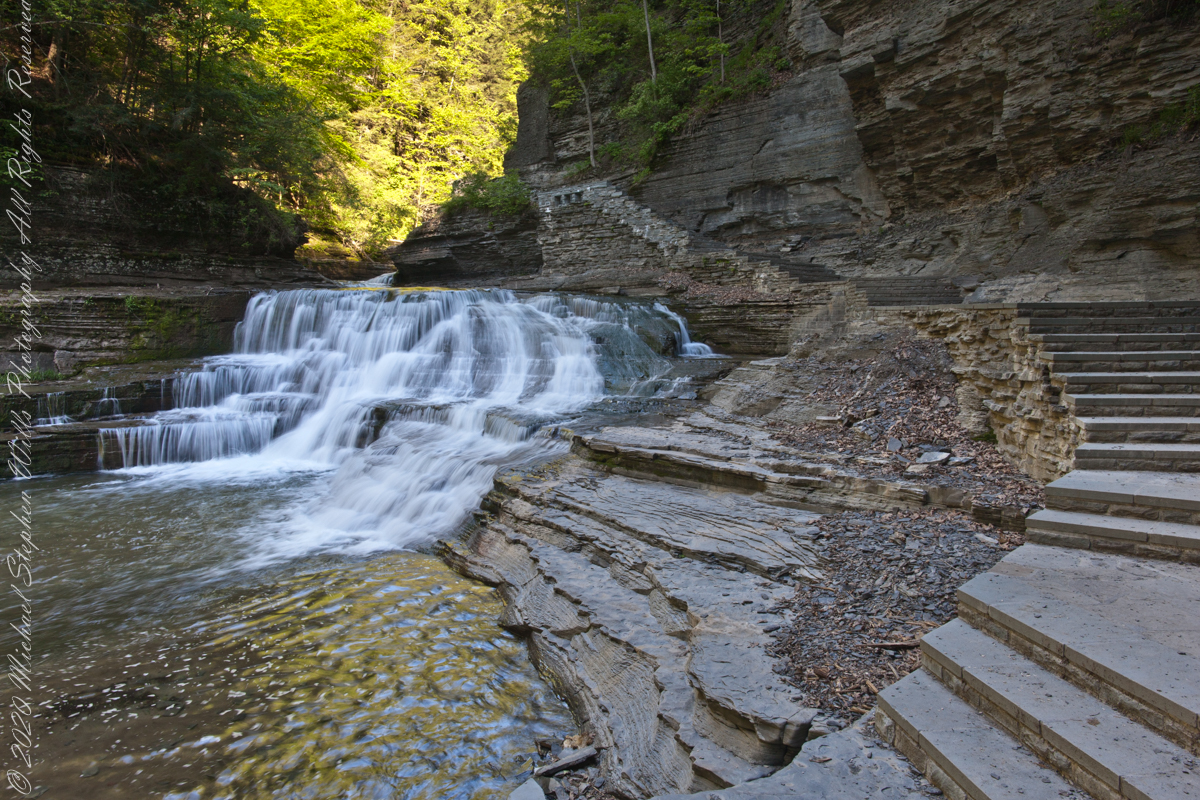
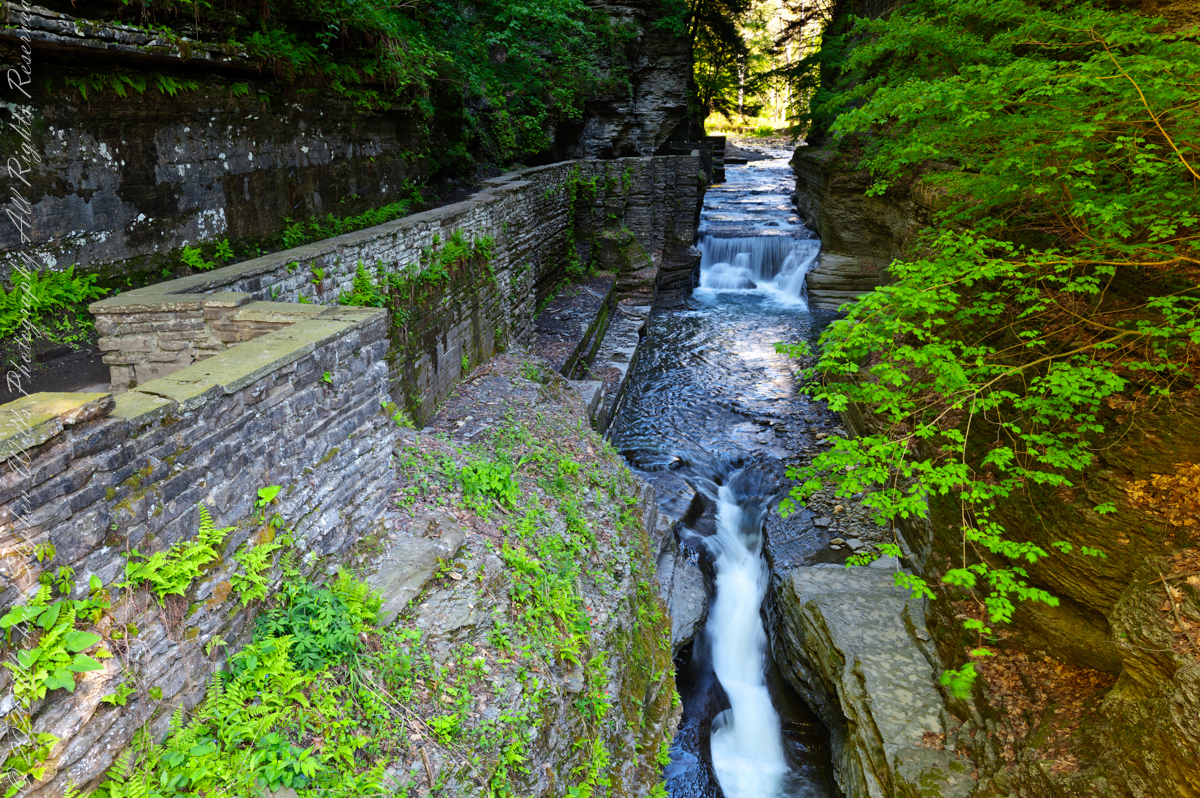
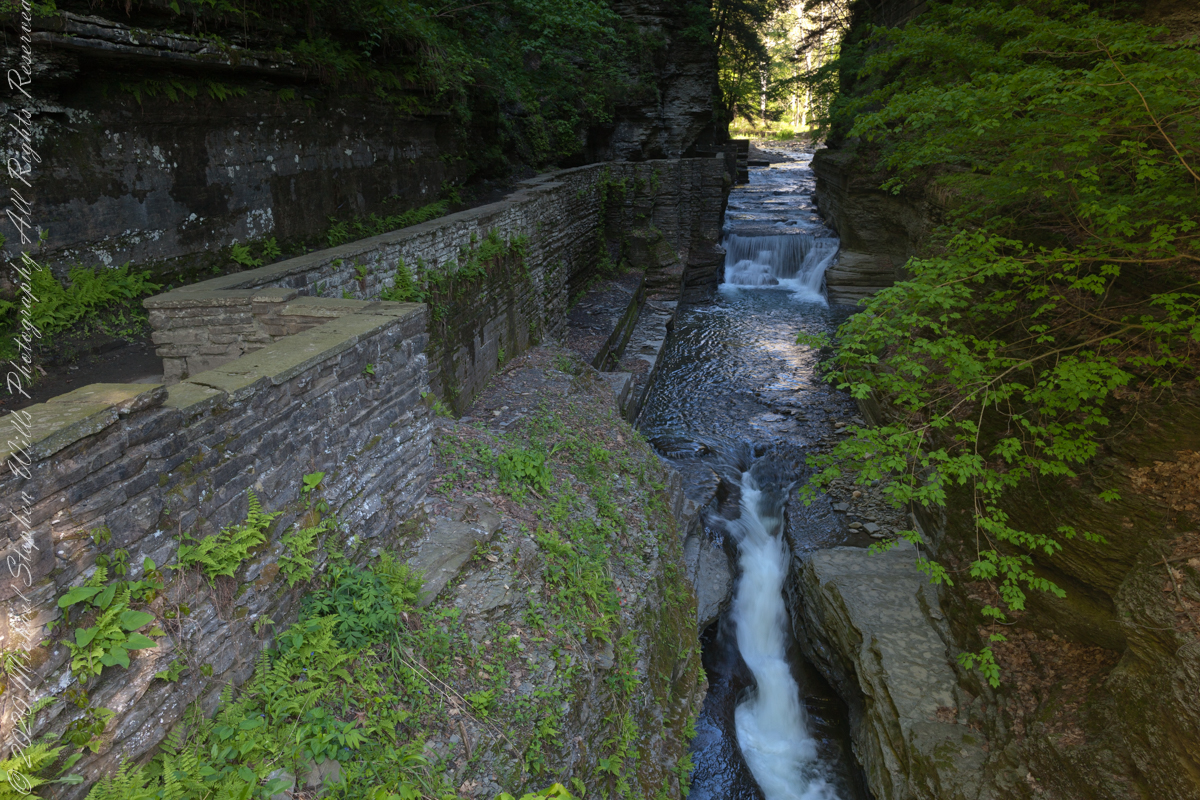
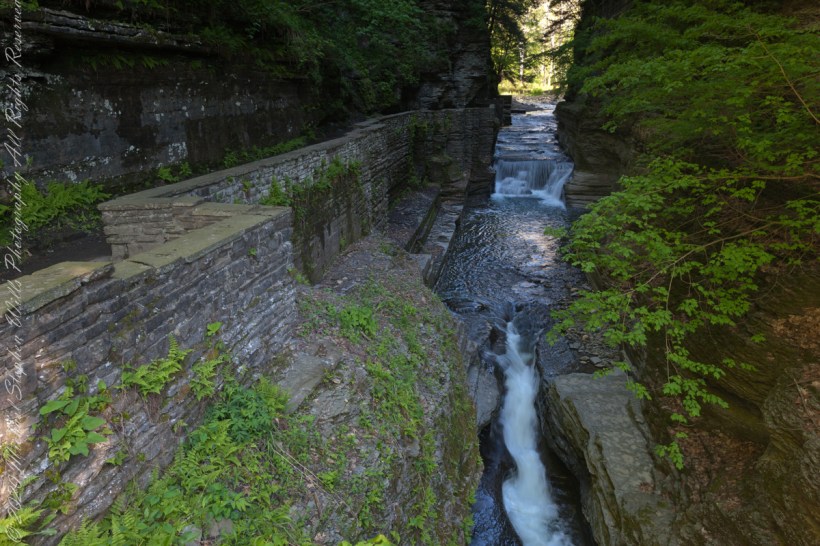
Can you see the small difference between yesterday and today’s take on Devil’s Kitchen? Is the change and improvement, degradation or no difference? User Response Requested: respond in comments.

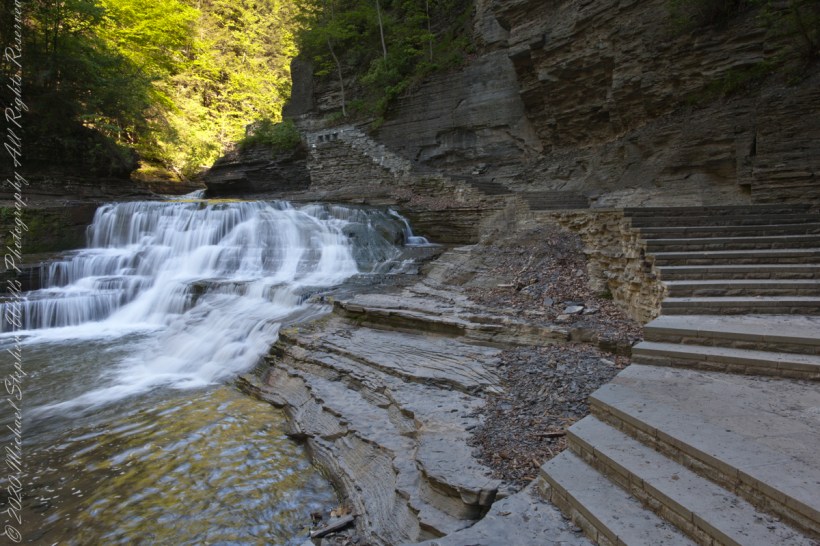
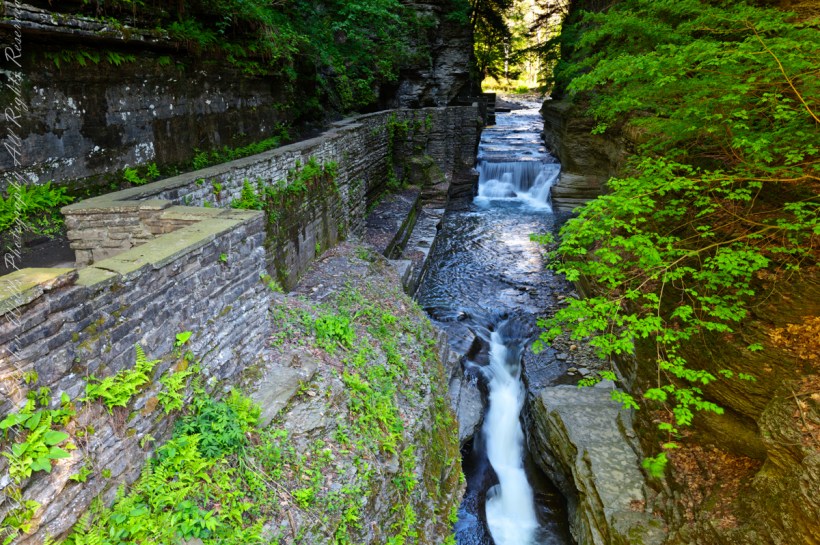
Aptly named Devil’s Kitchen is where Enfield Creek passes over these 20 foot falls before the Lucifer Falls 115 foot rock face cascade. Captured on a Memorial Day morning. Robert H. Treman State Park, Ithaca, Tompkins County, New York.

Here they are side by side.

It is 9:00am on a Memorial Daty morning Robert H. Treman Park, Ithaca, Tompkins County, Ithaca, New York,

Copyright 2023 All Rights Reserved Michael Stephen Wills

Devil’s Kitchen I

Near Lucifer Falls

Aptly named Devil’s Kitchen is where Enfield Creek passes over these 20 foot falls before the Lucifer Falls 115 foot rock face cascade. We are occasionally appalled by families and adventure seekers climbing over these falls, wading in the water downstream and other insanities happening next to a waterfall so dangerous it is named after the Prince of Darkness and this very location “his” kitchen.

I am not one to talk, though. One winter on this very spot when the Gorge Trail was closed for winter, black ice brought me down almost into the water. All for a winter scene (photograph) of this marvel. Thankfully, I am wiser for the experience.

It is 9:00 am on a Memorial Daty morning Robert H. Treman Park, Ithaca, Tompkins County, Ithaca, New York,

Copyright 2023 All Rights Reserved Michael Stephen Wills

Newlywed View IV

Under the Spell of Treman Gorge

View shared by generations of newlyweds standing on a stone bridge across Enfield Creek. This is another version, taken a few years later and earlier in the season, Memorial Day morning.

Here is an image having me rethinking my conclusions. Here, I combined two images and worked hours to make many adjustments. The resulting Tiff is four times the filesize of the Raw file from yesterday.

Here they are side by side. In this case IMHO the extra disk space and time are worth it.

It is 8:30 am on a Memorial Daty morning Robert H. Treman Park, Ithaca, Tompkins County, Ithaca, New York,

P.S. I mistakenly published this post with a repetition of III in the title. Today, I changed it to “IV.”

Copyright 2023 All Rights Reserved Michael Stephen Wills

Newlywed View III

Under the Spell of Treman Gorge

View shared by generations of newlyweds standing on a stone bridge across Enfield Creek. This is another version, taken a few years later and earlier in the season, Memorial Day morning.

Here, I have taken the lessons learned from the last post: to run from the Raw file, open it in Photoshop, make Raw dialog adjustments conversed in an .XMP file written by Photoshop. Export from Lightroom using these adjustments.

We are looking back on the place where Treman Gorge Trail from the Old Mill enters a narrow gallery looking here northwest along Enfield Creek.

It is 8:30 am on a Memorial Daty morning Robert H. Treman Park, Ithaca, Tompkins County, Ithaca, New York,

Copyright 2023 All Rights Reserved Michael Stephen Wills