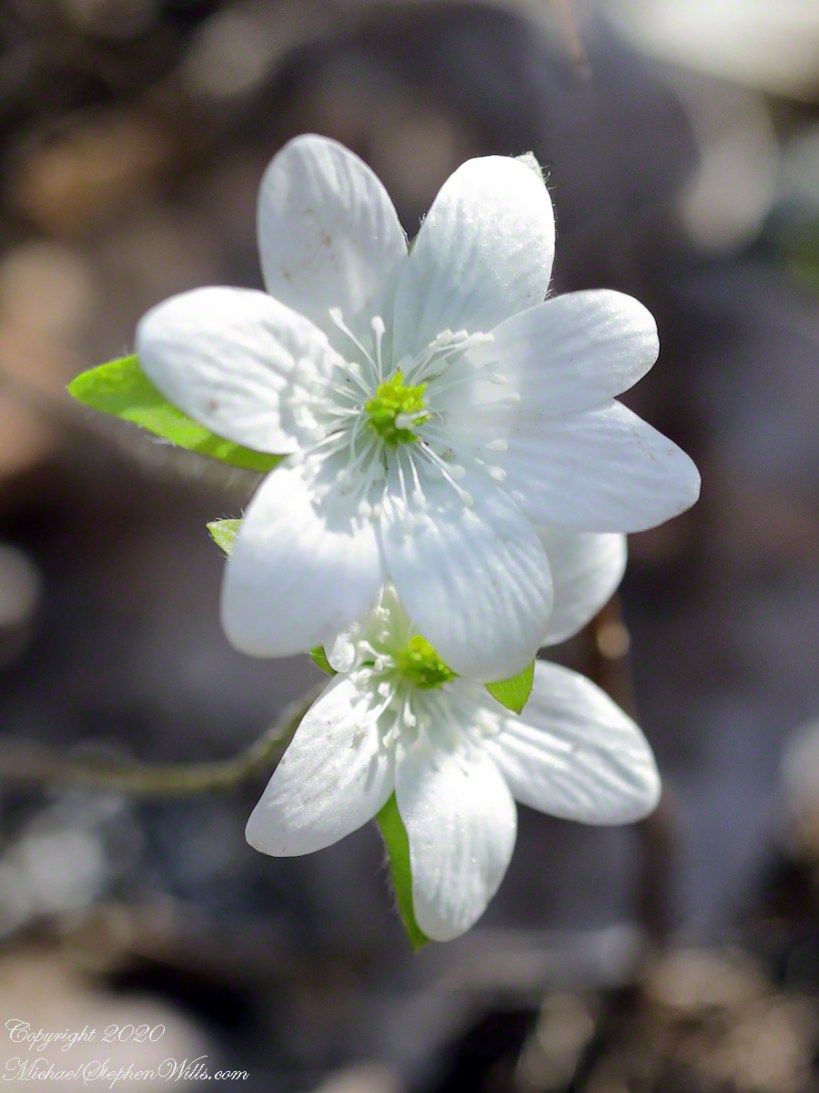
Forest Gems – The Natural History and Lore of Hepatica

Join us on a journey through the enchanting forests of the Finger Lakes as we explore the fascinating world of Hepatica nobilis. Discover the lore, natural history, and beauty of these early spring bloomers. Dive into the magic of the wild!

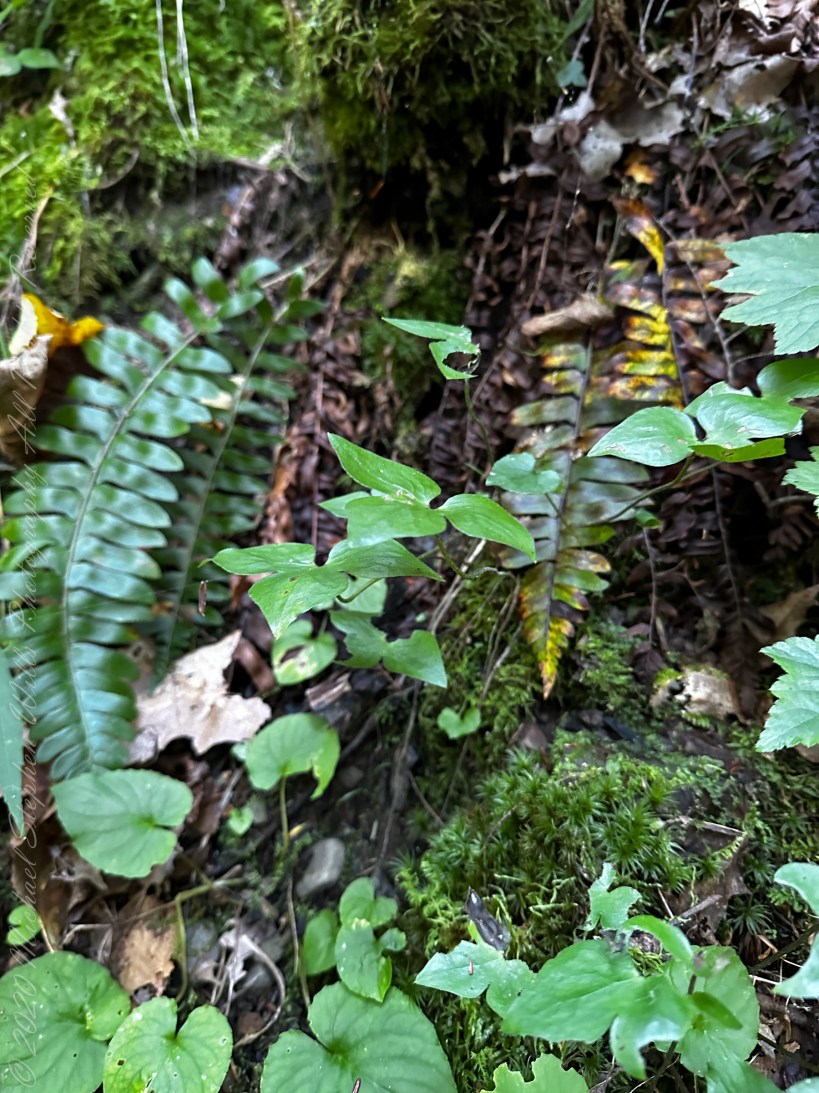
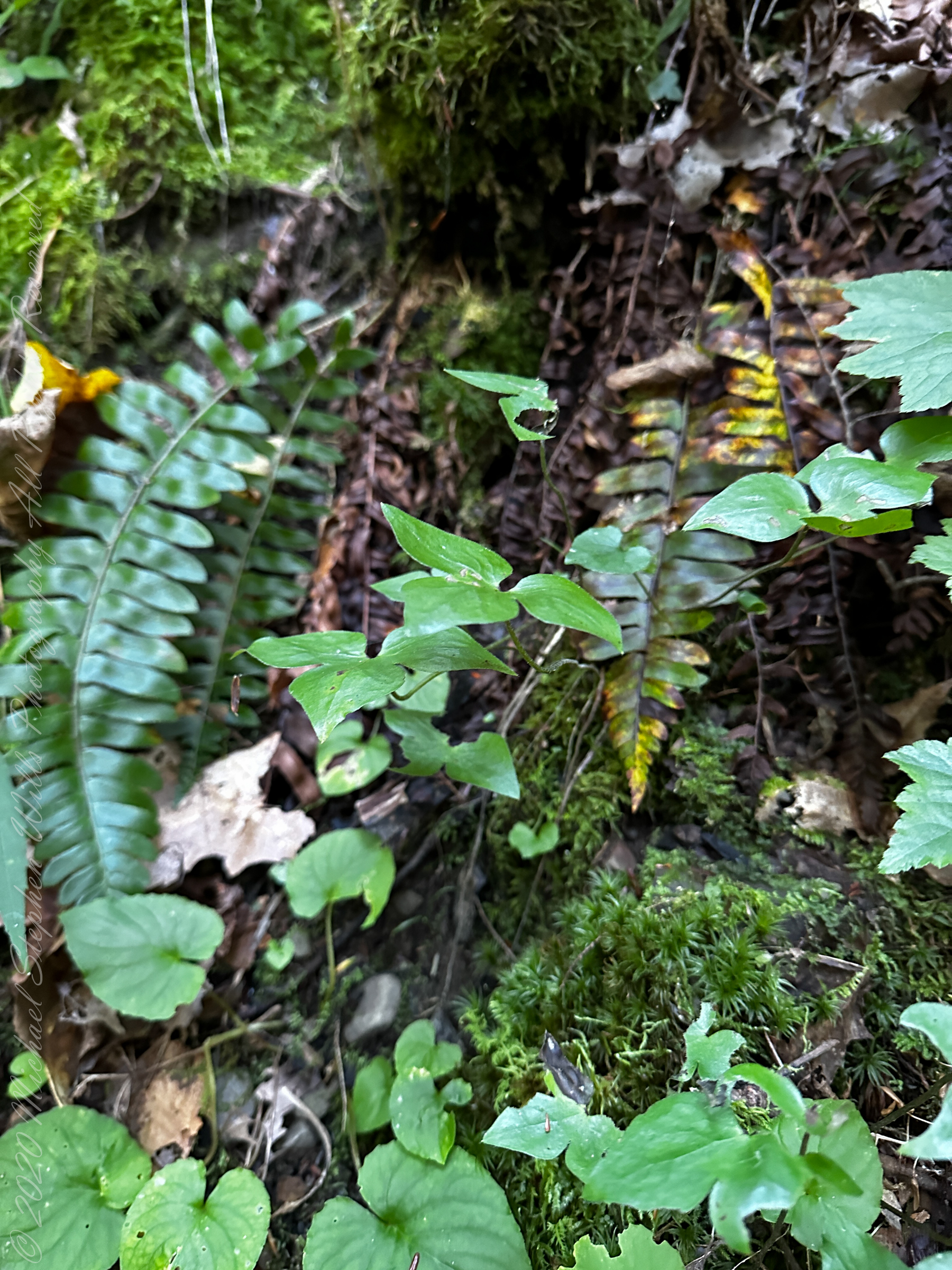
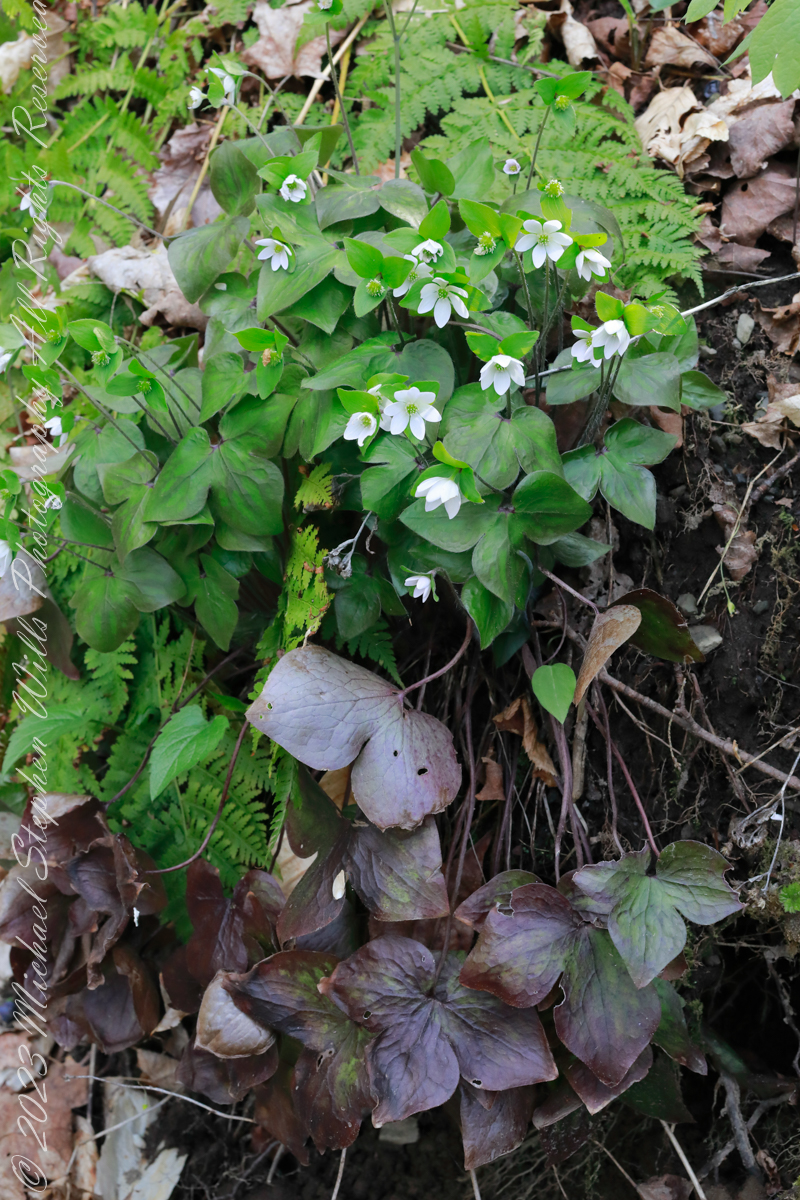
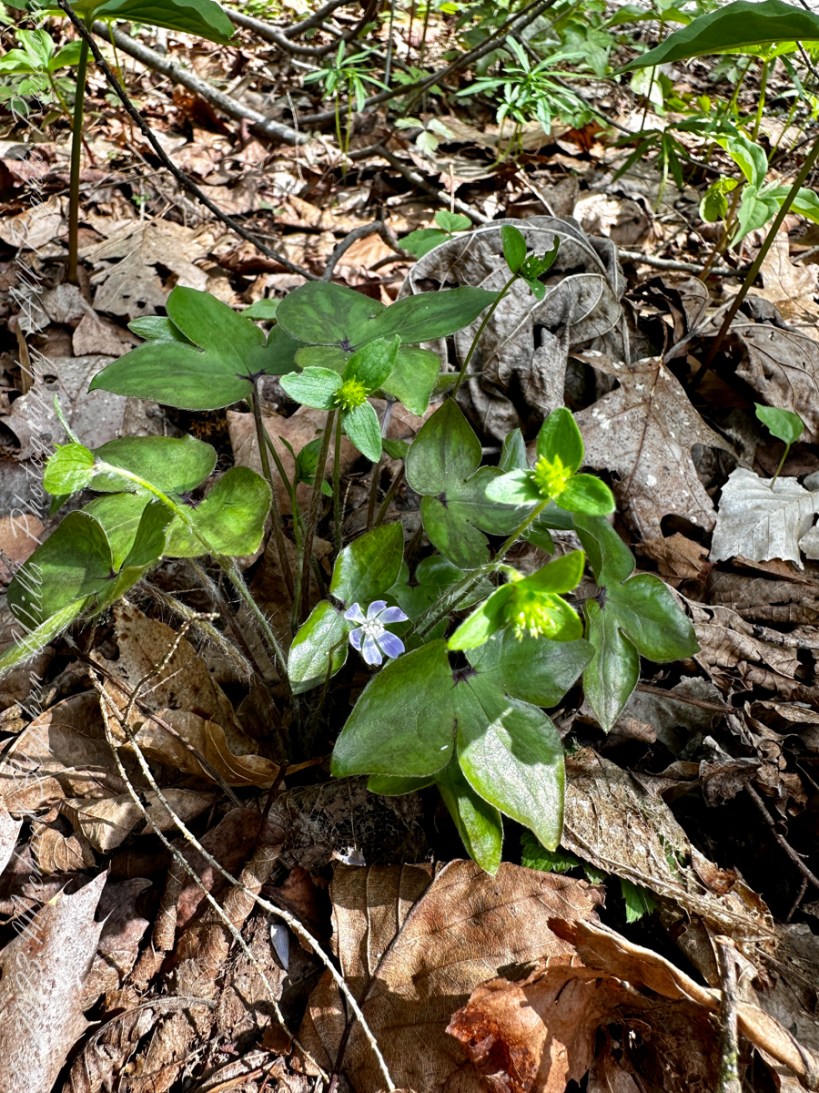
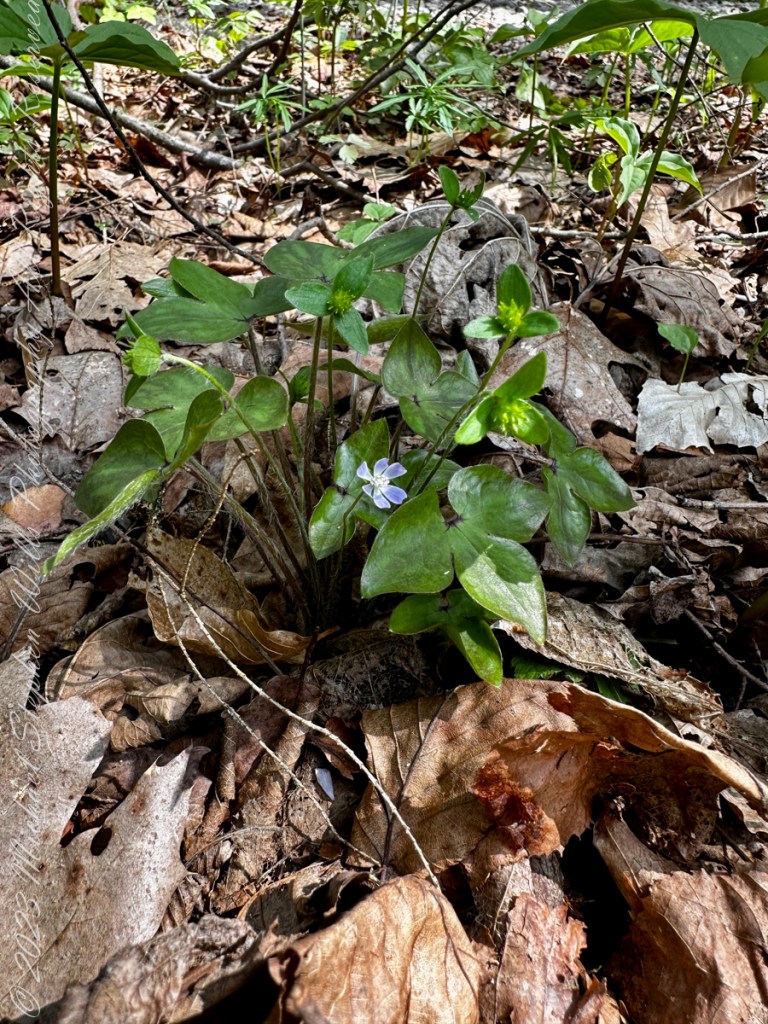
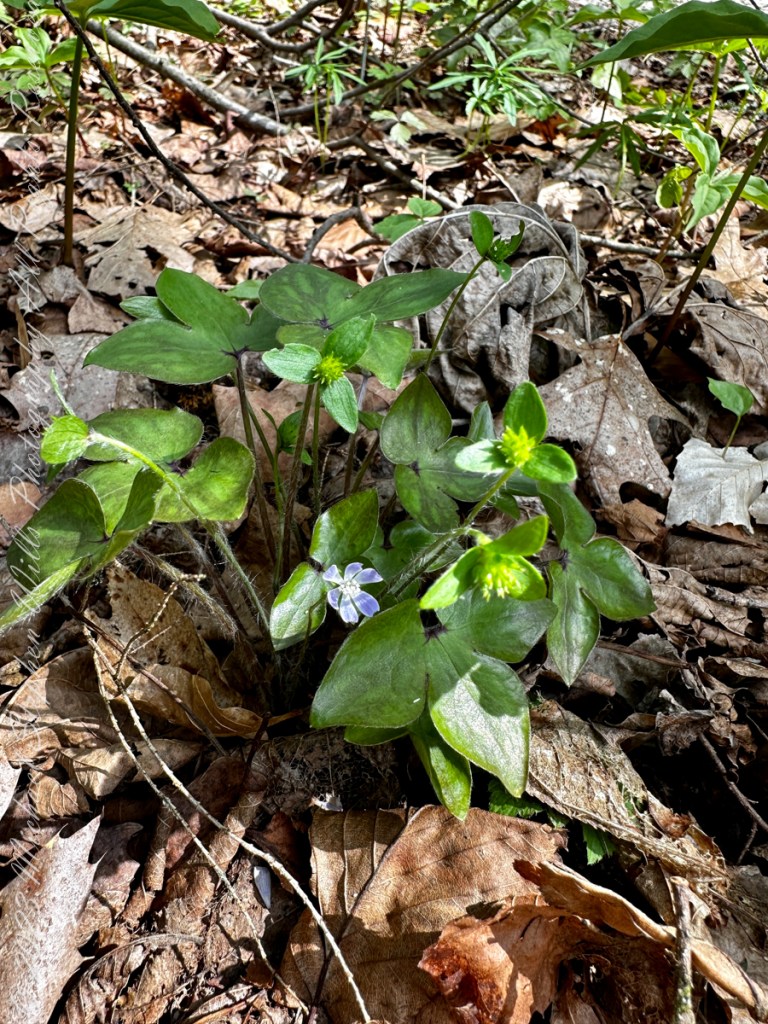
As I ventured along the Gorge Trail of Robert H. Treman New York State Park, I stumbled upon a captivating sight. Amidst the rich leaf litter and emerging greenery, clusters of Hepatica plants caught my eye. Although the flowers had already gone to seed, their distinctive leaves and stems told a story of early spring beauty in the heart of the Finger Lakes Region, Tompkins County. Using my Apple iPhone 14 ProMax, I documented these charming plants, eager to delve deeper into their fascinating world.
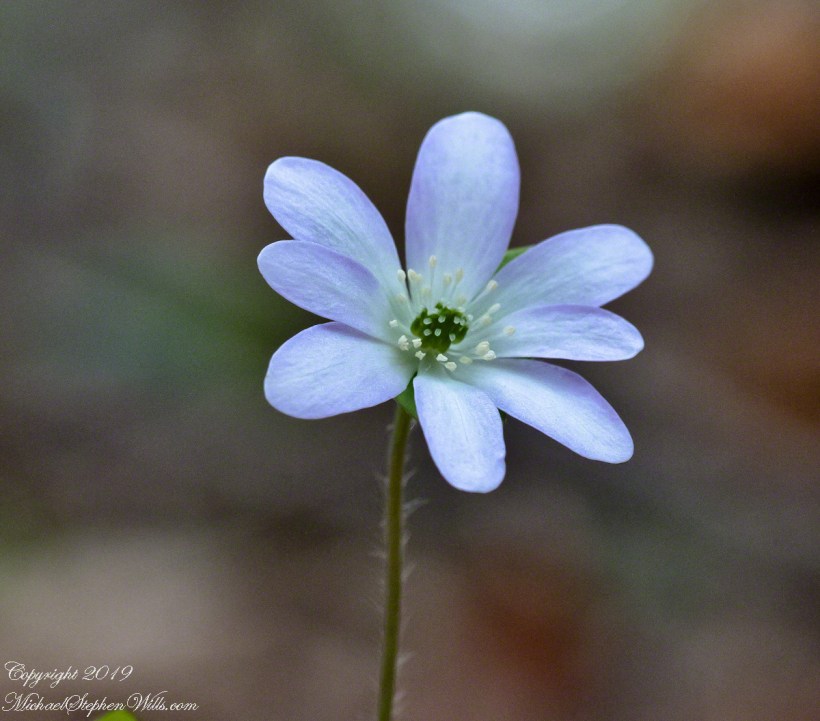
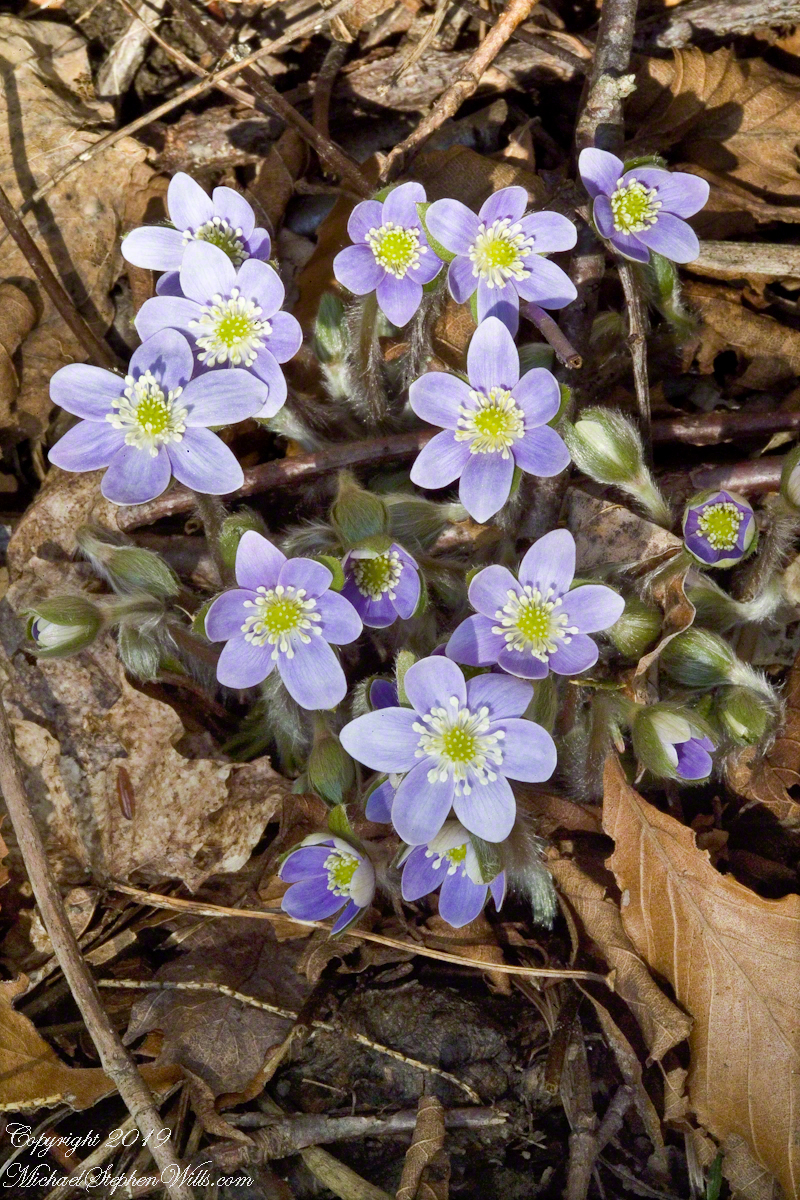
Hepatica, scientifically known as Hepatica nobilis, also goes by several common names including Liverleaf, Liverwort, and Kidneywort. The genus name “Hepatica” comes from the Greek word “hepar,” meaning liver, due to the shape and color of its leaves, which resemble the lobes of a human liver. This resemblance led to the plant being used historically in herbal medicine to treat liver ailments, in line with the Doctrine of Signatures—a belief that plants resembling body parts could cure ailments of those parts.
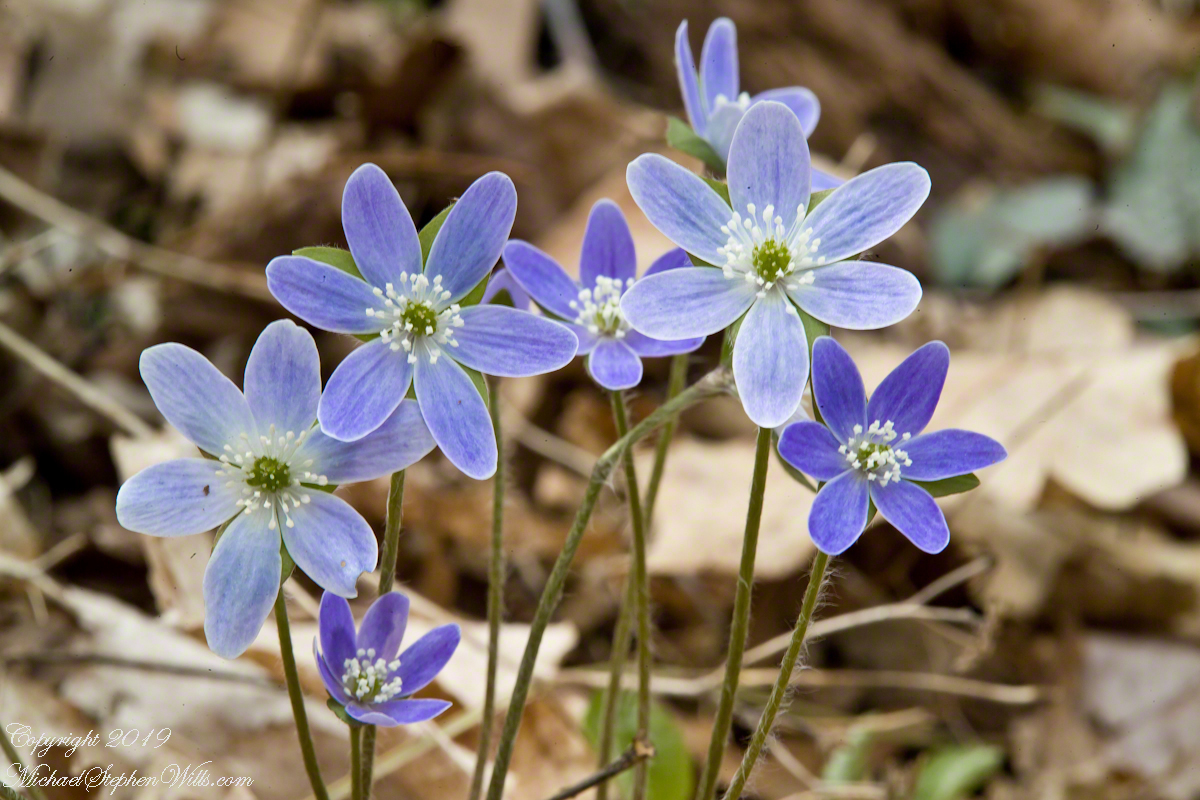
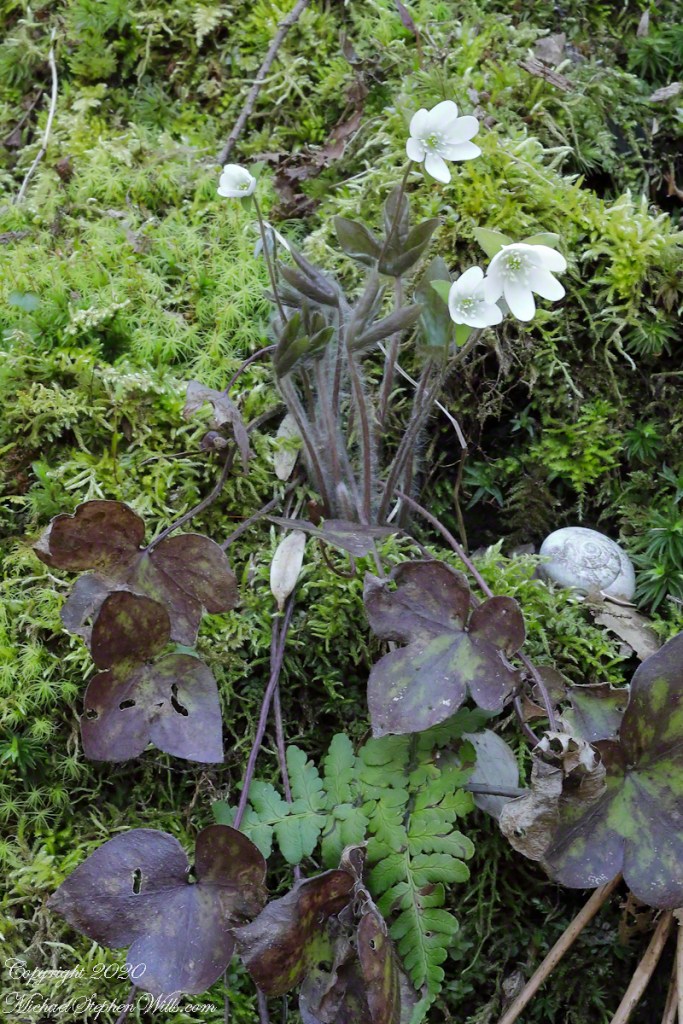
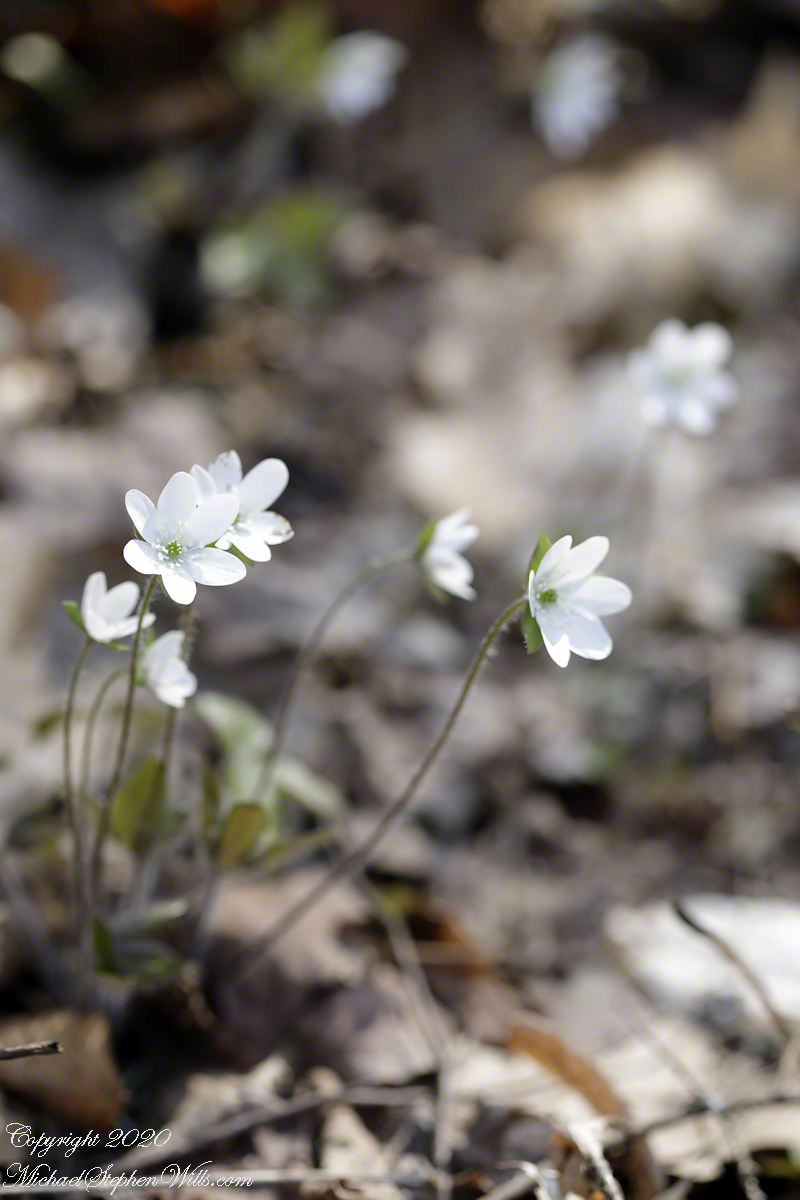
Fillmore Glen New York State Park, Moravia, New York on an April afternoon.

The common names of Hepatica reflect its historical medicinal uses. “Liverleaf” and “Liverwort” both reference its liver-shaped leaves, while “Kidneywort” likely arose from the kidney-like appearance of its seeds. These names have endured through centuries, reflecting the plant’s significant role in both folklore and herbal medicine.

Hepatica is a perennial plant in the buttercup family, Ranunculaceae. It thrives in deciduous forests, often found in shaded areas with rich, well-drained soil. The plant is one of the first to bloom in early spring, producing delicate flowers in shades of white, pink, blue, or purple. By the time I encountered them on my hike, the flowers had already transitioned to seed, but the distinctive lobed leaves remained vibrant and lush.
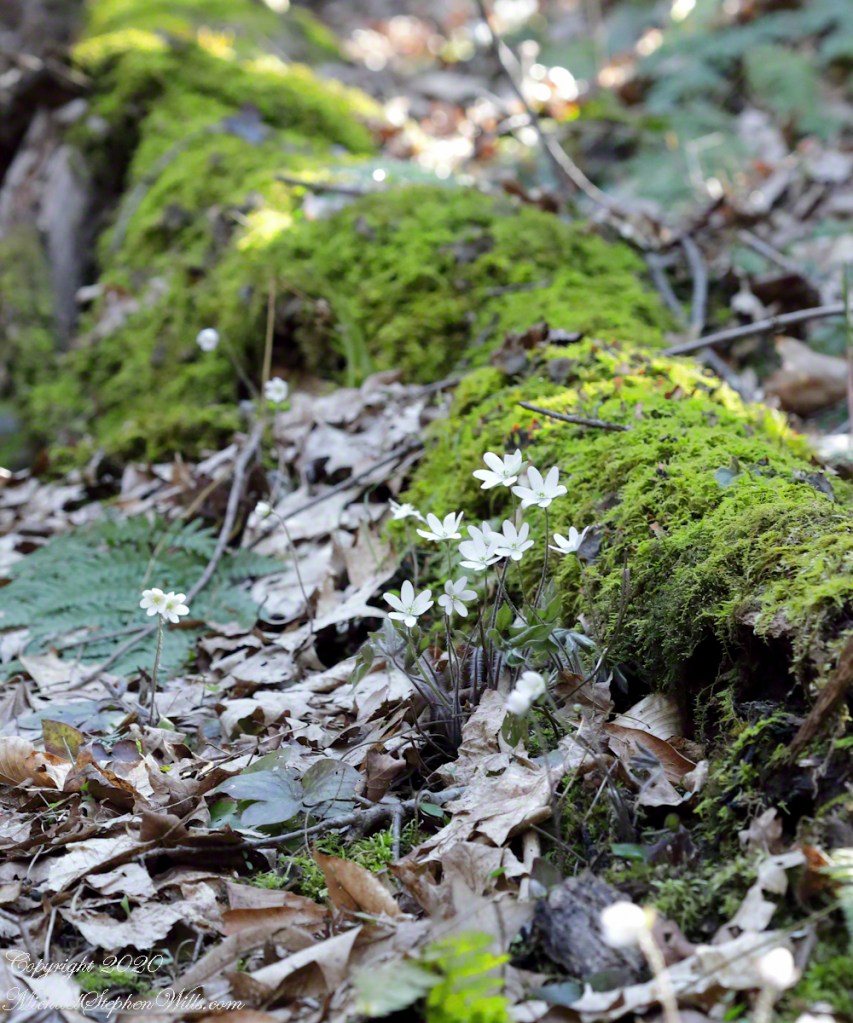
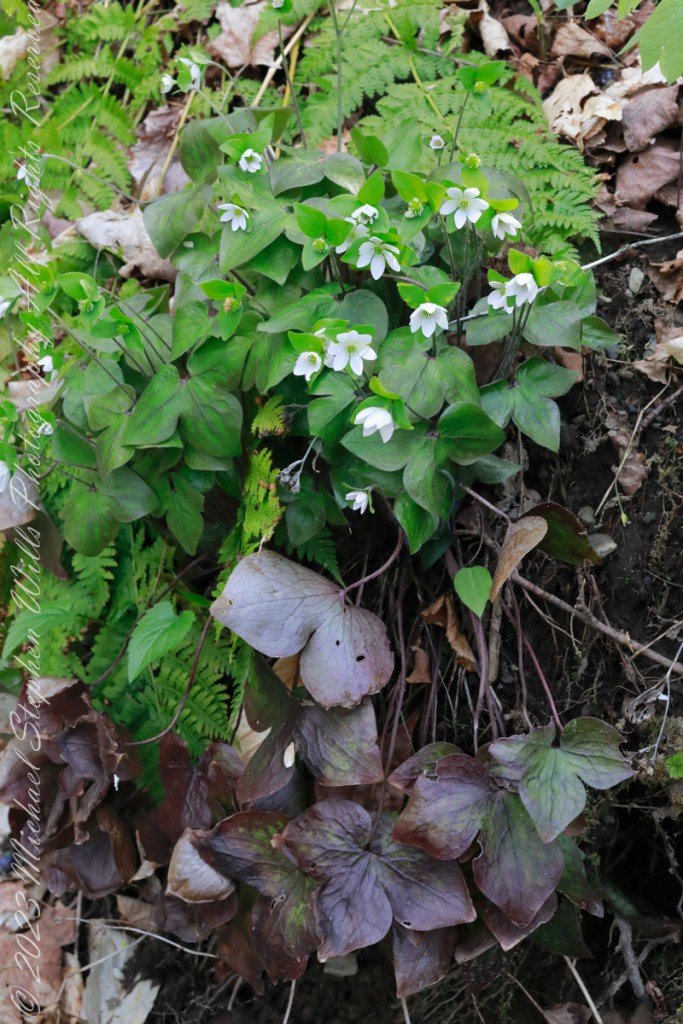
Fillmore Glen New York State Park, Moravia, New York on an April afternoon.

Reproduction in Hepatica is primarily through seed, though the plant can also propagate vegetatively. The flowers are insect-pollinated, attracting early-season pollinators such as bees and flies. Once pollinated, the flowers produce seeds encased in small, fuzzy fruits. These seeds are often dispersed by ants, a process known as myrmecochory, which helps ensure the plant’s spread throughout the forest floor.

Native American tribes, including the Iroquois, valued Hepatica for its medicinal properties. They used the leaves to brew teas believed to treat liver disorders, digestive issues, and skin ailments. European settlers adopted similar practices, incorporating Hepatica into their own herbal remedies.

In European folklore, Hepatica was often associated with healing and protection. The plant was believed to ward off evil spirits and protect against various maladies. In the language of flowers, Hepatica symbolizes confidence and bravery, reflecting its early emergence in the harsh conditions of early spring.
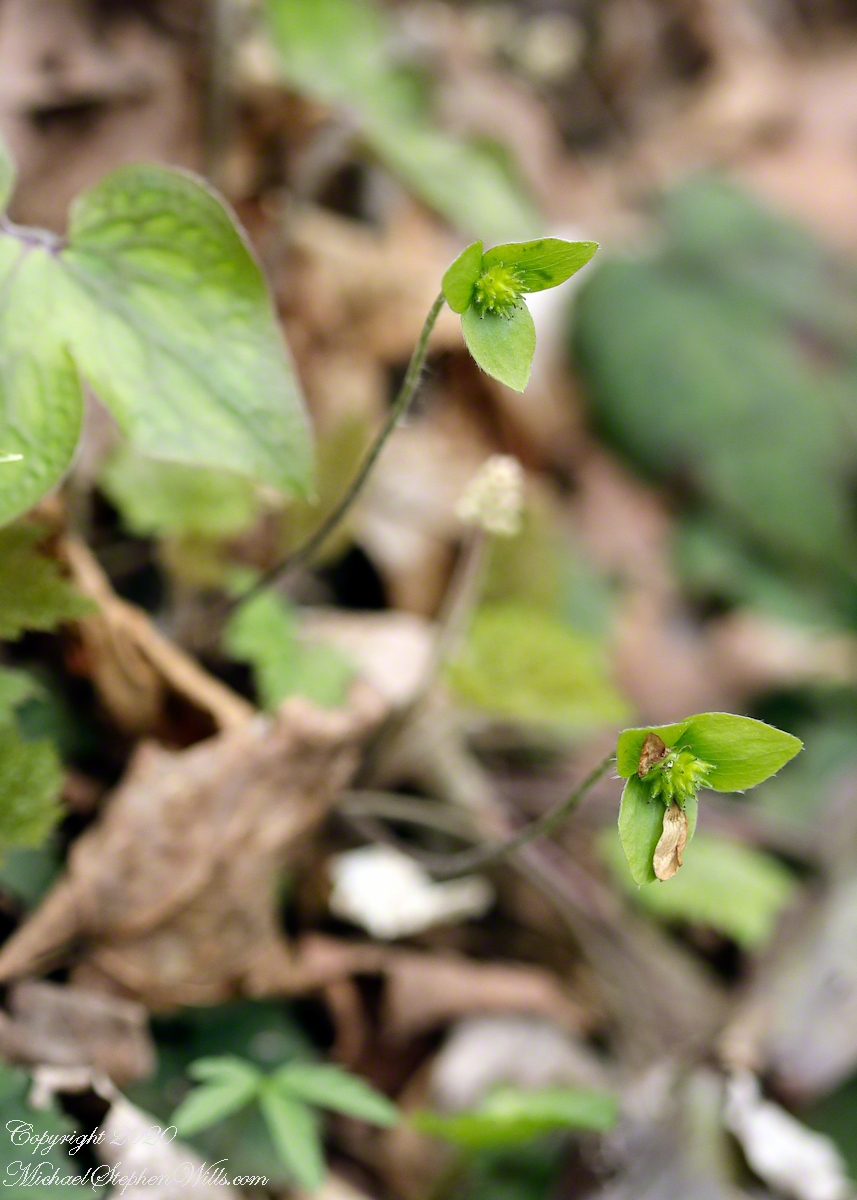
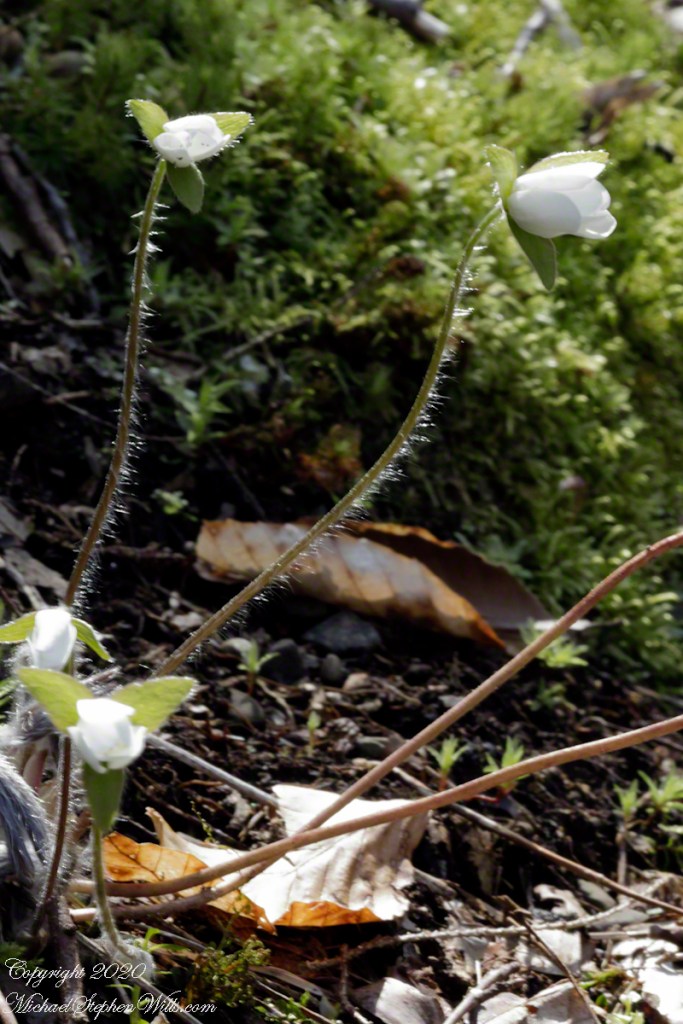
Fillmore Glen New York State Park, Moravia, New York on an April afternoon.

Today, Hepatica continues to enchant nature enthusiasts and hikers with its early blooms and lush foliage. It plays a crucial role in the ecosystem, providing a vital source of nectar for early pollinators and contributing to the biodiversity of deciduous forests.

Walking through the gorge, I felt a deep connection to the natural history and cultural significance of Hepatica. The plant’s resilience and beauty, even in its seeding stage, served as a reminder of the enduring cycles of nature and the intricate relationships between plants, animals, and humans.
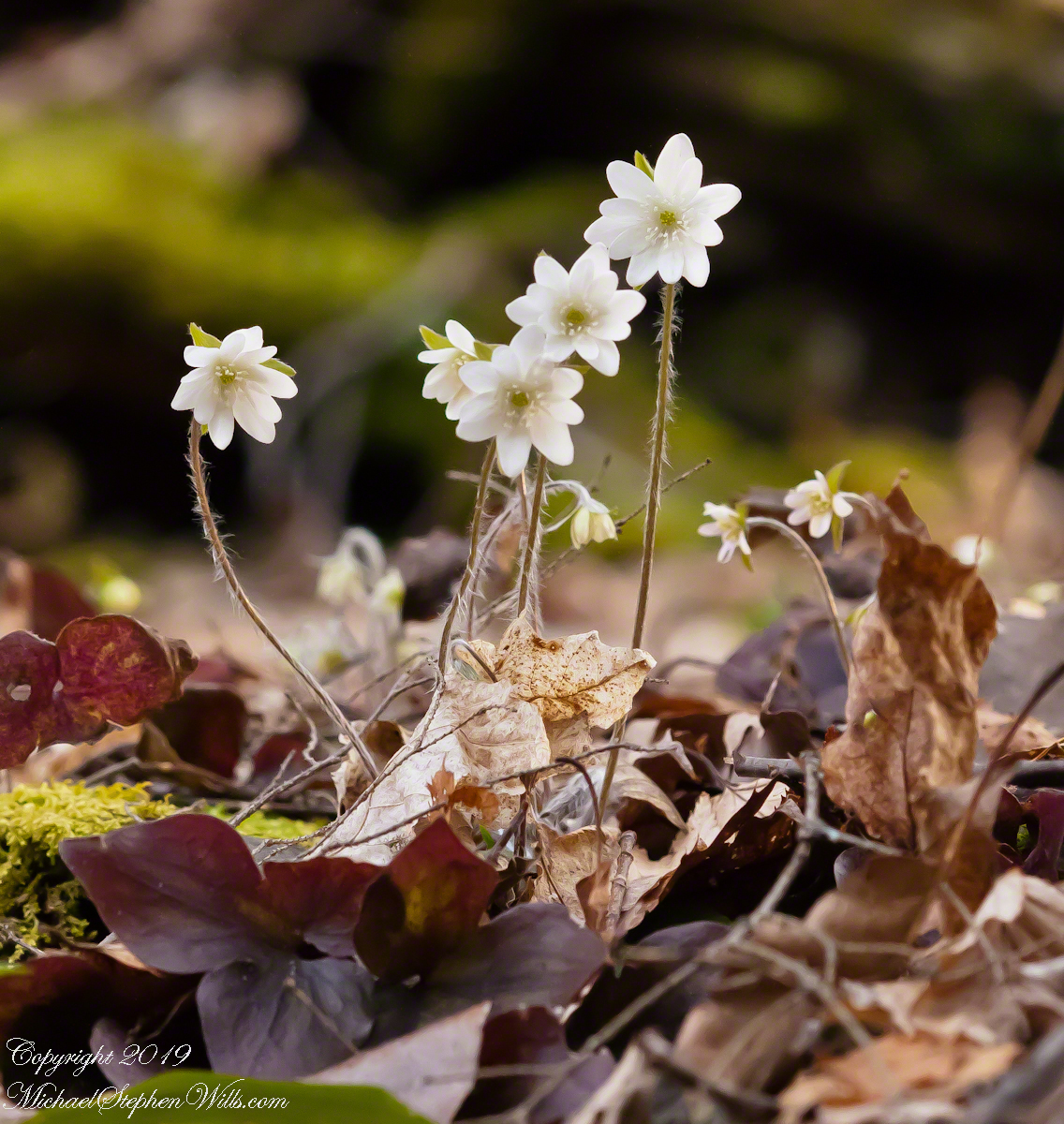
In conclusion, Hepatica nobilis, or Liverleaf, is a plant of remarkable beauty and historical significance. Its early spring blooms and distinctive leaves make it a cherished sight in the forests of the Finger Lakes. As I continued my hike, I felt a profound appreciation for the rich tapestry of life that Hepatica represents, a testament to the enduring wonders of nature.
Copyright 2024 Michael Stephen Wills All Rights Reserved

Spring Outing IX

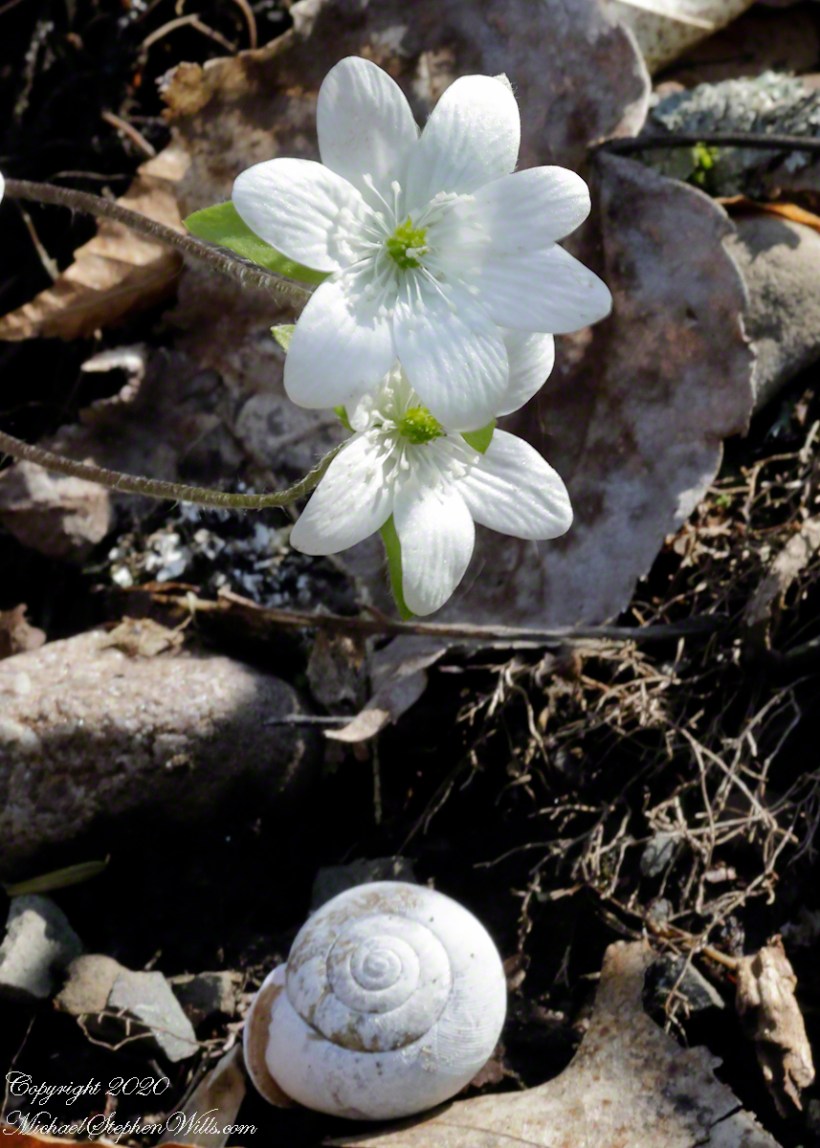
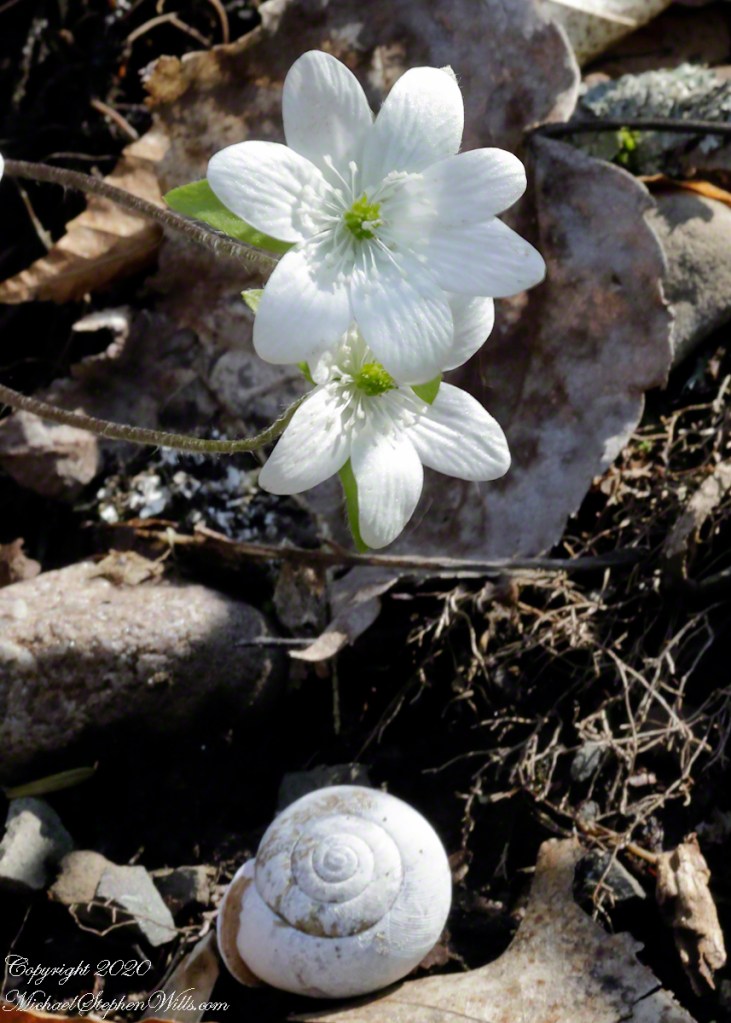
Land snail

Hepatica blossoms are the focal point here. Two land snail shells rested fortuitously below, a white and dark brown. The white shell (Scientific Name: Neohelix albolabris) is seen here. In life, the shell aperture reflective lip gives the species name, from Latin root words “albo” (white) and “labris” (lip), and the popular name, “Whitelip.” Look closely to see a series of ridges, an identifying feature apparent in this specimen. There was a live specimen in our yard, just yesterday. Busy with chores, no camera at hand.

Click photograph for a larger view. To do this from WordPress Reader, you need to first click the title of this post to open a new page.

Click me for another Hepatica wildflower posting.

Copyright 2024 All Rights Reserved Michael Stephen Wills

Spring Outing X

Please give your opinions of this experiment, via comments. Thank You

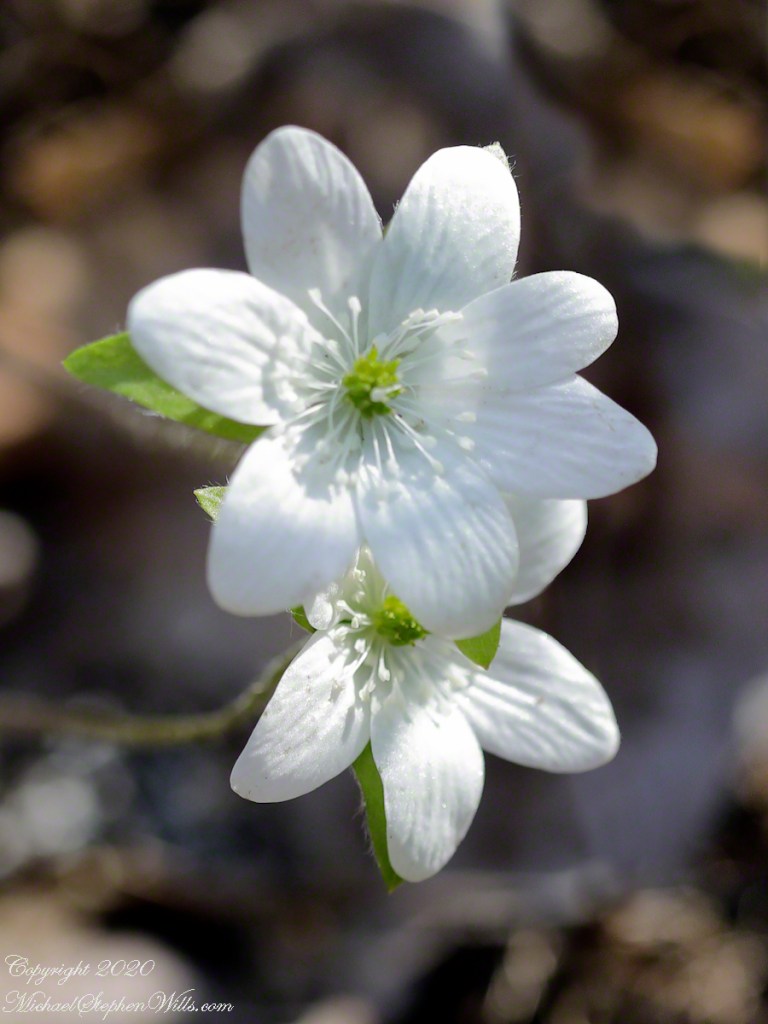
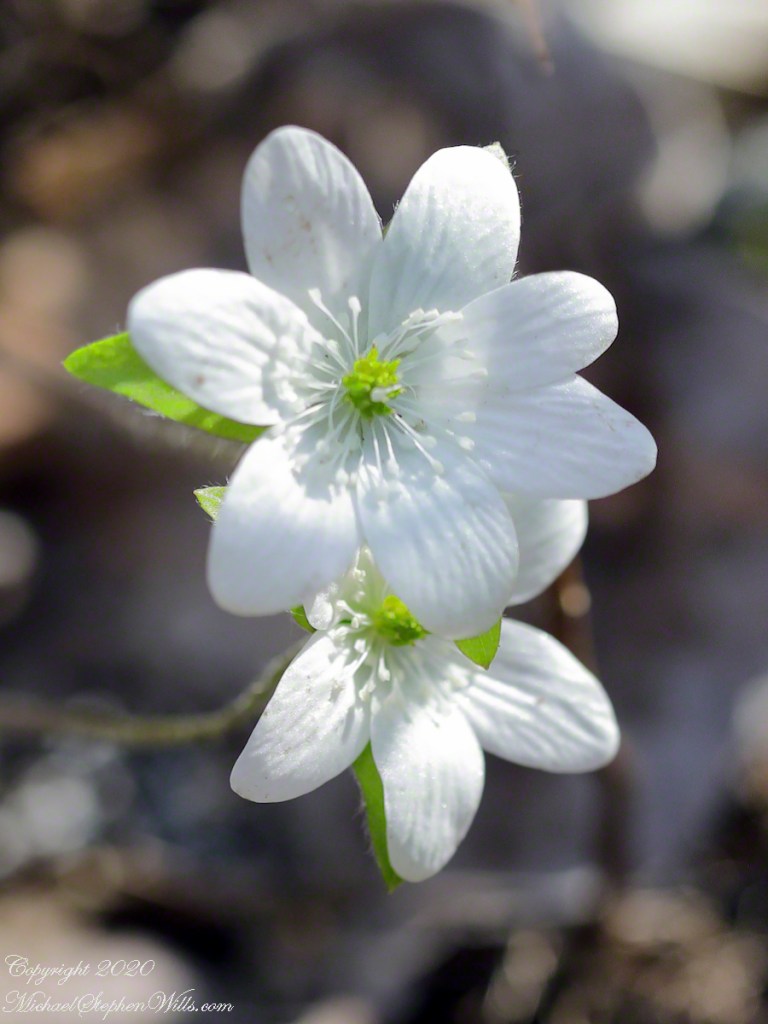
Seconds after taking this shot, at f/4, I changed the f-stop to 29 and captured these blossoms with the environment in focus (yesterday’s posting). At f/4 focus is a challenge and I was not happy with the detail of the foreground blossom.

Click photograph for a larger view. To do this from WordPress Reader, you need to first click the title of this post to open a new page.

I am in the experimentation phase of learning the new camera, so in spite of the 100% file size increase I turned on the Dual Pixel Raw feature. The two photos are from the same file. My impression is the adjustment improved the foreground flower details. Is it my imagination?

Click me for another Hepatica wildflower posting.

Copyright 2024 All Rights Reserved Michael Stephen Wills

Spring Outing VIII

Sun catchers

Click photograph for a larger view. To do this from WordPress Reader, you need to first click the title of this post to open a new page.

Click me for another Hepatica wildflower posting.

Copyright 2024 All Rights Reserved Michael Stephen Wills

Spring Outing VII

Groupings, 1 flora and 1 dangerous

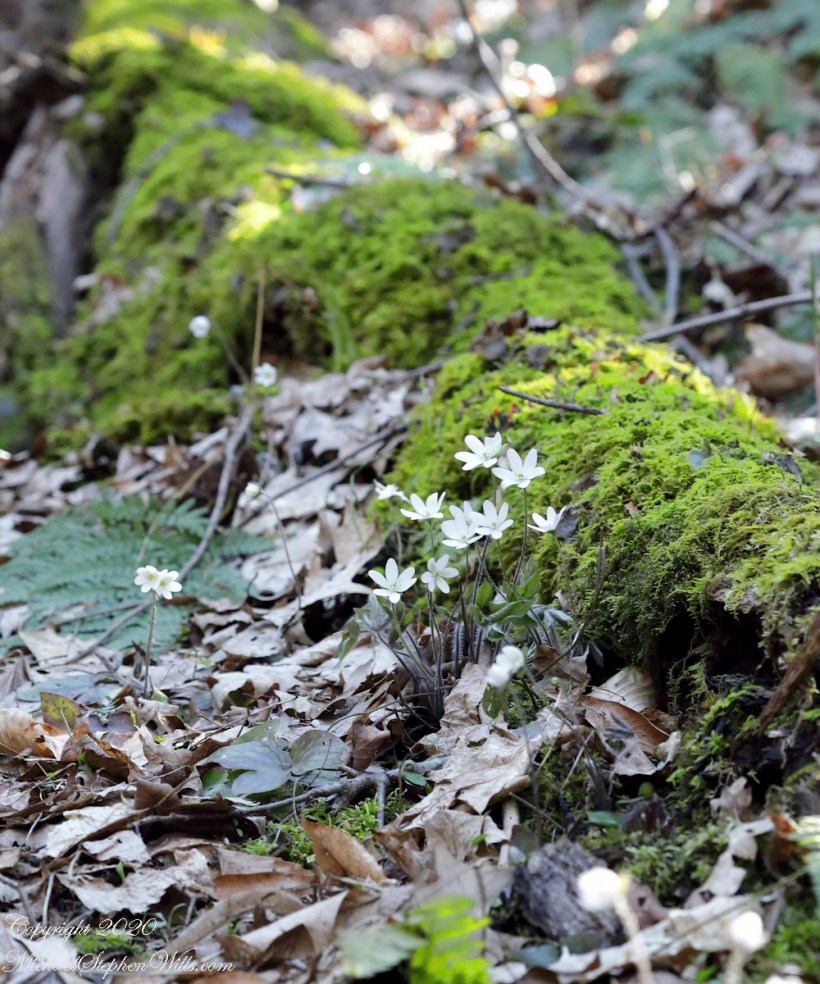
Hepatica positioned perfectly above the trail, sprouting from moss, a grouping of the plant and flowers.

Scientific Name: Hepatica nobilis var. obtusa. I found the two land snail shells this session, I identified it as Neohelix albolabris, and positioned it in this shot to lend interest. In a future posting you will see the shell where it was found.

Click photograph for a larger view. To do this from WordPress Reader, you need to first click the title of this post to open a new page.

Six unrelated young adults, all female and without masks, not following social distancing guidelines, passed as a group just before I set up for this shot. I heard them coming and made plenty of space between them and me. COVID-19 testing in Tompkins continues to find several positive cases each week.

Finding an appropriate combination of settings for this grouping was a puzzle. My goal was to bring the flowers and surrounding into focus with intermittent breezes. The f-stop needed to be high to accommodate the depth with minimal exposure duration as the flowers moved in the slightest breeze. The solution was a high ISO (2500) and f-stop (32), yielding a 1/3 second exposure (Not fast). The compromise was patiently waiting for a break in the breezes.

Copyright 2024 All Rights Reserved Michael Stephen Wills

Spring Outing VI

Just opened wind-flowers

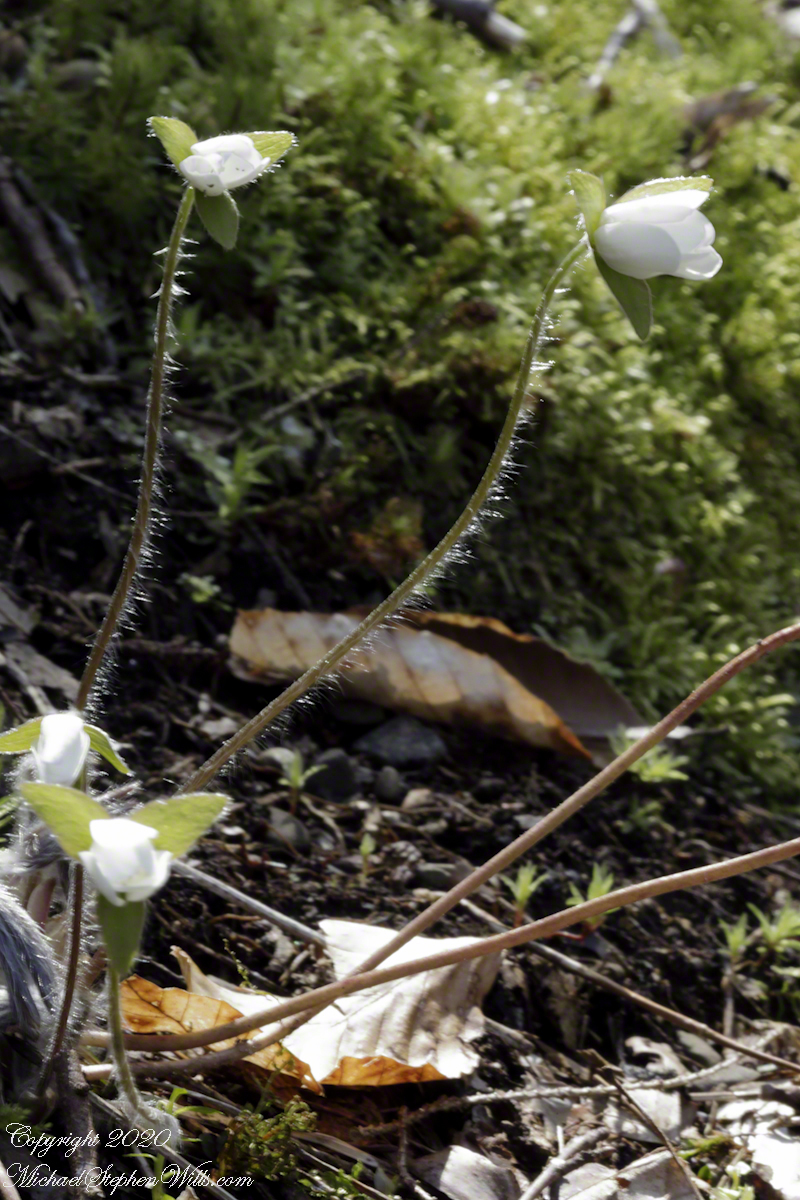
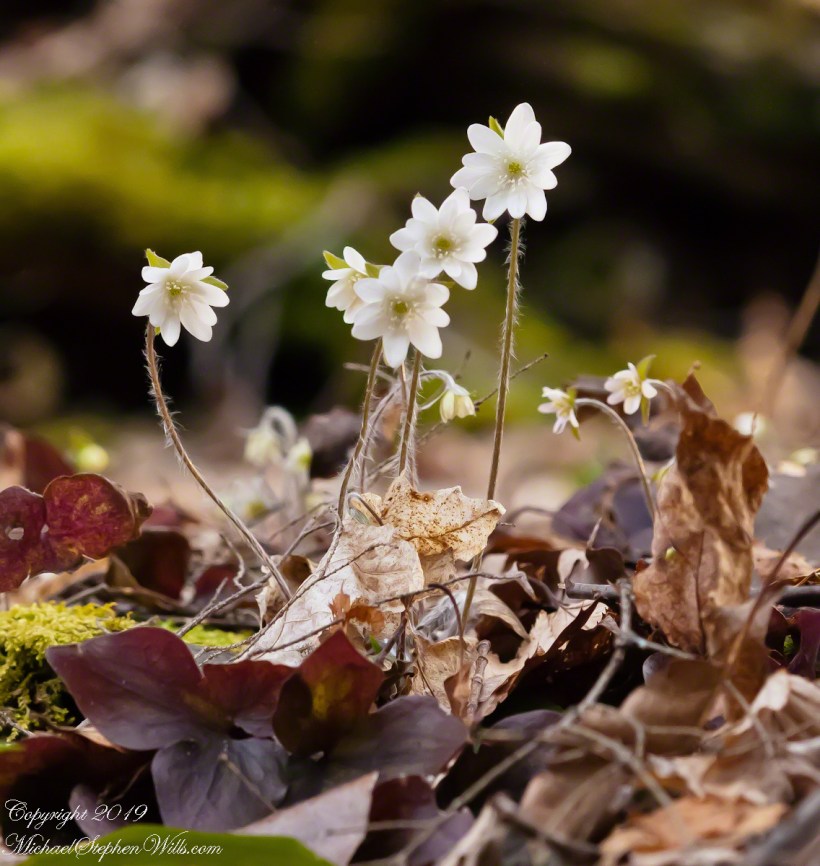
Just opened flowers on long hairy stems, tiny anemones. A crawl and tripod we needed to capture these. The scene scale is revealed by the dried leaves from last autumn.

Click photograph for a larger view. To do this from WordPress Reader, you need to first click the title of this post to open a new page.

I call these anemones from the disputations among taxonomists. All agree there is some relationship and differ in the degree. Classifications add a designation “tribe” before genus (hepatica). Alternatively, the genus is designated Anemone instead of Hepatica . A common name for anemones is “wind-flower” for how the flower is sensitive to a slight breeze, on these long stems.

This is the first hepatica capture of the session. There was no breeze at this time and the ISO is 800, f-stop 29 (lending some definition of the background, less than I’d expect) and a relatively slow exposure of 1/4 second. The 100 mm macro lens on a tripod mounted camera.

Reference: Wikipedia article, “Hepatica.”

Copyright 2024 All Rights Reserved Michael Stephen Wills

Spring Outing V

Wildflower Groupings

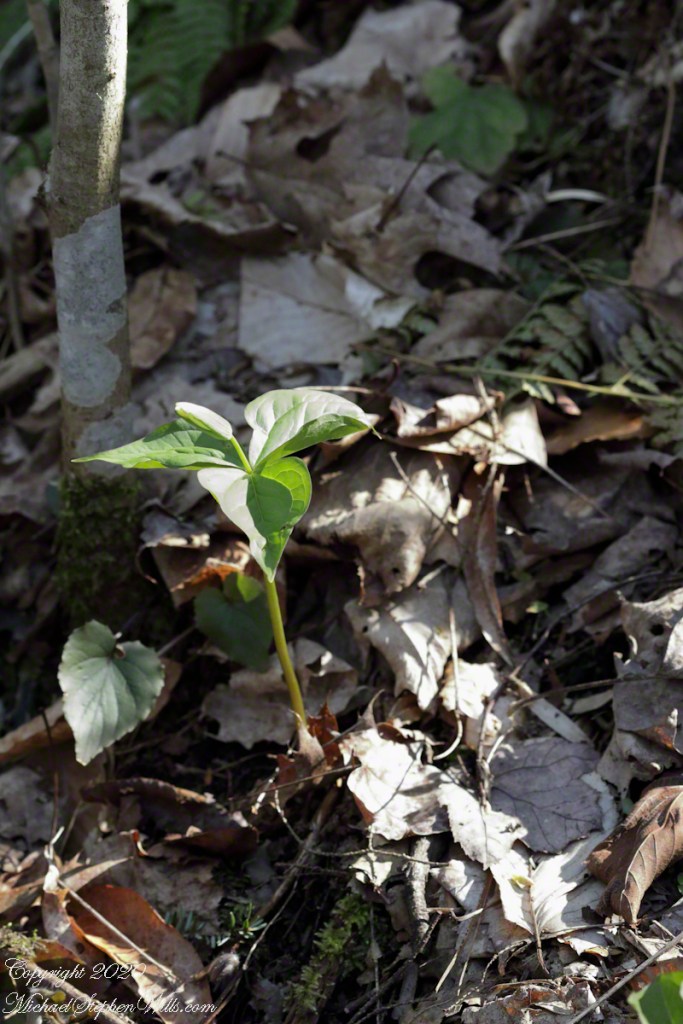
Red Trillium are early bloomers, along with Hepatica. I often photograph them together. Click me for a 2019 Red Trillium post of photographs from 2007 taken in Fillmore Glen Park.

Here we have two photographs from the end of the April 20, 2020 session. I finished a series of macro Hepatica and, tired (emotionally, not physically) and not wanting to step up the slope, captured the following grouping of a single Red Trillium, lit by a bolt of sunlight, White Hepatica, fern and the budding White Trillim from yesterday’s post. Not the same trillium, a continuation of all the individuals in bud.

Click photograph for a larger view. To do this from WordPress Reader, you need to first click the title of this post to open a new page.

These were 15 feet or so up the slope above the South Rim Trail. I used the 100 mm macro lens, with the spring breezes ISO set to 2500, f/5.6 for a 1/200 exposure.

Not far away, also upslope, was this flower grouping against a moss covered log. Park forestry leaves fallen trees in place to return to the soil. Camera settings are the same.

Both photographs were handheld.

Copyright 2024 All Rights Reserved Michael Stephen Wills

Treman Early Autumn Walk XIV

The post discusses the Hepatica acutiloba plant, highlighting its characteristics, growth, historical medicinal use, and its natural habitat in central eastern North America. It also includes an observation made in Robert H. Treman Park.

These characteristic leaves are Hepatica plants growing on the sun dappled southern rim of Robert H. Treman Park captured on a bright late September morning.

“Hepatica acutiloba, the sharp-lobed hepatica, is a herbaceous flowering plant in the buttercup family Ranunculaceae. It is sometimes considered part of the genus Anemone, as Anemone acutiloba, A. hepatica, or A. nobilis. Also generally known as Liverleaf and Liverwort.”


“The word hepatica derives from the Greek ἡπατικός hēpatikós, from ἧπαρ hêpar ‘liver’, because its three-lobed leaf was thought to resemble the human liver.”


“Each clump-forming plant grows 5 to 19 cm (2.0 to 7.5 in) tall, flowering in the early to mid spring. The flowers are greenish-white, white, purple or pinkish in color, with a rounded shape. After flowering the fruits are produced in small, rounded columned heads, on pedicels 1 to 4 mm long. When the fruits, called achenes, are ripe they are ovoid in shape, 3.5–4.7 mm long and 1.3–1.9 mm wide, slightly winged and tend to lack a beak.”

Hepatica Flowers in early spring on the Rim Trail

“Hepatica acutiloba is native to central eastern North America where it can be found growing in deciduous open woods, most often in calcareous soils. Butterflies, moths, bees, flies and beetles are known pollinators. The leaves are basal, leathery, and usually three-lobed, remaining over winter.”

“Hepatica was once used as a medicinal herb. Owing to the doctrine of signatures, the plant was once thought to be an effective treatment for liver disorders. Although poisonous in large doses, the leaves and flowers may be used as an astringent, as a demulcent for slow-healing injuries, and as a diuretic.”

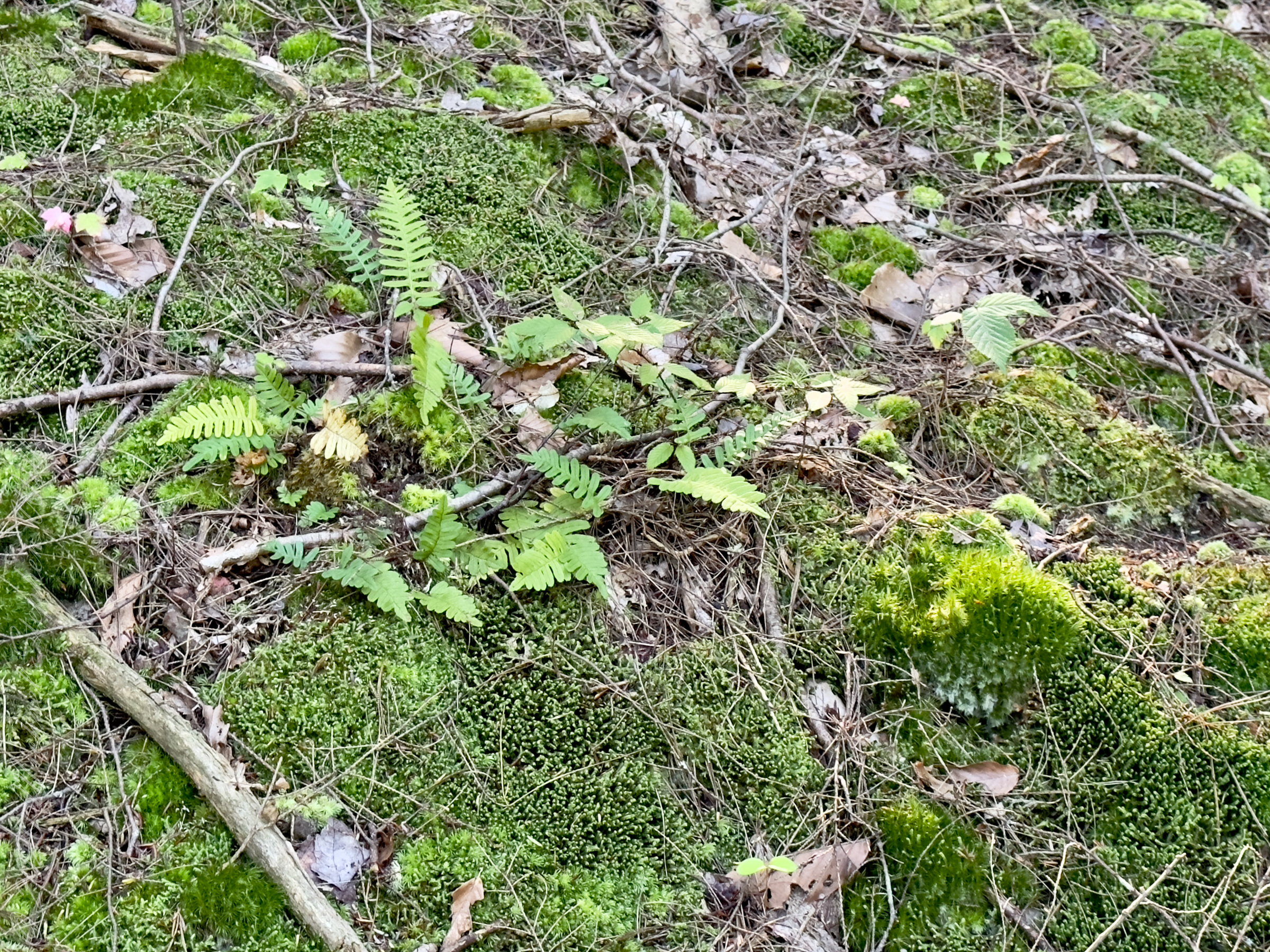
Ferns and Mosses growing beneath Red Pines

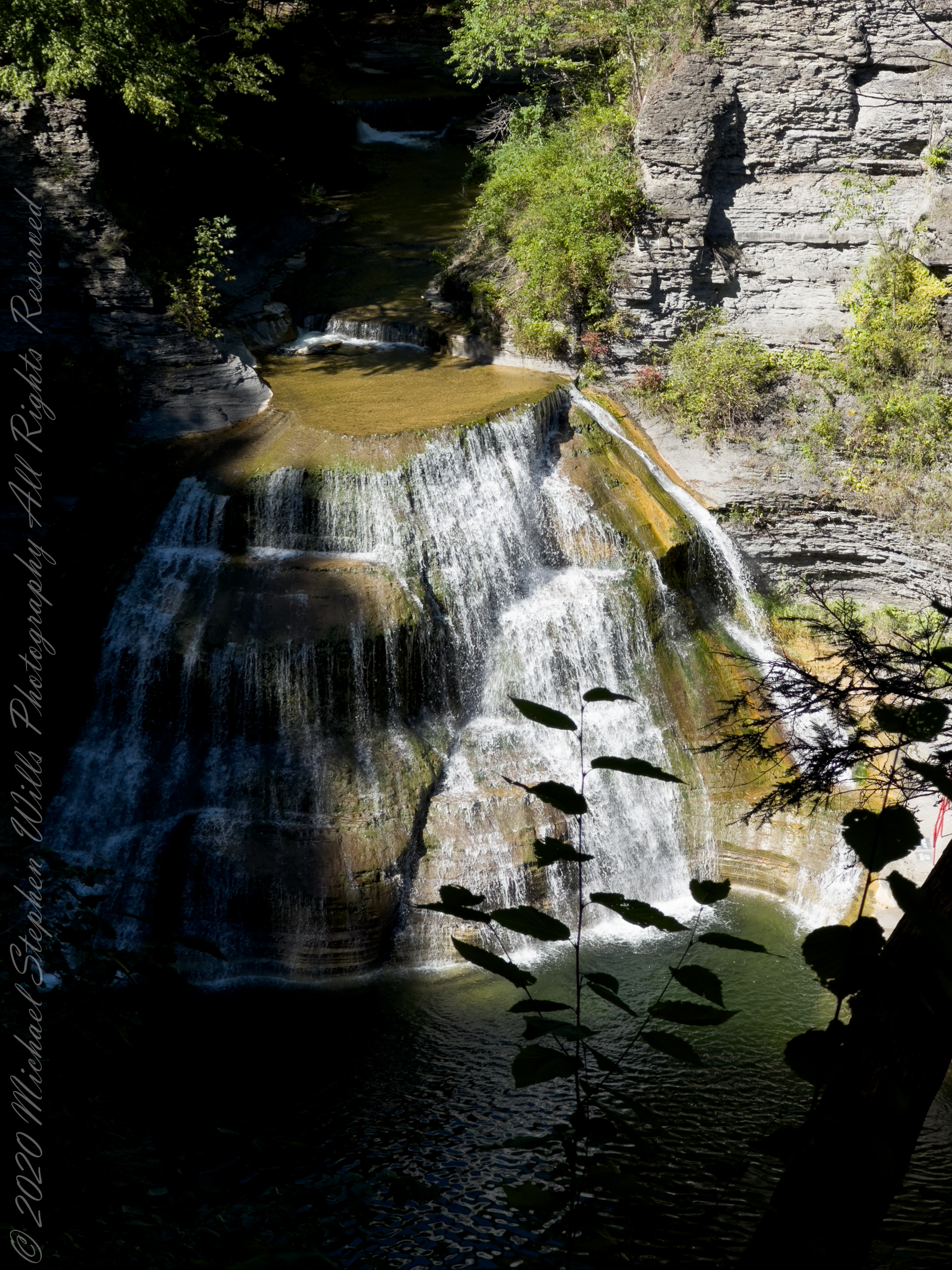
View of the lower falls and swimming hole from the Rim Trail

Click Me another post featuring Hepatica flowers

References
–text in italics and quotes is from Wikipedia, “Hepatica” and “Hepatica acutiloba.”
–“The Botanical Garden Vol II Perennials and Annuals,” Roger Phillips and Martyn Rix, Firefly Books, 2002.

Copyright 2023 All Rights Reserved Michael Stephen Wills

Hepatica acutiloba

Old Leaves

This Hepatica acutiloba, the sharp-lobed hepatica, I found in Fillmore Glen last April, capturing them with the Apple Iphone 14 proMax.

Hepatica acutiloba is also known as sharp-lobed hepatica, liverwort, kidneywort, pennywort, liverleaf. The perennial nature of this plant is seen here in the purplish leaves hanging below, from a previous year’s growth.

The word hepatica derives from the Greek ἡπατικός hēpatikós, from ἧπαρ hêpar ‘liver’, because its three-lobed leaf blotched leaves resemble a diseased human liver.

Click for my Fine Art Photography Gallery.

Plants of genus Hepatica are native to Europe, Asia, and North America.

Europe: Albania, Austria, the Baltic states, Belarus, Bulgaria, Corsica, Czechoslovakia, Denmark, European Russia, Finland, France, Germany, Greece, Hungary, Italy, Norway, Poland, Romania, Spain, Sweden, Switzerland, Ukraine, Yugoslavia

Central Asia: Kazakhstan, Kyrgyzstan, Tajikistan, Western Siberia

Eastern Asia: North China, South Central China, East China, Japan, Korea, Manchuria, Primorsky Krai

South Asia: Pakistan, Western Himalaya

Canada: Manitoba, New Brunswick, Nova Scotia, Ontario, Québec

United States: Alabama, Arkansas, Connecticut, Delaware, District of Columbia, Florida, Georgia, Illinois, Indiana, Iowa, Kentucky, Maine, Maryland, Massachusetts, Michigan, Minnesota, Mississippi, Missouri, New Hampshire, New Jersey, New York, North Carolina, Ohio, Pennsylvania, Rhode Island, South Carolina, Tennessee, Vermont, Virginia, West Virginia, Wisconsin

Plants of the genus have been introduced to Belgium.

These tufted perennials grow to 10 centimeters in height with wiry roots.  Leaves usually three-lobed and untoothed.  Flowers can be blue, pinkish, or white.  Three sepals, small and green.  Petals usually 5, can be more, without a nectary.  Stamens numerous.  Ovary superior; styles short with capitate stigmas.  Pollination is by insects.  Fruits many, one-seeded.  Seeds are green when ripe. dispersed by ants.  

References:
Wikipedia, “Hepatica”
“The Botanical Garden, Vol II” by Roger Phillips and Marytn Rix, Firefly Books, 2002

Copyright 2023 All Rights Reserved Michael Stephen Wills

Hepatica Gone To Seed

AKA liverleaf

This Hepatica acutiloba, the sharp-lobed hepatica, I found in Fillmore Glen last April, capturing them with the Apple Iphone 14 proMax.

“’The liverleaf puts forth her sister blooms of faintest blue soon after the late snows have melted. Indeed, these fragile-seeming, enable-like flowers are sometimes found actually beneath the snow, and form one of the many instances which we encounter among flowers, as among their human contemporaries, where the frail and delicate-looking withstand storm and stress far better than their more robust-appearing brethren.” 

Click for my Fine Art Photography Gallery.

Each clump-forming plant grows 5 to 19 cm (2.0 to 7.5 in) tall, flowering in the early to mid-spring. The flowers are greenish-white, white, purple, or pinkish in color, with a rounded shape. After flowering the fruits are produced in small, rounded columned heads, on pedicels 1 to 4 mm long seen here in these gone to seed flowers. When the fruits, called achenes, are ripe they are ovoid in shape, 3.5–4.7 mm long and 1.3–1.9 mm wide, slightly winged and tend to lack a beak.

“The rusty leaves of last summer are obliged to suffice for the plant’s foliage until some little time after the blossoms have appeared, when the young fresh leaves begin to uncurl themselves.  Someone has suggested that the fuzzy little buds look as though they were still wearing their furs as protection against the wintry weather which so often stretches late into our spring.”

Hepatica cultivation has been popular in Japan since the 18th century (mid-Edo period), where flowers with doubled petals and a range of color patterns have been developed.

Noted for its tolerance of alkaline limestone-derived soils, Hepatica may grow in a wide range of conditions; it can be found either in deeply shaded deciduous (especially beech) woodland and scrub or grassland in full sun. Hepatica will also grow in both sandy and clay-rich substrates, being associated with limestone. Moist soil and winter snowfall are required; Hepatica is tolerant of winter snow cover, but less so of dry frost.

Propagation is done by seeds or by dividing vigorous clumps in spring. However, seedlings take several years to reach bloom size, and divided plants are slow to thicken.

Hepatica was once used as a medicinal herb. Owing to the doctrine of signatures, the plant was once thought to be an effective treatment for liver disorders. Although poisonous in large doses, the leaves and flowers may be used as an astringent, as a demulcent for slow-healing injuries, and as a diuretic.

References:
The quotes are from From “How to know the wildflowers,” by Mrs. William Starr Dana, Houghton Mifflin, Boston, 1989
Otherwise, Wikipedia, “Hepatica acutiloba” and “Hepatica”

Copyright 2023 All Rights Reserved Michael Stephen Wills