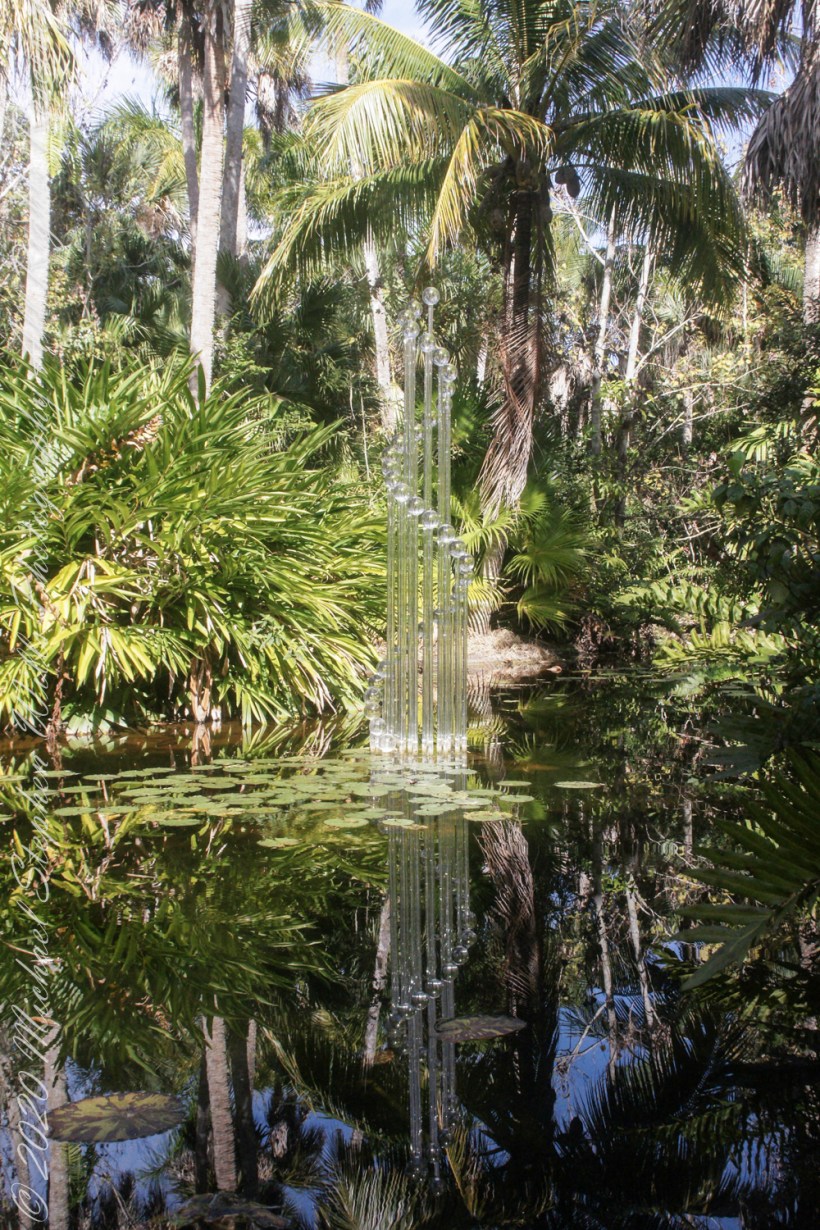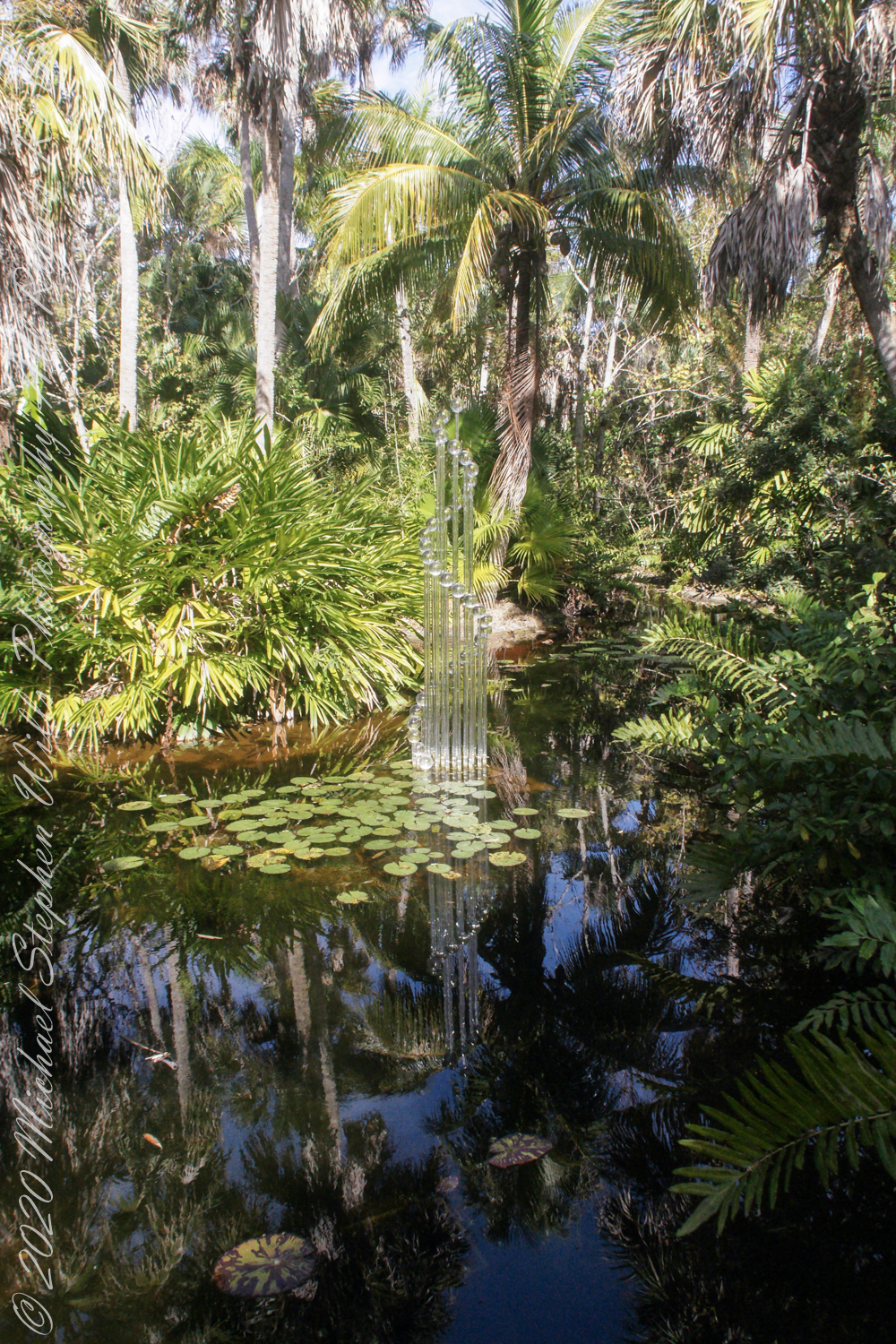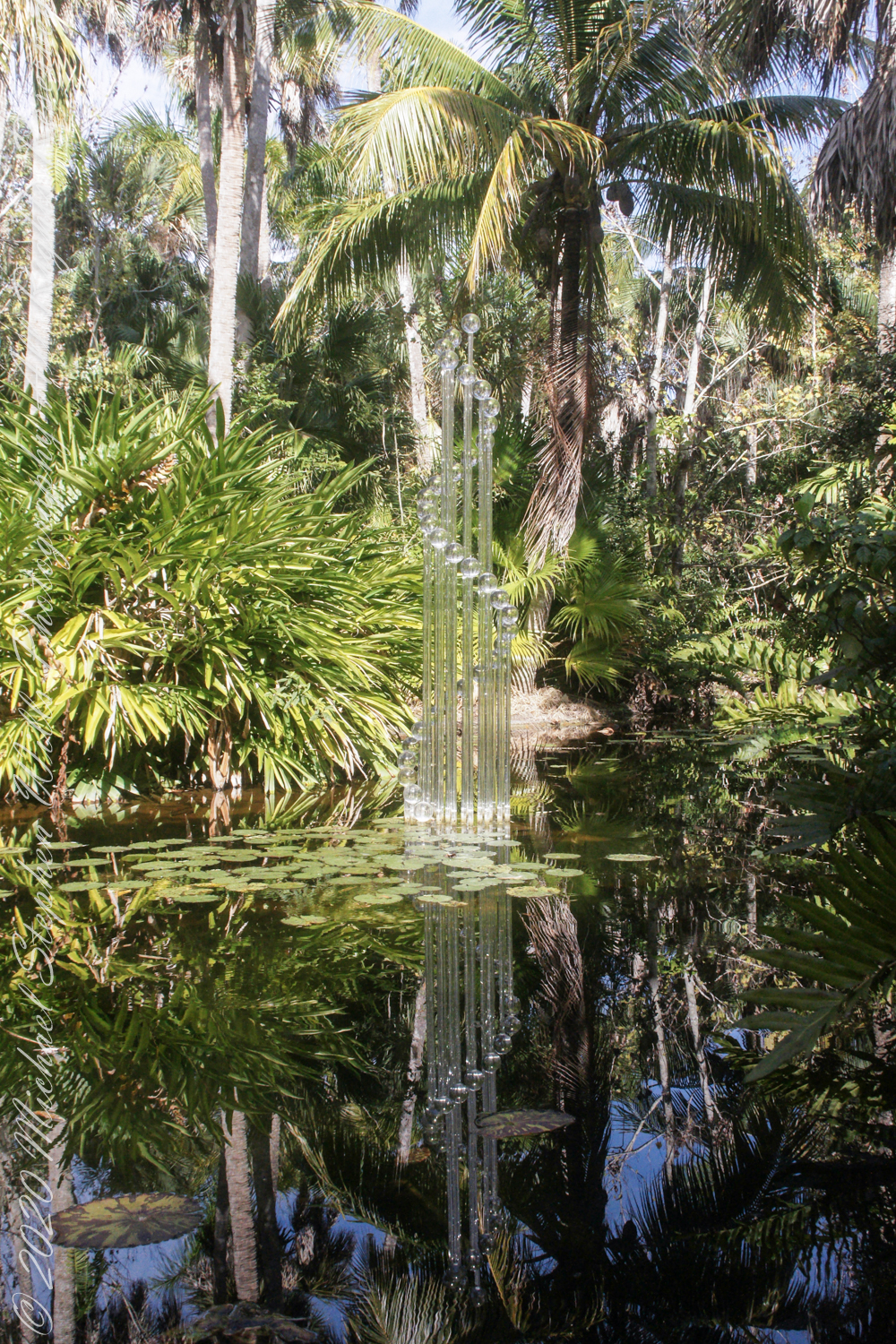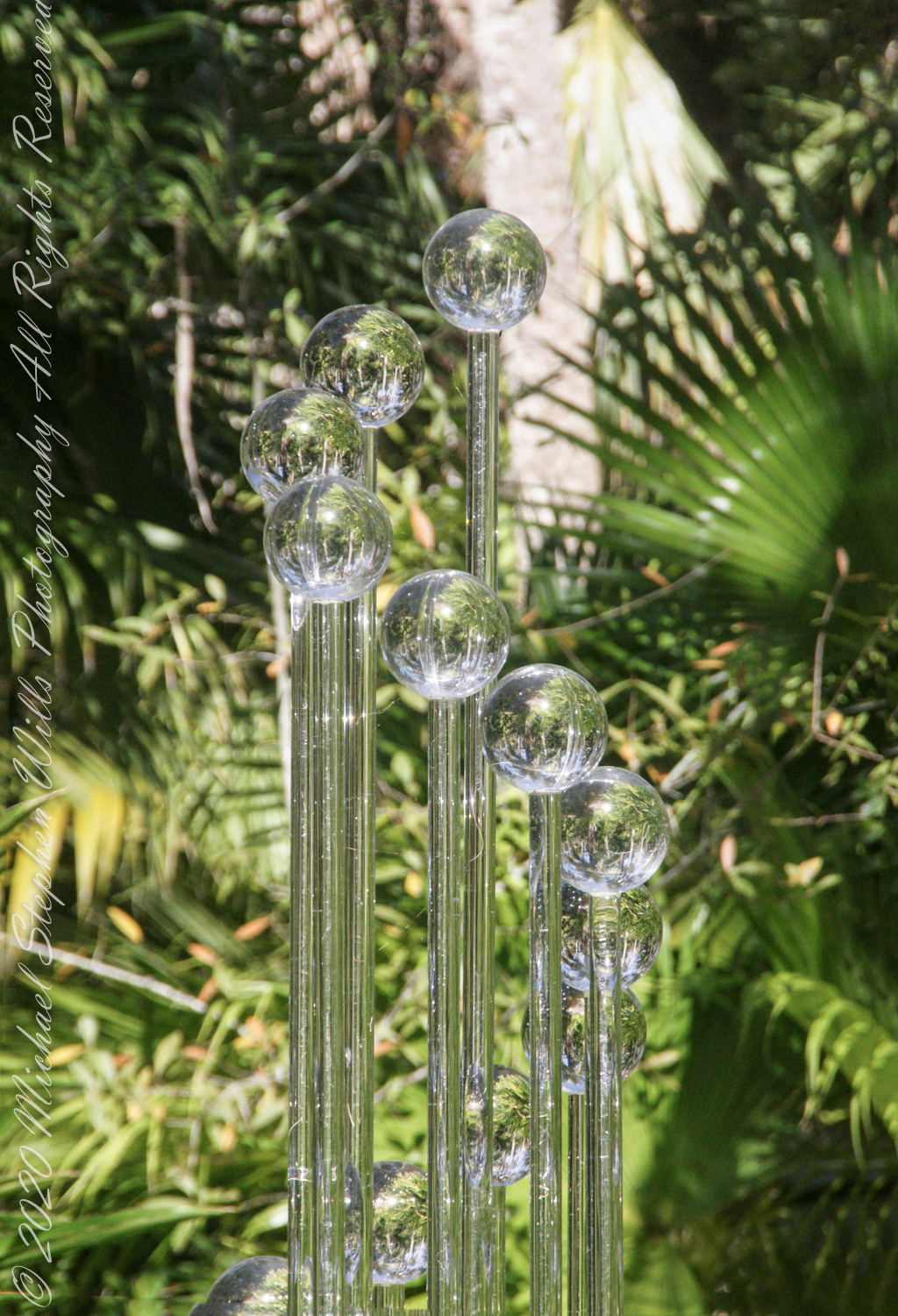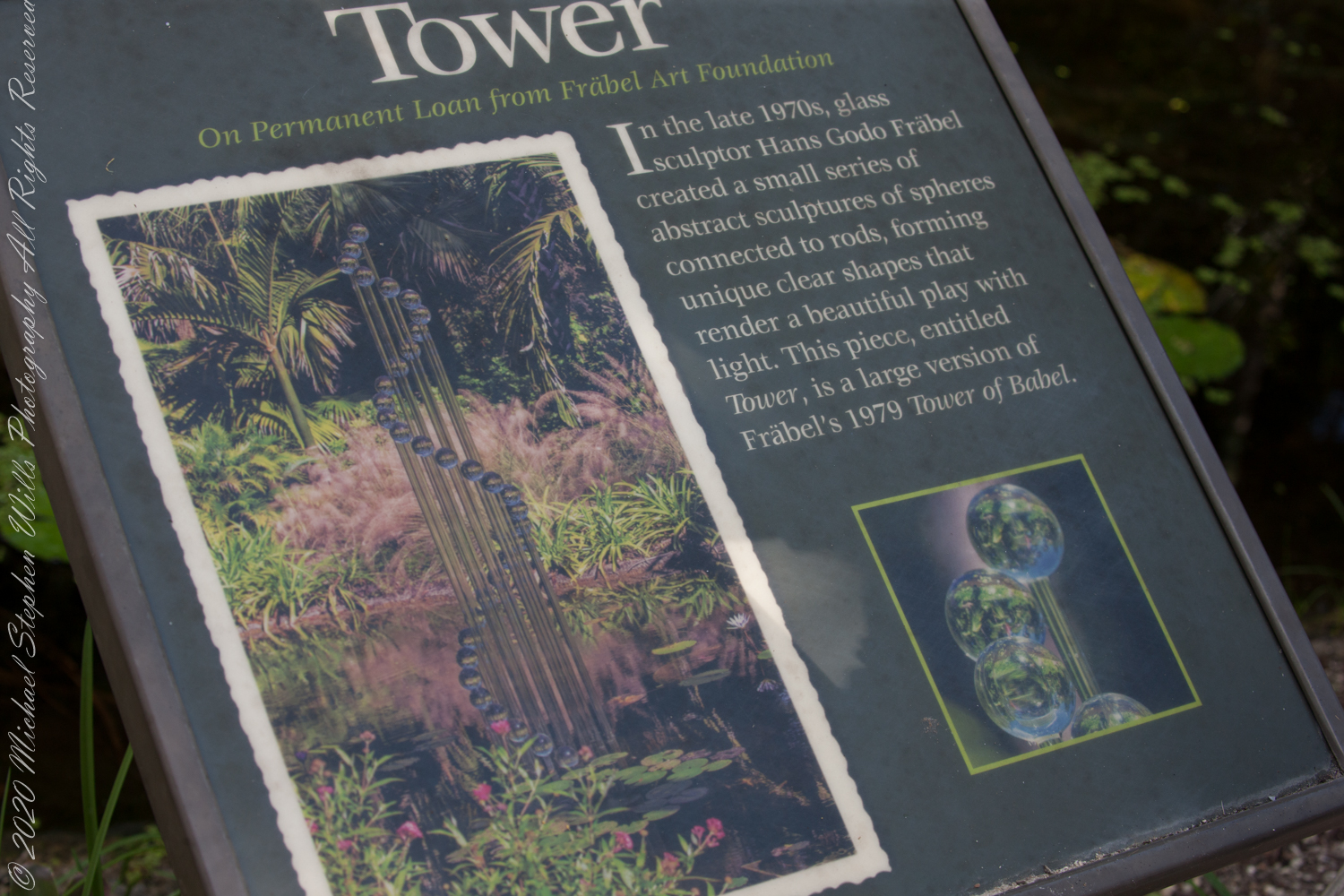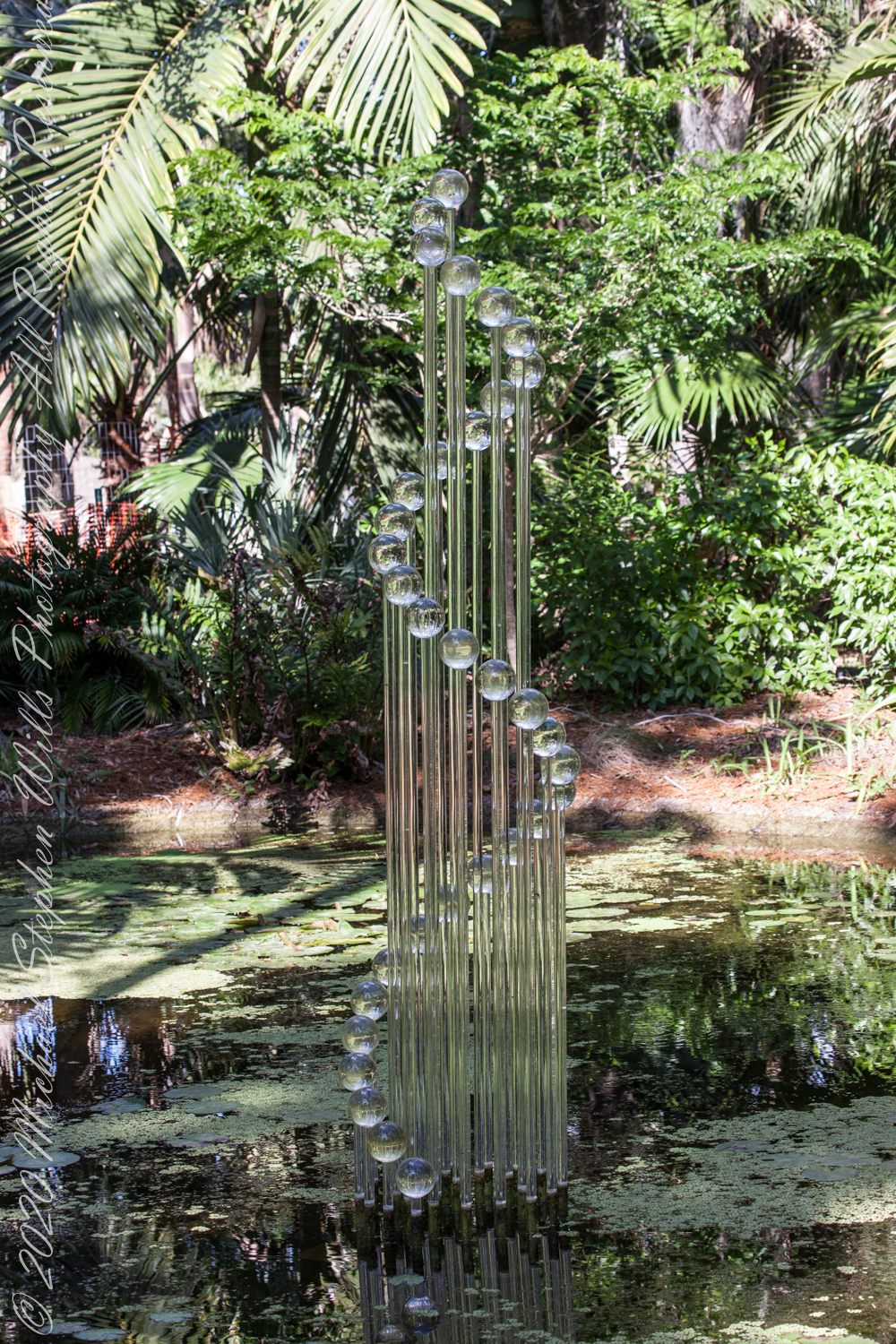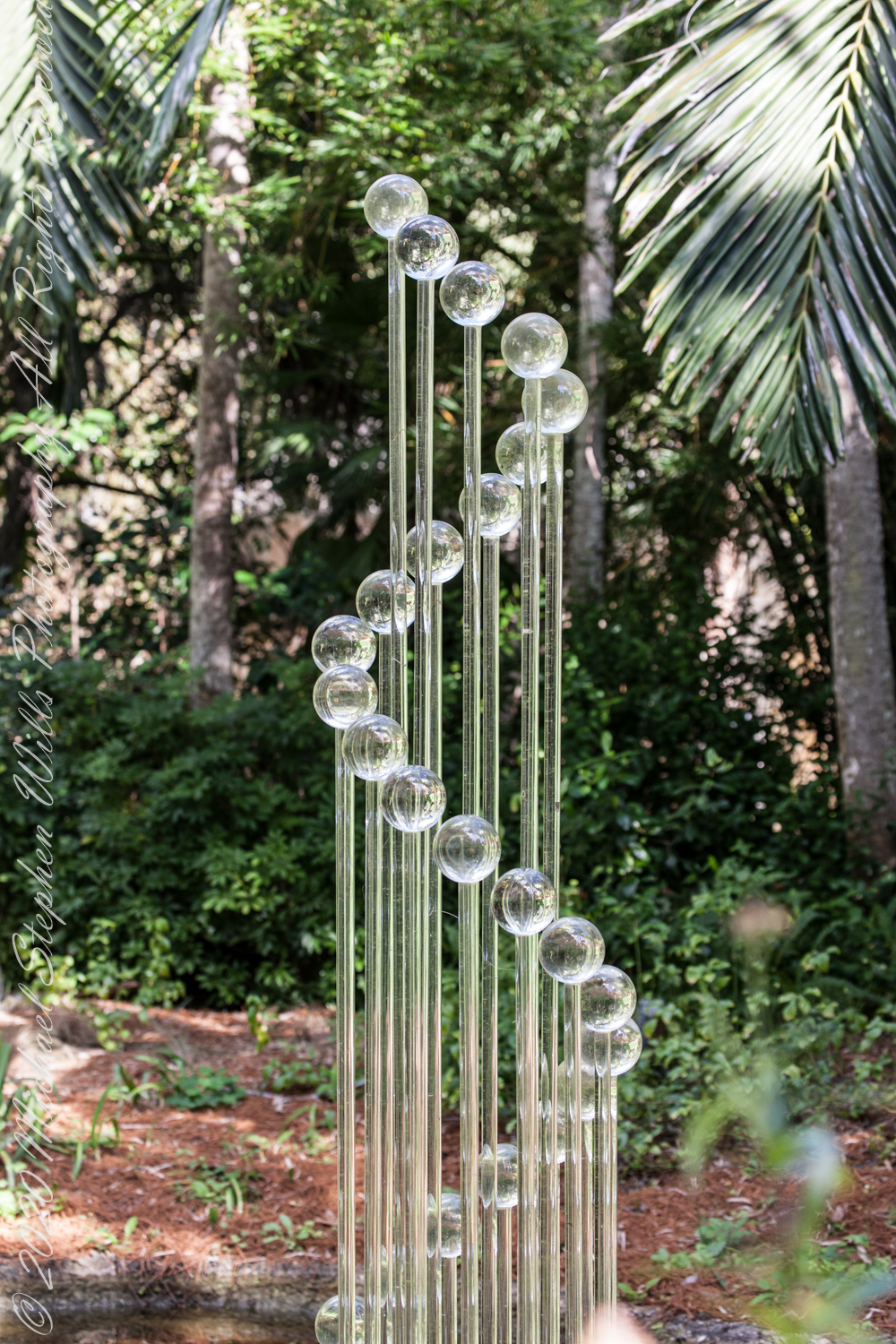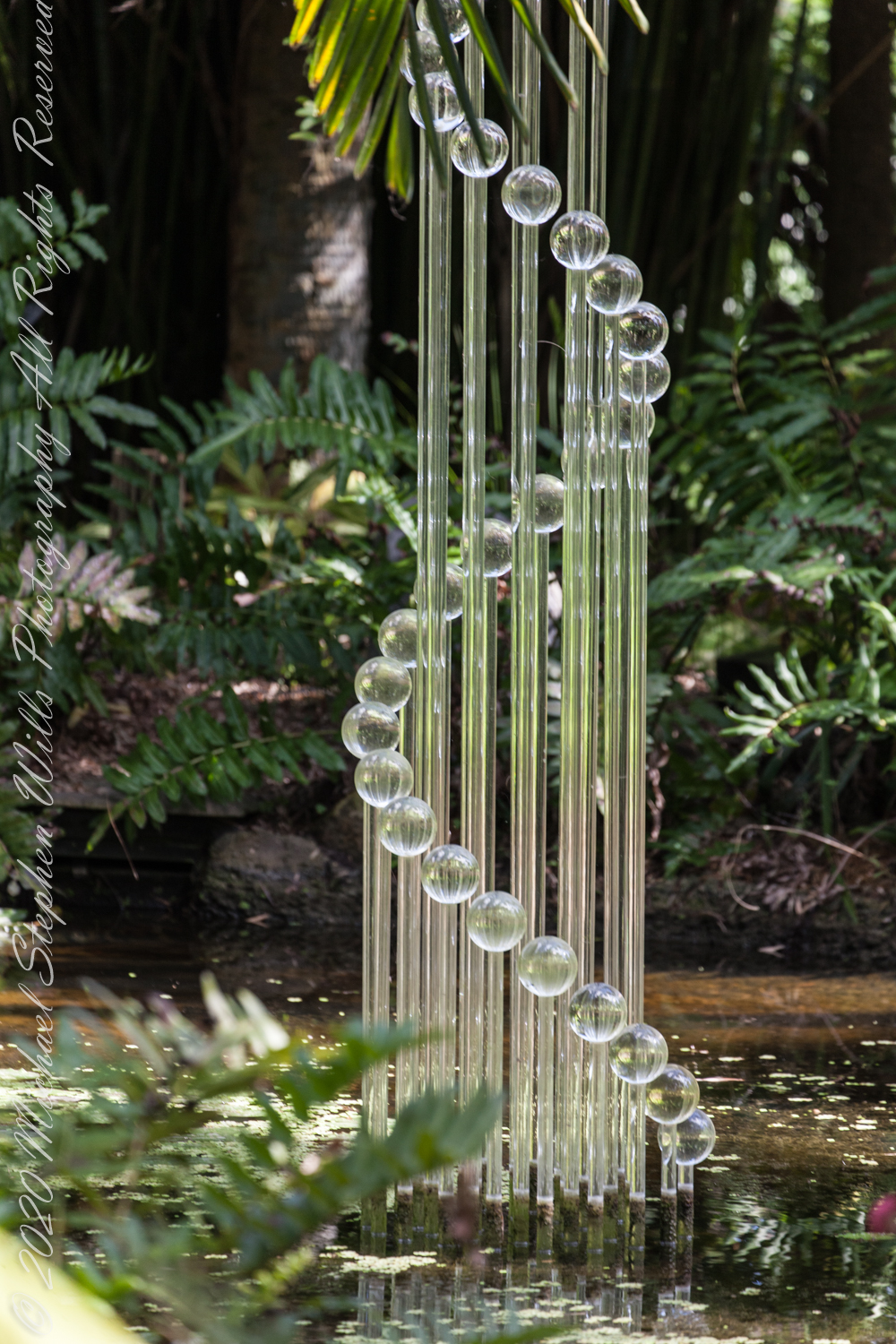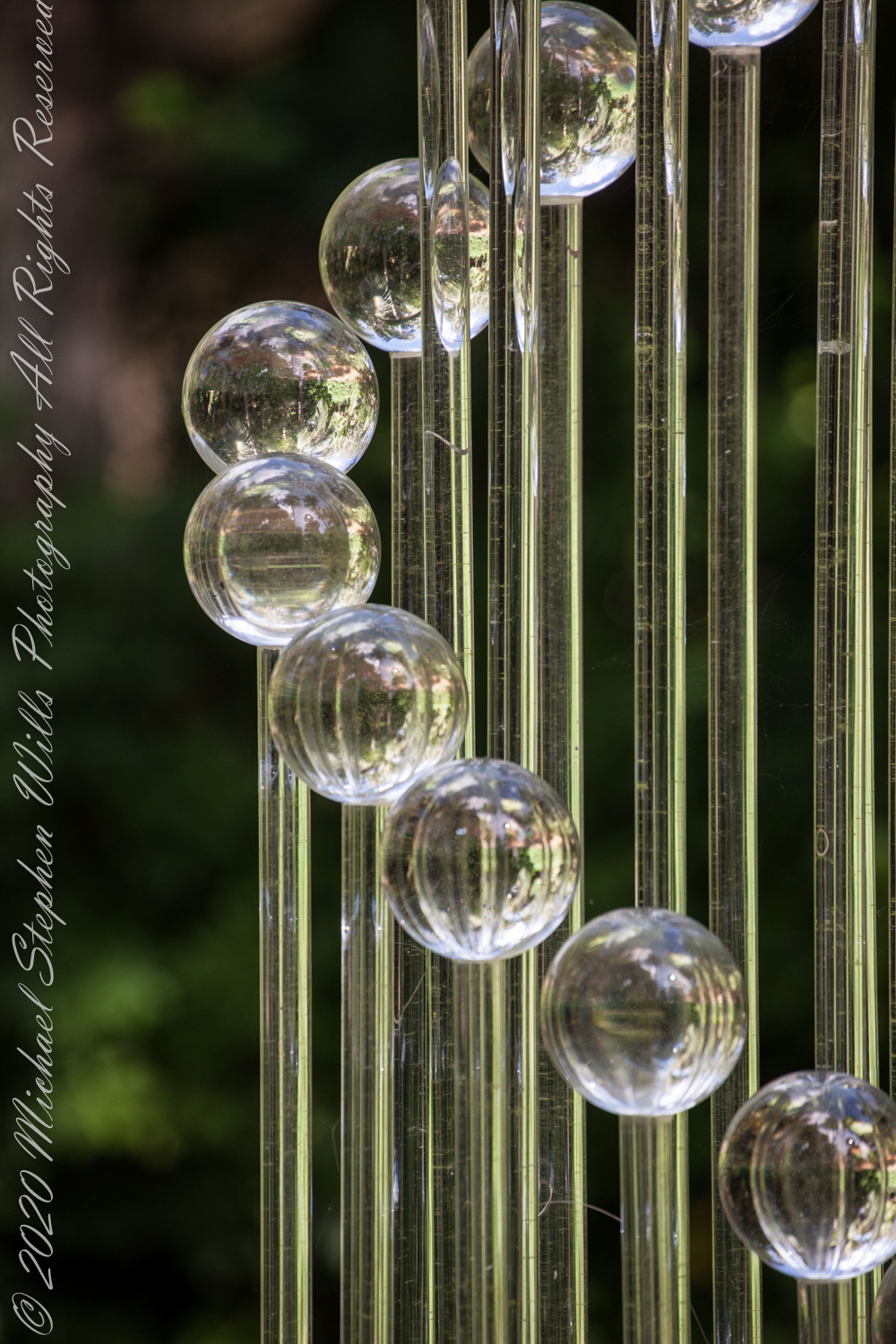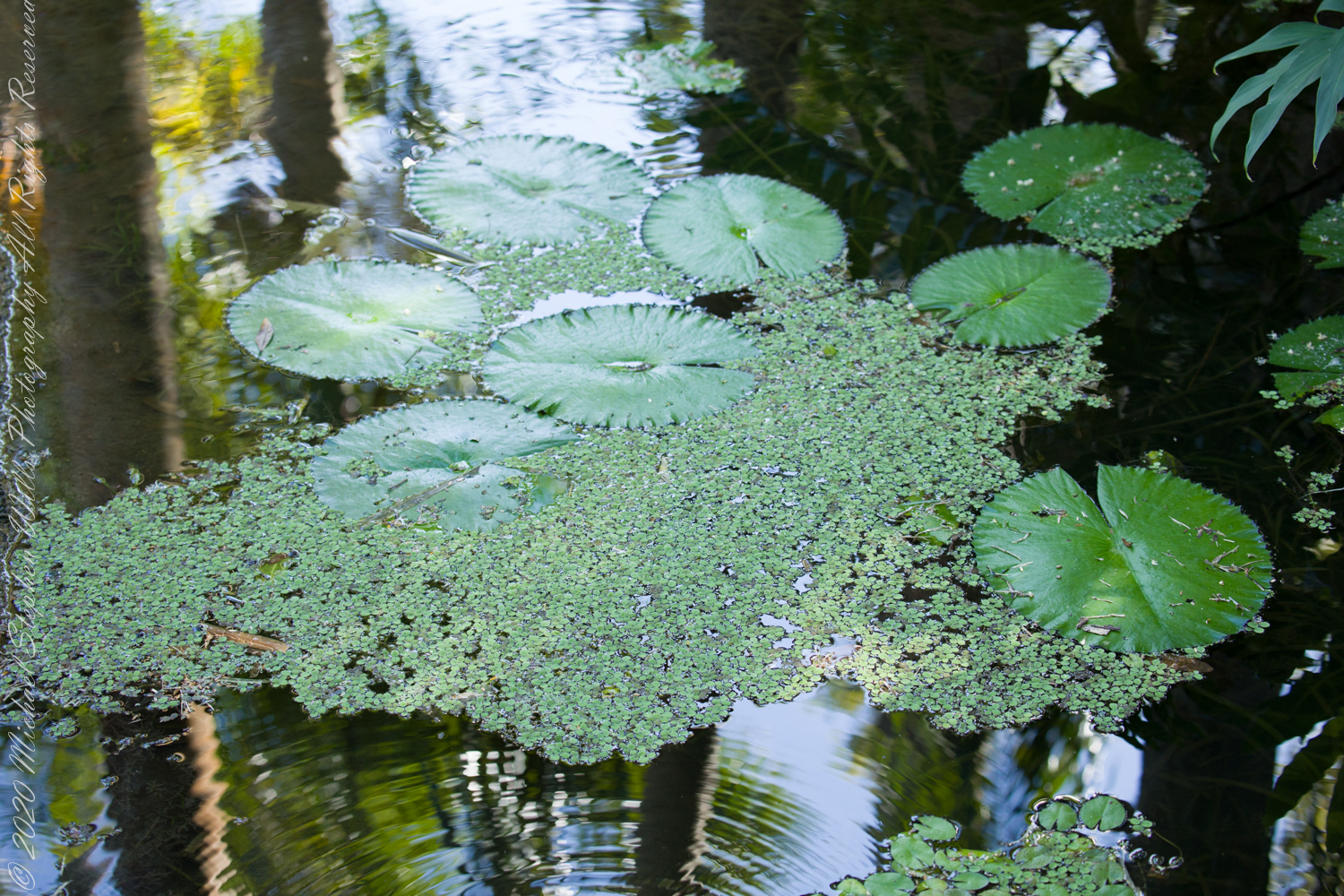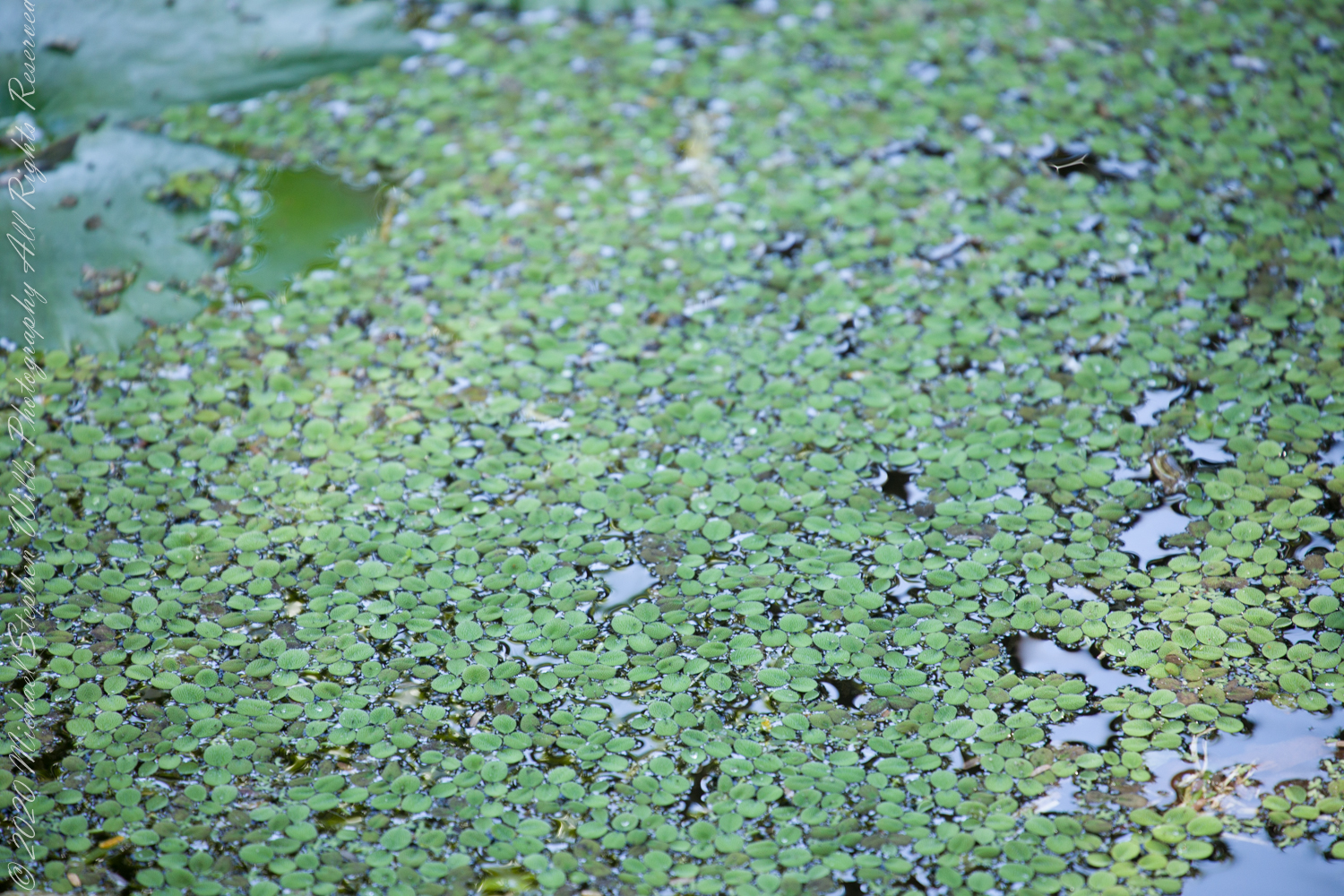
Beginning in 2018, McKee Botanical Garden had an opportunity to work with the US Geological survey to inform our visitors about what a healthy native fish population is. Countless human hours went into a fish population program within McKee’s 800,000-gallon waterway system, including the pond you are now looking at. Our efforts were successful and the established populations of non-native, invasive cichlids were eradicated. While we did lose some fish during the project, McKee’s waterways are now thriving with diverse Florida native fish.
Thousands of tiny mirrors brighten the sea turtle’s shellfern growing on tree trunk
A multi-day hatch of small fry around the time of a new moon triggered this Black Skimmers (scientific name: Rynchops niger) feeding behavior surf off Cocoa Beach, Brevard County on Florida’s Atlantic Coast.
Copyright 2022 Michael Stephen Wills All Rights Reserved
No, the Manatee mailbox on Atlantic Avenue is NOT the whale sighted….more of that later. February 3rd 2022 dawned with scattered clouds to fracture sunbeams.
Walking south I made the 2+ mile point where, up from the beach on South Atlantic Avenue, is a memorable facade.
Also exotic schefflera, paths to the beach through Sea Grapes.
Looking back to the Sea Grapes path from the beach
February is the time for Right Whale sightings on the Florida Atlantic Coast. On the beach, near the blue dot on the following map, were lines of people facing the ocean, some with binoculars and cameras with long lenses.
About 500 feet out, beyond where the wave roll begins, a person sat on a paddle board looking to my right. In the following IPhone videos an occasional black hump, roiling water, a flipper and the signature spout are visible. It is too far for identification, I call it a Right Whale from their reputation for visiting these shores in late January/February.
An hour later, I left the beach at South 4th Street to capture the following local color.
South 4th Street Beach AccessIn memory of Lee and Pat Beeler, “They loved each other and the ocean” Skip, Teri, Tess, Sean BeelerapproachableunapproachableManatee Mailbox
Copyright 2022 Michael Stephen Wills All Rights Reserved
Sky islands are isolated mountains surrounded by radically different lowland environments. The term originally referred to those found near the southern borders of the U.S. states of Arizona and New Mexico with the northern borders of the Mexican States of Chihuahua and Sonora such as the Dragoon Mountains featured in this post. The isolation has significant implications for these natural habitats. The American Southwest region began warming up between ∼20,000–10,000 years before the present-day and atmospheric temperatures increased substantially, resulting in the formation of vast deserts that isolated the sky islands.
This sycamore tree survives life in this ephemeral stream of an Arizona “Sky Island” by allowing entire trunks to die off during extended dry spells. The tree is an Arizona Sycamore (Platanus wrightii).
Informative sign at campsite
Reference: wikipedia article “Sky Islands.”
Copyright 2022 Michael Stephen Wills All Rights Reserved
Spiraea bushes in full bloom flanked the Riverside Park along Water Street.
Click any photograph for a larger version
Well cared for…..
…..as are the urns across the street.
Athens Country Cemetery
Our daughter-in-law and her Mom were a source of post-trip information. “Yan Van Loan” is how Jan Van Loon’s name is pronounced in Dutch, they kindly informed us.
Passage of political control from Dutch to English was decades old when Jan Van Loon acquired his land on the river. By the 19th century the name was anglicized (turned English) on the headstones, spelled as it was pronounced in English. In the 18th century Pam’s ancestors had moved west and south to what became Plymouth, Pennsylvania (Luzerne County). This was before the coal fields, in the 18th century agriculture was the primary industry. Pam’s branch of the Van Loons retained the Dutch spelling and anglicized the pronunciation, as “Van Loon” is pronounced in the English language.
The very old burials were marked with headstones of locally quarried slate, as was common in upstate New York. You can see slate headstones in this video of a Pioneer Cemetery near our home in Ithaca, New York.
In Athens the oldest stones were in the same condition, the lettering and decoration erased by the elements even when the stones are still standing. Some kind people researched the burials and erected a modern, white marble memorial stone with the names and dates of the ancestors named in the records. Jan Van Loon, Maria his wife, or any of Pam’s direct ancestors were not among them.
The Matthias Van Loon of this memorial obelisk was a descendant who remained in what became Athens, New York. The following two photographs are of the base and an overview. Matthias Van Loon’s is on the right.
This Catholic burial is on the very edge of the site, as though pushed off to the side. That is the yard of a private home in the background. I started this post with flowers because there was little evidence of familial devotions on these burials of previous centuries.
Ancient legends speak of the River Lethe, crossed by departing souls. The waters of the Lethe wash away memory, allowing for spiritual rebirth, reincarnation, a return to the world in new form.
This memory implant represents a bridge over the Lethe.
For those chosen to cross over to the new land in return for
their treasure, lives and selves.
Description
This virtual monoculture glade from the long time of forests,
a place of happy gatherings, of families, plentiful food and water.
These sycamores grew over centuries, through thousands of days, wider than 10 people,
white with age as the outer covering, called bark, falls away.
forked, trunks
climbing to the sky.
Copyright 2022 Michael Stephen Wills All Rights Reserved
An access road, now blocked with huge boulders by the State Park, leads to this dam at the head of Fillmore Glen. I stop here for reflection at times and have climbed behind the dam for photographs. It is possible to drive up the south side of the glen on a poorly maintained road and park next to the boulders. In this season (spring) the surrounding forest is carpeted in wildflowers. Hepatica, trillium, dutchman’s breeches. One day, years ago, I pulled in behind a late model convertible with a license plate holder advising the owner was a member of the 10th Mountain division and a World War II veteran.
They were a well dressed and groomed couple. The white haired driver, in his late 80’s at least, patiently waited while she, a frail woman, walked the margins of the forest, enjoying the wildflowers. It was my impression this was a ritual for them, developed over the years. One of the few spring outings left to them.
Wildflower displays develop over hundreds of years. The massed trillium are on land not disturbed for thousands of years, since the last ice age. These same spring wonders were certainly enjoyed by the Iroquois before us.
Click either photograph for a larger view.
On the gorge slope below the parking area, in a hollow on the north side of a large (I recall) oak, one early sunny spring morning I discovered the last resting place of a deer. Only the bones and some fur remained, the visible portion resembles the Capitulum and trochlea of a human arm bone and, indeed, there was a scapula close by. The season is evoked by the unfurling fern against the based of the oak.
Dark, Unwritten Forest Secrets
Copyright 2022 All Rights Reserved Michael Stephen Wills