Wednesday, June 15th, we were on a turn to heat and humidity with this day of light breeze, temperature in the 70s making hiking around Tremen Park a joy.
These snapshots, taken on the fly with an IPhone 7, are the high points.
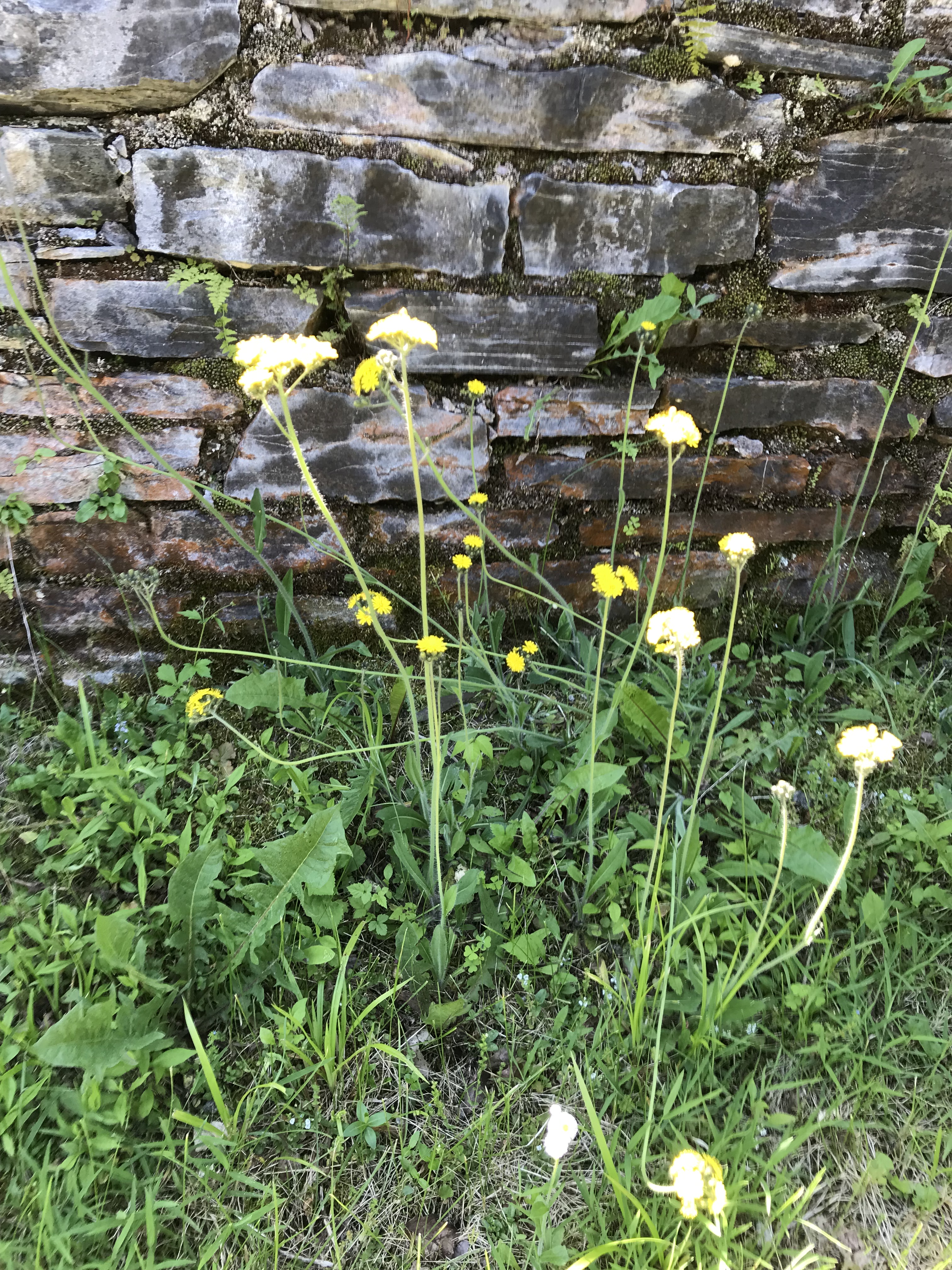
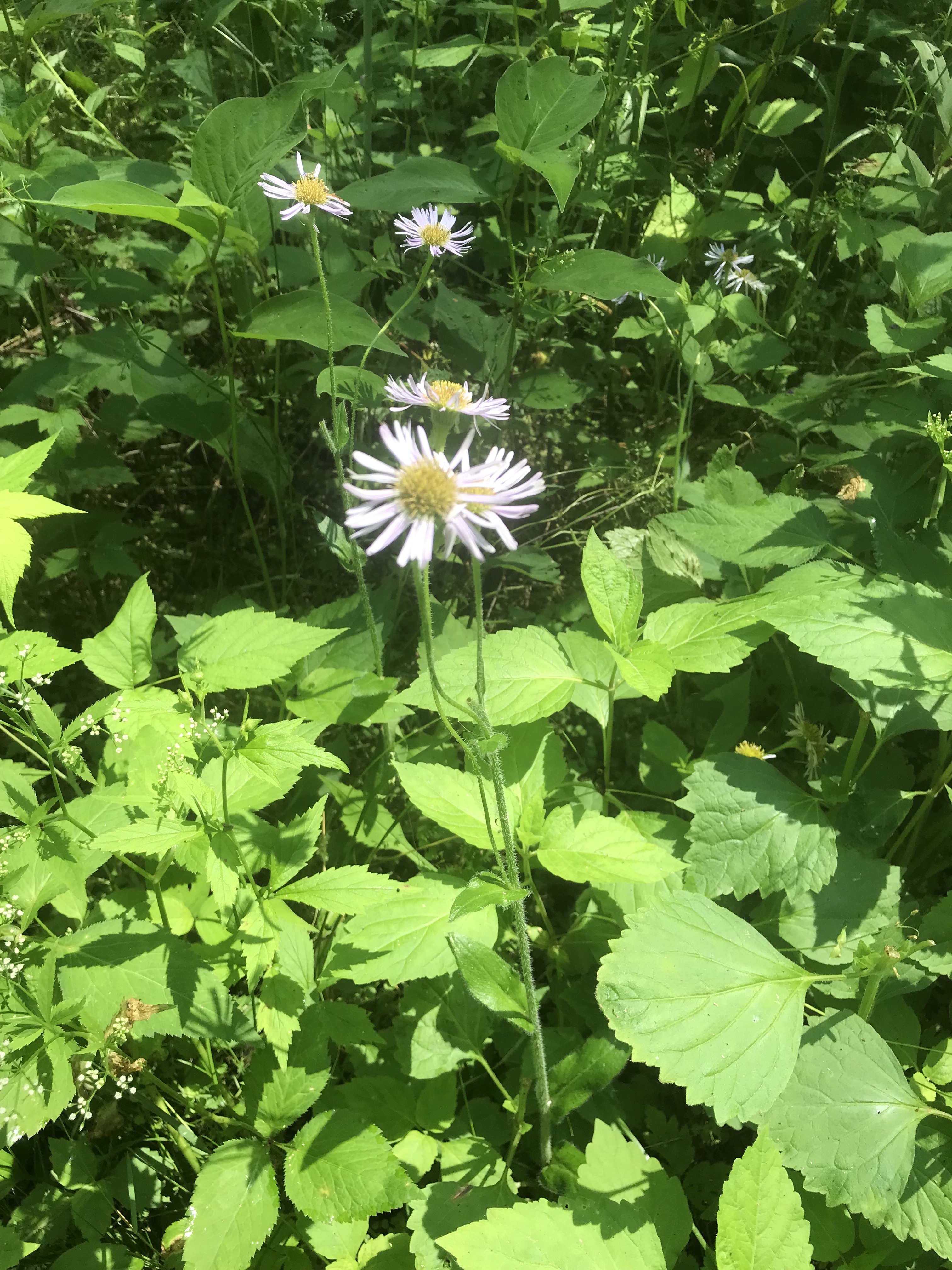
The first is a dandelion look alike with yellow flowers, petals shaped like teeth, though on a long hard stem and multiple flowers on a stalk. Known as meadow hawkweed, yellow hawkweed, field hawkweed, king devil, yellow paintbrush, devil’s paintbrush, yellow devil, yellow fox-and-cubs, and yellow king-devil with two scientific names: Pilosella caespitosa and Hieracium caespitosum.
Click photograph for a larger view. To do this from WordPress Reader, you need to first click the title of this post to open a new page.
Pilosella caespitosa
Click for slideshow.
Copyright 2022 All Rights Reserved Michael Stephen Wills
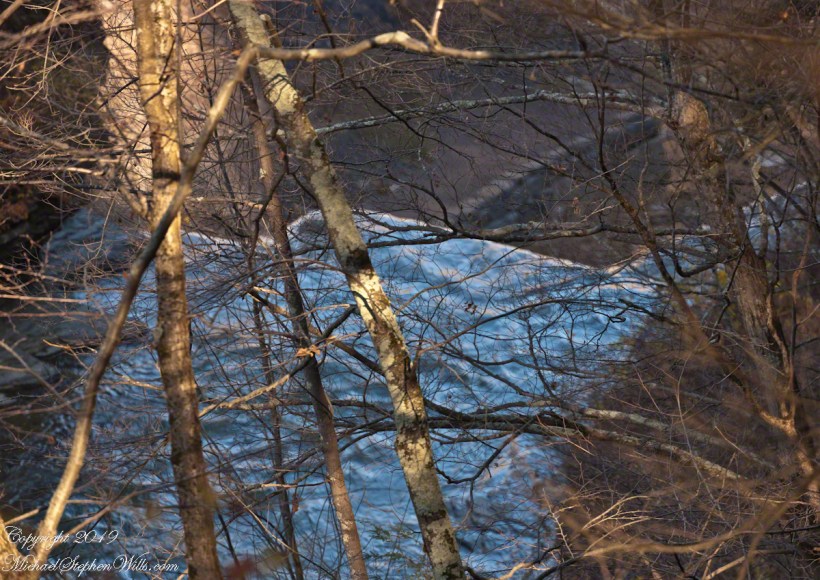
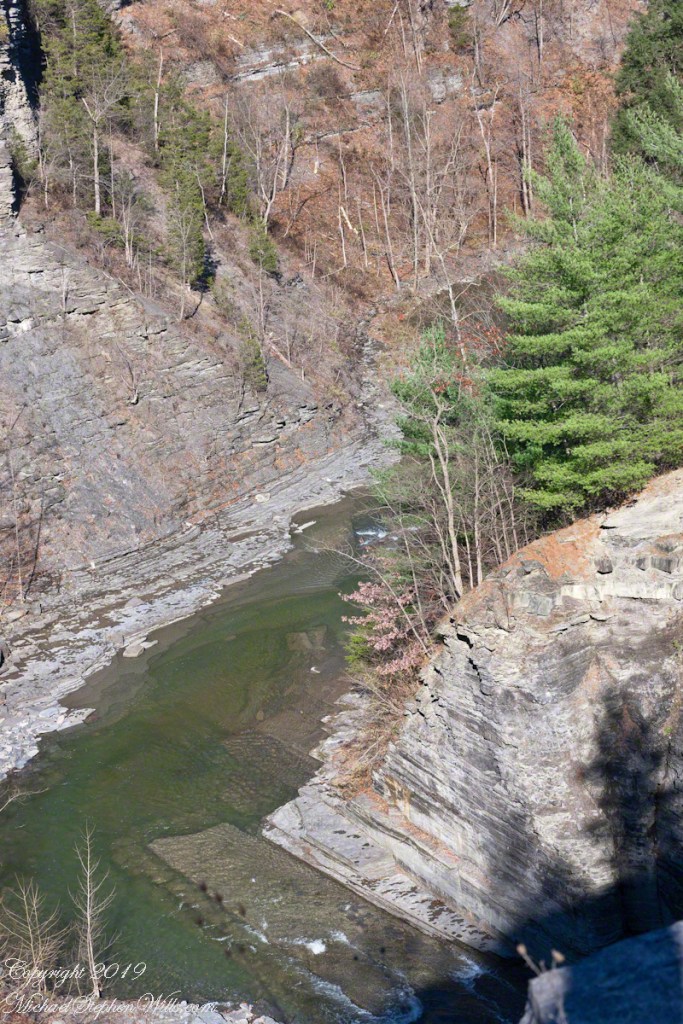
Walking around Taughannock Falls New York State Park on the solstice of 2019 starting from the Black Diamond trail head on Jackson Road, down the South Rim trail, up the North Rim Trail. We had a great deal of rain this week and the water filled the falls the full channel width.
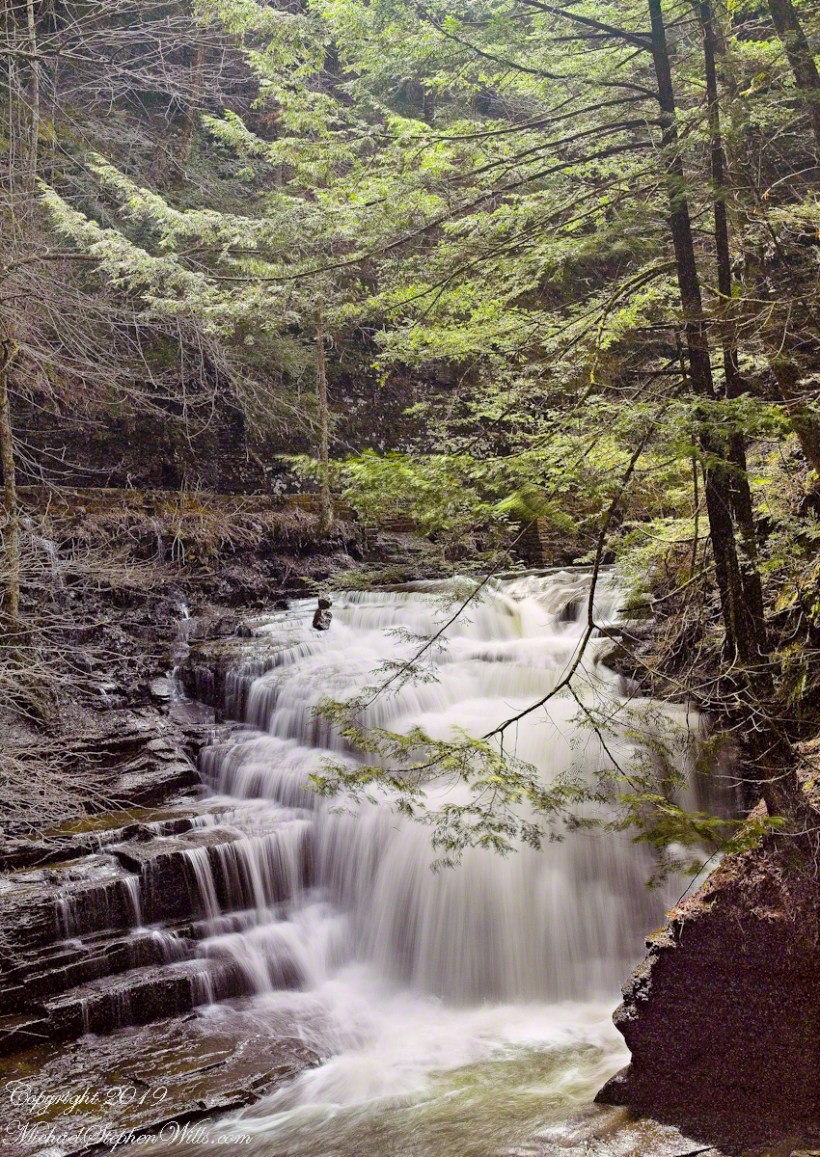
The header photograph is a waterfall of Fillmore Glen, also in the Finger Lakes.
For a full screen view, click on the UTube icon, lower right of the video panel. The resolution is not very good so I also posted the source videos.
The movie is from the following videos and photos from my IPhone. The quality is better than the compilation video. I uploaded the following videos directly to WordPress. I was not able to get the “full view” icon to work on my browser. Enjoy
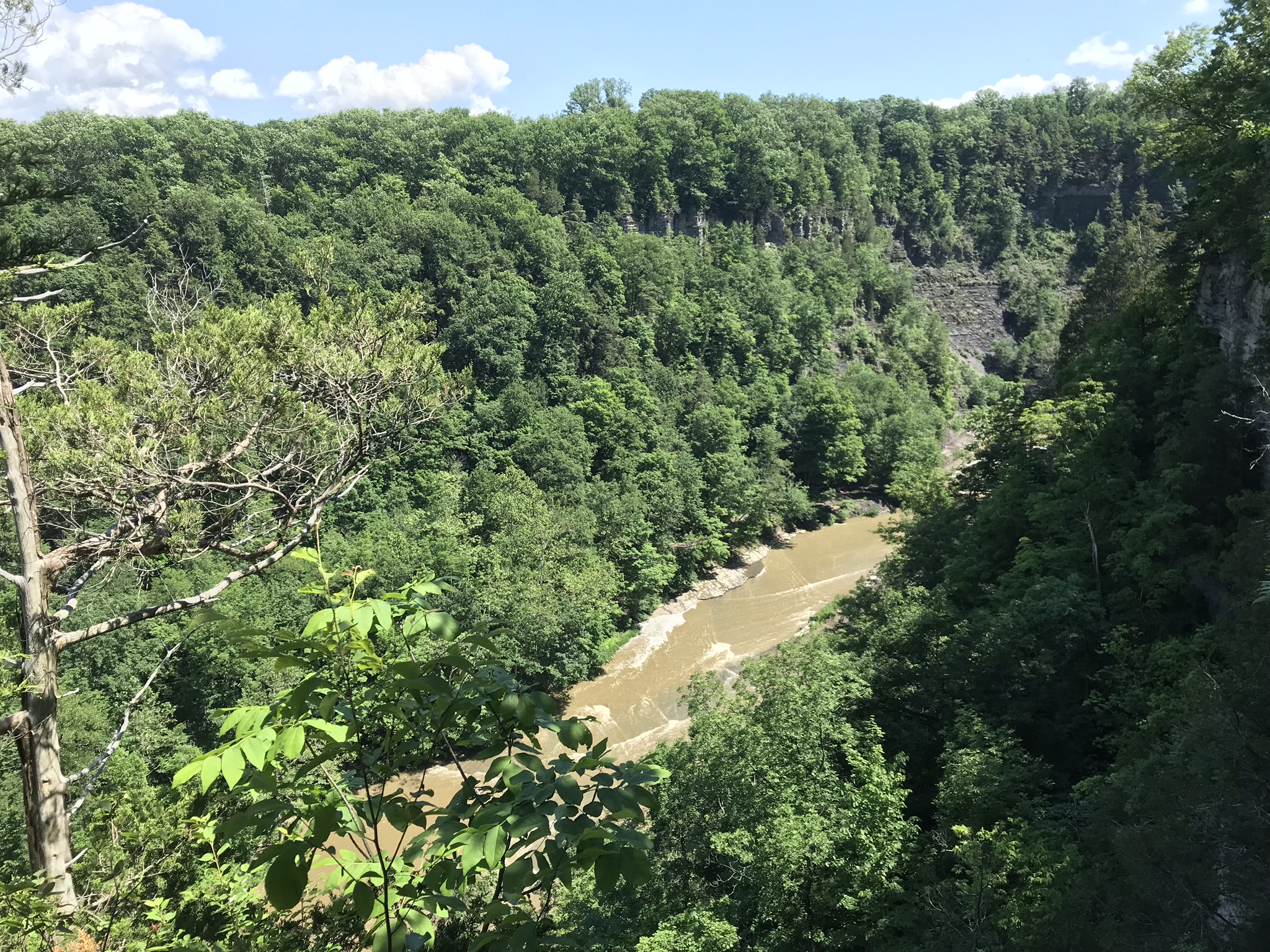
View of the upper gorge, above the falls, from the South Rim
View into the gorge from the South Rim
Distant view of Taughannock Falls from the South Rim
Click on any of the photographs for a larger view.
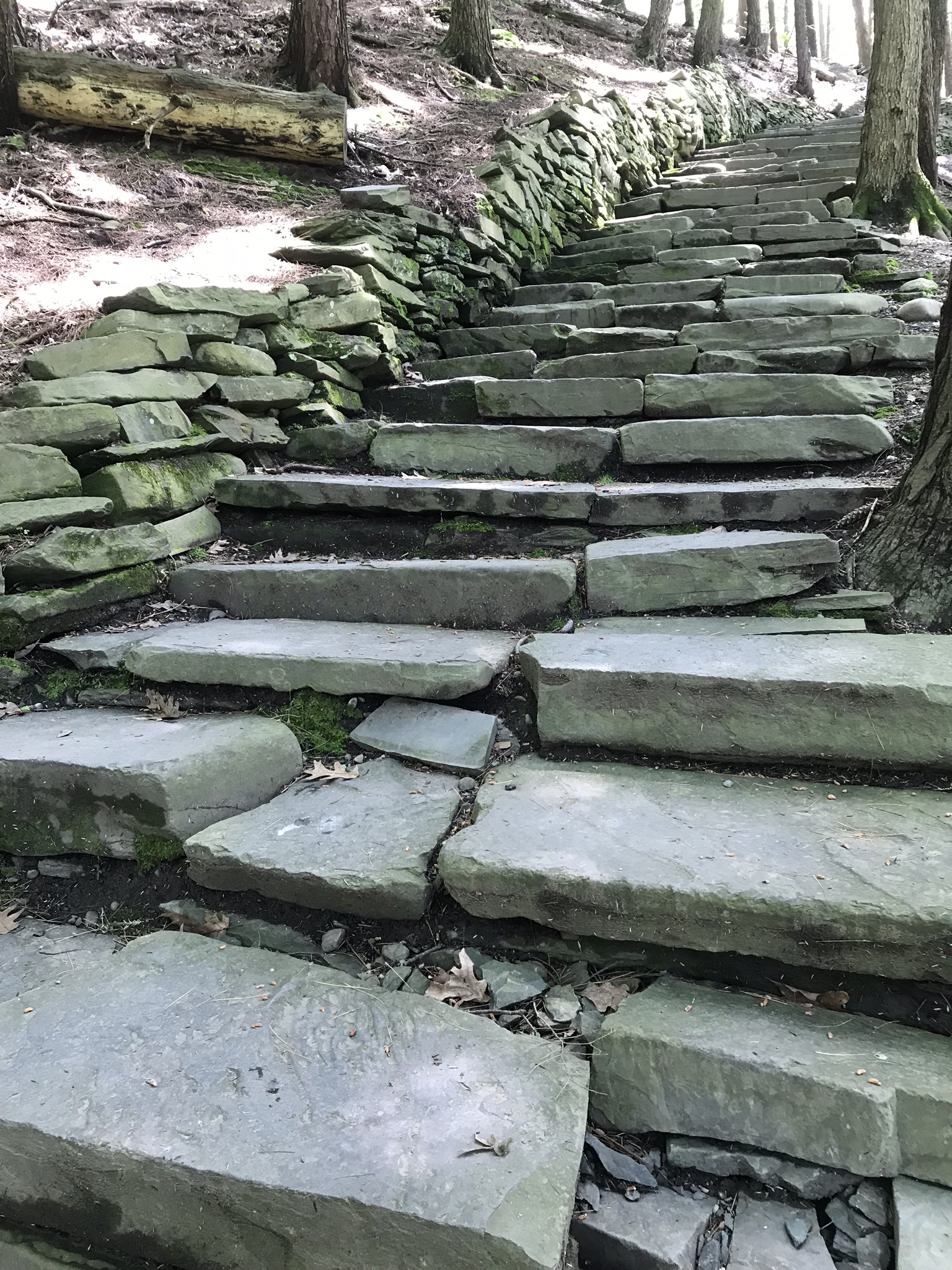
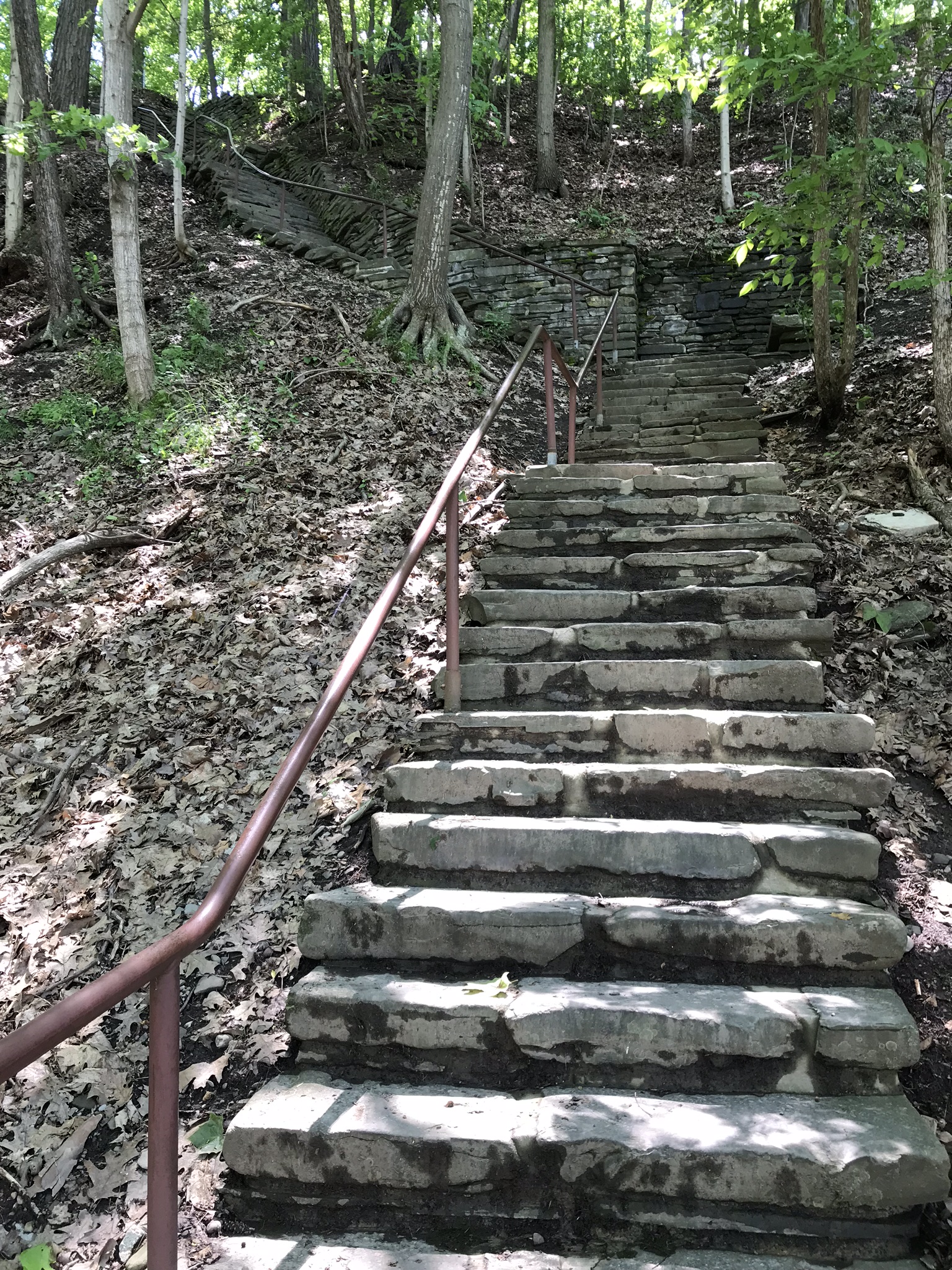
The stair down from the gorge South RimView of the forest of the South RimThe stairs up to the North Rim of the gorge
View of the forest of the North Rim
A turkey vulture soars by towards the end of the following.
View of gorge from the North RimView into the gorge from the North Rim
Taughannock Falls and “Ant People” from the overlook
Taughannock Falls from the North Rim
Copyright 2019 All Rights Reserved Michael Stephen Wills
Capturing photographs and videos on the fly using an Iphone, we visited Fillmore Glen State Park, Moravia, New York with our granddaughter, Nia. This is the seventh post of this series. Click me for another springtime post.
Click any photograph for a larger view.
Growing up on Long Island provided limited exposure to the great variety of animal and plant life on planet earth. I remember Canesteo, a town just off the western edge of the Finger Lakes in Steuben County, after moving there in the 1980’s, had a marvelous abundance of different plants in the lawn. It was a welcoming feeling to notice this before the term “monoculture” was circulated.
These days the exuberant variety of ferns and mosses in the Finger Lakes are still alien in the sense noticing the small differences between species is still beyond me; or, rather, I have yet to know well all the later arrivals on the scene, the flowering plants and these command my attention.
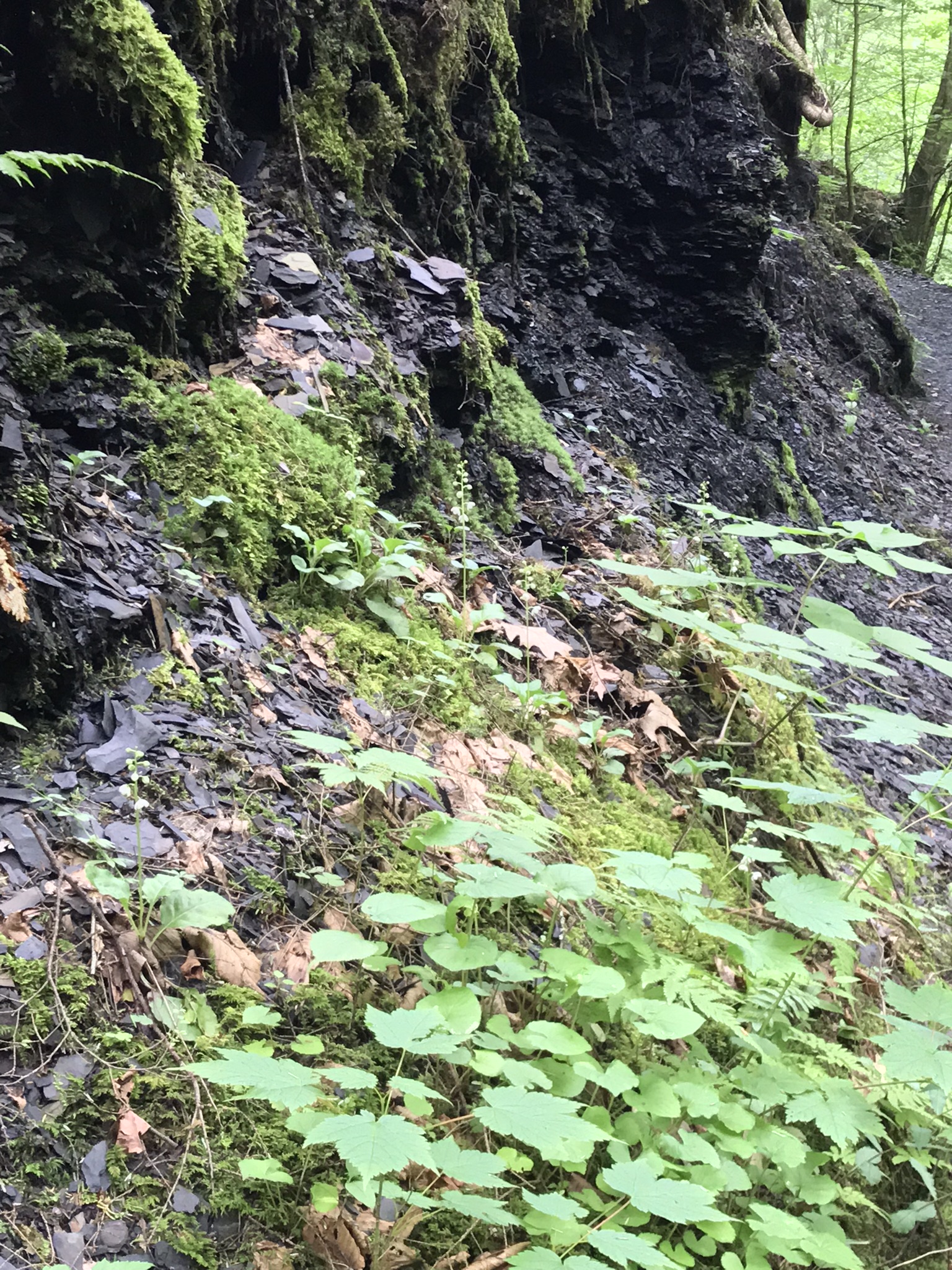
Close by the Sorrell of my post “Glen Shadows” is this inconspicuous flower, common name Shinleaf, seen here growing in spite of the the wet rip rap of shale at the base of the glen wall on the footpath. Much of the characterization of this plant is from the inconspicuous basal leaves from which the raceme of flowers springs.
Evergreen Pears
Moss and Shinleaf are associated in these groupings, I could conclude the moss provided a place for the tiny seeds of the plant to lodge and take root. The plant is a perennial and stays green throughout the winter, leading to another conclusion: there is a substance in the leaf cells that resists freezing. The latin meaning of the (scientific name) genus Pyrola means “Pear”, the shape of the leaf.
Look closely at the flowers to see the small flowers, the style extending beyond the petals like a bell clapper.
The common name, Shinleaf, is from England where the plant is credited with providing relief for minor injury. I am unclear on the grouping of this plant as a wintergreen. Shinleaf might be included as a wintergreen, and possibly attributed with healing properties, because “wintergreen” in the past was a synonym for “evergreen.”
There are species of wintergreens, in a different family, with leaves containing methyl salicilate that metabolizes (changed in our bodies) to a substance related to aspirin and more potent. I am reconsidering my identification of “cranberry” in the previous post “Red” to be a type of wintergreen high in methyl salicilate and growth close to the Shinleaf.
This abundance of life variety must be cherished and preserved, it can be a source of survival for the human species.
Copyright 2022 Michael Stephen Wills All Rights Reserved
Ancient legends speak of the River Lethe, crossed by departing souls. The waters of the Lethe wash away memory, allowing for spiritual rebirth, reincarnation, a return to the world in new form.
This memory implant represents a bridge over the Lethe.
For those chosen to cross over to the new land in return for
their treasure, lives and selves.
Description
This virtual monoculture glade from the long time of forests,
a place of happy gatherings, of families, plentiful food and water.
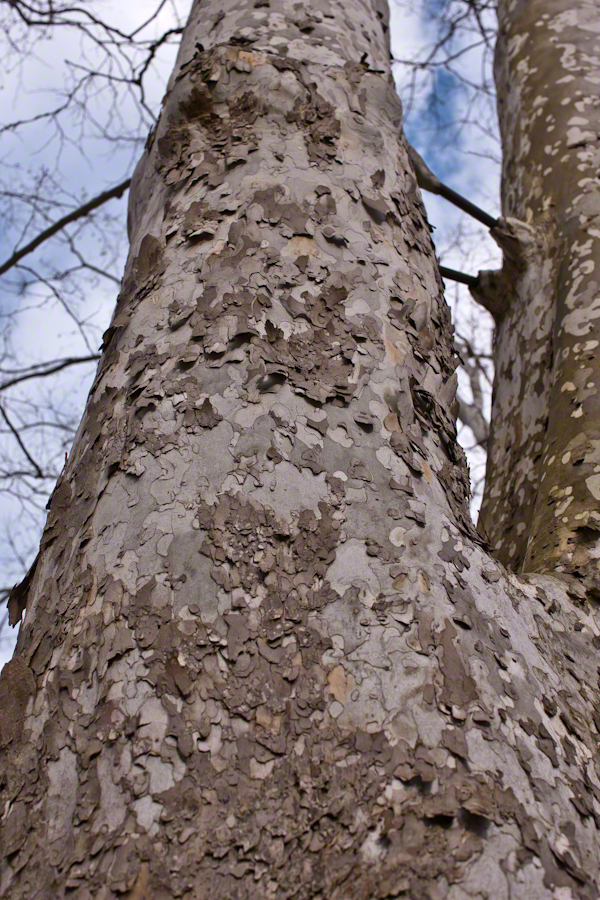
These sycamores grew over centuries, through thousands of days, wider than 10 people,
white with age as the outer covering, called bark, falls away.
forked, trunks
climbing to the sky.
Copyright 2022 Michael Stephen Wills All Rights Reserved
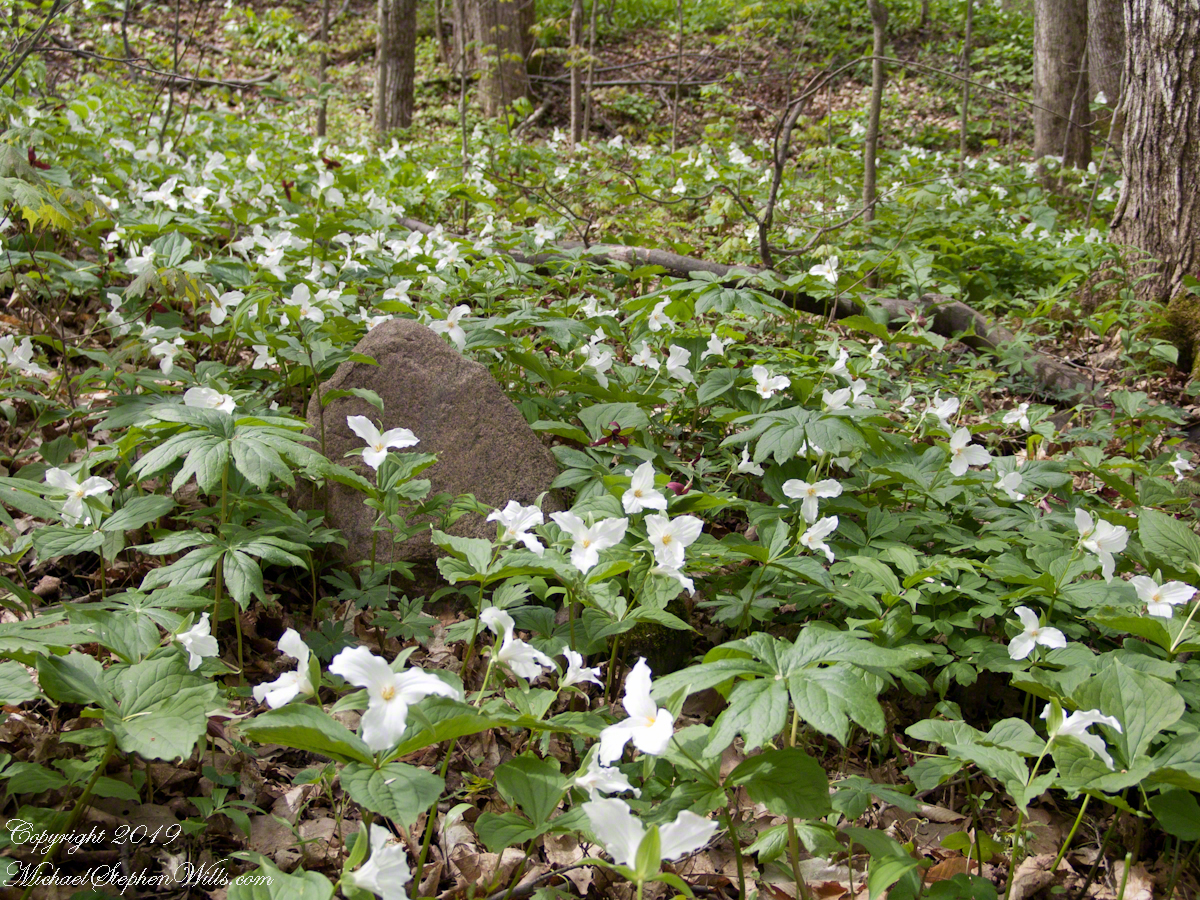
An access road, now blocked with huge boulders by the State Park, leads to this dam at the head of Fillmore Glen. I stop here for reflection at times and have climbed behind the dam for photographs. It is possible to drive up the south side of the glen on a poorly maintained road and park next to the boulders. In this season (spring) the surrounding forest is carpeted in wildflowers. Hepatica, trillium, dutchman’s breeches. One day, years ago, I pulled in behind a late model convertible with a license plate holder advising the owner was a member of the 10th Mountain division and a World War II veteran.
They were a well dressed and groomed couple. The white haired driver, in his late 80’s at least, patiently waited while she, a frail woman, walked the margins of the forest, enjoying the wildflowers. It was my impression this was a ritual for them, developed over the years. One of the few spring outings left to them.
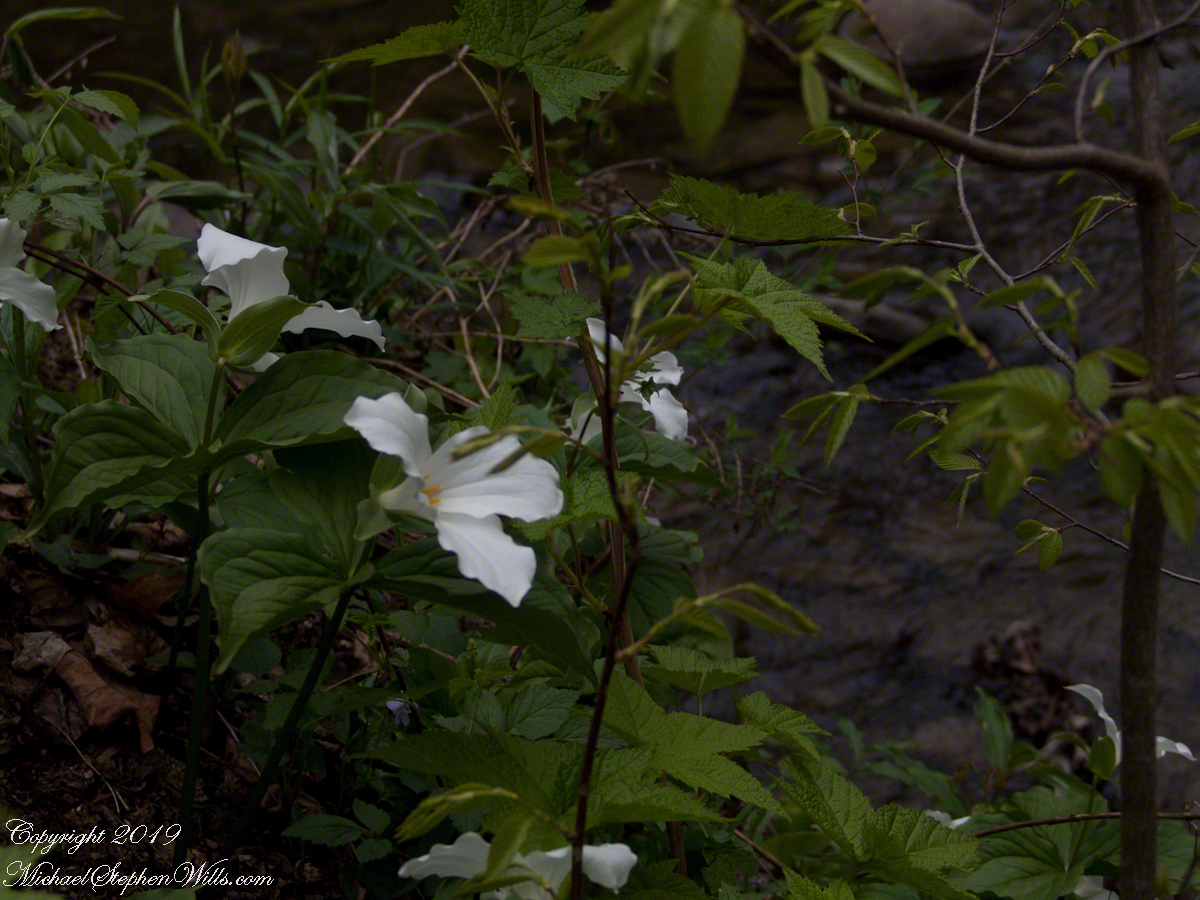
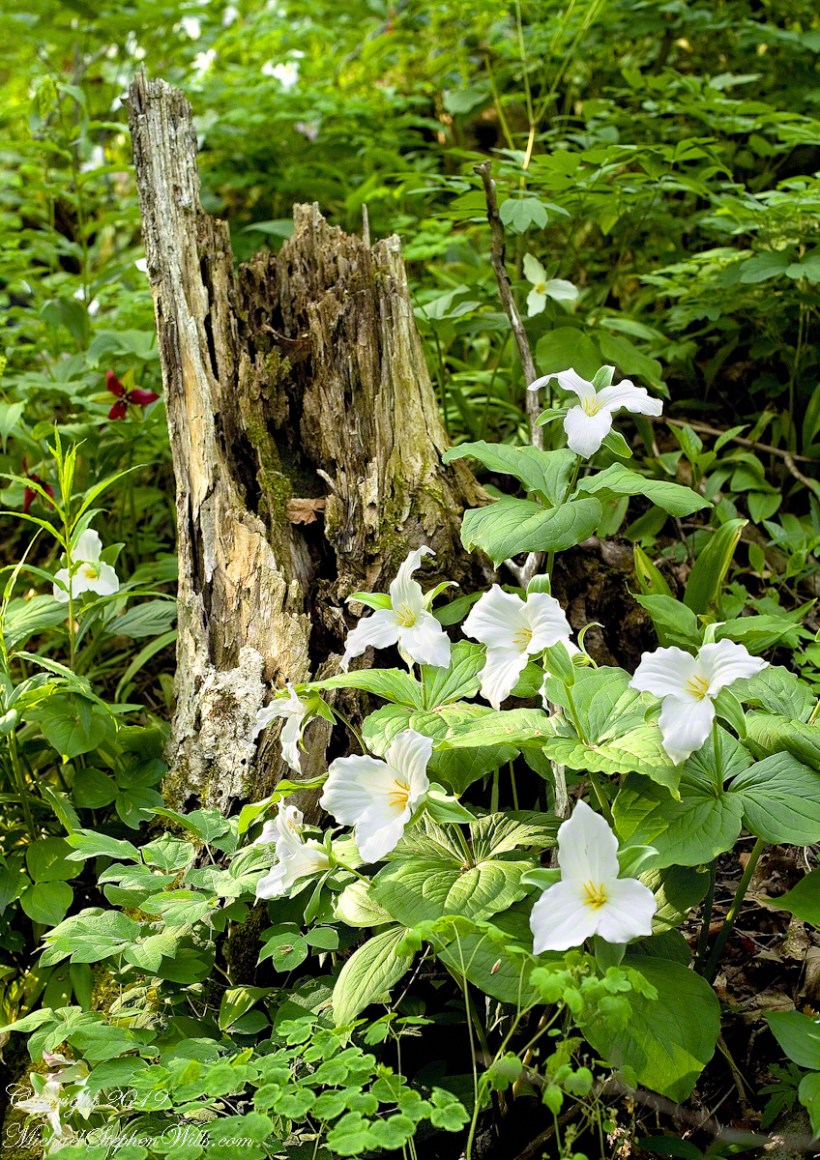
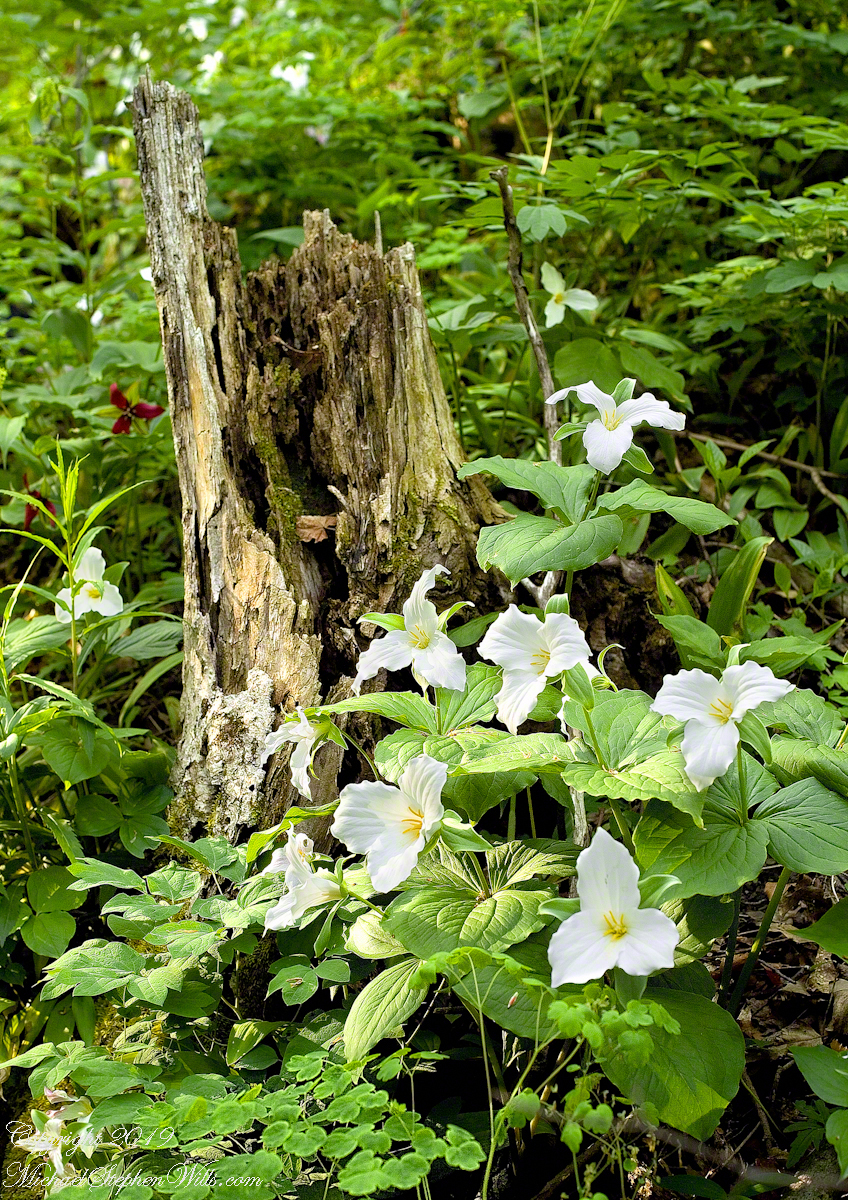
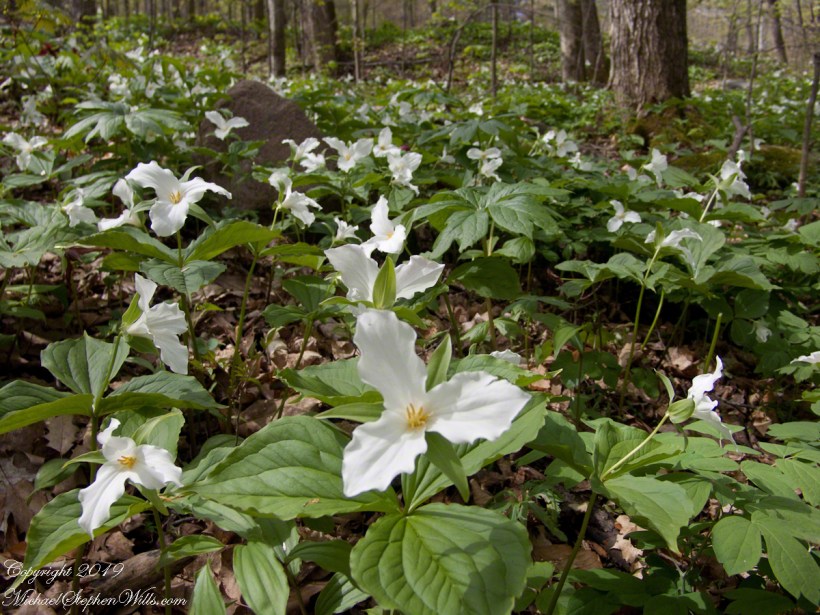
Wildflower displays develop over hundreds of years. The massed trillium are on land not disturbed for thousands of years, since the last ice age. These same spring wonders were certainly enjoyed by the Iroquois before us.
Click either photograph for a larger view.
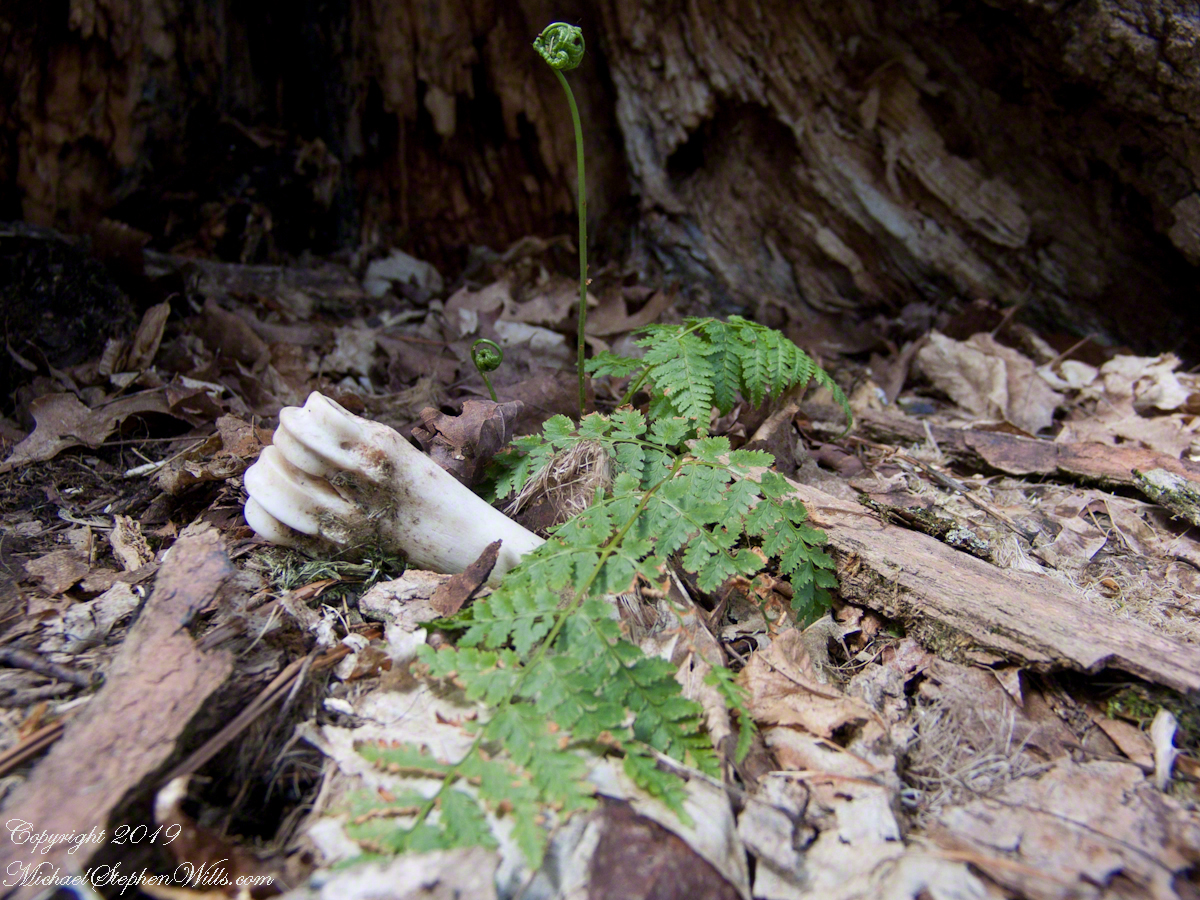
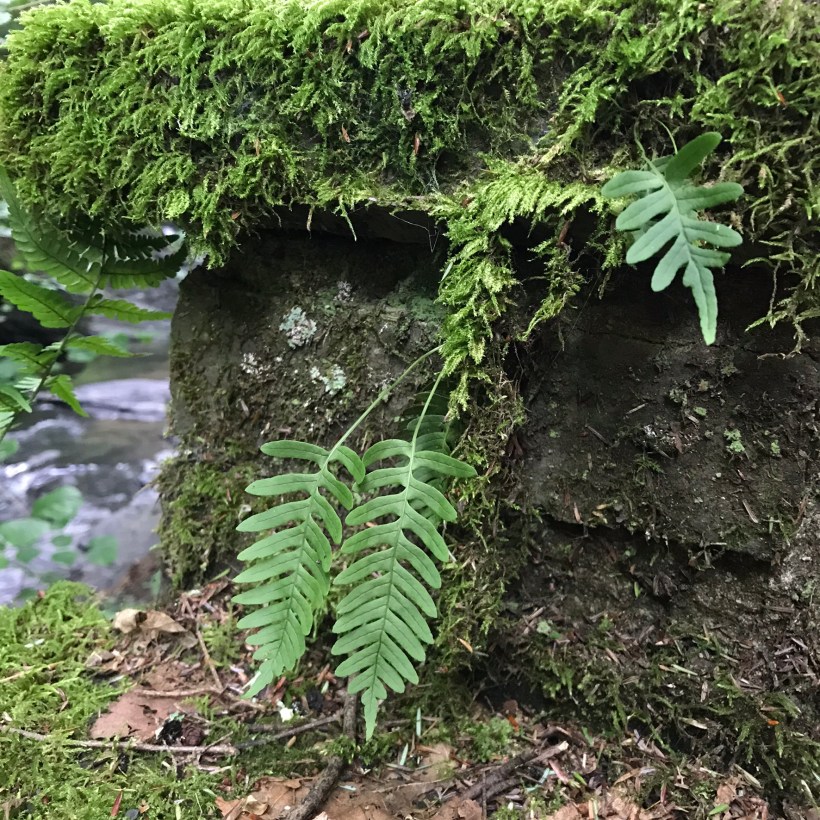
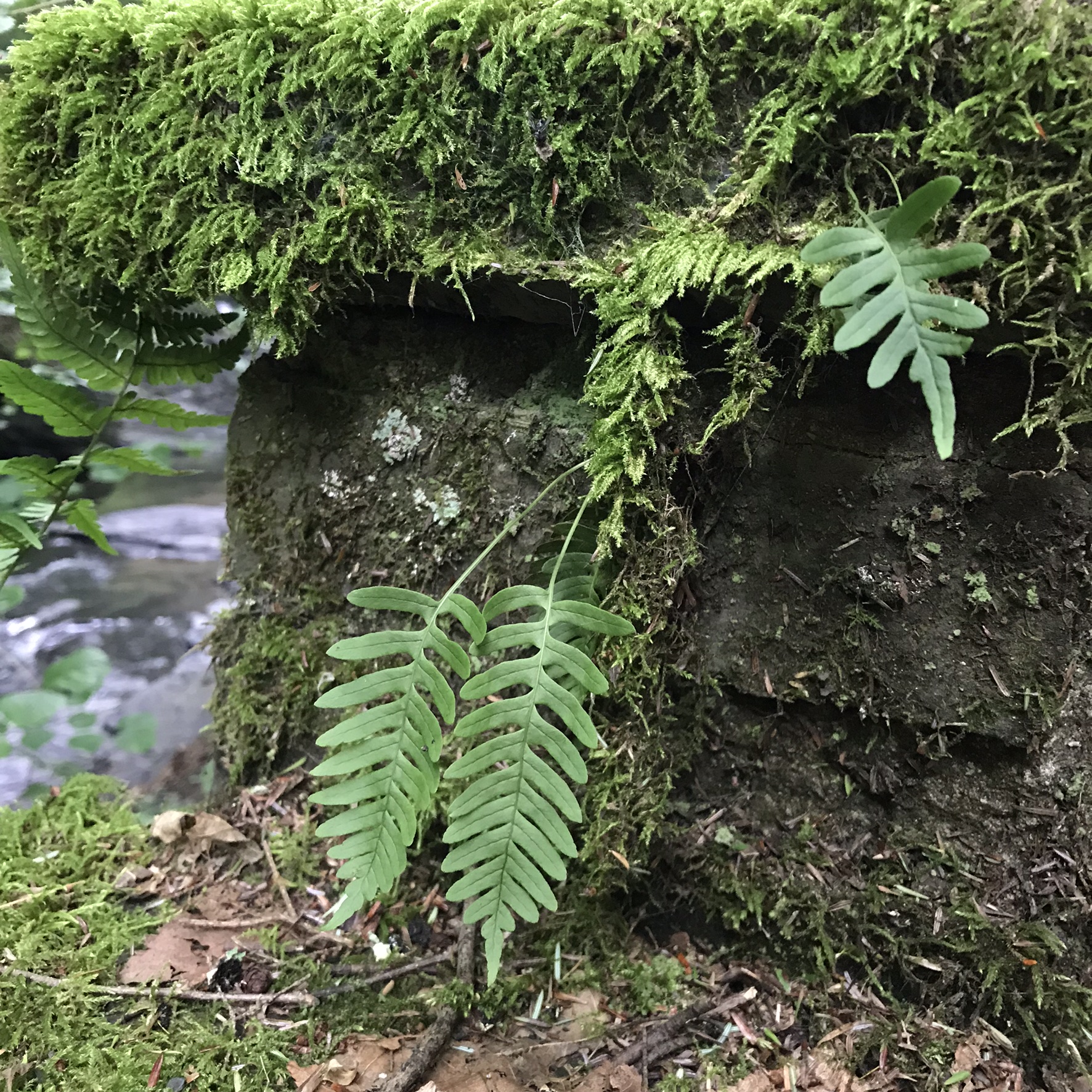
On the gorge slope below the parking area, in a hollow on the north side of a large (I recall) oak, one early sunny spring morning I discovered the last resting place of a deer. Only the bones and some fur remained, the visible portion resembles the Capitulum and trochlea of a human arm bone and, indeed, there was a scapula close by. The season is evoked by the unfurling fern against the based of the oak.
Dark, Unwritten Forest Secrets
Copyright 2022 All Rights Reserved Michael Stephen Wills
Pam and I were drawn outside the day after Valentine’s a bit of sun, an unreliable warm breeze, a promise of exercise. Our expectations were disappointed for all but the last at the foot of the Taughannock Falls gorge trail.
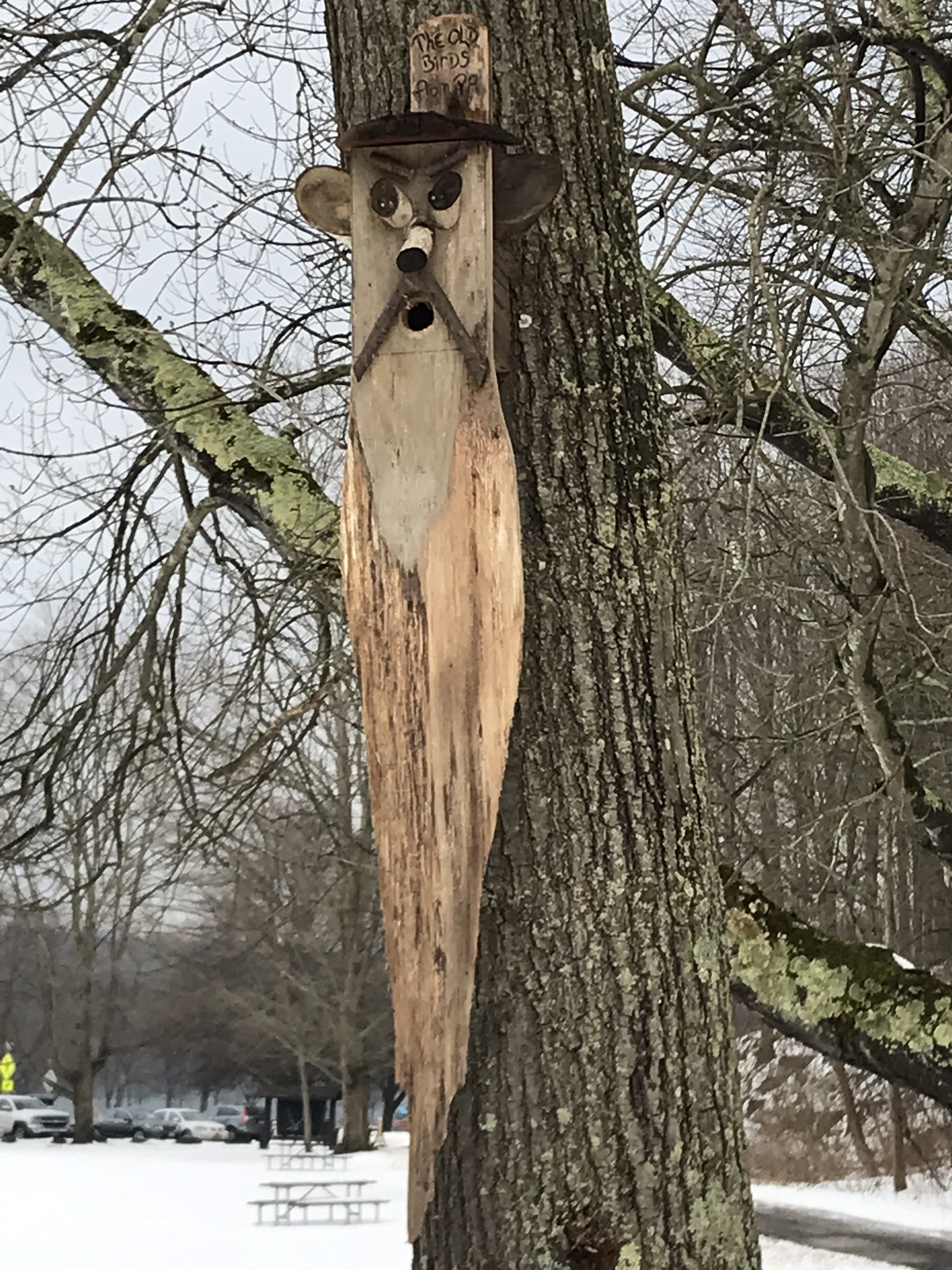
We had a reminder mid-February marks the start of avian mating behavior with this addition to the view from Taughannock Creek, the first large waterfall. For the cold, drizzly excursion I chose the IPhone, in a waterproof case, for the images. The fanicful birdhouse inscription reads “The Old Birds from Pa.”
Click the photograph for my “Finger Lakes Memories” Online gallery.
The winding gorge takes a general east, southeasterly direction. Where the sun cannot reach the snow was reduced to a treacherous slushy ice mix more nasty than dangerous.
View from the Overlook on the way to the trail. This is the endpoint of our hike, viewed from the gorge rim.
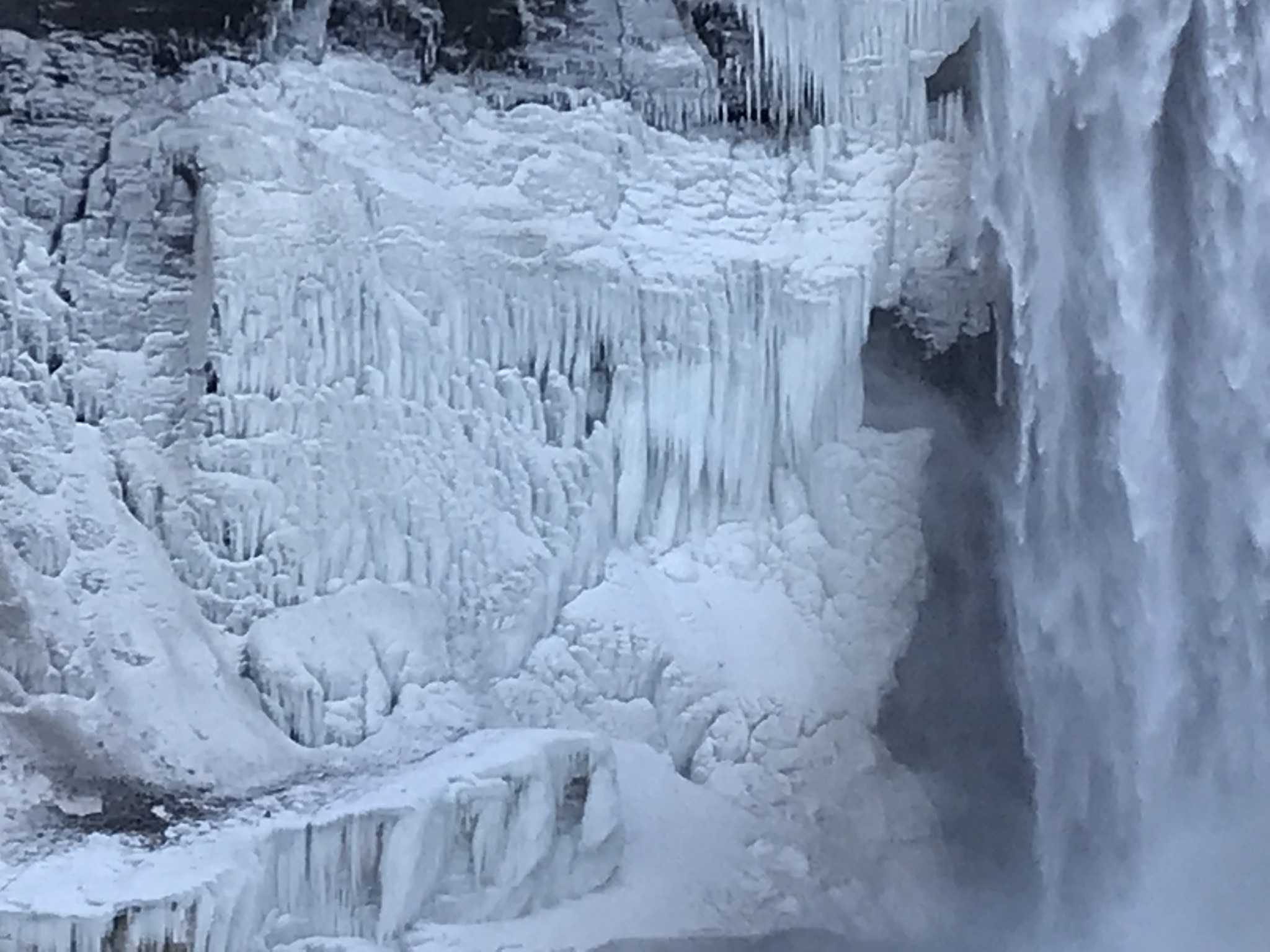
Of all the area hiking experiences, Taughannock Gorge Trail is the only one available year round. The gorge is wide with enough room for the footpath to avoid the cliff edge. Today, there were places were ice formations were throwing large ice chunks down the slope. The park ranges place tree trunks along the cliff base, with warning signs to stay away. Still, there are visitors who stray too close with fatal outcomes reported by local news.
Pam was fascinated by the appearance of snow and ice accumulated on the talus, here seen from the Taughannock Falls viewing bridge.
Click photograph for my “Finger Lakes Memories” online gallery. Photo by Pam.
You can just pick out the viewing bridge in the Falls Overlook video.
Click photograph for my “Finger Lakes Memories” Online Gallery. Photo by Pam.
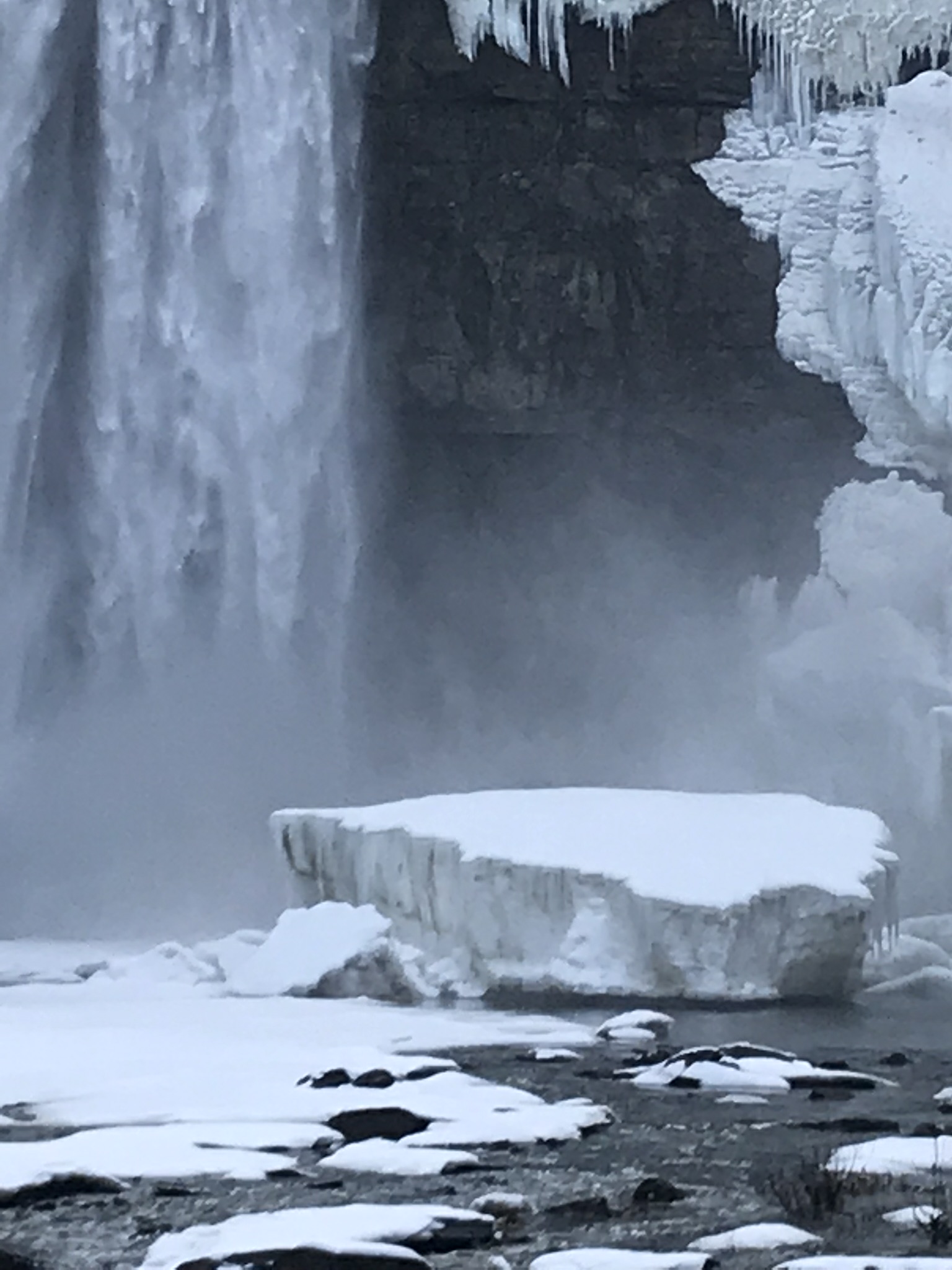
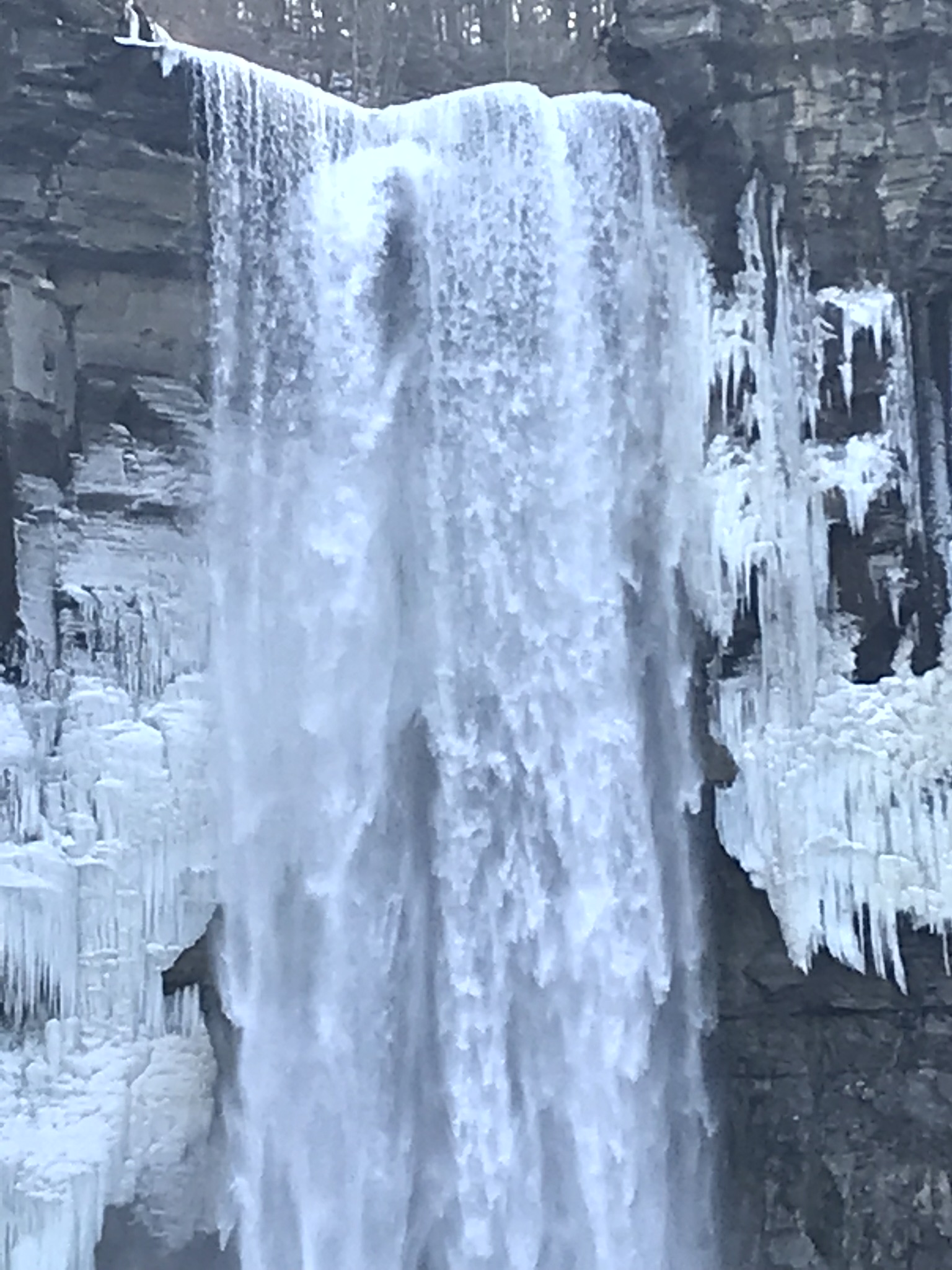
Taughannock Falls bound by ice is a most dramatic sight. I need to post photographs from a 2005 visit during an especially frigid February. Here, the falls have thrown off the ice, leaving this house-size chunk.
Click photograph for my “Finger Lakes Memories” Online Gallery
The surrounding gorge walls are continually frost coated by the mist.
Click the photograph for my “Finger Lakes Memories” Online Gallery
210 foot Taughannock Falls from the viewing bridge.
In more clement seasons the Gorge Trail ends much closer to the falls. Today, it was closed as, during winter and especially thaws, blocks of the sandstone cap break away to fall with great force across that part of the trail. This viewing area is visible in the Falls Overlook video.
Copyright 2019 All Rights Reserved Michael Stephen Wills
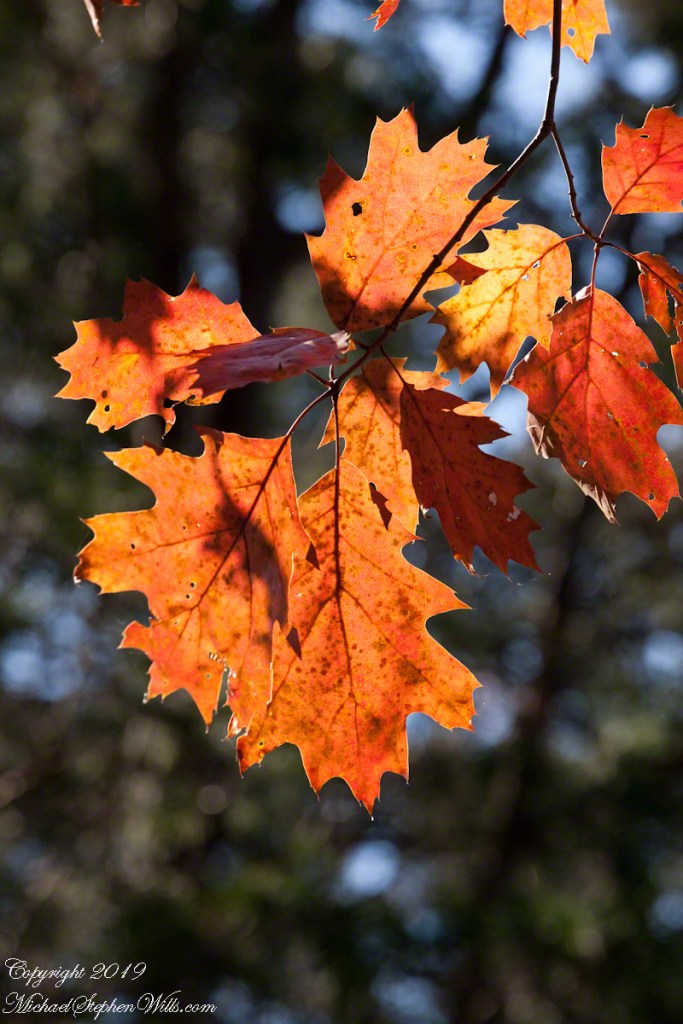
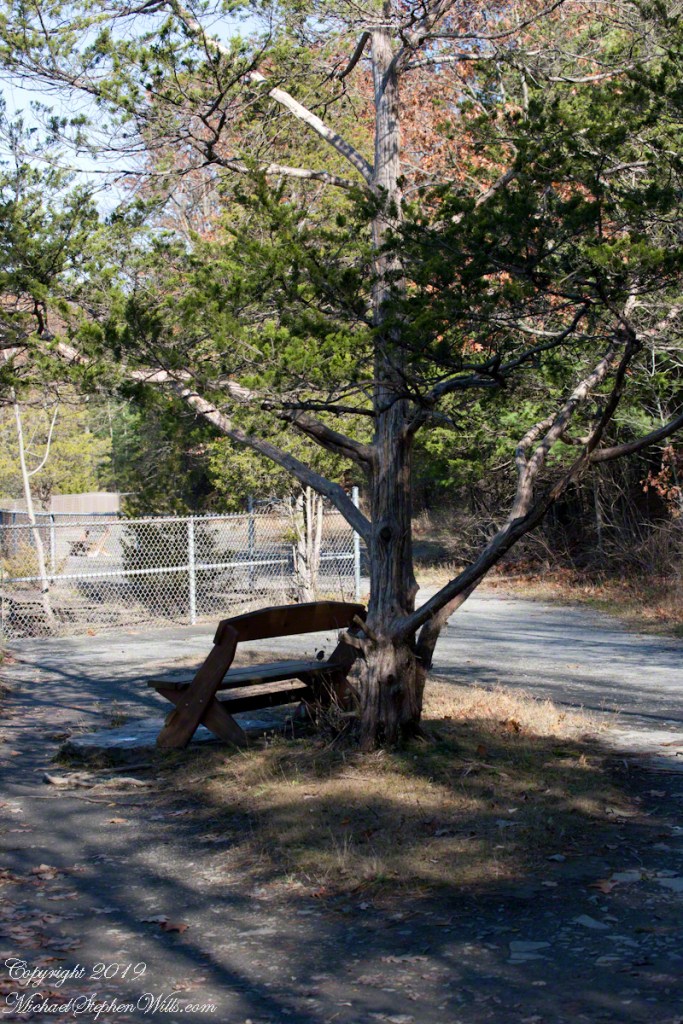
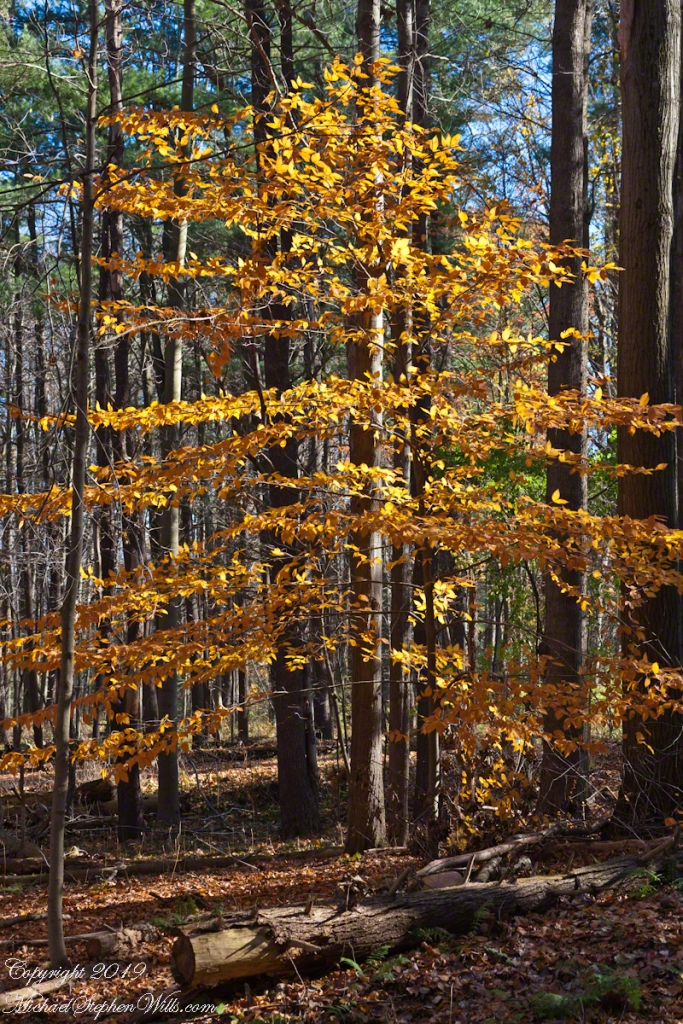
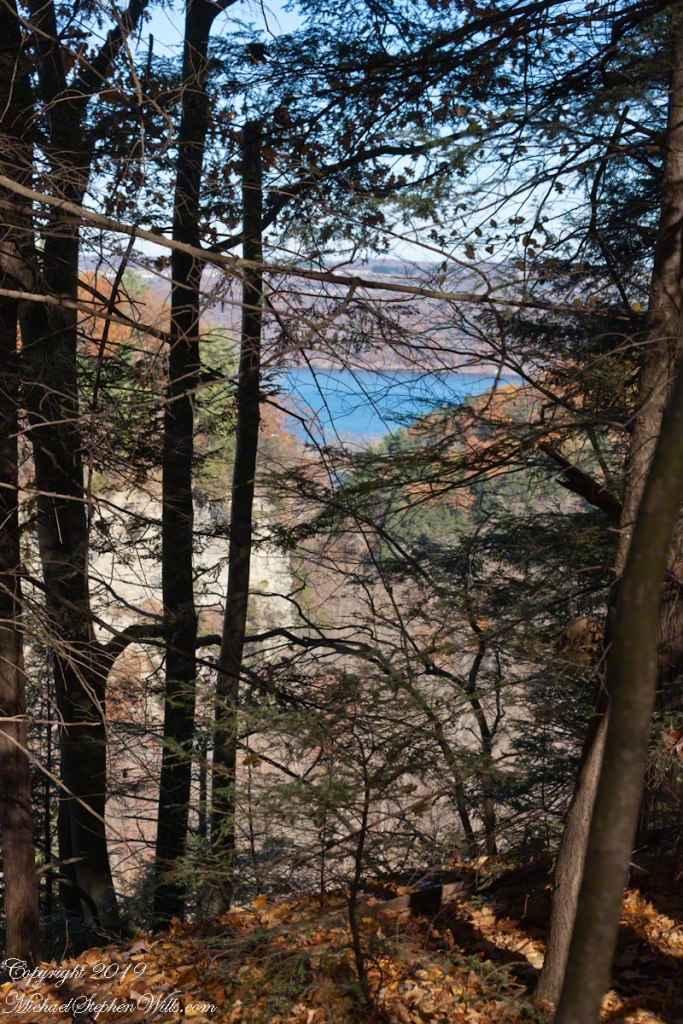
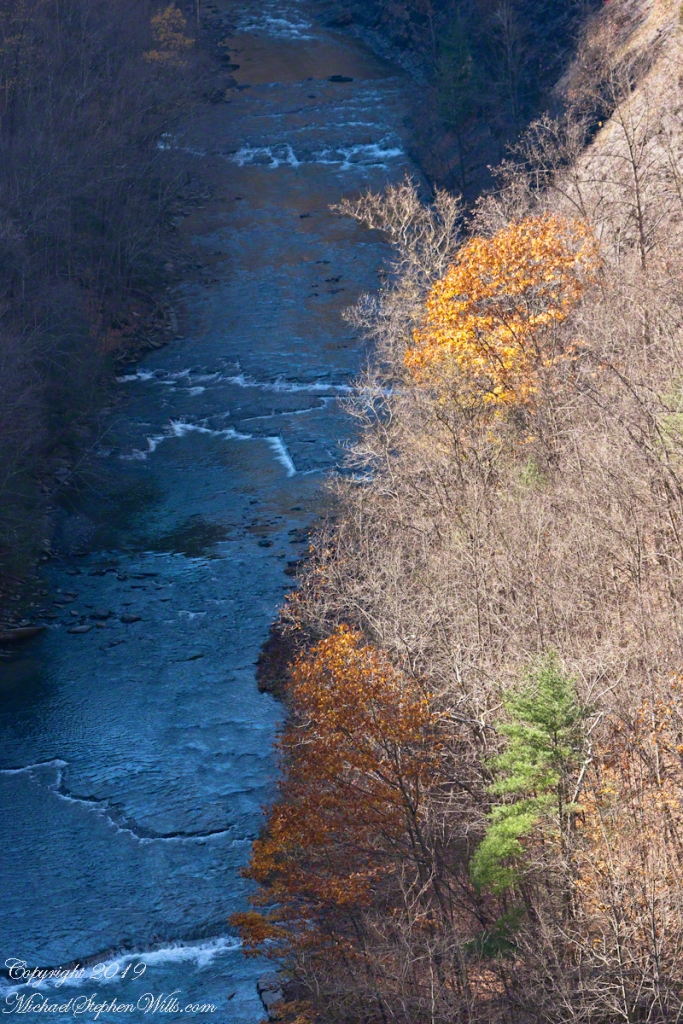
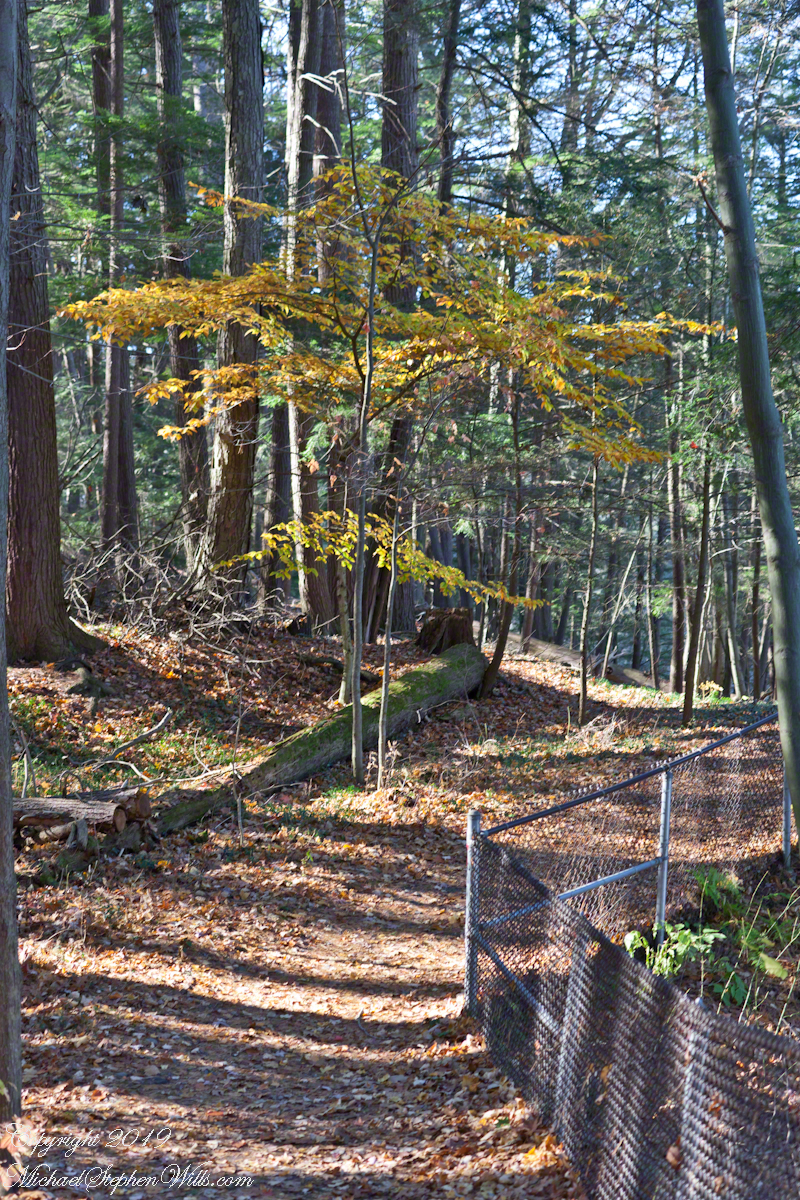
A Rock Elm, late to turn in autumn, stands among a hemlock grove on the South Rim Trail of Taughannock Falls Park, Finger Lakes Region of New York State.
Click photograph for a larger view. To do this from WordPress Reader, you need to first click the title of this post to open a new page.
South Rim Trail, early November
Copyright 2021 All Rights Reserved Michael Stephen Wills





 For those chosen to cross over to the new land in return for