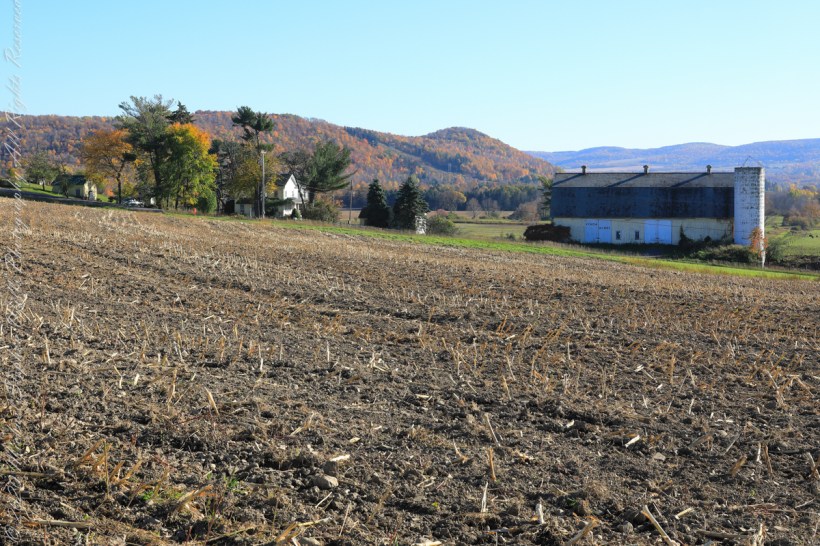
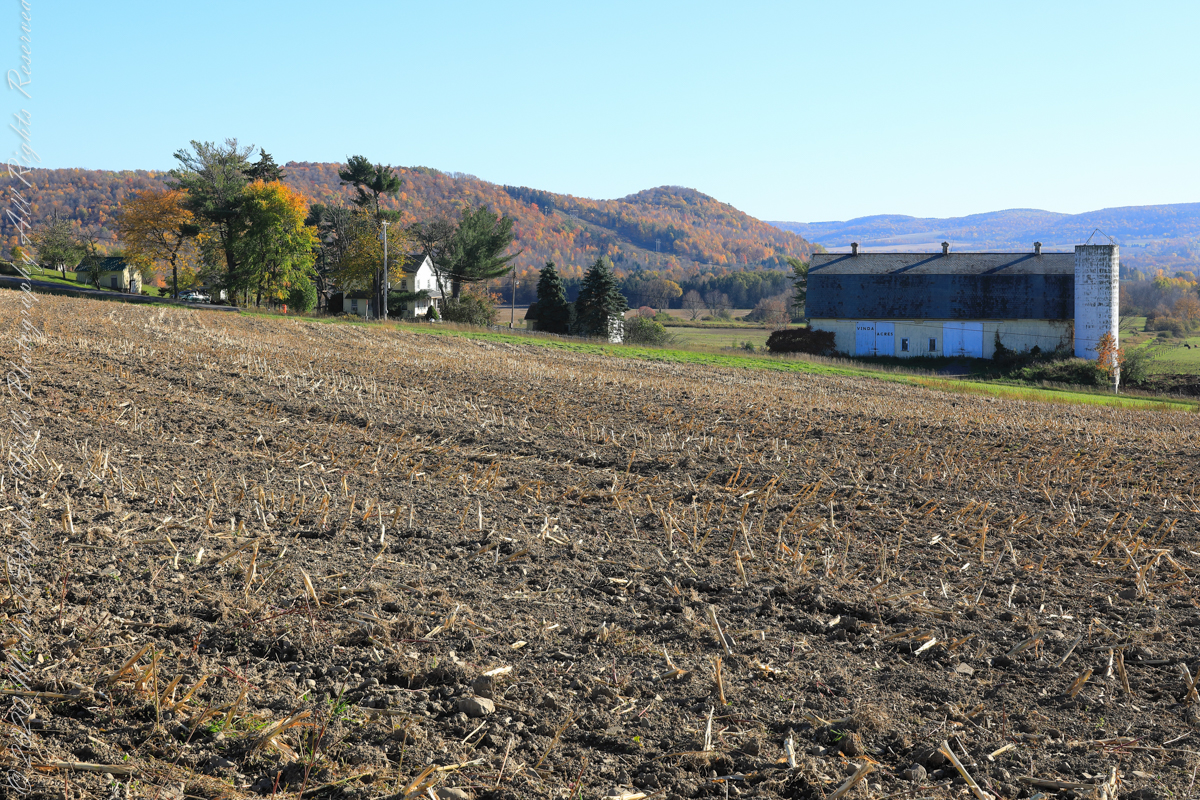
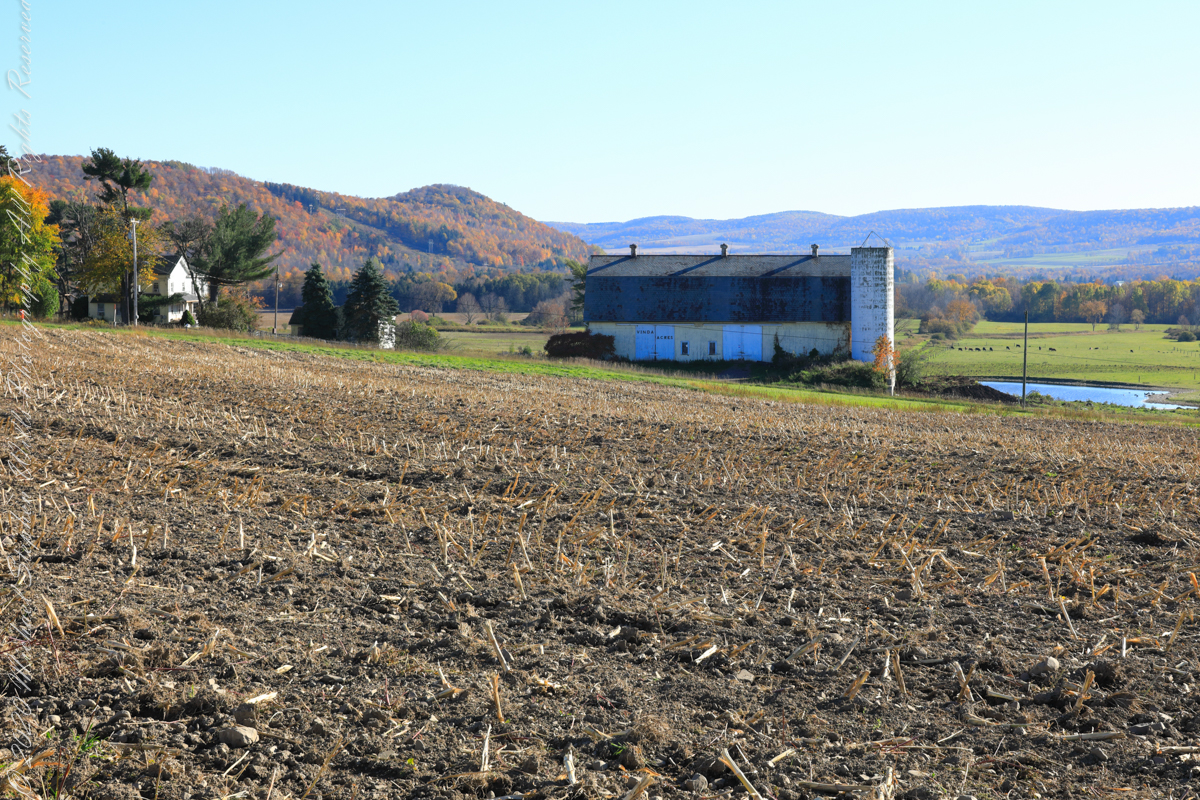
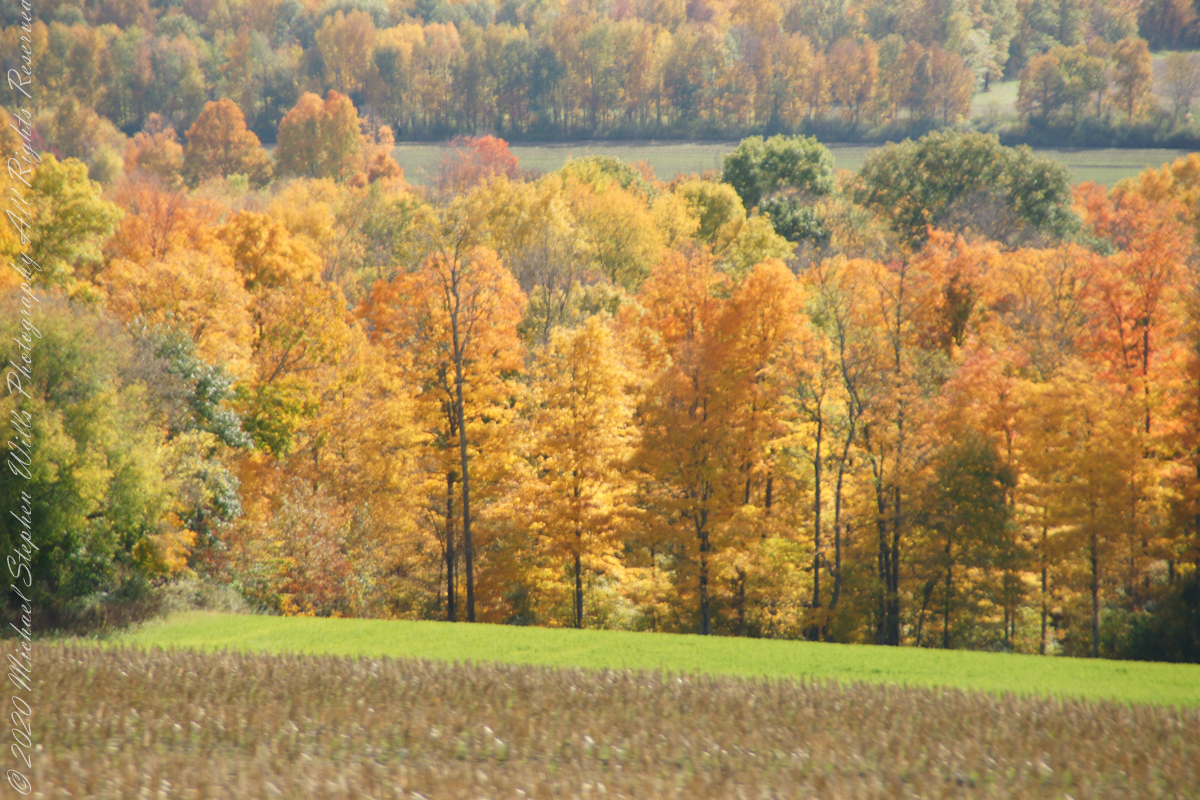
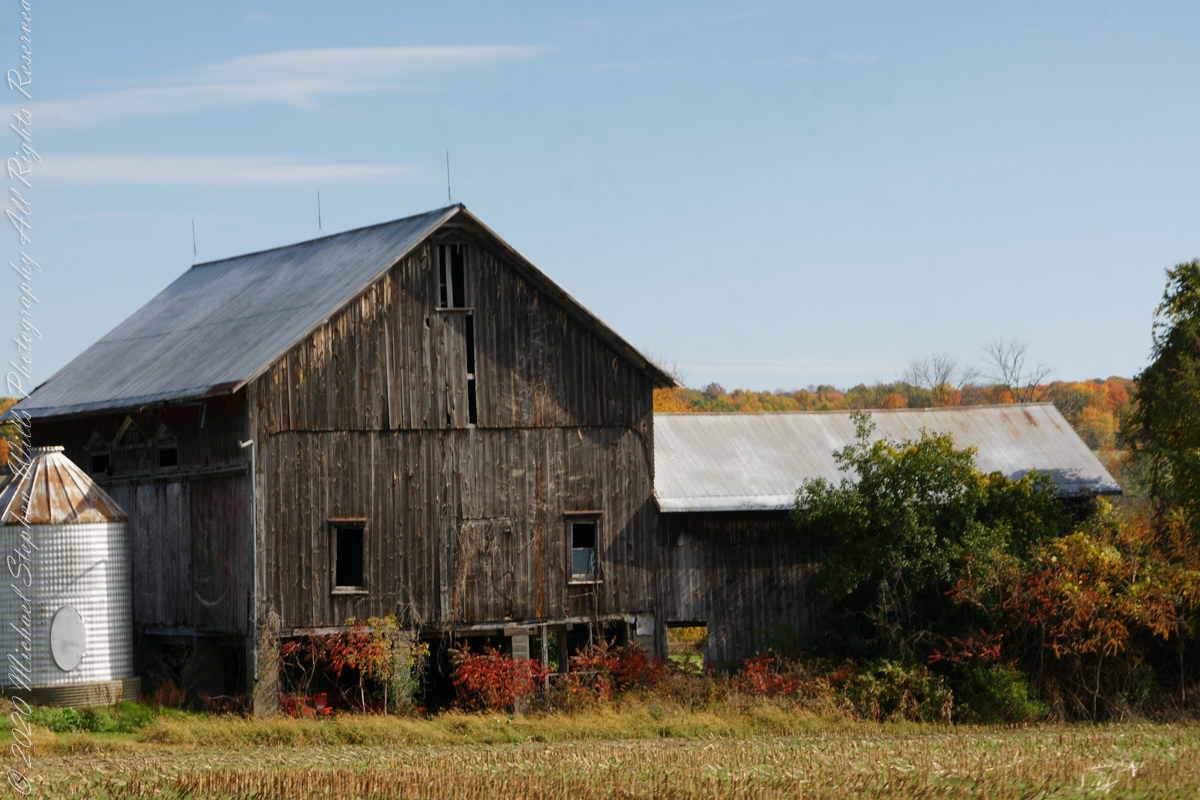
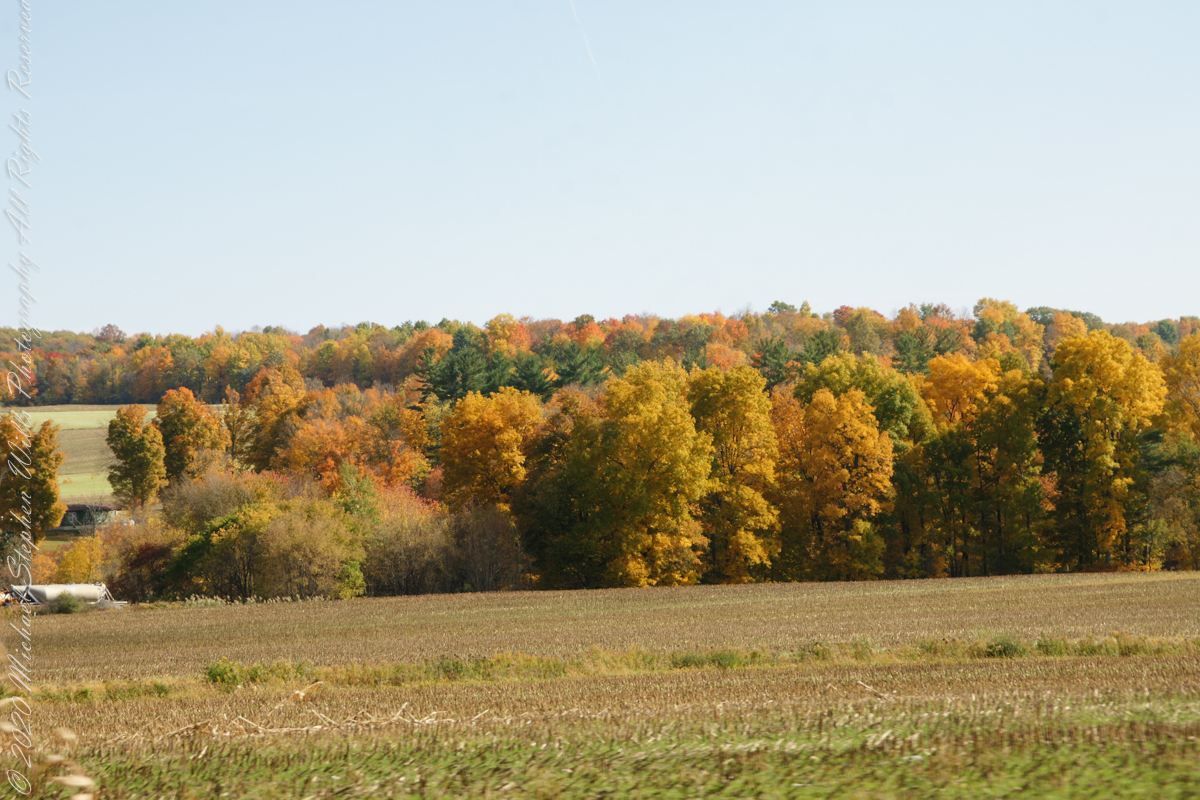
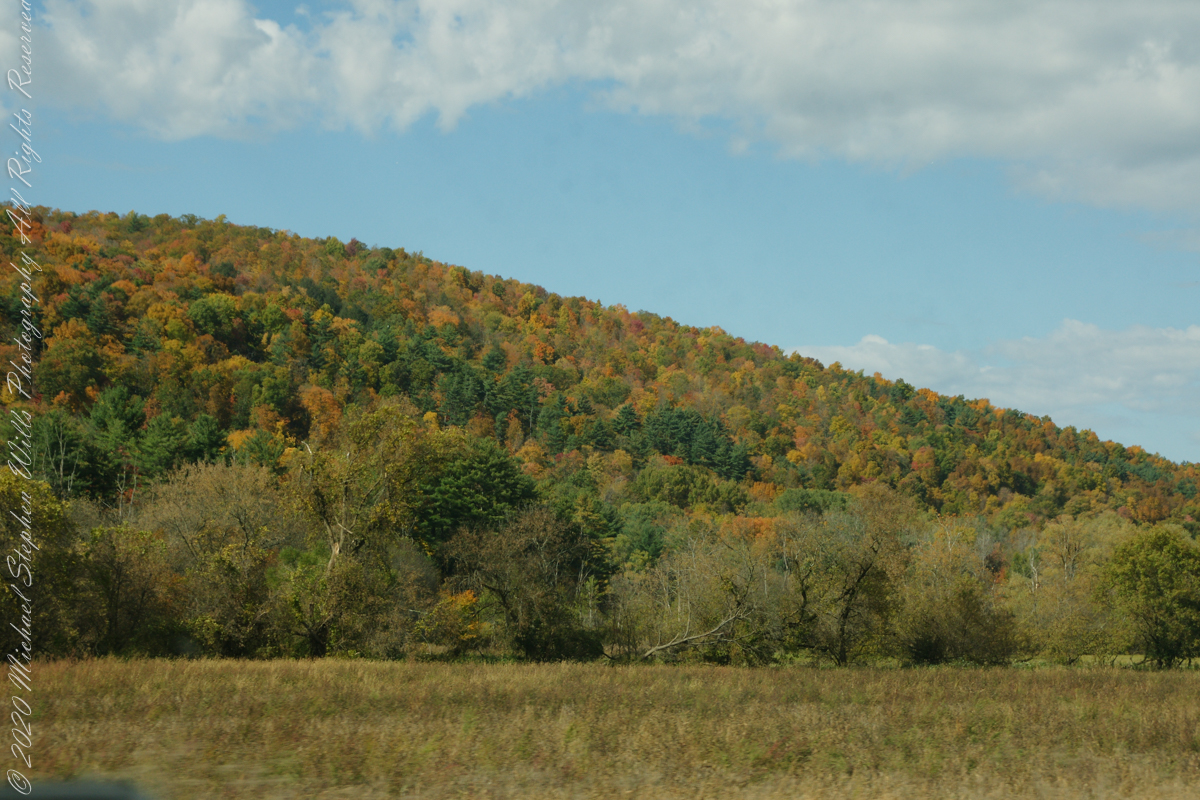
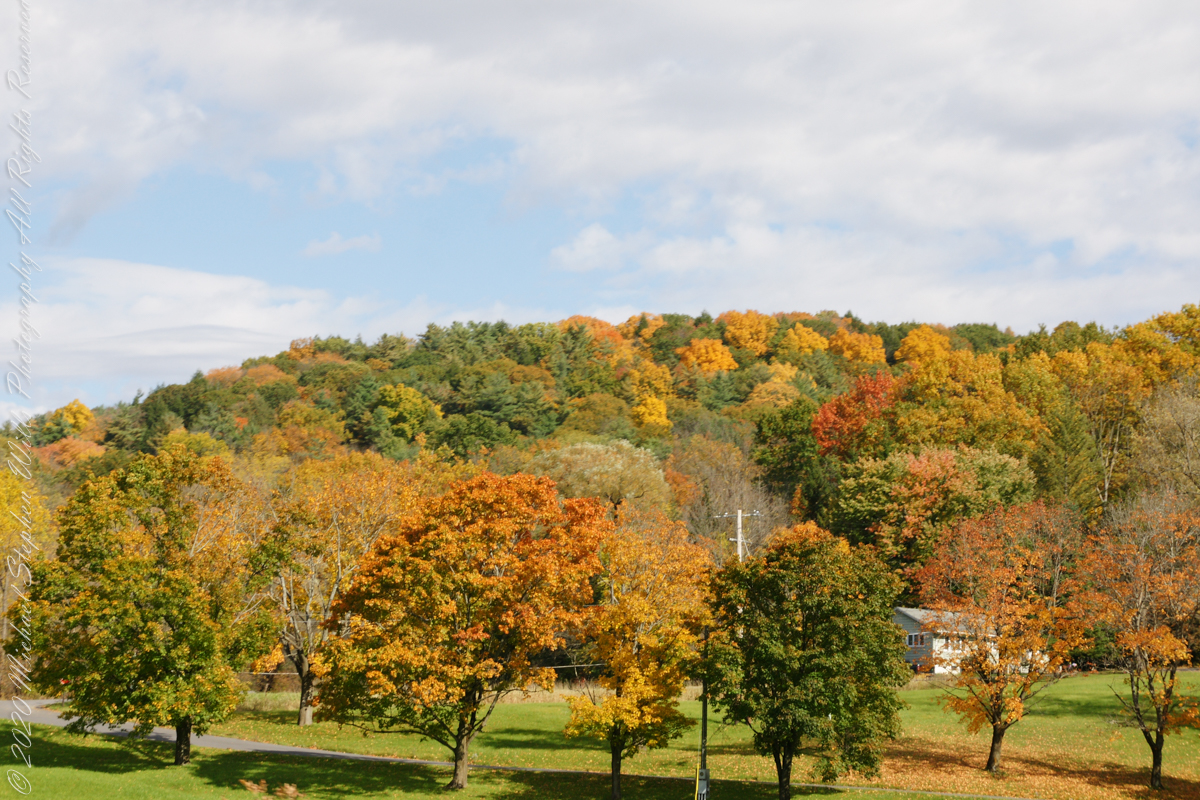
Carpenter Hill from Virgil Road, Route 392, looking across cornstalk stubble and McClintock Road, a faded yellow barn with “Vinda Acres” written on the doors.
The hill is clearly a drumlin. A drumlin, from the Irish word droimnín (“littlest ridge”), first recorded in 1833, is an elongated hill in the shape of an inverted spoon or half-buried egg formed by glacial ice acting on underlying unconsolidated till or ground moraine.
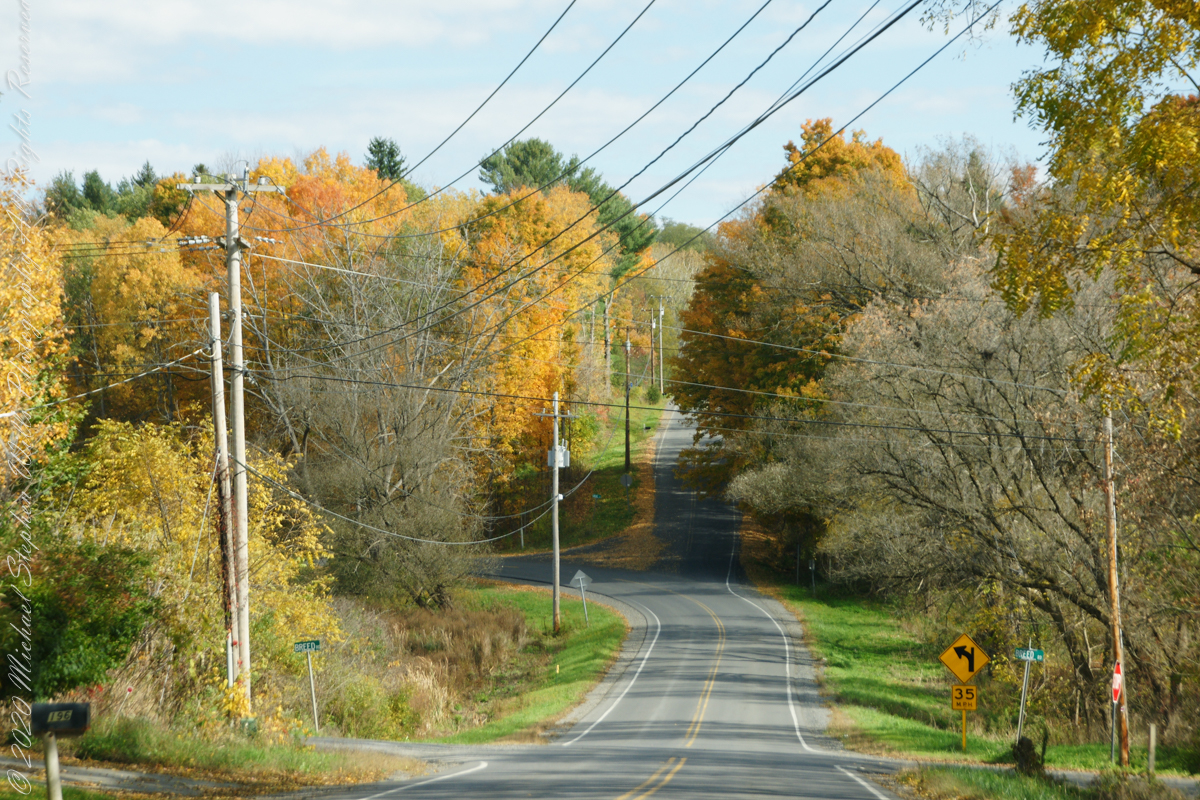
Distant ridges on the right include Hammond Hill. The road to Virgil above the town of Dryden, Tompkins County, New York.
Copyright 2022 Michael Stephen Wills All Rights Reserved
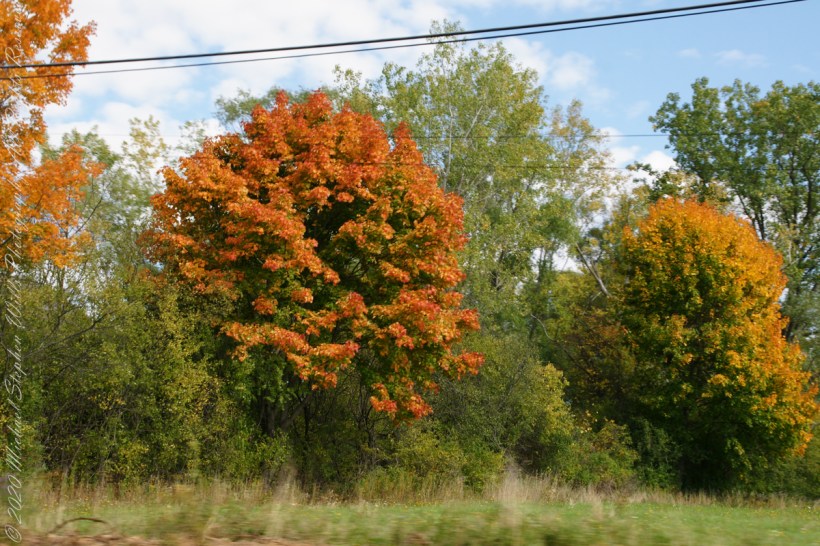
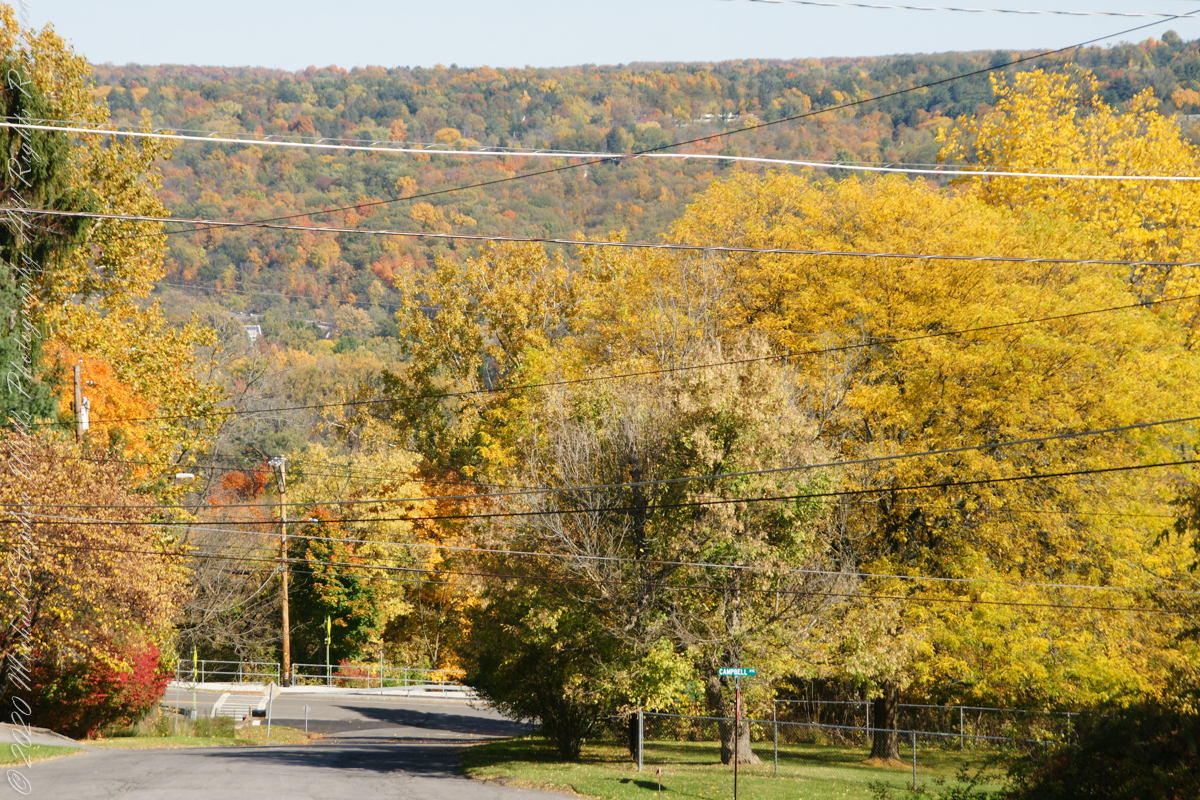
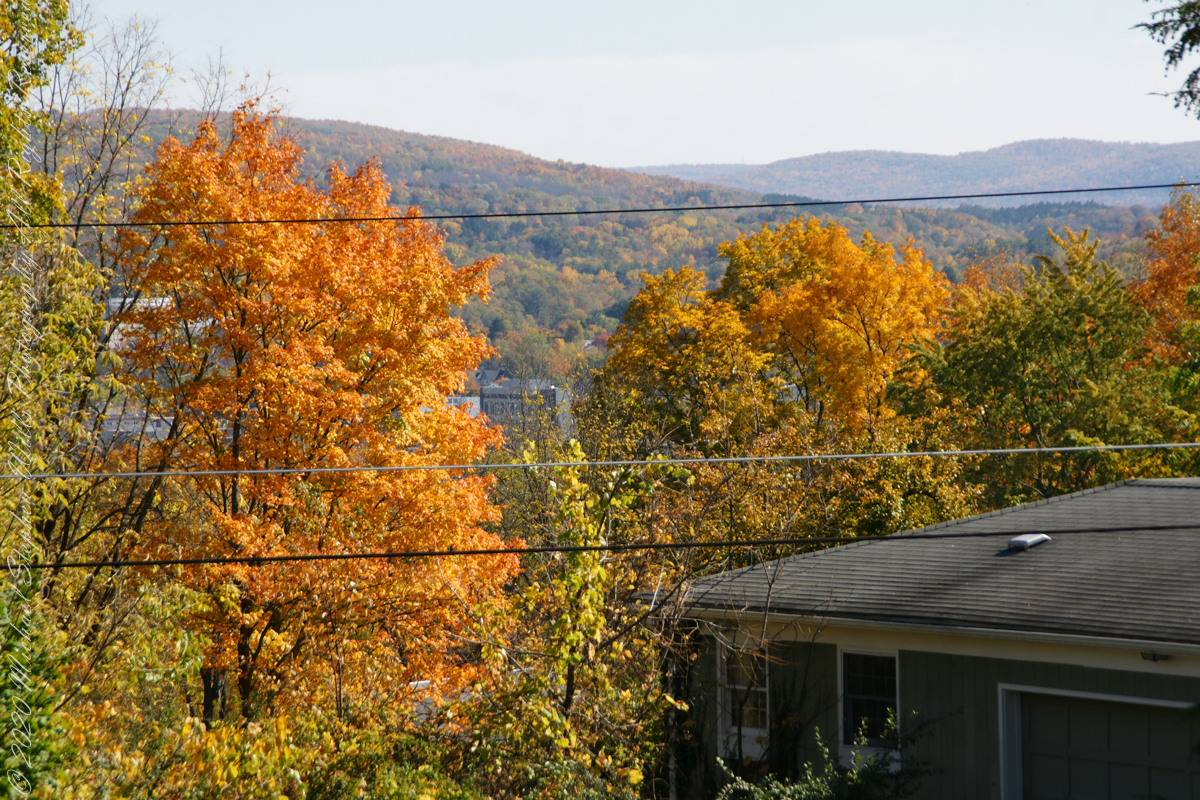
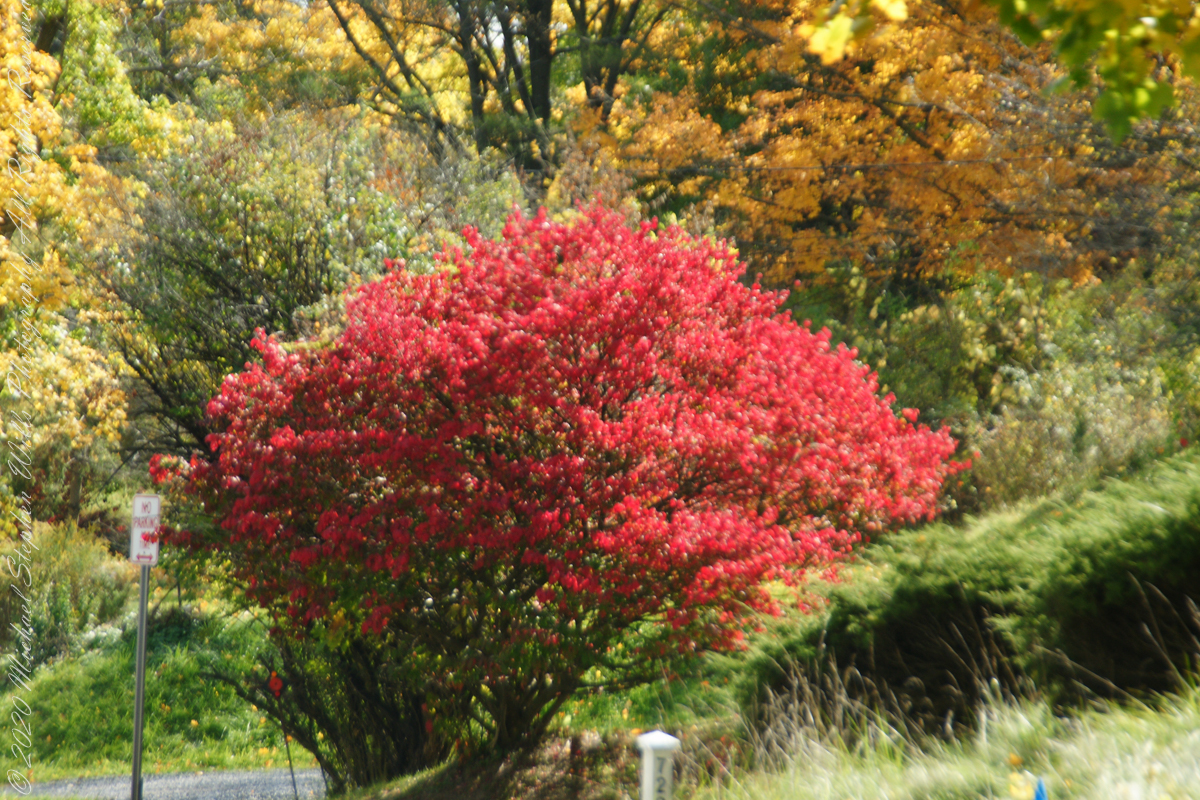
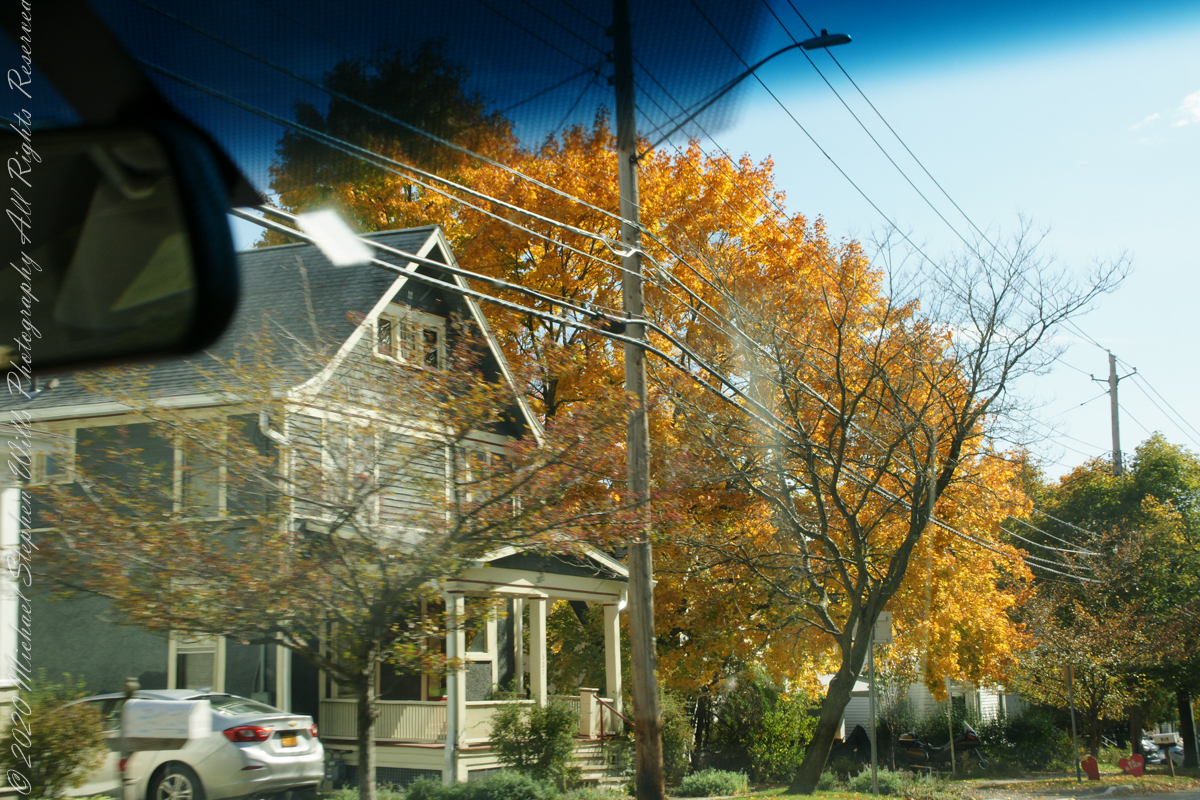
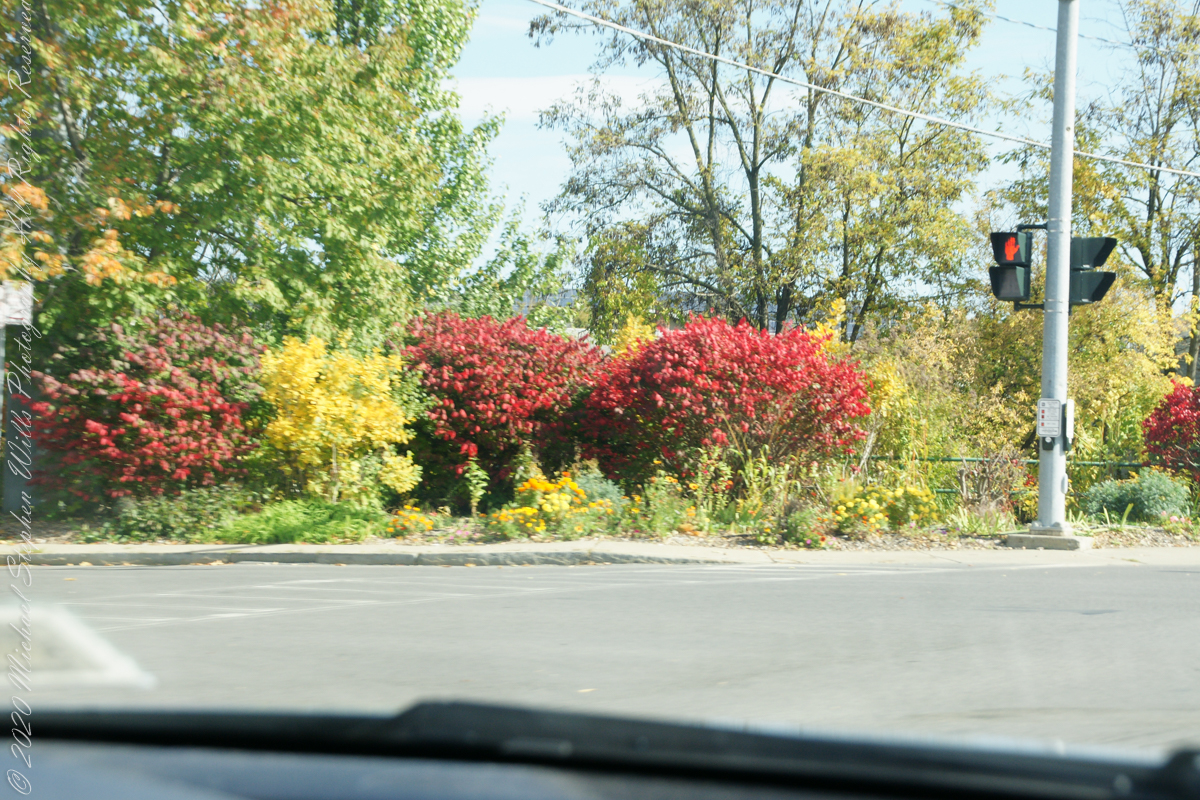
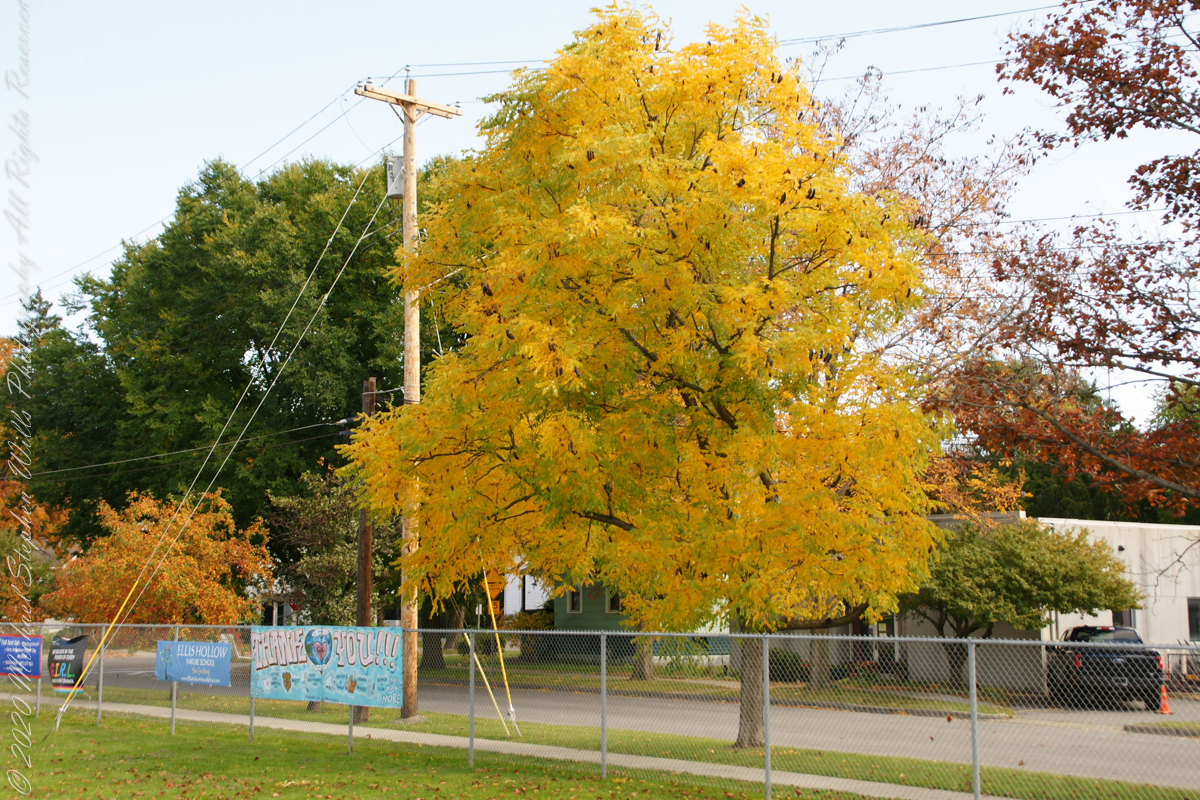
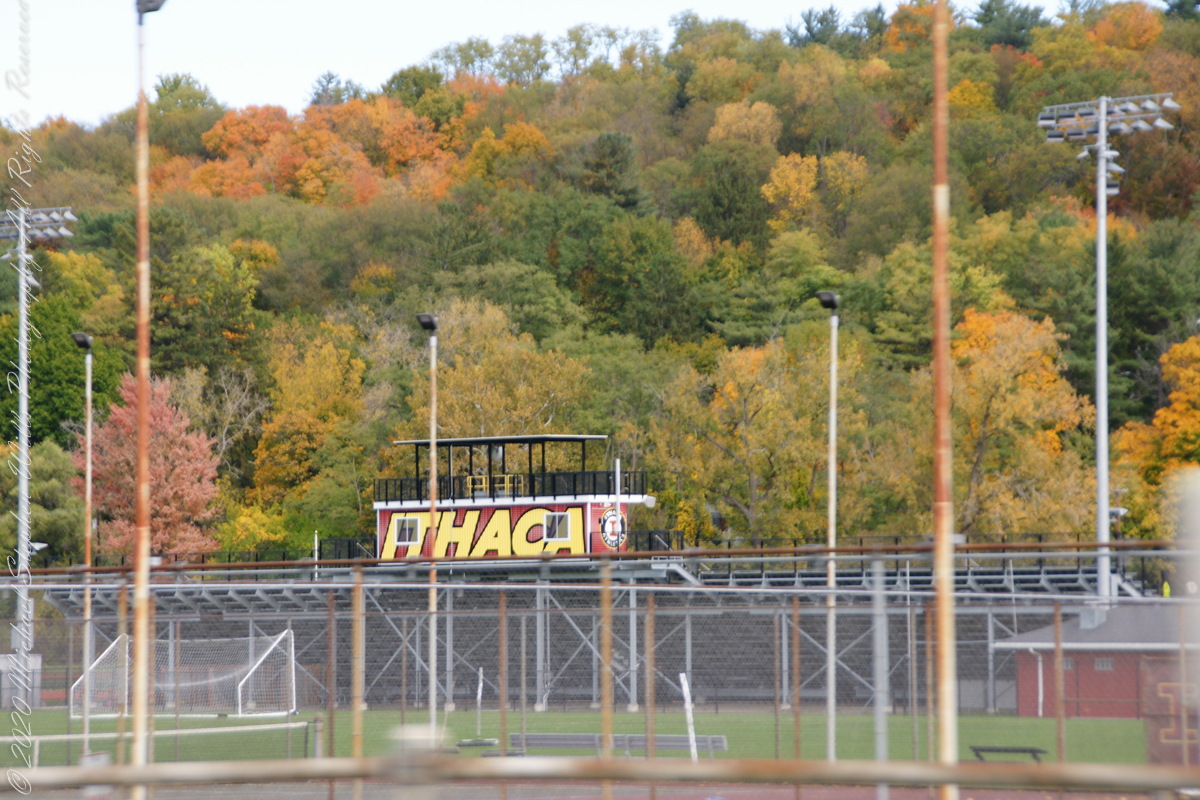
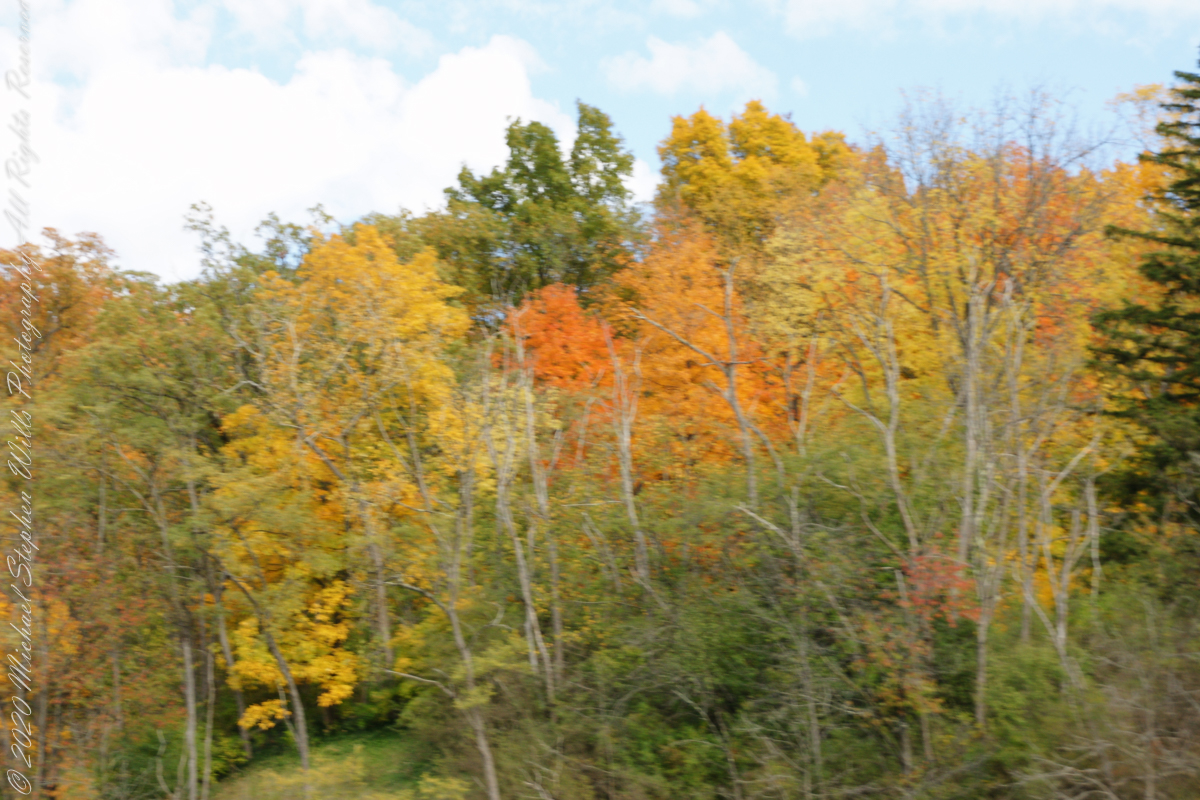
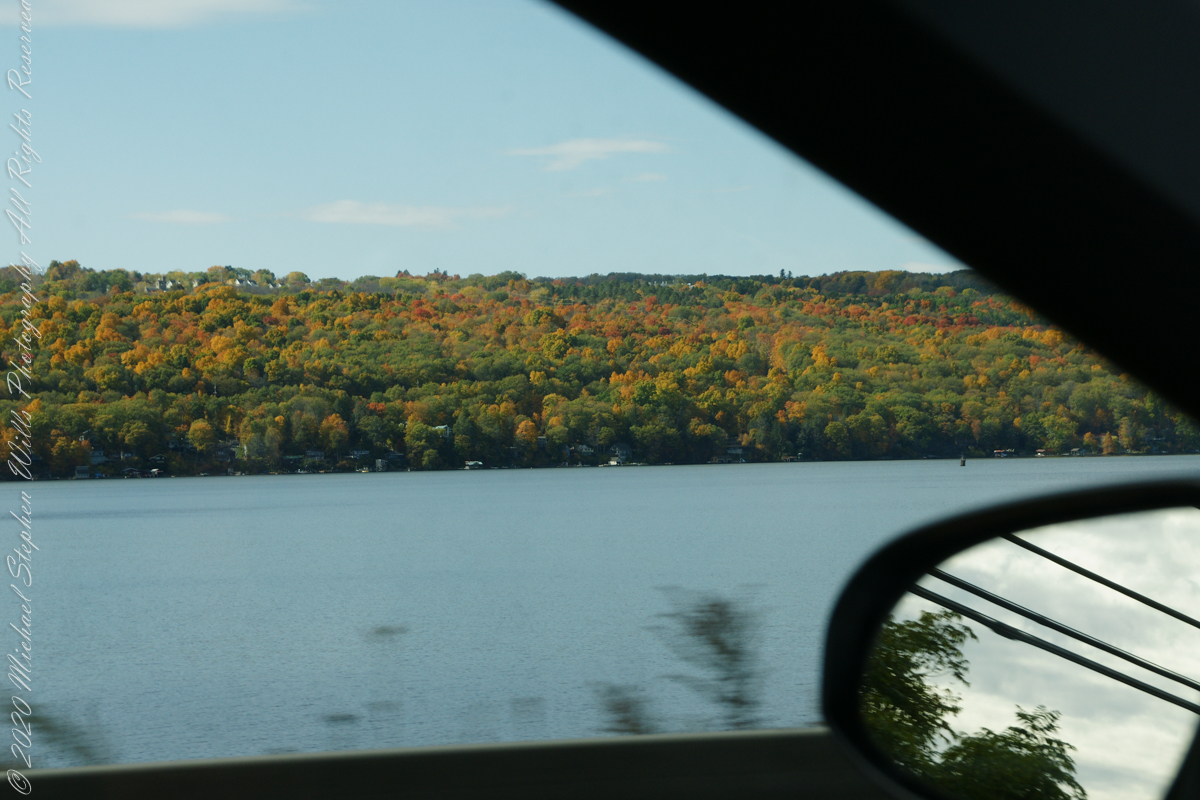
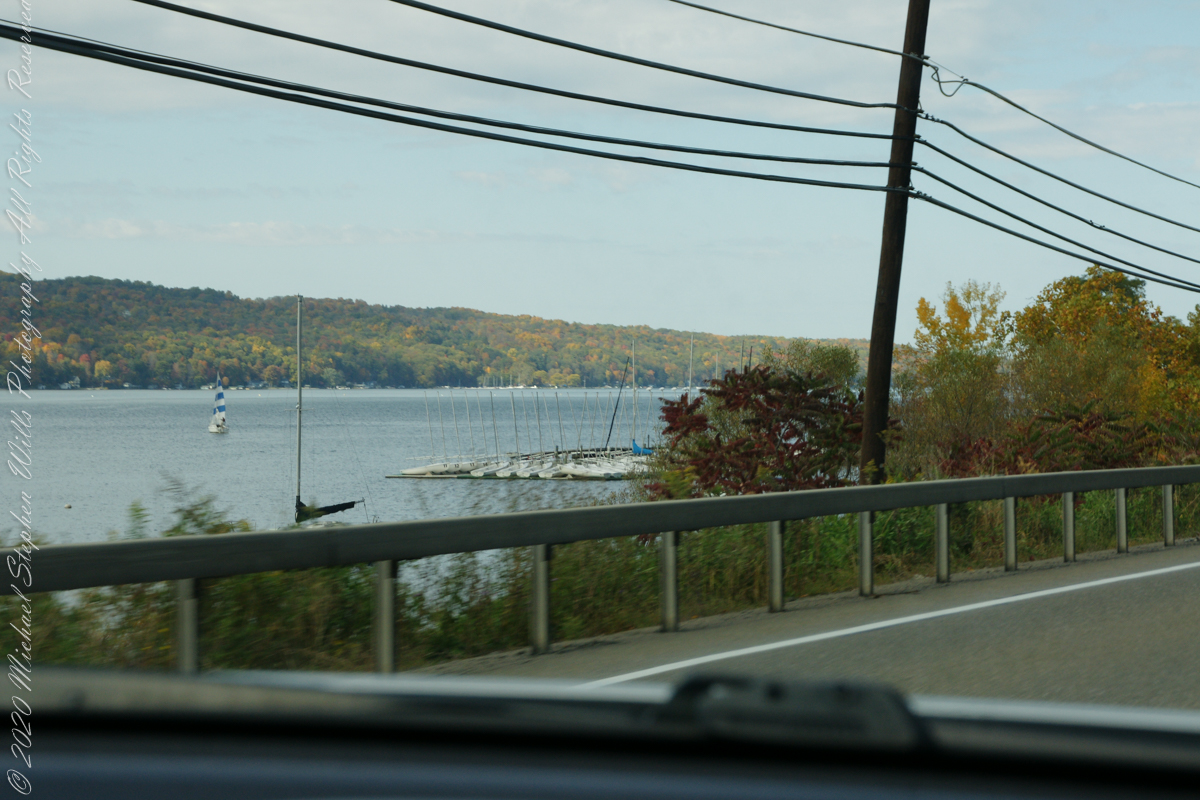
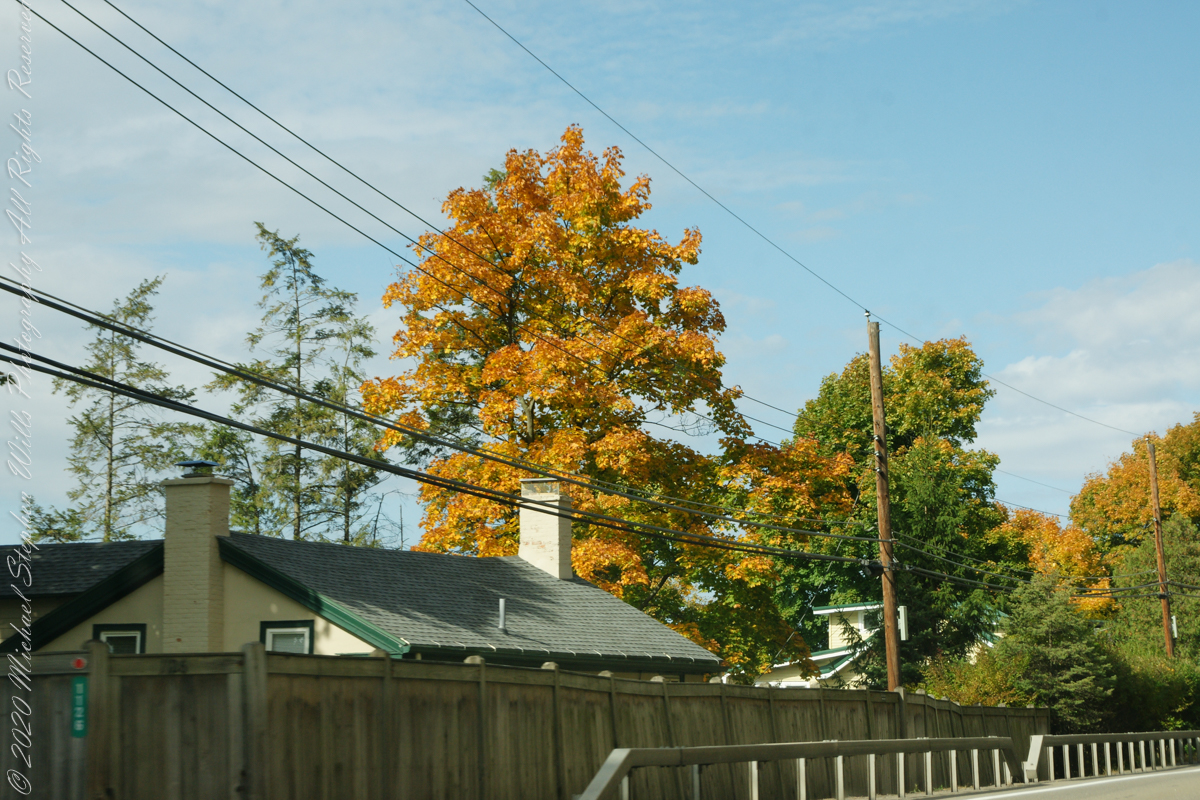
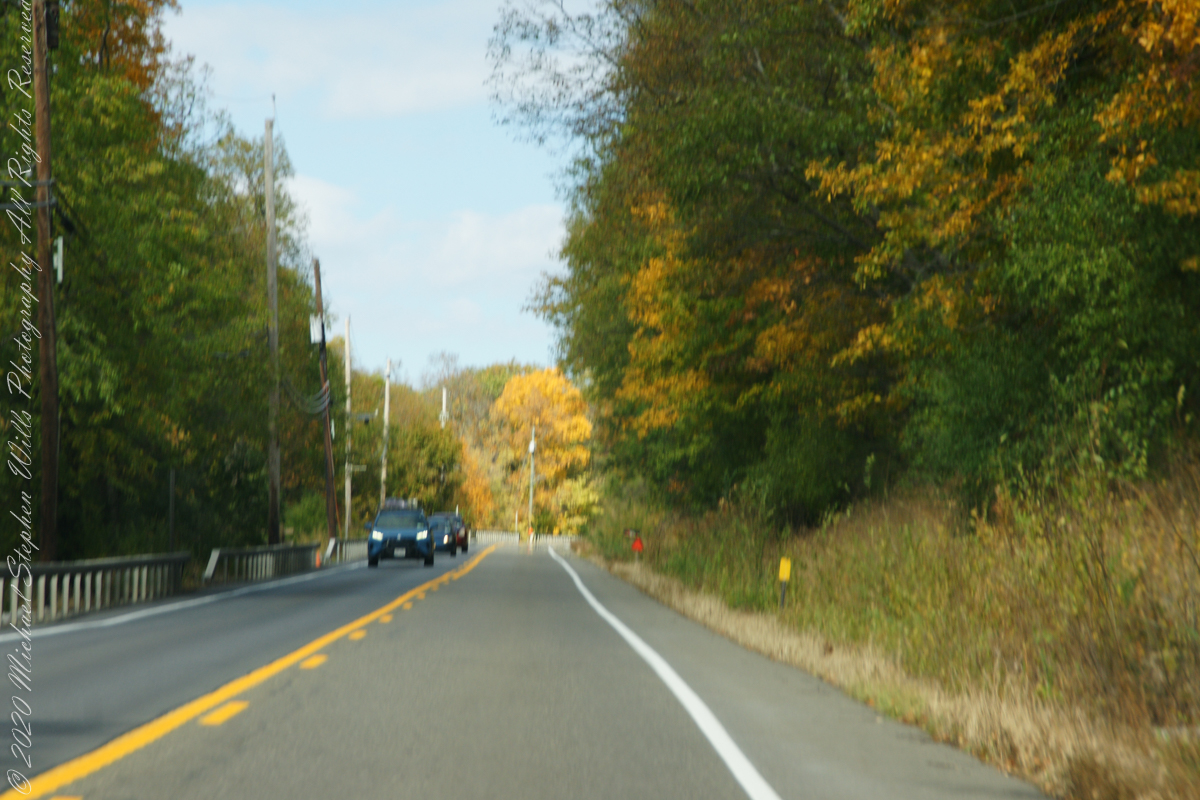
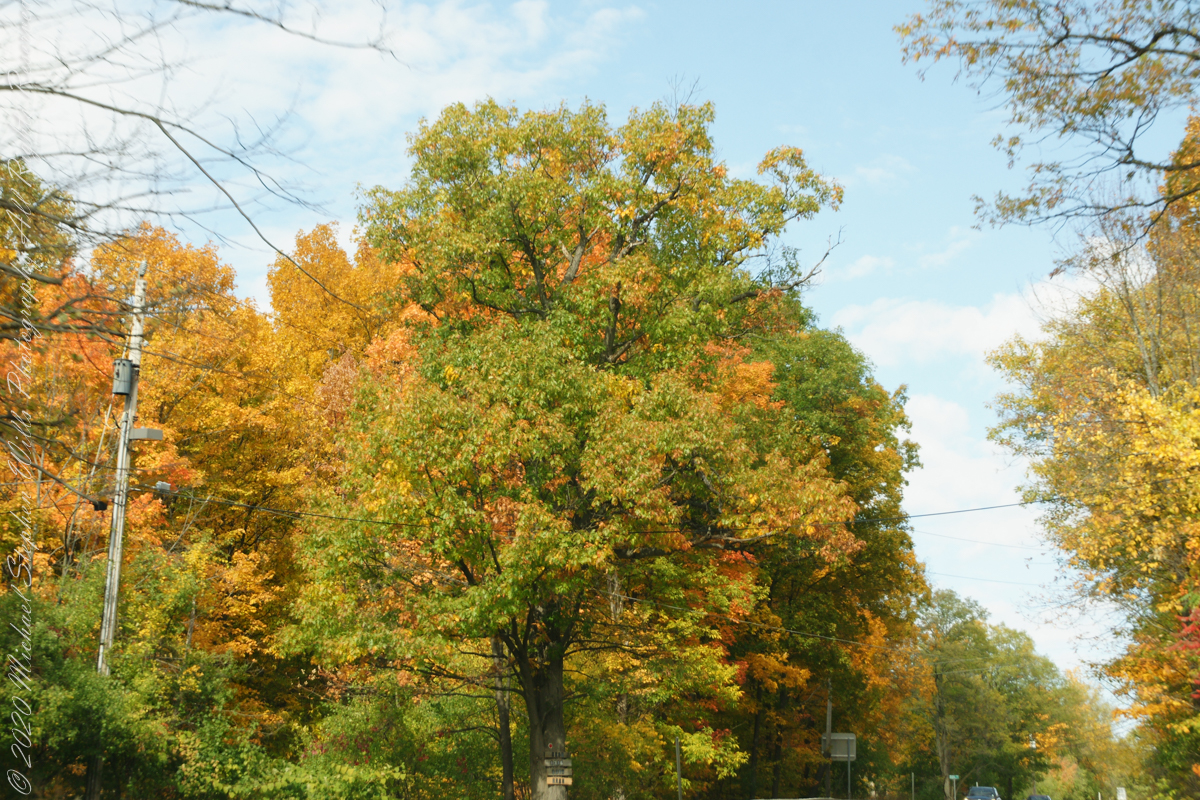
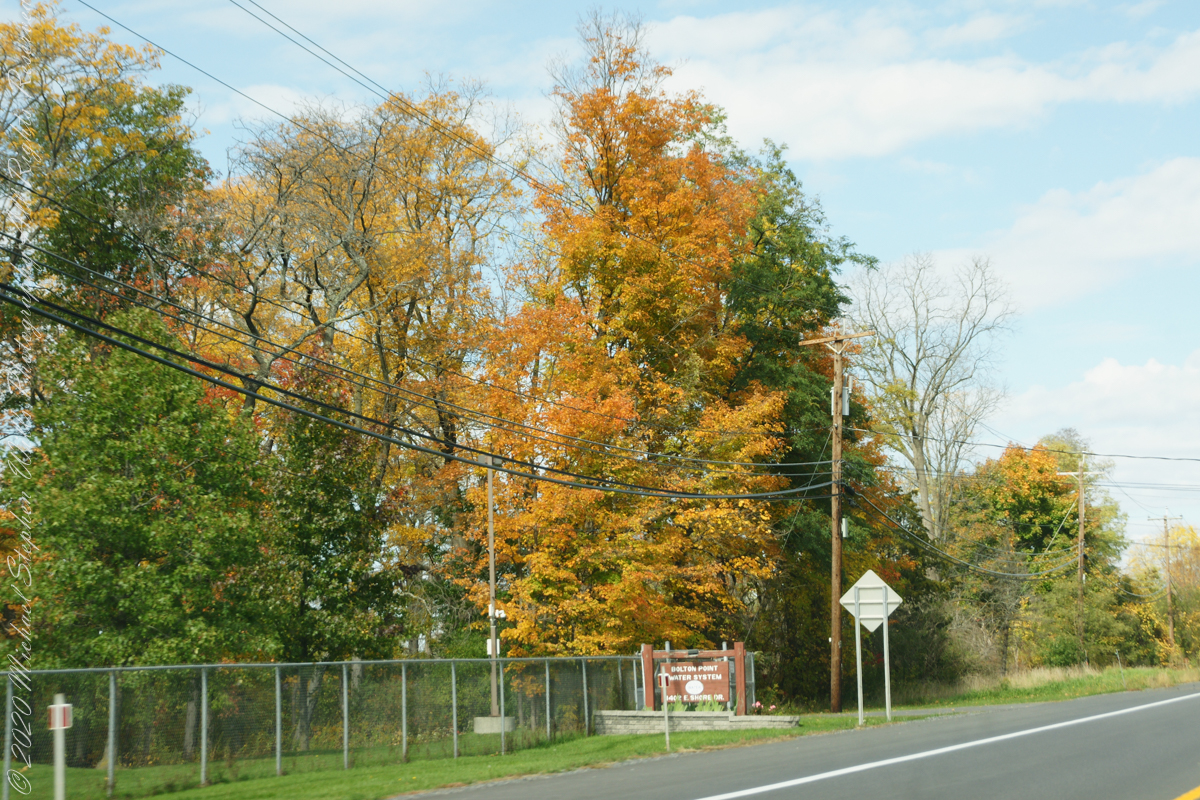
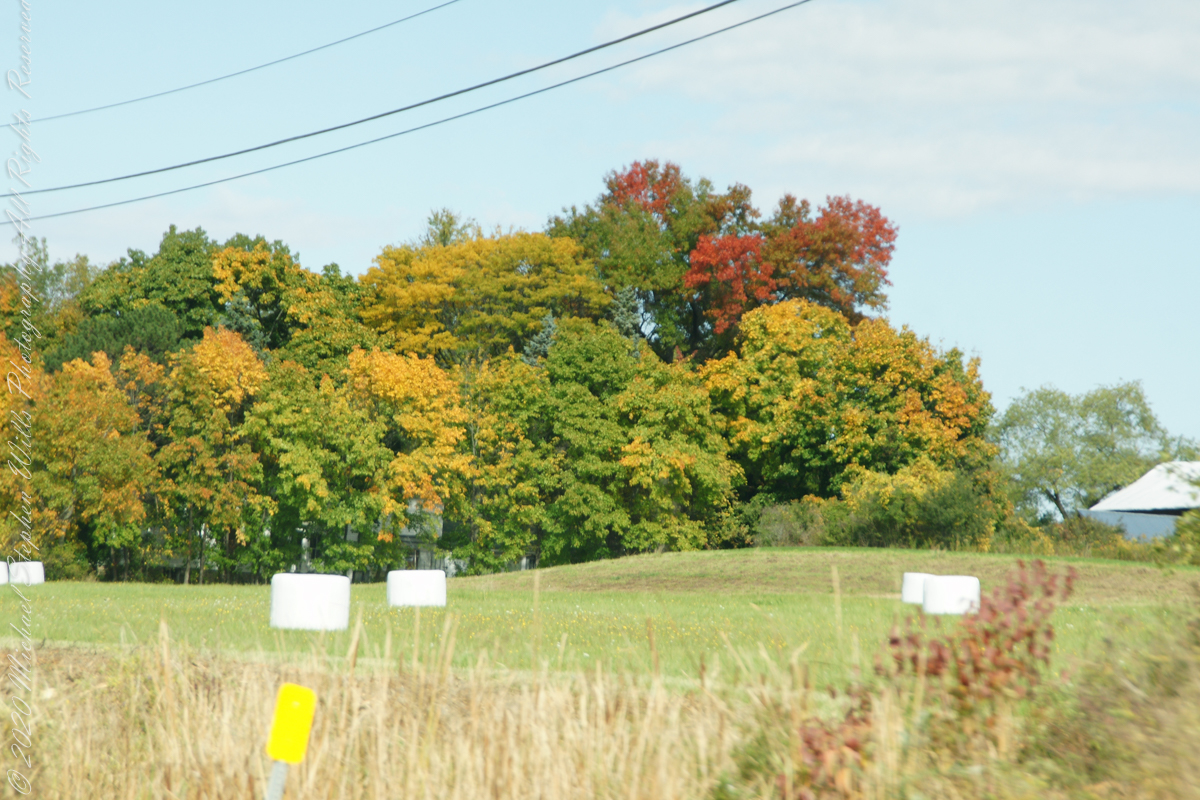
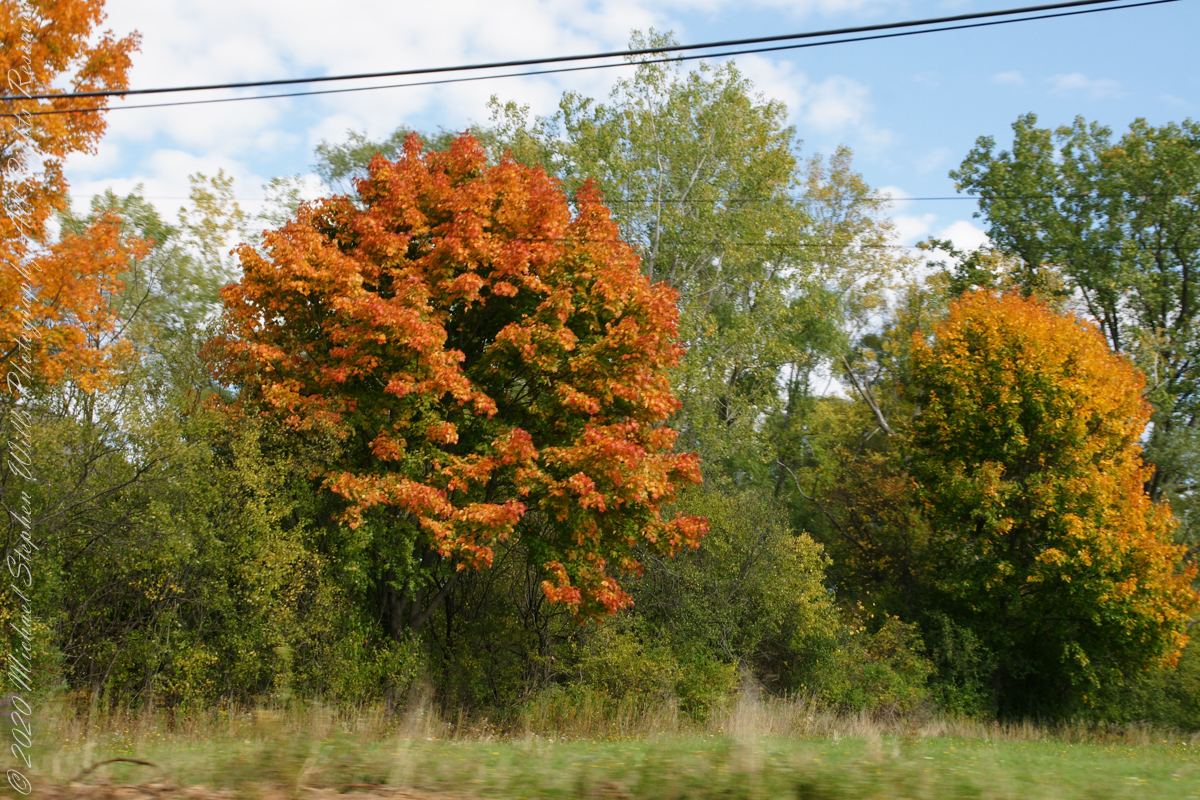
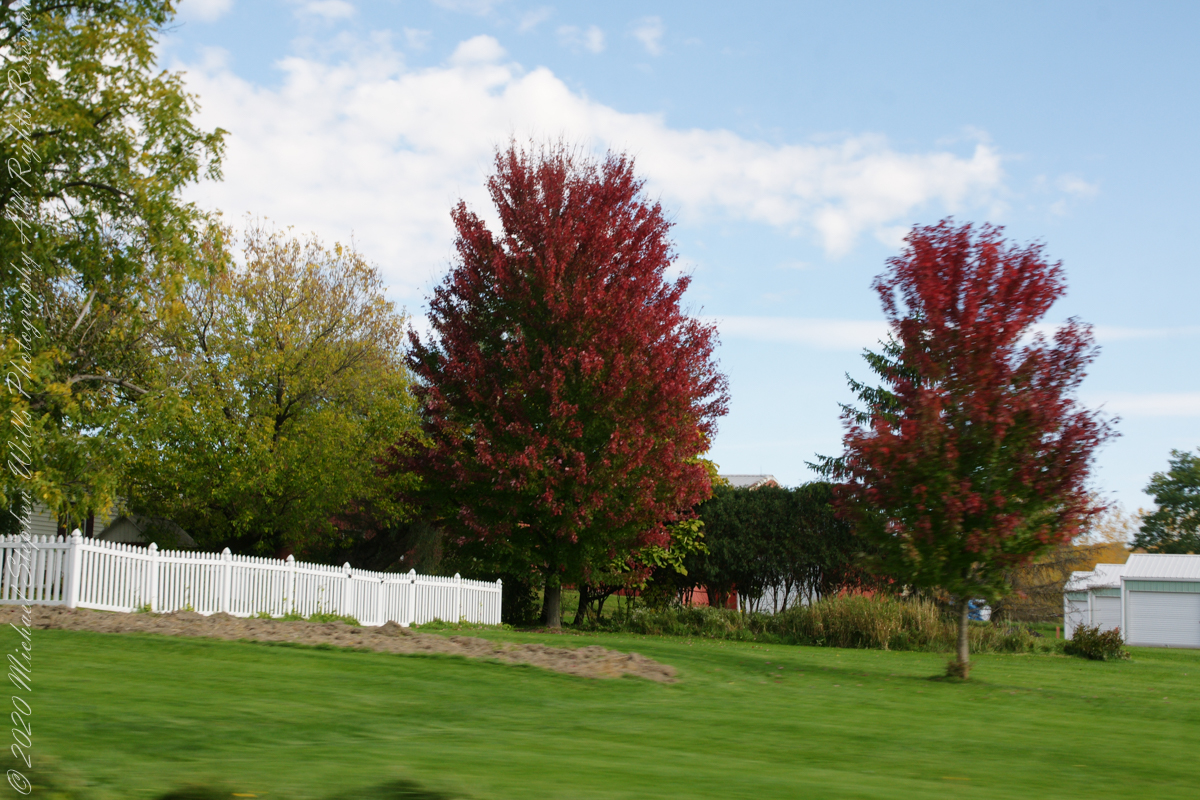
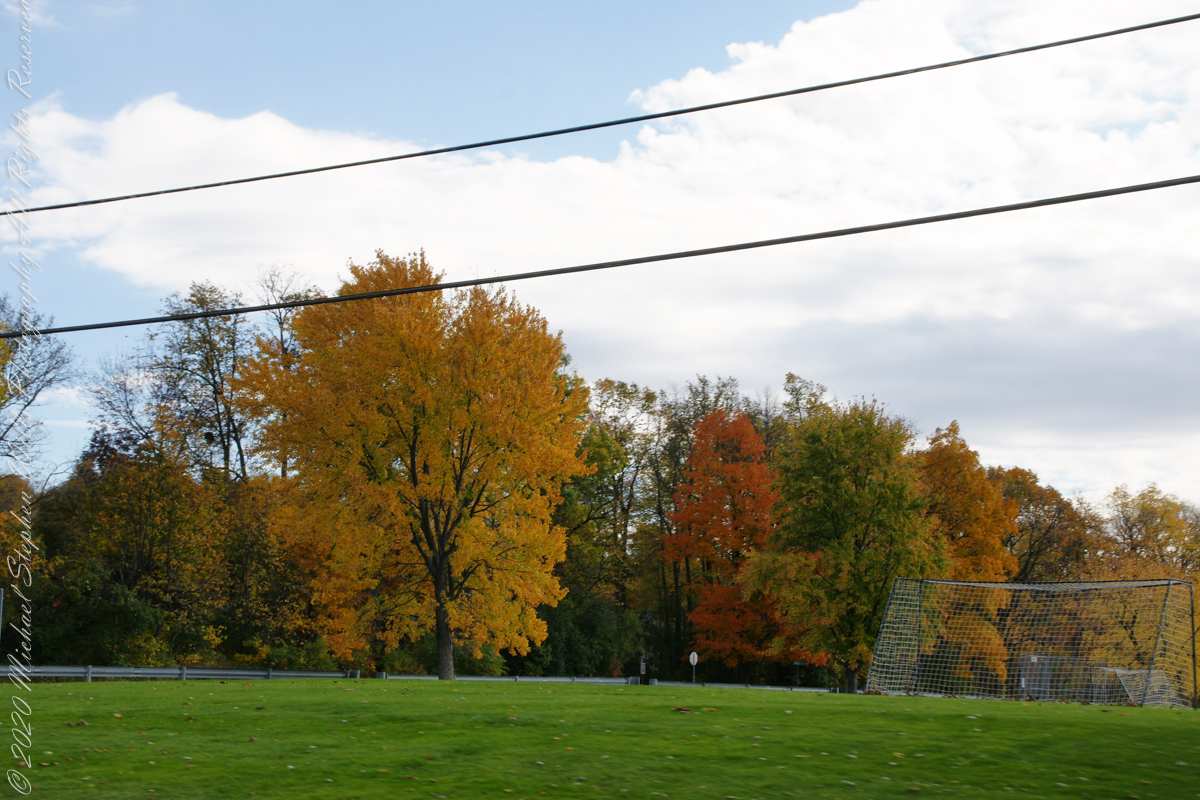
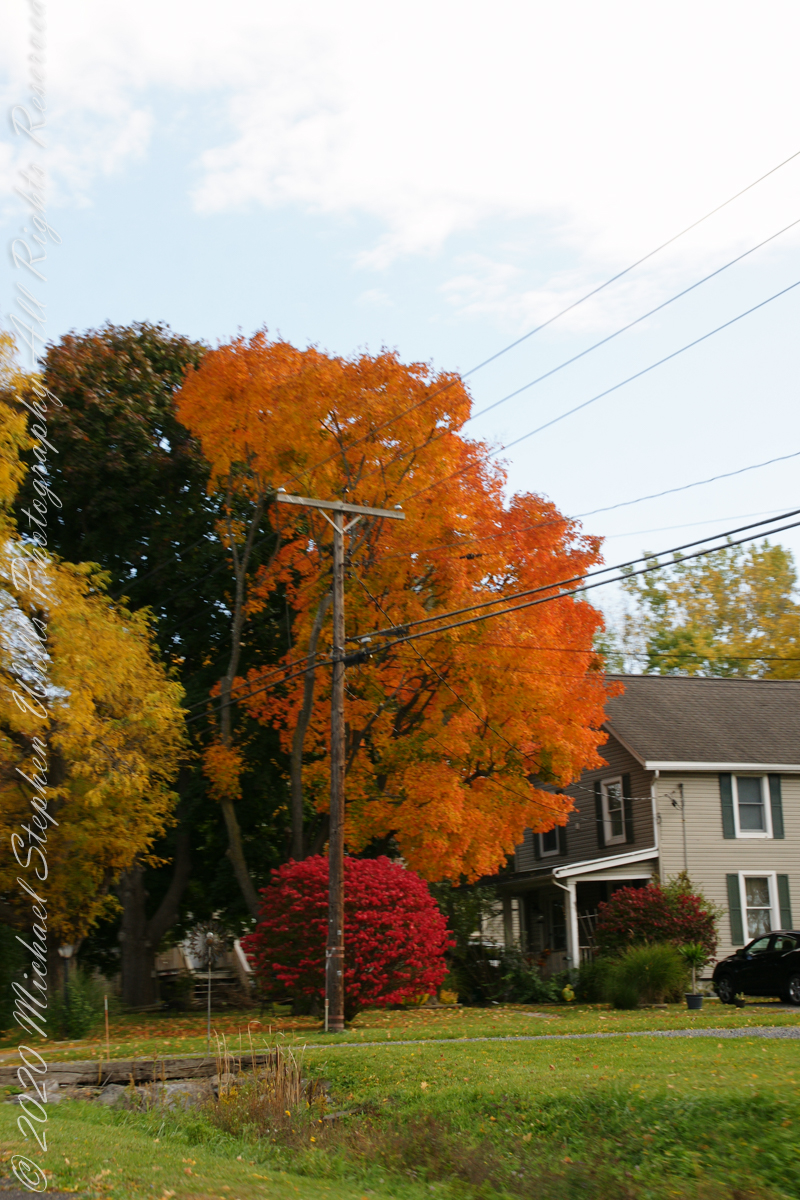
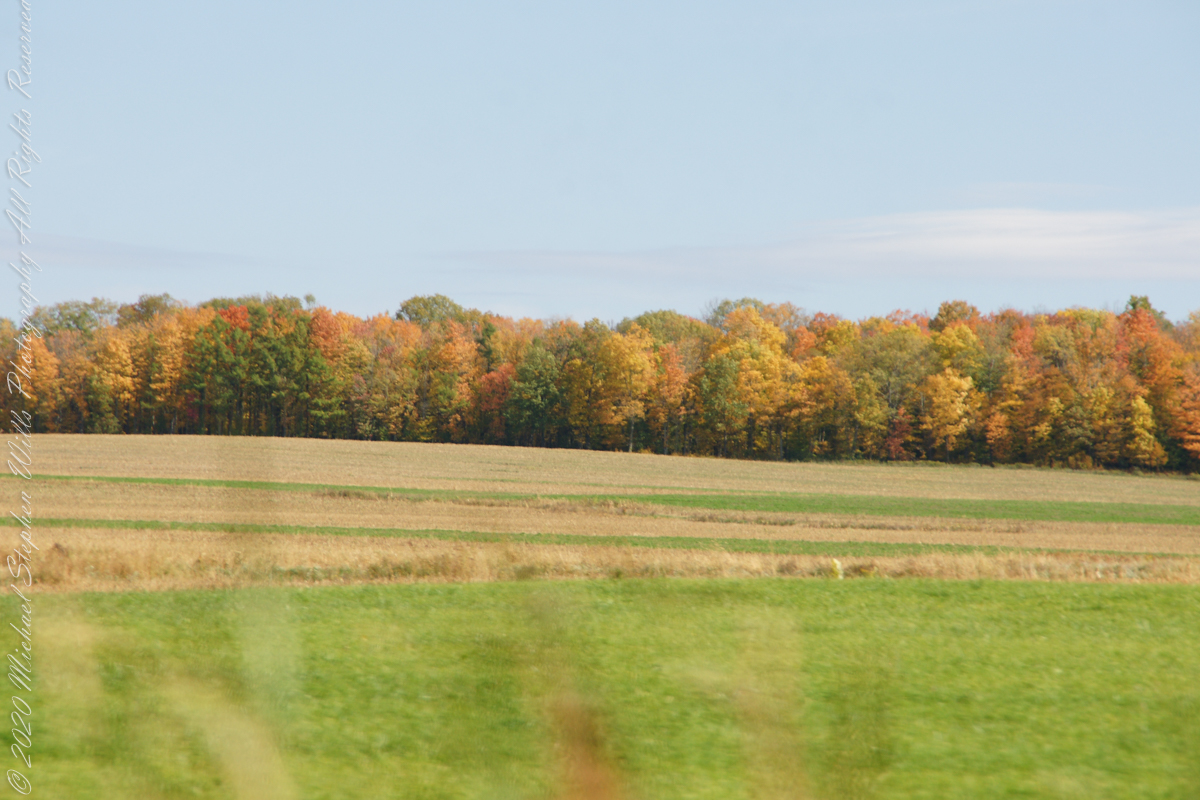
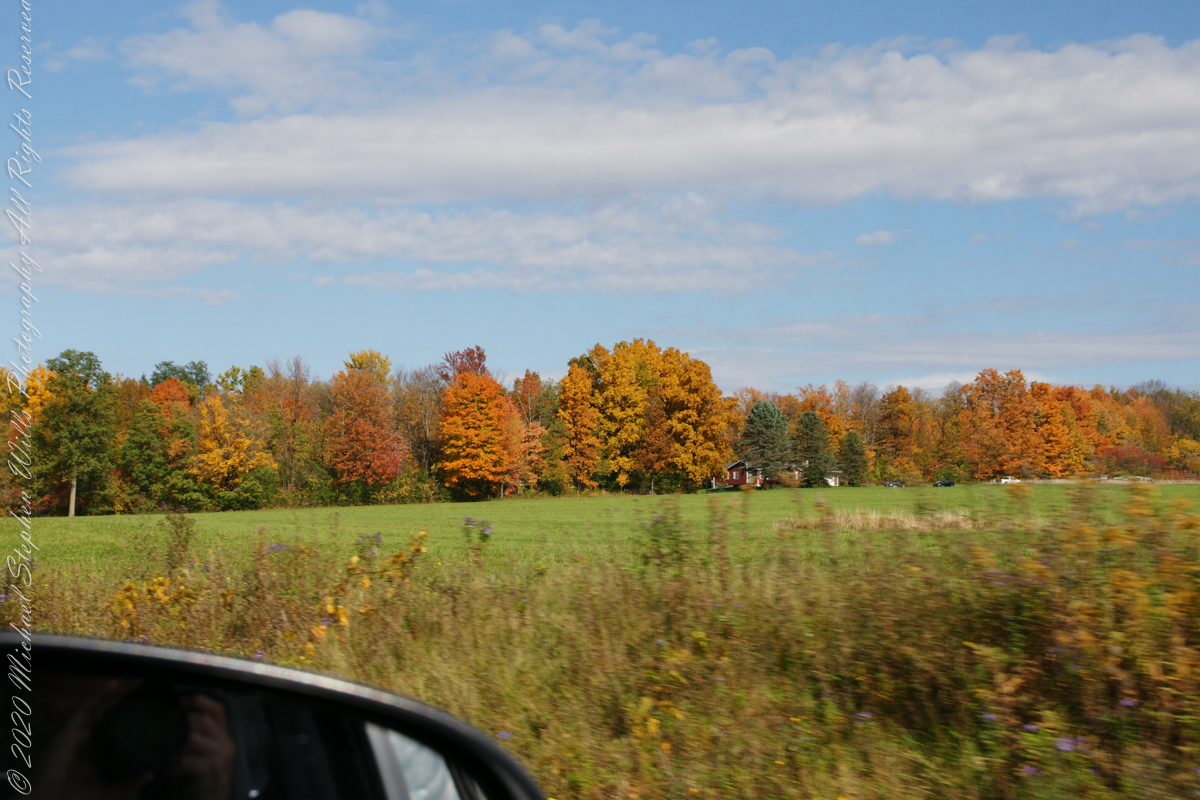
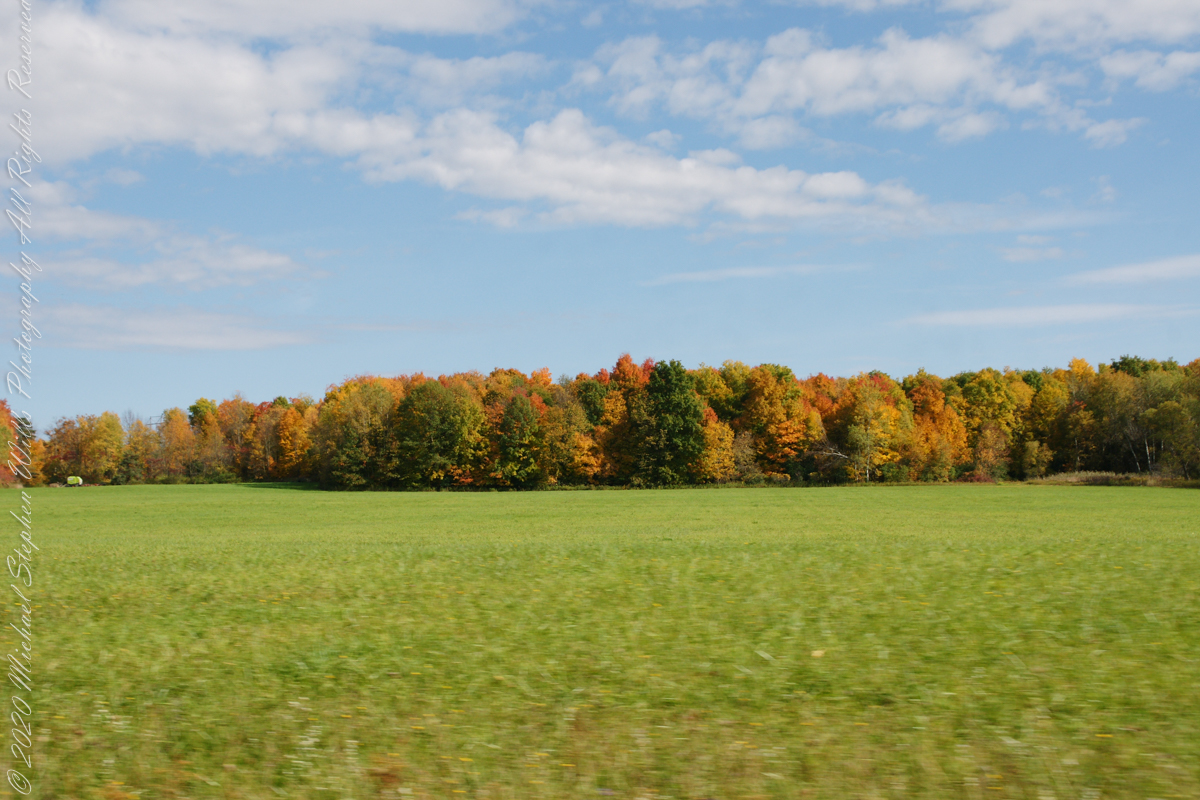
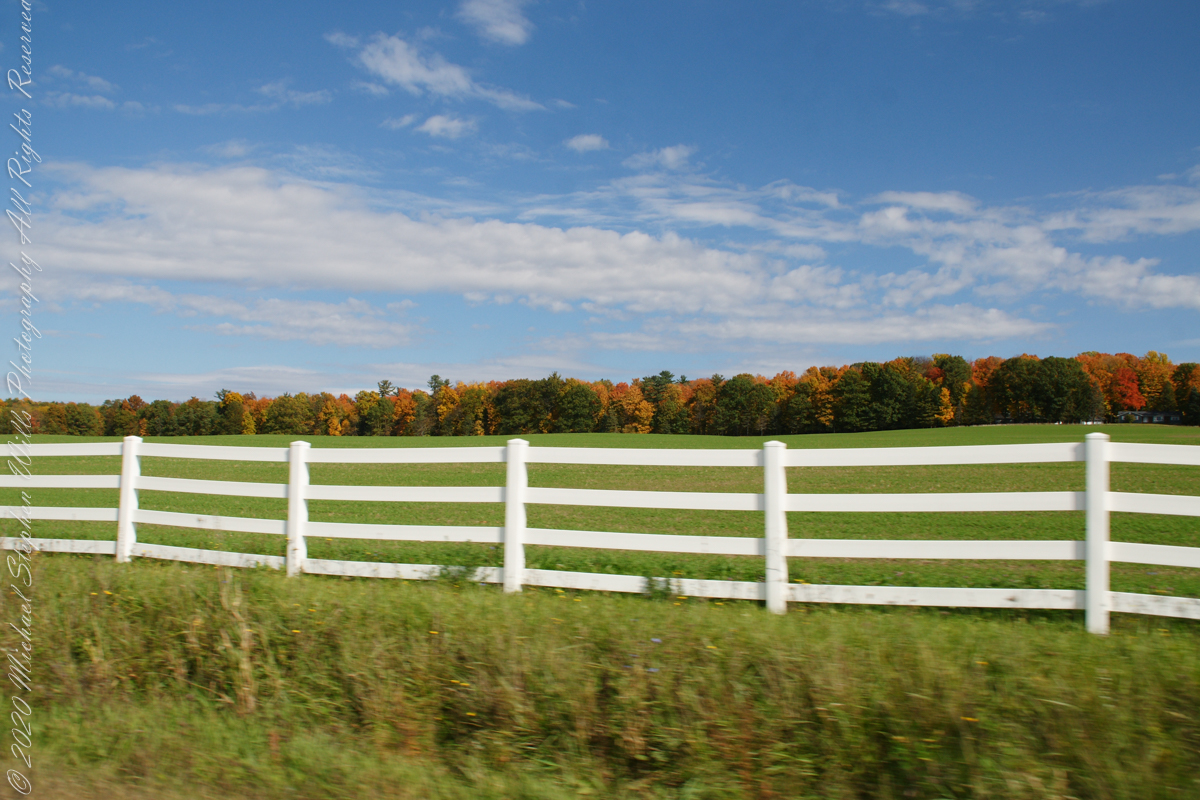
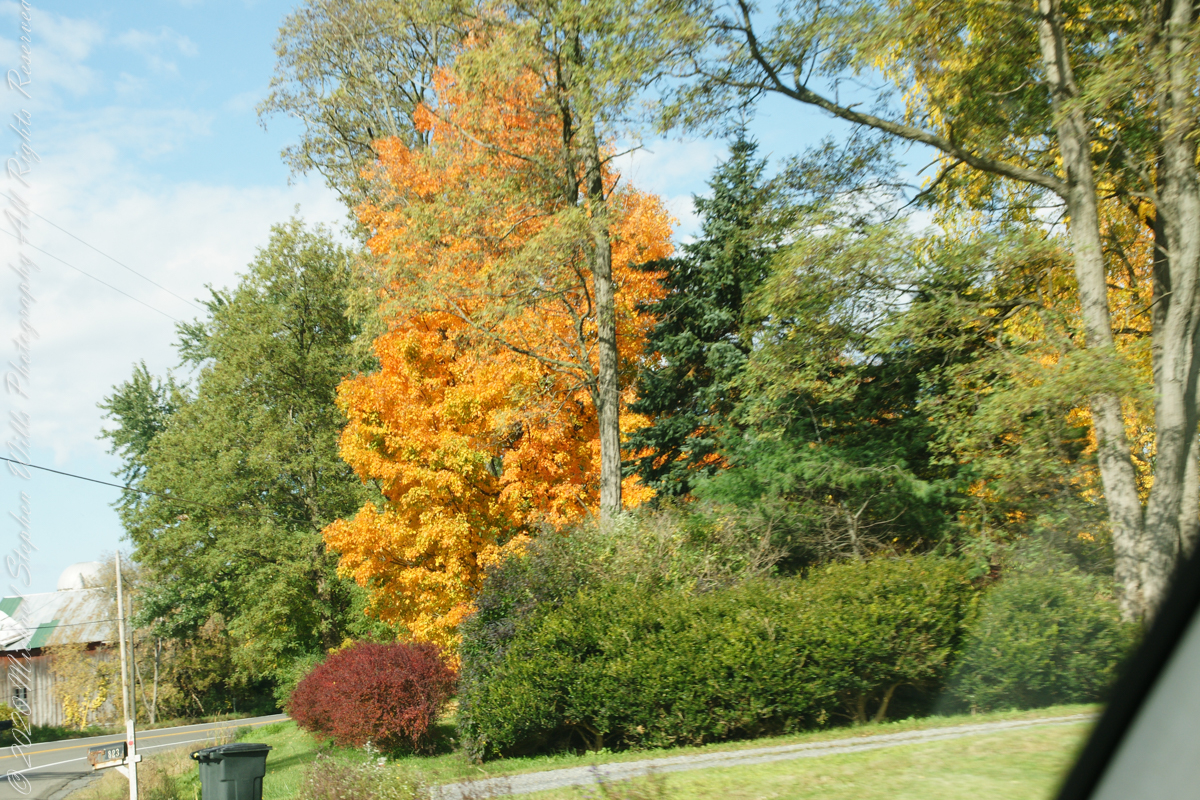
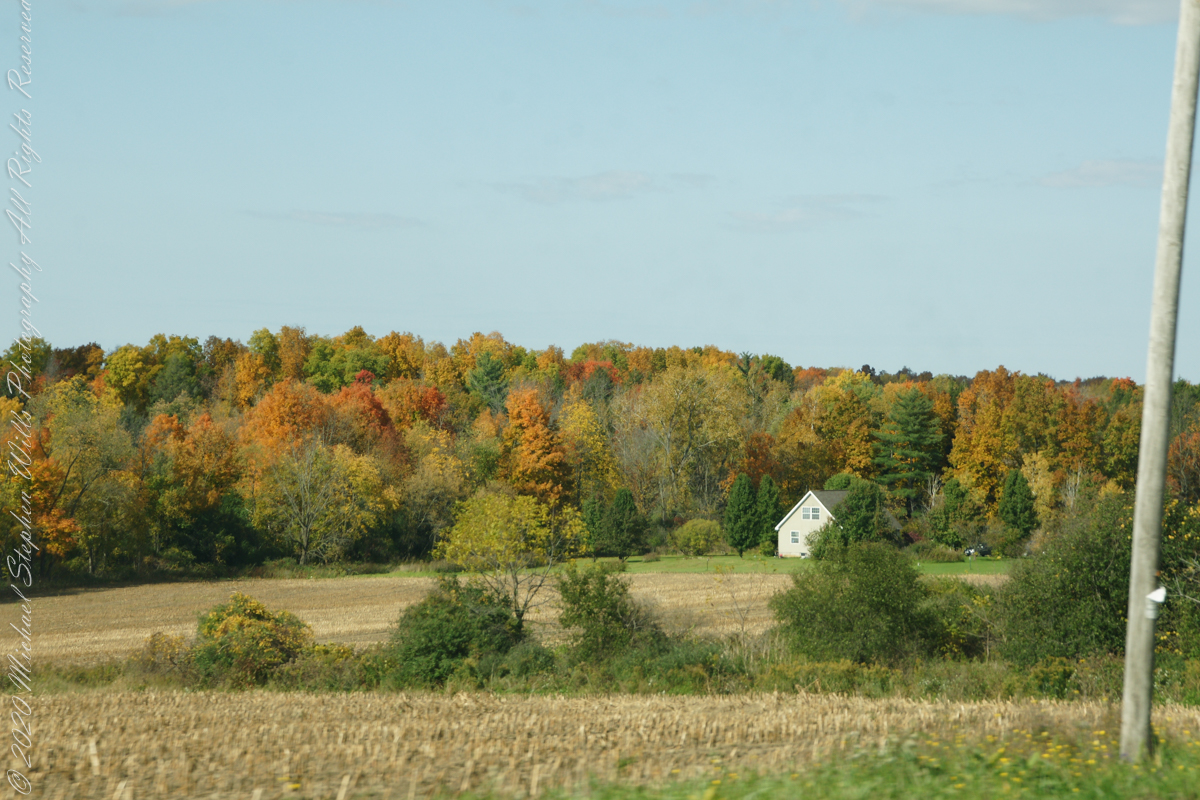
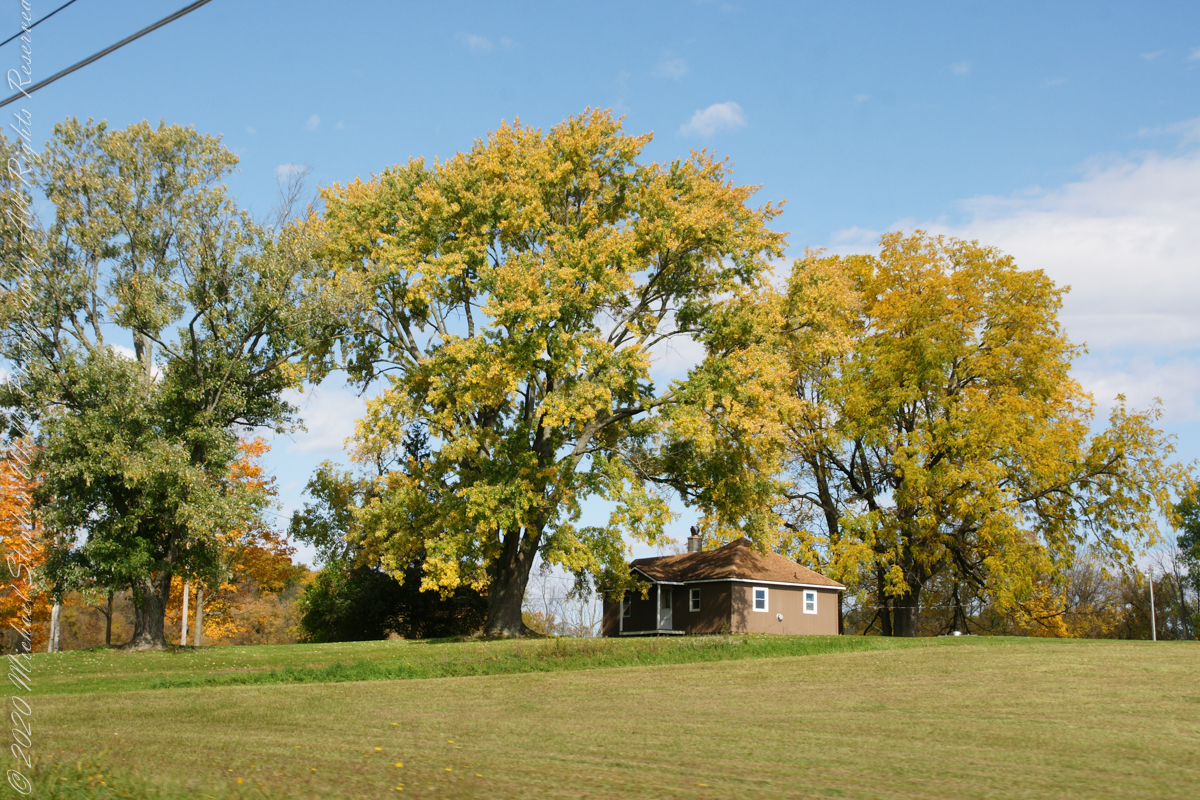
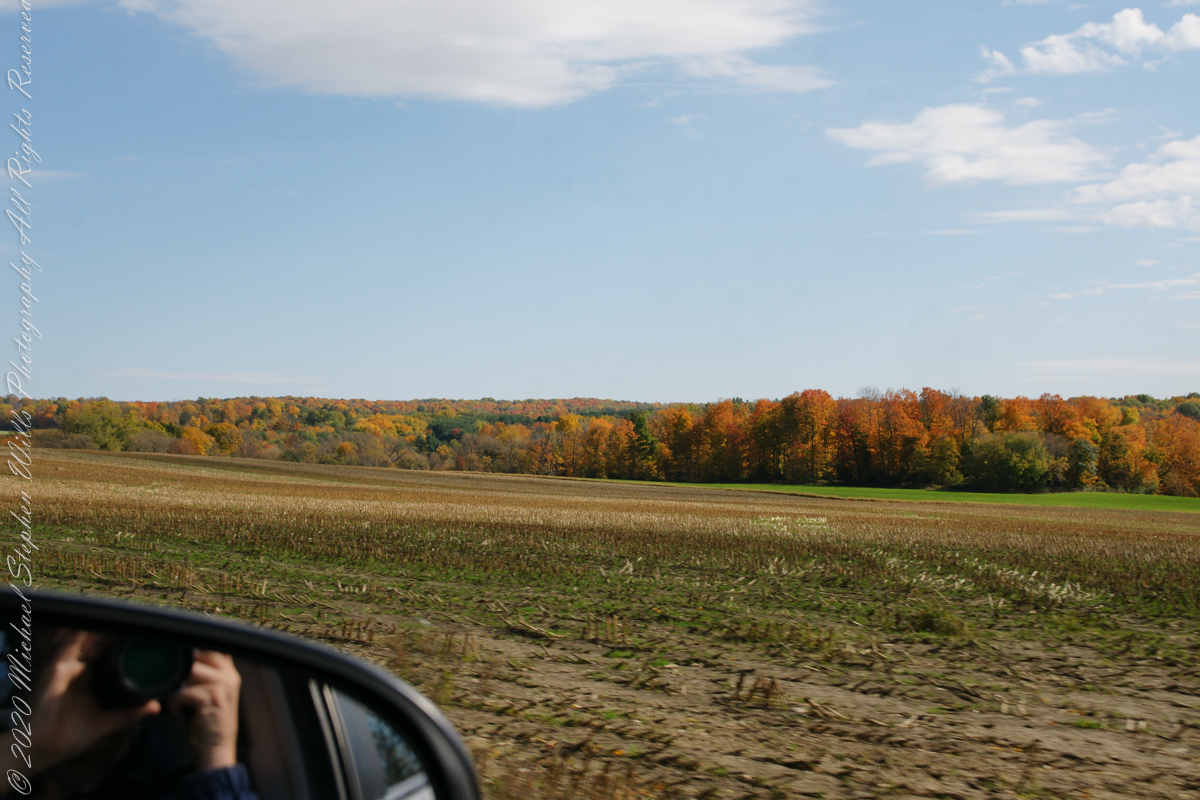
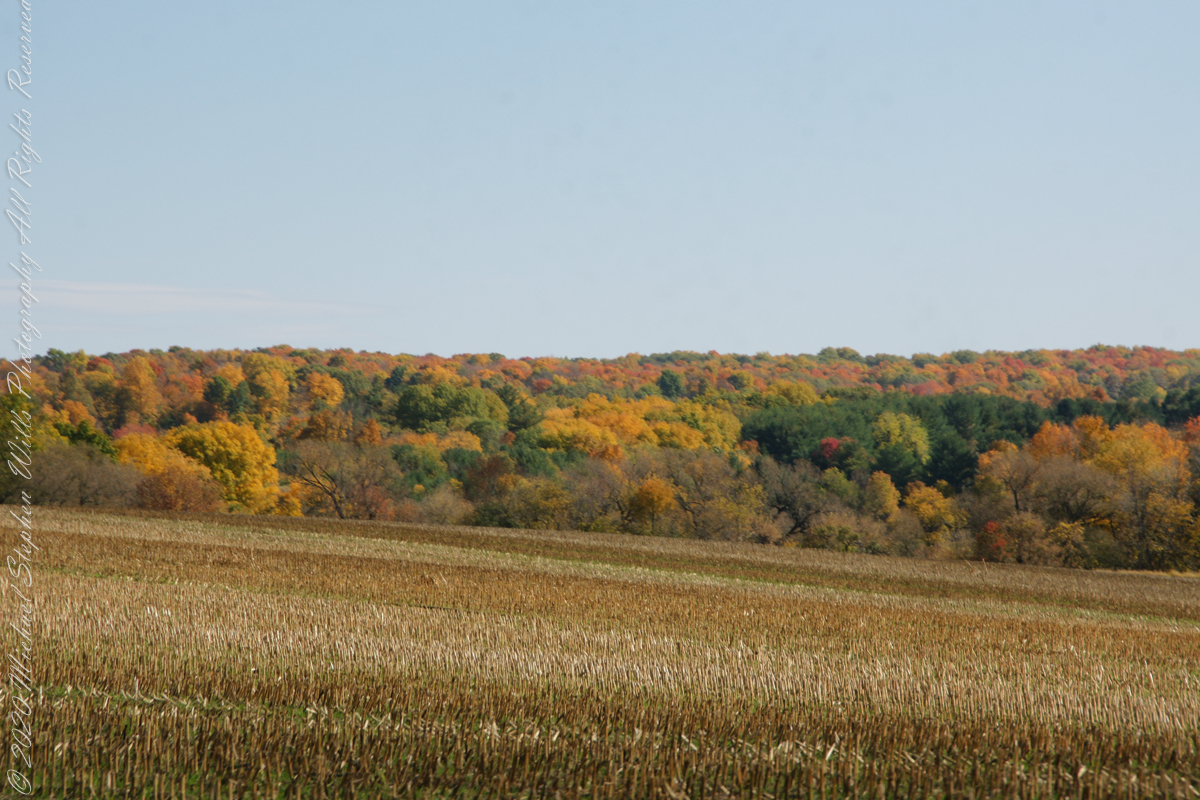
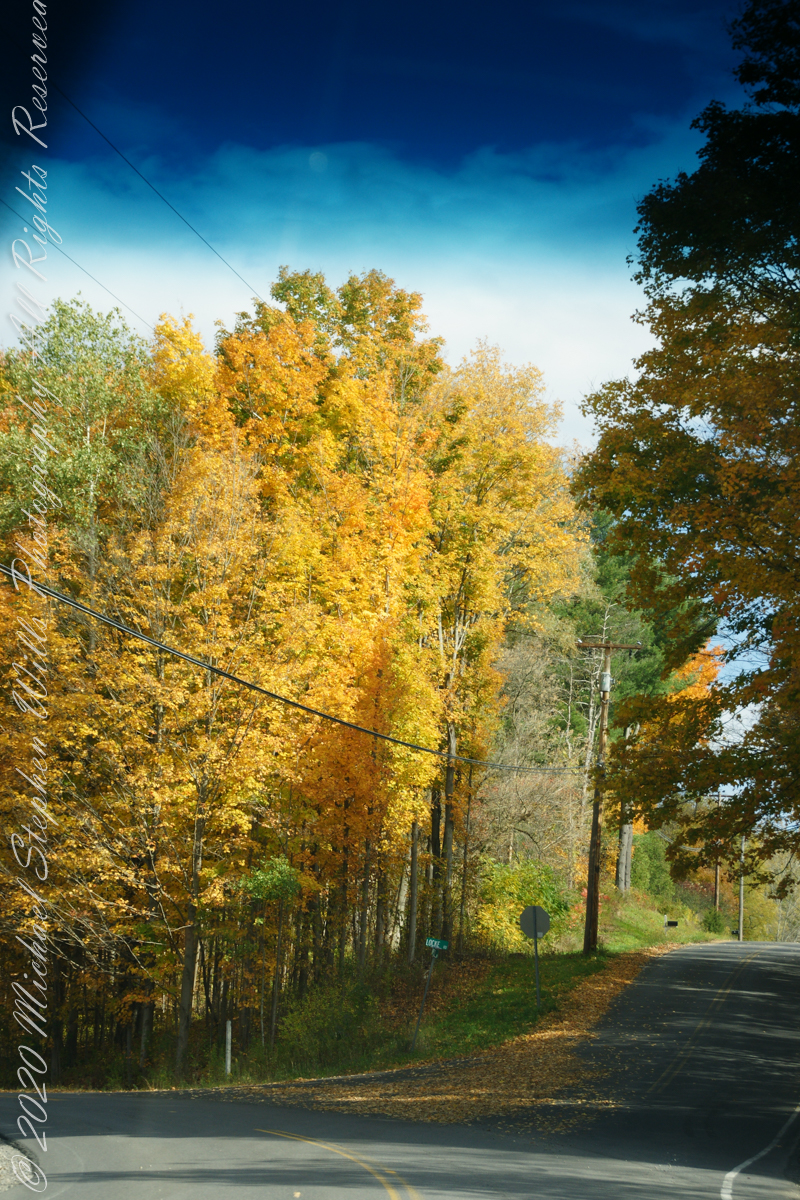
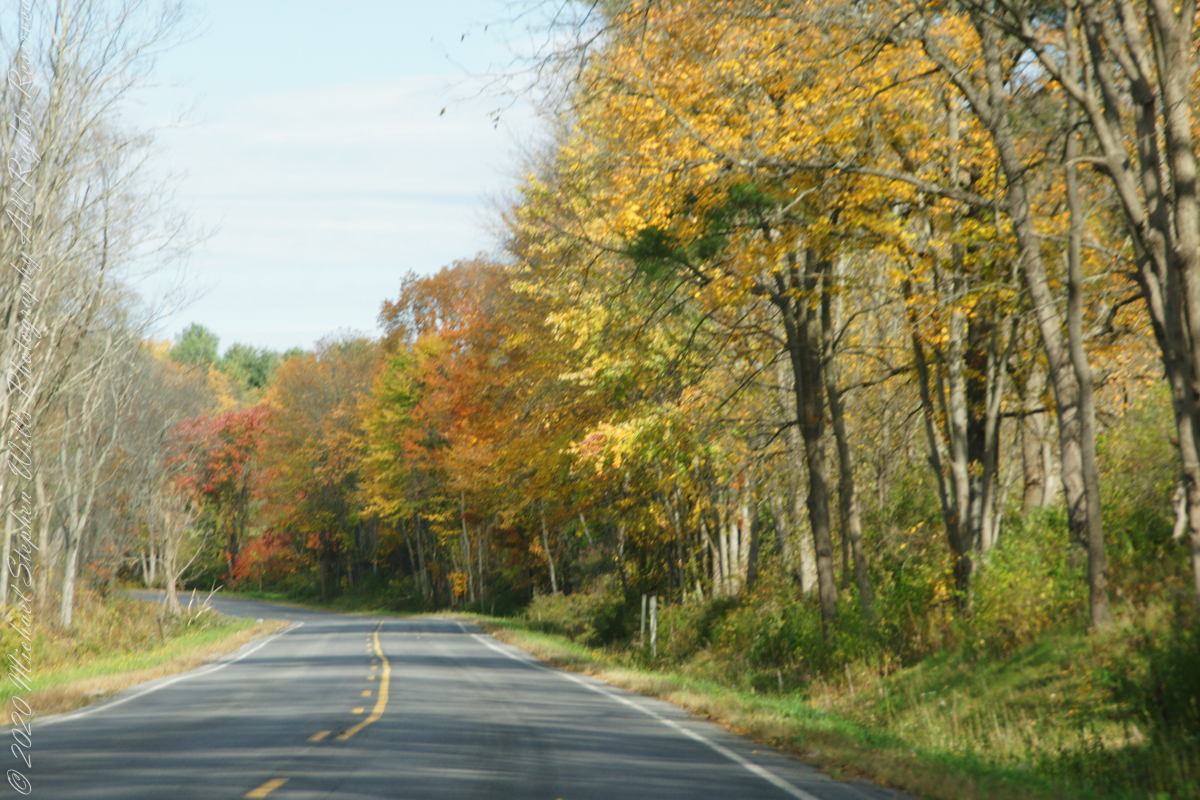
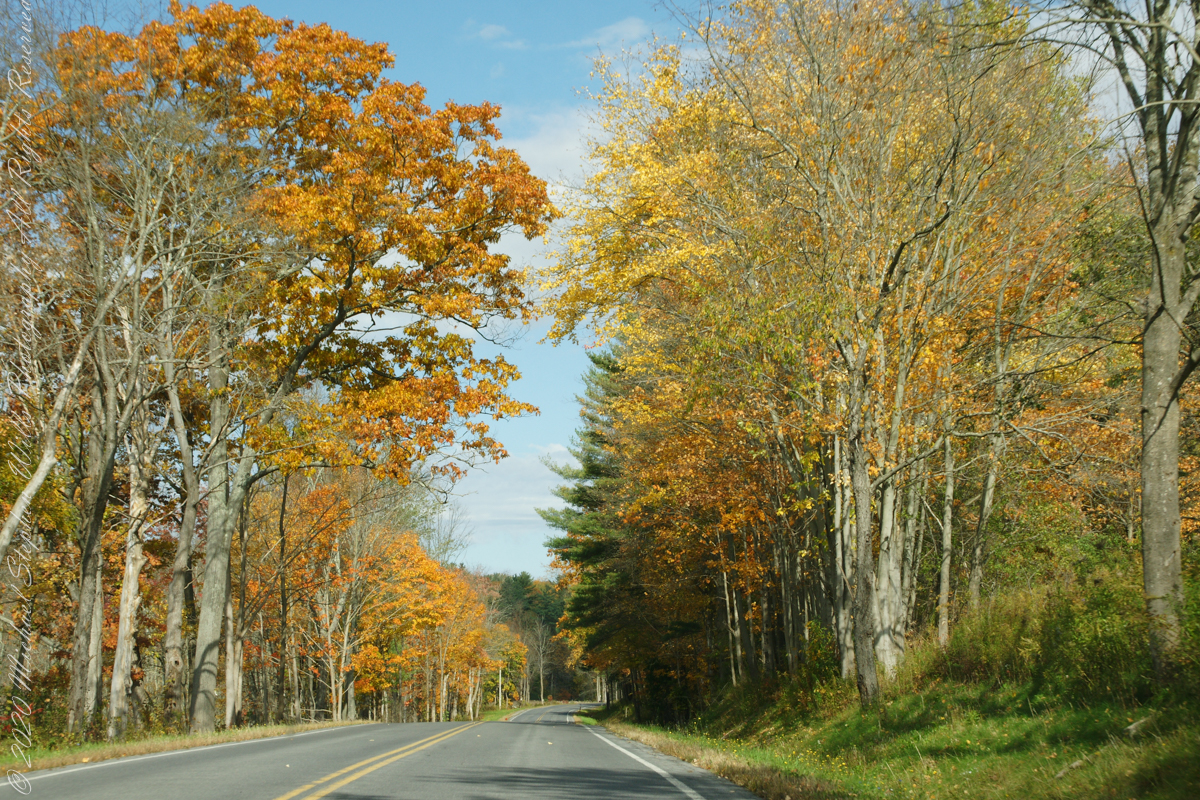
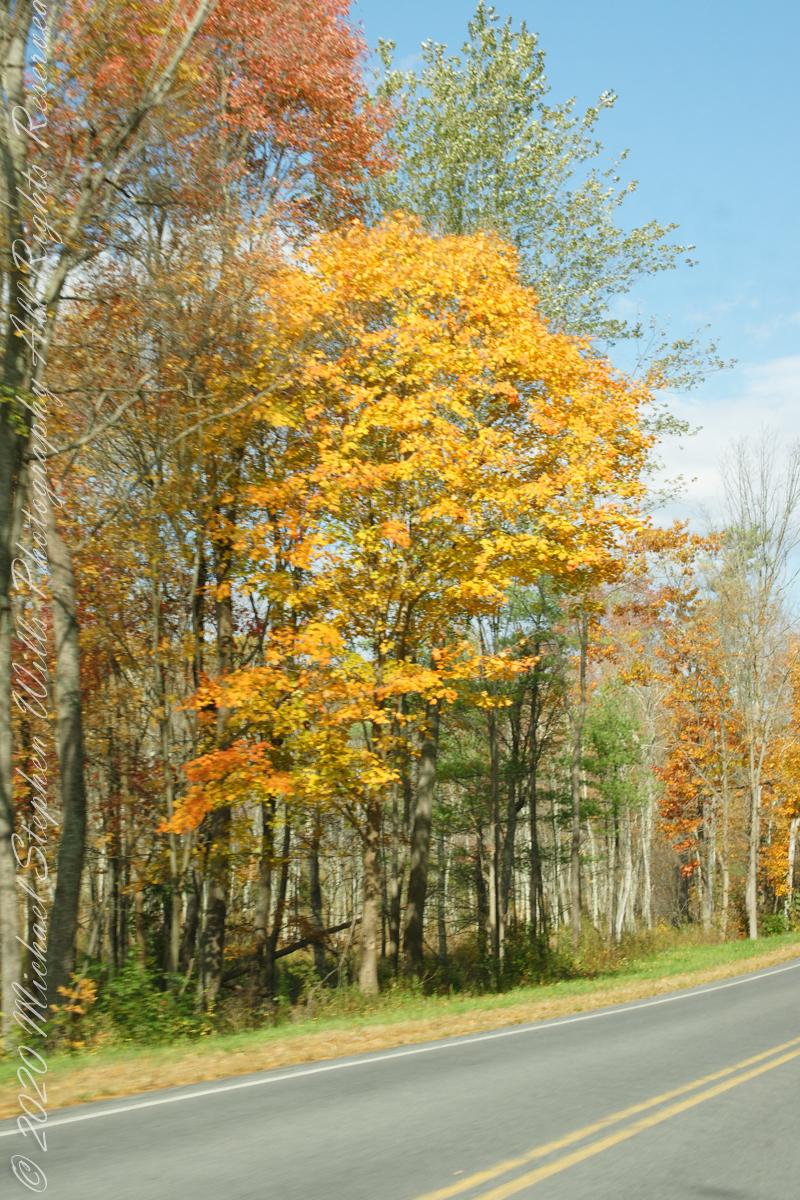
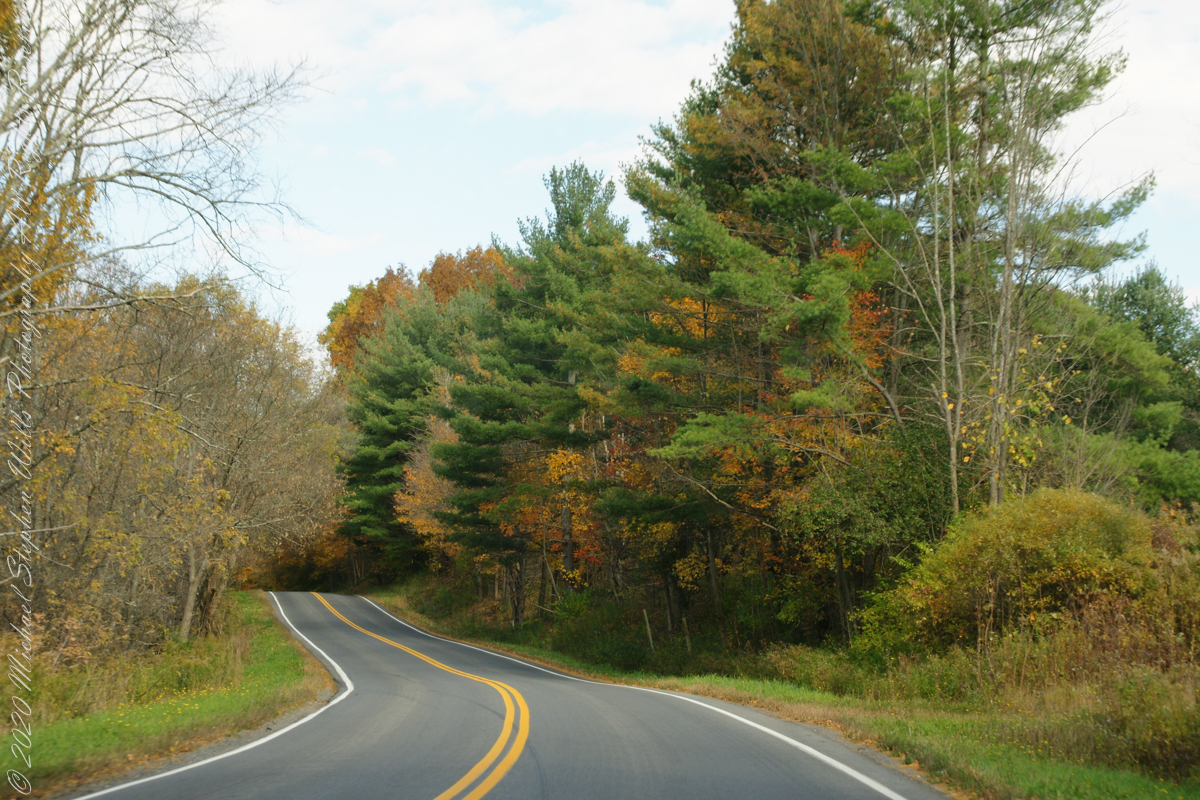
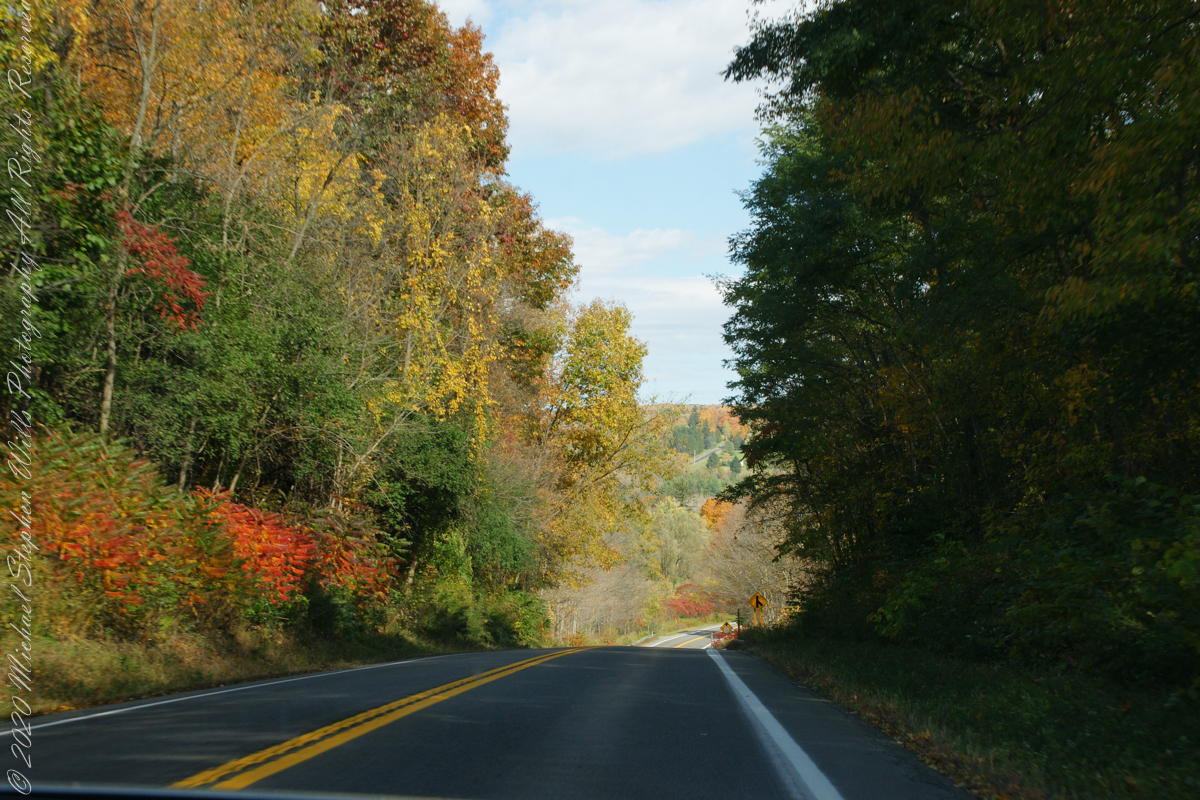
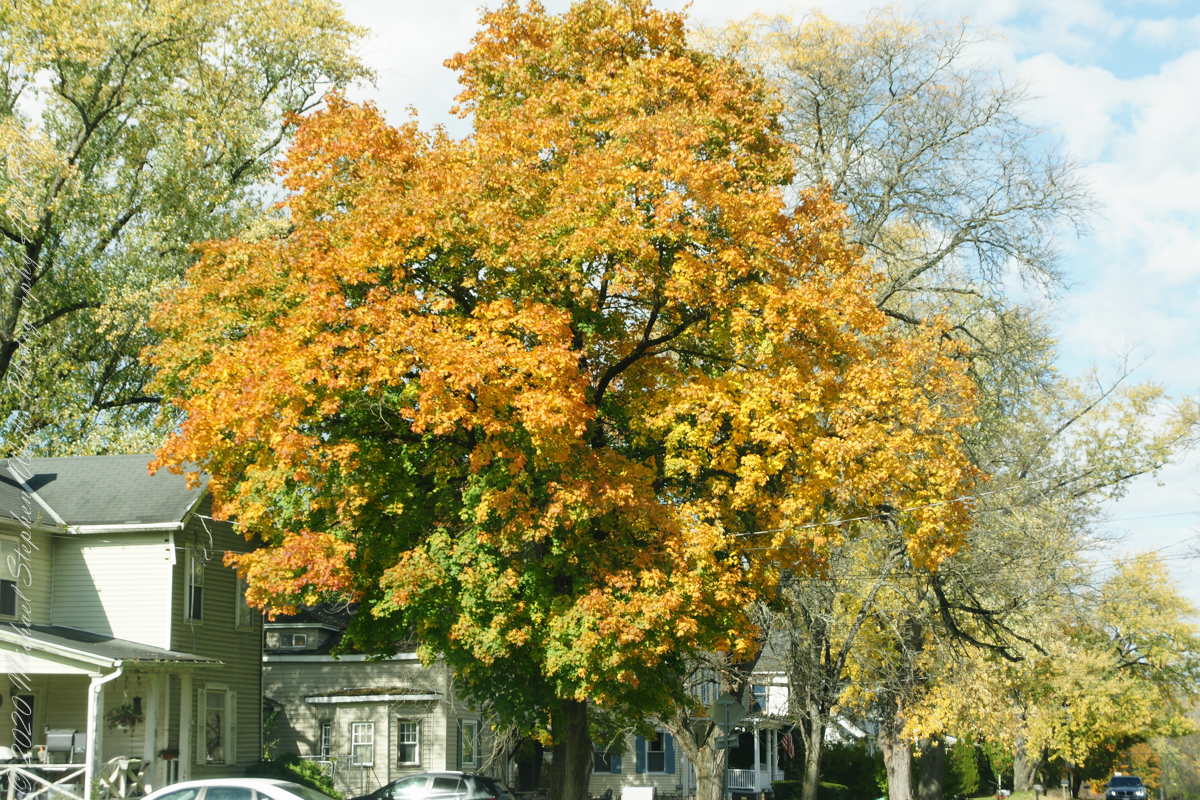
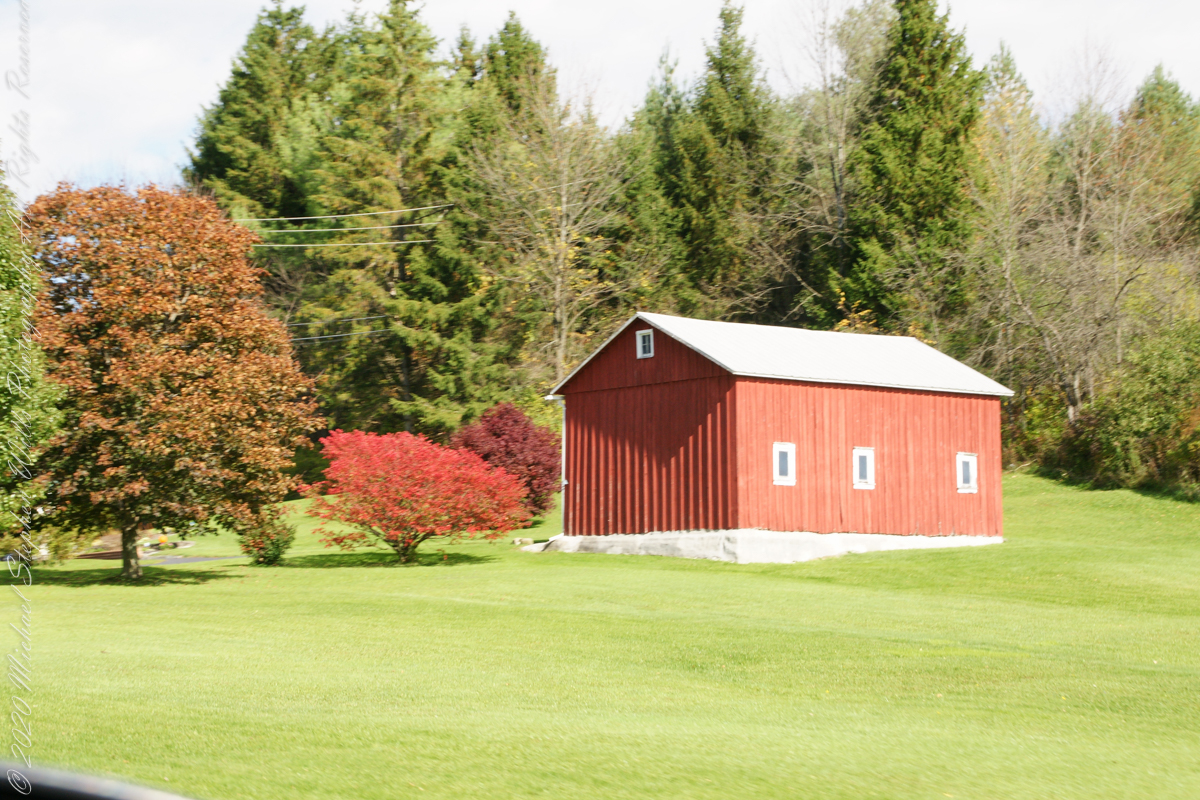
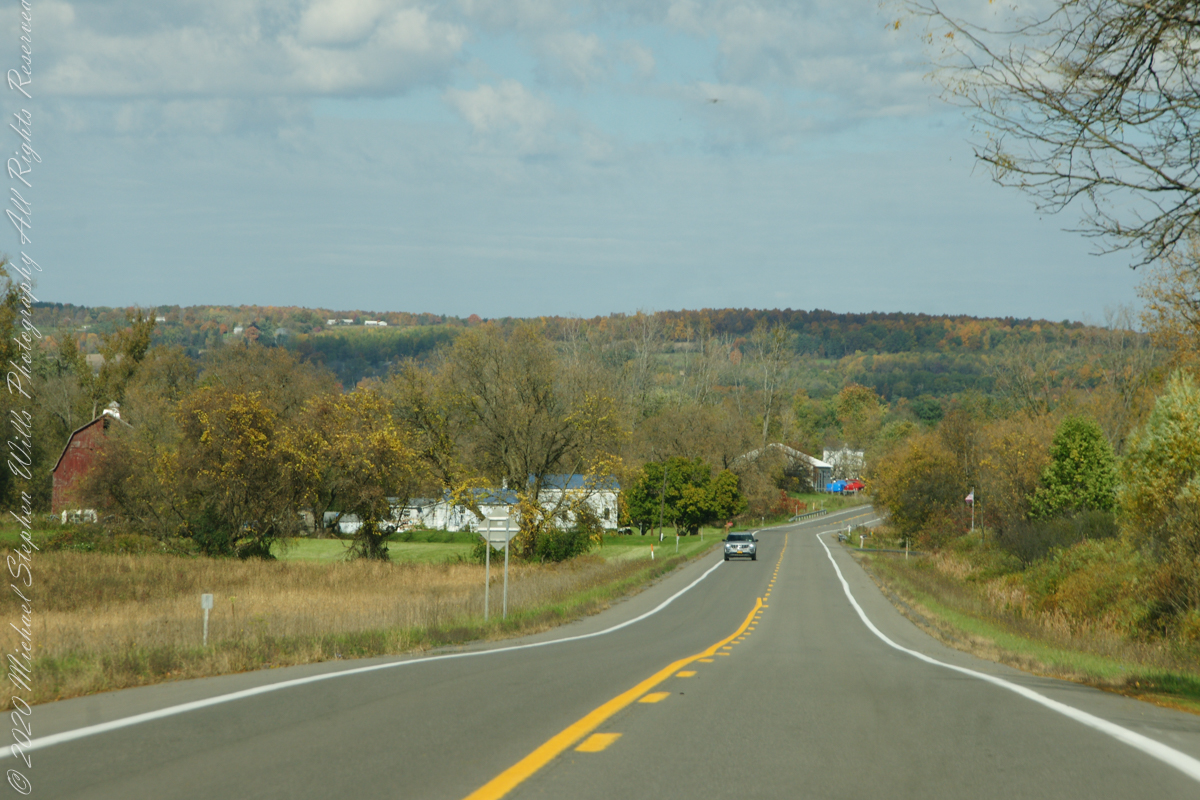
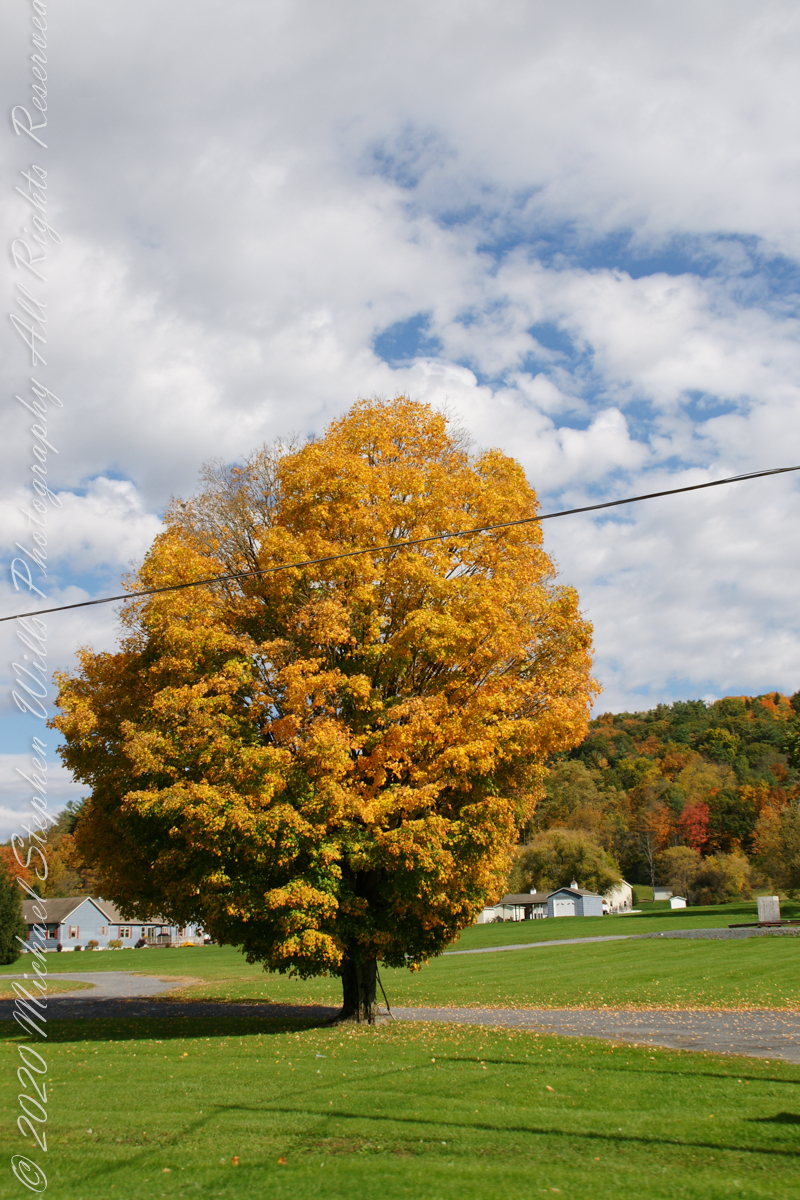
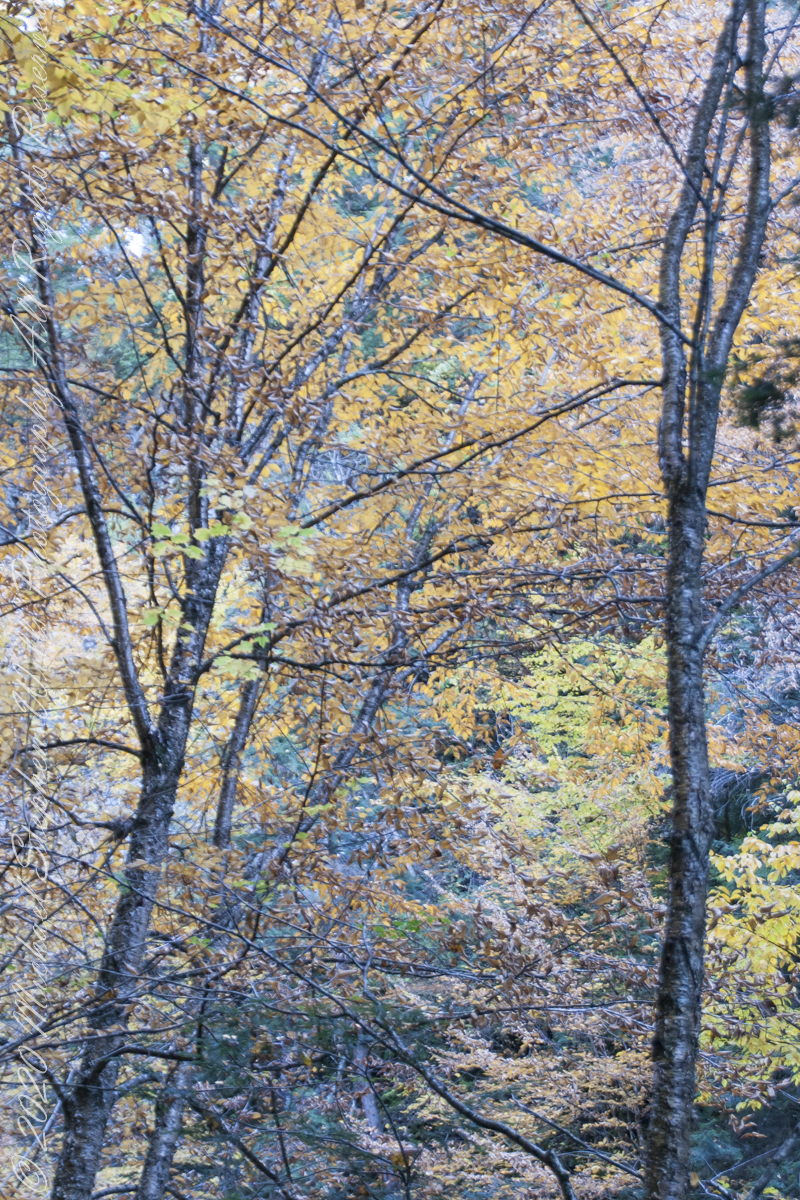
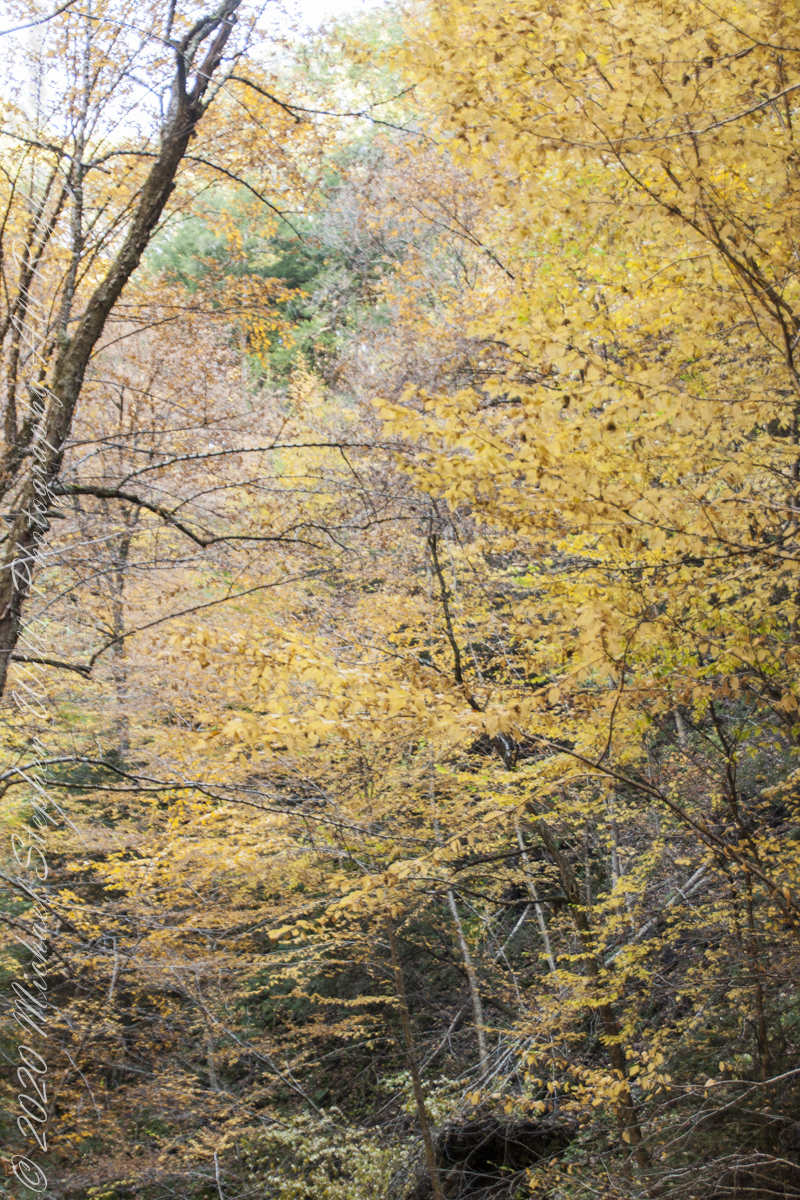
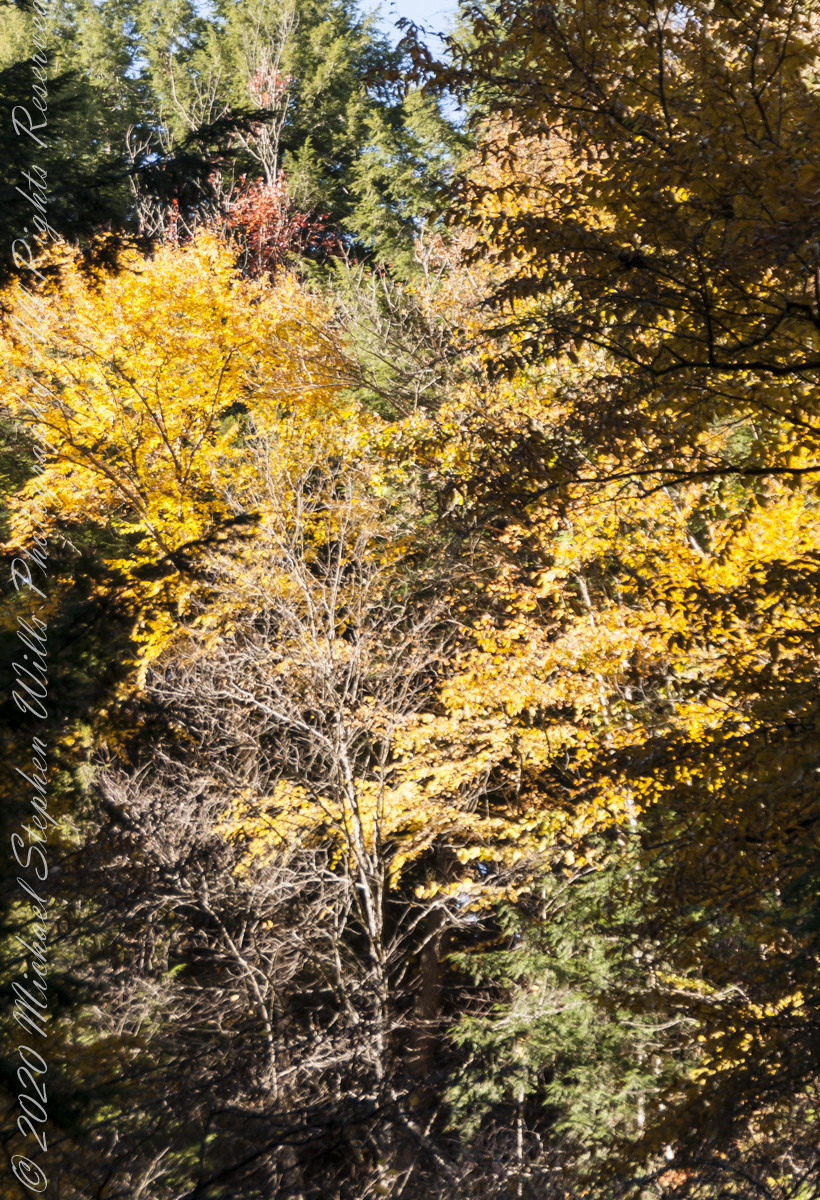
My Sony Alpha captured our October 16 drive to Fillmore Glen. As we traversed landscapes, the spectacle of Tompkins and Cayuga Counties autumn glory passed by the open passenger side window and, even, the front windshield. Thank You, Pam, for driving.
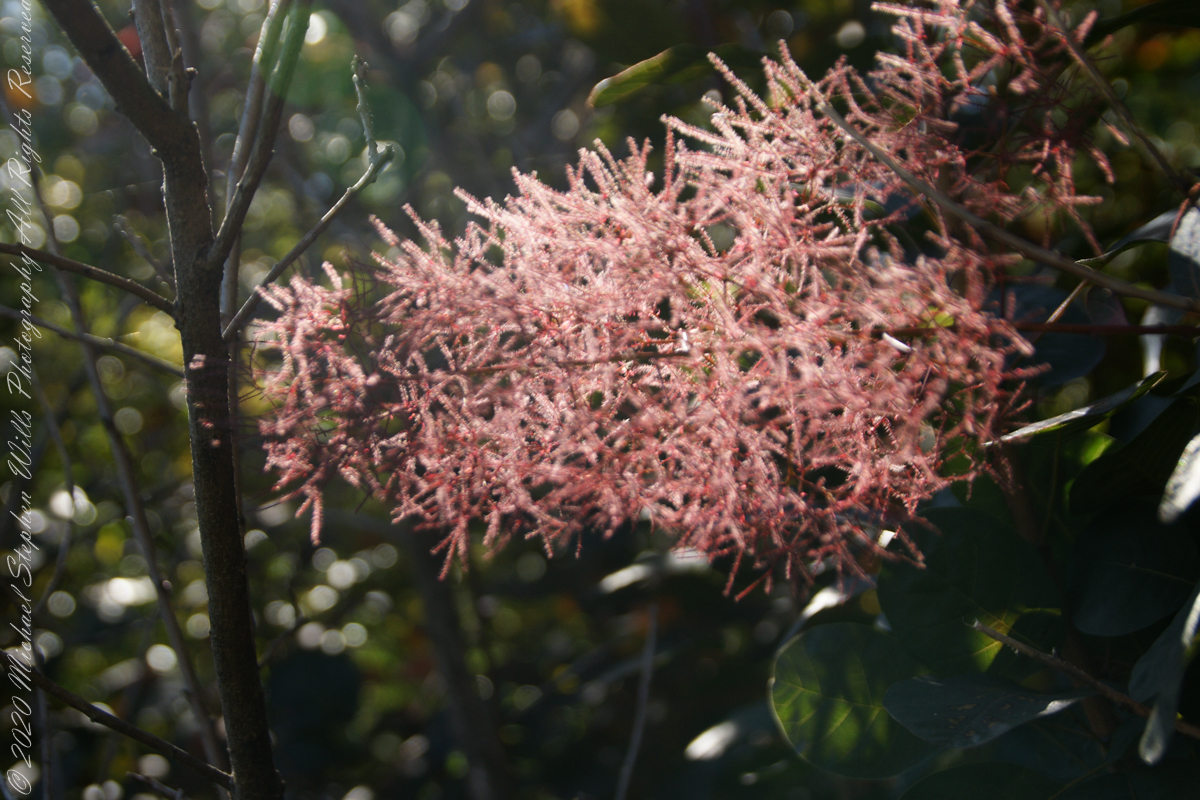
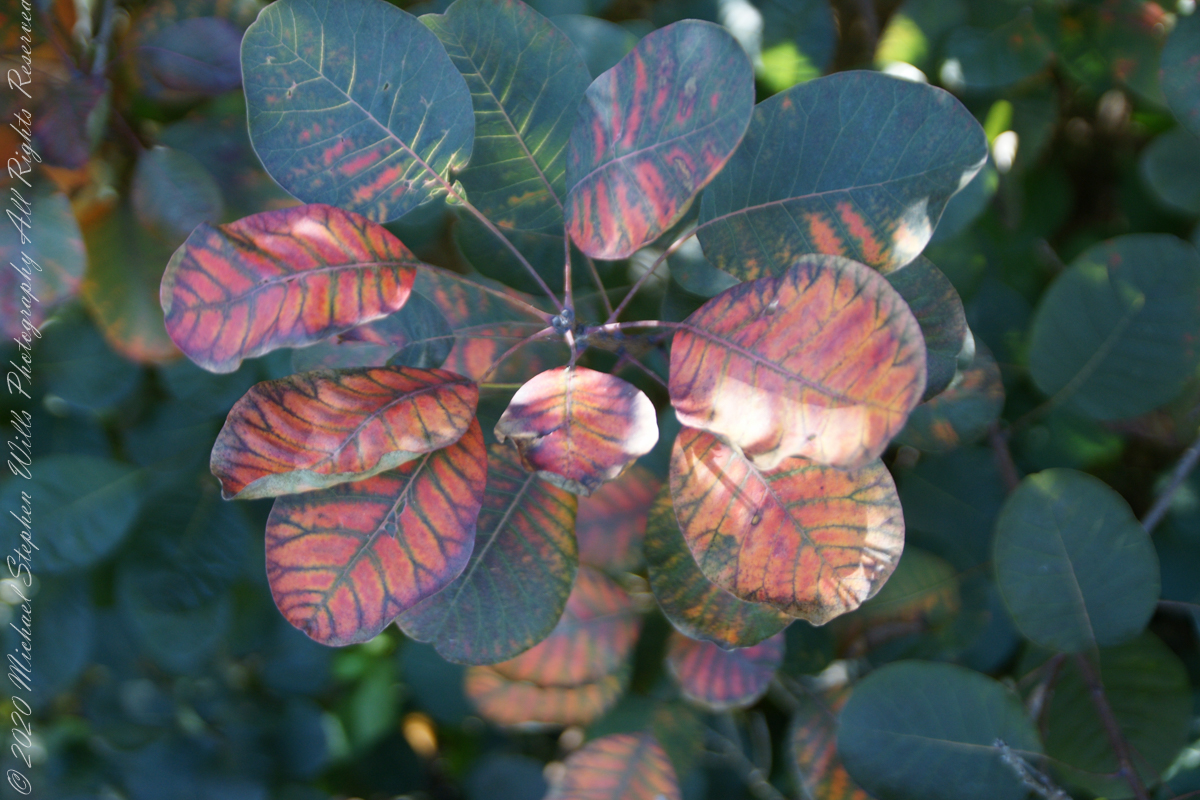
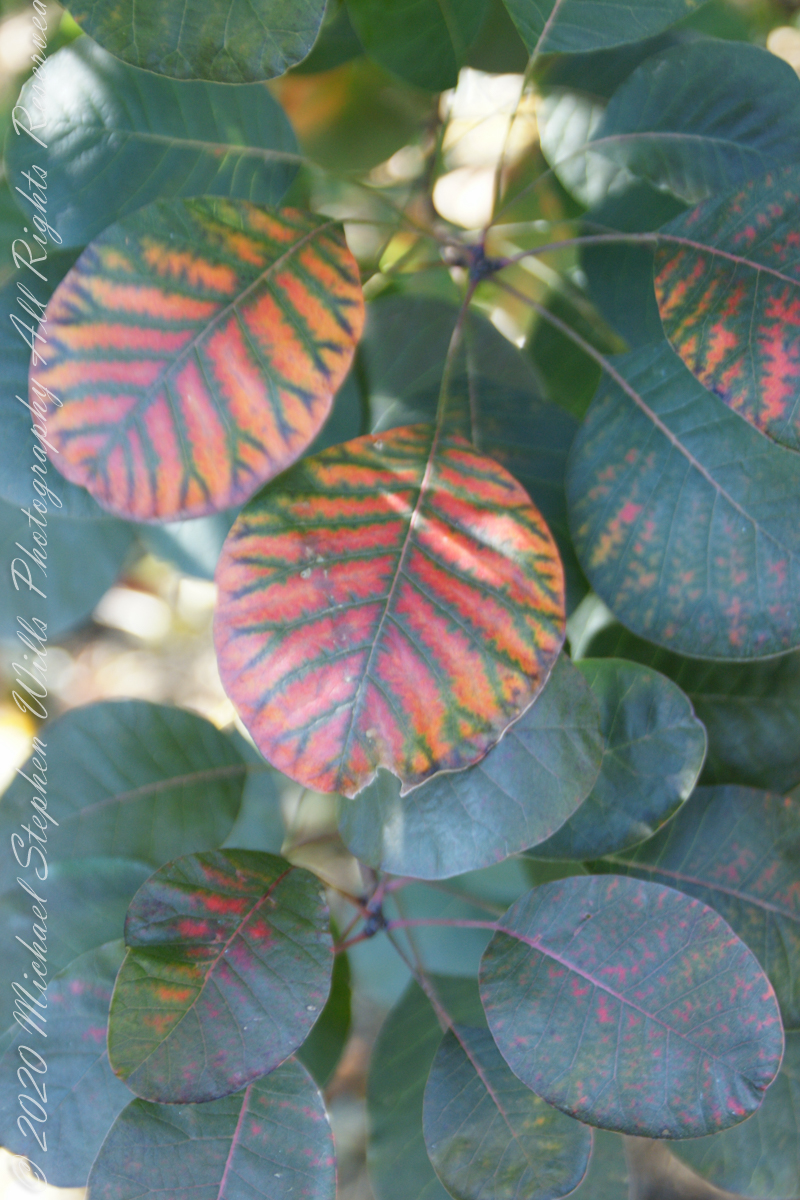
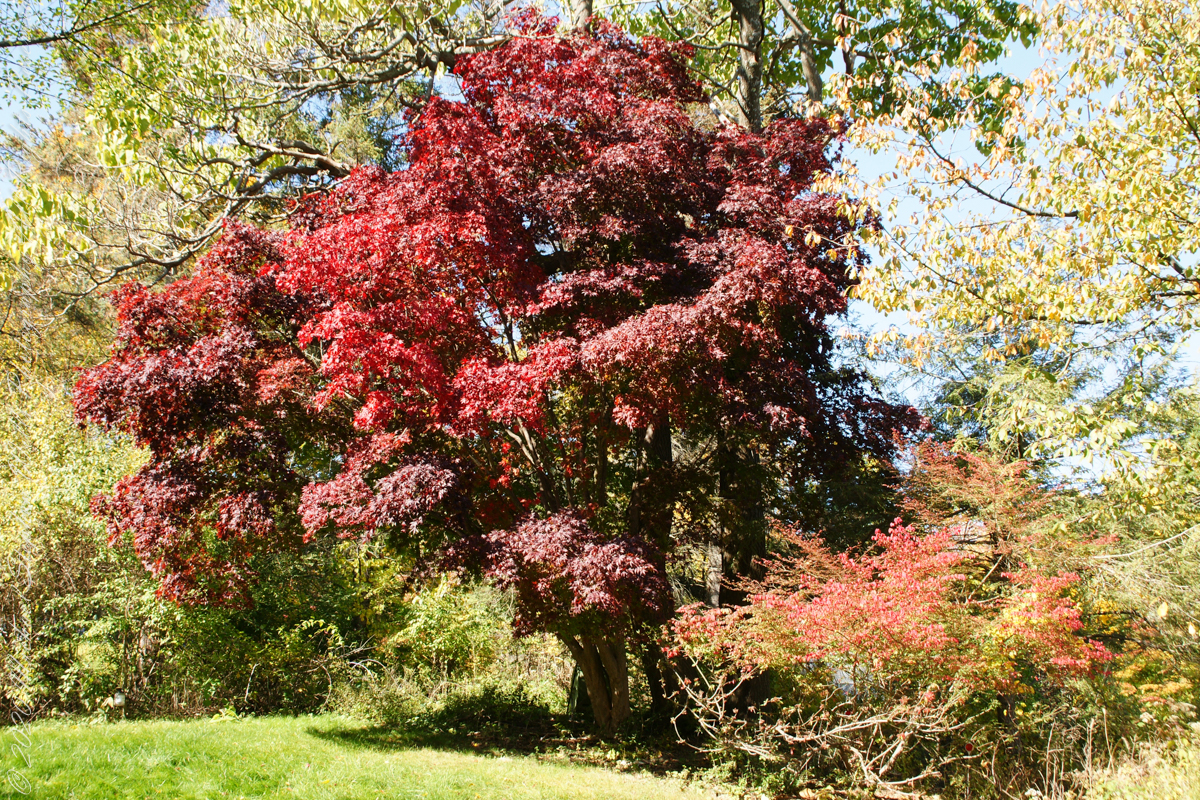
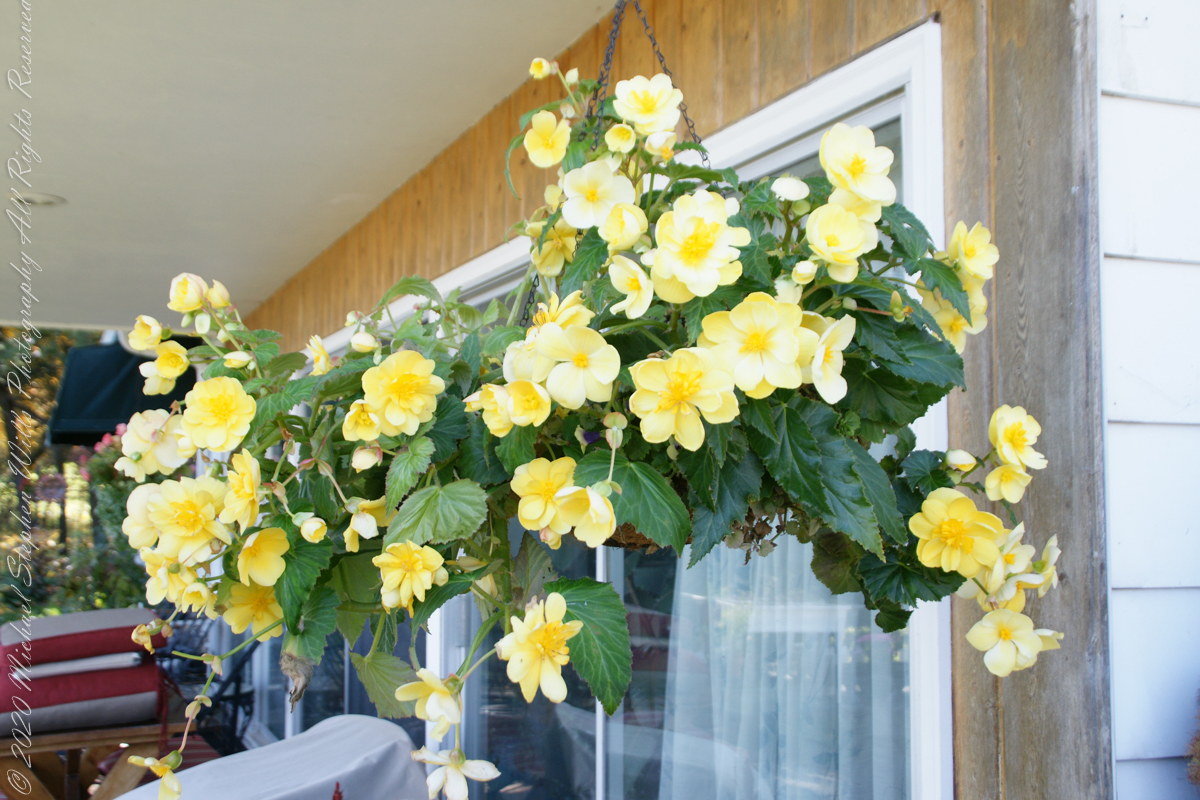
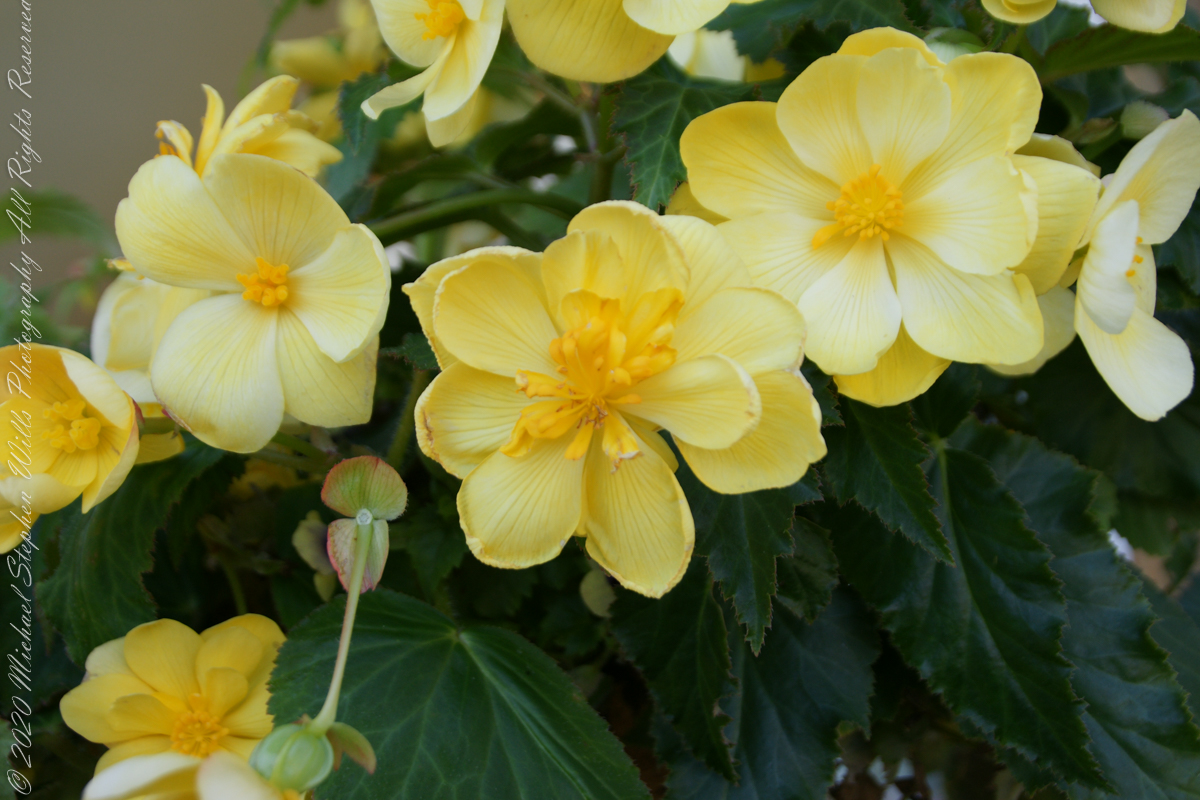
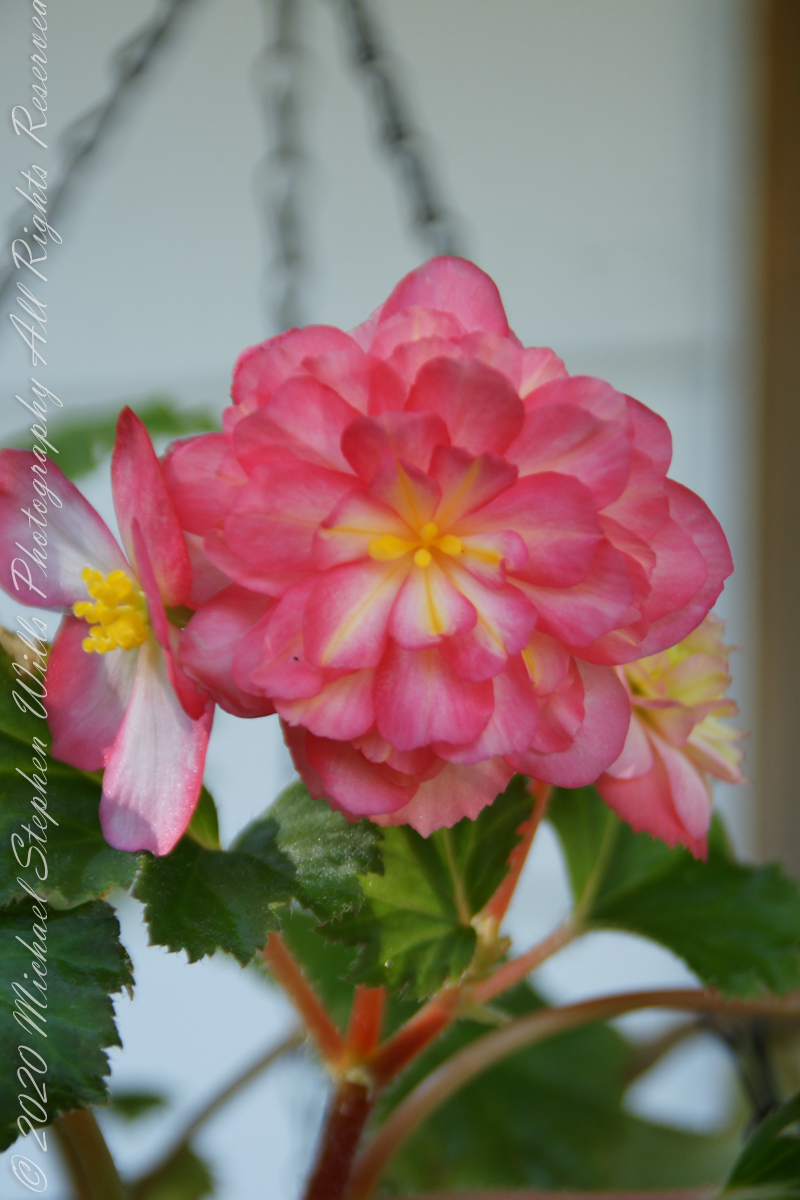
A turn around our home: Smoke tree, Japanese Maple, Pam’s flower baskets, fallen Oak leaves
.TT.
Panoramas from our front porch and on to Hector Street descending into and through Ithaca
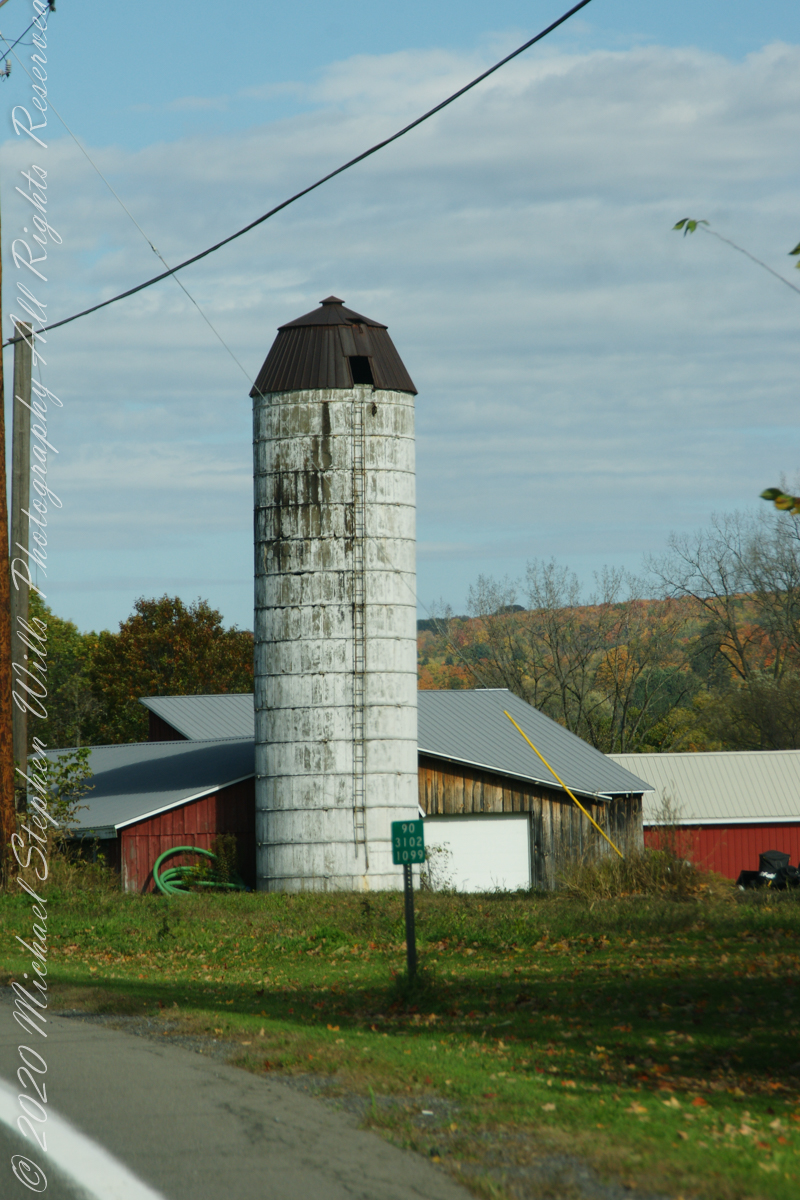
Headed up Route 34 along Cayuga Lake, into “Farm Country”
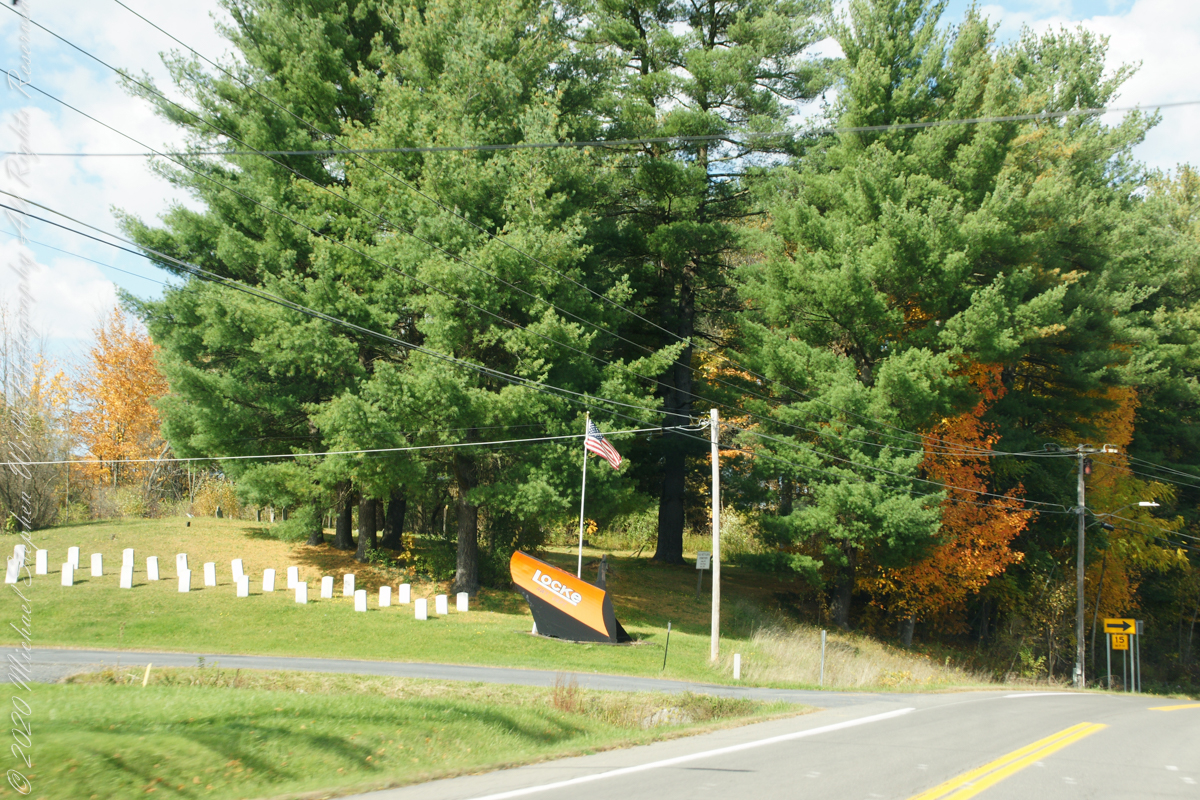
Turning onto Locke Road and crossing from Tompkins to Cayuga County
Travelling through Cayuga County, the town of Locke, then Moravia and Fillmore Glen State Park
..
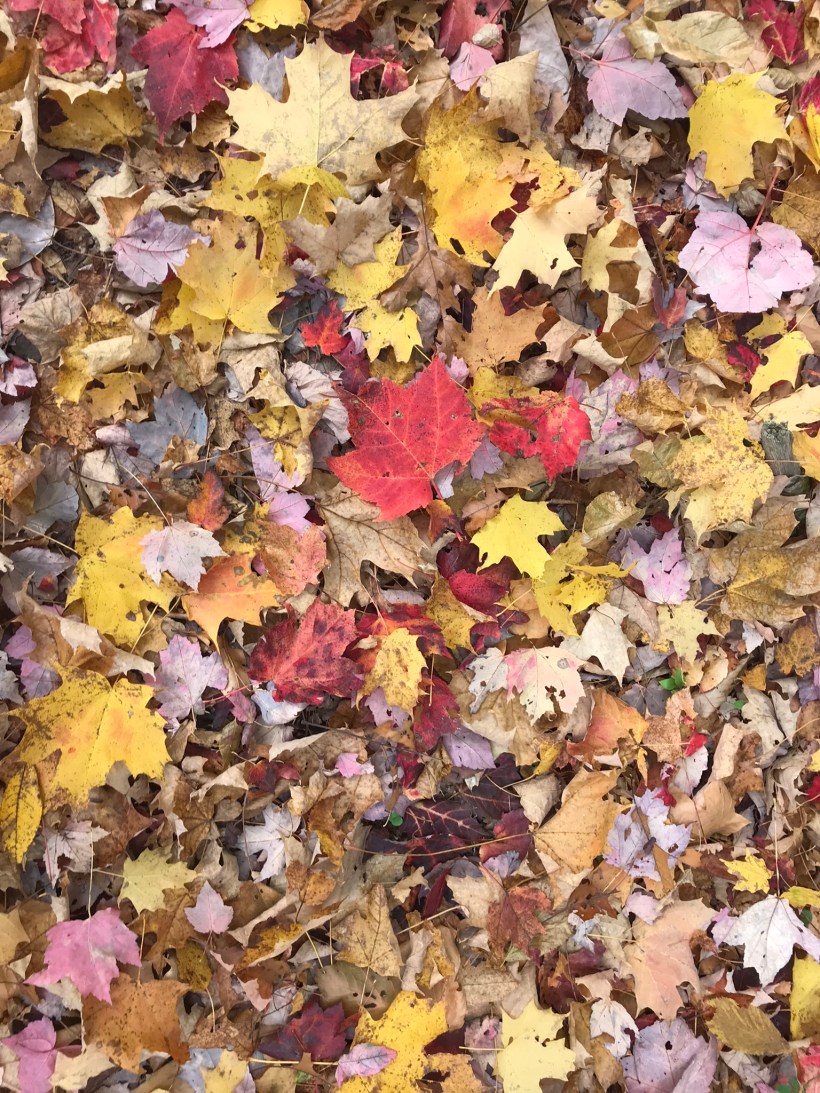
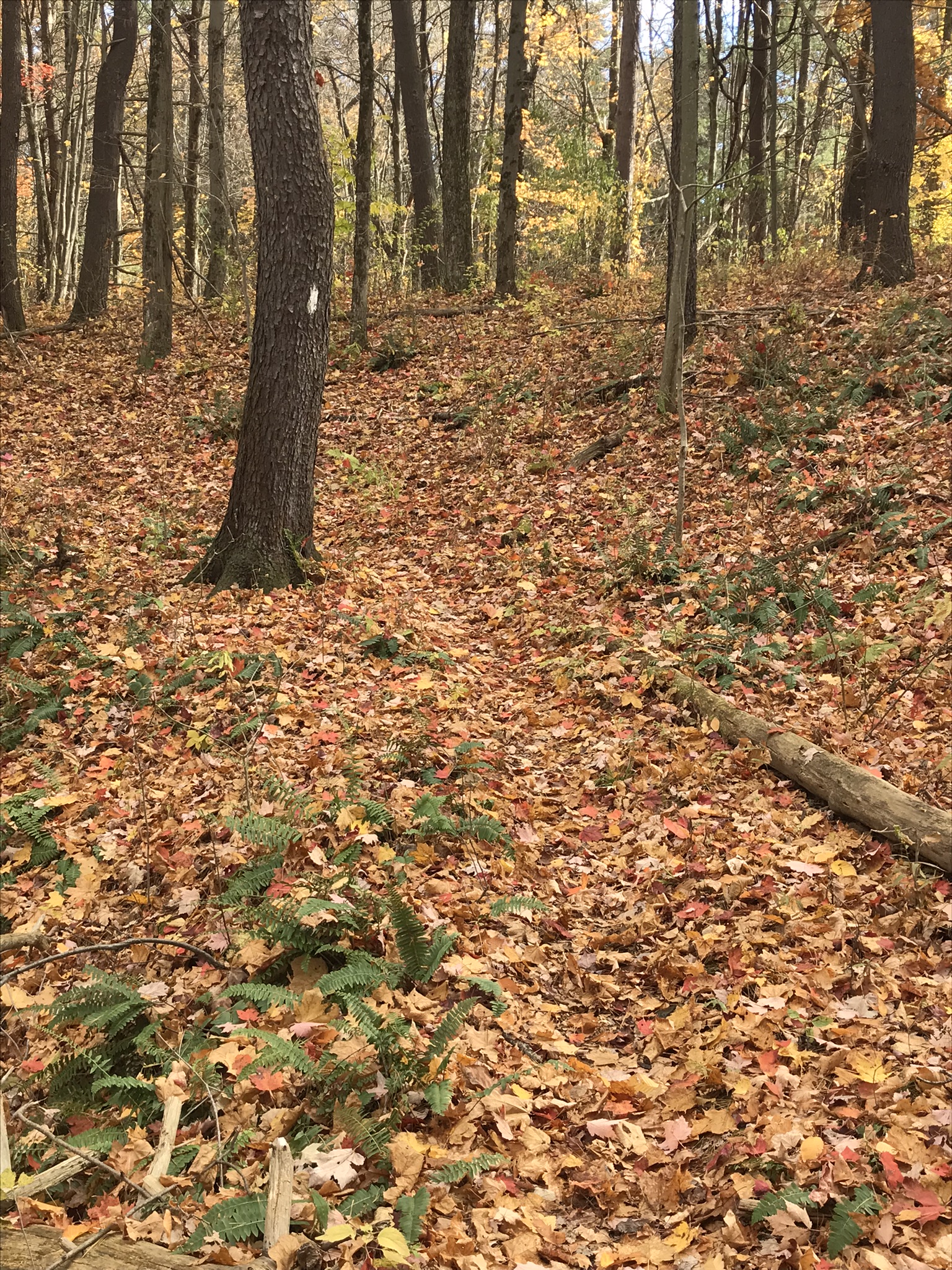
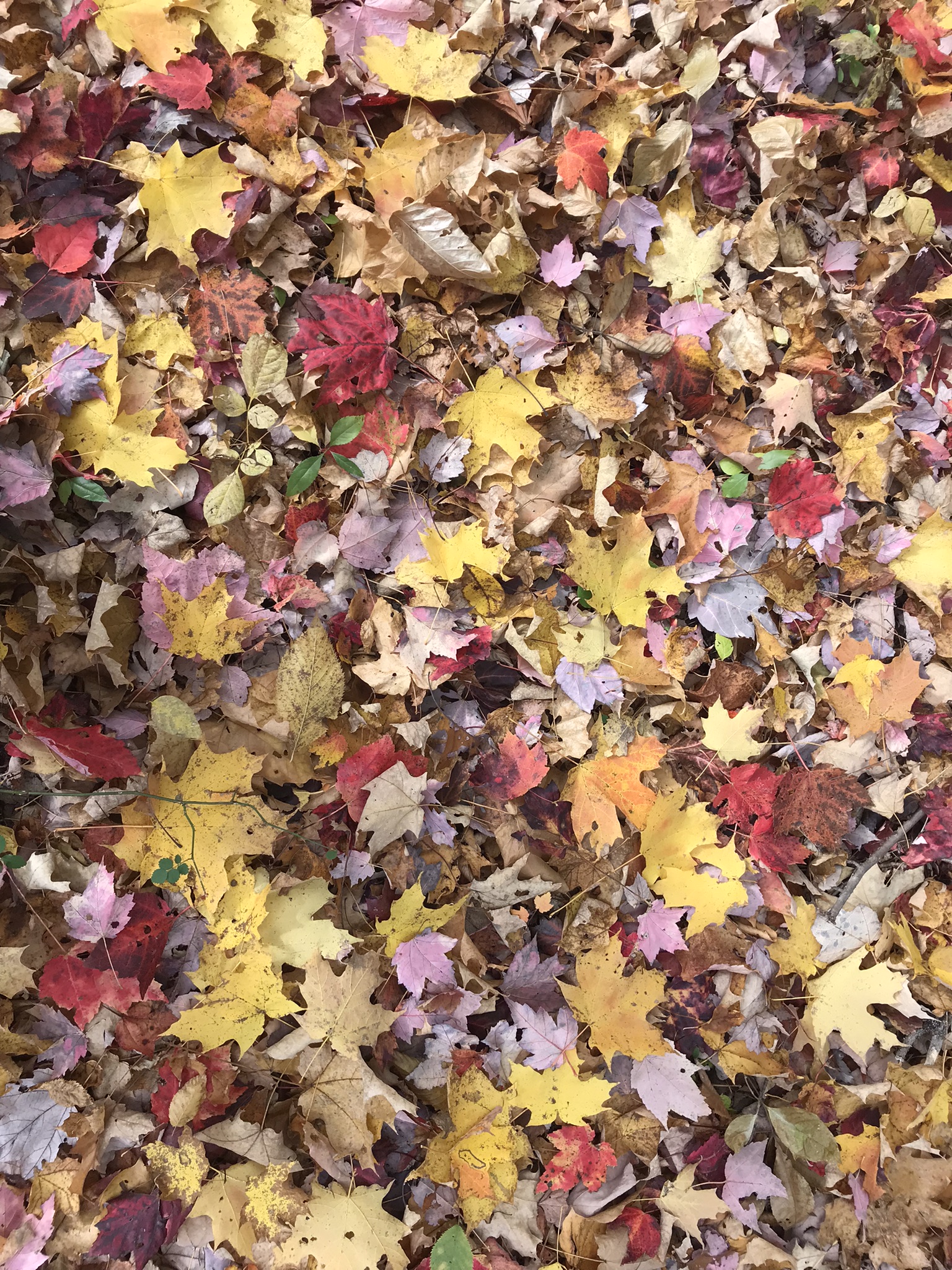
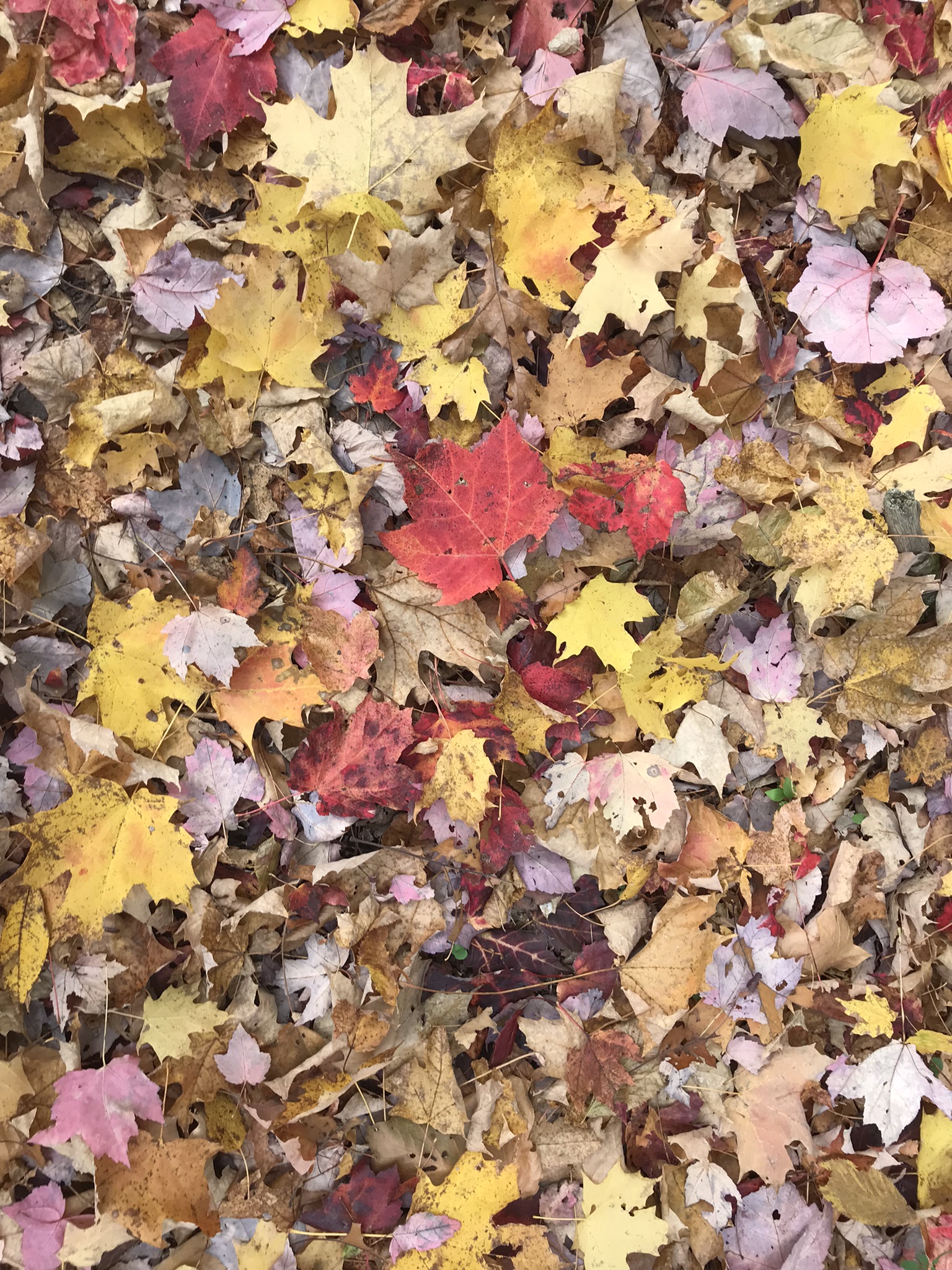
This is my farewell to “Fall” for now.
Copyright 2022 All Right Reserved Michael Stephen Wills
My Sony Alpha was in use during our October 16 drive to Fillmore Glen. As we traversed landscapes, autumn glory of Tompkins and Cayuga Counties was captured. Thank You, Pam, for driving.
Heading today’s post is a windshield shot, I’m loving the effect of a golden road.
During our walk, I used the Sony Alpha for a parallel series of shots to compliment the tripod mounted Canon. Here are some of those results.
Step up and over
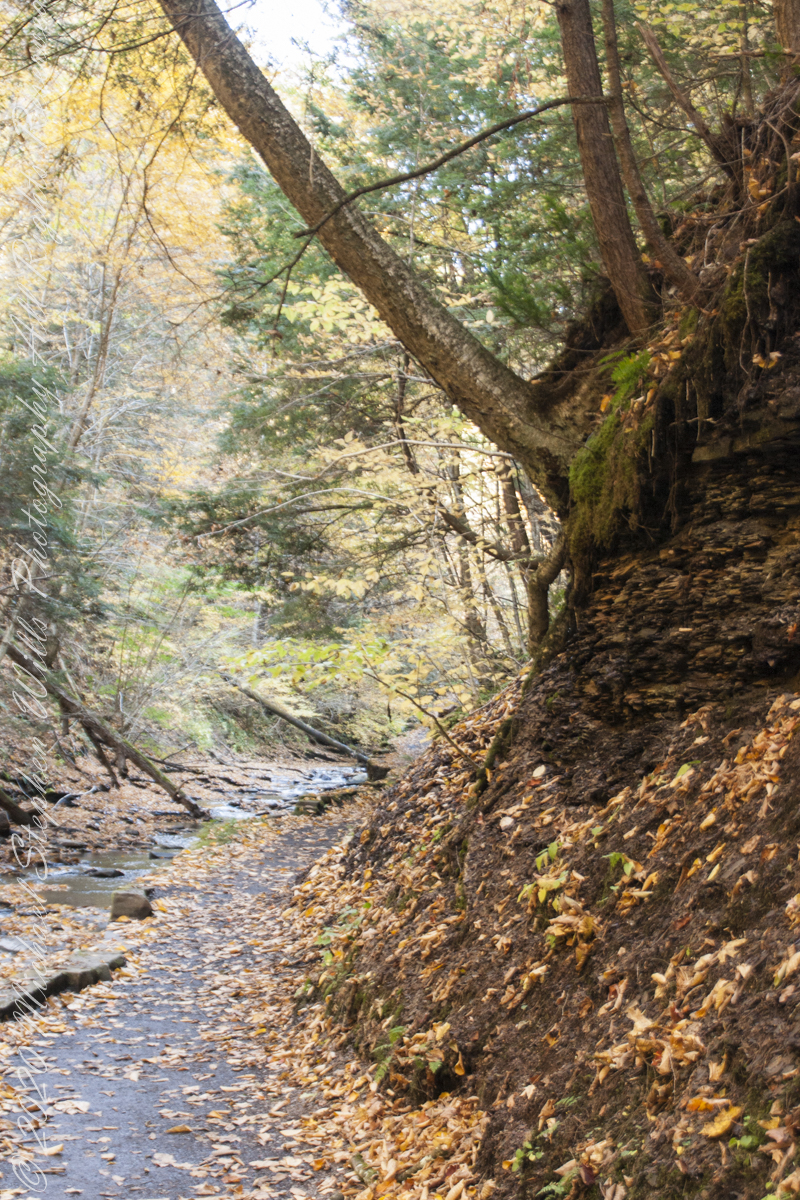
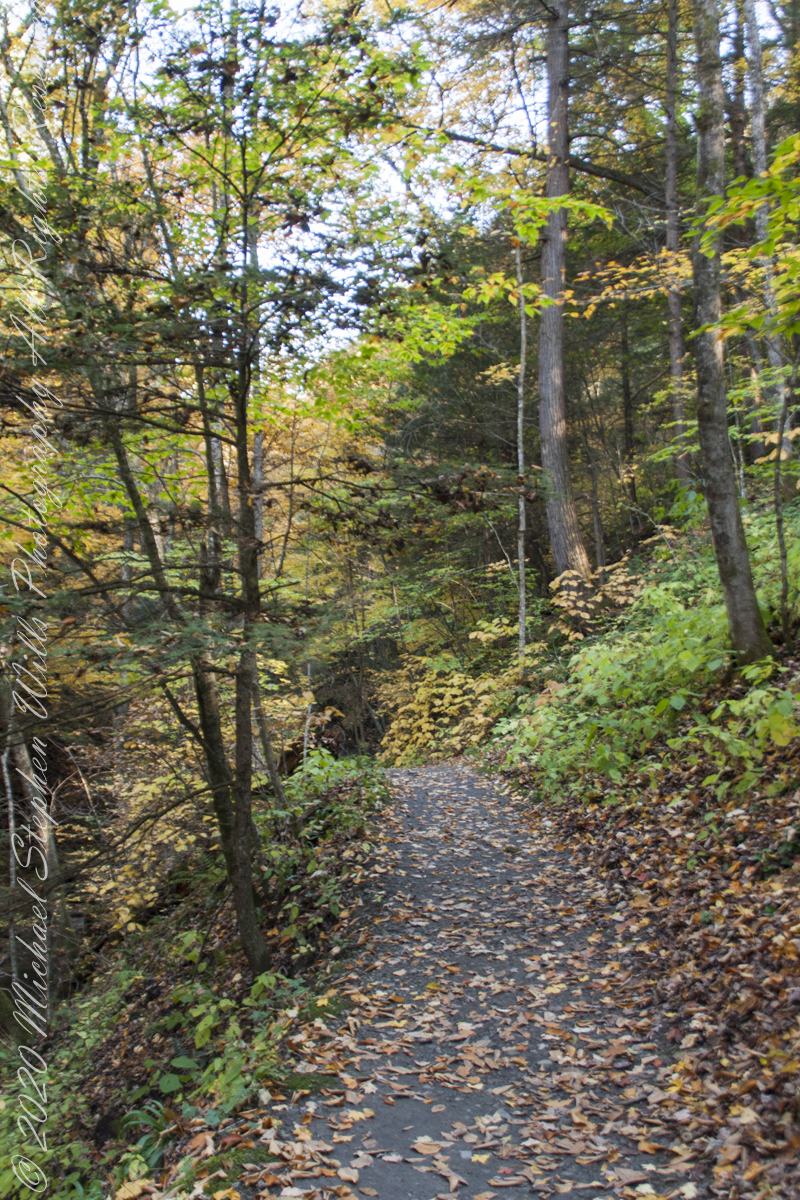
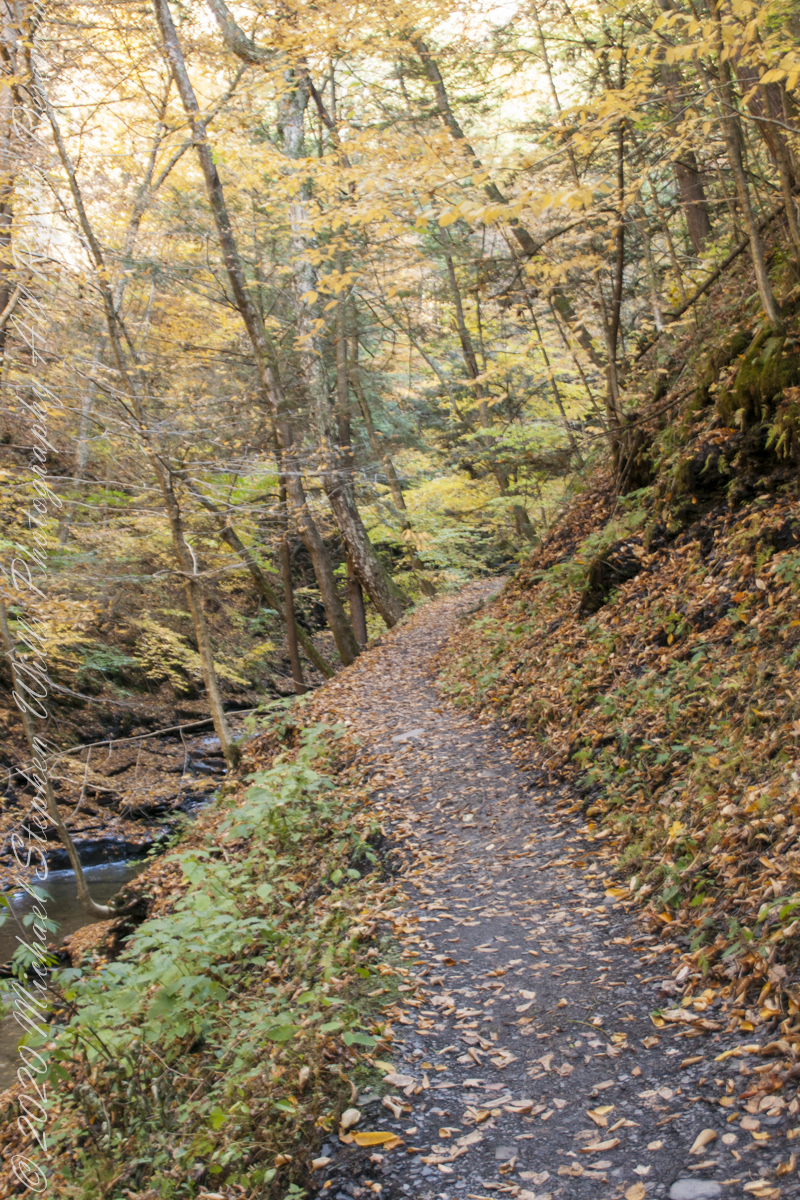
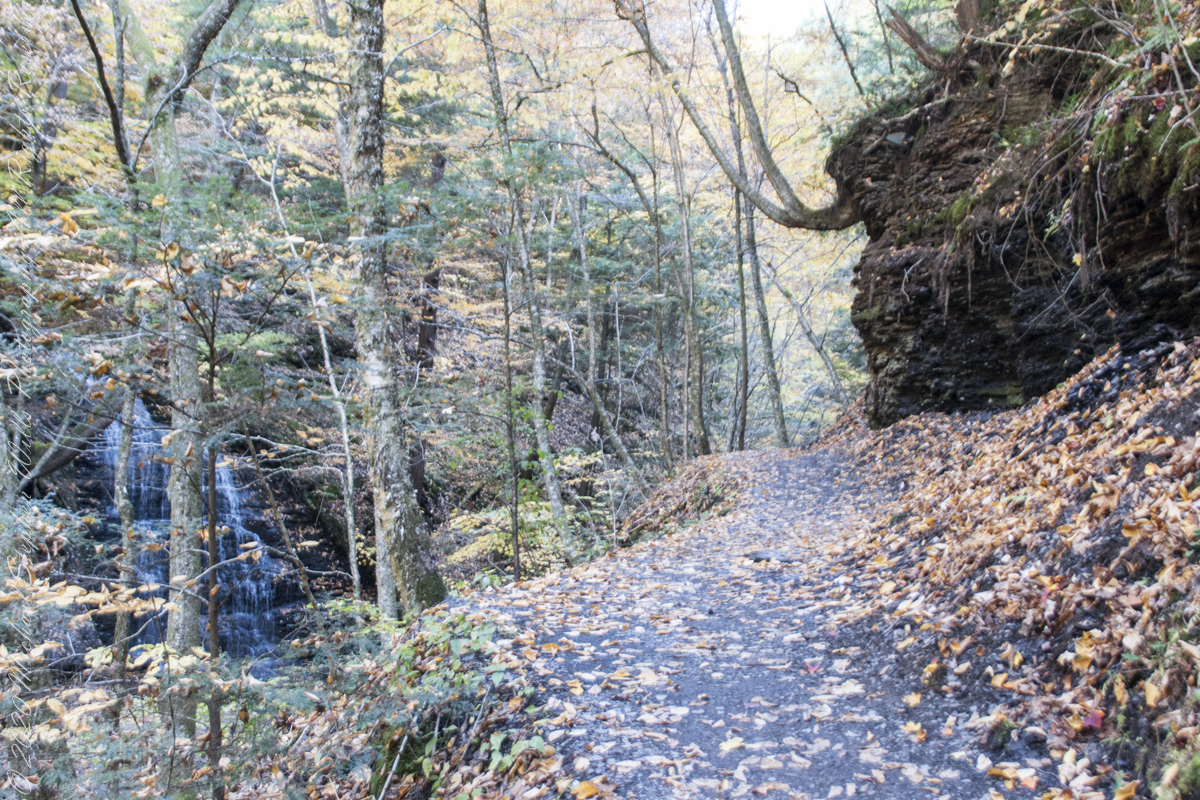
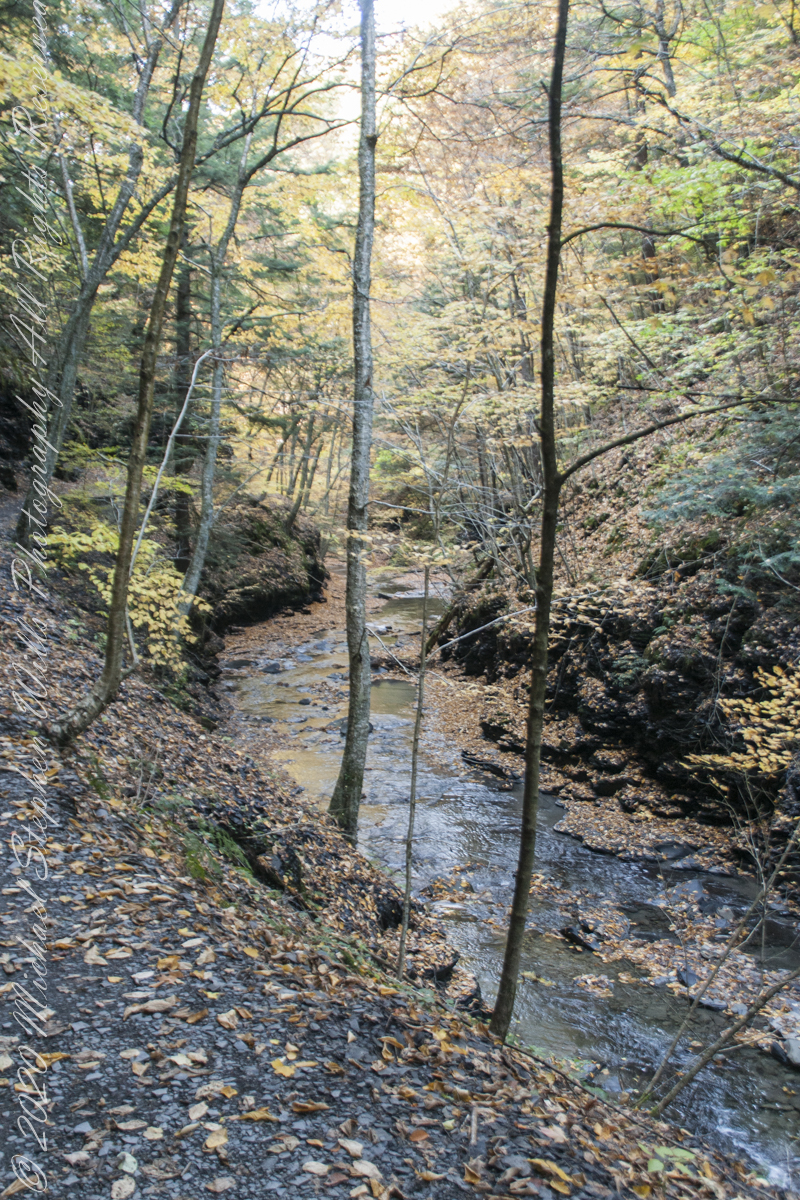
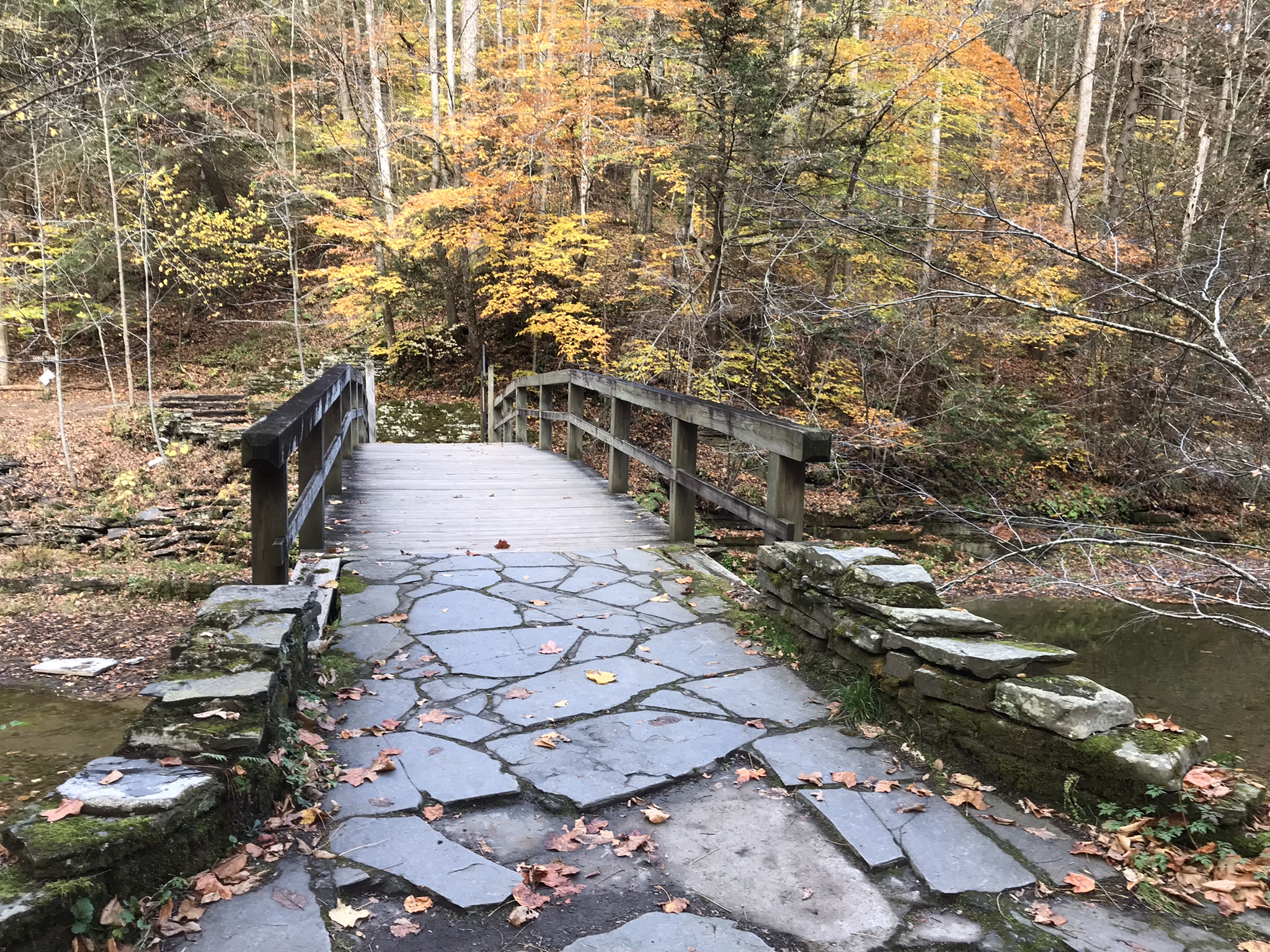
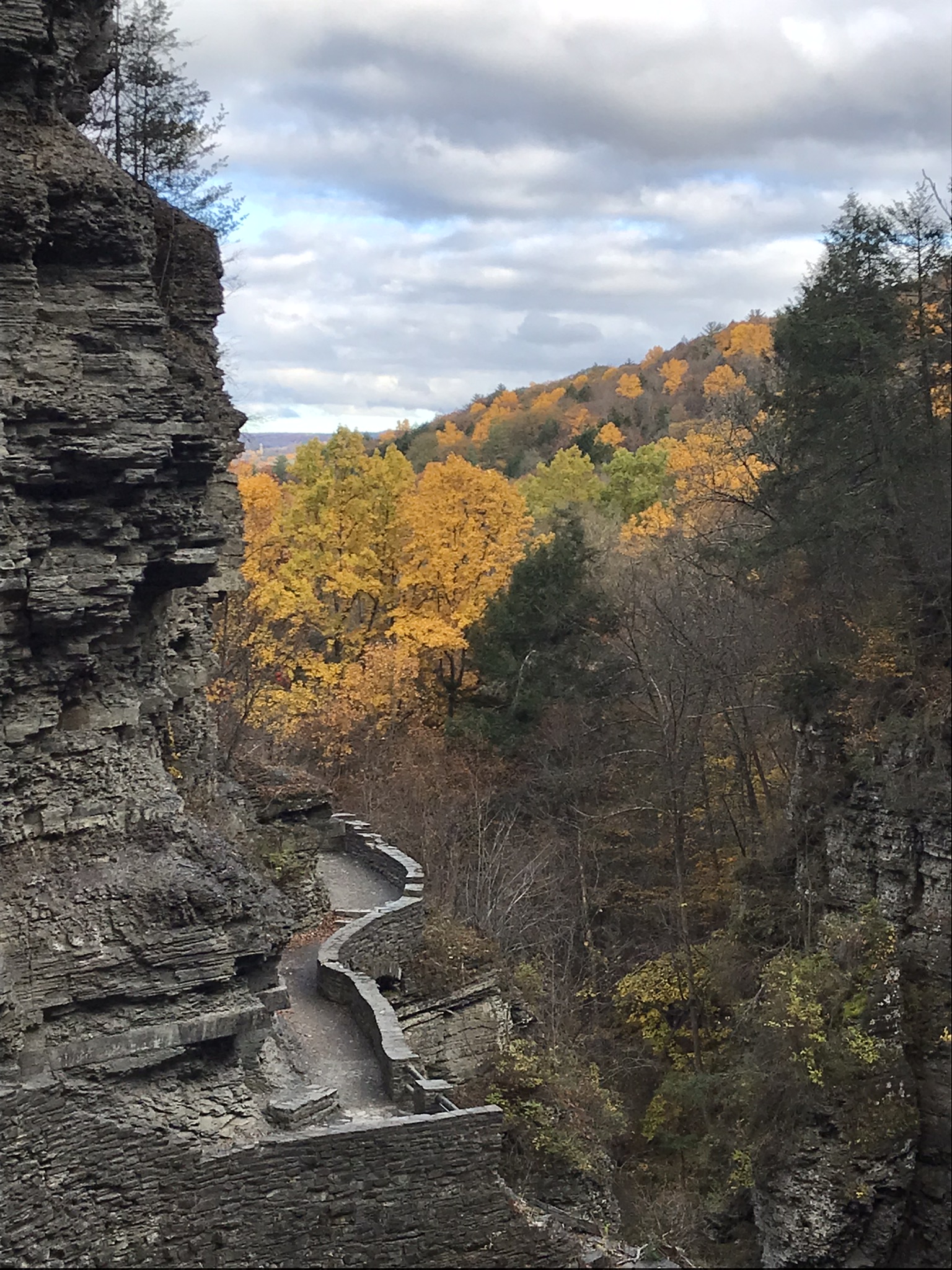
Enjoy this collection of Fillmore Glen pathways
AA
Fillmore Glen, New York State Park, Cayuga County, Moravia, New York
Copyright 2022 All Right Reserved Michael Stephen Wills
” I ventured up the gorge from bottom to this point where, blocked by an enormous shining emerald-colored ice wedge accumulated from the water pouring over the path in warmer months, I turned around”
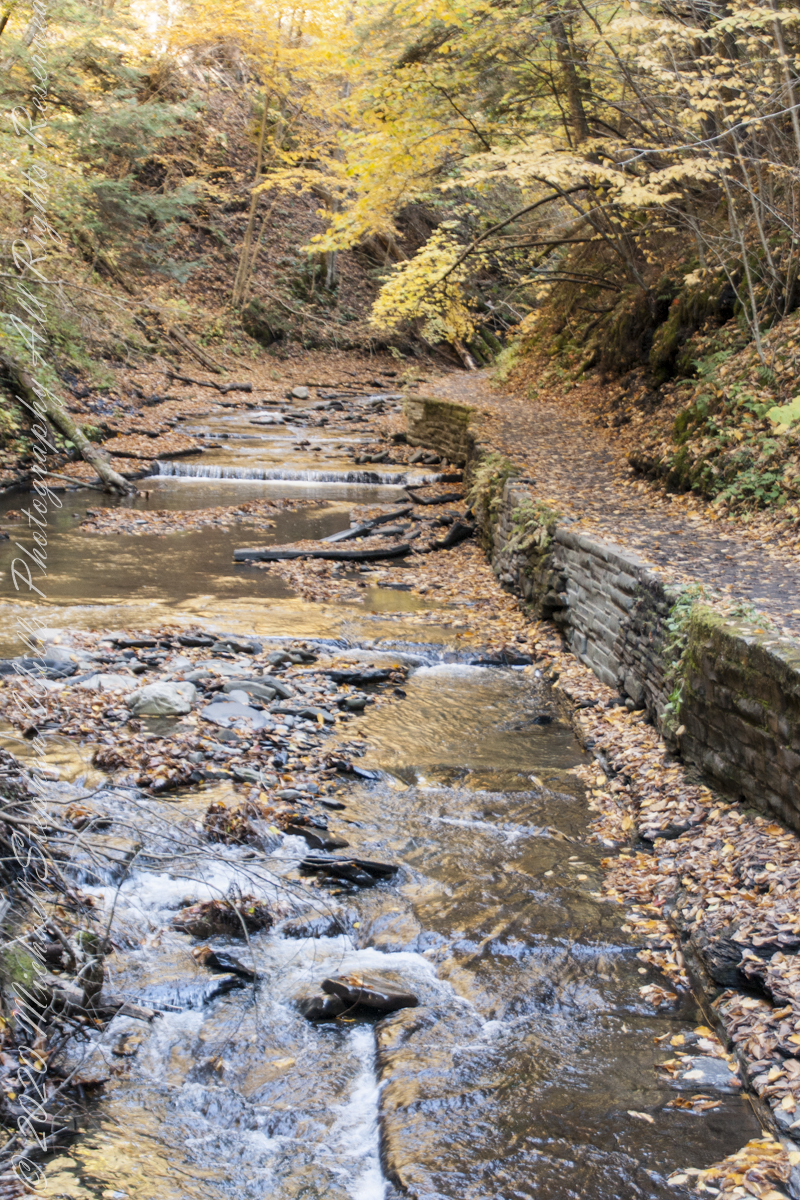
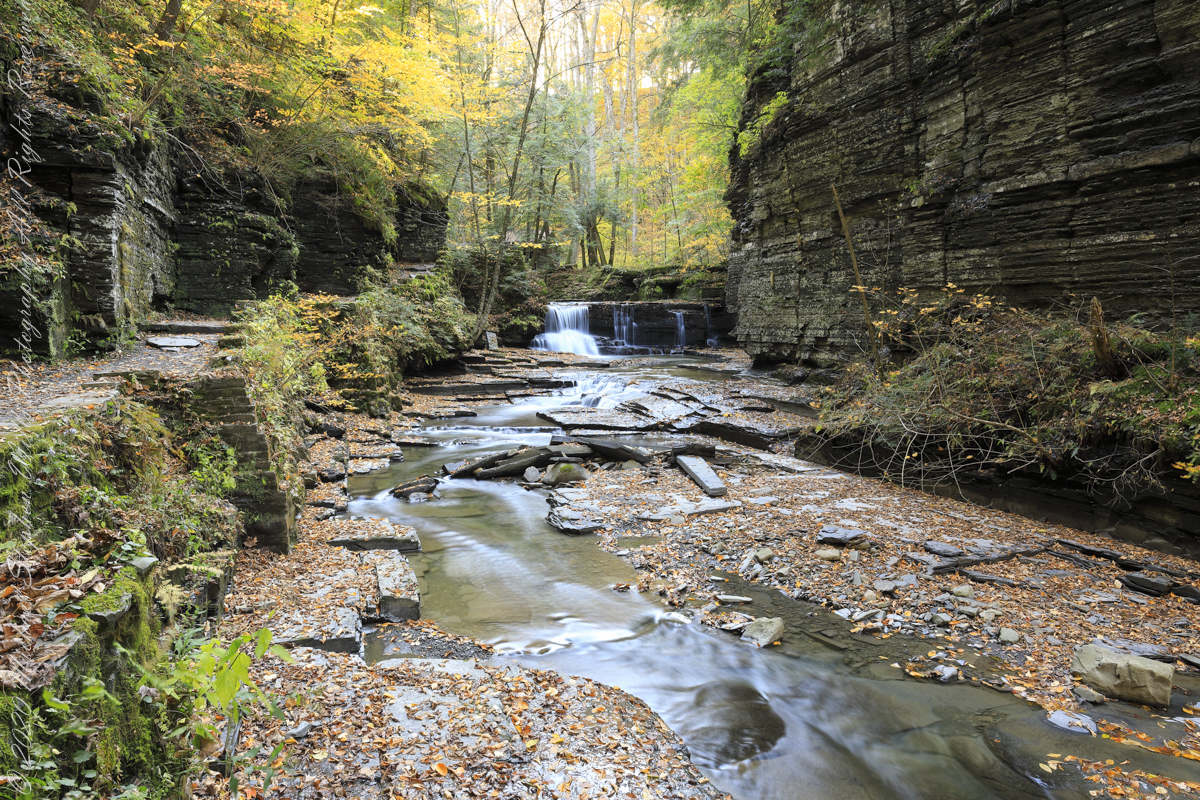
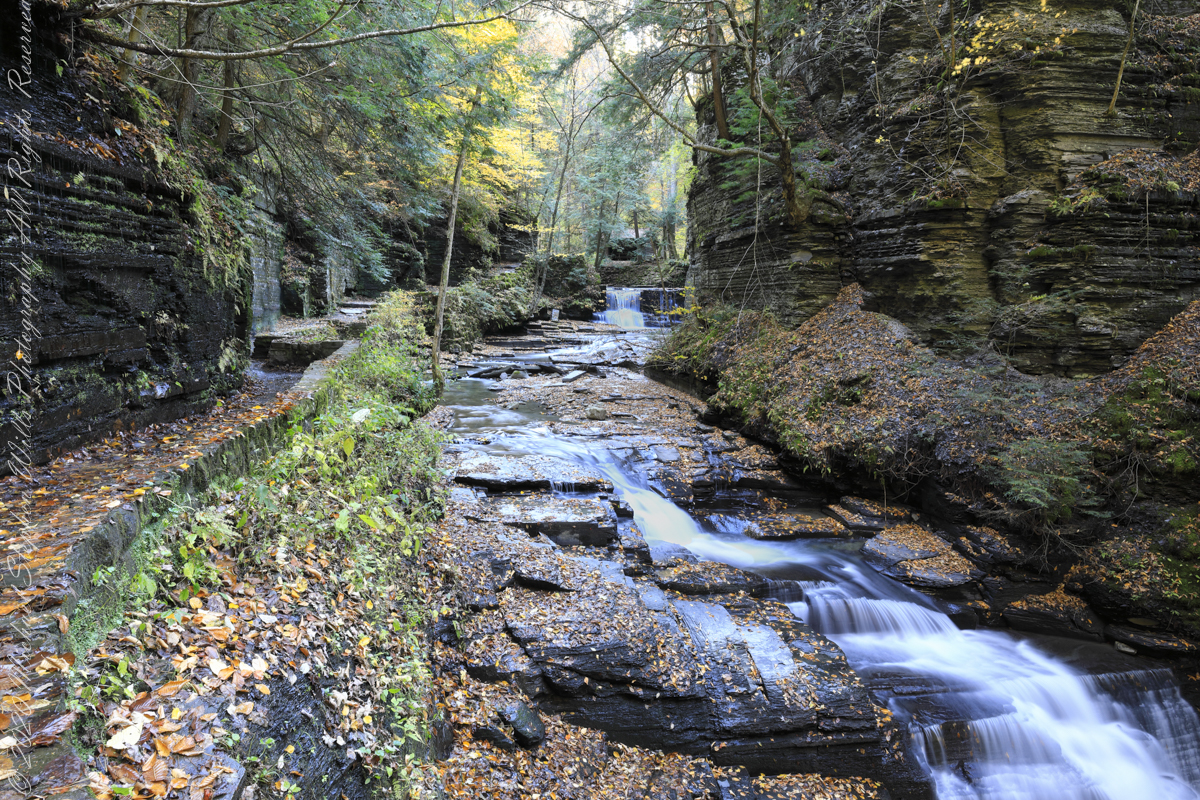
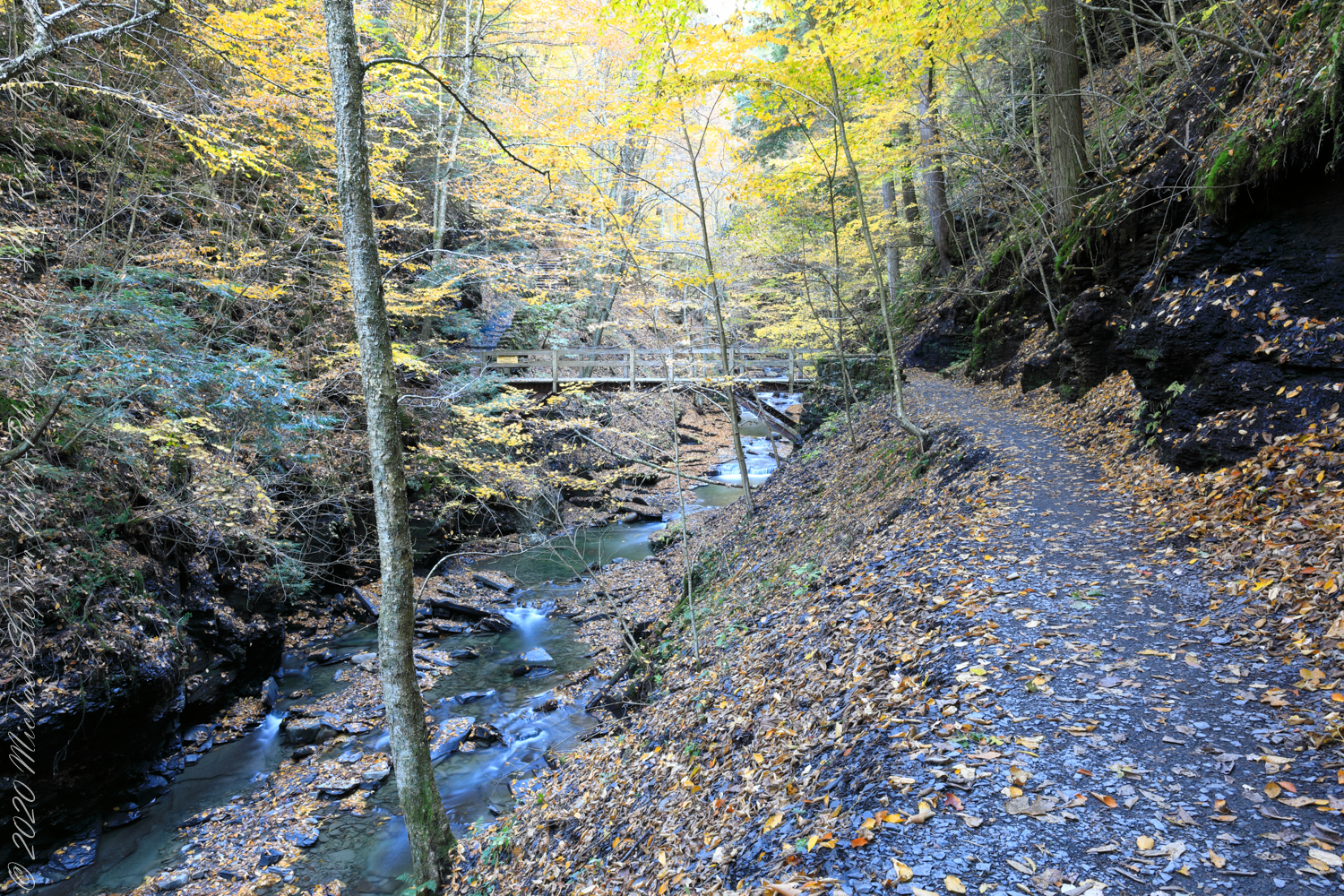
Between the metal walkway (see previous post) and the last numbered bridge, eight (8), the gorge narrows with sedimentary rock cliffs on either side, remnants of the forces that formed this rock in the form of water pouring from the porous stone flowing over the trail.
One February morning, equipped with climbing boots, crampons, gaiters, I ventured up the gorge from bottom to this point where, blocked by an enormous shining emerald-colored ice wedge accumulated from the water pouring over the path in warmer months, I turned around.
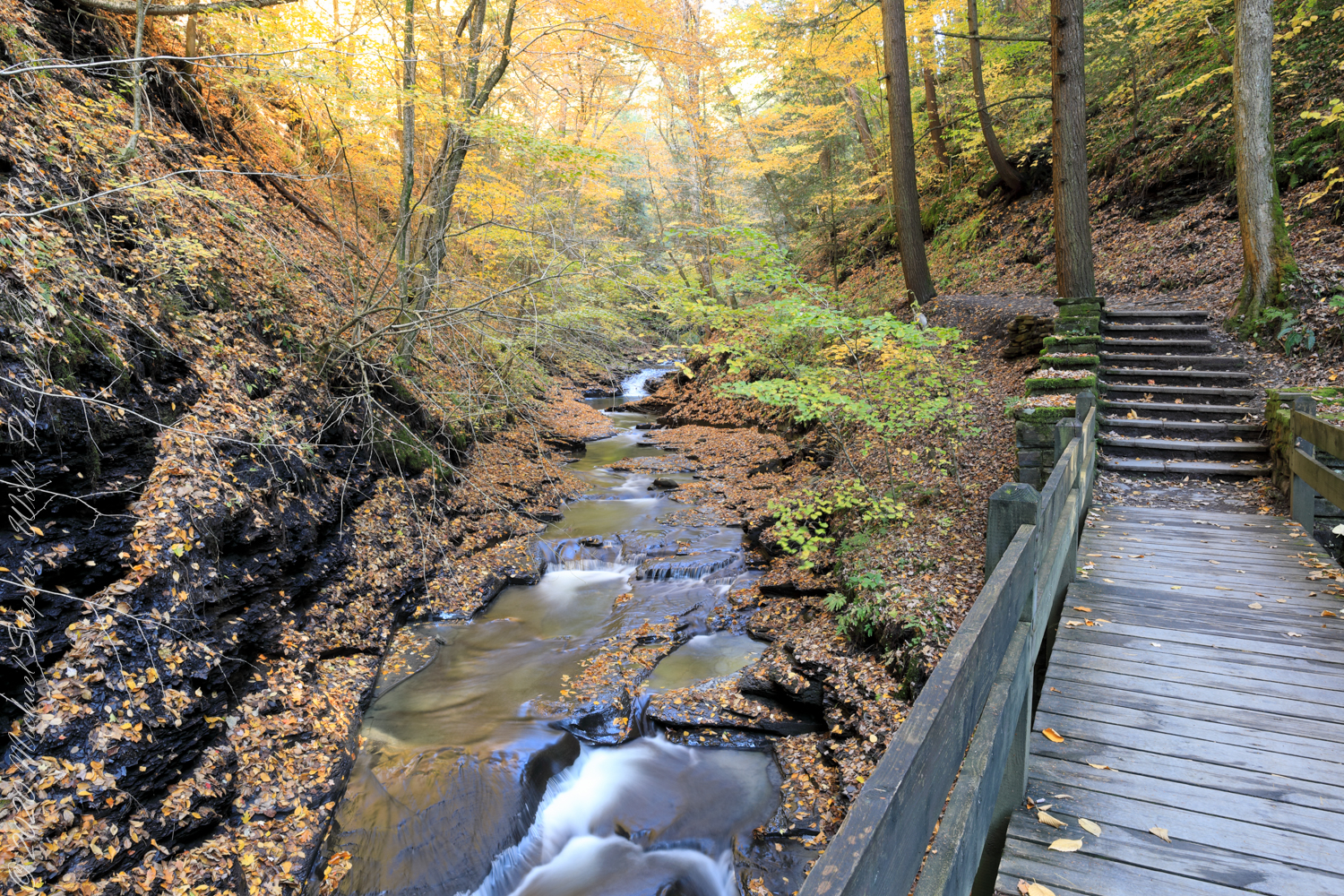
I call it a Waterfall Gallery for these walls bracing this wonderful collection of cascades in these photographs.
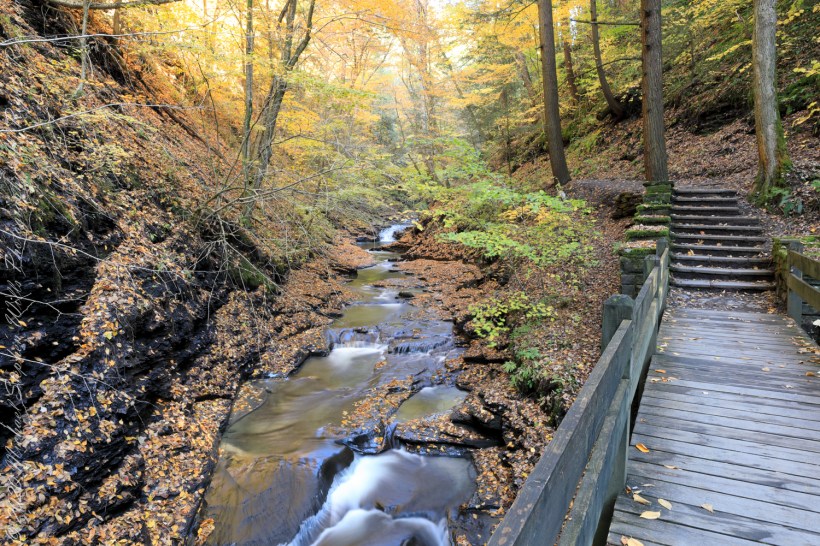
Waterfall gallery between bridges seven (7) and eight (8). Fillmore Glen, New York State Park, Moravia, Cayuga County, New York
A warm and cool versions of this spot.
Warm
Cool
Watch Your Step!!
Fillmore Glen, New York State Park, Cayuga County, Moravia, New York
Copyright 2022 All Right Reserved Michael Stephen Wills
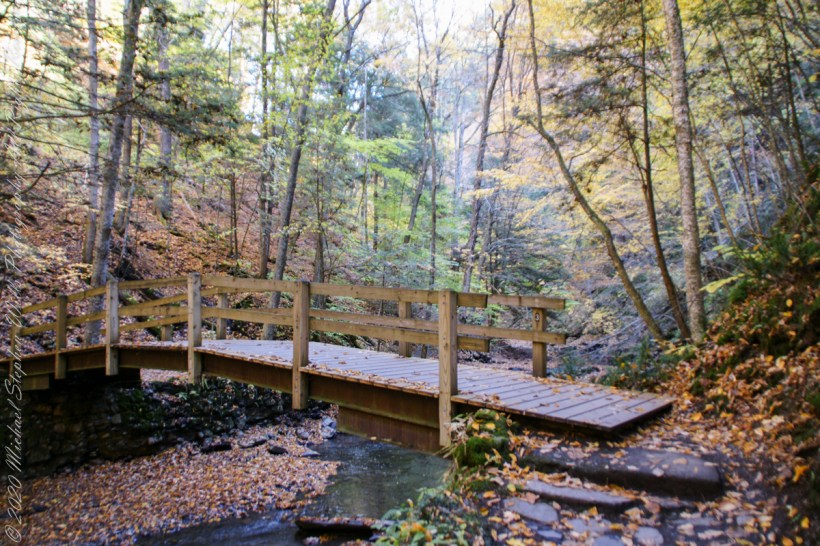
Crossing bridge seven (7), “Lovers’ Bridge, we encounter this passage, from the earliest work of the Civilian Conservation Corps of the 1930’s. Stairs carved into the Cambrian cliff. These images are a combination of handheld Sony Alpha dslr and tripod mounted Canon captures. Can you tell the difference (please comment on your insights).
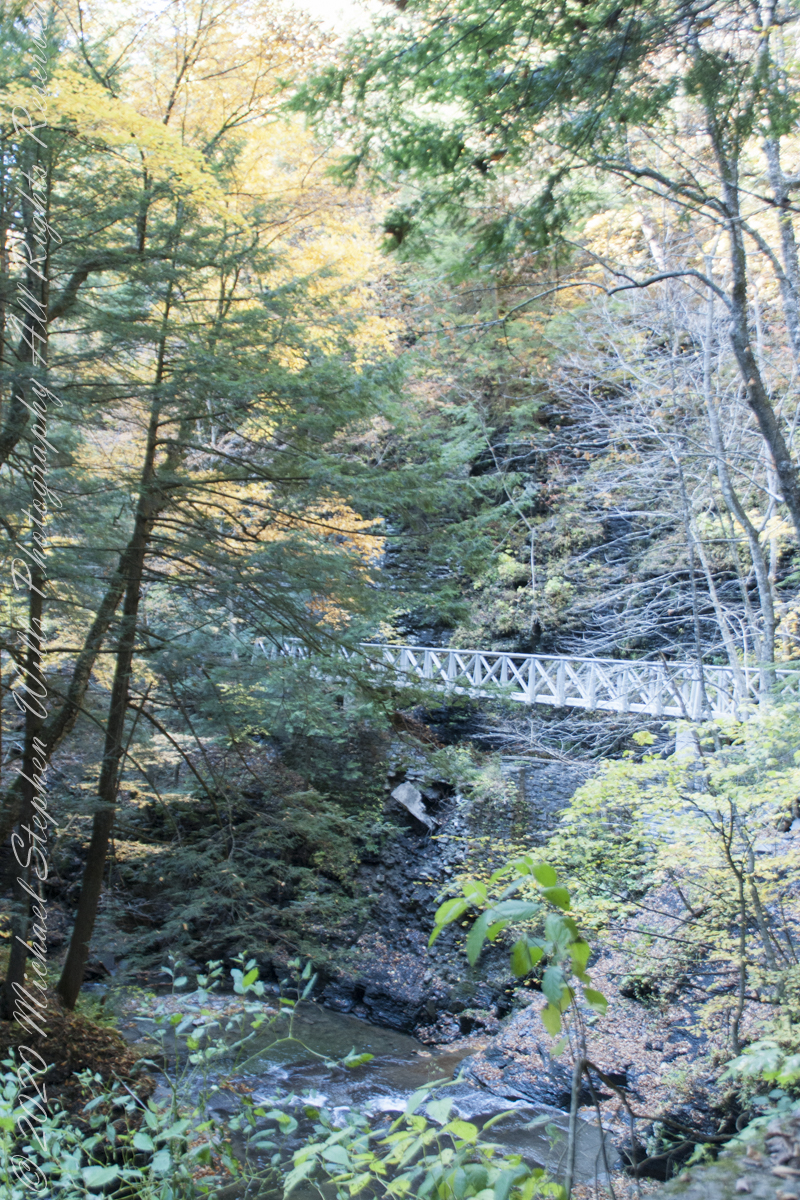
View from the new walkway
Looking back to the walkway installed this year. This span does not cross Dry Creek, is not included in the bridge count.
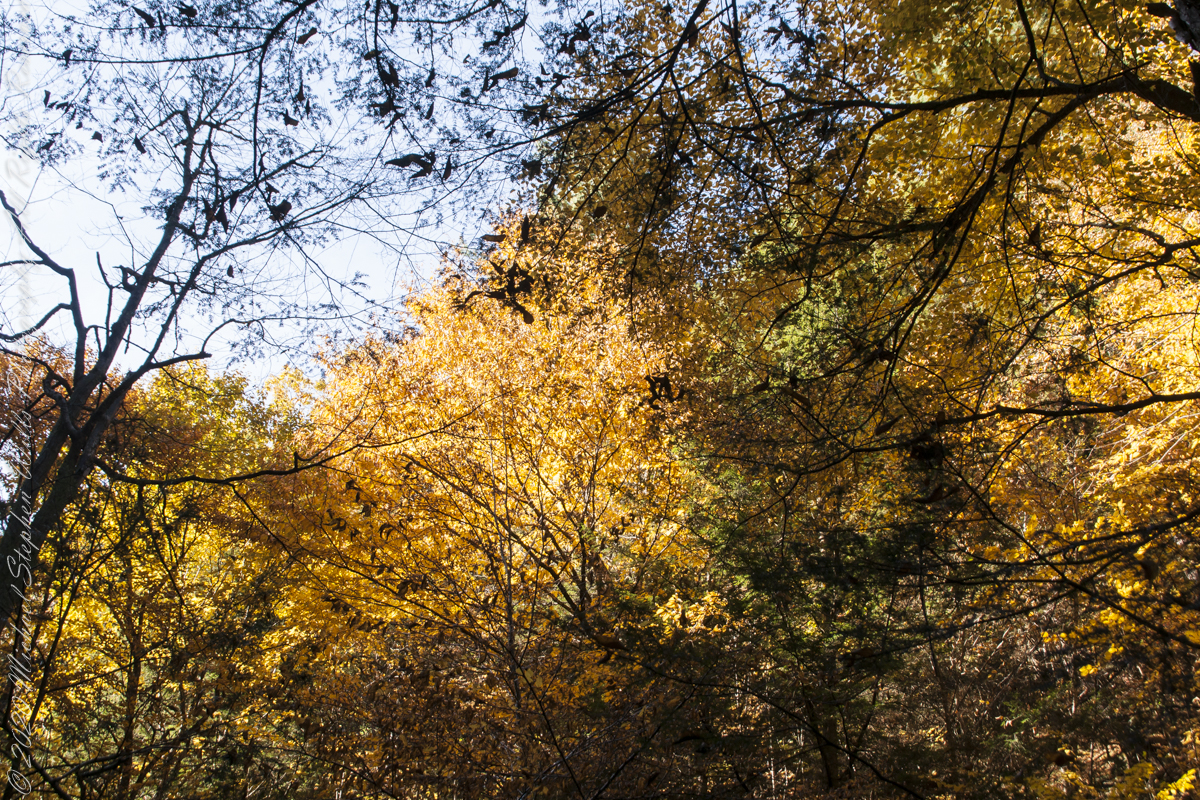
Overhead, the glorious autumn canopy
Fillmore Glen, New York State Park, Cayuga County, Moravia, New York
Copyright 2022 All Right Reserved Michael Stephen Wills
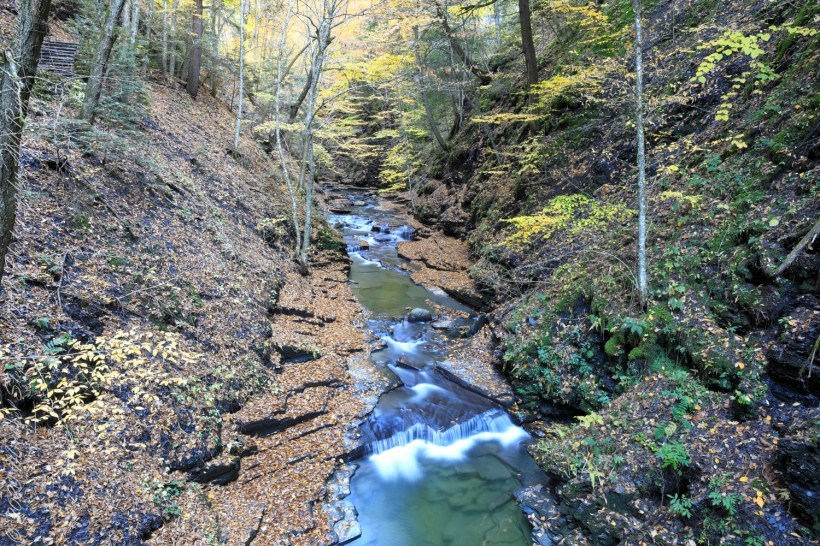
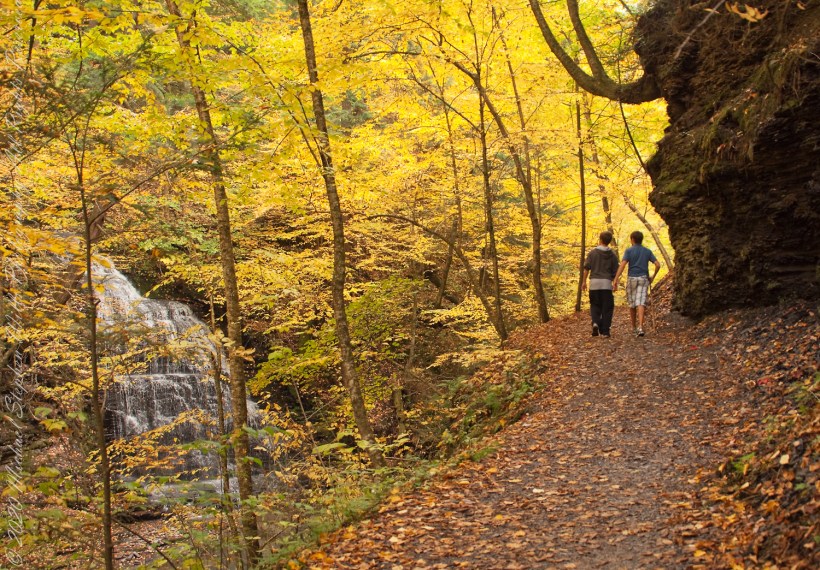
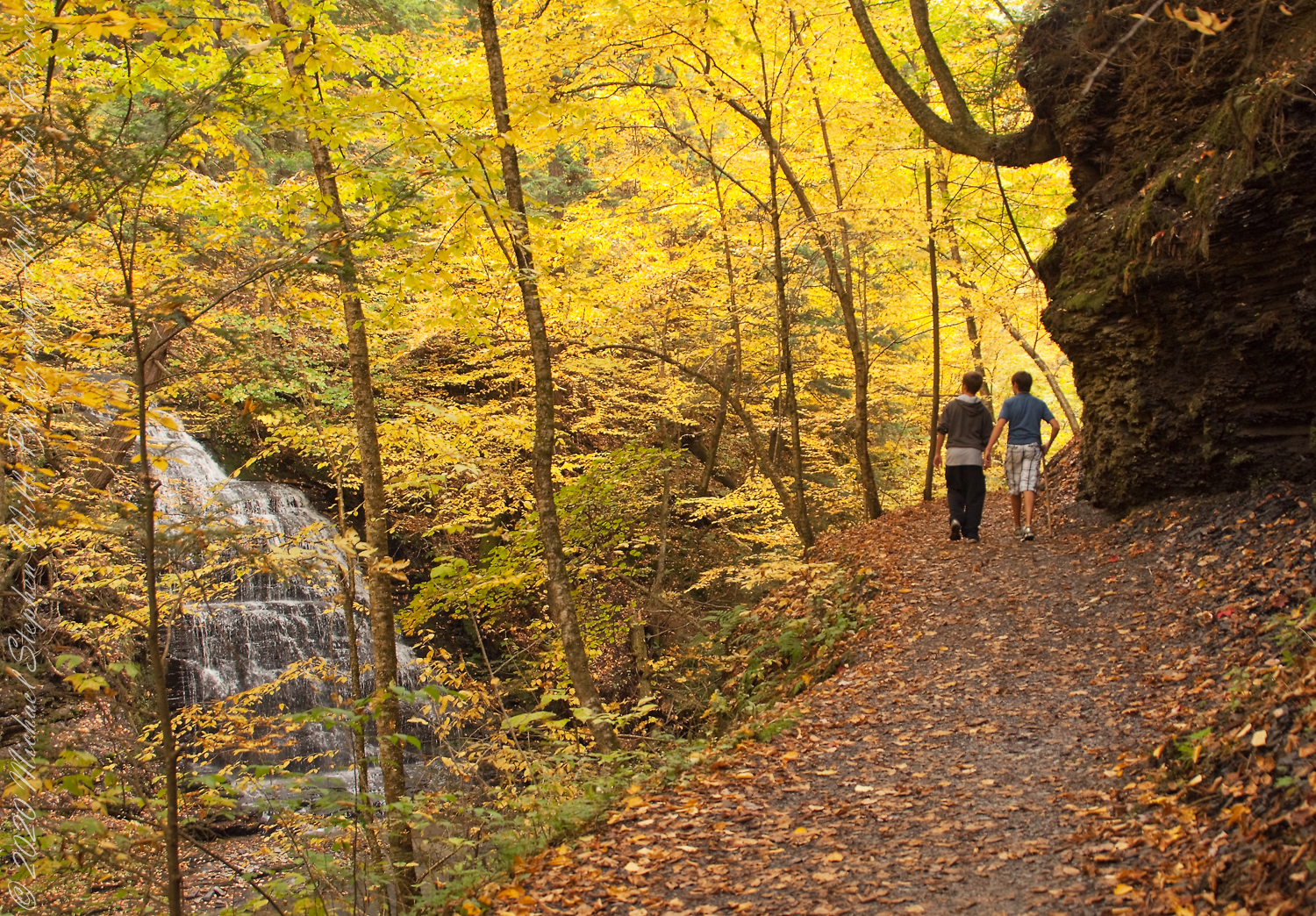
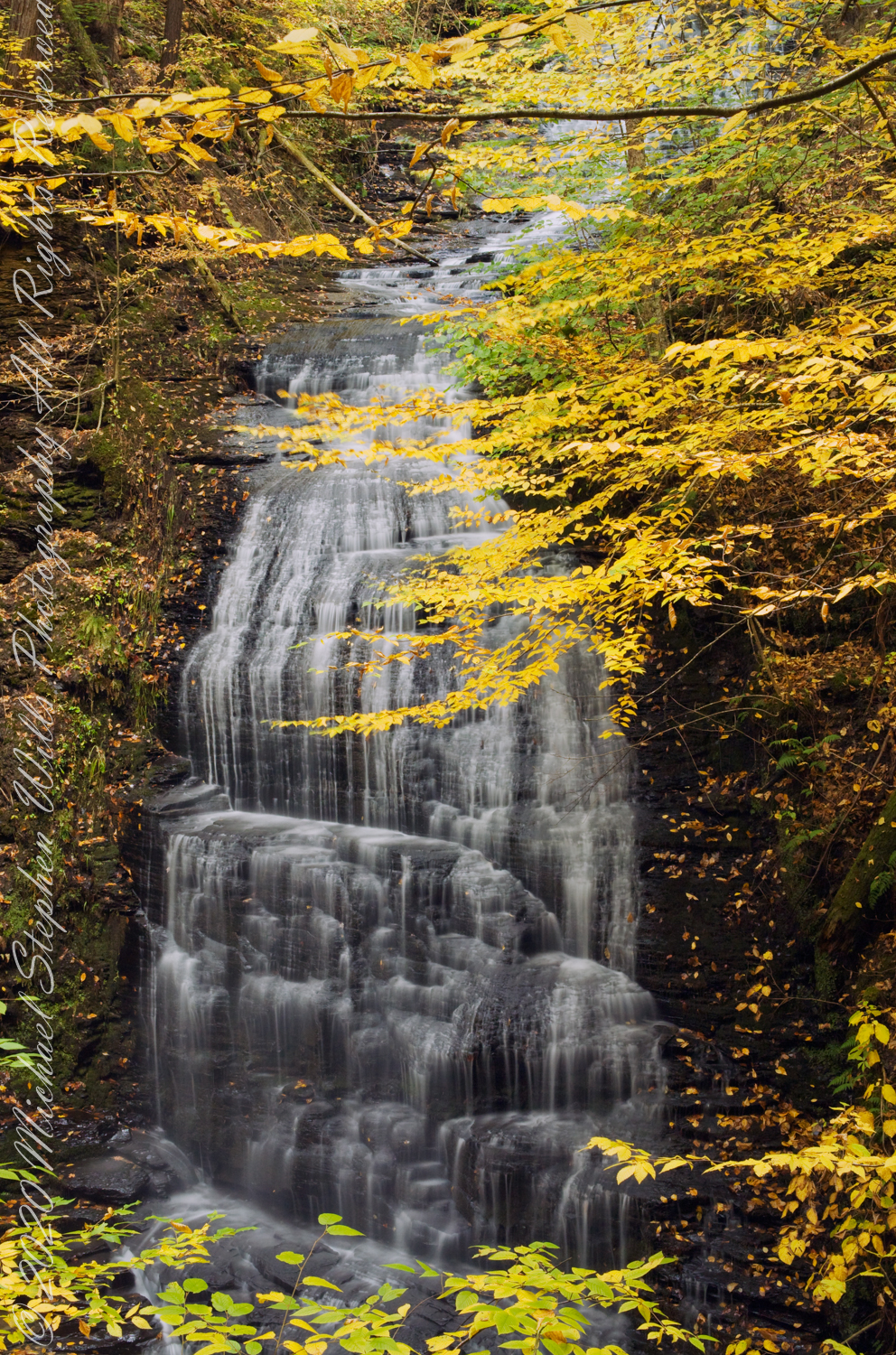
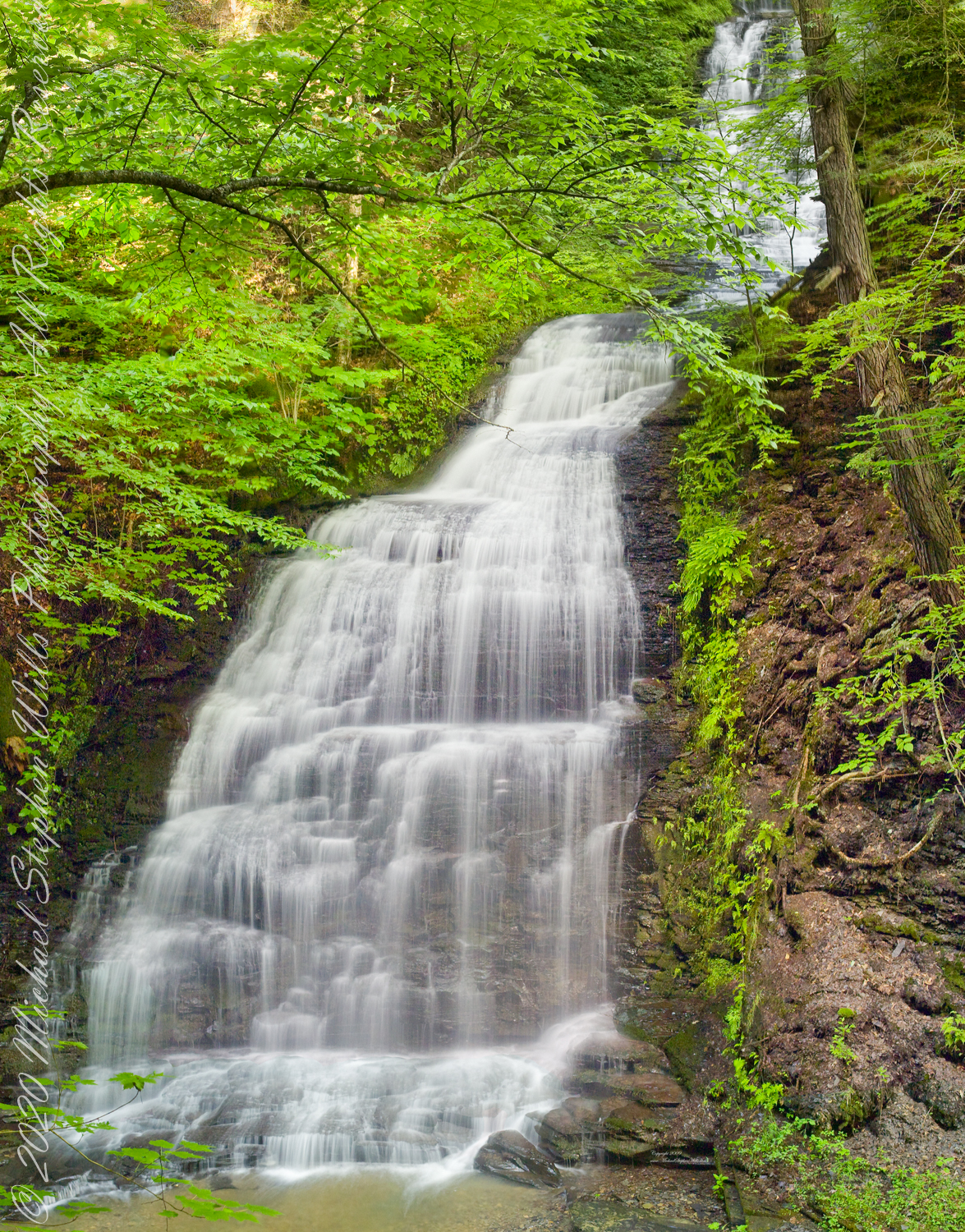
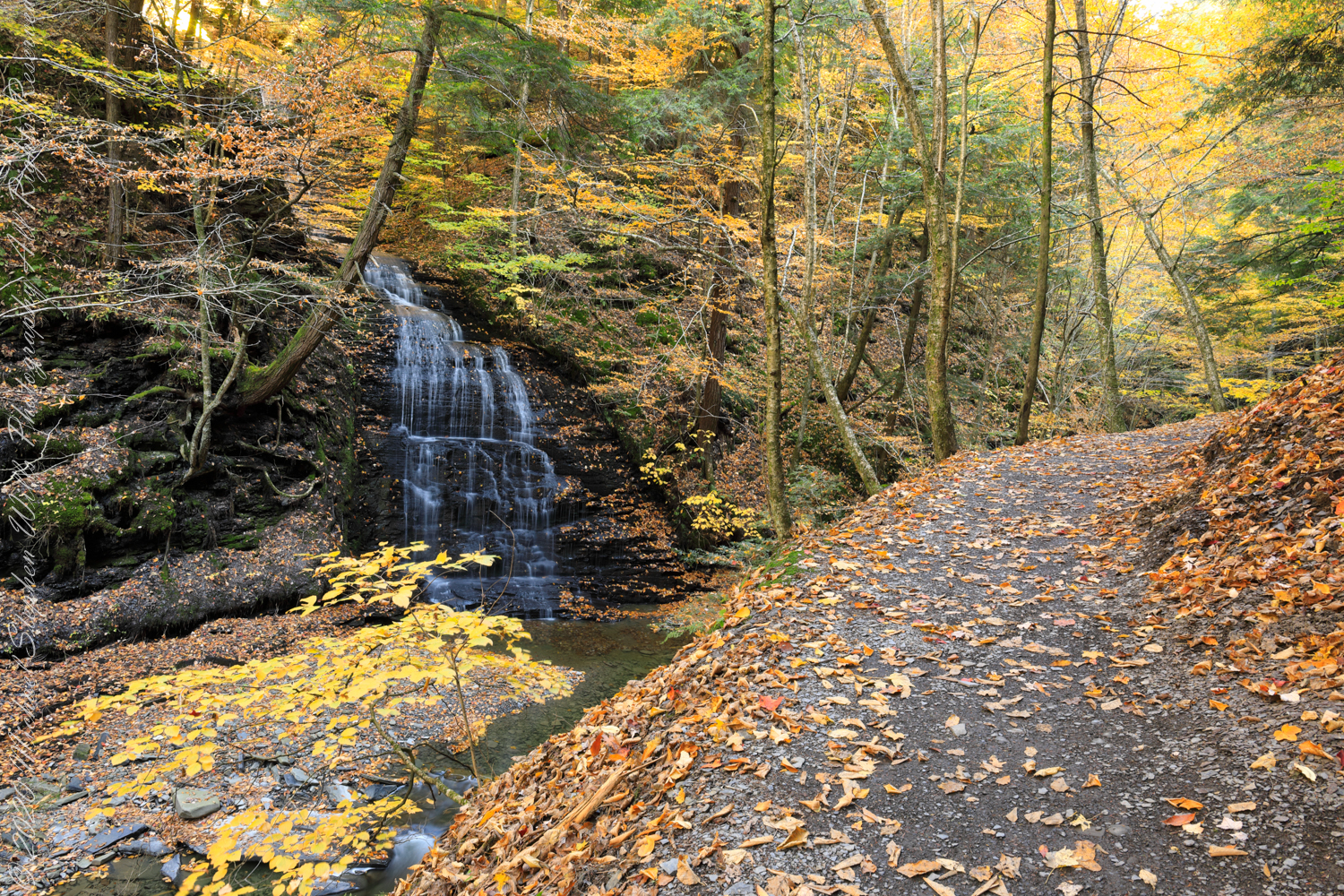
Between bridges six (6) and seven (7) on the Gorge trail a cascade comes down the canyon wall. Mid-summer this brook can dry out, the waterfall disappears leaving this spot naked of water.
Taken over a period of thirteen (13) years, the cascade was alive and well autumn-time. This year, after the summer drought our autumn rains were sparse, the flow is the lowest photographed.
“Friends”, Sony DSLR-A 700, variable lens set to 24 mm
Taken mid-October 2010, Kodak DSC Pro SLR-C, 50 mm lens
Taken late September 2009 before leaf turning, Kodak DSC Pro SLR-C, 50 mm lens
Autumn Peak 2022, Canon EOS 5D Mark IV, 24 mm lens
Copyright 2022 All Right Reserved Michael Stephen Wills
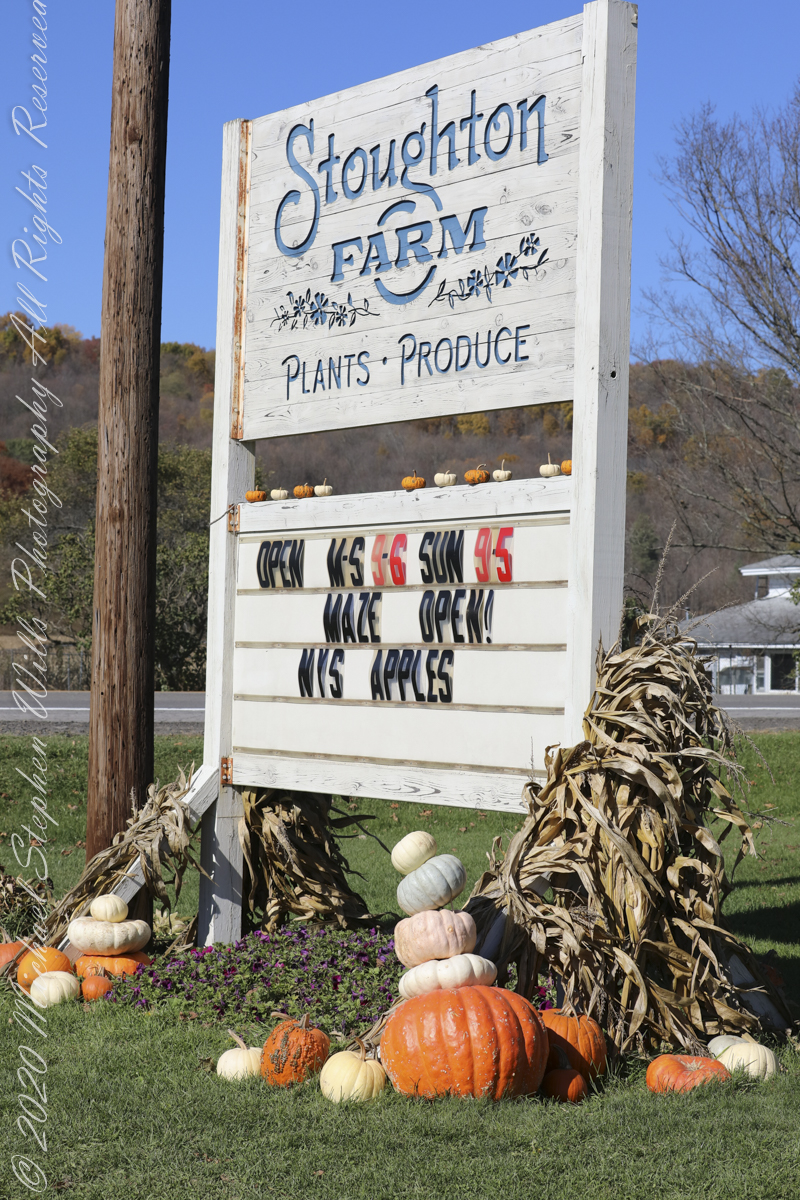
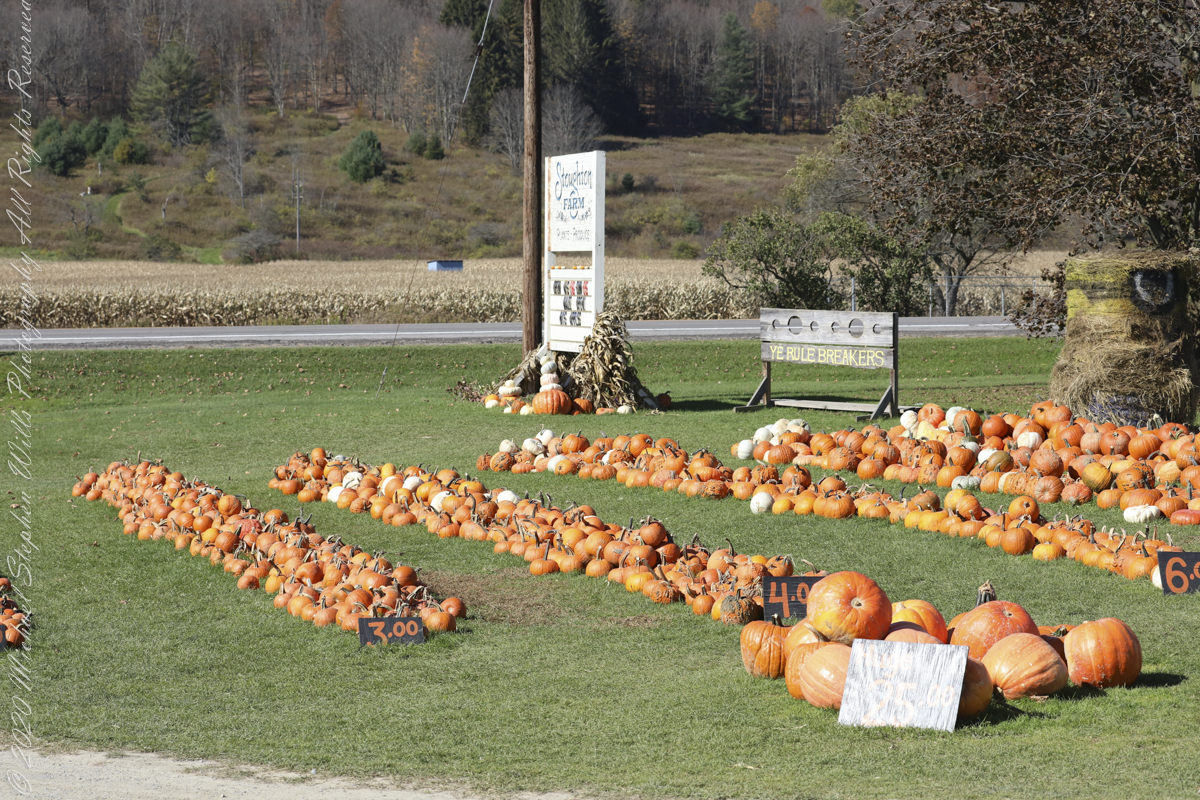
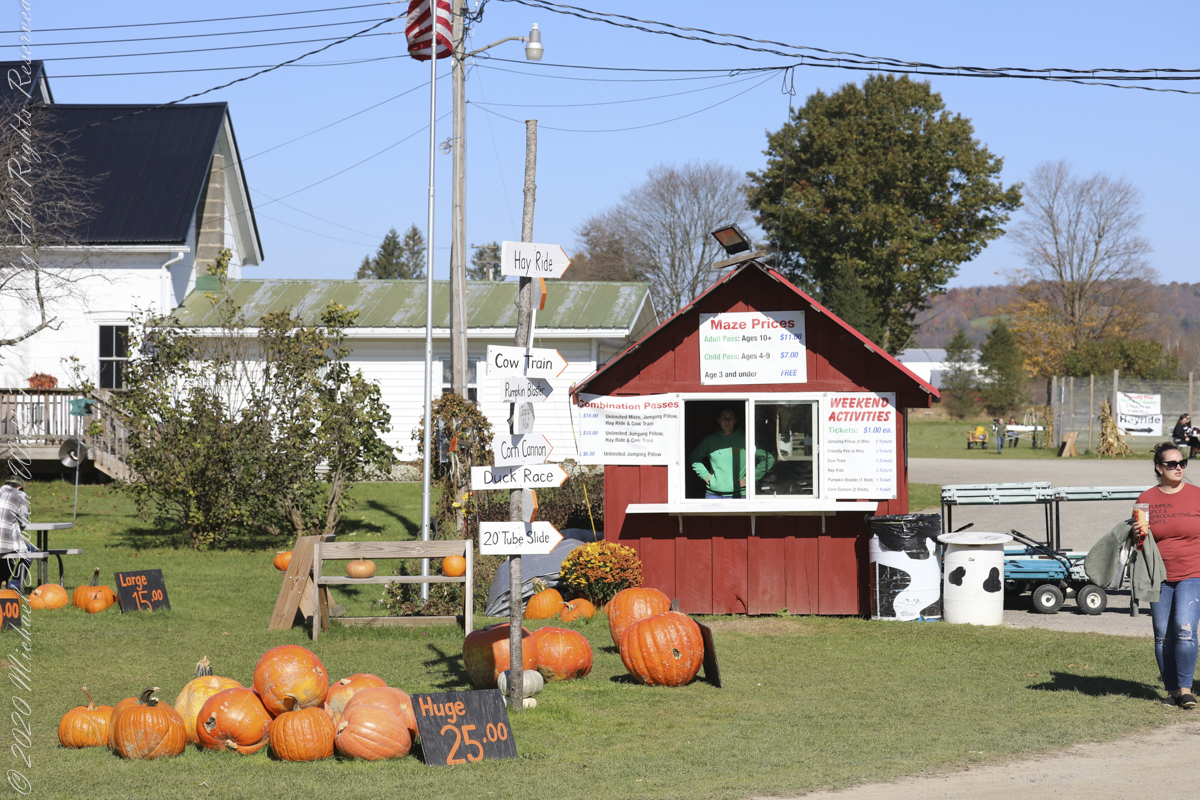
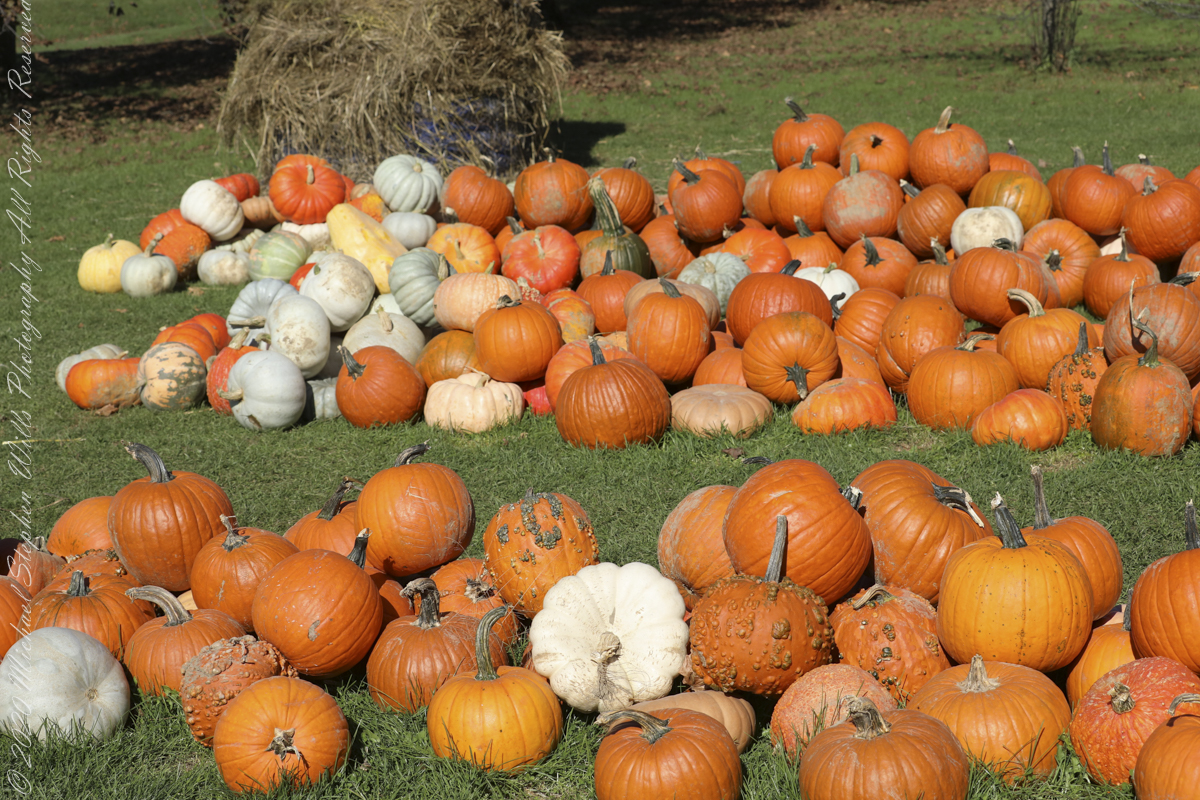
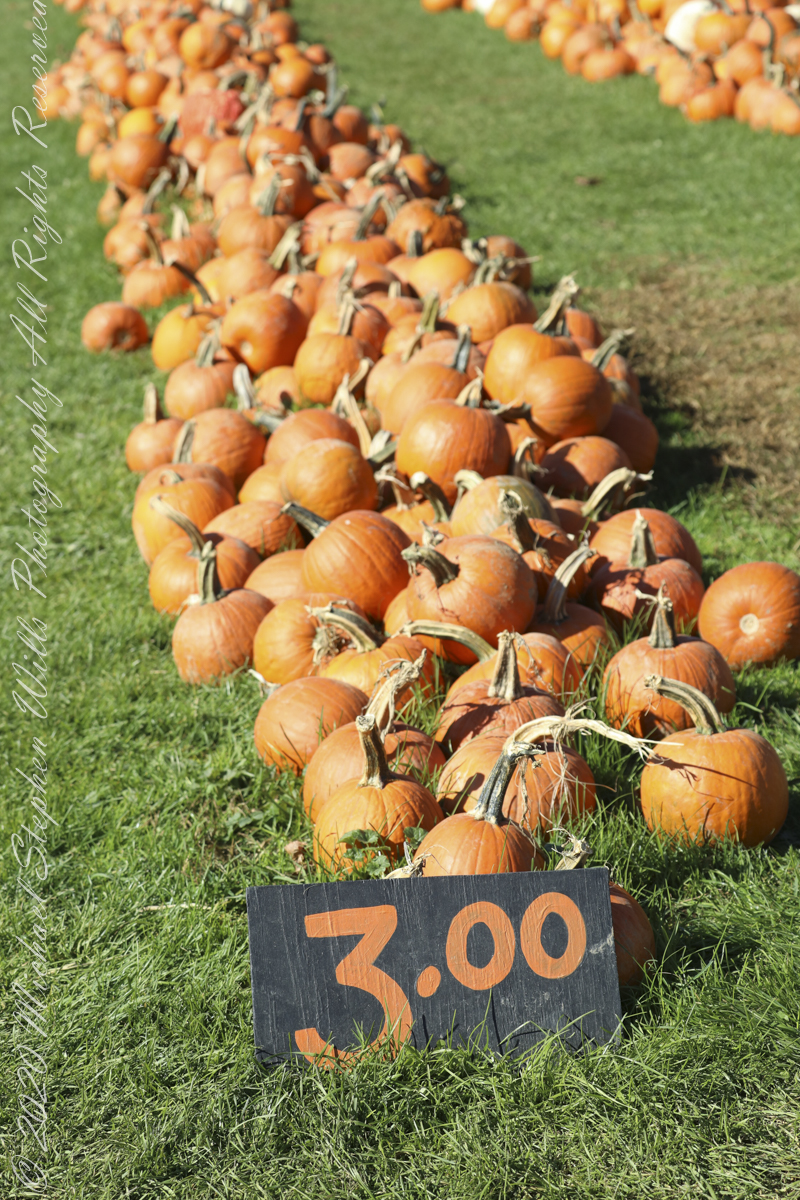
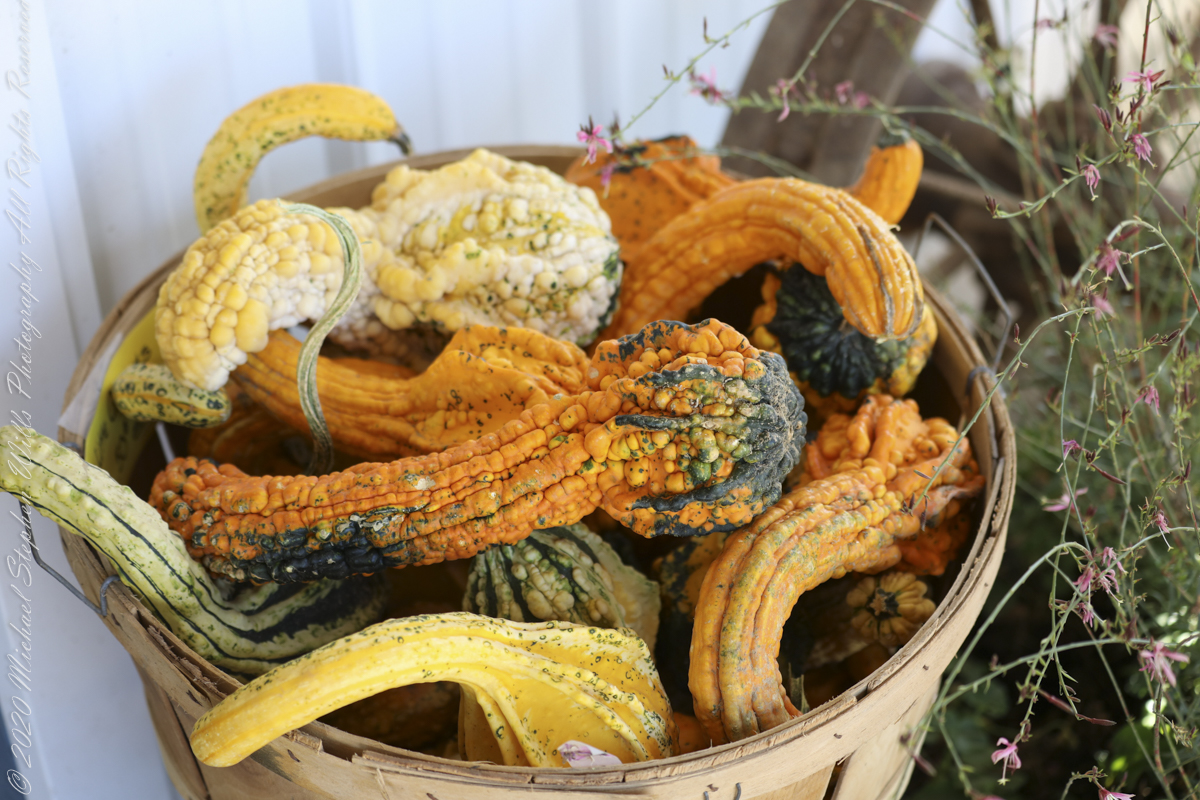
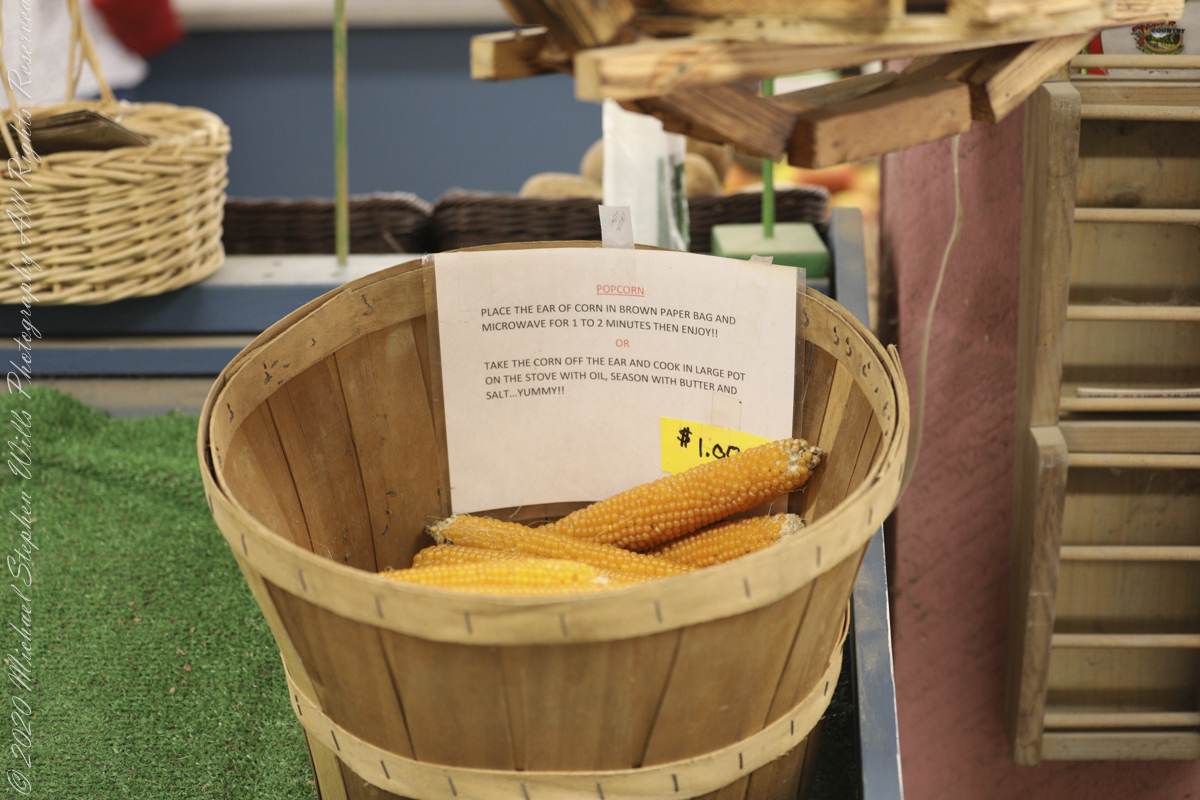
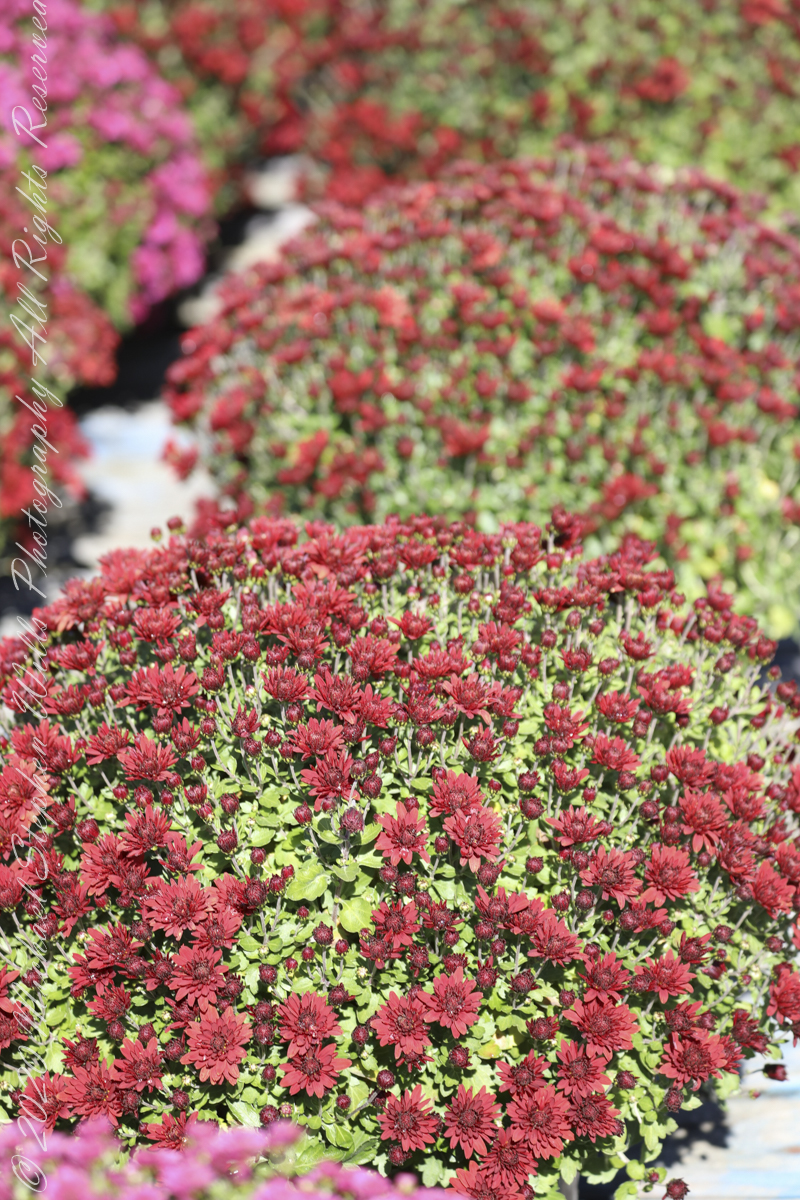
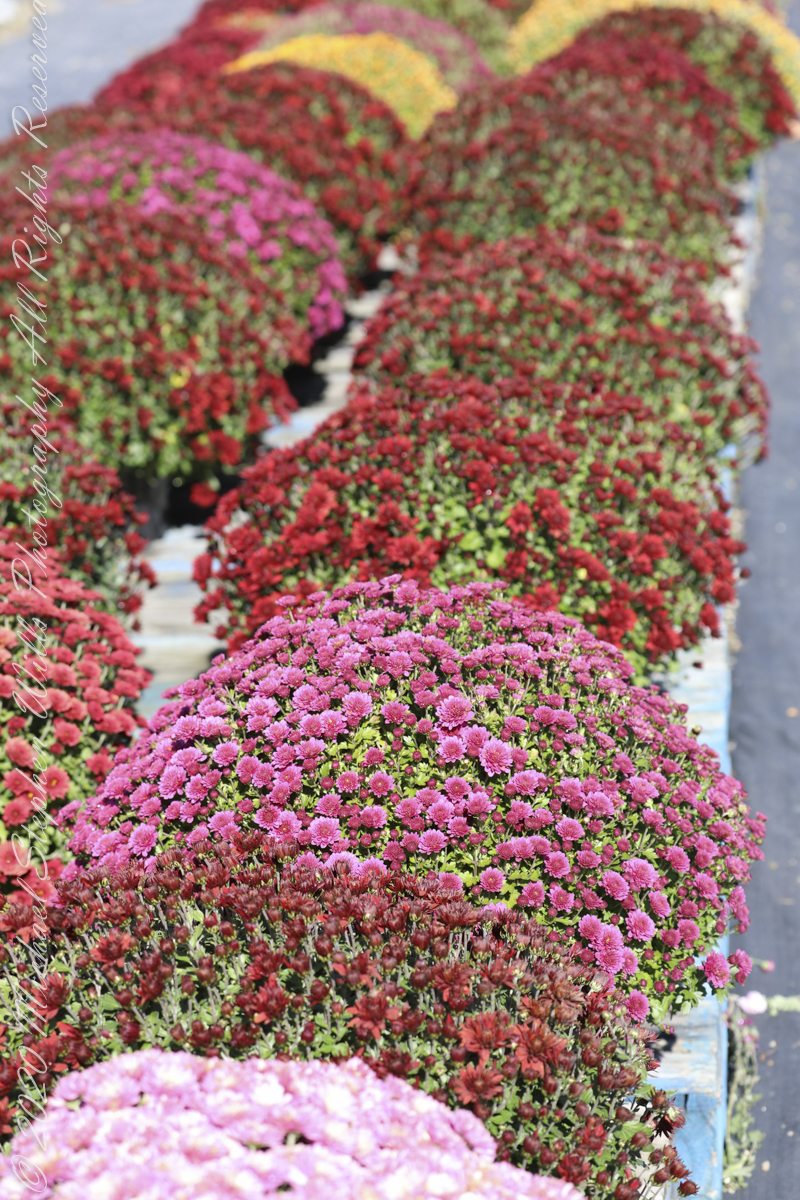
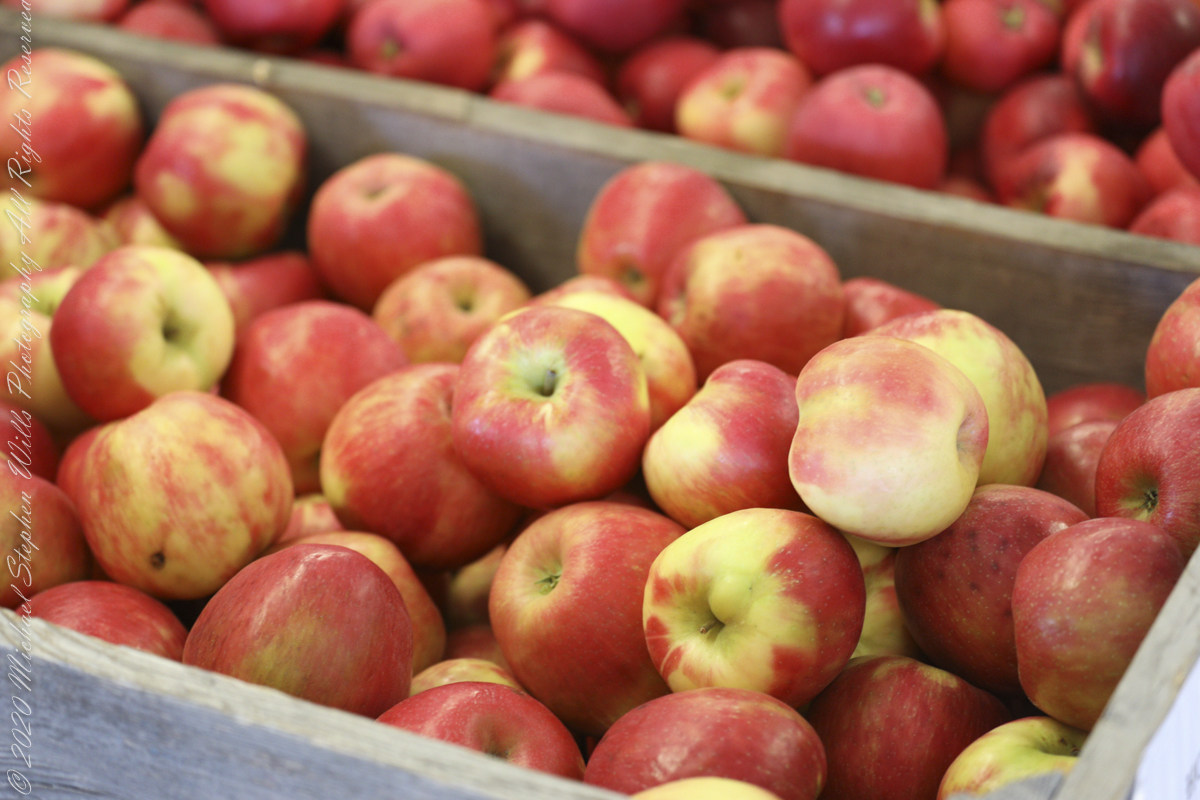
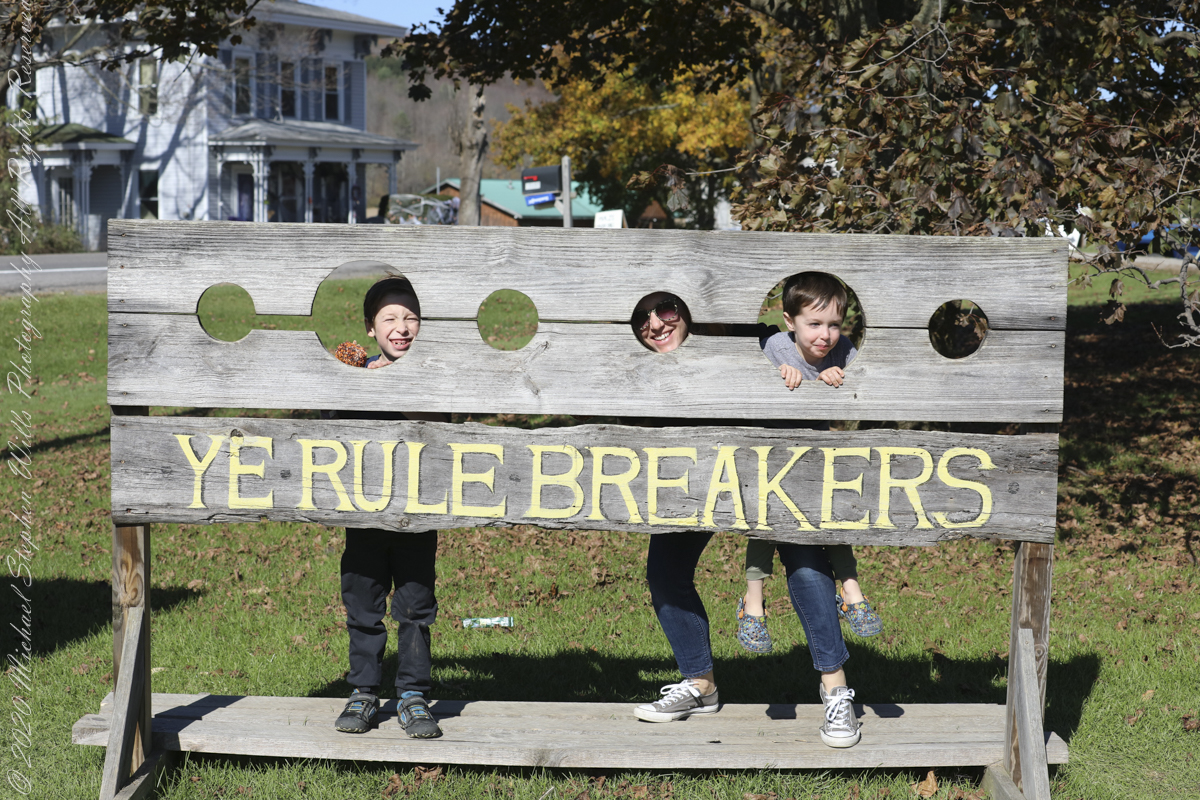
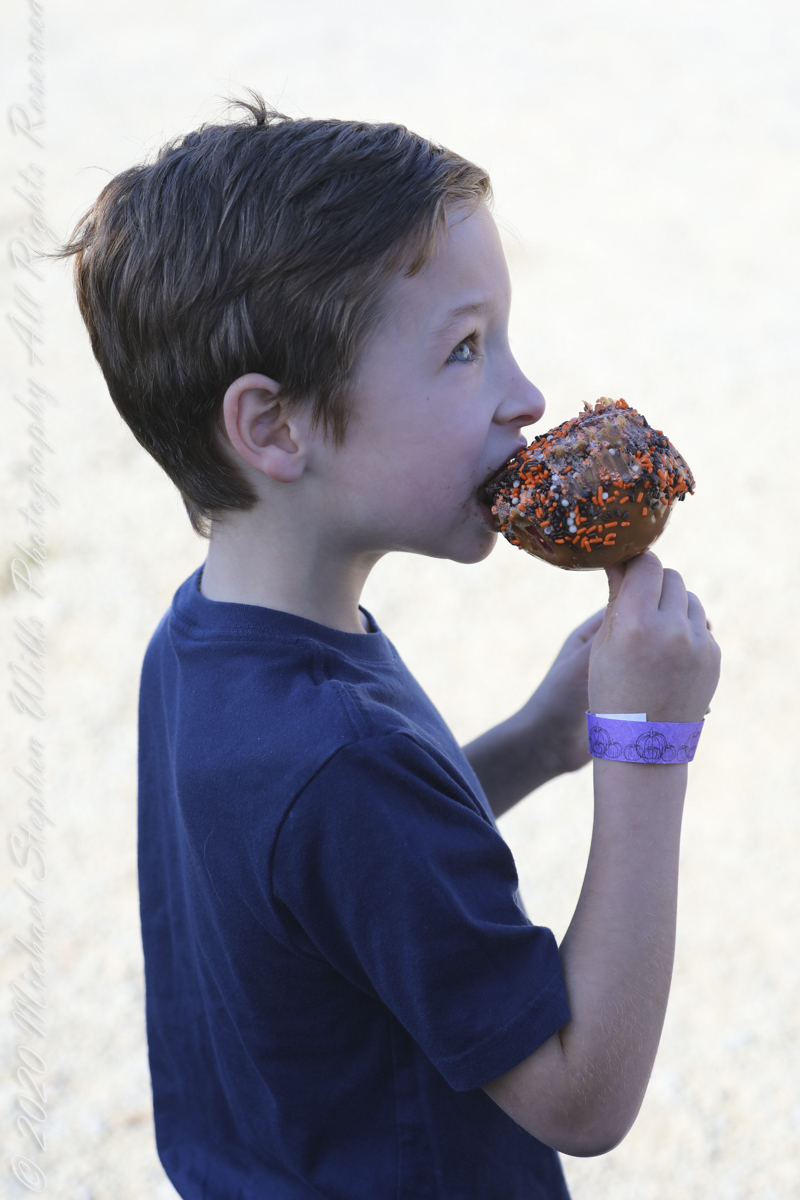
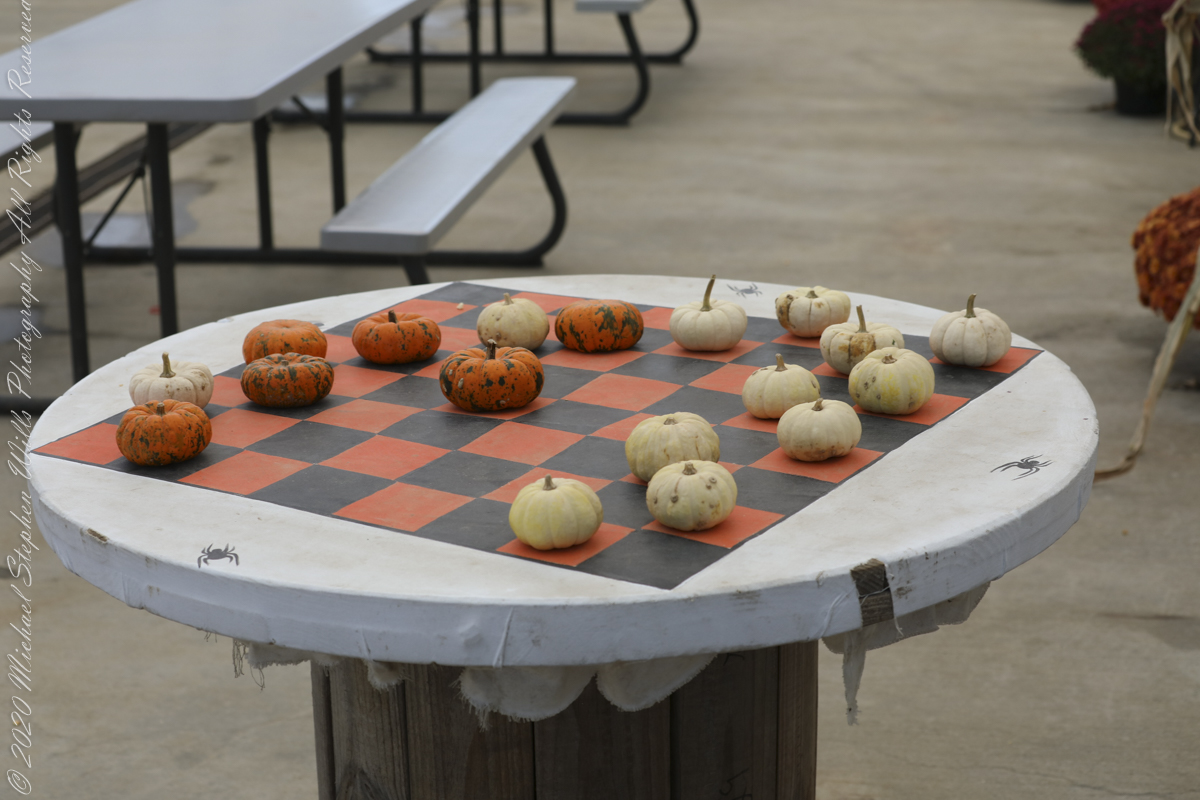
Gourds include the fruits of some flowering plant species in the family Cucurbitaceae, particularly Cucurbita and Lagenaria. The term refers to a number of species and subspecies, many with hard shells, and some without. One of the earliest domesticated types of plants, subspecies of the bottle gourd, Lagenaria siceraria, have been discovered in archaeological sites dating from as early as 13,000 BCE. Gourds have had numerous uses throughout history, including as tools, musical instruments, objects of art, film, and food. ~Wikipedia A wildly popular flower, Chrysanthemums are presented here during a “Pumpkin Farm” autumn festival. Honeycrisp (Malus pumila) is an apple cultivar (cultivated variety) developed at the Minnesota Agricultural Experiment Station’s Horticultural Research Center at the University of Minnesota, Twin Cities. Designated in 1974 with the MN 1711 test designation, patented in 1988, and released in 1991, the Honeycrisp, once slated to be discarded, has rapidly become a prized commercial commodity, as its sweetness, firmness, and tartness make it an ideal apple for eating raw. “…The apple wasn’t bred to grow, store or ship well. It was bred for taste: crisp, with balanced sweetness and acidity.” It has larger cells than most apple cultivars, a trait which is correlated with juiciness, as theoretically a higher number of cells rupture when bitten, releasing more juice in the mouth. The Honeycrisp also retains its pigment well and has a relatively long shelf life when stored in cool, dry conditions. Pepin Heights Orchards delivered the first Honeycrisp apples to grocery stores in 1997. The name Honeycrisp was trademarked by the University of Minnesota, but university officials were unsure of its protection status in 2007. It is now the official state fruit of Minnesota. A large-sized honeycrisp will contain about 113 calories. ~Wikipedia Stoughton Farm, Newark Valley, Tioga County, New York
Family
A family pulls together before the Pumpkin Farm Autumn Festival.
Fun
Nerf Gun BattleCow Wagon
Copyright 2022 Michael Stephen Wills All Rights Reserved






























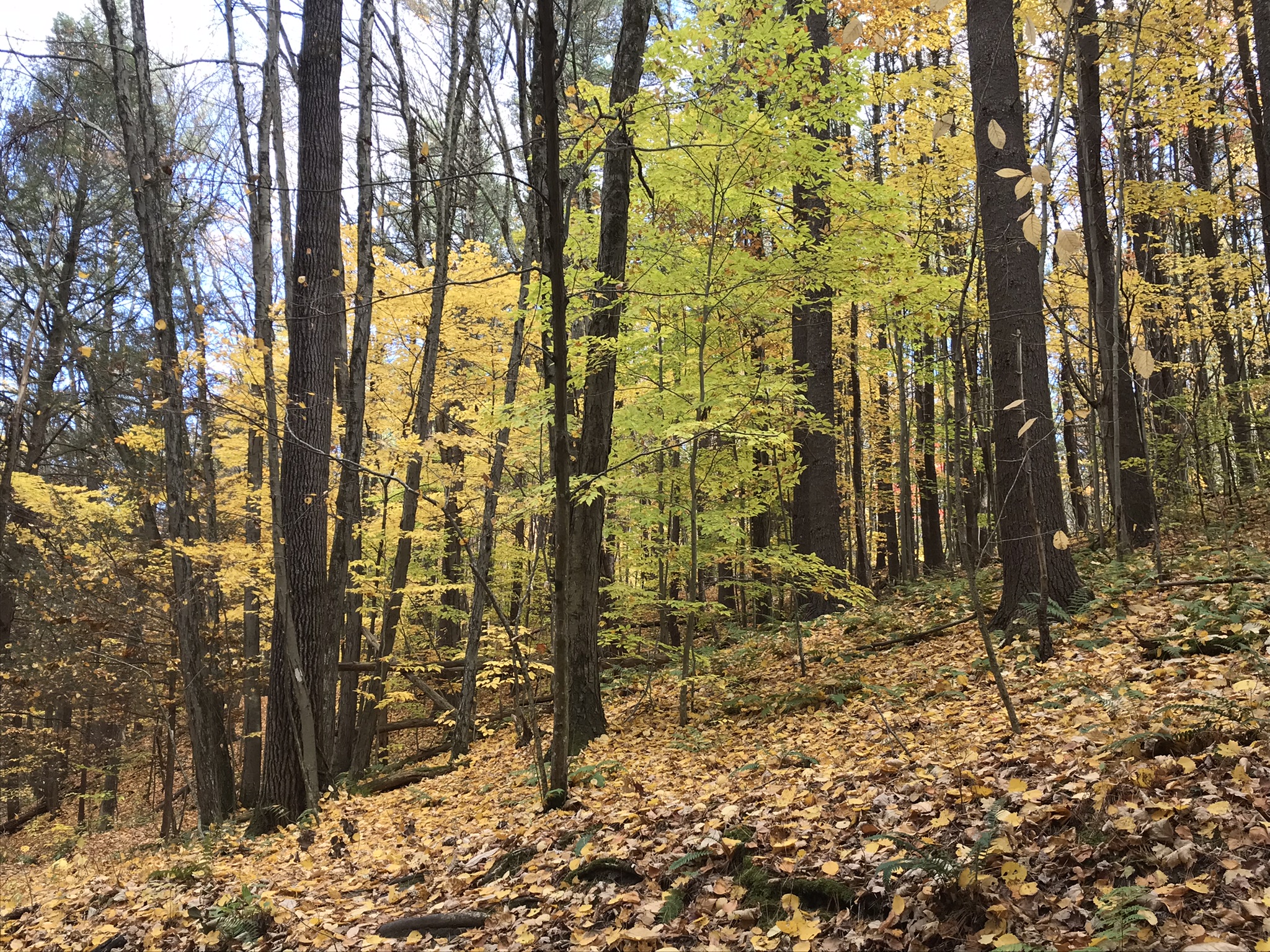
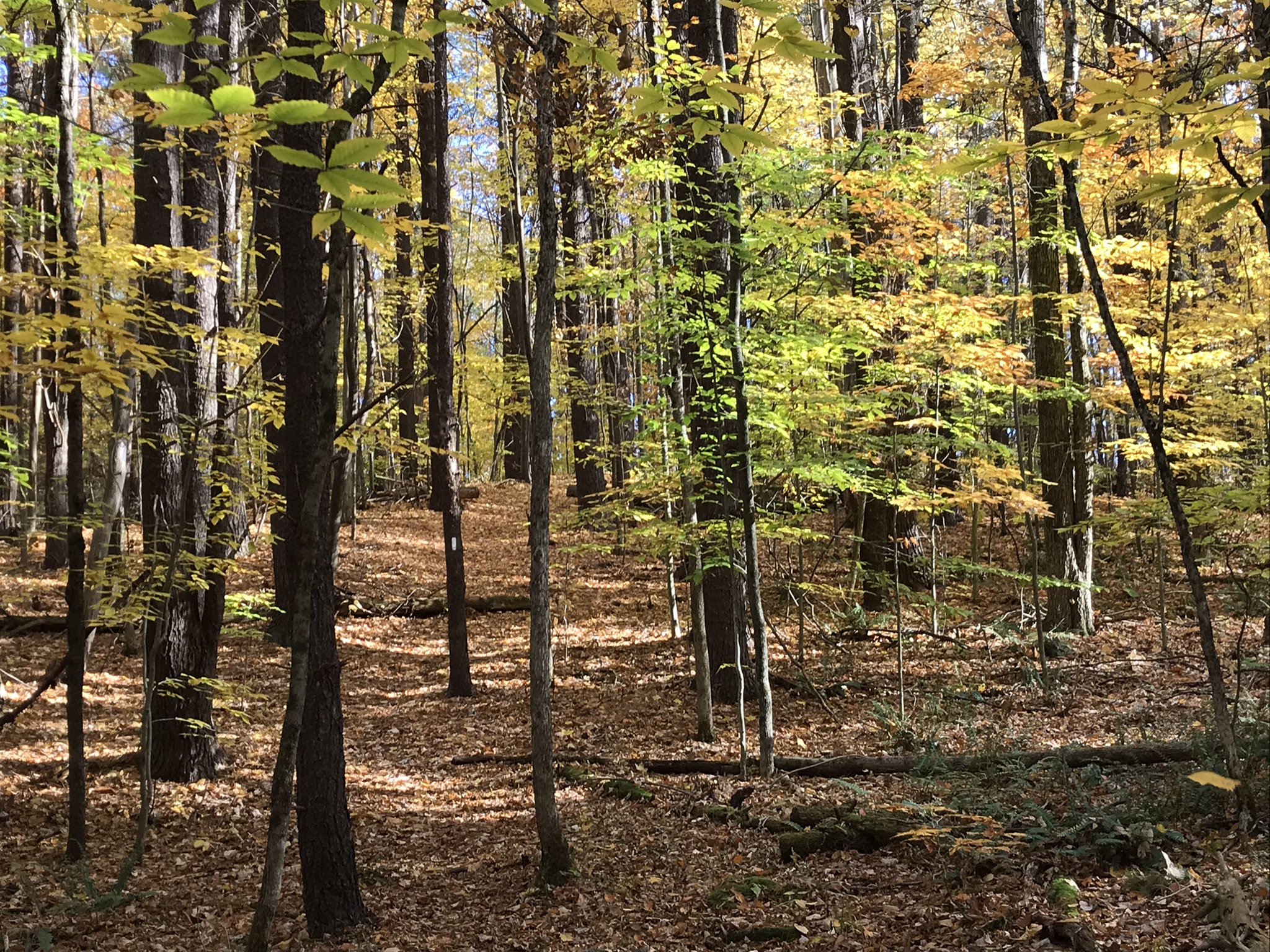
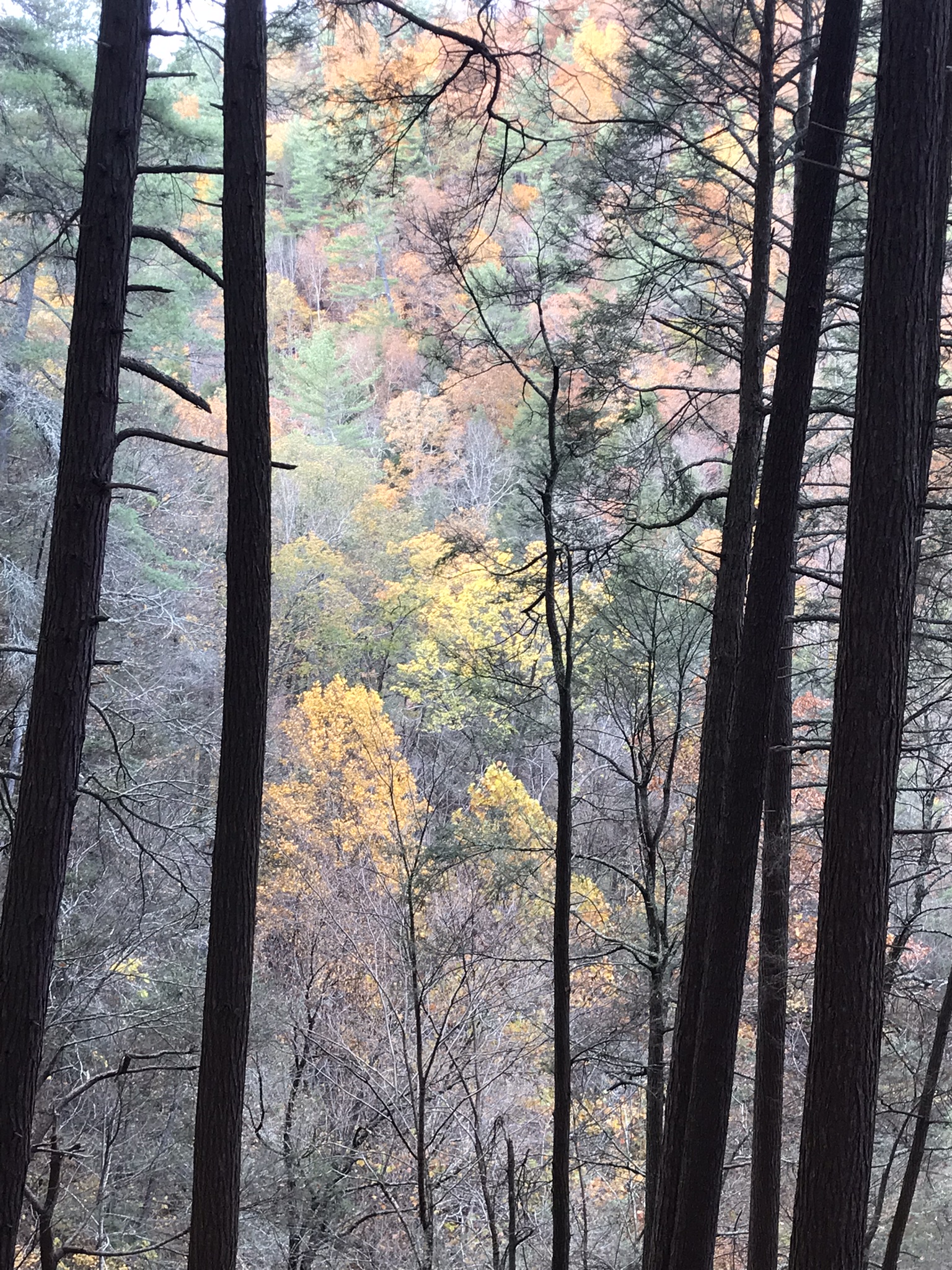
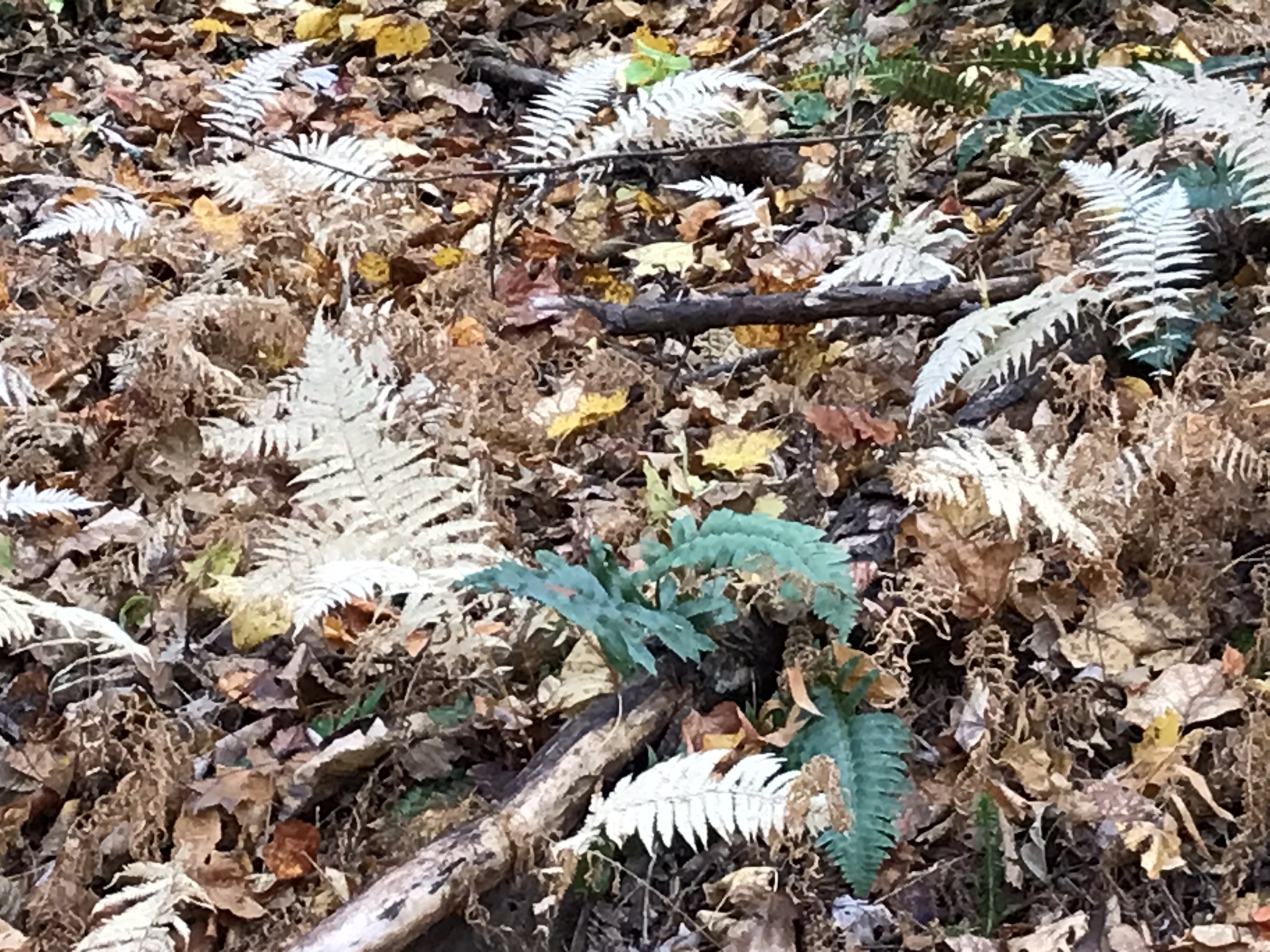
 Michael Stephen Wills Photography