Over the weekend the handle of our 60 year old Delta brand kitchen faucet broke off, since we moved here I rebuilt it once and replaced the stainless steel sphere, the central control of the mechanism. The stem of the sphere must have been faulty because it snapped. Monday, I visited Lowes and the sphere was not in stock. Just wanting to fix the faucet, I skipped the usual vetting of a new product and grabbed the exact same Delta faucet which was, just like the sphere that broke, made in China. The next step up in (questionable) quality was three times the price.
Running Water
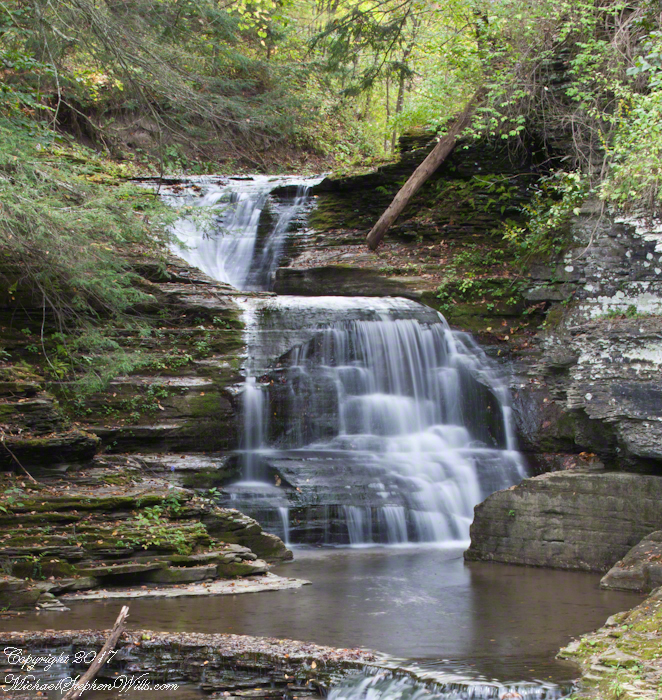
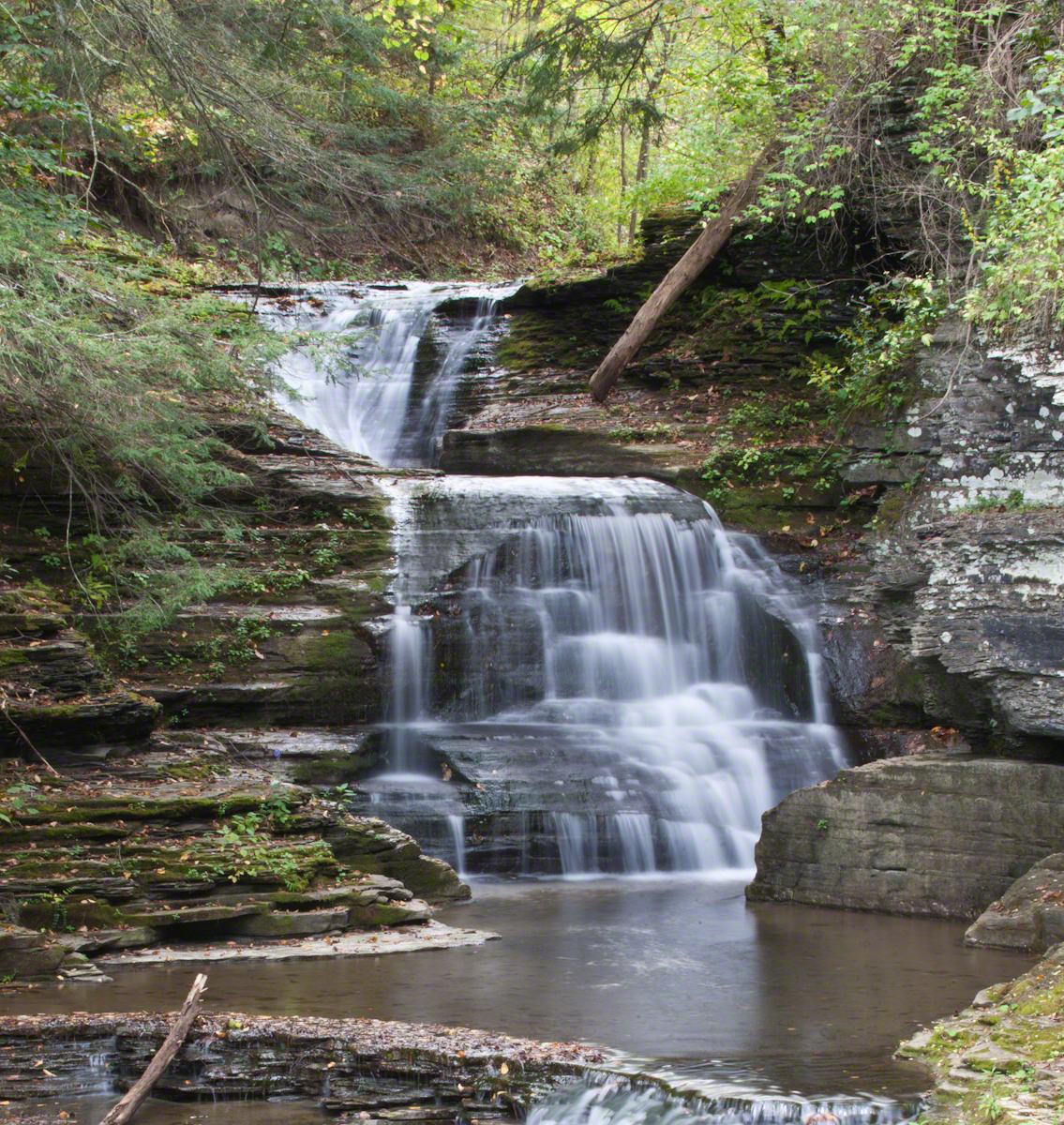
Yesterday I installed a new faucet in the kitchen sink, a straightforward and unpleasant task that took most of the day. Late afternoon, while resting up, I brought up the idea of a hike and Pam reminded me we had another clear September day. Last week, I headed out to capture the Mill Creek waterfall of upper Treman Park at the perfect time of day. It was a day such as this, warm, a cloudless sky, minimal breeze.
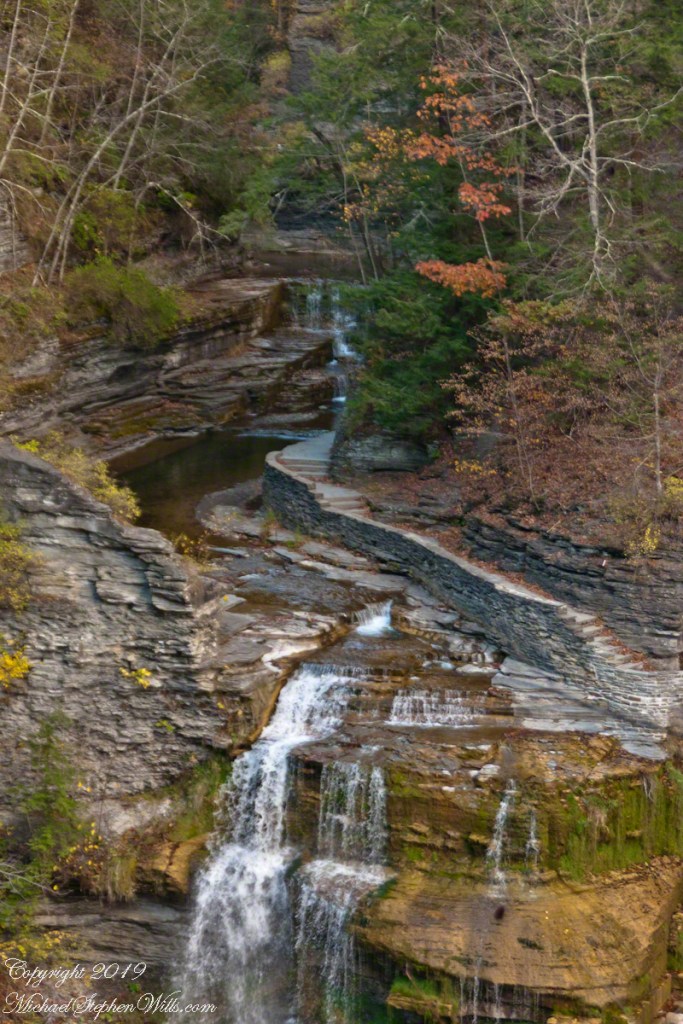
Pam reminded me this evening I was trying to capture the Mill Waterfall of Upper Treman Park at the perfect moment when the sunlight glazes the pools.
I need to get in place a bit earlier. Previously, I used a 24 mm wide angle lens and, today, mounted the EF 70-300mm f/4 – 5.6L USM lens on the Canon EOS 1DS MarkIII. Did not have time to sort through the ND filters, so left the UV on. The waterfall is in a glen, shaded from direct light at this time of day, sun low in the west. Given the low light, to save time, I decided to set ISO to a low value (125), set lens to the widest angle (70 mm), and frame the shot using the heavy Manfrotto tripod with ball head.
Needed to crop the image for the above result, still not perfect. I am seeking to full the entire pool in that glow.
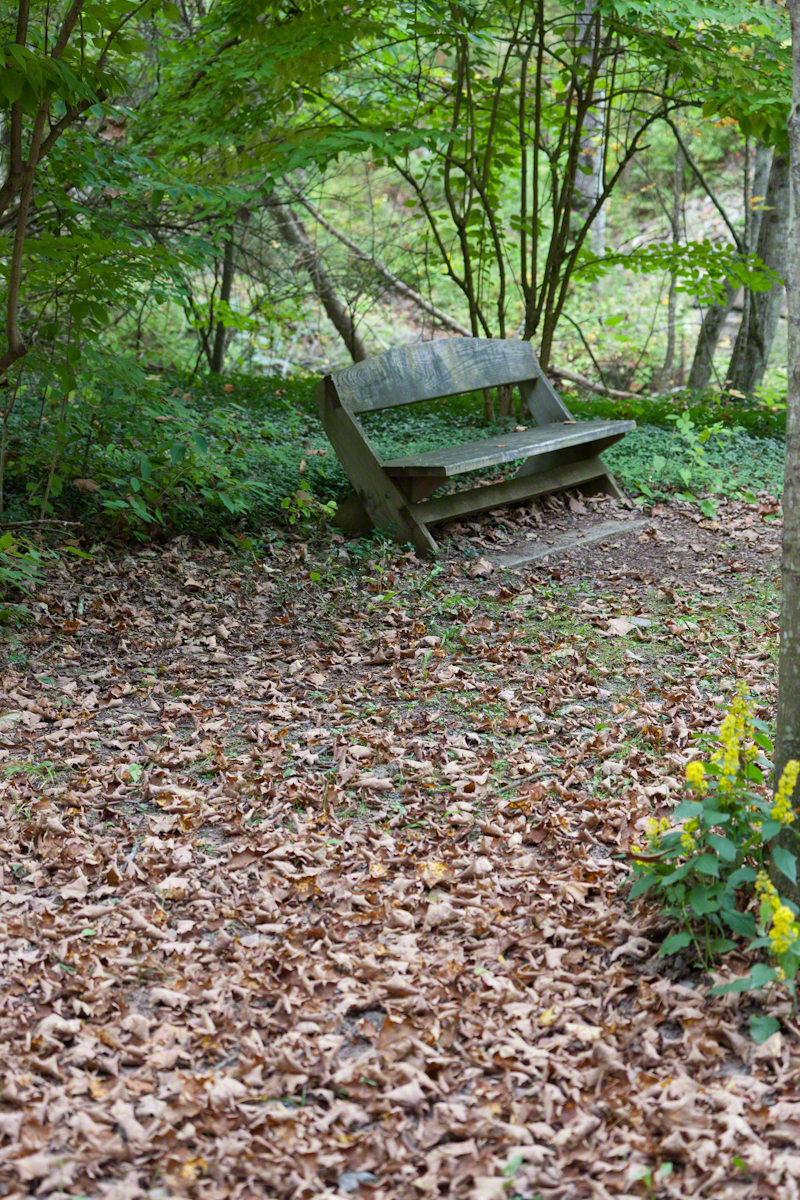
Towards the end of her life, my Mom waited for us on this bench while we walked. She enjoyed the sound of the creek, watching and chatting with passerbys. There some out of focus goldenrod right foreground. I frames the shot to catch the flowers and crop out a tree trunk.
Hiking the Gorge Trail
Instead of putting the gear away, I carried that heavy setup on the hike. The strap around the neck is a lot of stress if it hangs. With the gear cradled in the crook of my arm it is bearable.
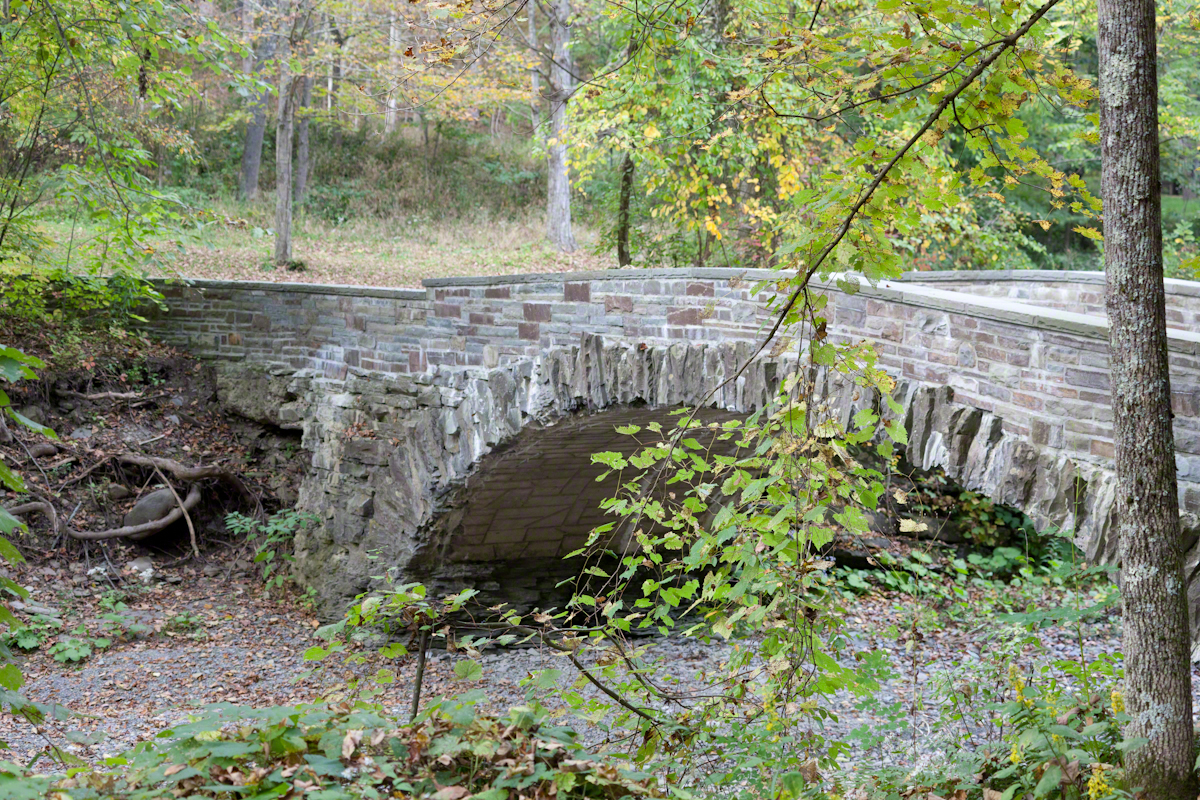
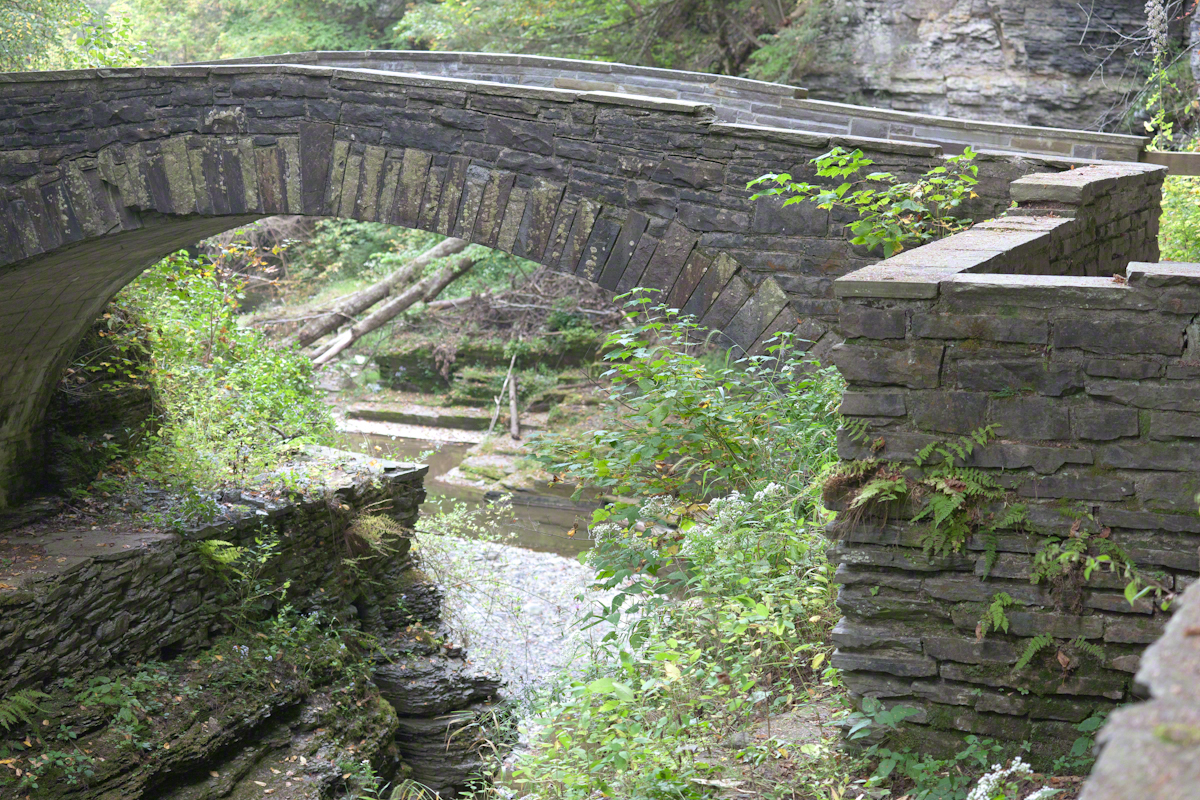
The creek is spanned at several points by these stone footbridges, the work of the Civilian Conservation Corps, as are all the gorge trails. This bridge was restored last year. It leads to a marvelous grove of Sycamores.
Needless to say, the pace was sedate. Pam spent most of the time walking ahead and refusing to be in any shots. These past weeks, rainfall was light, so the creek is low. This low flow is a necessary element to a perfect waterfall image.
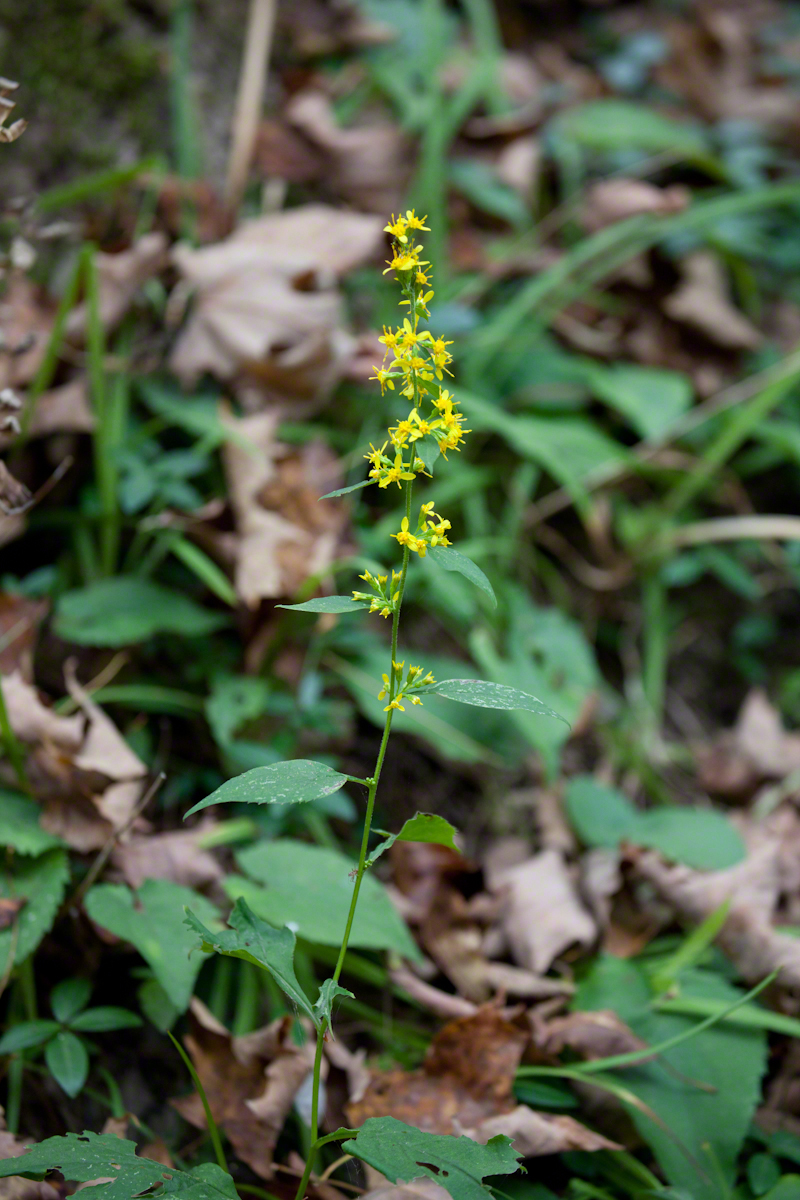
A single stem of goldenrod, ther are hundreds of species of this relative of the aster.
I get some great macro shots with that lens. With just the UV filter, it is quite fast.
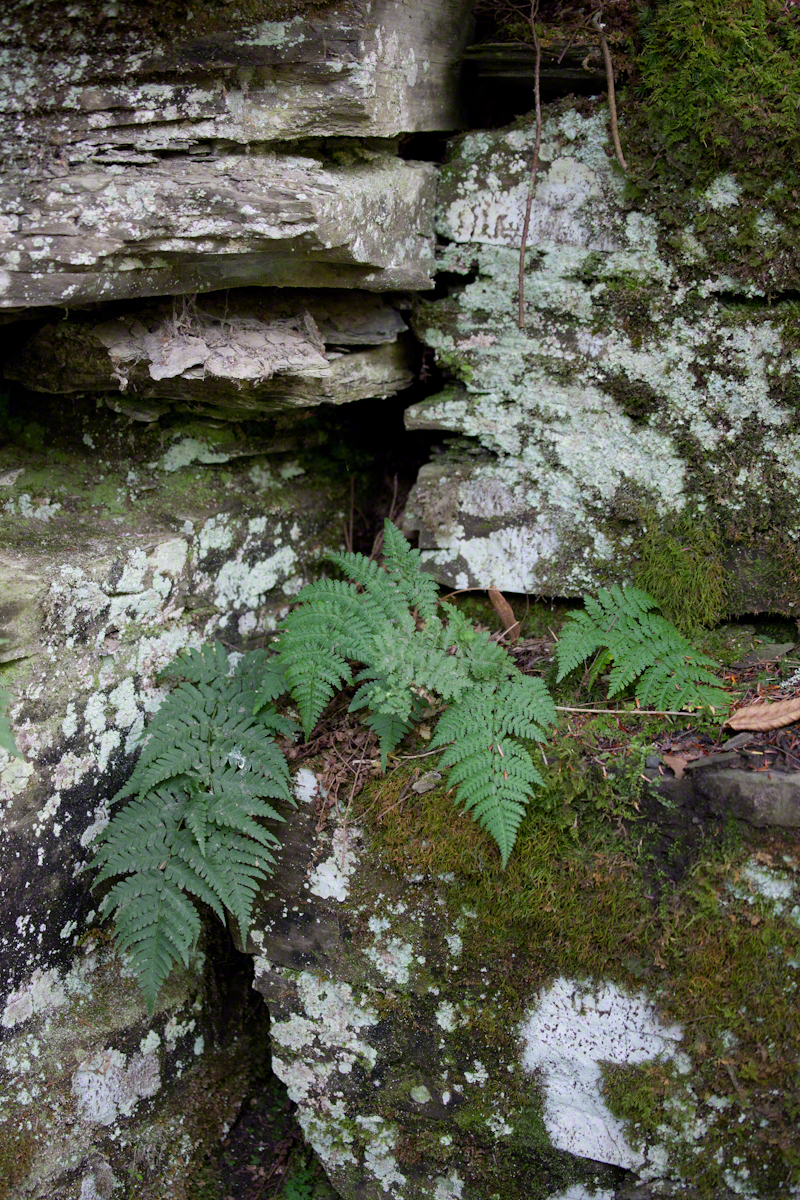
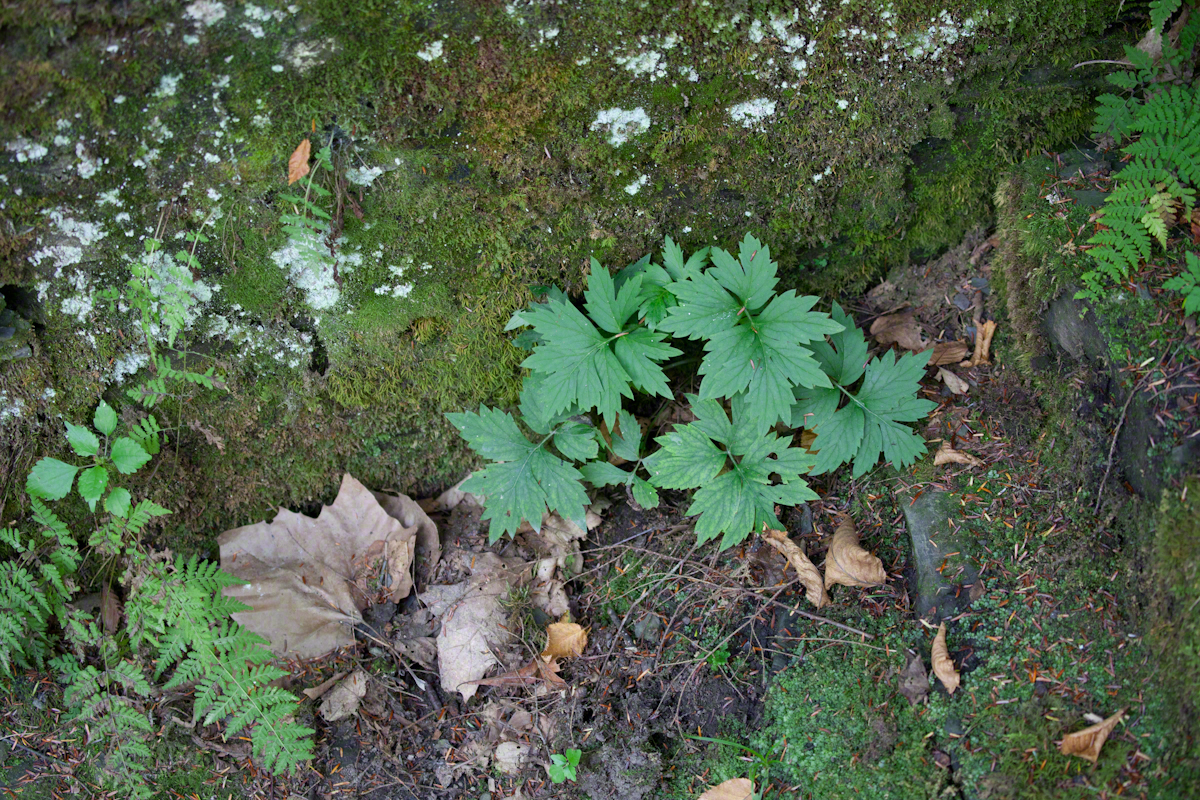
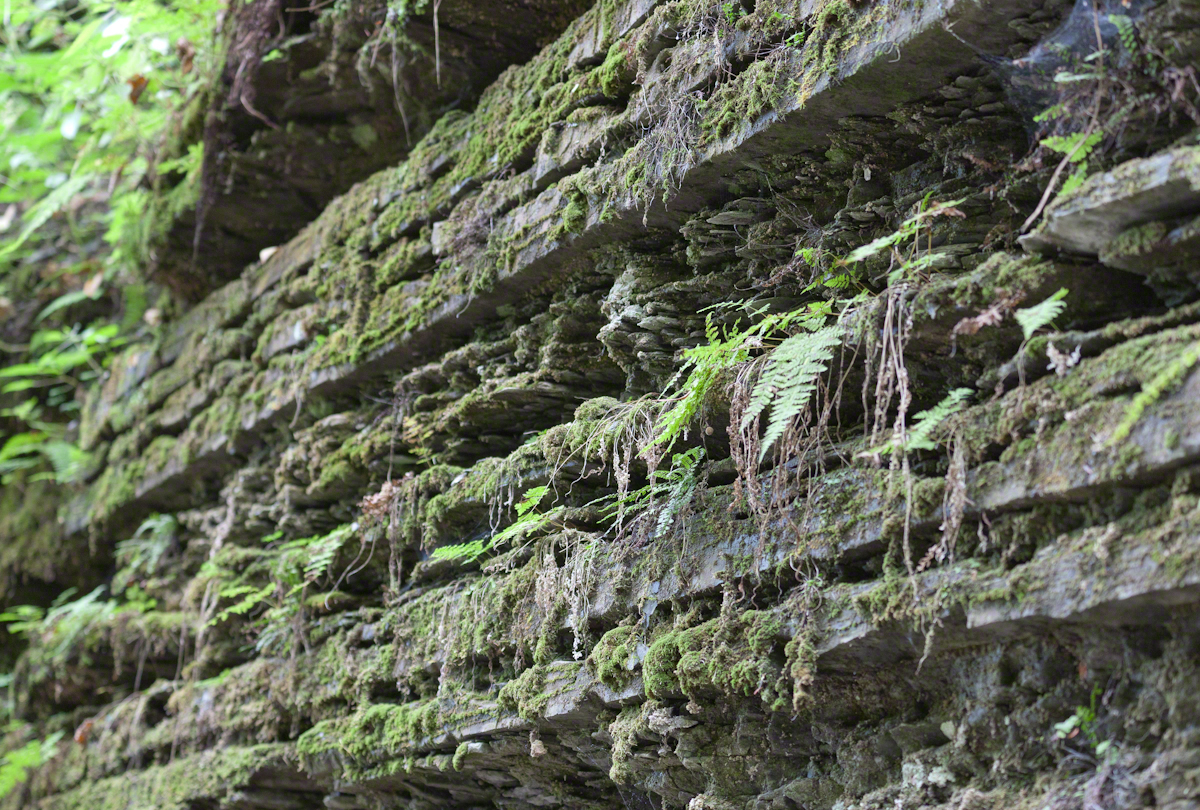
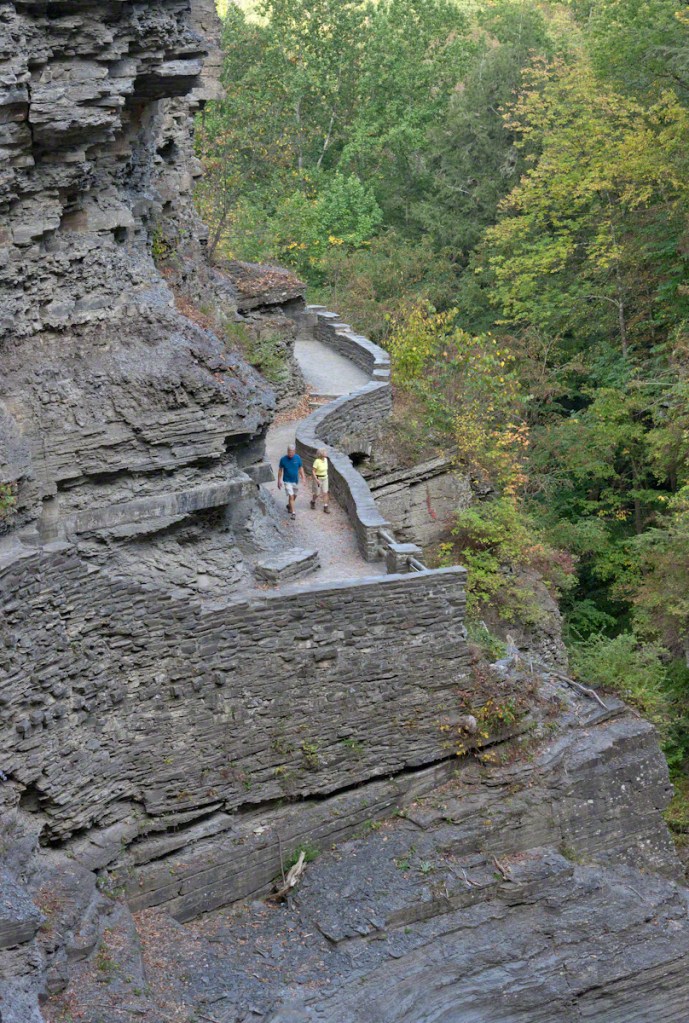
The gorge wall rises to the right of the path.Very little of the gorge walls do not support thick growth of mosses, lichen, ferns, flowering plants of all kinds. I don’t know offhand the name of the cnetral plant growing from the base of the wall.
In the Gallery
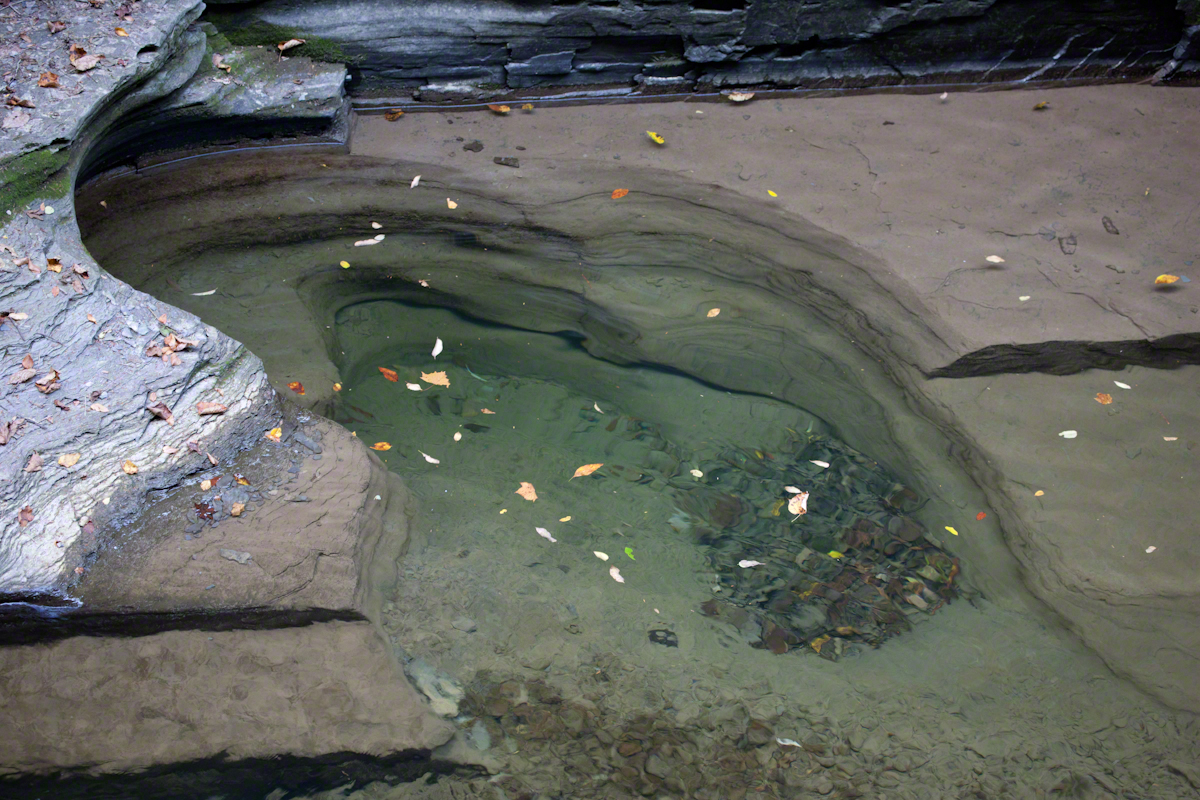
Shaped by whirlpools during high flow, the curves recall flowing water.
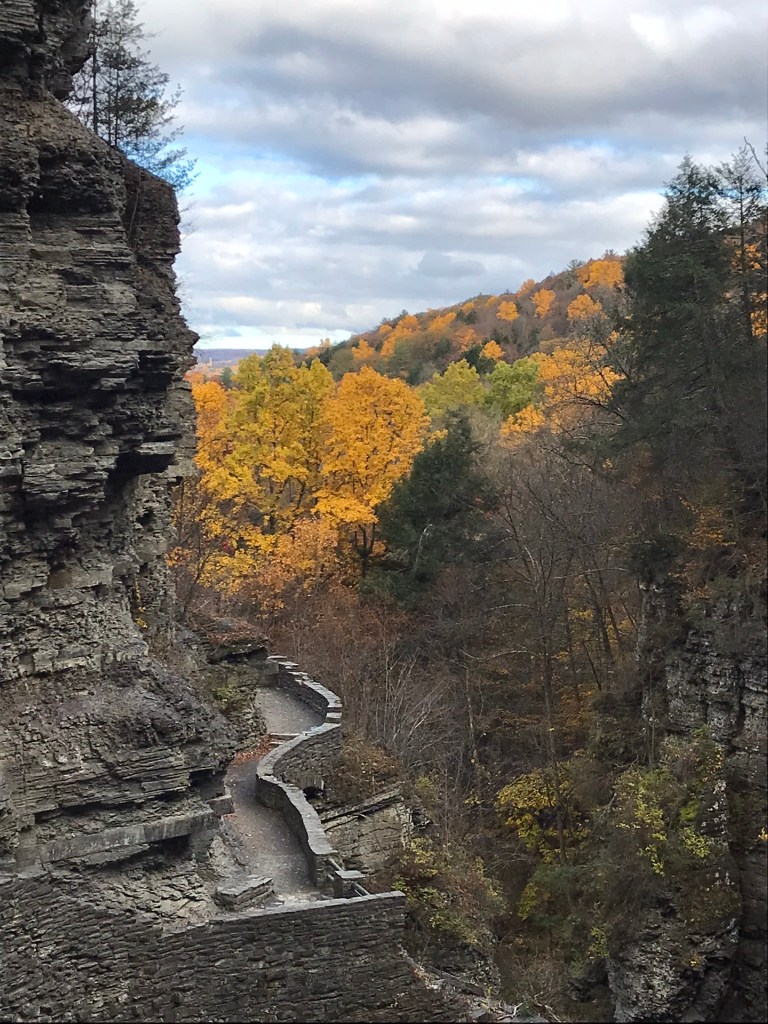
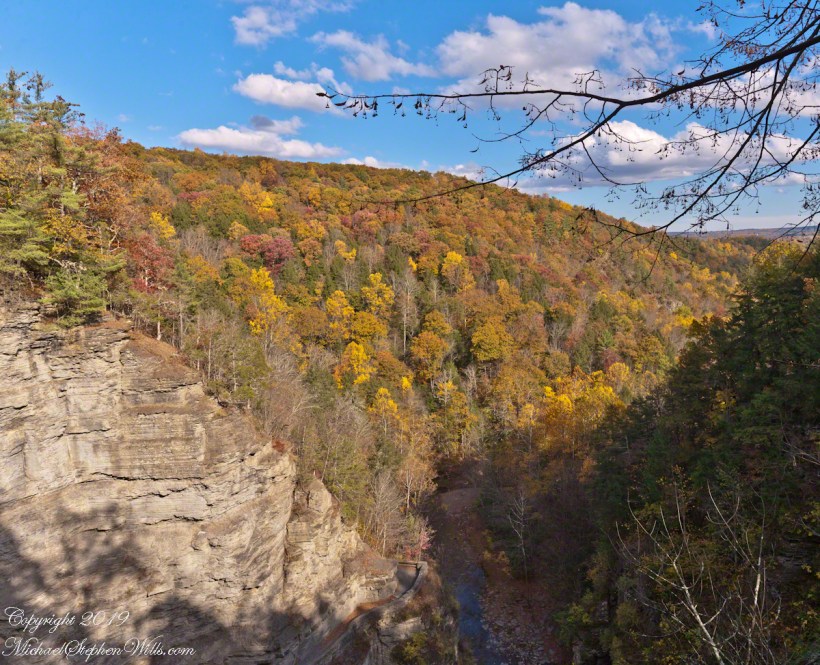
A memorable feature of upper Treman Park is the dramatic gorge entrance. When the glaciers melted, 10,000+ years ago, enough water flowed through this watercourse to wear away several hundred feed of sedimentary rock to form a gallery, or hall, with towering, crumbling, walls on either side.
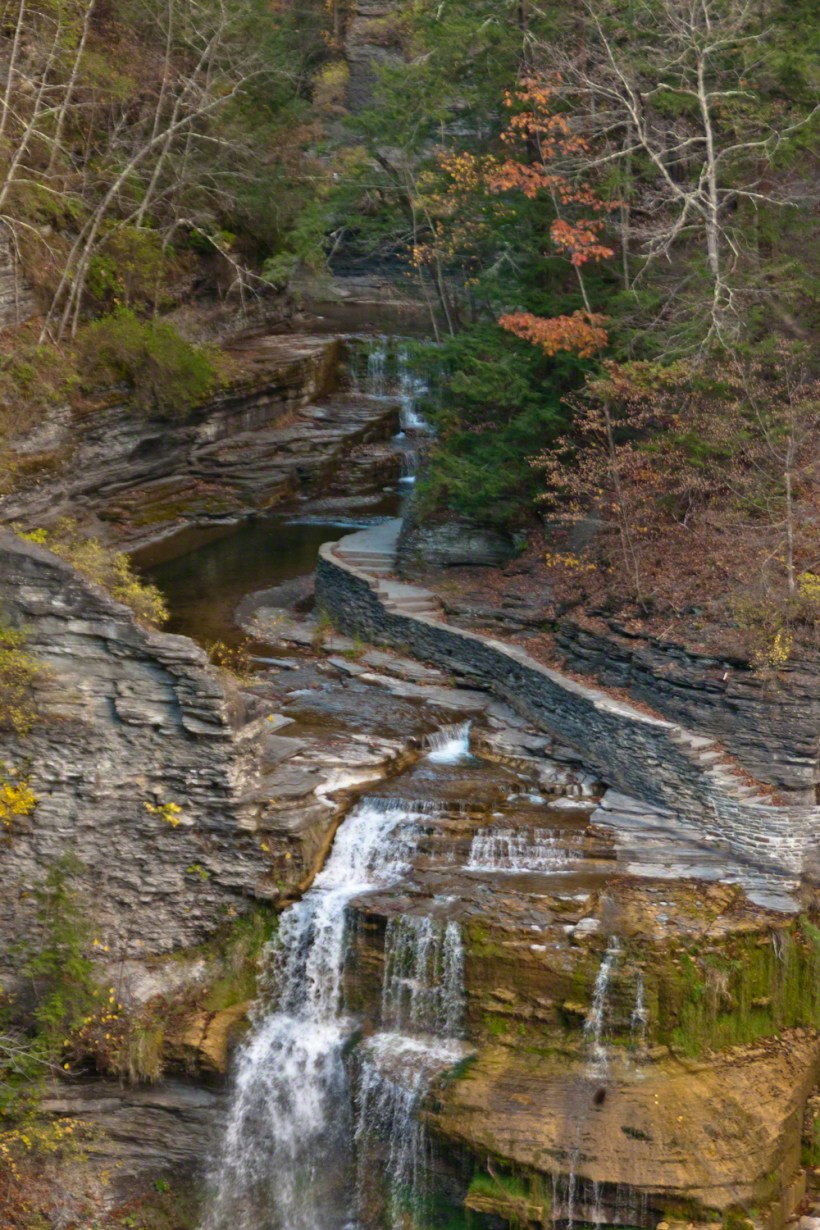
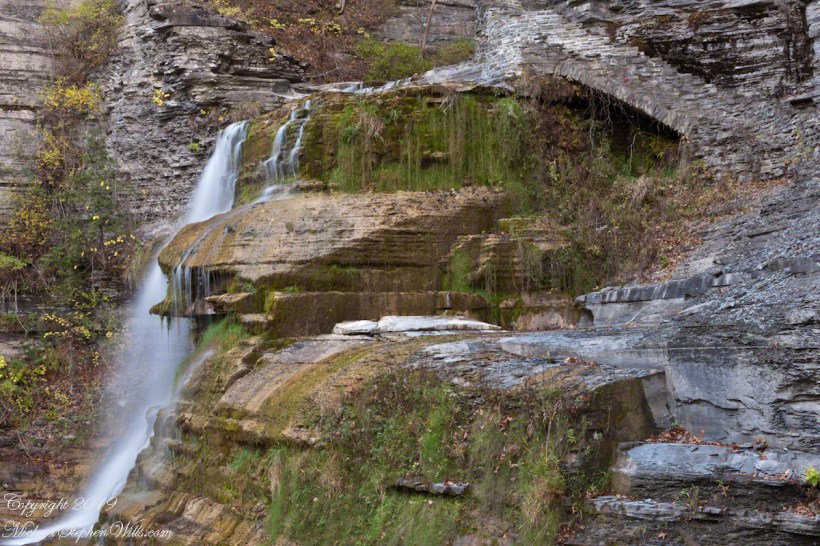
This evening the light was low, the water seemed dead in that it was clear and did not glisten or ripple. I used these conditions in the above shot to emphasize the structure this pool. Located at the foot of a waterfall, at high water, the falls fill channel and this pool is carved by river stones carried in the current. At lower water, the pool is exposed.
Spanning the eastern side of the gallery entrance of the gorge.
The footbridge, above, is most often photographed from the western side of a long gallery formed by the gorge carved by the creek. This is a shot that explores the fine stonework.
The post explores the symbolism of Lucifer and the Tiger Lily, suggesting that beauty and pride can lead to downfall, reminiscent of Lucifer’s narrative.
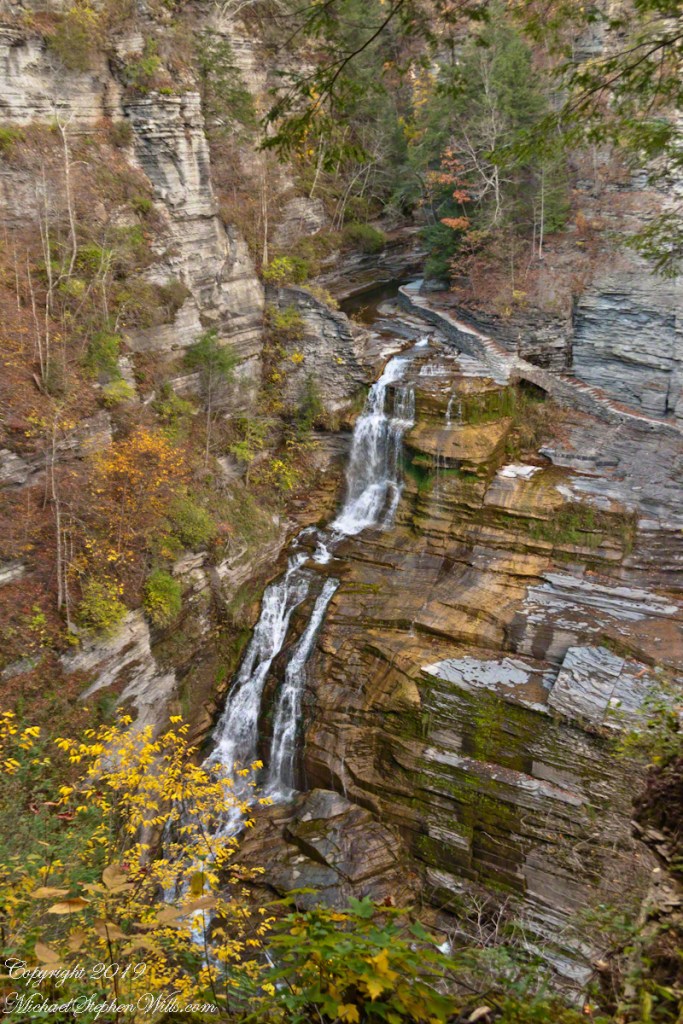
A reader’s comment to this blog, thank you “Urban Liaisons,” prompted me to explore the word, Lucifer. “Lucifer”, in Christian tradition, refers to the devil as it was in a time of glory before the fall from grace. The original, ancient meaning of Lucifer is the planet Venus as it rises just before the sun at dawn. In this sense, the name refers to the bright beauty of the spot. The effect is heightened at midday when the hiker passes from the relative gloom of Devils Kitchen to the full light and sweep of the waterfall chasm.
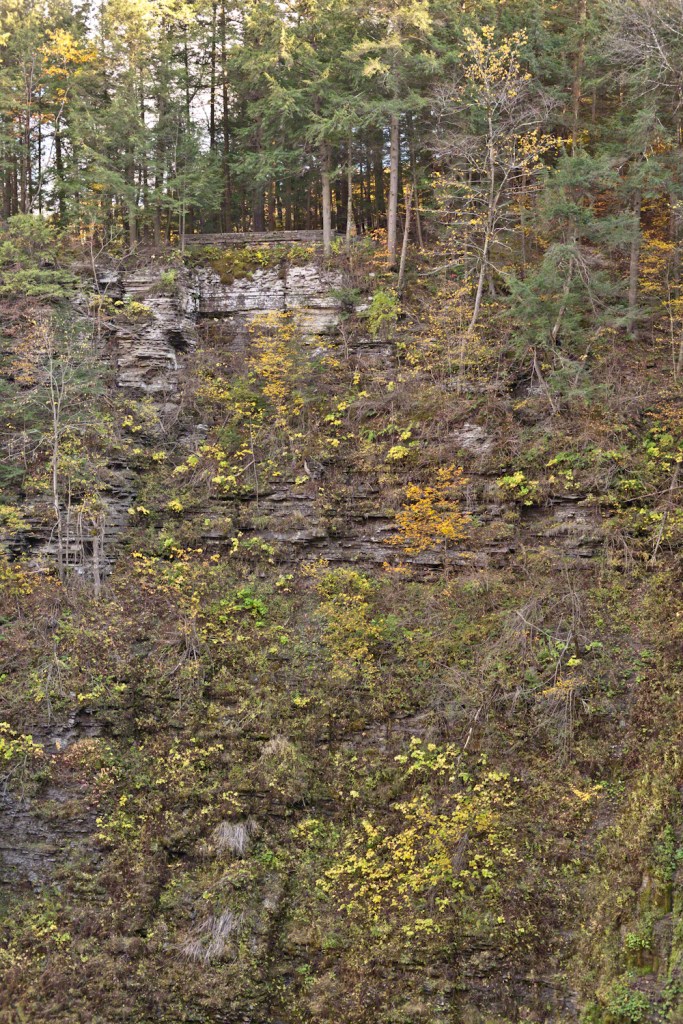
Standing next to the falls on the Gorge Trail, the stone wall of the Rim Trail Overlook is overpowered by the grandeur of the 300+ foot cliff. The falls photographs were taken from behind the wall.
Occasionally, we have experienced individuals climbing over the wall to stand on the other side. “Why?”
Summertime thick stands of tiger lilies flourish on the cliff face. Can you find the withered leaves?
I must delve into symbolic interpretations to explore the connection between Lucifer and the Tiger Lily. Lucifer, traditionally associated with rebellion and the fallen angel in Christian theology, symbolizes a break from divine order and beauty tainted by pride. On the other hand, the Tiger Lily is often seen as a symbol of wealth, pride, and prosperity in various cultures. The connection lies in the shared symbolism of pride and beauty. Just as Lucifer was a beautiful angel before his fall, the Tiger Lily is a strikingly beautiful flower, often associated with pride. This juxtaposition creates a metaphorical link, suggesting that beauty and pride, while alluring, can lead to downfall, mirroring Lucifer’s story.
This session I finally “cracked” the puzzle of the Devil’s Kitchen Waterfall. I posted the results to the online gallery yesterday, for your enjoyment. Click the link to go there.
The post describes a photographic expedition featuring a sunflower field and maples at Frear Memorial Park, and explores the notable Frear family’s history in Ithaca, New York.
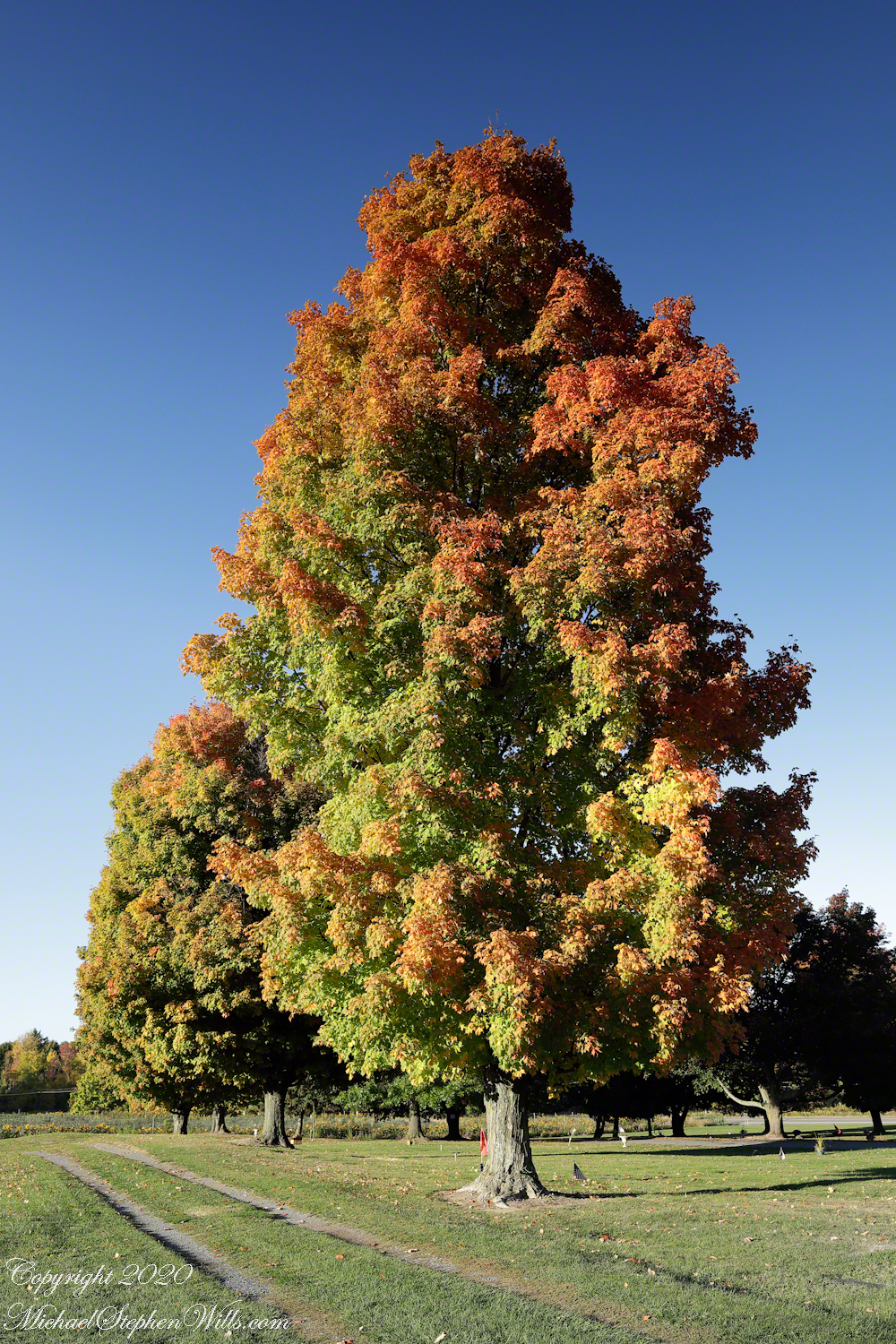
Descending Hayts Road toward Cayuga Lake in the course of a photographic scouting expedition I spotted a mature linear maple tree planting forming the western edge of Frear Memorial Park. This day Pam and I headed out at day’s end, stopping here to capture the turning maples.
Click photograph for larger view. Use combination keys to enlarge/reduce: Ctrl+ (Control / Plus) and Ctrl- (Control / Minus)
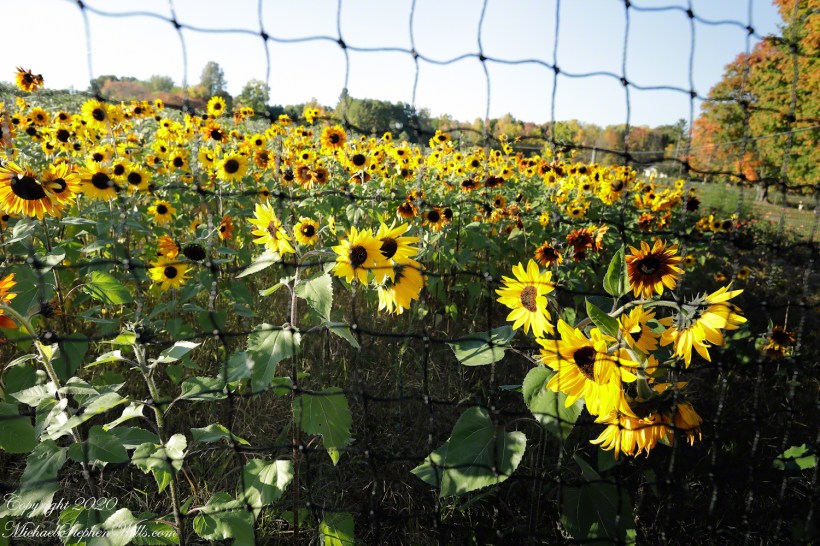
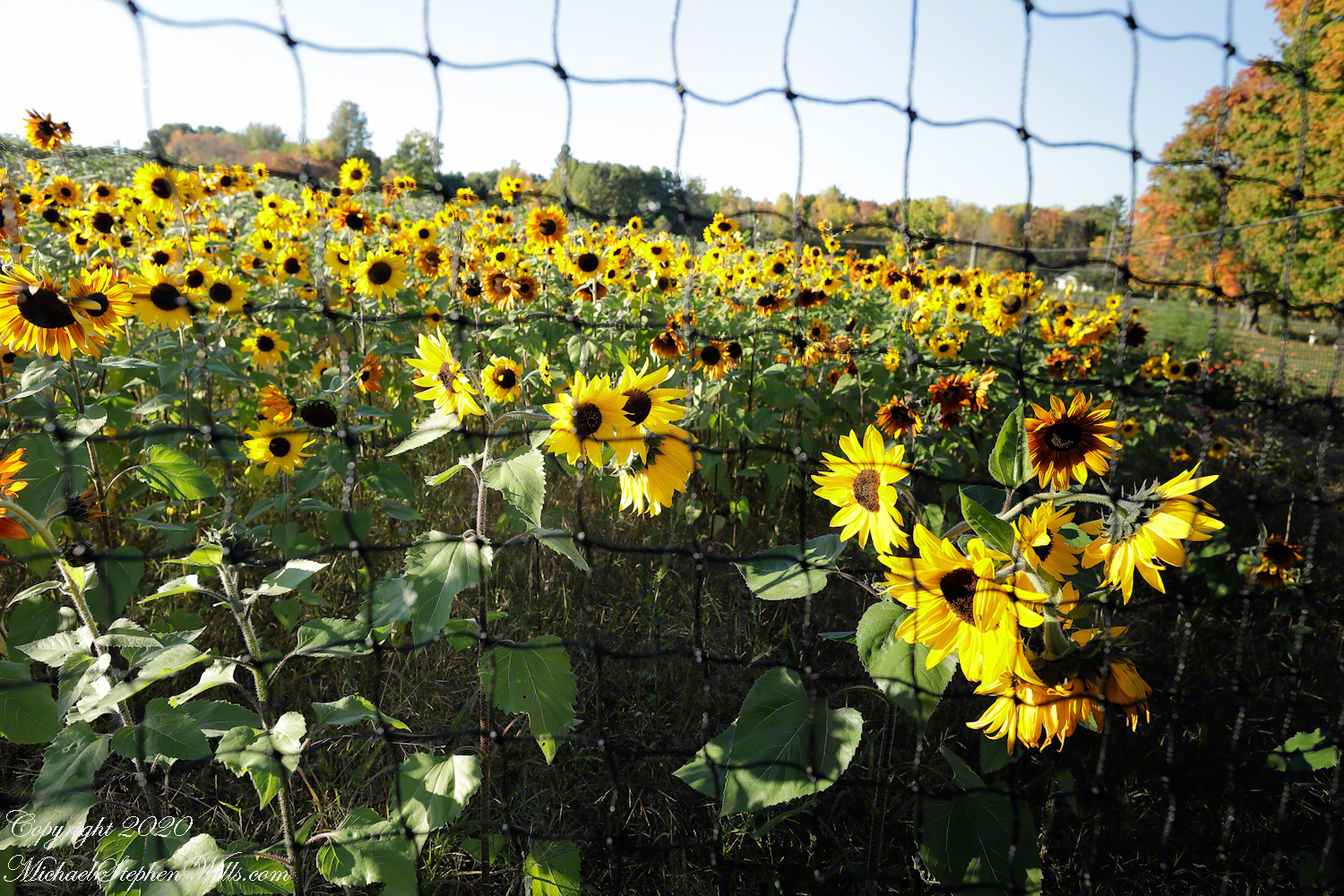
A sunflower field was a hidden surprise. The 24 mm “wide angle” lens was mounted on a Canon EOS 5D Mark IV dslr on a light carbon fiber tripod.
The Frear family has a notable presence in Ithaca, New York’s history. One significant member was William Frear, a well-known businessman who lived his entire life in Ithaca. He ran a candy store and a photograph gallery, and was involved in the county fair. William passed away in 1915 at his daughter’s home on East Buffalo Street in Ithaca.
In terms of the Frear family’s broader historical context, the name was found in the USA, the UK, Canada, and Scotland between 1840 and 1920, with the most Frear families in the USA recorded in 1880. Remarkably, in 1840, about 67% of all recorded Frear families in the USA were living in New York, indicating a significant concentration of the family in the state.
The family tree of William Frear includes his parents Baltus Frear (1793–1881) and Lavina Westerveldt Frear (1800–1868), his spouse Ann Amelia Hopkins Frear (1838–1906), and his children Baltus W Frear (1865–1885), Donna Frear Luker (1868–1929), T Wilbur Frear (1874–1874), and Edward Hughson Frear (1876–1910).
This snapshot of the Frear family in Ithaca provides a glimpse into their lives and contributions to the local community during the 19th and early 20th centuries.
Additionally, there is a Frear Park in Troy, New York. Donated by the family of William H. Frear in June, 1917, Wright Lake and Bradley Lake, located in the park were named for members of the Frear Family. The Frear Family was originally from France where the name was as Frere. The Frere’s moved to England to escape prosecutions, where the spelling of the name was changed to Frear. The family was founded in the United States by Joseph Frear, Grandfather of William H. Frear of Troy, New York.
In a heartwarming YouTube video, Samuel Jack Wills and his grandmother Pam turn cake-making into an adventure in celebration of his Batman-themed birthday. The video captures endearing family traditions, from a talking doorbell to playful gift unwrapping, and culminates in the creation of a Bat-Signal adorned cake and joyous birthday song.
Grab your capes, click on our video, and be a part of our delightful celebration that’s sure to lift your spirits sky-high!
🎉 Get ready for an extraordinary adventure into the world of cake-making with our superstar, Samuel Jack Wills, and his magical sidekick, Grandma Pam! 🍰✨ It’s a special day just before Halloween, and the excitement is as palpable as the crisp autumn air. 🍂
🦇 In our latest heartwarming YouTube video, witness the grand entrance of our birthday hero, Sam, as he strides through the gate with his dad, Sean Wills, to a chorus of giggles and gasps, thanks to our quirky, talking doorbell that’s become an outrageous family tradition. 🎈
Join us in the celebration as Sam unwraps wonders from Grandma Pam and Grandpa Michael: from a thrilling Batman-themed birthday card that lights up the room with a Bat-Signal magnetic sticker, to a fleet of Gotham-inspired toys including an aircraft, the Batcave, and even miniature treasures like a suitcase brimming with play 100 dollar bills. 🏰💰
Sam and Grandma Pam put on their chef hats, discussing and designing a cake that’s not just a treat but a superhero saga! 🎂 With buttercream as smooth as velvet and chocolate layers that whisper ‘indulge’, they create a masterpiece adorned with blue and yellow frosting, featuring the iconic Bat-Signal.
And what’s a Batcave without boulders? Watch them skillfully make Rice Krispy treat boulders to scatter around their edible Batcave — a feast for the eyes as much as the taste buds. 🍫
The grand finale is a chorus of joy as Sam, surrounded by his loving family, basks in the glow of birthday candles and the warmth of the Birthday Song. 🎶 It’s a day where memories are made, laughter is shared, and love is multiplied.
So grab your capes, click on our video, and be a part of our delightful celebration that’s sure to lift your spirits sky-high! 🚀 Don’t forget to like, share, and subscribe for more family fun with the Wills clan! #SuperSamCakeAdventure 🥳👨🍳
Hartung–Boothroyd Observatory is a leading educational facility, aiding in the study of astrophysics, tracking asteroids, and fostering diverse academic collaborations.
Perched on Mount Pleasant in the town of Dryden, New York, the Hartung-Boothroyd Observatory (HBO) stands as a testament to the celestial curiosity that Cornell University has nurtured for decades. It is a gateway to the stars, a place where the heavens unfold in wondrous detail to the eyes of astrophiles and the lenses of powerful telescopes.
The observatory is home to a reflecting telescope, one of the largest in New York State dedicated to both education and research. This remarkable instrument, housed under a retractable dome, has provided students and researchers with direct experience in astronomical observations since its establishment in 1974.
HBO isn’t just an observatory; it is a bridge between the terrestrial and the cosmic. It represents an educational philosophy that values direct engagement with the subject of study. Undergraduates, graduates, and faculty members flock to the facility to engage in projects that range from studying variable stars and exoplanets to tracking asteroids. Here, theoretical astrophysics meets the tactile world, allowing for an integrated understanding of the universe’s complexities.
Are images are from a handheld Apple Iphone 14 ProMax, raw files edited on camera and then from Adobe Lightroom.
It is used mainly as a Cornell University (Ithaca, New York) teaching facility for upper-level astronomy classes. The observatory is named financial contributions of M. John Hartung ’08 (chemical industrialist and donor) and in honor of the labor of Samuel L. Boothroyd (founding professor and chairman of astronomy 1921–1942). The telescope construction began in the 1930s and the observatory was dedicated in 1974. It contains the James R. Houck 60 centimeter telescope and various instruments.
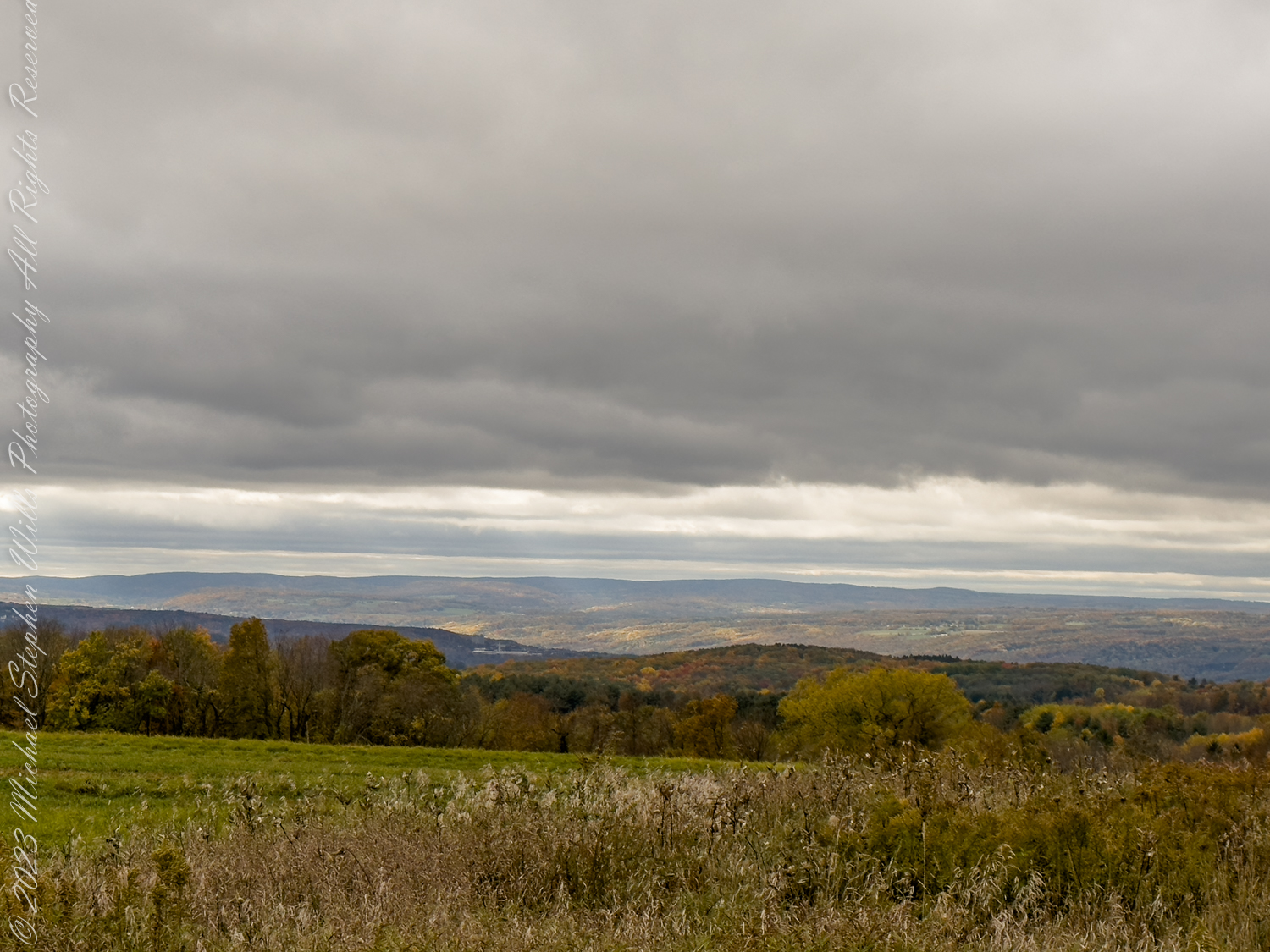
View east from Cornell University’s Hartung–Boothroyd Observatory
The James R. Houck telescope at HBO was a project initiated by its namesake in 1972, using optics and a lightweight tube which had been fabricated in the late 1930s by Samuel T. Boothroyd, Cornell’s first astronomer, and a mounting constructed by George Gull ’72 as his senior design thesis in Mechanical Engineering.
View southwest toward Ithaca College
The telescope, control electronics and instruments are largely the result of work done by undergraduates since 1970. It was manufactured by the students at the Tompkins, Tioga and Seneca BOCES and by Therm, Inc., with mirror coatings by Evaporated Metal Films corporation, all in Ithaca. The latter corporation was founded by members of Boothroyd’s scientific team, as he pioneered the use of evaporated metal coatings in astronomical optics. The telescope and observatory were dedicated in 1974.
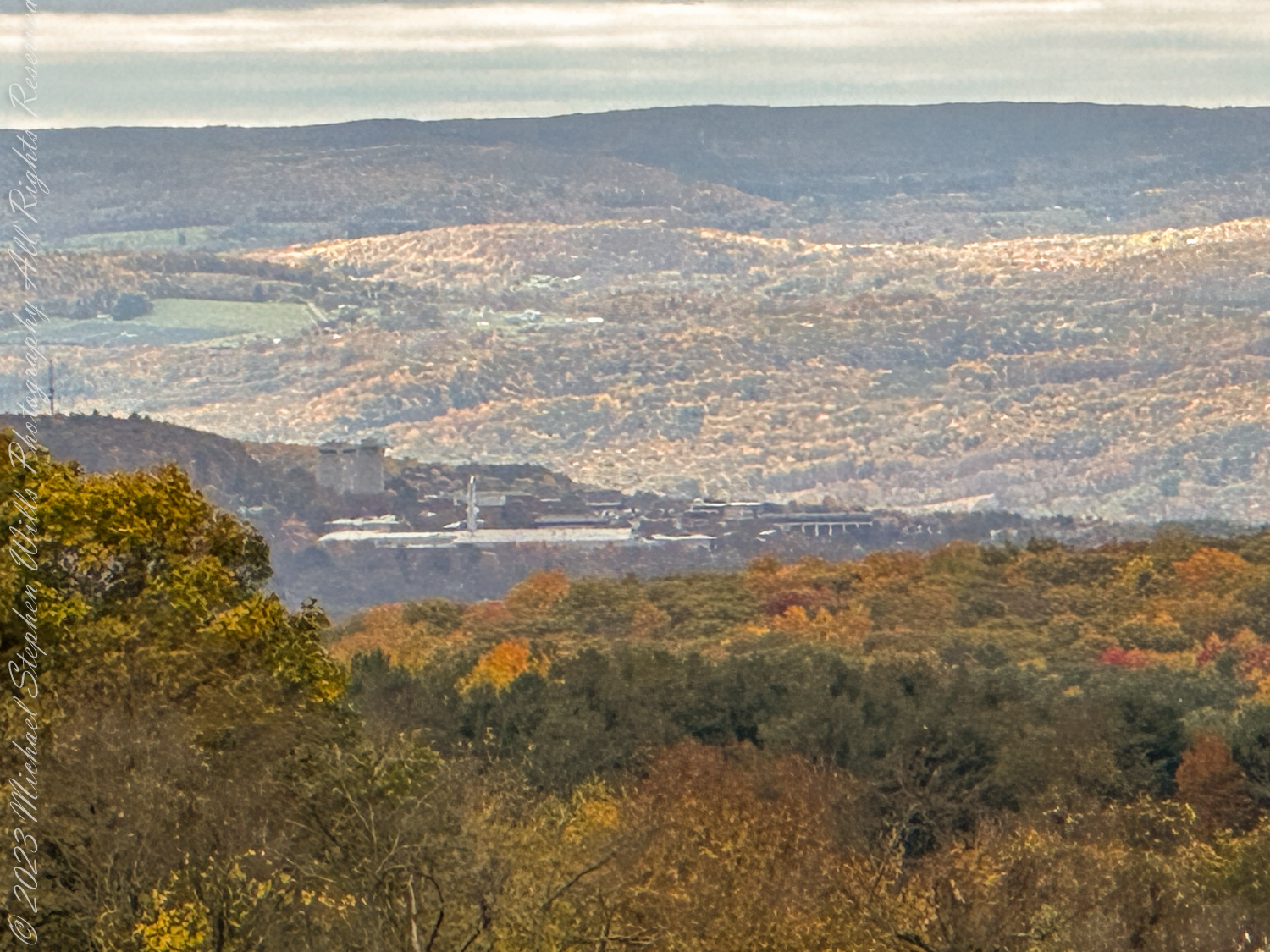
View southwest toward Ithaca College I zoomed in to see the residential towers.
The primary mirror is made of Pyrex from the Corning Glass Works and is in fact from a 1/8-scale test pour by the Corning company in preparation for the making of the 200″ Palomar mirror. It is 0.635 m (25 inches) in size, but the outer half inch is masked. The focal length of the mirror is 2.5m (100″) or f/4.
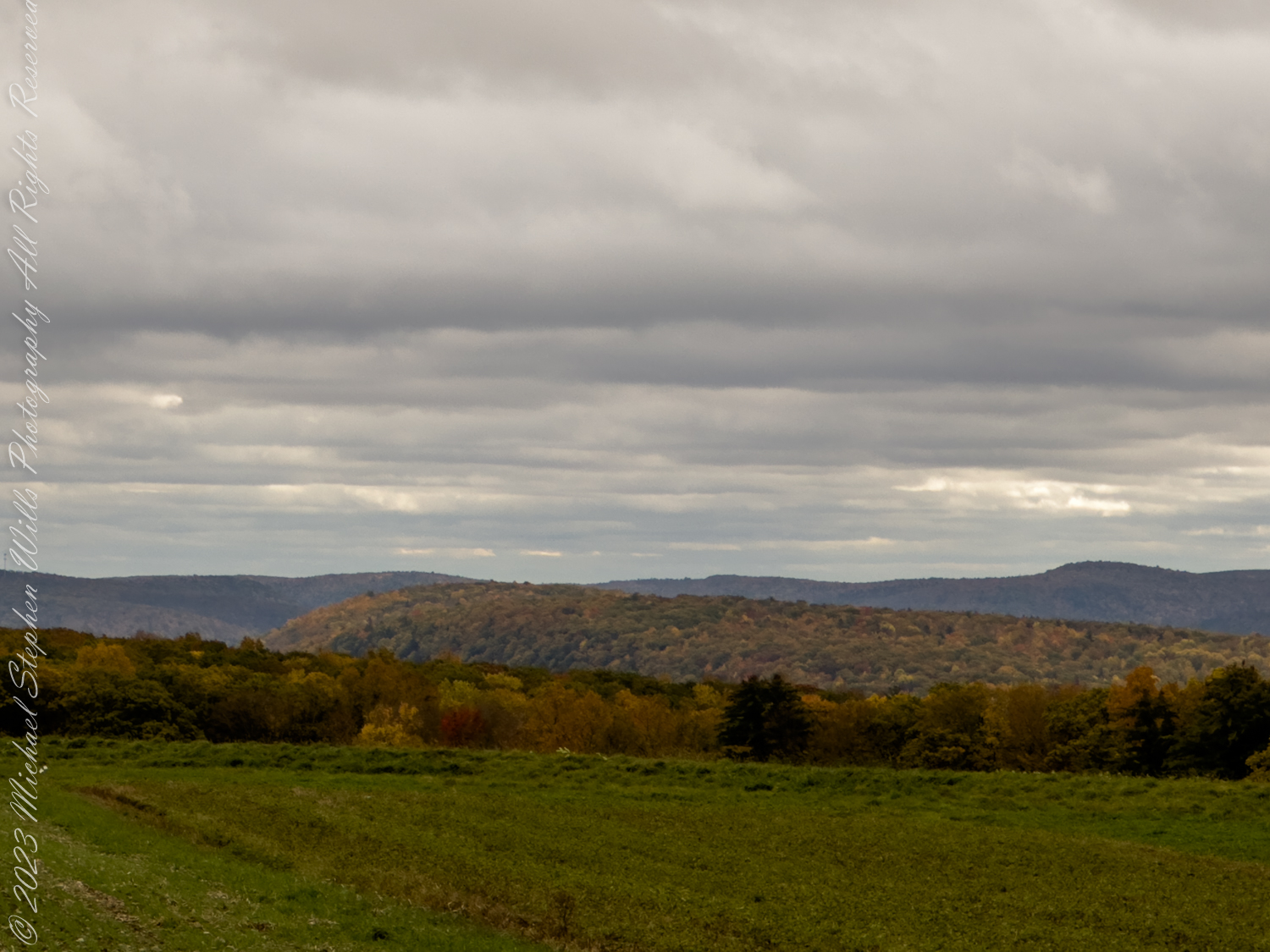
View southeast toward Hammond Hill
The Cassegrain design of the James R. Houck telescope is a combination of a primary concave mirror and a secondary convex mirror, often used in optical telescopes, the main characteristic being that the optical path folds back onto itself, relative to the optical system’s primary mirror entrance aperture. This design puts the focal point at a convenient location behind the primary mirror and the convex secondary adds a telephoto effect creating a much longer focal length in a mechanically short system.
View south
The secondary is an 8″ mirror made of Cervit (a low thermal coefficient material). In combination with the primary, it yields a final f/13.5 beam to the nominal focus, which lies 18.5″ behind the primary mirror’s vertex. At nominal focus, the plate scale is about 24 arcsec/mm, with an effective focal length of 8.57 m.
View southwest toward Ithaca College
The telescope, control electronics and instruments are largely the result of work done by undergraduates since 1970. It was manufactured by the students at the Tompkins, Tioga and Seneca BOCES and by Therm, Inc., with mirror coatings by Evaporated Metal Films corporation, all in Ithaca. The latter corporation was founded by members of Boothroyd’s scientific team, as he pioneered the use of evaporated metal coatings in astronomical optics.
The dome itself, like all professional observatories, is unheated. The telescope and instrumentation can be controlled from a neighboring control room which is heated and offers standard amenities plus several computers for simultaneous data reduction.
The observatory was founded by James Houck and managed by him through 2006. The principal contact is Don Barry, who managed the facility from 2006-2015, and taught Experimental Astronomy using the facility.
“Graduates” of the HBO project are now senior engineers and technical managers as well as graduate students, research associates and faculty at major universities.
Moreover, the observatory is a beacon for interdisciplinary collaboration. It’s not uncommon to find astronomers working alongside computer scientists, engineers, and educators. This cross-pollination of ideas enhances the potential for innovation, fostering new techniques in data analysis, instrument design, and educational methods. The observatory’s role extends beyond its primary function; it is a hub of convergence for diverse academic disciplines, all under the umbrella of exploring the unknown.
HBO also contributes to the global astronomical community through its research. The data collected here feed into larger networks of observation and analysis, aiding in the collective endeavor of mapping and understanding the universe. Its strategic location in upstate New York, away from the light pollution of large urban centers, grants it relatively clear night skies, making it an invaluable resource for both optical astronomy and astrophotography.
In an era where space exploration has captured the public imagination like never before, observatories such as the Hartung-Boothroyd are more crucial than ever. They serve as terrestrial launchpads, propelling minds into the realm of scientific inquiry. Here, the vastness of space becomes approachable, the mechanics of the cosmos decipherable, and the mysteries of the universe a little less mysterious.
As the night falls and the stars emerge, the Hartung-Boothroyd Observatory continues its silent vigil over the heavens. It stands as a beacon of knowledge and discovery, an educational catalyst, and a gateway to the stars. For the students and astronomers who work from this dome on Mount Pleasant, HBO is more than an observatory—it is a vessel navigating the infinite ocean of the night sky, a journey that begins in the heart of Cornell University and extends to the edges of the observable universe.
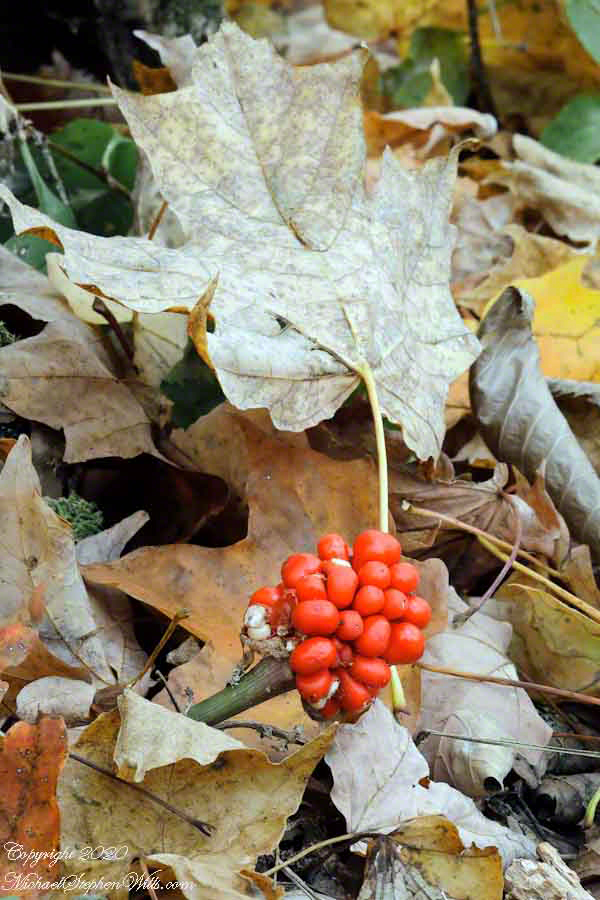
The red berries of the Jack-in-the-Pulpit plant play a key role in seed dispersion, wildlife sustenance, and fueling its energy storage organ, the corm.
As the crisp air of autumn settles in and the leaves begin their spectacular transformation into hues of red, orange, and yellow, the forest floor comes alive with a myriad of hidden wonders. Among these wonders, the Jack-in-the-Pulpit (Arisaema triphyllum) stands out for its striking red berries and the role they play in the fall glory of the woodland ecosystem. In this essay, we will explore the beauty and significance of these red berries and how they are intrinsically linked to the plant’s corm.
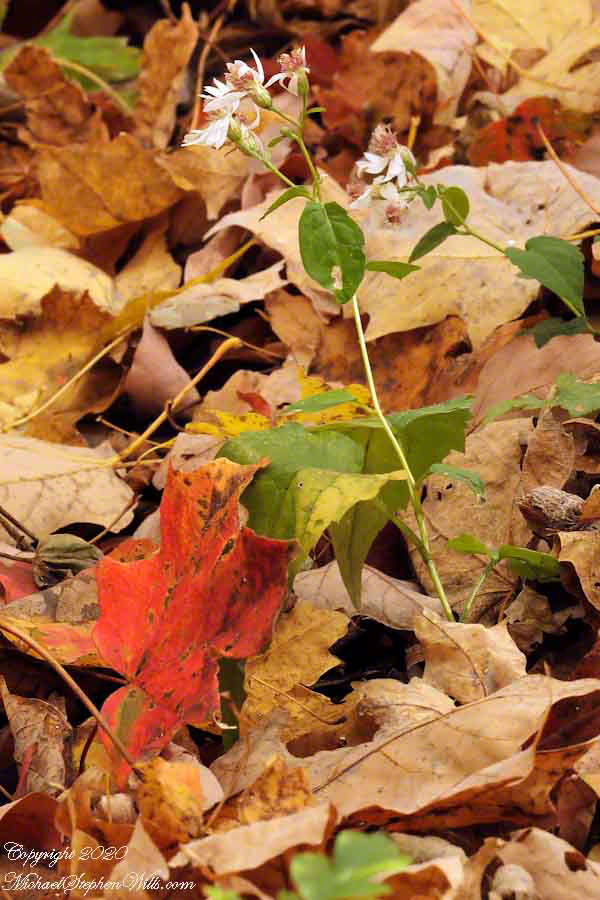
Equipped with a Canon dslr / variable lens and Manfrotto carbon fiber (light) tripod, these macro still lifes were possible by keeping to shadow pools on a cloudless early October weekday
The Jack-in-the-Pulpit, a native perennial herbaceous plant of North America, is known for its distinctive appearance, featuring a hood-like structure known as the spathe and a tall, slender stalk called the spadix. It is during the fall season that the plant’s fascinating red berries make their appearance, contrasting vividly against the backdrop of autumn’s colors. These berries are the result of a process that begins in the spring, when the plant first emerges from its underground corm.
Throughout the growing season, the Jack-in-the-Pulpit devotes its energy to producing these striking red berries, which serve several important ecological functions. The red berries are not only visually appealing but also function as a means of reproduction for the plant. They contain seeds that, once mature, can be dispersed to establish new Jack-in-the-Pulpit plants. These seeds are often transported by animals that consume the berries, such as birds and rodents, which then disperse them in their droppings, contributing to the plant’s spread throughout the forest.
Jack-in-the-Pulpit Berries
The bright red color of the berries is a key feature that attracts birds, making them an essential food source during the fall and early winter months. Birds like thrushes, cardinals, and robins are known to feed on the Jack-in-the-Pulpit berries, aiding in seed dispersal while benefiting from the nutrient-rich fruits. This mutualistic relationship between the plant and its avian dispersers showcases the interconnectedness of the forest ecosystem, where each species relies on the other for survival and propagation.
The significance of the Jack-in-the-Pulpit’s red berries extends to the corm beneath the surface. The corm serves as an energy storage organ for the plant, helping it survive through the harsh winter months when the above-ground parts of the plant wither and die. During the fall, as the plant directs its energy toward producing berries, it also transfers nutrients to the corm, ensuring its vitality and readiness for the following spring.
Furthermore, the corm itself can serve as an energy reserve for the production of future berries and the growth of new shoots. As the plant enters dormancy, it relies on the stored energy in the corm to fuel its growth when conditions become favorable in the next growing season. In this way, the corm and the red berries are intricately linked, with the berries representing the culmination of a year-long process of energy accumulation and reproduction.
In conclusion, the red berries of the Jack-in-the-Pulpit are a captivating and vital component of the fall glory that graces our woodlands. Their vibrant color and ecological role in seed dispersal highlight the plant’s contribution to the forest ecosystem’s richness and diversity. Moreover, these berries are a testament to the interconnectedness of nature, as they are not only visually stunning but also an essential food source for wildlife. As we marvel at the beauty of fall and explore the wonders of the natural world, let us take a moment to appreciate the significance of the red berries of the Jack-in-the-Pulpit and their role in the intricate web of life that surrounds us.
Copyright 2023 Michael Stephen Wills All Right Reserved MichaelStephenWills.com
Our day of science began with measurement: each grandchild’s growth is represented on this corner. Even as young adults they visit and are re-measured. Here Rory is making his mark.
Our science inspired museum, ScienceCenter, is full of fun activities.
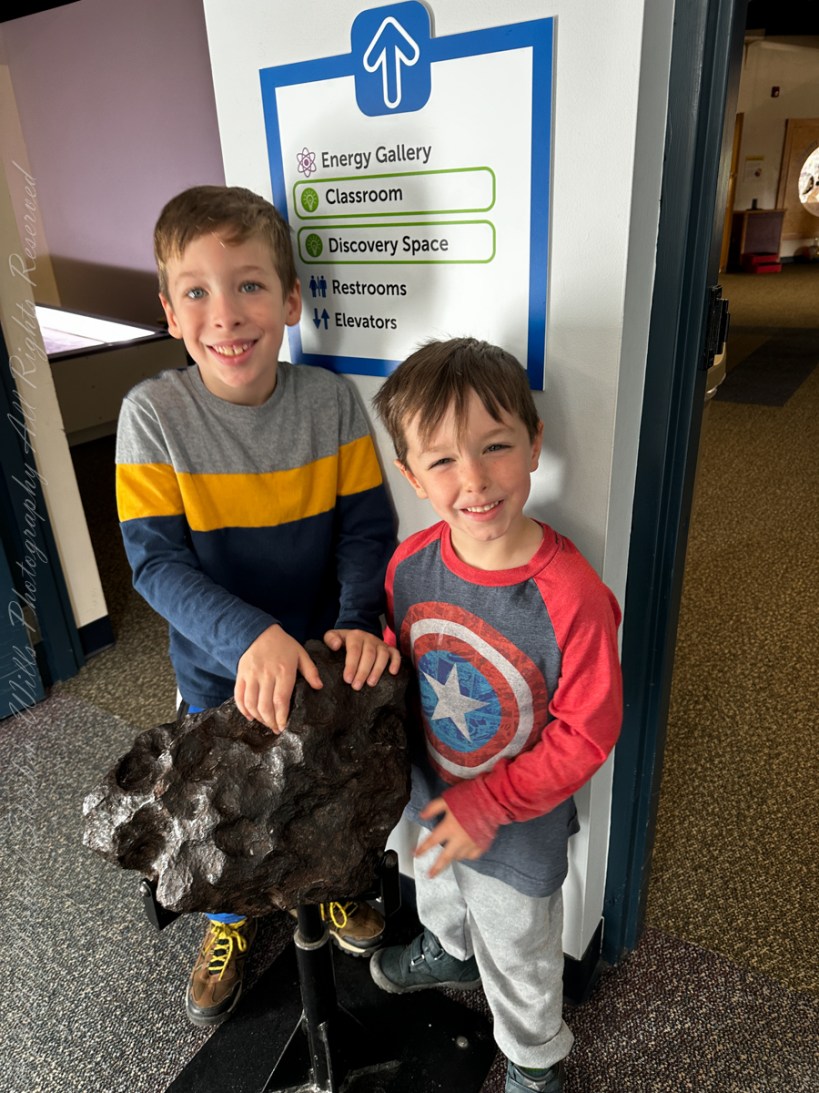
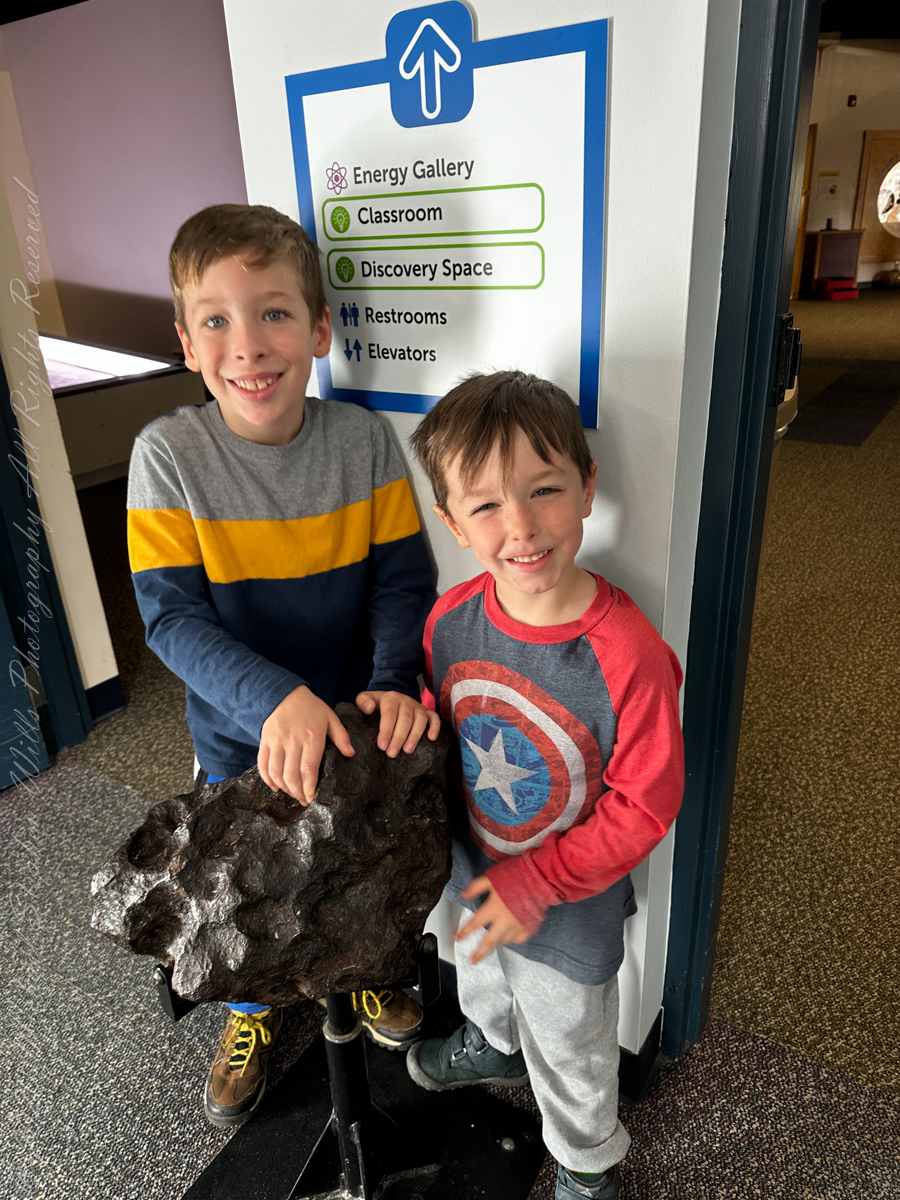
Nothing like touching a space object: an iron-nickel meteorite.
So much to learn and discover. Here is Sam perusing a “nano” display.
Nanotechnology is pervasive, existing both in nature and within our technological innovations. Nature offers numerous instances of nanoscale phenomena. For instance, the iridescent hues seen in certain butterflies and the adhesive properties of geckos’ feet are both outcomes of nanostructures.
In our everyday products, nanotechnology plays a significant role. You’ll find it in items you use regularly, such as computer chips featuring minuscule nano-sized components and sunscreen containing nanoparticles. Looking ahead, nanotechnology will play an even more prominent role in our lives.
The question is: Where can you spot the influence of nanotechnology in your own life?
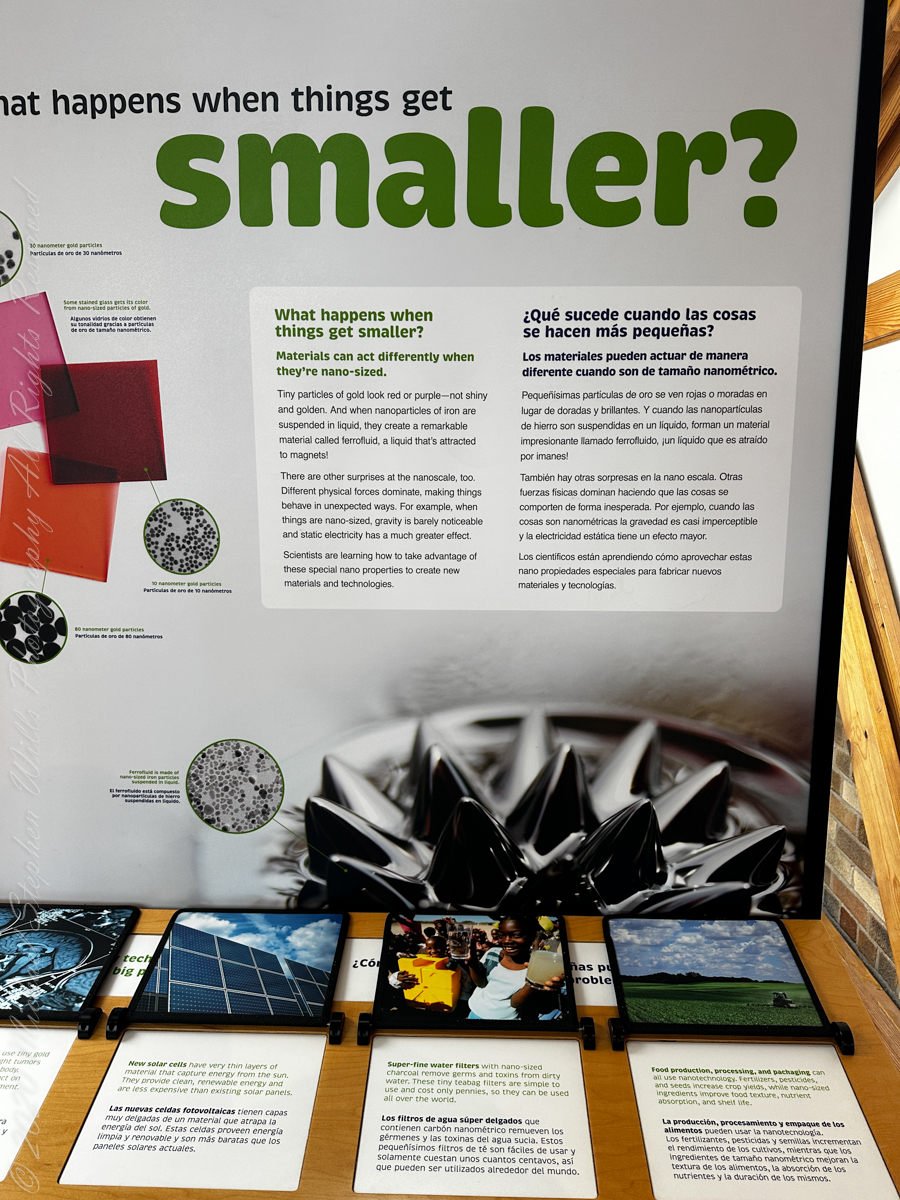
Materials exhibit distinct behaviors at the nanoscale. Tiny particles of gold appear red or purple, as opposed to their conventional shiny, golden appearance. When nanoparticles of iron are dispersed in a liquid, they give rise to a remarkable substance known as ferrofluid, which is a liquid that exhibits a magnetic attraction.
The nanoscale realm also harbors other surprising phenomena. Here, different physical forces dominate, leading to unexpected behaviors. For instance, at nanoscale the force of gravity becomes nearly imperceptible, while static electricity exerts a much greater influence.
Scientists are actively exploring ways to harness these unique nanoscale properties in the development of novel materials and cutting-edge technologies.
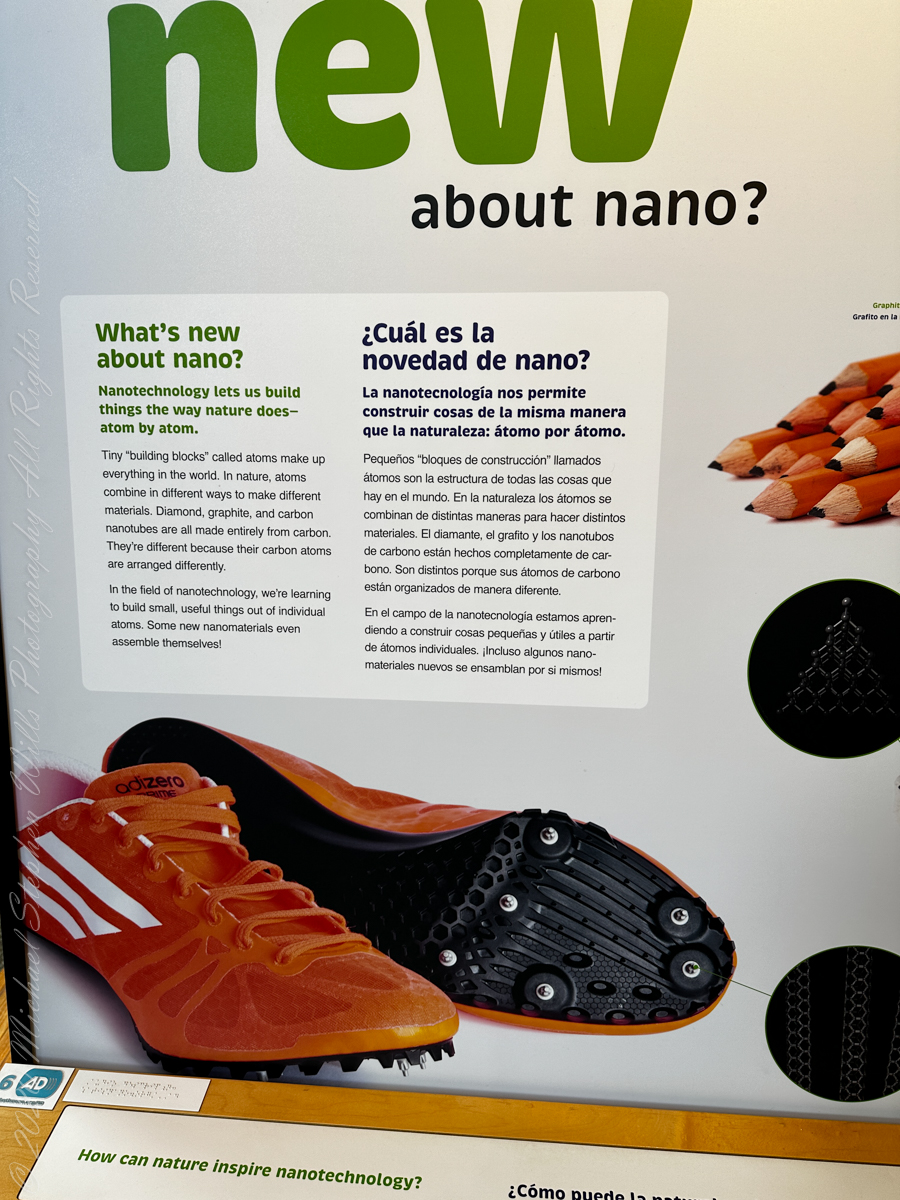
Nanotechnology enables us to construct structures much like nature does: atom by atom. Everything in the world is composed of “building blocks” known as atoms. In nature, varied combinations of atoms create diverse materials. For instance, diamond, graphite, and carbon nanotubes are all composed entirely of carbon atoms, but their unique properties emerge from the distinct arrangements of these carbon atoms.
In the field of nanotechnology, we are gaining the knowledge and capability to craft small, functional objects from individual atoms. Remarkably, some new nanomaterials have the capacity to self-assemble, opening up new possibilities for nanotechnology.
Copyright 2023 Michael Stephen Wills All Rights Reserved
Baker Laboratory dates back to World War I. With 200,000 square feet of space, the lab is home to Cornell’s Chemistry and Chemical Biology Department, the Chemistry Research Computing Facility, the Nuclear Magnetic Resonance Facility, and the Advanced ESR Technology Research Center (whew!!).
Trees on a Knoll
On the right, on a knoll, is a European beech tree (Fagus sylvatica). The Latin name holds a double irony. Standing, alone, high above East Avenue on the Cornell campus (sylvatica means “of forests”) as a memory of the forests growing above Cayuga Lake is a being once worshiped as a god. In Celtic mythology, Fagus is the god of beeches.
A maple is on the left, genus Acer of unknown species. I recognize it from the shape.
Copyright 2023 Michael Stephen Wills All Rights Reserved
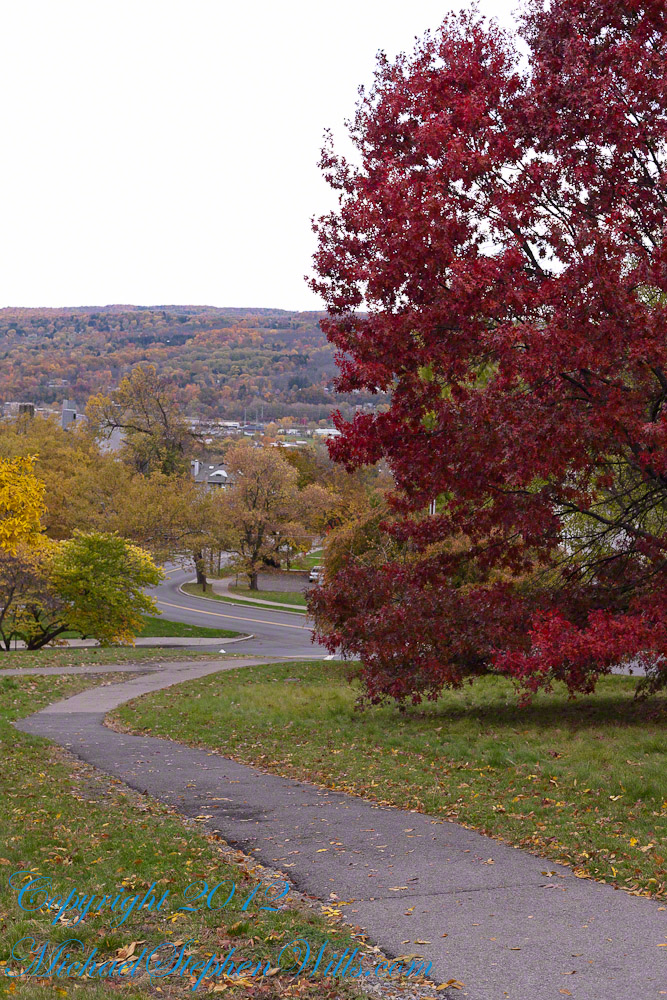
Cornell University is on a west-facing hill above Cayuga lake. Libe Slope is between the West Campus and Quadrangle / Libraries.
Besides the exercise of walking the 18 degree incline several times each day, Cornell students and alumni remember The Slope for autumn color.
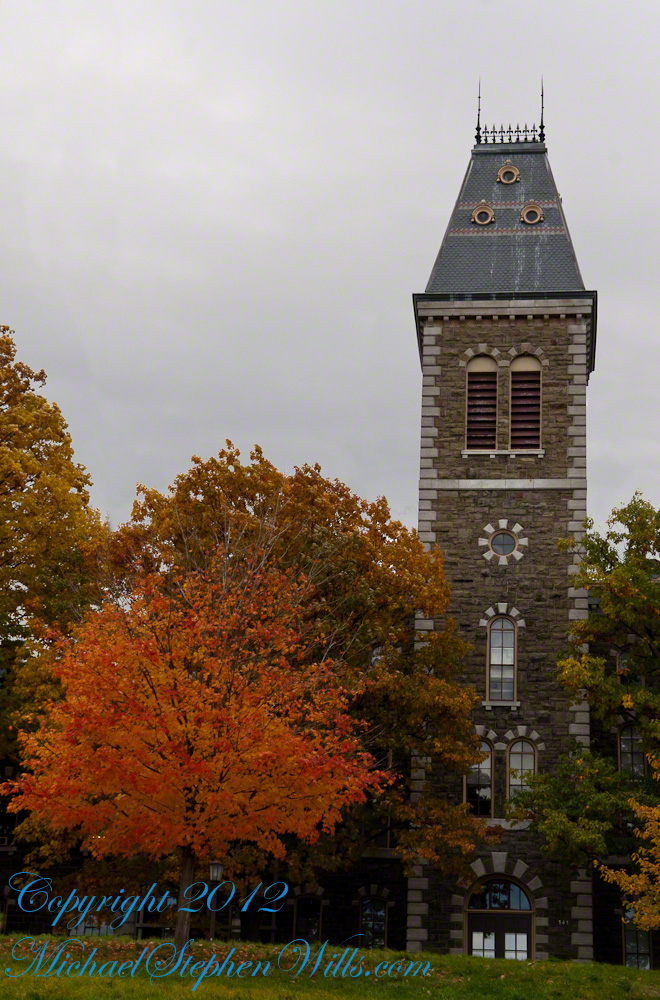
Built in 1868, McGraw Hall has the honor of having the first of Cornell’s towers. The building is built of Ithaca stone and is home to the American Studies Program, Department of History, Department of Anthropology, and Archaeology Intercollege Program. The first floor of McGraw Hall houses the McGraw Hall Museum, a collection of roughly 20,000 objects from around the globe used for teaching by the Anthropology Department.
Hickory
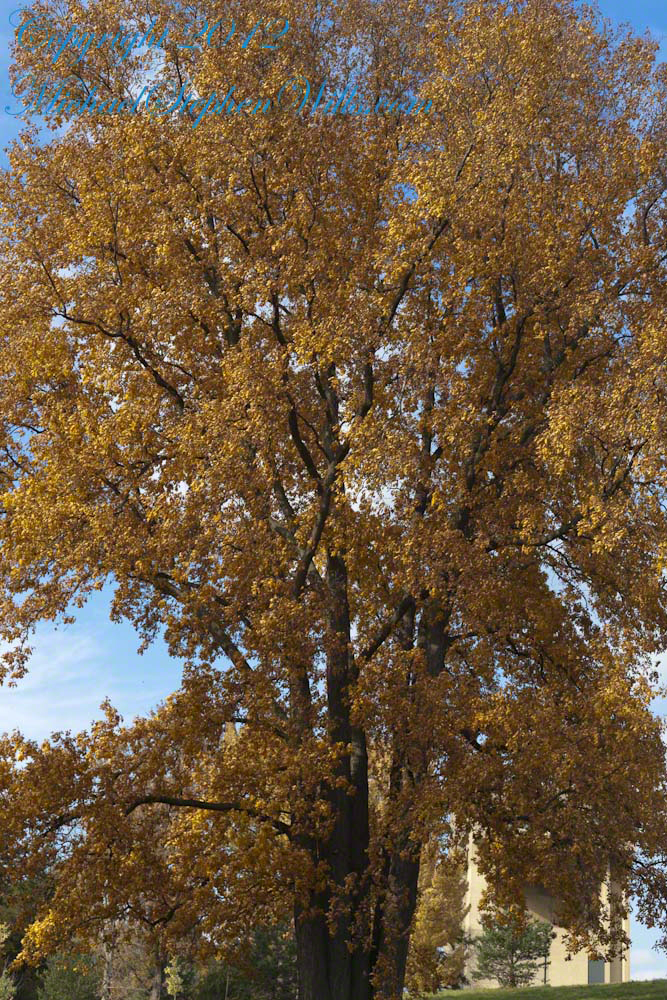
This is a Pignut Hickory (Carya glabra), the largest tree according to a 2009 Campus Tree Inventory (see link, below).
Seen from the north on a cloudy October day, this Pignut Hickory (Carya glabra) is the largest tree on the Cornell Campus, at 79 inches in diameter.
This hickory grows south of the Johnson Museum and among the autumn glories, it is the largest and brightest yellow canopy on Libe Slope.
Contrast
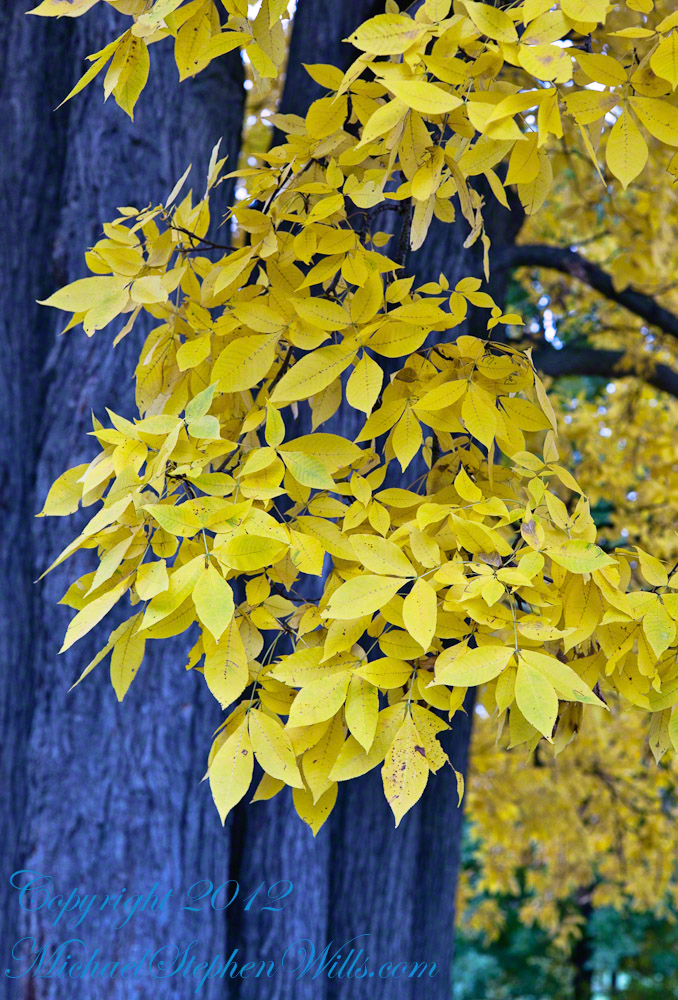
I remember this hickory for the contrast between the canopy and trunk, the way the clumps of yellow hang from dark boughs. An overcast day is the best to capture this spectacle. October 20, 2012 provided both bright sun and dark, rolling autumn clouds. I waited on the north side, sheltered from the glare of the sky, for these perfect moments.
Leaves and Nuts
The pignut hickory is native to these Eastern United States. It is known to favor moist slopes and this specimen has thrived on The Slope. The ground beneath it is thick with nuts.
One week later as Hurricane Sandy approached the east coast
Just one week later, late afternoon on a sunny Friday as hurricane Sandy approached the east coast the hickory has fewer, tawny golden leaves.
Later in October the bright yellow leaves of the Libe Slope Hickory darken to a tawny gold. The Johnson Museum is in the right background.
Wonderful Flow of Limbs among Gold
Seen from the north on a cloudy October day, this Pignut Hickory (Carya glabra) is the largest tree on the Cornell Campus, at 79 inches in diameter.
References
A Photo Tour of Key Buildings at Cornell University by Allen Grove