Up the Rim Trail

Key words: steep, icy

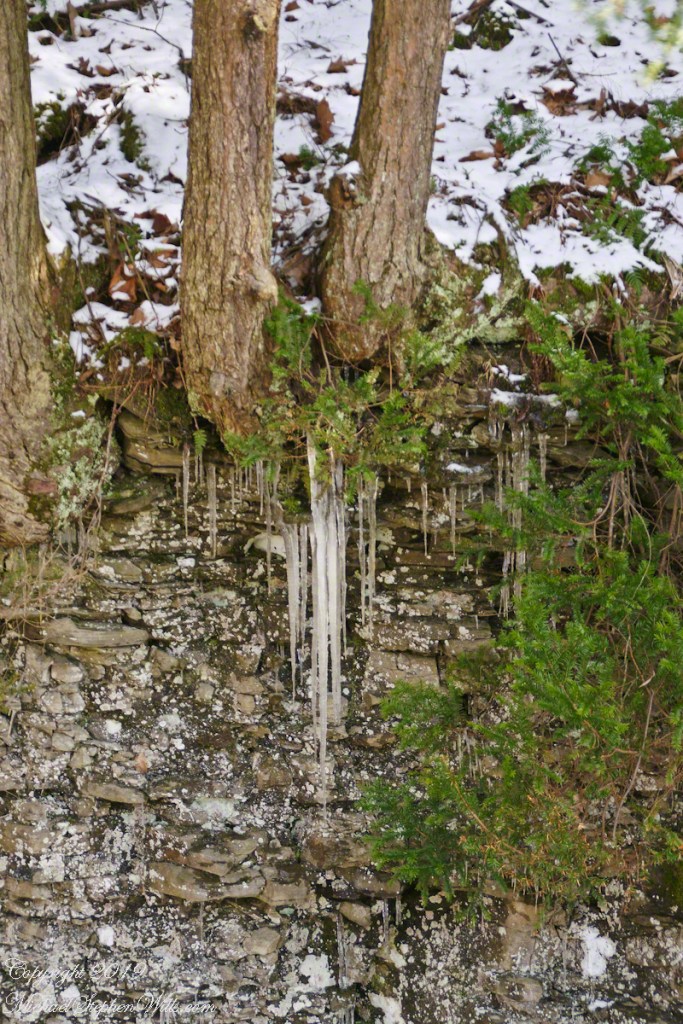
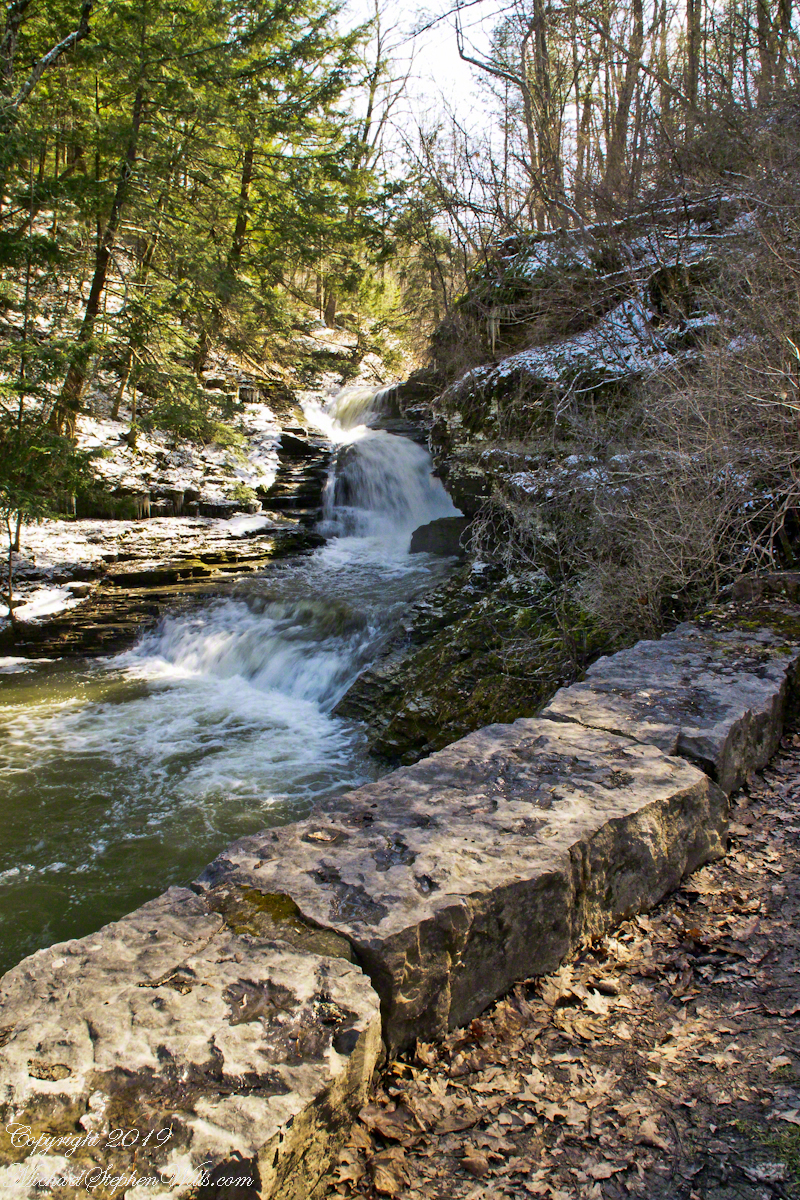
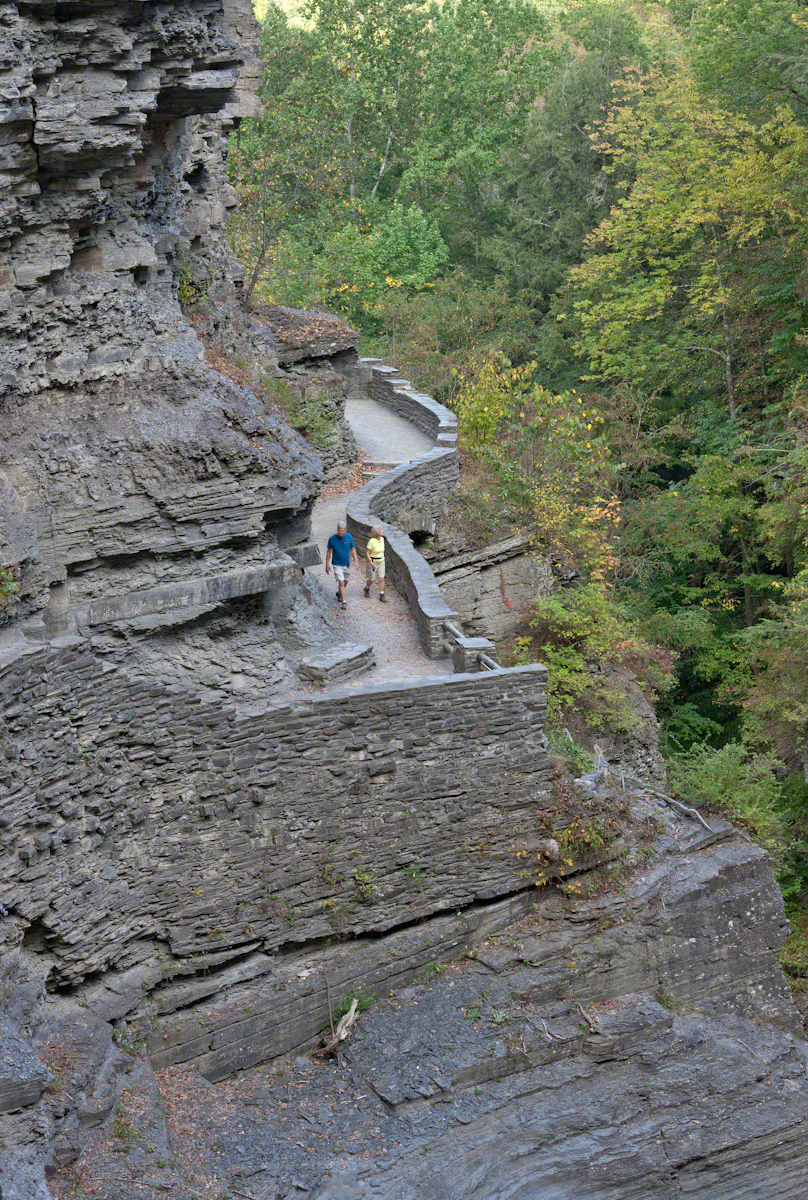
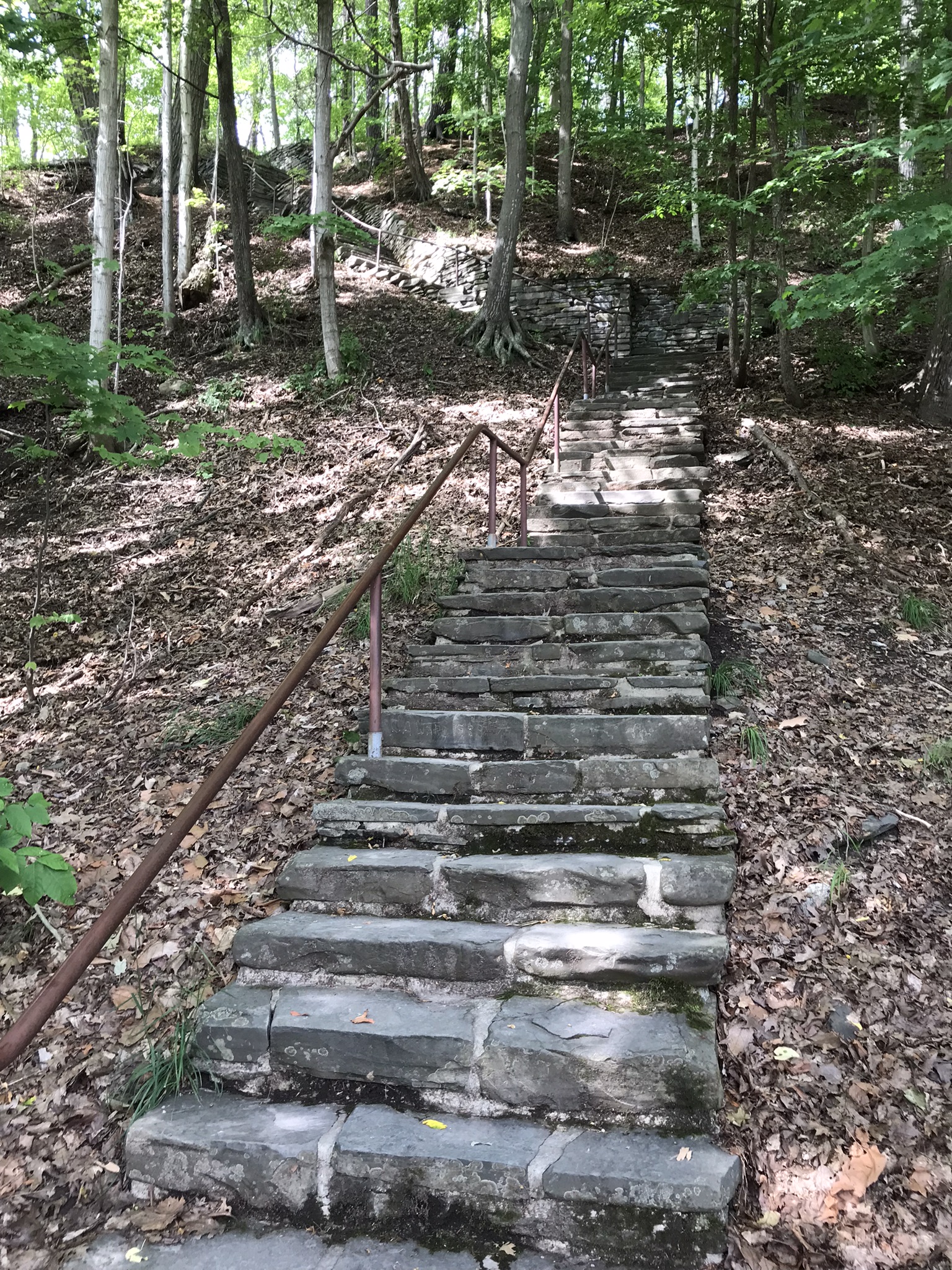
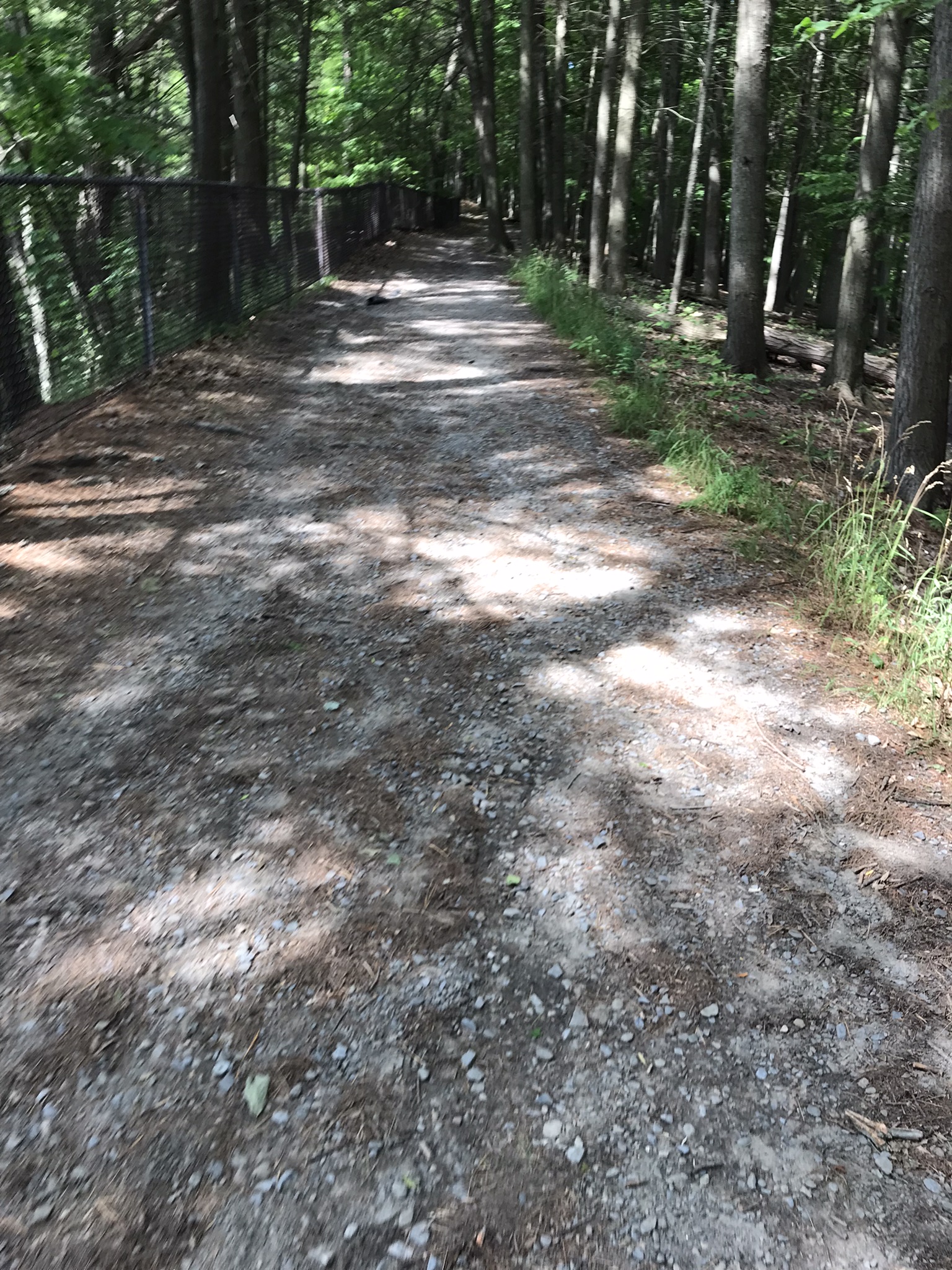
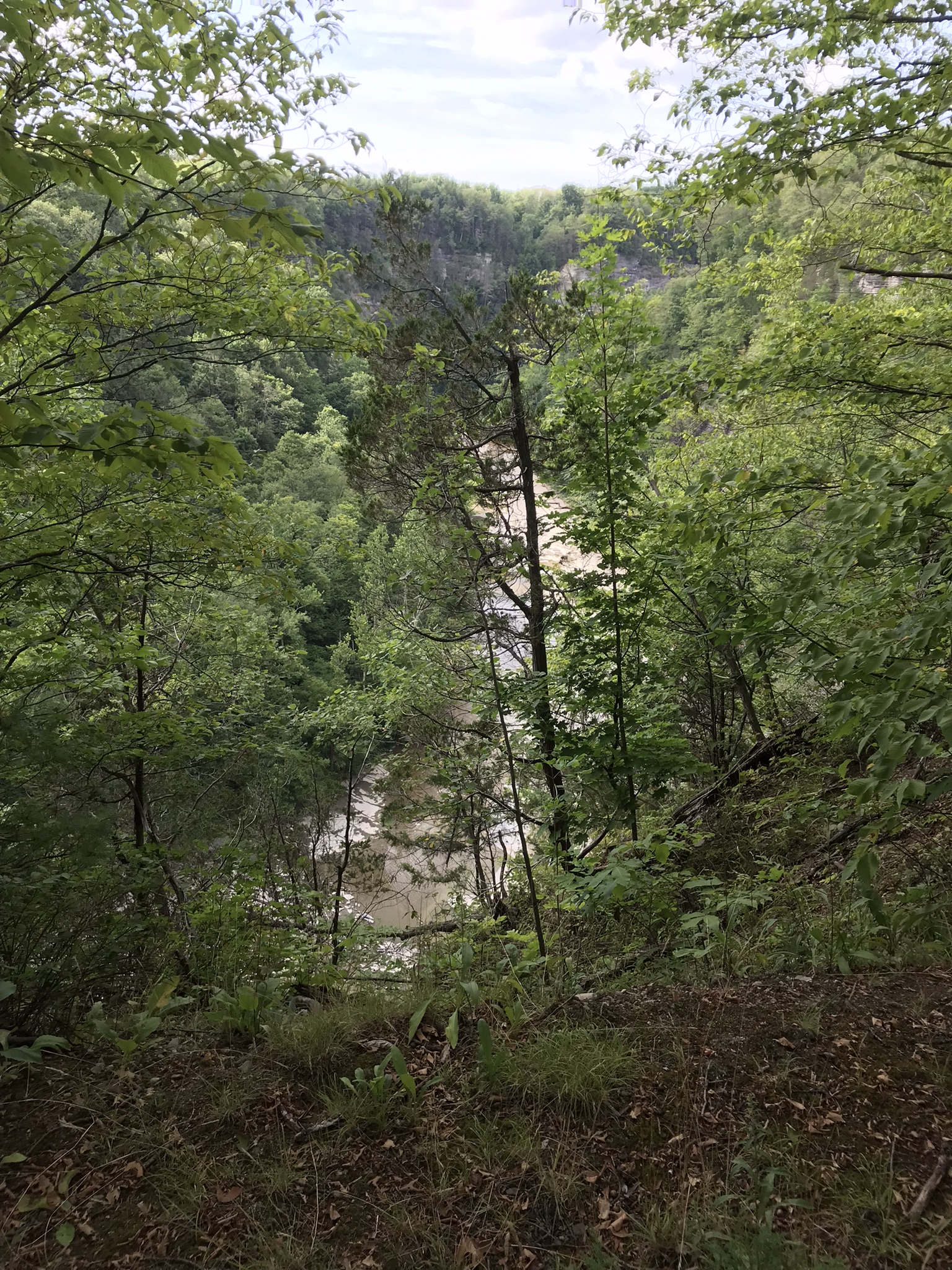
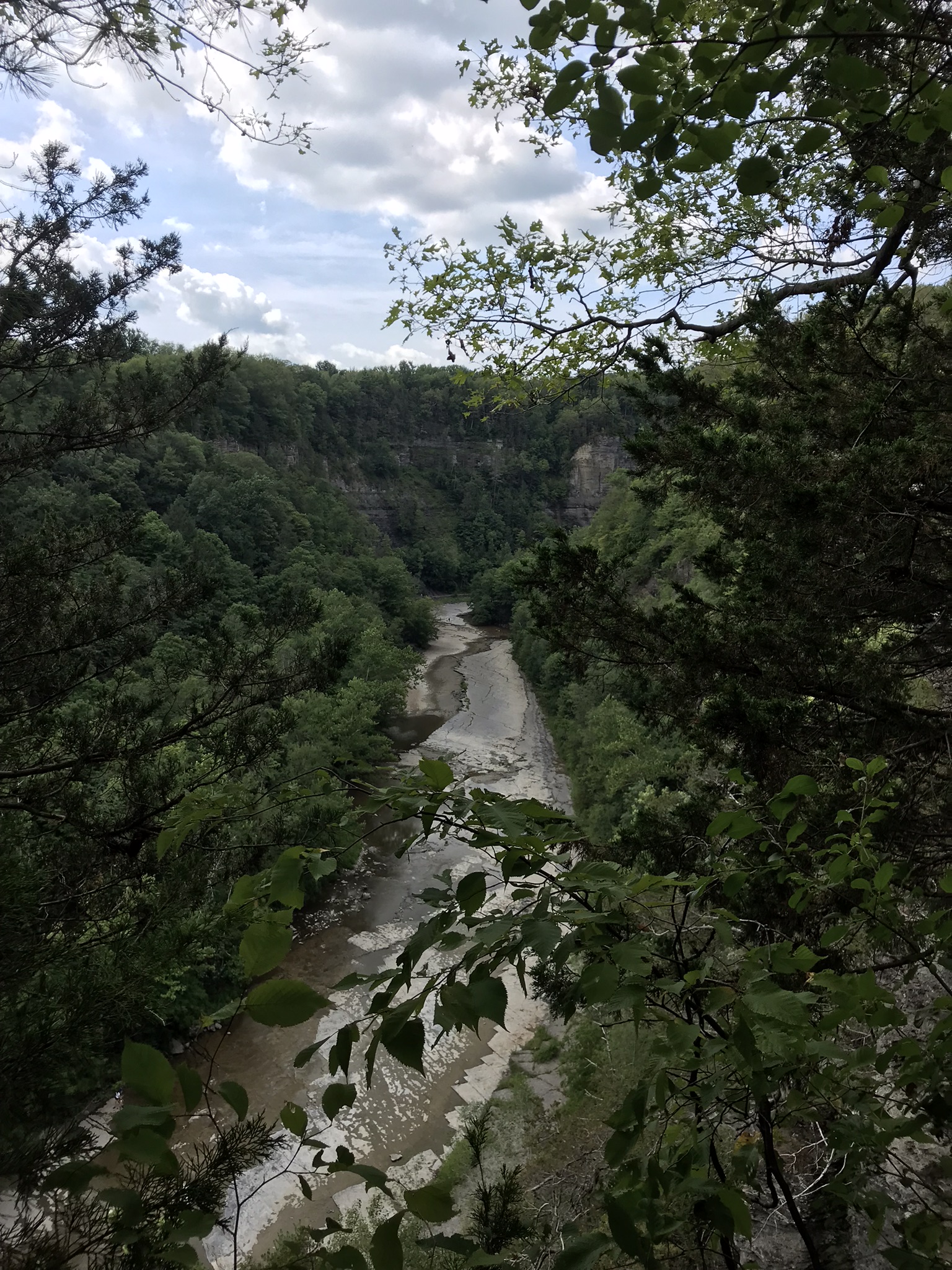
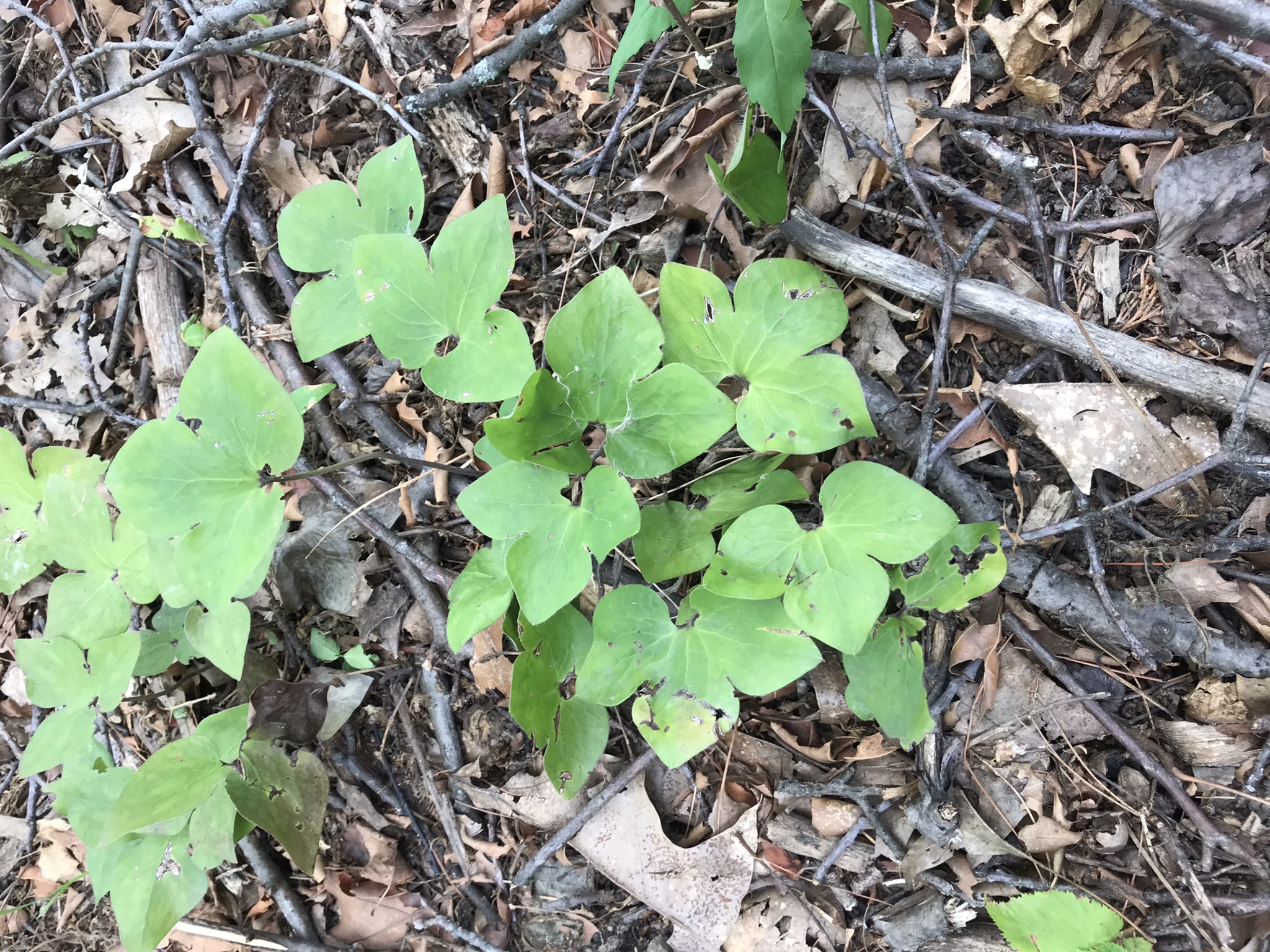
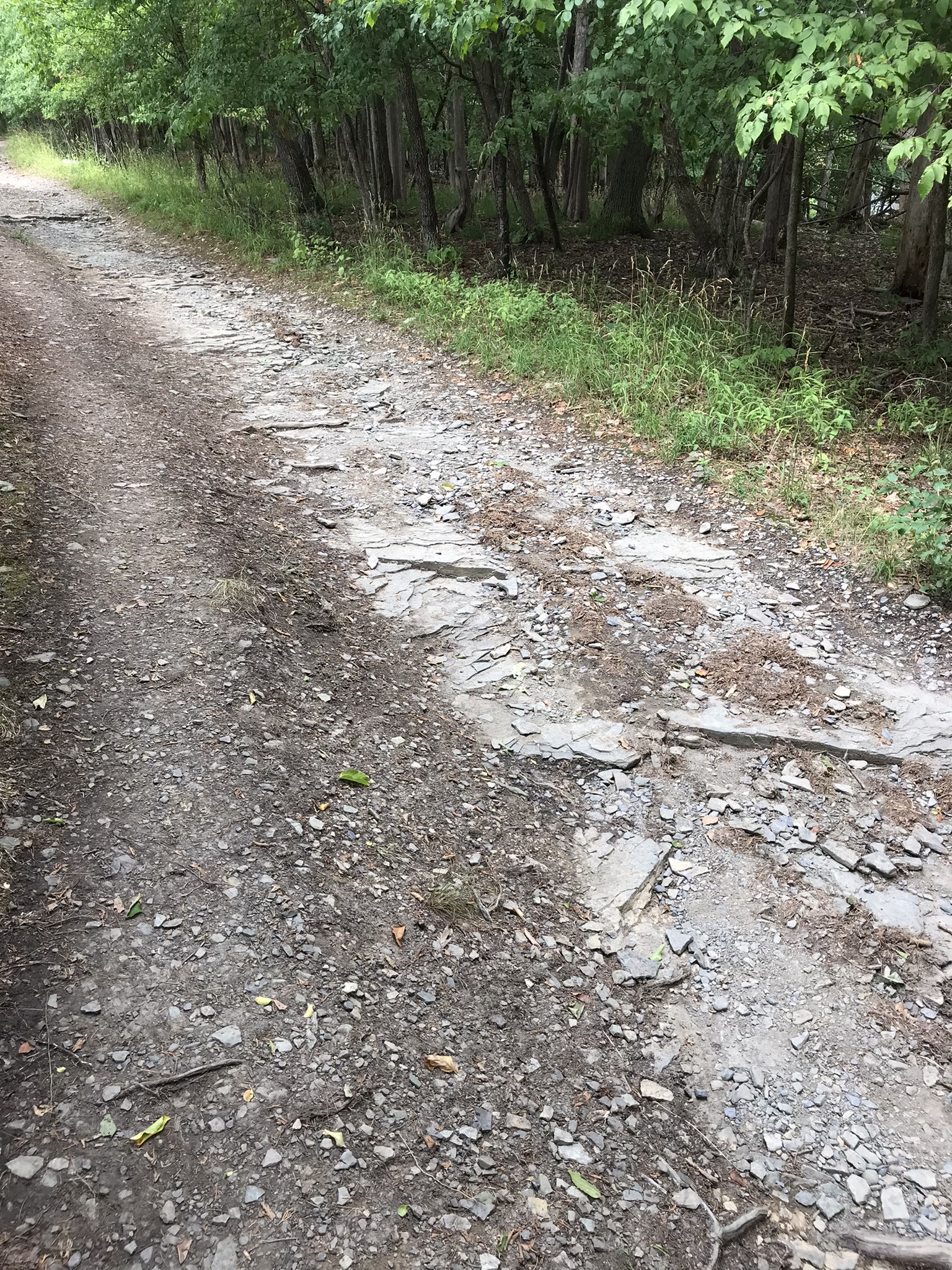
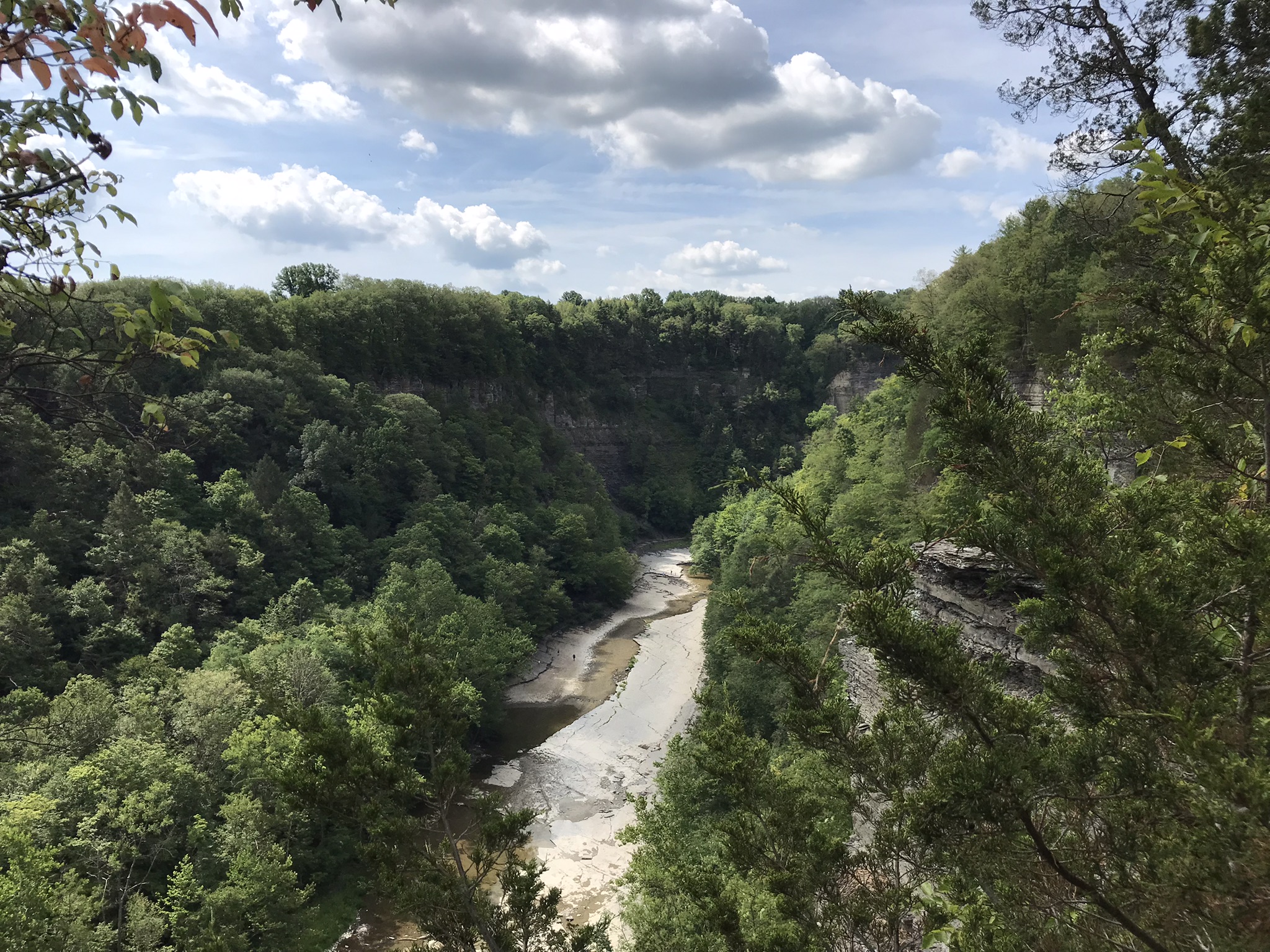
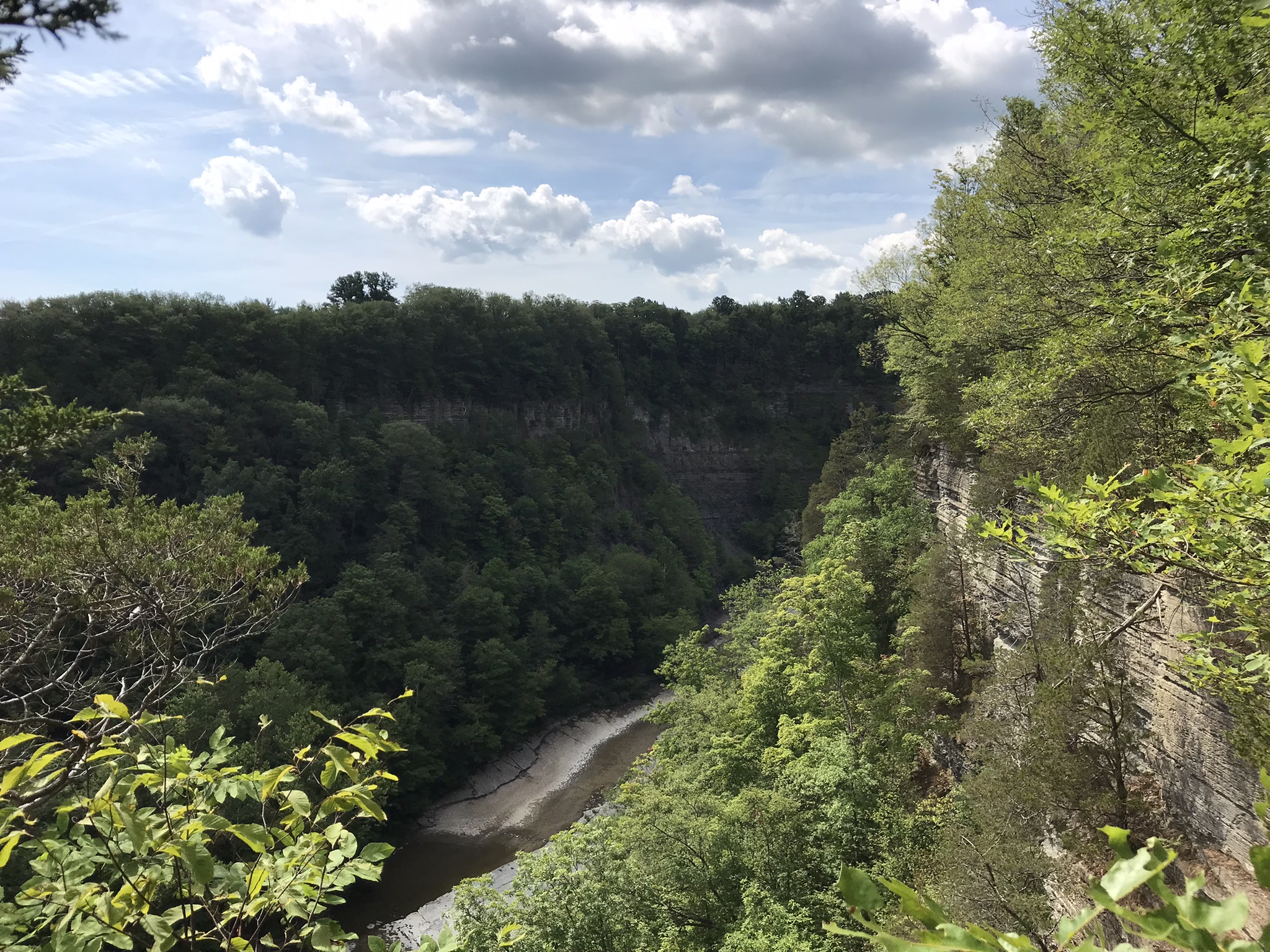
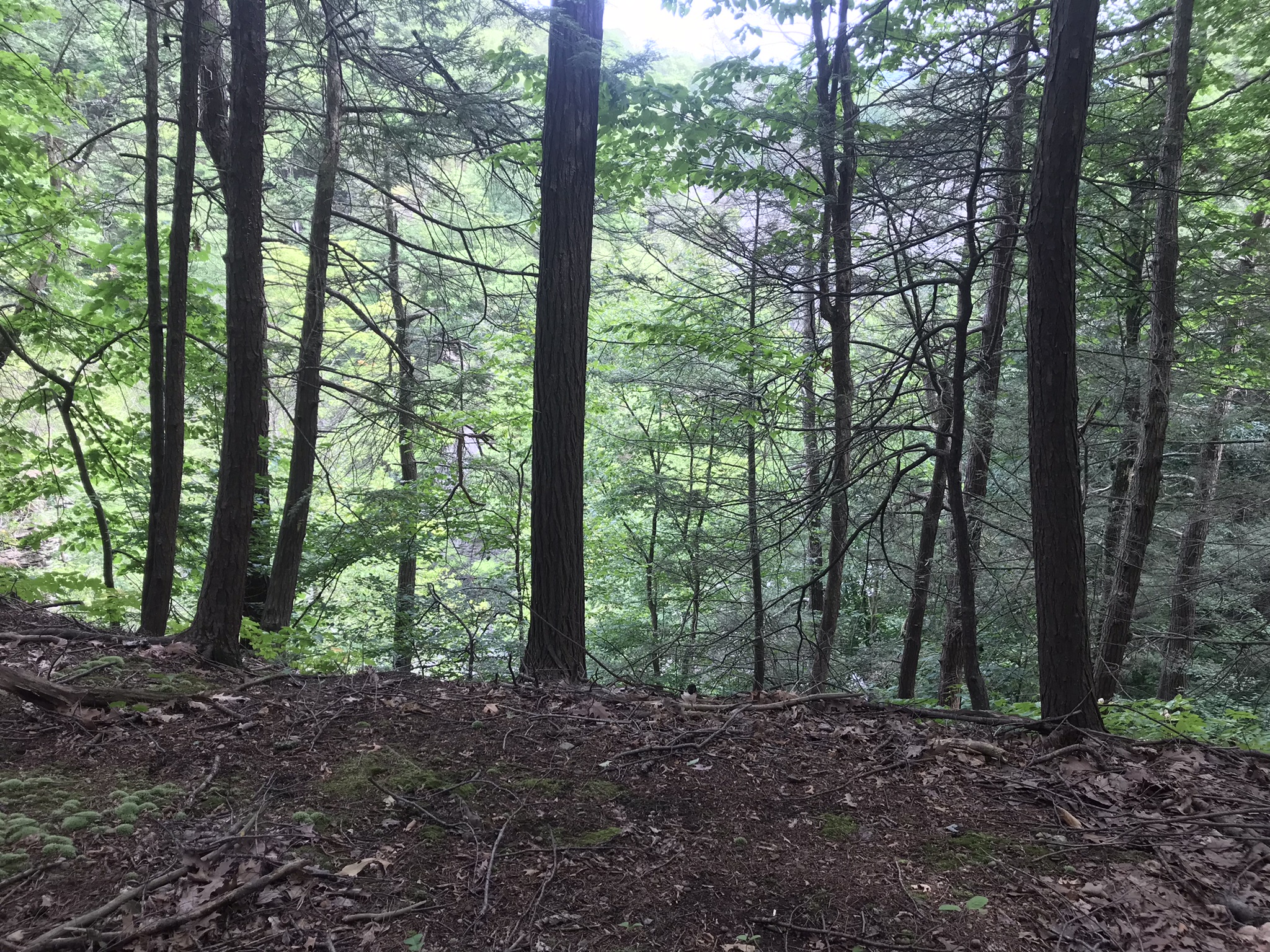
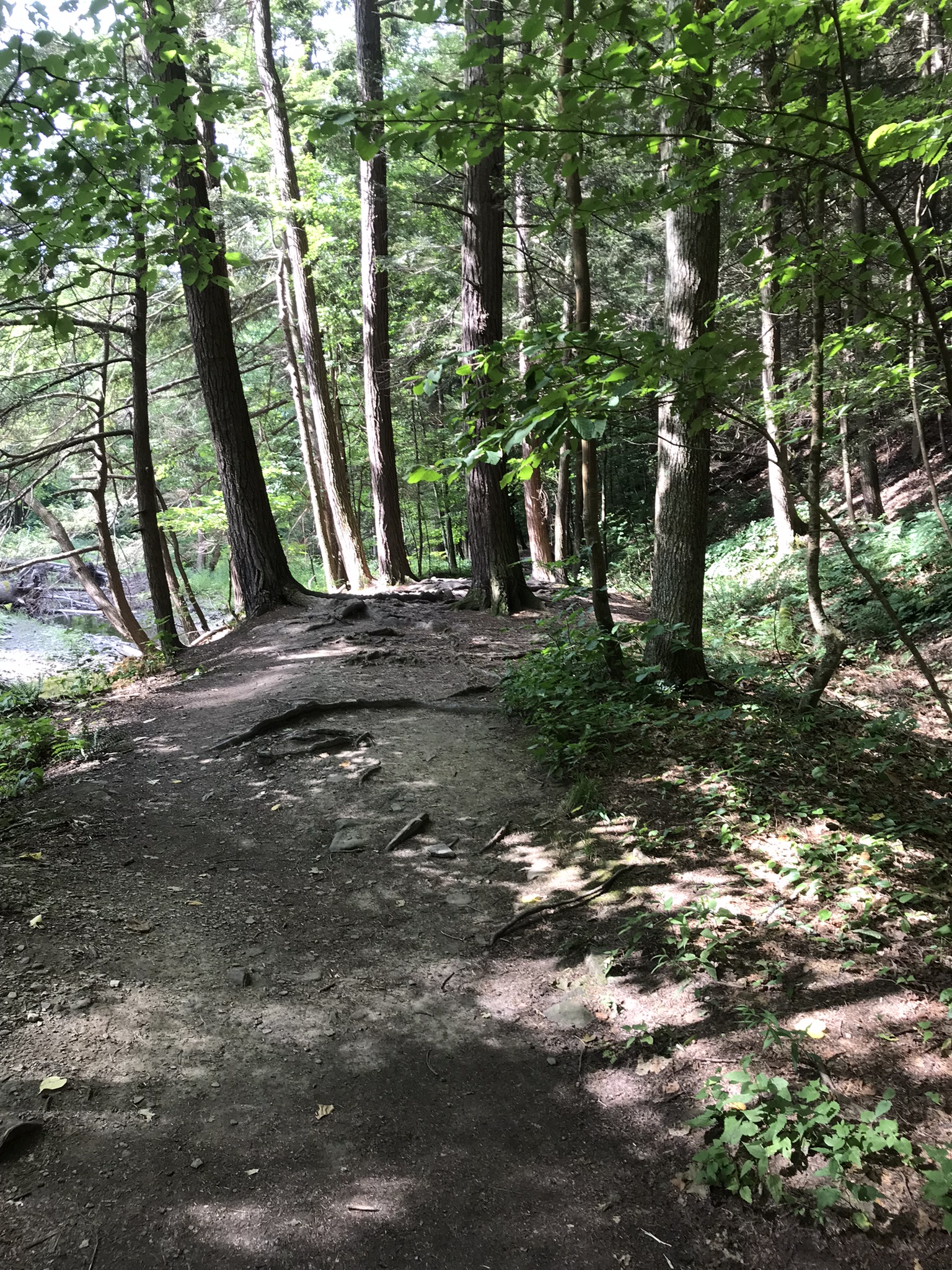
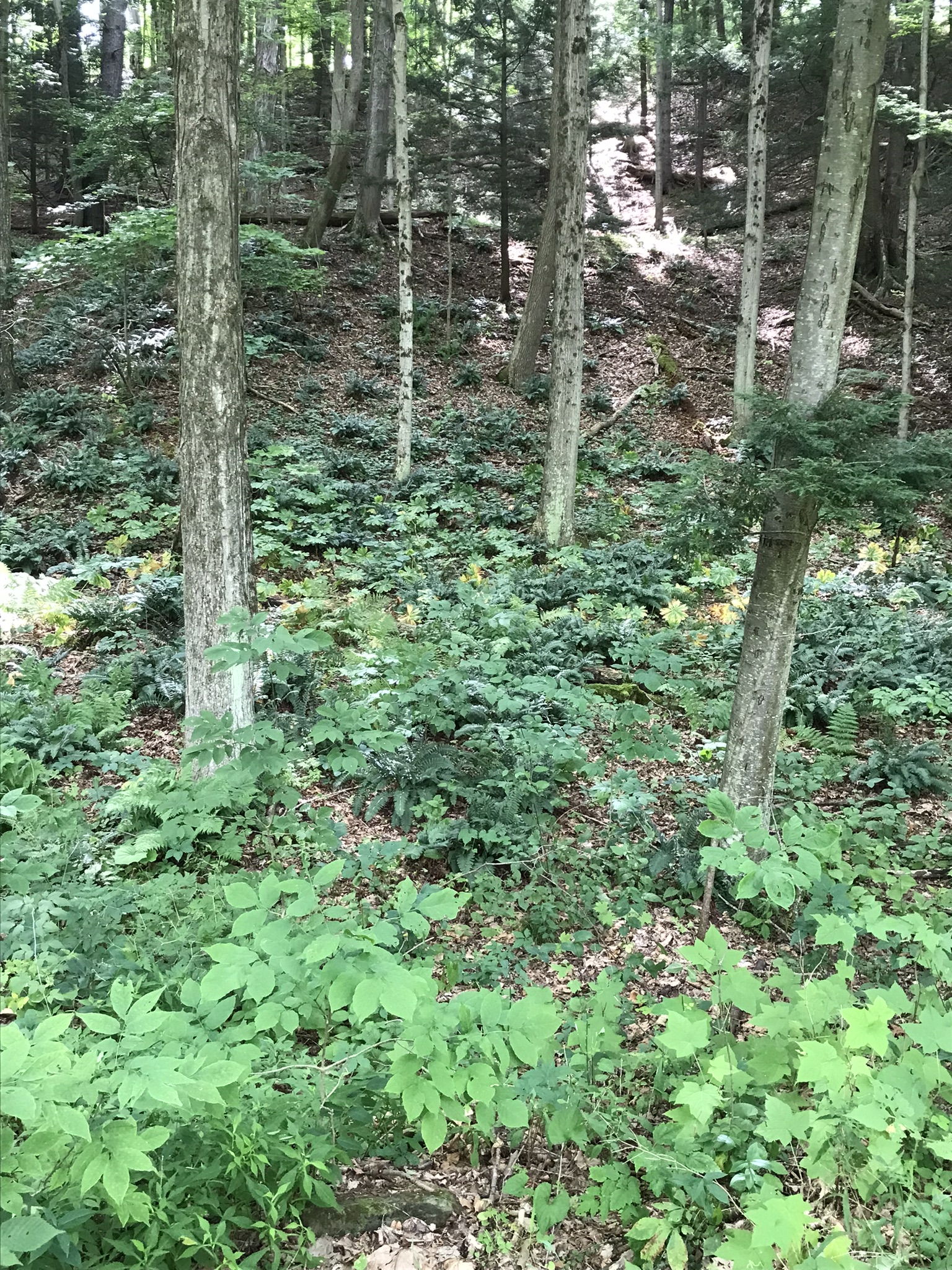
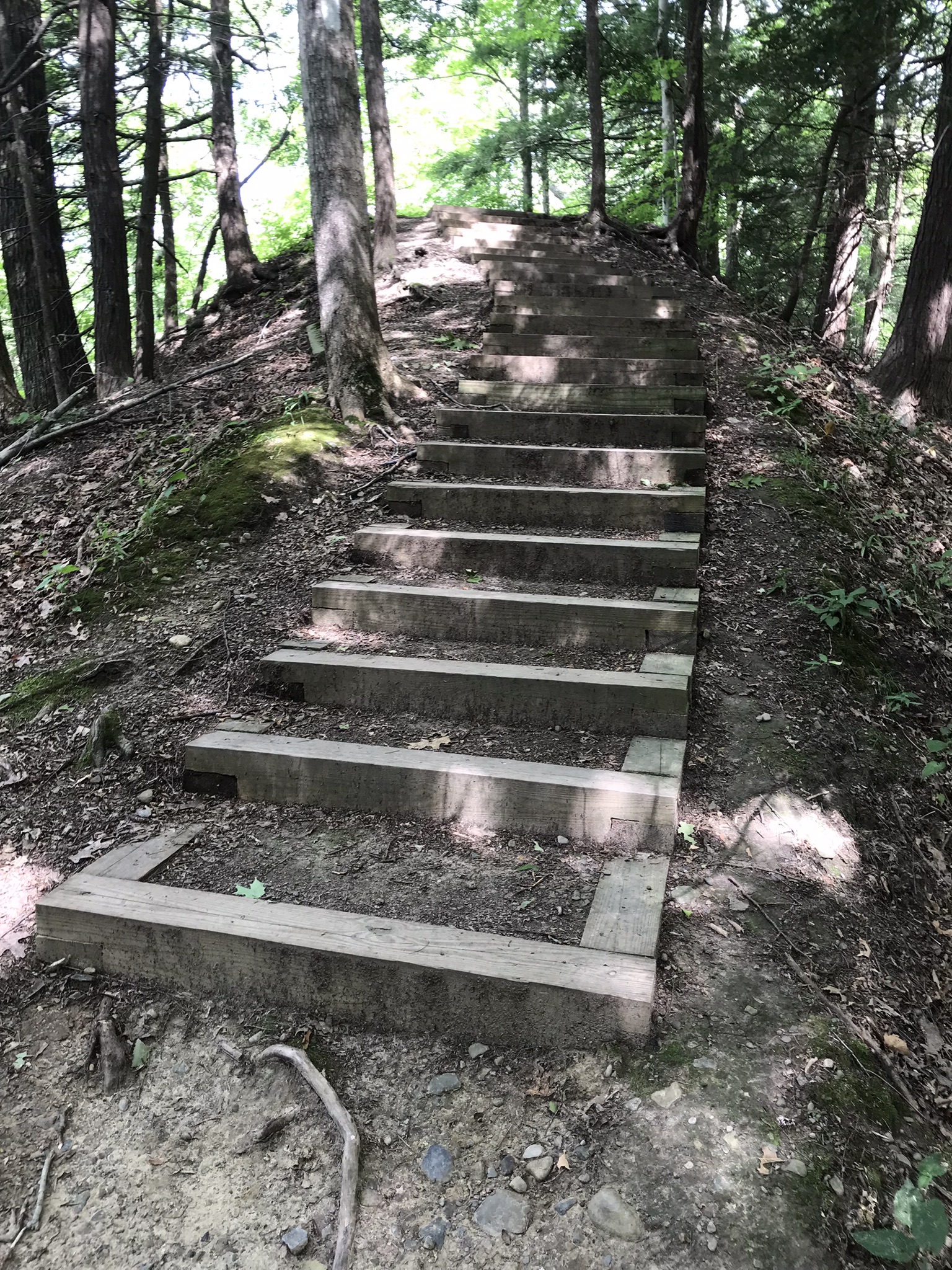
It is the Gorge Trail that’s closed for the cold months, November through April. The Rim Trail remains open for those who dare icy, steep paths Unlike Gorge Trail, Rim Trail climbs above the dangerous cliffs from which rocks are wedged free by ice to fall on the trail. On an early spring day, after a sudden frost, we walked the Rim Trail to capture the moment.

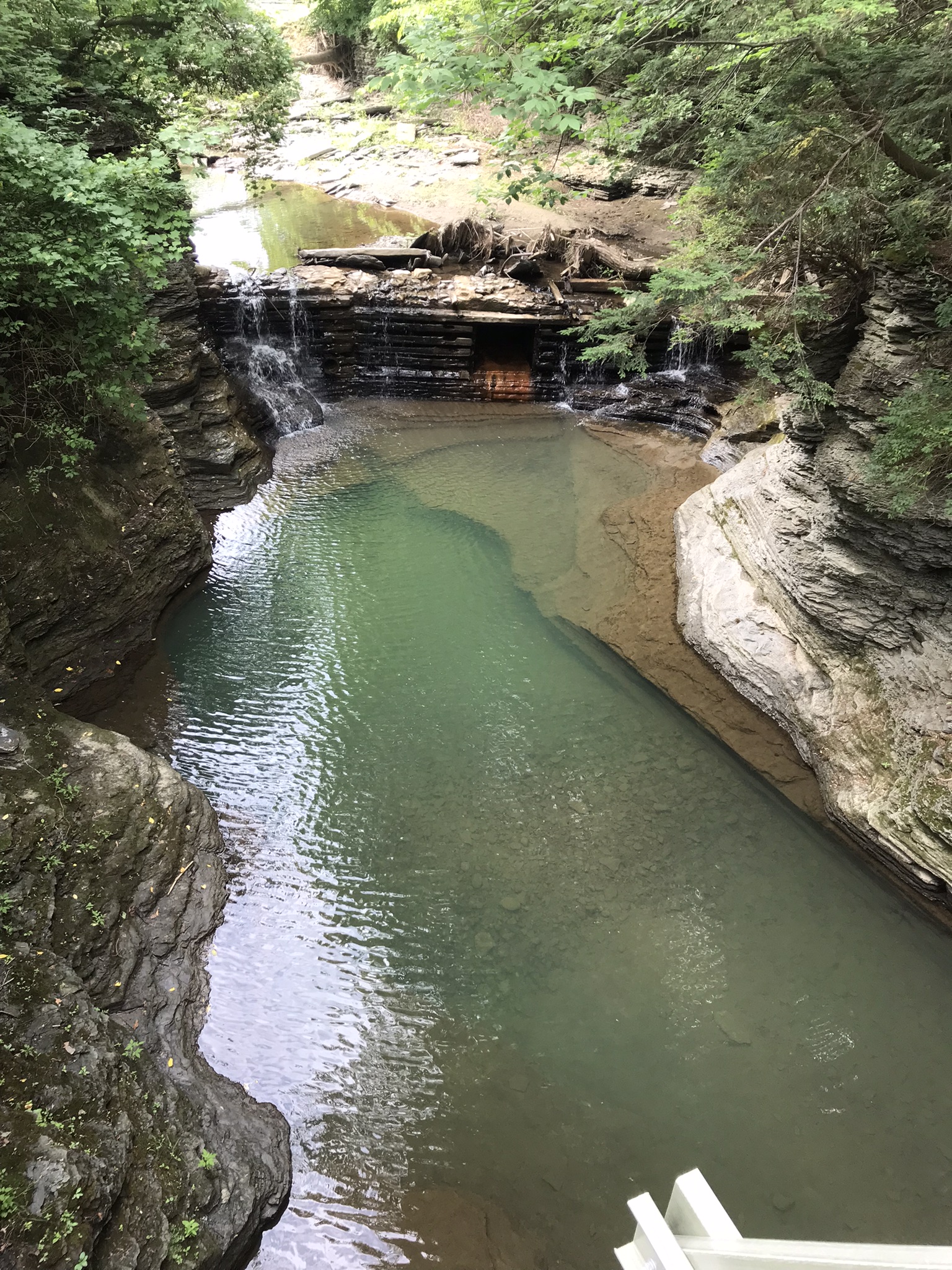
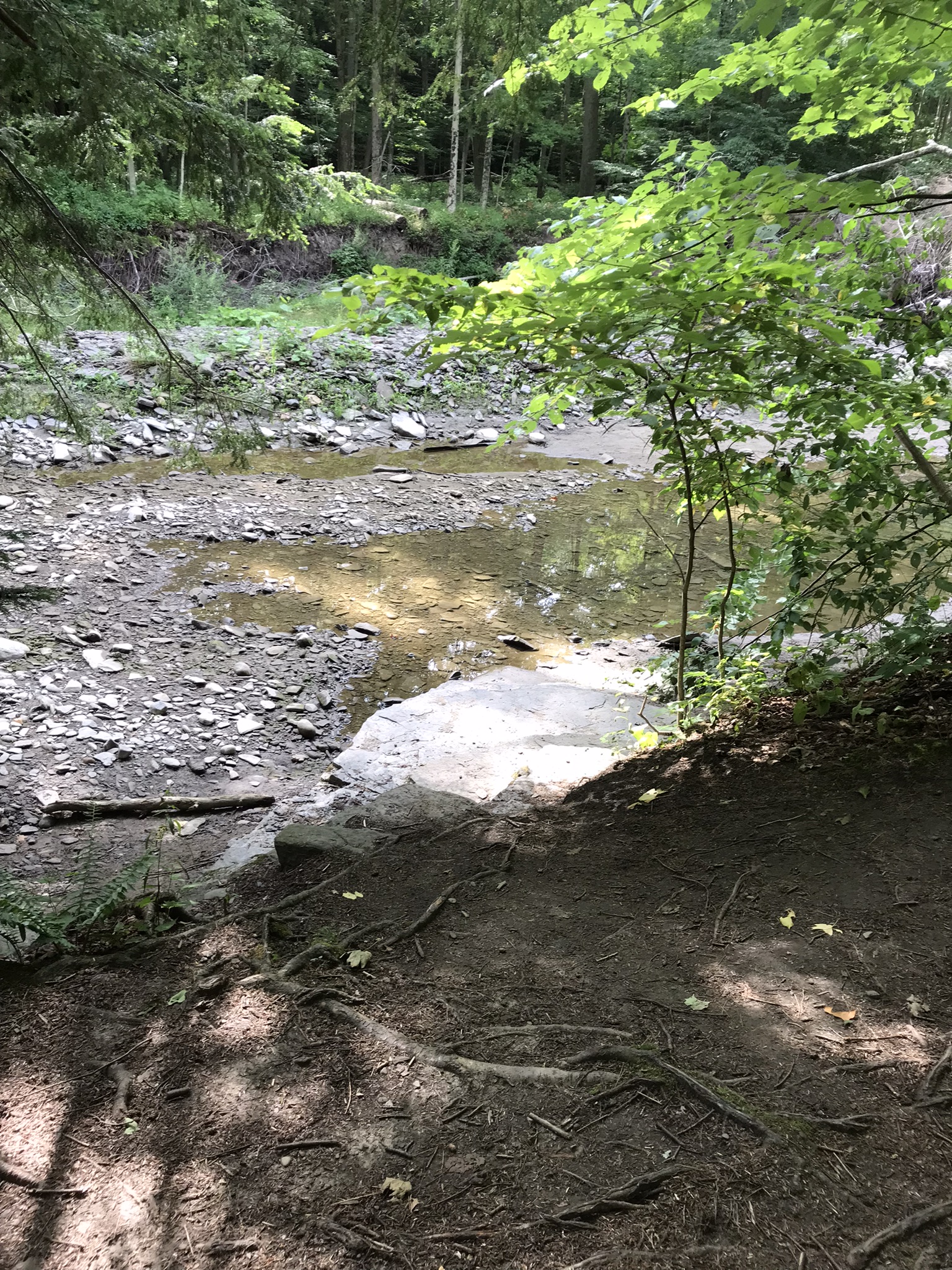
Here is the steep start, climbing up from the Upper Park where a footbridge crosses Fish Kill. Kill is the old Dutch word for creek. Fish Kill mergers with Enfield Creek a few hundred feet downstream.

Click photograph for a larger view. To do this from WordPress Reader, you need to first click the title of this post to open a new page.

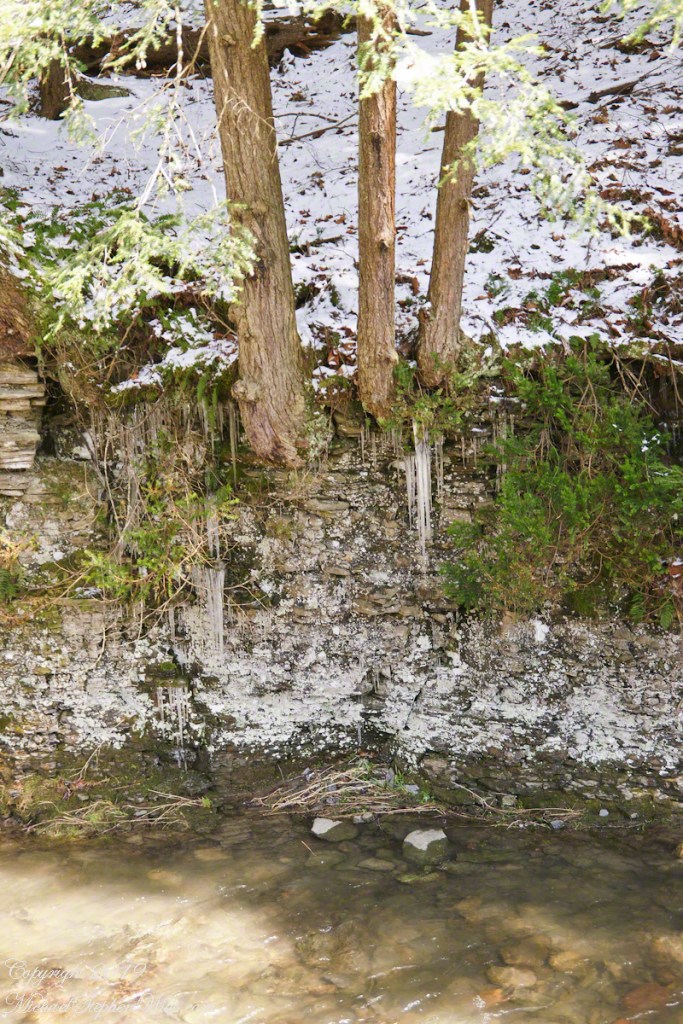
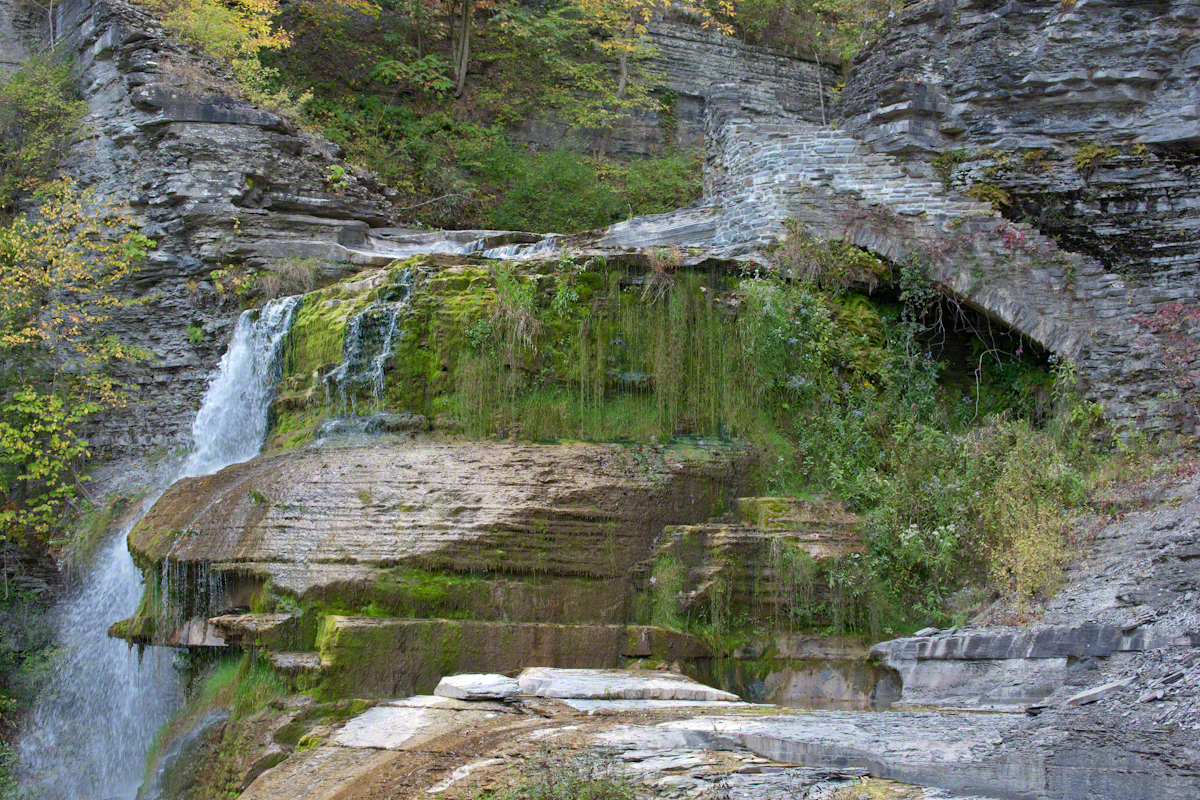
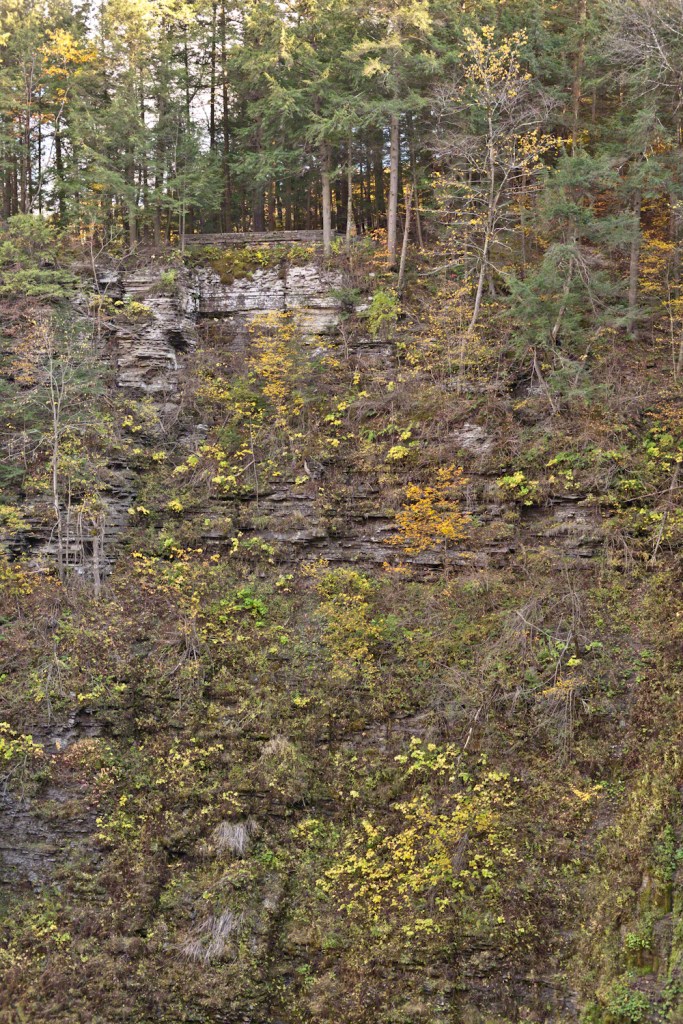
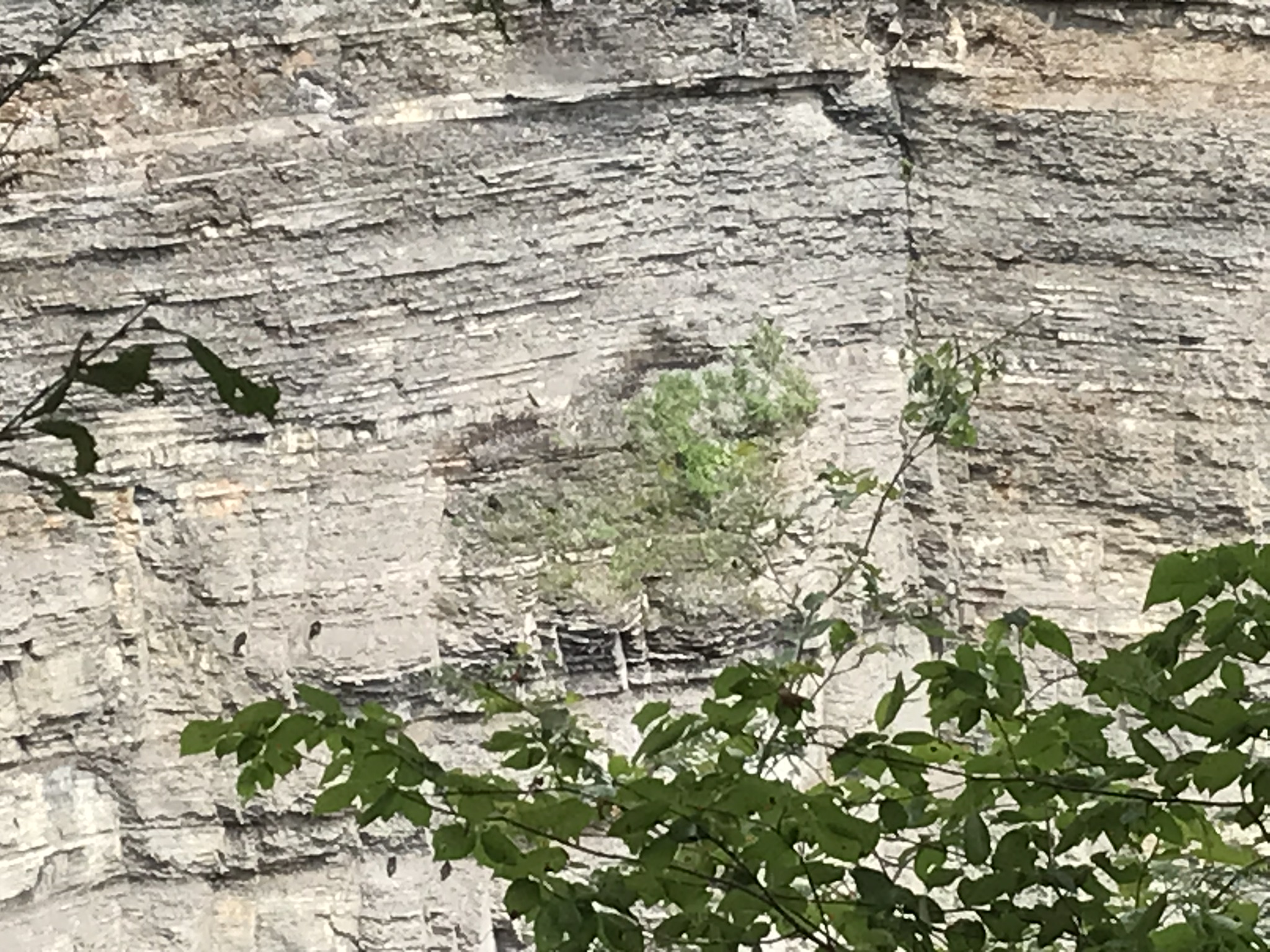
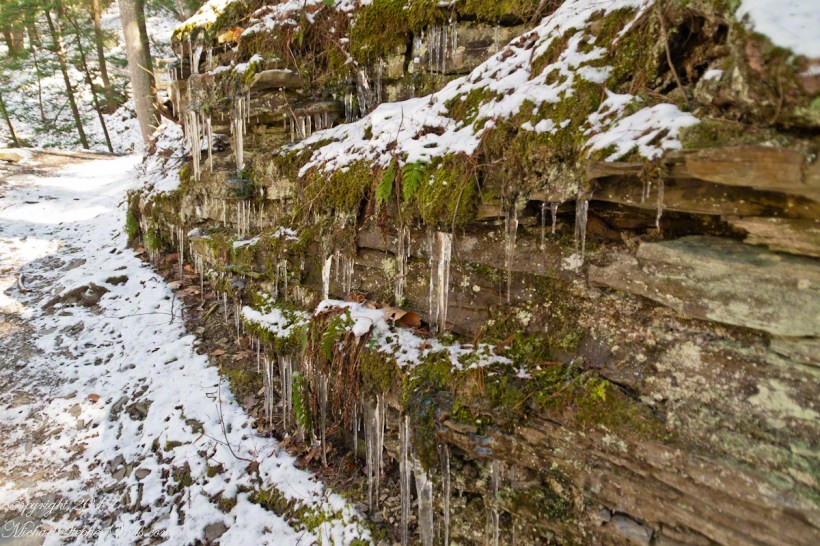
This north facing slope stays frozen into May. Here layers of the sedimentary rock shale, laid down in a shallow warm sea over 350 million years ago, are slowly pried apart. Hemlock tree roots wedge between rock layers, slowly growing. The action of ice, water expands in volume at the point of freezing, aids the process.

In places the rock face appears to be a hastily made dry stone wall, the rock layers are so disrupted by plant and frost.

These shots were hand held. I used a Sony Alpha 700 dslr with a variable “zoom” lens, great for framing compositions.

Robert H. Treman New York State Park.

Click for a slideshow of this Waterfall of the Old Mill sequence
Copyright 2024 All Rights Reserved Michael Stephen Wills

Icicles!!

Key words: steep, icy

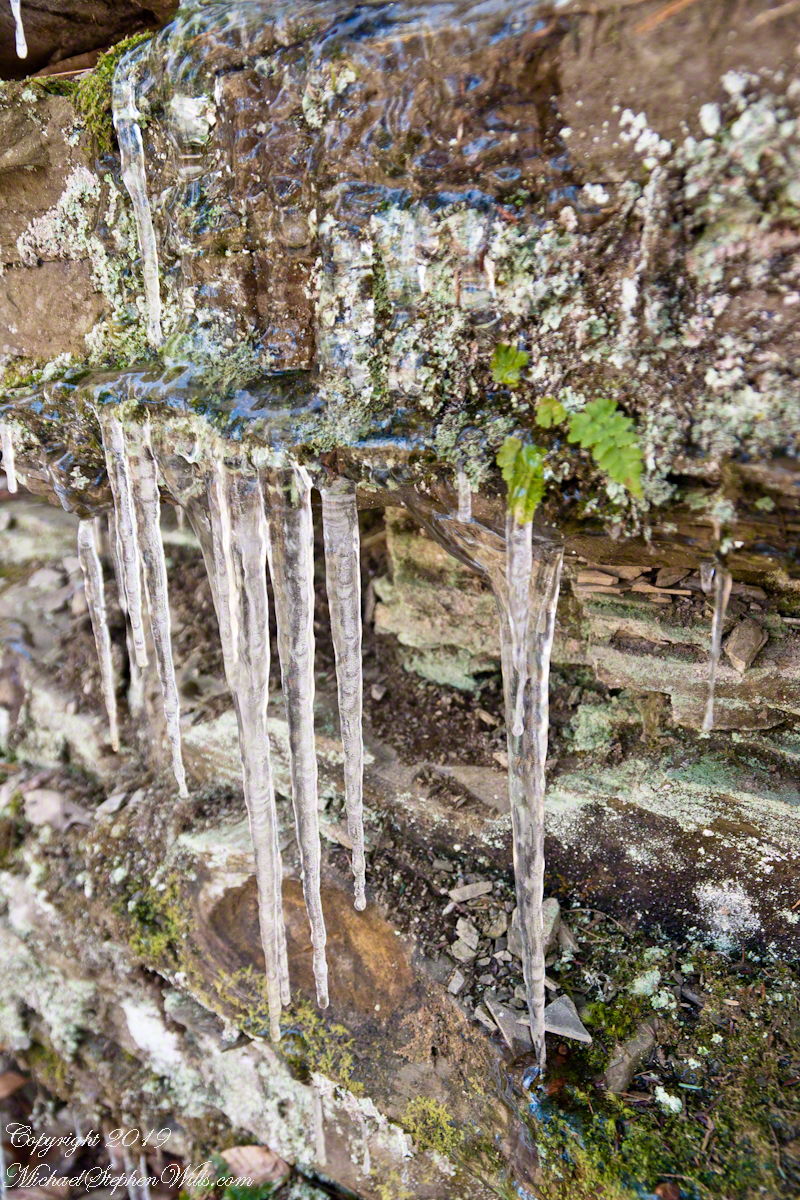
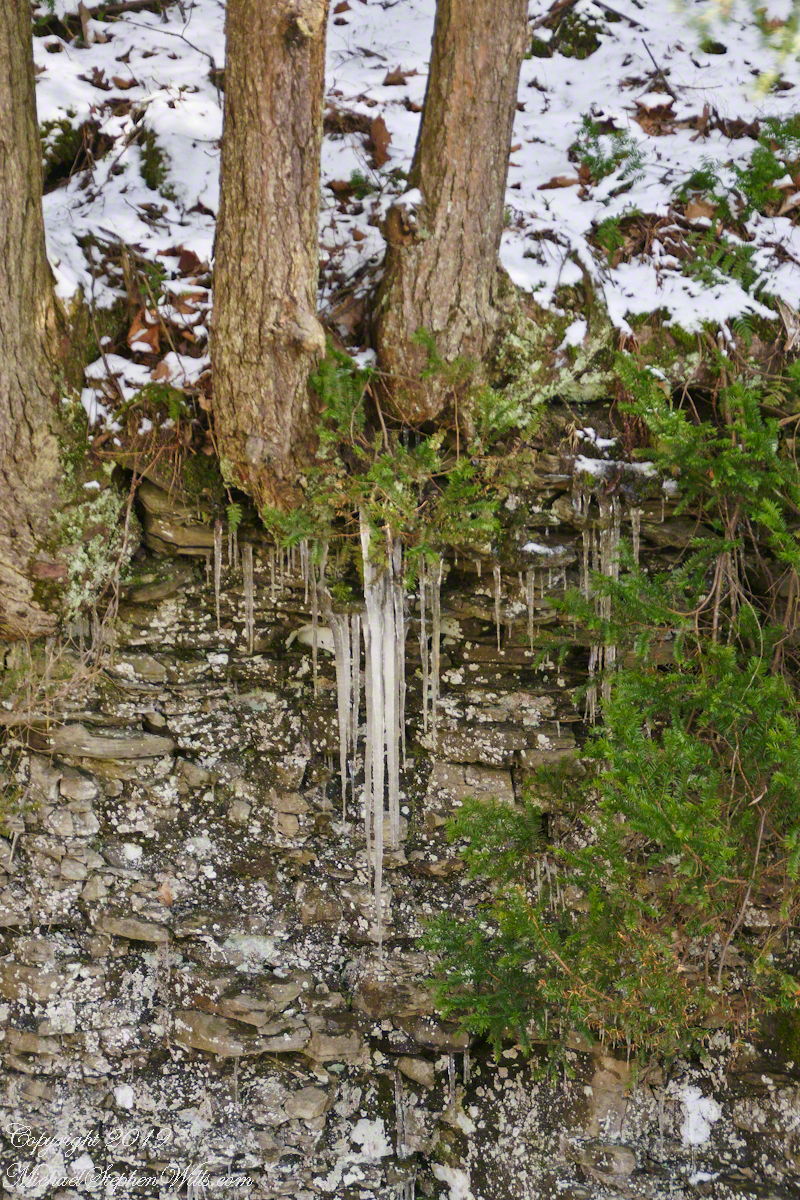
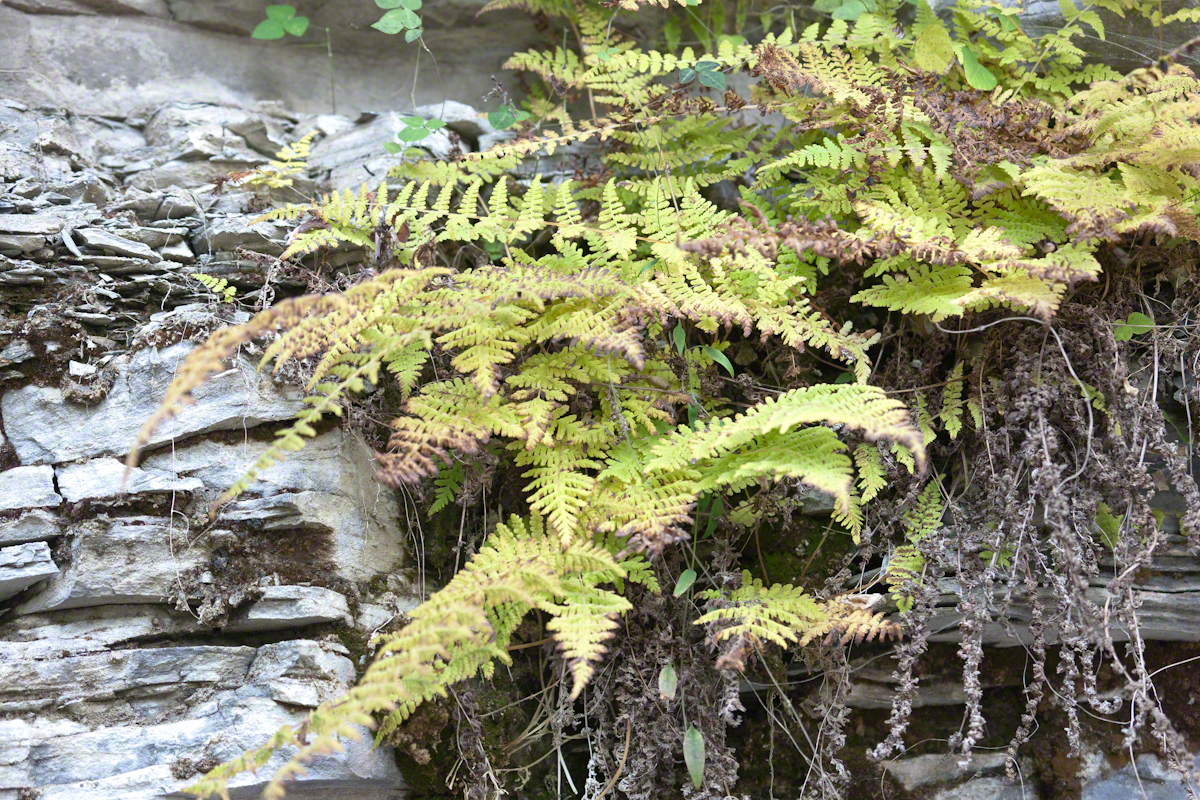
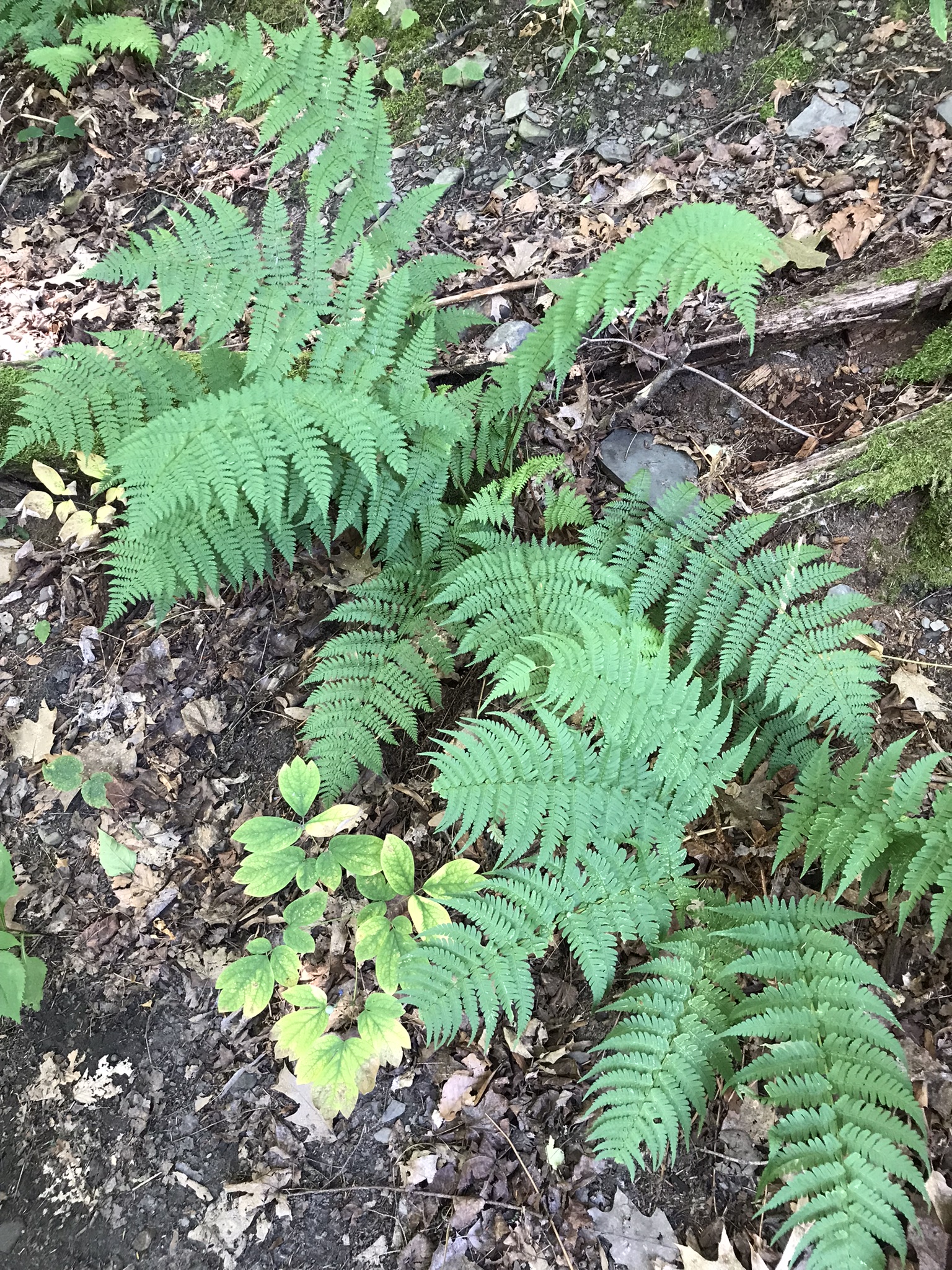
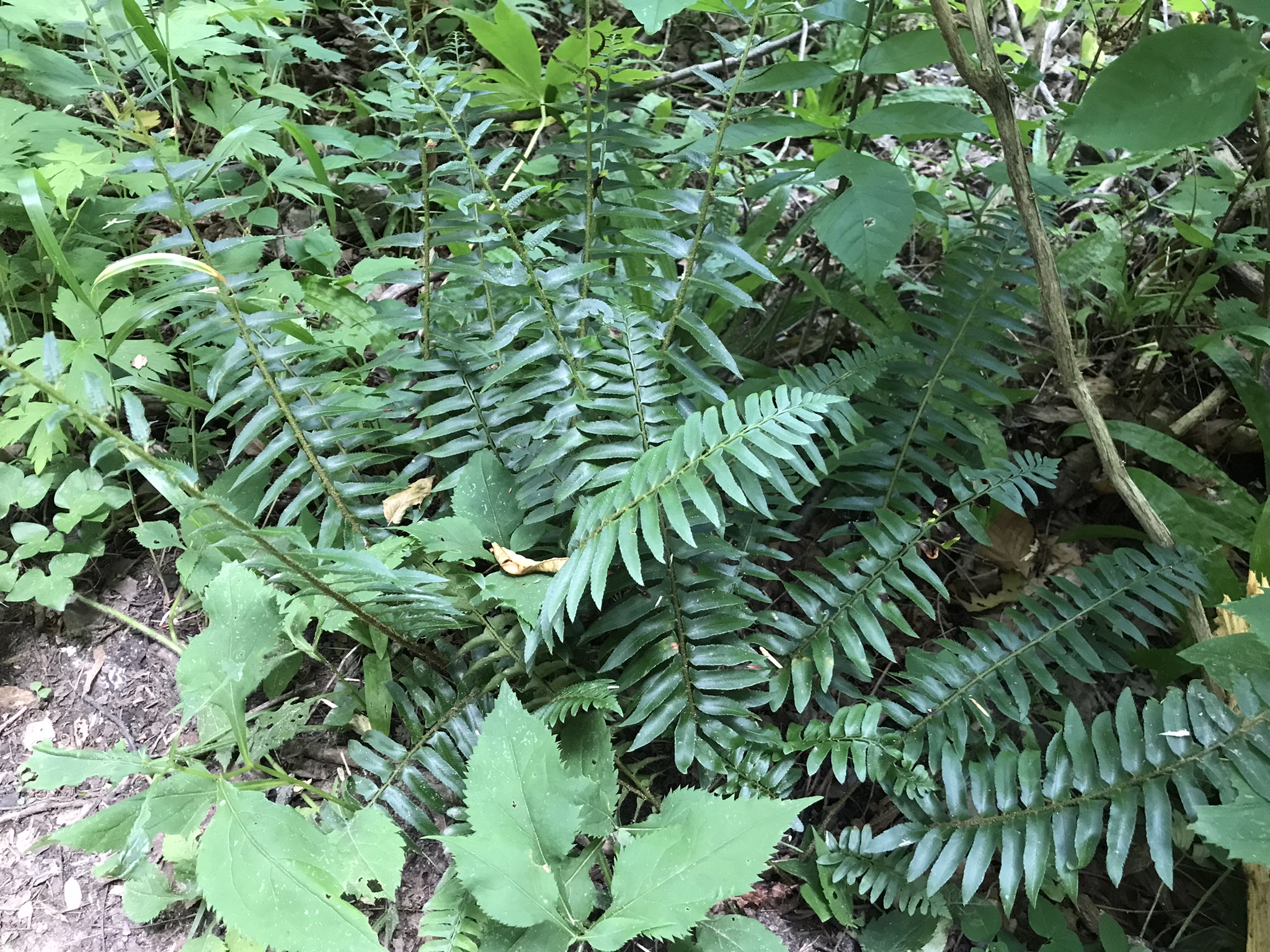
Water drips steadily from seeps, places water follows hidden cracks to emerge from the darkness. In warm seasons these may be a patch of moisture enabling the growth of ferns, only becoming evident when air is cold enough to freeze slowly running water.

Click photograph for a larger view. To do this from WordPress Reader, you need to first click the title of this post to open a new page.

These macros capture the Moss, Fern and Lichen. These thrive in this environment.

These shots were hand held. I used a Sony Alpha 700 dslr with a variable “zoom” lens, great for framing compositions.

Robert H. Treman New York State Park.

Click for a slideshow of this Waterfall of the Old Mill sequence
Copyright 2024 All Rights Reserved Michael Stephen Wills

Of Rocks and Seeps

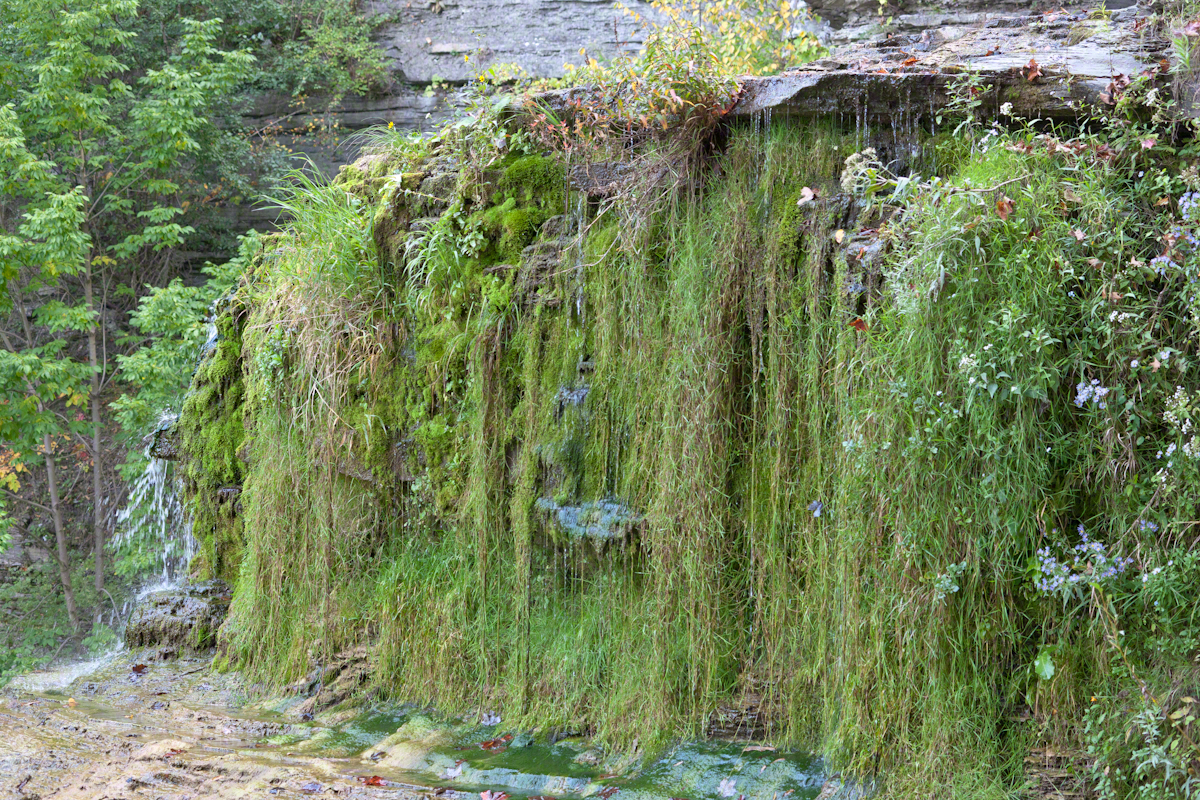
Step into an early spring morning where sudden frosts adorn the Waterfall by the Old Mill with fleeting icicles, capturing nature’s delicate balance between freeze and thaw.

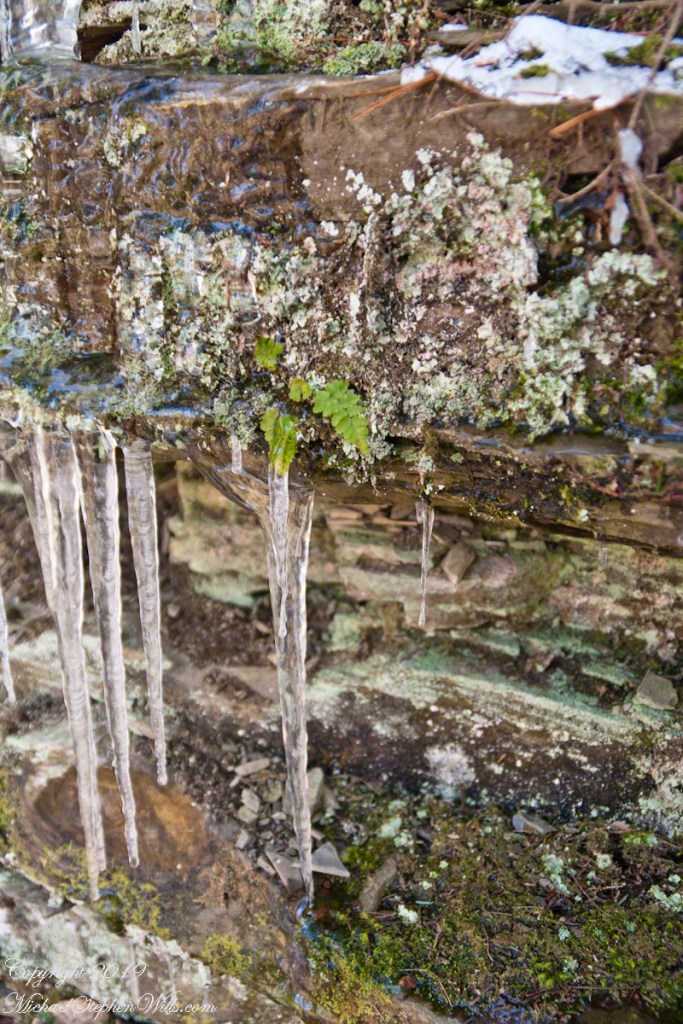
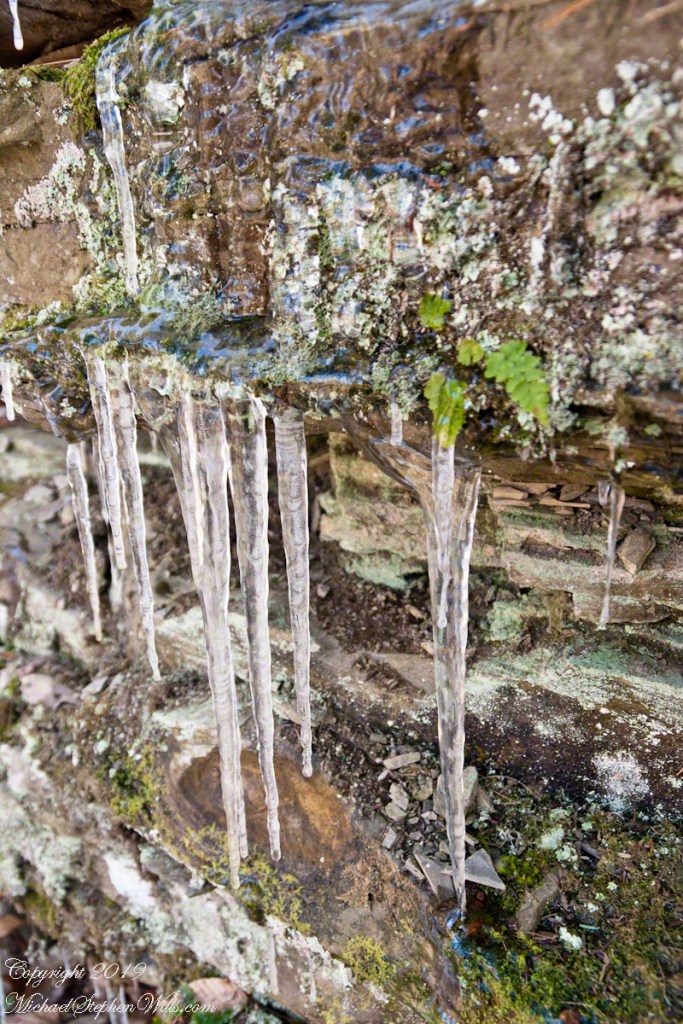
New icicles formed overnight from seeps through the sedimentary walls around the Waterfall by the Old Mill. On an early spring day, after a sudden frost, we walked the Rim Trail to capture the moment.

Here icicles formed during the quick April freeze hand above Fish Kill. Kill is an old Dutch word for creek.

Click photograph for a larger view. To do this from WordPress Reader, you need to first click the title of this post to open a new page.

Here a mix of frost and lichen mottle the rock layers.

These shots were hand held. I used a Sony Alpha 700 dslr with a variable “zoom” lens, great for framing compositions.

Robert H. Treman New York State Park.

Click for a slideshow of this Waterfall of the Old Mill sequence
Copyright 2024 All Rights Reserved Michael Stephen Wills

Three Views, Falls of the Old Mill

Join me on a frost-kissed journey along the Rim Trail, capturing the transient beauty of falls freed from winter’s grip, where nature’s power remains untamed and vividly alive.

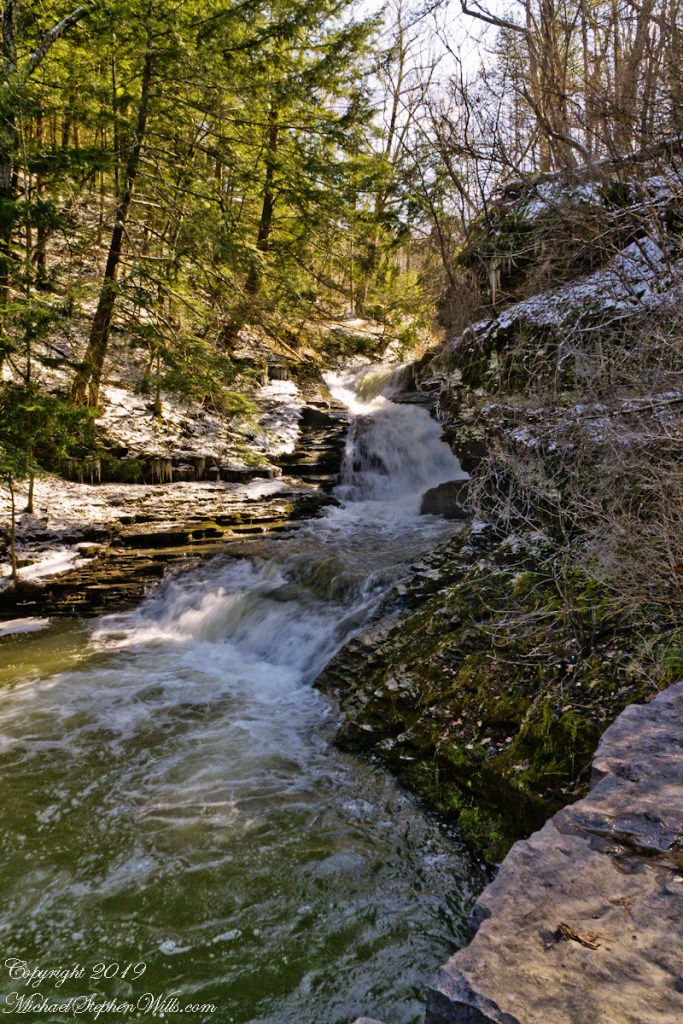
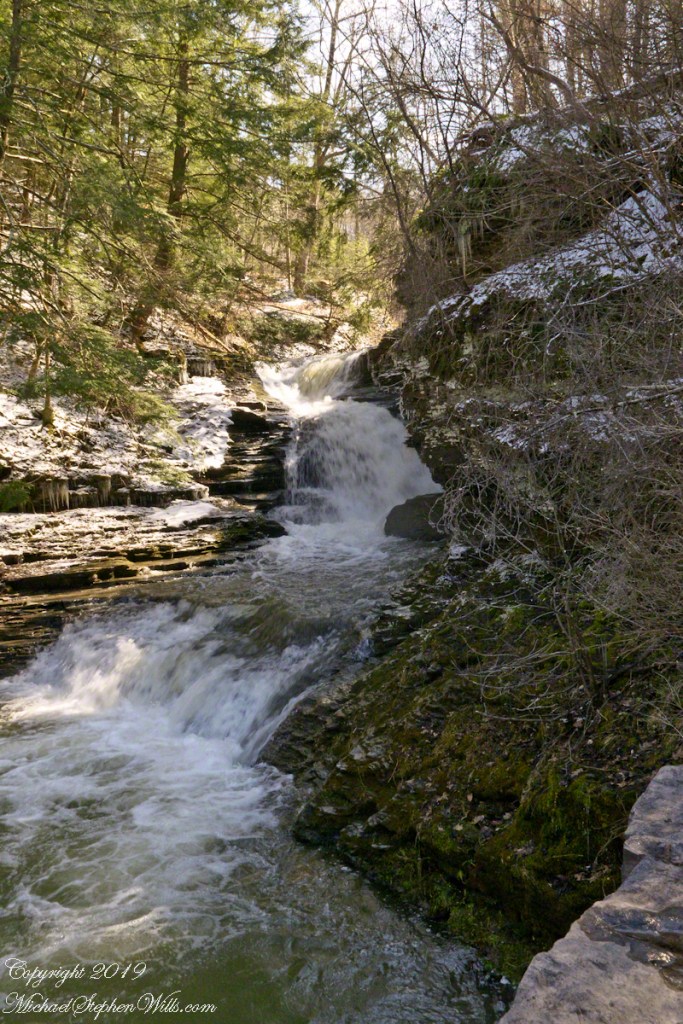
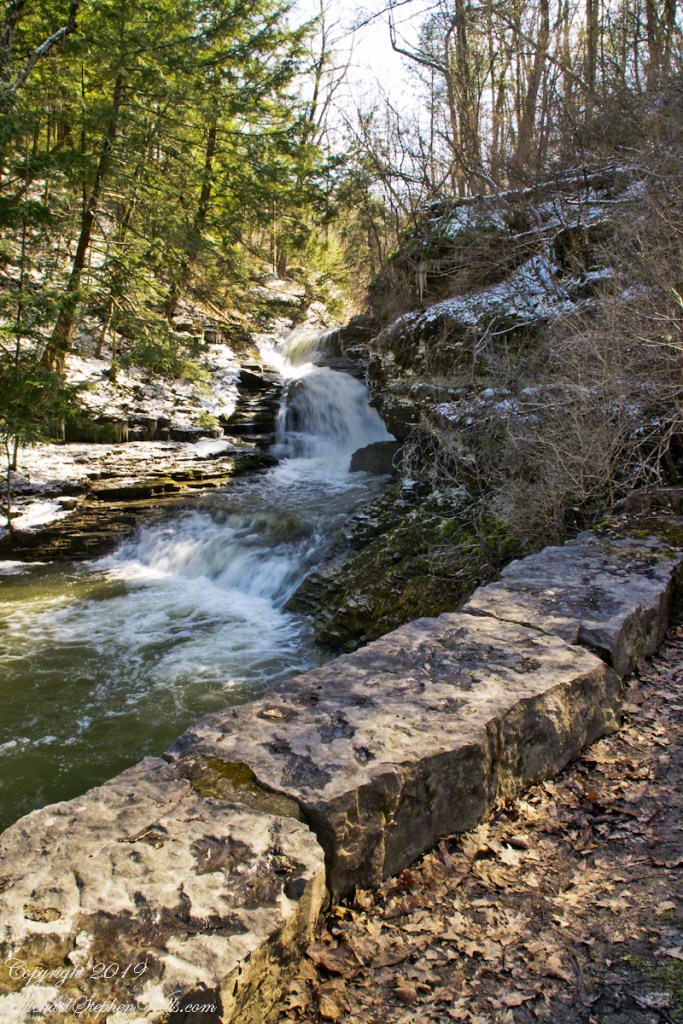
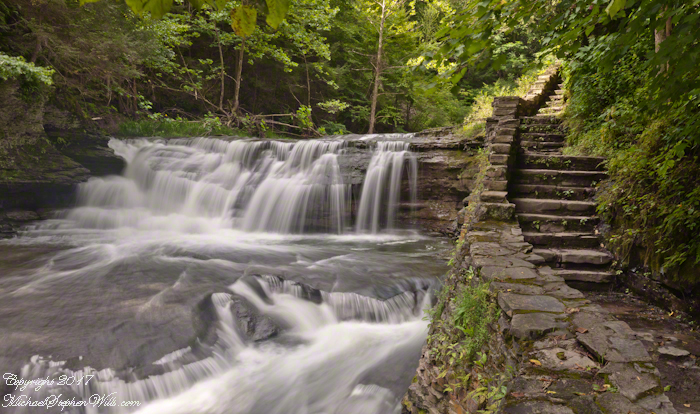
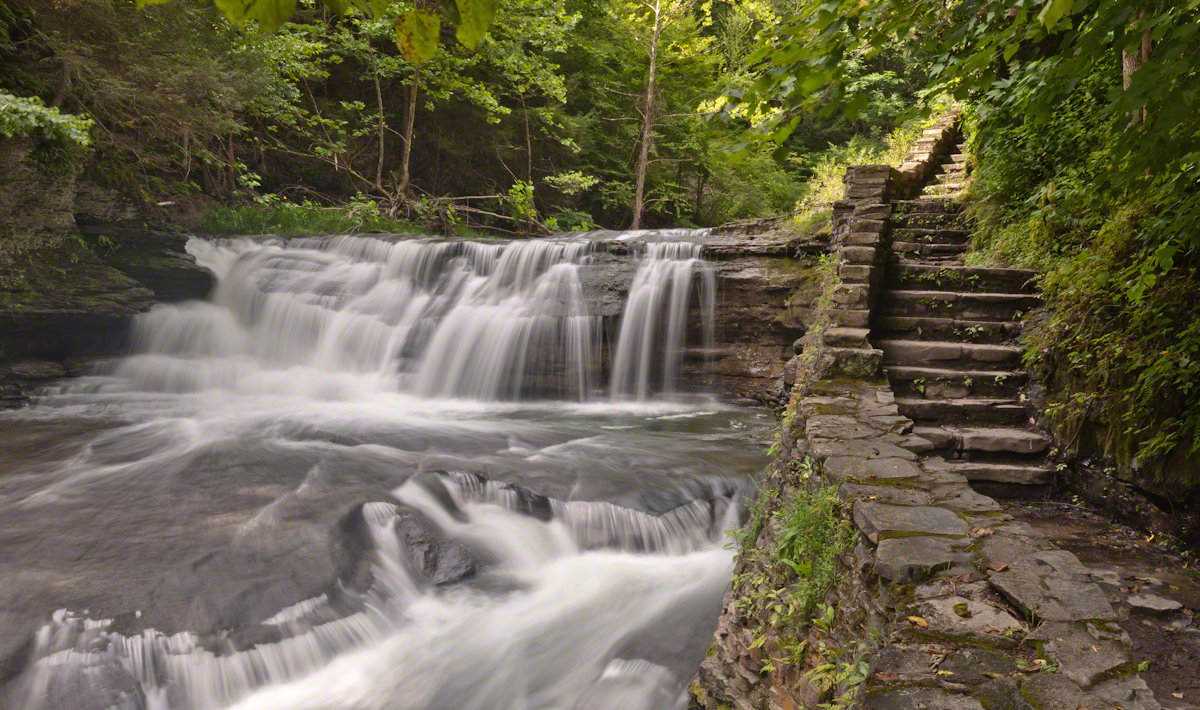
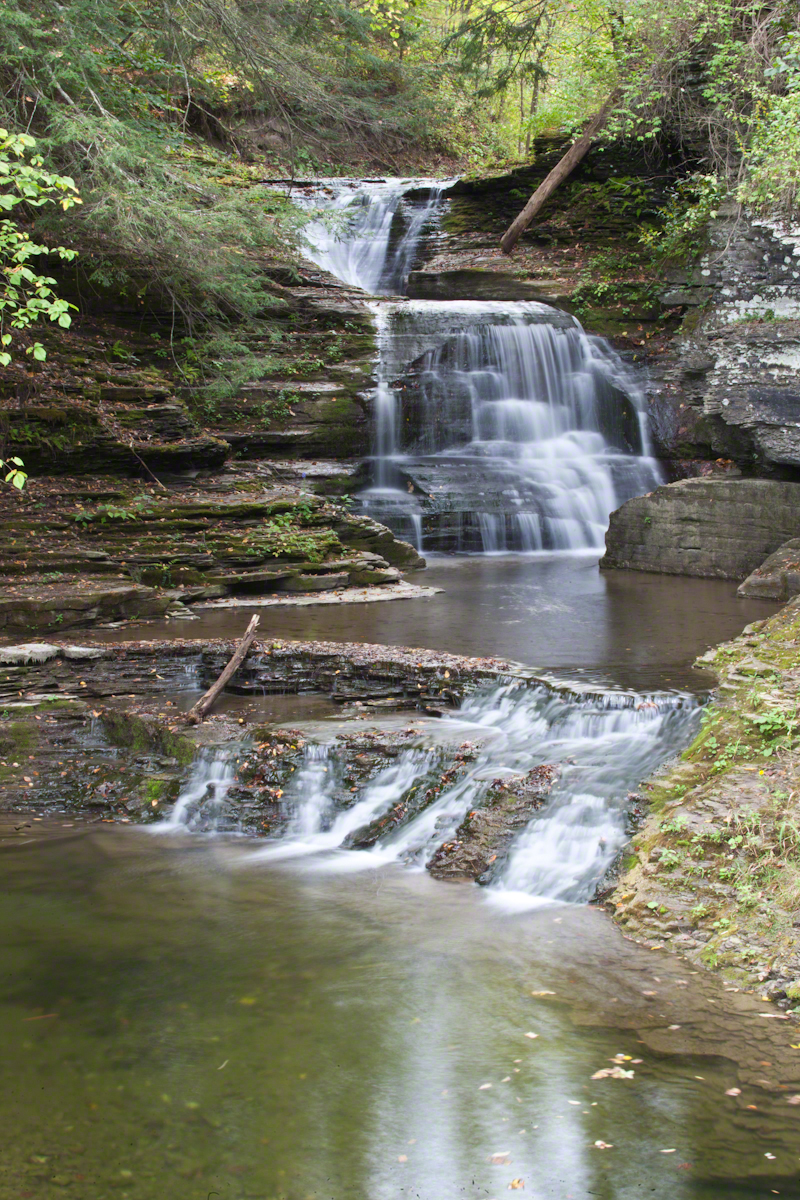
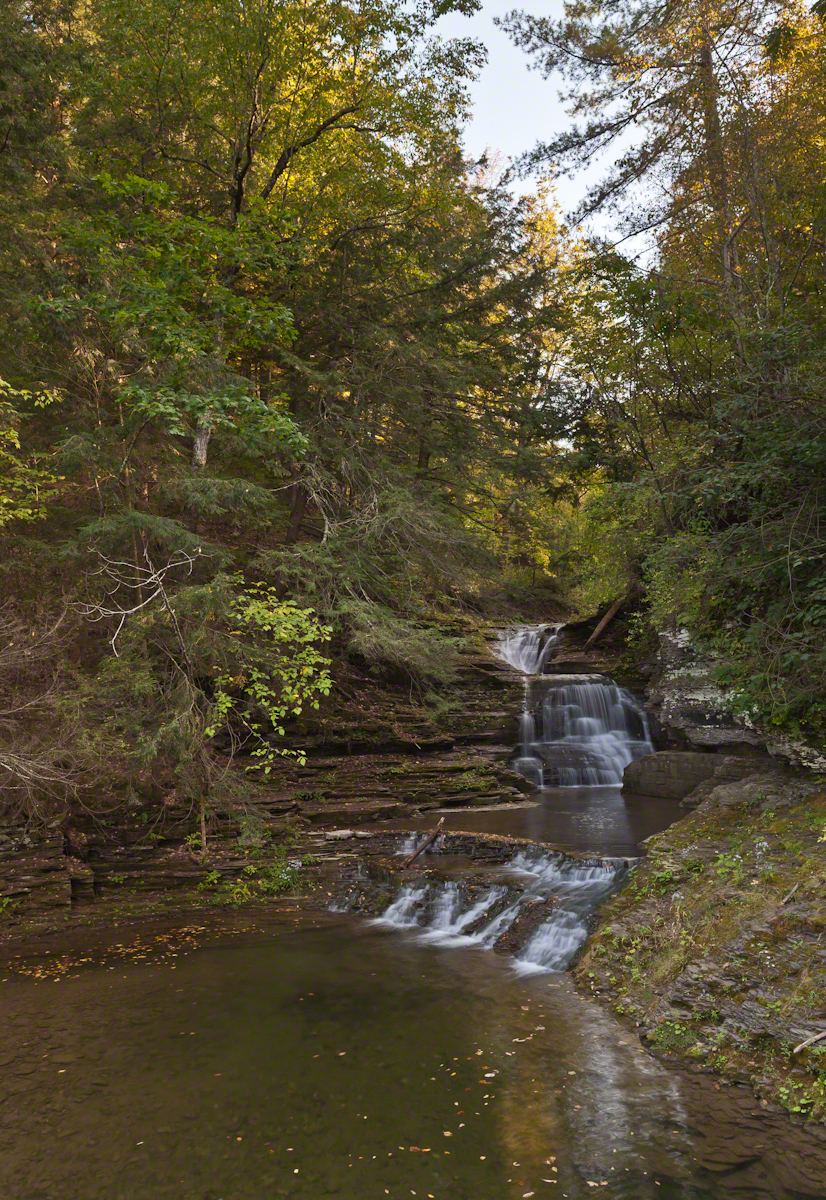
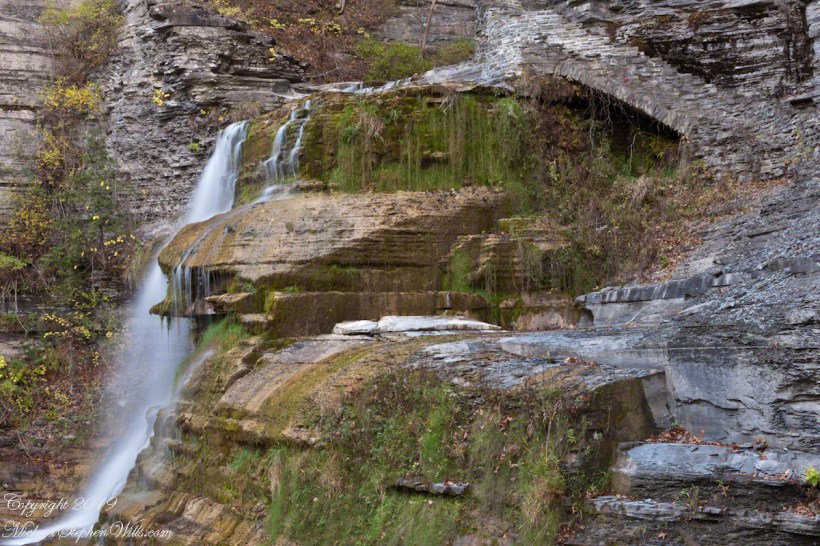
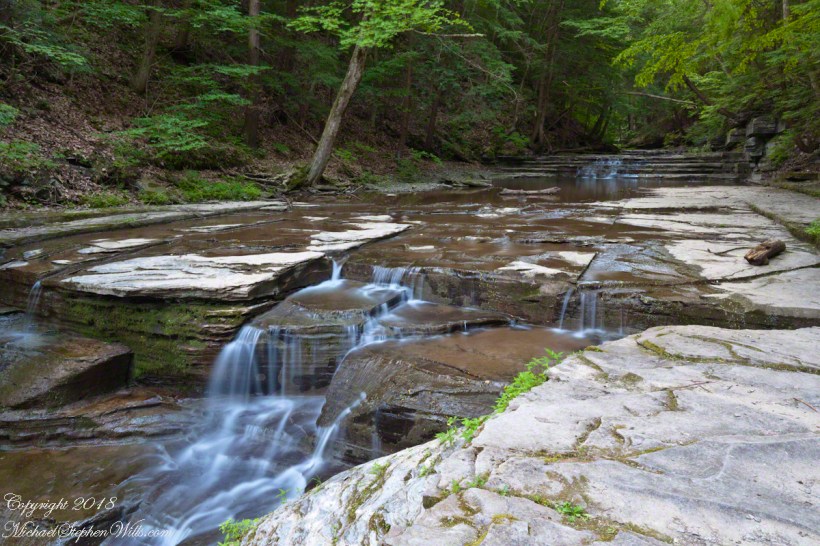
A day the falls run free of ice. On an early spring day, after a sudden frost, we walked the Rim Trail to capture the moment. Here are three captures of the same waterfall, the first visitors to the upper park encounter and the most visited and photographed right off the parking area.

Fish Kill was captured at this point to provide power to grind grain. Today neither nature nor man control the flow. Kill is the old Dutch word for creek.

Click photograph for a larger view. To do this from WordPress Reader, you need to first click the title of this post to open a new page.

I have never counted the waterfalls from this one to the grand sweep of lower falls. The falls are uncountable because no two people could agree on how small a fall to credit.

Of these three versions, i prefer this one for the foreground inclusion of the enormous limestone blocks set to protect visitors from the drop. This scene is challenging photographically, bifurcated as it is by the bright sun over the fall brink. I prefer to shoot these falls early morning, for this reason, before the sun illuminates the area at all. Long exposures required demand a rock solid tripod, as it is just off the parking lot I use my studio Manfrotto for the work. Here all shots were handheld.

I used a Sony Alpha 700 dslr with a variable “zoom” lens, great for framing compositions.

Robert H. Treman New York State Park.

Click for a slideshow of this sequence of the Waterfall of the Old Mill
Copyright 2024 All Rights Reserved Michael Stephen Wills

Sense of Scale

Come in and experience how humans are dwarfed by the eons

Continue reading “Sense of Scale”

Autumn Evening Hike, turning home

through Devil’s Kitchen to Lucifer Falls

In this third part, we continue hiking Treman gorge, approaching Lucifer Falls, viewing another waterfall further downstream and returning to the trailhead.

 Tiny Trumpet, unknown

I have never achieved a satisfactory capture of the waterfall in the Devil’s Kitchen, a place where the creek flow is diverted south by a projecting ridge. Less than 100 feet later the easterly direction is regained where the water plummets over Lucifer Falls.

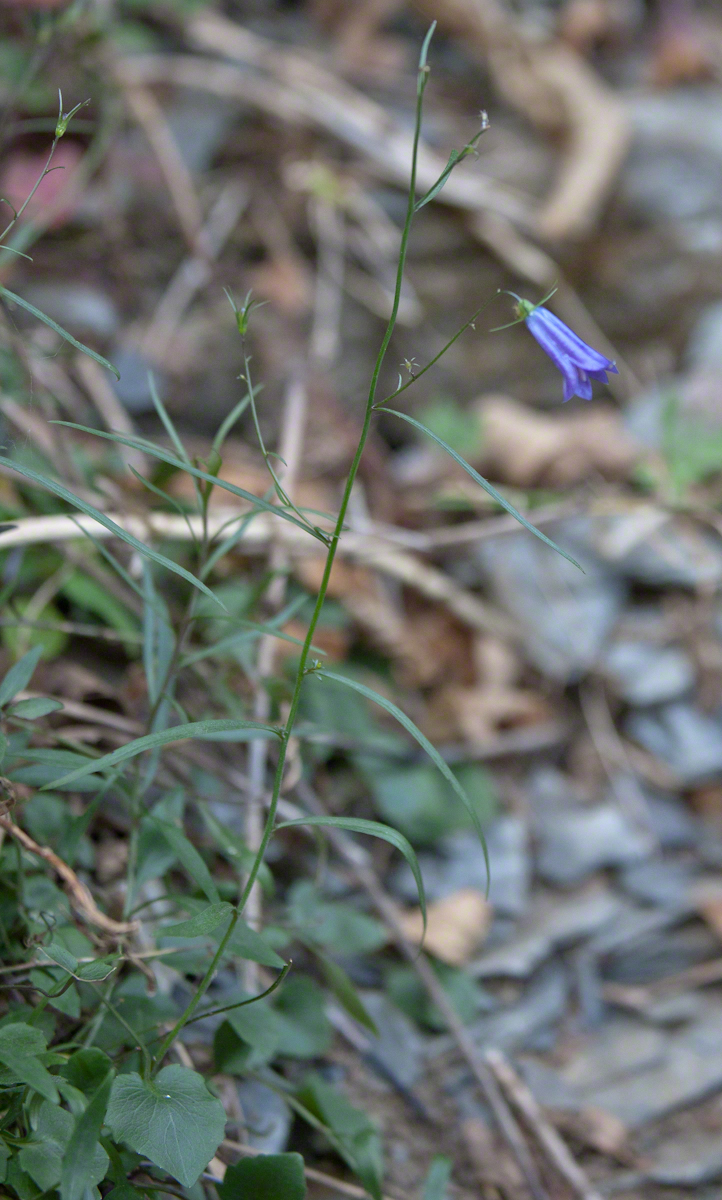
The annual in fall of rock in Devil’s Kitchen uproots and crushes plants growing there. There is scant soil, the roots of this shiny purple trumpet bloom took hold in a microscopic crack. The plant is so thin, the flower so tiny it is lucky my gaze found it.

Click link for my fine art print “After the Rain: Showy Lady Slippers.”

After searching all my plant identification references, this plan is unknown to me.  Please help with identification. The bloom is 1/4 inch long.

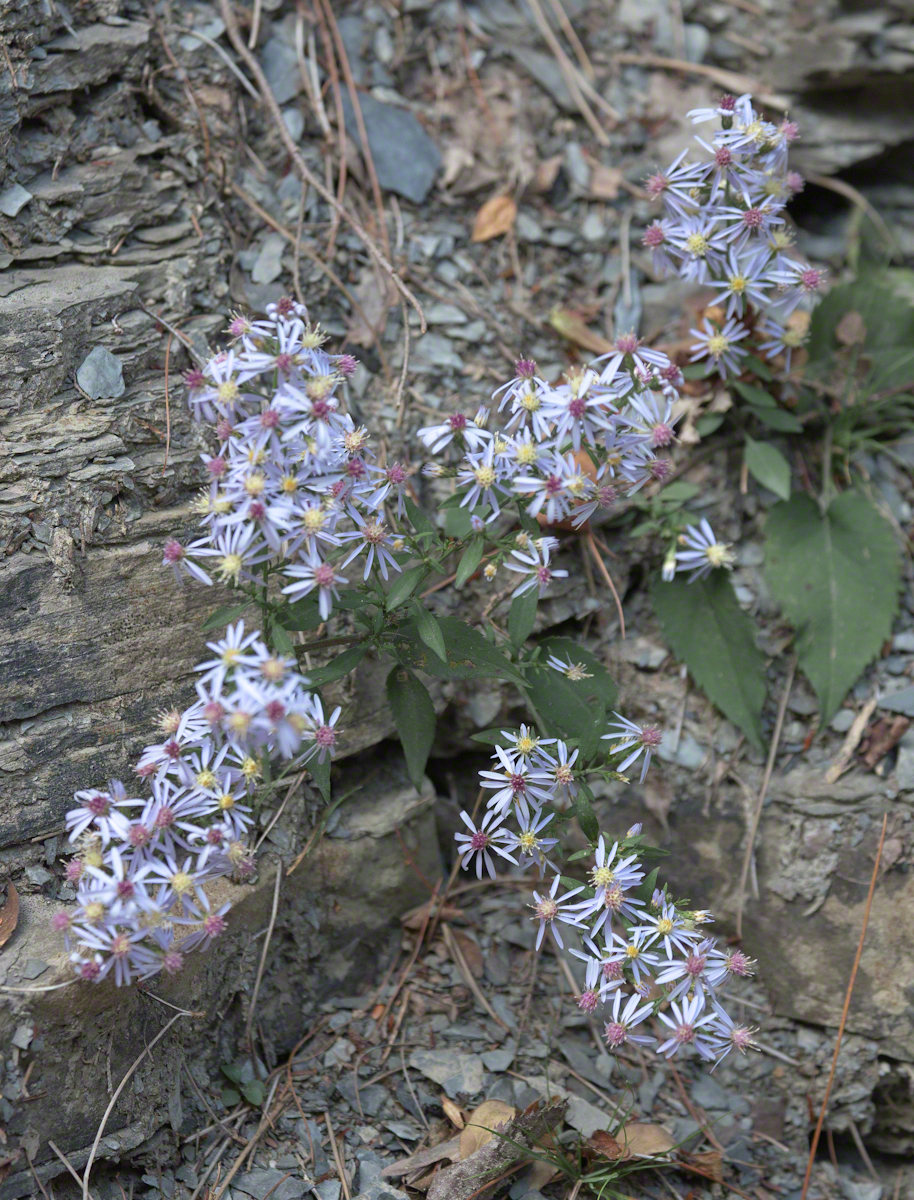
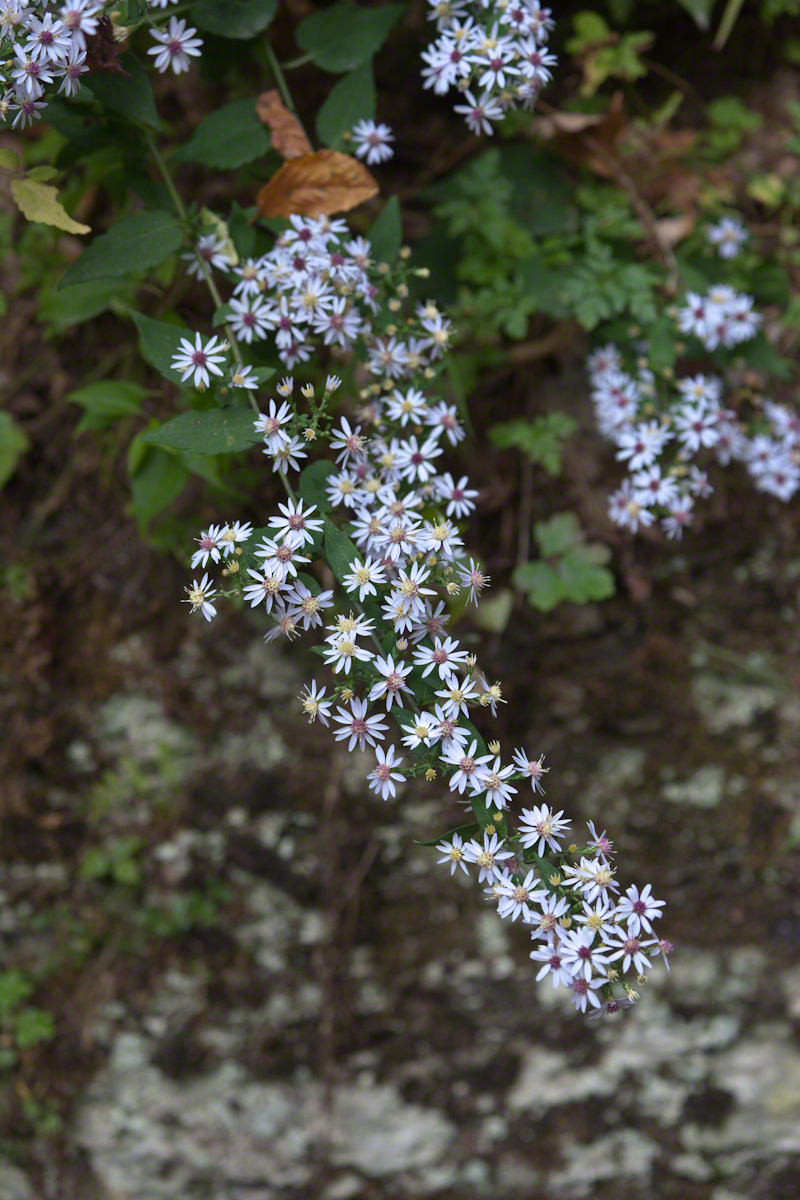
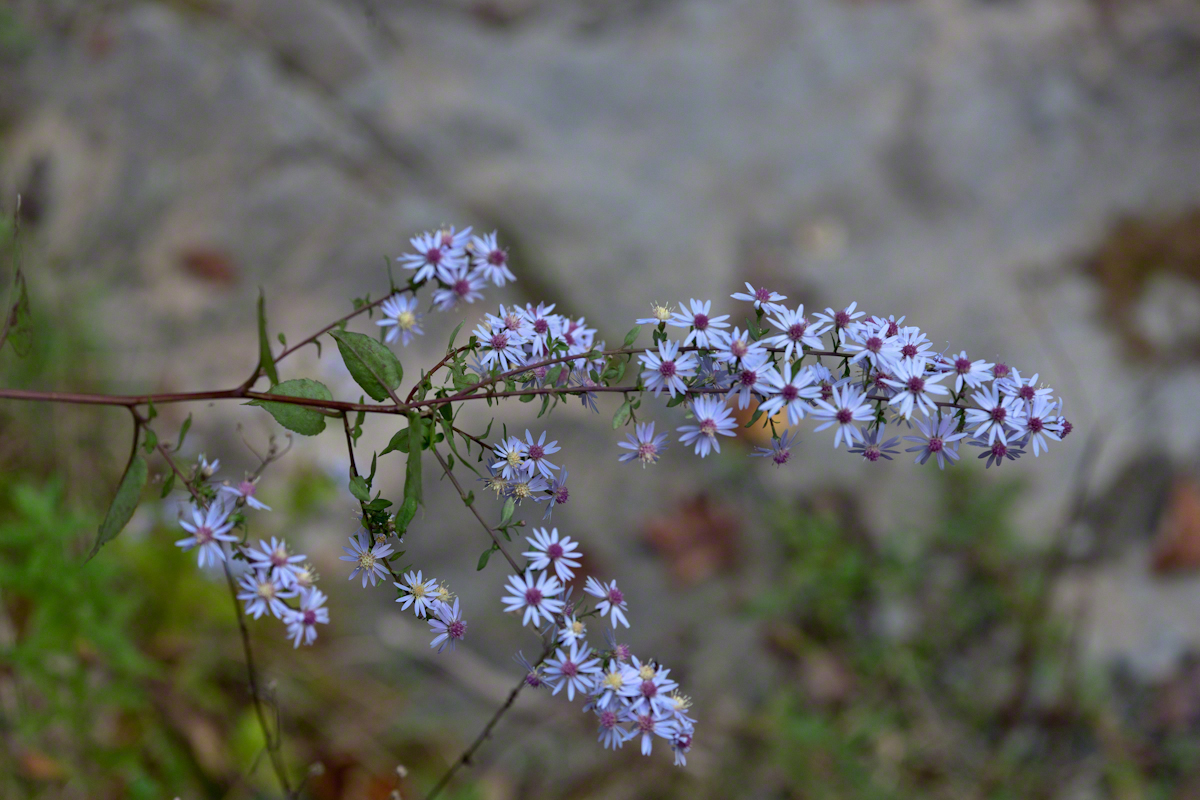
Not far away, these asters grow from a slightly wider crack.  Pam pointed them out to me. I was drawn by the striking color difference of the heads growing from a single stalk.

Click link for my fine art print “Purple Asters.”

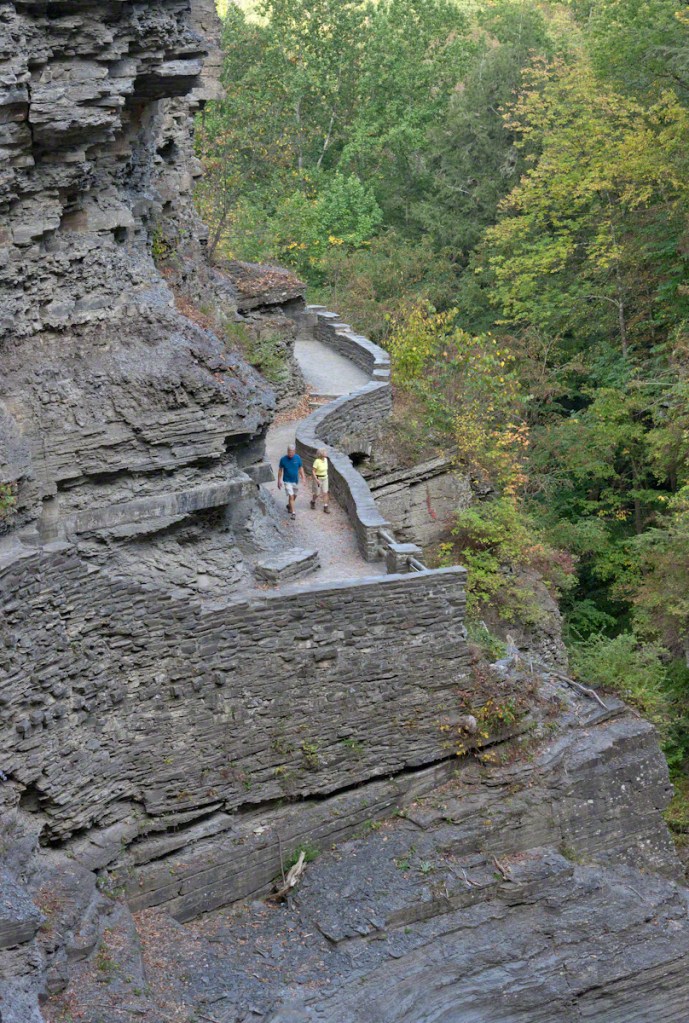
As trail winds around the ridge a stone wall rises on the right and for good reason.  The stream shortly reaches the brink of Lucifer Falls, 115 feet high.  Gorge walls fall away, the trail steepens.  Here is the view from the trail next to the brink.

At hand, on the right, a growth of ferns has survived many seasons.  Flowering plants are, in geological time (across billions of years), a relatively recent development compared to these non-flowering ferns.  The first flowering plants appears 120 million years ago compared to the first ferns, 360 million years ago.  Oddly enough, the spread of flowering plants affected evolution of ferns, an increase of fern speciation in parallel to the rise of flower plants.

While descending the stairs next to the falls brink, look to the right to see this ecosystem, a result of water seeping from the sedimentary rock stratification.

Here you can see how, at lower flow levels, the inactive sections of the fall lip become a garden.  In our climate, the entire brink is active for rare and brief intervals during spring thaws.  Note how, closer to the active brink, the grasses give way to mosses.  Where grasses grow the brink is almost never active.

The trail wall is a lighter color than the cliff, this is how you can see, on the right, the steep trail descent.

Pam and I turned around here.  This is some work I did August 2014 of a notable fall downstream from Lucifer.  I used the 24 mm Canon lens here, cropping the image.  My goal was to include the stair, for interest, with sunlight on the upper stairs; the water in shade.

Click link for my fine art print “Woodland Falls.”

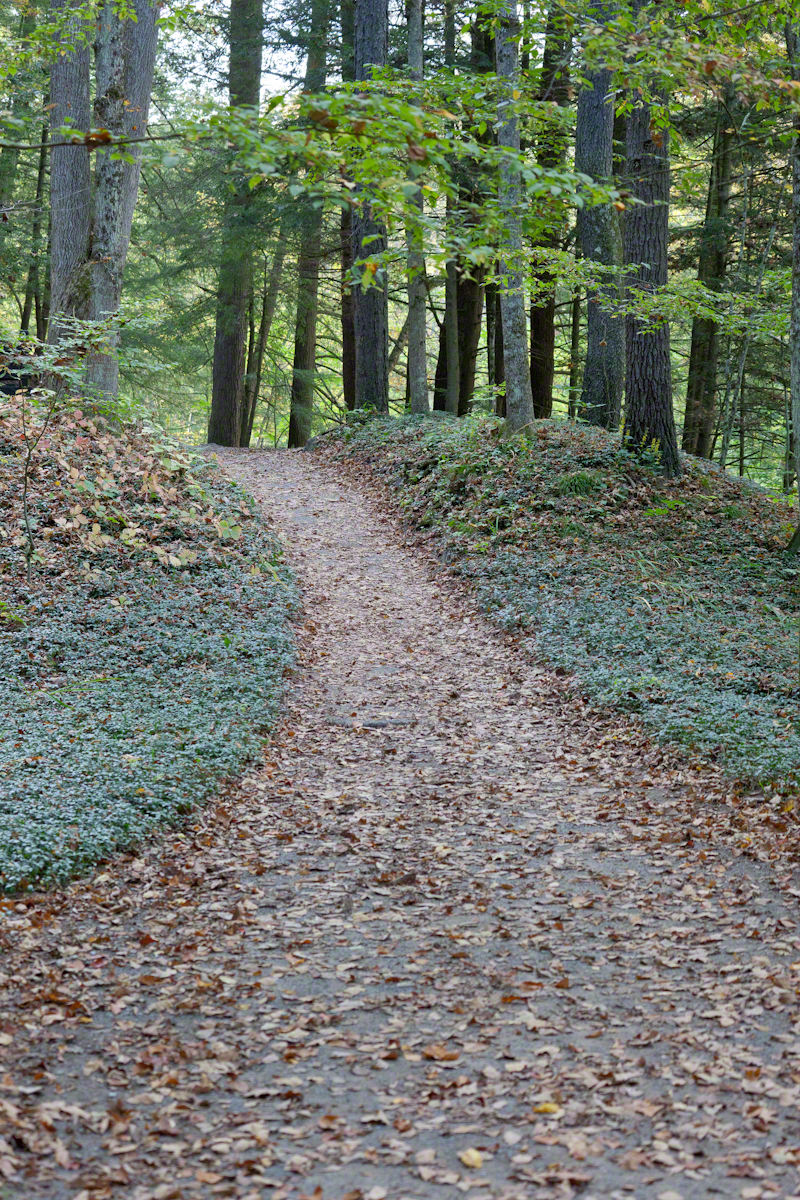
Myrtle borders the trail as it rises from the gorge entrance.

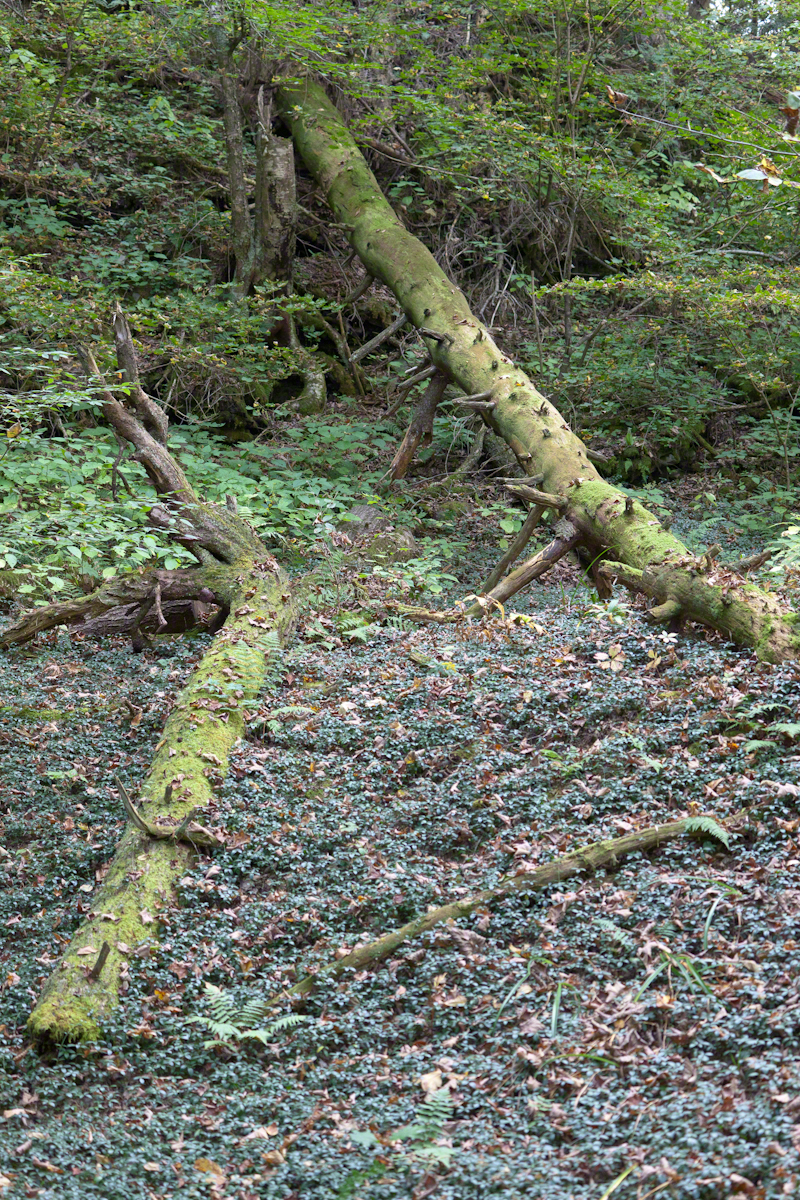
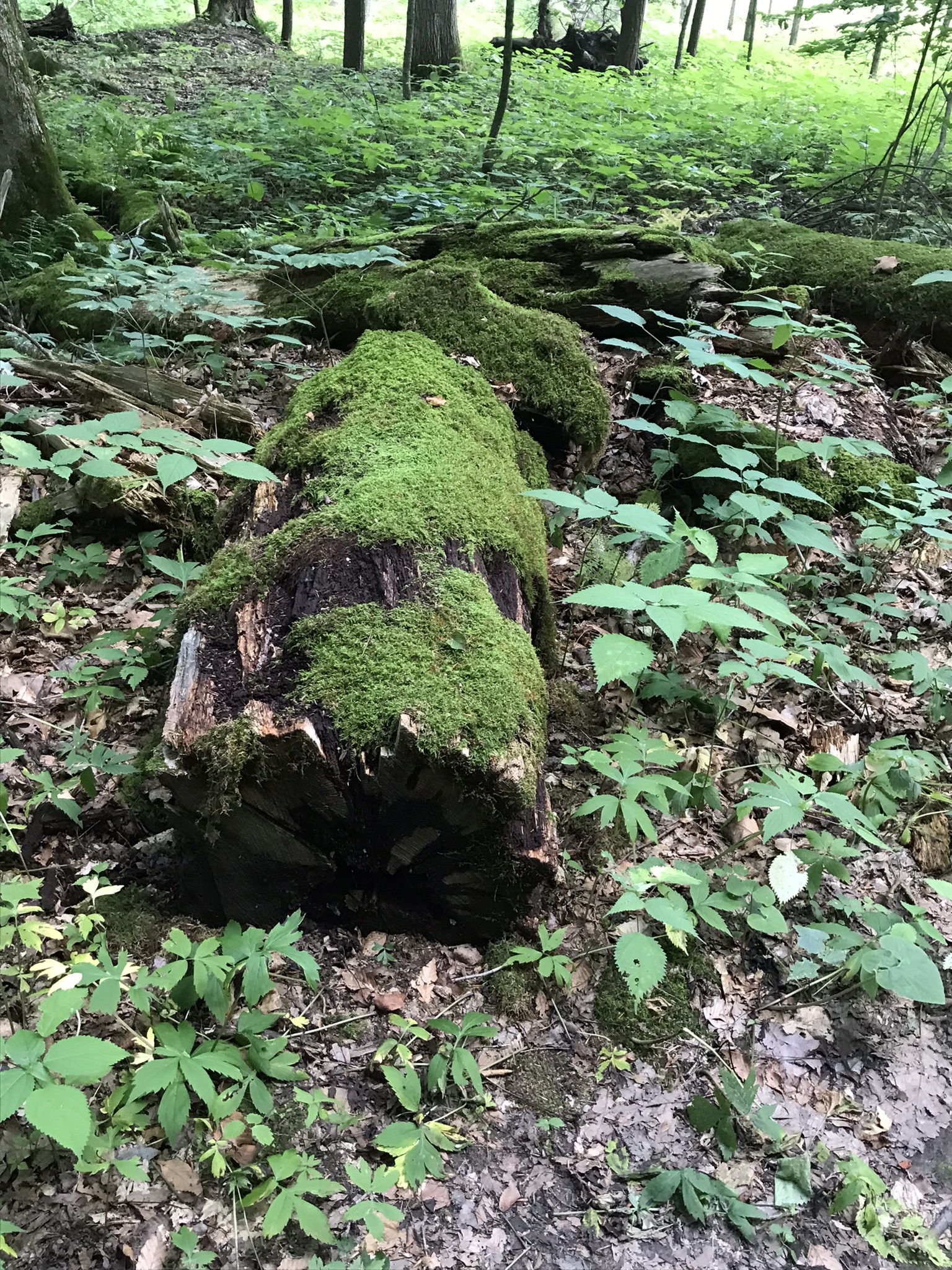
Tree trunks fallen from the gorge walls are left to decay, restoring the soil.  The trunks are covered by moss among a thick growth of myrtle and a few ferns.

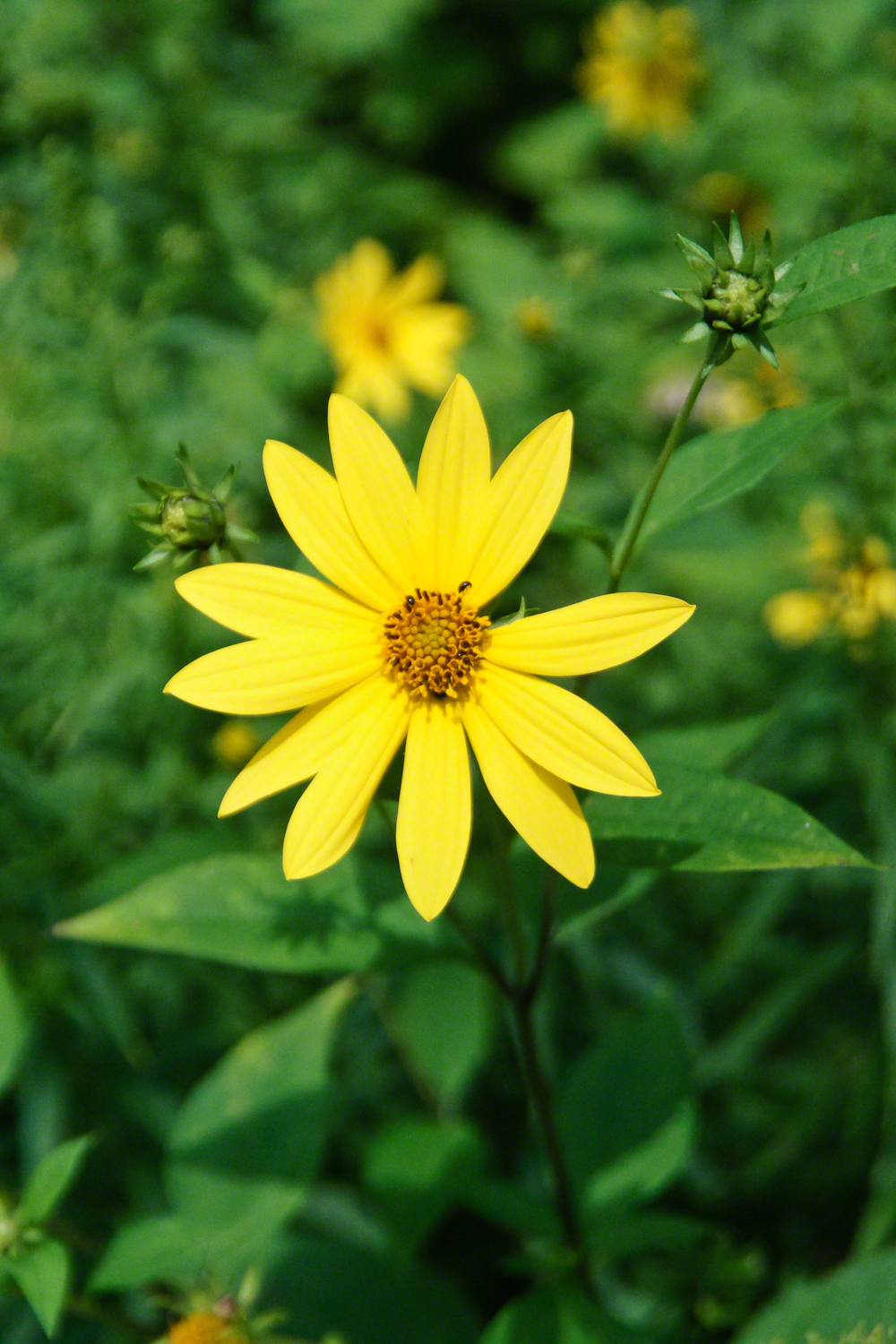
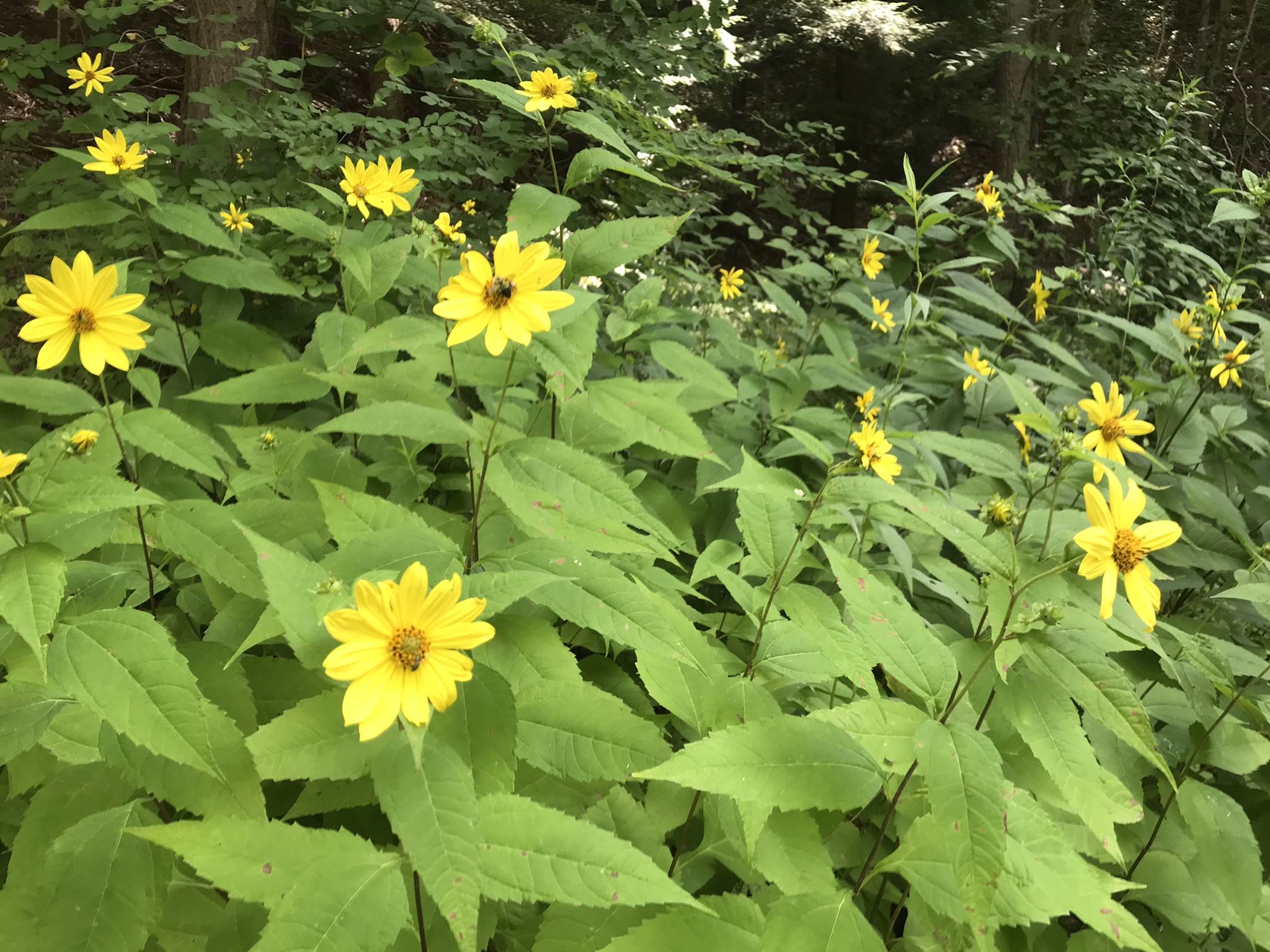
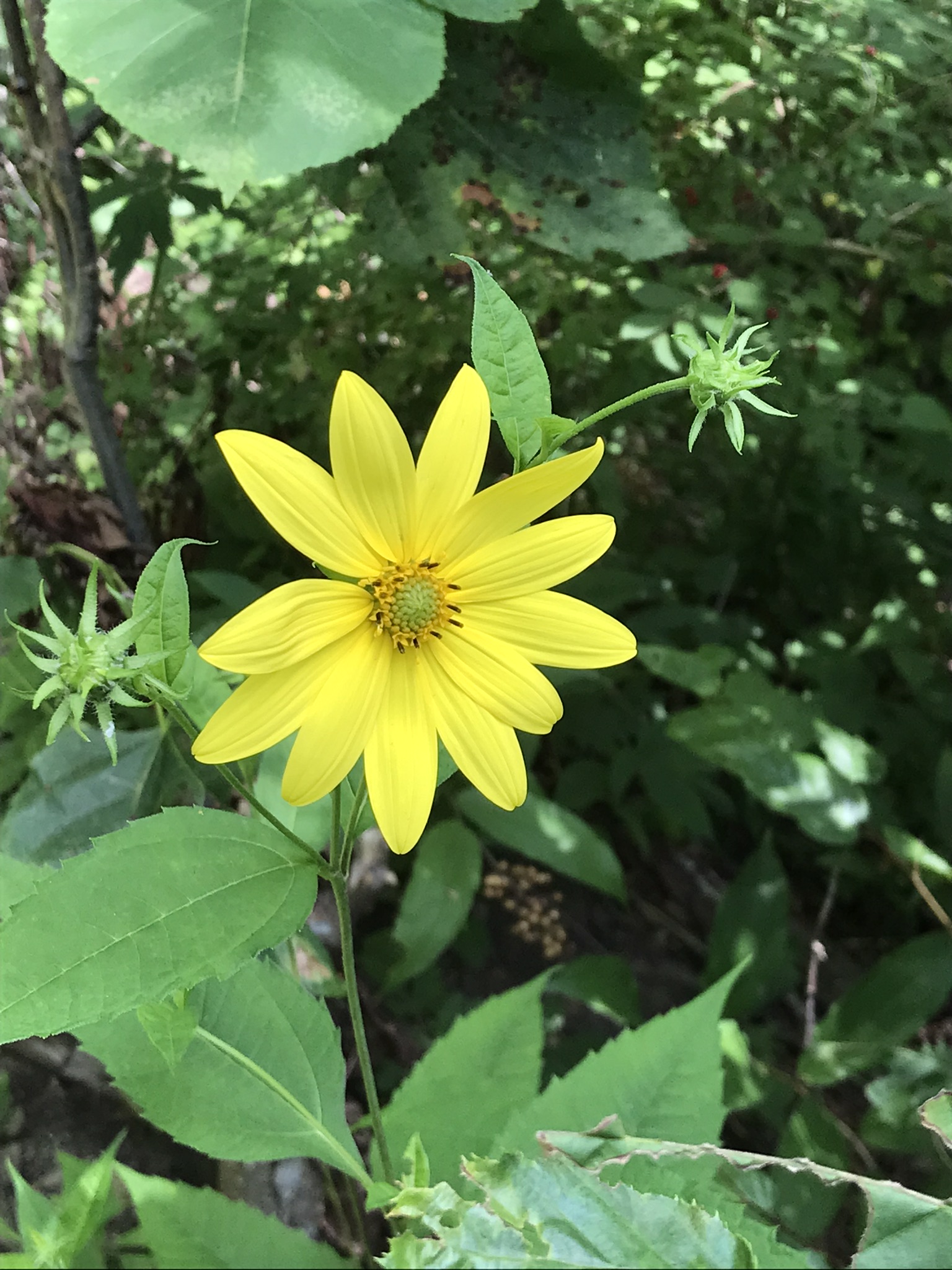
To finish, here is an image that may broaden your understanding of sunflowers. These smaller, ornamental sunflowers are, at first, difficult to place. Look carefully at the center, composed of many tiny flowers (florets). In crop sunflowers each of these becomes a seed. In this image, shiny beetles are feasting.

The End of this Evening Hike in Treman Gorge

Click me for more postings of Autumnal Beauty
Click Me to view my photographs on Getty.

Copyright 2023 Michael Stephen Wills All Rights Reserved http://www.MichaelStephenWills.com

Autumn Evening Hike Part 2 of 3

Water runs through it

Portrait of Mill Falls

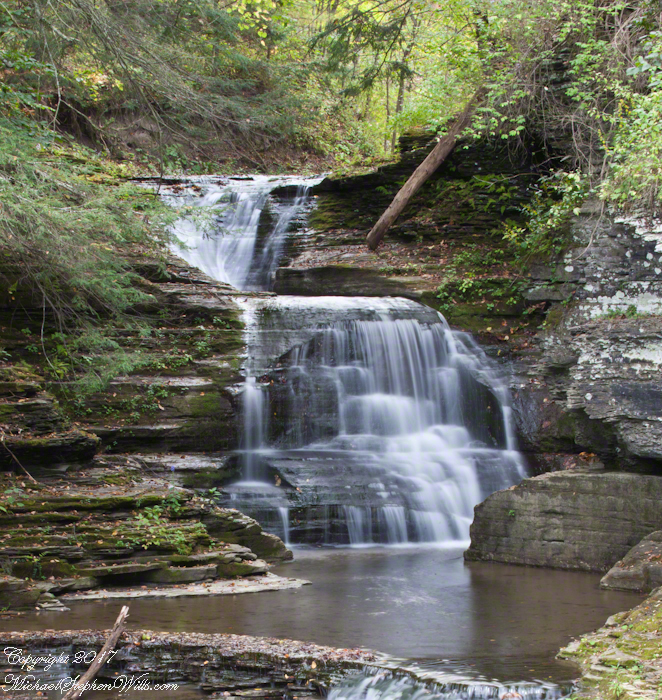
In part 2 of this series, we return to the starting point. Siting of a water mill requires immediate access to the potential energy of falling water, something called “head.” Upper Treman Park was once a prosperous hamlet with the mill as the kernel. Today, the head that drove the mill is a lovely cascade behind the substantial and intact mill building. Easy walking distance from parking, this is a well-known park feature.

Here are three versions of a portrait of Mill Falls using different lenses for varying effects. All were taken in the same season and approximate time of day, being early evening.

Click Me for “Mill Waterfall at low flow”, a fine art print from my gallery.

This is the uncropped image used in part 1 of this series. I found the secondary cascade a distraction. Exposure of the secondary is difficult to balance against the primary and more shaded primary.

Click link for “Mill Waterfall Primary Low Flow” fine art print.

Stone Span

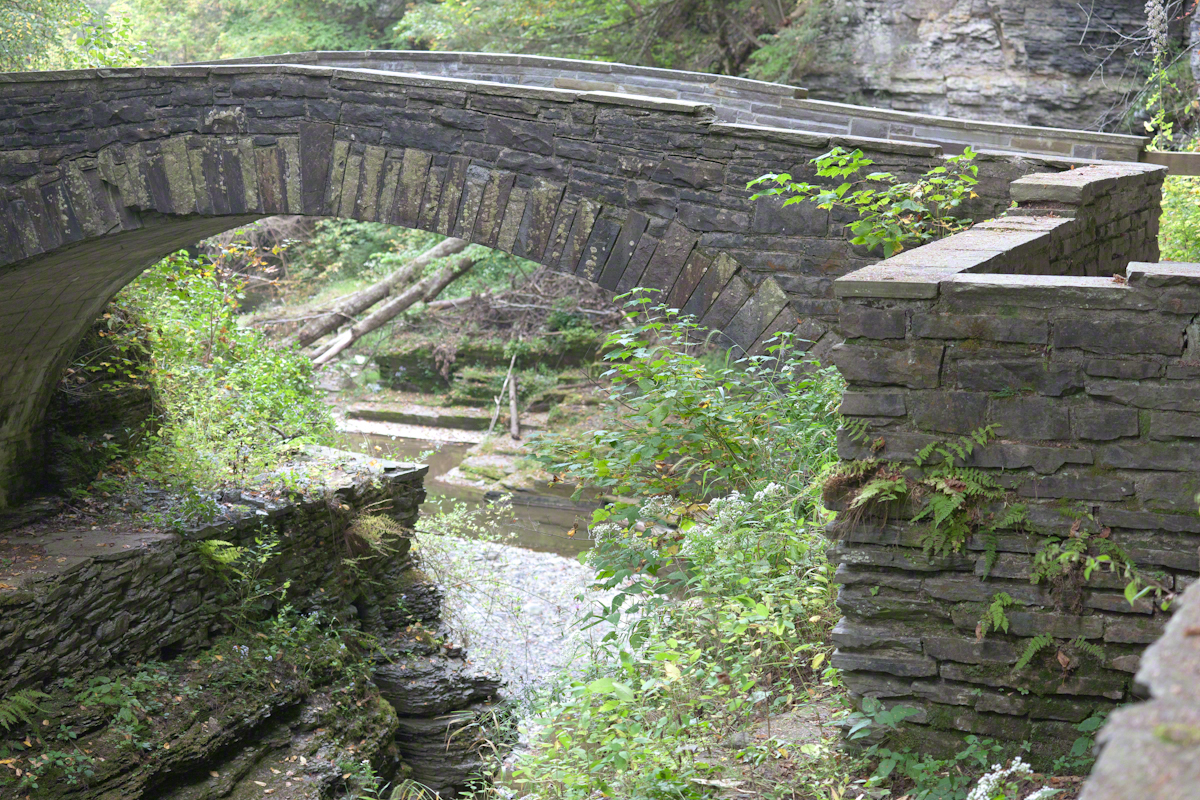
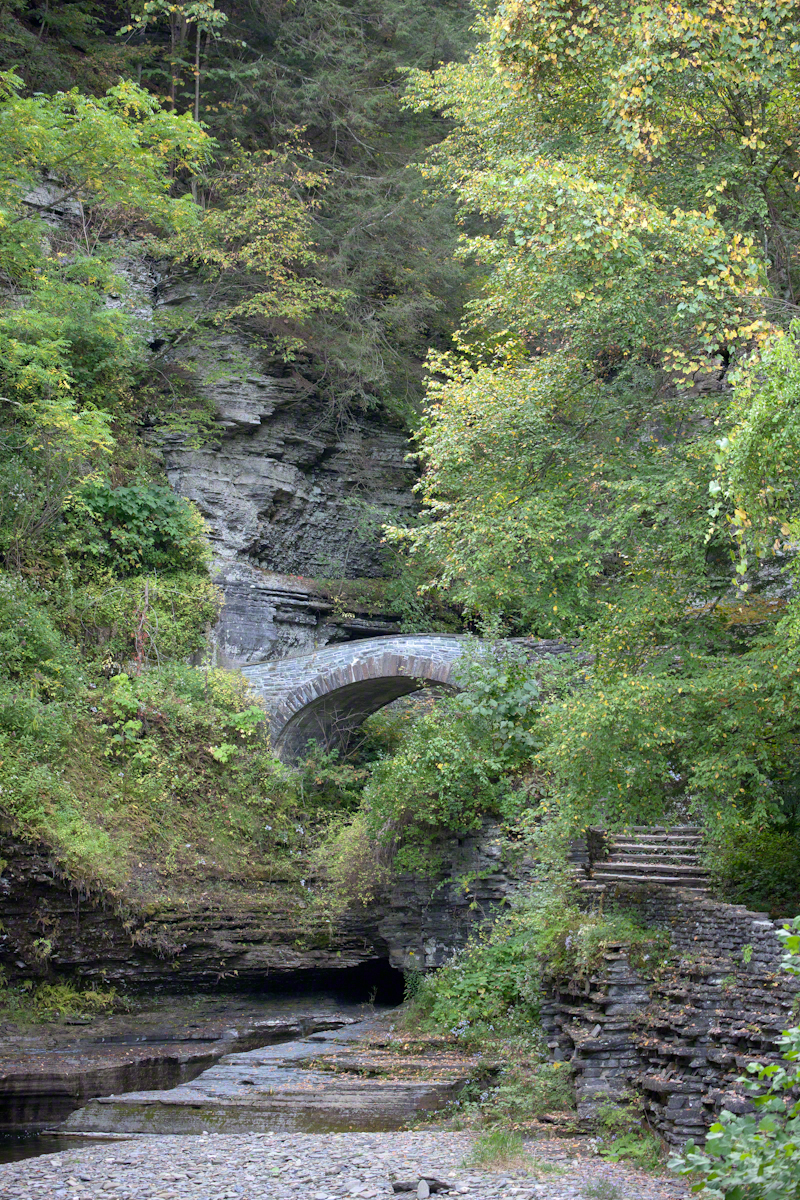
Let’s return to where part 1 left off, the stone bridge across the eastern side of the gorge entrance gallery.

This segmental arch is an illusion, the beautiful stone work is the facing of the concrete structure that carries to load of the stone, itself and visitors.

Want more? Click Me

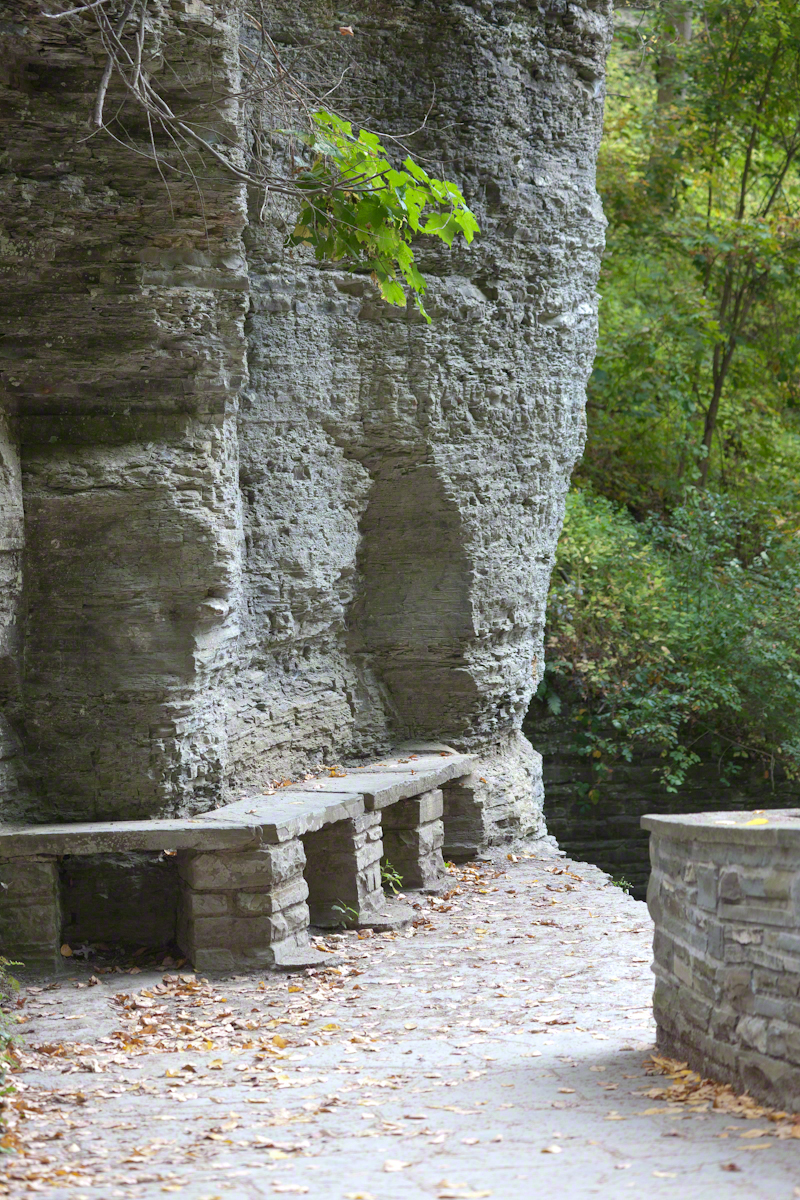
My composition emphasizes the mass of rock wall above the bench and into which it is placed.  The limestone slabs are from a different source, they are not built from the material removed from the cliff.

Seeds and Flowers

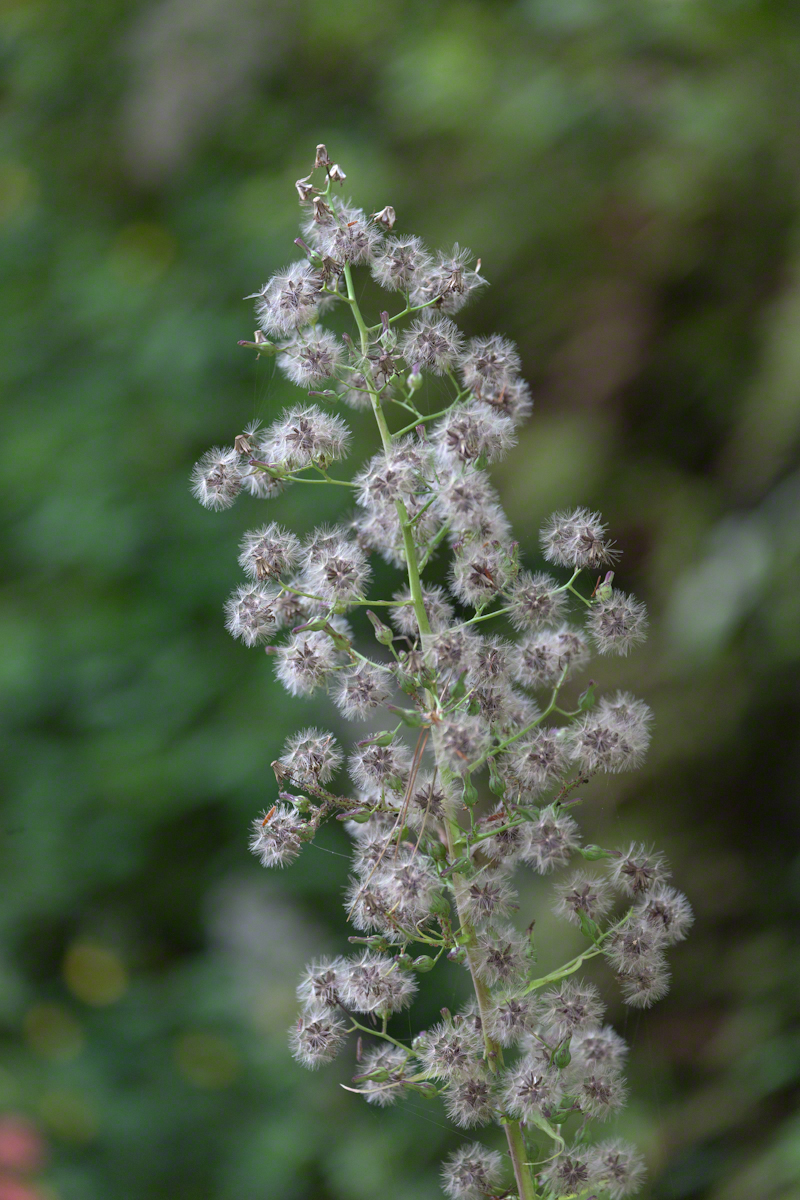
A dandelion on steroids.  If you can help with identification of this plant, please post a comment.

Click Me for “Ad Astra” a fine art print, in my gallery.

Click Me for “Purple Asters” a fine art print, in my gallery.

Look Back!!

Many first time visitors do not look back to appreciate these scene.  When we give advice, our recommendation is to return on the same gorge trail.  The different viewpoints make for a fresh experience.

Mr. Toad

Want more? Click Me!!!

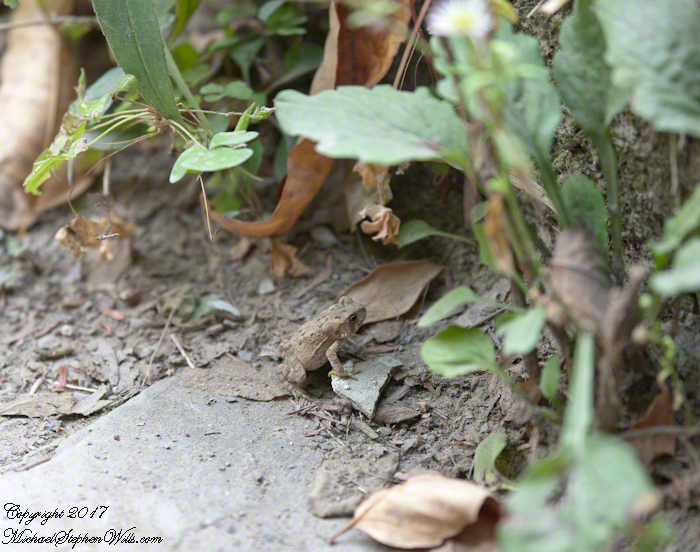
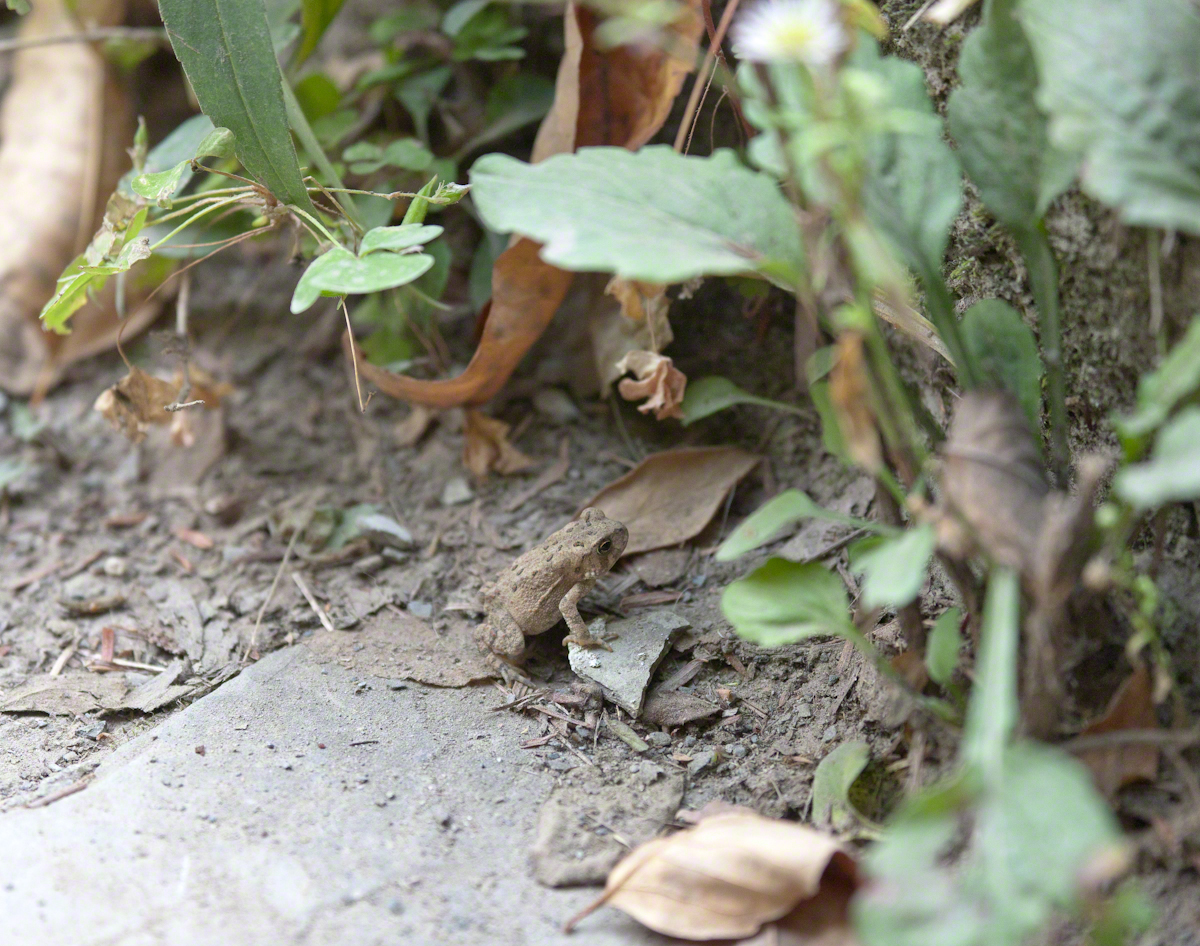
They are like people, sitting there.  Kenneth Graham’s genius, in writing “Wind in the Willows”, was to recognize the likable characteristics of the toad.  I find myself concerned about their survival, although they must survive.  Earlier in the season they are pea sized.  I resist an inclination to move them to what may be a more promising location, preferably with a stone house and chrome brilliant motor car.

Copyright 2023 Michael Stephen Wills All Rights Reserved http://www.MichaelStephenWills.com

Lucifer Falls on an Autumn Evening

The post explores the symbolism of Lucifer and the Tiger Lily, suggesting that beauty and pride can lead to downfall, reminiscent of Lucifer’s narrative.
A reader’s comment to this blog, thank you “Urban Liaisons,” prompted me to explore the word, Lucifer. “Lucifer”, in Christian tradition, refers to the devil as it was in a time of glory before the fall from grace. The original, ancient meaning of Lucifer is the planet Venus as it rises just before the sun at dawn.  In this sense, the name refers to the bright beauty of the spot.  The effect is heightened at midday when the hiker passes from the relative gloom of Devils Kitchen to the full light and sweep of the waterfall chasm.
Standing next to the falls on the Gorge Trail, the stone wall of the Rim Trail Overlook is overpowered by the grandeur of the 300+ foot cliff. The falls photographs were taken from behind the wall.

Occasionally, we have experienced individuals climbing over the wall to stand on the other side. “Why?”

Summertime thick stands of tiger lilies flourish on the cliff face. Can you find the withered leaves?

I must delve into symbolic interpretations to explore the connection between Lucifer and the Tiger Lily. Lucifer, traditionally associated with rebellion and the fallen angel in Christian theology, symbolizes a break from divine order and beauty tainted by pride. On the other hand, the Tiger Lily is often seen as a symbol of wealth, pride, and prosperity in various cultures. The connection lies in the shared symbolism of pride and beauty. Just as Lucifer was a beautiful angel before his fall, the Tiger Lily is a strikingly beautiful flower, often associated with pride. This juxtaposition creates a metaphorical link, suggesting that beauty and pride, while alluring, can lead to downfall, mirroring Lucifer’s story.
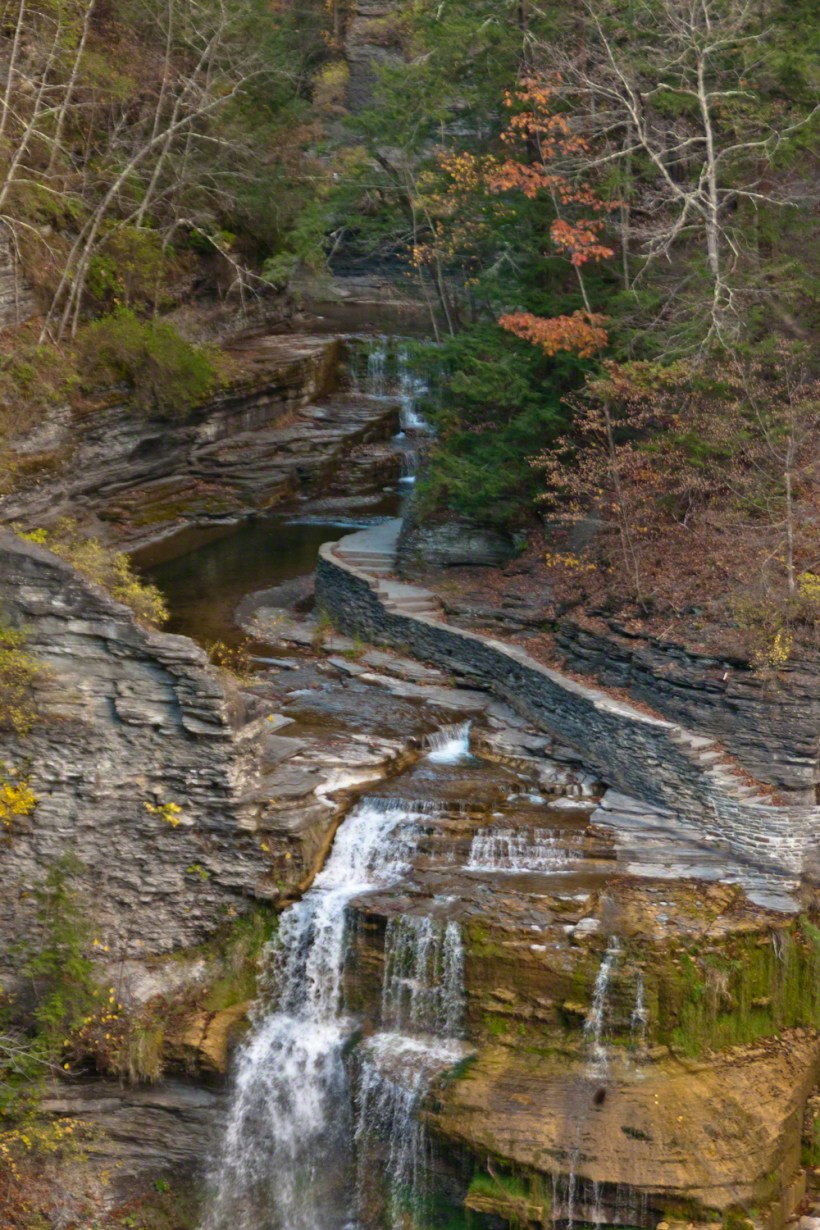
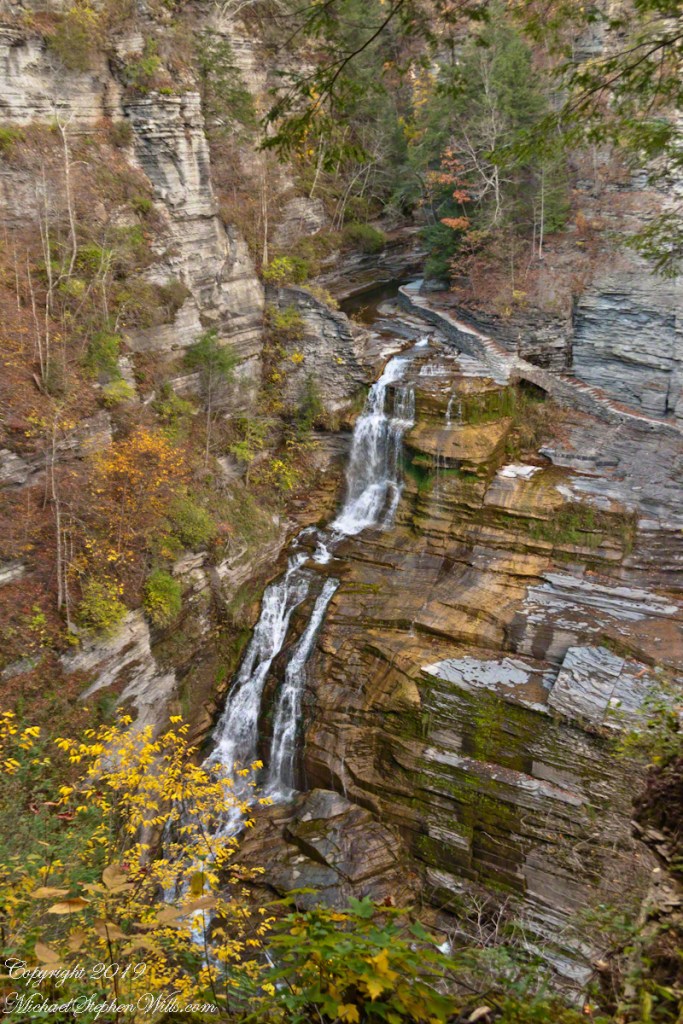
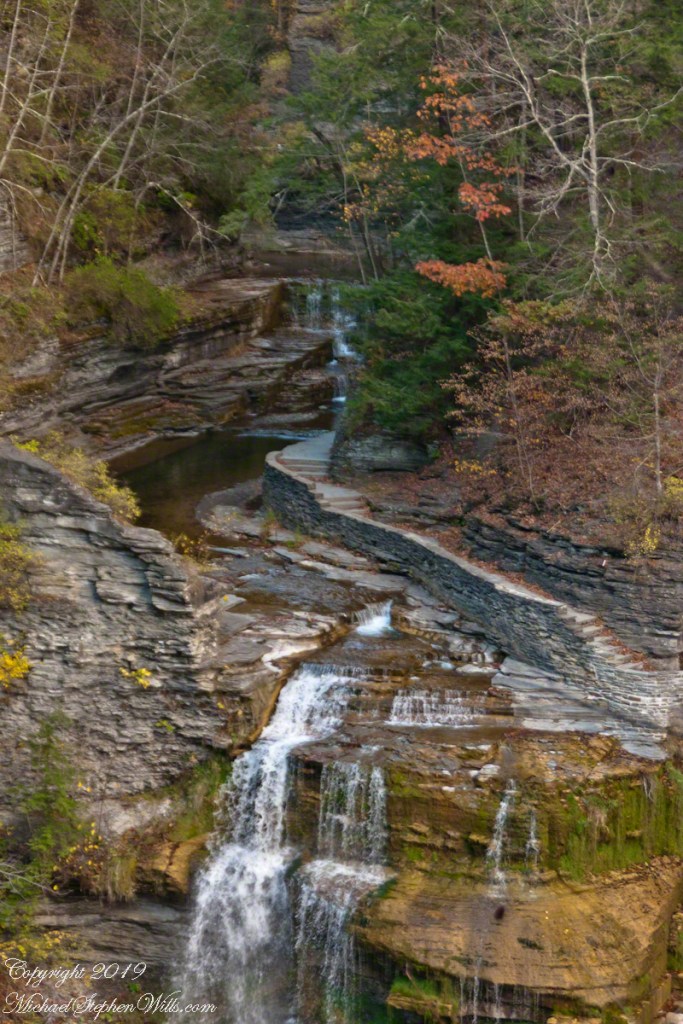
This session I finally “cracked” the puzzle of the Devil’s Kitchen Waterfall. I posted the results to the online gallery yesterday, for your enjoyment. Click the link to go there.

Click link for my fine art print “Devils Kitchen.”

Click Me to view my photographs on Getty.

Copyright 2023 Michael Stephen Wills All Rights Reserved http://www.MichaelStephenWills.com

Rambling Images

Three Summer Hikes

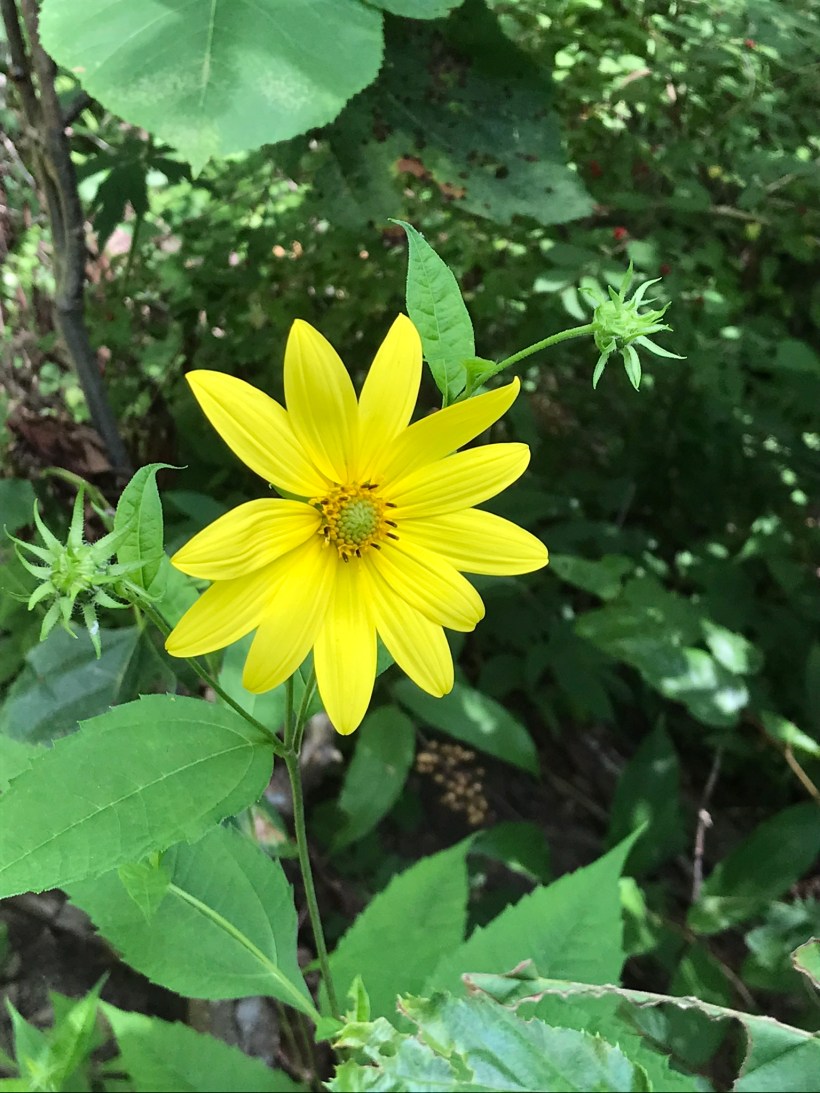
“Out in the meadow, I picked a wild sunflower, and as I looked into its golden heart, such a wave of homesickness came over me that I almost wept.  I wanted Mother, with her gentle voice and quiet firmness; I longed to hear Father’s jolly songs and to see his twinkling blue eyes; I was lonesome for the sister with whom I used to play in the meadow picking daisies and wild sunflowers.”

from “Laura Ingalls Wilder, Farm Journalist, Writings from the Ozarks” edited by Stephen W. Hines”

Click me for “Summer Dream, Buttermilk Falls” in my Fine Art Gallery

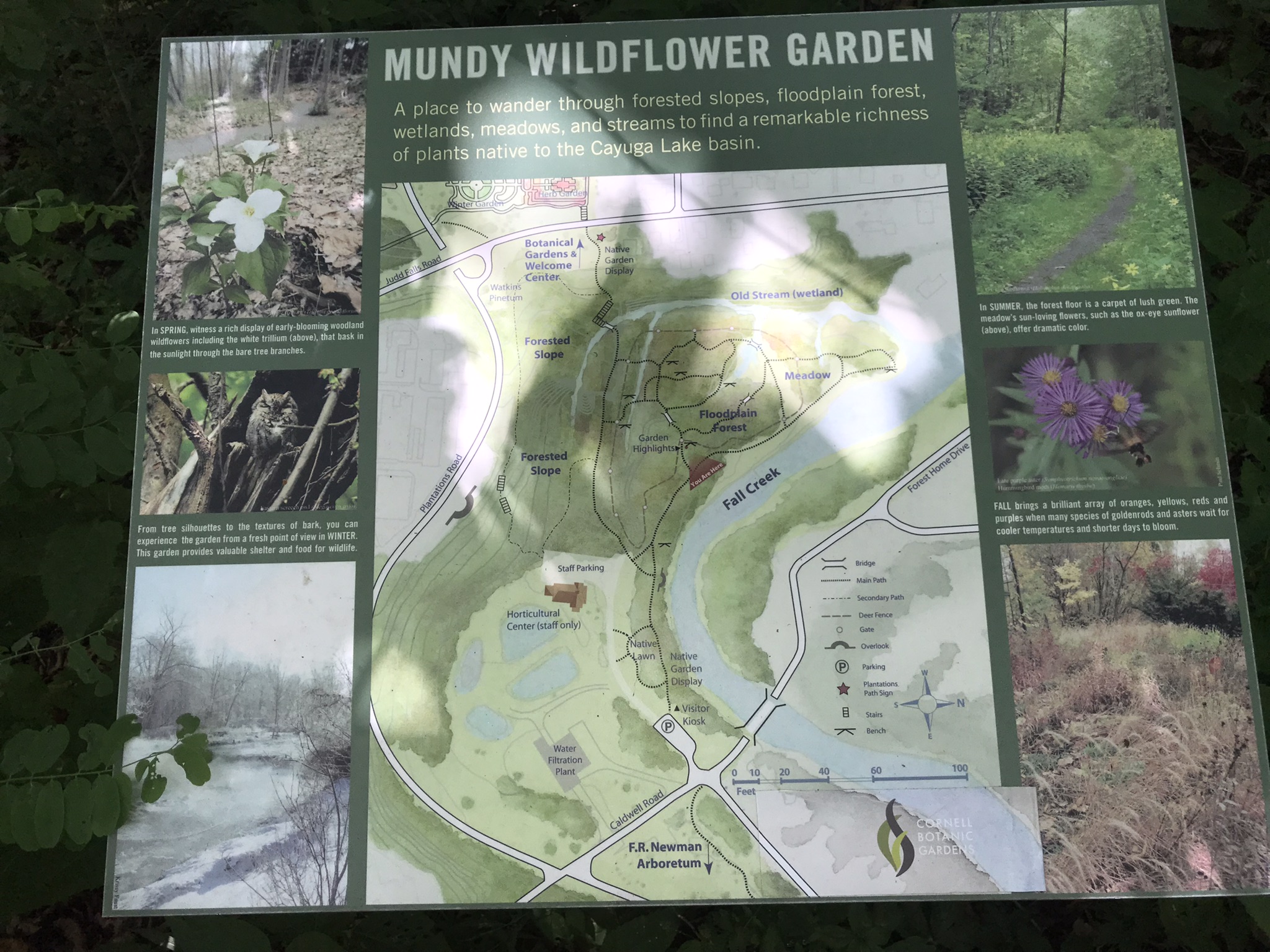
Cornell Plantations

Click photograph for a larger view.

Taughannock Falls

Buttermilk Falls, upper

A quiet moment……

Copyright 2022, Michael Stephen Wills All Rights Reserved

Ancient “Fracking”

a form revealed

Friday last Pam and I joined a “James Potorti Memorial Gorge Walk” through Buttermilk Falls State Park where we learned interesting facts connected to one of my most successful photographs, “Summer Dream: Buttermilk Falls.” This is the second post of this series.

Click me for “Summer Dream, Buttermilk Falls” in my Fine Art Gallery.

Many Right Angles, Why?

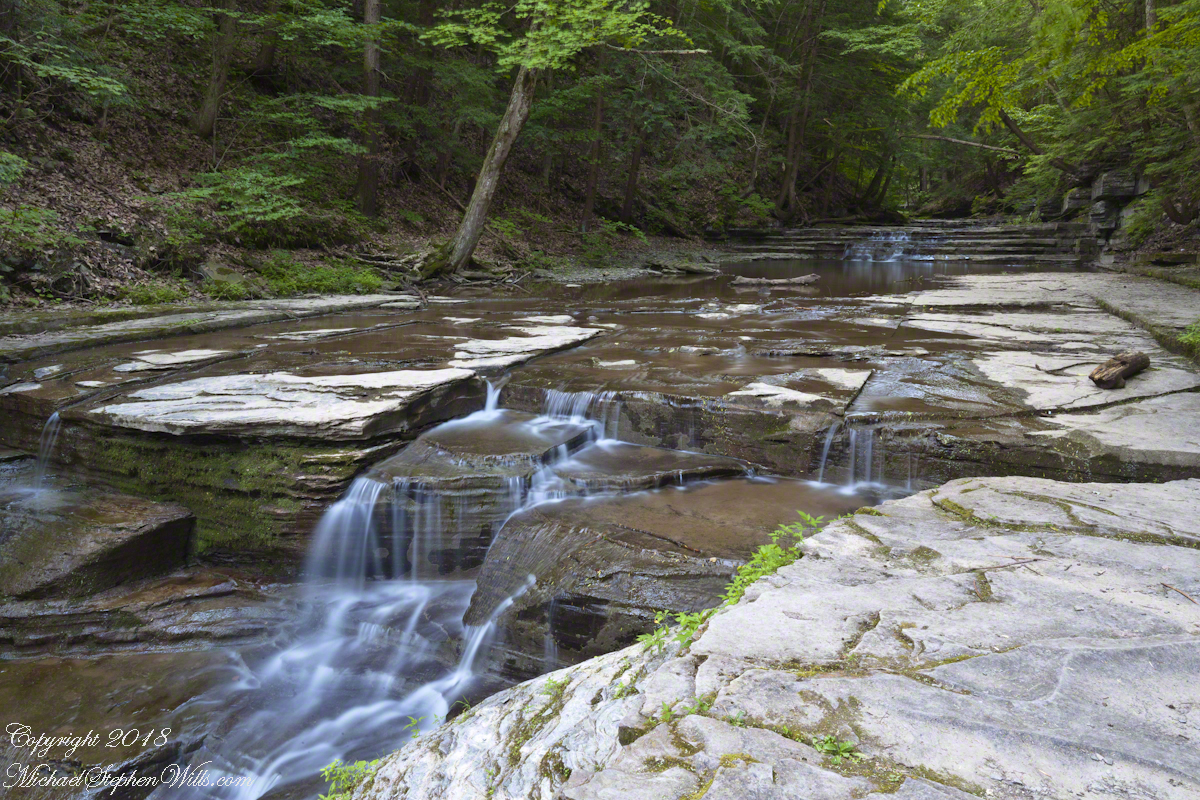
On a July morning 2018 I walked Buttermilk Creek from the scene of my “Summer Dream: Buttermilk Falls”, up the steps on the right of that photograph to where the water flows across a flat expanse of stone. This is a photograph of that expanse taken using a tripod mounted Canon EOS 1DS Mark III body with the Canon lens EF 24mm f/1.4L II USM w/a neutral density filter (0.6 as I recall).

Click photograph for a larger view.
“Summertime Cascades – 2018”

For a scene from nature there are many straight lines and, even, right angles in addition to the layering of the sedimentary rock from its origin as eroded material from the ancient Arcadia mountains collected on the floor of a warm shallow sea. We learned from Friday’s walking tour this sea was close to the equator at that time, riding on a tectonic plate that’s since drifted north. This North American Plate jostling with the others.

Beneath these rocks were older formations in which decomposed organic matter had transformed to methane gas. When the African plate and this pressed together, the stressed rocks weakened at right angles to the force, each stress point joining others in straight lines. The methane gas pressure from below forced the weak points to open a straight line fractures.

As the plates continued to move, orientation to the African plate transformed by ninety degrees and the two pressed together again. Methane gas pressure was present, causing straight line fractures at right angles to the others. Everywhere these rocks are exposed across the Finger Lakes region we see these right angle fractures.

In Memorium

James Potorti was a native of Ithaca who perished at 52 years of age in New York City on September 11, 2001 were he worked on the 96th floor of 1 World Trade Center.

Copyright 2022, Michael Stephen Wills All Rights Reserved