Continue reading “Hands of Frogs and the Innocence of Babies”
Hands of Frogs and the Innocence of Babies
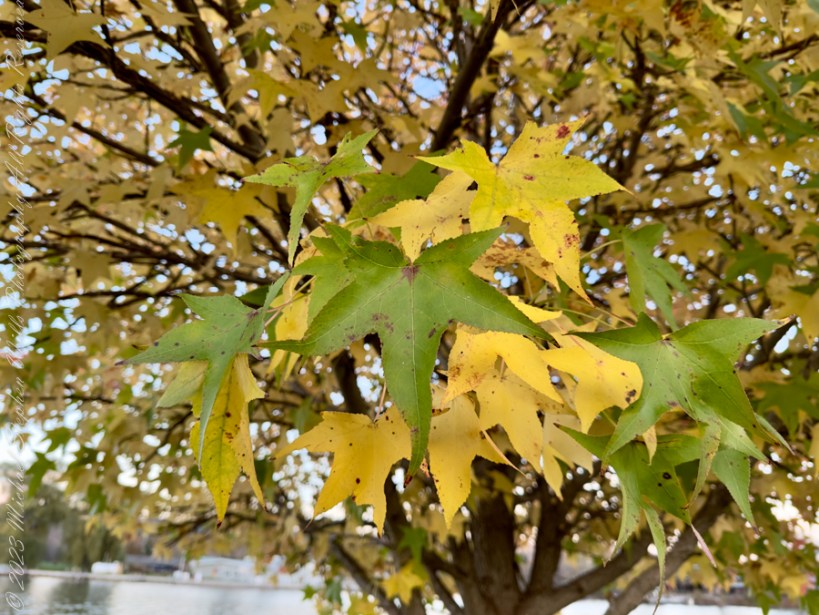
Autumn leaves whisper,
By the calm inlet they dance,
Maple’s red embrace,
History in every branch,
Nature’s heart in silent chant.
Autumn leaves whisper,
By the calm inlet they dance,
Maple’s red embrace,
History in every branch,
Nature’s heart in silent chant.
Happy Thanksgiving
The Catskill Mountains are not mountains. The Catskills started as a high plateau. Over eons, before the first humans, water, the sun, and wind carved high steep peaks: rounded, forested and teeming with life.
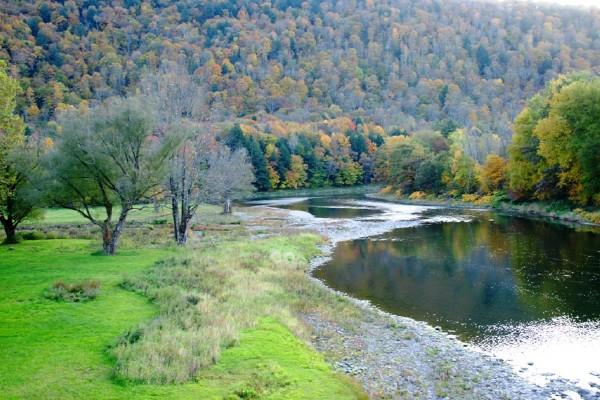
October 2008, on a return trip from family on Long Island, we traveled the winding road called “Route 17”, through the high autumn hillsides.
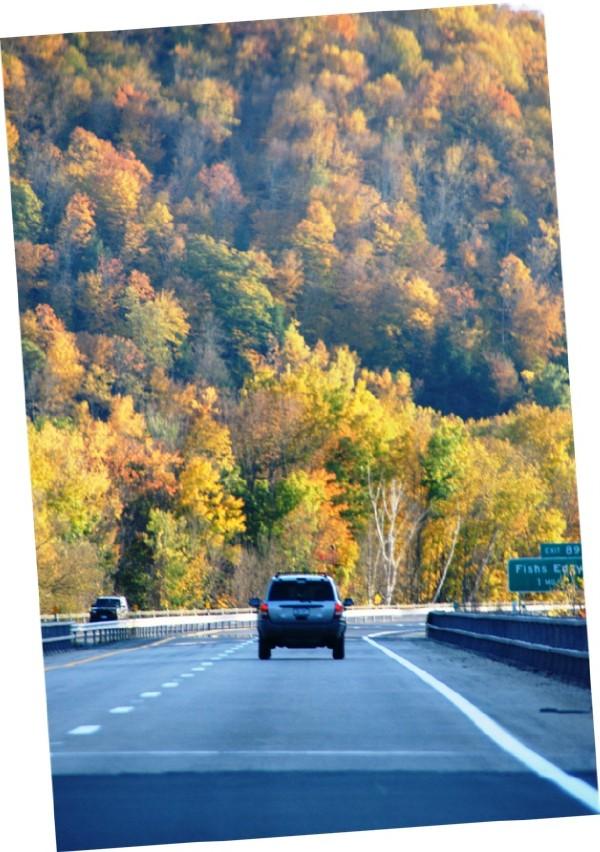
As the sun passed over the western hills we stopped to explore a place called “Fishs Eddy”, a town on the banks of the Delaware River.
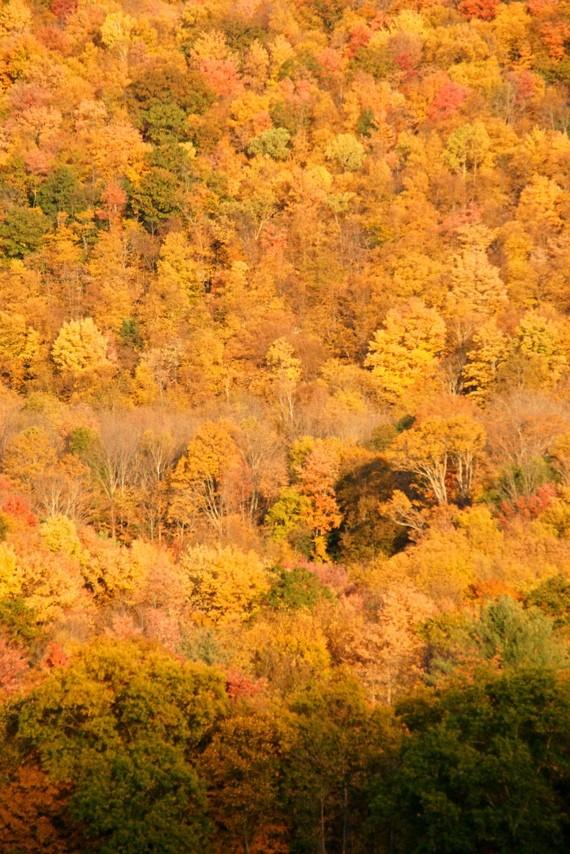
On the east side, facing sunset is a formation that would be a cliff if it was not for the hardwood trees growing from every available nook, crevice. Everywhere a root could be sunk, roots fed trees that, one late October afternoon, made a hill bright with autumn.
Turkeys live in this type of habitat. We took a trail, barely a road that climbed past failed farms and hunting shacks.
Click me for more Autumn Magic from my Online Gallery
On a level place, in front of a ruined home, we came upon a Tom (male) turkey and his four hens. The hens fled at the sight of us.
With barely time to raise the camera I caught Tom and the last hen as she fled into the bushes.
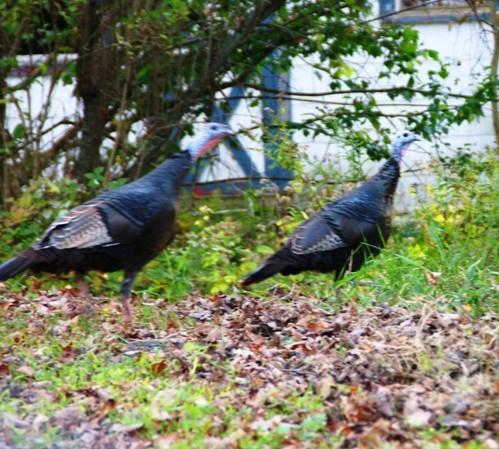
I say she, because Tom stayed behind. He stood erect, all three feet of him, defiant and strutting in a direction opposite from the hens.
This is the bird Benjamin Franklin proposed as the national emblem of the new United State of America (the bald eagle won that competition).
Hunted into almost oblivion, across the United States the wild turkey is making a dramatic comeback in many places, including the forests and farmland of rural New York State
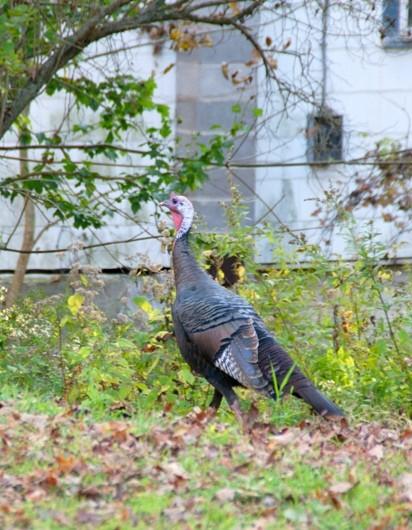
This fellow made no noise. His strutting posture and head bobbing said it all.
We left Tom Turkey in peace to his domain and hens.
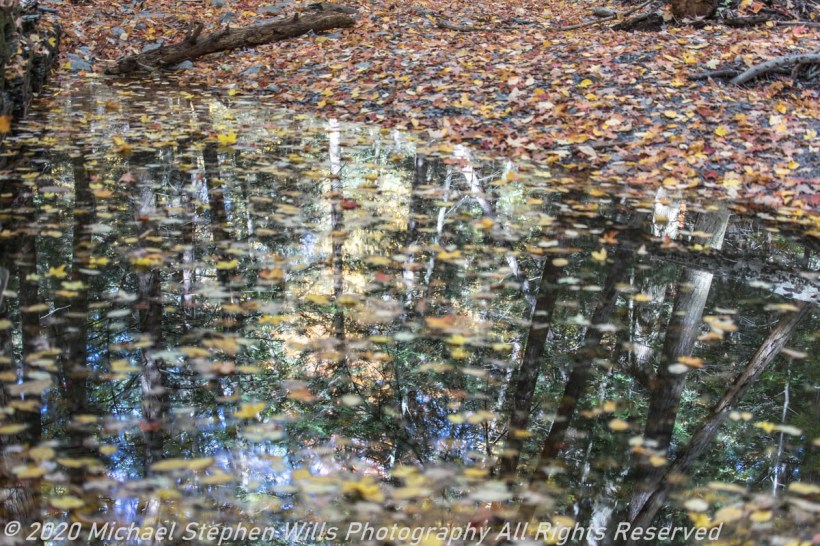
…on the wall
On Lick Brook, Thayer Preserve, still pools become mirrors at low flow during a dry autumn.
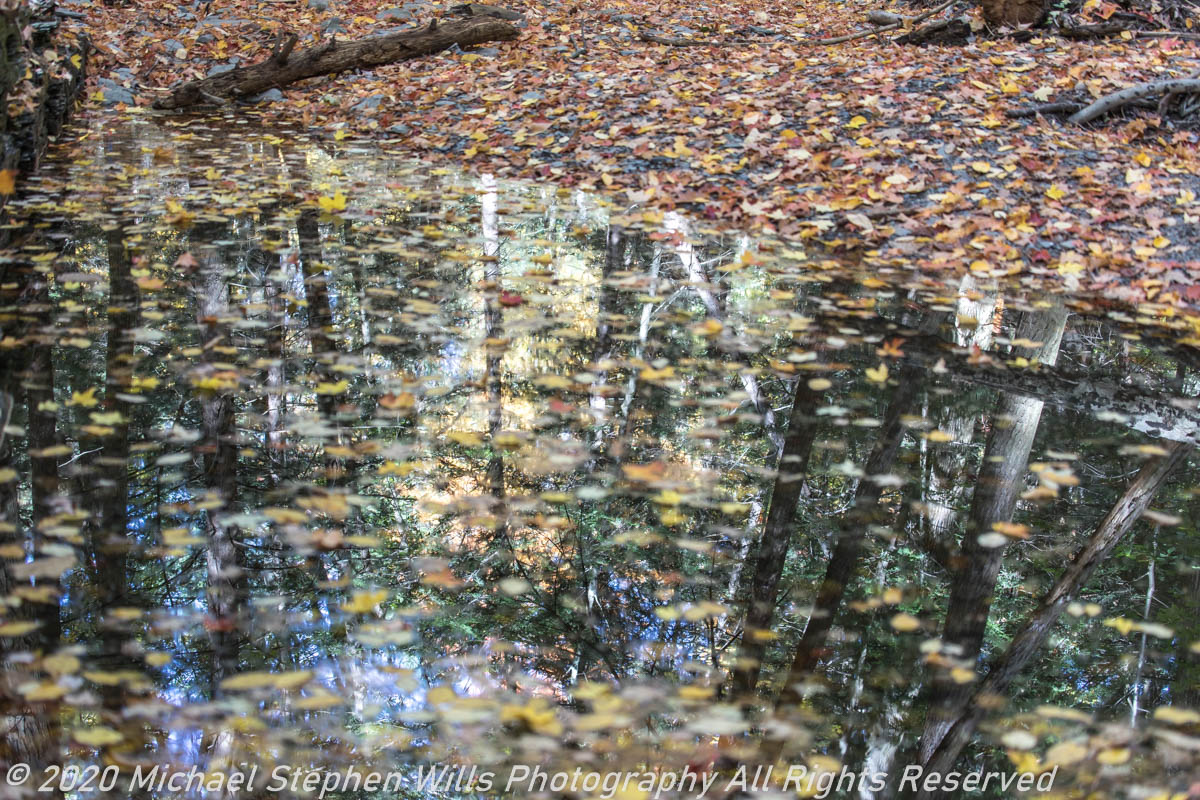
Still life and stillness
I described Jennings Pond to Pam and we returned together. Here is a photographic essay from that day, one of a series.
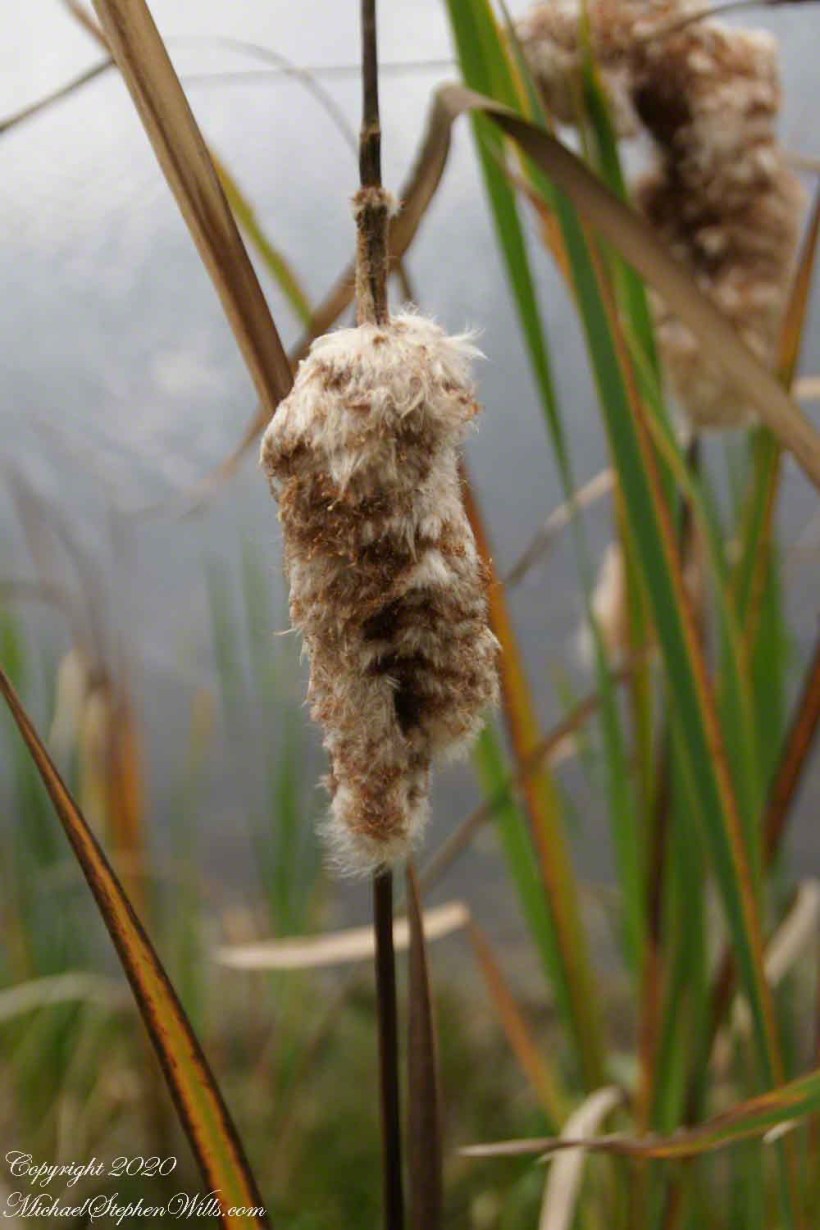
The first image is the small concrete dam, taken from the footbridge over the pond outlet, source for Buttermilk Creek.
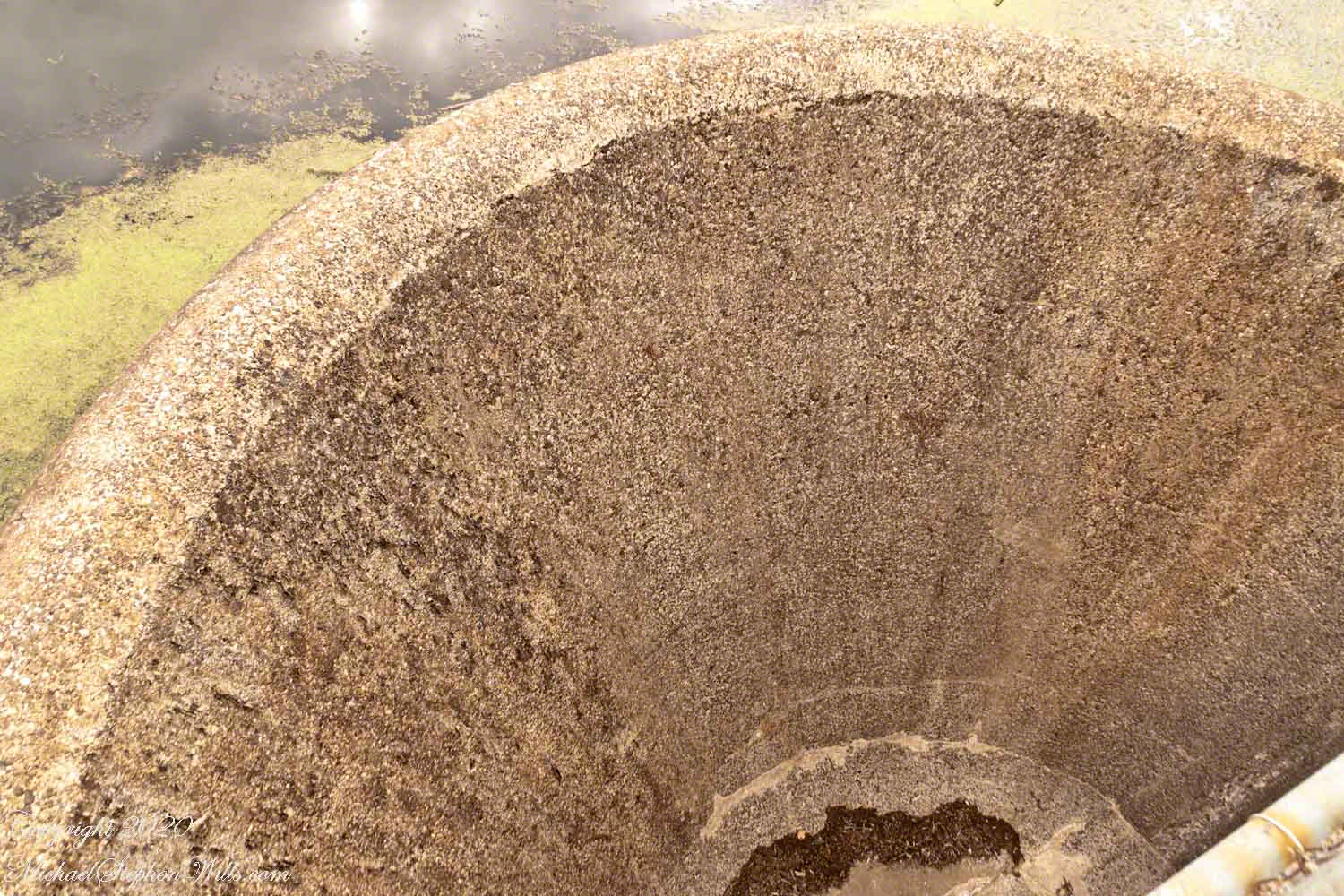
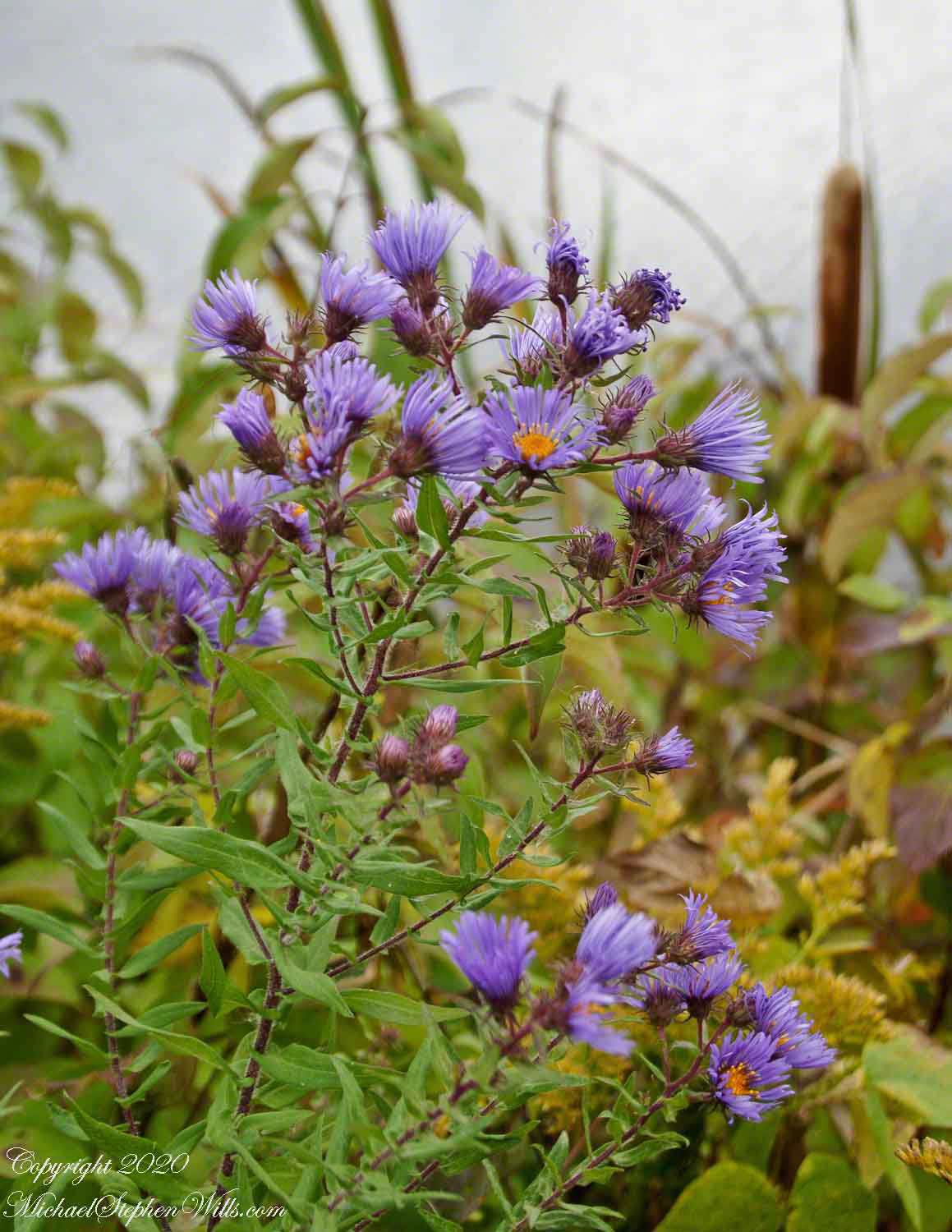

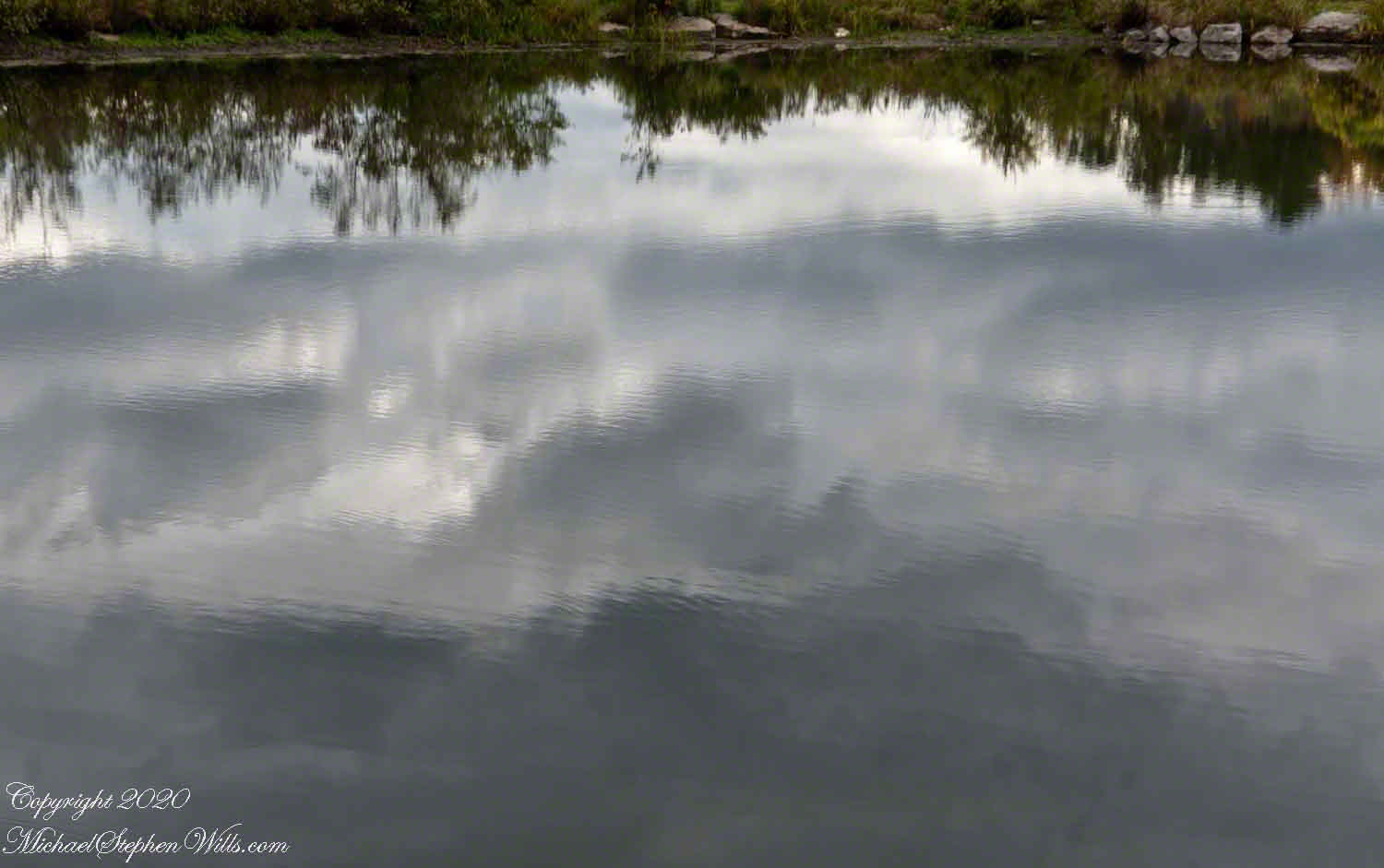

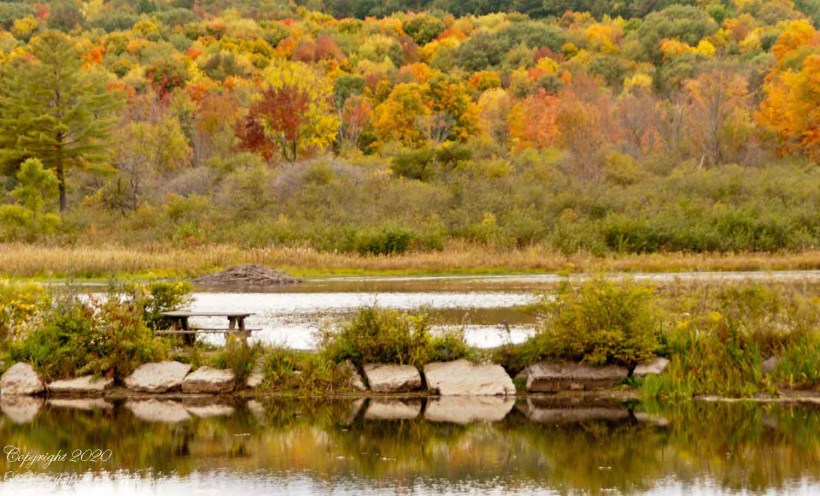
Picnics on the berm
I described Jennings Pond to Pam and we returned together. Here is a photographic essay from that day, one of a series.
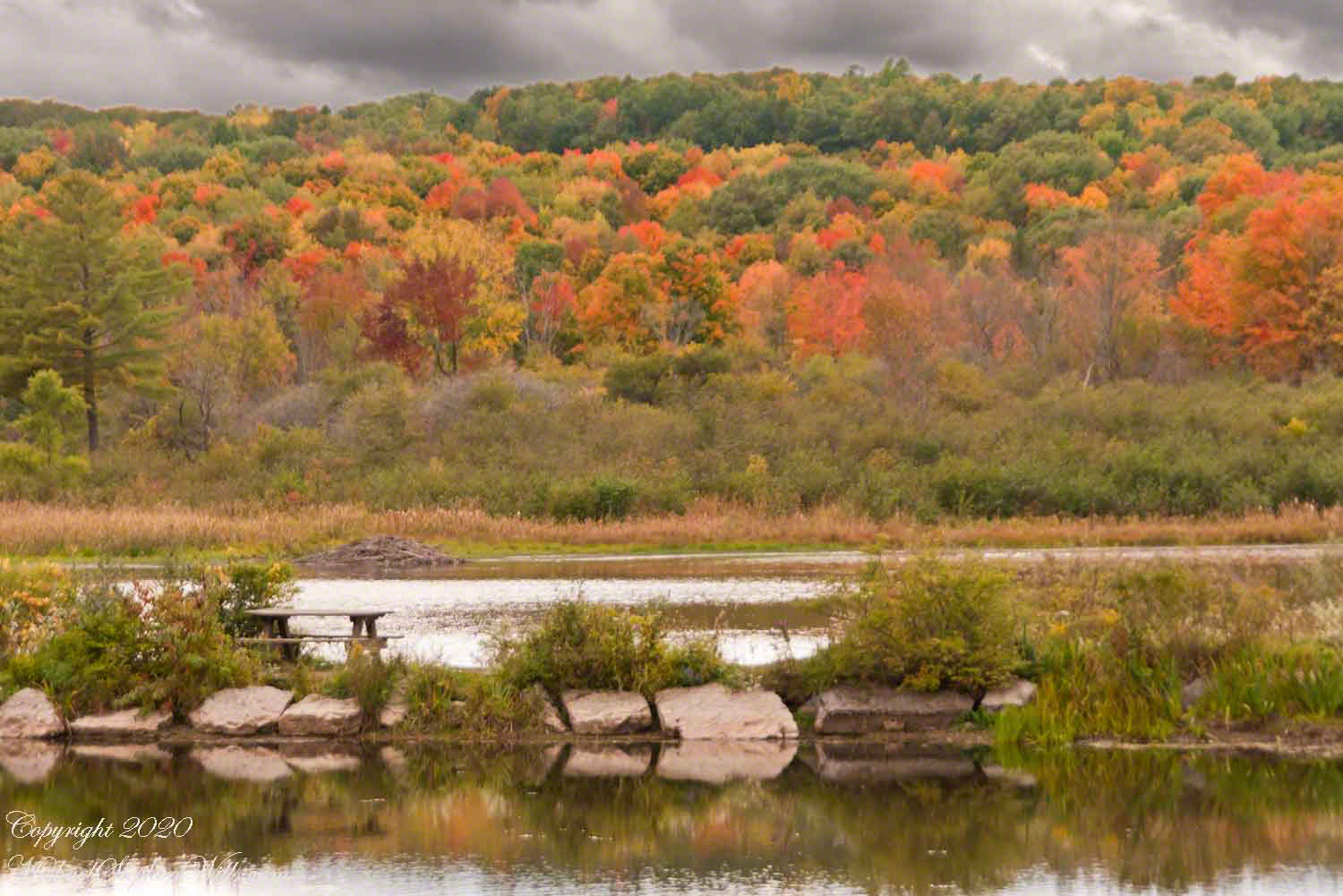
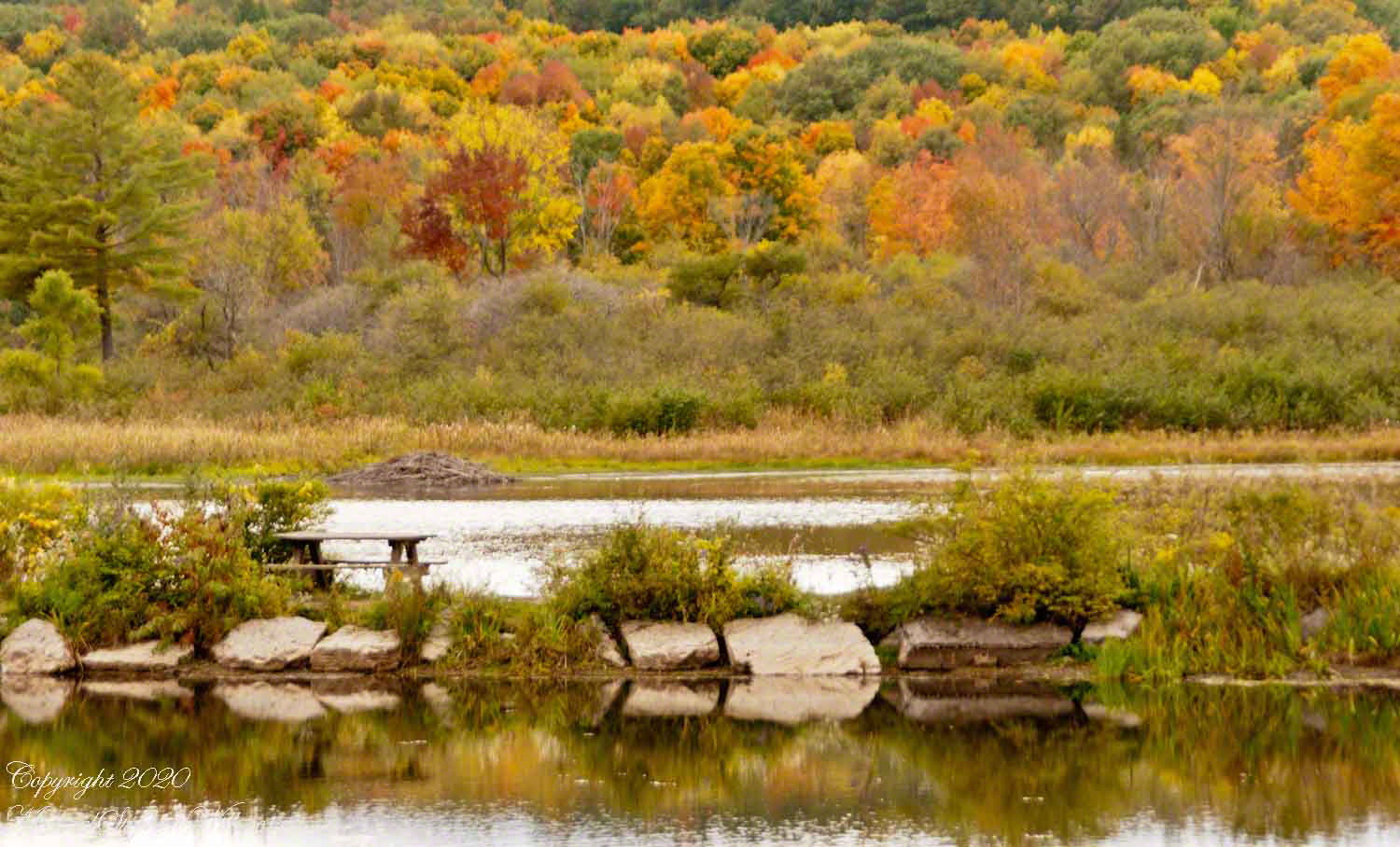
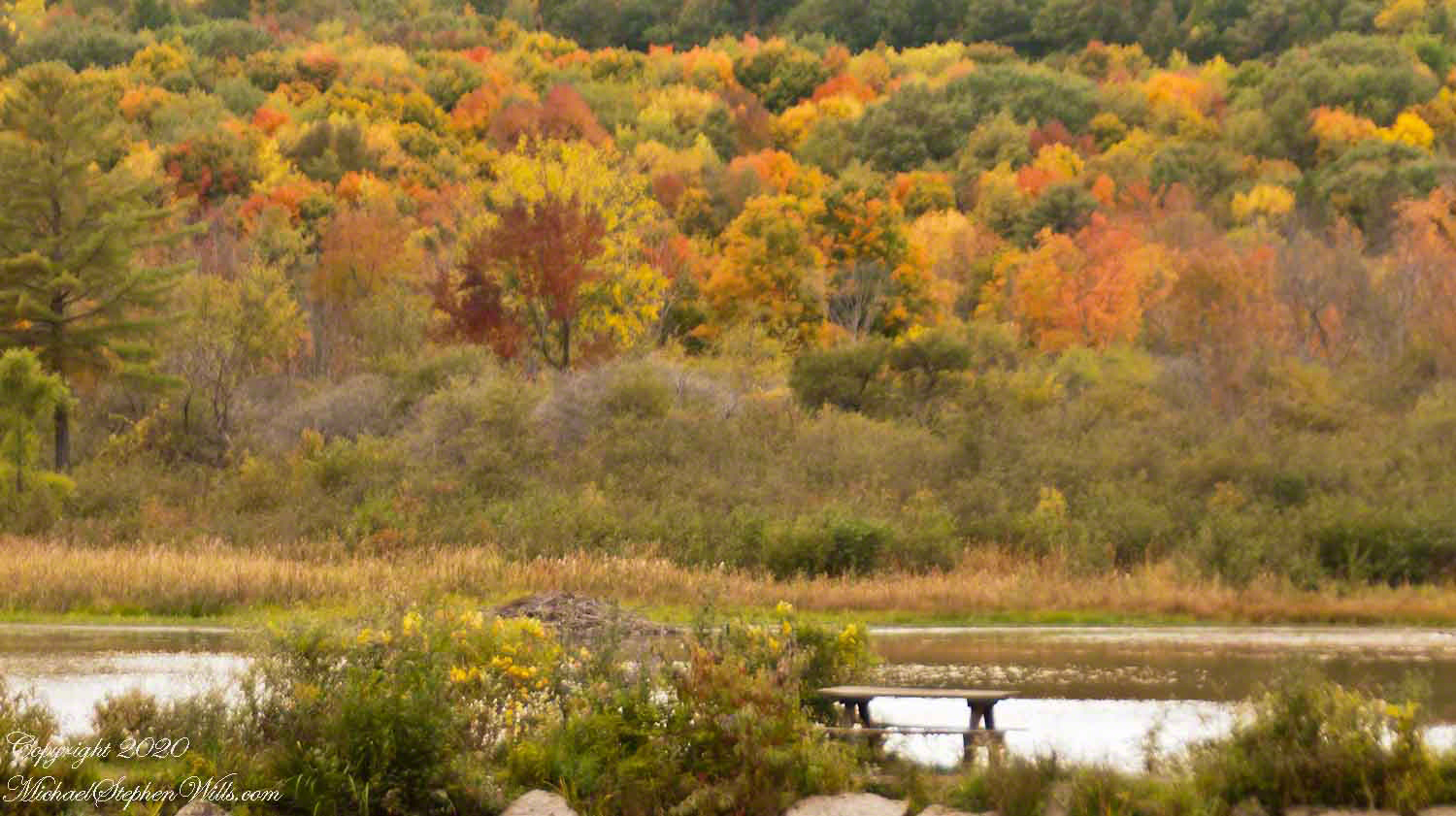
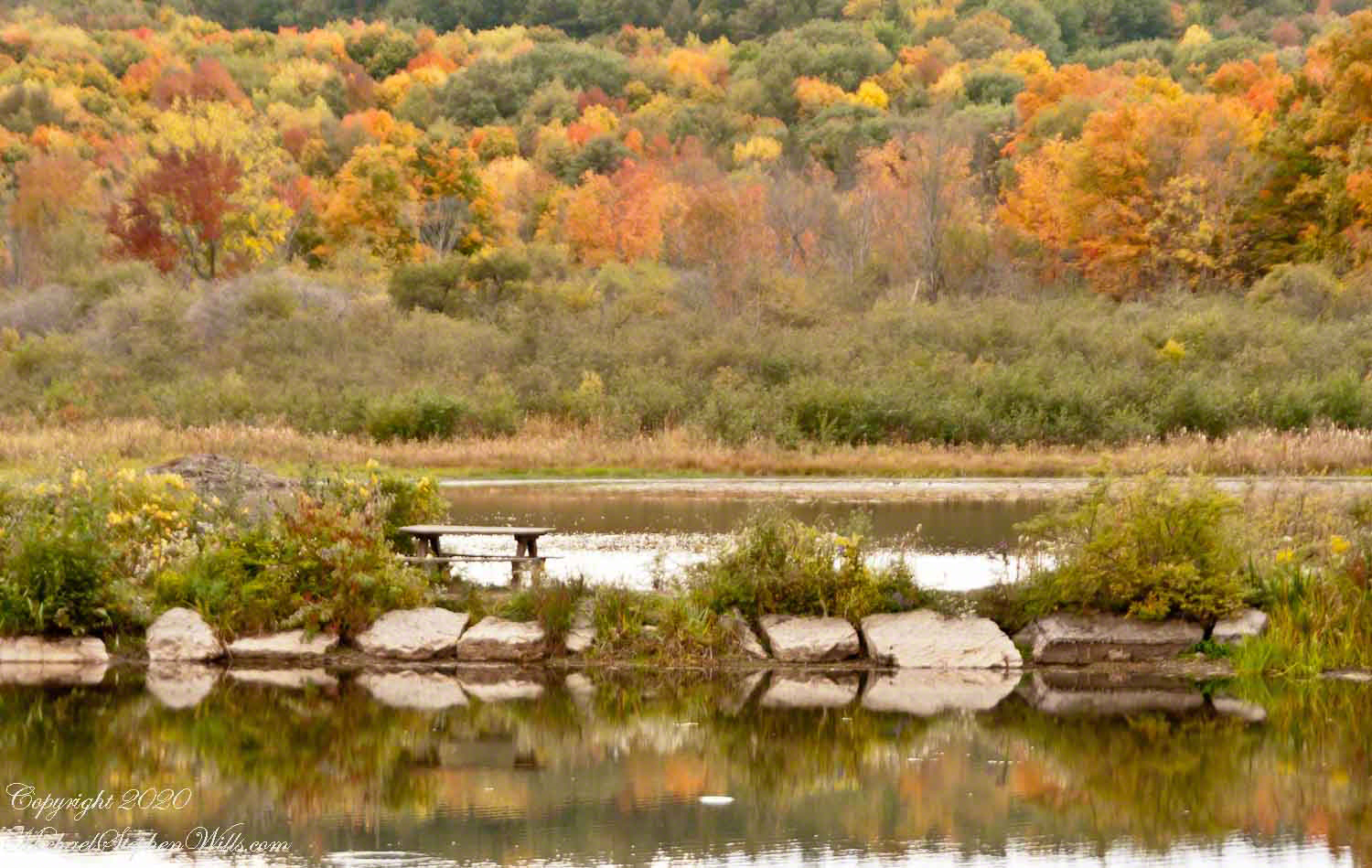
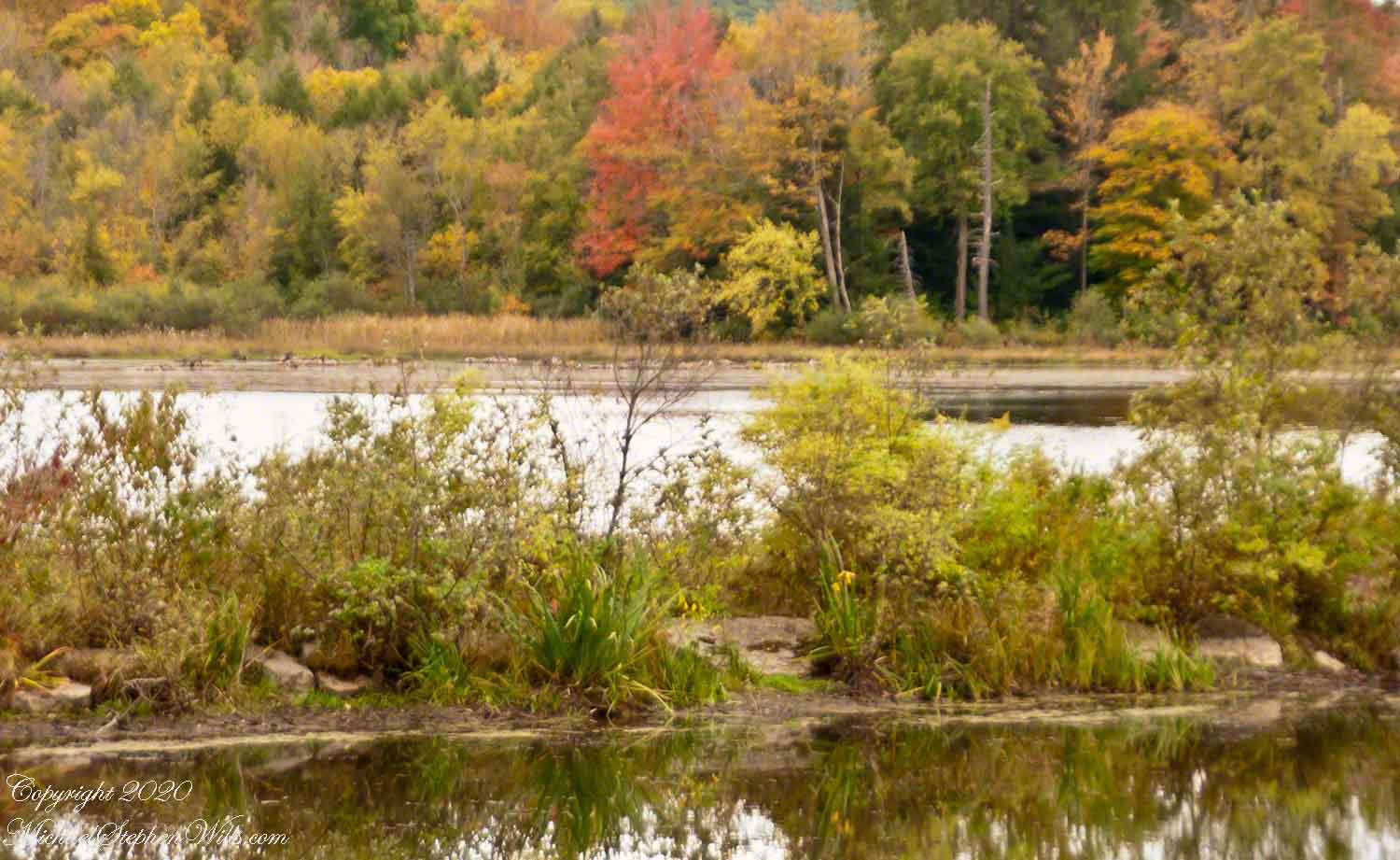
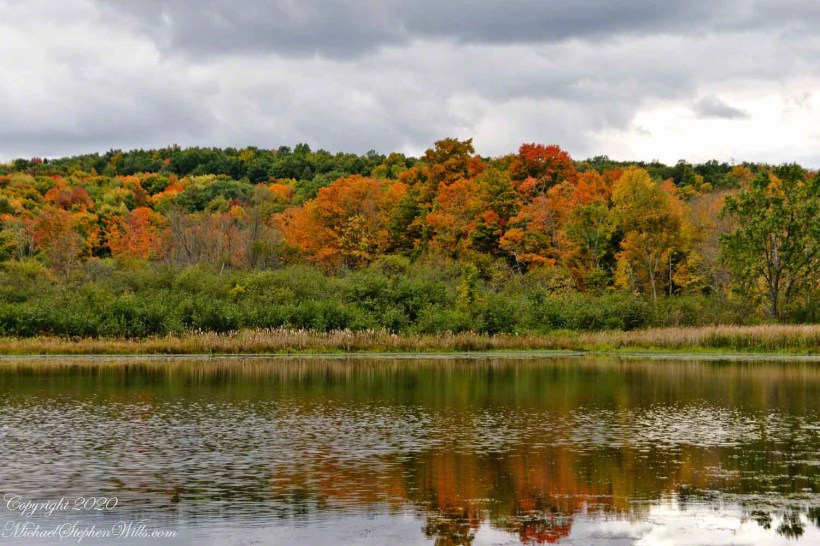
A gathering autumn glory
I described Jennings Pond to Pam and we returned together. Here is a photographic essay from that day, one of a series.
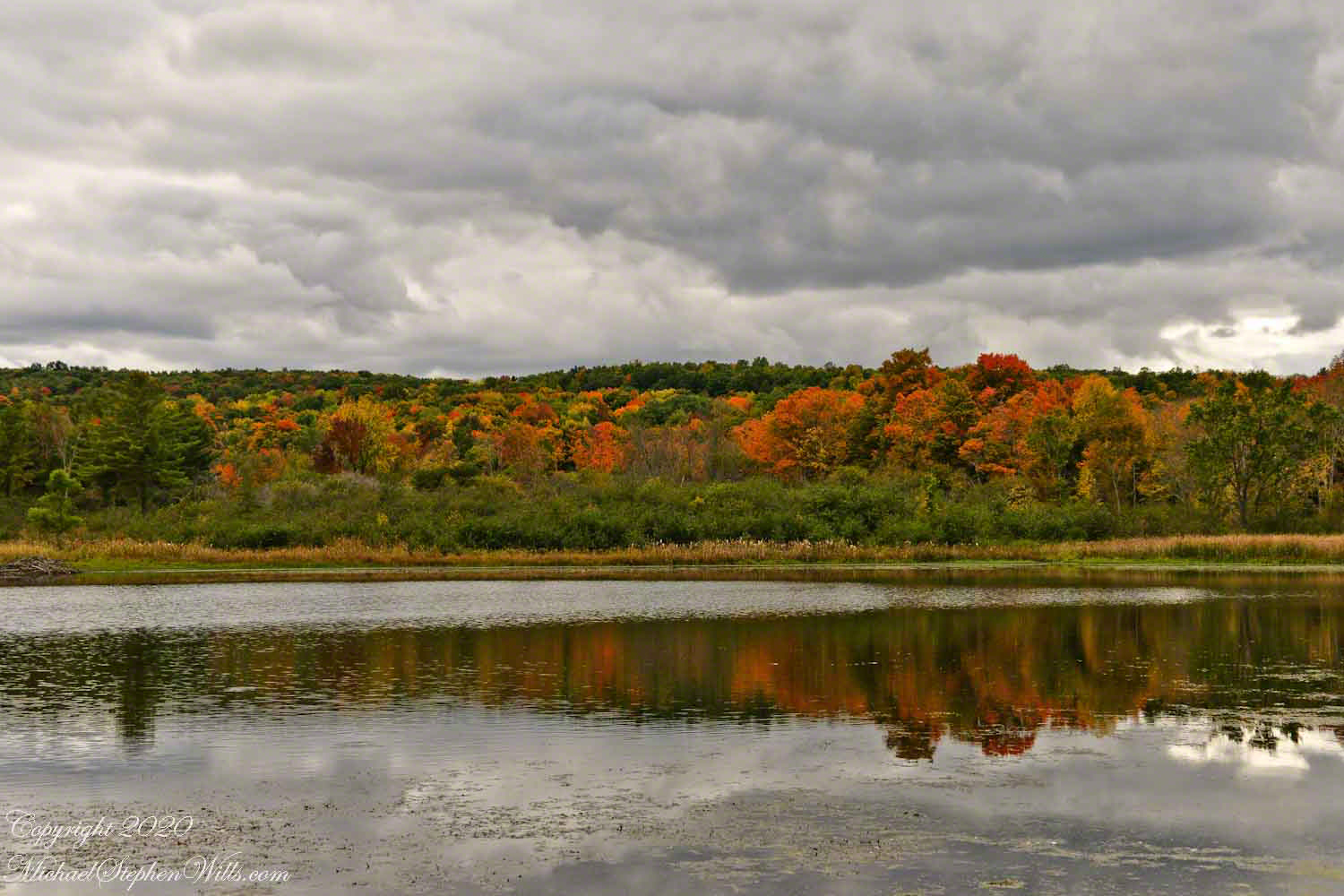
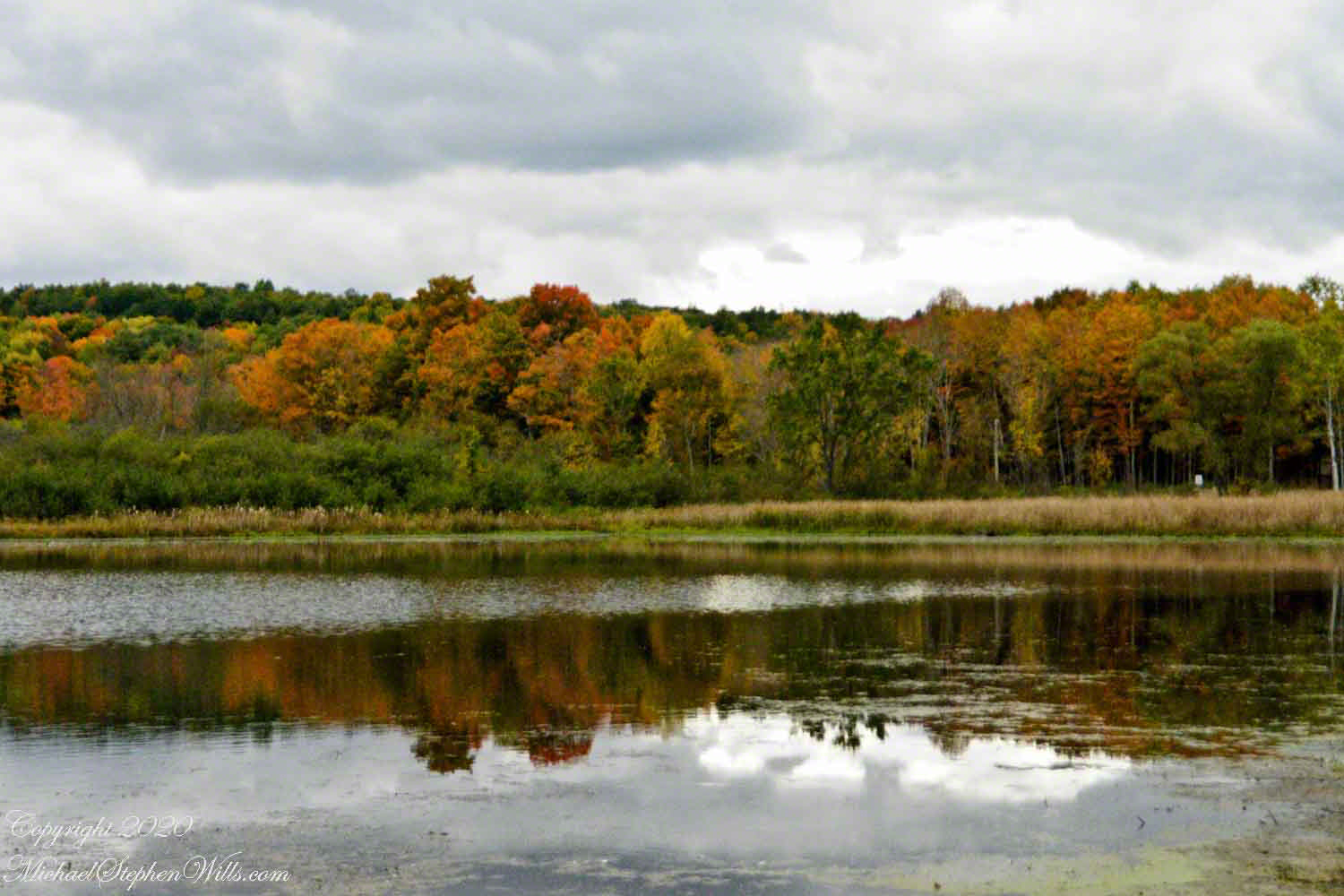
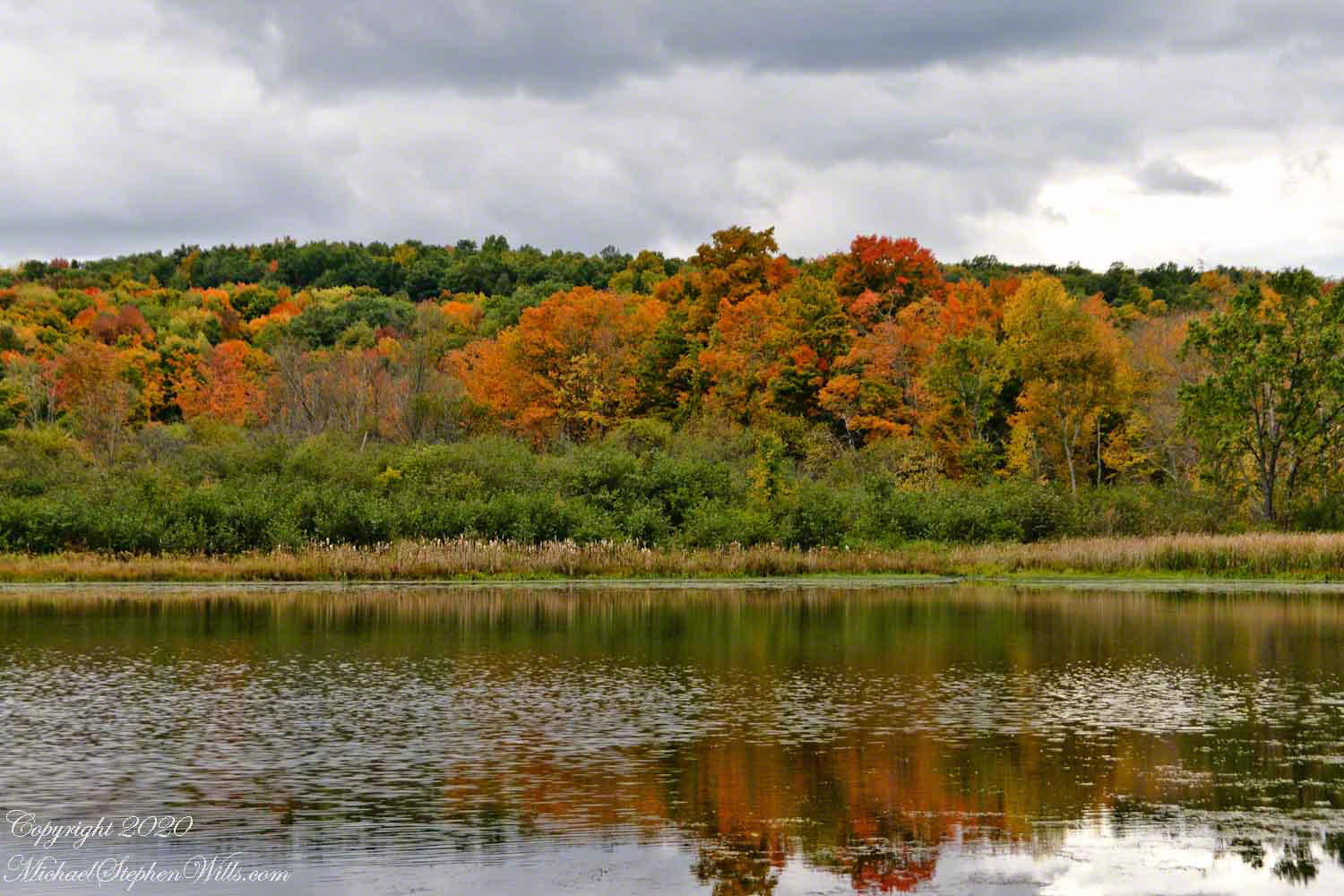
Copyright 2023 Michael Stephen Wills All Rights Reserved
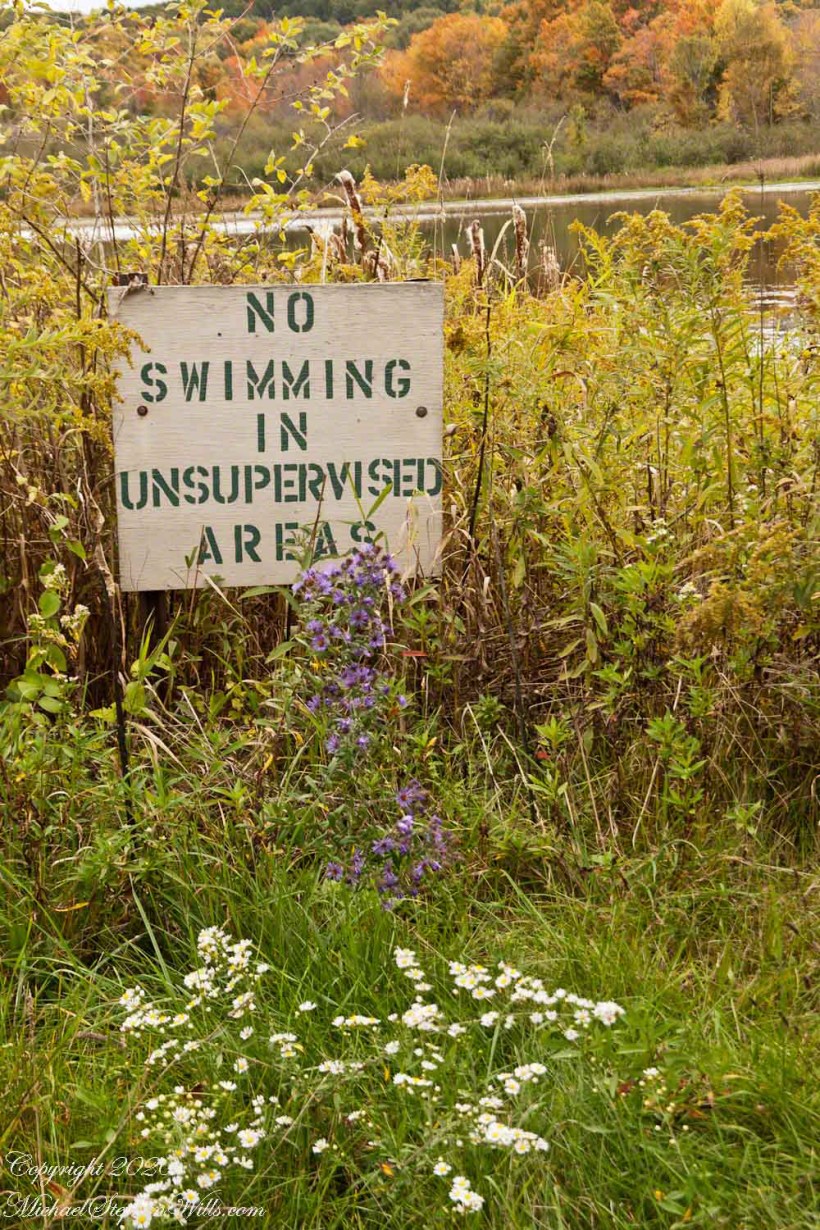
No Swimming!?
“Jennings Pond,” is a song, celebrating swimming.
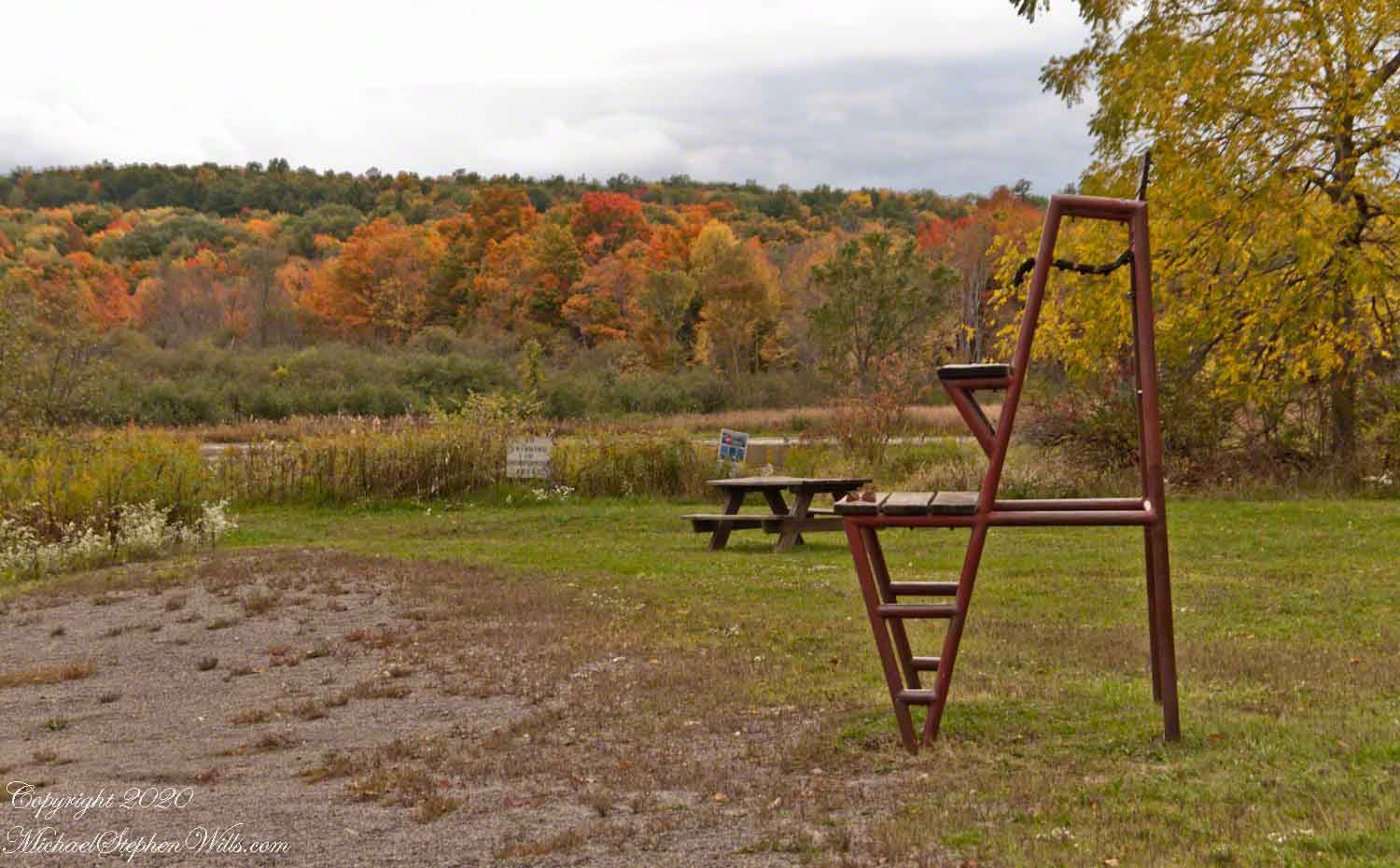
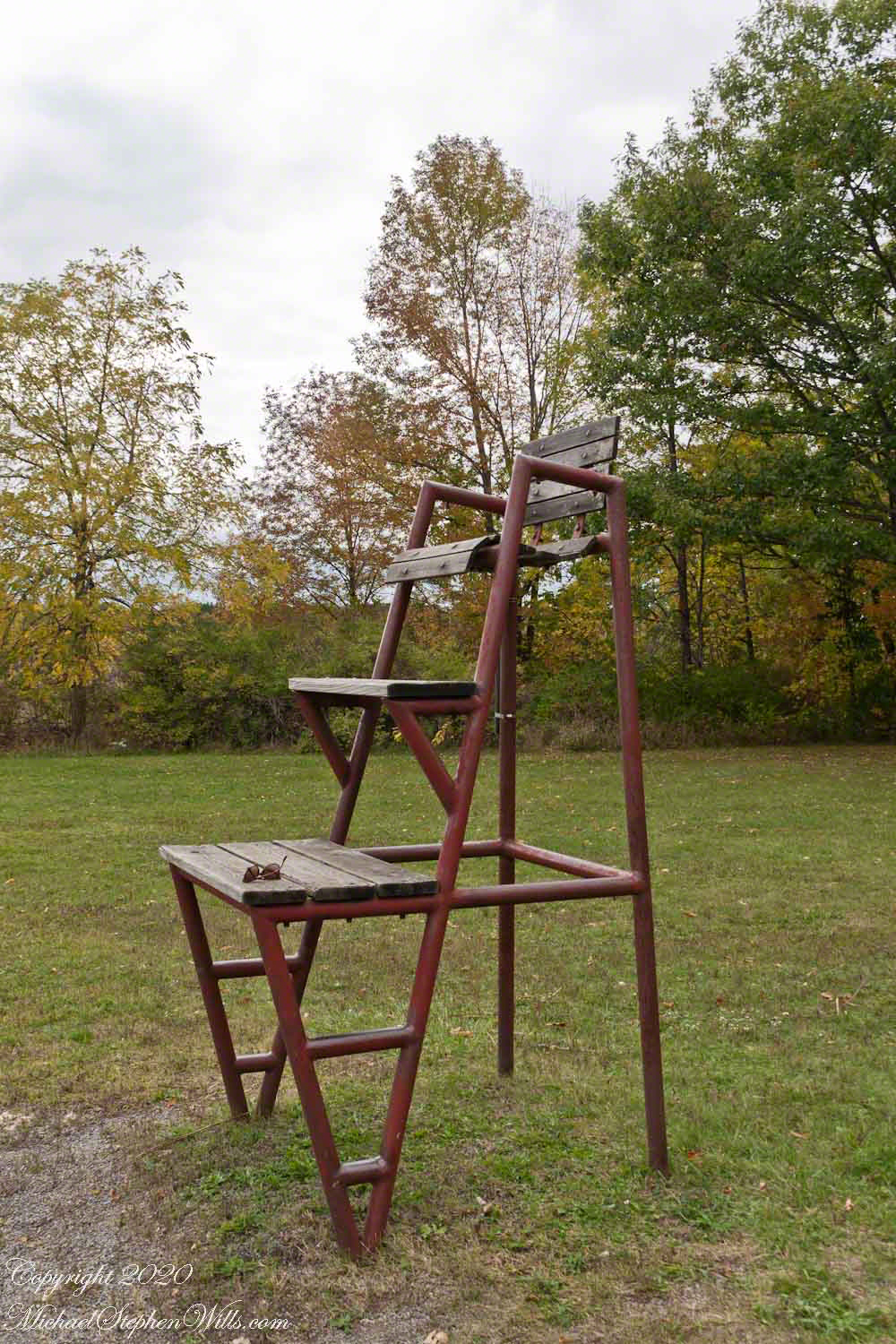
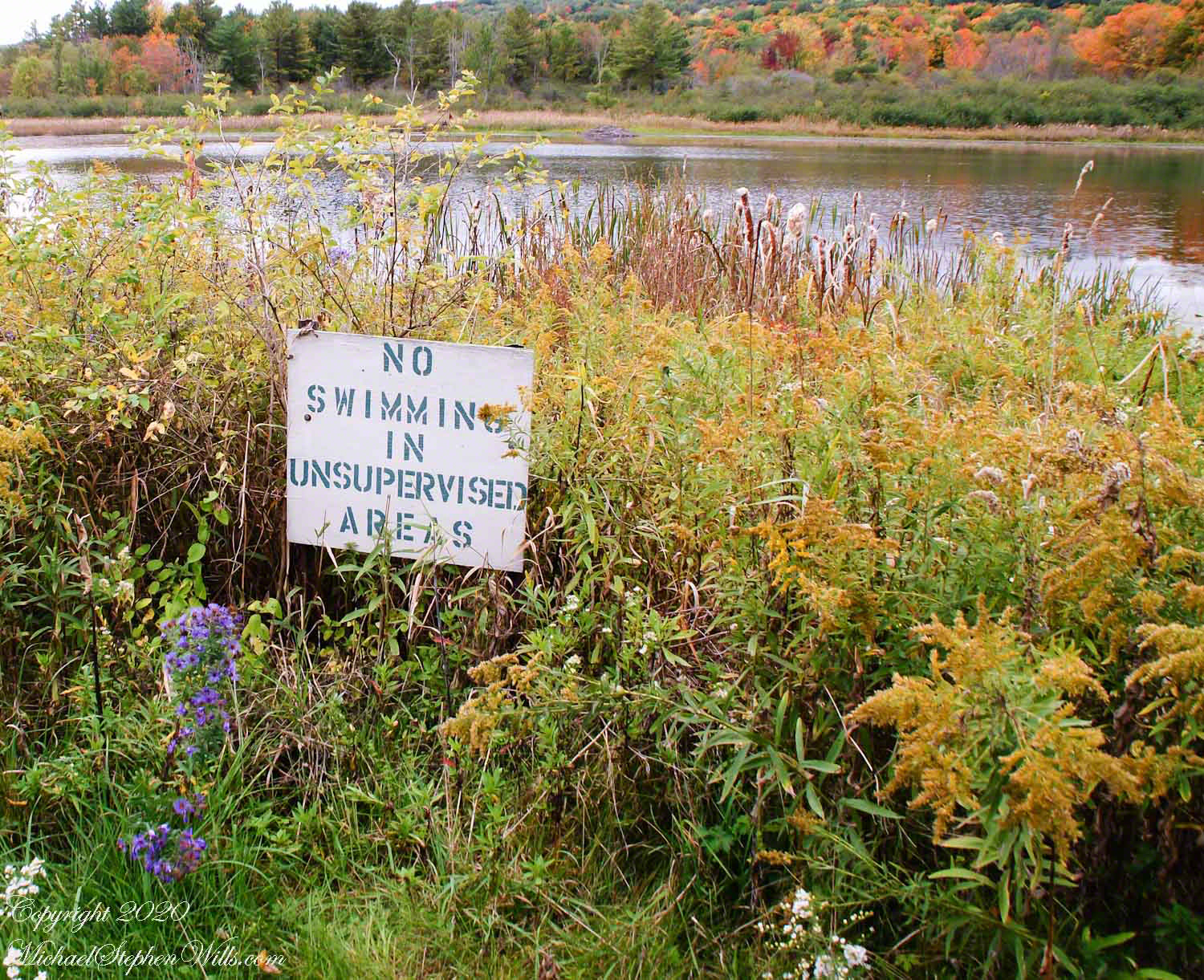
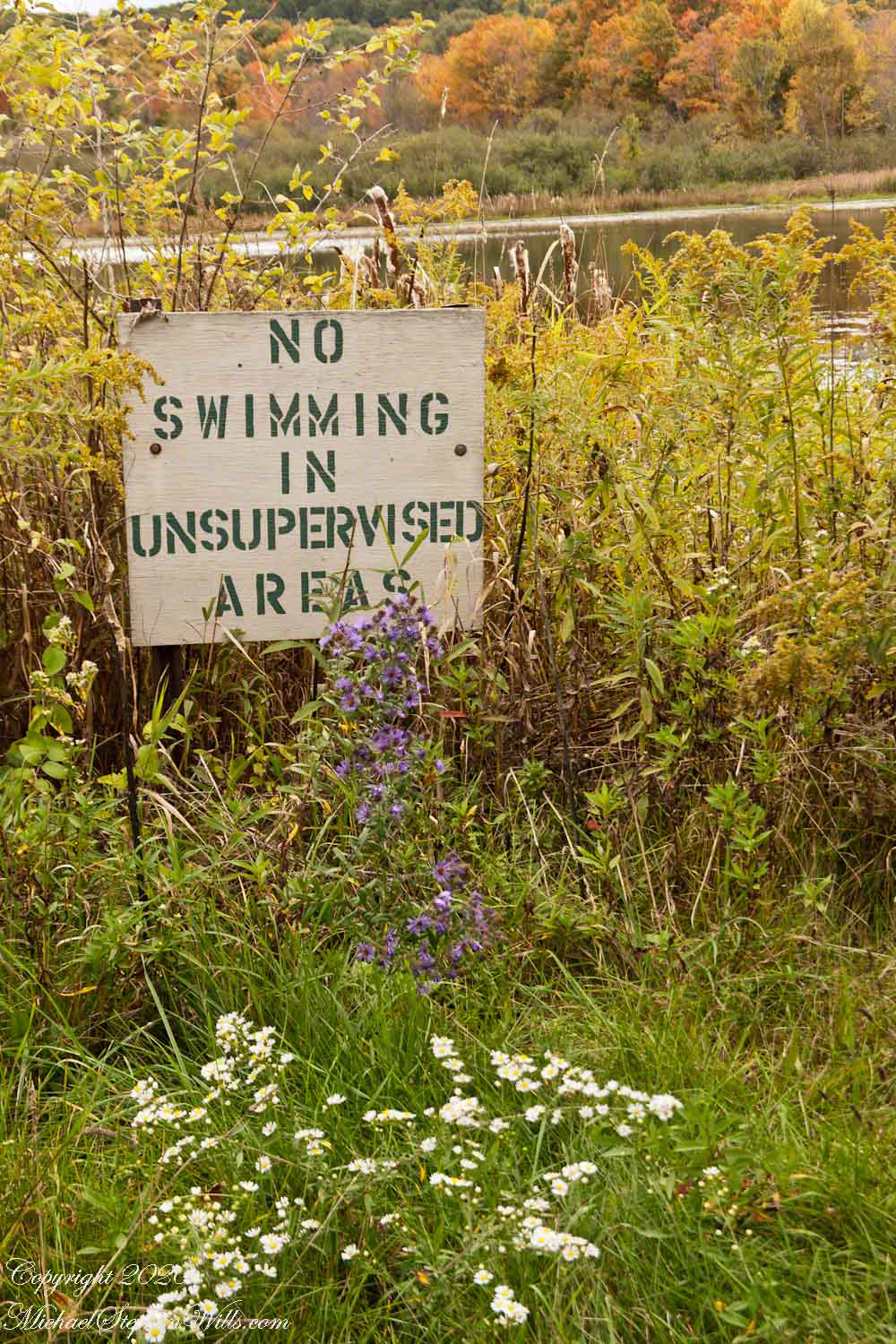
Here is a photographic essay on the subject of swimming at Jennings Pond this October afternoon.
Copyright 2023 Michael Stephen Wills All Rights Reserved
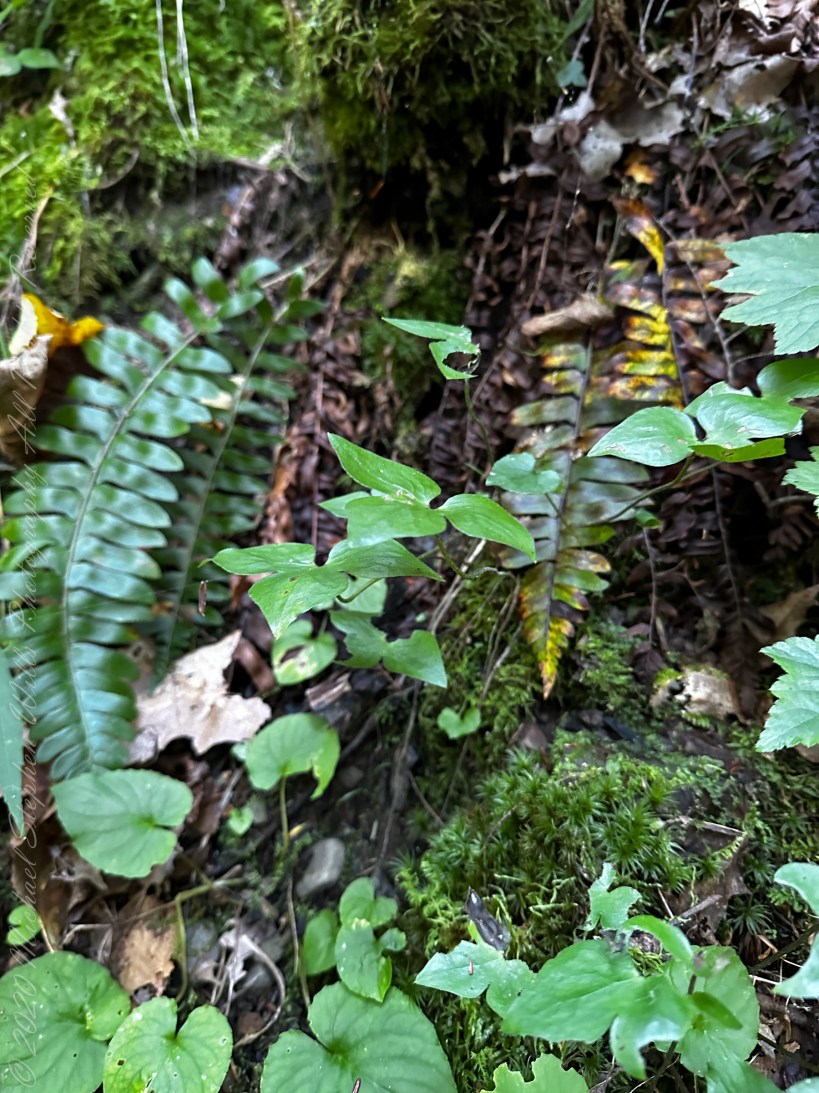
The post discusses the Hepatica acutiloba plant, highlighting its characteristics, growth, historical medicinal use, and its natural habitat in central eastern North America. It also includes an observation made in Robert H. Treman Park.
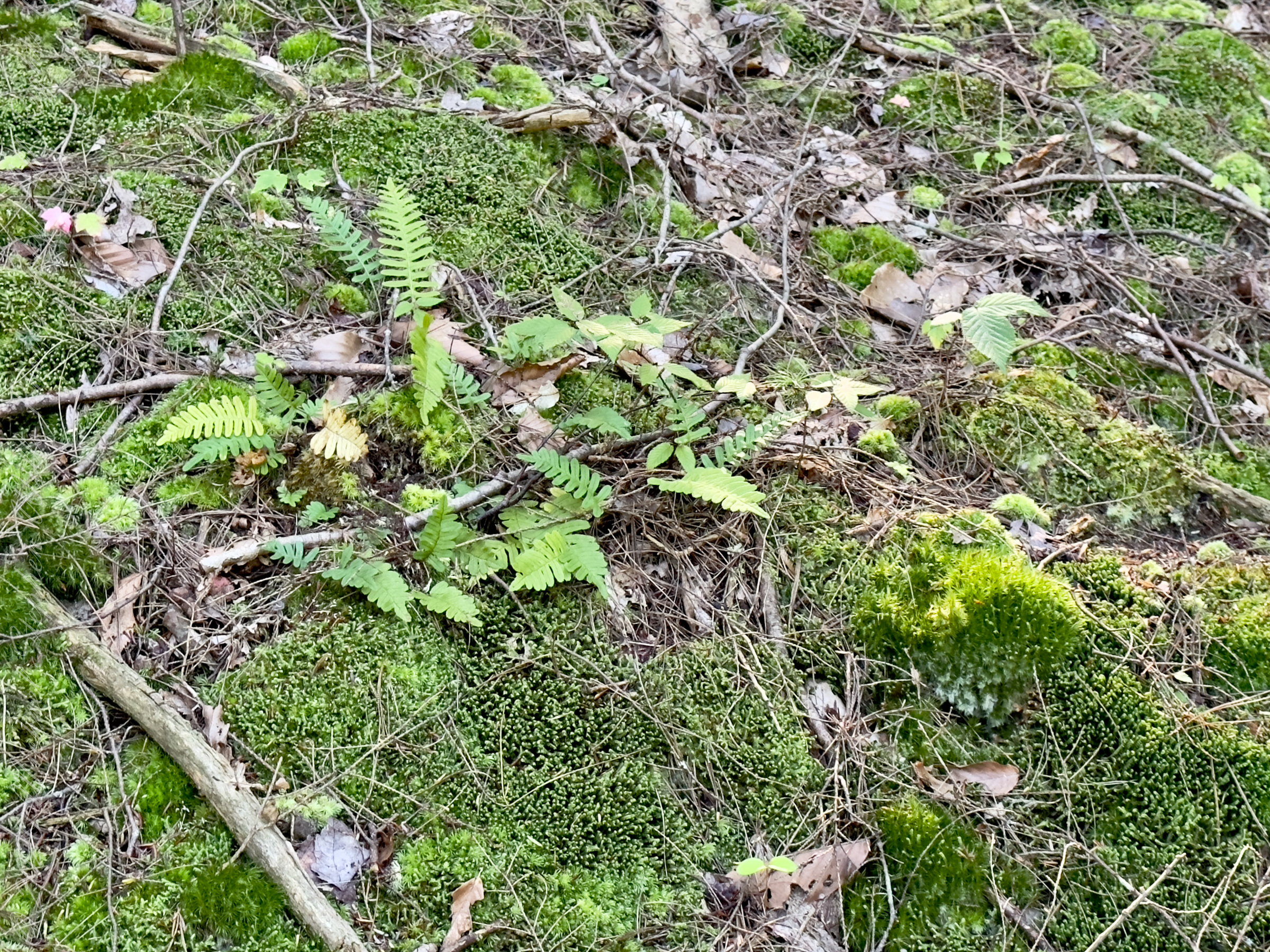
These characteristic leaves are Hepatica plants growing on the sun dappled southern rim of Robert H. Treman Park captured on a bright late September morning.
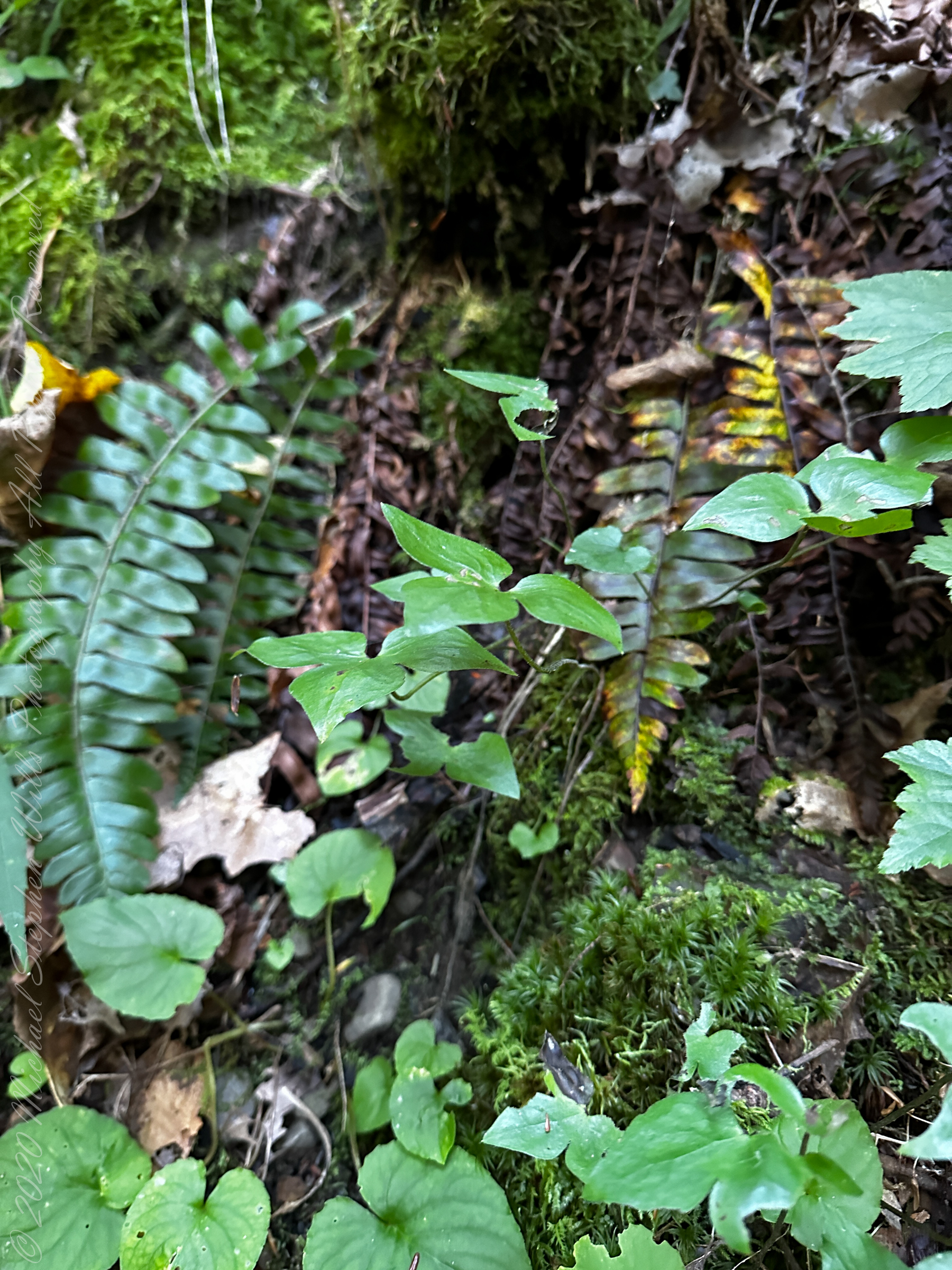
“Hepatica acutiloba, the sharp-lobed hepatica, is a herbaceous flowering plant in the buttercup family Ranunculaceae. It is sometimes considered part of the genus Anemone, as Anemone acutiloba, A. hepatica, or A. nobilis. Also generally known as Liverleaf and Liverwort.”
“The word hepatica derives from the Greek ἡπατικός hēpatikós, from ἧπαρ hêpar ‘liver’, because its three-lobed leaf was thought to resemble the human liver.”
“Each clump-forming plant grows 5 to 19 cm (2.0 to 7.5 in) tall, flowering in the early to mid spring. The flowers are greenish-white, white, purple or pinkish in color, with a rounded shape. After flowering the fruits are produced in small, rounded columned heads, on pedicels 1 to 4 mm long. When the fruits, called achenes, are ripe they are ovoid in shape, 3.5–4.7 mm long and 1.3–1.9 mm wide, slightly winged and tend to lack a beak.”
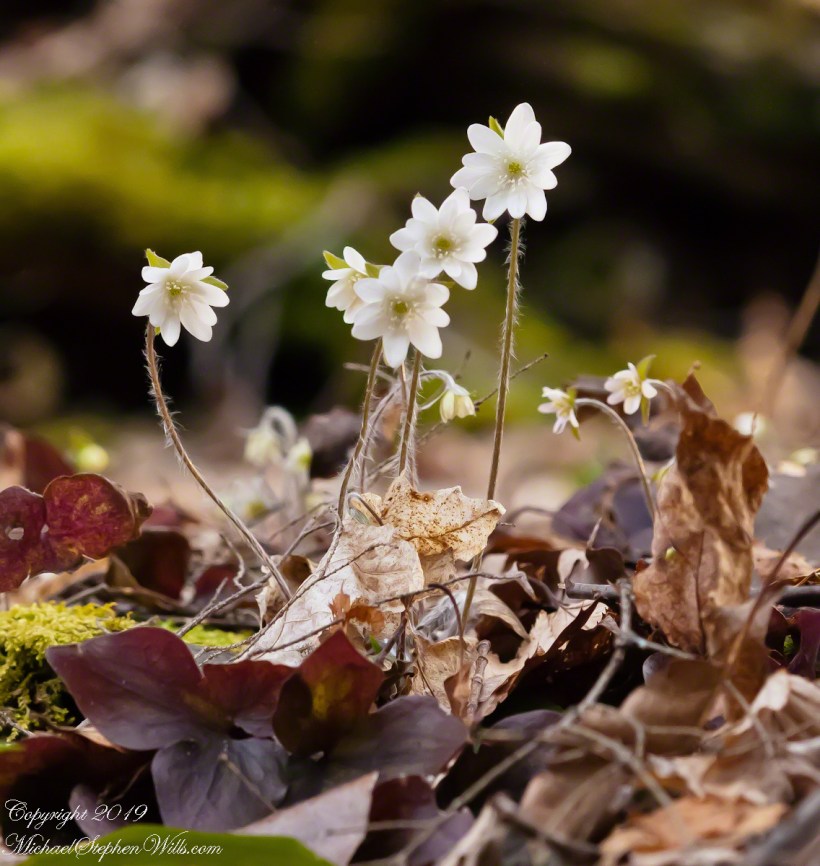
“Hepatica acutiloba is native to central eastern North America where it can be found growing in deciduous open woods, most often in calcareous soils. Butterflies, moths, bees, flies and beetles are known pollinators. The leaves are basal, leathery, and usually three-lobed, remaining over winter.”
“Hepatica was once used as a medicinal herb. Owing to the doctrine of signatures, the plant was once thought to be an effective treatment for liver disorders. Although poisonous in large doses, the leaves and flowers may be used as an astringent, as a demulcent for slow-healing injuries, and as a diuretic.”
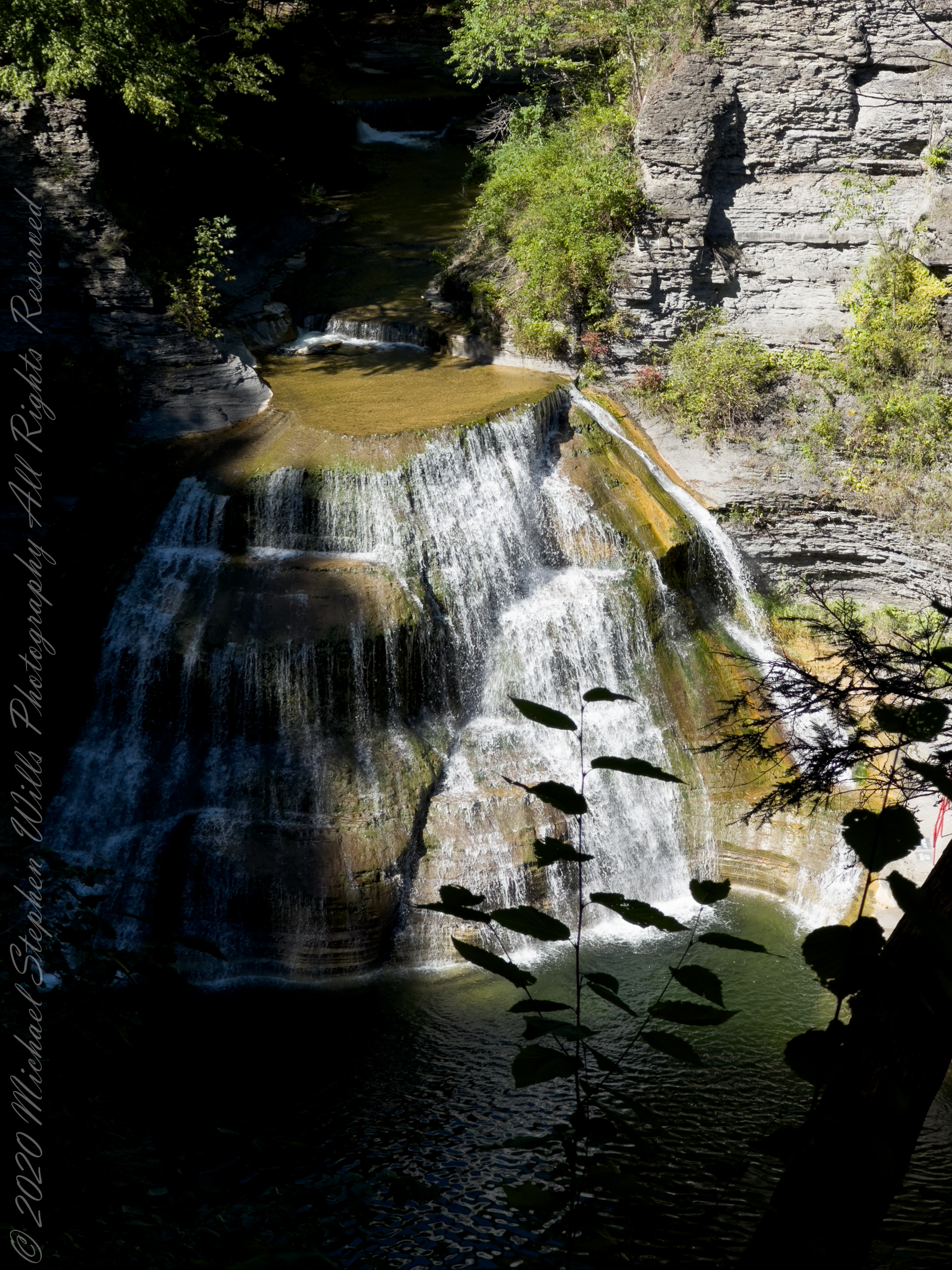
The post discusses various unique kennings, their meanings, and reflects on the term “Swan-Road” symbolizing a serene river.
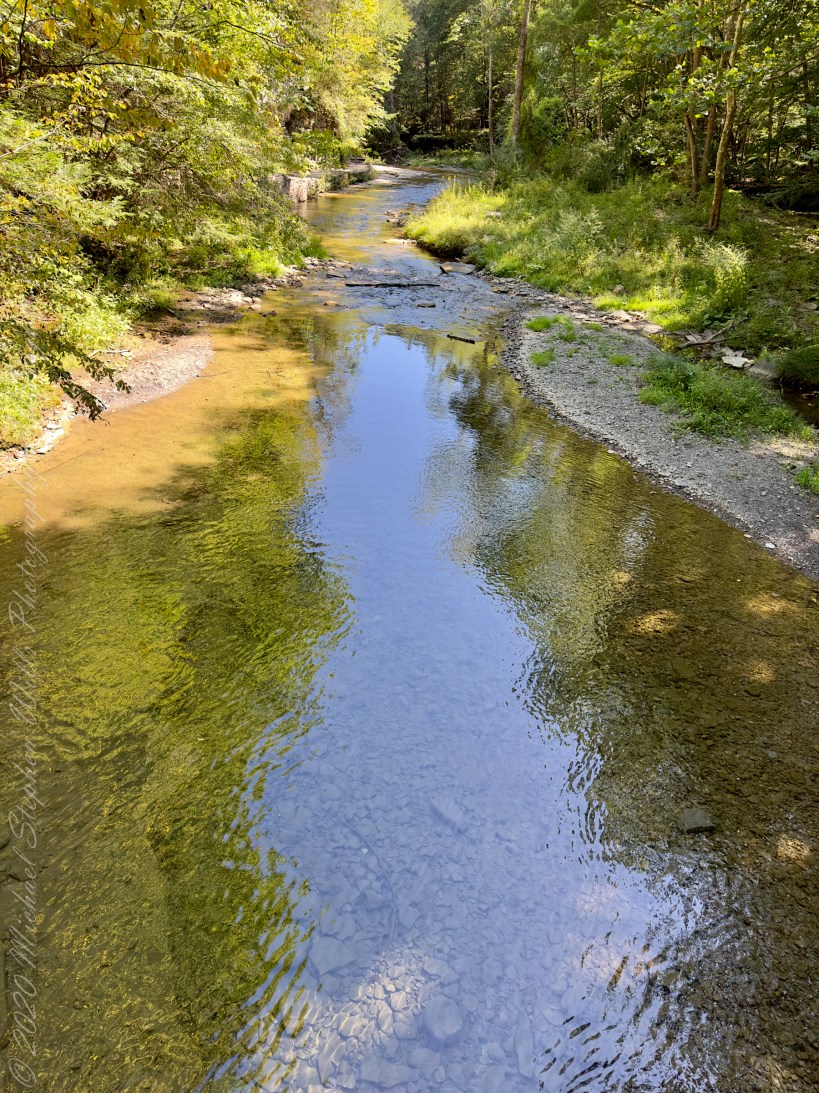
Below Lucifer Falls this quiet water flows beneath a bridge linking Gorge and Rim trails. The reflection of blue sky between river trees brings to mind the kenning “Swan-Road.” To me it is more fitting than the established meaning: “The Sea,” also associated more appropriately with Whale-Road.
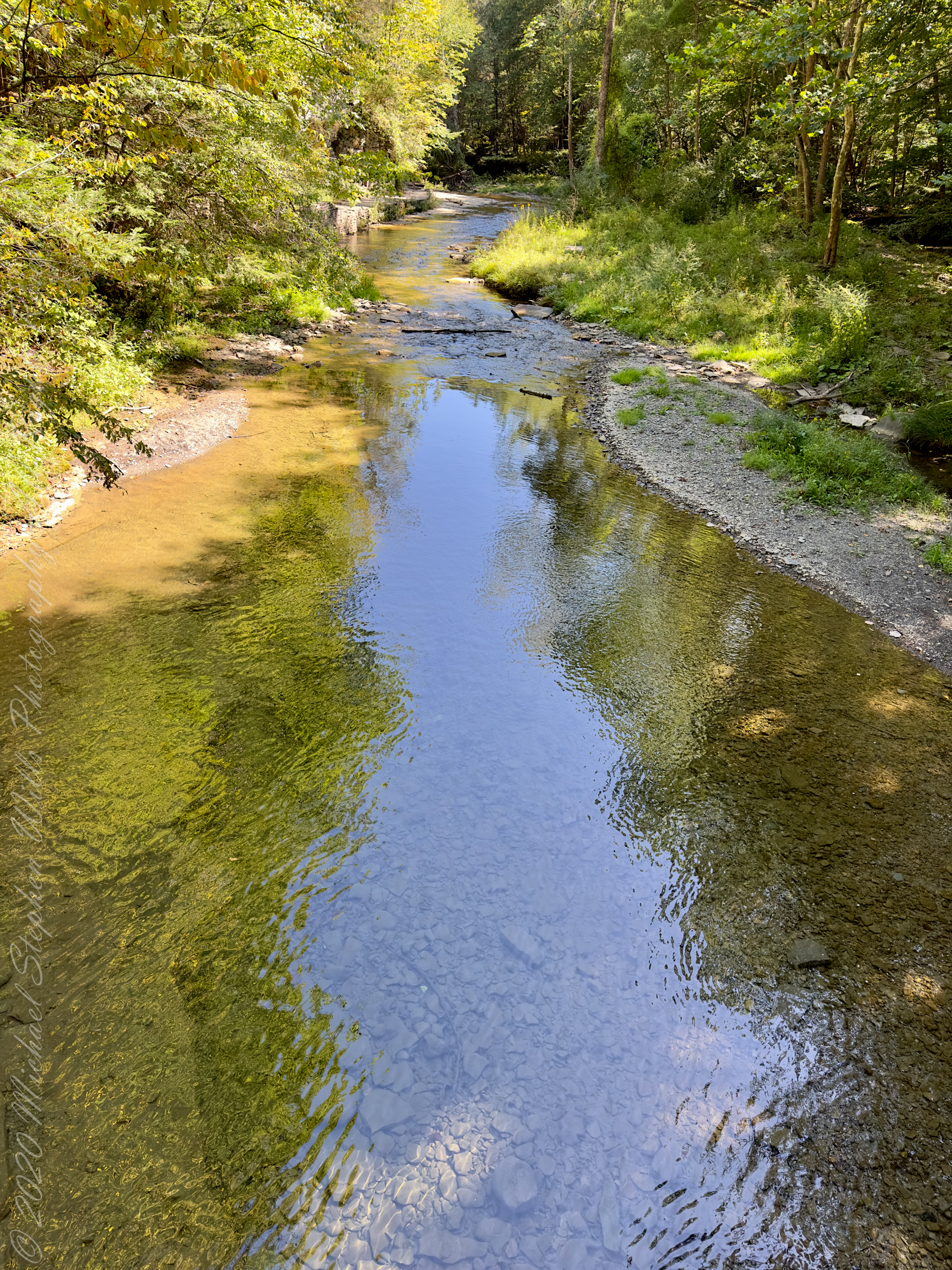
The seldom used English verb “ken.” The Oxford English dictionary proposed the word was borrowed from Norse based on a confluence of meaning, i.e. to know. When it is turned into a noun with the -ing ending, it is a phrase that brings to mind and object described.
Other kennings from : “Whale road = sea (e.g., a place where whales travel); Treasure seat = throne (e.g., the source of treasure or reward, or the role of the king in rewarding his men); Ring giver, ring breaker = king (e.g., the person who bestows rings, or breaks off a piece of his golden bracelet as a reward); Sword sleep = death (e.g., a “sleep” caused by a sword wound); Rapture of heaven = sun (e.g., the sun, brightest of heavenly objects, the joy of heaven); Weaver of peace = wife (e.g., a person whose grace and mildness instills peace, or one who creates domestic tranquility); Earl’s defense = Beowulf (e.g., the one who defends Hrothgar); Mead seats = benches in Heorot (e.g., the places where people sit and drink).”
–text in italics and quotes is from the eNotes.com, “Beowulf.”
–Kinnell, Galway. “The Porcupine.” The Hudson Review 20, no. 2 (1967): 219–22.
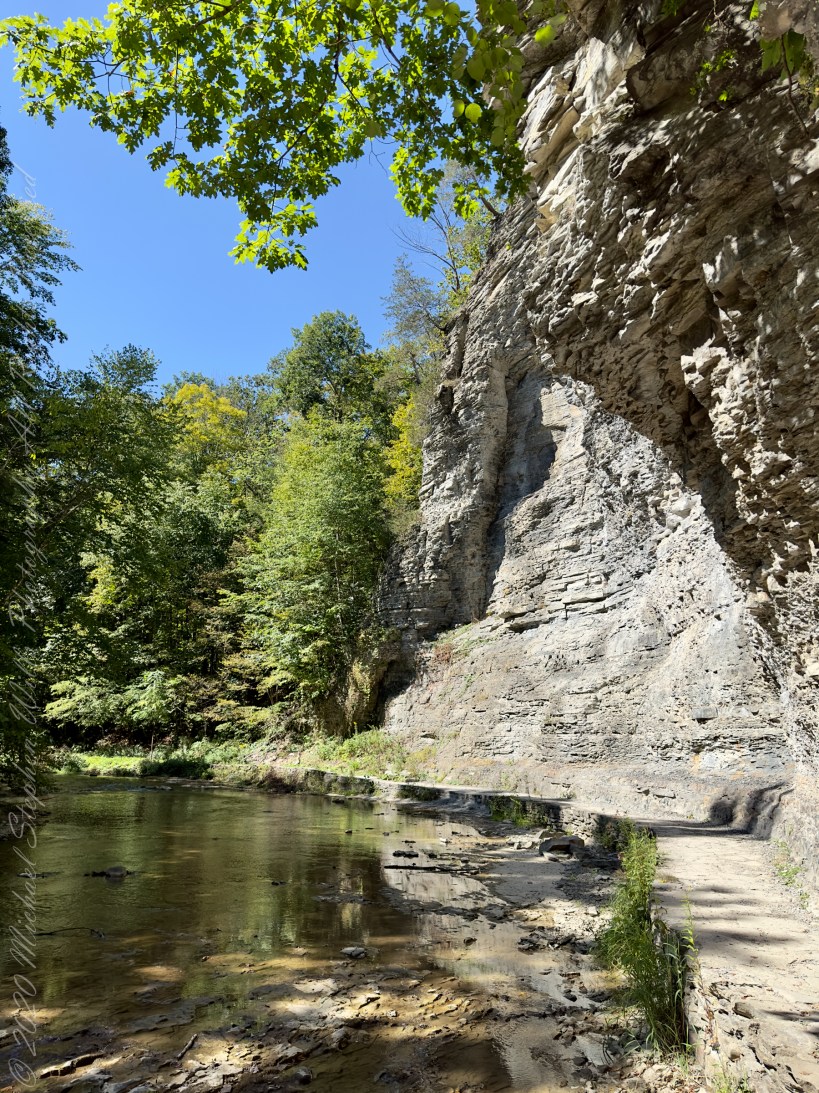
Park staff evaluate and dislodge dangerous rocks on trails before springtime opening.
Overhangs such as this worry me, always forcing a faster pace. Over the years during early springtime walks, sometime before the gorge trail is opened officially, the path is littered with huge blocks fallen during the winter, possibly even that same day.
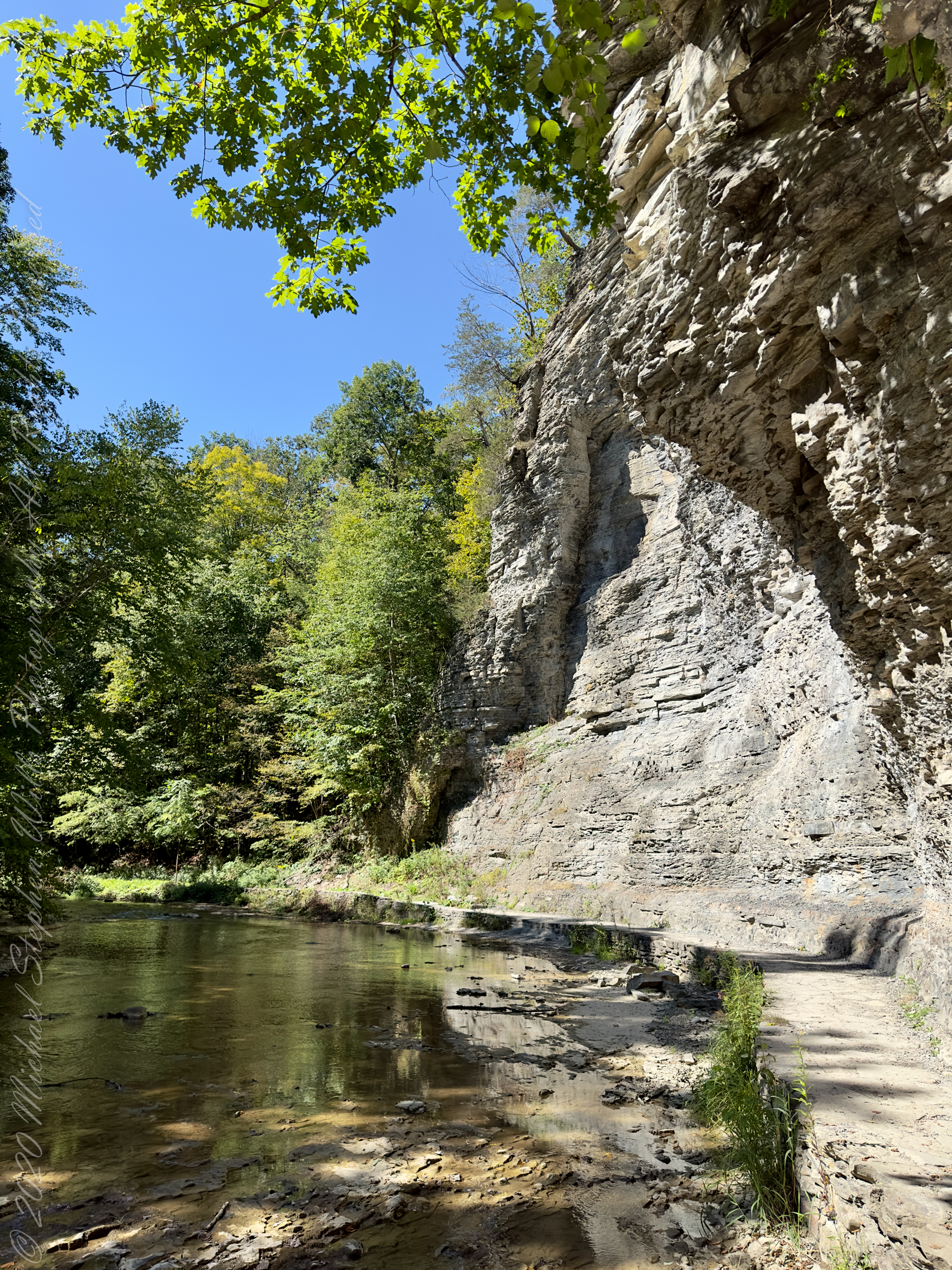
A task the park staff undertakes before opening is an evaluation of sequences such as this, with cliffs and overhangs, for portions ready to fall. Rock climbers are engaged to dislodge these rocks. At times, larger segments of the cliff are blasted resulting in landslides.
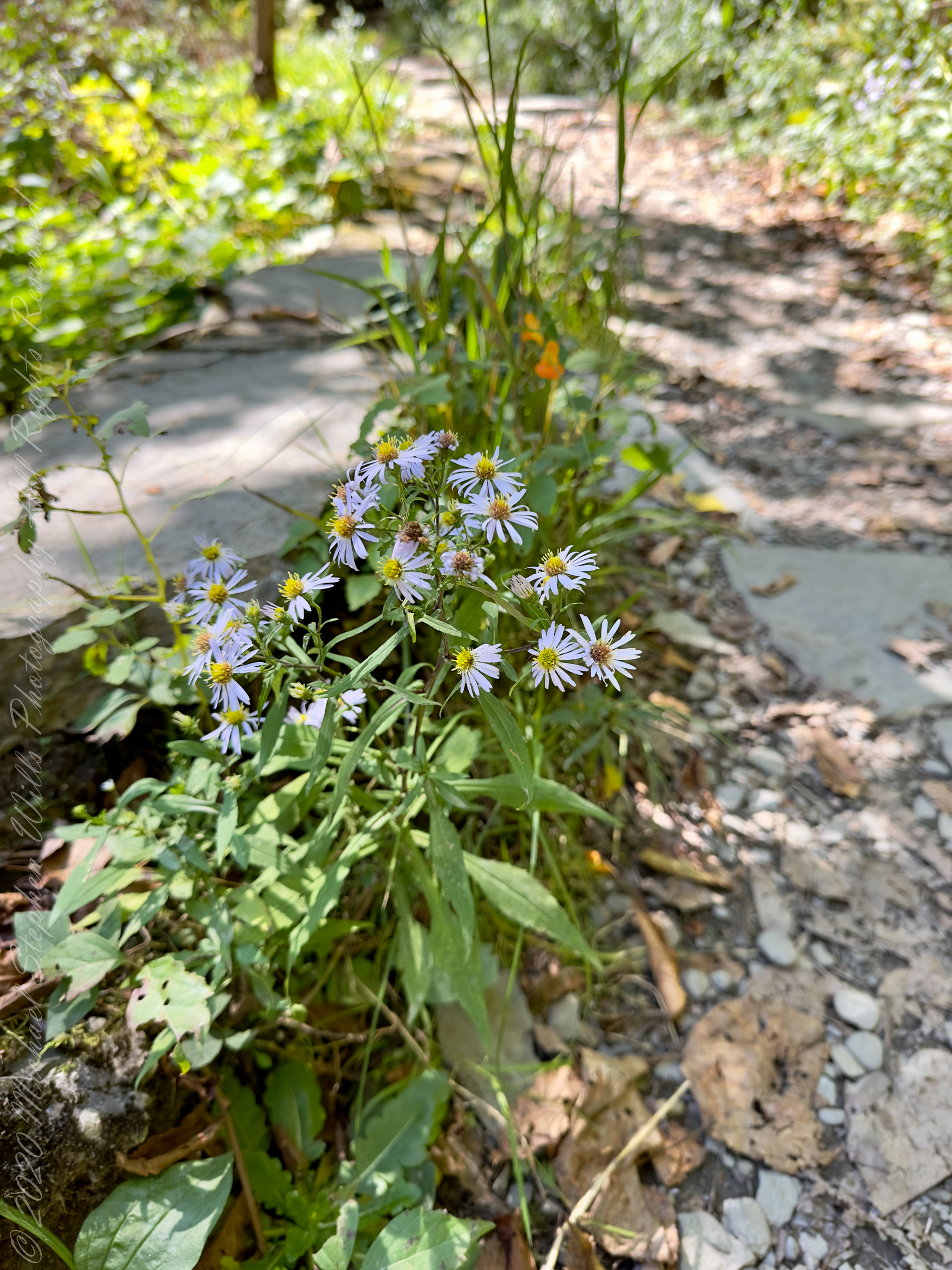
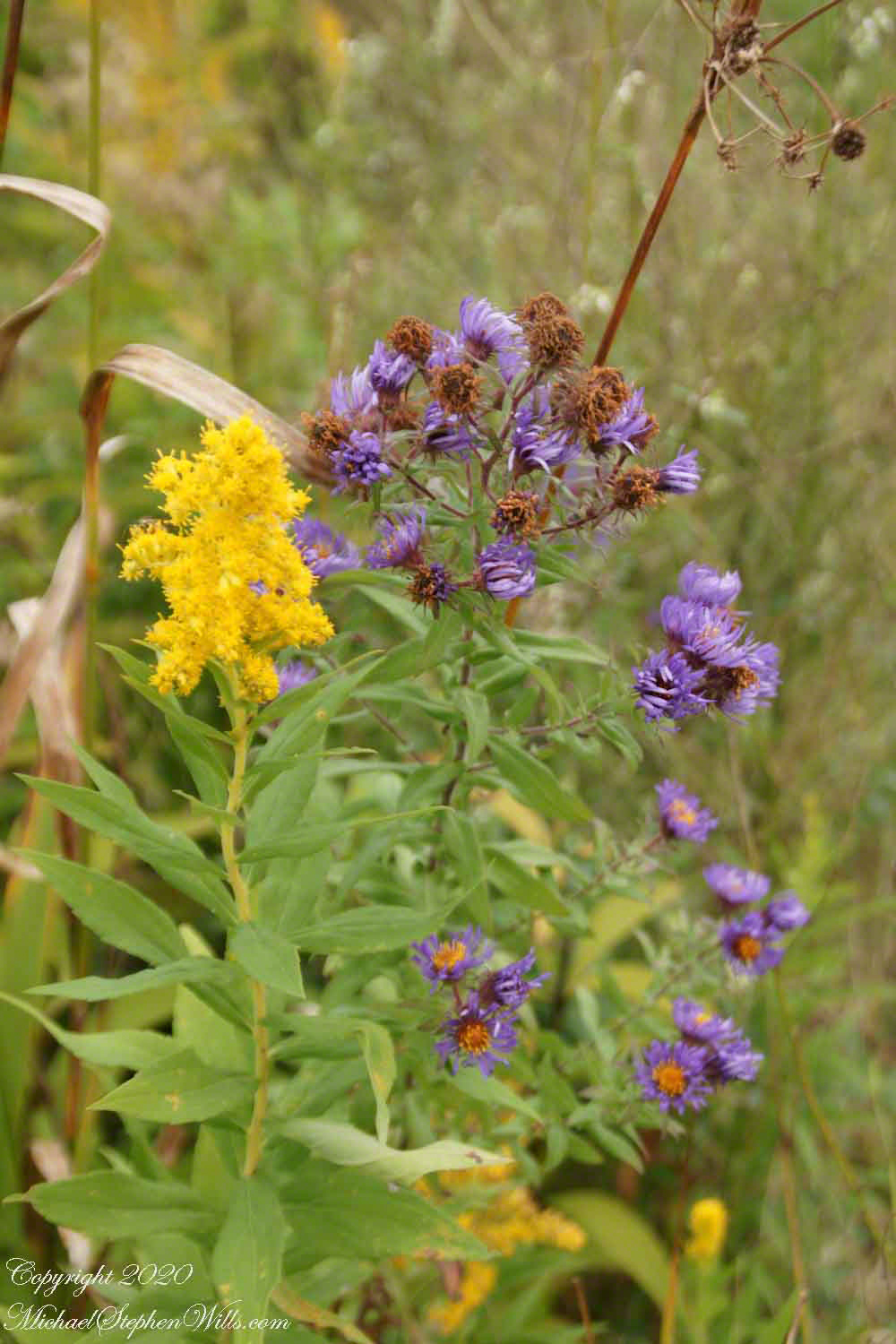
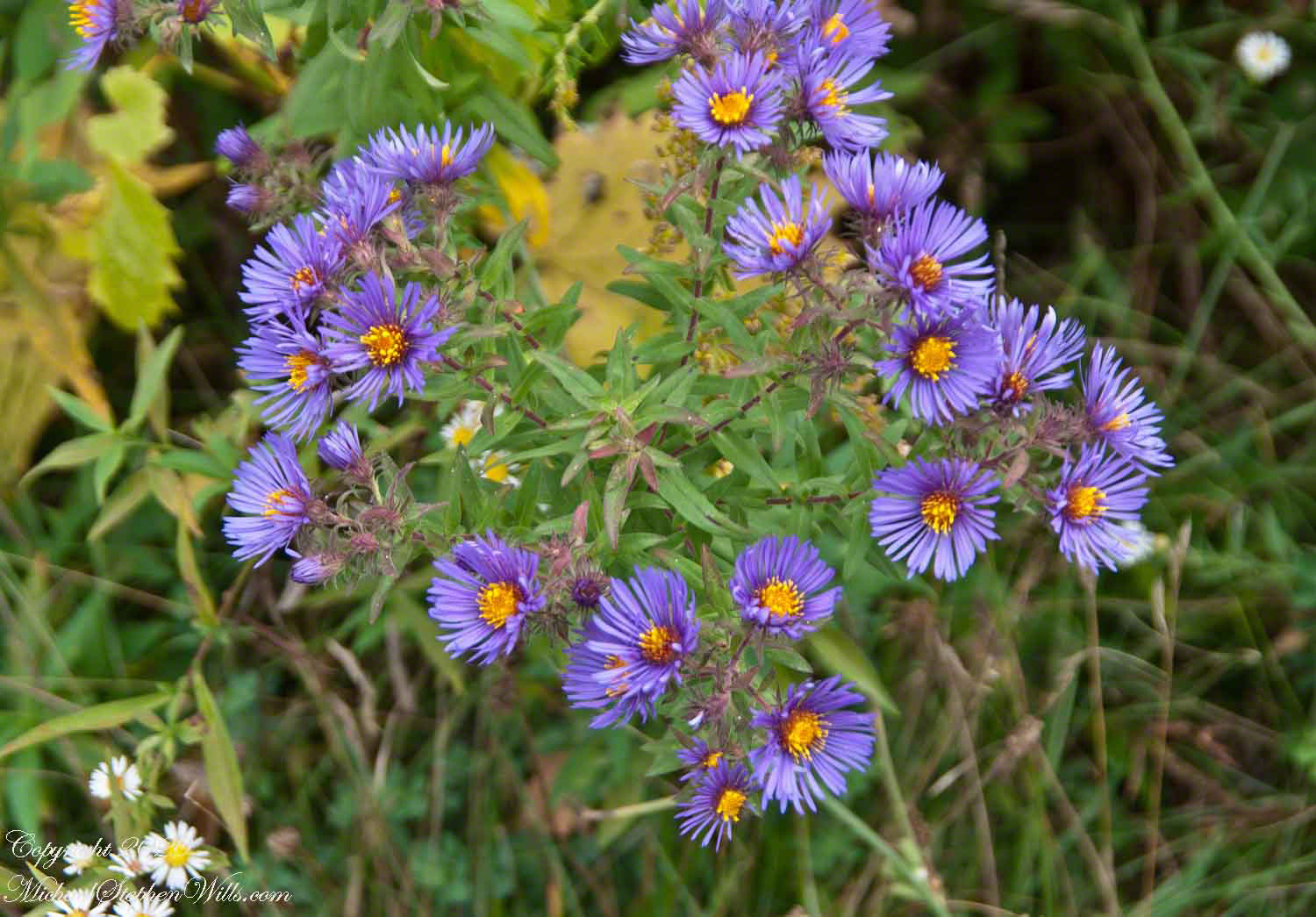
On a gentler note, these asters grace Finger Lakes trails this time of year.

