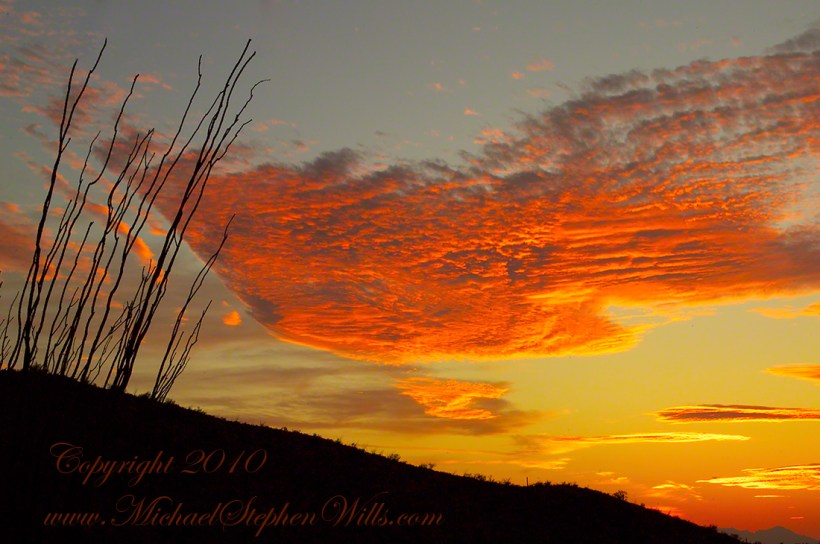
Ocotillo Sunset, a diary

The creation of a photograph

This is a retrospective diary of the day I created my print “Ocotillo Sunset.”

On a Tucson November 2005 afternoon, after my volunteer work for the University of Arizona, CALS college, alumni board of directors, in the mid-afternoon I headed for Sabino Canyon with my photography kit.

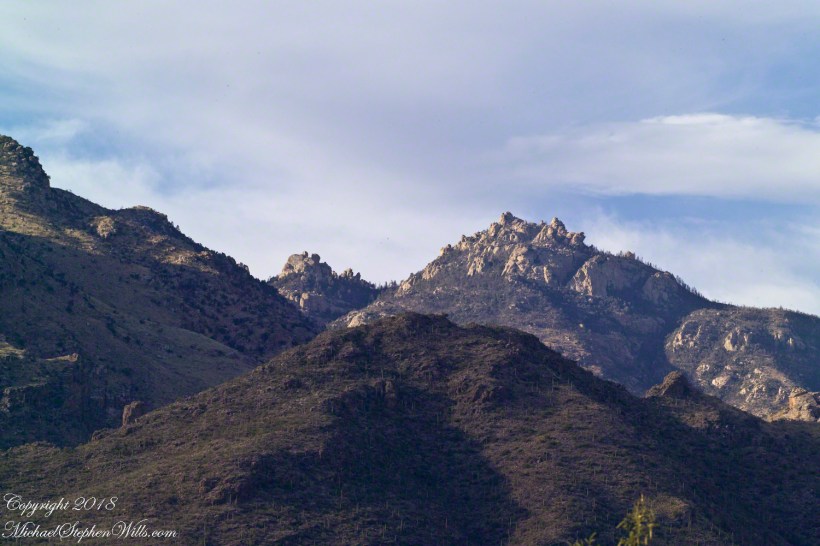
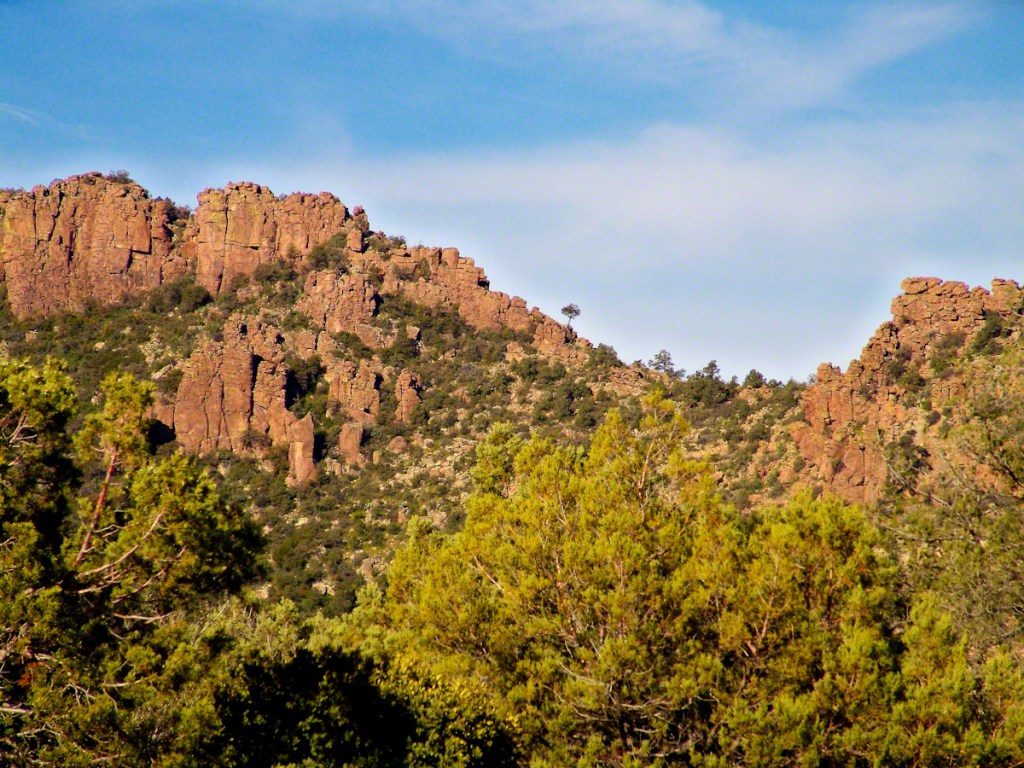
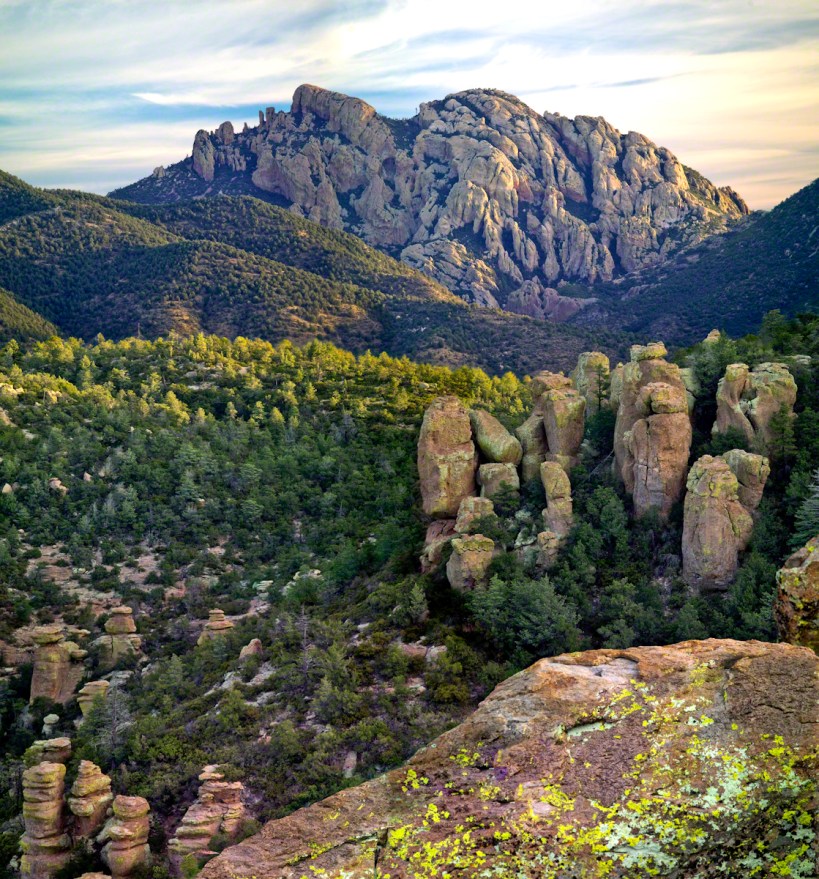
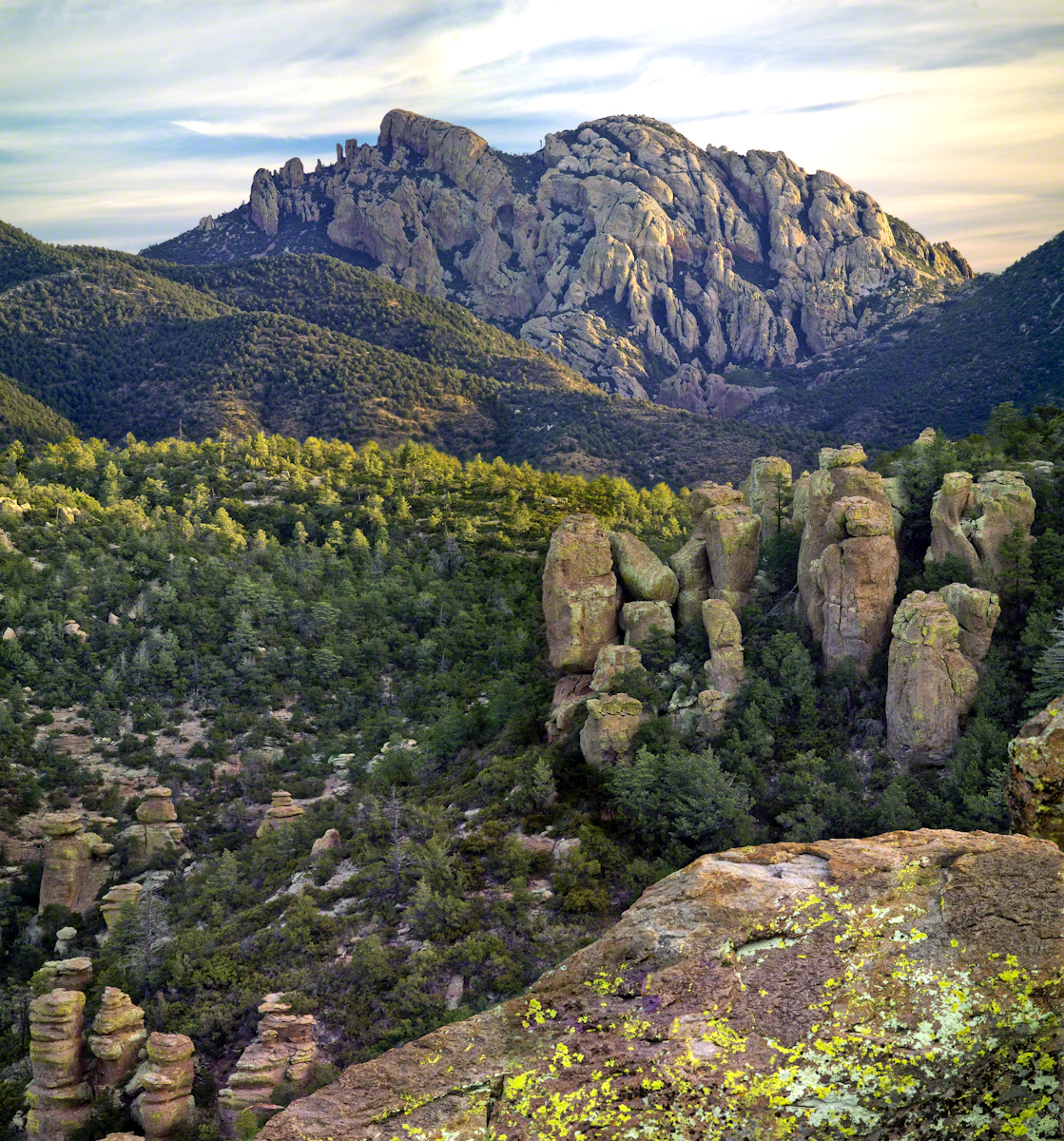
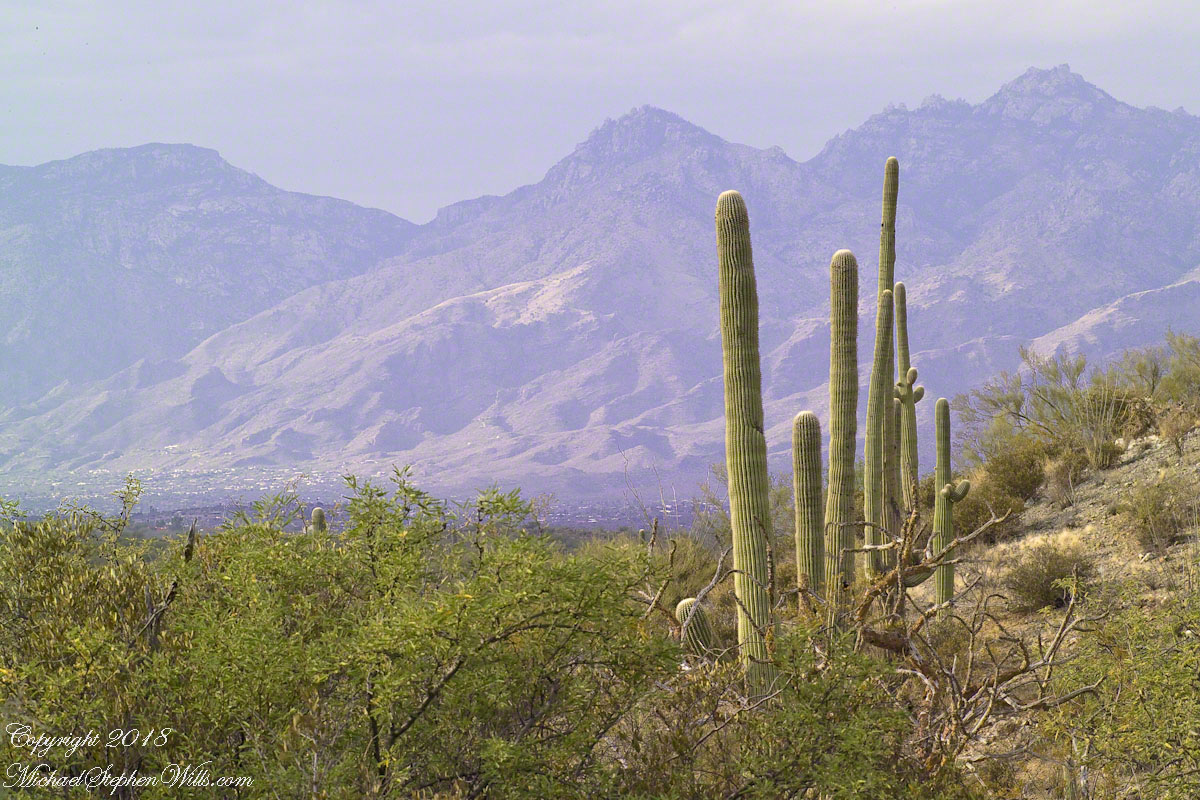
With a 25-pound pack on my back, walking from the parking lot I looked up at the incredible rock formations of the Santa Catalina mountains. It took some time to set up the tripod (at that time I was using a cheap swivel head on adjustable aluminum legs) with a 200mm telephoto lens (Canon L-series EF 200mm USM) I grabbed this shot of the hoodoo fringed peaks beyond the foothills (f16, 1/30, ISO160). The lower sun angle made the formations pop out.

Hoodoos in the Hills

You call those strange formations of upright rocks “hoodoos. Some people believe the fantastic shapes were created by spirits, today the explanation is wind, water and time create hoodoos from rock of the right stuff. It is a wonderful experience to wander among hoodoos, though unsettling because some of these large rocks are seemingly in danger of falling over at any moment.

Santa Catalina Hoodoos – CLICK ME to view Ocotillo Sunset.

Moving On

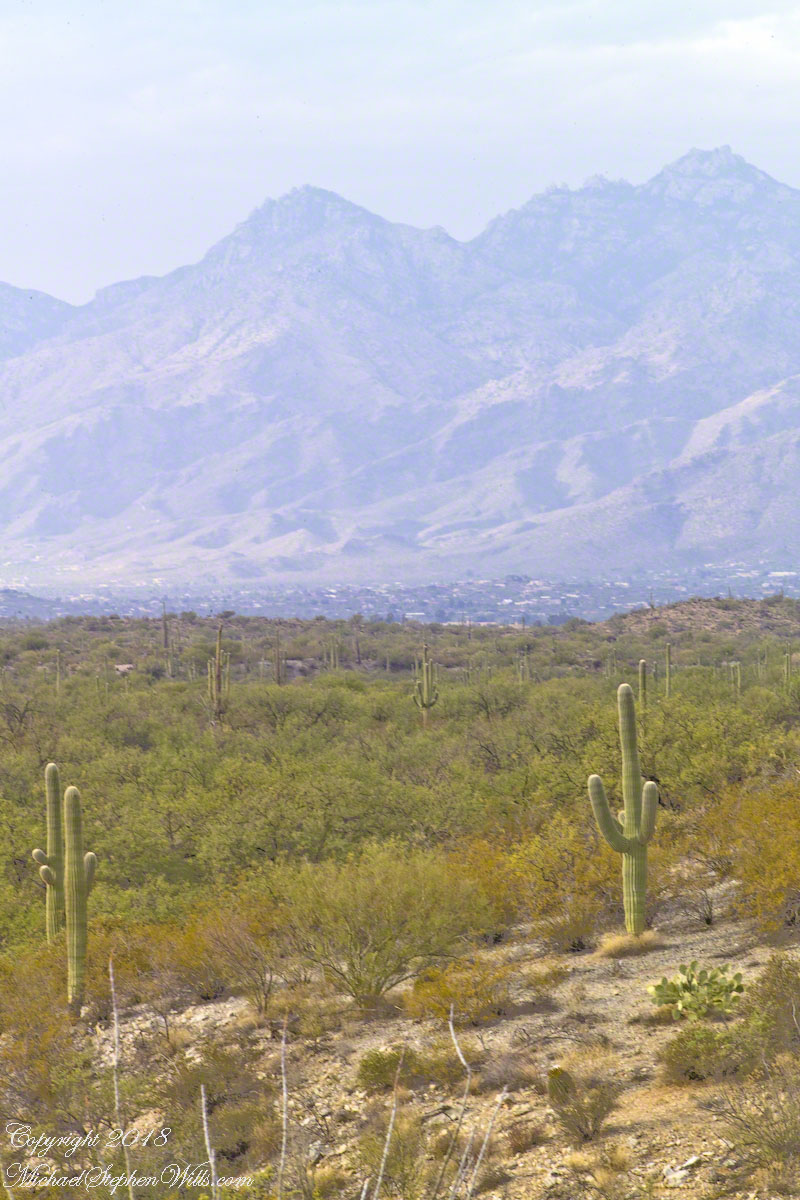
I have a mental list of photographic “to do’s” and the gathering clouds, typical for a Tucson November day, reminded me an awesome desert sunset was on this list, so I packed up to head for the east side of Tucson for a shot looking toward the Tucson Mountains (on the west side).

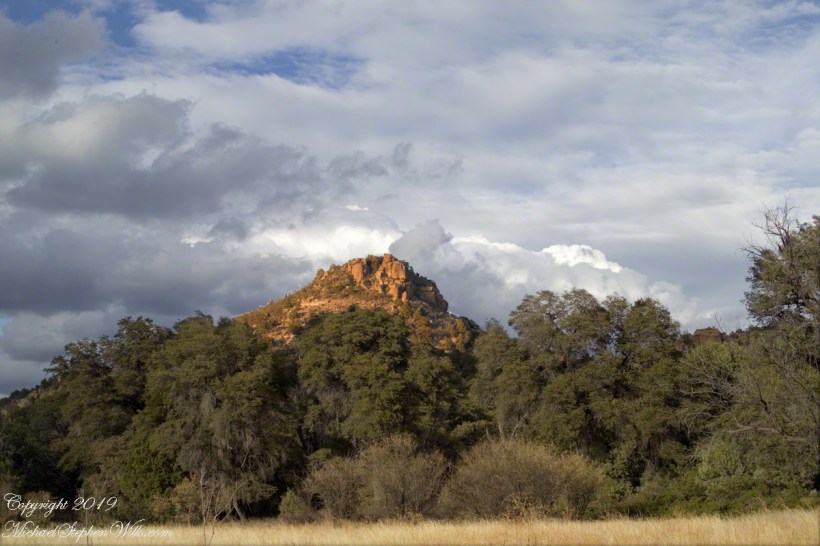
Clouds gather at sunset above a ridge serrated by saguaros.

Click any photograph to view Ocotillo Sunset Gathering Clouds – CLICK ME to view Ocotillo Sunset.
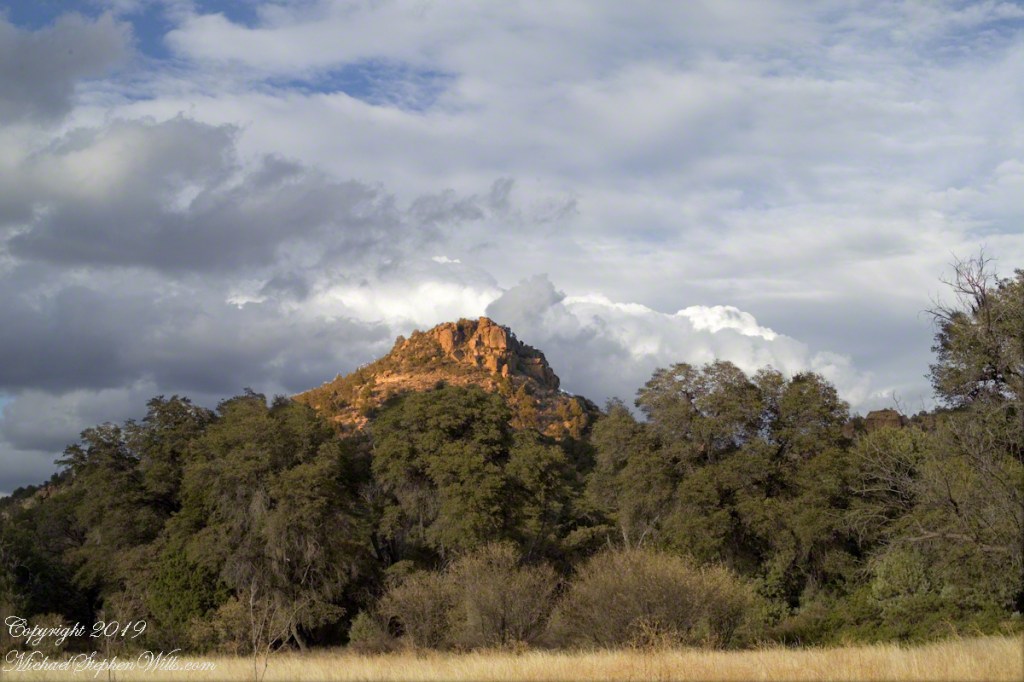
Sabino Canyon House

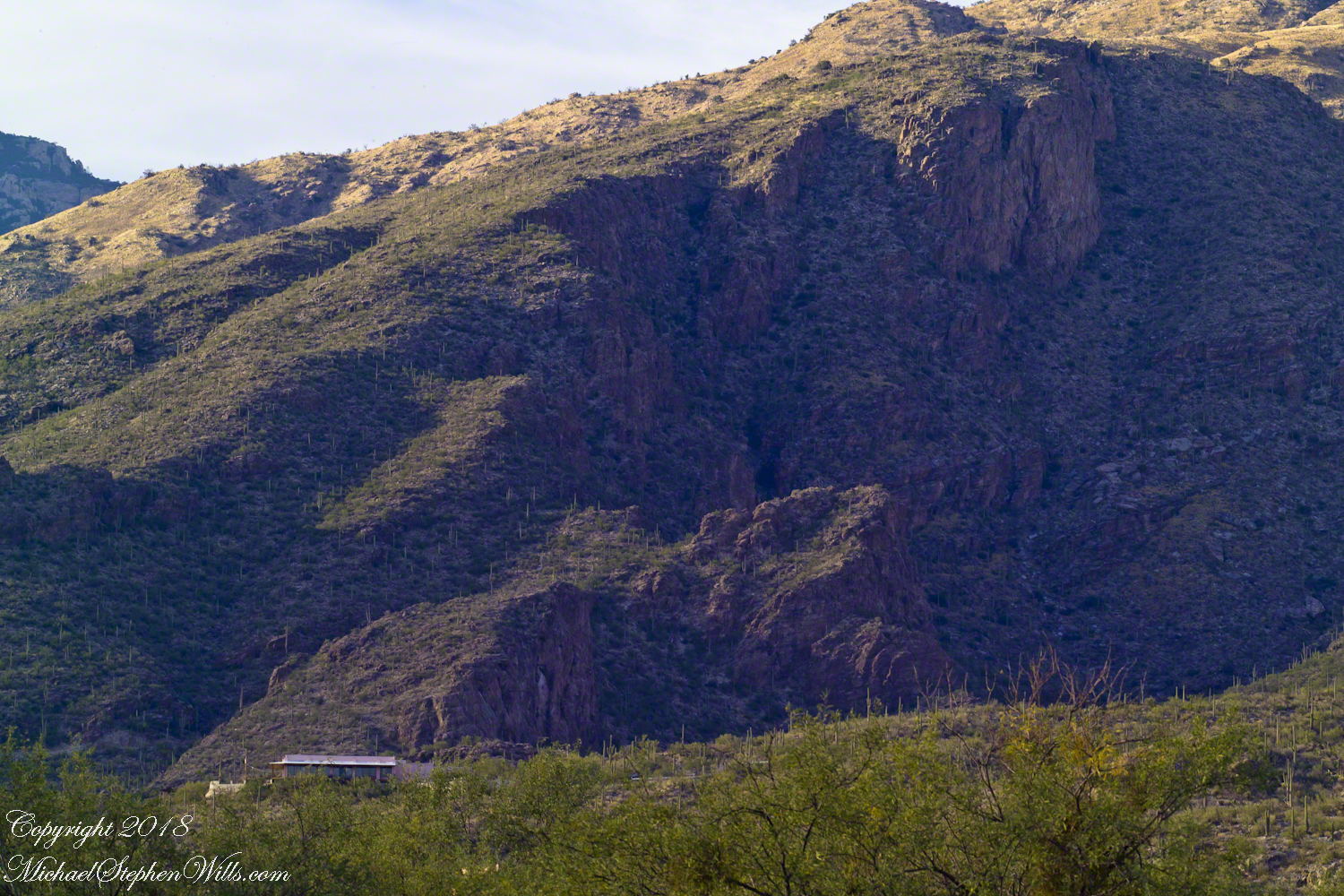
Before we move on, this is a fascinating image of a typical southern Arizona house perched on a ridge at the mouth of Sabino Canyon. In this image the viewer sympathizes because the telephoto lens gathers the majestic rocks around the tiny structure.

Desert Foothill Home – CLICK ME to view Ocotillo Sunset.

The house is perched on a Santa Catalina foothill ridge running east west, a wall of picture windows facing south with a view across the Tucson valley toward Mount Wrightson of the Santa Rita mountains, 42 miles distant. Summer thunderstorms gather on this peak, wreathing it with lightening. These times, evenings and night, the view pays for the inconvenience of this distant, hot ridge. Another time to be there is for sunsets.

Click Me for the next post in this series.
Copyright 2024 Michael Stephen Wills All Rights Reserved

Superstition Galleries

A peaceful wilderness evening

….continued from the chapter “Reavis Ranch Autumn Sweep”

These are photographs from my Superstition Wilderness postings.

The following year my sister Diane and I did two expeditions into the Superstitions, March and November 2006.

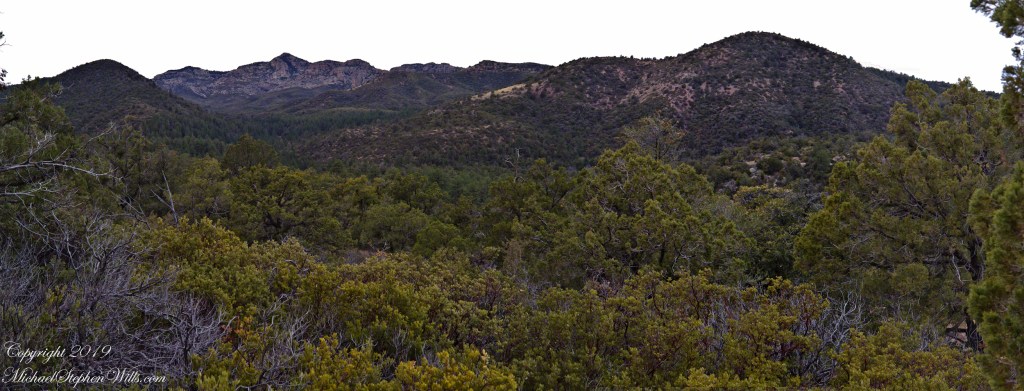
“A This video is from the November backpack, taken from the hill above the Ranch Ruin (Click me for “A Ride to Reavis Ranch”) you will experience the peace of this wilderness valley.

Click me to visit Michael Stephen Wills Online Arizona Gallery.

Click me for the first post of this series.
Copyright 2021 All Rights Reserved Michael Stephen Wills

Reavis Ranch Autumn Sweep

A peaceful wilderness evening

….continued from the chapter “Apple Orchard in the Wilderness”
Click any photograph for a larger image.
Click photograph for a larger image
Vantage point from which this video was captured

The following year my sister Diane and I did two expeditions into the Superstitions, March and November 2006.

“A This video is from the November backpack, taken from the hill above the Ranch Ruin (Click me for “A Ride to Reavis Ranch”) you will experience the peace of this wilderness valley.

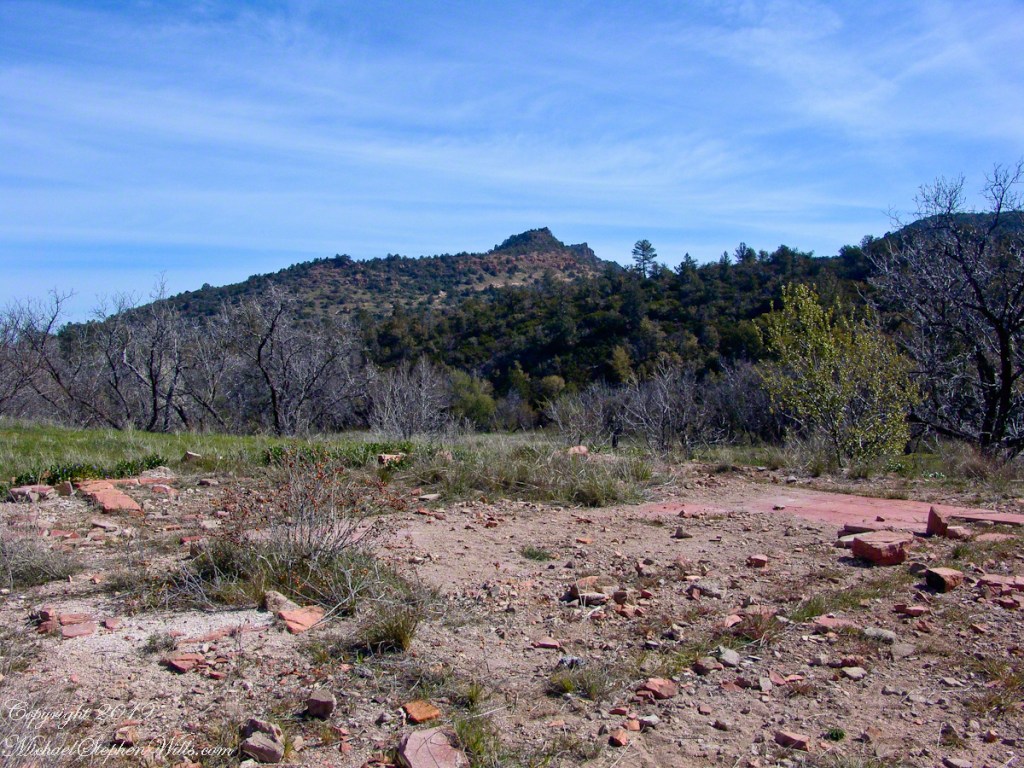
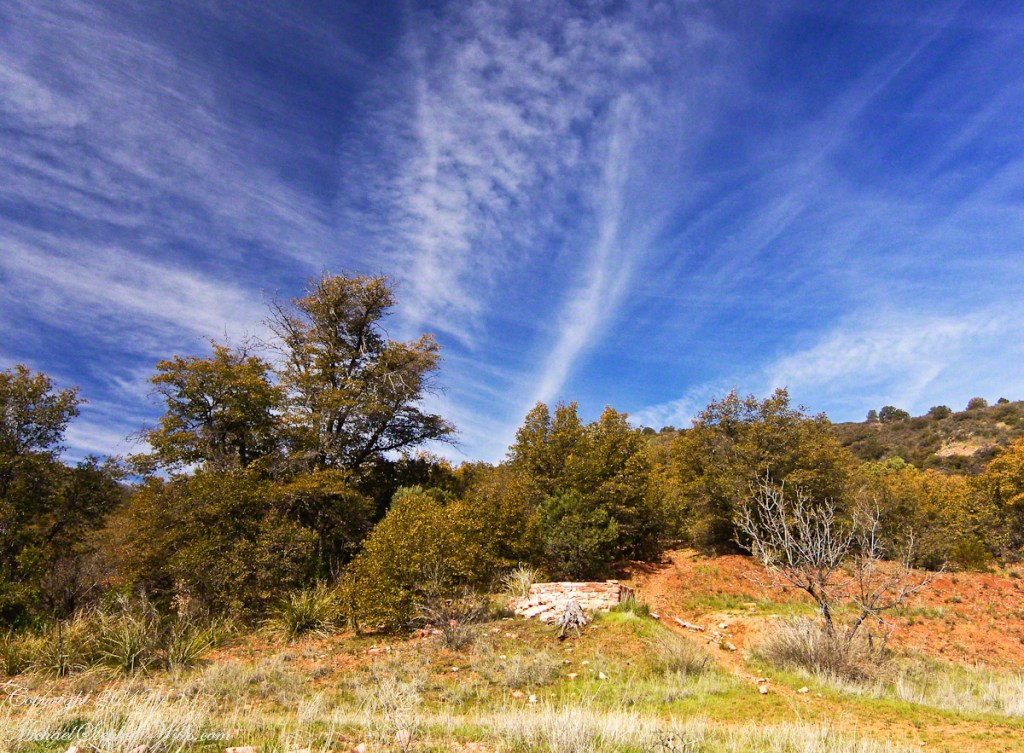
About that mysterious stone structure featured in this video. Over the years I have pieced together its purpose. When the ranch was active, a canal followed the contours from upper Reavis Creek to fill a pond down the hill from the house — I was shown the canal and walked it 2005. The structure was razed in the 1990’s, all that remains is the concrete foundation slab and, when I was there 2005 – 2008, scattered remains of the tile flooring. I am sure the pedestal above the house supported a water tank for a gravity water feed (“indoor plumbing”). Here is a link to more info about that site. The article does not discuss the water system.

Click me to visit Michael Stephen Wills Online Arizona Gallery

Click me for the first post of this series.
Copyright 2021 All Rights Reserved Michael Stephen Wills

Red Near and Far

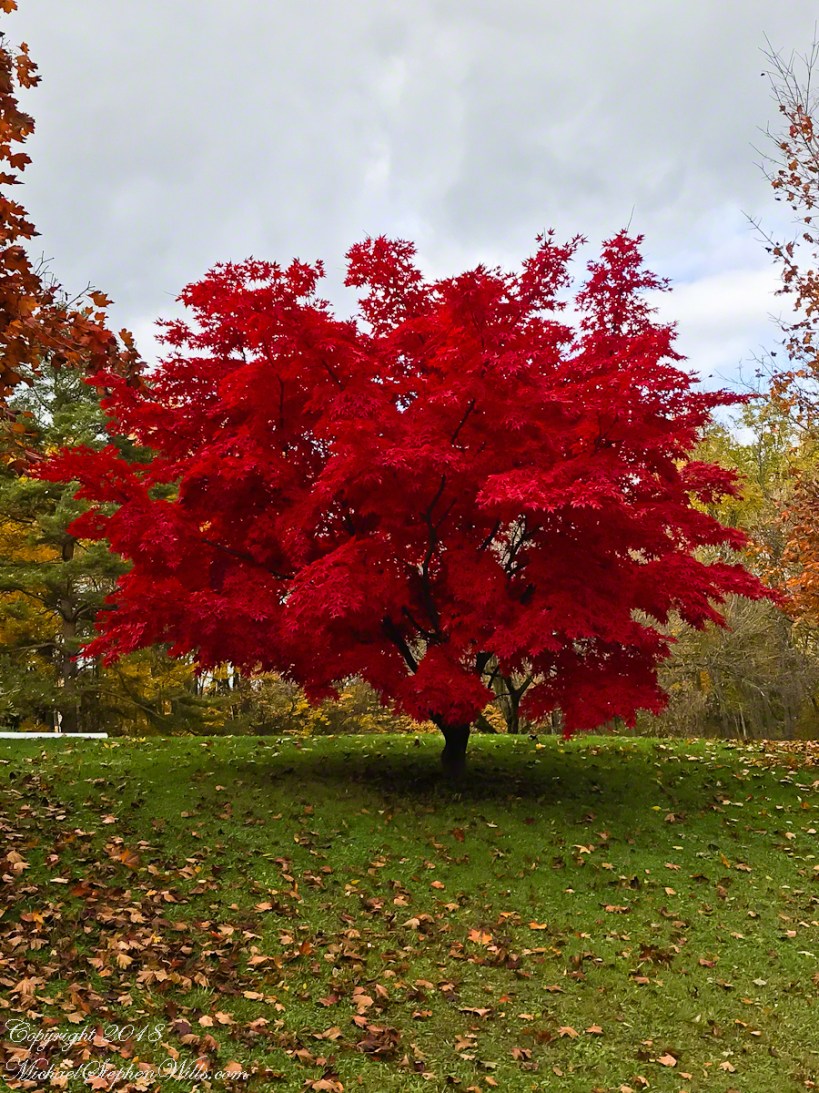
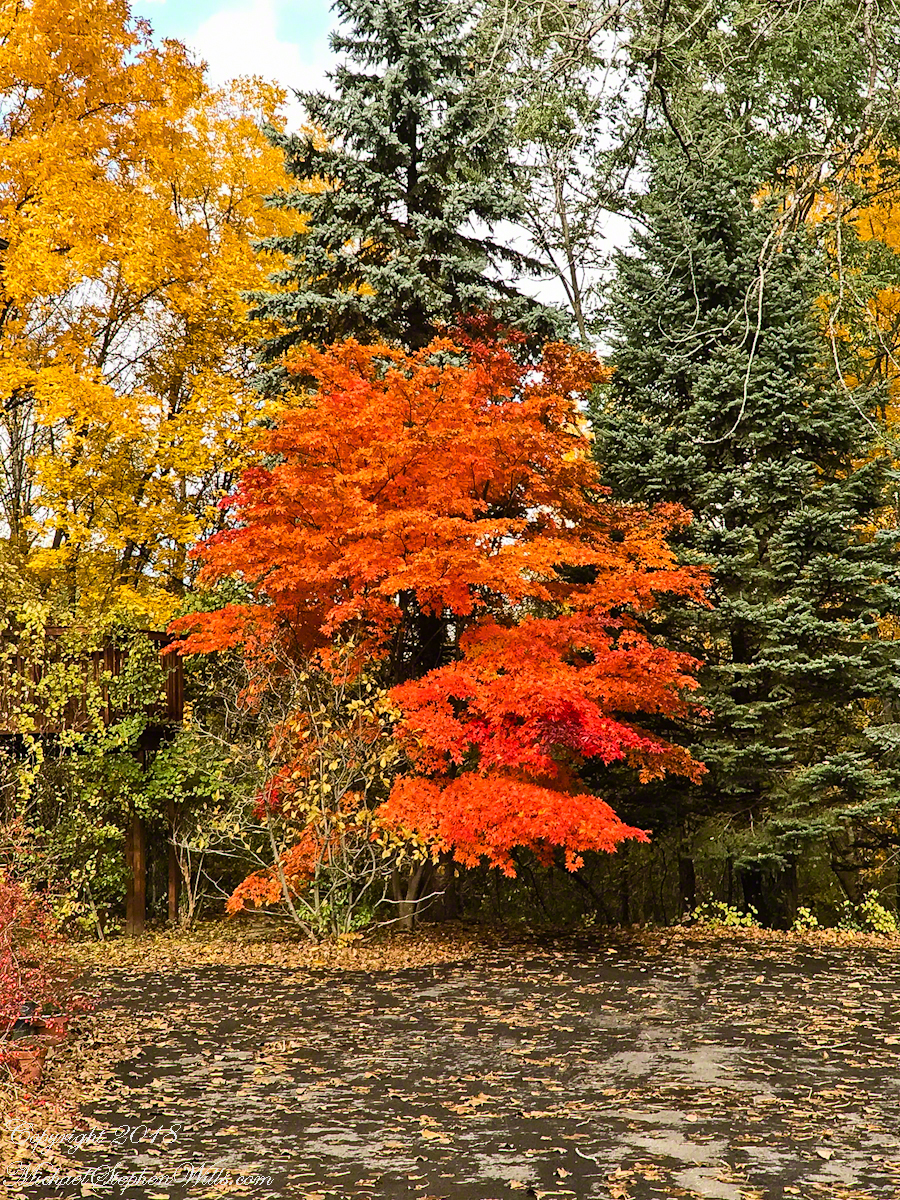
Yesterday, Pam and I headed to the peneplane behind our home to enjoy the Finger Lakes terrain graced by fall colors.  The day before I noticed the Japanese Maple leaves had turned from maroon to vermillion.  While waiting for Pam to get ready, I capture the following two shots.

Click the link for my Fine Art Photography Galleries
RedNearAndFar-7

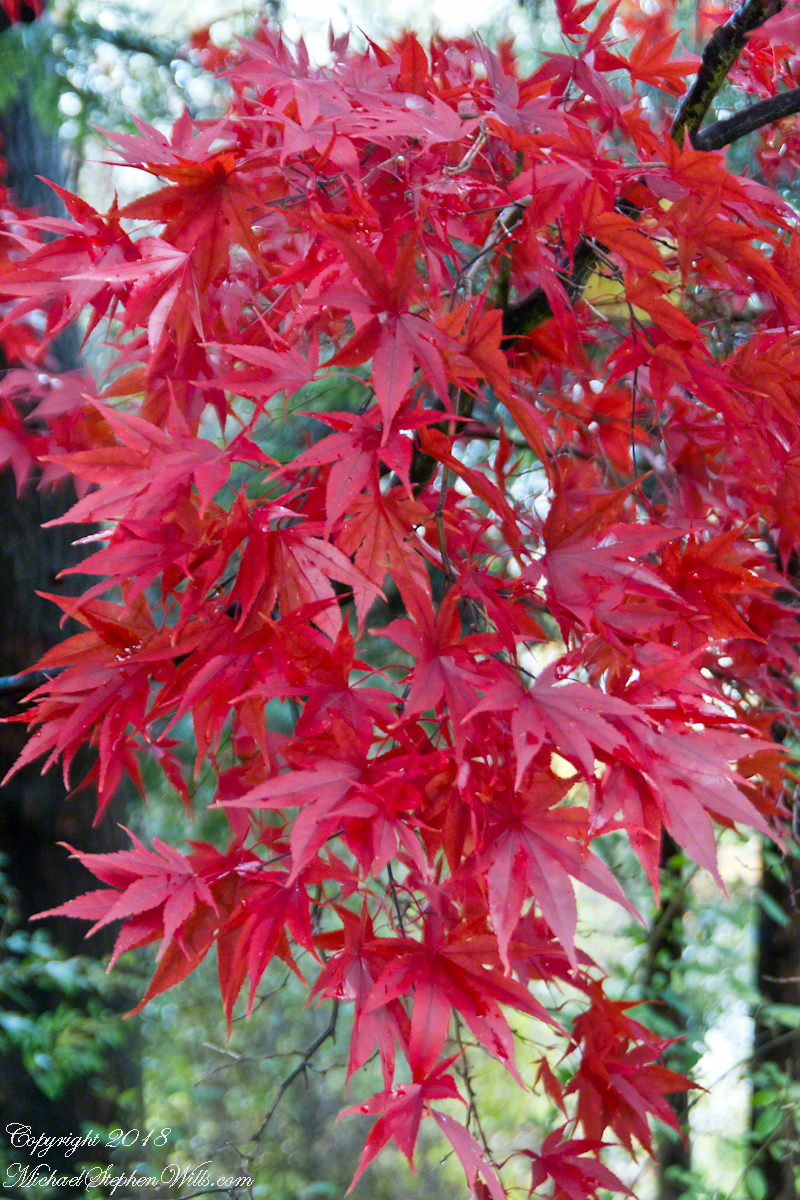
This tree was planted by my father and mother in-laws.  Developed over the centuries by the Japanese, specimens reached England in the 1820 and spread from there.  It is not strictly accurate to call the color vermillion, since cinnabar finely ground produces the pigment for which the color is named, when the sun strikes the leaves vermillion is a metaphor for the impression made.

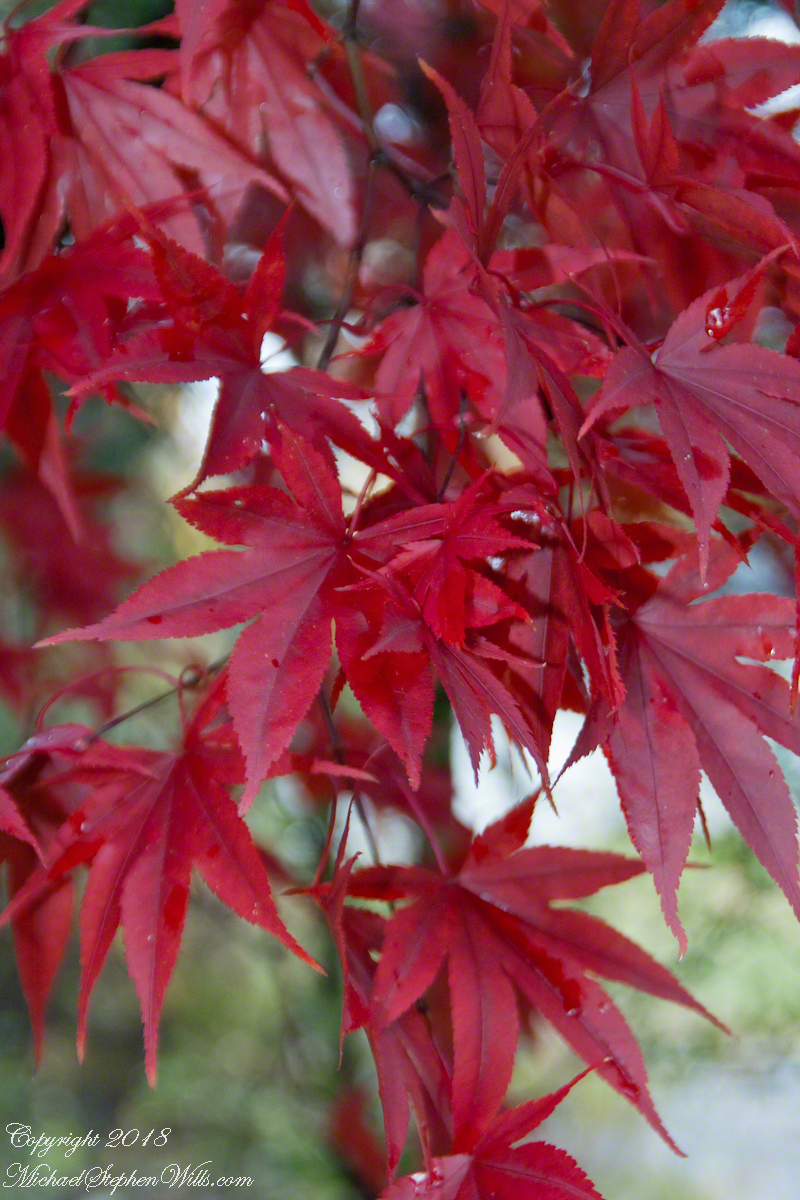
The scientific name for these trees is Acer palmatum with common names Palmate Maple (for the shape of the leaves “like a palm tree”, as for the scientific name), Japanese Maple or Smooth Japanese-Maple (for the bark).

Click the link for my Fine Art Photography Galleries
RedNearAndFar-6

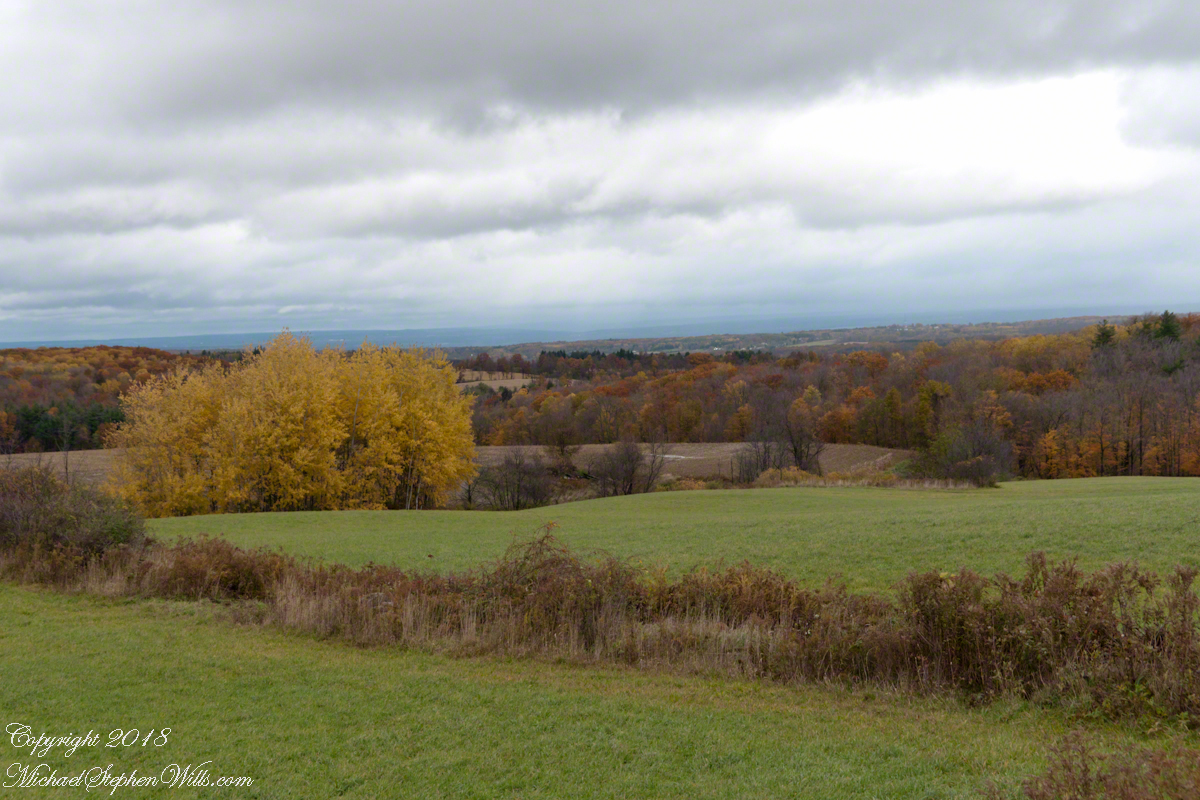
We drove under the clouds, enjoying the rare dramatic shafts of sunlight and I gave up, finally, tying to time my shots.  Here is the view from Connecticut Hill.

RedNearAndFar-1

The previous photos were taken with a hand held Sony Alpha 700 with variable lens.  The next two are with an Apple iPhone I had a hand when Pam and I returned home for a walk around the neighborhood to witness the transformations.

We were surprised by this orange maple, never recalling this shade before.  Like our Japanese Maple were assume it is a non-native ornamental.

Click the link for my Fine Art Photography Galleries
RedNearAndFar-2

Our Japanese Maple is a challenge to capture photographically as it grows beneath a larger “nut” (don’t recall the kind at the moment) tree.  We are working together to improve that, so I don’t have an overall photograph.

Here is our neighbor’s Japanese Maple.  They have a story of carrying this tree, as a sapling, on the bus from Long Island.   I love the impression of dark limbs among the clouds of red foliage. 

RedNearAndFar-3

This photograph (the “far” of the “near and far”) is from a remote corner of Chiricahua National Monument, during the trip mentioned in my post, “History and Ghosts of the Triangle T Ranch”.  To get there, I drove over a mountain pass to a location was featured in an “Arizona Highways” I read long ago.

I call this photograph “Red Dragon,” the formation is known as a “maple “

dragon”, from the long sinuous form of the tree limb.  Known for this reddish orange autumn color, this is a Big Tooth Maple, AKA Canyon Maple.  Scientific Name Acer grandidentatum (as in “big tooth”).  It is a wild specimen, living along the north fork of Cave Creek.  It is a area well know to avid bird watchers and ornithologists.

Click the link for my offering of this photograph in my Fine Art Galleries
RedNearAndFar-8

The camera was my Kodak, DSC slr-c with a Canon 50 mm lens mounted on a tripod.

Copyright 2021 All Rights Reserved Michael Stephen Wills

Blessed Lights

9/11 Remembrance

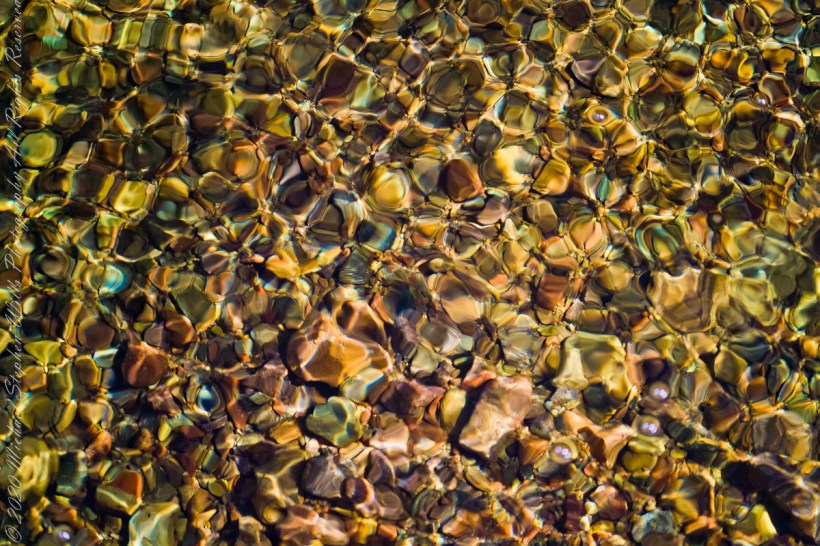
I choose to remember September 11, 2001 with the IPhone 7 video of September sunlight shining through clear water, set to the music “Blessing.”

Click on thenWatch on YouTube to open a new tab and a better viewing experience.

The post header is sunlight shining through the clear water of Reavis
Creek, Superstition Wilderness, Arizona.

Copyright 2021 Michael Stephen Wills All rights Reserved

Cochise Dawn

ancestral Apache land

From 2004 through 2011 I visited Arizona every Autumn, October or November. As a University of Arizona Alumni Board member for the College of Agriculture and Life Sciences we had a meeting during “homecoming” and a fund raising event. I’d come early or stay later for getting acquainted with Arizona, more than was possible as an undergraduate. In 2007 I camped for several days Chiricahua National Monument of the remote south eastern corner of the state.

The park empties out this time of year, for some reason. The weather is perfection with clear skies, moderate daytime temperatures, cool nights. This time of year the Arizona White Oak acorns ripen and fall. The campground has aluminum picnic tables, the falling acorns made a loud plunks throughout the night. This would annoy some people. Me, it is a great memory.

The following two images are great memories from my first morning.

Click any photograph for my Online gallery.
Rhyolite Moon
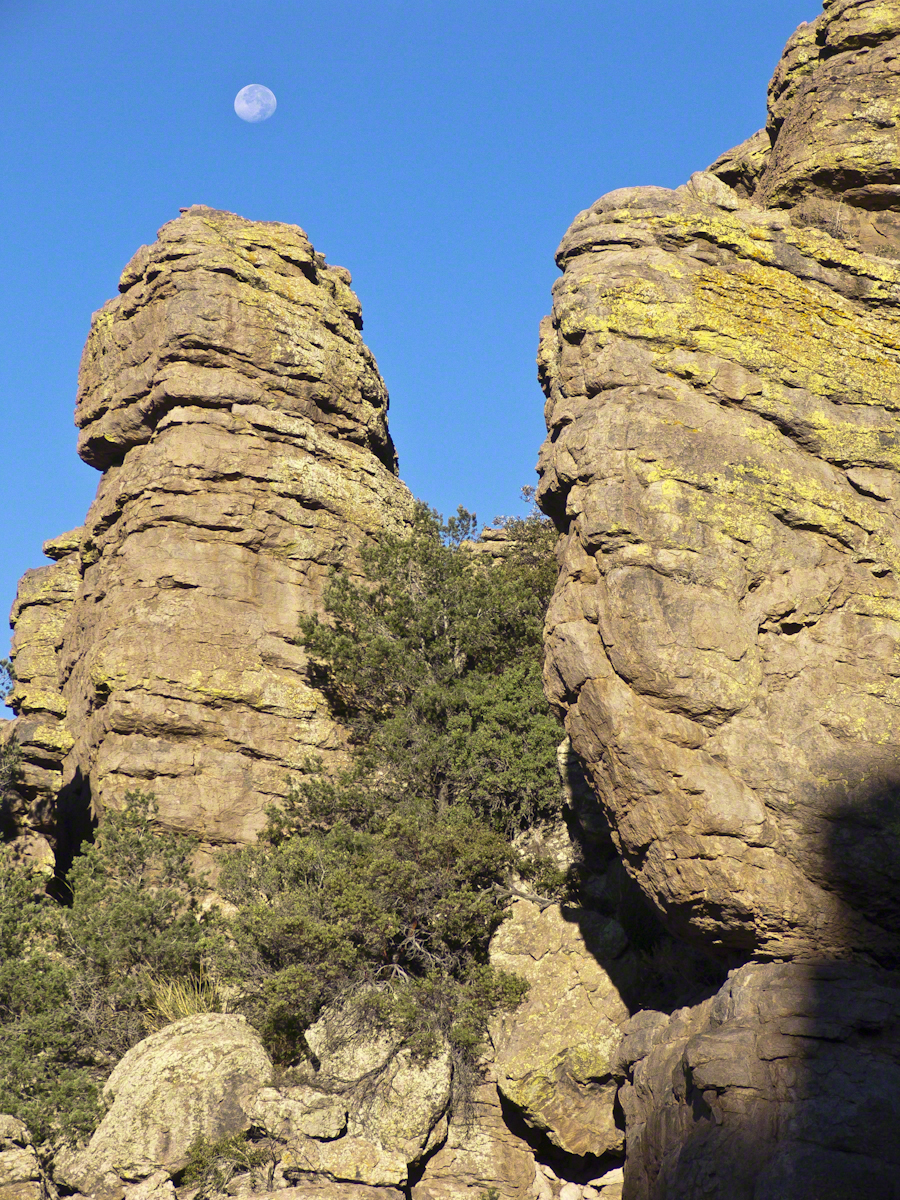
These formations hovered over the trail on my first morning. The rising full moon was an unplanned bonus.

I experimented this trip with a breakfast of granola with dried whole milk. It was delicious (for me) and got me out on the trail quickly. This first morning I clicked my hiking poles together to scare away bears as I walked in the pre-dawn dark. The preparation and extra effort paid off with this photograph.

Click any photograph for my Online gallery.

I met one hiker who was a harbor pilot from Hamburg, Germany. He came just to view a particular rock formation that was, literally, the rubber bath duck. It is several miles to the site, a moderate hike with significant elevation gain. He took his snapshot with a little camera and was on his way.

The following is my masterpiece from the trip. Imaging the effect of seeing this image on settlers. That same first day I turned a corner and there this was…it took a few minutes to comprehend what I saw, it was so incredible and, for me, unexpected. It first, the only perception is a huge rock dome of rough rock, then, slowly, the image of a native American profile forms in the mind.
Cochise Dawn

Click any photograph for my Online gallery.
Cochise Dawn
Cochise Dawn

Click link for the complete story behind how I captured this image, from my Online Gallery.

Michael Wills Inspiration Point

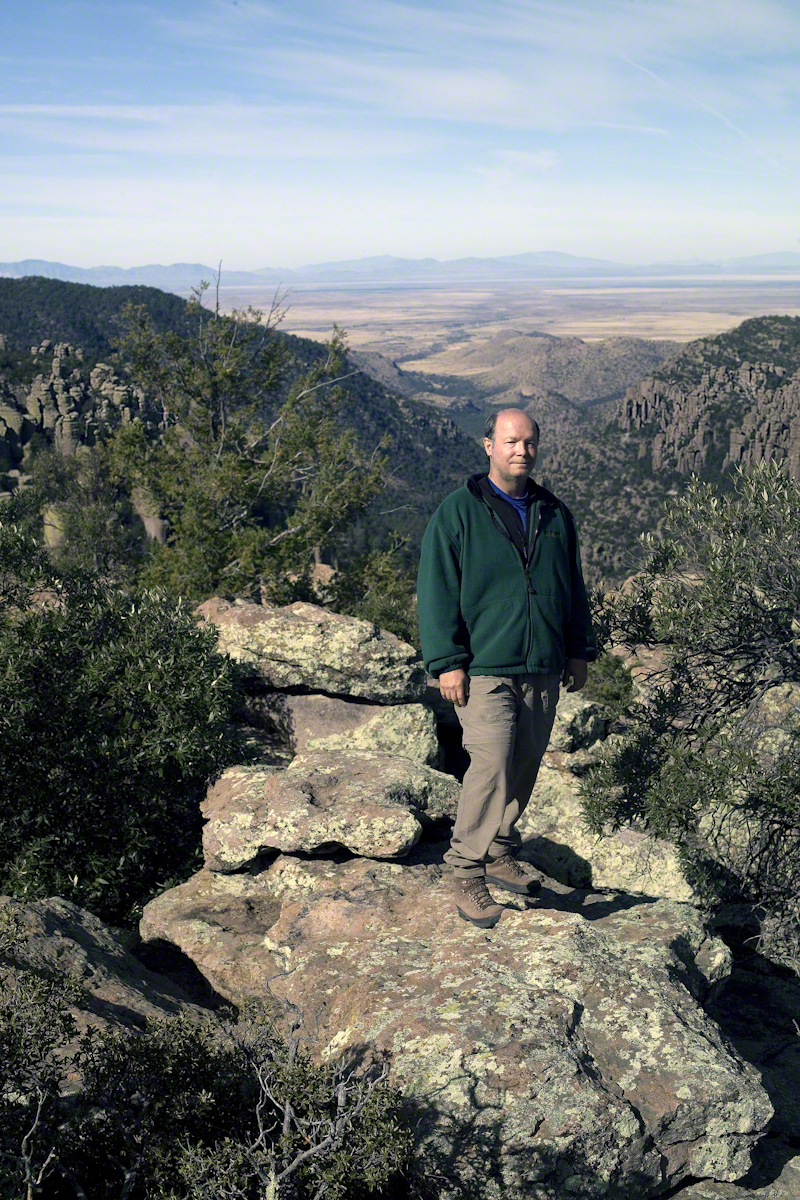
During the session for Cochise Dawn I turned the camera for the view northwest and did a self portrait. In the distance are the Galiuro Mountains and Wilderness. Tucked alongside is the Aravaipa Canyon Wilderness, hosting one of the few perennial streams of Arizona.

Copyright 2017 Michael Stephen Wills All Rights Reserved

Sun and Shade, Canyon Del Muerto

watch out for quicksand

In my post Canyon of Music, Wind, Light I shared a different photograph of this beetle crawling on sandstone, naming it as a “dung beetle”. I had assumed it was one from once having seen a beetle in an Arizona desert pushing a ball of dung around. This morning, to confirm my assumption, I searched for images of “Arizona Dung Beetle” and was dismayed to find this beetle shares no characteristics with the photographs. Absent smoking gun evidence, sadly lacking in this photograph, I have to admit my “dung beetle” attribution is in error.

Supporting the beetle, the luminous surface of the red sandstone named “de Chelly,” sunlight reflects from durable remnants of the ancestral Rocky Mountains wore to these bits of rock, piled to mountainous dunes by the winds of tens of thousands years, polished to smoothness each against the others.

Natural Markings
Mysterious abrasion and grooves in a de Chelly sandstone cliff, Canyon de Chelly.

The above photograph is a detail from the brightly lit cliff of the following photograph. The desert varnish and underlying rock was weathered over thousands of years, the sand grains falling to the canyon floor.

Click to view my Arizona fine art gallery
Breadth, Light, Shadow
Canyon Del Muerto vista from a ledge.

The soil of the canyon is composed of these bits of the ancestral Rocky Mountains. What appears to be a white road in the above photograph is not man-made, it is the dried bed of a stream. When a waterway is dry like this, only flowing with rains, it is called a wash. When water fills the wash of the Canyon Del Muerto, the polished sand granules become a dangerous morass, sucking down horses, people, anything unlucky enough to step into it. Every movement, struggling for freedom, pulls the victim deeper down until the wet sand closes over the head and suffocation and death ensues.

Sandstone Stairs
Stairs cut into the sandstone cliff of Canyon de Chelly

The waters Canyon De Chelly National Monument naturally form a vast Y into the Defiance Plateau, naturally because two major streams merge into one canyon a few miles above Chinle. On both our guided trips, heading east from Chinle there is a branch. On the right De Chelly canyon continues. On the left is Canyon Del Muerto. The photos in this post are all from “The Canyon of the Dead”, what the name means translated into English.

Click to view my Arizona fine art gallery

No, it is not named this because of the quicksand. Conditions for quicksand are present throughout canyons of the southwest. It is history of human occupation for which this canyon was named. I will cover it in a future posting. For now, I will say the above views are from the spot featured in “Family Trek.”

My first visit, in 2003, while my son Sean climbed the rocks with our guide, I was left to document the wondrous surroundings. The above shallow cave is reached by that stairway carved into the precipitous ledge. The access to the cave is via those naturally occurring ridges of the cross bedded sandstone. It is another example of De Chelly sandstone formed from the windblown edge of a monstrous ancient sand dune.

Monumental Cliff
A solid block of De Chelly sandstone formed from the central bulk of a sand dune.

Here is another example of rock formed from the solid body of the sand dune, that unbroken and un-striated cliff. Below is the cross-bedded, windblown sand.

Cliff with Foliage
Autumn lights up the floor of Canyon De Chelly, the foliage rivals the cliffs for wonder at this time.

As we proceeded generally east from the climbing spot of “Family Trek”, driving by the golden cottonwood foliage I asked the guide to stop for these photographs.

Canyon de Chelly
Canyon walls

Soon the cliffs hid the sun.

Canyon de Chelly

Notice the modern water distribution system (pipe) at the foot of cliff on right. These vast tracks of shadow adjacent to bright sunlight are a fact of life for canyon dwellers, a source of joy and wonder.

Canyon de Chelly

The canyon here is rather like the Narrows of Zion, without the water.

Canyon de Chelly

Enjoy!!

Click for the another Arizona post, “Juniper Sunrise.”

Click for the first posting of this series, “Portrait of a Navajo Guide.”
 
Copyright 2021 Michael Stephen Wills Photography

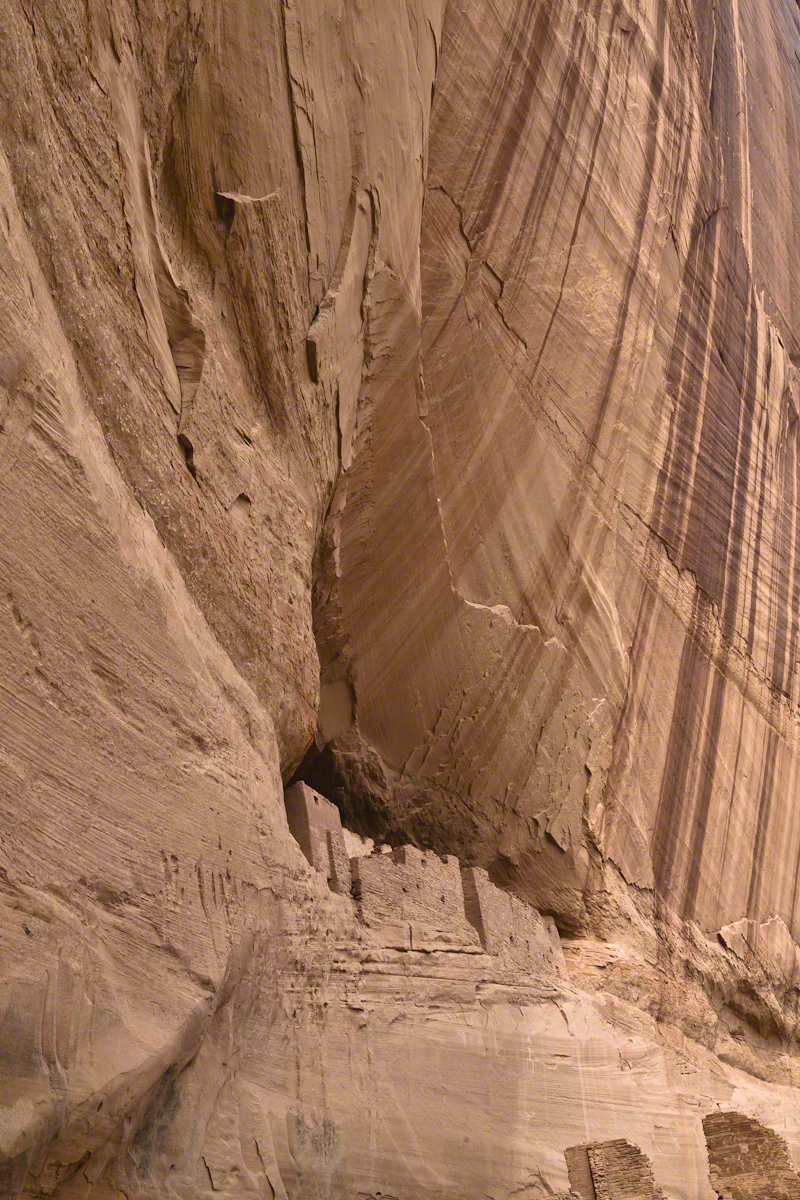
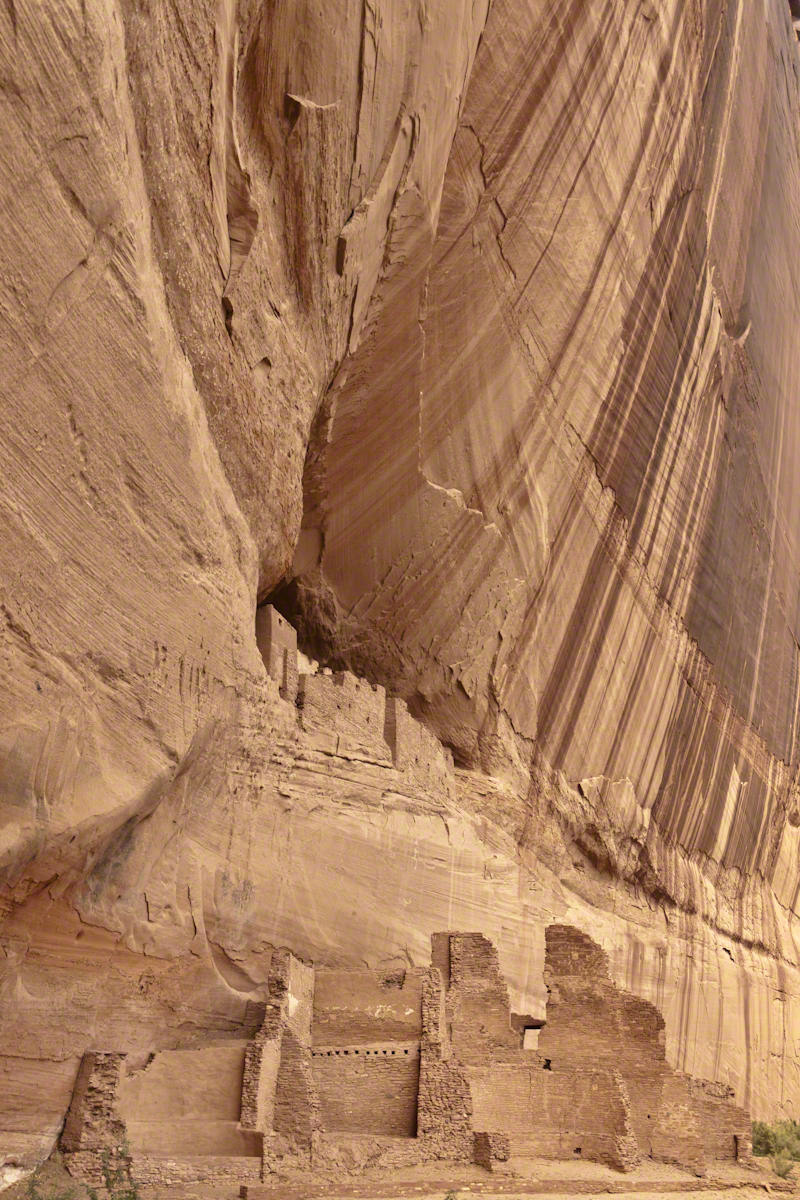
White House Ruin

iconic image

November 2003 my son, Sean, and I drove up route 191 from the Petrified Forest National Part to arrived at Chinle on a November afternoon. In 2003 my photography kit included a Sony Point and Shoot 5 MP camera with filters, an over the shoulder (purse type) bag and an inexpensive “Kmart” tripod.

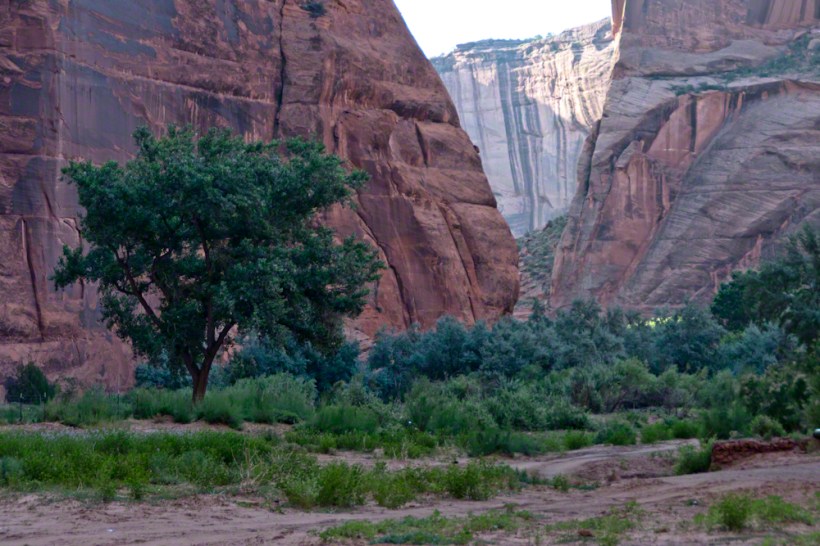
We found the White House trailhead, hiked down essentially alone as the sun set at 5:20 pm.  At that time, a thick stand of Russian Olive trees choked the wash.  We stopped at this point in the gathering dark.  I took this distant shot of the White House Ruin against the Russian Olive autumn foliage.  A stand of Cottonwoods growing near the canyon wall had yet to turn their brilliant yellow.  At that time, the White House Ruin was painted white.

WhiteHouseRuin20080718-3

When Pam and I visited July 2008, in the intervening 4 years, 9 months the Russian Olives were removed as an invasive species, the ruin was no longer white.

There is one highway headed south in the Four Corners region of Northern Arizona, the same route 191 Sean and I took.  In 2008 Pam and I came from Colorado south on 191, also arriving late afternoon.

That July day the sun set 8:33 pm as the Navajo Reservation observes daylight savings time. My goal was to photograph the White House Ruin I missed in 2003. We arrived at the trail head. My photography kit was expanded from 2003, now included a Kodak DSC Pro slr/C, the “C” meaning “Canon” lens mounting, a Sony 700 alpha slr (I only use a variable lens), Manfrotto tripod with hydrostatic ball head, and the backpack style Lowe camera case. With the tripod it is over 25 pounds.

With this on my back I was prepared to boogie down the trail. At the height of tourist season there were many more people at the trailhead. Pam, being a friendly person, started a conversation while I ploughed ahead along the flat canyon rim. It is solid red sandstone, beautiful, generally level with enough unevenness to require attention. When Pam saw how far ahead I was she tried to catch up, tripped, fell hard.

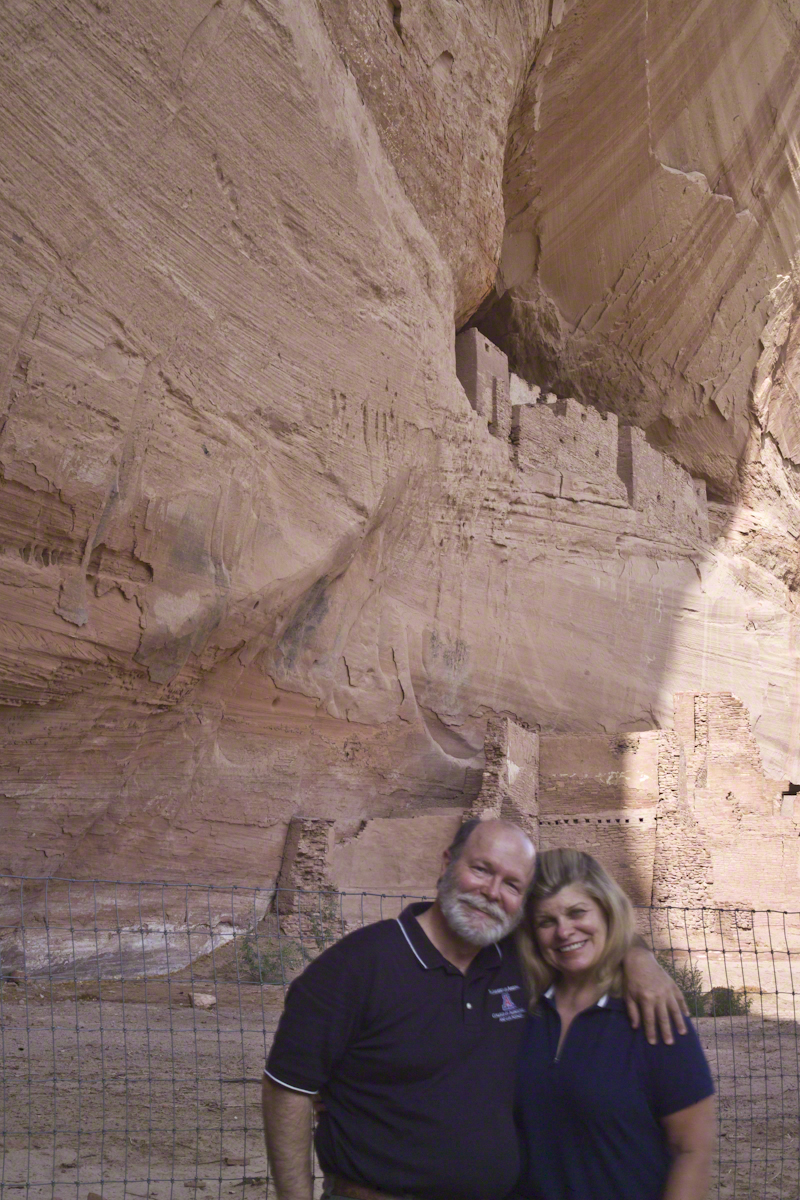
I backtracked to Pam and we pulled it together. She thought, maybe, the fall broke a rib. We descended, slowly, together. Here we are in front of the ruin. The sun, low in the sky, is moving below the south canyon wall. This is a perfect time and I used both cameras.

Mike and Pam at White House Ruin
Mike and Pam Wills with the White House Ruin, Canyon de Chelly, July 2008

The sweep of cliff and desert varnish was my intent to capture. Here it is through the Canon 50 mm lens.

WhiteHouseRuin200807-8
Click link for this White House photograph in my Online gallery.

I captured this version with the Sony Alpha 700 slr, the variable lens set to widest angle.

White House Ruin
Click link for this White House photograph from my online gallery.

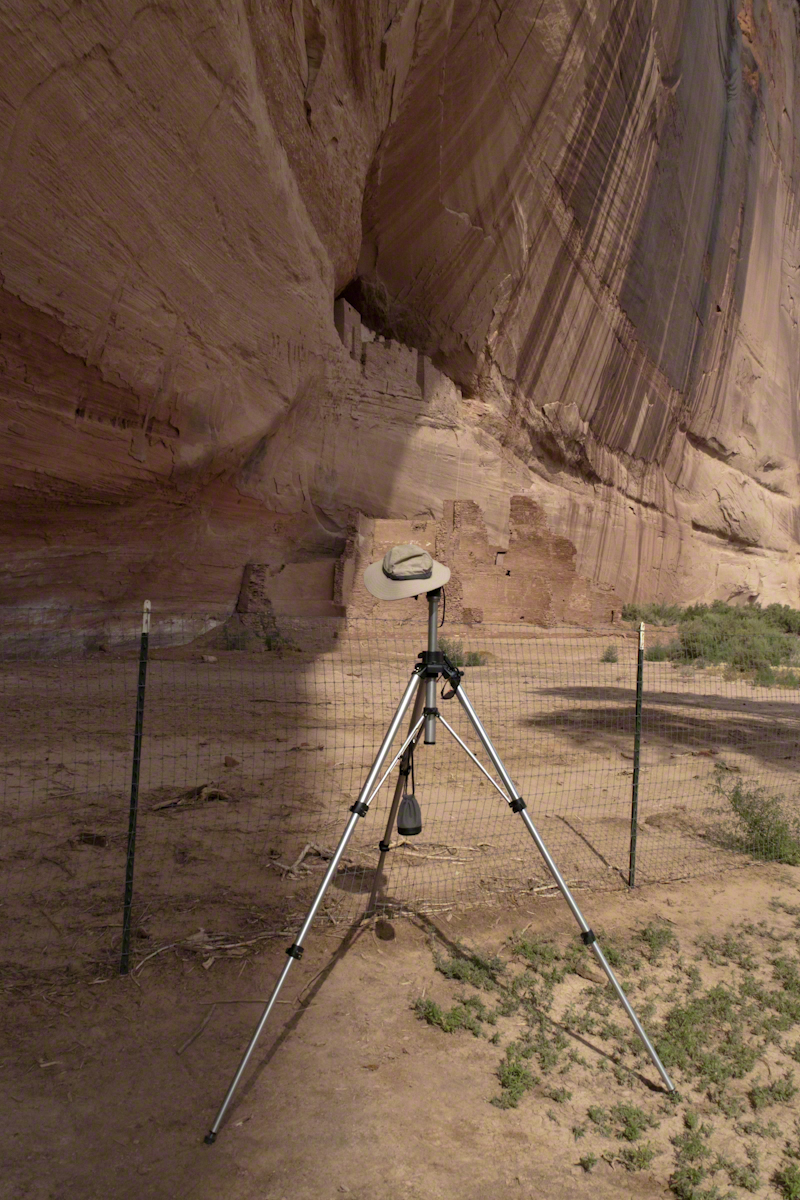
Here the camera setup waits out the sun…..

Whte House Ruin Setup
Camera, protected by hat, mounted on Manfrotto Tripod at the White House Ruin, Canyon de Chelly. July 2008
Click for the first posting of this series, “Portrait of a Navajo Guide”.

Click for the next posting of this series, “Family Trek.”

Copyright 2021 Michael Stephen Wills Photography

Apple Orchard in the Wilderness

Persistence of agriculture

….continued from the chapter “A Ride to Reavis Ranch”

Imagine walking across the ranch house ruin towards where I described the former pond. Looking to the east and north from the elevation you see this sight.

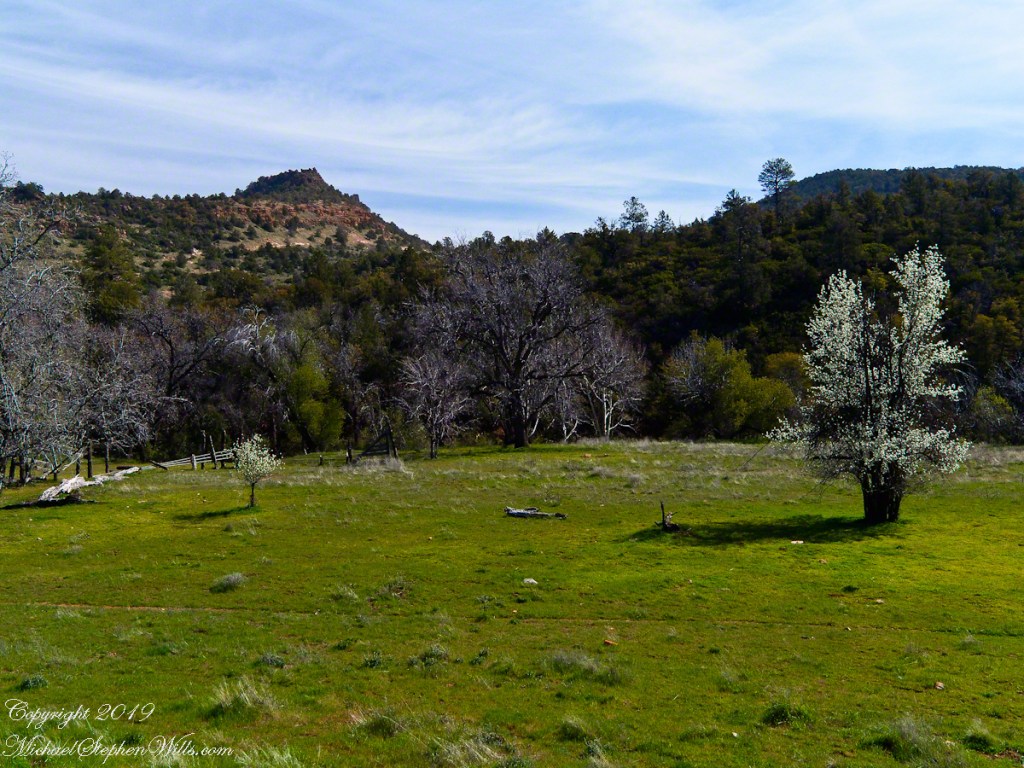
In the near distance a grass pasture slopes into Reavis Creek. The creek has flowing water in all but the longest dry seasons. By the way, the trail from Pine Creek is on the slopes of that conical feature in the distance, to the left.

Click any photograph for a larger version.
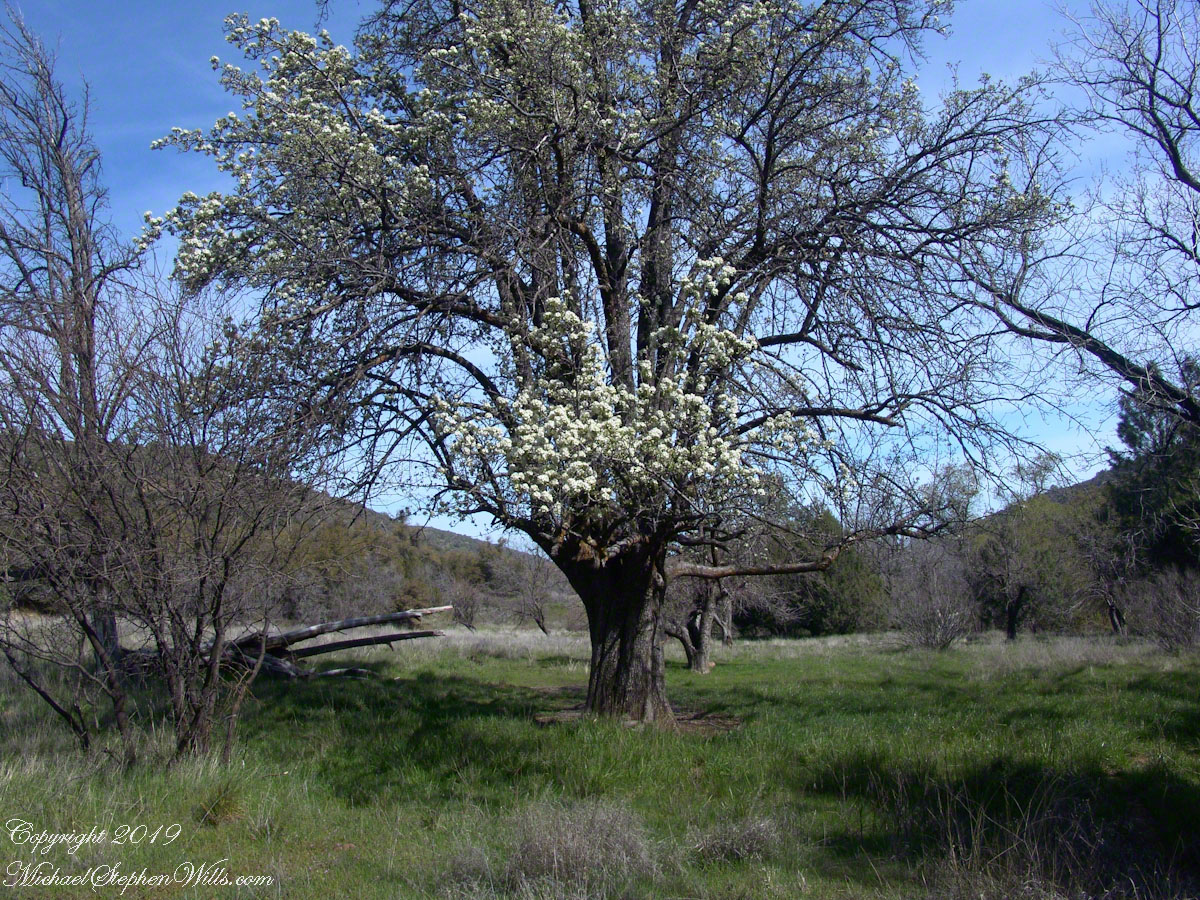
Looking from the former house site towards the Arizona Trail running beneath the distant red rock ridge. Not the fence rails on the left and apple trees in bloom.

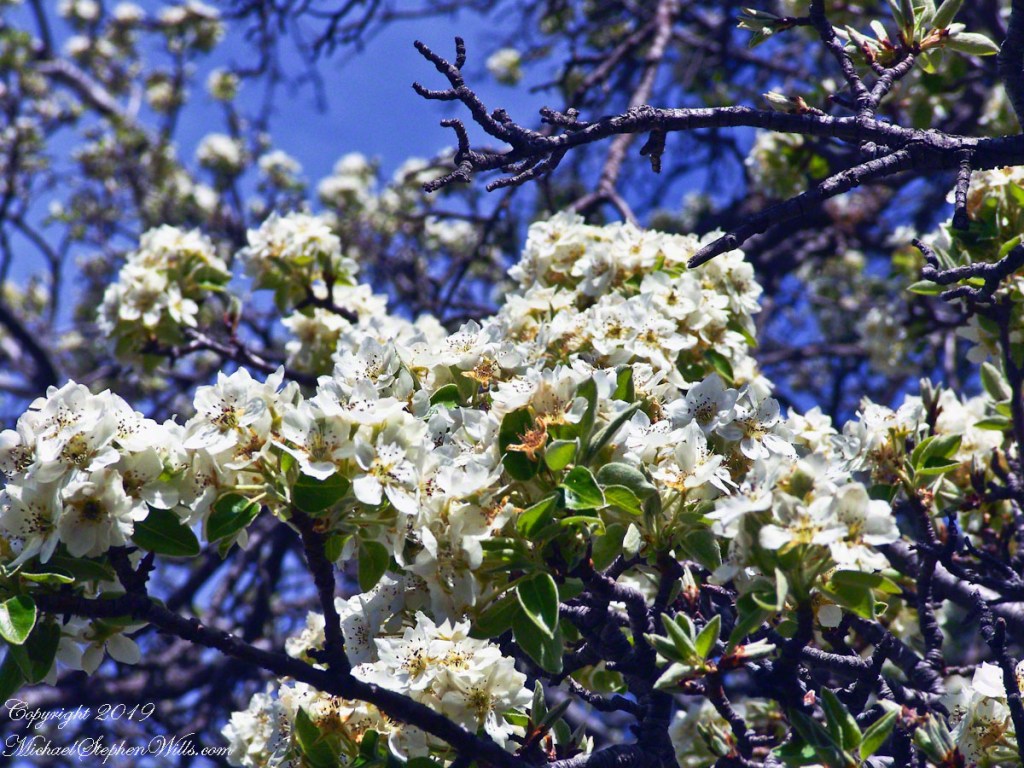
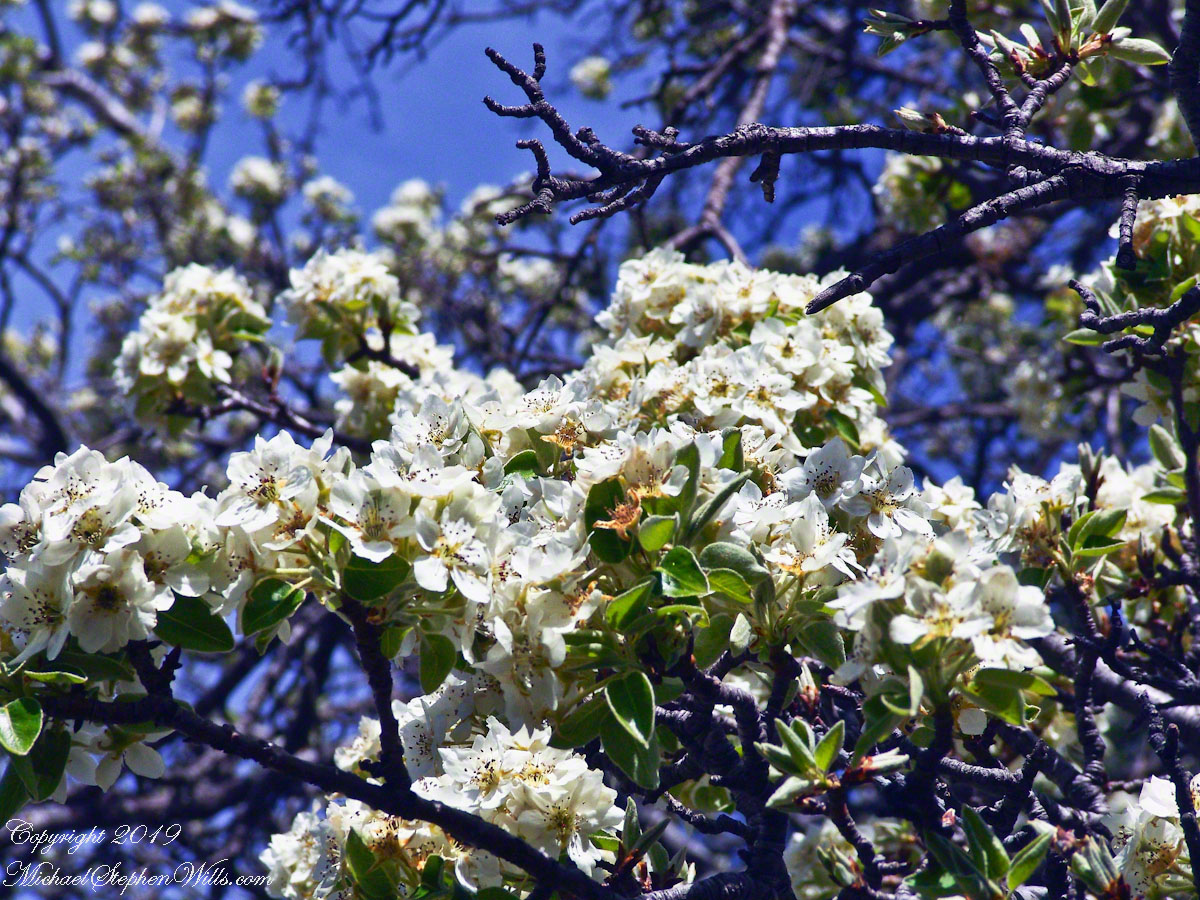
From the ruin, walk down the Arizona Trail, south, for a few hundred feet and turn left into the fields to encounter the same apple tree, and a close up of pure white apple blossoms.

Portrait of a Blooming Apple Tree

At Rest and History

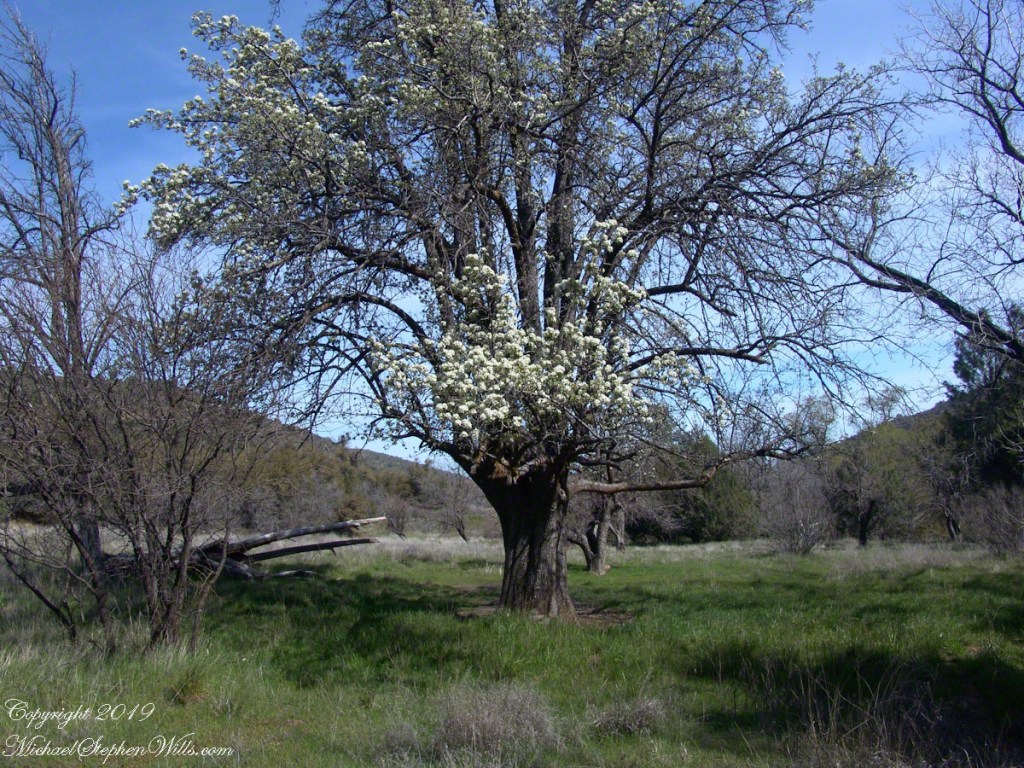
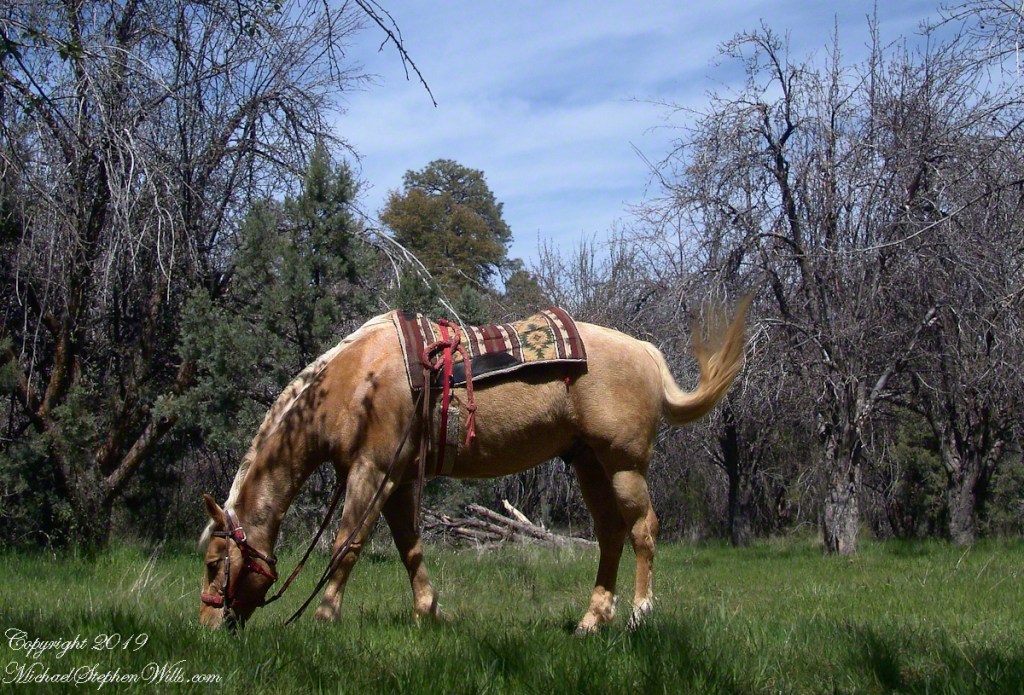
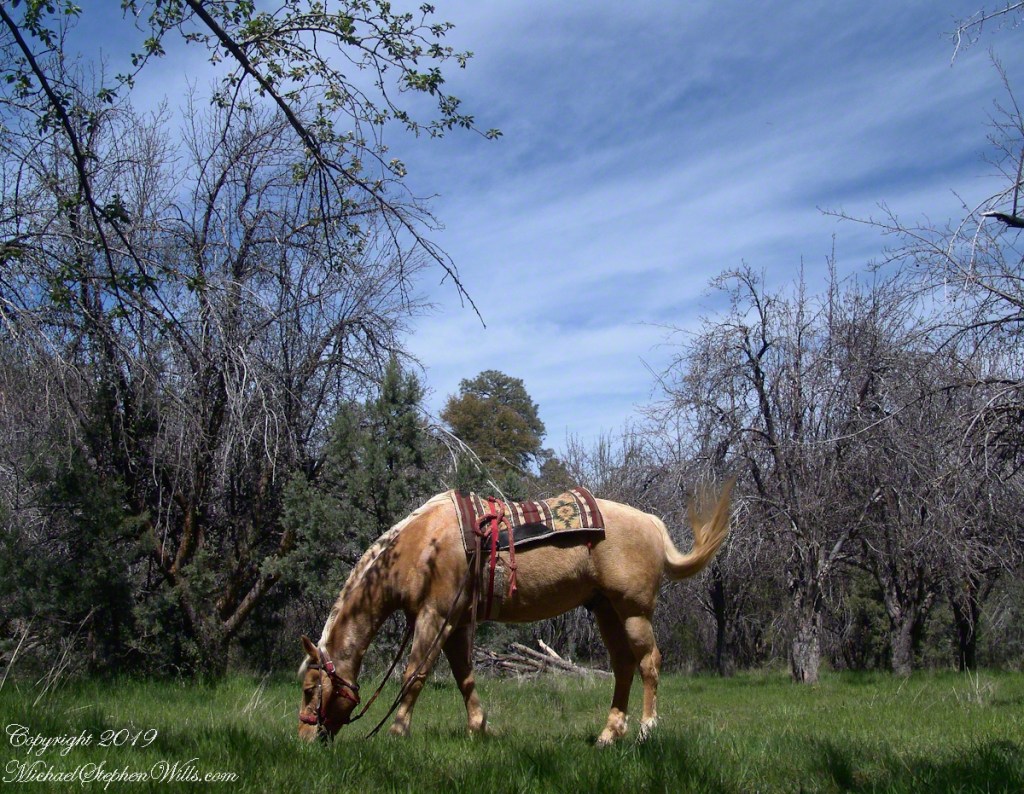
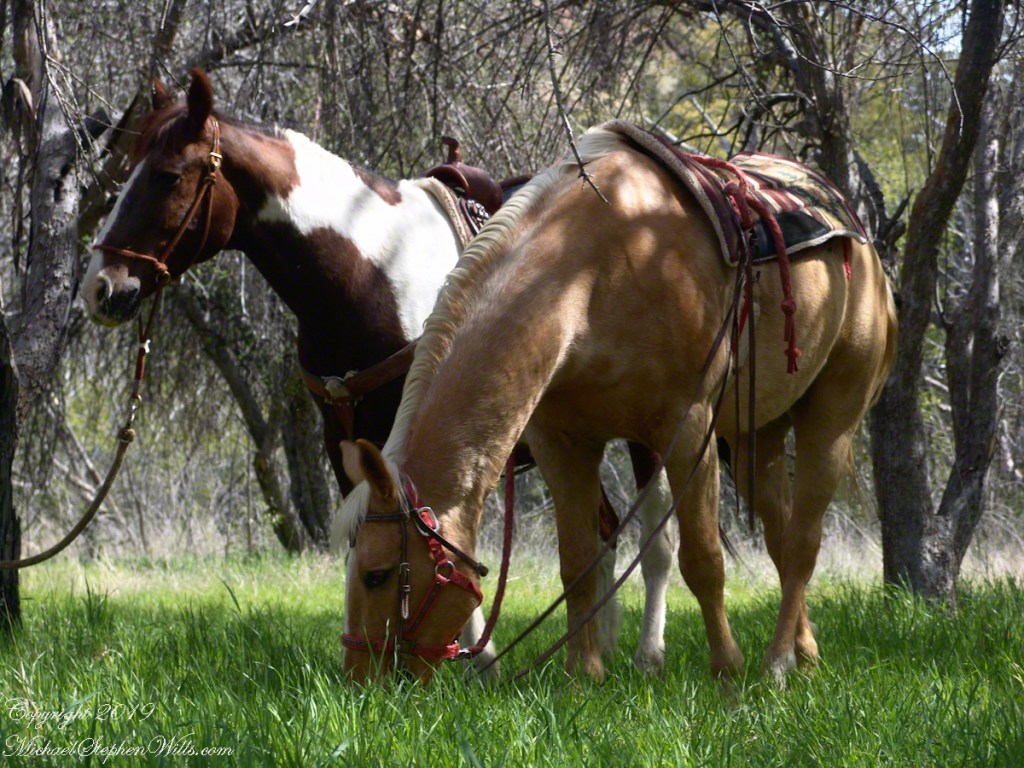
This tree is an outlier of a thick stand of several hundred trees to the north. The Searcher and I rode into the middle of the grove for a rest and chat. The horses were allowed to graze in the abundant new grass brought on by the winter rains.

The Searcher told me the story of the valley and that it was a man named Clemans who planted 600+ apple trees, trees in bloom all around us. The Reavis Valley was long a site of agriculture, starting in the 19th century with Elisha Reavis, who passed away in 1896 and is buried on the slopes of White Mountain, and continued with a series of ranchers and entrepreneurs in the 20th: John Fraser, William Clemans, who planted the trees, and John A. “Hoolie” Bacon, then Bacon’s son-in-law Floyd Stone who sold the land to the U.S. Department of Agriculture in 1967.

We talked about some earthwork I noticed, in the southern part of the valley. It was part of a water system that diverted Reavis creek flow at the head of the valley to the ranch house. We decided that strange hexogonal structure on the elevation above the house ruin was the site of water storage. At that location the structure would provide a pressure feed for the house and much else.

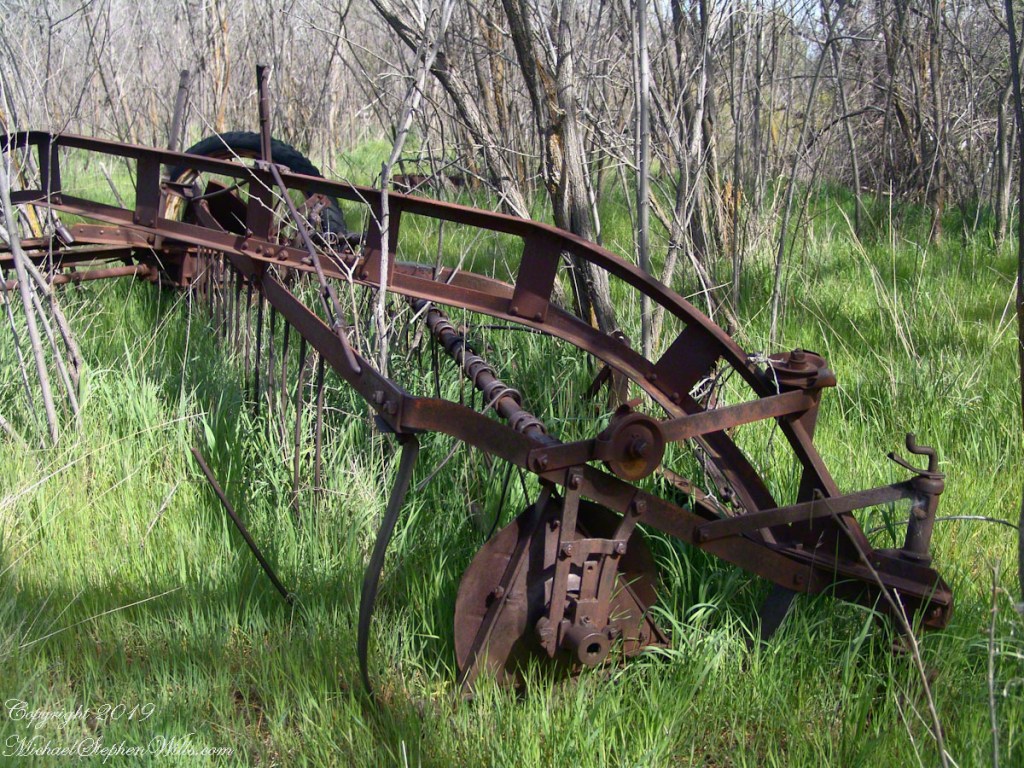
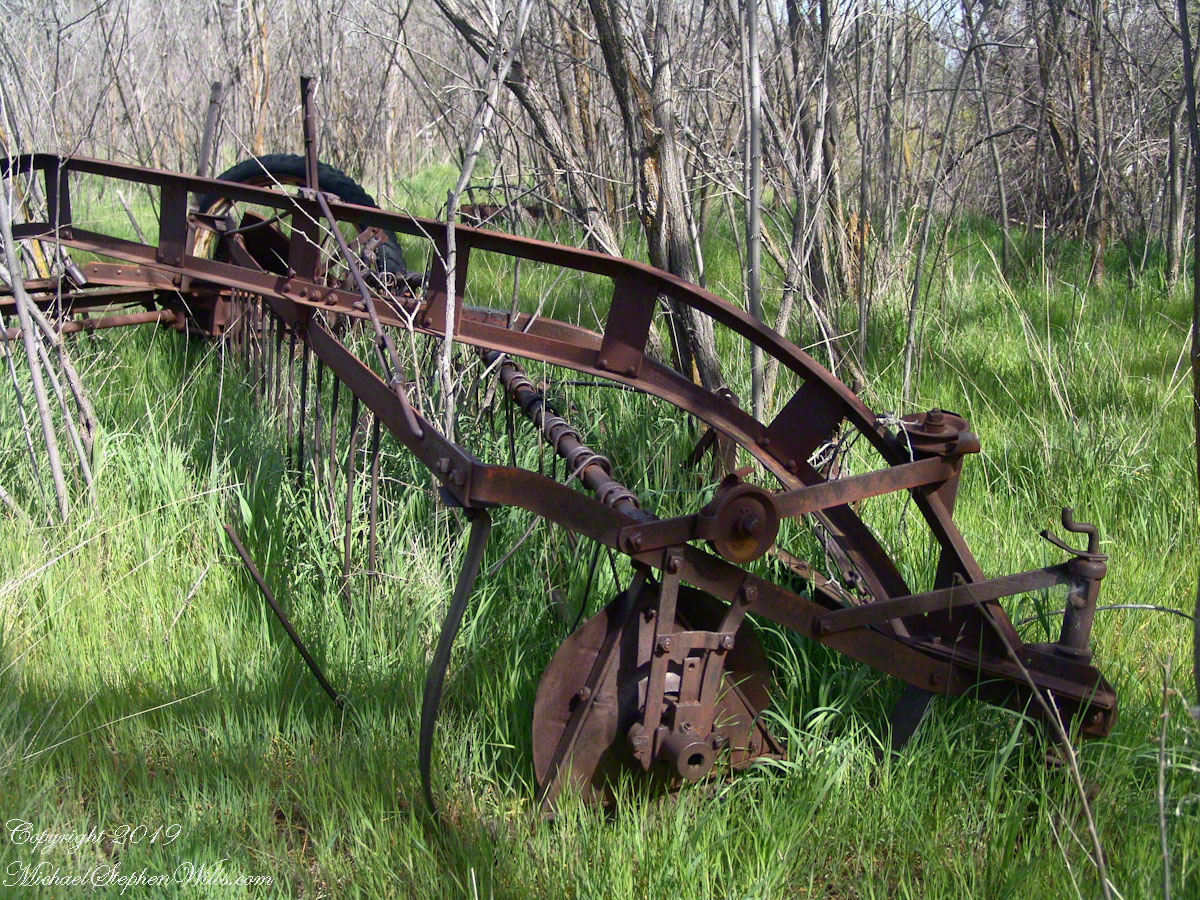
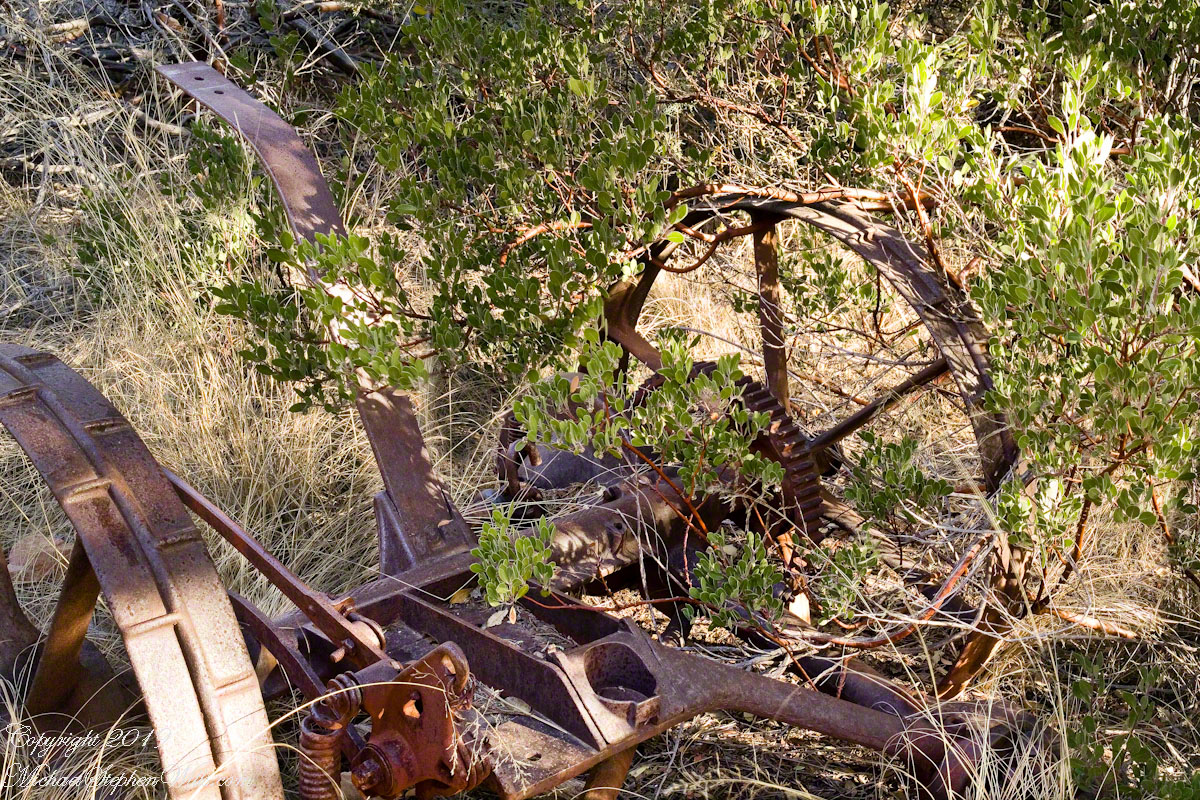
Abandoned Hay Rake

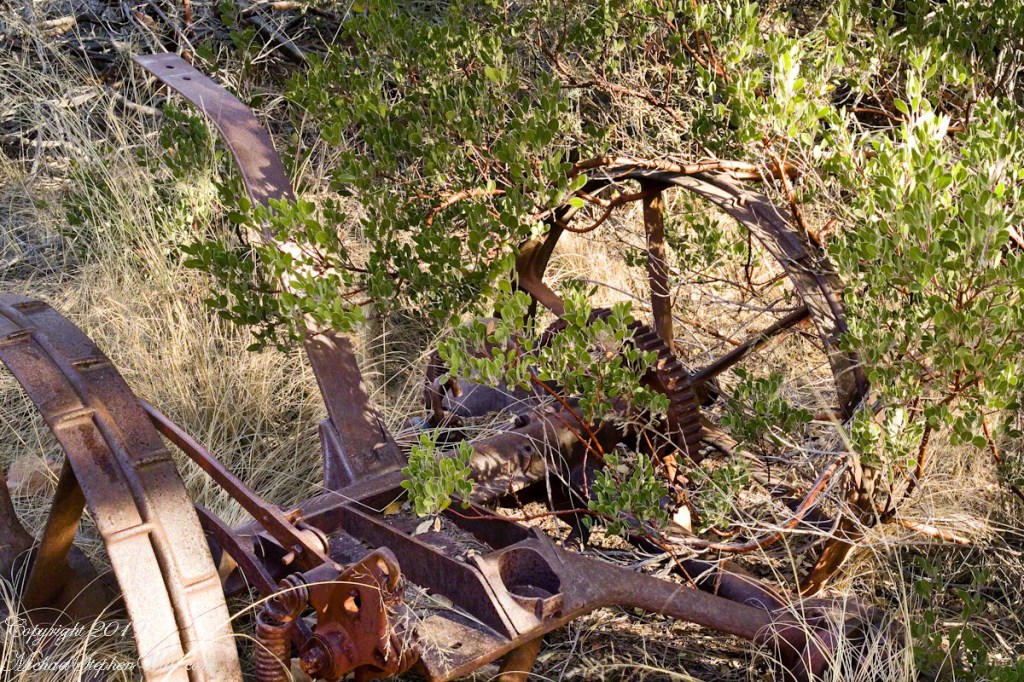
A mix of winter rains and fertile soil were exploited in the Reavis Valley for a handful of decades, the enterprise now is set aside. This abandoned hay rake and chassis, used to harvest grass in seasons past, is evidence of the work. The apple trees produce to this day without irrigation.

The Searcher touched upon the subject of the “Circlestone” ruin he mentioned on our morning ride. He had never been there, but mentioned some books on the subject. It is a wide circle of rough stone wall enclosing mysterious structures. At this point, I was hooked, and decided to check Circlestone on a later trip. Here are some photographs from one of those trips, in November 2006.

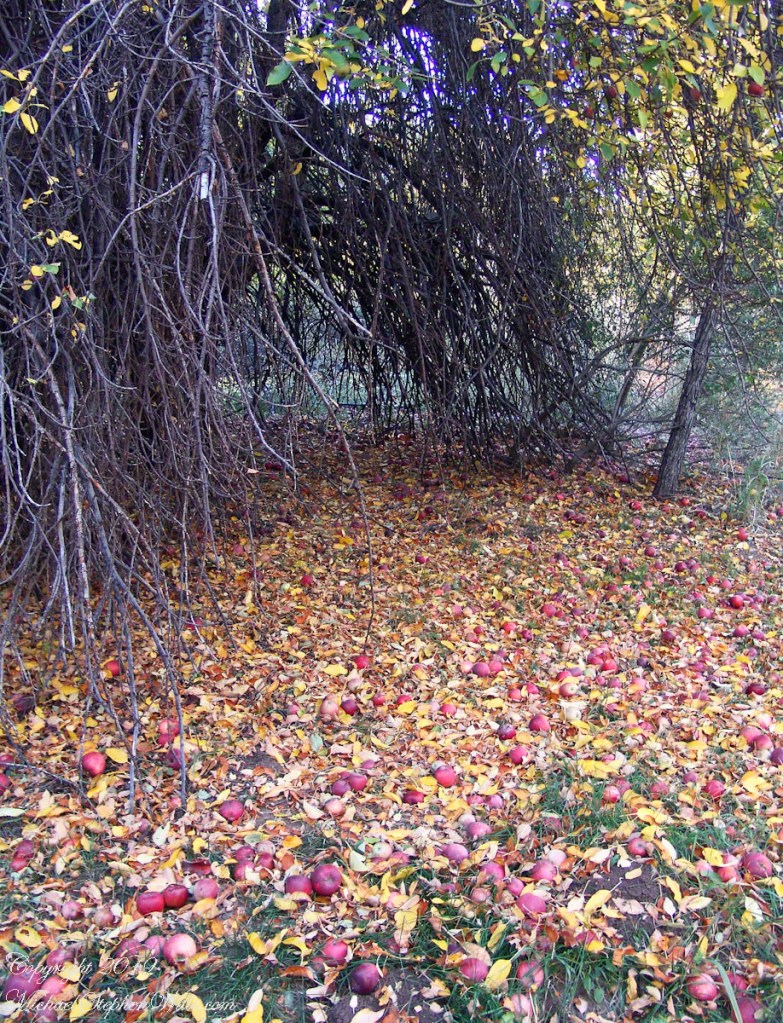
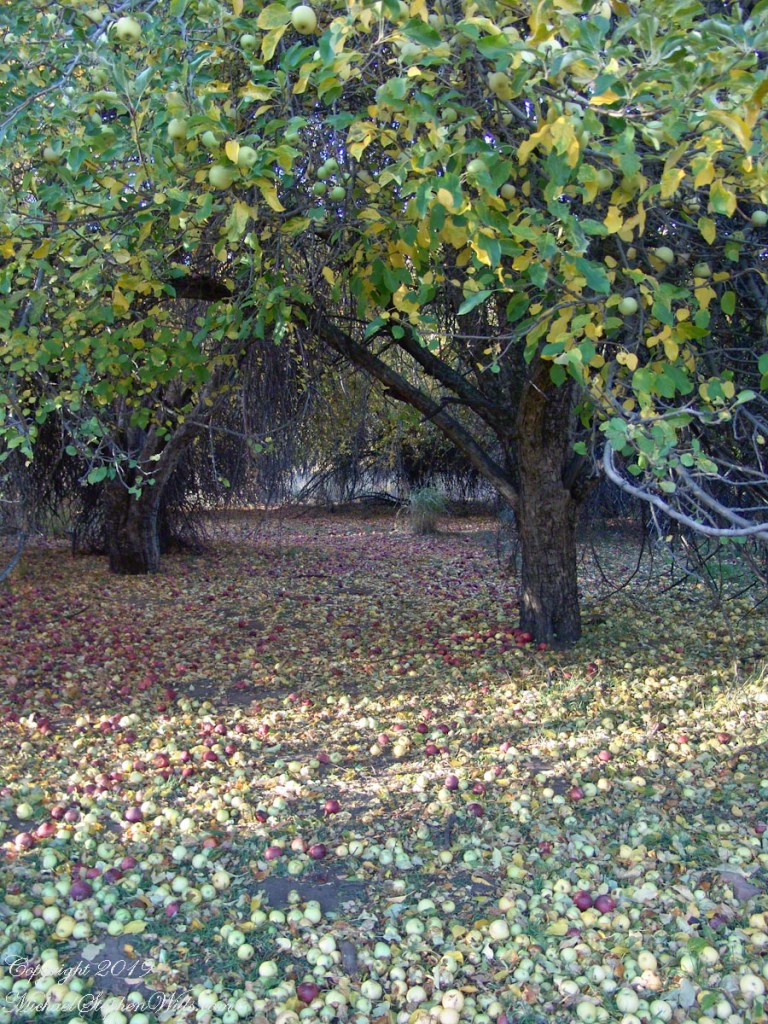
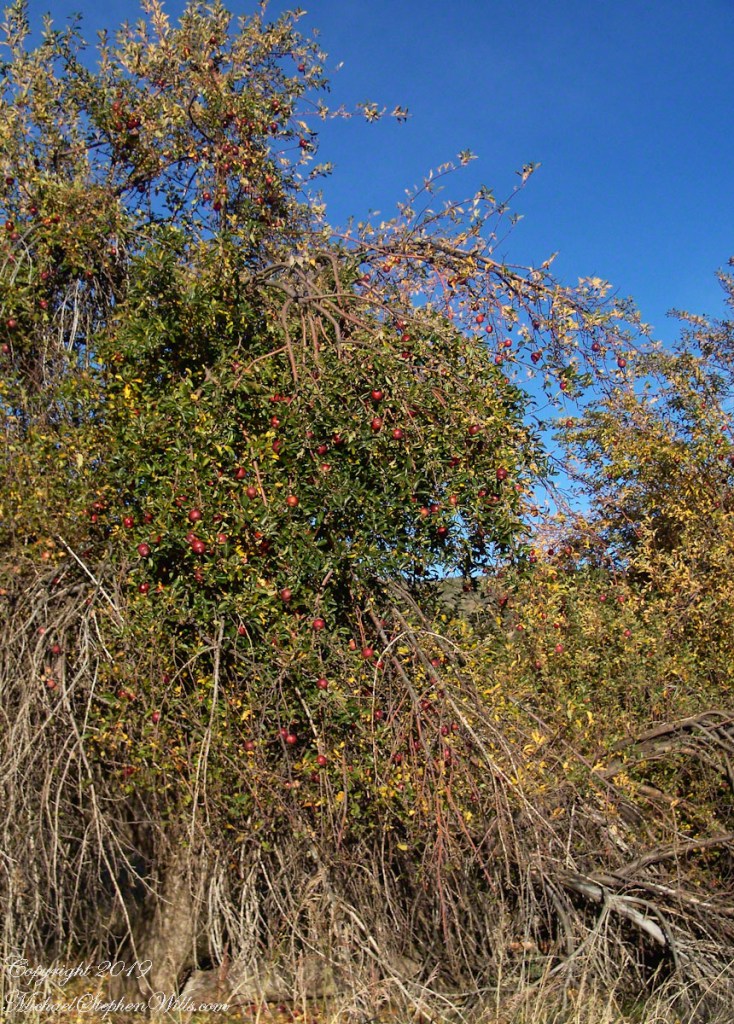
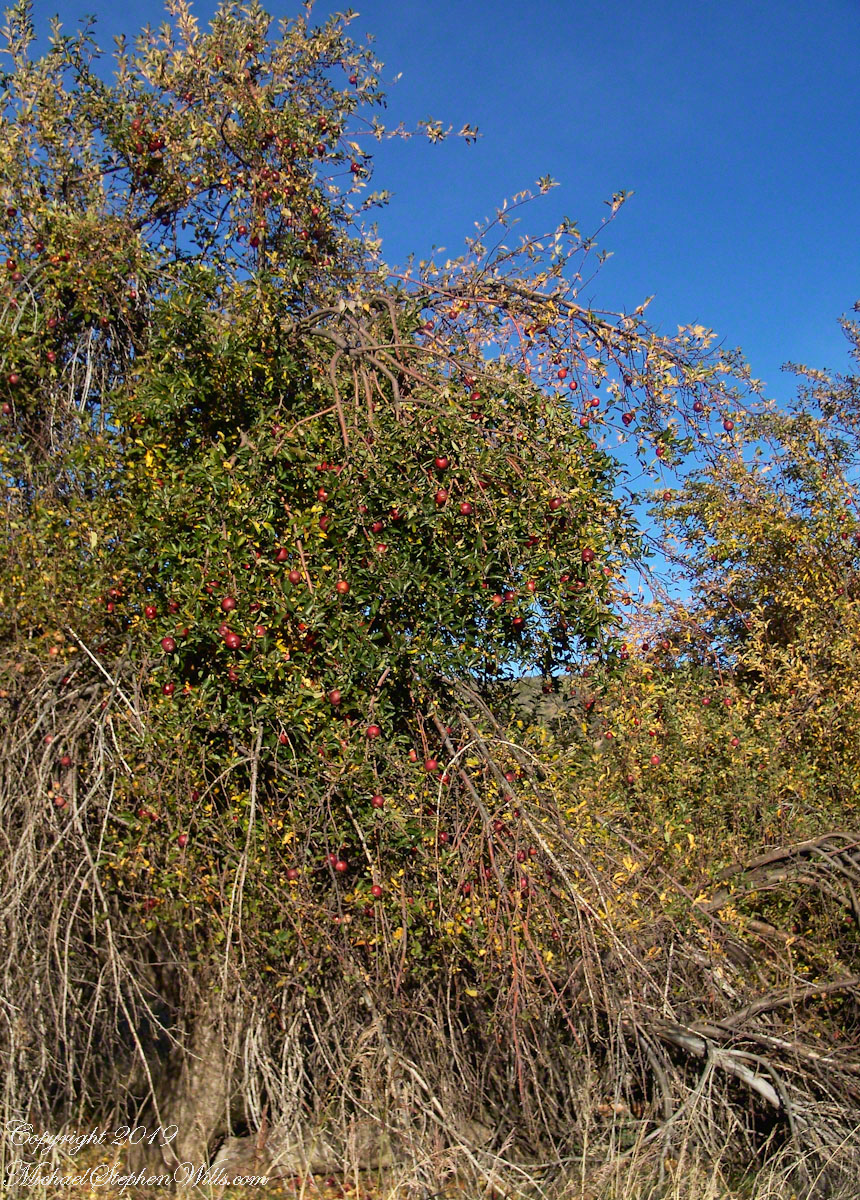
Reavis Ranch Apple Orchard Tree

Reavis Ranch Apples Yellow

Reavis Ranch Apples Red

In my next post The Searcher and I return to Pine Creek, Colorado gives me some trouble and we visit a stand of wild oats in the Reavis Gap.

Click me to visit Michael Stephen Wills Online Arizona Gallery.

Copyright 2021 All Rights Reserved Michael Stephen Wills

Moon Fin

Gibbous Moon and Red Rock

Driving from the Petrified Forest National Park my son, Sean, and I arrived at Chinle, Arizona the evening of Monday, November 2, 2003.  No time to rest or eat after checking into the Best Western he and I reached the White House overlook and trail head with the sun low in the sky, the sun sets 6:45 pm these last few days of Daylight Savings.  The Navajo Reservation observes Daylight Savings, so the click jumps crossing the border from Arizona to Reservation.

I was 50 at the time and with Sean graduated from SUNY Maritime and fresh from a tour at sea we made good time to the canyon floor.  I wanted to catch the White House in the setting sun.

One morning, 14 years later, I published a fine art photograph from that trip.

Looking along the canyon, over thick stands of Russian Olives, I caught the risen moon, in gibbous phase, against a mid-canyon freestanding fin of red sandstone of the southern canyon wall. Today, those trees are gone, removed as an invasive species.
Click for my OnLine Gallery “Memories Dreams Reflections”

Copyright 2021 Michael Stephen Wills Photography