November 3rd, 2022, Blessed Us with an azure sky, an Indian Summer Day. During our walks on Cass Park Shorts we’d look across to see hikers emerging from the gold course to walk the Lighthouse causeway. After decades of longing, these Ithaca residents took upon themselves the adventure of finding the path and walking it. This series of posts documents the walk and some treasures discovered on the way.
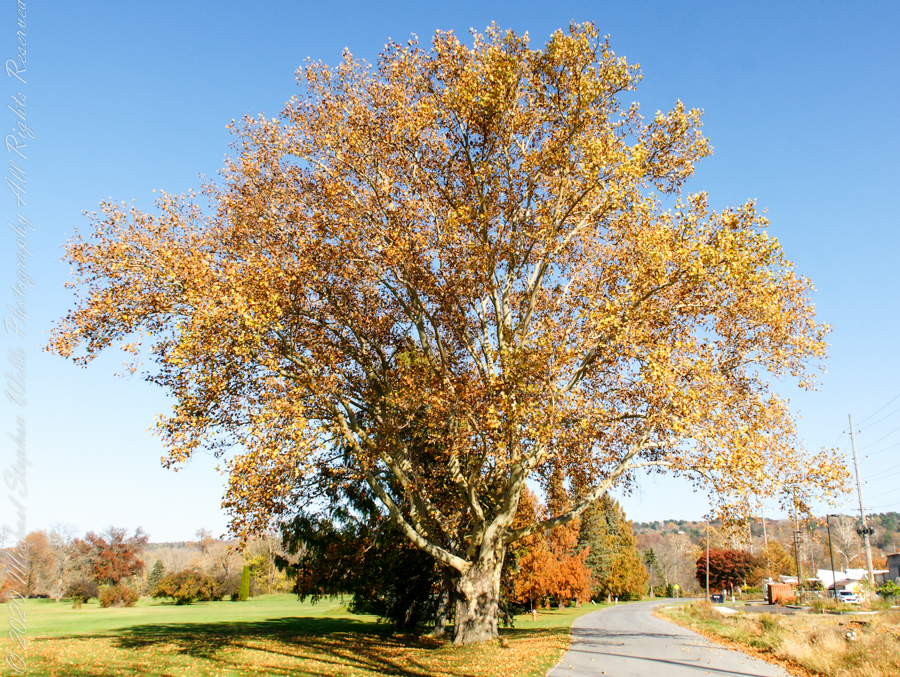
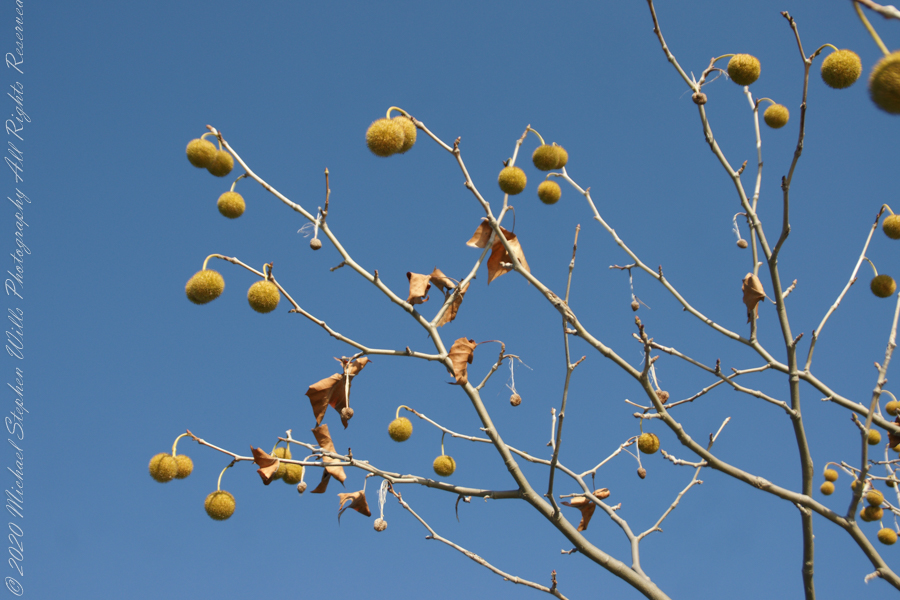
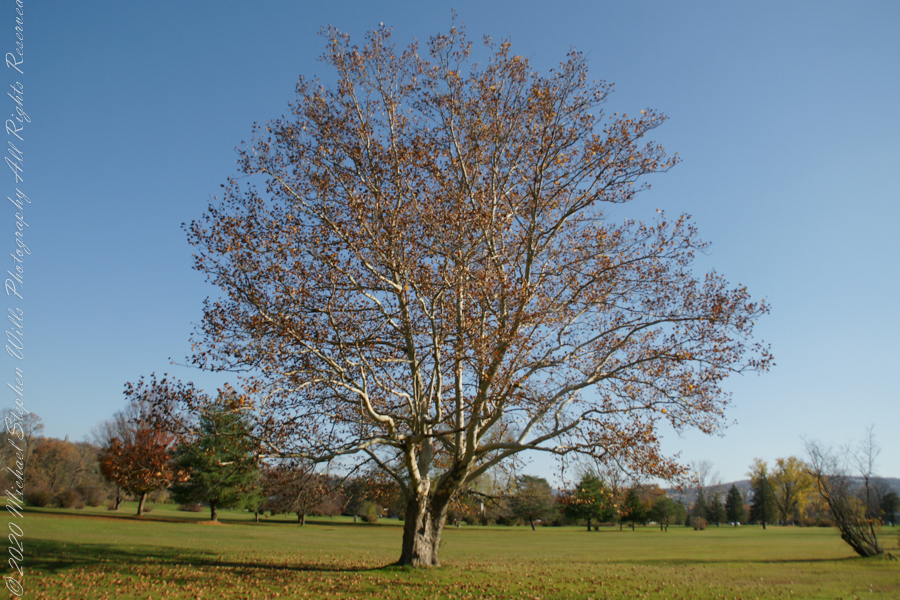
Sycamore, aka Plane Tree
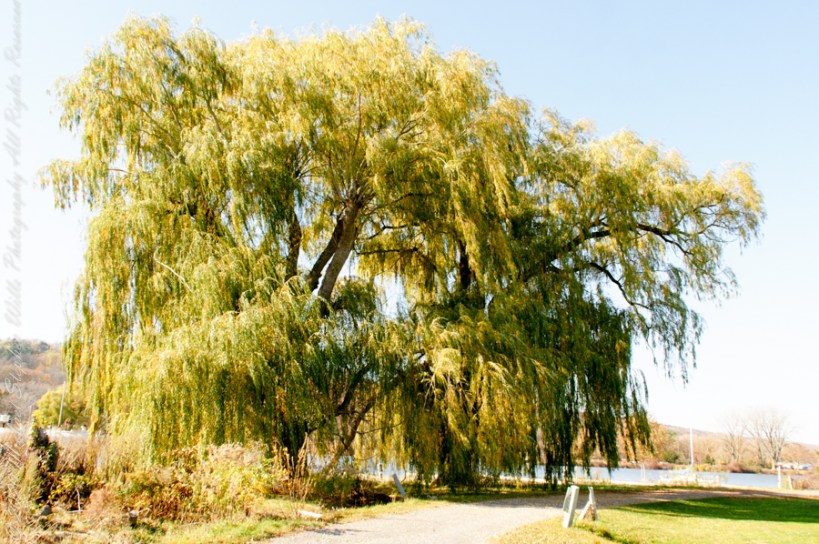
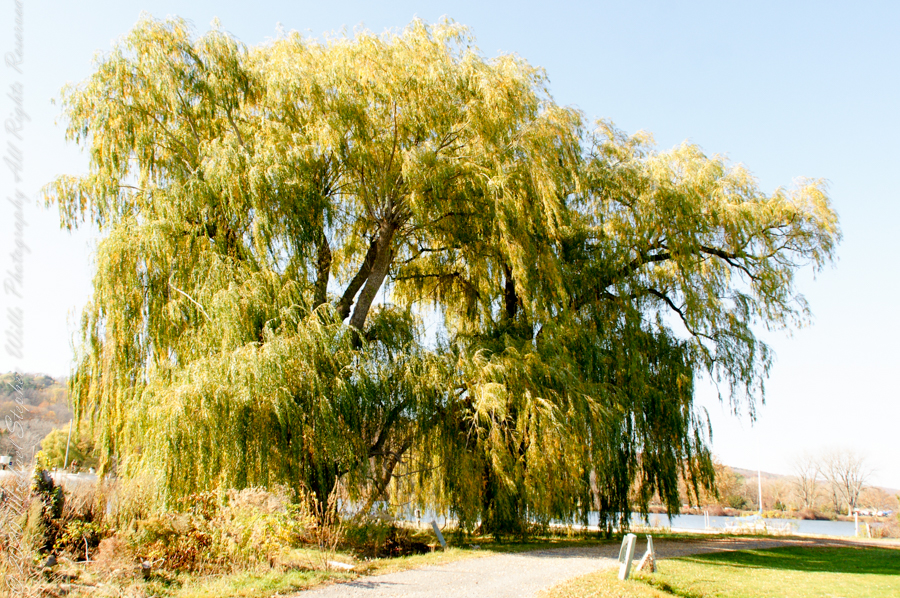
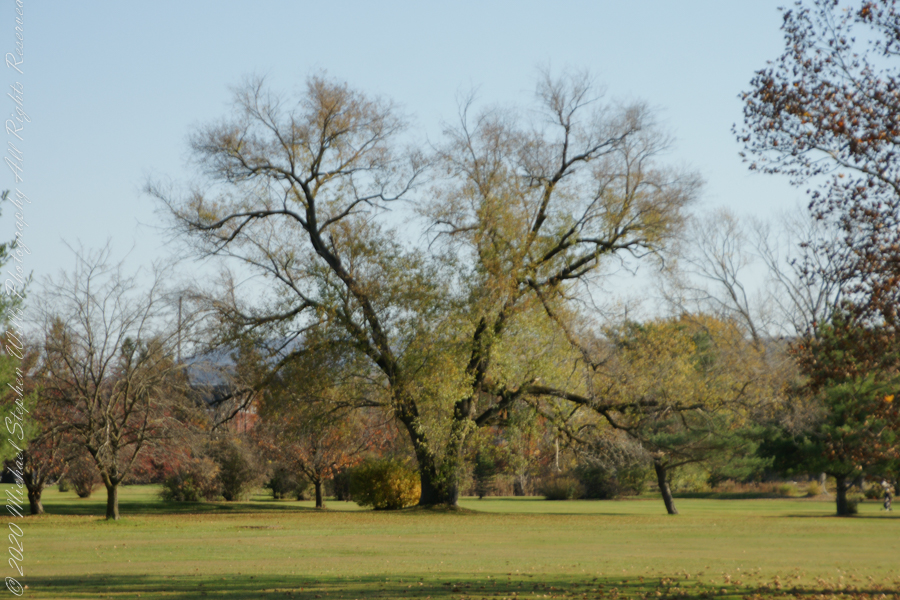
Willow on Cayuga Inlet and Newman Golf Course
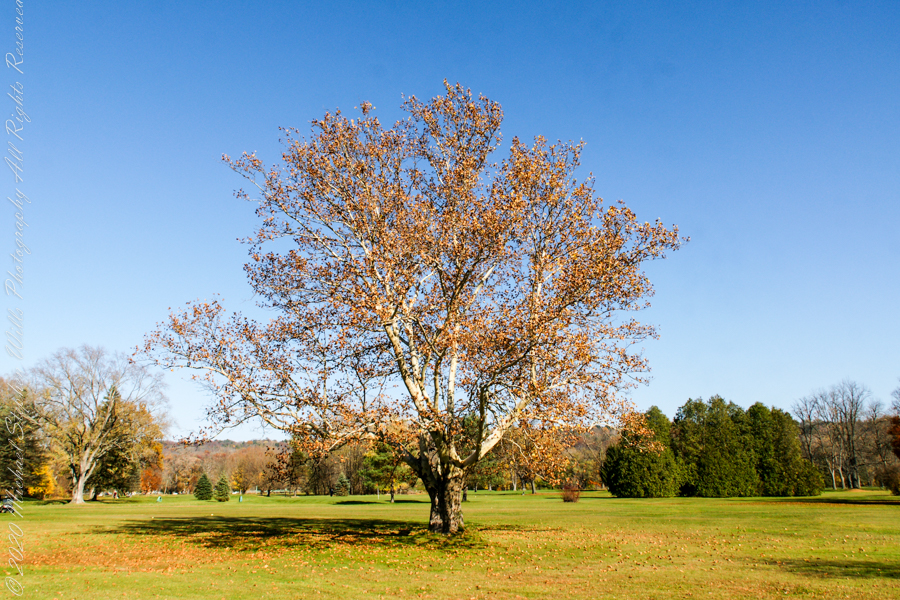
might be another Sycamore on the golf course
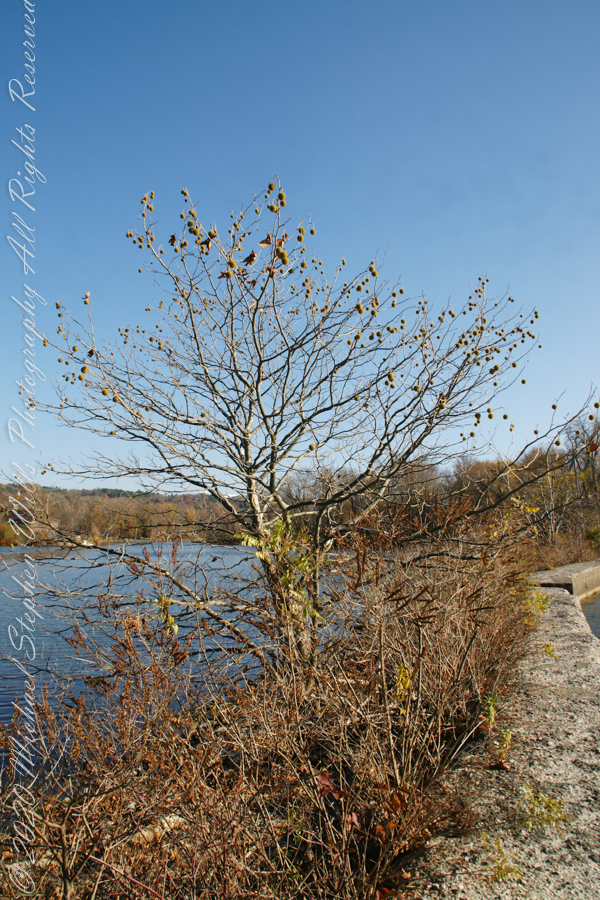
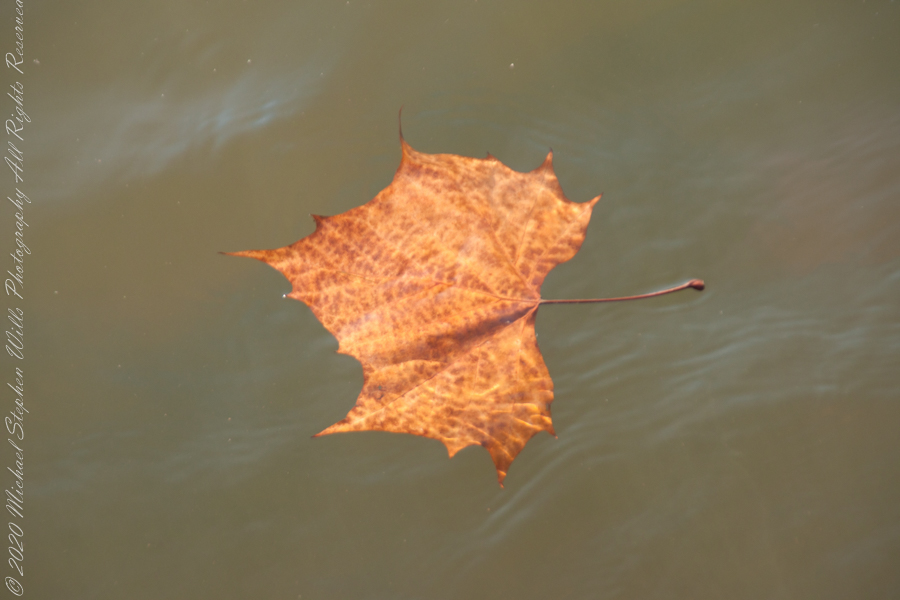
An uncultivated Sycamore sprouting from the causeway leading to the lighthouse “The reason Sycamores are also called “Buttonwood”. Children love to throw these seed heads at each other, sometimes “exploding”The reason Sycamores are also called “Buttonwood”. Children love to throw these seed heads at each other, sometimes “exploding” on impactSycamore leaf floating in Cayuga Inlet
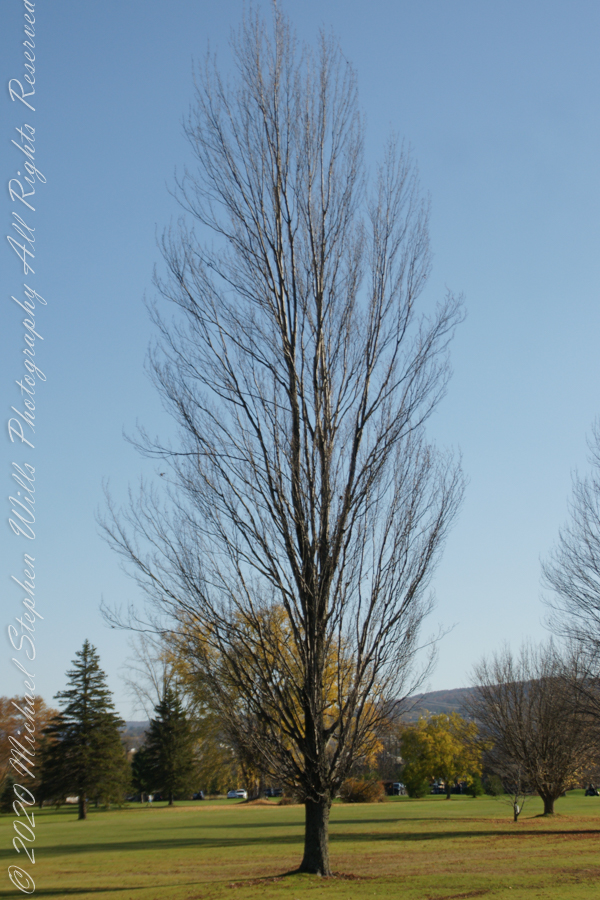
Unidentified tree on golf course
Unidentified tree on golf course
Unidentified tree on golf course
Copyright 2022 Michael Stephen Wills All Rights Reserved
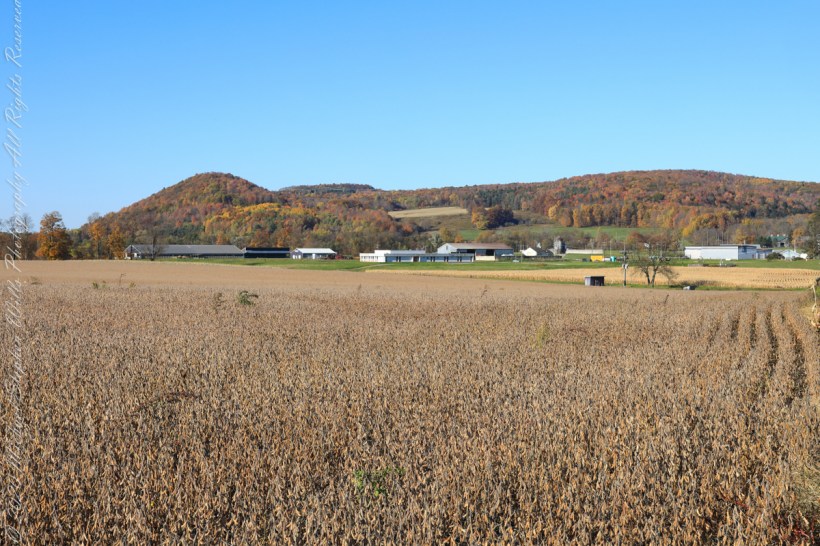
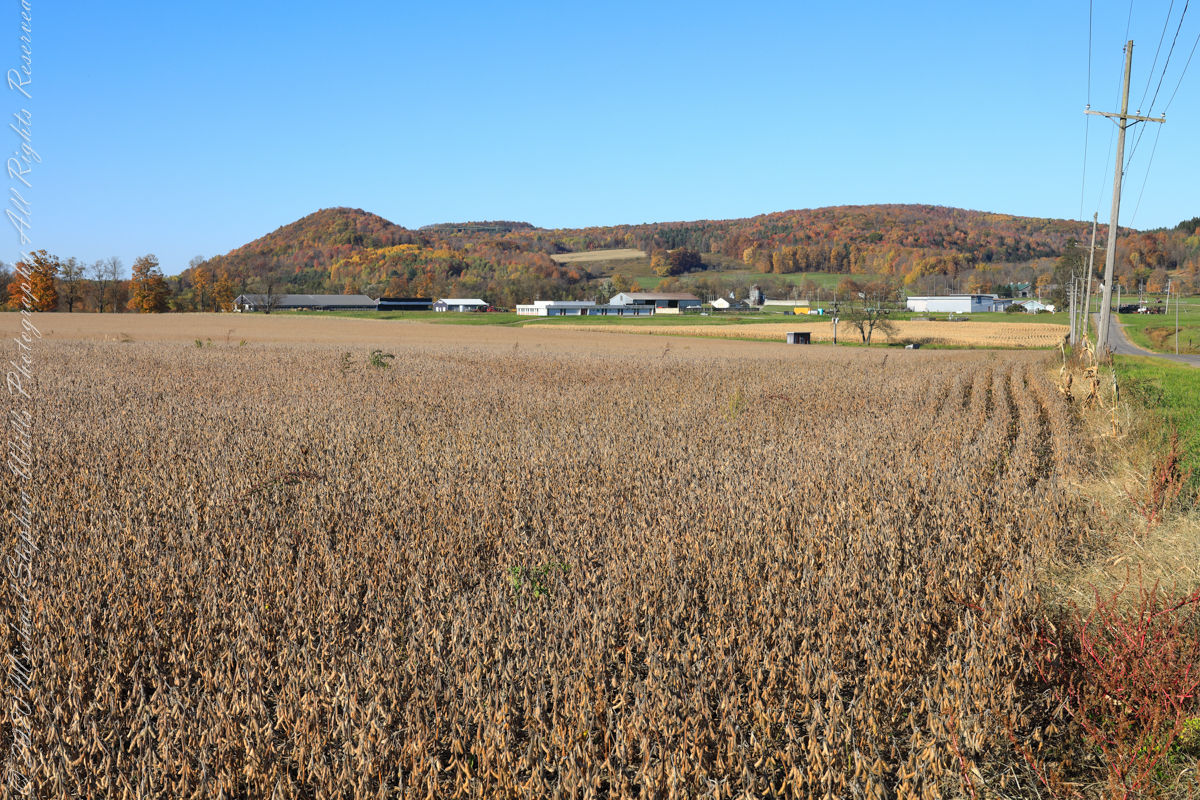
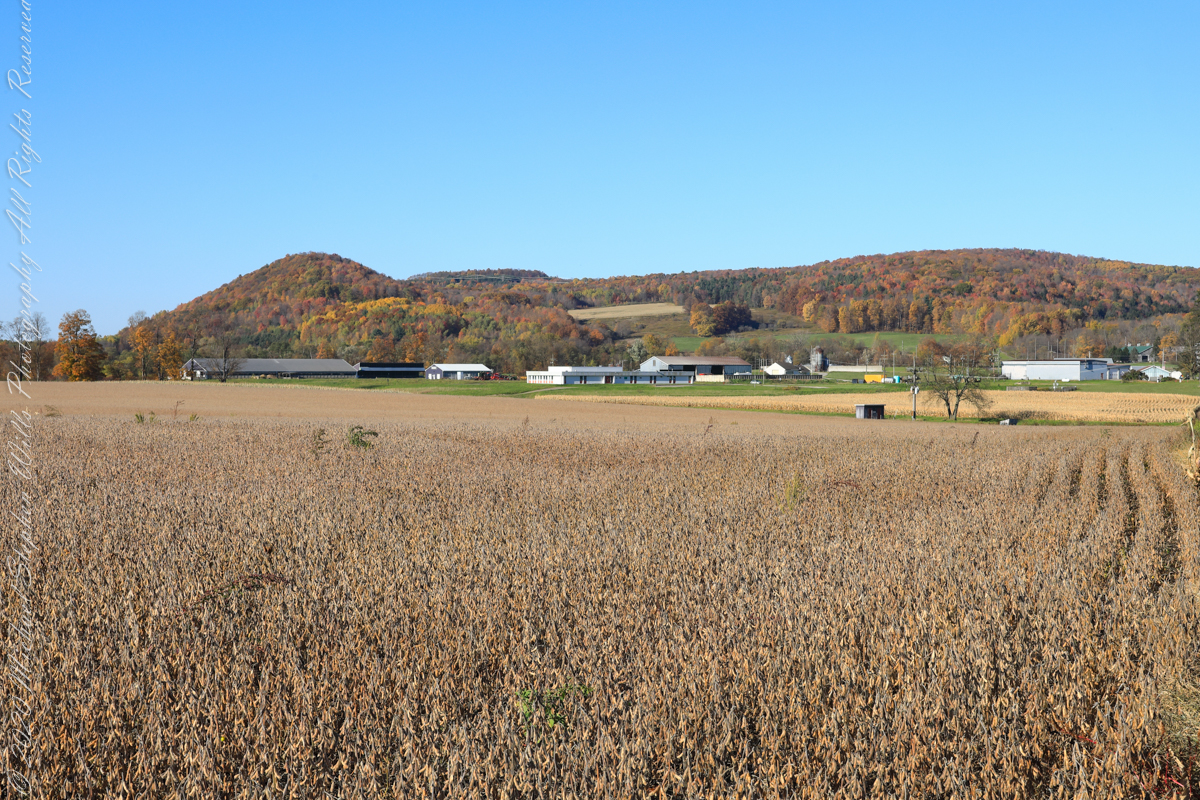
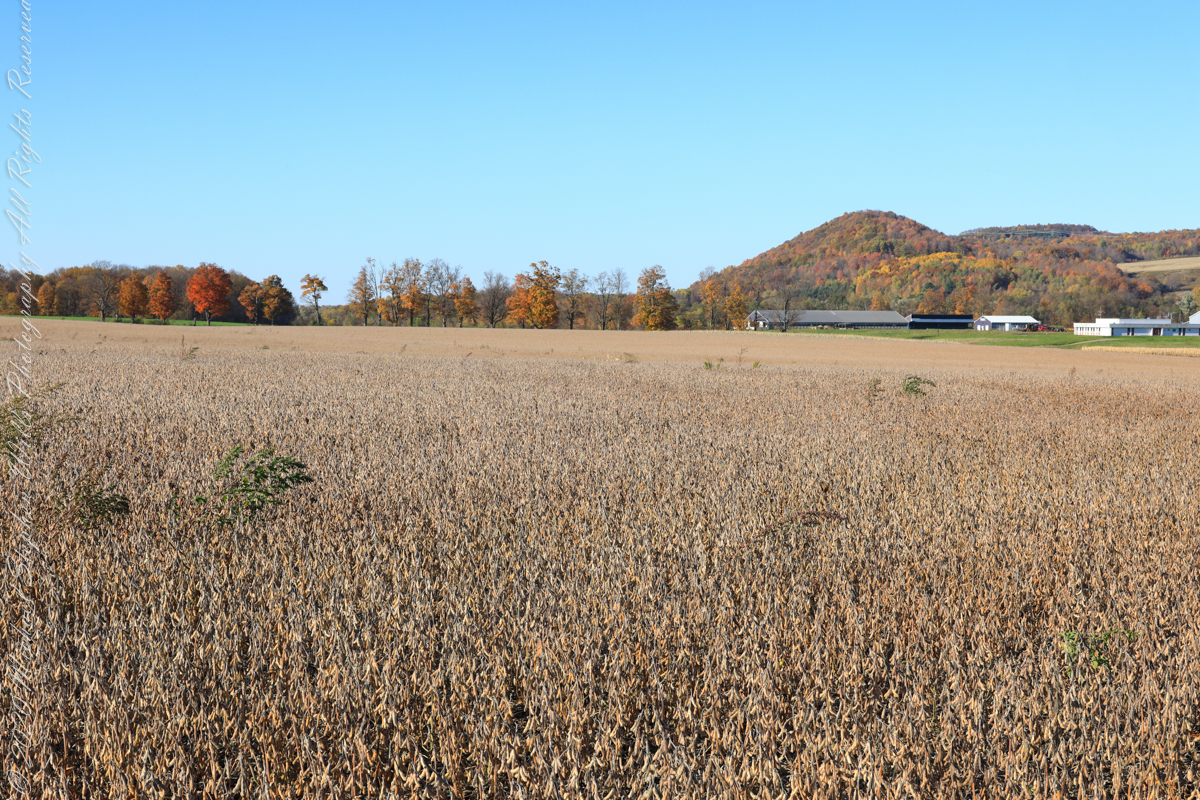
A diorama of the Museum of Natural History, New York City, features this north view, first viewed as a young teen on a school field trip — the duplicated sight was imprinted on my memory. Over the years I passed this spot repeatedly for trips to Long Island for family Thanksgiving celebrations. October 22nd, 2022, the field was planted with soybeans ready to harvest. The rounded hill, a drumlin, finishing the left side of the ridge, is the “star” of this photograph and the diorama.
A drumlin, from the Irish word droimnín (“littlest ridge”), first recorded in 1833, is an elongated hill in the shape of an inverted spoon or half-buried egg formed by glacial ice acting on underlying unconsolidated till or ground moraine.
Same exposure cropped to remove road and poles to perfect the image.
I am not sure the north/northwest view is an improvement, as seen in the following photograph.
Copyright 2022 Michael Stephen Wills All Rights Reserved
For this series I travelled a short distance south from where Palmer Road intersects with Virgil Road, crossing the border from Tompkins to Cortland County, closer to Carpenter Hill.
In the 19th Century driven wells (also called tube wells) were an innovation developed in Cortland County under the command of a Civil War era Colonel Nelson W. Green who sought for twenty-two years to impose royalties on use of driven wells. I.H. Palmer assisted John W. Sugget, both of Cortland County, in a seminal patent law case they won in U.S. Supreme Court seeking the release from royalty payments from thousands of driven well installations throughout the Eastern and Midwestern United States. Their successful argument was for two years before any patent application, in Cortland County, driven wells were in use. I cannot say Palmer Road has a connection to I.H. Palmer, though it is an interesting historical aside.
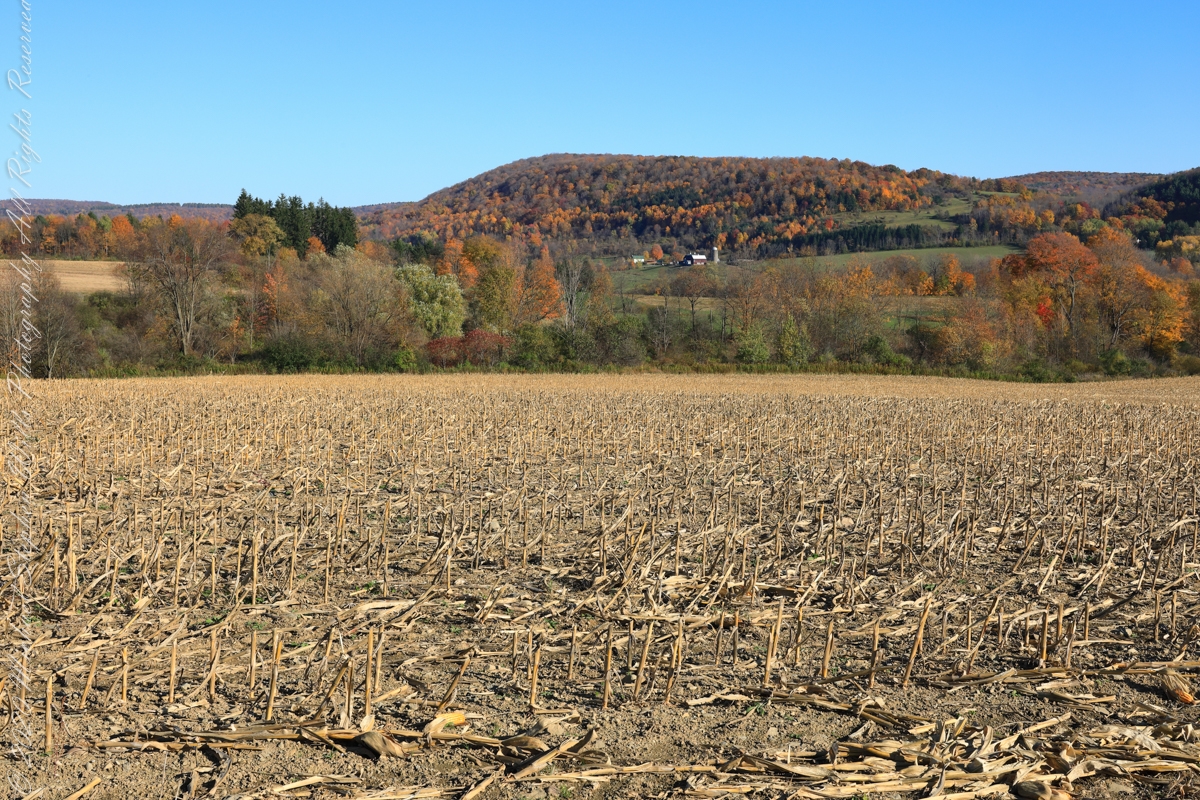
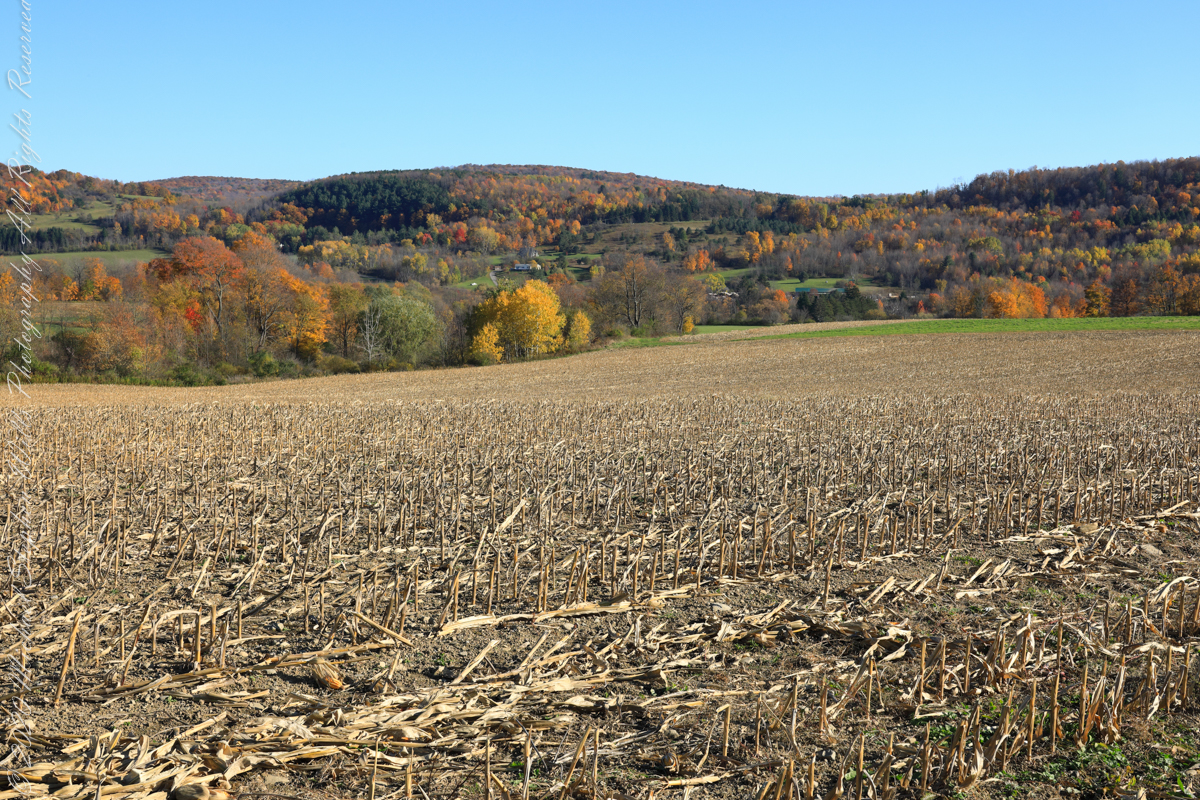
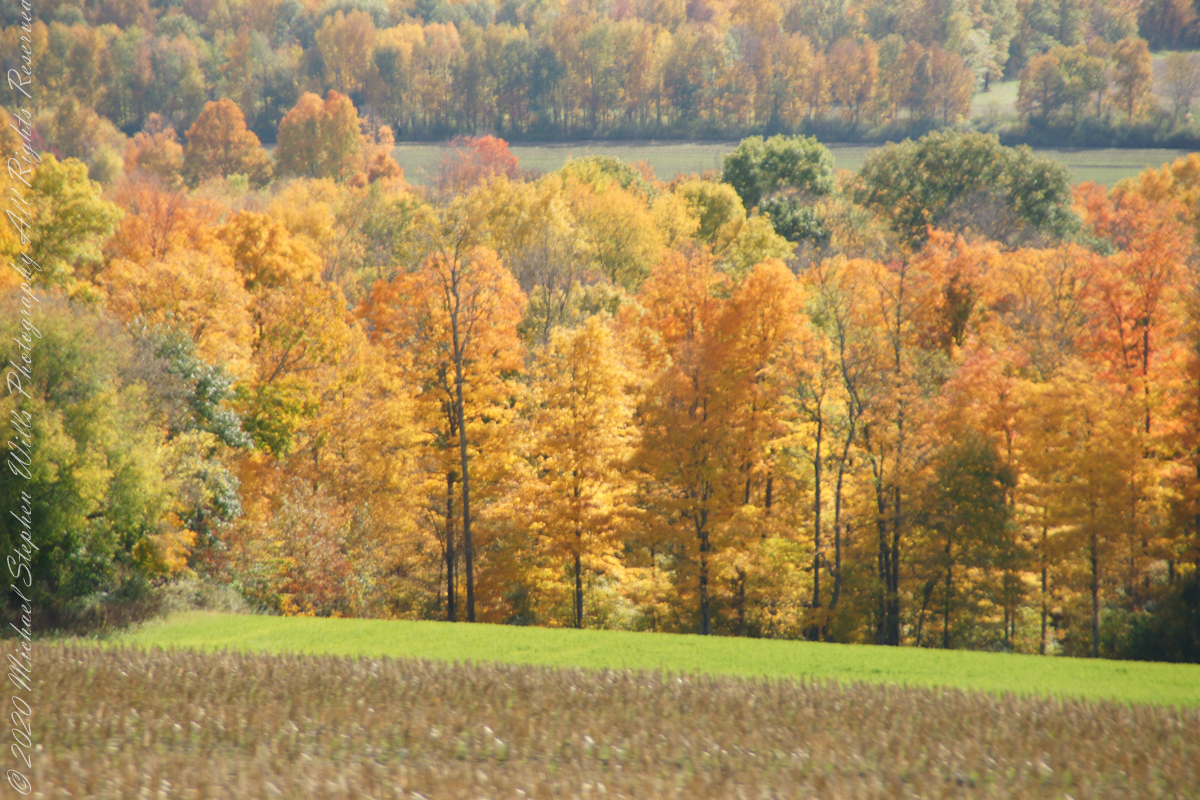
View east from Palmer Road across corn stubble. A feeder stream to Virgil Creek is marked by the nearest line of trees, beyond the land rises over the shoulder of Owego Hill.
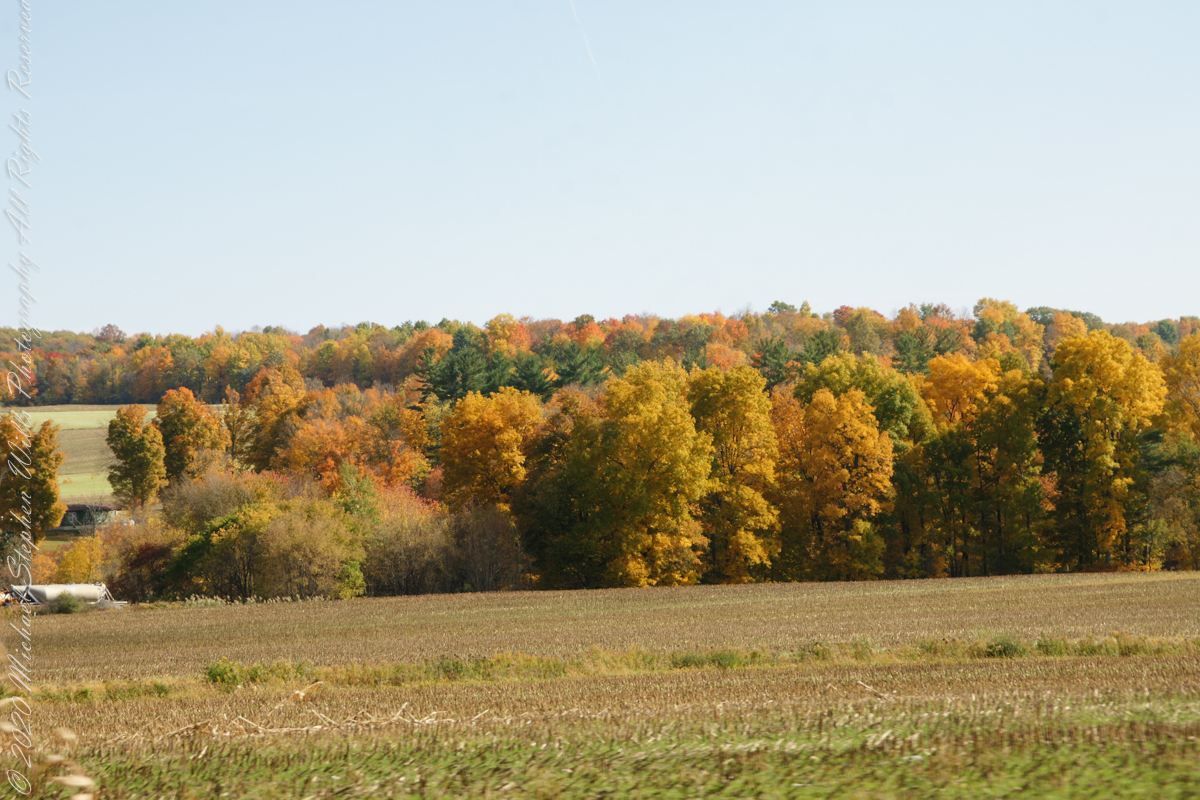
View east/southeast from Palmer Road across corn stubble. A feeder stream to Virgil Creek flows through the first tree line on left with the creek itself in the far trees, center at the foot of Carpenter Hill. The green field at edge of corn stubble is the fallow field of the next photograph.
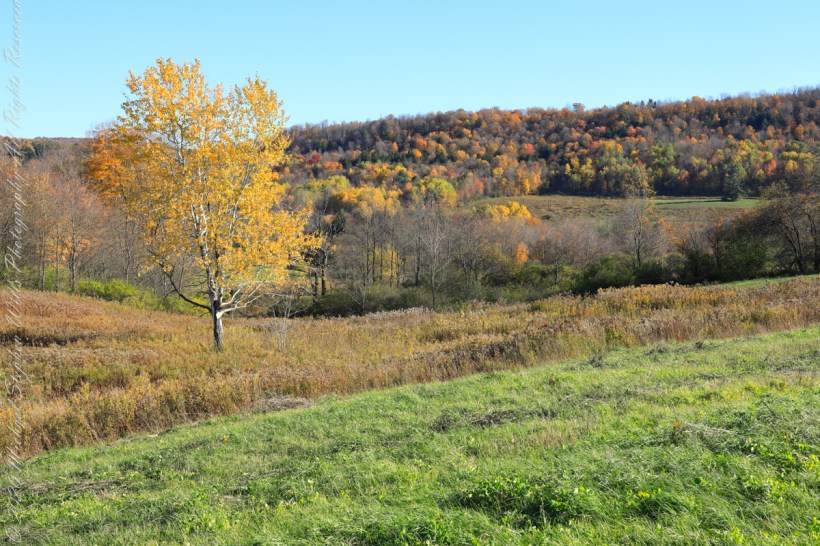
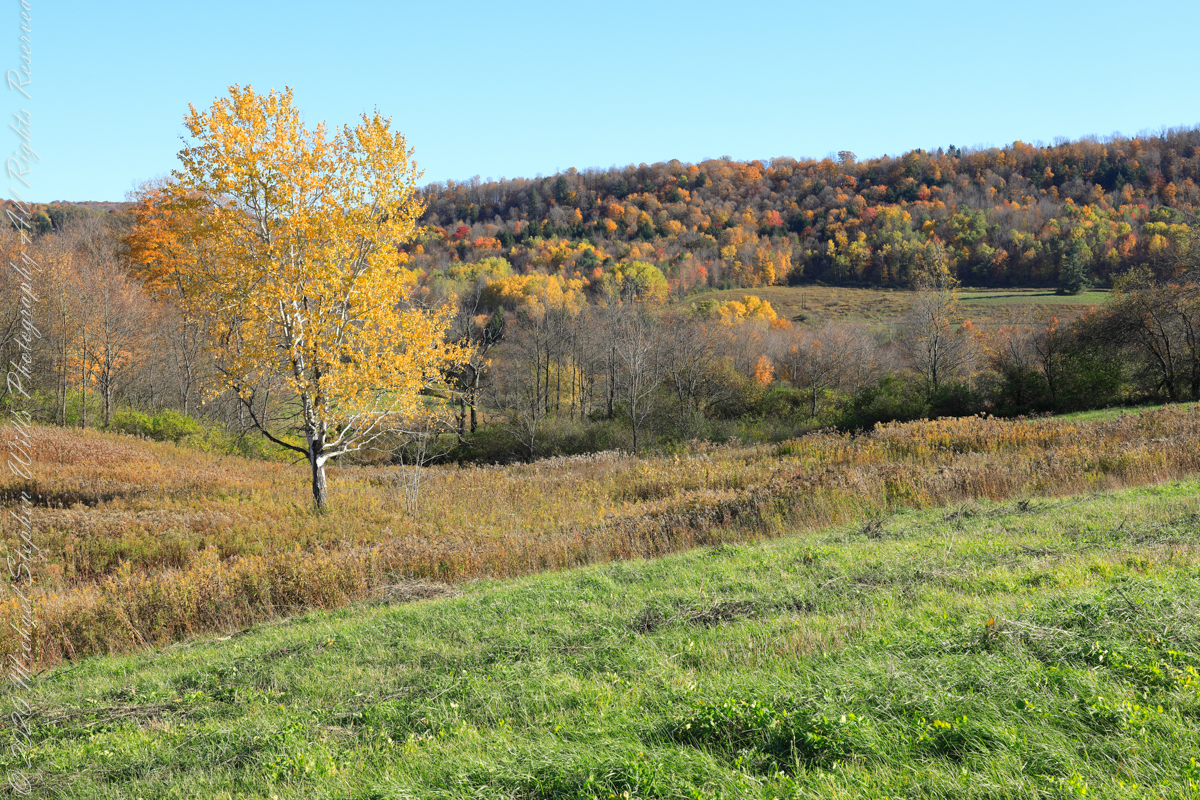
View east/southeast from the east edge of a fallow field along Palmer Road. Looking across Virgil Creek to the slope of Carpenter Hill. Cortland County, New York.
Copyright 2022 Michael Stephen Wills All Rights Reserved
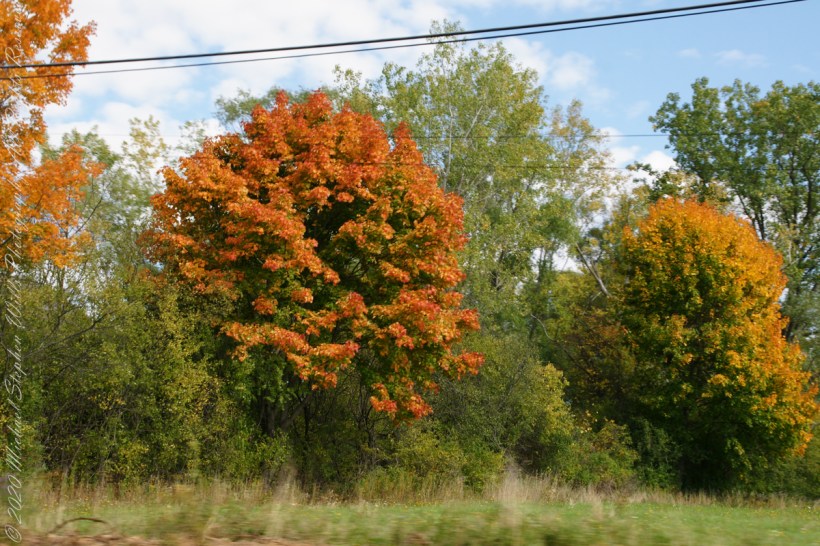
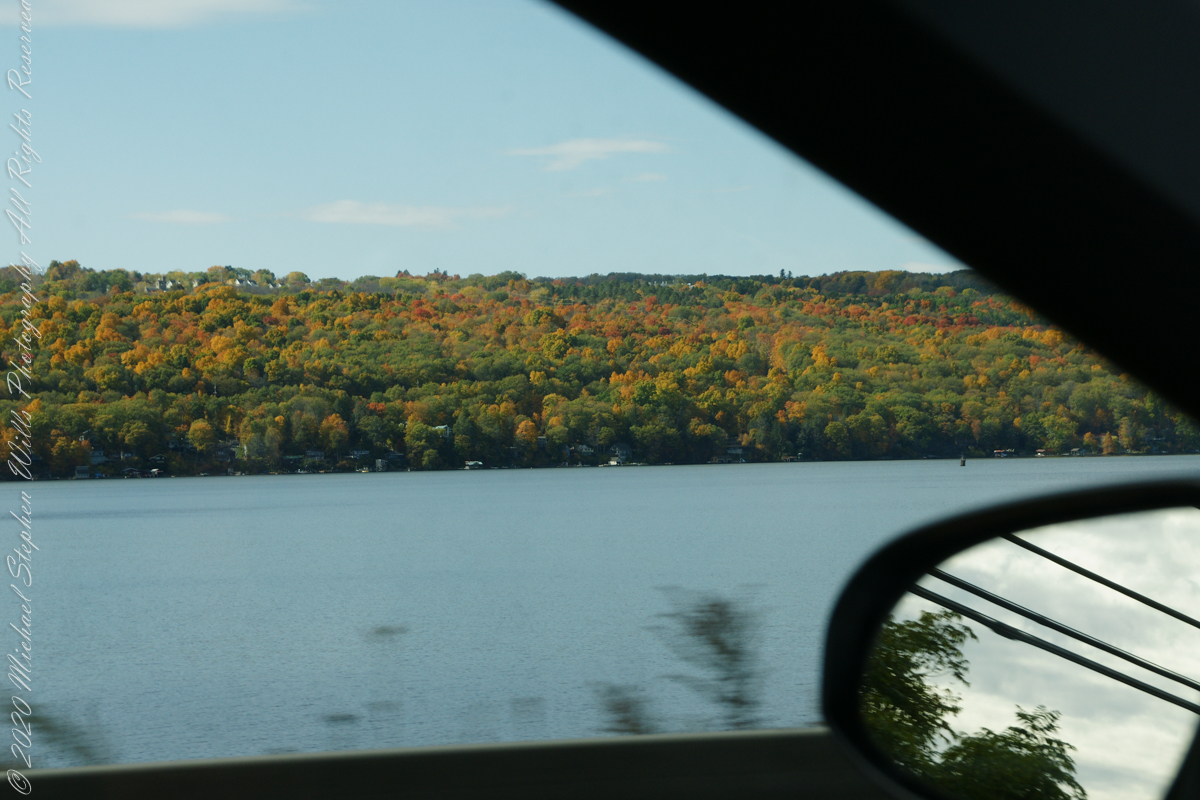
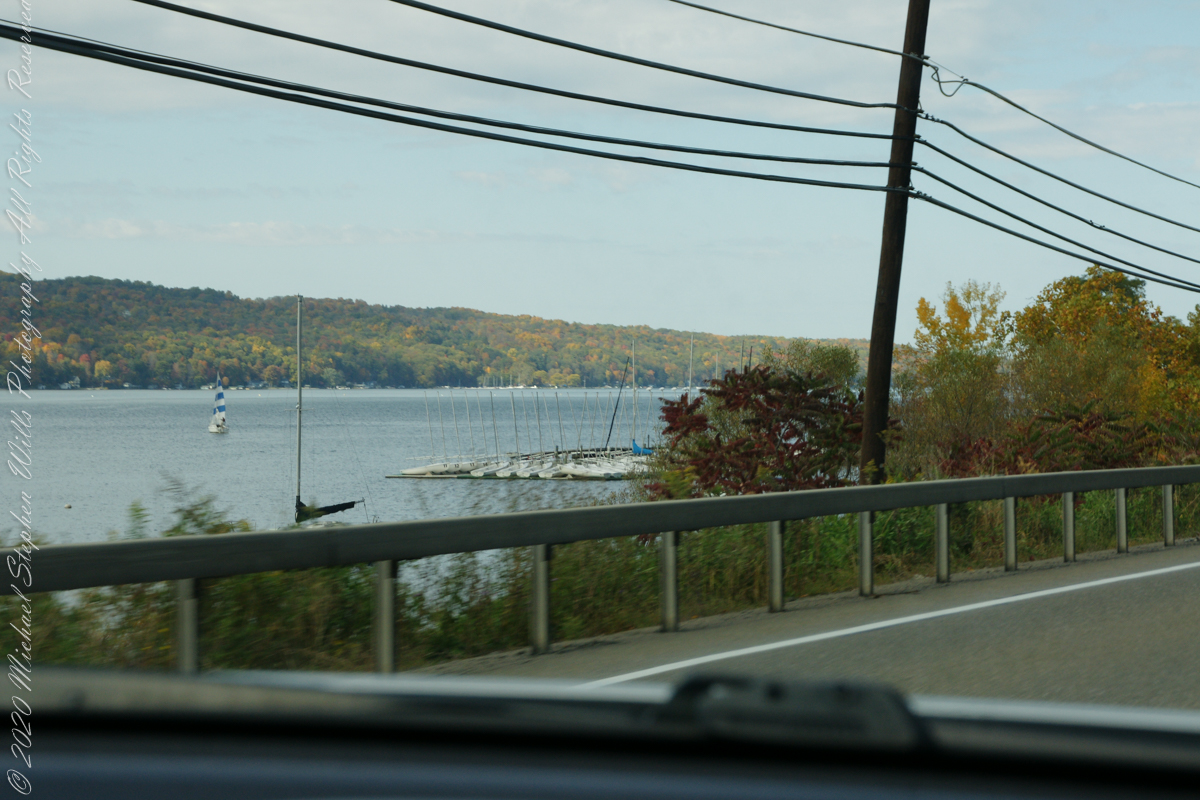
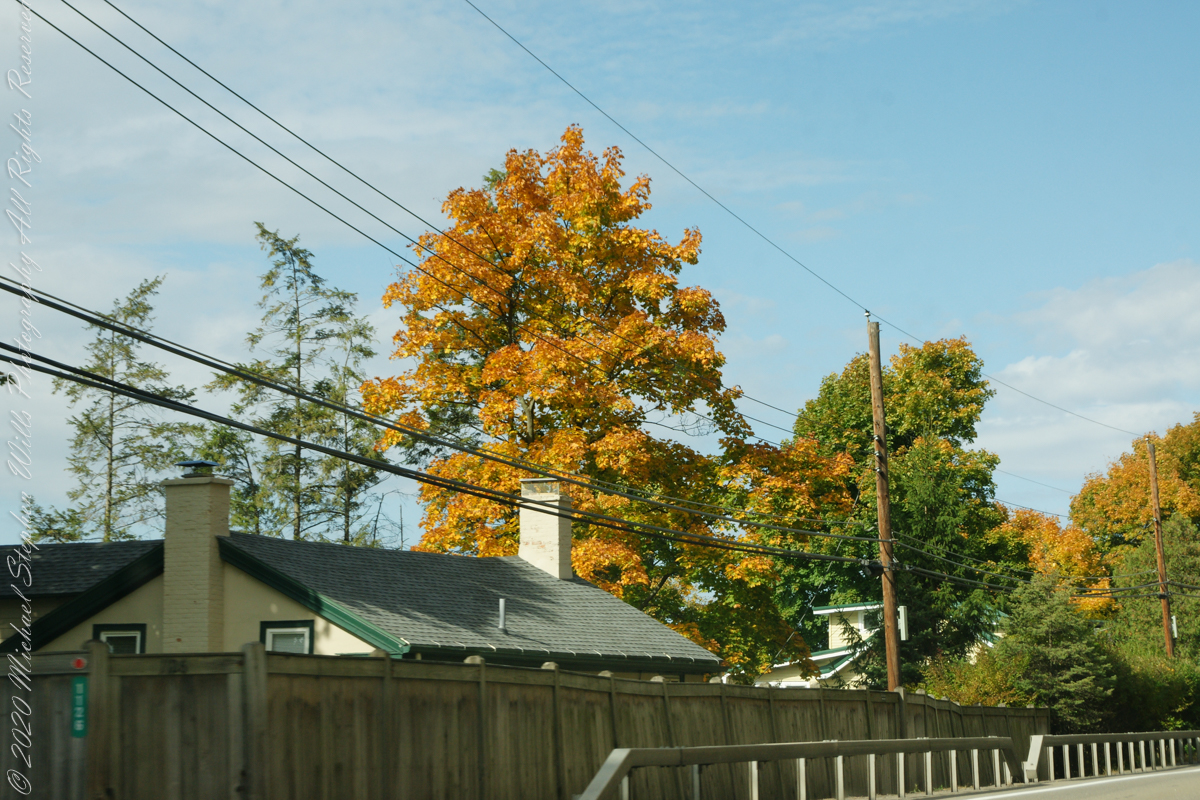
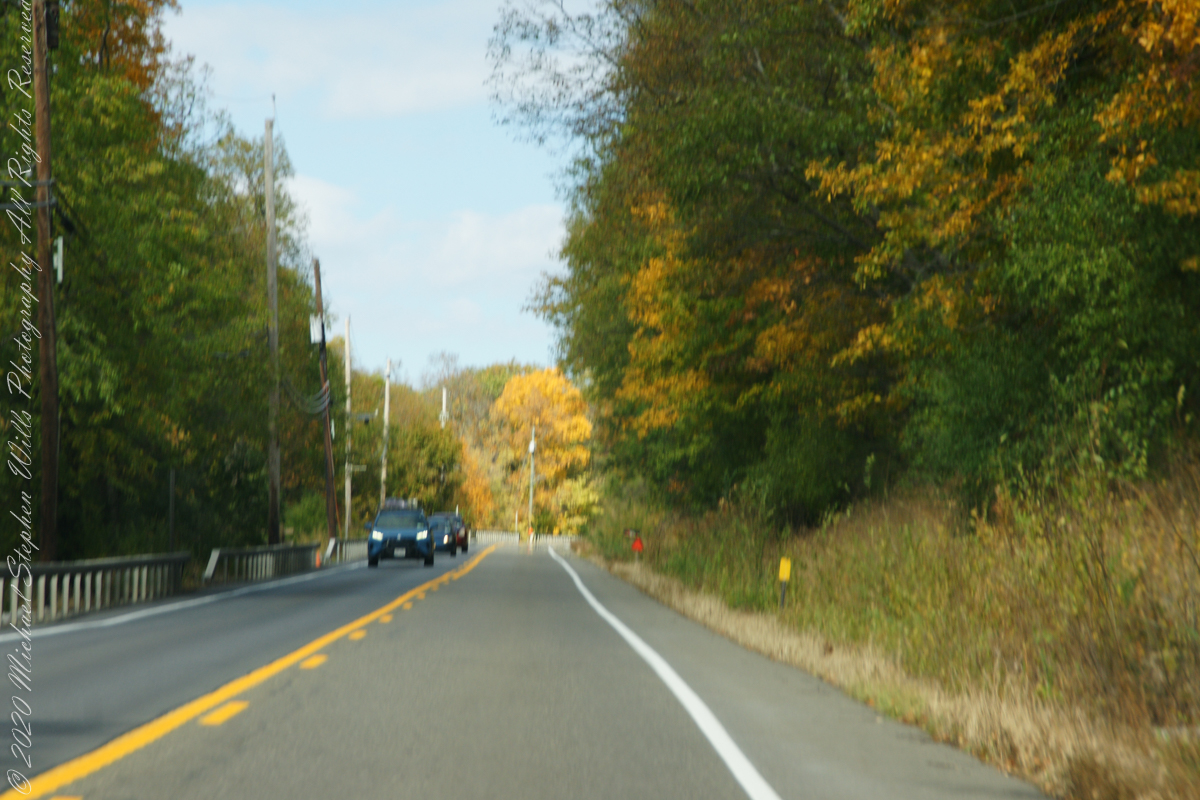
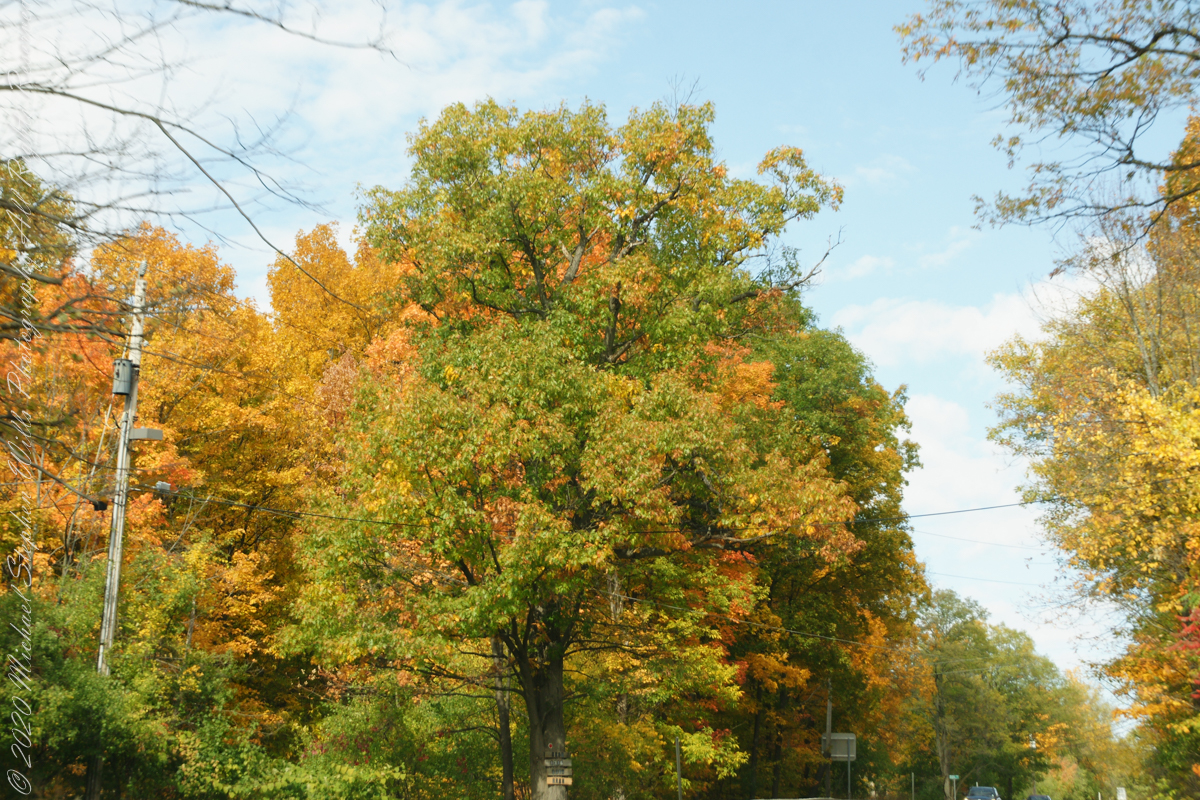
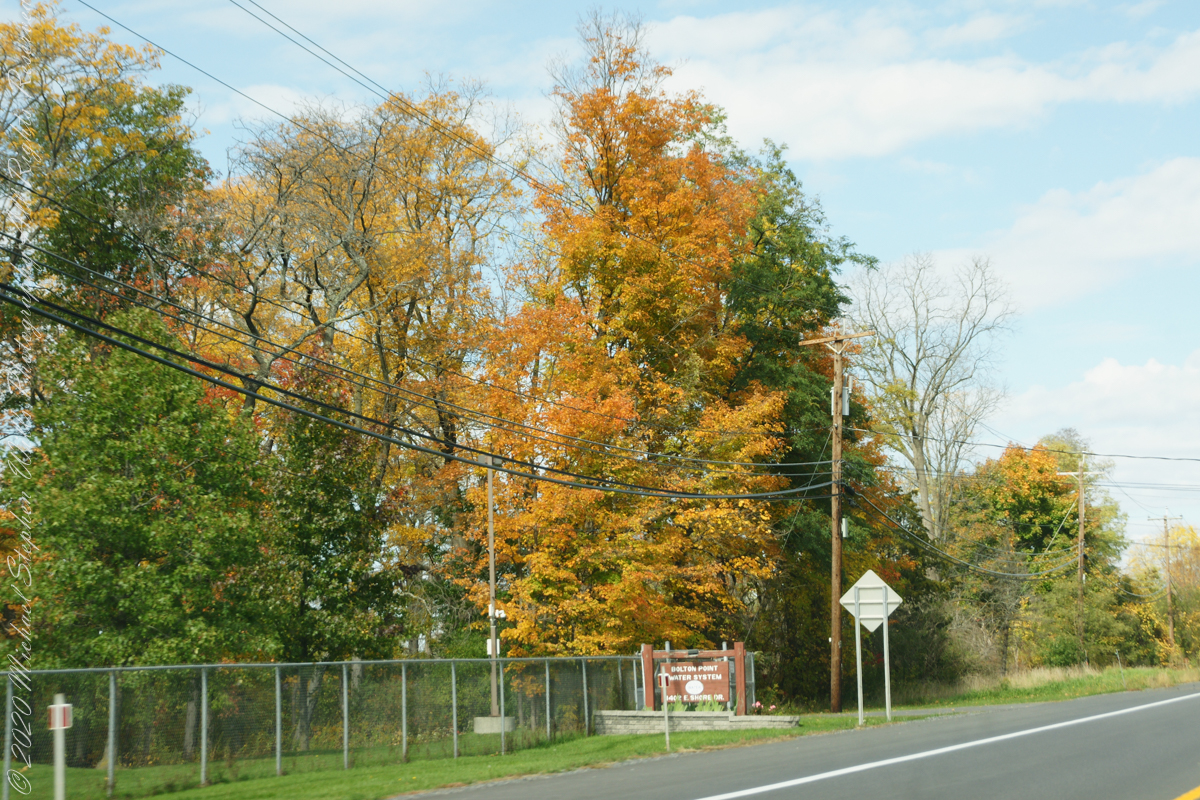
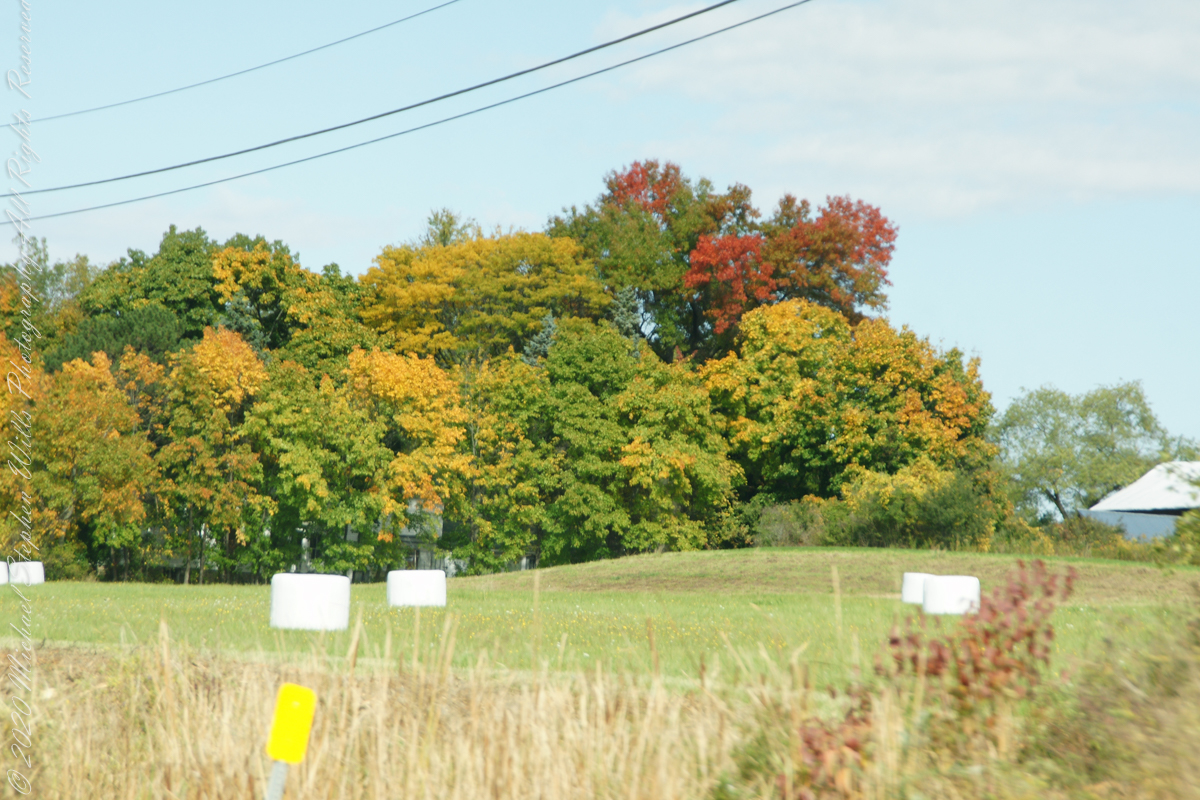
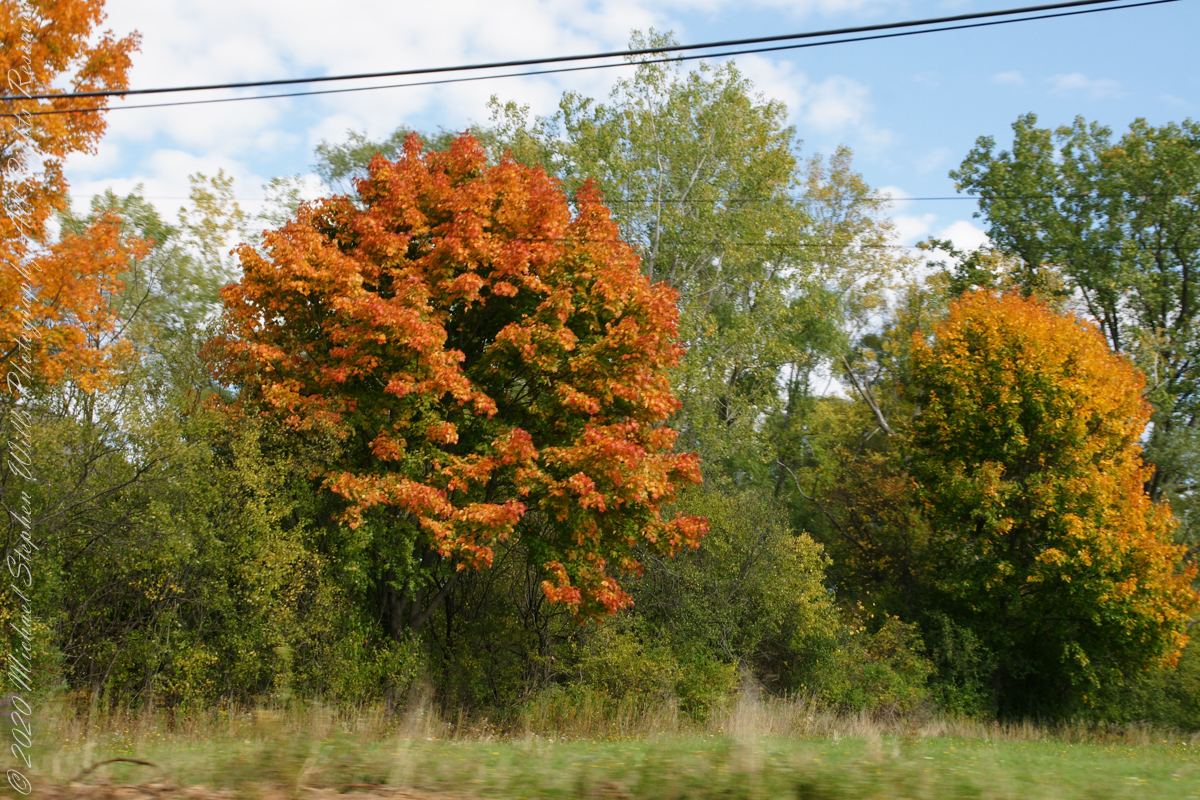
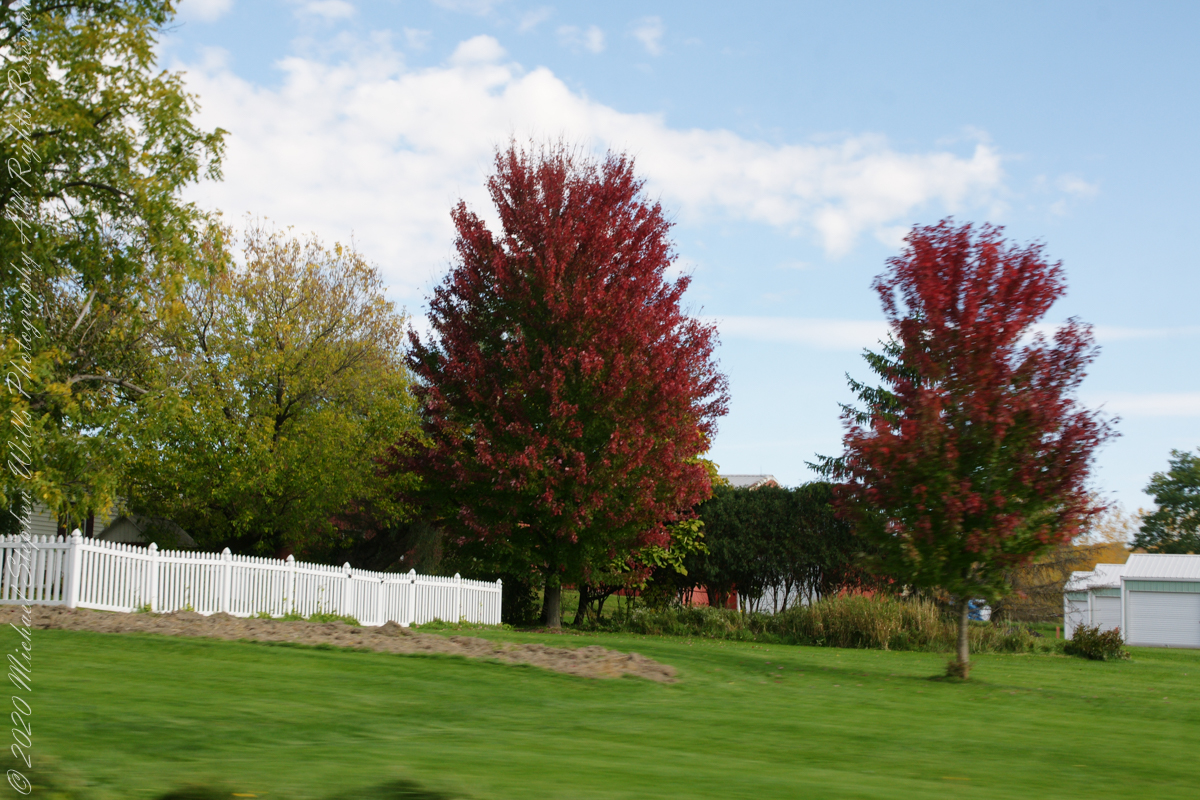
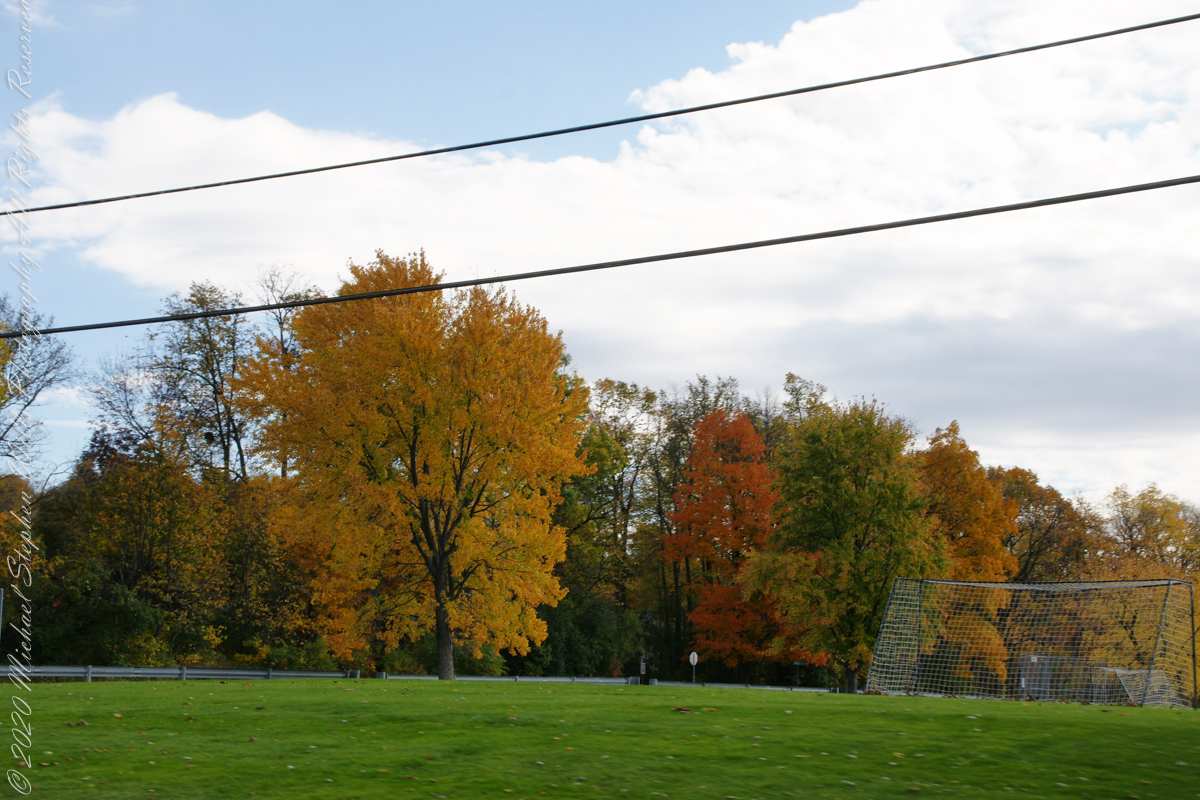
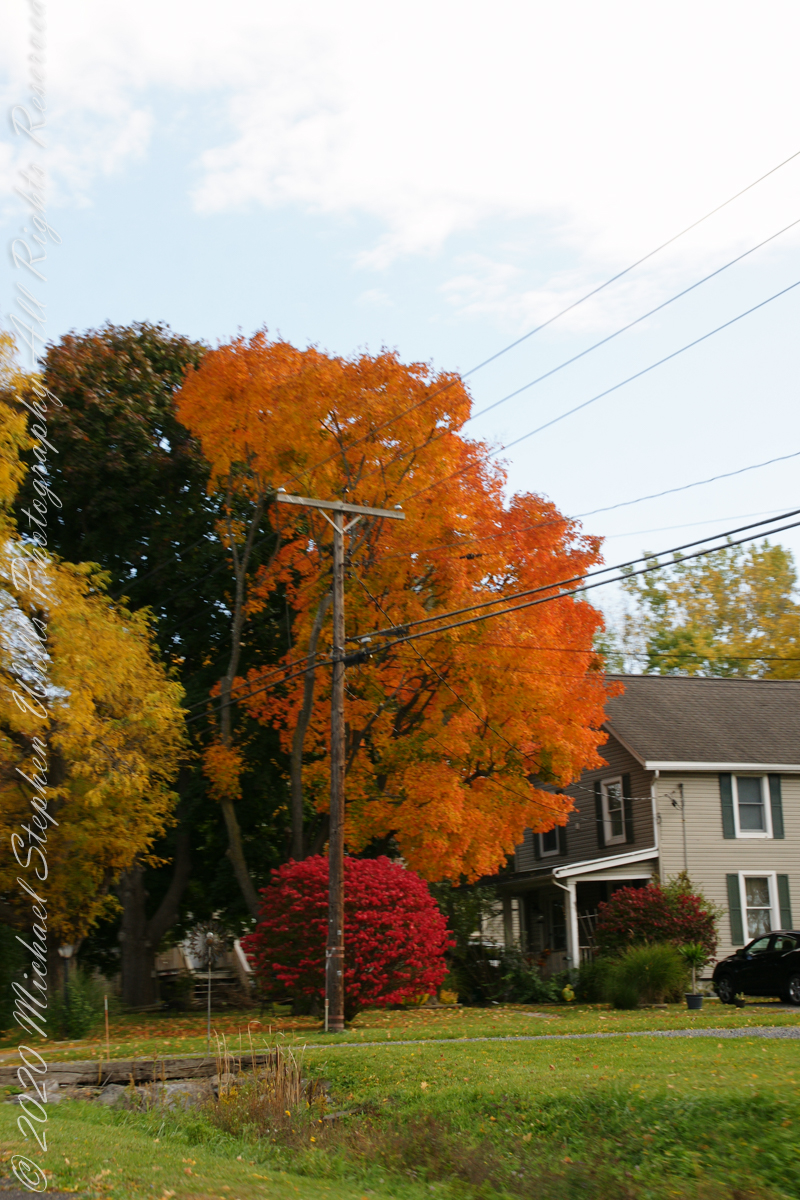
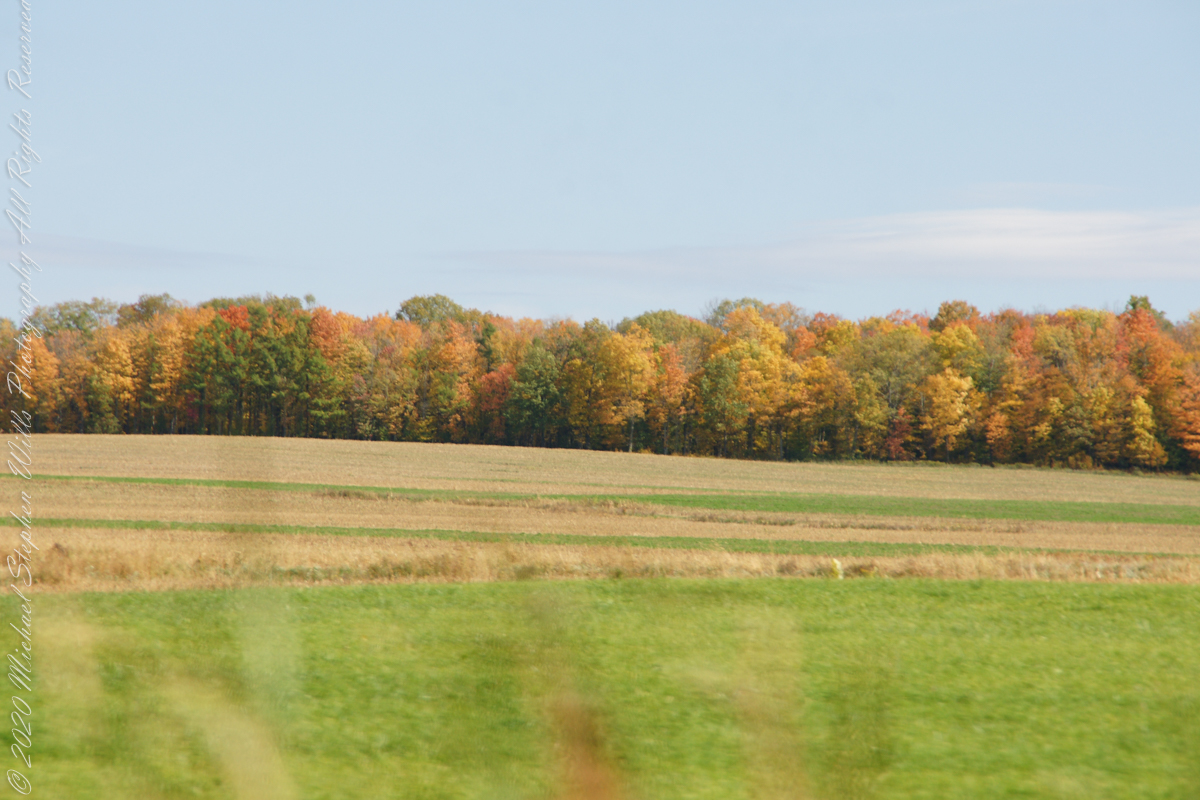
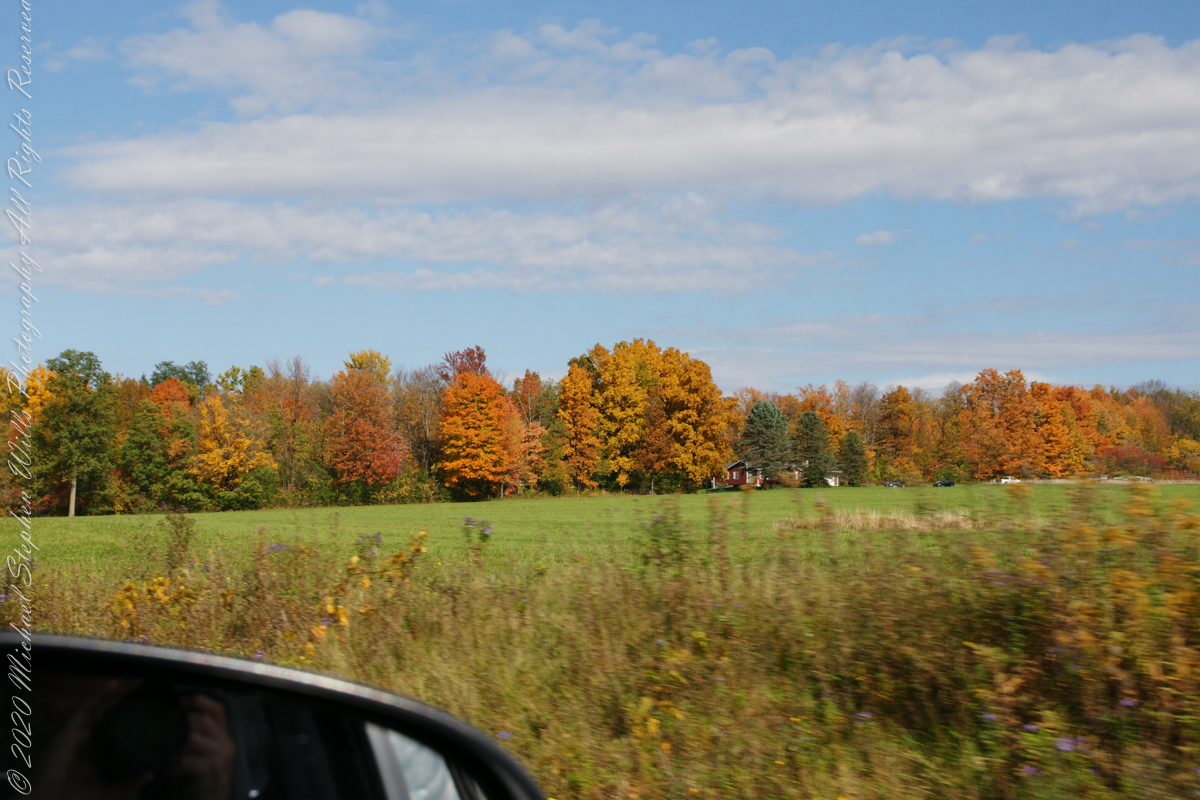
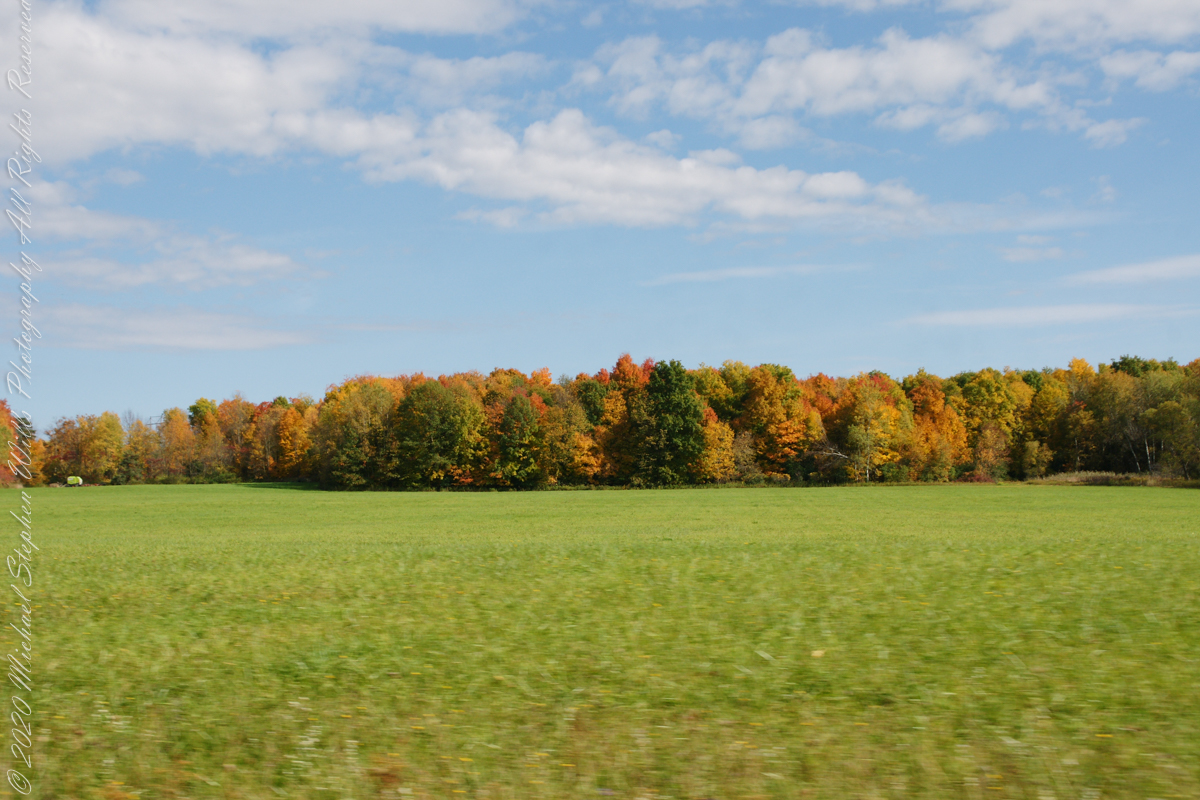
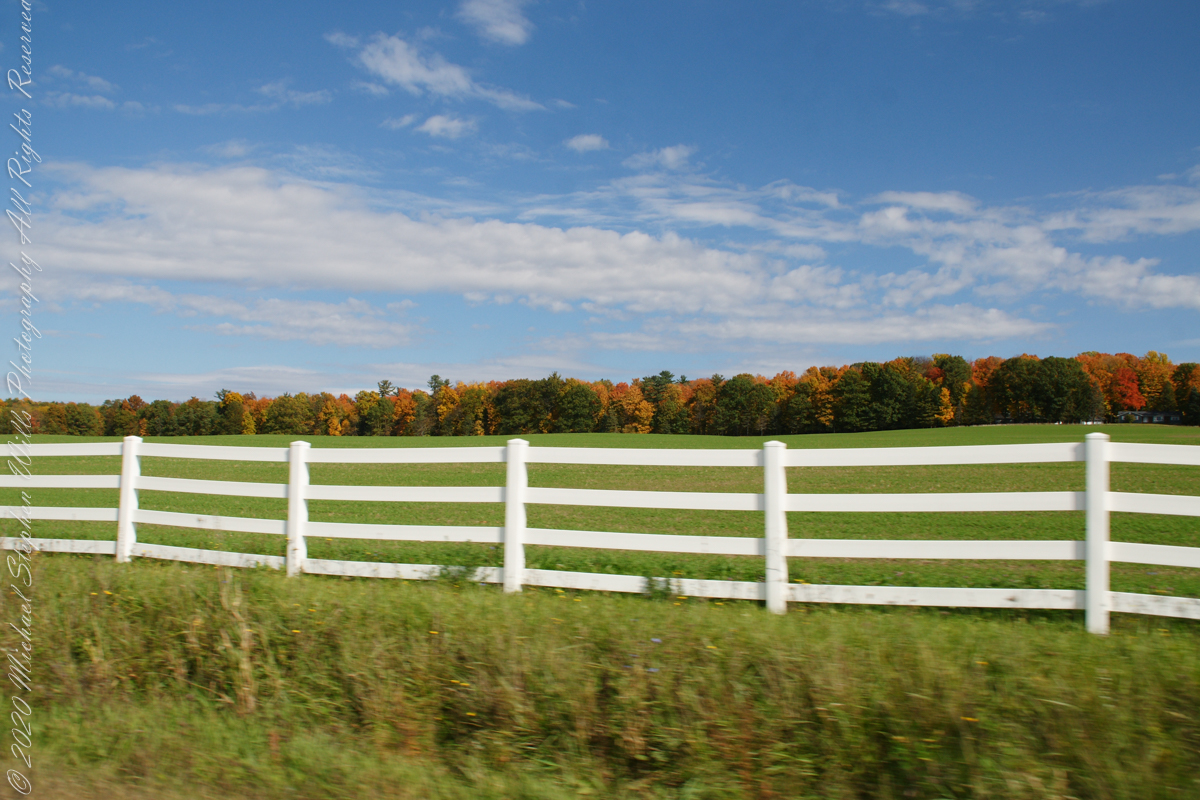
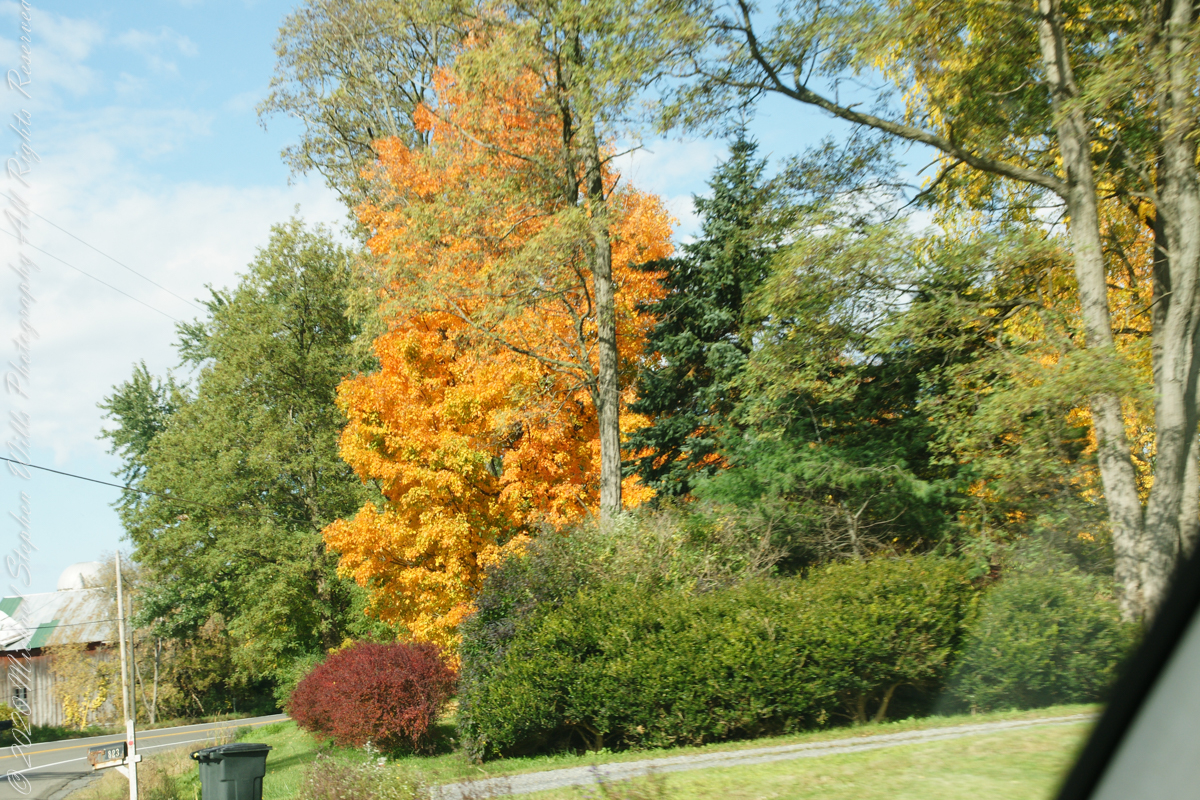
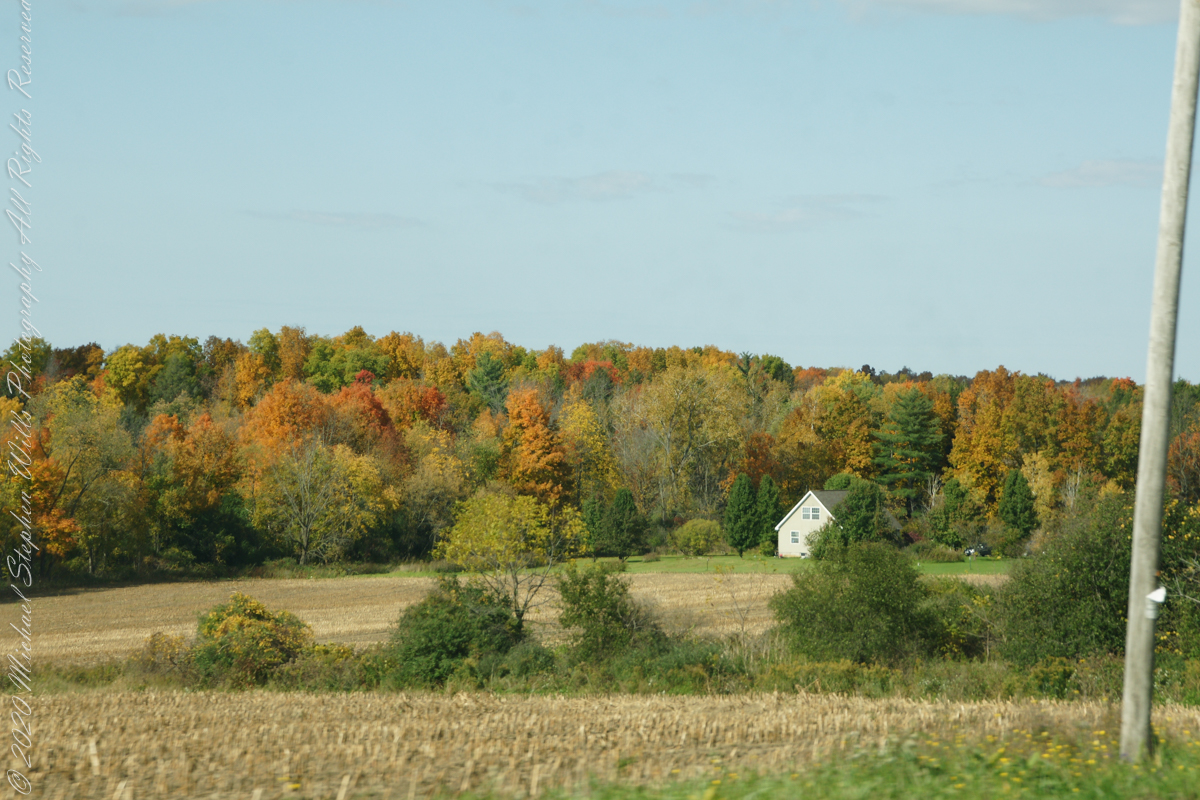
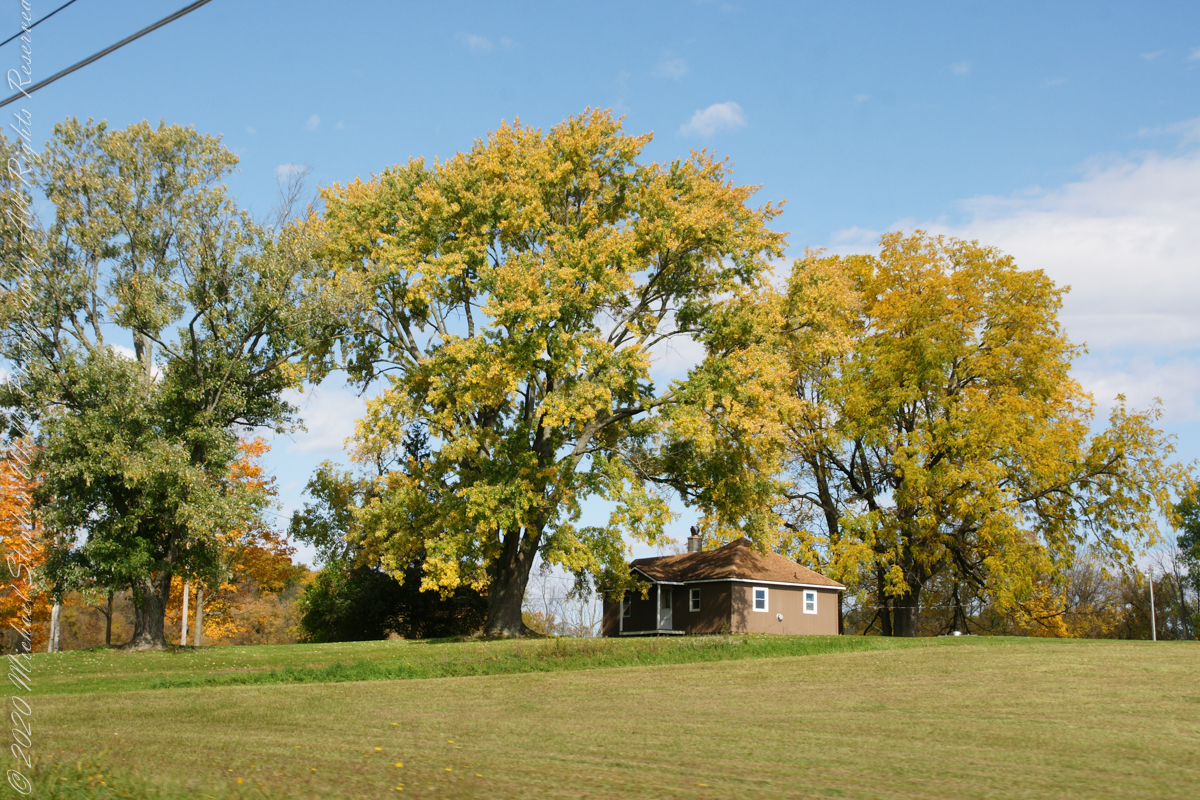
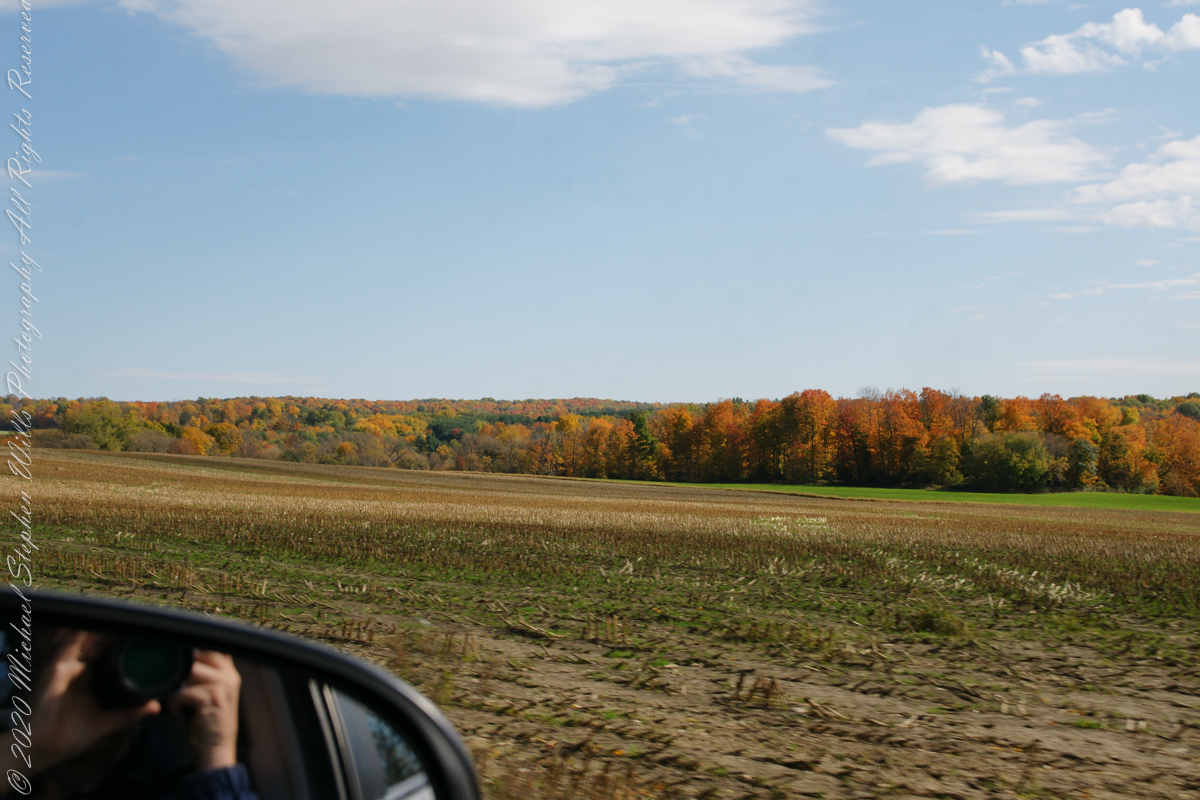
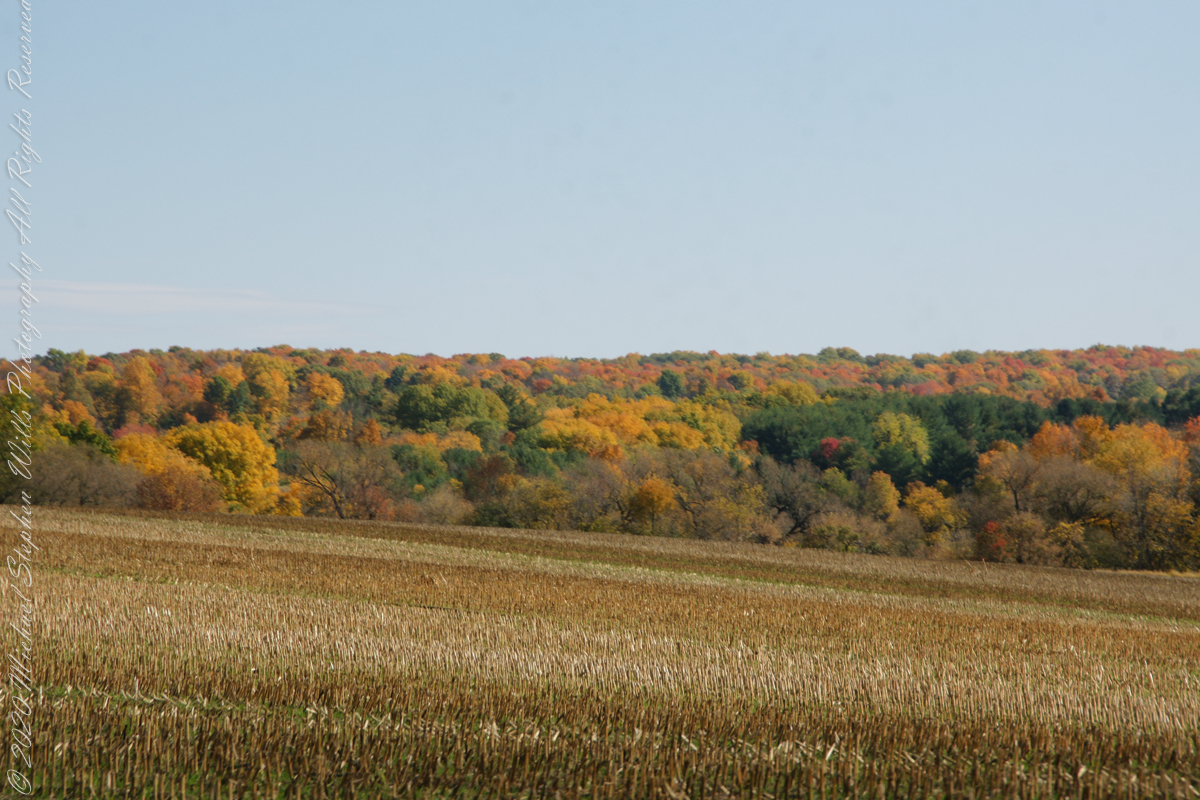
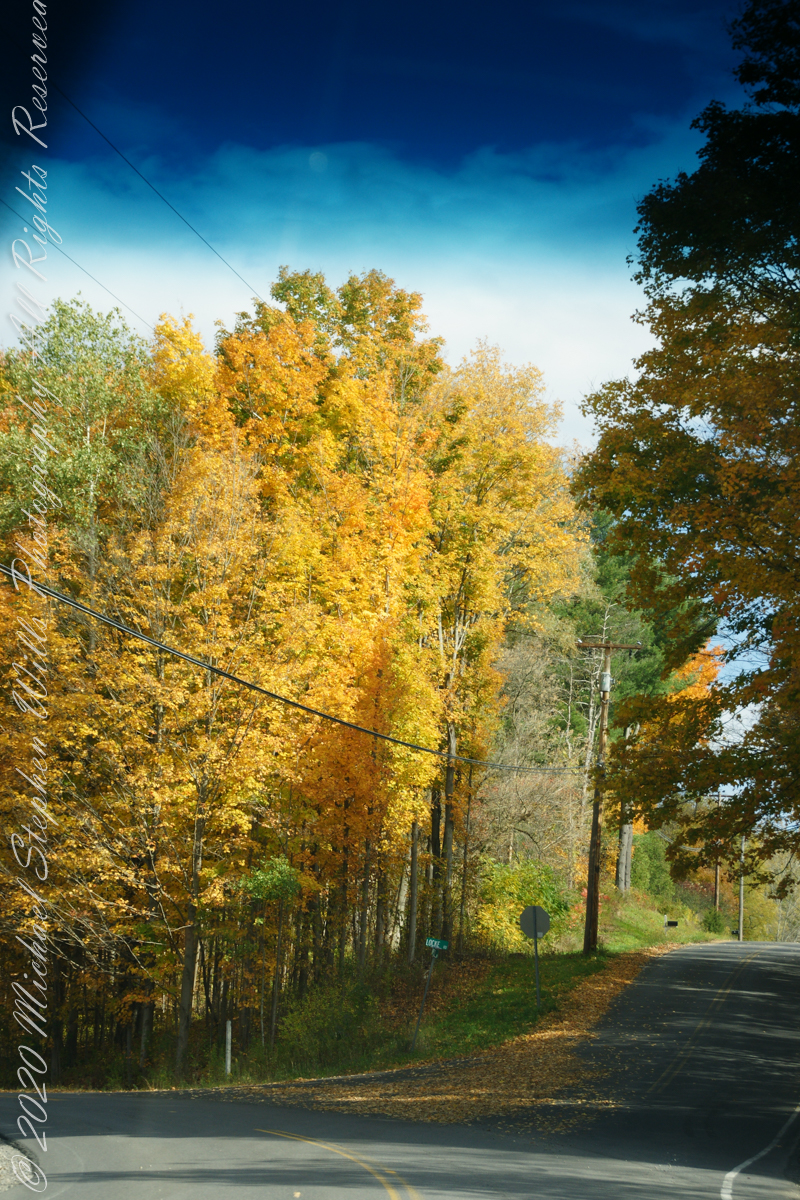
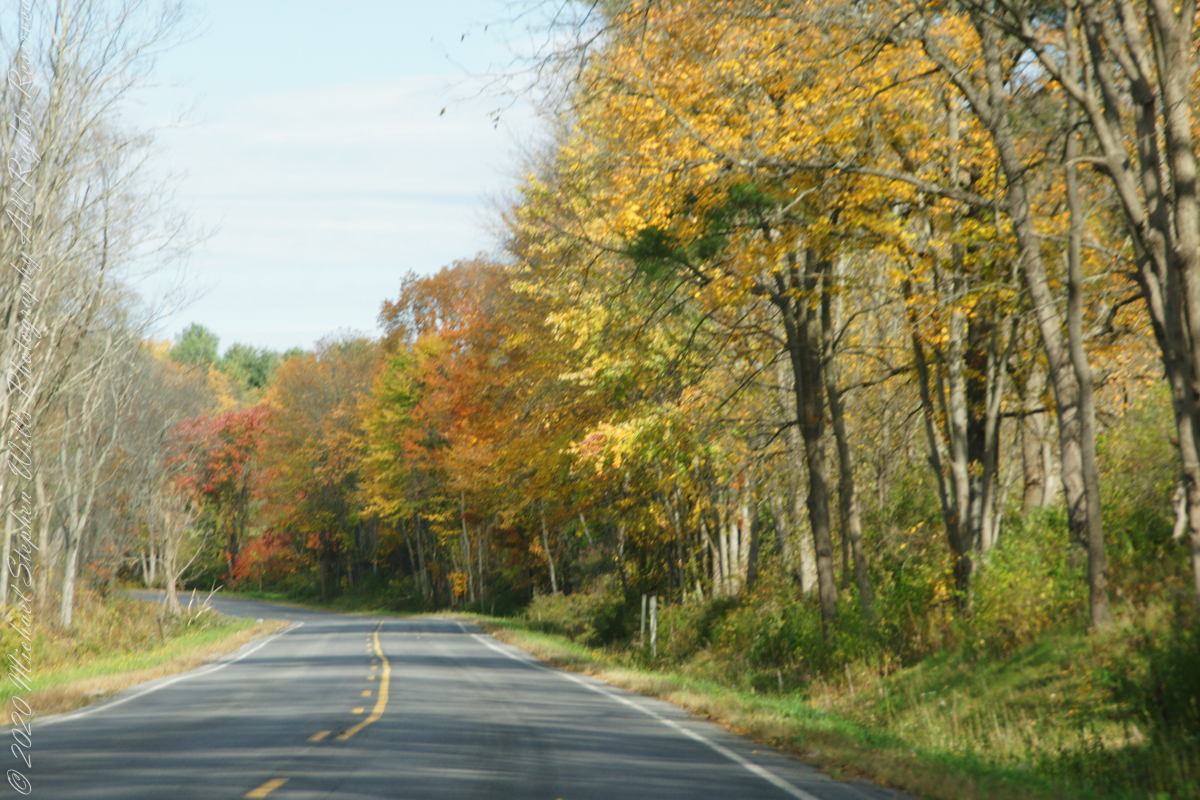
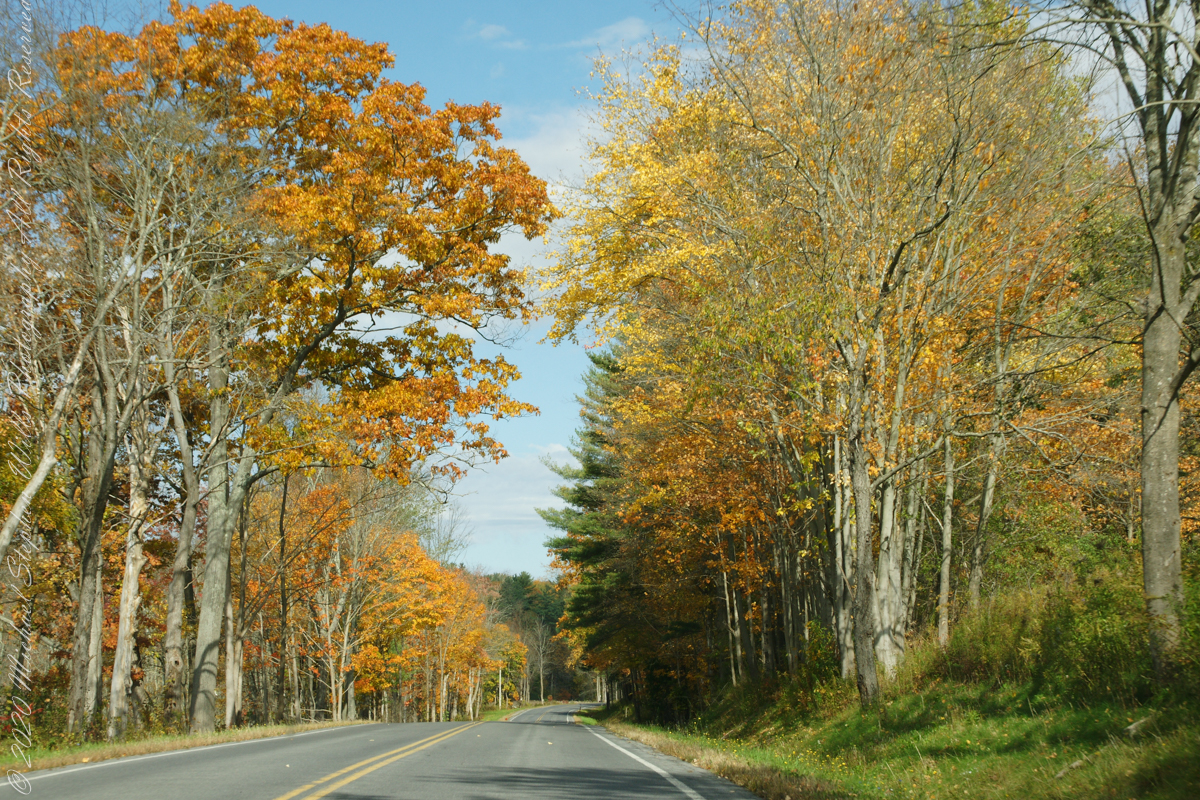
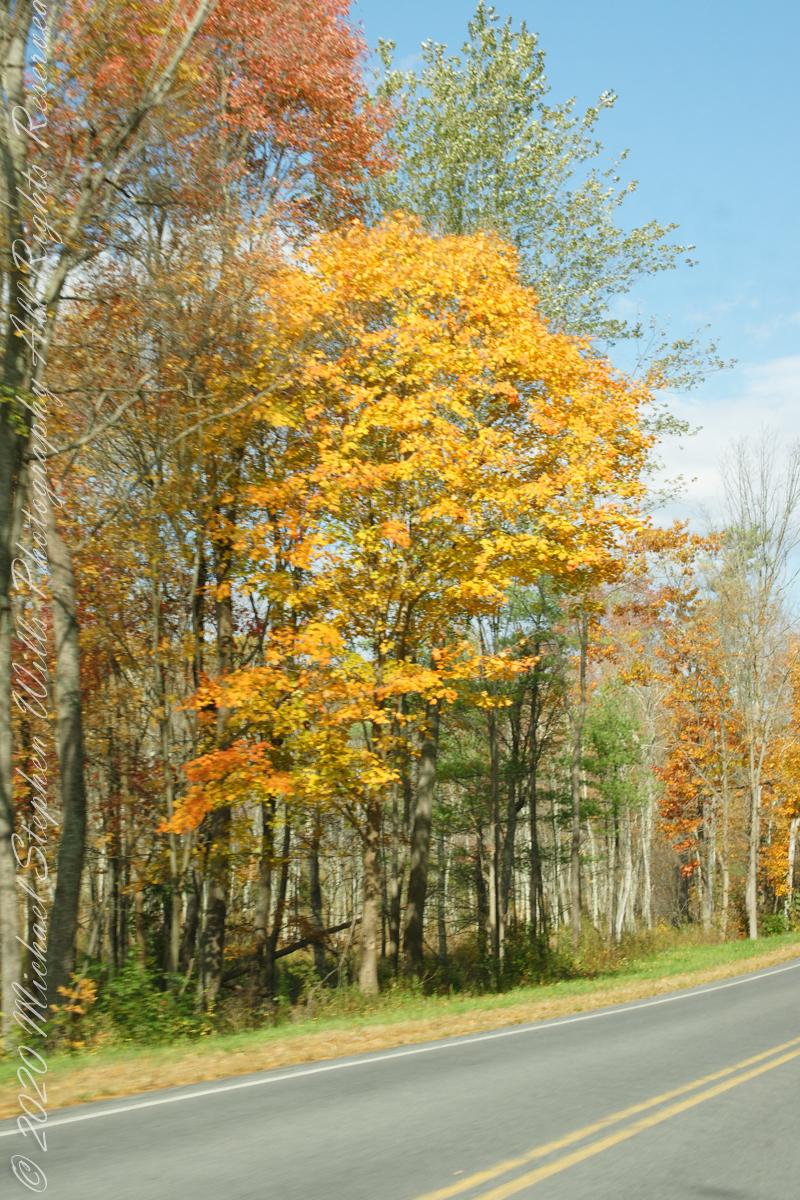
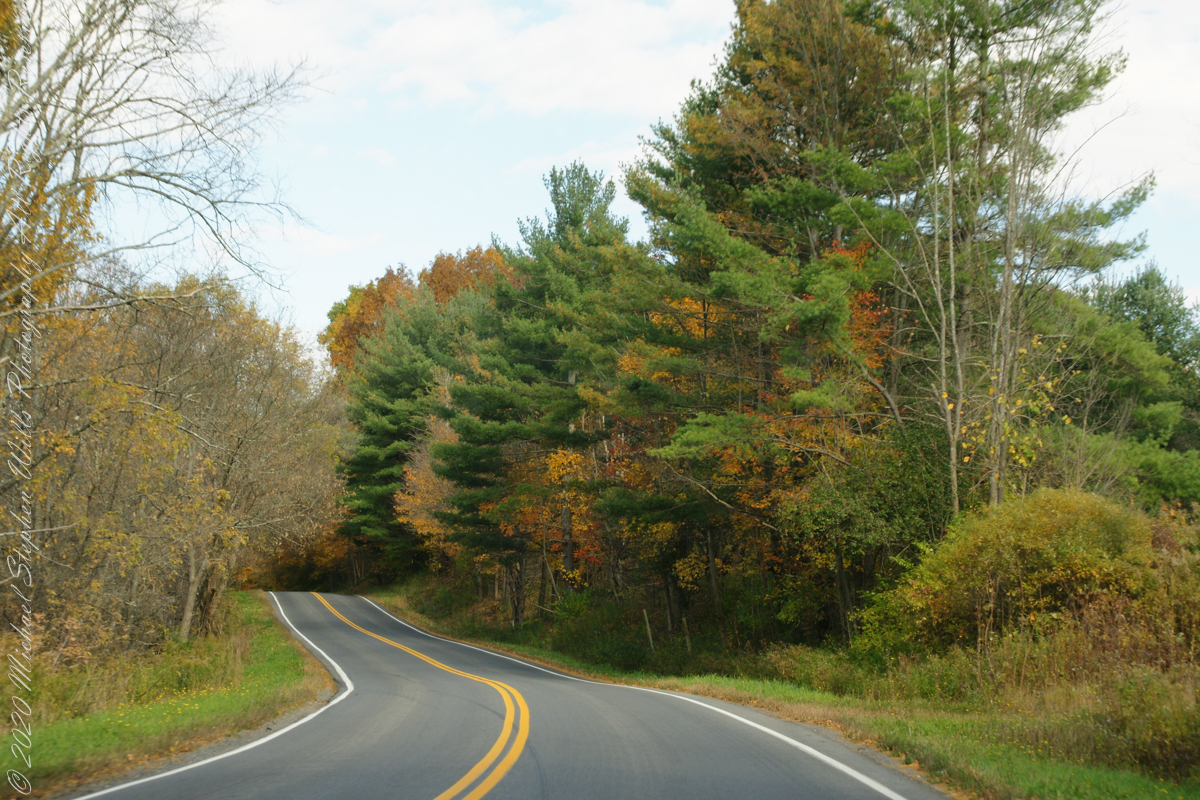
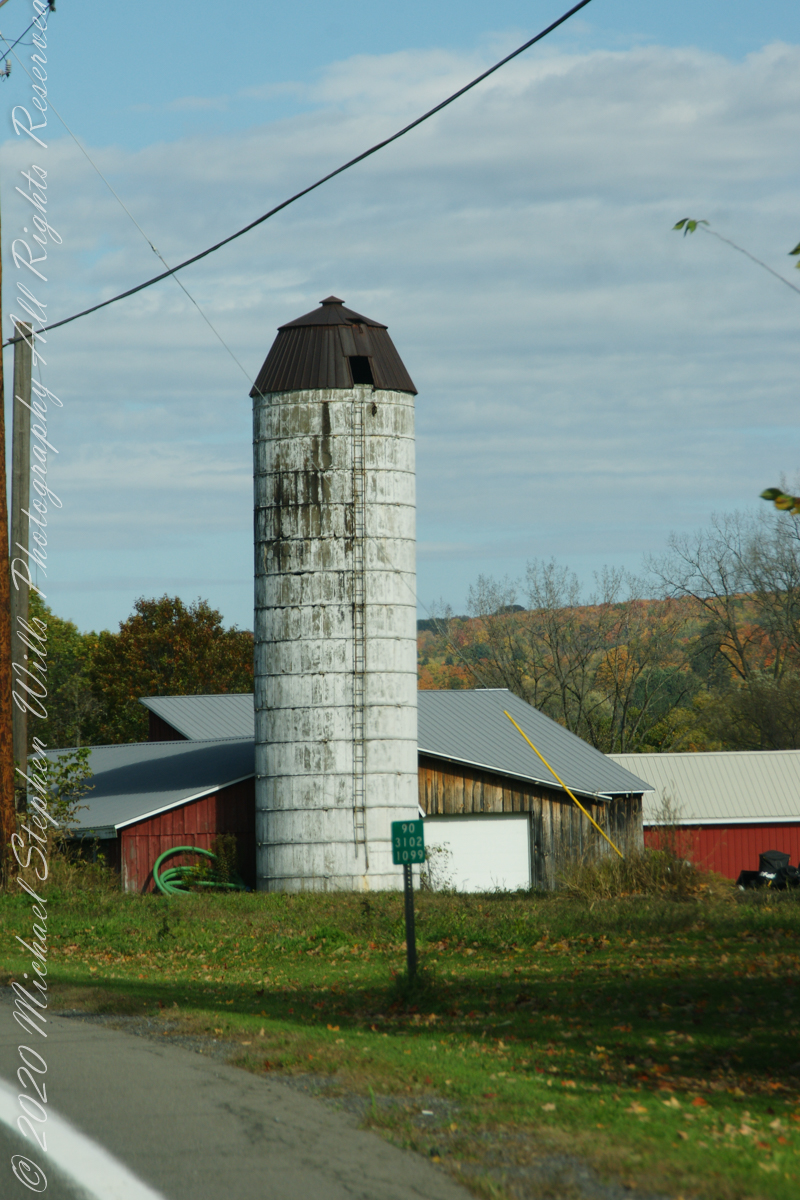
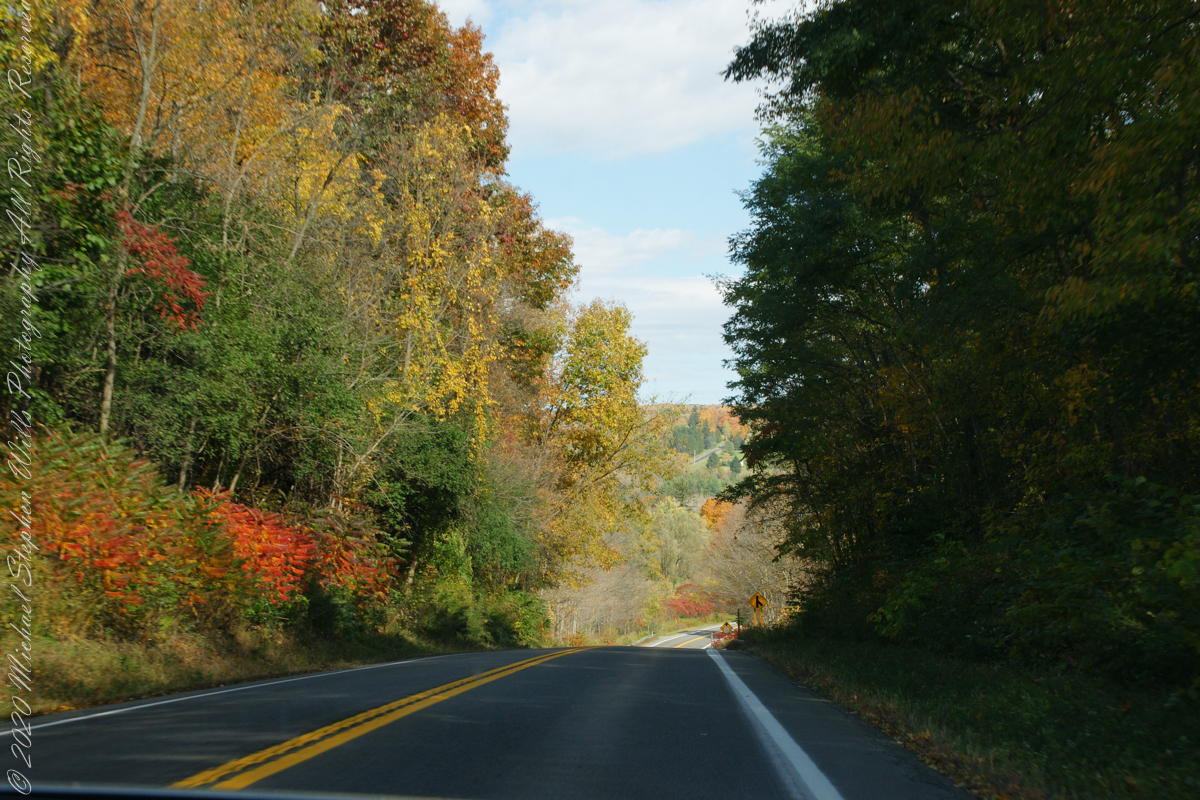
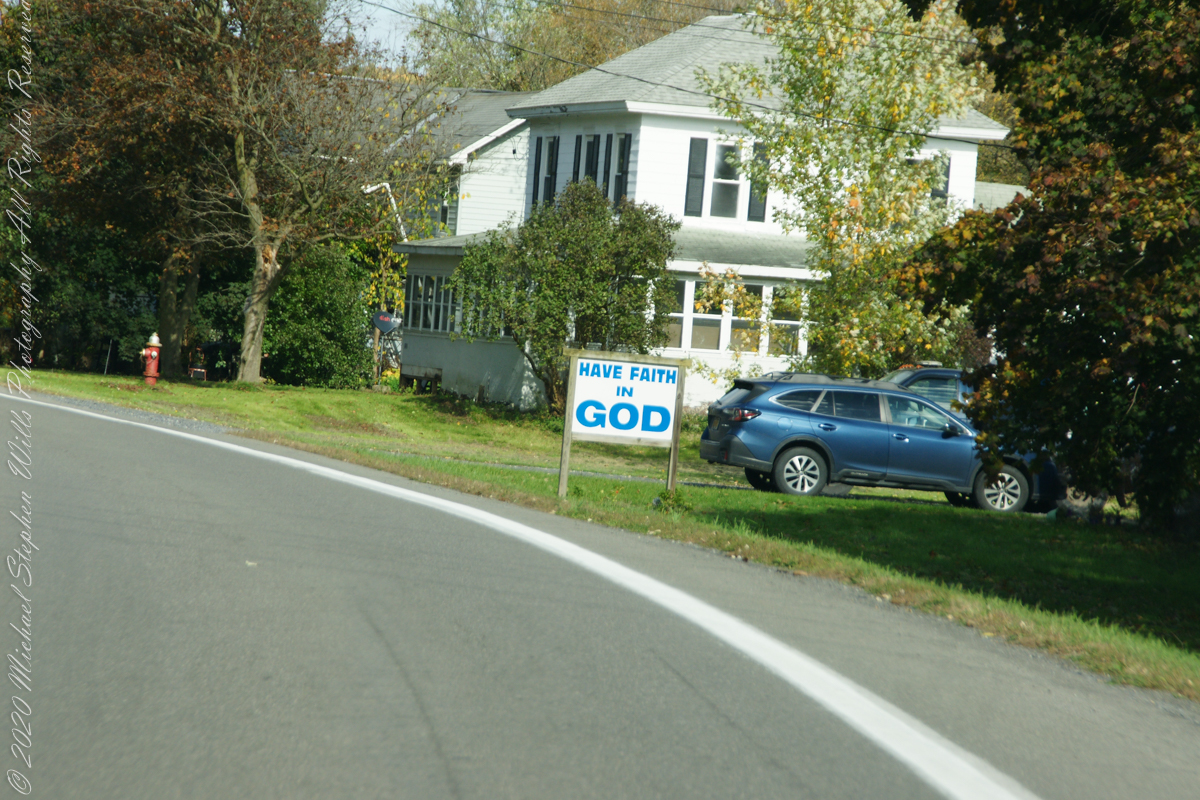
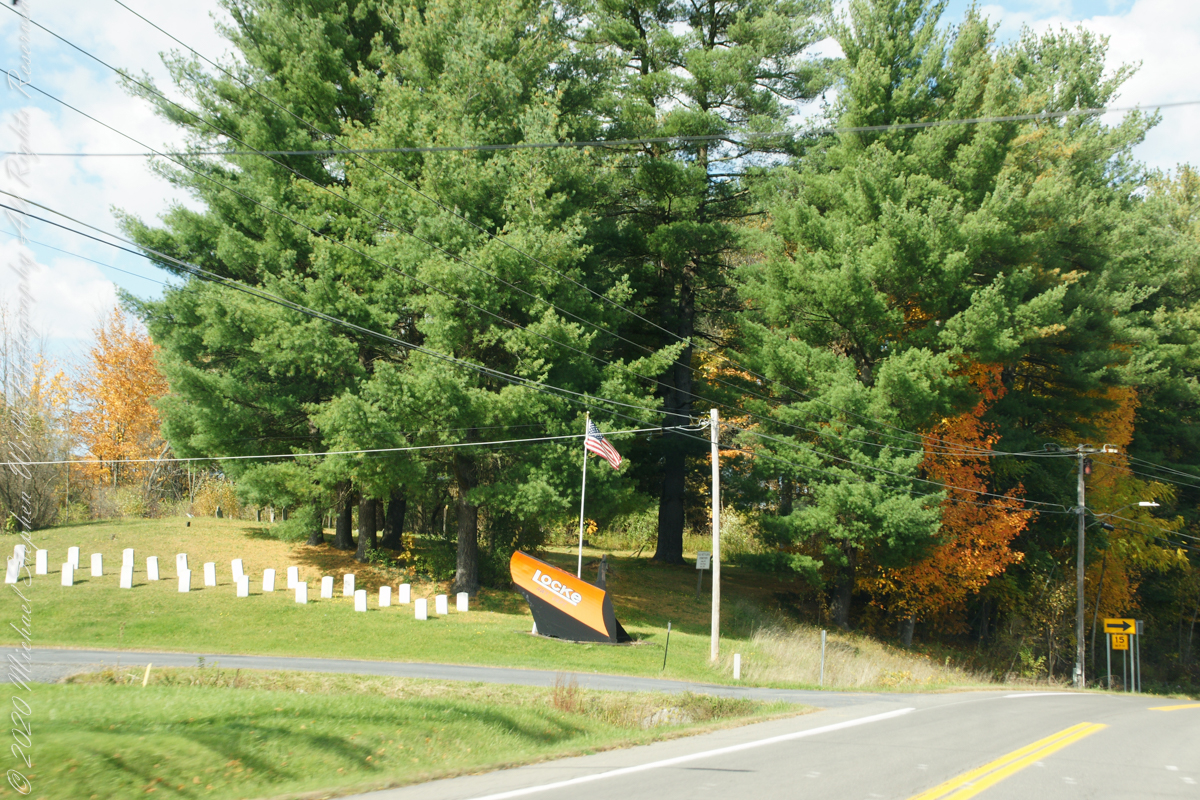
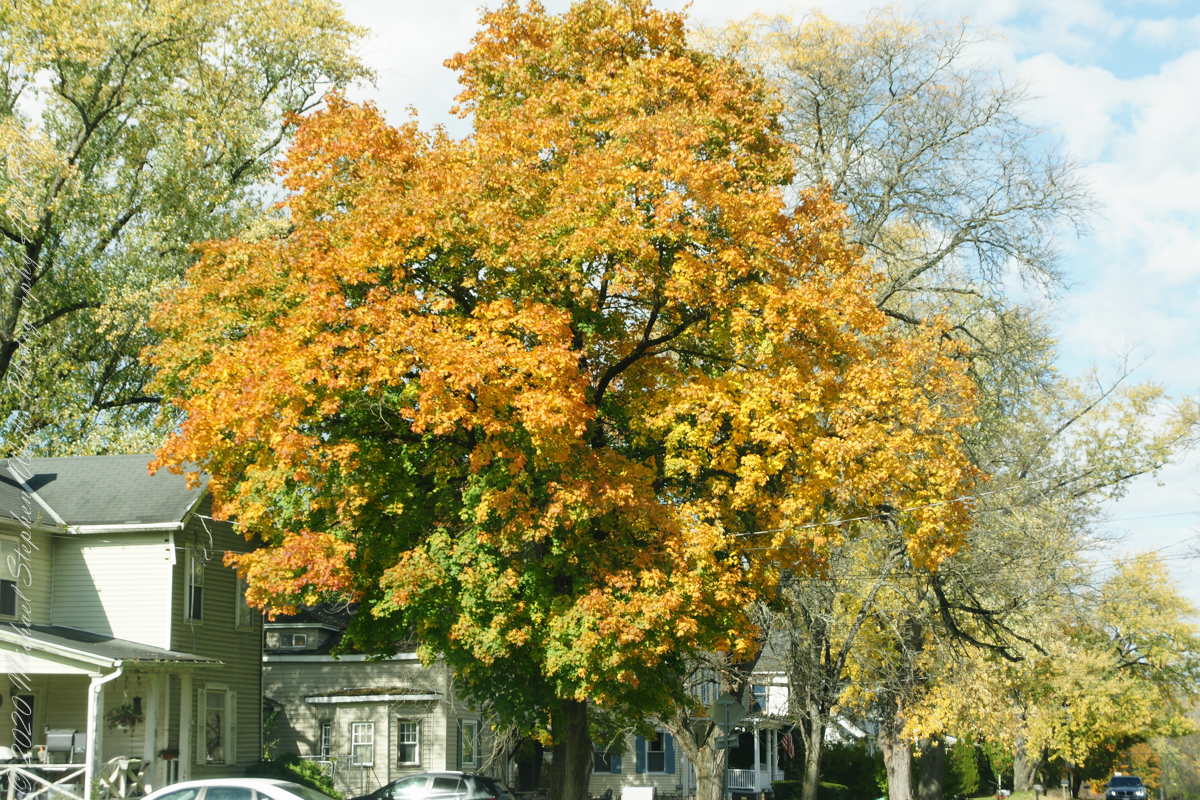
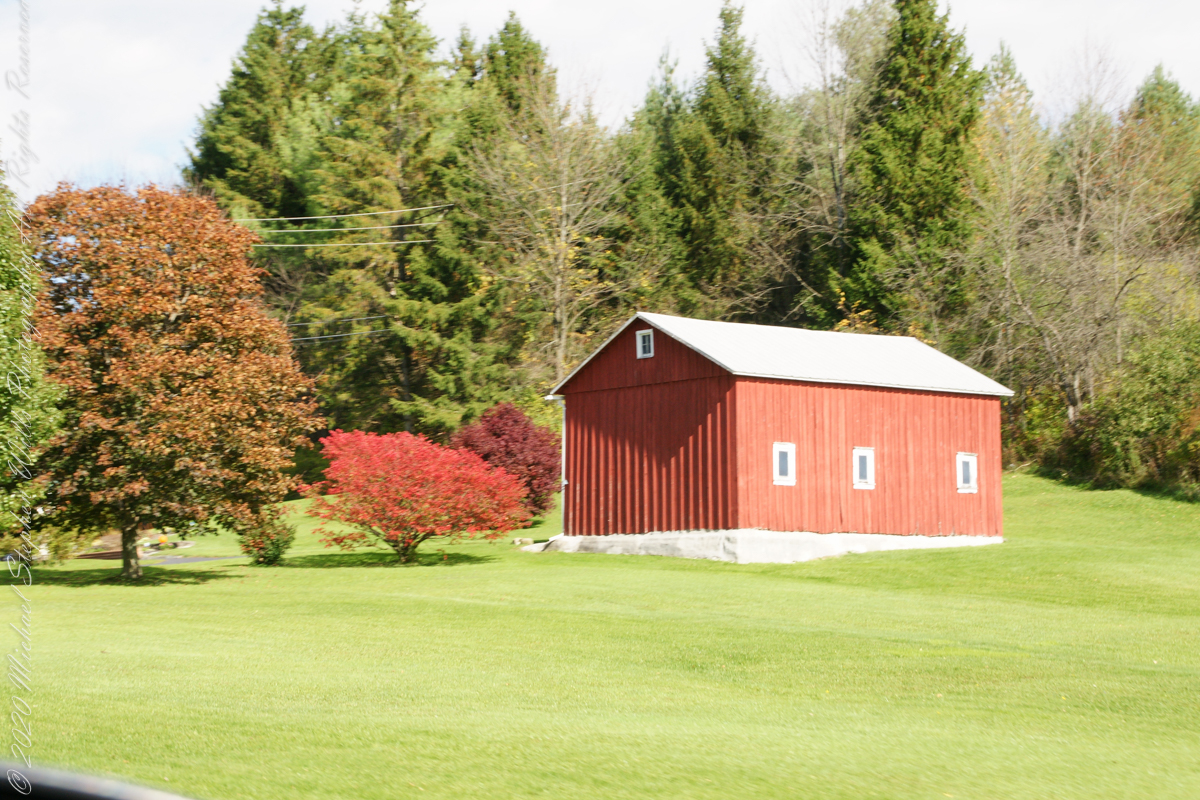
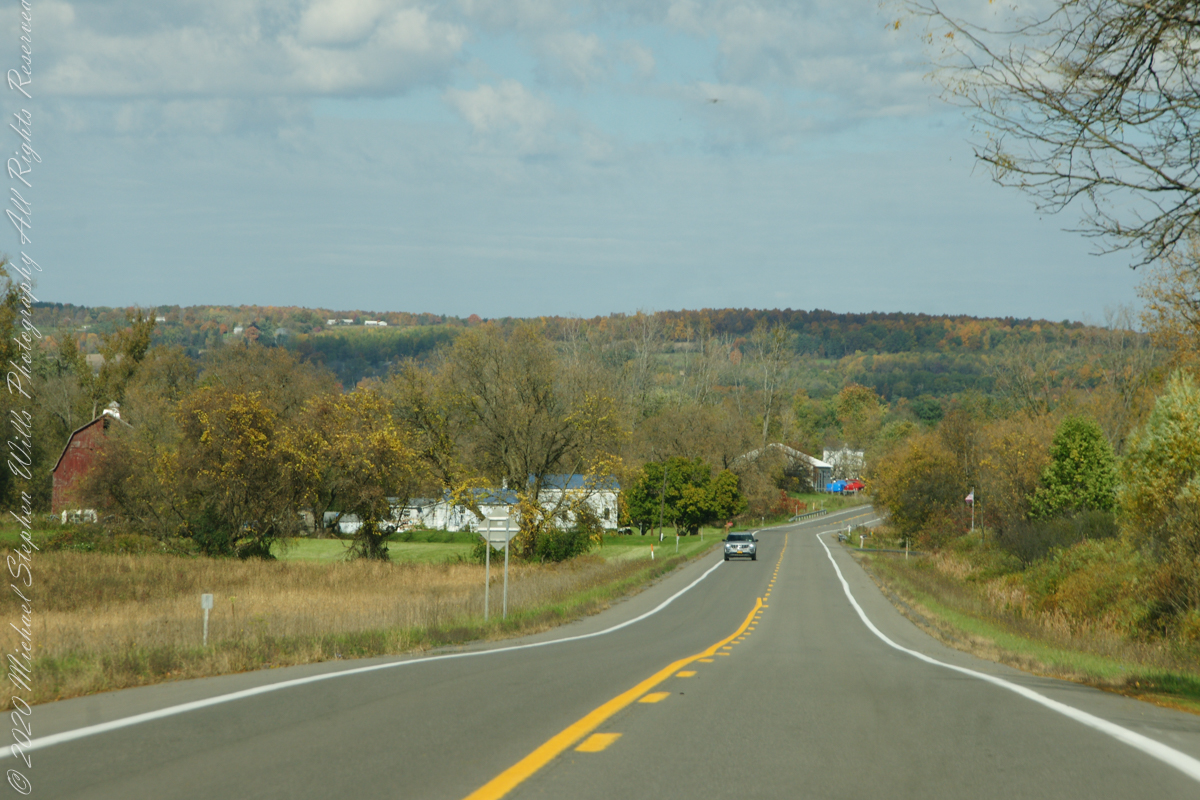
My Sony Alpha captured our October 16 drive to Fillmore Glen. As we traversed landscapes, the spectacle of Tompkins and Cayuga Counties autumn glory passed by the open passenger side window and, even, the front windshield. Thank You, Pam, for driving.
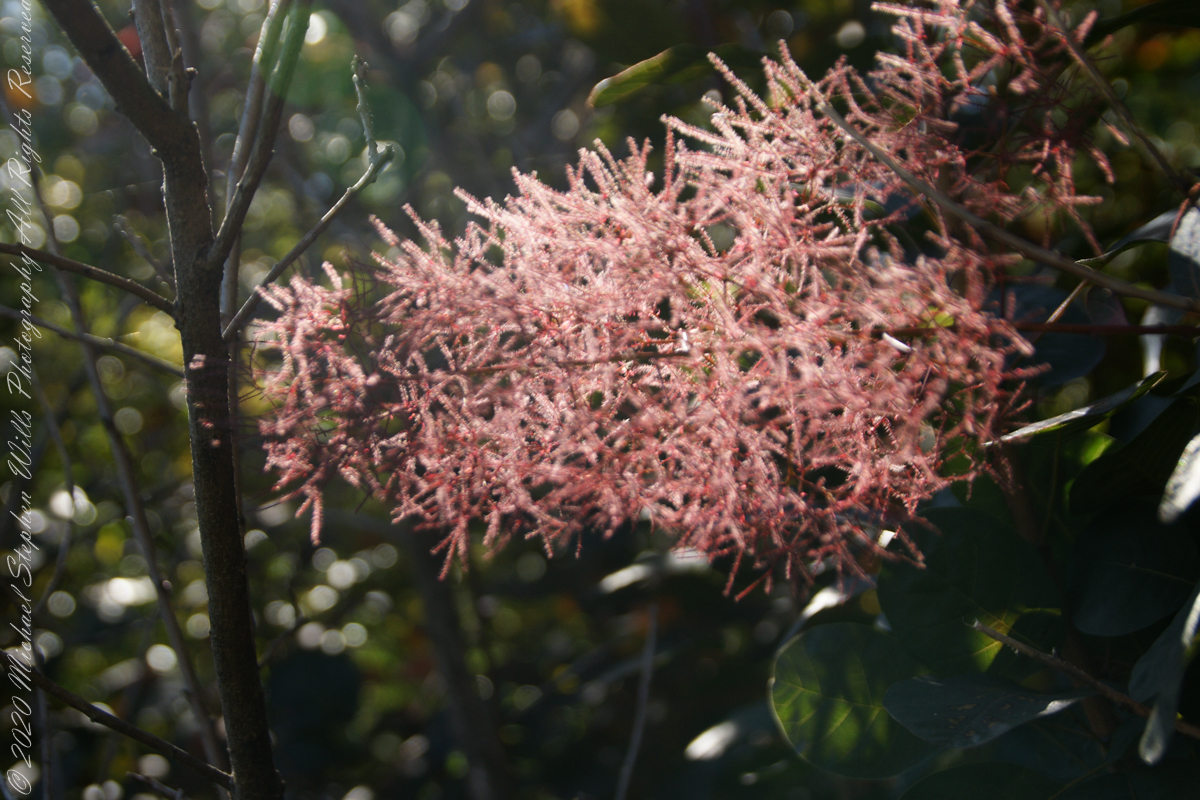
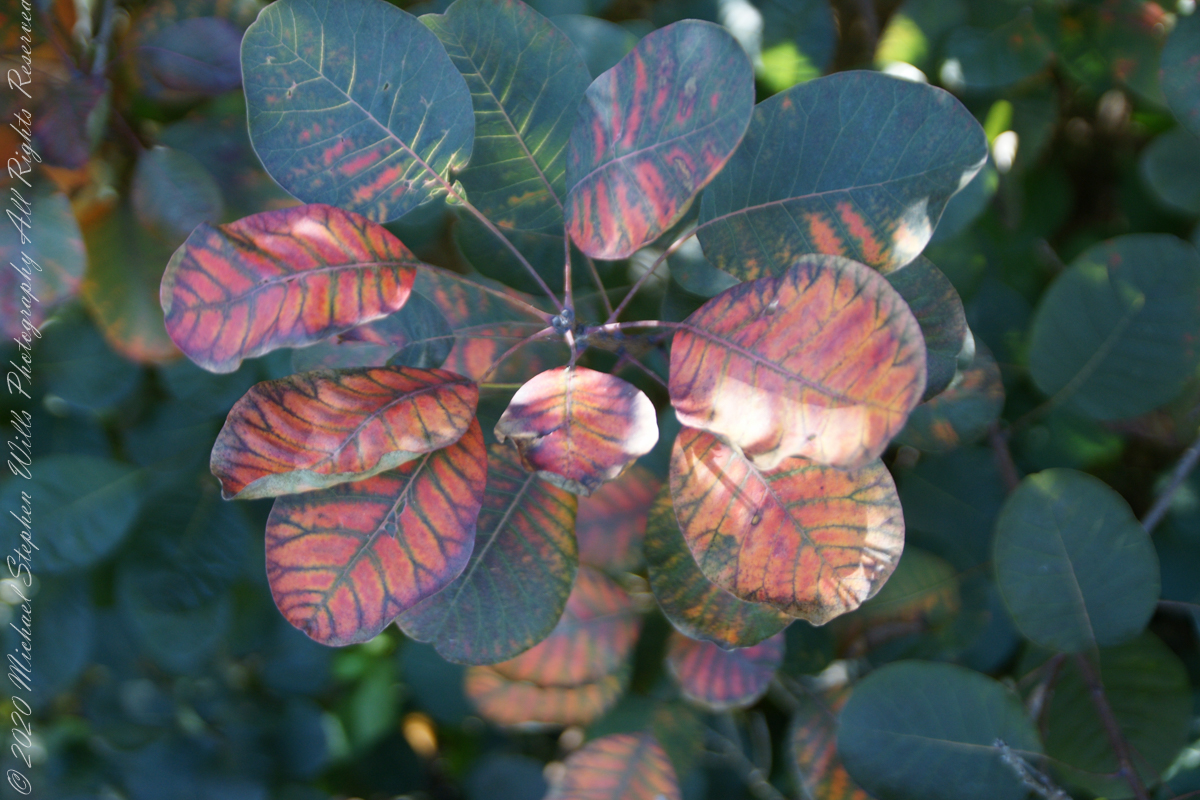
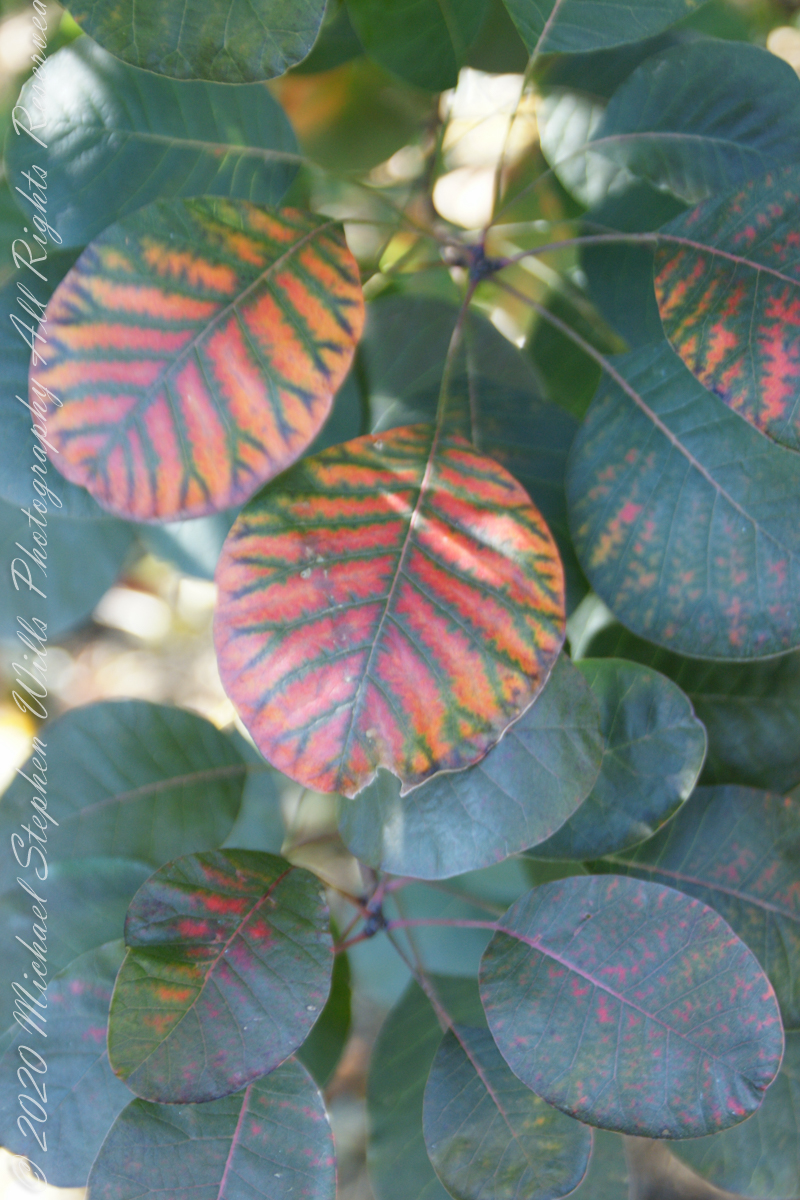
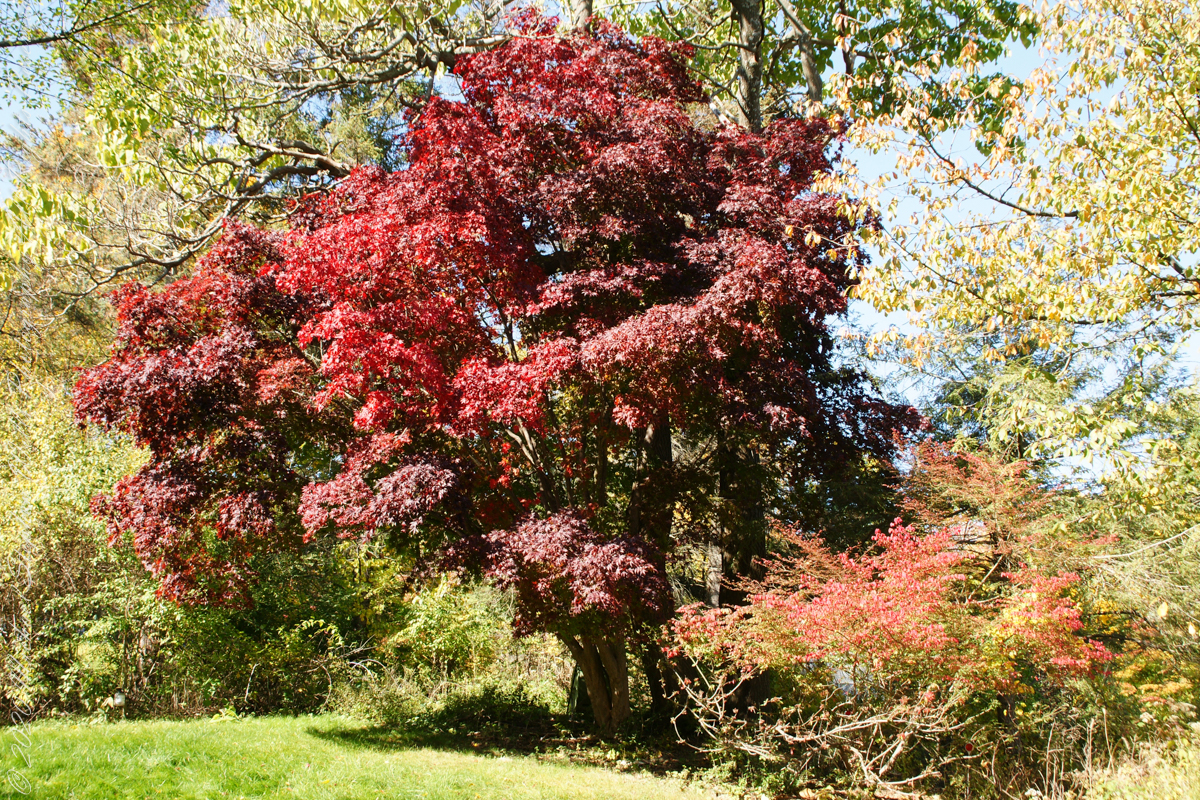
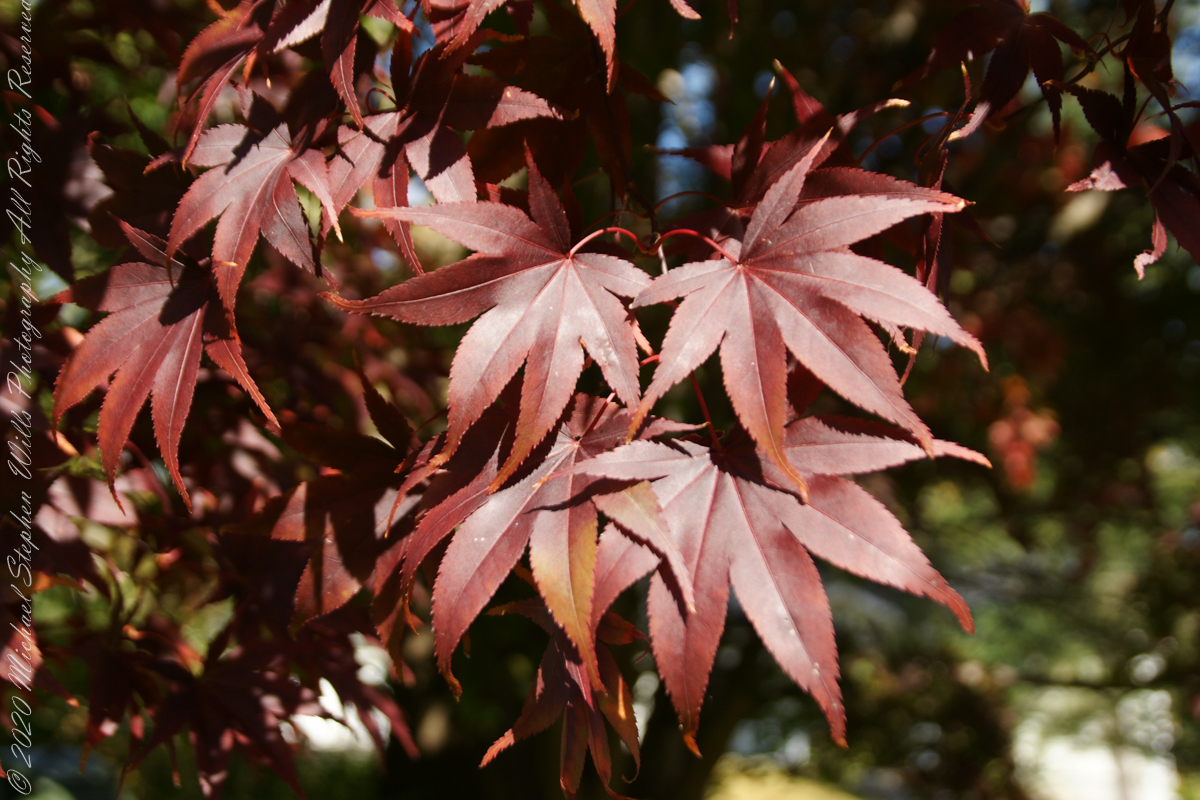
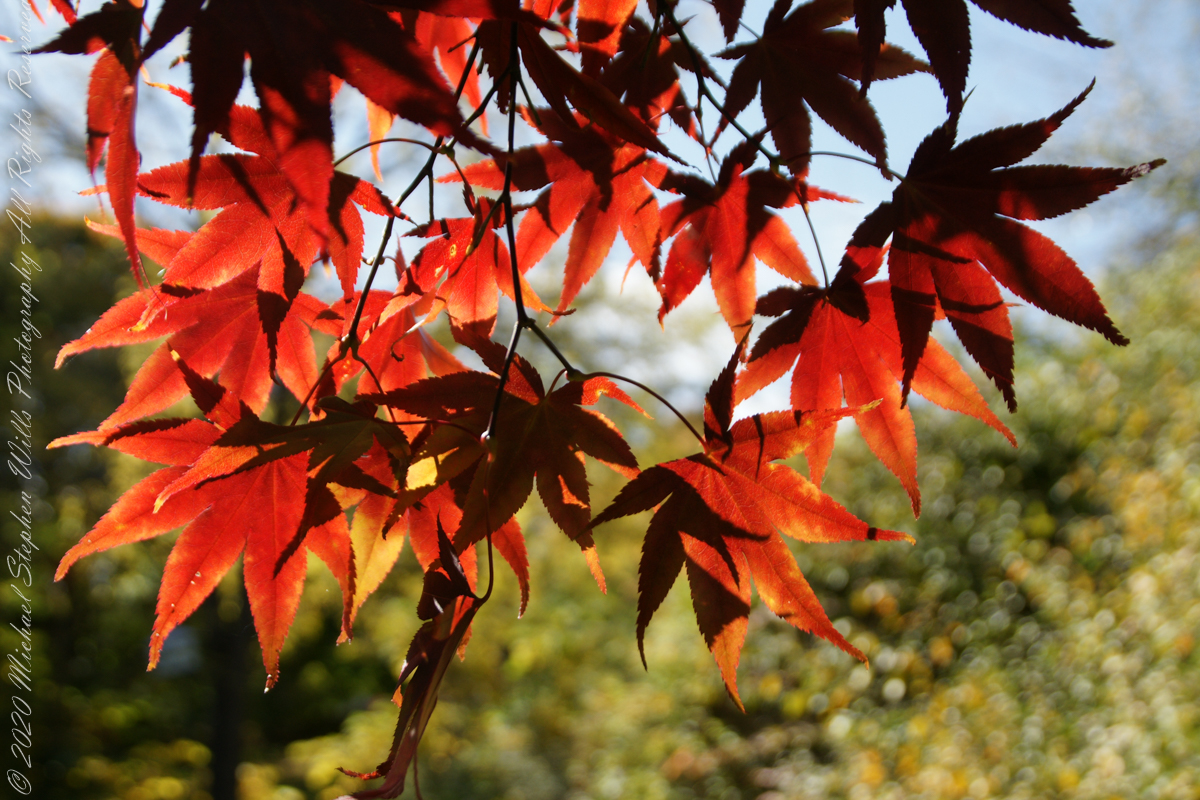
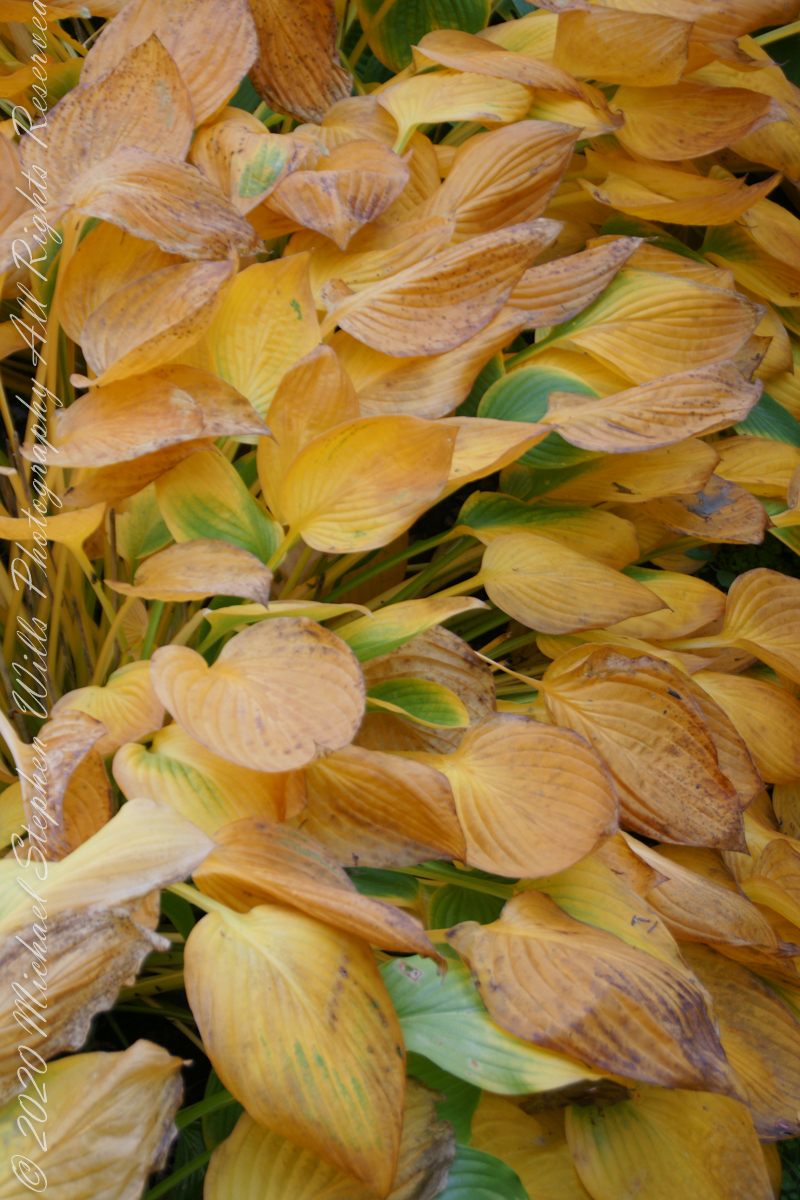
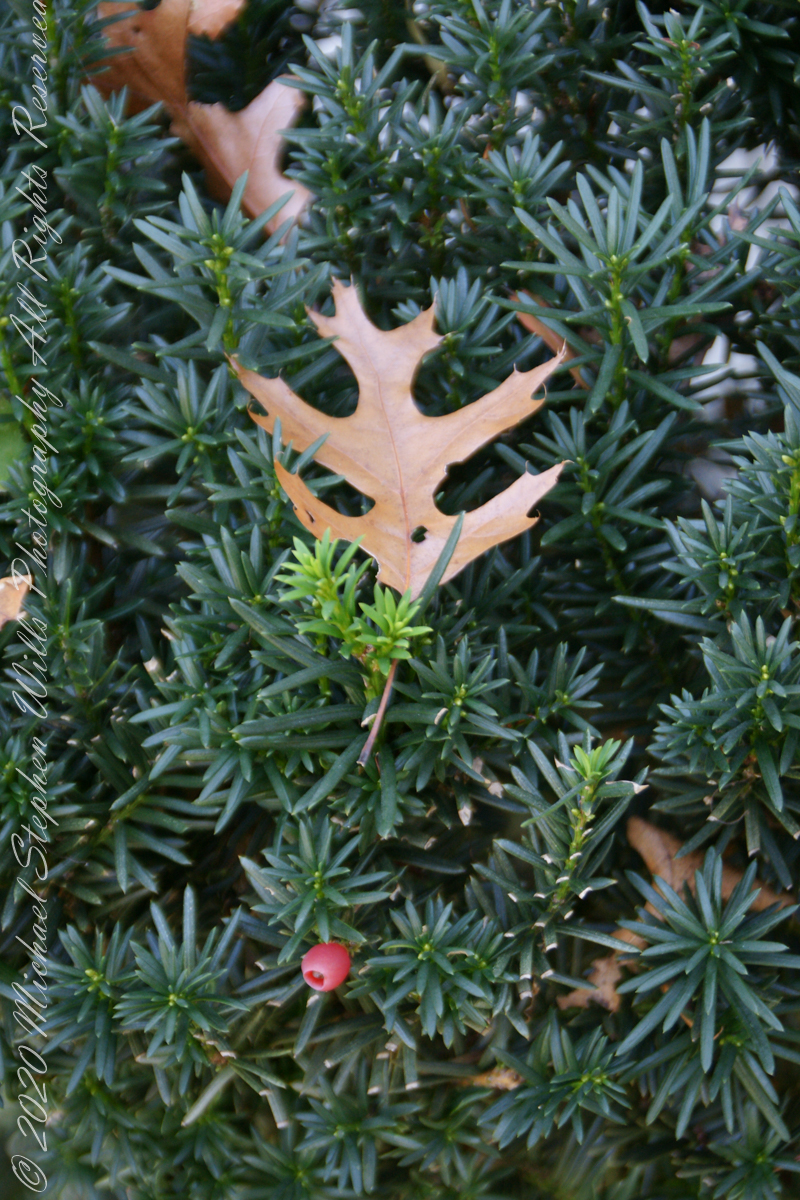
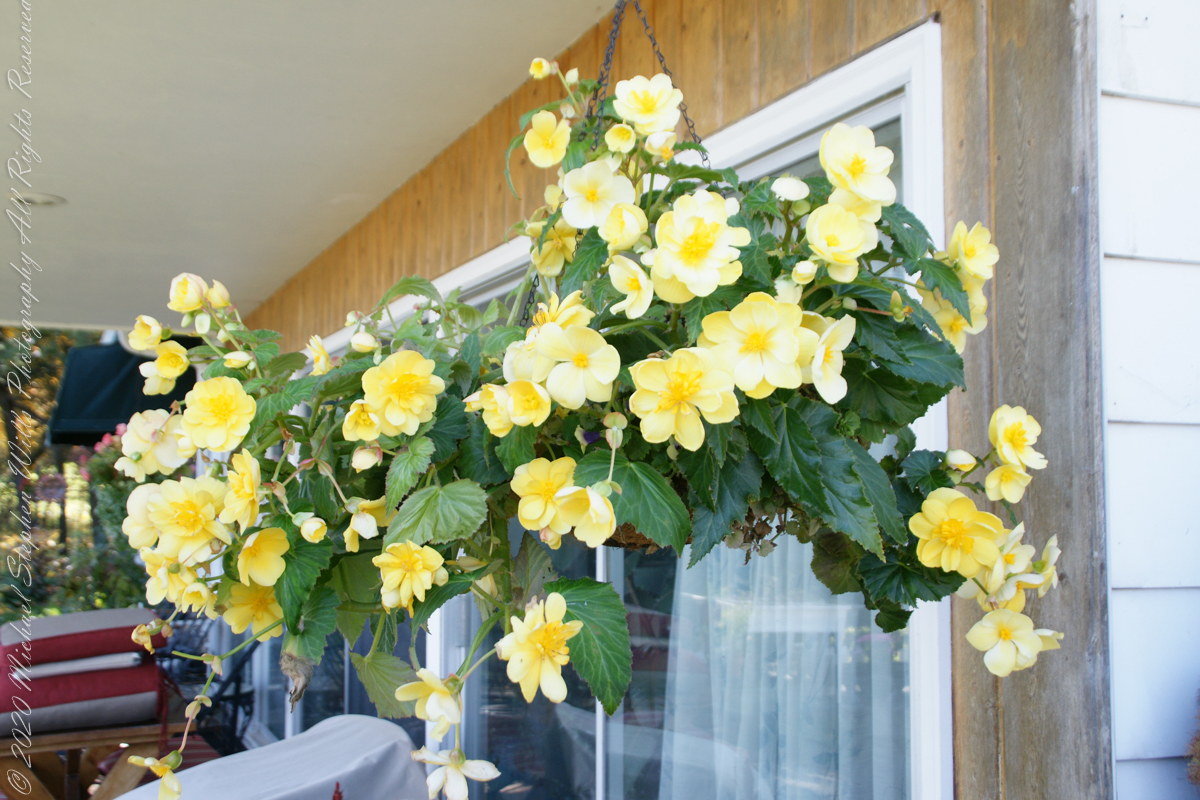
A turn around our home: Smoke tree, Japanese Maple, Pam’s flower baskets, fallen Oak leaves
.TT.
Panoramas from our front porch and on to Hector Street descending into and through Ithaca
Headed up Route 34 along Cayuga Lake, into “Farm Country”
Turning onto Locke Road and crossing from Tompkins to Cayuga County
Travelling through Cayuga County, the town of Locke, then Moravia and Fillmore Glen State Park
..
This is my farewell to “Fall” for now.
Copyright 2022 All Right Reserved Michael Stephen Wills
My Sony Alpha was in use during our October 16 drive to Fillmore Glen. As we traversed landscapes, autumn glory of Tompkins and Cayuga Counties was captured. Thank You, Pam, for driving.
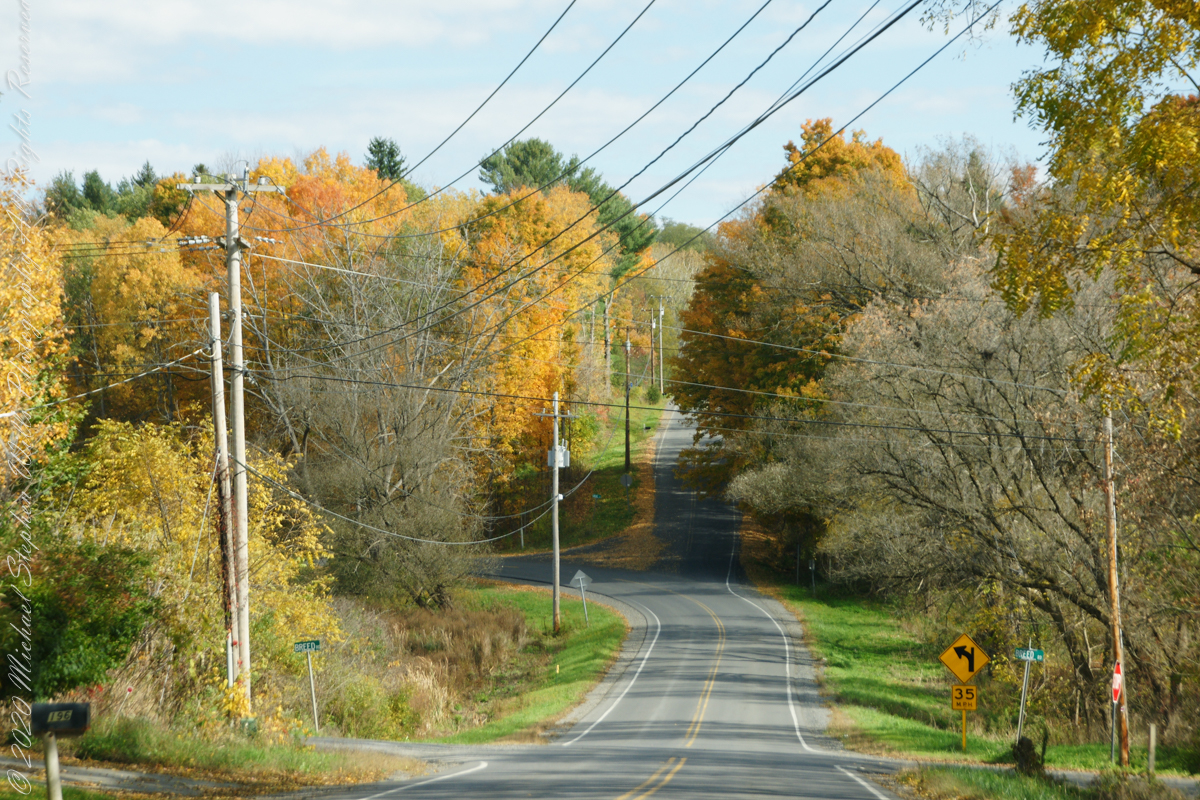
Heading today’s post is a windshield shot, I’m loving the effect of a golden road.
During our walk, I used the Sony Alpha for a parallel series of shots to compliment the tripod mounted Canon. Here are some of those results.
Step up and over
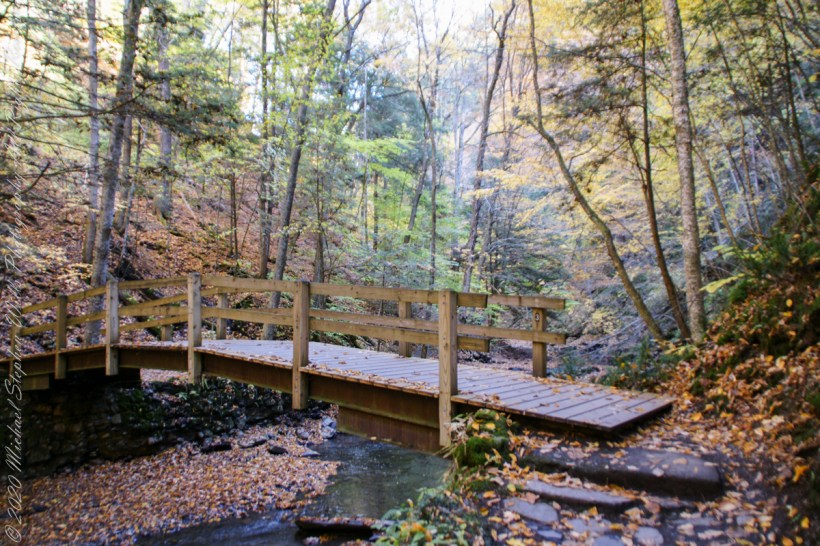
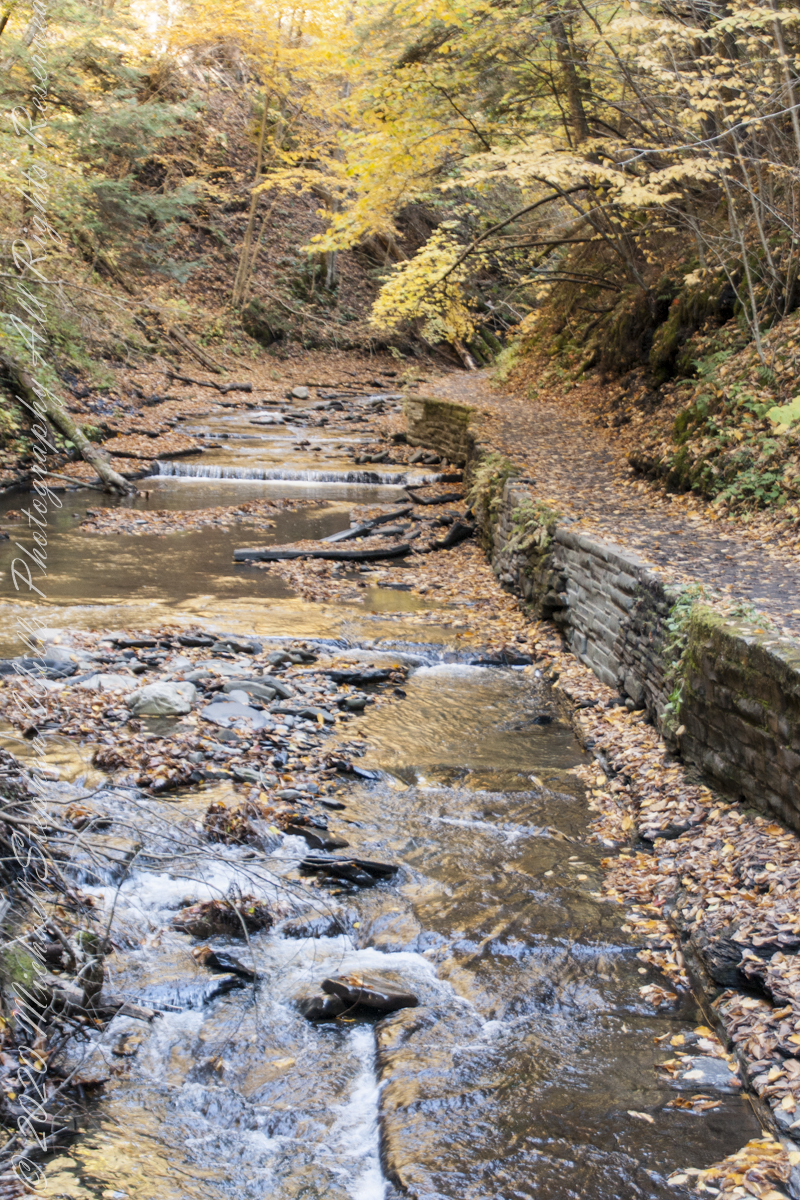
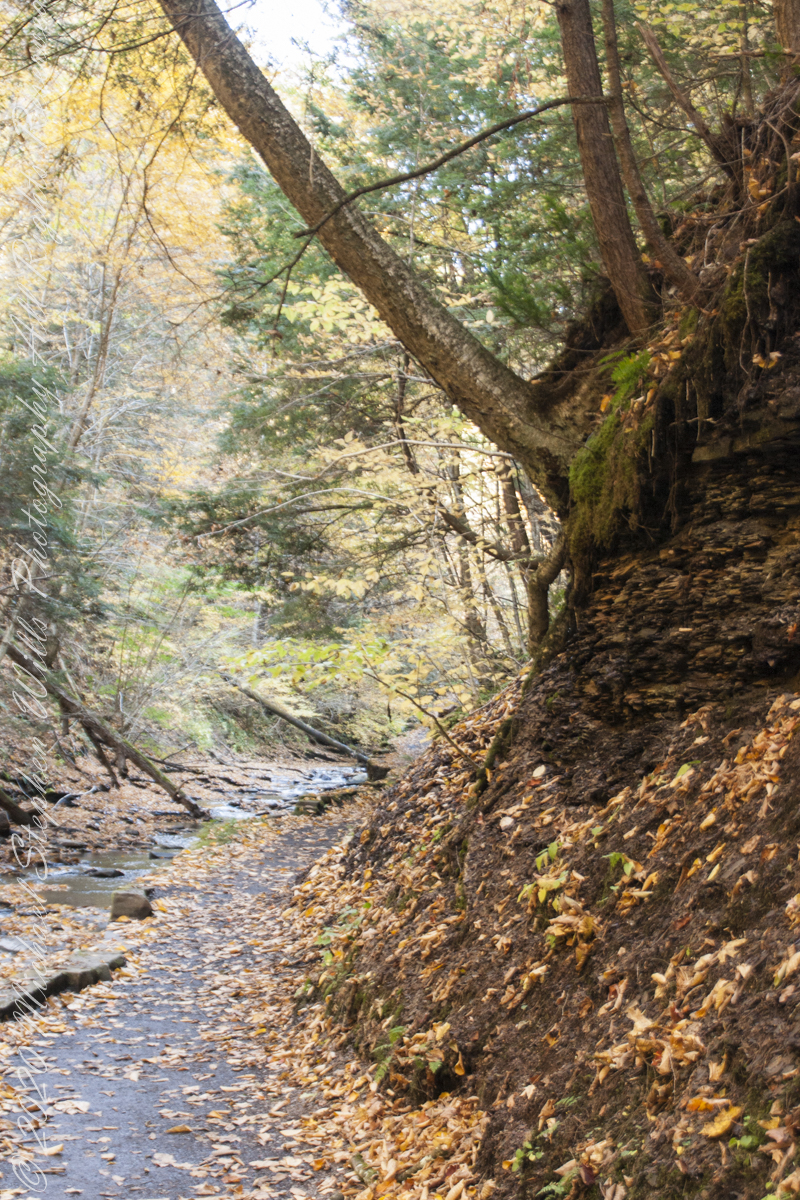
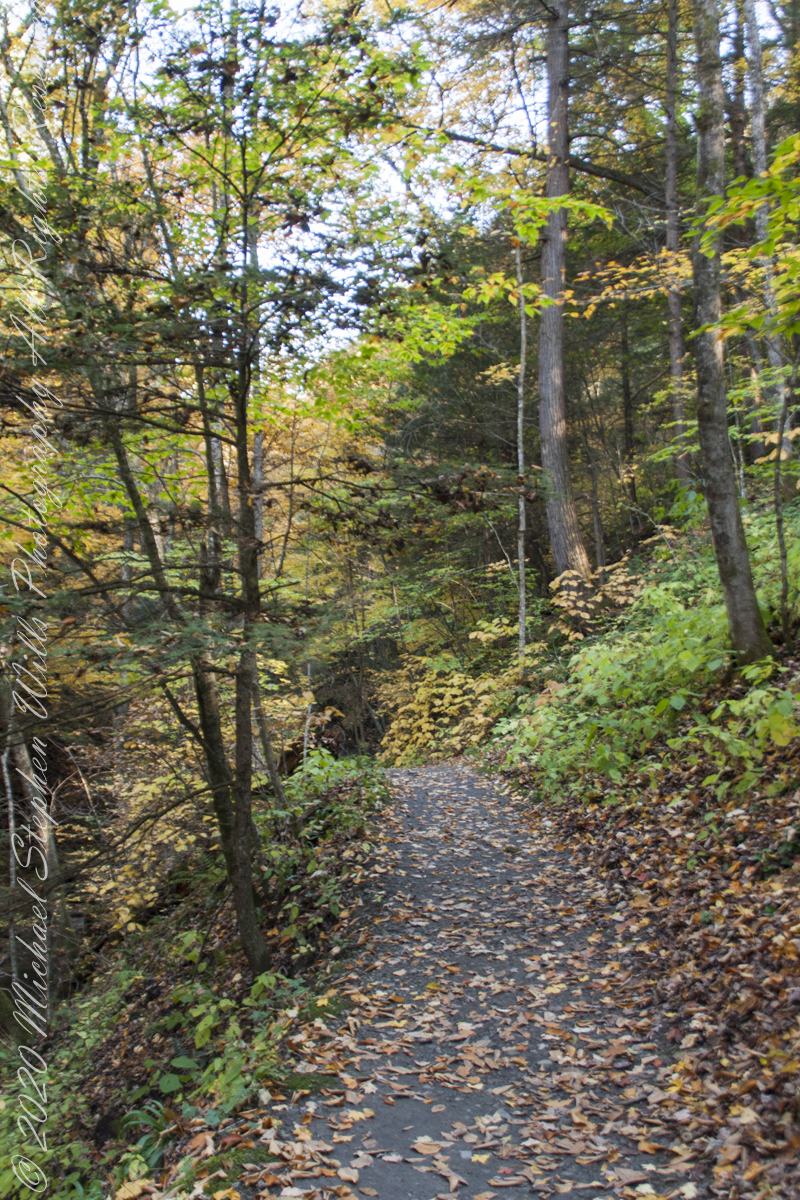
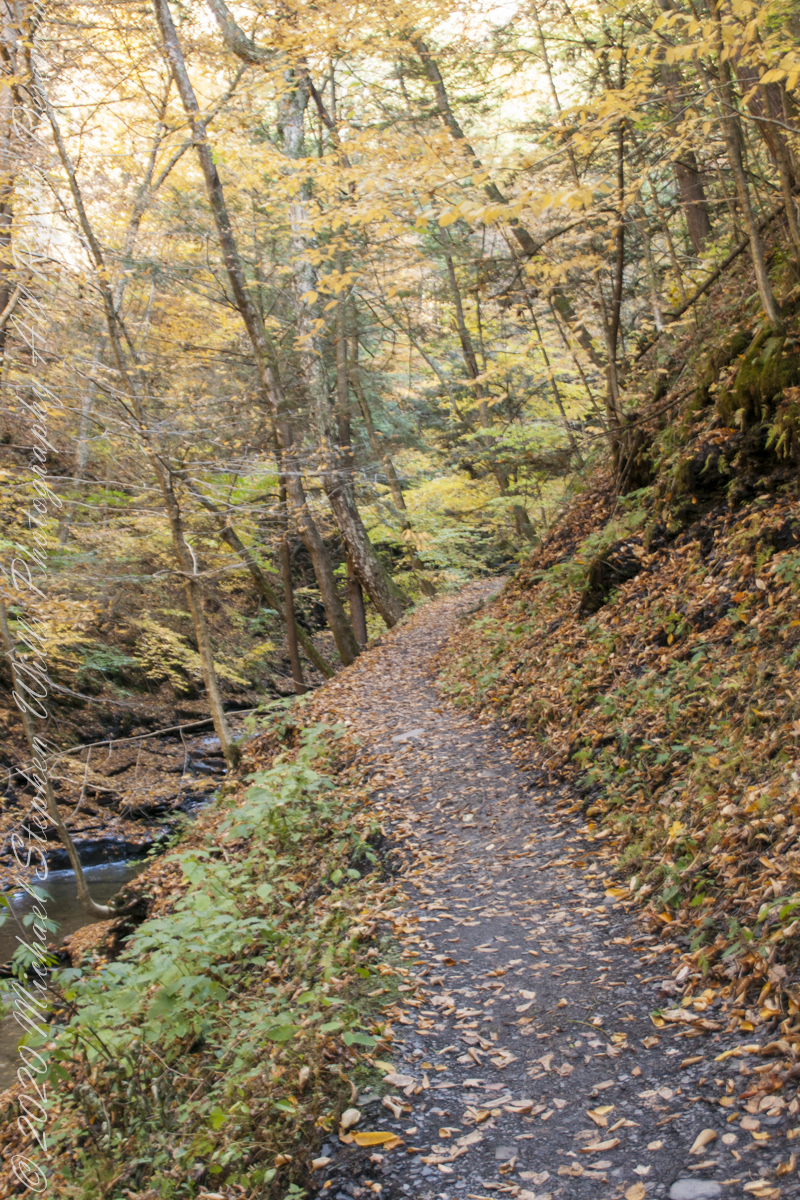
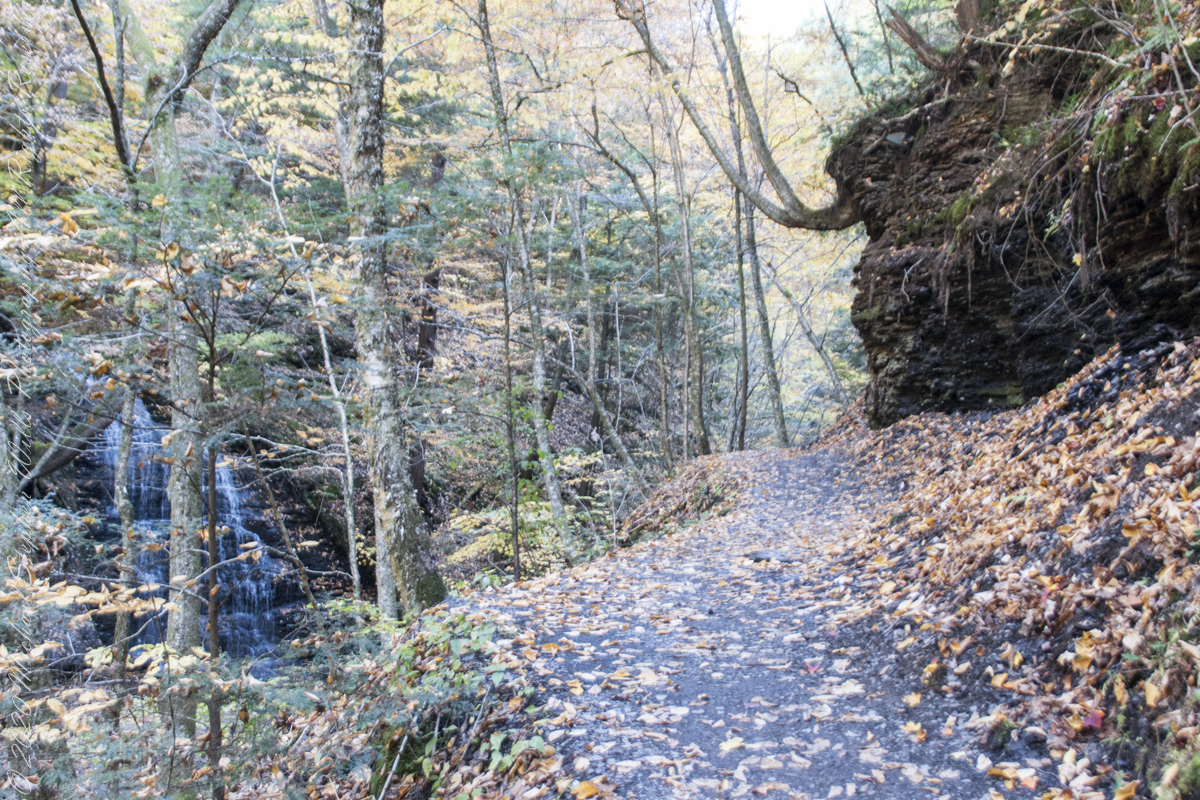
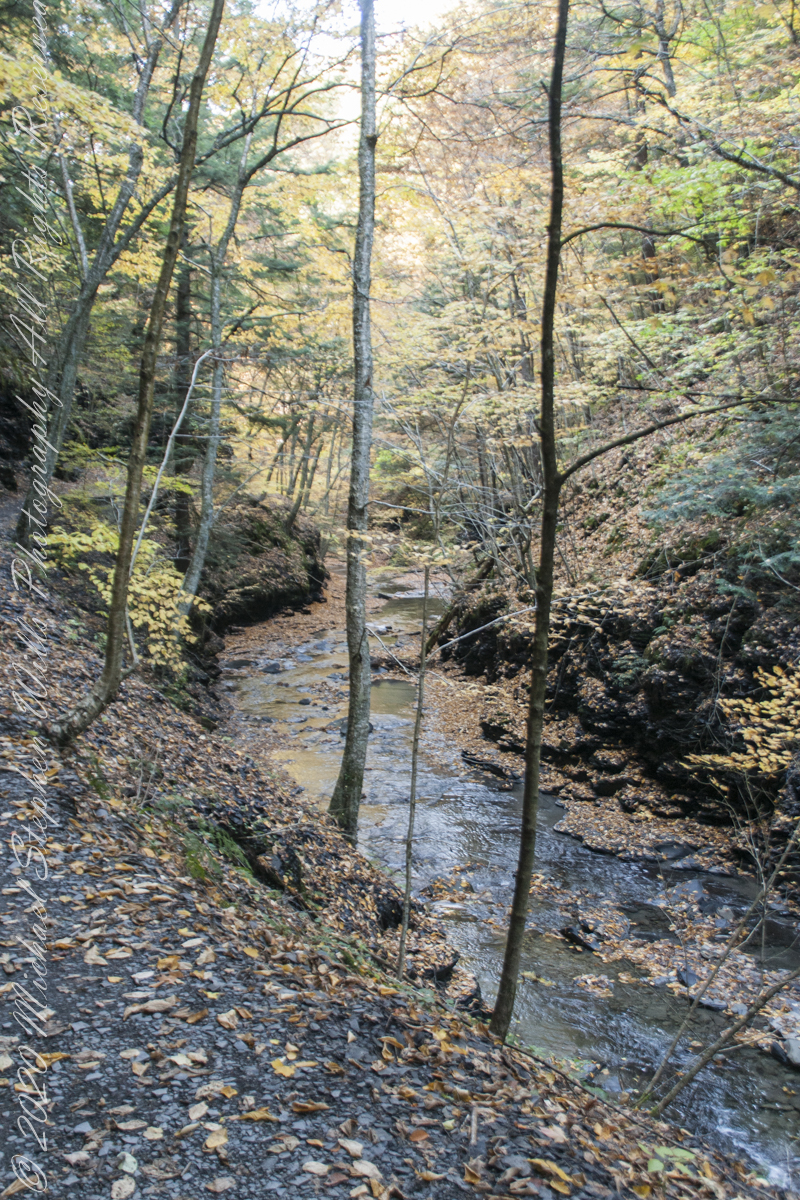
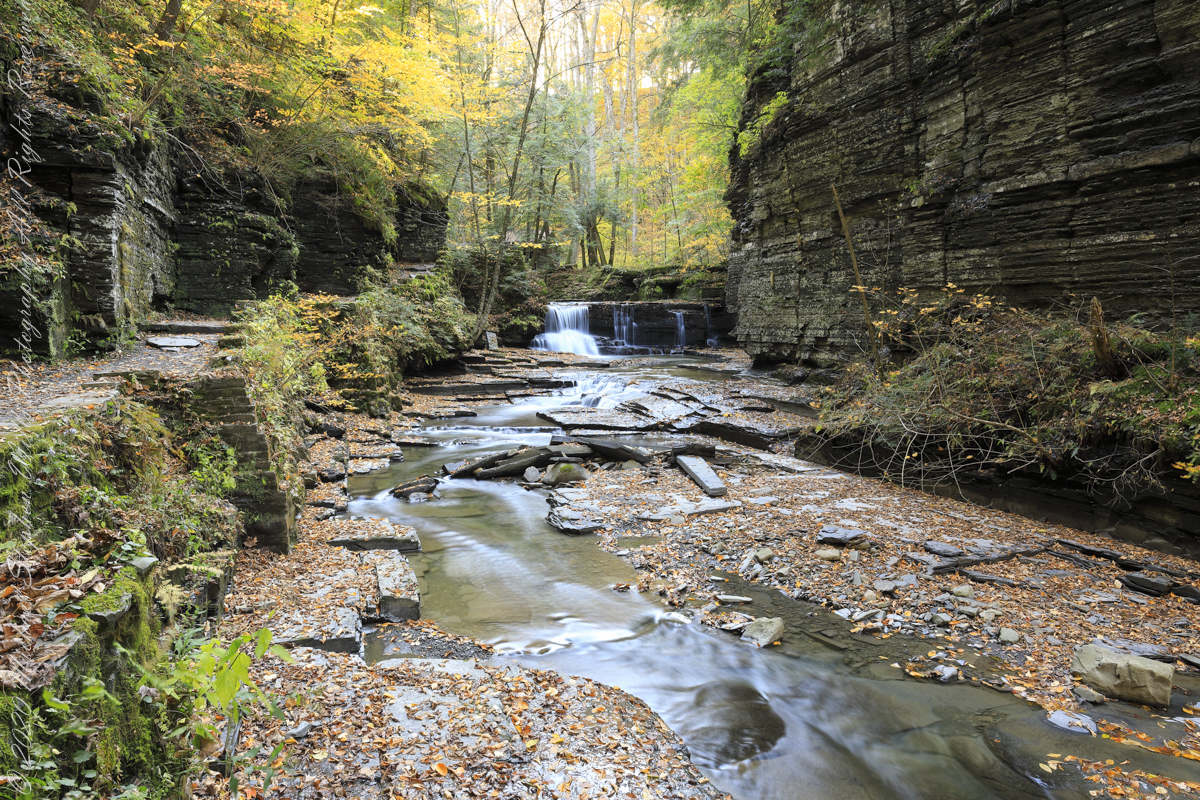
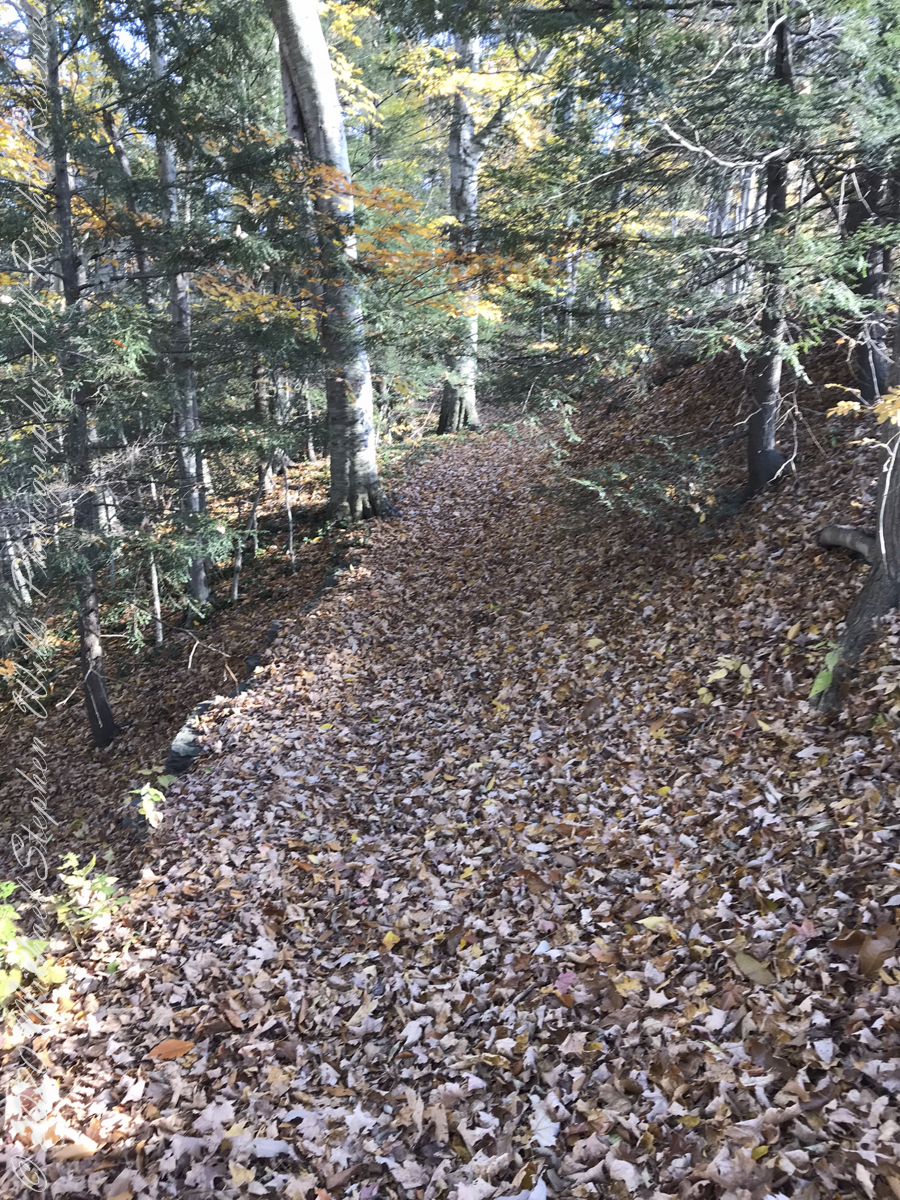
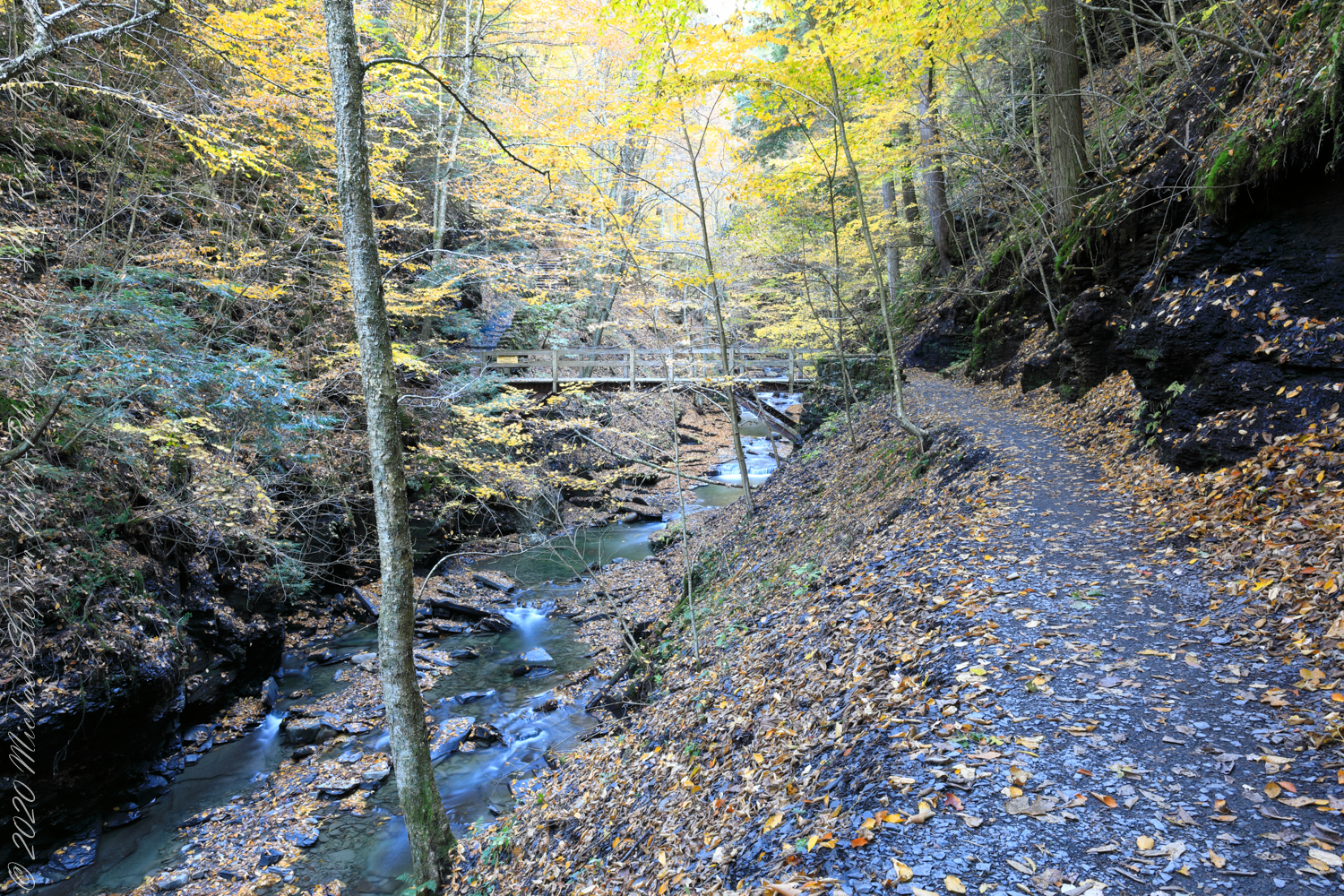
Enjoy this collection of Fillmore Glen pathways
AA
Fillmore Glen, New York State Park, Cayuga County, Moravia, New York
Copyright 2022 All Right Reserved Michael Stephen Wills
” I ventured up the gorge from bottom to this point where, blocked by an enormous shining emerald-colored ice wedge accumulated from the water pouring over the path in warmer months, I turned around”
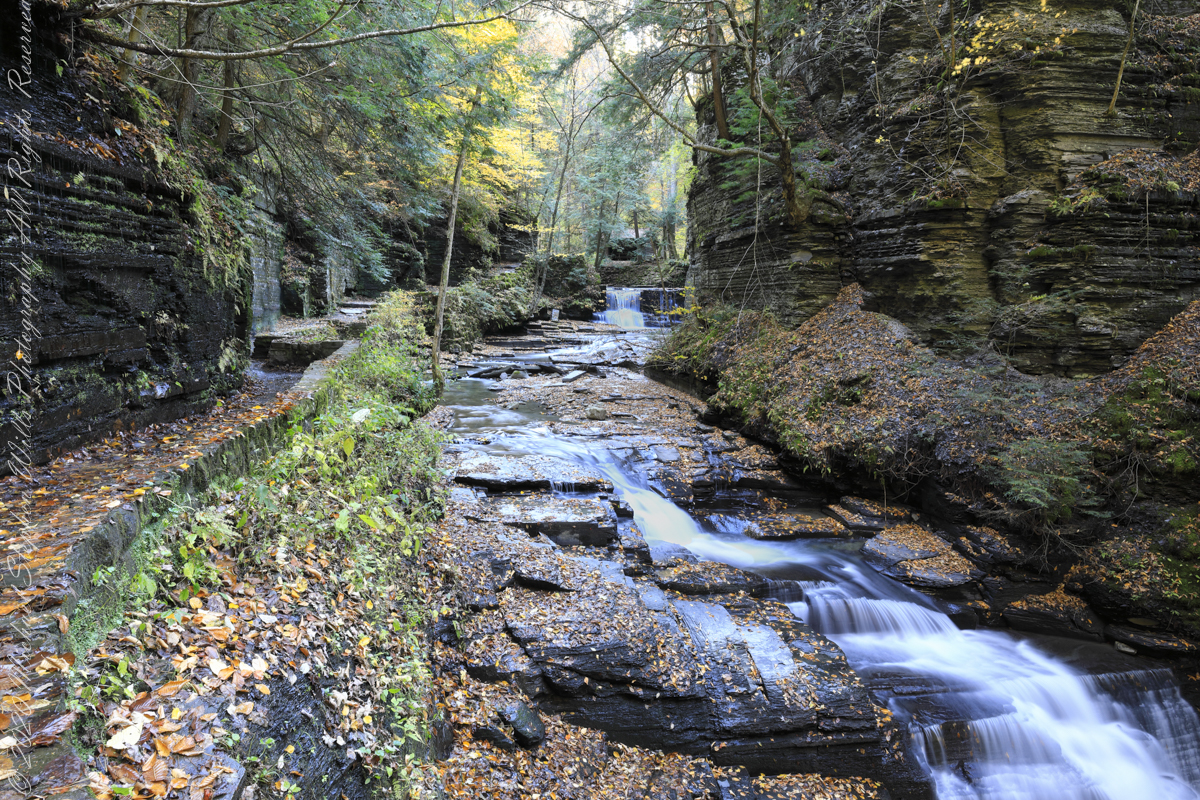
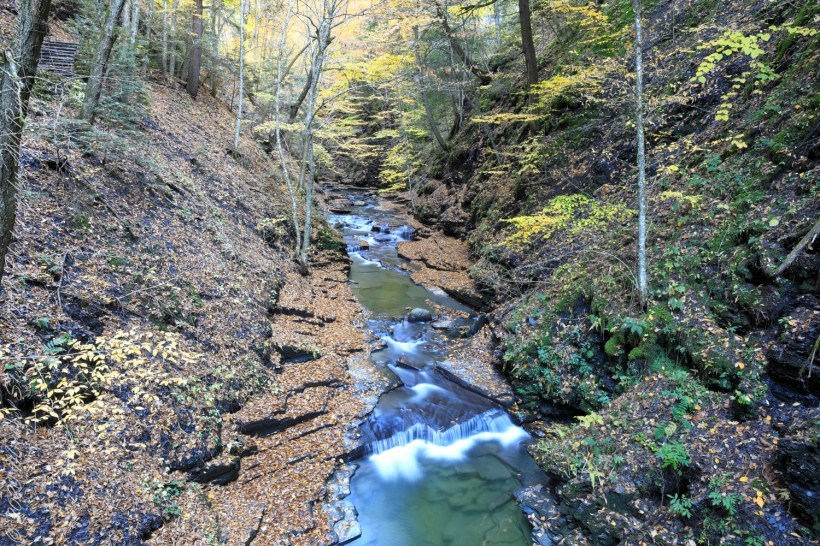
Between the metal walkway (see previous post) and the last numbered bridge, eight (8), the gorge narrows with sedimentary rock cliffs on either side, remnants of the forces that formed this rock in the form of water pouring from the porous stone flowing over the trail.
One February morning, equipped with climbing boots, crampons, gaiters, I ventured up the gorge from bottom to this point where, blocked by an enormous shining emerald-colored ice wedge accumulated from the water pouring over the path in warmer months, I turned around.
I call it a Waterfall Gallery for these walls bracing this wonderful collection of cascades in these photographs.
Waterfall gallery between bridges seven (7) and eight (8). Fillmore Glen, New York State Park, Moravia, Cayuga County, New York
A warm and cool versions of this spot.
Warm
Cool
Watch Your Step!!
Fillmore Glen, New York State Park, Cayuga County, Moravia, New York
Copyright 2022 All Right Reserved Michael Stephen Wills
Crossing bridge seven (7), “Lovers’ Bridge, we encounter this passage, from the earliest work of the Civilian Conservation Corps of the 1930’s. Stairs carved into the Cambrian cliff. These images are a combination of handheld Sony Alpha dslr and tripod mounted Canon captures. Can you tell the difference (please comment on your insights).
View from the new walkway
Looking back to the walkway installed this year. This span does not cross Dry Creek, is not included in the bridge count.
Overhead, the glorious autumn canopy
Fillmore Glen, New York State Park, Cayuga County, Moravia, New York
Copyright 2022 All Right Reserved Michael Stephen Wills
“Cornell Botanic Gardens is a living museum with a mature botanic garden and arboretum—part of what makes Cornell one of the most beautiful campuses anywhere. We steward over 3,600 acres of biologically diverse landscapes that represent the full range of ecological communities found in the Finger Lakes region.” — from their web site
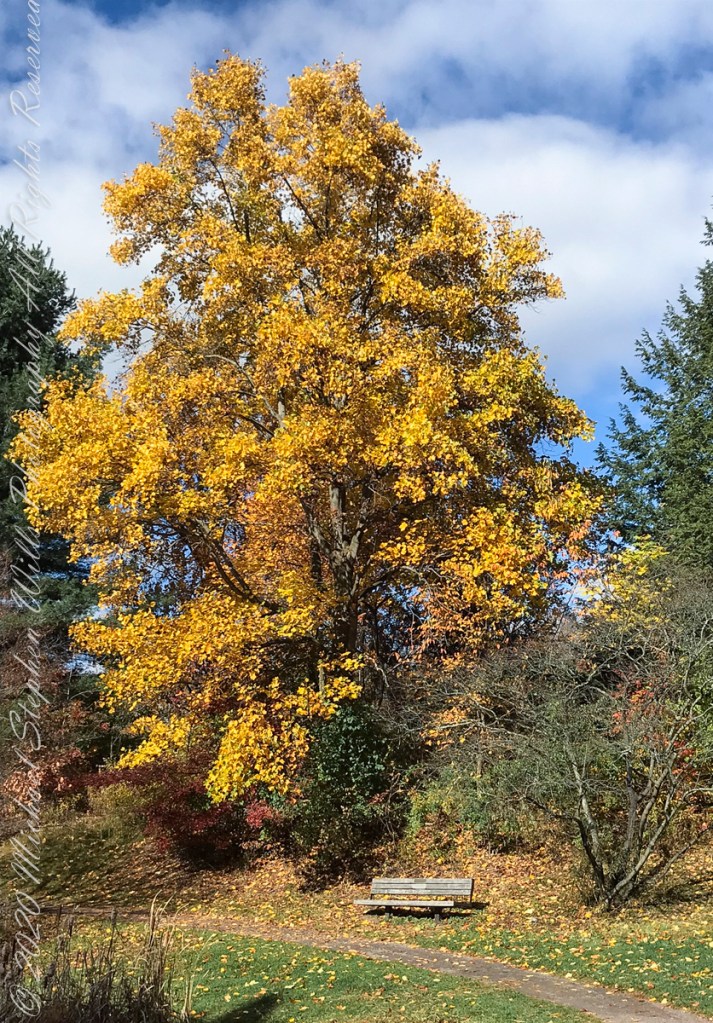
Pam and I need venture no farther than across the valley, from West to East Hill, for an experience of autumn in all its glory. These IPhone 7 photographs and videos are from a recent visit.
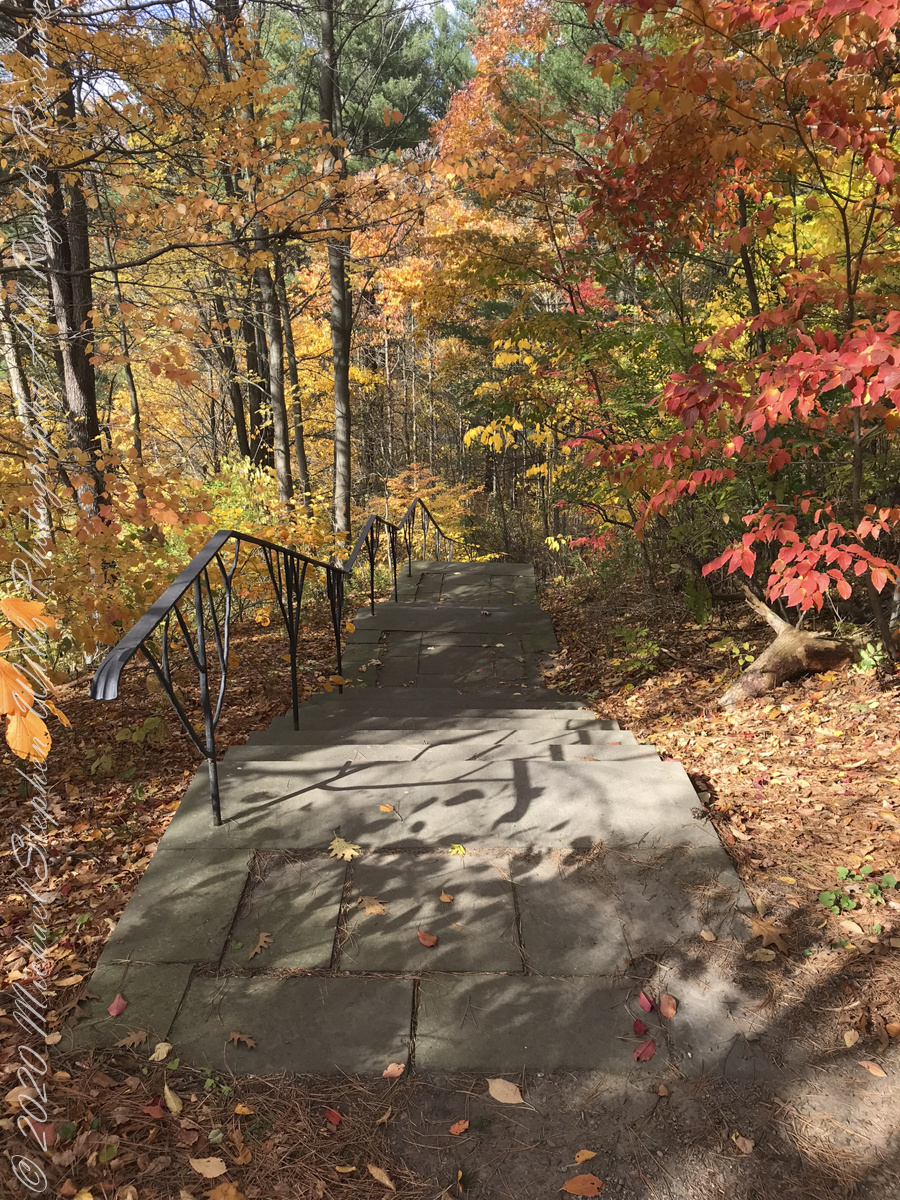
We took in the artistry of the railing, the stone steps, gentle curves.
De Courcey Stairs
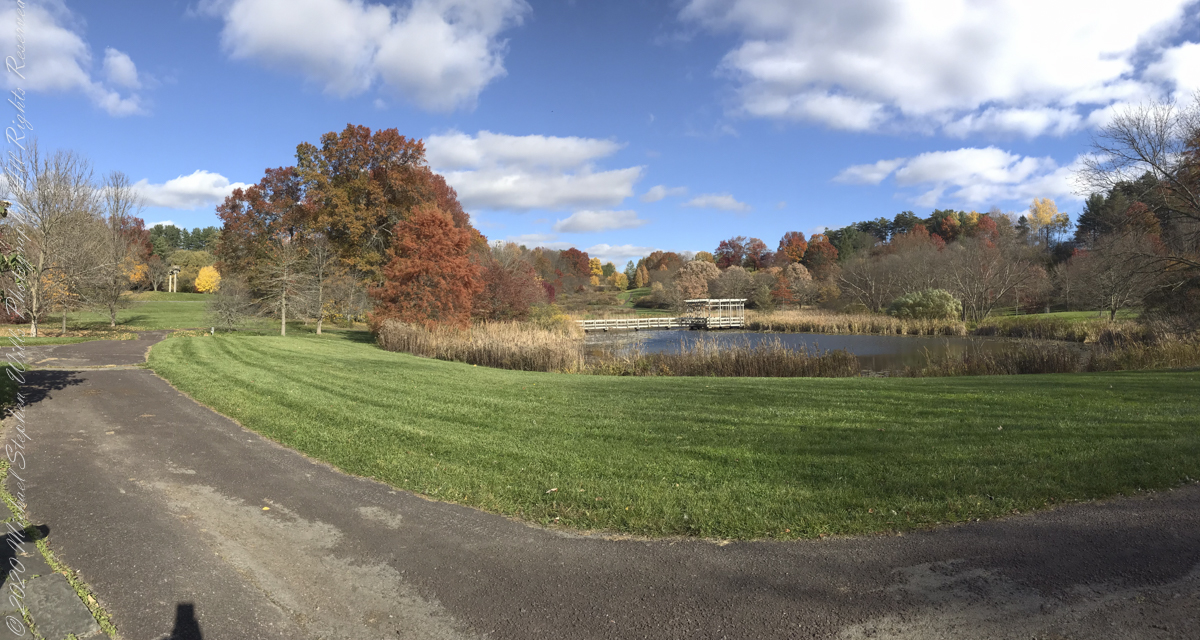
Buena Vistas
Granite boulders harvested for a Holocaust Memorial by Andy GoldsworthySculpture GardenArt Work
I marveled at the absence of Gypsy Moth egg masses on the Oak trunks, in spite of evident though modest leaf damage.
Labeled Diversity, specimens from the Oak Collection
Respite BenchEncircledGrand OakStriking GroupAncient Red Oak Silhouette
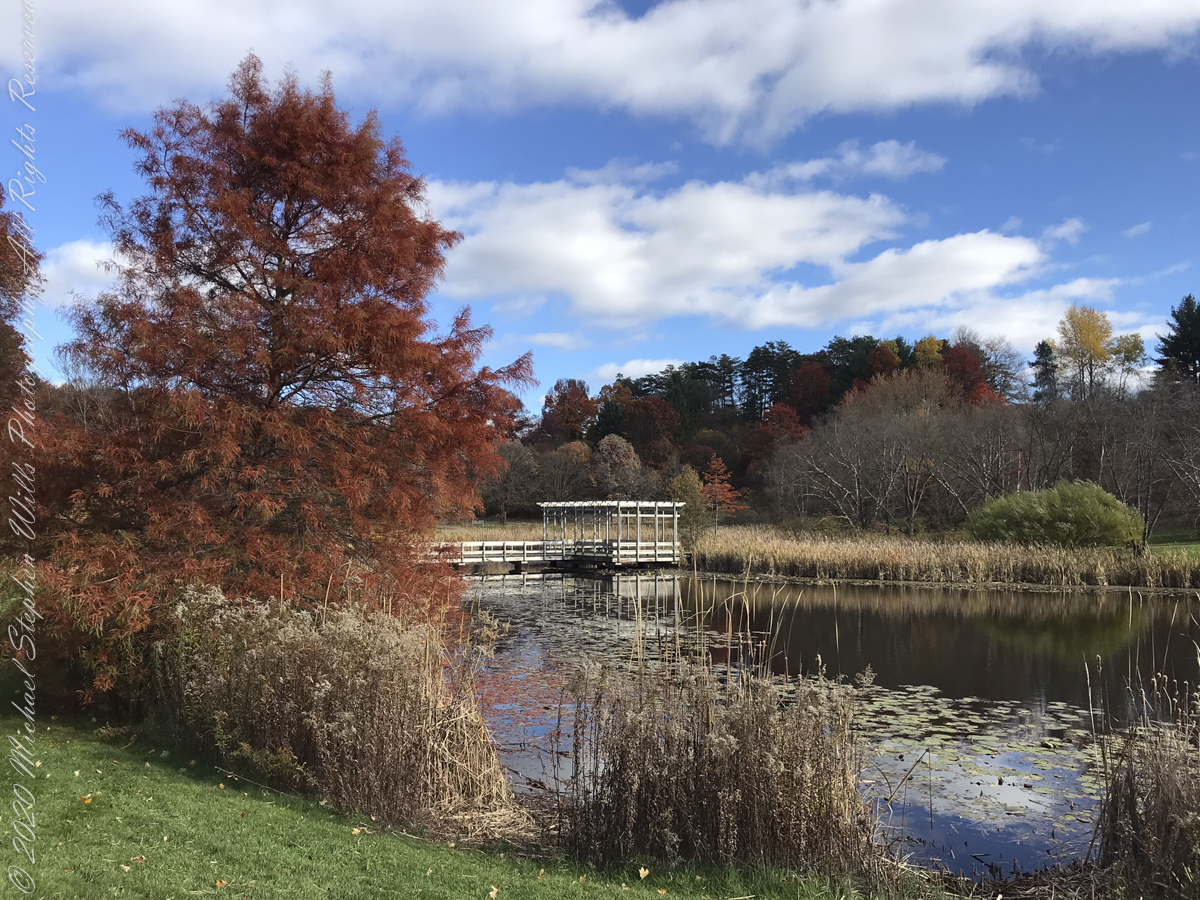
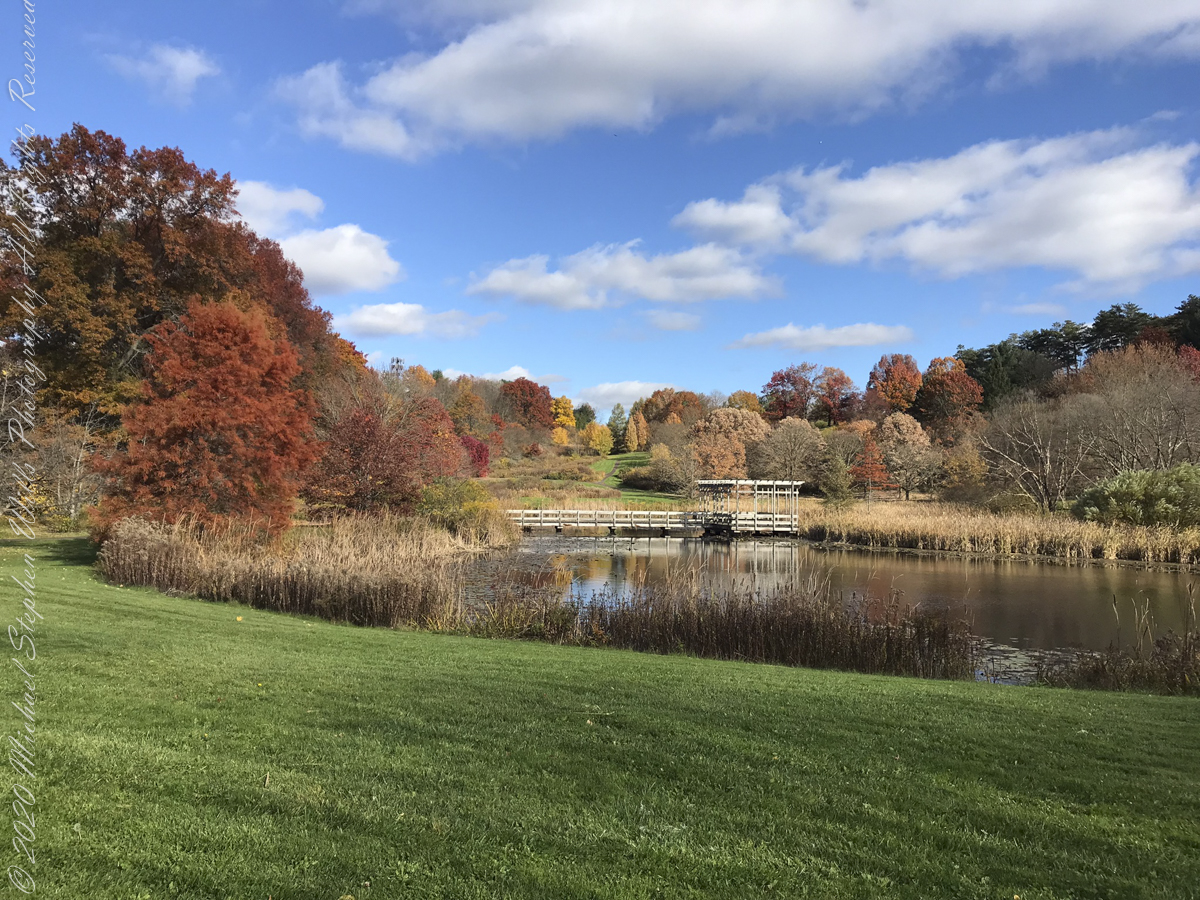
Houston Pond is visible in several of the “Buena Vista” images…..
Houston Pond
Houston Pond reflections from the pavilion
Another version of reflections from Houston Pond taken from pavilion
Johnson Trail
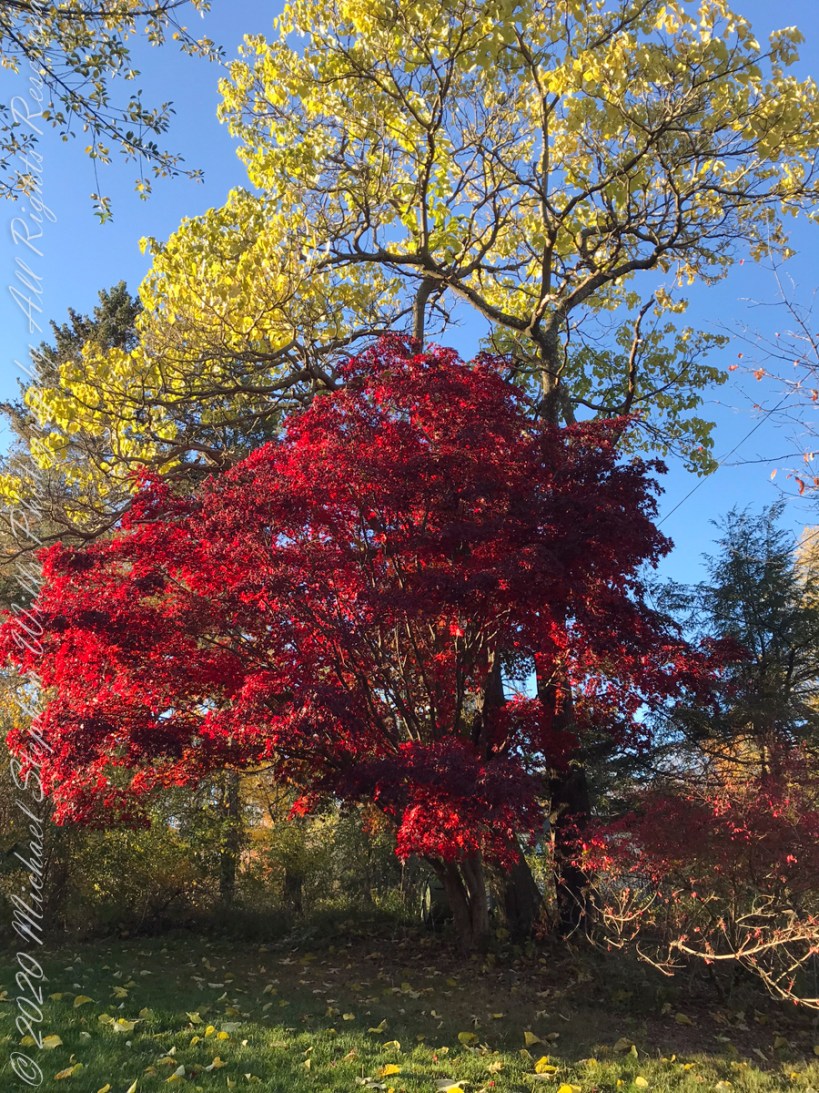
“No Place Like Home” — Back on West Hill, our Japanese Maple was waiting for us.
Copyright 2022 Michael Stephen Wills All Rights Reserved
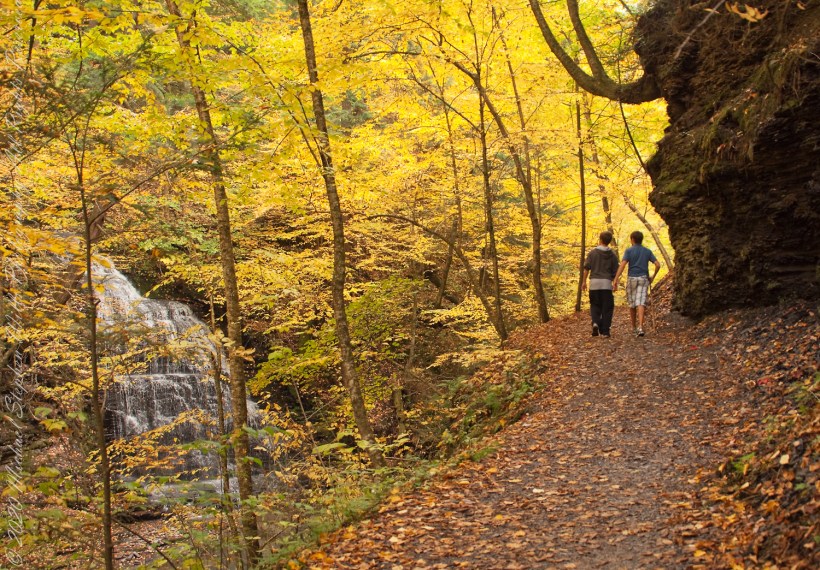
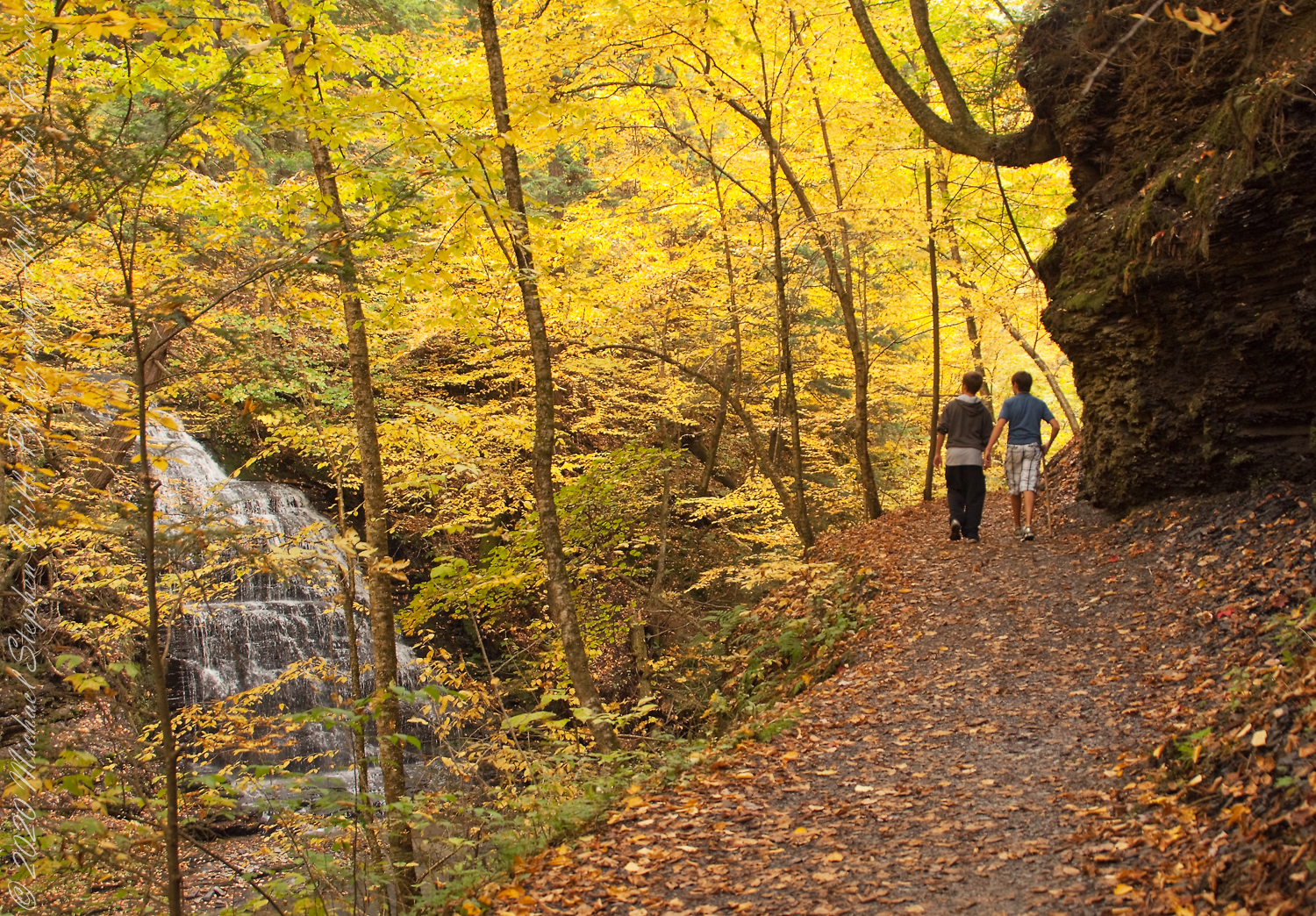
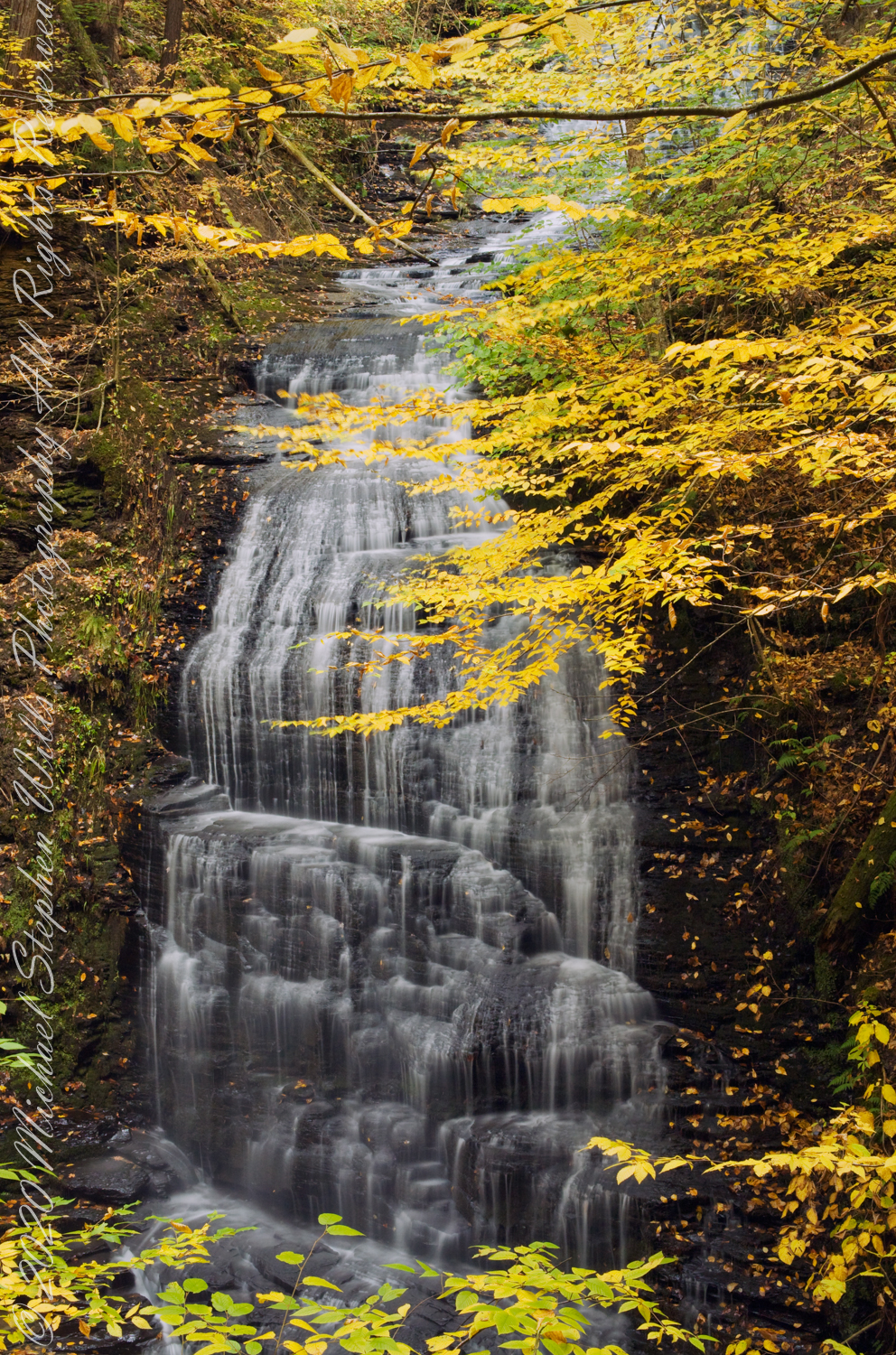
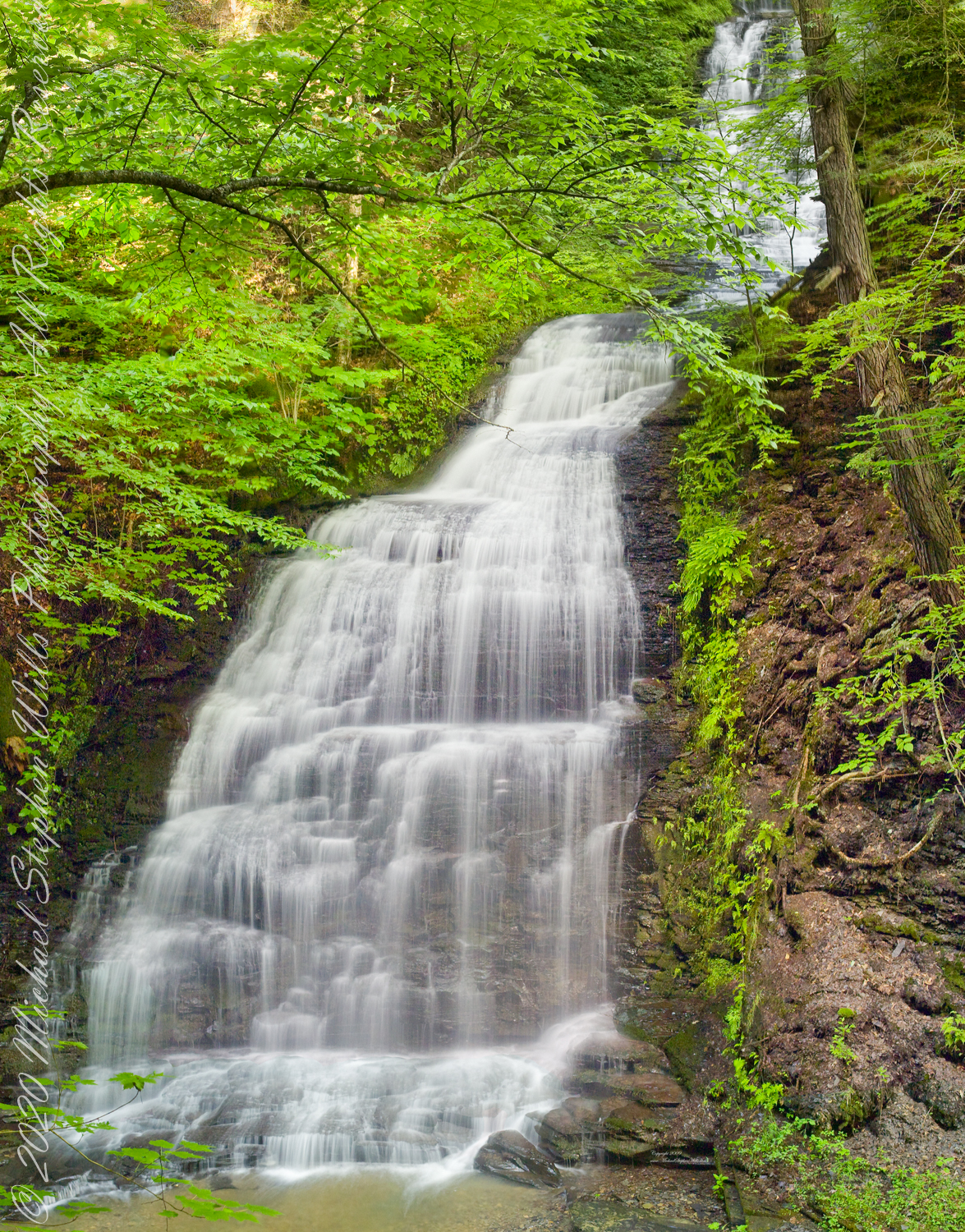
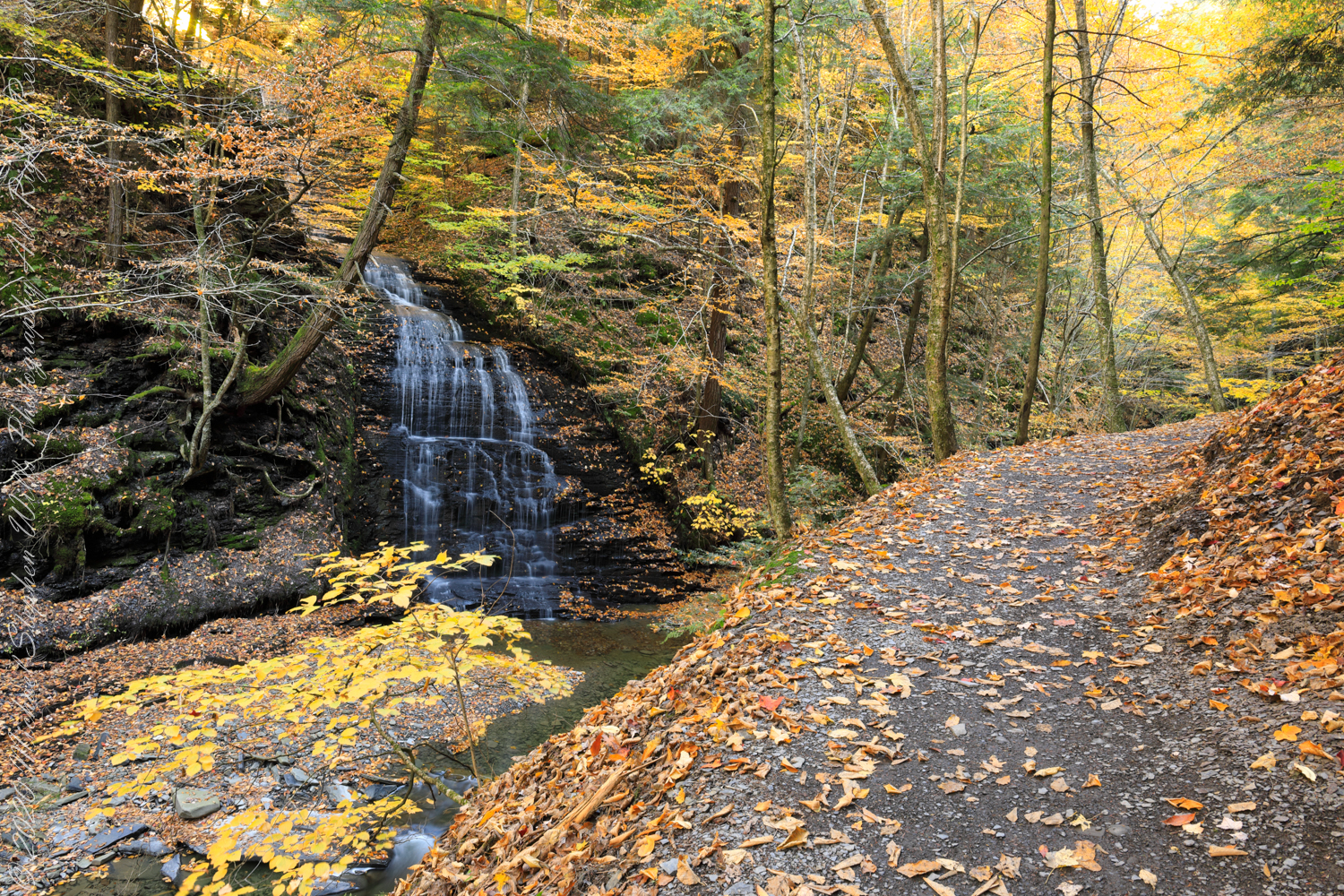
Between bridges six (6) and seven (7) on the Gorge trail a cascade comes down the canyon wall. Mid-summer this brook can dry out, the waterfall disappears leaving this spot naked of water.
Taken over a period of thirteen (13) years, the cascade was alive and well autumn-time. This year, after the summer drought our autumn rains were sparse, the flow is the lowest photographed.
“Friends”, Sony DSLR-A 700, variable lens set to 24 mm
Taken mid-October 2010, Kodak DSC Pro SLR-C, 50 mm lens
Taken late September 2009 before leaf turning, Kodak DSC Pro SLR-C, 50 mm lens
Autumn Peak 2022, Canon EOS 5D Mark IV, 24 mm lens
Copyright 2022 All Right Reserved Michael Stephen Wills






























 Michael Stephen Wills Photography