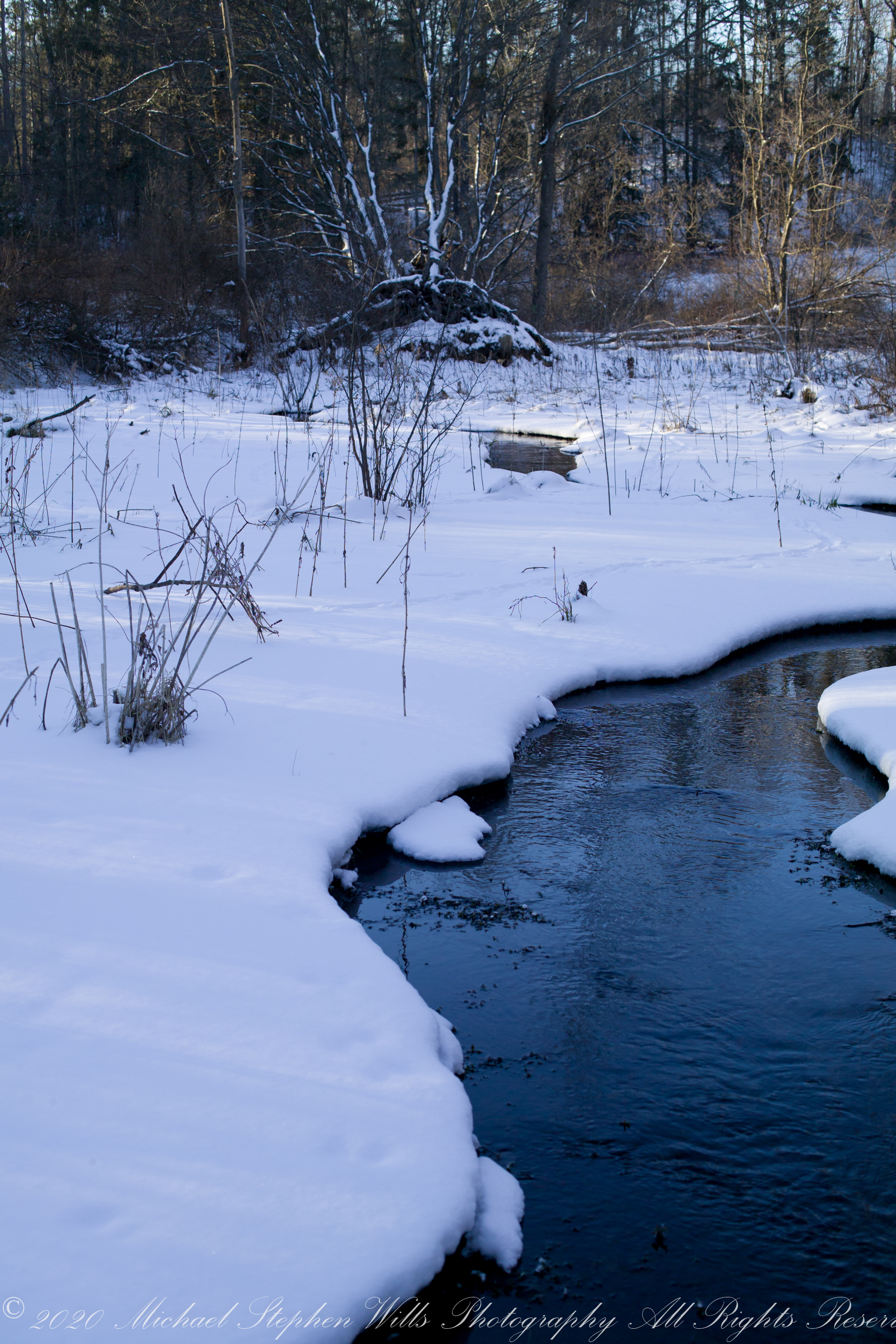
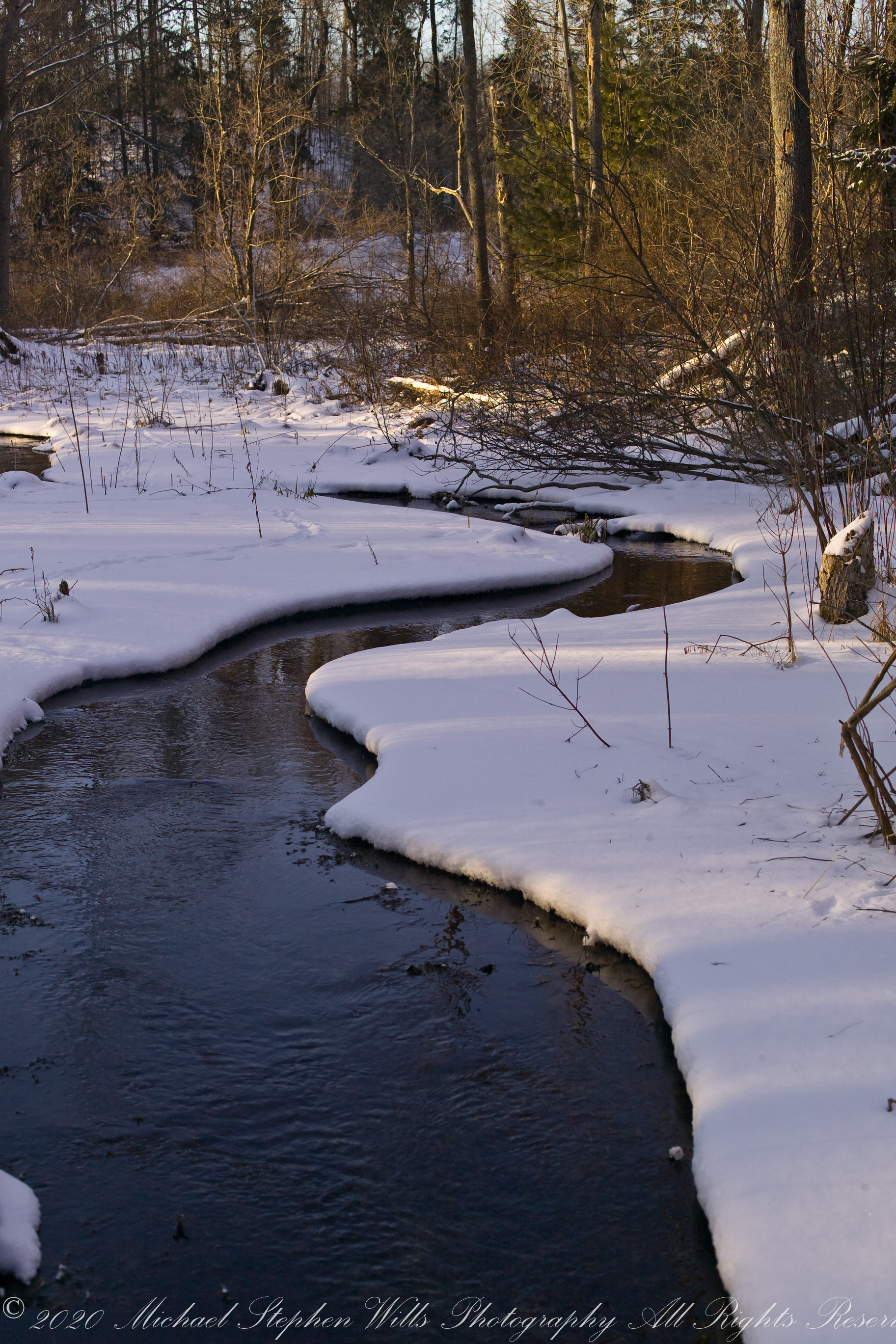
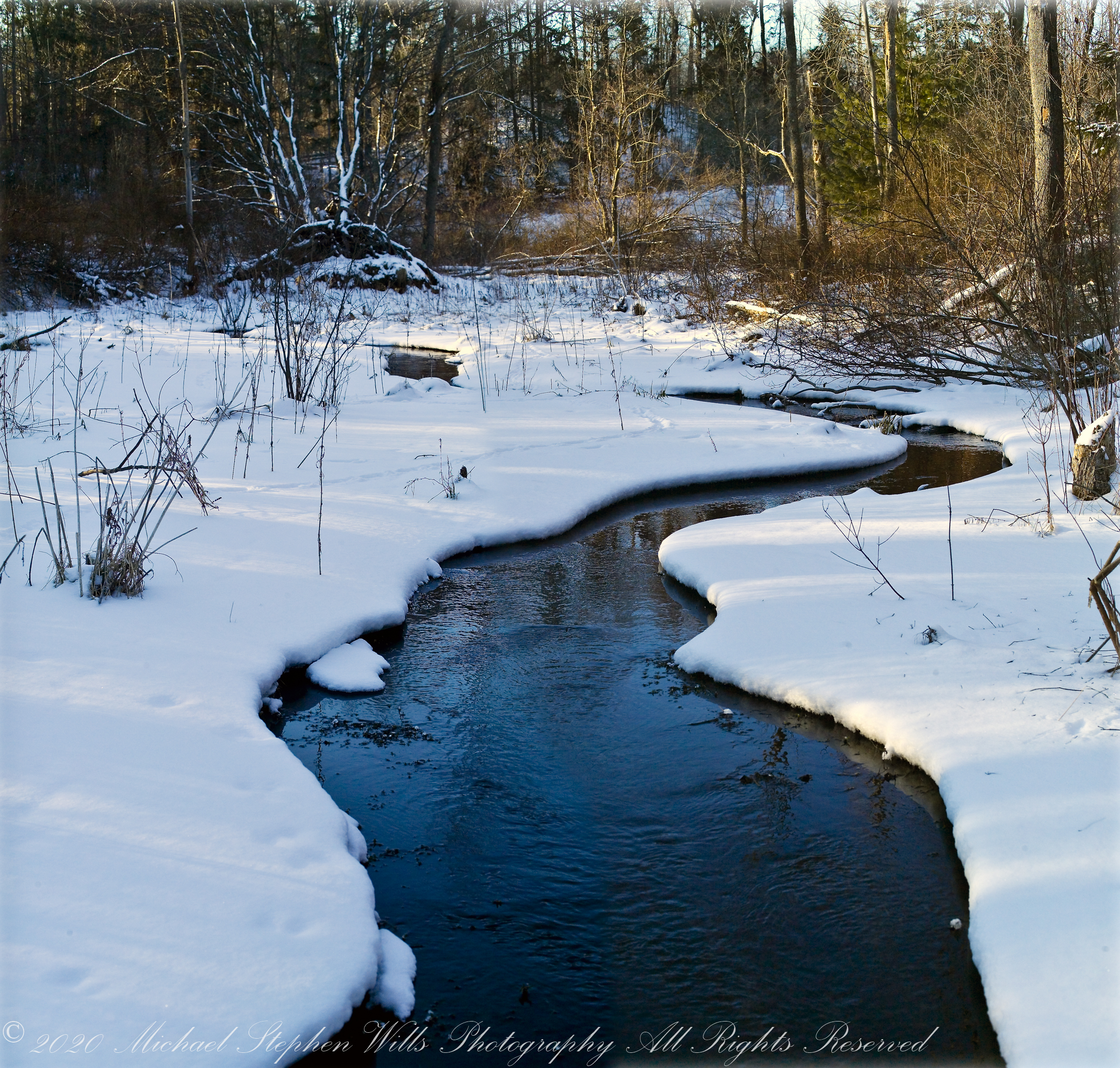
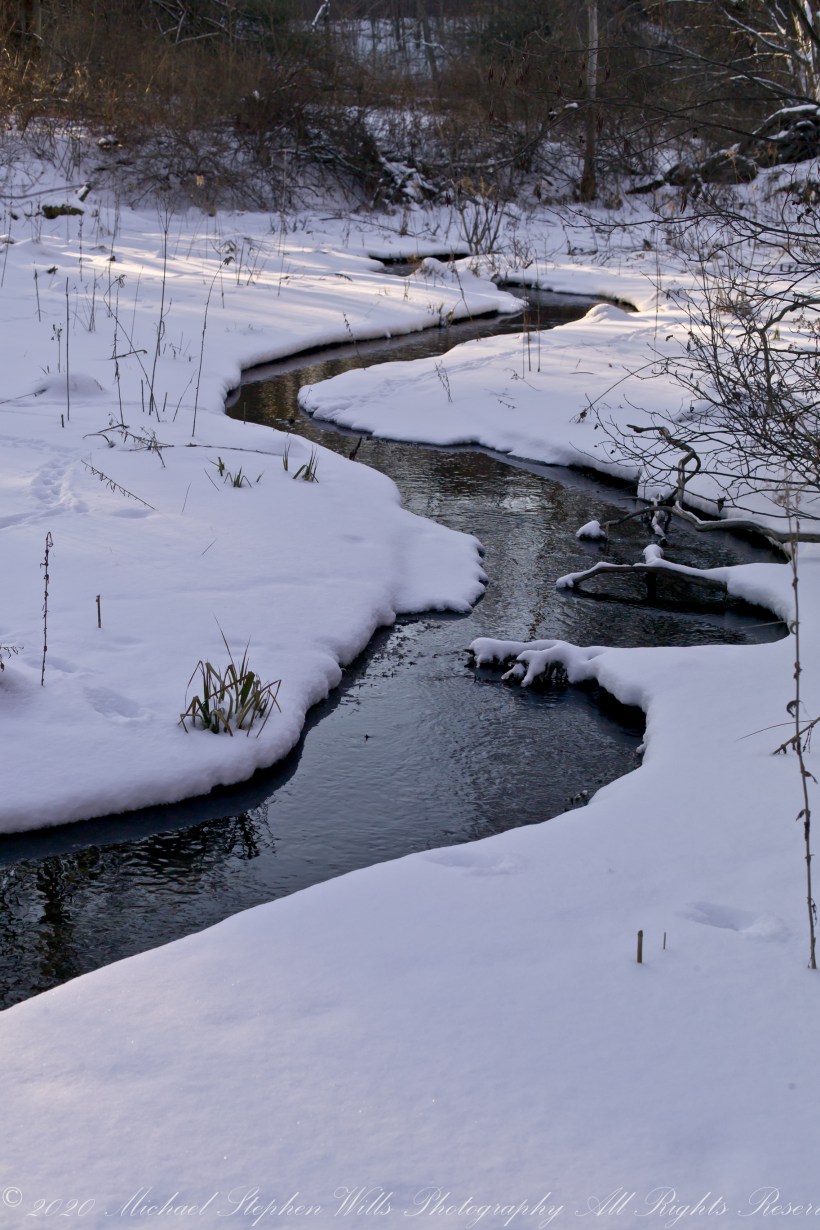
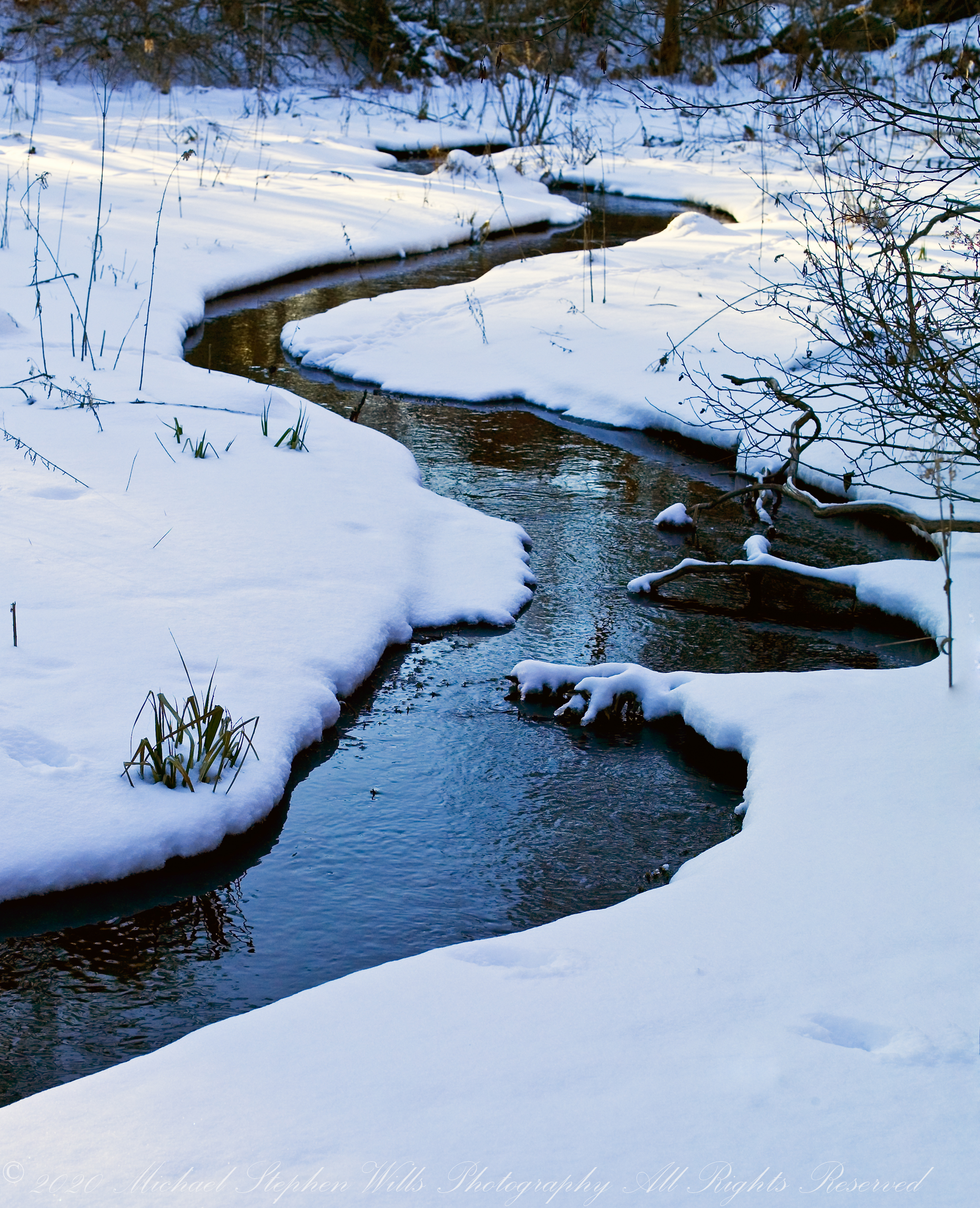
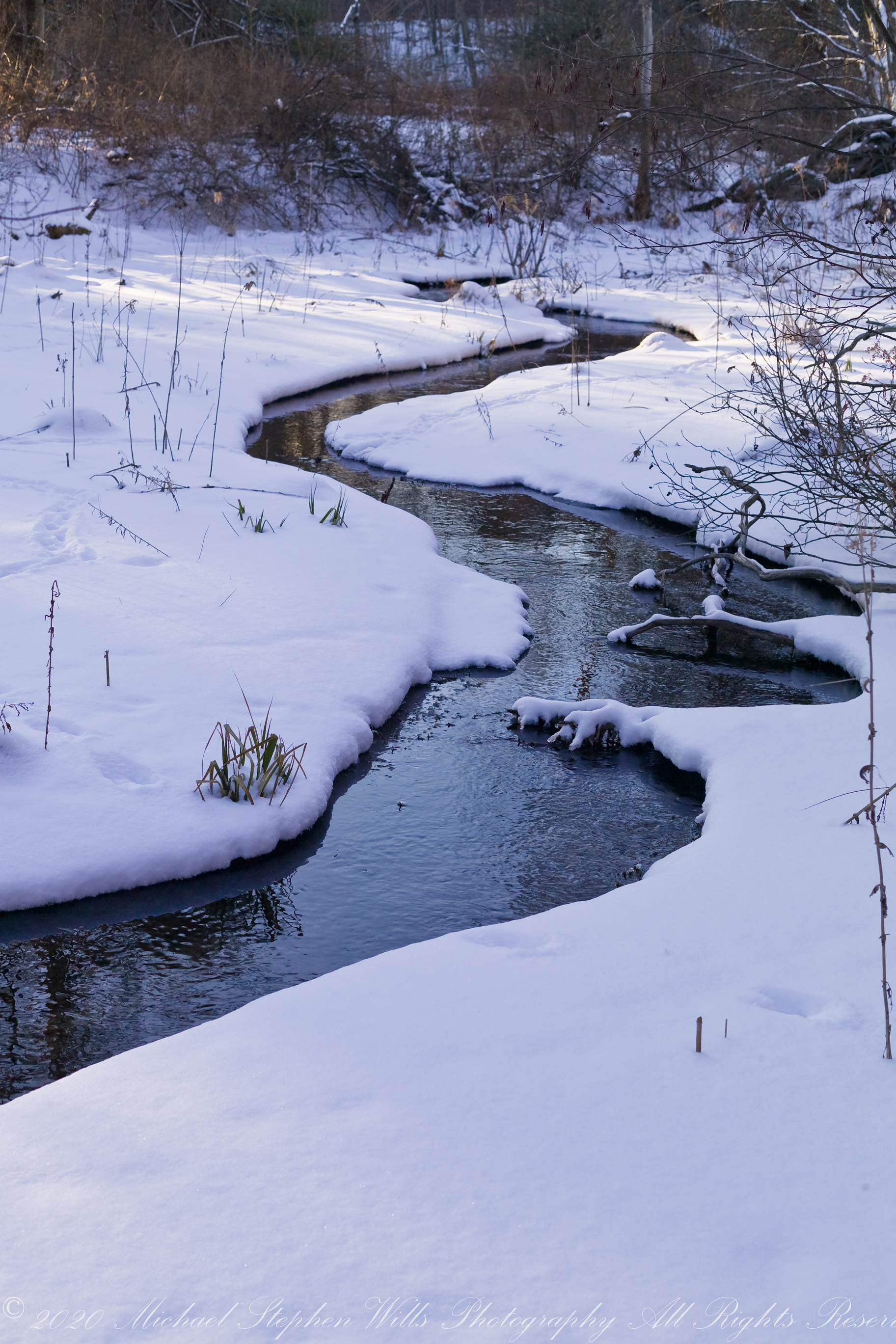
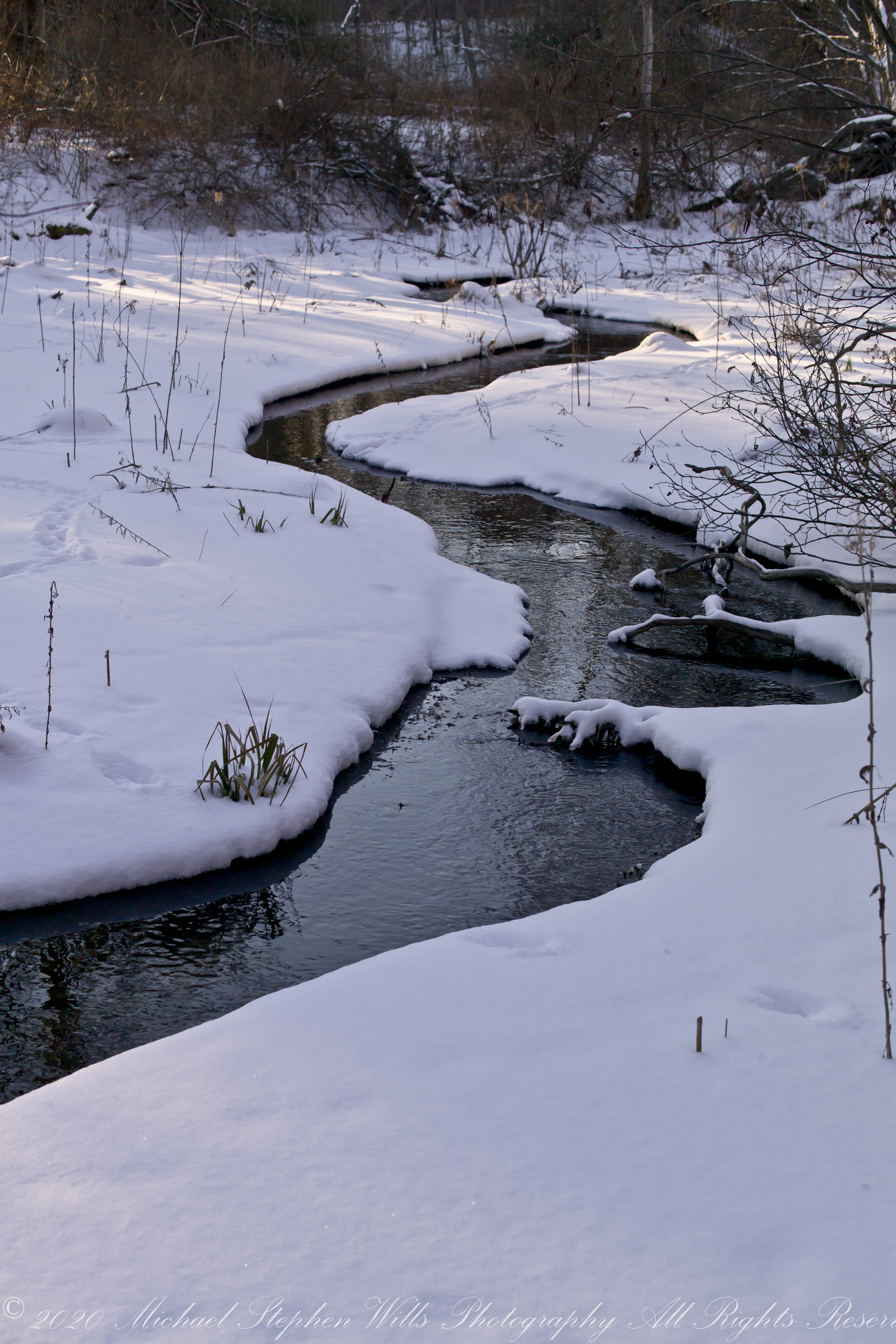
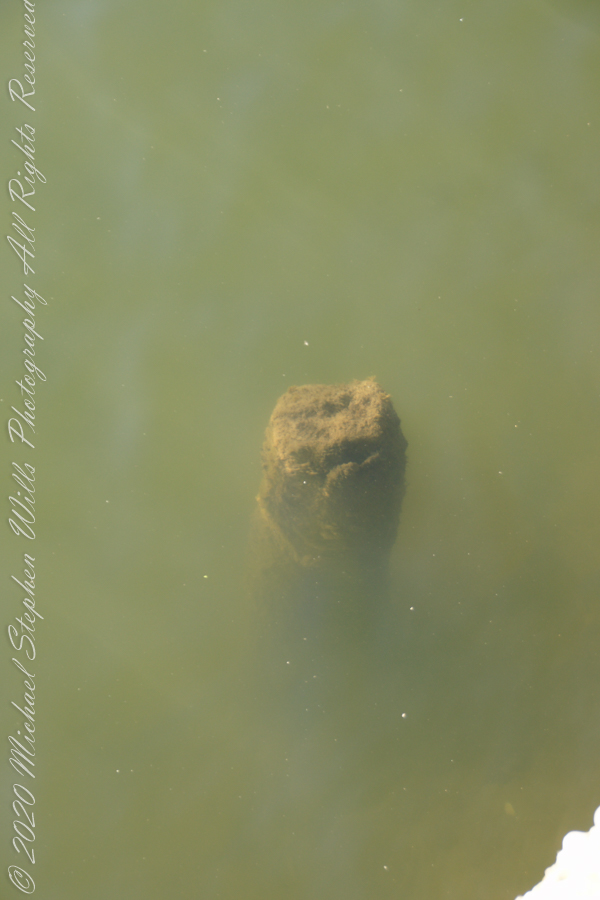
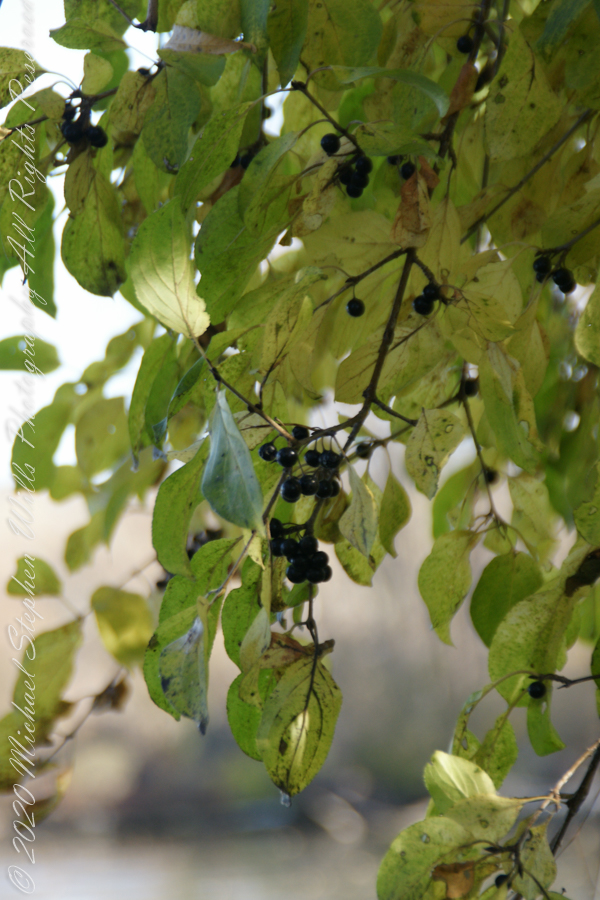
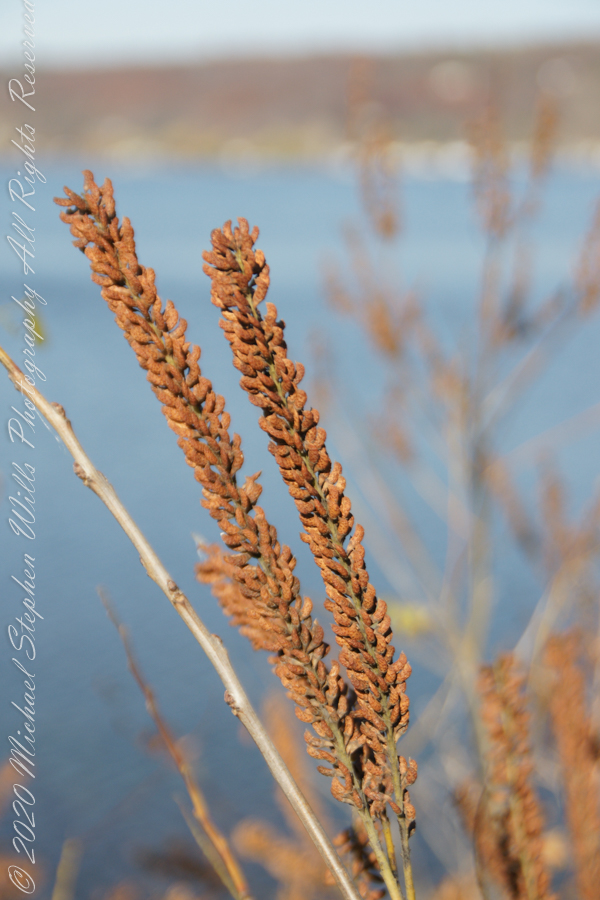
The glacial marls through which this water flows to emerge here clear and pure were under threat from development in the 1980’s and 1990. Thanks to the efforts of the landowner, the uniqueness of this environment was preserved.
The first two photographs are combined and enhanced in photoshop to yield the third, combination, photograph.
Winter ShadowsWinter Shadows
All were from a tripod mounted Kodak DSC pro SLR-C with the Canon lens EF 50mm f/1.4 USM
Winter Shadows
Copyright 2023 All Rights Reserved Michael Stephen Wills
This water emerges from glacial marls, pure and clear, before flowing into a kettle pond. Here we see it on a winter afternoon meandering across a meadow before joining the Fall Creek of the previous postings of this week.
The first two are the same photograph. One has been enhanced in Photoshop. The other was perfected in Lightroom. The third is a different photograph taken about the same time, also peracted in Lightroom.
Winter ShadowsWinter Shadows
All were from a tripod mounted Kodak DSC pro SLR-C with the Canon lens EF 50mm f/1.4 USM
Winter Shadows
Copyright 2023 All Rights Reserved Michael Stephen Wills
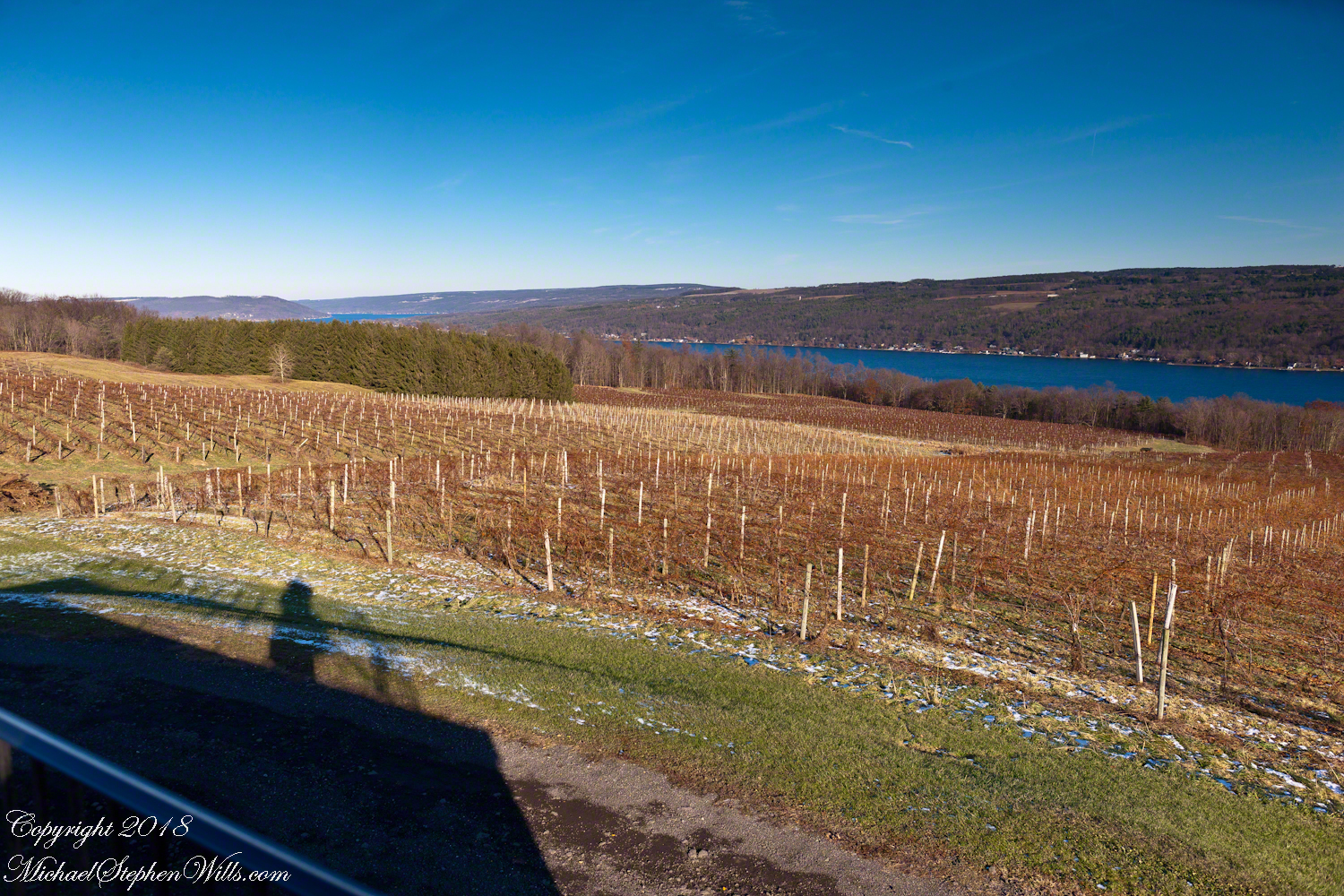
Sunday, Pam and I travelled across the peneplanes, past three Finger Lakes, to reach the Dr. Konstantin Frank winery where we subscribe to the “Wine Club,” a quarterly release of three 750 ml wines along with a newsletter with information and recipes. For 2018/2019 we elected to “pickup” our selections, looking forward to these drives through the country and villages between Ithaca and the winery perched on the west side of Keuka Lake, just below the “branch.”
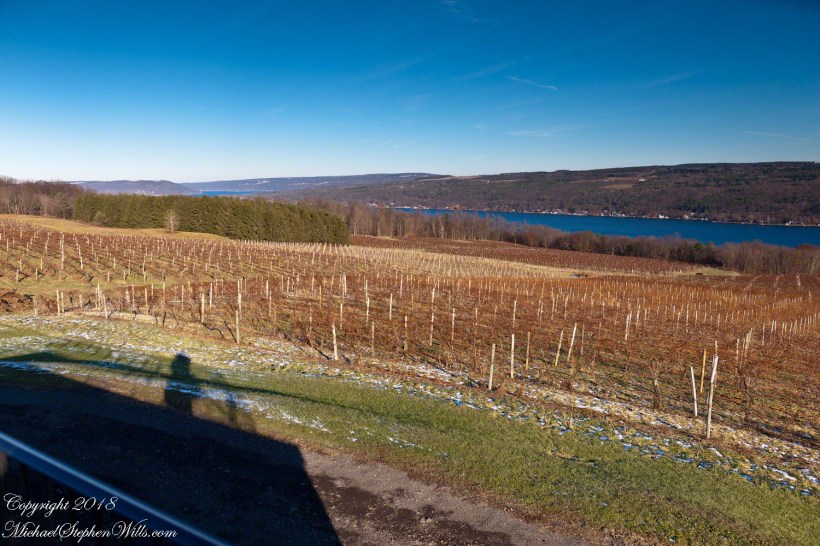
Preeviously, I posted “Glacier!!” and today there is this photograph of glacial topography 10,000+ years after the melt. Keuka Lake is shaped like a “Y” chromosome, here we are looking northeast across the “foot” of the “Y” from the west lakeside. Above the evergreens, to the left, is the headland separating the “arms” of the “Y”.
Spread out below our viewpoint are row upon row of grapevines, enjoying the microclimate surrounding the deep lake.
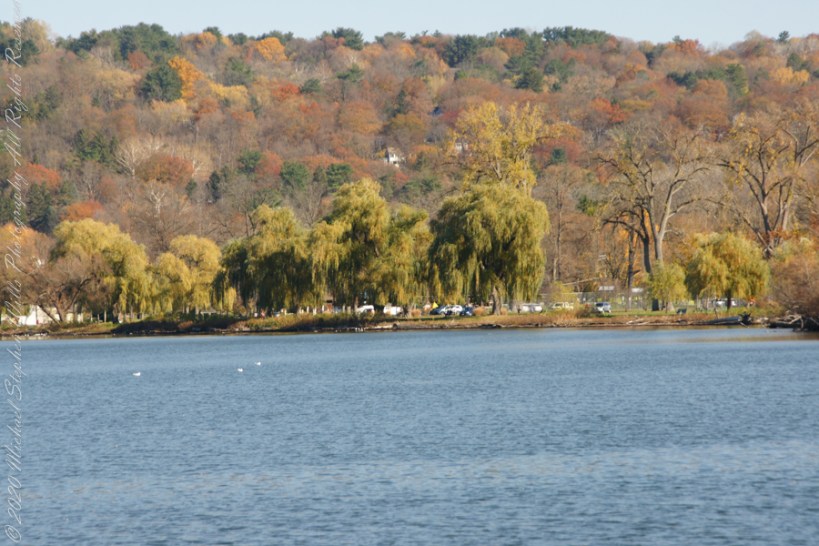
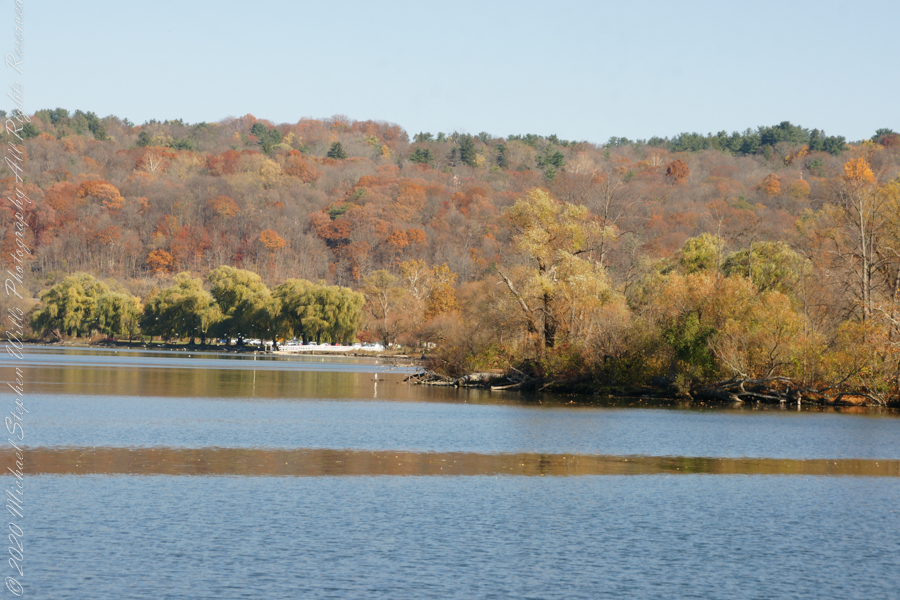
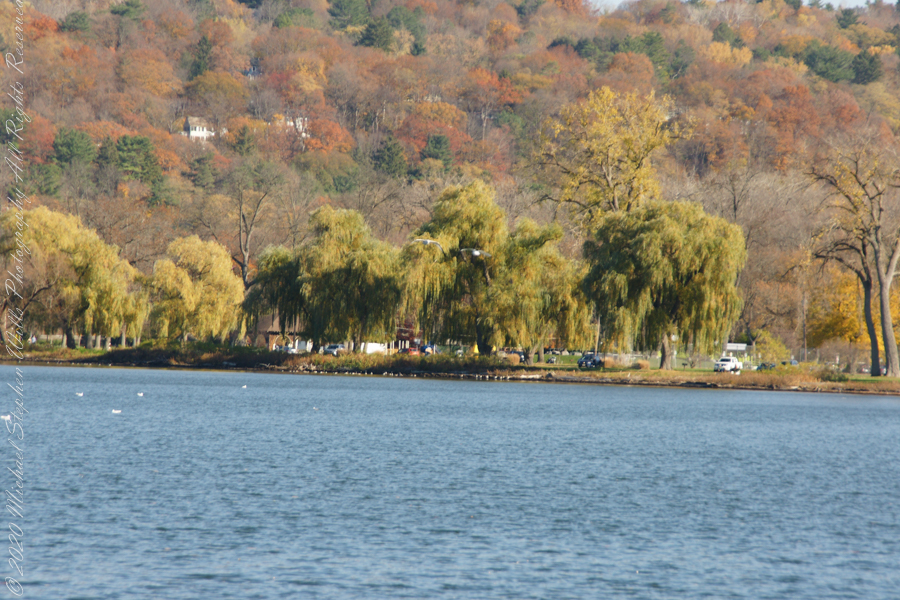
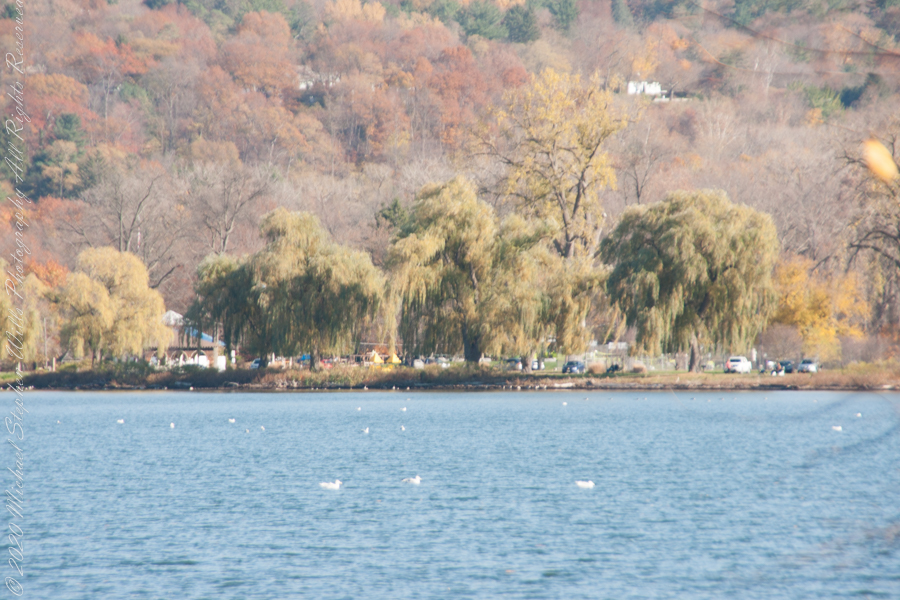
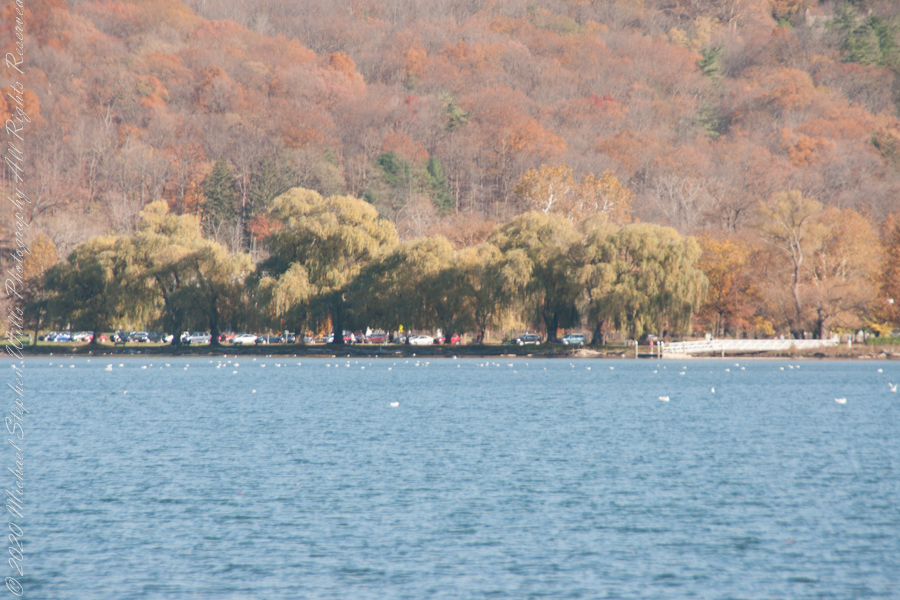
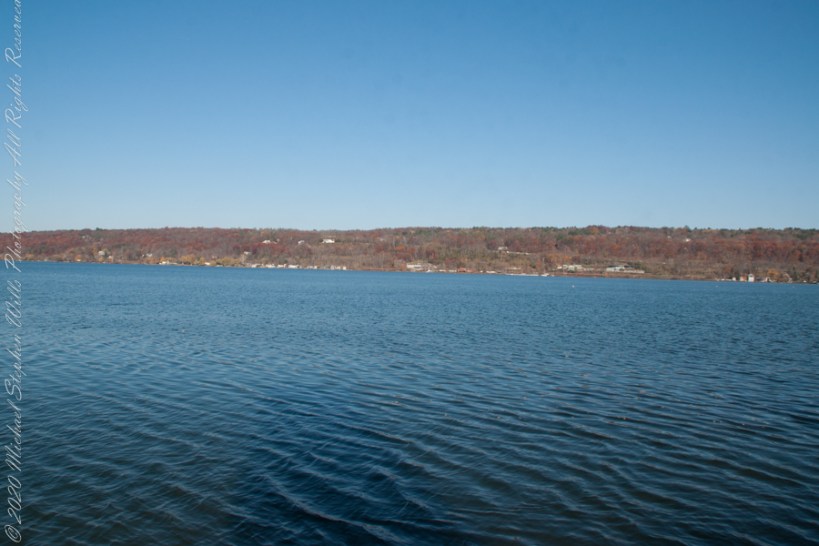
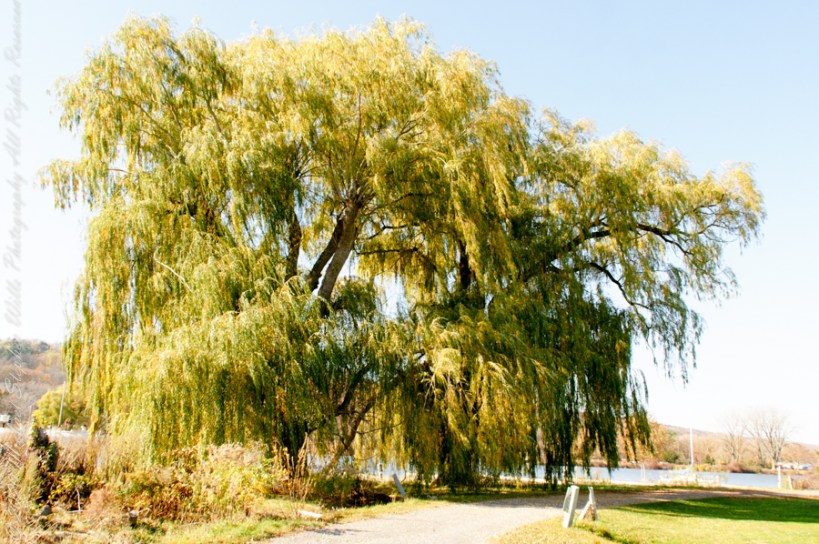
Here is the south end of Cayuga Lake on a bright November afternoon. Stewart Park is enjoyed by Ithacans year round.
Everyone is a fan of the Willows framing the lake views.
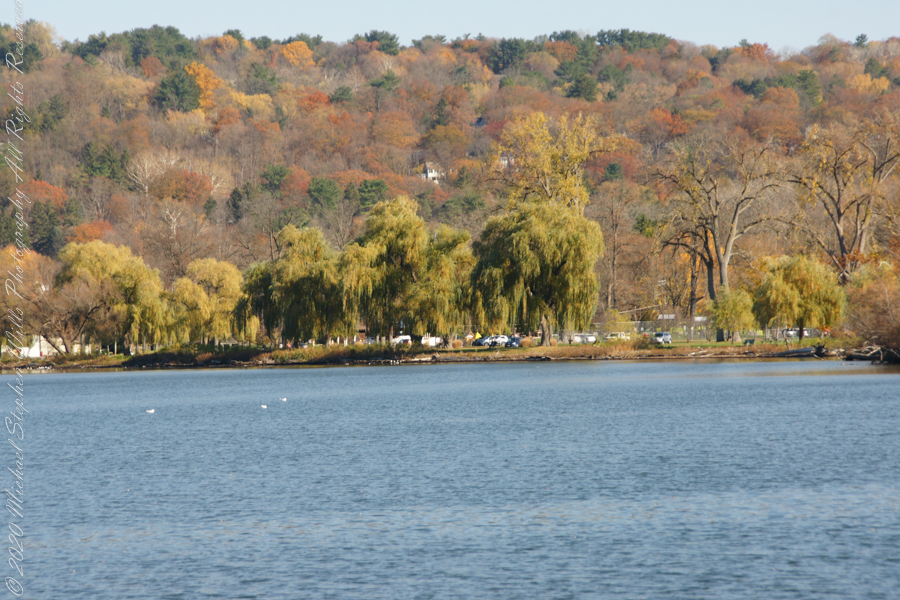
Can’t get enough of Stewart Park..
An unzoomed view, to give an idea of the distance across the water.
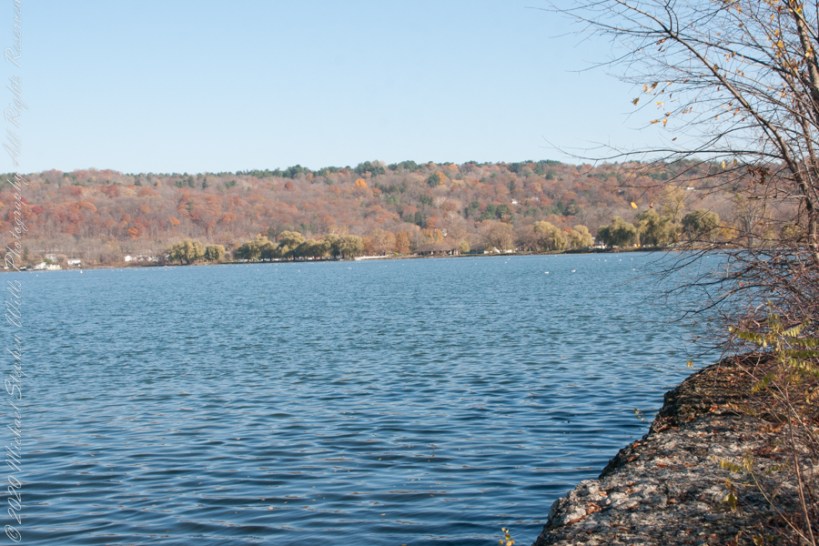
Pam and I have great memories of sailing this stretch from our years of membership in Cornell Family Sailing.
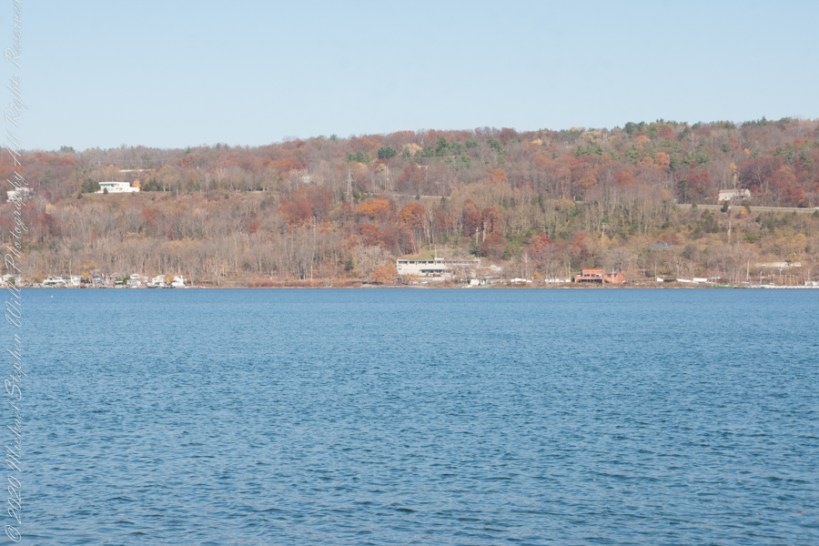
The east lake shore.
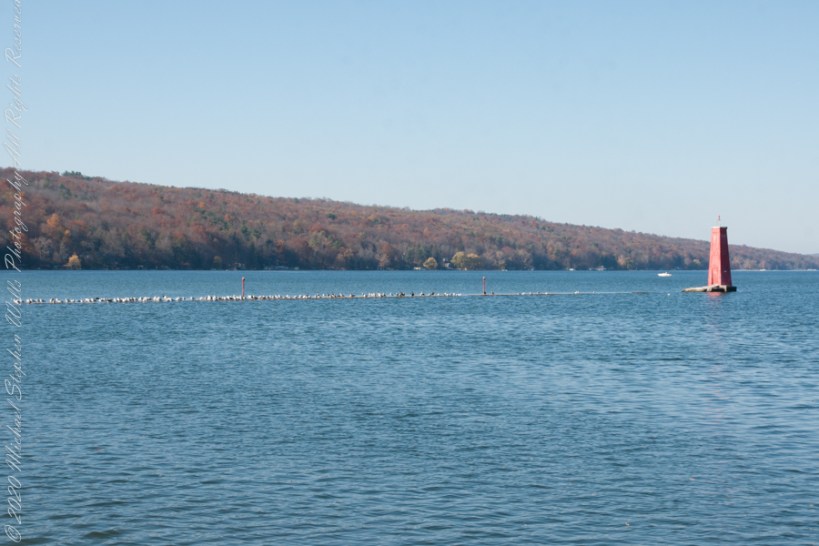
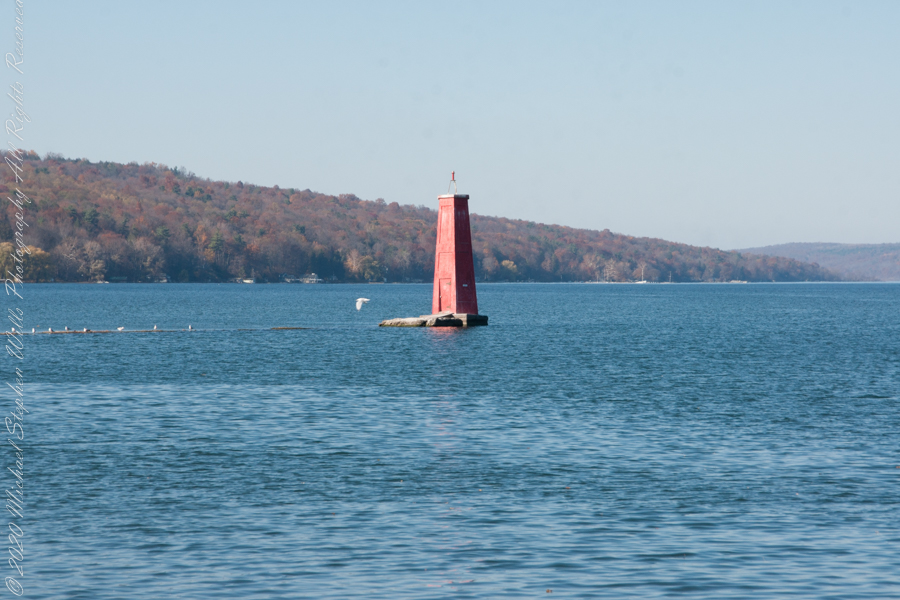
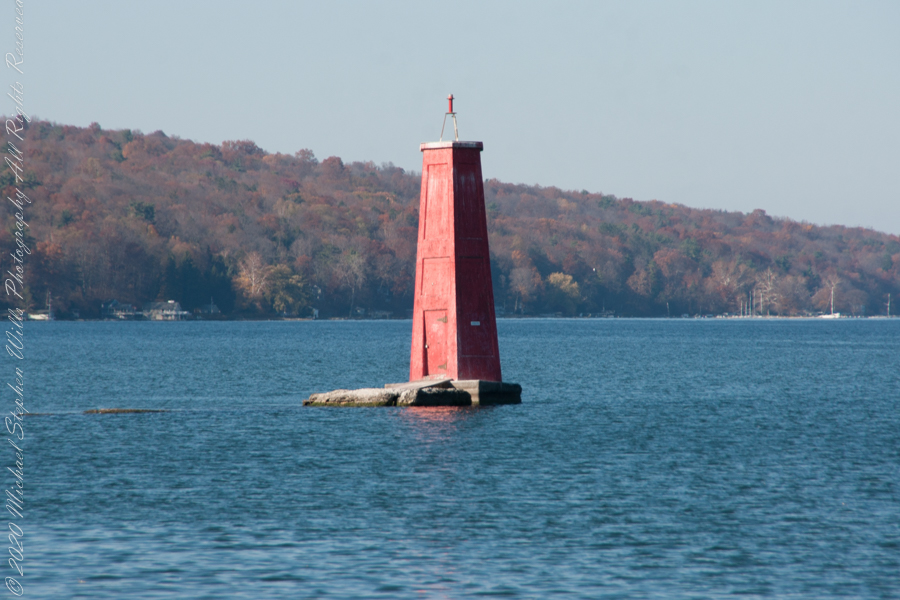
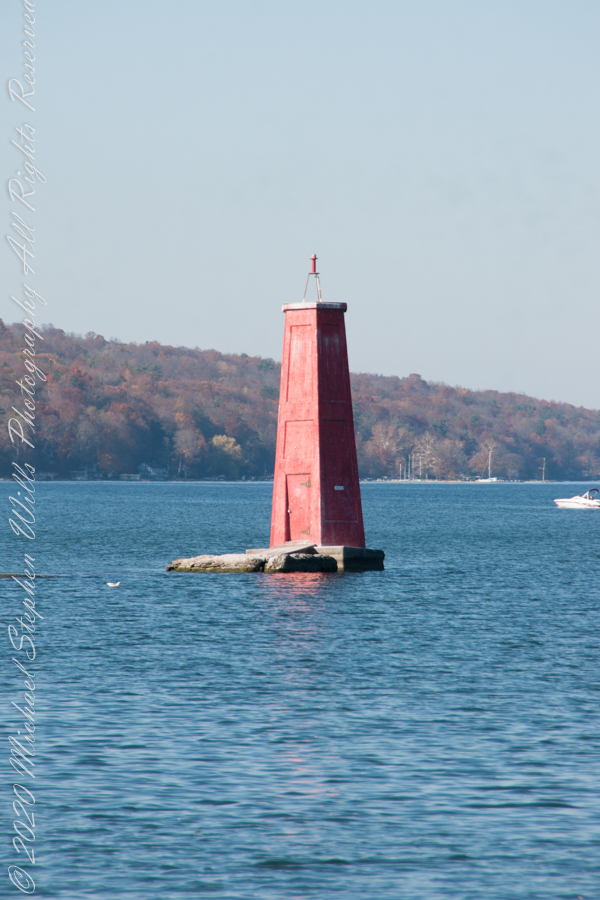
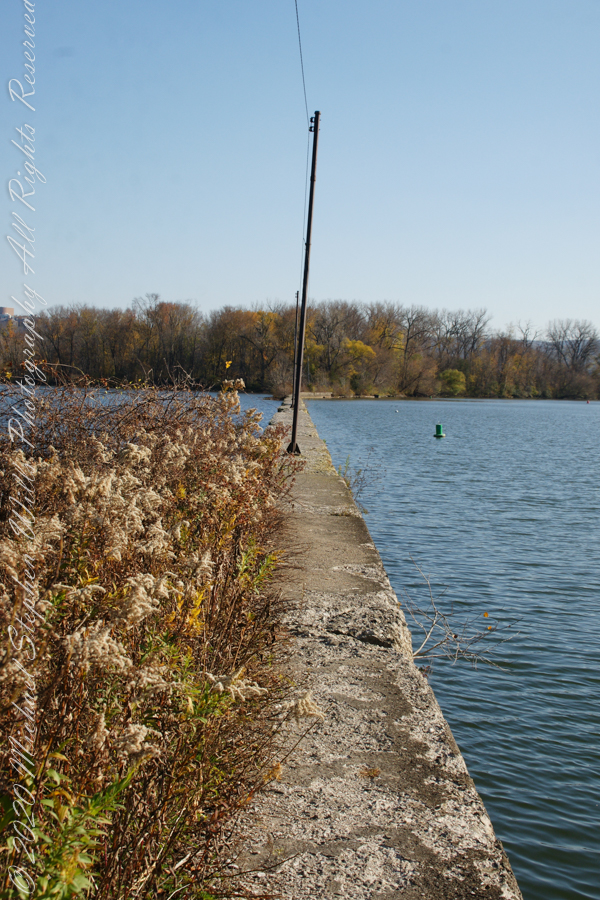
The West Lake Shore. This photograph captures the electric line that powers the Red Tower light. Seagulls enjoy that causeway…I’ve never seen humans walk it.
Copyright 2022 Michael Stephen Wills All Rights Reserved
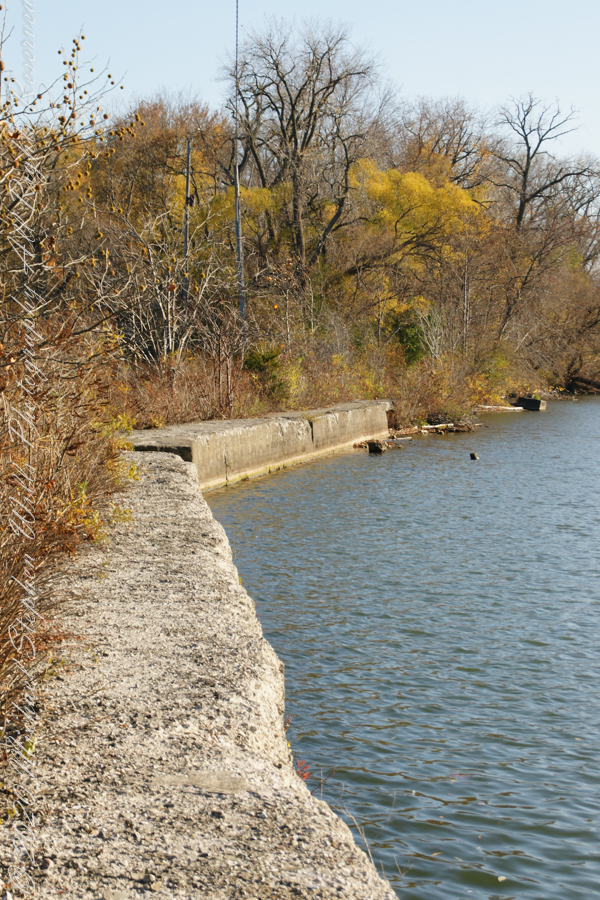
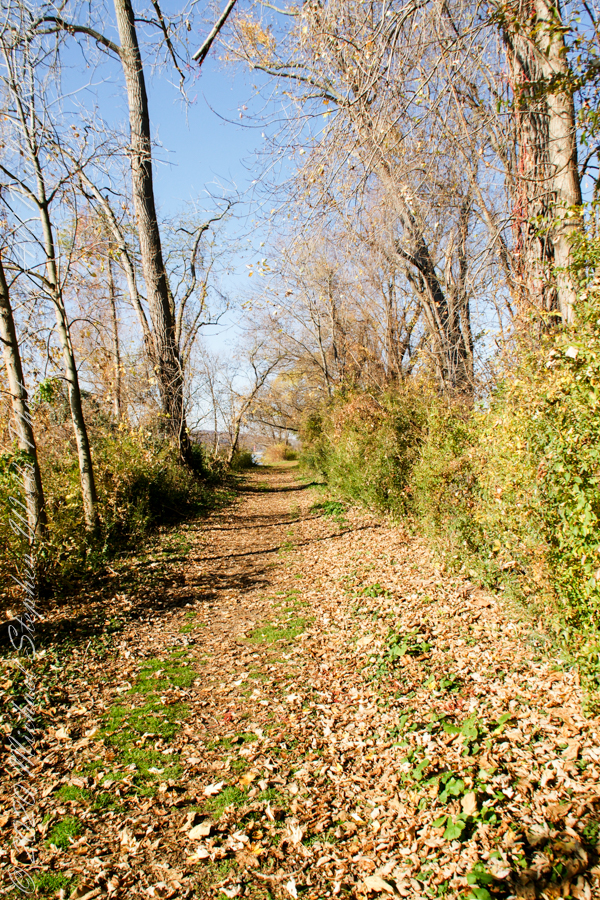
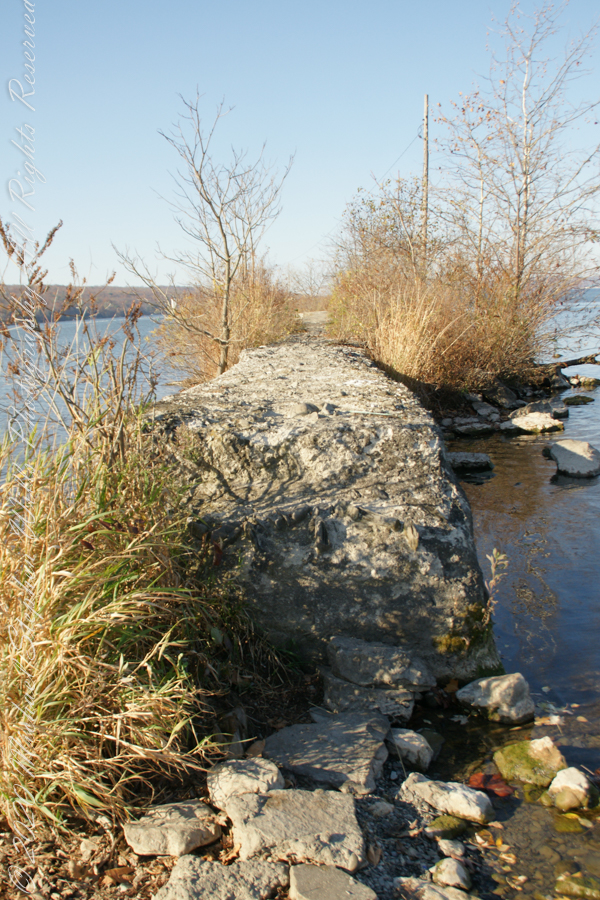
Post 1 of Lighthouse Point provided an impression of our hike along the golf course, from there we turned onto this wooded path on the shores of Cayuga Inlet.
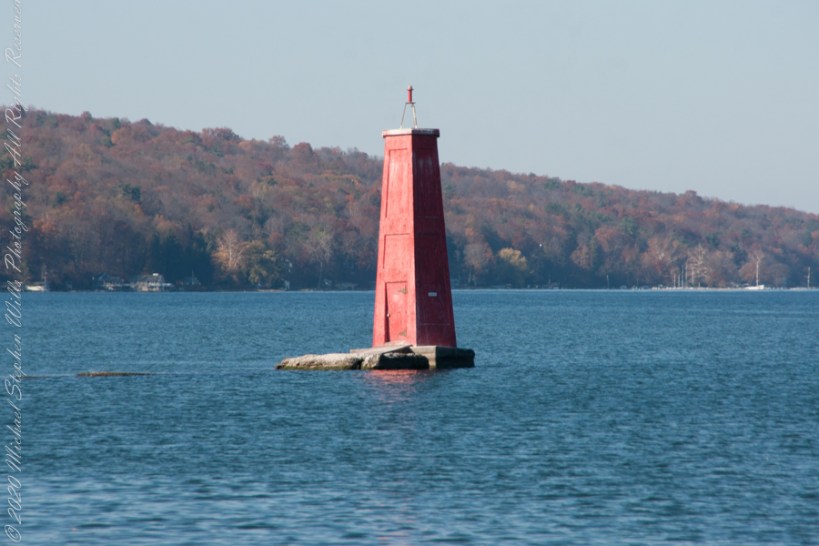
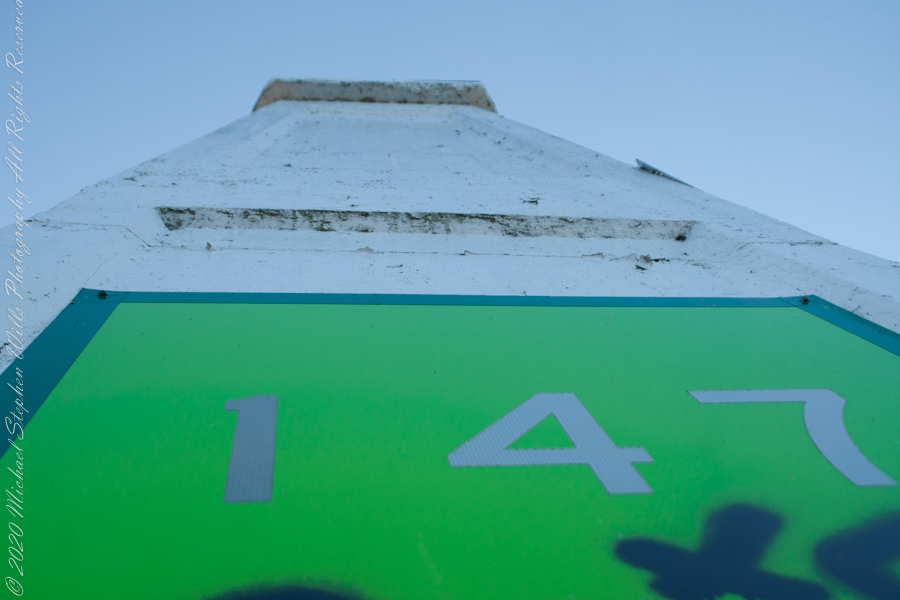
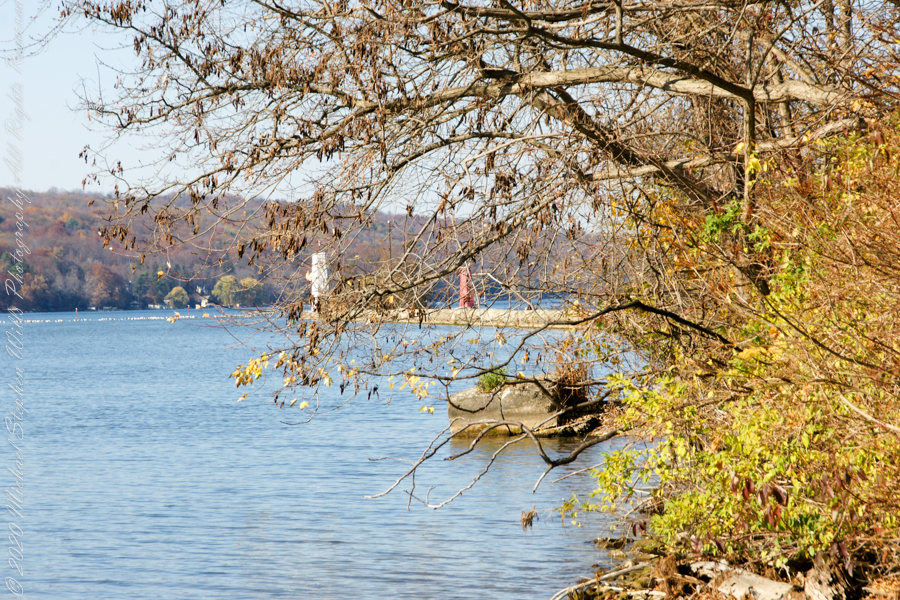
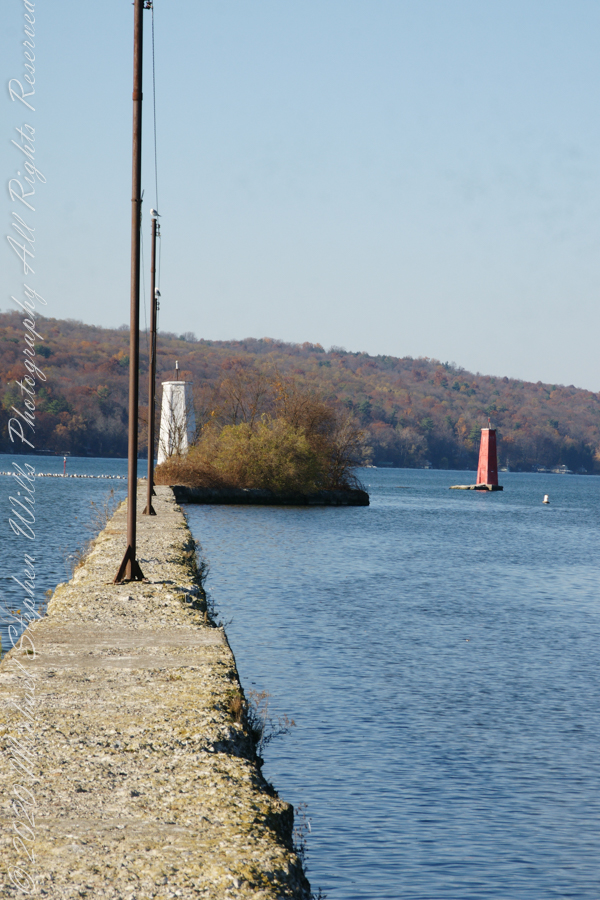
First view of the paired Lighthouses marking the Cayuga Inlet. The white tower is connected to shore by a causeway something less than a quarter mile in length. The red tower marks the other side. These navigation guides allow boats to safely enter the channel exiting the south end of Cayuga Lake. The Erie Canal connects to the north end, allowing access to the Great Lakes and, eventually, the Atlantic Ocean.
The 4-foot-high step up to the concrete causeway path is an insurmountable obstacle to some. I managed to clamber over.
Looking back to shore….
Rusted iron poles support the electric line for the white tower. They remind me of ship masts.
The straight shot back to shore.
Copyright 2022 Michael Stephen Wills All Rights Reserved
November 3rd, 2022, Blessed Us with an azure sky, an Indian Summer Day. During our walks on Cass Park Shorts we’d look across to see hikers emerging from the gold course to walk the Lighthouse causeway. After decades of longing, these Ithaca residents took upon themselves the adventure of finding the path and walking it. This series of posts documents the walk and some treasures discovered on the way.
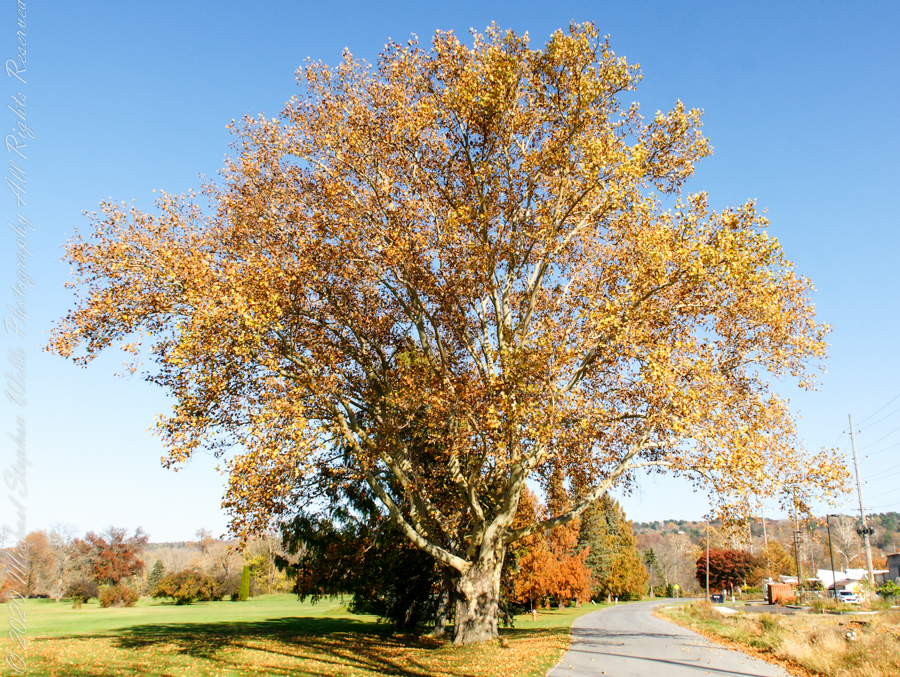
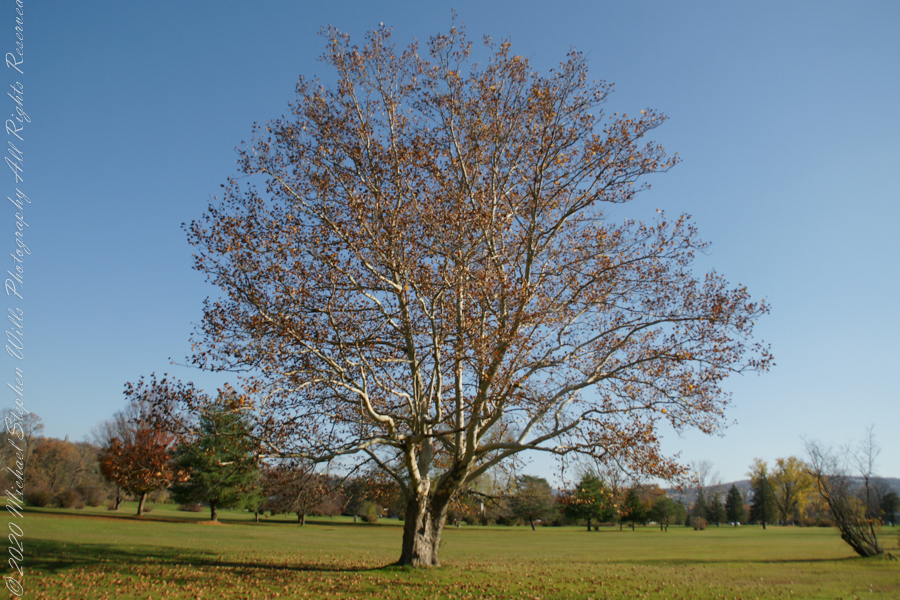
Sycamore, aka Plane Tree
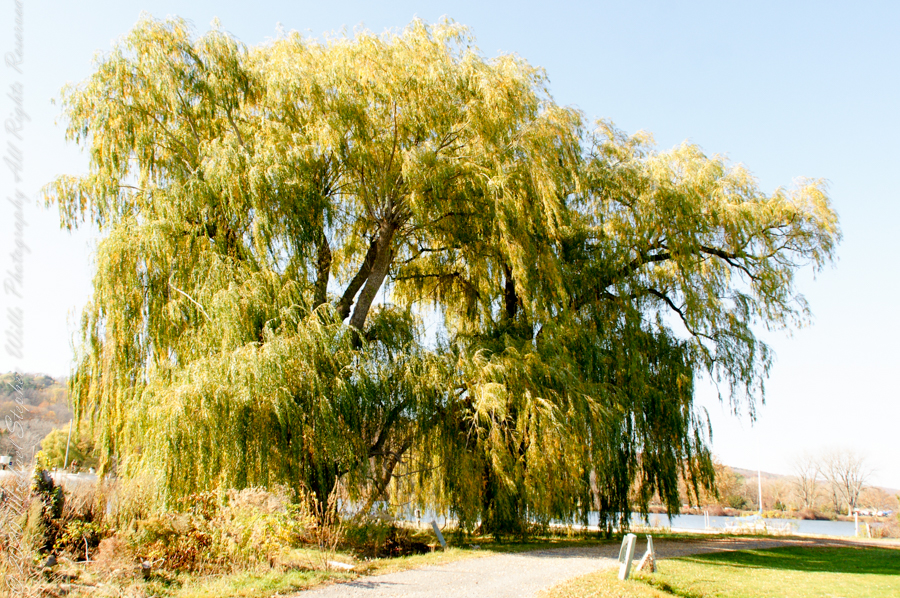
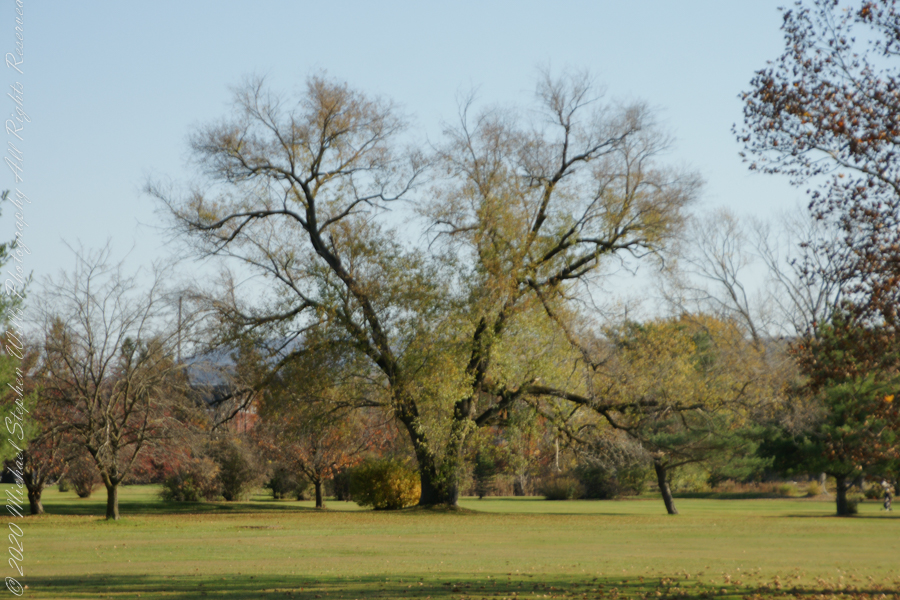
Willow on Cayuga Inlet and Newman Golf Course
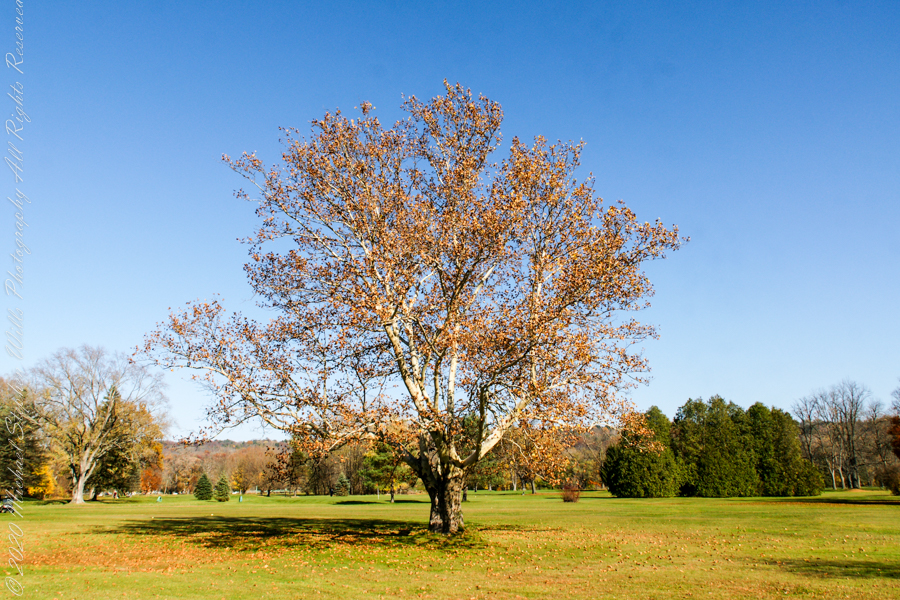
might be another Sycamore on the golf course
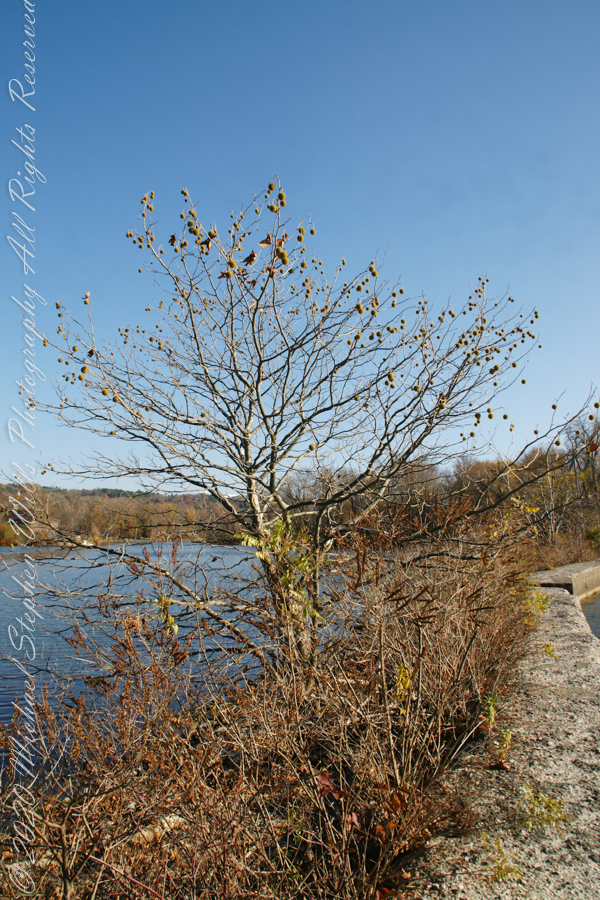
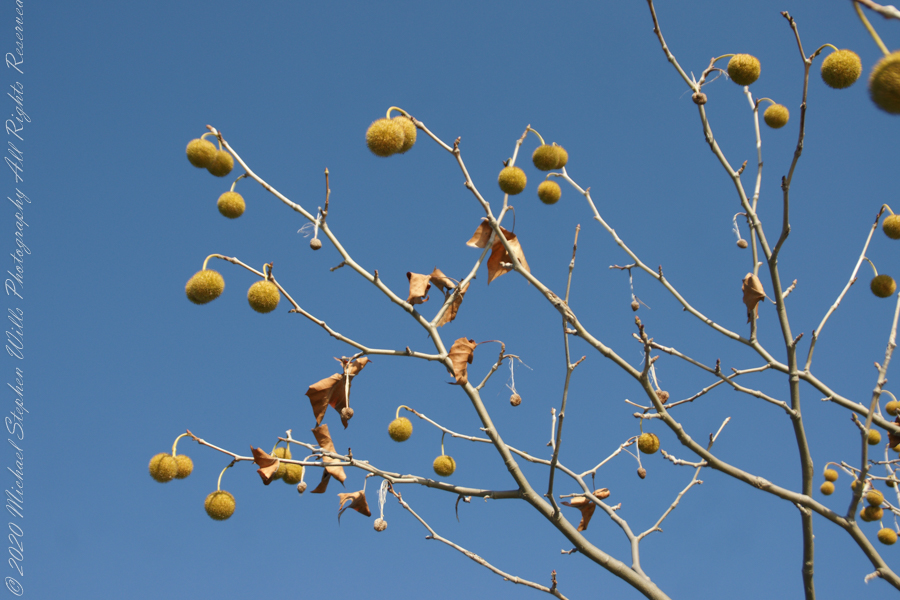
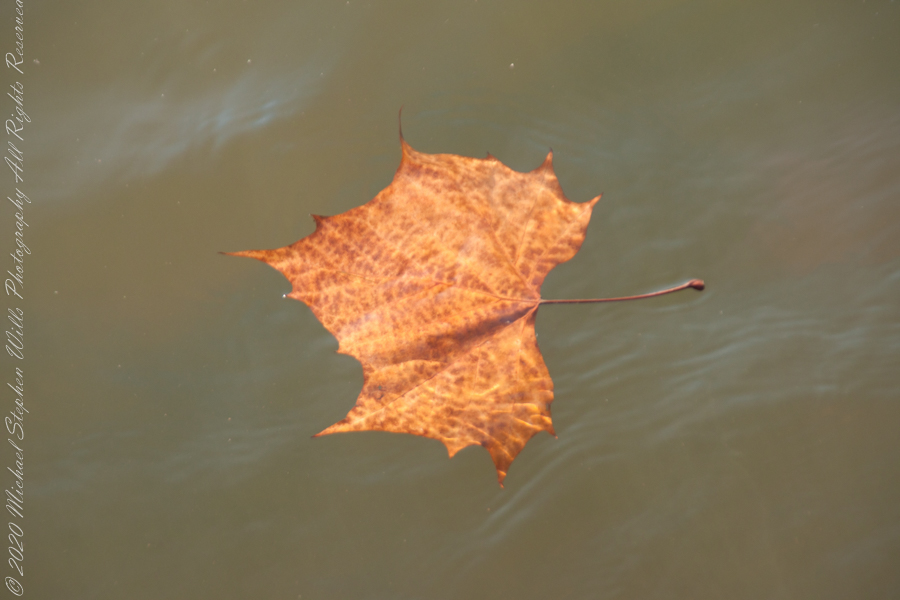
An uncultivated Sycamore sprouting from the causeway leading to the lighthouse “The reason Sycamores are also called “Buttonwood”. Children love to throw these seed heads at each other, sometimes “exploding”The reason Sycamores are also called “Buttonwood”. Children love to throw these seed heads at each other, sometimes “exploding” on impactSycamore leaf floating in Cayuga Inlet
Unidentified tree on golf course
Unidentified tree on golf course
Unidentified tree on golf course
Copyright 2022 Michael Stephen Wills All Rights Reserved
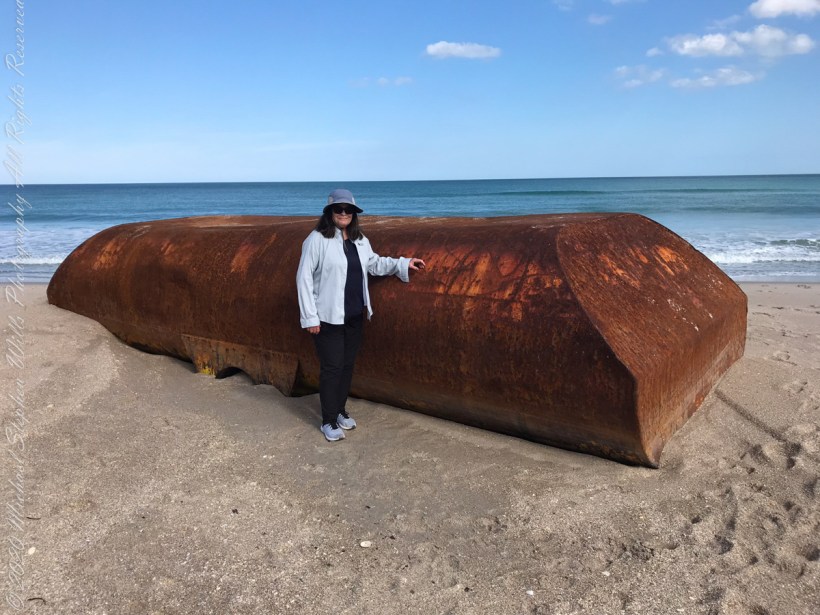
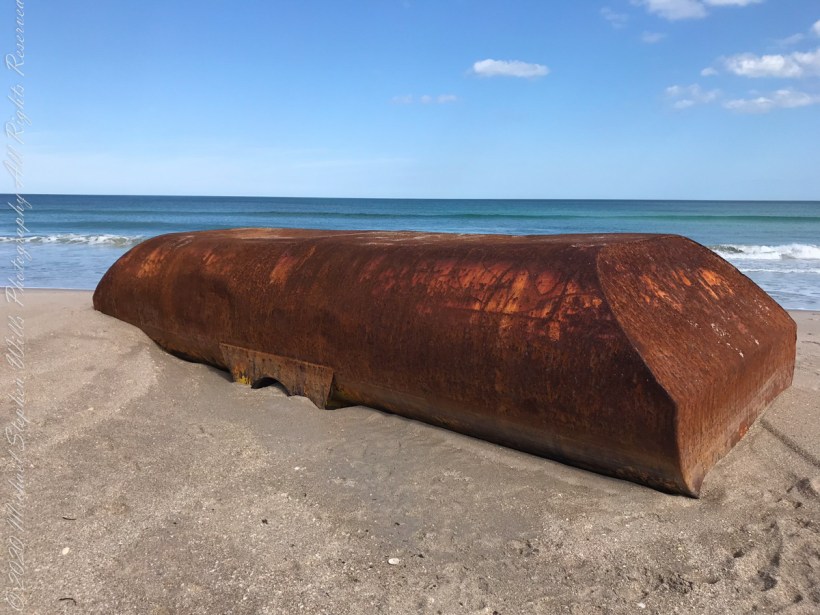
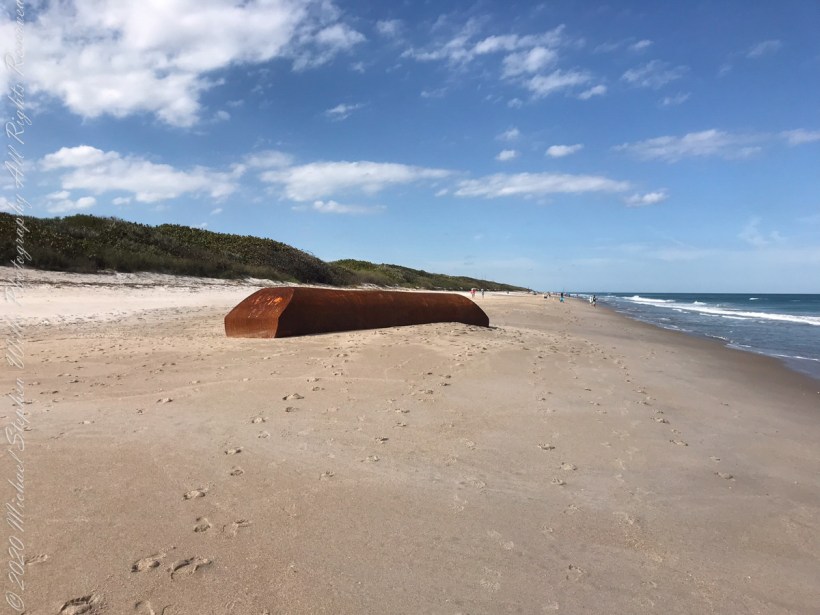
From a November 2021 article by James Sparvero of ClickOrlando(dot com). “Recent storms may have pushed a big part of a ship onto a secluded Central Florida beach. The Canaveral National Seashore said the metal object washed ashore at boardwalk No. 7 of Playalinda Beach. It is about 8 feet tall and 20 feet long.
Pam provides a sense of scale
“Seashore’s resource manager Kristen Kneifl said it might be a ballast tank from a ship, which is a compartment on a floating structure that holds water to help stabilize the vessel. “
Still a mystery
’That’s our best guess at this point,’’ Kneifl said.
As far as removing the giant box, the Seashore said it could be difficult. Meaning it will probably stay on the beach for a while until it gets figured out.
‘’Unlike maybe some boats or other things that wash up, where we can kind of chain saw it apart and get it over one of our boardwalks, it doesn’t look like it can be cut up,’’ Kneifl said. ‘’So, it’s going to have to be removed from the water, from the oceanside.”
Kneifl said, chances are, the strange object will be removed on a barge and transported elsewhere by sea.
Here is a photo for a sense of place.
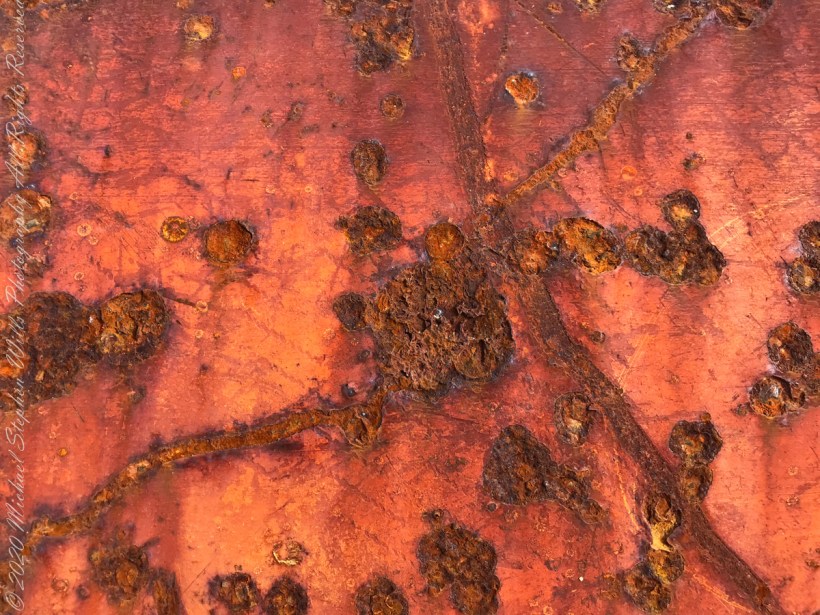
Artistic macros of the rusty surface.
Cape Canaveral National Seashore, Titusville, Brevard County, Florida
Copyright 2022 Michael Stephen Wills All Rights Reserved
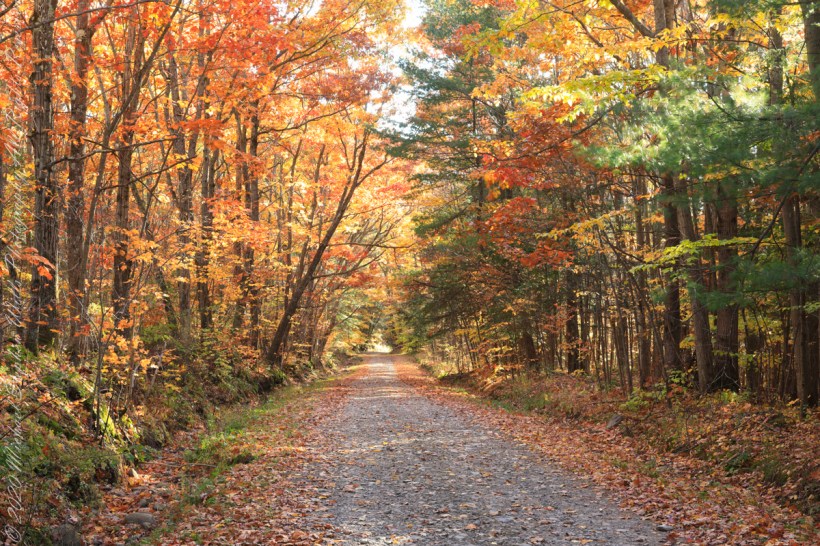
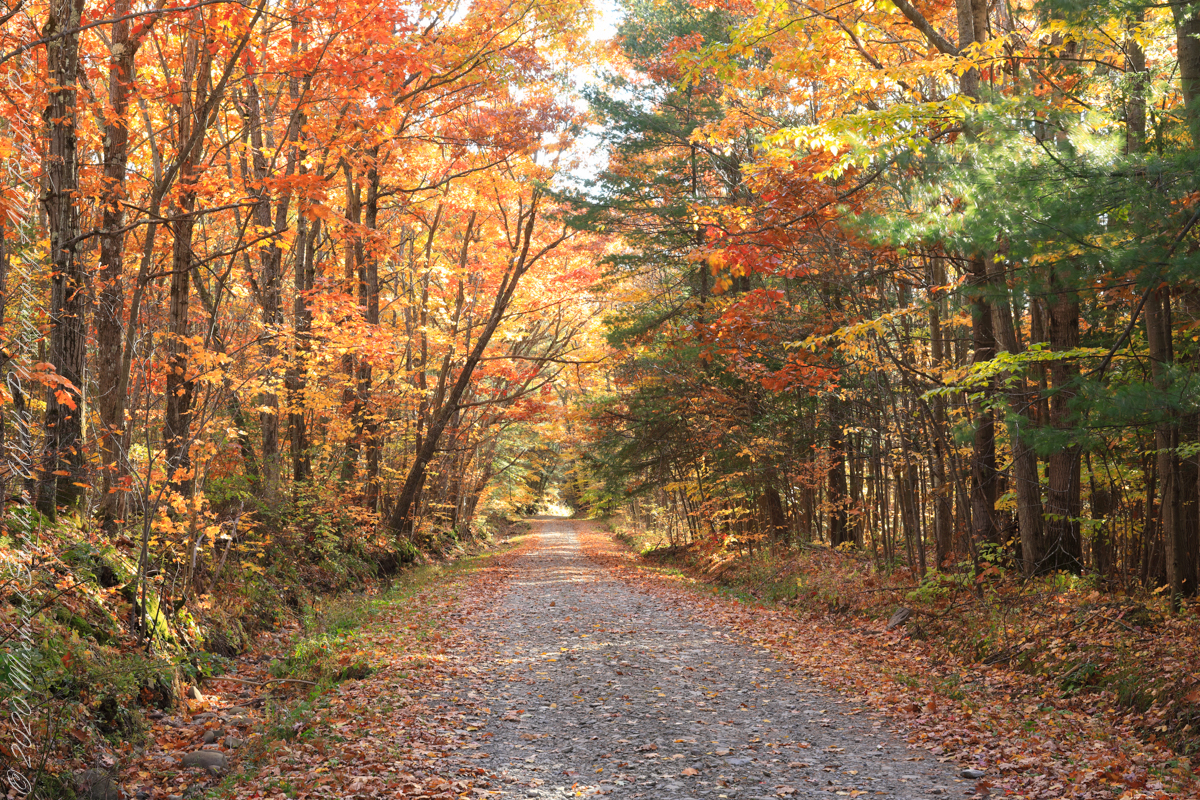
For my last autumn posting this last day of November 2022 this colorful hall of trees is on the long descent of Lacey Road from Cortland to Tioga Counties where it passes close the meeting point of three counties near the Robinson Hollow State Forest, the third being Tompkins County.
We are travelling south on a northernmost, glaciated section of the Allegheny Plateau. In the 19th Century a lawyer named Calvin J. Robinson was a prominent citizen of nearby Richford.
Copyright 2022 Michael Stephen Wills All Rights Reserved