Getty IStock accepted twelve (12) of the “Burgeoning Forest” photographs featured in my blog. Click Me to visit the original post
Click Me to visit my photographs on Getty IStock.
Happy News
Getty IStock accepted twelve (12) of the “Burgeoning Forest” photographs featured in my blog. Click Me to visit the original post
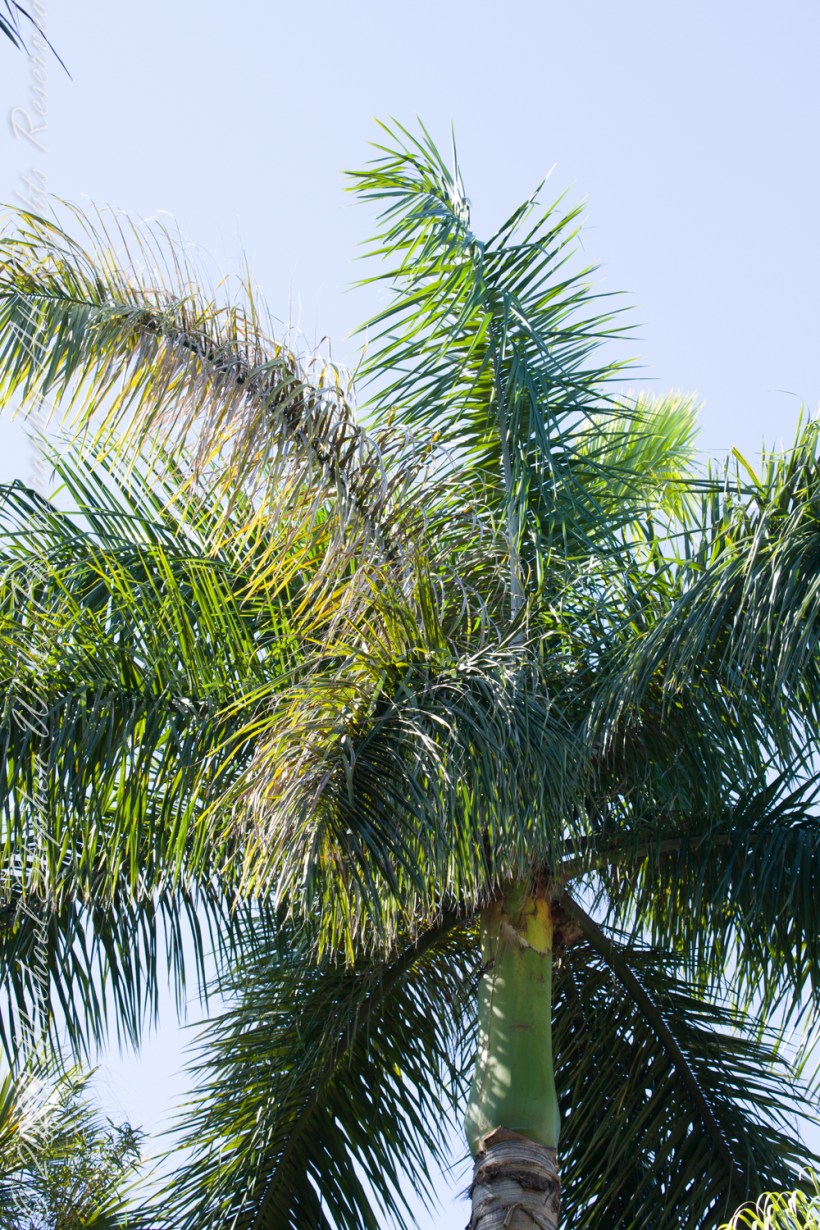
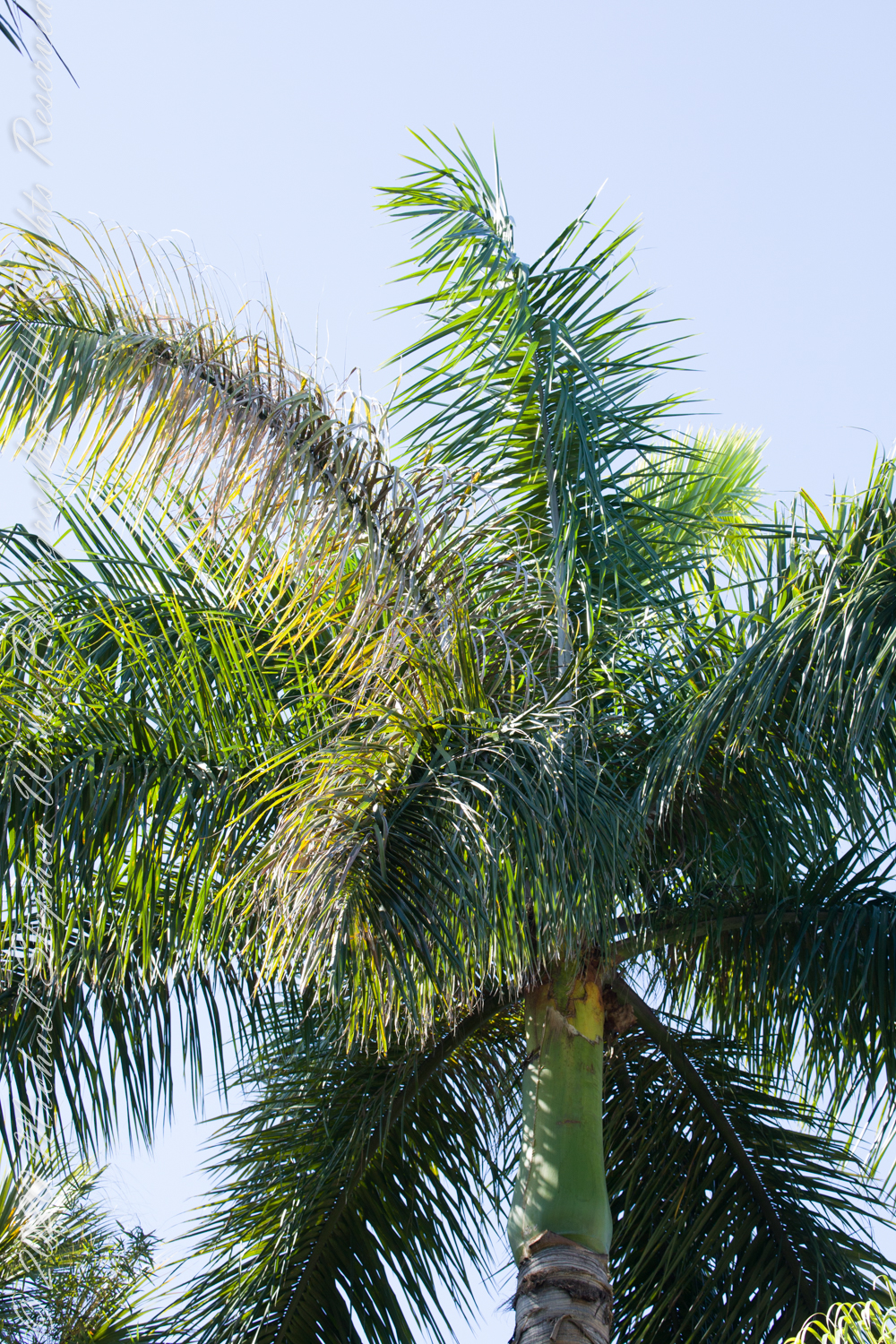
A selection of photographs from our February 2022 visit to McKee Botanical Gardens, Vero Beach, Indian River County, Florida
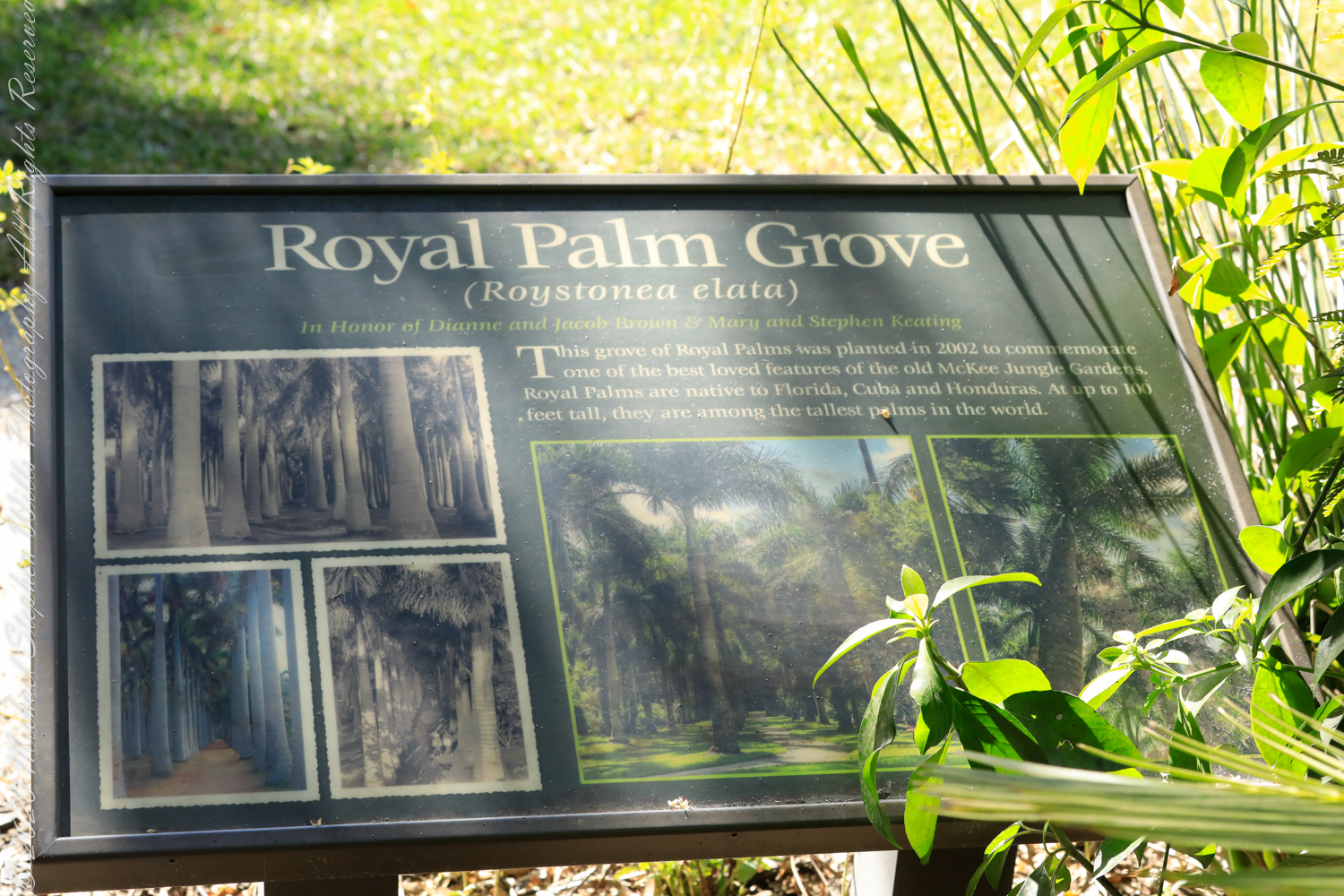
Royal Palm grove (Roystonea elata) in honor of Dianne and Jacob Brown and Mary and Stephen Keating. This grove of Roy Palms was planted in 2002 to commemorate one of the best loved features of the old McKee Jungle Garden. Royal Palms are native to Florida, Cuba and Honduras. They are among the tallest palms in the world.
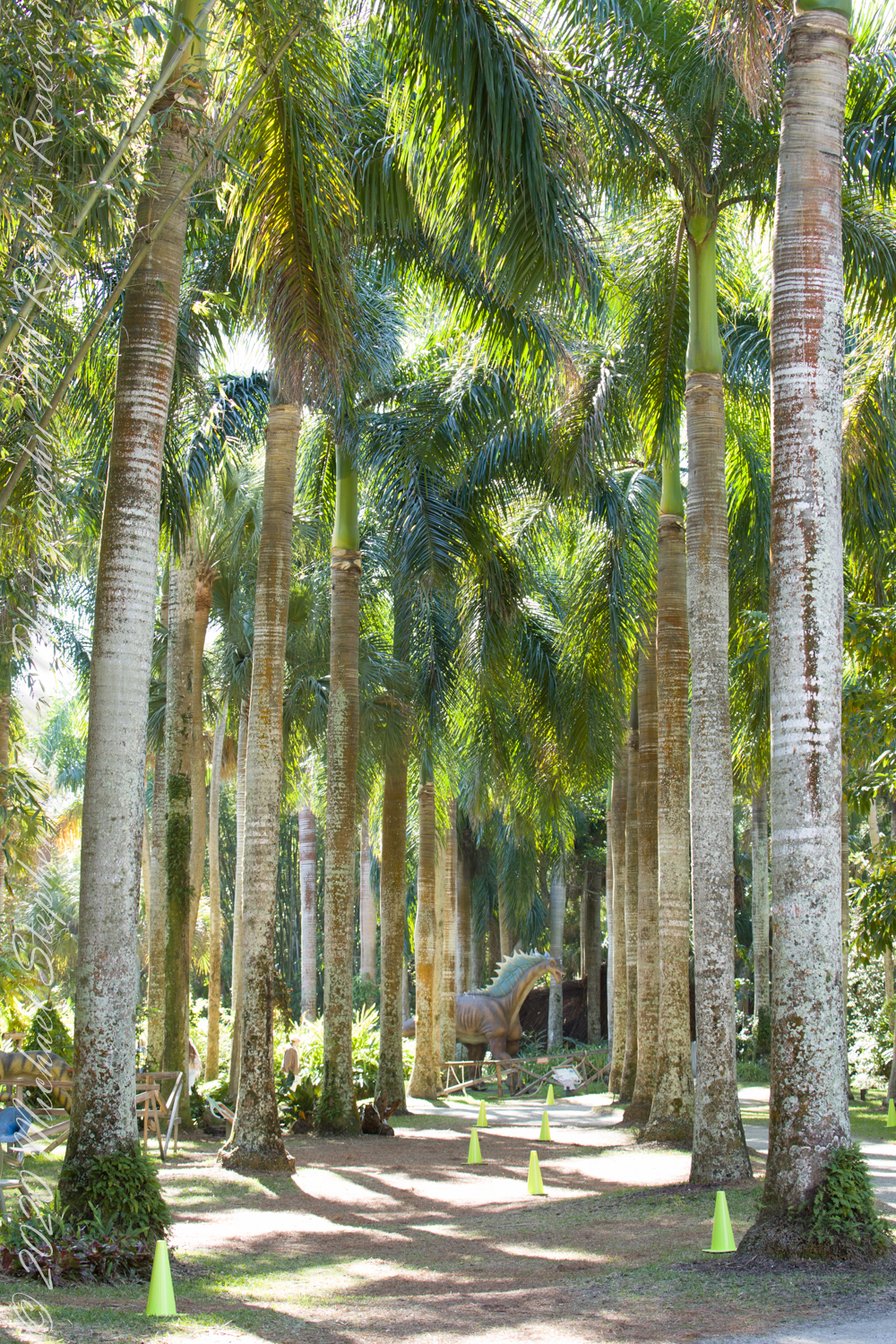
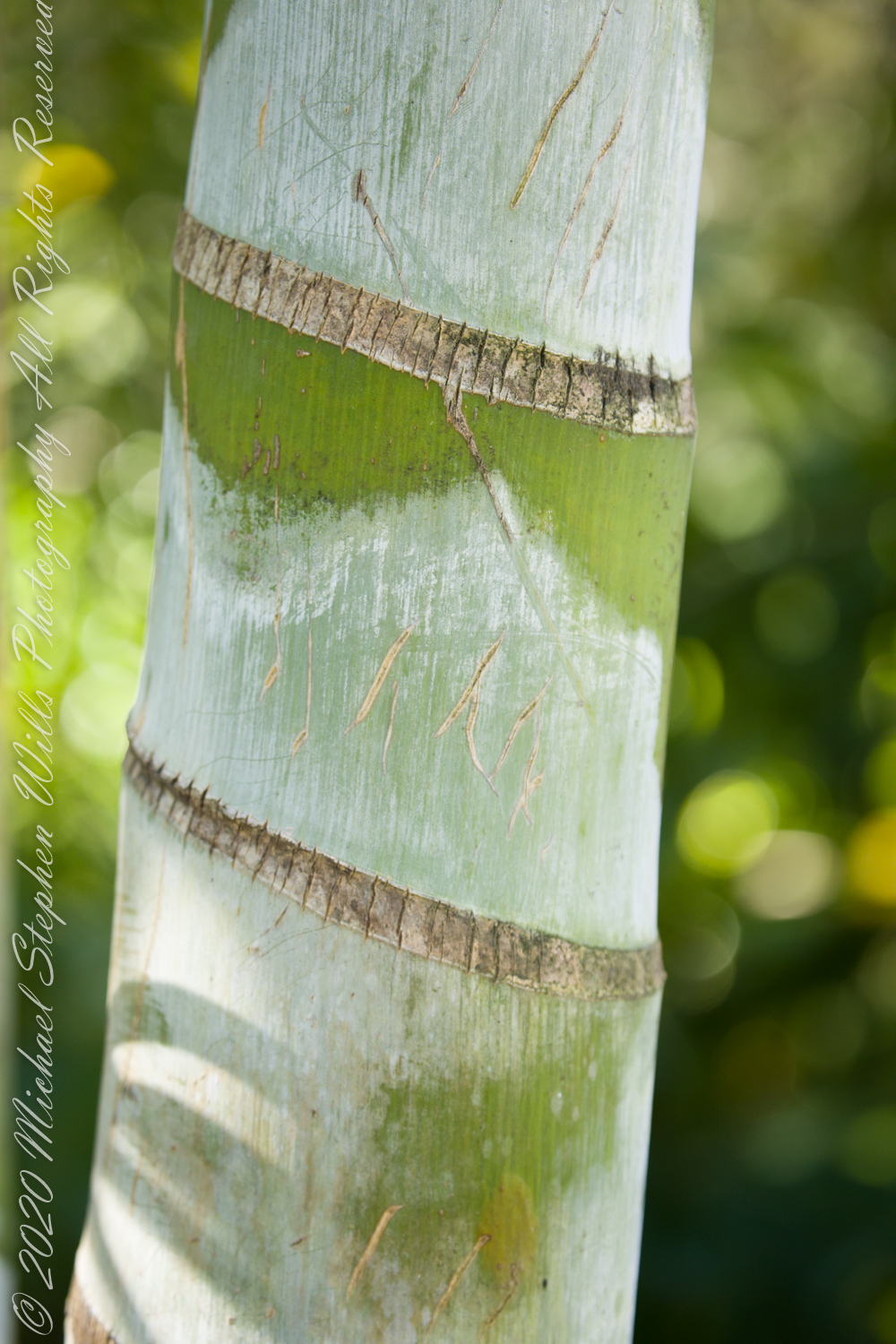
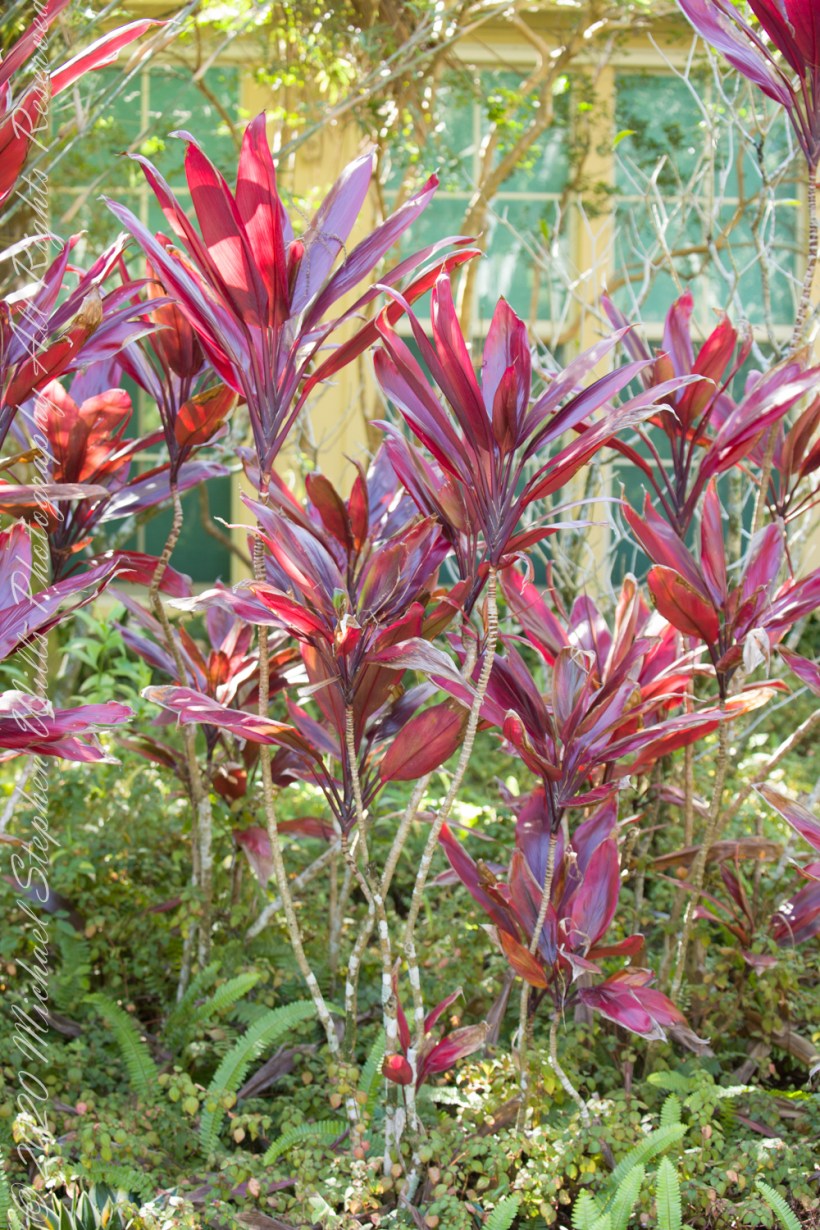
A selection of photographs from our February 2022 visit to McKee Botanical Gardens, Vero Beach, Indian River County, Florida
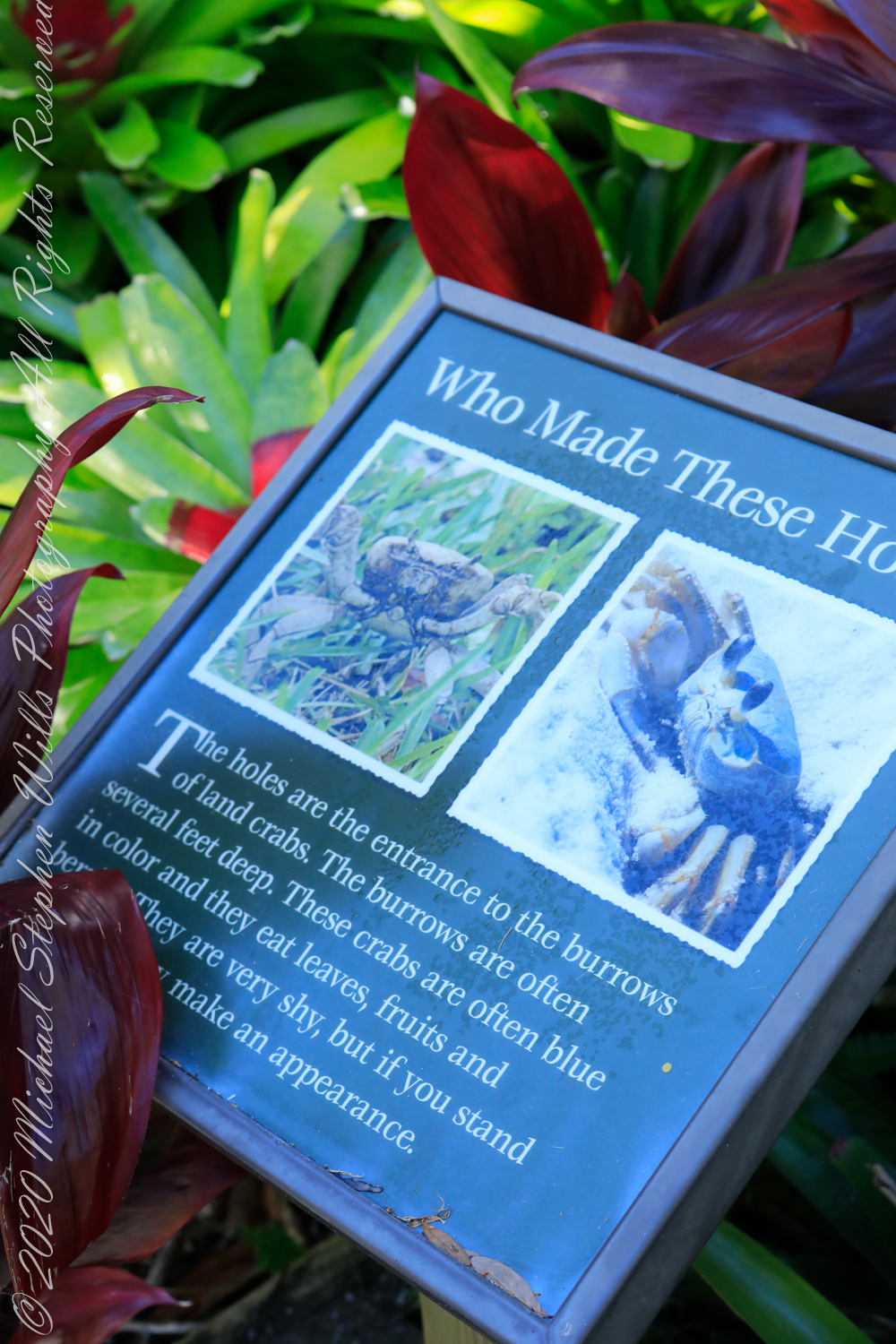
The holes are land crab burrow entrances. The burrows are often several feet deep. These crabs are often blue in color and they eat leaves, fruits and berries. They are very shy, but if you stand still they may make an appearance..
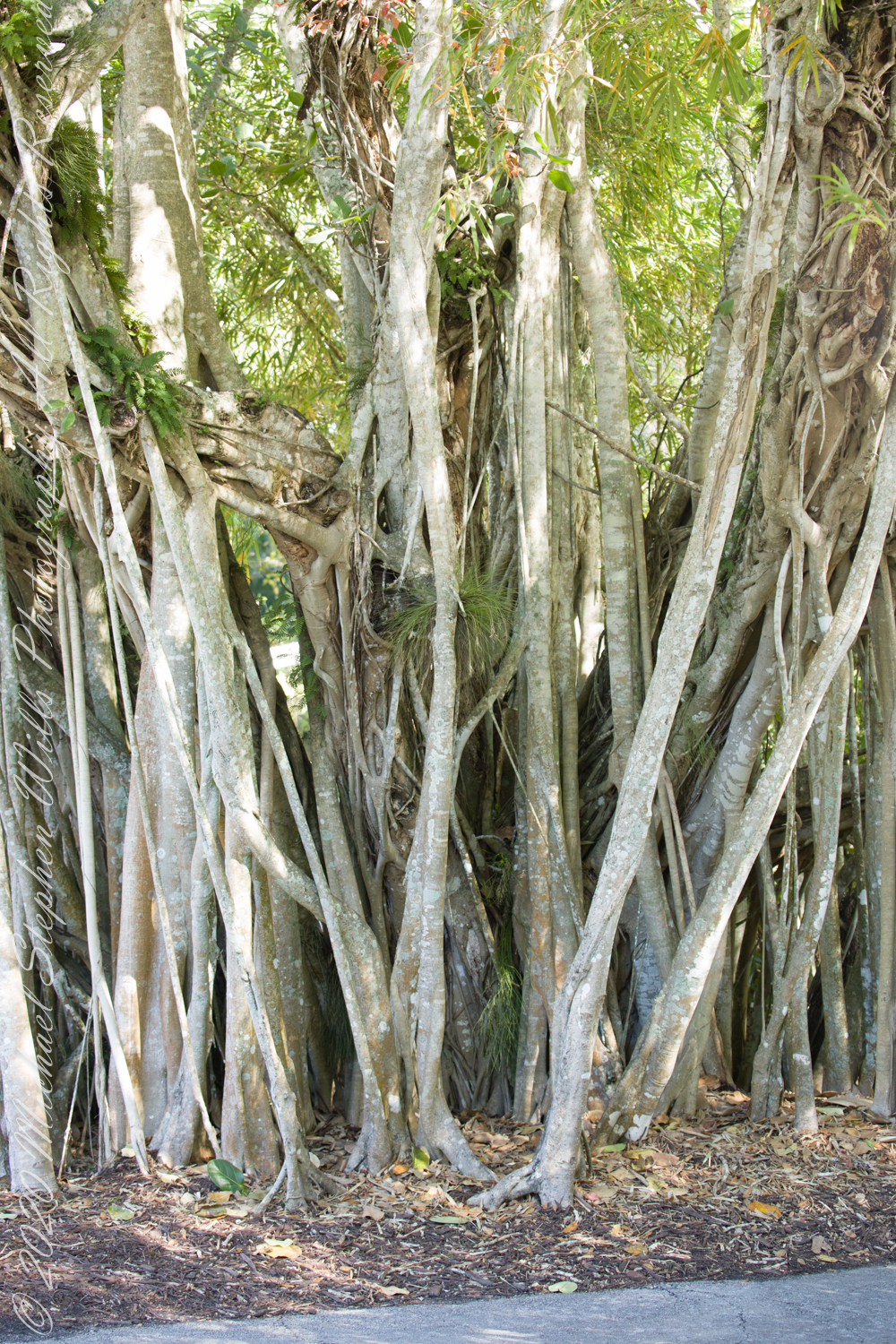
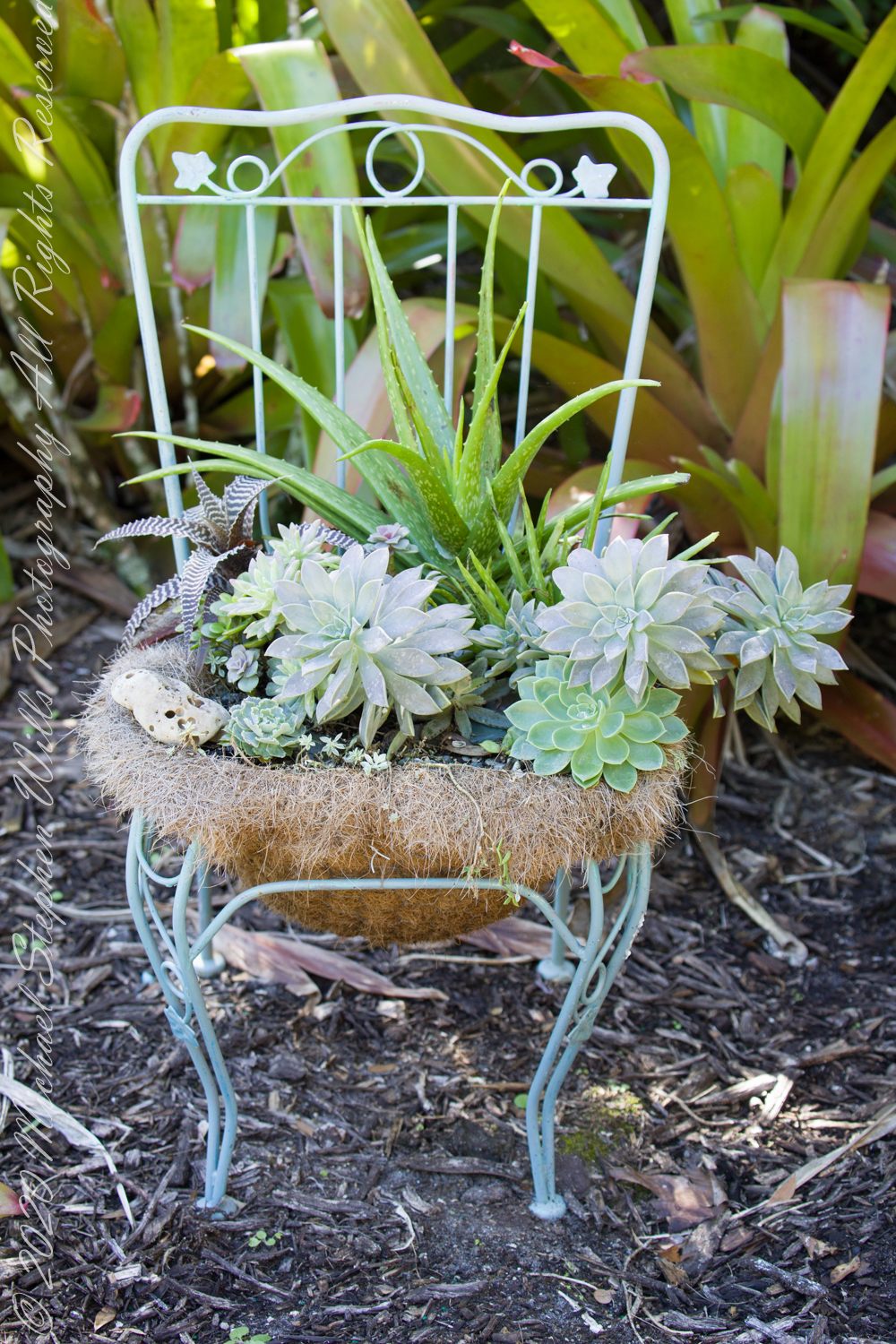
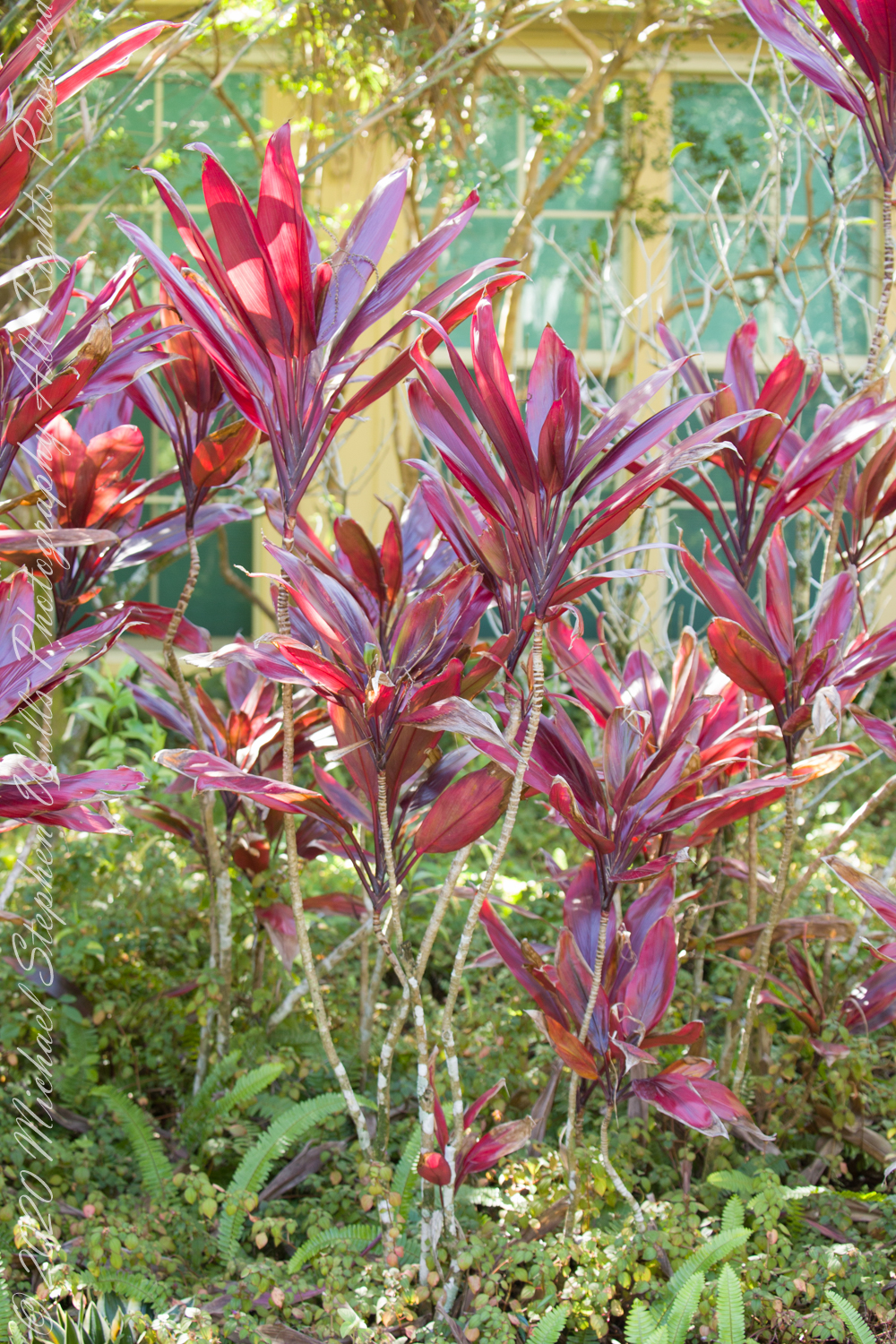
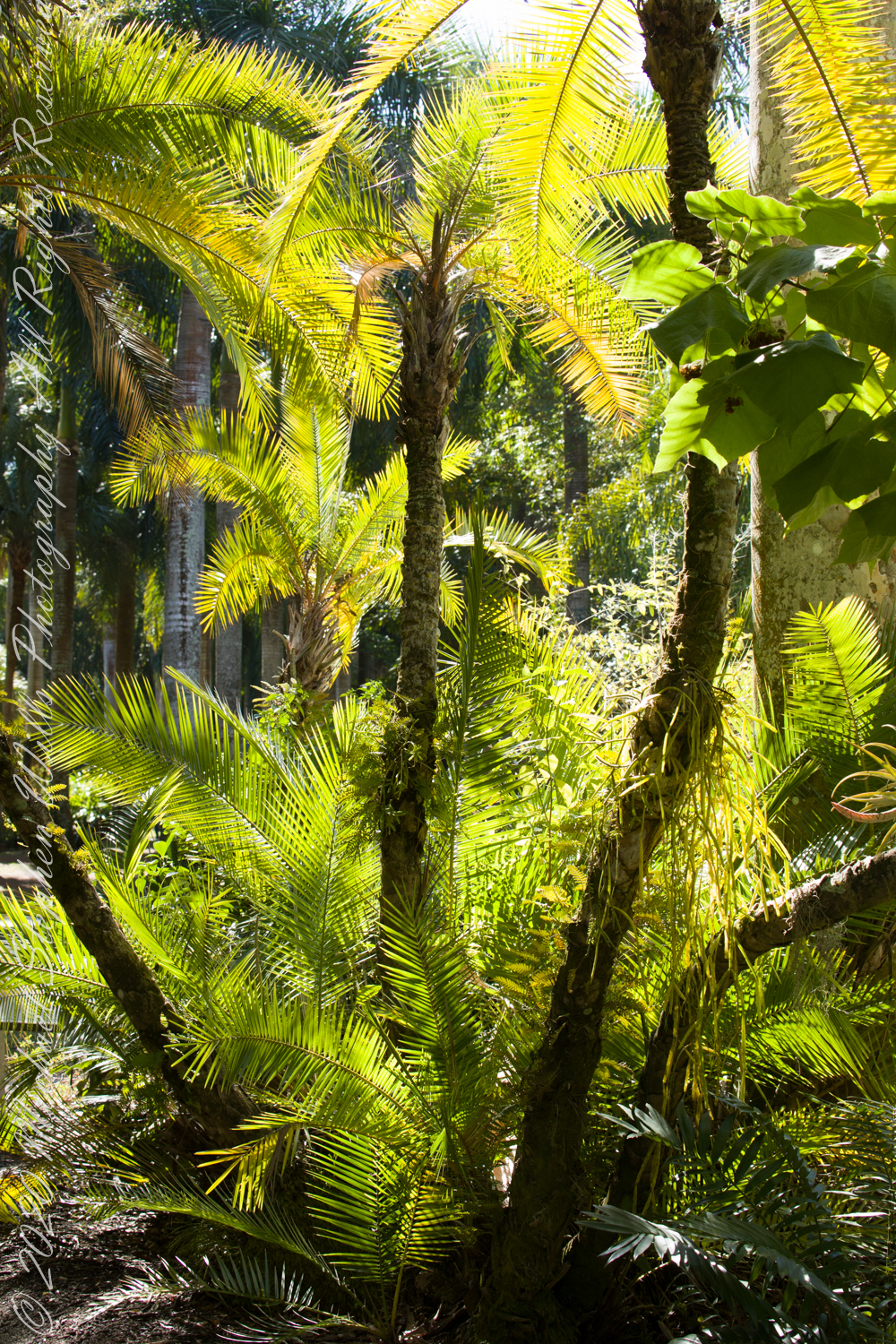
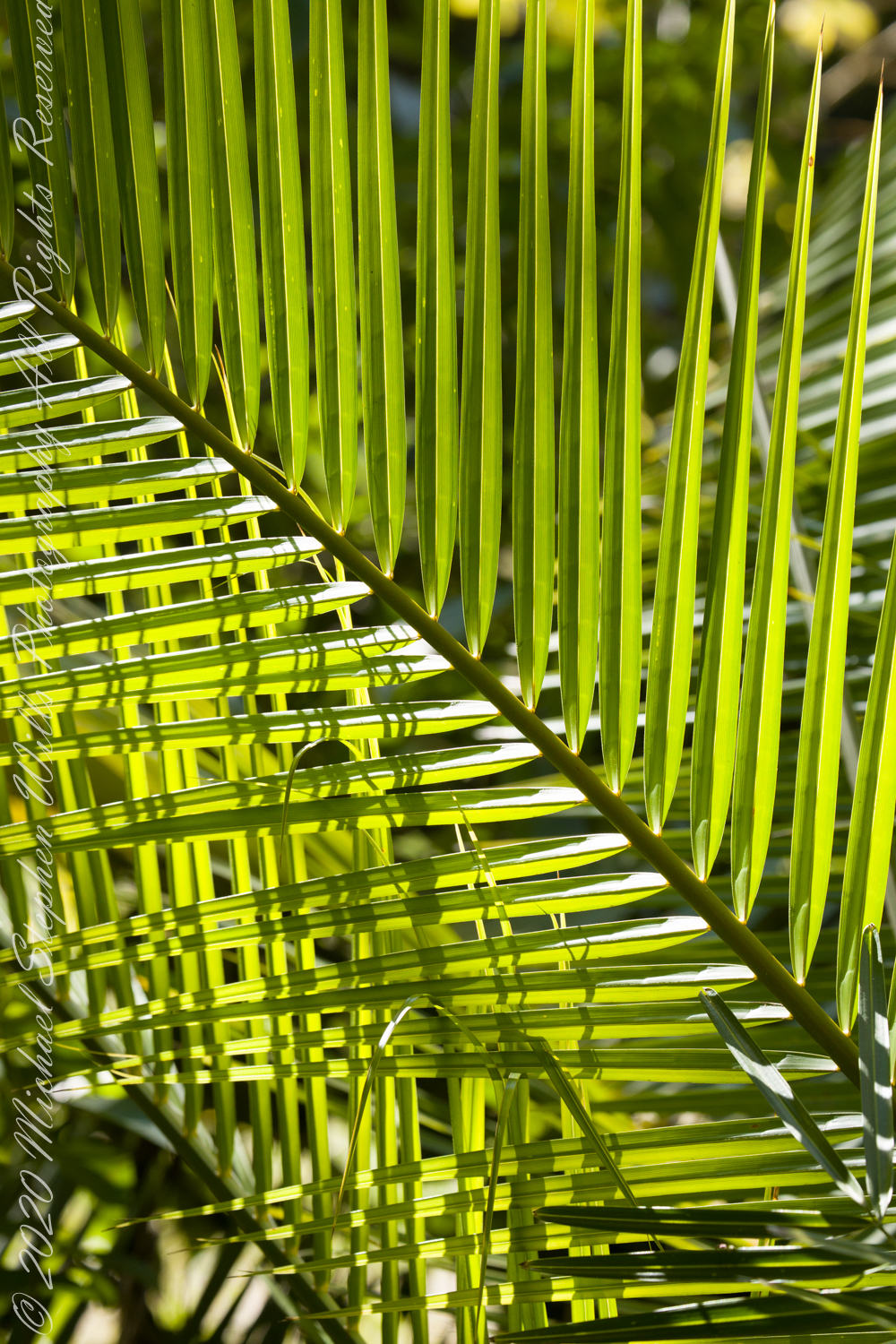
A selection of photographs from our February 2022 visit to McKee Botanical Gardens, Vero Beach, Indian River County, Florida
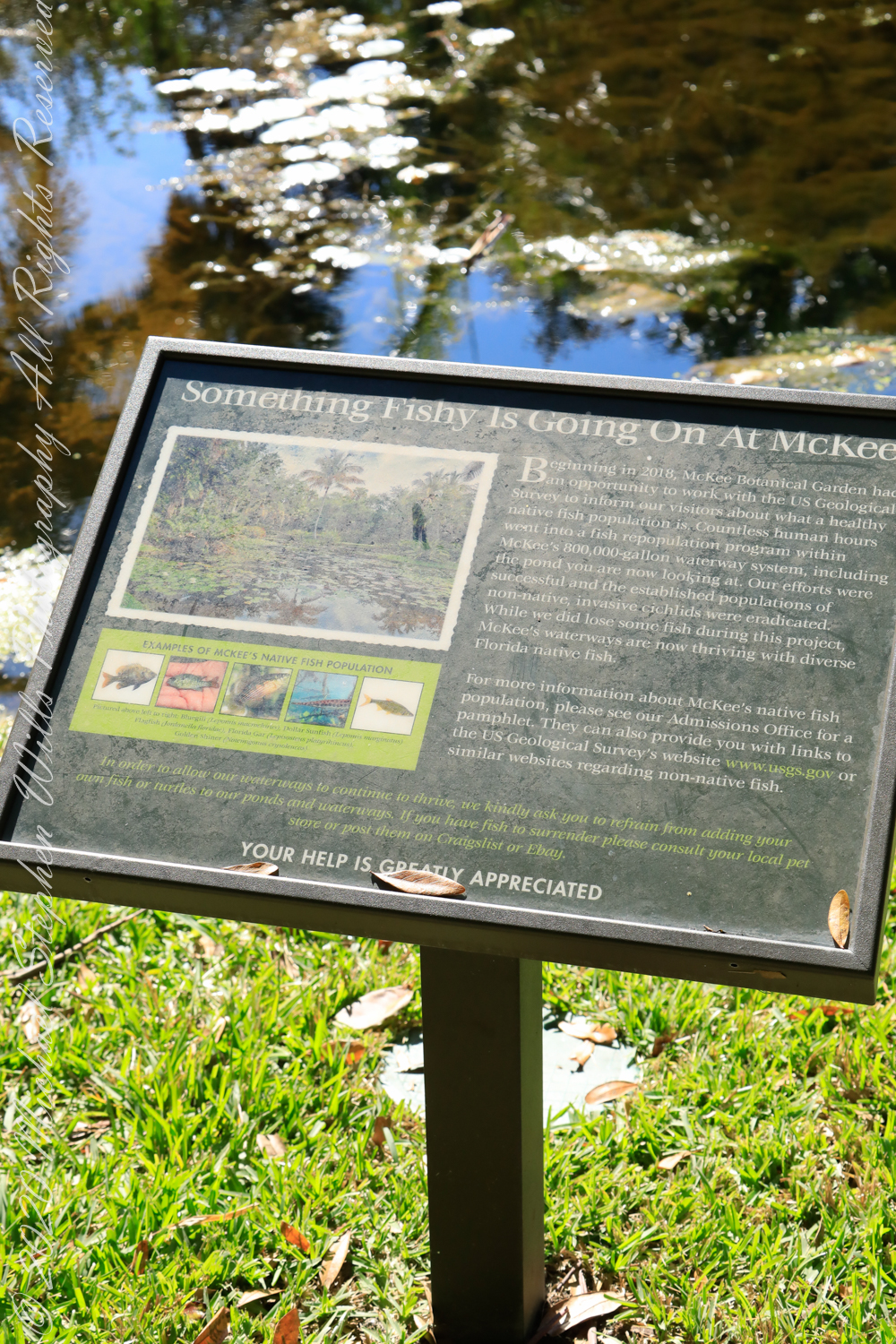
Beginning in 2018, McKee Botanical Garden had an opportunity to work with the US Geological survey to inform our visitors about what a healthy native fish population is. Countless human hours went into a fish population program within McKee’s 800,000-gallon waterway system, including the pond you are now looking at. Our efforts were successful and the established populations of non-native, invasive cichlids were eradicated. While we did lose some fish during the project, McKee’s waterways are now thriving with diverse Florida native fish.

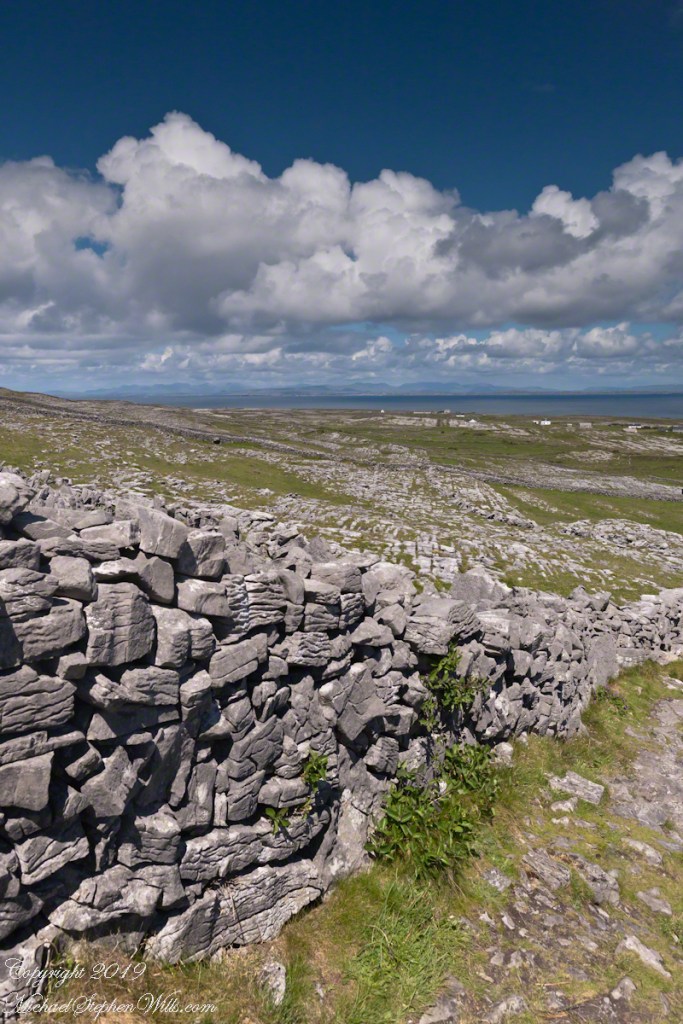
A modern path to Dún Aonghasa offers views of the karst landscape, walled fields, and the North Atlantic Ocean in Inishmore, County Galway, Ireland.
Modern stonework borders the 1/2 mile path to the inner Dún Aonghasa walls, keeping tourists off delicate plants, maintaining the integrity of this ancient site.
The view north, northwest over the walled path to Dun Aonghasa (Dun Aengus) looking across karst landscape, walled fields, farms, the North Atlantic Ocean, coast of Connemara and the 12 Bens (12 Pins) mountains. Aran Islands, County Galway, Ireland.
Click the photograph for a larger view.
References: search wikipedia “Dún Aonghasa.”

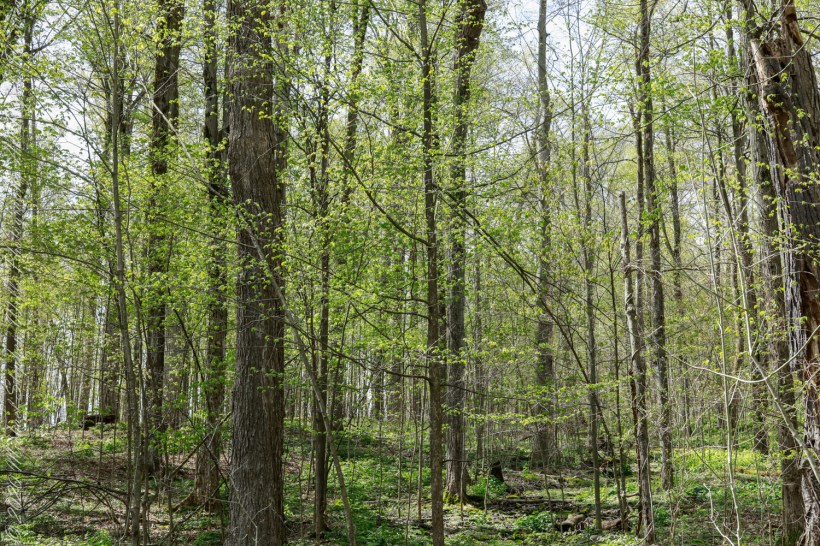
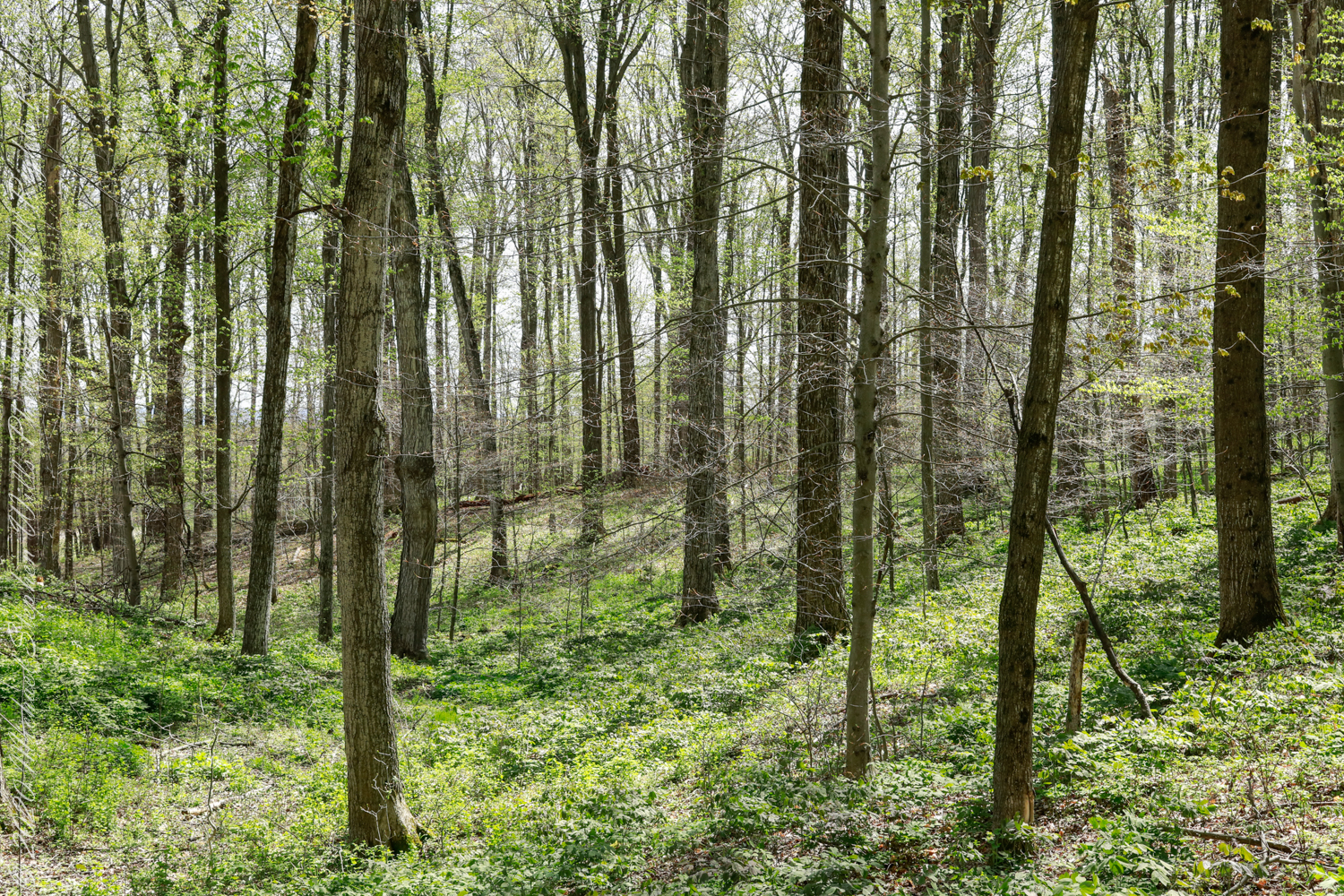
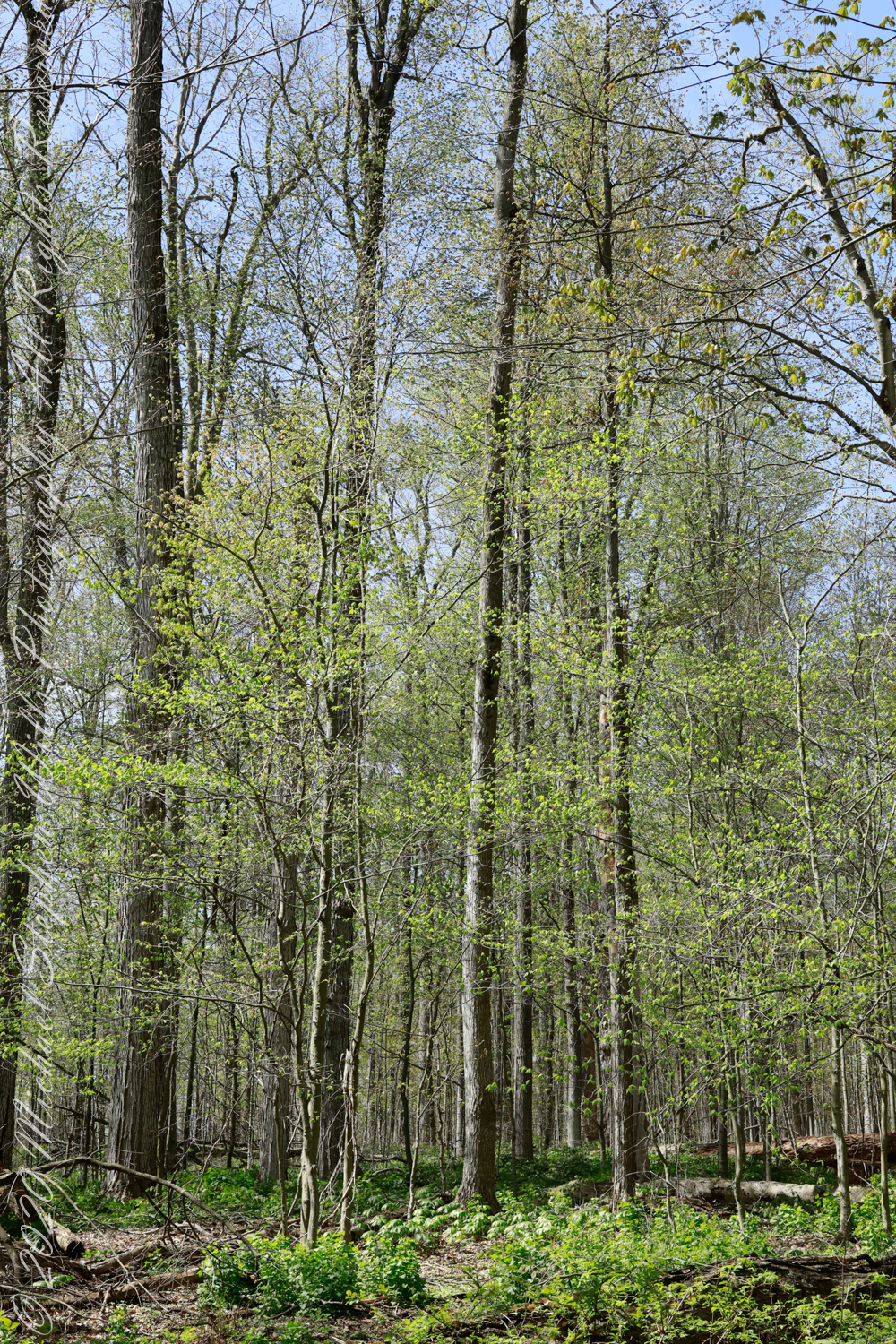
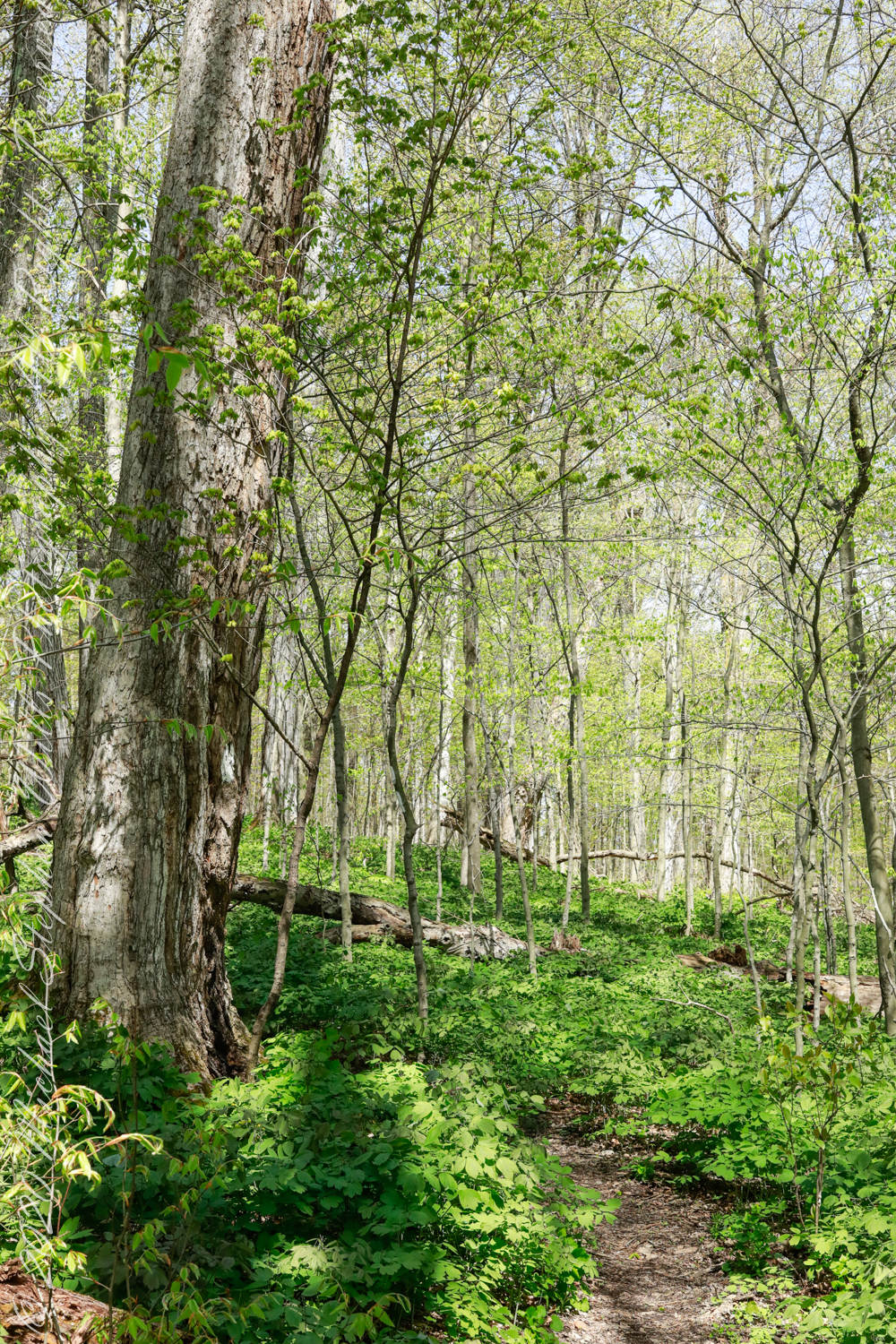
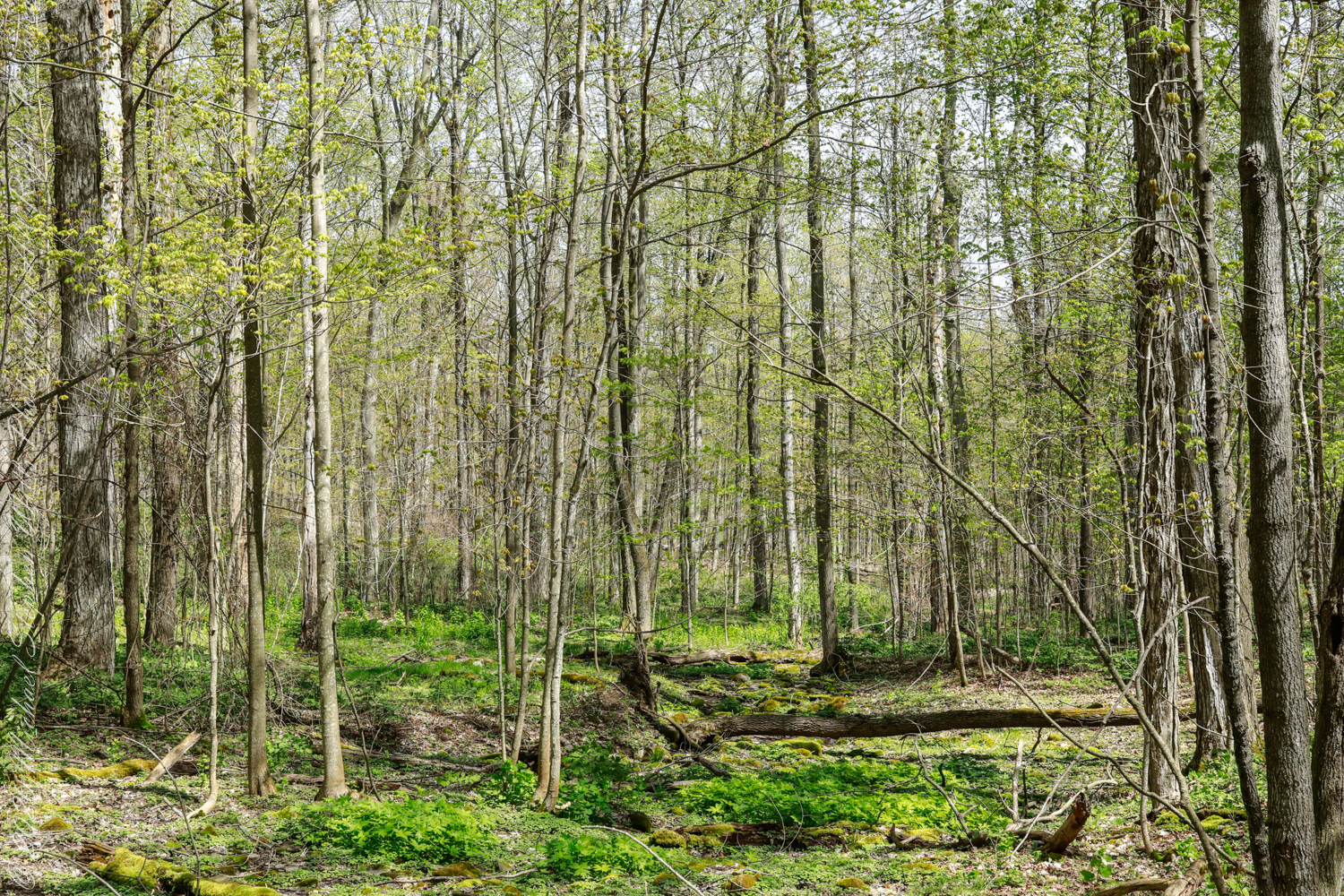
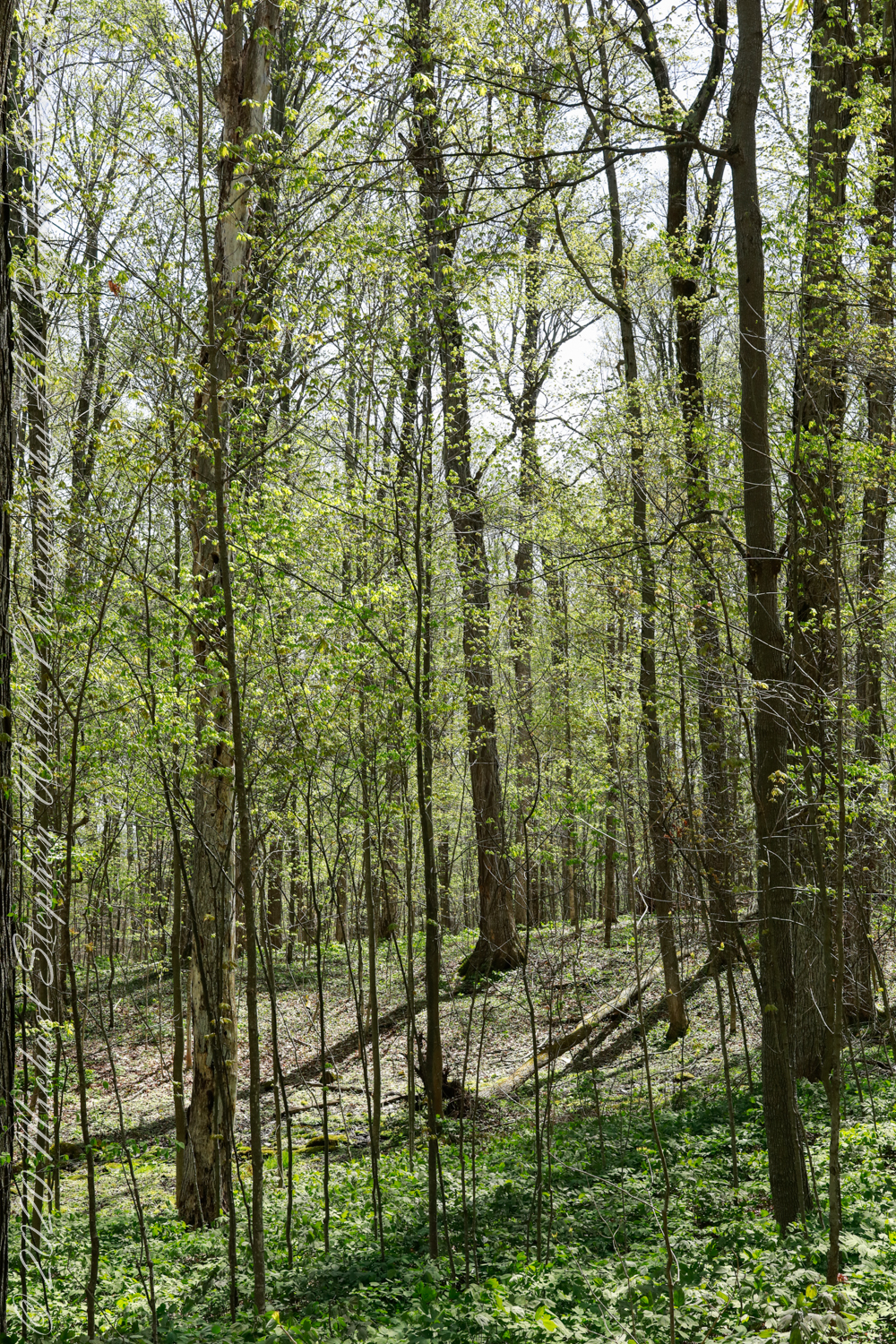
Brock-Harvey Forest Preserve on an early May morning
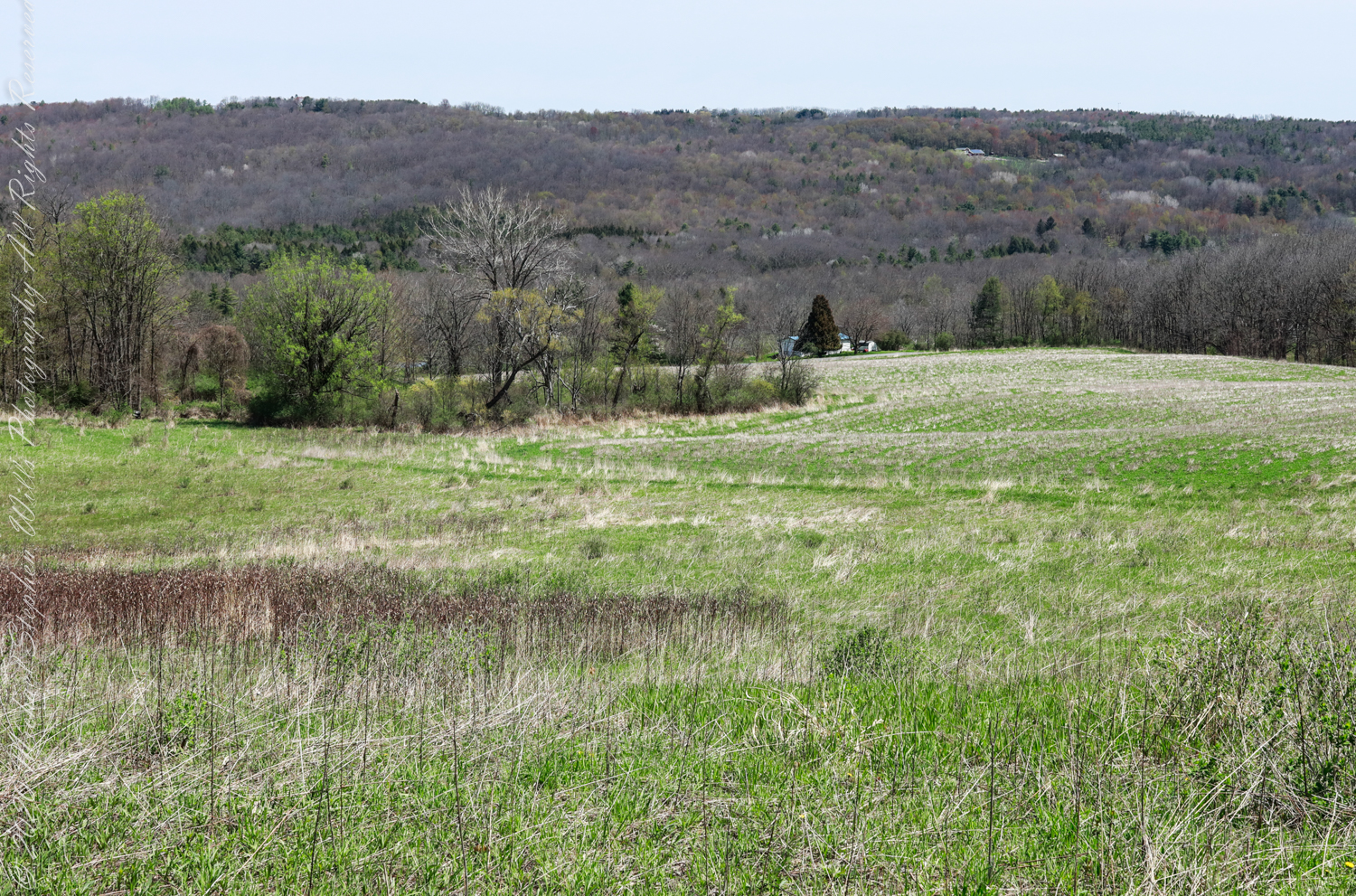
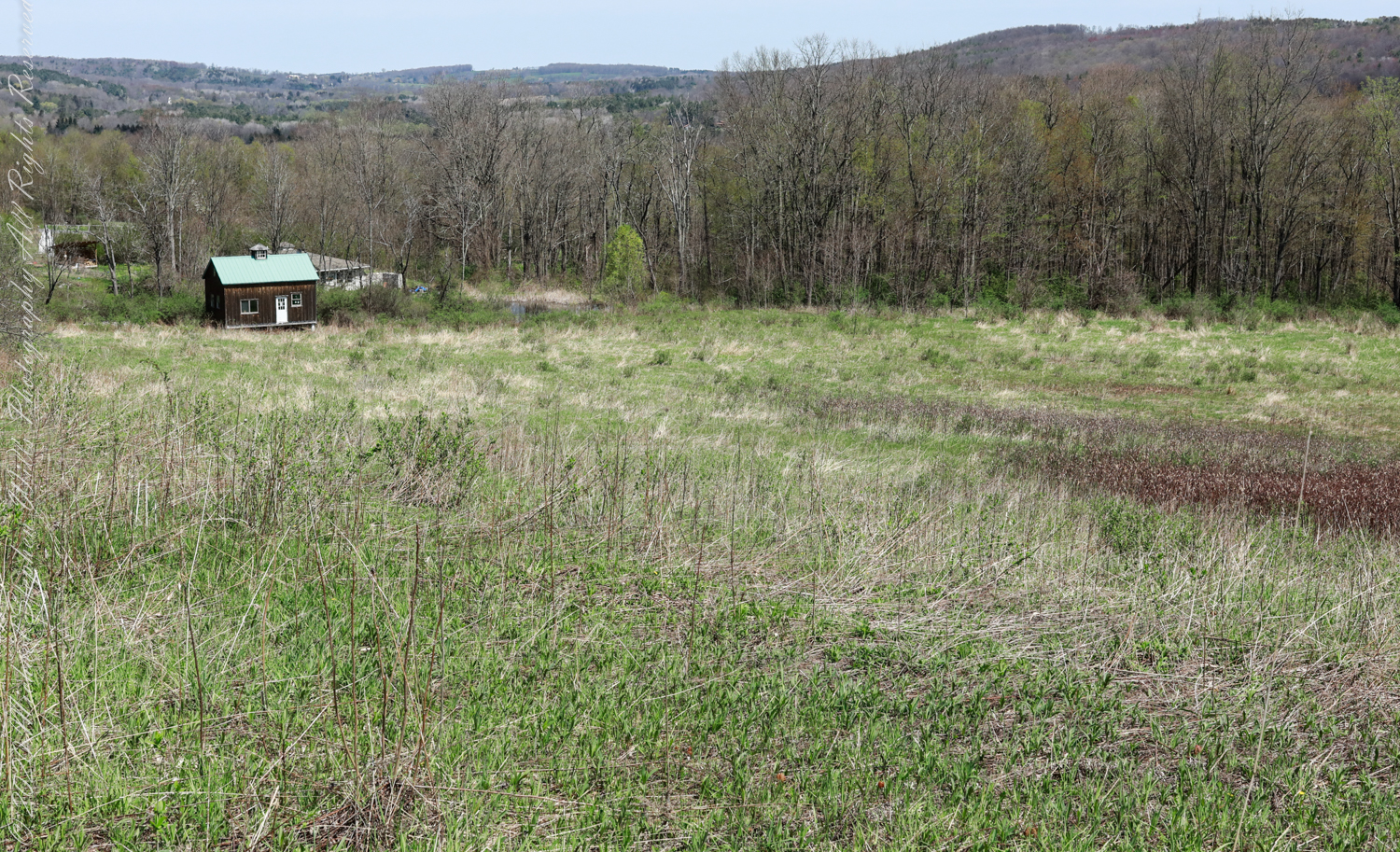
Brock-Harvey Forest Preserve on an early May morning
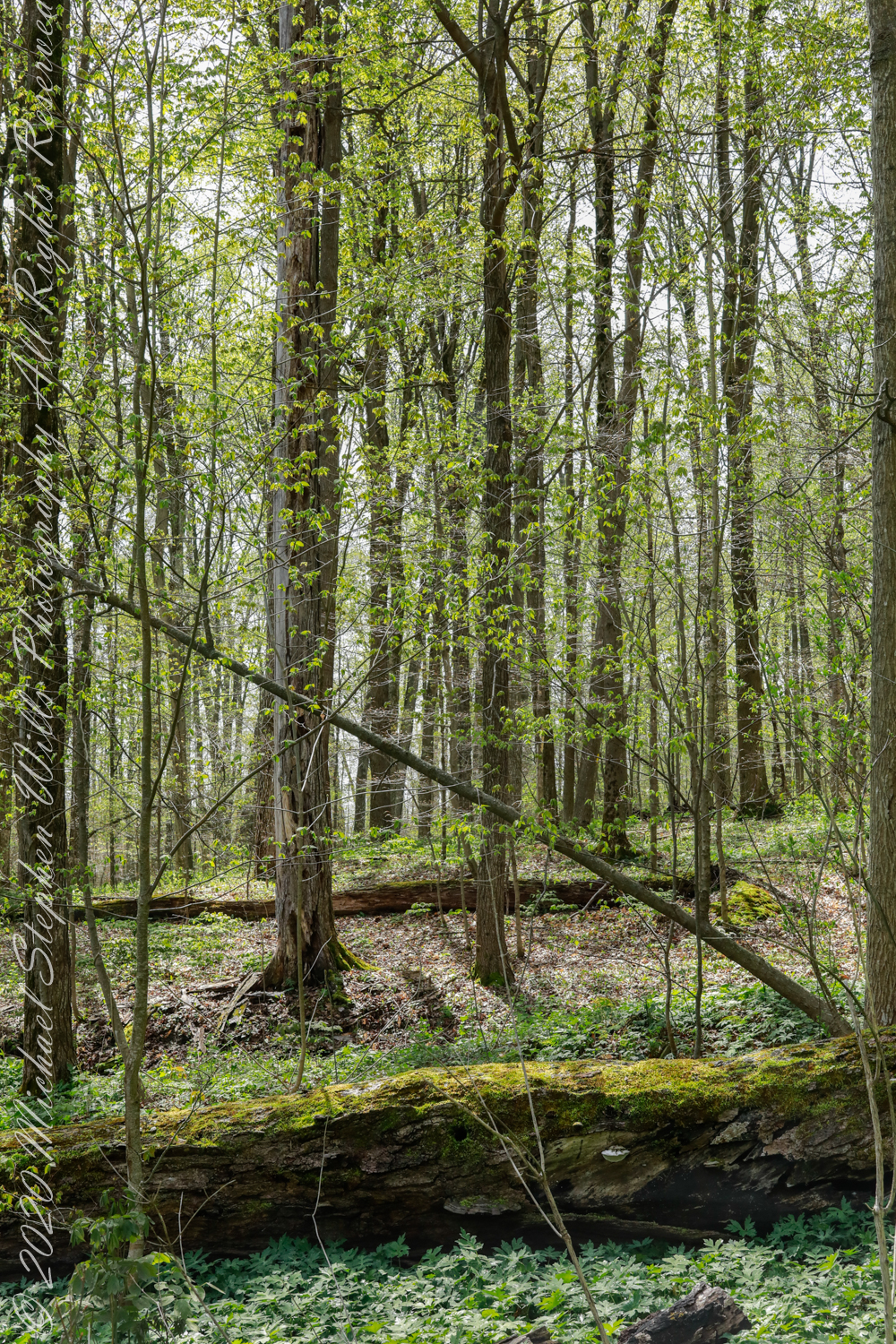
There is a word to describe the first growth of spring, rare in a way as having grown within the English/French languages without roots from either Greek or Latin, wholly suitable to a forest people. The first growth of spring so impressive it has words of its own: burgeon.
Both as a noun, burgeon the bud itself, and a verb; to burgeon, as in to burst forth. Burgeoning: the process of the act itself.
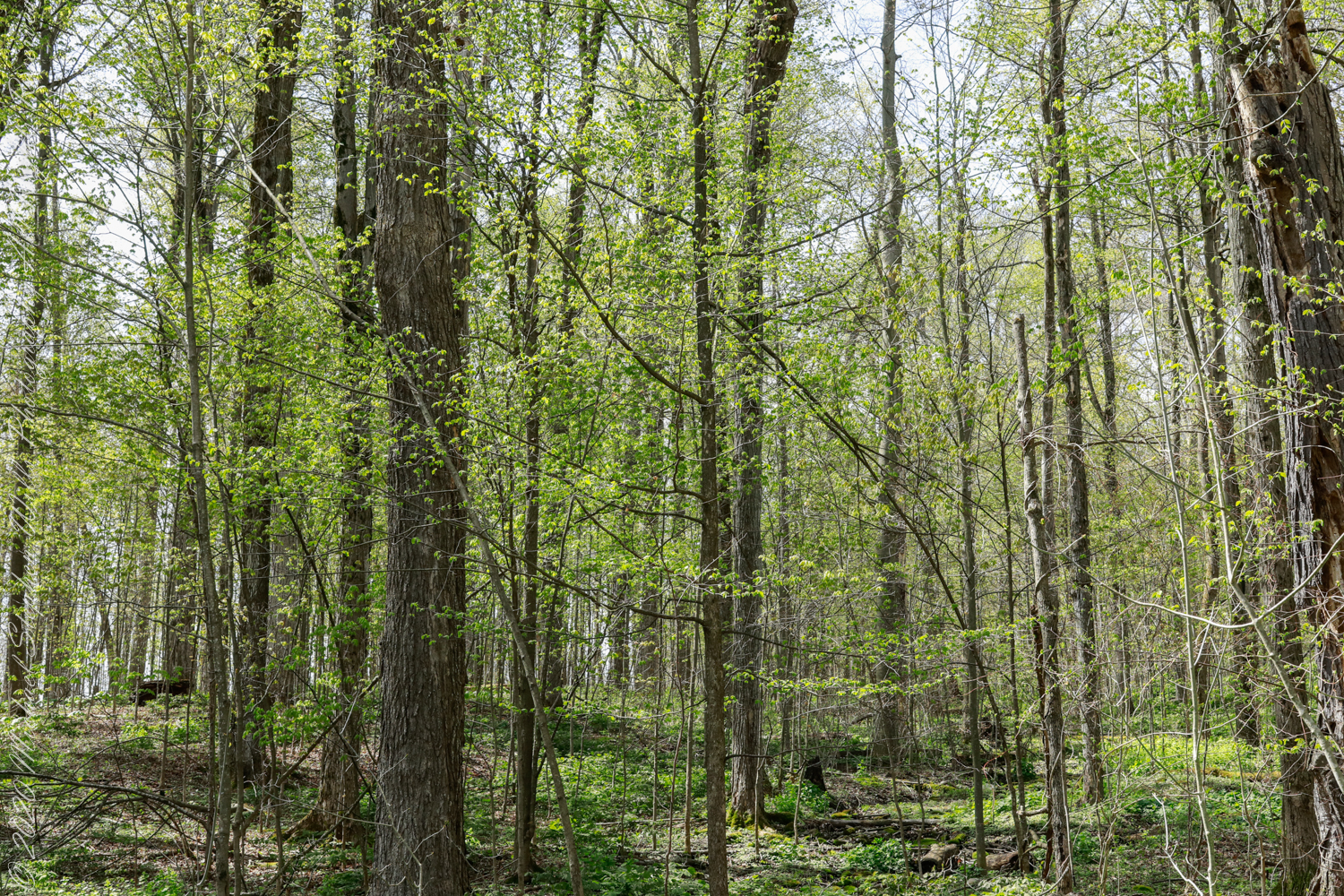
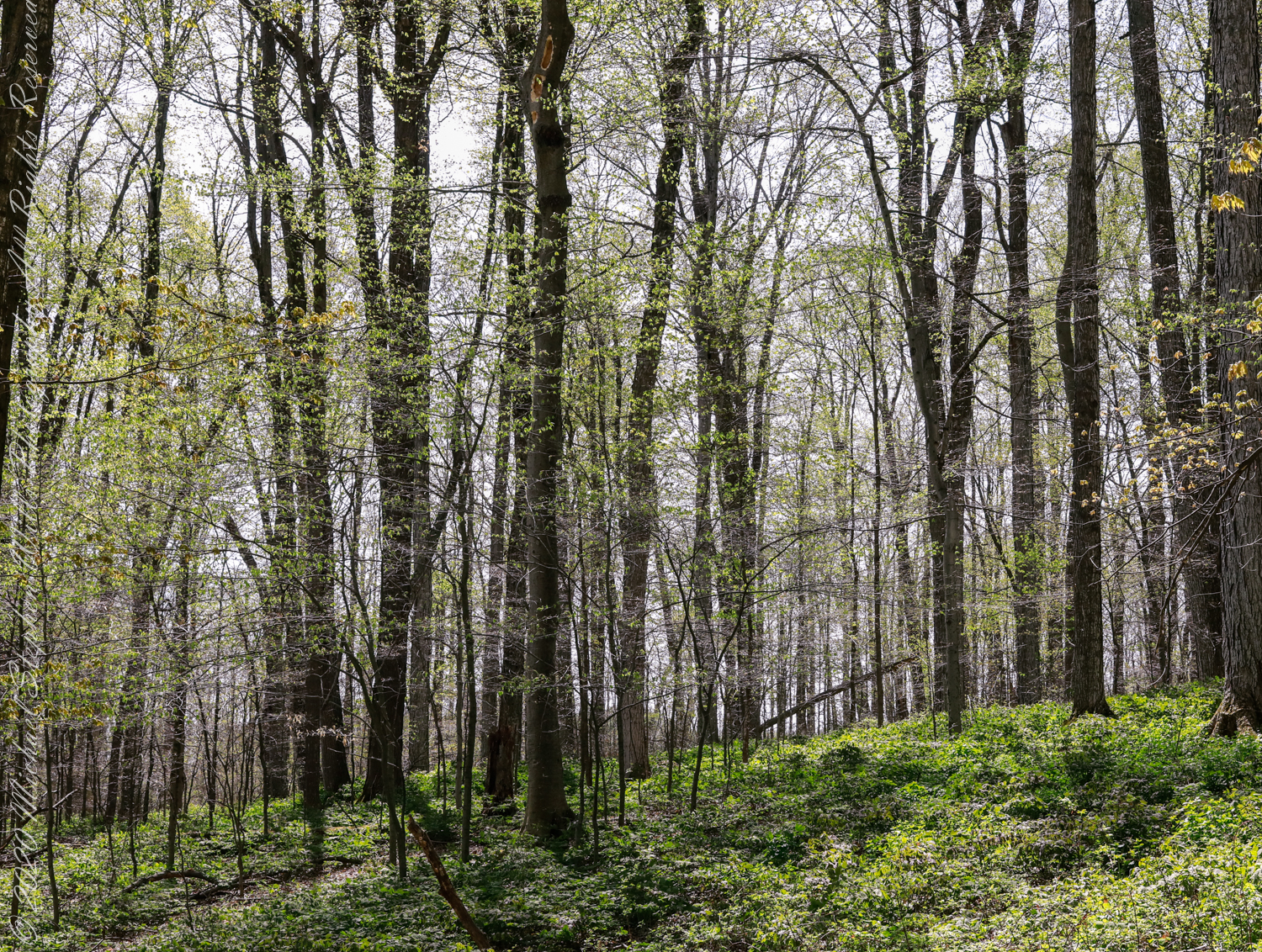
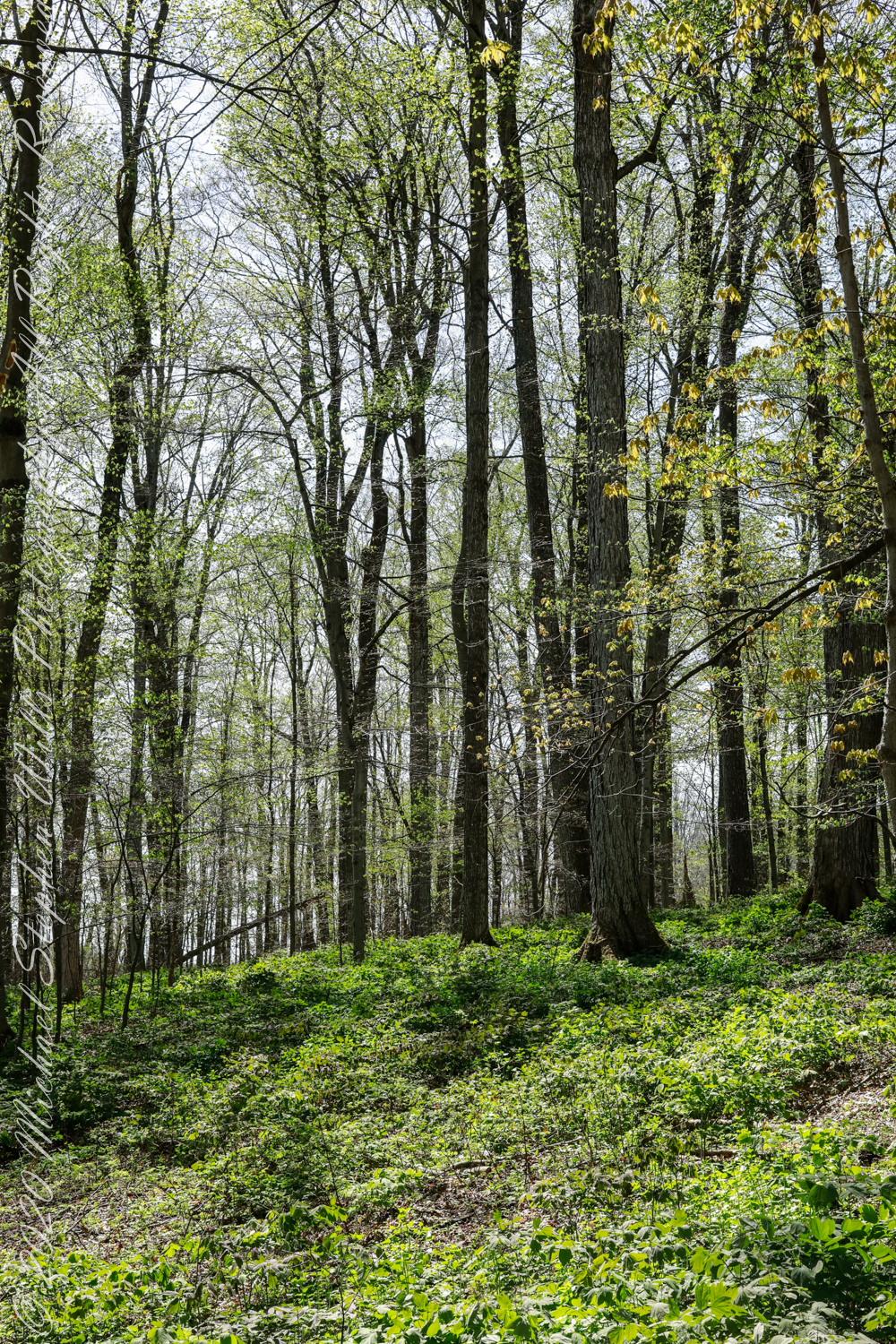
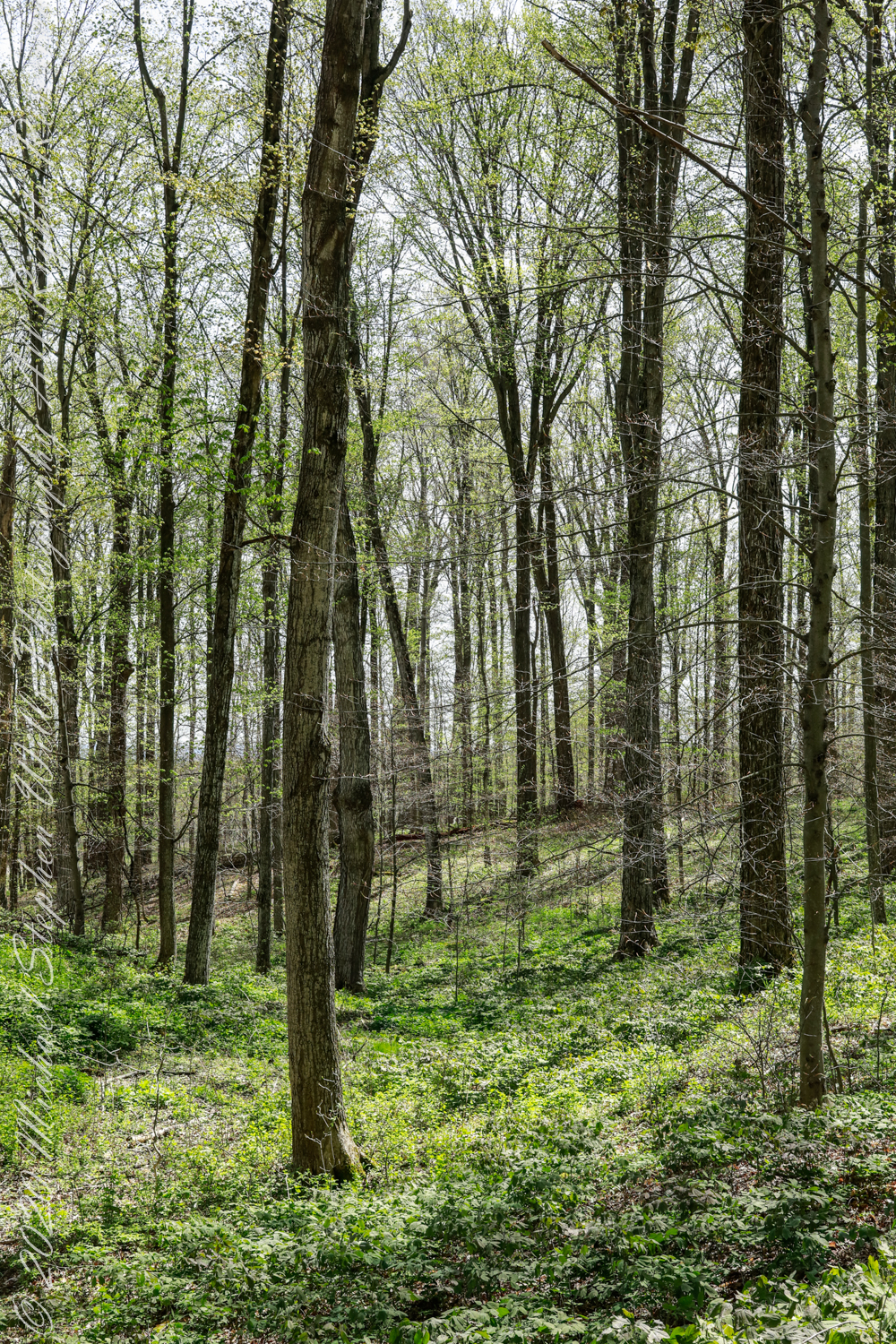
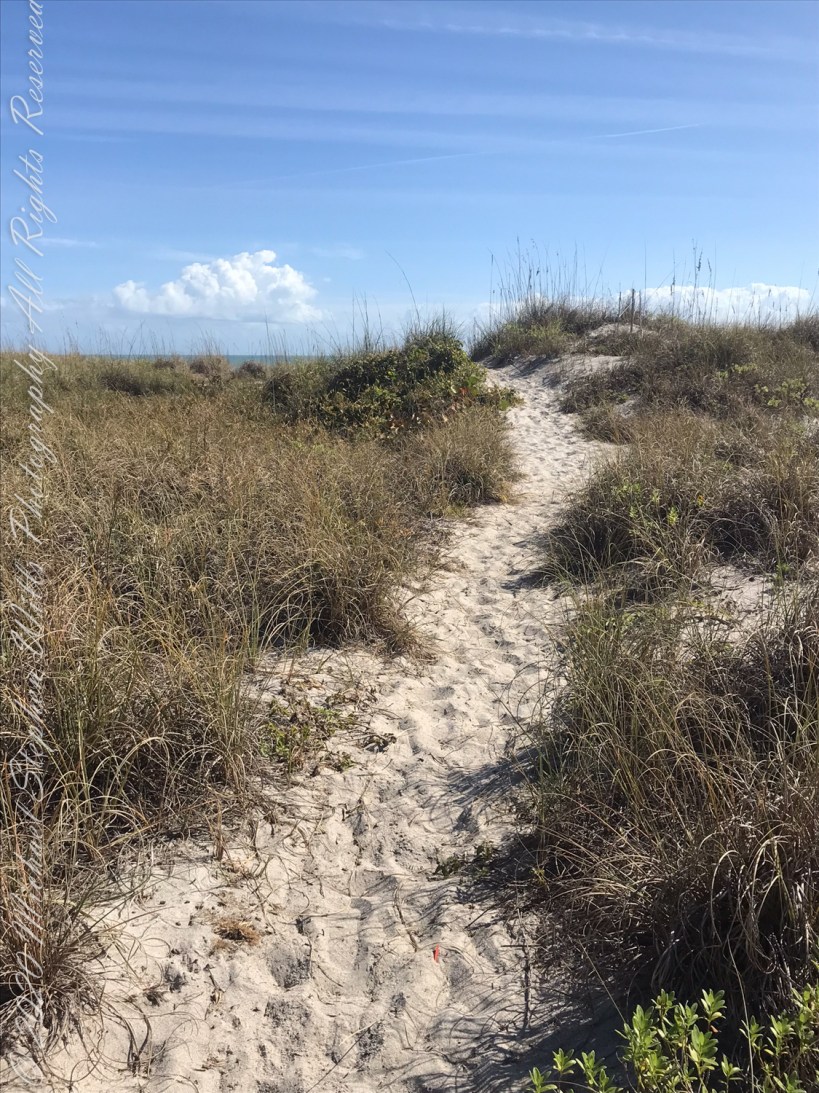
Around Cocoa Beach
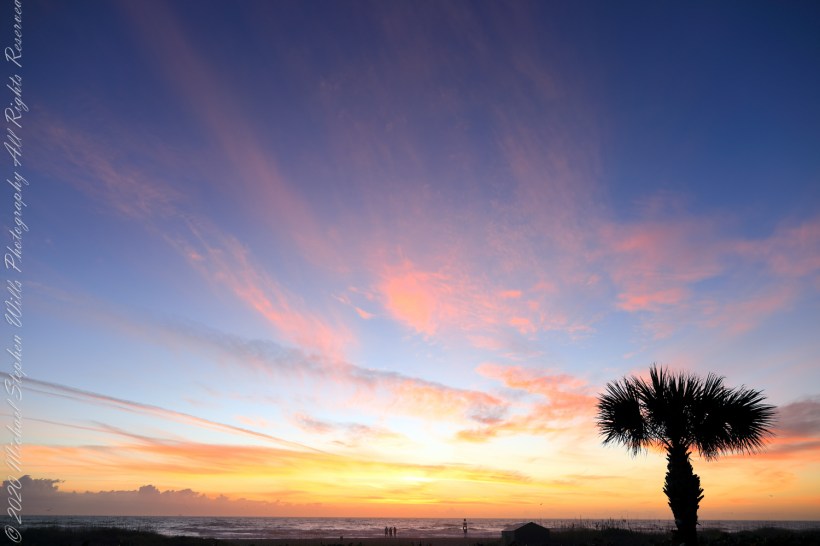
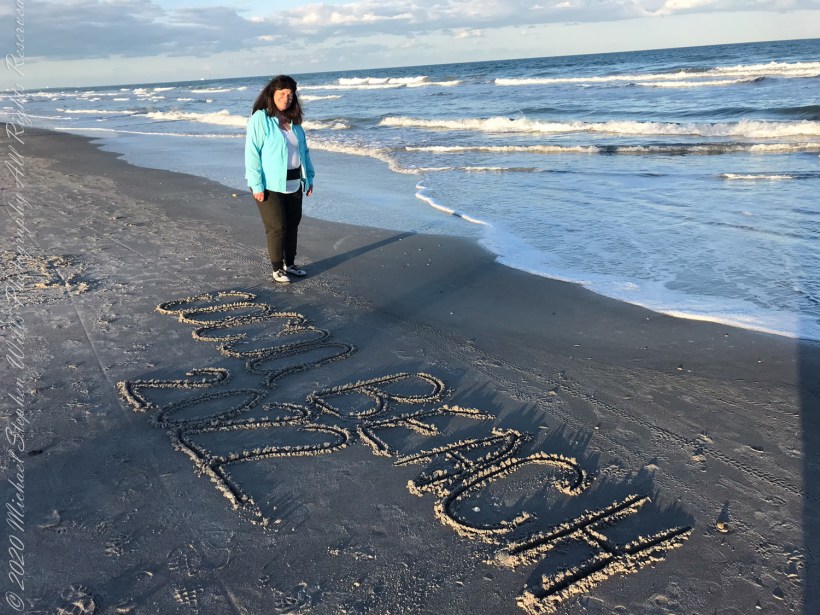
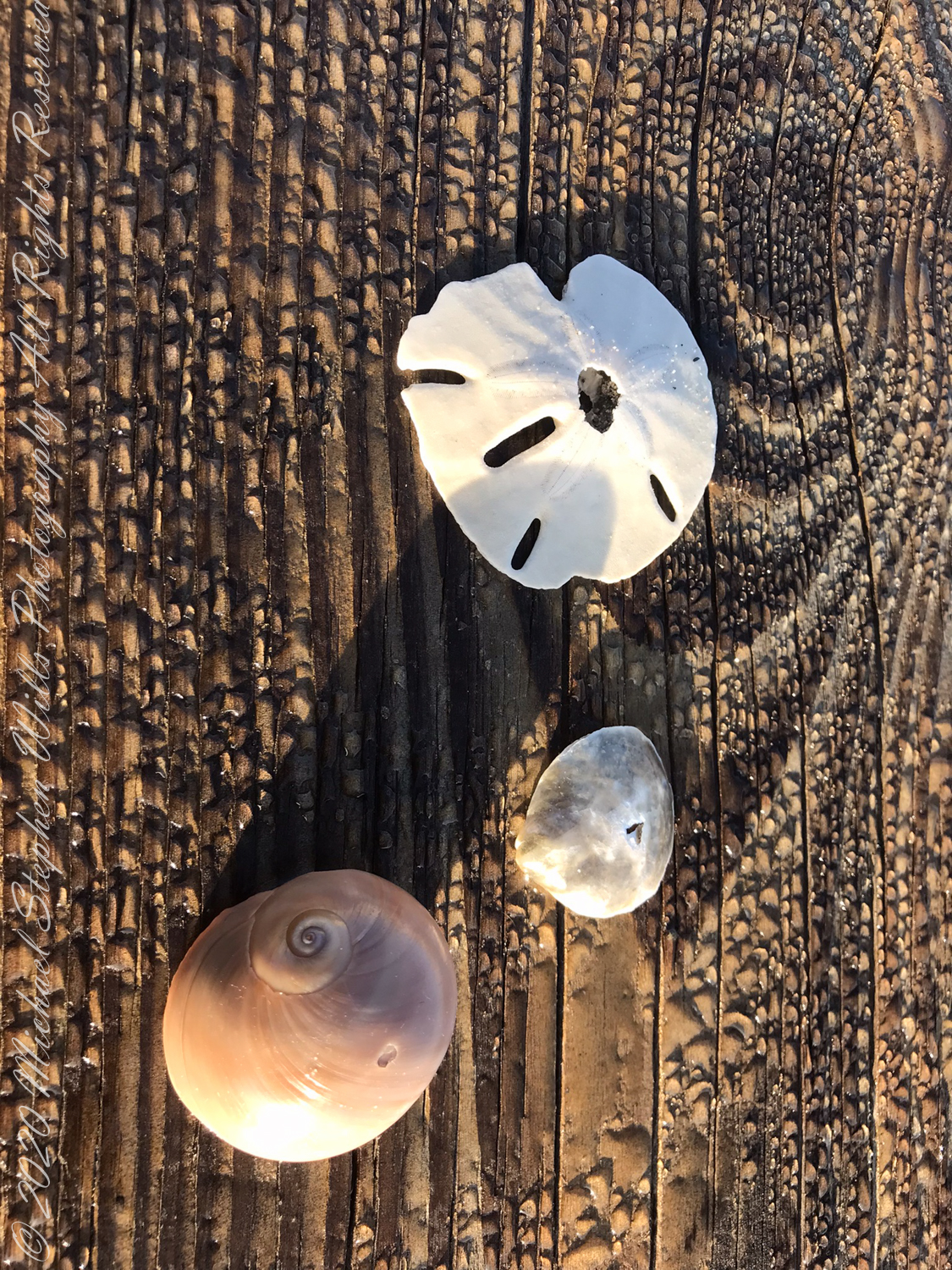
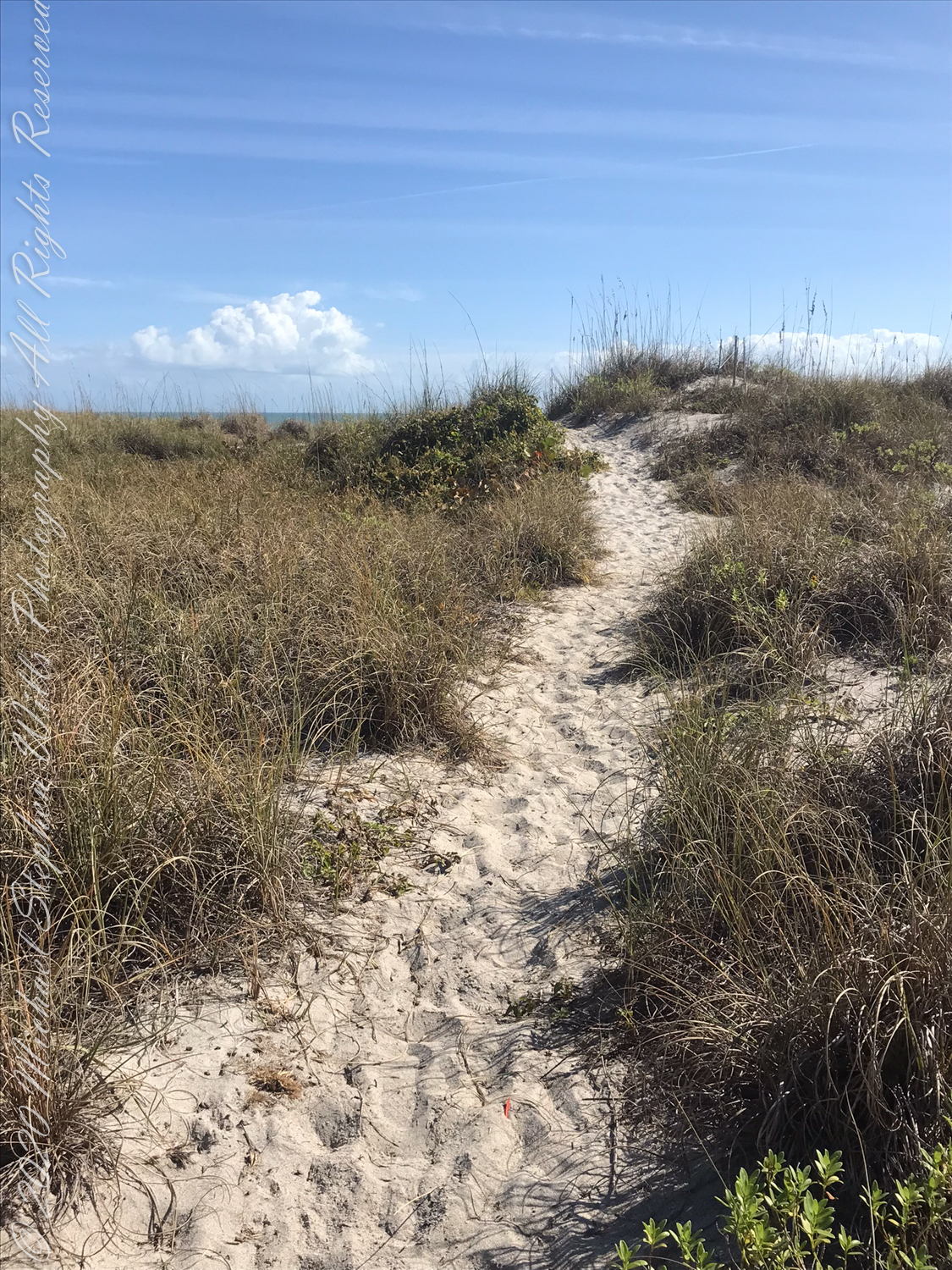
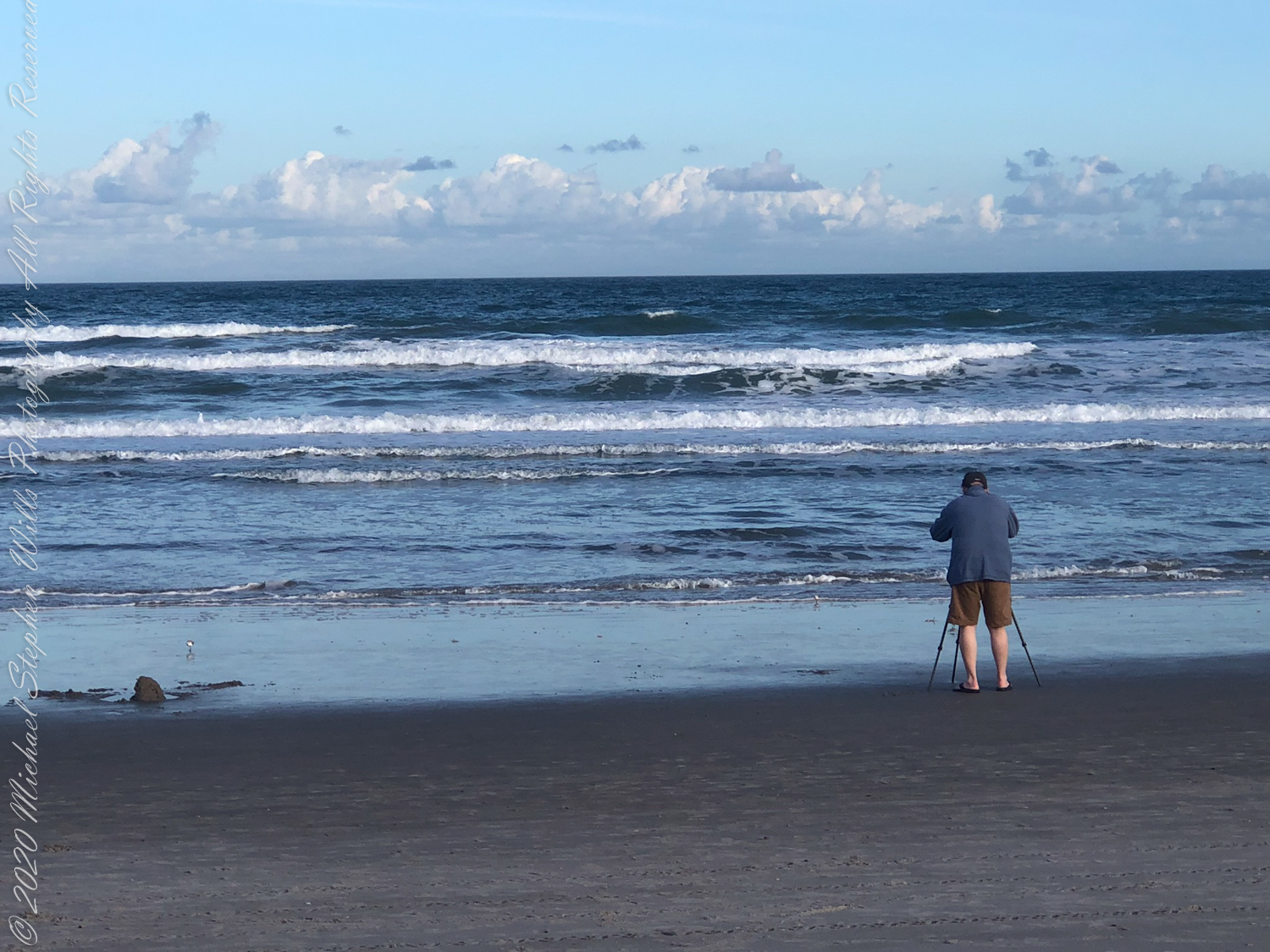
Sights and Sounds
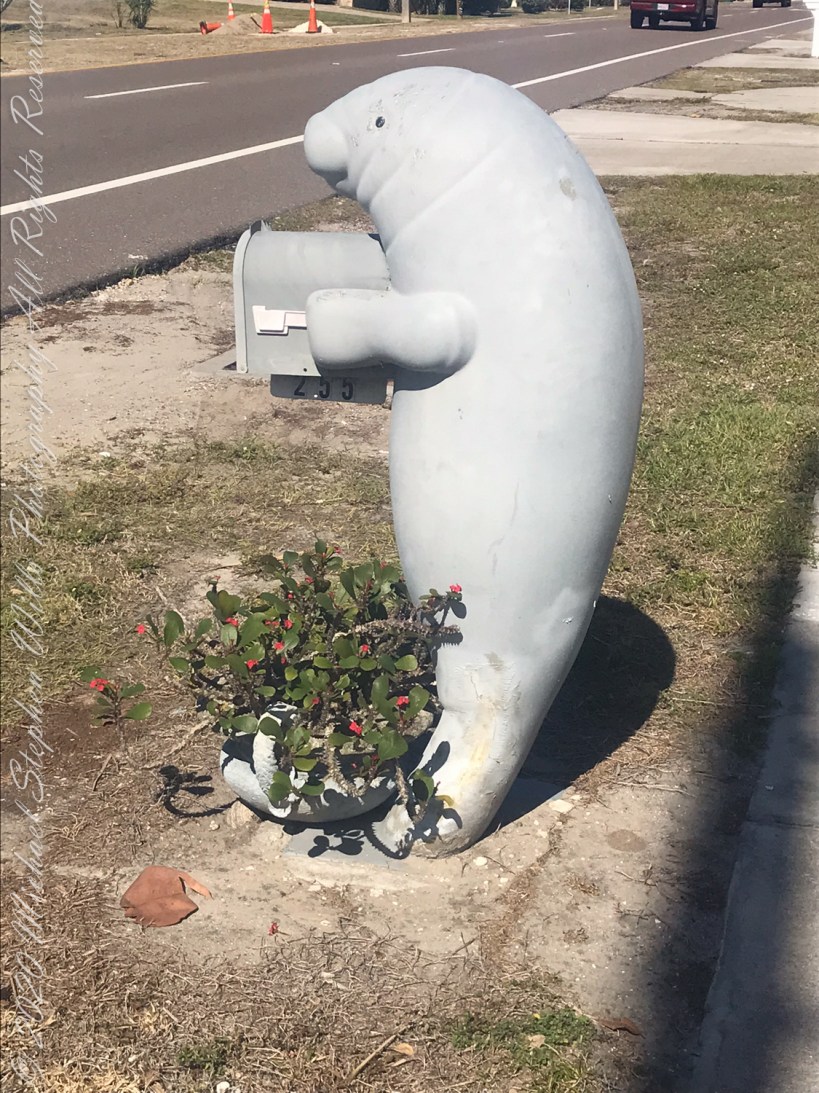
Right Whales in February
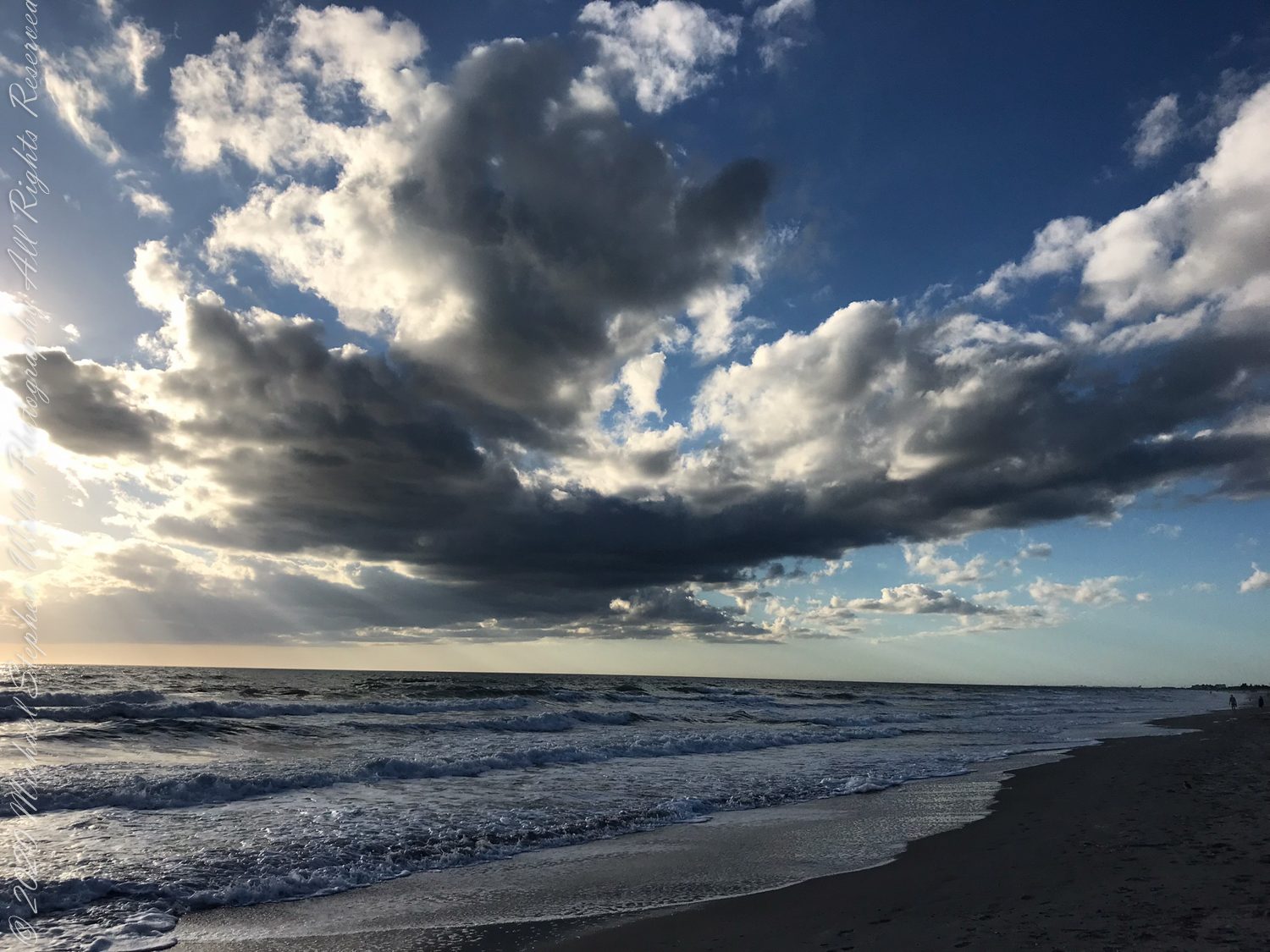
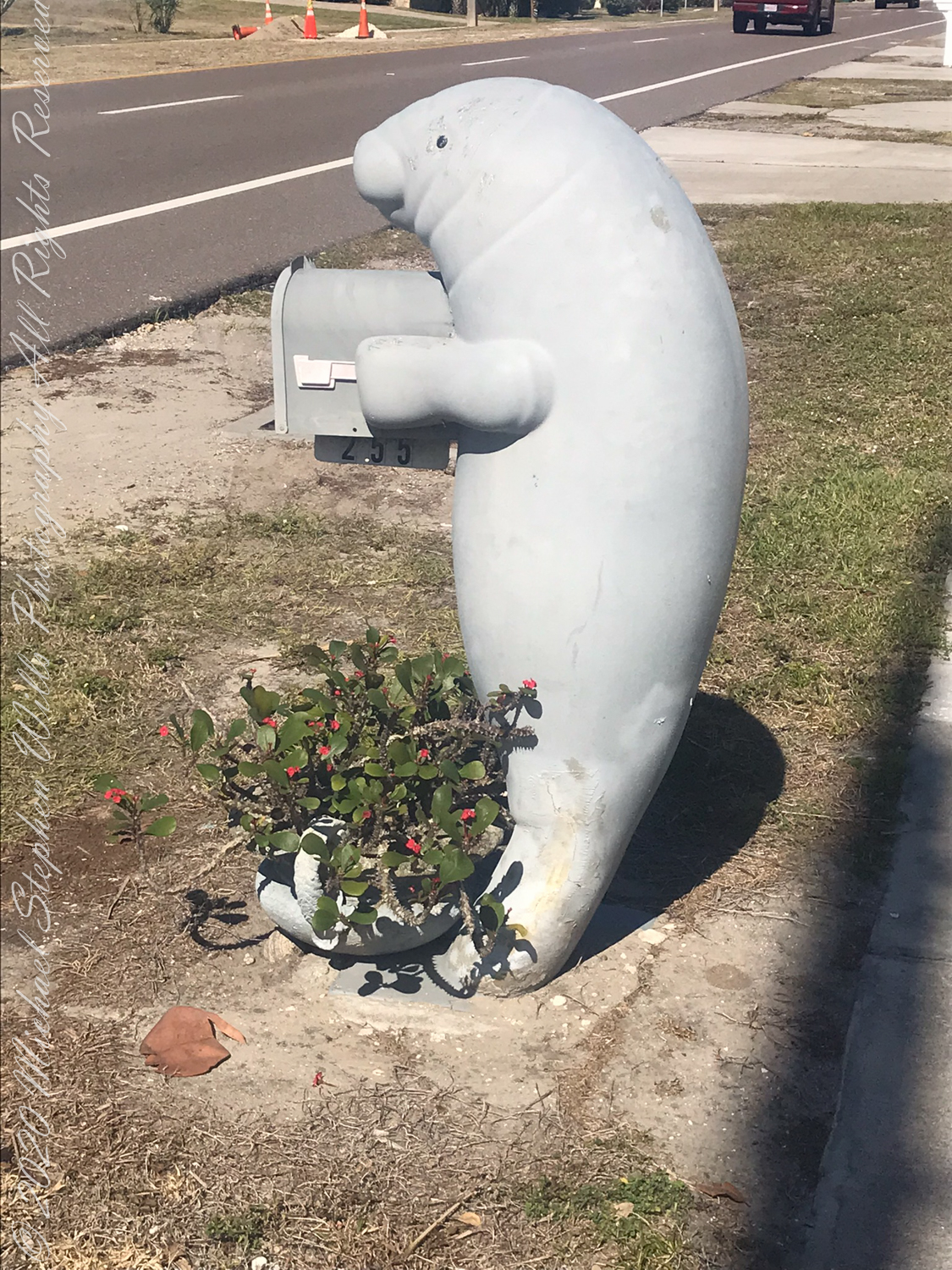
No, the Manatee mailbox on Atlantic Avenue is NOT the whale sighted….more of that later. February 3rd 2022 dawned with scattered clouds to fracture sunbeams.
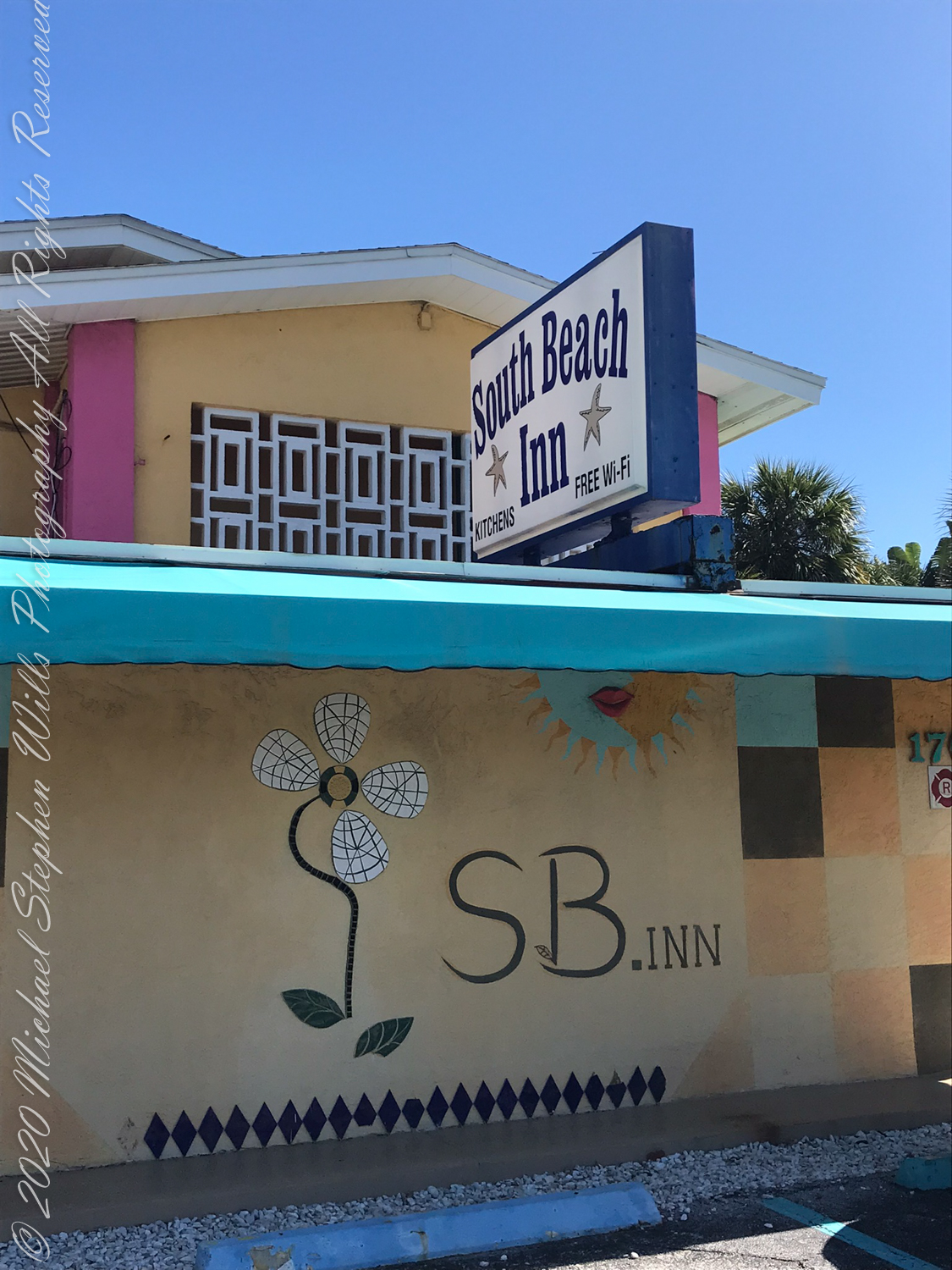
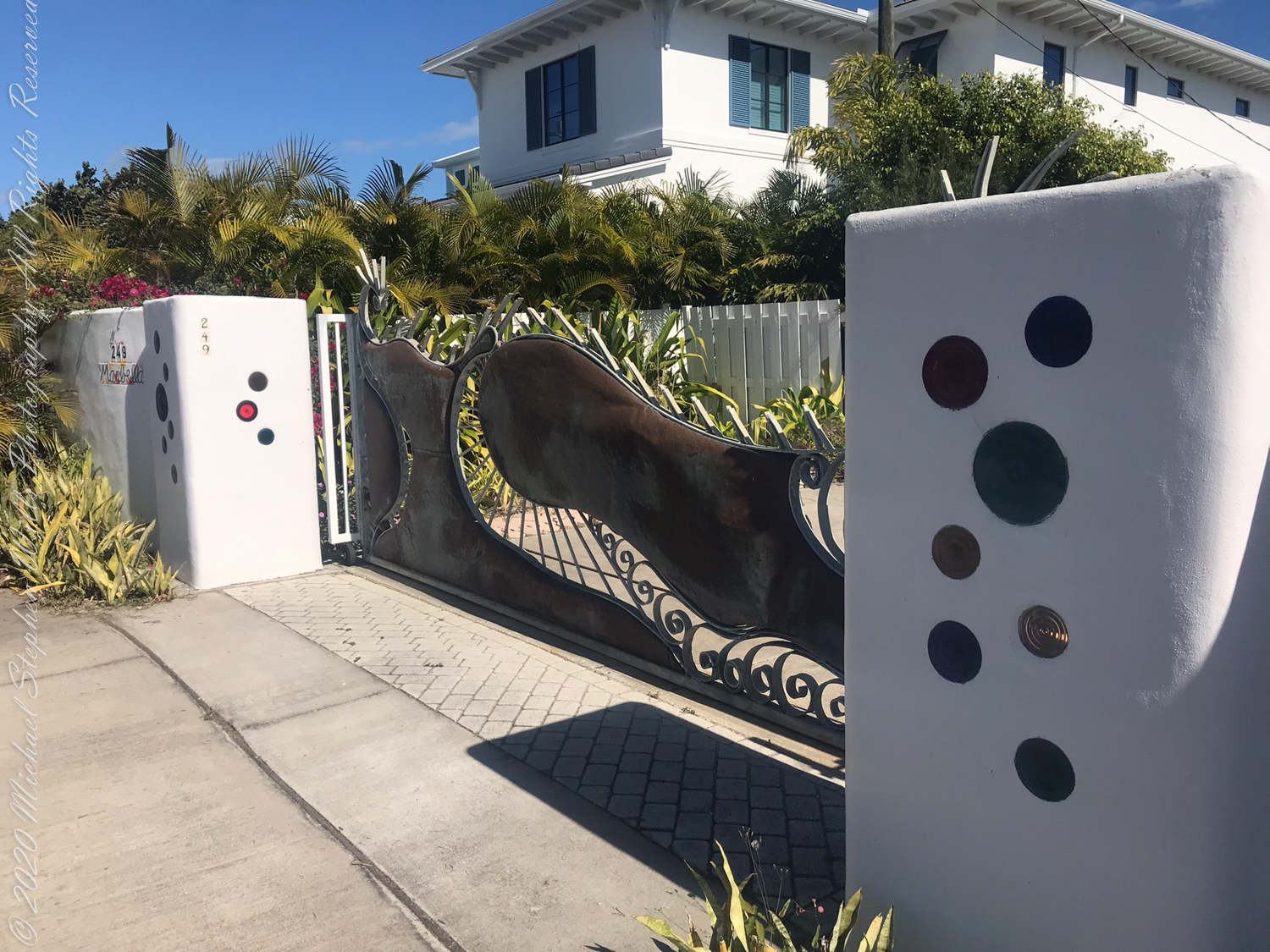
Walking south I made the 2+ mile point where, up from the beach on South Atlantic Avenue, is a memorable facade.
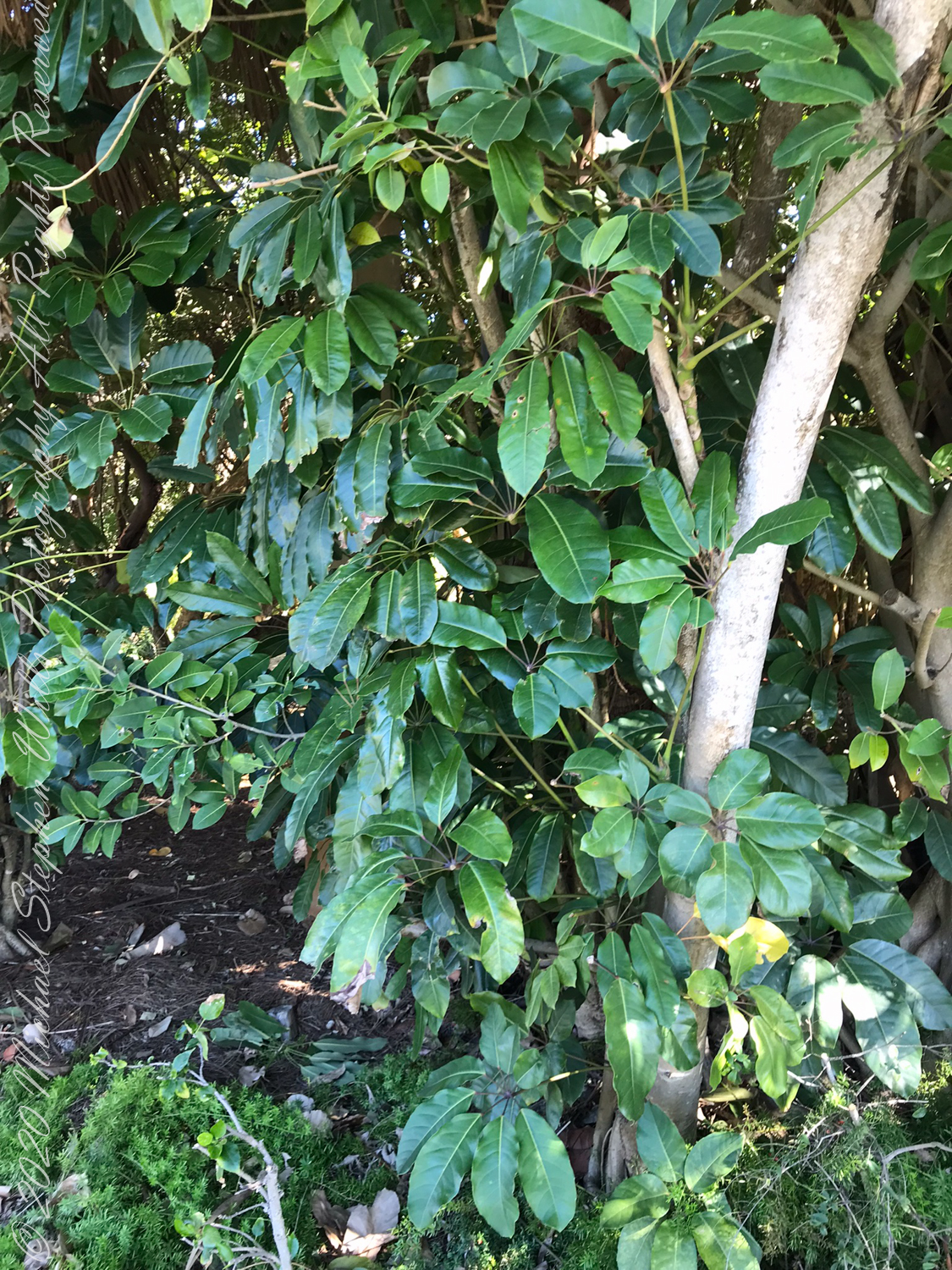
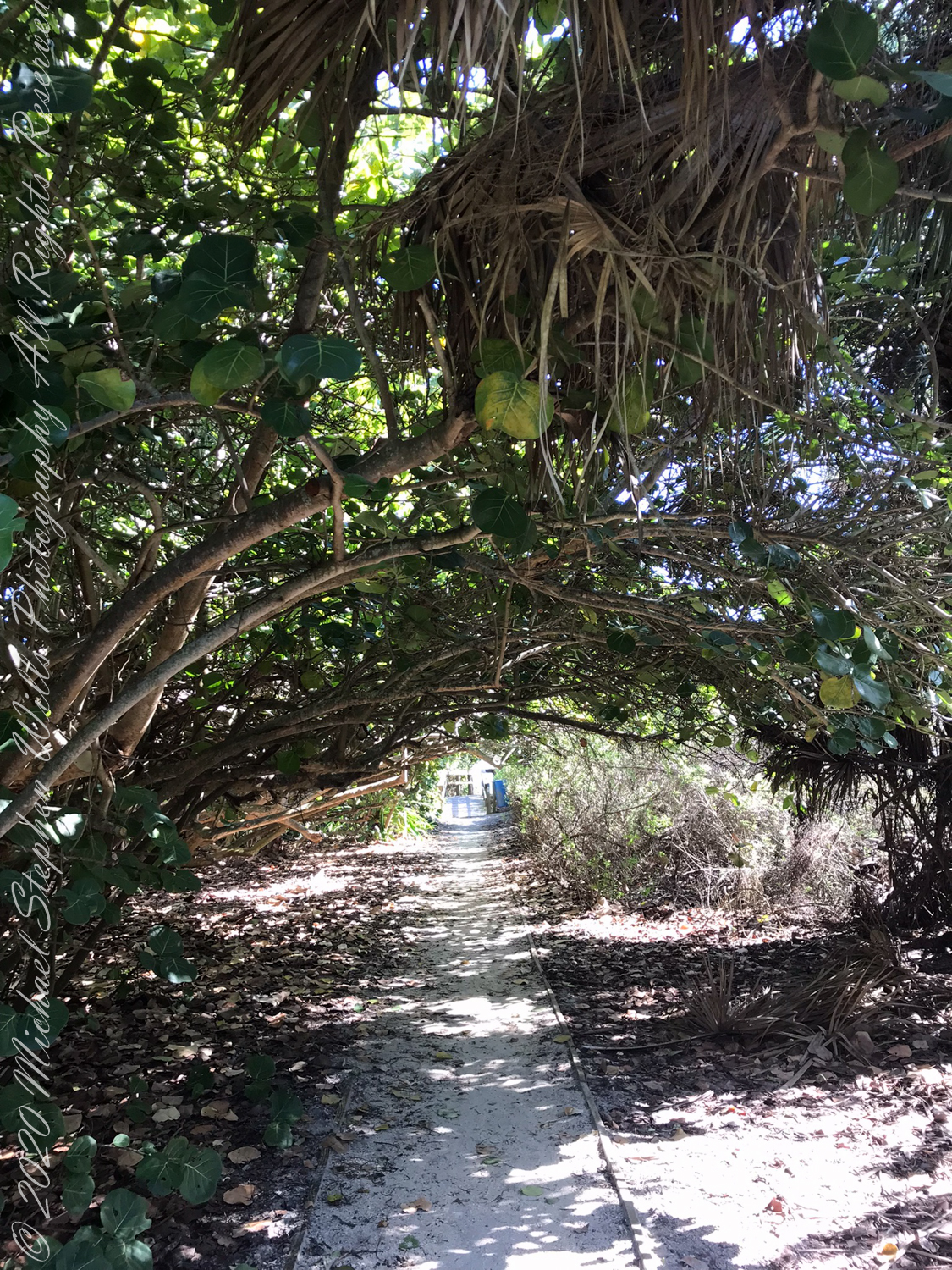
Also exotic schefflera, paths to the beach through Sea Grapes.
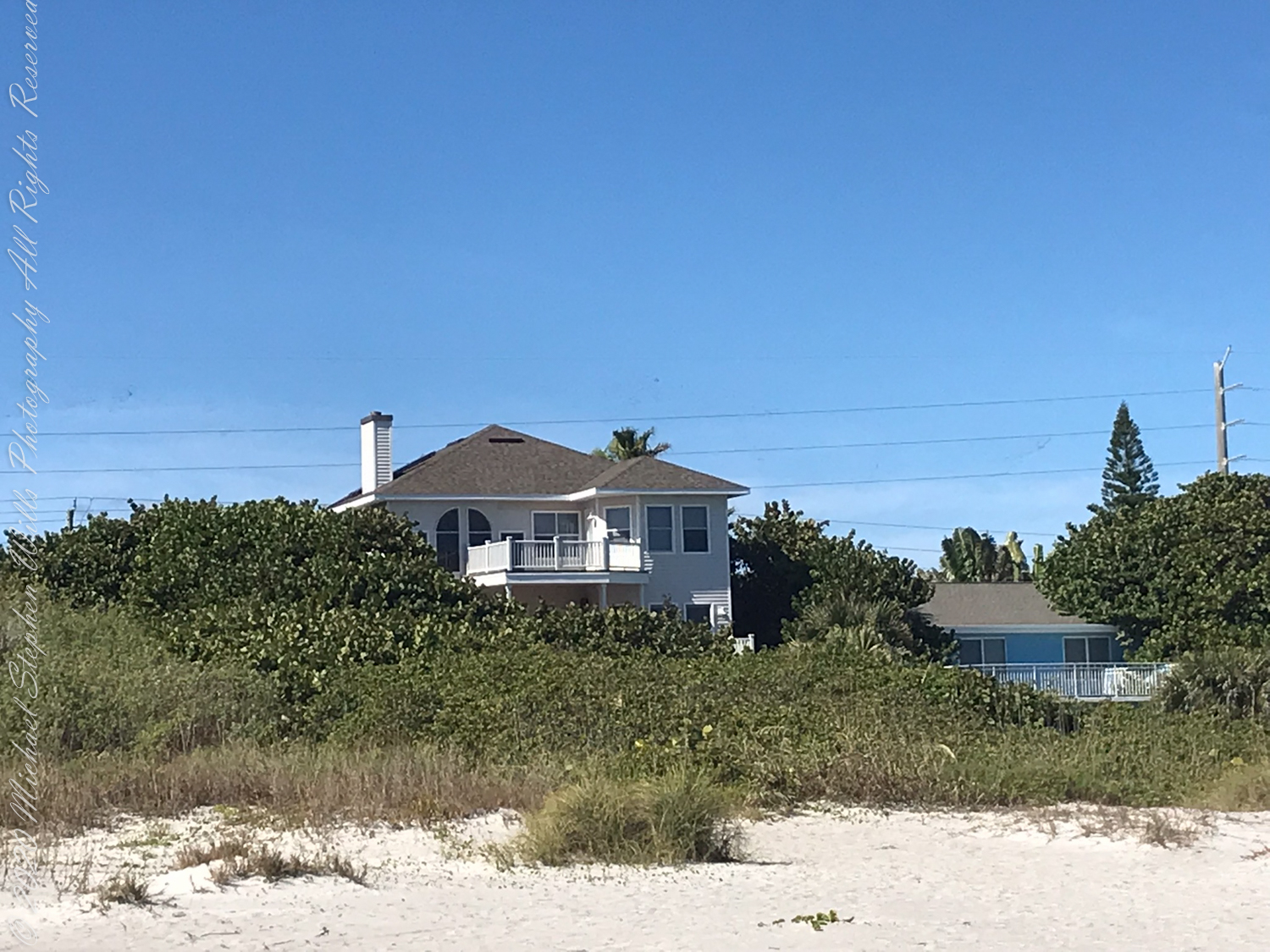
February is the time for Right Whale sightings on the Florida Atlantic Coast. On the beach, near the blue dot on the following map, were lines of people facing the ocean, some with binoculars and cameras with long lenses.
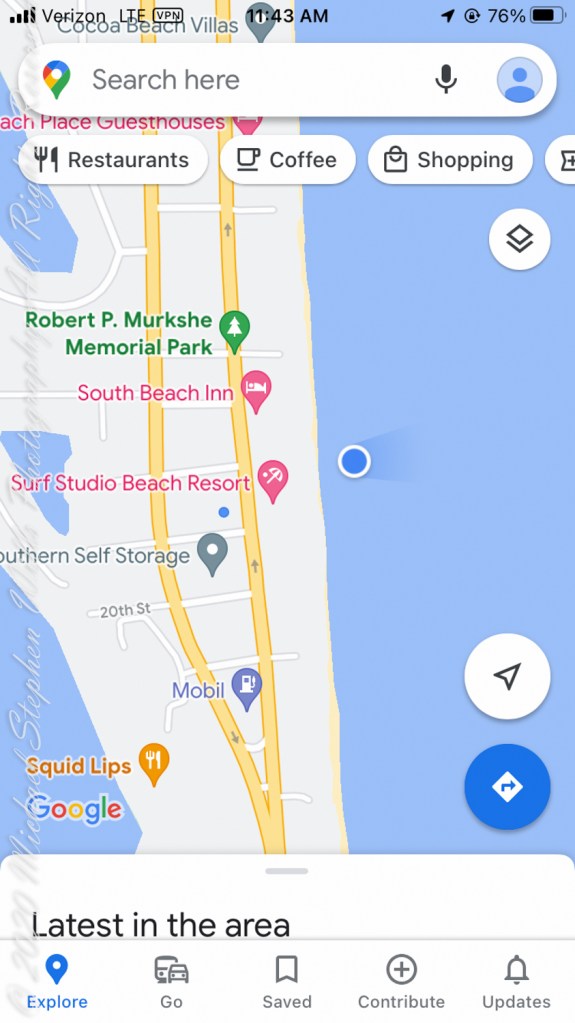
About 500 feet out, beyond where the wave roll begins, a person sat on a paddle board looking to my right. In the following IPhone videos an occasional black hump, roiling water, a flipper and the signature spout are visible. It is too far for identification, I call it a Right Whale from their reputation for visiting these shores in late January/February.
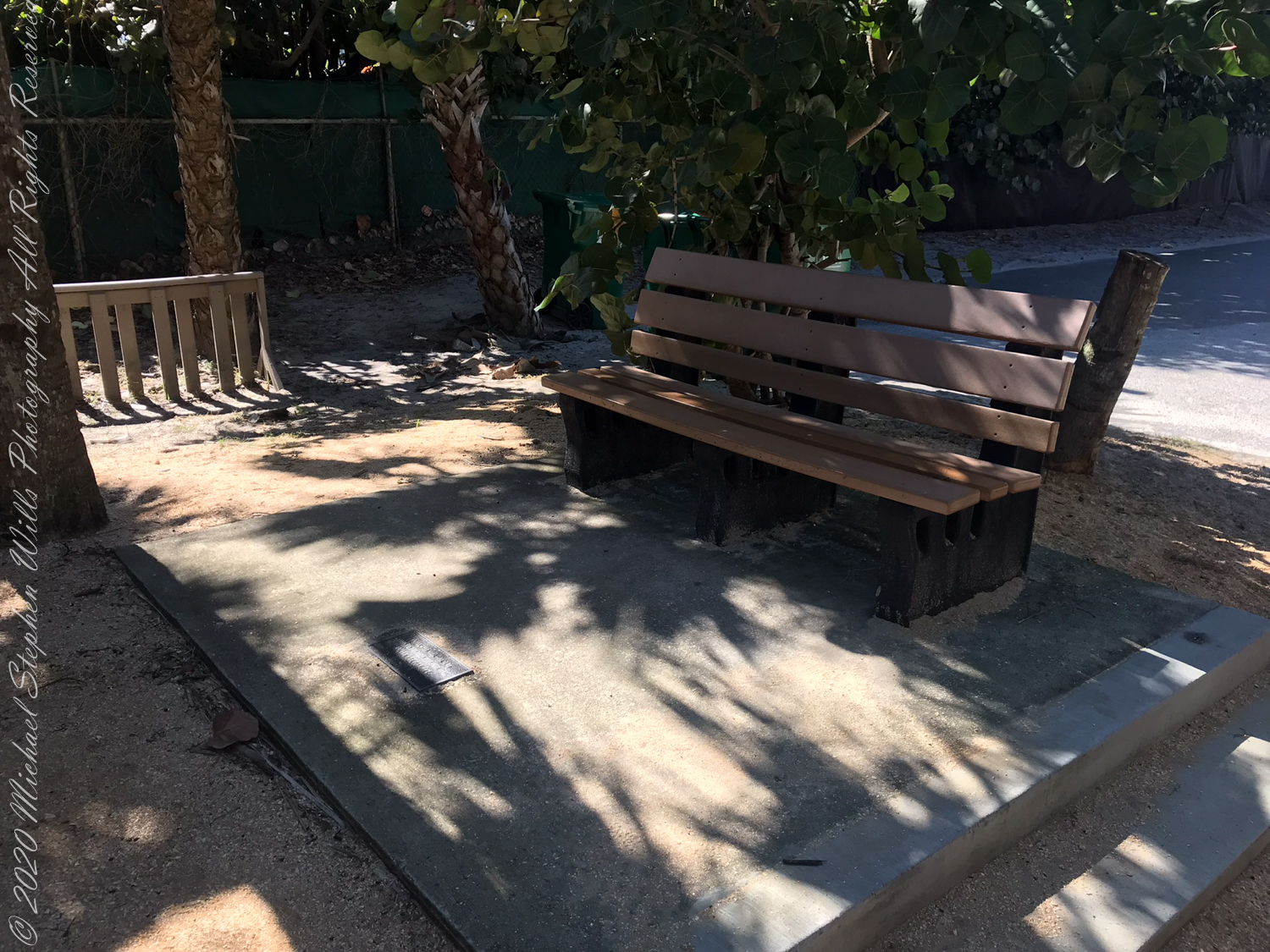
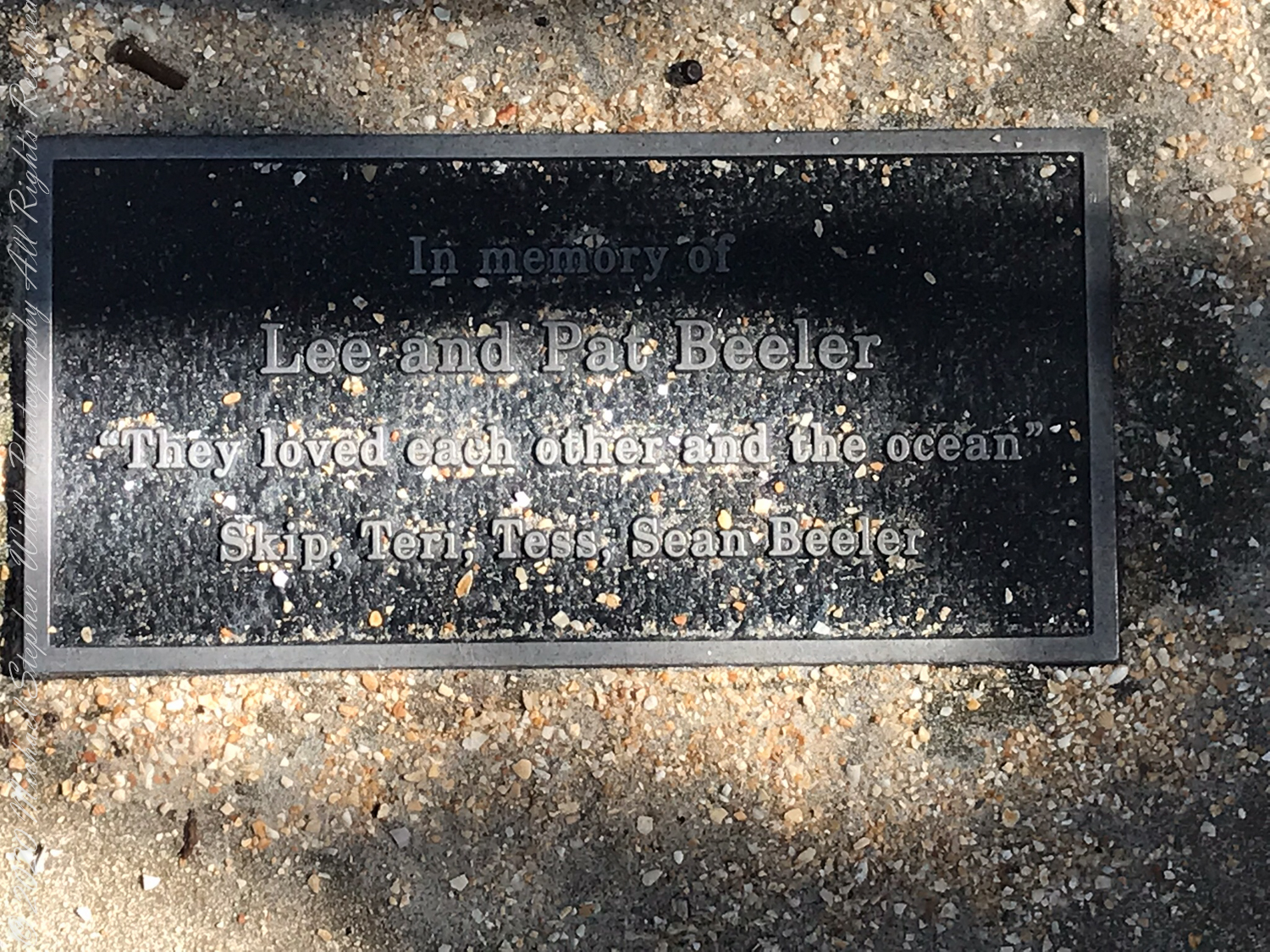
An hour later, I left the beach at South 4th Street to capture the following local color.
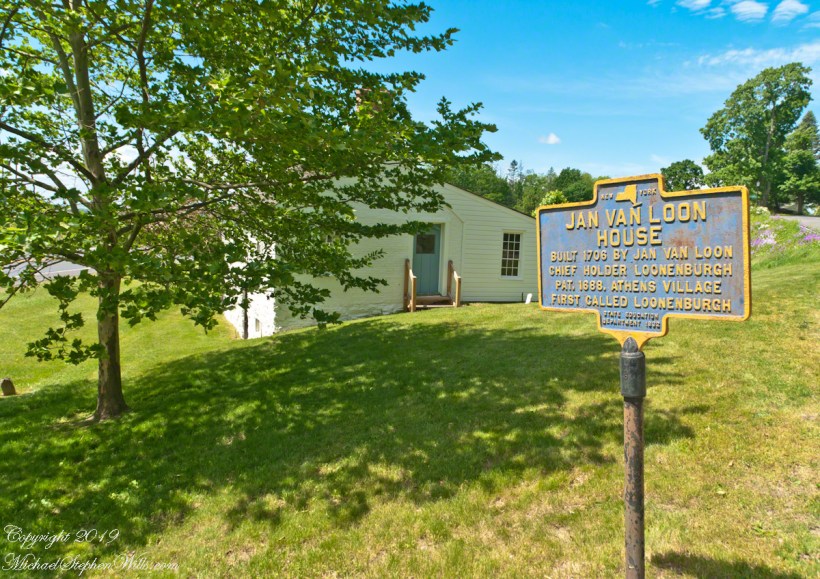
Pam’s Ancestors Jan and Maria Van Loon
June 2018 I shed a 53 year old habit of working for a living for new habits in retirement. Instead of waking at 5 am to work for someone else, my routine became to wake at 5 am for personal projects. From June into September 2018 my morning time was spent researching and documenting family history, also known as genealogy: my own and Pam’s.
It was fitting Pam and I spent the last days of that year (June 2018 through May 2019) harvesting our newly acquired knowledge on the ground, a 3 hour drive from our home, to the site of Pam’s earliest ancestor in the New World, at that time Colonial America. Our visit will be book-ended by another this September to Burlington, New Jersey, on the eastern short of the Delaware river, founded by my earliest ancestor, also in Colonial America and 4 hours from our present day home.
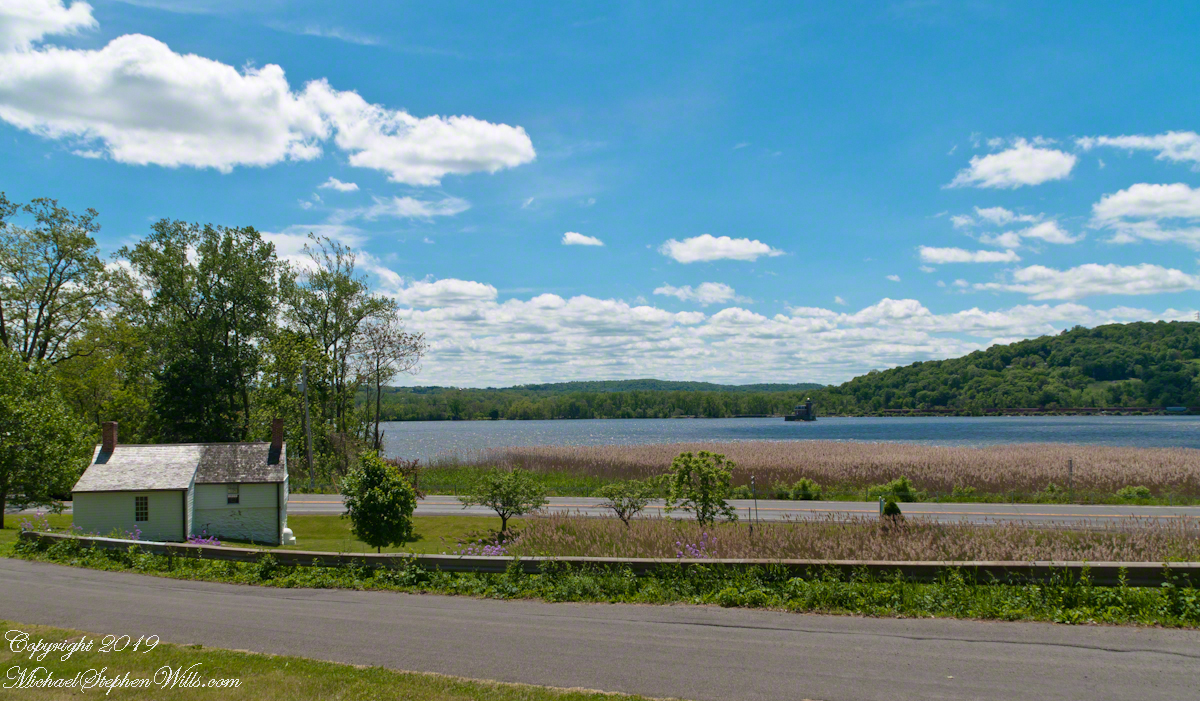
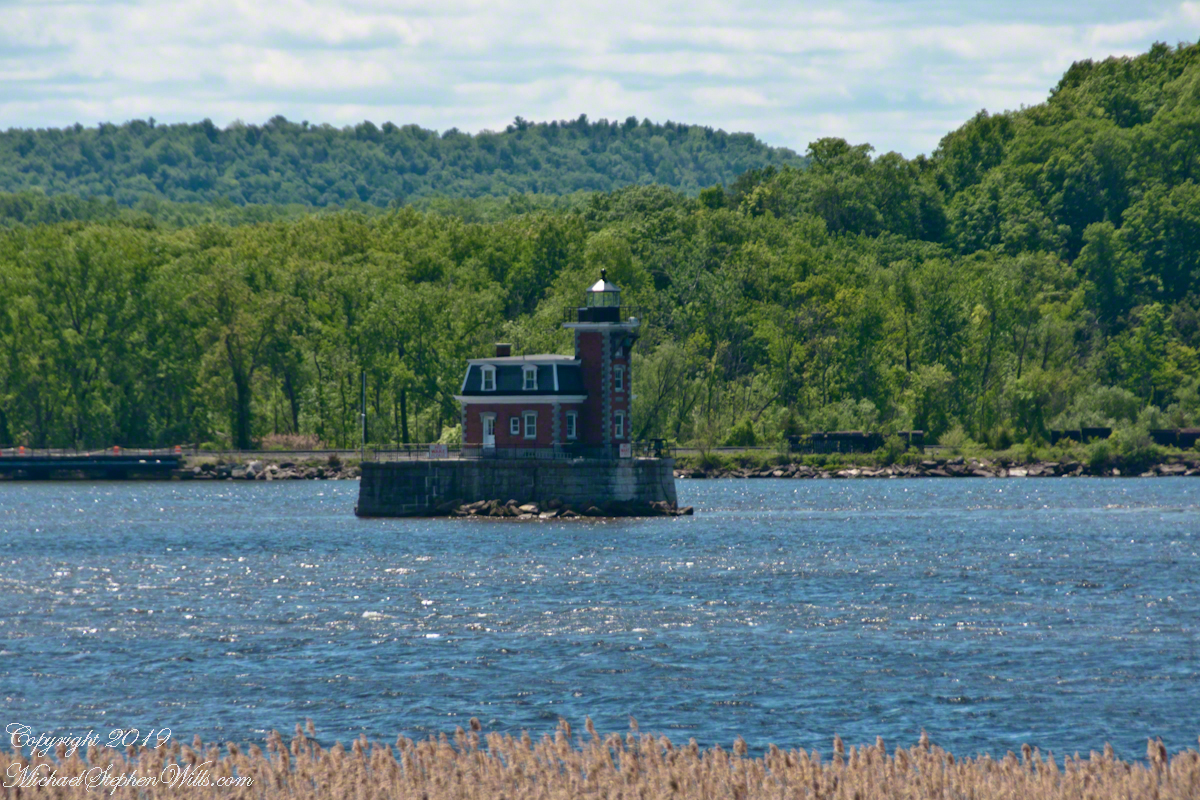
A river setting is a link between our ancestors and the two rivers associated in a number of ways. In driving to Athens, New York, a village on the west bank of the Hudson River 31 miles from the state capital, Albany. Our route from Ithaca to Athens included route 23 that passes through the Catskill Mountain, Delaware County, village of Stamford. The headwaters of the west branch of the Delaware River passes through Stamford.
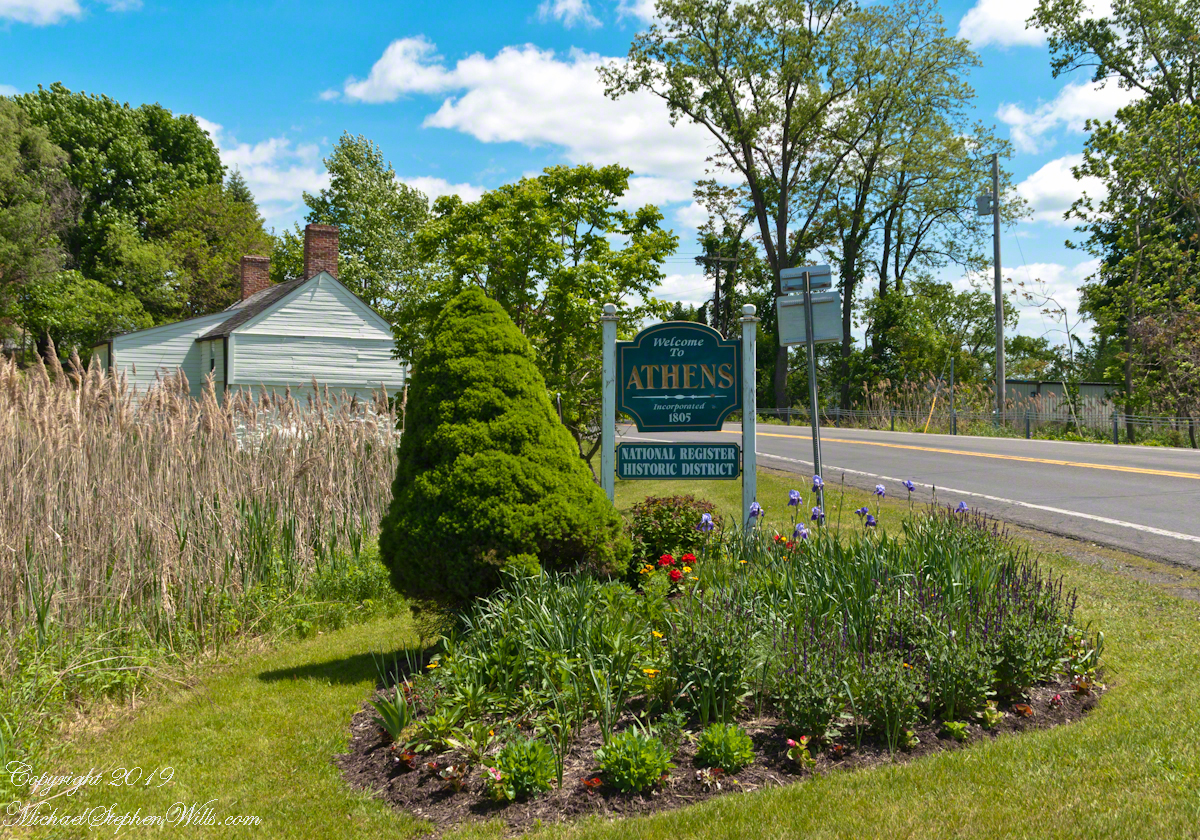
Henry Hudson and the crew of the Half Moon were the first recorded Europeans to visit both the Delaware and Hudson rivers. The Half Moon dropped anchor in Delaware Bay late August, 1609. They reached the estuary of the Hudson (then called the North or the Mauritius). The goal of Hudson was a route to China. Luring him up was the flow and width of the river, Hudson suspected this land was a island, behind which lay the route to the Orient. He navigated up the river for ten days, passing the future site of Athens.
Hudson was in the employ of the Dutch East India Company and it was the Dutch who laid claim to the length of the Hudson for the purpose of trade. In summary, when Swedish/Finnish colonists on the Delaware proved successful in shipping huge numbers of beaver pelts and tobacco the Dutch took control of the Delaware under force of arms in the interest of controlling this trade.
The Dutch, AKA the Dutch East/West India Companies, had little interest in establishing colonies. Instead huge areas of land, “patents”, were granted to individuals with the underlying goal of providing a flow of shippable goods. It remained as such for many years, until 1664 when England, under the king Charles II, took control of New Amsterdam and, by extension, trade flowing on the Hudson River.
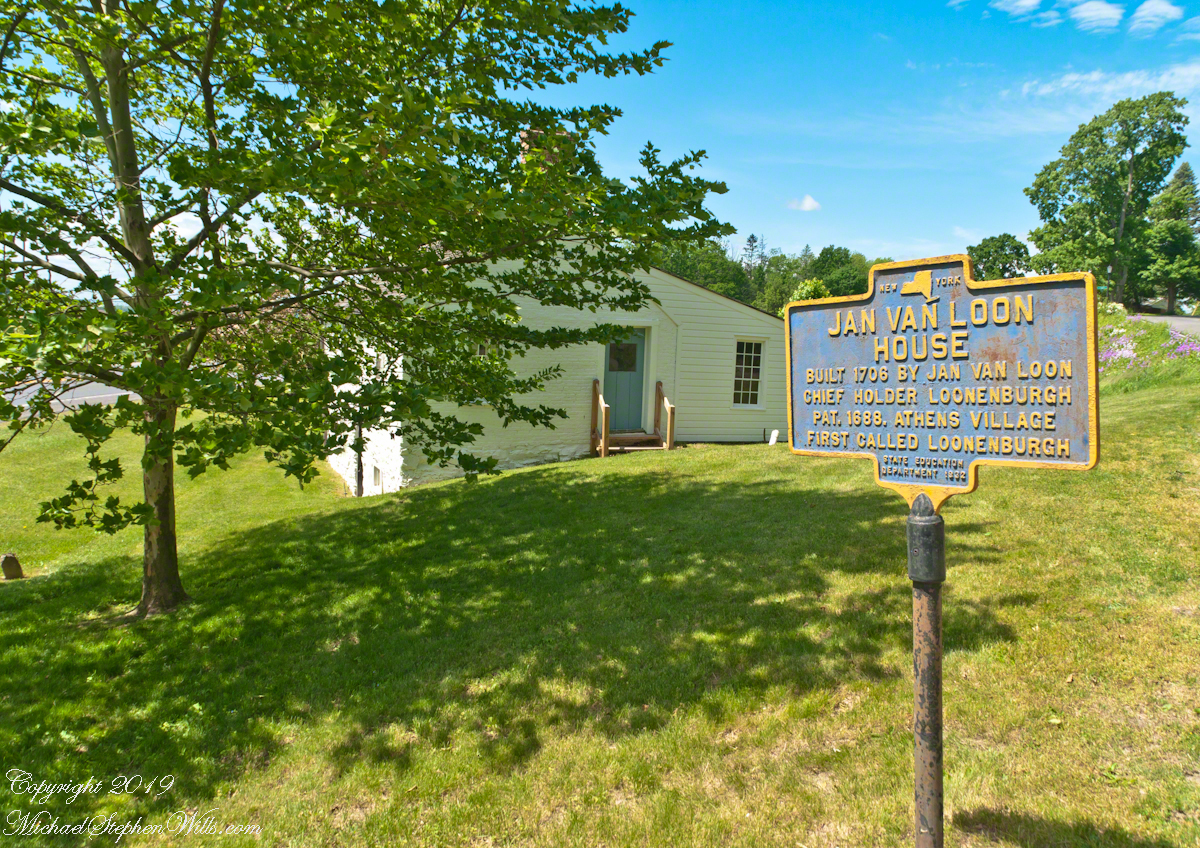
Jan Van Loon (pronounced Van Loan) comes into the picture with a 1676 marriage to Maria in New Amsterdam. When Jan acquired a major interest in the 1688 Loonenburg patent the land was just opening to European settlers and their tenancy was less than secure. Threatened by incursions of Native Americans and animosities between the French and English. They had eight children who reached adulthood, the house of one of them, Albertus, is one of the oldest continually inhabited residences in New York State.
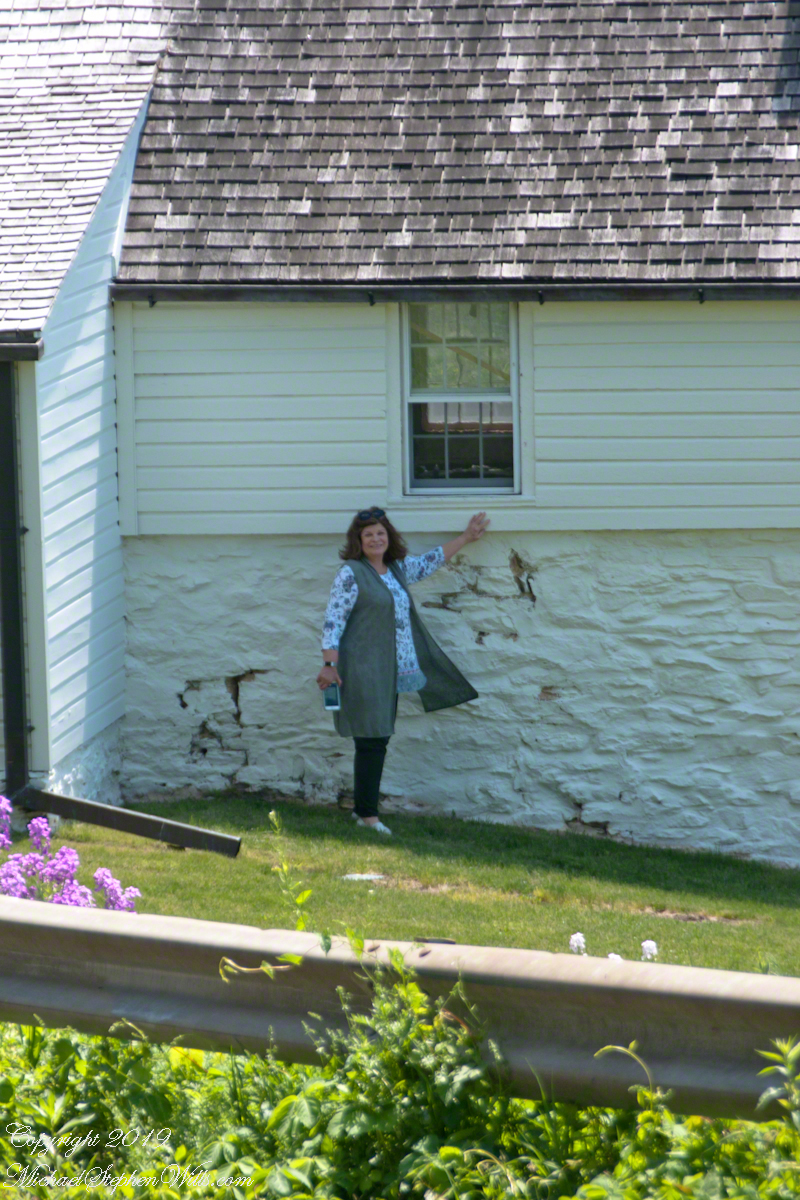
Tradition has it Jan Van Loon acquired the land through a payment of 50 beaver pelts and provided services as a blacksmith, though that had to be after a number of years of residence, since he was a first settler. Pam and I are learning more about those early years, but we know Jan and Maria’s interest in the land was not trade. It was to live peacefully and prosper which they, somehow, did to the benefit of all the people around them.
 Michael Stephen Wills Photography