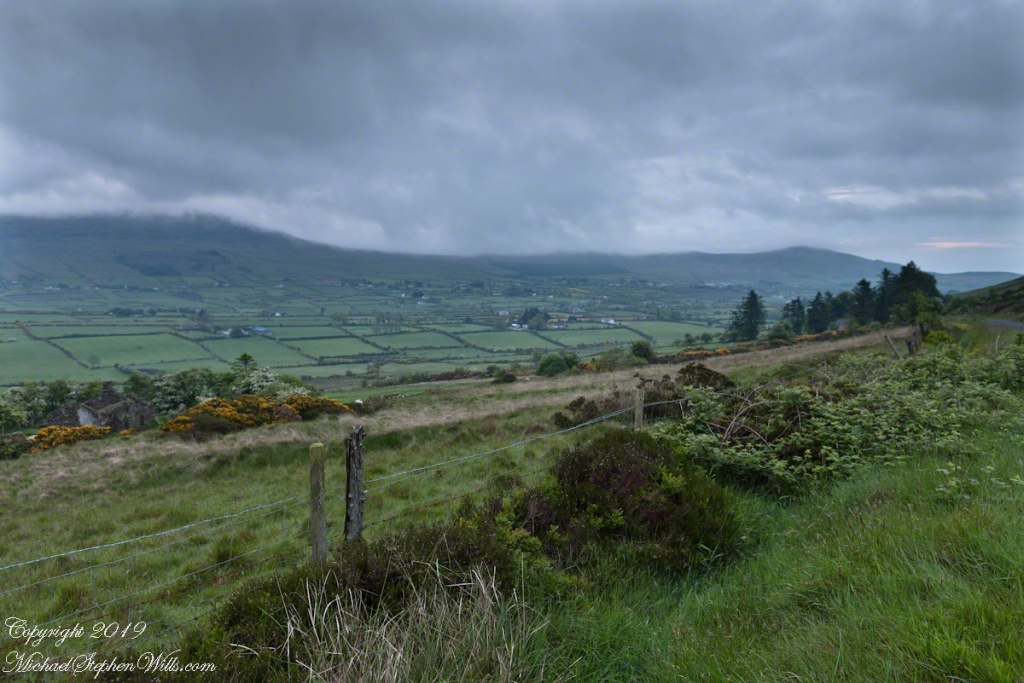
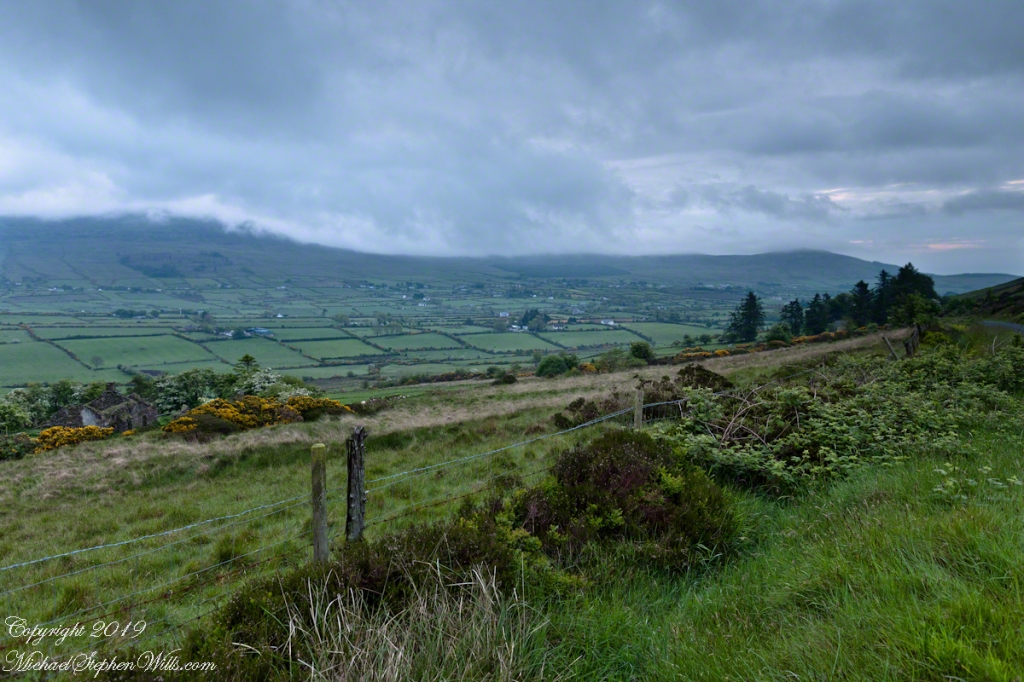
This the fifth and final of a series of landscape photographs taken from this position.
Click photograph for a larger view. To do this from WordPress Reader, you need to first click the title of this post to open a new page.
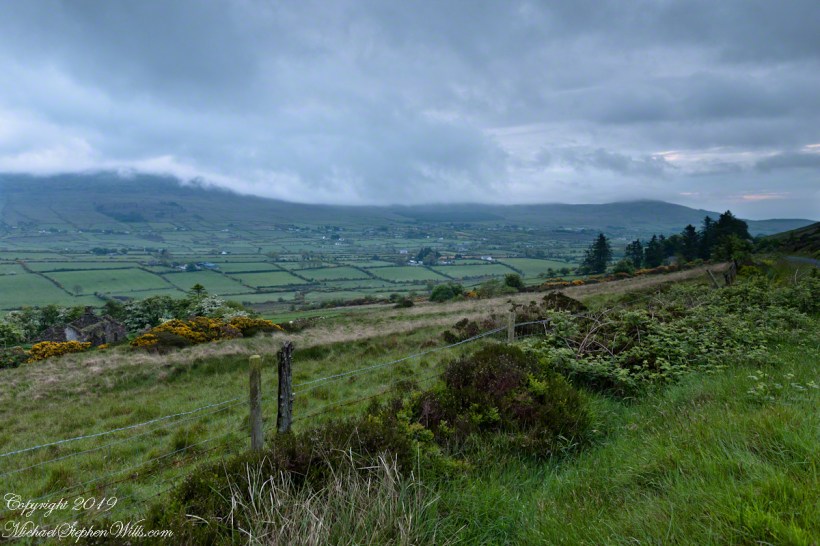
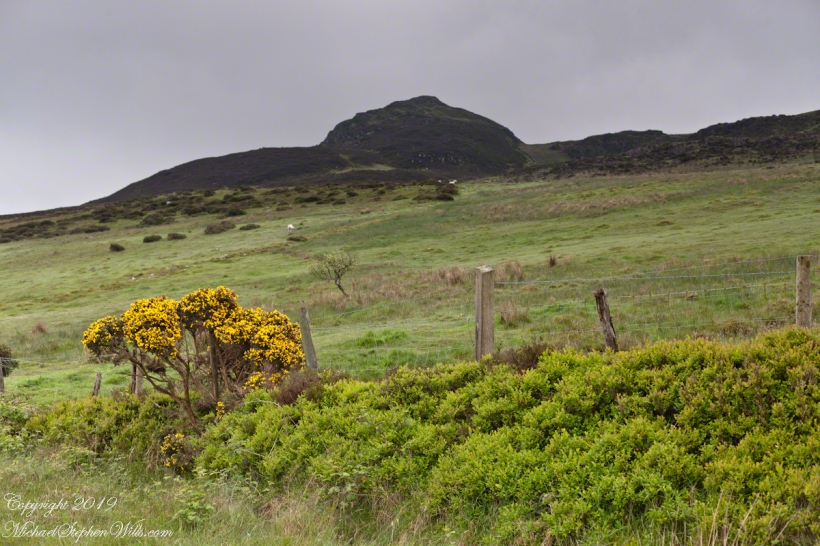
Slievenaglogh View with road, east
The peak is named, in the English language, Slievenaglogh. It is so strange as it’s not English, being instead a transliteration of the Irish name “Sliabh na gCloch.” This is “Rock Mountain” translated literally. Slievenaglogh is carried to the townland, a long thin swath of land being the peak and associated ridge-line.
The rocks up there are called “gabbro,” a type of magma slowly cooled under ground. Slievenaglog, Slieve Foy across the valley, and the Morne mountains all formed within volcano magma chamber(s) of the Paleocene, 66 million years ago, a time associated with extensive volcanism and the Cretaceous–Paleogene extinction event that gave rise to the current age.
Our younger cousin has been up there, optimistically we left it for a later trip.
Slievenaglogh View, northeastSlievenaglogh View, east northeastSlievenaglogh View, east northeastSlievenaglogh View, north northeastSlievenaglogh View with road, east
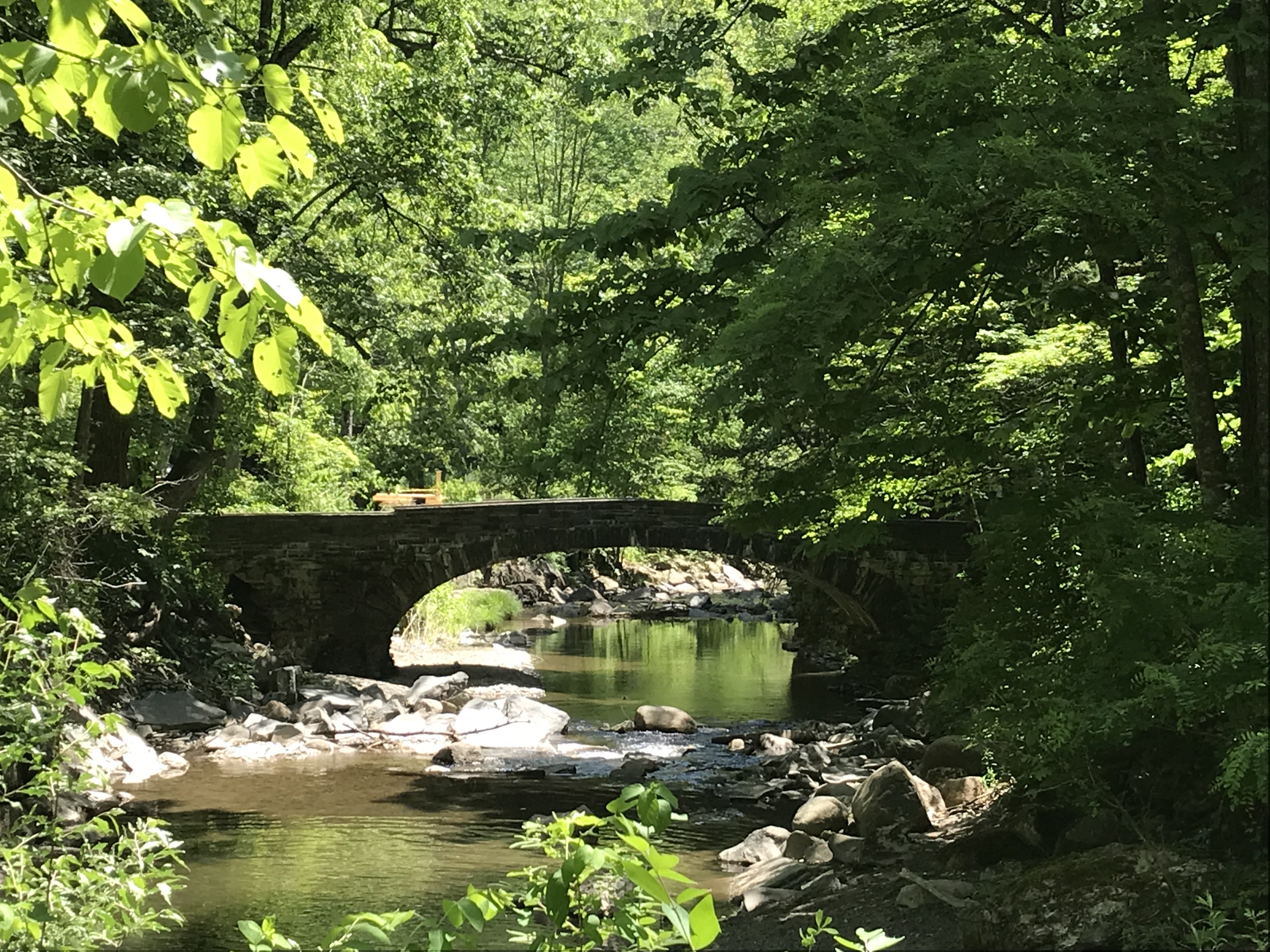
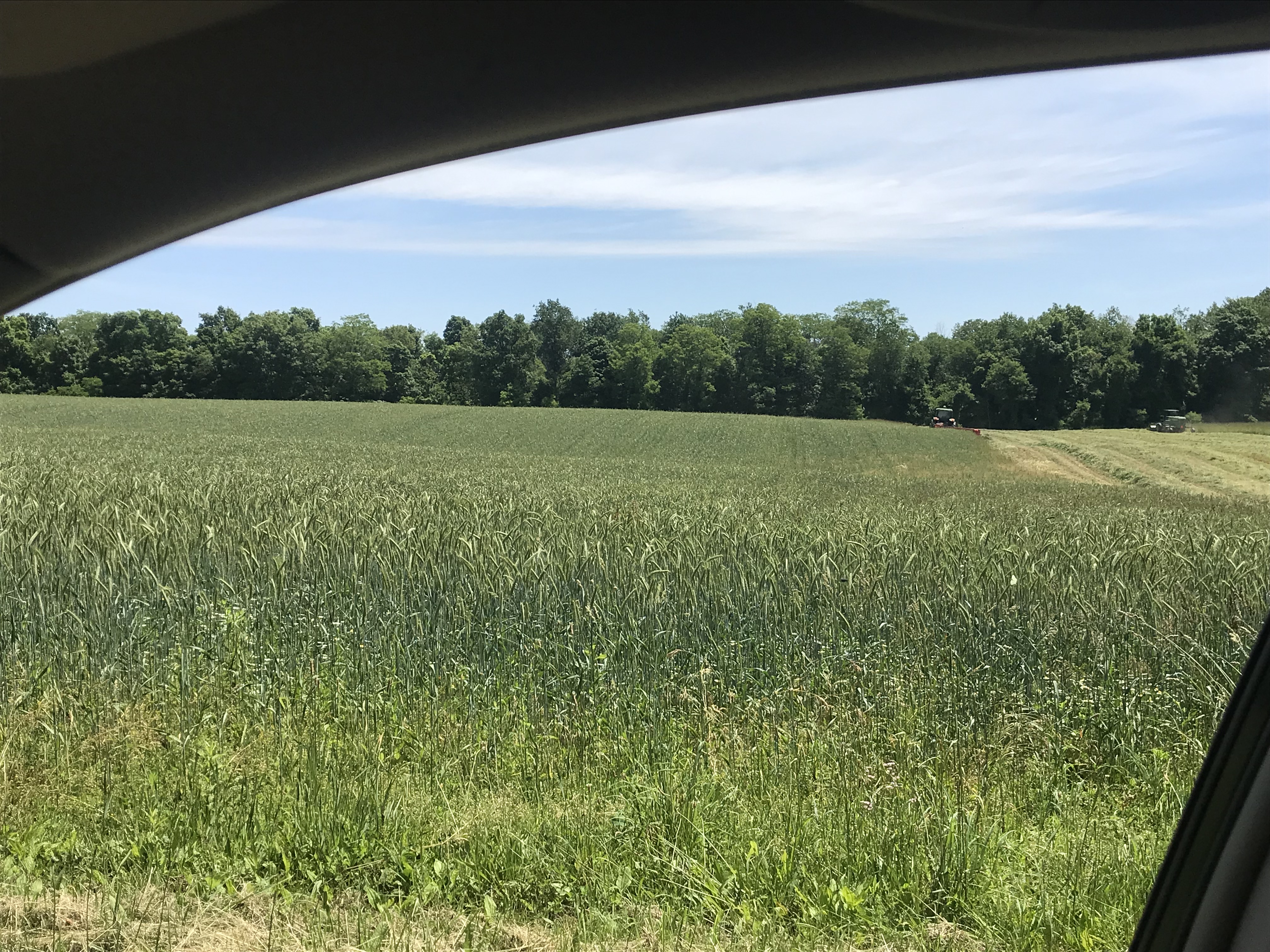
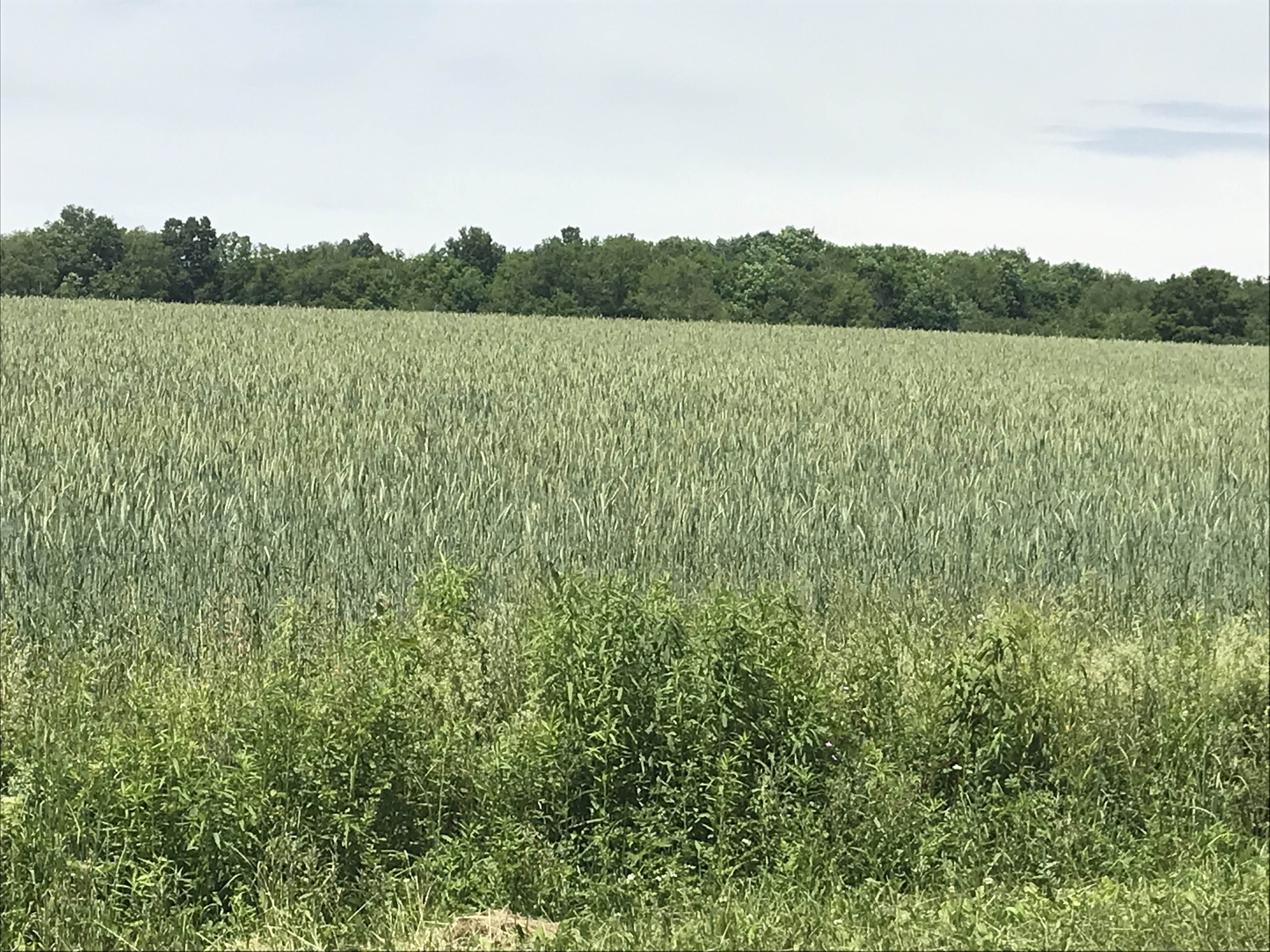
Wednesday, June 15th, we were on a turn to heat and humidity with this day of light breeze, temperature in the 70s making hiking around Tremen Park a joy.
These snapshots, taken on the fly with an IPhone 7, are the high points.
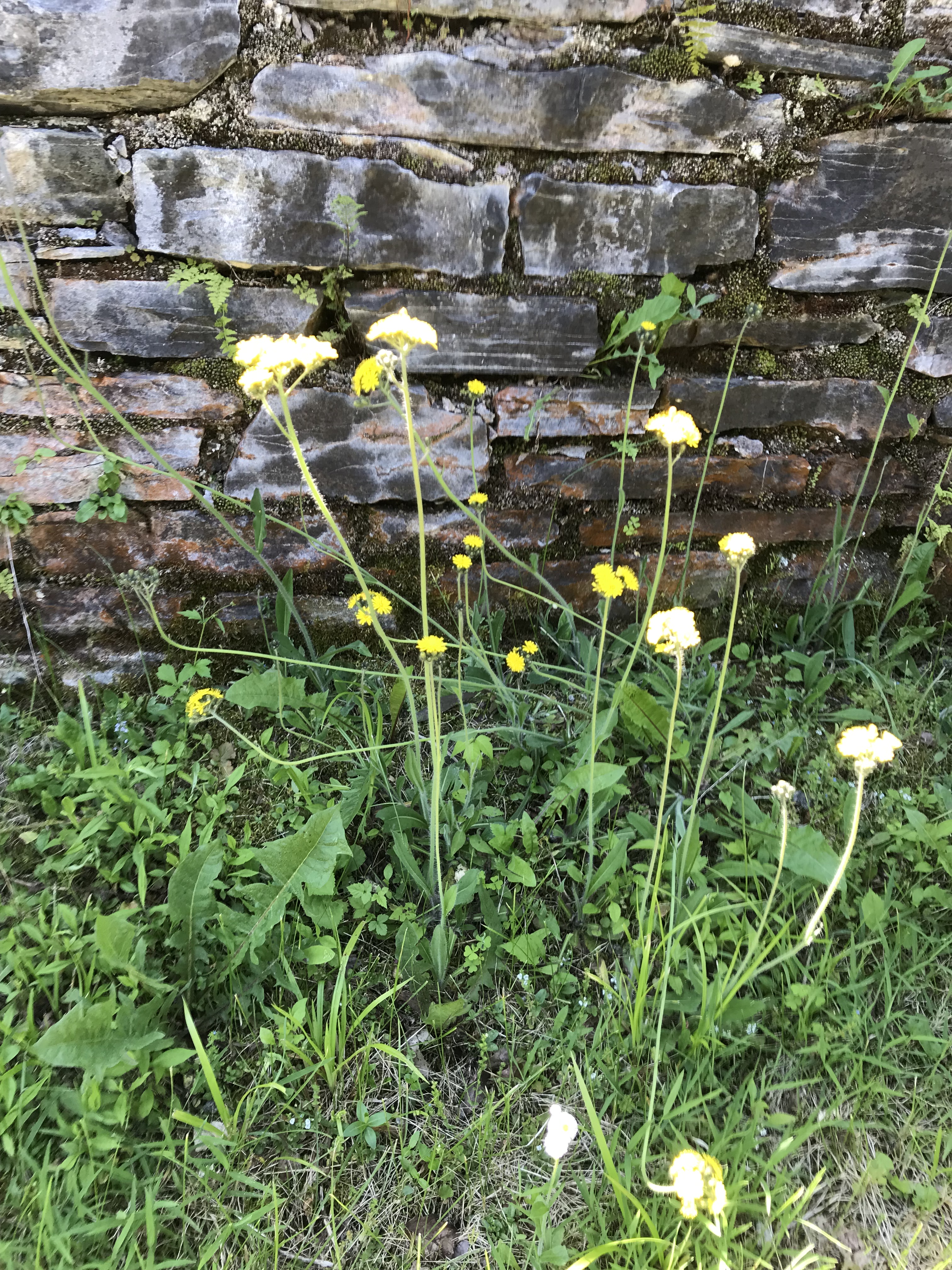
The first is a dandelion look alike with yellow flowers, petals shaped like teeth, though on a long hard stem and multiple flowers on a stalk. Known as meadow hawkweed, yellow hawkweed, field hawkweed, king devil, yellow paintbrush, devil’s paintbrush, yellow devil, yellow fox-and-cubs, and yellow king-devil with two scientific names: Pilosella caespitosa and Hieracium caespitosum.
Click photograph for a larger view. To do this from WordPress Reader, you need to first click the title of this post to open a new page.
Pilosella caespitosa
Click for slideshow.
Copyright 2022 All Rights Reserved Michael Stephen Wills
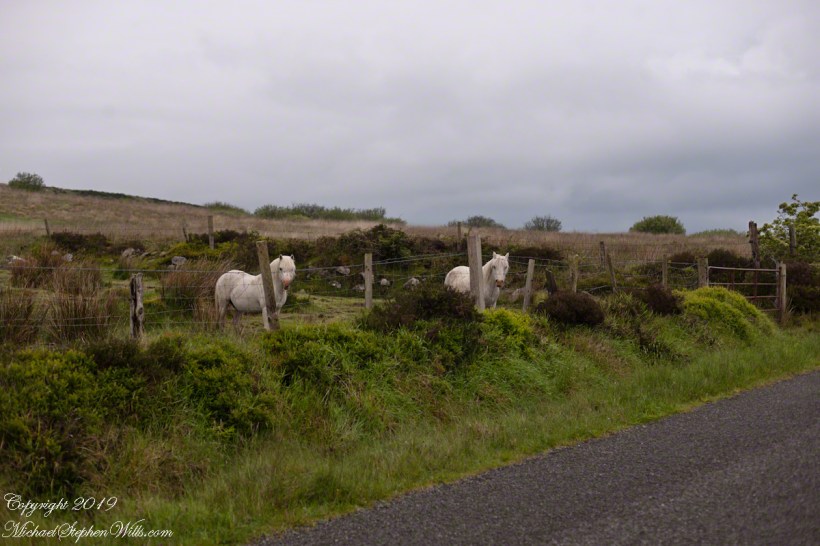
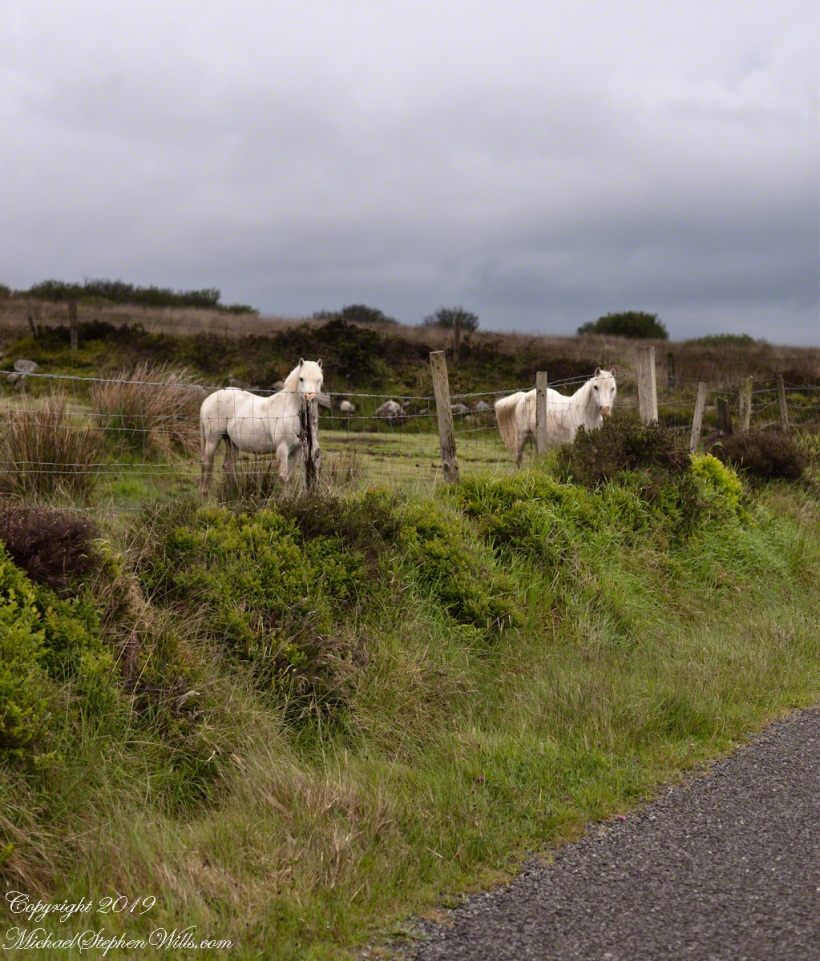
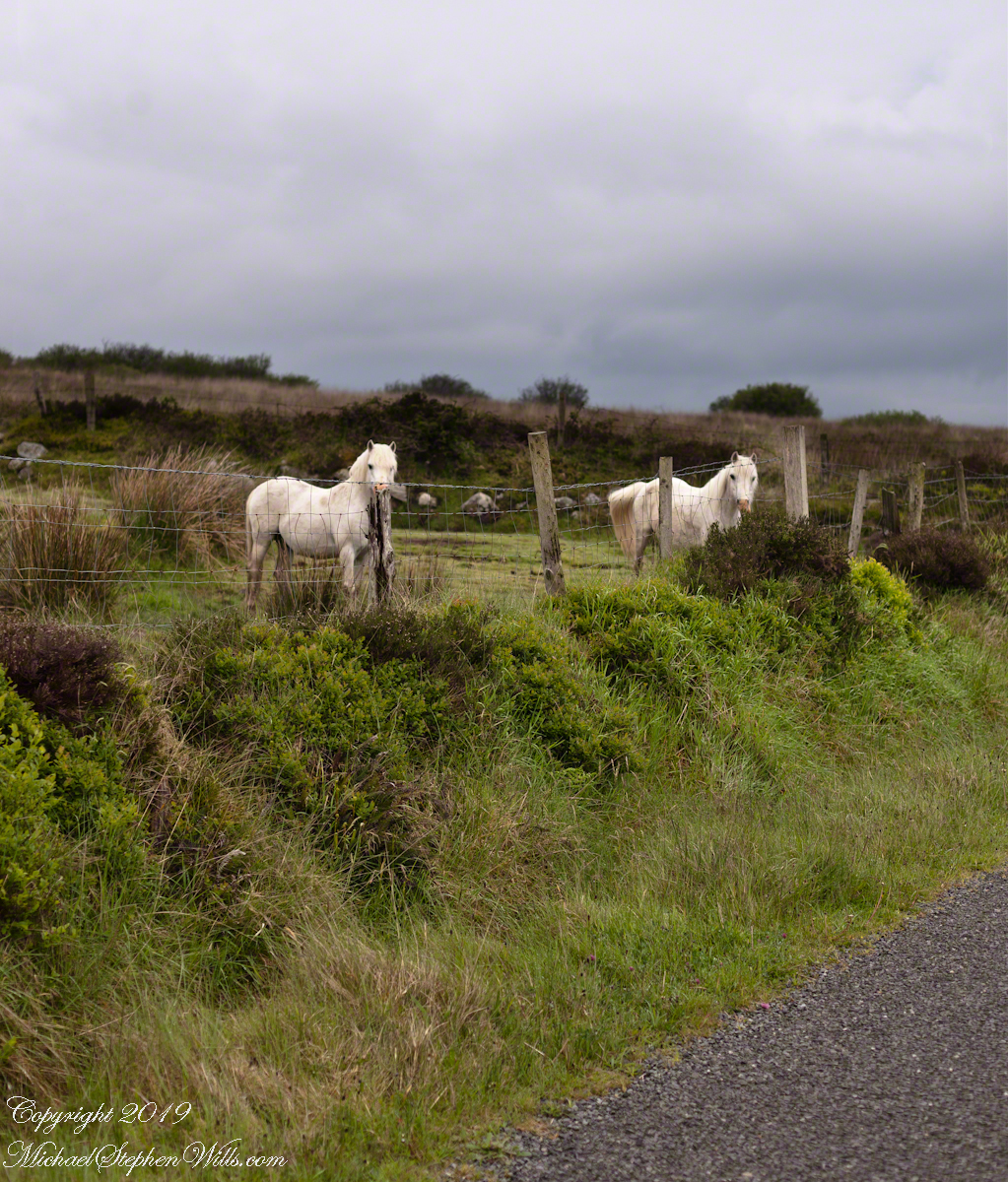
One May early morning two white horses come down from a sloping pasture on Slievenaglogh to view an interloper taking photographs. Slievenaglogh Townland, County Louth, Ireland.
Slievenaglogh Townland, County Louth, Ireland.
This I used the Canon EF 50mm f/1.4 USM lens. It is two shots, the first in horizontal, the second in vertical mode.
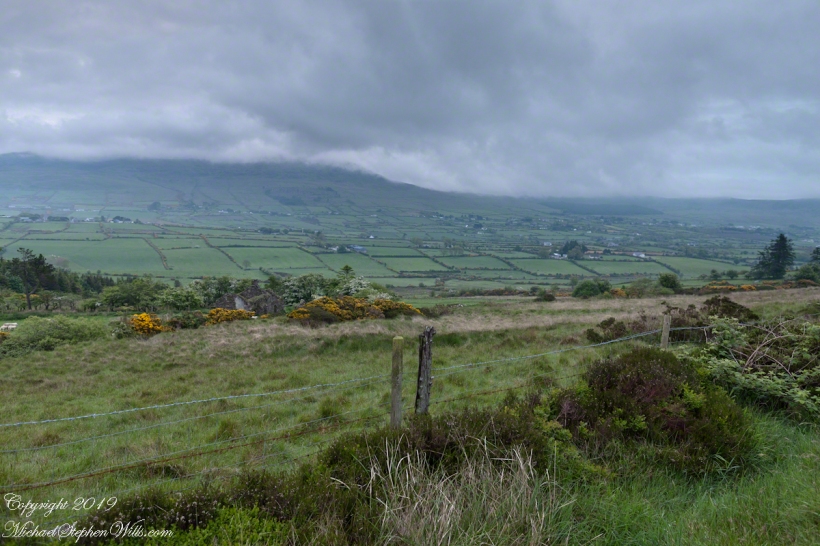
On the northeast slope of Slievenaglogh peak (Irish: Sliabh na gCloch) on the road from Mullaghattin Townland to Riverstown. This day I swapped lenses and took in the same general direction for each. This is the first and last of a series using the Canon EF 50mm f/1.4 USM lens and I pulled in the shots from the Canon 24mm f1.4 L II USM lens, published in previous posts.
Click photograph for a larger view. To do this from WordPress Reader, you need to first click the title of this post to open a new page.
Slievenaglogh View, northeast, 50mm
Slievenaglogh View, northeast
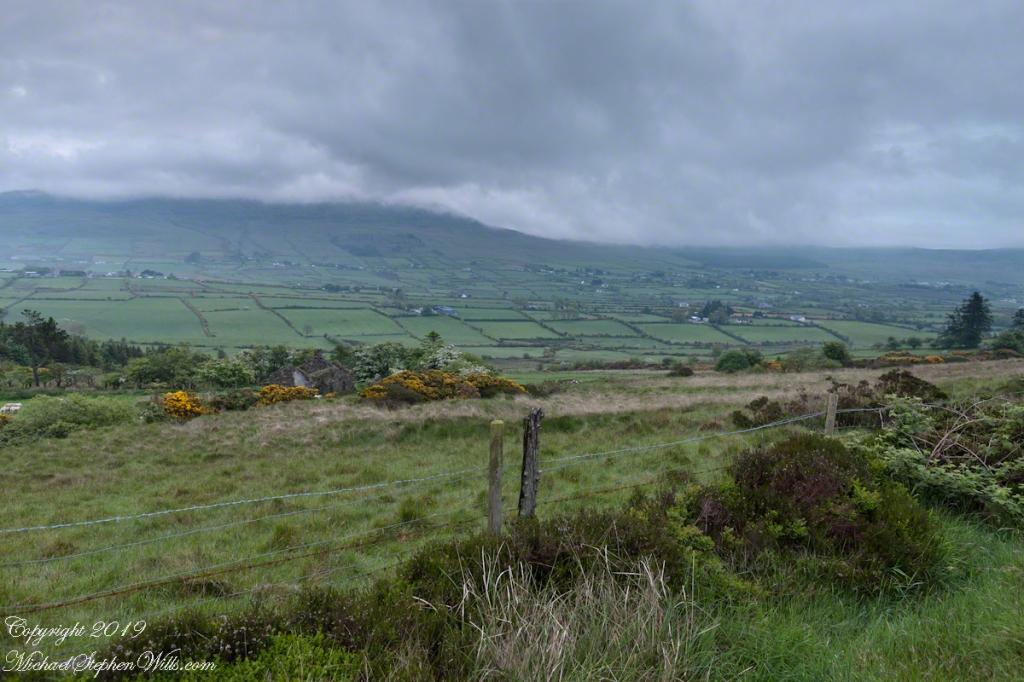
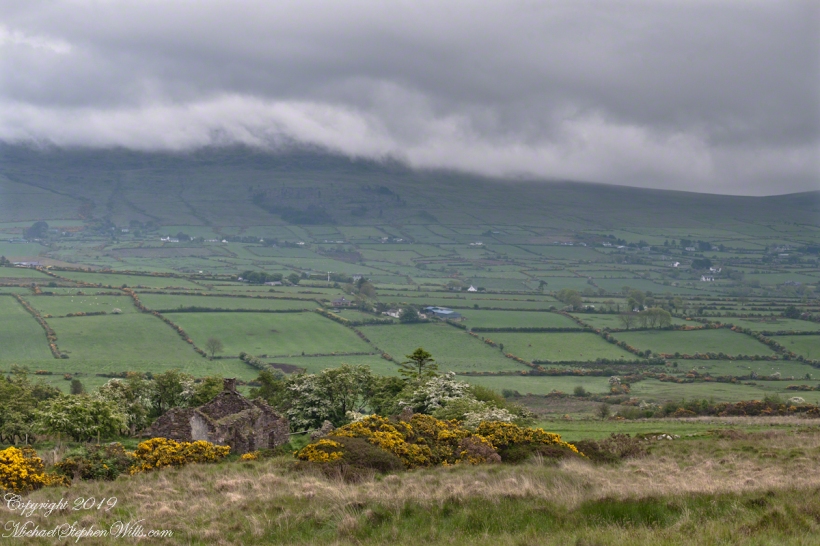
Here we look northeast from the Slievenaglogh Townland over the valley between Slievenaglogh and Slieve Foy peaks. Slieve Foy is the far ridge lost in clouds.
This is the first and last of a series using the Canon EF 50mm f/1.4 USM lens.
Slievenaglogh View, north northeast. 50mm
Slievenaglogh View, north northeast
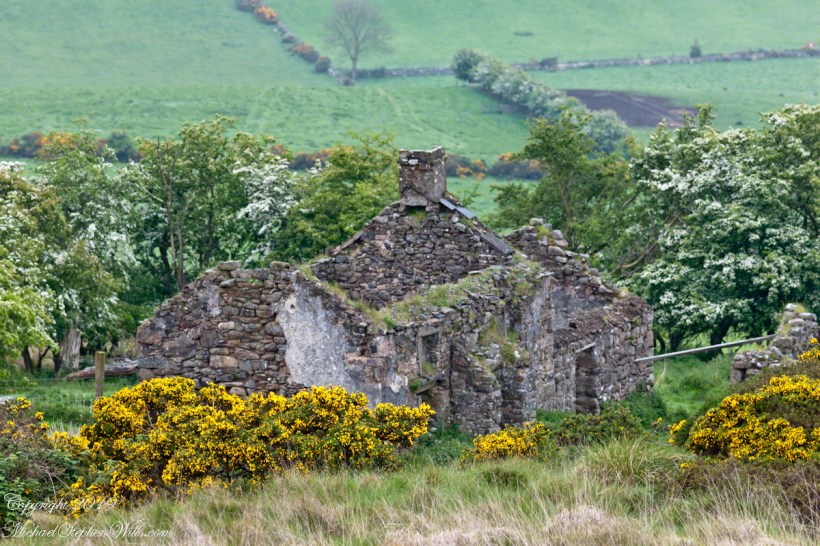
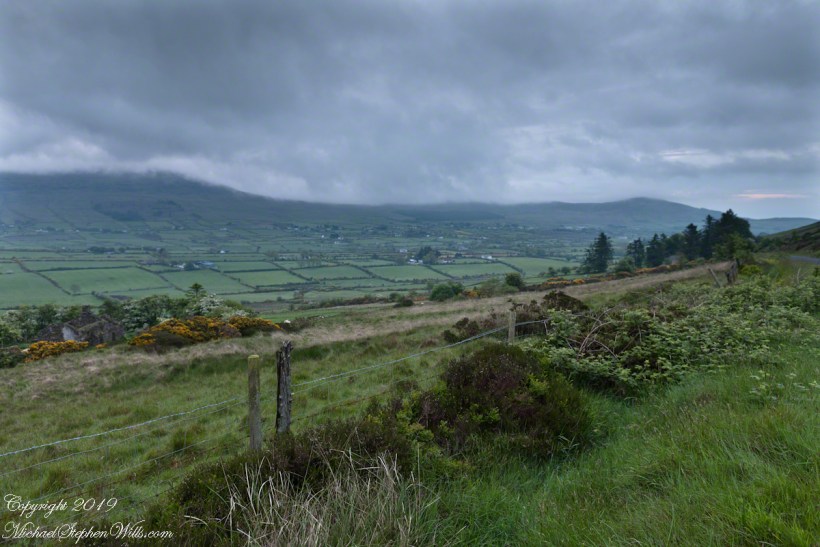
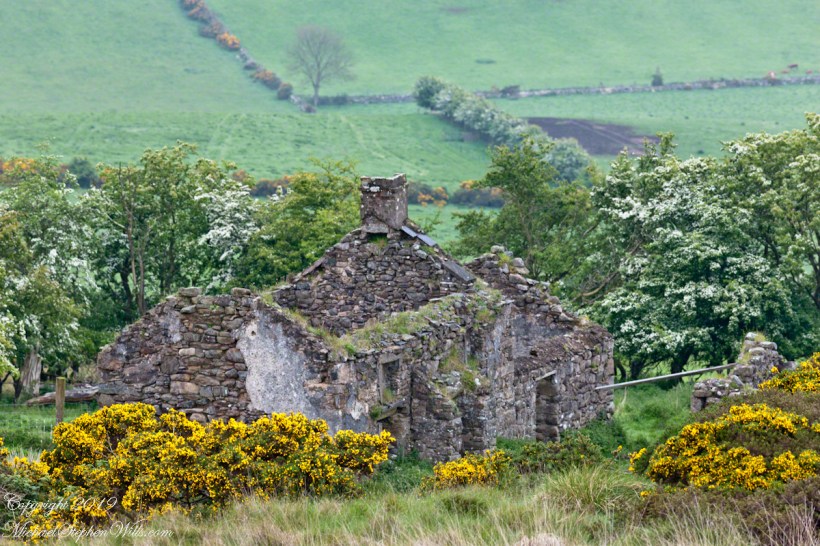
The view includes Little River, Castletown River, Ballycoly and Glenmore Townlands. Adjacent is a sheep pasture with a farm ruin behind the yellow flowered gorse (Whin bush, scientific name Ulex).
Slievenaglogh View, east, 50mm
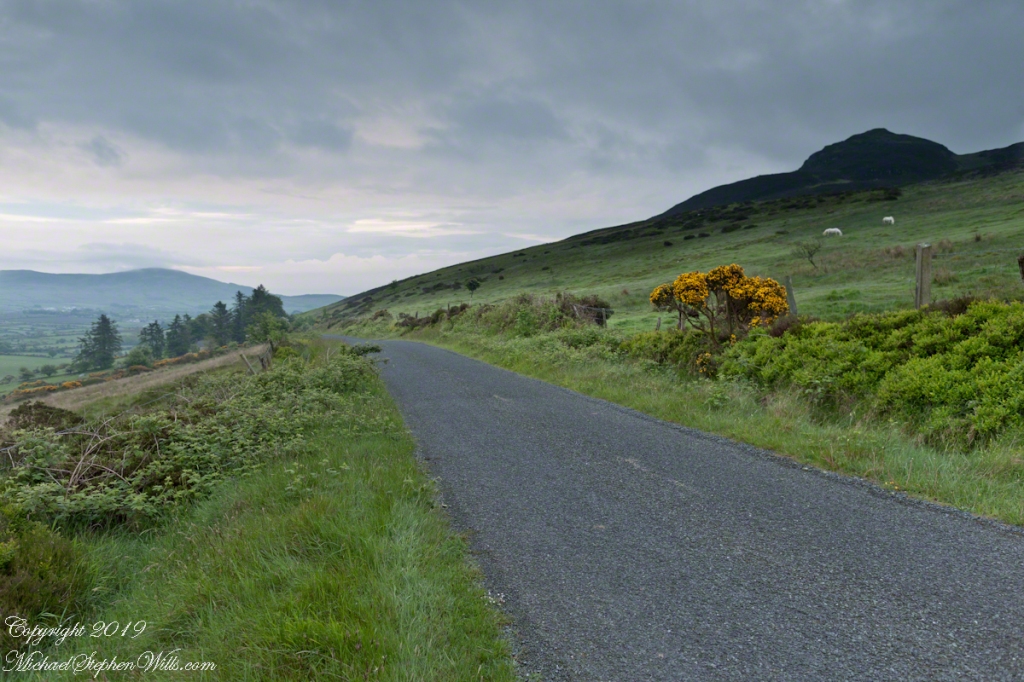
Slievenaglogh View with road, east
Early morning, late May 2014.
Here is a slideshow of the 50mm and 24mm images of this post.
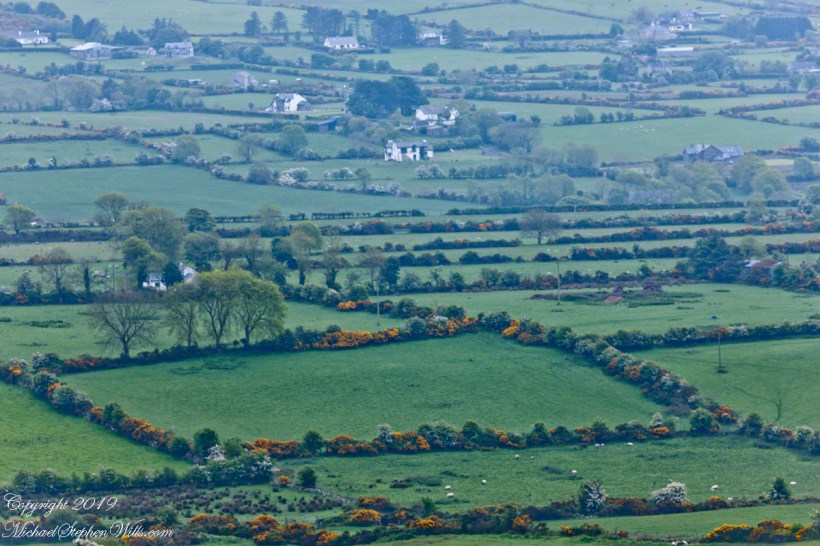
The road runs high on the shoulder of Slievenaglog peak, the 200 mm lens peers into the next townland over, Ballycoly (or Ballygoley), the valley floor broad, pastured.
Click photograph for a larger view. To do this from WordPress Reader, you need to first click the title of this post to open a new page.
Ballycoly Farmlands from Slievenaglogh
This is the seventh and last of a series using the Canon EF 200mm f/2.8L USM lens.
Here is a recap of recent posts with the 200 and 24 mm lens. Can you tell the difference?
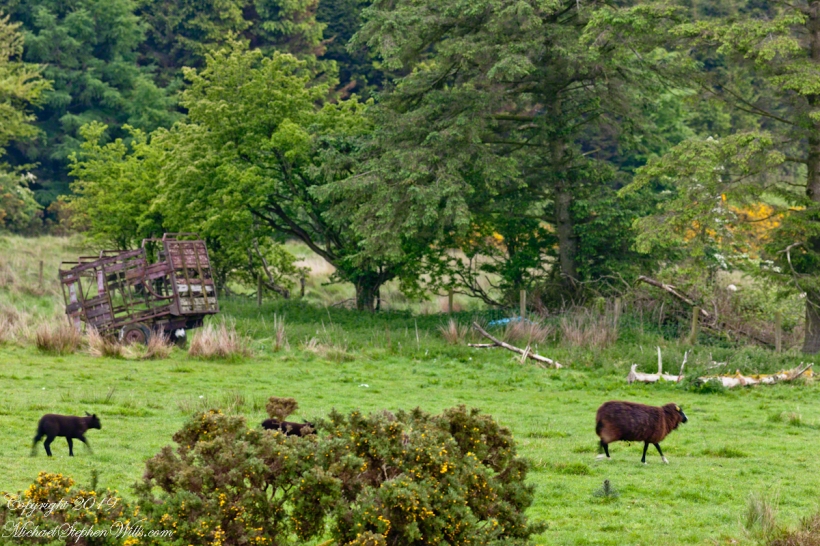
Quickly moving sheep pass the hay wagon on May morning, early. A great start to this week.
Click photograph for a larger view. To do this from WordPress Reader, you need to first click the title of this post to open a new page.
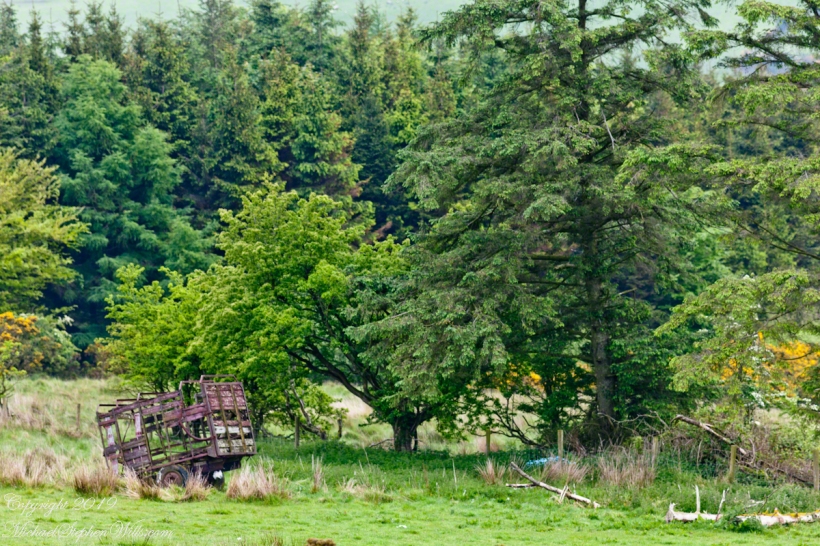
Ewe, Lambs with abandoned hay wagon.
This mountainside pasture is grazed by a flock of sheep alongside a long unused farm wagon. Slievenaglogh Townland, Cooley Peninsula, County Louth, Ireland.
This is the fifth of a series using the Canon EF 200mm f/2.8L USM lens.
Here is a recap of recent posts with the 200 and 24 mm lens. Can you tell the difference?
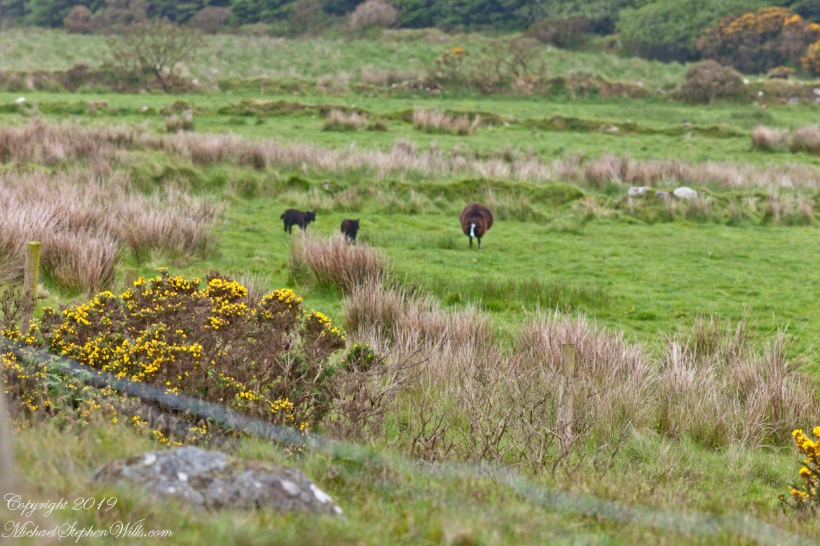
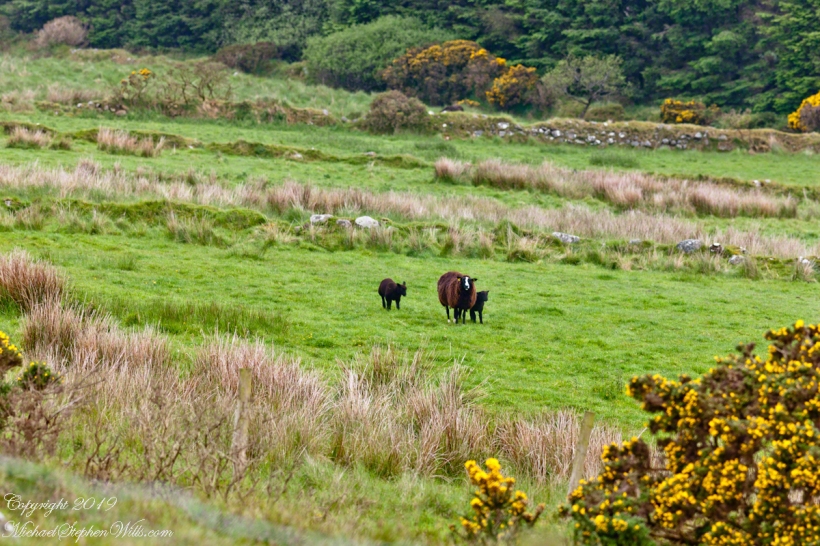
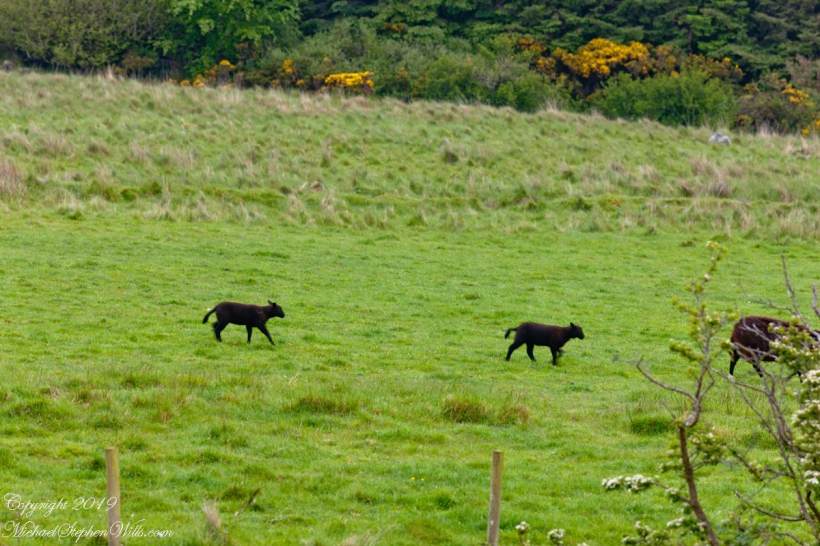
This breed may be a Balwen Welsh Mountain sheep, as it fits the description. When the ewe caught sight of me, she hightailed it for cover, the lambs followed.
Click photograph for a larger view. To do this from WordPress Reader, you need to first click the title of this post to open a new page.
Ewe and Lambs
The Balwen is bred for meat and that is the rule in this area, the lambs are sold.
The description is of a black color with a white blaze on the face, four white “socks” and white on the tail. This individual is missing a white tale, so might be a Shetland and even more so as the others of the herd are white (Shetlands are a variety of colors), Shetland is common and the other rare.
These are on the hillside of Slievenaglogh Townland, County Louth, Ireland.
This is the fourth of a series using the Canon EF 200mm f/2.8L USM lens.





 Michael Stephen Wills Photography