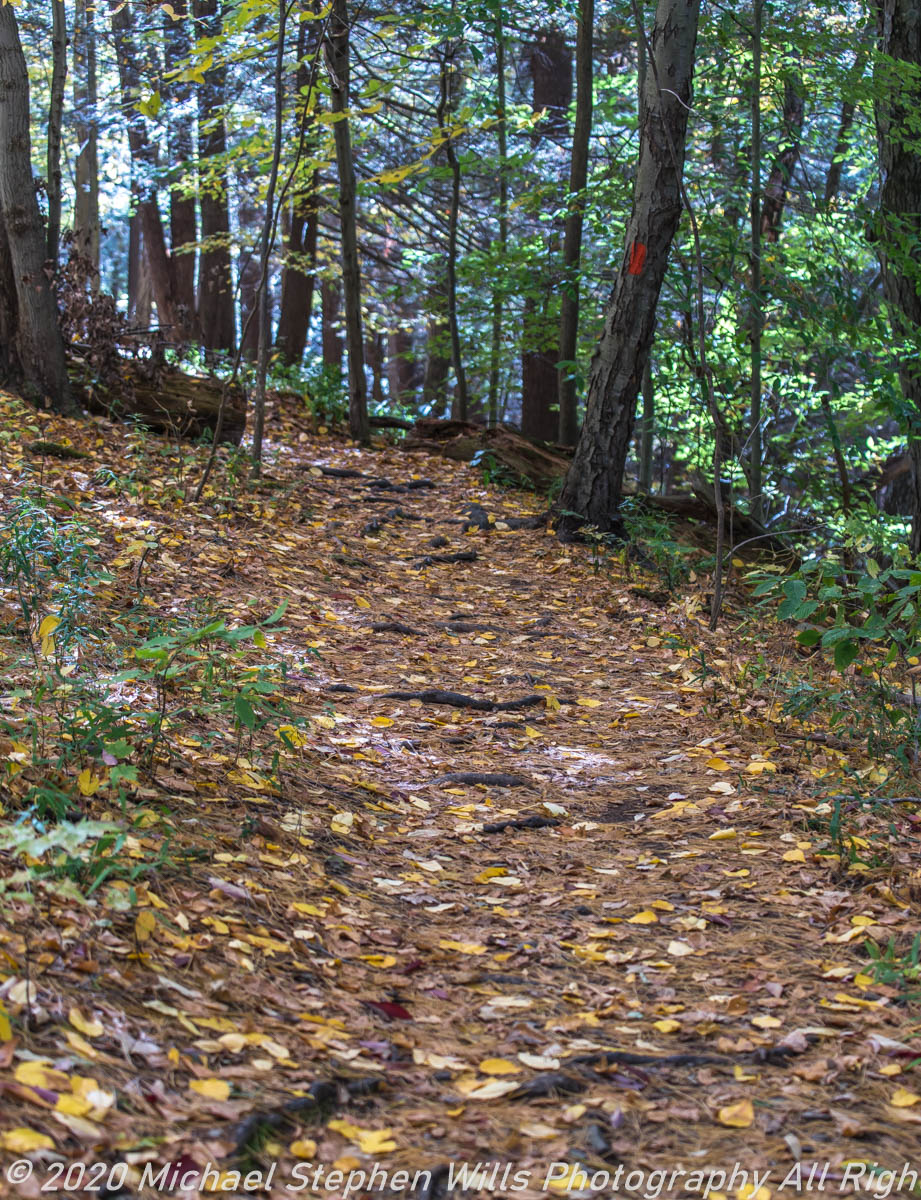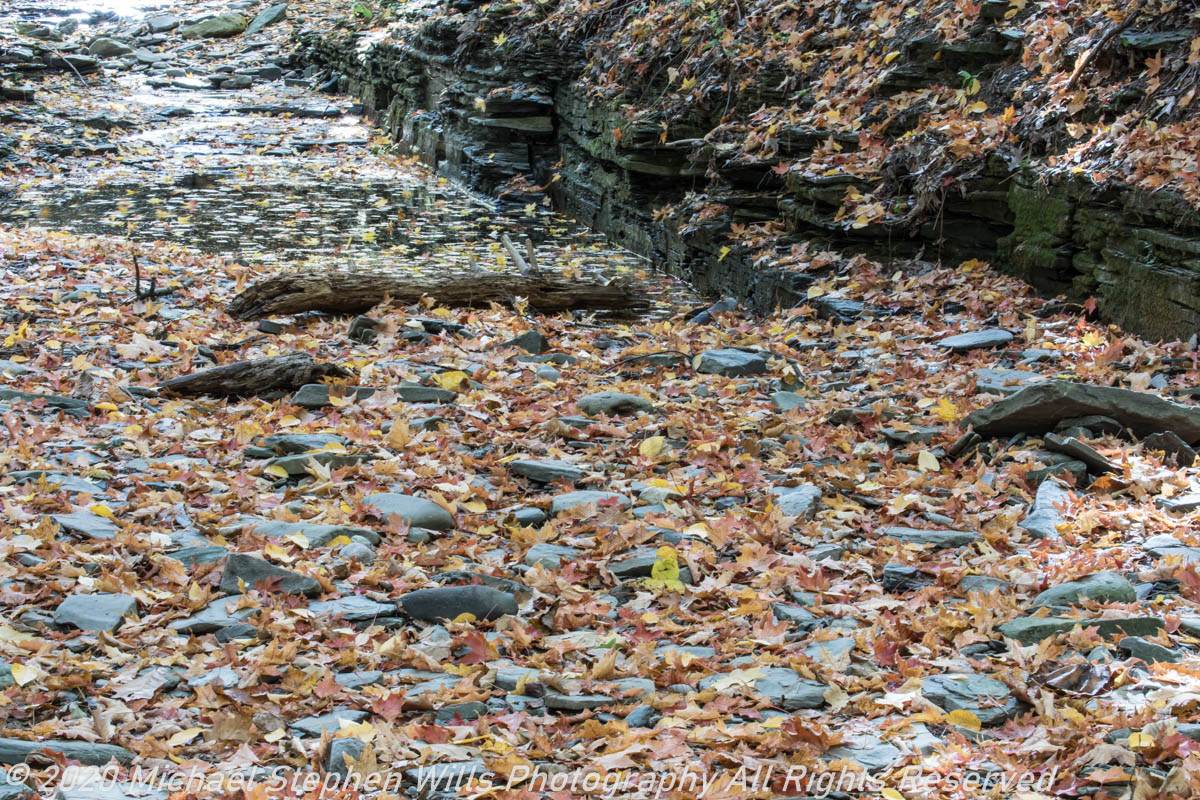
Sandbank Road climbs from the valley of Ithaca city to the rural peneplain on the way to Buttermilk Falls, we passed the sign for this preserve many times, today we explored this place, new to us. The trail descends to Lick Creek canyon.
Click photograph for larger view. Use combination keys to enlarge/reduce: Ctrl+ (Control / Plus) and Ctrl- (Control / Minus)
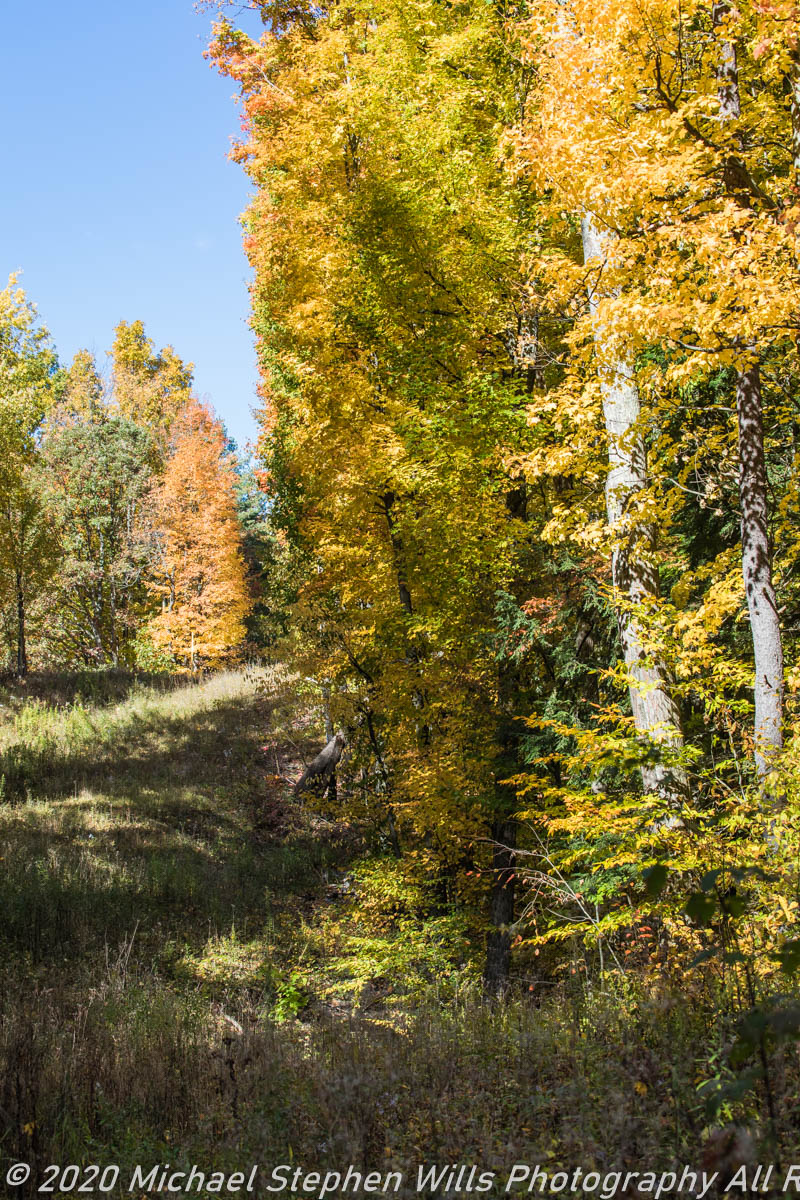
We stopped to enjoy the open space of a powerline clear cut where the trail intersects the creek bed. Here we turned, following the water.
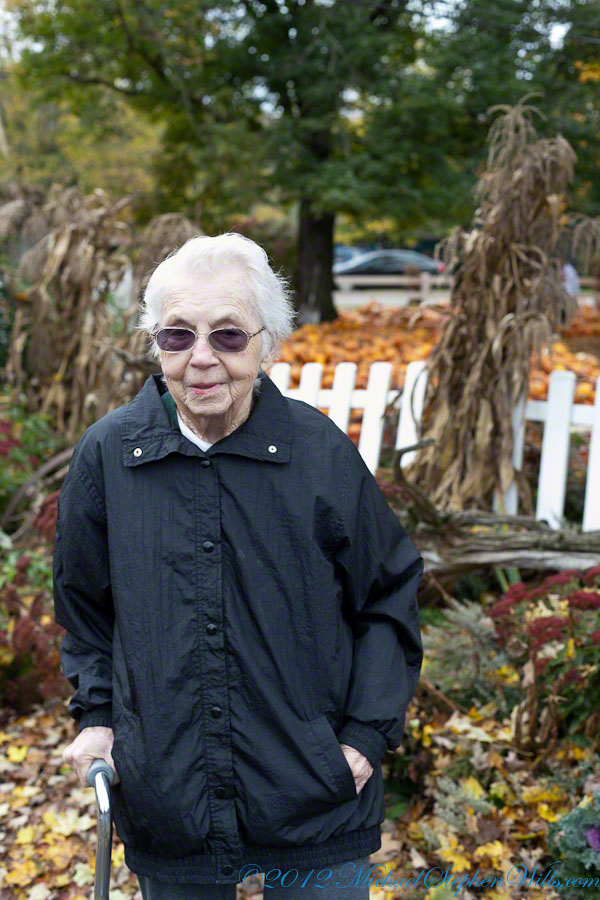
One Saturday of October 2012 we enjoyed this last outing with my mother Catherine Ann Wills. She passed away June 2013 at the age of 90 years. We miss you, Mom.
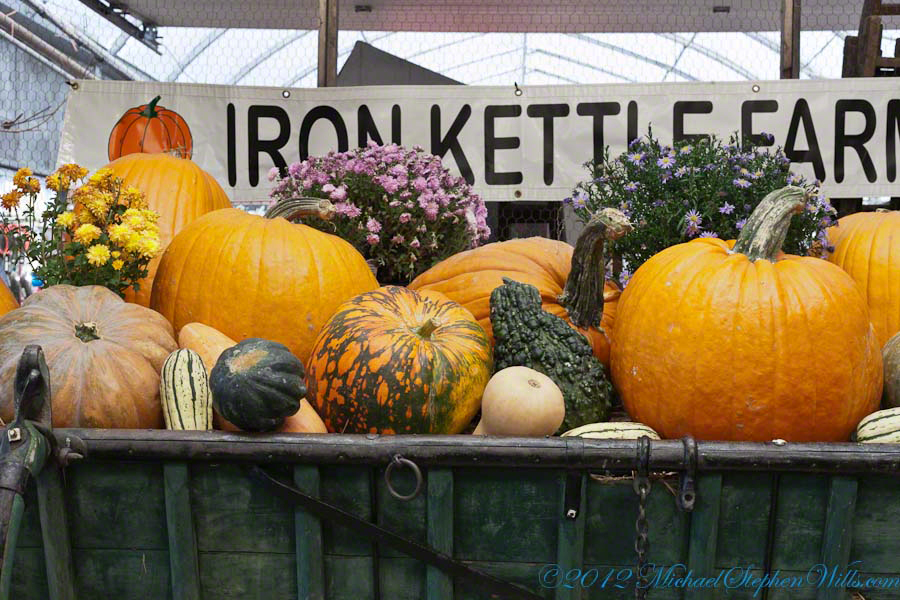
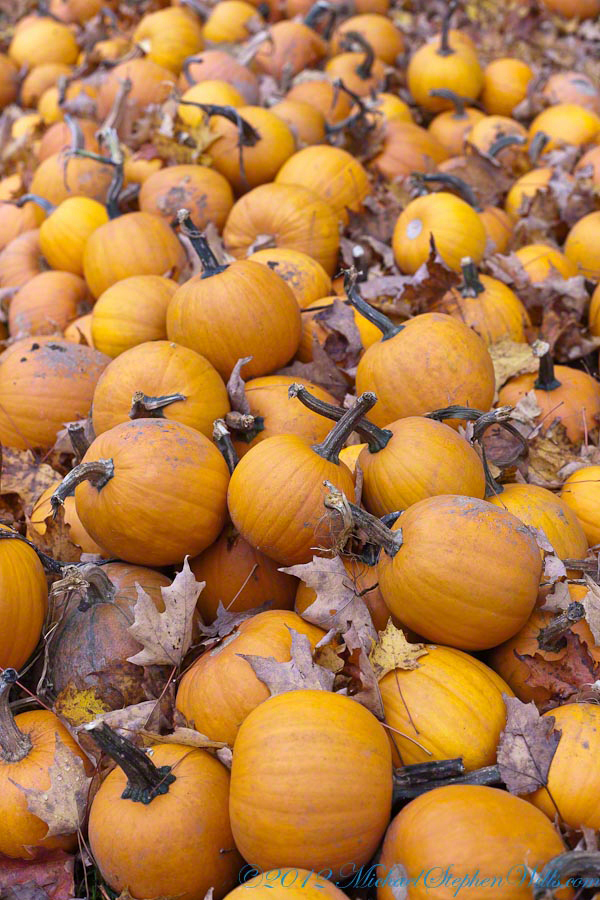
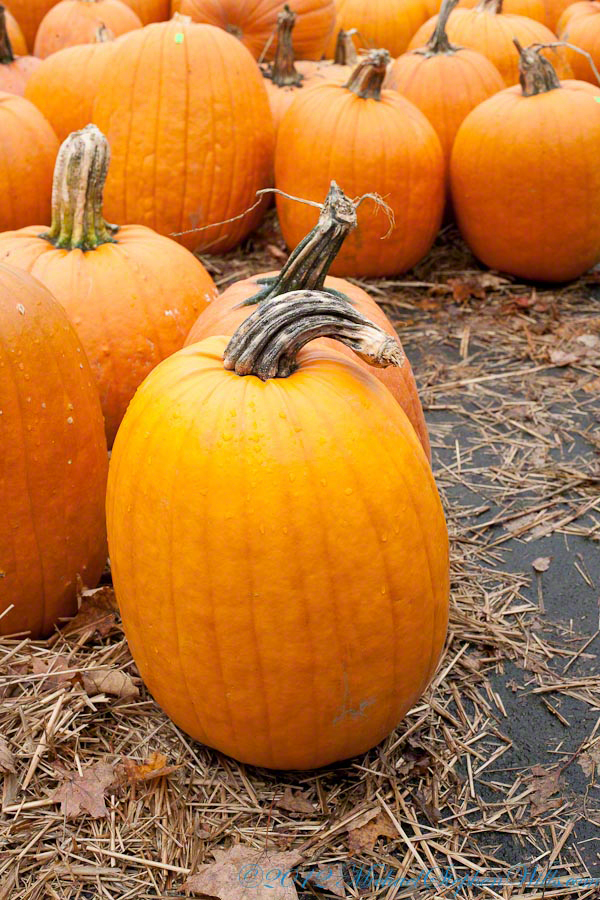
A display of large pumpkins near the entrance to the Iron Kettle Farm.
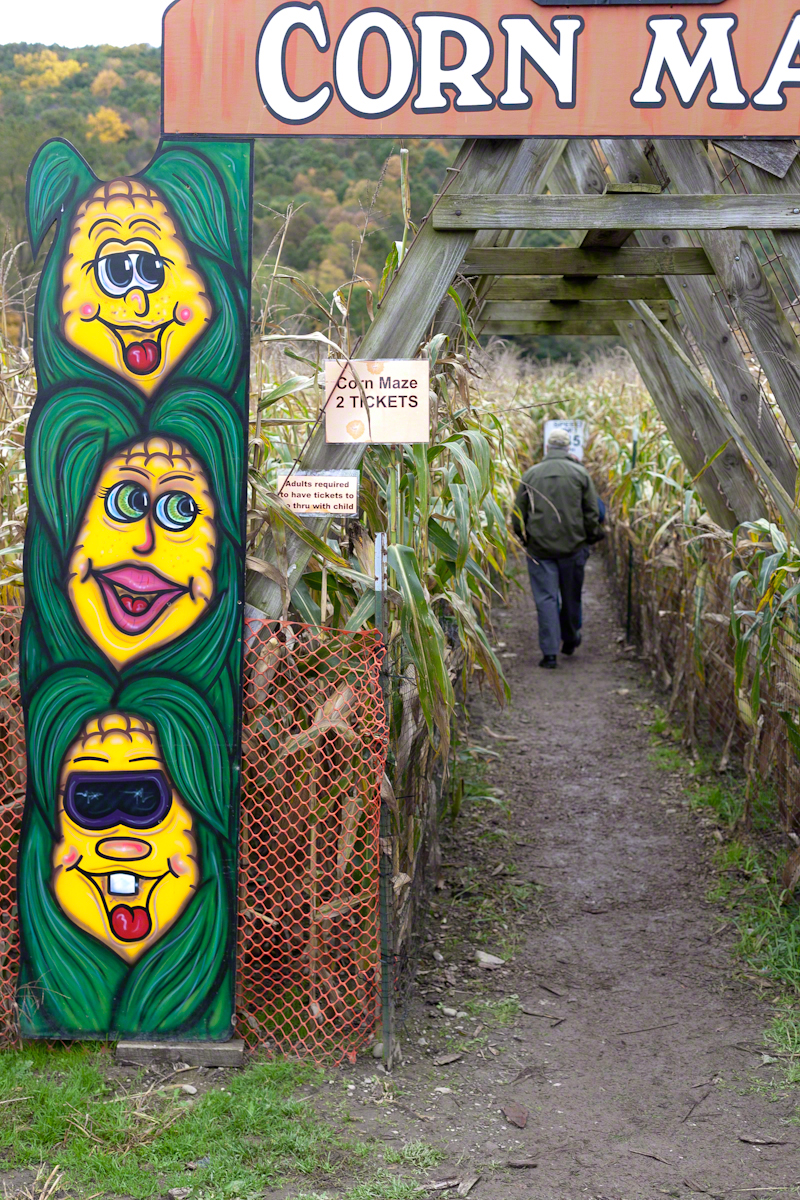
Enter…if you dare….Corn Mazes are popular tourist attractions and are not simply corn fields. The plantings must be made later, planted thinner and fertilized less than those used for crops.
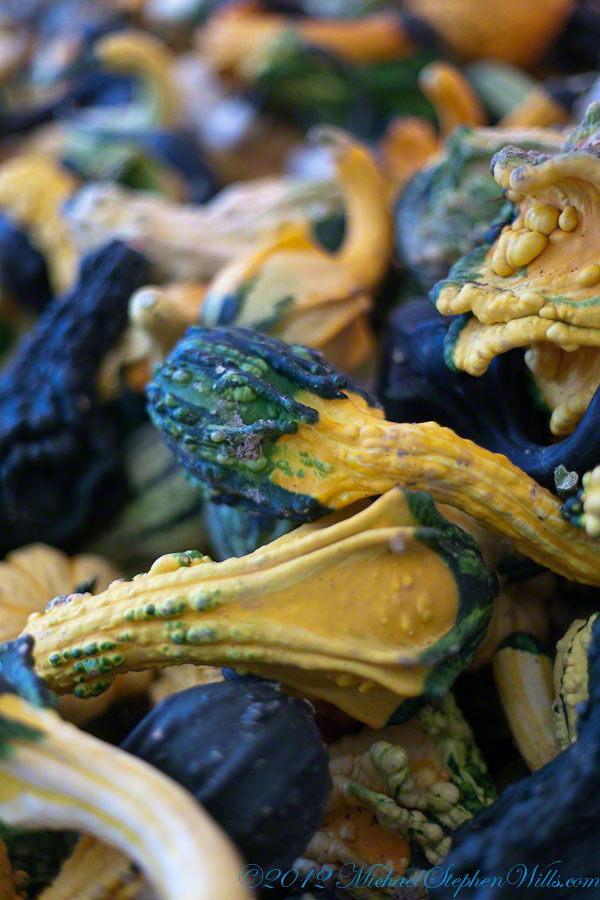
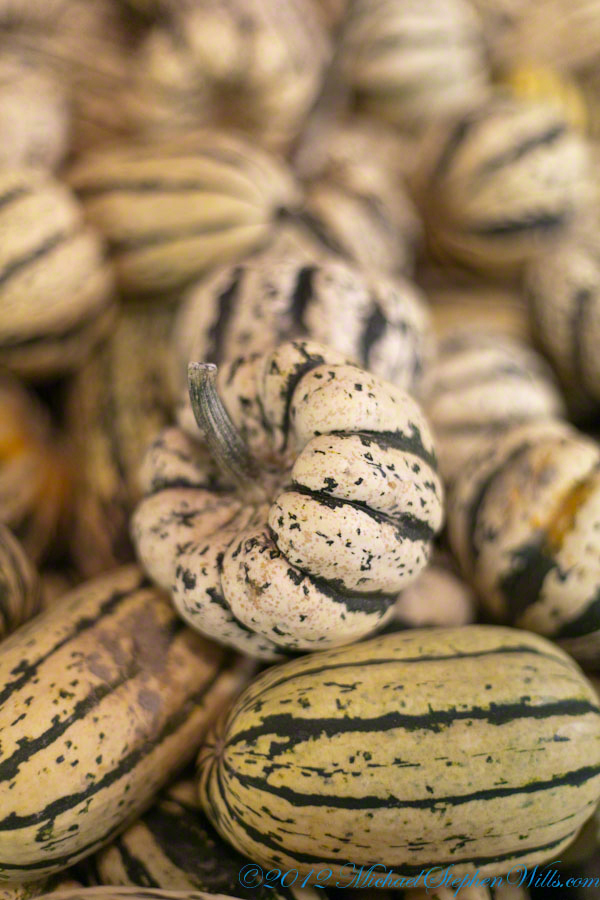
These small, inedible squash, once dried and hollowed out, become gourds. The plant is in the Cucurbitaceae family of the genus Lagenaria. The squash on this table are too small for anything but displays and decorations, such as centerpieces. Great fun and make and enjoy.
These ornamental squash, also know as cucurbita are not are large enough for use as food. When dried, will last a long time.
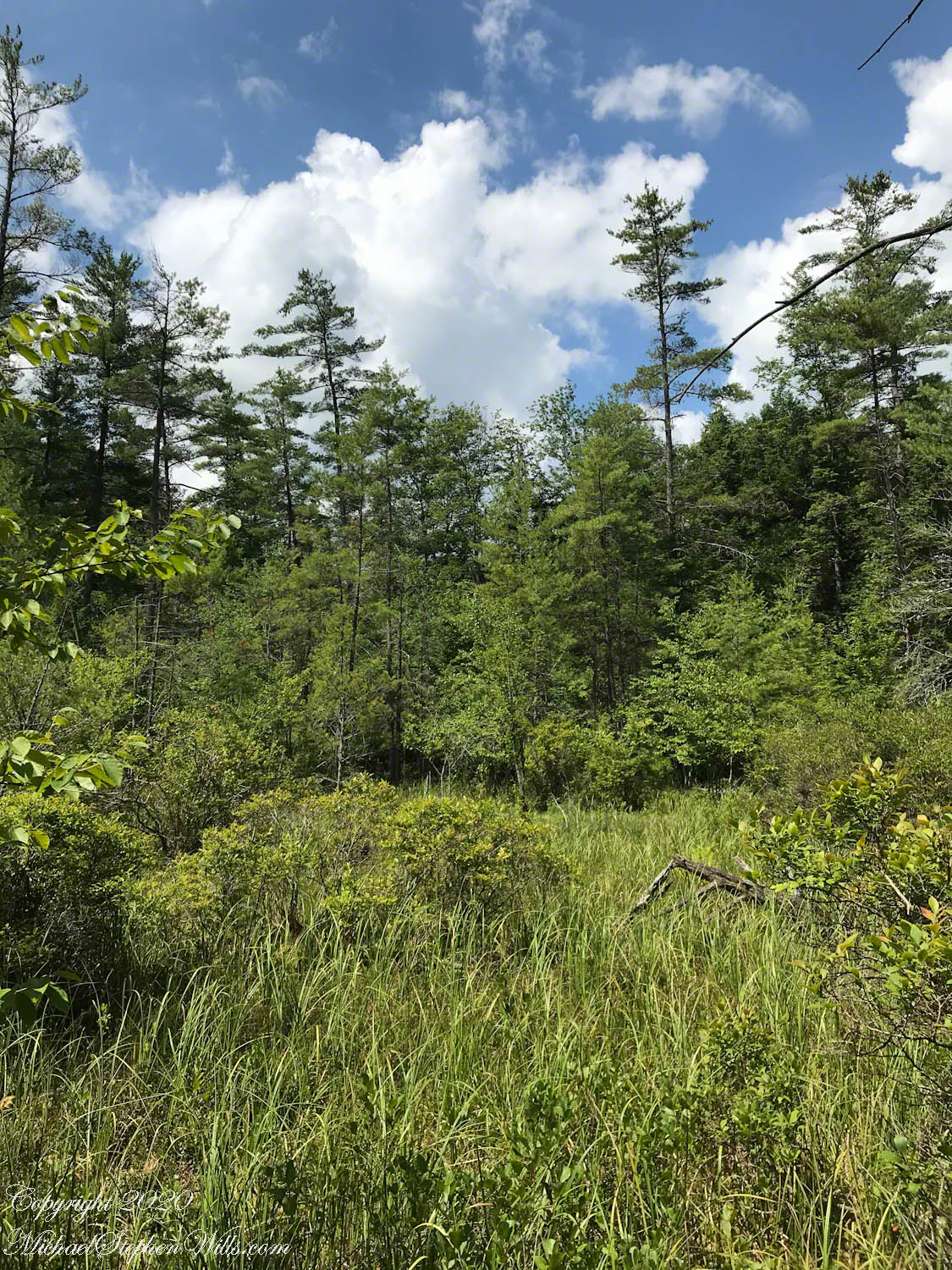
Two kettles of the preserve represent a pond and, below, a bog. Here is a photograph from the observation platform using the IPhone 7. I brought along the Canon dslr and 100 mm “macro” lens for the stars of this show…..
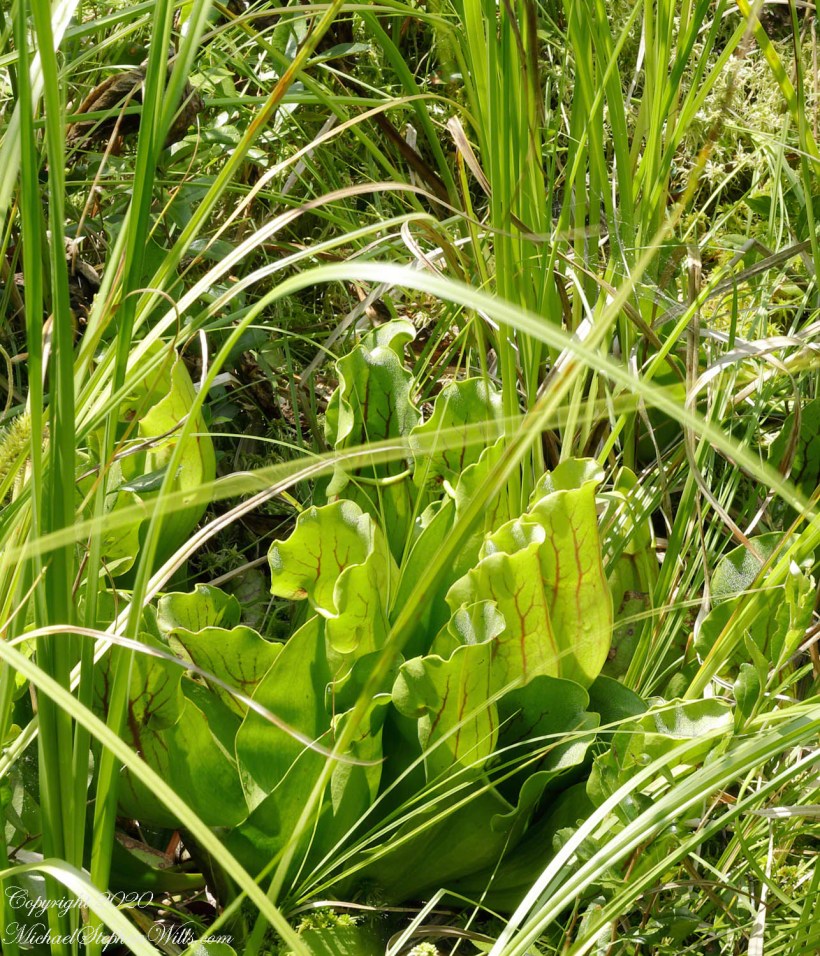
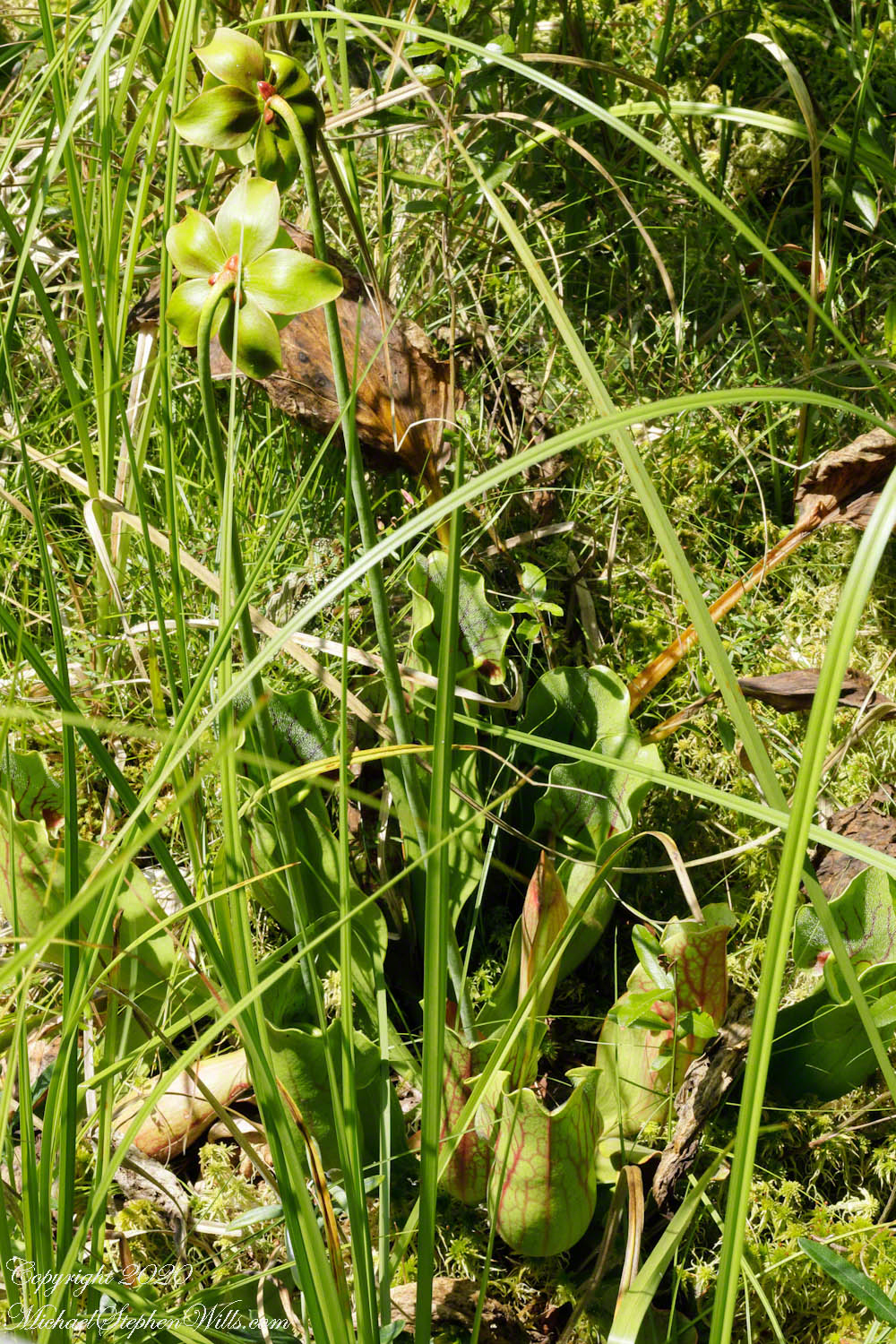
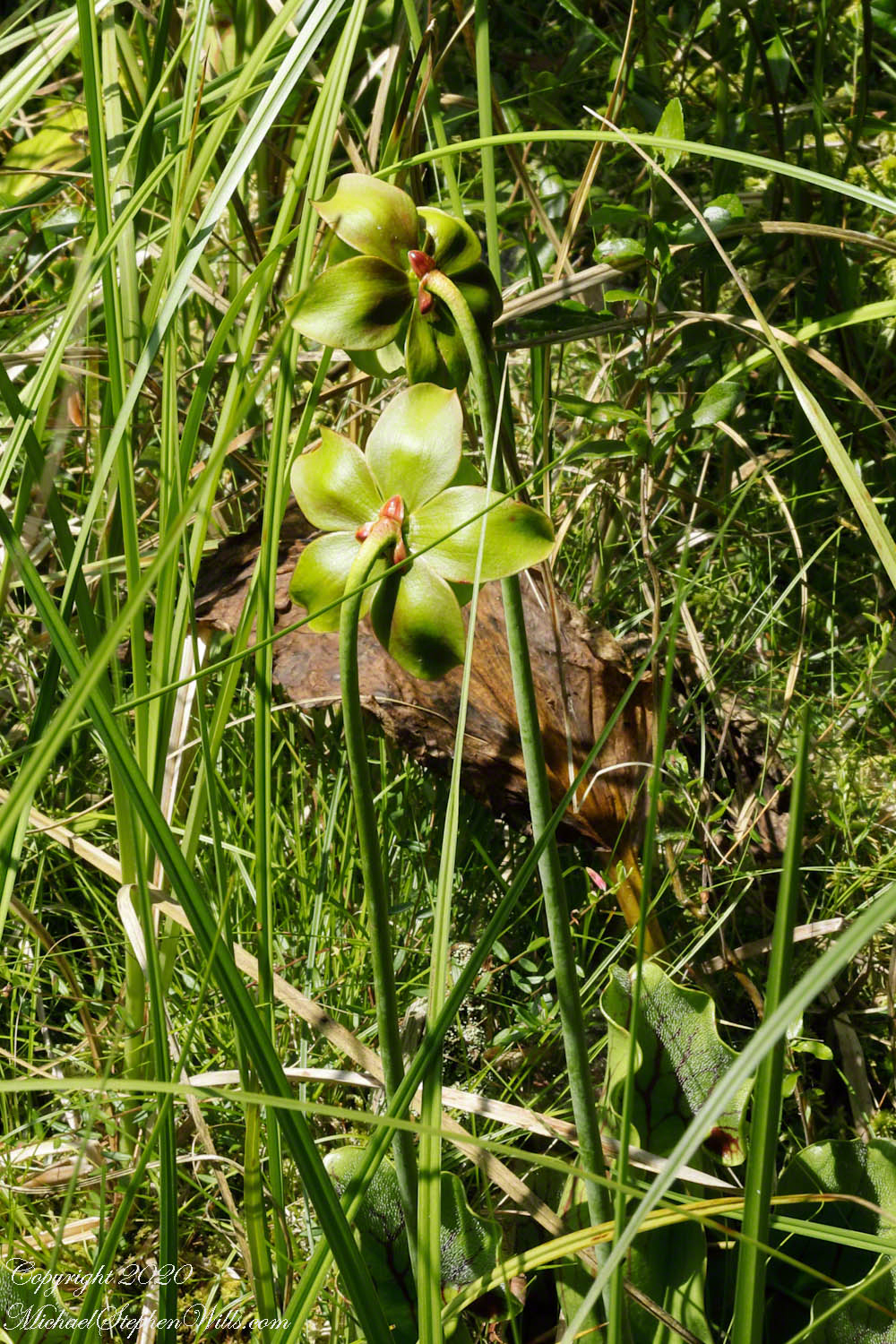
….purple pitcher plants (scientific name: Sarracenia purpurea). In past years, the central observation deck cut-out, hosted healthy pitchers. Today, invading high bush blueberries from the bog margin, crowded out the pitchers and the only flowering plant were among the grasses 8 to 10 feet away. My goal was photographing the extraordinary flowers.
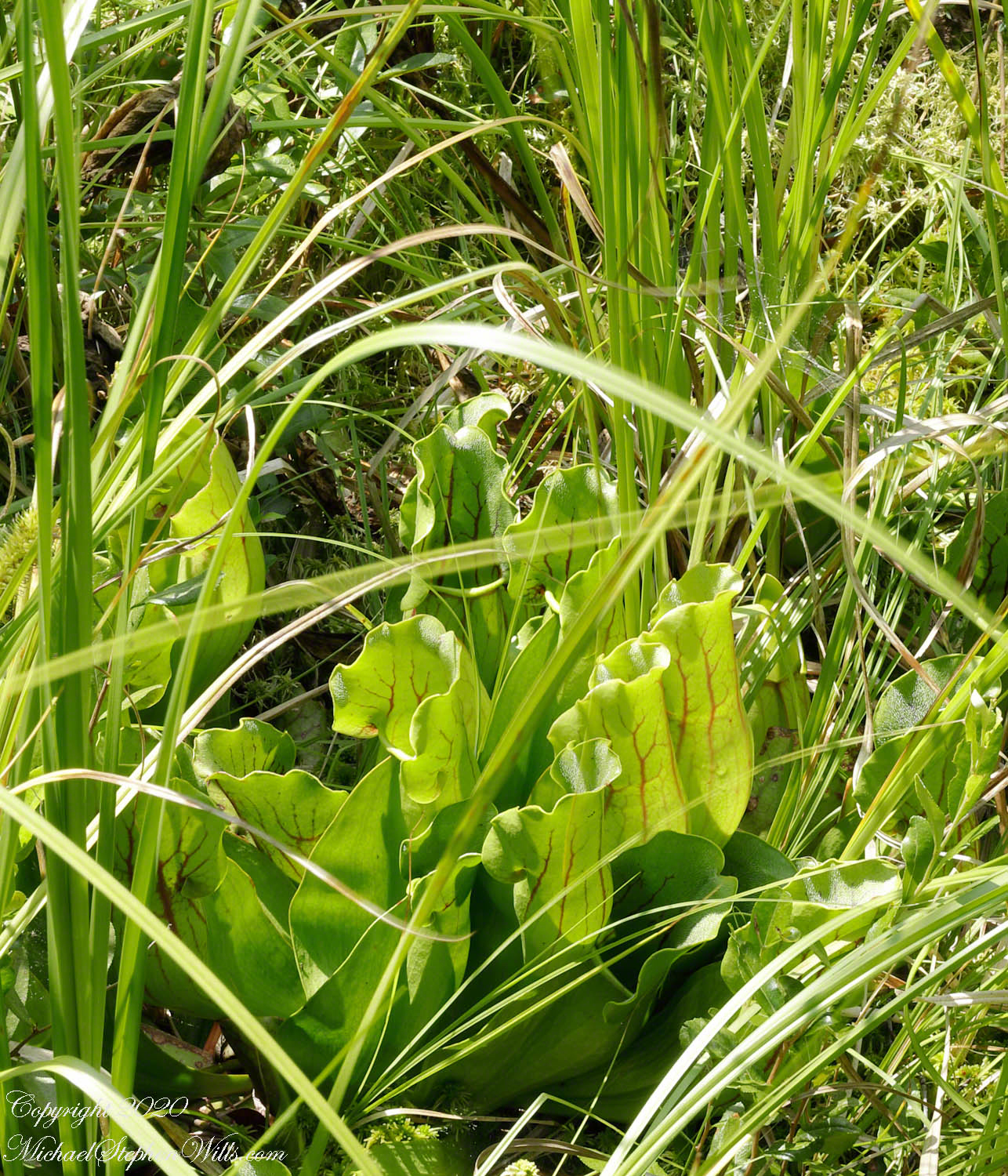
Each flower rises from the base on a strong stalk. Here are the pitchers, also called “turtle socks”, flooded with sunlight.
A flower unlike any I have experienced, like the carapace of an insect, the reproductive element underneath a hood.
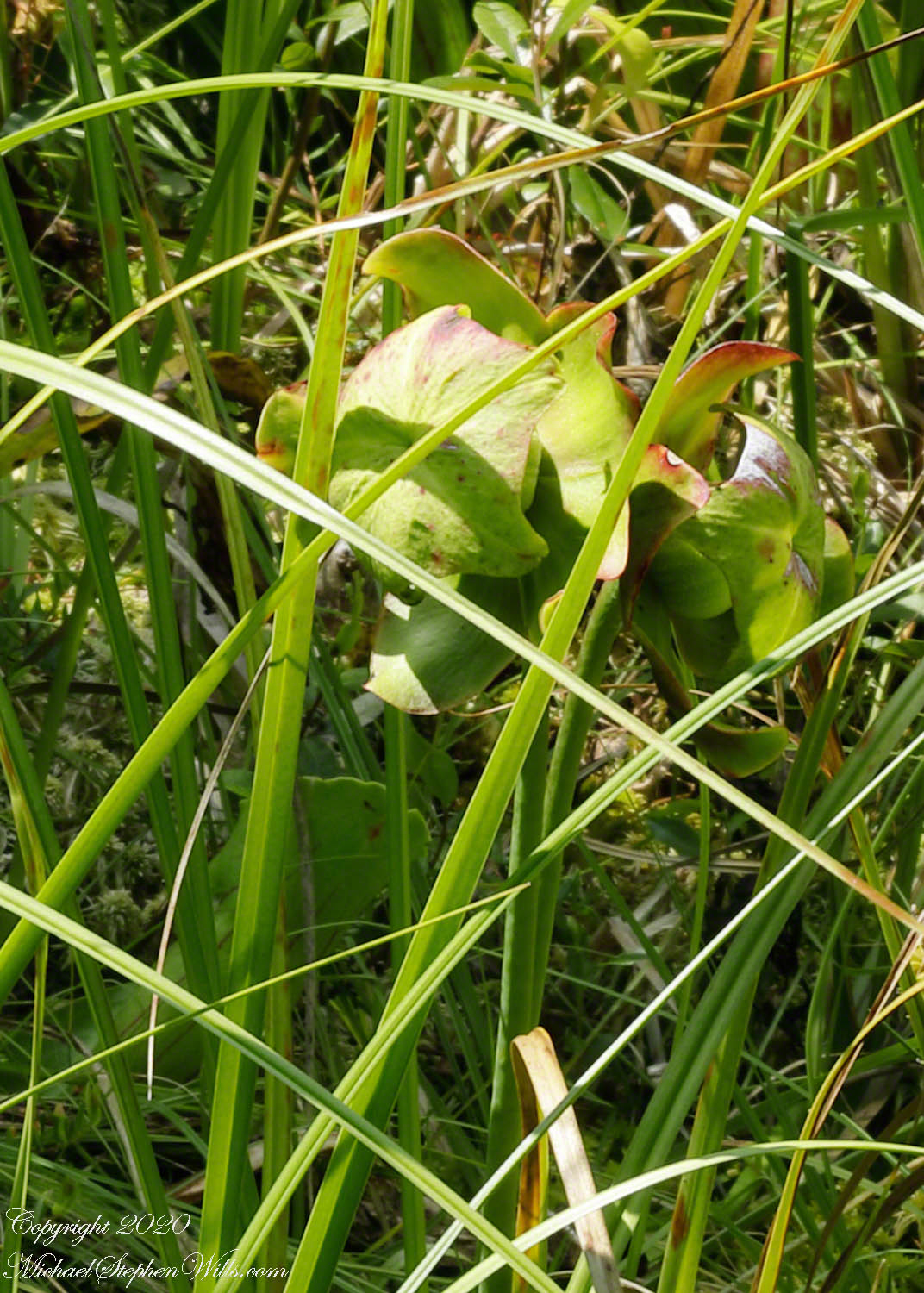
The posterior, there are only bracts.
I have, somewhere, macro images of the pitcher, with the downward facing hairs. Brought the wrong lens to capture this at a distance.
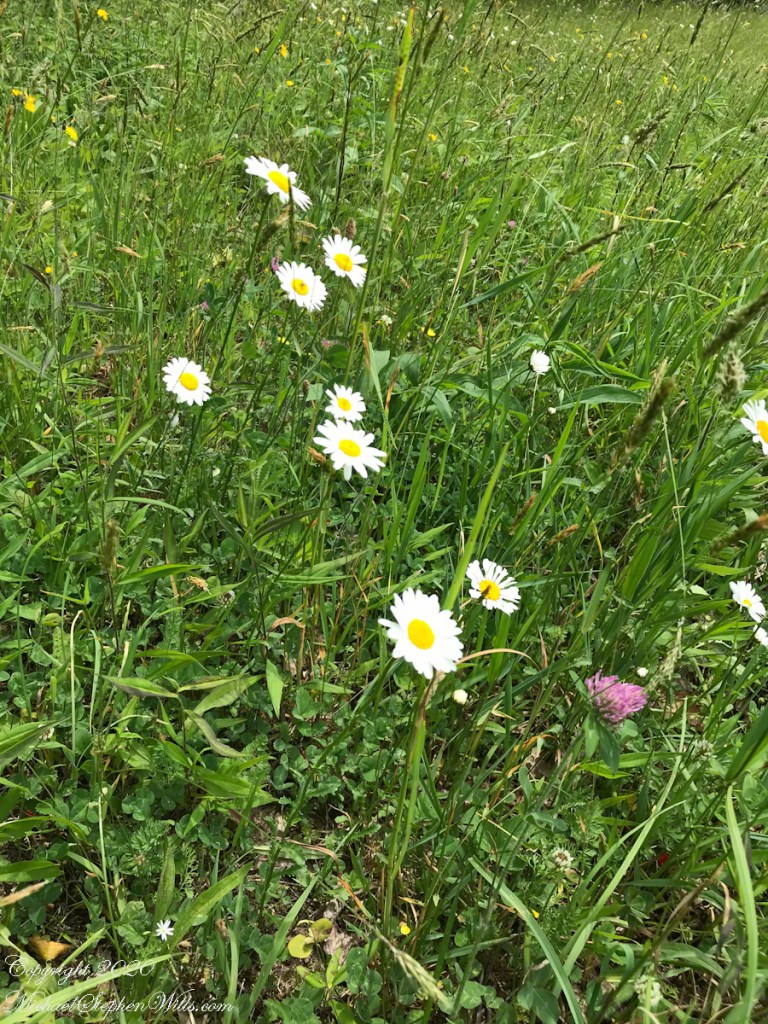
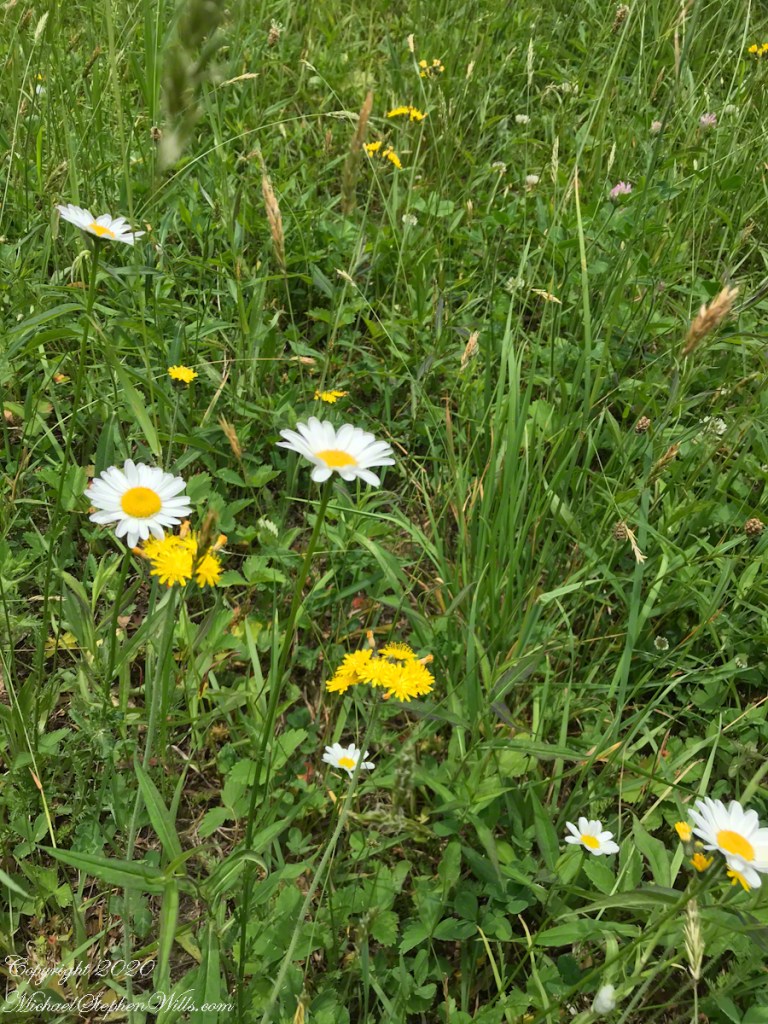
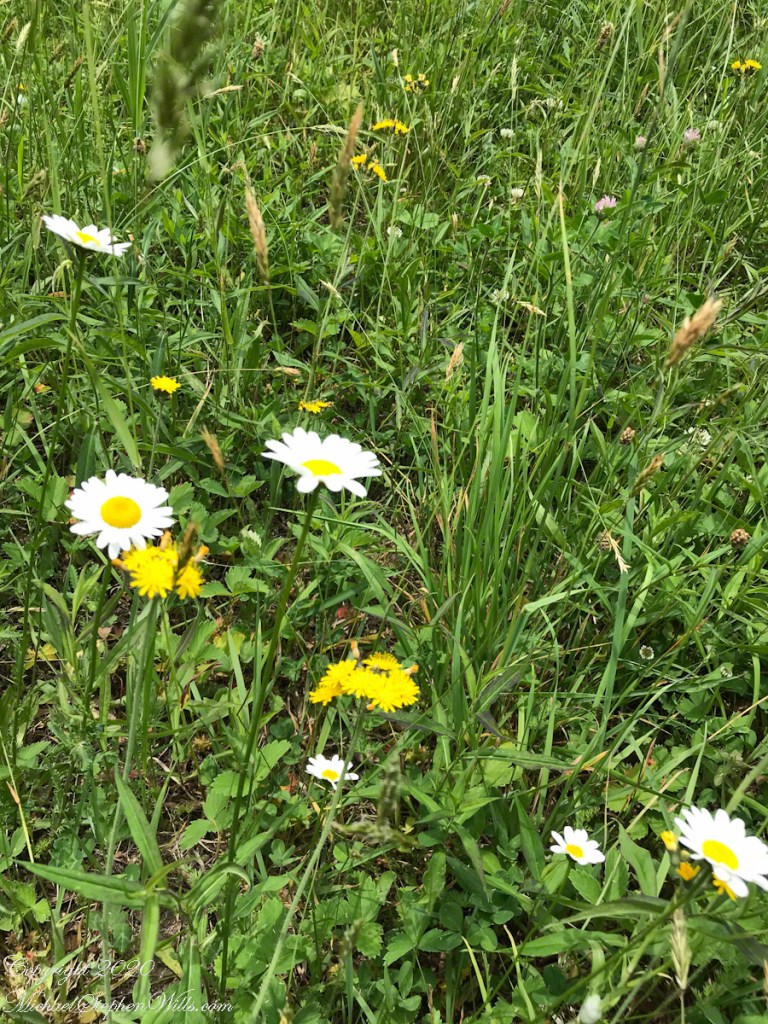
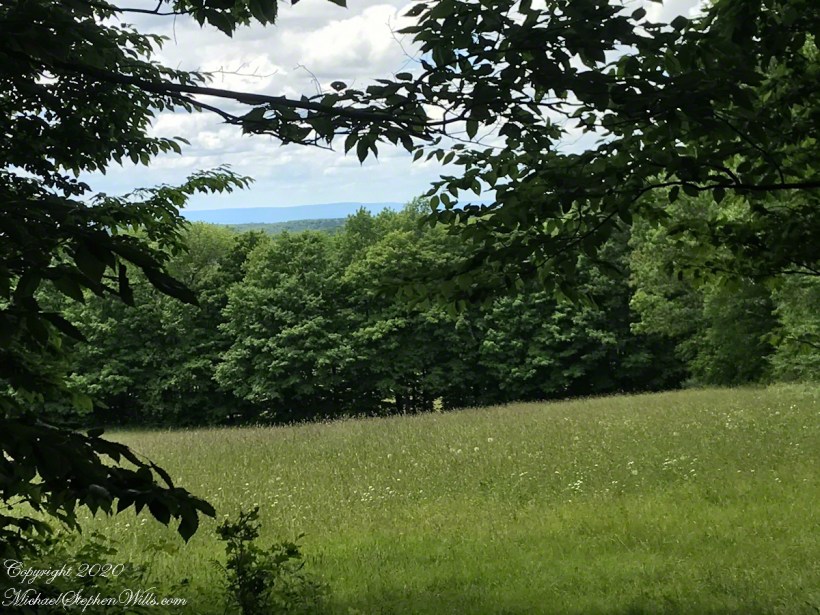
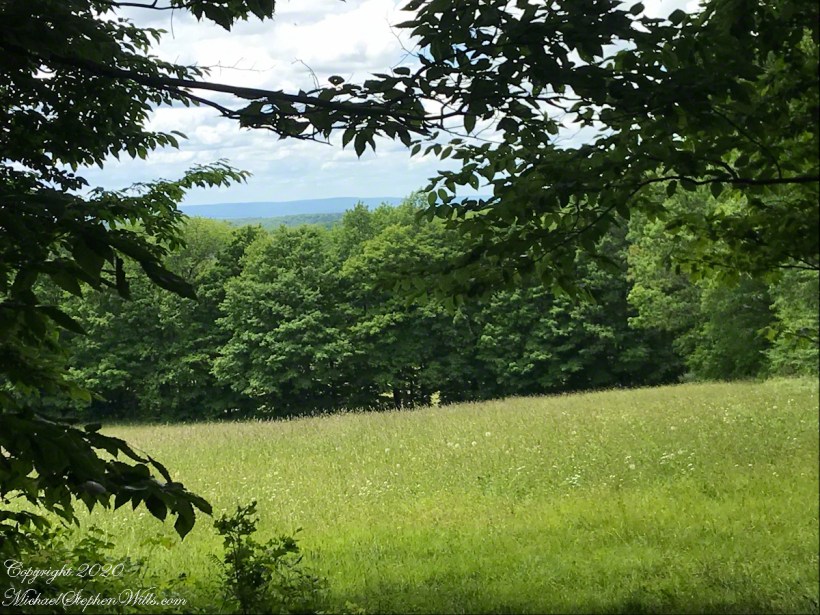
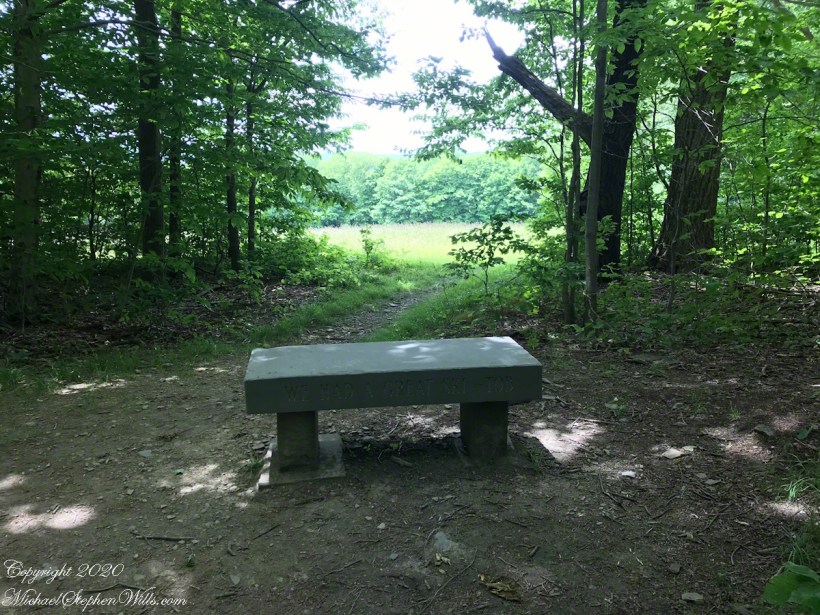
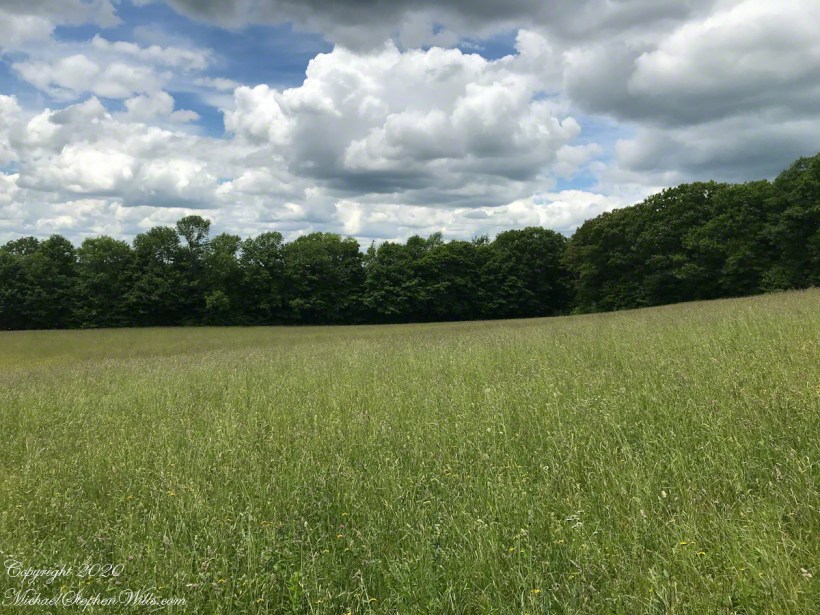
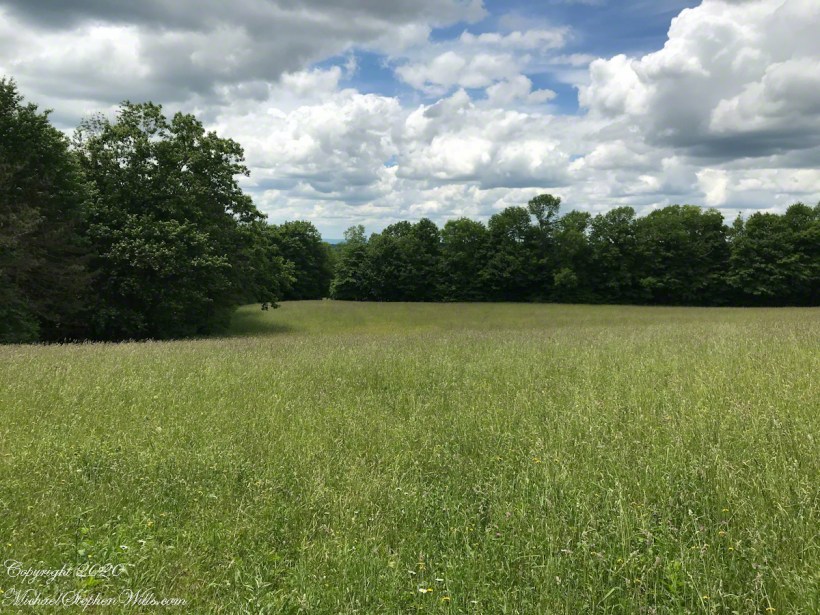
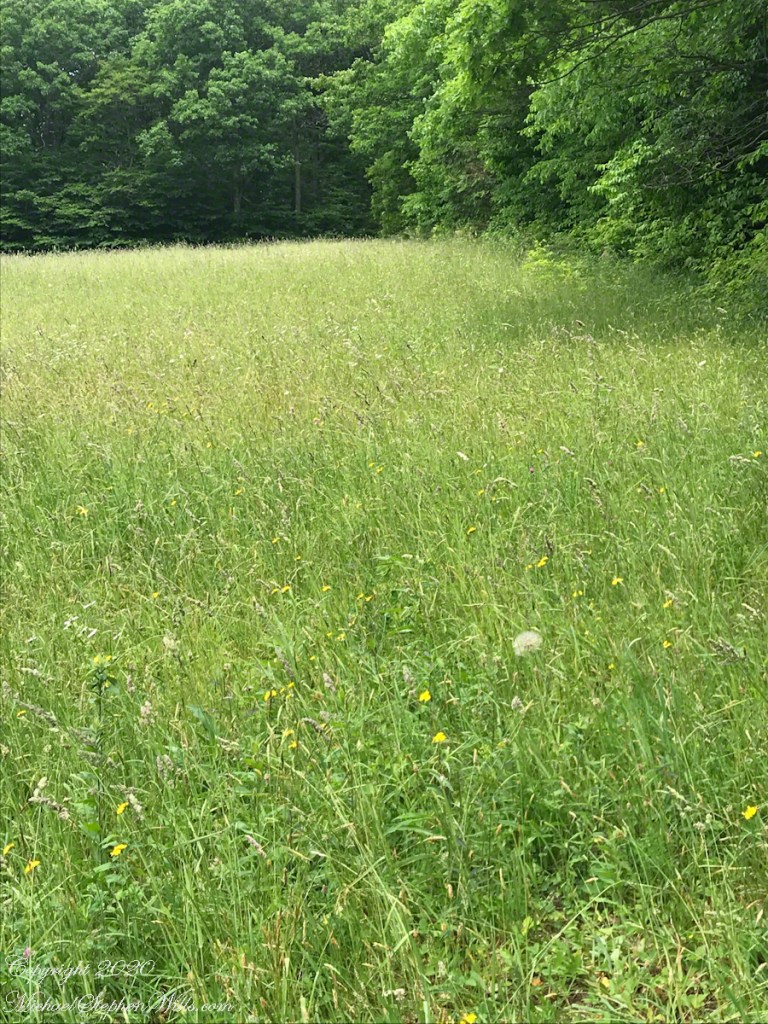
After birdsong, open spaces are an unexpected wonders of these walks. Nowhere listed on the map, and on private lands adjoining the forest, this meadow comes upon the hiker’s consciousness gradually as the trail approaches.
Click any photograph for a larger view. To do this from WordPress Reader, you need to first click the title of this post to open a new page.
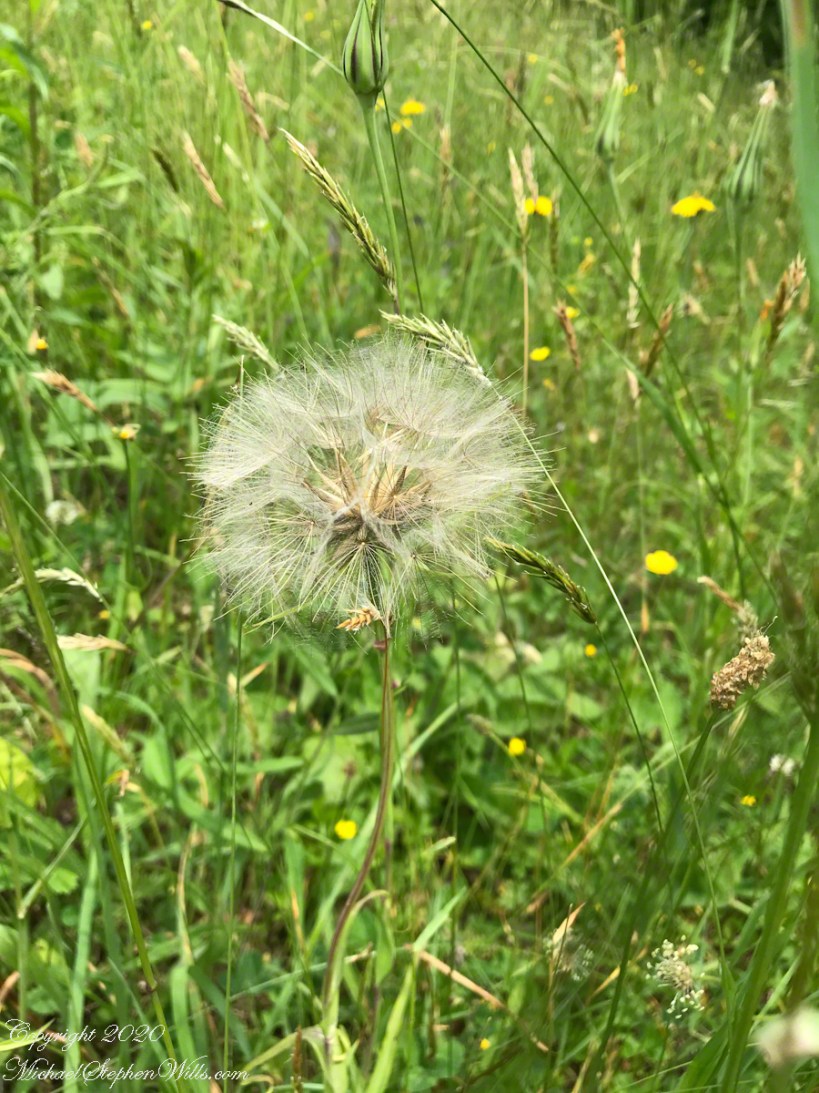
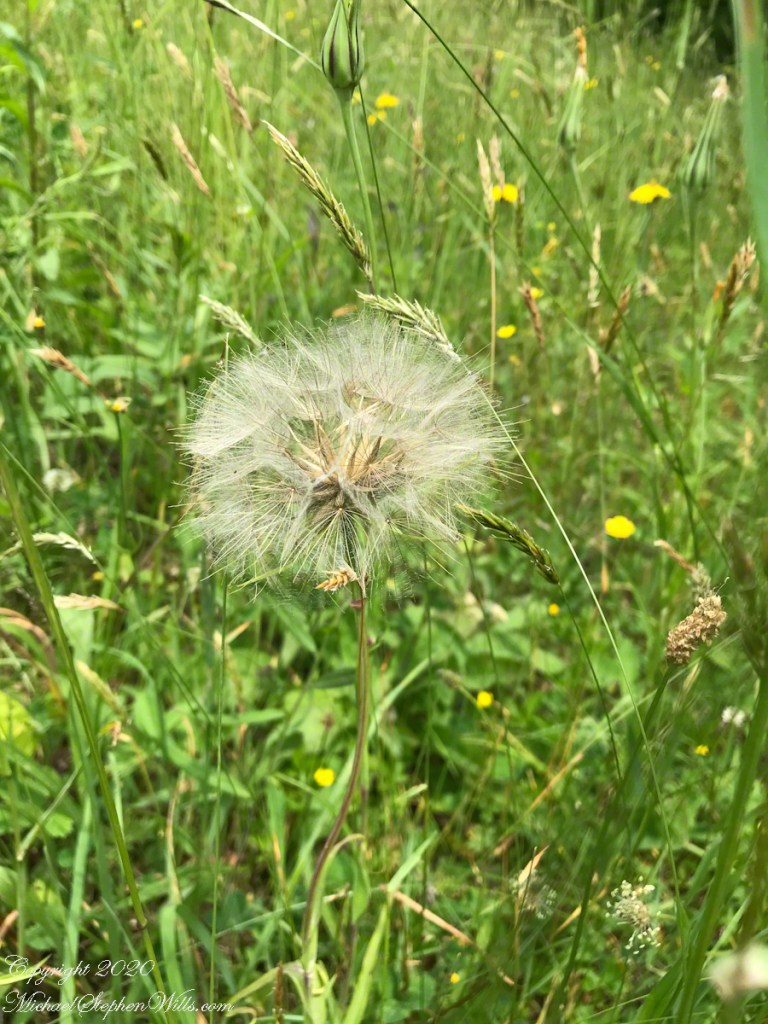
I have seen those gigantic seed heads here and there and never taken the time to research and identification. Do you recognize it?
Hammond Hills walks are a solo affair for me. Pam joined in days past, summer and winter, and fell out of love with the lack of flowing water and bugs. The pleasures of the place, for me, are the miles and miles of varied trails, the sounds among silences, unexpected vistas from hilltops.
The trails themselves are unlovely, beaten down by mountain bike tires or grooved by skis. On the hills I am always on alert, listening for the sounds of bodies hurtling down. The bureaucrats called this “mixed use.” It could be worse, motors are excluded. Today there were two bikers.
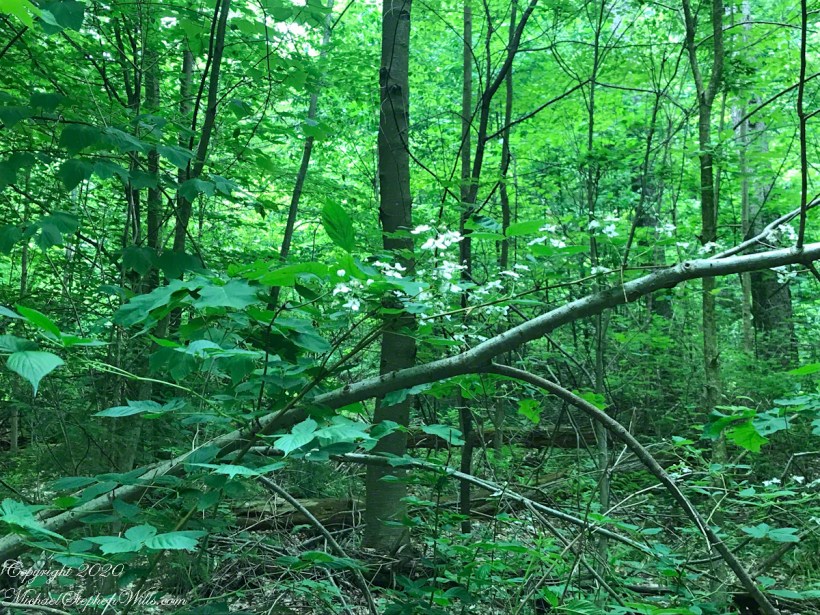
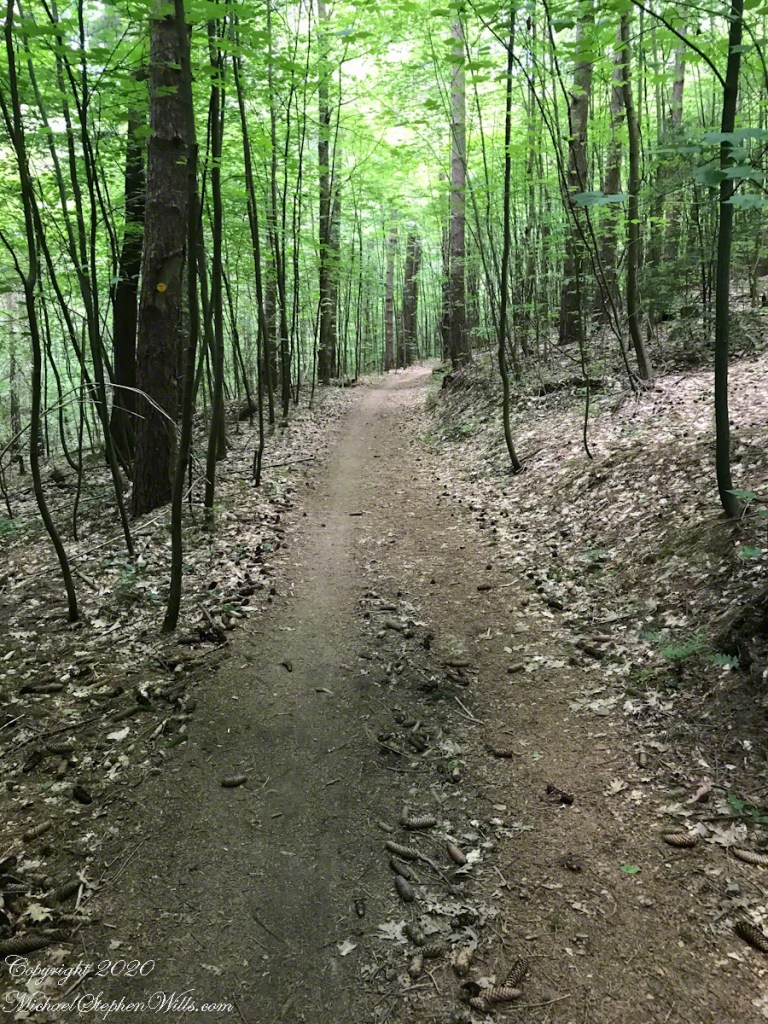
Click any photograph for a larger view. To do this from WordPress Reader, you need to first click the title of this post to open a new page.
A sprinkling of wild rose.
The song of the Hermit Thrush, a sound of diamond strands, always stops me. Here are two 30 seconds clips.
Hammond Hill New York State Forest is visible as an alluring height from many places of Tompkins and Cortland Counties. It is not on the list of tourist destinations, very popular for locals to mountain bike, and cross country ski at an advanced level for the steepness of some trails that wend over this high hill.
Click any photograph for a larger view. To do this from WordPress Reader, you need to first click the title of this post to open a new page.
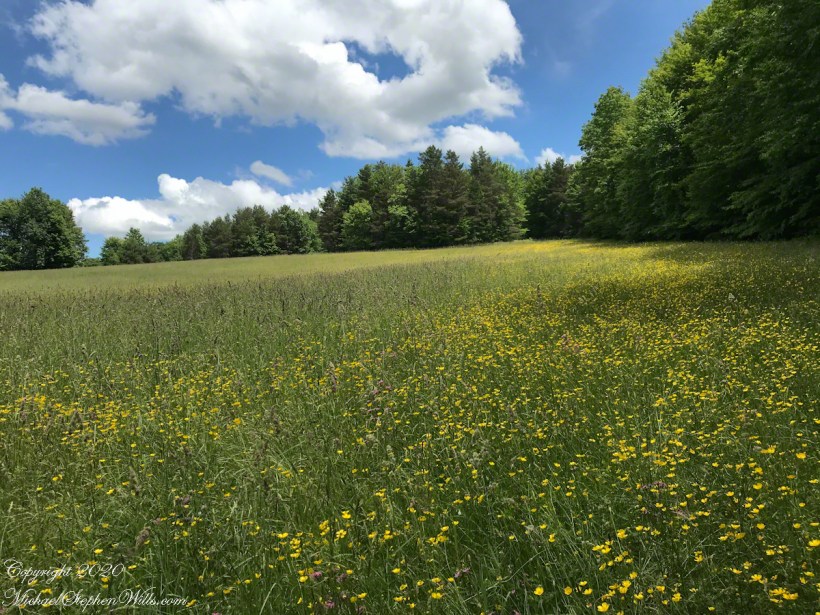
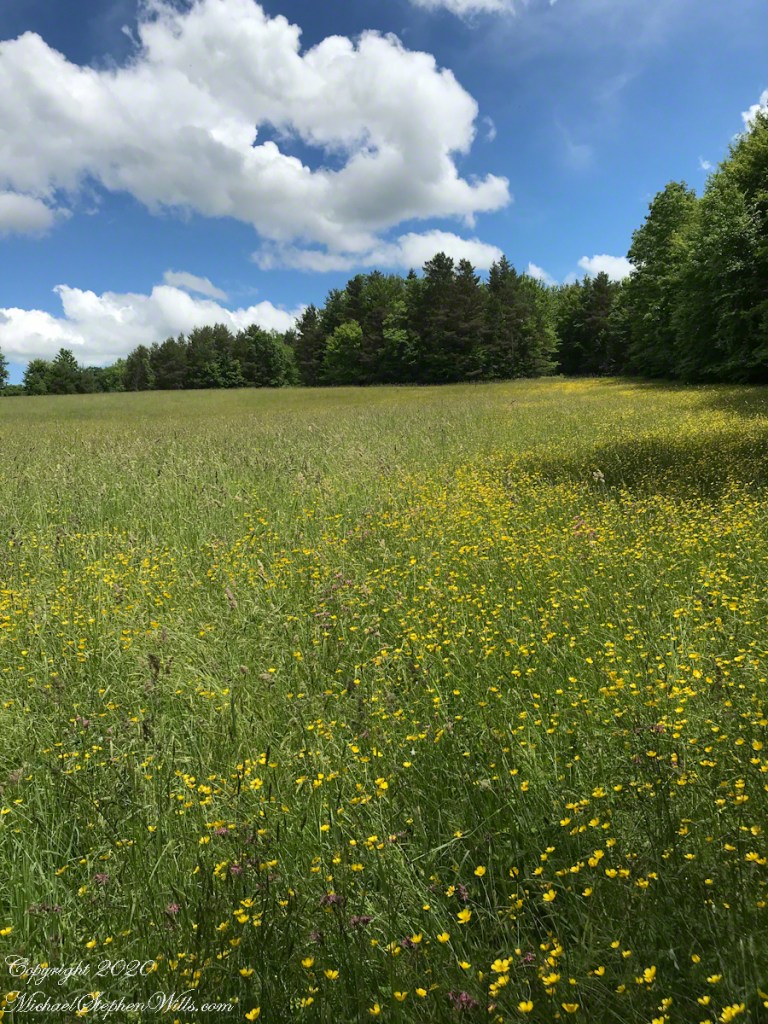
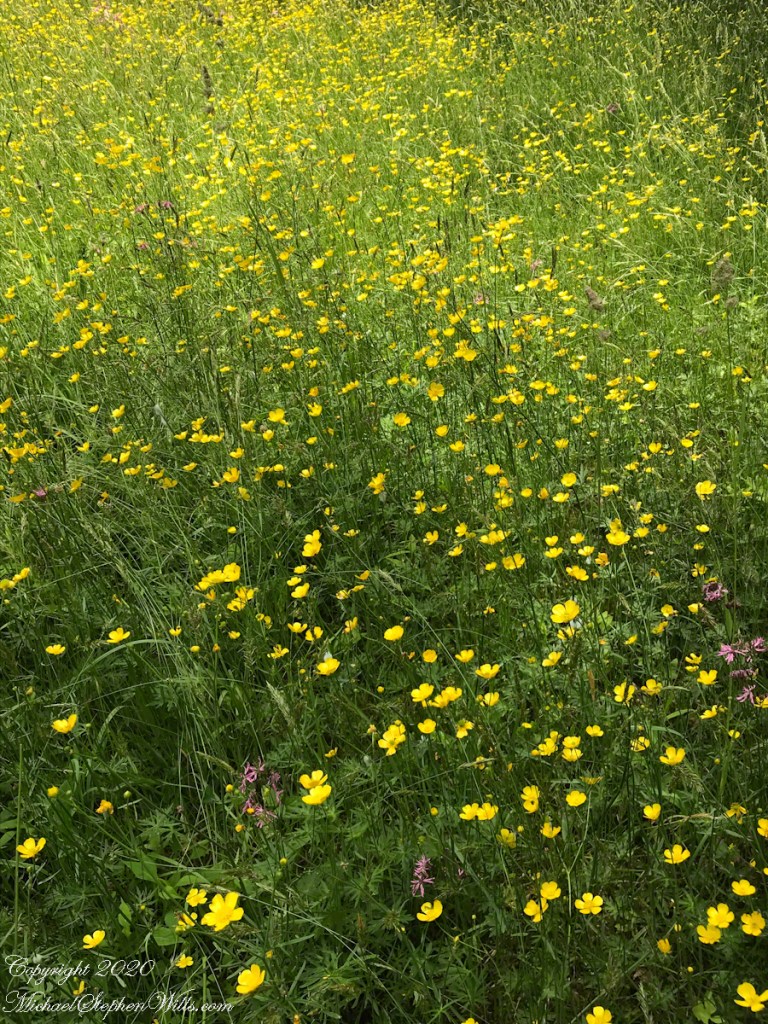
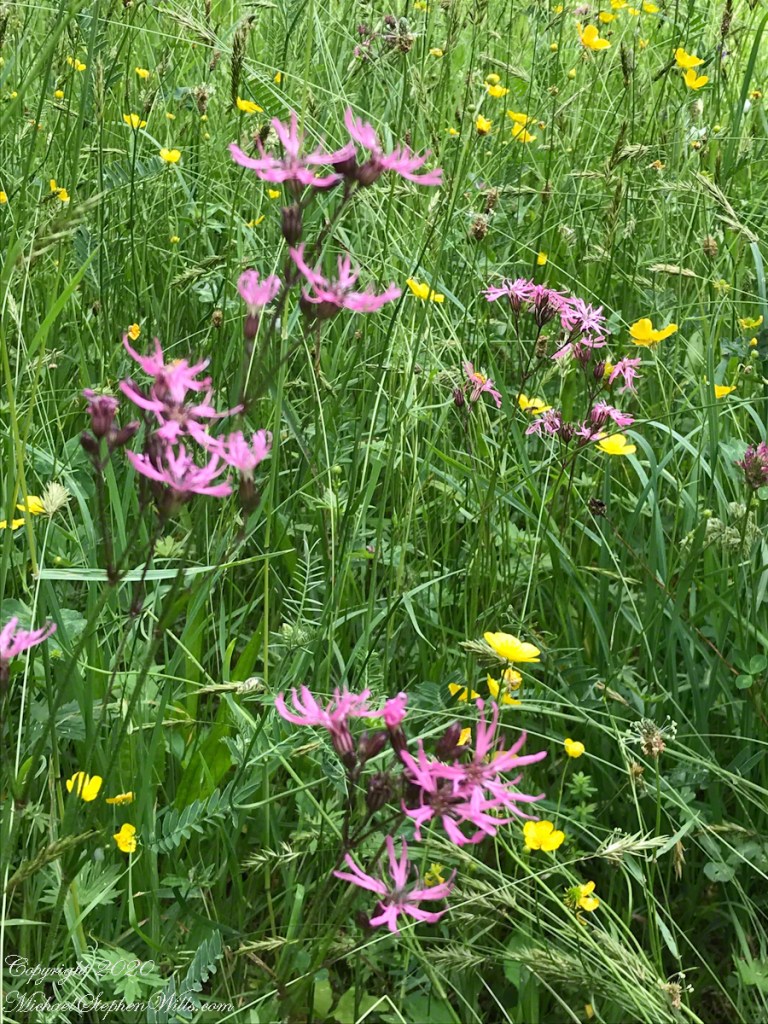
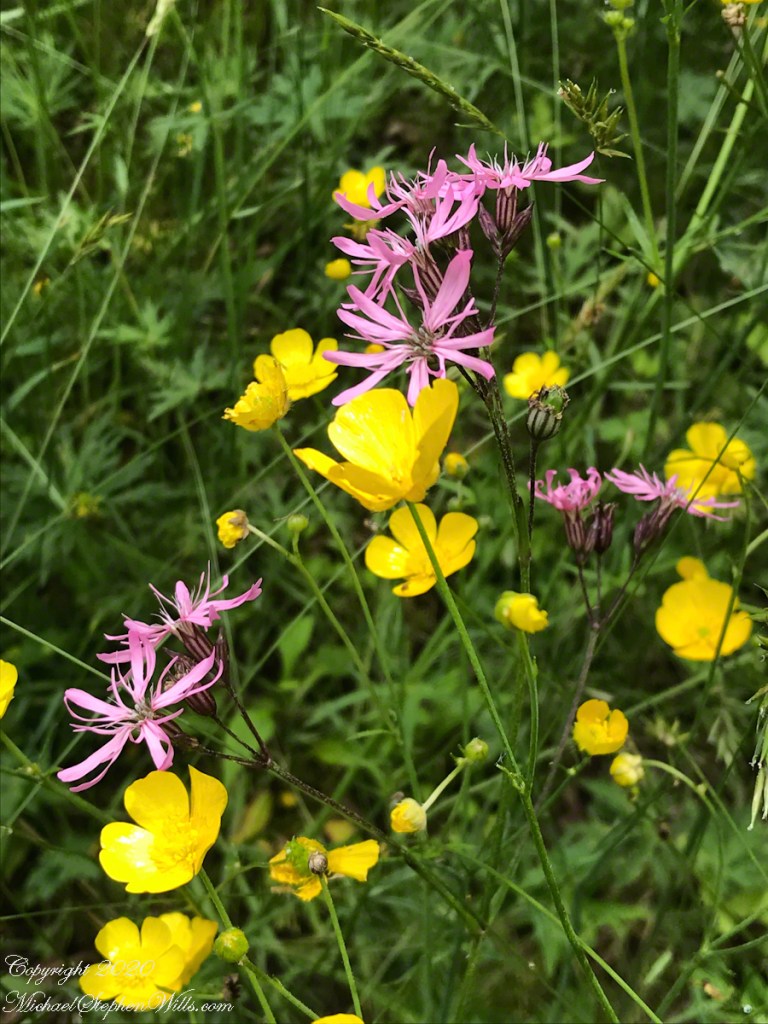
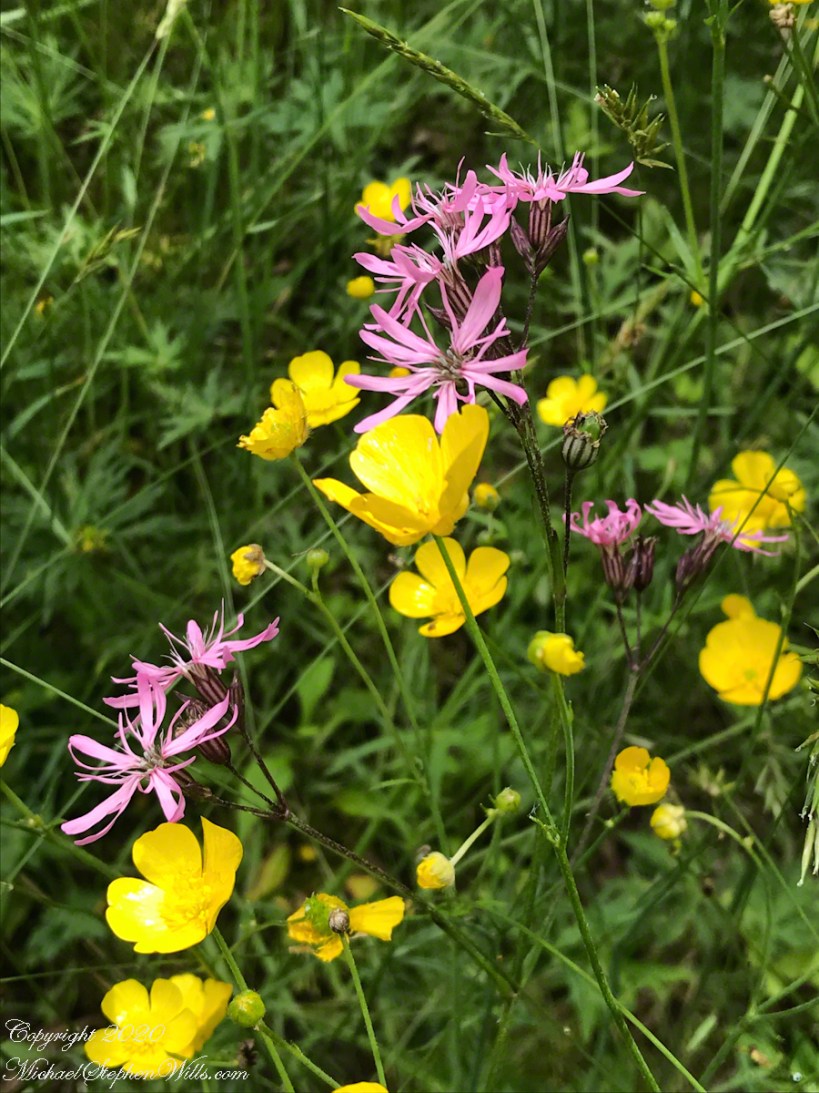
Buttercup Meadow
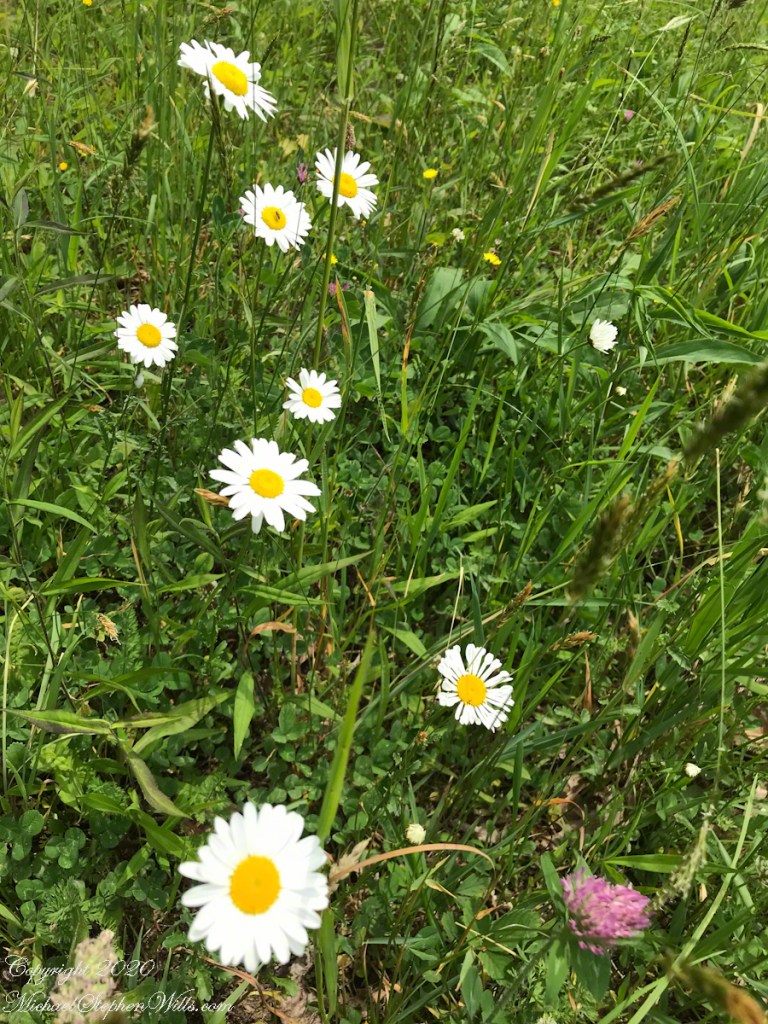
The beauty of this wildflower meadow took me by surprise. The pink flower is a Bouncing Bet, AKA Soapwart. Scientific name Saponaria officinalis. The genera name is from the latin root for soap, “sapo.” The juice of the plant mixed with water can whip up a lather. Thus, also its common name, Soapwart.