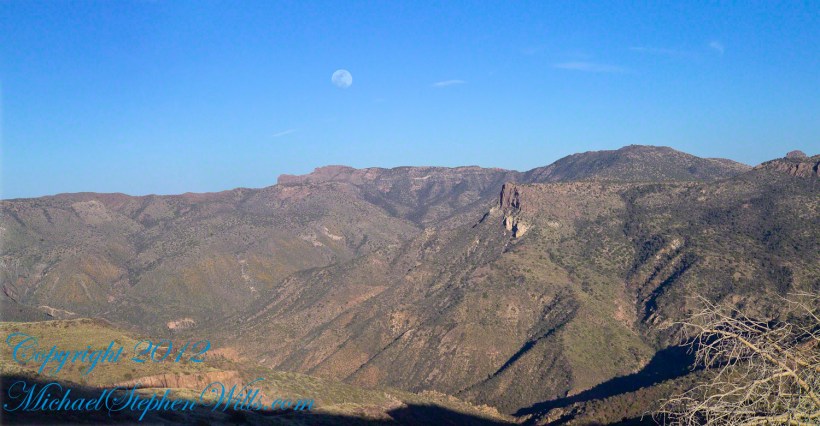
Two Bar Mountain is only part of this view taken the evening of Day Three, my solo expedition to Reavis Falls in the Superstition Wilderness of Arizona.
The view encompasses most of the four day expedition, being the climb into the lower Reavis Creek Canyon from which I camped. I spent one entire day walking up the valley to the falls.
The patches of yellow on the far slopes to the left and into Reavis Valley are Mexican Poppy (Eschscholtzia californica) blooms.
To find lower Reavis Creek Canyon, look for the prominent cliff formation in the very center of the image. Follow the end of the cliff down to a dark shadow. The western canyon wall creates the heavy shadow. As you move to the right, in the image, the shadow becomes wider because the canyon wall becomes higher.
The view also encompasses a 2005 solo expedition over Two Bar Mountain using the Tule and Two Bar Ridge trails into the Superstition Wilderness around Pine Creek. See my blog “Racing the Sun” for an image Two Bar Mountain with the path of (most of) two days of that expedition.
An interesting feature of the full size image (lost in the small-scale reproduction of this blog) is the host of enormous saguaro cactuses marching up the sides of the canyon to the left, thinning out and ending on the western walls of the canyon (the slope directly beneath my viewpoint). Our course, each cactus is perfectly still, casting a huge shadow, and seems very tiny. The nearest is a mile away. We are seeing in this thinning host the lower Sonoran in transition to the upper Sonoran life zone.
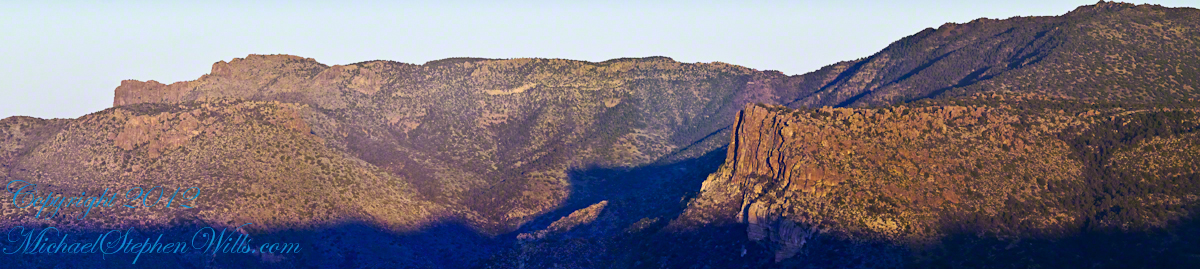
All of this in one view from Lime Mountain. Here is another, taken just as the sun set.
Copyright 2023 Michael Stephen Wills All Rights Reserved
This post features photographs from my solo expedition to Reavis Falls in a remote corner of the Superstition Wilderness of Arizona.
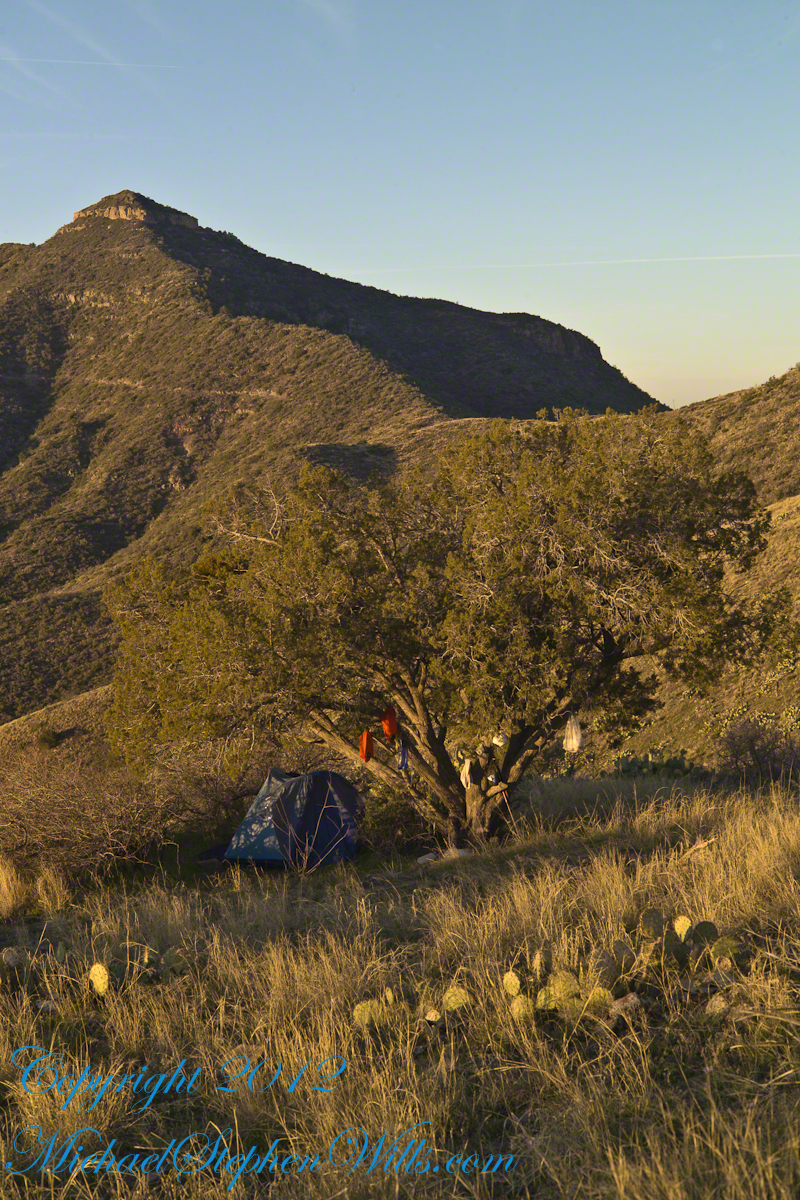
The morning of Day Four, my solo expedition to Reavis Falls in the Superstition Wilderness of Arizona. I camped on Lime Mountain, off the trail to Reavis Falls. That is Castle Dome behind me. The line sloping up the mountain is the Reavis Trail to Reavis Ranch.
My campsite.
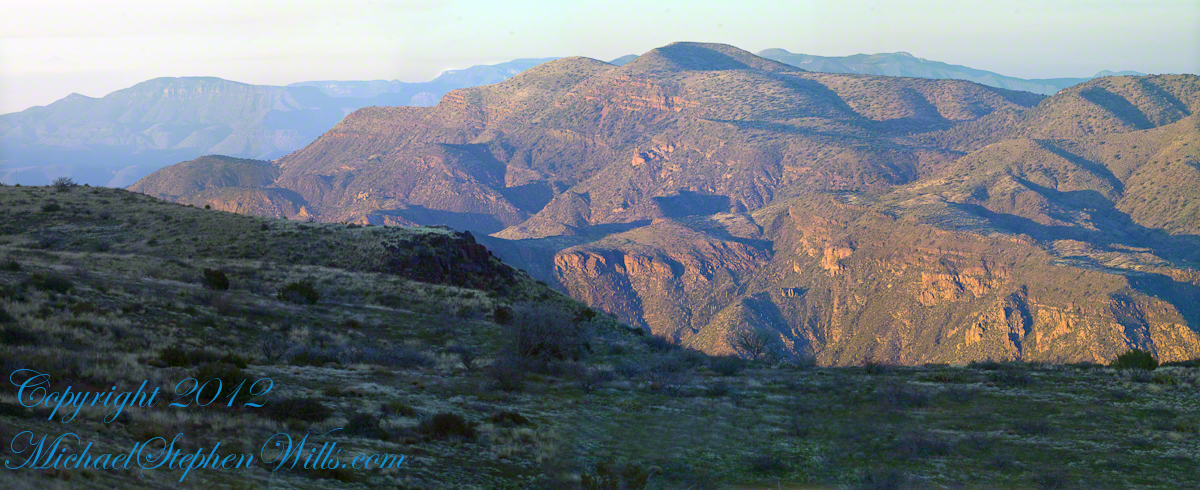
Looking toward Pinyon Mountain and the Arizona Trail (not visible) that fine morning.
Copyright 2023 Michael Stephen Wills All Rights Reserved
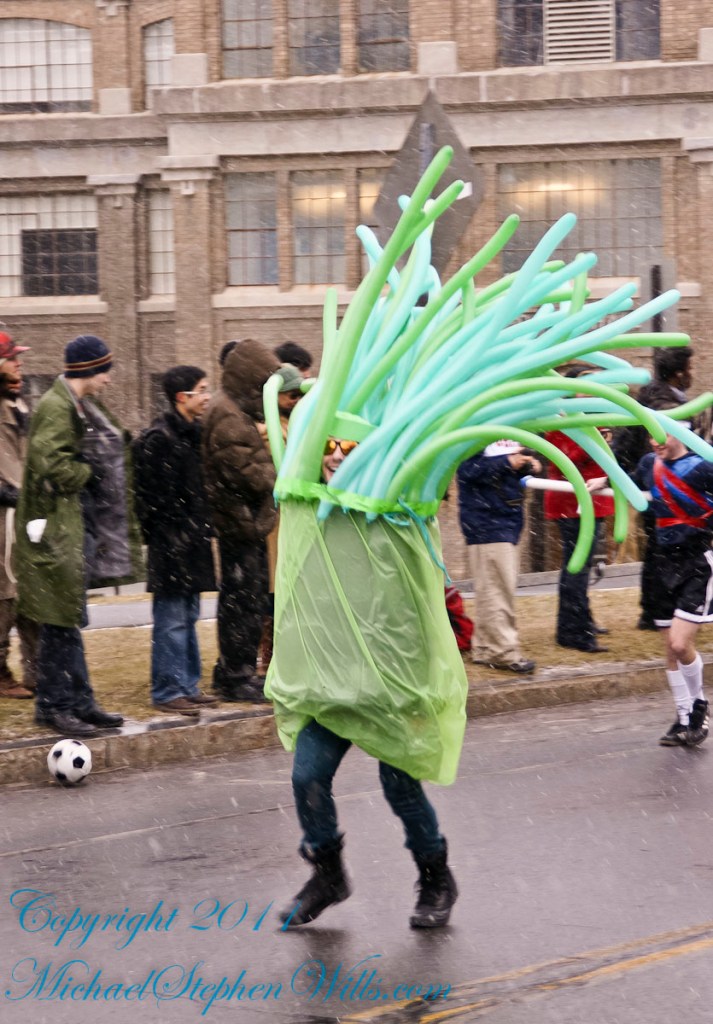
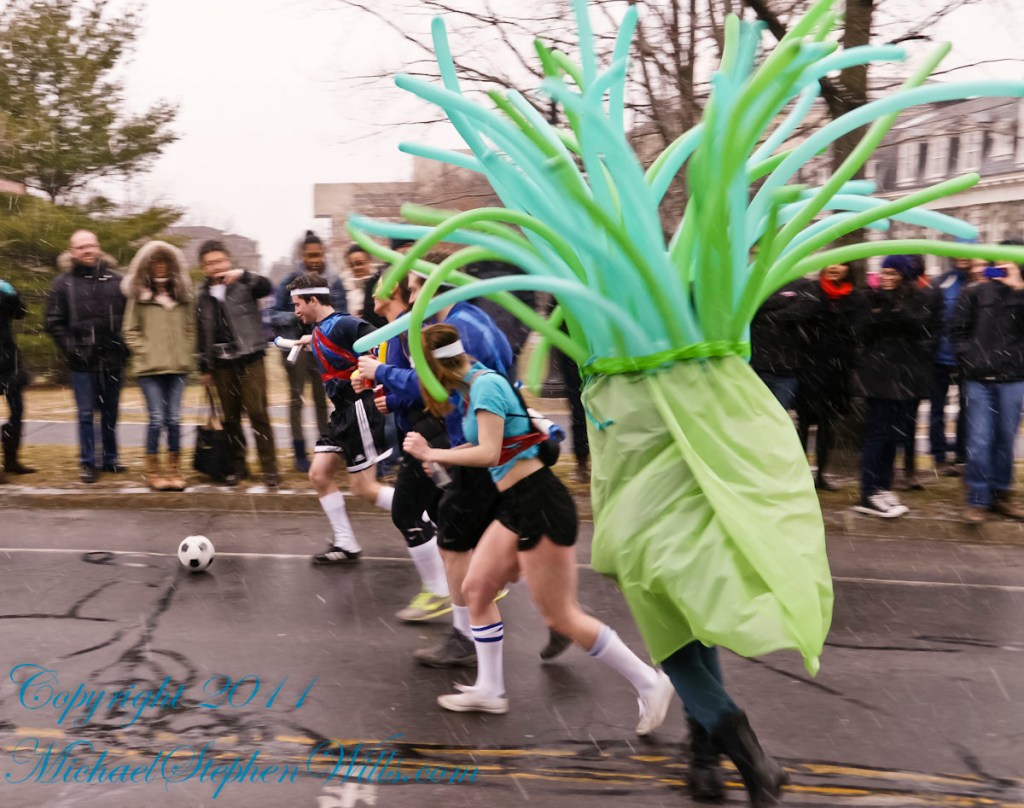
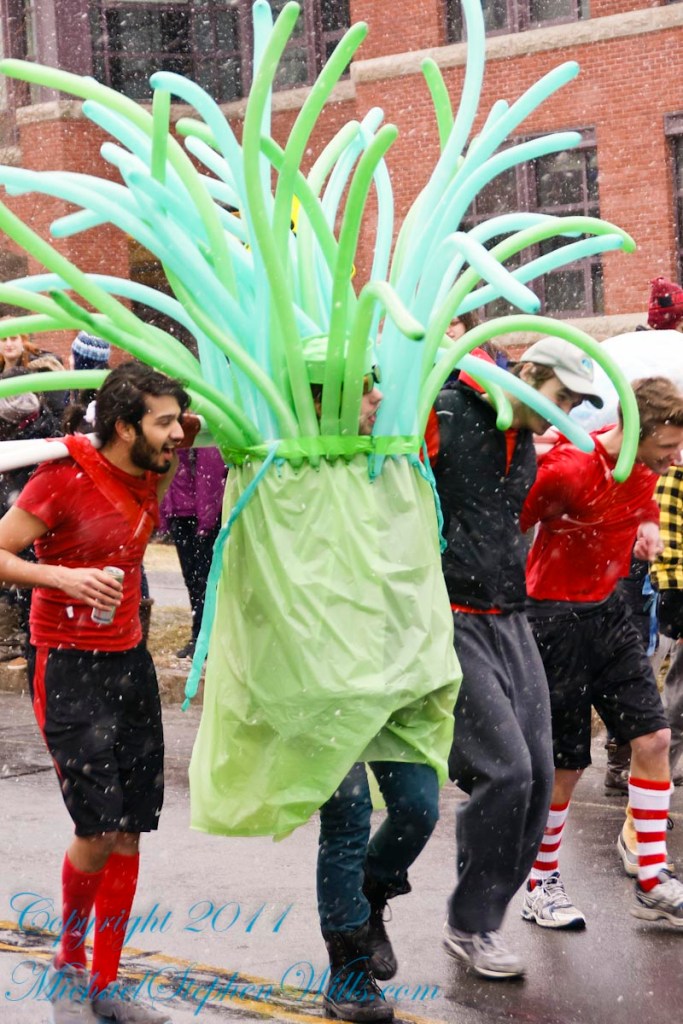
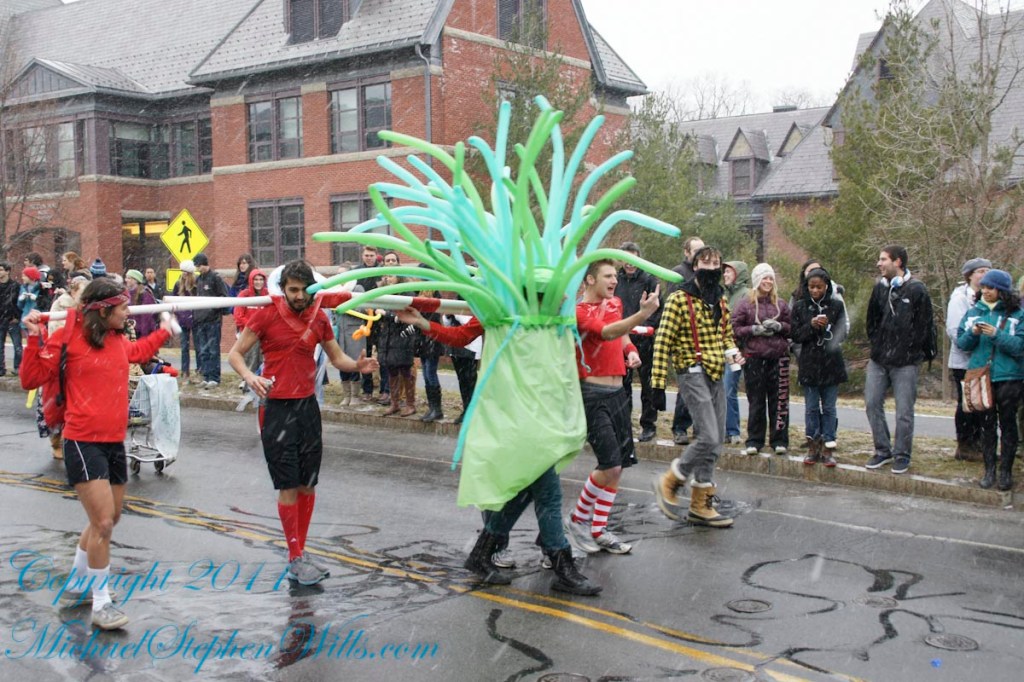
A series of group and individual portraits from the 2013 Dragon Day Parade on the Cornell University Campus. I am happy to report this tradition resumed 2022 after a 2-year pandemic enforced hiatus. This tradition was and is celebrated for over 100 years.
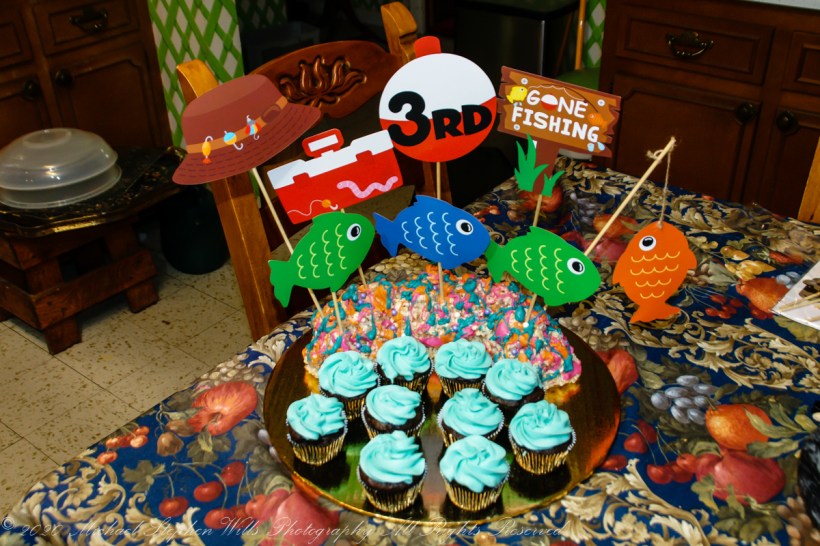
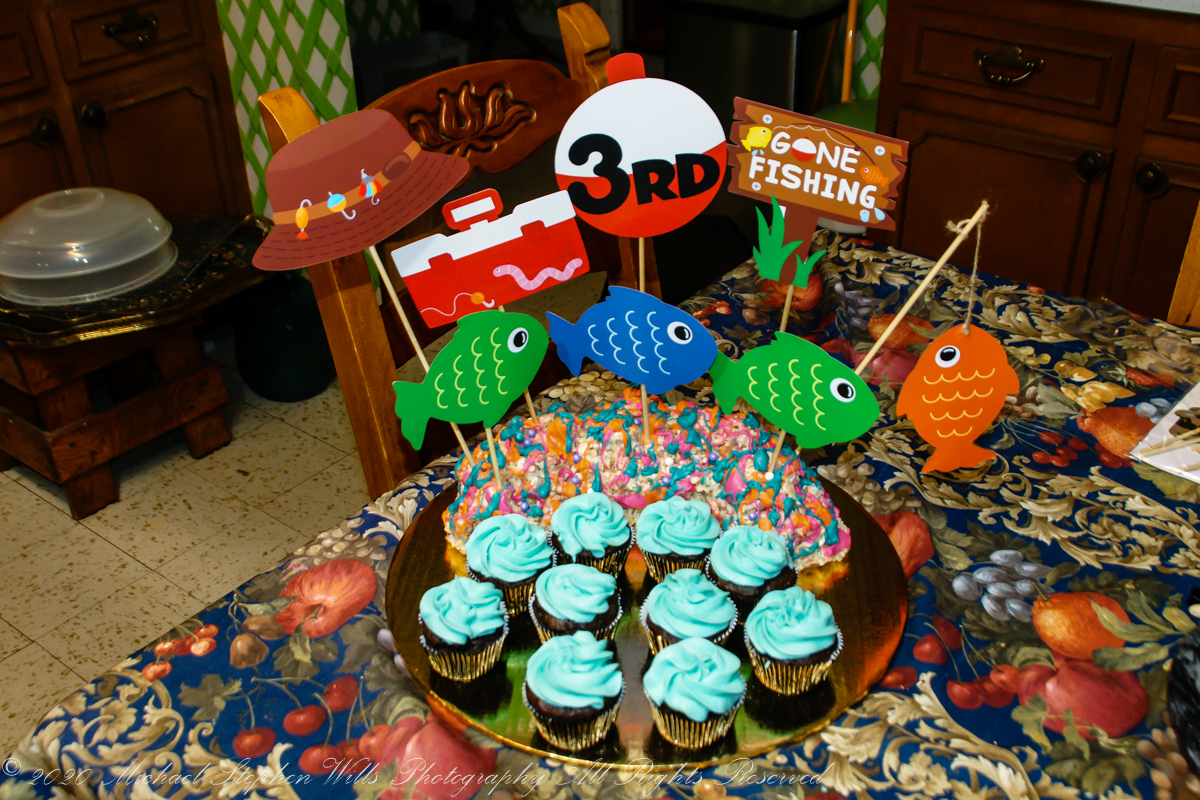
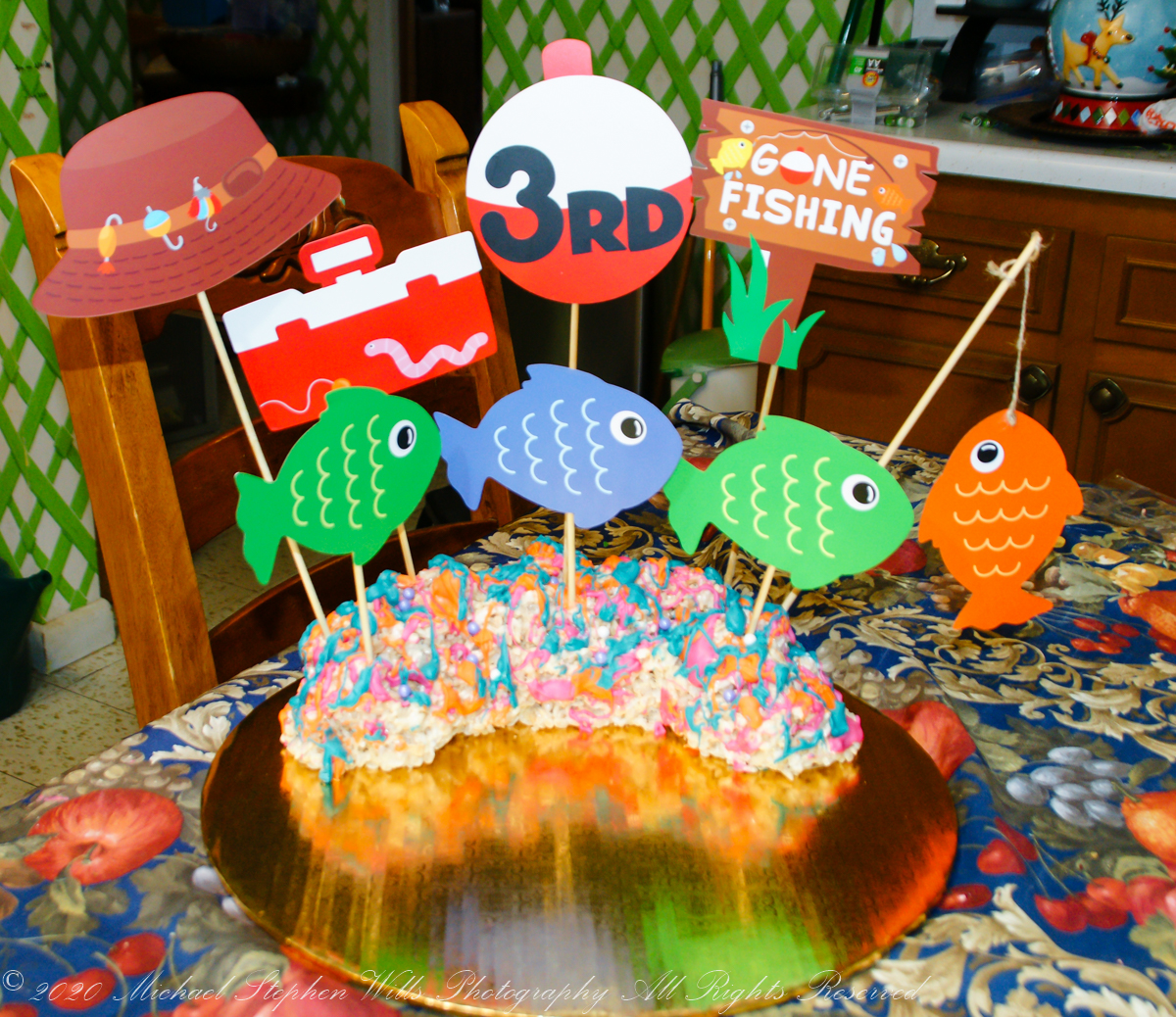
Cake design and production by Grandma for Rory’s Third 3 Birthday. On the lead up to the special day, Grandmother phones Rory to interview him for his birthday cake wishes. Rice Krispy treats drizzled with melted colored chocolate to resemble a coral reef. Chocolate cupcakes with homemade buttercream icing.
This was three years ago at the start of Covid-19 pandemic. We drove up his long, snowy drive way……
Rory, Mom and brother Sam welcomed us.
Pam had Swedish fish and other fixings for Rory to put on the finishing touches.
Copyright 2023 Michael Stephen Wills All Rights Reserved
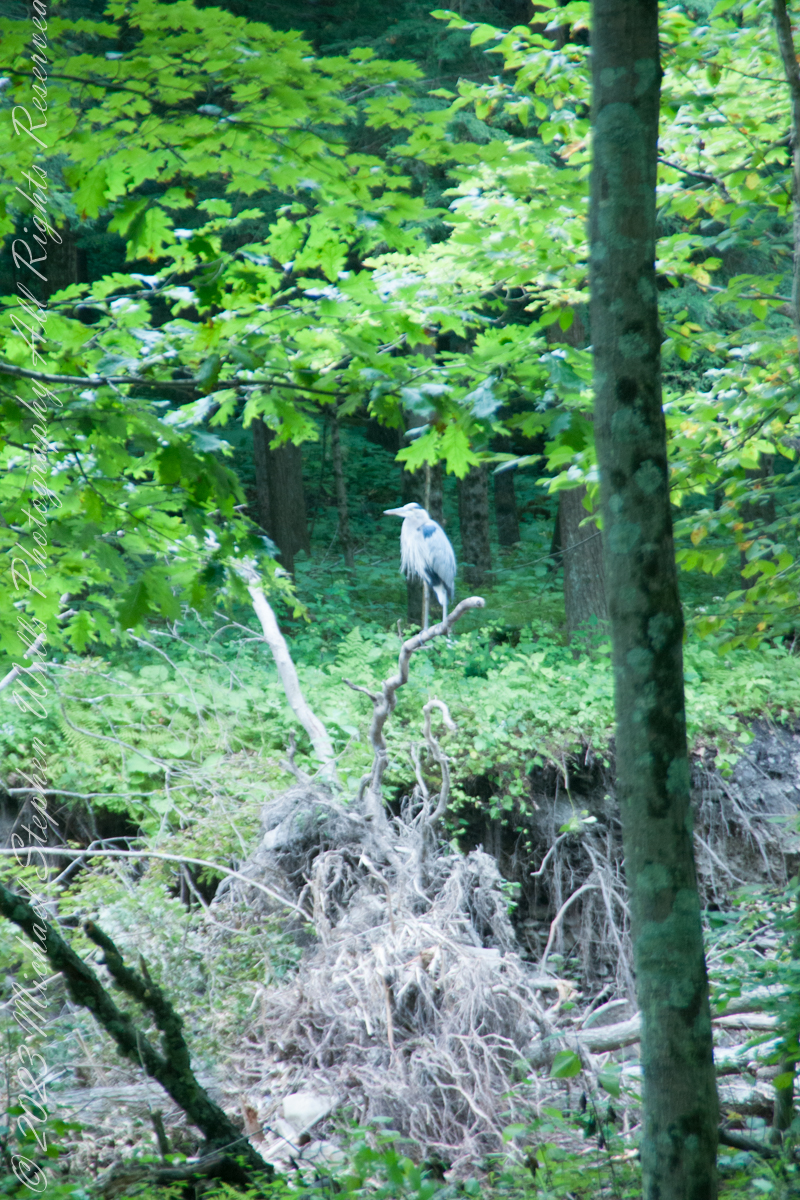
A Great Blue Heron spotted from Bear Trail during a family hike, perched on a splayed root of a tree undercut by flooding, fallen into Buttermilk Creek bed.
A heron recurves its long neck while perched. Adult herons have few natural predators and are rarely preyed upon due to their large size and sharp beak, but bald eagles (Haliaeetus leucocephalus) are known to attack great blue herons at every stage of their lifecycle from in the egg to adulthood.
Copyright 2023 Michael Stephen Wills All Rights Reserved
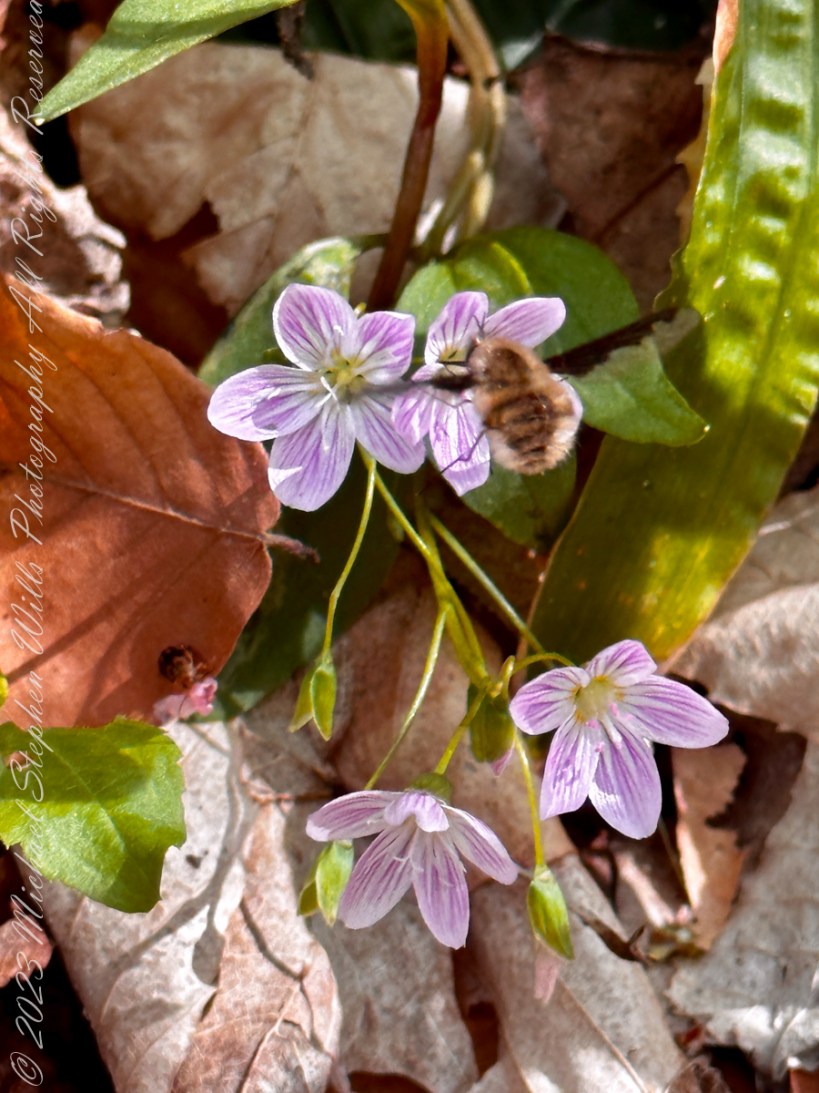
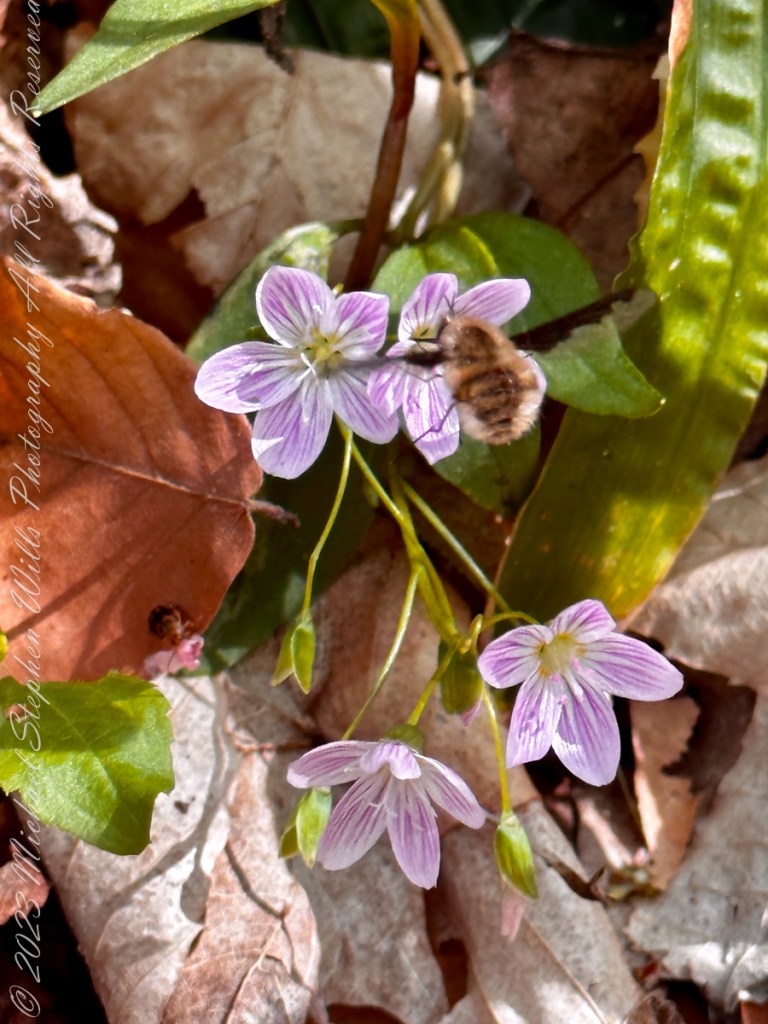
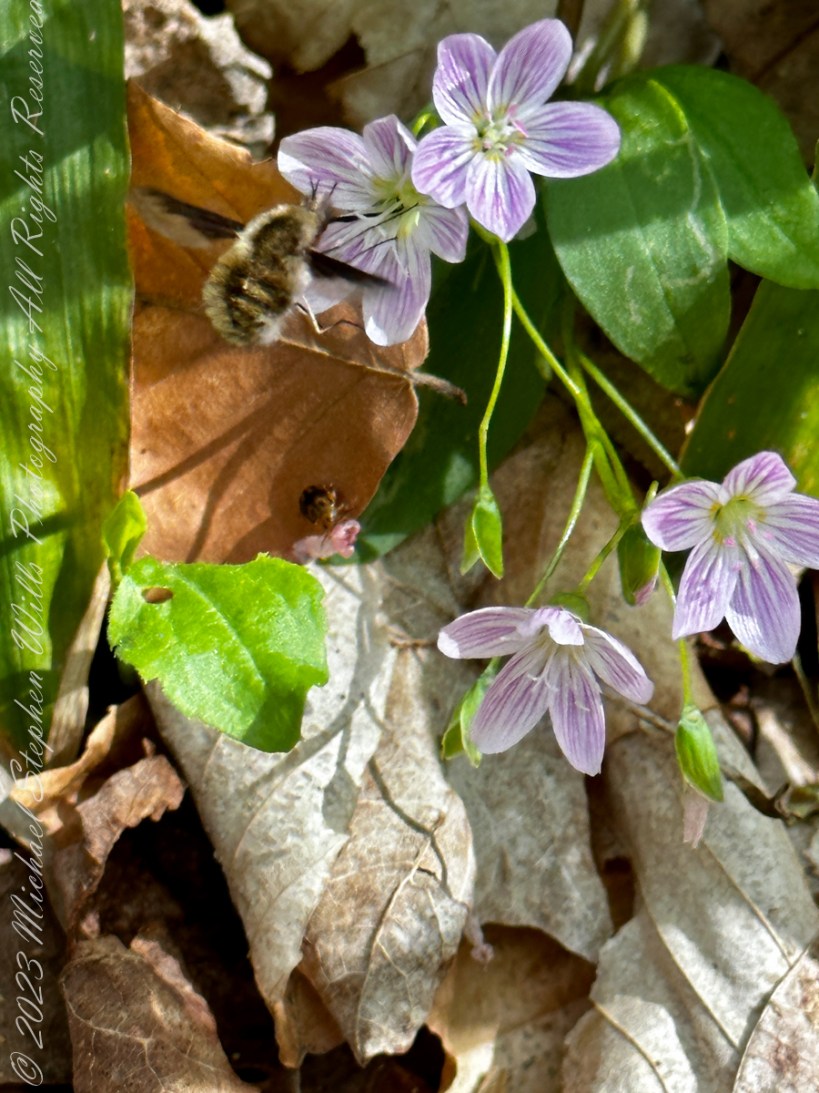
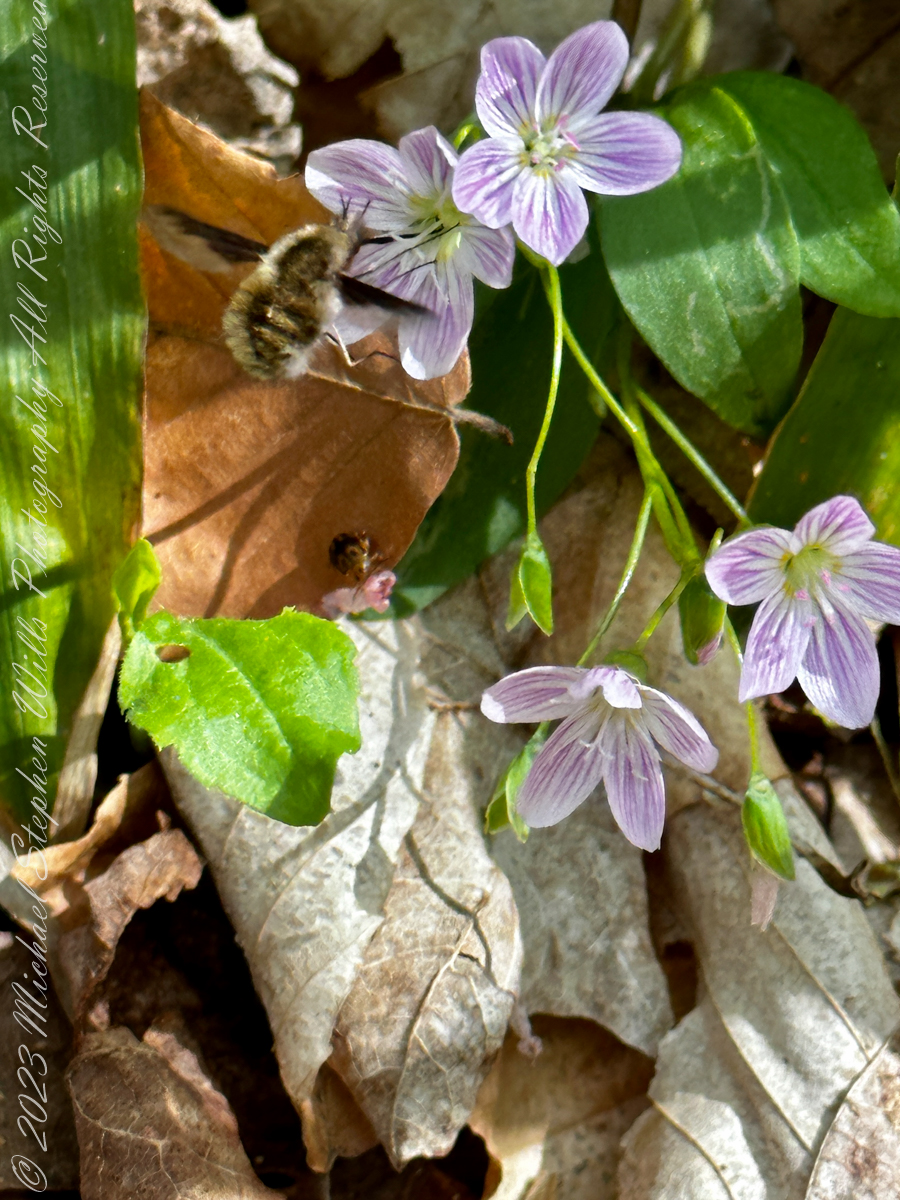
Greater Bee Fly is reputed to be a nectar thief, making a cut in flower base to siphon off nectar without fertilizing the flower. This behavior is not in evidence here as it approaches this Carolina spring beauty on a late April afternoon along the South Rim trail of Fillmore Glen State Park.
Instead, what we see is this fly using a long rigid proboscis, found in the front of the head, to probe and feed nectar from the flower base as would any other respectable bumblebee that is resembles and is commonly mistaken for.
Copyright 2023 All Rights Reserved Michael Stephen Wills
As with other members of the family Asteraceae. Thinleaved Sunflowers are composed of ray florets. The scientific species name “decapetalus” is inaccurate on several counts. The flower is composed of 8-12 (not only 10, as in “deca”) of these ray florets, not petals. These ray florets are part of the flower reproductive organs, a flower petal is adjacent to, not a component of, a flowers reproductive parts.
Found growing August 24, 2019 along a sunny trail, The flowers attract many kinds of insects, including bees and butterflies, some of which, such as the painted lady and the silvery checkerspot, use the plant as a larval host. The seeds provide a source of food for birds. Muskrats eat the leaves and stems and use the stems in the construction of their lodges. Here we see a honeybee gathering nectar and pollen.
August 20129, Buttermilk Falls New York State Park, Ithaca, Tompkins County, New York.
Copyright 2023 Michael Stephen Wills All Rights Reserved
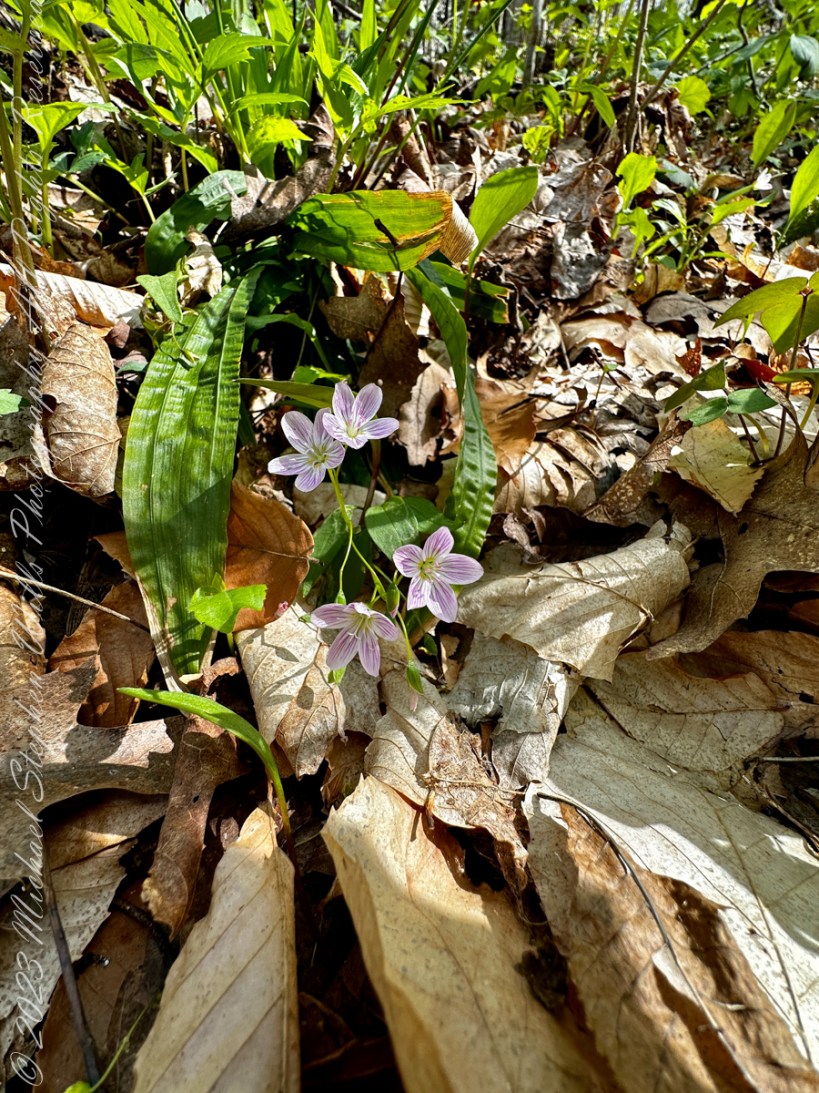
Claytonia caroliniana, the Carolina Spring Beauty, is an herbaceous perennial in the family Montiaceae. It was formerly placed in family Portulacaceae. Its native range is eastern and central North America. It is most found in the New England area of the United States, but its habitat extends from Ontario and a northern limit in the Cape Anguille Mountains of Newfoundland and south to Alabama.
It grows approximately 6 inches tall in forests of the Appalachian Mountains and piedmont.Claytonia caroliniana is a flowering, woodland perennial herb. It grows from March though June and is one of the earliest spring ephemerals. The plant grows from spherical underground tubers in light humus. They sprout and bloom before the tree canopy develops. Once the area is shaded, the plants whither leaving only the tuberous roots underground.
The flowers consist of five pink and purple petals. Dark pink veins accent the petals and give them a striped appearance. The carpels are fused together. I have heard the flowers are white when first opened, have not experienced this myself. They grow on a stem 3 – 10 inches tall that bears a single pair of broad leaves. There are two green leaves that grow opposite each other on a node. The leaf has no teeth or lobes and a prominent central vein. They grow up to three inches long and 1/2 to 3/4 inches wide.
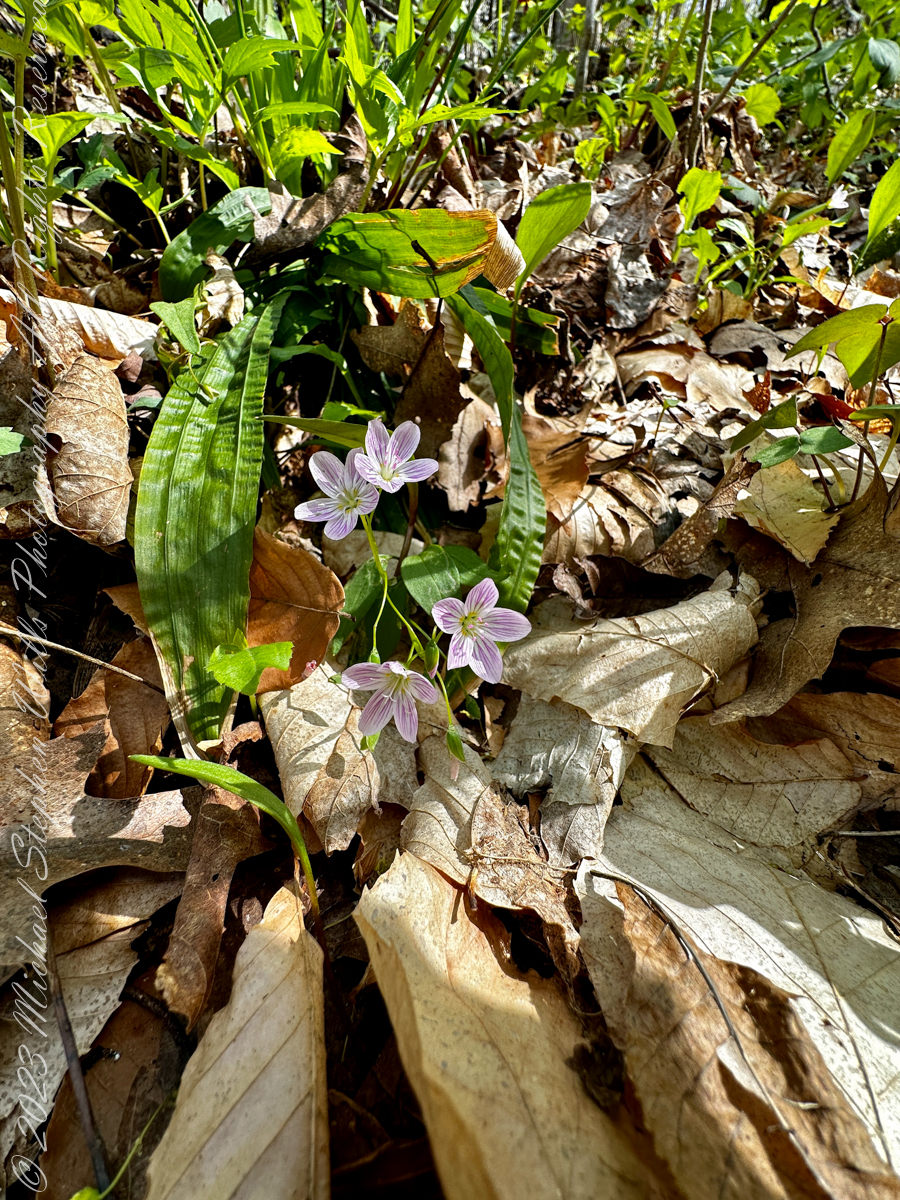
In the photograph, Carolina Spring Beauty flowers bracket the leaves just visible under leaf litter.
Edible
The plant is edible, but its usability is limited due to difficulty harvesting and the small quantities each plant produces. Its tuberous roots are edible and rich in starch and can be cooked or eaten raw. The leaves can be eaten as well. The tuberous roots are eaten by eastern chipmunks and white-footed mice.
History
The plant was named after John Clayton. Clayton was an early collector of plant specimens.
Source: Wikipedia”Claytonia caroliniana. Direct quotations are in italics.
Copyright 2023 All Rights Reserved Michael Stephen Wills
Treman lake is formed by a dam on Buttermilk Creek, the trail around the lake is less frequented and popular with the locals, climbing up and down the glacially formed hills. Some popular resorts maintain trails that feed into the park.
A footbridge framed by hemlock trees traverses Buttermilk Creek where the East and West Treman Lake Trails meet. This season, 2019, this bridge was overwhelmed by driftwood piled up by spring flooding, impassable. We pick our way across the creek bed and over the water. Little ones needed a carry. An adult fisherman, to right of driftwood, provides perspective.
August 20129, Buttermilk Falls New York State Park, Ithaca, Tompkins County, New York.
Copyright 2023 Michael Stephen Wills All Rights Reserved
Bombylius major (commonly named the large bee-fly, the dark-edged bee-fly or the greater bee fly) is a parasitic bee mimic fly. Bombylius major is the most common type of fly within the Bombylius genus. The fly derives its name from its close resemblance to bumblebees and are often mistaken for them.
Bombylius major exhibits a unique flight behavior known as “yawing” and plays a role in general pollination, without preference of flower types. The fly does not bite, sting, or spread disease. However, the fly uses this mimicry of bumblebees to its own advantage, allowing close access to host solitary bee and wasp nests to deposit its eggs. After hatching, the larvae find their way into the nests to parasitically feed on the grubs.
Flight
It has been discovered that the fly is capable of a unique behavior, which was discovered with the use of a high speed camera. In this behavior, the flies are seen to rotate around a vertical axis as they fly (this action is known as “yawing”). However, it is still unknown what can cause this behavior to be triggered and what purpose it serves, but a proposed explanation includes mating habits. Here is an illustration of “Yaw” in the context of an airplane…substitute the fly body with head facing forward (to left).
The Bombylius major bee-fly is a common, generalist floral pollinator, meaning that it does not give preference to one flower over another, instead pollinating a wide variety of plant families and species. The fly uses its proboscis to carry and transfer the pollen. The species is a dominant pollinator within its community, sometimes even pollinating up to two thirds of the local flowers. In addition, Bombylius major will visit and pollinate plants that attract few other species. Some types of flowers, for example Pulmonaria officinalis, will be almost exclusively pollinated by Bombylius major, with other species contributing a negligible amount to that plants pollination. Some flower species, such as Delphinium tricorne, are even specifically adapted to the fly in terms of color, shape, and form. If given the choice, Bombylius major will have a consistency in plant choice.
Flower Attraction
Long distance floral attraction is governed by optical sense, with color being the most important factor. The flies are typically more attracted to blue and violet colors, and occasionally yellow, over orange and pink. However, short distance floral attraction is based on the fly’s olfactory sense.
Sunbathing Activity
The fly is mostly active during day hours when the weather conditions are warm and sunny. Bombylius major is attracted to sunnier places and is more likely to pollinate these areas, with a larger average of flower visits in areas of higher amounts of sunshine. The fly will hide in the trees during the night and usually dart away from a cast shadow and occasionally hide in clean washing brought in fresh from the washing line and fly out causing unsettled behavior in the discoverer.
Flower Description
Claytonia caroliniana is a flowering, woodland perennial herb. It grows from March though June and is one of the earliest spring ephemerals. The plant grows from spherical underground tubers in light humus. They sprout and bloom before the tree canopy develops. Once the area is shaded, the plants whither leaving only the tuberous roots underground.
The plant is edible, but its usability is limited due to difficulty harvesting and the small quantities each plant produces. Its tuberous roots are edible and rich in starch and can be cooked or eaten raw. The leaves can be eaten as well. The tuberous roots are eaten by eastern chipmunks and white-footed mice.
Source: Wikipedia “Bombylius major ” and “Claytonia caroliniana. Direct quotations are in italics.
Copyright 2023 All Rights Reserved Michael Stephen Wills


























































 Michael Stephen Wills Photography