Pinelands Connections IV

Bog Iron

This series starts here “Pinelands Connections I.

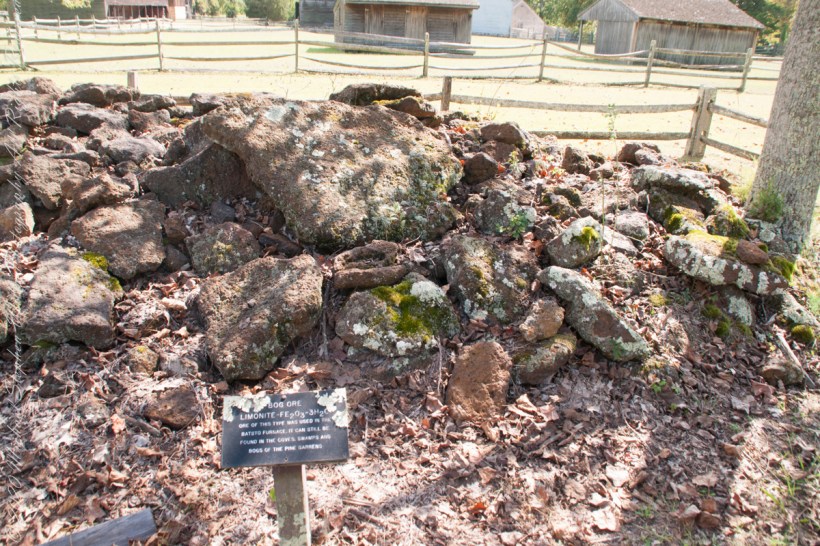
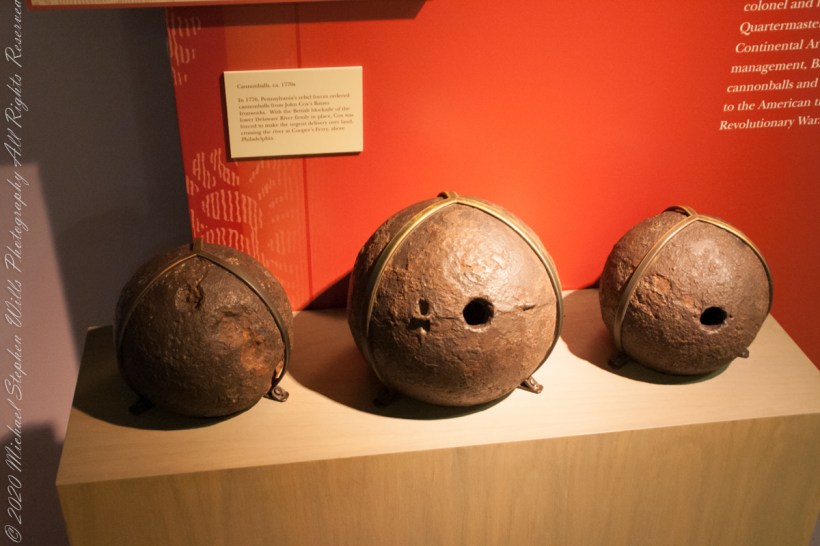
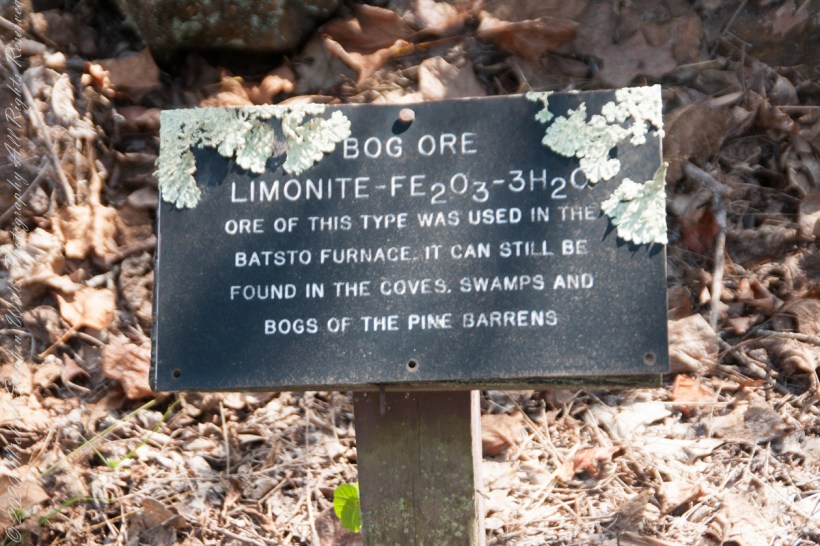
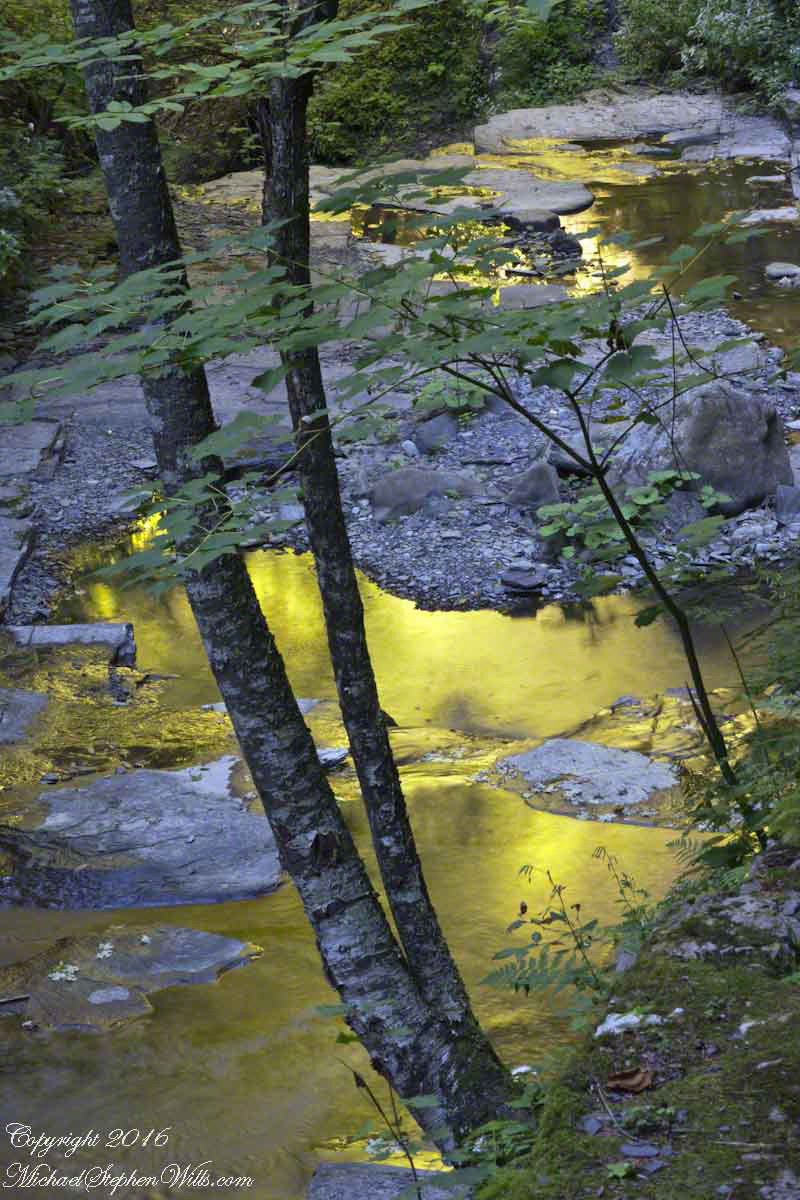
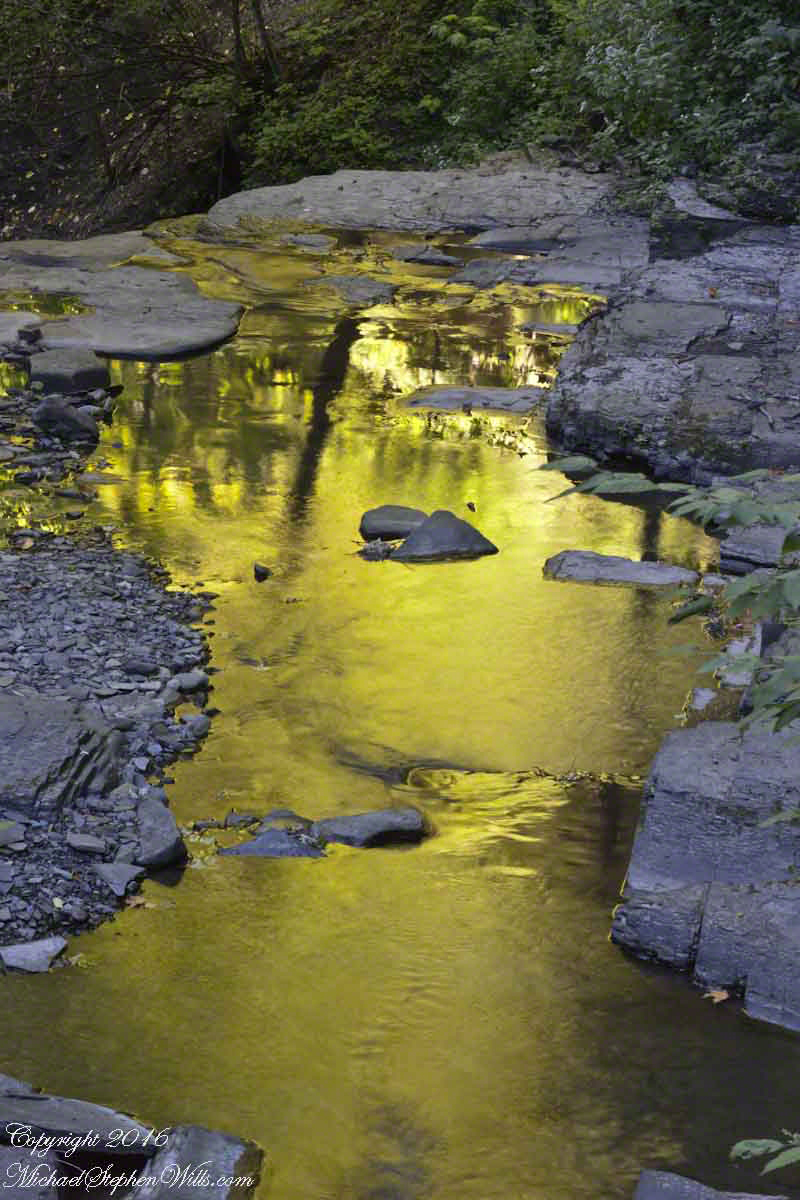
“There was also iron in the Pinelands. Most of the now vanished towns in the pines were iron towns — small, precursive Pittsburghs, in every part of the forest, where fine grade of pig and wrought iron were made. One of the geological curiosities of the Pine Barrens is that rainwater soaking down through fallen pine needles and other forest litter takes on enough acid to leach out iron from the sands below; the dissolved iron moves underground into the streams, where it oxidizes on contact with the air and forms a patch of scum on the surface that is partly rust brown and partly iridescent blue, and resembles an oil slick left by an outboard motor; drifting over to the edges of the streams, this iron-oxide film permeates the sands and gravels of the riverbanks and cements them together into a sandstone composite that has been known for centuries as bog iron. From it ironmasters of the Pine Barrens made cannonballs by the thousand and then them by wagon over the sand roads and on to the Continental Army at Valley Forge and elsewhere.” From The New Yorker magazine, November 26, 1967, “Profiles, The Pine Barrens I” creative non-fiction by the great John McPhee.
“In 1770, a Philadelphian named John Cox was a member of the first Committee of Correspondence and a member of the Council of Safety. With the coming of war, he became a lieutenant colonel and, eventually, assistant quartermaster general of the Continental Armies. His ironworks at Batsto flourished on war contracts from the Quartermaster Corps. In 1778, Cox sold Batsto for forth thousand pounds — a capital gain of about sixteen hundred per cent……Batsto was to reach its most developed stage in the eighteen-thirties and eighteen-forties, when the town had a population of eight hundred. Batsto is one of the few iron towns that remain in the Pine Barrens. …..The state has restored its water-powered sawmill, and sawyers cut white cedar there and make cedar shingles for use in restoration of Batsto buildings.” From The New Yorker magazine, November 26, 1967, “Profiles, The Pine Barrens I” by John McPhee.

Competition from more productive sources of iron and the coal-fired Pittsburg furnaces brought down the Pinelands iron works at their height. By 1848 the furnace at Batsto was cold.

Click me for Pinelands Connections V

Copyright 2021 Michael Stephen Wills All Rights Reserved
Pinelands Connections III

A presence today

“Driving along a sand road between the vanished town of Calico and the vanished town of Munion Field, we passed a house that was so many miles from any other house that Fred said, with evident admiration, “He got well in away from everybody, didn’t he?” Fred made a similar remark every time we passed a house or cabin that was particularly deep and alone in the weeds. Getting — or staying — way from everybody is a criterion that apparently continues to mean as much to many of the people in the pines as it did to some of their forebears who first settled there. Tories, for example, fled into the pines during the American Revolution. People with names like Britton and Brower, loyal to the King, and sometimes covered with feather and tar, left their homes in colonial cities and took refuge in the Pine Barrens. Also, during the eighteenth century, when the farmlands of western New Jersey were heavily populated with Quakers, the Pine Barrens served as a catch basin for Quakers who could not live up to the standards of the Quaker code….” From The New Yorker magazine, November 26, 1967, “Profiles, The Pine Barrens I” creative non-fiction by John McPhee.

……continued from “Pinelands Connections II.

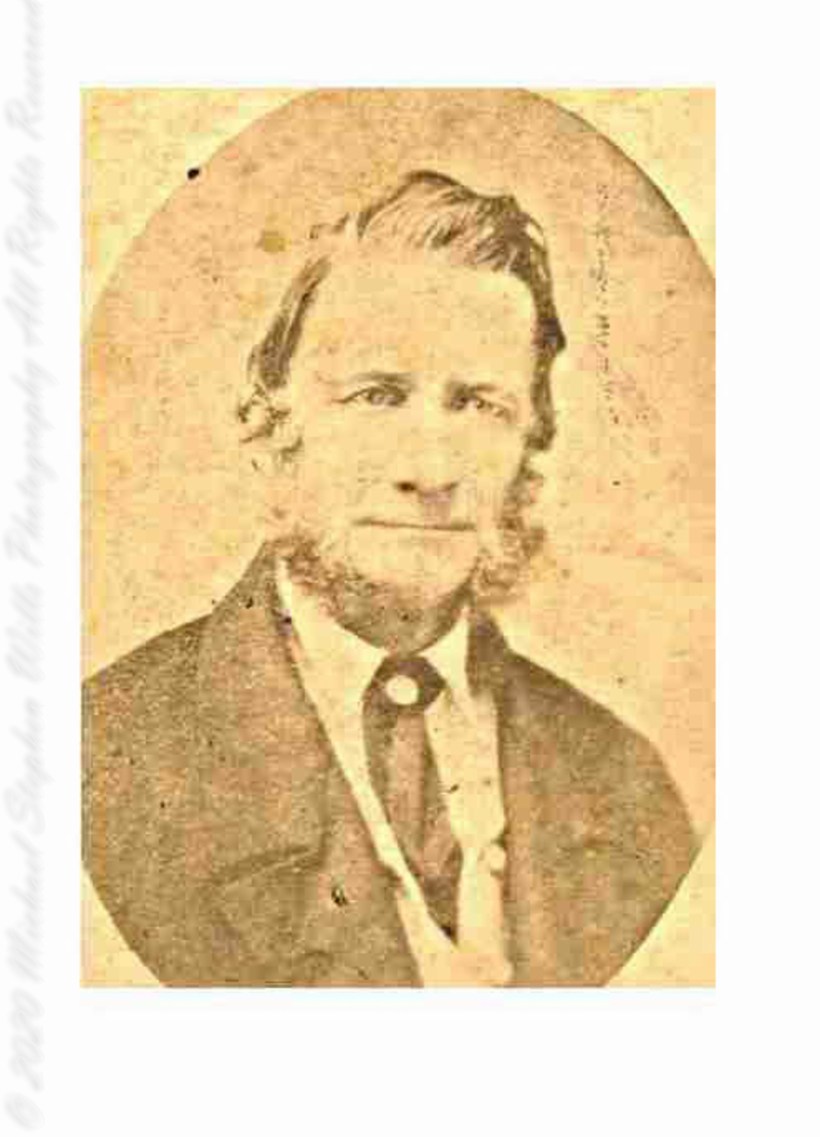
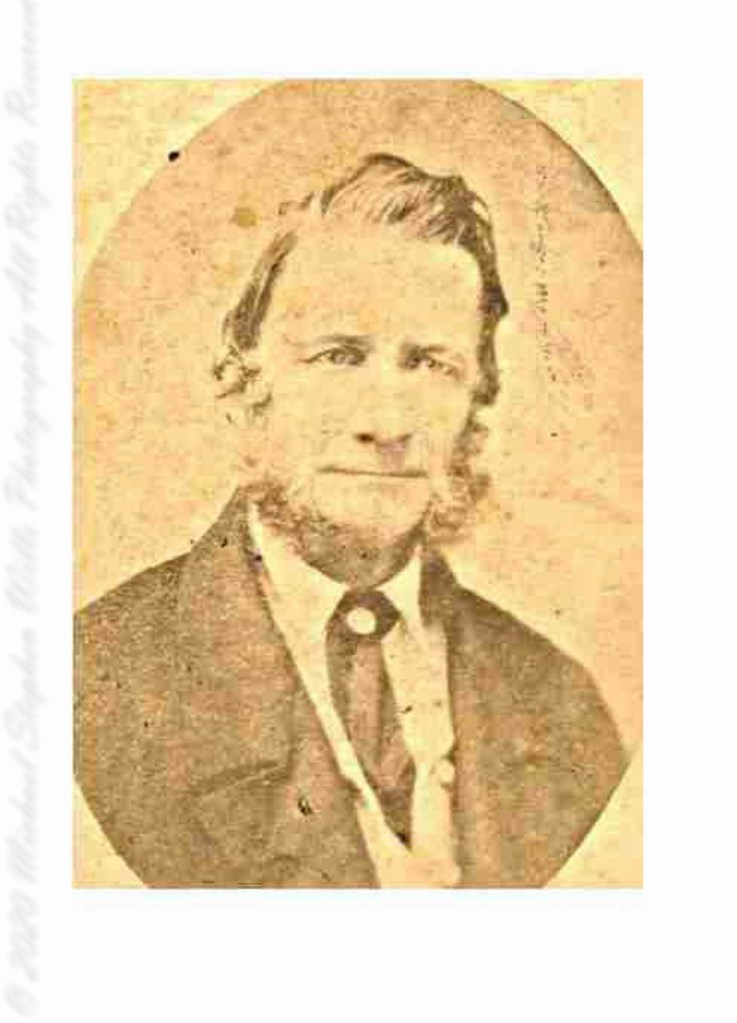
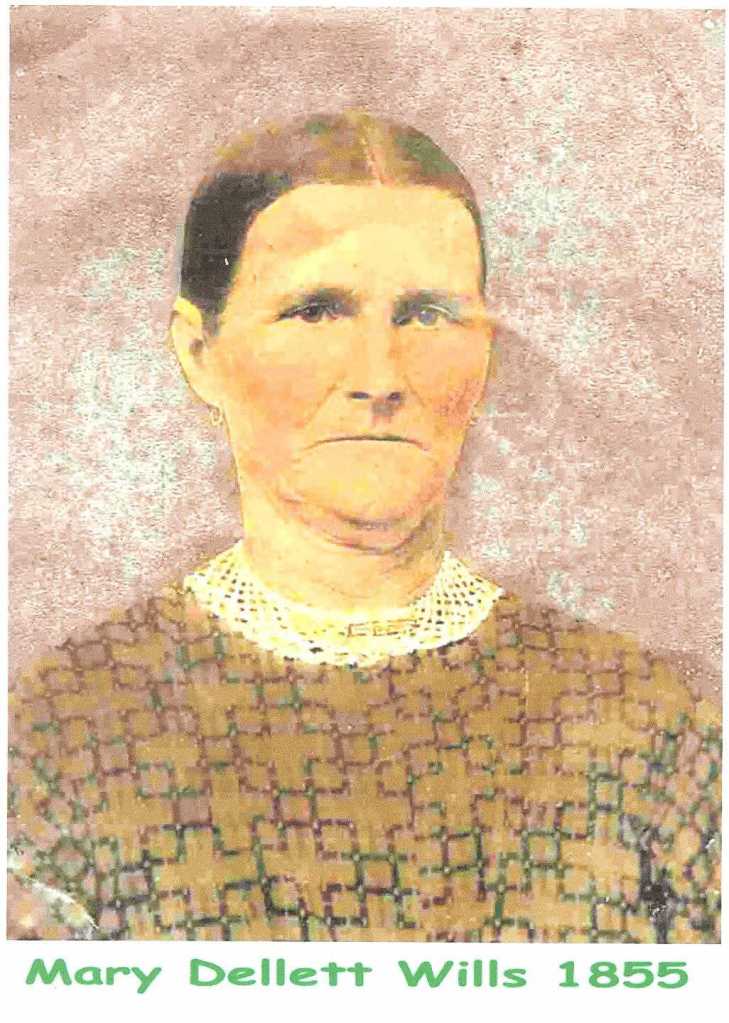
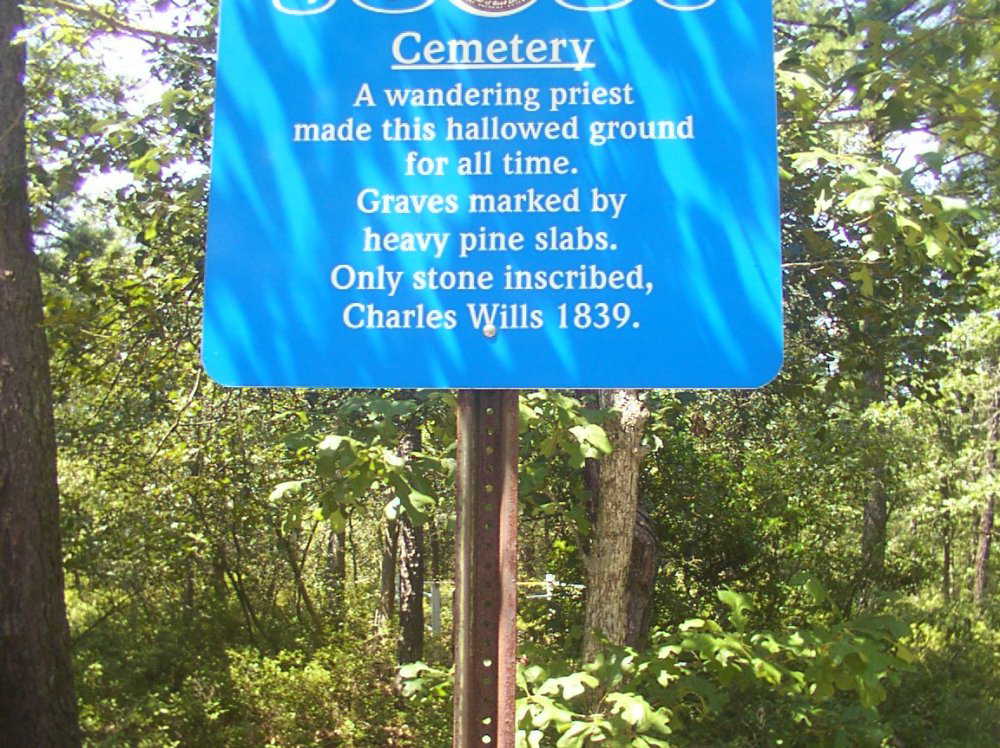
Vanished like the towns of Washington, Calico, Munion Field are the reasons that led to the union of the Quaker George Wills and Mary Dellett, daughter of James, emigrant from Northern Ireland. It is reasonable to surmise George, separated from the Quakers, sought refuge in the pines as a young man.

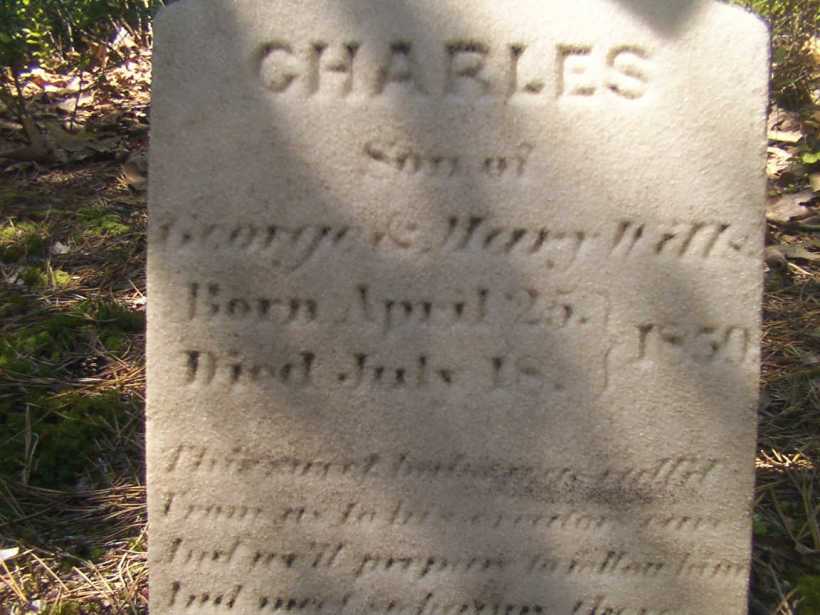
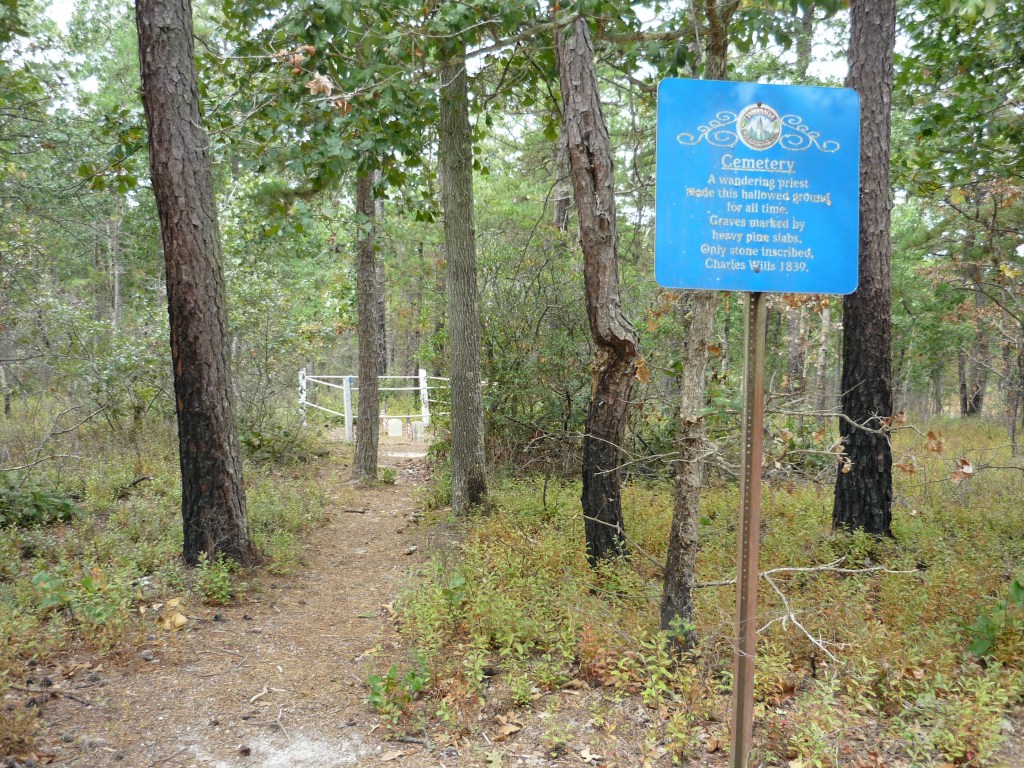
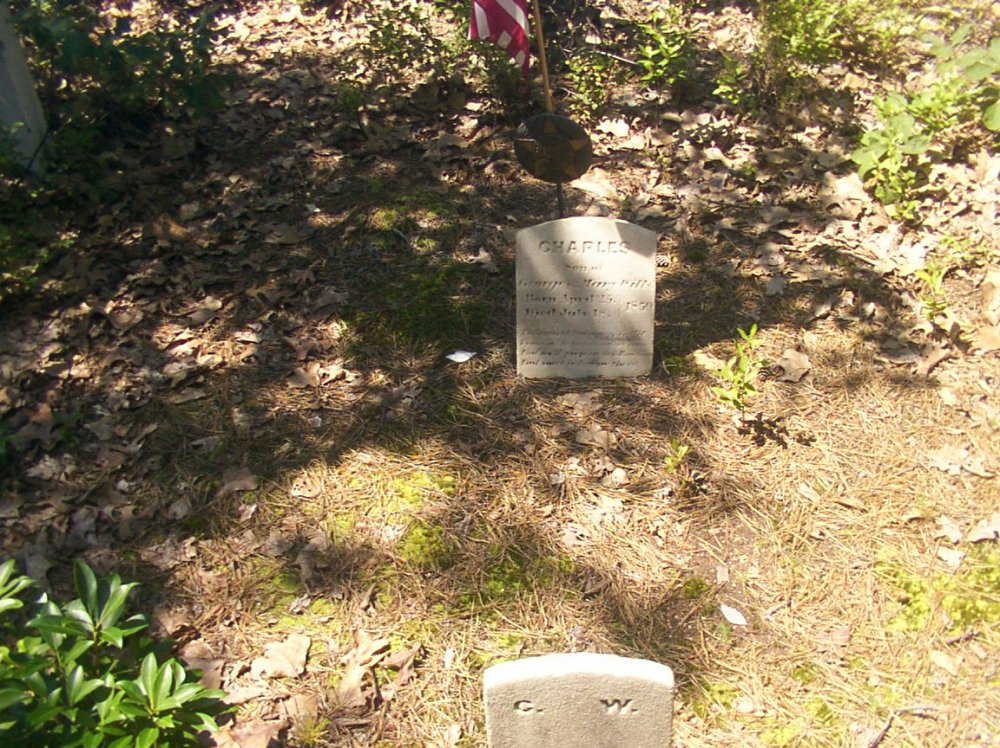
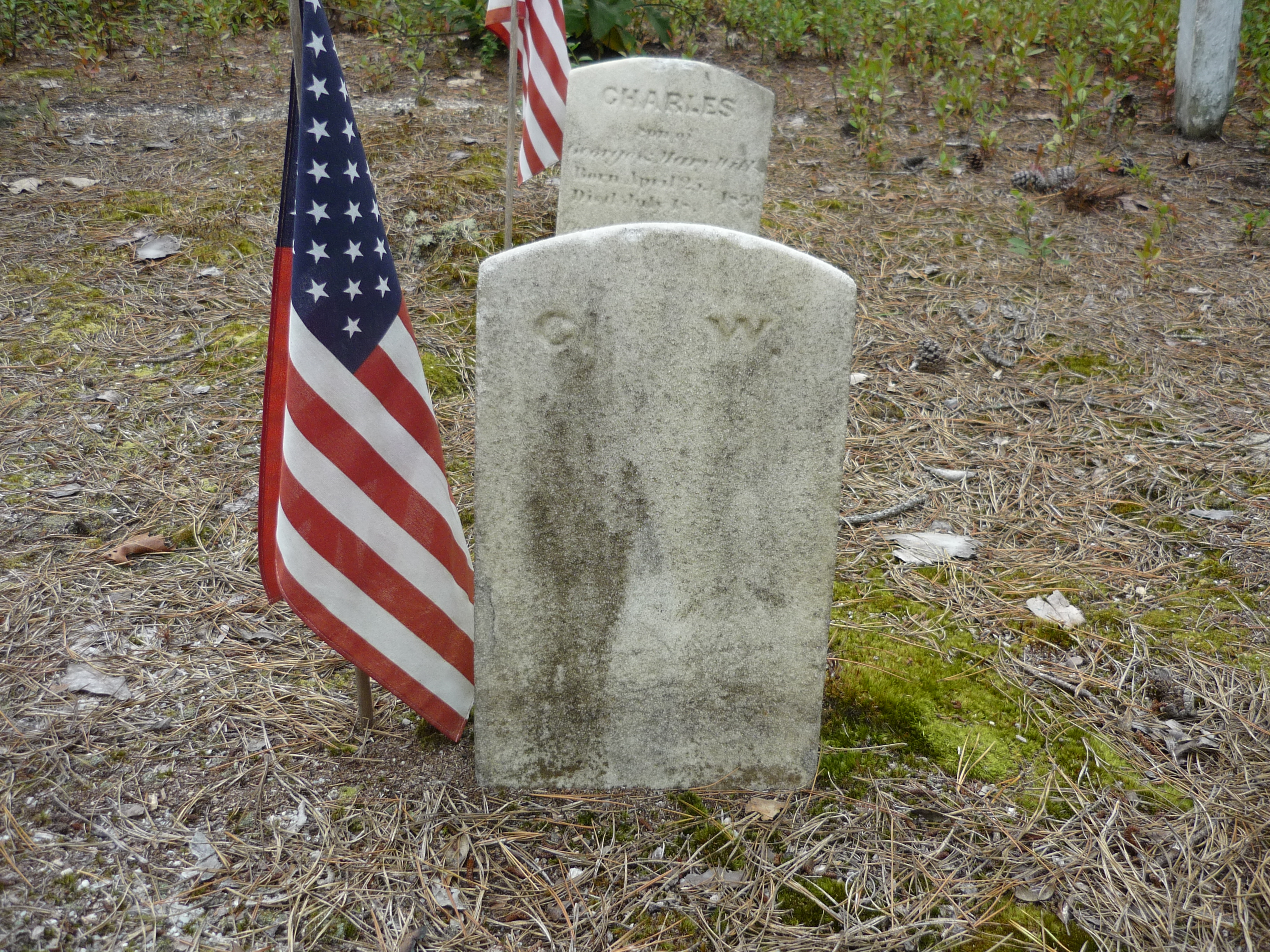
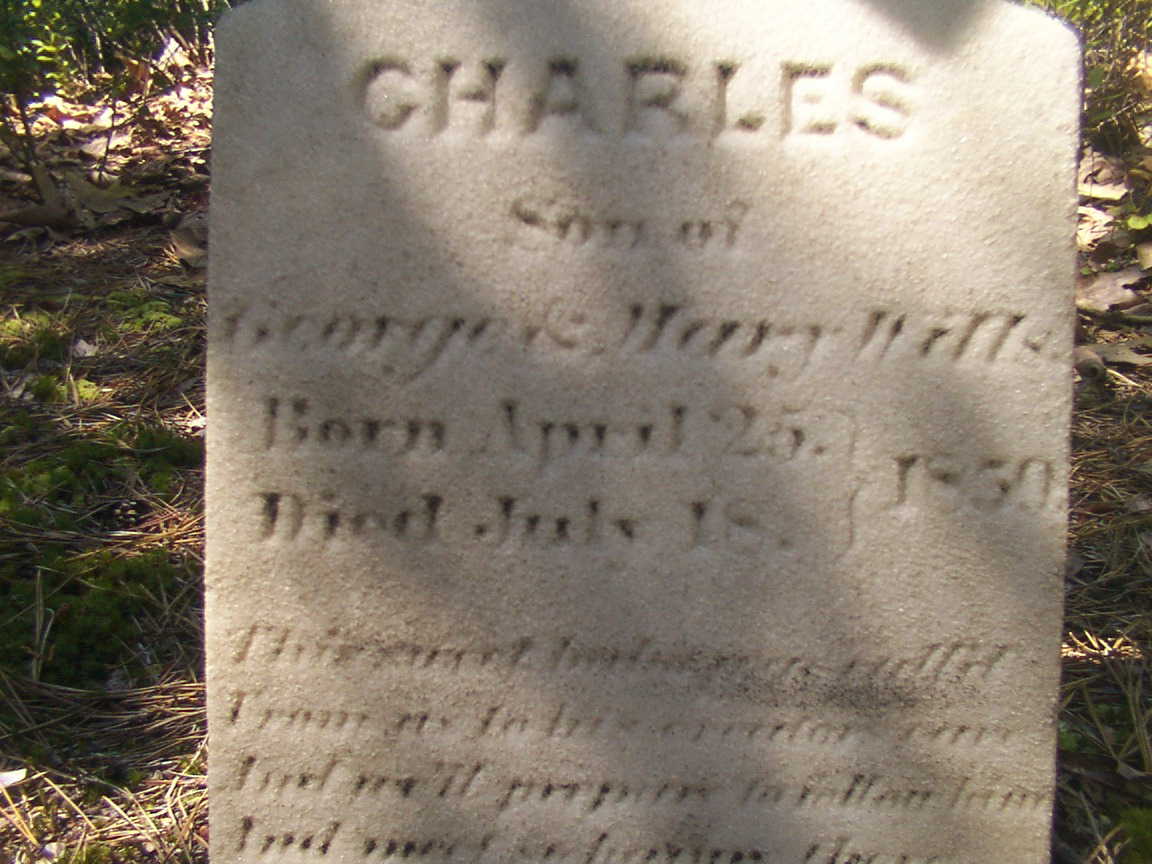
We can tease grief and loss from the records and landscape, When Joseph C. Clark visited George and Mary on August 24, 1850 to record the persons living there, if the U.S. Constitution prescribed the recording of the grief he experienced, the record would show Charles missing from the list. Follow the sand path, “Eagle Road” three miles north where he lays in the ground of the family cemetery, having passed just days before the 1850 census was taken.

The loss of a cherished presence can be inferred from the use of precious marble to mark his resting place. The heavy pine slabs of his companions long since vanished.

As with the Wills Hotel, the Wills Family Cemetery is best found through global coordinates: 39°45’49.7″N 74°34’01.4″W

Click me for Pinelands Connections IV

Copyright 2021 Michael Stephen Wills All Rights Reserved
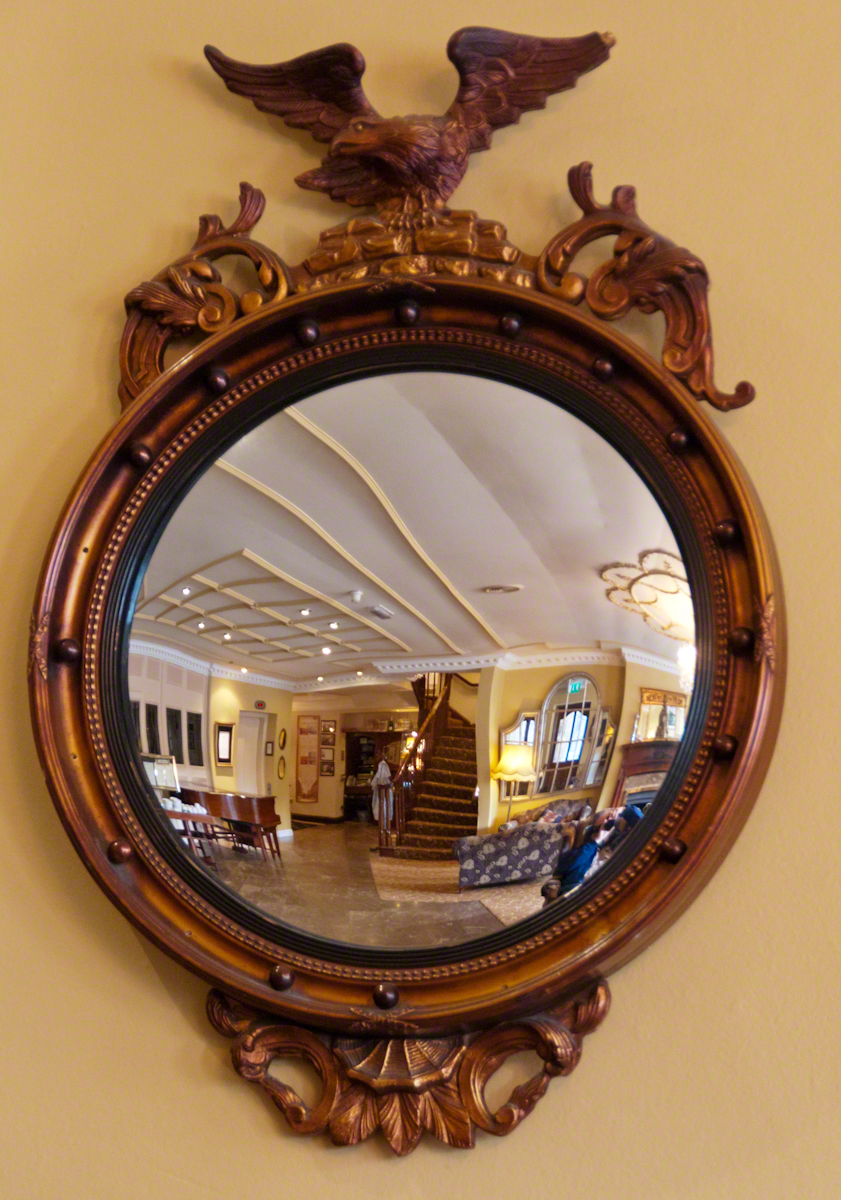
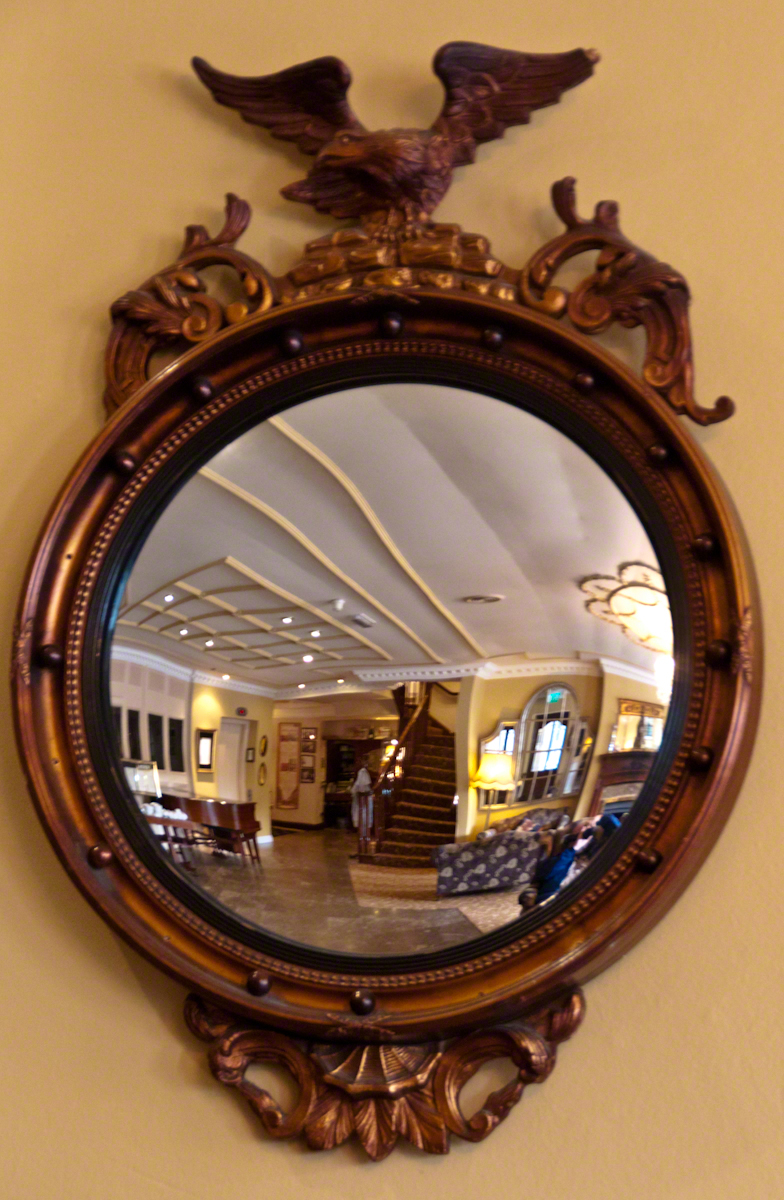
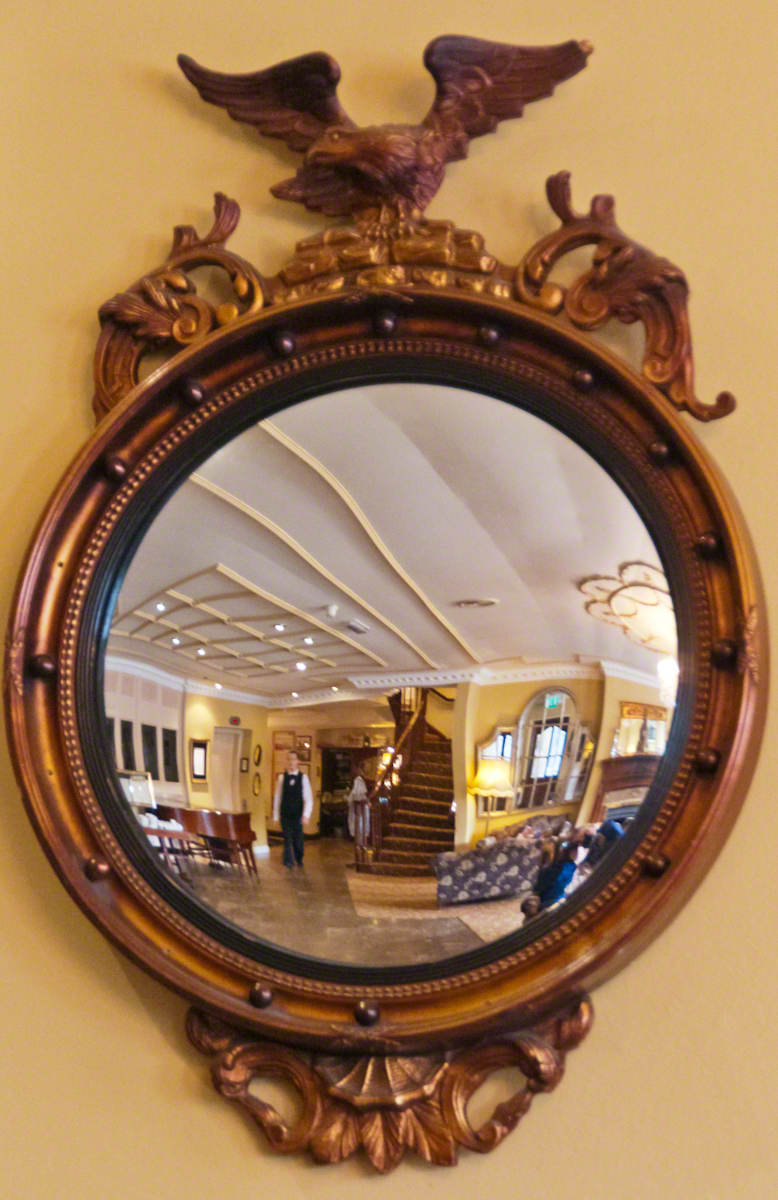
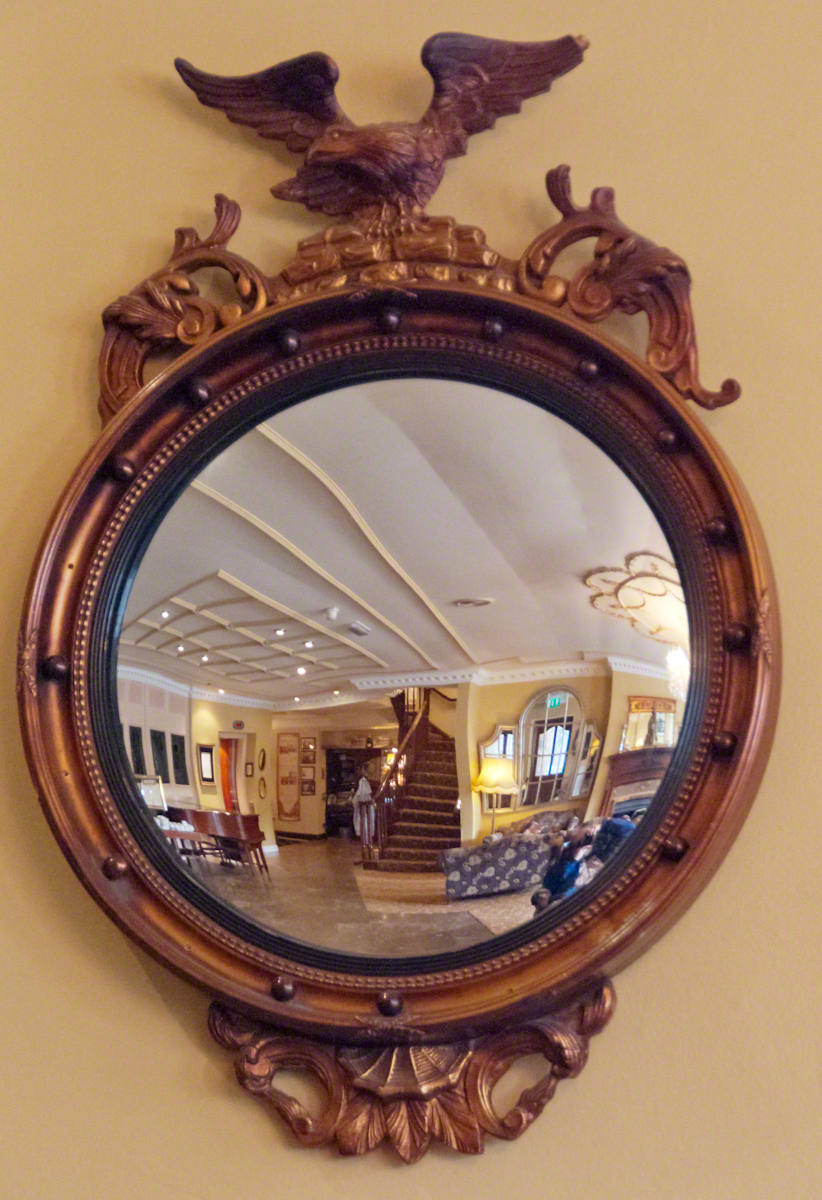
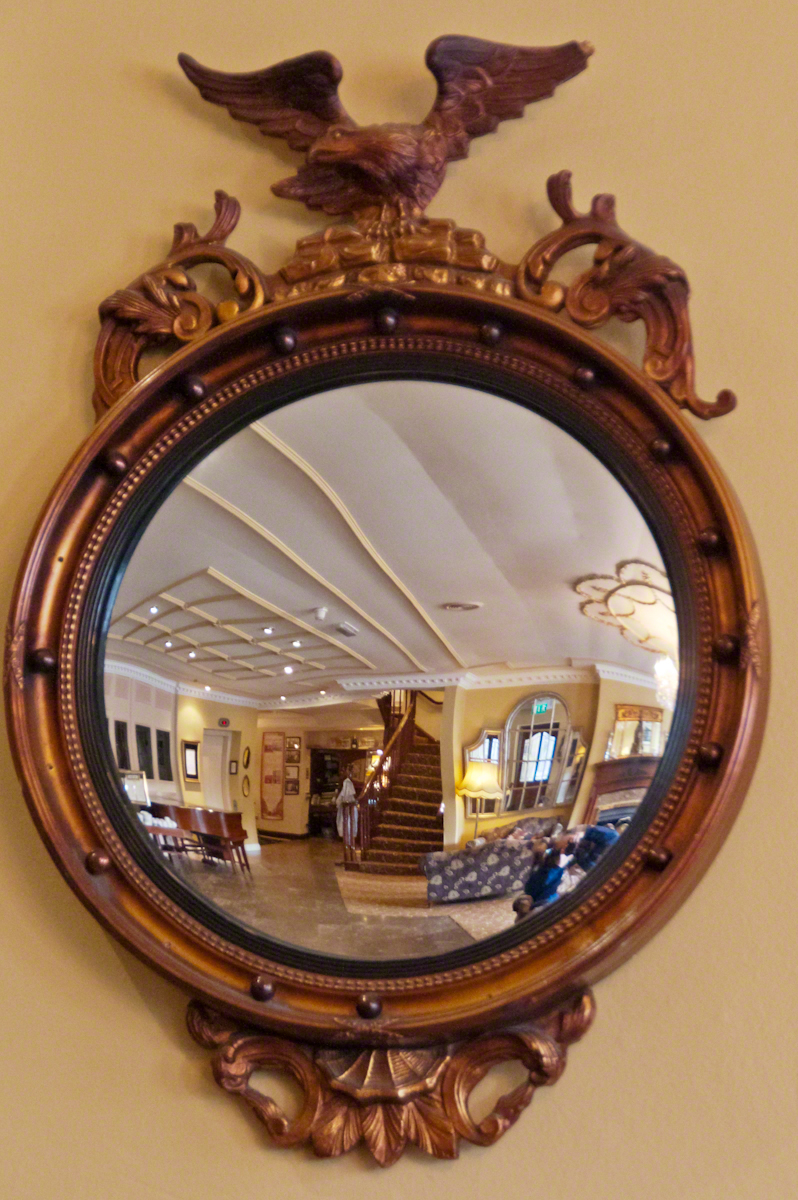
Framed Convex Mirror, Killarney Royal Hotel

The morning of our day on the Dingle Peninsula I left the room early, my Sony Alpha 700 in hand, while Pam finished her preparations.  The elevator deposited me in the lobby and I proceeded to capture images of the Killarney Royal Hotel, our base for three nights.

This marvelous “antique” mirror caught my eye. We are used to seeing convex mirrors in the upper corners of elevators, strategically located at hallway junctions, automated teller machines and parking garages all with the intention of providing a wide, fisheye, view to detect unsavory, lurking types and danger.

Click any photograph to open my Online Gallery in a new window/tab.
Framed Convex Mirror– CLICK ME!!!!

This spotless, framed convex mirror is from a older, saner time.  Such objects came in use from the 1400’s (15th century). When all glass was blown, a convex surface was easier to produce than a flat and, since all glass was expensive to produce, a convex mirror was a popular luxury item, an expensively framed status symbol.

Framed Convex Mirror– CLICK ME!!!!

As the mirrors were an element of elite surroundings, art came to include them as objects in the midground, the surface reflecting back to the viewer a different viewpoint. An opportunity for an artist to demonstrate virtuosity. Examples are Jan van Eyck’s “Arnolfini Portrait” and the left wing of the Werl Triptych by Robert Campin.

Framed Convex Mirror– CLICK ME!!!!

Known as the “sorcerer’s eye” from the all encompassing view and, in keeping with our modern uses, even back then also called a”banker’s eye.”  Symbolically, the 15th century paintings used a pristine mirror to represent the Immaculate Conception.

Framed Convex Mirror– CLICK ME!!!!

The five images here are the final result of trial and error, working out the details of using a flash in the relatively low light of the morning lobby, avoiding my reflection, maintaining a sharp focus throughout the field, capturing the unique details of the frame without distortion and the mirror’s wide angle view.  I gave up on the flash and, instead, did this series at f5.6 and the ISO incremented 800 to 3,200. As such, the exposure ranged from 1/5 to 1/25 of a second. All shots were handheld.

Framed Convex Mirror– CLICK ME!!!!

I hope you enjoy the results. This was a promising start to our memorable day of exploration.

Here’s the next installment of our Dingle Exploration….

Here’s a previous Ireland posting…..

Copyright 2021 Michael Stephen Wills All Rights Reserved
Back To School, Uruguay

A late summer Friday evening

Since 1877 primary education in Uruguay is universal, compulsory and free. These days students receive free education through university, literacy is the highest in South America at 95%, equally for males and females.

These photographs are from a cruise around South American my wife, Pam, and I enjoyed February / March 2016 on the Oceania ship Regatta. This was the evening of February 26, 2016, a Friday, in the city Montevideo, Uruguay.

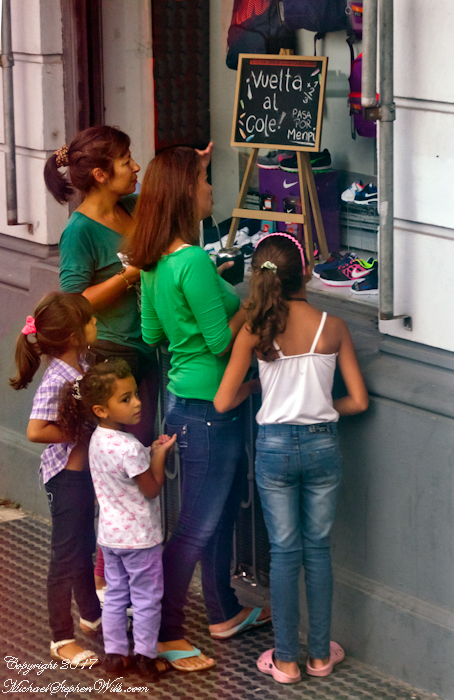
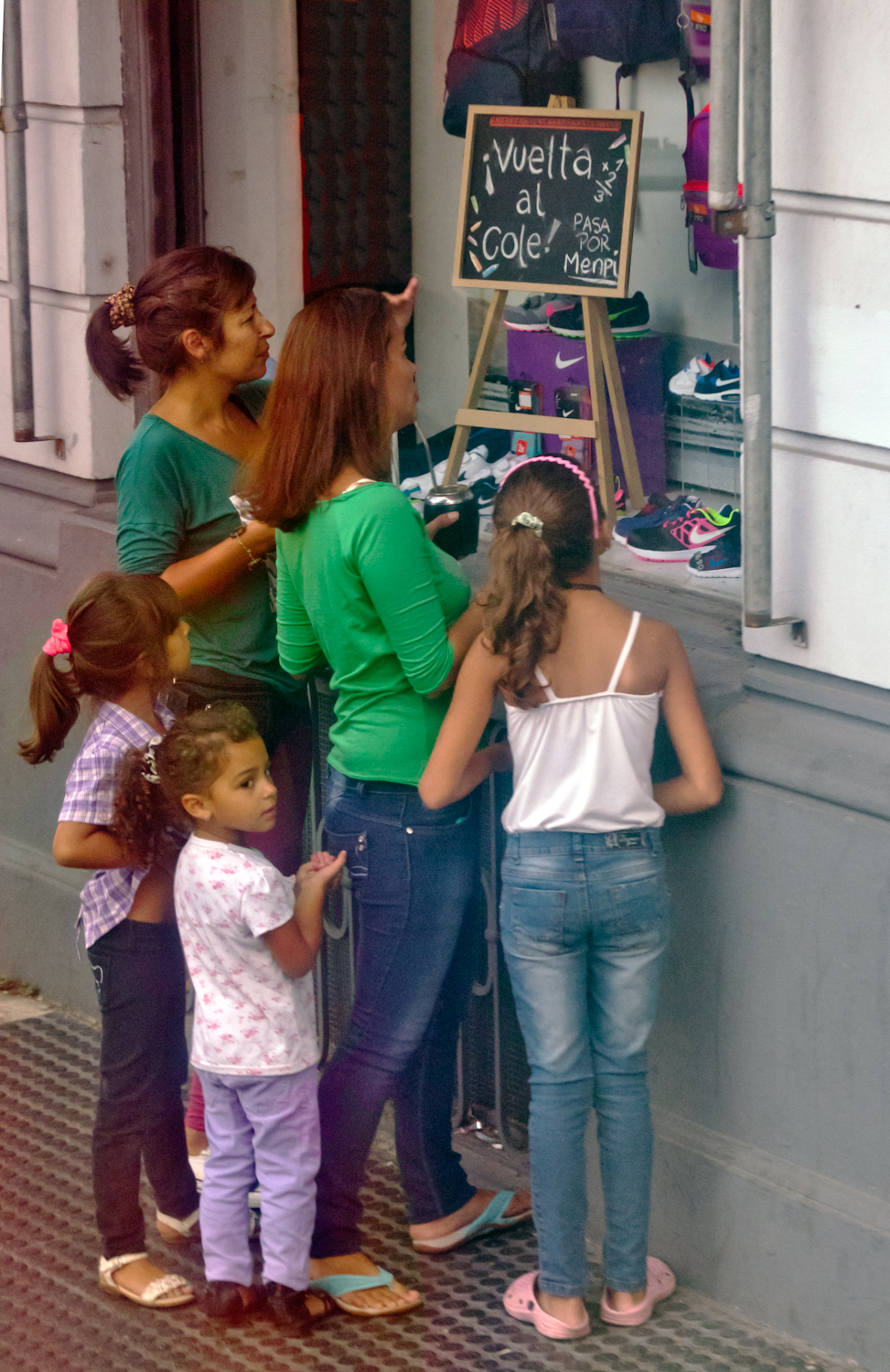
This image is the theme of this blog, “back to school”. On Avenue Gral Eugenio Garzon of the Colon neighborhood of Montevideo a mother and four daughters discuss a shop window featuring “back to school” clothing and necessaries. The children range in age from pre-school to teen. This is evidently a serious discussion about preparing for the school year which starts in March for Uruguay.

A government program launched in 2007 expands Information and Communication technologies in primary schools with these goals:
— To distribute technology,
— To promote knowledge,
— To generate social equity.

Called Ceibal, after a tree native to Uruguay, the program was a success. From 2009 – 2012 450,000 laptops, popularly named “”ceibalitas”, were delivered to children coordinate with teacher training and a monitoring and evaluation model for assessing the impact nationally. Ceibal is the acronym for “Conectividad Educativa de Informática Básica para el Aprendizaje en Línea” (Educational Connectivity/Basic Computing for Online Learning in English).

These photographs build on the theme of the positive influence education has on the lives of Uruguayans, many of whom live in poverty.

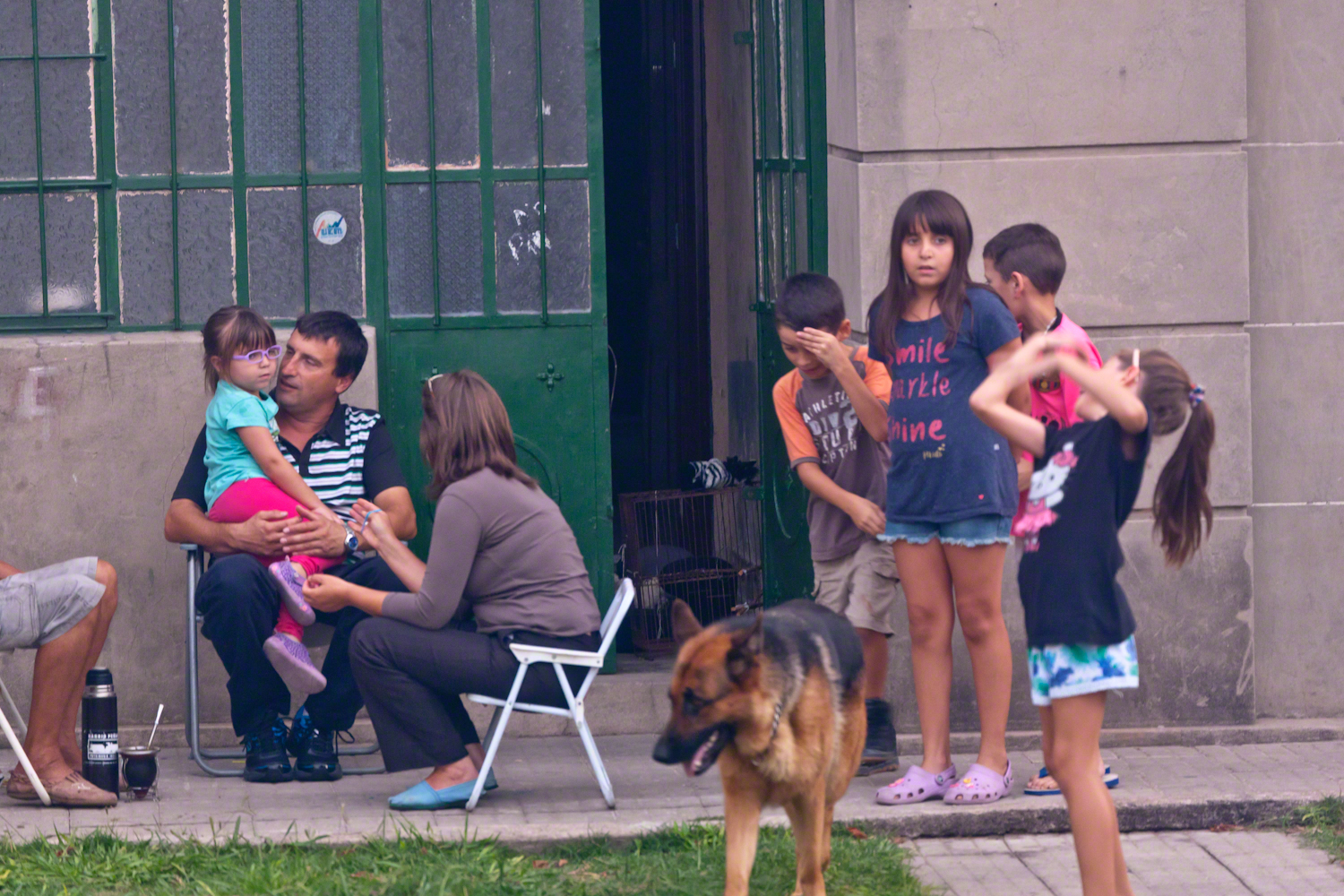
A family gathering in their yard on Avenue Gral Eugenio Garzon, enjoying a cool late summer evening.

Back To School -- CLICK ME!!!!

Traffic and a gas station. People were out and about, walking and conversing. There is a makeshift trailer attached to the motorcycle, behind is a large truck.

Back To School -- CLICK ME!!!!

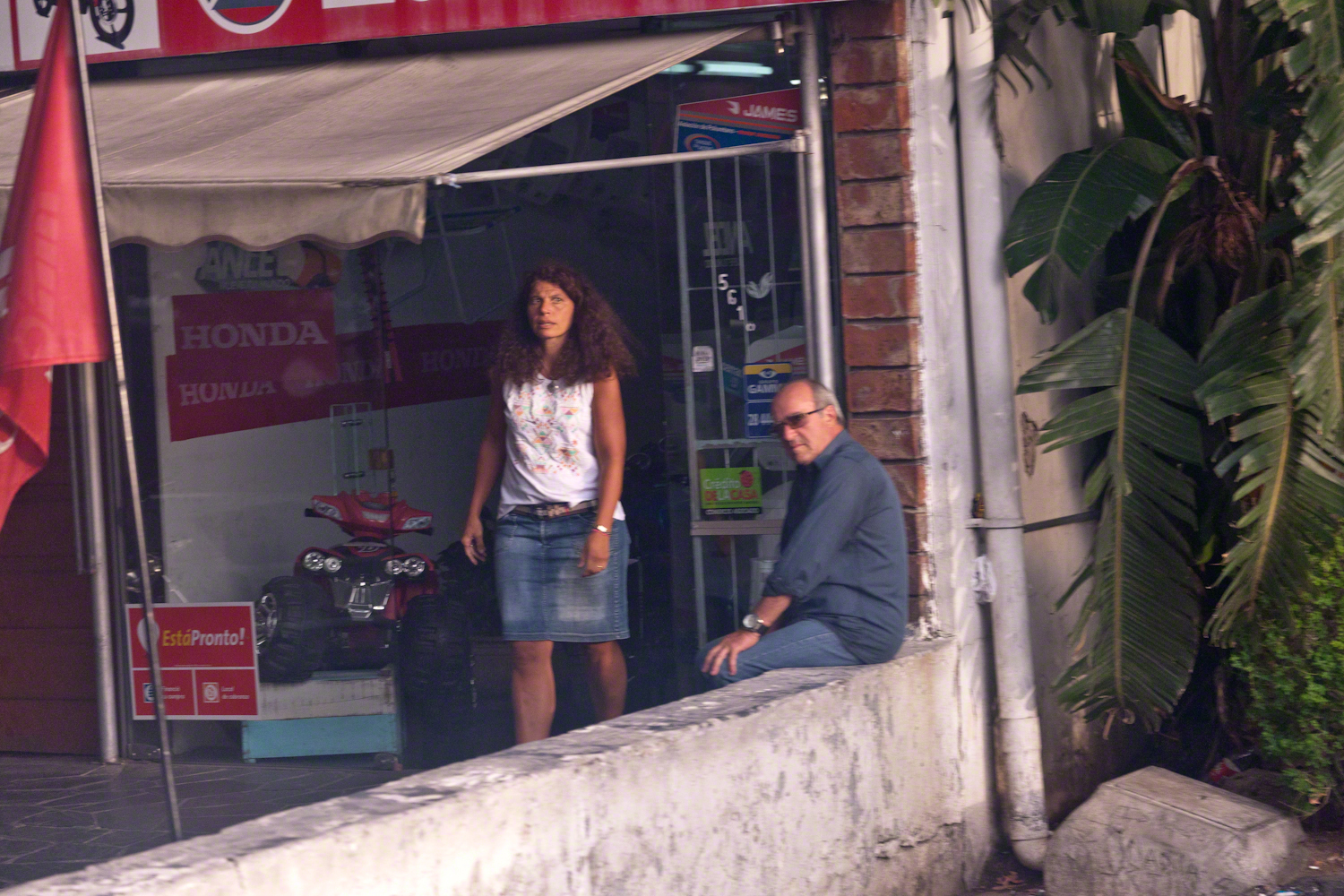
Storefront with customer and man loitering on wall. A mini-Honda all terrain vehicle is on display.

Back To School -- CLICK ME!!!!

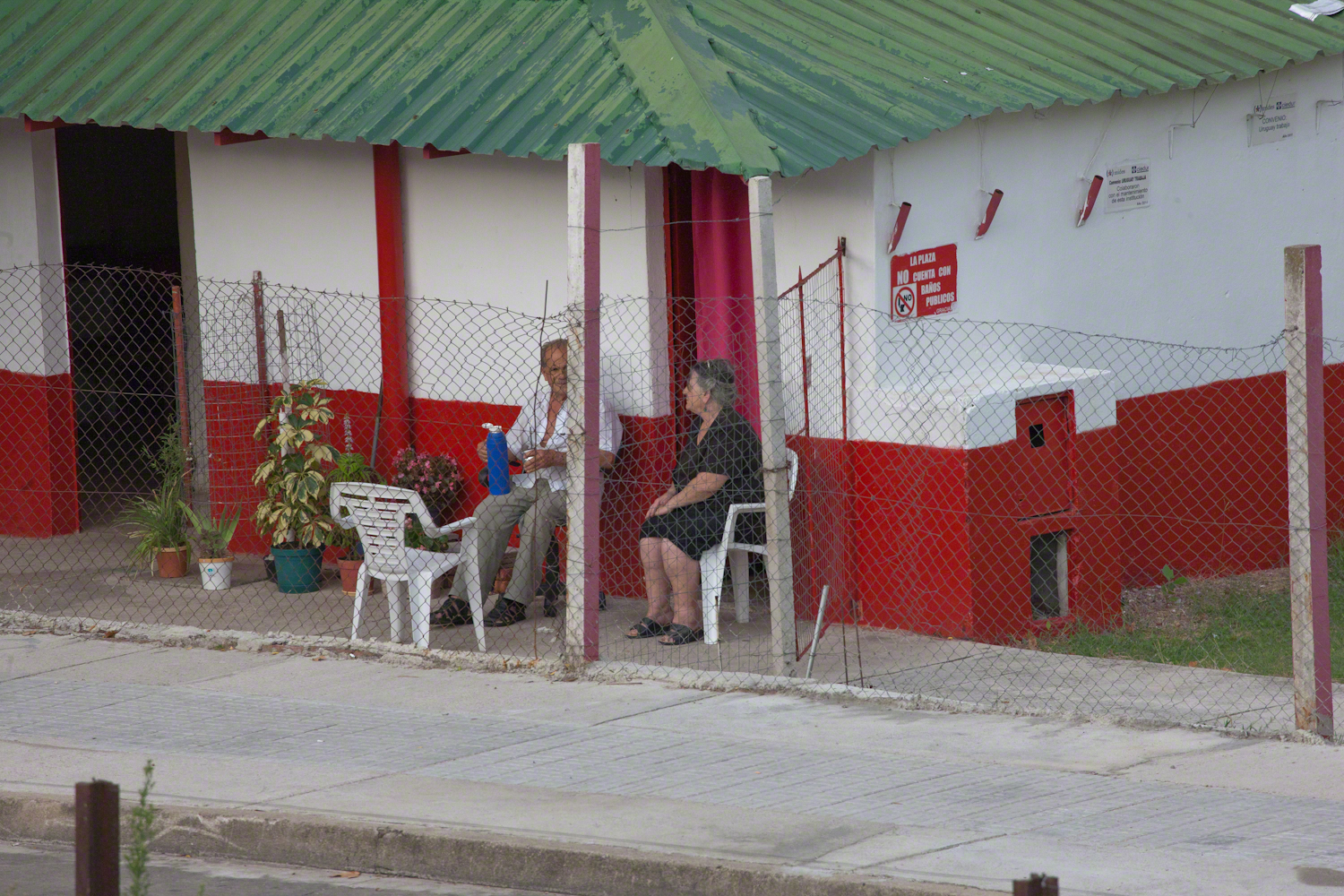
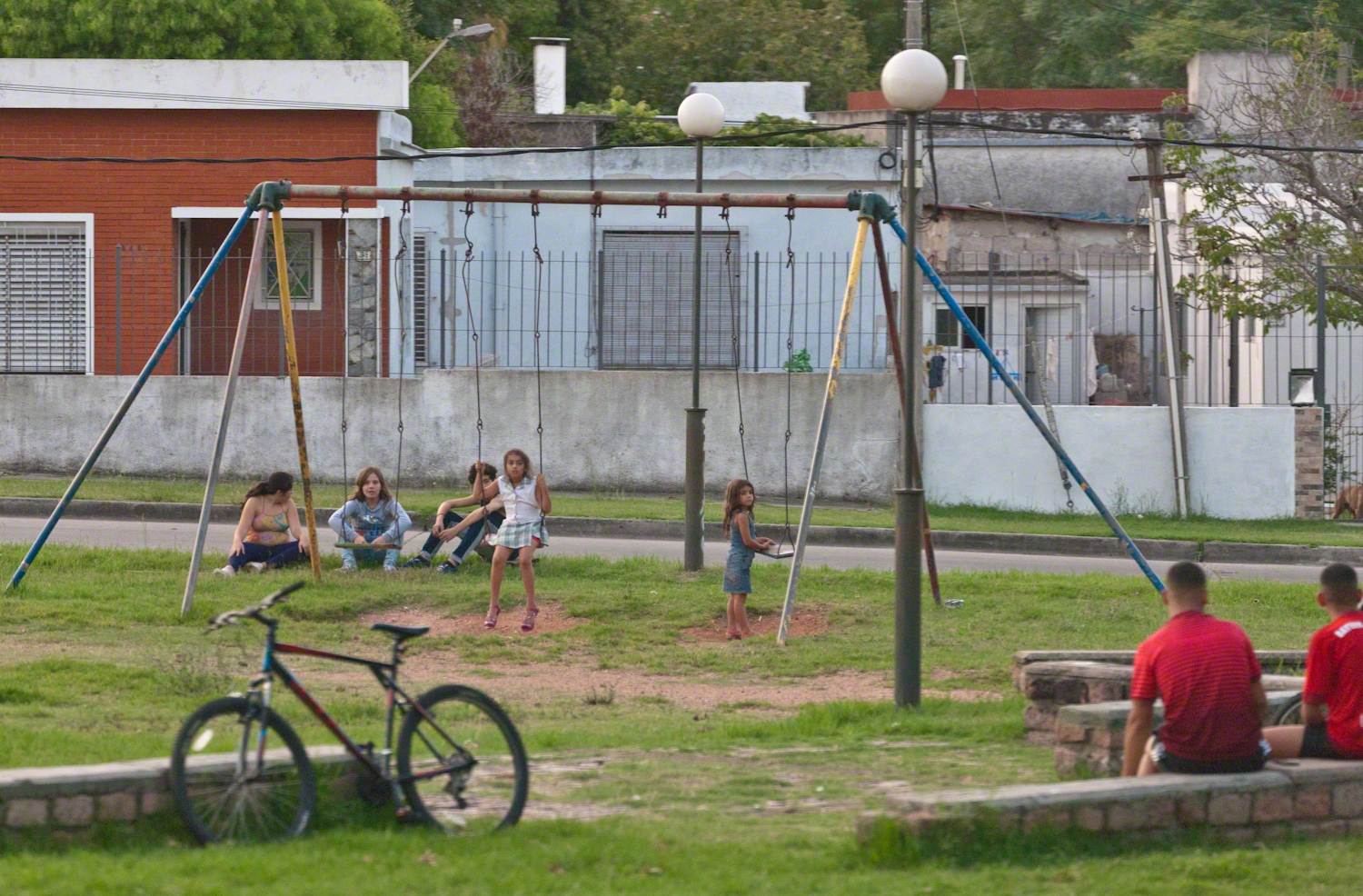
Mate is a beverage enjoyed throughout South America. Here companions enjoy a warm summer evening with a thermos of hot water and mate gourd behind a restaurant, their view across the train tracks and the Colon rail station is of a playground and playing fields.

Back To School -- CLICK ME!!!!

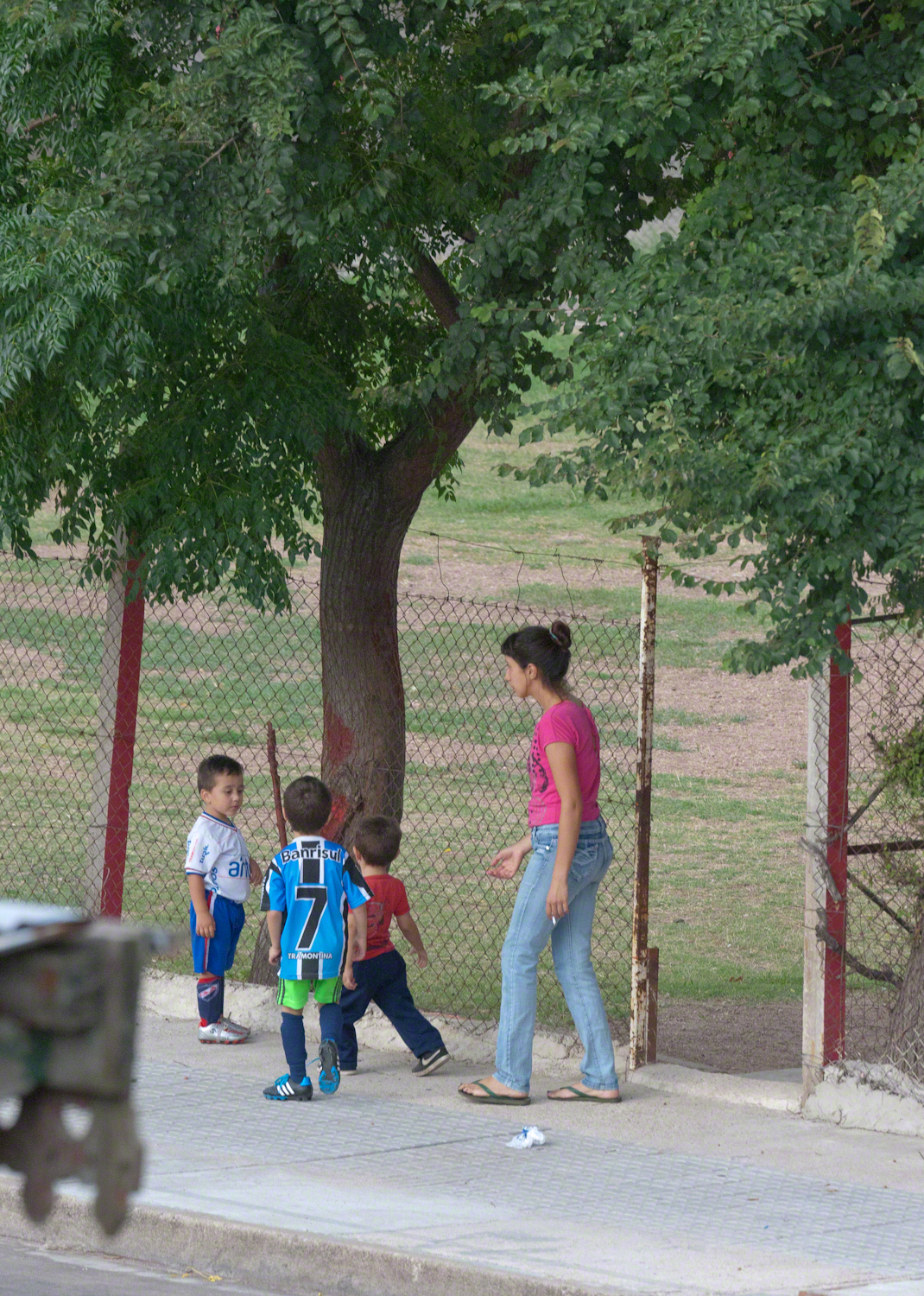
A family of very young soccer players coming from practice with teammates. The sponsors of lucky number 7 are the bank Banrisul and Tramontina, a kitchenware manufacturer.

Back To School -- CLICK ME!!!!

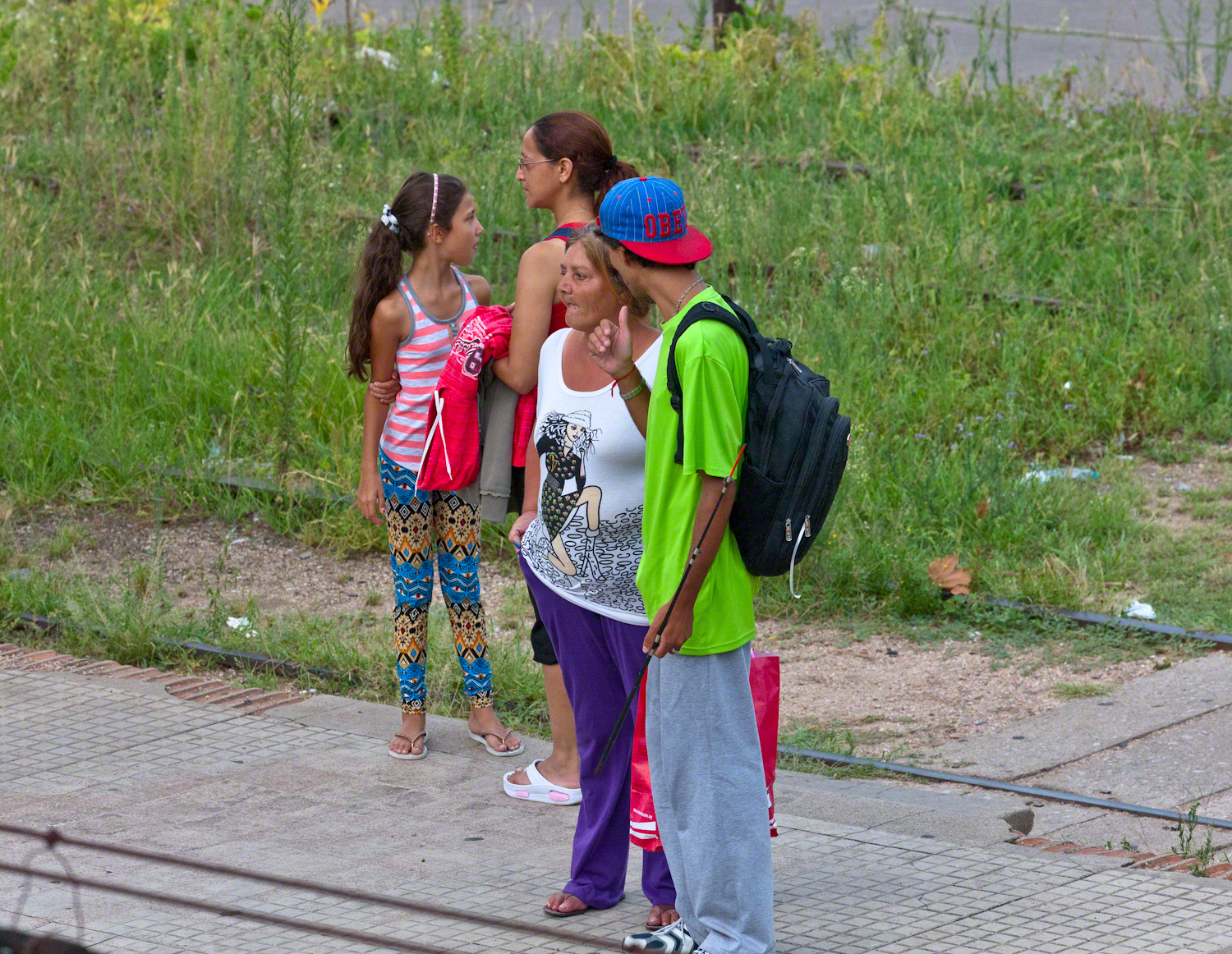
We waited to board an historic train and shared the station with Montevideans waiting for a passenger train. Here are two families: a mother and pre-teen daughter colorfully dressed, a grandmother and grandson. Behind them are the playing fields and playground.

Back To School -- CLICK ME!!!!

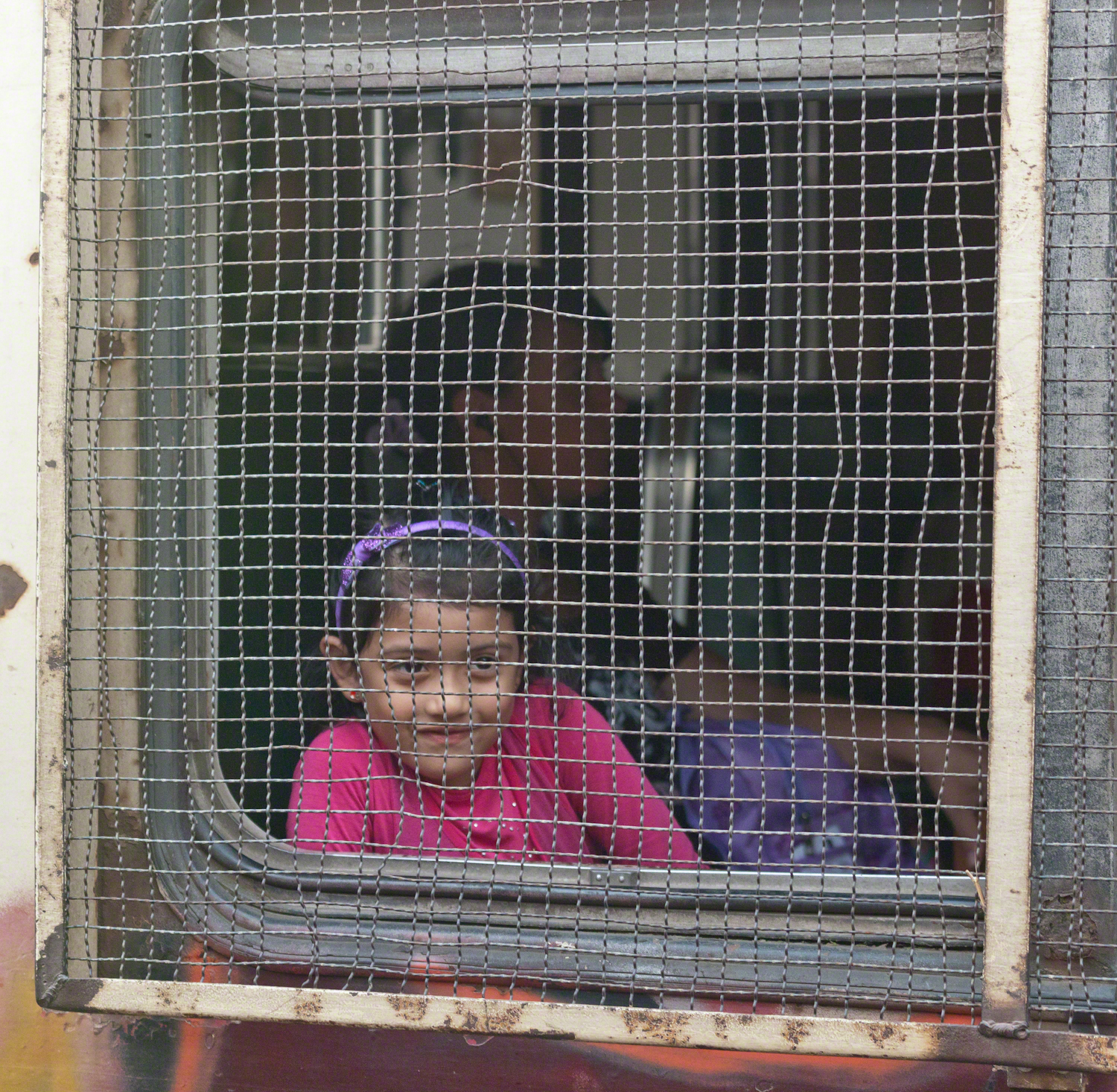
A passenger train heading north passed while we waited for our ride to begin. Curiosity shines from this child’s eyes.

Back To School -- CLICK ME!!!!

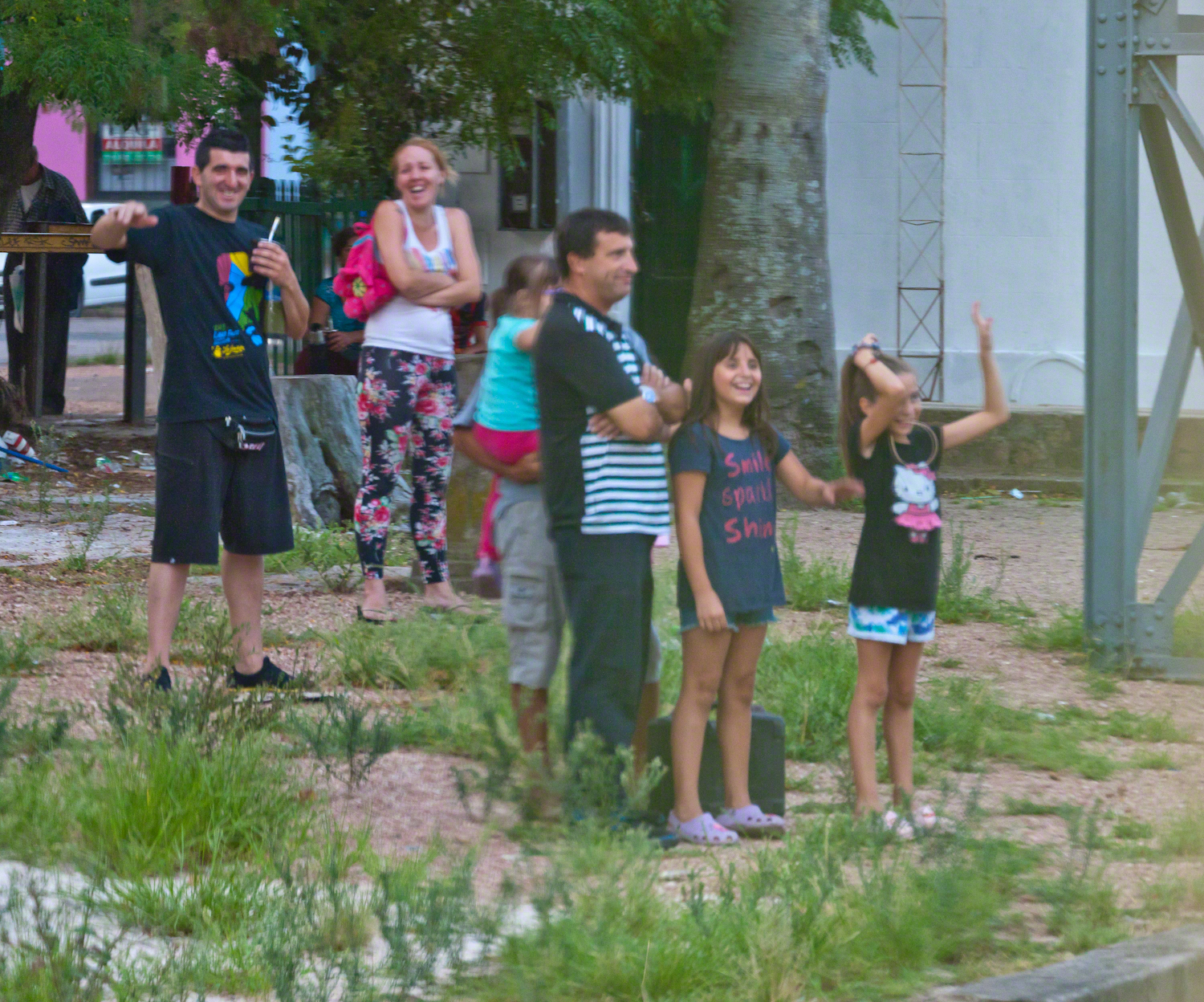
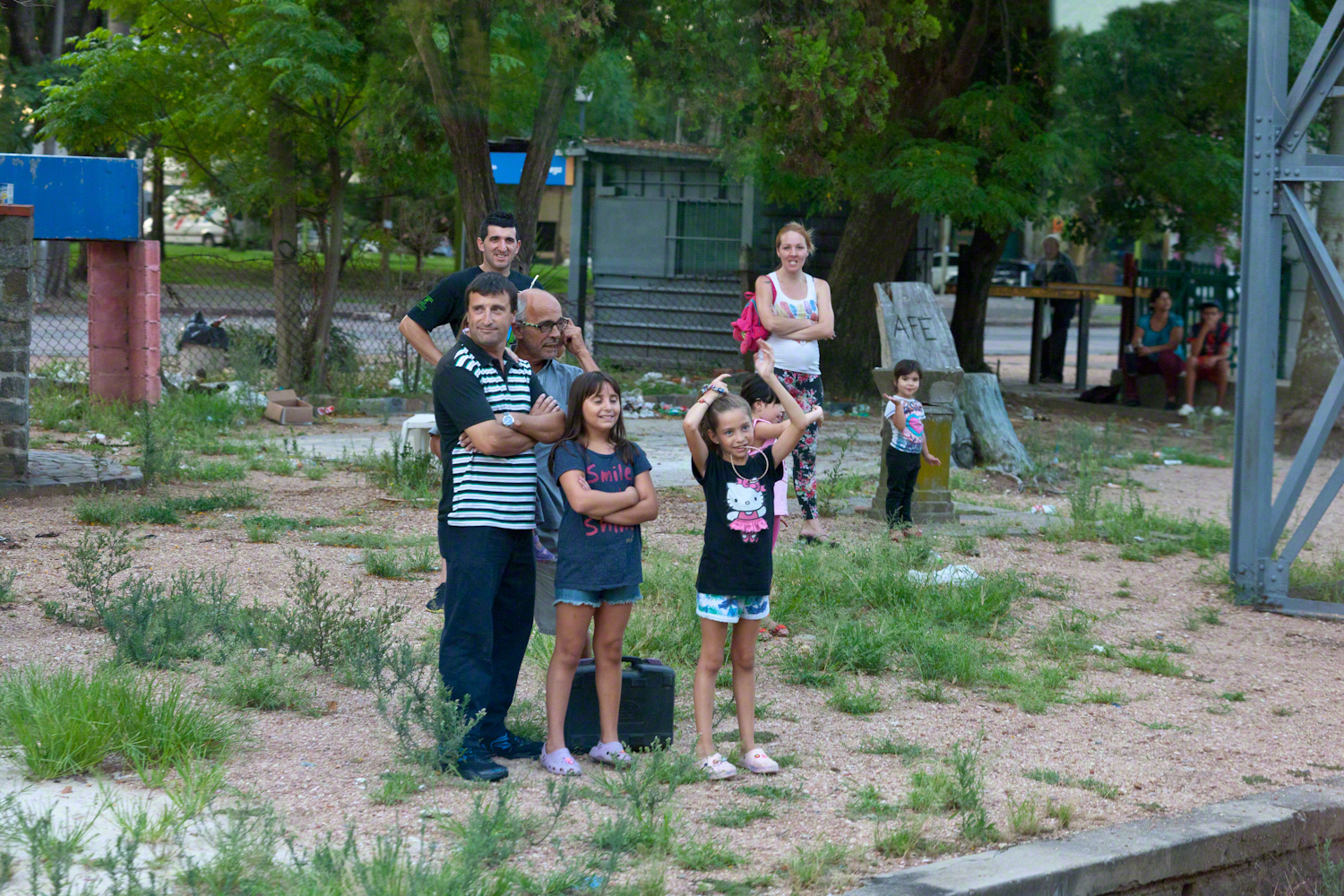
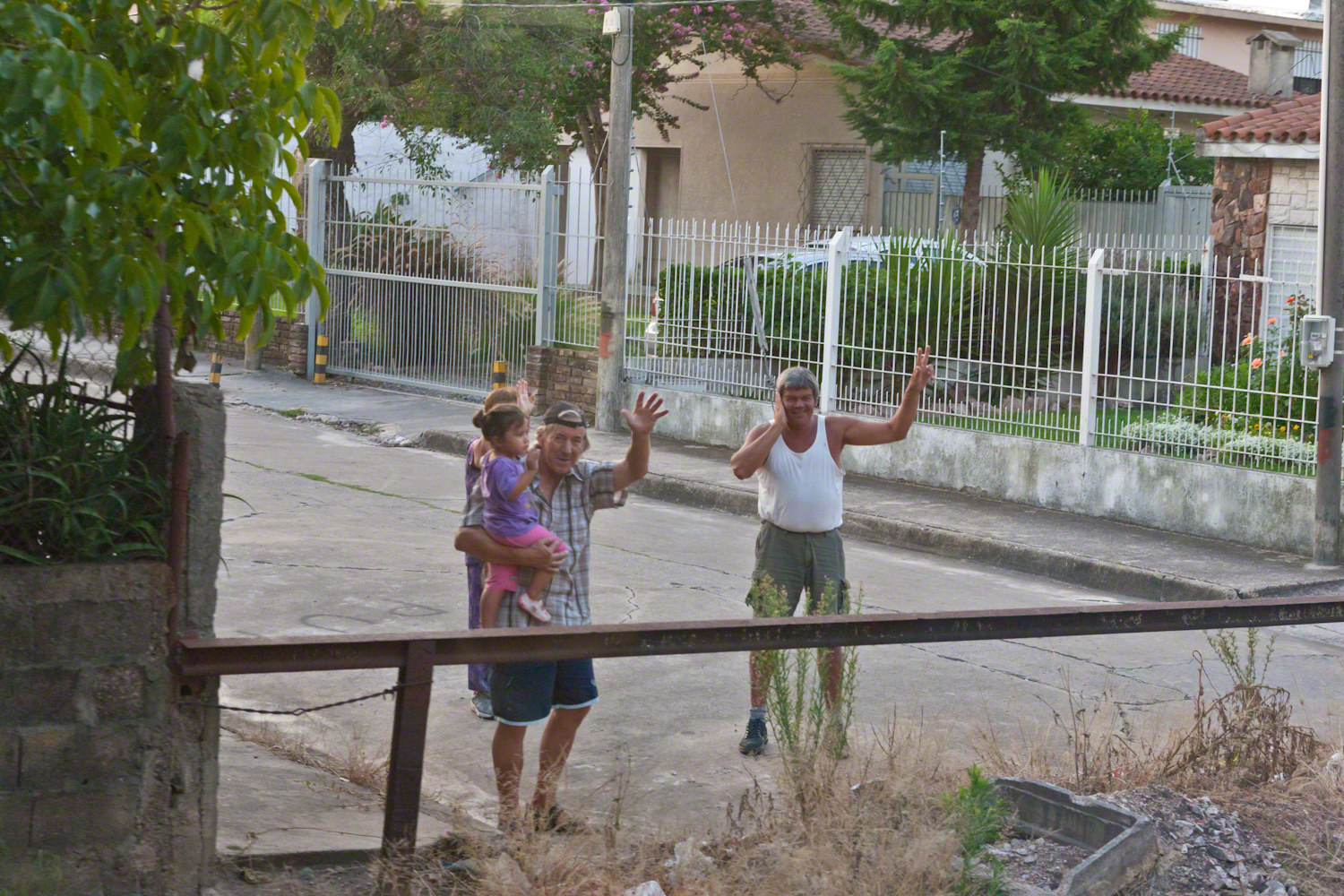
Happy families greeted us with waves and smiles during our trip to downtown Montevideo.

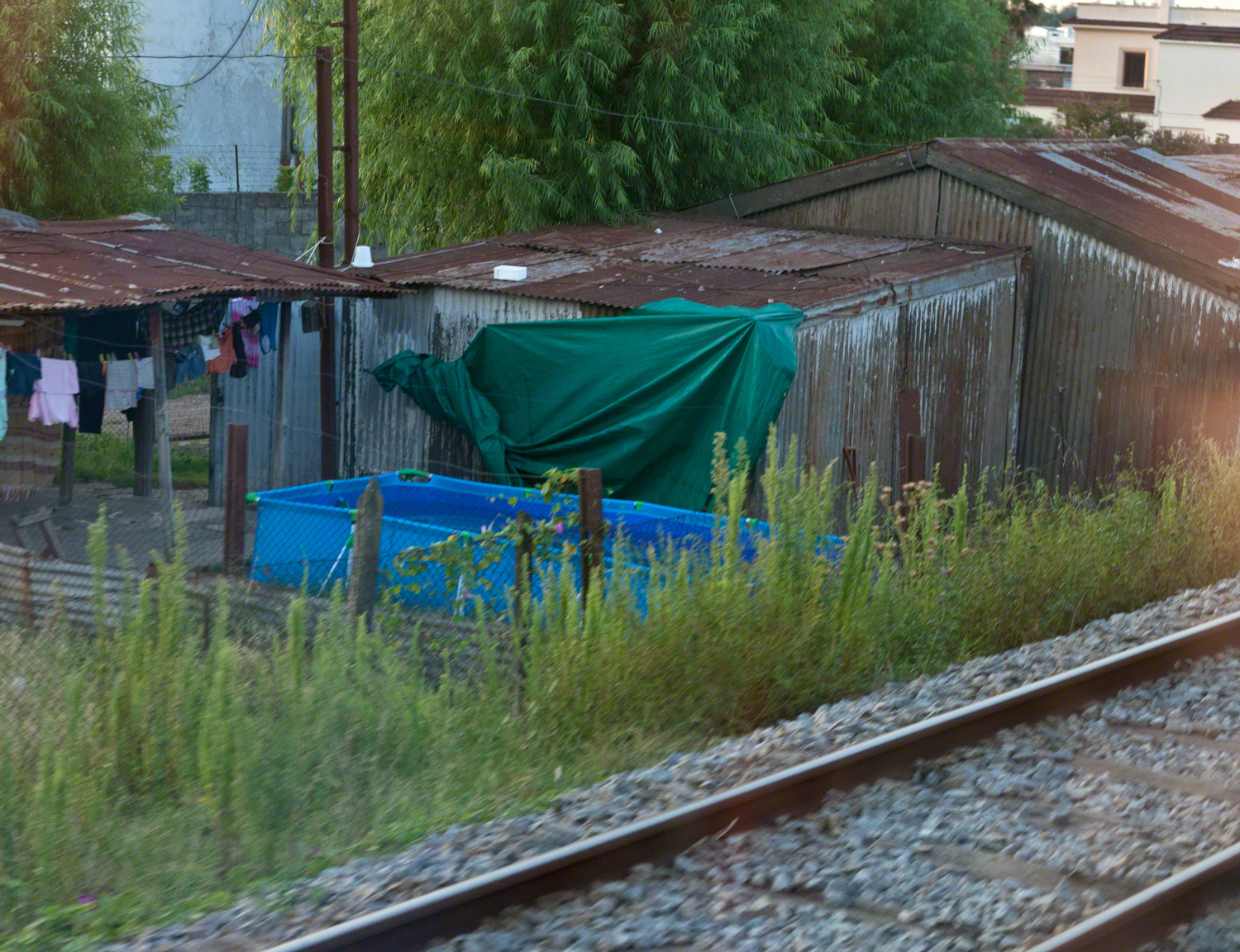
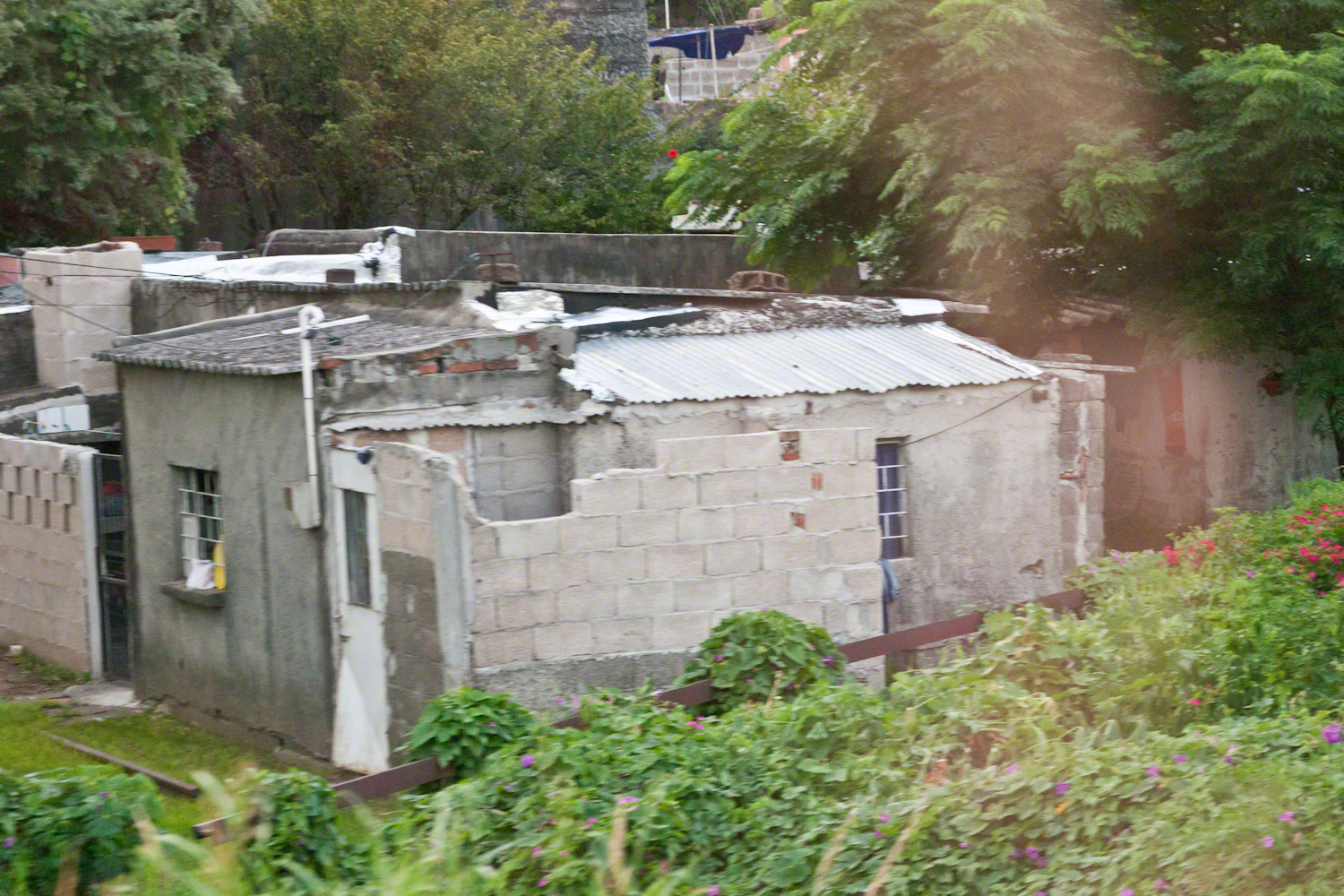
Some of the homes along the rail line. Pools such as that are popular in cities. We saw a great many on the streets in Lima, Peru.

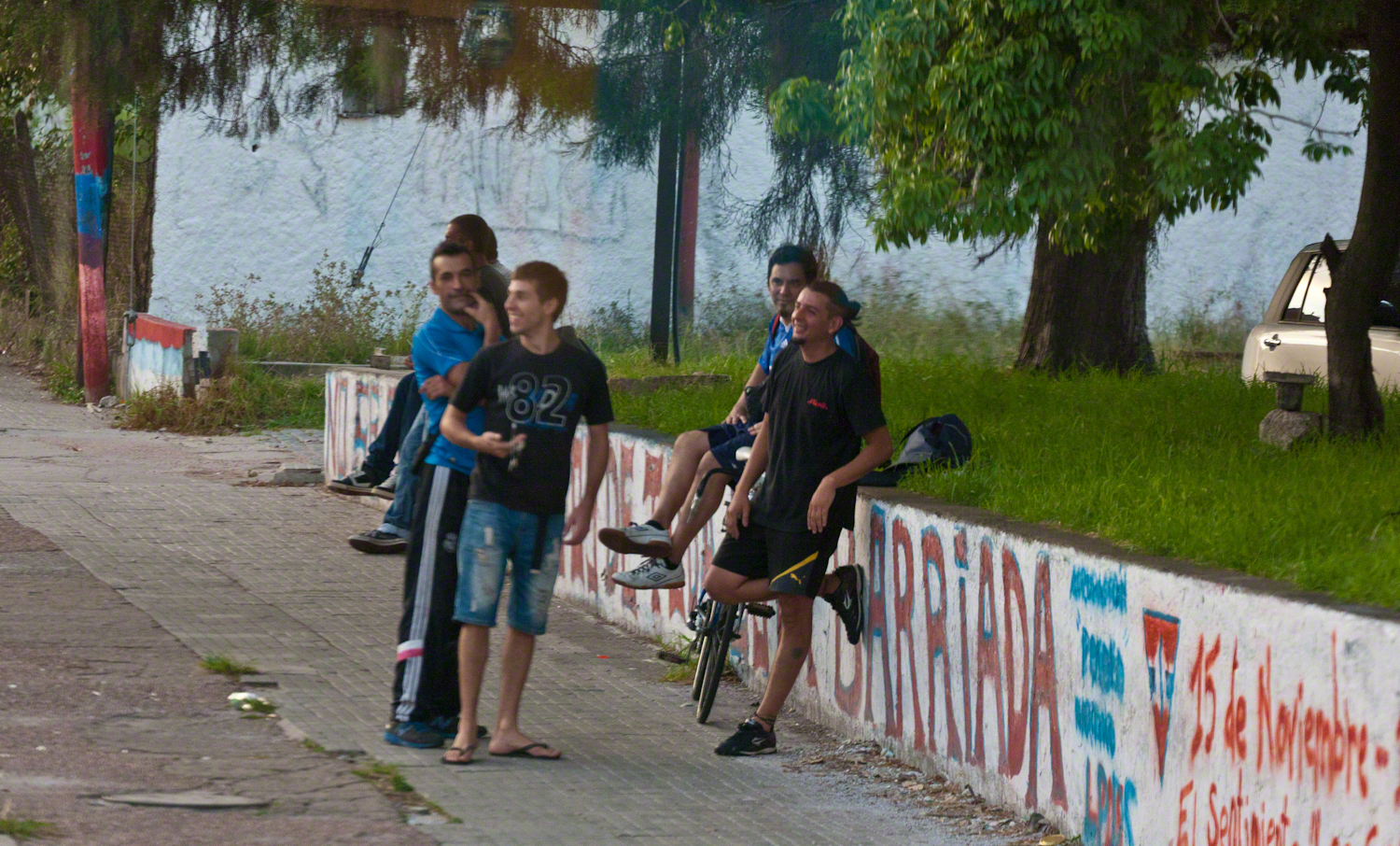
Reaction to the historic train from a group of young men.

Back To School -- CLICK ME!!!!

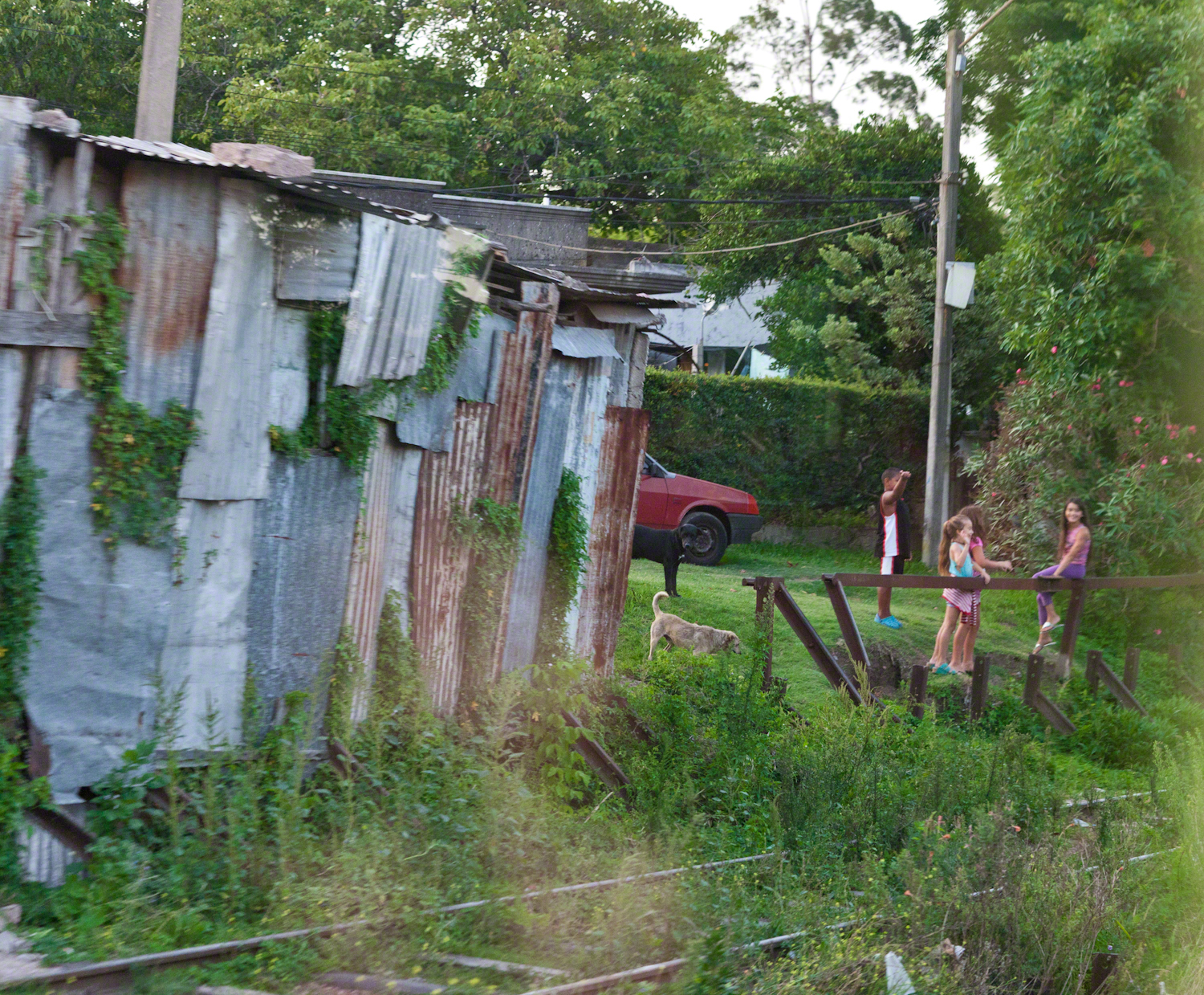
Curious playmates gather at the end of the road.

Back To School -- CLICK ME!!!!

A well attended playground.

Back To School -- CLICK ME!!!!

Copyright 2021 Michael Stephen Wills All Rights Reserved
Hag’s Chair or Mass Rock?

Ancient Tradition

Part of our day in County Meath, Ireland  
Click the photograph to open a new window/tab of my Online Gallery.

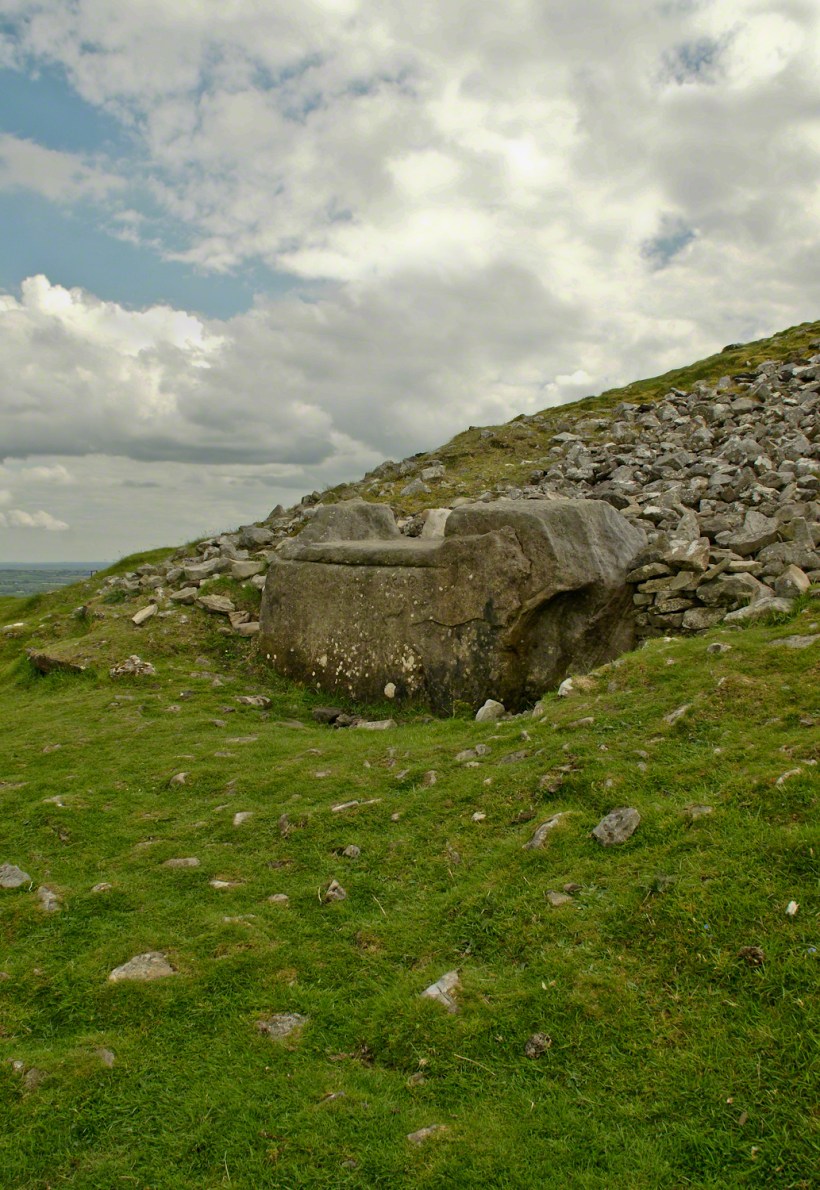
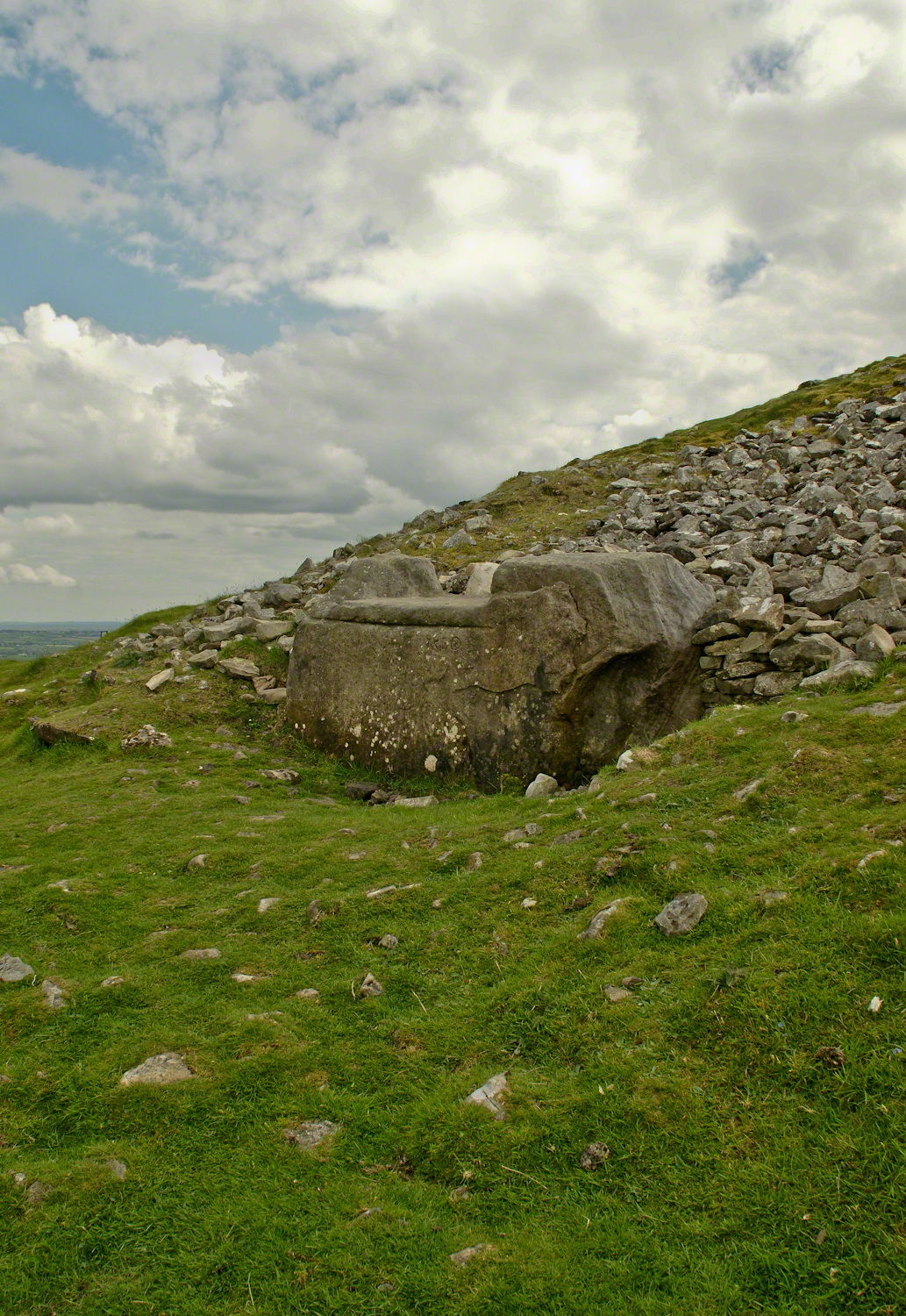
Known as the Hag’s Chair in some contexts, K29 or the Mass Rock, in others, set as a Cairn T, Loughcrew kerbstone thousands of years ago the carved symbols on front, rear and seat are very worn. There is no surviving record to inform us of the stone’s purpose. The upper side appears carved to enhance the form as chair.   Set to the north of Cairn T, not in front of the entrance as with Newgrange, even this is a mystery.  It is the third largest curbstone.

Hag's Chair– CLICK ME!!!!

The popular name refers to the hill itself, “The Hill of the Witch” (In Irish, Sliabh na Caillí).   In lore sites such as this are associated with The Others (“fairies”), living lives parallel to ours.

Tradition holds that, during times of the Penal Laws, Catholics gathers on for Mass using this curbstone as the altar.   By this it is known as the Mass Rock.

Click for another Ireland posting

Copyright 2021 Michael Stephen Wills All Rights Reserved
Pinelands Connections II

Hotel Keepers

“There are many hundreds of miles of unpaved roads through the pines–two tracks in the sand, with underbrush growing up between them. Hunters use them, and foresters, firefighters, and woodcutters A number of these sand roads have been there, and have remained unchanged, since before the American Revolution. They developed, for the most part, as Colonial stage routes, trails to charcoal pits, pulpwood-and-lumber roads, and connecting roads between communities that have disappeared from the world. In a place called Washington, five of these roads converge in the forest, as if from star points, and they suggest the former importance of Washington, but all that is left of the town is a single fragment of a stone structure..” From The New Yorker magazine, November 26, 1967, “Profiles, The Pine Barrens I” creative non-fiction by the great John McPhee.

……continued from “Pinelands Connections I.

That “single fragment of a stone structure” of 1967 may be all that’s left of the hotel run by Great-Great Grandparents George and Mary (Delette

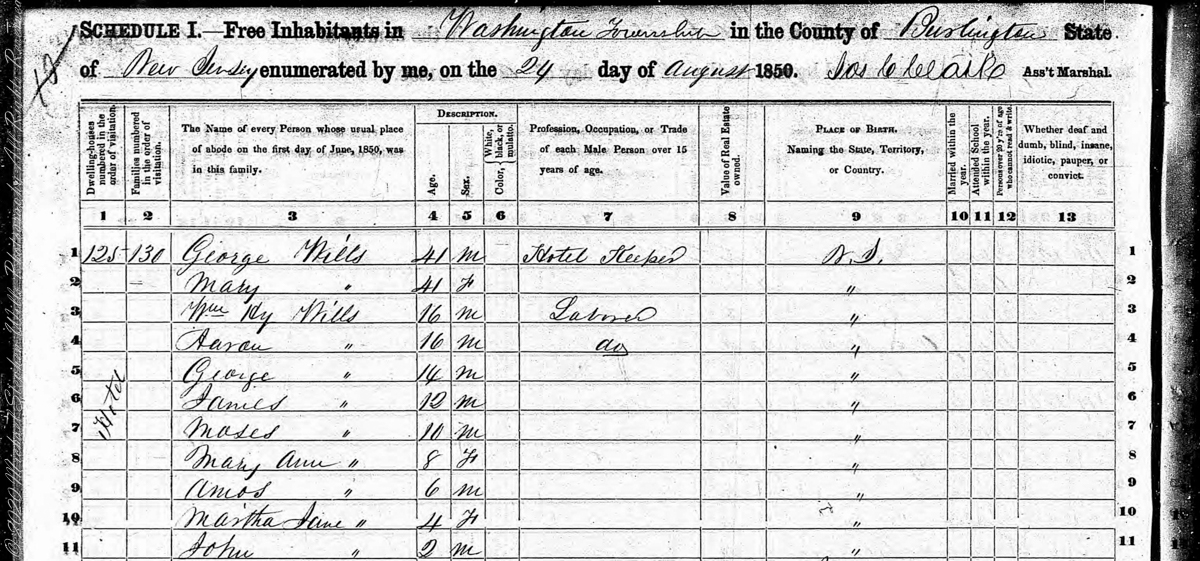
U.S Census for Washington township, Burlington County, New Jersey, August 24, 1850 Nine (9) children living: William Henry and Aaron, both 16 though not twins. William Henry, born late in the year 1833, October 16, leaving Aaron with a birthday before the census date, making his birth year 1834. My great grandfather, George, 14 years. James (12), Moses (10), Mary Ann (8), Amos (6), Martha Jane (4), John Bishop (2).

After this post was originally published I had a breakthrough, the identification of the Buttonwood Hill Tavern, Crowleytown as the hotel run by George and Mary Wills on the 1850 census.

Reference
I found this information in the book “Heart of the Pines, ghostly voices of the Pine Barrens” by John E. Pearce, Batsto Citizens Committee, 4110 Nesco Road, Hammonton, N.J. 08037-3814.
Click me for Pinelands Connections III

Copyright 2021 Michael Stephen Wills All Rights Reserved
Farmland Southeast of Carlingford

Beauty of the Cooley Peninsula, County Louth, Ireland

I offer here a continuation of descriptions of a 2014 walk on the Tain Way, an appreciation of the lore and beauty of Ireland.

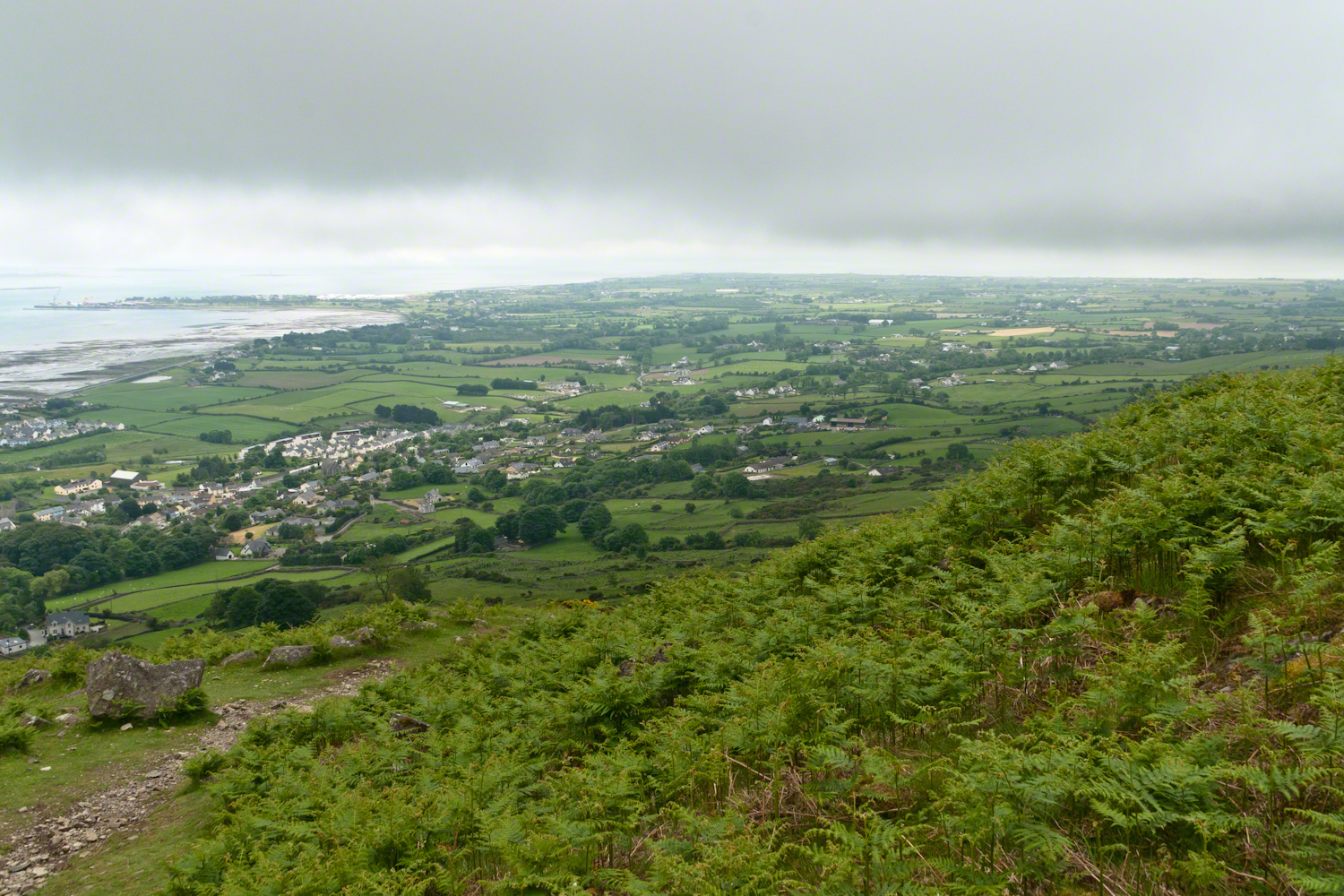
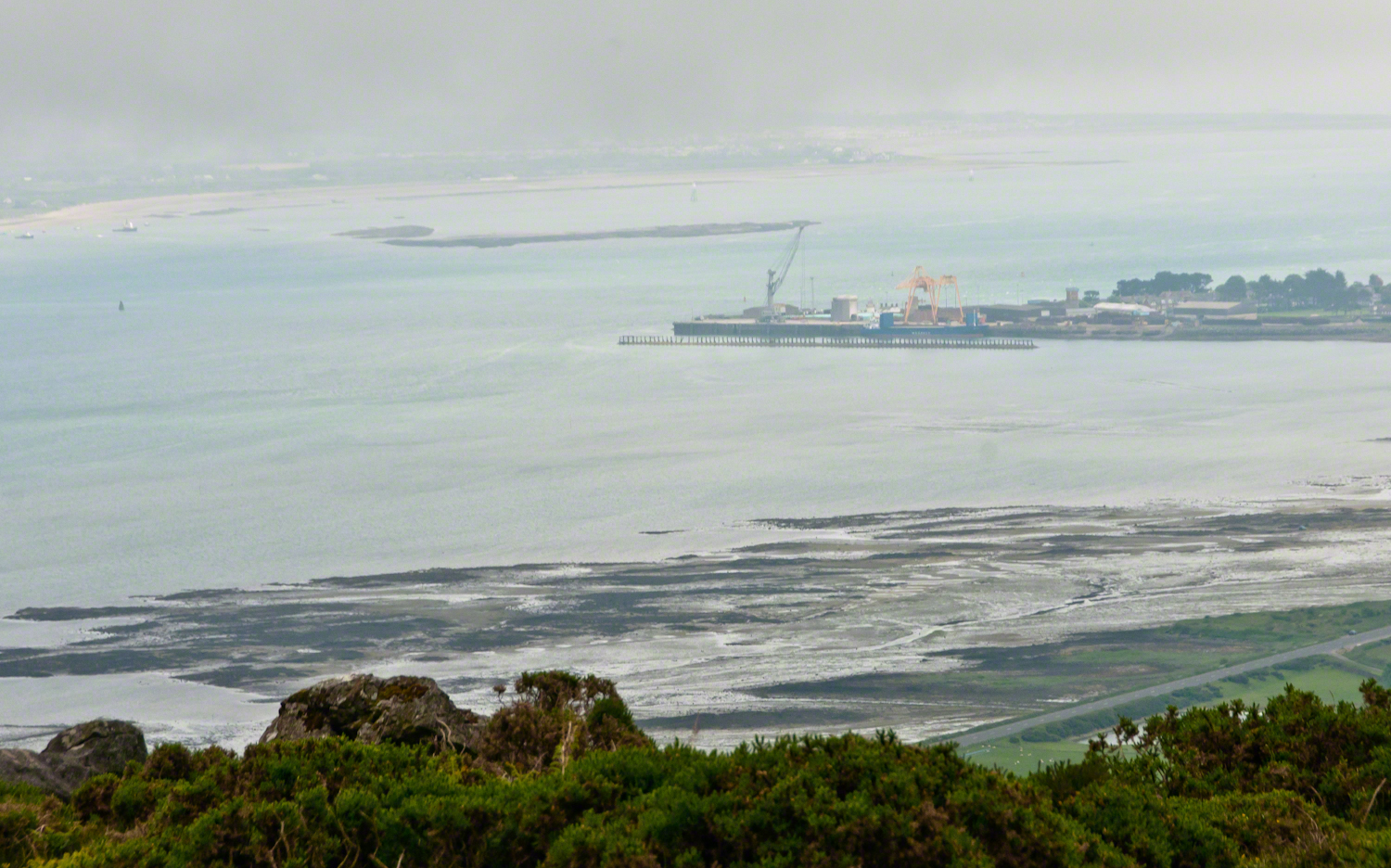
Descending the Tain Way from the ridge of Golyin Pass the sweep of Cooley Peninsula spread before us. Louth is the smallest of the Irish Republic counties, a peninsula which is mountainous where it is not farmland, one exception being Carlingford with the most people, population 1,405 in 2016.

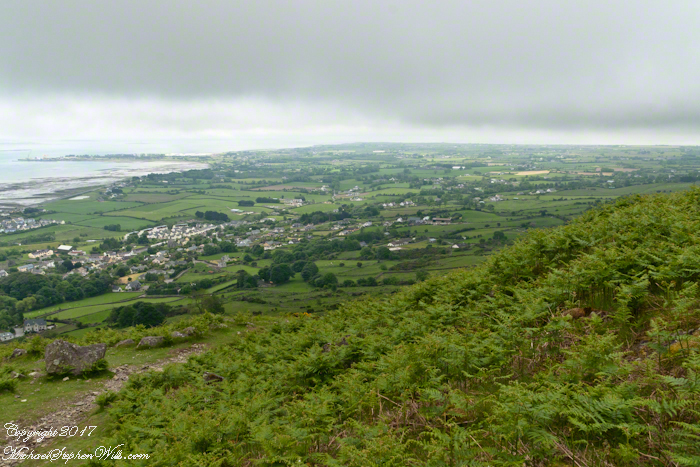
Residential Carlingford continues along the Greenore Road, farmland adjoins then continues southeast along the Cooley Peninsula margin, the Irish Sea beyond. Greenore Town and deep water port on upper left.  These photographs are views from the Tain Way on the slopes of Slieve Foye, the highest mountain of County Louth.

Greenore Town and Deepwater Port
Click this link for my Ireland gallery of Fine Art Photography.

Wander through the place names: Chapel Hill, Liberties of Carlingford, Moneymore, Leminageh, Crossalaney, Mullatee, Millgrange, Ramparts, Muchgrange, Ballyamony, Mullabane, Petestown, Ballagane, Willville, Whites Town.


There is a deepwater port on Carlingford Lough adjacent to and part of Greenore Town. The port employed Cousin John Mills years ago, supplementing his farm income. Across the lough is Greenecastle, Newry in Northern Ireland.

Greenore Town and Deepwater Port

The Irish Sea opens on the far side of Greenore with the Isle of Man about 52 miles east and a little north.

Visit the opening chapter of our time on the Tain Way

Click link for the next posting of this series, “Leprechaun Rock along the Tain Way”

Copyright 2021 Michael Stephen Wills All Rights Reserved
Red Berries

Jack-In-The-Pulpit one June Day

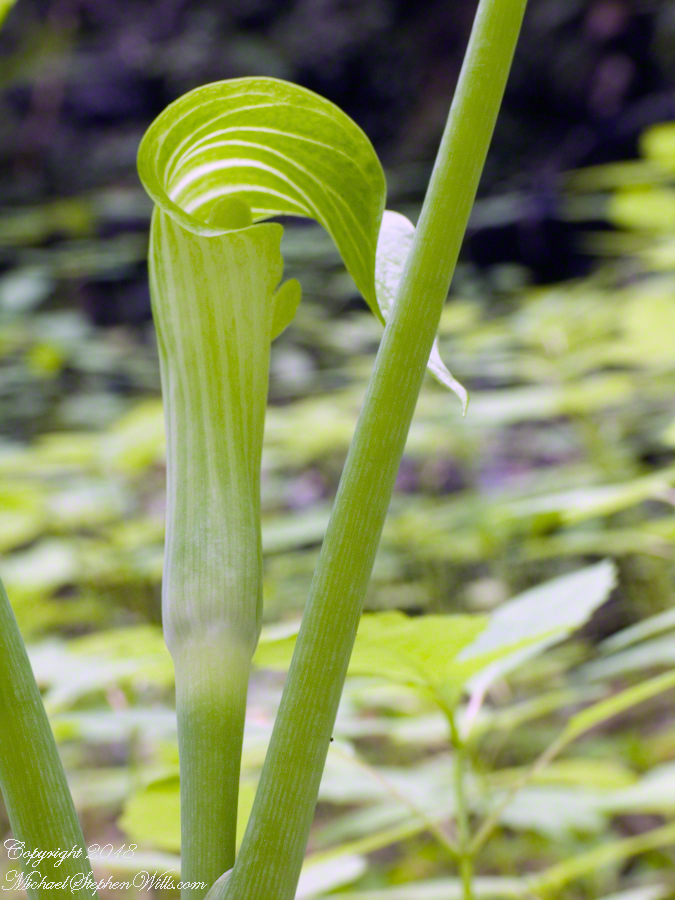
The many names for this plant are reflective of how wide spread it is. Called Arisaema triphyllum (scientific name), jack-in-the-pulpit, bog onion, brown dragon, Indian turnip, American wake robin, or wild turnip this secretive plant flourishes in moist soils across eastern North America, everywhere north to south. I say “secretive” because the varieties I am familiar with hide the flower under the leaves, three of them growing from a stalk.

Click this link to view my Online Gallery.

Lovers Lane Observation Platform– CLICK ME!!!!

Those of you who know Georgia O’Keefe may be familiar with the form and coloring of Jack-in-the-pulpit from the series of six oil canvasses from 1930, her time in the east living near a spring. There is a spathe, the pulpit, strongly colored in dramatic vertical, flowing stripes, wrapped around a spandix, the “jack”, being a stem covered with male and female flowers.

Around the time my photography habit started in 2002 I was surprised by the jacks growing from the walls of Fillmore Glen, spying the distinctive forms flowing a bit above eye level under the three large leaves. Seeing them was like recognizing a friend in Halloween disguise, the exotic O’Keefe shapes in a known place.

From this gift, an awareness of the possibility lead me to recognize “jacks” in many other places. I have yet to exhaust the possibilities.

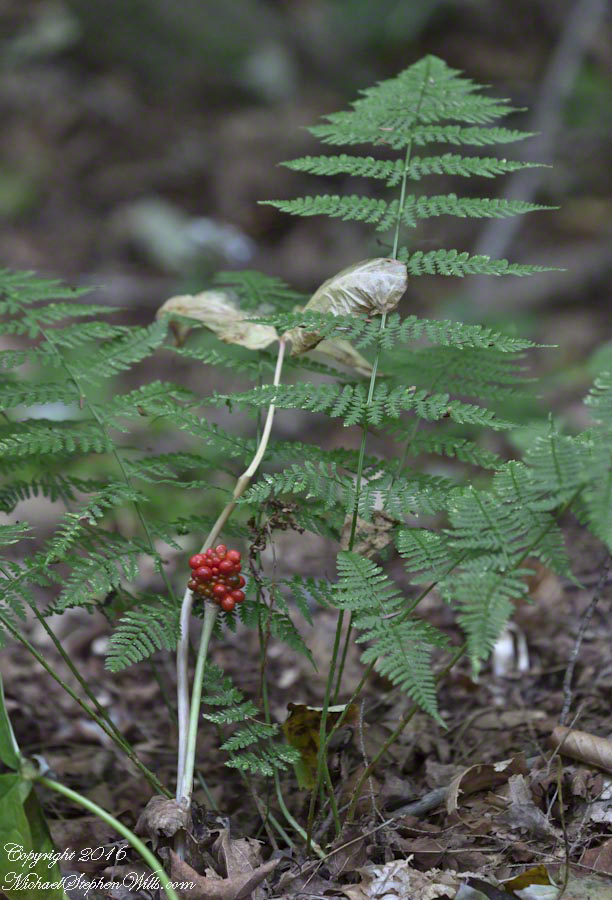
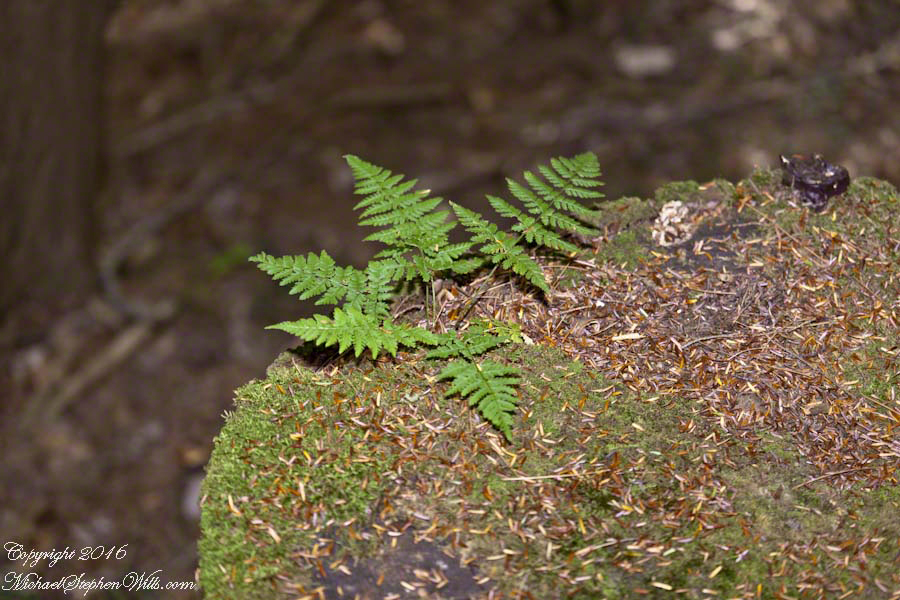
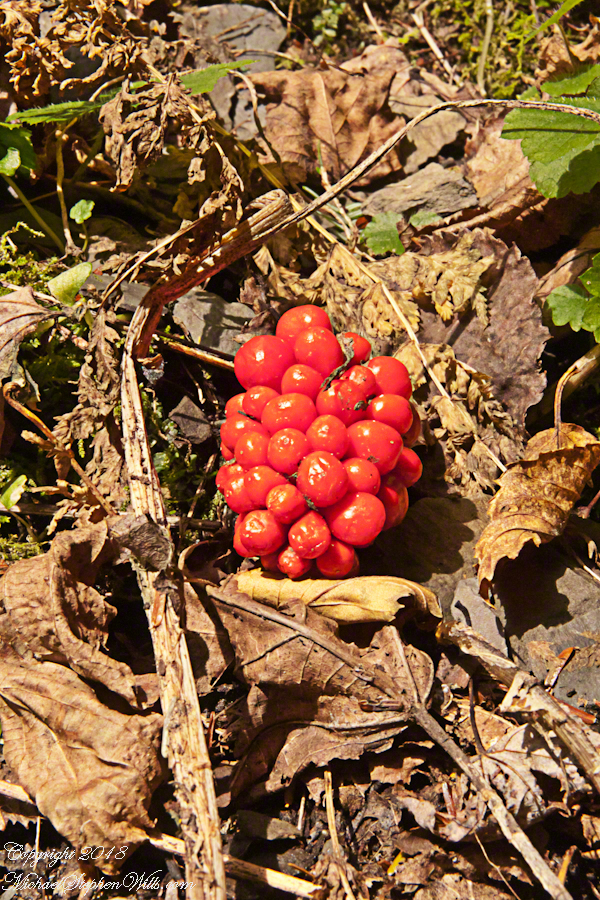
2015 I acquired a Canon EF 70-300mm f/4-5.6 L IS USM lens for our cruise around South American. It proved very useful for an unending combination of situations. Here, it allowed me to frame this specimen, the former covering of three leaves now sere brown and collapsed, the berries revealed in startling clarity among evergreen ferns, Christmas red and green. The strangely named Dry Creek, the driving force of Fillmore Glen, flowing below this humus layered shelf moist with a constant flow from the gorge walls.

The park trails make for a pleasant choice at the start of each excursion. This day, Pam and I visited Cowshed Falls at the foot of the glen, climbed the north rim trail to walk among the hemlocks, listening the leisurely calls of Hermit Thrust like breaking crystal. The time of mushrooms was past in late September, instead we enjoyed the Indian Summer sun and breeze safe in knowing it will not last.

“Jacks” are part of the known lore of the Native American woodland tribes. These berries are poisonous, so beware of handing them. Wikipedia tells me a ploy was to mix the berry juice with meat to leave for enemies. Hidden by the meat flavor, the heartily enjoyed poison lead to death. The plant grows from a thick root, a corm. Correctly dried and prepared, the corm is food. I can imaging these plants an entities haunting the forest, choosing to reveal themselves, or not, to knowing souls. Maybe this is was drew O’Keefe to these woodland shapes growing around the springs of her summer homes. Leisure and an open, wandering glance are important, anyway, for noticing them. Most strangers wander by, engrossed in conversations, memories, evanescent distractions.

Here are other “shots” from the same day.

Here is another posting about the Finger Lakes of New York State.

Copyright 2021 Michael Stephen Wills All Rights Reserved
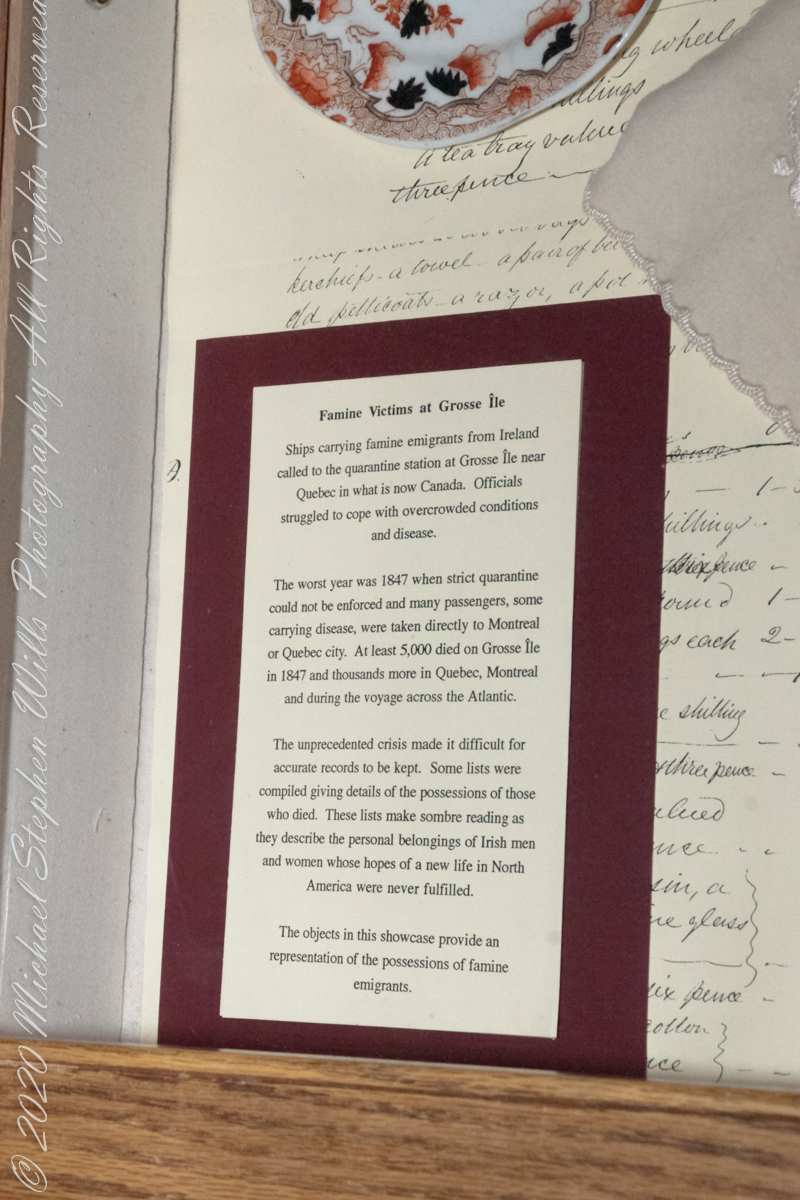
Grosse Isle Quarantine Station, Quebec

during the Great HUNGER, from the Cobh Heritage Center

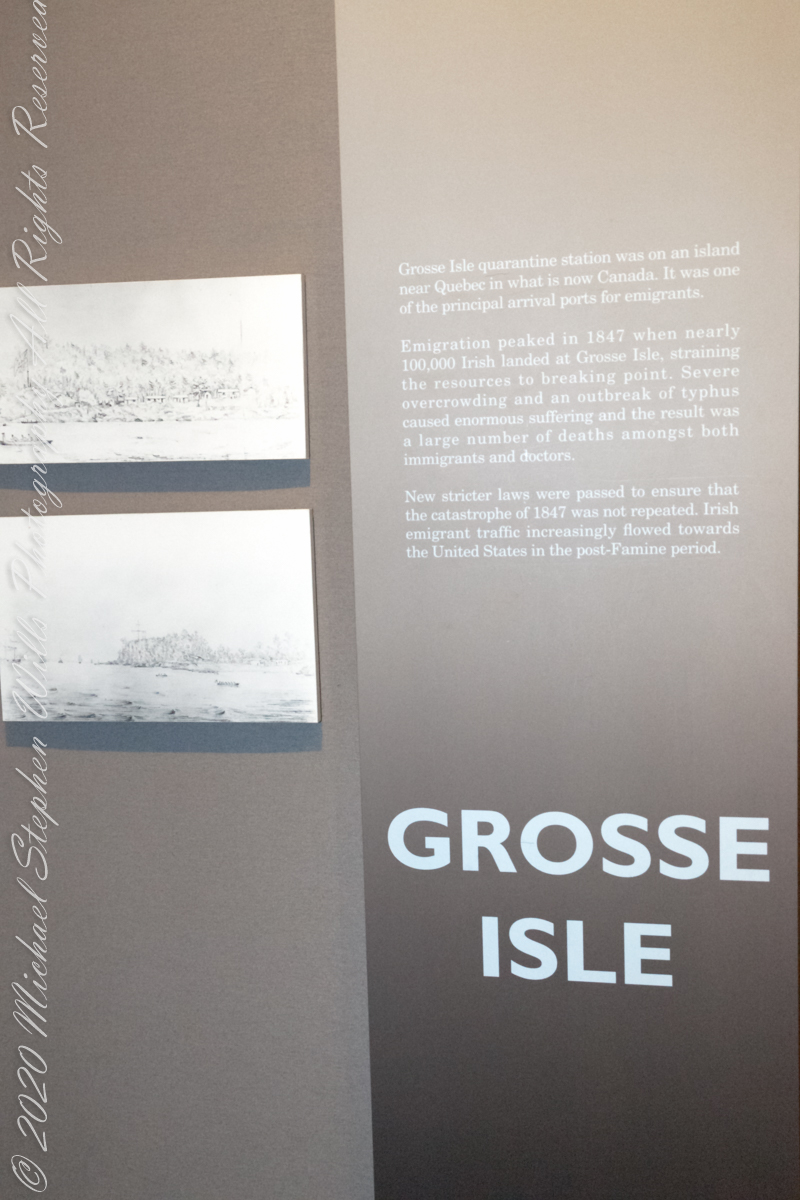
“Grosse Isle quarantine station was on an island near Quebec in what is now Canada. It was one of the principal arrival ports for emigrants.

Emigration peaked in 1847 when nearly 100,000 Irish landed at Grosse Isle, straining the resources to breaking poinit. Severe overcrowding and an outbreak of typhus caused enormous suffering the the result was a large number of deaths amongst both immigrants and doctors.

New stricter laws were passed to encure that the catastrophe of 1847 was not repeated. Irish emigrant traffic increasingly flowed towards the United State inthe post-Famine period”. From the exhibit (below), Cobh Heritage Center.

In that horrible year of 1847, strict quarantine could not be enforced and many passengers, some carrying disease, were taken directly to Montreal or Quebec city. At least 5,000 died on Grosse Isle in 1847 and thousands more in Quebec, Montreal and during the voyage across the Atlantic.

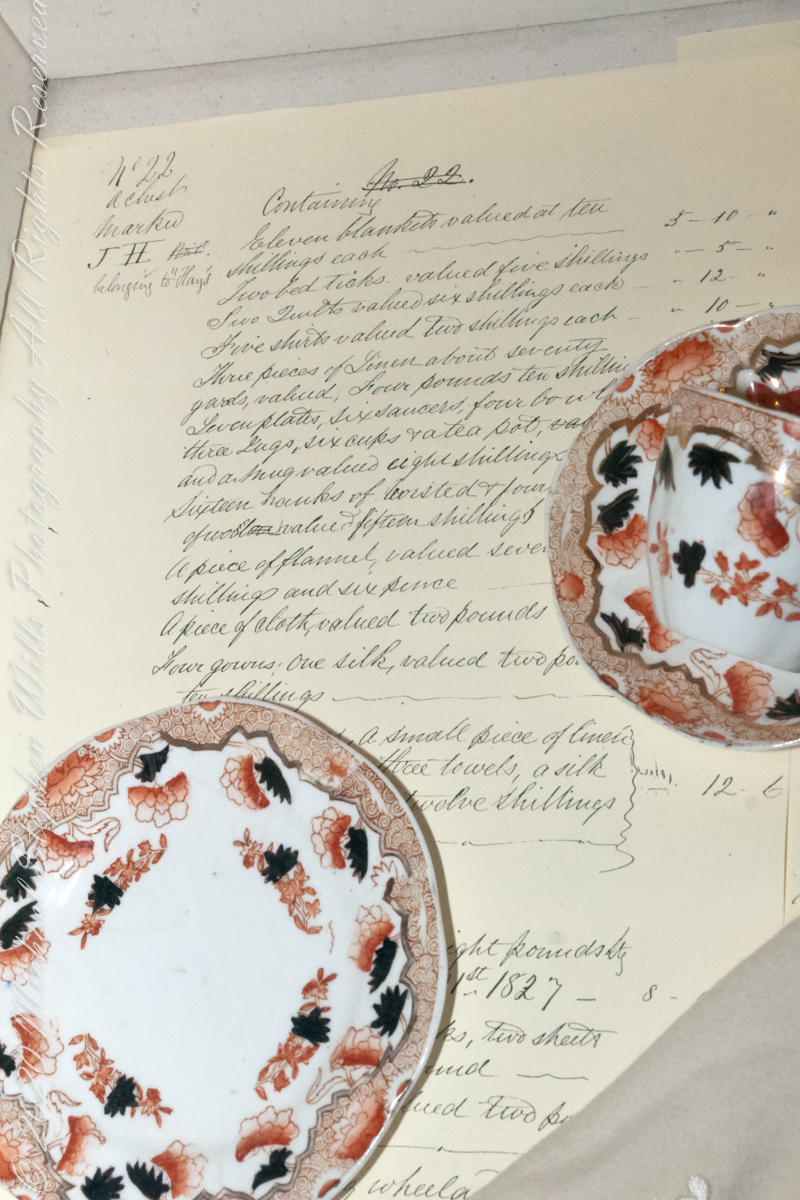
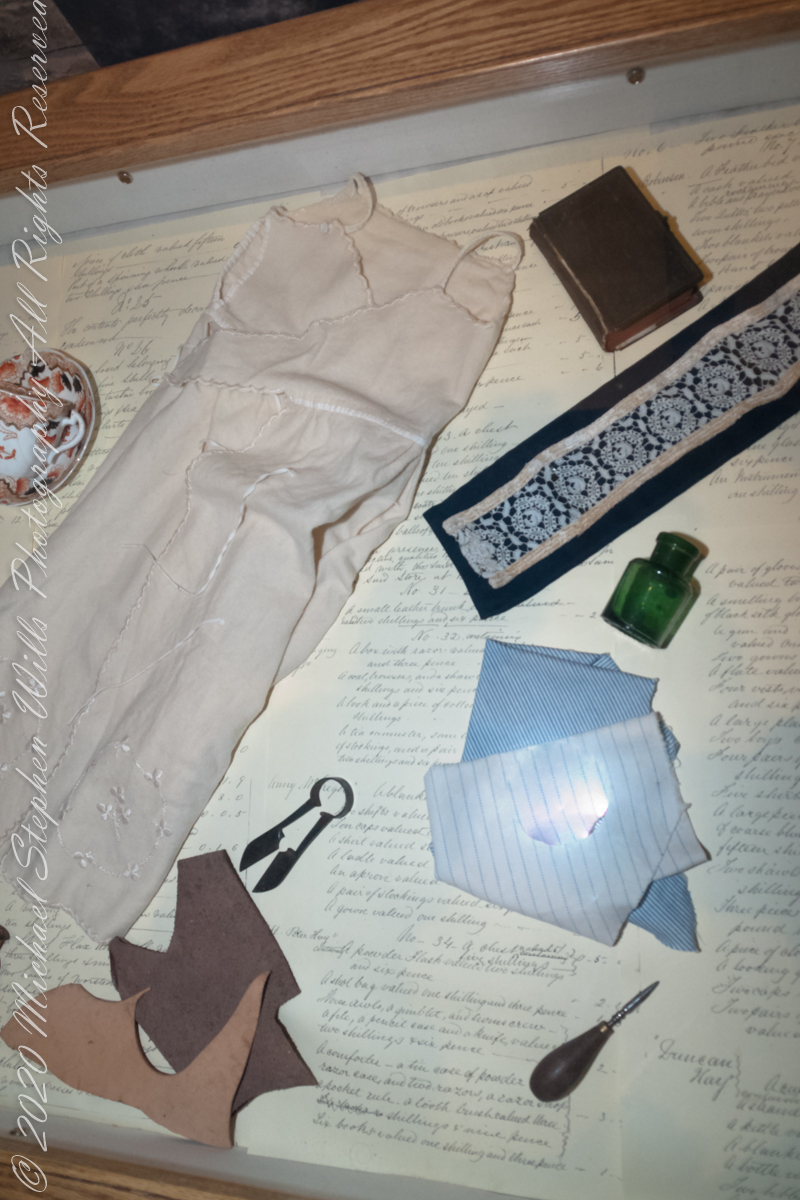
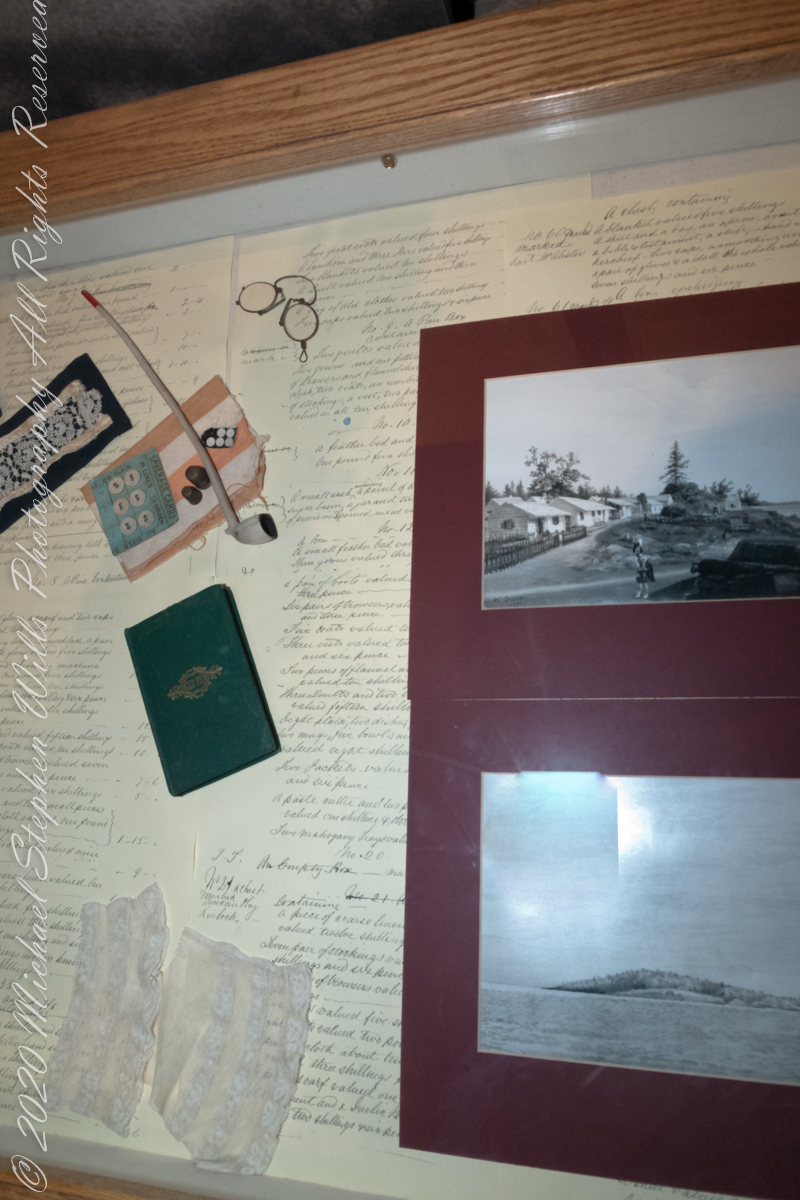
The unprecedented crisis made it difficult for accurate records to be kept. Some lists were compiled giving details of the possessions of those who died. These lists make sombre reading as they describe the personal belongings of Irish men and women whose hopes of a new life in North America were never fulfilled.

The objects in this showcase provide an representation of the possessions of famine emigrants. From the exhibit (below), Cobh Heritage Center.

Copyright 2021 Michael Stephen Wills All Rights Reserved
Spillway Falls with Hemlock

hemlock grace and water

The Dry Creek dam is across the upper, eastern, end of Fillmore Glen. Historical records of the dam construction must exist someplace. My opinion is, somewhere in the federal bureaucracy there is a record proving this dam was constructed by Roosevelt’s Civilian Conservation Corps in the 1930’s. That is when the gorge trails were dramatically improved and it is logical a dam was necessary to control water flow during times of heavy rainfall and the spring thaw, to allow a full appreciation of the gorge beauty. It is a substantial concrete structure with cast iron controls, two spillways: one never, the second always flowing. This day the reservoir is full, frequented by beavers, stocked trout, herons, blue jays, crows, hermit thrush. The reservoir banks are thick with wildflowers of the season. This afternoon I noticed purple flowering raspberries: a past prime bloom or two, ripe fruit growing in the late afternoon shade on the south side of the dam.
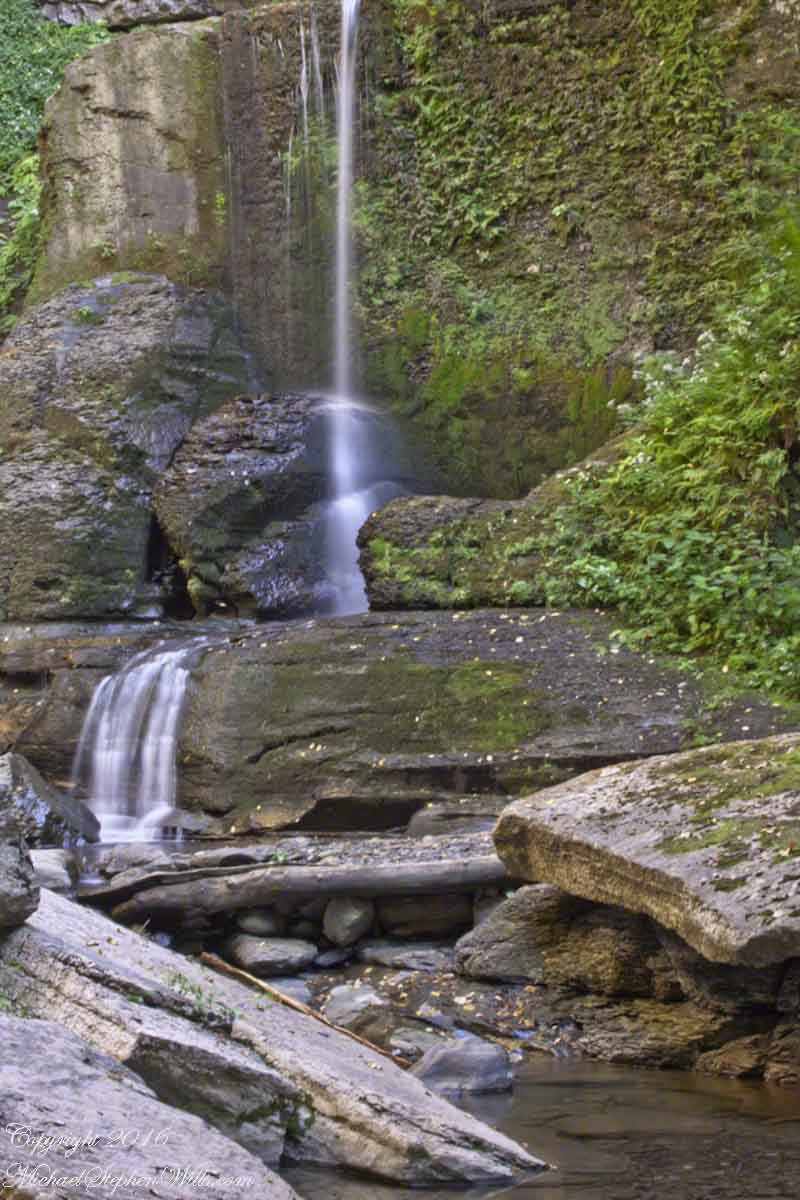
Unlike its name, Dry Creek is perennial, fed by a broad drainage of pastures, cornfields and forests. Year round the spillway runs, feeding into the gorge a constant, reliable supply of water for the many waterfalls for which Fillmore Glen State Park is known. The very first waterfall is on the rocks supporting the north side of the dam, formed where water from the spillway flows over these rocks into a deep, east west gorge overhung on the south side by mature hemlock trees.

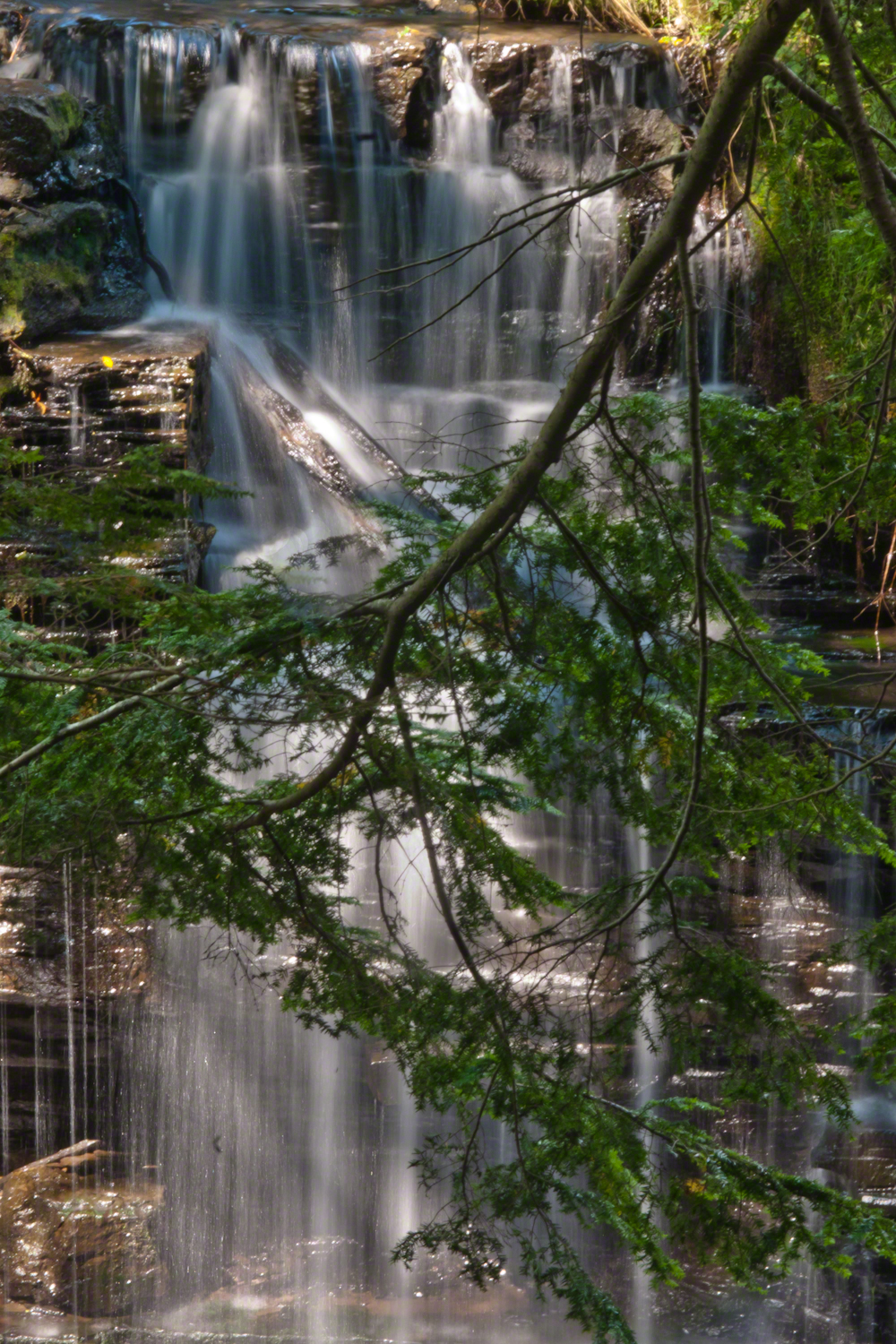
I first encountered Fillmore Glen in the 1980’s with my young son, Sean. On Sundays he and I walked as far as he tolerated, about half way to the dam site, where the gorge makes a turn to the south, the trail on an unstable clay bank against a crumbling shale cliff. Rediscovering the park in the early 2000’s, along with my interest in photography, I noticed the waterfall just below the dam many times and admired it for how the water caught late afternoon light over the many grace points created by rock crags like a wedding cake. The angle from the dam path is wrong for capturing this effect. Today was a first for me to leave the safety of the dam path to climb into the gorge, on the south gorge wall, for a shot.

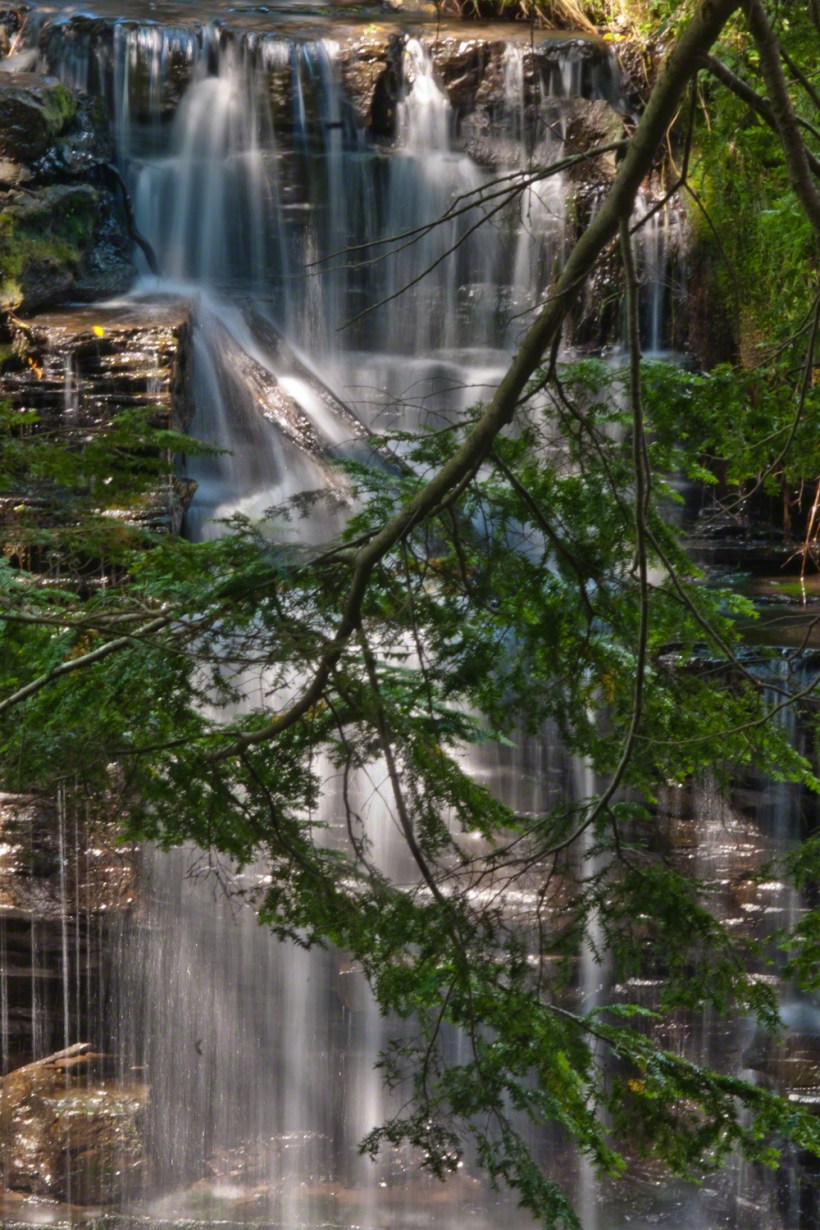
Here is a view of the spillway fall on a mid-August afternoon, 2017. My photography kit for this walk with my wife, Pam, was minimal: a Sony Alpha 700 with a variable lens, the flash and a Manfrotto carbon fiber tripod. For this version of the spillway I climbed into the gorge on the south wall, about 40 feet above the creek. A hemlock tree branch fell across the view, incorporated into the composition. These hemlocks are not a biological relative of the Socratic, poisonous, hemlock. The relationship is a similar aroma when the leaves are crushed. The f stop is cranked to 36, ISO set to 100 so slow exposure time to 1.6 second. Post shot processing via Photoshop.

Click this link or the photograph for my Online gallery of this offering
Spillway Falls and Hemlock Branch -- CLICK ME!!!!

Copyright 2021 Michael Stephen Wills All Rights Reserved