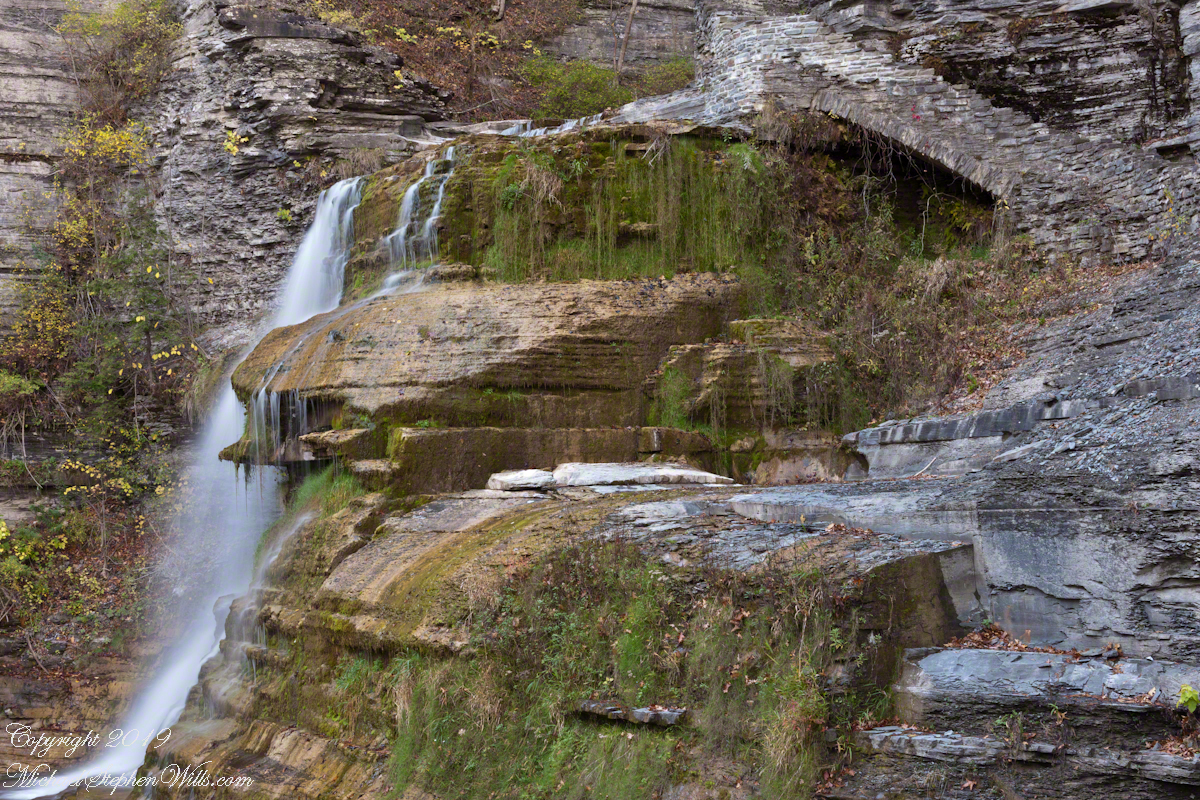
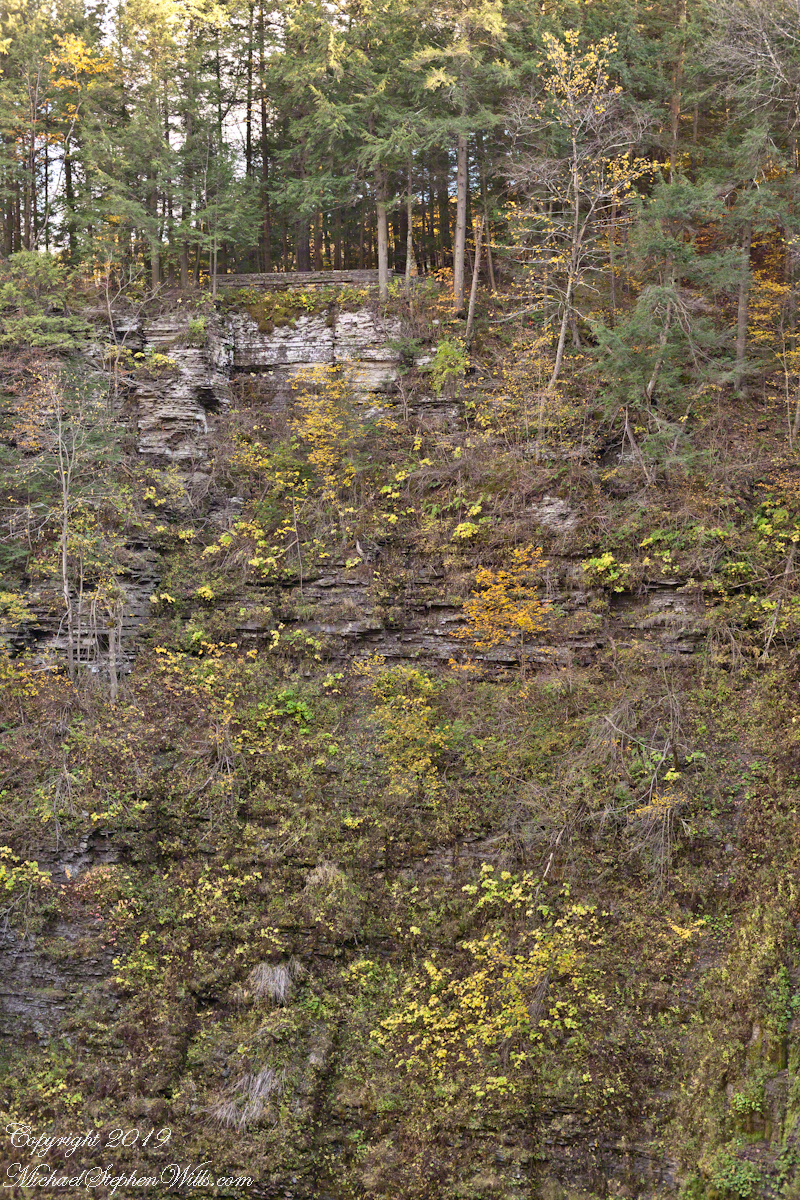
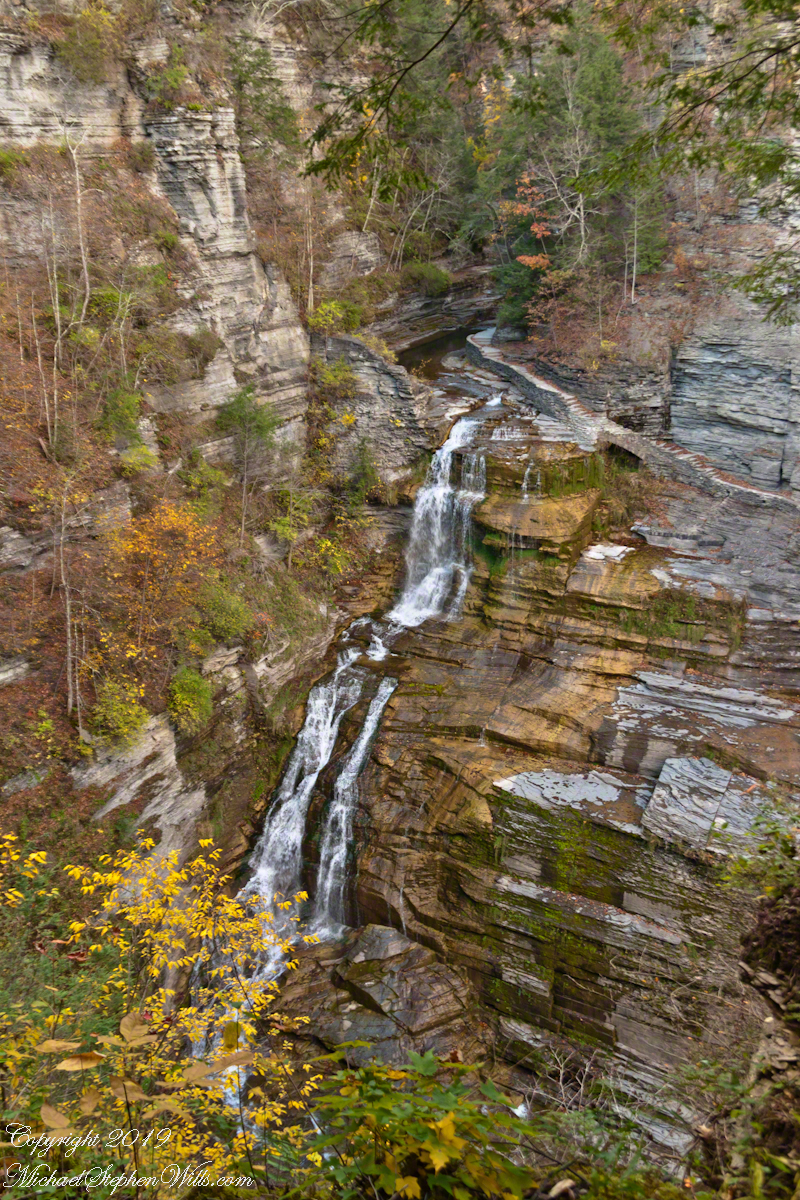
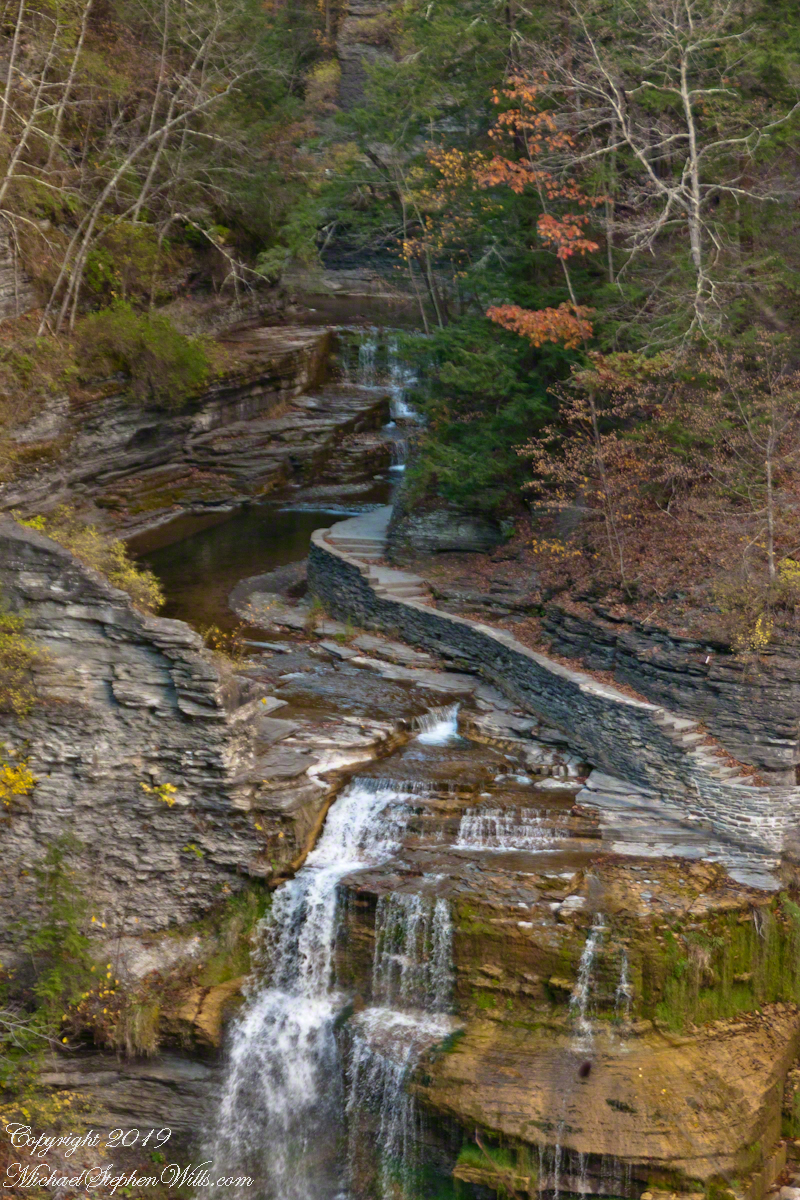
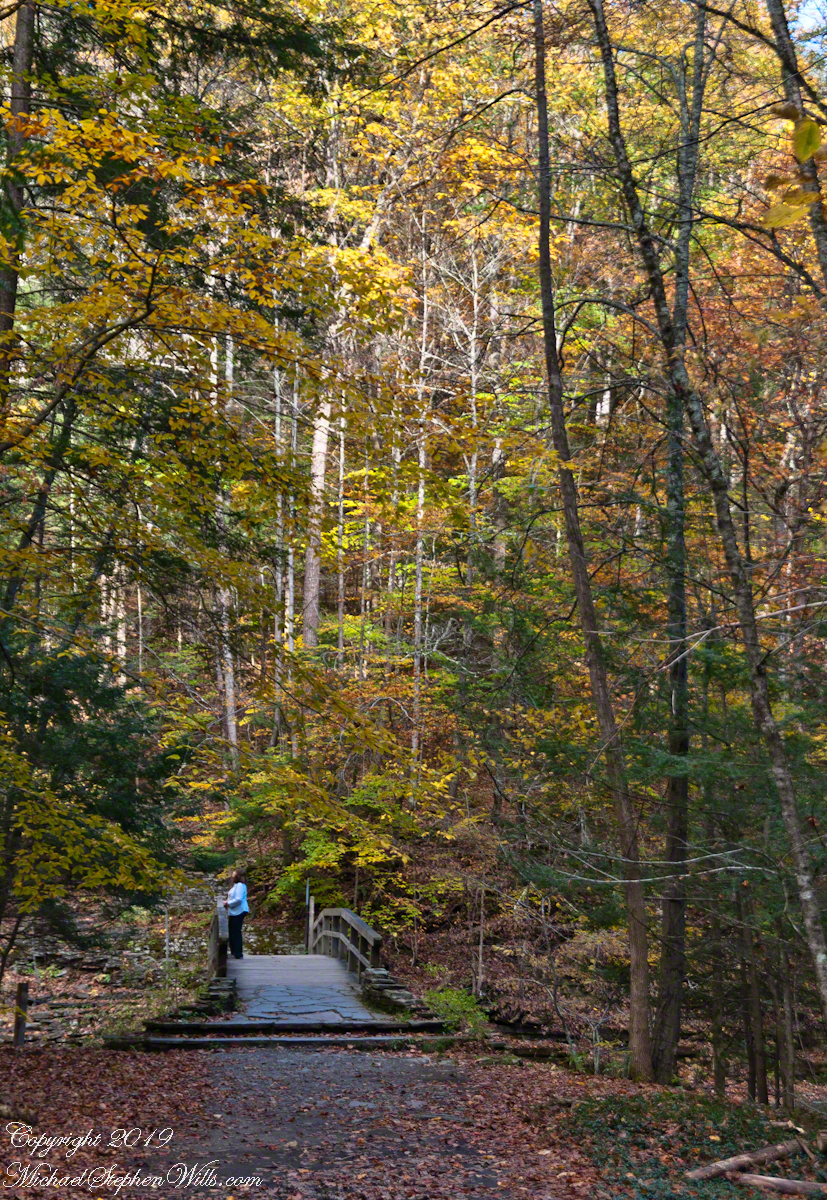
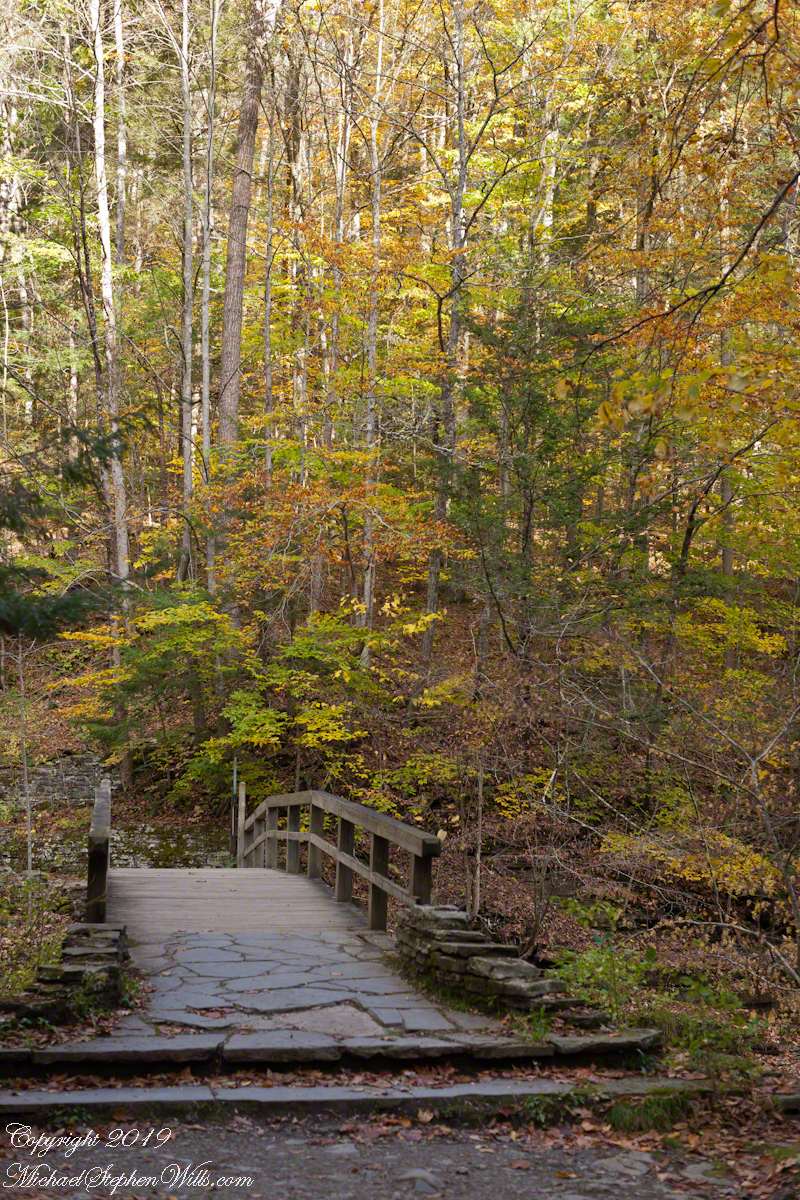
Thayer Preserve: Autumn Still Life 1

color pallet

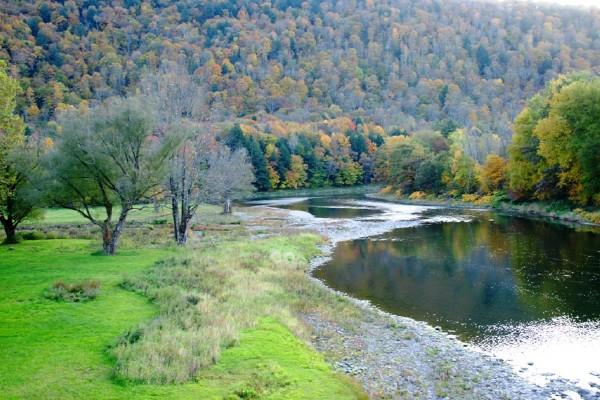
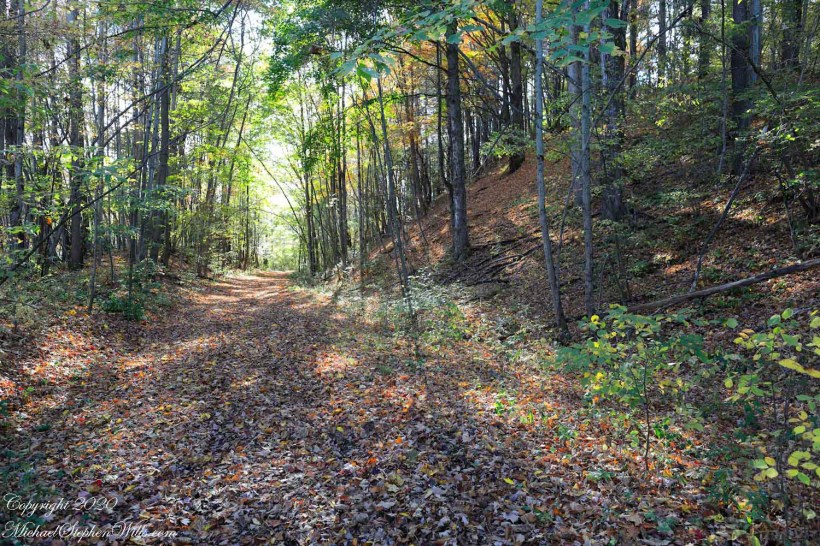
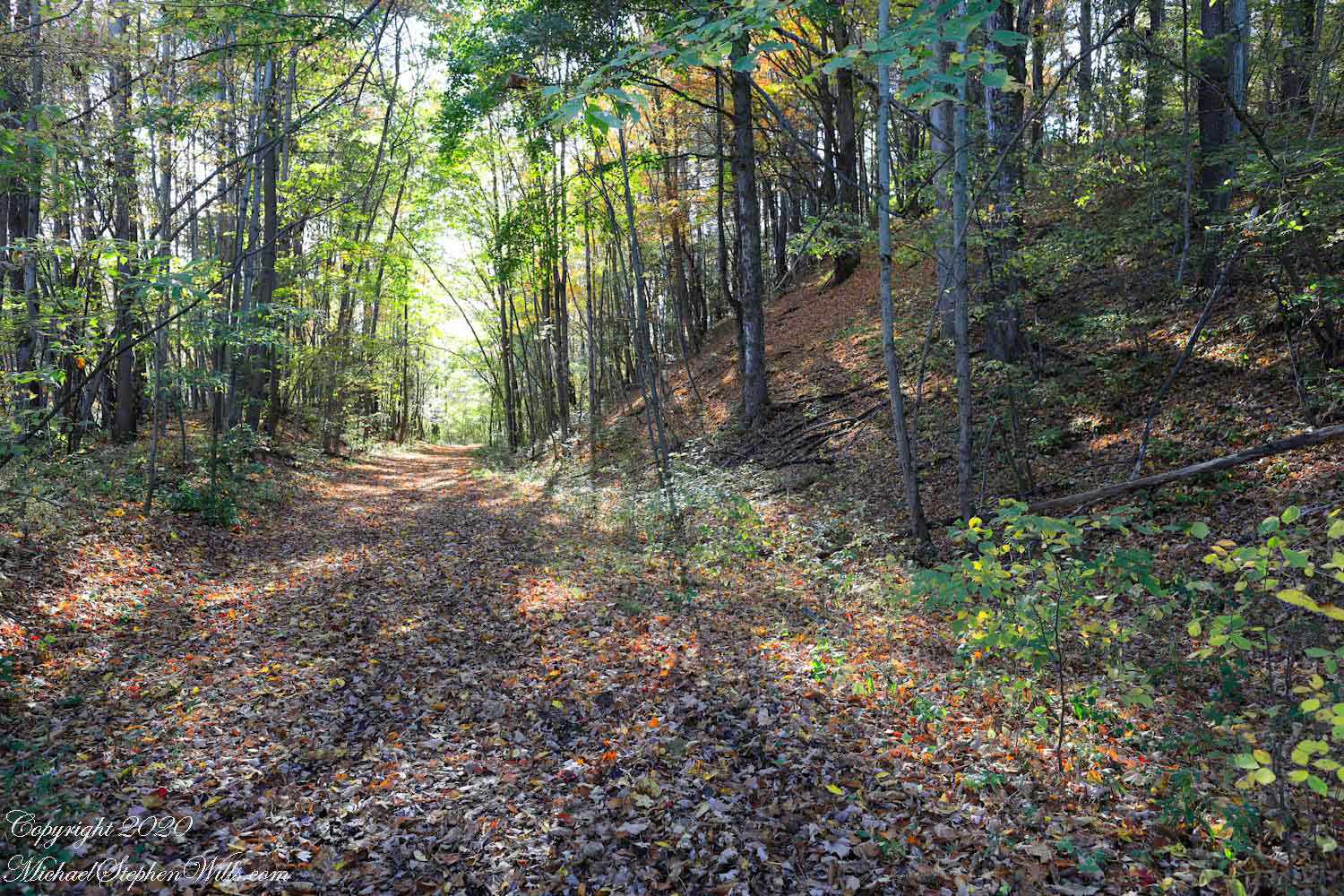
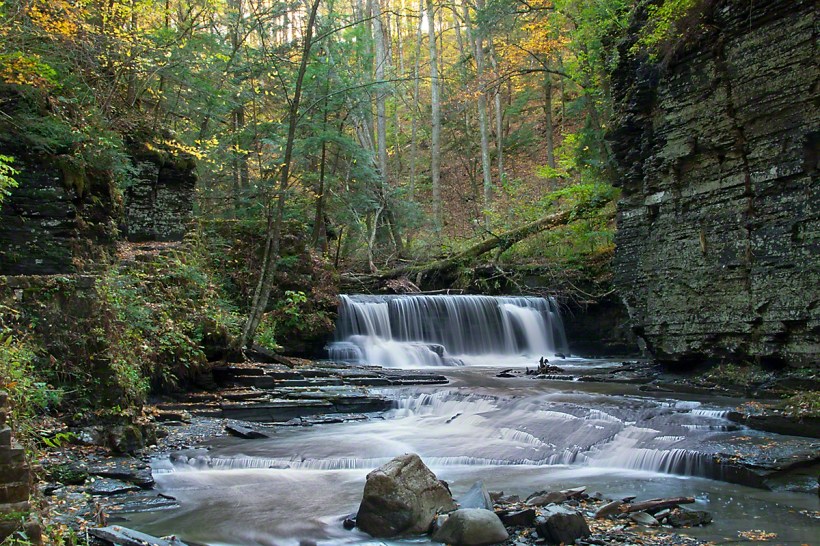
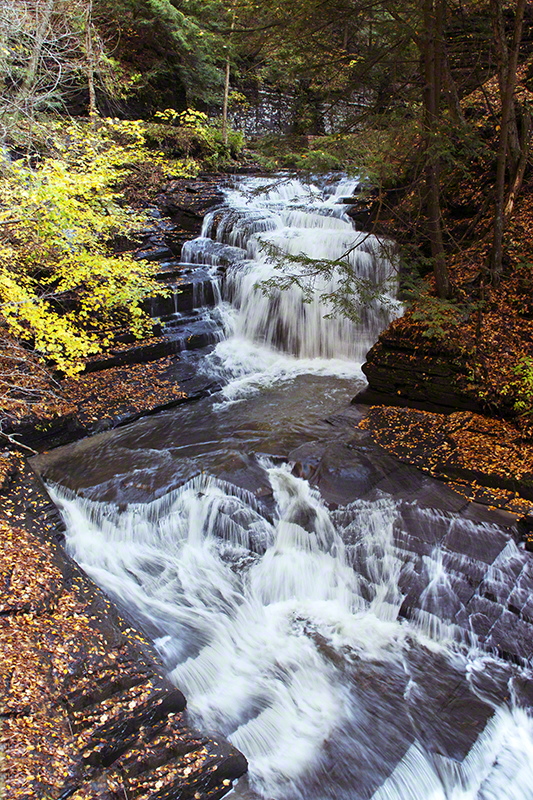
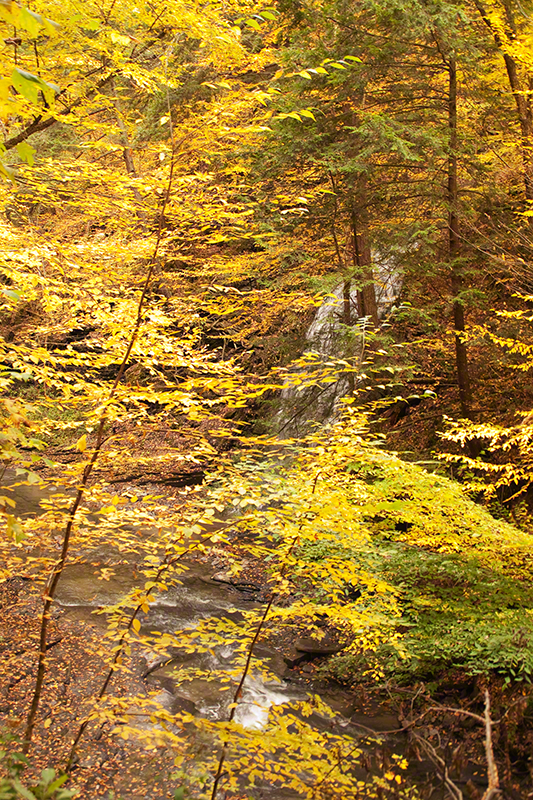
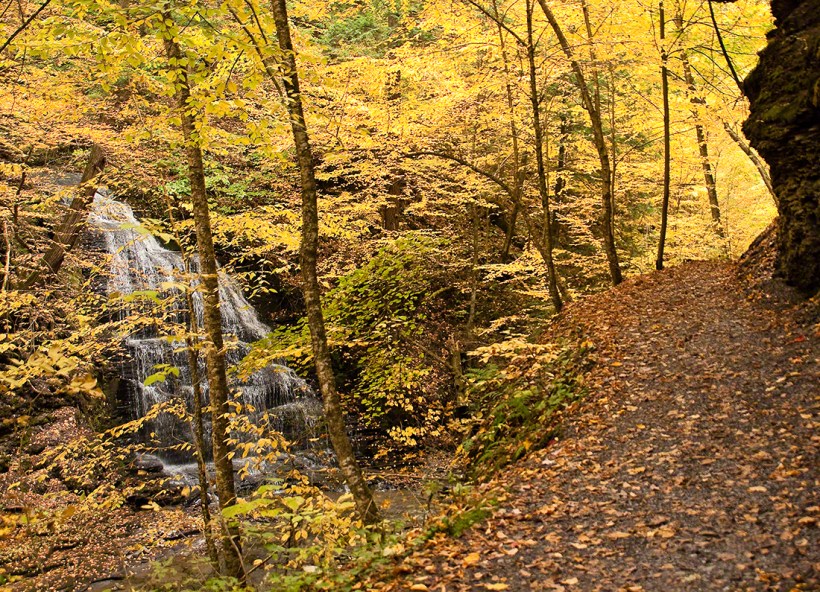
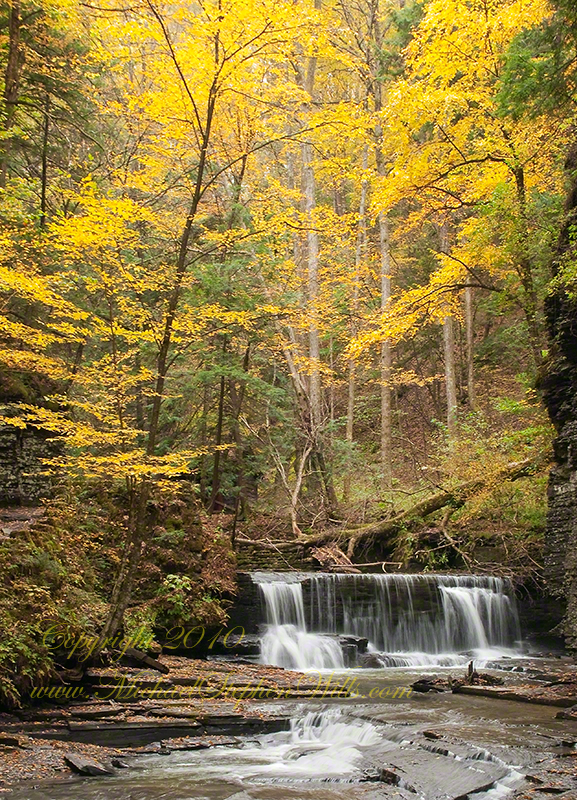
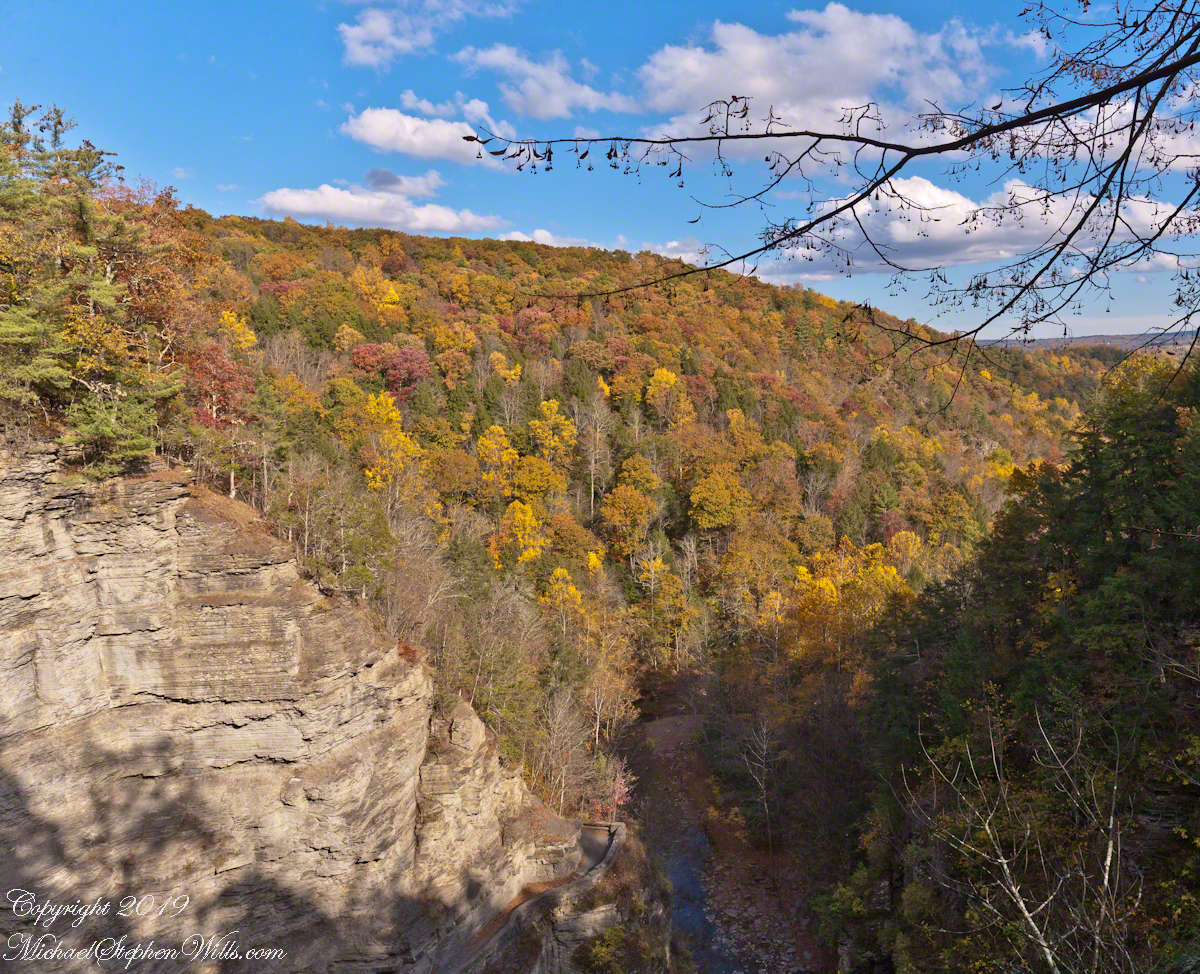
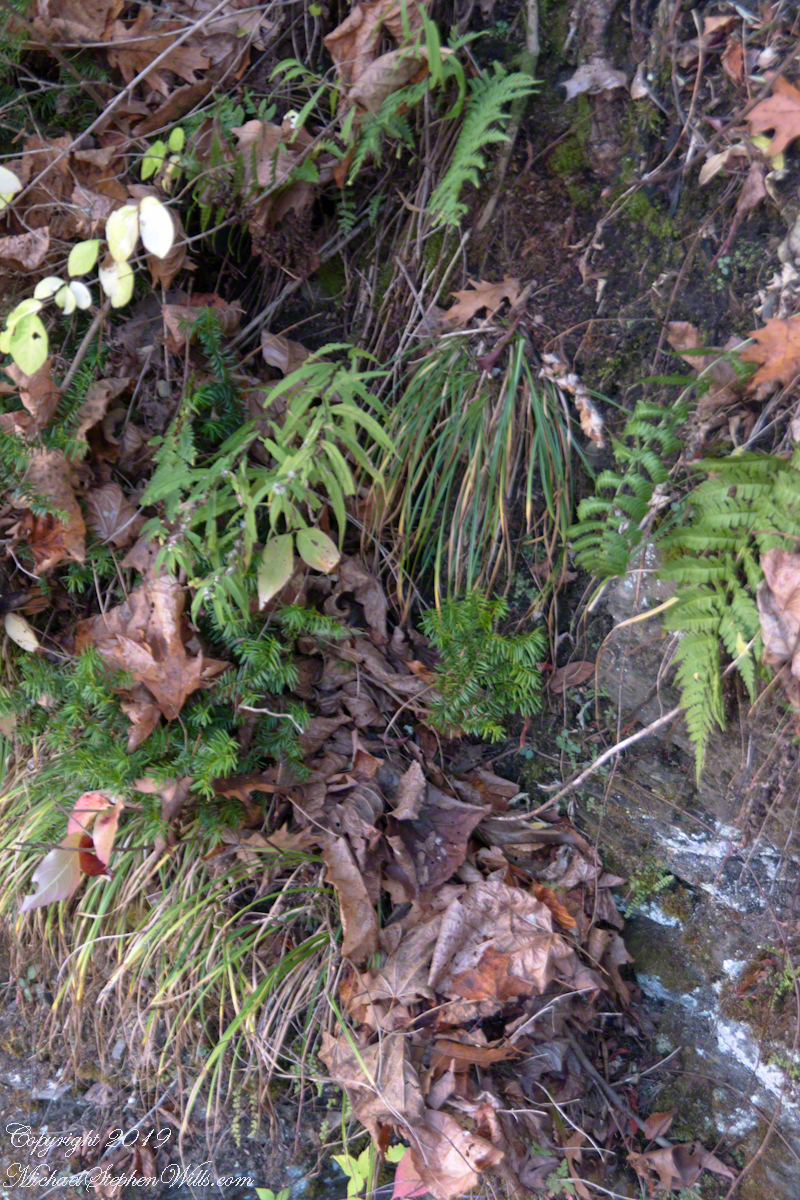
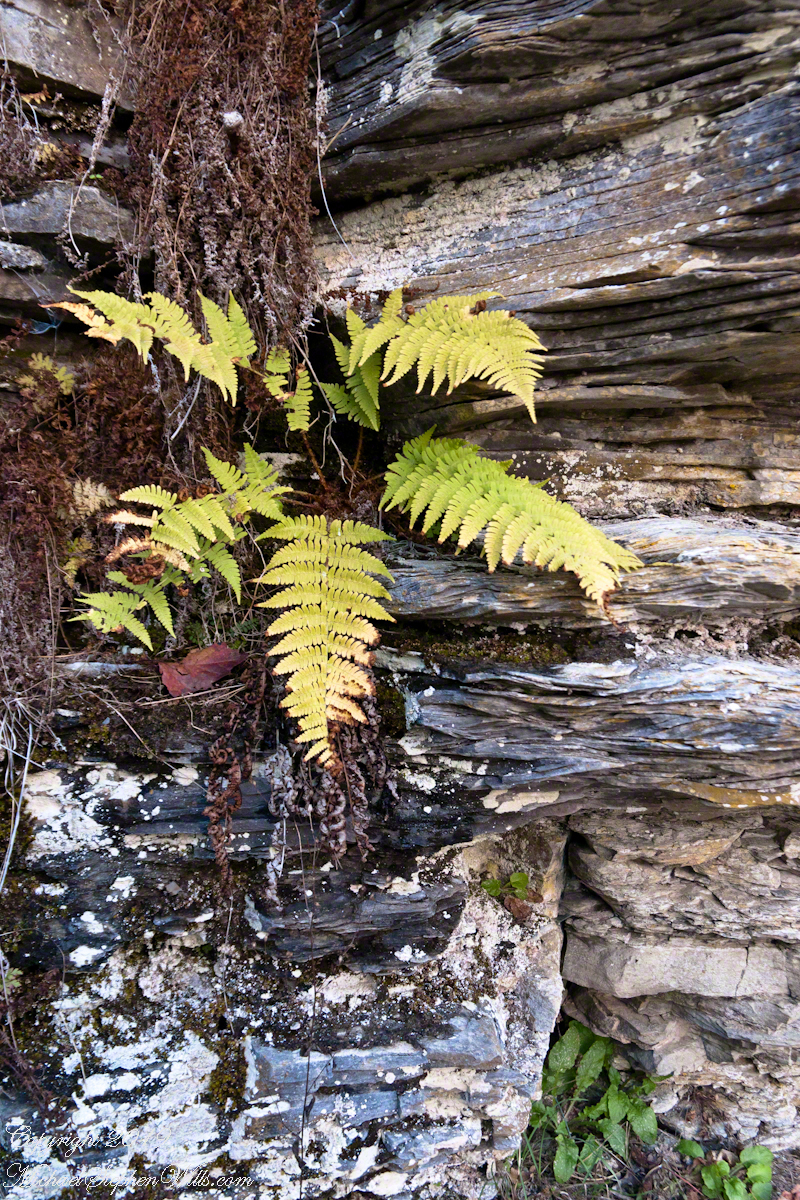
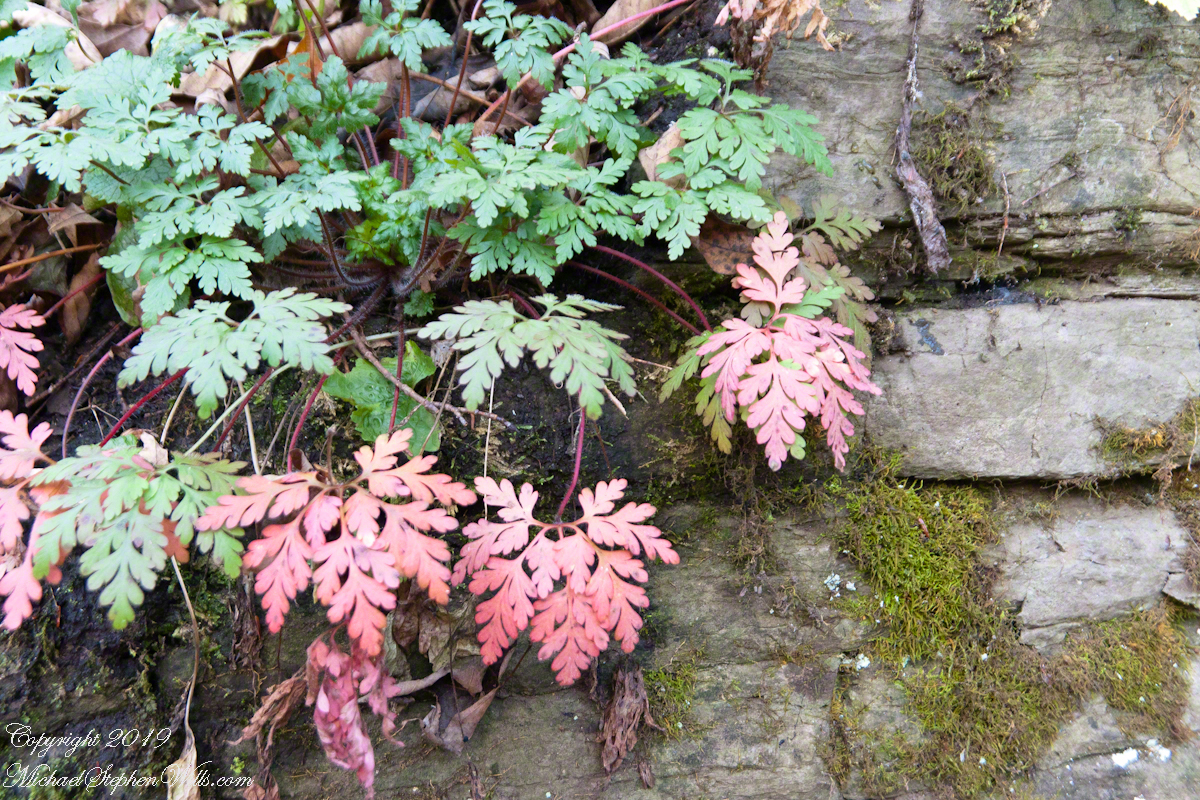
In the heart of nature, where Lick Creek flows, the land is a preserve. It guards the essence of the wild. Trees, tall and timeless, hemlocks, stand like sentinels. Their roots twist and turn, merging with the earth. Among them, maple leaves lie. They have journeyed from their branches to the ground. Yellow and brown, they rest. They carpet the soil, a patchwork of autumn’s farewell.

The creek murmurs. Its waters are a constant traveler, never still. They speak of journeys unseen. Along its banks, the leaves are at the end of their own journey. Melding with the earth, becoming part of something greater.

Click photograph for larger view. Use combination keys to enlarge/reduce: Ctrl+ (Control / Plus) and Ctrl- (Control / Minus)

Here, time moves differently. It’s marked not by clocks but by the subtle shifts of nature. Leaves fall, waters flow, the trees stand watch. This is a cycle, ancient and endless. In this preserve, every element has a role, a purpose. Together, they create a harmony.

This place, where leaves fall and waters flow, is more than a preserve. It is a reminder. In nature’s embrace, everything finds its place. Everything belongs. Even as leaves fall, they find a new purpose. In their resting, they nourish. In their silence, they speak of life’s endless cycle.

Click Me to view my photographs on Getty.

Copyright 2023 Michael Stephen Wills All Rights Reserved http://www.MichaelStephenWills.com

A Visit with Tom and Hen Turkey

Happy Thanksgiving

The Catskill Mountains are not mountains. The Catskills started as a high plateau. Over eons, before the first humans, water, the sun, and wind carved high steep peaks: rounded, forested and teeming with life.


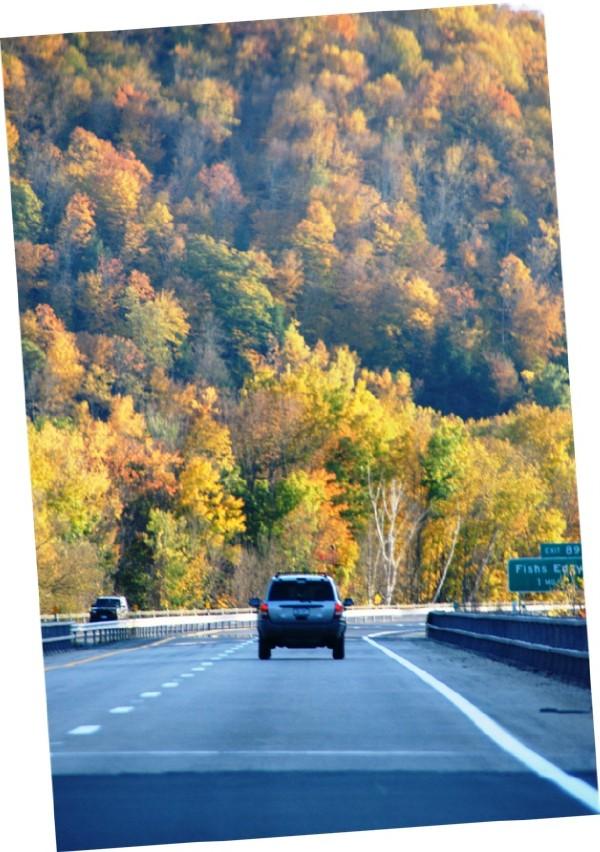
October 2008, on a return trip from family on Long Island, we traveled the winding road called “Route 17”, through the high autumn hillsides.

Route 17_FishsEddy_throughTheWindshield– CLICK ME!!!!

Click me for more Autumn Magic from my Online Gallery

Fishs Eddy

As the sun passed over the western hills we stopped to explore a place called “Fishs Eddy”, a town on the banks of the Delaware River.

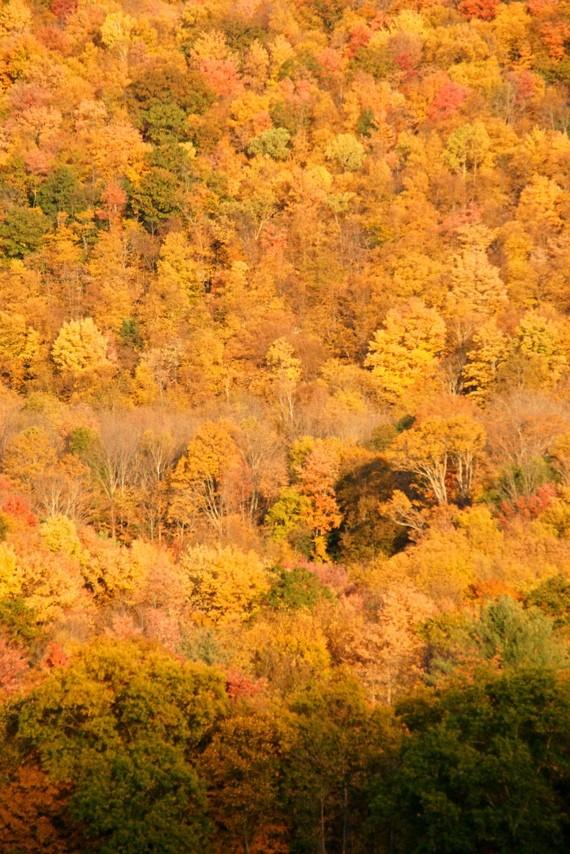
On the east side, facing sunset is a formation that would be a cliff if it was not for the hardwood trees growing from every available nook, crevice. Everywhere a root could be sunk, roots fed trees that, one late October afternoon, made a hill bright with autumn.

Turkey Habitat

Turkeys live in this type of habitat. We took a trail, barely a road that climbed past failed farms and hunting shacks.

Click me for more Autumn Magic from my Online Gallery

The Hens Flee

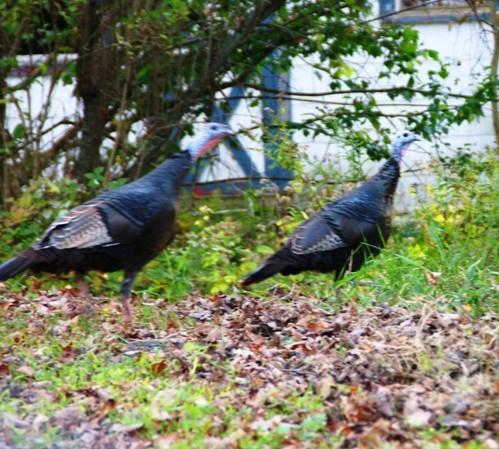
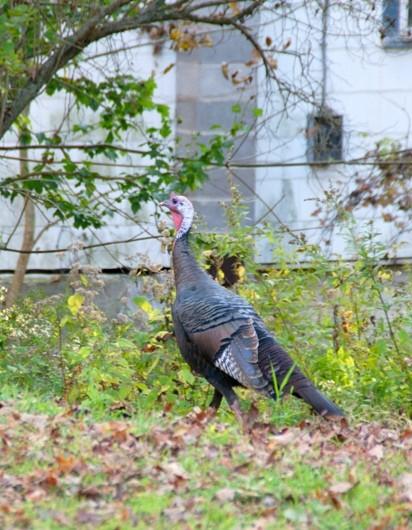
On a level place, in front of a ruined home, we came upon a Tom (male) turkey and his four hens. The hens fled at the sight of us.
With barely time to raise the camera I caught Tom and the last hen as she fled into the bushes.

Tom Turkey Defiant

I say she, because Tom stayed behind. He stood erect, all three feet of him, defiant and strutting in a direction opposite from the hens.


This is the bird Benjamin Franklin proposed as the national emblem of the new United State of America (the bald eagle won that competition).


Hunted into almost oblivion, across the United States the wild turkey is making a dramatic comeback in many places, including the forests and farmland of rural New York State

This fellow made no noise. His strutting posture and head bobbing said it all.


We left Tom Turkey in peace to his domain and hens.

Click Me to view my photographs on Getty.

Copyright 2023 Michael Stephen Wills All Rights Reserved http://www.MichaelStephenWills.com

Mirror

…on the wall

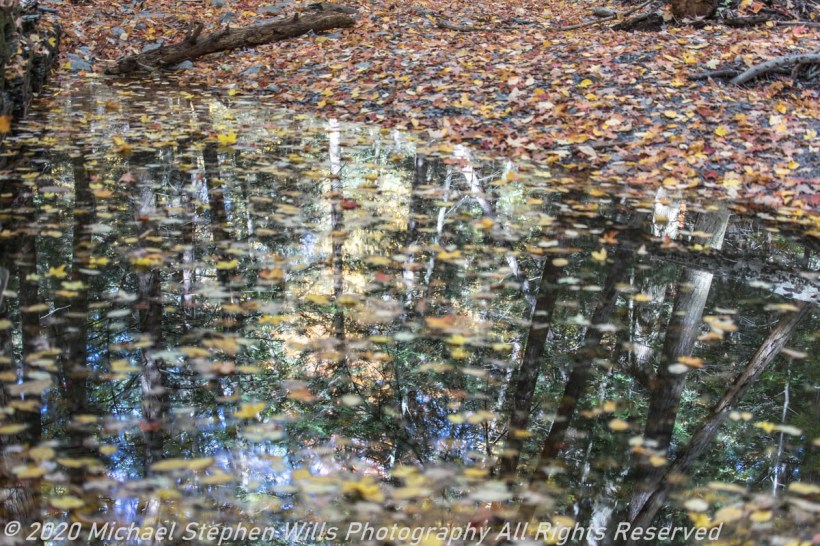
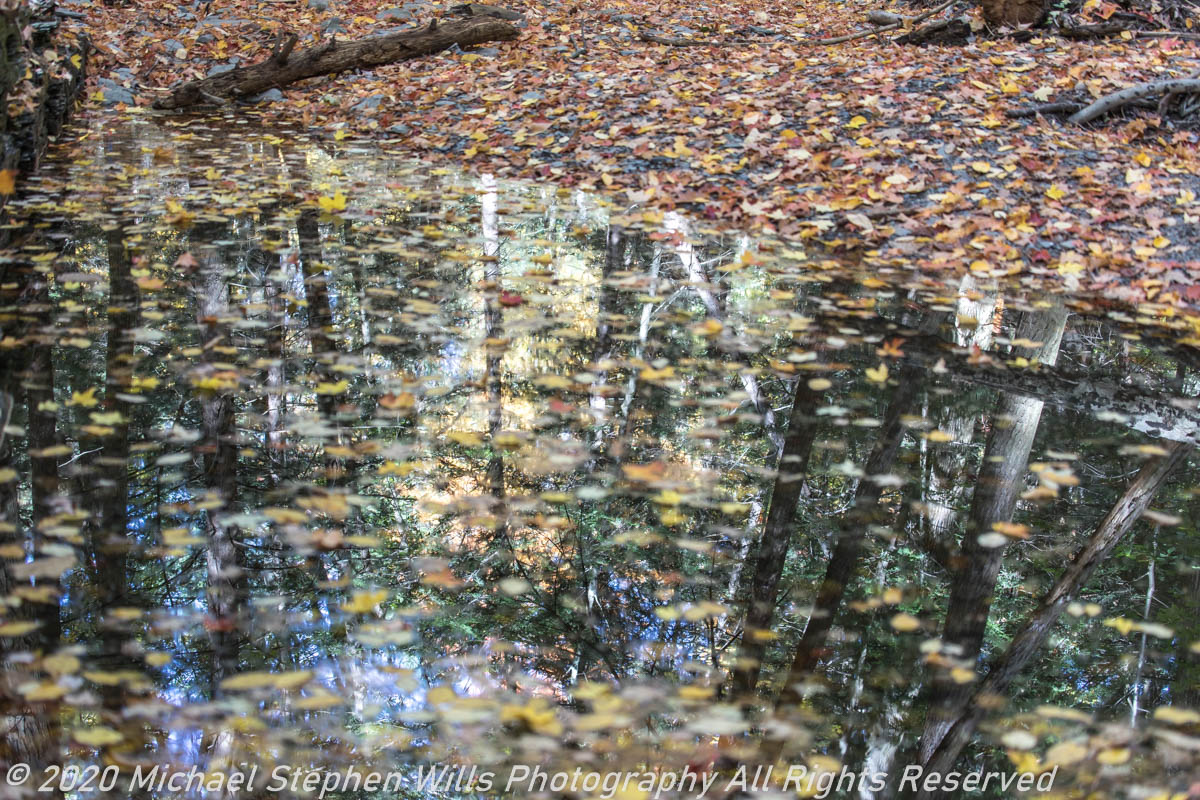
On Lick Brook, Thayer Preserve, still pools become mirrors at low flow during a dry autumn.

Click photograph for larger view. Use combination keys to enlarge/reduce: Ctrl+ (Control / Plus) and Ctrl- (Control / Minus)

Click Me to view my photographs on Getty.

Copyright 2023 Michael Stephen Wills All Rights Reserved http://www.MichaelStephenWills.com

Light, Hope

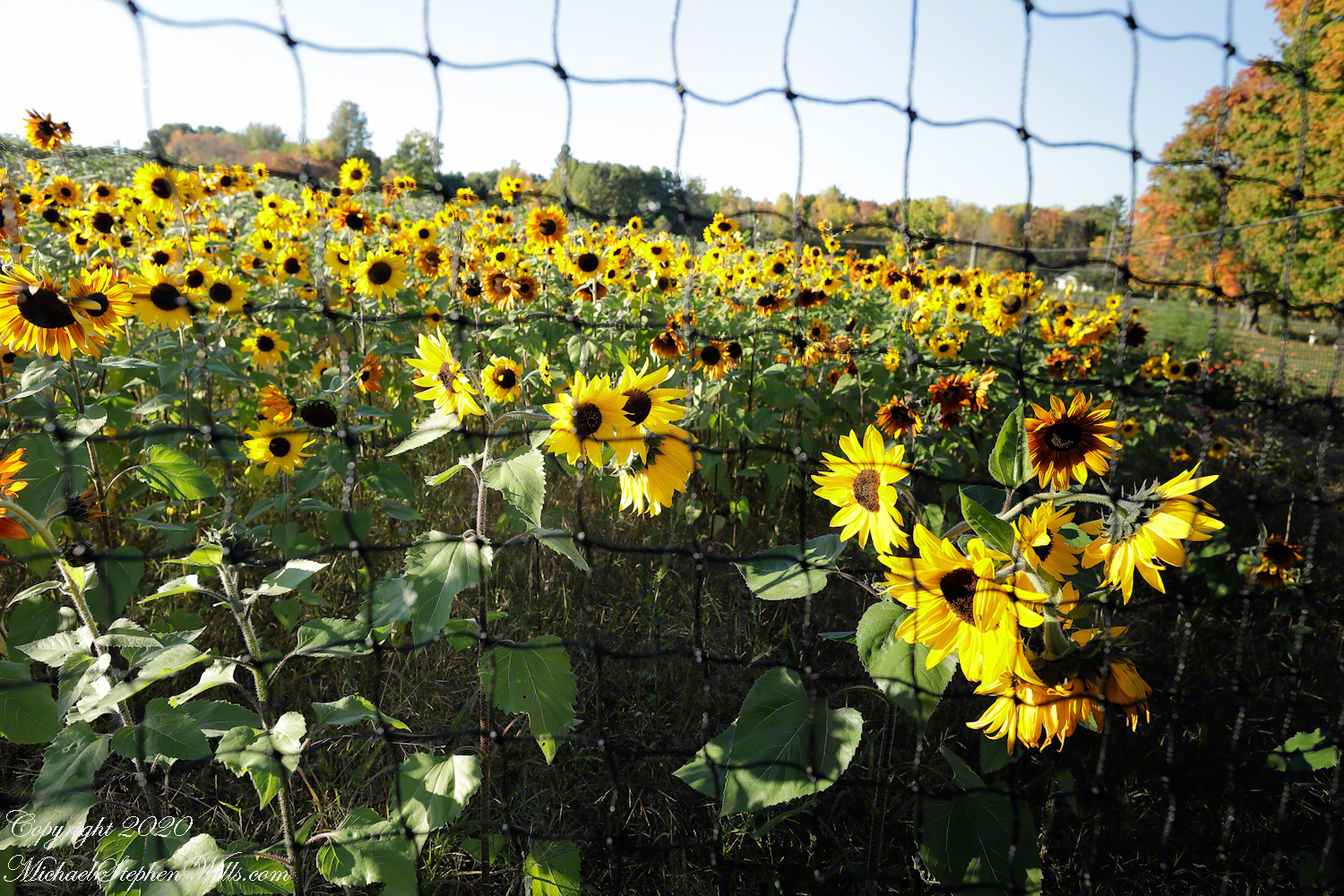
The post describes a photographic expedition featuring a sunflower field and maples at Frear Memorial Park, and explores the notable Frear family’s history in Ithaca, New York.

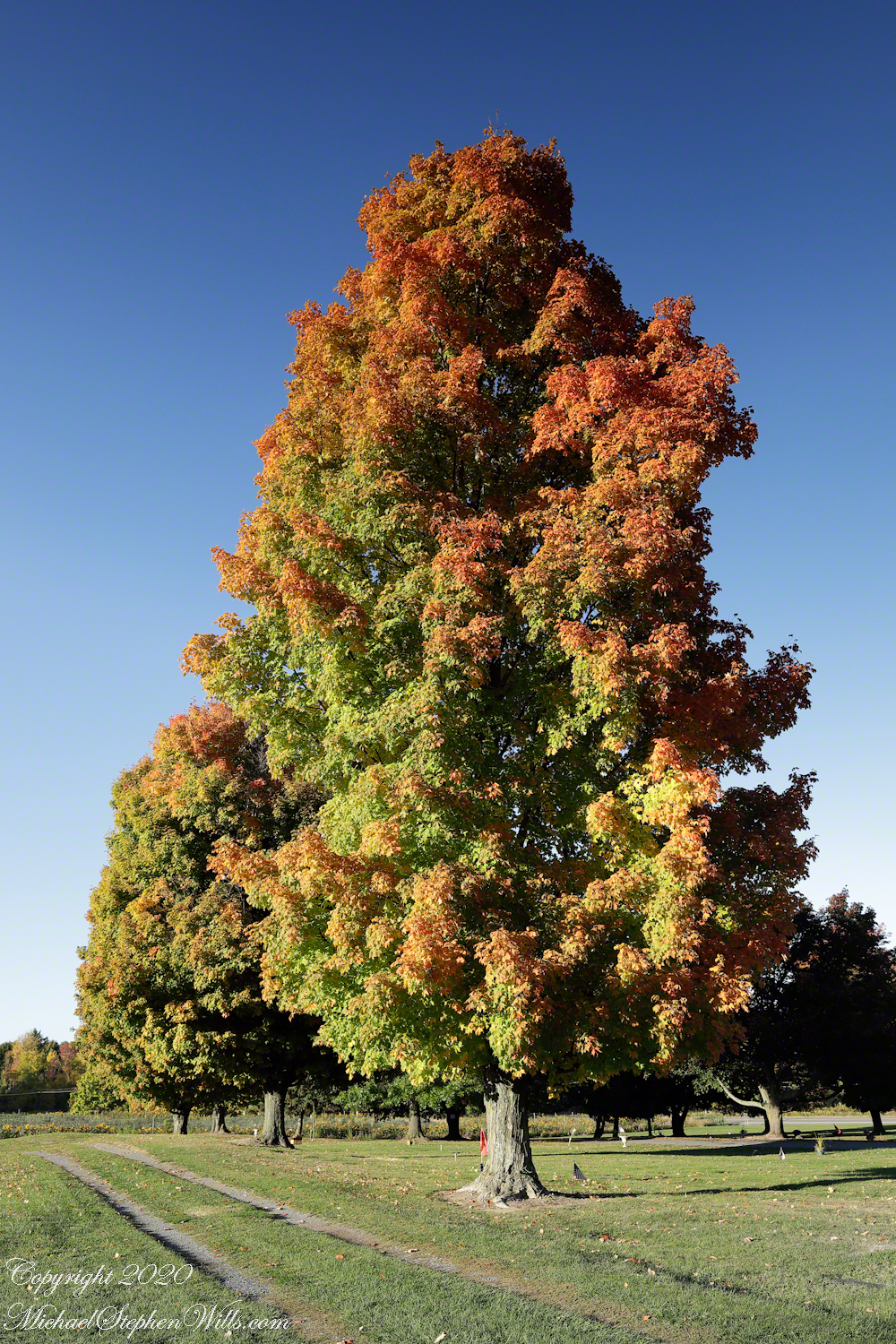
Descending Hayts Road toward Cayuga Lake in the course of a photographic scouting expedition I spotted a mature linear maple tree planting forming the western edge of Frear Memorial Park. This day Pam and I headed out at day’s end, stopping here to capture the turning maples.

Click photograph for larger view. Use combination keys to enlarge/reduce: Ctrl+ (Control / Plus) and Ctrl- (Control / Minus)

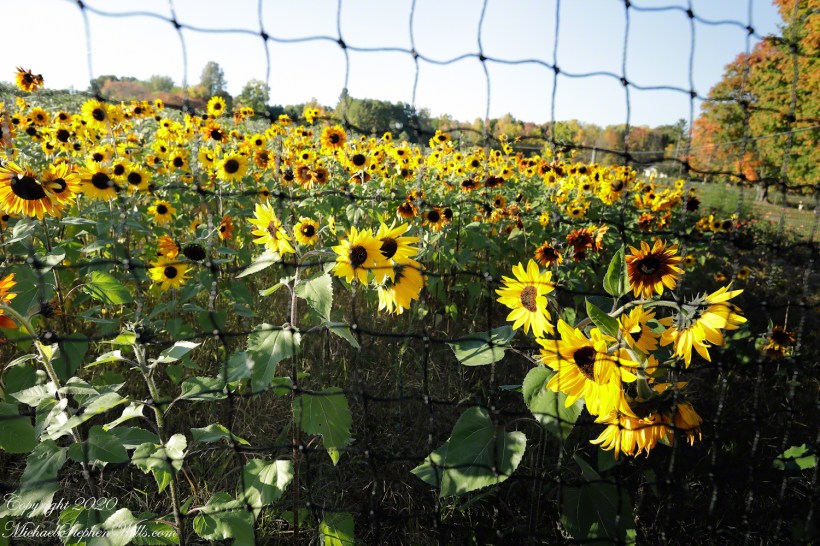
A sunflower field was a hidden surprise. The 24 mm “wide angle” lens was mounted on a Canon EOS 5D Mark IV dslr on a light carbon fiber tripod.

The Frear family has a notable presence in Ithaca, New York’s history. One significant member was William Frear, a well-known businessman who lived his entire life in Ithaca. He ran a candy store and a photograph gallery, and was involved in the county fair. William passed away in 1915 at his daughter’s home on East Buffalo Street in Ithaca​​.

In terms of the Frear family’s broader historical context, the name was found in the USA, the UK, Canada, and Scotland between 1840 and 1920, with the most Frear families in the USA recorded in 1880. Remarkably, in 1840, about 67% of all recorded Frear families in the USA were living in New York, indicating a significant concentration of the family in the state​​.

The family tree of William Frear includes his parents Baltus Frear (1793–1881) and Lavina Westerveldt Frear (1800–1868), his spouse Ann Amelia Hopkins Frear (1838–1906), and his children Baltus W Frear (1865–1885), Donna Frear Luker (1868–1929), T Wilbur Frear (1874–1874), and Edward Hughson Frear (1876–1910)​​.

This snapshot of the Frear family in Ithaca provides a glimpse into their lives and contributions to the local community during the 19th and early 20th centuries.

Additionally, there is a Frear Park in Troy, New York. Donated by the family of William H. Frear in June, 1917, Wright Lake and Bradley Lake, located in the park were named for members of the Frear Family. The Frear Family was originally from France where the name was as Frere. The Frere’s moved to England to escape prosecutions, where the spelling of the name was changed to Frear. The family was founded in the United States by Joseph Frear, Grandfather of William H. Frear of Troy, New York.

Click Me to view my photographs on Getty.

Copyright 2023 Michael Stephen Wills All Rights Reserved http://www.MichaelStephenWills.com

Lengthening Shadows

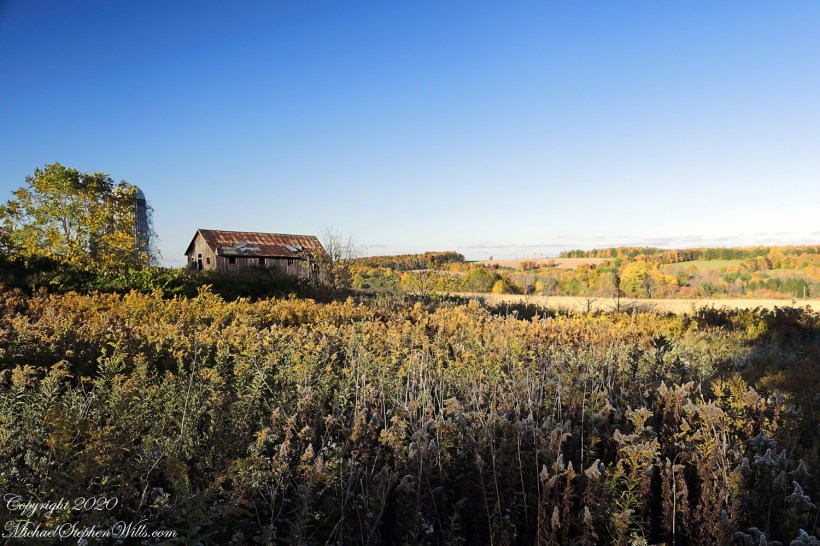
Sere Goldenrod

West Hill, Ithaca, resolves to this plain here sere goldenrod, abandoned barn, silo, distant hills. We headed out from home as sunset approached.

Click photograph for larger view. Use combination keys to enlarge/reduce: Ctrl+ (Control / Plus) and Ctrl- (Control / Minus)
Click to view my autumn photographs on Getty.

Mizpah and Mitzvah

I was reading the story of Jacob and Laban and encountered the word “Mizpah” is Hebrew for “watchtower”. It is used to refer to an emotional bond or covenant made between two people with God as their witness, often symbolized by a pile of stones marking an agreement​​. Mizpah sounds similar to “Mitzvah,” often used to mean “a good deed,” and is related to the Aramaic word “tzavta,” which means to attach or join. This term is commonly used to describe any charitable act and has deep roots in Jewish tradition and texts, such as the Jerusalem Talmud.​​

The relationship between “Mizpah” and “Mitzvah” seems to be more linguistic and symbolic rather than direct. Both terms originate from Semitic languages and carry connotations of connection and covenant. “Mizpah” symbolizes a bond overseen by God, while “Mitzvah” refers to actions that connect individuals through good deeds, potentially strengthening communal bonds.

Click Me to view my photographs on Getty.

Copyright 2023 Michael Stephen Wills All Rights Reserved http://www.MichaelStephenWills.com

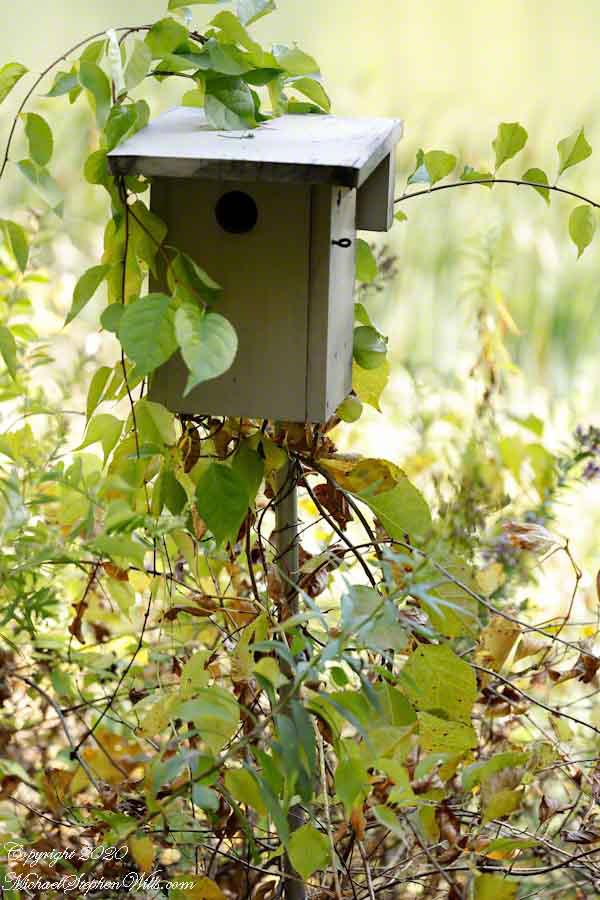
Woodland Shelters…

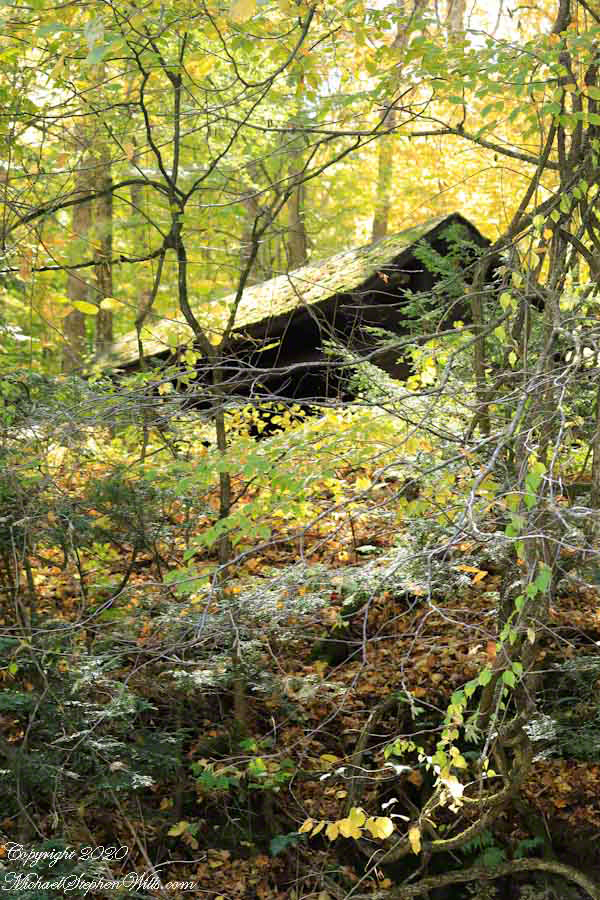
Here we have the harmony between humans and nature, represented through woodland shelters like lean-tos and birdhouses. It portrays these shelters as spaces of coexistence, mutualistic masterpieces blending function, form, and aesthetic in nature.

…on the Dam Pond at Fillmore Glen.

Hint: click image for larger view. Ctrl/+ to enlarge / Ctrl/- to reduce

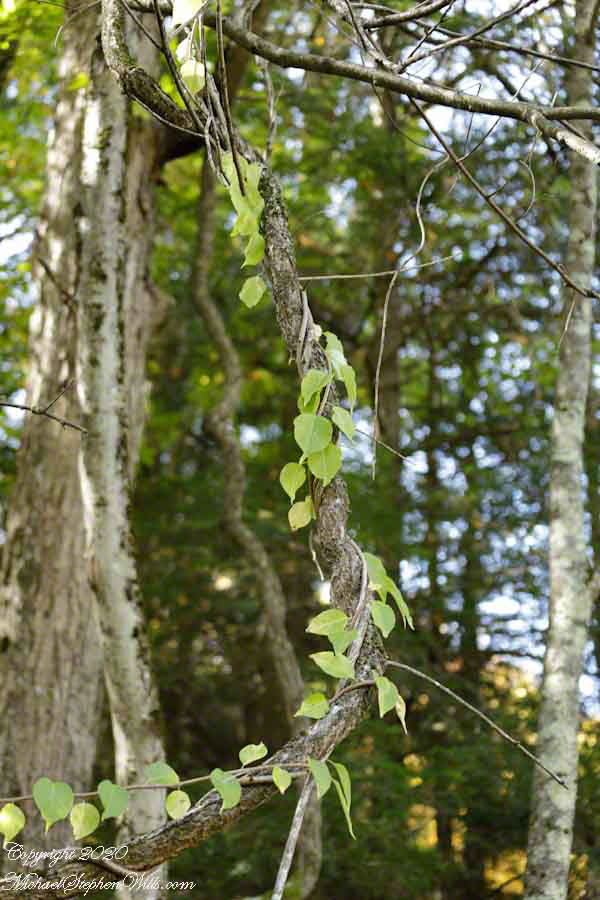
…vines running free.

In the dappled sanctuary of the woodlands, where the rustle of leaves is a constant whisper and the breeze carries the secrets of the earth, there lies an unspoken harmony between the realm of the rooted and the realm of the roving. Here, the art of shelter is not just necessity but poetry—a dialogue between man and nature, bird and branch, leaf and sky. It is in the woodland shelters—those humble lean-tos and the charming birdhouses—that this conversation finds its most enchanting expressions.

A lean-to, a simple structure, a slant of sanctuary against the embracing trunk of a venerable oak or the crook of a steadfast pine, rises like an ode to minimalist refuge. It is both a testament to human ingenuity and a bow to the grandeur of the forest. Constructed from the very bones of the woods, with limbs that have fallen in the last tempest’s dance, it is clad in the textures of the wild—a tapestry of bark, a patchwork of leaves. It does not impose but rather suggests, whispering, “Here, rest awhile, where the earth holds you and the canopy cradles the sky.”

Within this woodland embrace, the lean-to is the hermit’s haven, the hiker’s pause, the dreamer’s alcove. It is the place where one can commune with the murmur of the brook, the chitter of the squirrel, and the silent flight of the owl at twilight. It is here that the smoke of a small fire mingles with the mist of dawn, where stories unfold to the rhythm of the crackling embers and the forest listens.

And what of the birdhouses, those quaint dwellings that pepper the woodland tableau? They are not mere shelters but the grand stages for the aerial ballet of wings and the morning serenades of feathered minstrels. Each is a mansion of possibility, an invitation etched in wood and lovingly placed among the boughs. They are the outposts of avian dreams, where the pulse of tiny hearts beats in time with the dripping of rain and the warmth of the sun’s caress.

The birdhouse is a symbol of the generosity of the woodsman’s spirit, a gift to the skyborne, a token of respect to the delicate denizens of the firmament. Here, the chickadee, the finch, the nuthatch, and the wren find respite and nurture the next generation of sky dancers. Each hole is a portal to a home, each perch a threshold to the warmth within, and every departure and return is witnessed by the vigilant trees, the silent sentinels of the forest.

Lean-tos and birdhouses, these woodland shelters, are the chorus of the sylvan symphony, the unseen chords that bind human to habitat, life to life. They are proof that in the quiet places of the world, where humanity treads lightly and the wild holds sway, there can be a beautiful coexistence, a mutualistic masterpiece painted on the canvas of the wilderness. They stand as symbols of the beauty that arises from the marriage of function and form, purpose and aesthetic, the innate and the crafted.

In the woodland shelters, there is a rhapsody played in the key of nature—a song of simplicity, of connection, of the perpetual dance between the earth and its many children. It is here, in the lean-tos and birdhouses, that the heart of the woods beats strongest, beneath the watchful eyes of ancient trees and the endless sky.

Copyright 2023 Michael Stephen Wills All Rights Reserved MichaelStephenWills.com
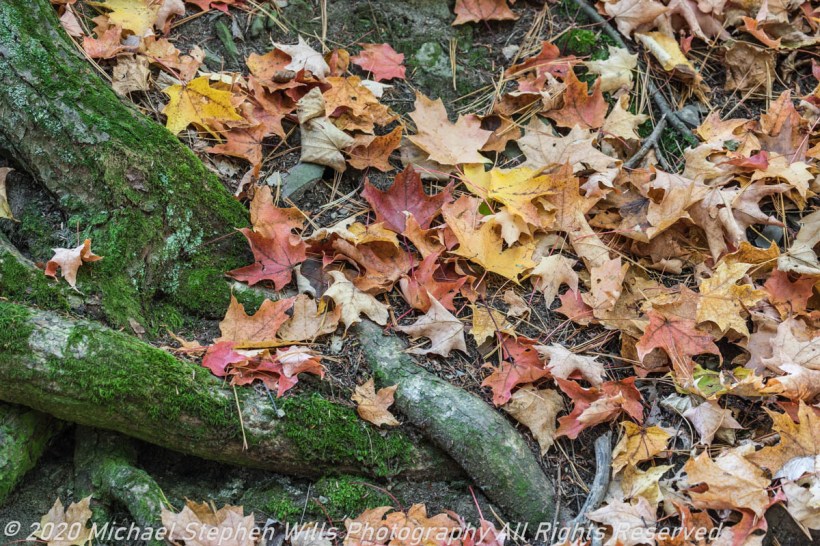
Dappled Sunlight

The Malloryville eskers near Freeville, New York, highlight the region’s glacial history and contribute significantly to biodiversity and local ecology.

Walking here, I enjoy telling the grandchildren of the immense, mile-high ice sheet that once covered this land 10,000 years ago, creating these hills and hollows.

Click Me for another Malloryville post, “Formed By Water.”

Eskers are geological features that tell a rich tale of the glacial history of an area. In the landscape near Freeville, New York, the eskers of Malloryville stand as prominent reminders of the last Ice Age and the profound effects glaciers have had on the North American terrain. These elongated ridges, composed primarily of sand and gravel, not only offer a visual spectacle but also provide crucial insights into the glacial processes that shaped the region.

Eskers are formed by the deposition of sediment from meltwater rivers flowing on the surface of or within glaciers. As these glaciers recede, the sediment accumulates in the paths previously carved by the meltwater streams, eventually forming ridges. The Malloryville eskers are particularly notable for their well-preserved structure, giving geologists and enthusiasts alike a clear vision of the patterns of glacial meltwater flow from thousands of years ago.

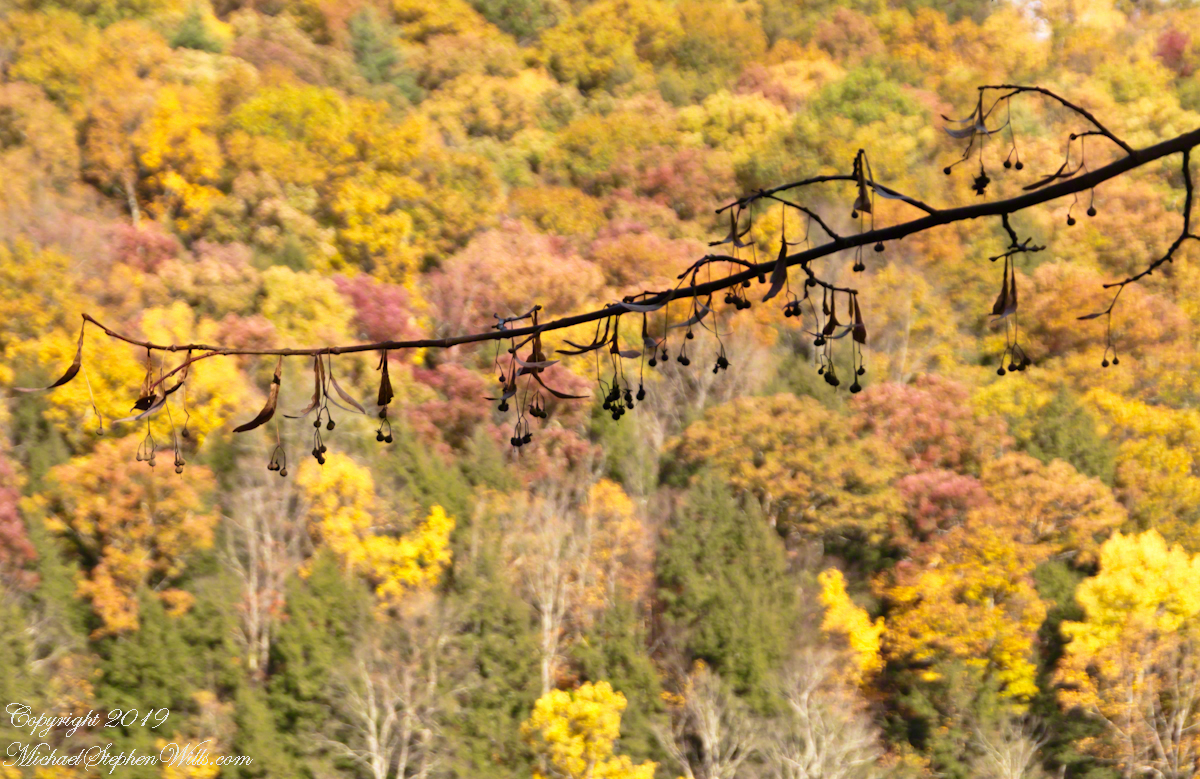
Located just a few miles from Freeville, the Malloryville eskers are an intriguing natural attraction. The topography of the area, largely shaped by the Laurentide Ice Sheet during the last glacial maximum, is characterized by various glacial features, but the eskers are undeniably some of the most distinct. Their serpentine-like appearance, weaving through the landscape, immediately captures one’s attention and beckons further exploration.

From an ecological perspective, the eskers of Malloryville contribute to the area’s biodiversity. The unique microenvironments created by these ridges offer habitats that differ from the surrounding landscape. This differentiation allows for a variety of plant species to thrive, some of which are specially adapted to the well-drained soils of the eskers. Additionally, these ridges act as corridors for wildlife, facilitating movement and offering vantage points for species like deer and birds of prey.

Historically, the eskers near Freeville have also had an impact on human activity. Native American communities, recognizing the strategic advantage of these high grounds, are known to have used them as pathways or even settlement sites. In more recent history, the gravel and sand composition of the eskers have made them targets for mining activities. While this has led to the alteration or destruction of some sections, it has also highlighted the importance of preserving these unique geological features for future generations.

Efforts to study and preserve the Malloryville eskers have grown in recent years. Local educational institutions, in collaboration with geological societies, have undertaken detailed studies to understand the formation and significance of these features better. Such initiatives not only contribute to the scientific understanding of glacial processes but also raise awareness about the importance of conserving unique geological formations. Given the potential impacts of climate change on glacial landscapes worldwide, the eskers serve as a poignant reminder of the dynamic nature of our planet and the traces left behind by the ebb and flow of ice ages.

In conclusion, the eskers of Malloryville near Freeville, New York, stand as testaments to the glacial history of the region. These winding ridges, with their intricate patterns and rich ecological contributions, weave a story of natural processes that have spanned millennia. They remind us of the ever-changing nature of our planet and underscore the importance of understanding and preserving its geological wonders. Whether one views them with the eyes of a scientist, historian, or nature enthusiast, the Malloryville eskers offer a captivating glimpse into the ancient forces that have shaped the world around us.

Copyright 2020 Michael Stephen Wills All Rights Reserved

Gorge Stairway

when the elms blazed a glorious yellow.

Click any photograph to visit my Online Gallery

A staircase leading to the Fillmore Glen Gorge

on a perfect October evening

when the elms blazed a glorious yellow.

Filled with Golden Elms

Fillmore Gorge is full with slippery elms.

The constant infall of the gorge keeps these trees small.

Once a year, for a few days, all the elms turn at once. We were lucky to visit at the perfect moment.

The elms blaze yellow for a day or two, early October.

Copyright 2023 Michael Stephen Wills All Rights Reserved

Lib Slope Hickory

the largest and brightest yellow canopy on Libe Slope.

Libe Slope

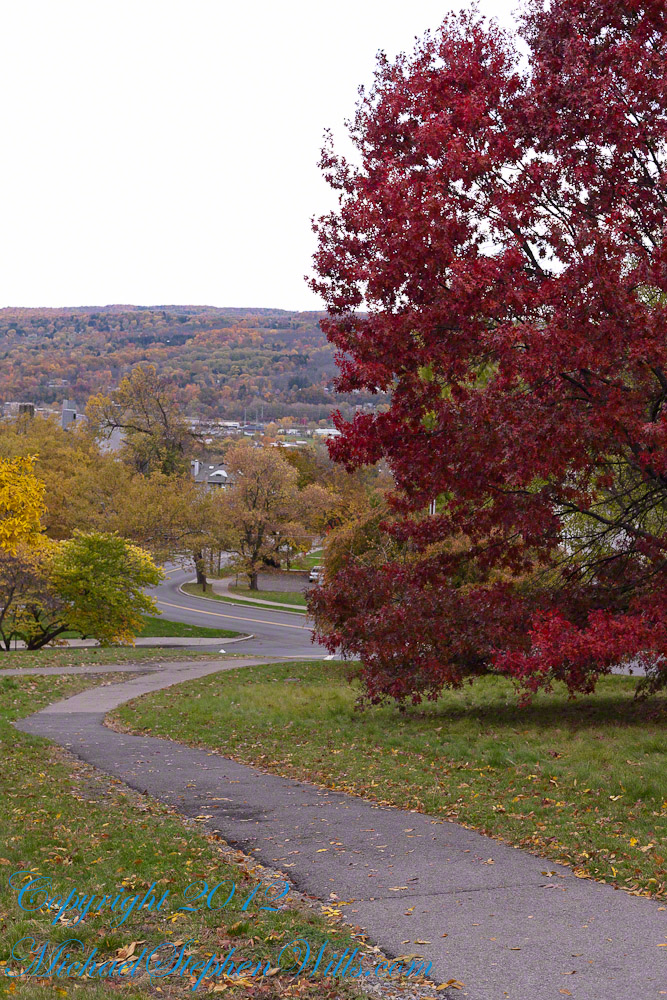
Cornell University is on a west-facing hill above Cayuga lake.  Libe Slope is between the West Campus and Quadrangle / Libraries.

Besides the exercise of walking the 18 degree incline several times each day,  Cornell students and alumni remember The Slope for autumn color.

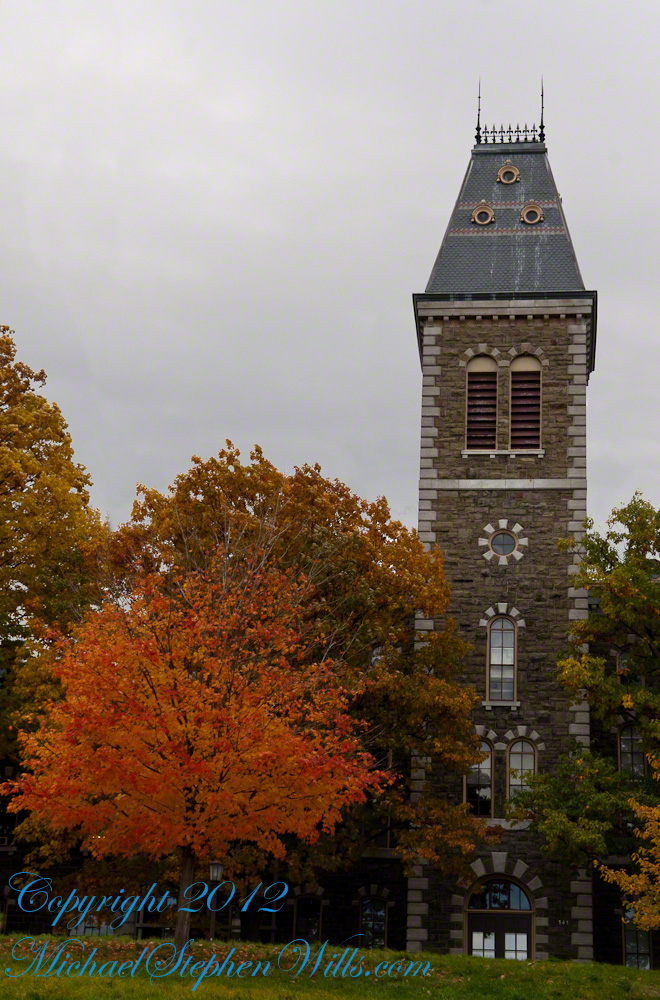
Built in 1868, McGraw Hall has the honor of having the first of Cornell’s towers. The building is built of Ithaca stone and is home to the American Studies Program, Department of History, Department of Anthropology, and Archaeology Intercollege Program. The first floor of McGraw Hall houses the McGraw Hall Museum, a collection of roughly 20,000 objects from around the globe used for teaching by the Anthropology Department.

Hickory

This is a Pignut Hickory (Carya glabra),  the largest tree  according to a 2009 Campus Tree Inventory (see link, below).

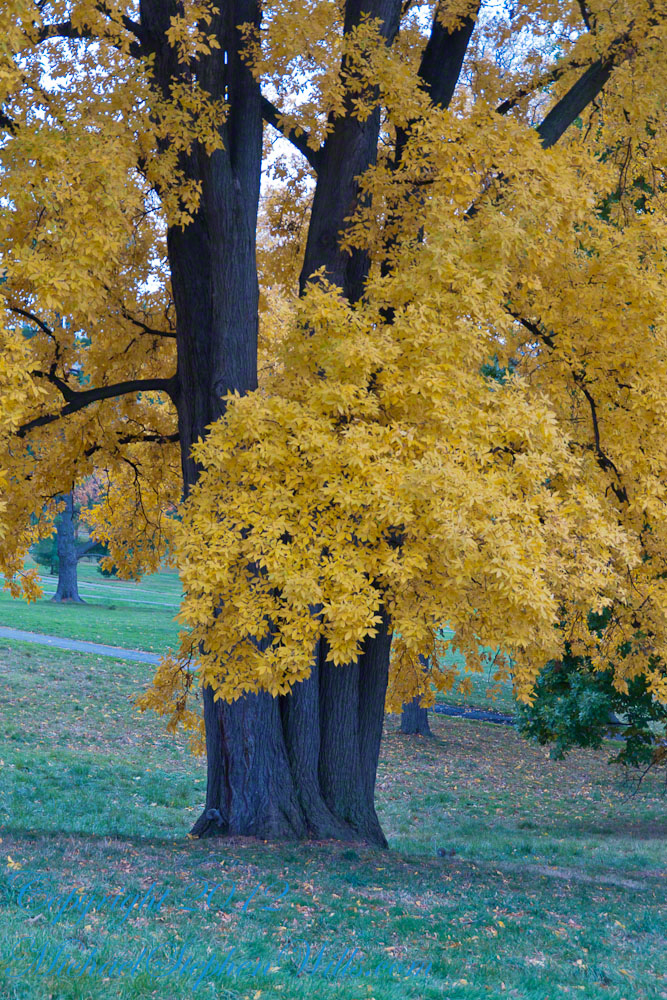
Seen from the north on a cloudy October day, this Pignut Hickory (Carya glabra) is the largest tree on the Cornell Campus, at 79 inches in diameter.

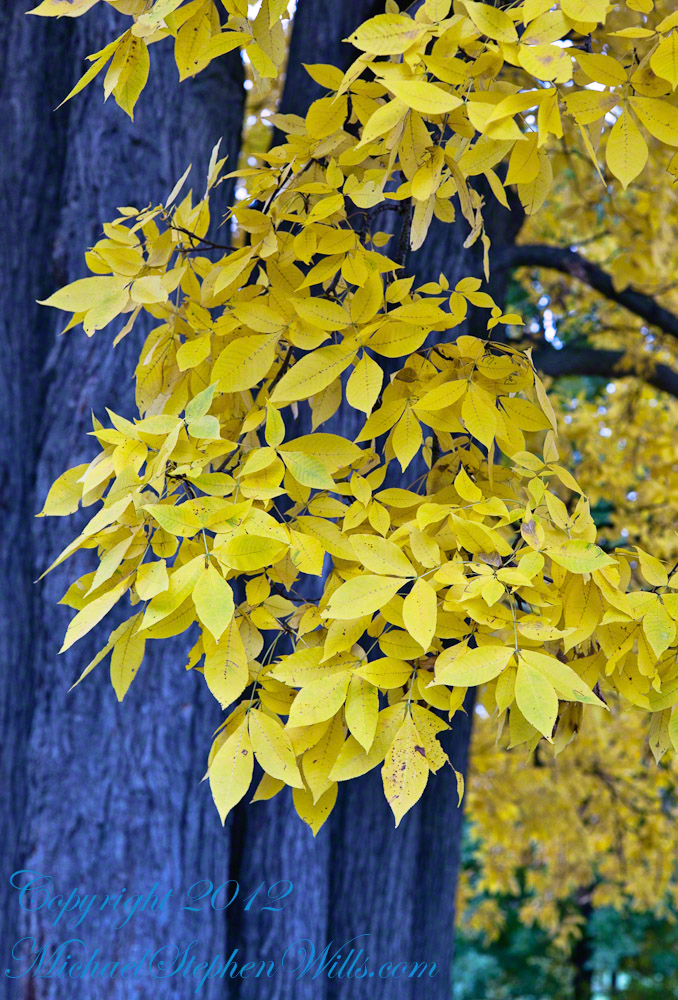
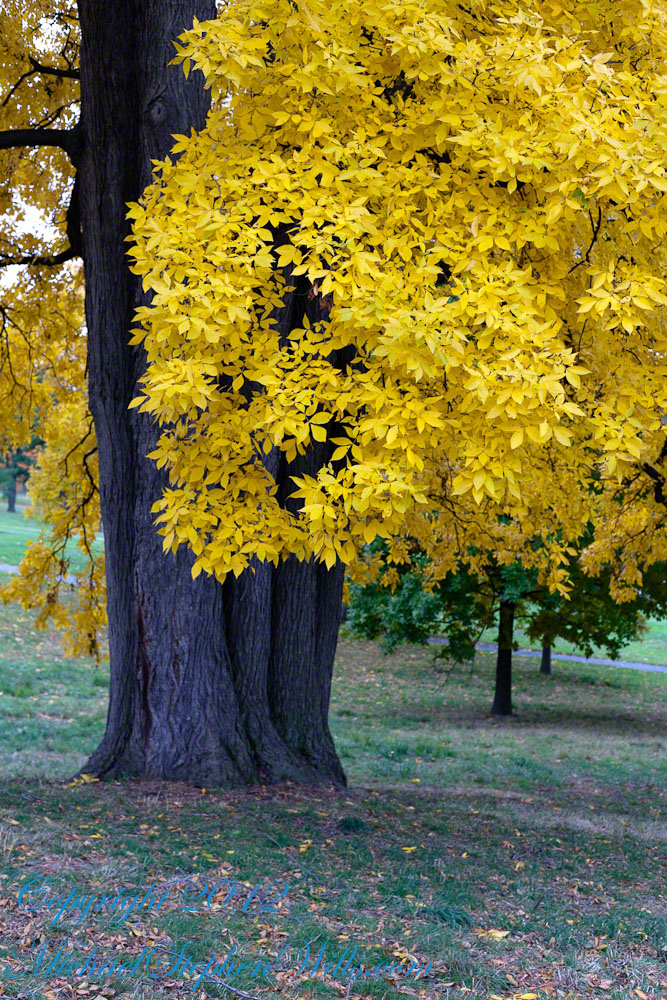
This hickory grows south of the Johnson Museum and among the autumn glories, it is the largest and brightest yellow canopy on Libe Slope.

Contrast

I remember this hickory for the contrast between the canopy and trunk, the way the clumps of yellow hang from dark boughs.  An overcast day is the best to capture this spectacle.  October 20, 2012 provided both bright sun and dark, rolling autumn clouds.  I waited on the north side, sheltered from the glare of the sky, for these perfect moments.

Leaves and Nuts

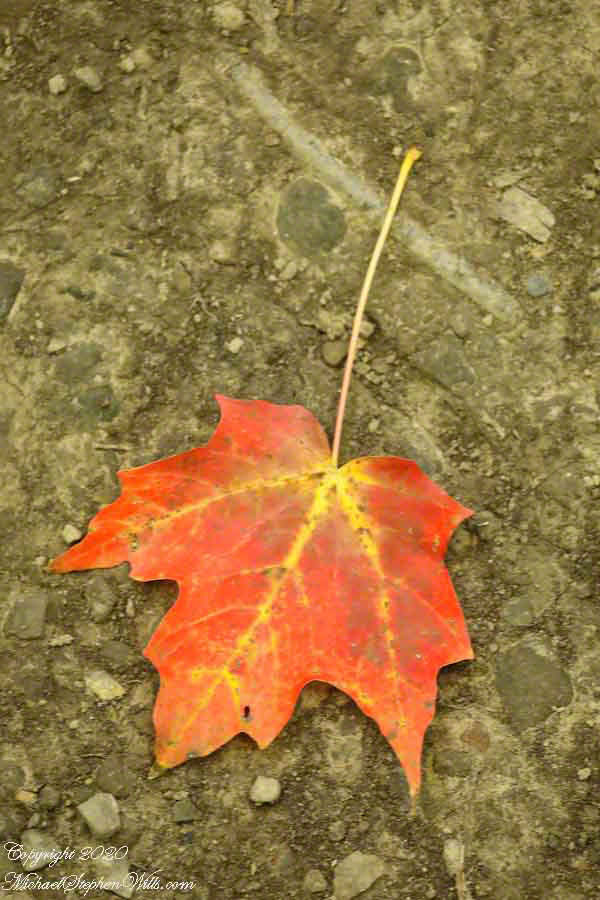
The pignut hickory is native to these Eastern United States.  It is known to favor moist slopes and this specimen has thrived on The Slope.  The ground beneath it is thick with nuts.

One week later as Hurricane Sandy approached the east coast

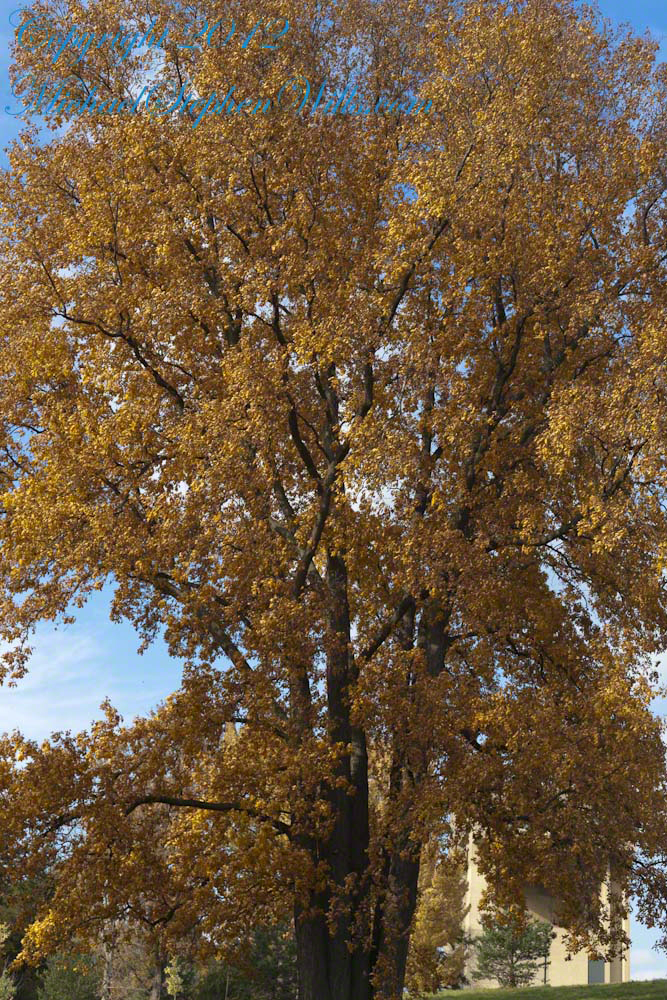
Just one week later, late afternoon on a sunny Friday as hurricane Sandy approached the east coast the hickory has fewer, tawny golden leaves.

Later in October the bright yellow leaves of the Libe Slope Hickory darken to a tawny gold. The Johnson Museum is in the right background.

Wonderful Flow of Limbs among Gold

Seen from the north on a cloudy October day, this Pignut Hickory (Carya glabra) is the largest tree on the Cornell Campus, at 79 inches in diameter.

References

A Photo Tour of Key Buildings at Cornell University by Allen Grove

Websites

Cornell Tree Inventory

Copyright 2023 Michael Stephen Wills All Rights Reserved

Lucifer Falls Slide Show

Autumn at Treman Park

Pam and I visited Treman for our last visit of 2017. It was a bright, warm October afternoon. Here is a slide show of our experience, the details shared in recent postings. Enjoy!!

Click photograph for a larger view. To do this from WordPress Reader, you need to first click the title of this post to open a new page.

In November the gorge is closed for the winter due to dangerous conditions under the steep, crumbling walls. Robert H. Treman New York State Park.

Copyright 2019 All Rights Reserved Michael Stephen Wills