Exploring Autumn’s Beauty on the Finger Lakes Trail

The hike through Robert H. Treman State Park reflects nature’s cycles of life, decay, and renewal, intertwined with human history.

The wind is cool, carrying the first real bite of autumn as I step onto the Finger Lakes Trail from Woodard Road, entering Robert H. Treman State Park. The sounds of rustling leaves underfoot remind me that the season is in full swing, and soon, this vibrant foliage will be a memory. But today, the trees still hold their colors—greens tinged with yellow, brown, and red—forming a canopy that seems to glow in the soft morning light.
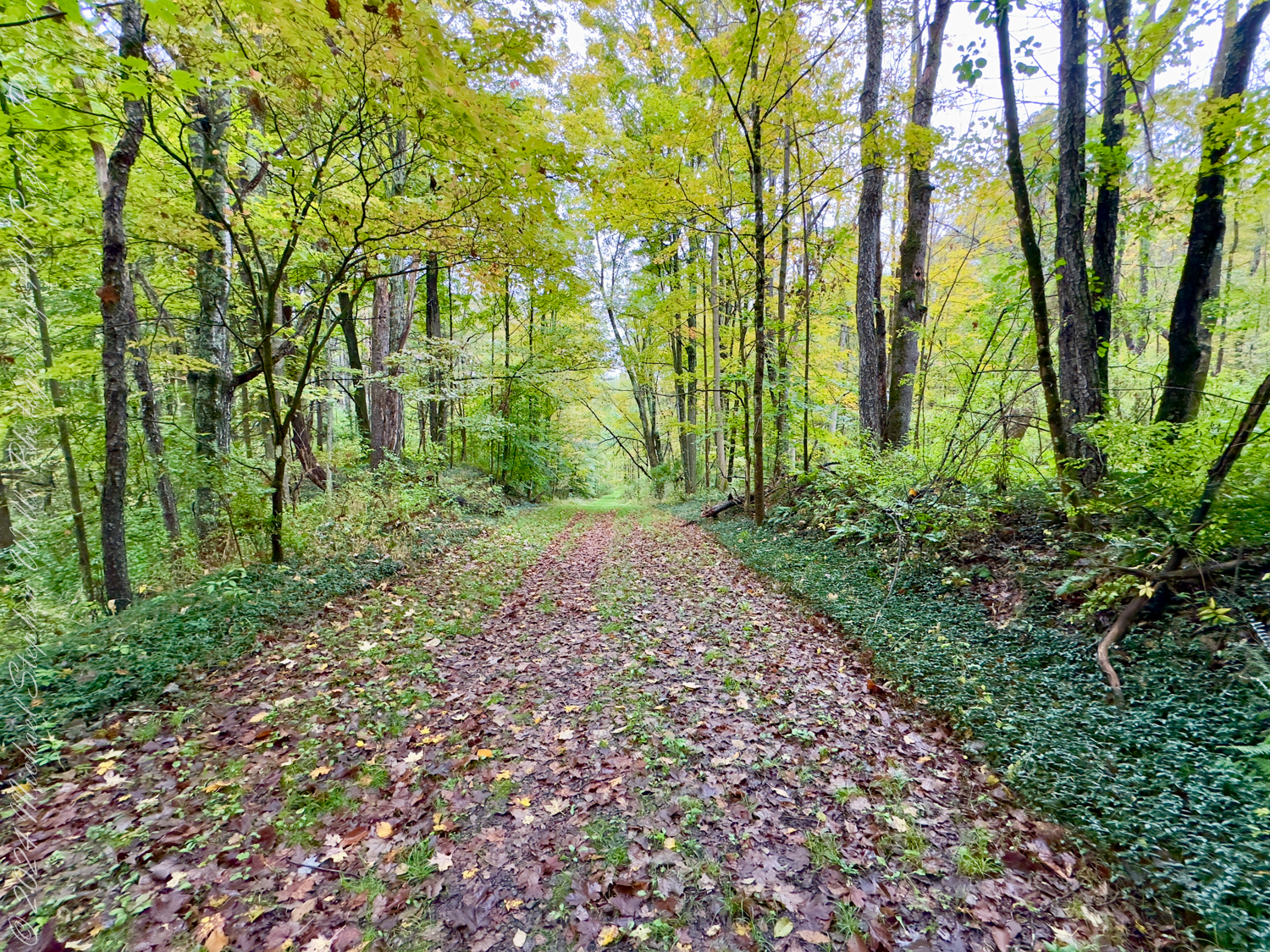
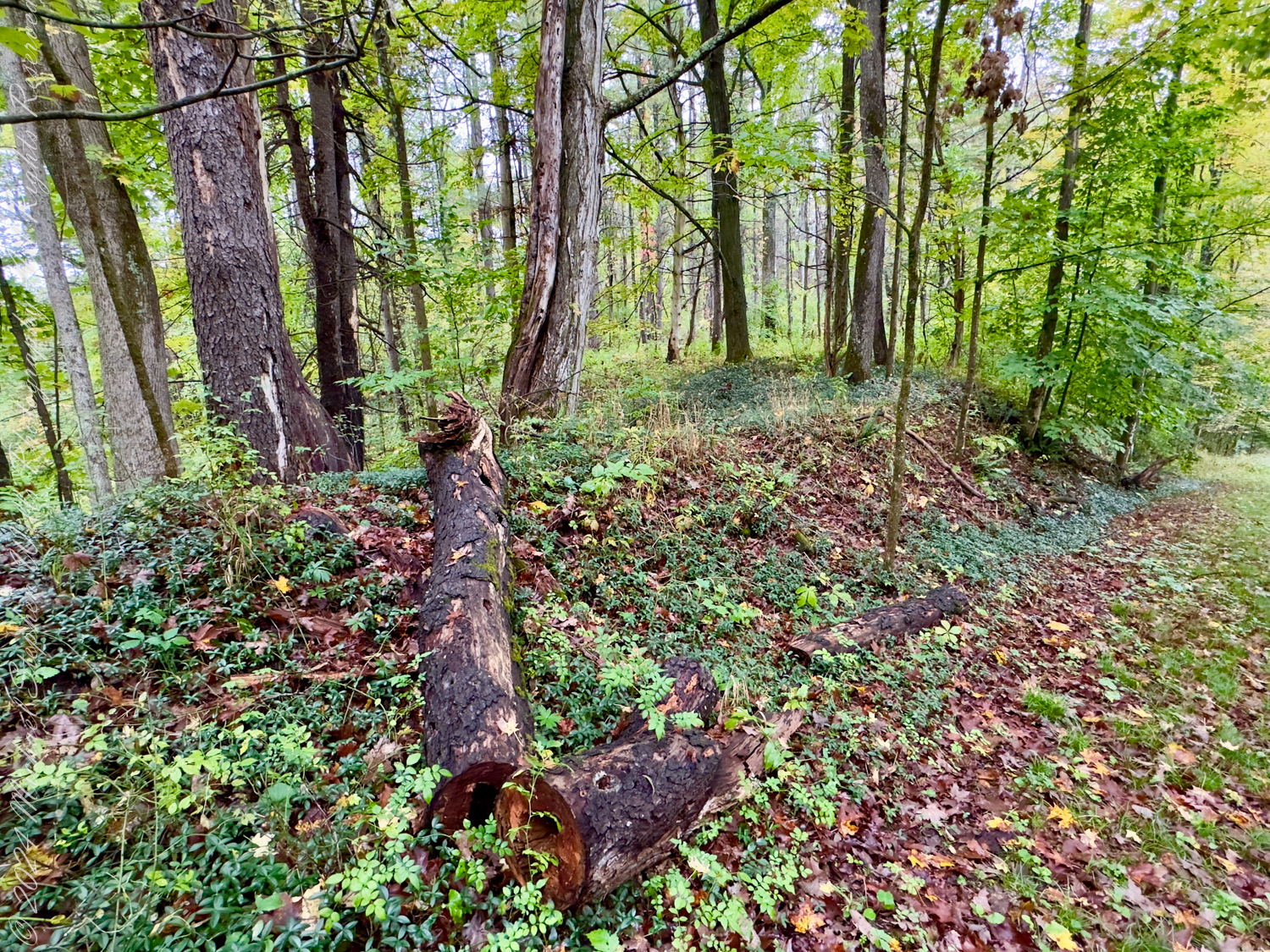
The trail is quiet, save for the occasional chirping of birds and the subtle creaking of the trees as they sway in the wind. It’s a perfect time for reflection, and with each step, I feel myself sinking deeper into the peace of this place. Ahead of me, a fallen tree lies on the slope, now part of the earth, slowly being reclaimed by the forest. The log, dotted with moss and fungi, seems like a work of art created by time and nature. I stop to admire it, my fingers grazing the rough bark, now softened with age and decay. It’s a reminder that everything in nature moves in cycles—growth, death, and rebirth.
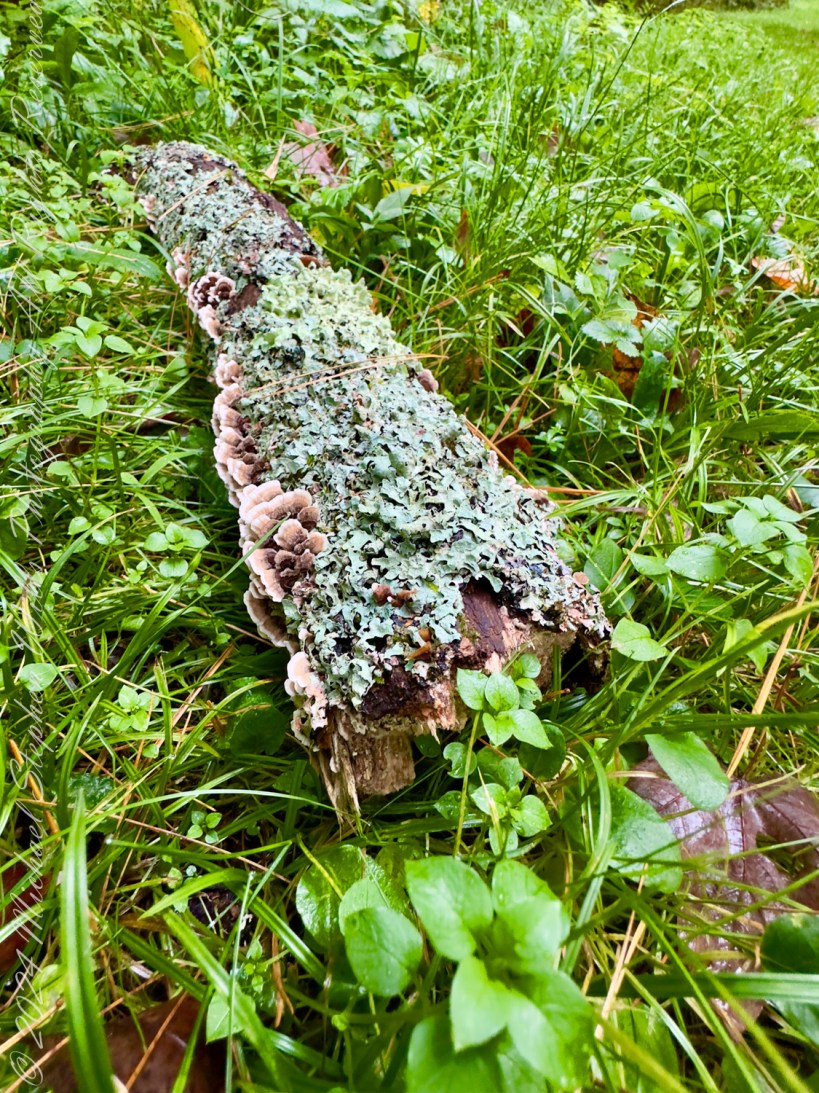
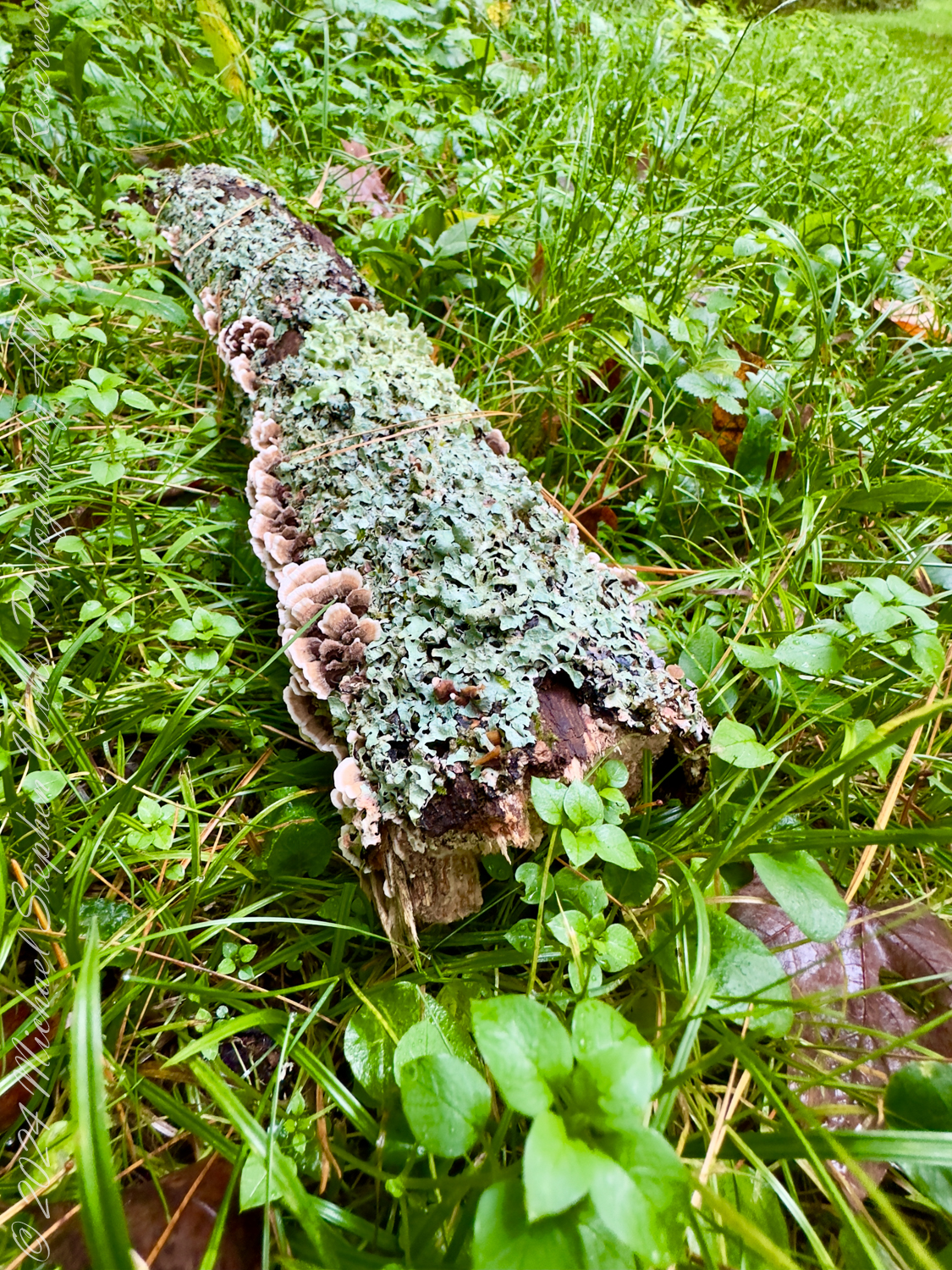
A few steps further and I find something even more intricate—another log, this one completely overtaken by a delicate layering of lichens and shelf fungi. The growth covers the bark like an elaborate tapestry of greens, grays, and soft whites. It’s beautiful in its own quiet way, and I take a moment to kneel beside it, studying the intricate patterns. Nature has a way of turning even decay into something stunning. I wonder how long it took for these fungi to establish their hold, slowly breaking down the wood, contributing to the endless cycle of life in the forest.
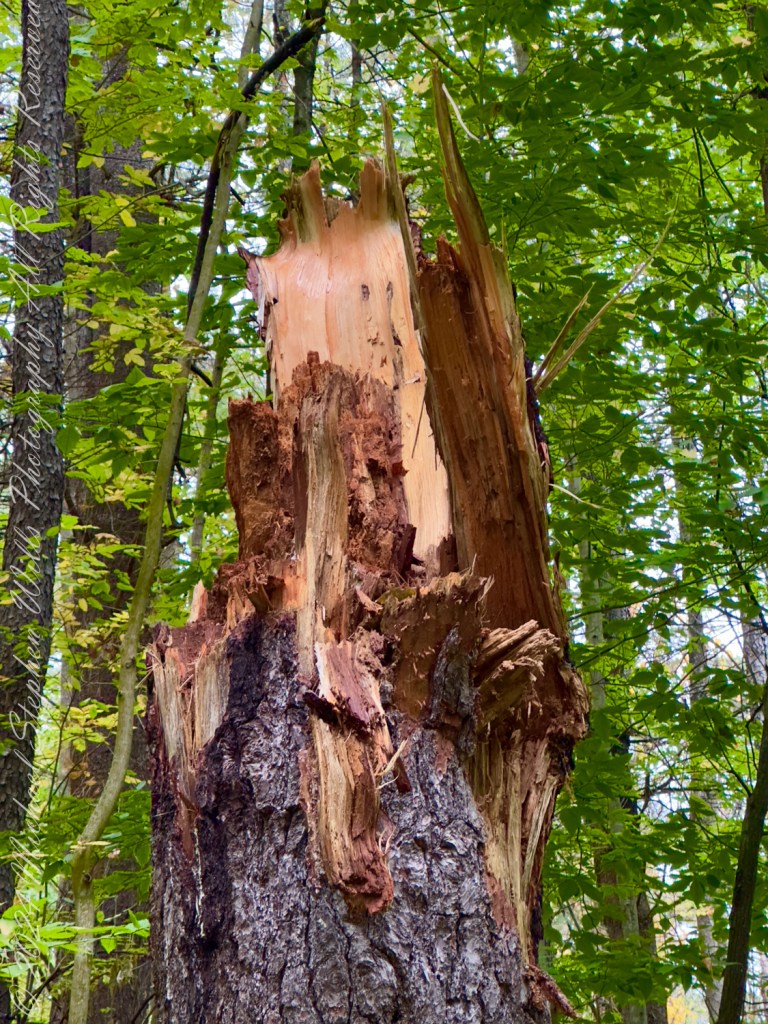
Moving onward, I come across a tall stump—remnants of a once-majestic tree, now shattered. The splintered wood reaches upward like jagged teeth, still sturdy despite the obvious trauma it endured. The raw power of nature is always humbling; trees like this seem so strong and permanent, yet even they can be brought down in an instant. It’s a reminder of life’s fragility, and I feel a sense of reverence standing in its presence, imagining the forces that felled it.
Continuing along the trail, I soon reach a clearing. There, nestled in the grass, is a plaque mounted on a large stone. It marks the site of the Civilian Conservation Corps (C.C.C.) Camp SP-6, Company 1253, which operated here from 1933 to 1935. I pause to read the inscription, which commemorates the young men who lived and worked in this camp during the Great Depression. They carried out public works projects, including improvements to Enfield Glen, Buttermilk Falls, and Taughannock Falls. I imagine the sense of purpose and camaraderie these workers must have felt, building something that would outlast them, even in the midst of hardship.
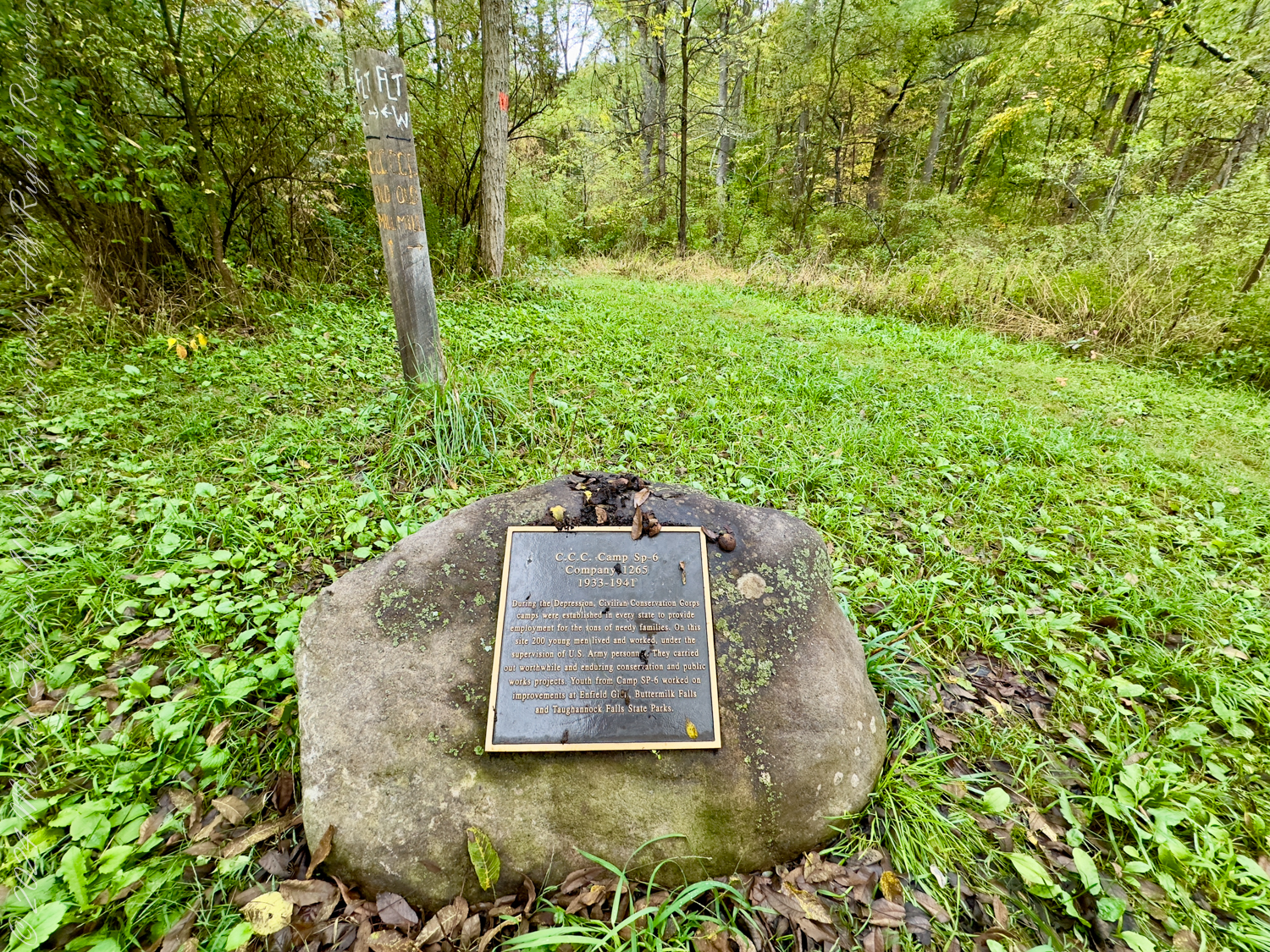
C.C.C. Camp SP-6, Company 1253, 1933-1935 During the Depression, Civilian Conservation Corps camps were established across America to provide employment for the relief of needy families. On this site, 200 young men lived and worked under the supervision of U.S. Army personnel. They carried out camp-wide and nearby construction and public works projects. Youth from Camp SP-6 worked on improvements in Enfield Glen, Buttermilk Falls, and Taughannock Falls State Park.

The plaque is a poignant reminder of the connection between humans and nature. Just as the trees here are part of a larger cycle, so too were the men of the C.C.C. They left their mark on this land, shaping the trails and structures we now take for granted. And yet, like everything in nature, their work is being slowly reclaimed by the forest. The wooden signs marking distances and directions are weathered, moss creeping up their bases, as if the forest itself is gently pulling them back into the earth.
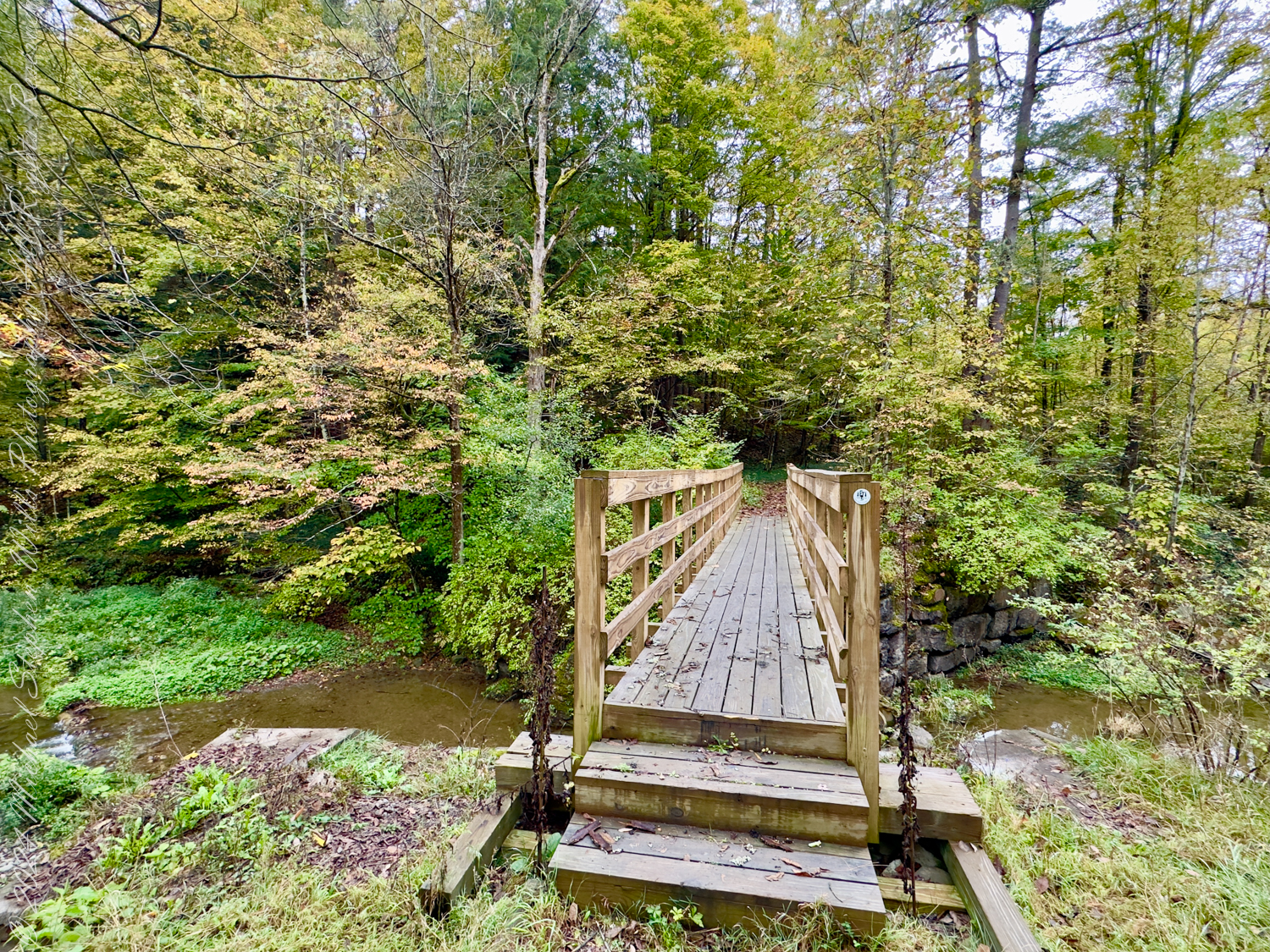
As I cross a small wooden footbridge, recently replaced on the Finger Lakes Trail, I stop to look down at the creek below. The water moves steadily, reflecting the gold and green hues of the trees above. Small waterfalls tumble over rocks, their gentle rush filling the air with a peaceful sound. I watch the water for a while, feeling the pull of time and nature’s persistence.
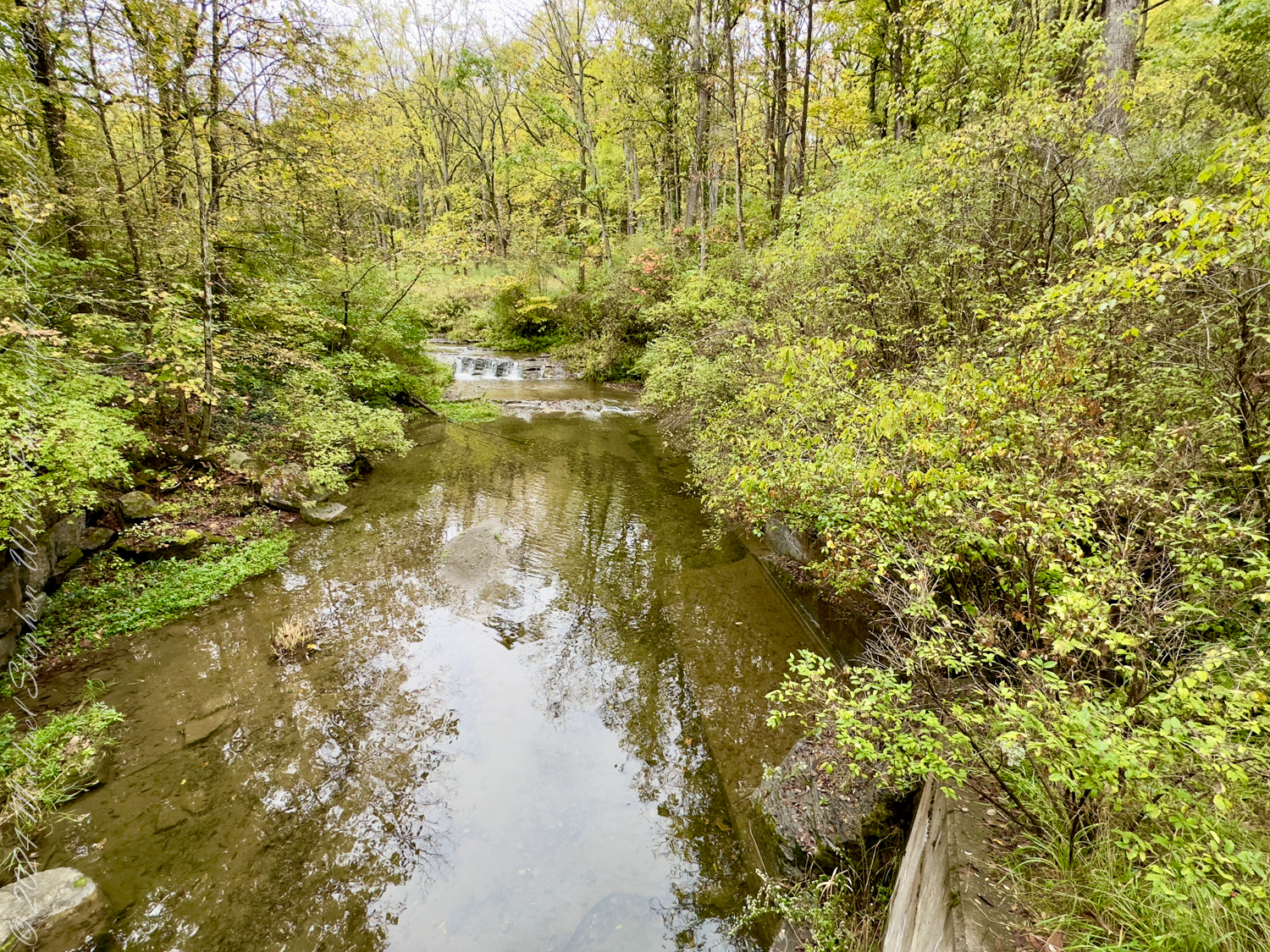
View from the bridge, upstream Fish Creek

Standing there, I’m struck by how everything I’ve encountered today, from the fallen trees to the CCC plaque, tells the same story—nature’s quiet persistence, its ability to adapt, reclaim, and renew. I breathe deeply, knowing that while time moves forward and everything changes, the beauty and wisdom of places like this will always remain, if we just take the time to notice.
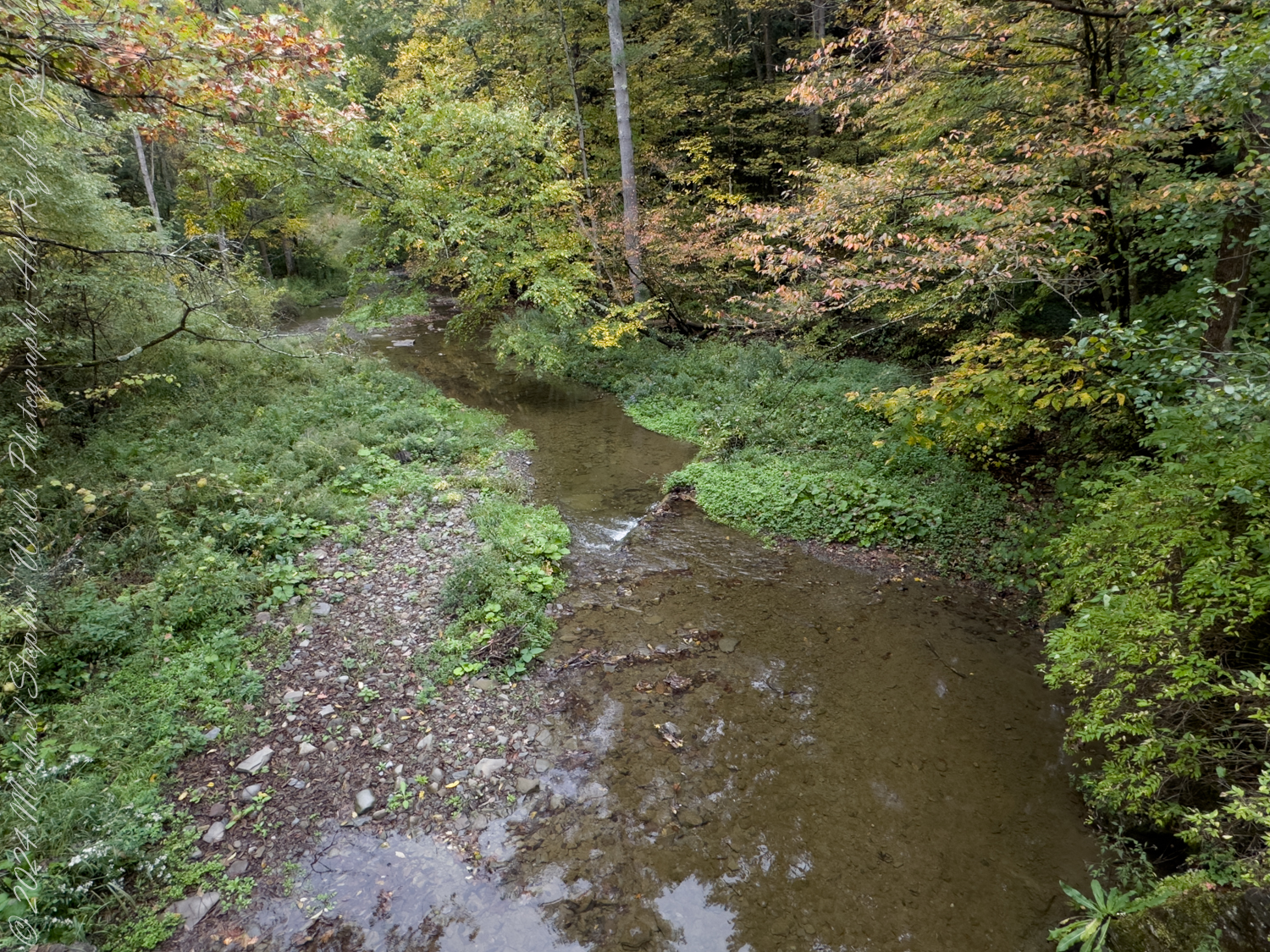

View from the bridge, downstream Fish Creek
Enter your email to receive notification of future postings. I will not sell or share your email address.

A Beachcomber’s Musings on Floridian Dune Ecology

Discover the resilient beauty of Florida’s dune sunflowers through the eyes of a beachcomber. Uncover the secrets of Helianthus debilis, a symbol of hope thriving where sea meets sand. Join the coastal dance of life.

Encounter with Helianthus debilis


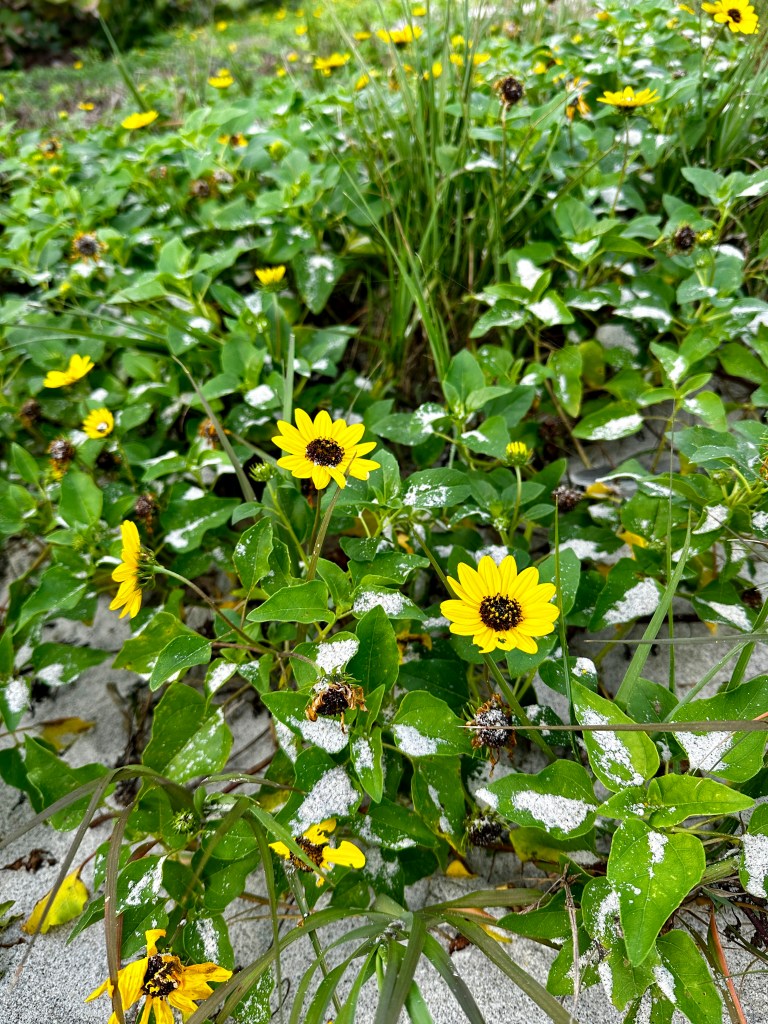
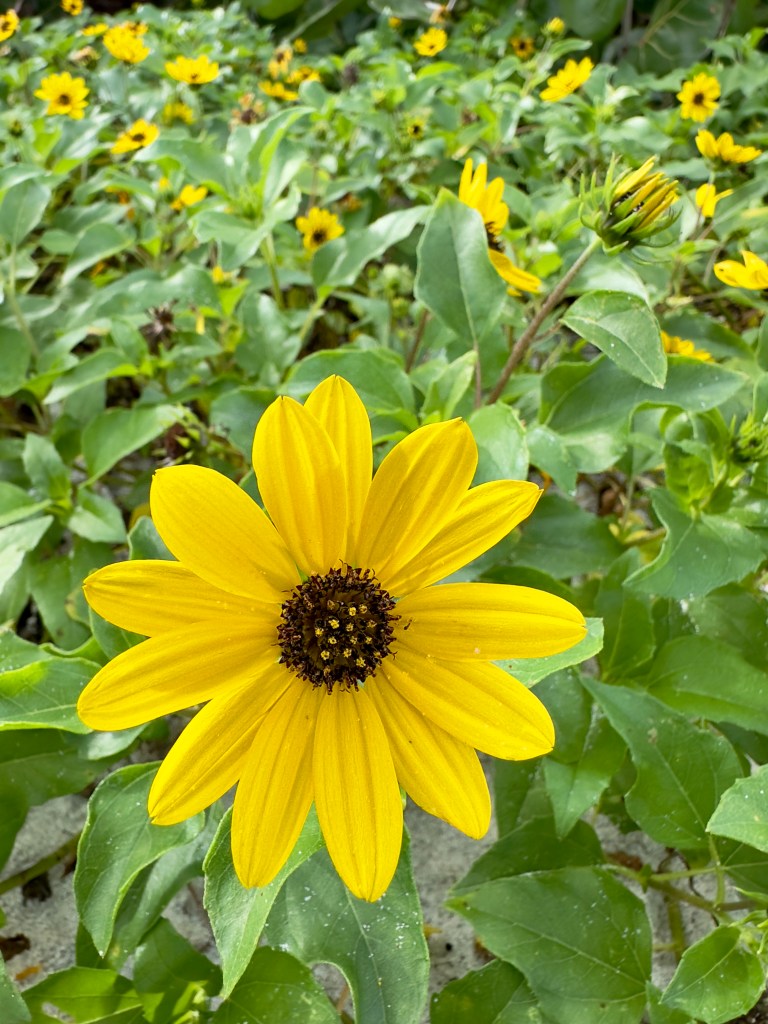
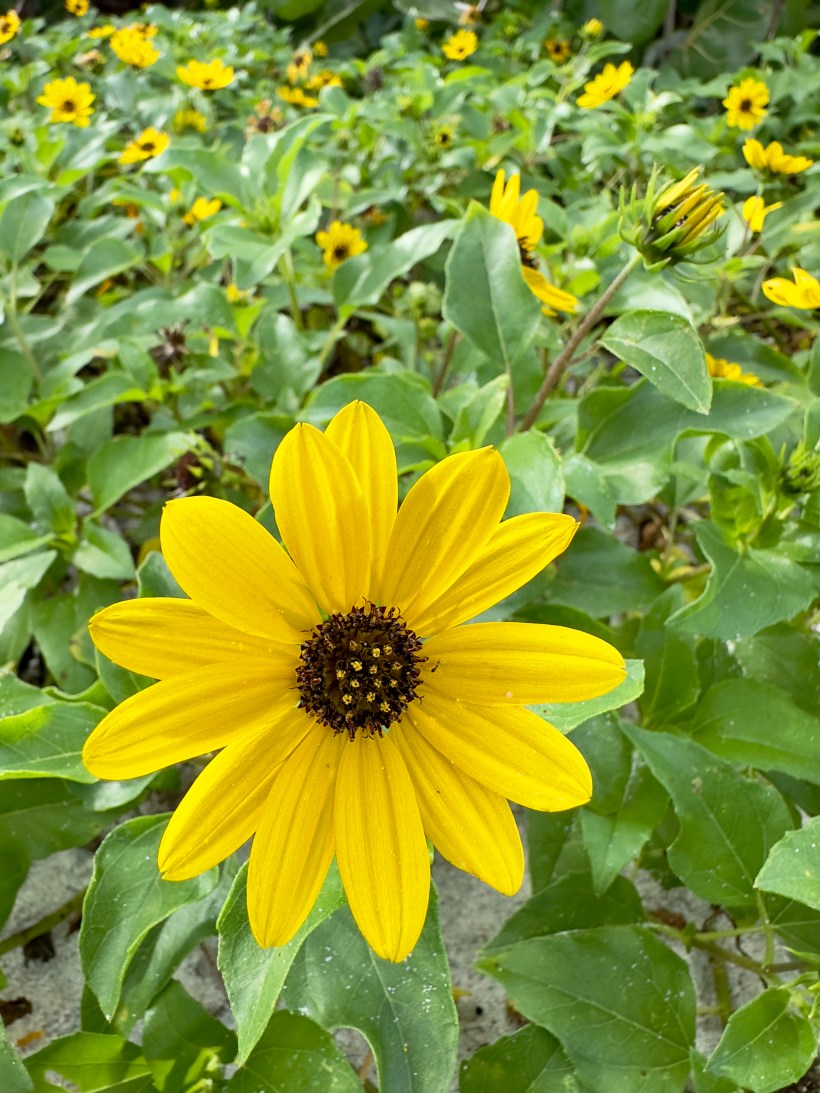
Strolling along the beachfront of Patrick Space Force Base, Florida, my gaze is captivated by a cluster of dune sunflowers, or Helianthus debilis. These hardy perennials are native to the coastal sand dunes of the southeastern United States and have made a home amidst the sandy grains where few dare to take root.

The Sunflower’s Domain


Helianthus debilis, distinguished by its large, yellow ray florets and dark center disks, thrives in this challenging environment. The dunes provide a unique ecosystem, where the sunflowers can withstand high salinity, shifting sands, and the full force of the sun’s rays. Their deep root systems anchor the sandy soil, helping to prevent erosion and maintain the integrity of the dune landscape.

Adaptation and Survival


The dune sunflower’s adaptation to its coastal environment is a marvel of nature. Its silvery-green leaves are covered with tiny hairs, reflecting sunlight and conserving moisture. The flowers bloom throughout the year, ensuring a constant presence of color along the dunes. Their hardiness is a testament to the sunflower’s evolutionary success in a habitat where freshwater is scarce and the soil is nutrient-poor.

A Native’s Role in the Ecosystem


As a native species, the dune sunflower plays a crucial role in the coastal ecosystem. It serves as a food source for local wildlife, including insects and birds, and its presence helps stabilize dune formations. The ecological value of Helianthus debilis extends beyond its beauty, as it contributes to the biodiversity and resilience of the coastal dunes.

The Dynamics of Dune Life


The life of a dune sunflower is inextricably linked to the ebb and flow of the coastal environment. Each plant is a microhabitat, supporting a range of organisms from the larvae of the dune butterfly to the burrowing beetles that find refuge in the sand. The interaction between the sunflowers and these creatures creates a dynamic web of life, each species depending on the others for survival.

Reflections on Resilience


The dune sunflower’s ability to flourish in such an austere environment is a profound reminder of the resilience of nature. As I observe the sunflowers, I am struck by their tenacity, their willingness to face the elements head-on. They are a beacon of life in a place where existence is a daily challenge, and their perseverance is a lesson in the art of endurance.

Conclusion: A Testament to Nature’s Ingenuity


As the sun begins to set, casting a warm glow over the dunes, I take a final look at the Helianthus debilis. Their scientific wonders and ecological im portance leave a lasting impression. They are not just flowers; they are a testament to nature’s ingenuity, an embodiment of the delicate balance between life and the environment. These dune sunflowers are a symbol of hope, a reminder that in the face of adversity, life finds a way to not just survive, but to thrive.

Copyright 2024 Michael Stephen Wills All Rights Reserved

Understanding the Sego Lily: Calochortus nuttallii

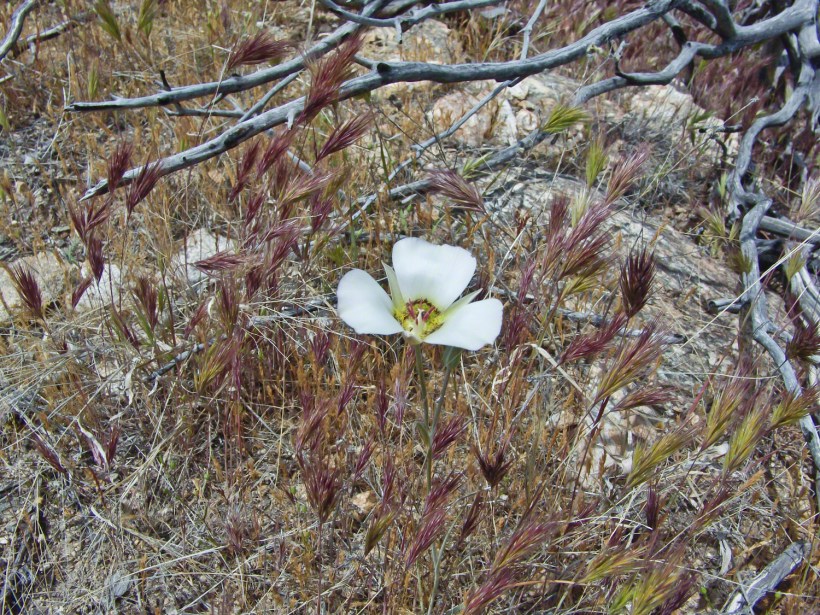
Discover the Sego Lily, Calochortus nuttallii, a symbol of resilience and beauty in the arid deserts of the West. Uncover its role in pioneer survival and its captivating presence on a serene April backpack into the Rincon Wilderness. Join us in exploring the enduring grace of this desert gem.

Continue reading “Understanding the Sego Lily: Calochortus nuttallii”

Winterberry Warmth

Here we discover and learn to admire the winterberry shrub, or Ilex verticillata, during a frosty February morning. Its crimson berries, which symbolize hope, sustenance, and life’s enduring cycle, are a stark contrast to the pall of winter.

Continue reading “Winterberry Warmth”

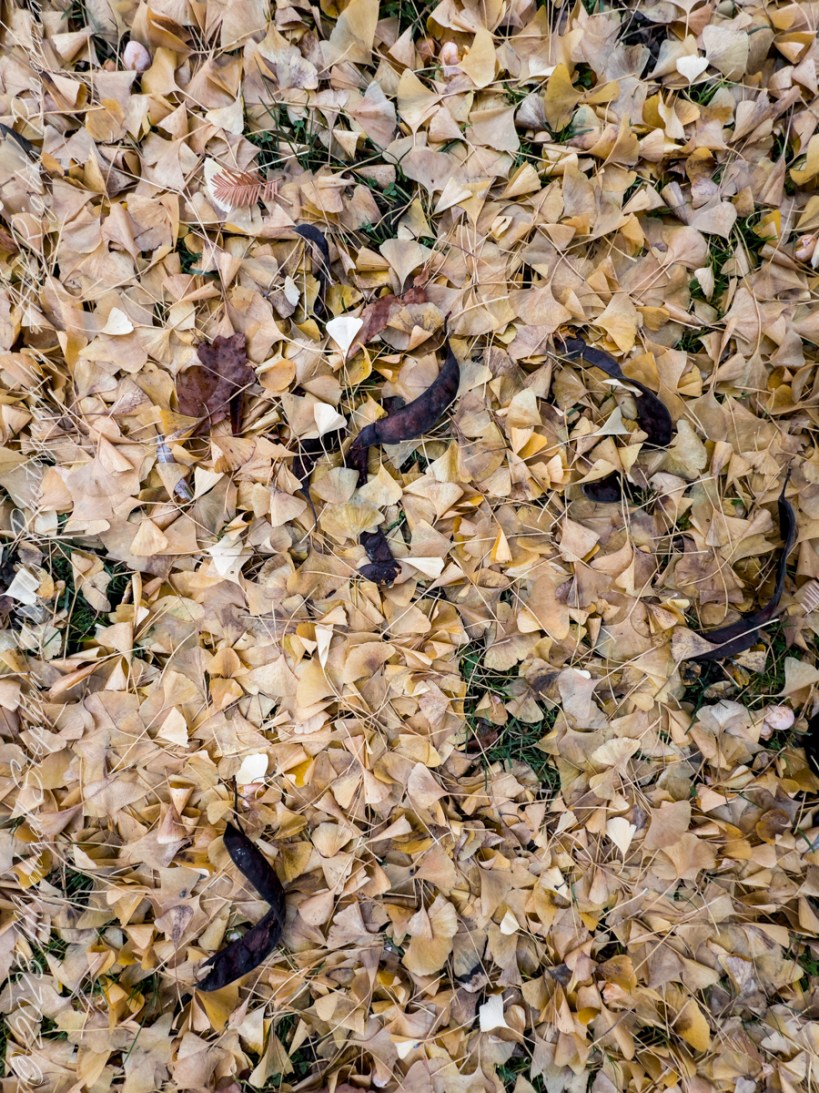
Resilience and Beauty: The Ginkgo in Fall

Naked branches reach,
Sky braces for winter’s kiss,
Earth turns, leaves embrace.

Continue reading “Resilience and Beauty: The Ginkgo in Fall”

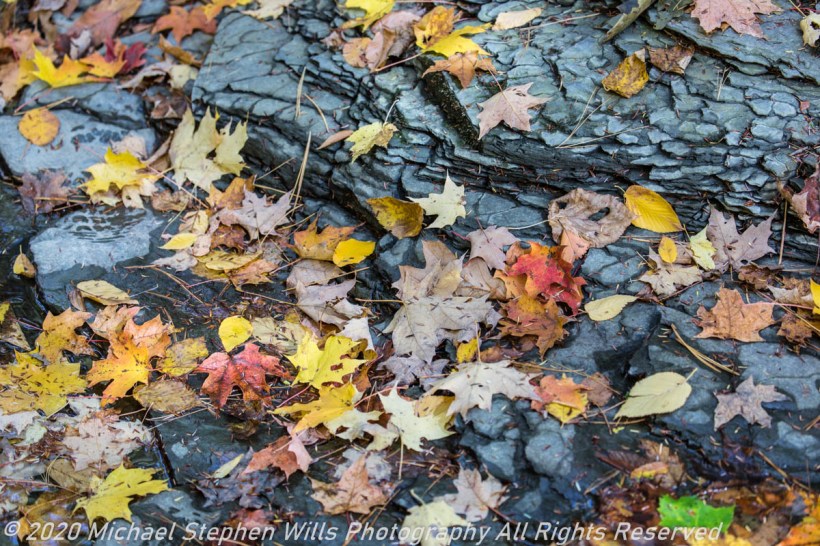
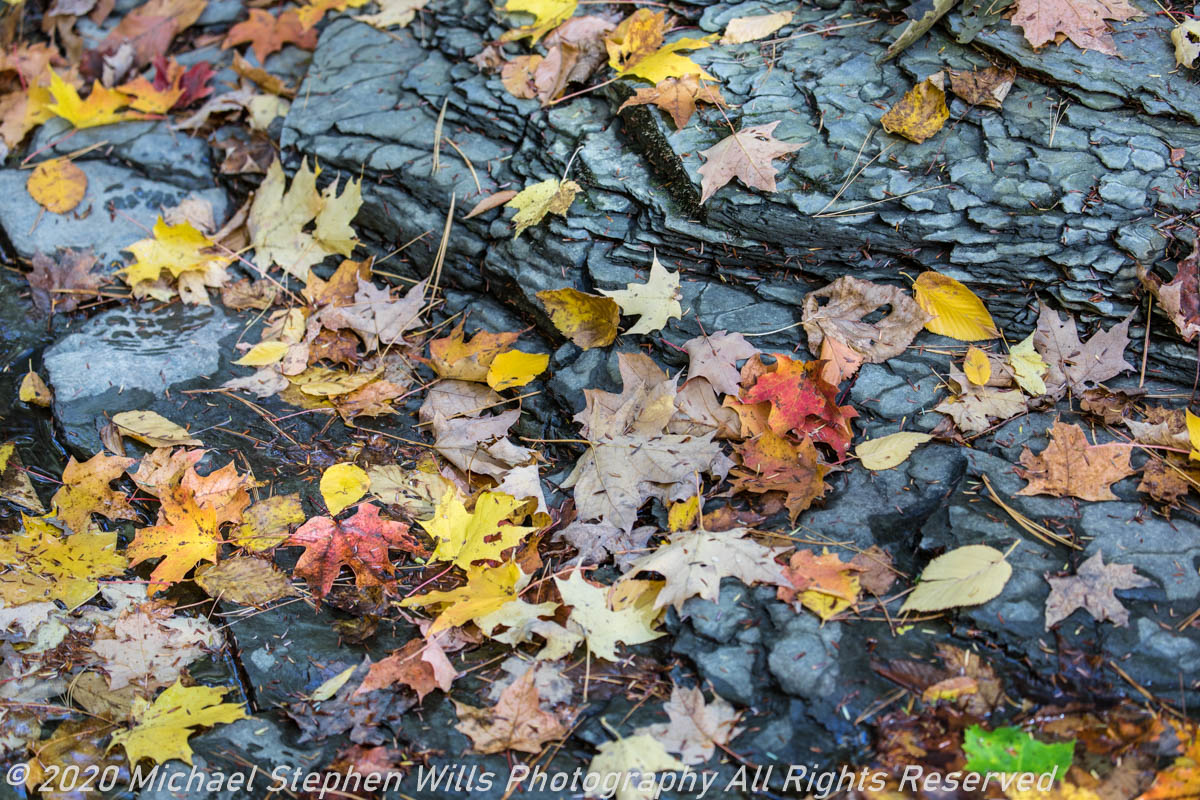
Thayer Preserve: Autumn Still Life 5

Ithaca’s bedrock, formed 370 million years ago, deeply influences its landscape, neutralizes rainwater’s acidity, and carries a story of Earth’s resilience and transformation.

In Ithaca, New York, the story of the land is deeply rooted in its geology. Beneath the vibrant autumn leaves and along the path of Lick Creek lies a bedrock formed 370 million years ago. This ancient foundation, once the sediment of a vast inland sea, now forms the solid base upon which the city stands.

The bedrock here is a silent witness to Earth’s long history. Originating in the Devonian period, it marks a time when vast seas covered much of the Earth’s surface. Within these ancient waters, life flourished, leaving behind sediments that, over eons, transformed into the layered rock beneath Ithaca.

These layers are more than just historical records; they actively shape the landscape. The bedrock influences soil composition, affects plant growth, and directs the flow of streams. Lick Creek, with its clear waters, is one such stream that interacts intimately with this bedrock.

In autumn, the beauty of this interaction is vividly displayed. The red and yellow maple leaves create a striking contrast against the grey-blue backdrop of the bedrock, a blend of the vibrant present with the ancient past. These fallen leaves, over time, decompose and enrich the soil, continuing a cycle of life that this bedrock has supported for millions of years.

This bedrock also plays a crucial role in water chemistry. As acidic rainwater percolates through it, a remarkable transformation occurs. The bedrock naturally neutralizes the acidity of the rainwater. By the time the water emerges as streams, it is buffered to a neutral pH. This process is vital for maintaining the ecological balance of the area. The streams that flow out, including Lick Creek, support diverse ecosystems thanks to this natural filtration process.

Click photograph for larger view. Use combination keys to enlarge/reduce: Ctrl+ (Control / Plus) and Ctrl- (Control / Minus)

The neutral pH water is crucial for the flora and fauna of Ithaca. It sustains the forests, the wildlife, and the natural beauty that defines the region. This water, once acid rain, purified by the ancient bedrock, now nurtures life in its journey.

In Ithaca, the bedrock is a testament to the enduring nature of our planet. It reminds us of the continuous cycle of transformation that defines the Earth. The contrast of the autumn leaves against the bedrock is not just a scene of ephemeral beauty; it symbolizes the dynamic interplay between the living and the geological, between the present and the deep past.

The bedrock of Ithaca, with its ability to neutralize acidic water, highlights the interconnectedness of natural processes. It shows how the Earth self-regulates and sustains life in intricate ways. As the buffered, neutral pH water of Lick Creek flows over this bedrock, it carries with it the story of a planet that is constantly renewing and sustaining itself.

In this landscape, the past is not just a memory; it is an active participant in the present. The bedrock, the autumn leaves, and the flowing streams tell a story of resilience, continuity, and the beauty of nature’s balance. This is the legacy of Ithaca’s bedrock, a legacy of endurance, transformation, and life.

Click Me to view my photographs on Getty.

Copyright 2023 Michael Stephen Wills All Rights Reserved http://www.MichaelStephenWills.com