Ecological Significance of False Solomon’s Seal

In Taughannock Falls State Park, False Solomon’s Seal captivates with its beauty, ecological role, and historical medicinal uses.

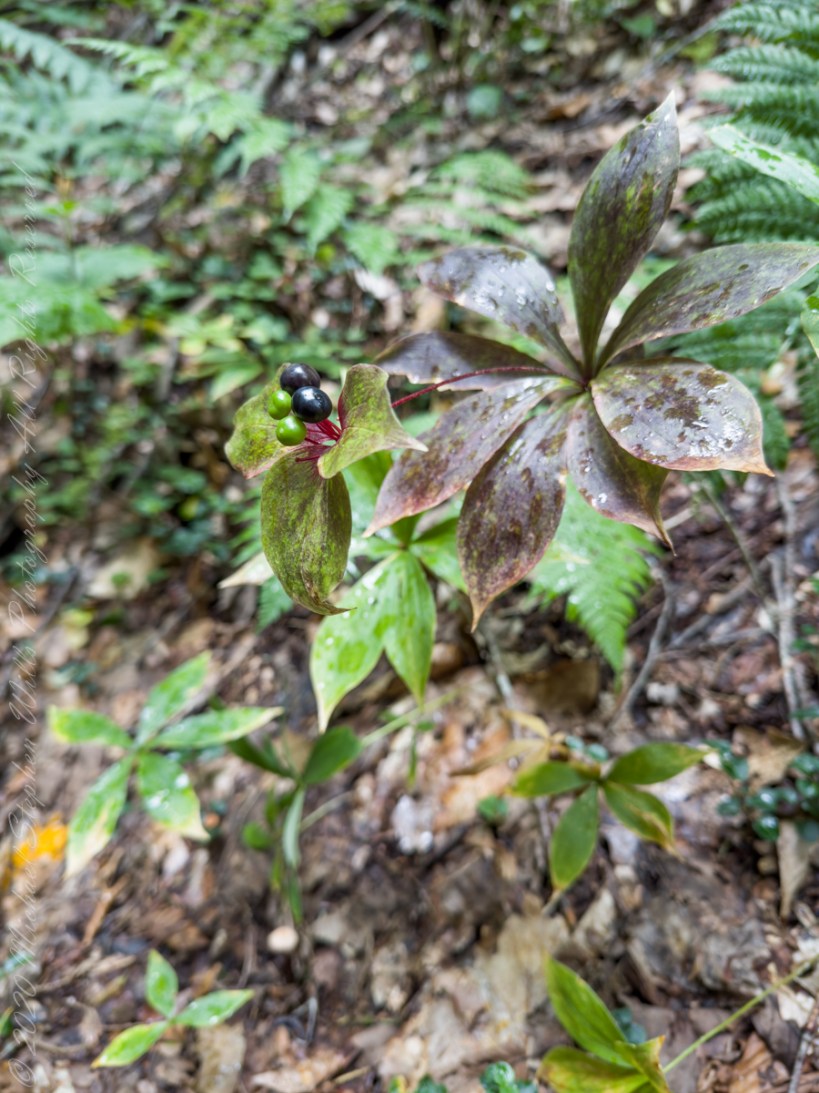
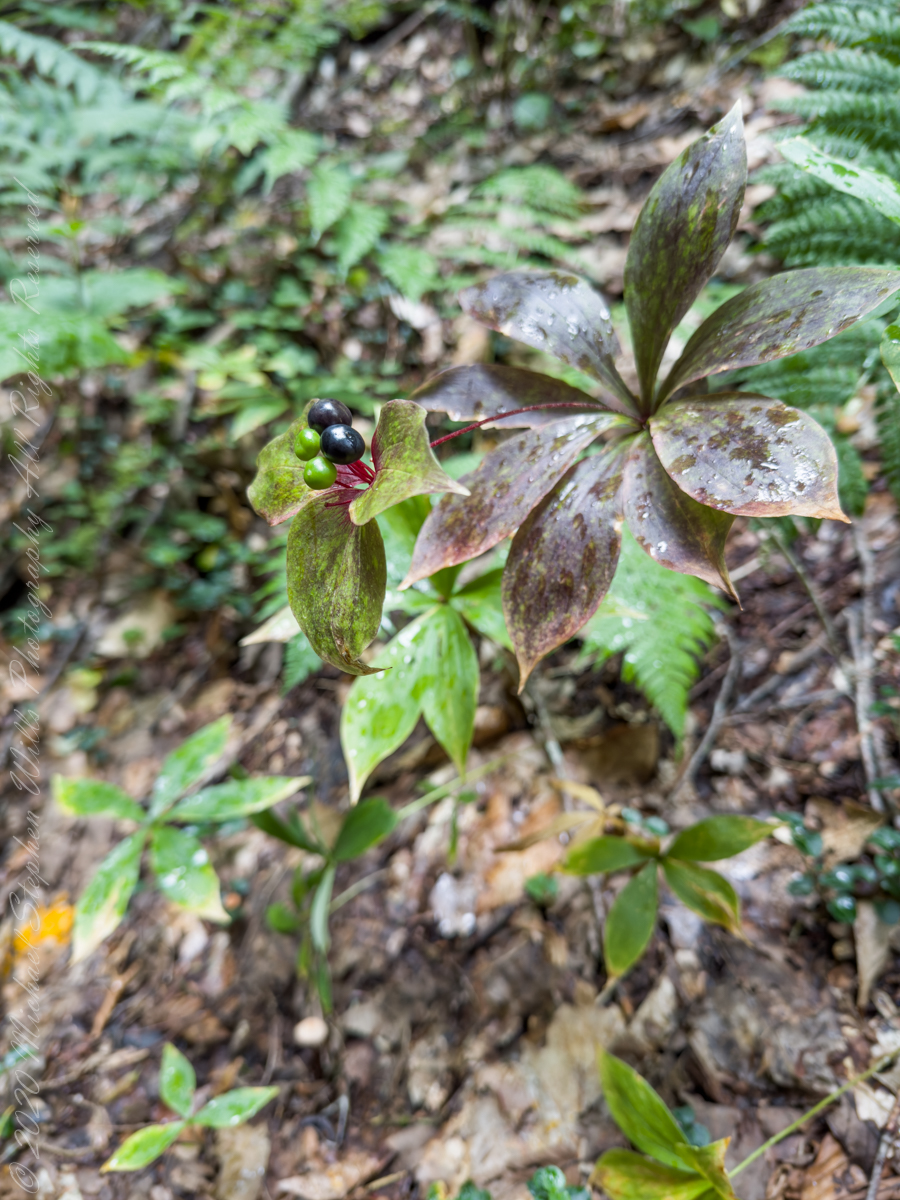
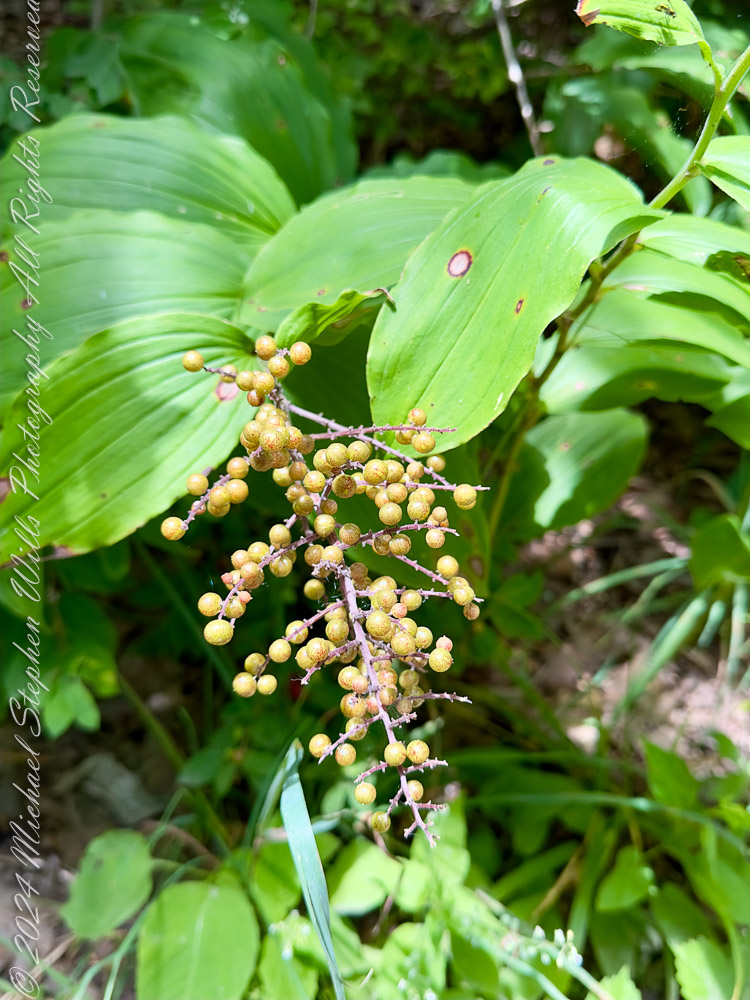
The trails of Taughannock Falls State Park always hold surprises, and on that July day, they did not disappoint. As I paused to take in the tranquility of the woods, my gaze fell upon a plant whose graceful arch and clusters of berries demanded attention. Its broad, lance-shaped leaves alternated along the stem, framing the stem’s terminal cluster of small green berries. Recognizing the plant as Maianthemum racemosum, commonly known as False Solomon’s Seal, I took a moment to admire its understated elegance.
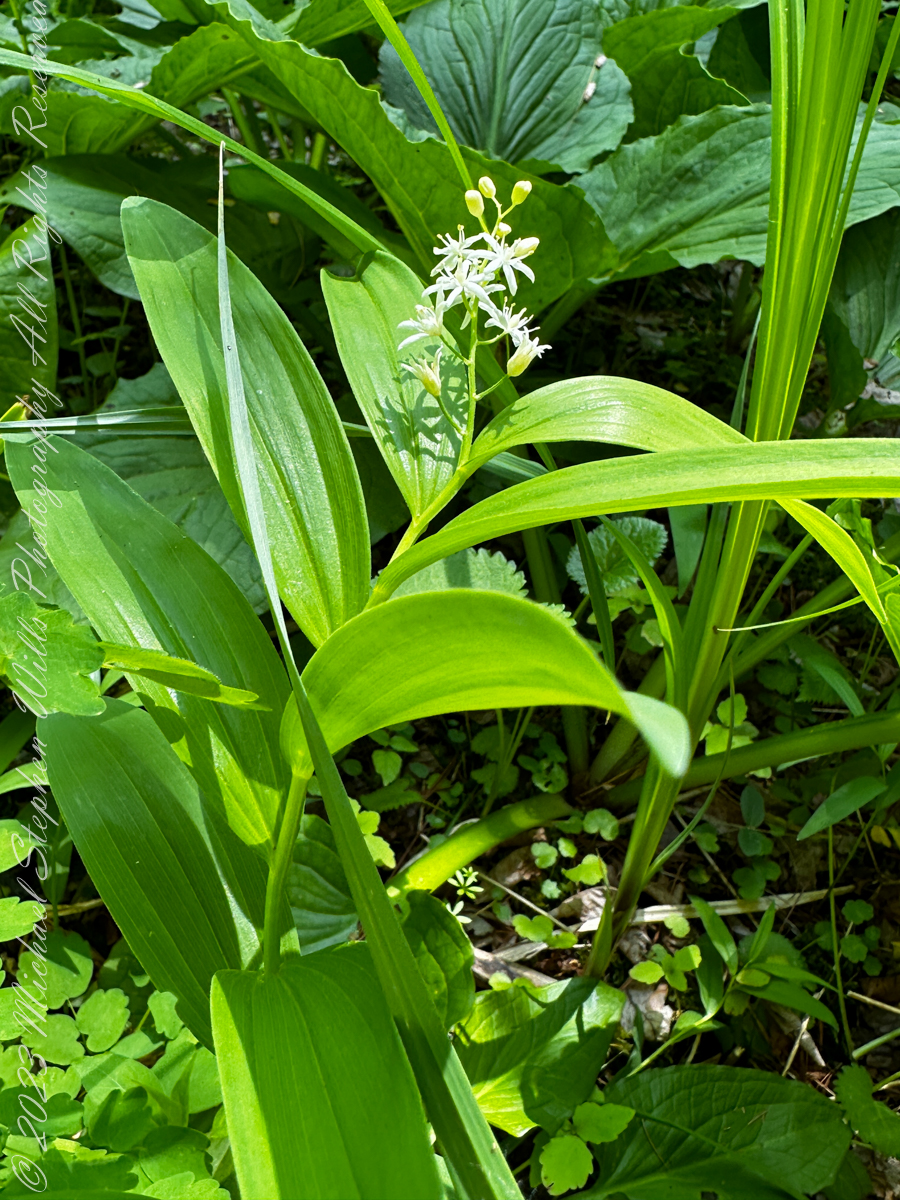
False Solomon’s Seal, scientific name Maianthemum racemosum, is common in the Finger Lakes Region. I found this specimen during a walk with the grandchildren in a local fen among the post-glacial terrain of the Finger Lakes Region. Eames Memorial Natural Area, Cornell Botanic Gardens, Town of Dryden, Tompkins County, Finger Lakes Region, New York State

Characteristics of the Plant

False Solomon’s Seal is a perennial herbaceous plant belonging to the asparagus family (Asparagaceae). It can grow up to three feet tall, its arching stems giving it a unique and recognizable silhouette. The leaves are broad and lance-shaped, with prominent veins running their length, arranged alternately along the stem. At the tip of each stem is a cluster of tiny, spherical green berries, which later in the season ripen to a speckled reddish hue. The plant blooms in late spring to early summer, producing delicate, star-shaped white flowers before transitioning to its fruiting phase.

Found throughout much of North America, Maianthemum racemosum thrives in moist, shaded woodlands, making the lush forests of Taughannock Falls State Park an ideal home. Its ability to grow in the dappled light beneath the forest canopy highlights its adaptability to varying light conditions.

Etymology of the Name

The genus name, Maianthemum, comes from the Greek words “mai” (May) and “anthemon” (flower), reflecting the plant’s tendency to bloom in late spring or early summer. The species name, racemosum, refers to the plant’s inflorescence, which forms a raceme—a cluster of flowers or berries along a single stem. Its common name, False Solomon’s Seal, derives from its superficial resemblance to Solomon’s Seal (Polygonatum spp.), though the latter has bell-shaped flowers hanging beneath its stems, in contrast to the terminal clusters of Maianthemum racemosum.

History and Folklore

False Solomon’s Seal has long been valued for its medicinal and culinary uses by Indigenous peoples and early settlers. The young shoots were harvested and cooked as a vegetable, while the ripe berries were sometimes used in jellies or preserves, though their slightly bitter flavor limited their appeal. Medicinally, teas made from the roots and leaves were used to treat a variety of ailments, including digestive issues, coughs, and sore throats. The roots were also applied as poultices for cuts and bruises, reflecting the deep understanding of natural remedies held by those who lived in harmony with the land.

The plant’s name has sparked legends. While the “false” in its name denotes its distinction from Solomon’s Seal, some folklore suggests that the plant was used to counterfeit the medicinal properties of its namesake. Others believe that its graceful arch and persistent berries symbolize resilience and adaptability, qualities often attributed to those who lived in its native habitats.

Uses and Ecological Role

Although not widely cultivated, Maianthemum racemosum is a valuable plant in its native ecosystems. Its flowers provide nectar for pollinators such as bees and butterflies, while the berries are a food source for birds and small mammals. Its rhizomatous roots also play a role in stabilizing soil in forested environments, preventing erosion and supporting the health of the woodland floor.
For those contemplating harvesting these plants be advised that collection of plants from New York State Parks is prohibited to protect natural resources and maintain ecological balance. According to the New York State Office of Parks, Recreation and Historic Preservation (OPRHP) regulations, “No person shall… remove… any… plant life” within state parks without proper authorization. Therefore, collecting plants in state parks without explicit permission is not allowed. If you have a specific research or educational purpose, you may contact the park administration to inquire about obtaining the necessary permits. However, for casual visitors, it’s best to enjoy the flora from a distance. False Solomon Seal ecological contributions are significant. In addition to its pollinator support and soil stabilization, the plant’s presence is an indicator of a healthy woodland ecosystem.

A Moment of Reflection

As I rose from my crouched position, having taken in the details of Maianthemum racemosum, I felt a quiet gratitude for the opportunity to encounter such a plant. False Solomon’s Seal, with its graceful leaves and unassuming berries, serves as a reminder of the interconnectedness of life in the forest. Its role in the ecosystem, its history with humans, and its understated beauty all speak to the richness of the natural world.

Walking onward, I carried with me a sense of awe for the intricate web of life that thrives in the woods. The False Solomon’s Seal, standing quietly among the ferns and leaf litter, seemed to embody the resilience and balance of the forest—a gentle presence in a vibrant community.
Enter your email to receive notification of future postings. I will not sell or share your email address.

Hylodesmum glutinosum: Characteristics and Ecology

The author reflects on hiking at Taughannock Falls State Park, discovering the Large-Flowered Tick Trefoil’s beauty and ecological significance.

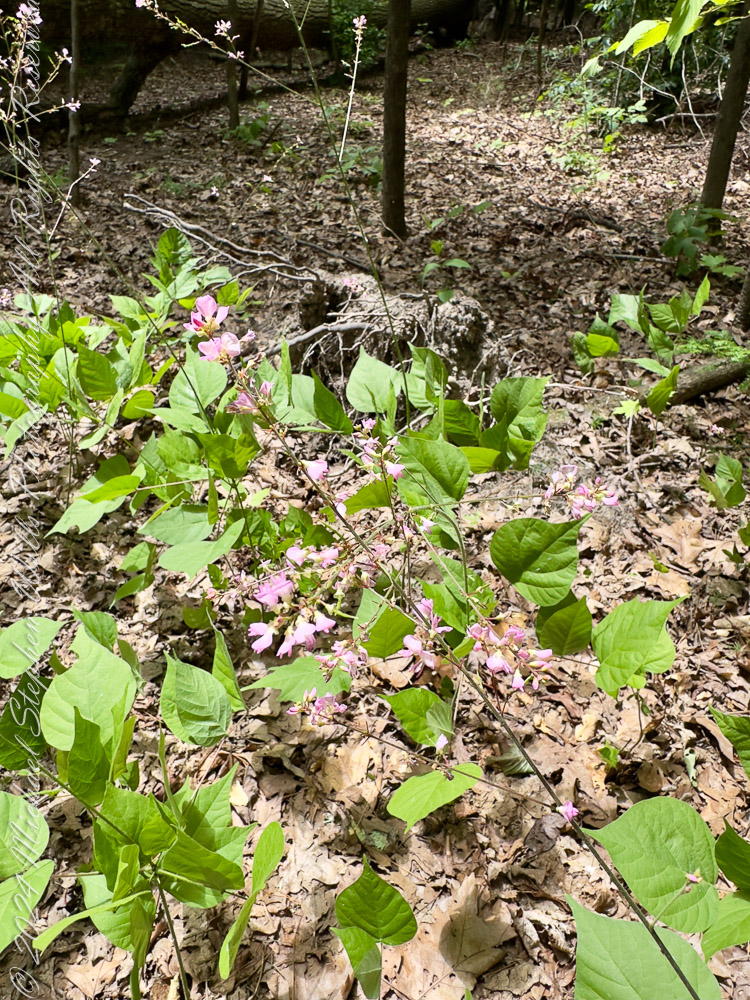
It was a high summer day as I enjoyed a customary hike around of Taughannock Falls State Park on the South and North Rim trails. Here sunlight filtered through the dense canopy, dappling the forest floor with shifting patches of light. Along the trail, my attention was drawn to a cluster of pink blossoms rising on slender, upright stems. Intrigued by their delicate beauty, I crouched down for a closer look. The plant rose above the forest floor, its trifoliate leaves broad and prominently veined, each leaflet slightly larger than I would have expected. These leaves seemed to anchor the plant to the shaded understory, while its flowers reached upward, as though eager to catch the fleeting rays of sun. I captured the plant in this photographs, later used it to identify Hylodesmum glutinosum, or Large-Flowered Tick Trefoil.

Characteristics of the Plant

The Large-Flowered Tick Trefoil is a striking member of the pea family (Fabaceae). Its pink, pea-like flowers are arranged in graceful racemes along the upper portions of its stems, their vibrant color contrasting beautifully with the green foliage around them. The leaves, broad and trifoliate, lend the plant its distinctive appearance. The name “tick trefoil” refers to the plant’s seed pods, which are flat and segmented, equipped with tiny hooks that cling stubbornly to passing animals or hikers, hitchhiking their way to new locations.

The plant is native to eastern North America, including the forests and trails of New York State. Its preference for rich, well-drained soils in partially shaded woodlands makes it a common sight in places like Taughannock Falls State Park. Blooming from mid to late summer, it provides an essential nectar source for bees and other pollinators, playing its part in the intricate web of the forest ecosystem.

Etymology of the Name

The genus name, Hylodesmum, was established only twenty-five years ago when the plant was reclassified from the genus Desmodium to a new genus within the tribe Desmodieae. The name reflects its forested habitat, with “hylo” derived from the Greek word for “wood” or “forest.” Previously described in 1802 as Hedysarum glutinosum and later placed in Desmodium, the species name glutinosum remains unchanged, meaning “sticky” in Latin. This aptly describes the plant’s seed pods, which adhere to anything that brushes past them. Together, these names encapsulate both the botanical structure and the unique dispersal strategy of this plant.

History and Folklore

Native Americans and early settlers were intimately familiar with tick trefoils. The plant’s seeds, notorious for clinging to clothing and fur, earned it a reputation as a nuisance, but its resilience and utility could not be overlooked. Indigenous peoples utilized various parts of the plant for medicinal purposes. The roots and leaves were brewed into teas to treat fevers and digestive ailments, while poultices made from the leaves were applied to wounds to promote healing. Such uses highlight the depth of knowledge early inhabitants had about their environment.

The plant’s sticky seed pods also became the subject of folklore. Children in rural communities would playfully call it “hitchhiker’s weed,” competing to see who could collect the most seeds on their clothing during outdoor adventures. These seeds, so adept at attaching themselves to passersby, were seen as symbols of persistence and adaptability, traits that many admired.

Uses and Ecological Role

While Hylodesmum glutinosum is not commonly cultivated, its ecological contributions are significant. As a member of the Fabaceae family, it has the ability to fix nitrogen in the soil through a symbiotic relationship with rhizobia bacteria in its root nodules. This makes it a valuable plant in maintaining soil fertility in its native ecosystems. Its flowers attract pollinators like bees and butterflies, ensuring that the forest remains vibrant and full of life.

In addition to its ecological importance, the plant’s seeds have a curious modern use: they’ve been studied for their ability to help detect movement in the environment. Researchers have examined the sticky pods’ structure as a natural model for creating adhesives and tracking devices, proving once again that even the smallest details in nature can inspire human ingenuity.

A Moment of Reflection

As I rose to my feet, brushing the leaf litter from my hands, I felt a renewed sense of wonder for the intricate lives of the plants surrounding me. The Large-Flowered Tick Trefoil, with its vivid pink flowers and ingenious seed pods, seemed to embody the essence of the forest: a harmonious blend of beauty, resilience, and interconnection.

Walking away, I carried with me not just the memory of its vibrant blooms, a deep respect for its role in the natural world. In the quiet of Taughannock’s wooded trails, Hylodesmum glutinosum had shared its story, a tale of persistence, adaptation, and the hidden wonders that flourish when we take the time to notice.

Enter your email to receive notification of future postings. I will not sell or share your email address.

Epiphyte

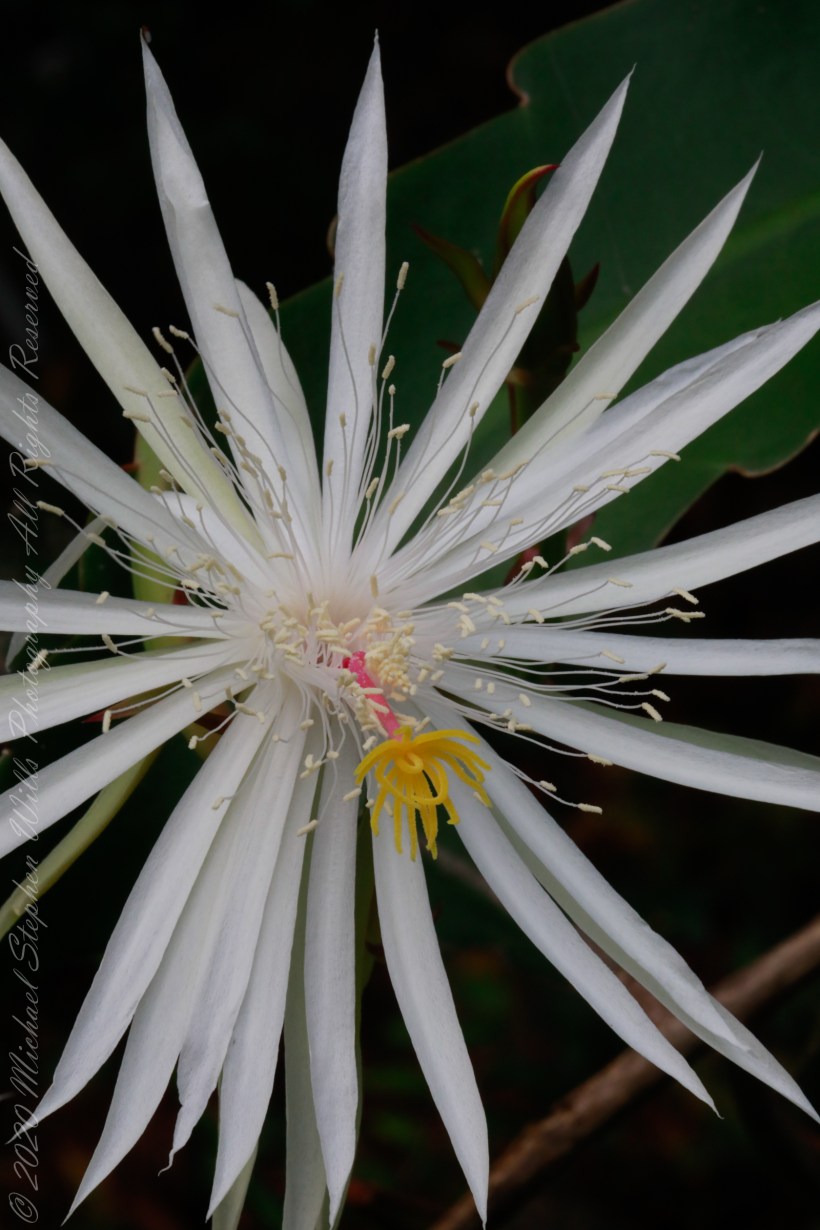
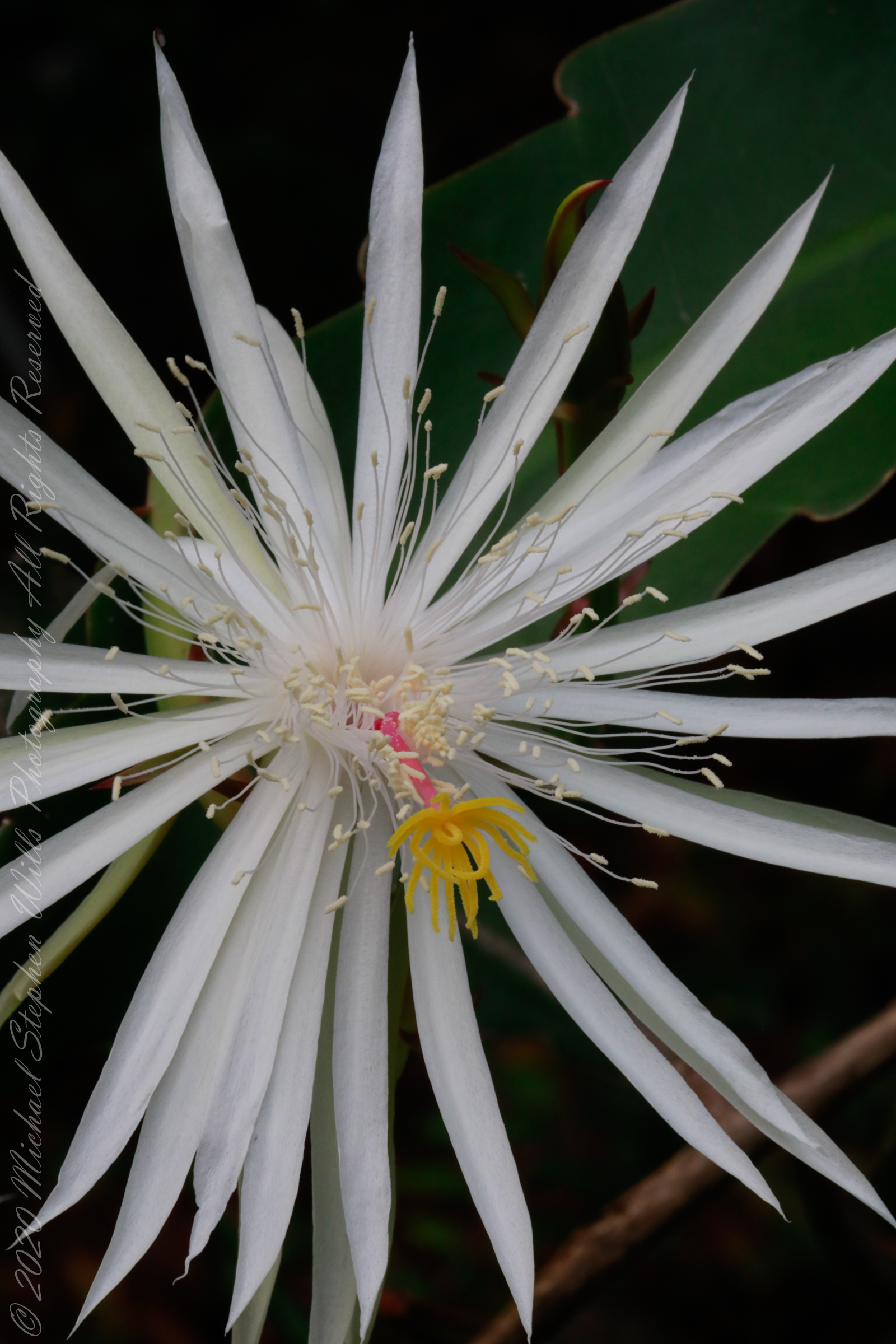
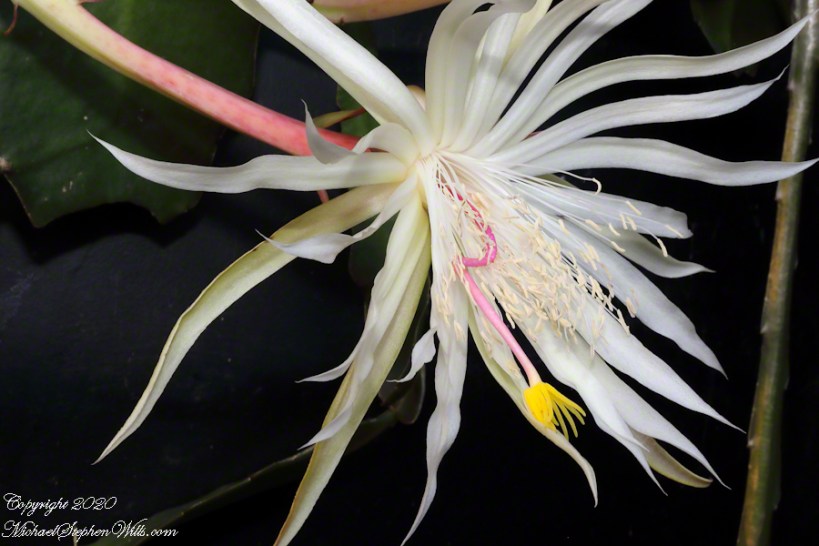
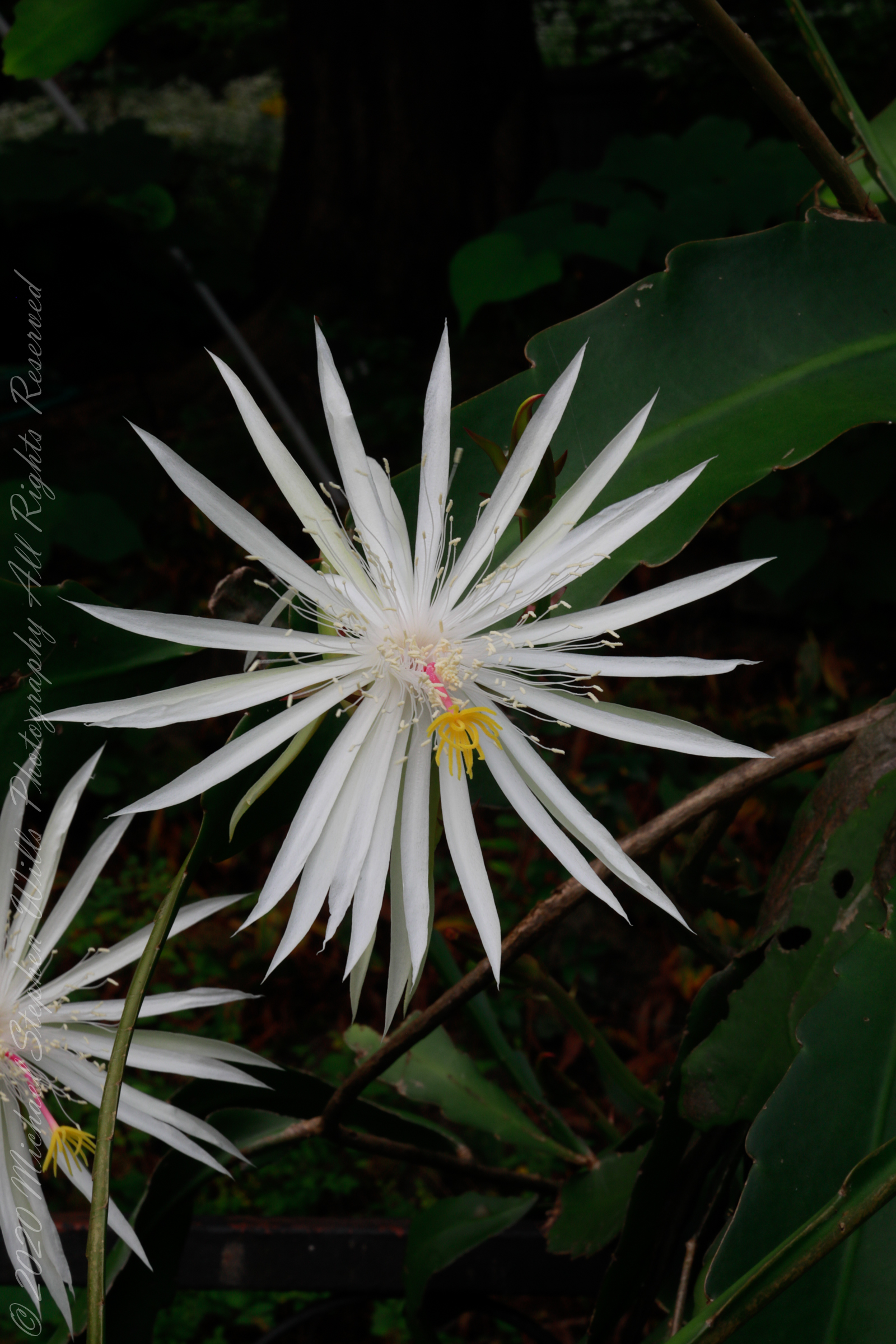
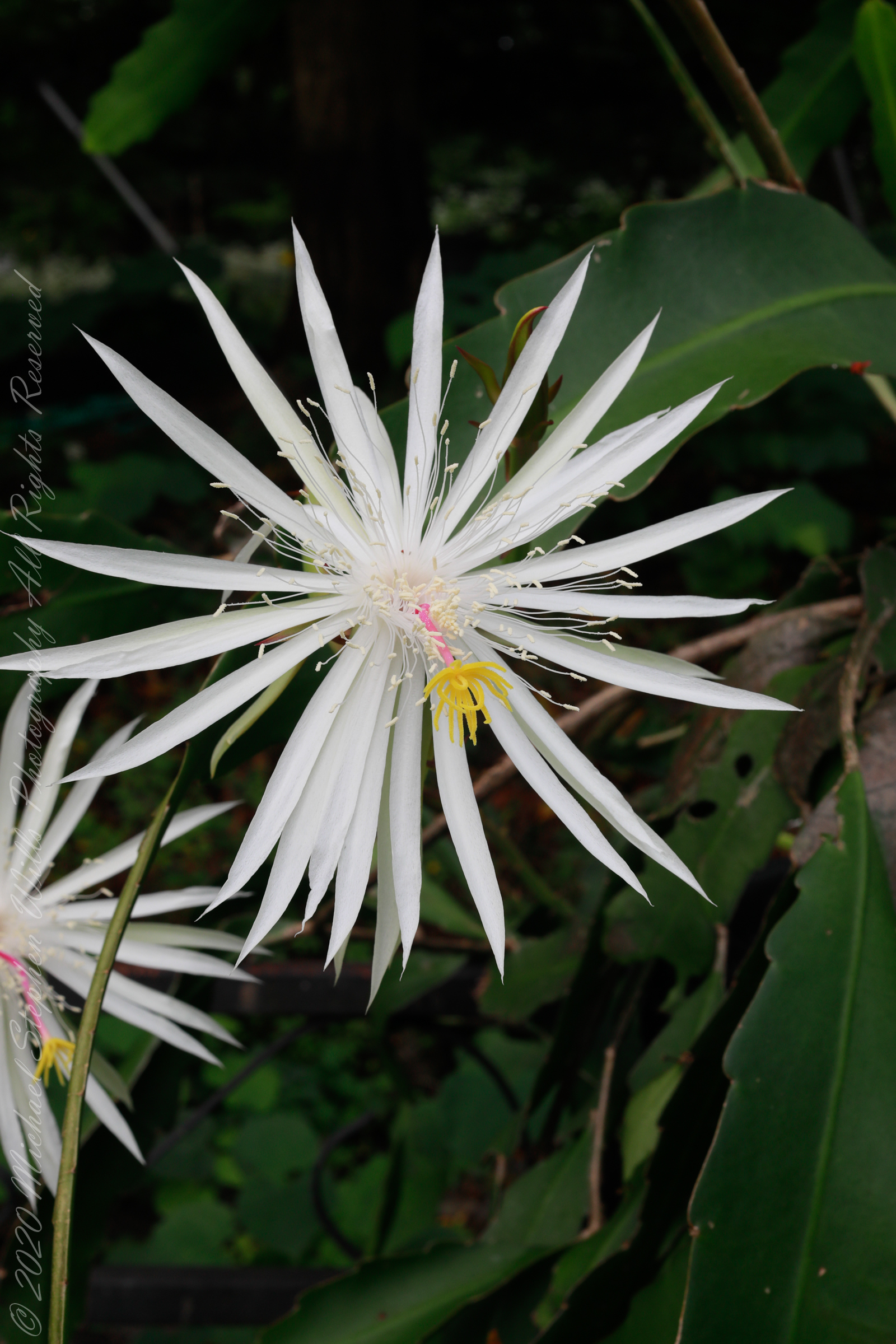
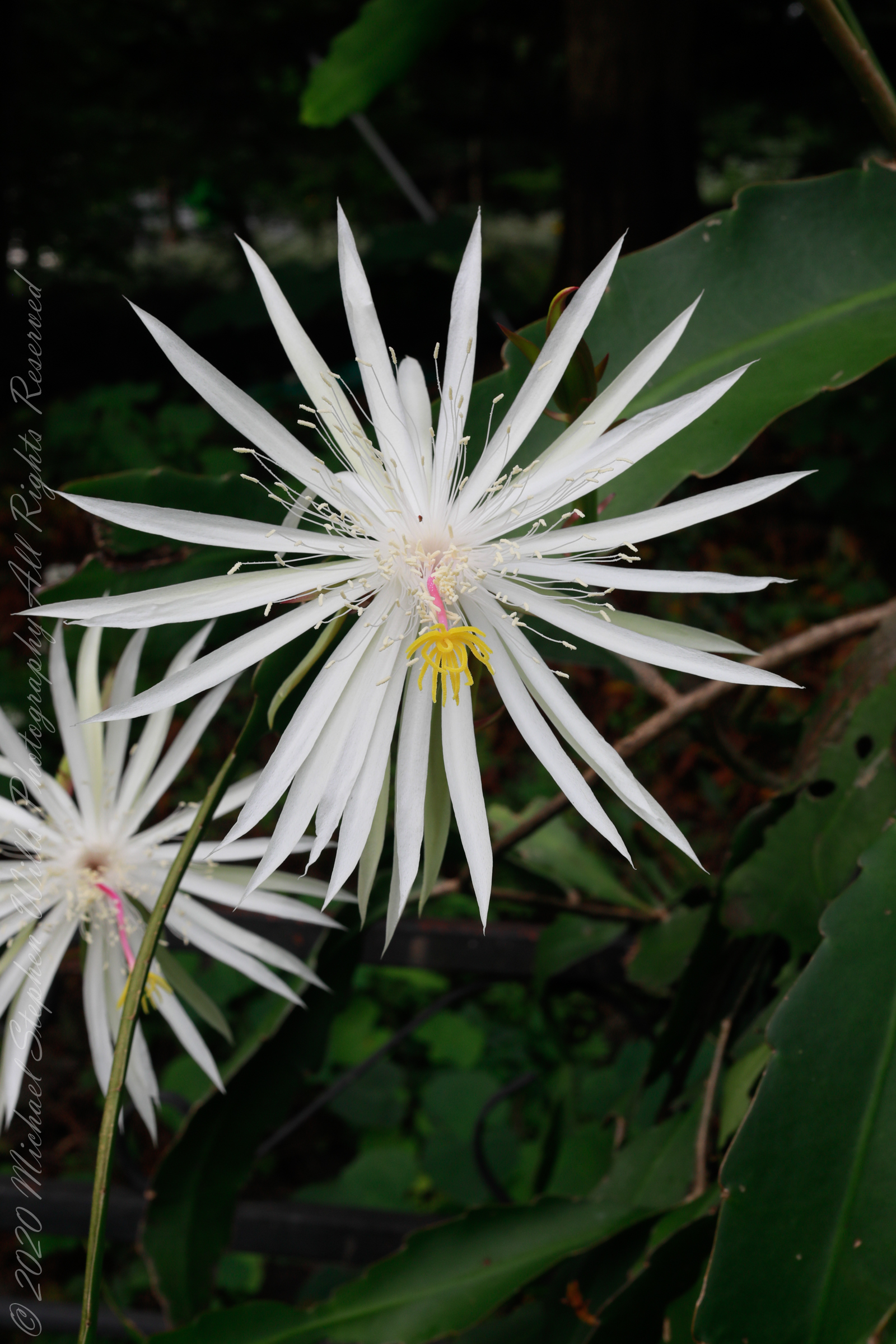
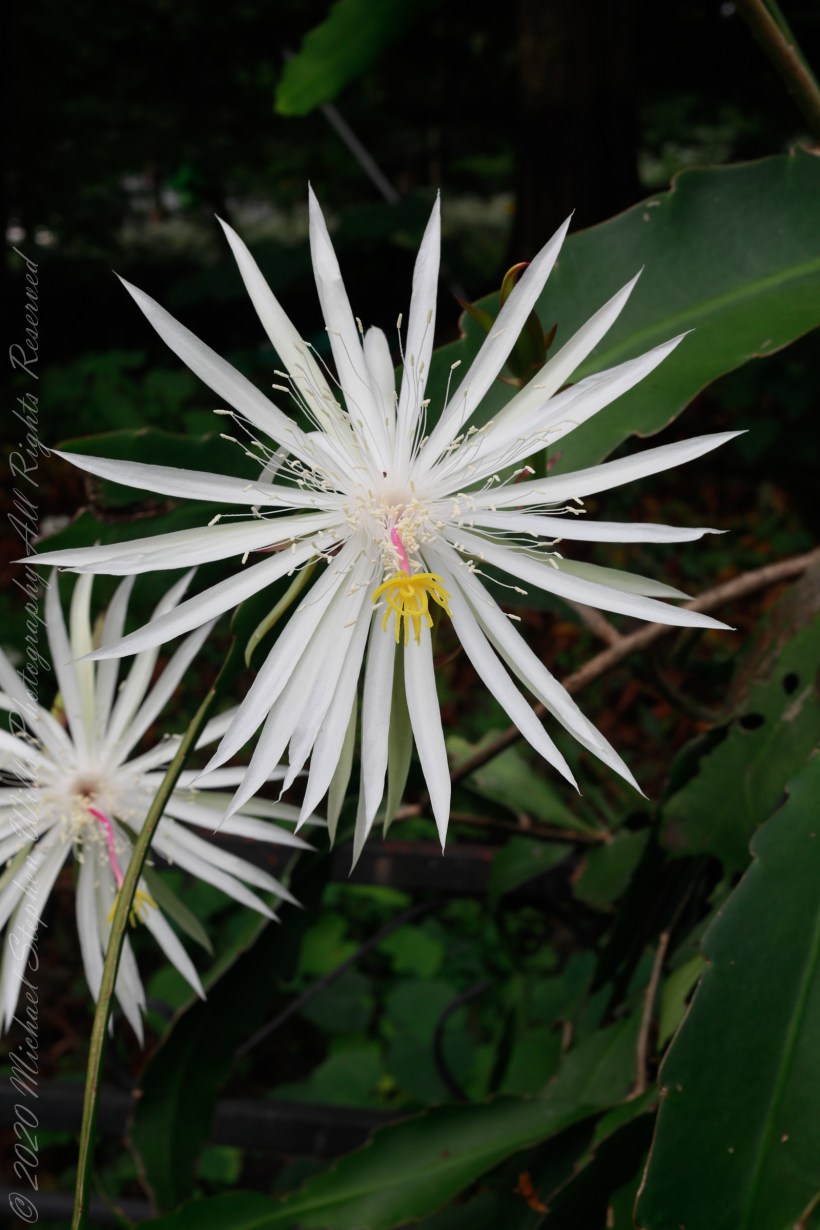
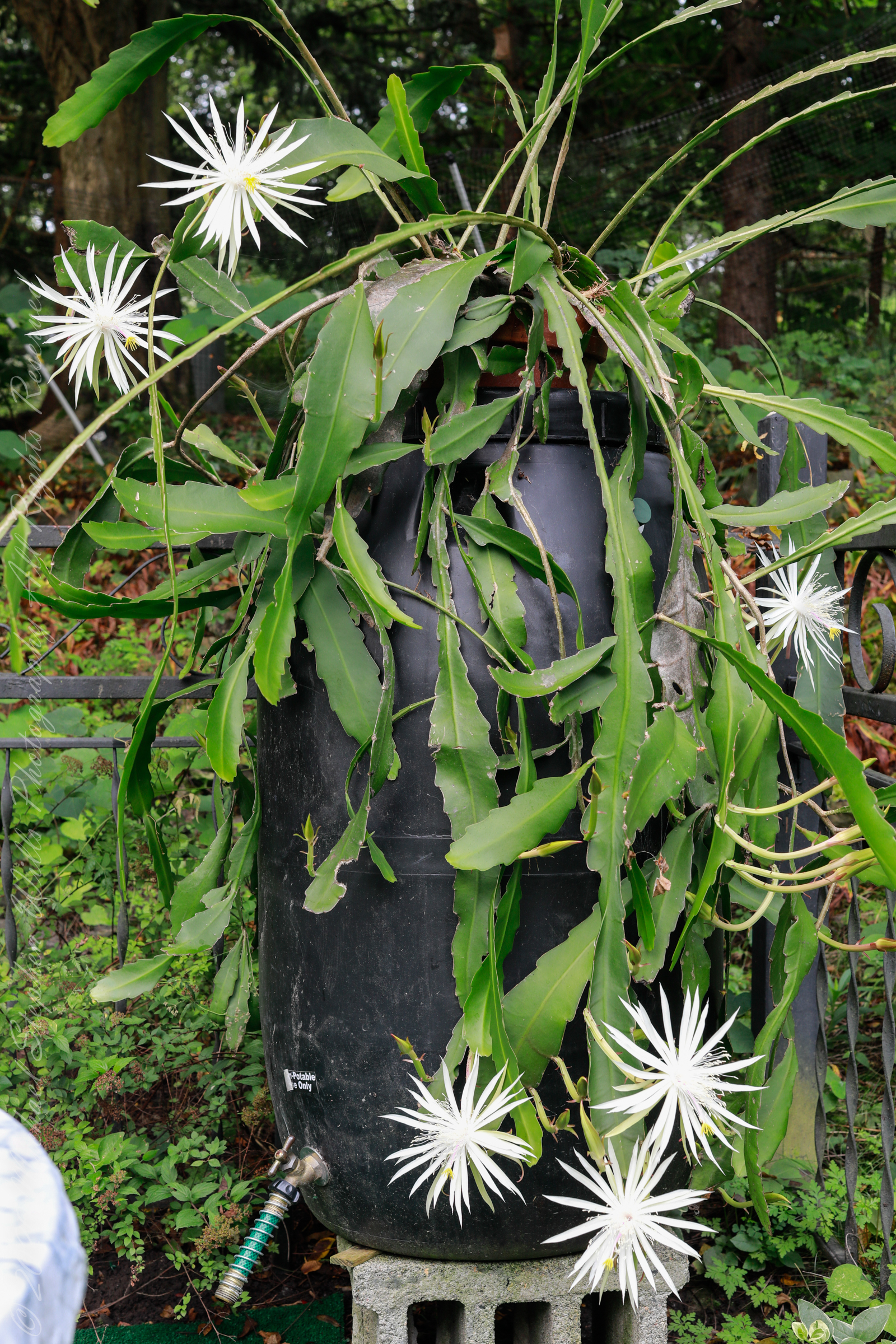
Discover the enchanting world of Epiphyllum, where the “Night Blooming Cereus” thrives without soil, capturing moisture and nutrients from the air. Explore its unique beauty and ecological significance. Read more to delve into this fascinating plant’s story.

The Epiphyllum genus, which includes my “Night Blooming Cereus,” consists of epiphytic plants. The term “epiphytic” comes from the Greek epi- (meaning “upon”) and phyton (meaning “plant”). Epiphytic plants, sometimes called “air plants,” do not root in soil. However, this term can be misleading, as many aquatic algae species are also epiphytes on other aquatic plants (seaweeds or aquatic angiosperms). Therefore, it’s essential not to confuse the genus root word “phyllum” (leaf) with the generic term “phytic” (plant), even though they share the common prefix “epi.” A plant can be epiphytic without being part of the Epiphyllum genus.

These were captured with the Canon EOS 5D Mark IV dslr on a Manfrotto tripod.

An epiphyte is a plant or plant-like organism that grows on the surface of another plant, deriving its moisture and nutrients from the air, rain, or debris accumulating around it. The host plants on which epiphytes grow are called phorophytes. Unlike parasites, epiphytes use other plants merely for physical support and do not negatively impact the host. Epiphytes can also be called epibionts when growing on non-plant organisms. Common in both temperate zones (mosses, liverworts, lichens, algae) and the tropics (ferns, cacti, orchids, bromeliads), epiphytes enhance biodiversity and biomass in their ecosystems. They make excellent houseplants due to their minimal water and soil needs and create rich habitats for various organisms, including animals, fungi, bacteria, and myxomycetes.

Epiphytes are not connected to the soil and must source nutrients from fog, dew, rain, mist, and decomposing organic material. They have an advantage in the canopy, where they access more light and are less vulnerable to herbivores. Epiphytes also benefit animals that live in their water reservoirs, like some frogs and arthropods.

Epiphytes significantly affect their host’s microenvironment and the broader ecosystem. They hold water in the canopy, reducing soil water input, and create cooler, moister conditions, which can decrease the host plant’s water loss through transpiration. Non-vascular epiphytes, like lichens and mosses, are particularly efficient at rapid water uptake.

Click me for another “Cereus” Post.

Reference: my post draws heavily on this source: Wikipedia, “Epiphyte.”

Copyright 2024 Michael Stephen Wills All Rights Reserved

Treman Early Autumn Walk VII

Unnamed though memorable

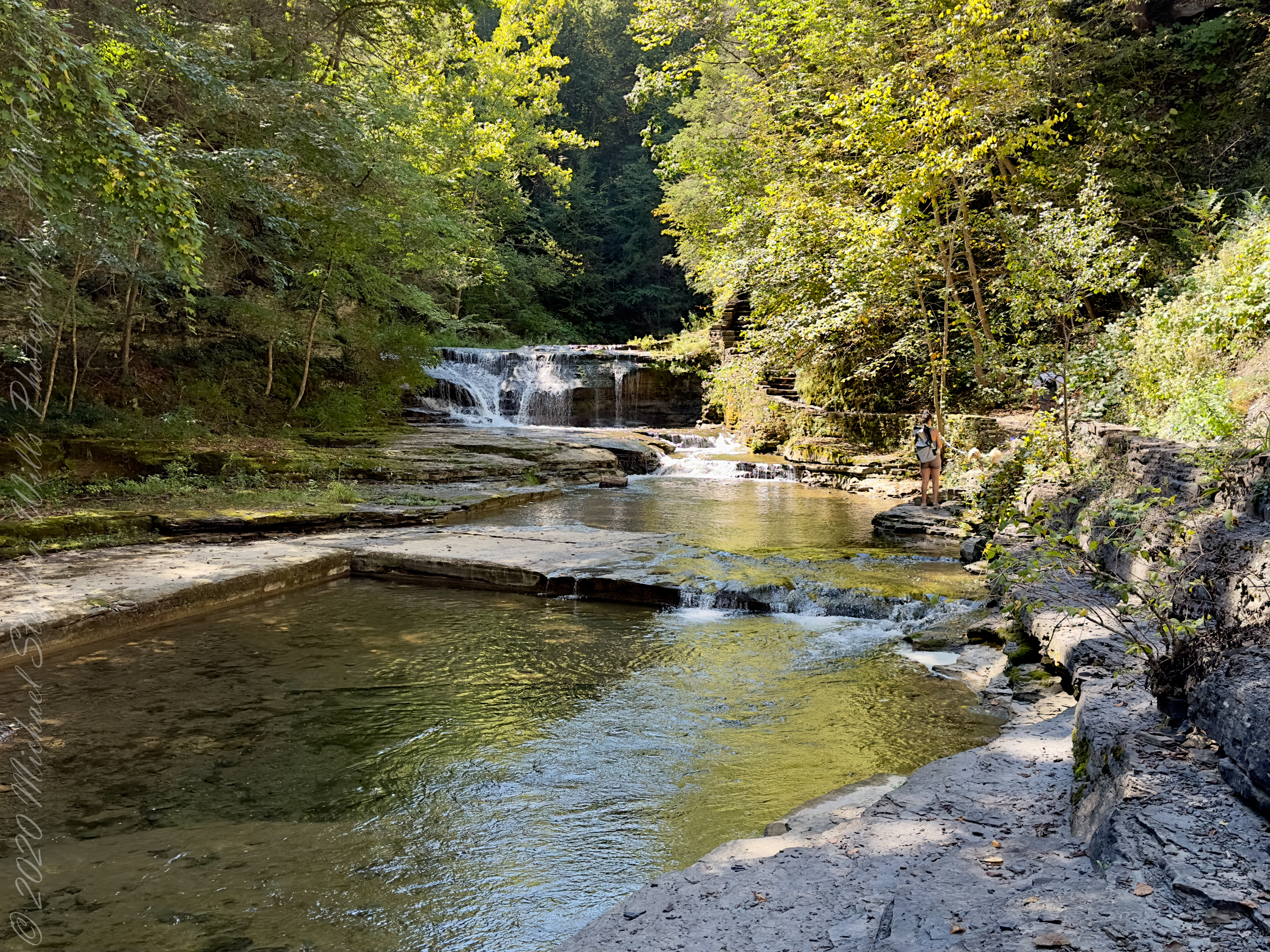
An unnamed waterfall along the Gorge Trail is memorable for the steps alongside.

I have captured it in all seasons from the beginning of my photography interest. Here it is at midday, early autumn, 2023, taken with the Apple Iphone 14 proMax. Bright sunlight ruins the shot.

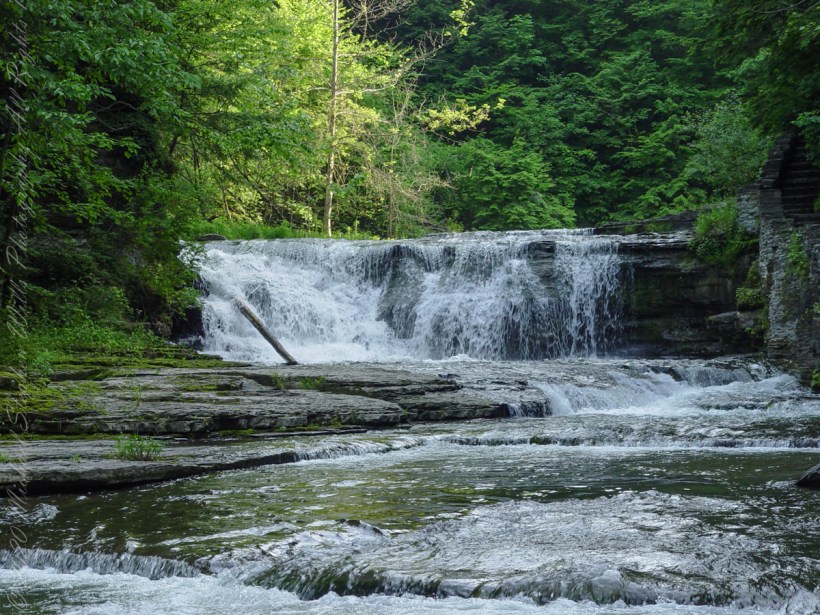
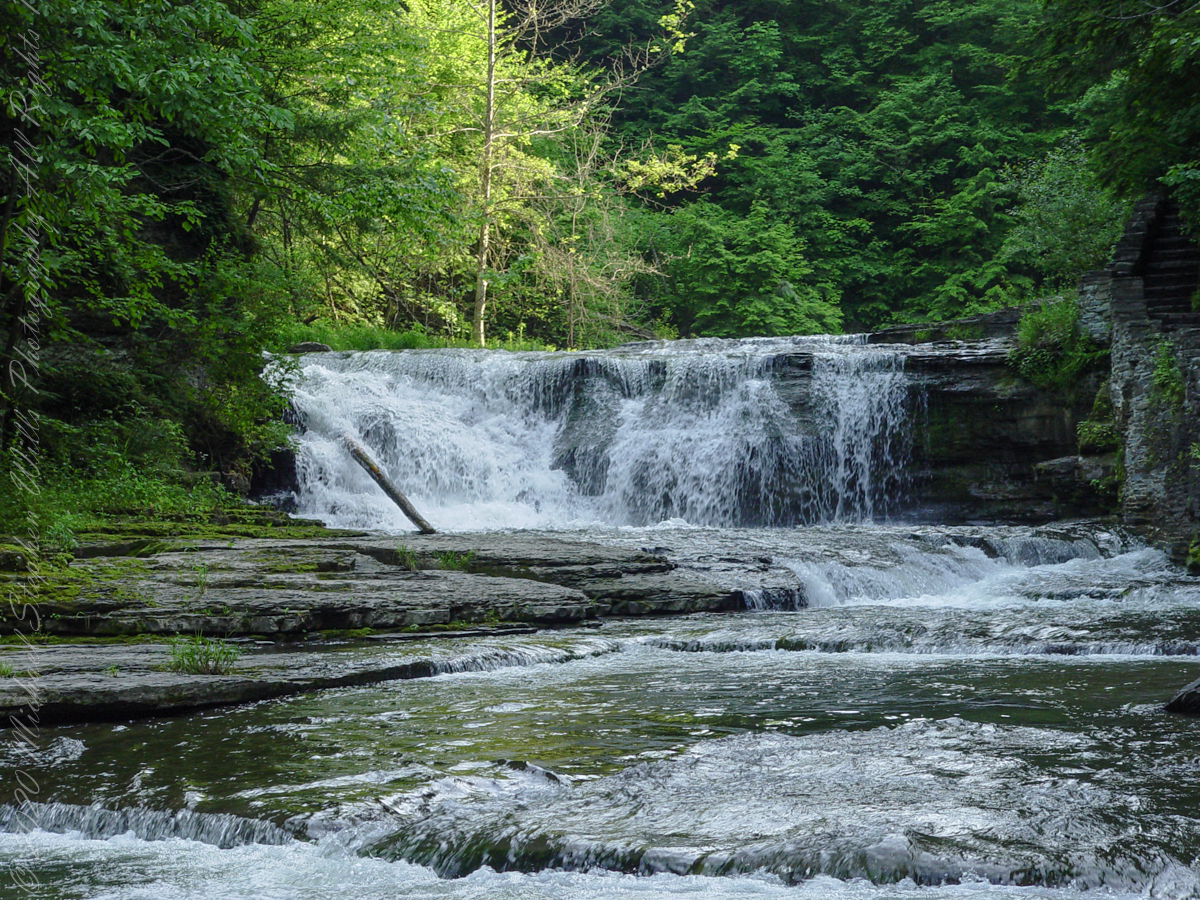
Here, evening, early summer 2003, the foreground shaded, late day sunlight on trees beyond. The Sony dsc F828 camera, on a tripod, was used.

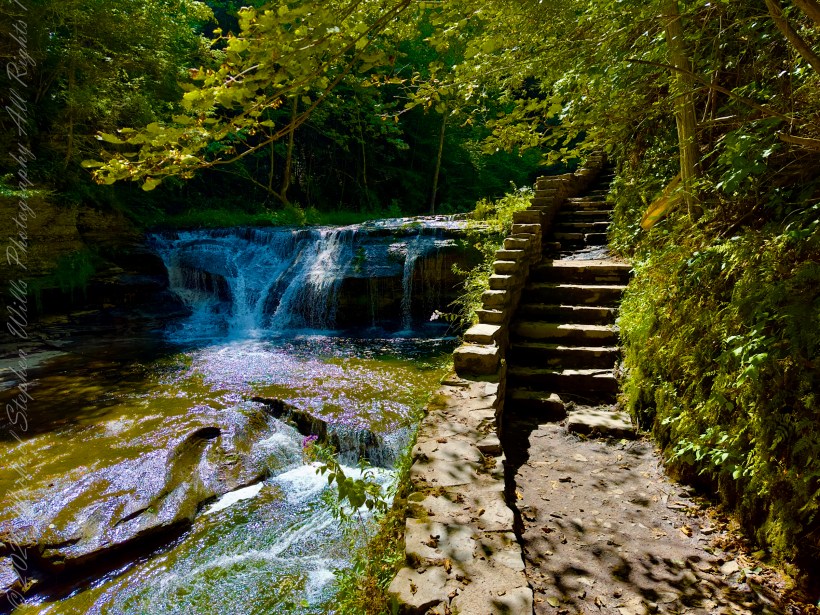
Here, bright sunlight at midday is handled by framing the brightly lit waterfall, April, 2002. A handheld Sony Mavica was used.

Daring visitors jump from the wall at right into a plunge pool, seen here as the quiet water at base of wall. It is a doubly dangerous activity as the force of water can hold a swimmer under indefinitely, missing the narrow pool results in striking the rocks. Robert H. Treman New York State Park, Tompkins County, Ithaca, New York.

“Plunge pools are formed by the natural force of falling water, such as at a waterfall or cascade; they also result from man-made structures such as some spillway designs. Plunge pools are often very deep, generally related to the height of fall, the volume of water, the resistance of the rock below the pool and other factors.[4] The impacting and swirling water, sometimes carrying rocks within it, abrades the riverbed into a basin, which often features rough and irregular sides. Plunge pools can remain long after the waterfall has ceased flow or the stream has been diverted. Several examples of former plunge pools exist at Dry Falls in the Channeled Scablands of eastern Washington. They can also be found underwater in areas that were formerly above sea level, for example Perth Canyon off the coast of Western Australia.”

“Plunge pools are fluvial features of erosion which occur in the youthful stage of river development, characterized by steeper gradients and faster water flows. Where softer or fractured rock has been eroded back to a knickpoint, water continues to bombard its base. Because this rock is often less resistant than overlying strata, the water from the higher elevation continues eroding downward until an equilibrium is achieved.”

Reference: text in italics and quotes is from the Wikipedia, “Plunge Pool.”

Copyright 2023 All Rights Reserved Michael Stephen Wills

Still Blooming

Though it is sometimes referred to as a night-blooming cereus, it is not closely related to any of the species in the tribe Cereeae

It was a quiet day, upping shutter speed via an increased ISO and both exposures are equally sharp.

These were captured with the Canon EOS 5D Mark IV dslr on a Manfrotto tripod.

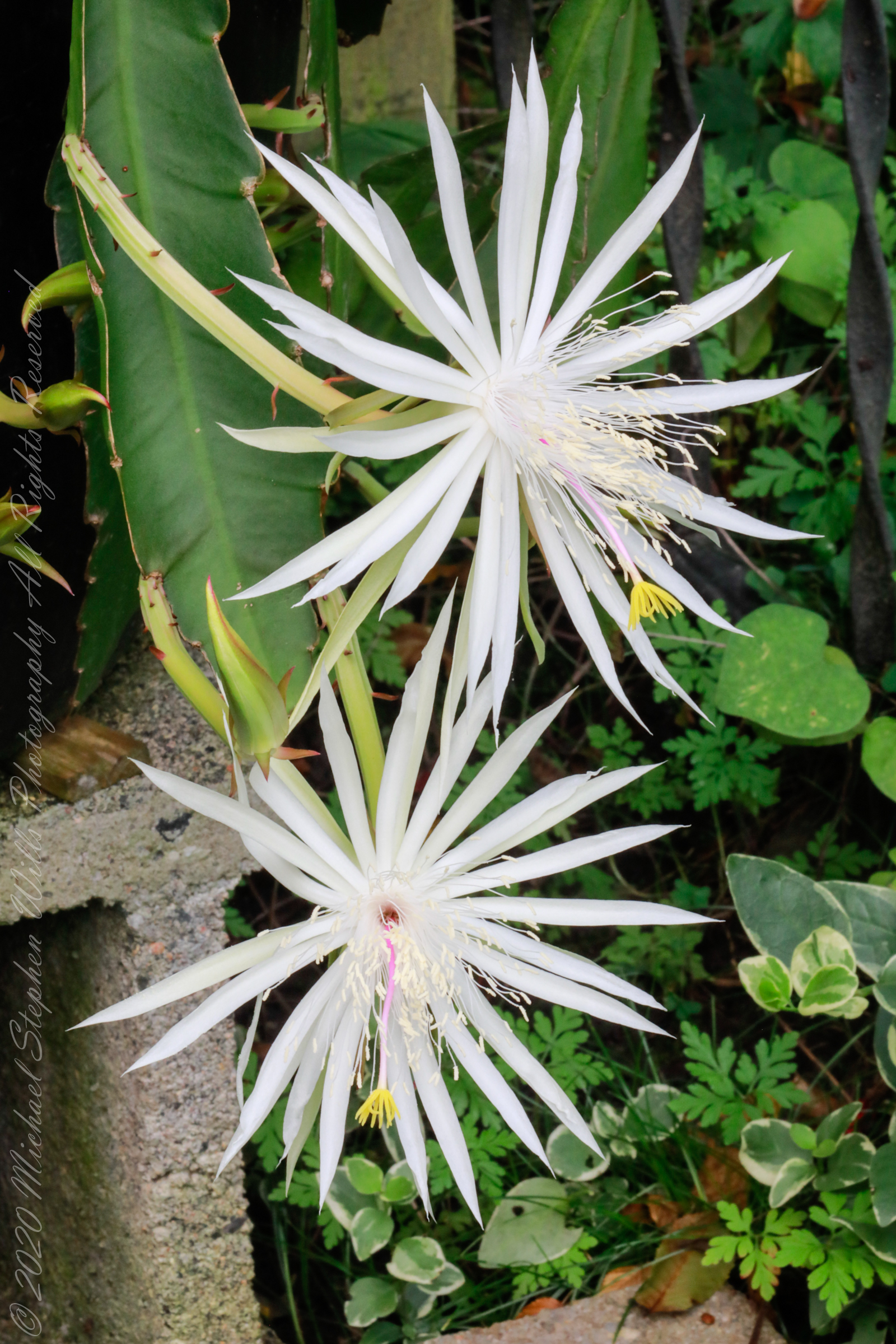
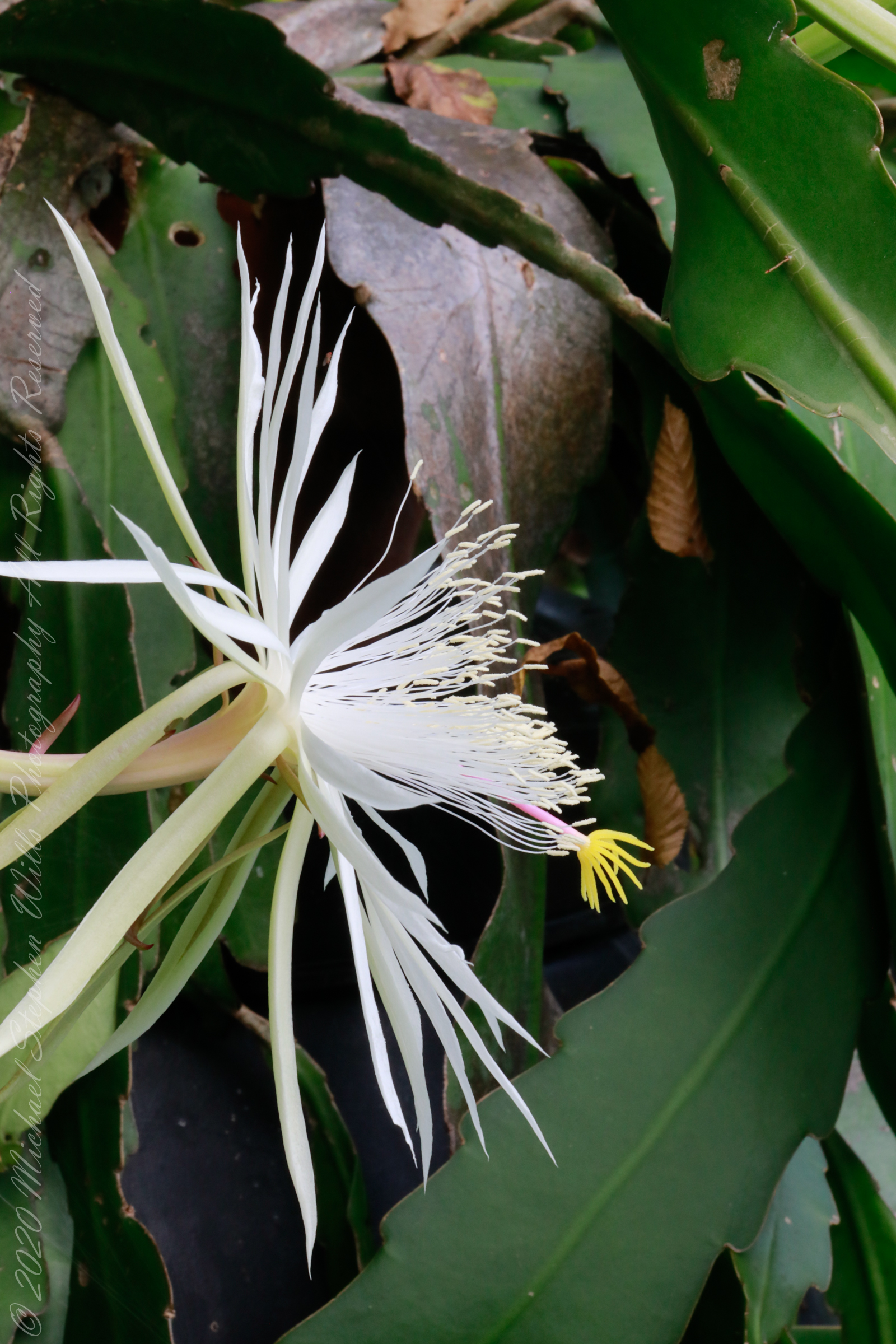
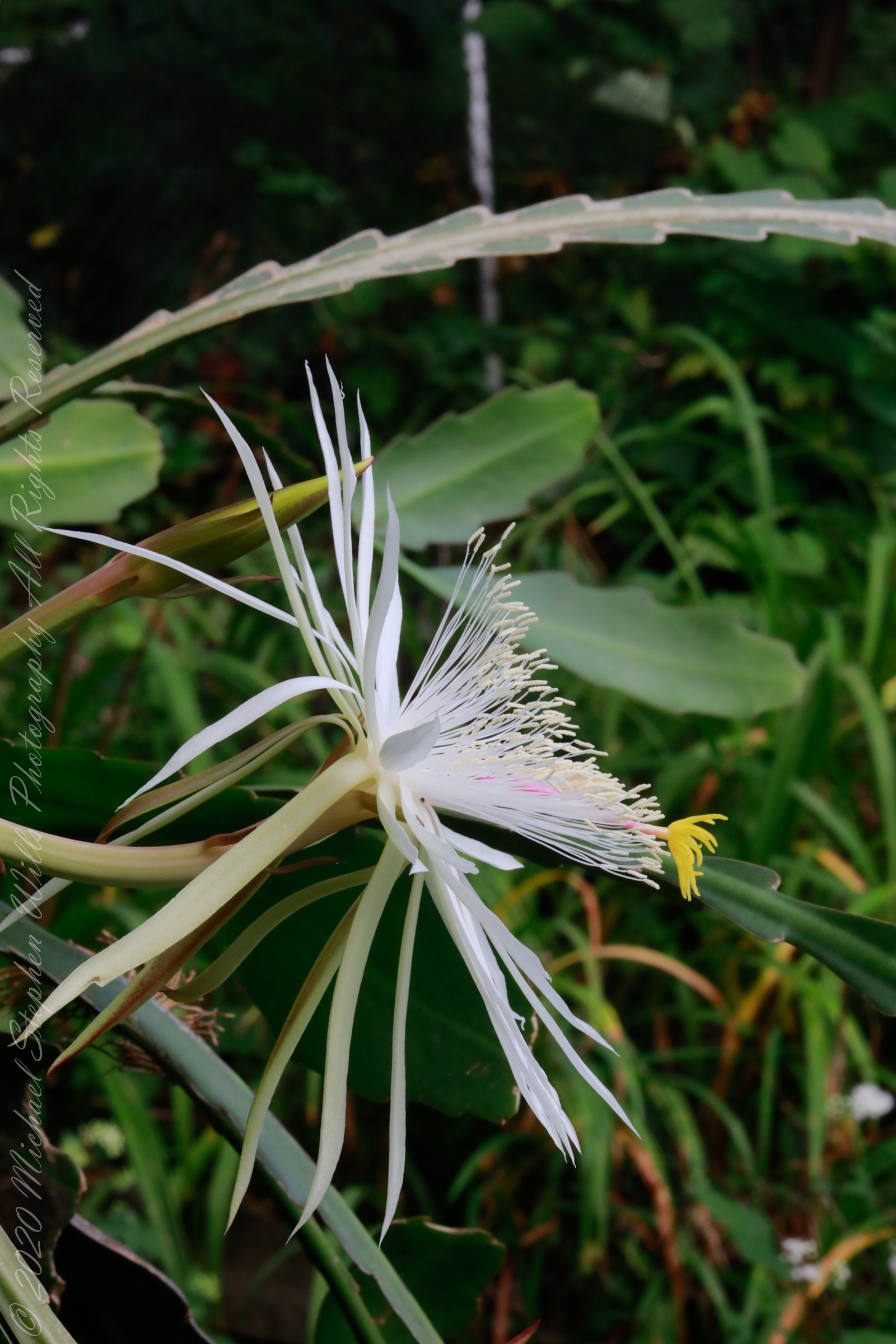
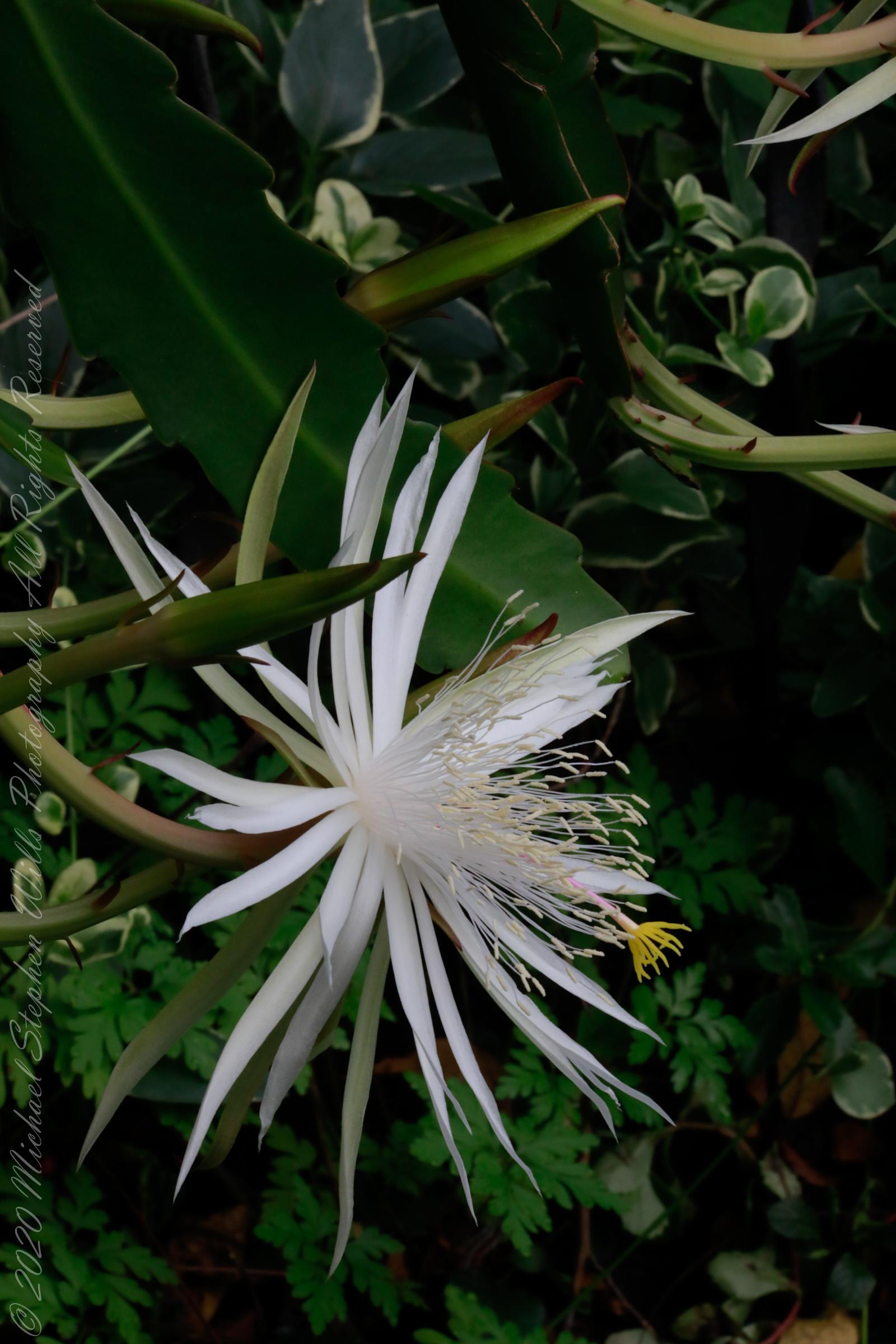
“The flowers are nocturnal. They grow on flattened stems and are up to 30 cm (12 in) long and 17 cm (7 in) wide, and very fragrant. The principal odor components in the aroma are benzyl salicylate and methyl linoleate.[5] Pericarpels are nude, slightly angled, and green. Bracteoles are short and narrow up through ca. 10 millimetres (0.39 in) long. Receptacles are up through 20 cm long, 1 cm thick, brownish, and arching. The outer tepals are linear, acute, 8–10 cm long, and reddish through amber. The inner tepals are whitish, oblanceolate or oblong, acuminate, up through 8–10 cm long and 2.5 centimetres (0.98 in) wide. The stamens are greenish white or white, slender and weak. The styles are greenish white, pale yellow, or white, 4 mm thick, as long as inner tepals, and with many lobes.”

“The fruits are oblong, up through 12 x 8 cm, purplish red, and angled.”

“It is known to have medicinal properties in many Asian cultures, including India, Vietnam, and Malaysia. The plant is widely used in traditional medicine to treat respiratory ailments, bleeding conditions, and is also believed to have the property of reducing pain and inflammation.”

Click me for another “Cereus” Post.

Copyright 2023 Michael Stephen Wills All Rights Reserved

Night bloomer

Though it is sometimes referred to as a night-blooming cereus, it is not closely related to any of the species in the tribe Cereeae

This set compares a deep focus exposure to a shallow focus with bokeh.

These were captured with the Canon EOS 5D Mark IV dslr on a Manfrotto tripod.

“Epiphyllum oxypetalum is an easily cultivated, fast growing Epiphyllum. Epiphyllum from Greek epi- “upon” + phullon “leaf.” Oxypetalum = with acute petals. It flowers in late spring through late summer; large specimens can produce several crops of flowers in one season. This is a widely cultivated Epiphyllum species.”

“It is known to have medicinal properties in many Asian cultures, including India, Vietnam, and Malaysia. The plant is widely used in traditional medicine to treat respiratory ailments, bleeding conditions, and is also believed to have the property of reducing pain and inflammation.”

Click me for another “Cereus” Post.

Copyright 2023 Michael Stephen Wills All Rights Reserved

Cereus not

Though it is sometimes referred to as a night-blooming cereus, it is not closely related to any of the species in the tribe Cereeae

“Epiphyllum oxypetalum, the Dutchman’s pipe cactus, princess of the night or queen of the night, is a species of cactus. It blooms nocturnally, and its flowers wilt before dawn. Though it is sometimes referred to as a night-blooming cereus, it is not closely related to any of the species in the tribe Cereeae, such as Selenicereus, that are more commonly known as night-blooming cereus. All Cereus species bloom at night and are terrestrial plants; Epiphyllum species are usually epiphytic.”

These were captured with the Canon EOS 5D Mark IV dslr on a Manfrotto tripod.

“Epiphyllum (“upon the leaf” in Greek) is a genus of epiphytic plants in the cactus family (Cactaceae), native to Central America and South America. Common names for these species include climbing cacti, orchid cacti and leaf cacti.”

Click me for another “Cereus” Post.

Copyright 2023 Michael Stephen Wills All Rights Reserved

Mass Bloom 2023

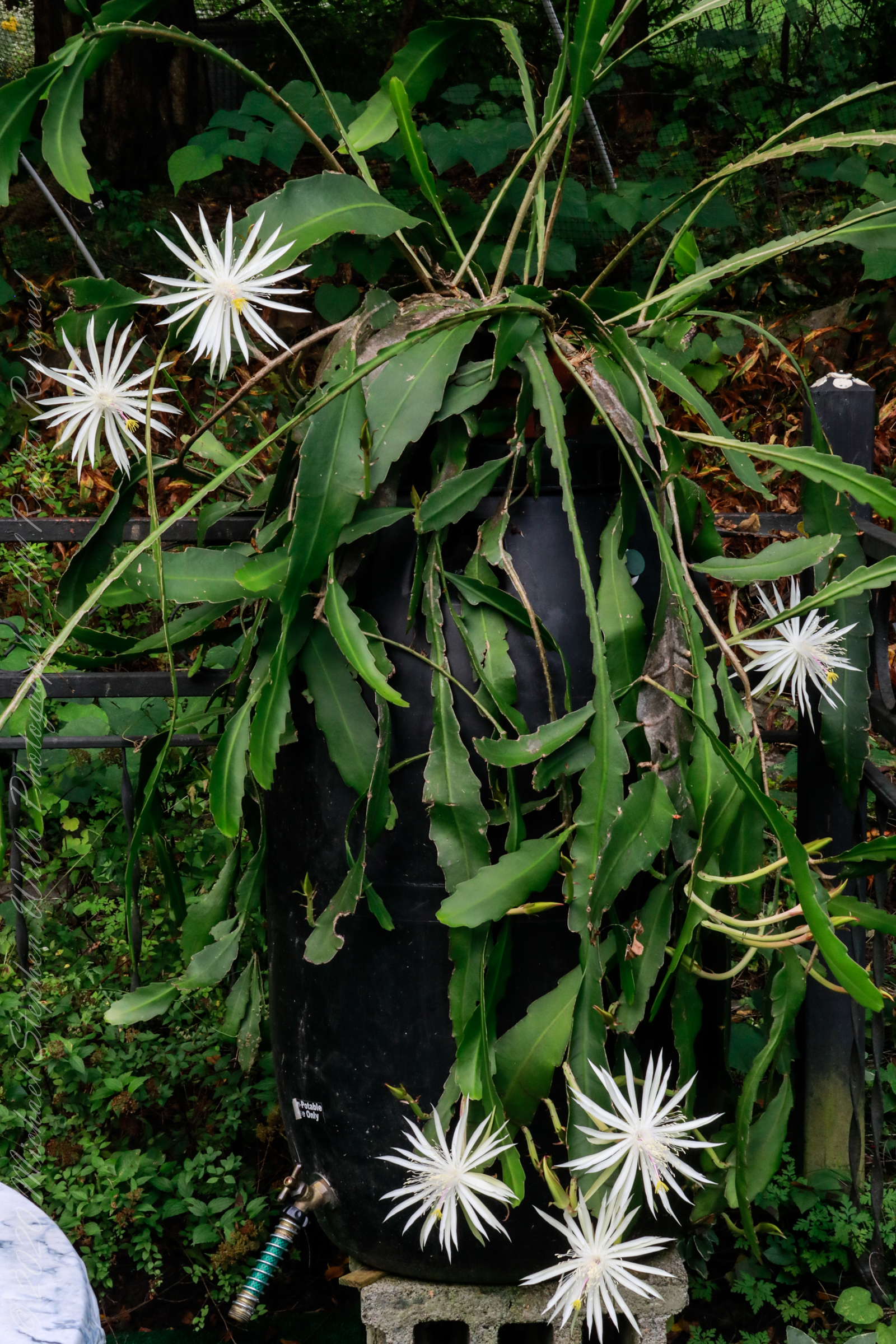
Our “cereus” summers on a water barrel poolside, this year, 2023, over 40 blossoms opened over the course of a week in September.

These were captured with the Canon EOS 5D Mark IV dslr on a Manfrotto tripod.

“Epiphyllum (“upon the leaf” in Greek) is a genus of epiphytic plants in the cactus family (Cactaceae), native to Central America and South America. Common names for these species include climbing cacti, orchid cacti and leaf cacti.”

Click me for another “Cereus” Post.

Copyright 2023 Michael Stephen Wills All Rights Reserved

A Stunning Find

After living here since 1986 I discovered this Cayuga Heights park on a warm early September day, 2023.

Looking across Cayuga Lake, not visible in the valley, to West Hill.

Plaque inscription: “Here may you too find the love of beauty, goodness, truth. This was the wish of Jane and Jared Newman when they presented Sunset Park to the village of Cayuga Heights in January of 1938.”

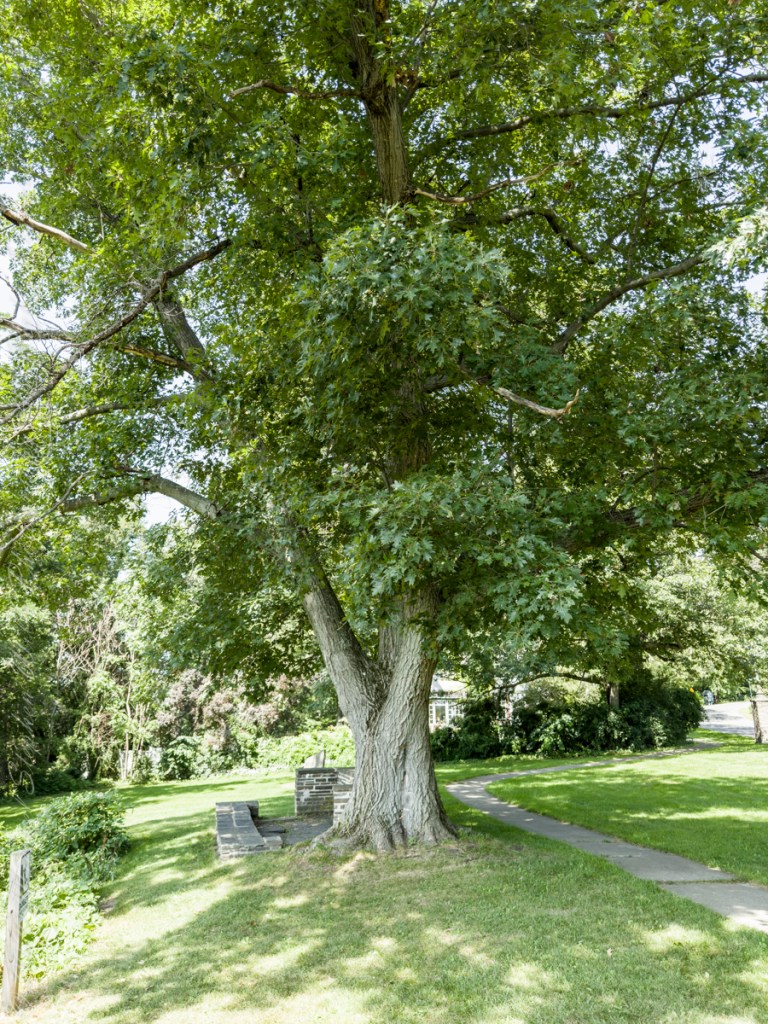
Rest on a limestone bench beneath a mature oak tree.

Limestone benches

View across Ithaca towards West Hill and, in the far distance, Connecticut Hill.

Copyright 2023 Michael Stephen Wills All Rights Reserved

Fruit of the Starflower

A member of the primrose family

These dark blue berries at the end of a slender naked stalk that arises from the leaf joint at the top of the plant were encountered on a late August day in Fillmore Glen, Moravia, Cayuga County, New York State.  Lysimachia borealis is a perennial wildflower commonly known as Starflower.  After blooming in the spring, as a member of the primrose family these are some of the first flowers to appear, the fertilized flowers develop into this round purple fruit.  To confuse identification, the plant is also known as Trientalis borealis.

“Lysimachia species are used as food plants by the larvae of some butterflies and moths, including the dot moth, grey pug, lime-speck pug, small angle shades, and v-pug.”   Chipmunks eat these fruits as a minor portion of their diet.

“Bees of the genus Macropis are specialized to pollinate oil-producing Lysimachia plants. These bees use exclusively Lysimachia floral oils for building their nests and provisioning cells. Lysimachia floral-specific chemicals are strong attractors for Macropis nuda and Macropis fulvipes bees that are seldom found in other plant genera.”

Do not confuse this with another “starflower,” Borago officinalis, from which an oil is produced commercially.

Reference: text in italics and quotes is from the Wikipedia, “Lysimachia.”

Copyright 2023 Michael Stephen Wills All Rights Reserved