Woodland Shelters…

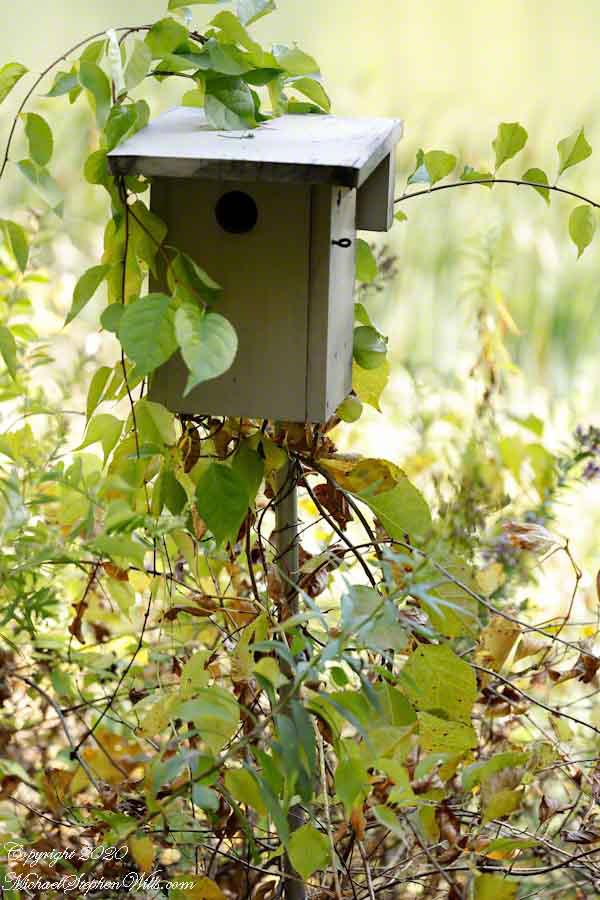
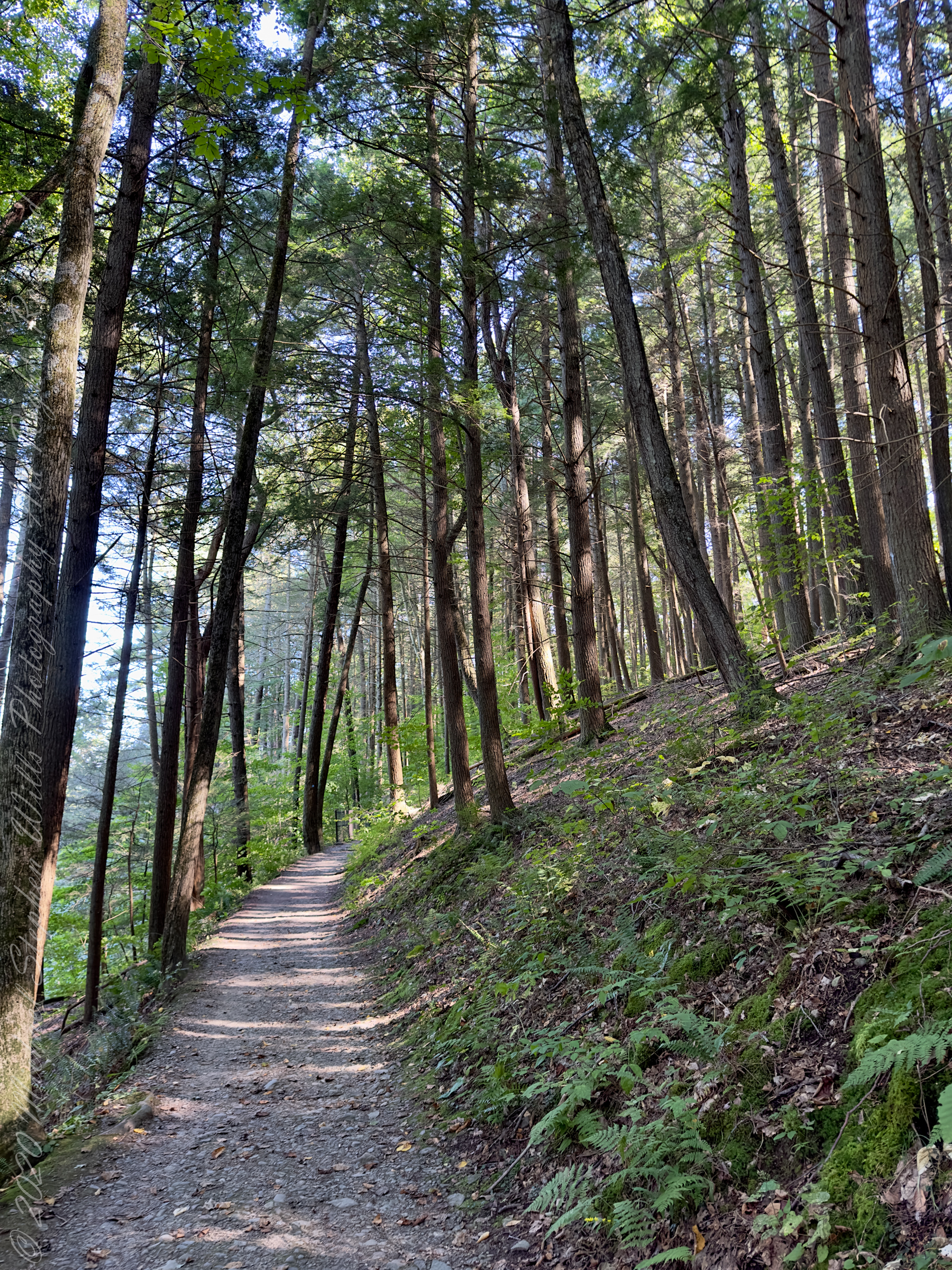
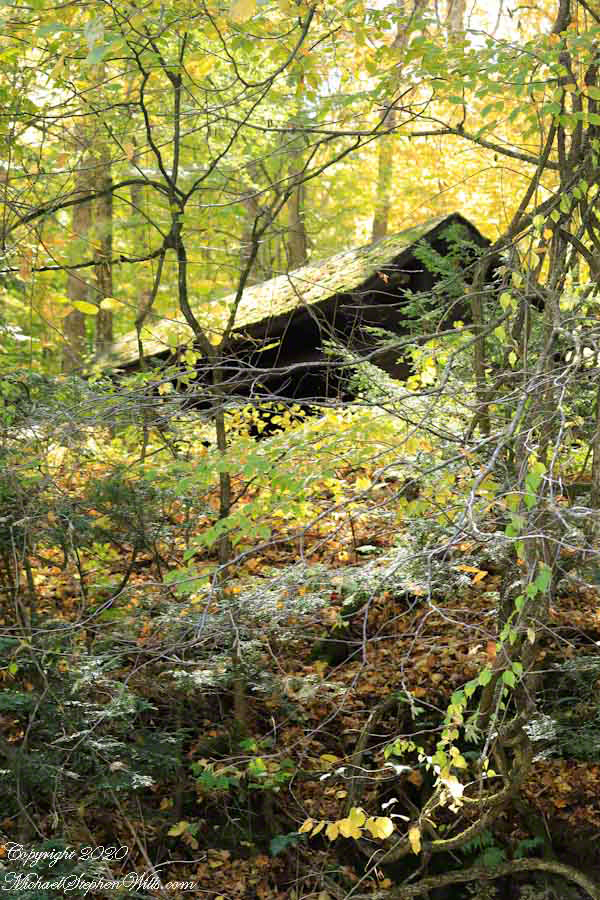
Here we have the harmony between humans and nature, represented through woodland shelters like lean-tos and birdhouses. It portrays these shelters as spaces of coexistence, mutualistic masterpieces blending function, form, and aesthetic in nature.

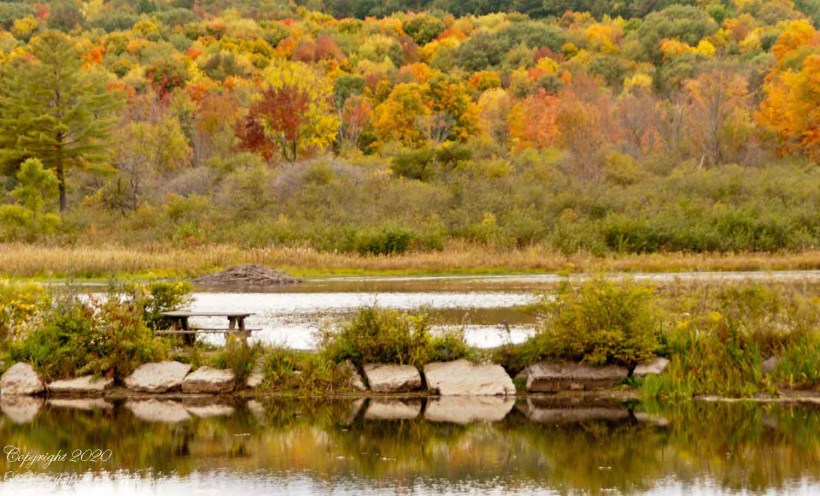
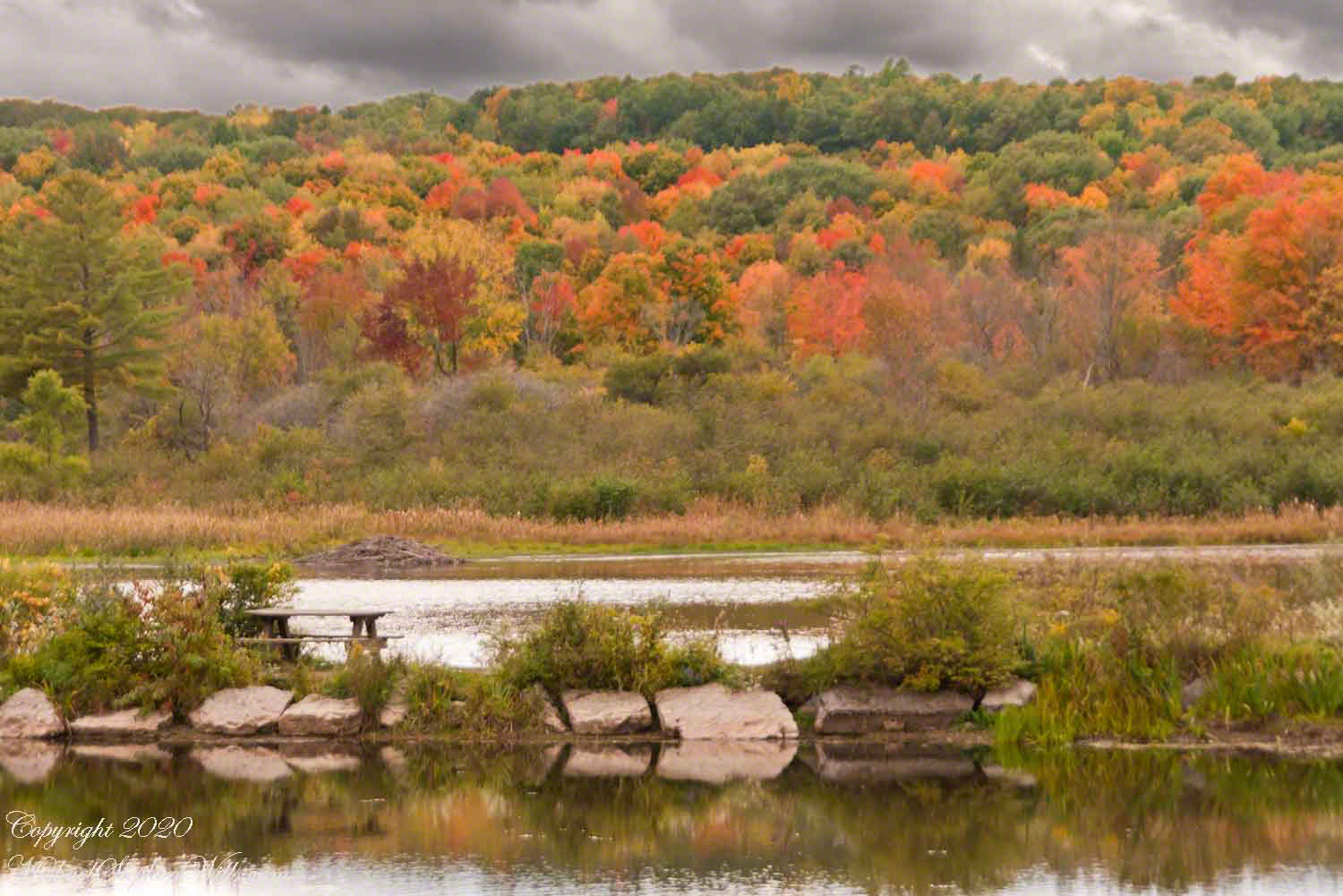
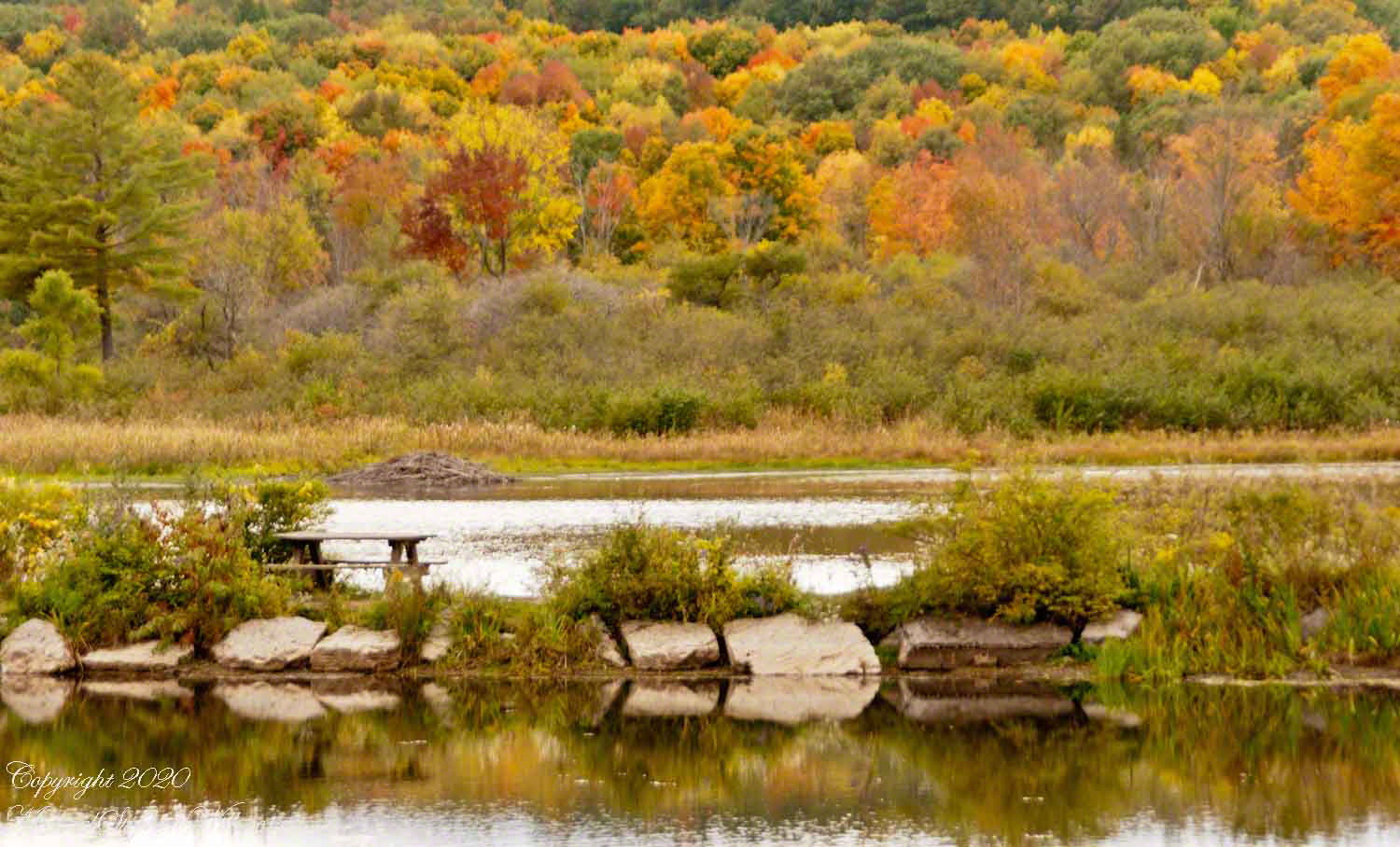
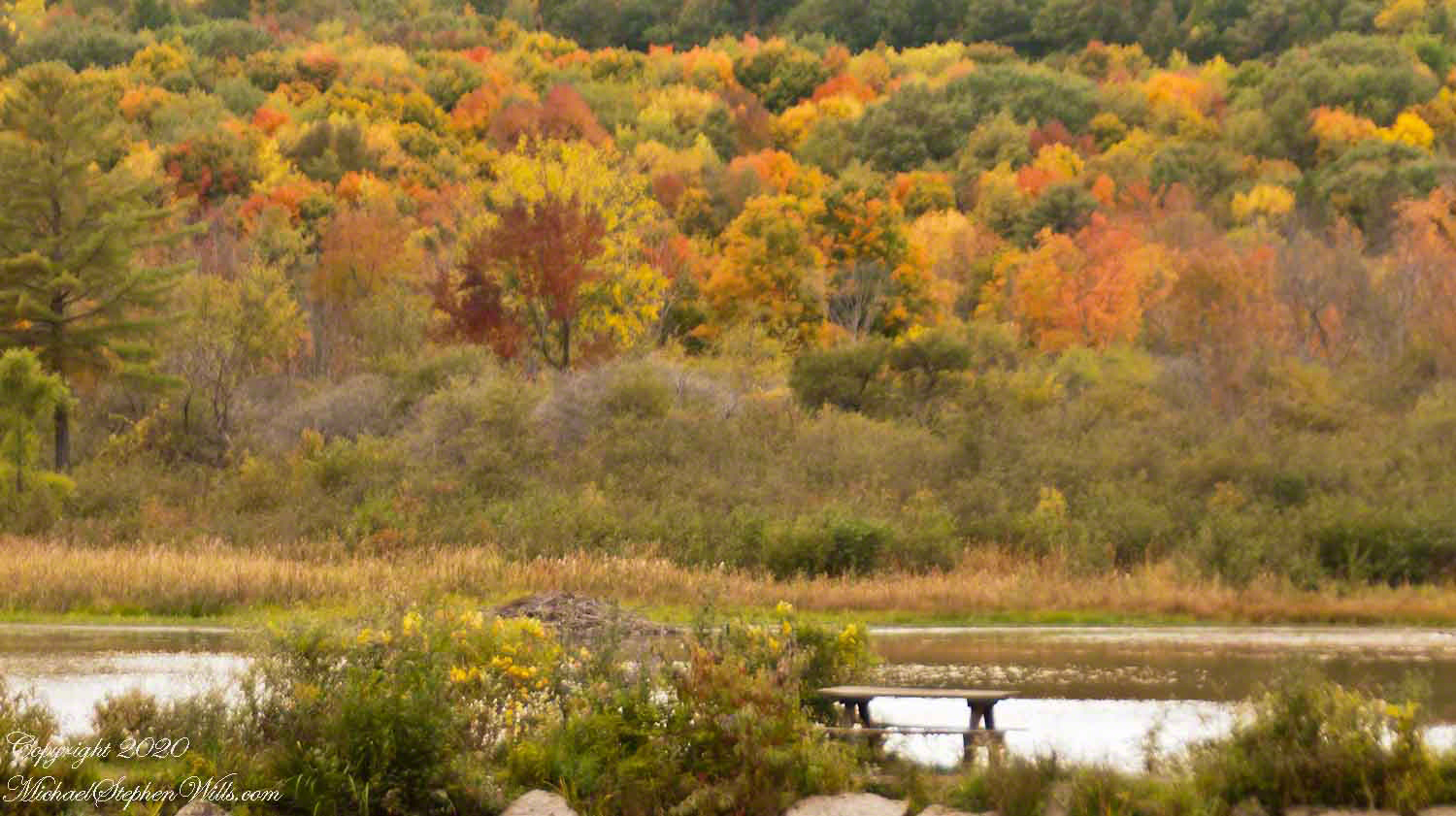
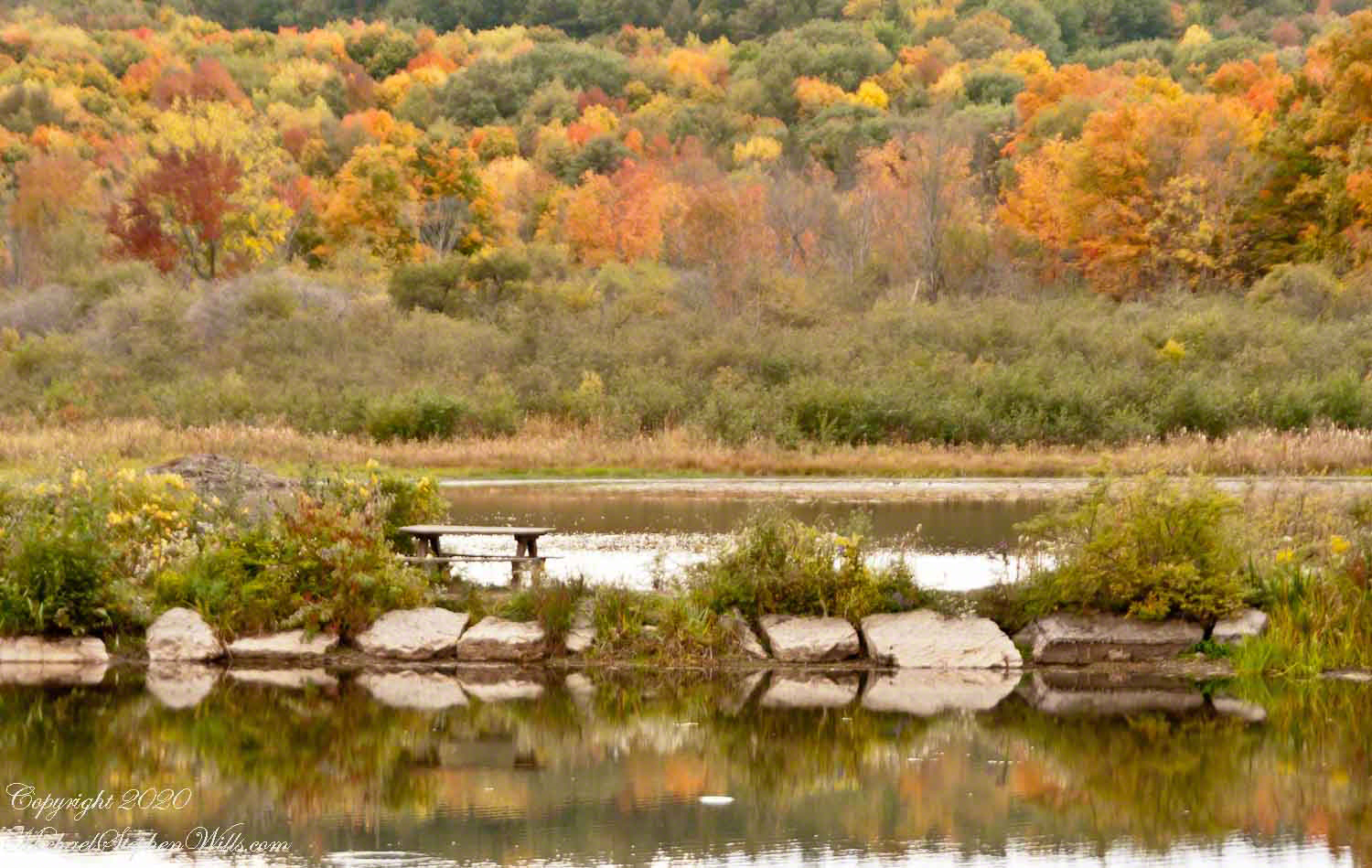
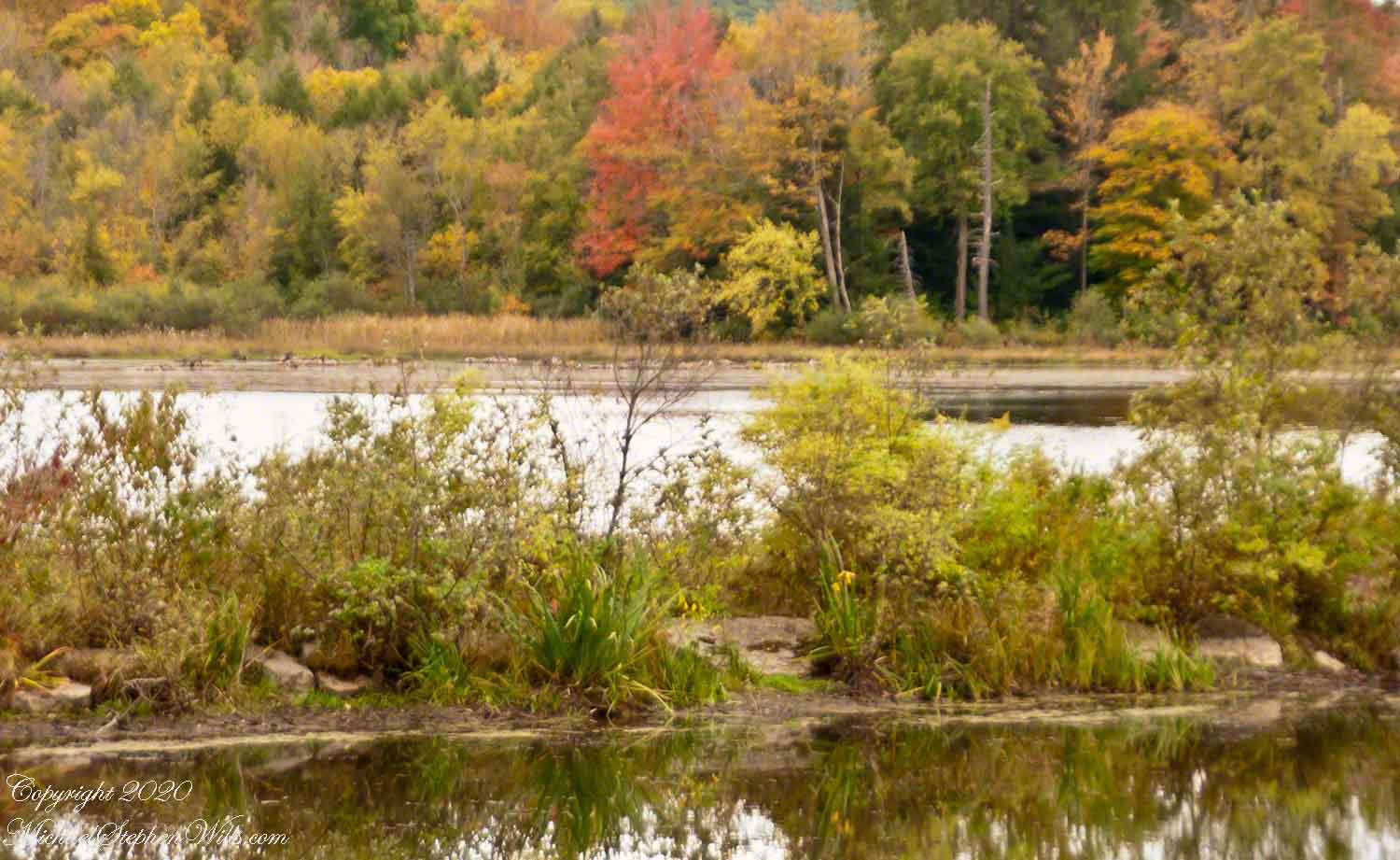
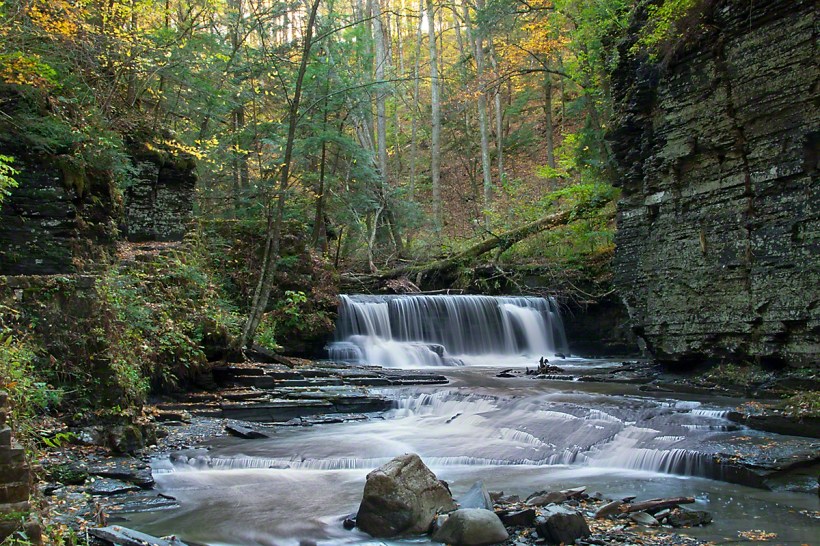
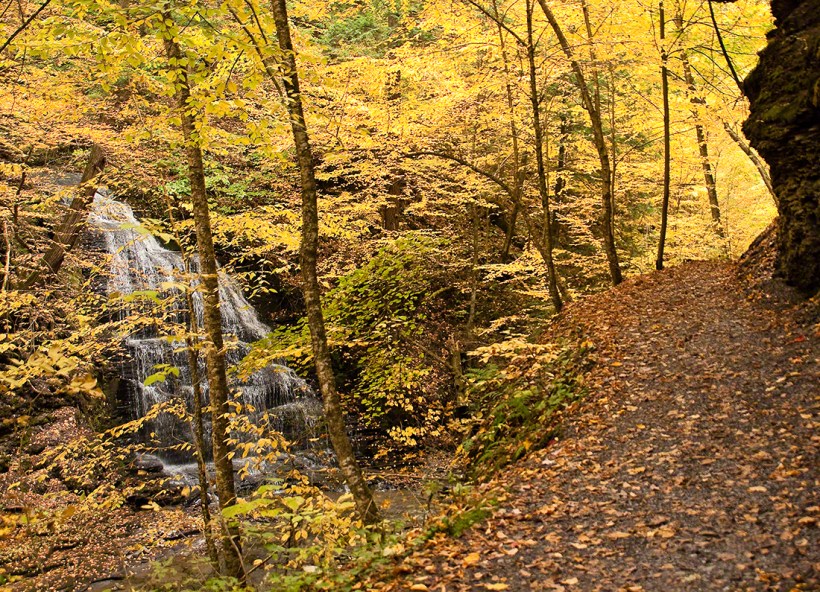
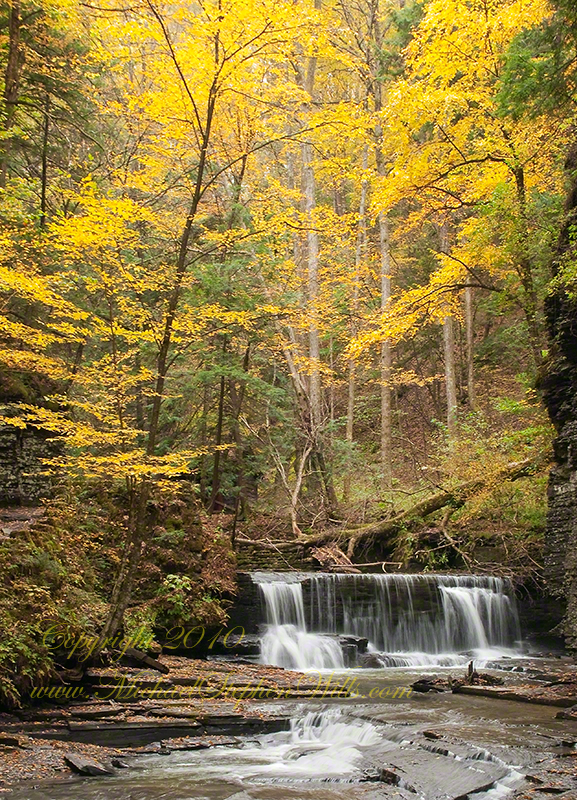
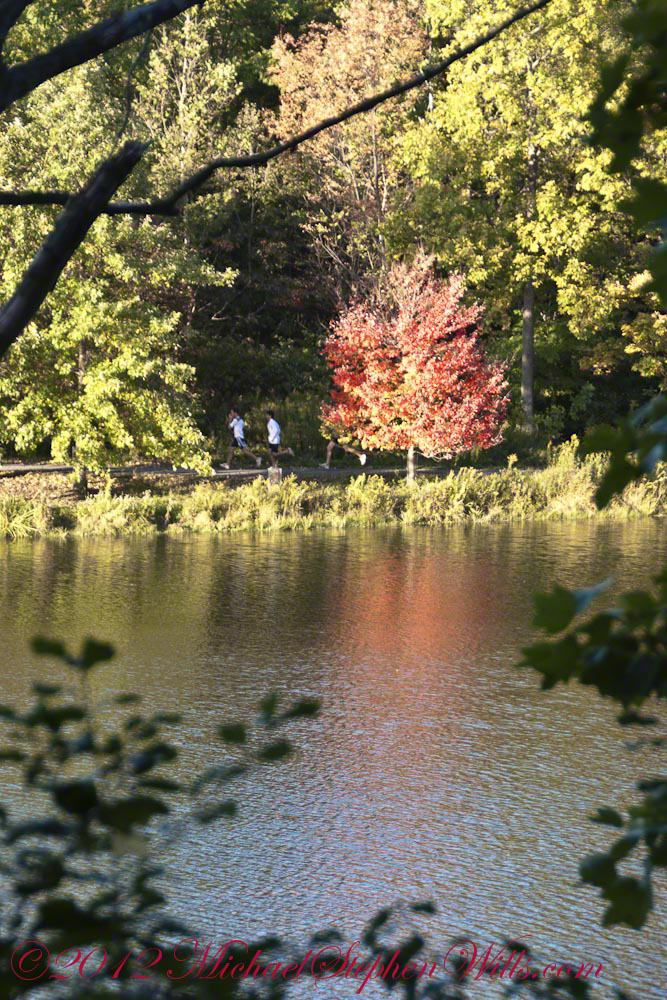
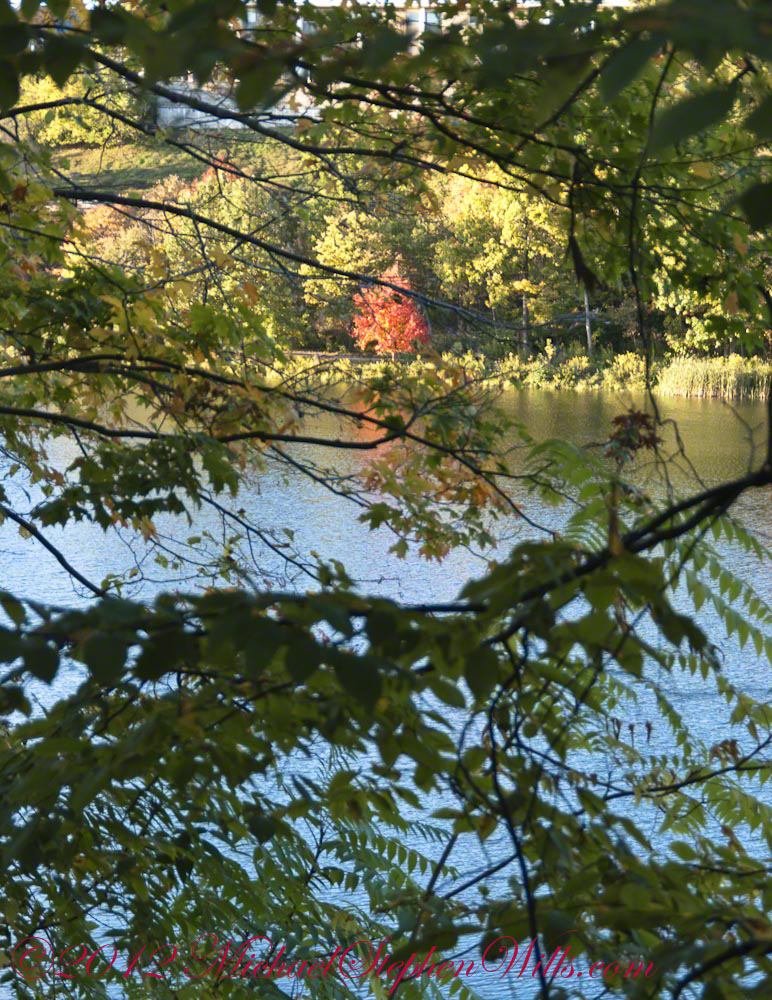
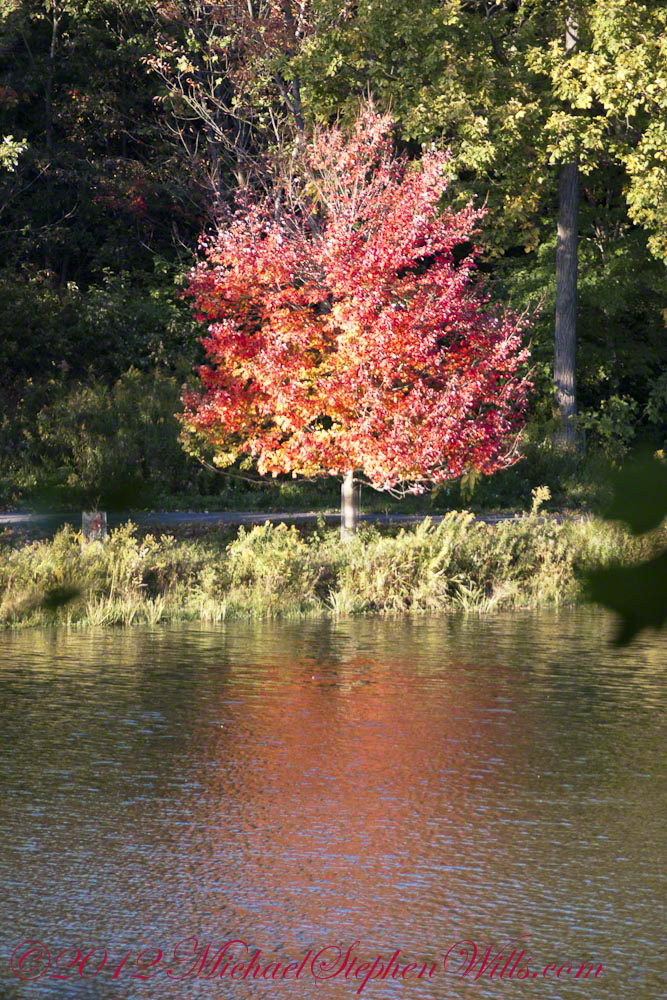
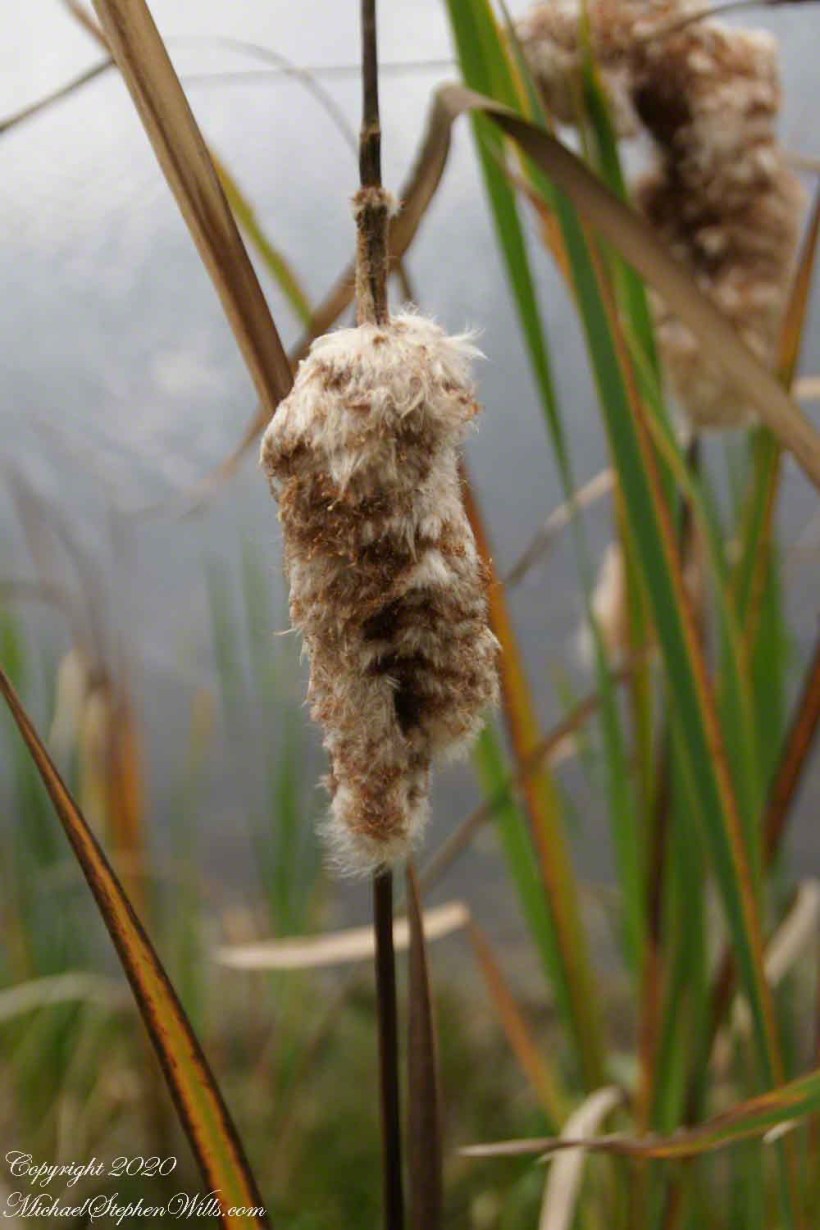
…on the Dam Pond at Fillmore Glen.

Hint: click image for larger view. Ctrl/+ to enlarge / Ctrl/- to reduce
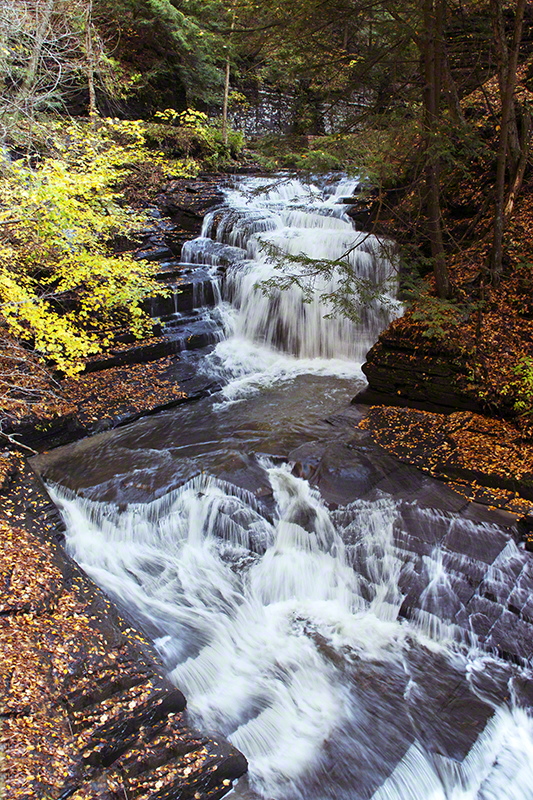
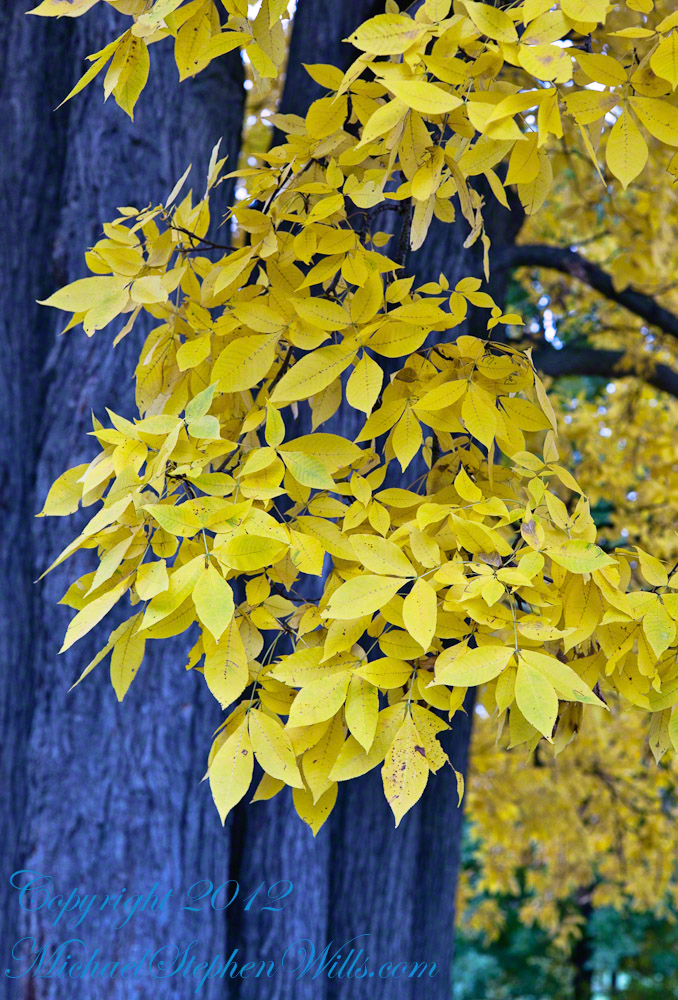
…vines running free.
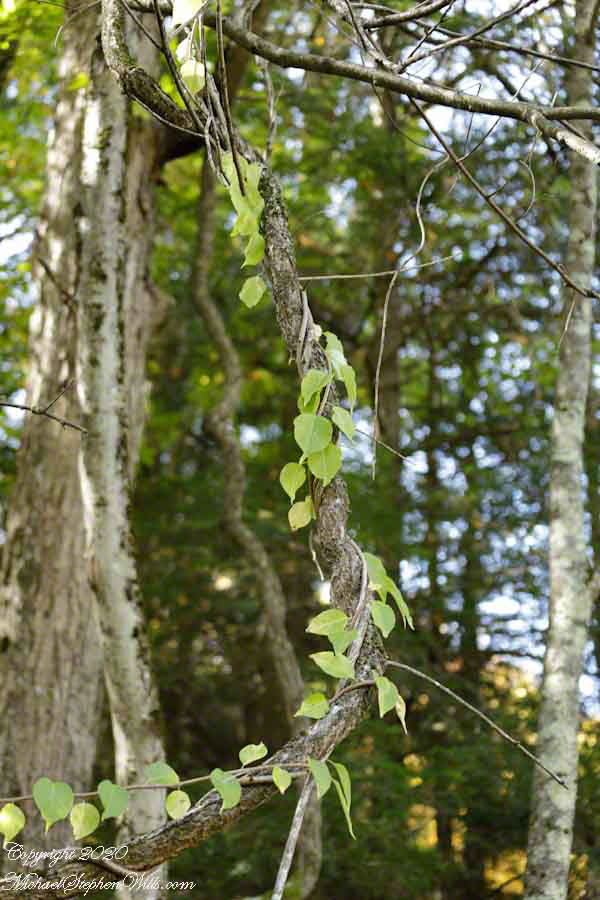
In the dappled sanctuary of the woodlands, where the rustle of leaves is a constant whisper and the breeze carries the secrets of the earth, there lies an unspoken harmony between the realm of the rooted and the realm of the roving. Here, the art of shelter is not just necessity but poetry—a dialogue between man and nature, bird and branch, leaf and sky. It is in the woodland shelters—those humble lean-tos and the charming birdhouses—that this conversation finds its most enchanting expressions.

A lean-to, a simple structure, a slant of sanctuary against the embracing trunk of a venerable oak or the crook of a steadfast pine, rises like an ode to minimalist refuge. It is both a testament to human ingenuity and a bow to the grandeur of the forest. Constructed from the very bones of the woods, with limbs that have fallen in the last tempest’s dance, it is clad in the textures of the wild—a tapestry of bark, a patchwork of leaves. It does not impose but rather suggests, whispering, “Here, rest awhile, where the earth holds you and the canopy cradles the sky.”

Within this woodland embrace, the lean-to is the hermit’s haven, the hiker’s pause, the dreamer’s alcove. It is the place where one can commune with the murmur of the brook, the chitter of the squirrel, and the silent flight of the owl at twilight. It is here that the smoke of a small fire mingles with the mist of dawn, where stories unfold to the rhythm of the crackling embers and the forest listens.

And what of the birdhouses, those quaint dwellings that pepper the woodland tableau? They are not mere shelters but the grand stages for the aerial ballet of wings and the morning serenades of feathered minstrels. Each is a mansion of possibility, an invitation etched in wood and lovingly placed among the boughs. They are the outposts of avian dreams, where the pulse of tiny hearts beats in time with the dripping of rain and the warmth of the sun’s caress.

The birdhouse is a symbol of the generosity of the woodsman’s spirit, a gift to the skyborne, a token of respect to the delicate denizens of the firmament. Here, the chickadee, the finch, the nuthatch, and the wren find respite and nurture the next generation of sky dancers. Each hole is a portal to a home, each perch a threshold to the warmth within, and every departure and return is witnessed by the vigilant trees, the silent sentinels of the forest.

Lean-tos and birdhouses, these woodland shelters, are the chorus of the sylvan symphony, the unseen chords that bind human to habitat, life to life. They are proof that in the quiet places of the world, where humanity treads lightly and the wild holds sway, there can be a beautiful coexistence, a mutualistic masterpiece painted on the canvas of the wilderness. They stand as symbols of the beauty that arises from the marriage of function and form, purpose and aesthetic, the innate and the crafted.

In the woodland shelters, there is a rhapsody played in the key of nature—a song of simplicity, of connection, of the perpetual dance between the earth and its many children. It is here, in the lean-tos and birdhouses, that the heart of the woods beats strongest, beneath the watchful eyes of ancient trees and the endless sky.
Copyright 2023 Michael Stephen Wills All Rights Reserved MichaelStephenWills.com

more Jennings Pond IV

Still life and stillness

I described Jennings Pond to Pam and we returned together. Here is a photographic essay from that day, one of a series.

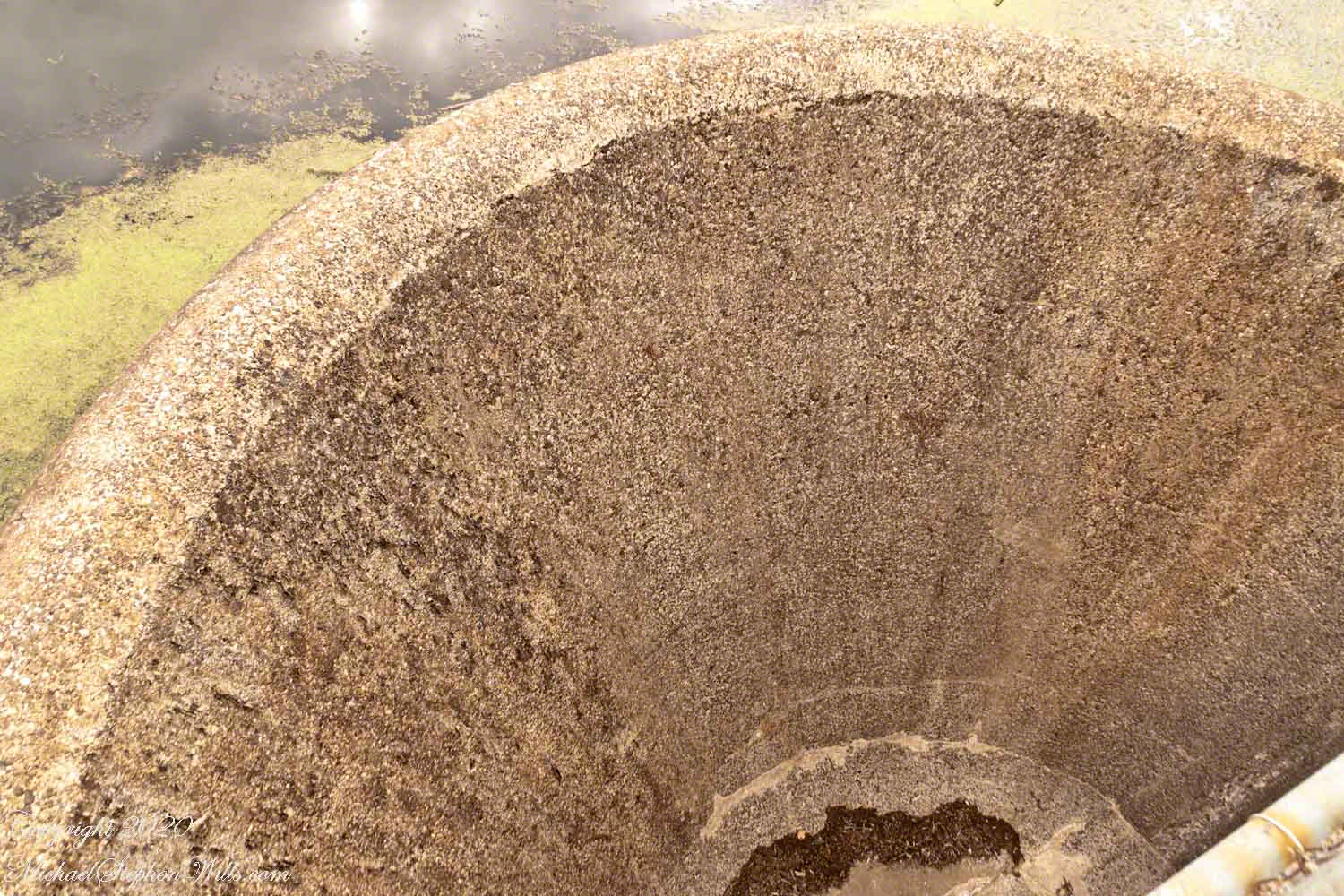
The first image is the small concrete dam, taken from the footbridge over the pond outlet, source for Buttermilk Creek.

Copyright 2023 Michael Stephen Wills All Rights Reserved

more Jennings Pond III

Picnics on the berm

I described Jennings Pond to Pam and we returned together. Here is a photographic essay from that day, one of a series.

Copyright 2023 Michael Stephen Wills All Rights Reserved

Apple Harvest Abstracts

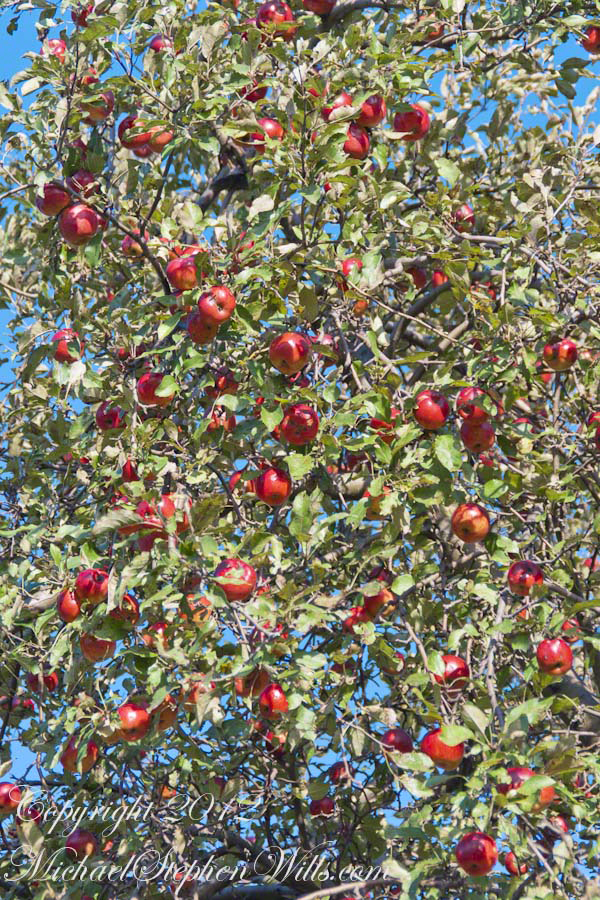
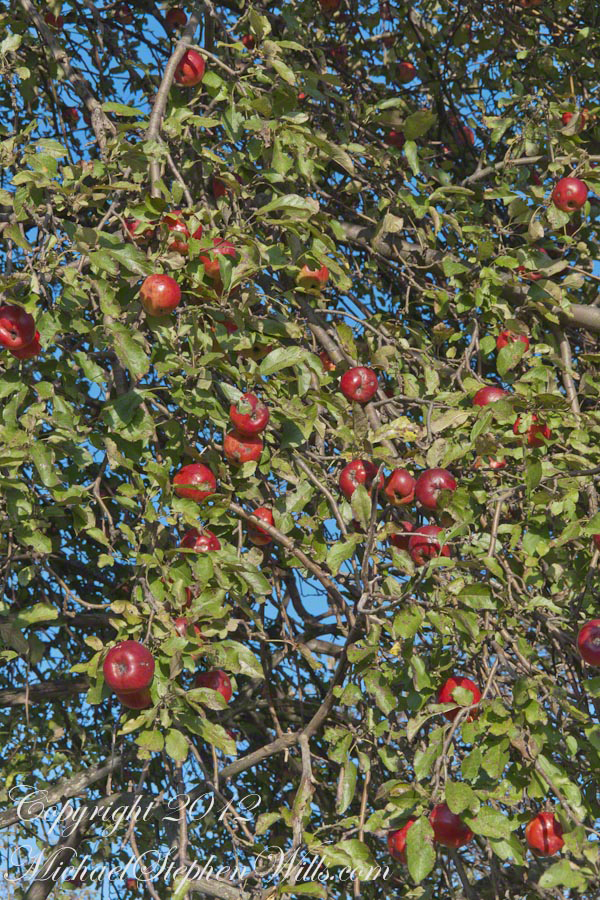
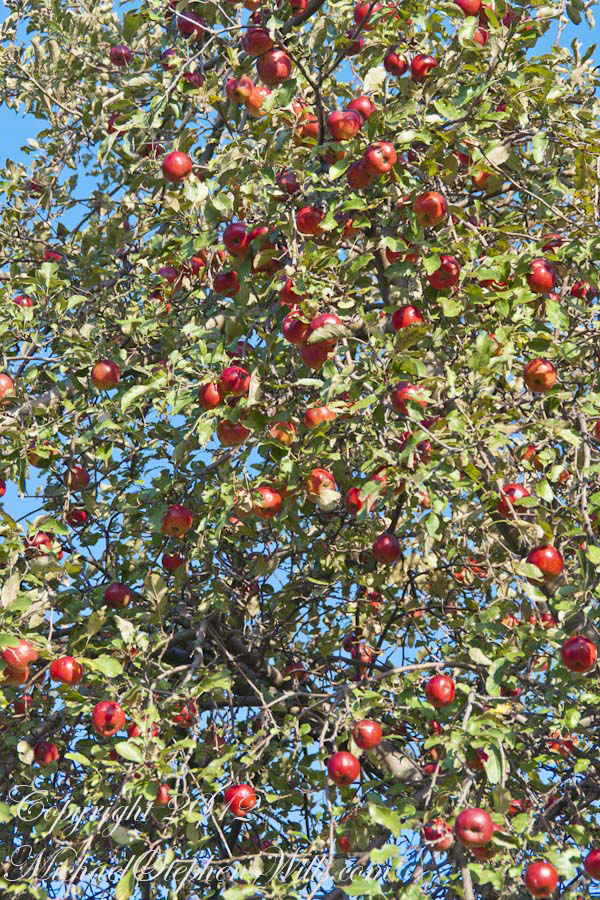
Organic, abstract, ripe apples ready for harvest on Malloryville Road in the Finger Lakes

One late afternoon in early autumn, Pam and I strolled along Malloryville Road from our old home, discovering these ripe apples ready for harvest beside a barn.

Thank You for viewing.

Click any photograph for my OnLine Gallery, “Finger Lakes Memories.”

Copyright 2023 Michael Stephen Wills All Rights Reserved

Gorge Stairway

when the elms blazed a glorious yellow.

Click any photograph to visit my Online Gallery

A staircase leading to the Fillmore Glen Gorge

on a perfect October evening

when the elms blazed a glorious yellow.

Filled with Golden Elms

Fillmore Gorge is full with slippery elms.

The constant infall of the gorge keeps these trees small.

Once a year, for a few days, all the elms turn at once. We were lucky to visit at the perfect moment.

The elms blaze yellow for a day or two, early October.

Copyright 2023 Michael Stephen Wills All Rights Reserved

Baker Lab with Autumn Trees

Double Irony

Baker Lab

Baker Laboratory dates back to World War I.  With 200,000 square feet of space, the lab is home to Cornell’s Chemistry and Chemical Biology Department, the Chemistry Research Computing Facility, the Nuclear Magnetic Resonance Facility, and the Advanced ESR Technology Research Center (whew!!).

Trees on a Knoll

On the right, on a knoll, is a European beech tree (Fagus sylvatica).  The Latin name holds a double irony. Standing, alone, high above East Avenue on the Cornell campus  (sylvatica means “of forests”) as a memory of the forests growing above Cayuga Lake is a being once worshiped as a god.   In Celtic mythology, Fagus is the god of beeches.
A maple is on the left, genus Acer of unknown species.  I recognize it from the shape.

Copyright 2023 Michael Stephen Wills All Rights Reserved

Little Red Maple

First to flower, first to turn

Red Maple (Acer Rubrum)

The Red Maple (Acer Rubrum) is tolerant of diverse conditions, making it a perfect choice for this  spot on the short of Beebe Lake.

Maple Syrup

Even though it is not a “Sugar Maple, early spring, the sap can be boiled down to syrup.

Turning Tree

The first to flower in spring and the first to turn in autumn.

From the Top Down

This maple turns from the top down and is already bare for most top branches.

Copyright 2023 Michael Stephen Wills All Rights Reserved

Lib Slope Hickory

the largest and brightest yellow canopy on Libe Slope.

Libe Slope

Cornell University is on a west-facing hill above Cayuga lake.  Libe Slope is between the West Campus and Quadrangle / Libraries.

Besides the exercise of walking the 18 degree incline several times each day,  Cornell students and alumni remember The Slope for autumn color.

Built in 1868, McGraw Hall has the honor of having the first of Cornell’s towers. The building is built of Ithaca stone and is home to the American Studies Program, Department of History, Department of Anthropology, and Archaeology Intercollege Program. The first floor of McGraw Hall houses the McGraw Hall Museum, a collection of roughly 20,000 objects from around the globe used for teaching by the Anthropology Department.

Hickory

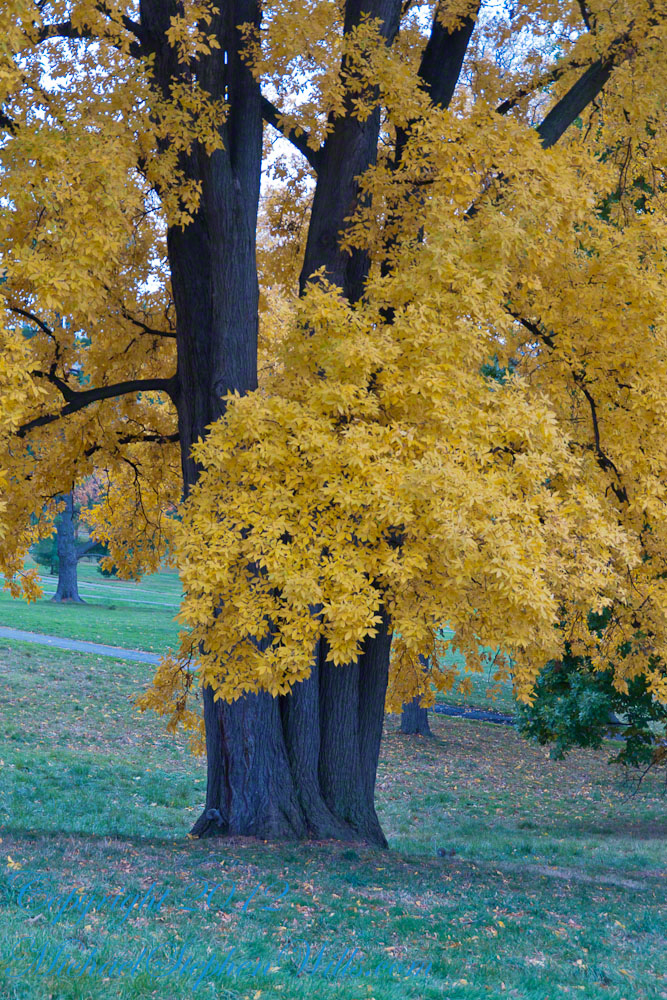
This is a Pignut Hickory (Carya glabra),  the largest tree  according to a 2009 Campus Tree Inventory (see link, below).

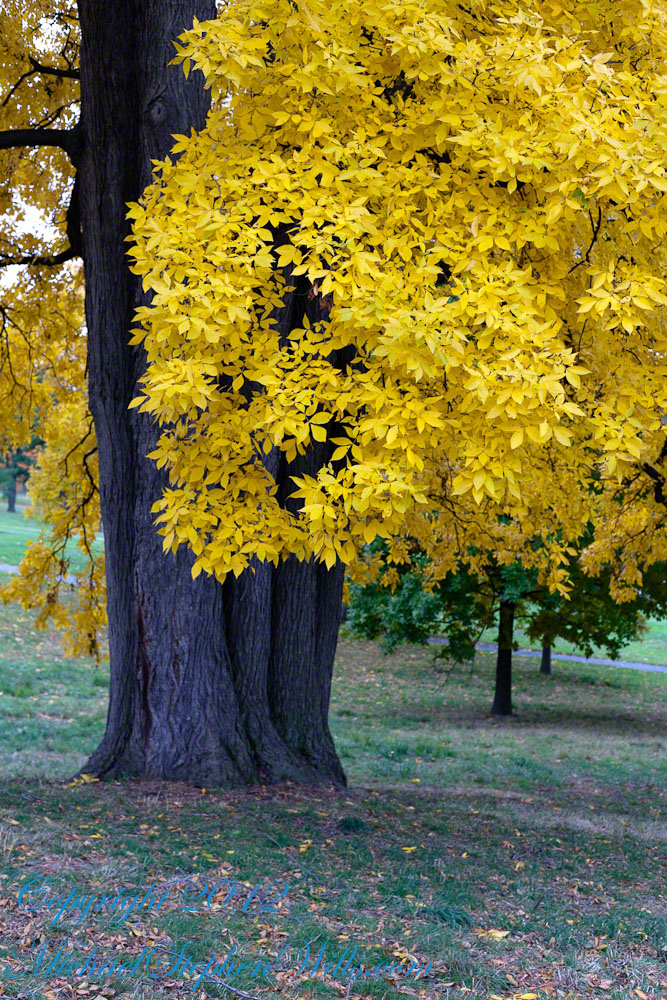
Seen from the north on a cloudy October day, this Pignut Hickory (Carya glabra) is the largest tree on the Cornell Campus, at 79 inches in diameter.

This hickory grows south of the Johnson Museum and among the autumn glories, it is the largest and brightest yellow canopy on Libe Slope.

Contrast

I remember this hickory for the contrast between the canopy and trunk, the way the clumps of yellow hang from dark boughs.  An overcast day is the best to capture this spectacle.  October 20, 2012 provided both bright sun and dark, rolling autumn clouds.  I waited on the north side, sheltered from the glare of the sky, for these perfect moments.

Leaves and Nuts

The pignut hickory is native to these Eastern United States.  It is known to favor moist slopes and this specimen has thrived on The Slope.  The ground beneath it is thick with nuts.

One week later as Hurricane Sandy approached the east coast

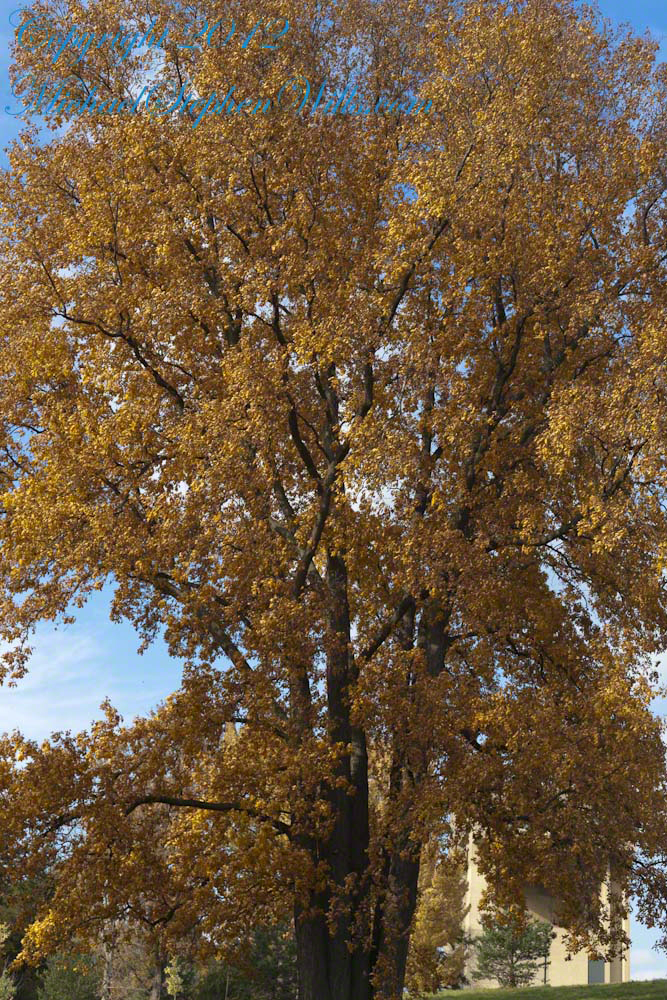
Just one week later, late afternoon on a sunny Friday as hurricane Sandy approached the east coast the hickory has fewer, tawny golden leaves.

Later in October the bright yellow leaves of the Libe Slope Hickory darken to a tawny gold. The Johnson Museum is in the right background.

Wonderful Flow of Limbs among Gold

Seen from the north on a cloudy October day, this Pignut Hickory (Carya glabra) is the largest tree on the Cornell Campus, at 79 inches in diameter.

References

A Photo Tour of Key Buildings at Cornell University by Allen Grove

Websites

Cornell Tree Inventory

Copyright 2023 Michael Stephen Wills All Rights Reserved

Treman Early Autumn Walk XIII

The Red Pine, Minnesota’s state tree, is a tall, conical, long-lived evergreen with distinctive orange-red bark.

Returning from a Rim Trail walk one April my boots were yellow from a prolific release of pollen from flowers of these tall trees that develop into the woody cones.

Pinus, the pine, is the largest genus in the family Pinaceae, with around 100 species throughout the northern hemisphere.


Red Pine (Pinus resinosa) is Minnesota’s state tree, known there as the Norway Pine. The use of the name “Norway” may stem from early Scandinavian immigrants who likened the American red pines to the Scots pines back home.


“Red pine is a coniferous evergreen tree characterized by tall, straight growth. It usually ranges from 20–35 meters (66–115 feet) in height and 1 m (3 ft 3 in) in trunk diameter, exceptionally reaching 43.77 m (143+1⁄2 ft) tall. The crown is conical, becoming a narrow, rounded dome with age. The bark is thick and gray brown at the base of the tree, but thin, flaky and bright orange red in the upper crown; the tree’s name derives from this distinctive character. Some red color may be seen in the fissures of the bark. The species is self-pruning; there tend not to be dead branches on the trees, and older trees may have very long lengths of branchless trunk below the canopy.”


“It is a long-lived tree, reaching a maximum age of about 500 years. Another member of Pinus, Pinus longaeva D.K. Bailey, the intermountain bristlecone pine, is the longest-lived tree in the world; one in the White Mountains of Nevada is estimated to be 5,000 years old, and by matching rhe rings with even older dead trees, a sequence going back 8,500 years has been established.”

“Red pine is notable for its very constant morphology and low genetic variation throughout its range, suggesting it has been through a near extinction in its recent evolutionary history. A genetic study of nuclear microsatellite polymorphisms among populations distributed throughout its natural range found that red pine populations from Newfoundland are genetically distinct from most mainland populations, consistent with dispersal from different glacial refugia in this highly self-pollinating species.”

Click Me for the first post in this series.

References
–text in italics and quotes is from Wikipedia, “Pinus resinosa.”
–“The Botanical Garden Vol I Trees and Shrubs,” Roger Phillips and Martyn Rix, Firefly Books, 2002.

Copyright 2023 All Rights Reserved Michael Stephen Wills

A Stunning Find

After living here since 1986 I discovered this Cayuga Heights park on a warm early September day, 2023.

Looking across Cayuga Lake, not visible in the valley, to West Hill.

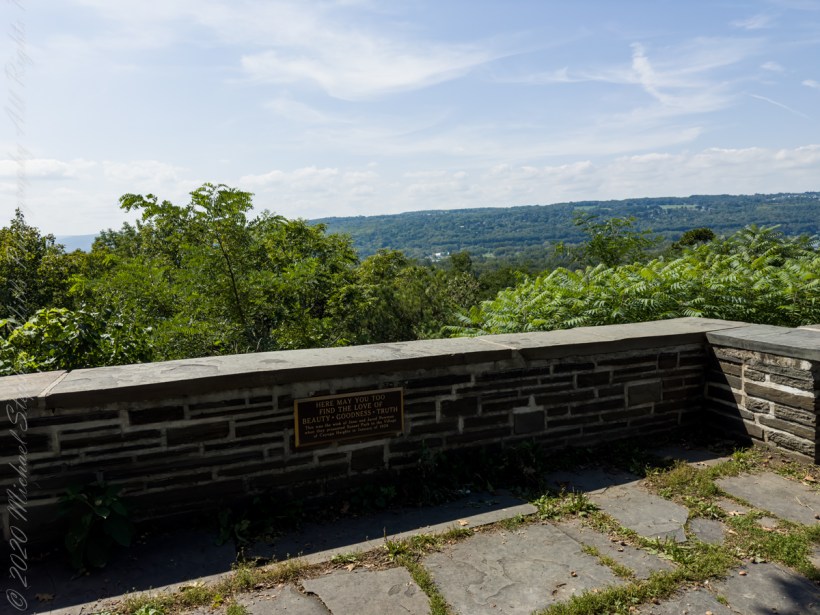
Plaque inscription: “Here may you too find the love of beauty, goodness, truth. This was the wish of Jane and Jared Newman when they presented Sunset Park to the village of Cayuga Heights in January of 1938.”

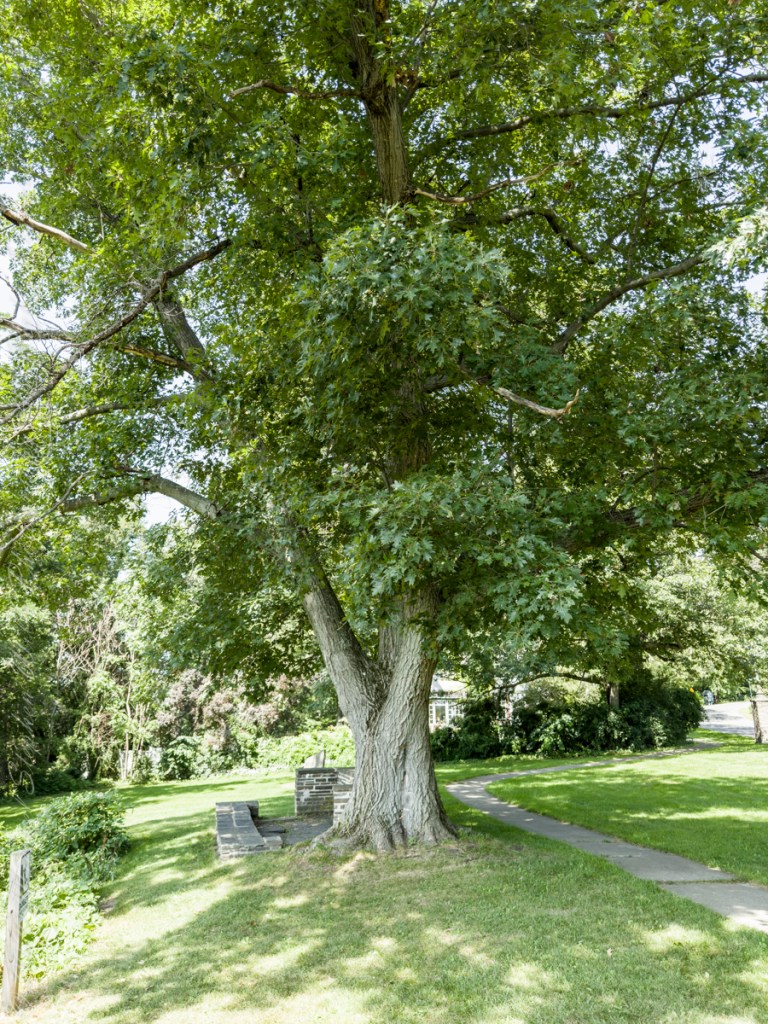
Rest on a limestone bench beneath a mature oak tree.

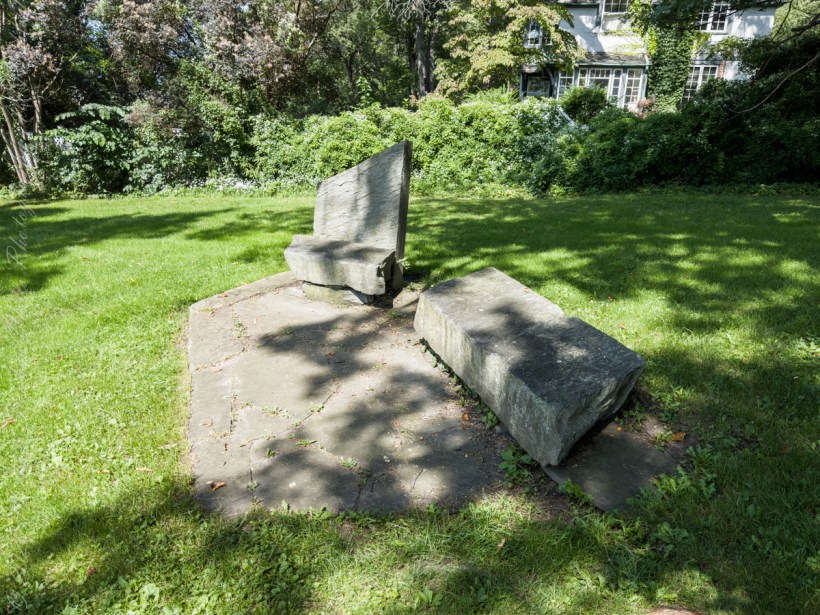
Limestone benches

View across Ithaca towards West Hill and, in the far distance, Connecticut Hill.

Copyright 2023 Michael Stephen Wills All Rights Reserved