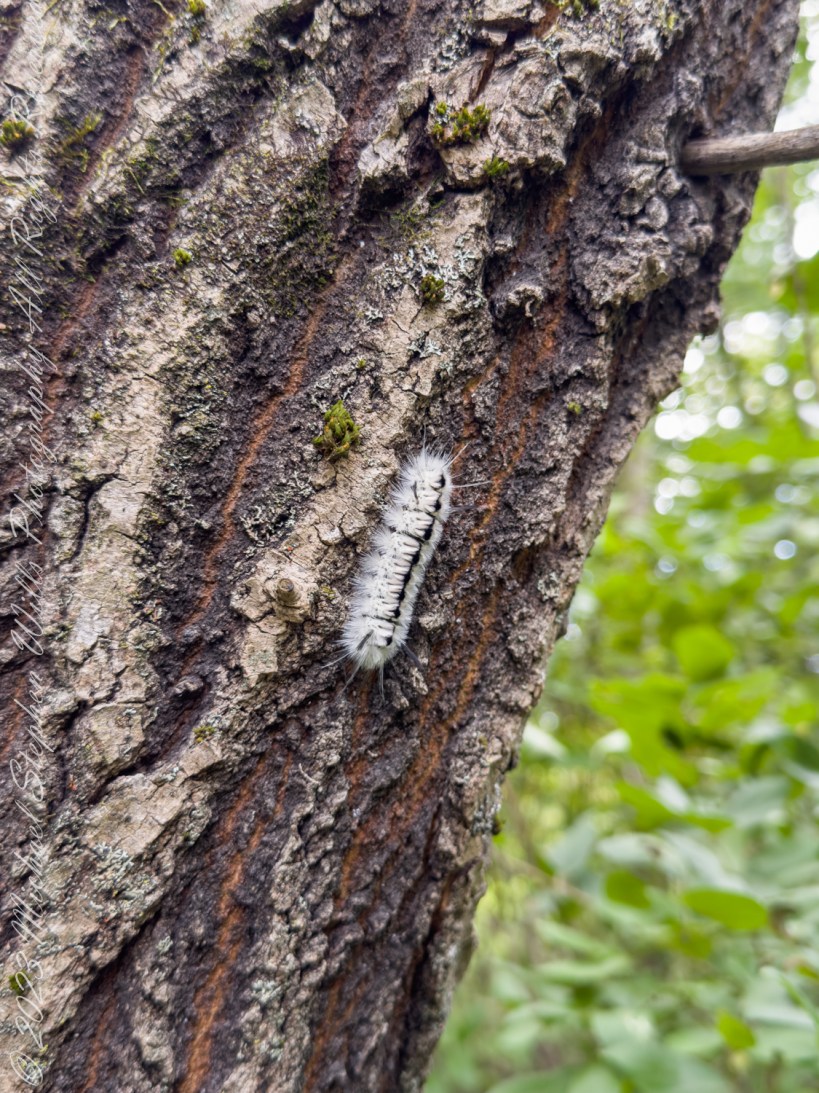
Life Unraveled: An Encounter with the Emerald Ash Borer

As I walked the quiet medical campus, a dying ash tree caught my eye. Its bark revealed the intricate, destructive galleries left by the relentless Emerald Ash Borer, telling a silent story of loss.

Feeling the need for air, for motion I walk the grounds of a medical campus in Northeast Ithaca, New York, as my wife undergoes physical therapy following her total hip replacement. The sun is high, casting long shadows across the neatly trimmed lawn and scattered trees. There’s a certain calmness here, a space to reflect amid the quiet hustle of the healthcare world.

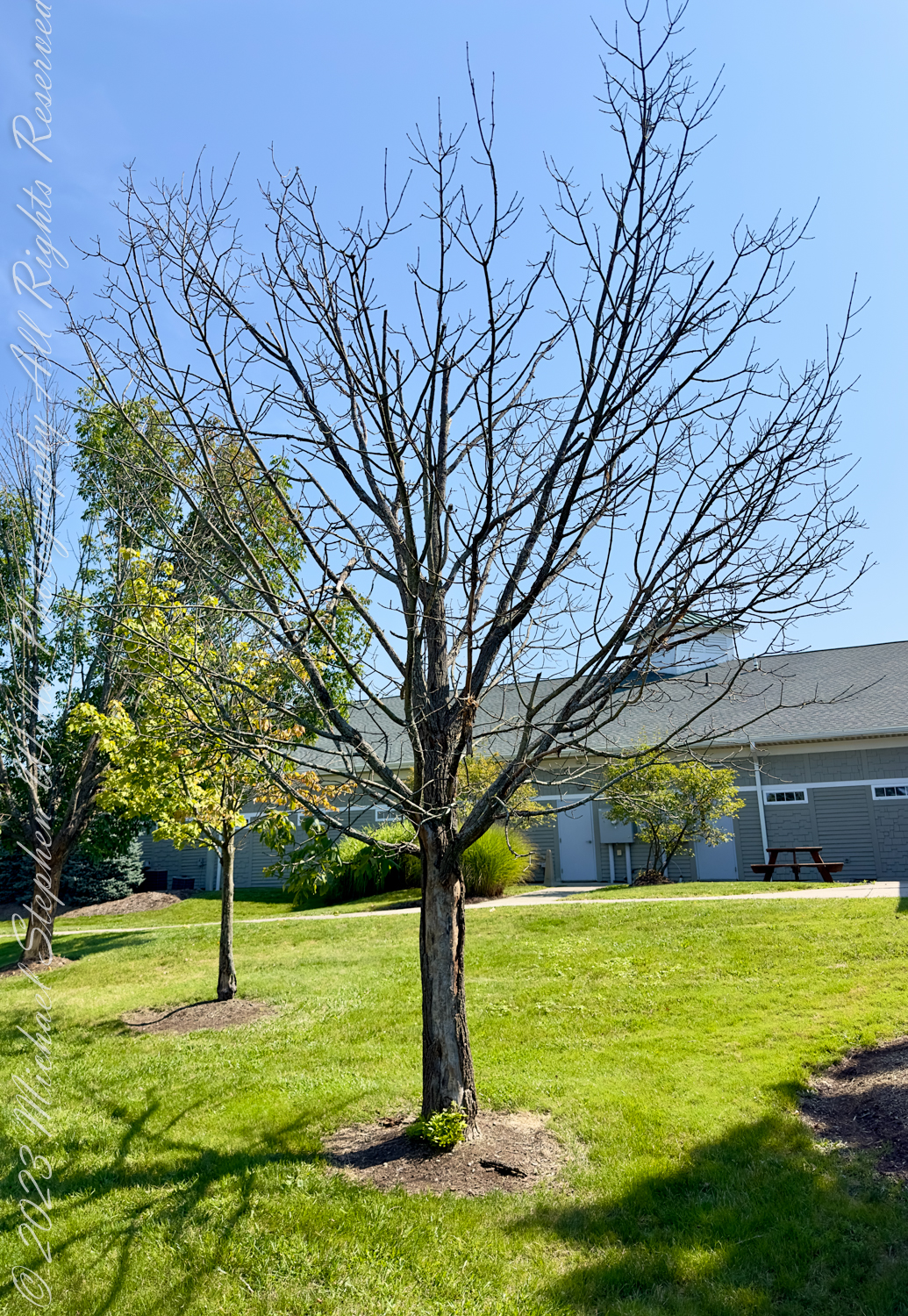
One tree stands out from the others. I immediately sense that something is not quite right. The branches, bare and brittle, reach out like skeletal arms against the blue sky. It’s summer—this tree should be lush, green, full of life. Yet, here it stands, a stark silhouette among the healthier trees nearby. My curiosity draws me closer, and as I circle the tree, my suspicions are confirmed: it’s an ash tree, Fraxinus americana, dying from an all-too-familiar enemy, the Emerald Ash Borer (Agrilus planipennis).

A dying ash tree on the medical campus off Warren Road, Northeast Ithaca.

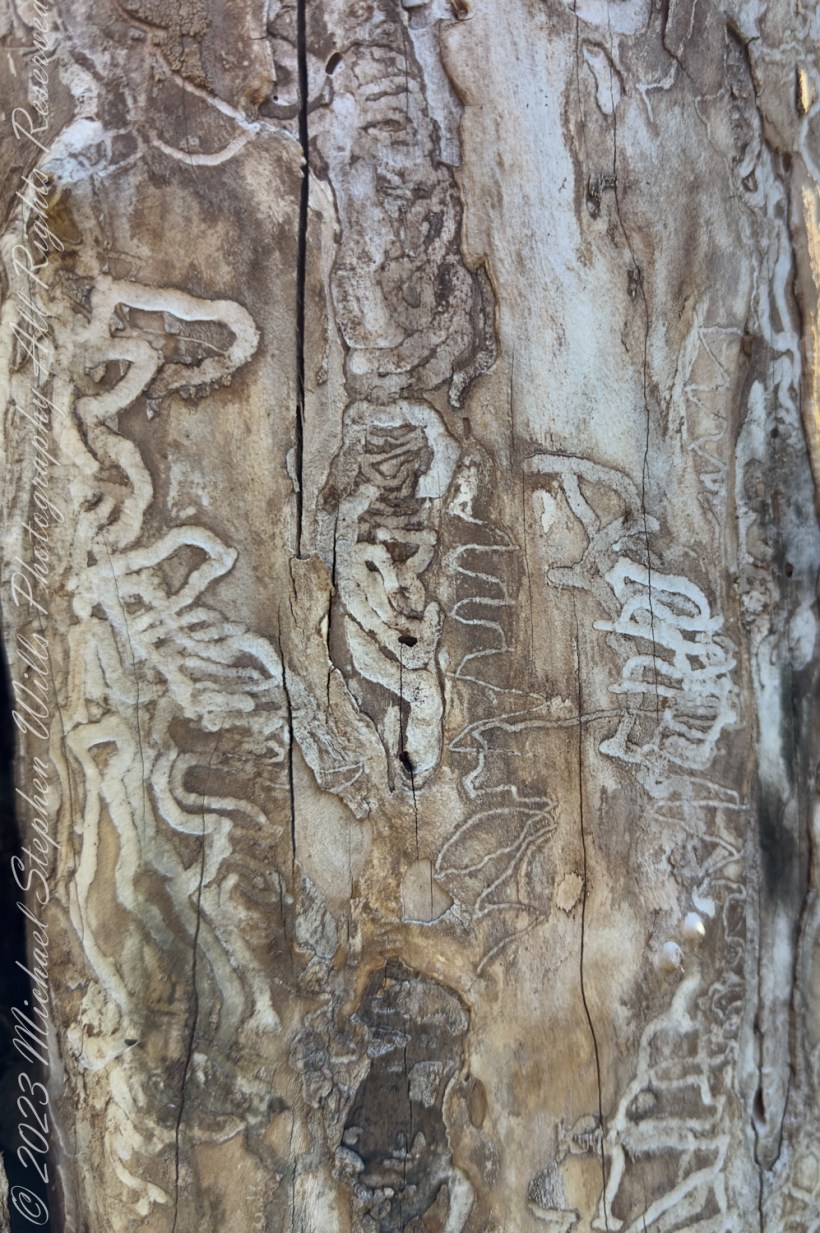
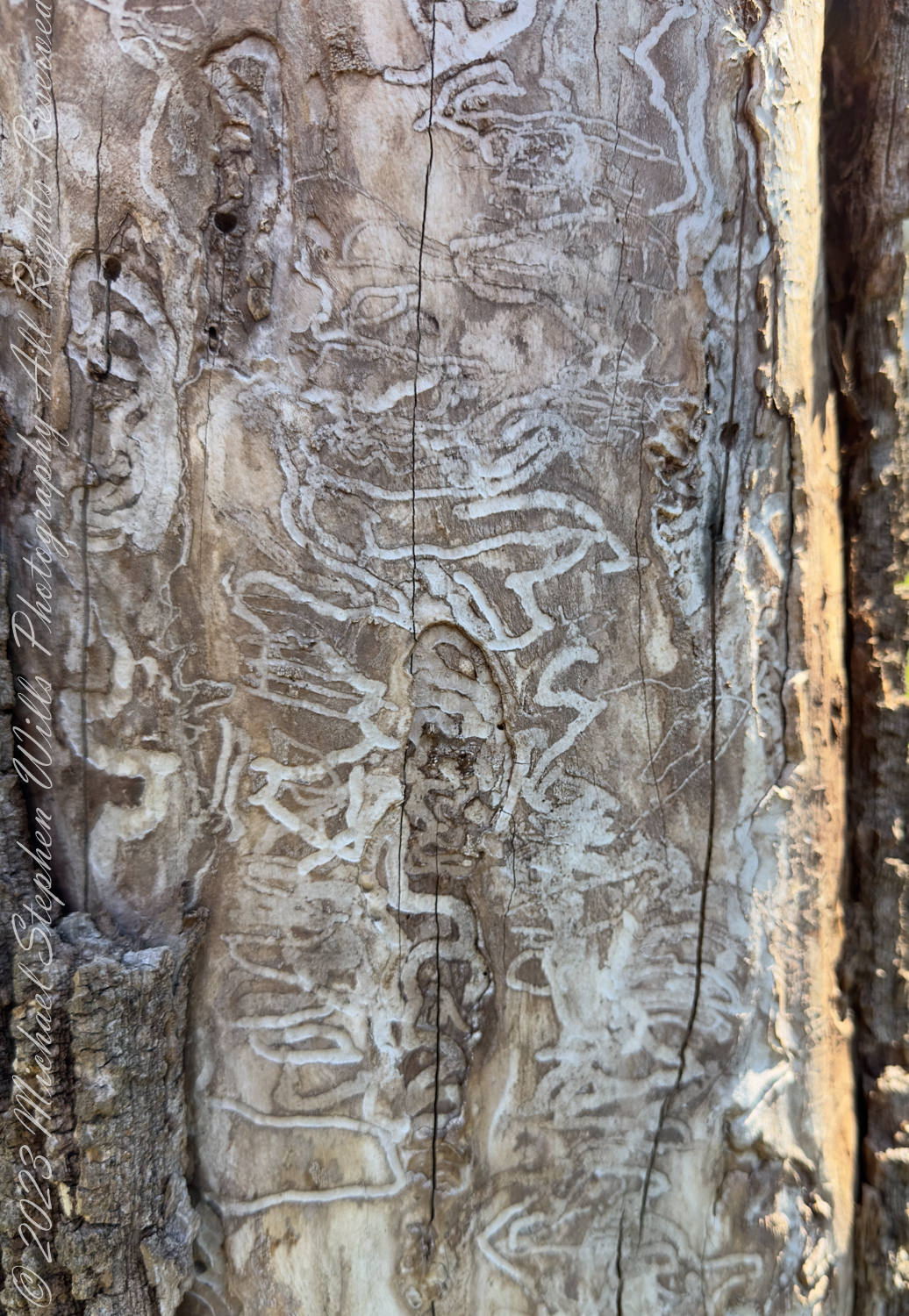
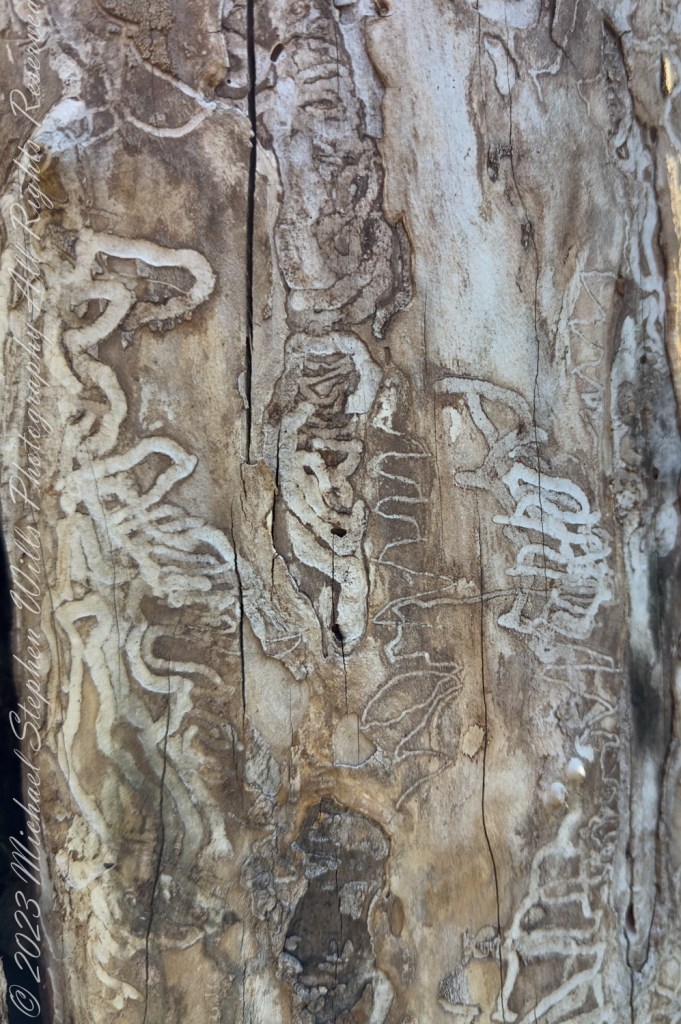
The first clue is a thinning canopy. Ash trees, in their prime, have such graceful foliage, creating broad umbrellas of shade. But when they fall victim to the Emerald Ash Borer, their decline is swift and merciless. The branches I see now are devoid of leaves, save for a few stragglers clinging on in vain. The bark tells an even clearer story. Large chunks have sloughed off, revealing a labyrinth of winding, S-shaped galleries just beneath the surface. These are the telltale signs of the larvae, relentlessly feeding on the inner bark, severing the tree’s lifeline as they go.

The tunnels left by the Emerald Ash Borer (EAB) are called galleries. These S-shaped galleries are created by the larvae of the EAB as they feed on the inner bark and cambium of ash trees. The galleries disrupt the tree’s ability to transport nutrients and water, eventually leading to the tree’s death.

I pull out my phone to capture some close-up shots. The gnarled, crisscrossing tunnels that wind through the exposed wood are mesmerizing in a way, almost like a natural etching carved by the tiny jaws of the Emerald Ash Borer. They’ve created a kind of grim artwork on this dying tree, though there’s nothing beautiful about the destruction they leave behind. I know that underneath this bark, the tree’s circulatory system—the xylem and phloem—has been disrupted, no longer able to transport water or nutrients. Slowly, the tree has starved.

It’s strange how, in the middle of waiting for my wife’s recovery, I find myself thinking about life and loss in this quiet moment with the ash tree. In some ways, this frail giant mirrors what my wife has been going through. The breakdown of something once strong and vital—be it bone or tree—doesn’t happen overnight. It’s gradual, unnoticed at first, until the damage becomes too great to ignore. But while my wife’s new hip will give her strength and mobility once more, there’s no hip replacement for this ash tree. The damage here is irreversible.

I circle the tree again, and the more I look, the more I notice the signs of decline. The bark peels away easily, almost like paper, exposing more of the damaged wood beneath. In some areas, there are what look like D-shaped exit holes, where the adult Emerald Ash Borers have chewed their way out to fly off and start the cycle anew. This is what makes the battle against this invasive species so frustrating—they are small, almost insignificant in size, but the sheer numbers in which they attack, combined with their ability to spread so quickly, make them nearly impossible to stop.
Just as I’m about to walk away, a thought crosses my mind: how many more ash trees will fall to this same fate? The Emerald Ash Borer, a native of Asia, arrived in the United States sometime in the early 2000s, hitching a ride in wooden packing materials. It quickly spread across states, leaving devastation in its wake. Here in New York, the effects have been nothing short of catastrophic. Entire forests of ash are being wiped out, and this tree, standing alone on the edge of the medical campus, is just one more casualty.
I turn back toward the building, the rhythmic crunch of my footsteps on the path feeling heavier now. As my wife works to heal and rebuild her strength inside, I think about the resilience of the human body, its ability to repair, to bounce back after trauma. But for the ash tree, there is no such recovery. Without intervention—chemical treatments that are costly and often impractical on a large scale—this tree will eventually become firewood, its wood too damaged to be of much use for anything else.

It’s a sobering thought, but also a reminder. Nature’s battles, much like our own, are often unseen, quiet struggles that unfold slowly over time. Sometimes, we win, as my wife will with her new hip, but other times, like the ash tree and its silent battle with the Emerald Ash Borer, the fight is already lost.

Copyright 2024 Michael Stephen Wills All Rights Reserved

Echoes of Flight: The Summer the Monarchs Did Not Come

Contemplate the quiet sorrow of a summer without monarchs. Click on the photo to read the full story and reflect on this profound sense of loss on my blog.

This past summer, an absence visited our garden—a loss more profound than the quieting of wind. It was the virtual silence of an empty sky where monarch butterflies should have danced. Each day, we waited, hoping to catch a glimpse of those delicate wings, vibrant with orange and black, fluttering above the milkweed. But the familiar sight never came.

Monarch butterflies, those ethereal creatures that once graced our summers, seemed to have forgotten us.

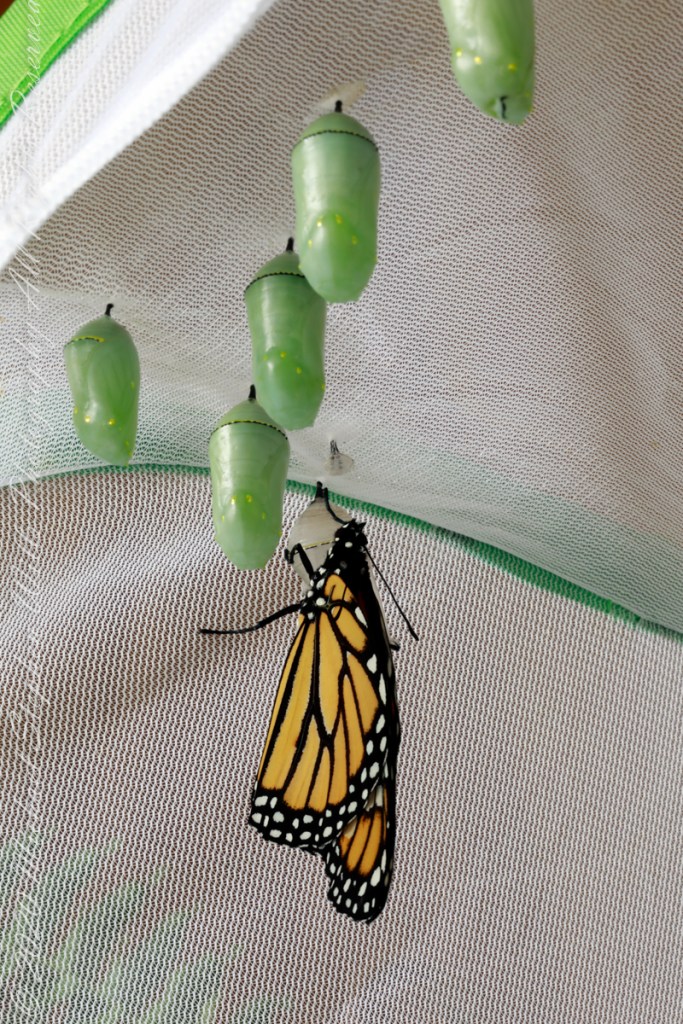
Macro of the Monarch butterfly chrysalis. The black stalk attached to the silk pad is call a cremaster.

The photograph of the monarch chrysalis, a delicate gem hanging on a thread of life, speaks to the fragility of nature itself. Each chrysalis is a promise—a quiet, patient promise of transformation and renewal. Yet this summer, those promises vanished, leaving us to wonder where the monarchs had gone, what changes in the world pulled them away from our home in the Finger Lakes.

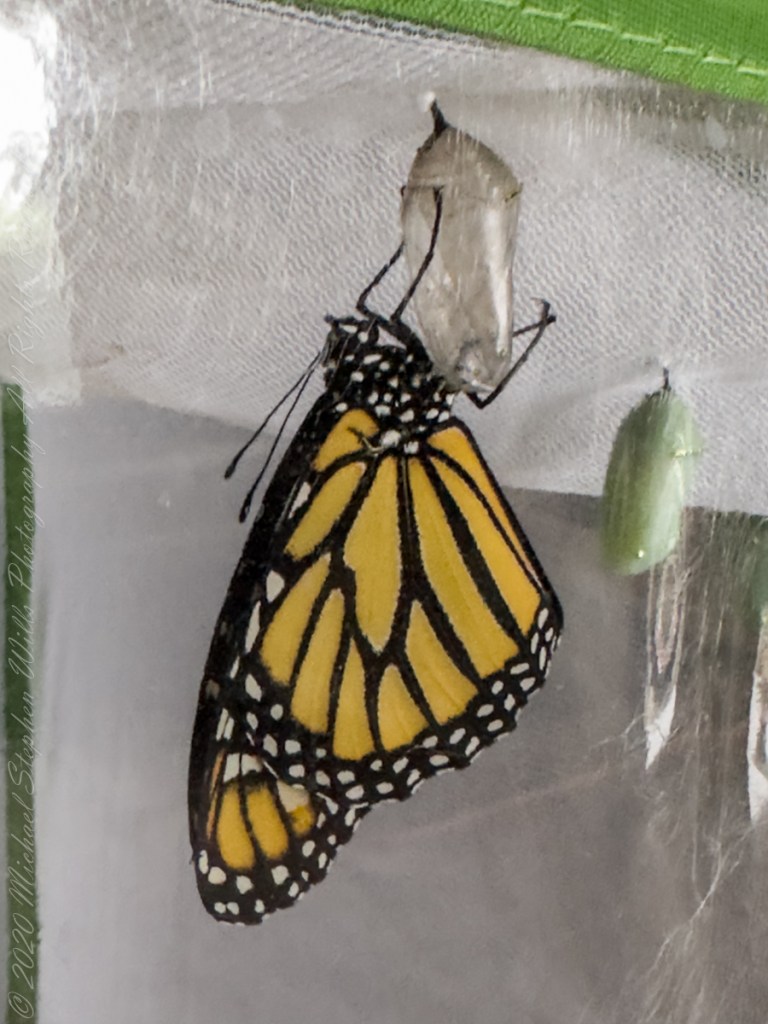
Our first monarch butterfly of 2023 just after emergence from the chrysalis and after wing expansion. This female will hang for several hours while the wings dry.

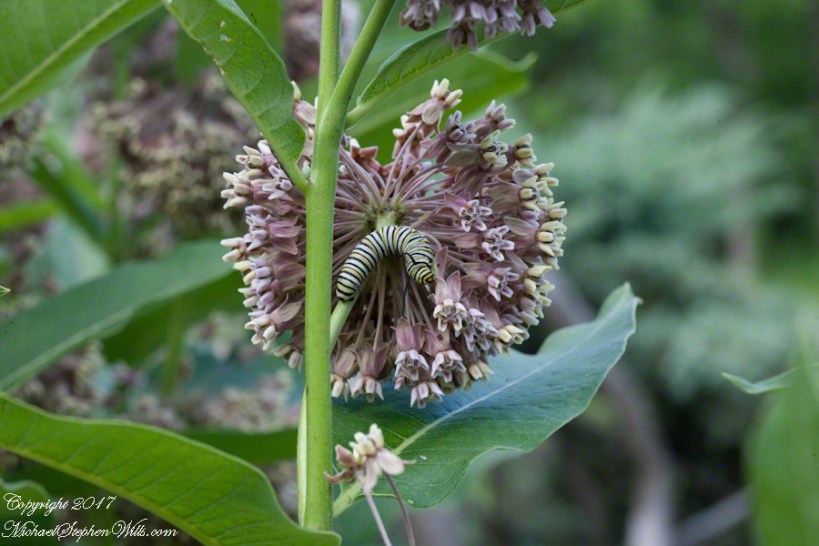
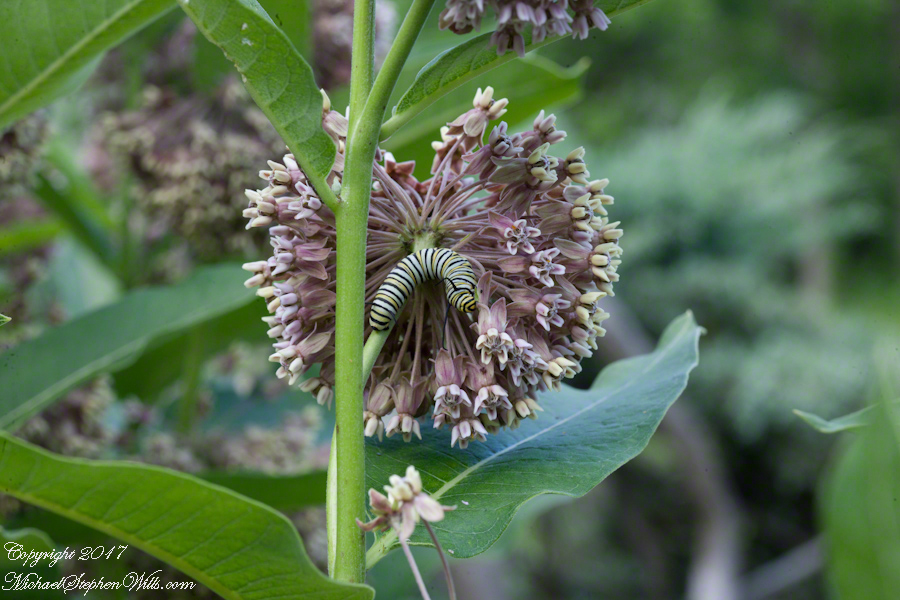
Another image from a time not so long ago, yet now seeming distant, shows a monarch caterpillar nestled among the milkweed blossoms. This was a time when our garden was alive with their presence, each caterpillar a testament to the cycle of life that once thrived here. The sight of them devouring the leaves was a sign of hope, a prelude to the transformation that would soon unfold. Now, that vibrant energy has vanished, leaving behind a quiet that speaks of loss and absence.

We are left to reflect on this silence, on the empty milkweed leaves and the air where monarchs once flew. The memories of summers past, when the monarchs filled our garden with their grace, are bittersweet now. They remind us of a time when the connection between the earth and its creatures was still intact, when the balance of nature had not yet been so precariously tipped.

In their absence, the monarchs leave behind a message—a reminder that their delicate beauty is not guaranteed, that the balance we once took for granted can be lost. The summer without monarchs urges us to look inward, to consider what must change, what must be protected, so that future summers may once again be filled with the fluttering of wings and the promise of life renewed.

The garden absence this year is a call to action, a plea from the earth itself to remember the delicate threads that connect us all. May we answer that call, so that this summer of loss will not reach into the future, but will be a pause, a moment of reflection before the return of the monarchs, and with them, the return of hope.

Request to my North American readers: leave comments exploring your experiences of Monarch butterflies the summer of 2024

Here are links to more Monarch photographs and videos.

Flight

Monarch Caterpillar to Chrysalis

Monarch Emergence

Copyright 2024 Michael Stephen Wills All Rights Reserved

The Last Bloom and the Bee’s Blessing

In the final bloom of the season, a honeybee’s delicate dance with the Queen of the Night captures the fleeting beauty of nature’s cycles. Discover the profound connection between flower, bee, and life’s rhythms.

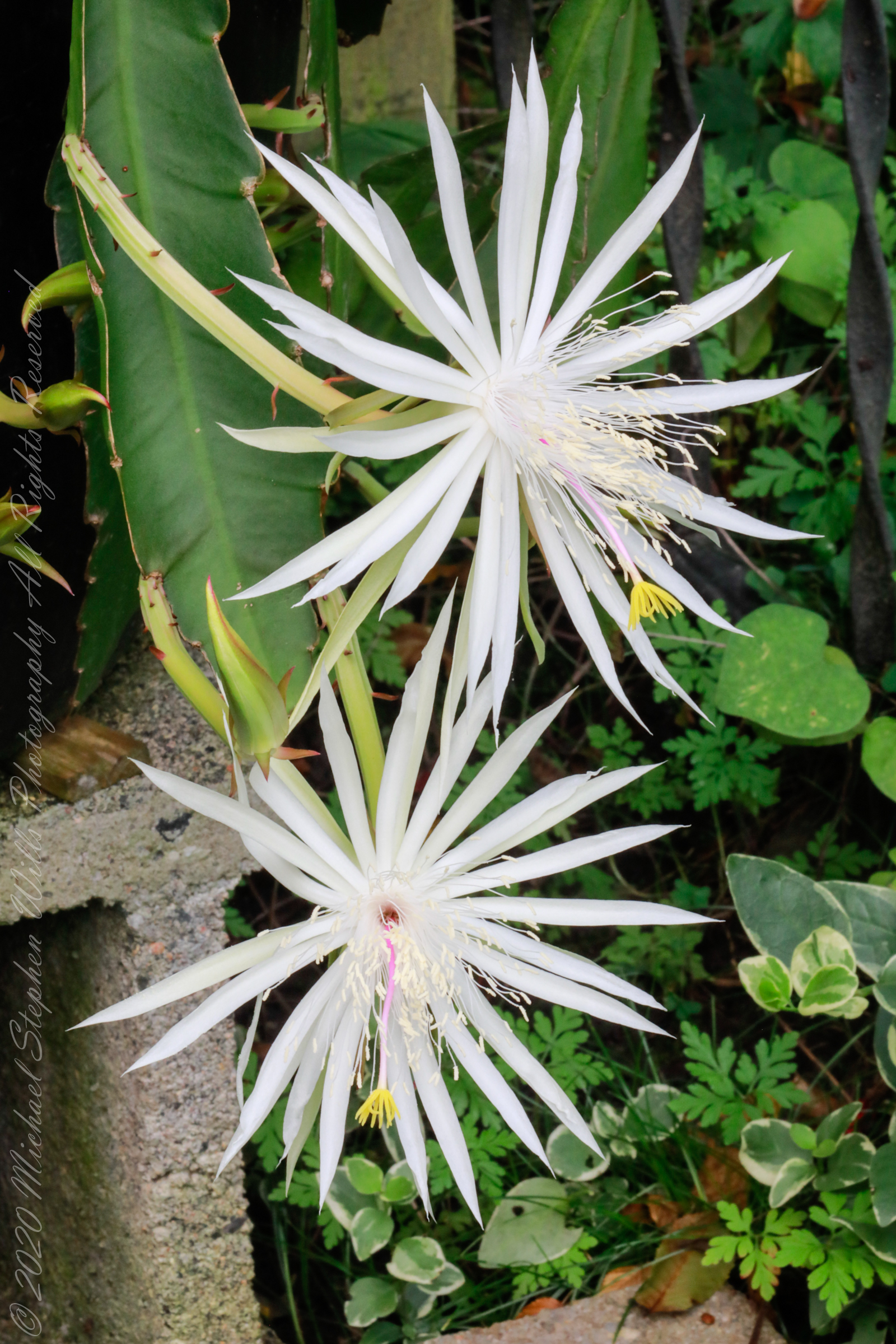
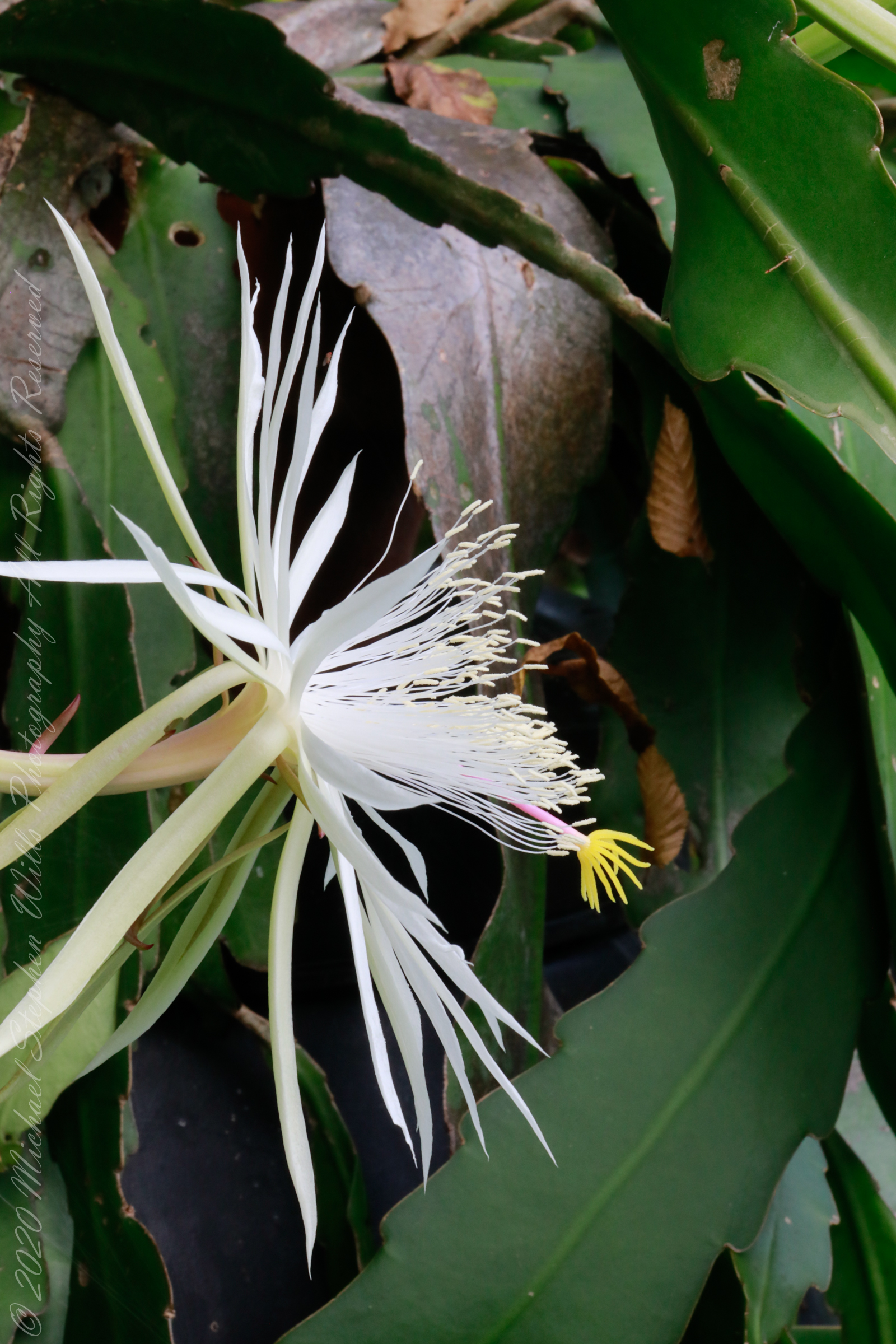
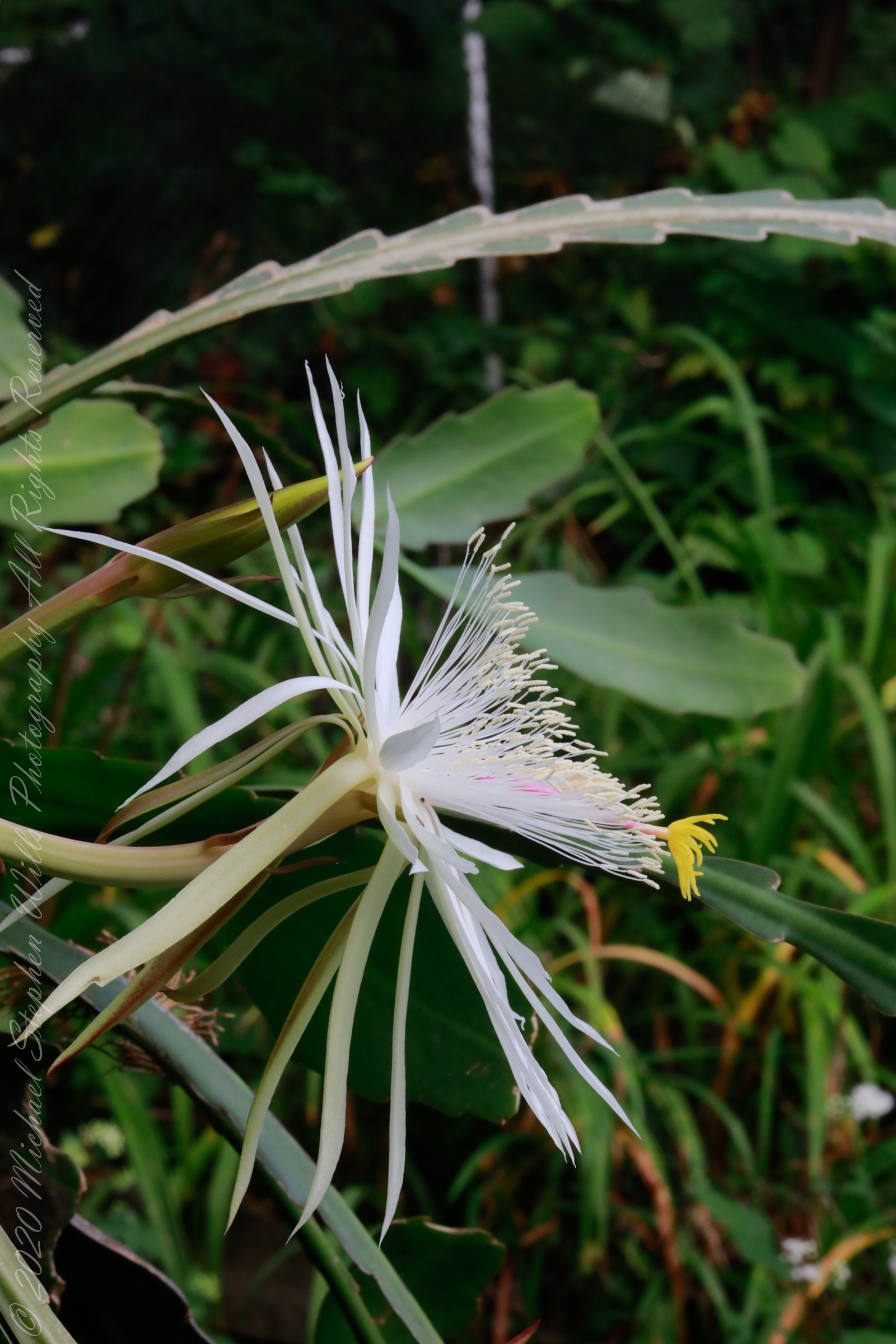
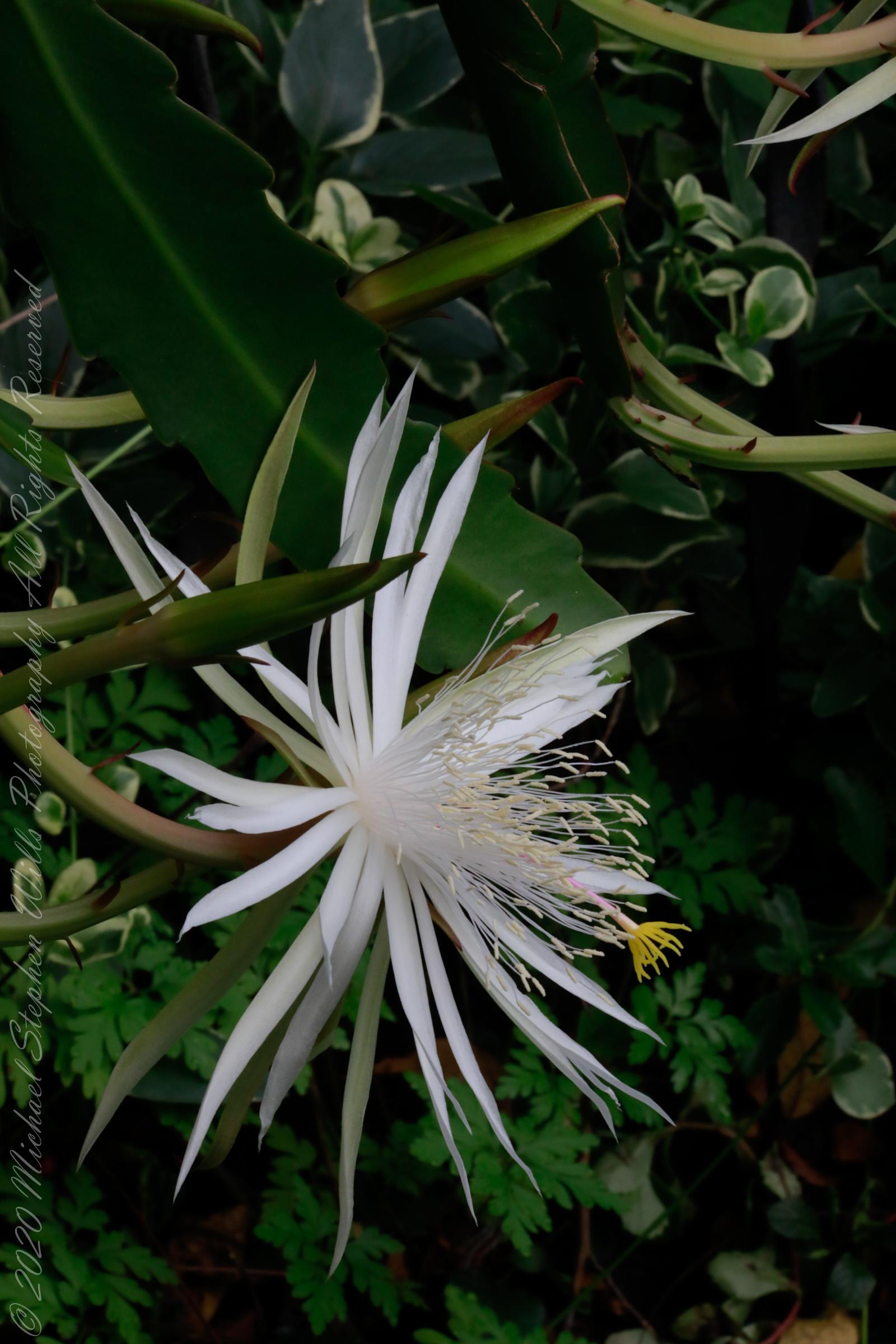
The Epiphyllum oxypetalum, commonly known as the Queen of the Night, is a remarkable plant. Native to Central America, this epiphyte is known for its large, fragrant flowers that bloom only once a year and last just for a single night. The fleeting nature of its bloom makes it a symbol of transience and beauty in many cultures. For me, this flower is a quiet, intimate connection to the rhythms of nature that play out around our home in Ithaca, New York.

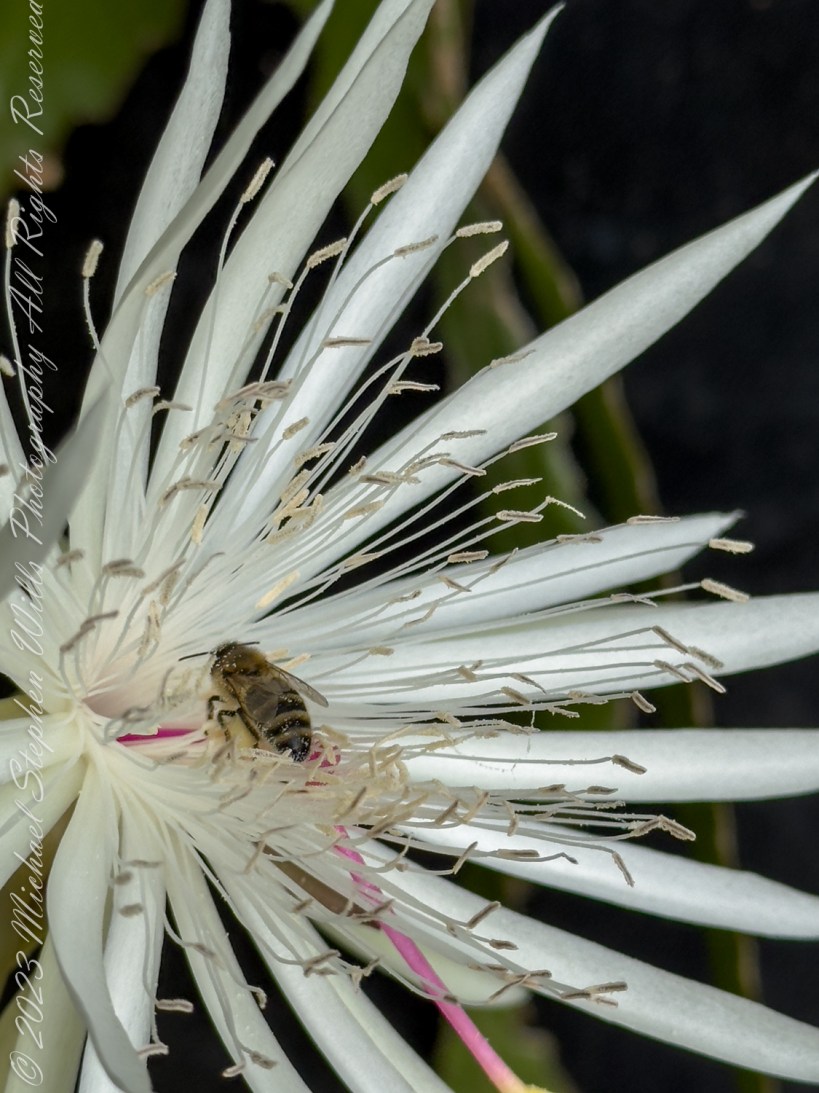
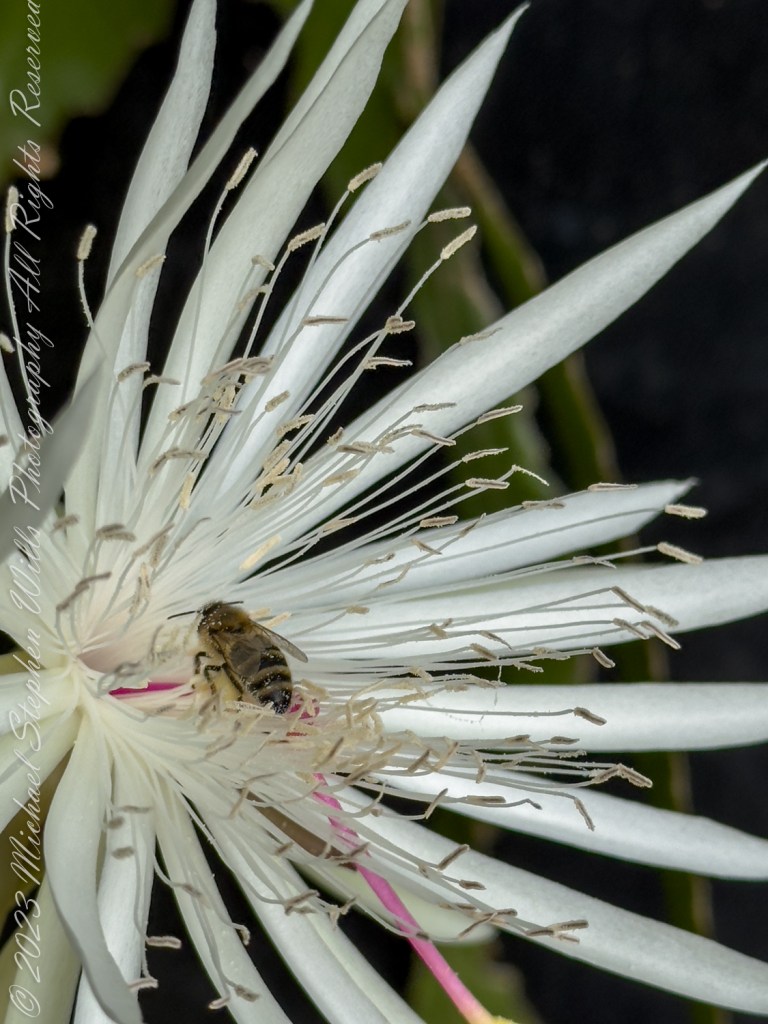
The images you see include the last flower of the season, a white starburst of delicate petals encasing a universe of intricate details. As the day progresses, the flower remains open, revealing the next chapter in its life cycle—the possibility of forming fruit. This potential is entirely dependent on pollination, a process that is both beautifully simple and astonishingly complex.

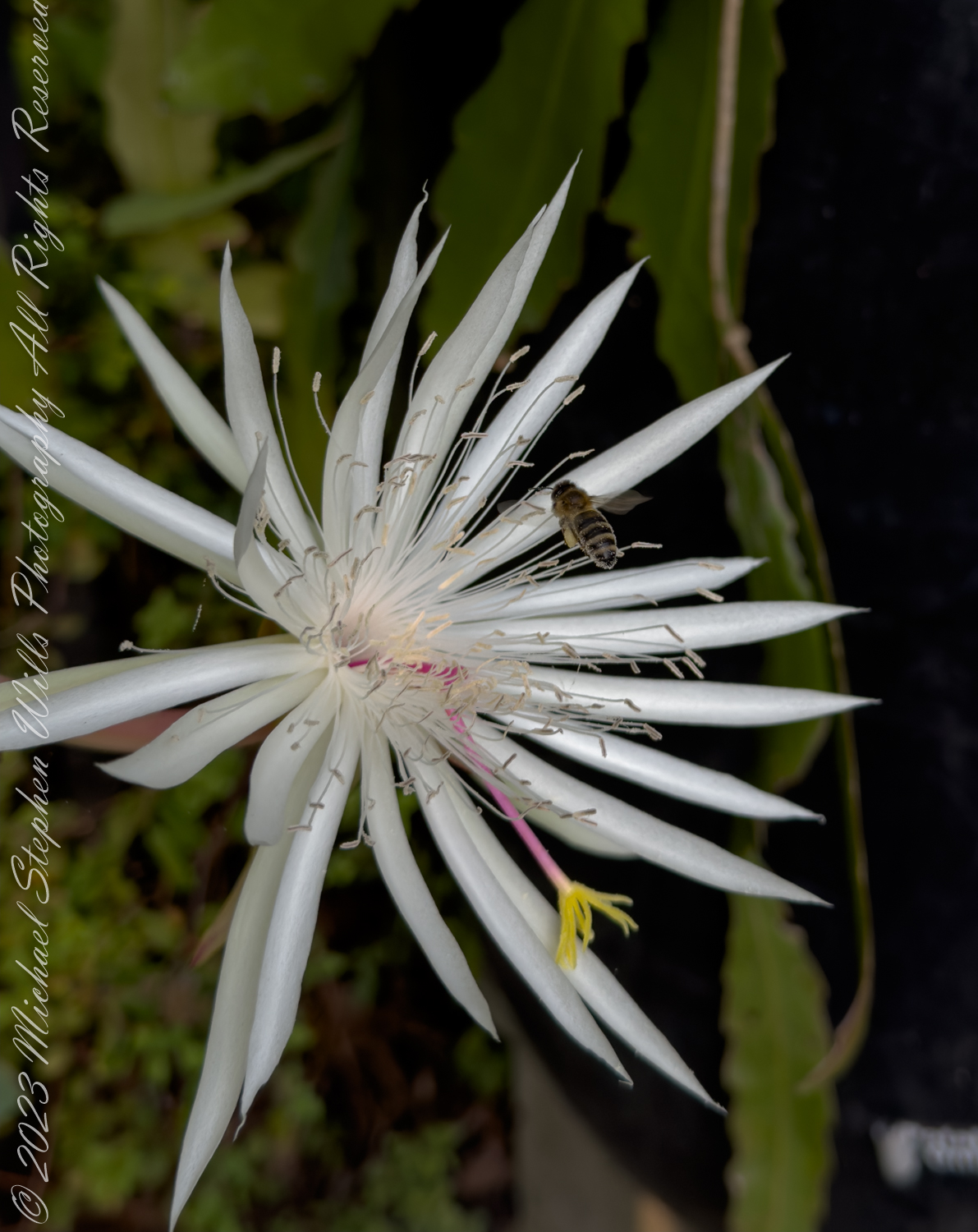
A honeybee, a tiny yet essential participant in the grand scheme of things, hovers and lands delicately on the flower. In the first image, the bee appears tentative, exploring the outer fringes of the flower’s central structures. Its wings are still, as if it has just touched down after a careful, deliberate approach. The stamens, like a thousand arms extended in welcome, offer their pollen. Each grain of pollen is a promise, a potential seed, carried with the hope of propagation. The bee is the flower’s messenger, moving from one bloom to another, ensuring the continuity of life.

As I observe the bee’s actions through these photographs, I can’t help but reflect on the importance of these small creatures. Their work often goes unnoticed, yet without them, our ecosystems would collapse. The honeybee, in particular, has been a focus of concern in recent years due to declining populations, largely attributed to human activities. But here, in my garden, this bee is simply going about its day, unaware of the broader implications of its existence. It is focused on the task at hand, a model of mindfulness in action.

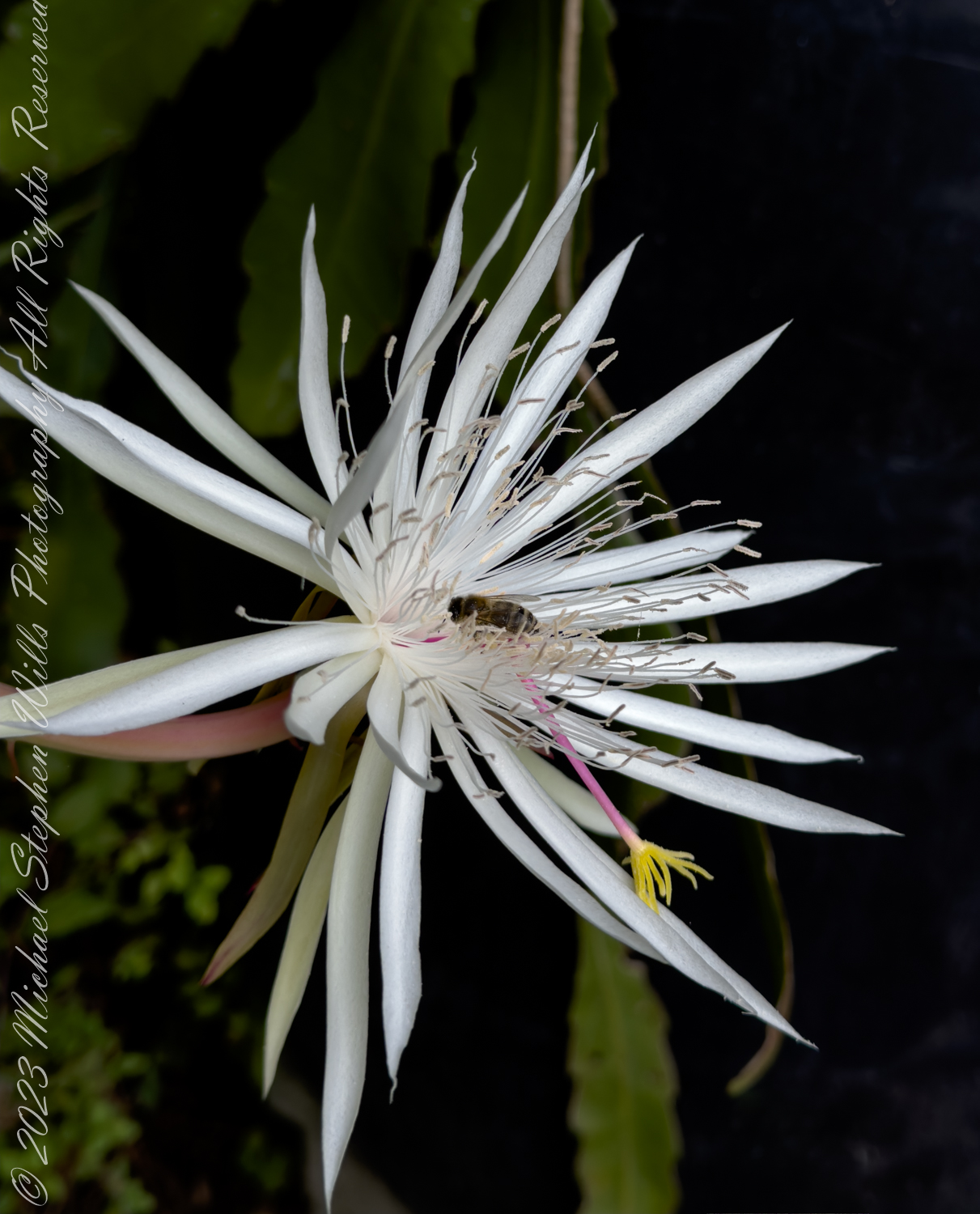
In the second and third images, the bee has moved deeper into the flower, its body now dusted with pollen. It is fully engaged in its work, undeterred by the enormity of its task. The pink style of the flower contrasts sharply with the white petals and the yellow stamens, creating a vibrant tableau of life. The bee’s body is now part of this scene, its presence both functional and aesthetic. It is not just a visitor; it is an integral part of the flower’s story.

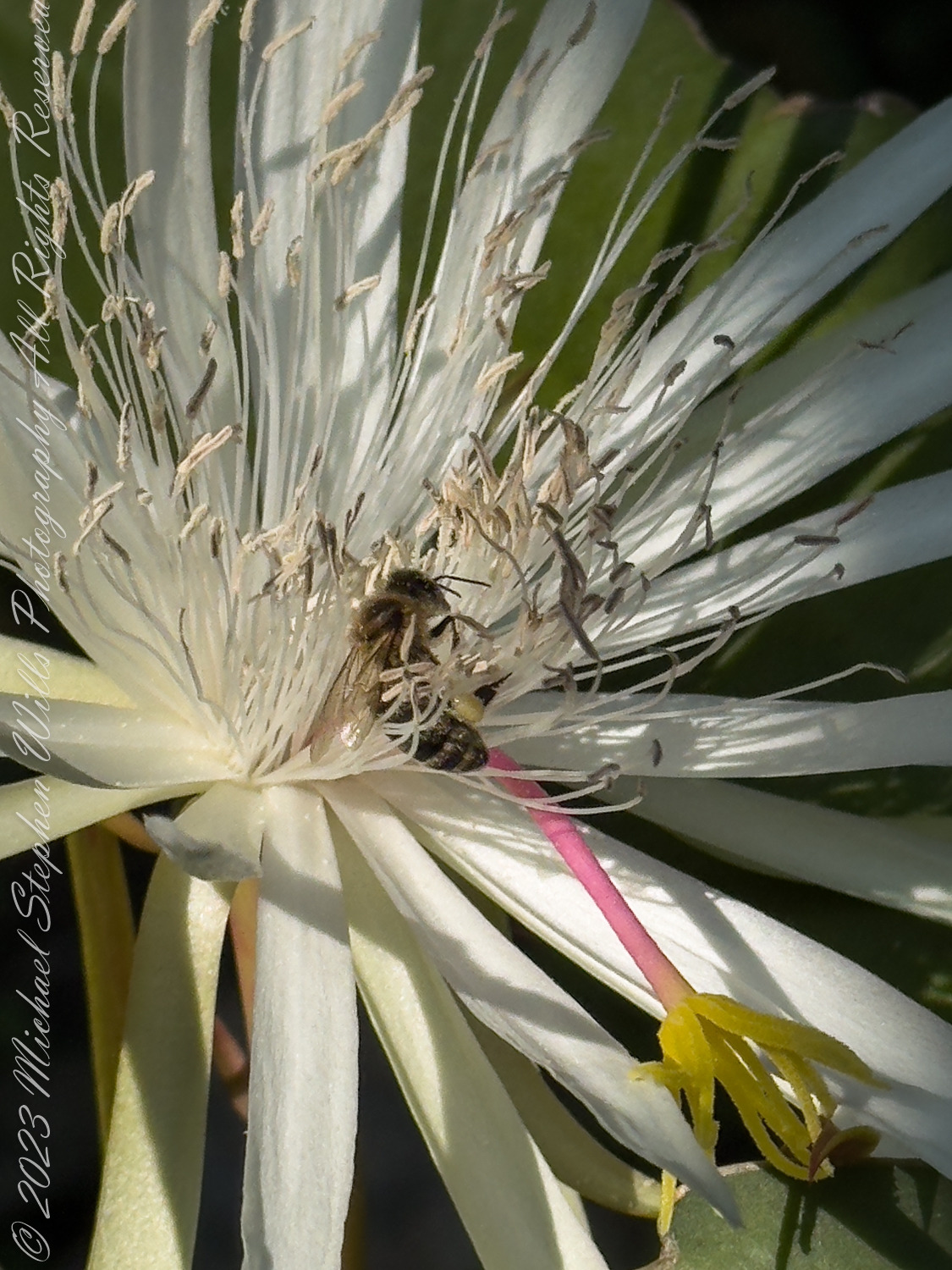
The fourth and fifth images capture the culmination of the bee’s efforts. Having gathered what it came for, the bee is ready to move on, its job done here. The flower, too, has fulfilled its role for the season. The energy it expended to produce this magnificent bloom will now be directed towards forming fruit, provided that the pollination process is successful. If it is, this single flower will give rise to a new generation of plants, continuing the cycle of life.

But there is another, more personal layer to this story. This is the last flower of the season. It carries with it the weight of finality, the knowledge that soon the plant will rest, conserving its energy for the next year’s bloom. As I contemplate this, I am reminded of the cycles that govern not just plant life, but all life. There is a time for blooming, a time for fruiting, and a time for rest. Each phase is essential, each one a preparation for the next.

A bonus view of the honeybee in action

In allowing this flower to form fruit, I am participating, in a small way, in this cycle. We are stewards of the natural world, responsible for nurturing and preserving the life forms that share our planet. The honeybee, the flower, and I are all connected in this intricate web of life, each playing our part in the unfolding drama of existence.

These photographs are a meditation on life, a reminder of the beauty and fragility of the world around us. They capture a moment in time, brief encounters between a flower and a bee, but they also speak to something larger, something timeless. The Epiphyllum oxypetalum may bloom for just one night, but its impact, like that of the honeybee, reverberates far beyond that brief window. And in that, there is a profound lesson for all of us.

Copyright 2024 Michael Stephen Wills All Rights Reserved

Face-to-Face with Florida’s Ancient Predator

Discover the world of Florida’s ancient predators through the eyes of the formidable Smilodon fatalis. Step back in time to the Pleistocene epoch and explore the life, habits, and social bonds of the iconic sabertooth cat.

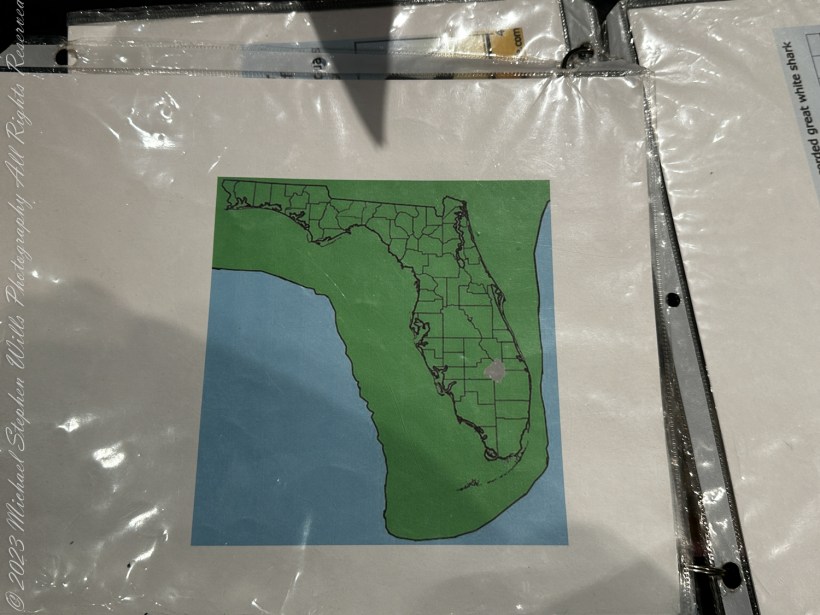
I examined an unusual map of Florida, the contours of its familiar modern shape overlaying a vast, green expanse. The state as we know it today is crisscrossed by highways and dotted with bustling cities, but this map transported me back in time to a very different era. During the Pleistocene epoch, Florida was a wilder, untamed land, teeming with life and dominated by creatures long extinct.

The representation of the land area of Florida state during Pleistocene epoch glaciation is the green shading with the current map of Florida within.

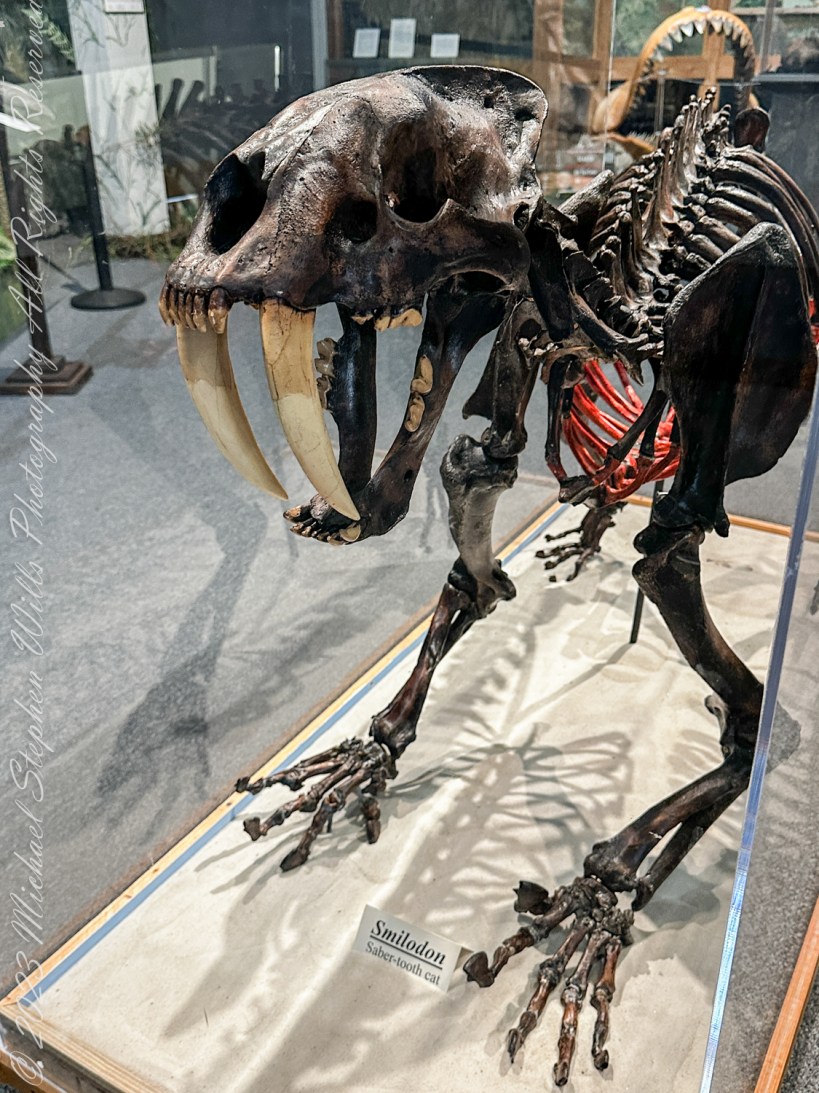
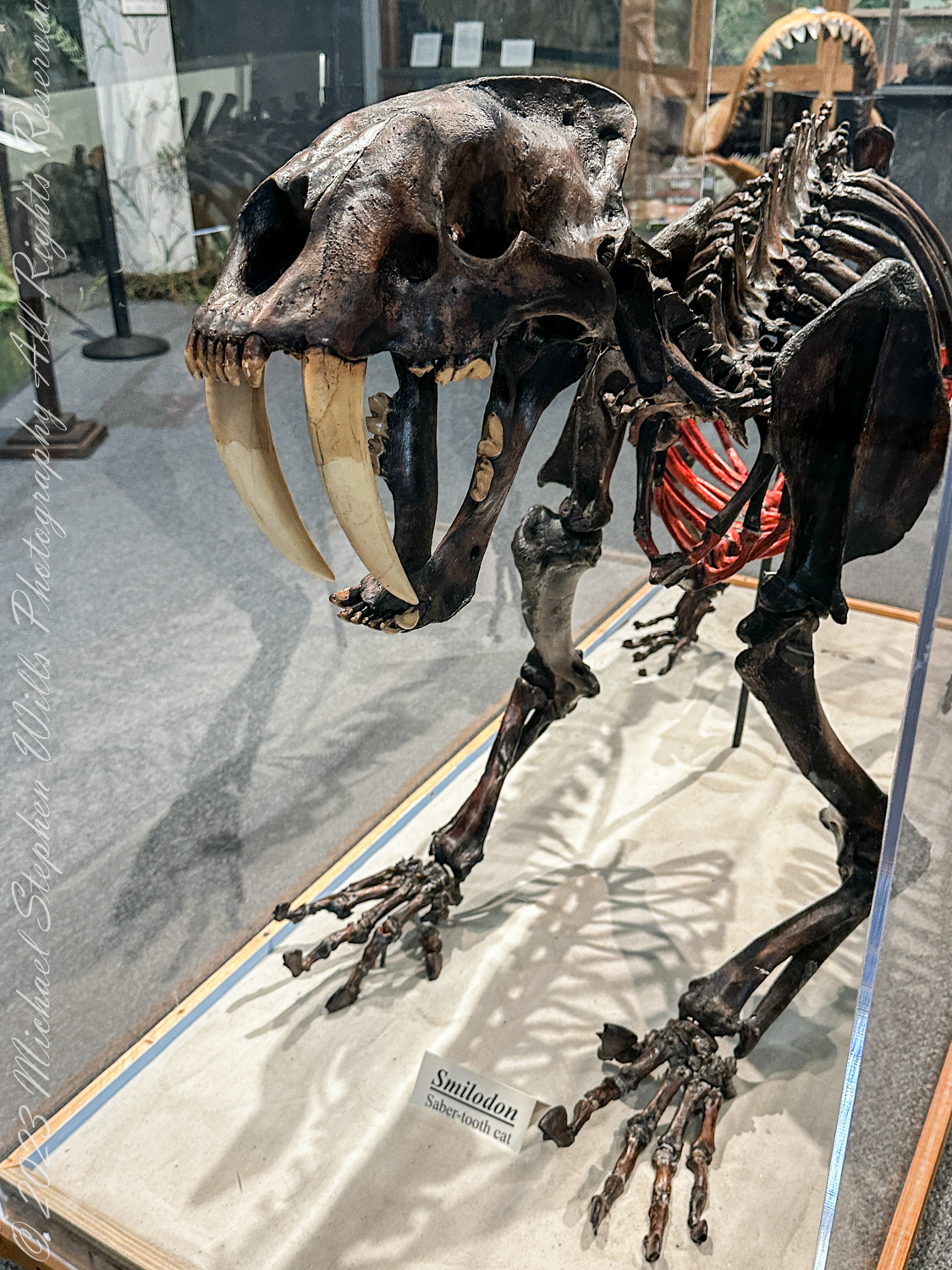
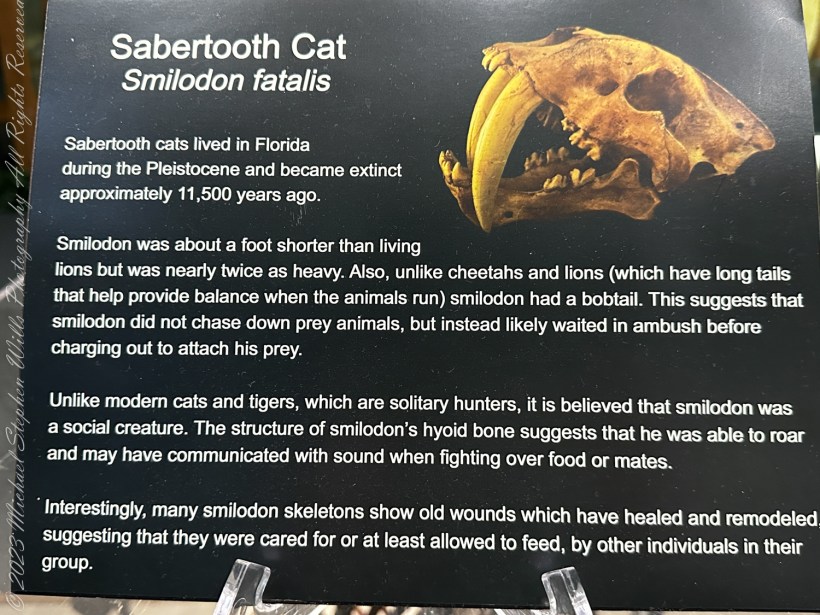
Exploring Brevard (county) Museum of History and Natural Science of Cocoa Florida, I moved to the next exhibit. The air hummed in my imagination with the whispers of an ancient world. A skeletal figure loomed within a glass case – the mighty Smilodon fatalis, the sabertooth cat. Its fearsome fangs curved downward, I imagined standing face-to-face with this apex predator, feeling both awe and a primal fear.

Florida, some 11,500 years ago, was a place of significant climatic shifts. The Pleistocene epoch was characterized by repeated glaciations; however, Florida itself remained unglaciated. The climate was cooler and drier than today, and sea levels were much lower, extending the coastline outward. This ancient Florida was a mosaic of grasslands, savannas, and woodlands. Giant sloths, mammoths, and mastodons roamed these lands, sharing the territory with the formidable Smilodon.

The attendant palque described Smilodon fatalis was about a foot shorter than modern lions but nearly twice as heavy. Its stocky build and powerful limbs suggested immense strength. Unlike the cheetahs and lions of today, Smilodon had a bobtail, indicating that it relied less on speed and more on ambush tactics. I could almost see it now: crouching low in the underbrush, muscles coiled, waiting for the perfect moment to spring upon its unsuspecting prey.

In the reconstructed display, the sabertooth cat’s lethal precision was evident. Its elongated canines were deadly tools designed to pierce and hold onto struggling prey. The lack of a long tail, which modern big cats use for balance during high-speed chases, suggested that Smilodon was an ambush predator. It would have hidden in the dense foliage, its mottled coat blending seamlessly with the shadows, until it launched a surprise attack.

Smilodon was not just a solitary hunter. Unlike modern cats and tigers, which often lead solitary lives, evidence suggests that Smilodon was a social creature. The plaque mentioned the structure of its hyoid bone, implying that it could roar, perhaps using vocalizations to communicate with other members of its group. I envisioned a family of Smilodon, working together to take down a mammoth or defend their territory from rivals. Their social bonds might have been strong, much like those of modern lions.

I was particularly struck by the evidence of healed wounds found on many Smilodon skeletons. These injuries had healed and remodeled over time, suggesting that these cats cared for each other. In a world where every day was a battle for survival, these acts of care and compassion spoke volumes about their social structure. Injured members were not left to fend for themselves but were likely allowed to feed off the kills of others and to be protected by their group until they recovered.

The exhibit painted a vivid picture of an ancient ecosystem. The Pleistocene flora of Florida was diverse, with vast grasslands interspersed with stands of pine and oak. The fauna was equally rich: herds of herbivores grazed the plains, while predators like Smilodon and dire wolves stalked them. This was a land of giants, where every creature had to be strong, fast, or cunning to survive.

As I stepped away from the exhibit, I felt a deep connection to this ancient world. The Smilodon fatalis was a predator and is a symbol of an era that shaped the natural history of our planet. Its bones told a story of survival, community, and the ever-changing dance of life and death.

In the quiet of the museum, surrounded by the echoes of the past, I was reminded of the fragility and resilience of life. The sabertooth cat, with its fearsome fangs and powerful build, was a testament to the incredible adaptability of life on Earth. Though it has long since vanished from our world, the spirit of Smilodon fatalis lives on in the bones it left behind and in the stories we tell about the ancient world it once ruled.

Copyright 2024 Michael Stephen Wills All Rights Reserved

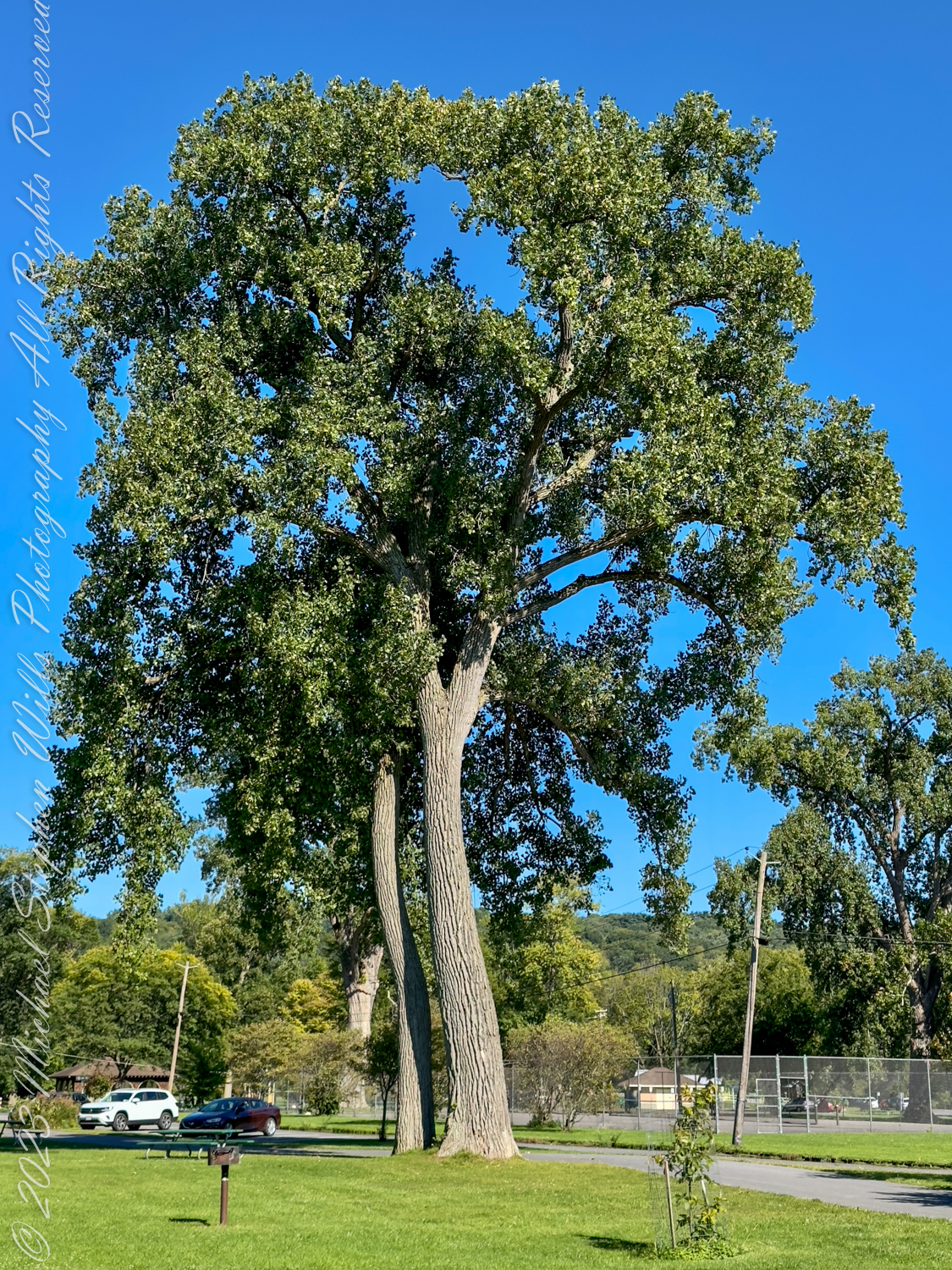
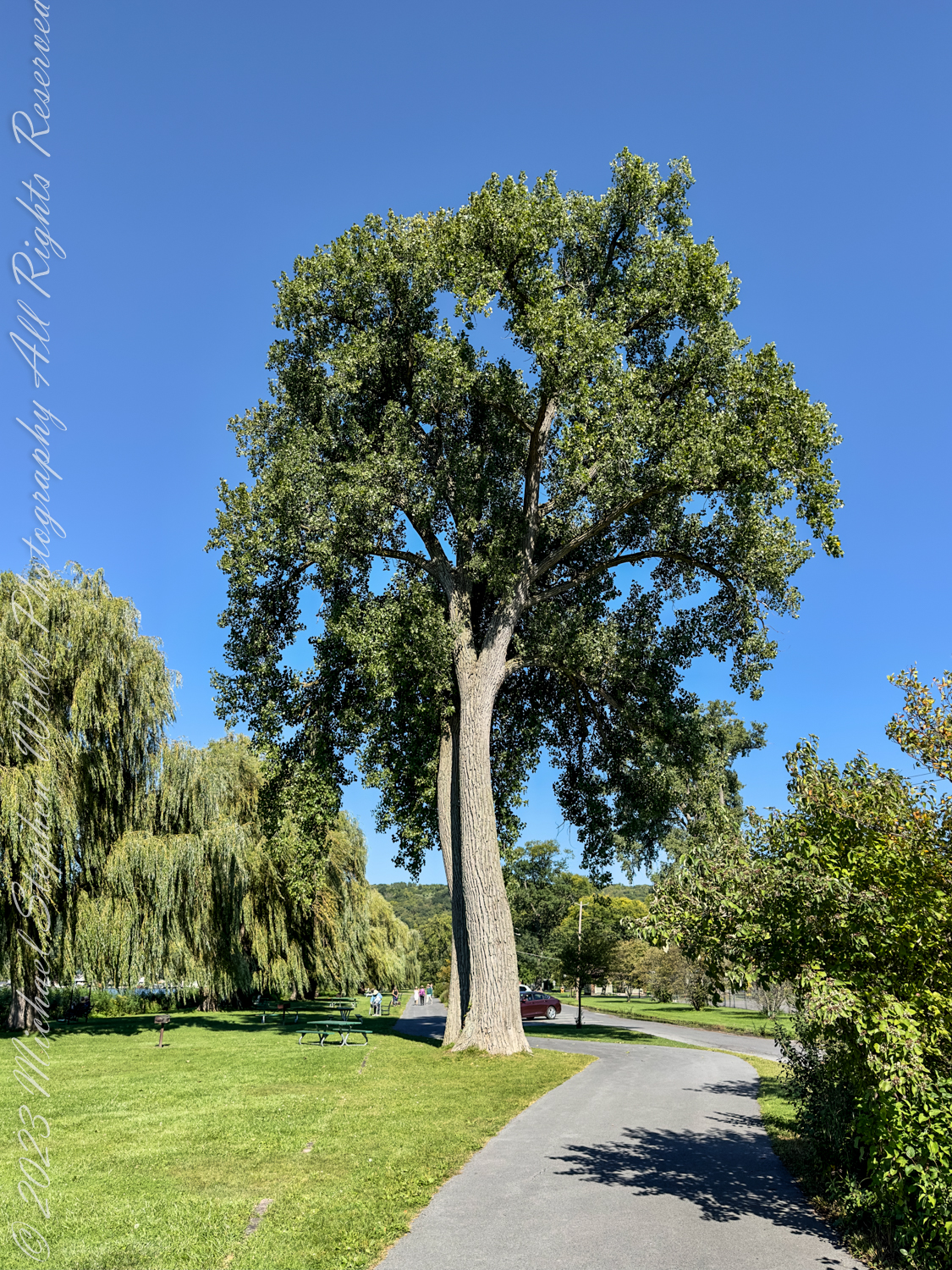
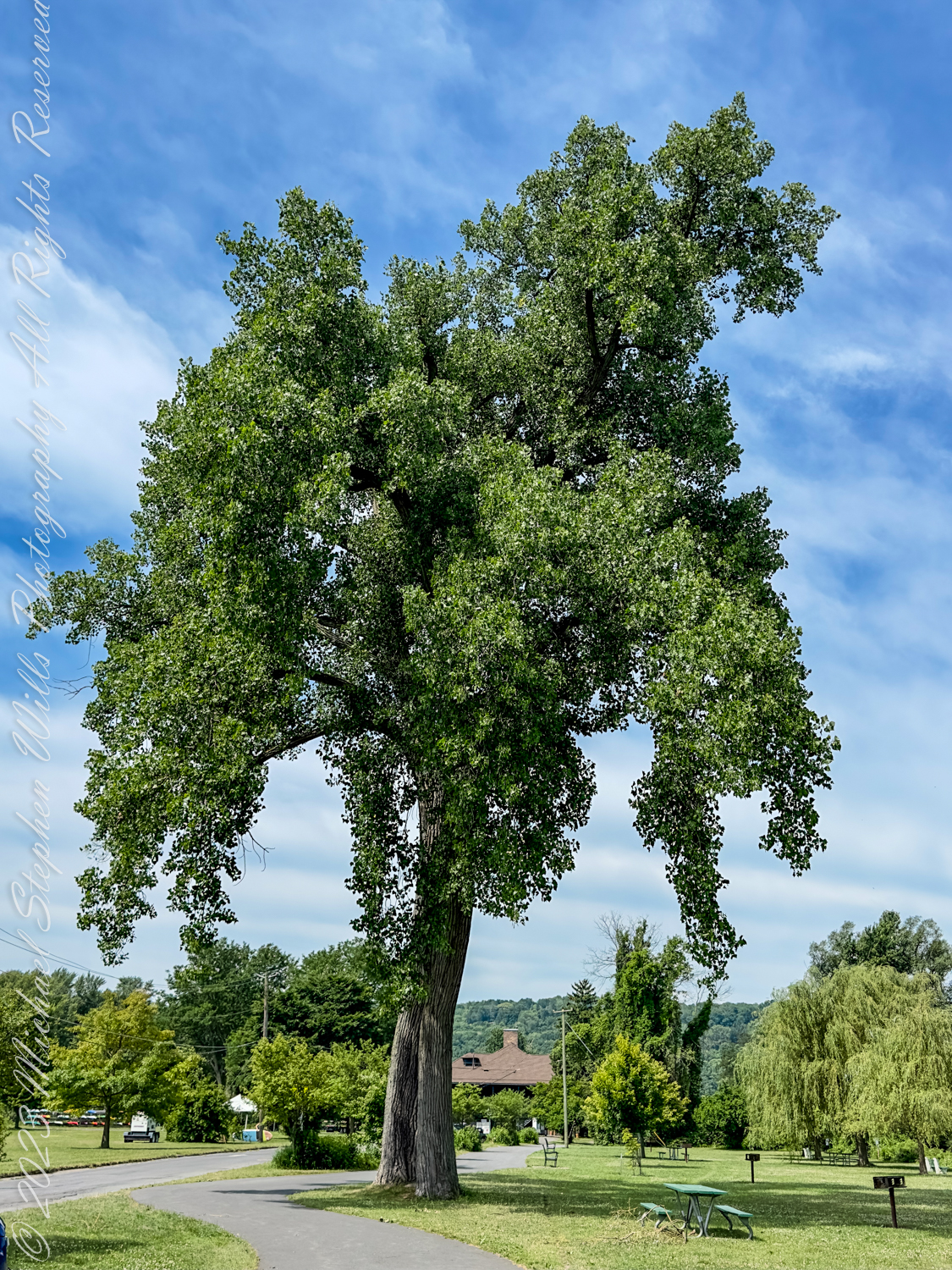
The American Basswood: A Journey of Discovery

Discover the rich history and ecological significance of the American Basswood, a majestic tree that intertwines nature, culture, and human history. Uncover its beauty, versatility, and the fascinating pollinators that bring it to life.

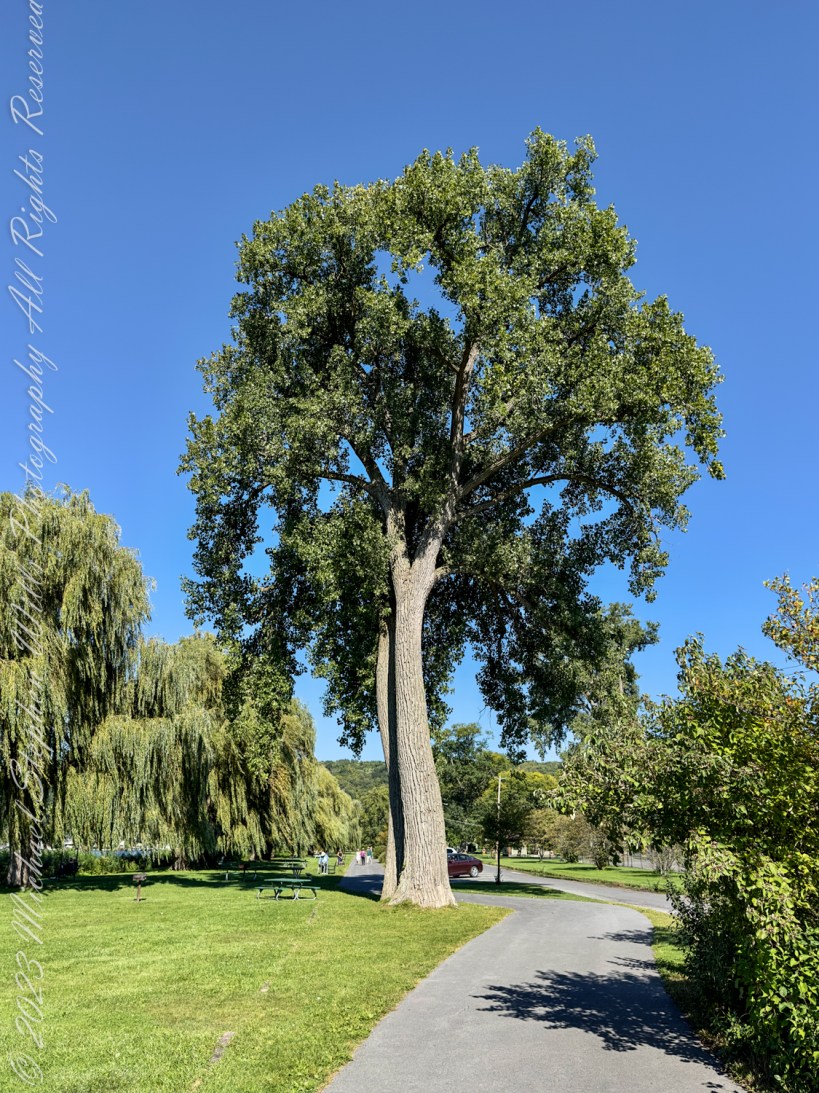
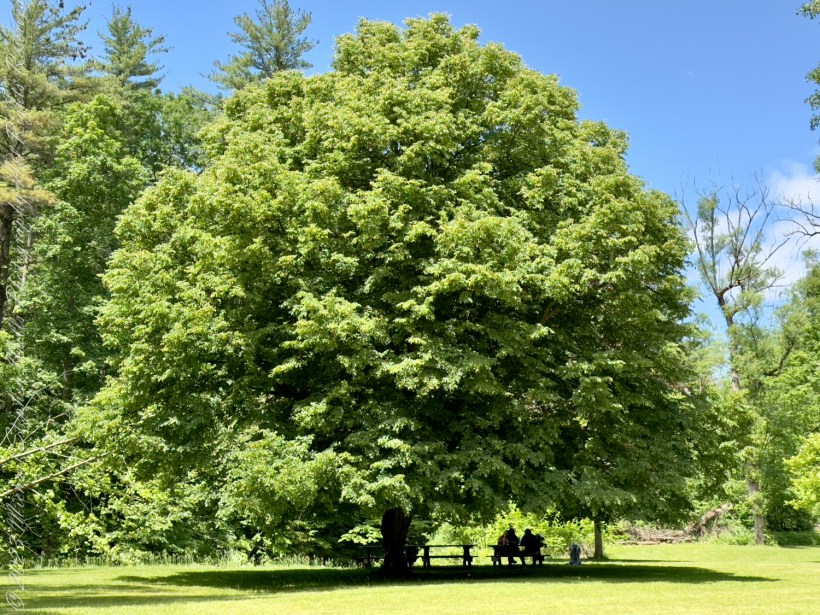
As I strolled through the sun-dappled glade, my eyes were drawn to a magnificent tree standing sentinel at the edge of the clearing. Its broad canopy spread like a green umbrella, casting a generous shade over the picnic bench below. Intrigued by its commanding presence, I approached, eager to unravel the secrets of this arboreal giant. Little did I know that this encounter would lead me on a journey through history, etymology, and the myriad uses of the American Basswood.

This photograph features the growth pattern for which the Basswood is known. Buttermilk Falls State Park, Ithaca, Tompkins County, New York State. The Finger Lakes Region.

The American Basswood, or Tilia americana, is a tree steeped in history and lore. Its name, “Basswood,” is derived from the word “bast,” referring to the inner bark of the tree, which is known for its fibrous and pliable nature. This etymology hints at the tree’s historical uses, which I would soon discover are as rich and varied as the foliage above me.

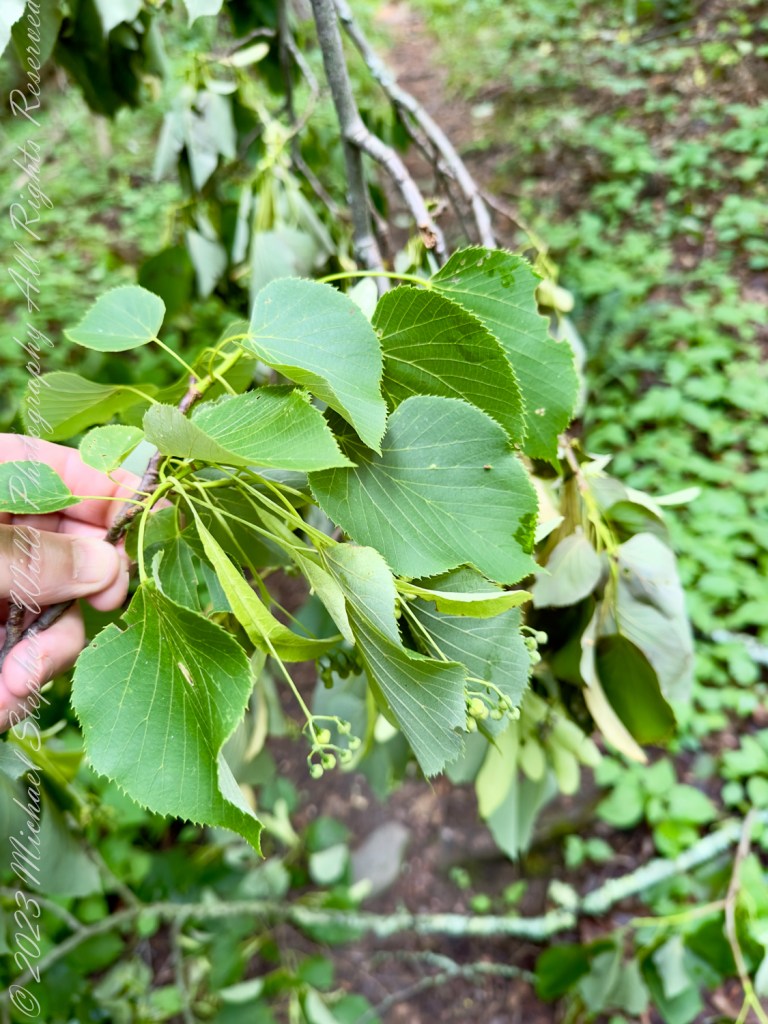
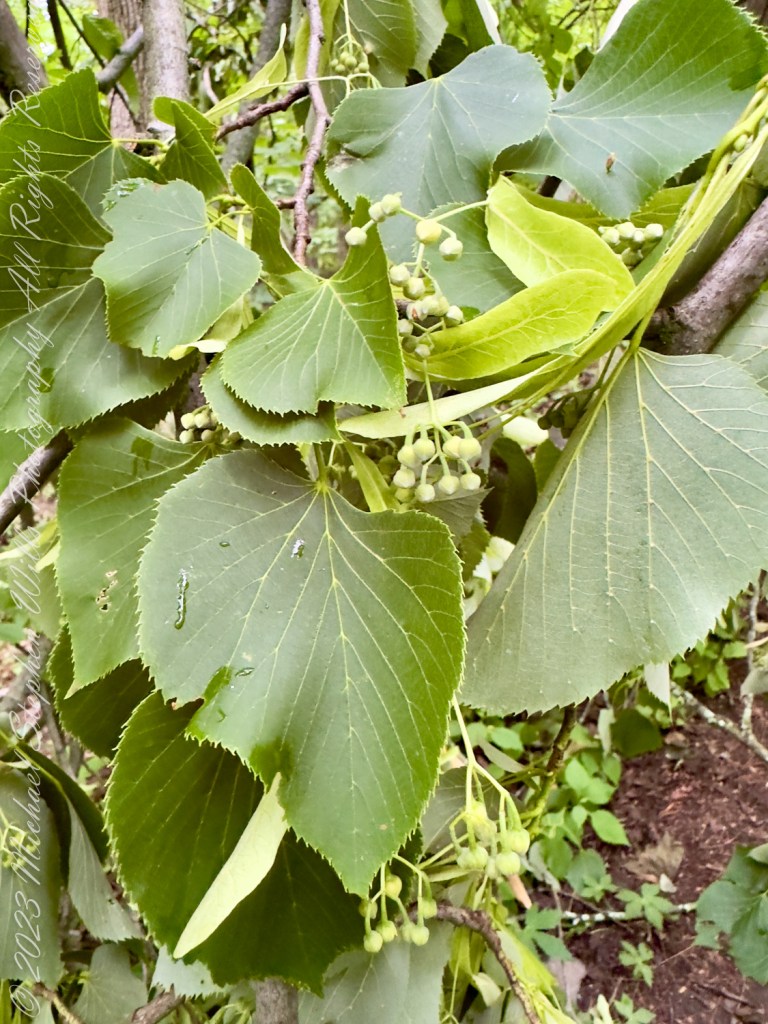
As I examined the leaves, I was struck by their heart-shaped form, a feature that has made the Basswood a symbol of love and romance in various cultures. The leaves were smooth and slightly serrated at the edges, with a deep green hue that seemed to capture the essence of summer. Hanging delicately from the branches were clusters of small, round buds, hinting at the tree’s flowering potential. These flowers, I would later learn, are not just beautiful but also aromatic, attracting bees and other pollinators with their sweet fragrance.

These are leaves from a branch broken by spring storms and fallen across the Finger Lakes Trail that follows the southern side of Treman Park above the South Rim Trail. Robert H. Treman New York State Park, Tompkins County, Ithaca. June 27, 2024

The history of the American Basswood in America is intertwined with the lives of indigenous peoples and early settlers. Native Americans valued the Basswood for its soft, easily worked wood and its inner bark, which they used to make ropes, mats, and other essential items. The tree’s wood, known for being lightweight and finely grained, was perfect for carving and crafting tools, utensils, and even ceremonial masks. This versatility made the Basswood an integral part of daily life and cultural practices.

With the arrival of European settlers, the uses of Basswood expanded. Settlers quickly recognized the tree’s potential, using its wood for a variety of applications. The soft, yet sturdy wood was ideal for making furniture, musical instruments, and even crates and boxes. Its workability and smooth finish made it a favorite among craftsmen and artisans. I imagined the hands of these early Americans, shaping and molding the wood, breathing life into their creations.

As I continued to explore the tree, I was drawn to the small, green fruits hanging from slender stems. These fruits, known as nutlets, are encased in a leafy bract that aids in their dispersal by wind. This ingenious natural design ensures the propagation of the species, allowing new generations of Basswoods to take root and flourish.

Curious about the tree’s name, I delved into its etymology and discovered an interesting linguistic journey. In England and Ireland, the Basswood is commonly referred to as the “Lime Tree.” This name does not relate to the citrus fruit tree but instead comes from the Old English word “Lind,” related to the German word “Linde.” Both terms historically referred to trees of the Tilia genus. Over time, “Lind” evolved into “Lime,” influenced by phonetic changes and regional dialects, solidifying the term “Lime Tree” for Tilia species in these regions. Despite sharing the same common name, the Tilia “Lime Tree” and the citrus “Lime Tree” belong to entirely different plant families.

The American Basswood’s significance extends beyond its practical uses. The tree has found a place in American culture and literature, often symbolizing strength, resilience, and longevity. Its towering presence and expansive canopy make it a popular choice for parks and public spaces, where it provides shade and beauty. I thought of the many people who must have sought refuge under its branches, finding solace and inspiration in its quiet strength.

In addition to its cultural and historical significance, the Basswood also plays a crucial ecological role. Its flowers are a vital source of nectar for bees, making it an essential component of local ecosystems. Beekeepers, in particular, value the Basswood for the high-quality honey produced from its nectar, known for its delicate flavor and aroma. The tree’s leaves and bark also provide habitat and food for various wildlife, contributing to the biodiversity of the area.

Pollination is a critical aspect of the American Basswood’s lifecycle, and a variety of insects are drawn to its fragrant, nectar-rich flowers. Honeybees (Apis mellifera) are among the most significant pollinators, their presence around the Basswood a testament to the tree’s importance in the ecosystem. These industrious bees not only gather nectar but also facilitate the pollination process, ensuring the production of seeds. Bumblebees (Bombus spp.) also play a crucial role, utilizing their unique buzz-pollination technique to effectively transfer pollen within the flowers.

These are leaves from a branch broken by spring storms and fallen across the Finger Lakes Trail that follows the southern side of Treman Park above the South Rim Trail. Robert H. Treman New York State Park, Tompkins County, Ithaca. June 27, 2024

Additionally, native bees such as sweat bees (Halictidae), mining bees (Andrenidae), and leafcutter bees (Megachilidae) are frequent visitors, drawn by the abundant nectar and pollen. Butterflies, while not as significant as bees, contribute to the pollination process, adding a touch of grace as they flutter from flower to flower. Moths, particularly those active in the evening, are another group of pollinators, their nocturnal activity complementing the daytime efforts of bees and butterflies. Hoverflies (Syrphidae), also known as flower flies, are attracted to the nectar and aid in the pollination, showcasing the diverse array of insects that rely on the Basswood.

Reflecting on my discovery, I realized the American Basswood is a living testament to the interconnectedness of nature and human history. Its presence in the landscape is a reminder of the many ways in which plants and trees shape our lives, providing resources, inspiration, and a connection to the natural world.

As I left the shade of the Basswood and continued my walk, I felt a deep sense of gratitude for the opportunity to learn and connect with this remarkable tree. Its story is a reminder of the importance of preserving and cherishing the natural world, ensuring that future generations can continue to discover and appreciate the wonders of the American Basswood.

Copyright 2024 Michael Stephen Wills All Rights Reserved

Epiphyte

Discover the enchanting world of Epiphyllum, where the “Night Blooming Cereus” thrives without soil, capturing moisture and nutrients from the air. Explore its unique beauty and ecological significance. Read more to delve into this fascinating plant’s story.

The Epiphyllum genus, which includes my “Night Blooming Cereus,” consists of epiphytic plants. The term “epiphytic” comes from the Greek epi- (meaning “upon”) and phyton (meaning “plant”). Epiphytic plants, sometimes called “air plants,” do not root in soil. However, this term can be misleading, as many aquatic algae species are also epiphytes on other aquatic plants (seaweeds or aquatic angiosperms). Therefore, it’s essential not to confuse the genus root word “phyllum” (leaf) with the generic term “phytic” (plant), even though they share the common prefix “epi.” A plant can be epiphytic without being part of the Epiphyllum genus.

These were captured with the Canon EOS 5D Mark IV dslr on a Manfrotto tripod.

An epiphyte is a plant or plant-like organism that grows on the surface of another plant, deriving its moisture and nutrients from the air, rain, or debris accumulating around it. The host plants on which epiphytes grow are called phorophytes. Unlike parasites, epiphytes use other plants merely for physical support and do not negatively impact the host. Epiphytes can also be called epibionts when growing on non-plant organisms. Common in both temperate zones (mosses, liverworts, lichens, algae) and the tropics (ferns, cacti, orchids, bromeliads), epiphytes enhance biodiversity and biomass in their ecosystems. They make excellent houseplants due to their minimal water and soil needs and create rich habitats for various organisms, including animals, fungi, bacteria, and myxomycetes.

Epiphytes are not connected to the soil and must source nutrients from fog, dew, rain, mist, and decomposing organic material. They have an advantage in the canopy, where they access more light and are less vulnerable to herbivores. Epiphytes also benefit animals that live in their water reservoirs, like some frogs and arthropods.

Epiphytes significantly affect their host’s microenvironment and the broader ecosystem. They hold water in the canopy, reducing soil water input, and create cooler, moister conditions, which can decrease the host plant’s water loss through transpiration. Non-vascular epiphytes, like lichens and mosses, are particularly efficient at rapid water uptake.

Click me for another “Cereus” Post.

Reference: my post draws heavily on this source: Wikipedia, “Epiphyte.”

Copyright 2024 Michael Stephen Wills All Rights Reserved

Our Day at Cayuga Nature Center and Finger Lakes Beekeepers Club Learning Apiary

Join us on a captivating adventure at the Cayuga Nature Center’s Treetops Treehouse and the Finger Lakes Beekeepers Club Learning Apiary. Discover the wonders of the forest canopy, marvel at the intricate world of honeybees, and meet a tiny land snail that sparked the curiosity of two young explorers. Dive into a day filled with discovery, learning, and unforgettable moments in nature.

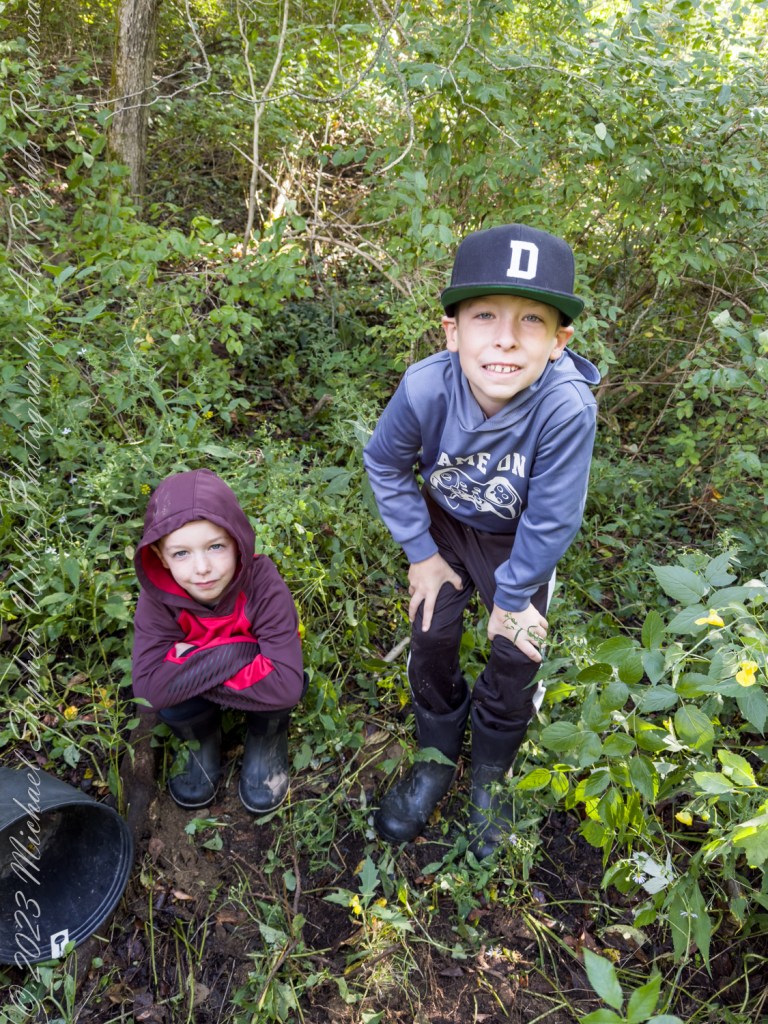
The morning air was crisp and filled with the promise of adventure as we set off for the Cayuga Nature Center, a hidden gem nestled in the heart of Ithaca. The destination: the Treetops Treehouse, a magical structure that promised an immersive experience in nature for me, my sister Diane and two grandsons, Sam and Rory.

As we approached the treehouse, the boys’ excitement was palpable. The Treetops Treehouse is a marvel of rustic architecture, a multi-level structure that blends seamlessly with the surrounding forest. It was designed to give visitors a bird’s-eye view of the forest canopy, allowing for a unique perspective on the local flora and fauna.

Exploring the Treetops

Upon arrival, we were greeted by the gentle rustle of leaves and the chorus of bird songs. The boys raced ahead, eager to explore the winding pathways and hidden nooks of the treehouse. The structure is constructed entirely of wood, with sturdy railings and wide platforms that offer panoramic views of the forest.

We were particularly fascinated by the various interpretive signs that explained the local ecosystem. We learned about the different species of trees, the birds that nested in the canopy, and the small mammals that scurried along the forest floor. It was a delight to sparked their curiosity of the natural world.

Discovering a Land Snail

Meadow Trail

Afterwards, walking along a meadow trail, Rory’s keen eyes spotted something unusual on the ground. Nestled among the fallen leaves was a small land snail, its delicate shell glistening in the dappled sunlight. The boys and I gathered around to observe this tiny marvel of nature.

The snail appeared to be from the genus Triodopsis or Neohelix, possibly Triodopsis albolabris or Neohelix albolabris, known for their white-lipped shells. These snails are common in moist, forested environments and play a crucial role in the ecosystem as decomposers. They feed on decaying plant material, helping to recycle nutrients back into the soil.

The Learning Apiary

Further along the meadow trail, we made our way to the Finger Lakes Beekeepers Club Learning Apiary. The apiary is a place of learning and discovery, where visitors can gain insight into the fascinating world of honeybees and beekeeping.

The apiary is composed of several beehives, each carefully maintained by members of the Beekeepers Club. We were careful to keep our distance from the electrified fence, protection against marauding bears and humans.

“ever-busy bees”

Wildflowers in Bloom

Narrow Leaved Sundrops

As we walked back from the apiary, the trail was lined with a vibrant display of wildflowers. The late spring bloom painted the landscape with splashes of color, from the golden yellows of evening primrose to the delicate whites of daisies.

Large Yellow Loosestrife

One particular cluster of bright yellow flowers caught our attention. It was the Lysimachia punctata, commonly known as yellow loosestrife. These star-shaped flowers grow in dense clusters and are a favorite among pollinators. The boys marveled at the intricate patterns and vibrant colors, adding another layer of wonder to our day.

Reflections on a Memorable Day

As the day drew to a close, we found a quiet spot to sit and reflect on our adventures. The boys were bubbling with stories to tell their parents—of the towering treehouse, the tiny snail, the bustling beehives, and the fields of wildflowers. It was a day filled with discovery and learning, one that brought us closer to nature and to each other.

The Cayuga Nature Center and the Finger Lakes Beekeepers Club Learning Apiary provided a perfect setting for an outing that was both educational and exhilarating. The experiences we shared will undoubtedly leave a lasting impression on Sam and Rory, nurturing their love for the natural world and the myriad forms of life that inhabit it.

Meadow View

As we packed up and headed home, the boys already began planning our next adventure. The allure of the natural world, with its endless mysteries and wonders, had woven its spell, and we were eager to explore more of what it had to offer.

Copyright 2024 Michael Stephen Wills All Rights Reserved

A Serendipitous Meeting: The Hermit Crab and the Moon Snail

Washed up together on a sunlit shore, a hermit crab and a Moon Snail tell an extraordinary tale of survival and resilience in the vast ocean. Discover how these unlikely companions reveal the intricate dance of life beneath the waves and the profound connections that bind marine ecosystems. Dive into their captivating story and uncover the secrets of their intertwined destinies.

The high tide left behind a myriad of treasures scattered along the shore. Among the shells and seaweed, two unlikely companions lay side by side—a Moon Snail and a hermit crab. This serendipitous meeting speaks volumes about the intricate dance of life in the ocean’s depths.

Life Beneath the Waves

Hermit crabs are fascinating creatures, exhibiting behaviors and adaptations that ensure their survival in the ever-changing marine environment. These crabs are not born with shells. Instead, they scavenge for empty shells discarded by snails, meticulously choosing the perfect fit. The shells provide essential protection against predators and environmental hazards.

In their early life stages, hermit crabs undergo a series of molts, shedding their exoskeletons to grow. Each molt presents a critical opportunity to upgrade their shell, moving to a larger one as they increase in size. This constant need for new housing drives a competitive dynamic among hermit crabs, with individuals often engaging in “shell exchanges” where one crab may forcibly evict another from its shell.

The Hermit and the Moon Snail

The Moon Snail, known scientifically as Neverita duplicata, is a predatory mollusk famous for its distinctive, moon-shaped shell. These snails are both feared and admired in the marine community for their voracious appetite and remarkable hunting tactics. They drill into the shells of their prey, typically other mollusks, using a specialized appendage called a radula, combined with acidic secretions to bore through the hard exterior. Click me for another post with more information about the Moon Snail.

The juxtaposition of the Moon Snail and the hermit crab washed up together is a tableau that invites deeper contemplation. How did these two distinct beings come to share the same stretch of sand?

A Dance of Survival

It’s likely that the hermit crab, in its search for a suitable home, found itself in the proximity of the Moon Snail. The Moon Snail, a relentless hunter, could have been following its own trail of prey when the tide caught them both off guard. The ocean’s currents, indifferent to their individual struggles, deposited them together on the beach, a fleeting moment of stillness in their otherwise tumultuous lives.

This meeting is a stark reminder of the interconnectedness of marine life. The hermit crab relies on the discarded shells of snails for survival, while the Moon Snail’s role as a predator keeps the balance in check, ensuring that no single species dominates the ecosystem.

Reflections on Resilience

The image of the hermit crab within its borrowed shell speaks to the resilience and adaptability inherent in nature. These crabs are perpetual nomads, continually seeking, adapting, and thriving in environments that can be both generous and harsh. Their survival hinges on their ability to repurpose and reuse, a lesson in resourcefulness that resonates beyond the tidepools.

The Moon Snail, with its powerful drilling capabilities, exemplifies the raw force of nature. Its presence is a reminder of the predatory relationships that underpin marine ecosystems, driving evolution and diversity through a relentless cycle of life and death.

The Final Tide

As we ponder the scene before us, it’s worth considering the broader implications of these two creatures’ lives. The ocean, vast and unfathomable, is a realm where survival is an art form, honed by millennia of adaptation. The hermit crab and the Moon Snail, though vastly different in form and function, share a common thread—their existence is a testament to the delicate balance of nature.

The hermit crab’s journey, from shell to shell, mirrors our own quests for security and stability. The Moon Snail’s predatory prowess underscores the inevitable challenges we face. Together, they remind us that life, in all its forms, is a continuous interplay of seeking and surviving, of finding and losing, of moments of stillness and sudden change.

In the end, the hermit crab and the Moon Snail, brought together by the whims of the tide, offer a glimpse into the profound and often unseen connections that weave the tapestry of life beneath the waves. Their story is a poignant reflection on resilience, adaptability, and the ever-present dance of survival that defines the natural world.

A top view of the shell occupied by a Hermit Crab found on Cocoa Beach, Brevard County, Florida. The Space Coast.

An Uncertain Identification

The identification of our hermit crab companion is made challenging by the absence of one of its claws, a vital characteristic for precise classification. This missing claw hints at the hardships faced by hermit crabs in their dynamic and sometimes perilous environments. Whether lost in a struggle with a predator or another hermit crab, this detail serves as a reminder of the tenacity and resilience required for survival in the marine world. While the exact species remains a mystery, the broader story of the hermit crab’s life and survival remains clear and compelling.

Copyright 2024 Michael Stephen Wills All Rights Reserved

Discovering the Beauty of White Bluebells: An Exploration of Hyacinthoides non-scripta (alba)

Discover the enchanting white bluebells blooming around our home! Explore their natural history, ethereal beauty, and fascinating folklore. Uncover the wonders of Hyacinthoides non-scripta (alba) in our latest blog post.

The surprise of finding white bluebells blooming around our home this spring was nothing short of magical. Known scientifically as Hyacinthoides non-scripta (alba), these delicate flowers add a touch of elegance and tranquility to our garden. As I delved into the history, etymology, and folklore of these enchanting blooms, I discovered a world rich in cultural significance and natural wonder.

Bluebell Natural History

White bluebells, a variant of the common bluebell, belong to the Asparagaceae family. Native to the woodlands of Western Europe, these perennials are renowned for their striking appearance and pleasant fragrance. The white bluebell, though less common than its blue counterpart, is equally captivating with its pure white, bell-shaped flowers that hang gracefully from slender stems.

Hyacinthoides non-scripta thrives in shady, moist environments, often forming dense carpets that transform forest floors into a sea of blossoms in spring. These plants are well-adapted to their woodland habitats, where they bloom before the canopy closes, taking advantage of the early spring light.

White Bluebell (Hyacinthoides non-scripta (alba)) growing around our home, May 2024

Etymology of the Scientific and Common Names

The scientific name “Hyacinthoides” is derived from the Greek word “hyakinthos,” referring to the mythological youth Hyacinthus, who was transformed into a flower. “Non-scripta” means “unmarked” or “not written,” distinguishing it from the classical hyacinth described by ancient authors. This epithet underscores the plant’s unique identity in the botanical world.

The common name “bluebell” comes from the flower’s resemblance to small bells and its predominant blue color. The “white” prefix simply describes this particular variety’s color, adding to its distinction.

White Bluebells in Folklore and History

Bluebells, including their white variants, are steeped in folklore and myth. In England, bluebells are often associated with fairy enchantments and woodland magic. Folklore suggests that bluebells ring to summon fairies, and to disturb a bluebell patch was to risk falling under a fairy spell. The white bluebells, with their ethereal appearance, add an extra layer of mystique to these tales.

Historically, bluebells were used for practical purposes as well. The sticky sap from the bulbs was employed to bind pages in books and to glue feathers onto arrows. However, it’s important to note that all parts of the plant are toxic if ingested, a fact that has also contributed to its aura of cautionary folklore.

The Surprise and Wonder of White Bluebells

Discovering white bluebells around our home has been a source of immense joy. These flowers, with their serene beauty and historical significance, connect us to the past and the natural world in a profound way. The surprise of seeing them bloom each spring reminds us of nature’s unpredictability and generosity.

Their presence in our garden brings a sense of peace and wonder, inviting us to pause and appreciate the small miracles that surround us. The delicate white bells, swaying gently in the breeze, create a visual symphony that enchants the senses and uplifts the spirit.

White bluebells serve as a testament to the rich tapestry of life that thrives in our gardens, often unnoticed. They remind us to look closely, to explore, and to cherish the natural beauty that graces our lives. As we continue to nurture our garden, the white bluebells stand as a symbol of purity, resilience, and the timeless charm of nature’s wonders.

Copyright 2024 Michael Stephen Wills All Rights Reserved

Reflections on Hawkweed: A Meditative Journey Along Buttermilk Creek

Discover the enchanting hawkweed along Buttermilk Creek’s path. Explore its vibrant yellow blooms, unique reproduction, and rich folklore in our latest nature essay. Dive into the captivating world of this resilient wildflower!


Walking along the path that climbs from the lower park into the gorge of Buttermilk Creek, I am drawn to the vibrant splash of yellow that punctuates the verdant green and shale, limestone of the path. Here I encounter the humble yet striking hawkweed (Hieracium spp.). These yellow flowers, seemingly modest in their simplicity, invite me into a deeper contemplation of nature’s intricacies.

A Closer Look

The hawkweed’s leaves form a basal rosette, their slightly toothed edges and hairy surface distinguishing them from other woodland plants. The leaves are a deep green, the tiny hairs catching the sunlight, giving them a silvery sheen. From this rosette emerges an erect stem, slender and bristling with fine hairs, reaching upwards to support the flower heads. The stems stand tall, bearing clusters of small, dandelion-like flowers that open into a cheerful yellow bloom.

These Hawkweed grow profusely along the climb along Buttermilk Creek and into the gorge. Buttermilk Falls Park, Ithaca, Tompkins County, New York State. Finger Lakes Region

Each flower head consists of numerous tiny florets, collectively forming a radiant disc. The petals are intricately fringed, almost feathery, a delicate contrast to the sturdy stem that holds them aloft. This contrast is a reminder of the balance in nature—strength and fragility coexisting in harmony.

Relationship and Reproduction

Hawkweeds belong to the Asteraceae family, sharing familial ties with daisies and dandelions. Despite their visual similarity to dandelions, hawkweeds possess unique reproductive strategies. They are known for their ability to reproduce asexually through a process called apomixis. This means that the seeds produced by hawkweed are genetically identical to the parent plant. In a grouping of hawkweeds, what appears to be a diverse collection of individuals may, in fact, be clones of a single genetic ancestor.

This method of reproduction ensures the rapid spread and establishment of hawkweed populations, a survival strategy that has both fascinated and frustrated botanists and gardeners alike. While this cloning capability allows hawkweeds to thrive in various environments, it also poses a challenge for those trying to control their spread.

Etymology and Origins

The genus name “Hieracium” is derived from the Greek word “hierax,” meaning hawk. According to ancient lore, hawks were believed to consume the sap of this plant to sharpen their vision. This mythological connection to hawks underscores the plant’s perceived potency and its storied place in folklore.

Hawkweed is not native to the Finger Lakes region but was introduced from Europe. Despite its non-native status, it has adapted well to the local environment, often found in meadows, along roadsides, and within open woodlands. Its ability to colonize disturbed areas has enabled it to become a common sight across the landscape.

Historical Uses and Lore

Throughout history, hawkweed has been used for various medicinal purposes. Traditional herbalists valued it for its purported benefits in treating respiratory ailments, digestive issues, and skin conditions. The plant was often brewed into teas or concoctions believed to have diuretic and astringent properties. Some cultures also used hawkweed as a charm against evil spirits, further embedding it in the tapestry of folklore and superstition.

In medieval times, hawkweed was sometimes used in love potions and to enhance psychic abilities. Its association with hawks and keen vision lent itself to these mystical uses, as people sought to harness the plant’s reputed powers for their own needs.

A Contemplative Pause

As I stand on the path, surrounded by the quiet beauty of Buttermilk Creek, I reflect on the hawkweed before me. This unassuming plant, with its bright flowers and tenacious growth, embodies resilience and adaptability. It thrives in the cracks and crevices of the rocky soil, a testament to nature’s relentless drive to flourish even in the most challenging conditions.

The hawkweed’s ability to clone itself, creating vast networks of genetically identical plants, speaks to the interconnectedness of life. Each plant is a reflection of its predecessors, a living link in the chain of existence. This genetic continuity is a reminder of the ways in which life persists and propagates, ensuring survival through the ages.

I found this growing along the South Rim Trail of Taughannock Falls Park during a Fathers Day Walk, June 16, 2024.Picris hieracioides, or hawkweed oxtongue, is a species of flowering plant in the family Asteraceae. Invasive Species Hawkweed Oxtongue is considered an invasive species in North America because it has the ability to outcompete native plants, reduce biodiversity, and alter ecosystems. The plant spreads rapidly and can form dense monocultures, making it difficult for other plants to grow. Additionally, Hawkweed Oxtongue produces a chemical that inhibits the growth of other plants, further contributing to its invasive nature. Control and Management The control and management of Hawkweed Oxtongue can be challenging. The plant has a deep taproot that makes it difficult to remove by hand, and it can regrow from small root fragments left in the soil. Herbicides can be effective in controlling the plant, but they can also harm other plants in the area. The best approach to managing Hawkweed Oxtongue is to prevent its spread by avoiding the movement of soil or plant material that may contain seeds or root fragments. Uses Despite its invasive nature, Hawkweed Oxtongue has some traditional medicinal uses. The plant contains compounds that have been used to treat digestive problems, skin conditions, and respiratory issues. However, the use of this plant for medicinal purposes is not recommended due to the potential for toxicity. In conclusion, Hawkweed Oxtongue is an invasive species that has the potential to cause significant ecological damage. It is important to prevent the spread of this plant and to take measures to control its growth where it has already become established. While it has some traditional medicinal uses, the potential for toxicity means that it should not be used for this purpose. Text taken from http://www.wildflowerweb.co.uk/plant/2453/hawkweed-oxtongue

In the stillness of the gorge, I find a sense of peace and connection. The hawkweed, with its storied past and practical resilience, offers a lesson in simplicity and strength. It reminds me that beauty often lies in the small, overlooked details of the natural world, and that every plant, every flower, has a story worth discovering.

As I continue my journey along Buttermilk Creek, the hawkweed’s bright blooms remain a vivid memory, a symbol of the enduring spirit of nature.

Copyright 2024 Michael Stephen Wills All Rights Reserved