Ocotillo Sunset, a diary

The creation of a photograph

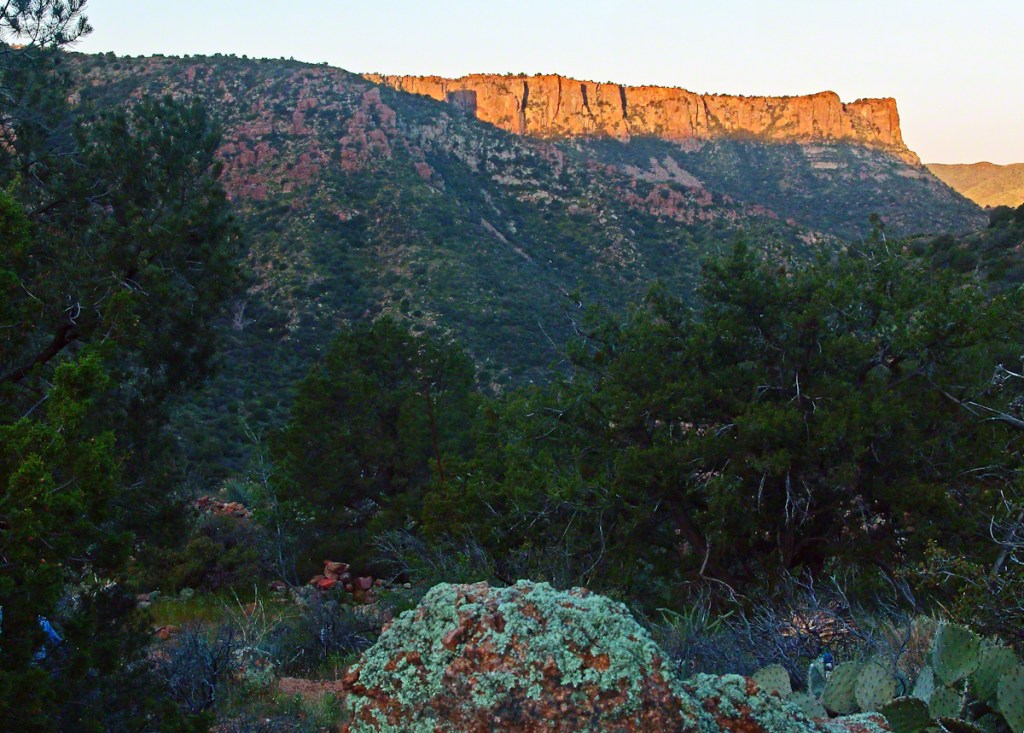
This is a retrospective diary of the day I created my print “Ocotillo Sunset.”

On a Tucson November 2005 afternoon, after my volunteer work for the University of Arizona, CALS college, alumni board of directors, in the mid-afternoon I headed for Sabino Canyon with my photography kit.

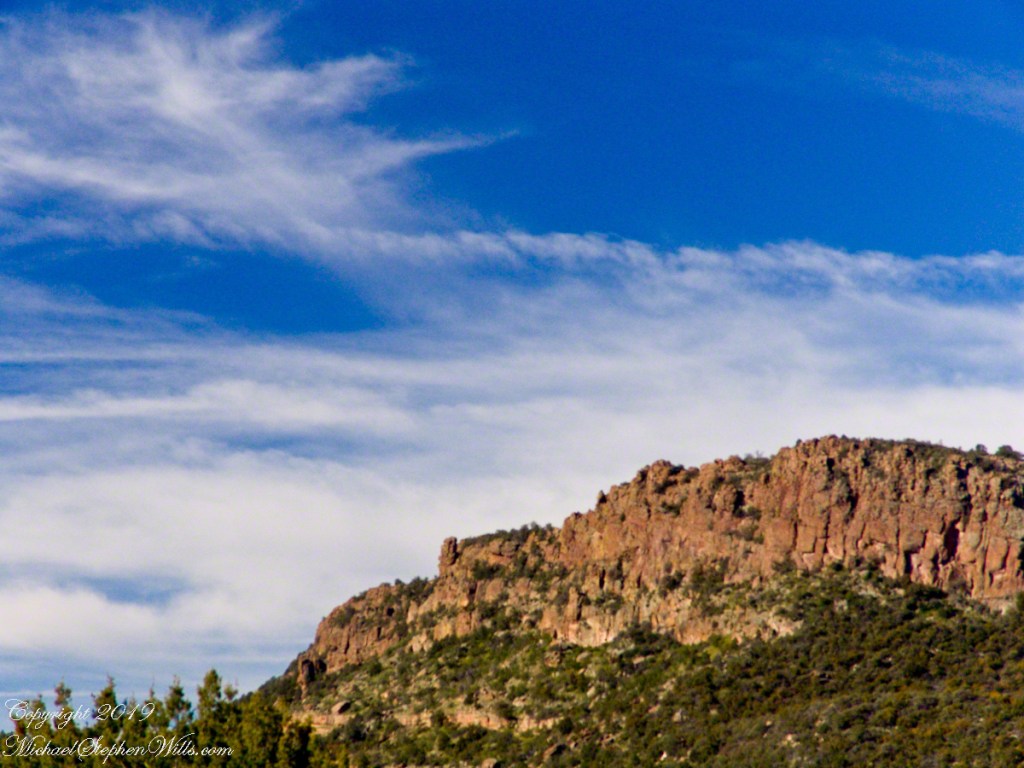
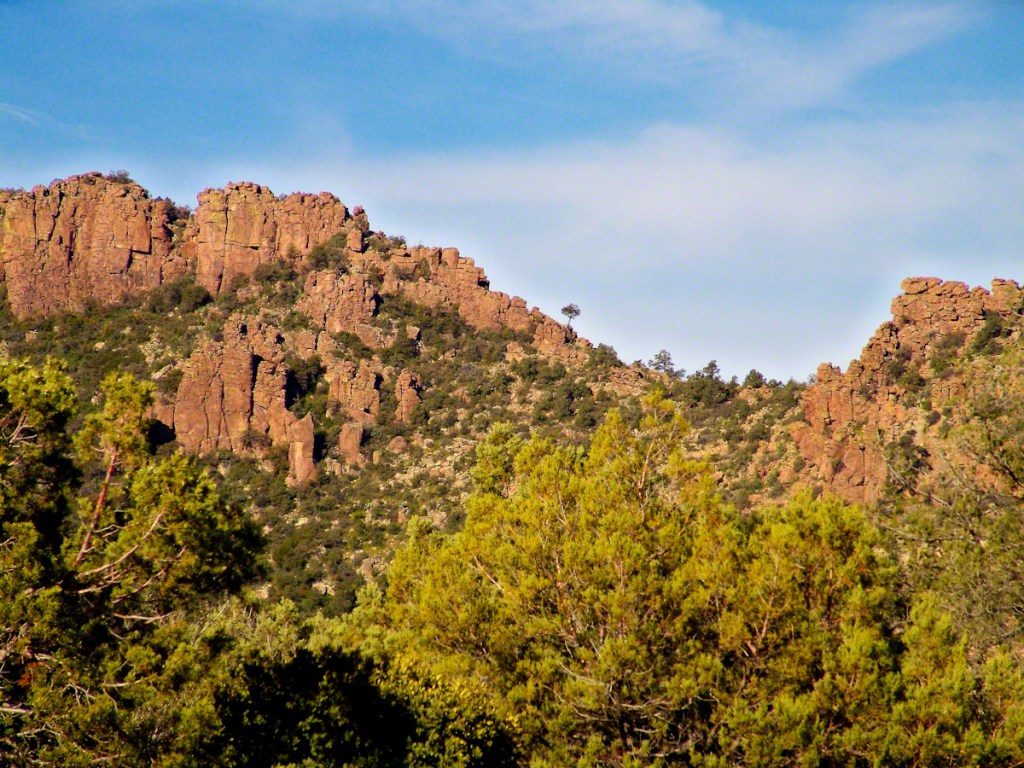
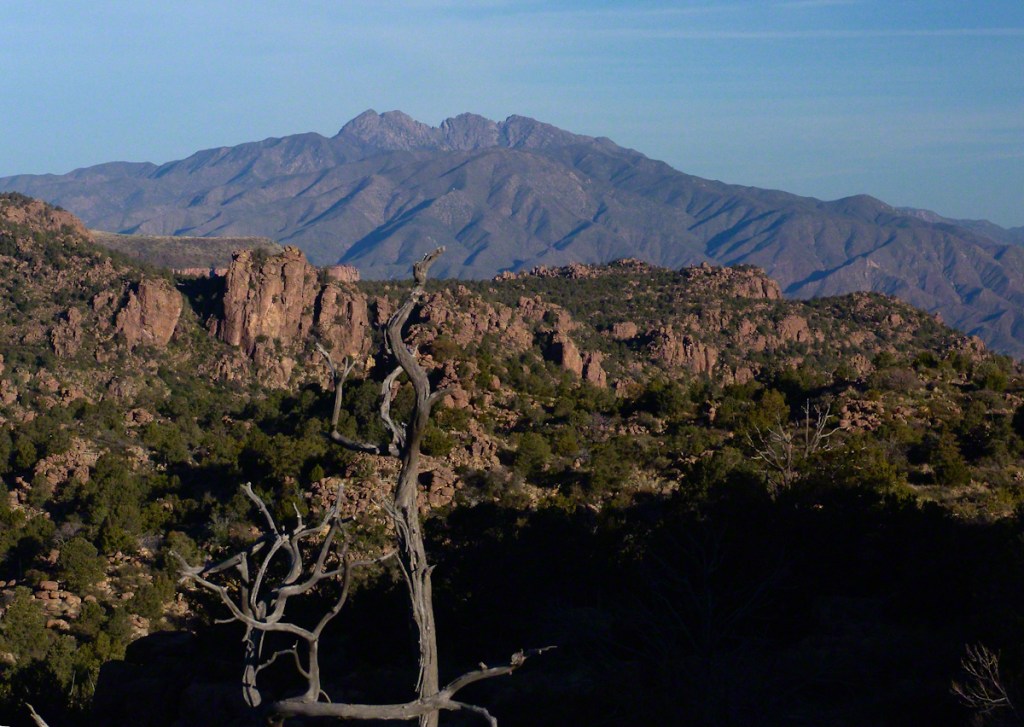
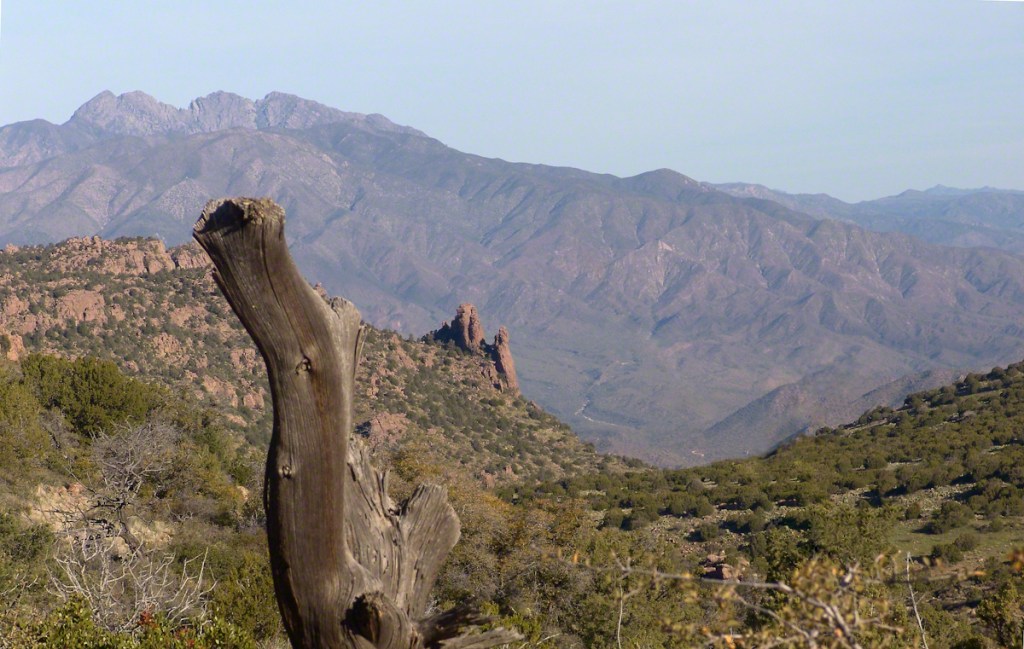
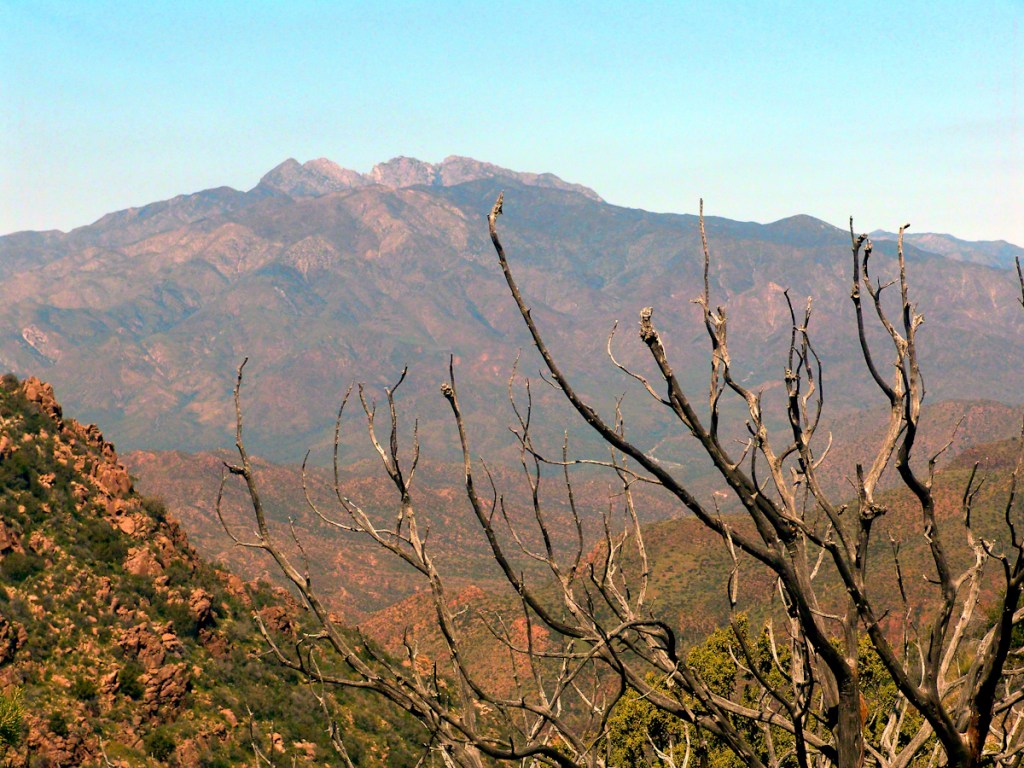
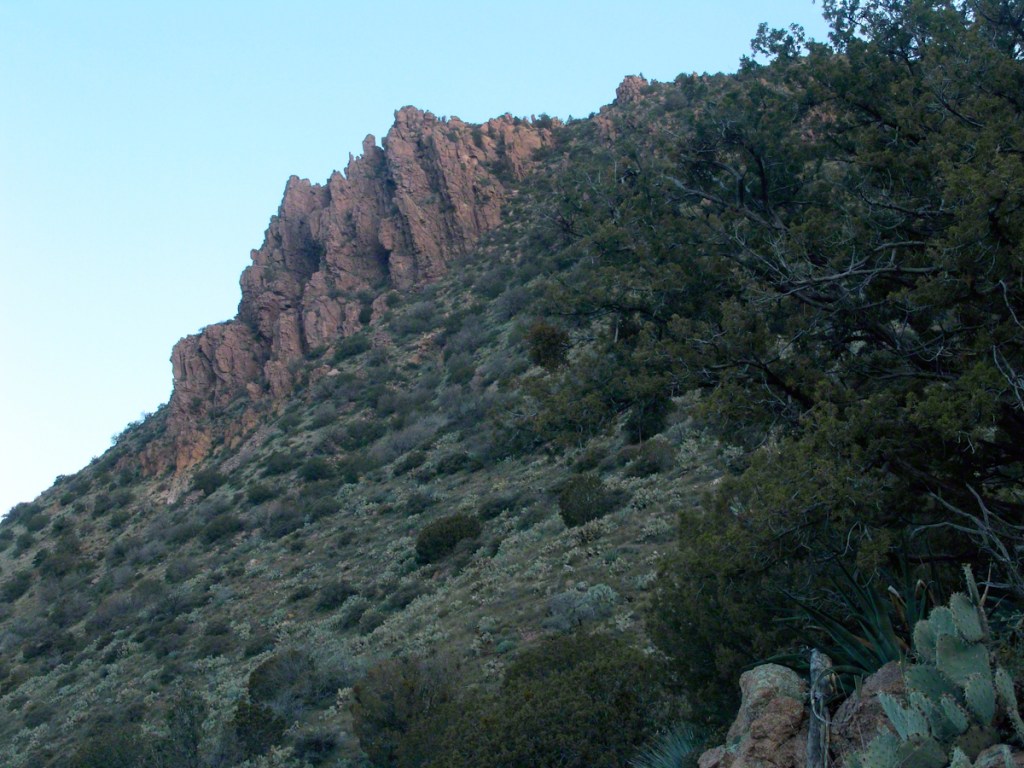
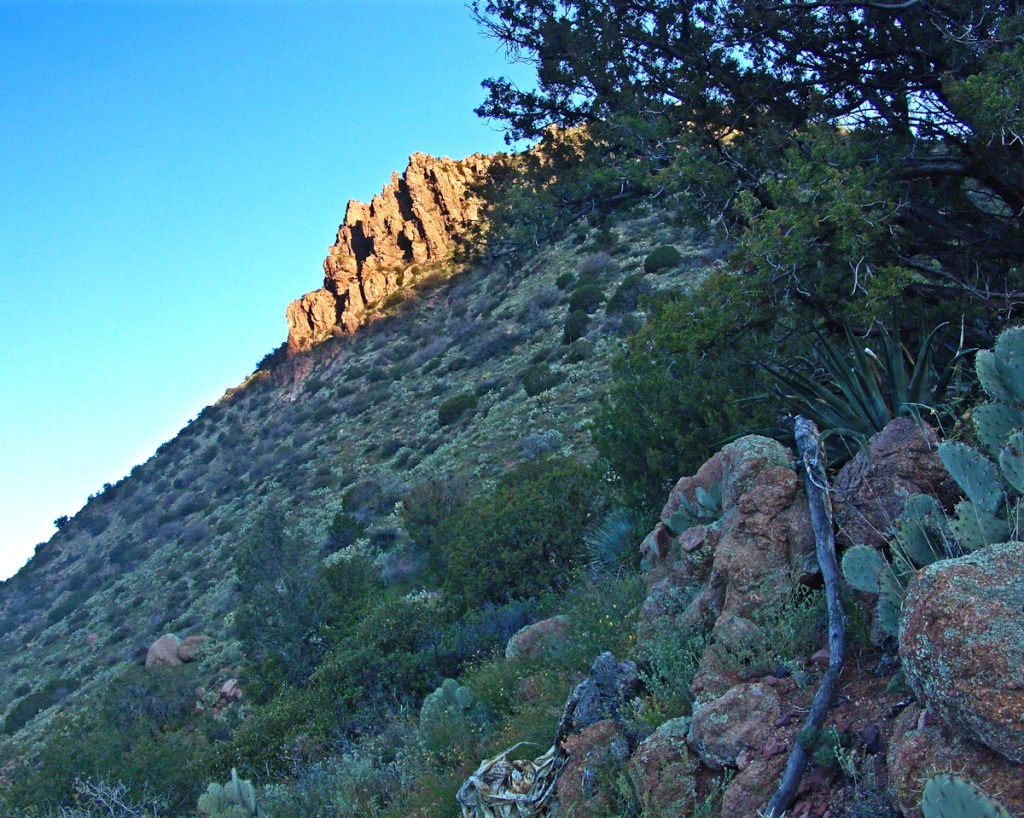
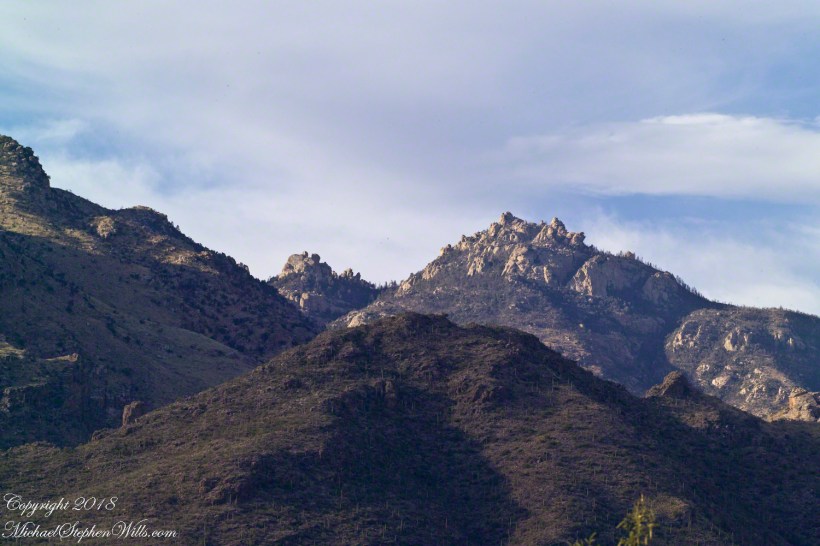
With a 25-pound pack on my back, walking from the parking lot I looked up at the incredible rock formations of the Santa Catalina mountains. It took some time to set up the tripod (at that time I was using a cheap swivel head on adjustable aluminum legs) with a 200mm telephoto lens (Canon L-series EF 200mm USM) I grabbed this shot of the hoodoo fringed peaks beyond the foothills (f16, 1/30, ISO160). The lower sun angle made the formations pop out.

Hoodoos in the Hills

You call those strange formations of upright rocks “hoodoos. Some people believe the fantastic shapes were created by spirits, today the explanation is wind, water and time create hoodoos from rock of the right stuff. It is a wonderful experience to wander among hoodoos, though unsettling because some of these large rocks are seemingly in danger of falling over at any moment.

Santa Catalina Hoodoos – CLICK ME to view Ocotillo Sunset.

Moving On

I have a mental list of photographic “to do’s” and the gathering clouds, typical for a Tucson November day, reminded me an awesome desert sunset was on this list, so I packed up to head for the east side of Tucson for a shot looking toward the Tucson Mountains (on the west side).

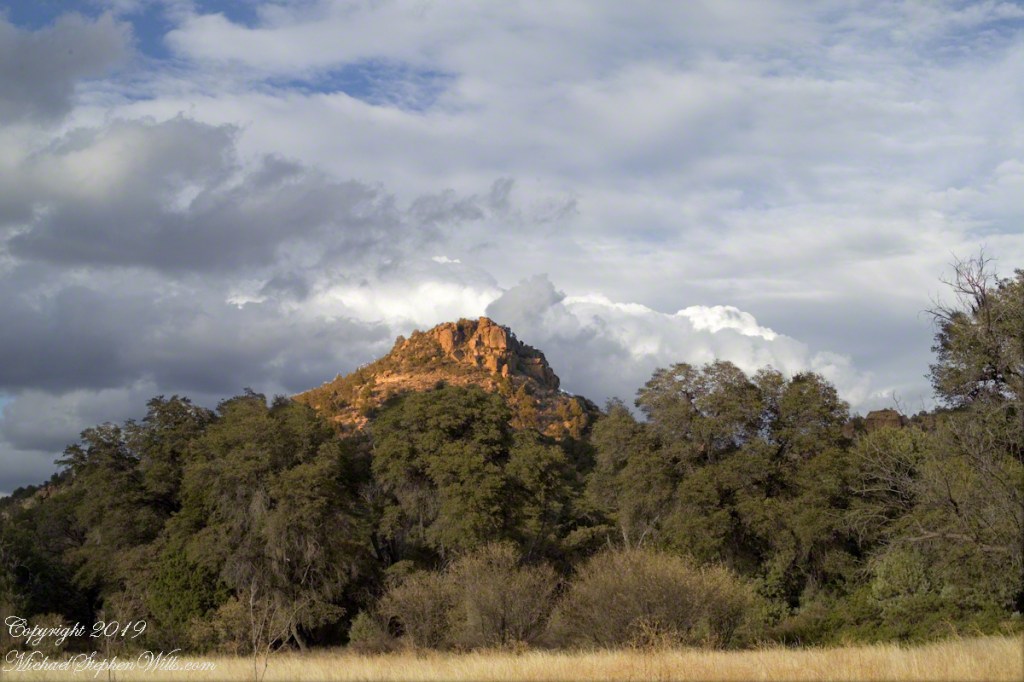
Clouds gather at sunset above a ridge serrated by saguaros.

Click any photograph to view Ocotillo Sunset Gathering Clouds – CLICK ME to view Ocotillo Sunset.

Sabino Canyon House

Before we move on, this is a fascinating image of a typical southern Arizona house perched on a ridge at the mouth of Sabino Canyon. In this image the viewer sympathizes because the telephoto lens gathers the majestic rocks around the tiny structure.
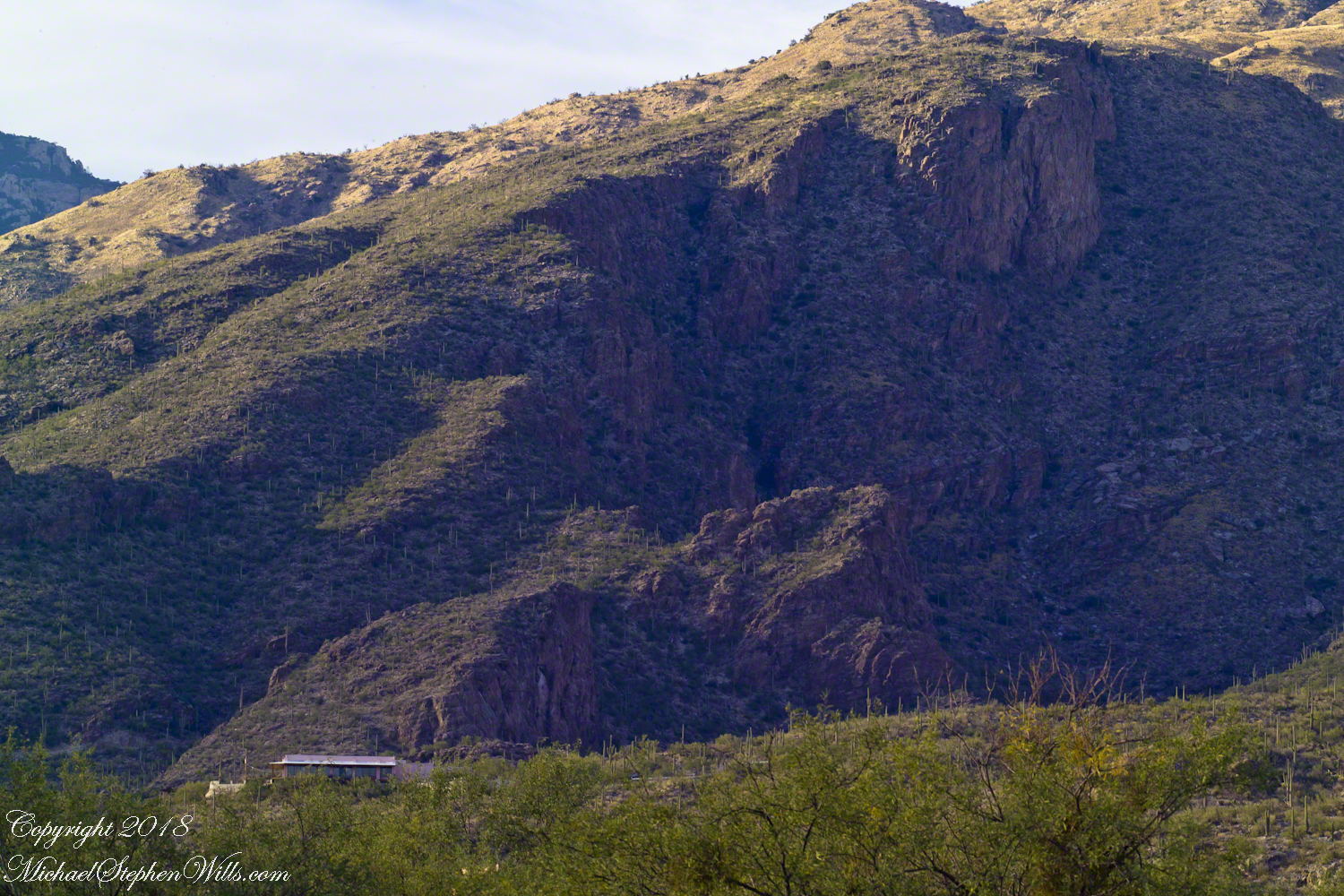
Desert Foothill Home – CLICK ME to view Ocotillo Sunset.

The house is perched on a Santa Catalina foothill ridge running east west, a wall of picture windows facing south with a view across the Tucson valley toward Mount Wrightson of the Santa Rita mountains, 42 miles distant. Summer thunderstorms gather on this peak, wreathing it with lightening. These times, evenings and night, the view pays for the inconvenience of this distant, hot ridge. Another time to be there is for sunsets.

Click Me for the next post in this series.

Copyright 2024 Michael Stephen Wills All Rights Reserved

Thin Crescent with McGraw Tower, Venus and Star

pre-dawn sky event

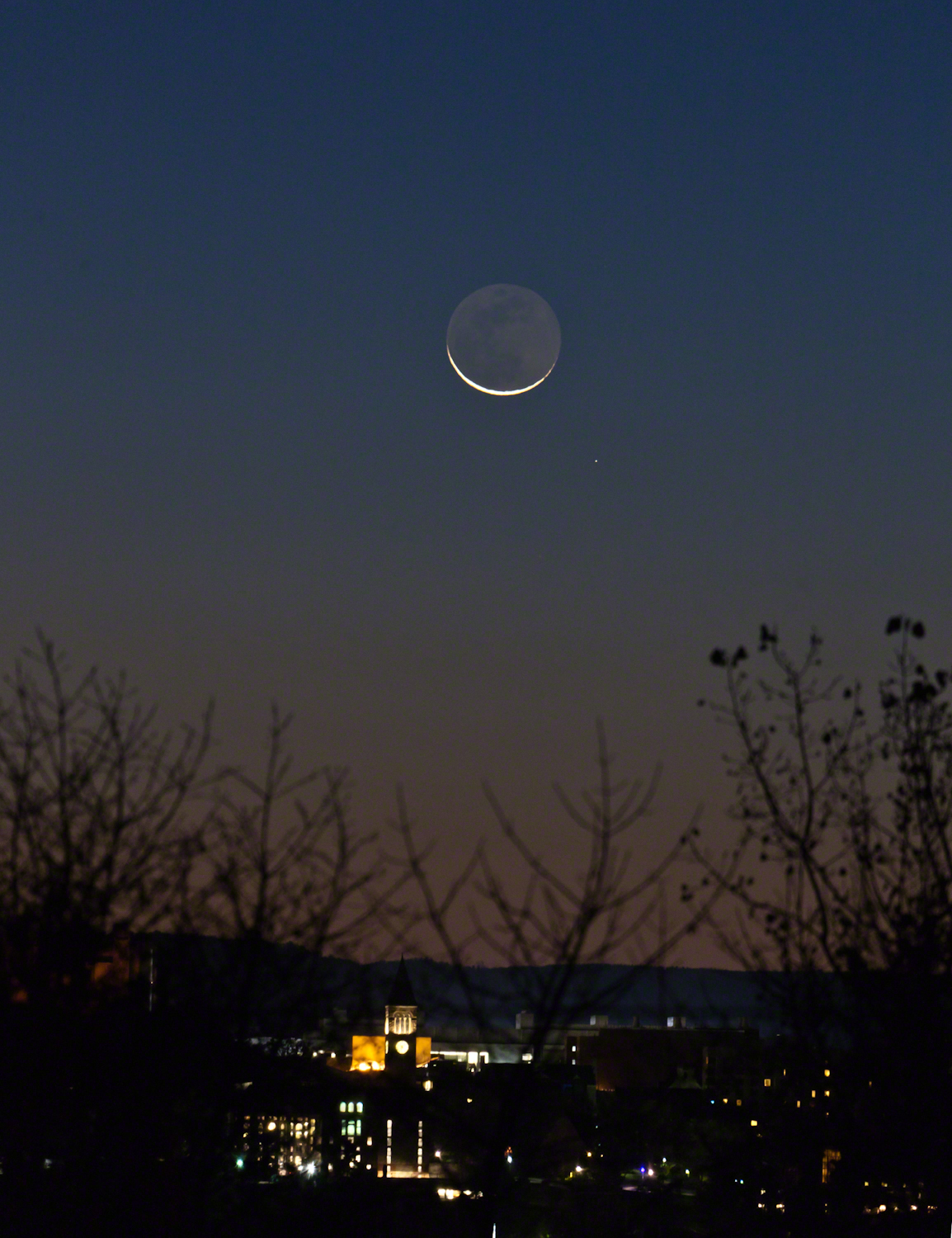
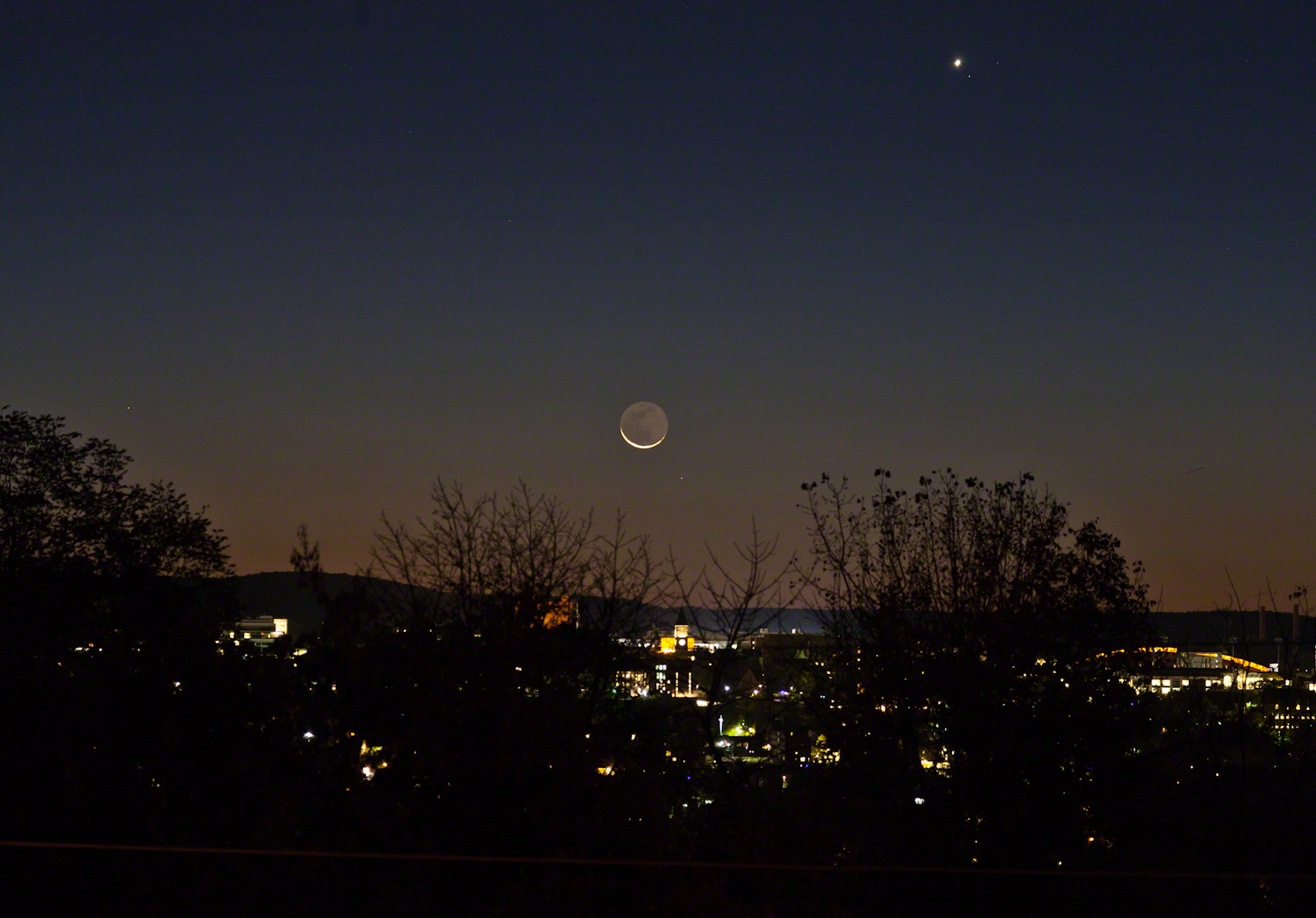
Here are two photographs taken about the same time, 6:30 am, October 18, 2017, companions to the photograph shared earlier this week.

The moon rises later each day, so these shots include a larger disk closer to Cornell University.  Both components, the crescent and earth-glow, were dimmer this morning.    In each photograph Jenny McGraw Tower is visible.

Crescent, McjGraw Tower, Regulus, Venus
The star is Regulus, the brightest in the constellation Leo, close below the moon.  I don’t know the star close to Venus.

Here the tower is slightly to the right of the crescent, the arch of Schoellkopf stadium further right.  Among the trees on left, is the baleful red glow of Bradford Hall.

Cresent, McGraw Tower, Regulus
Click for another view of McGraw Tower from my Online gallery.

The tower is outlined by the lights of Uris library, presumably filled with early rising students.
The light of Regulus (“small king”),  below and to the right, is a composite of four stars moving together through space.  The position of Regulus on the path in the sky of the moon, planets and asteroids (called the ecliptic) leads to the occultation of the star by the disks of the moon and, less regularly, the planets and asteroids.
Copyright 2021 Michael Stephen Wills All Rights Reserved

Thin Crescent Bowl filled with Earthglow

pre-dawn sky event

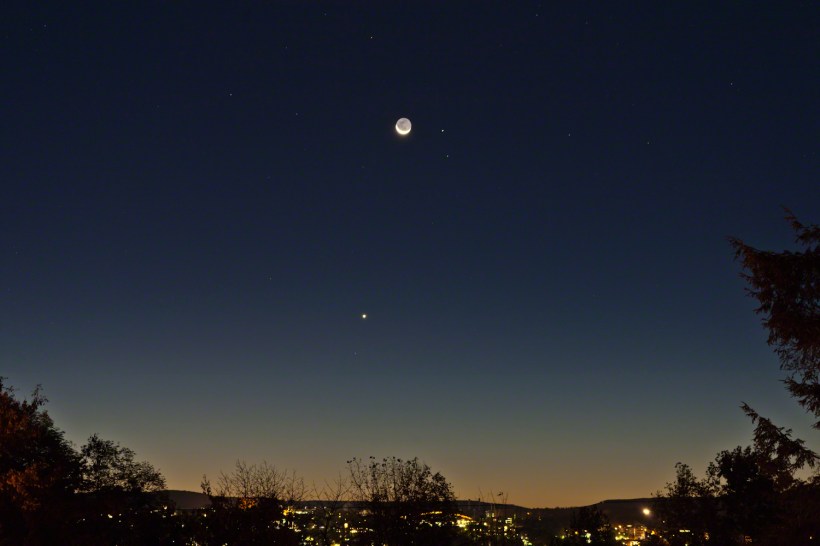
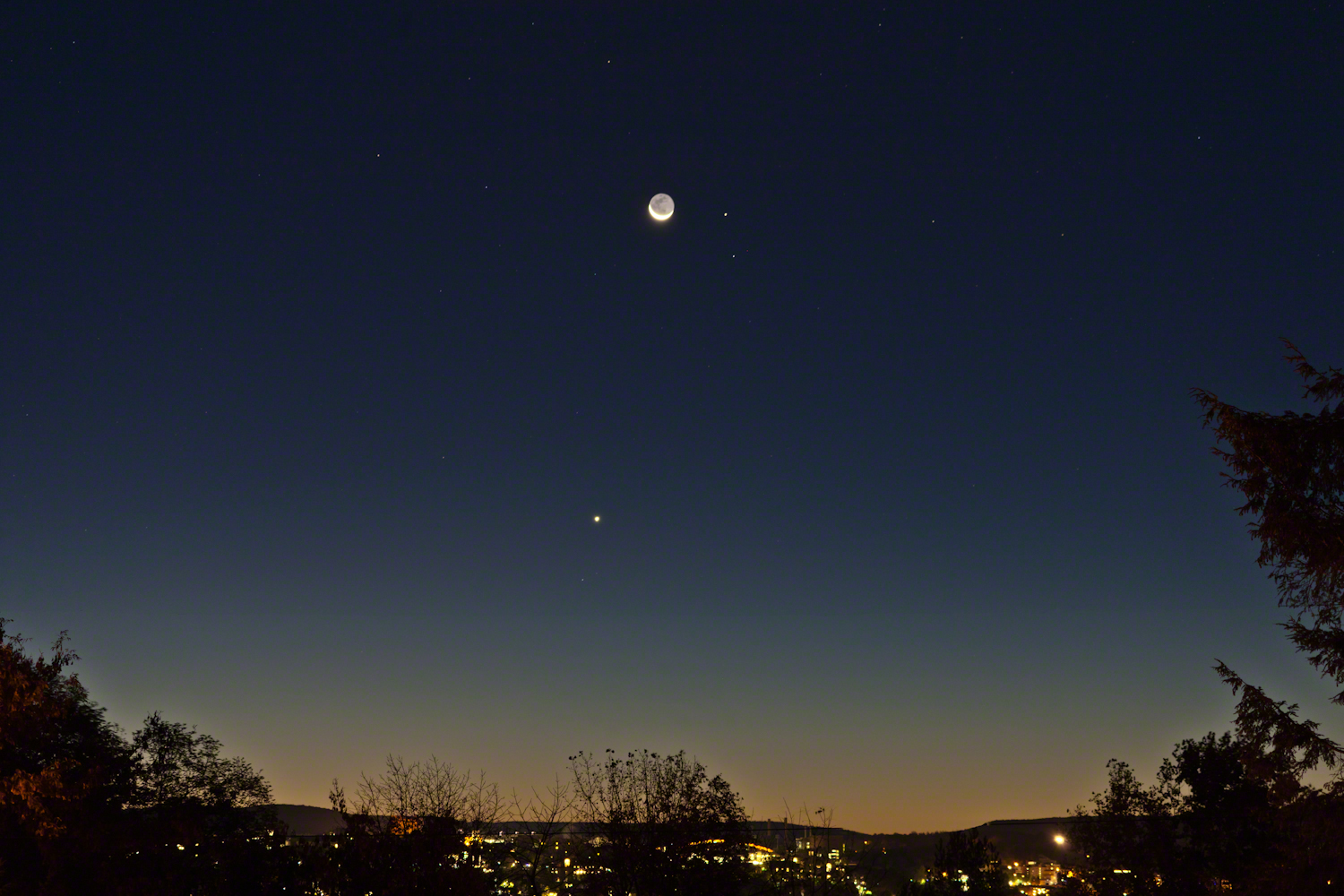
A thin crescent bowl filled with earthglow floating above the dawn attended by Venus, Mars, Virgo.
Thin Crescent with Planets, Stars, Dawn

This was the view from Ithaca, New York at the start of dawn this morning of Tuesday, October 17, 2017.  Mars is next to the moon, the stars of the constellation Virgo scattered around, Venus is the bright object below.  We had a bright, clear sky not unusual for September and October.

Want more? Click the link for my Online Gallery

In the city, an arch of Schoellkopf Stadium on the Cornell University campus.  Cornell is on east hill.  We live on west hill, across the valley.  It is quiet on west hill, away from the students.

Earlier this week the crescent was in the constellation Leo where the bright limb occulted the bright star Regulus, to reappeared from behind the dark limb, a brilliant spectacle that happened after dawn for New York.  It was cloudy, as usual, on October 14.

When I woke, the moon was shining through the trees, still full of just turning leaves. The crescent turned, cup like, above the horizon, to cradle the dark orb glowing from the reflected light of our earth. I did not recognize Mars, the disk was less red than usual. Research revealed the moon had two planets in seeming attendance. I also learned that, when the horns point right the moon is waning, moving toward a new, or un-illuminated, moon. When the phase moved from new it is also a crescent with horns pointing left.

This morning was a fortunate gift, I had never contemplated the moon in quite this form before.

Copyright 2021 Michael Stephen Wills All Rights Reserved

Keuka Lake Fall Winter

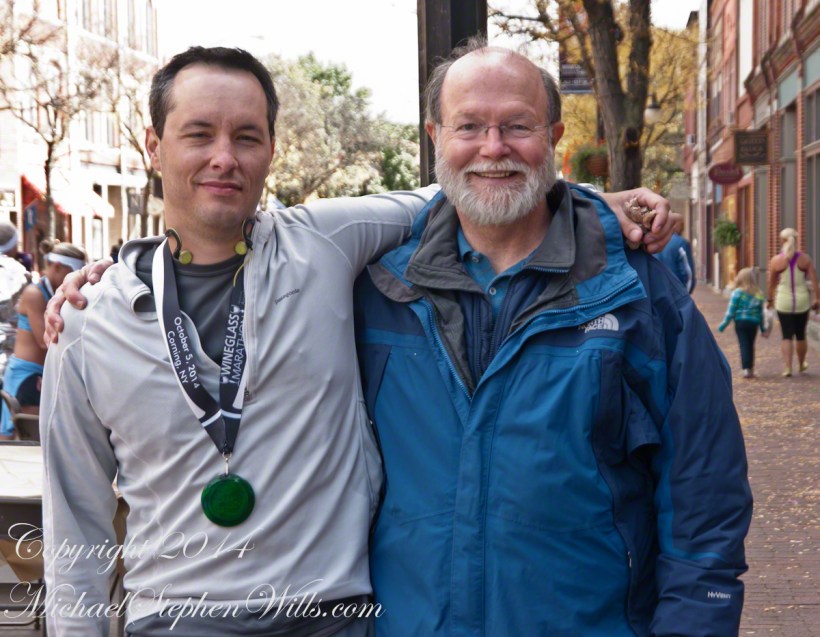
October 5, 2014 found Pam and I at Keuka Lake after my son completed the Wine Glass Marathon.  Here we are at the finish line in Corning, home of the Corning Glass Factory.  You may know it from your set of Correlle dinnerware.

Marathoner and his proud father

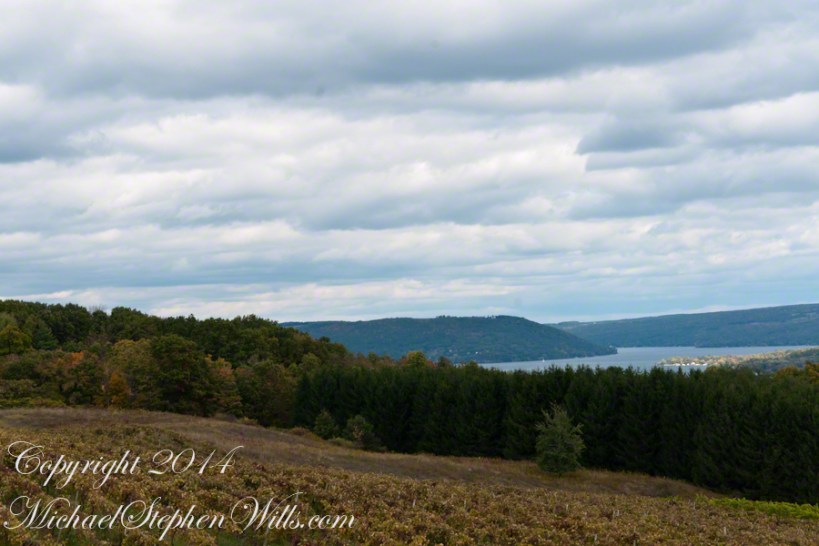
Afterwards, Pam and I made it up to the Dr. Frank Winery for a tasting followed by dinner at a local restaurant.  Here is a photograph from the same viewpoint, using the “zoom” setting of my Sony DSLR A700.  The view is more interesting than the winter shot of “Keuka Lake Winter I”  from the autumn clouds and the burst of late day sun on the eastern lake shore.

This is the juncture of the “Y” shaped lake where the two arms joint the long foot.  The pointed high headland is the point where the two arms meet.  We are looking north here.  The western arm, on the right, is unique in that the water is flowing down into the juncture.  In Keuka Lake the water flows in two directions.  The flow of lake foot and eastern arm is in the opposite direction, Keuka Lake empties at the top of the eastern arm, eventually reaching Lake Ontario.  

North View from Overlook using “Zoom” lens

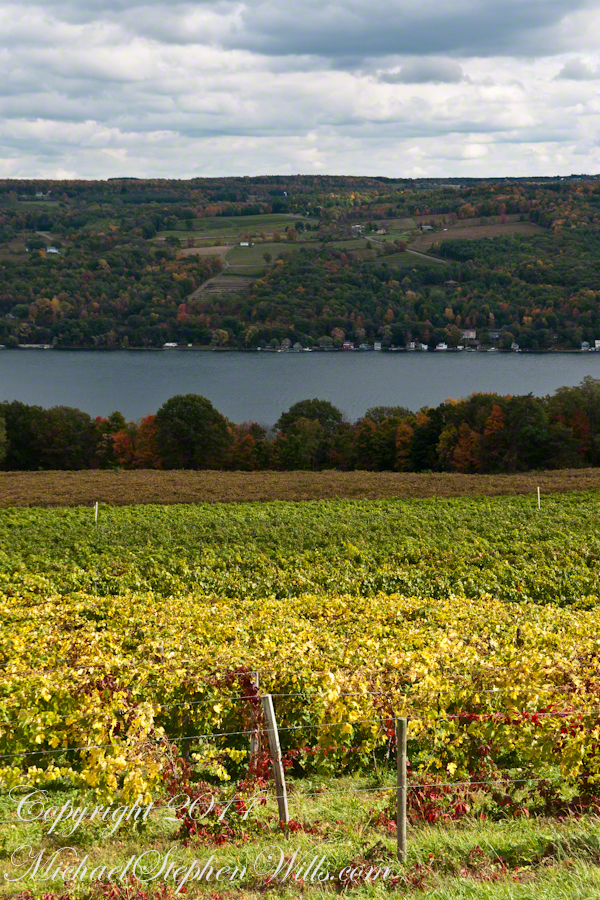
Here is the eastern view, from the overlook, looking over a vineyard ready for harvest, covered with fruit and leaves.  Every once in awhile there is a loud “bang” from a noisemaker used to discourage birds from feasting on grapes.  The buildings along the shore are summer cottages, Keuka is lined with them.

East View on an autumn afternoon

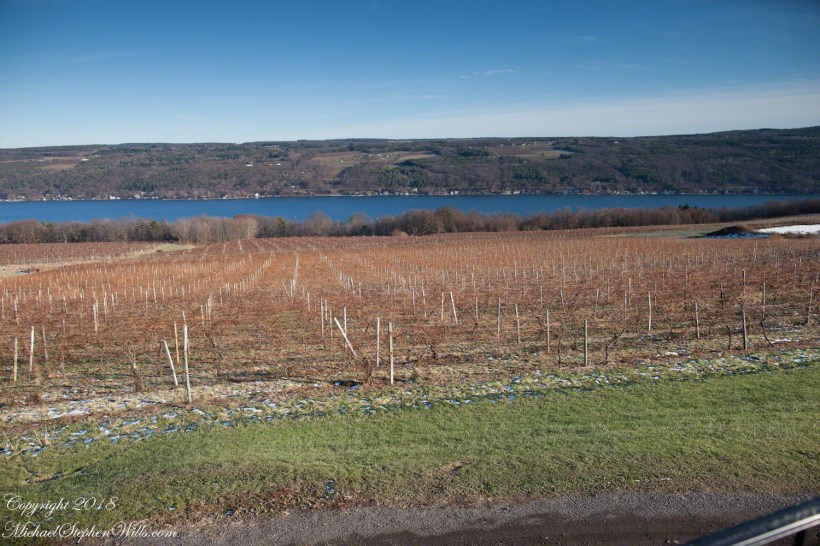
The same view, from our December 2018 visit.  The vines are bare, the fallen leaves cleared, the vine roots covered under banked earth to protect them from the cold.

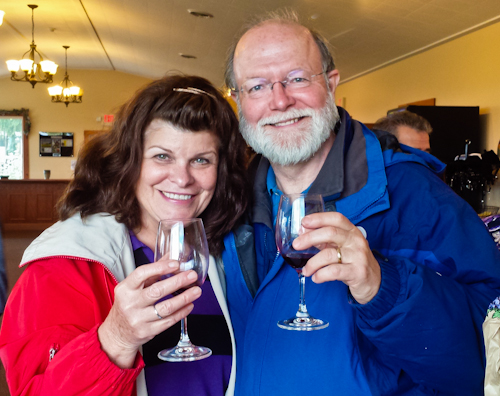
Pam and I, enjoying wine after the 2014 Wine Glass Marathon.  Cheers!!

Click this link for my Fine Art Photography Gallery.

Copyright 2018 All Rights Reserved Michael Stephen Wills

Superstition Galleries

A peaceful wilderness evening

….continued from the chapter “Reavis Ranch Autumn Sweep”

These are photographs from my Superstition Wilderness postings.

The following year my sister Diane and I did two expeditions into the Superstitions, March and November 2006.

“A This video is from the November backpack, taken from the hill above the Ranch Ruin (Click me for “A Ride to Reavis Ranch”) you will experience the peace of this wilderness valley.

Click me to visit Michael Stephen Wills Online Arizona Gallery.

Click me for the first post of this series.

Copyright 2021 All Rights Reserved Michael Stephen Wills

Reavis Ranch Autumn Sweep

A peaceful wilderness evening

….continued from the chapter “Apple Orchard in the Wilderness”
Click any photograph for a larger image.
Click photograph for a larger image
Vantage point from which this video was captured

The following year my sister Diane and I did two expeditions into the Superstitions, March and November 2006.

“A This video is from the November backpack, taken from the hill above the Ranch Ruin (Click me for “A Ride to Reavis Ranch”) you will experience the peace of this wilderness valley.

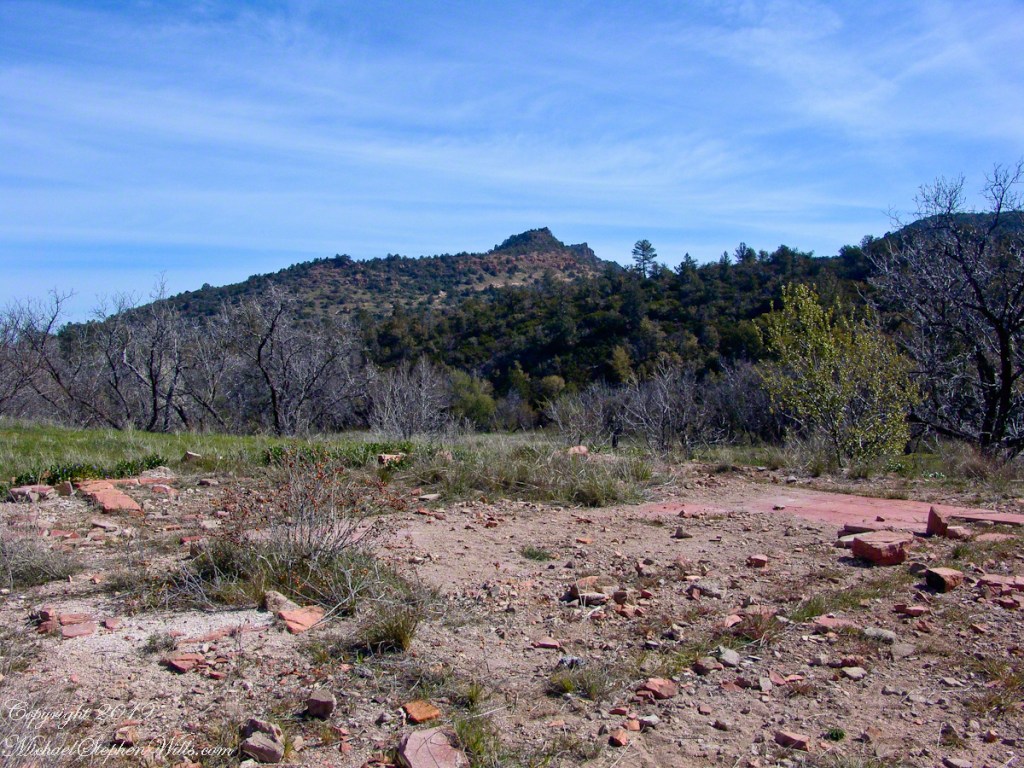
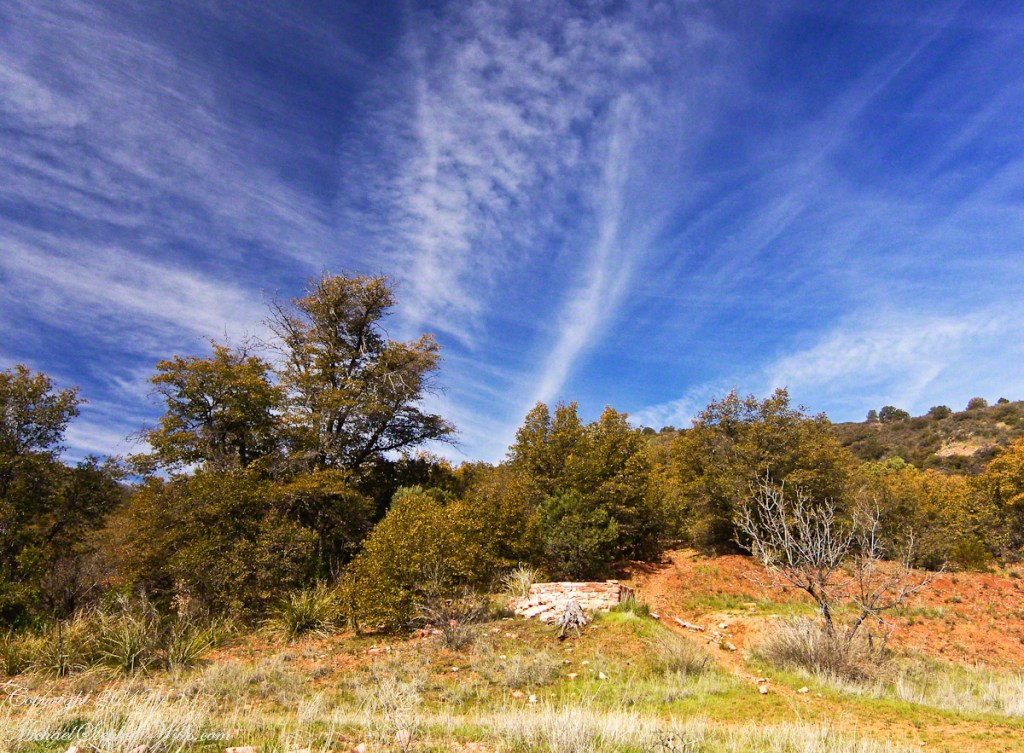
About that mysterious stone structure featured in this video. Over the years I have pieced together its purpose. When the ranch was active, a canal followed the contours from upper Reavis Creek to fill a pond down the hill from the house — I was shown the canal and walked it 2005. The structure was razed in the 1990’s, all that remains is the concrete foundation slab and, when I was there 2005 – 2008, scattered remains of the tile flooring. I am sure the pedestal above the house supported a water tank for a gravity water feed (“indoor plumbing”). Here is a link to more info about that site. The article does not discuss the water system.

Click me to visit Michael Stephen Wills Online Arizona Gallery

Click me for the first post of this series.

Copyright 2021 All Rights Reserved Michael Stephen Wills

Red Near and Far

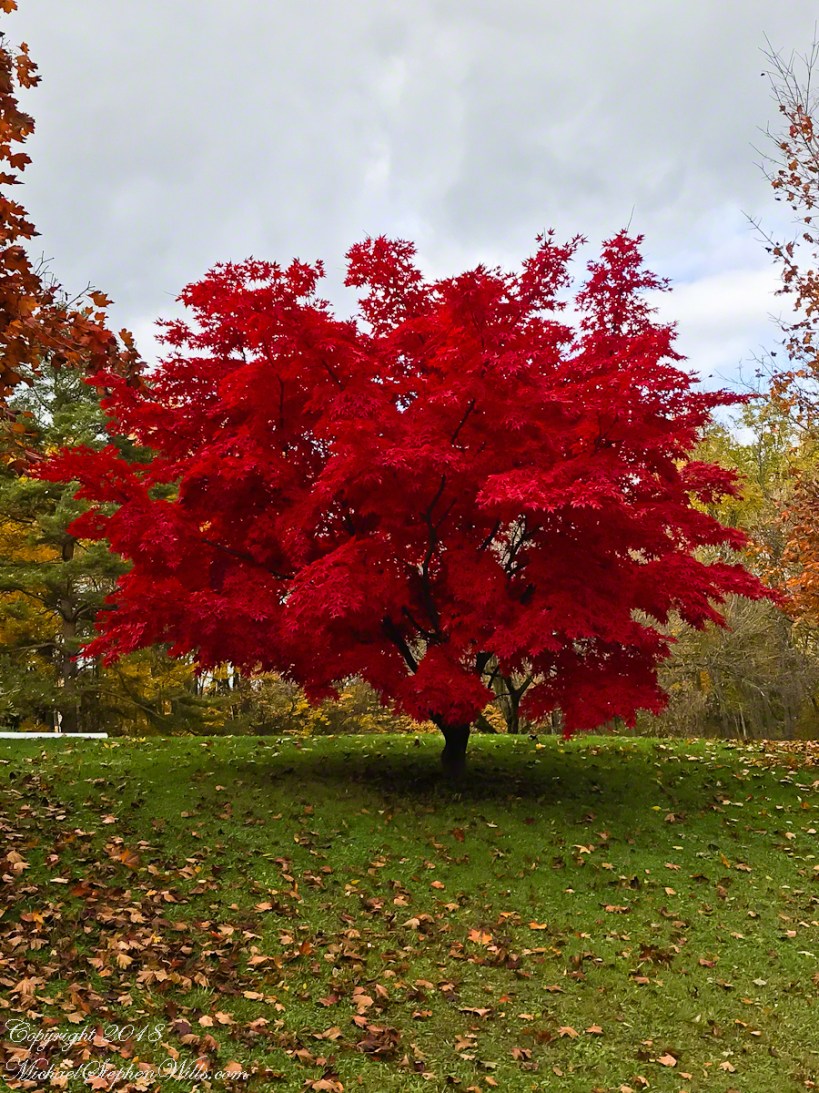
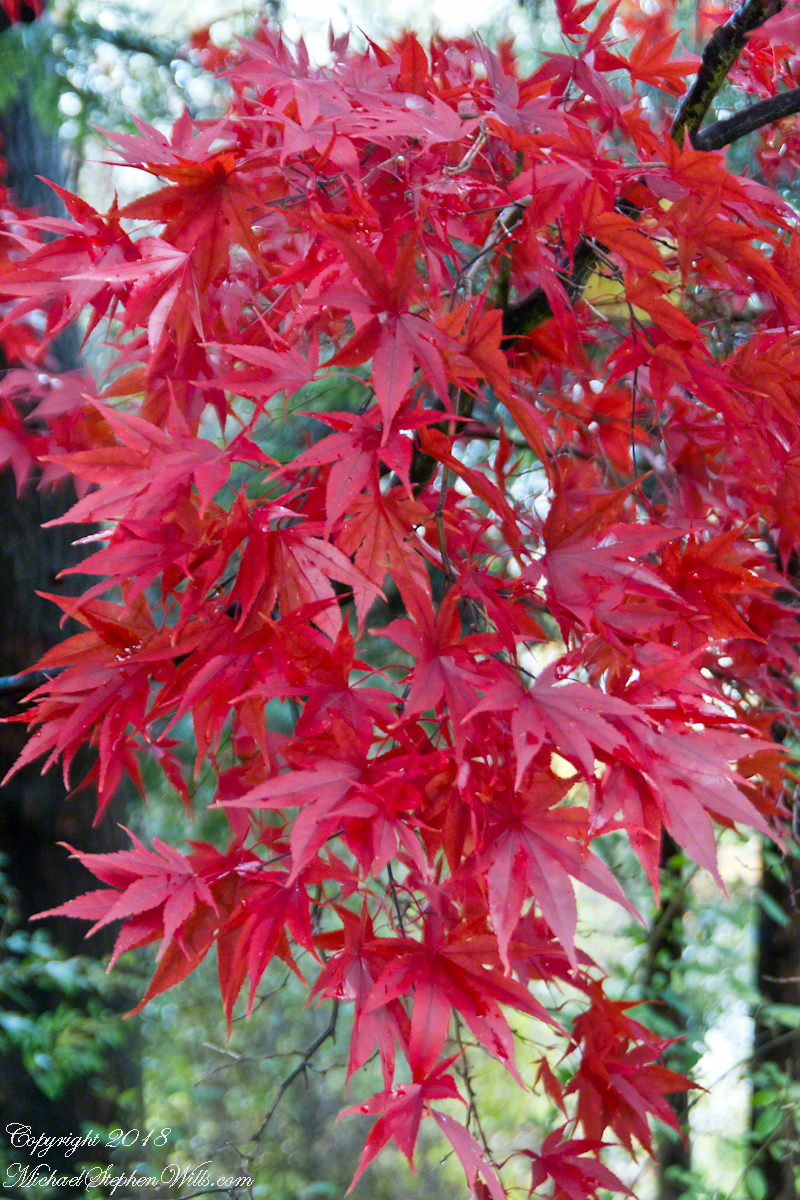
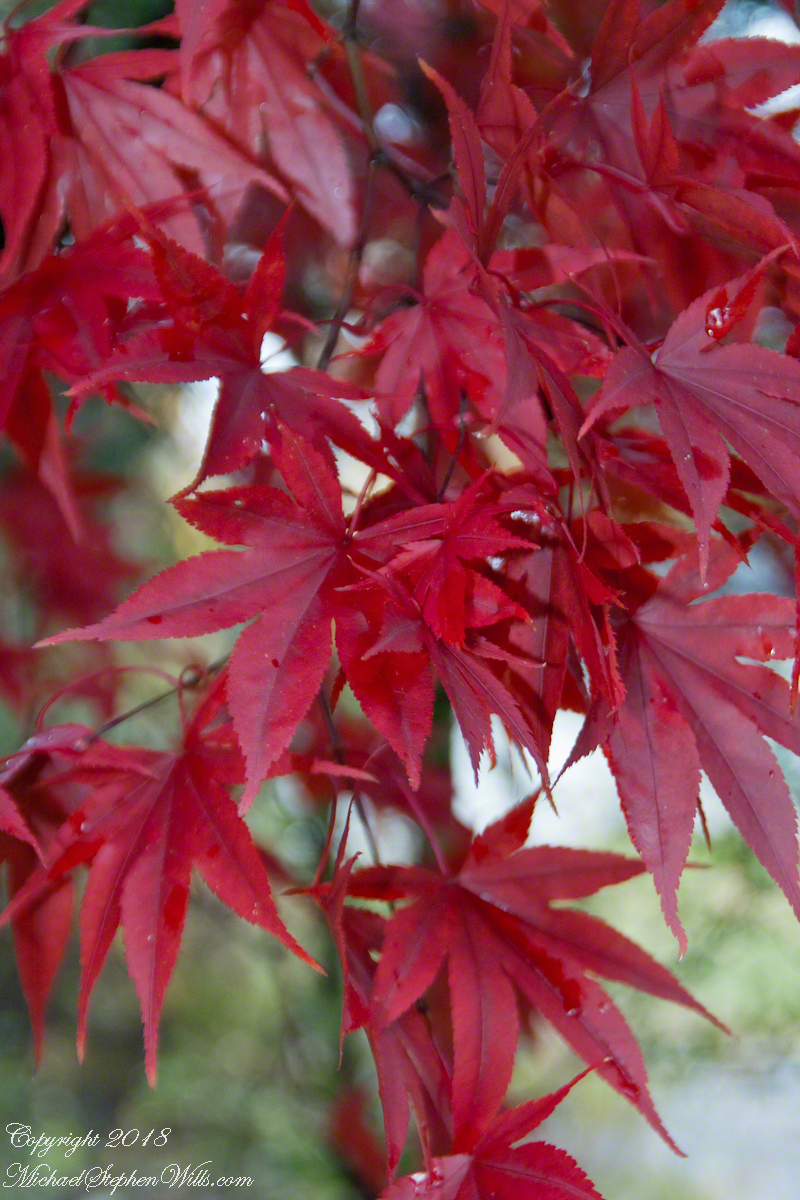
Yesterday, Pam and I headed to the peneplane behind our home to enjoy the Finger Lakes terrain graced by fall colors.  The day before I noticed the Japanese Maple leaves had turned from maroon to vermillion.  While waiting for Pam to get ready, I capture the following two shots.

Click the link for my Fine Art Photography Galleries
RedNearAndFar-7

This tree was planted by my father and mother in-laws.  Developed over the centuries by the Japanese, specimens reached England in the 1820 and spread from there.  It is not strictly accurate to call the color vermillion, since cinnabar finely ground produces the pigment for which the color is named, when the sun strikes the leaves vermillion is a metaphor for the impression made.

The scientific name for these trees is Acer palmatum with common names Palmate Maple (for the shape of the leaves “like a palm tree”, as for the scientific name), Japanese Maple or Smooth Japanese-Maple (for the bark).

Click the link for my Fine Art Photography Galleries
RedNearAndFar-6

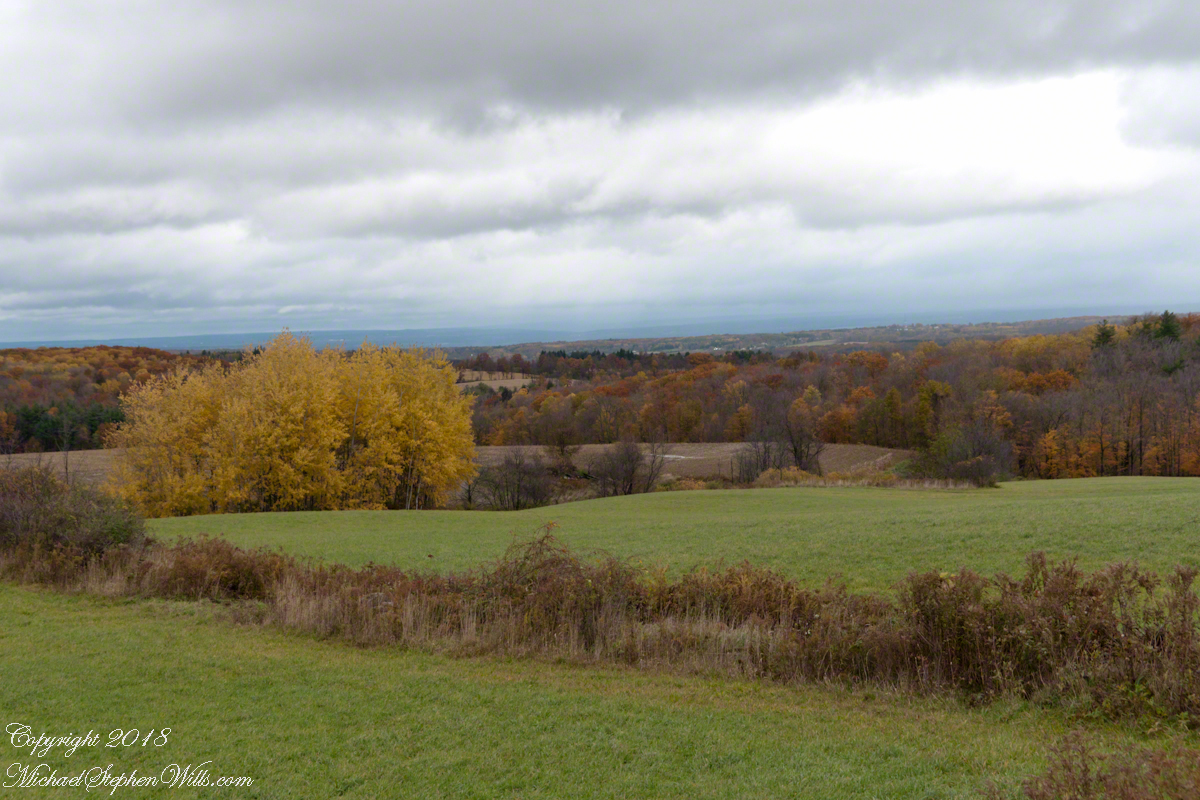
We drove under the clouds, enjoying the rare dramatic shafts of sunlight and I gave up, finally, tying to time my shots.  Here is the view from Connecticut Hill.

RedNearAndFar-1

The previous photos were taken with a hand held Sony Alpha 700 with variable lens.  The next two are with an Apple iPhone I had a hand when Pam and I returned home for a walk around the neighborhood to witness the transformations.

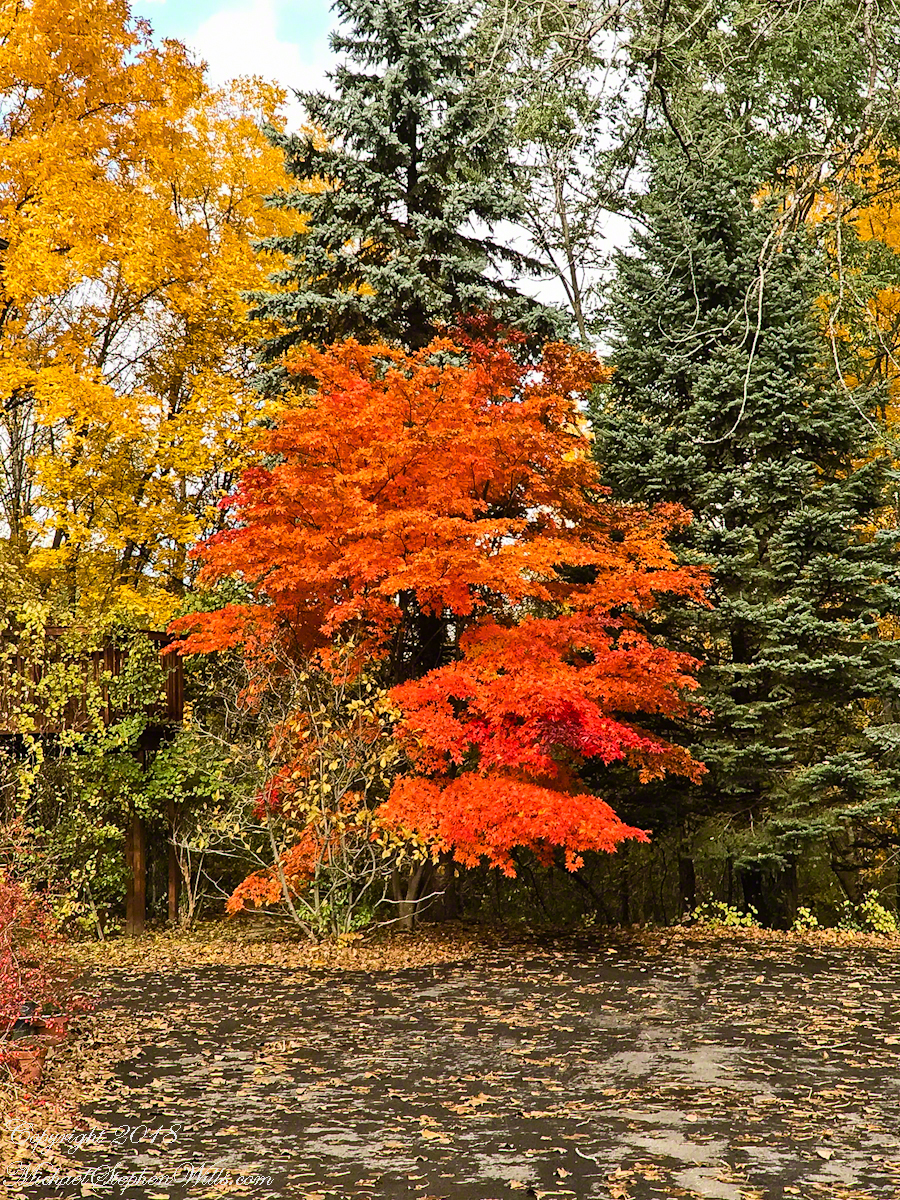
We were surprised by this orange maple, never recalling this shade before.  Like our Japanese Maple were assume it is a non-native ornamental.

Click the link for my Fine Art Photography Galleries
RedNearAndFar-2

Our Japanese Maple is a challenge to capture photographically as it grows beneath a larger “nut” (don’t recall the kind at the moment) tree.  We are working together to improve that, so I don’t have an overall photograph.

Here is our neighbor’s Japanese Maple.  They have a story of carrying this tree, as a sapling, on the bus from Long Island.   I love the impression of dark limbs among the clouds of red foliage. 

RedNearAndFar-3

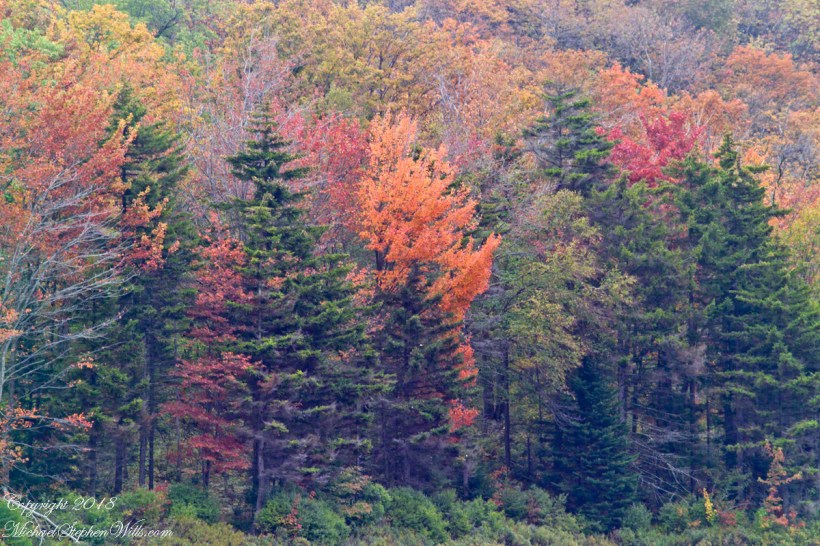
This photograph (the “far” of the “near and far”) is from a remote corner of Chiricahua National Monument, during the trip mentioned in my post, “History and Ghosts of the Triangle T Ranch”.  To get there, I drove over a mountain pass to a location was featured in an “Arizona Highways” I read long ago.

I call this photograph “Red Dragon,” the formation is known as a “maple “

dragon”, from the long sinuous form of the tree limb.  Known for this reddish orange autumn color, this is a Big Tooth Maple, AKA Canyon Maple.  Scientific Name Acer grandidentatum (as in “big tooth”).  It is a wild specimen, living along the north fork of Cave Creek.  It is a area well know to avid bird watchers and ornithologists.

Click the link for my offering of this photograph in my Fine Art Galleries
RedNearAndFar-8

The camera was my Kodak, DSC slr-c with a Canon 50 mm lens mounted on a tripod.

Copyright 2021 All Rights Reserved Michael Stephen Wills

Autumn Mushroom

Moments from a September backpack

A budding mushroom

Autumn Mushroom

among autumn leaf litter

along mountain shores

Peaked Mountain

Peaked Mountain and Pond, Siamese Ponds Wilderness, The Adirondacks

Click this link for my Online Gallery, “Memories, Dreams, Reflections”

Copyright 2021All Rights Reserved Michael Stephen Wills

Cascadilla Gorge Walks: Scenic Views and History

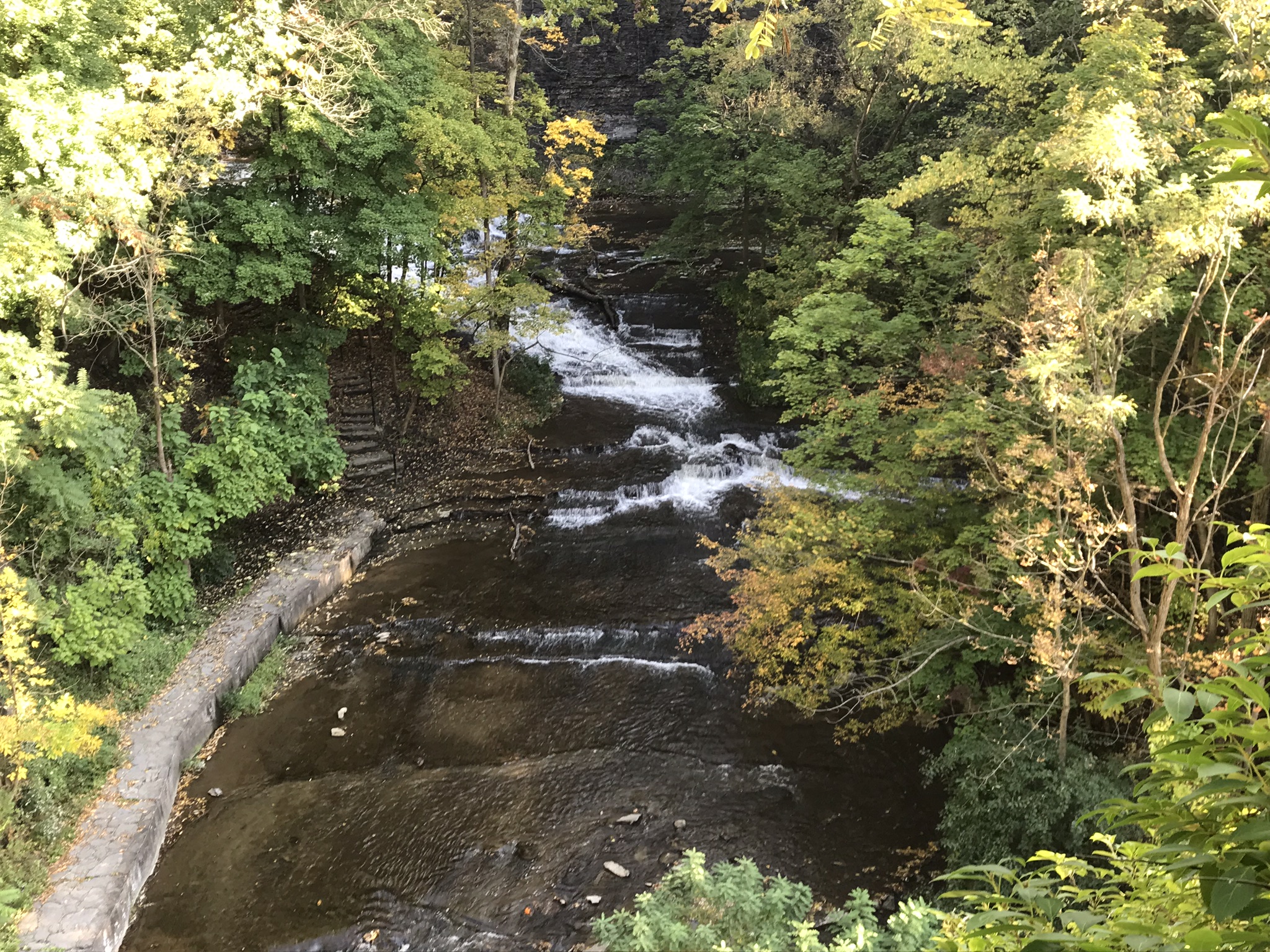
An 84-degree October walk up Cascadilla Gorge—quiet paths, bluestone porches, fresh paint on the bridge—waiting for the footbridge to catch the last, warm evening sunlight.

Every fall I make a point of walking Cascadilla Gorge at least once. On an 84-degree October 9 afternoon, Pam was tied up with chores, so I parked downtown and stopped to see the grandchildren. They were with their mom. Two were “too tired” after school to do anything. The youngest, at the age of four, was not yet in school and he floated the idea of the skateboard park; for me, that wasn’t in the cards. So I set off on foot up Court Street, past the residence of Buddhist monks at the gorge entrance.

Cascadilla Gorge is part of Cornell Botanic Gardens (formerly the Plantations), the university unit that stewards natural areas and gardens across campus. Foot traffic was light. A sign explained why: the lower trail was closed at Stewart Avenue, where the bridge spans the ravine. I crossed to the north side by the Christian Science church and wound up Cascadilla Park Road to the rim trail that climbs East Hill toward campus.

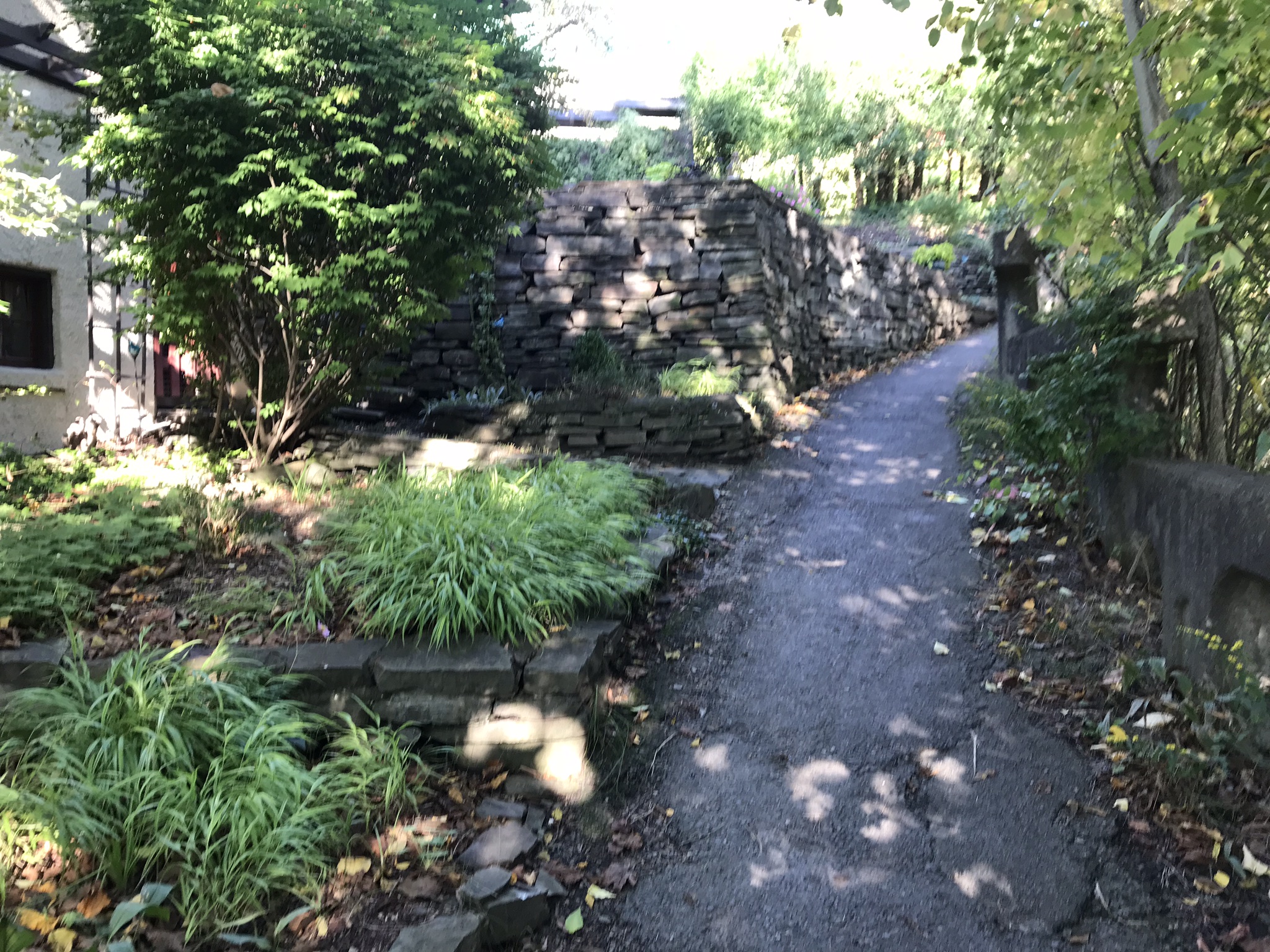
Homes line this stretch, porches facing the gorge where the constant music of creek and falls carries up. Not feeling ambitious, I made a few phone snapshots. Here the path squeezes past a porch built of local “bluestone,” a feldspathic sandstone native to the region—around town it’s sometimes called “Llenroc,” Cornell in reverse.

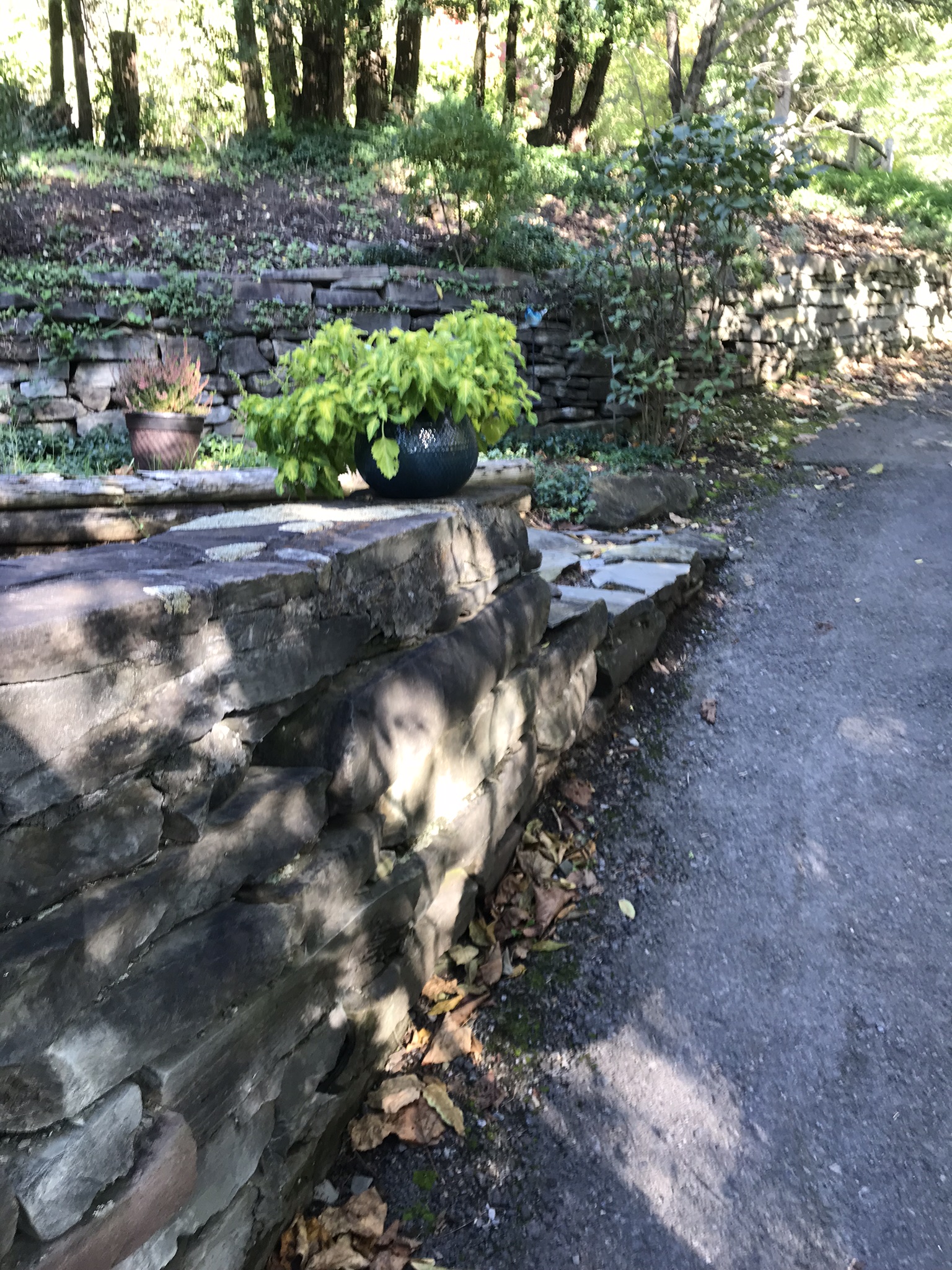
That pot you see in the previous photo gets a closer look here, with more of the same weathered bluestone.

The drop to the gorge floor is steep, sheer in places. The barrier fence looks stout in some sections and thins to almost nothing in others. A few years ago, a recent Cornell graduate walking home late along this path fell to his death. I continued to the fork for the Ithaca City Cemetery, climbed to Stewart Avenue, turned right to cross the Cascadilla bridge, then right again onto the Gorge Rim Trail back toward town. At the bridge I noticed part of the closure work: fresh paint on the bridge and on the suicide-prevention netting beneath. On September 24—just fifteen days earlier—a Cornell senior had jumped; the net caught him, and the fire department brought him to safety.

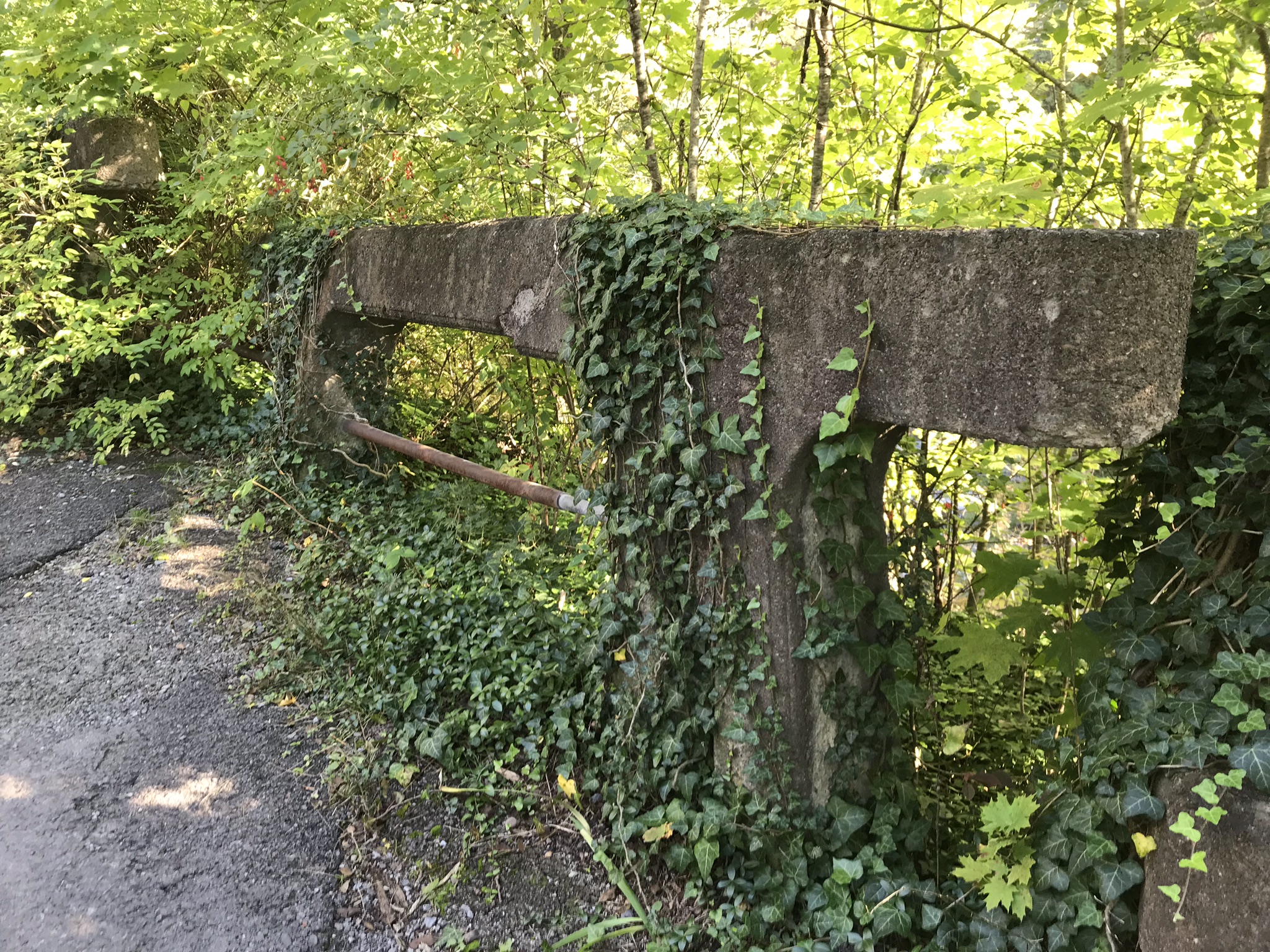
From the concrete barrier in that photo you can peer into the gorge: a beautiful view, the steady voice of water rising from below. I try to leave the darker stories where they belong—at least until the sight of fresh paint pulls them back to mind.

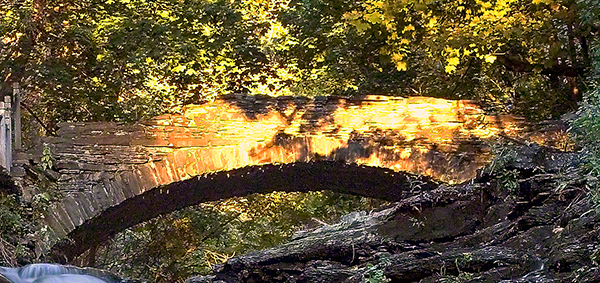
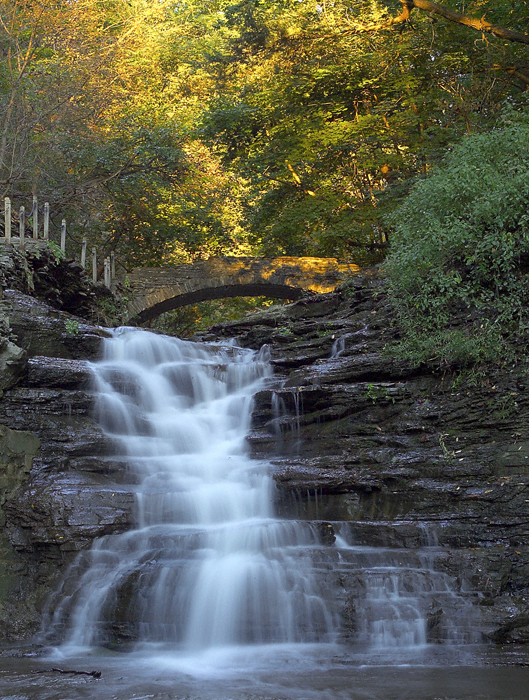
I took the following photograph in 2005, the September before my previous post, “Autumn Stroll in Sapsucker Woods” with the Kodak DSC pro slr-c, an ND filter, 50 mm lens and a tripod. It was a planned session, I work waterproof boots and was able to stand in the creek after a series of rain-free days. At this time of the year the gorge opens to the setting sun. I waited, taking a series of photographs for the perfect amount of light on the footbridge. The feature photograph (the header to this posting) is a detail from a shot with the bridge more fully lit.

The header image for this post comes from a planned session in September 2005, just before the photograph of my “Autumn Stroll in Sapsucker Woods” post. I used a Kodak DCS Pro SLR/c with an ND filter, a 50 mm lens, and a tripod. After several rain-free days I wore waterproof boots and stood mid-creek. In autumn the gorge opens to the setting sun; I waited and shot a sequence until the light laid perfectly across the footbridge. The banner image is a detail from a frame where the bridge is more fully lit.

We have a framed print of that photograph at home. I mounted it as a gift to Pam on our first Valentine’s Day.

“September Sunset in Cascadilla Gorge”

If you’ve walked Cascadilla Gorge in autumn, I’d love to hear your favorite vantage points—porches along the rim, the lower stone steps, or the footbridge at golden hour. Do you know any stories about Llenroc bluestone on these houses, or remember the Stewart Avenue Bridge before its safety upgrades? Photographers: what helps you balance deep shade and bright water from the designated trails? Share a tip or a memory in the comments.

Enter your email to receive notification of future postings. I will not sell or share your email address.

Autumn Stroll in Sapsucker Woods

a meditaton

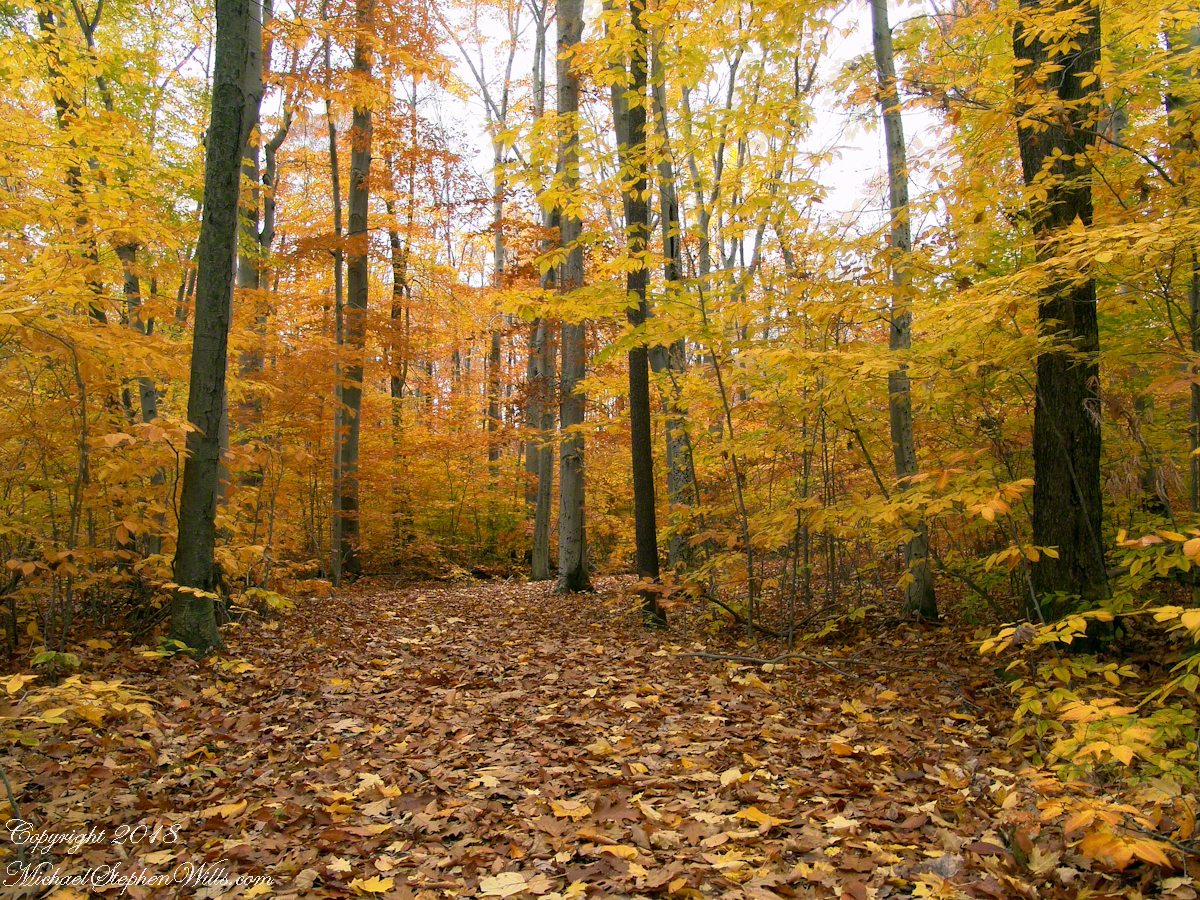
On Halloween morning 2004 I set out with a camera upgrade purchased spring of that year, a Sony “Cyber Shot, DSC-F828” with an inexpensive tripod. My photograph “Autumn Stroll in Sapsucker Woods”, the feature photograph and below, achieved prizes with the Photographic Society of American and a few sales of self-produced prints. It was an early success.

Click any photograph to visit my Online Gallery “Finger Lakes Memories.”

It is available on my Finger Lakes Memories online gallery where I provide recommendations for sizing, the best print medium with ideas for frame and matt.

The fall of 2005 I invested in a Kodak DCS Pro dslr-c and a Canon EF 50mm f/1.4 USM lens.  October 30, 2005, one day short of the 2004 Halloween shoot, found me driving down Fall Creek Road on a mission of revisiting Sapsucker Woods to possibly improve upon my offerings.

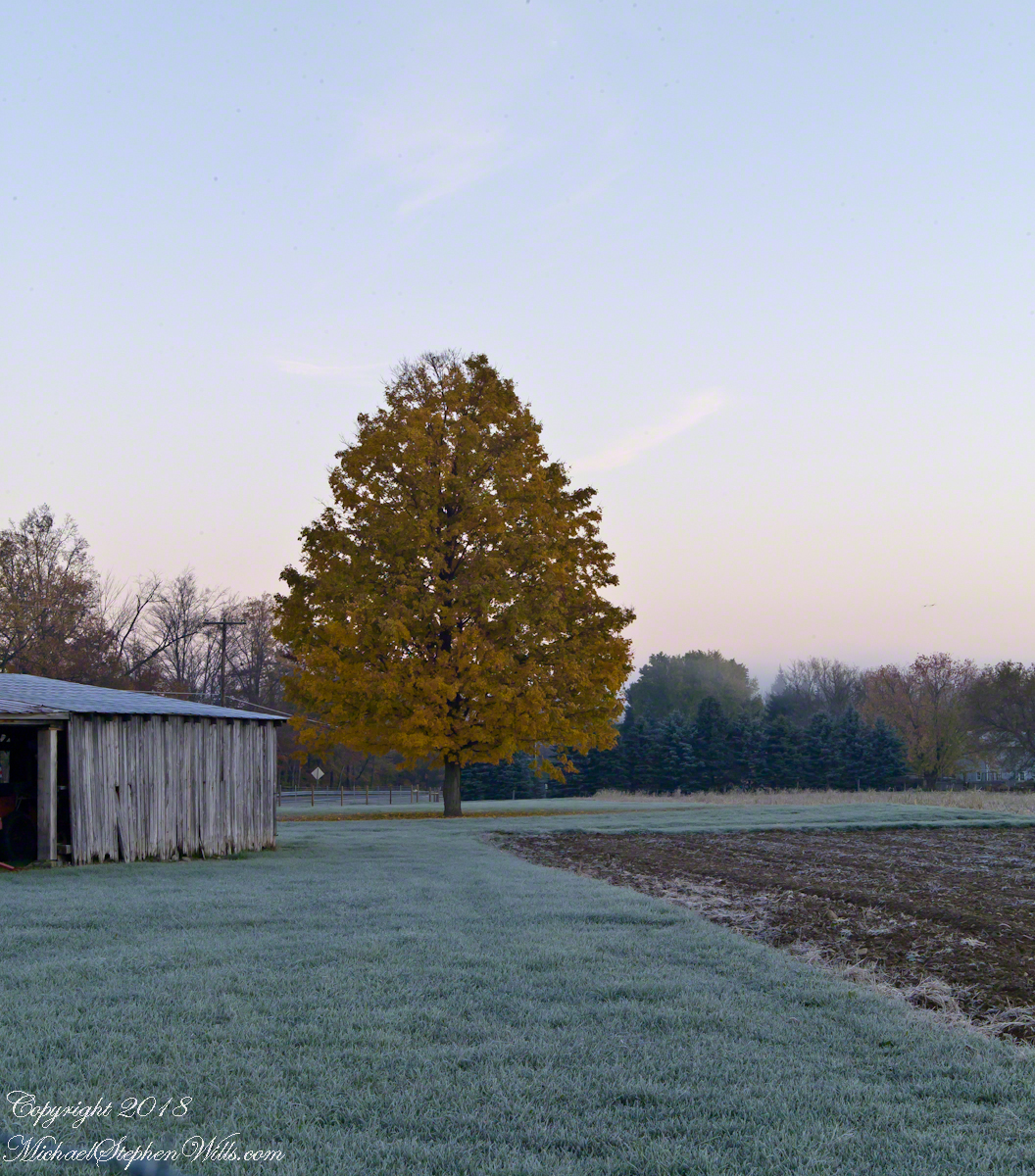
Over the years, travelling Fall Creek Road on my daily commute, I admired this well formed maple next to a farm field.  At 6:45 am the sun was about this rise, the frost limned grass not yet burned off.  This tree turned a bright yellow, here a green-yellow and dull.  The form of the tree is perfect.  I was never able to catch this at the right moment, it is still there and maybe I can time it this year during a pick-up of my grandson.  If I do, my intention is to climb the fence and use the 24 mm lens to capture the tree and shed with less sky (unless there are some dramatic clouds).  That day, I needed to make time for Sapsucker woods.

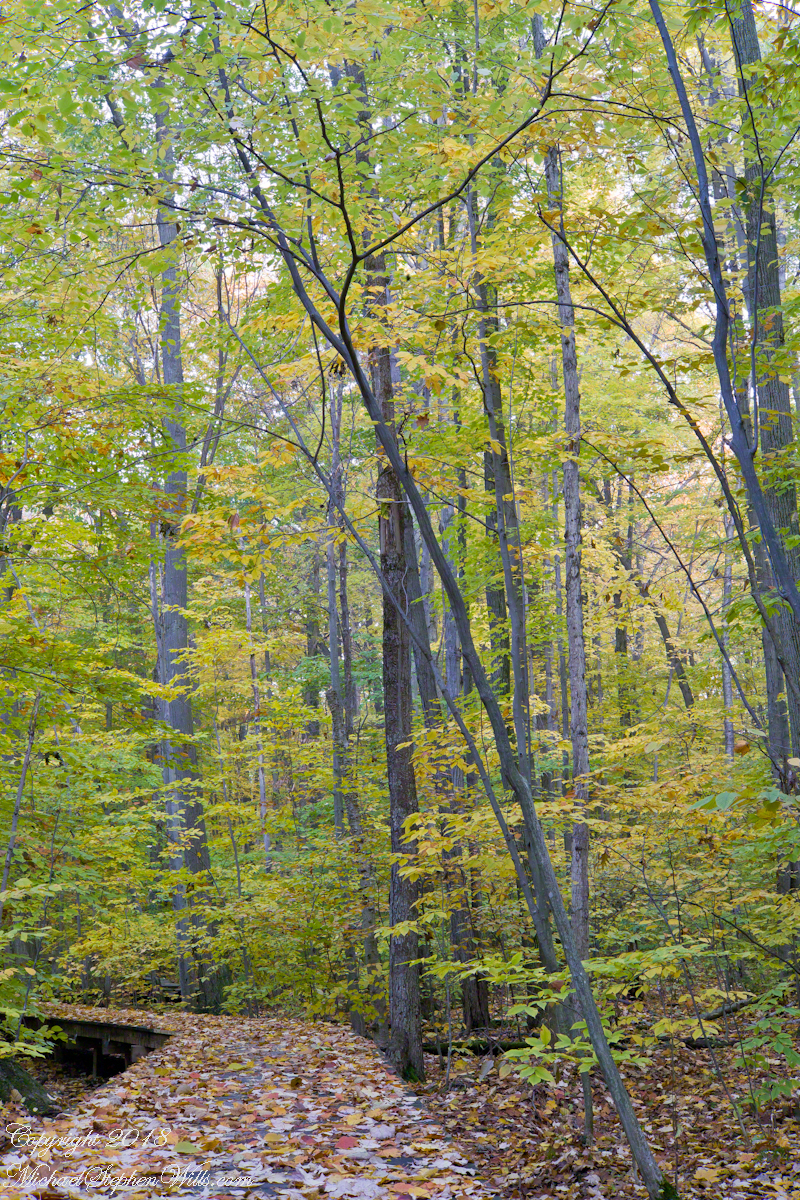
On site, thirty minutes later, as the leaves of the Fall Creek Road maple predicted, Sapsucker Woods foliage is behind last year’s by a week or so.  In “Autumn Stroll in Sapsucker Woods” the over story leaves have fallen and the understory is at peak.  Here, I believe the overstory is gone, the understory leaves are yellow-green.

I carefully choose the sites and this one is a risen walk of boards.  In the nine years since, the walk as deteriorated and this scene will be different, possibly.

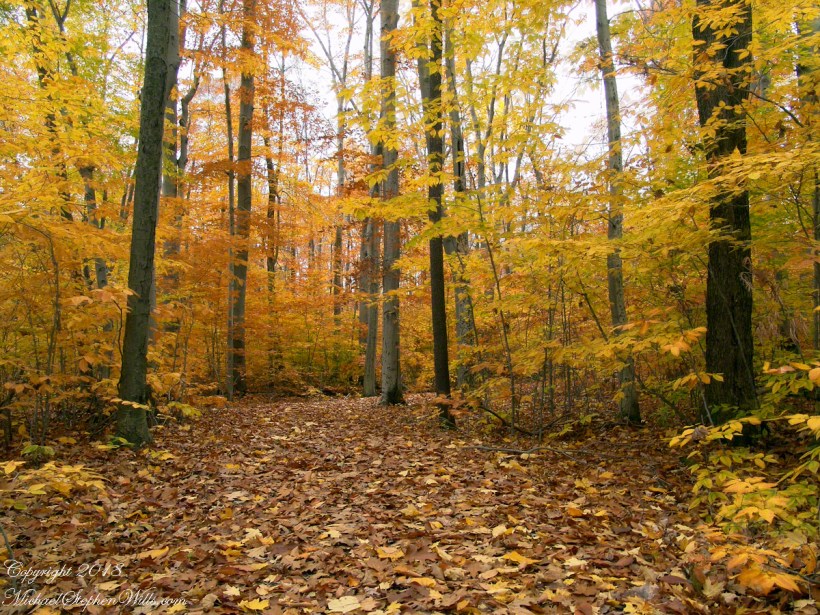
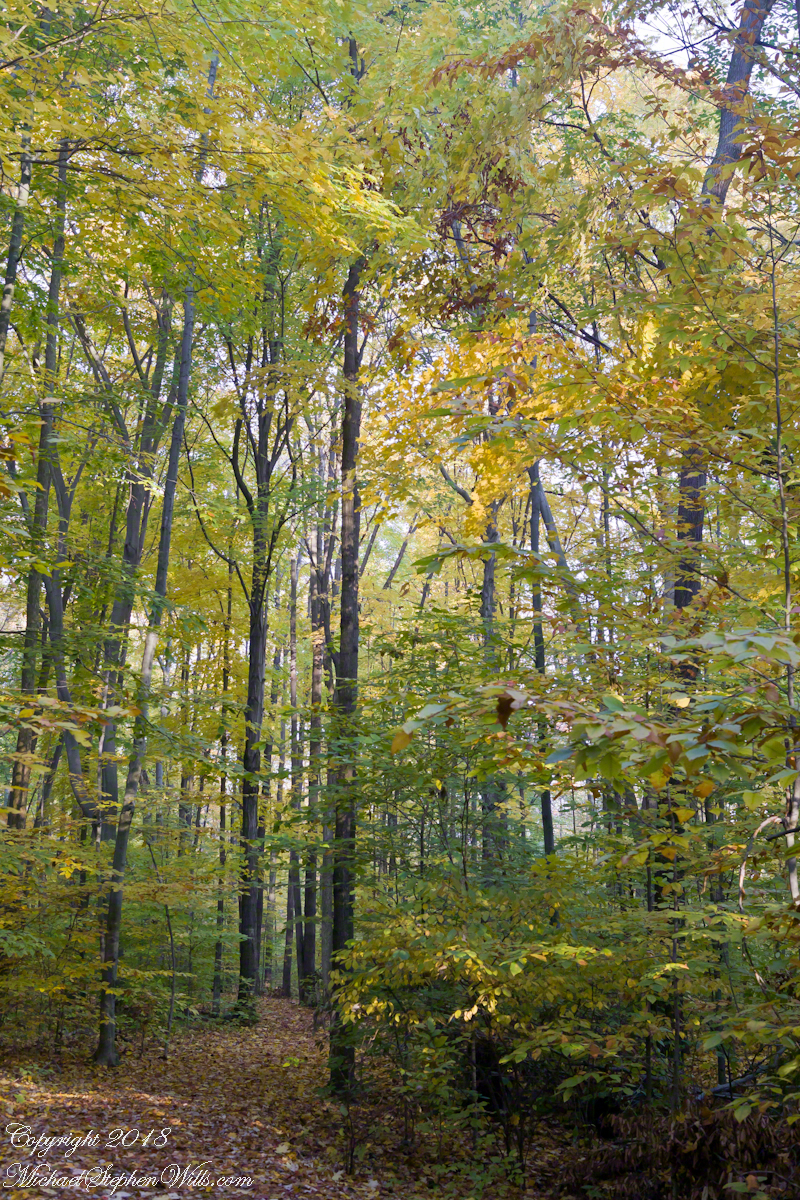
This is a match for the 2004 photograph as far as the camera position.  What I enjoy from the 2004 version, aside from the foliage, are the details of the fallen leaves taking up the foreground, a carpet filling the field to lead the eye up through the trees, path fading from view to the right.

This effect is not possible on the boardwalk, above.  With the fixed focus 50 mm lens it might be possible with effort.  Today, the 24 mm is my first choice to capture this effect.

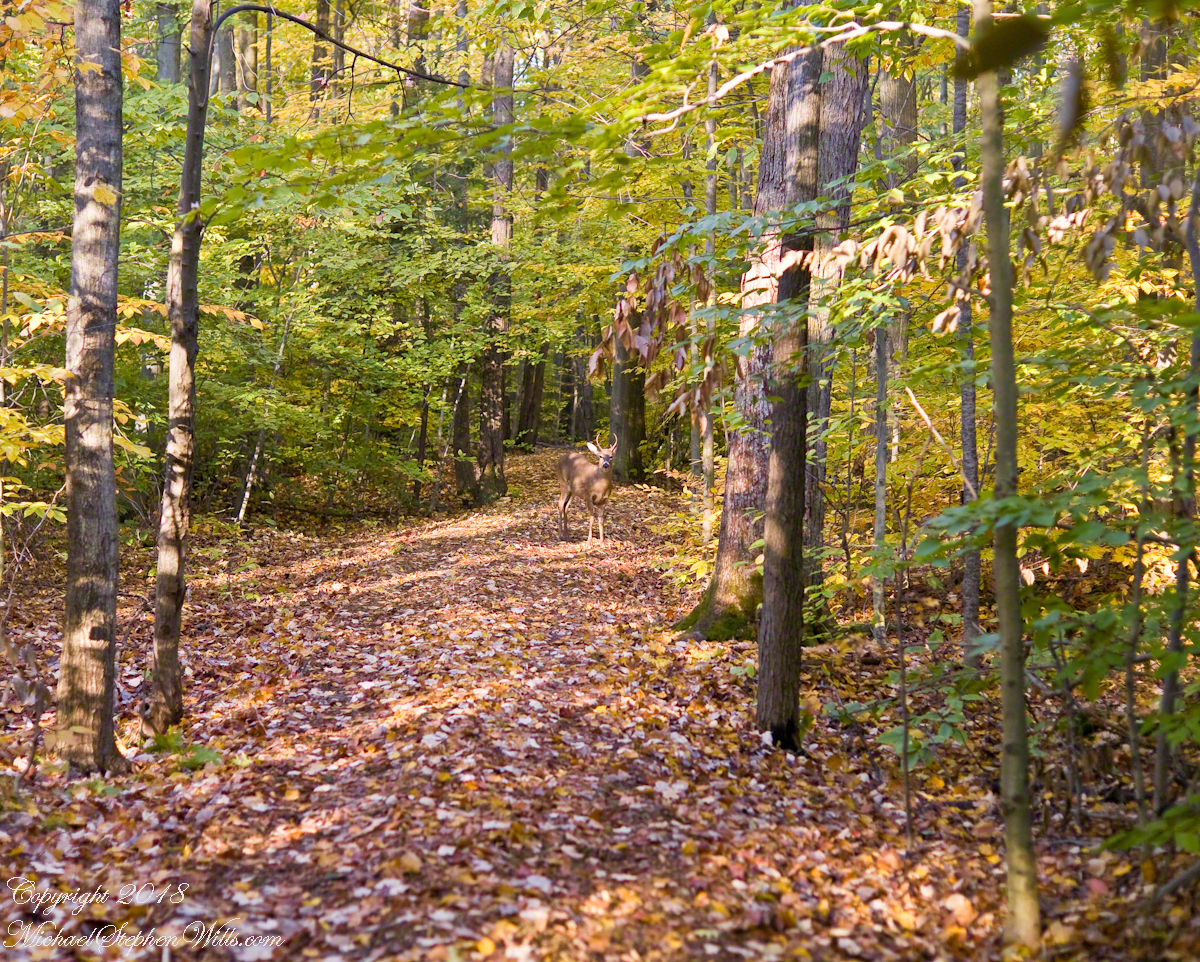
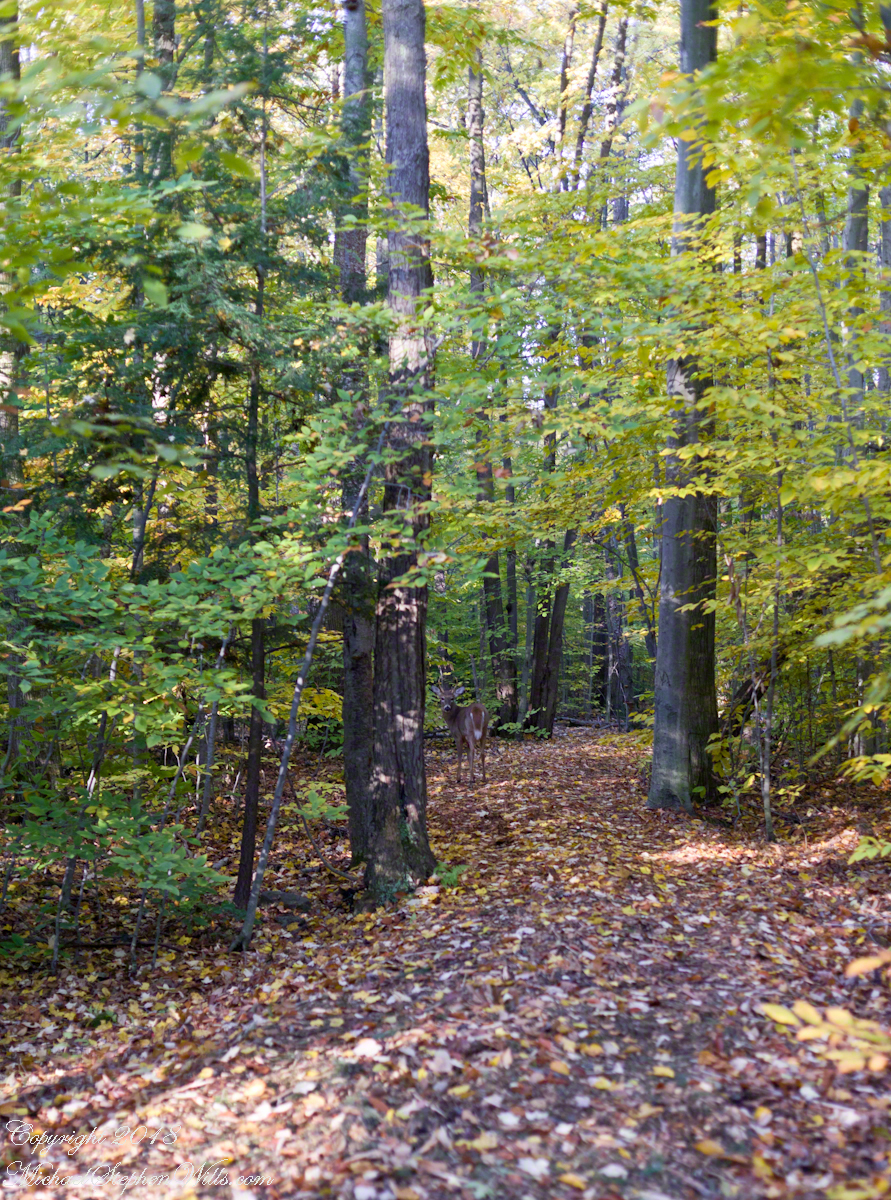
Here we can see the leaf carpet is possible, if the f-stop is higher to allow a crisp focus.  In this scene it is f2 because I happened upon a buck in a daze.  He was just standing there as I headed back to the car.  I did not risk changing out lenses to the telephoto, so I moved forward slowly.

The best I did was this rear view as he looked backward.  Lack of flexibility is a draw back of a fixed-focus lens.

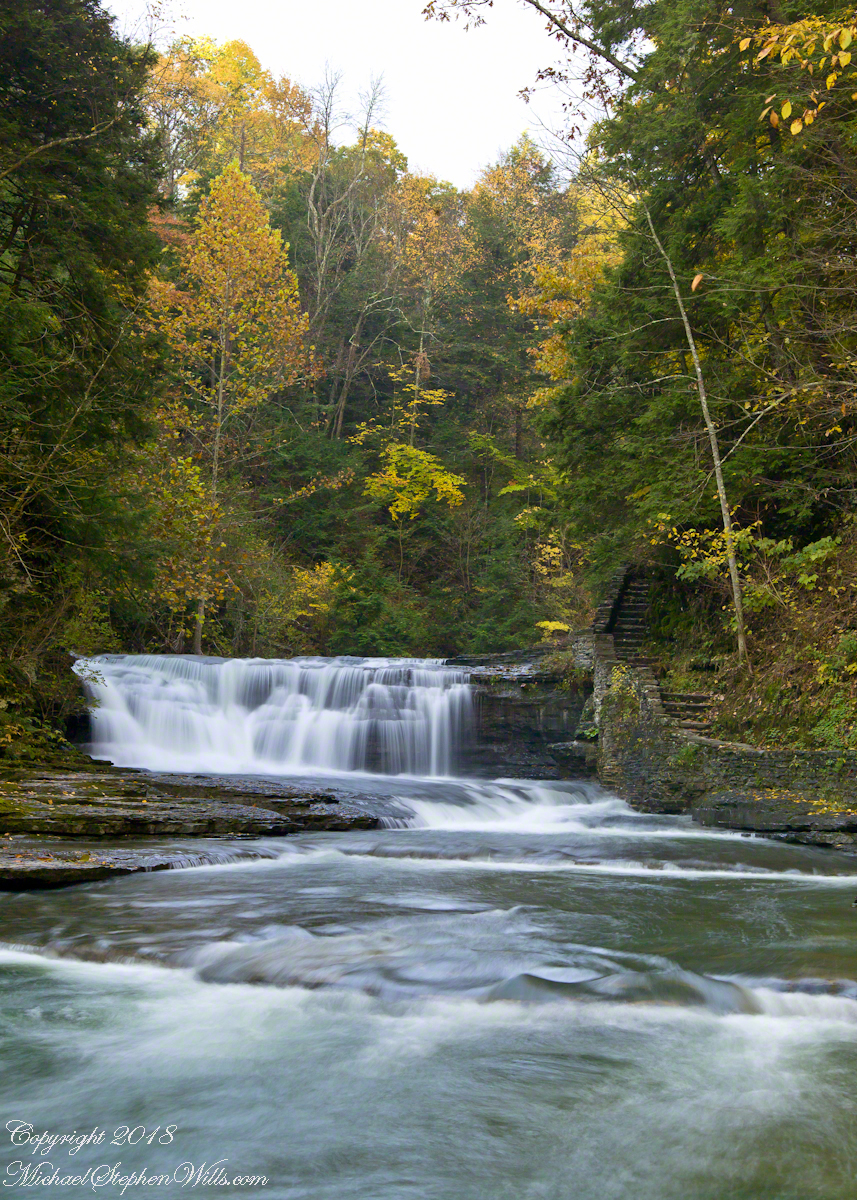
In 2004 my day concluded with Robert Treman State Park.  In 2005 the 50 mm fixed focus with a ND filter and tripod was in its element.  The sun is higher and overcast, one background tree is a peak foliage.  The moderate water flow and stair complete the effect.  This was my best work of that day.  I need to get this up on the “Finger Lakes Memories” gallery.

Other postings of interest. Click the link to go there.
“Last Sunlight” — the Gorge Waterfall
“Autumn Evening Hike Part 1 of 3”
Copyright 2018 Michael Stephen Wills All Rights Reserved