The sun disk broaches the Atlantic Ocean horizon on a clear January morning.
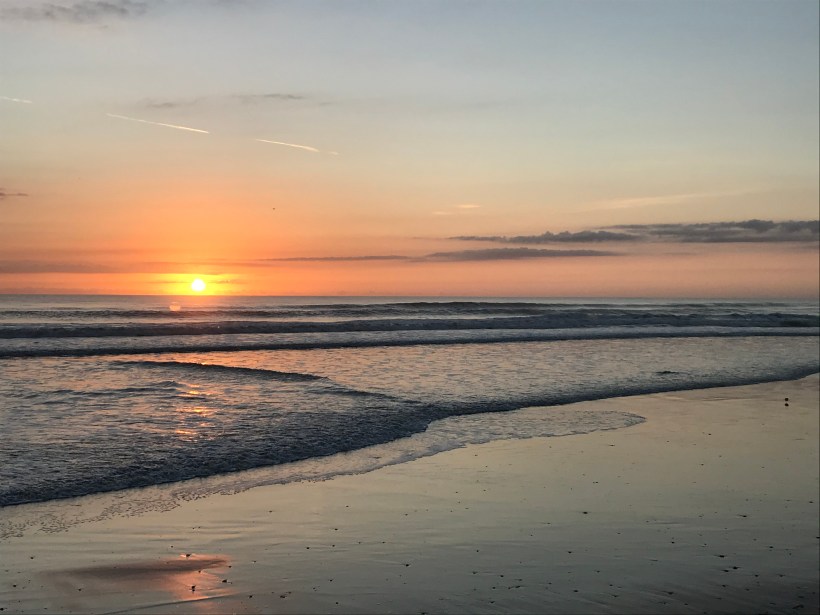
Instant Sunrise
The instant of sunrise
The instant of sunrise
The sun disk broaches the Atlantic Ocean horizon on a clear January morning.

There are limitations, certainly, to photographs from that tiny lens on the IPhone 10 (or IPhone X). It captured the moments in this series. I take mine along even with the professional camera bodies, lenses and tripod, for this reason. These images are the unprocessed files.

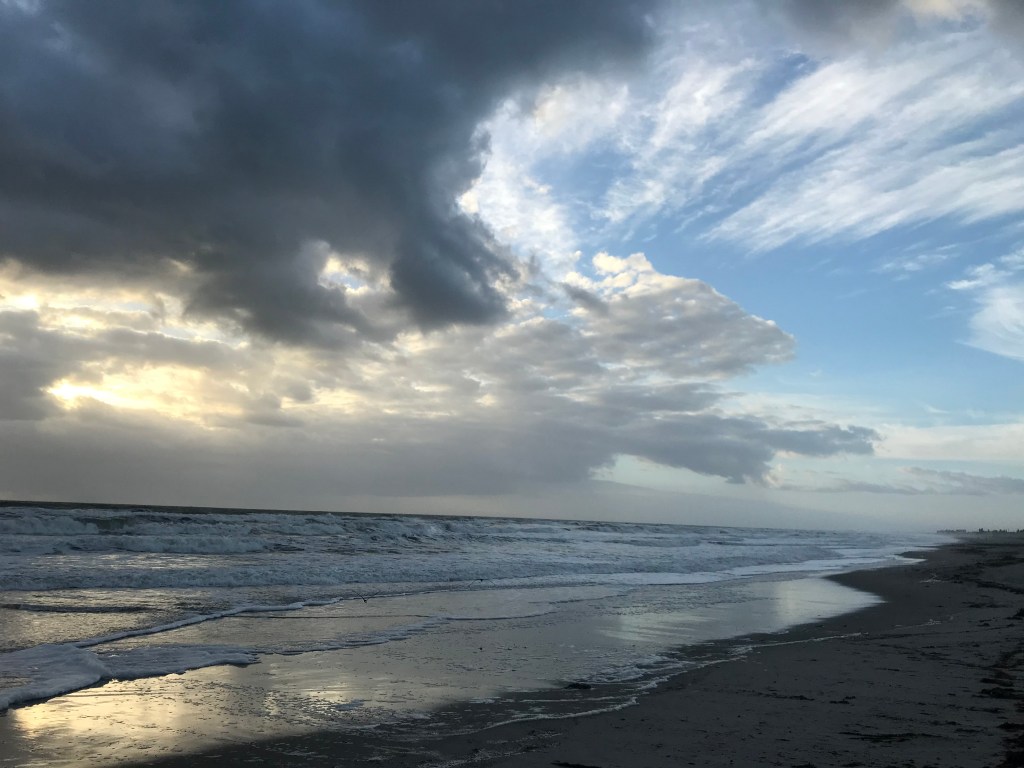

2019 flew by






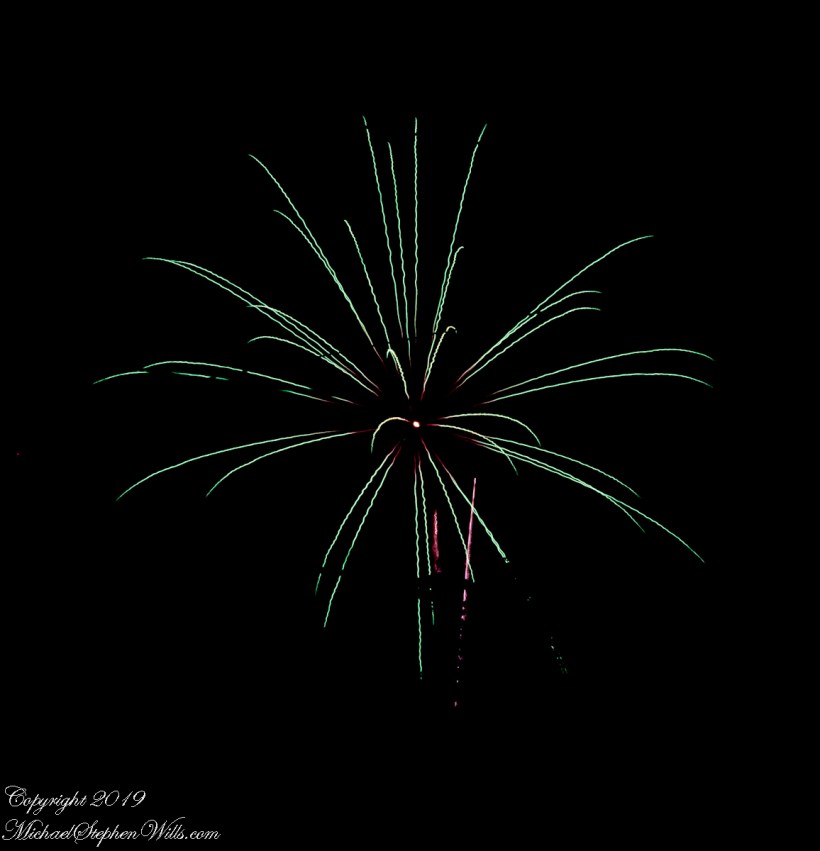

These were captured from the 2015 July Fourth fireworks at Ithaca’s Stewart Park. We have a clear view from our home’s front porch, the view is hampered somewhat by the wires, not registered when viewing but show up in photographs. The best shots, shown above, were from a Canon EF 200mm f/2.8L USM lens, the Canon EOS-1Ds Mark III mounted on a Manfrotto studio tripod with hydrostatic ball head. ISO set to 1,600 and exposure set to 5 seconds. I started each shot when I heard the very first whooosh of the rocket.
Maybe I’ll set up on the roof for the 2020 July Fourth display? If Pam will let me.

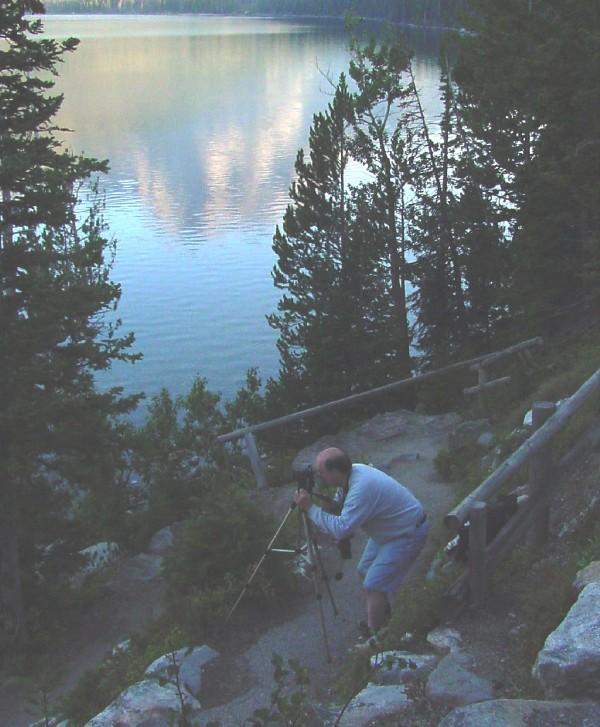
Photographer at work, captured by his wife
Pam captured me at work on the shore of Jenny Lake, Grand Teton National Park, Wyoming.
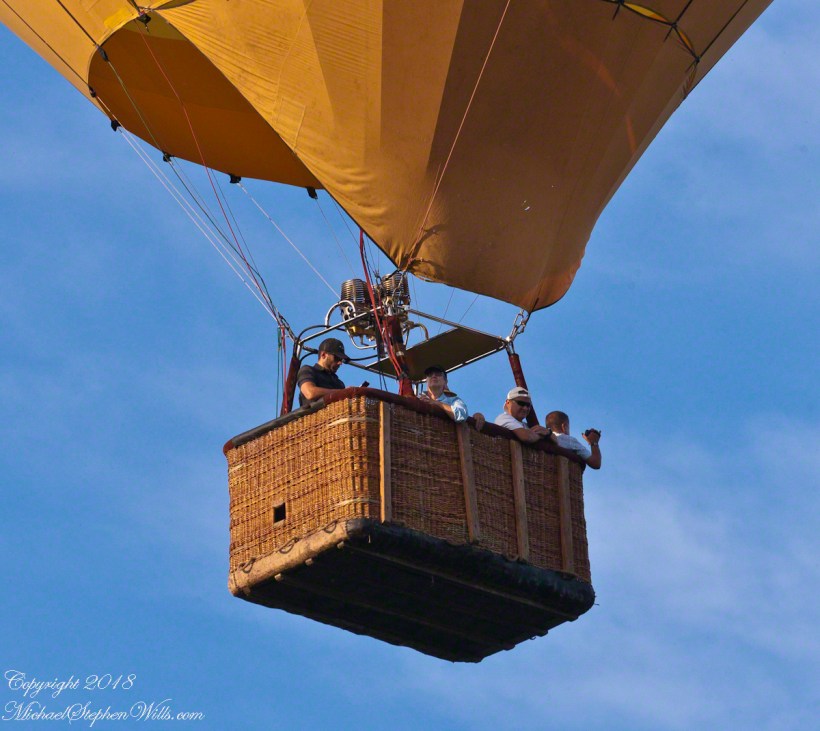
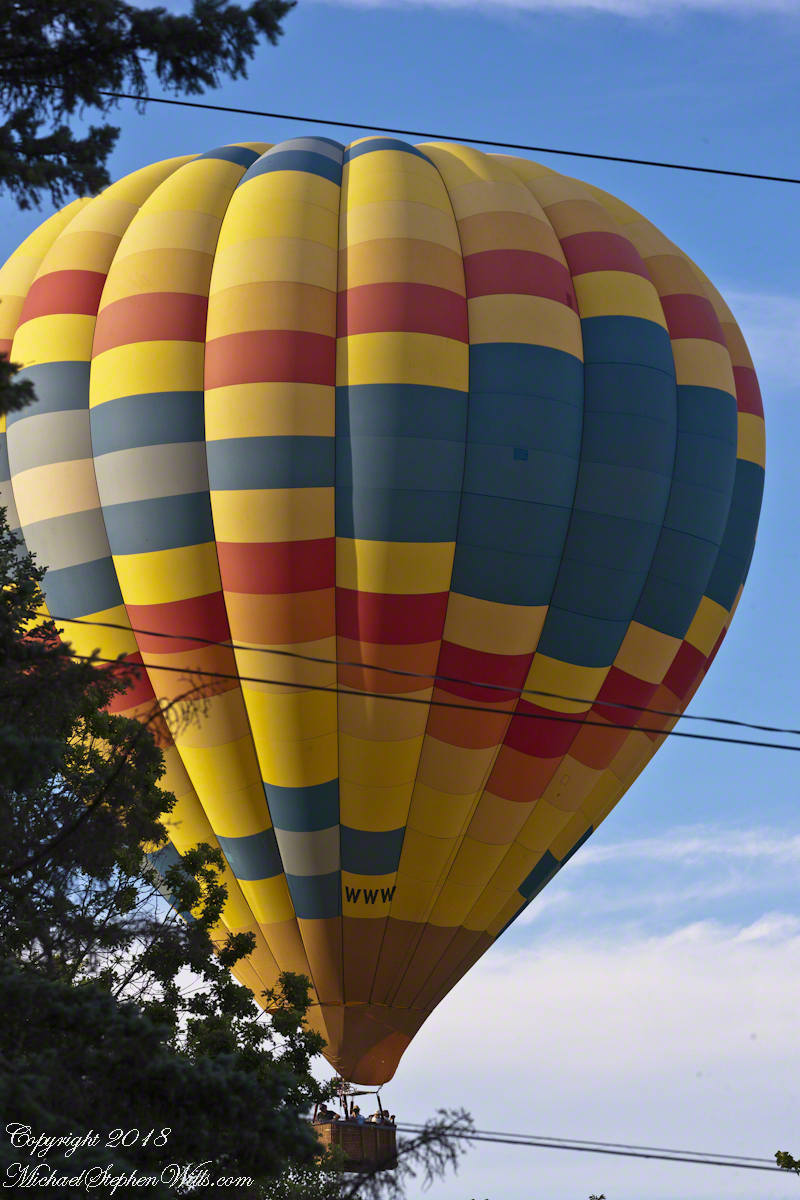
The header photograph is mine of a hot air balloon over our home last summer. I imagine us floating, the Jenny Lake below us.

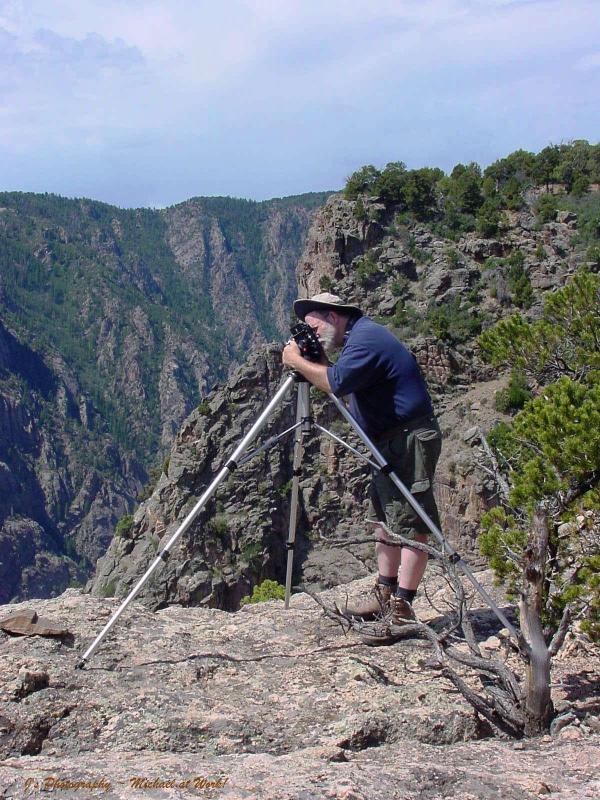
Photographer at work, captured by his wife
Pam captured me at work on the north rim of Black Canyon, Colorado. That is a Manfrotto studio tripod and hydro-static ball head.
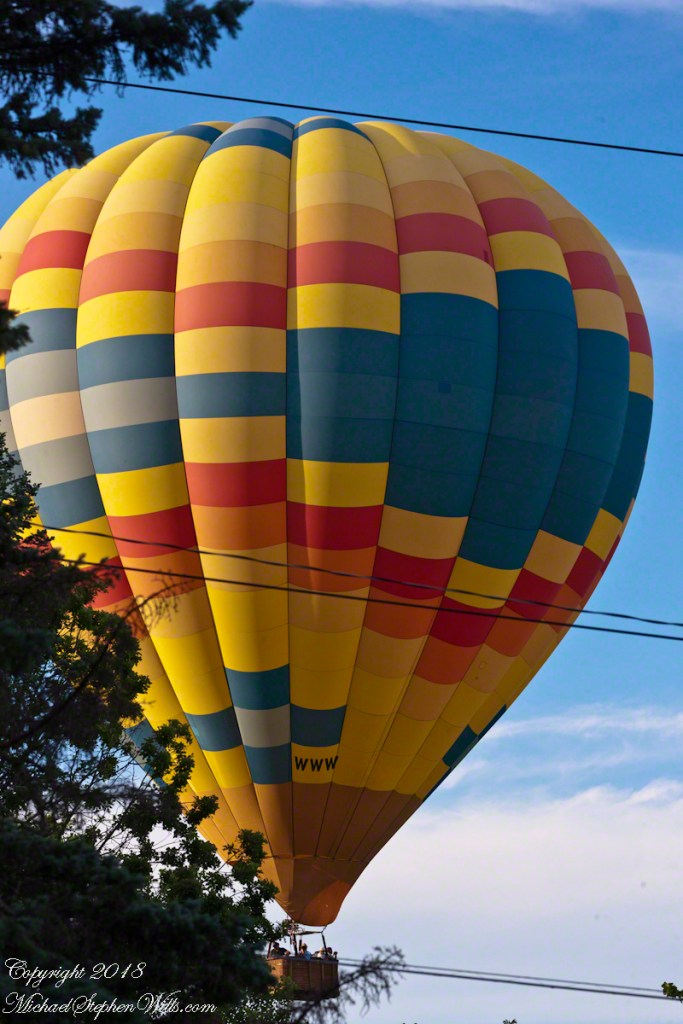
The header photograph is mine of a hot air balloon over our home last summer. I imagine us floating, the Black Canyon below us.
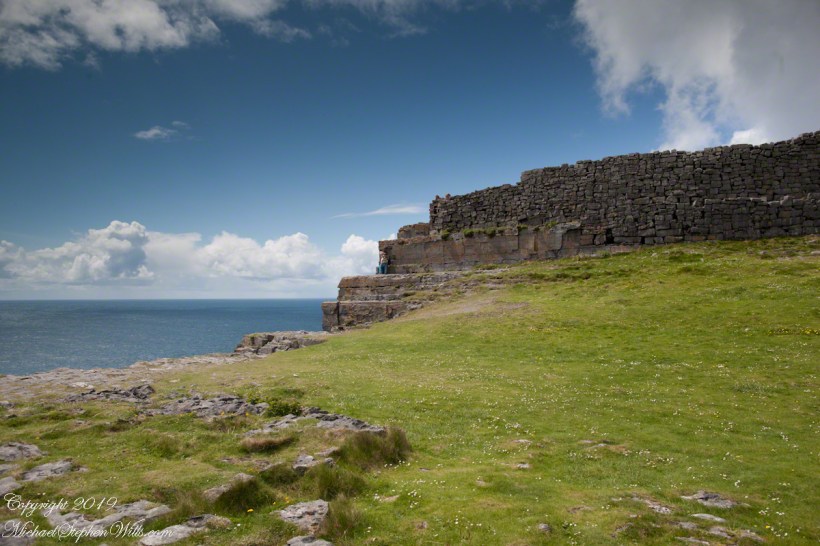
An abrupt emptiness
Here is the east side of the inner enclosure wall of Dun Aonghasa (Dun Aengus) where it ends at a cliff edge over the Atlantic ocean.
Visible are the last 60 feet or so of the limestone strata supporting the inner ring.
When first constructed, the inner ring was complete, the western side 1,000 feet from the cliff.. Today’s form of a semi-circle was created by nature when the force of Atlantic Ocean waves eroded the cliff, undercutting the strata.
Look close to see a fracture where the next block of limestone will fall into the waves.
Wishing a blessed All Saints Day (November 1st) for all my readers.
Reference: wikipedia Dún Aonghasa, Sea Campion

Fireworks!!!
Here’s a fireworks display to help you celebrate the Fourth of July. Click on any image for a larger view.
Our home on west hill has a great view of the Ithaca fireworks. I had to shoot through overhead electricity wires. Some of the photographs were enhanced to remove the lines.

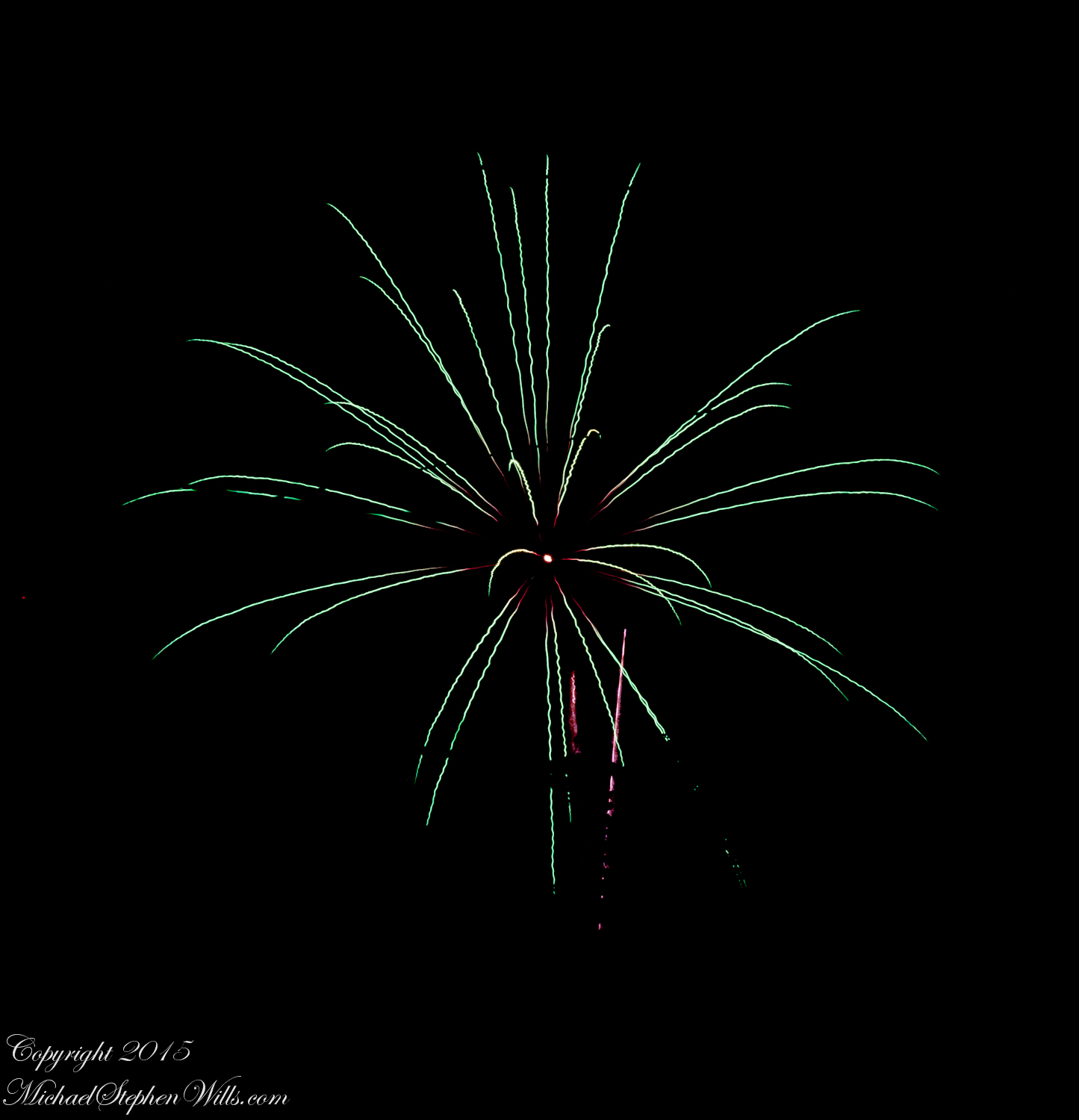
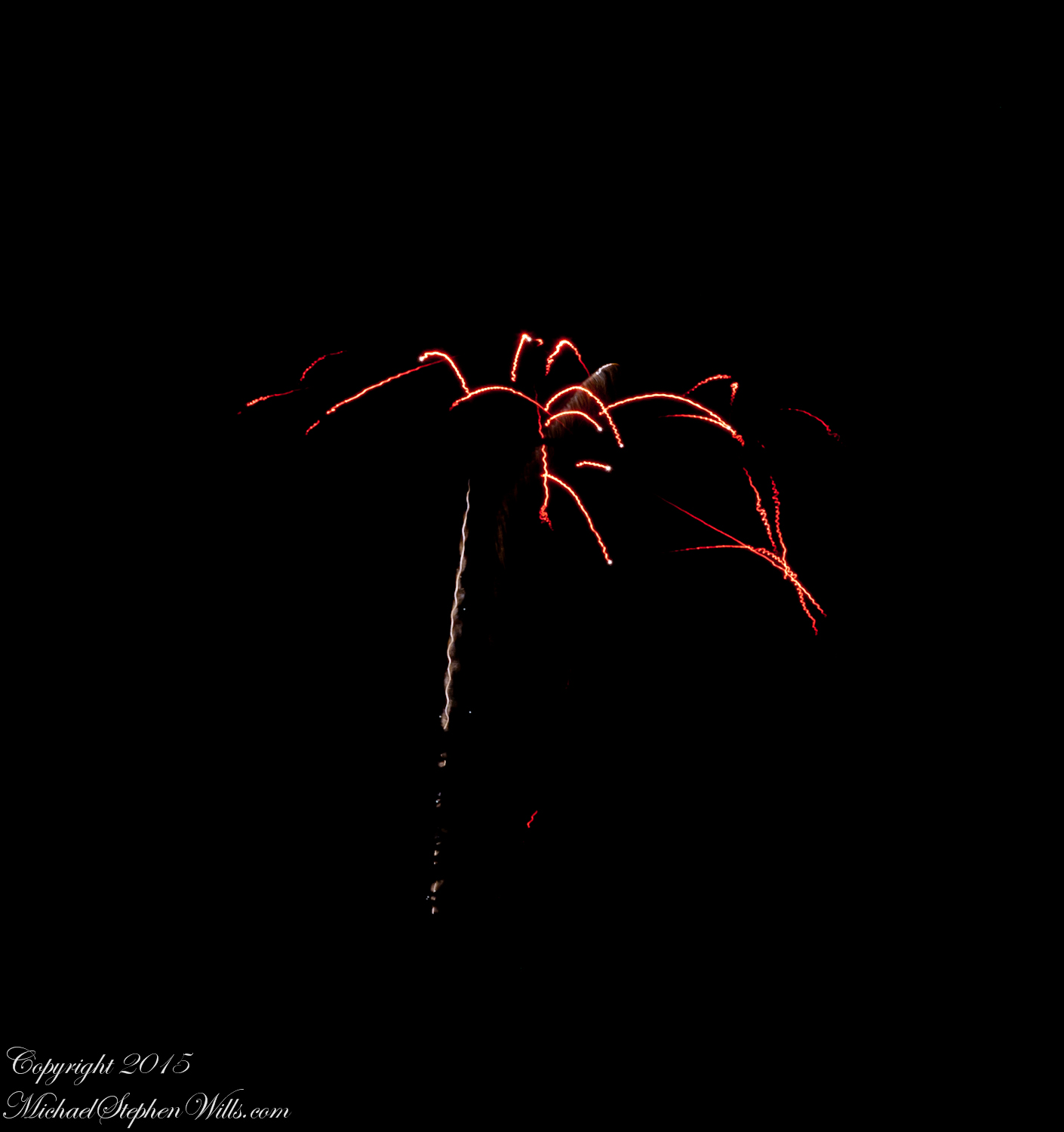






Copyright 2019 Michael Stephen Wills All Rights Reserved

A handy length of black velvet
By way of personal inventory, our home has two types of woody peonies in different hues. Last posting I gave you red, au natural. Today, you get yellow in a studio setting, back-dropped by black velvet. There is a story behind that long sheet of fabric. Back in the day, a nephew of mine named Chris and I used to hang out together in the Catskills and Adirondacks. Later, I offered to photograph James, his first born. In preparation, I purchased this six foot length of fabric. It served well for that job and, since then, has done double duty as a wintertime cage cover for the parakeet.
This week, I told Pam our yellow wooden peony was in bloom. A largish bush of full leaves that tend to cover the drooping blooms, Pam harvested six blooms to created an arrangement. These “babies” look great against the black velvet.
Yesterday I used the Canon EF 100mm f/2.8 Macro USB lens and a tripod to capture the following two portraits of Pam’s Yellow Wooden Peony arrangement. In deference to the unanimous reader choice for crisp flower petals the following two versions differ in the crispness of the velvet backdrop.
My timing was fortuitous, last evening the petals started to drop. Pam reports 12 more blossoms are hidden in the bush, so we’ll have at least one more bouquet to enjoy.


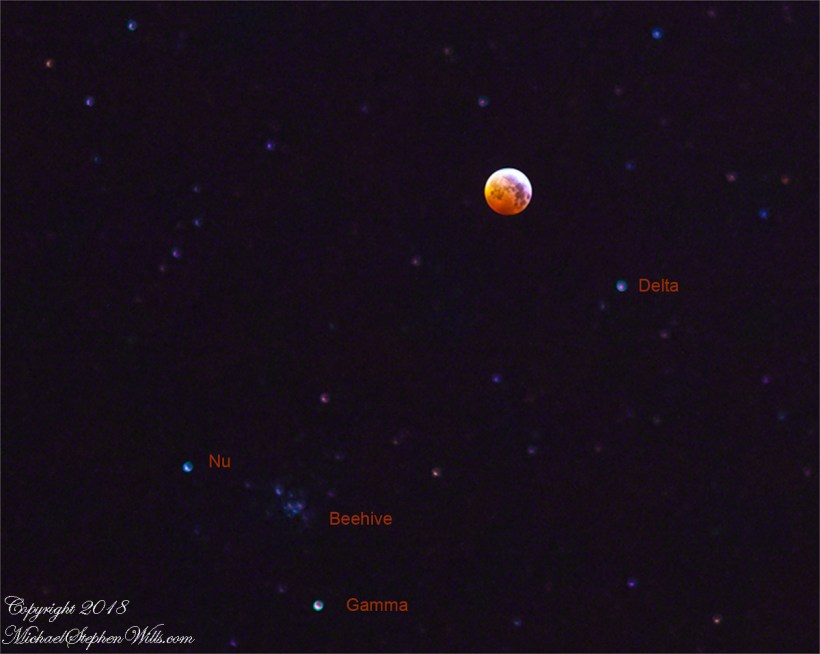
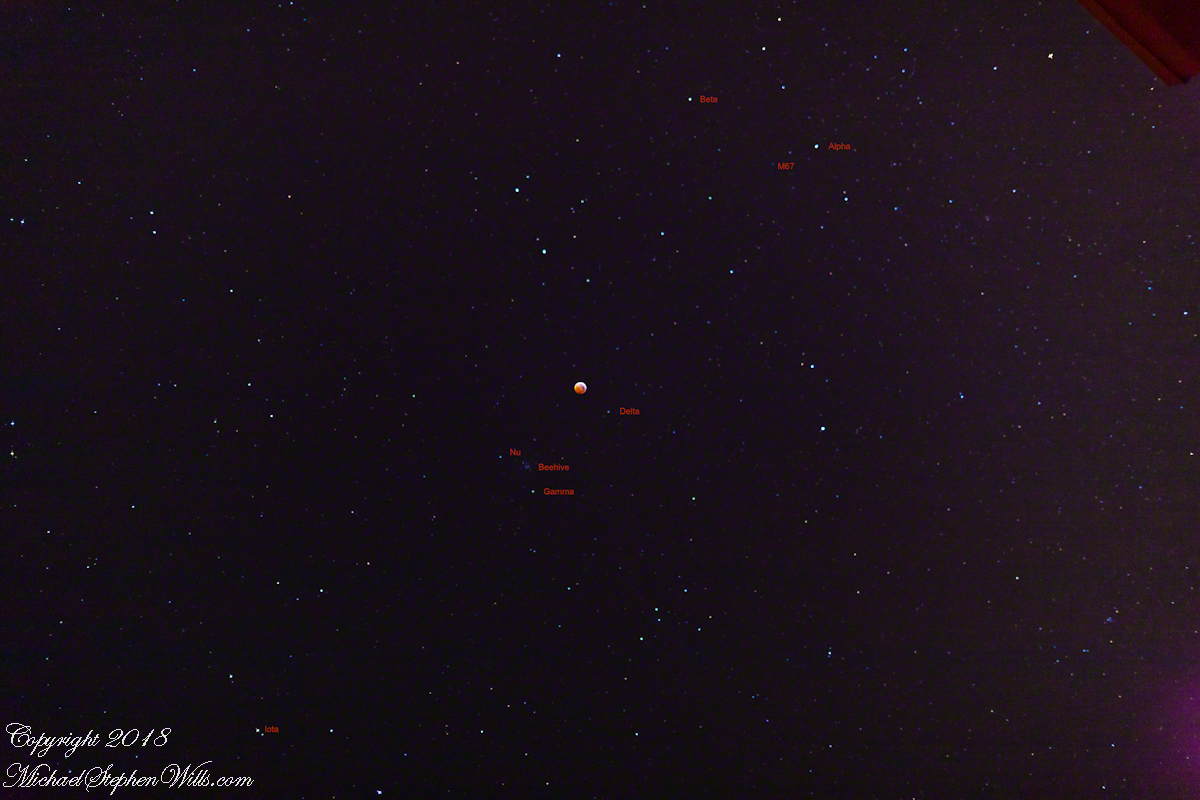
Here are labeled photographs, detailing its major elements, and including visual guides for enhanced viewing.
Pam proofed my post, “When the Moon Dined from a Stellar Mangar”and found some improvements, including adding text labels to aid in finding Cancer constellation elements.
You will find I replaced photographs in the original post and well, all the major elements of Cancer are labeled. Here is an explanation of the new elements.
You can now trace the “Y” constellation pattern, with Alpha and Beta Chancri (Latin for “of Cancer”) the two claws and Iota the tail. Both elemetns of Iota, a visual binary star system, are there. They are wonderful viewed with a telescope. Near Alpha is M67 (Messier Object 67), another galactic cluster of gravitationally bound stars. It is quite faint in this photograph.

 Michael Stephen Wills Photography