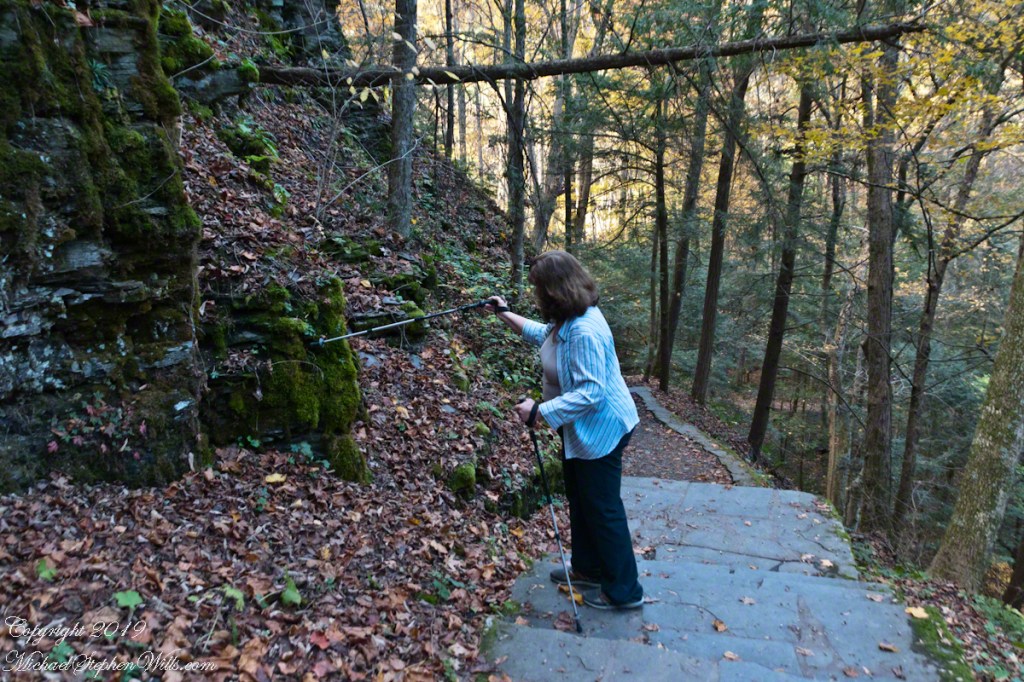
Pam examining thick moss growth on the sedimentary rock of Treman gorge. These layers of shale, sandstone, siltstone formed at the bottom of a broad, shallow sea over 380 million years ago.
Click photograph for a larger view. To do this from WordPress Reader, you need to first click the title of this post to open a new page.
Pam examines the moss
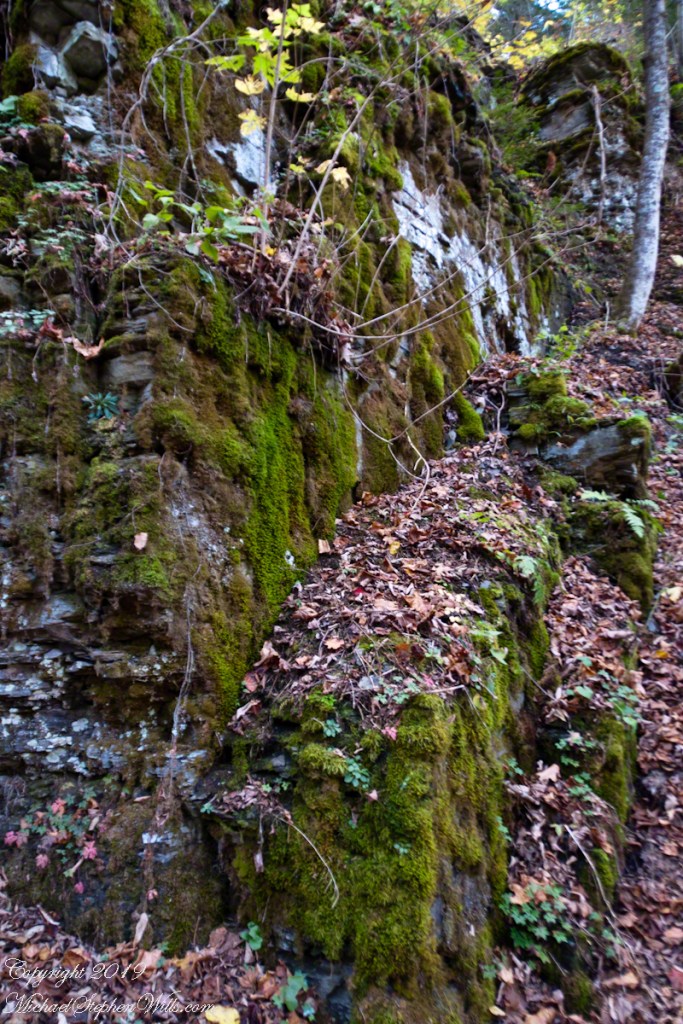
Towards the bottom of the 223 Cliff Stair steps moss takes over the Devonian shale of the cliff wall surface. Here, the cliff shelters the wall from sunlight 365 days a year.
Cliff Stair Wall, autumn Moss
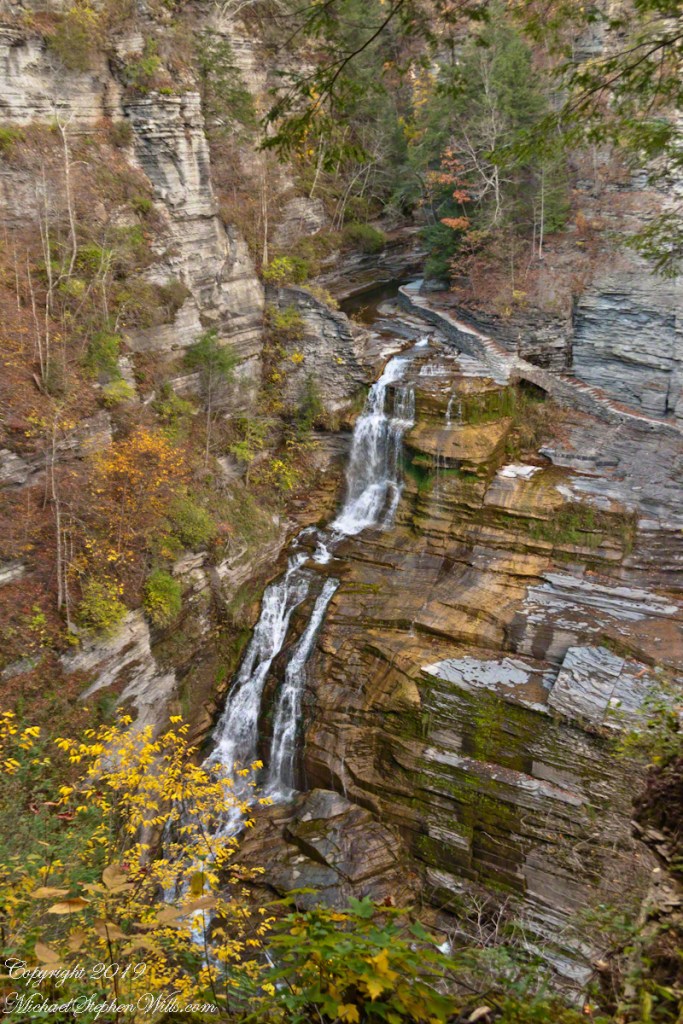
Robert H. Treman New York State Park.
Click for a slideshow of this sequence Lucifer Falls and Cliff Stair Views
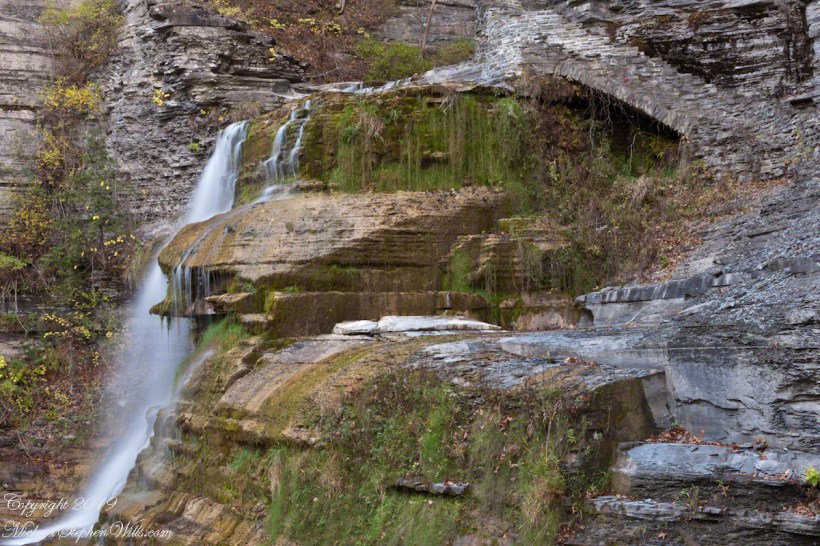
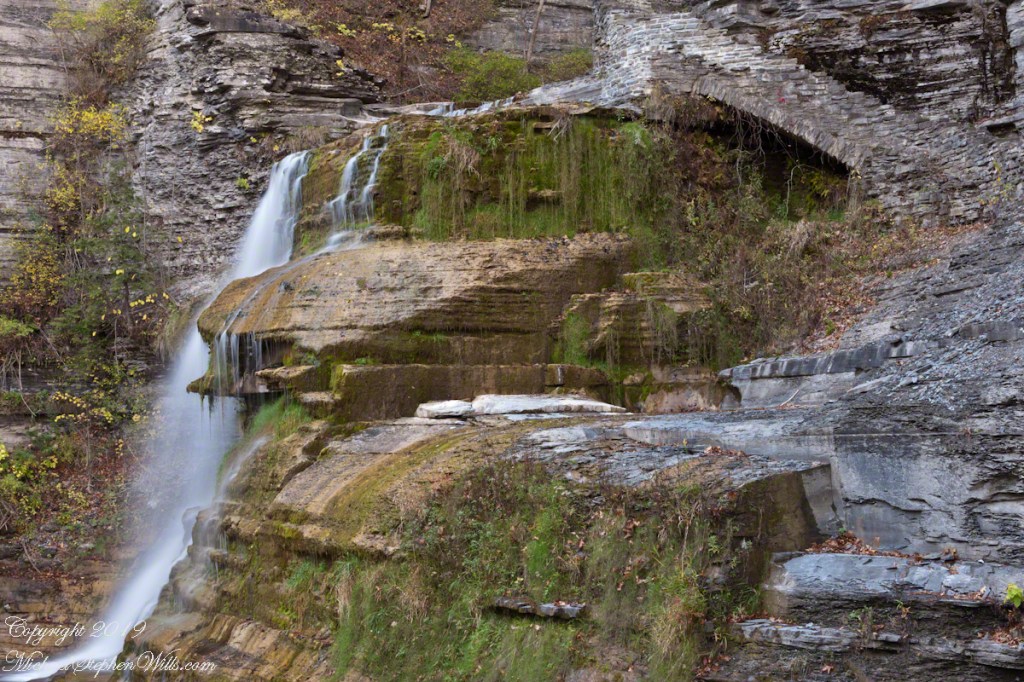
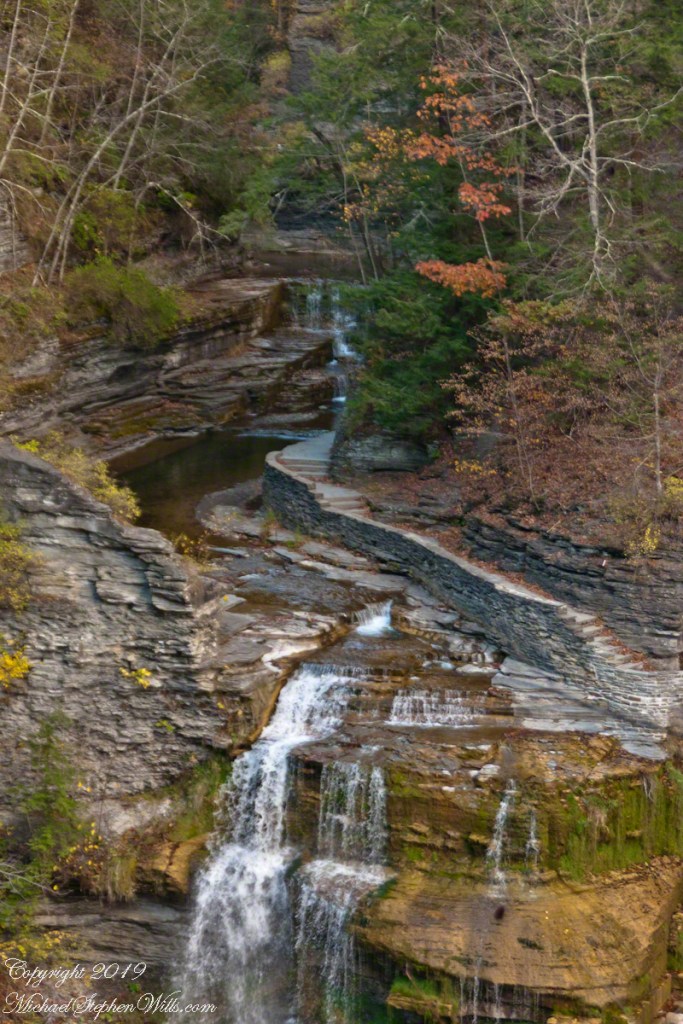
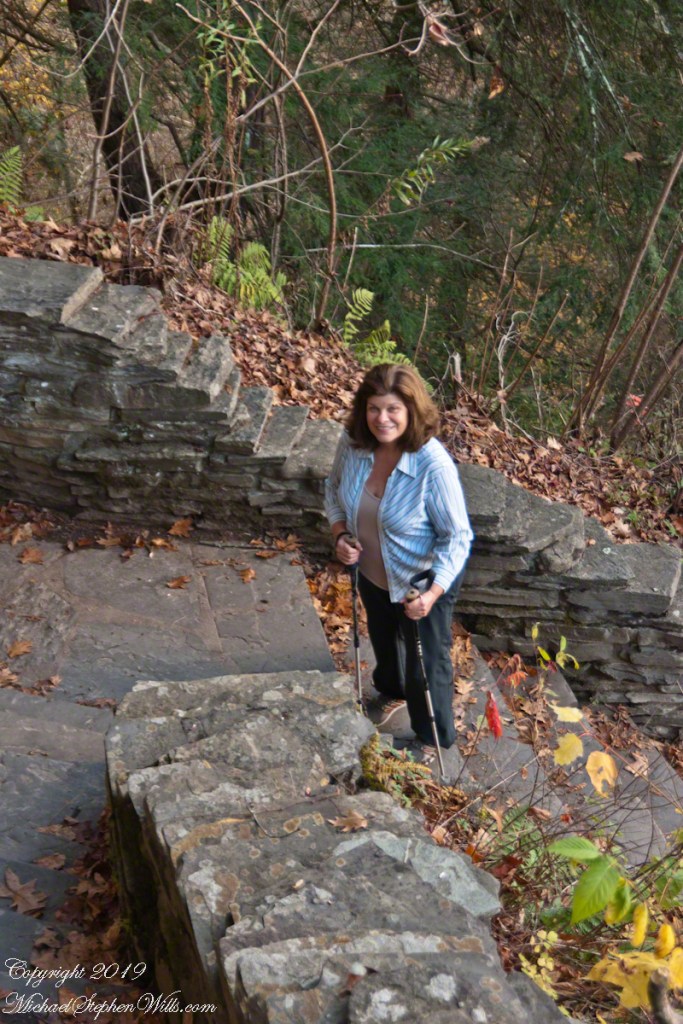
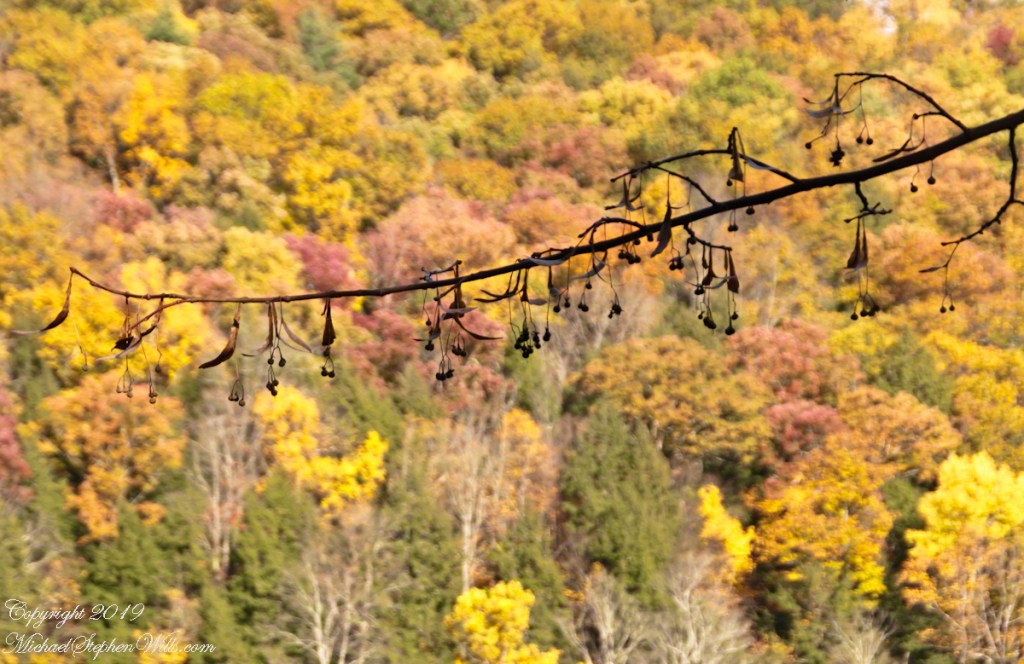
Brink of Lucifer FallsLucifer Falls Overlook from the Gorge TrailLucifer Falls from Rim Trail OverlookPam on the Cliff StaircaseUnidentified TreeThis geranium species (scientific name Geranium robertianum) are also called “Herb-Robert” for a reputed ability to ward off disease and, in the Scottish Highlands, “red-shanks” for the deep red color of the stalks, seen in this photograph. Robert H. Treman New York State Park. Source, “How to Know the Wildflowers” by Mrs. William Star Dana, 1989, Houghton Mifflin, Boston.Autumn foot BridgeWoman on Footbridge, ContemplationOver the bridge
Copyright 2023 All Rights Reserved Michael Stephen Wills
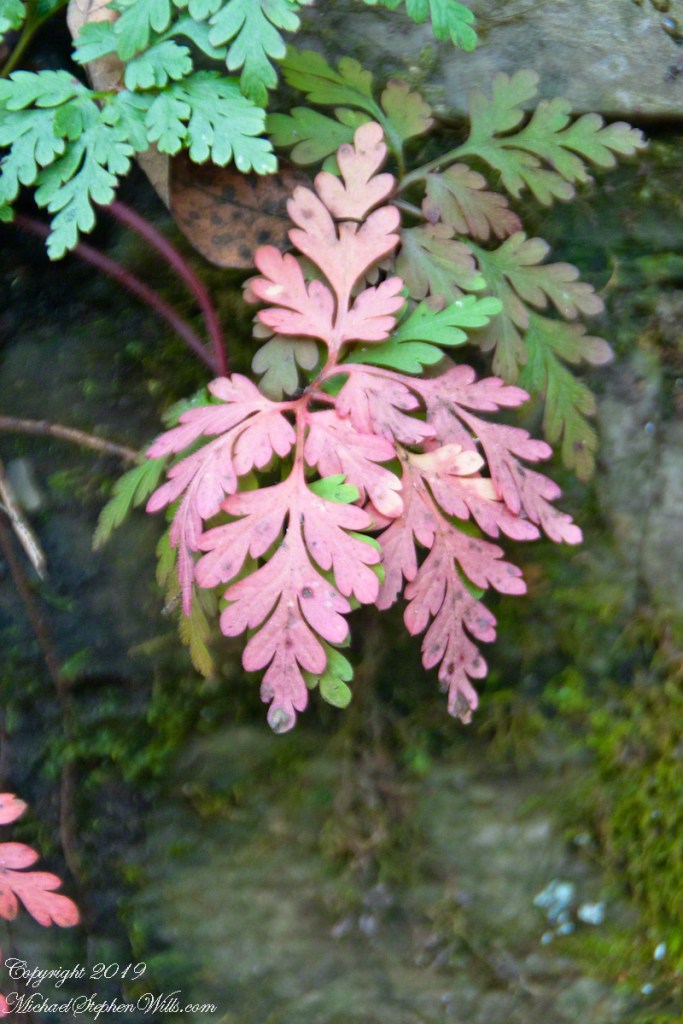
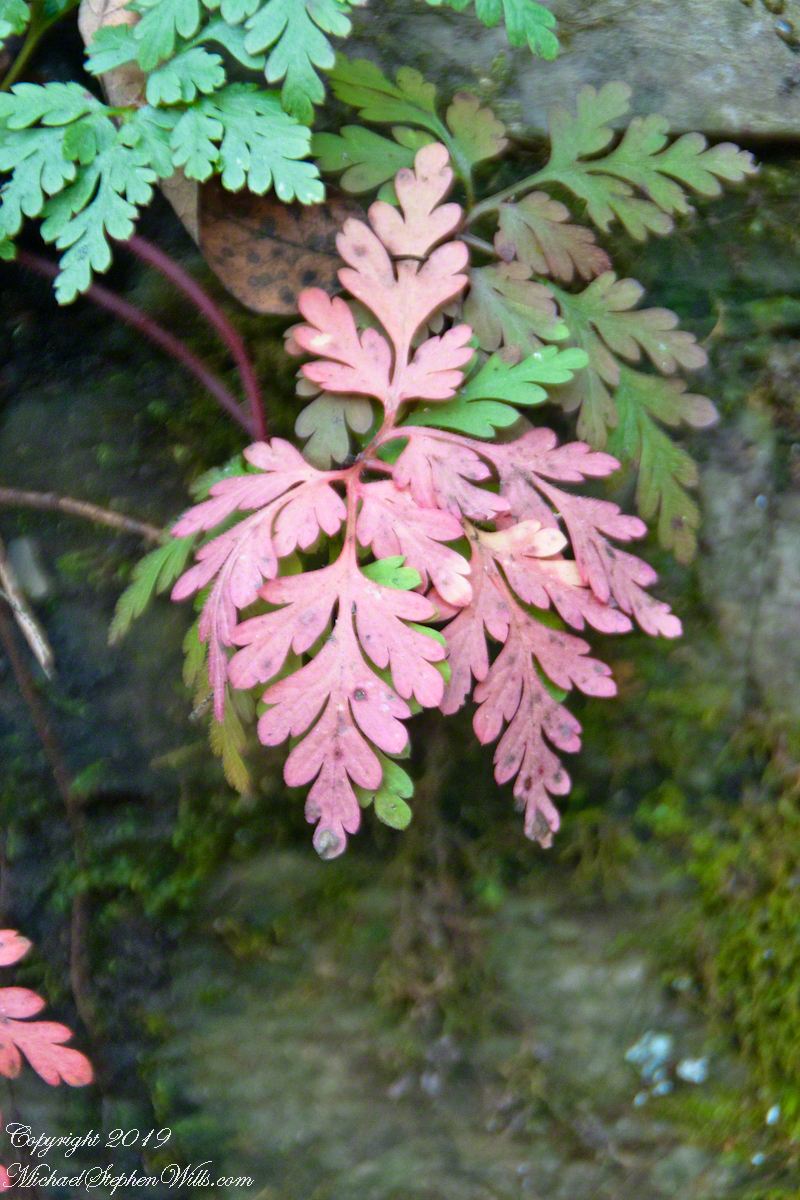
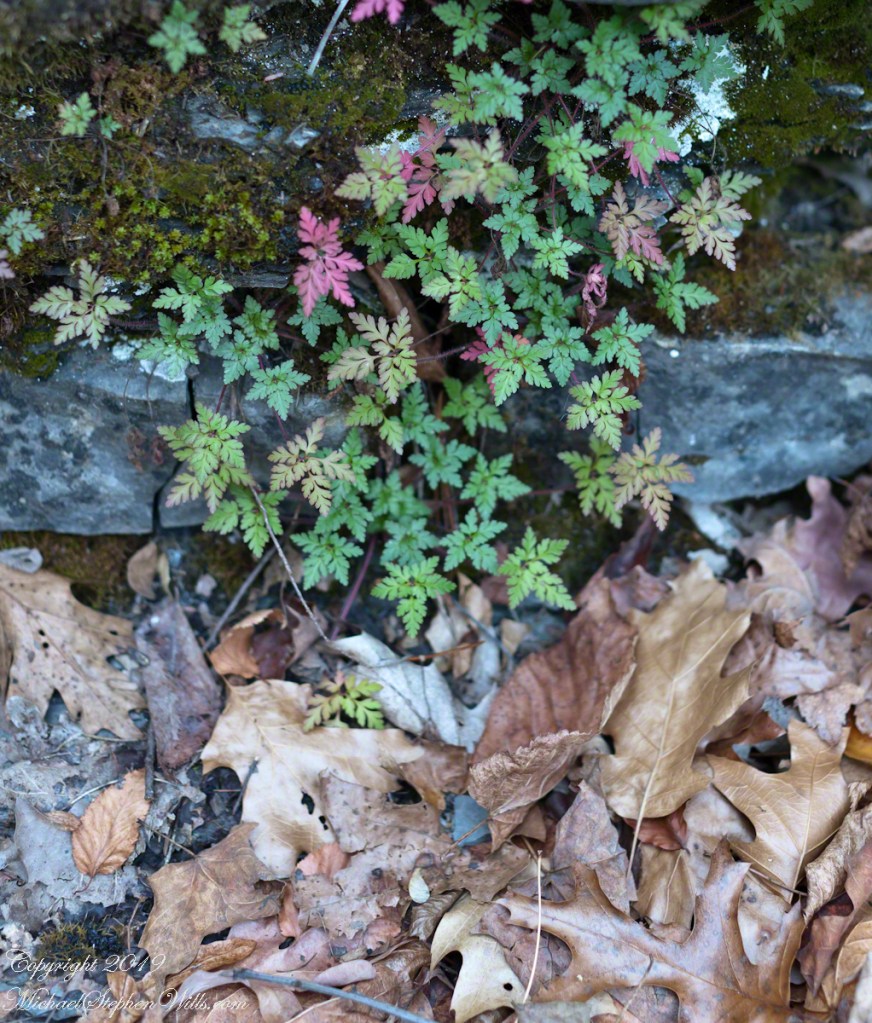
This geranium species (scientific name Geranium robertianum) are also called “Herb-Robert” for a reputed ability to ward off disease.
Click photograph for a larger view. To do this from WordPress Reader, you need to first click the title of this post to open a new page.
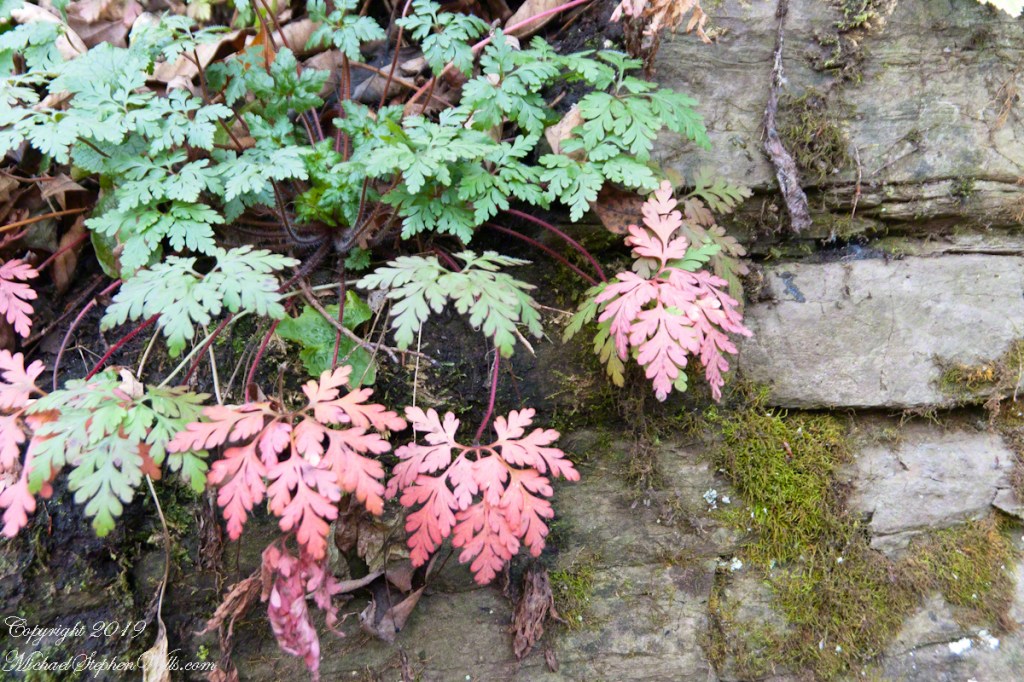
Cliff Stair Wall, autumn Geranium and mosses
Scottish Highlands residents call these wild geraniums “red-shanks” for the deep red color of the stalks, seen in both photographs.
This geranium species (scientific name Geranium robertianum) are also called “Herb-Robert” for a reputed ability to ward off disease and, in the Scottish Highlands, “red-shanks” for the deep red color of the stalks, seen in this photograph. Robert H. Treman New York State Park. Source, “How to Know the Wildflowers” by Mrs. William Star Dana, 1989, Houghton Mifflin, Boston.
Robert H. Treman New York State Park.
Source, “How to Know the Wildflowers” by Mrs. William Star Dana, 1989, Houghton Mifflin, Boston.
Click for a slideshow of this sequence Cliff Stair Views
Lucifer Falls from Rim Trail OverlookLucifer Falls from Rim Trail OverlookUnidentified TreePam on the Cliff StaircaseCliff Stair Wall, autumn with fern generationsCliff Stair Wall, autumn Geranium and mossesThis geranium species (scientific name Geranium robertianum) are also called “Herb-Robert” for a reputed ability to ward off disease and, in the Scottish Highlands, “red-shanks” for the deep red color of the stalks, seen in this photograph. Robert H. Treman New York State Park. Source, “How to Know the Wildflowers” by Mrs. William Star Dana, 1989, Houghton Mifflin, Boston.Wild geranium leaves tinged with autumn color above a gathering of spent oak and elm leaves. Robert H. Treman New York State Park of the Finger Lakes Region.
Copyright 2023 All Rights Reserved Michael Stephen Wills
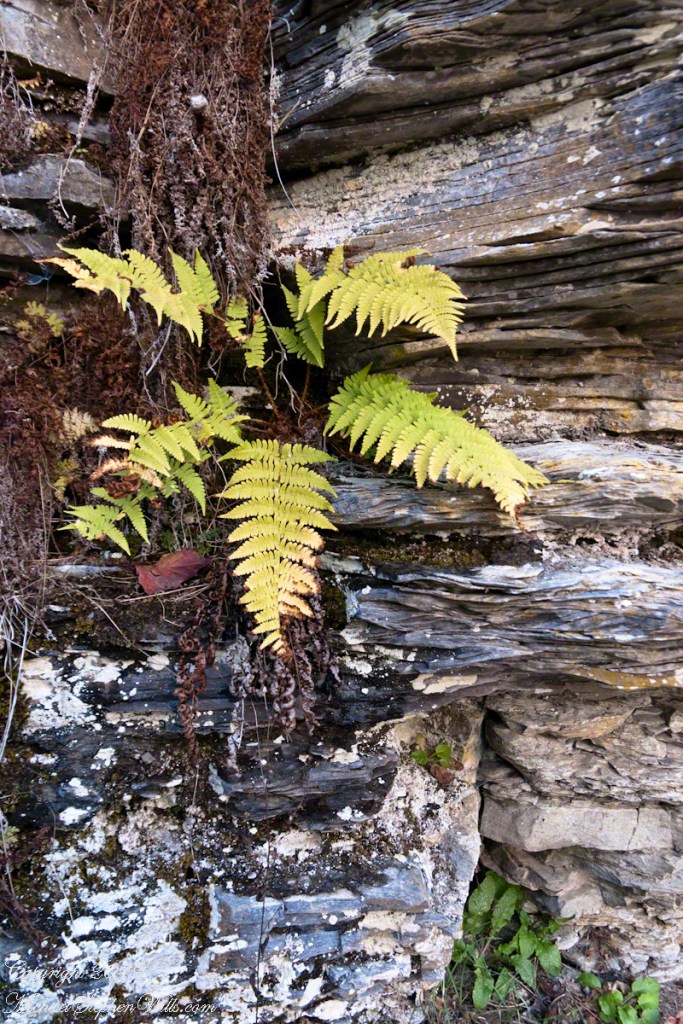
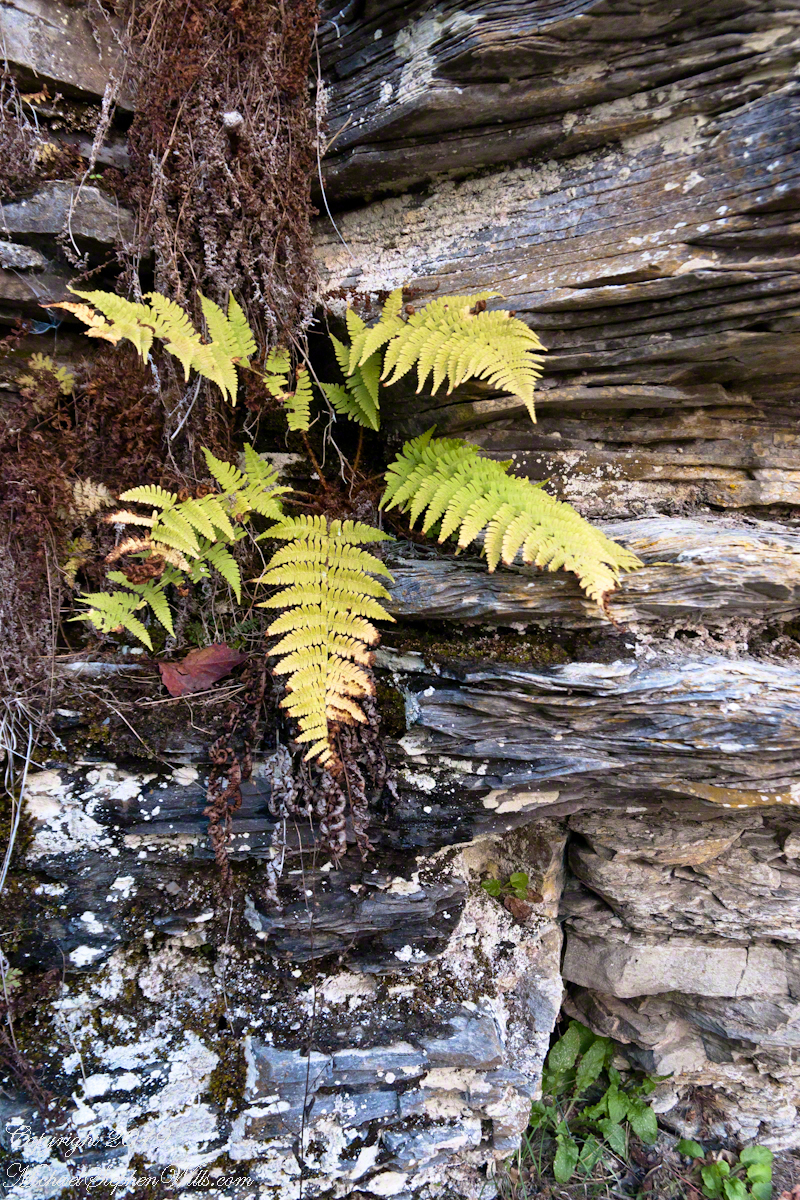
Each autumn, species of fern turns yellow towards a winter death. Here we see growing from Devonian shale, both the yellowed and desiccated fern fronds. Robert H. Treman New York State Park.
Click photograph for a larger view. To do this from WordPress Reader, you need to first click the title of this post to open a new page.
Cliff Stair Wall, autumn with fern generations
Click for a slideshow of this sequence Cliff Stair views
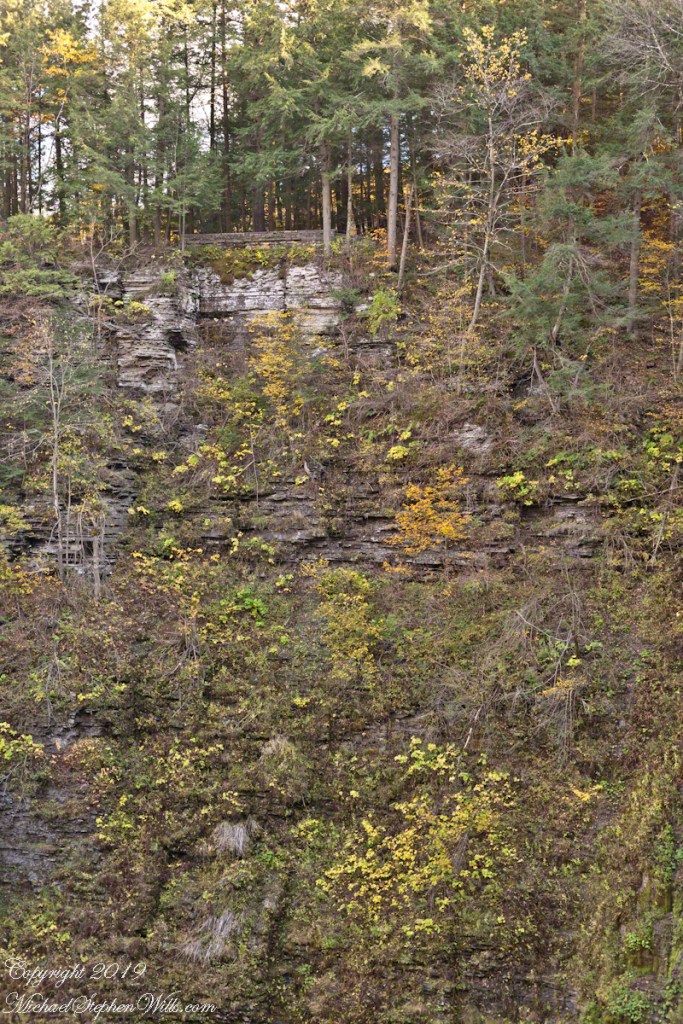
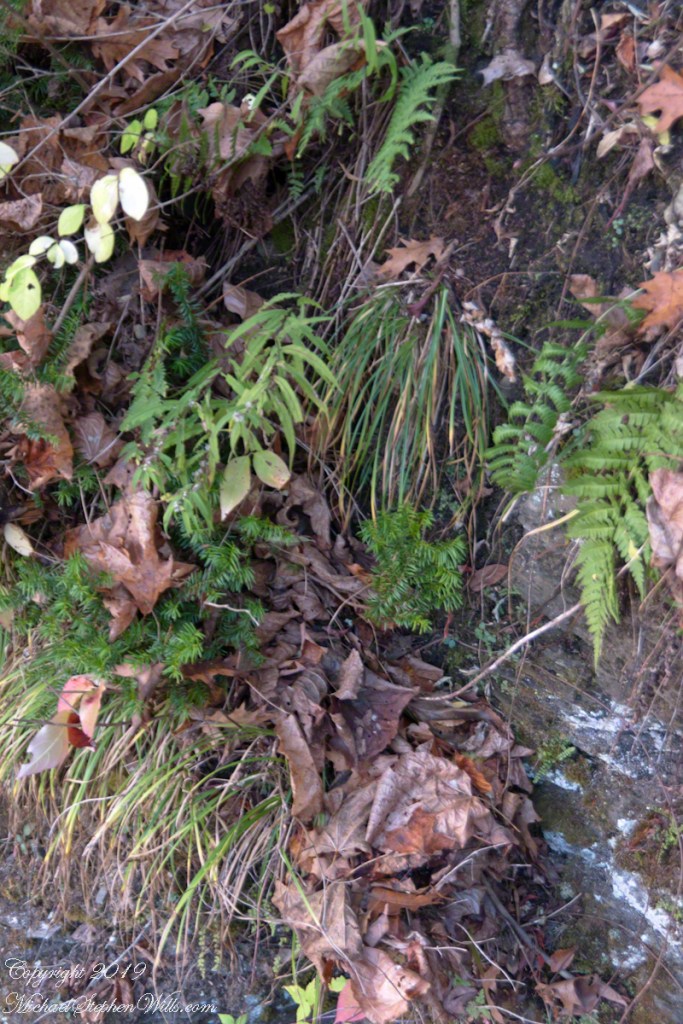
Lucifer Falls from Rim Trail OverlookPam on the Cliff StaircaseCliff Stair Wall, autumn with hemlock
Copyright 2023 All Rights Reserved Michael Stephen Wills
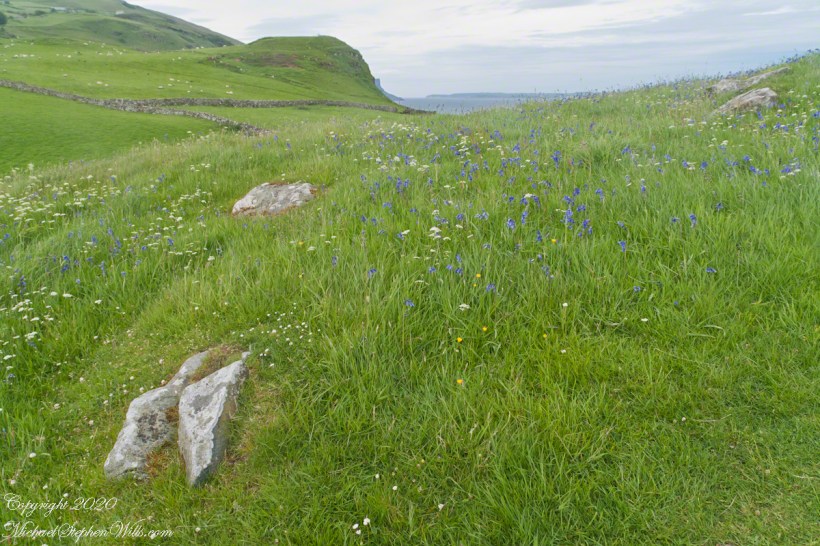
We parked below the Coast Guard station, headed toward the height of Torr Head. I was stopped in my tracks by the hillside meadow wildflower profusion.
Here are a few I identified, listed by common name: Bluebell, Daisy, Meadow Buttercup, Sea Campion, Yarrow. We love daisies and buttercups around home. We spotted Sea Campion on the Dingle Peninsula, as well. Yarrow is common through Ireland. I don’t recall seeing bluebells anywhere else.
It was the bluebells in this photograph that clued me into why I took a photograph of the hillside. The view north takes in coastal sheep pasture looking on a portion of North Channel and the Irish island Rathelin.
The web page I used for identification was wildflowersofireland.net . Great information and links to the Botanical Society of Britain and Ireland with a distribution map.
Copyright 2022 All Rights Reserved Michael Stephen Wills
We laughed at the trail-head sign, “Caution Muddy Trails.” White shorts beware. Somebody complained and demanded immediate resolution to the situation.
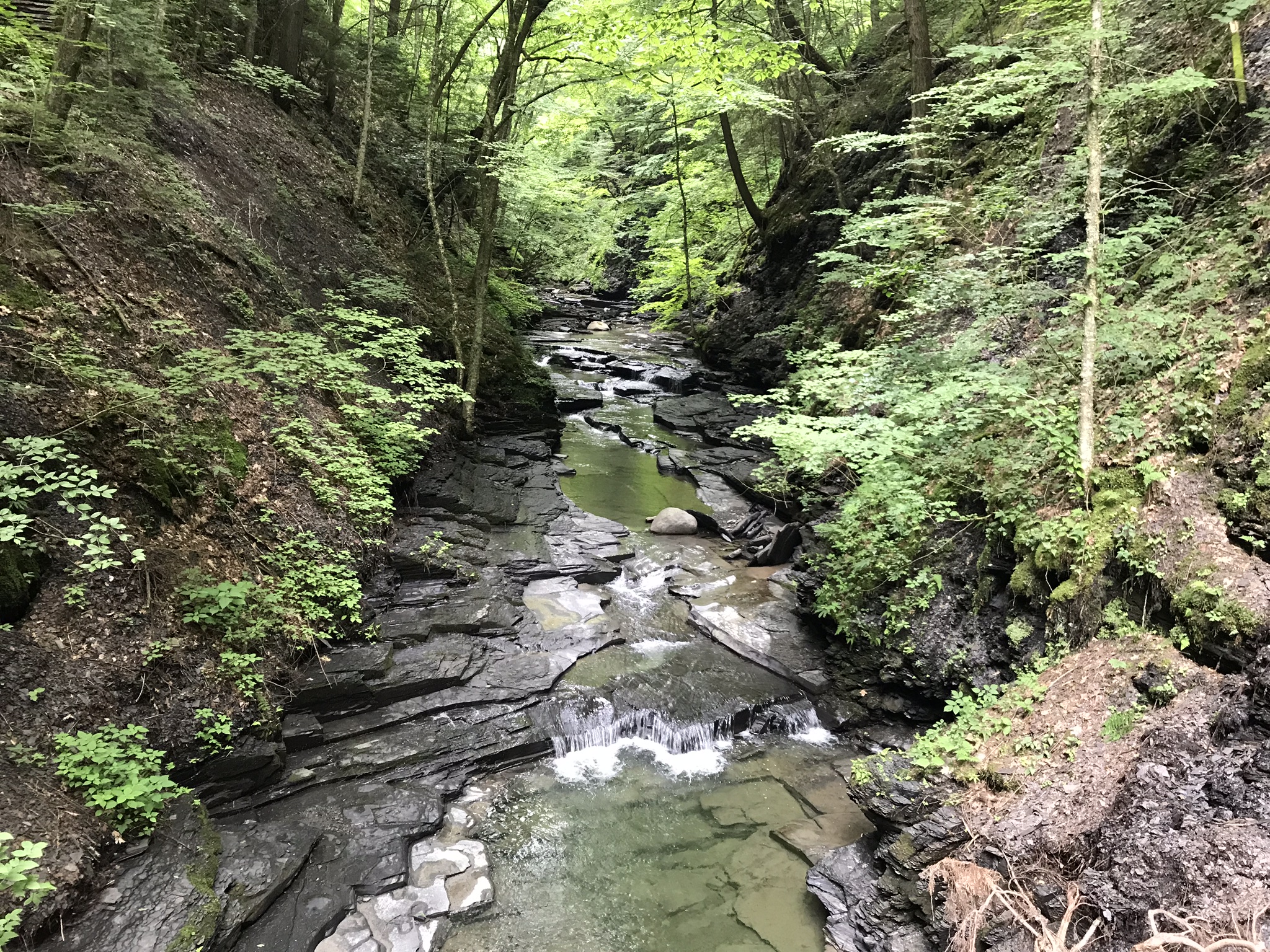
Another sign advised the Gorge Trail was closed after the seventh bridge. In my post “Bridge Views” these bridges are described. We could cross the seventh bridge, a barrier and a strongly worded sign, “Proceed no further, you will be prosecuted,” blocked the way. Here is the view, looking upstream.
The blocked path climbs the steep northern glen wall. This is the south wall, from the bridge. There was a young mother with two children, a girl, 6 or 7, and her 7 or 8 years old brother, each well equipped for the expedition with appropriate clothing and backpacks.
The family proceeded while I lingered to gaze up the blocked trail. I was tempted to crawl over the barrier, the ascending trail was clear the entire visible length. Being more cautious with age, or growing wisdom, I suppressed the urge and took in sights on the return trip.
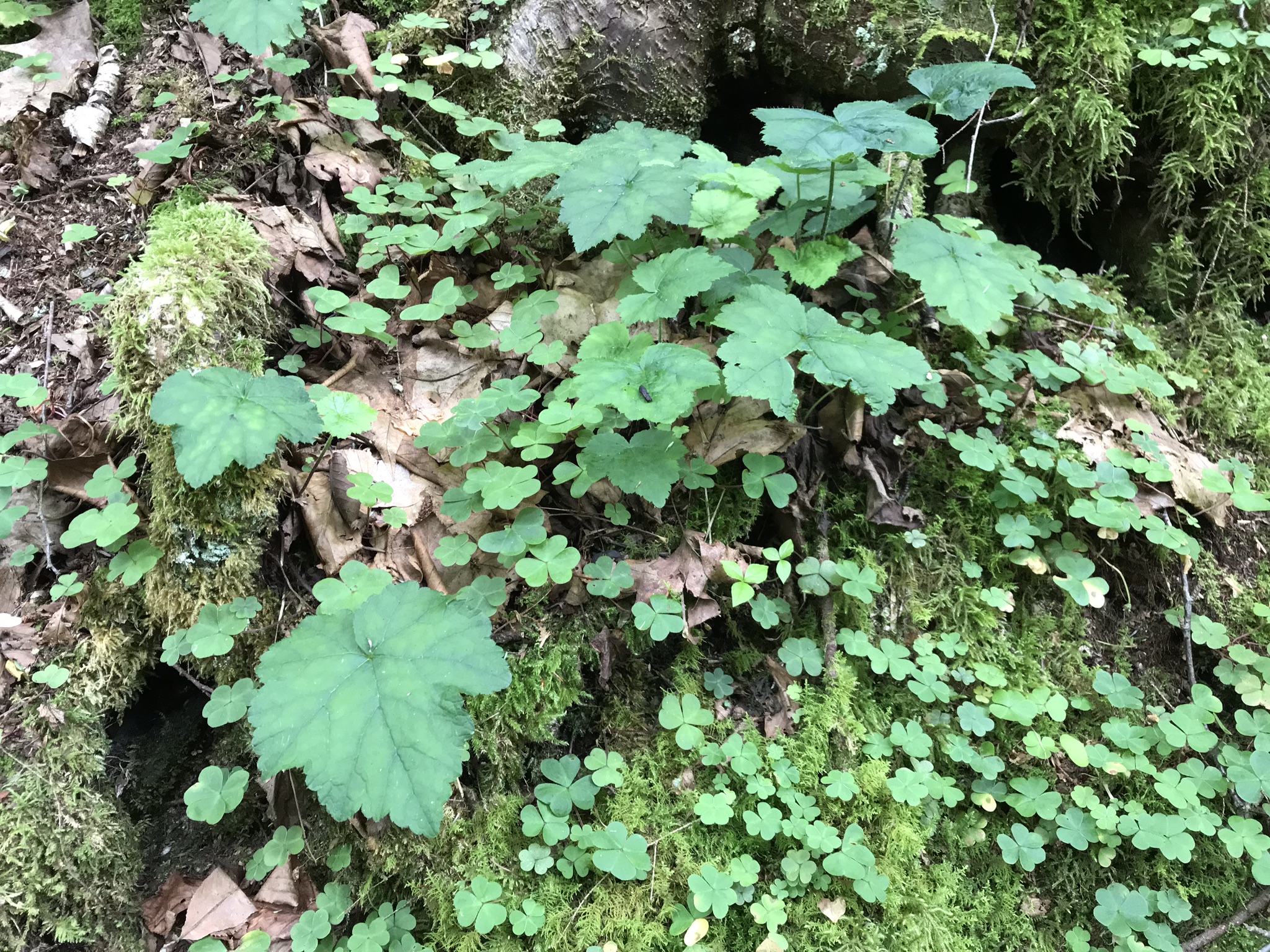
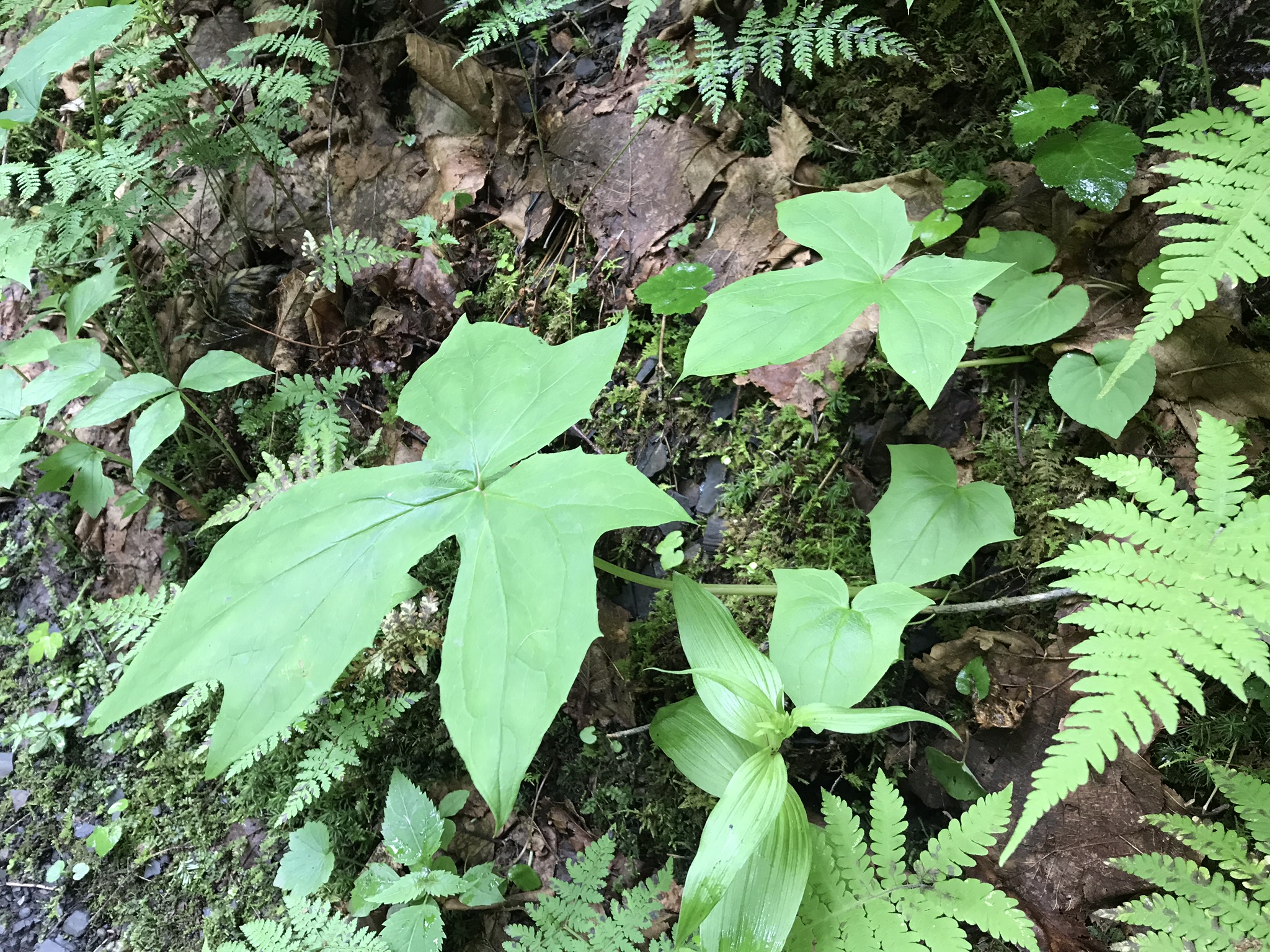
The leaves of hepatica among mosses and sorrell
On bridge number six the girl has her entire backpack contents spread over the path, a naturalist examining her kit. So sweet. Nia and Pam, at this point, were far ahead of me.
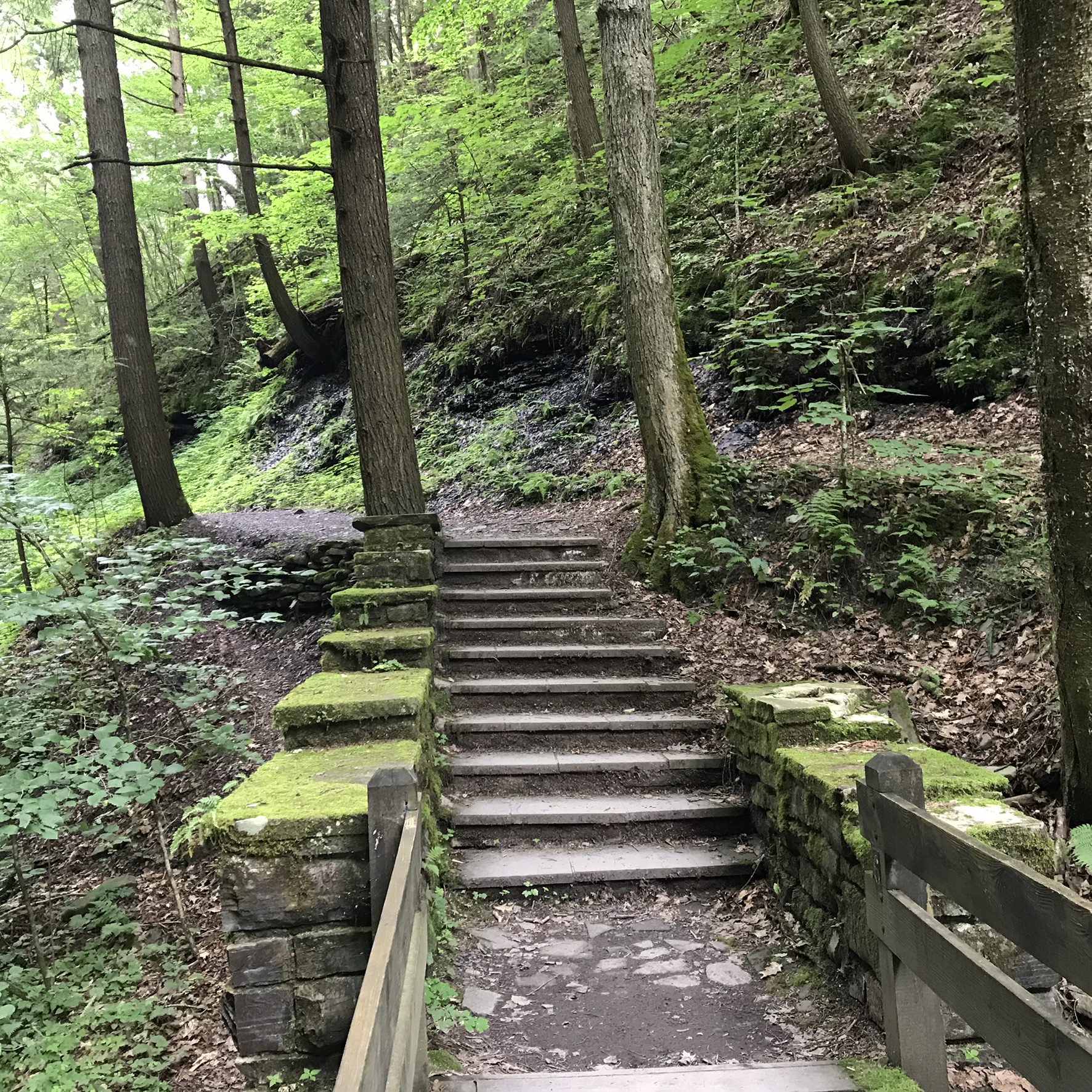
Stairs on approach to the Sixth Bridge
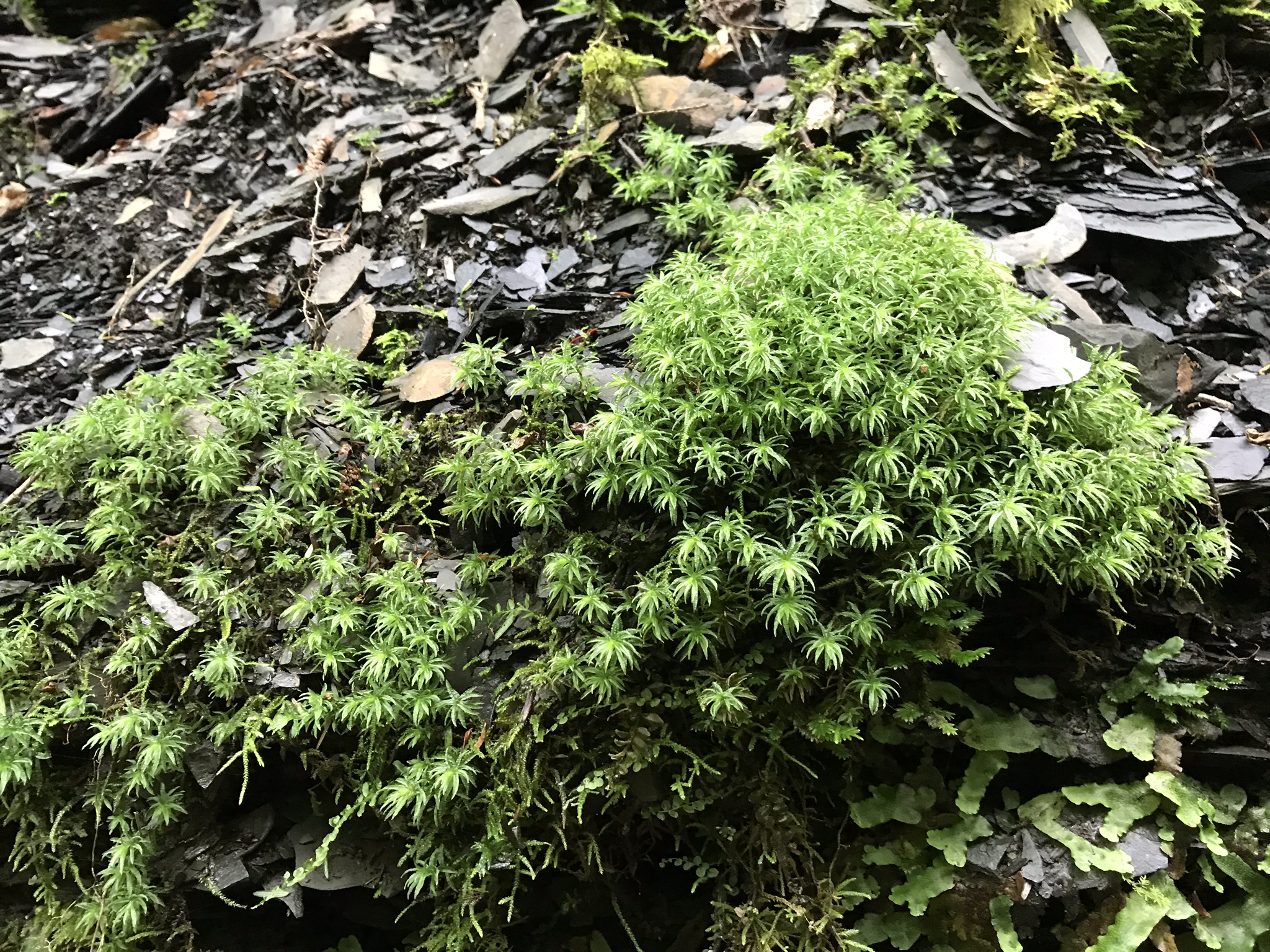
Moss is another plant proven valuable to humankind.
Sphagnum moss was used for wound dressing during World War I, being almost sterile and highly absorbent. The flat growth to the lower right I do not recognize.
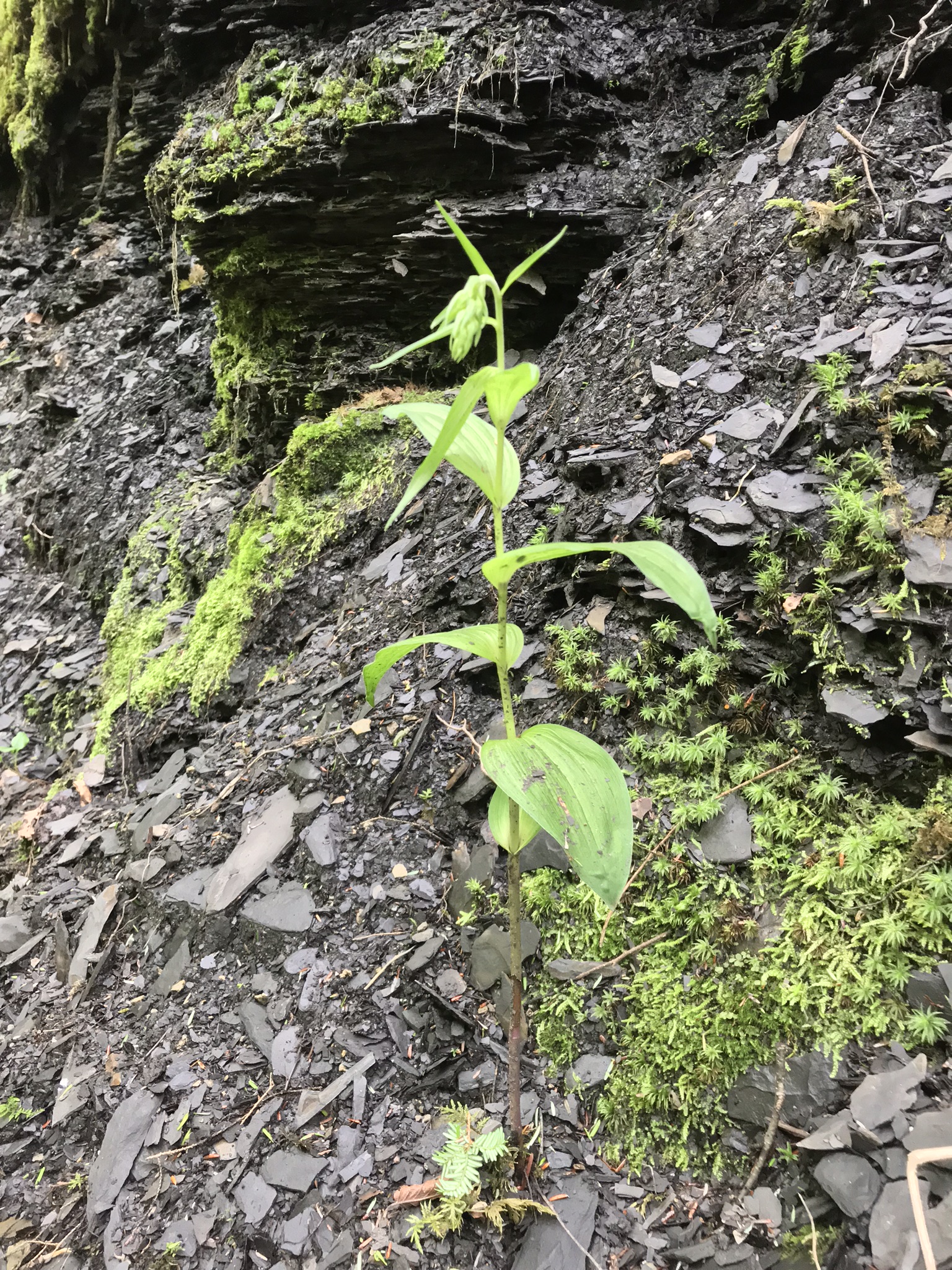
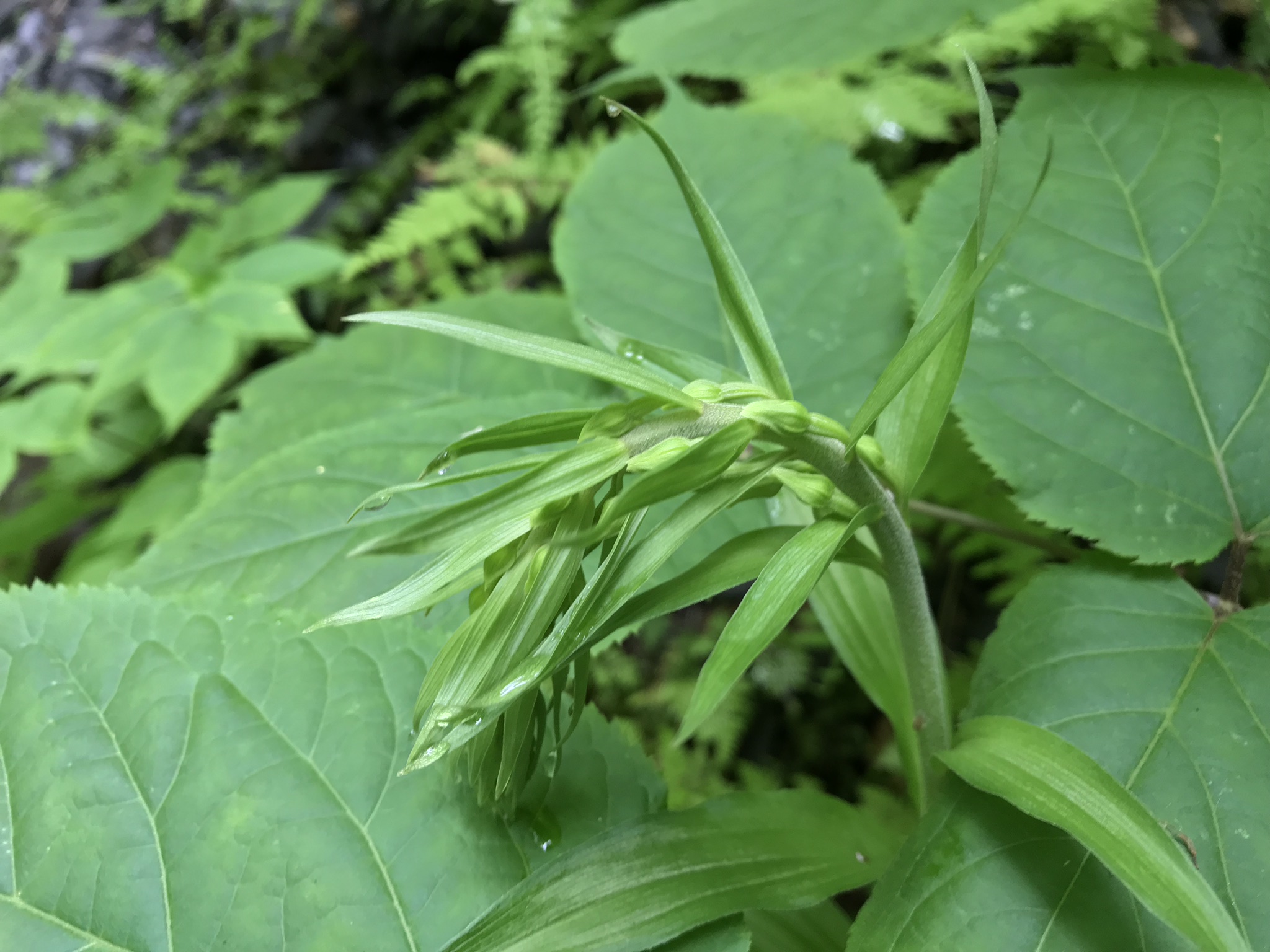
An Orchid
This strange orchid, the species name references a similarity to hellebore
Broad-leaved Helleborine (Epipactis helleborine)Flower of the Broad-leaved Helleborine growing up from other leavesCompelling Leaf Arrangement
With is we left the Gorge trail for this day, with a plan to return to approach the eight bridge from the north.
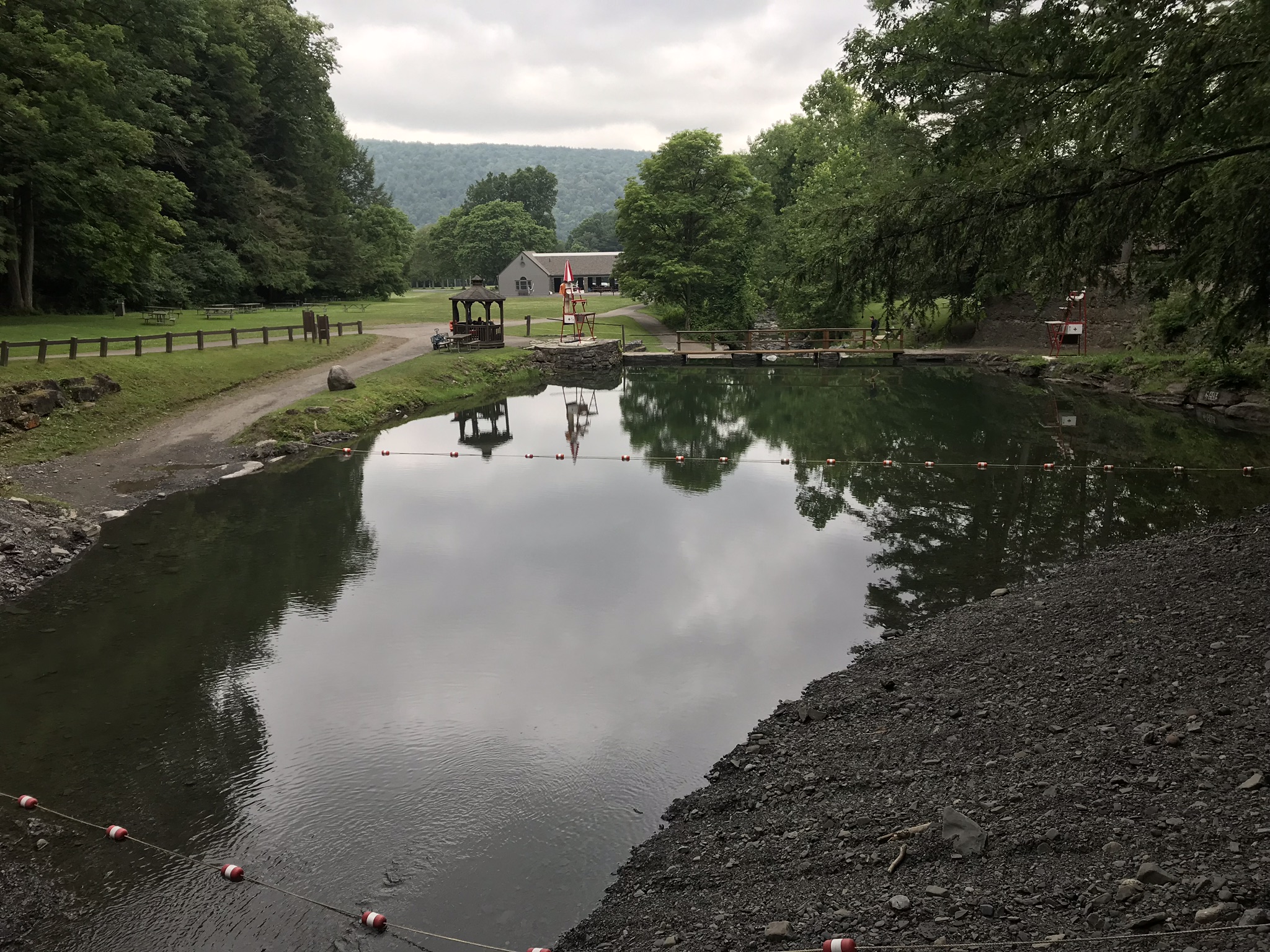
View of stream fed pool from near start of Gorge Trail
Copyright 2022 Michael Stephen Wills All Rights Reserved
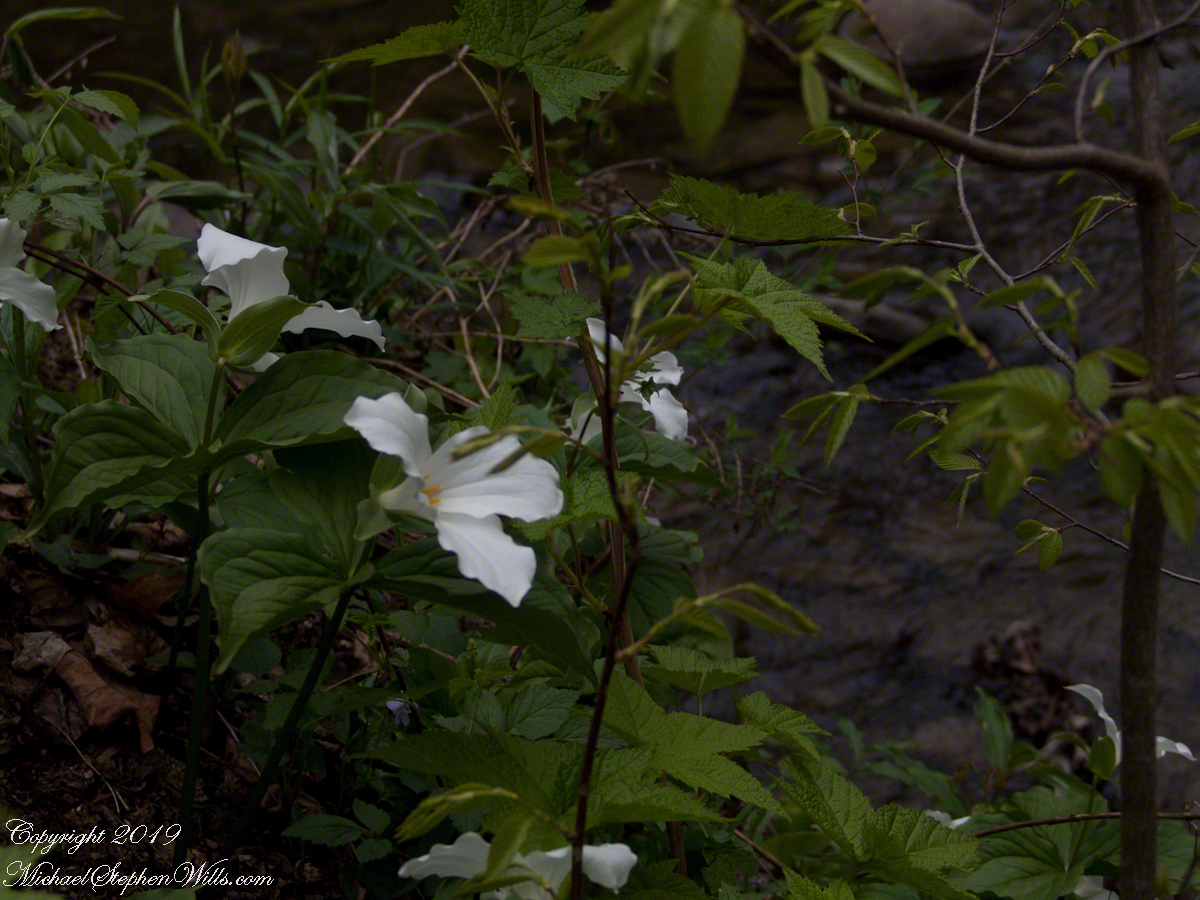
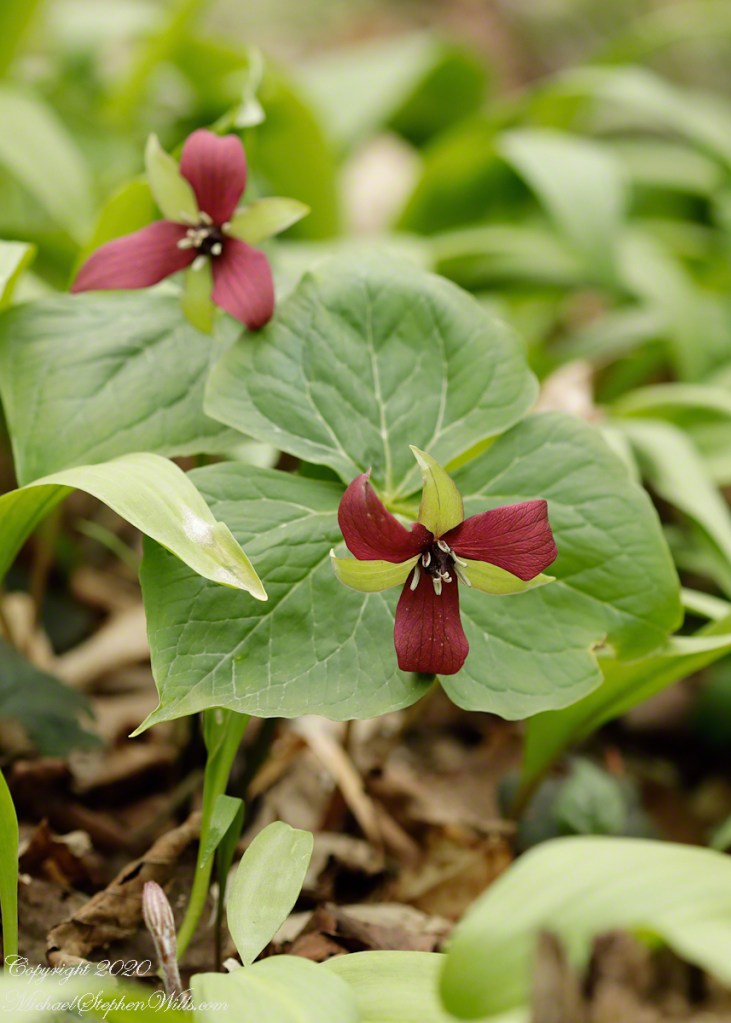
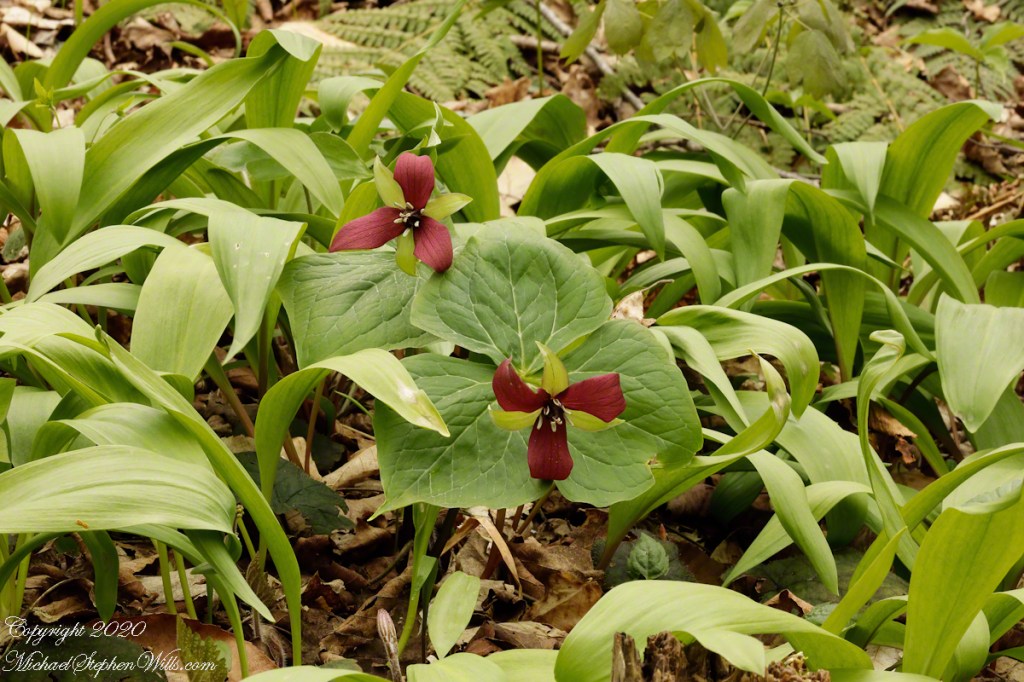
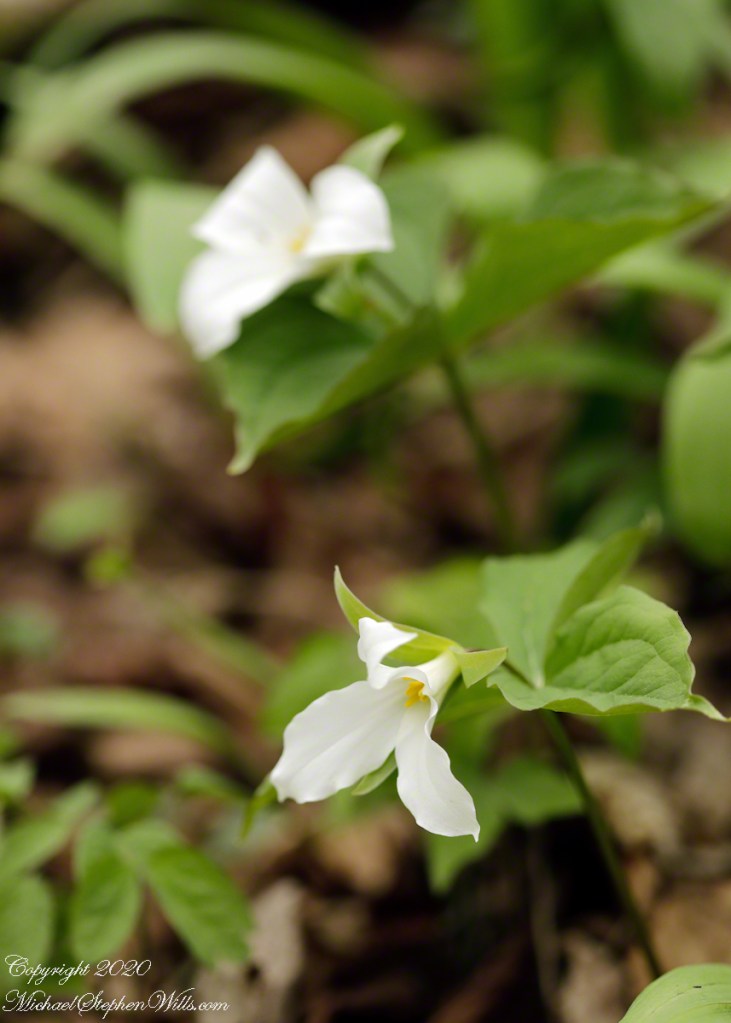
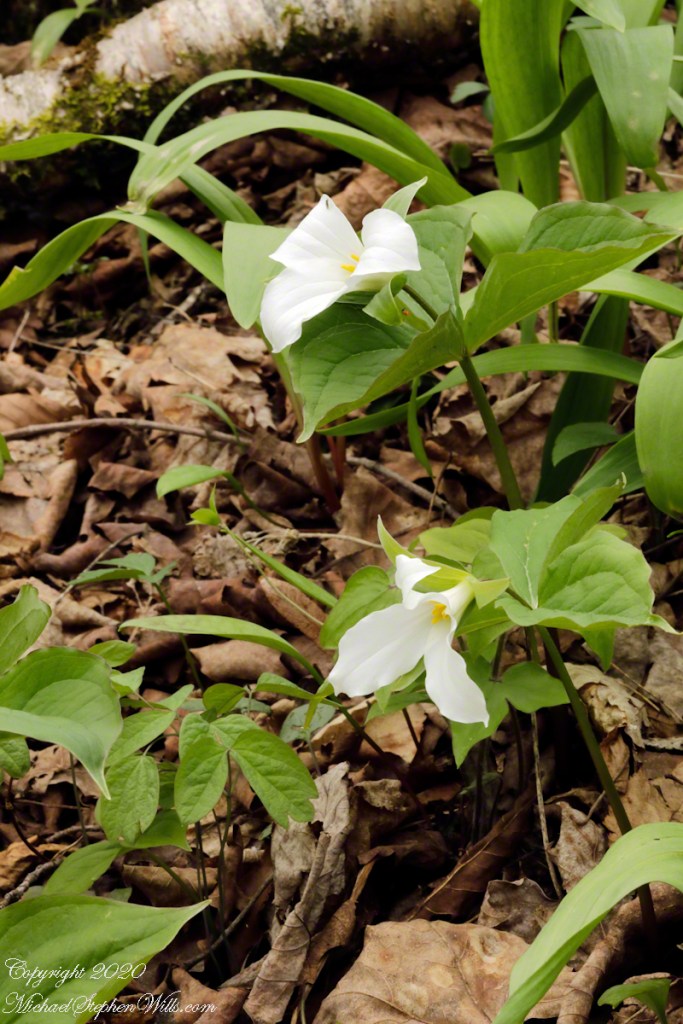
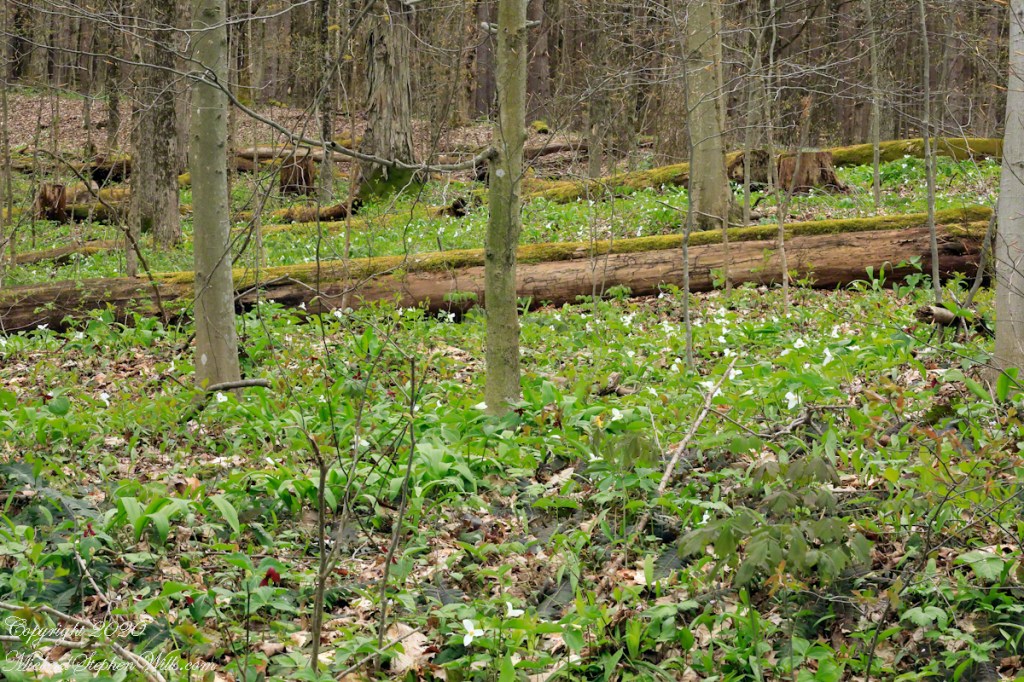
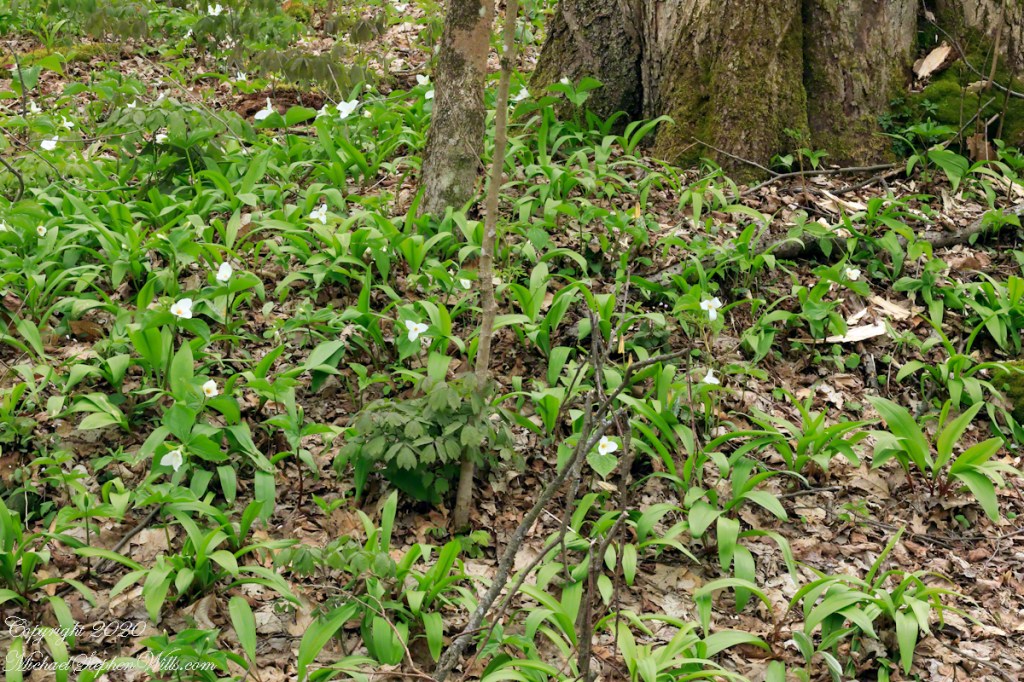
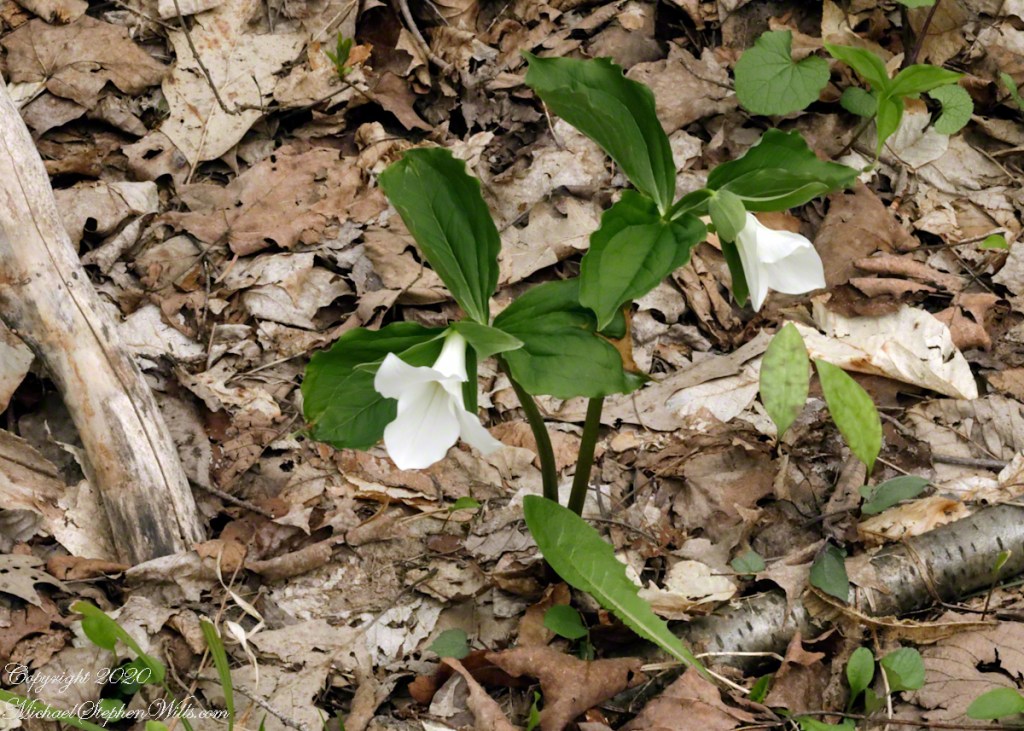
An access road, now blocked with huge boulders by the State Park, leads to this dam at the head of Fillmore Glen. I stop here for reflection at times and have climbed behind the dam for photographs. It is possible to drive up the south side of the glen on a poorly maintained road and park next to the boulders. In this season (spring) the surrounding forest is carpeted in wildflowers. Hepatica, trillium, dutchman’s breeches. One day, years ago, I pulled in behind a late model convertible with a license plate holder advising the owner was a member of the 10th Mountain division and a World War II veteran.
They were a well dressed and groomed couple. The white haired driver, in his late 80’s at least, patiently waited while she, a frail woman, walked the margins of the forest, enjoying the wildflowers. It was my impression this was a ritual for them, developed over the years. One of the few spring outings left to them.
Wildflower displays develop over hundreds of years. The massed trillium are on land not disturbed for thousands of years, since the last ice age. These same spring wonders were certainly enjoyed by the Iroquois before us.
Click either photograph for a larger view.
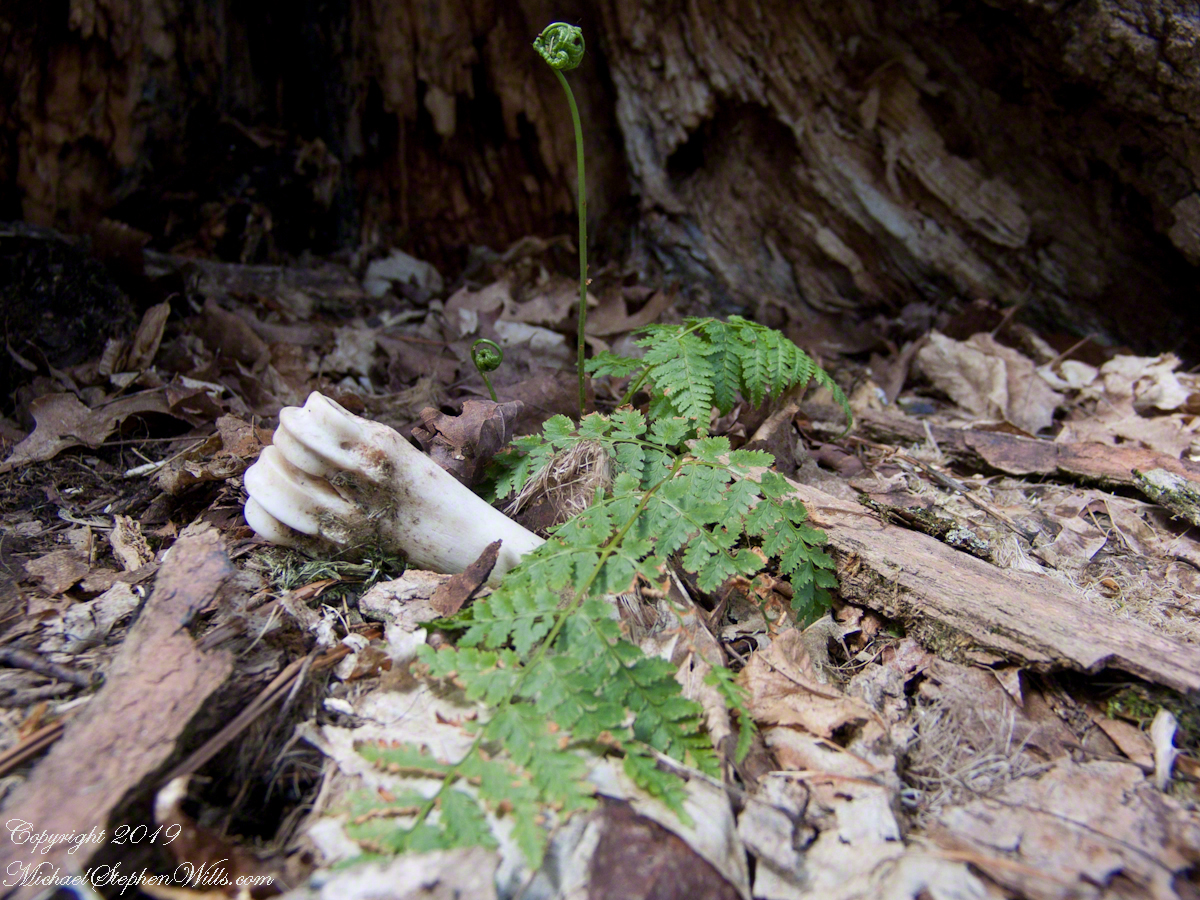
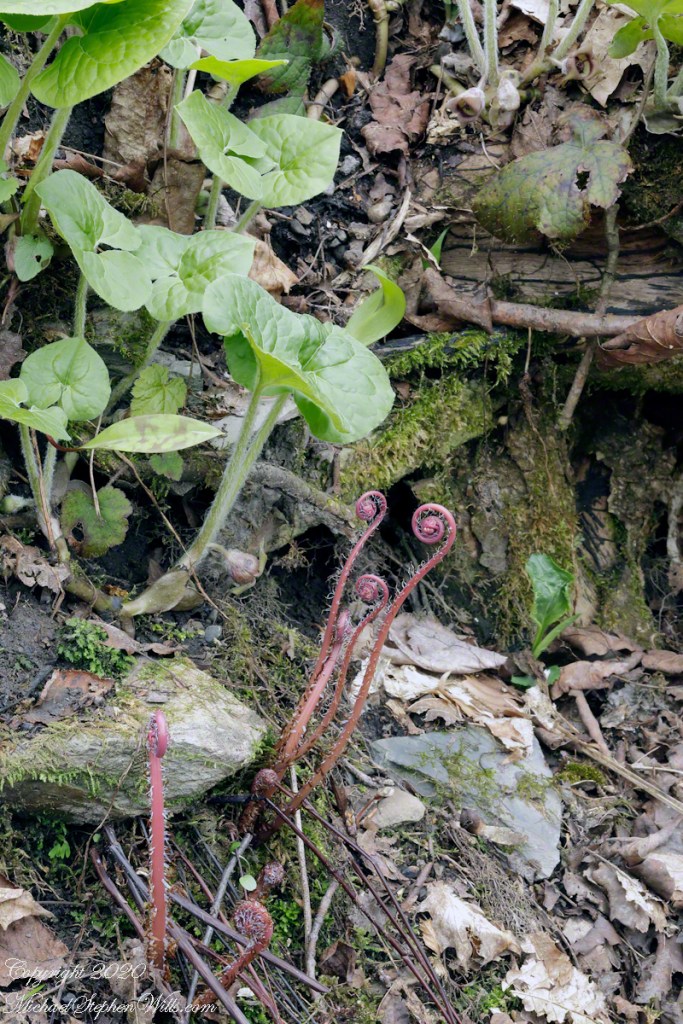
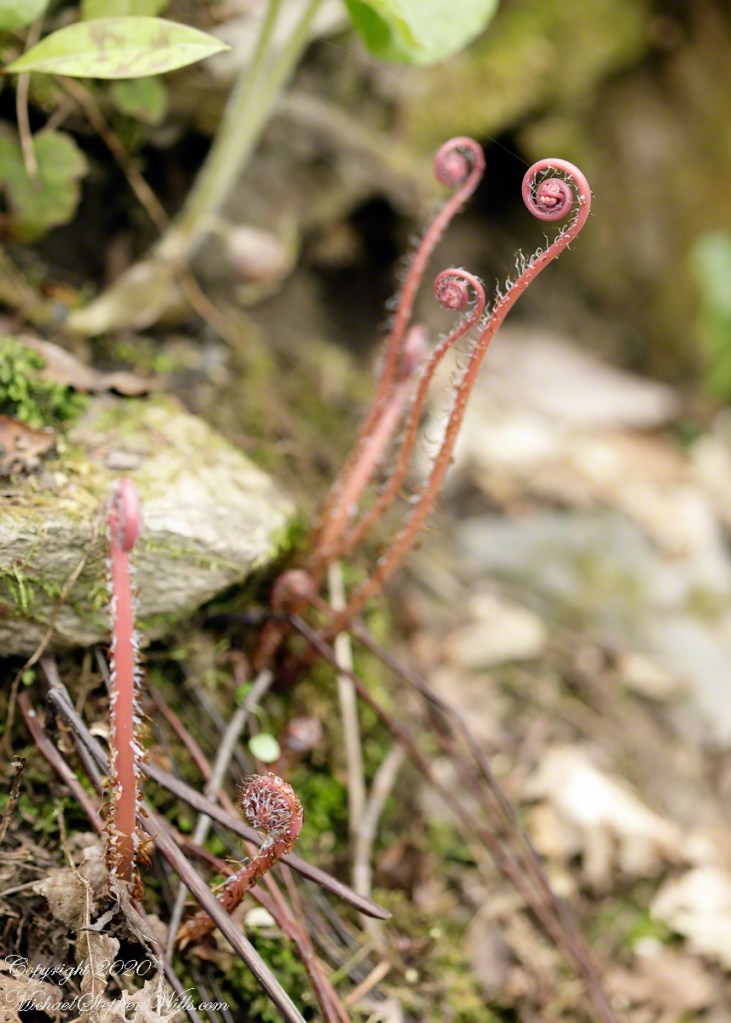
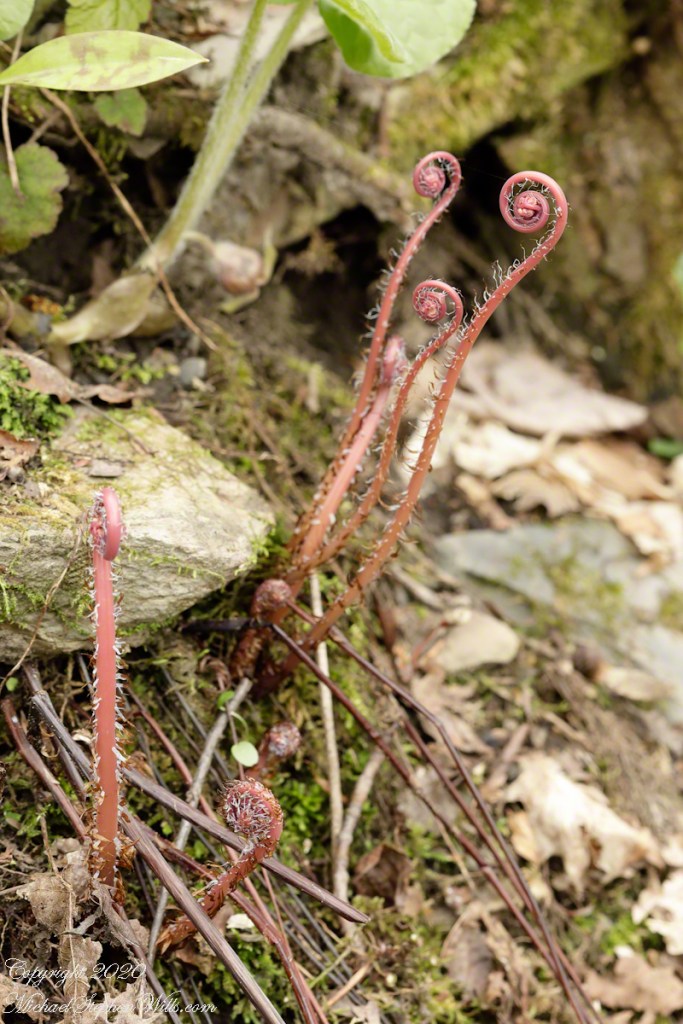
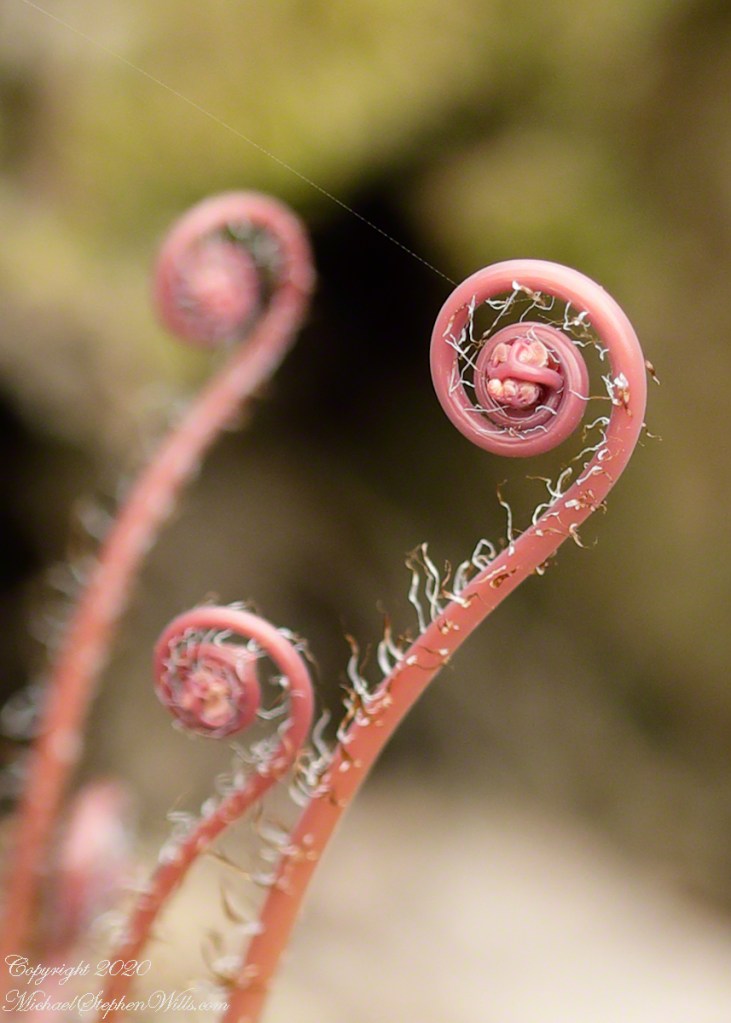
On the gorge slope below the parking area, in a hollow on the north side of a large (I recall) oak, one early sunny spring morning I discovered the last resting place of a deer. Only the bones and some fur remained, the visible portion resembles the Capitulum and trochlea of a human arm bone and, indeed, there was a scapula close by. The season is evoked by the unfurling fern against the based of the oak.
Dark, Unwritten Forest Secrets
Copyright 2022 All Rights Reserved Michael Stephen Wills
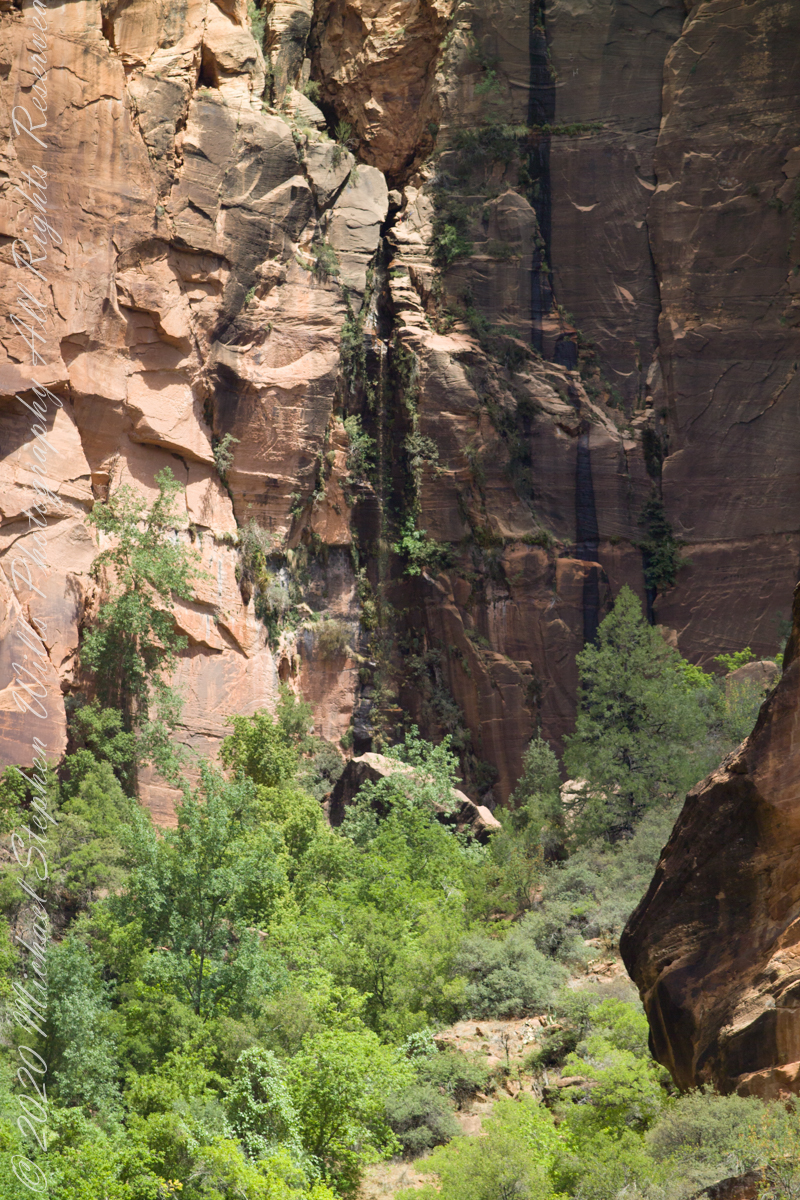
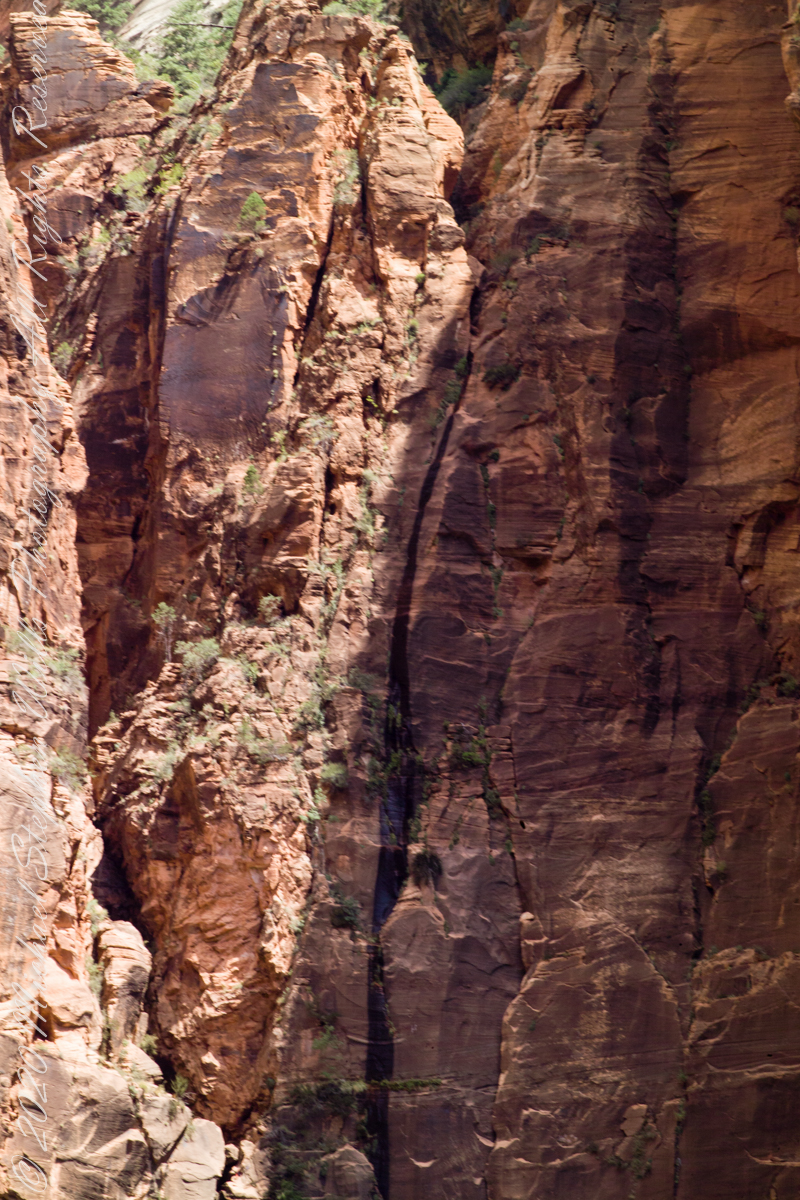
The first photograph is the myriad fractures within the Zion Navajo sandstone, hidden water transits from rainfall miles away.
ISO 250, 1/8 sec at f/22
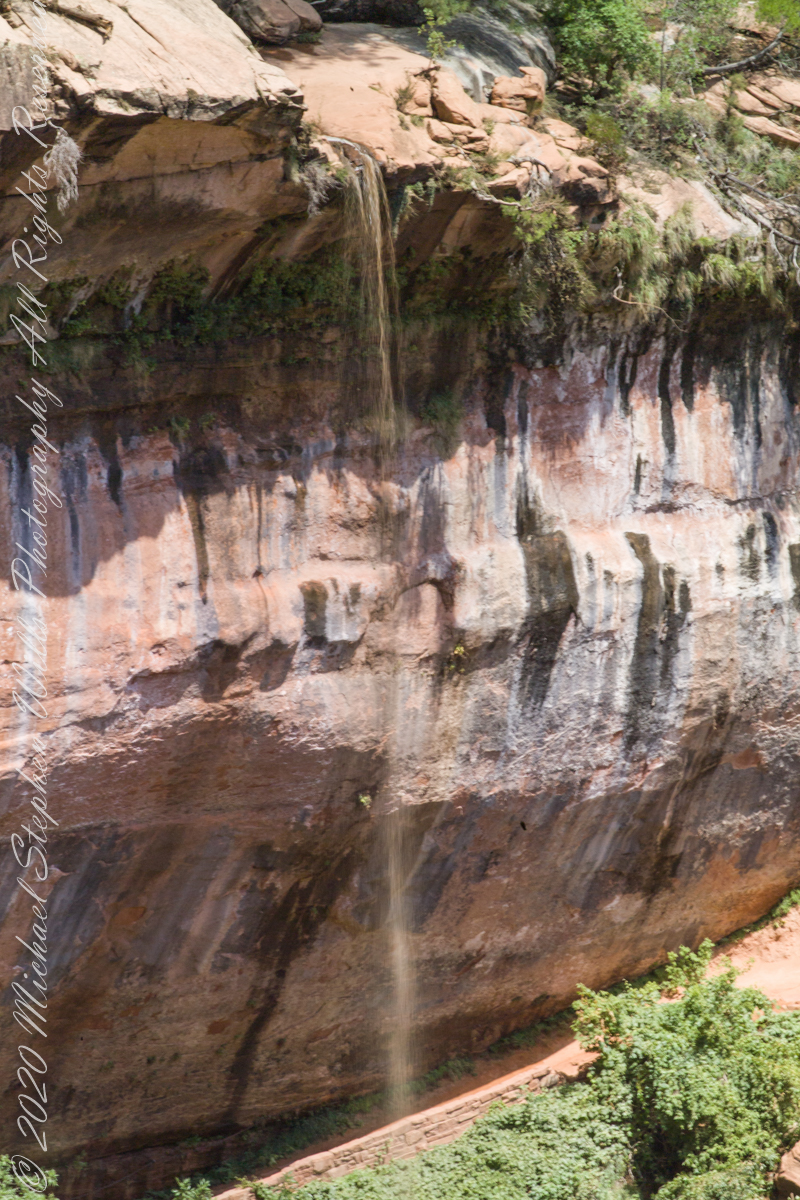
The second photograph, water emerging as a blessed sacrament, bestowal of life nourishing wildflowers, ferns, mosses, trees.
ISO 250, 1/320 sec at f/4.0
For this third photograph the first two were merged in photoshop for a revelation. I did not take time to smooth the transition, visible as a line. I graduated from this merge technique with the purchase of a wide angle (24 mm) lens. It is so difficult to organize all the angles and exposures, plus time to bring it together.
All photographs from the Kodak DSC Pro SLR/c, Canon Lens EF 200mm 1:2.8 L II stabilized via a Manfrotto 468MG with Hydrostatic Ball Head.
Can you spot the foot path?
Here is a gallery of the three photographs, to flip back and forth.
Copyright 2021 Michael Stephen Wills All Rights Reserved
“Water seeping out of the Navajo sandstone creates tranquil springs and the unique “hanging gardens” for which Zion is famous, full of ferns, wildflowers, and mosses.”
ISO 250, 1/6 sec at f/22
Here are three exposures of the same scene.
ISO 250, 1/4 sec at f/22
Click on an image for a closer view.
ISO 250, 1/13 sec at f/22
Can you spot the foot path?
Here is a gallery of the three photographs, to flip back and forth. the primary difference is the exposure within the shadow under the projecting cliff face.
ISO 250, 1/6 sec at f/22
ISO 250, 1/4 sec at f/22
ISO 250, 1/13 sec at f/22
Copyright 2021 Michael Stephen Wills All Rights Reserved
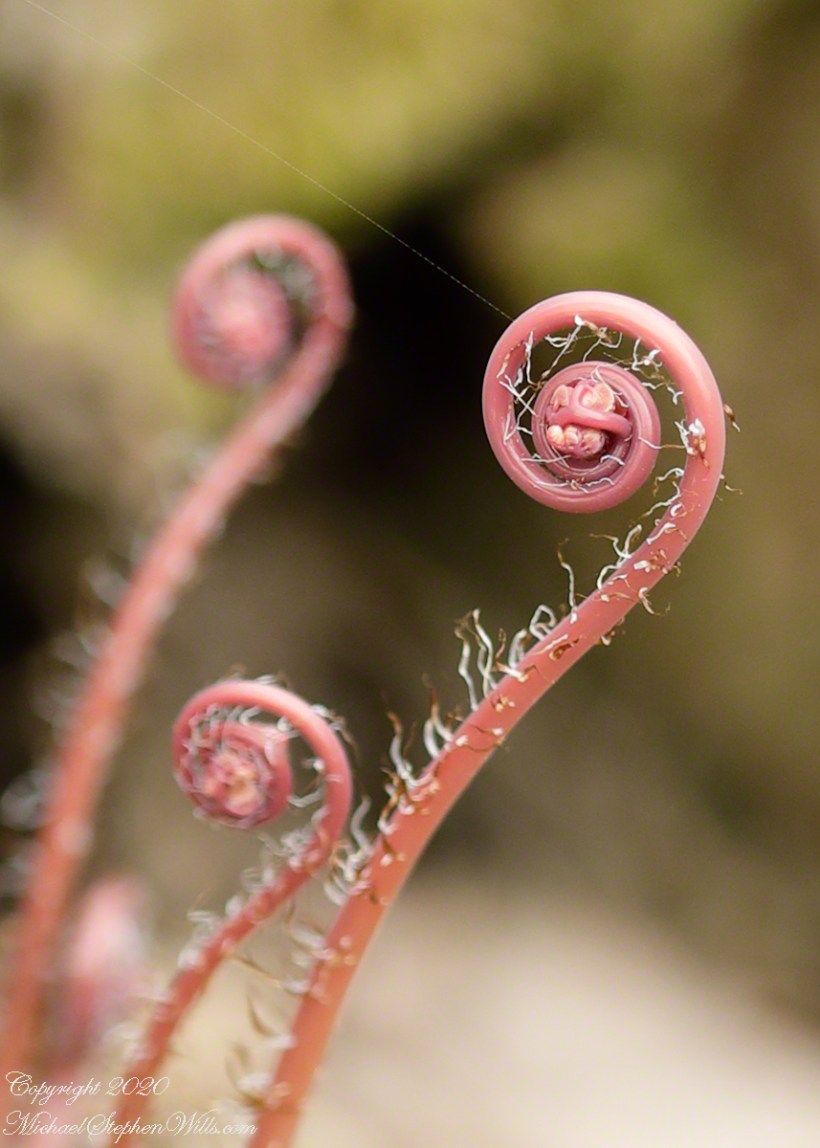
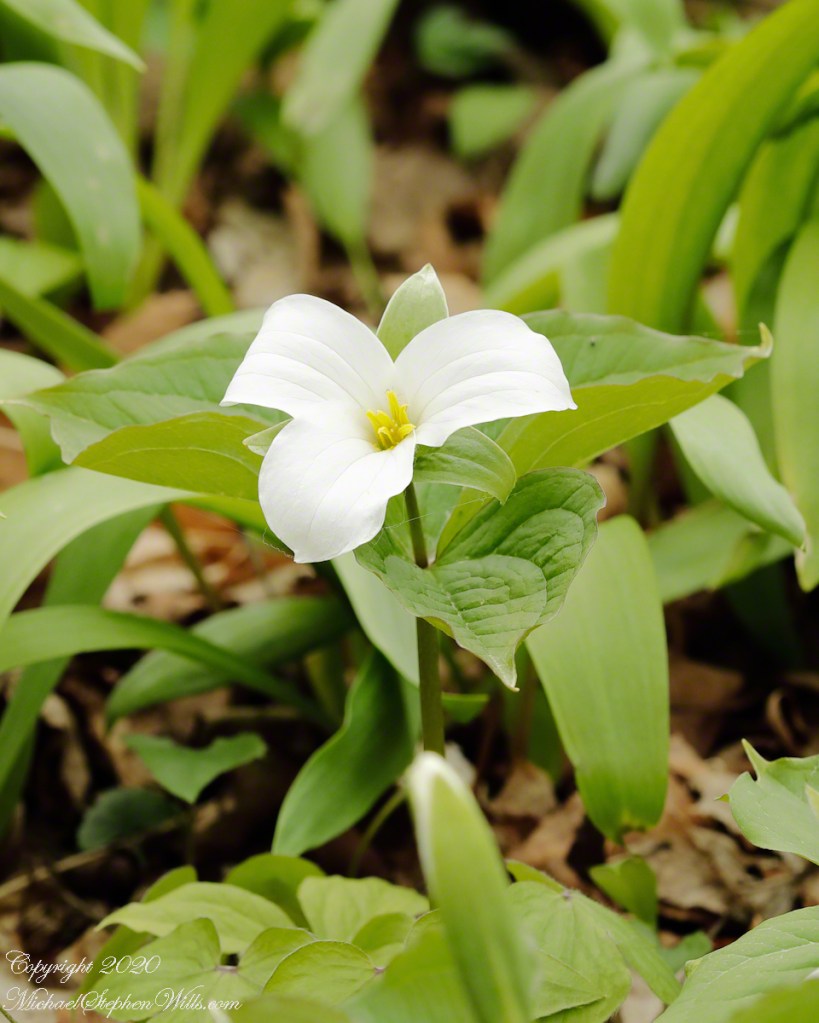
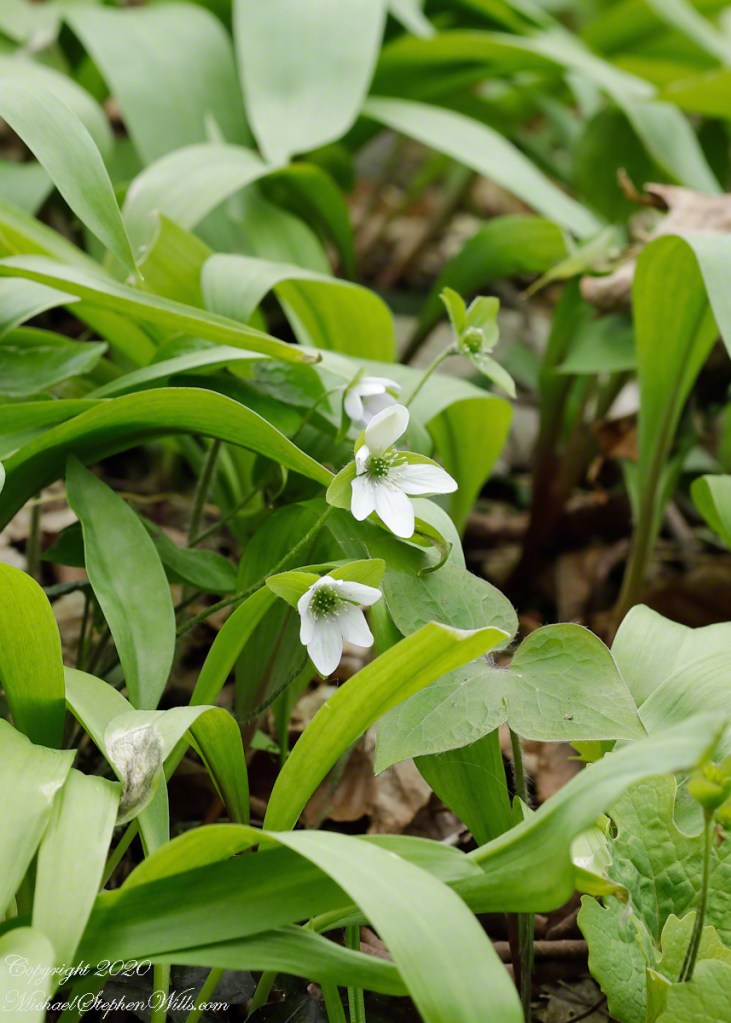
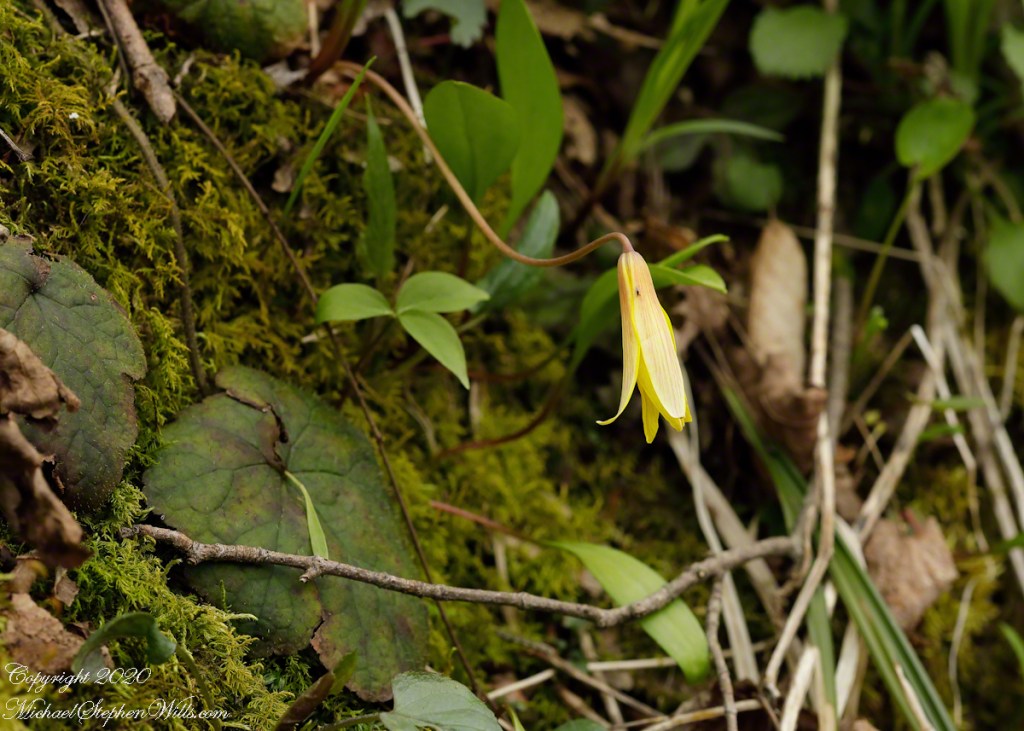
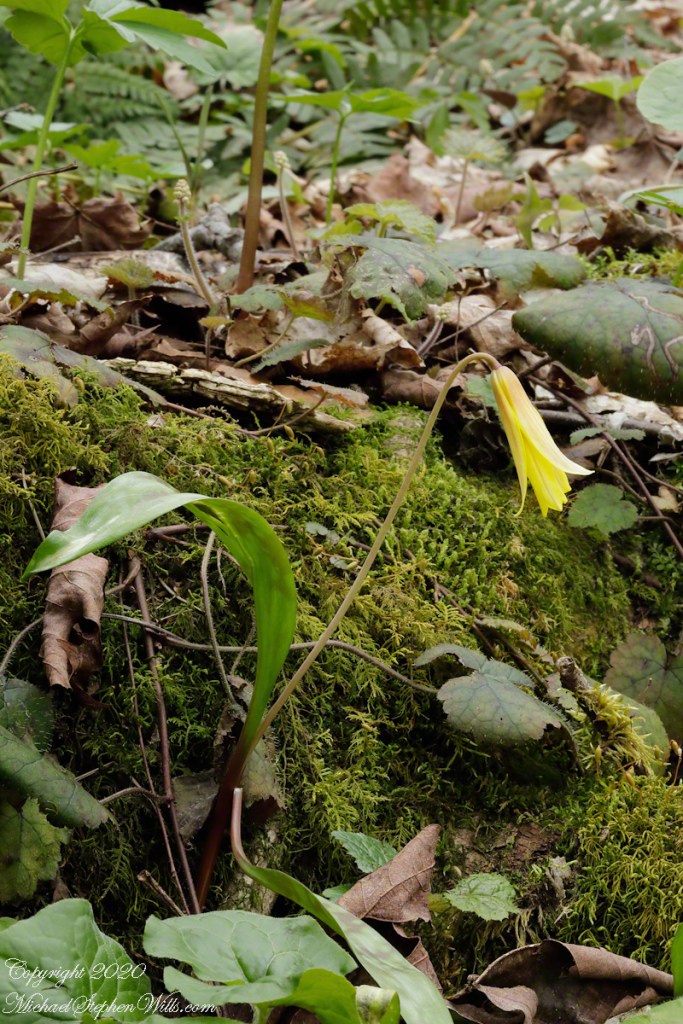
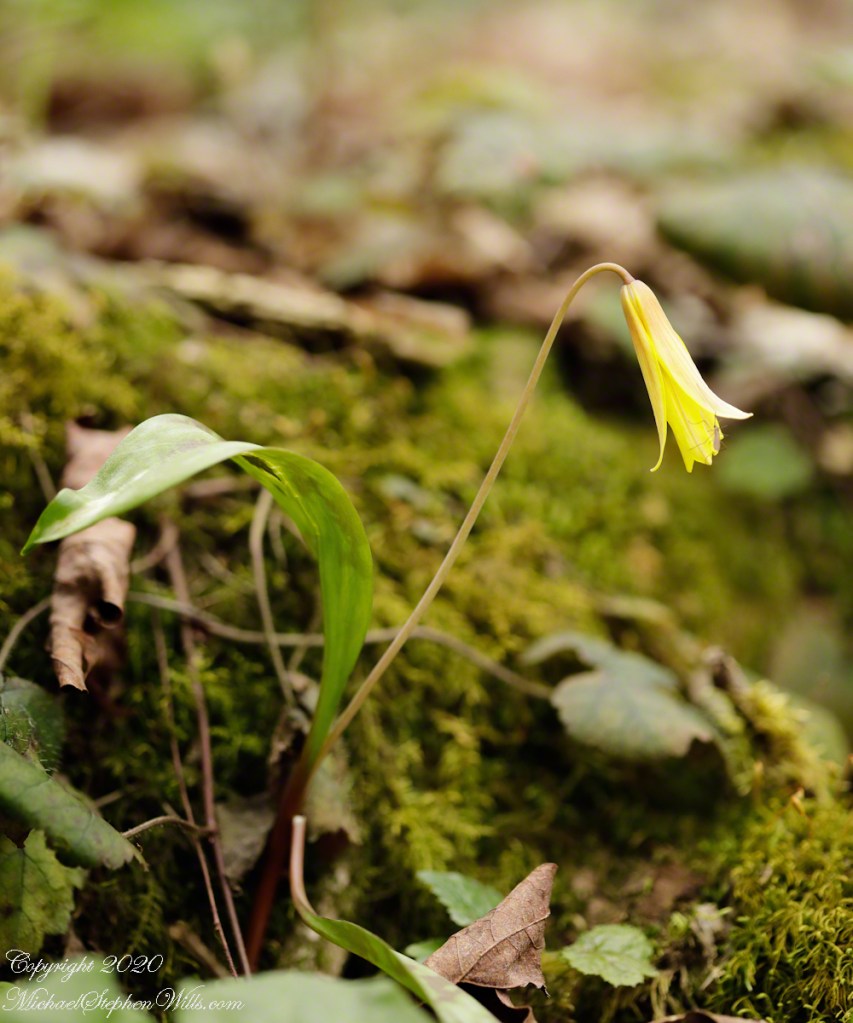
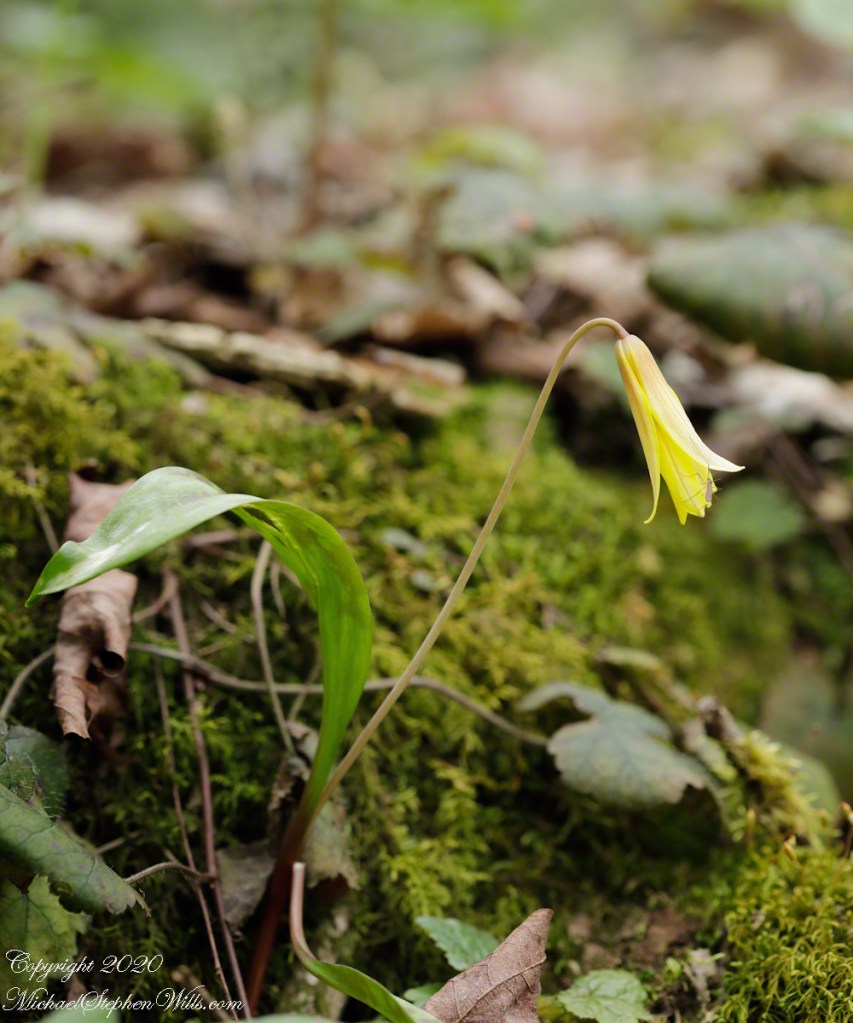
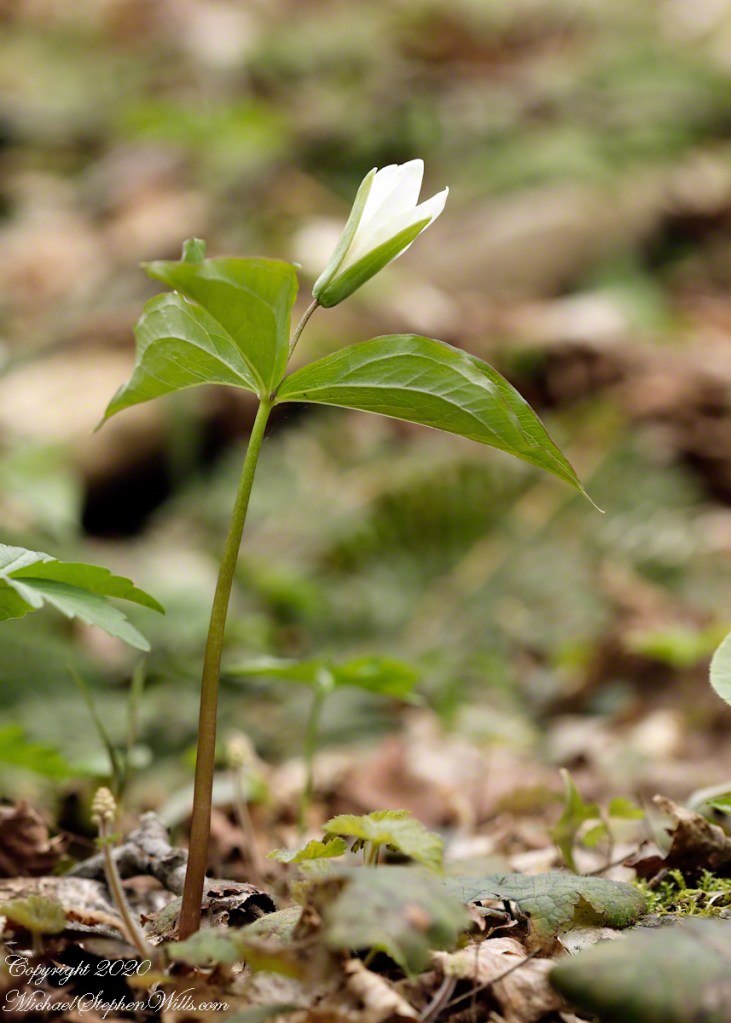
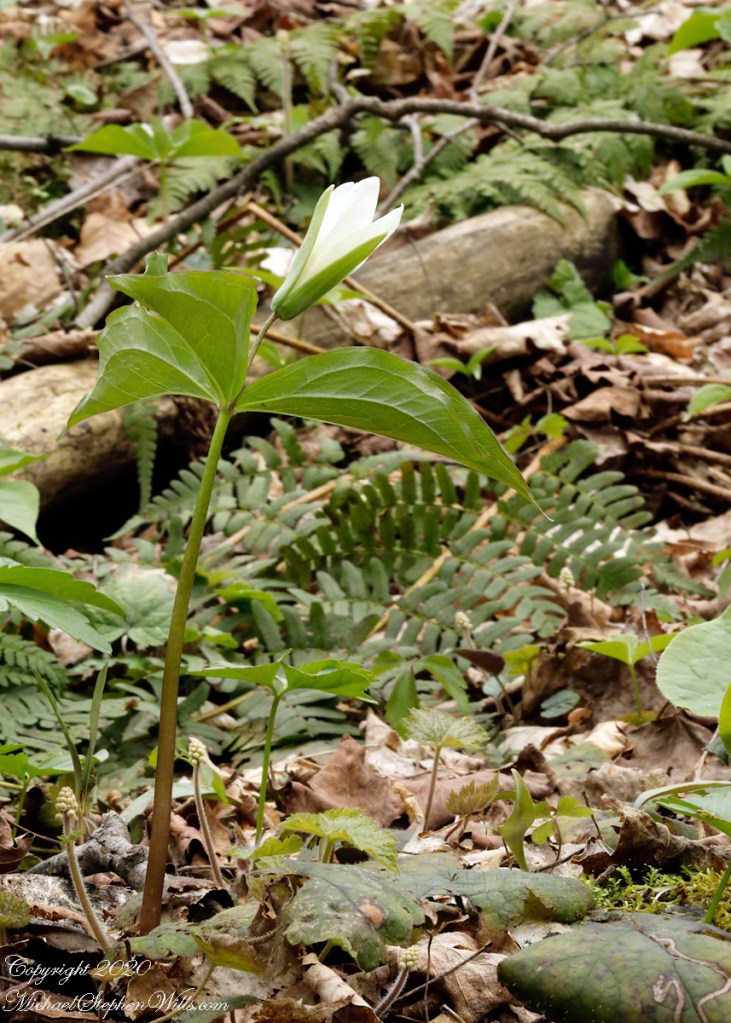
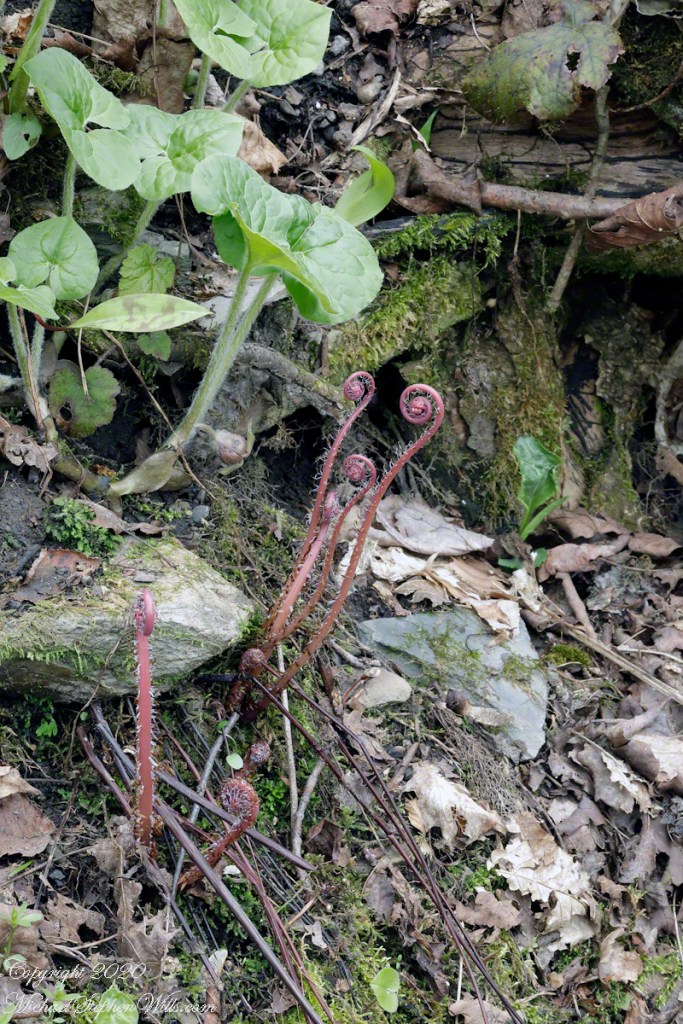
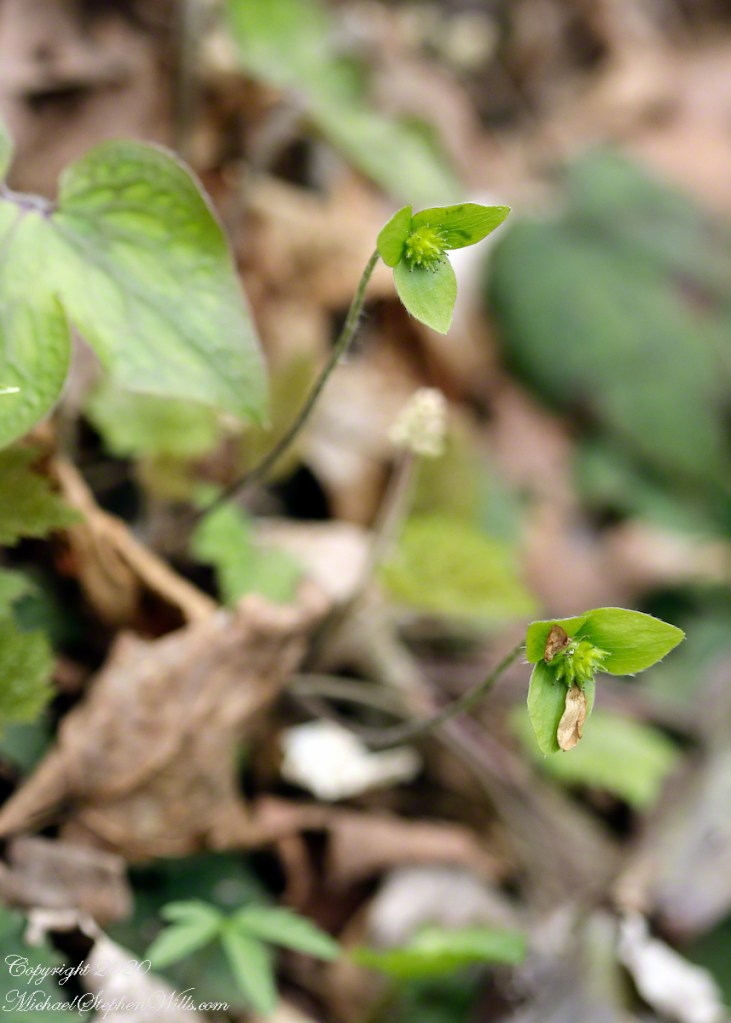
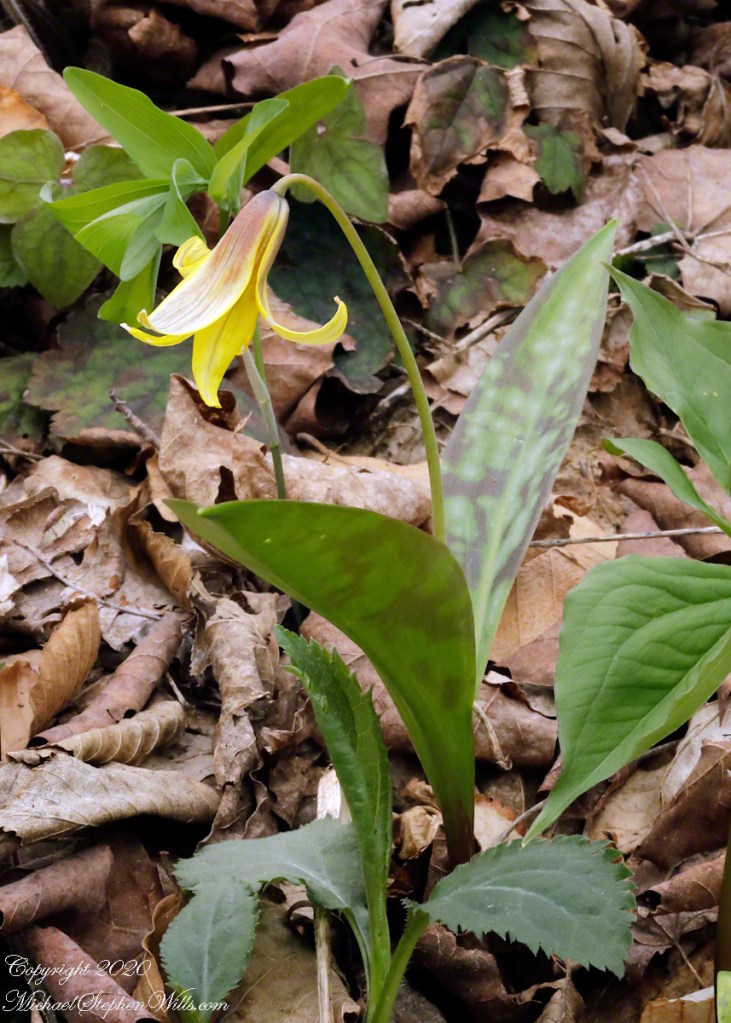
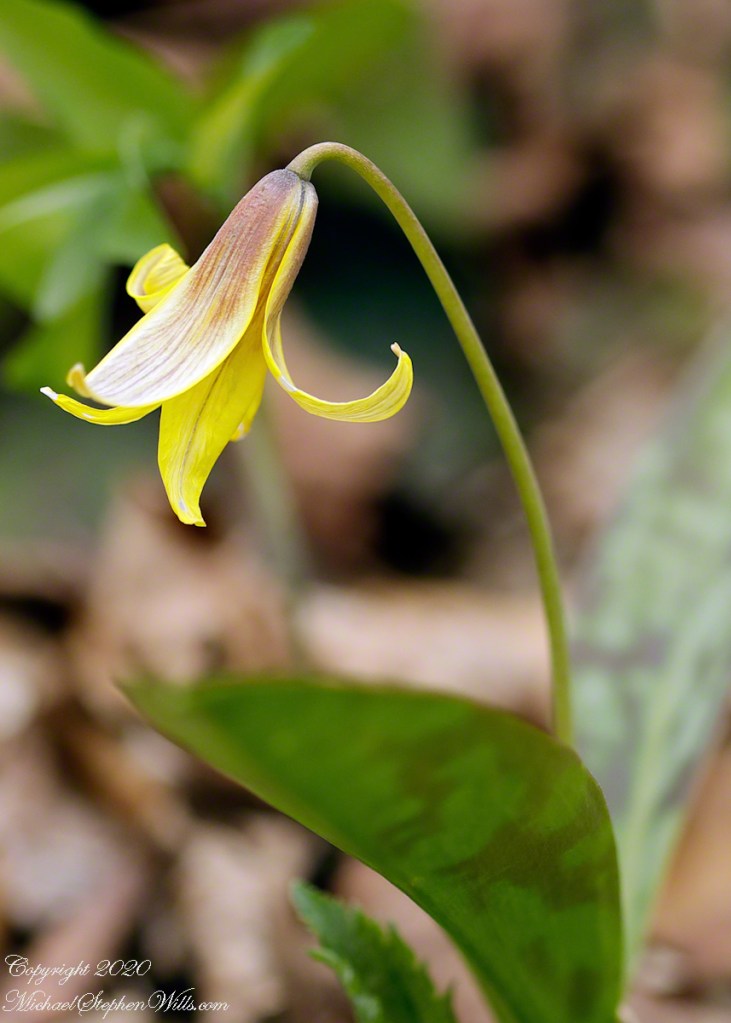
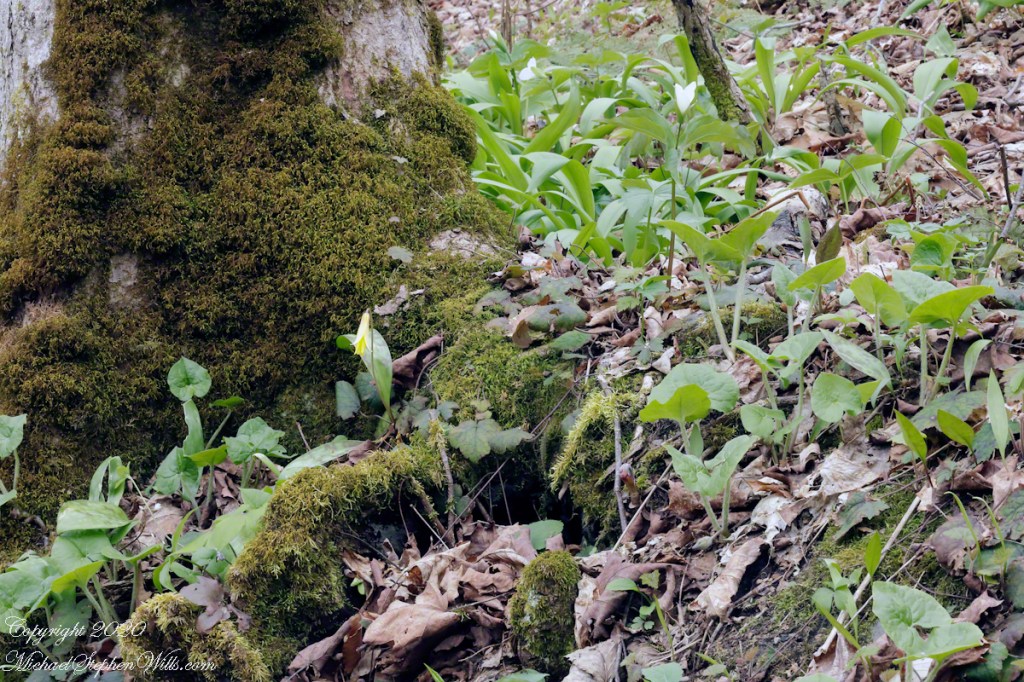
Here is a gallery recapping my afternoon among the wonders of Fillmore Glen, a New York State park, Moravia, New York. I visited there during the New York COVID-19 “PAUSE.” ENJOY!!
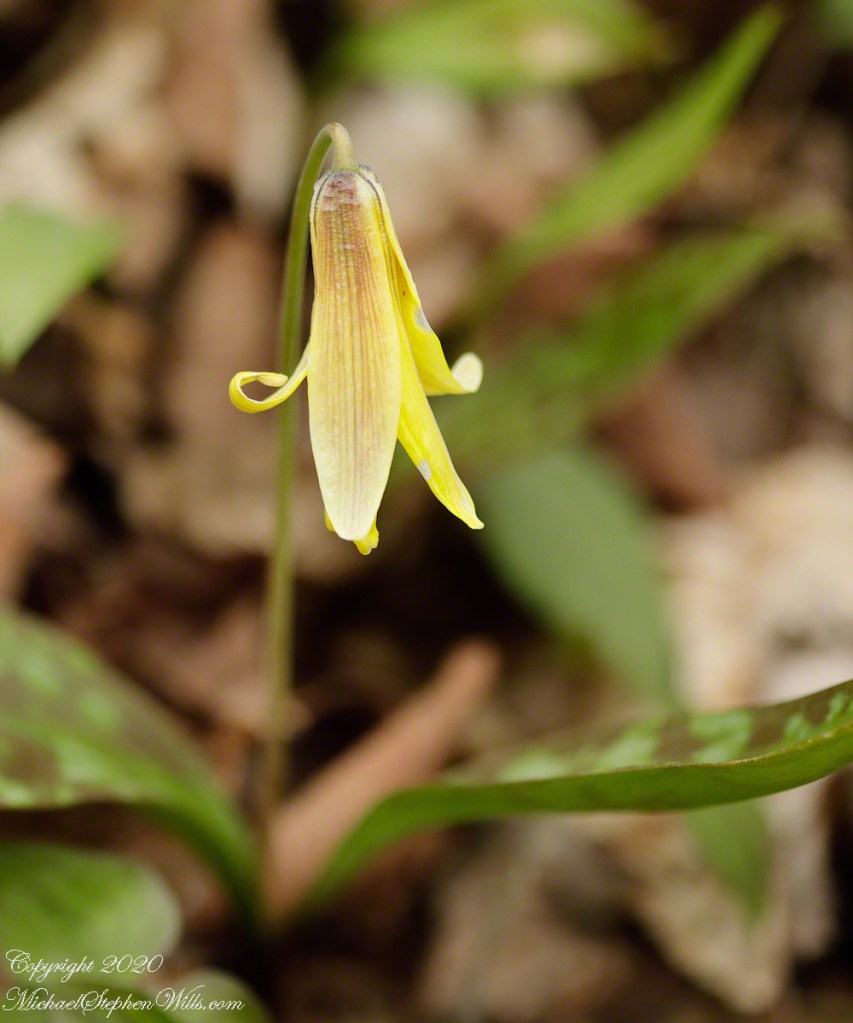
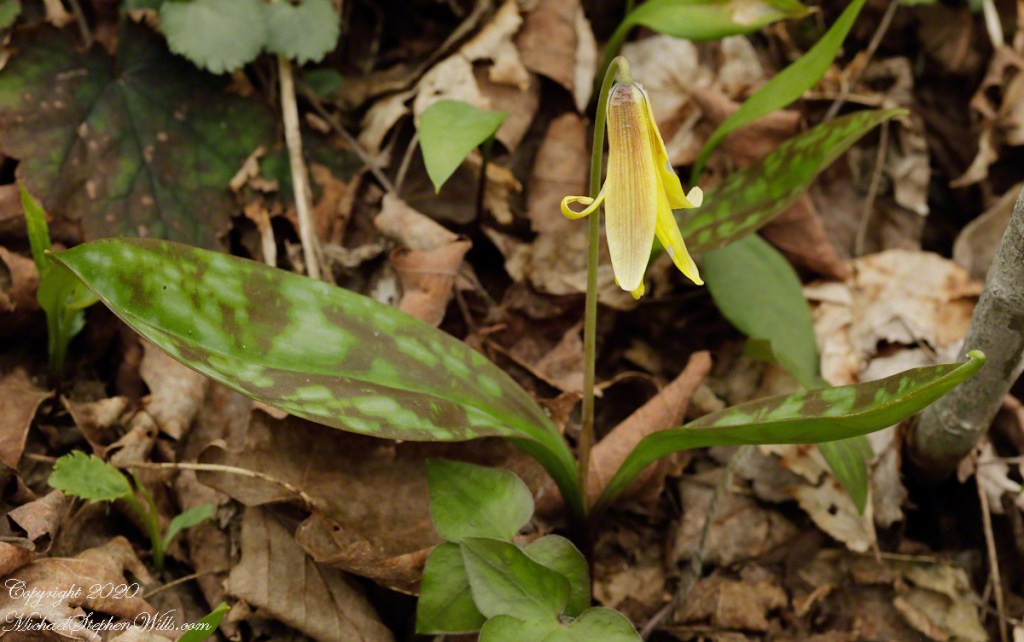
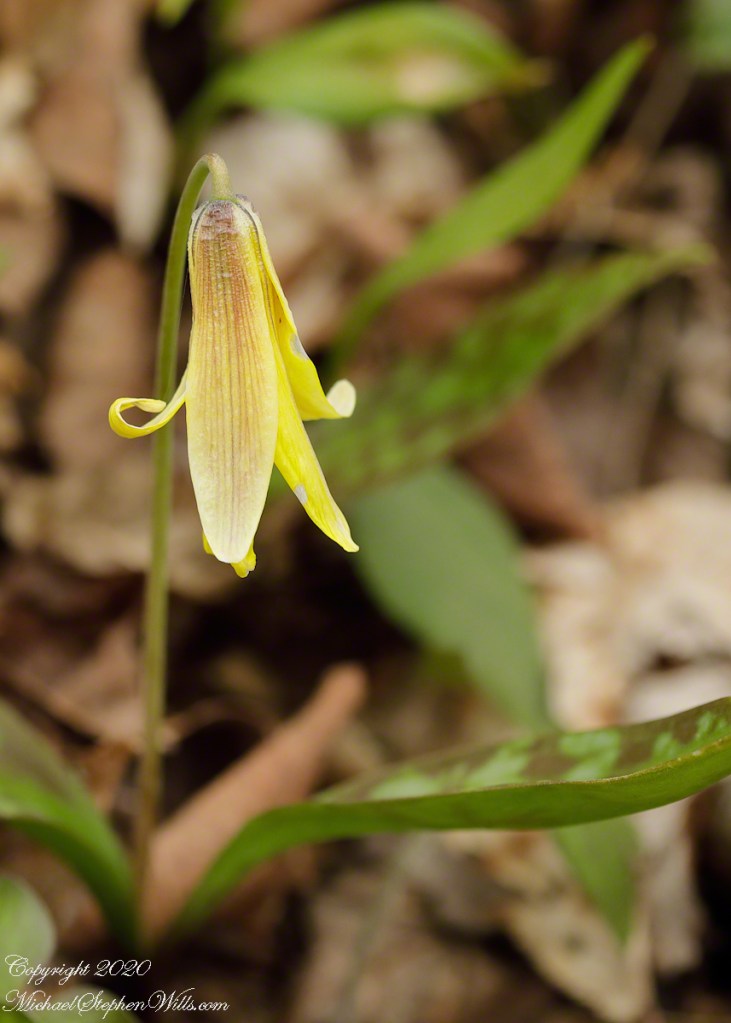
The Trout Lily (Erythronium americanum) is named for the mottled brown leaves resembling marking on trout.The Trout Lily (Erythronium americanum) is named for the mottled brown leaves resembling marking on trout.The Trout Lily (Erythronium americanum) is named for the mottled brown leaves resembling marking on trout.
Copyright 2020 All Rights Reserved Michael Stephen Wills







 Michael Stephen Wills Photography