A Serene Walk in Glendalough: Nature and History Unite

Find here a serene visit to Glendalough, highlighting the ancient beauty of its landscape, monastic history, and the deep sense of peace felt among the gravestones.

We arrived in Glendalough on a bright spring morning, a gentle breeze carrying the scent of grass and distant water. Even before stepping out of the car, I sensed something ancient in the air, as though the centuries themselves lay waiting among the stones. The peaks of the Wicklow Mountains rose around me, their slopes draped in verdant forests that whispered of forgotten tales. In the distance, shimmering like a secret, the Upper Lake beckoned under the watchful hush of rugged hillsides. I took a deep breath and started my wander.
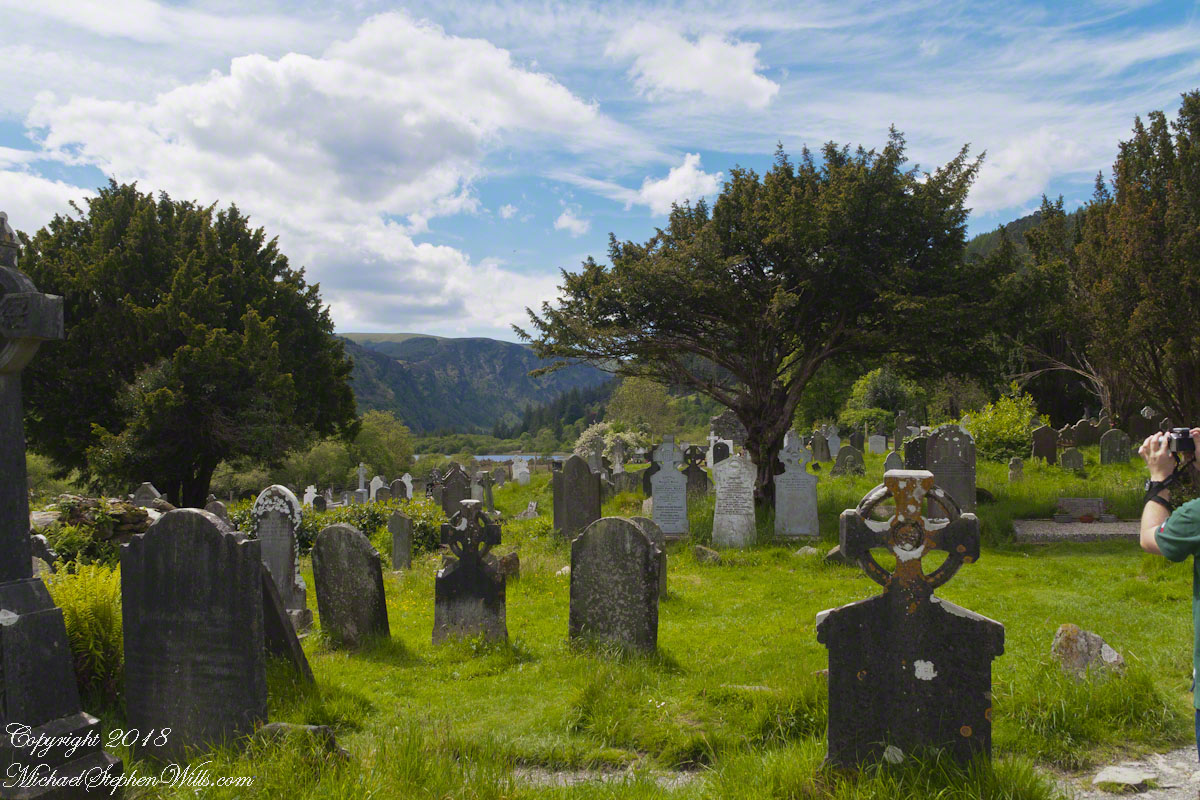
One of the lakes for which the valley is named, above the headstones in the mid-distance

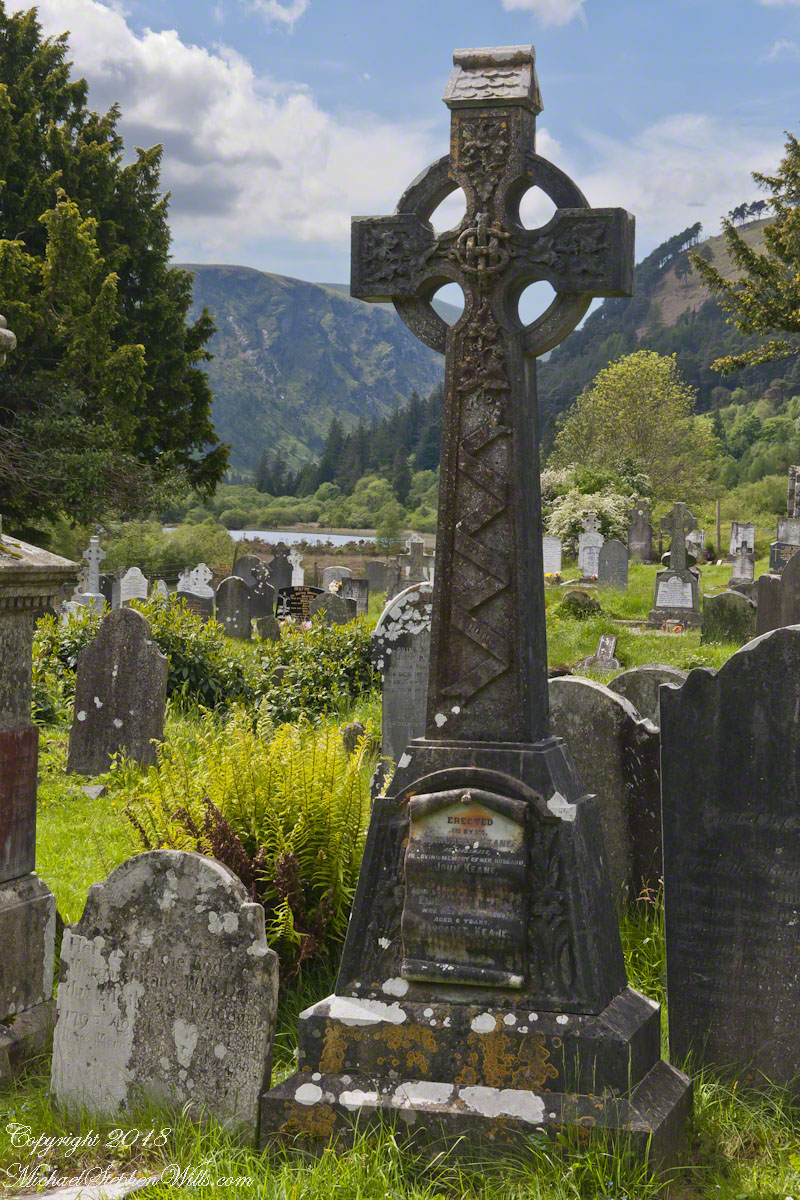
Walking through the monastic settlement, I felt enveloped by a hush both reverential and oddly comforting. The path led me to a cluster of gravestones leaning gently askew, each marked by Celtic crosses standing guard over the memory of those buried below. One cross, carved from sturdy stone, immediately drew my attention with its intricate knotwork etched deep into the surface. The front of it bore swirling designs reminiscent of interwoven vines—symbols of eternity, continuity, and faith. I found myself imagining centuries of pilgrims, each pausing here, hands gently resting on the weathered carvings, offering up their prayers and hopes.
Memorial from a mother to her 6 year old son and husband

A bit farther on, I came upon a small grouping of headstones bowed in silent unity. Ferns and moss carpeted the ground in bright greens, creating a natural tapestry that wove together life and memory. The slightly overgrown grass softened the entire landscape, allowing each stone to stand quietly yet firmly in the earth. From behind these markers, I caught my first glimpse of the shimmering lake, framed perfectly by the slopes of the valley. The water’s surface reflected the sky’s azure brilliance and accentuated the gentle hush that fell upon the graveyard like a comforting quilt.

As I paused to take a few photographs, I felt a hint of magic floating through the air—an indefinable sense that beyond what my eyes perceived, an age-old spirit thrived. The Celtic symbols on the headstones seemed alive, their swirling knots hinting at the cycle of life and death, the oneness of the world, and the bridging of earthly existence with the mystic realm. I found myself recalling old Irish legends: stories of saints who could converse with animals, of spirits dwelling in hidden glades, of holy wells that healed weary travelers. It felt as though those tales were all around me, wrapped in the tapestry of this timeless valley.

Looking out toward the remains of the stone church—its walls crumbled yet proud—my imagination conjured the chanting of monks, their voices echoing off the surrounding hills. The same forest that sheltered me now would have encircled them all those centuries ago, shifting from season to season. It was easy to picture them gathering by the lake’s edge, cups of cold, clear water cupped in their hands, or moving reverently among the graves of those who had come before them. Here, time seemed an illusion. The line between past and present faded as I stood among these enduring stones.

Winding paths of grass guided me to another section of the cemetery, where weathered inscriptions told the stories of families, lineages, and deep connections to the land. Some headstones were so old that the lettering had nearly eroded, but others still proudly bore legible names and dates. Names like Power, Byrne, and Keane were etched in memory, followed by poignant words of affection and devotion. The place felt both solemn and comforting at once—a harmonious interplay of remembrance, reverence, and the gentle pulse of nature.
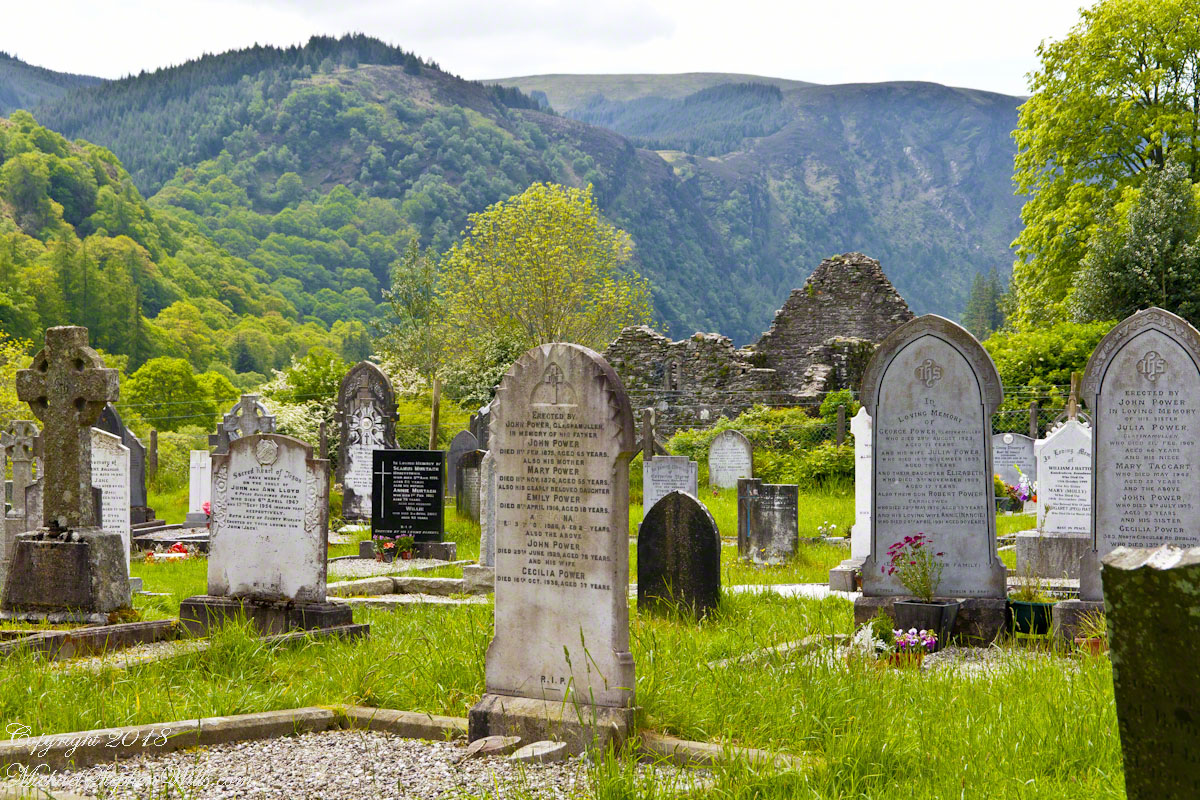
Valley walls are dramatic and steep

A sudden breeze rippled through the trees, setting the leaves to dance and carrying the lilt of birdsong across the valley. I turned to admire the view once more, and there, between towering yew trees, the lake glowed like a polished mirror. Soft clouds glided overhead in a pale blue sky. The entire scene seemed woven from a single, unbroken strand—mountain, forest, gravestone, lake, and sky merging in a spellbinding harmony. It was the kind of moment that invited awe, a moment in which to lose oneself and yet feel more fully found.

I left the cemetery with a deeper sense of peace than I had known in some time. The photographs I took may capture the beauty of Glendalough’s ancient crosses and serene landscape, but it’s the intangible hush of centuries and the gentle brush of magic that remain with me. With every step back toward the car, I felt the warmth of timelessness, and as the day’s golden light enveloped the stone monuments behind me, I carried away a tiny spark of the valley’s enchantment—a reminder that some places are truly touched by the divine.Look closely at the carved scroll at the foot of the cross.

For more background of this site, see my posting “The Cloigheach of Glendalough.”
Enter your email to receive notification of future postings. I will not sell or share your email address.

Saint Patrick’s Return to the Hill of Tara

The year 2000 AD return of Saint Patrick to the Hill of Tara. Happy Saint Patrick’s Day

To continue my posting “Climb Hill of Tara” my first submission of three Hill of Tara photographs to Getty Istock had two of the photographs returned for revision.

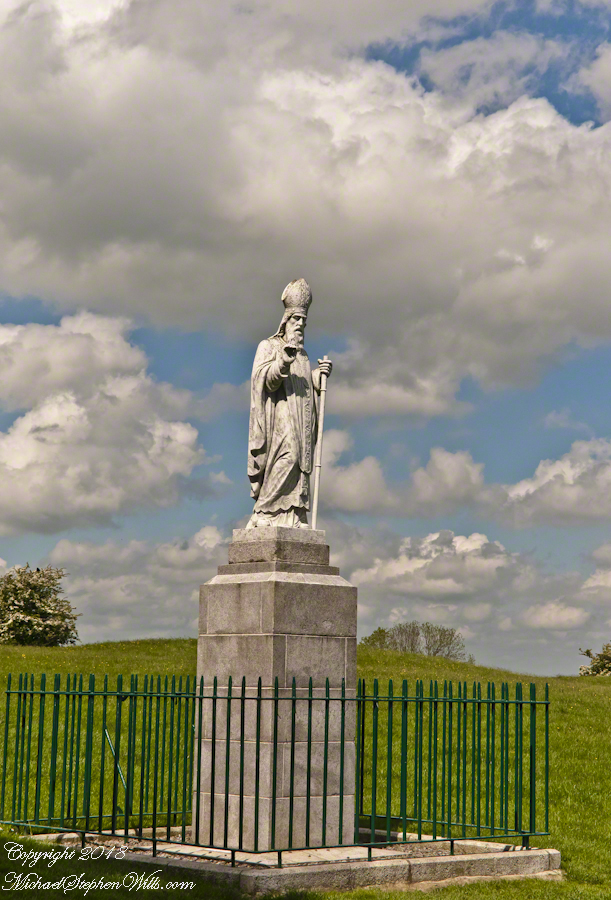
A statue of Saint Patrick fittingly welcomes visitors to the Hill of Tara, County Meath, Ireland. This statue of cast concrete was an existing statue donated by the Sisters of Charity, moved from an existing installation to the Hill of Tara in the year 2000 AD. The creator is anonymous, the is no plaque or other attribution on or around the statue.

The original statue was erected on the summit of the Hill of Tara shortly after Catholic emancipation in 1829, commemorated the events of 433AD when St. Patrick lit a bonfire on the nearby hill of Slane on the eve of Easter Sunday.

Lighting such a fire was contrary to the pagan laws of the time which dictated that the first fire lit that night be in Tara. Observing St. Patrick’s bonfire from afar, the chief druid of the ancient Gaelic capital predicted that if the flame were not extinguished that night, Christianity would never be extinguished in Ireland.
The saint’s bonfire continued burning and the next morning, Easter Sunday, St. Patrick entered Tara to convert the king and his followers to Christianity.

For the fenced statue of Saint Patrick the revieweR wrote:

Please provide a full description for the work of art featured in this image. Include the artist, date of creation, location, etc. Works of art created by someone other than yourself must be free of copyright protection to be considered. If this work of art is indeed under copyright protection, a property release signed by the copyright holder will need to be provided.

Hmmmm….What I do while capturing a photograph of a statue is take photos of any plaque, sign, whatever to acquire the name of the creator, how it came to be there, community connections. There was nothing around the statue nor the very informative Office of Public Works placards at the entrance.  I was proud to submit the statue photograph, as it turned out so well, and hoped for the best.

Last week, I put in a query to Ireland’s Office of Public Works (OPW), the agency responsible for the Hill of Tara, and did not receive a response when, for other queries, they were helpful.  This Saturday and Monday mornings, several hours of internet research revealed this history.

The original statue was placed on Tara sometime after the 1829 Catholic emancipation.  It was molded concrete, created by Thomas Curry of Navan at his own expense to honor the connection of Saint Patrick to Tara.

The OPW removed Curry’s statue 1992 for repair of a century of wear.  During the removal the statue was damaged beyond repair and, afterwards, was further damaged by vandals who decapitated and used it for target practice.

Initially, the OWP decided not to replace Saint Patrick citing the “pagan” nature of the place. After an angry meeting of local people at the Skryne Parish Hall.  In this meeting the local Rathfeigh Historical Society formed the “Committee to Restore St. Patrick to Tara.”  In turn, pressure was put on Michael D. Higgins, Minister for Arts, Culture and the Gaeltacht (and the OPW). It was decided a new statue was to be created, based on a competition, and instead of it former place at the hill summit (called Rath na Rí), it was to be near the entrance, outside the Interpretative Center, to offer a Céad Míle Fáilte to visitors and be seen on departure.

The outcome was the competition winner was rejected by locals.  The winning entry, by sculptor Annette Hennessy, did not follow competition rules that specified the statue incorporate traditional features to include shamrocks, harp, miter, a crozier and, perhaps, fleeing snakes. Hennessy’s design was of a shaven headed teenage boy in a short (“mini-skirt”) kilt, a handbag-shaped bell in hand.  She agreed hers was “not a traditional style statue” saying it “acknowledges our Pagan Celtic history.”

The rejection included a statement from Dr. Leo Curran, chairman of the Rathfeigh Historical Society, “We agreed that most of the monuments in Tara are from the pre-Christian era, but St. Patrick should be at the uppermost layer, representing Christian tradition extinguishing paganism.”

By this time, a new government and minister were in place.  The decision was made to search Ireland to find a suitable, existing, replacement statue.  By 2000 the present statue, donated by the Sisters of Charity, was in place at the Hill of Tara entrance.

At the end of this post I provide the two references from my internet research and from which many facts and all the quotes were used here.  I concluded the statue author was anonymous without copyright protection and submitted a revised image description, attaching a copy of my research.

What happened to my IStock photograph of Saint Patrick on the Hill of Tara? Getty accepted my application, published the photo and it is one of my top downloads, and earners.

Please browse my reasonably priced stock photography.  License a photograph, download and use it for your website or blog.  Click this link to browse all my Getty IStock Photography offerings.

Or click this link or any photograph or this link to select a print with custom framing from my “Ireland” Fine Art Gallery.

References :
“Should St Patrick stand again on Tara?” Independent, Dublin, Ireland March 17, 1999.
“Statue of Saint Patrick”, Meath Roots web site. The page includes photograph of the Thomas Curry statue.

Copyright 2024 Michael Stephen Wills All Rights Reserved

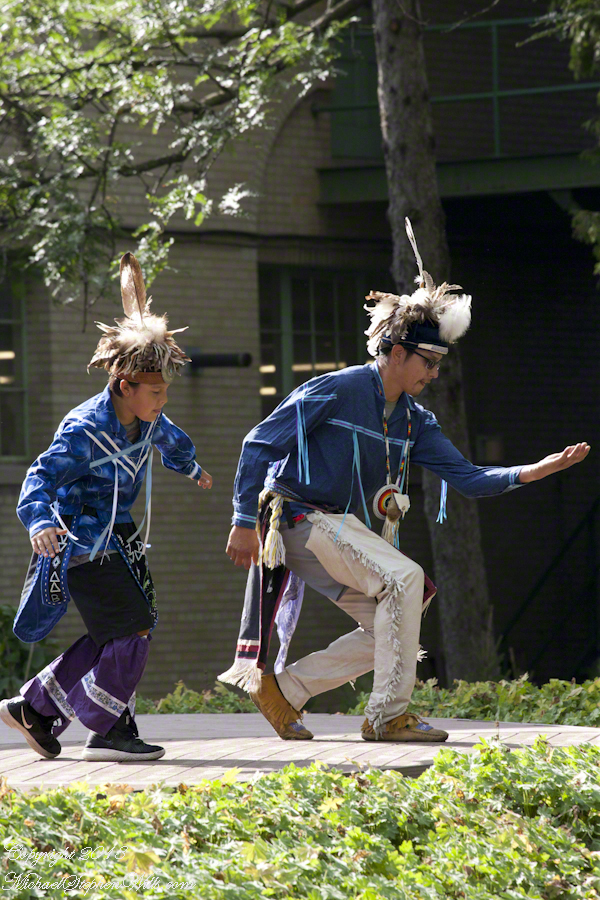
Native American Dance Demonstration

A native American village among the crowds

Continue reading “Native American Dance Demonstration”

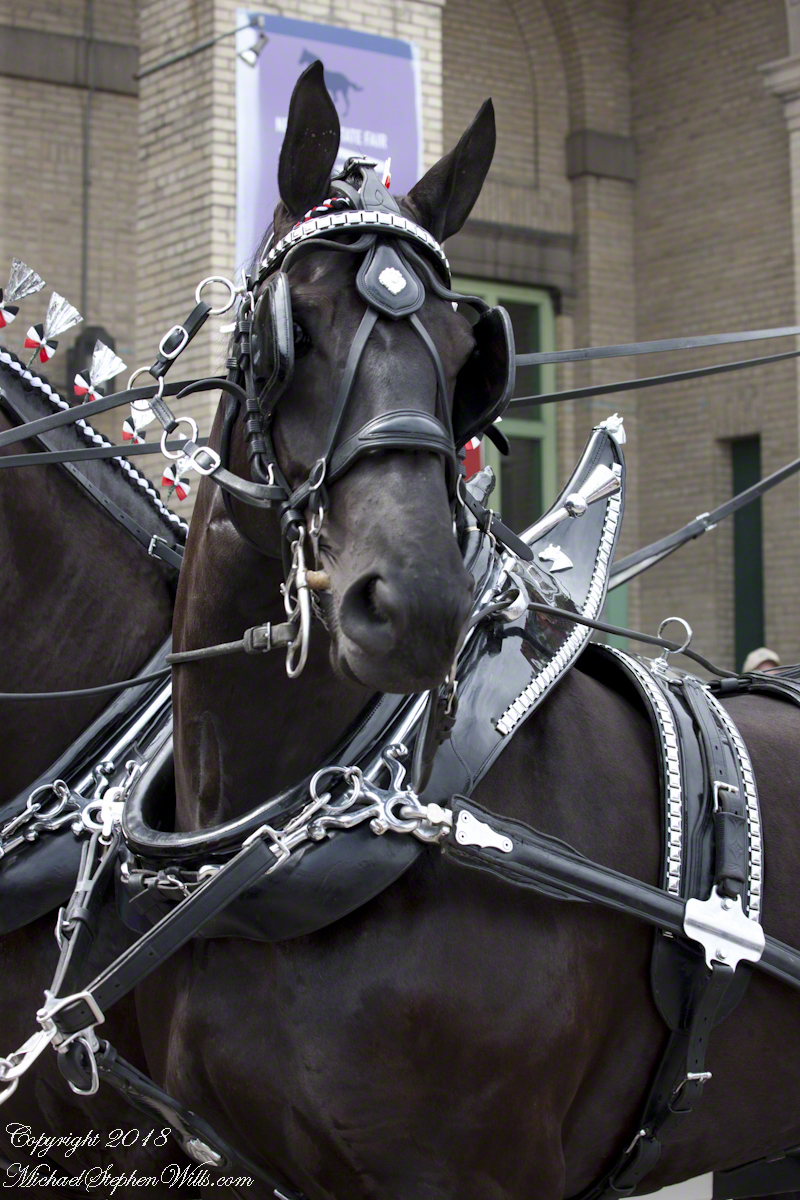
New York State Fair Four (4) Horse Hitch Competition

Enter to enjoy up-close portraits of the teams with competition action shots.

Continue reading “New York State Fair Four (4) Horse Hitch Competition”

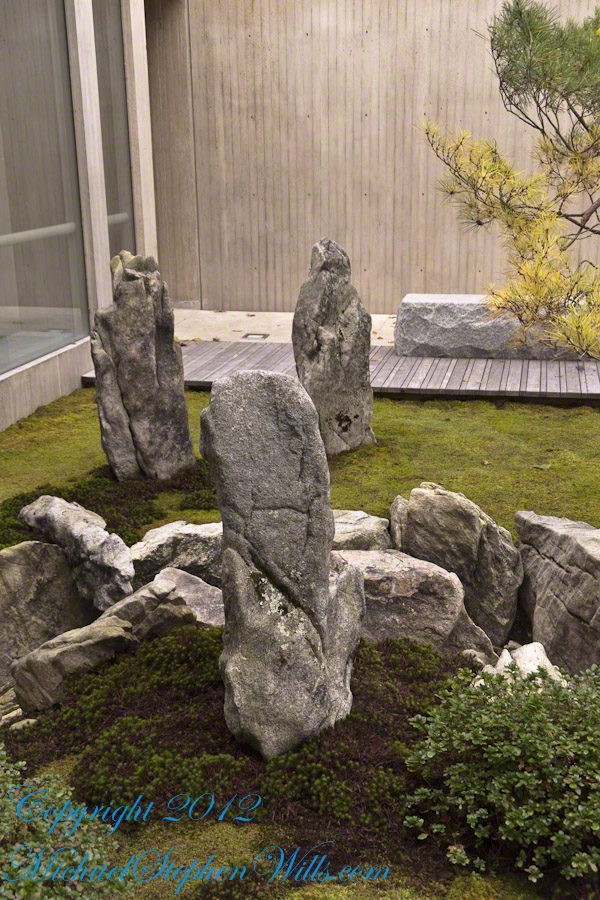
The Three Laughers of Tiger Glen

The Sound of Laughter Among Friends

In the midst of a pine forest

Continue reading “The Three Laughers of Tiger Glen”

History and Ghosts of the Triangle T Ranch

1975 University of Arizona alumnus recounts annual homecoming trips and an encounter with a haunted ranch.

In my Homecoming Parade 2003, I described my initial reconnection with the University of Arizona (U of A) as a 1975 graduate and alumnus.  This personal project of involvement with U of A and Arizona continued through 2011 with annual autumn trips to coincide with Homecoming.  The travel was as a CALS (College of Agriculture and Life Sciences) Alumni Board of Directors member, a primary responsibility was raising funds for scholarships.

I met, Linda Kelly, the owner of the Triangle T Guest Ranch, while camping in the Chiricahua Mountains.  I arrived a week before homecoming to photograph the landscape, nature and rock formations of the Chiricahua National Monument.  Click this link for my Arizona Online gallery, including some work from that time.  Linda and a friend were visiting that day and we struck up a conversation about the area and her Triangle T Guest ranch.  The next day I was scheduled to guest lecture a class at the U of A, as an alumnus of CALS.  The ranch was on the way and I needed a place to stay, so Linda gave me directions and I checked in.

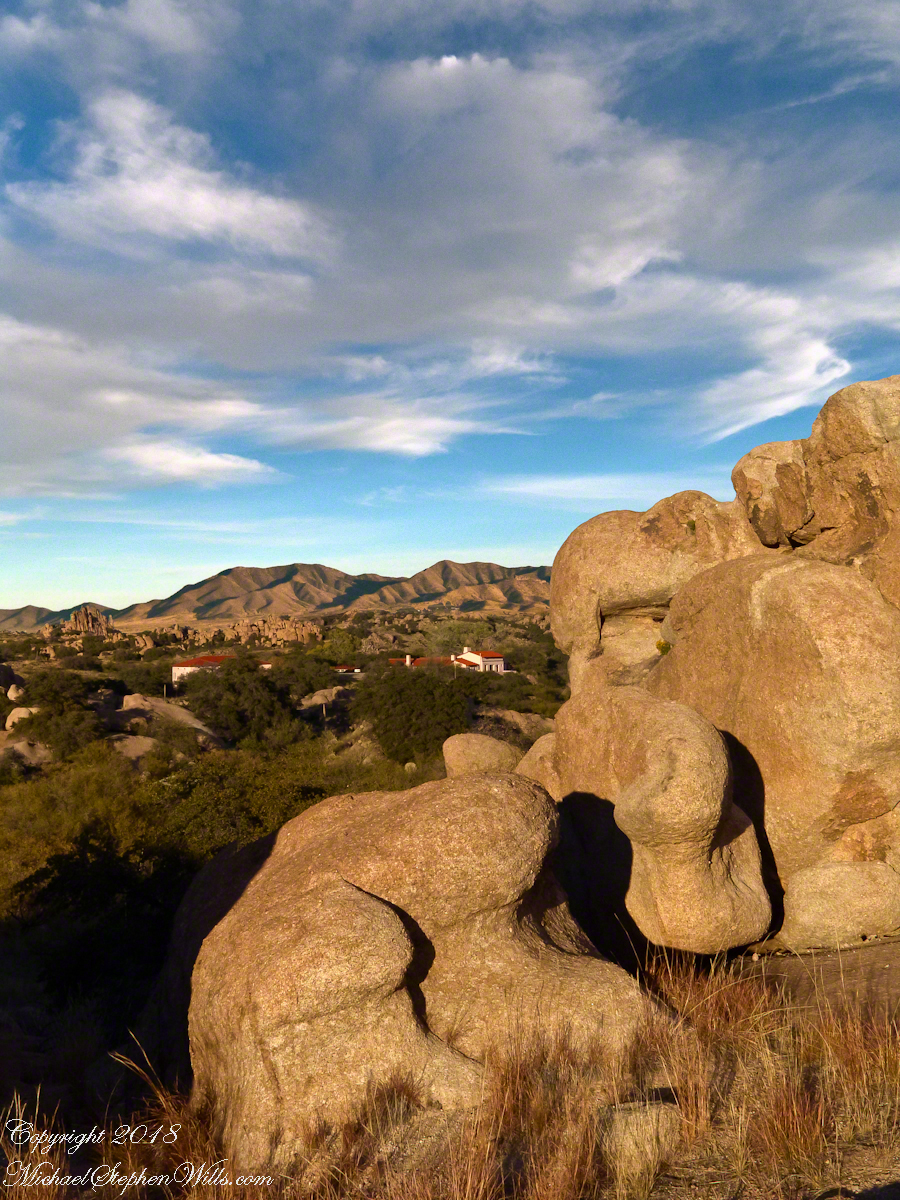
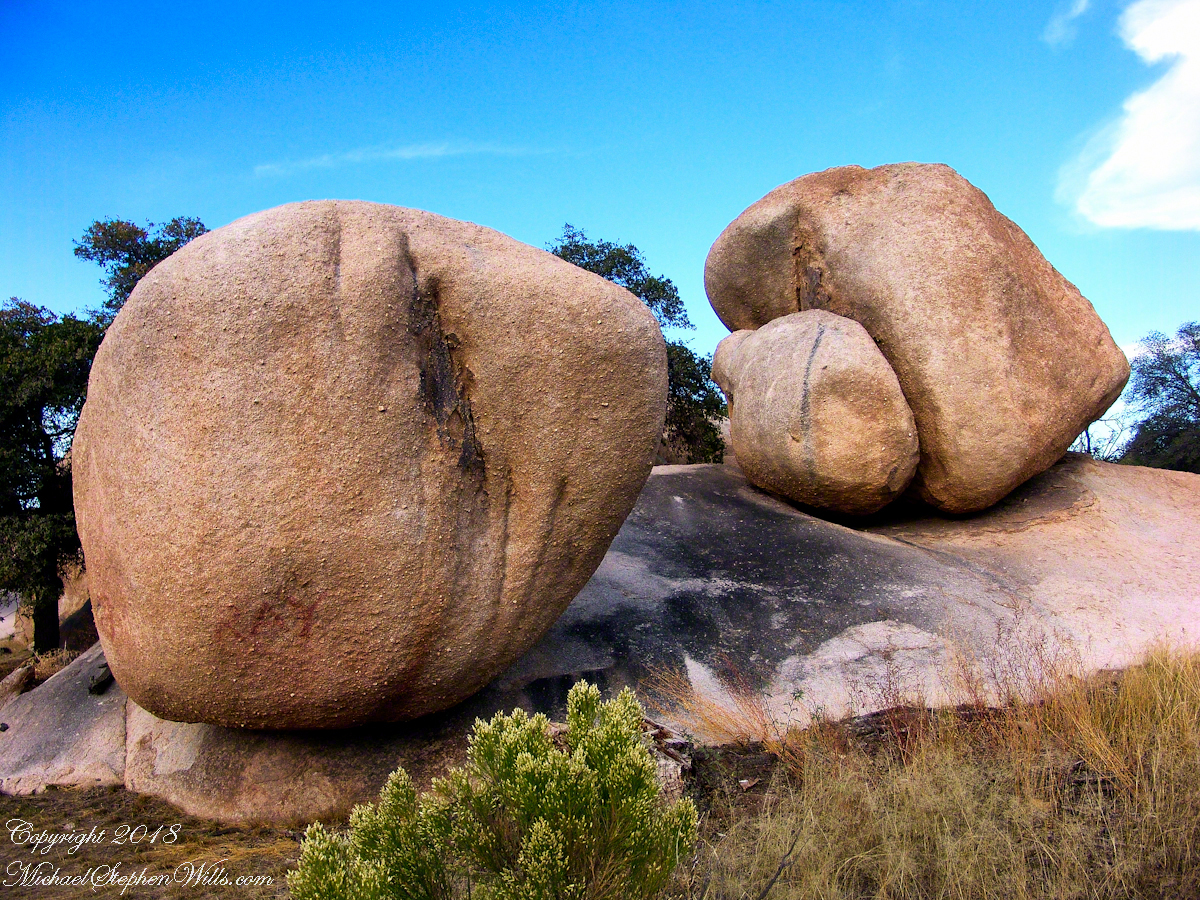
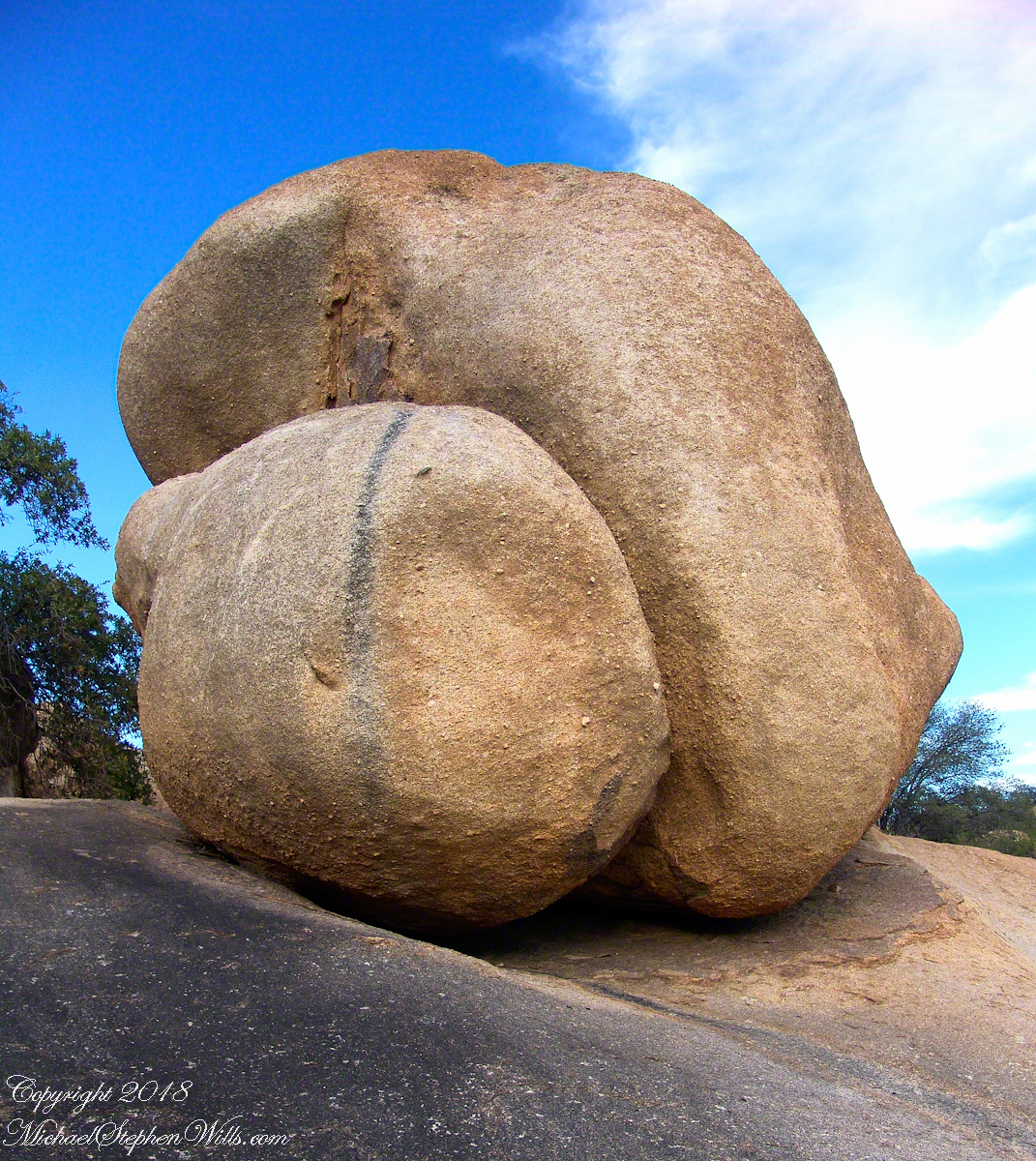
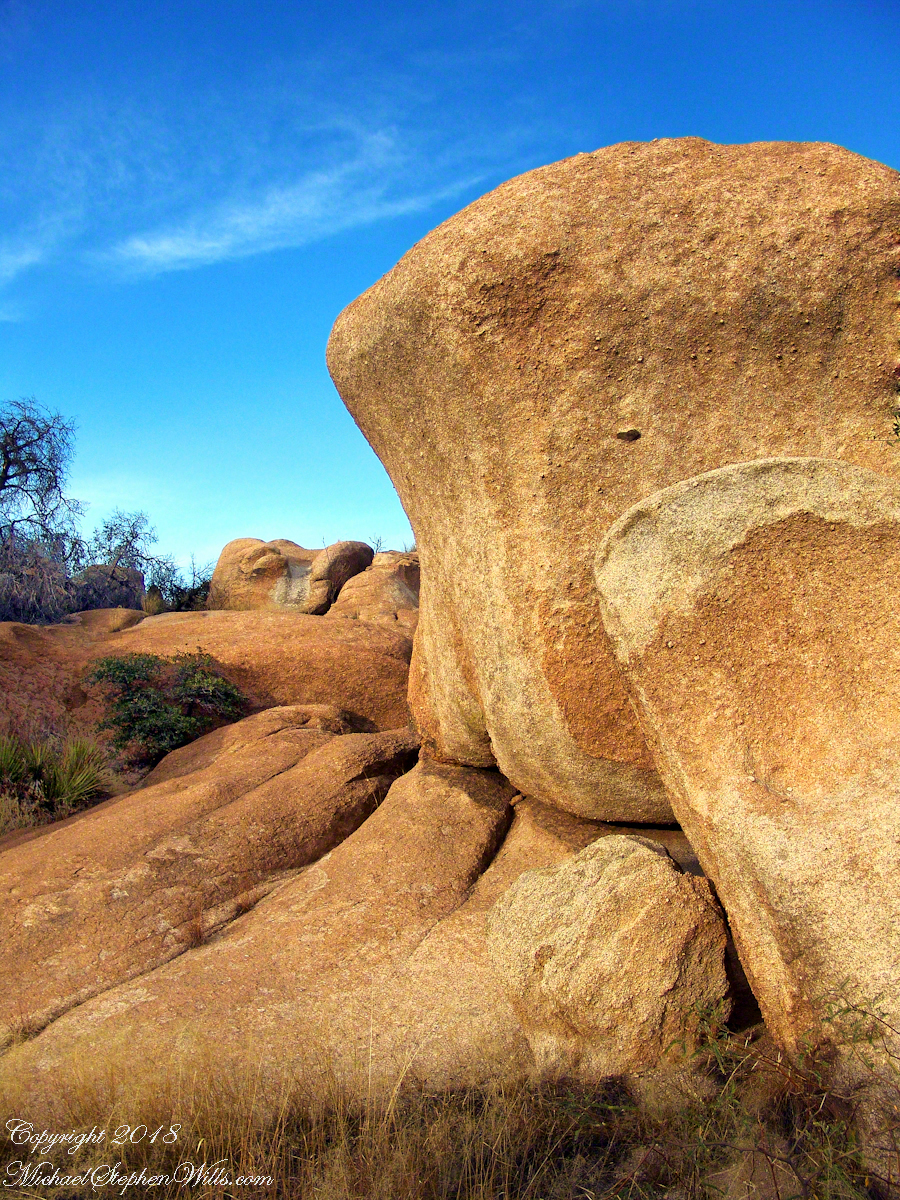
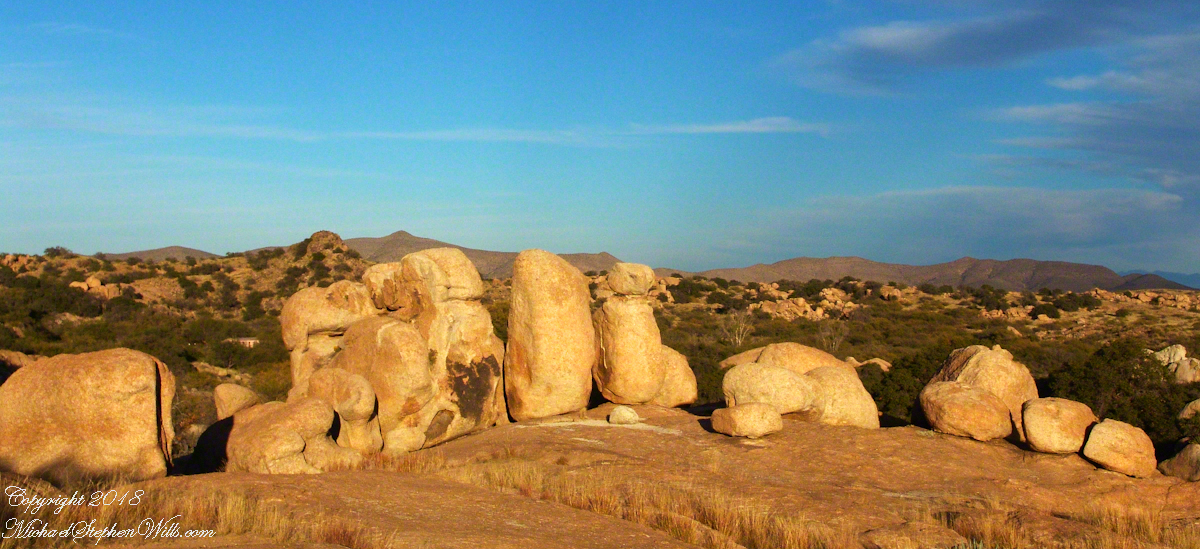
She gave me a tour of the incredible weather granite rock formations of Texas Canyon and, meanwhile, shared stories of the history of Texas Canyon.  It is appropriate for the Amerind Foundation to be here (see first photograph), the winter camp of an Apache tribe for generations.

Weathered granite boulders greet visitors to the Triangle T Ranch.

That night, my request was for a room storied to be haunted by a spirit they call “Grandma,” as in when her footsteps wake you from a sound sleep you say, “It’s all right, Grandmother.”  She woke me that night, footsteps in the dark, hollow on the wood floor, the room filled with a hard cold.  I talked to her, without a response, while swinging my legs out of bed to reach the gas heater in the wall.  I turned on the heat and the sound of expanding metal heat fins lulled me to sleep.

It made a good story for the students.  They were surprised I could fall back asleep, but after all I had to be there the following morning.

I gave Linda a few of my photographs from that day and we made arrangements for the Triangle T to supply a two night package for the CALS “Dean’s Almost World Famous Burrito Breakfast” silent auction during 2008 homecoming.

Copyright 2023 Michael Stephen Wills All Rights Reserved

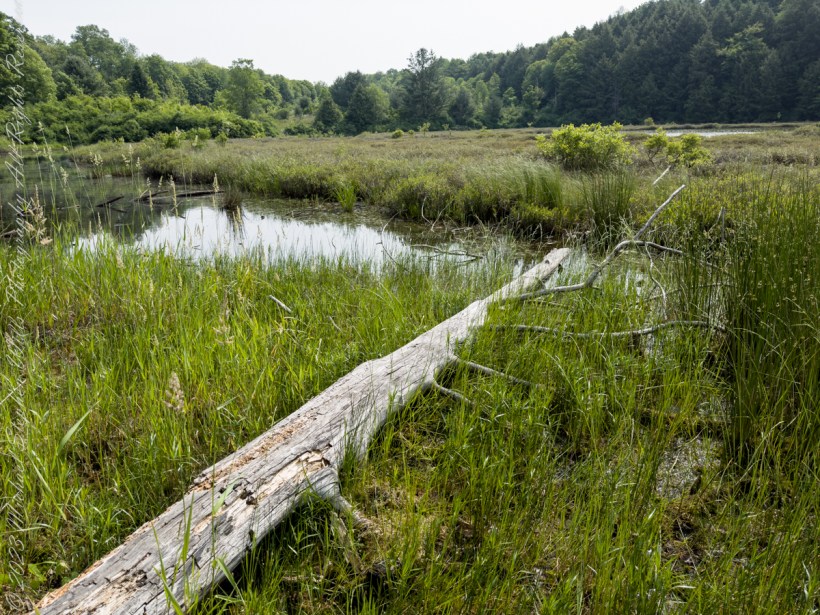
Visiting a Bog

Chicago Bog, part of Lime Hollow Nature Center

The grandchildren and I hiked the 0.6 mile trail through old growth forest to visit a bog. In the 1830’s there was a village named Chicago along Gracie Road, which gives it the name we have today. The Chicago Bog is home to many carnivorous plants, including sundew, the pitcher plant, and more. The deepest depth of the bog is about 7.2 ft. The bog is along the Phillips Memorial Trail, which can be found on Gracie Road. Lime Hollow Nature Center, Cortland, New York.

Listen to the Wood Thrush and other bird song in this short video.

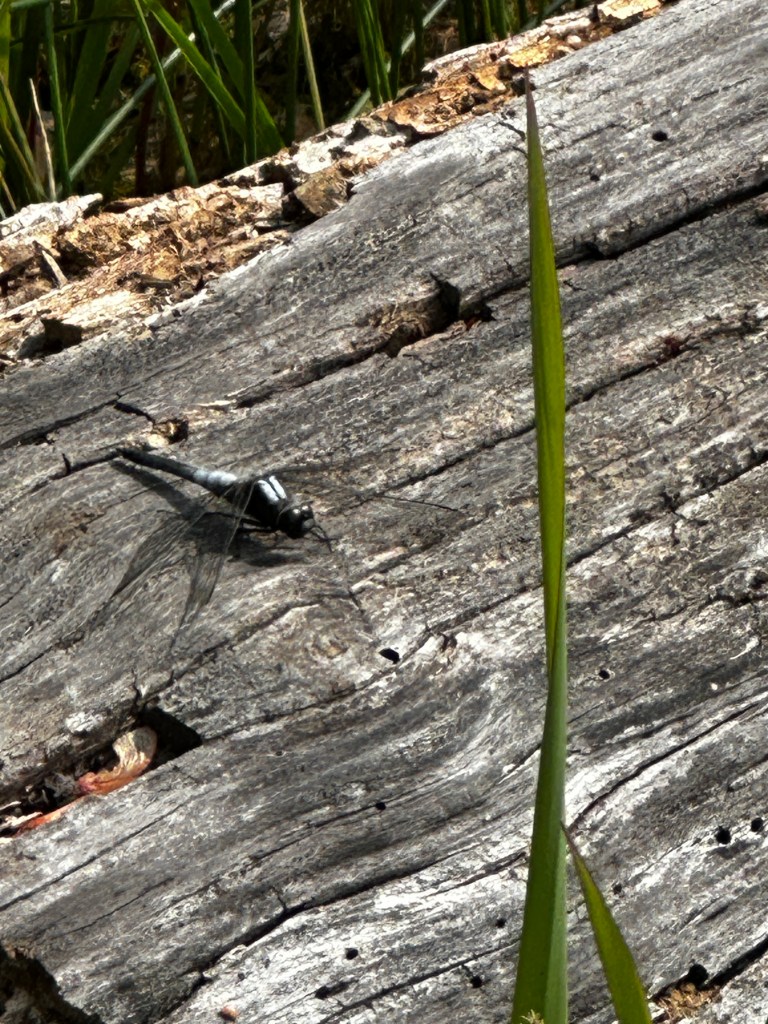
A dragonfly landed on the log, in the above images, lying at my feet. This male Chalk-fronted Corporal (Ladona julia) is a skimmer dragonfly found in the northern United States and southern Canada.

Chalk-fronted corporal dragonfly

Juveniles of both sexes are light reddish brown, with white shoulder stripes and a black stripe down the middle of the abdomen. As they mature, males develop a white pruinescence on the top of the thorax and at the base of the abdomen, while the rest of the abdomen turns black. Females become almost uniformly dark brown, with a dusting of gray pruinescence near the base of the abdomen; a few develop the same color pattern as the males.

Chalk-fronted corporals often perch horizontally on the ground or on floating objects in the water as you can see it doing here. They are gregarious for dragonflies and are commonly seen perching in groups. They readily approach humans to feed on the mosquitoes and biting flies that humans attract.

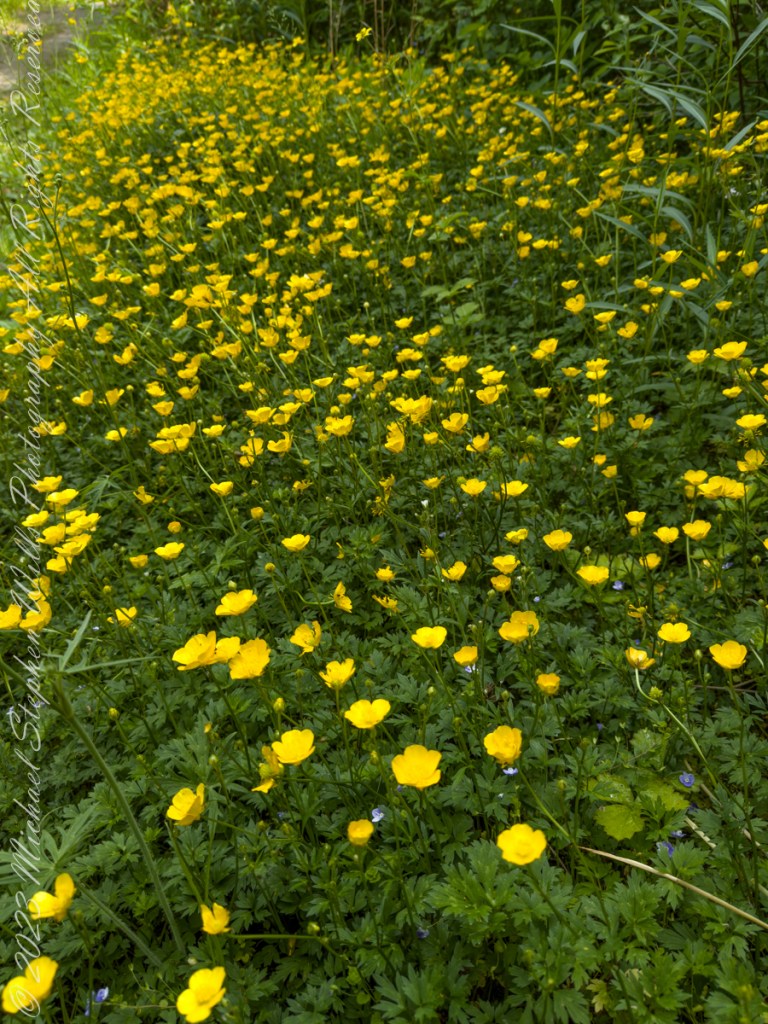
We noticed a large patch of buttercups growing in a sunny patch along the trail. Petals of these buttercups are highly lustrous owing to a special coloration mechanism: the petal’s upper surface is very smooth causing a mirror-like reflection. The flash aids in attracting pollinating insects and temperature regulation of the flower’s reproductive organs.

Click me for “Celestial Geese with two haiku by Issa”.

Copyright 2023 Michael Stephen Wills All Rights Reserved

Long Island Sakura (Cherry Blossoms)

Clouds of Blossoms

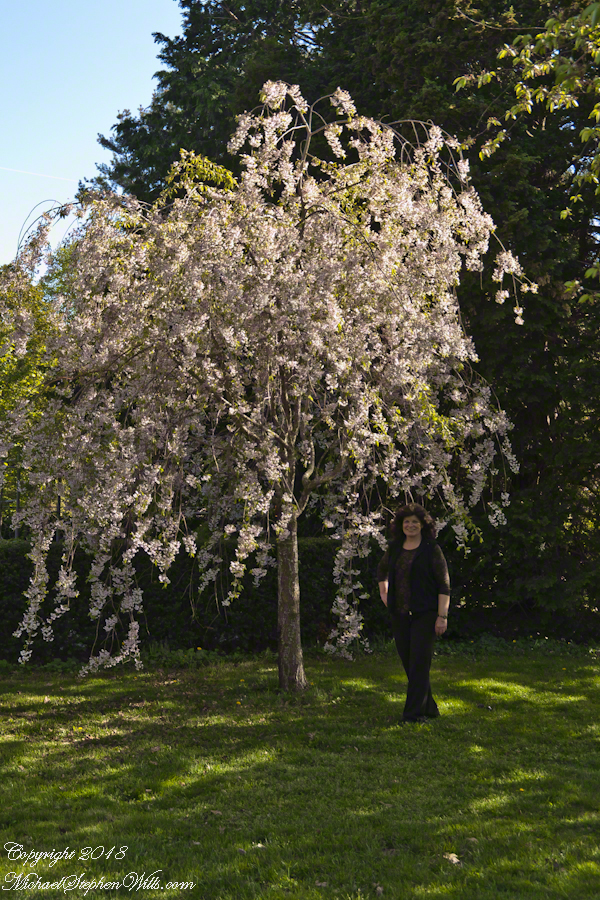
A Japanese flowering cherry tree in bloom on an early May day. Called a Shirofugen (Secientific name: Prunue serrulata, of the Rosaceae family this is the species planted around National Tidal Basin, Washington D.C. and around which the National Cherry Blossom Festival is celebrated commemorating the 1912 gift of Prunus serrulata Japanese cherry trees from Tokyo to the city of Washington.

The tree over Pam is called a Shirofugen (Scientific name: Prunus serrulata, of the Rosaceae family) and is one species planted around National Tidal Basin, Washington D.C. Shirofugen blossoms are described “Flowers double, deep pink at first, fading to pale pink.”


Click any photograph for my Getty portfolio.Pam with a Shirofugen Flowering Cherry in bloom – CLICK ME for my Getty Portfolio.

In Japan, since the 8th century, “Hanami” is the centuries-old practice of picnicking under a blooming sakura or ume tree. Here in the United States, the National Cherry Blossom Festival is celebrated commemorating the 1912 gift of Prunus serrulata Japanese cherry trees from Tokyo to the city of Washington.

Traditionally cherry blossoms remind the Japanese of clouds, the blooms come out en mass, the tree changes shape with the breeze.  Viewing sakura brings to mind thoughts of the transience of existence, the fragility and transience of the exquisite blooms leads one to appreciate the moment.  The following photograph of Pam was taken a month before my Mother’s sudden decline and passing in 2013.  We’d travel to Long Island several times a year to visit her, then take in familiar sights.

Growing up, our family visited the Planting Fields, a state park, several times in the spring and summer. As an adult with a growing family in Glen Cove, right around the corner, the Planting Fields were a welcome outing and visited several time times a year. The following photograph, taken that same May 2013 day, was a favorite park scene.

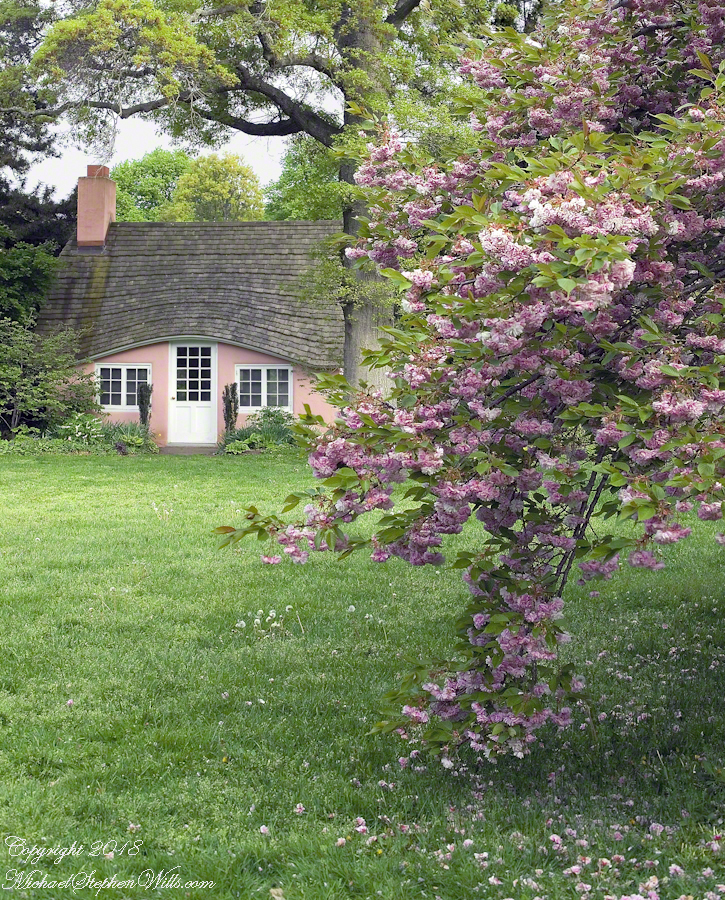
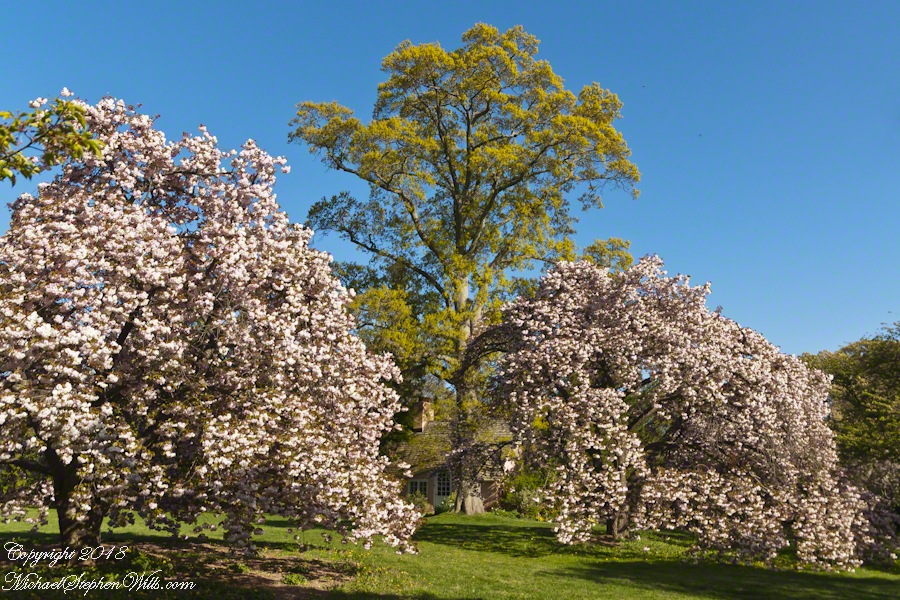
The two flowering cherry trees in the foreground are a type of Japanese sakura called Yoshino, one the most popular flowering cherries in temperate climates worldwide. All Yoshinos are clones from a single grafting and propagated throughout the world. The scientific name outlines the cross breeding of this variety, Prunus X Yeaoensis. Behind the cherries is an Oak tree, new leaves a bright green, and a pink child’s playhouse cottage.

A changing scene of the park is the now frequent visits by wedding parties and photographers, groups of Asian people, the bride and groom posing under the clouds of blossoms. By frequent I mean a steady stream, one after the other, when the blossoms are full.

Click any photograph for my Getty portfolio.Playhouse with Flowering Cherry and Oak trees – CLICK ME for my Getty Portfolio.

In 2007 I spent hours framing and capturing the following photograph on a Saturday, the day before Mother’s Day, during a visit to my Mother, who was widowed December, 1995. I used an inexpensive tripod, a Kodak DCS Pro slr/c camera body with the Canon 50mm f 1.4 USM lens, a UV filter and lots of time. There were no interruptions that day, at 5:30 pm I had the area to myself.

This child’s garden playhouse, framed by an ancient oak, pink Japanese cherry blossoms and gracious lawn was awarded a Photographic Society of American, Pictorial Print Division, Print of the Month award, published in the society magazine for that month.

Click any photograph for my Getty portfolio.Playhouse – CLICK ME for my Getty Portfolio.

Please browse my reasonably priced stock photography.  License a photograph, download and use it for your website or blog.  Click this link to browse all my Getty IStock Photography offerings.

Or click this link to purchase a print of “Playhouse” with optional custom framing from my Fine Art Gallery.

Copyright 2023 Michael Stephen Wills All Rights Reserved

Bench Sitting Nature Watch

a monarch in steady progress south

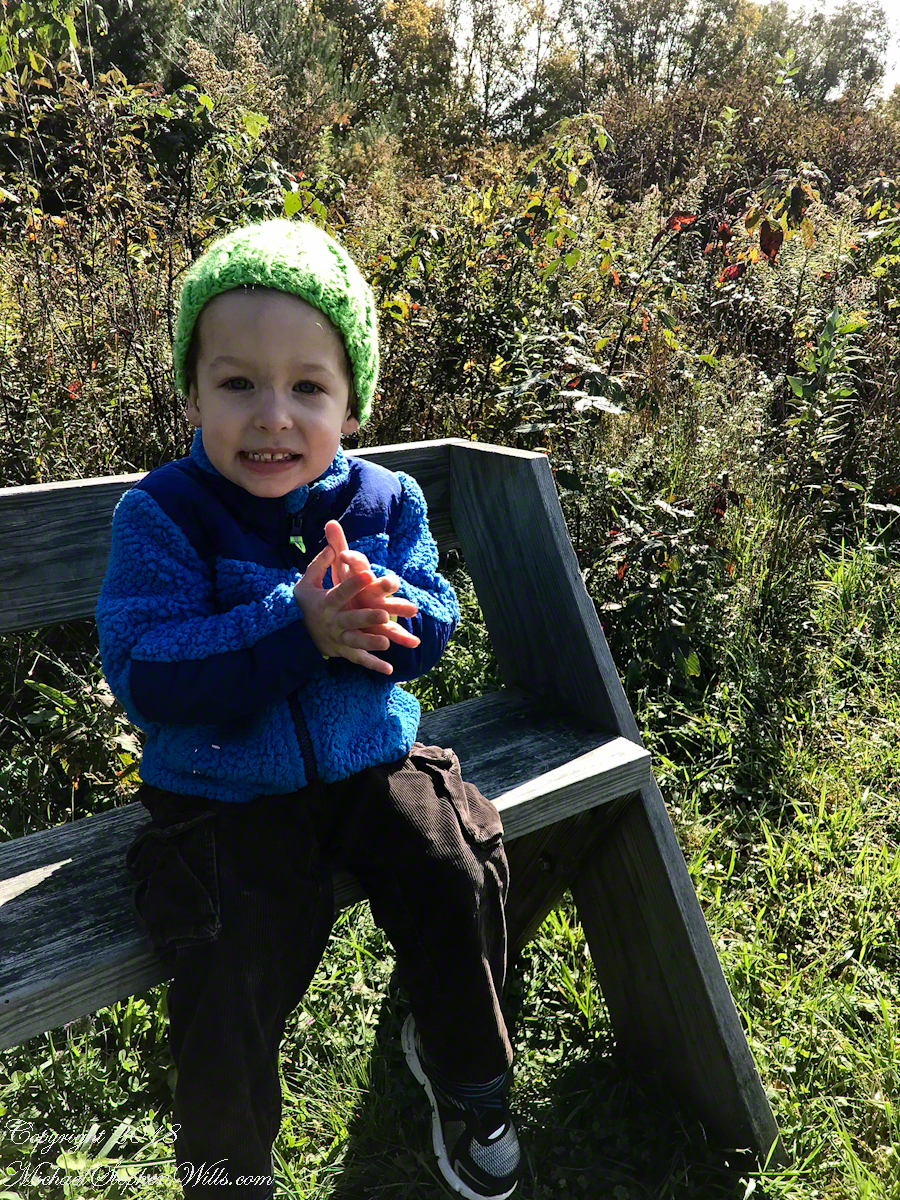
On a sunny autumn morning we set out, my soon to be three grandson Sam and I, to the Lime Hollow Nature Center near Cortland for an adventure.  For the first time I brought a newly purchased iPhone 7 instead of the usual slr camera.  The phone can be carried in a pocket and is simpler to us, to allow me to give full attention to Sam.

WillsSamuelJackBenchsitting20181014-1

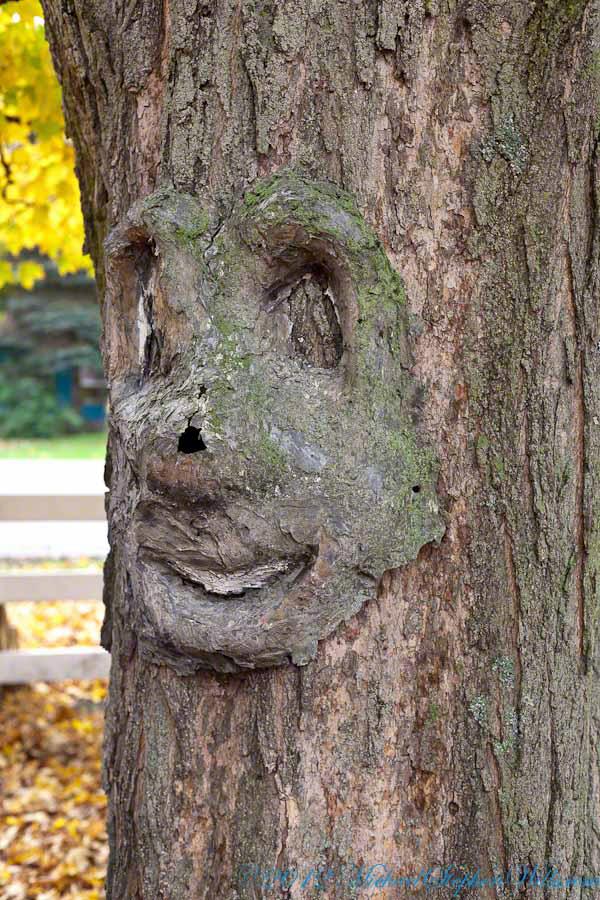
At the start is a large, today sunlit, field with an “art trail.”  There are various anthropomorphic transformations on the trees and a very large sculpture of a blue face.  Here is a tree from another place near here, to give you an idea.

PumpkinFarmTreeFace2012

I do not point out the tree faces to Sam.  His Mom likes to say he enjoys being frightened and, when the blue face came into view, he turned back and said, “home.”  Sam was mildly anxious, so I carried him and tried to turn him up the trail away from the face.  He turned to keep an eye on it while I assured him it could not move.  This and a climb up a 230 foot hill were the only times he didn’t walk the half mile to a open grassy knoll with a bench.

WillsSamuelJackBenchsitting20181014-2

There we sat for 30 minutes, still and watching, Sam and I talked about our sightings:
1. The sunlit sky of clouds, from a milky blue towards the north to, overhead, a bright robins egg blue.
2. A circling hawk, shadow crossing over us.
3. One blue jay in a maple turning red, loudly calling over and over.
4. A little while after a second jay, landing in a tree turned yellow, drawn in and giving answer.
5. A monarch butterfly’s steady progress south. Such a strong gliding path.
6. A yellow butterfly who did not leave us, fluttering round and round.
7. Four honking Canadian geese flying north east, turned to check out a nearby pond, the returned to the original heading.
8. The sound of wind through the trees, listening to the sound made by each tree.
9. The late season golden rod, now dried gray.
10. A distant chittering red squirrel.
11. Distant peeper frogs in the swamps at the foot of the hill.

Sam did not want to leave the bench, eventually we headed on to the pond the geese checked out.

WillsSamuelJackBenchsitting20181014-3

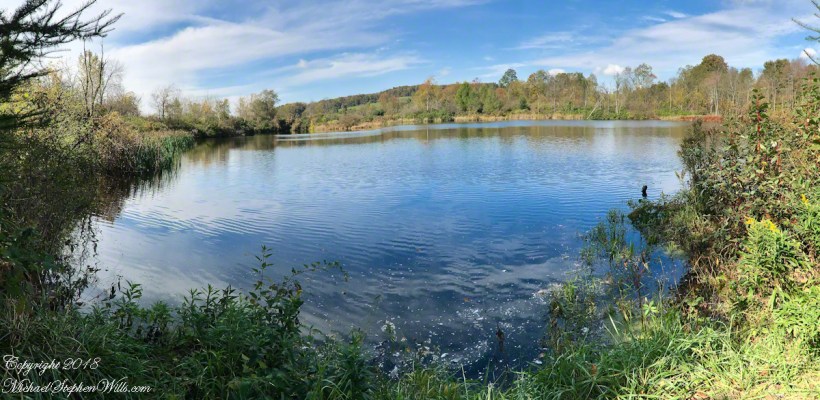
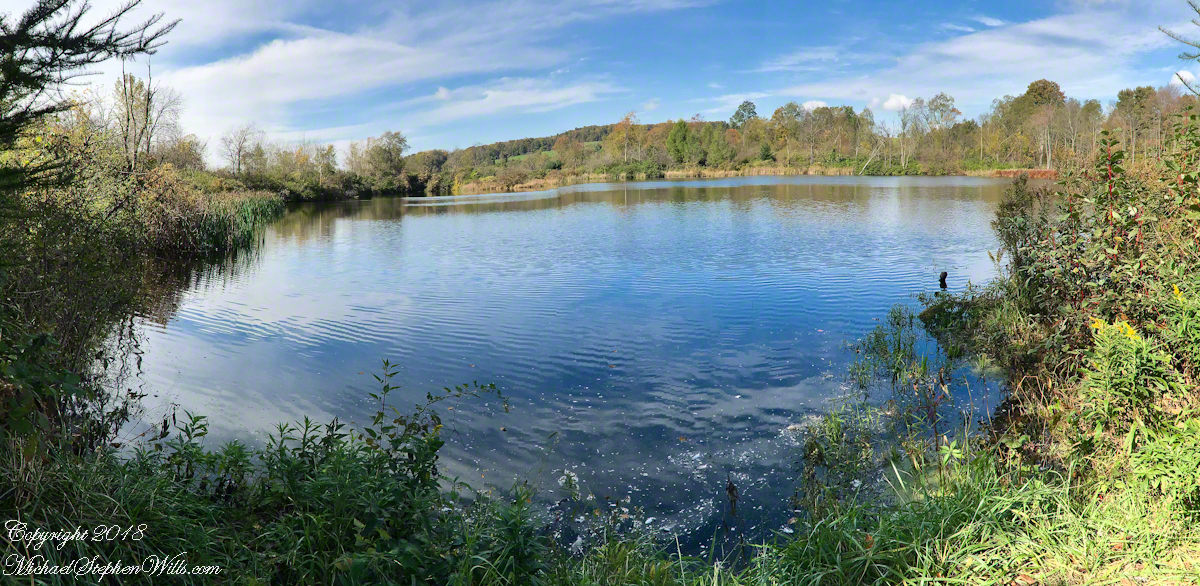
I used the “panoramic” feature of the iPhone 7 for this shot. On the hill we were sheltered by trees and bushes from the steady northeast wind. Here, on a bench by the pond, that direction was open to the wind. The sun kept us warm. It was clear why the geese did not land, the water surface was deserted, filled only by rippling wind driven waves.

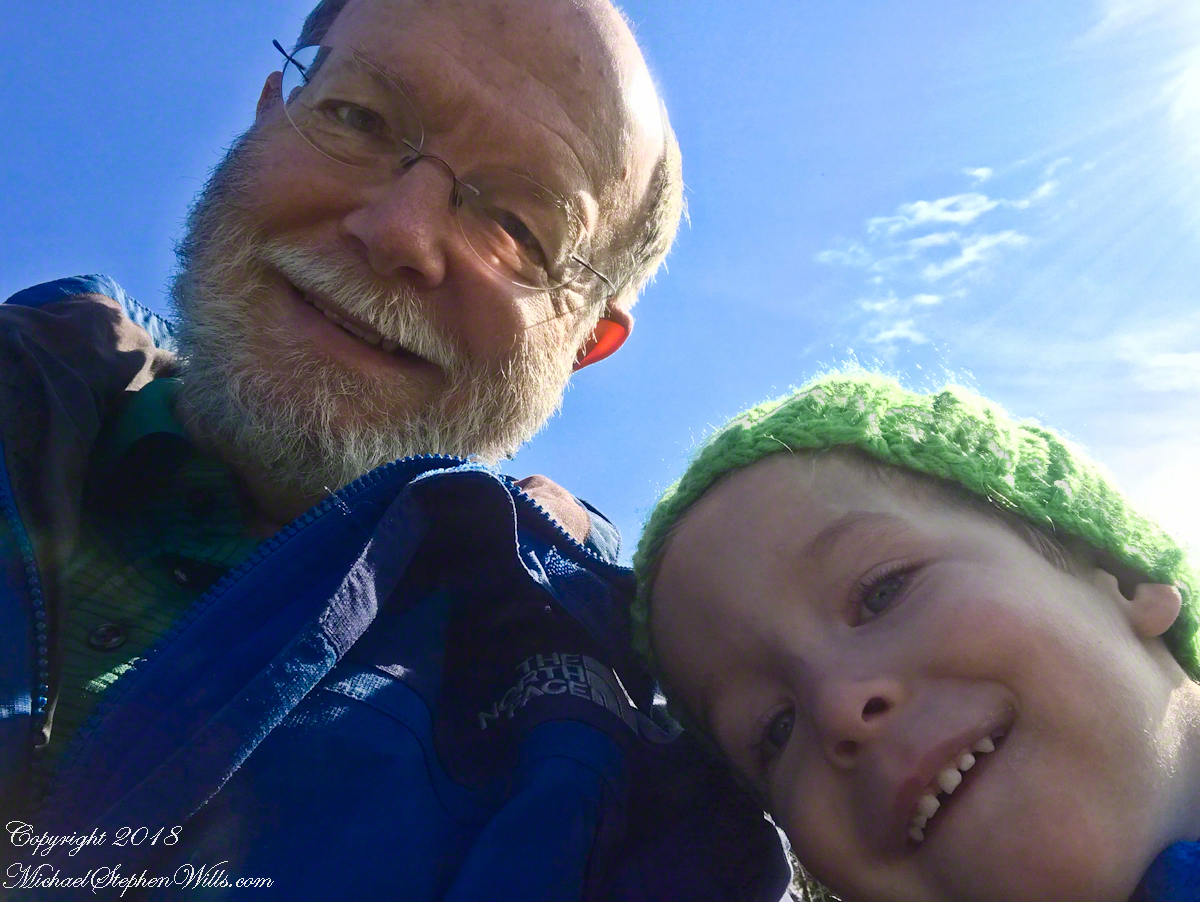
On our walk back we sat on a bench on the edge of the art trail field, the blue face out of sight. A woman, the only other person encountered, emerged from one of the trails cut from the brush, camera in hand. She was collecting images for a Cortland Historical Society publication and asked to take our photograph. “OK,”, I said and gave the story of living here for 25 years in the house on Fall Creek where my son’s family lives now. She replied, “My daughter is in San Francisco. We don’t know who will have our house when we are gone.”

Click me for “Celestial Geese with two haiku by Issa”.

Copyright 2022 Michael Stephen Wills All Rights Reserved

Cocoa Beach Kite Skating

Kiteskaters and Cruise Ships

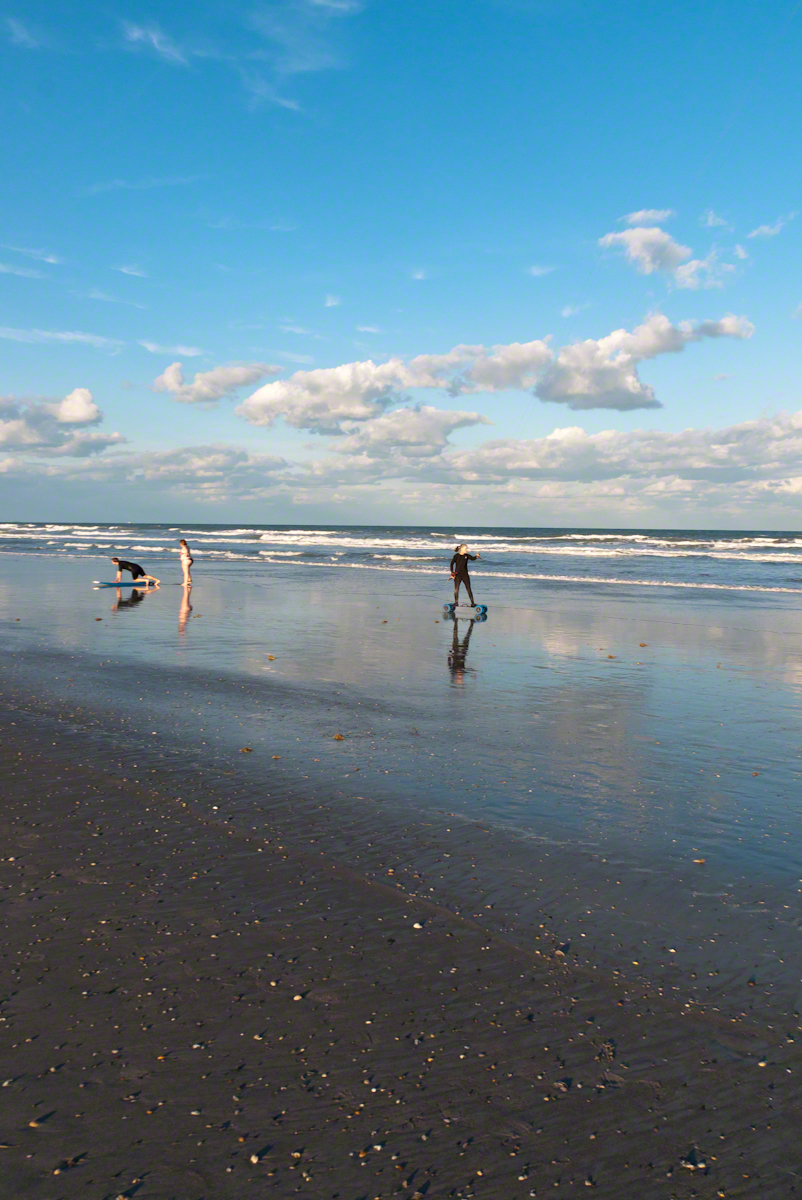
In the early morning hours of Sunday, September 10, 2017 as Hurricane Irma approached the Florida Keys, I cannot sleep, worried about family members north of Miami and in Daytona Beach. To pass the time, I returned to the golden hours of March 4, 2017 evening.  On vacation, Pam and I walked Cocoa Beach starting from Lori Wilson Park, headed north.

The light was perfect when I decided to switch to Raw-Jpeg mode, feeling the extra space was worth it.  I don’t know why I don’t shoot Raw 100% of the time, as always, in retrospect, I regret using jpeg only. The camera was the Sony Alpha 700 dslr with a DT 18-200mm f3.5-6.3 lens purchased 2008 after an expedition to the Superstition Wilderness.

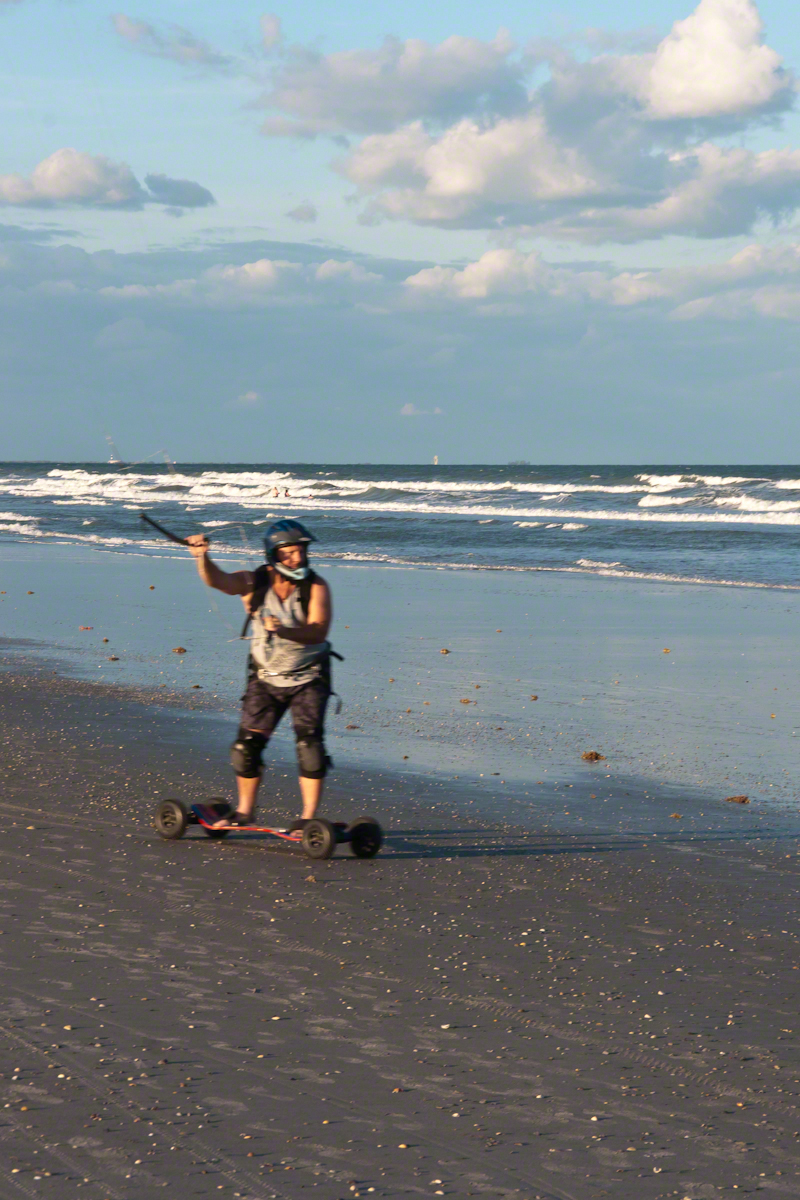
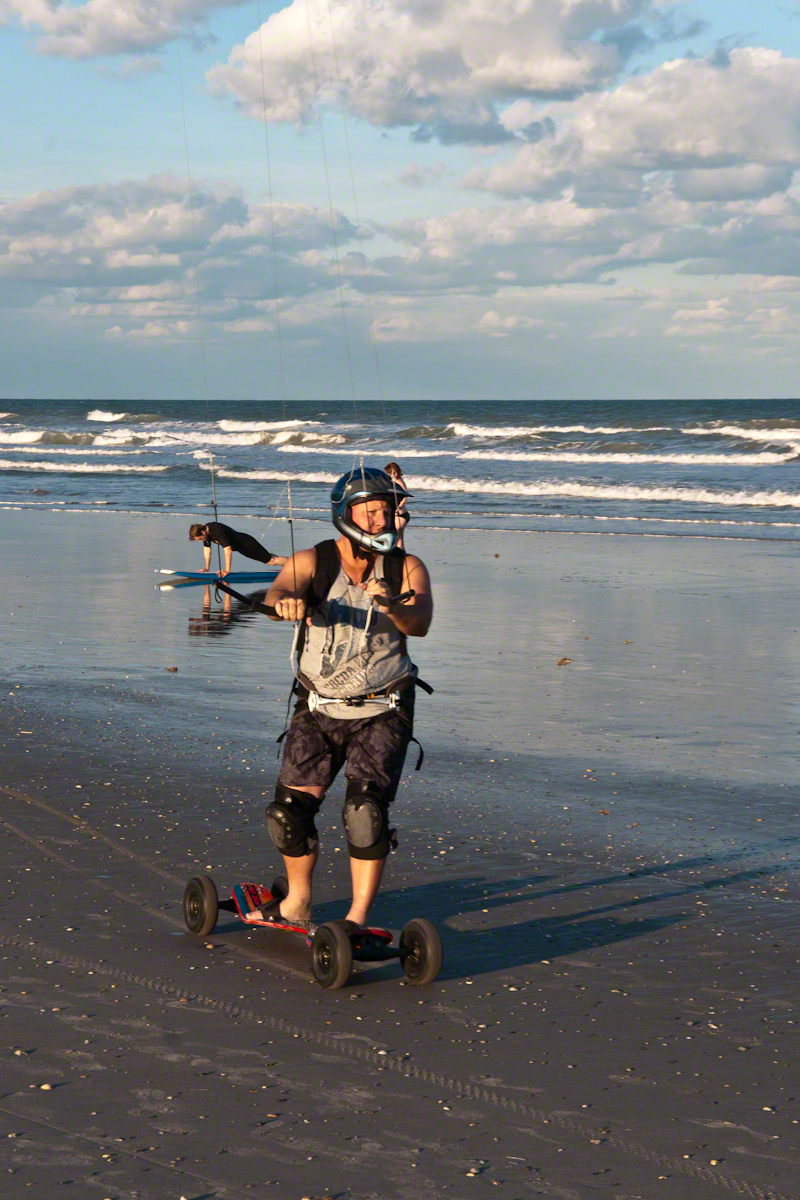
After capturing a wedding photo shoot and surfers there was this set of two Kite Skaters going at least 20 miles an hour. The Sony Alpha was quick enough to capture some of the action in raw mode, I am not satisfied with the sharpness of the images as the lens was not fast enough.

Click this link or a photo for my Online gallery
My Online Gallery– CLICK ME!!!!
Overview, Approaching Kite skater

We had never watched kite skaters before and were prepared to understand the vision from watching distant kite surfers out beyond the breakers. North winds are the best for any type of kiting on Cocoa Beach and, that day, the wind was northeast. These riders zipped by in less than a minute. The sport is low key, it does not exist on Wikipedia. Image that. These two are having a fantastic time and stayed upright, going on and on and on down the miles long beach.

My Online Gallery– CLICK ME!!!!
Sailskater Dreamview with Cruise Ship

1990 KiteSkate pioneers on the USA east coast experimented with four-line controllable parafoil kites powering in-line skates for exciting rides on asphalt surfaces.

My Online Gallery– CLICK ME!!!!
Her partner approaches

The name “Wheels of Doom” suggest the danger of going this fast over a hard, rough surface.

My Online Gallery– CLICK ME!!!!
He makes it look easy

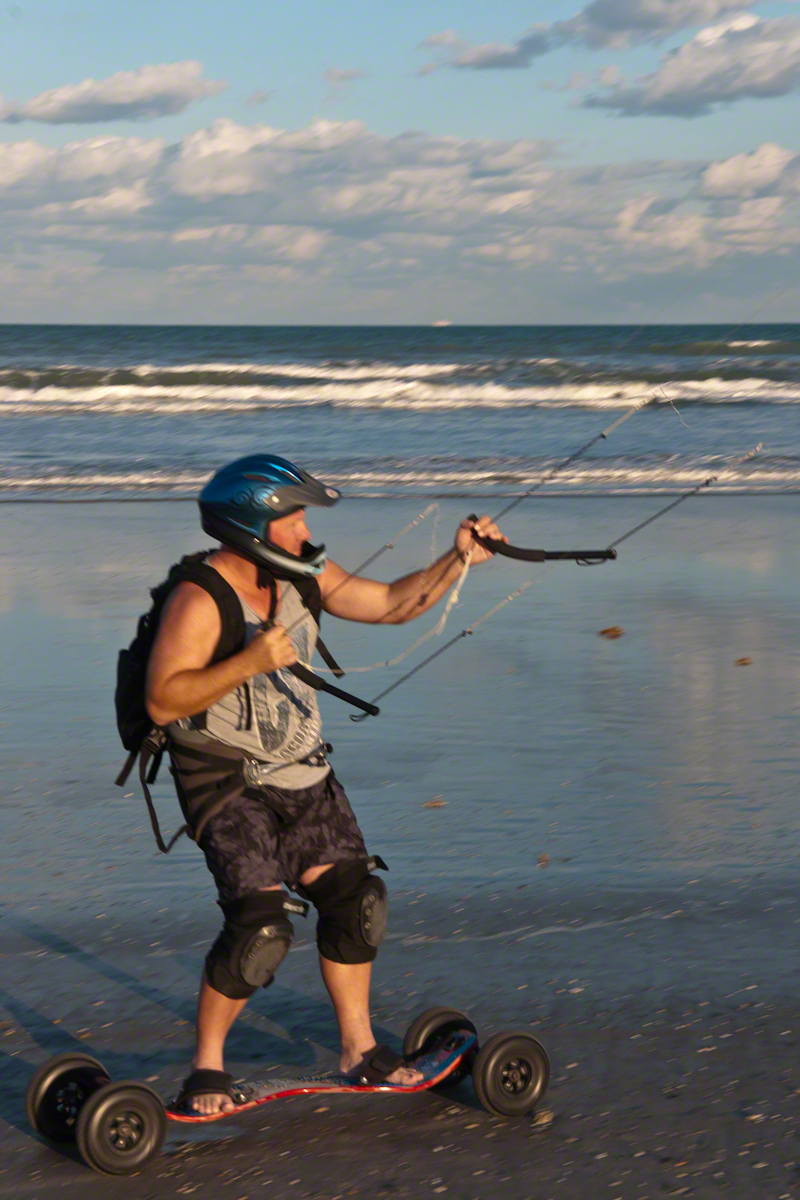
These Cocoa Beach riders are outfitted for speed and safety: pads, helmets.

My Online Gallery– CLICK ME!!!!
He maneuvers kite overhead to slow down.

Barefeet?? Unprotected skin? They must know how to dress, though maybe not.  He has never fallen?

My Online Gallery– CLICK ME!!!!
Full speed ahead with the kite positioned forward.

The beach within the tide line is solid, the pebbles, broken shells and such unforgiving as asphalt.

Click this link for another Cocoa Beach post
Click this link for a Kite Surfing post

Copyright 2022 Michael Stephen Wills All Rights Reserved