Join me on a serene Christmas Eve stroll around Beebee Lake, where winter’s bite and the stillness of nature blend into a captivating scene. Through the simple lens of my iPhone 7, witness the frozen beauty of the lake, the historic backdrop of Cornell University, and the timeless dance of nature and history. Experience the quiet awe of this winter day.
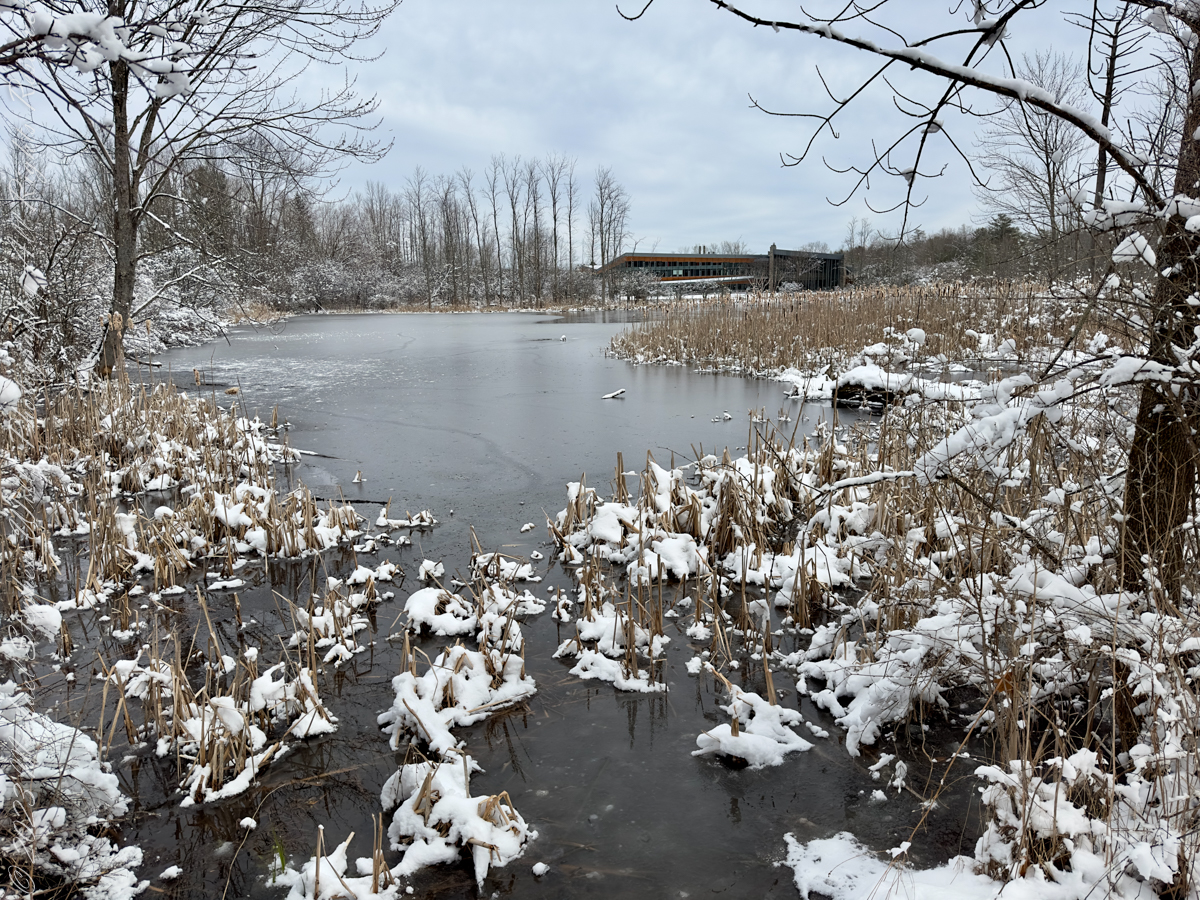
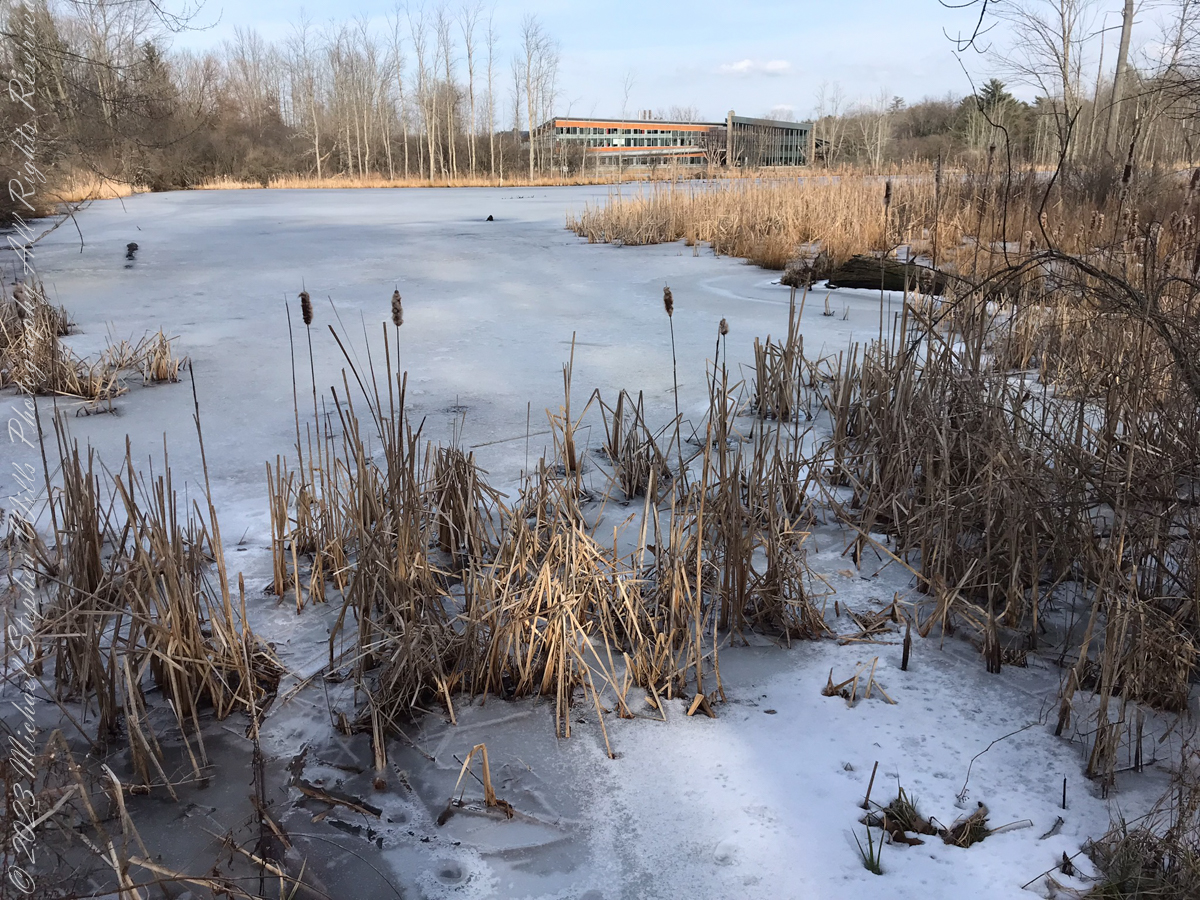
These two views of Imogene Powers Johnson Center for Birds and Biodiversity across Sapsucker Woods Pond on a March afternoon are separated by 12 months, a year. Wilson Trail, Sapsucker Woods, Cornell Lab of Ornithology, Ithaca, Tompkins County, New York.
2023 using the IPhone 14 ProMax triple camera, raw format, edited on the phone
In the foreground is the cattail plant, the North American species Typha latifolia. There are over 30 species in this useful genera.
2022 using the IPhone 7 back camera
Culinary
Many parts of the Typha plant are edible to humans. Before the plant flowers, the tender inside of the shoots can be squeezed out and eaten raw or cooked. The starchy rhizomes are nutritious with a protein content comparable to that of maize or rice. They can be processed into flour with 266 kcal per 100 grams and are most often harvested from late autumn to early spring. They are fibrous, and the starch must be scraped or sucked from the tough fibers. Baby shoots emerging from the rhizomes, which are sometimes subterranean, can be picked and eaten raw. Also underground is a carbohydrate lump which can be peeled and eaten raw or cooked like a potato. The plant is one championed by survival experts because various parts can be eaten throughout the year. Plants growing in polluted water can accumulate lead and pesticide residues in their rhizomes, and these should not be eaten.
The rind of young stems can be peeled off, and the tender white heart inside can be eaten raw or boiled and eaten like asparagus. This food has been popular among the Cossacks in Russia and has been called “Cossack asparagus.” The leaf bases can be eaten raw or cooked, especially in late spring when they are young and tender. In early summer the sheath can be removed from the developing green flower spike, which can then be boiled and eaten like corn on the cob. In mid-summer when the male flowers are mature, the pollen can be collected and used as a flour supplement or thickener.
Agriculture
The seeds have a high linoleic acid content and can be used to feed cattle and chickens. They can also be found in African countries like Ghana.
Harvesting cattail removes nutrients from the wetland that would otherwise return via the decomposition of decaying plant matter. Floating mats of cattails remove nutrients from eutrophic bodies of freshwater.
Building material
For local native tribes around Lake Titicaca in Peru and Bolivia, Typha were among the most important plants and every part of the plant had multiple uses. For example, they were used to construct rafts and other boats.
During World War II, the United States Navy used the down of Typha as a substitute for kapok in life vests and aviation jackets. Tests showed that even after 100 hours of submersion, the buoyancy was still effective.
Typha are used as thermal insulation in buildings as an organic alternative to conventional insulating materials such as glass wool or stone wool.
Paper
Typha stems and leaves can be used to make paper. It is strong with a heavy texture and it is hard to bleach, so it is not suitable for industrial production of graphical paper. In 1853, considerable amounts of cattail paper were produced in New York, due to a shortage of raw materials.[33] In 1948, French scientists tested methods for annual harvesting of the leaves. Because of the high cost, these methods were abandoned, no further research was done. Today Typha is used to make decorative paper.
Fiber
Fibers up to 4 meters long can be obtained from the stems when they are treated mechanically or chemically with sodium hydroxide. The stem fibers resemble jute and can be used to produce raw textiles. The leaf fibers can be used as an alternative to cotton and linen in clothing. The yield of leaf fiber is 30 to 40 percent and Typha glauca can produce 7 to 10 tons per hectare annually.
Biofuel
Typha can be used as a source of starch to produce ethanol. Because of their high productivity in northern latitudes, Typha are considered to be a bioenergy crop.
Other
The seed hairs were used by some indigenous peoples of the Americas[which?] as tinder for starting fires. Some tribes also used Typha down to line moccasins, and for bedding, diapers, baby powder, and cradleboards. One Native American word for Typha meant “fruit for papoose’s bed”. Typha down is still used in some areas to stuff clothing items and pillows. Typha can be dipped in wax or fat and then lit as a candle, the stem serving as a wick. Without the use of wax or fat it will smolder slowly, somewhat like incense, and may repel insects.
The flower stalks can be made into chopsticks. The leaves can be treated to weave into baskets, mats, or sandals. The rushes are harvested and the leaves often dried for later use in chair seats. Re-wetted, the leaves are twisted and wrapped around the chair rungs to form a densely woven seat that is then stuffed (usually with the left over rush).
Small-scale experiments have indicated that Typha are able to remove arsenic from drinking water.[37][38] The boiled rootstocks have been used as a diuretic for increasing urination, or mashed to make a jelly-like paste for sores, boils, wounds, burns, scabs, and smallpox pustules.
Cattail pollen is used as a banker source of food for predatory insects and mites (such as Amblyseius swirskii) in greenhouses. The cattail, or, as it is commonly referred to in the American Midwest, the sausage tail, has been the subject of multiple artist renditions, gaining popularity in the mid-twentieth century. The term, sausage tail, derives from the similarity that cattails have with sausages, a name given to the plant by the Midwest Polish community who had noticed a striking similarity between the plant and a common Polish dish, kiełbasa.
Copyright 2023 Michael Stephen Wills All Rights Reserved
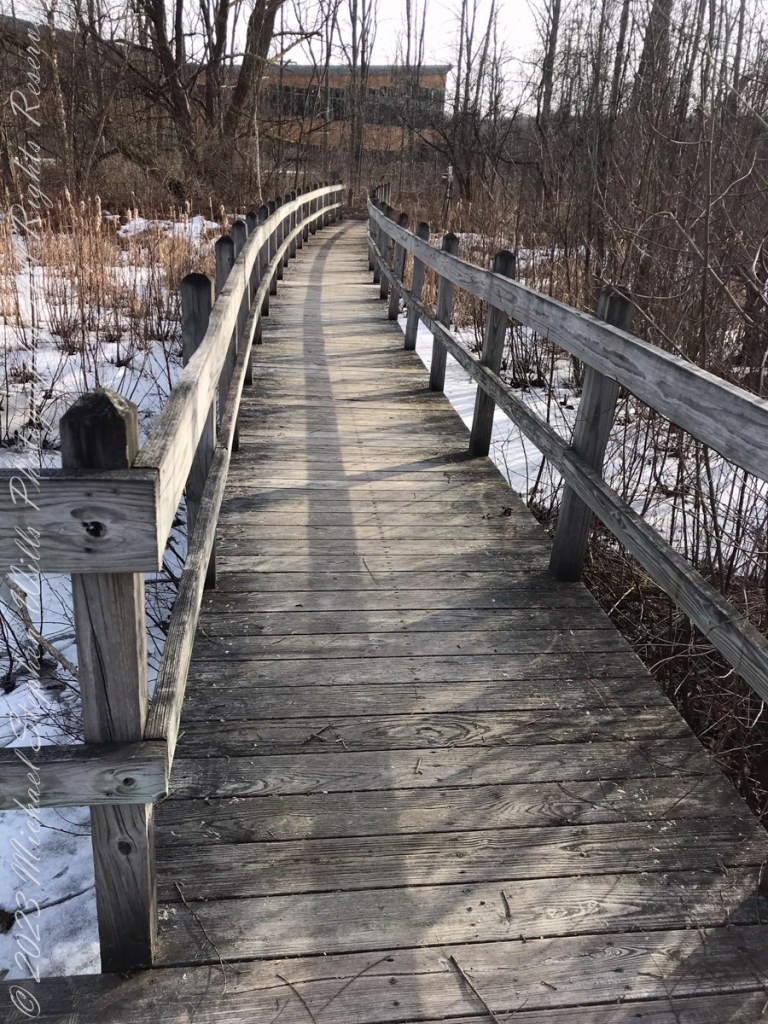
View of Imogene Powers Johnson Center for Birds and Biodiversity from an unnamed boardwalk on an unnamed path from the parking lot. Sapsucker Woods, Cornell Lab of Ornithology, Ithaca, Tompkins County, New York
From an unnamed boardwalk on an unnamed path from the parking lot. Sapsucker Woods, Cornell Lab of Ornithology, Ithaca, Tompkins County, New York
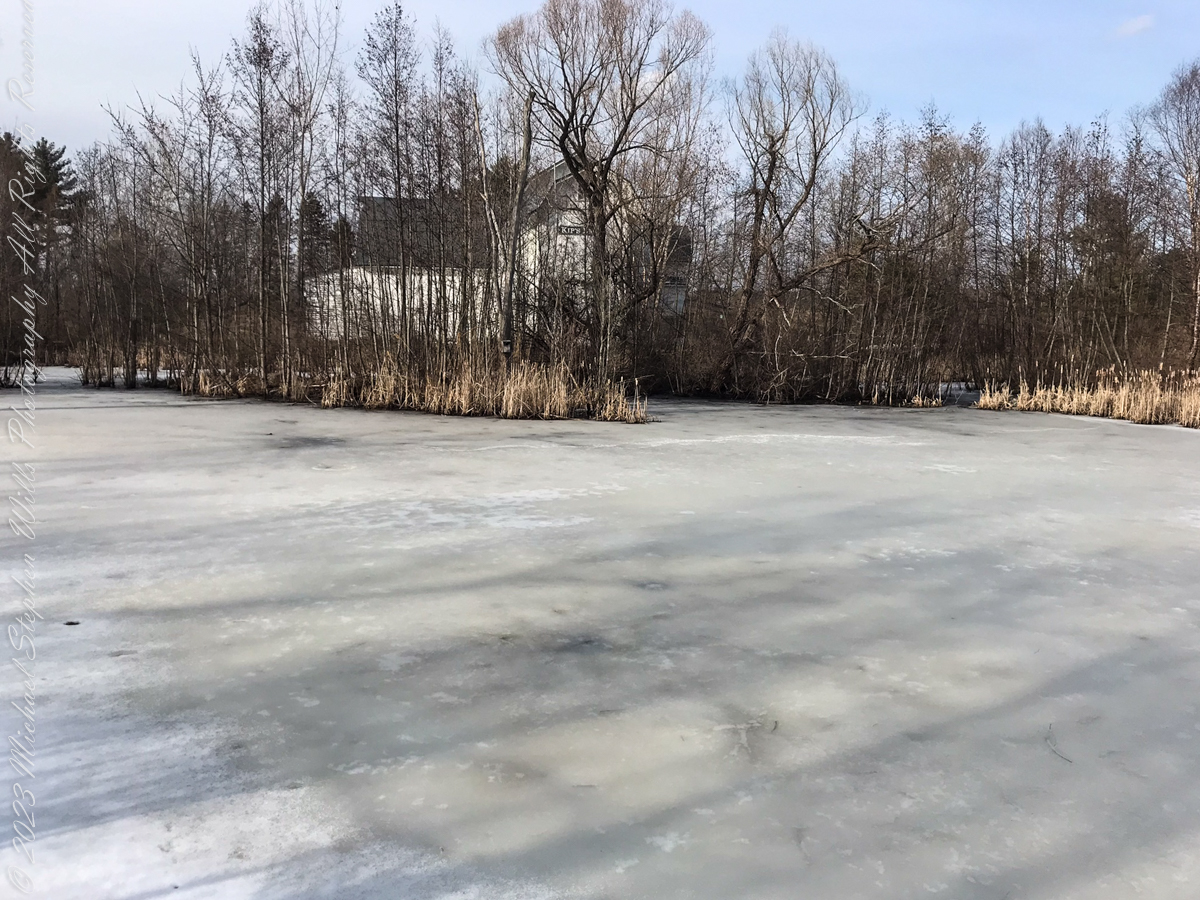
An iced over, thawing in the March sunshine, leads to a view of Kip’s Barn that, I believe, is named for Austin Kiplinger (Cornell Graduate of 1939) the longest serving trustee in Cornell history.
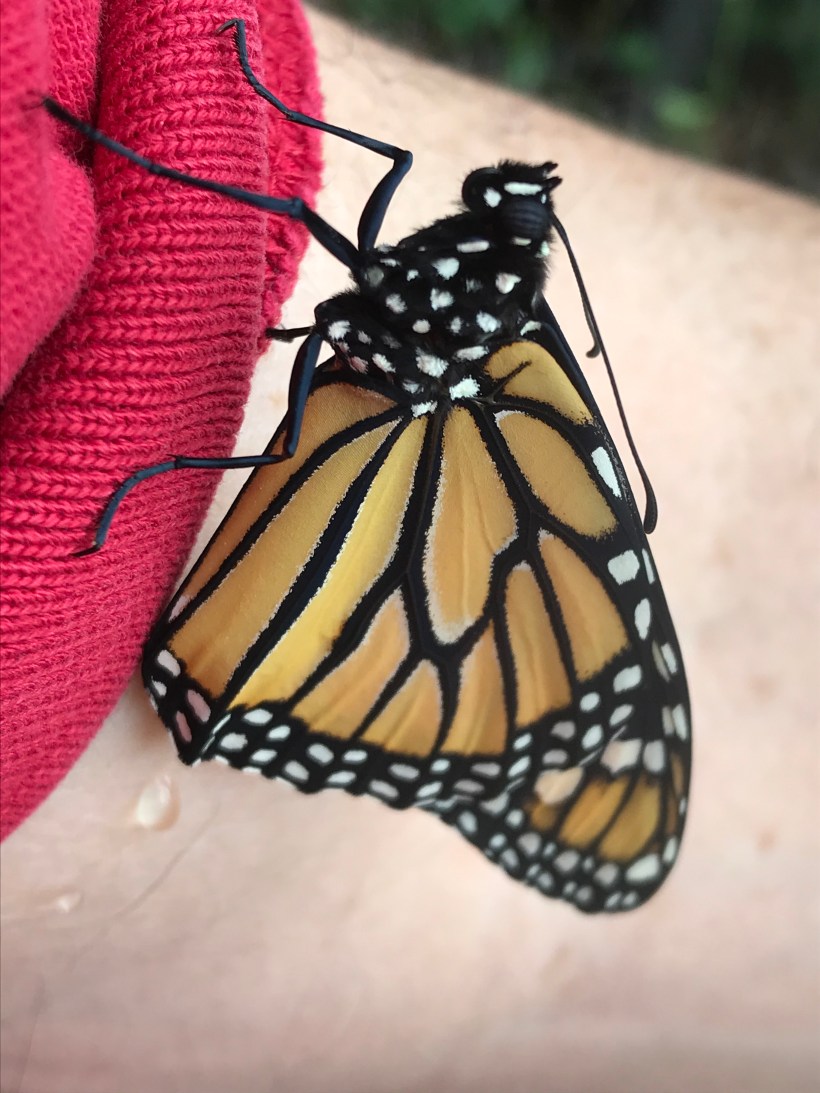
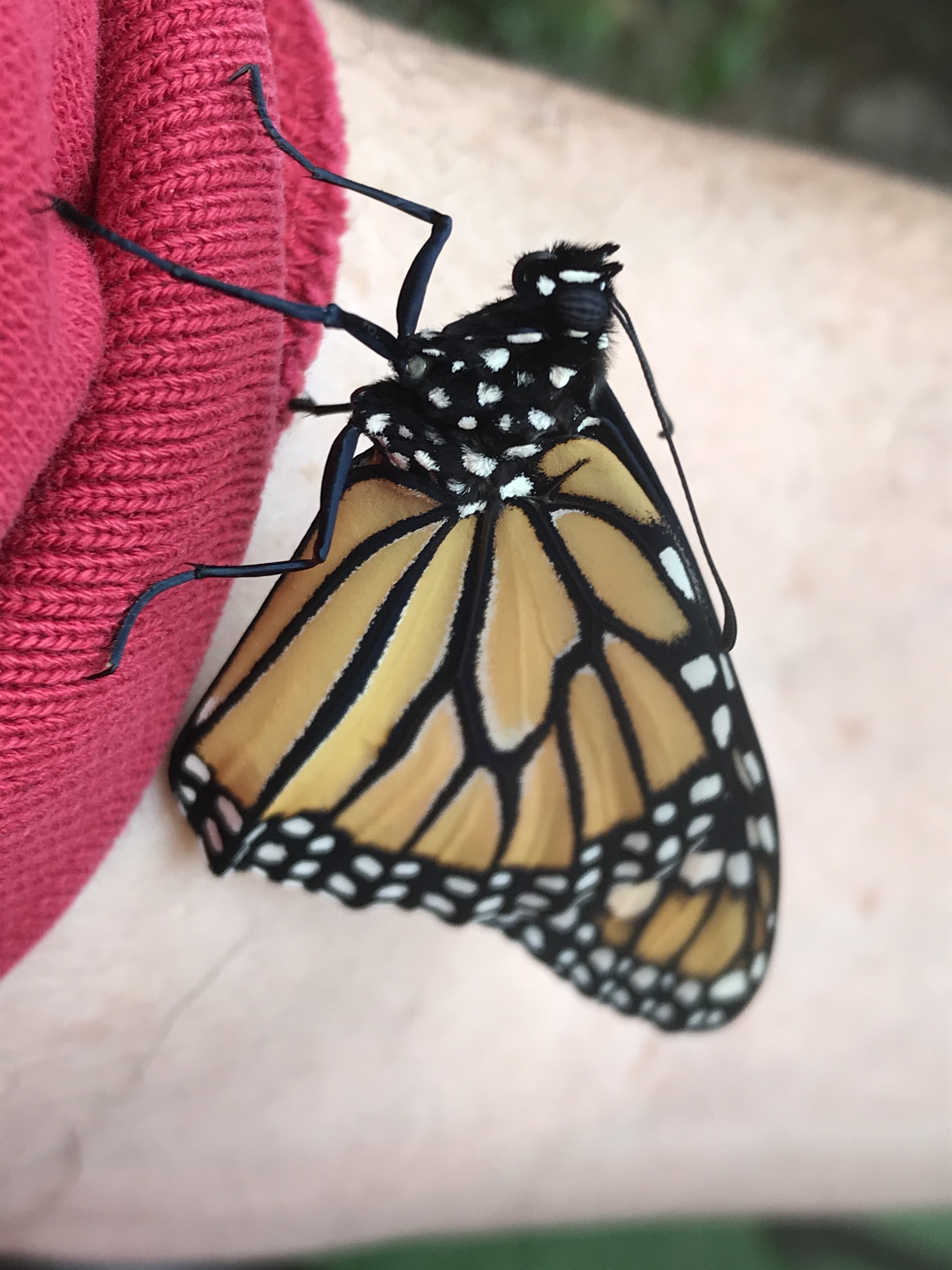
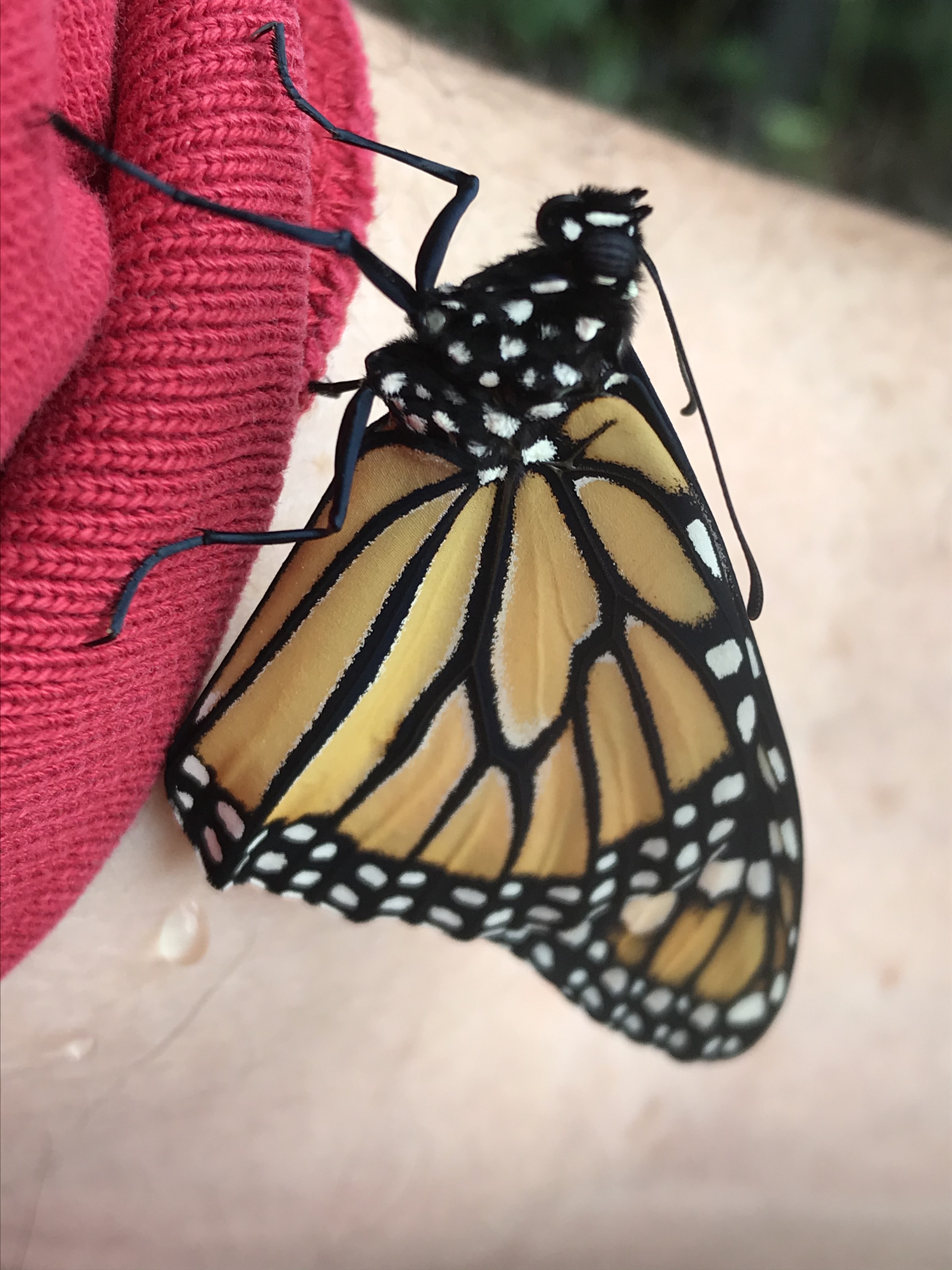
Misjudged by over an hour, I reached into the cage to allow the Monarch butterfly to crawl onto my hand for the first flight. Instead, it crawled up my arm and clung to my cotton shirt sleeve.
Click photograph for a larger view and use Ctrl-x to zoom in closer.
Clinging to my sleeve, this newly emerged Monarch wings dried. It is a process of excreting the fluids pumped into wings, crumpled from folding within the chrysalis, to expand them. The clear drips of water on my arm are this fluid.
Click photograph for a larger view and use Ctrl-x to zoom in closer.
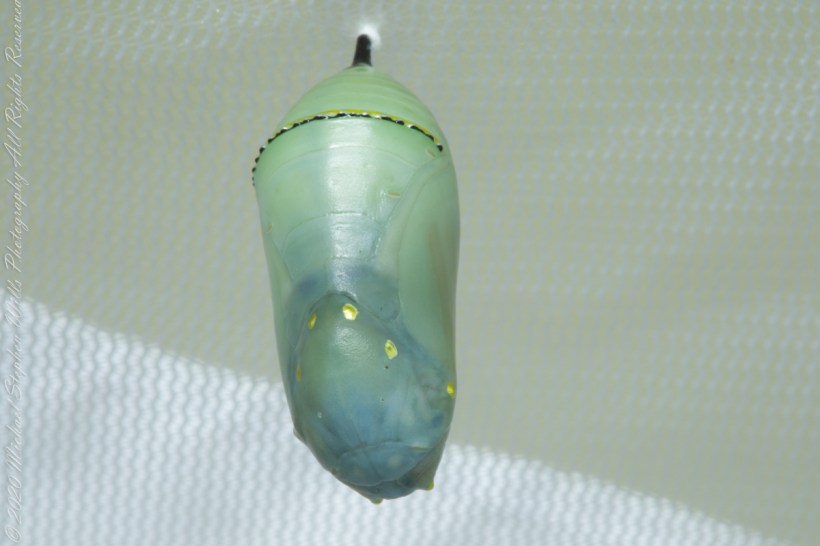
Here is a video from this year, a Monarch emerging from the chrysalis, then expanding crumpled wings. Notice, this butterfly has a problem: once emerged the butterfly swings back and forth continually as it clings to the chrysalis. While interesting to us, the movement is caused from a missing front leg. Monarch butterflies have four legs, this butterfly is missing the right front leg, the imbalance causes the swinging movement. Freshly emerged, a large, distended with fluid abdomen is prominent between small, crumpled wings. With time, the abdomen pumps fluid, expanding the wings. Over several hours the fluid runs from the wings and is expelled from the abdomen, as seen in the above photograph.
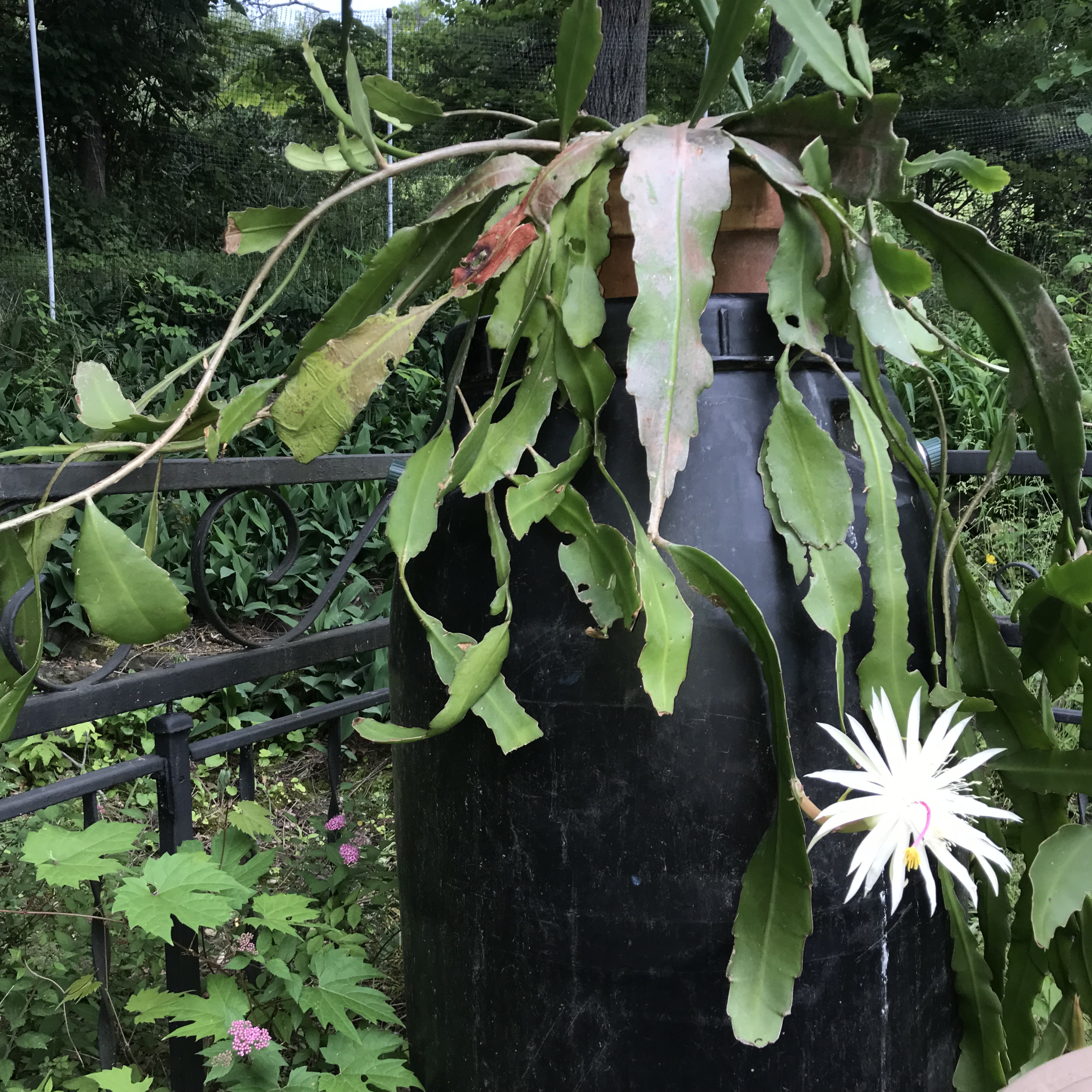
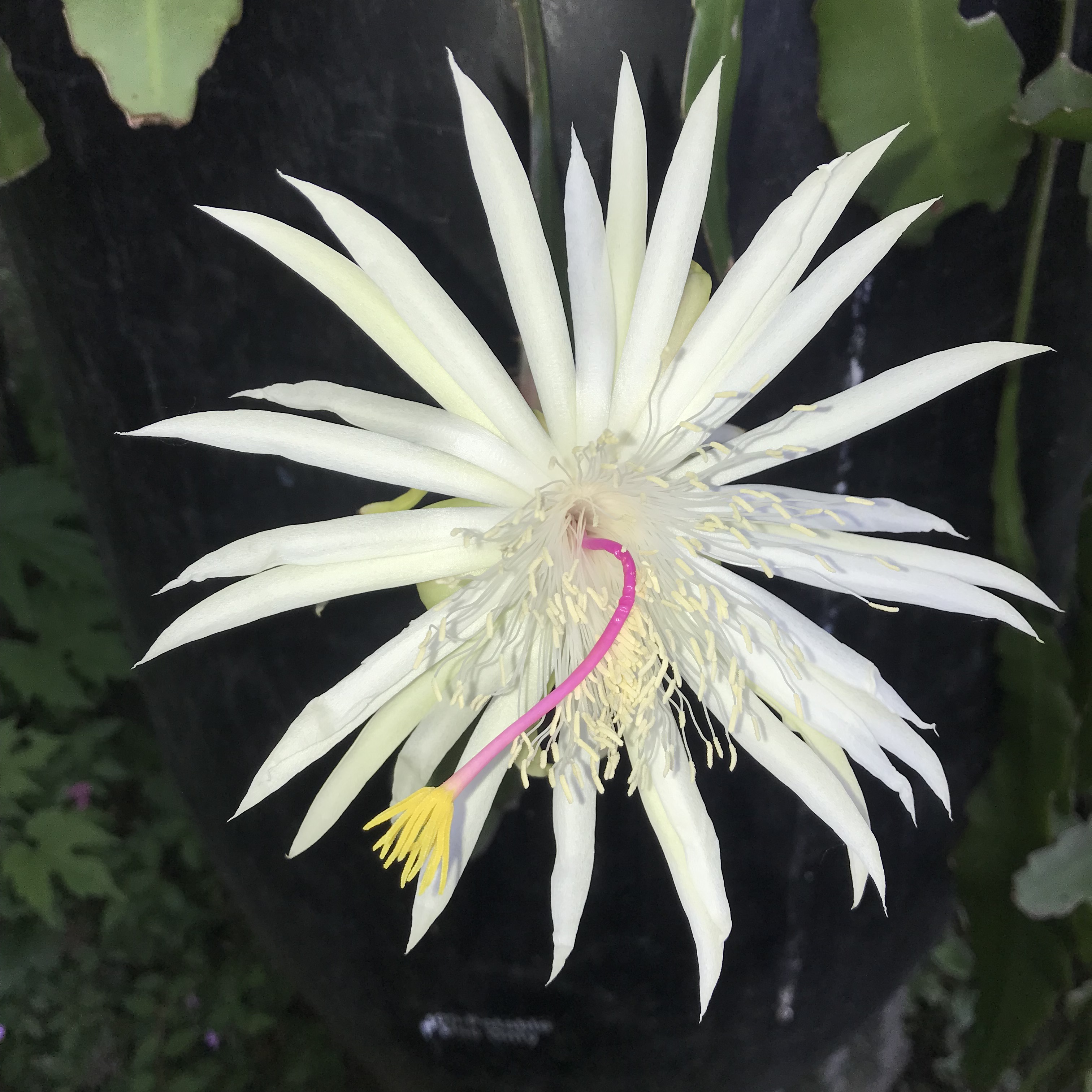
Our Night Blooming Cereus spent this winter on a stand on an eastern facing window. The day after Memorial Day it is back to the poolside rain barrel where, looking up from swimming laps June 12th, I spied the first bloom of the season.
Click pic for larger view in a new browser tab. If you are in WordPress Reader, open the post to use this feature.
I am sure it opened during the day.
I am grateful for the unexpected pleasure.
Photographs are from the Apple IPhone 7, flash enabled.
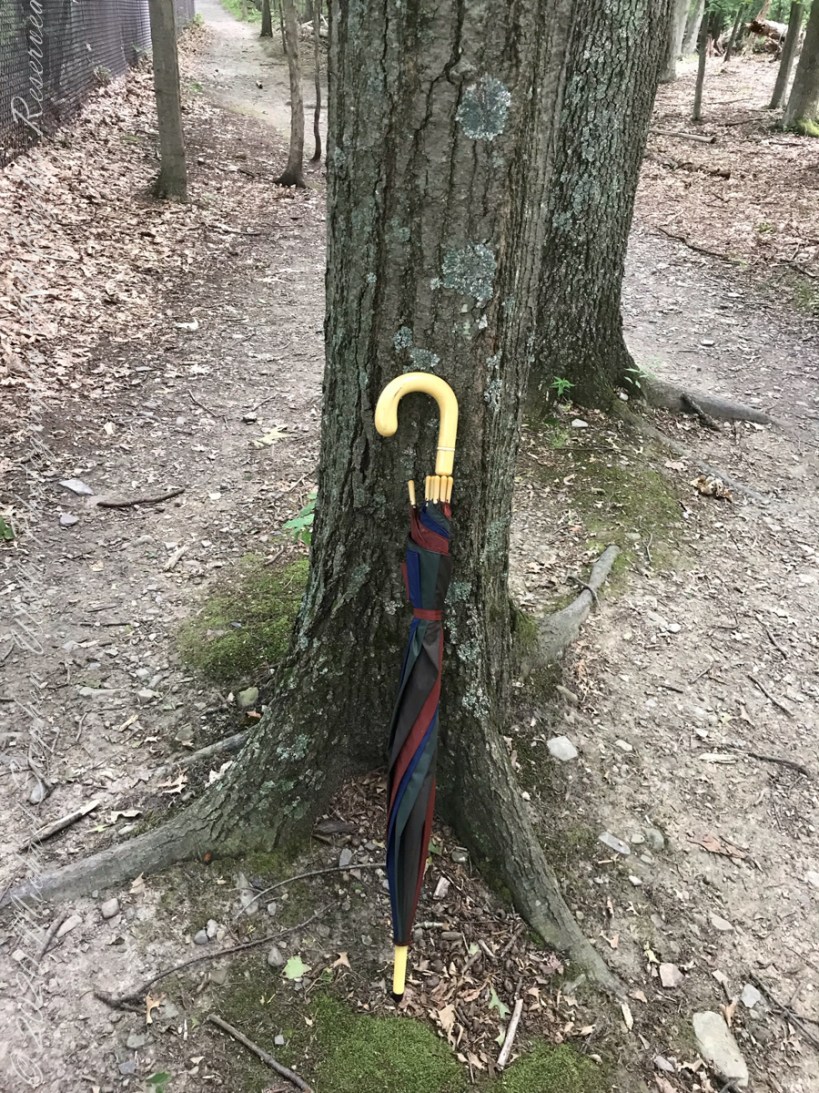
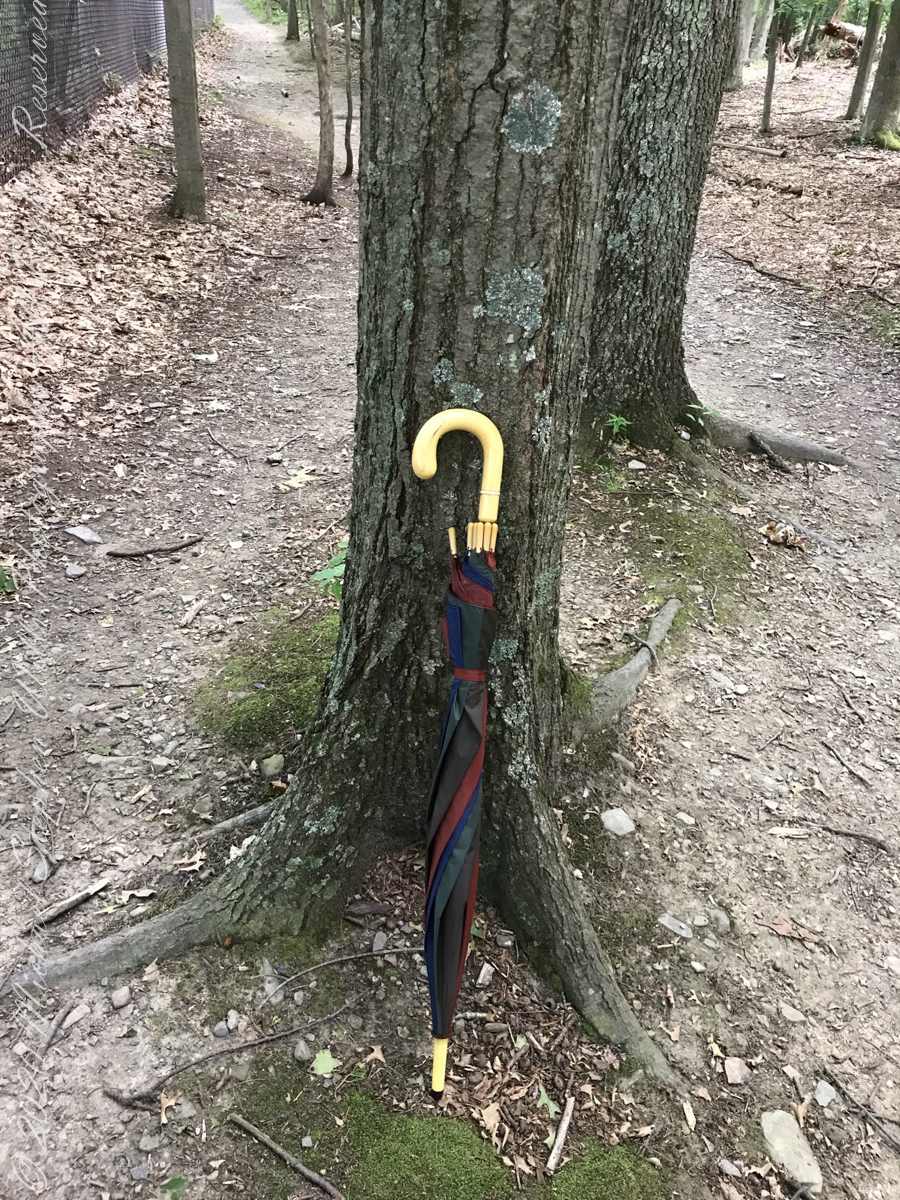
Constant winds from thunderstorm updrafts, I brought along an umbrella just in case.
Click photograph for slide show. To do this from WordPress Reader, you need to first click the title of this post to open a new page.
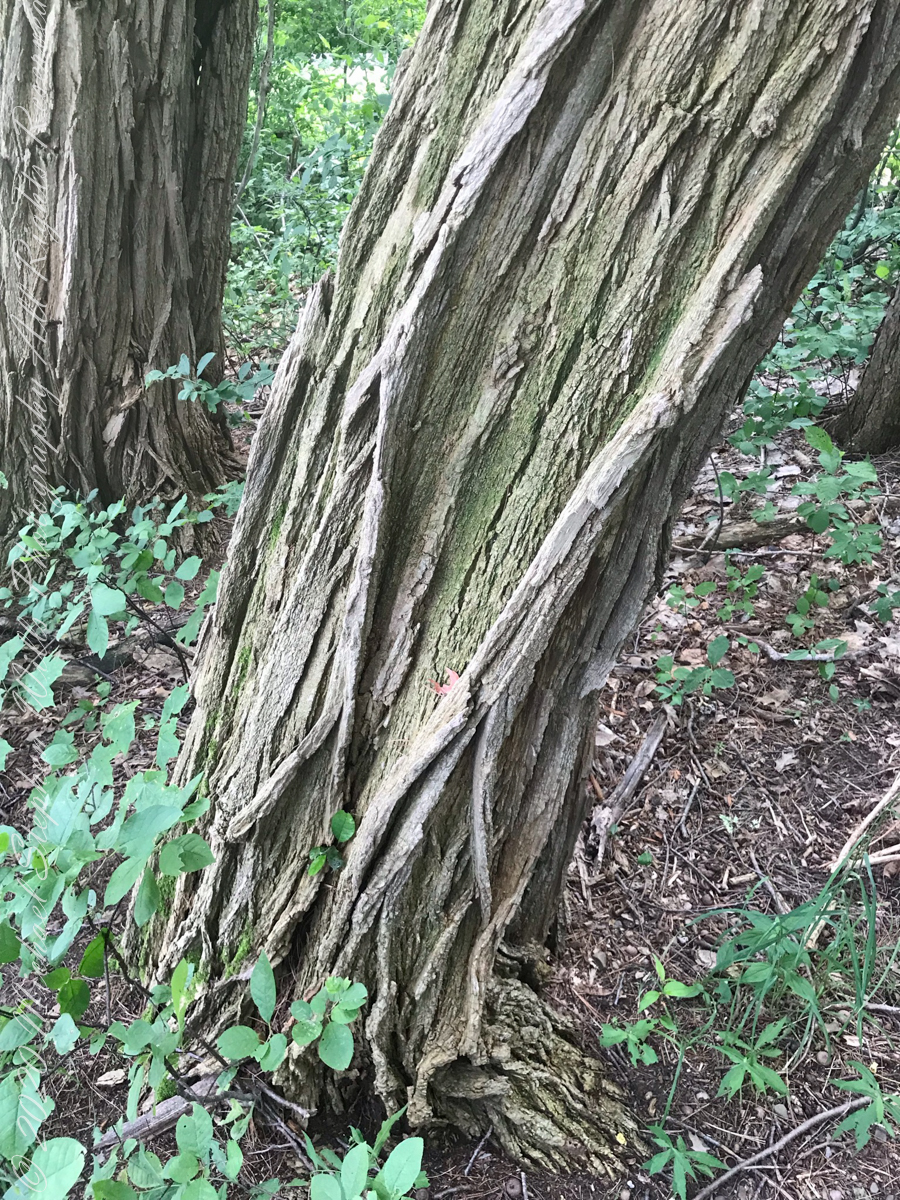
Maple Tree
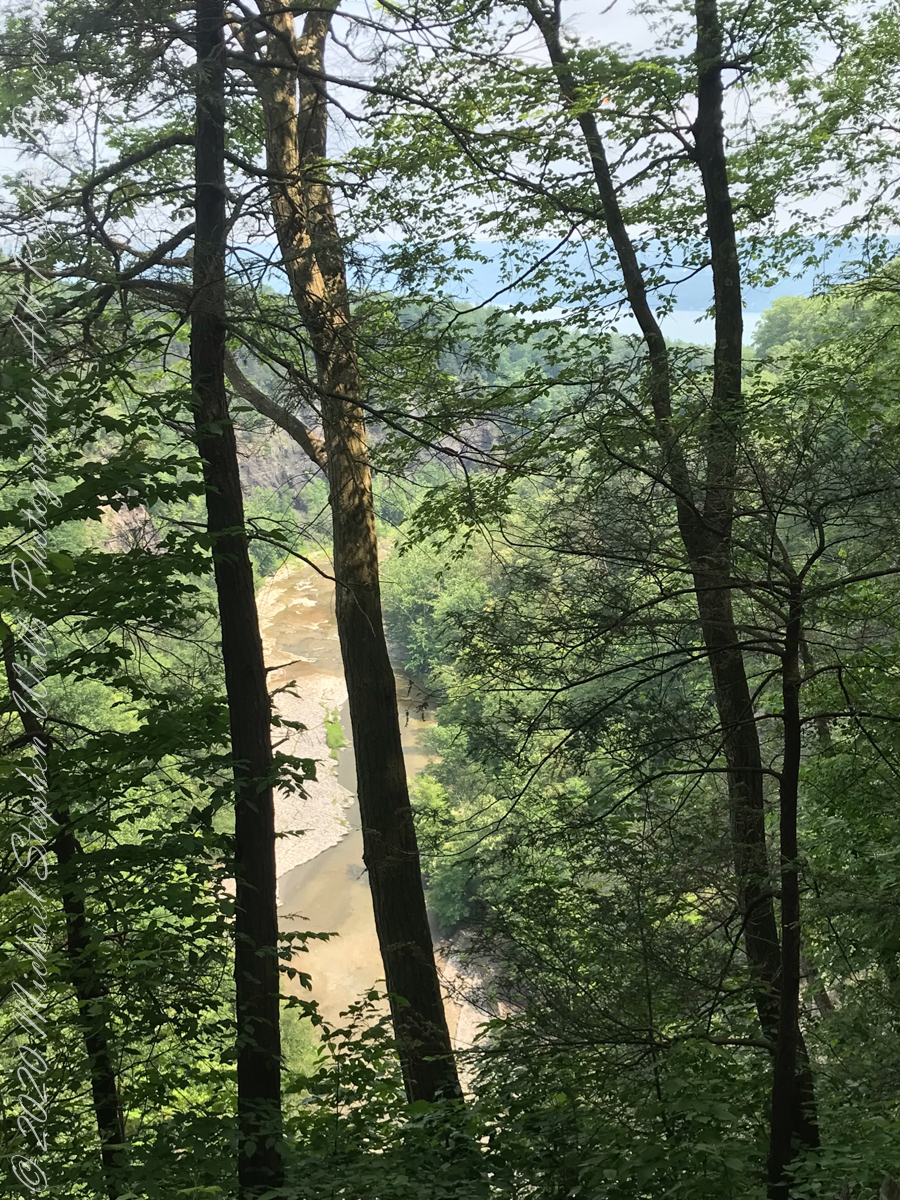
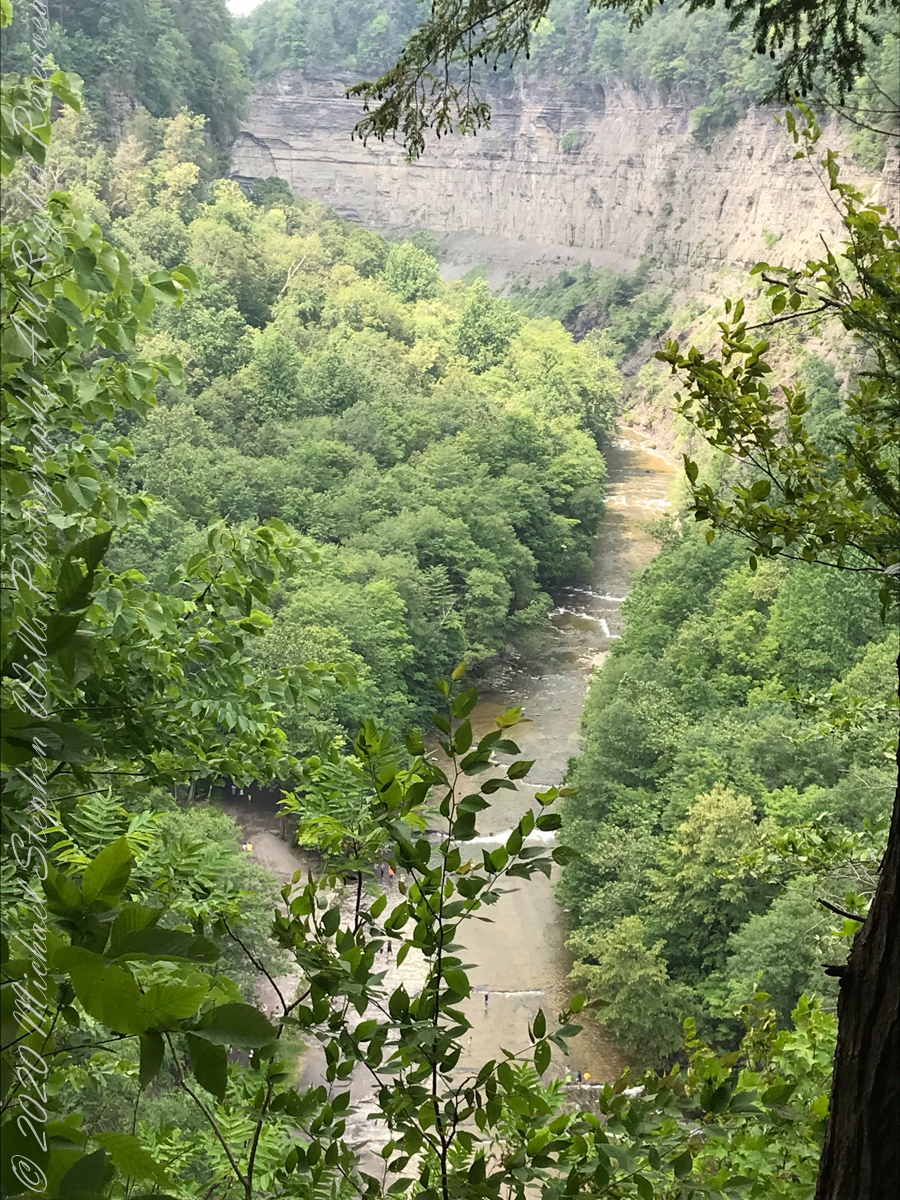
View from the South Rim Trail. The water flowing from Taughannock Falls to Cayuga Lake.
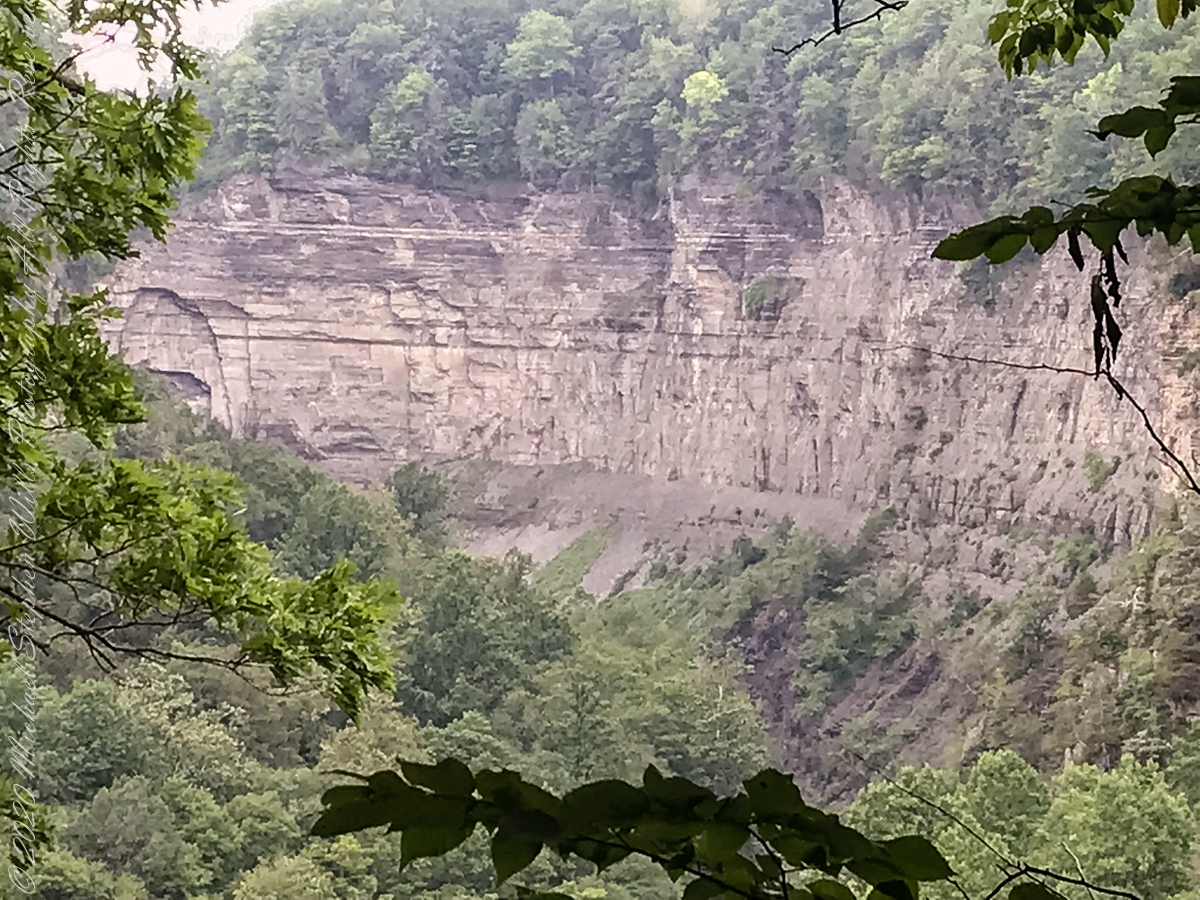
The steep, high gorge walls below the falls on a humid July morning.
gorge walls
My umbrella
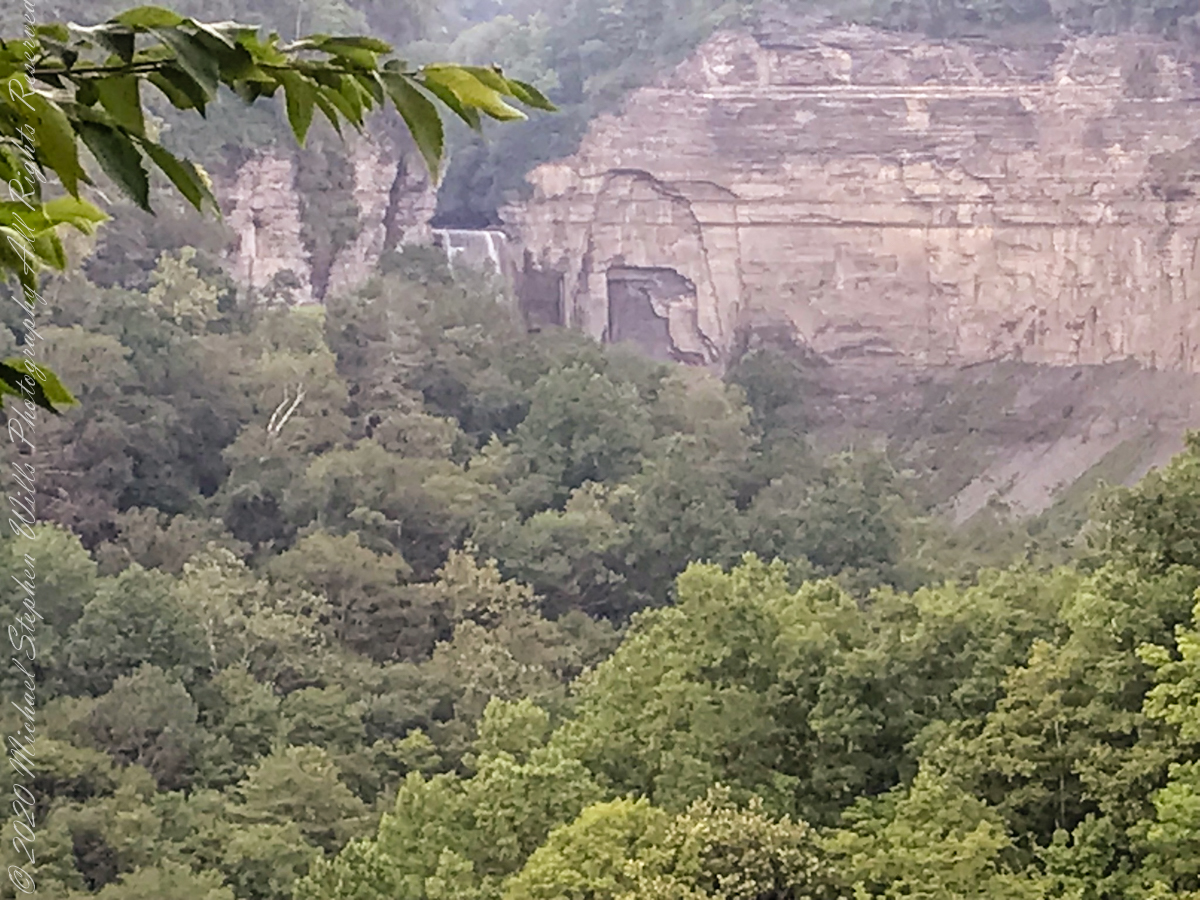
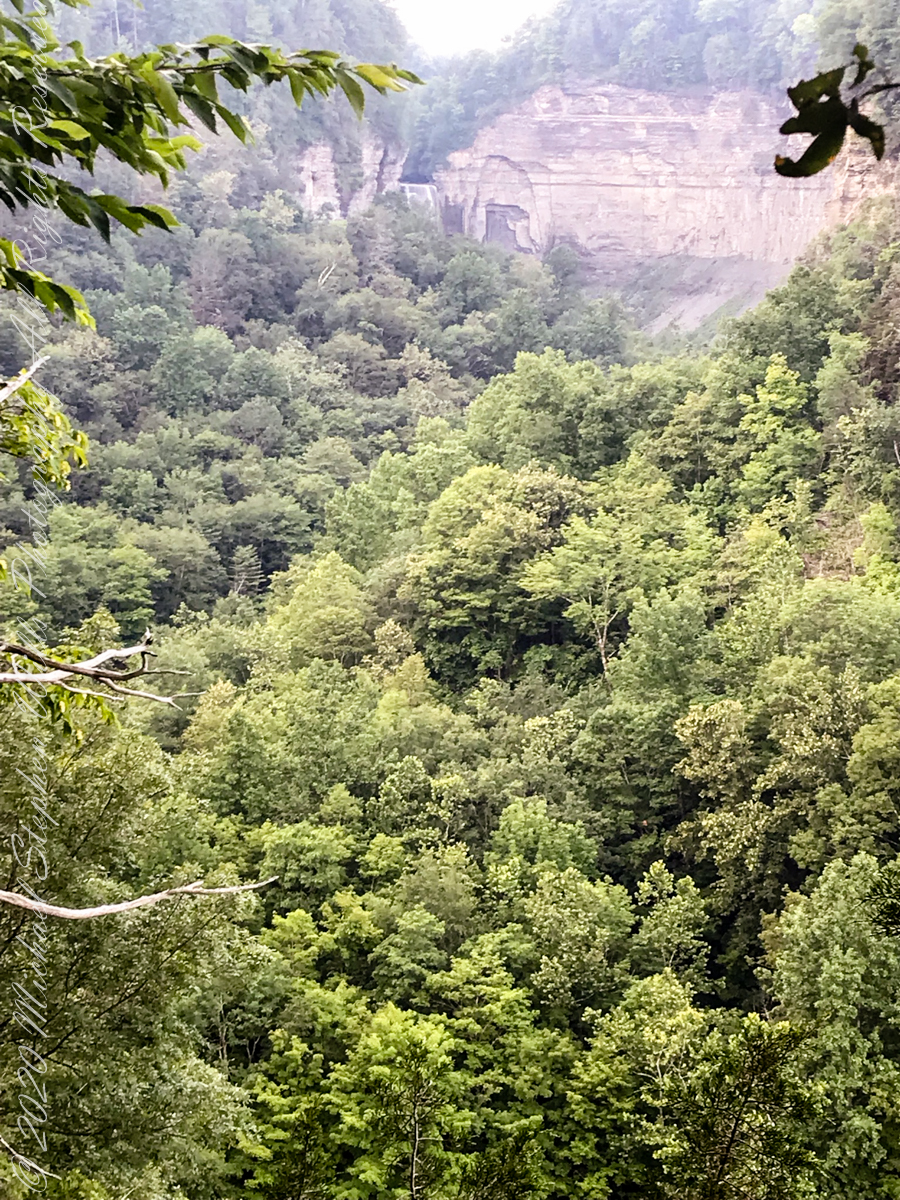
Taughannock falls in distance
Taughannock Falls in distance
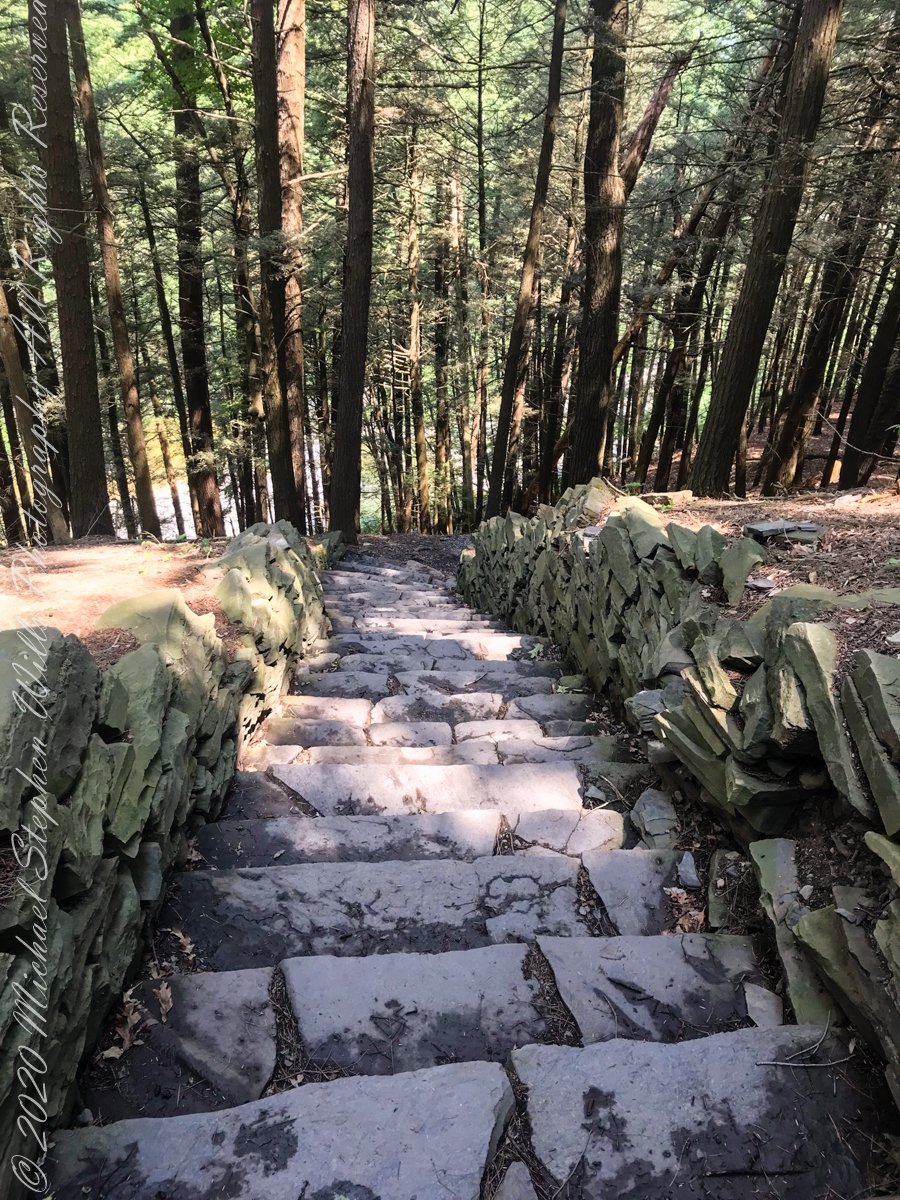
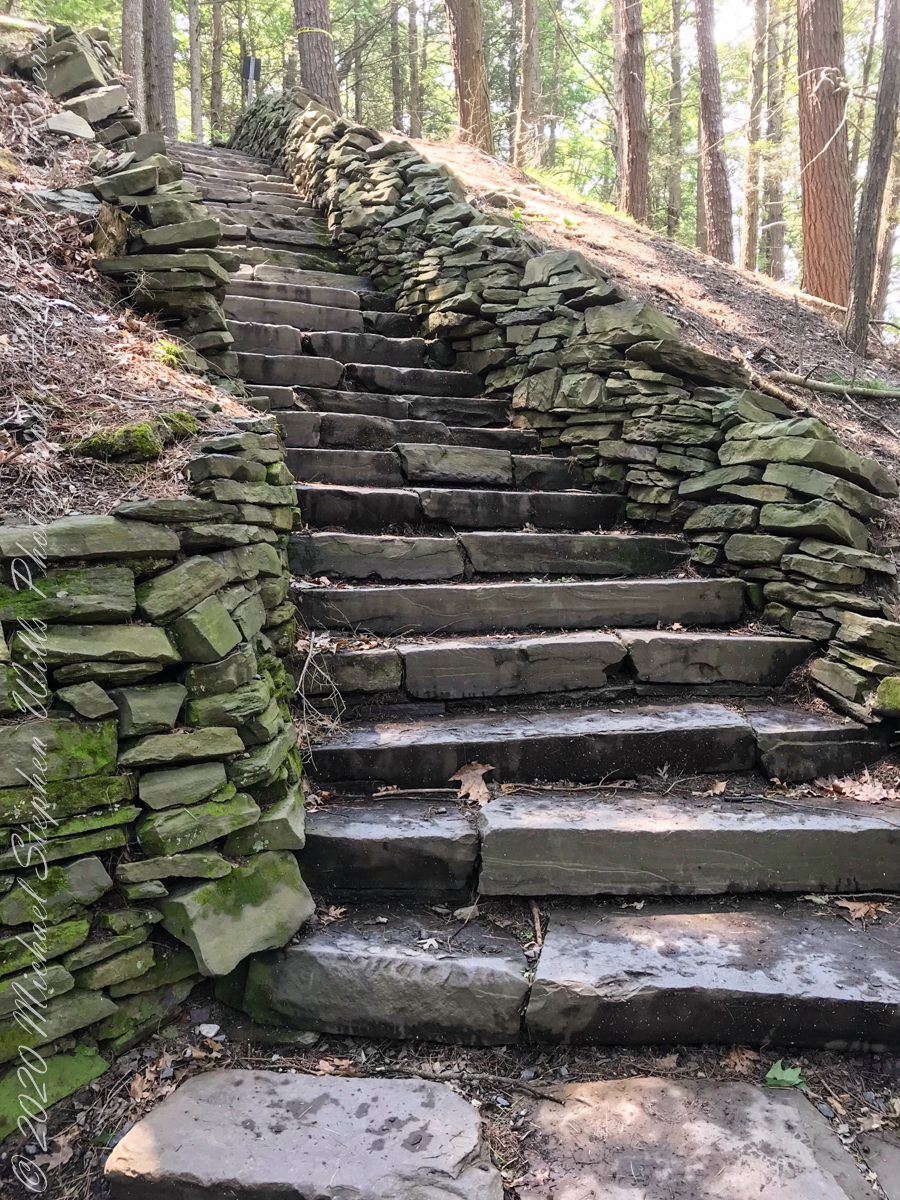
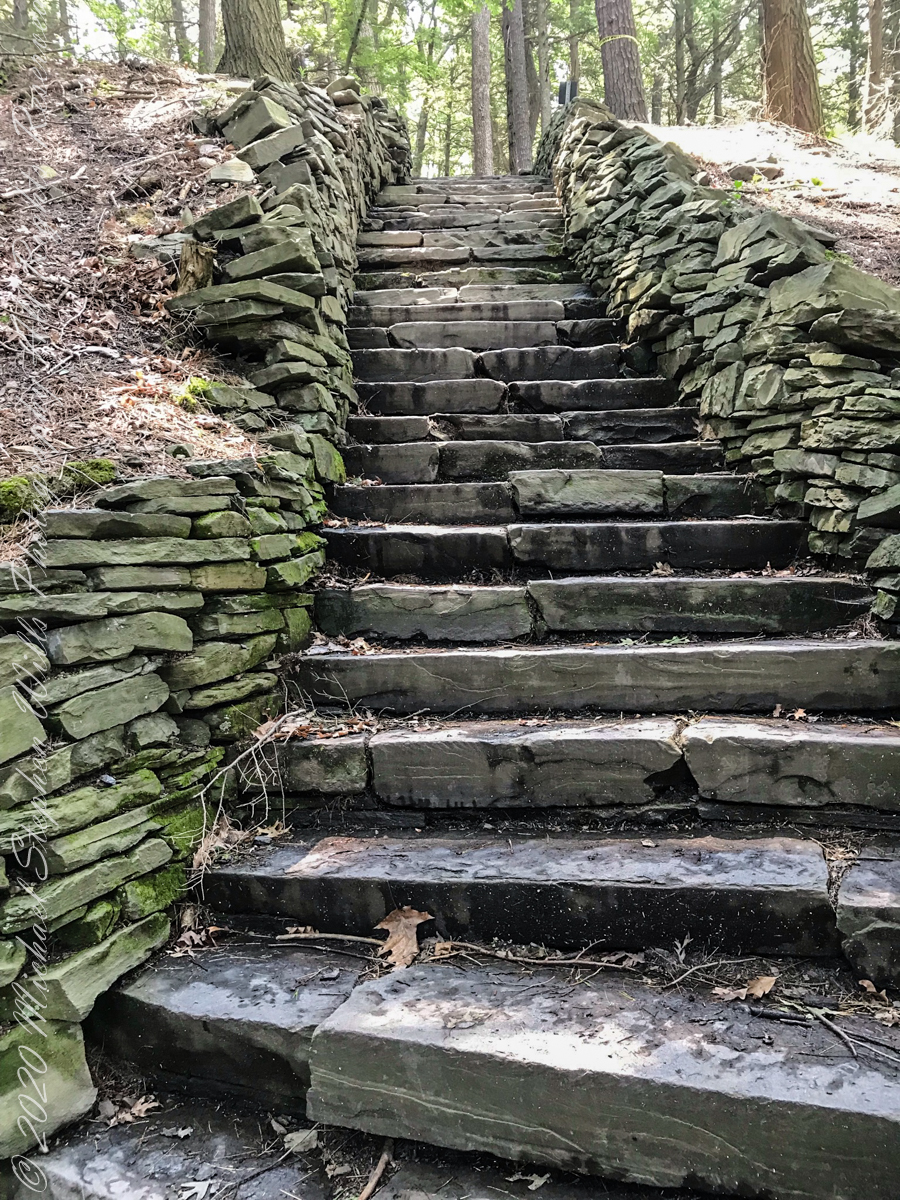
South Rim Stairs built by the Civilian Conservation Corps in the 1930’s
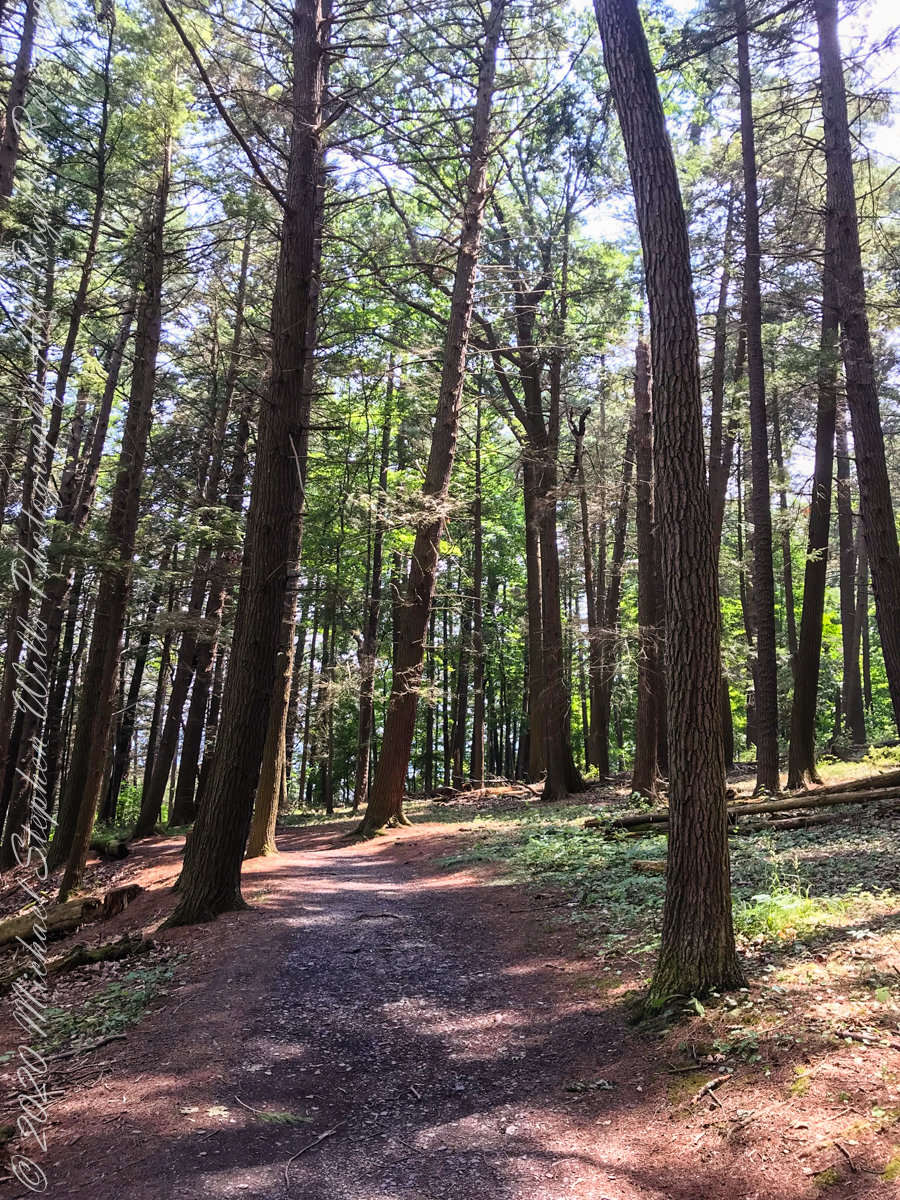
Pine Forest at foot of stairs
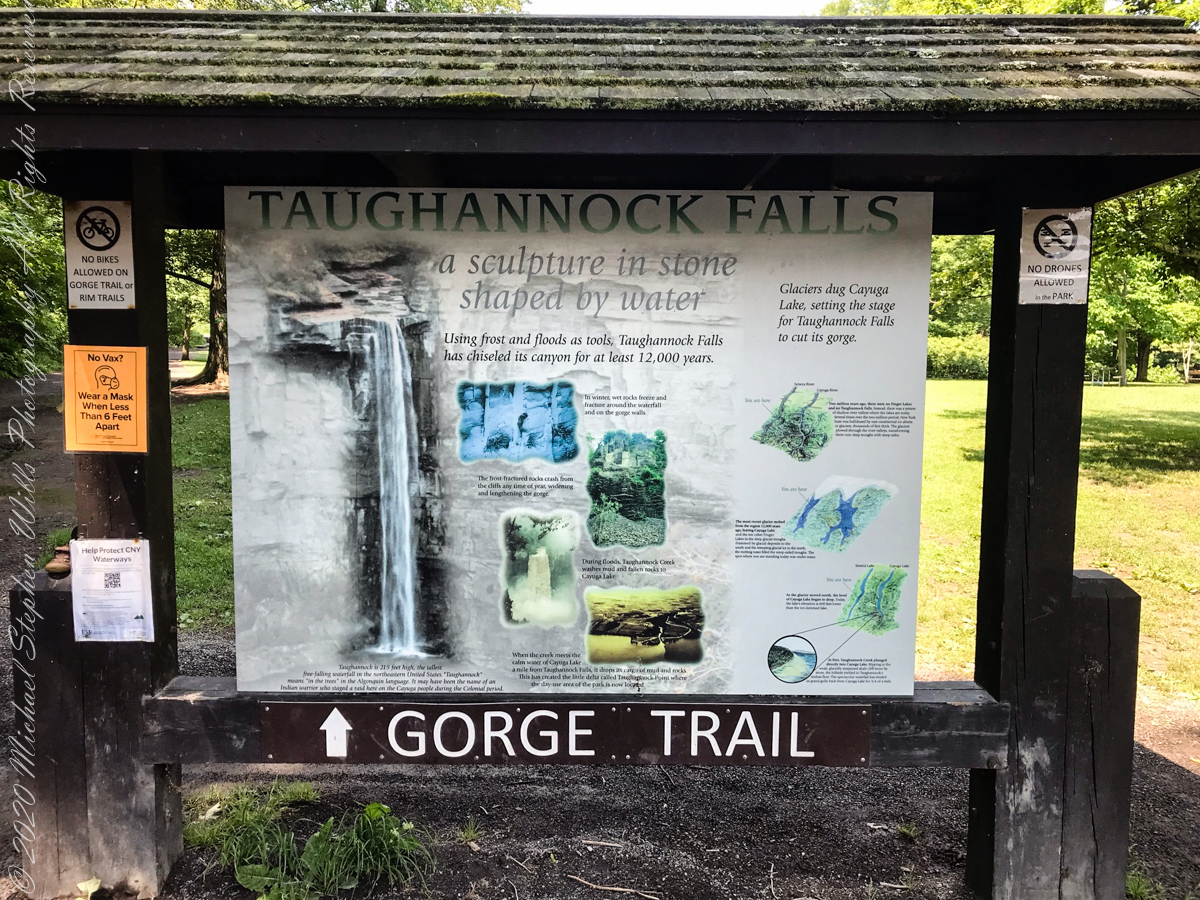
An interesting presentation at the Gorge entrance
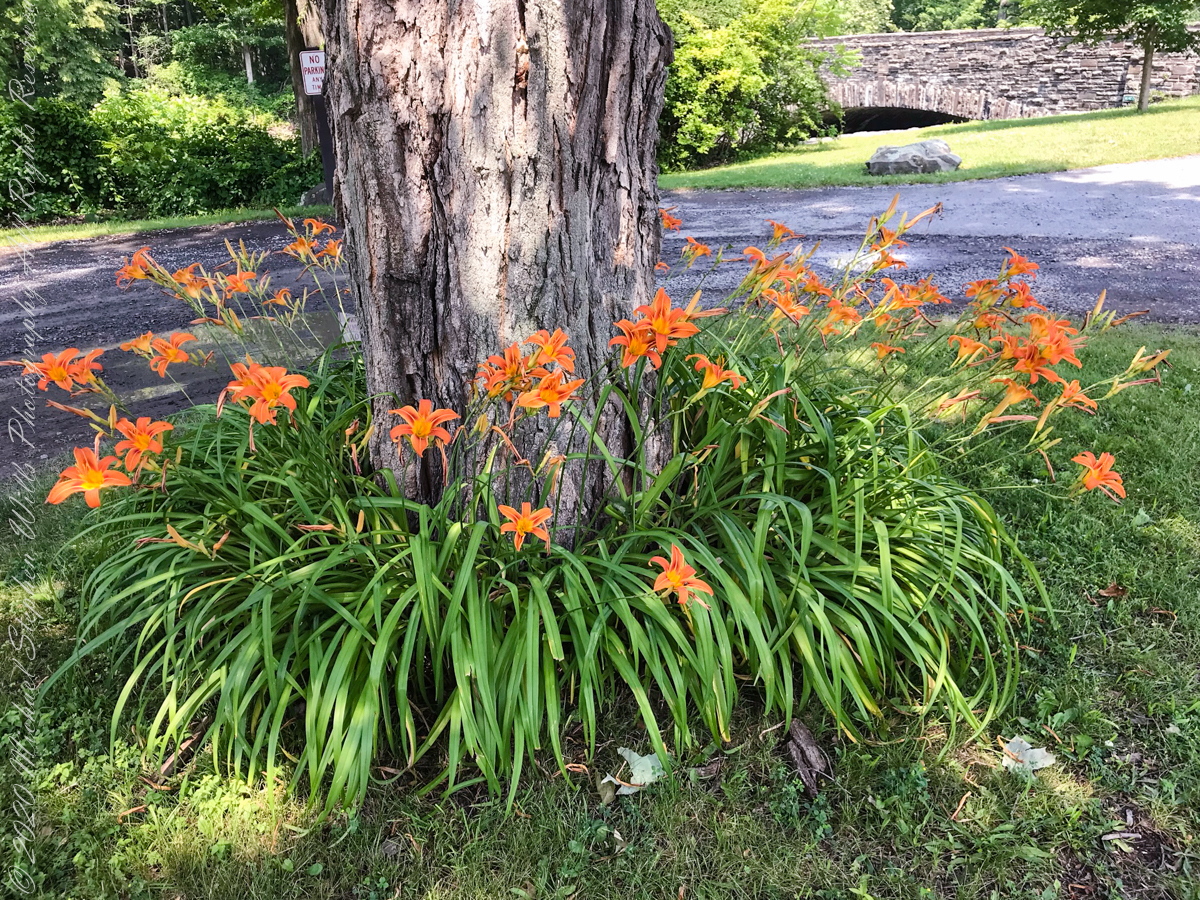
Tiger Lilies
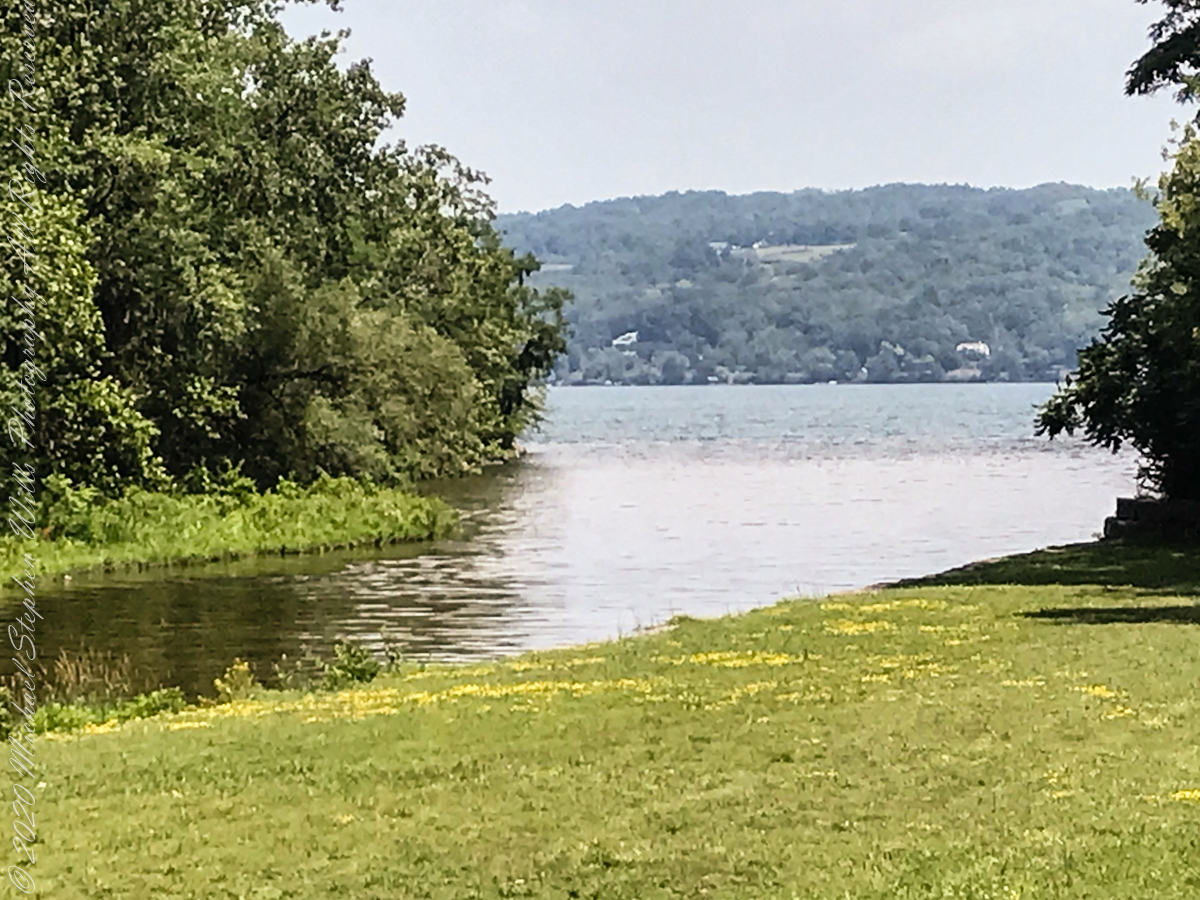
brown creek water meets Cayuga Lake (900 feet deep)
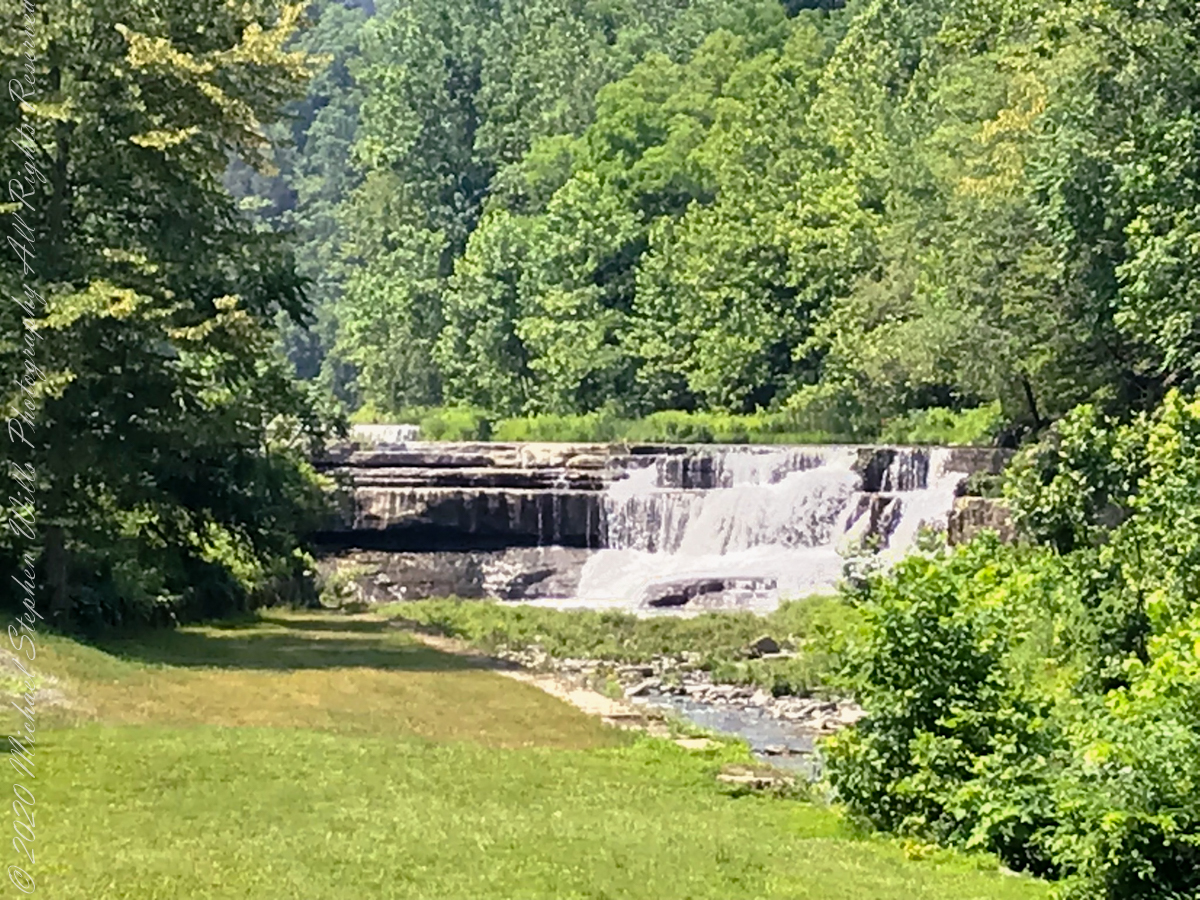
Last waterfall of Taughannock Gorge
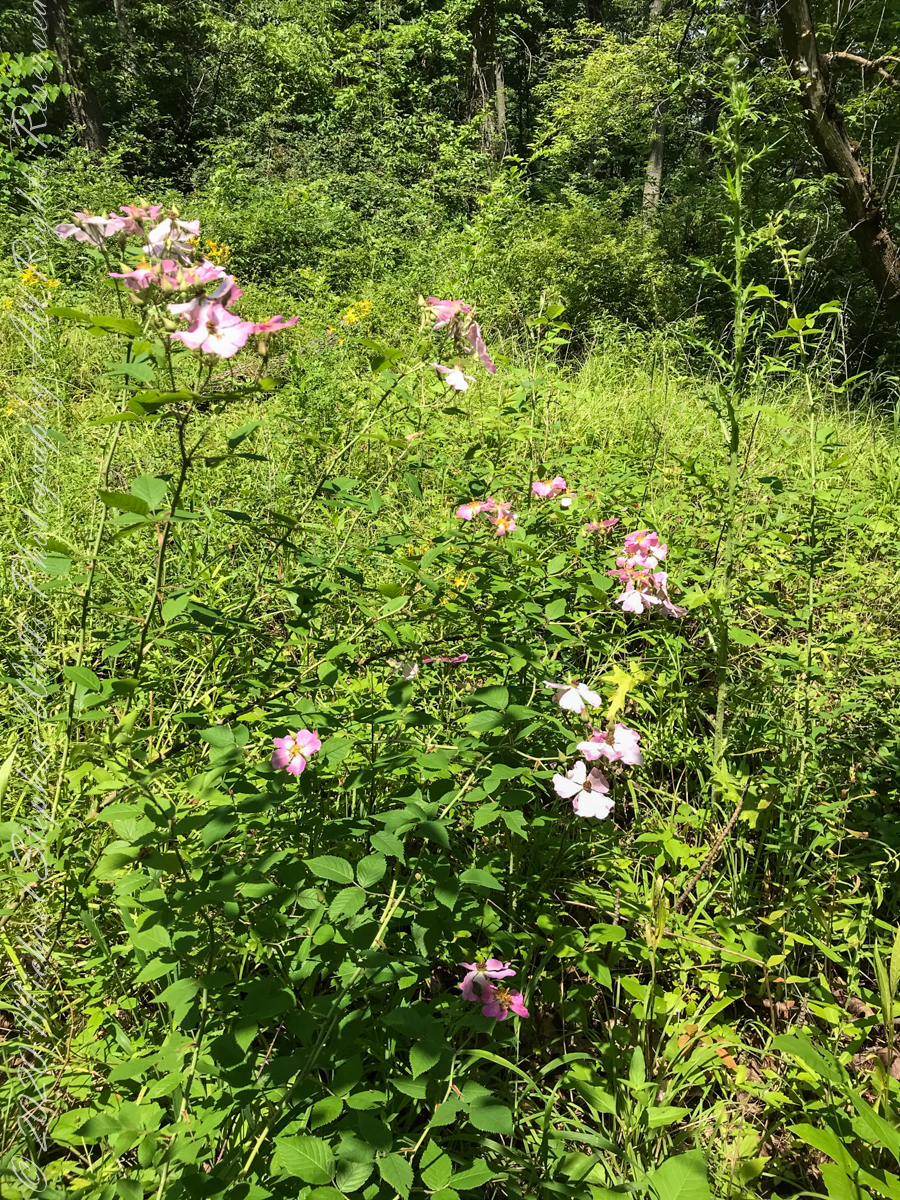
wild roses
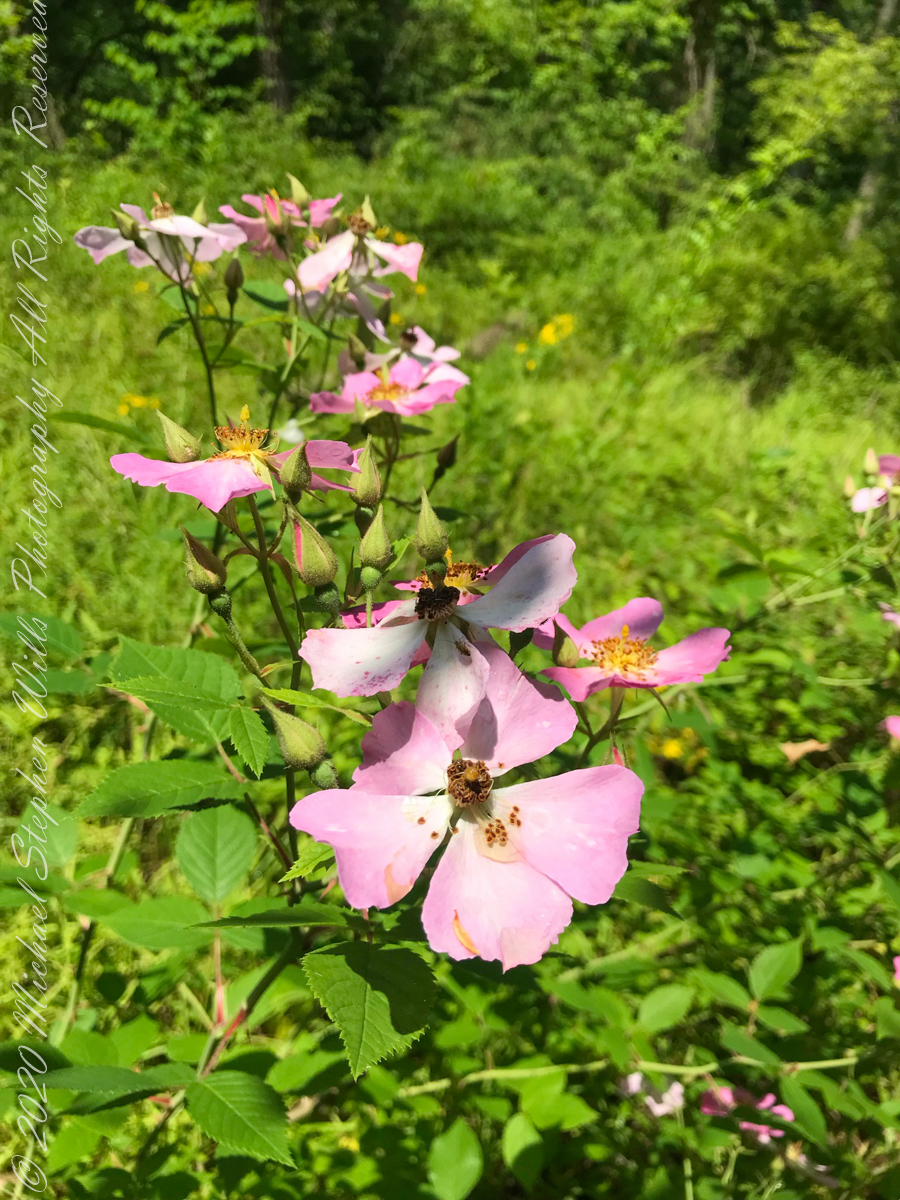
Wild rose blooms
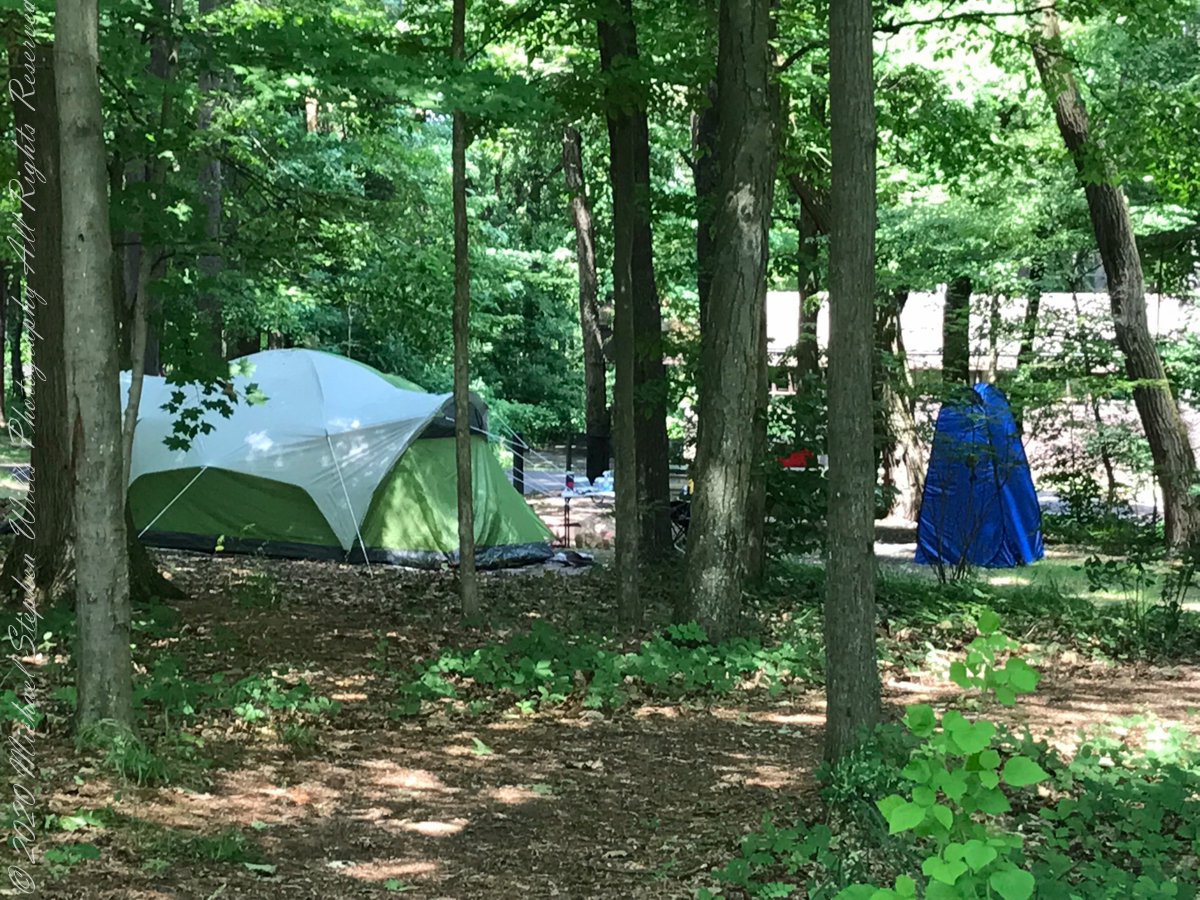
camping on North Rim
North Rim Gorge view
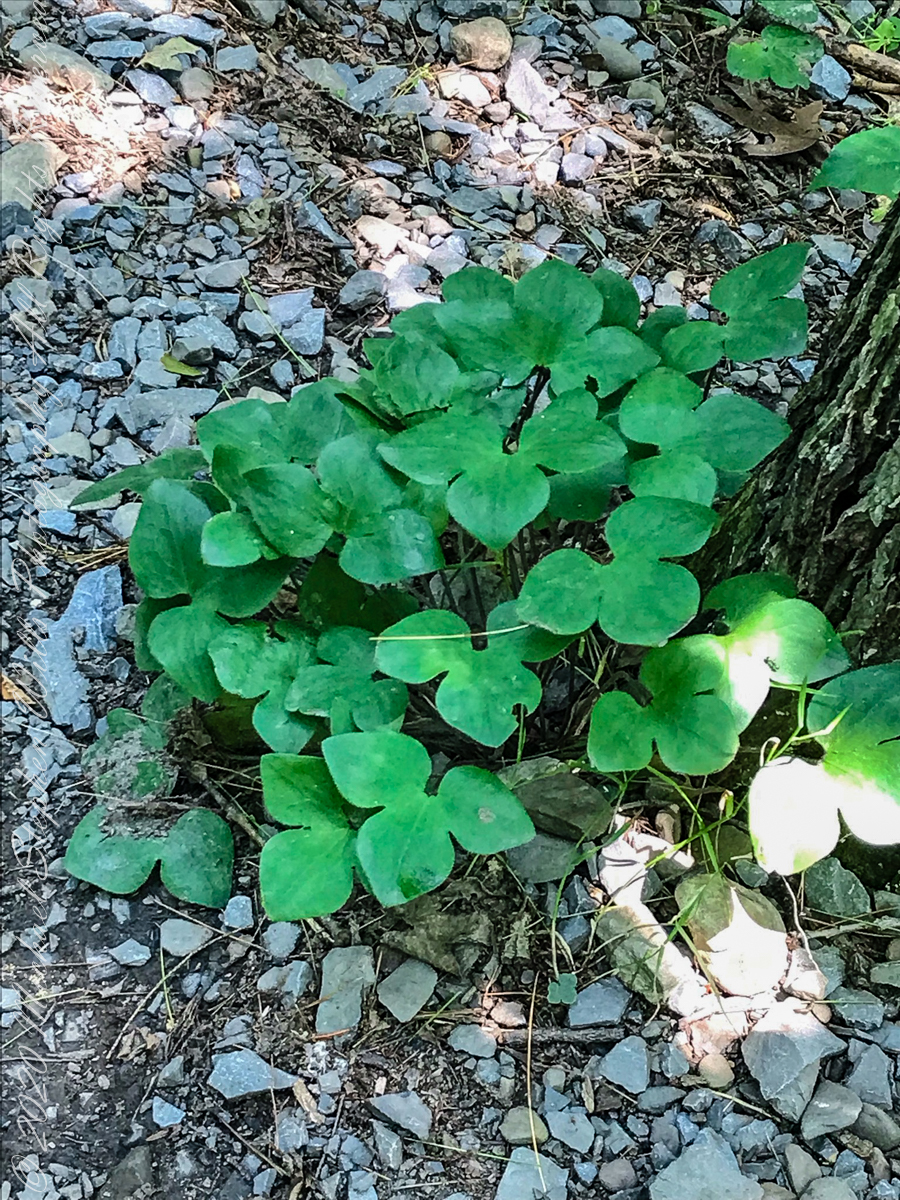
Lobe leaved Hepatica
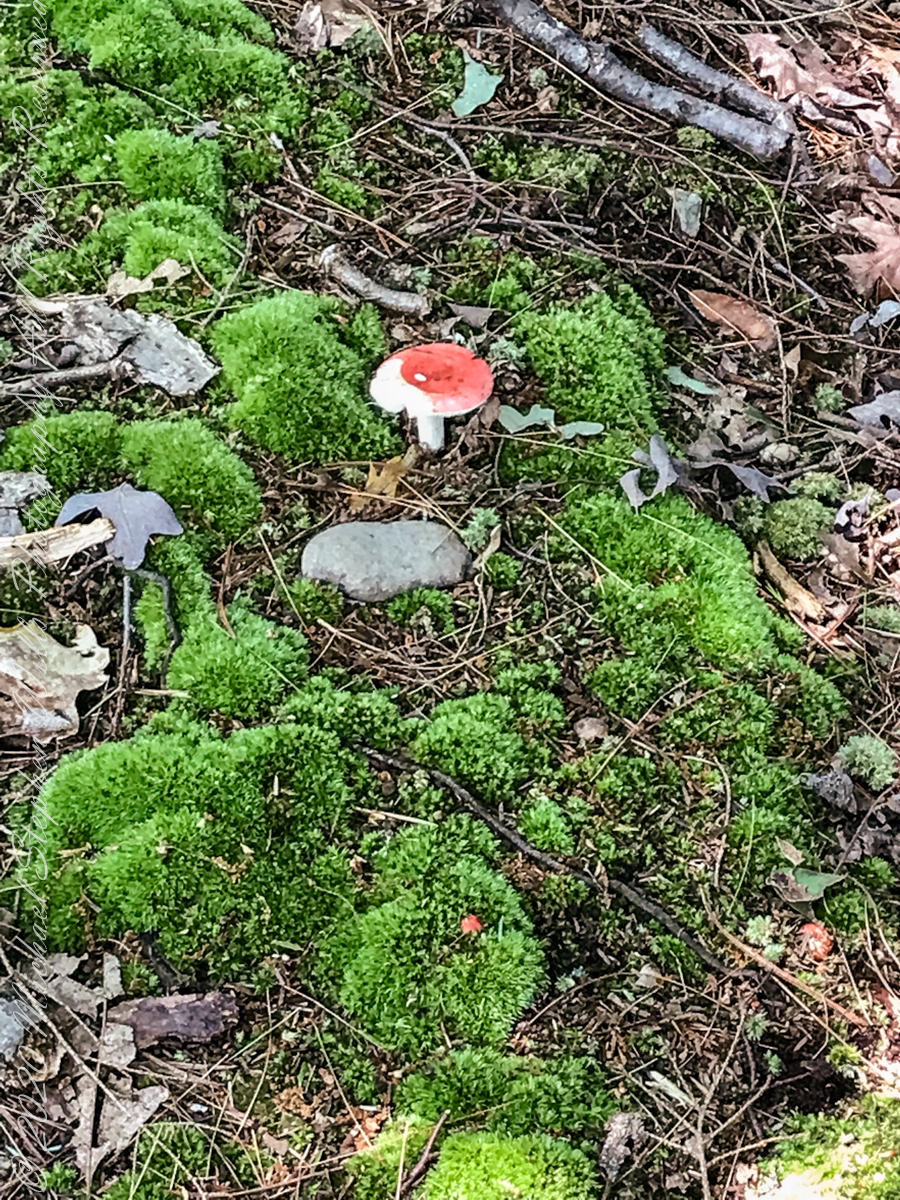
Mushroom and Moss on the “wetter” north rim
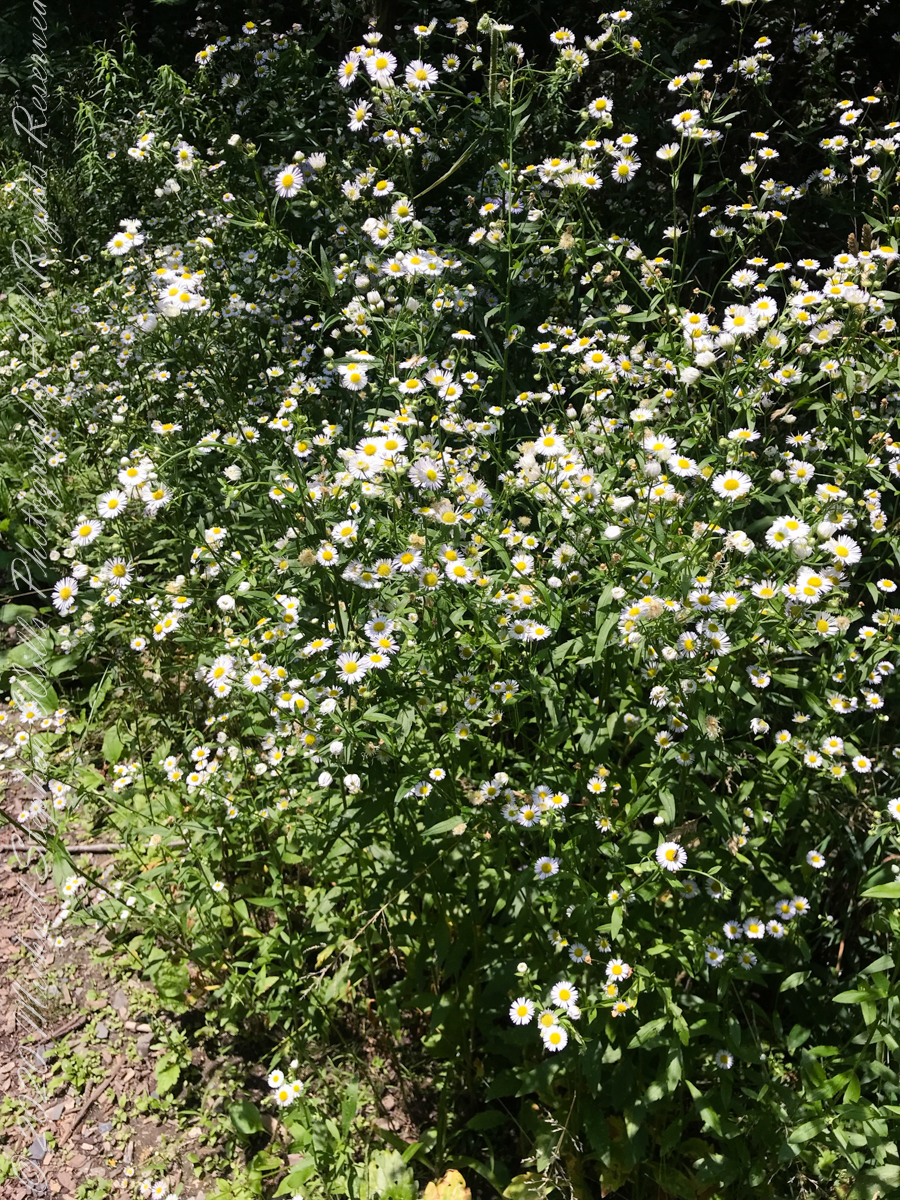
asters, an invasive species
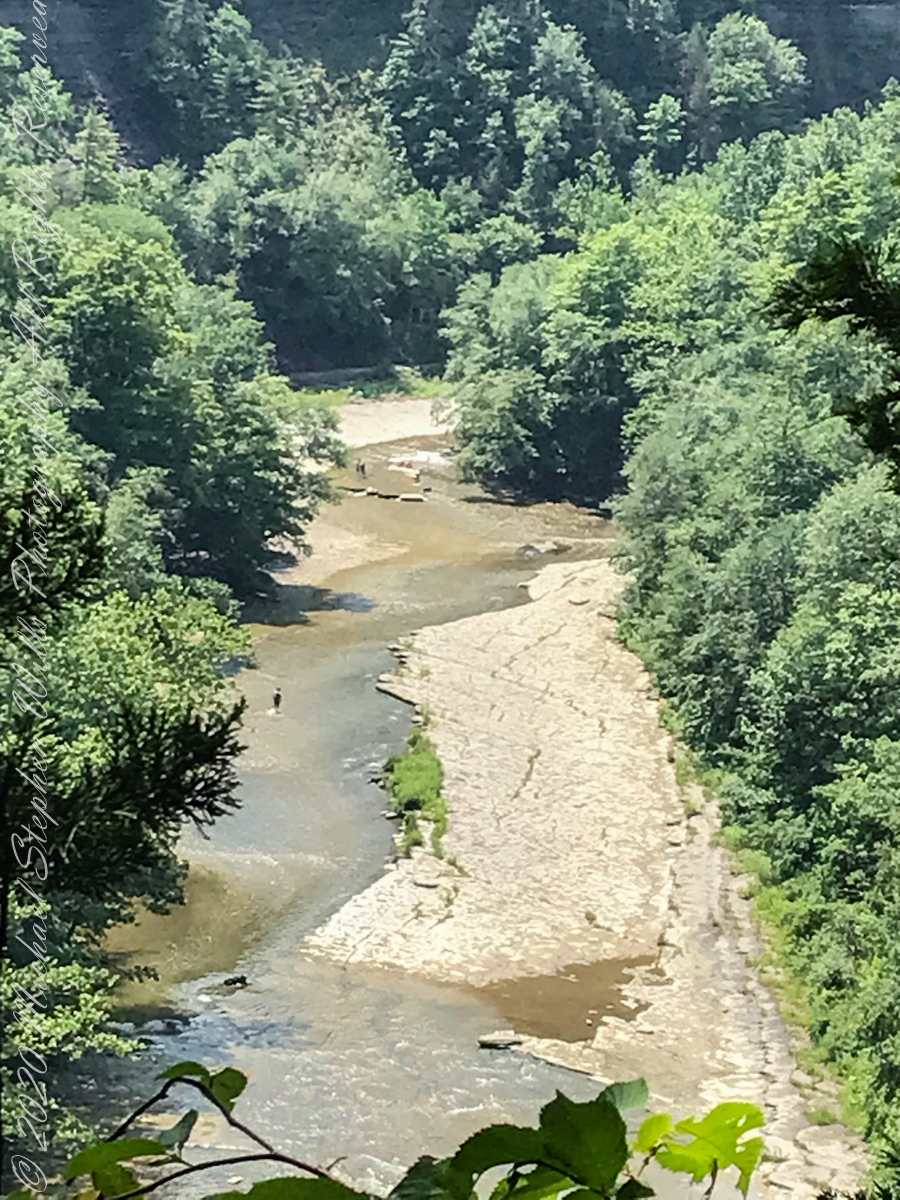
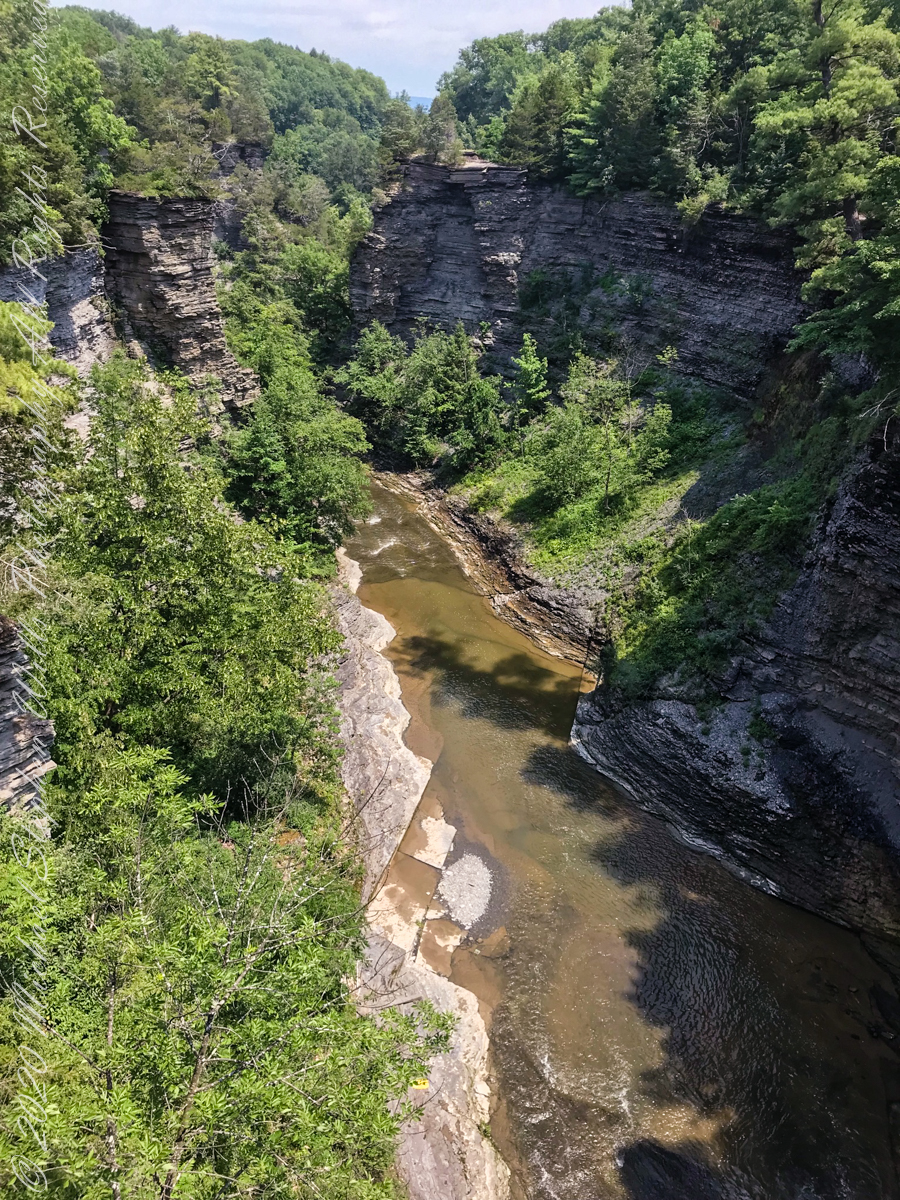
The dramatic and virtually inaccessible gorge above Taughannock Falls
Click the “Watch on YouTube” for a larger format view and more information about each video.
Taughannock Falls Gorge on a humid summer morning
Hemlock Forest on South Rim Trail
Taughannock Falls Gorge from South Rim Trail
Taughannock Falls from South Rim trail
View of Taughannock Falls Gorge from the North Rim trail on a humid summer (July) morning. Turkey Vultures circle overhead…they are there most summer days.
View of the first waterfall of Taughannock Gorge from the railroad bridge linking the North and South Rim trails on a humid summer (July) morning. This large waterfall empties to the gorge above the 210+ foot Taughannock Falls.
Copyright 2021 All Rights Reserved Michael Stephen Wills
Here is a repost for those who missed the video. Please click on video, below and share your responses via comments. Thank You
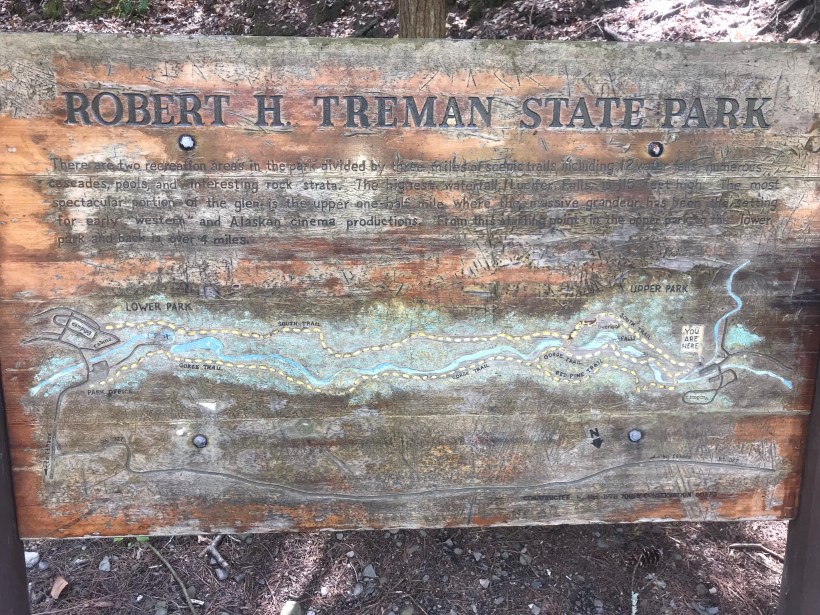
The Finger Lakes Trail joins Robert H. Treman New York State Park, running along the south rim along the park border.
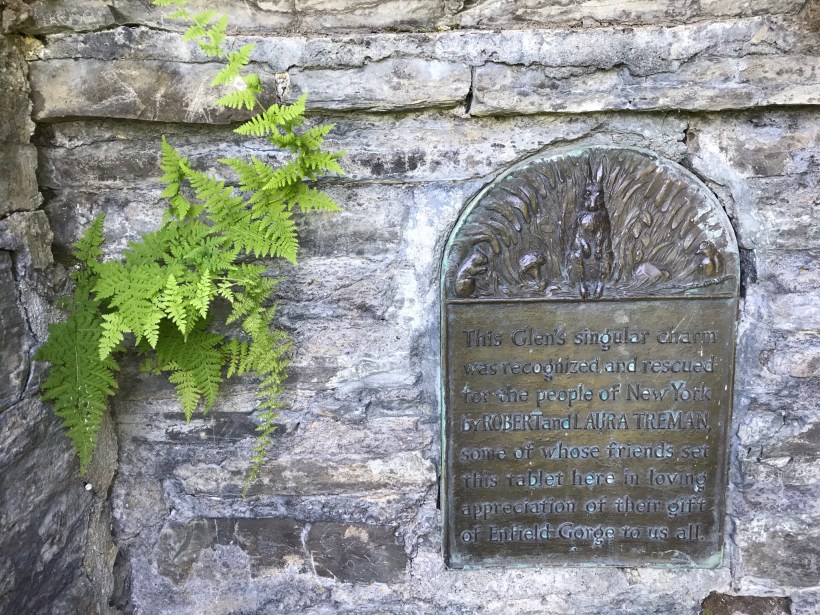
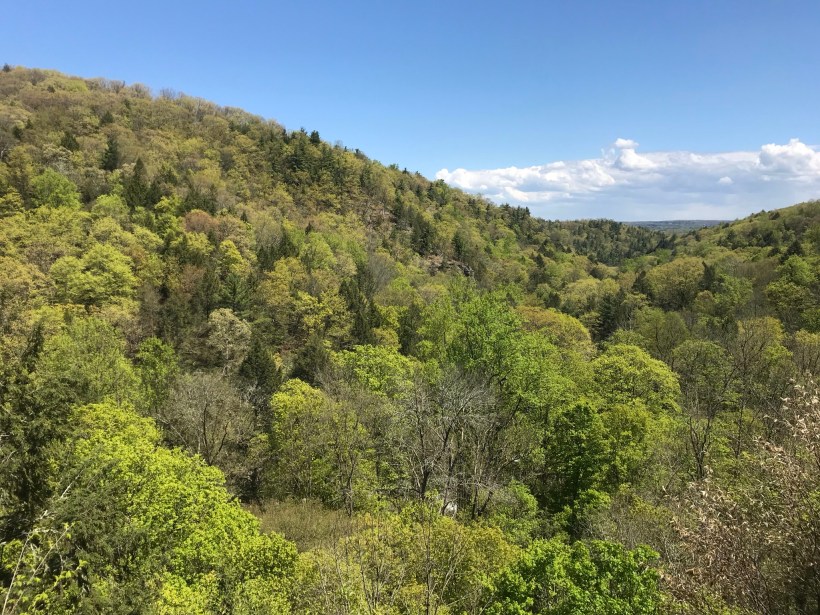
Today, I started from the stairs next to the Mill of the upper park, walking along Fish Kill Creek, a brief visit to the CCC plaque, over the new footbridge and a steep climb up to the ridge to a marvelous view over the way we just walked. That is a millipede resting on a wooden trail stake.
A word on the creek name. The Dutch word for creek is “Kill”, the anglicisation of the original name retained the Dutch making it, in effect, “Fish Creek Creek,” not a memorization of fish massacre.
There’s one shot of the damage done to tree leaves by hoards of caterpillars…I found chewed-up leaves at my feet throughout the hike.
Then, I re-join the State Park South Rim trail, down the Cliff Staircase to wander the gorge floor below Lucifer Falls.
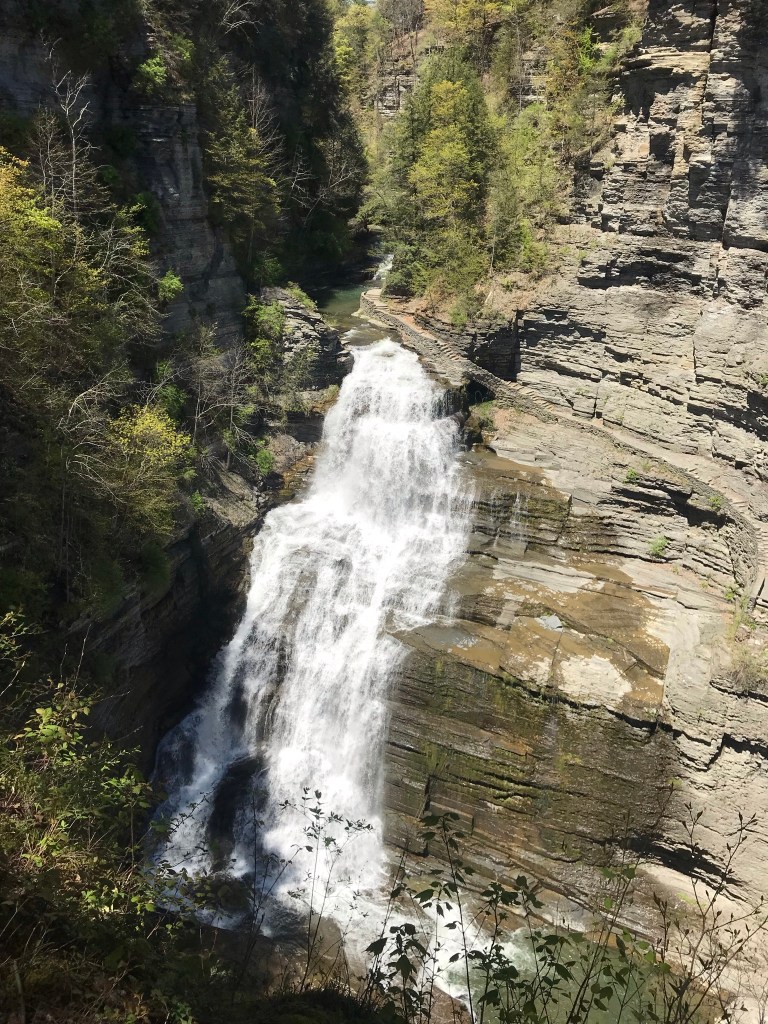
Up the Gorge Trail with many shots of these wonders including Lucifer Falls, Devil’s Kitchen Waterfall, and the Gallery.
Close with a shot of early Tiger Lily blooms on the south facing bank of Enfield Creek.
I used a new format with this post, with all media in one You Tube video. Enjoy!!
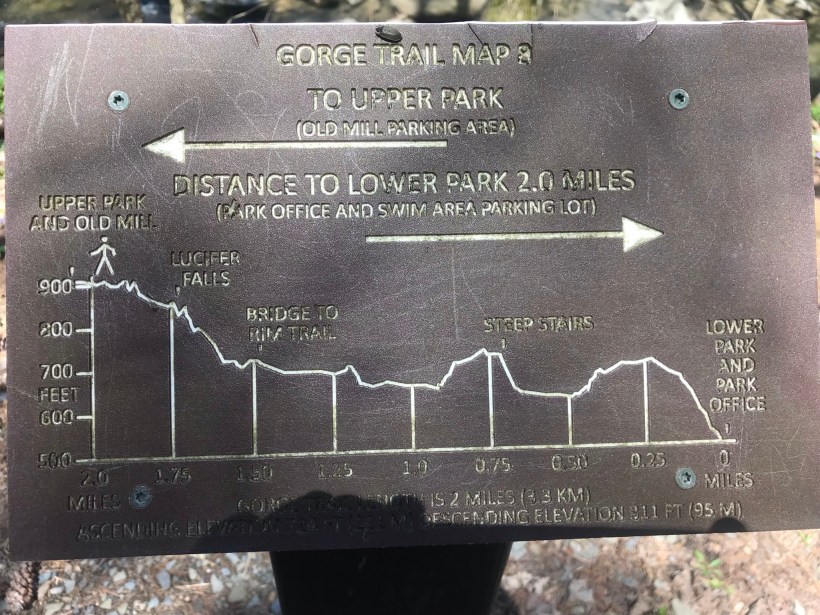
Pam and I headed out to Treman Park for a walk to the Lucifer Falls overlook. The Gorge Trail is not yet open due to the danger of rock falling from the gorge walls — the park maintenance staff needs to survey winter damage and knock down material in danger of falling.
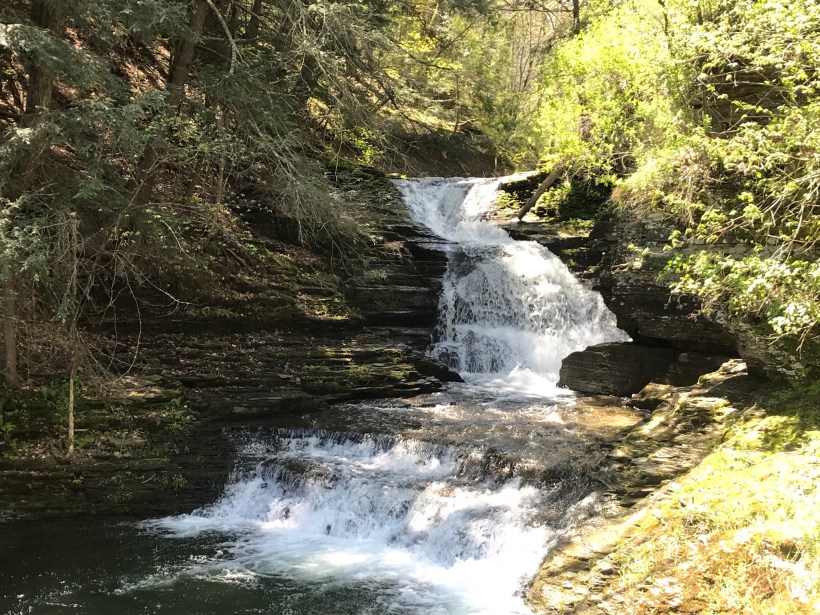
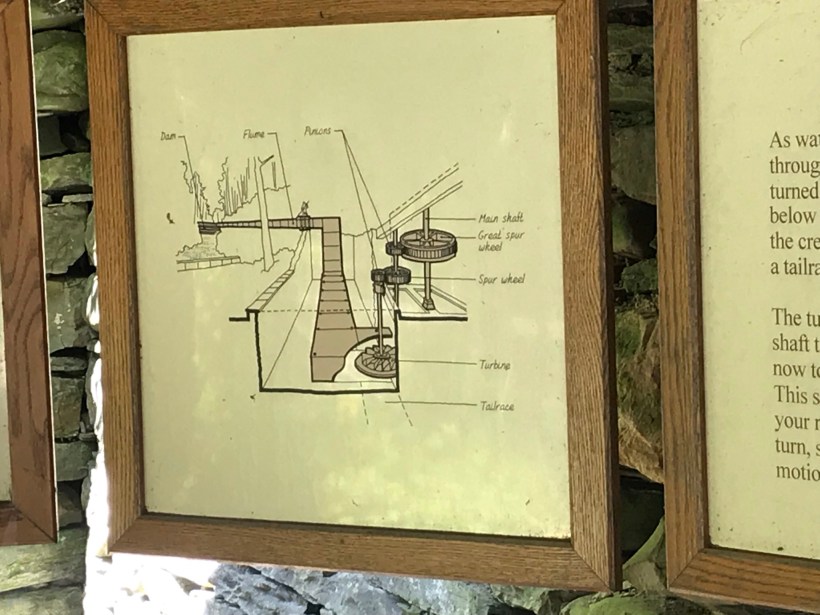
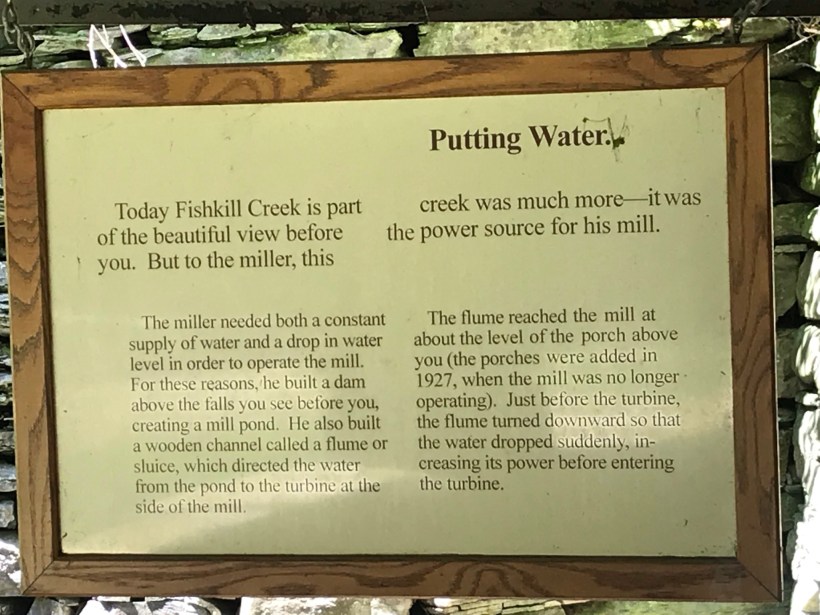
Our first stop was the mill waterfall. This was was directed to the mill stream to power the mill where grain was ground to order.
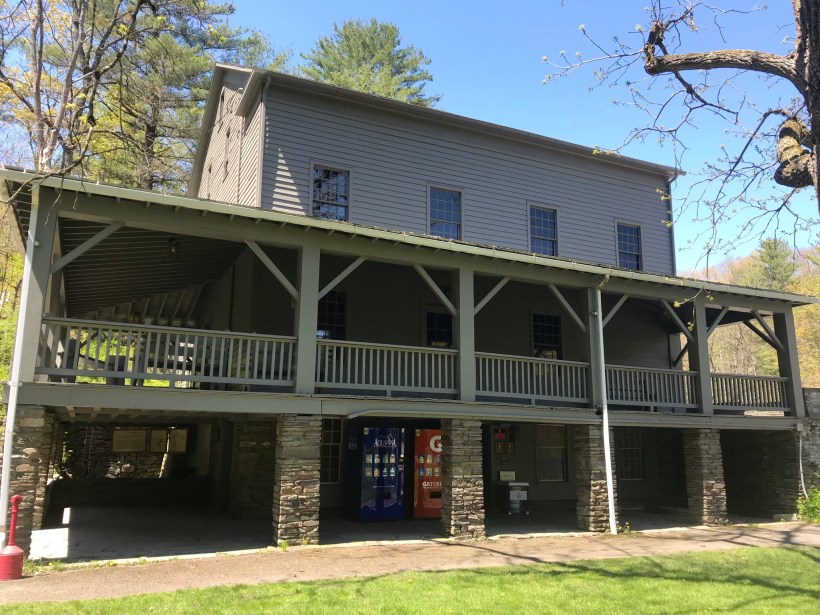
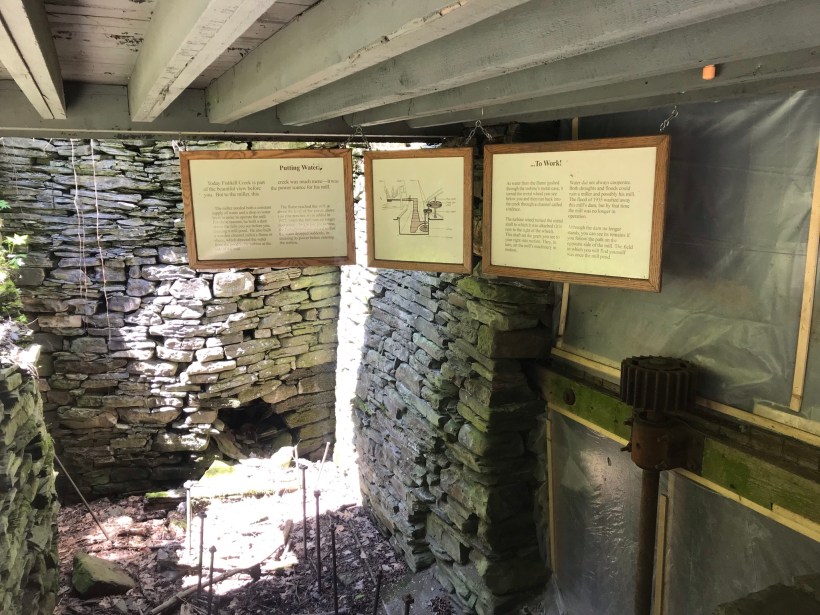
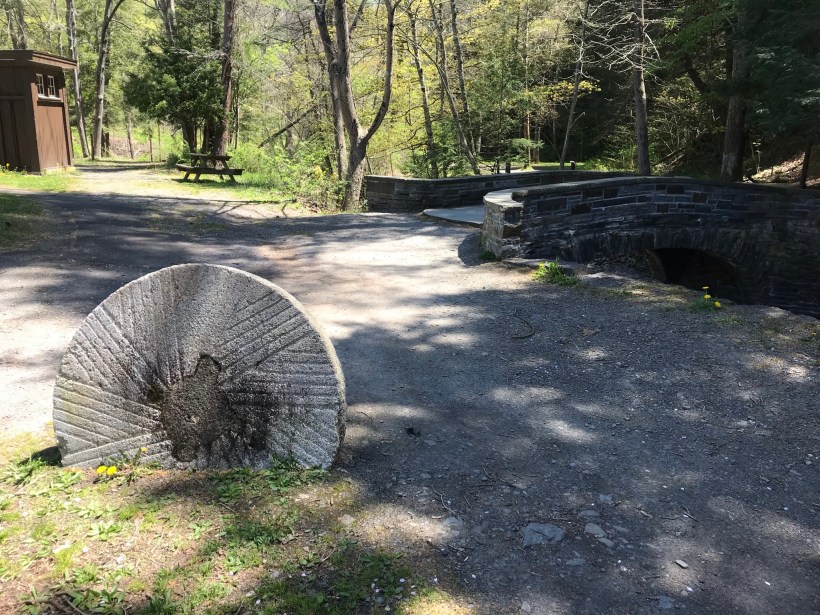
Here is an overview of the Mill, now a museum not yet opened post-Covid. The millstone stands at the start of the foot trails. All media on this post is from my IPhone 7, lightweight equipment for this hike. The automatic upload to ICloud is convenient.
Round trip is four-plus miles, with several hundred feet elevation change. Pam and I discussed a car caravan for our next visit, to support a one-way downhill hike (still plenty of uphill hiking). We need to work up to the round trip after our winter inactivity.
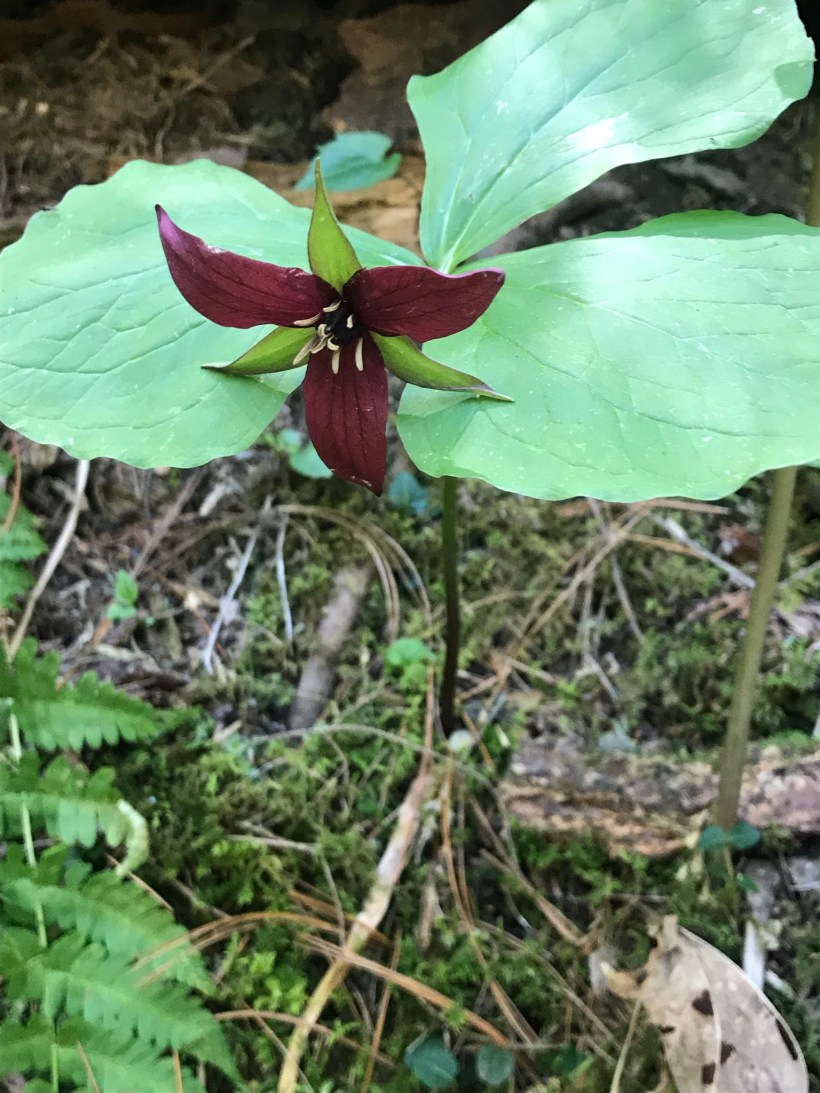
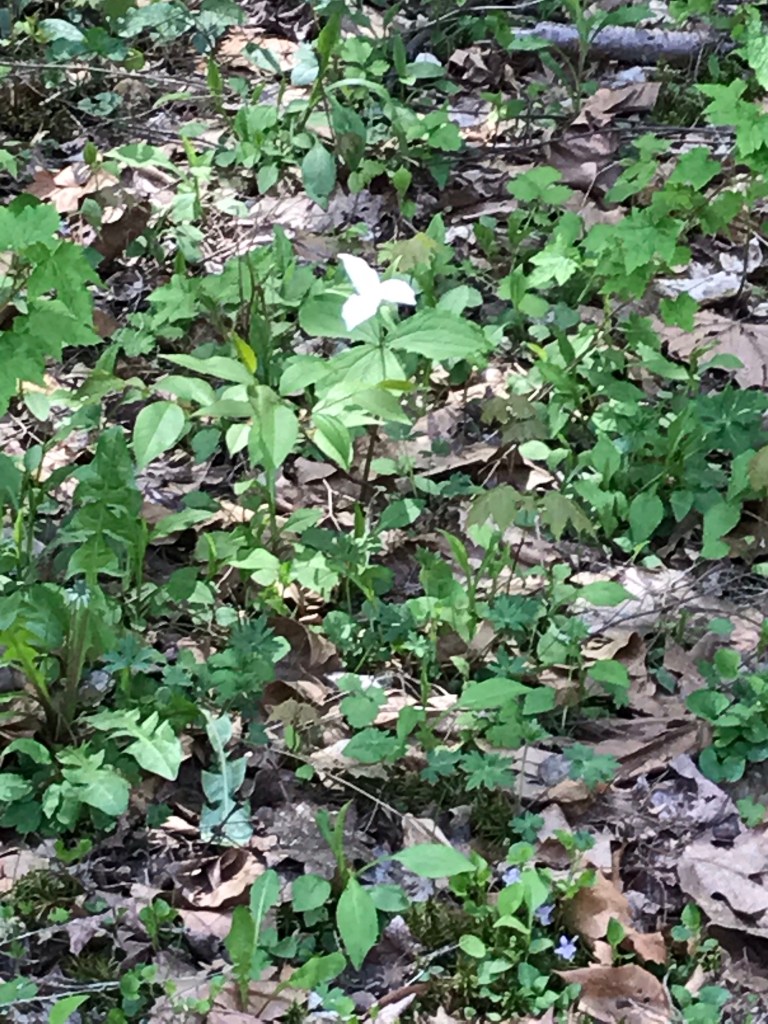
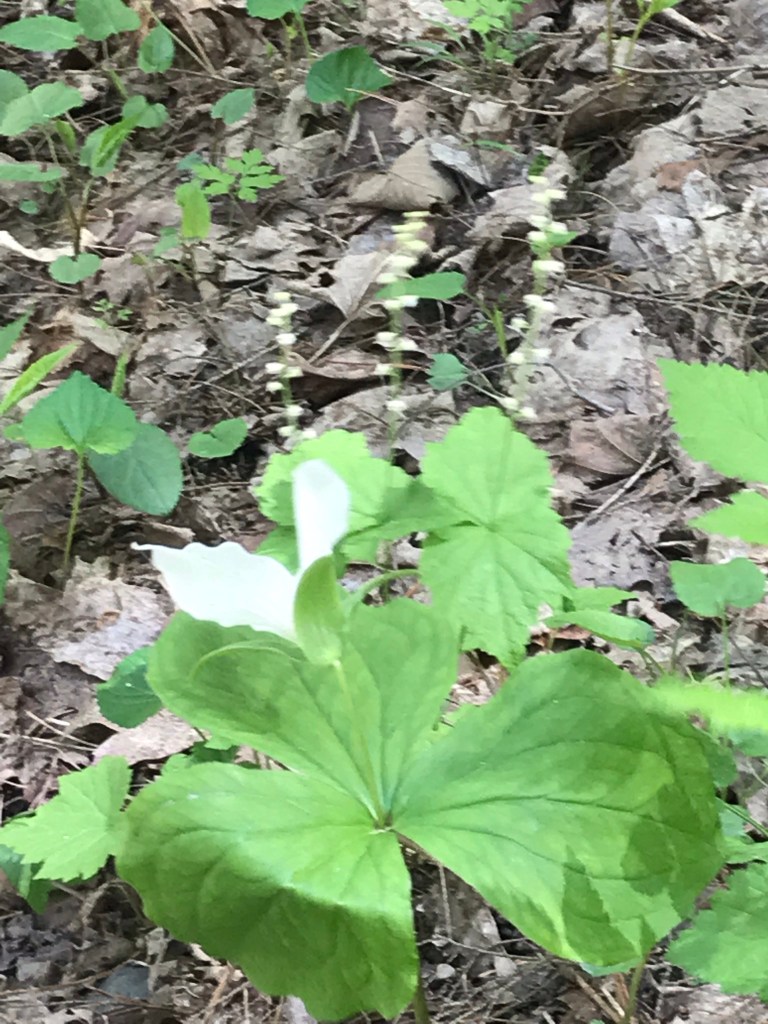
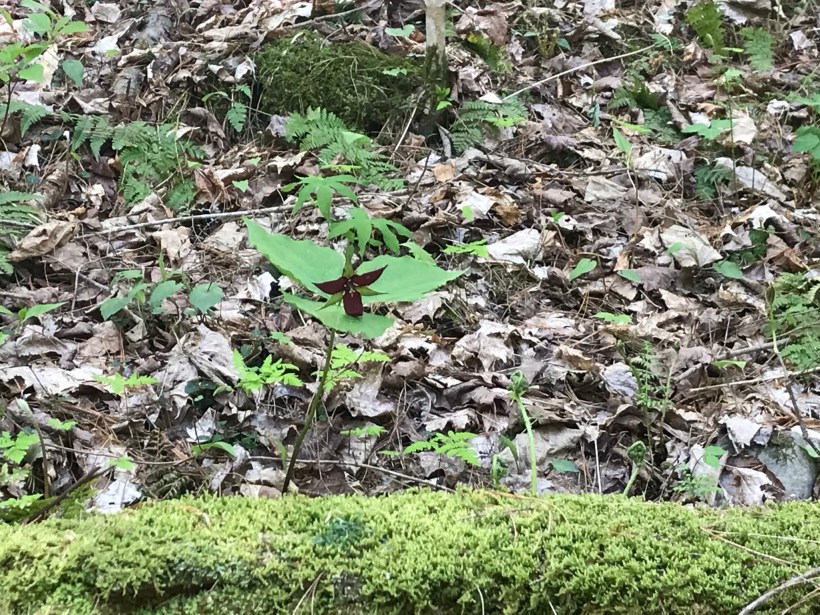
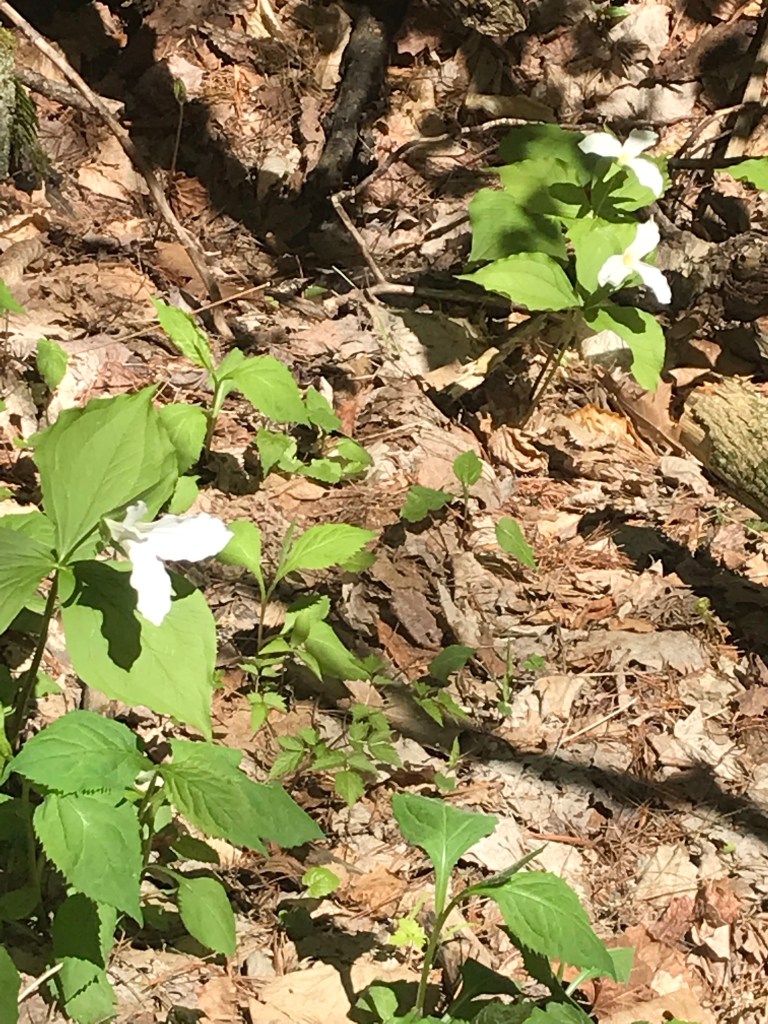
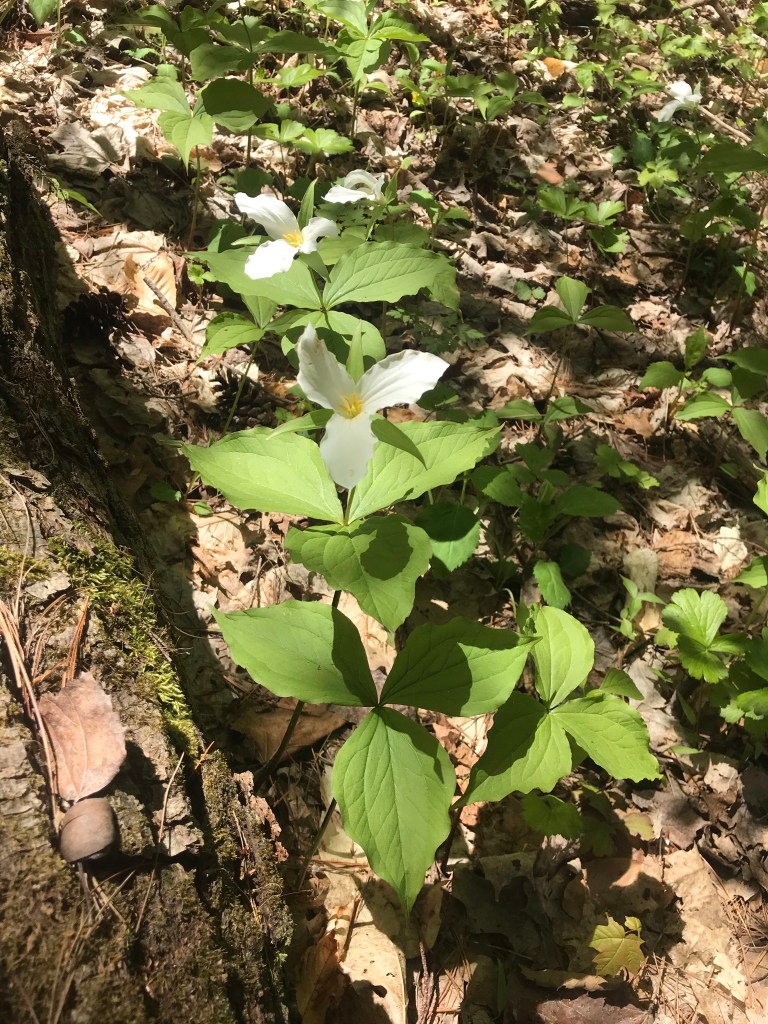
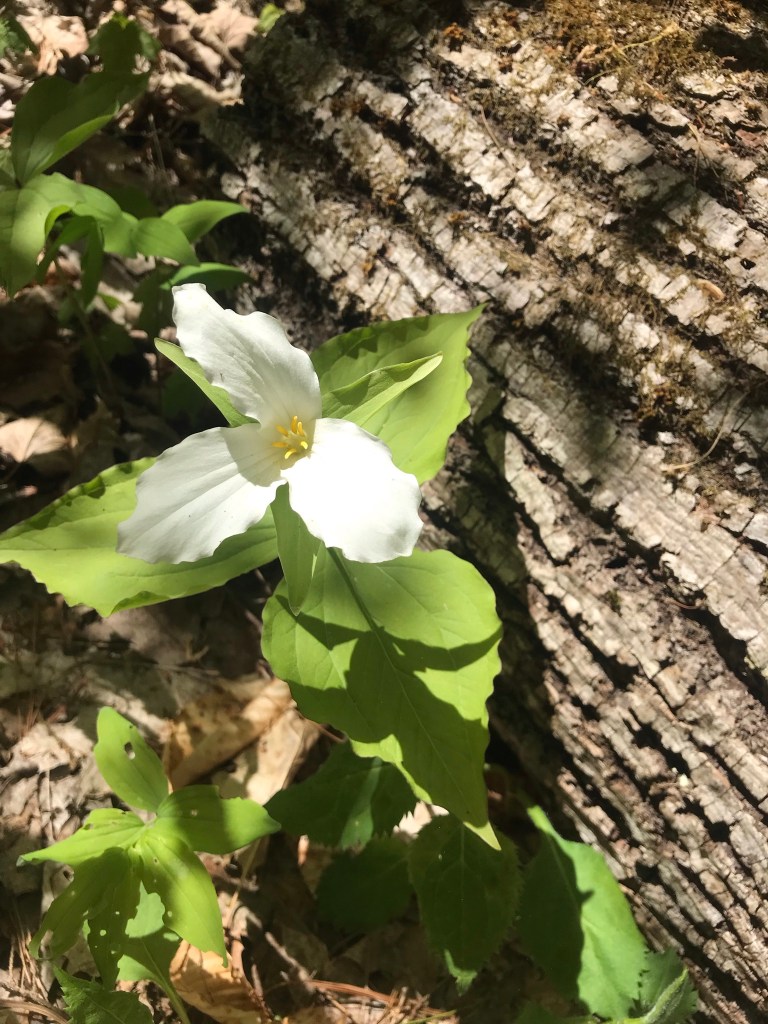
Trillium are in bloom!!
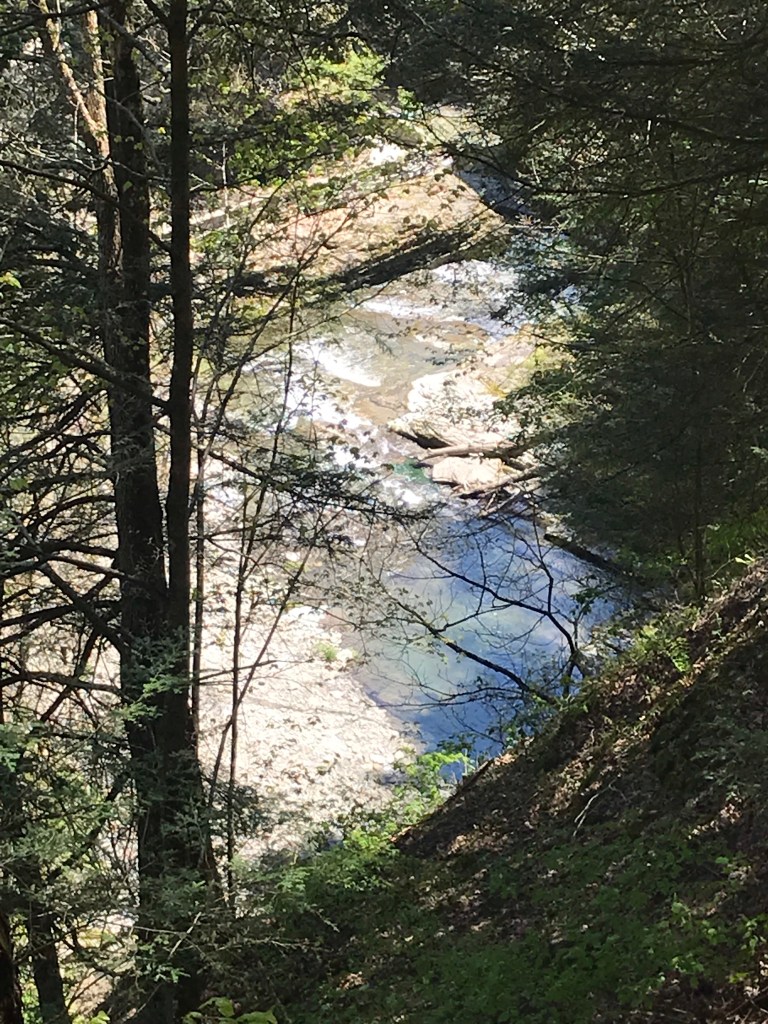
Multiple overlooks into the gorge grace this trail.
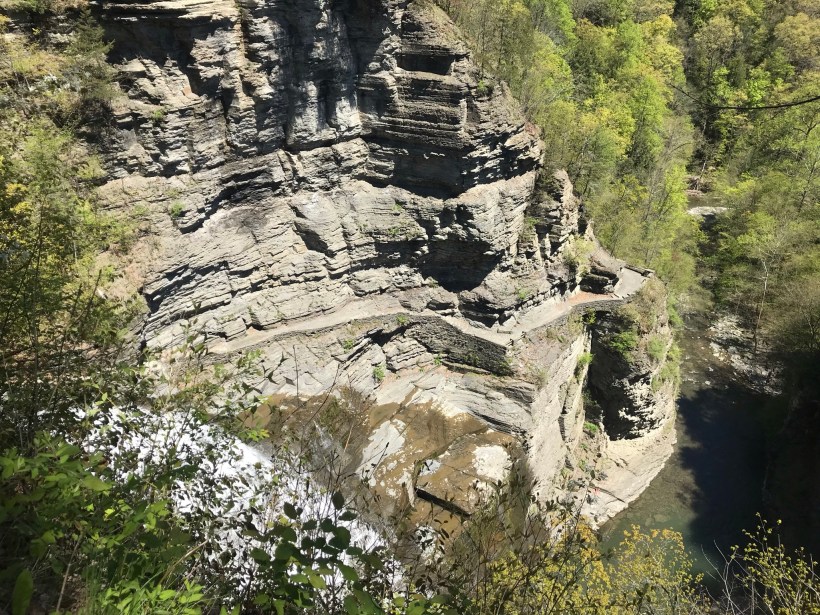
More trillium before we reached the overlook. Lucifer falls and the incredible path etched into the cliff by the Civilian Conservation Corps (Roosevelt’s Tree Army during the Depression).
After the Lucifer Falls overlook is this stupendous view from the top of the Cliff Stairs, 224 steps continue to link to the Gorge and South Rim trails.
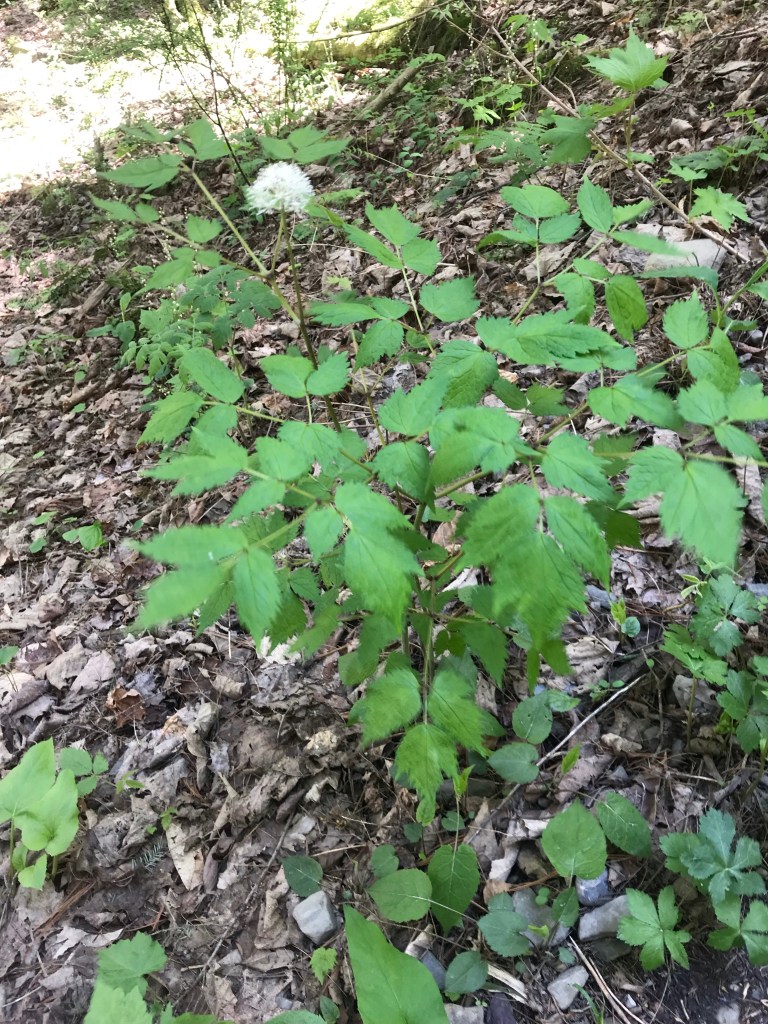
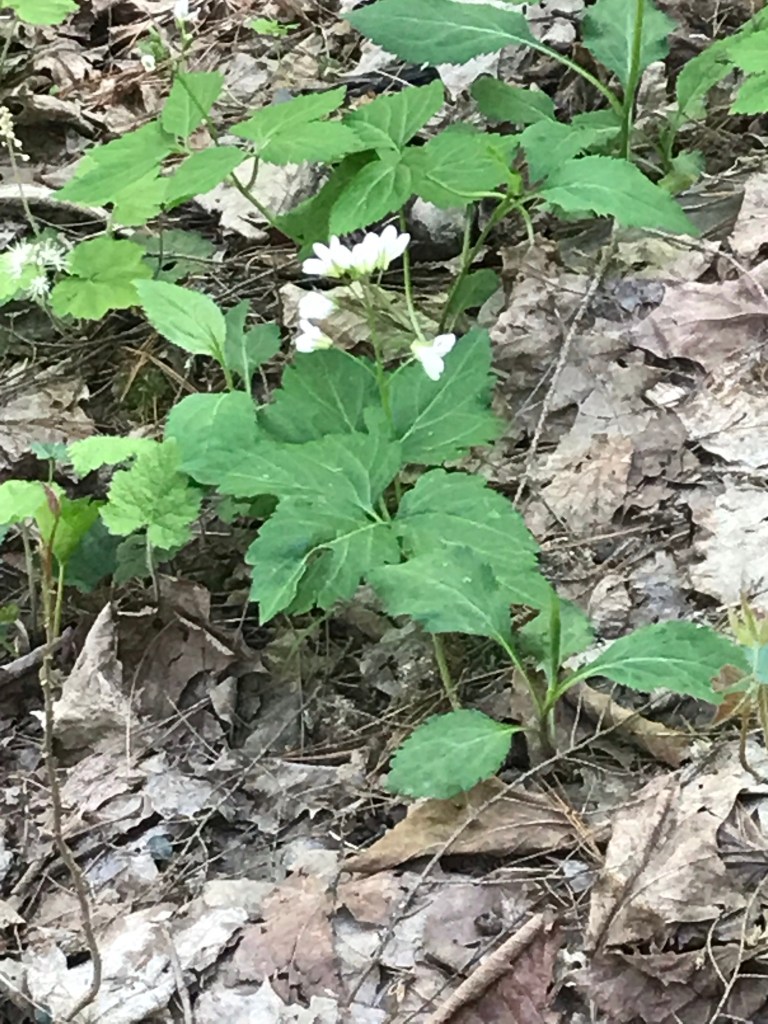
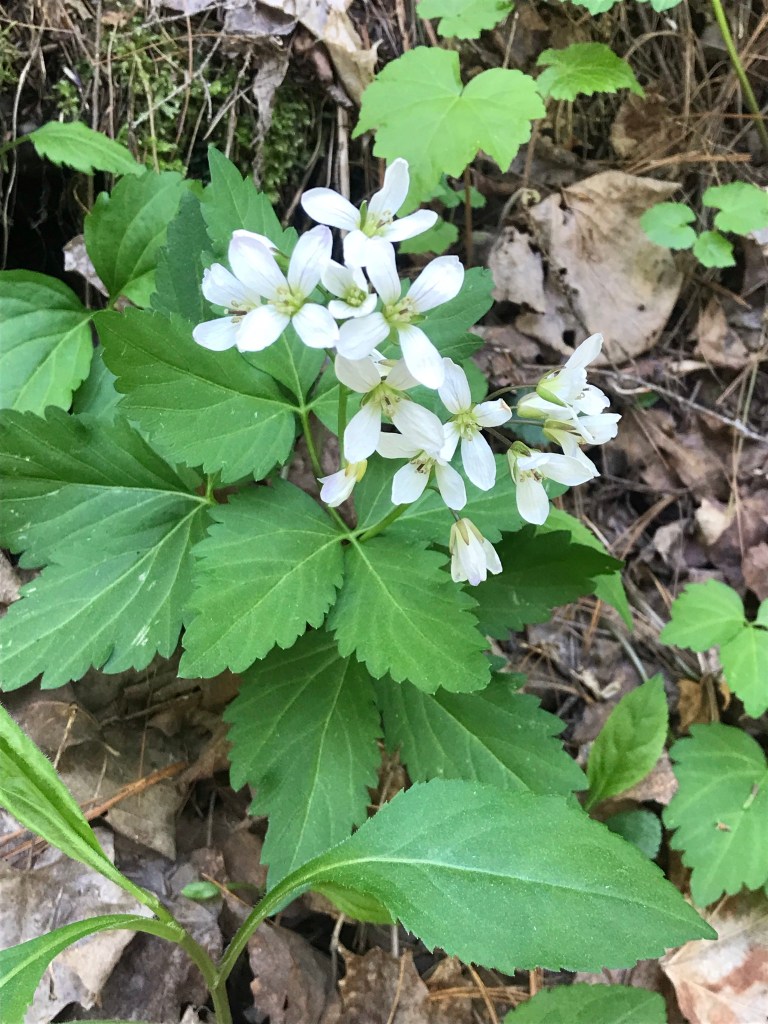
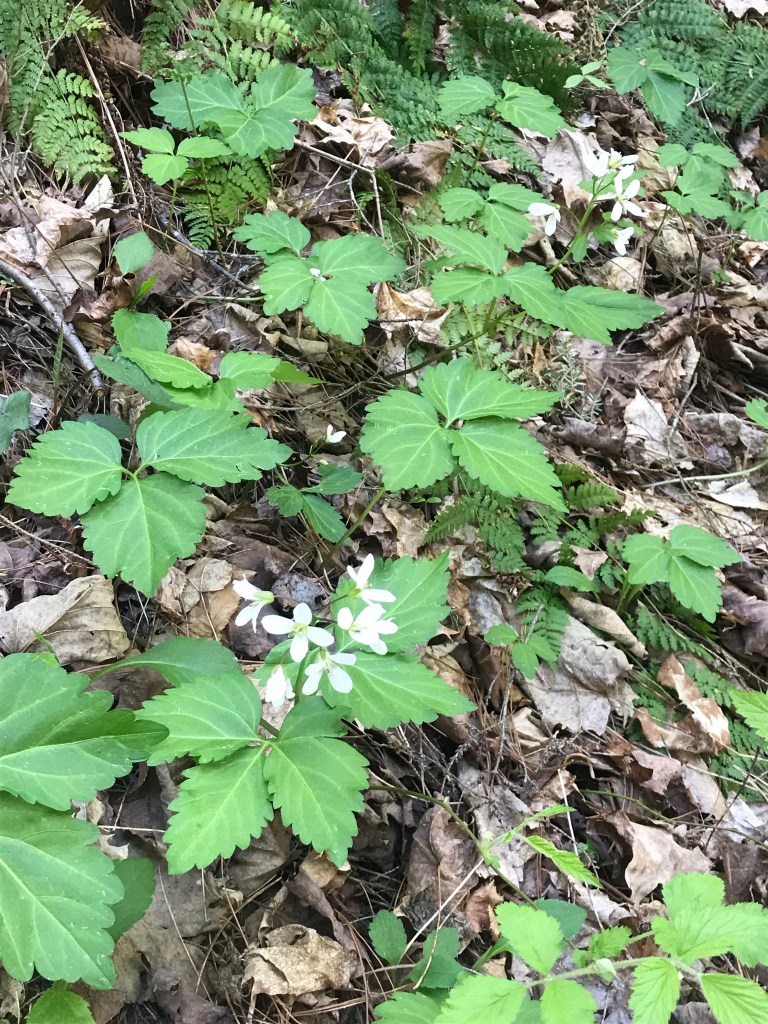
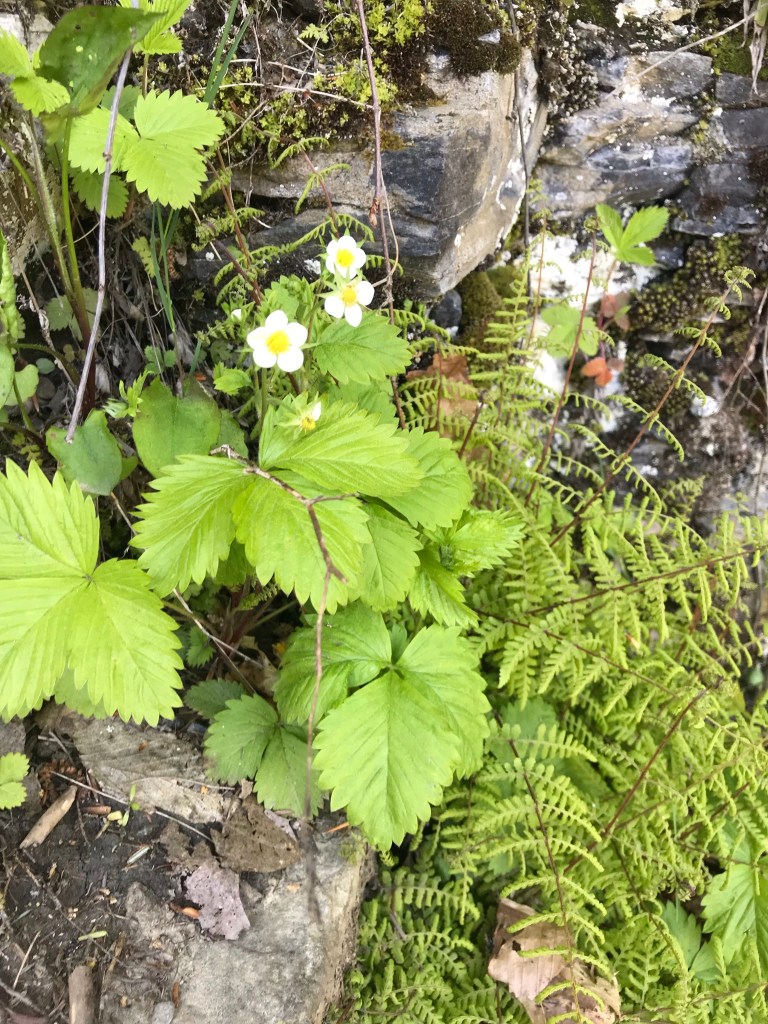
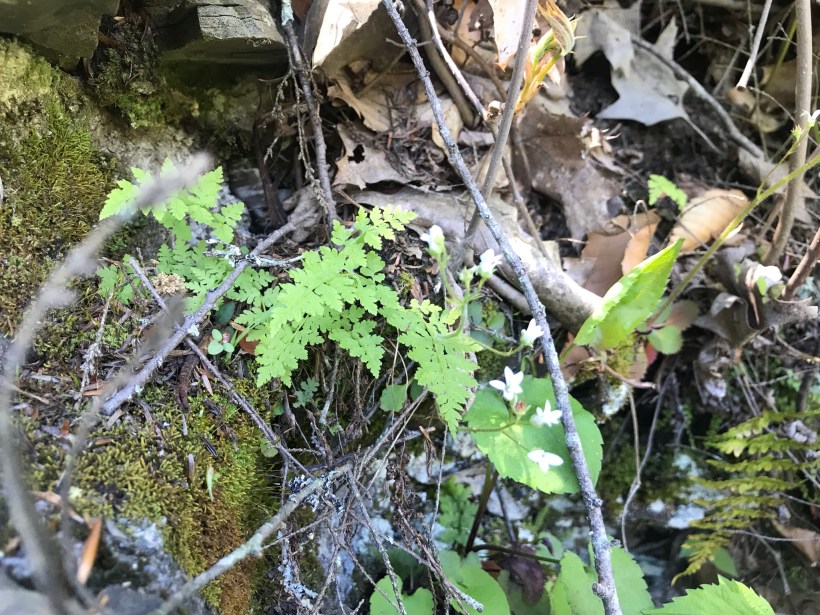
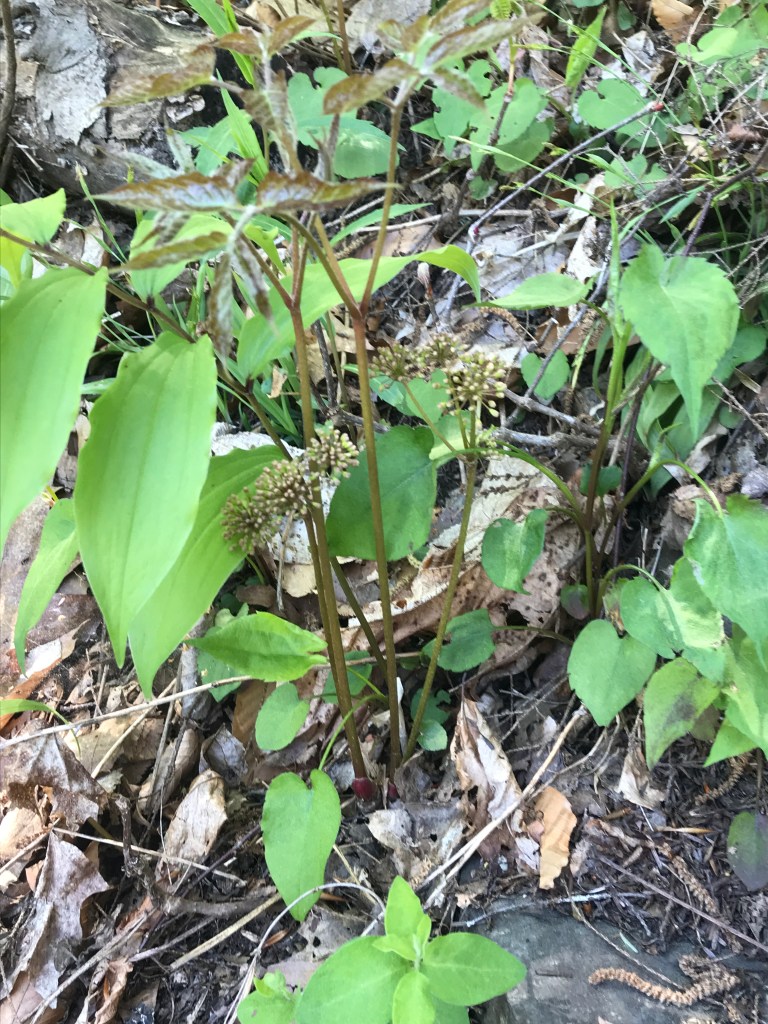
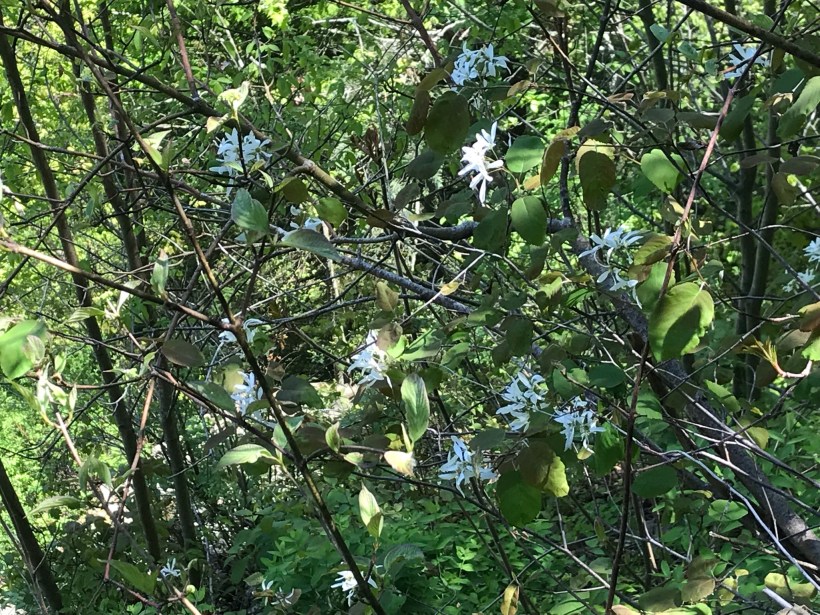
As we lingered on the top steps the flowering plants slowly revealed themselves.
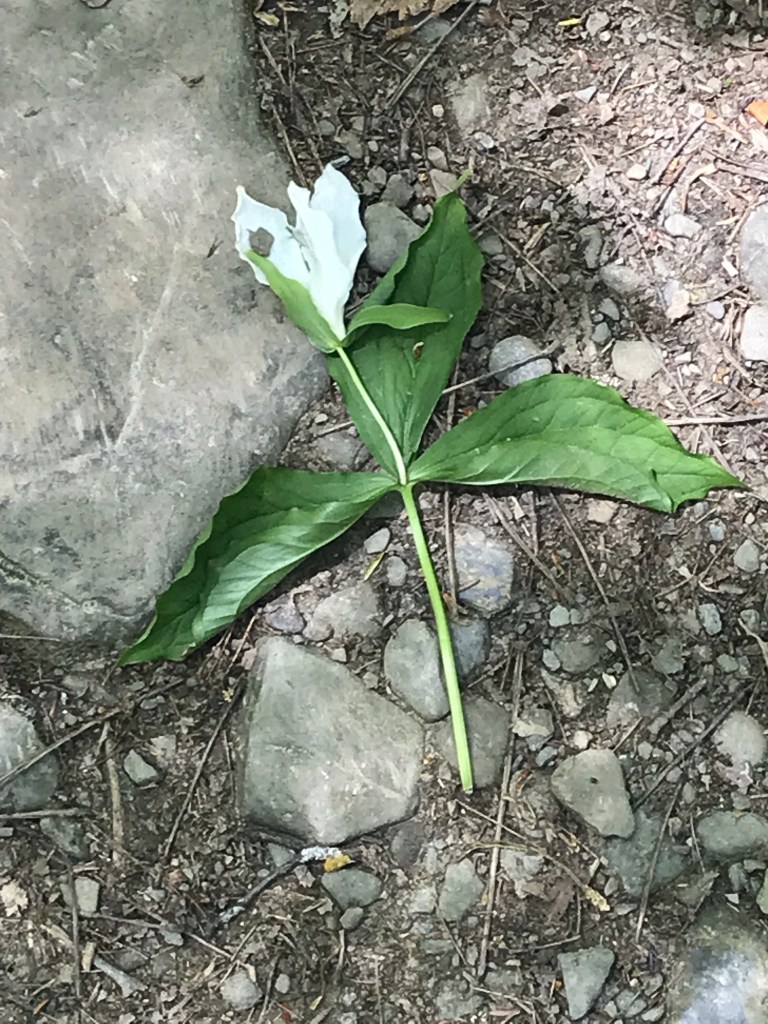
I captured this tragic image on the return trip….a trillium discarded on the trail. Stiff fines await anyone caught doing this.
Copyright 2021 Michael Stephen Wills All Rights Reserved










 Michael Stephen Wills Photography