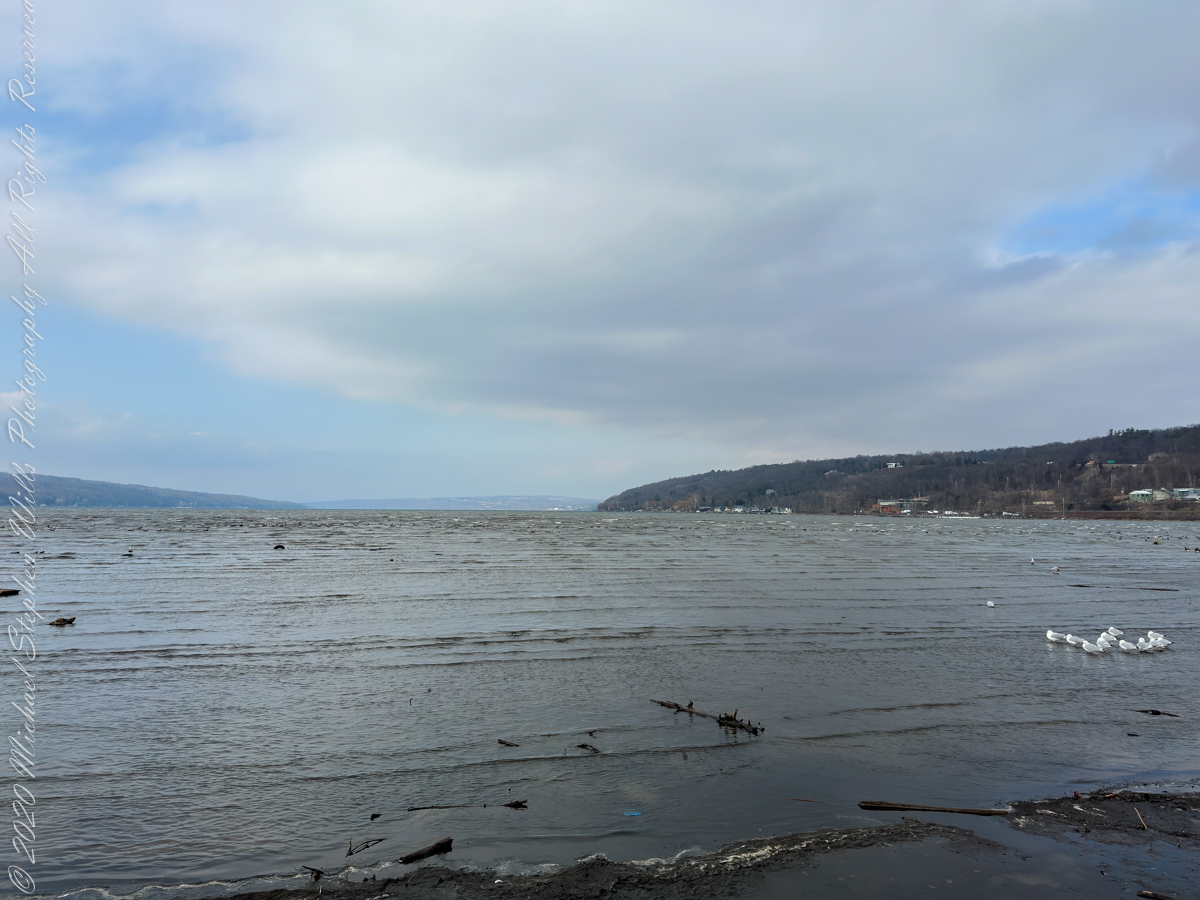
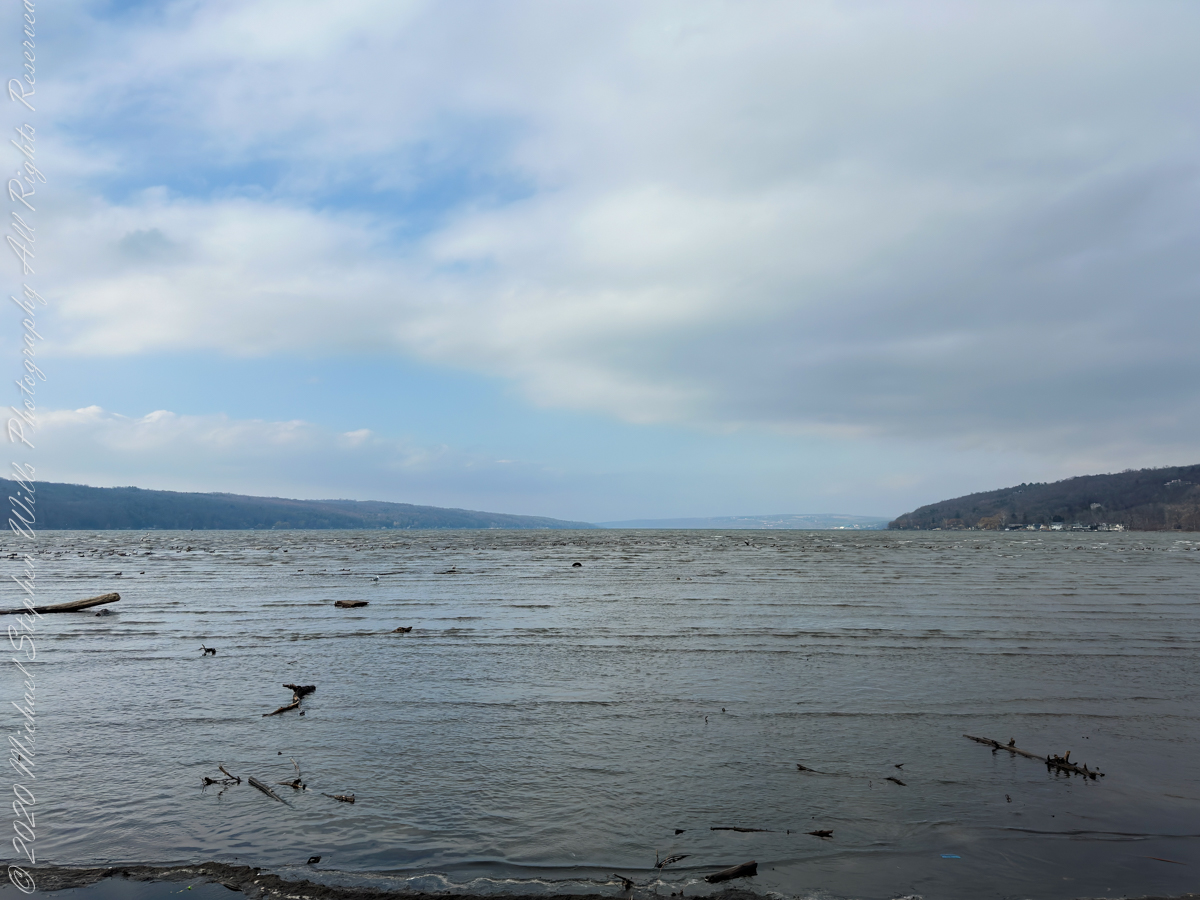
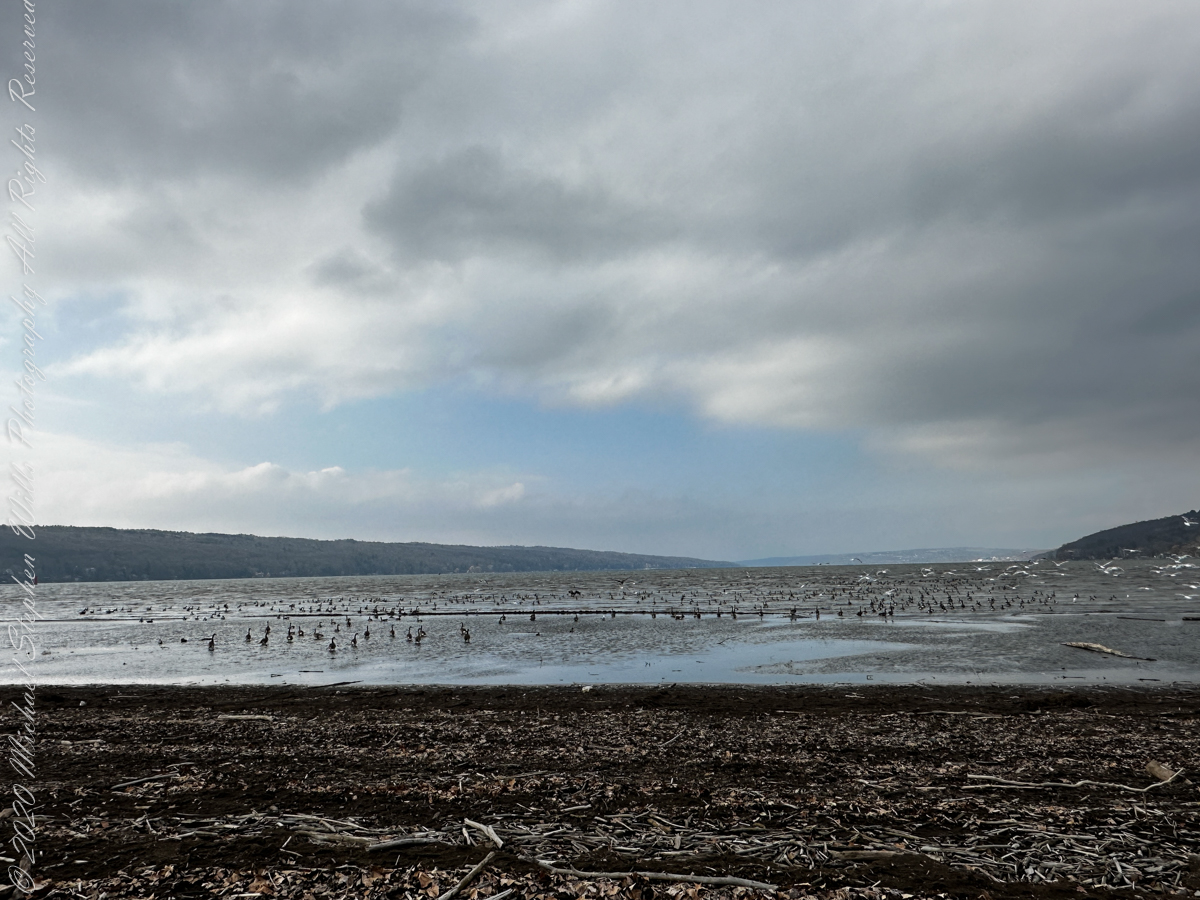
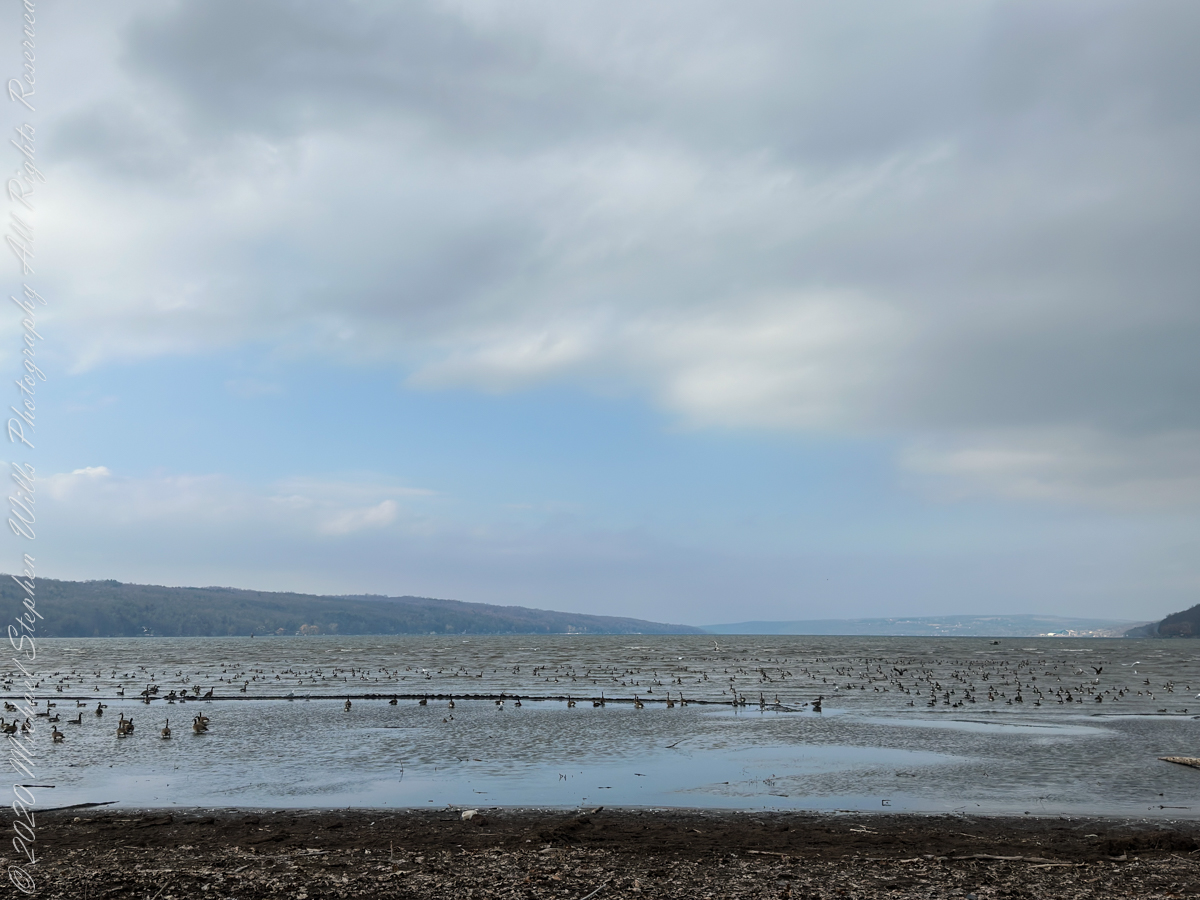
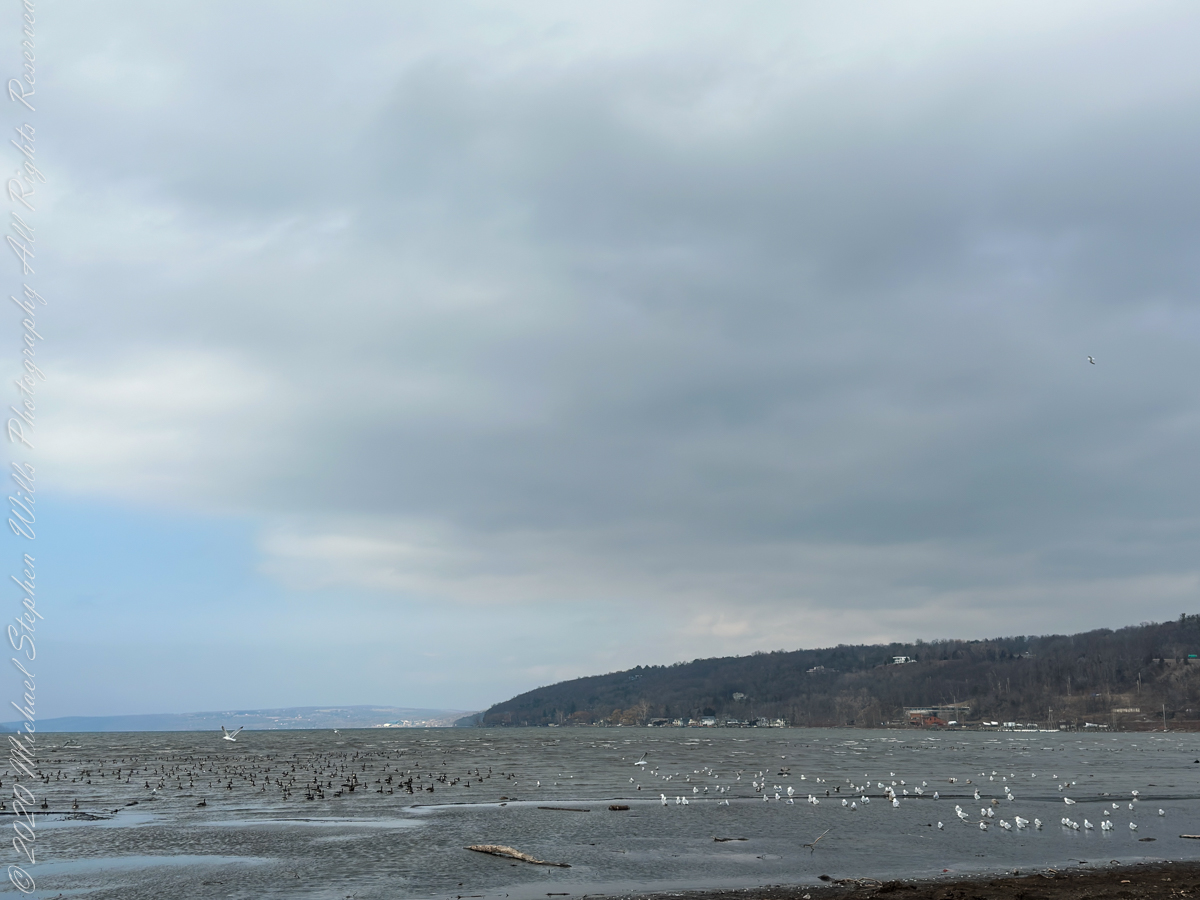
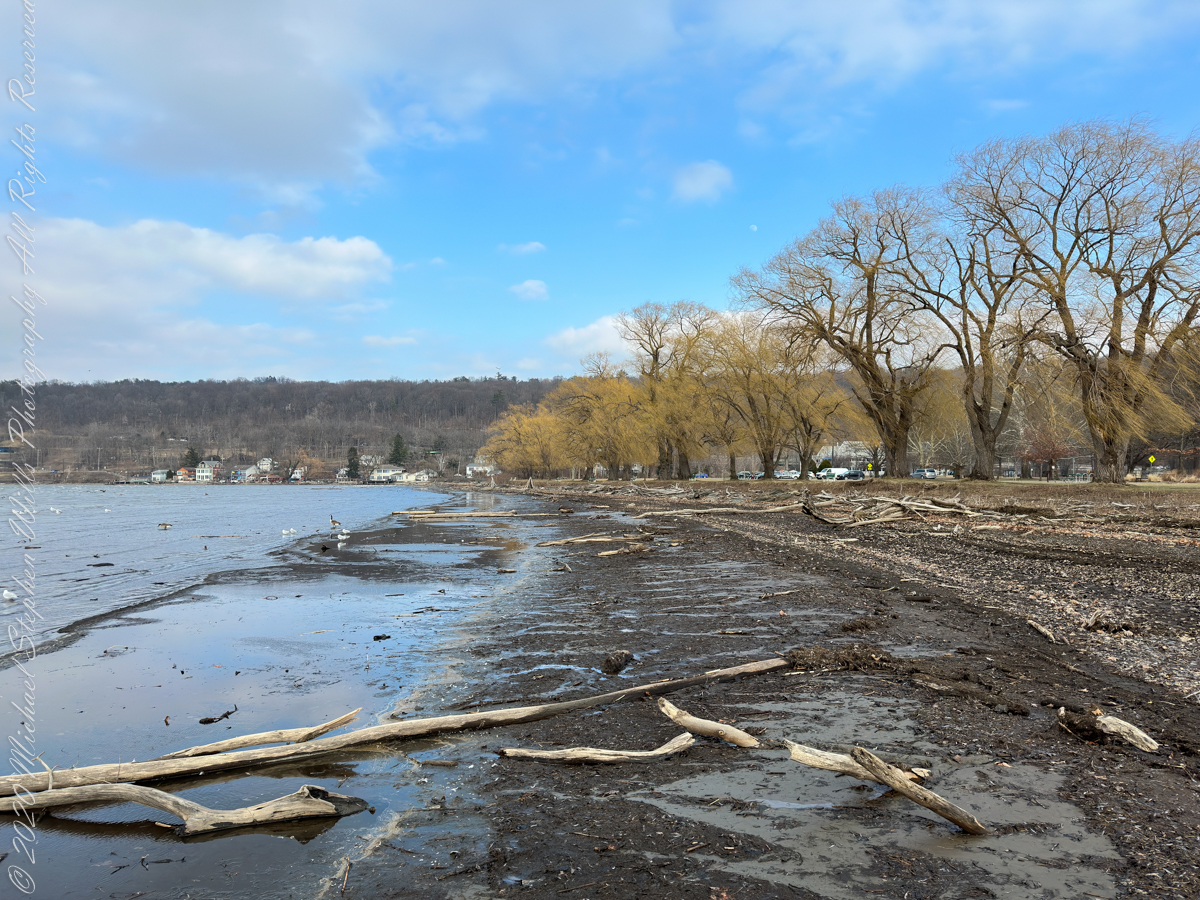
Pam and I have sailed past Crowbar Point, the arm of land projecting into the lake on left, so we know this end of Cayuga Lake well. The lake reach northward is deceiving as the bulk of the 39-mile reach is north of the headlands of the west lakeshore visible in the distance as the apparent end of the lake.
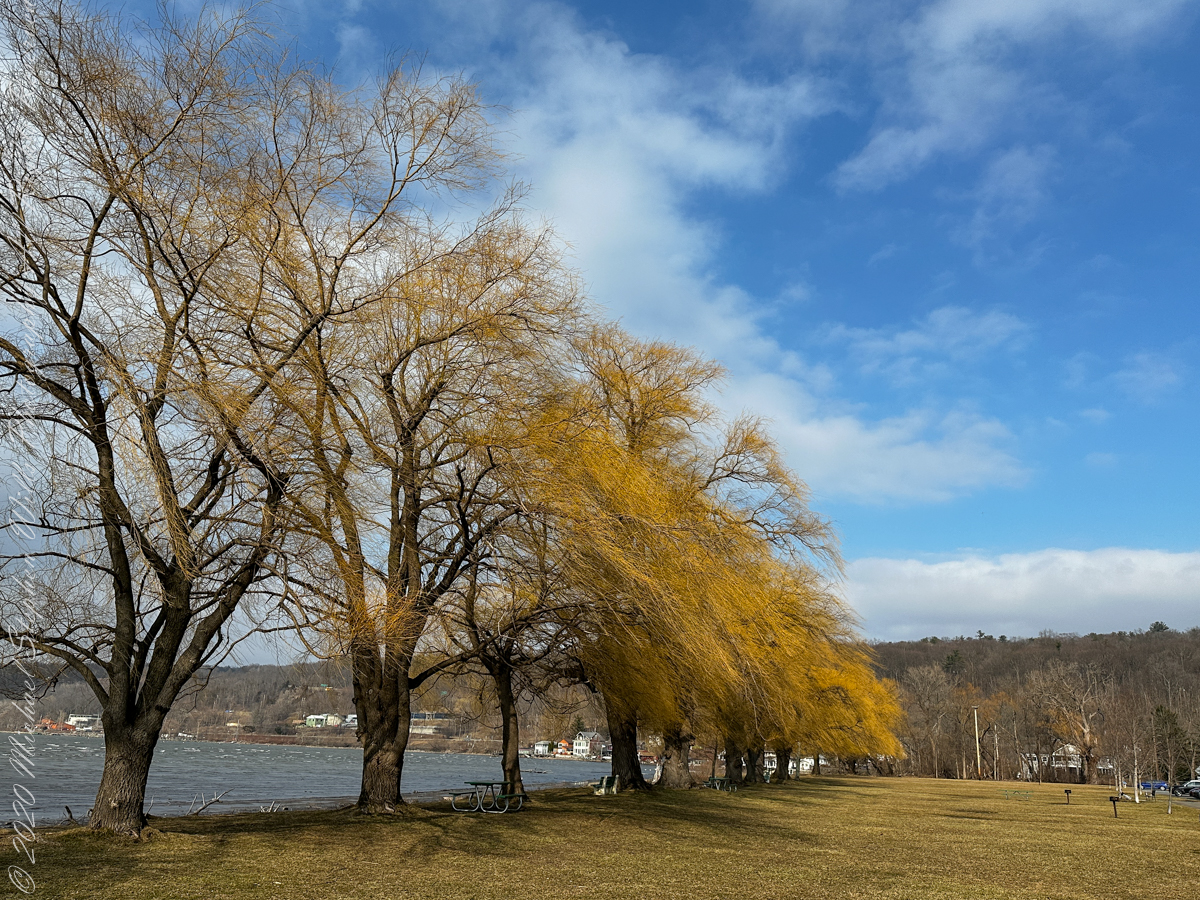
I love the pale blue of late February / early March skies.
Also known as White Willow, for the white undersides of the leaves that flash in the wind. These flourish on the southernmost shore of Cayuga Lake.
Here is a video of a large gathering of Canadian Geese, multitudes landing to ride lake waves on an unsettled, windy March afternoon.
Copyright 2023 Michael Stephen Wills All Rights Reserved
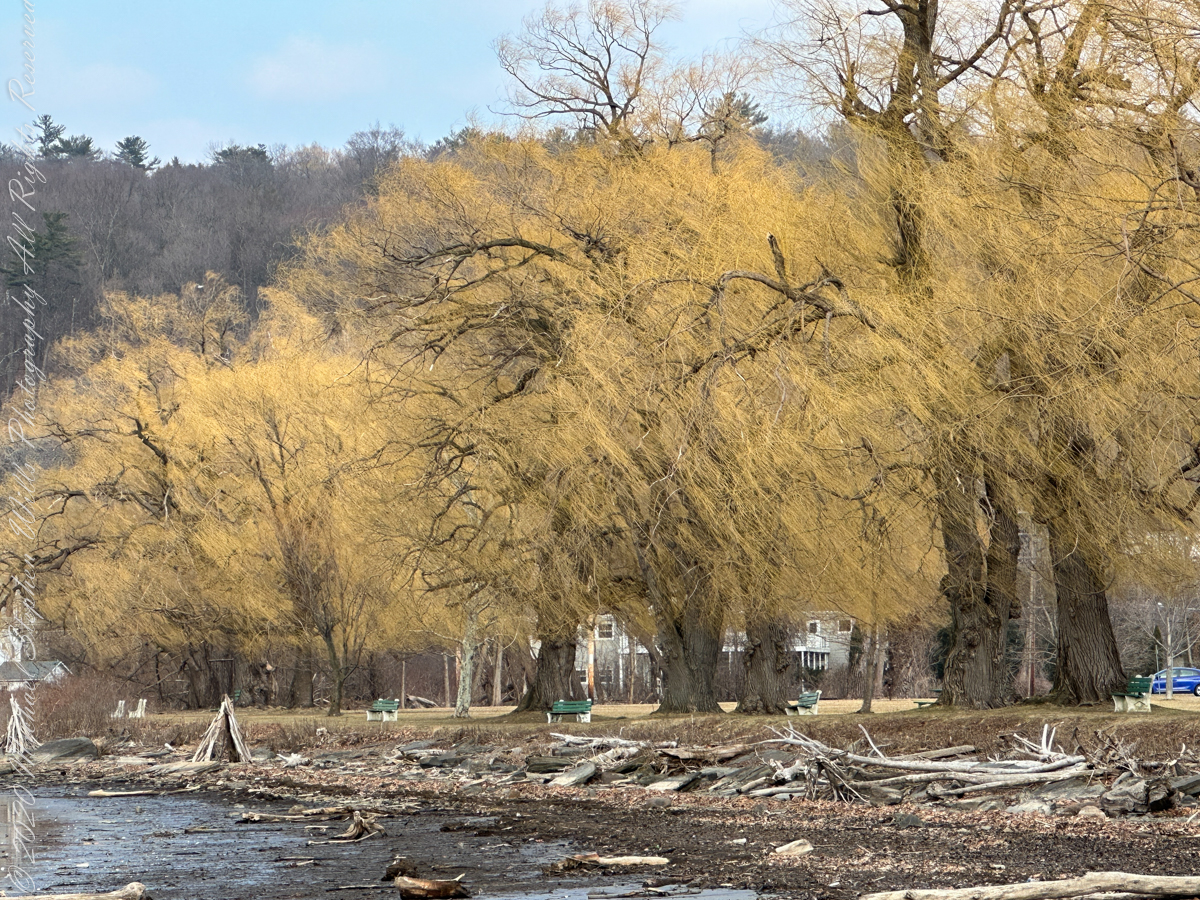
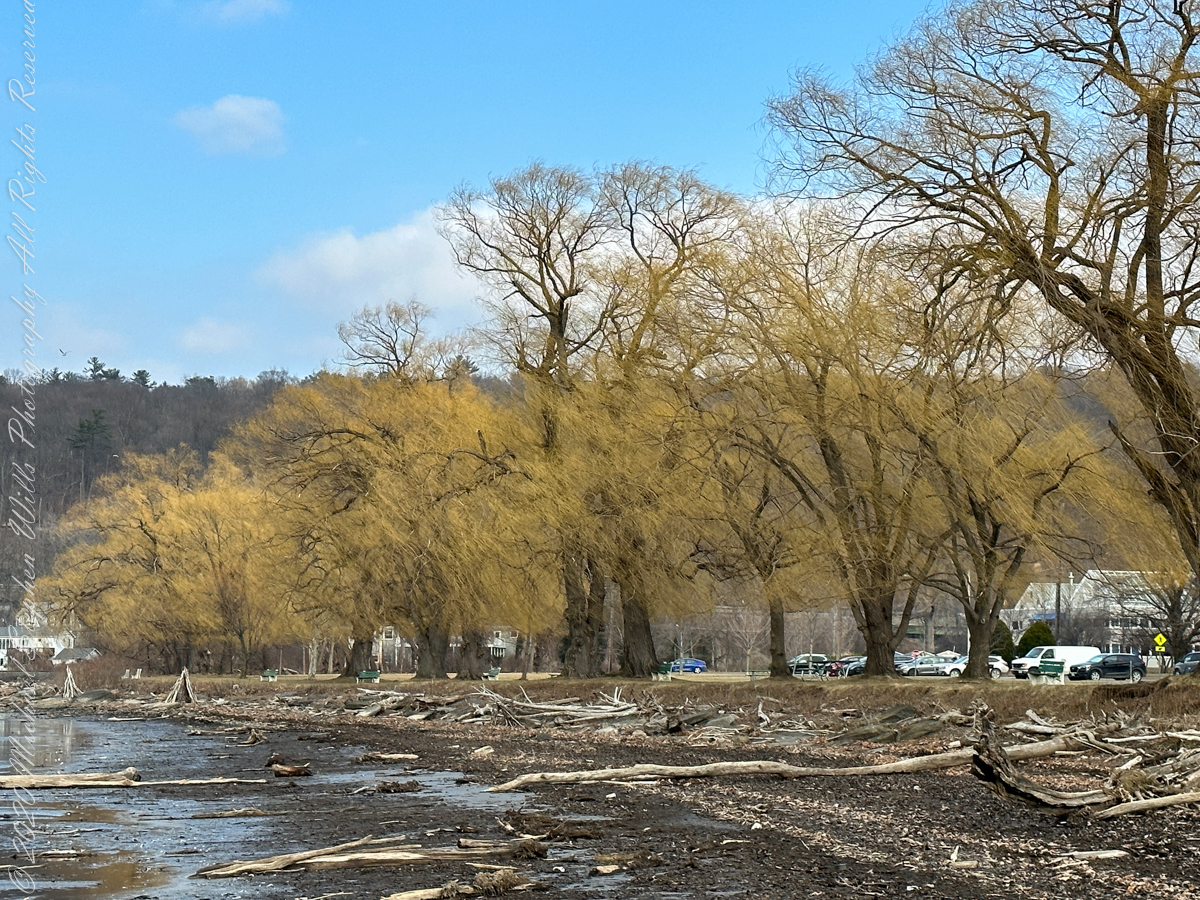
Among the earliest plants to flower, brilliant yellow willows (Salix alba ‘Tristis’) are glorious early spring as new growth sprouts.
Willows native to New York State are all shrub-like, the homeland of these large trees is Europe and Asia.
Also known as White Willow, for the white undersides of the leaves that flash in the wind. These flourish on the southernmost shore of Cayuga Lake.
Willow bark does NOT have analgesic properties. The genus name, Salix, is the root for acetylsalicylic acid (aka aspirin), a chemical that does not appear in nature, originally synthesized from salicylic acid extracted from Meadowsweet.
Movement of budding willow branches in a north wind off Cayuga Lake
Copyright 2023 Michael Stephen Wills All Rights Reserved
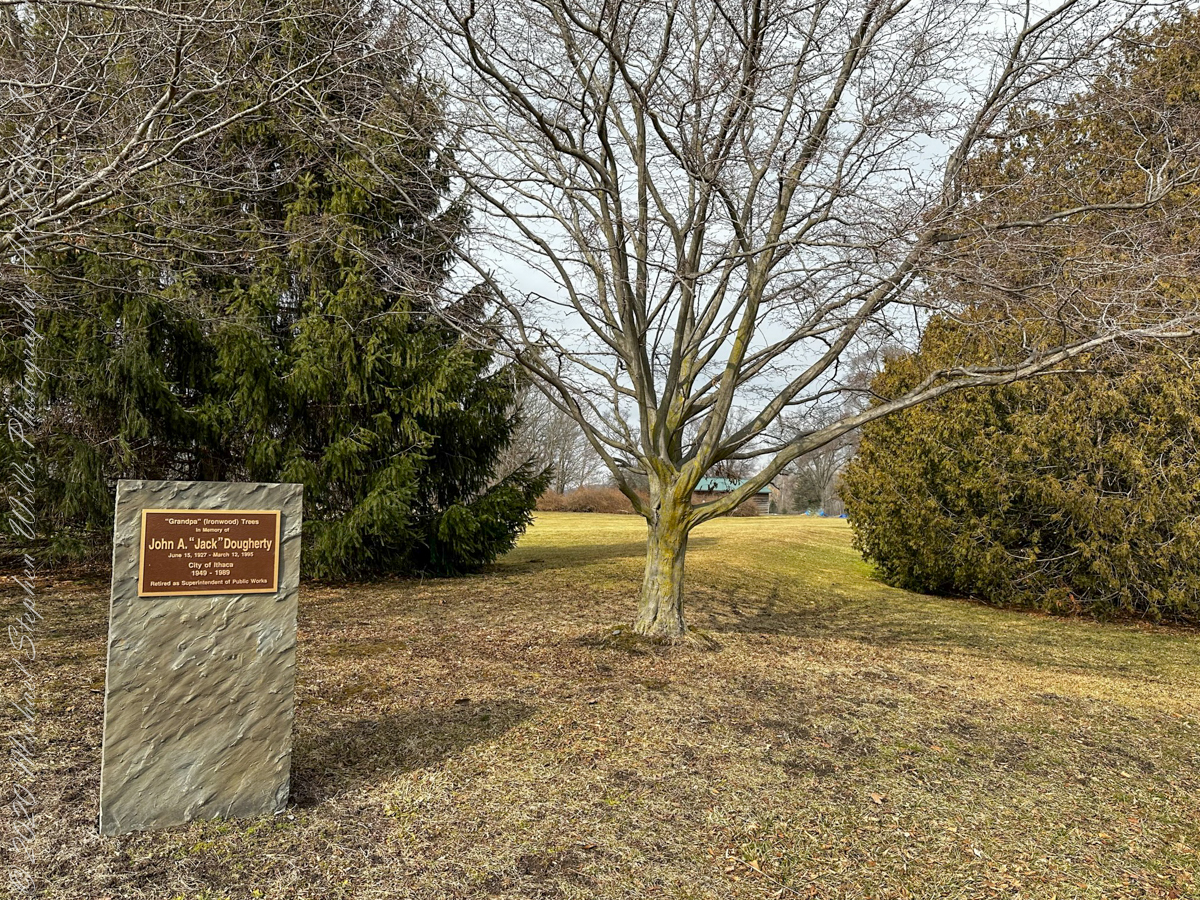
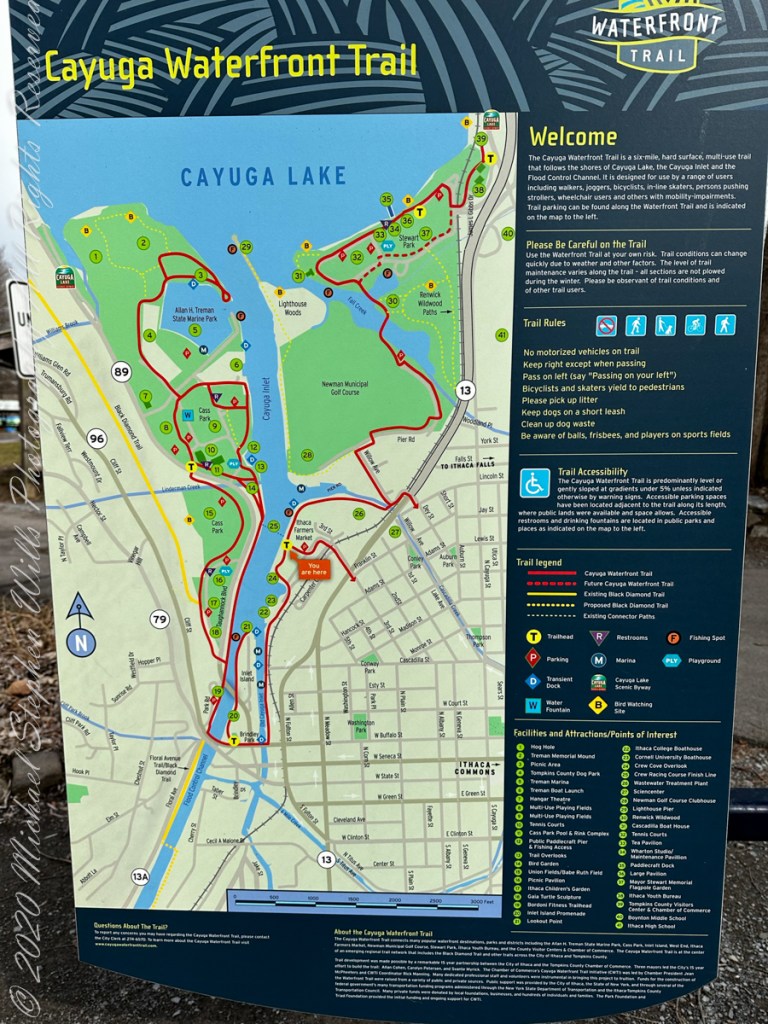
Another Cayuga Waterfront Trail stop is this memorial. The plaque reads ” ‘Grandpa’ (Ironwood) Trees in memory of John A. ‘Jack’ Dougherty; June 15, 1927 – March 12, 1995; City of Ithaca 1949-1989, Retired as Superintendent of Public Works.” Located near the intersection of Pier Road and Willow Avenue, Newman Golf Course, Ithaca, Tompkins County, New York. That is an Ironwood tree, midgound center.
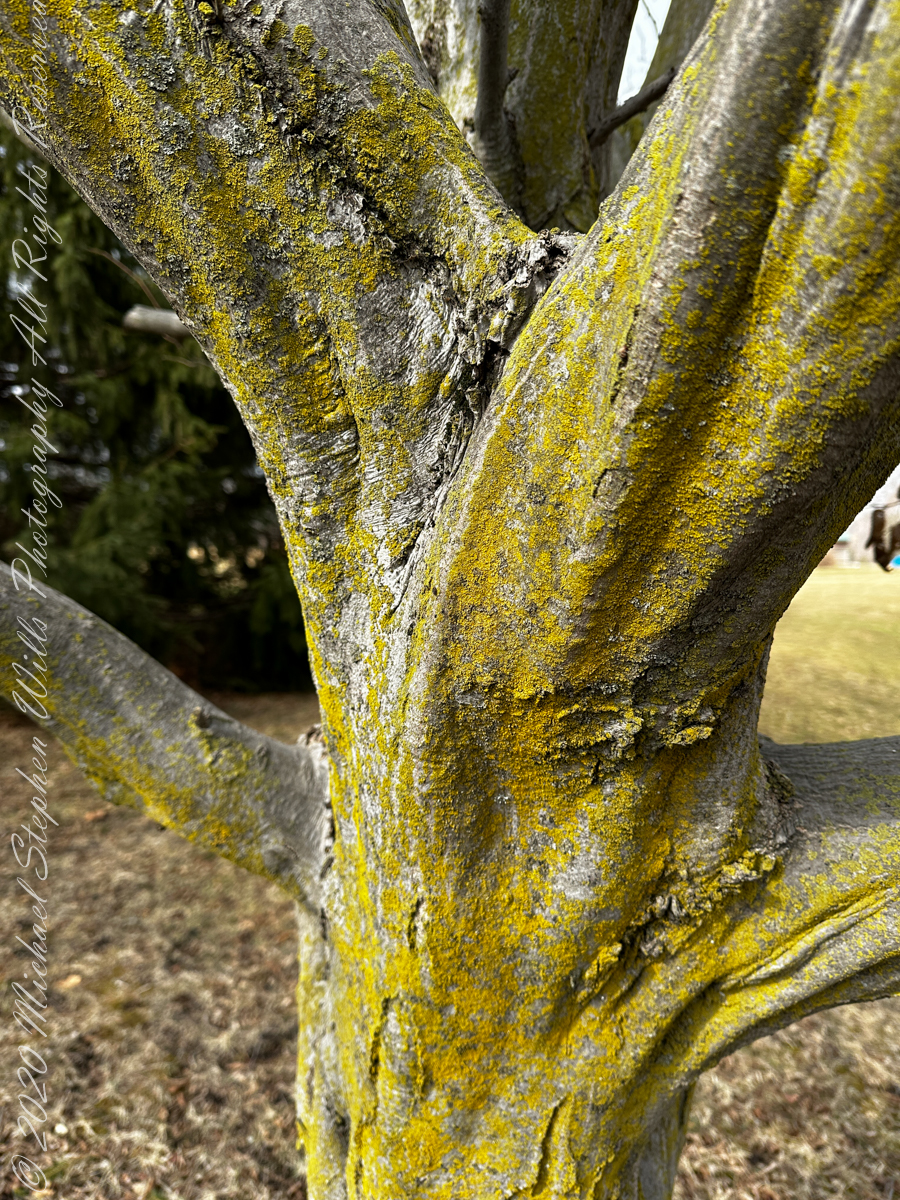
The American Hornbeam (scientific name: Carpinus caroliniana) is also known as Musclewood for the rippled surface of the mature trunk. Other names are blue-beech, ironwood and muscle beech.
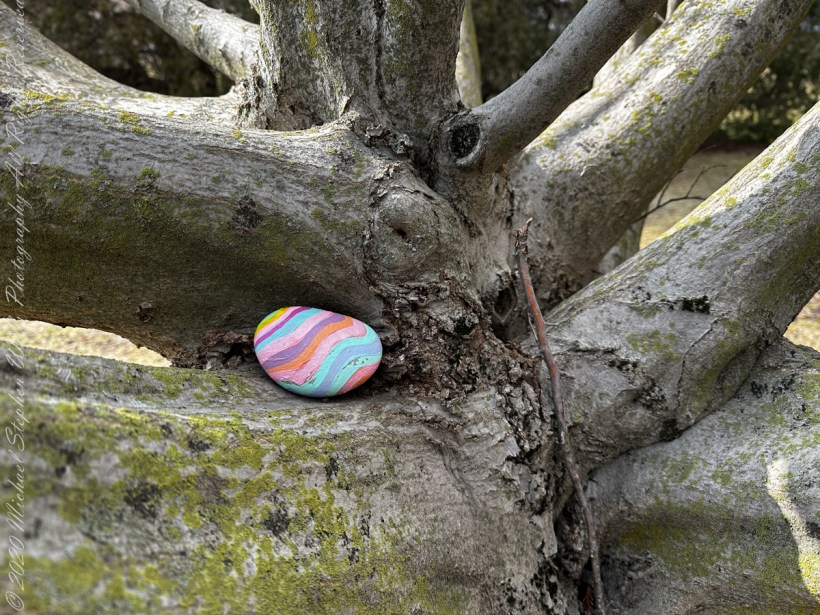
Nestled on the trunk……
Copyright 2023 Michael Stephen Wills All Rights Reserved
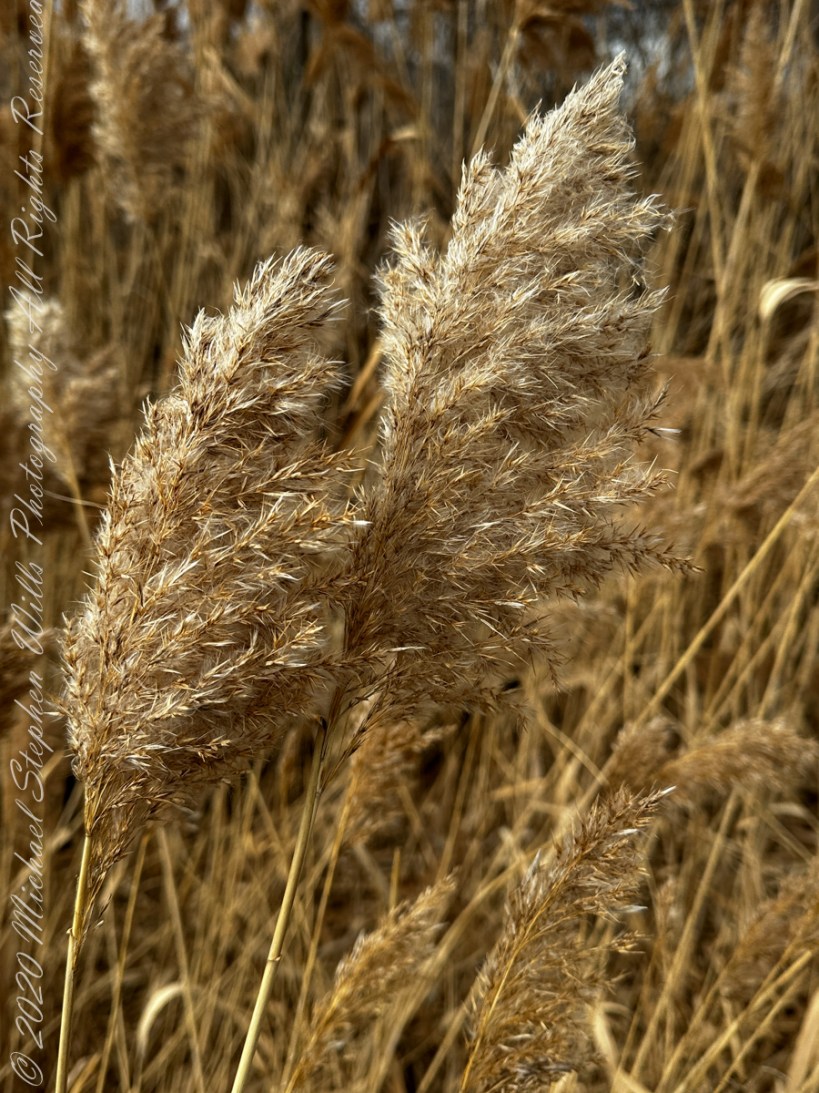
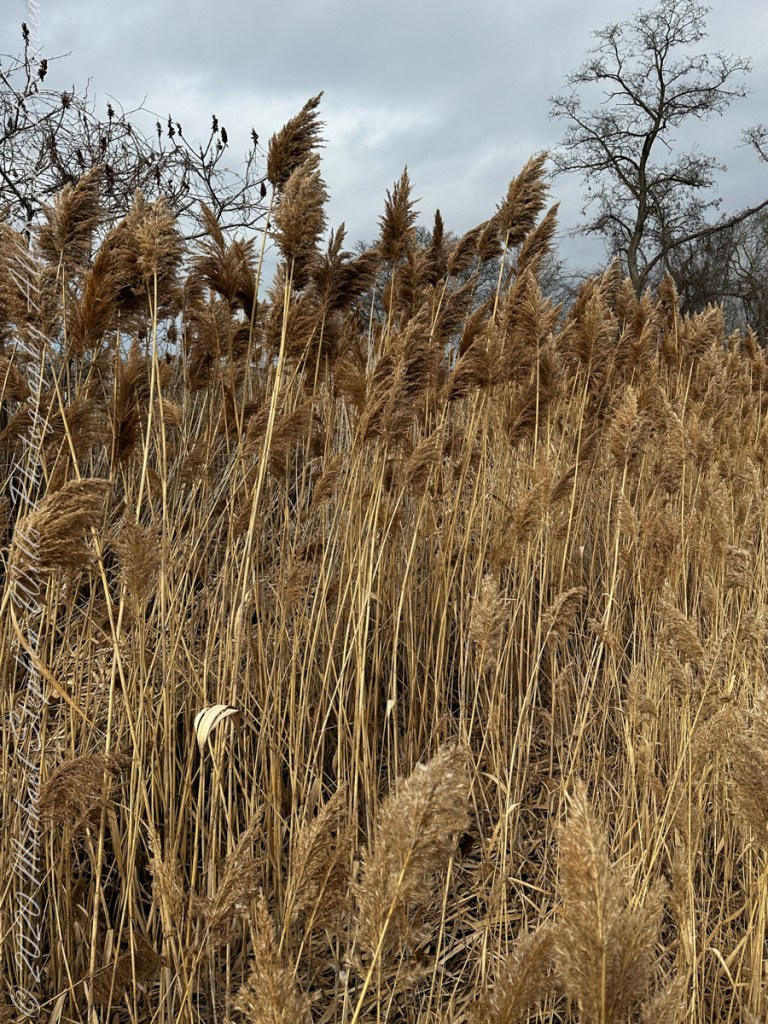
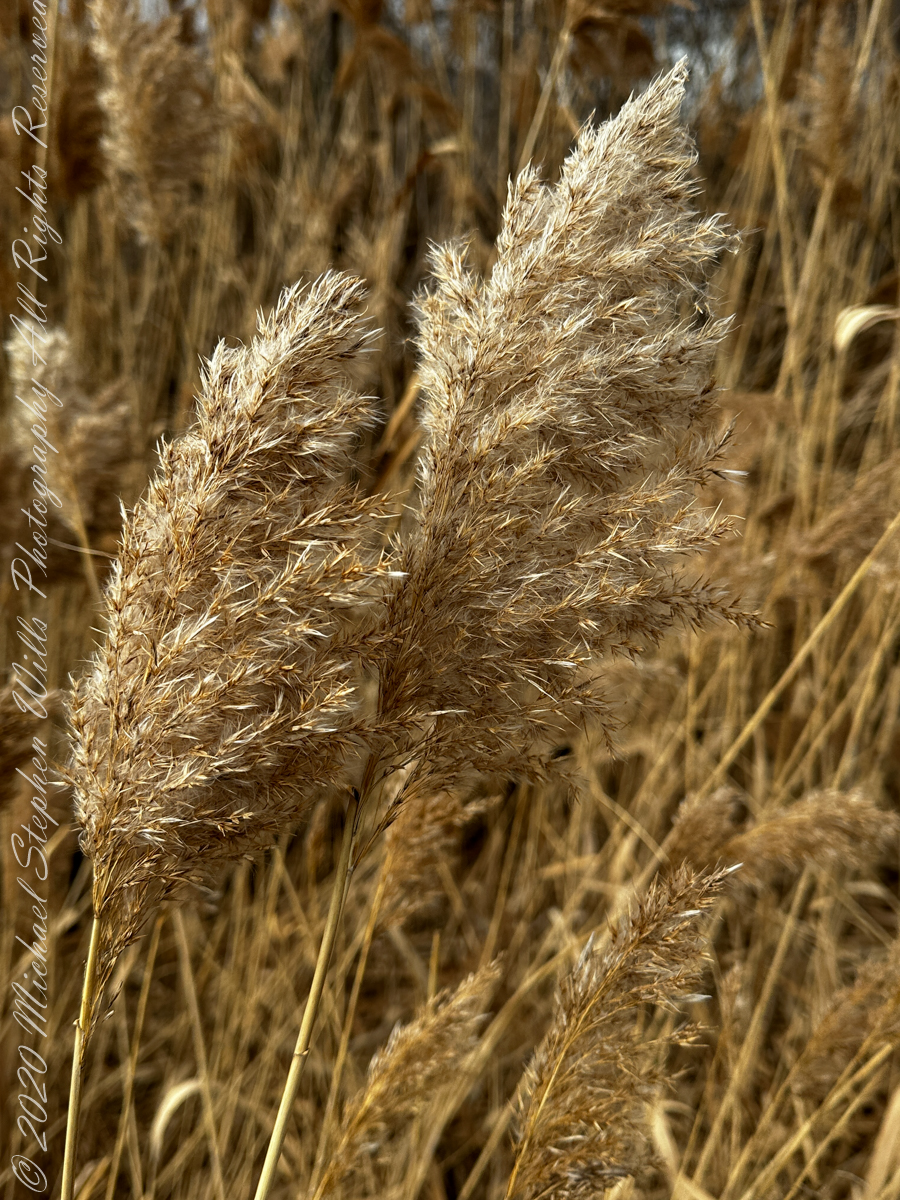
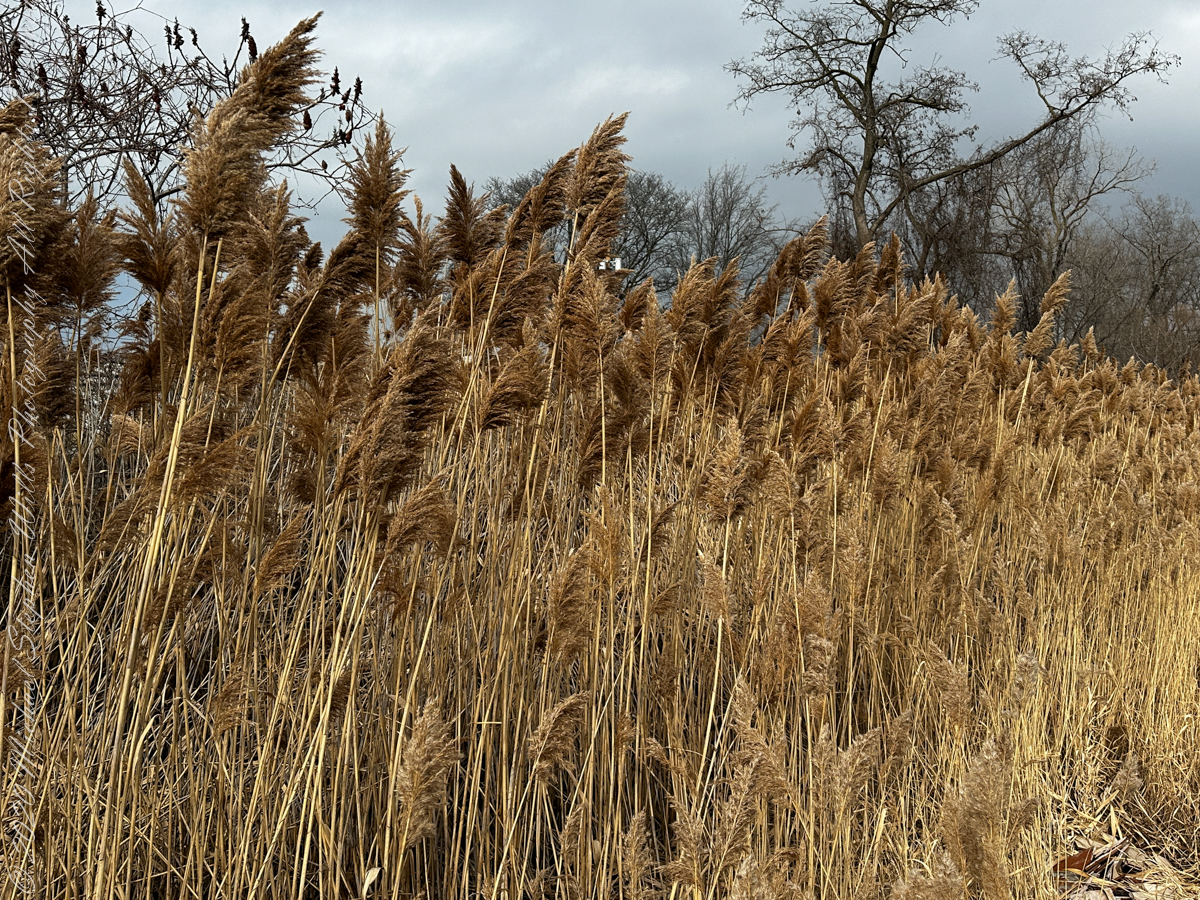
These Phragmites, aka The Common Reed, grow along Cayuga Lake shoreline. Cayuga Waterfront Trail, Ithaca, New York
A humble and fertile weed.
I learned today in China the stem of Phragmites, not this species possibly, is a common component of kites. Around our home here in Ithaca, New York, I’ve noticed the seed heads on stems used in home decoration. Some other uses Some other uses for Phragmites and other reeds in various cultures include baskets, mats, reed pen tips (qalam), and paper. Beekeepers can utilize the reeds to make nesting. In the Philippines, Phragmites is known by the local name tambo. Reed stands flower in December, and the blooms are harvested and bundled into whisk brooms called “walis”. Hence the common name of household brooms is walis tambo. Reeds have been used to make arrows and weapons such as spears for hunting game.
The movements of grace.
This is my first posting of photographs and video from the IPhone 14 ProMax.
Copyright 2023 Michael Stephen Wills All Rights Reserved
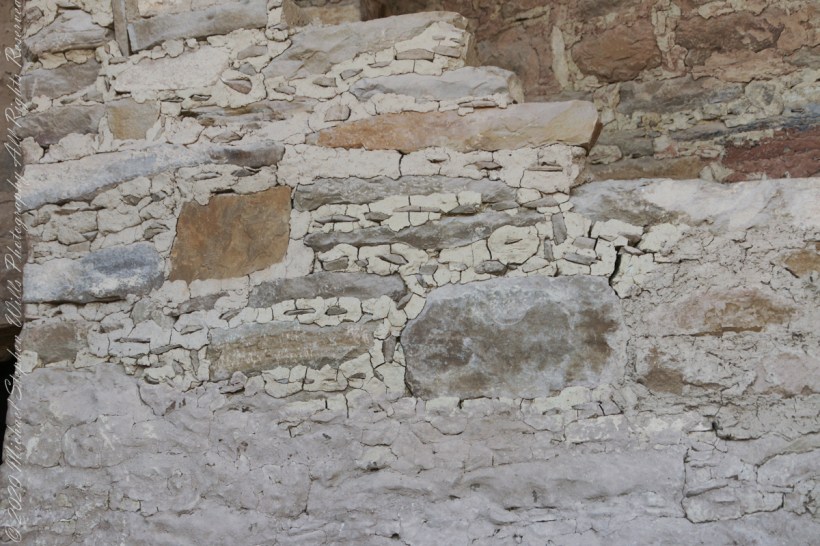
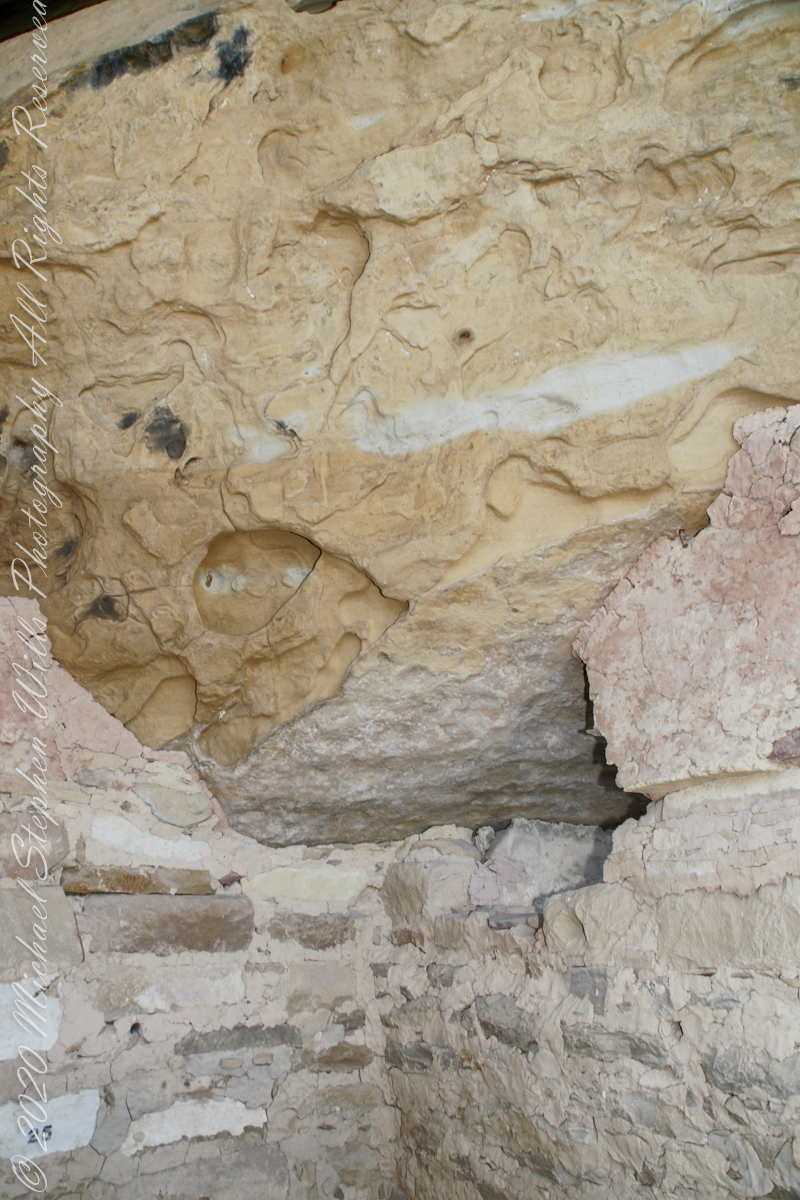
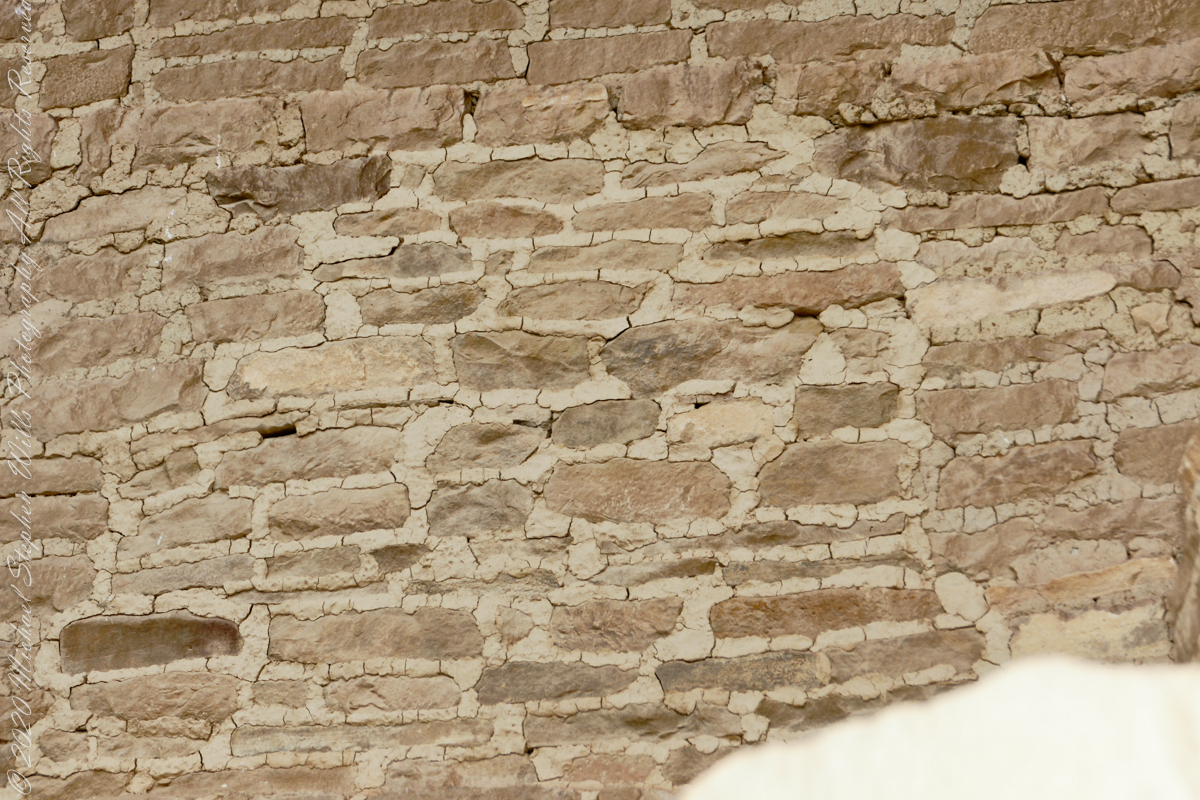
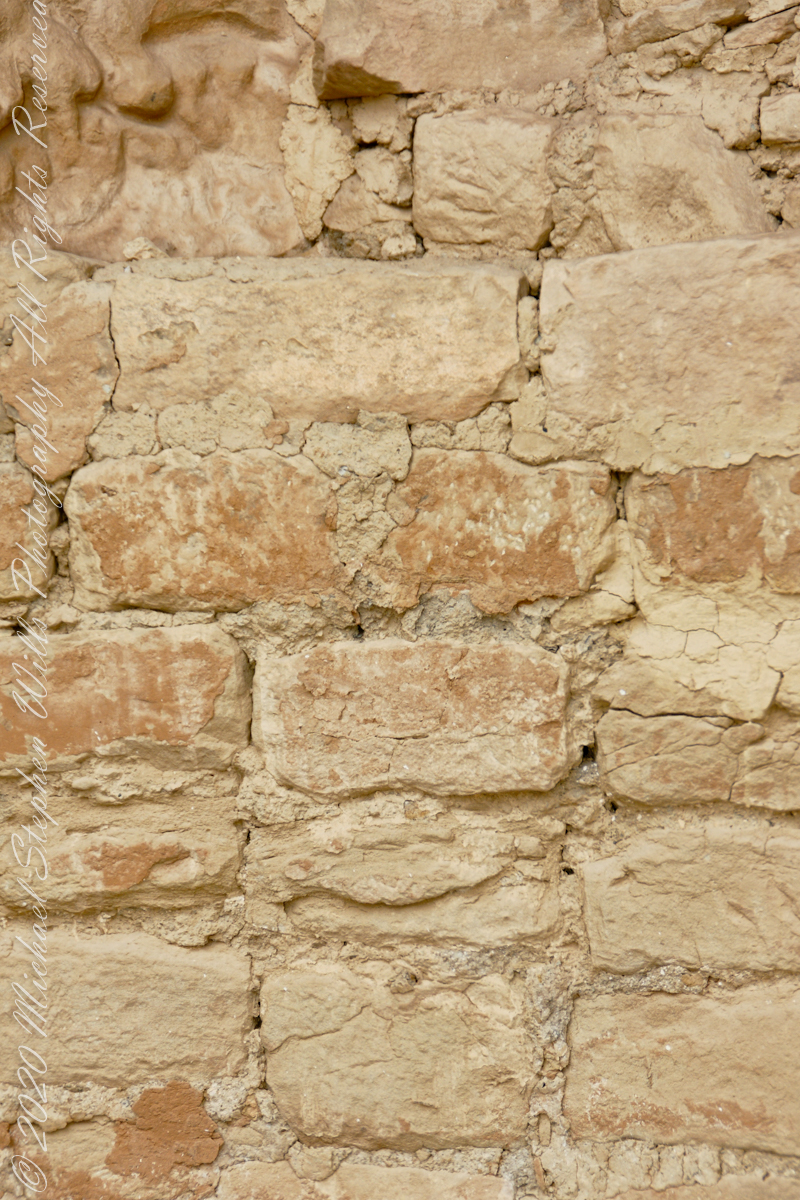
When the ancestral Puebloans moved from living next to their fields, in adobe structures, to these cliff dwellings, their building techniques were left behind.
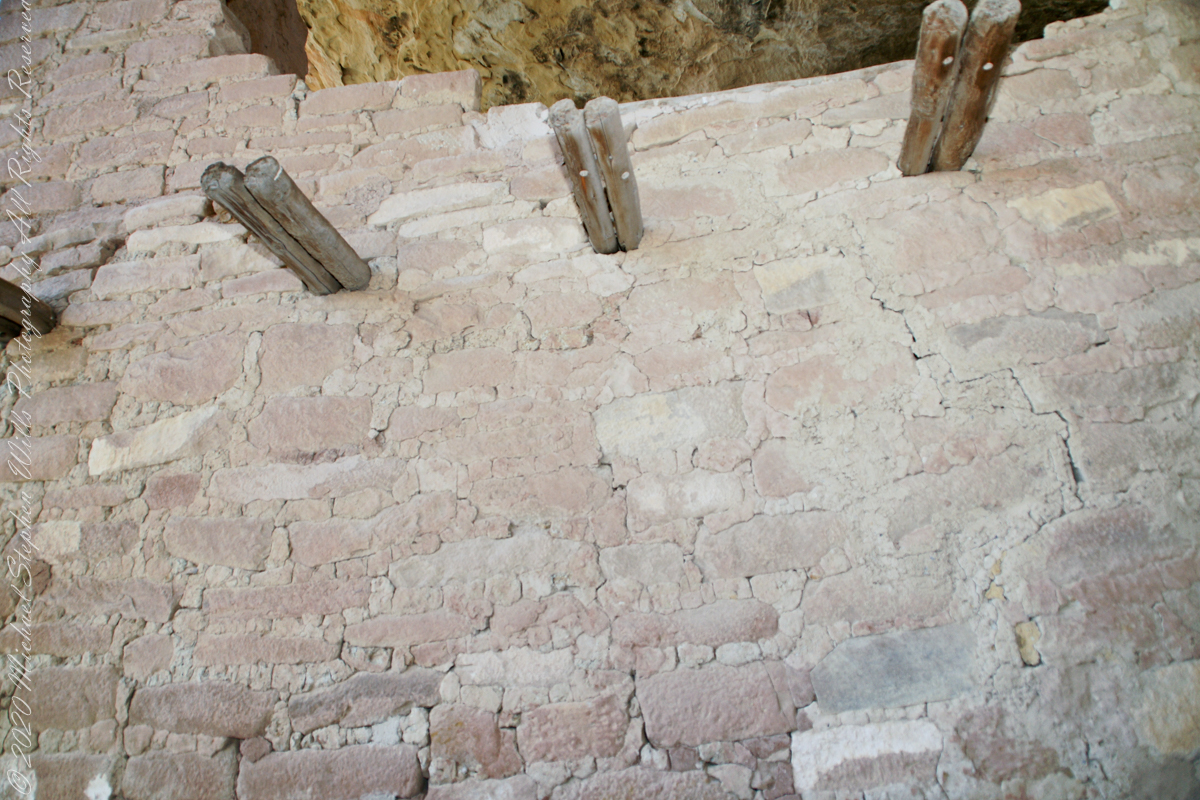
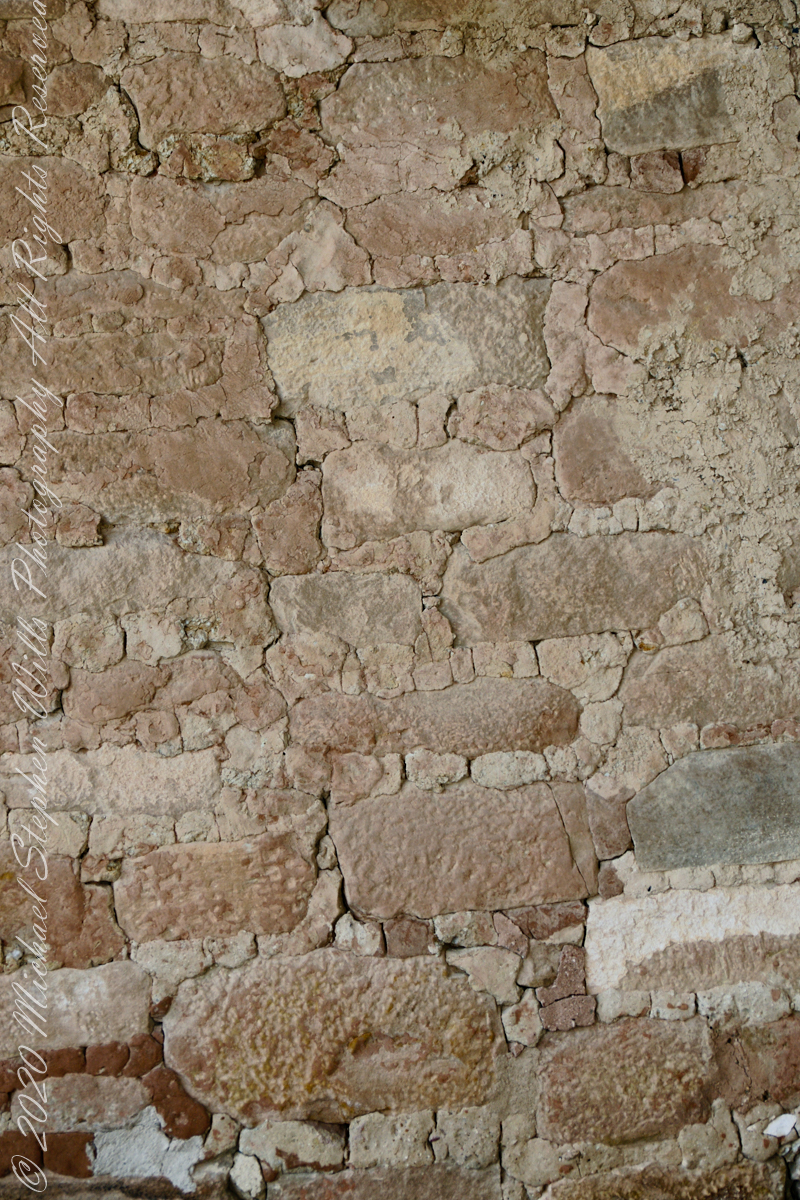
Stone and Mud Mortar with wood beams. Mesa Verde National Park, Montezuma County, near Cortez, Colorado.
Mud mortar was used to bind stones. Wood poles were used for to construct floors. These are walls captured during the Ranger guided tour of Balcony House.
..
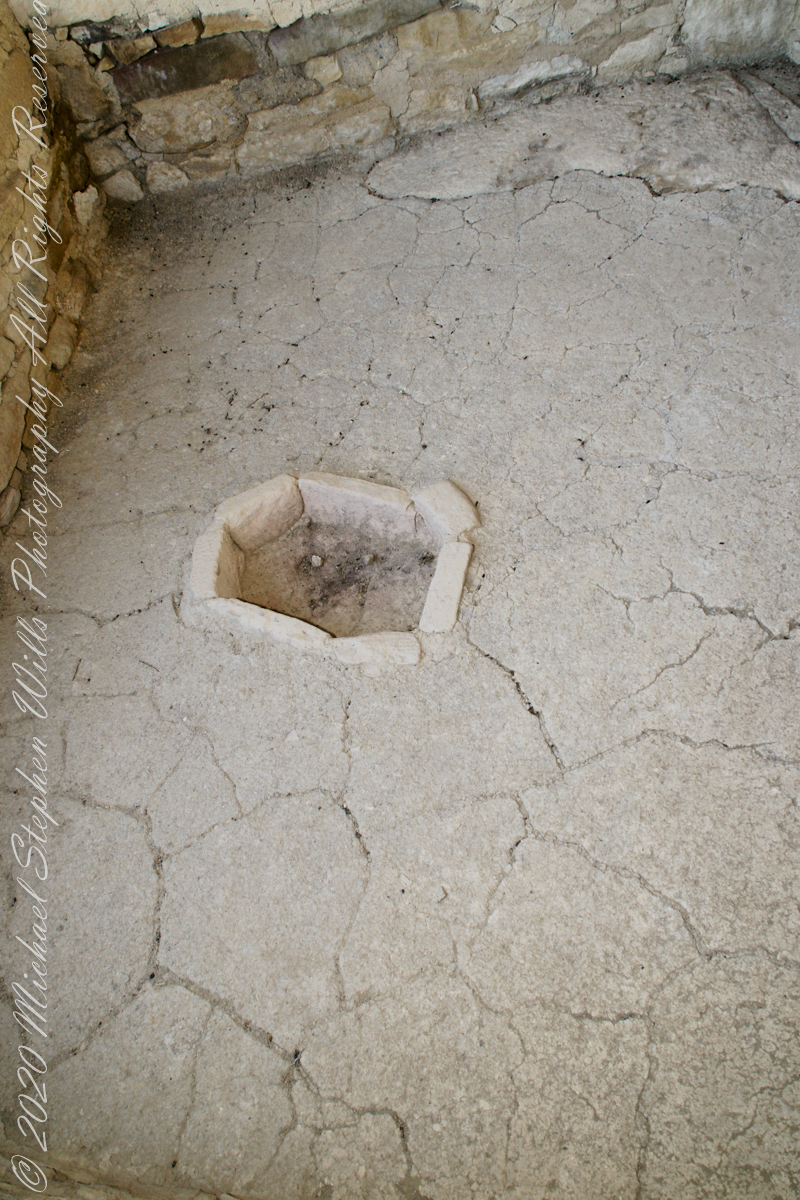
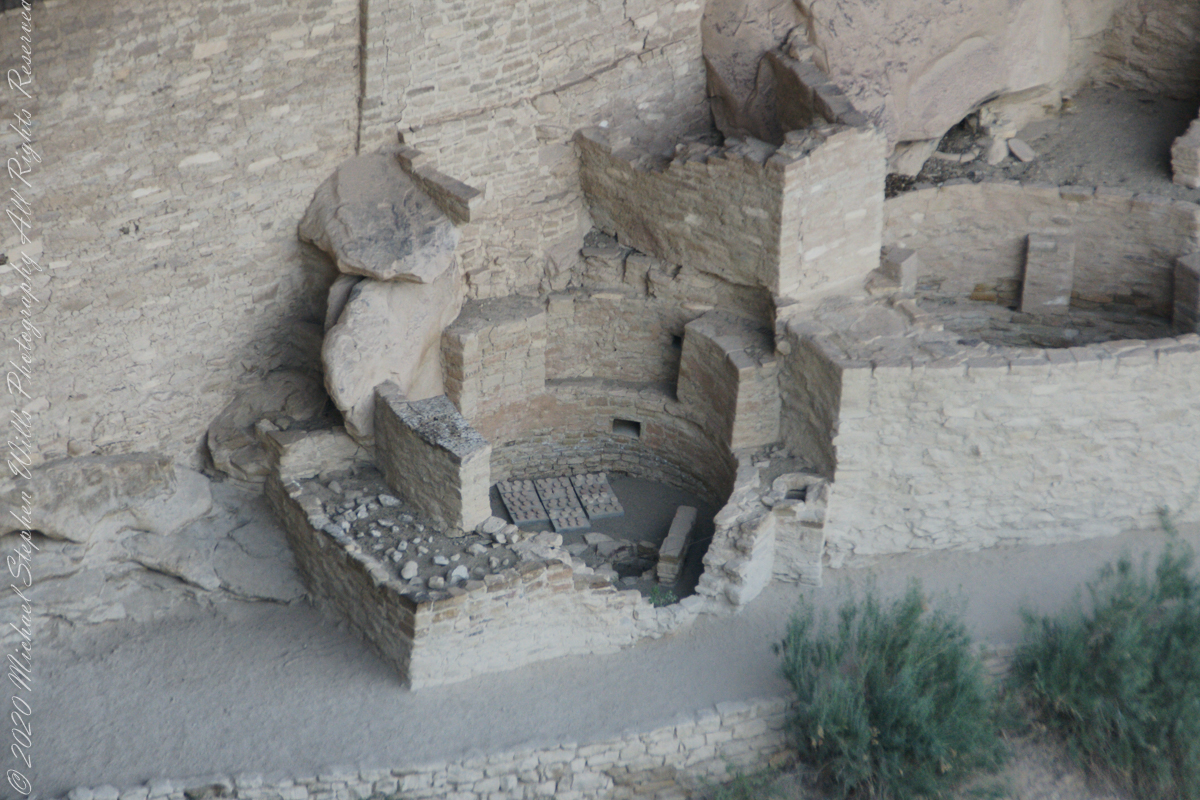
This flat Kiva floor was achieved through clay, softened with water, formed and allowed to dry.
Clay Kiva Floor. Mesa Verde National Park, Montezuma County, near Cortez, Colorado.
Cliff Palace
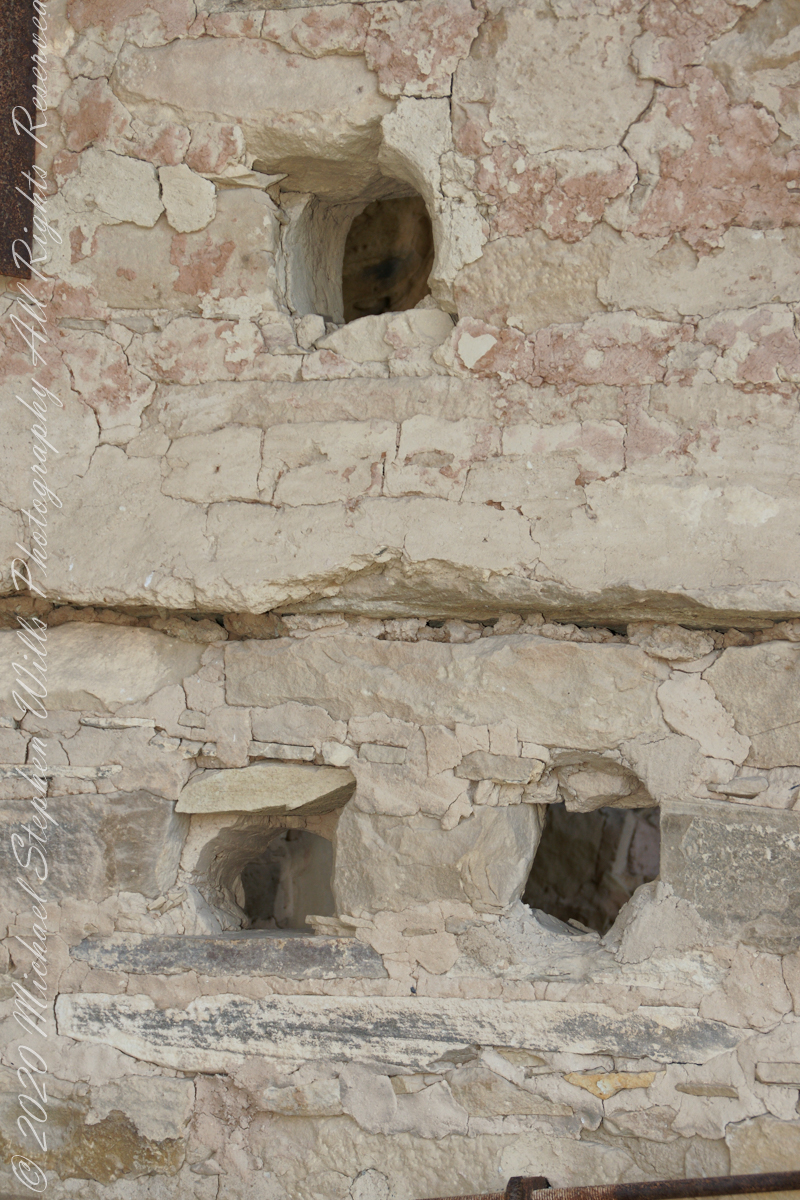
In this wall the poles rotted and crumbled, leaving behind these characteristic holes.
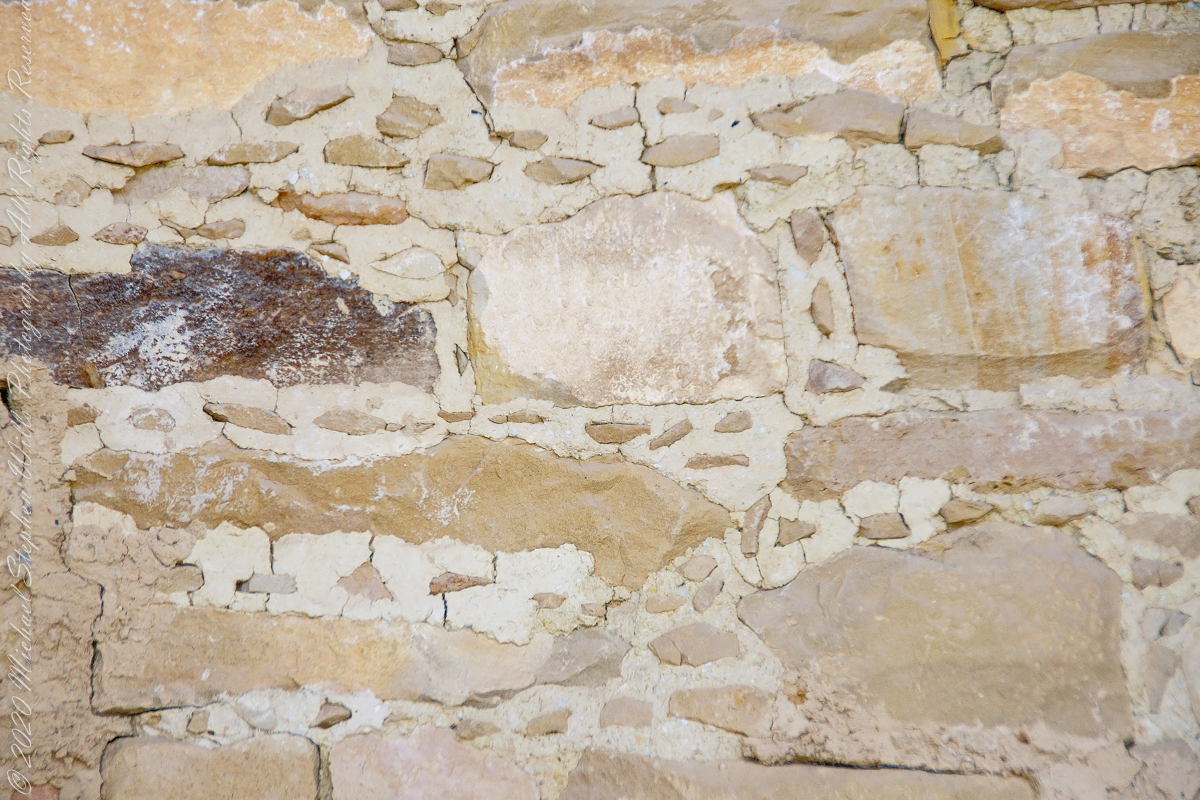
These architects excelled with adapting to the materials at hand.
.
The walls demonstrate an enormous variety around basic patterns.
Copyright 2023 Michael Stephen Wills All Rights Reserved
A kiva is a space used by Puebloans for rites and political meetings, many of them associated with the kachina belief system. Among the modern Hopi and most other Pueblo peoples, “kiva” means a large room that is circular and underground and used for spiritual ceremonies.
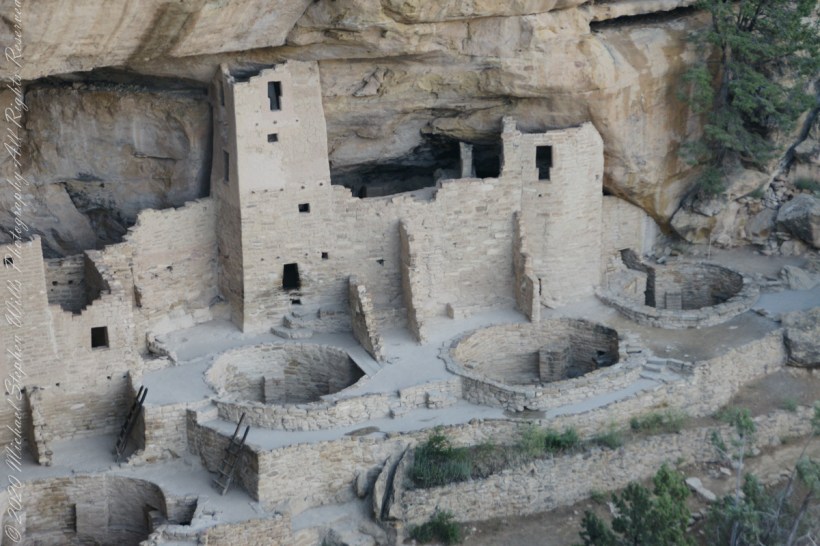
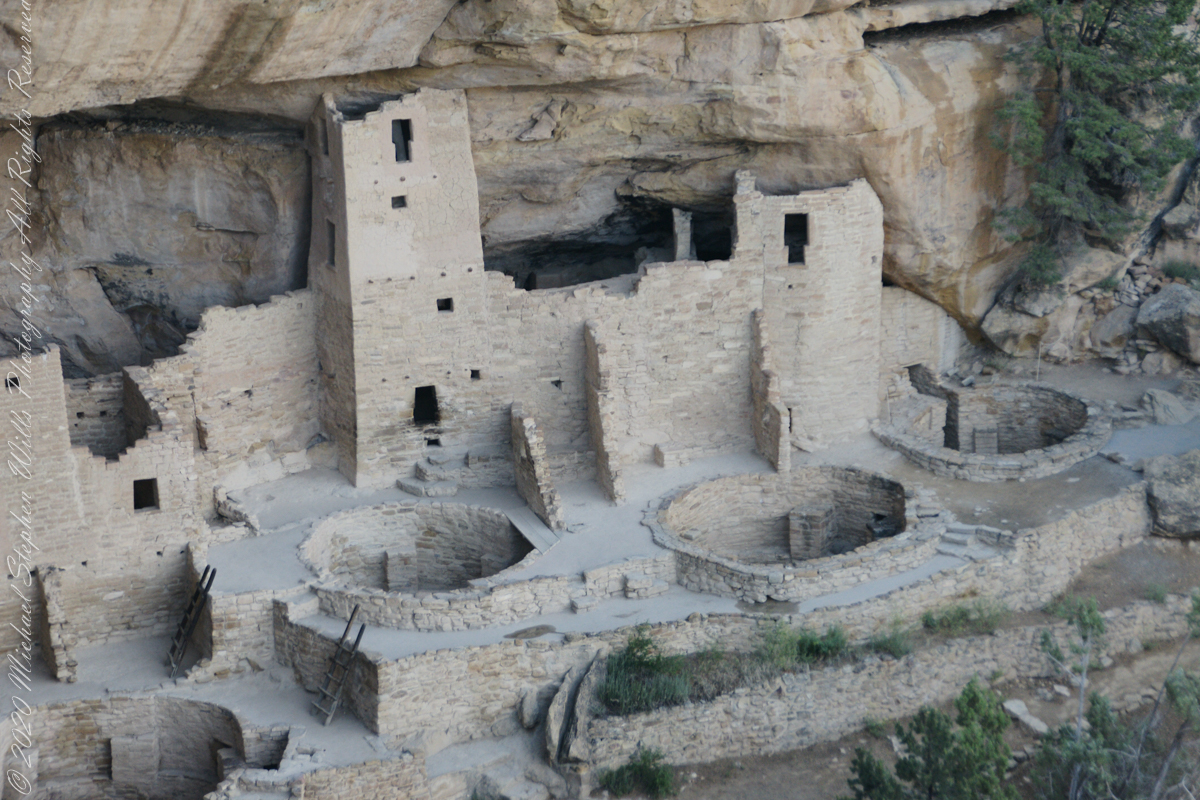
The Square Tower with four Kivas
Similar subterranean rooms are found among ruins in the North American South-West, indicating uses by the ancient peoples of the region including the ancestral Puebloans, the Mogollon, and the Hohokam.
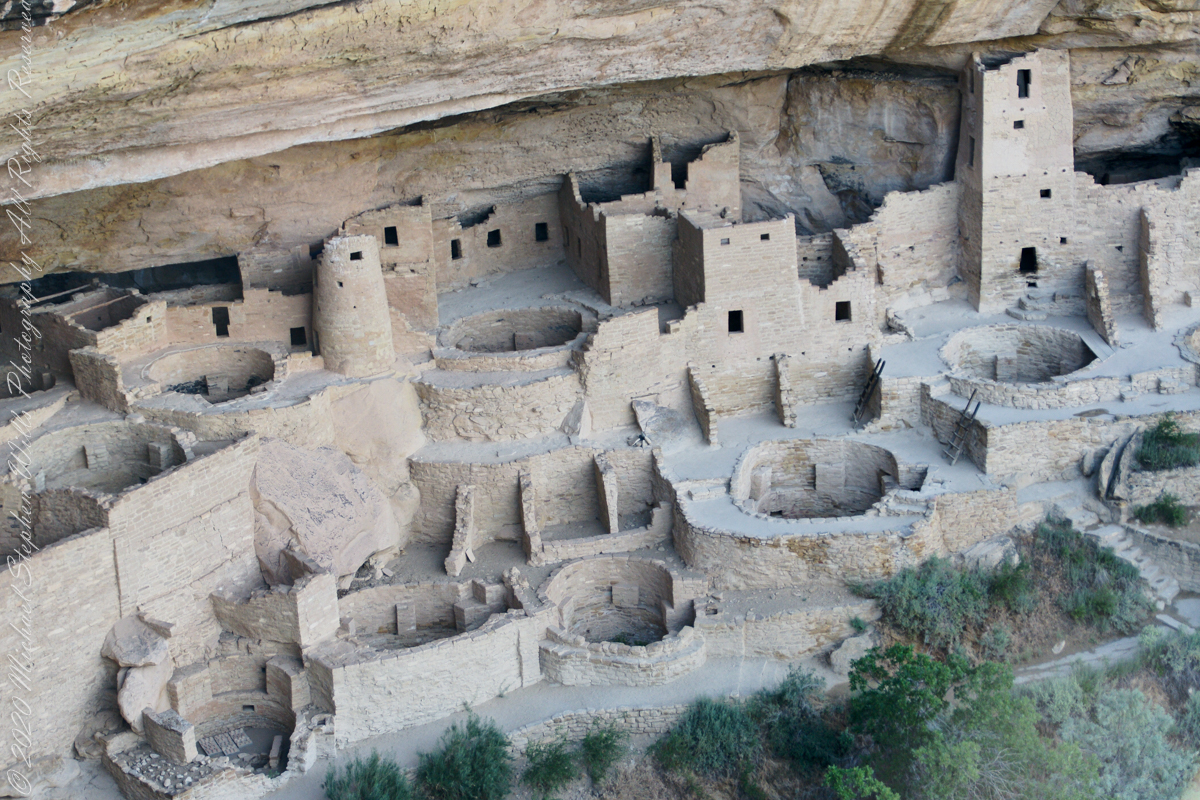
A portion of Cliff Palace including many Kivas, the round and square towers.
Those used by the ancient Pueblos of the Pueblo I Period and following, designated by the Pecos Classification system developed by archaeologists, were usually round and evolved from simpler pit-houses.
Two Kivas, one with broken wall.
For the Ancestral Puebloans, these rooms are believed to have had a variety of functions, including domestic residence along with social and ceremonial purposes.
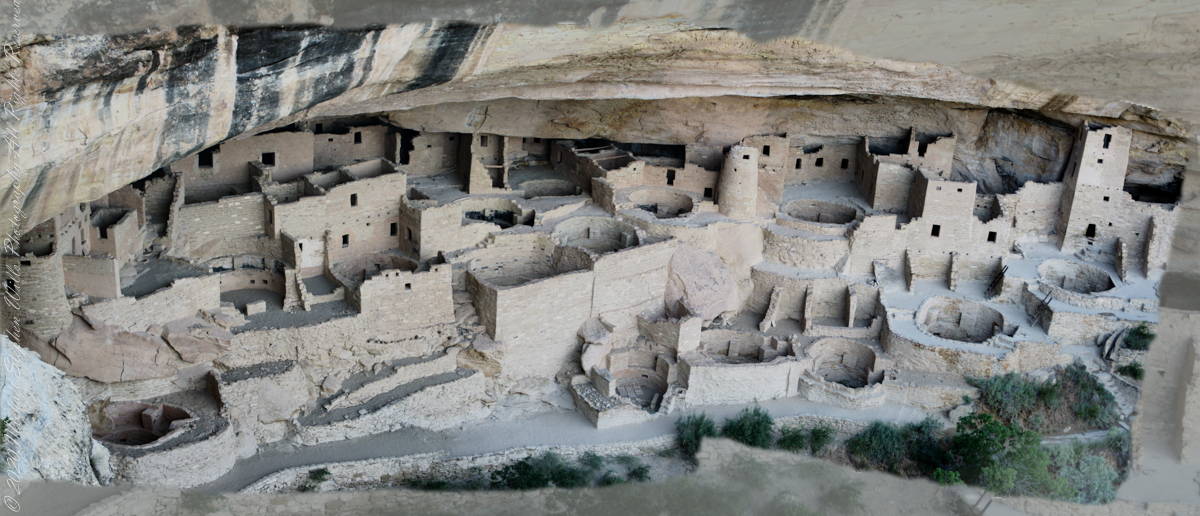
The entire Cliff Palace from the overlook, from a single wide-angle image.
During the late 8th century, Mesa Verdeans started building square pit structures that archeologists call protokivas. They were typically 3 or 4 feet (0.91 or 1.22 m) deep and 12 to 20 feet (3.7 to 6.1 m) in diameter. By the mid-10th and early 11th centuries, these had evolved into smaller circular structures called kivas, which were usually 12 to 15 feet (3.7 to 4.6 m) across.
Sipapu
Mesa Verde-style kivas included a feature from earlier times called a sipapu, which is a hole dug in the north of the chamber that is thought to represent the Ancestral Puebloans’ place of emergence from the underworld
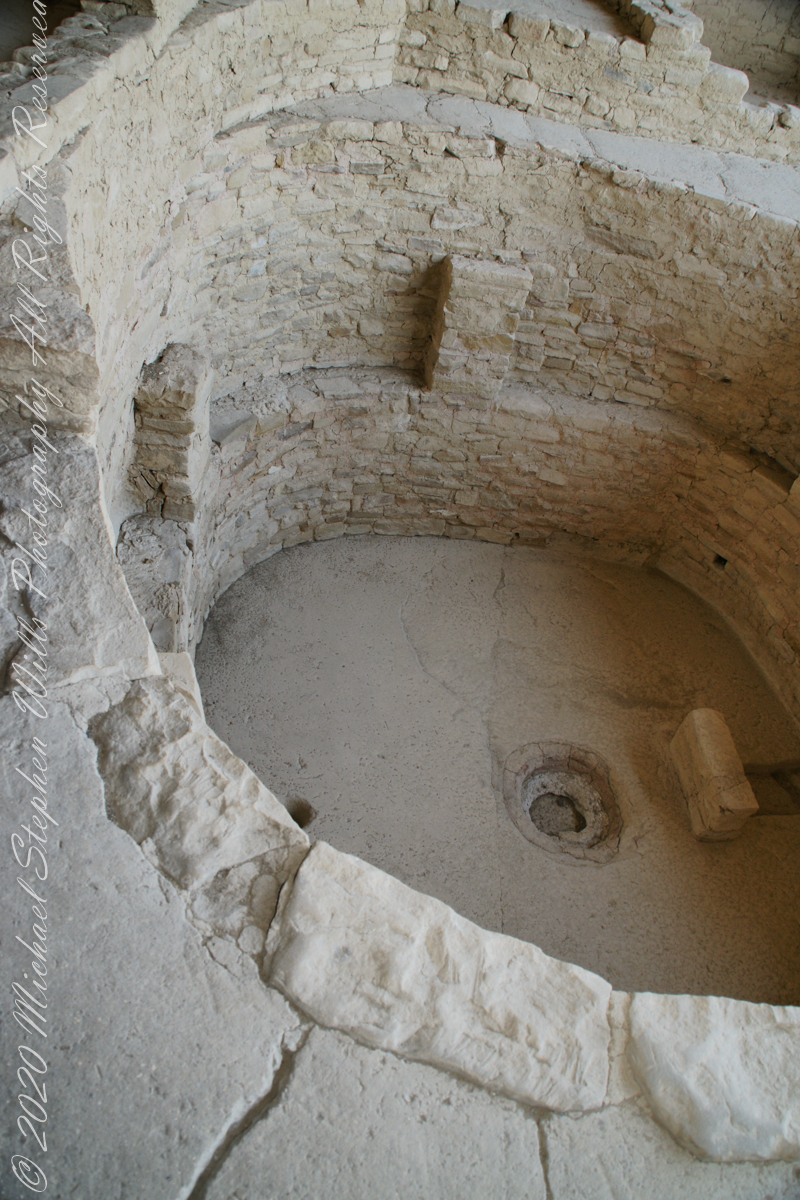
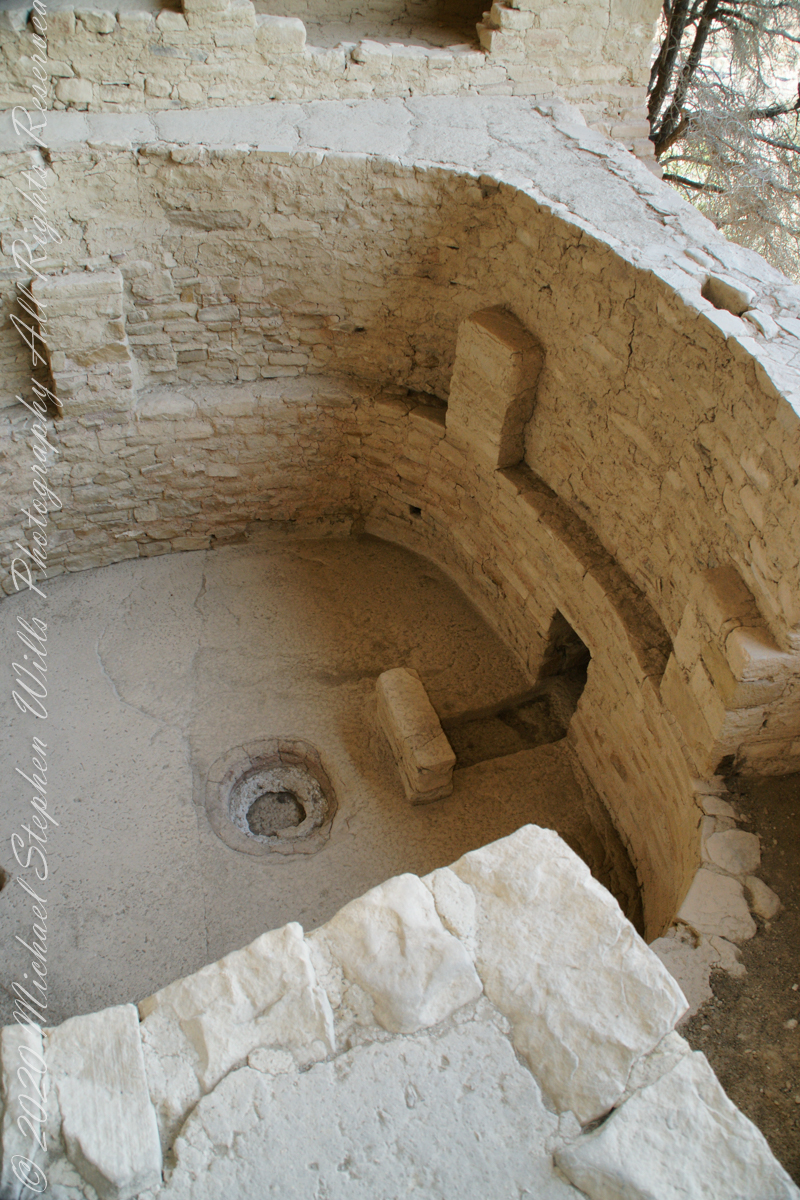
Here is a close-up of the kiva floor of the Balcony House.
Balcony House Kiva
The sipapu is the smaller pit in the floor to the left (north side) and partially blocked by the kiva wall. The larger is a firepit. The small wall to the right is placed to deflect airflow from a floor vent.
Balcony House Kiva, to the right is the floor vent in wall and deflector stone. There is the firepit and a tiny portion of the sipapu at the left edge.
I count 14 Kivas in the Cliff Palace panorama, including some with broken walls.
What is the Connection, if any, between Omphalos and Sipapu?
The global coordinate system was known to ancient Greeks, in fact they are credited with the discovery a system to locate any place on earth, an insight contained in myths of how Zeus founded Delphi as the “center of the world,” the place from which divinity irrupts, by setting two eagles at opposing ends of the world to fly, starting at the same time, same speed, the central world point identified by where the eagles’ paths crossed.
Bronze Coin from the Ptolemaic Kingdom of Egypt, reign of Ptolemy VI 2nd Century BC with the head of Zeus on one side and double eagles riding a thunderbolt on the other
To signify Delphi as this center a religious stone artifact, called an omphalos, was placed.
Most accounts locate the Delphi omphalos in the adyton (sacred part of the temple) near the Pythia (oracle). The stone sculpture itself (which may be a copy) is there to this day. The surface is a carving of a knotted net, the center hollow and widening towards the base. The omphalos represents the stone which Rhea wrapped in swaddling clothes, pretending it was newborn Zeus, in order to deceive Cronus. (Cronus was the father who swallowed his children so as to prevent them from usurping him as he had deposed his own father, Uranus).
The omphalos stone was believed to allow direct communication with the gods. Historians theorize the stone was hollow to allow intoxicating vapors breathed by the Oracle (priestess) to channel through it. However, understanding of the use of the omphalos is uncertain due to destruction of the site by Theodosius I and Arcadius in the 4th century CE.
That leaves us with the word, omphalos. In Greek the original meaning is navel, the anatomical reminder to humans of their source.
Comparing and contrasting these terms used by cultures separated widely by geography and time:
— sipapu is a religious symbol of the place ancestral peoples irrupted, born, into this world, emerging from the earth. From my readings, the word sipapu is a direct reference to the symbol. There are many sipapu, small holes in the floor of kivas (timetimes a hole in a wooden plank), representing a single place.
— omphalos is a religious symbol of where the divine irrupts into the world, from the earth, with direct linguistic natal (birth) associations. A single omphalos stone designates a single place.
Copyright 2023 Michael Stephen Wills All Rights Reserved
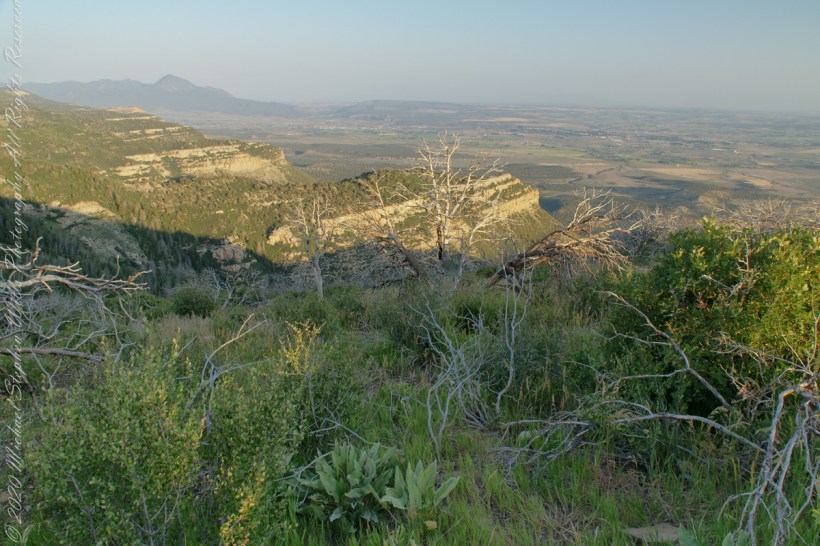
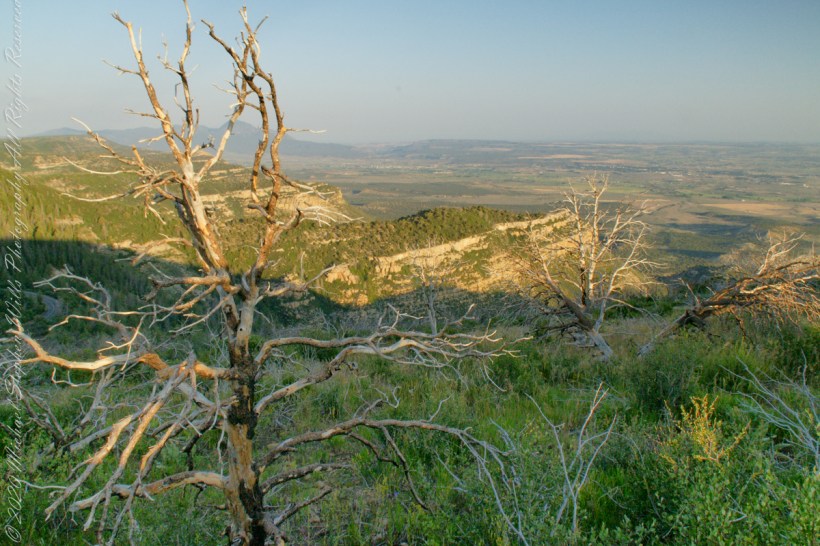
A pullover on the park road proves this, northwest morning view of the Mancos Valley. The lush grass in foreground is a reason the mesa is called “verde,” meaning green in the Spanish language.
The Mancos Valley has been settled since at least the 10th century AD, although various severe conditions in the mid to late 13th century saw the area and its multitude of small villages abandoned by the Ancient Pueblo People (Anasazi).
The Mancos area is dotted with inventoried and un-inventoried archeological sites, including both isolated houses and shelters and small village complexes. Mancos Valley residents were probably among those who withdrew to the cliff dwellings on Mesa Verde, perhaps for defensive purposes, due to climate change, or as part of concentration policy of possible invaders and occupiers of the region.
Control of the area was contested by nomadic Navajo and Ute people for centuries. Spanish friars and military passed through the area as part of the Old Spanish Trail connecting New Mexico and California in the 18th century. The name “Mancos” comes from the Domínguez–Escalante expedition of 1776, though the reason for the name remains unclear (see below). By some unverified accounts, the name Mancos refers to the crippled nature of the Spanish explorers’ horses after they crossed the San Juan Mountains. According to unverified lore, the horses were rejuvenated by the lush green grass in the Mancos Valley. Somewhere in the town is the point at which the expedition crossed the Rio Mancos on its way to California from Old Mexico. Mesa Verde National Park, Montezuma County, near Cortez, Colorado.
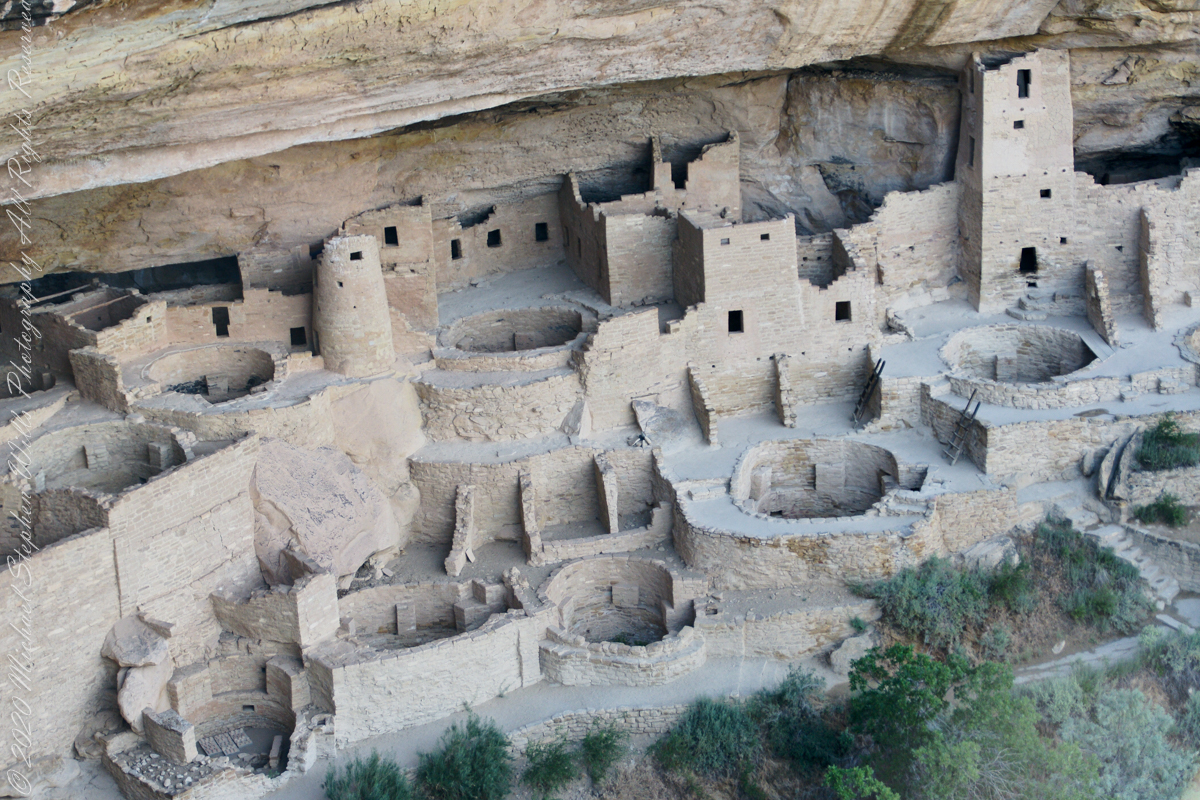
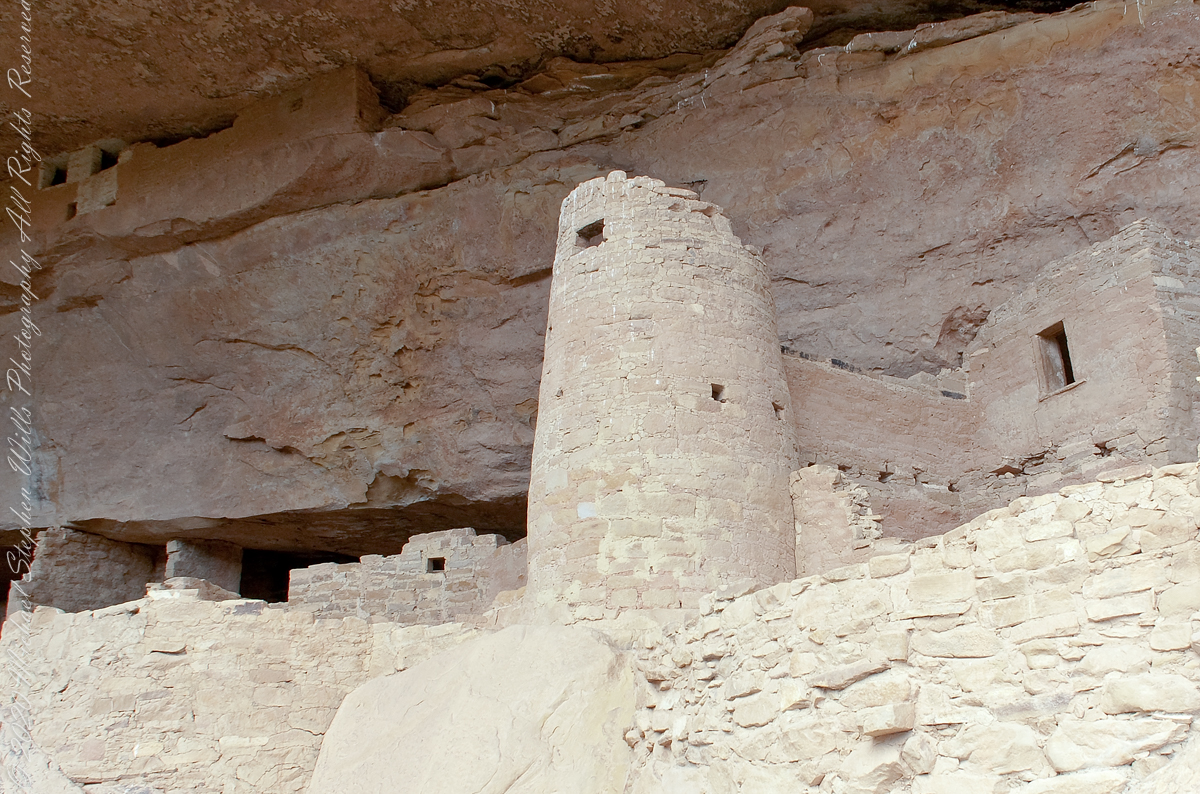
Looking over my photographs from Mesa Verde National Park I find the Cliff Palace Round Tower to be a unique structure. You can see it in this shot taken from the Cliff Palace Loop overlook…..
The Round Tower is on the upper left, between two kivas (appearing to be two round pits). The round shape of the tower is not readily apparent from this angle.
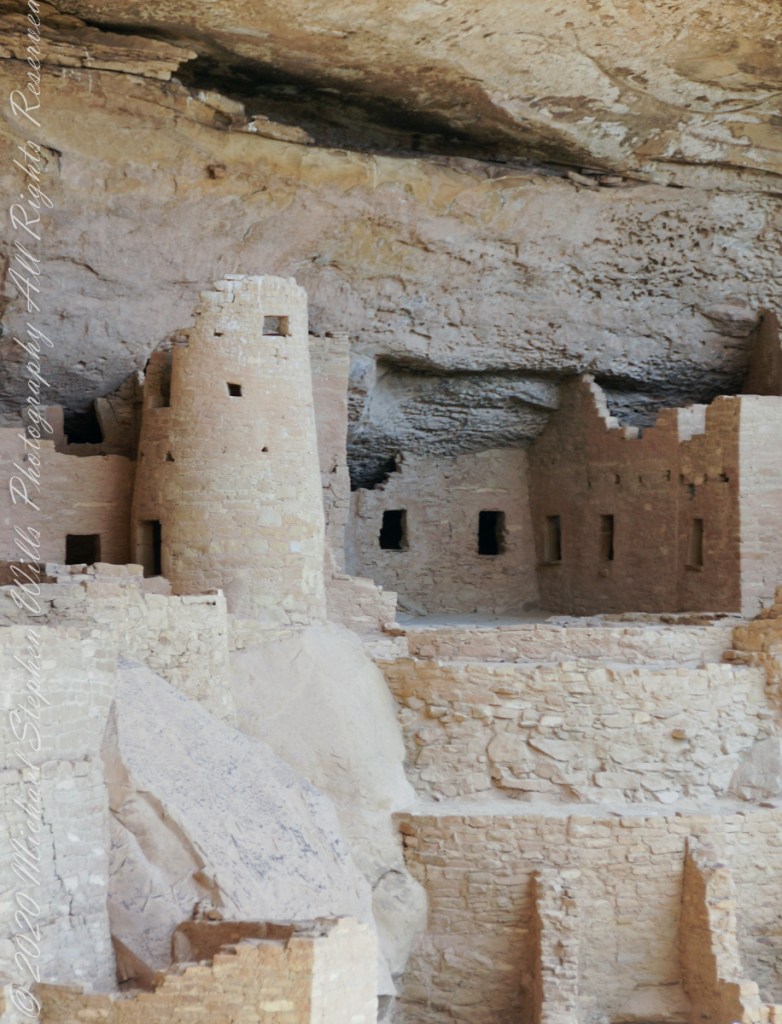
It is easier to see here from this photograph taken from the Cliff Palace footpath from the mesa top.
The Round Tower is on the left.
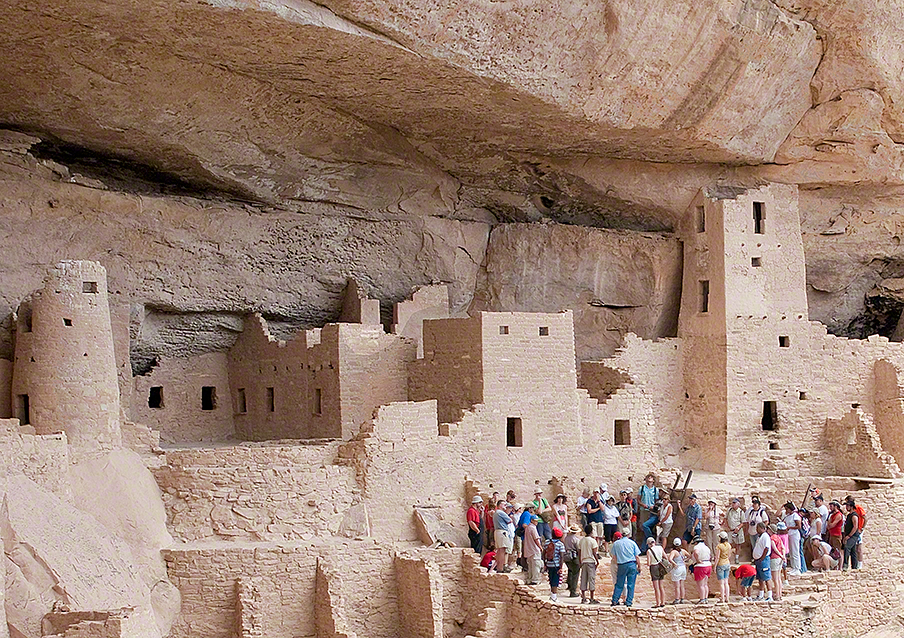
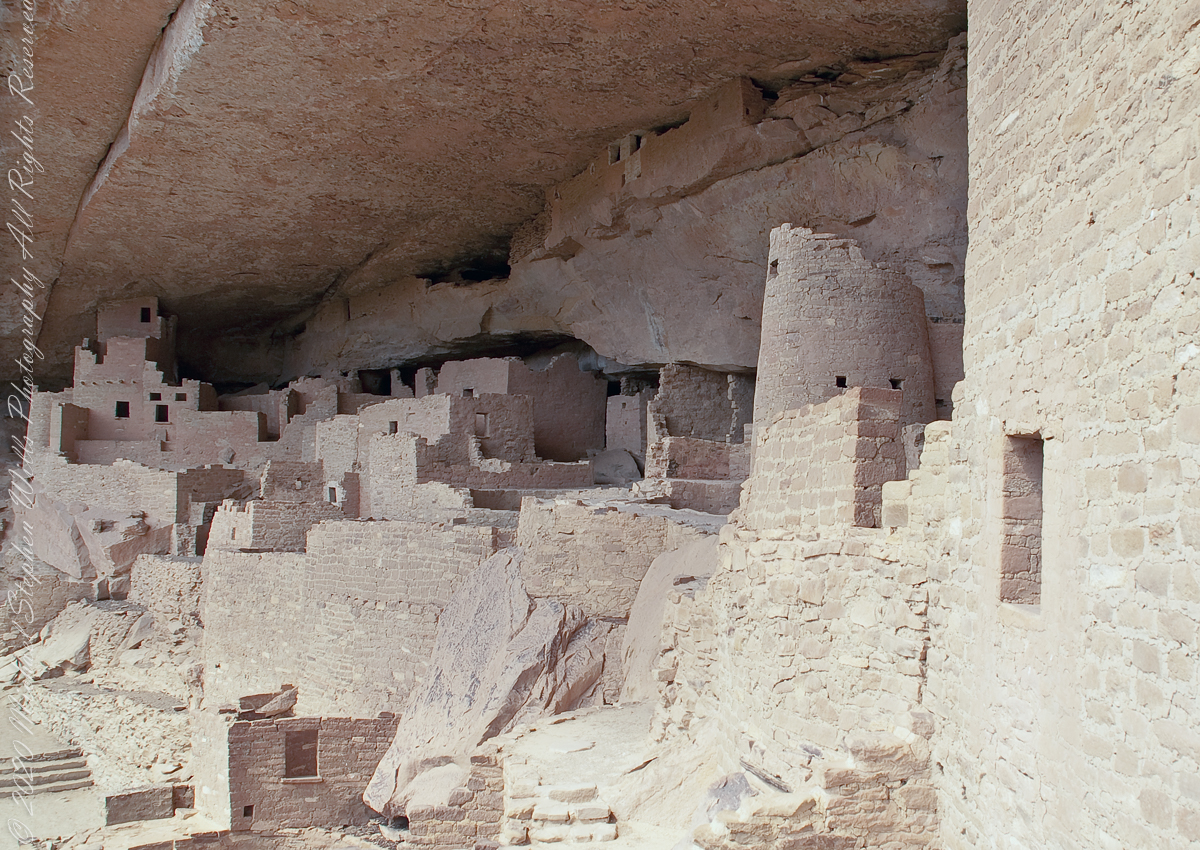
Here is a closer view, with surrounding structures for context.
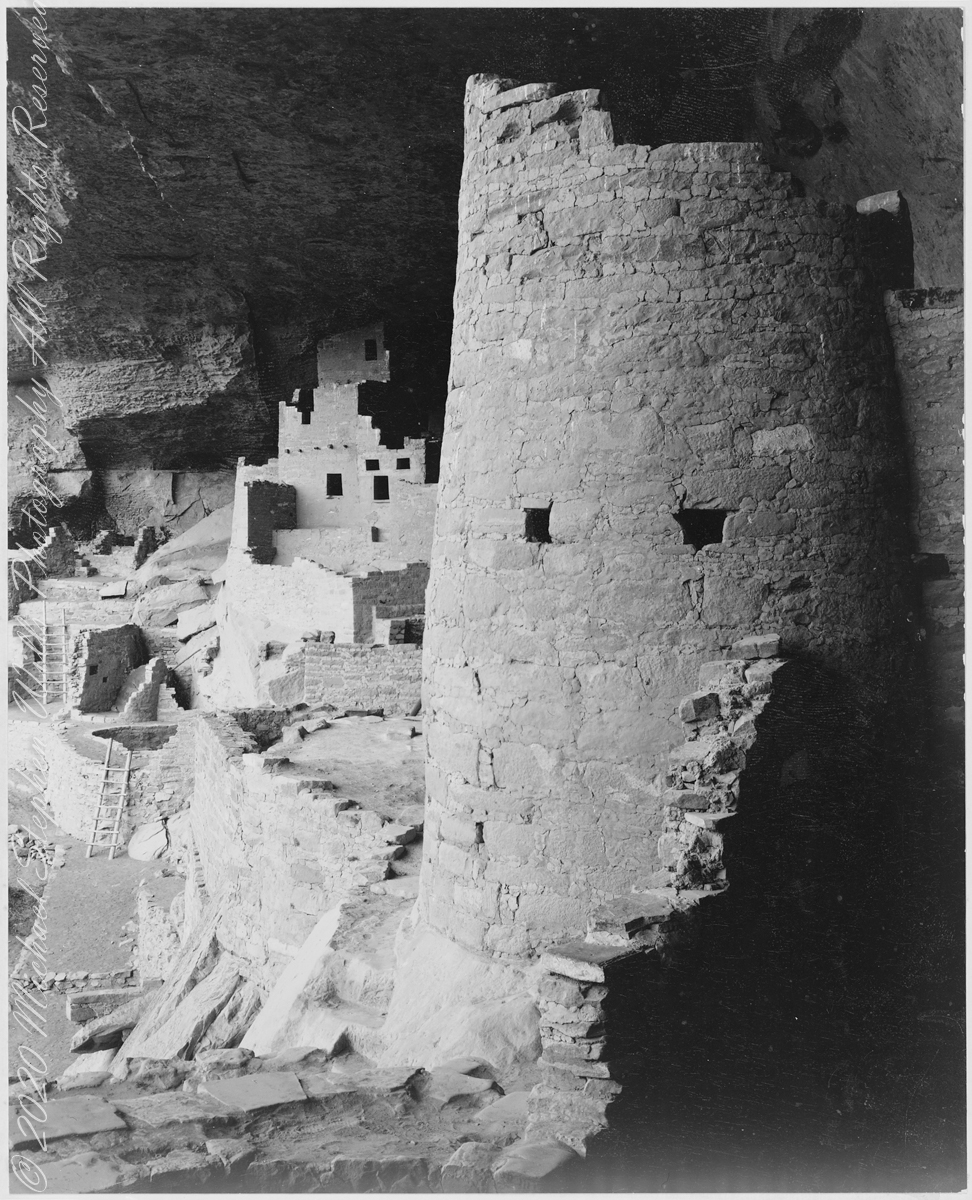
In 1941 the National Park Service commissioned noted photographer Ansel Adams to create a photo mural for the Department of the Interior Building in Washington, DC. The theme was to be nature as exemplified and protected in the U.S. National Parks. The project was halted because of World War II and never resumed.
The holdings of the National Archives Still Picture Branch include 226 photographs taken for this project, most of them signed and captioned by Adams (the following photograph had neither title or caption). Almost all are in the public domain, as is the following image. Adams was allowed free access to the ruins and had the luxury of time to stage perfect lighting.
The creator compiled or maintained the parent series, Ansel Adams Photographs of National Parks and Monuments, between 1941–1942. Ansel Adams provided no caption to this photograph; this information was compiled by Michael Stephen Wills from the United States National Archives Catalog “Series: Ansel Adams Photographs of National Parks and Monuments”.
Mary Elizabeth Jane Colter’s Desert View Watchtower (1932), on the Grand Canyon’s South Rim, was inspired in part by this round tower. She traveled throughout the southwest to find inspiration and authenticity for her buildings. The architecture of the ancestral Puebloan people of the Colorado Plateau served as her model. This particular tower was patterned after those found at Hovenweep and the Round Tower of Mesa Verde. Colter indicated that it was not a copy of any that she had seen, but rather modeled from several cliff dwellings.
The following photographs are my closest approximation to Ansel Adams composition. Taken during a public Ranger guided tour of Cliff Palace, I was standing next to the Square Tower (see my post “Square Tower as Viewed from the Kiva.”
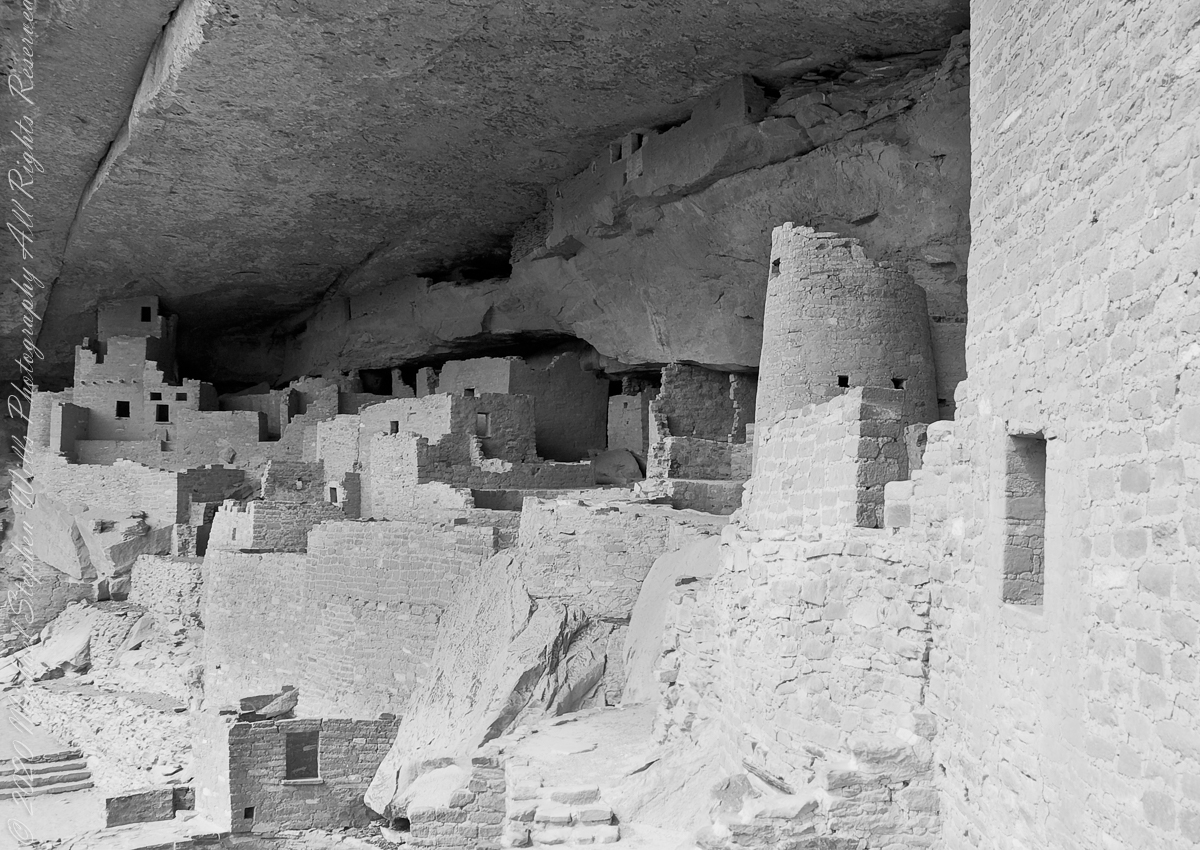
The same image produced as Black and White.
Extension
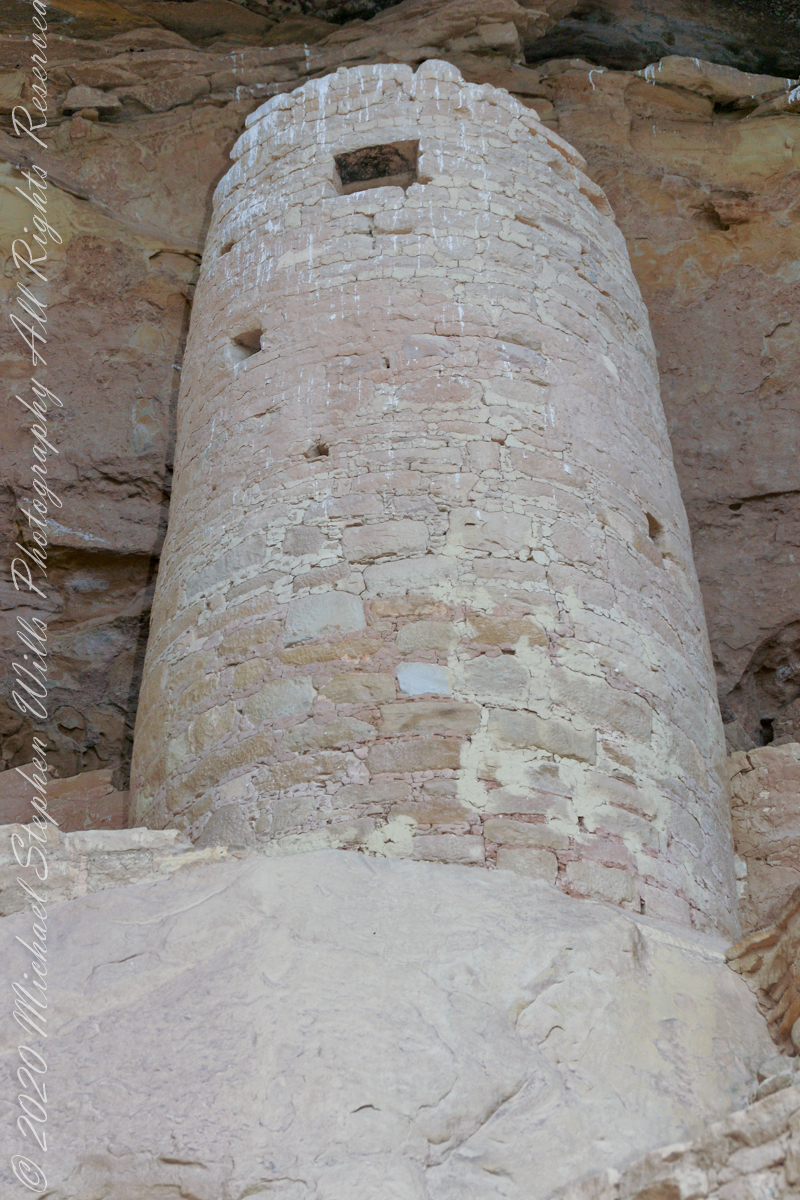
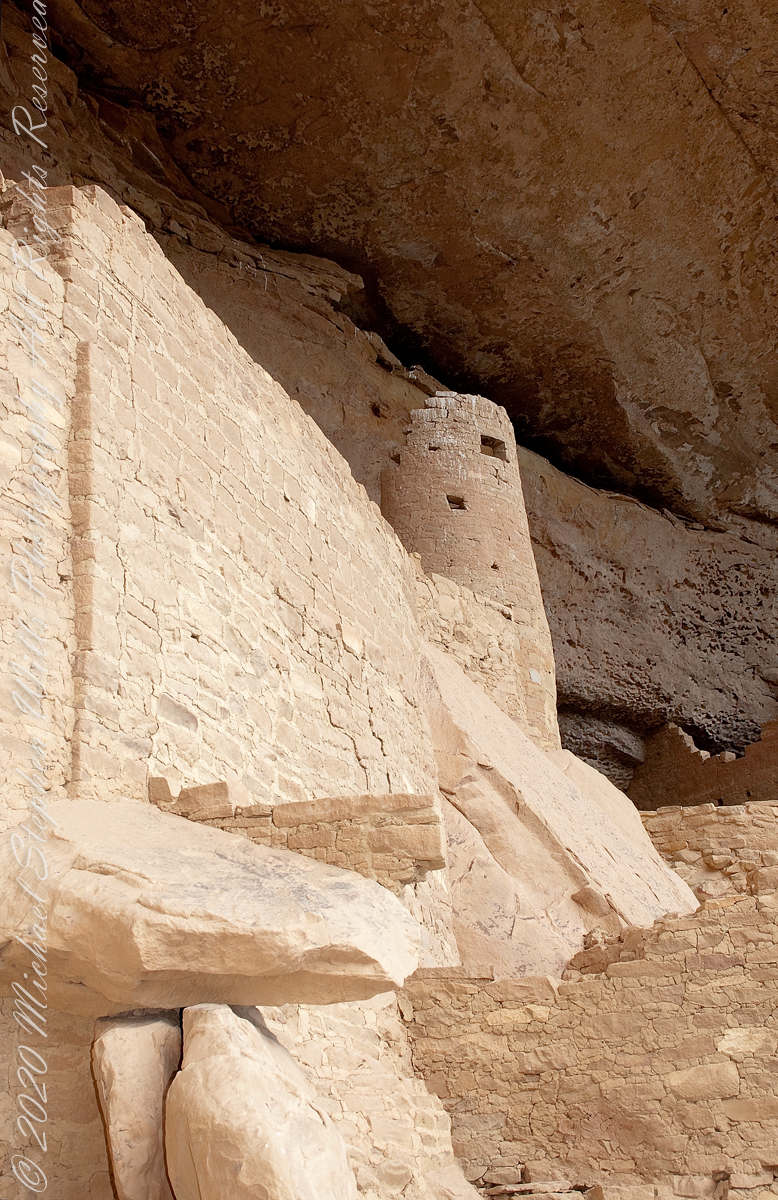
The Round Tower is more compelling when viewed from below, in the following photographs.
Looking through these images I challange you, the reader, to compare the Round Tower with the right angles, straight walls of the other above ground structures and, then, the round Kivas in the grounds, essentially the Round Tower is an extension of the round kiva and sipapu toward the heavens.
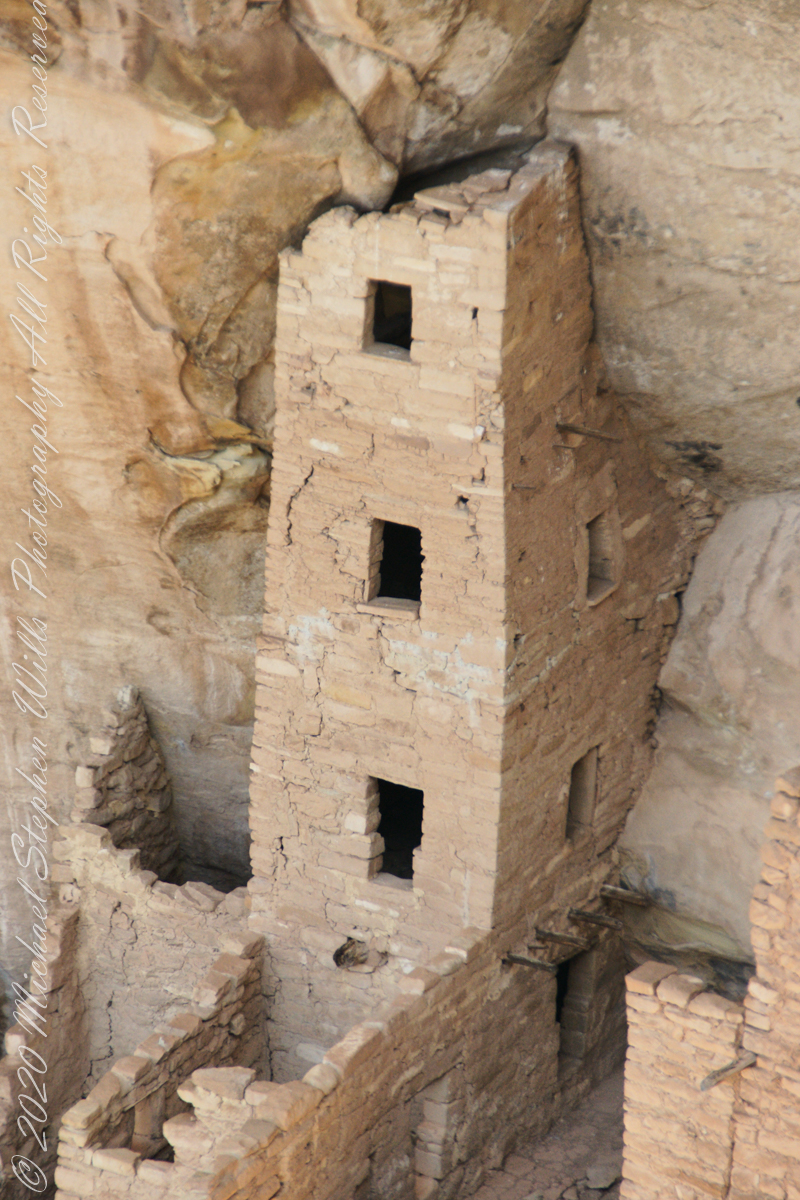
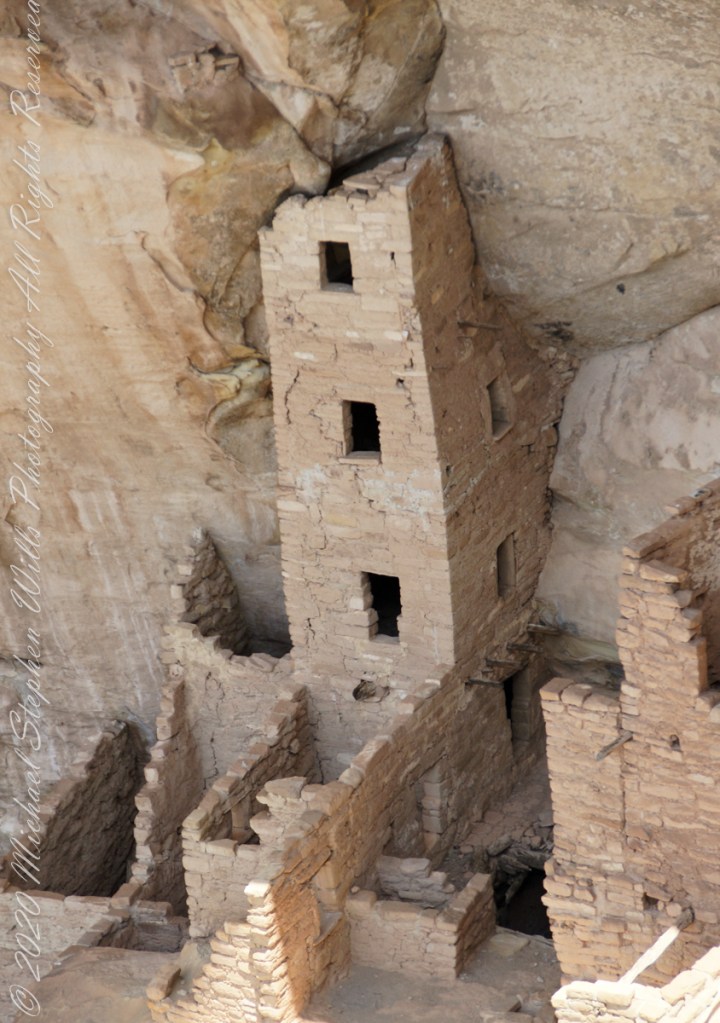
Featuring the tallest standing structure in the park, an intact kiva roof, original plaster and paint, and plentiful rock art, Square Tower House is one of Mesa Verde’s most impressive cliff dwellings.
Located off the Mesa Top Loop, at the head of Navajo Canyon, this cliff dwelling is only accessible on a ranger guided tour, for a fee. Tickets for the tour are limited, so get them before your arrive. There is a viewing point just off the loop road. Mesa Verde National Park, Montezuma County, near Cortez, Colorado.
The two rooms here are what seems to be a round wall, possibly a kiva ruin, on the left and a single story building, on the right, being the single wall with an opening for access. They probably blocked the opening in cold weather to conserve heat. It is possible this site had a special use and was occupied for a limited period of time each season/year.
Copyright 2023 Michael Stephen Wills All Rights Reserved