A Valentine’s Day reflection spanning childhood, family, and partnership—where a homemade cake, a living room, and an ocean voyage reveal love’s enduring thread.
Our culture insists that Valentine’s Day is about hearts and chocolates, about gestures that can be wrapped, written, or eaten. My memories tell a longer and more intricate story. Valentine’s Day is thread that runs through decades—binding childhood, family, and shared journeys into a single, evolving narrative.
An early Valentine’s Day memory of mine is anchored in a living room at 107 Deepdale Parkway in Albertson, New York. It is 1959. The room is familiar and ordinary, yet in memory it glows with a particular warmth. My sister Theresa is two, Christine is four, and I am five. We are gathered together, small figures in a modest suburban home, unaware that this fleeting domestic moment will outlast nearly everything else in the room. What I remember most is not an event, but a feeling: the sense of being held within something stable and loving, a family rhythm that proved enduring.
Theresa (2), Michael (5), Christine (4) in the livingroom of 107 Deepdale Parkway, Albertson, New York on Valentines Day 1959
As the years passed, Valentine’s Day shifted its shape, as it does for everyone. Childhood gave way to adolescence, and later to adulthood, when the holiday began to carry expectations and interpretations shaped by romance and partnership. Yet even then, my earliest associations lingered beneath the surface. Valentine’s Day was was beyond an exchange between two people; it was about continuity, about the quiet reassurance that one was part of a larger story.
A part of our celebration this Valentine’s Day cake—chocolate, homemade, and unapologetically generous. Baked by my wife, Pamela, whose acts of care often expressed themselves through the kitchen. The cake was not elaborate by modern standards, but it does not need to be. Its value lay in what it represented: time taken, effort given, and love made tangible. Long after the plates are washed, the memory of that cake remains inseparable from the idea of Valentine’s Day itself. Love, I learned early, could be simple, nourishing, and shared.
Chocolate Valentines Day cake by Pamela Wills
That understanding deepened over time, especially through my life with Pam. One Valentine’s Day memory stands apart not for its extravagance, but for its improbability. Pam and I found ourselves aboard the Oceania ship “Regatta”, sailing the Pacific Ocean off the coast of Chile. The vastness of the water, the steady rhythm of the ship, and the sense of being suspended between sky and sea created a striking contrast to the small living room of my childhood. Yet the emotional register was remarkably similar. Once again, Valentine’s Day was marked not by spectacle, but by presence.
The following day we reached Puerto Montt, a port city framed by water and volcanoes. The journey itself became a metaphor for the way love matures. Where childhood love had been rooted in home and routine, this later expression unfolded through shared experience and mutual trust. Standing on the deck together, watching the coastline emerge, I was struck by how Valentine’s Day had come to encompasses where we had been and where we were going.
Pam and I aboard the Oceania Regatta sailing the Pacific Ocean off Chile. The following day we reached Puerto Montt.
In that sense, Valentine’s Day functions much like memory itself. It selects certain moments and holds them fast, allowing others to fade. A cake, three young children in a living room, two partners standing together on the open sea. These are not scenes one could have predicted would endure, yet they do, because they are threaded with care, attention, and shared time.
Now, looking back across the span of years, I understand Valentine’s Day as a recurring prompt that asks us to remember where love first took root, how it was tended, and how it has carried us forward. The details change, but the essence remains remarkably constant.
In the end, Valentine’s Day does not demand grand gestures or perfect words. It asks only that we recognize the quiet continuity of love as it moves through our lives—sometimes in a childhood living room, sometimes on the open ocean, always leaving its mark in ways we only fully understand in retrospect.
Enter your email to receive notification of future postings. I will not sell or share your email address.
Copyright 2026 All Rights Reserved Michael Stephen Wills
Discover the delicate beauty of early meadow-rue (Thalictrum dioicum) along the Gorge Trail at Robert H. Treman State Park. Explore its unique spring blooms, cultural significance in Native American traditions, and the poetry of its quiet role in the woodland ecosystem.
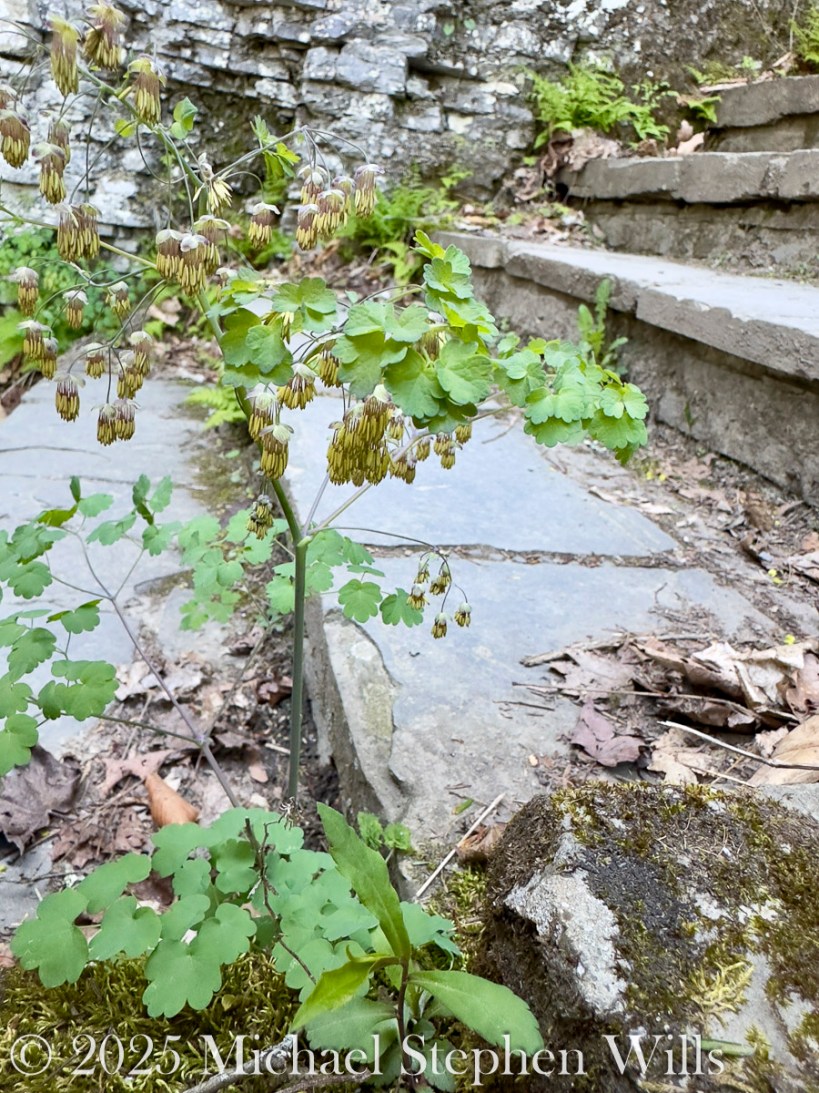
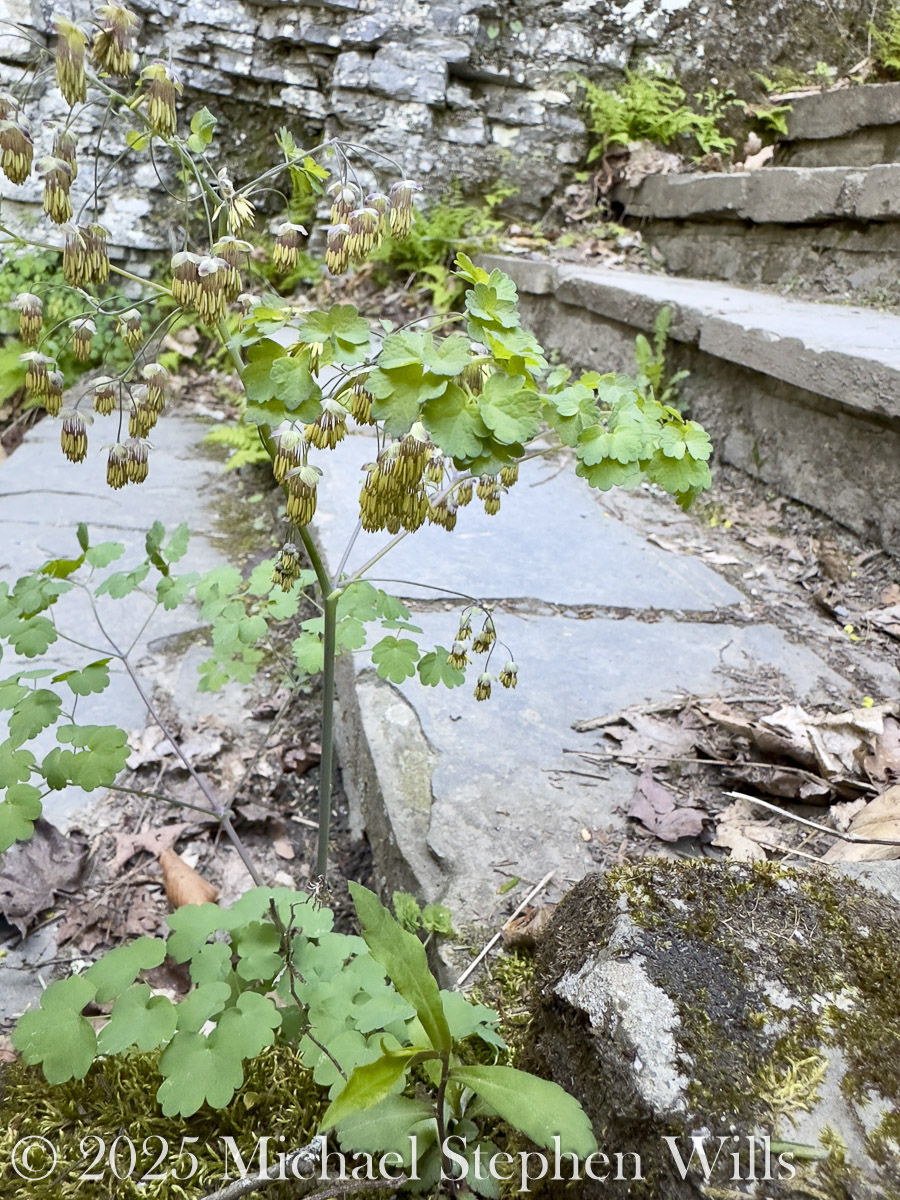
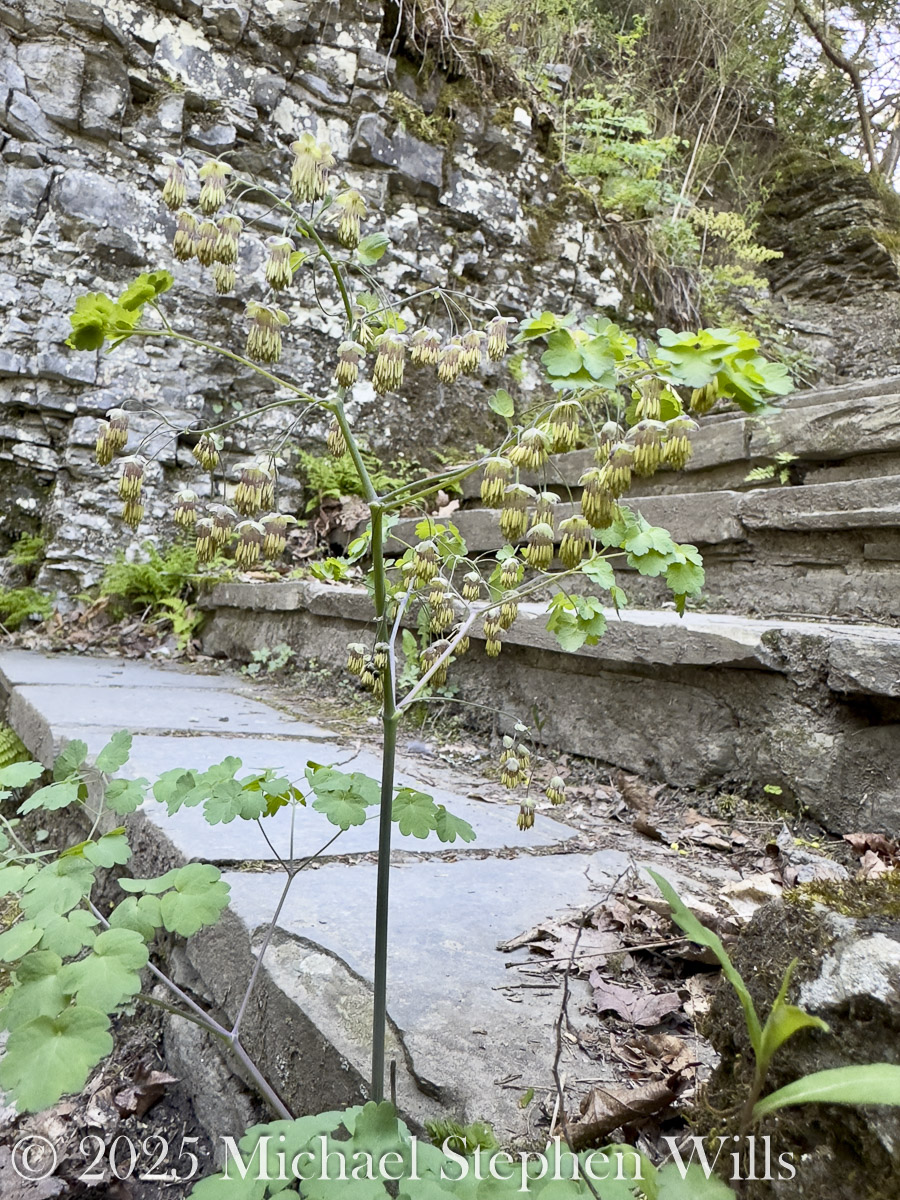
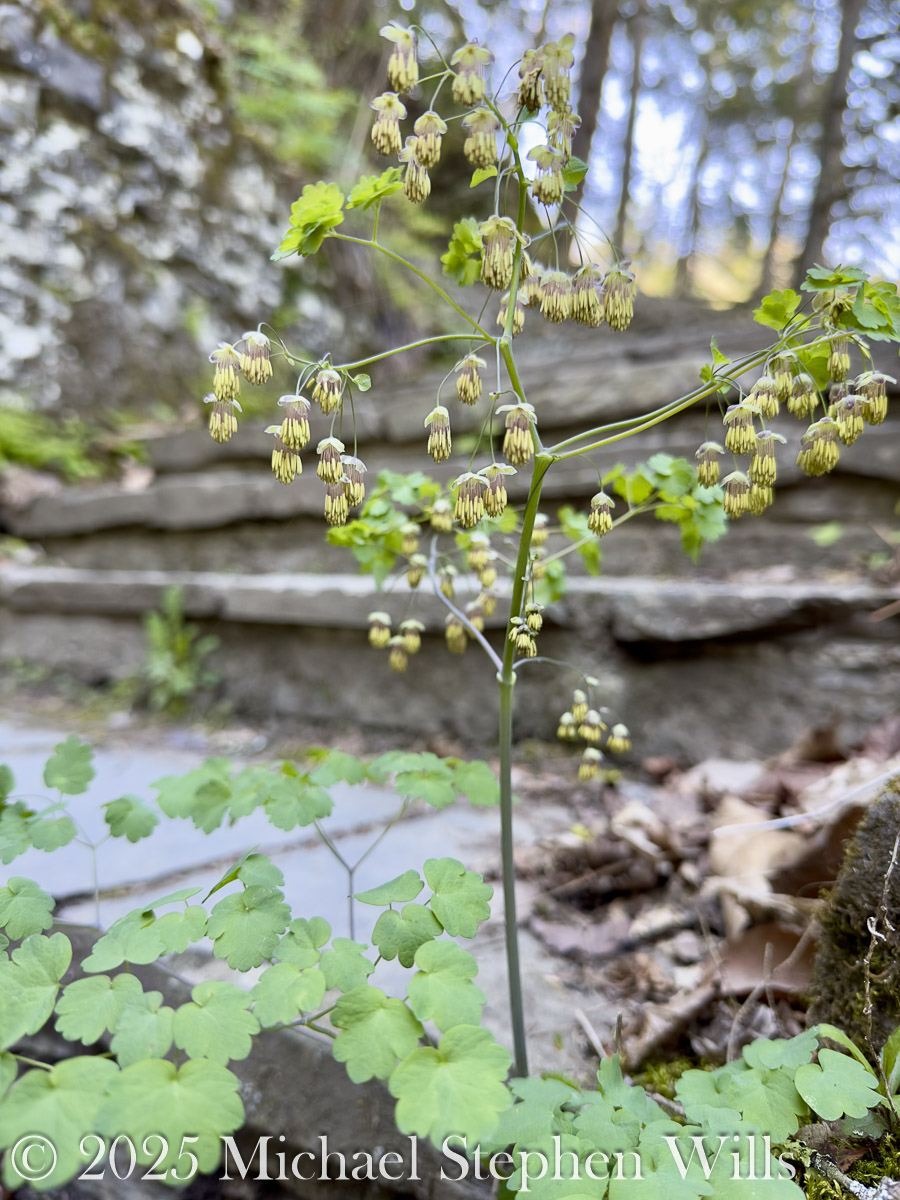
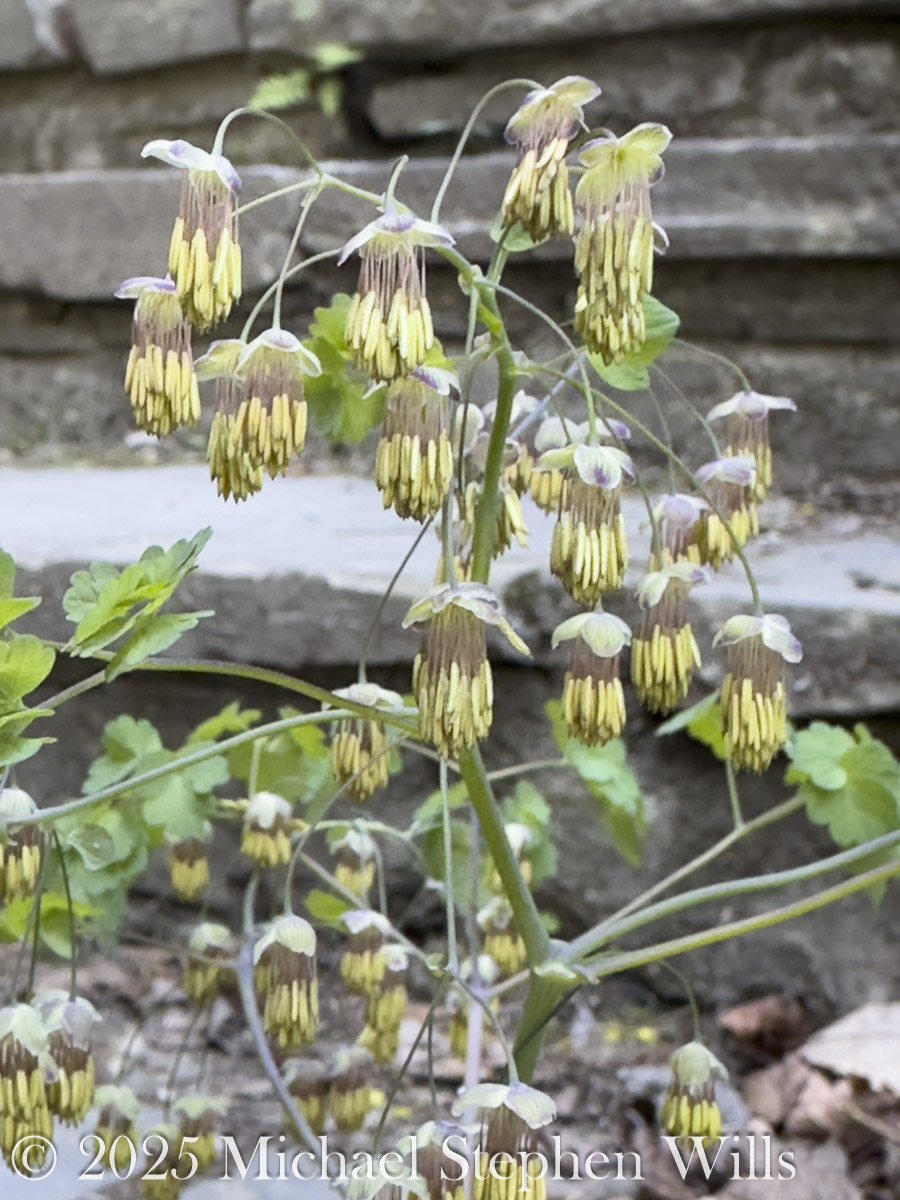
April 28, 2025 – Robert H. Treman State Park, Ithaca, NY. I step lightly along the damp stone stairs of the Gorge Trail, hemmed in by towering rock walls and the whisper of waterfalls. There, at a turn in the path, I encounter an unassuming woodland plant waving in the breeze. Its delicate green foliage could be mistaken for a young fern or columbine, but from its arching stems hang dozens of tiny yellow tassels, swaying like fairy lanterns. This is a male Thalictrum dioicum – commonly known as early meadow-rue, or more whimsically, quicksilver-weed. One of the earliest wildflowers to emerge in spring forests of the Northeast, it offers a subtle spectacle: golden anthers dangling in the cool April breeze, each tiny stamen a pendulum of pollen.
Delicate Botany of a Woodland Rue
At a glance, Thalictrum dioicum might not shout for attention – standing barely one to two feet tall – yet a closer look reveals intricate beauty. Each male plant is a miniature chandelier of blossoms, the flowers having no petals at all but instead a simple fringe of sepals and a flurry of stamens. In fact, the male flowers are the showiest part of this species, with numerous slender, dangling yellow stamens that earn meadow-rue a second look. These dangles are the anthers – pollen-bearing organs – swinging freely to release golden dust on the wind. Female plants, on separate nearby stalks, are more reserved: their flowers hold up clusters of pale pistils like tiny green stars, which, if wind-blessed with pollen, will swell into achenes (dry fruits) later in the season. The separation of sexes in different “houses” is the trait that gives the species its name dioicum, meaning “of two households” in Greek. Early meadow-rue’s foliage is equally enchanting. The leaves are twice or thrice divided into lobed leaflets that resemble the herb rue (Ruta) – hence the common name “meadow-rue”. A misty green above and silvery underside, the leaflets have a rounded, almost columbine-like form with soft scalloped edges. As botanist Eloise Butler once noted, casual hikers often exclaim “what a pretty fern!” upon seeing the airy foliage before noticing any flowers. Indeed, the plant’s fern-like grace and early spring timing give the forest understory a verdant, lacy trim well before the summer plants take over.
What’s in a Name (Etymology and Lore)
Even the name of this humble wildflower carries poetry. The genus Thalictrum harkens back to the Greek word thaliktron, a term used by the ancient physician Dioscorides to describe plants with finely divided leaves. It’s a fitting nod to the meadow-rue’s delicate foliage. The species name dioicum, as mentioned, translates to “two houses,” nodding to its dioecious nature – male and female flowers on separate plants. As for “quicksilver-weed,” an old folk name, one can only imagine it arose from the plant’s ephemeral shimmer: appearing quickly in spring and perhaps glinting with dew like liquid silver. Early meadow-rue also earns its “early” title by being among the first woodland perennials to bloom as the snow melts – a true harbinger of spring in the eastern North American woods. The “rue” in meadow-rue is a bit of a misnomer botanically (meadow-rue is in the buttercup family, not related to true rue). However, the moniker stuck because of a shared appearance – those divided leaves echo the shape of true rue’s foliage. There’s no strong odor or bitterness here, though. Instead, Thalictrum dioicum is gentle in aspect and entirely non-toxic, making it a welcome companion in shady gardens and wild places alike. Gardeners sometimes cultivate it for its graceful foliage and dangling blooms, a little wild treasure in cultivated shade gardens.
A Quiet Role in the Forest Understory
In its native habitat, early meadow-rue lives a low-key life in the understory. It thrives on dappled woodland slopes, often on rich, rocky soils near streams – exactly the sort of place the Gorge Trail winds through. Preferring partial shade, it is comfortable in both moist and well-drained sites. As a spring ephemeral, it takes advantage of the window before the canopy fully leafs out, unfurling its leaves and flowers in April and May, then quietly dying back by midsummer to wait out the year’s end. This strategy allows it to catch the sunlight of early spring and avoid competition later on. Unlike showy wildflowers that beckon bees and butterflies, meadow-rue’s pollinator is the breeze. Being wind-pollinated (anemophilous), it has no need for bright petals or nectar rewards. Instead, those dangling stamens tremble with each gust, shedding pollen into the air – a dance of chance that some of it will drift over to a waiting female flower nearby. The light, swinging tassels are perfectly adapted to this purpose, increasing the odds of pollen dispersal with every sway. Even without offering nectar, early meadow-rue still contributes to its ecosystem. Its tender leaves provide an early snack for rabbits and deer venturing out after winter. A few specialized moth species also use it as a host plant in their caterpillar stage, nibbling on the foliage. By going dormant in summer, meadow-rue returns nutrients to the soil and opens space for later-emerging plants, maintaining the ebb and flow of diversity in the forest floor community. In autumn and winter, only its fibrous roots and a small caudex (rootstock) persist under the leaf litter, ready to send up new growth when spring returns.
Roots in Culture and Folklore
This demure wildflower has also found its way into human stories and herbal traditions. Native American communities, especially in the Northeast, knew and used early meadow-rue in subtle ways. Though not a superstar of indigenous medicine, it had its roles. Cherokee healers brewed tea from the roots to treat diarrhea and stomach troubles, and to ease vomiting. In Haudenosaunee (Iroquois) lore, a decoction of meadow-rue roots was used as a wash for sore, tired eyes, and even taken to steady a palpitating heart – perhaps the gentle plant lending calm through belief or mild effect. Beyond medicine, Thalictrum dioicum tiptoes into the realm of romance and harmony.
According to ethnobotanical notes, young Blackfoot women in the northern Plains would weave the pretty tassels or seed clusters into their hair, believing it would help them attract the attention of a desired young man – a bit of springtime love charm from the wilds. Among some eastern Woodlands tribes, such as the Ojibwa and Potawatomi, the seeds of meadow-rue were a secret tool for domestic peace: slipping a pinch of seeds into the food of a quarreling couple was thought to help dispel discord and restore harmony to the relationship. Whether through mild pharmacological effect or sheer faith, one imagines it brought a hopeful smile to those administering this folk remedy.
Early meadow-rue even made a brief appearance in early colonial folklore. In Canada, it’s said that some of the First Peoples used the crushed roots to treat venomous snake bites, likely as a poultice. The plant’s leaves were also dropped into spruce beer – the fermented drink made by settlers and Natives alike – perhaps as a flavoring or tonic ingredient. Interestingly, despite these uses, meadow-rue never became a staple in European-American herbal medicine. 19th-century herbal texts noted that American Thalictrums were largely ignored by formal medicine, overshadowed by their European cousins. This lends our Thalictrum dioicum an aura of a plant mostly known by those who dwell close to the land – a quiet ally in the forest, employed in pinch when needed and otherwise simply appreciated for its beauty and symbolism.
Reflections on a Spring Encounter
A close-up of Thalictrum dioicum male flowers, often called “quick-silver weed” for the way these golden tassels catch the light. The plant’s lack of petals is evident – instead, dozens of pollen-laden stamens dangle, ready for the wind’s call.
Encountering this early meadow-rue along the gorge felt like stumbling upon a small secret of the woods. In the waterfall haunted gorge, with slate-gray cliffs towering overhead, these frail yellow tassels swayed and twirled as if performing for an unseen audience. There was a breezy playfulness in that moment – the plant nodding in the wind, pollinating by dancing rather than by the busy work of bees.
I was struck by how ancient and new it all felt: this same species blooming every April for thousands of years, used by generations of indigenous peoples for healing and hope, yet to me on that day it was a delightful surprise, as fresh as the spring itself. As I crouched to take a closer look, I imagined the threads of history and myth that early meadow-rue carries. Its presence here is a sign of a healthy, layered woodland. It whispered of resilience – how something so delicate survives the torrents of spring rain and the deep freezes of winter underground, year after year. In the golden afternoon light of the gorge, those dangling blossoms were like drops of quicksilver sunlight, fleeting and brilliant.
I felt grateful to have noticed this little plant, to share a moment of connection across time and cultures. The next bend of the trail would lead me on, but the image of quicksilver weed in bloom stayed with me – a reminder that even the quietest corners of nature are filled with stories waiting to be noticed.
Enter your email to receive notification of future postings. I will not sell or share your email address.
Copyright 2025 All Rights Reserved Michael Stephen Wills
References
Thalictrum dioicum (Early Meadow-rue) – Wikipedia Friends of the Wild Flower Garden – Early Meadow-rue (Thalictrum dioicum) plant description and naming henriettes-herb.com Institute for American Indian Studies – Medicinal Monday: Early Meadow Rue, blog post (Jan 22, 2024) Henriette’s Herbal – Thalictrum dioicum excerpt from Drugs and Medicines of North America (1884-1887) henriettes-herb.com Friends of the Wild Flower Garden – Eloise Butler’s note on Early Meadow-rue (1911)
Alpha-lipoic acid (ALA) is considered safe for oral use, even long-term, with mild side effects. It supports metabolism, improves insulin sensitivity, and aids weight management.
Overall, ALA’s metabolic effects can be summarized as: improved insulin action, enhanced mitochondrial energy metabolism, reduced oxidative stress, and slight promotion of fat utilization.
For seniors, it’s prudent to stay at the effective lower range (e.g. 300–600 mg/day) unless higher doses are medically supervised, given that doses above 600 mg may not confer extra benefit but could cause unnecessary GI side effects.
NOW Foods ALA offers the best cost-to-benefit ratio and is suitable for the majority of users (including the elderly), given its proven purity and high dosage. Doctor’s Best is a comparable alternative in the same tier. Jarrow provides a unique formulation that can improve tolerability (a key consideration for sensitive individuals like some seniors). Life Extension and Thorne cater to those prioritizing form specificity (R-ALA) and rigorous quality assurance, respectively. All these leading brands have positive consumer reputations and efficacious dosages – choosing between them may come down to personal priorities such as budget, any digestive sensitivity, and trust in certifications.
Effects of ALA on Metabolism
ALA plays multiple beneficial roles in metabolic health. It is both a mitochondrial cofactor and a powerful antioxidant, which allows it to influence energy production, glucose metabolism, and lipid oxidation.
Glucose Metabolism and Insulin Sensitivity
One of ALA’s most notable effects is improving insulin-dependent glucose utilization. ALA facilitates the transport of blood sugar into cells and combats insulin resistance. Clinical studies have shown that ALA supplementation enhances insulin sensitivity – for example, clamp trials in type 2 diabetics demonstrated significantly increased glucose disposal after a month of oral ALA therapy
pmc.ncbi.nlm.nih.gov. In prediabetic individuals, ALA reduced fasting insulin levels and HOMA-IR (an index of insulin resistance), even without changing body weight
pmc.ncbi.nlm.nih.gov. These improvements mean cells respond better to insulin, helping to lower blood sugar. In fact, ALA is used therapeutically in some insulin-resistant conditions (it’s prescribed in Germany for diabetic neuropathy in part due to this effect).
A recent dose–response meta-analysis of 16 trials (over 1,000 patients with type 2 diabetes) confirmed that oral ALA produces small but significant improvements in glycemic control
pmc.ncbi.nlm.nih.gov. Every 500 mg of ALA added per day led to reductions in HbA1c (average blood glucose), fasting plasma glucose, and markers of inflammation like C-reactive protein
pmc.ncbi.nlm.nih.gov. For example, around 600 mg/day of ALA lowered HbA1c by about 0.3 percentage points and modestly reduced fasting glucose – a notable benefit, though not a dramatic cure
pmc.ncbi.nlm.nih.gov. These changes, while statistically significant, were relatively modest in magnitude (often below the threshold of clinical significance
pmc.ncbi.nlm.nih.gov). This suggests ALA won’t replace diabetes medications, but can act as a helpful adjunct for improving metabolic markers. Notably, ALA also tends to lower triglycerides and inflammatory markers in metabolic syndrome patients
Mechanistically, ALA activates cellular energy sensors (AMPK) and transcription factors (PPAR-γ) that enhance insulin signaling and glucose uptake
mdpi.com. It can upregulate GLUT4 glucose transporters in muscle and reduce oxidative stress that impairs insulin action. Collectively, these actions translate to better insulin sensitivity and blood sugar utilization, which is why ALA has been tested in conditions like type 2 diabetes, metabolic syndrome, and even polycystic ovary syndrome.
Mitochondrial Function and Energy Production
ALA is often dubbed the “metabolic antioxidant” because of its critical role in mitochondria – the energy powerhouses of cells. Endogenously, ALA is a coenzyme for key mitochondrial enzyme complexes (e.g. pyruvate dehydrogenase and α-ketoglutarate dehydrogenase) that drive the Krebs cycle and ATP production
lifeextension.com. Supplementing with ALA can bolster these enzymatic functions. ALA is easily absorbed and crosses into mitochondria, where it assists in converting nutrients into energy and simultaneously neutralizes free radicals generated in the process
mdpi.com. This dual action supports healthier mitochondrial function, especially under oxidative or aging-related stress.
Research indicates ALA can improve mitochondrial performance and even promote new mitochondria formation. For instance, ALA has been shown to stimulate mitochondrial biogenesis in cells
pmc.ncbi.nlm.nih.gov. Its antioxidant capacity helps prevent damage to mitochondrial membranes and DNA, preserving efficiency of energy metabolism
pmc.ncbi.nlm.nih.gov. In animal studies of aging, ALA (alone or with other “mitochondrial nutrients” like acetyl-L-carnitine) reversed age-related declines in mitochondrial structure and function
accurateclinic.com. Notably, ALA-treated older rats showed improvements in memory that correlated with restored mitochondrial health and lower oxidative damage in brain cells
accurateclinic.com. By elevating intracellular glutathione and other antioxidants, ALA creates a more reducing (protective) environment in mitochondria
pmc.ncbi.nlm.nih.gov. This is particularly relevant for seniors, as mitochondrial decay is a hallmark of aging. The evidence suggests ALA may help mitigate age-associated mitochondrial dysfunction, potentially improving energy levels and organ function in older adults
It’s important to note that while much of the mitochondrial benefit is documented in lab and animal models, human trials also hint at improved fatigue and muscle performance in conditions of mitochondrial stress. At the cellular level, ALA’s ability to chelate redox-active metals and scavenge reactive oxygen species prevents the oxidative damage that slows down mitochondrial enzymes
pmc.ncbi.nlm.nih.gov. In summary, ALA serves as a critical cofactor and antioxidant “tune-up” for mitochondria, supporting efficient metabolism and potentially contributing to healthy aging of cells.
Weight Management and Fat Oxidation
ALA has garnered interest as a weight management supplement, due to its effects on energy expenditure and fuel utilization. Preclinical studies suggest ALA can reduce fat accumulation through multiple pathways. In animal models, ALA supplementation led to lower food intake and increased calorie burn – partly by acting on the hypothalamus to suppress appetite via AMPK (AMP-kinase) modulation
pmc.ncbi.nlm.nih.gov. Rodents given ALA show a decrease in body fat and weight, as ALA may enhance fat oxidation and mitochondrial activity in muscle and brown fat
pmc.ncbi.nlm.nih.gov. These anti-obesity signals raised hopes that ALA might aid human weight loss as well.
Human trials indicate ALA’s weight loss effects are modest. A comprehensive meta-analysis of randomized controlled trials found that, on average, subjects taking ALA lost about 1.2 kg more than those taking a placebo over the study period
pmc.ncbi.nlm.nih.gov. This translated to a small but statistically significant drop in BMI (~0.4 unit) compared to placebo
pmc.ncbi.nlm.nih.gov. In practical terms, ALA can modestly enhance weight loss when combined with caloric restriction or diet changes, but it is not a magic bullet. The meta-regression found no clear dose-response – higher doses didn’t necessarily produce more weight loss – but longer study duration was associated with slightly greater effects on BMI
pmc.ncbi.nlm.nih.gov. So, ALA may help “a little bit” with weight management, especially over longer periods and as part of a comprehensive diet/exercise plan.
Interestingly, some trials in overweight individuals have shown improvements in body composition. For example, in obese participants on a calorie-controlled diet, those who added ALA lost slightly more weight and fat mass than those on diet alone
pmc.ncbi.nlm.nih.gov. ALA’s activation of AMPK and PPAR signaling can encourage the body to use fat for fuel and improve metabolic rate. It also attenuates inflammation (lowering CRP) which is linked to obesity
pmc.ncbi.nlm.nih.gov. That said, the consensus is that ALA’s effect on weight is small – typically on the order of 1–2% of body weight – but it may enhance fat oxidation and help overcome metabolic hesitations during weight loss
pmc.ncbi.nlm.nih.gov. Because even modest weight reductions can improve health markers, this adjunct effect of ALA is seen as a positive side benefit to its main role in glycemic and antioxidant support.
pmc.ncbi.nlm.nih.gov. These biochemical effects underlie its use in diabetic neuropathy, its investigation in cognitive decline, and its popularity as an anti-aging supplement.
Safety Profile of ALA (General Population and Seniors)
Alpha-lipoic acid is considered to have a strong safety profile in oral supplement doses commonly used. A 2020 meta-analysis of 71 clinical trials (over 2,500 people on ALA) found no higher incidence of adverse events with ALA than with placebo
mdpi.com. In other words, taking ALA did not increase overall side-effect risk compared to not taking it. Reported side effects are usually mild, most often gastrointestinal (GI) upset (e.g. nausea, stomach discomfort) or occasionally skin reactions (like rash or itching)
mdpi.com. Even long-term use appears safe – for example, diabetic neuropathy patients taking 600–1,200 mg of ALA daily for 2 years had no serious adverse effects and rated tolerability as “good” or “very good”
For older adults (age 65–70+), studies indicate ALA is generally well-tolerated at standard doses. In a trial of seniors (≥65 years) escalating doses, 600 mg/day was well tolerated with no complaints
pmc.ncbi.nlm.nih.gov. At higher doses (800–1,200 mg) a few participants experienced flushing (skin warmth/redness) or GI discomfort
pmc.ncbi.nlm.nih.gov. Notably, at 1,200 mg three of 15 elderly subjects could not tolerate the dose due to GI upset or flushing, though those taking stomach protectants had no issues
pmc.ncbi.nlm.nih.gov. These findings suggest that older individuals can safely take ALA, but very high doses may cause minor intolerance in some; starting at a moderate dose (e.g. 300–600 mg) and taking it with food may improve comfort.
No specific organ toxicity has been documented from oral ALA. However, as a potent insulin-sensitizer, ALA can enhance glucose uptake, so diabetics on medication should monitor blood sugar to avoid hypoglycemia
lpi.oregonstate.edu. (This is a theoretical risk; in one study a 600 mg ALA dose did not cause hypoglycemia when taken with diabetes drugs
lpi.oregonstate.edu, but caution is still advised for those on insulin or sulfonylureas.) Extremely large accidental overdoses are unsafe – there are case reports of seizures and acidosis in adolescents who ingested gram-quantities far beyond recommended doses
lpi.oregonstate.edu – but such scenarios are very rare. Overall, ALA is viewed as safe for adults and seniors at typical supplemental doses, with an excellent tolerability record over up to several years
mdpi.com. For seniors, it’s prudent to stay at the effective lower range (e.g. 300–600 mg/day) unless higher doses are medically supervised, given that doses above 600 mg may not confer extra benefit but could cause unnecessary GI side effects.
Oral Supplementation and Natural Sources of ALA
This report focuses on oral ALA supplementation, as opposed to intravenous use. Orally, ALA is typically taken in capsule or tablet form, in doses ranging from 100 mg up to 600 mg per serving. Common regimens for general health or diabetic support are 300–600 mg per day (higher doses are split into two doses). Importantly, taking ALA with food can reduce its bioavailability – food competes with ALA for absorption
lpi.oregonstate.edu. Therefore, it’s often recommended to take ALA on an empty stomach (30 minutes before a meal or 2 hours after) for best absorption
lpi.oregonstate.edu. ALA is both water- and fat-soluble, so it doesn’t require dietary fat for absorption, but an empty stomach helps maximize how much gets into your bloodstream. Once absorbed, ALA is readily transported into cells throughout the body, including crossing the blood–brain barrier, which is why oral ALA can have systemic antioxidant effects.
In the oral supplement market, ALA comes in a few forms: most products use the standard racemic mixture (R,S-ALA), which includes both the natural R-enantiomer and its mirror-image S form. The R-form is the biologically active form produced in the body, and has slightly better absorption
lpi.oregonstate.edu. Some premium supplements provide pure R-ALA or a stabilized sodium-R-ALA, which may offer higher potency per dose. However, all the major clinical trials have used racemic ALA, and it has proven effective. Interestingly, the S-form in racemic ALA might even help stabilize the R-form, preventing it from polymerizing, thus the mix could be beneficial for shelf-stability
lpi.oregonstate.edu. In any case, both forms are eliminated from the body relatively quickly (ALA has a short half-life of only a few hours), which has led to development of sustained-release ALA tablets to prolong its action. Sustained-release formulations can lessen peak plasma levels (potentially reducing side effects like nausea) and maintain blood levels longer.
For those interested in dietary (food) sources of ALA, it’s important to note that ALA is present in foods only in very small quantities. ALA in food is found covalently bound to proteins (as lipoamide), particularly in mitochondrial enzymes. Rich sources include organ meats and some vegetables. For example, animal organs like kidney, heart, and liver have the highest ALA content – on the order of ~1–3 micrograms per gram dry weight
lpi.oregonstate.edu. Plant sources with notable (but still tiny) amounts include spinach and broccoli (also around 1 µg/g dry weight)
lpi.oregonstate.edu. To put this in perspective, even a large serving of spinach or liver provides only a few micrograms of ALA, whereas supplements provide milligrams – a difference of about 1,000-fold
lpi.oregonstate.edu. For instance, a 300 mg supplement dose is roughly equivalent to what you’d get from eating over 100 kg of spinach in terms of ALA content. Thus, while a healthy diet includes ALA-rich foods, you cannot attain therapeutic ALA levels from diet alone.
It’s also worth noting that ALA from food is bound (lipoyllysine) and must be freed during digestion to be absorbed, which occurs inefficiently. By contrast, supplement ALA is “free” and readily absorbed (though as mentioned, timing around meals matters). This is why supplements are used to exploit ALA’s pharmacological effects. In summary, natural sources of ALA include red meat (especially organ meats) and vegetables like spinach, broccoli, yams, carrots, beets, and potatoes
healthline.com, but the amounts in foods are nutritionally meaningful yet far below what’s used in research on metabolism and disease. Oral supplementation is the practical way to achieve the doses associated with improved insulin sensitivity or neuropathic symptom relief.
(Aside: Intravenous ALA is another delivery mode – used in some European protocols for neuropathy at 600 mg IV doses – but IV use is outside the scope of this report. The focus here is on oral ALA, which is more relevant for general supplementation.)
Comparison of Leading ALA Supplement Brands
When choosing an ALA supplement, factors to consider include the dosage and form of ALA, the purity and quality testing of the product, any added ingredients (e.g. biotin, which is sometimes included), third-party certifications, cost/value, and suitability for specific needs (such as easy swallowing or lower dose options for seniors). Below is a comparative overview of several reputable ALA supplement brands, with an emphasis on how NOW Foods (a popular brand) compares to others:
Brand & Product
Form & Dosage
Quality & Purity
Consumer Ratings
Price (Approx.)
Senior Suitability
NOW Foods – Alpha Lipoic Acid Extra Strength (NOW brand)
– Racemic ALA, 600 mg per veg capsule – Also available in 100 mg and 250 mg strengths
– cGMP certified manufacturing – In-house and 3rd-party lab tested for purity (110% of label claim found in assays)nowfoods.com – Non-GMO, vegetarian formula
~4.6★ (Amazon average) – Well-reviewed for potency and value
~$0.25 per 600 mg capsule (very affordable) (e.g. ~$18 for 60 caps)
Yes. High-potency 600 mg can benefit seniors (e.g. neuropathy patients); lower-dose options allow gradual dosing. Generally well-tolerated – start with 1 × 300 mg if concerned about sensitivity.
Doctor’s Best – Alpha Lipoic Acid 600
– Racemic ALA, 600 mg per veggie cap – Standard capsule format (no additives)
– cGMP, made with “Science-Based” approach – Non-GMO, gluten/soy free, vegan – Purity tested (no formal certification published)
~4.5★ – Positive user feedback for efficacy and quality
$0.25 per 600 mg capsule<br>($20–$25 for 90 caps)
Yes. Similar to NOW in dose and tolerability. Easy-to-swallow capsules. No special senior formulation, but widely used by older adults for glucose support and nerve health.
– Racemic ALA, 300 mg sustained-release tablet + ^biotin^ (explained below) – Sustained release reduces GI upset and prolongs action
– Reputable brand with strict quality control (cGMP) – Non-GMO; vegetarian – Includes biotin to prevent biotin depletion by high-dose ALA
~4.7★ – Users like the sustained-release (less stomach discomfort)
$0.45 per 300 mg tablet<br>($27 for 60 tablets)
Yes. Lower 300 mg dose and slow-release format are gentler on the stomach – a good choice if seniors experience acid reflux or nausea with 600 mg instant-release. Biotin included for safety.
Life Extension – Super R-Lipoic Acid 240
– R-ALA only, 240 mg stabilized R-lipoic per capsule (equivalent to ~480 mg racemic activity) – Vegetarian capsule
– High purity R-isomer (bio-enhanced form) – Produced under NSF GMP (Life Extension has rigorous in-house testing) – Non-GMO, no unnecessary fillers
~4.6★ – High satisfaction, though niche due to price; noted for effectiveness in blood sugar management
$0.50–$0.60 per 240 mg cap<br>($30–$36 for 60 caps)
Yes (with considerations). The R-ALA form gives strong effects at lower dose, which can be advantageous for sensitive seniors. Capsule size is moderate. Ensure other medications are reviewed, as R-ALA might potentiate insulin effects more strongly. Higher cost may be a drawback on fixed incomes.
Thorne Research – Alpha Lipoic Acid 300 (Thiocid-300)
– Racemic ALA, 300 mg per capsule – Also offered in 100 mg capsules for flexible dosing
– NSF Certified for Sport (third-party tested for potency & contaminants)info.nsf.org – Pharmaceutical-grade purity; free of gluten, soy, and major allergens – Trusted by healthcare practitioners (Thorne has rigorous quality audits)
~4.8★ (fewer reviews; premium brand trust) – Praised for quality, no additives
~$0.65 per 300 mg cap ($39 for 60 caps)
Yes. High quality and purity ideal for seniors concerned about contaminants. Lower-dose 100 mg option allows titration for those who want to “start low and go slow.” More expensive, but top-tier safety for long-term use.
^Notes:^ The inclusion of biotin in Jarrow’s ALA Sustain is to counteract a theoretical biotin deficiency when taking high-dose ALA. (ALA and biotin share similar transporters, and large doses of ALA could competitively inhibit biotin absorption
lpi.oregonstate.edu.) Most people likely get enough biotin from diet, but Jarrow adds 300 µg biotin per tablet as a safeguard.
From the above comparison, NOW Foods ALA stands out as an excellent value – it provides a high dosage per capsule, has verification of its content (in fact, NOW deliberately overfills by ~5% to ensure full potency through shelf life
nowfoods.com), and is very affordable per dose. NOW’s internal and external testing has revealed that some bargain brands sold online delivered as low as 50–70% of their label claim of ALA
nowfoods.com, whereas NOW consistently meets or exceeds its label dosage. This reliability, combined with widespread positive reviews, makes NOW a trusted choice for many consumers, including older adults who may be on multiple supplements and need confidence in label accuracy.
Comparatively, Doctor’s Best offers a similar price and formula to NOW – also a good value with clean ingredients. It’s likewise a solid choice, essentially interchangeable with NOW in terms of what a user gets (600 mg ALA, veg capsule, etc.). Those who prefer a sustained-release or lower dose may lean toward Jarrow Sustain (300 mg), especially if mild stomach upset has been an issue with other ALA supplements. Sustained-release can also be beneficial for maintaining steadier blood levels if one is taking ALA for glucose control throughout the day. The addition of biotin in Jarrow’s product is a thoughtful inclusion for high-dose users.
For individuals specifically seeking the most bioactive form, Life Extension’s Super R-Lipoic Acid provides the R-isomer which is the natural form the body uses. Users report it to be effective at a lower dose, and Life Extension is known for quality, but it does come at a higher cost per mg. Seniors who are very health-conscious and willing to invest may choose this for its potency – for instance, a senior with significant insulin resistance might try R-ALA to potentially get a stronger response with fewer capsules. It’s wise, however, to monitor blood sugar closely, as R-ALA might enhance insulin action more per milligram.
Finally, Thorne Research’s ALA is a premium supplement that prioritizes purity – the NSF certification means an independent body vetted its contents for accuracy and absence of contaminants. This can be particularly reassuring for older adults who are often more vulnerable to heavy metals or impurities. Thorne’s product is priciest, but you are paying for exceptional quality control. The availability of a 100 mg capsule from Thorne is useful for those who want to slowly ramp up dosage or who only need a small amount (for example, a senior adding ALA mainly for general antioxidant support rather than high-dose therapy).
References
Sarezky et al. (2016). Tolerability in the elderly population of high-dose alpha lipoic acid: a potential antioxidant therapy for the eye.Clinical Interventions in Aging, 11, 19-25. pmc.ncbi.nlm.nih.gov
Cicero et al. (2020). Safety Evaluation of α-Lipoic Acid Supplementation: A Systematic Review and Meta-Analysis of Randomized Controlled Studies.Antioxidants, 9(10):1011. mdpi.commdpi.com
Ziegler et al. (2016). Oral treatment with alpha-lipoic acid improves diabetic polyneuropathy.Experimental and Clinical Endocrinology & Diabetes, 124(5): 295-301. mdpi.com
Shilo et al. (2022). Oral Alpha-Lipoic Acid in Type 2 Diabetes: A Dose–Response Meta-Analysis.J of Clinical Endocrinology & Metabolism, 107(11): e4731-e4742. pmc.ncbi.nlm.nih.govpmc.ncbi.nlm.nih.gov
Liu et al. (2008). Mitochondrial nutrient α-lipoic acid alleviates age-associated mitochondrial and cognitive dysfunction.Neurochemical Research, 33(1): 194-203. accurateclinic.com
Salehi et al. (2019). Alpha-Lipoic Acid as a Dietary Supplement: Molecular Mechanisms and Therapeutic Potential.Biomolecules, 9(8): 356. pmc.ncbi.nlm.nih.gov
Yi & Ma (2019). Efficacy and safety of alpha-lipoic acid supplementation for diabetic neuropathy.Journal of International Medical Research, 47(11): 5338-5354.
Linus Pauling Institute, Oregon State University – Micronutrient Information Center: Lipoic Acid (Alpha-Lipoic Acid). Updated 2018.lpi.oregonstate.edulpi.oregonstate.edu
NOW Foods – Quality testing report (2020): NOW Reports Testing on Brands of Alpha Lipoic Acid.nowfoods.comnowfoods.com
Evans & Goldfine (2021). α-Lipoic Acid (ALA) as a Supplement for Weight Loss: Results of a Meta-Analysis.Obesity Reviews, 22(7): e13266. pmc.ncbi.nlm.nih.govpmc.ncbi.nlm.nih.gov
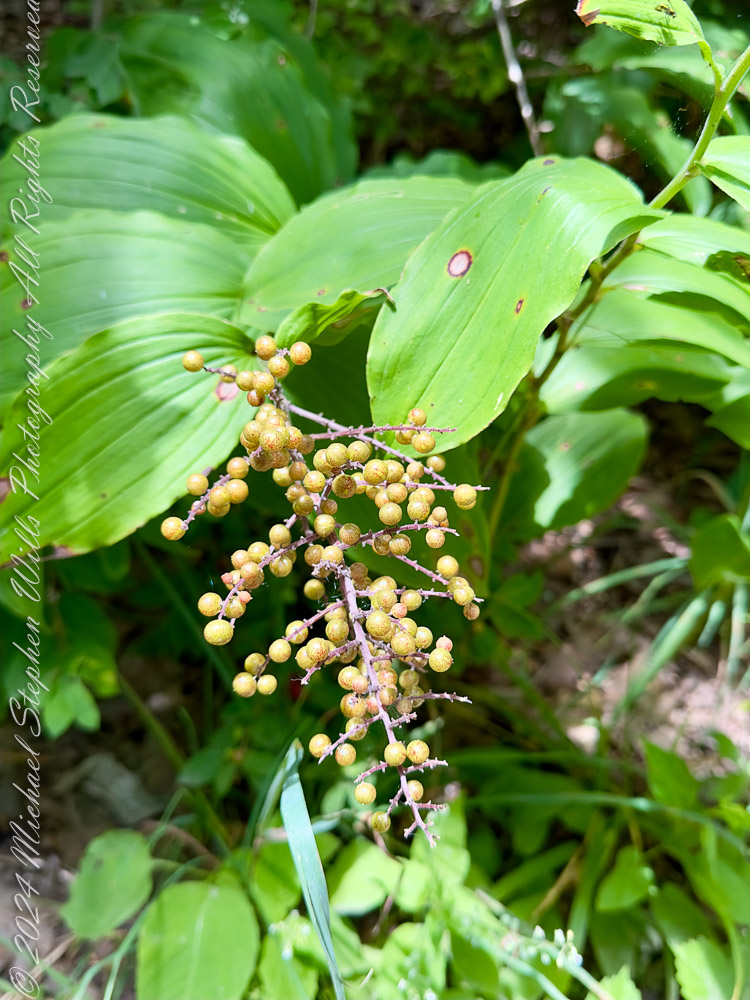
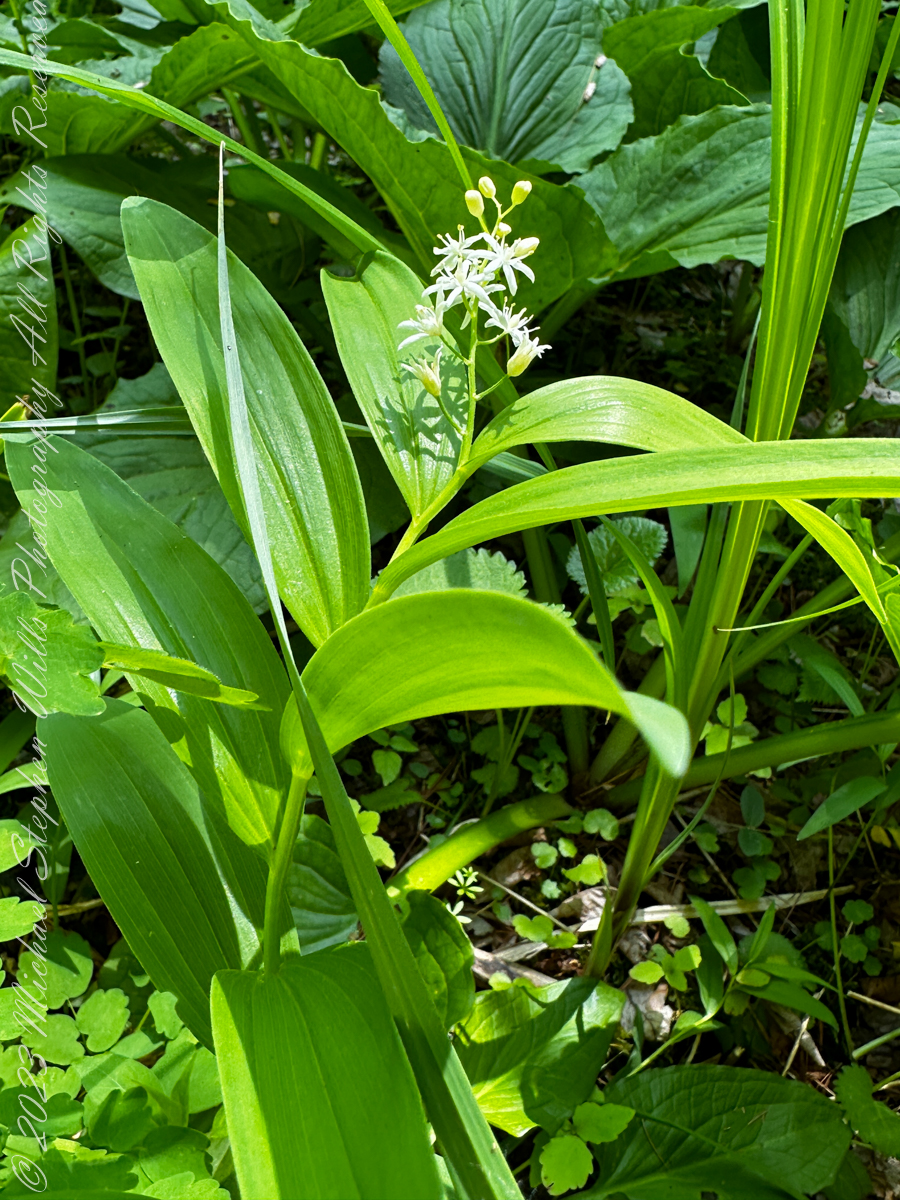
The trails of Taughannock Falls State Park always hold surprises, and on that July day, they did not disappoint. As I paused to take in the tranquility of the woods, my gaze fell upon a plant whose graceful arch and clusters of berries demanded attention. Its broad, lance-shaped leaves alternated along the stem, framing the stem’s terminal cluster of small green berries. Recognizing the plant as Maianthemum racemosum, commonly known as False Solomon’s Seal, I took a moment to admire its understated elegance.
False Solomon’s Seal, scientific name Maianthemum racemosum, is common in the Finger Lakes Region. I found this specimen during a walk with the grandchildren in a local fen among the post-glacial terrain of the Finger Lakes Region. Eames Memorial Natural Area, Cornell Botanic Gardens, Town of Dryden, Tompkins County, Finger Lakes Region, New York State
Characteristics of the Plant
False Solomon’s Seal is a perennial herbaceous plant belonging to the asparagus family (Asparagaceae). It can grow up to three feet tall, its arching stems giving it a unique and recognizable silhouette. The leaves are broad and lance-shaped, with prominent veins running their length, arranged alternately along the stem. At the tip of each stem is a cluster of tiny, spherical green berries, which later in the season ripen to a speckled reddish hue. The plant blooms in late spring to early summer, producing delicate, star-shaped white flowers before transitioning to its fruiting phase.
Found throughout much of North America, Maianthemum racemosum thrives in moist, shaded woodlands, making the lush forests of Taughannock Falls State Park an ideal home. Its ability to grow in the dappled light beneath the forest canopy highlights its adaptability to varying light conditions.
Etymology of the Name
The genus name, Maianthemum, comes from the Greek words “mai” (May) and “anthemon” (flower), reflecting the plant’s tendency to bloom in late spring or early summer. The species name, racemosum, refers to the plant’s inflorescence, which forms a raceme—a cluster of flowers or berries along a single stem. Its common name, False Solomon’s Seal, derives from its superficial resemblance to Solomon’s Seal (Polygonatum spp.), though the latter has bell-shaped flowers hanging beneath its stems, in contrast to the terminal clusters of Maianthemum racemosum.
History and Folklore
False Solomon’s Seal has long been valued for its medicinal and culinary uses by Indigenous peoples and early settlers. The young shoots were harvested and cooked as a vegetable, while the ripe berries were sometimes used in jellies or preserves, though their slightly bitter flavor limited their appeal. Medicinally, teas made from the roots and leaves were used to treat a variety of ailments, including digestive issues, coughs, and sore throats. The roots were also applied as poultices for cuts and bruises, reflecting the deep understanding of natural remedies held by those who lived in harmony with the land.
The plant’s name has sparked legends. While the “false” in its name denotes its distinction from Solomon’s Seal, some folklore suggests that the plant was used to counterfeit the medicinal properties of its namesake. Others believe that its graceful arch and persistent berries symbolize resilience and adaptability, qualities often attributed to those who lived in its native habitats.
Uses and Ecological Role
Although not widely cultivated, Maianthemum racemosum is a valuable plant in its native ecosystems. Its flowers provide nectar for pollinators such as bees and butterflies, while the berries are a food source for birds and small mammals. Its rhizomatous roots also play a role in stabilizing soil in forested environments, preventing erosion and supporting the health of the woodland floor.
For those contemplating harvesting these plants be advised that collection of plants from New York State Parks is prohibited to protect natural resources and maintain ecological balance. According to the New York State Office of Parks, Recreation and Historic Preservation (OPRHP) regulations, “No person shall… remove… any… plant life” within state parks without proper authorization. Therefore, collecting plants in state parks without explicit permission is not allowed. If you have a specific research or educational purpose, you may contact the park administration to inquire about obtaining the necessary permits. However, for casual visitors, it’s best to enjoy the flora from a distance. False Solomon Seal ecological contributions are significant. In addition to its pollinator support and soil stabilization, the plant’s presence is an indicator of a healthy woodland ecosystem.
A Moment of Reflection
As I rose from my crouched position, having taken in the details of Maianthemum racemosum, I felt a quiet gratitude for the opportunity to encounter such a plant. False Solomon’s Seal, with its graceful leaves and unassuming berries, serves as a reminder of the interconnectedness of life in the forest. Its role in the ecosystem, its history with humans, and its understated beauty all speak to the richness of the natural world.
Walking onward, I carried with me a sense of awe for the intricate web of life that thrives in the woods. The False Solomon’s Seal, standing quietly among the ferns and leaf litter, seemed to embody the resilience and balance of the forest—a gentle presence in a vibrant community.
Enter your email to receive notification of future postings. I will not sell or share your email address.
Copyright 2024 All Rights Reserved Michael Stephen Wills
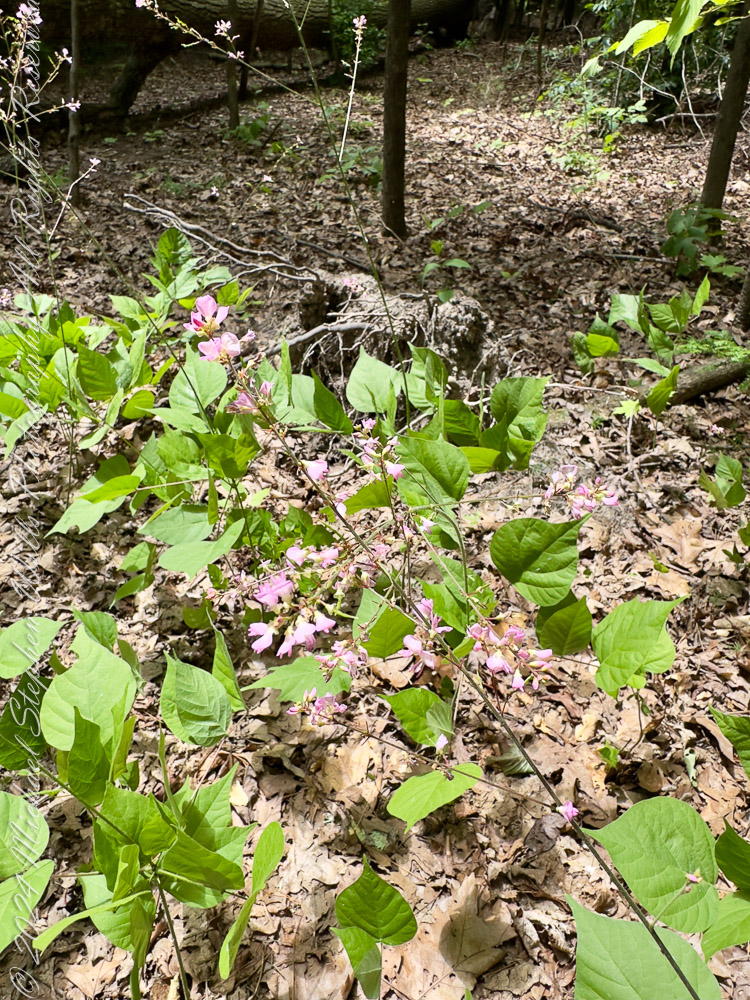
It was a high summer day as I enjoyed a customary hike around of Taughannock Falls State Park on the South and North Rim trails. Here sunlight filtered through the dense canopy, dappling the forest floor with shifting patches of light. Along the trail, my attention was drawn to a cluster of pink blossoms rising on slender, upright stems. Intrigued by their delicate beauty, I crouched down for a closer look. The plant rose above the forest floor, its trifoliate leaves broad and prominently veined, each leaflet slightly larger than I would have expected. These leaves seemed to anchor the plant to the shaded understory, while its flowers reached upward, as though eager to catch the fleeting rays of sun. I captured the plant in this photographs, later used it to identify Hylodesmum glutinosum, or Large-Flowered Tick Trefoil.
Characteristics of the Plant
The Large-Flowered Tick Trefoil is a striking member of the pea family (Fabaceae). Its pink, pea-like flowers are arranged in graceful racemes along the upper portions of its stems, their vibrant color contrasting beautifully with the green foliage around them. The leaves, broad and trifoliate, lend the plant its distinctive appearance. The name “tick trefoil” refers to the plant’s seed pods, which are flat and segmented, equipped with tiny hooks that cling stubbornly to passing animals or hikers, hitchhiking their way to new locations.
The plant is native to eastern North America, including the forests and trails of New York State. Its preference for rich, well-drained soils in partially shaded woodlands makes it a common sight in places like Taughannock Falls State Park. Blooming from mid to late summer, it provides an essential nectar source for bees and other pollinators, playing its part in the intricate web of the forest ecosystem.
Etymology of the Name
The genus name, Hylodesmum, was established only twenty-five years ago when the plant was reclassified from the genus Desmodium to a new genus within the tribe Desmodieae. The name reflects its forested habitat, with “hylo” derived from the Greek word for “wood” or “forest.” Previously described in 1802 as Hedysarum glutinosum and later placed in Desmodium, the species name glutinosum remains unchanged, meaning “sticky” in Latin. This aptly describes the plant’s seed pods, which adhere to anything that brushes past them. Together, these names encapsulate both the botanical structure and the unique dispersal strategy of this plant.
History and Folklore
Native Americans and early settlers were intimately familiar with tick trefoils. The plant’s seeds, notorious for clinging to clothing and fur, earned it a reputation as a nuisance, but its resilience and utility could not be overlooked. Indigenous peoples utilized various parts of the plant for medicinal purposes. The roots and leaves were brewed into teas to treat fevers and digestive ailments, while poultices made from the leaves were applied to wounds to promote healing. Such uses highlight the depth of knowledge early inhabitants had about their environment.
The plant’s sticky seed pods also became the subject of folklore. Children in rural communities would playfully call it “hitchhiker’s weed,” competing to see who could collect the most seeds on their clothing during outdoor adventures. These seeds, so adept at attaching themselves to passersby, were seen as symbols of persistence and adaptability, traits that many admired.
Uses and Ecological Role
While Hylodesmum glutinosum is not commonly cultivated, its ecological contributions are significant. As a member of the Fabaceae family, it has the ability to fix nitrogen in the soil through a symbiotic relationship with rhizobia bacteria in its root nodules. This makes it a valuable plant in maintaining soil fertility in its native ecosystems. Its flowers attract pollinators like bees and butterflies, ensuring that the forest remains vibrant and full of life.
In addition to its ecological importance, the plant’s seeds have a curious modern use: they’ve been studied for their ability to help detect movement in the environment. Researchers have examined the sticky pods’ structure as a natural model for creating adhesives and tracking devices, proving once again that even the smallest details in nature can inspire human ingenuity.
A Moment of Reflection
As I rose to my feet, brushing the leaf litter from my hands, I felt a renewed sense of wonder for the intricate lives of the plants surrounding me. The Large-Flowered Tick Trefoil, with its vivid pink flowers and ingenious seed pods, seemed to embody the essence of the forest: a harmonious blend of beauty, resilience, and interconnection.
Walking away, I carried with me not just the memory of its vibrant blooms, a deep respect for its role in the natural world. In the quiet of Taughannock’s wooded trails, Hylodesmum glutinosum had shared its story, a tale of persistence, adaptation, and the hidden wonders that flourish when we take the time to notice.
Enter your email to receive notification of future postings. I will not sell or share your email address.
Copyright 2024 All Rights Reserved Michael Stephen Wills
The Cornell Botanical Gardens blend ecological education and African American history through diverse plant life, creating a vibrant, engaging experience.
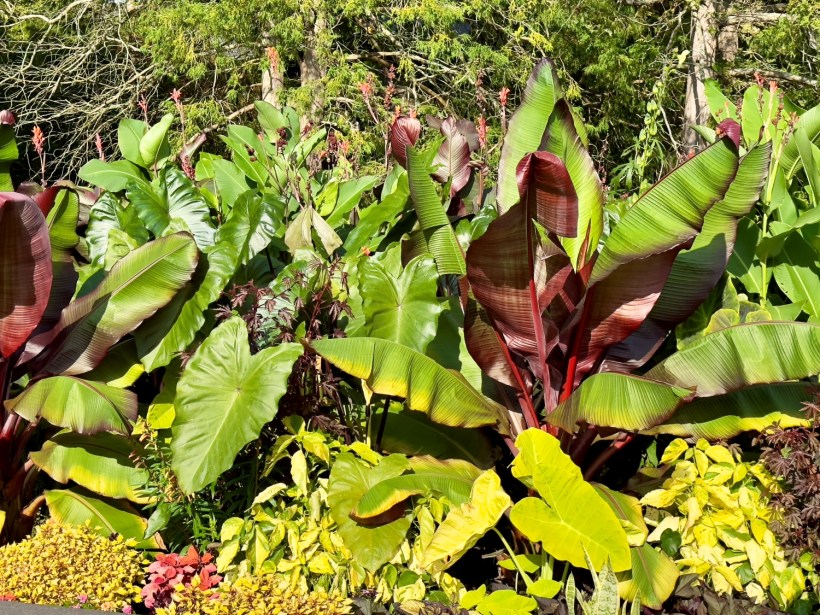
As Pam and I wander near the Nevin Welcome Center at the Cornell Botanical Gardens on a bright, early autumn day, my eye catches on a cluster of verdant, broad-leaved foliage. The sunlight filters through the leaves, casting a luminous green glow, while hints of red and burgundy add warmth to the scene. The plants here have a presence, a boldness that draws me in, and as I approach, I notice an array of information signs, thoughtfully placed to explain the rich tapestry of flora surrounding me.
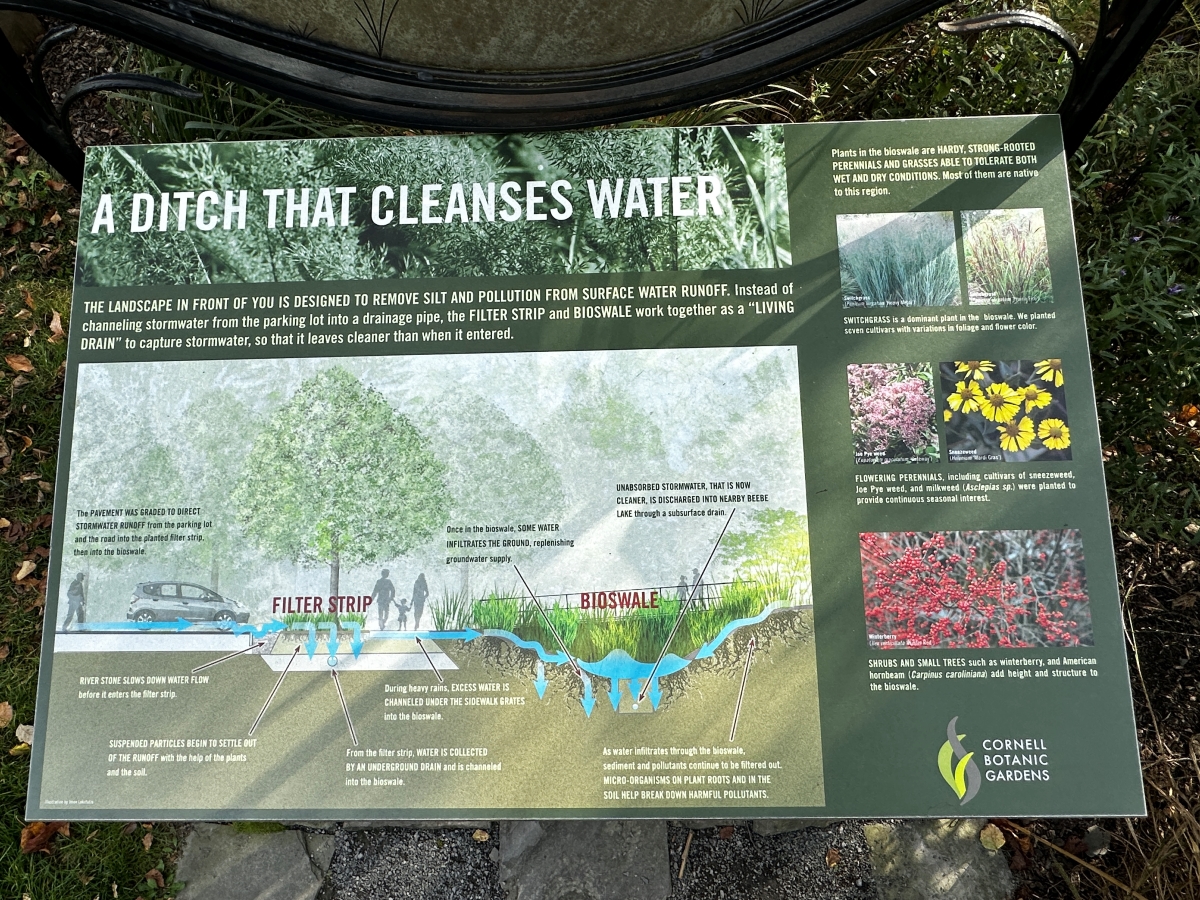
The first sign I encounter is titled “A Ditch That Cleanses Water.” It immediately piques my curiosity. In just a few sentences, it describes how this landscape is designed to capture and cleanse stormwater runoff, turning what might otherwise be a simple drainage area into a living, breathing ecosystem. Instead of funneling water into a standard drainpipe, a filter strip and bioswale—a kind of vegetative trench—work in tandem to trap silt and pollutants. There’s a delicate choreography happening here, as water flows from the parking lot into river stone beds, slowing down, and then into the plant-lined filter strip, which encourages suspended particles to settle out.
The bioswale itself is lush and resilient, filled with hardy, native plants that thrive in both wet and dry conditions. The sign explains that these plants are carefully chosen varieties such as Switchgrass and flowering perennials—sneezeweed and Joe Pye weed among them—that provide color through the seasons. Small trees like winterberry and American hornbeam add height and structure, giving this ecological marvel both function and form. I’m struck by how much thought has gone into something as mundane as stormwater runoff, transforming it into a process that supports the environment but also creates a pleasing view. Here, the bioswale captures the stormwater, filters it, and releases it cleaner than before, a quiet miracle of natural engineering.
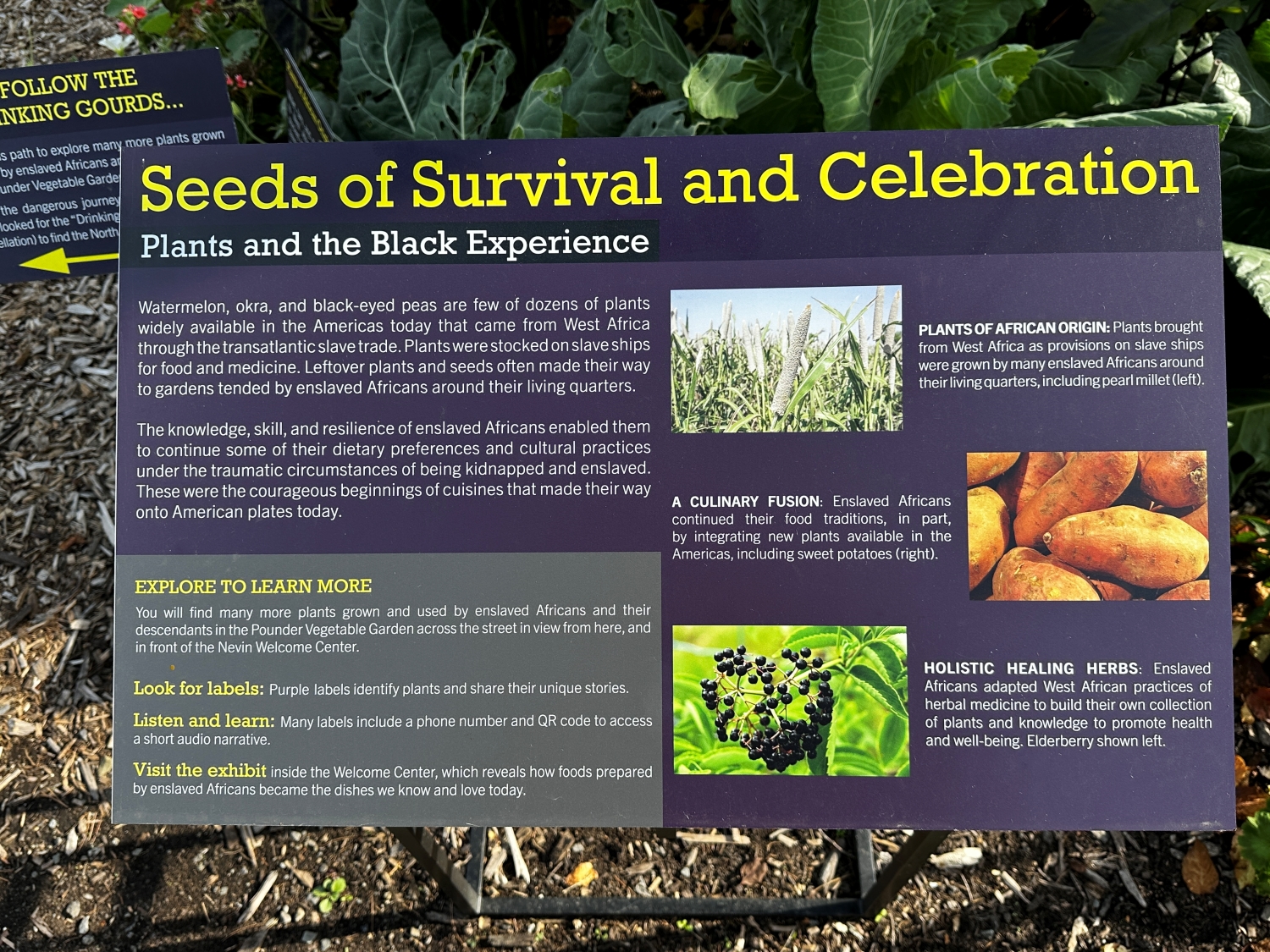
Moving on, I find another sign titled “Seeds of Survival and Celebration: Plants and the Black Experience.” This sign feels more intimate, as it dives into the deep history of plants brought from West Africa during the transatlantic slave trade. I’m reminded that gardens can be repositories of history, culture, and resilience. Plants like watermelon, okra, and black-eyed peas were brought by enslaved Africans who tended them near their quarters, ensuring a piece of home remained with them, even under unimaginable conditions. These plants became the foundation of African American culinary traditions, and I can almost taste the sweet potatoes and other foods that have become part of our shared heritage. The sign even nods to holistic healing herbs like elderberry, which were used to promote health and well-being, demonstrating how enslaved Africans maintained aspects of their culture through the plants they grew.
As I reflect on the stories woven into these signs, I find myself surrounded by a stunning mix of bold, leafy plants in vibrant greens, reds, and yellows—an almost tropical display that stands defiant against the approaching cold season. Banana leaves, elephant ears, and coleus fill the garden beds, their leaves large, showy, and unabashedly lush. The scene feels alive, a burst of tropical splendor amid the Finger Lakes. These aren’t plants native to upstate New York, yet they’ve been incorporated here with care and skill, bringing a hint of warmth as the days grow shorter. Their wide, smooth surfaces reflect the sunlight, catching my eye with every slight breeze, and they create an atmosphere that is both exotic and inviting.
This day, the Cornell Botanical Gardens have offered Pam and I beauty along with education. The signage has guided us through ecological engineering, the resilience of African American foodways, and the artistry of landscape design, blending these narratives into the landscape itself. Each sign, each plant, tells a story, and as I walk away, I carry these tales with me, reminded that gardens are not merely for looking—they are for learning, for remembering, and for celebrating the resilience of life in all its forms.
Enter your email to receive notification of future postings. I will not sell or share your email address.
Copyright 2024 All Rights Reserved Michael Stephen Wills
Crossing the footbridge in Stewart Park, I encountered the graceful yet invasive Flowering Rush. Its delicate beauty hides a deeper story about nature’s resilience, human impact, and the fragile balance of our ecosystems.
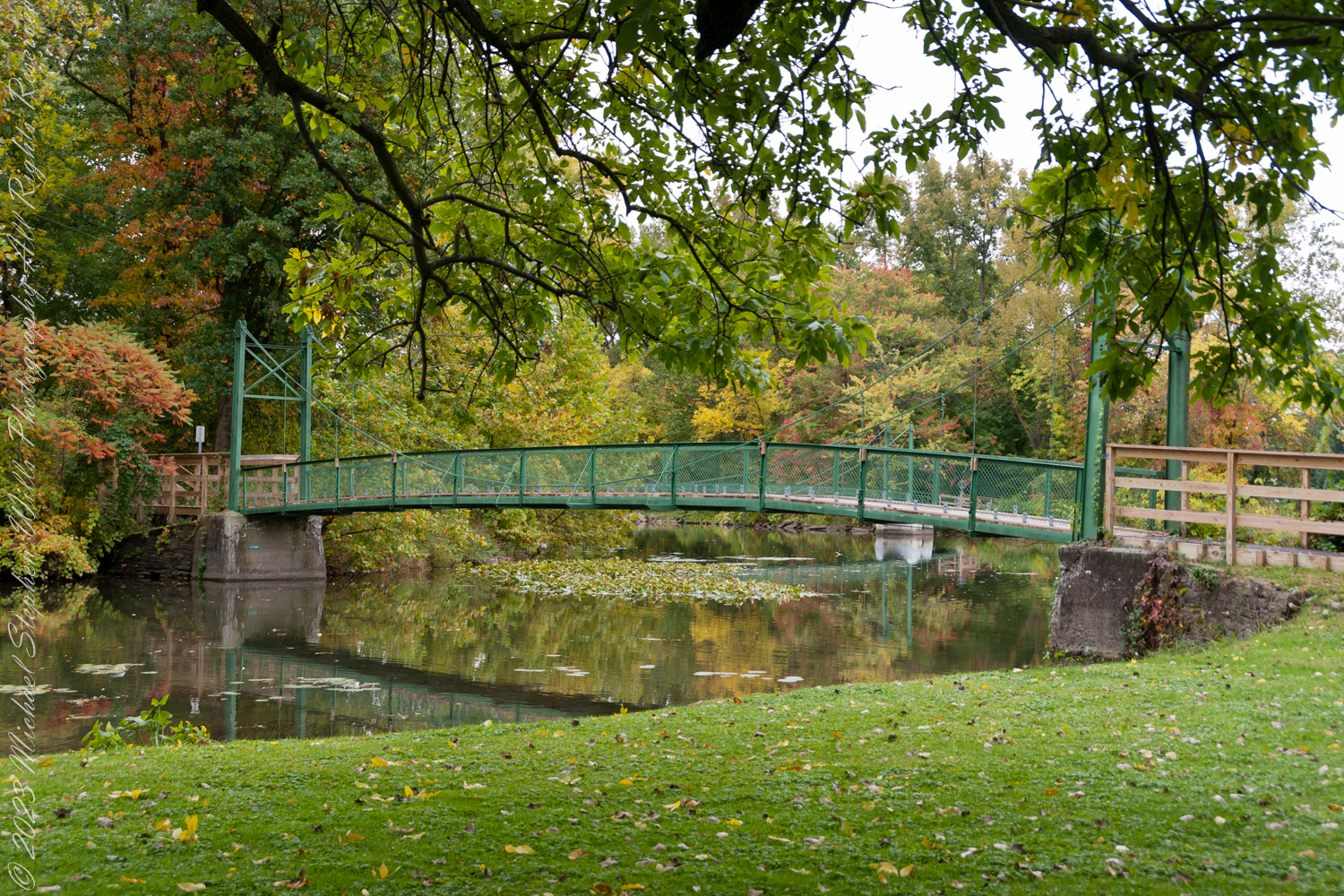
While crossing the suspension footbridge over Fall Creek in Stewart Park, there’s a sense of stepping into a world that’s more peaceful and attuned to nature. The bridge is familiar to me—a steady, quiet companion—but each visit feels new, as though the park has secrets it only reveals in small whispers. In this photograph the green steel beams rise like sentinels, standing tall against the backdrop of shifting autumn colors. Below, the water reflects the vibrant reds, golds, and greens of the trees, creating an illusion of depth that draws me in.
Footbridge to the Fuertes Bird Sanctuary, Stewart Park, Ithaca, New York, October 2012
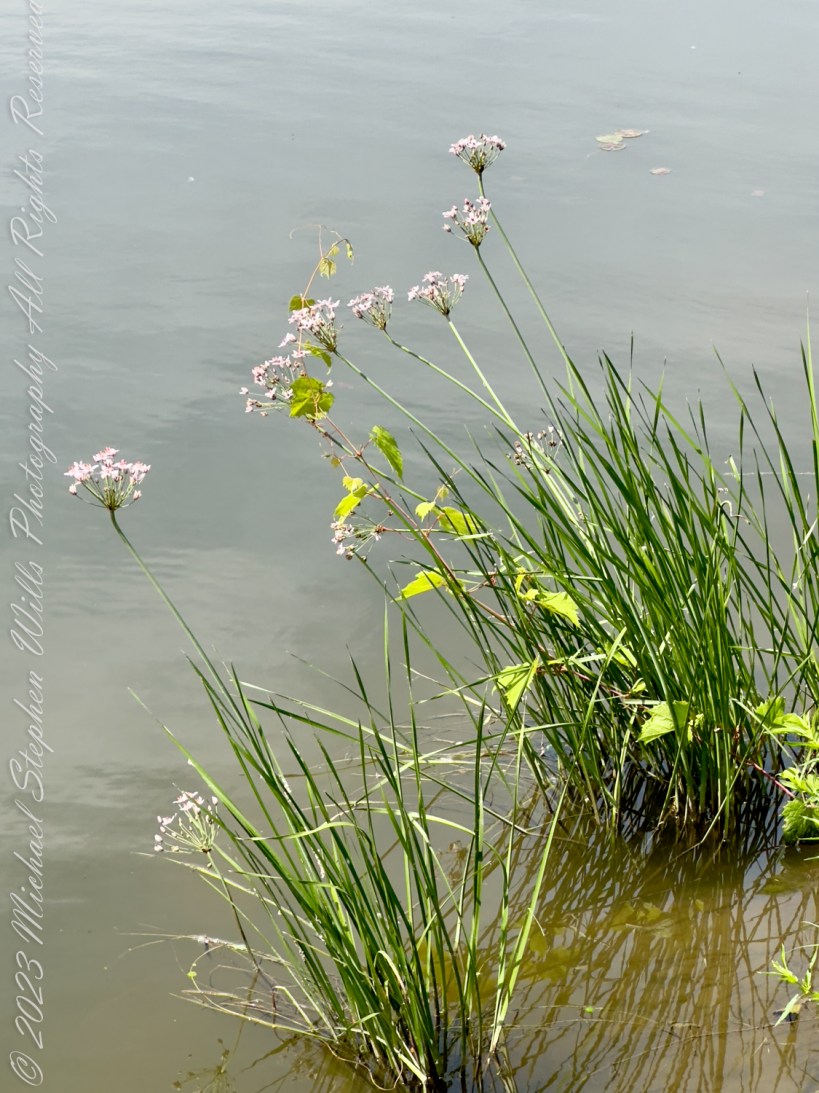
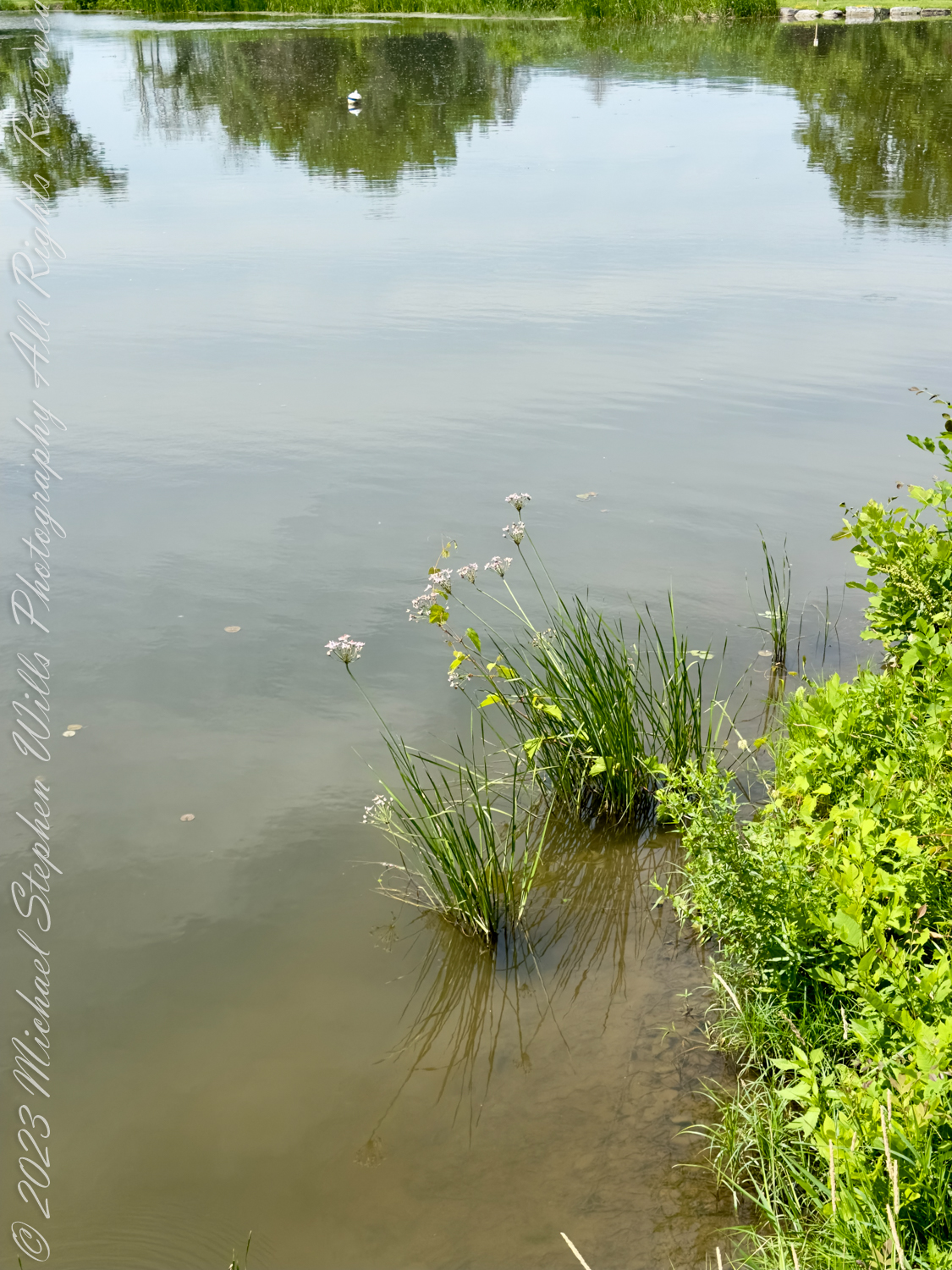
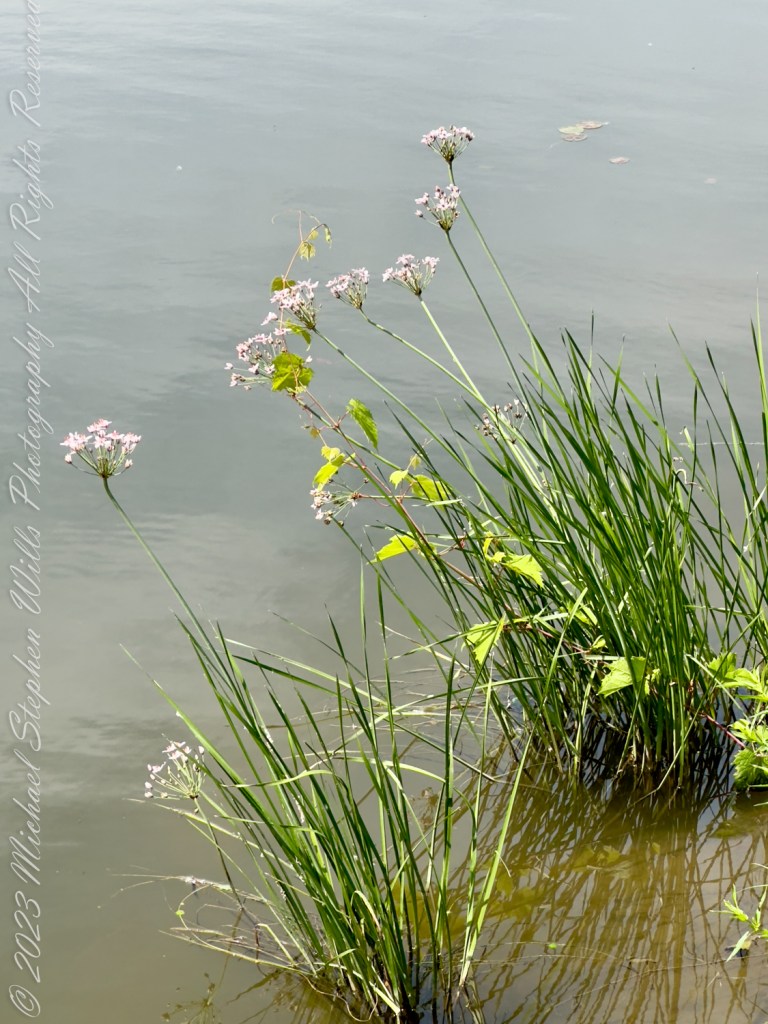
This past summer I stopped midway across, leaned against the railing, just listening. The creek moved slowly, like time itself decided to pause here for a while. That’s when I saw them: delicate pink blooms rising up from the water’s edge, their petals small and star-shaped, catching the light as they sway in the gentle breeze. There’s something striking about these plants—graceful, elegant, almost otherworldly in their simplicity. They reach up, as though trying to escape the confines of the water and the muddy banks.
My subsequent research revealed these to be Flowering Rush, or Butomus umbellatus. I often see them now, their soft pinks and slender leaves creating a quiet beauty that’s hard to ignore. They’re beautiful, but I have come to know they don’t belong here. This is one of those moments in nature that gives me pause—a reminder that not everything lovely is innocent.
Flowering Rush Growing in Fall Creek, Stewart Park, June 2024
Flowering Rush, a European import from centuries ago, was not meant to take root here. Brought to North America for ornamental ponds, its allure quickly became its danger. It spread, silently, like a secret carried on the wind, slowly overtaking the native species that have long called these waters home. And yet, standing here now, I cannot help but admire its tenacity, its quiet determination to thrive. Nature, in all its forms, has this incredible will to survive, even if that survival sometimes comes at a cost.
My mind drifts to the plant’s history. In its native lands Flowering Rush, or Grass Rush, was useful—its roots, though bitter, were harvested for food, and its fibrous stems woven into mats and ropes. How interesting that something as delicate as this has a rugged, practical side. This contradiction makes perfect sense when I think of the plant’s journey across continents, carried over oceans by human hands and curiosity. We are responsible for its presence here, and now, like so many other invasive species, it’s become a fixture of this landscape.
I think about the dual nature of this invasion. Flowering Rush is beautiful—there is no denying that. Its soft, pink flowers contrast sharply with the darker tones of the water and the dense green of the grasses that surround it. But its beauty masks a quiet destruction. It chokes out the native plants that once thrived here, altering the ecosystem in ways we cannot always see. I wonder what fish and aquatic life struggles beneath the surface, their food sources slowly disappearing. What birds find fewer insects and fewer safe places to nest?
And yet, is this plant a villain? Flowering rush is doing what it was meant to do—grow, spread, survive. That is what everything in nature does, after all. It does not have malice or intent; it just is. It is humans who have changed the balance, who introduced this species to a place where it didn’t belong, setting off a chain reaction we’re still trying to fully understand.
Today, as I walk across the bridge, heading toward the Fuertes Bird Sanctuary, path ahead invites quiet reflection, the chirping of birds and the rustle of leaves providing a peaceful soundtrack. But the Flowering Rush lingers in my mind. It reminds me of how interconnected everything is, how one small action—a plant brought from a distant land—can ripple out and affect entire ecosystems. It’s a lesson in responsibility for those willing to listen.
As I step into the sanctuary, the air feels lighter, filled with the sound of birds that dart between the trees. I think of the delicate balance of life here, and how easily it can be disrupted by the presence of something foreign, something invasive. Yet, there is a strange comfort in knowing that nature, for all its fragility, has its own resilience.
The Flowering Rush, with its roots deep in the muddy banks of Fall Creek, is a testament to that resilience. It may not belong here, but it has found a way to adapt, to make this place its home. And in that, I find both a warning and a kind of hope—hope that we, too, can learn to live more thoughtfully, more in tune with the world around us, before we upset the balance any further.
For now, though, I simply walk, grateful for the beauty around me, even if it comes with complications. Each step takes me deeper into this world, and I am reminded once again of the profound connection we have to the land, the water, the plants, and the creatures that share this space.
Copyright 2024 Michael Stephen Wills All Rights Reserved
To receive email notification of new blog posts enter your email and click the subscribe button.
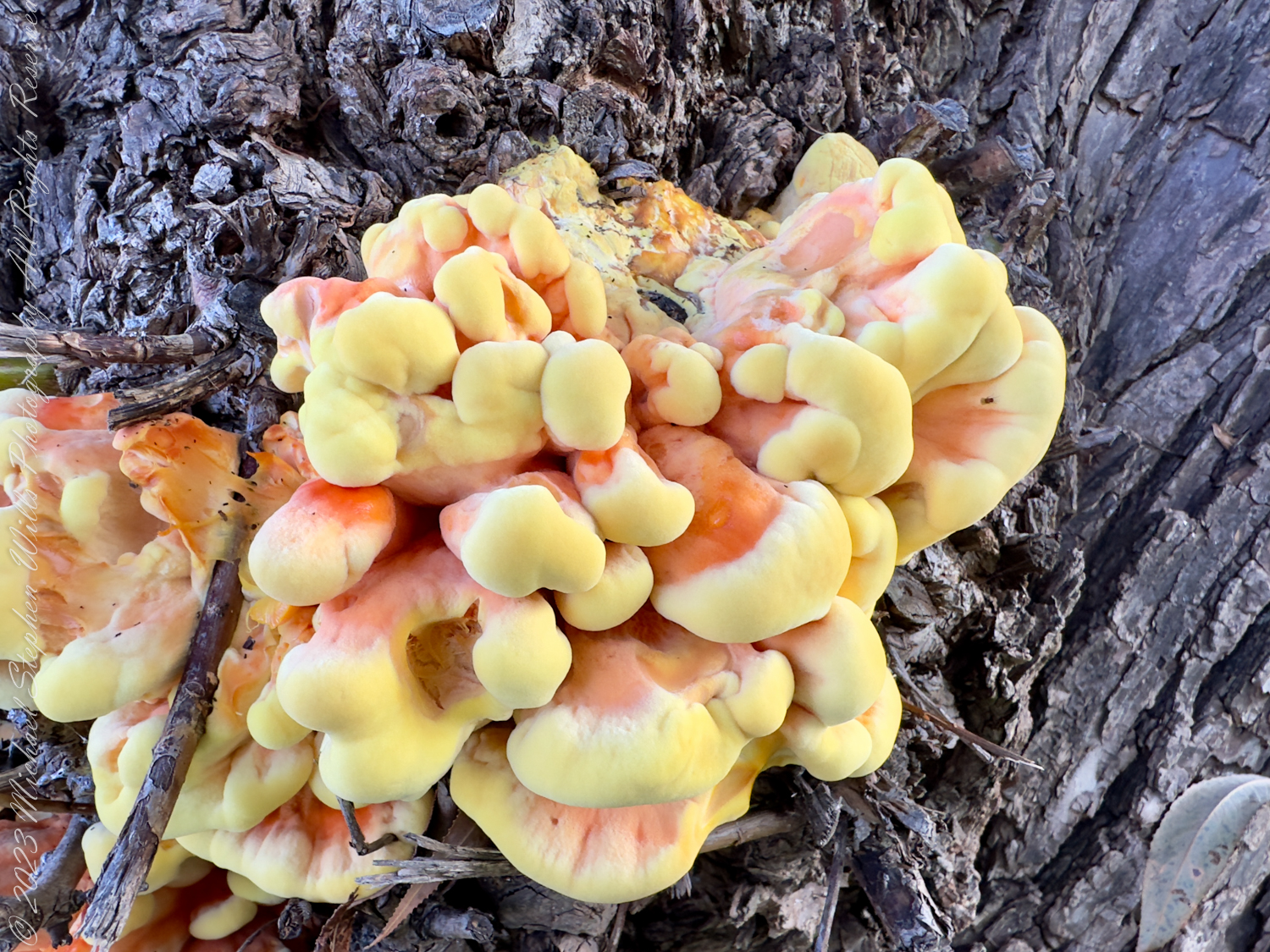
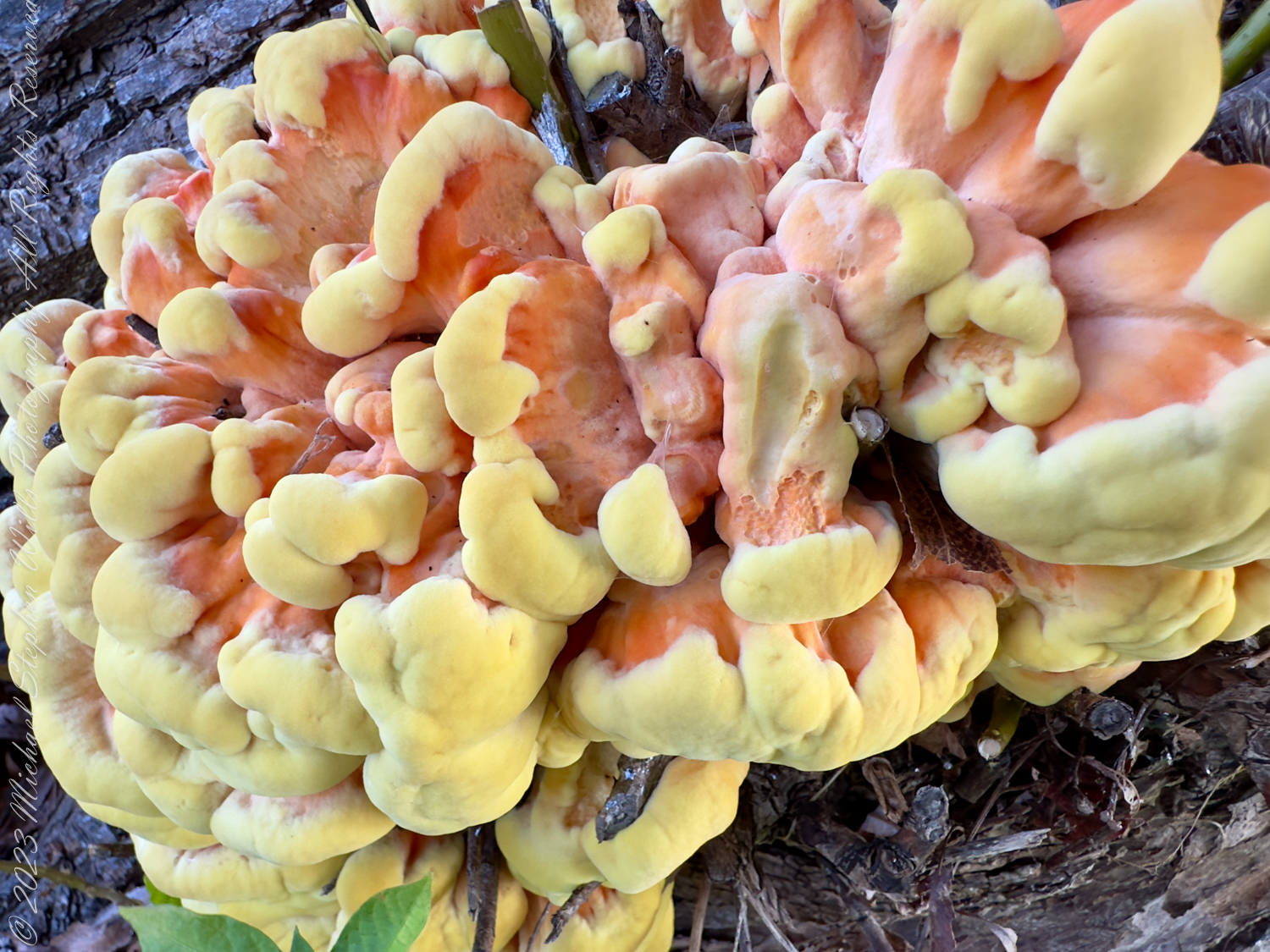
On a sunny September morning along the shores of Cayuga Lake, I encountered the vibrant Chicken of the Woods fungus. Its striking colors and intriguing history make it a fascinating discovery in nature’s ongoing cycle of life and decay.
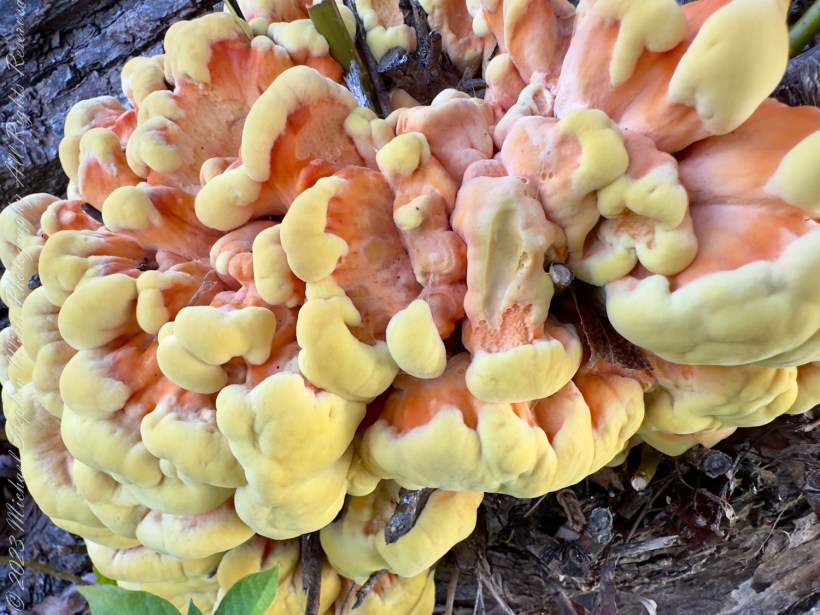
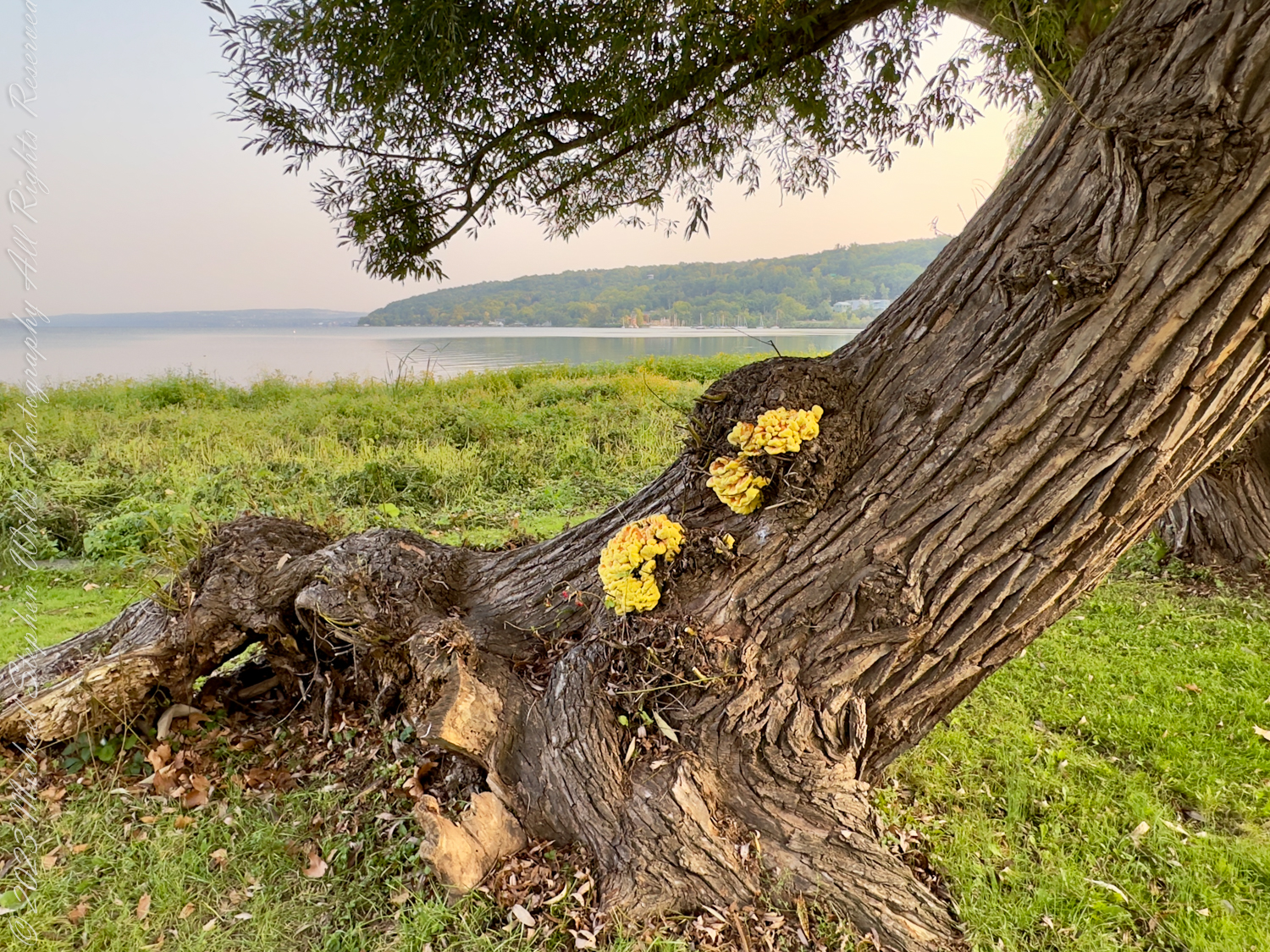
It was a crisp, sunny September morning when Pam and I set out for a leisurely walk along the shore of Cayuga Lake in Ithaca, New York. The lake shimmered in the morning light, framed by the early hints of fall colors on the surrounding hills. We had been walking for some time, enjoying the peaceful rhythm of nature, when something unusual caught my eye—a cluster of bright yellow-orange growths on the trunk of an apparently hale White Willow tree.
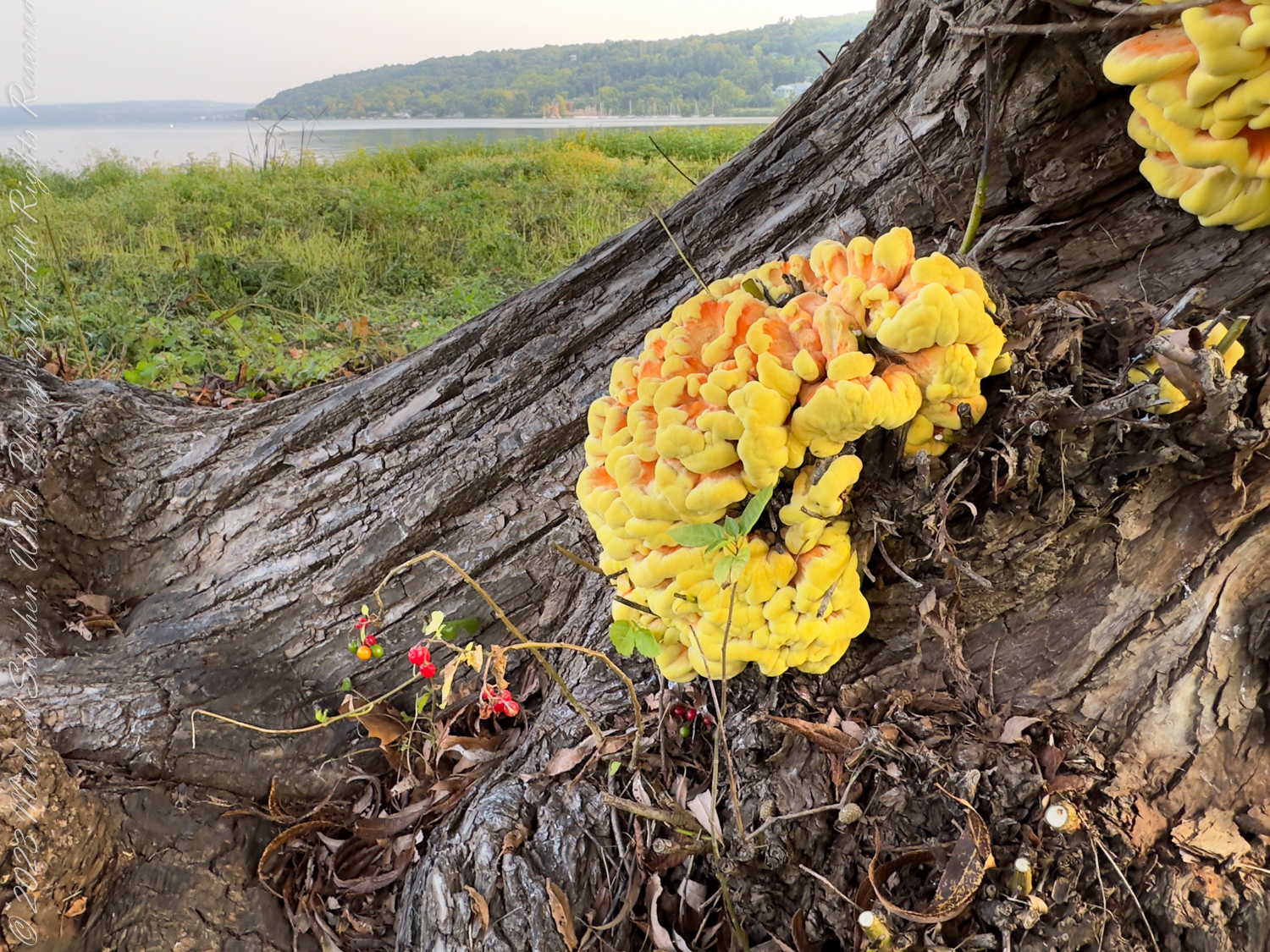
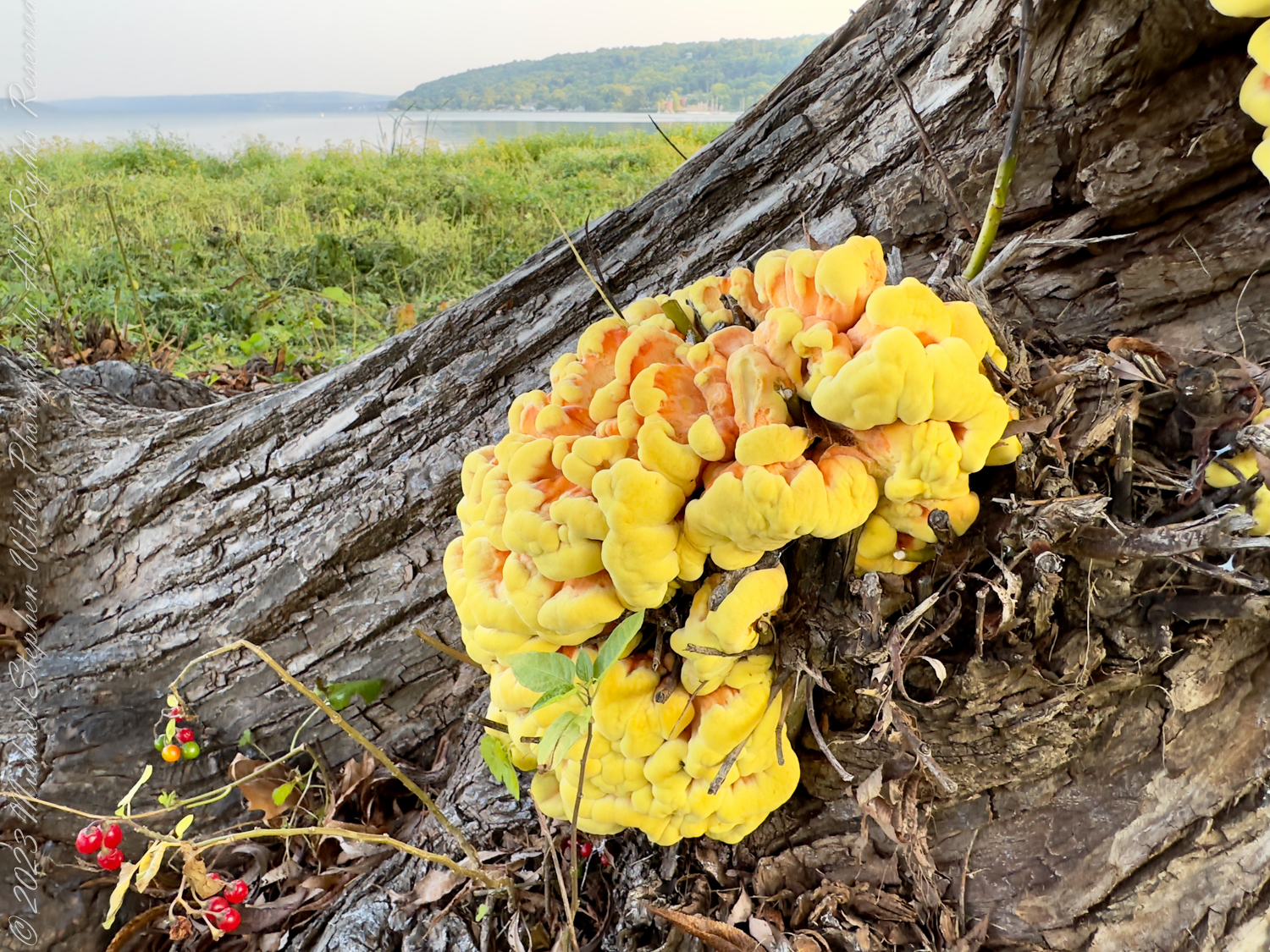
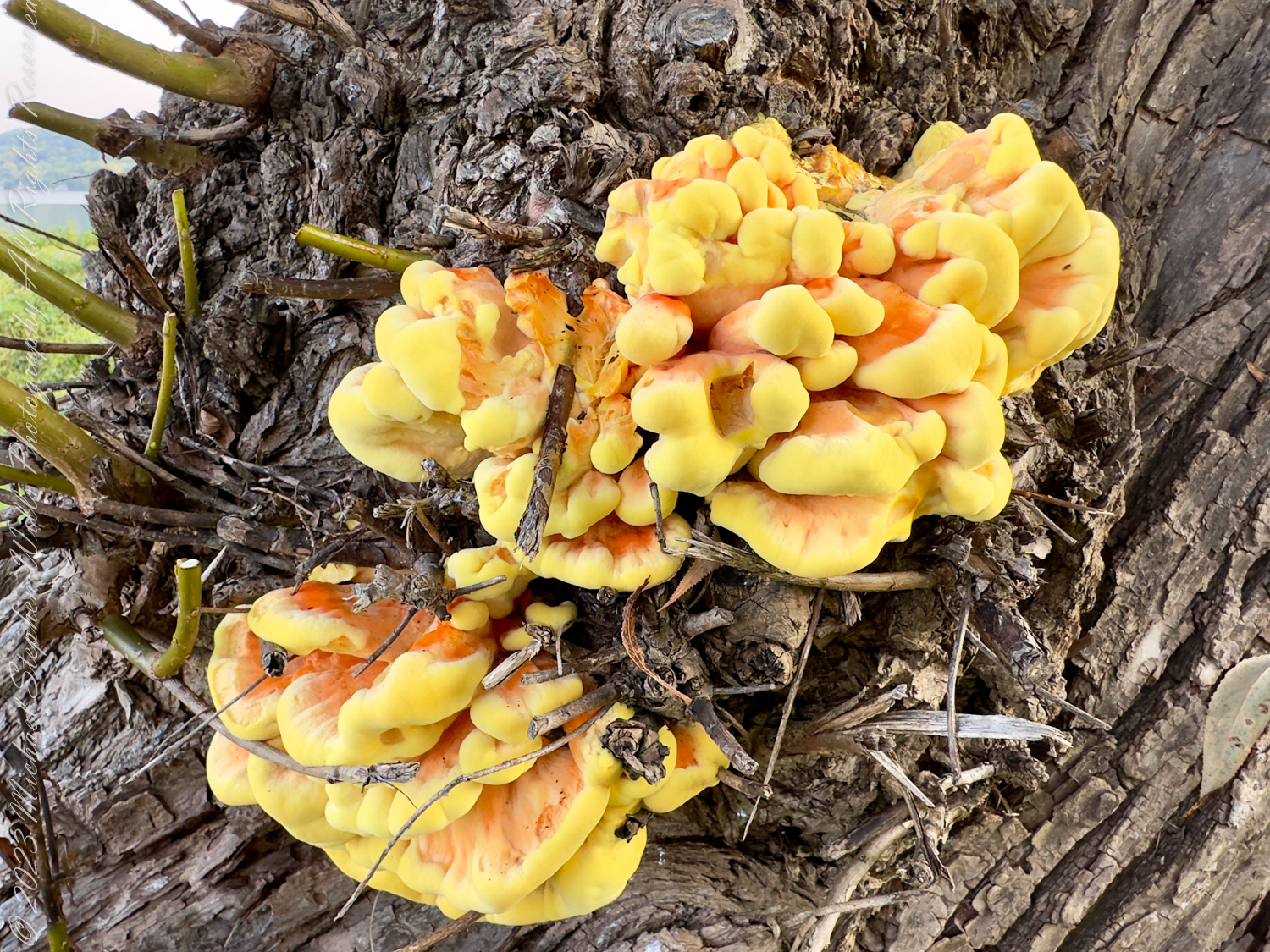
Curious, I approached the tree, and upon closer inspection, I realized these growths were something special, took these photographs of the vibrant clusters and later researched them to be Laetiporus sulphureus, commonly known as Chicken of the Woods. The striking colors of the fungus, a combination of deep orange and golden yellow, stood out in stark contrast to the gnarled, dark bark of the willow. It was a discovery that sparked a deeper interest in learning about the fascinating history and characteristics of this unique fungus.
The Vibrant History of Chicken of the Woods
Laetiporus sulphureus has been known to mycologists and naturalists for centuries, and its distinctive appearance has earned it a place among the most recognizable fungi in the world. Its common name, Chicken of the Woods, stems from the texture and flavor of its flesh, which, when cooked, is said to resemble that of chicken. This has made it a popular edible mushroom among foragers, particularly in Europe and North America, where it often grows on hardwood trees such as oak, cherry, and, as I found, occasionally on willows.
The fungus was first scientifically described by German mycologist August Batsch in 1789. Since then, it has been the subject of numerous studies, particularly due to its unique ability to grow on living trees, decaying wood, and sometimes even on dead trunks. This dual nature makes it both a decomposer and a potential pathogen, depending on the health of its host tree.
Historically, Chicken of the Woods has had various uses, ranging from culinary to medicinal. In traditional folk medicine, it was used for its antibacterial properties, and some cultures believed it could help heal wounds or infections when applied as a poultice. Today, research continues into its potential medicinal applications, including its possible role in supporting immune function and its antioxidant properties.
A Friend to Some, a Foe to Trees
While Laetiporus sulphureus may delight foragers and mushroom enthusiasts, it is not always welcomed by the trees it inhabits. The fungus is classified as a saprotroph, meaning it feeds on dead or decaying organic matter. However, it is also capable of acting as a parasite, attacking the heartwood of living trees. Over time, the fungus can cause brown rot, a form of decay that weakens the tree from the inside out. For trees already compromised by age or environmental stress, an infestation of Chicken of the Woods can be the final blow, leading to their eventual death and collapse.
The willow tree I encountered by Cayuga Lake had clearly seen many seasons, its twisted trunk and sprawling limbs a testament to decades of life along the shoreline. The presence of the fungus, while beautiful and intriguing, could also be an indicator that this tree was in decline. Still, the symbiotic relationship between the tree and the fungus was a reminder of nature’s cycles—of life, decay, and renewal.
Culinary and Medicinal Uses of Chicken of the Woods
One of the most interesting aspects of Chicken of the Woods is its edibility. Foragers and chefs alike prize the young, tender fruiting bodies for their chicken-like texture and mild flavor. When prepared properly, the fungus can be sautéed, fried, or even used in stews, providing a nutritious and flavorful addition to a variety of dishes. However, caution is required, as some individuals may experience allergic reactions or gastrointestinal upset after consuming it. Additionally, older specimens of the fungus can become woody and less palatable.
Beyond the kitchen, Chicken of the Woods has a history of medicinal use. In some cultures, it has been used to treat ailments ranging from respiratory infections to digestive issues. Modern research is beginning to explore the bioactive compounds present in the fungus, with preliminary studies suggesting that it may have antibacterial and antioxidant properties. These potential health benefits add yet another layer of intrigue to this already fascinating species.
An Essential Role in the Ecosystem
As well as serving human needs, Chicken of the Woods also plays a vital role in the ecosystems it inhabits. As a decomposer, the fungus breaks down dead and decaying wood, returning valuable nutrients to the soil and promoting the growth of new plant life. In this way, it contributes to the cycle of life and death that sustains forest ecosystems. Various insects and animals, including beetles and birds, may also use the fungus as a food source or shelter, further highlighting its ecological importance.
A Lasting Impression
As Pam and I continued our walk along Cayuga Lake, I couldn’t help but feel a sense of gratitude for the serendipitous discovery I had made that morning. The sight of the Chicken of the Woods clinging to the willow tree was a vivid reminder of nature’s endless capacity for surprise and wonder. Though this fungus may be humble in its origin, its history, uses, and ecological significance elevate it to a position of great interest and value in the natural world.
In that quiet September morning light, standing beside the lake with the colors of early autumn beginning to emerge, I realized that moments like these—moments of connection with nature—are what keep me returning to the trails and shores of Ithaca, always eager for the next discovery.
Copyright 2024 Michael Stephen Wills All Rights Reserved
Amid the rolling hills and meadows of the Finger Lakes, Queen Anne’s Lace stands tall, its delicate white blooms weaving a tapestry of nature’s resilience and beauty. Discover the rich history, legends, and ecological importance behind this elegant wildflower.
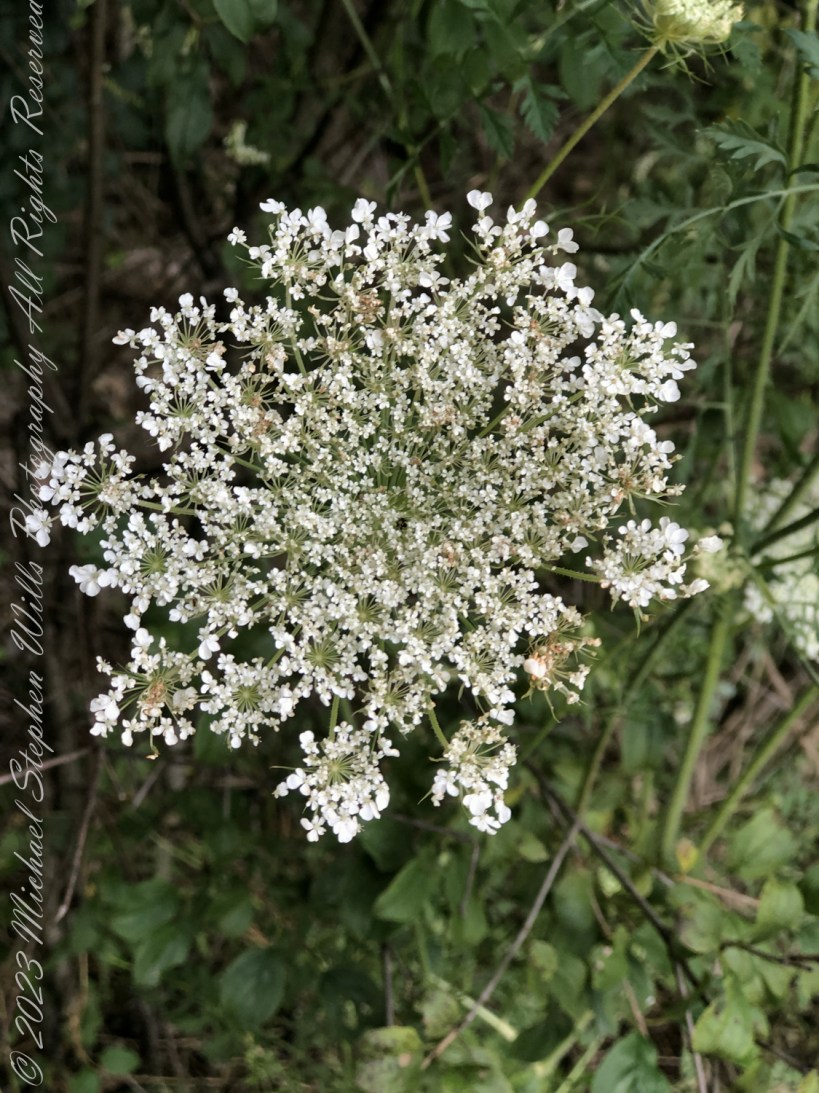
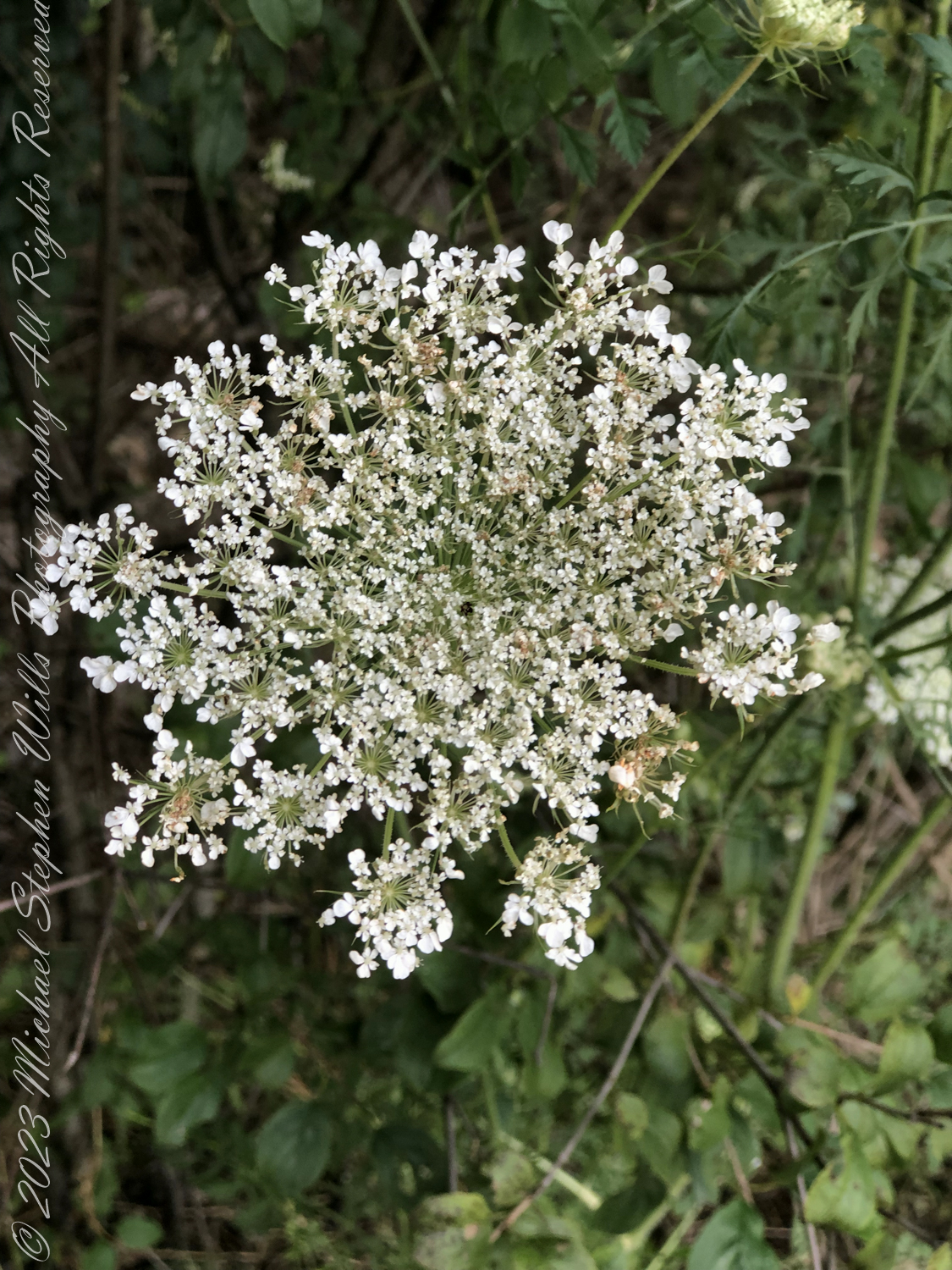
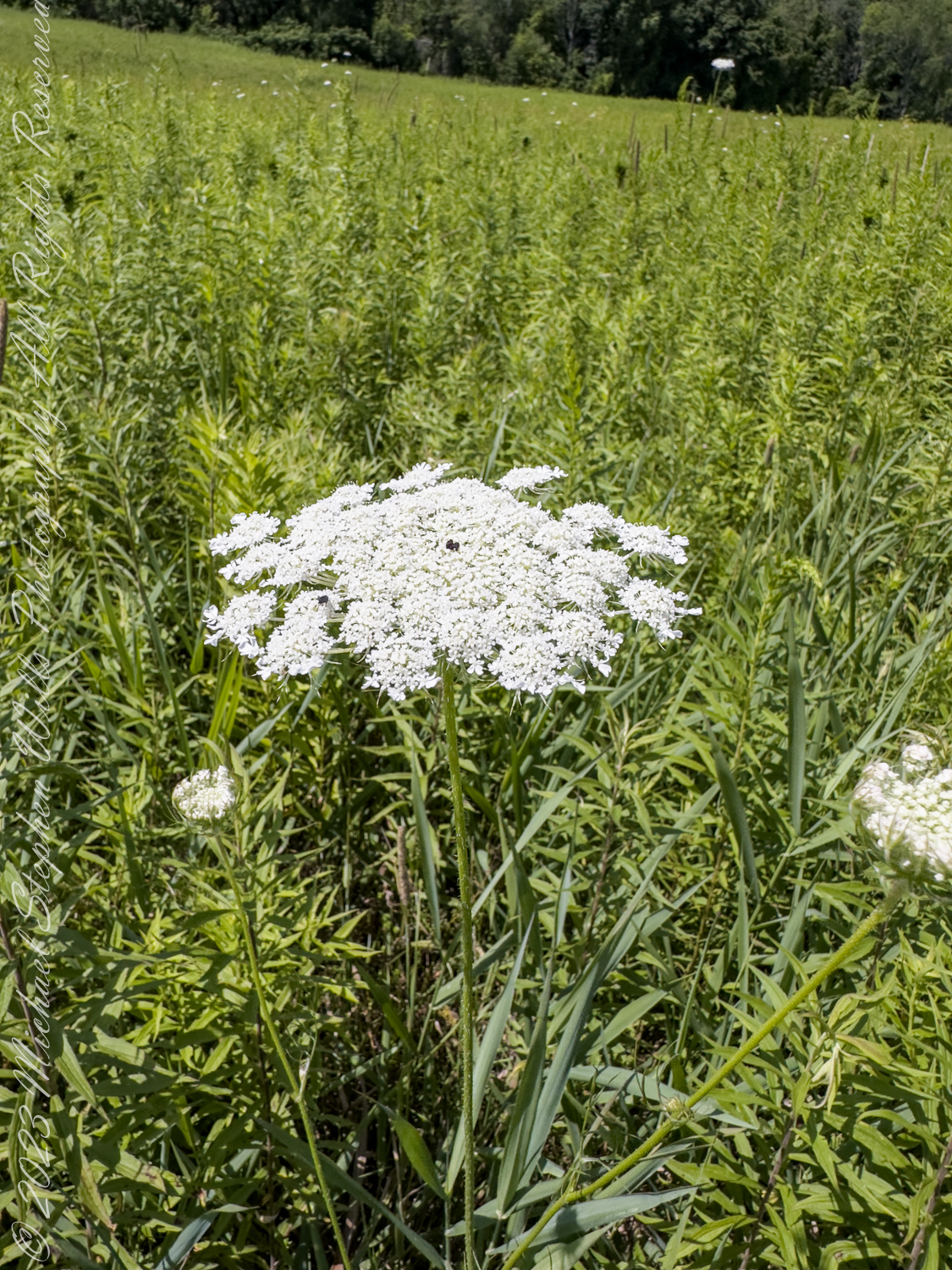
In the Finger Lakes region of New York State, fields come alive with the delicate beauty of Queen Anne’s Lace—a wildflower that embodies nature’s elegance. Scientifically known as Daucus carota, its flowering umbels resemble intricate lace, lending poetic charm to the landscapes it graces. Beyond aesthetics, the history and mythology behind Queen Anne’s Lace, combined with its ecological importance and cultural significance, reveal a plant deeply intertwined with both nature and human culture.
The Name and Its Myths
The name Queen Anne’s Lace derives from English legend. According to the tale, Queen Anne, consort to King James I, was challenged to create lace as beautiful as the flower. While sewing, she pricked her finger, and a single drop of blood stained the lace—represented by the tiny purple floret at the center of many Queen Anne’s Lace blossoms. This intricate network of white flowers surrounding a central floret mirrors the lacework attributed to Queen Anne, giving the plant a royal and historic association.
Scientifically known as Daucus carota, Queen Anne’s Lace is also known by several other common names, including wild carrot and bird’s nest, the latter inspired by the way the flower head curls inward as the seeds begin to develop, resembling a nest. The flower is closely related to the cultivated carrot, and its roots, though much smaller and woodier, share the familiar carrot scent. In fact, Queen Anne’s Lace is considered the wild ancestor of the domestic carrot, with a lineage stretching back thousands of years.
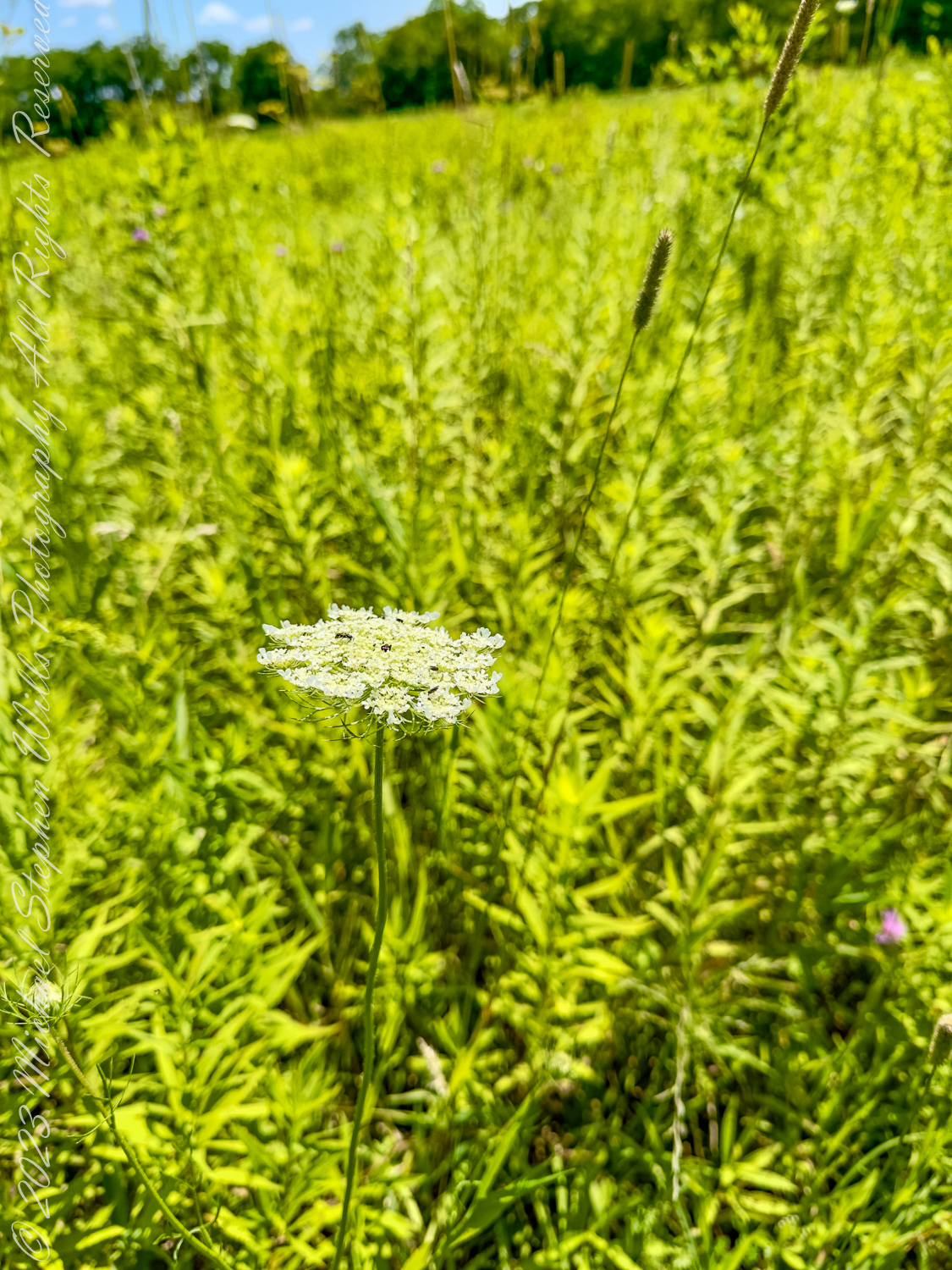
In the meadows of the Brock-Harvey Forest Preserve, Queen Anne’s Lace thrives among the native flora, showcasing its delicate beauty. The function of the central dark florets of D. carota has been subject to debate since Charles Darwin speculated that they are a vestigial trait. It has been suggested that they have the adaptive function of mimicking insects, thus either discouraging herbivory, or attracting pollinators by indicating the presence of food or opportunities for mating. Research conducted in Portugal suggests that the dark central florets of Daucus carota mimic insects, attracting pollinators like the varied carpet beetle (Anthrenus verbasci). Inflorescences with more dark florets experienced increased visitation, indicating these florets may enhance pollination efficiency.
Queen Anne’s Lace in Finger Lakes Ecology
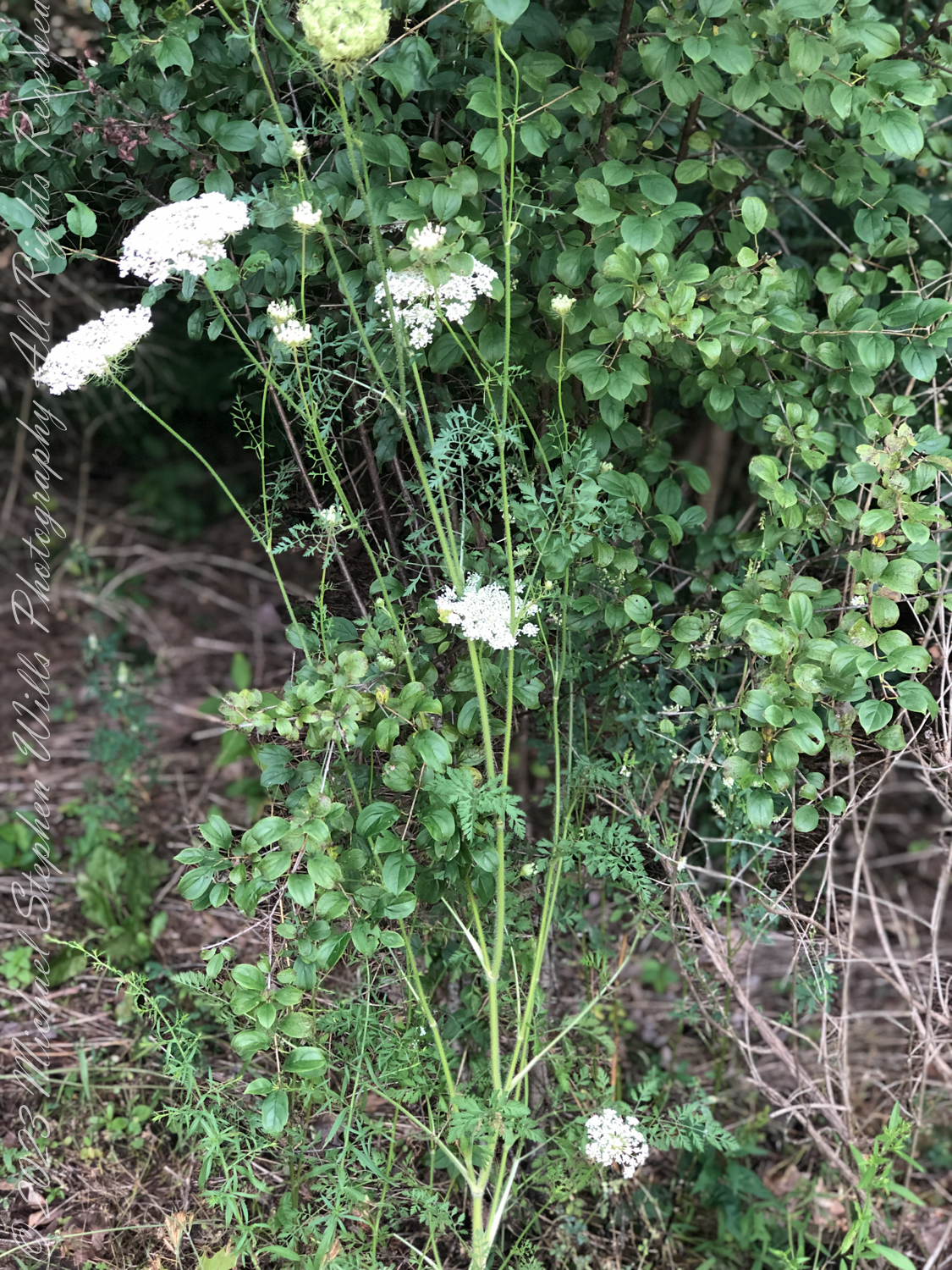
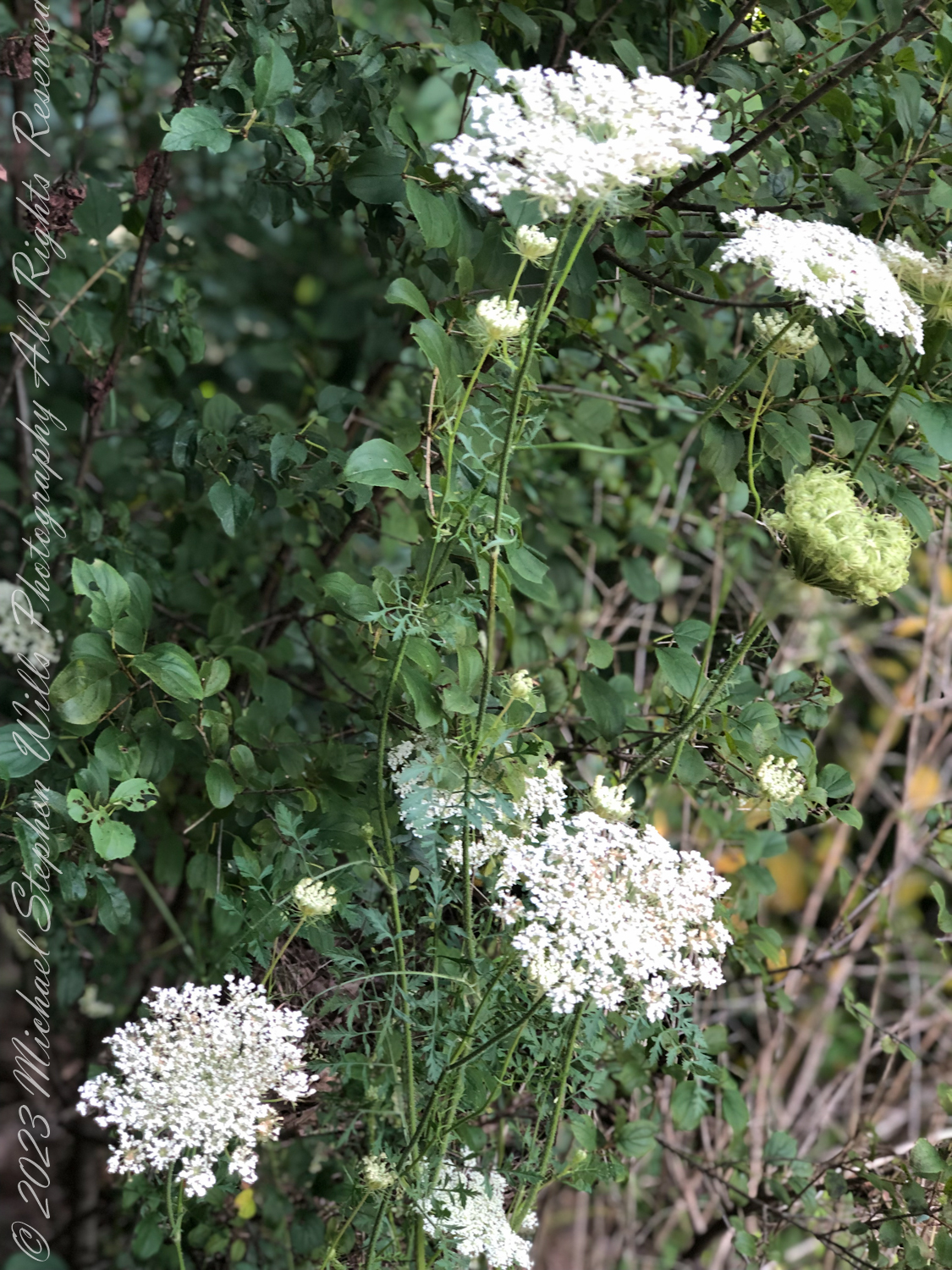
Beyond its rich mythology, Queen Anne’s Lace plays a significant role in the ecology of the Finger Lakes region. Throughout the expansive landscapes of the Finger Lakes, from lush meadows to roadsides, Queen Anne’s Lace stands tall, its delicate blossoms dotting the green with clusters of white. This wildflower can be observed in various stages of its life cycle, from budding umbels to the intricate ‘bird’s nest’ formation.
The fields around the Finger Lakes, often framed by rolling hills and ancient forests, offer the perfect habitat for Daucus carota. The plant thrives in well-drained soils and open sunlight, often outcompeting other flora. Its deep taproots, a characteristic inherited from its cultivated cousin, the carrot, allow it to flourish in the rocky soils of the region.
In these fields, Queen Anne’s Lace performs a vital ecological role. The plant attracts a variety of pollinators, including bees, butterflies, and beneficial insects like lacewings, which help to control aphid populations. The wide, flat umbels provide an ideal landing platform for these insects, who in turn pollinate the flowers, ensuring the plant’s continued spread.
A History of Use
The plant’s ecological importance is matched by its historical uses throughout human civilization. Queen Anne’s Lace has long been a part of human history, both for its beauty and for its practical applications. The plant’s medicinal uses stretch back to ancient times. The seeds and roots were used by the ancient Greeks and Romans as a natural remedy for a variety of ailments, including digestive issues and inflammation. The seeds, when chewed, were believed to prevent conception and were used as a natural form of birth control.
For Native American tribes in the Finger Lakes region, Queen Anne’s Lace was a valuable plant. The roots were often used in the preparation of poultices to treat minor wounds and skin irritations. Additionally, the seeds were used for their diuretic properties, often in teas to help with urinary tract issues. The plant’s close relation to the domestic carrot also meant that its roots could be used as food, though they required careful preparation due to their tough texture and strong flavor.
A Symbol of Resilience and Elegance
The symbolism of Queen Anne’s Lace is steeped in both the fragility and strength it represents. Like the lace it mimics, the flower appears delicate and ephemeral, yet it is a hardy species that thrives in even the most inhospitable conditions. Its deep taproot enables it to survive droughts and poor soil, symbolizing resilience and perseverance in the face of adversity.
In Cayuga County, near Fillmore Glen State Park in Moravia, New York State, farm fields are often adorned with the intricate blooms of Queen Anne’s Lace.
Each summer, the fields of the Finger Lakes burst forth with Queen Anne’s Lace, their towering stalks reaching upward, crowned with intricate blossoms that sway gently in the breeze. As the season progresses, the once-flat umbels curl inward, forming a tight bird’s nest—a final act of elegance before the plant disperses its seeds to ensure future generations.
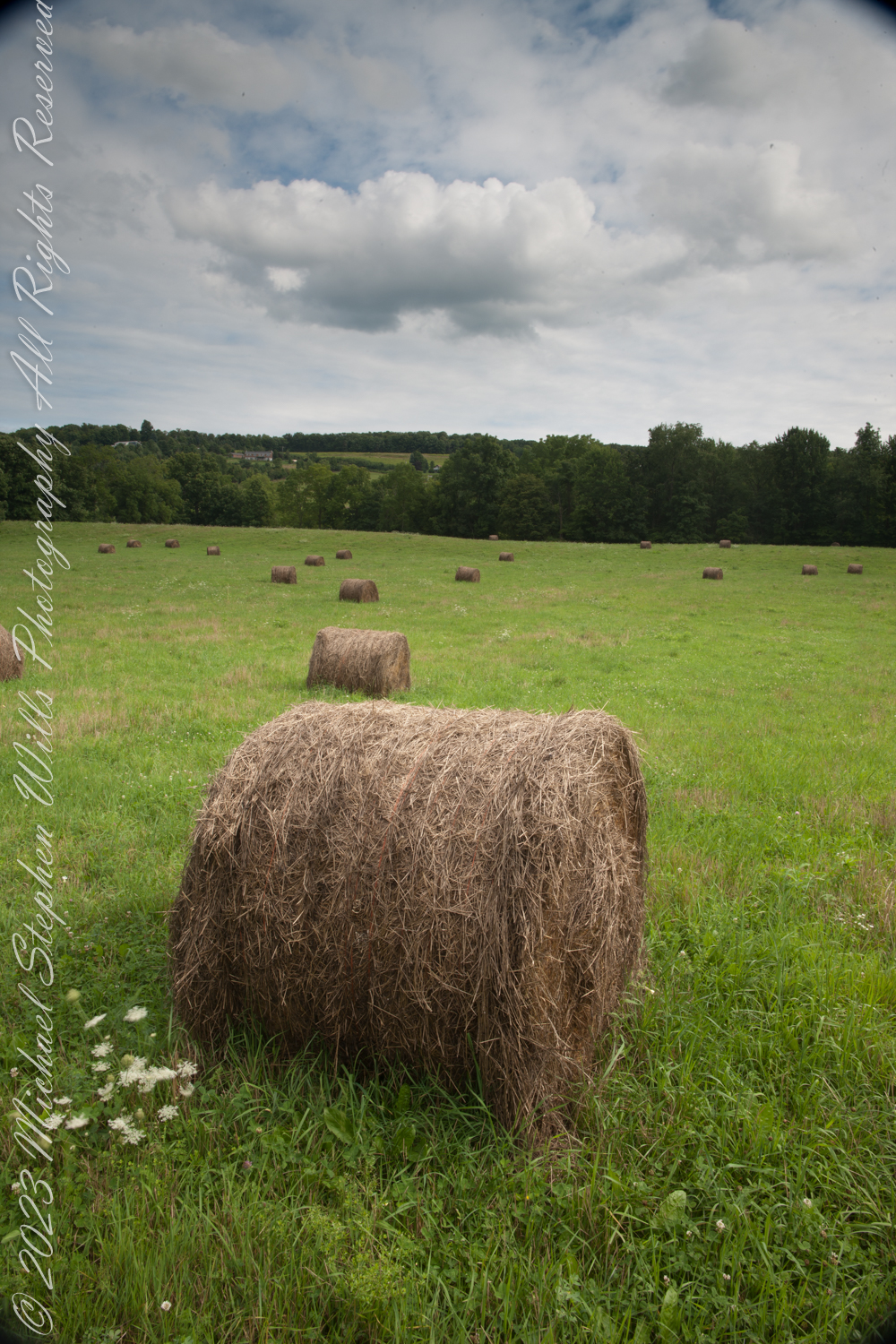
In capturing the essence of this flower in photographs that accompany this essay, the delicate yet persistent nature of Queen Anne’s Lace is evident. Whether standing tall against a backdrop of green hills, or growing alongside weathered hay bales, Queen Anne’s Lace offers a moment of reflection on the intersection of beauty, history, and nature. Its quiet presence in the Finger Lakes is a reminder that even the smallest, most unassuming plants can carry with them deep histories, enduring stories, and a legacy of utility and elegance.
As golden hues of sunset bathe the rolling hills of the Finger Lakes, the ethereal silhouettes of Queen Anne’s Lace stand as a testament to the region’s natural splendor. Whether admired for its aesthetics, revered for its medicinal uses, or simply appreciated for its ecological role, Queen Anne’s Lace remains an iconic and beloved part of the Finger Lakes’ wildflower tapestry.
Copyright 2024 Michael Stephen Wills All Rights Reserved
Discover the enchanting Sweet White Violets (Viola blanda) in Treman Gorge. Join us as we explore their natural history, lore, and beauty in the heart of the Finger Lakes. Dive into the magic of spring time blooms!
As I walked the Gorge Trail of Robert H. Treman New York State Park, my attention was captivated by a lush carpet of delicate white flowers nestled among the vibrant green foliage. These enchanting blooms, known as Viola blanda or Sweet White Violets, were a delightful sight against the backdrop of the rugged terrain of the Finger Lakes Region in Tompkins County. Armed with my trusty Apple iPhone 14 ProMax, I couldn’t resist capturing the moment.
Viola blanda, also known as Sweet White Violet or Pale Violet, derives its scientific name from Latin. “Viola” is the classical Latin name for violets, while “blanda” means charming or pleasant, an apt description for these delightful little plants. The name “Sweet White Violet” alludes to the delicate and sweet fragrance of its flowers, a scent that is often subtle but unmistakably pleasant when noticed.
Sweet White Violets are perennial plants, part of the Violaceae family, and are typically found in moist, wooded areas. They are one of the first wildflowers to bloom in spring, their pure white petals standing out amidst the fresh green growth of the forest floor. The leaves are heart-shaped with finely serrated edges, and they form a dense mat that can cover the ground in a verdant blanket.
The reproduction of Viola blanda is fascinating. These plants produce both cleistogamous and chasmogamous flowers. The chasmogamous flowers, which are the ones most of us are familiar with, are the showy, white blooms that open fully and are pollinated by insects. Cleistogamous flowers, on the other hand, do not open and are self-pollinating. This dual strategy ensures that the plant can reproduce even in the absence of pollinators, securing its presence in the ecosystem year after year.
Native Americans, particularly the Iroquois tribes whose region this included, held violets in high regard. They used the plant medicinally to treat colds, coughs, and headaches. The leaves were often brewed into a tea, believed to have soothing properties. European settlers, too, were fond of the violet. They would often use the leaves and flowers in salads and as a garnish, taking advantage of both its nutritional value and pleasant taste.
Interestingly, in folklore, violets were associated with love and were often used in love potions. The ancient Greeks believed that violets could moderate anger and induce sleep. In the language of flowers, which was particularly popular during the Victorian era, violets symbolized modesty and faithfulness.
In modern times, the Sweet White Violet continues to charm nature enthusiasts and hikers alike. It plays a crucial role in the ecosystem, providing early spring nectar for pollinators such as bees and butterflies. The plant also serves as a host for certain butterfly species, which lay their eggs on the leaves. As the caterpillars hatch, they feed on the leaves, continuing the cycle of life.
Walking through the gorge, I felt a profound connection to the natural world. The Sweet White Violet, with its humble beauty and rich history, served as a reminder of the intricate web of life that thrives in these woods. Each step on the trail was a journey through the park and a walk through time, connecting me to the countless generations who have walked these paths before me, enchanted by the same delicate flowers.
In conclusion, the Viola blanda, or Sweet White Violet, is more than just a pretty face in the forest. It is a plant steeped in history, folklore, and ecological importance. As I continued my hike, I felt grateful for the opportunity to witness such beauty firsthand and to share in the timeless joy that these charming plants bring to the world.
Copyright 2024 Michael Stephen Wills All Rights Reserved








 Michael Stephen Wills Photography