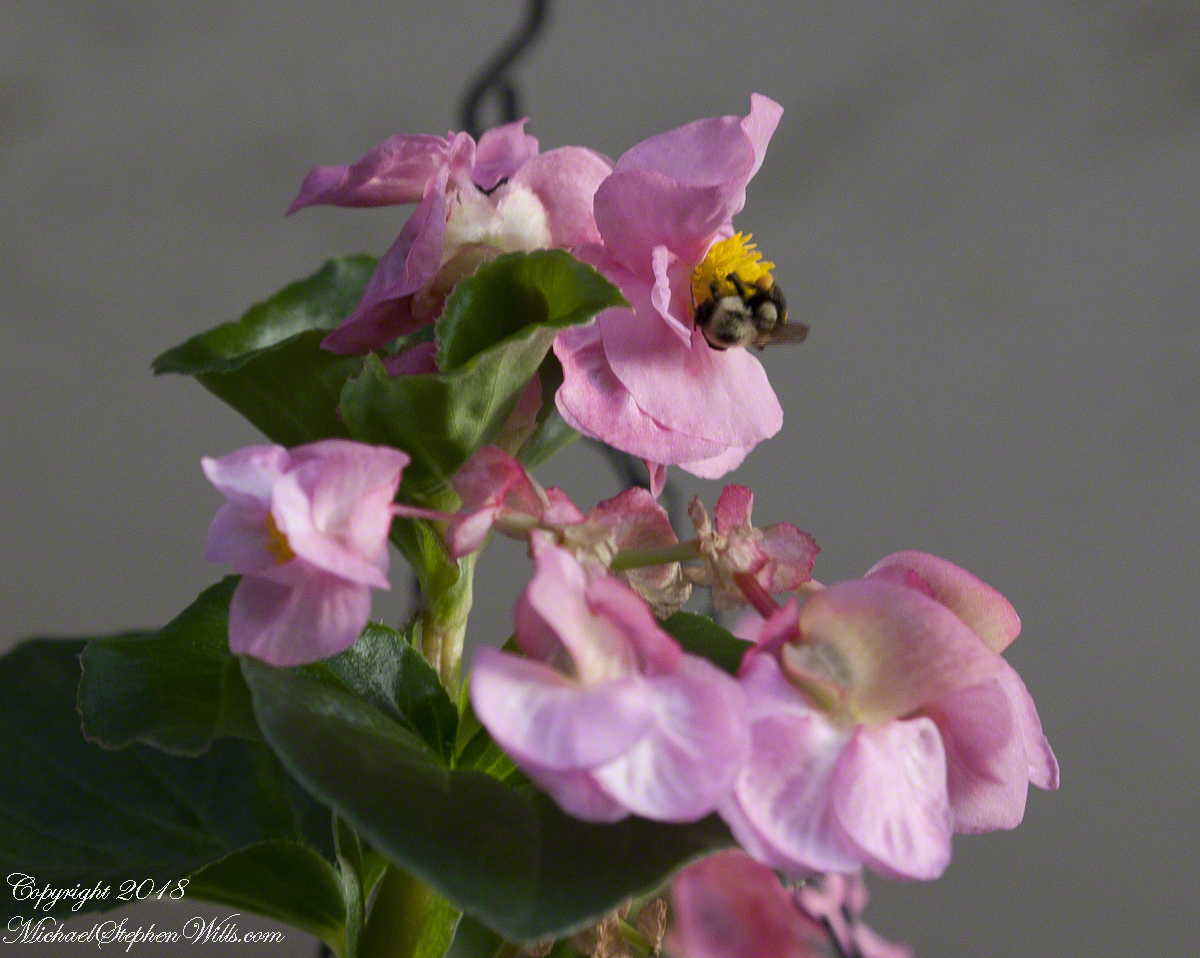
Begonia Flowers and a Sweat Bee

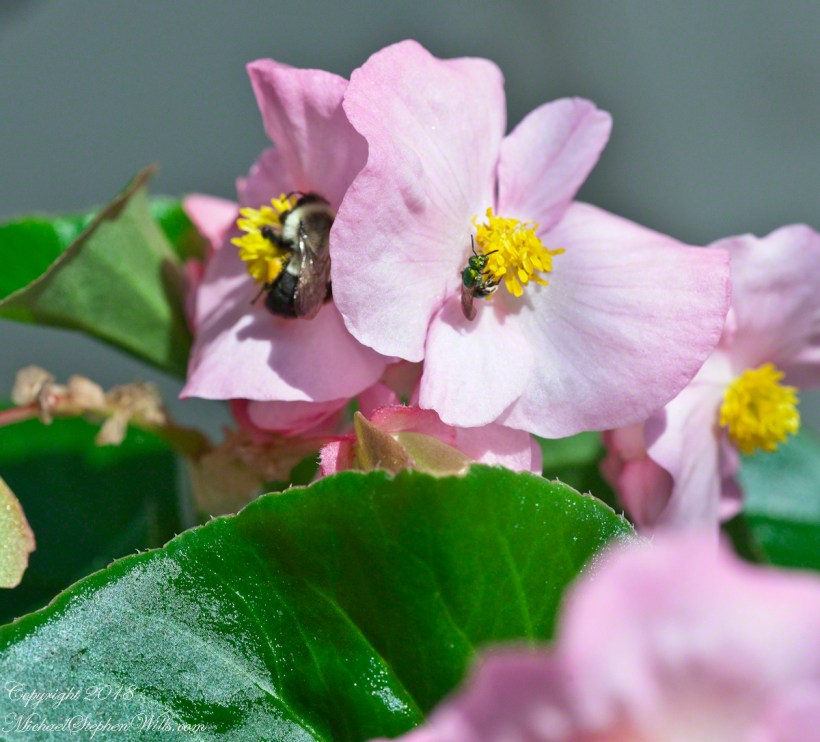
shiny, bright green tiny bee

Once a year when Pam’s gardens are at a summer peak I venture out to capture her work in early morning light. For this third image of the begonia series I used the same handheld Canon EOS 1Ds Mark III SLR but with the Canon lens EF 100 mm f 2.8L IS USM variable lens. Click me for the first post, “Begonia Grandis.”

Click photograph for a larger view.
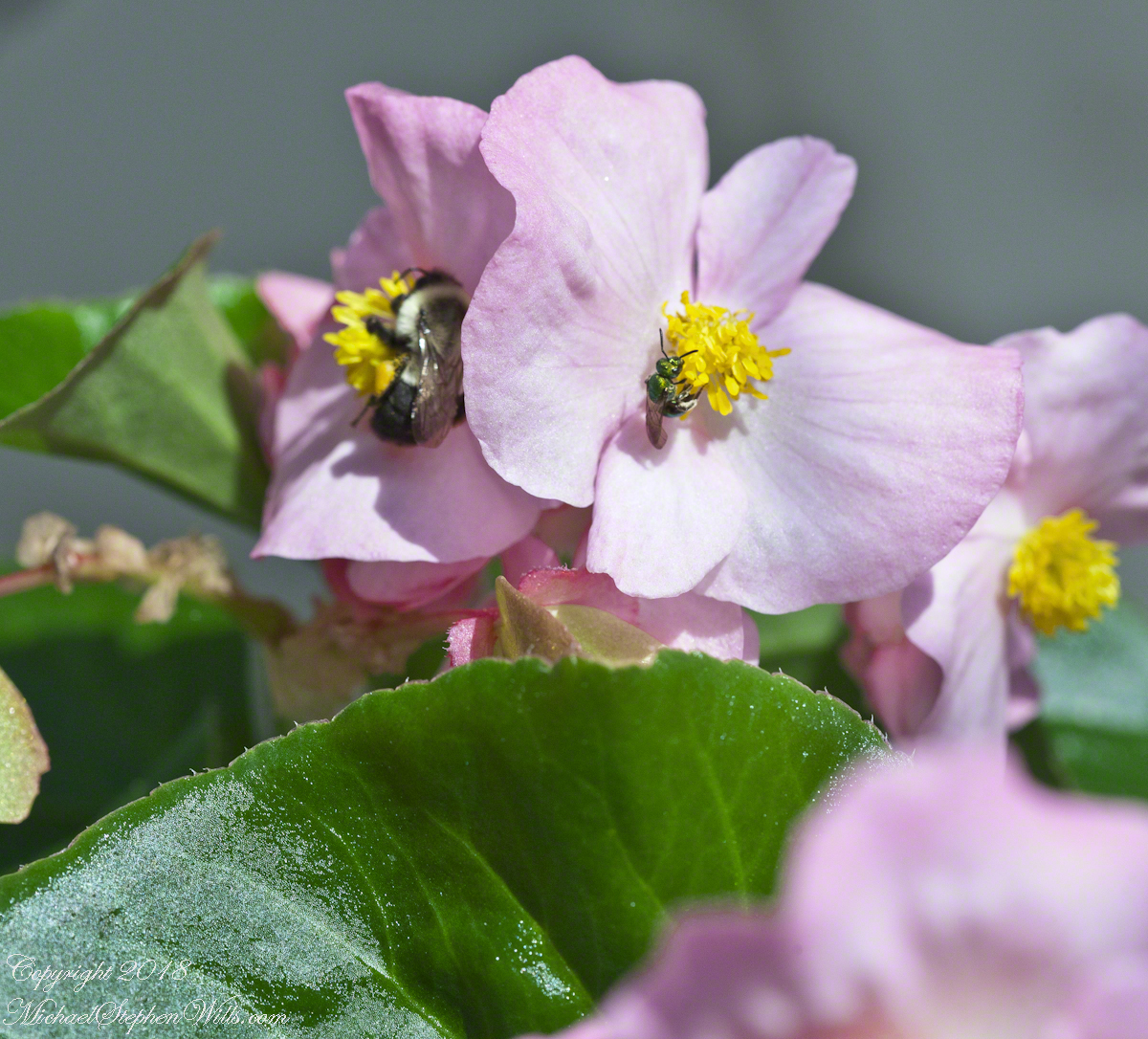
Sweat Bee!!

The bee on the right, in sharp focus, was a puzzle to me. I am familiar with it, they are very common around here, and striking with a bright green shiny thorax. For this post I decided to identify it.

After thirty minutes of poking around I found a list of New York Wild bees on the Cornell CALS (College of Agriculture and Life Sciences) site. It is in the form of an excel spreadsheet and very helpful. There are over 400 species listed. Using the “filter” feature I found the six families and, for each, did a web search. I am 98% sure this bee is in the family Halictidae, known as “sweat bees,” being attracted to the salt of perspiration they use for nutrition.

Next I looked as the first name in the species designation within the family Halictidae. Tjhis is the genus. There were not many, in a few minutes singling out Agapostemon, known as the “metallic green sweat bee.” I did not find it necessary to hone in on the exact species as members of the genus Agapostemon have defining characteristics.

There are four species listed on the Cornell CALS spreadsheet, all are ground nesting and solitary. Sweat bees are useful as crop pollinators. In Texas they can replace honeybees for pollination of cotton.

Agapostemon sericeus
Agapostemon splendens
Agapostemon texanus
Agapostemon virescens

The lens is designed for macro work and is a fixed focus, it can capture small details without needed to be close to the subject. I decided to crop the image down to emphasize the bees. The sharper focus is on the sweat bee
Copyright 2022 Michael Stephen Wills All Rights Reserved

Bumblebees and Begonia Flowers

early morning light

Once a year when Pam’s gardens are at a summer peak, I venture out to capture her work in early morning light. For this second image of the begonia, I used the same handheld Canon EOS 1Ds Mark III SLR but with the Canon lens EF 70-300 f 4-5.6L ISM variable lens.

Click photograph for a larger view.

Bumblebees numbers will tell you if local mouse populations are under control. Mice will invade bumblebee burrows to eat the eggs and young. If the bees are plentiful, it means more are escaping mouse predation and only because mouse numbers are low.

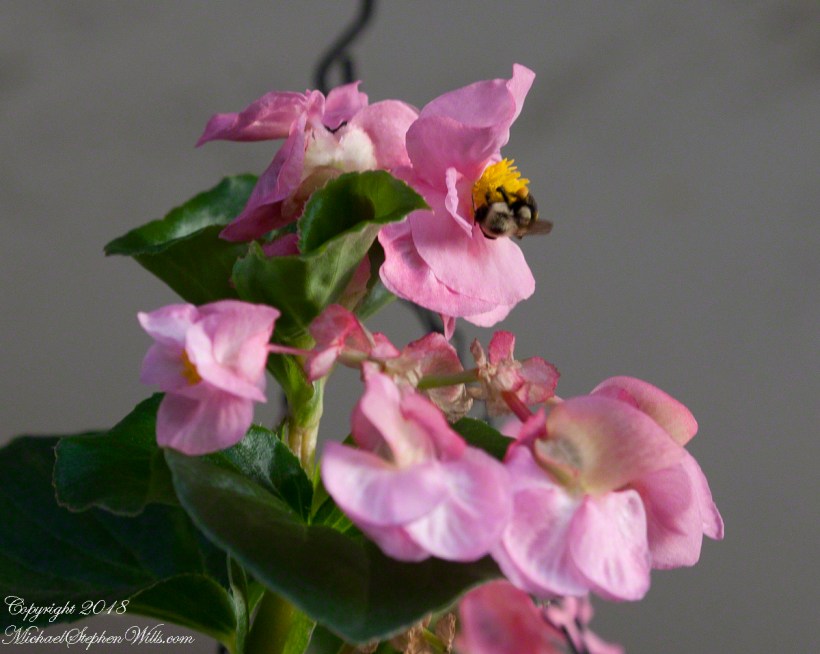
This morning, bees of all kinds filled the begonia flowers. Bumblebees were amusing to watch enthusiastically roll around the many stamen of the male flowers, gathering as much pollen as possible.

The lens focal length is set to 84 mm to capture the entire plant, on reviewing the proofs I decided to crop the image down to emphasize the bee.

Copyright 2022 Michael Stephen Wills All Rights Reserved

Begonia Grandis

Macro!!

Once a year when Pam’s gardens are at a summer peak I venture out to capture her work in early morning light. For this image I used a handheld Canon EOS 1Ds Mark III SLR with the Canon lens EF 100 f 2.8L Macro. This is the first post of this series. Click me for “Water Lily Flower with hornet,” from my photography gallery.

Click photograph for a larger view.

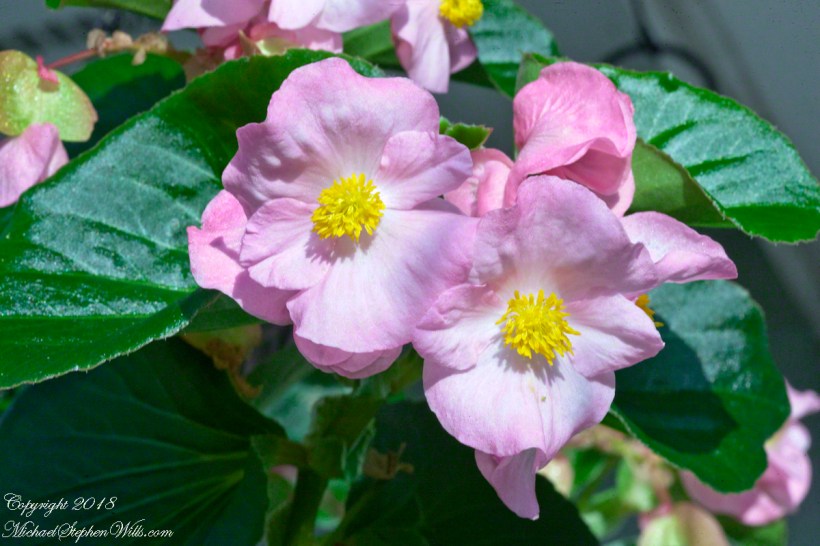
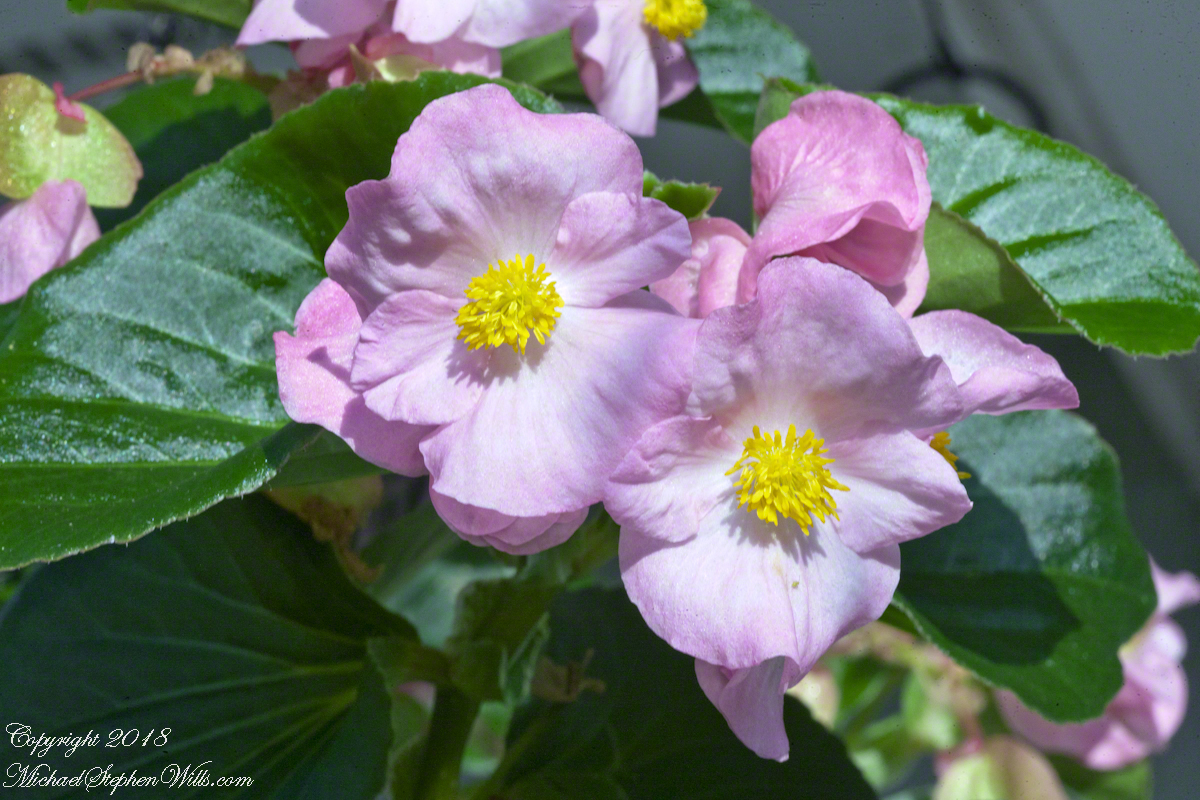
Begonia is a large genus of flowering plants, sub-tropical and tropical natives, adapted her to a hanging basket put out after the last frost, the end of May, Memorial Day, in these parts. The flowers are monoecious, both male and female unisex flowers bloom on a single plant.

Pictured are double male flowers composed entirely of stamens. This plant has a sour flavor enjoyed in parts of its range. Over consumption will produce ill effects as the tissues are high in oxalic acid, a poison to humans.

Here, the leaves and flowers glow in the gentle light of early morning.

Copyright 2022 Michael Stephen Wills All Rights Reserved

On The Dutchman Trail

to Parker Pass

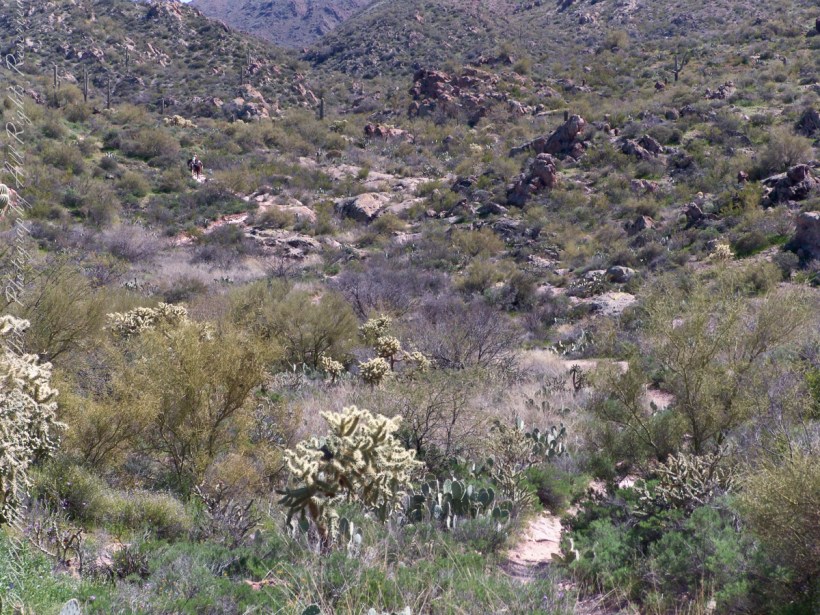
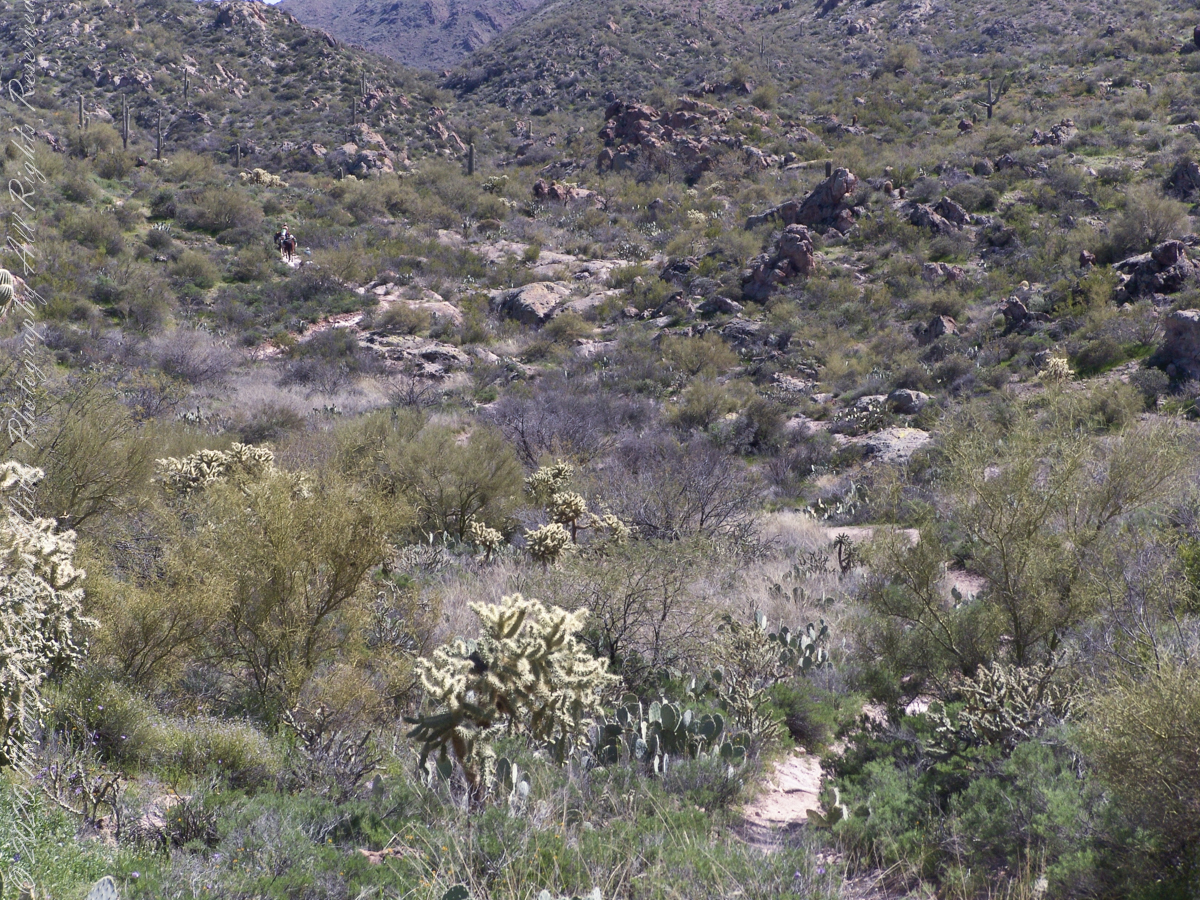
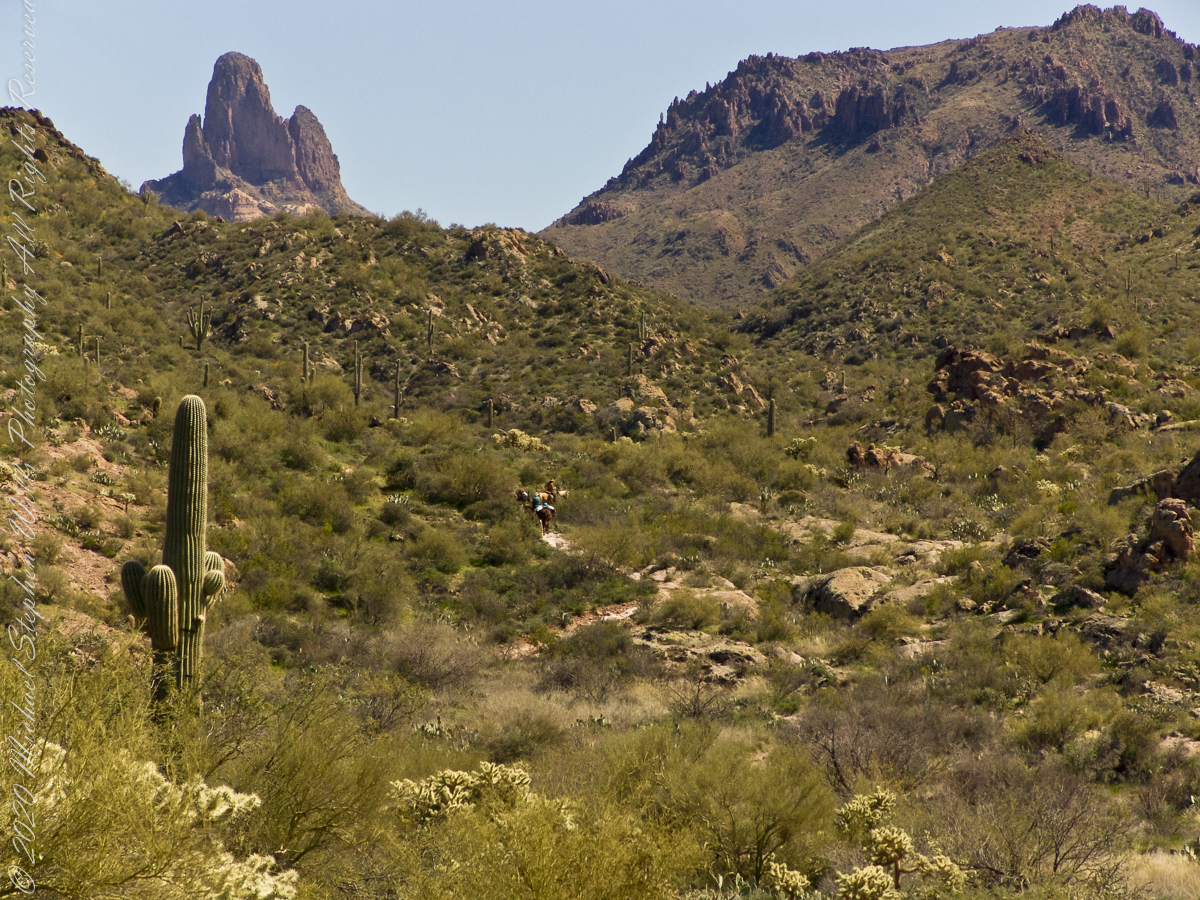
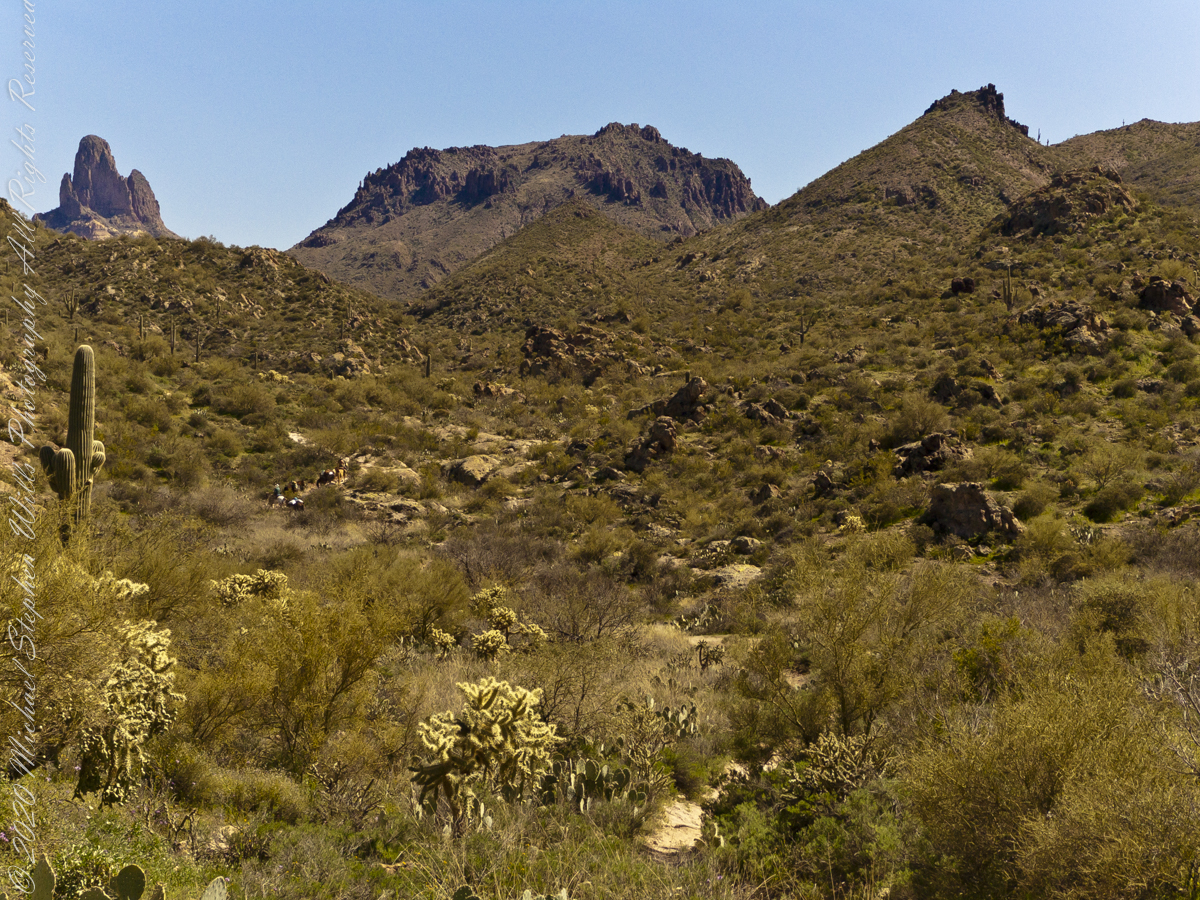
Our expedition party on Dutchman Trail. Ahead is Parker Pass. Look carefully to pick out two horsemen and three horses packing equipment and supplies. They travelled much faster than my 3 – 4 miles per hour on foot.

Click Me for my Online Gallery

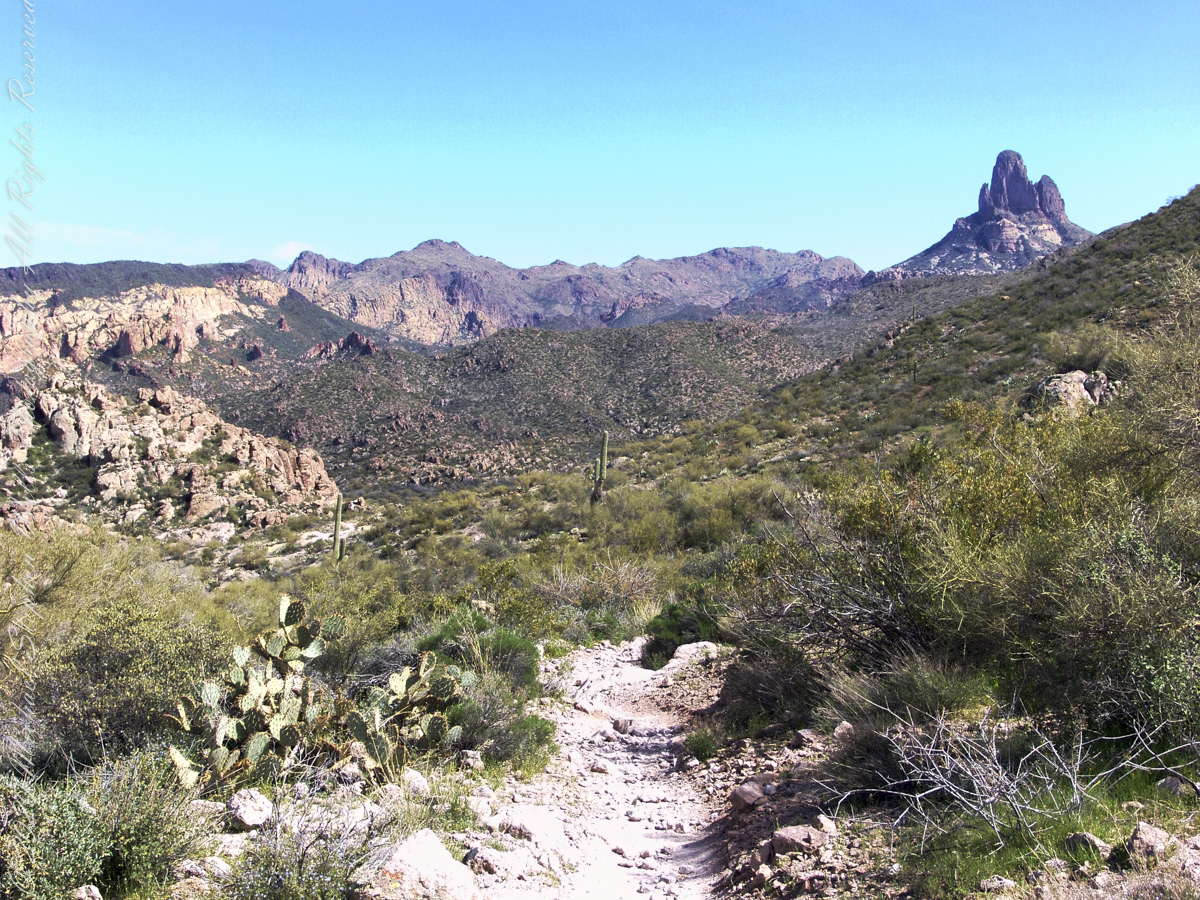
Ahead is Parker Pass, the opening between the two hills in the middle distance. Weaver’s Needle, 3.7 miles distant, at left above the Parker Pass ridge. You can still see my party, ahead. I “zoomed” in for a better view of the party, rapidly pulling ahead and out of sight.

As I top a rise my party is out of sight, more of Weaver’s Needle is visible on the right. The trail falls here before rising again to achieve Parker Pass. Distances on the Lost Dutchman trail are difficult to estimate, visible objectives are much farther then they appear. Constant sun, clear air, difficult terrain conspires against the unprepared leading many into overextending their luck. As a case in point, 37 minutes transpired between the second and third photographs.


Click me for another Superstition Wilderness Episode

Copyright 2022 Michael Stephen Wills All Rights Reserved

Headed Out

The Beginning

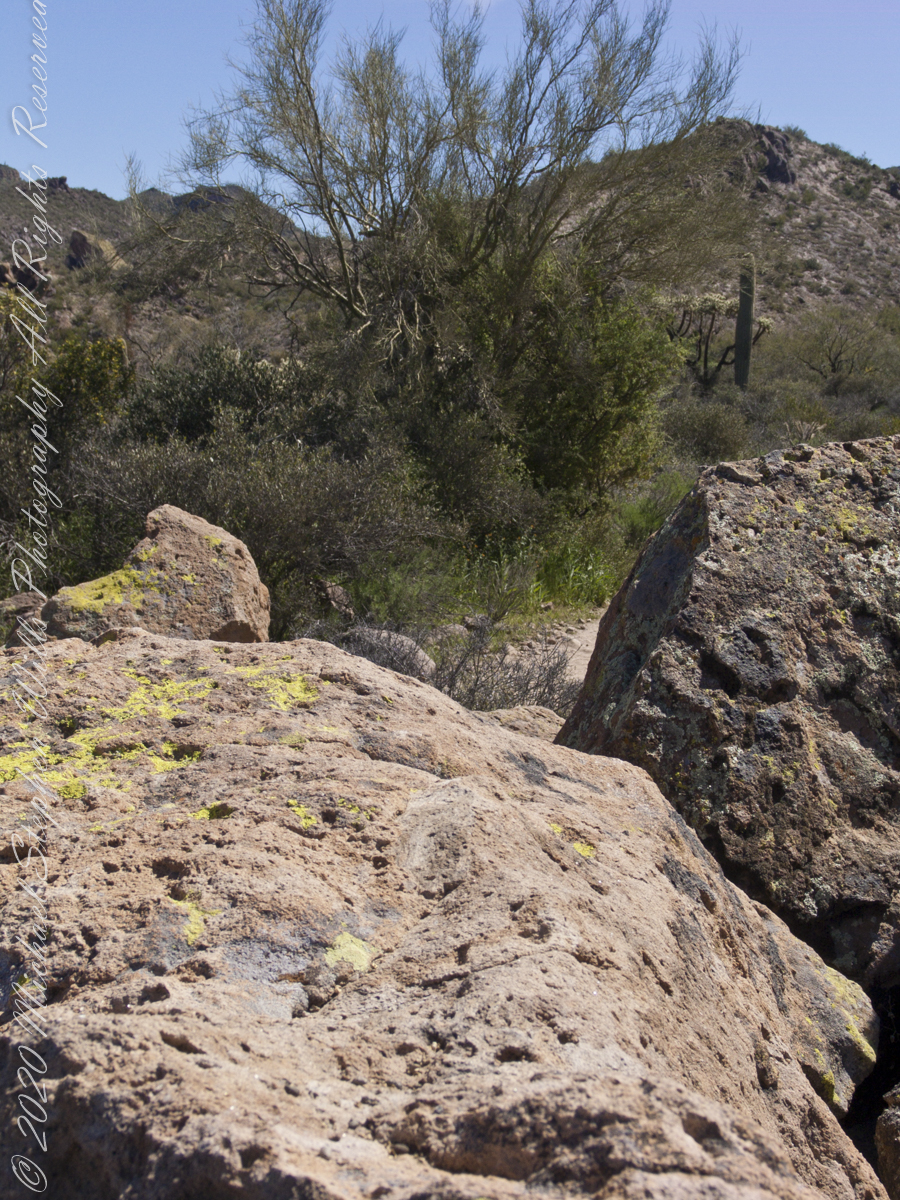
Dutchman’s trail, starting from First Water Trailhead, meanders through Sonoran Desert hills and washes, gradually climbing about 400 feet before descending into Boulder canyon.

Click Me for my Online Gallery

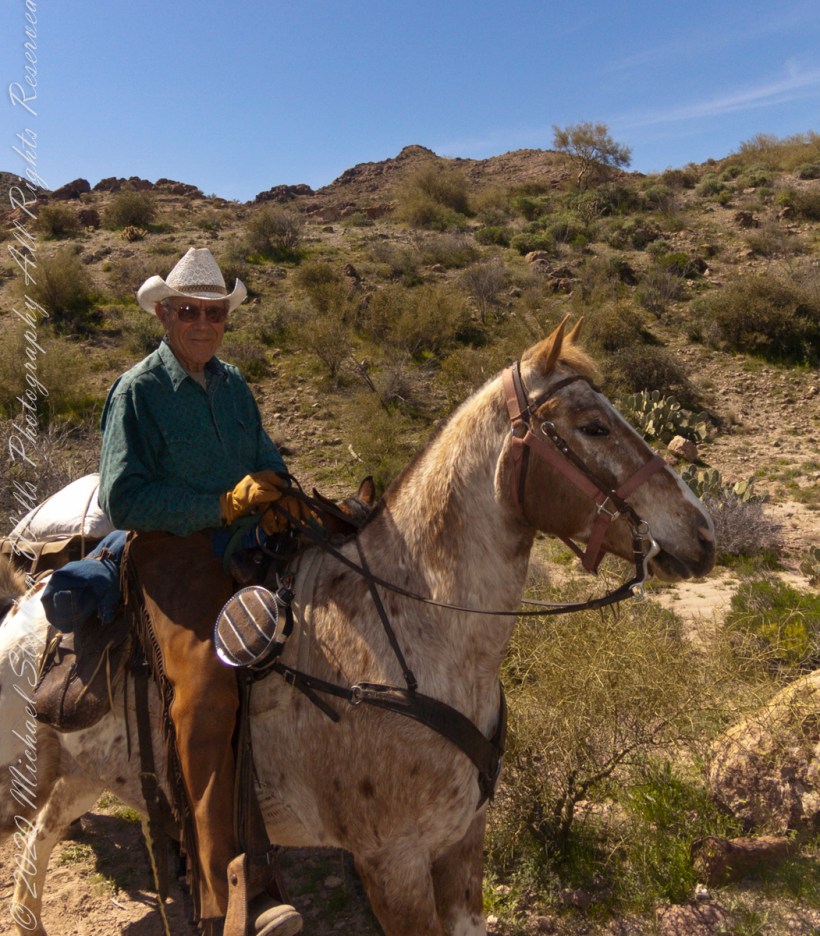
We were a party of three with five horses: two mounts and three pack. I was on foot, unencumbered by the usual backpack loaded with 80+ pounds of equipment and supplies for an extended wilderness expedition. I used the opportunity to wear a Sony F828 camera, used for the handheld photographs of this series.

The following photograph is our expedition party on First Water Trail. That is Parker Pass, the opening between the two hills in the middle distance. Look carefully to pick out two horsemen and three horses packing equipment and supplied. They travelled much faster than my 3 – 4 miles per hour on foot.

Foregrounds are the “jumping” Cholla, cactus with sharp spines that seem to reach out and grab the unwary. During out trek from Apache Junction to First Water trail head we negotiated forests of this nasty plants.


Click me for another Superstition Wilderness Episode

Copyright 2022 Michael Stephen Wills All Rights Reserved

Mass Bloom

“Princess of the Night” one evening

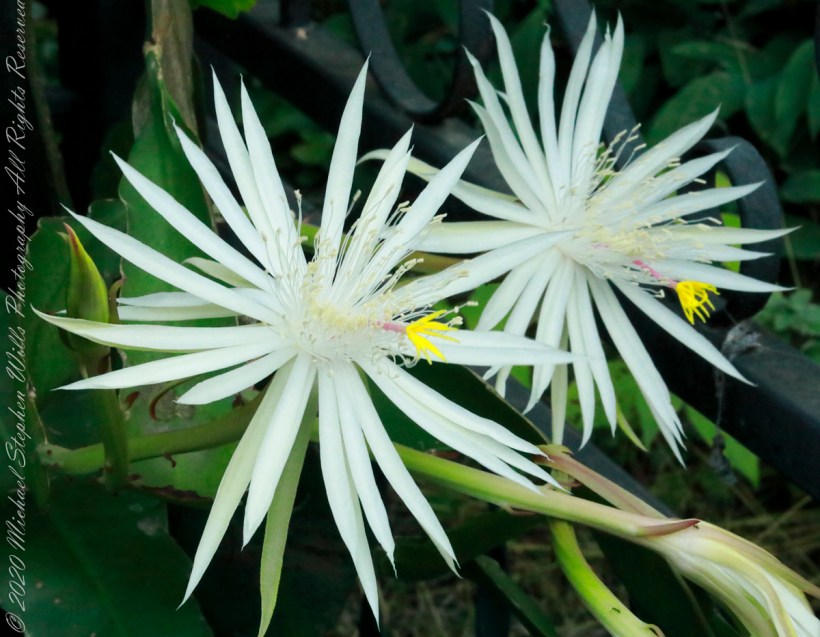
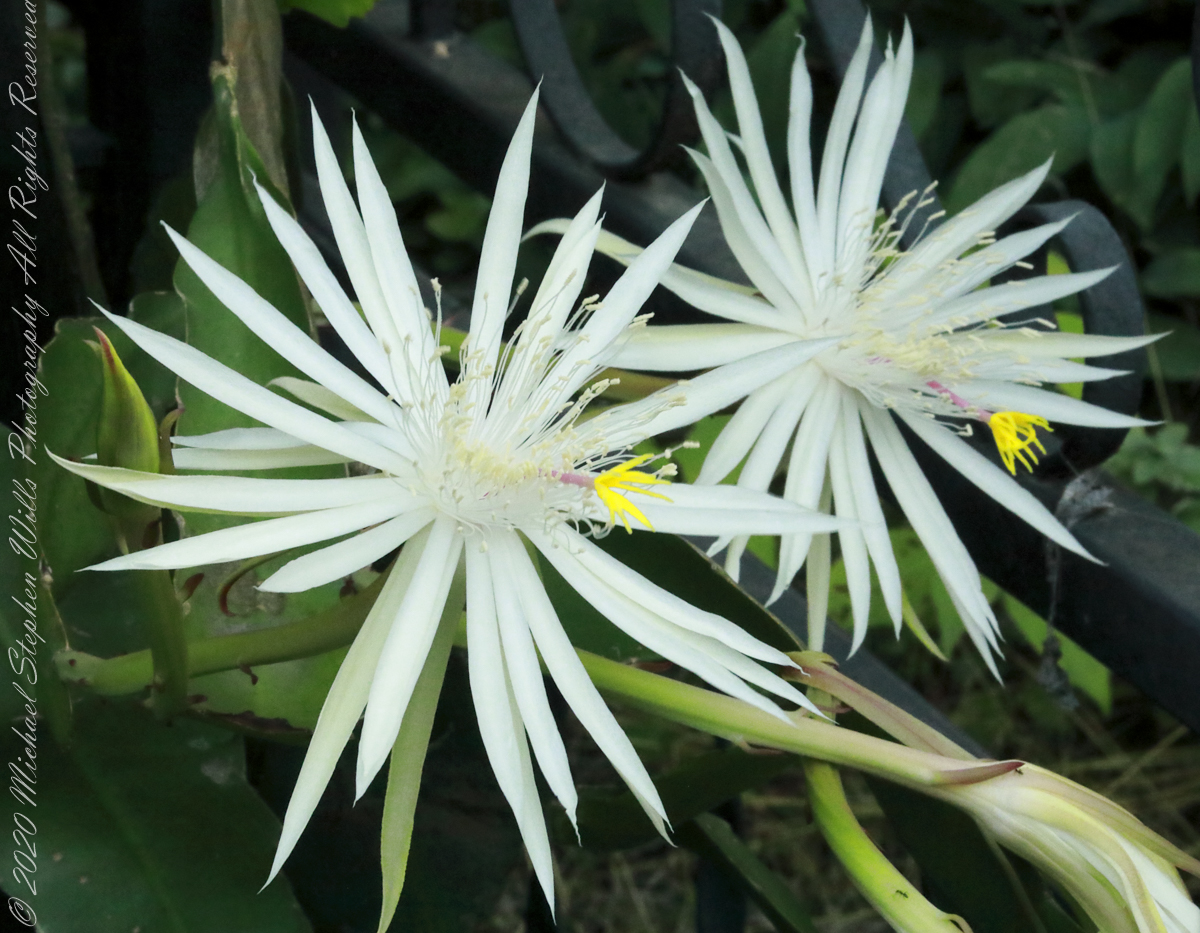
Our Night Blooming Cereus produced to date fifteen (15) flowers this spring and summer. These opened July 26th after sunset.

Click pic for larger view in a new browser tab. If you are in WordPress Reader, open the post to use this feature.

These were captured with the Canon EOS 5D Mark IV dslr with a 50mm f/1.4 lens on a Manfrotto tripod. In the following closeup from the lower right is visible a flower bud and spent bloom among the flowers.

Click me for another Cereus Post.

Copyright 2022 Michael Stephen Wills All Rights Reserved

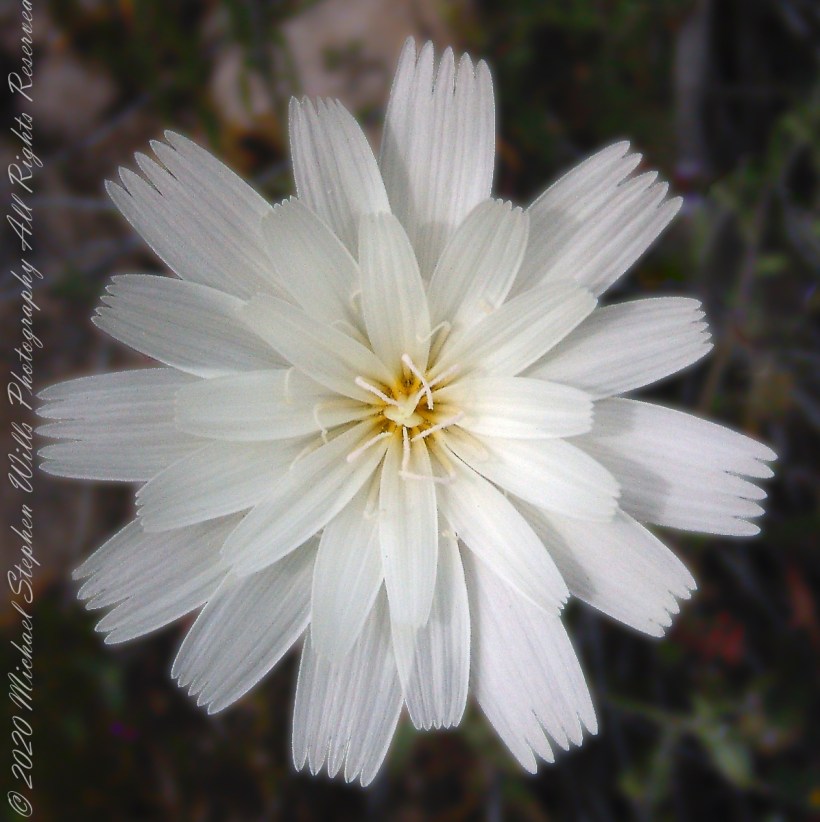
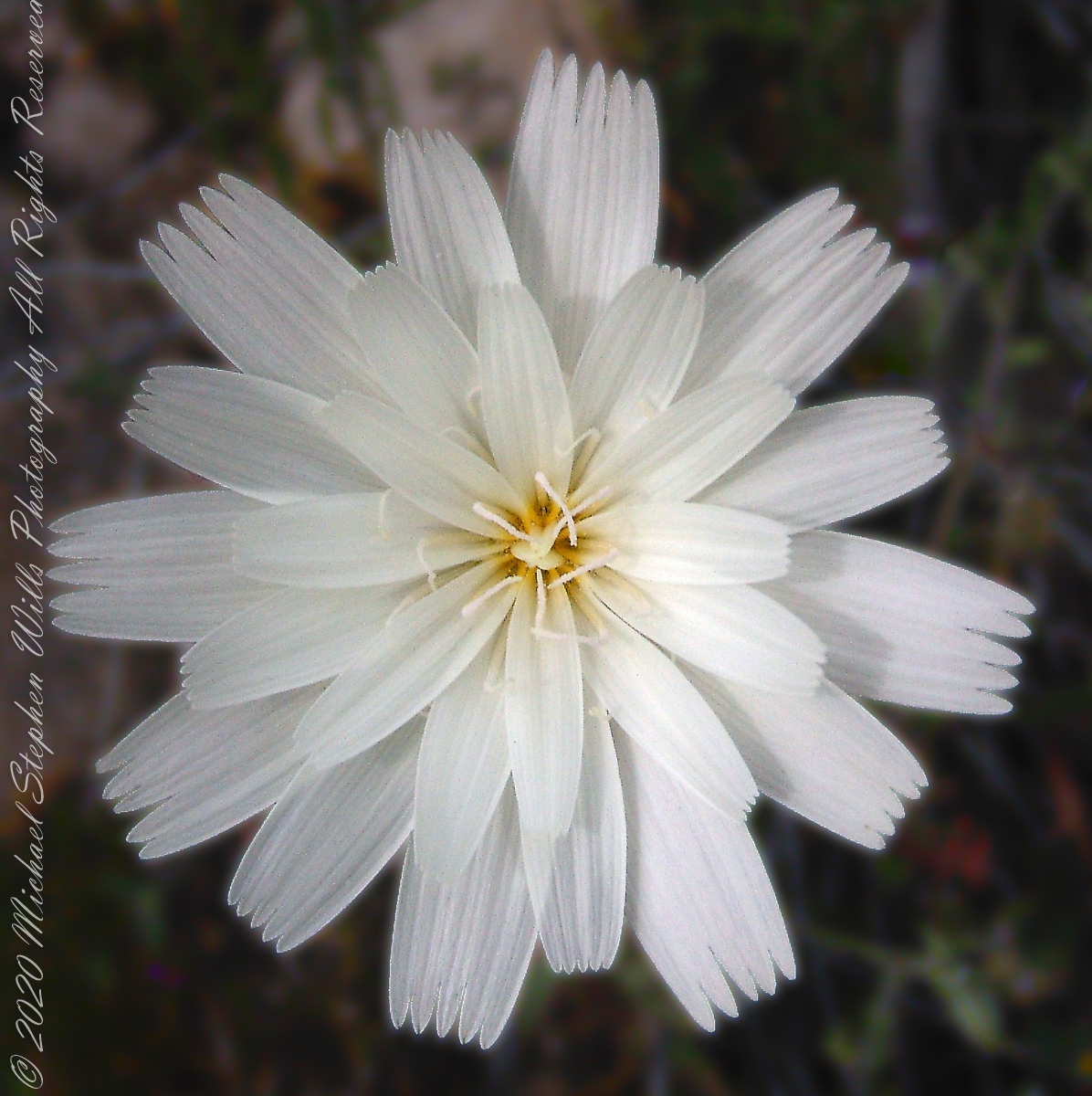
Desert Chicory

Macro work on Peter’s Trail

This is a type of daisy, formal name Rafinesquia neomexicana. This season, March 2008, it grew throughout the wilderness. You might know it as Plumeseed or New Mexico Plumeseed.

Click Me for my Online Gallery


Click me for another Superstition Wilderness Episode

Copyright 2022 Michael Stephen Wills All Rights Reserved

Gorge Jewels

“J” trees and a charming weed

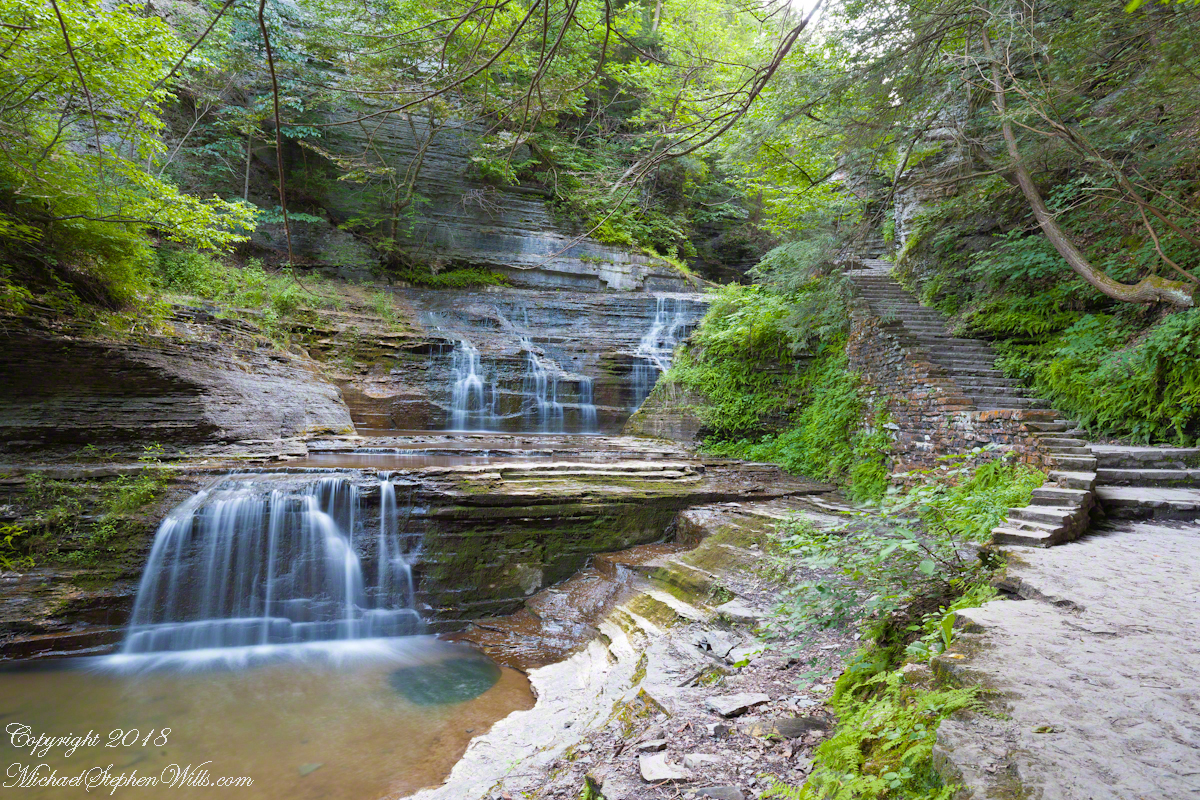
Friday last Pam and I joined a “James Potorti Memorial Gorge Walk” through Buttermilk Falls State Park where we learned interesting facts connected to one of my most successful photographs, “Summer Dream: Buttermilk Falls.” This is the fifth and final post of this series.

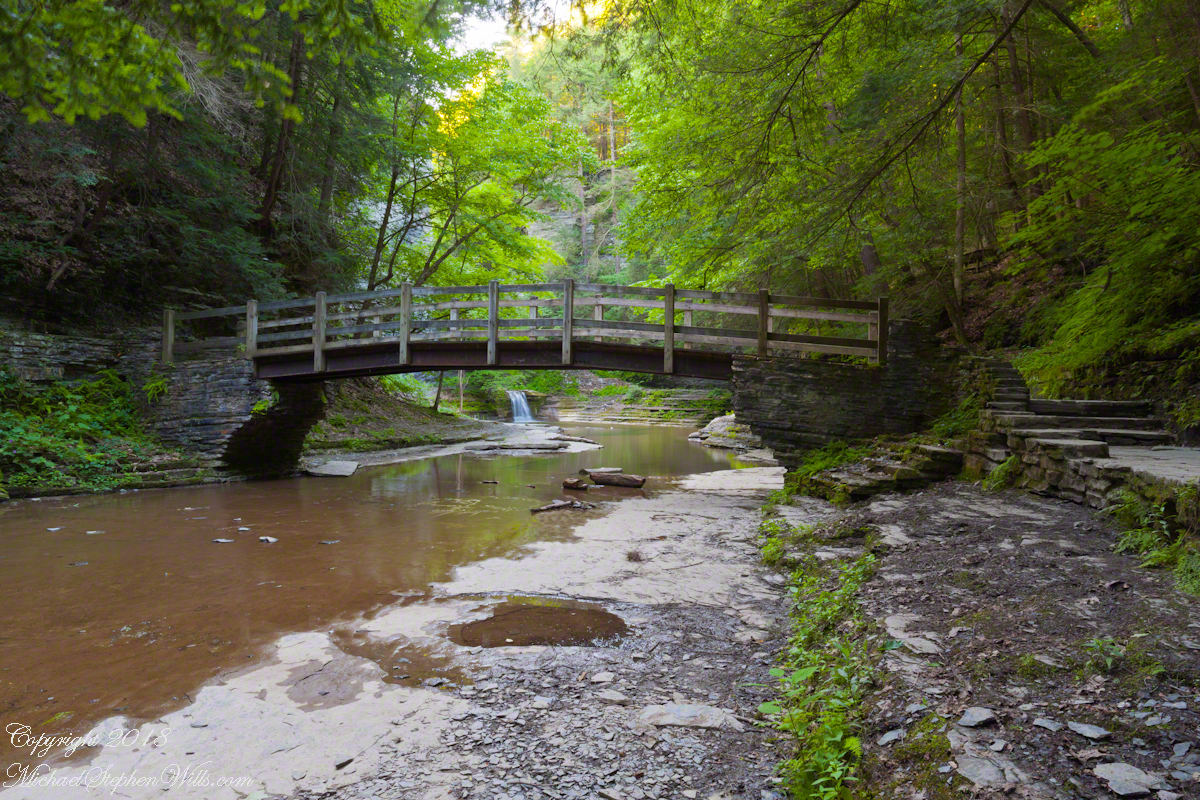
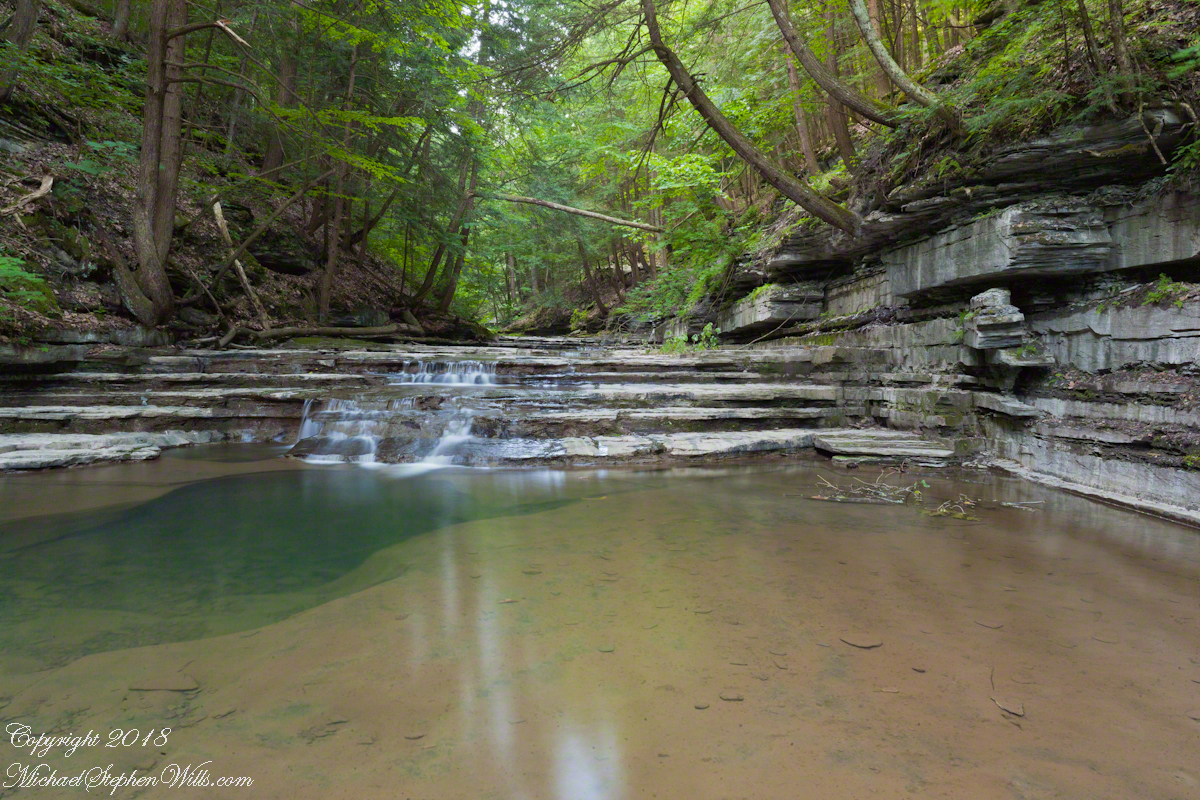
Final Photograph of my “Creek Views” post — not waterfall in distance

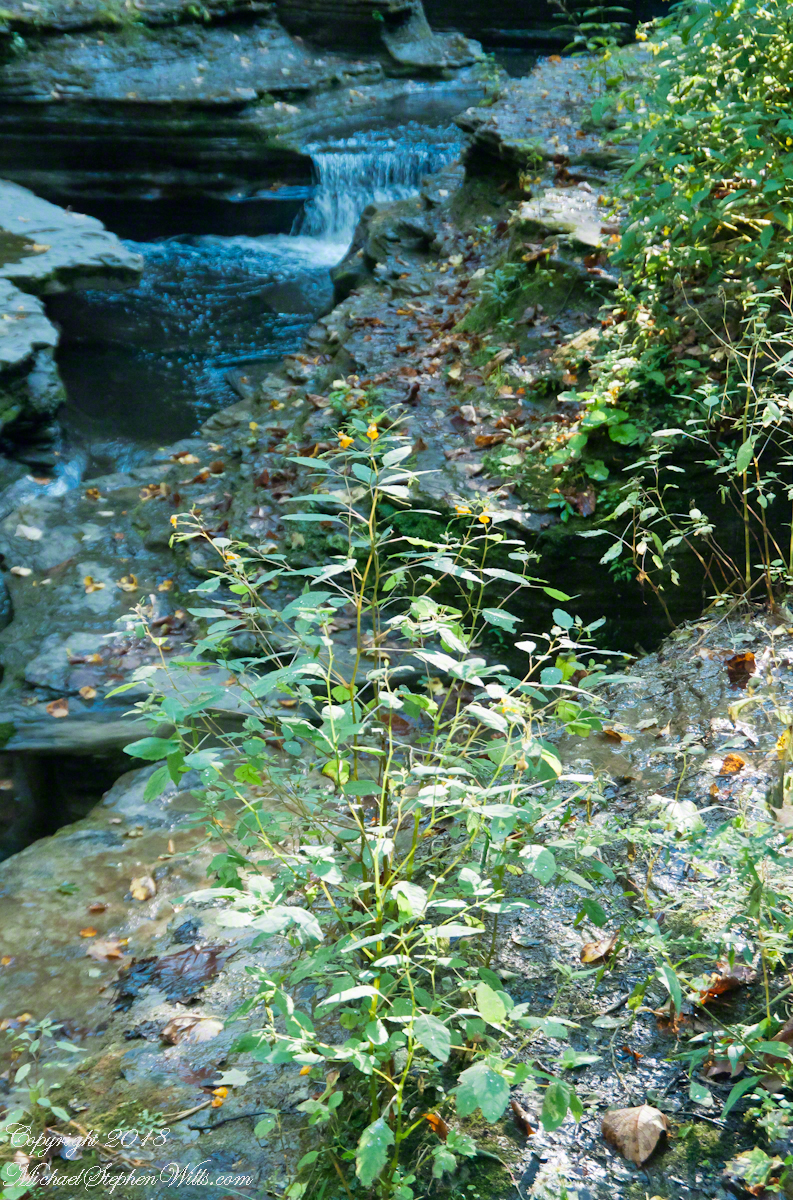
Upper Buttermilk Gorge Trail

Below is a photograph of that distant waterfall. Taken using a tripod mounted Canon EOS 1DS Mark III body with the Canon lens EF 24mm f/1.4L II USM w/a neutral density filter (0.6 as I recall) it is from an early morning solo walk, July 2018.

This photograph is one of a series from that day. Here is a link to my waterfall photographs on Getty IStock, including the series captured on that July 2018 morning.

Click any photograph for a larger view.
Natural steps

J Tree

A characteristic of Finger Lakes Gorges is a constant infall from fragile sedimentary walls. Tree roots hold the slopes in place until the inevitable slippage. Tree trunks bear the mark, as you can see from tree to the right of the steps. Slippage moves the trunk horizontal, subsequent growth toward the sun curves the trunk. In extreme cases the tree forms the shape of an umbrella handle.

More examples of this slippage are seen on the right creek bank in the following photograph from my post of this series, “Creek Views.”

More curved trees

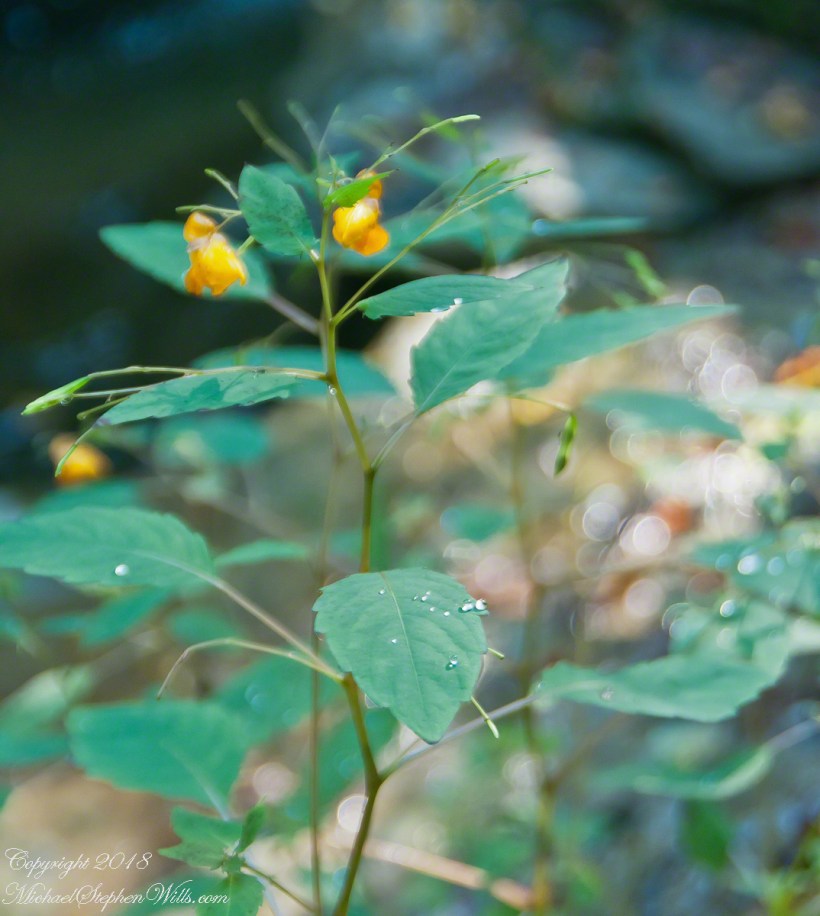
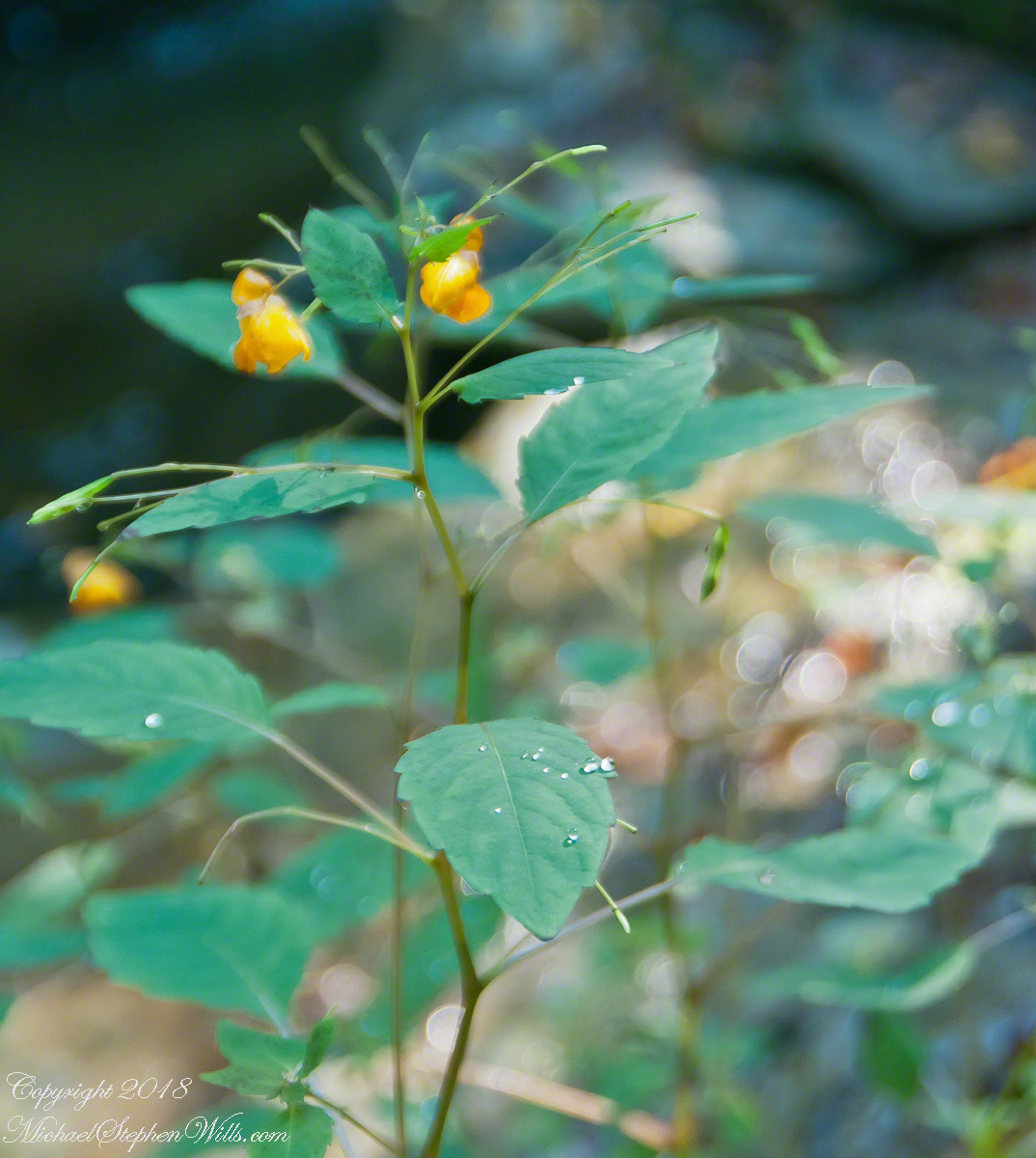
Impatiens capensis

Emerging from the gorge, soil accumulates on narrow shelves where this Jewelweed plant grows. Here we leave the gorge for now.

(Impatiens capensis) growing along the upper portion of the Buttermilk Sate Park Gorge Trail in early September, just after Labor Day. This photograph shows the plant growth pattern and the surrounding environment.

In Memorium

James Potorti was a native of Ithaca who perished at 52 years of age in New York City on September 11, 2001 were he worked on the 96th floor of 1 World Trade Center.

Copyright 2022, Michael Stephen Wills All Rights Reserved

Like a Dandelion

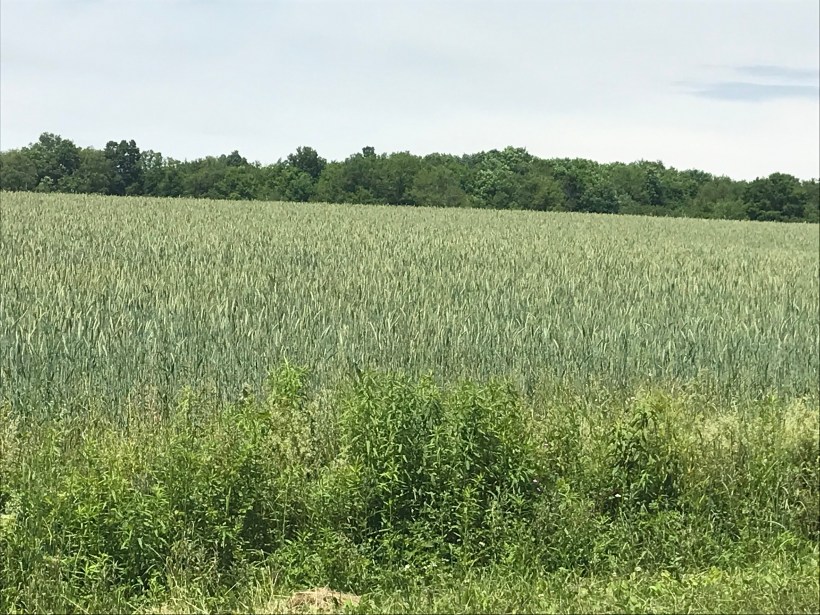
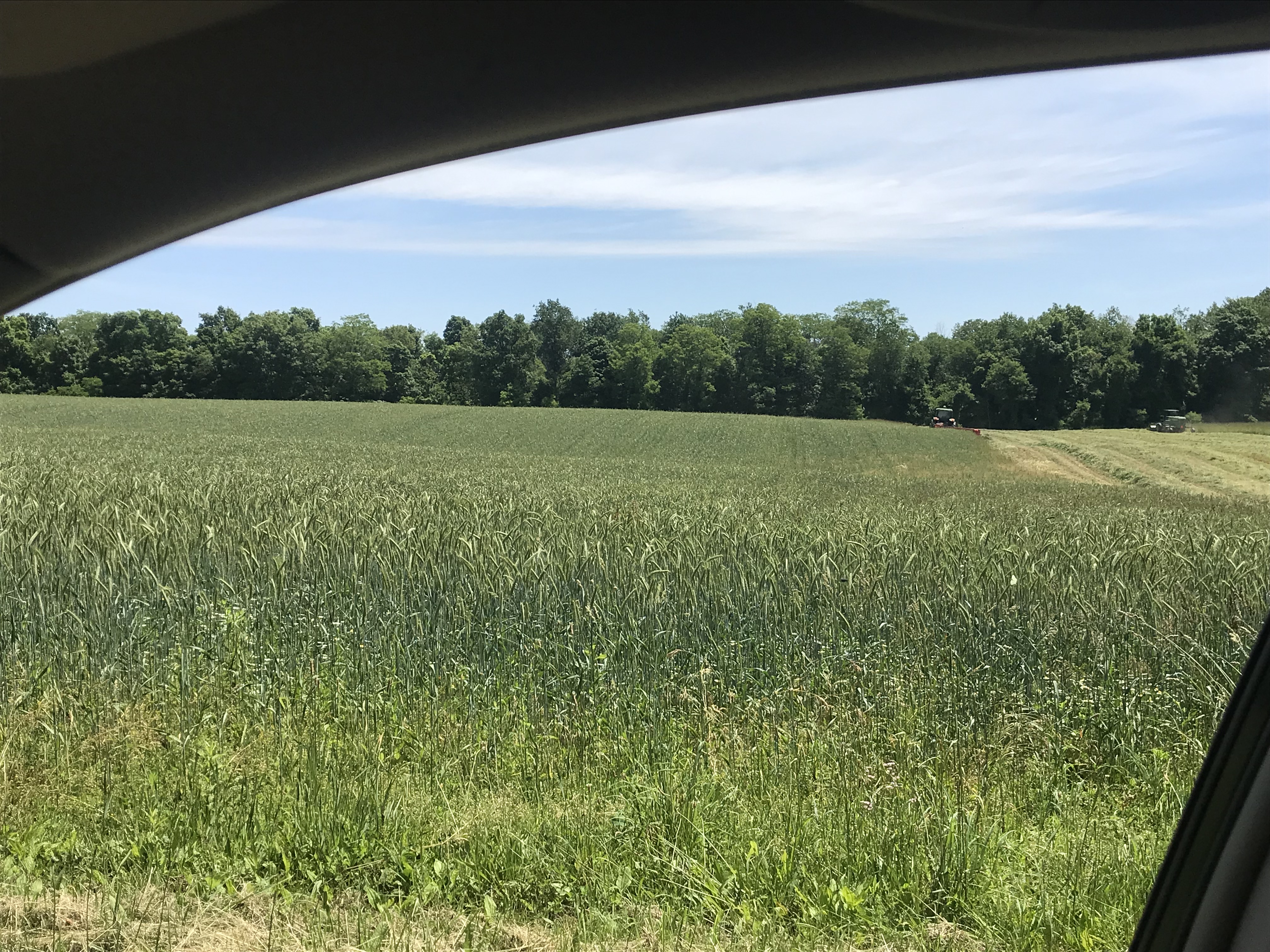
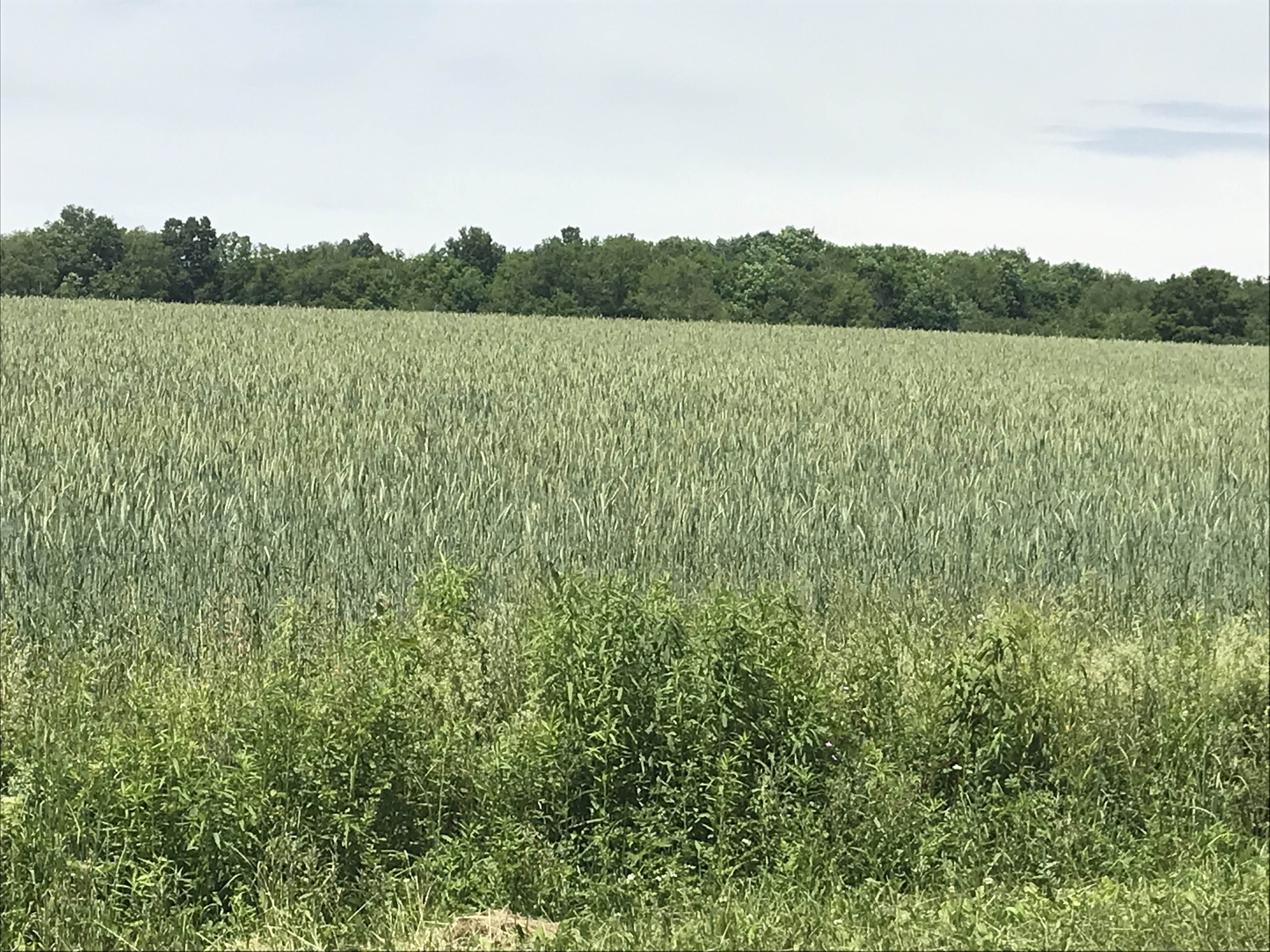
and a shifting of crops to (human) wheat from (cow) corn

Wednesday, June 15th, we were on a turn to heat and humidity with this day of light breeze, temperature in the 70s making hiking around Tremen Park a joy.

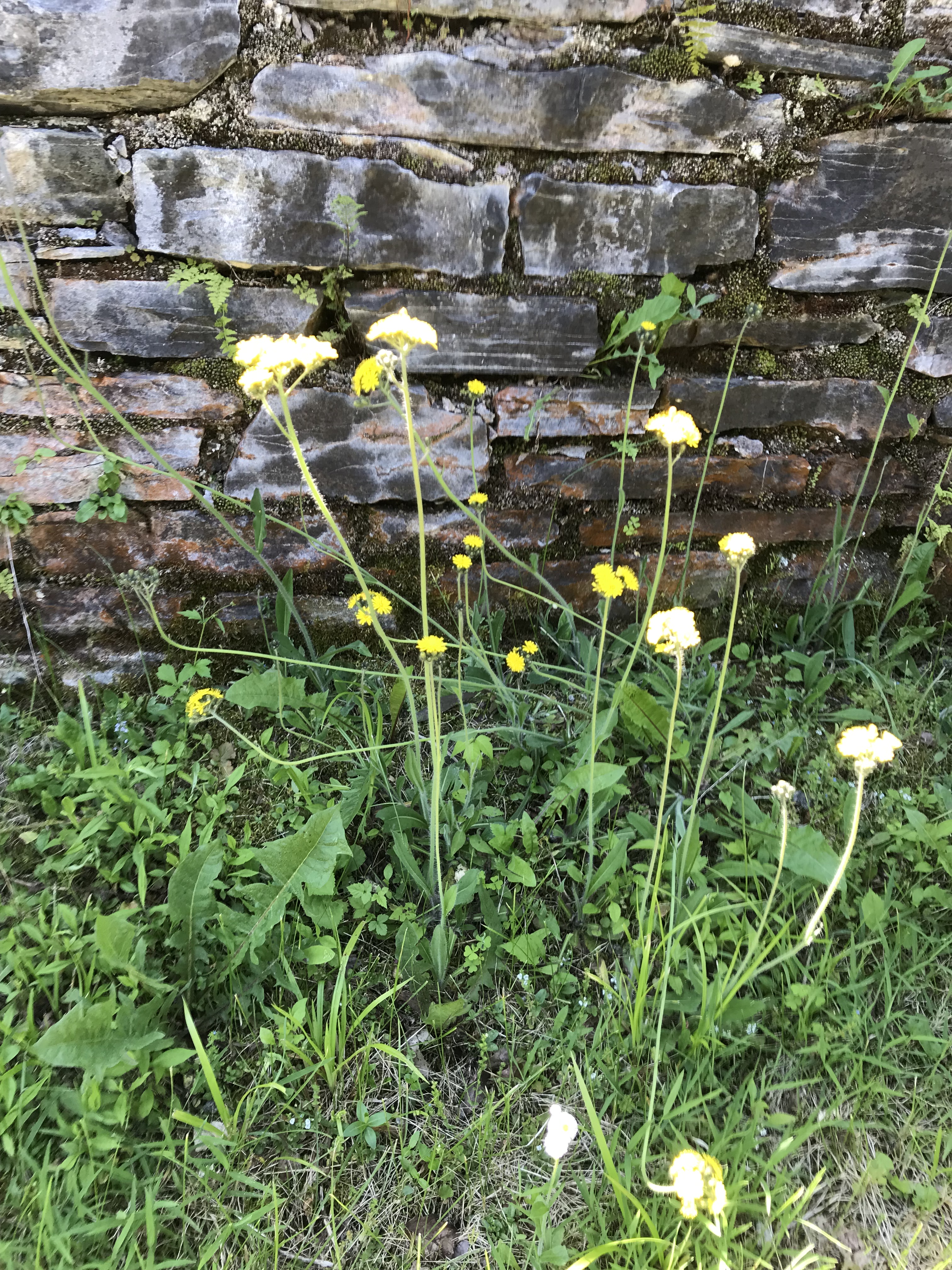
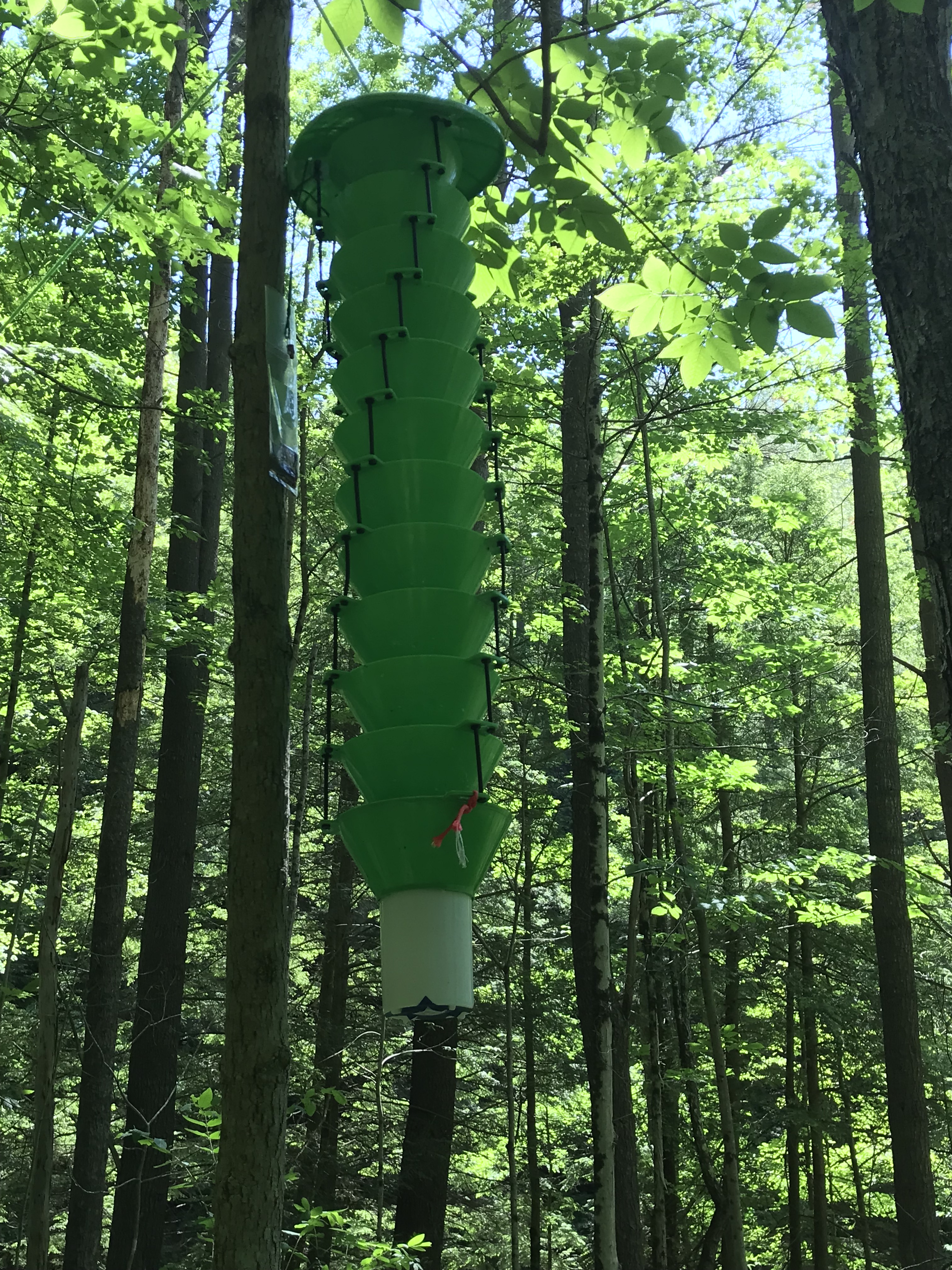
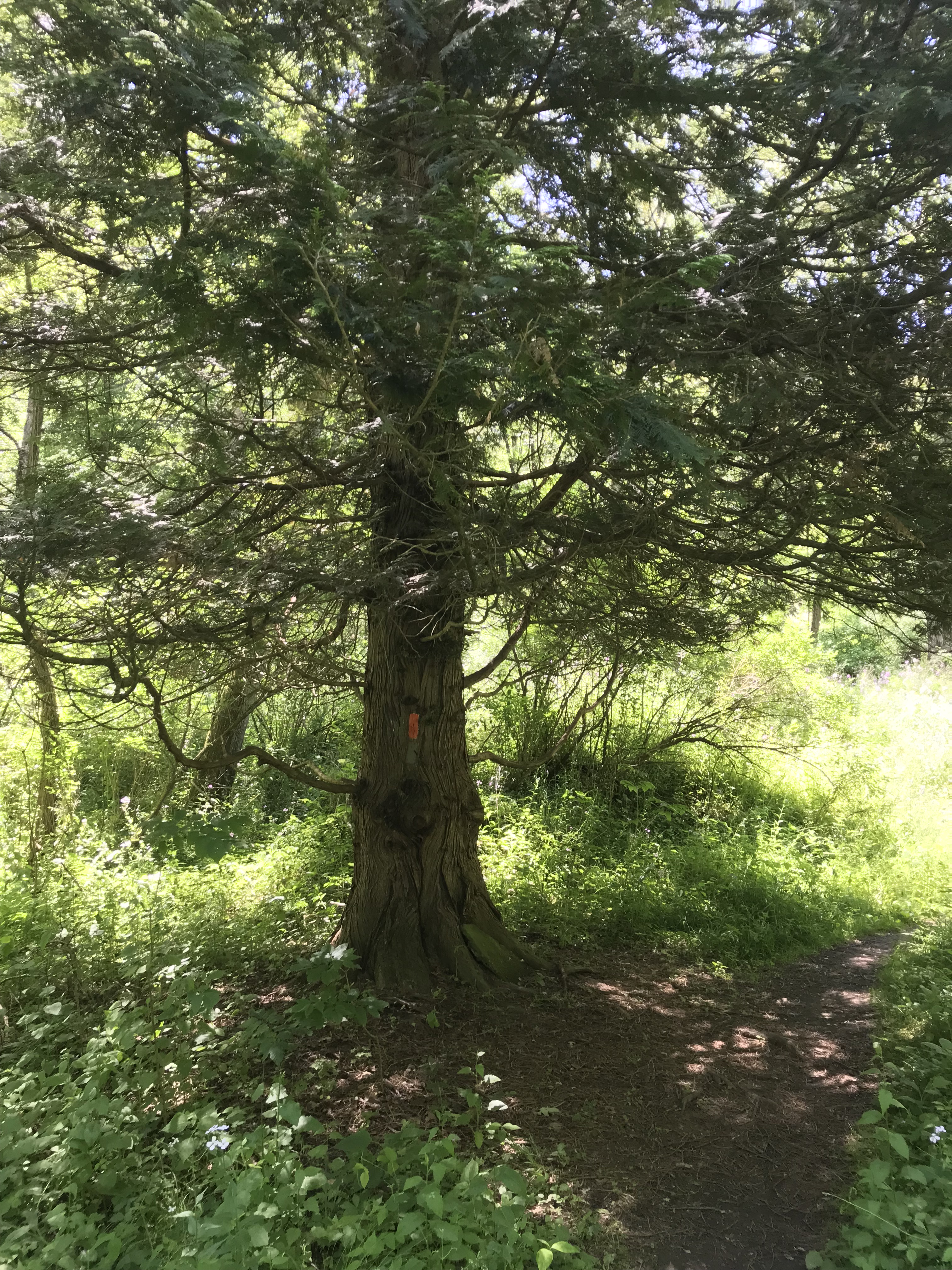
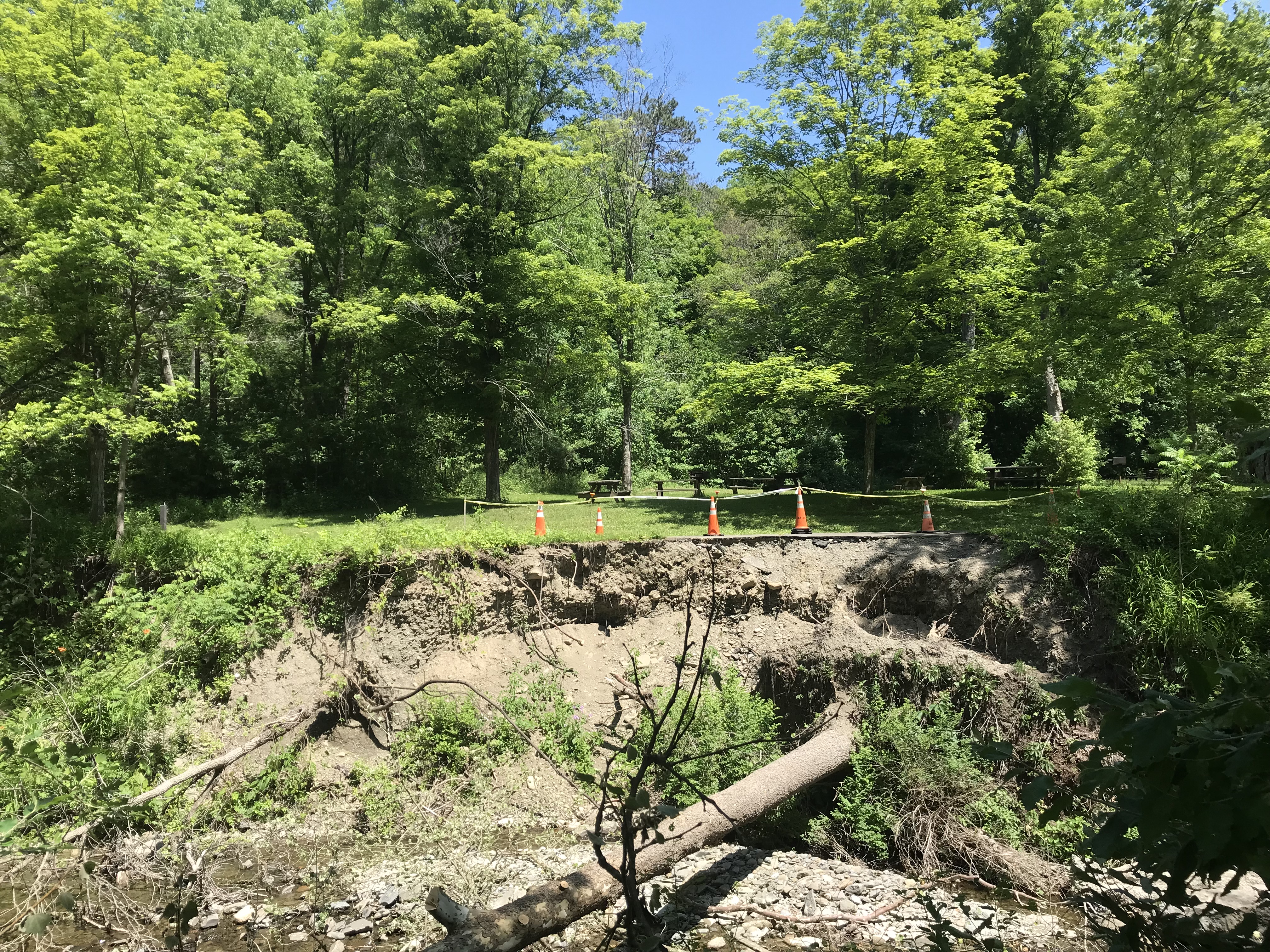
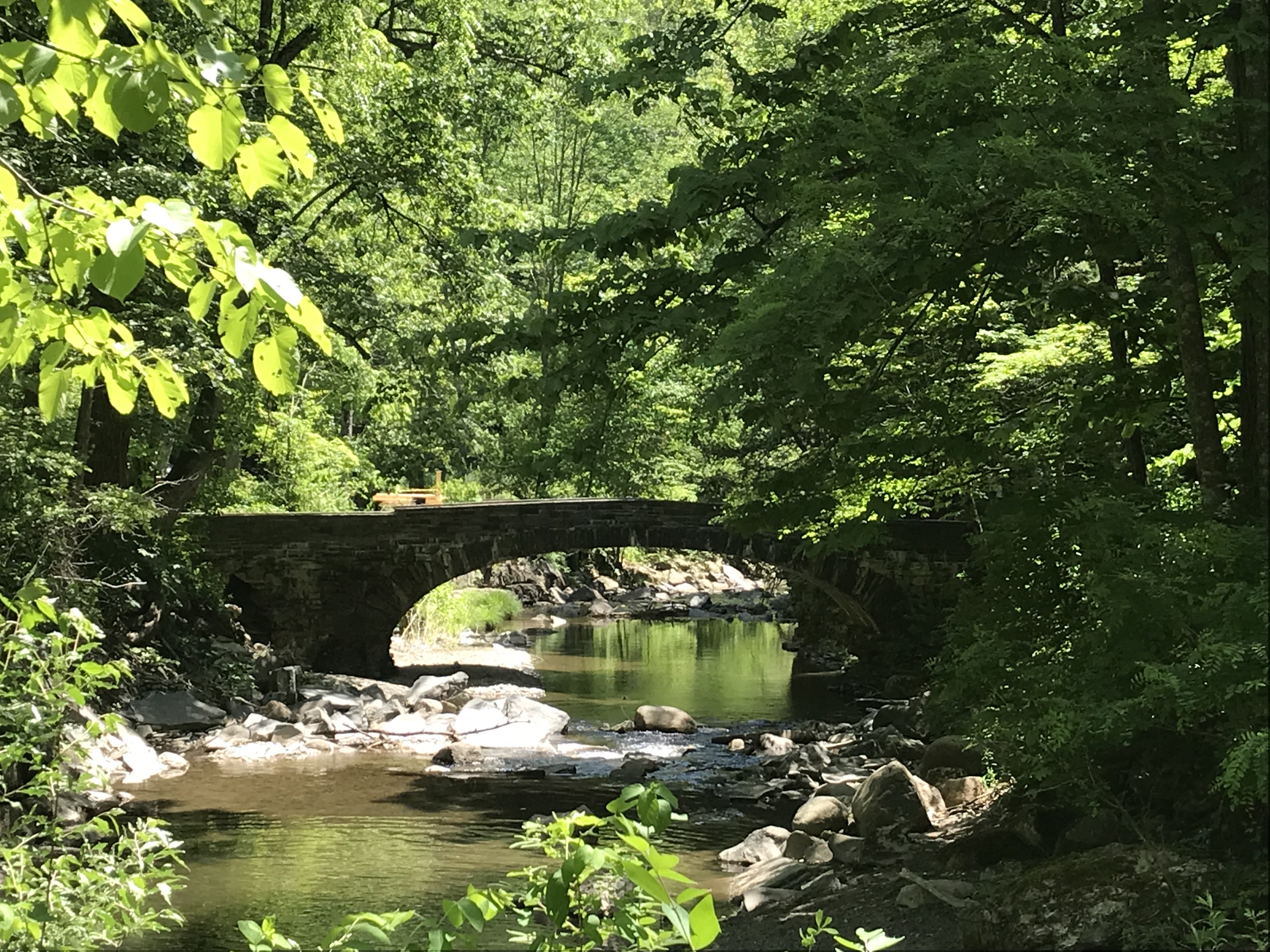
These snapshots, taken on the fly with an IPhone 7, are the high points.

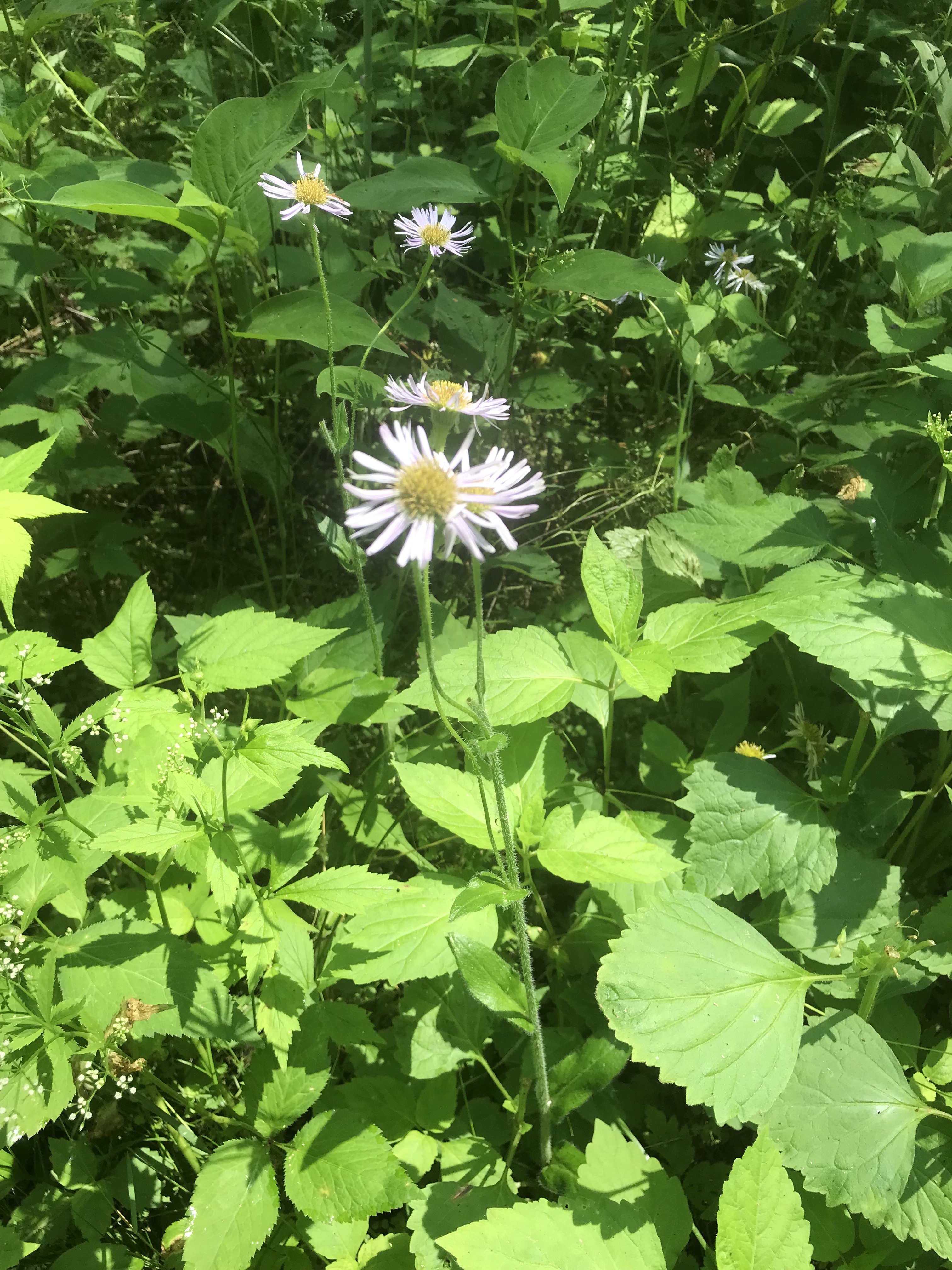
The first is a dandelion look alike with yellow flowers, petals shaped like teeth, though on a long hard stem and multiple flowers on a stalk. Known as meadow hawkweed, yellow hawkweed, field hawkweed, king devil, yellow paintbrush, devil’s paintbrush, yellow devil, yellow fox-and-cubs, and yellow king-devil with two scientific names: Pilosella caespitosa and Hieracium caespitosum.

Click photograph for a larger view. To do this from WordPress Reader, you need to first click the title of this post to open a new page.

Click for slideshow.

Copyright 2022 All Rights Reserved Michael Stephen Wills

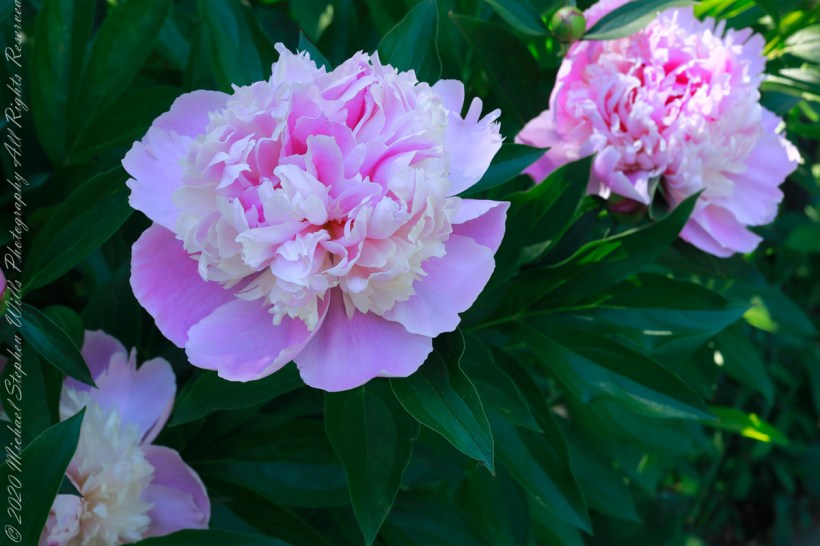
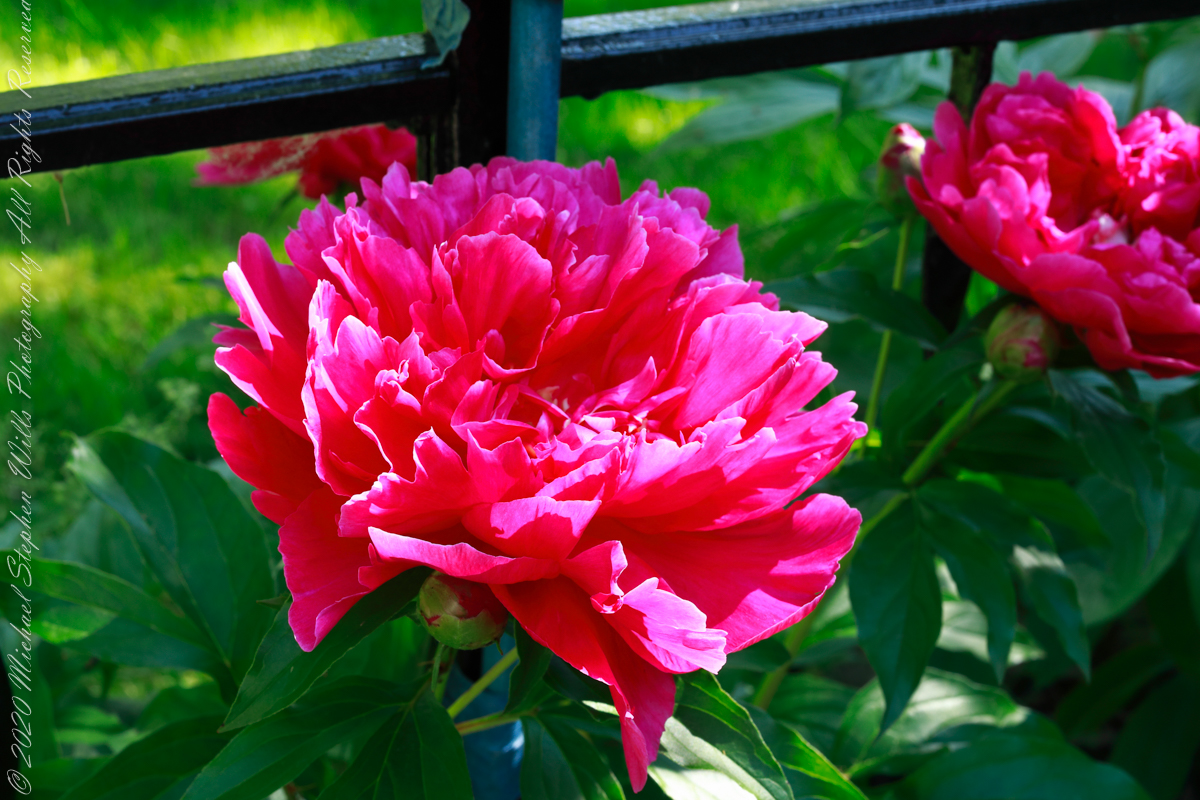
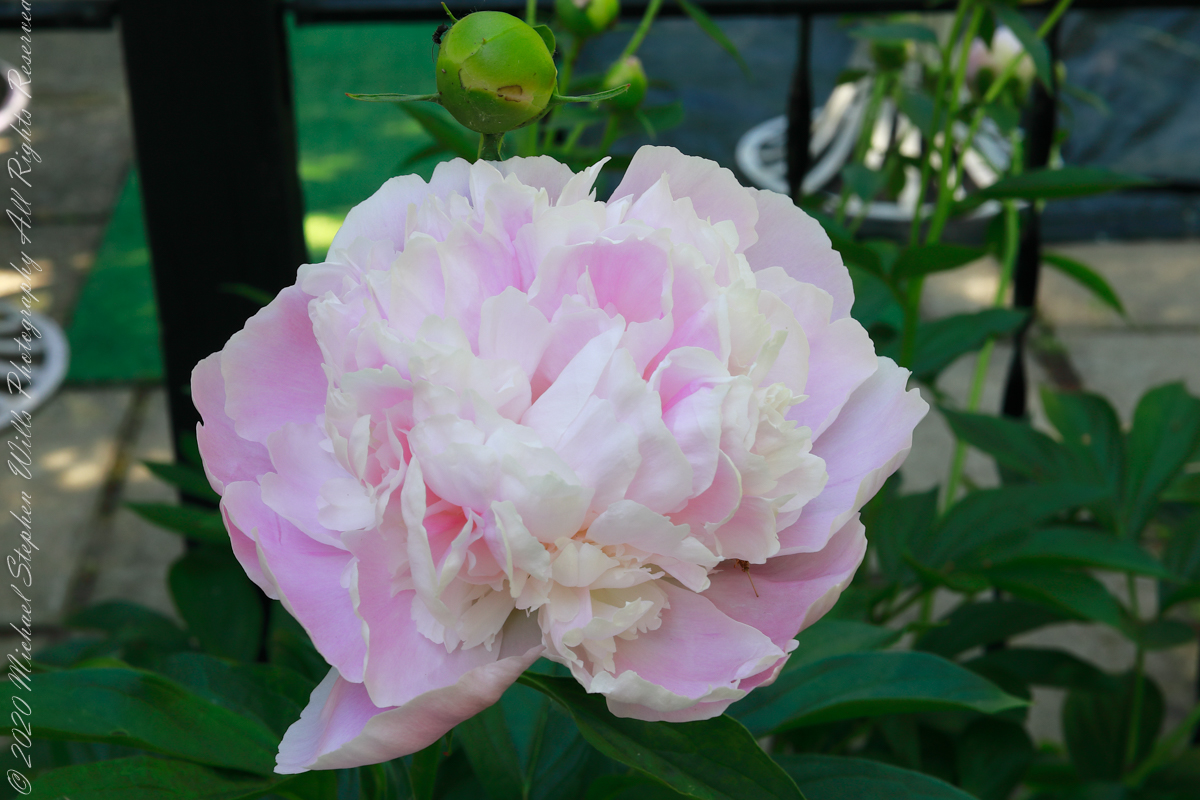
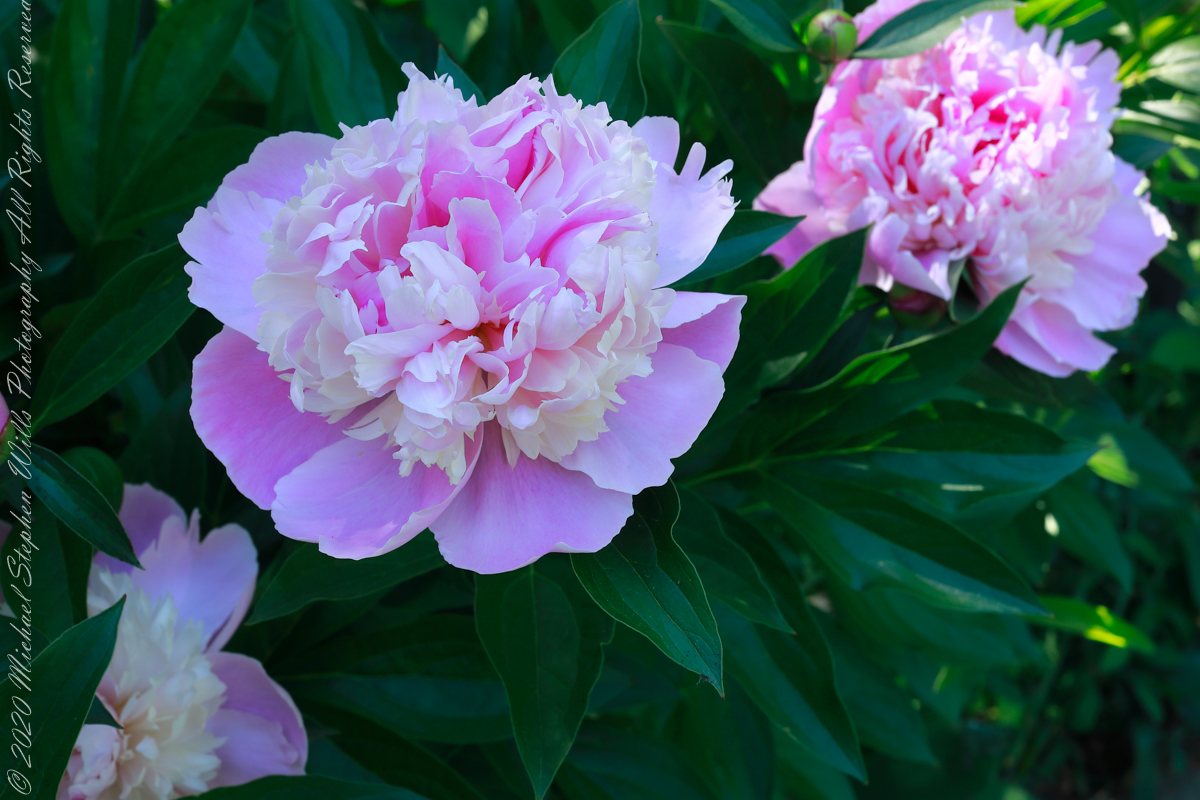
Herbaceous Peony 50 mm

Tree Peony

Peony species (scientific name Paeonia lactiflora) with plants that die back in cold weather to regrow each spring from a tuberous root are called “herbaceous,” from the latin word for grassy. The stems and branches remain soft and pliable, some stiff enough to hold the large, showy flowers. The first varieties introduced to Europe and named 1753 were white, “lactiflora” mean milk-white flower.

Reviewing my photography in preparation for this post I discovered not a single one for herbaceous peony, such was my interest in the woody varieties my in-laws planted around the property. Fortunately, they did not neglect the herbaceous varieties featured here.

These photographs were taken with a Canon EOS 5D Mark IV dslr and the Canon EF 50mm f/1.2L USM lens with a “BeFree” Manfrotto tripod with ball head. f-stop was tamped down to the maximum, f16 for this lens. Exposures were taken when the intermittent morning breeze abated.

Click any photograph for a larger view to open in new browser tab.

Paeonia lactiflora, in the family Paeoniaceae, contains around 30 species in Europe, across Asia and in western North America growing wild in scrub and woods, often in rocky places or on cliffs. Most species in Eastern Europe, others in the Caucasus, central Asia, the Himalayas, and Japan, mainly on limestone, and a species in dry parts of California.

Peonies have long been cultivated for their spectactular flowers as well as for their medicinal preoperties, particularily in China

Reference:  “The Botanical Garden” by Phillips and Rix, Volume I (2002, Firefly Books, Buffalo, New York and Willowdale, Ontario

Copyright 2022 All Rights Reserved Michael Stephen Wills