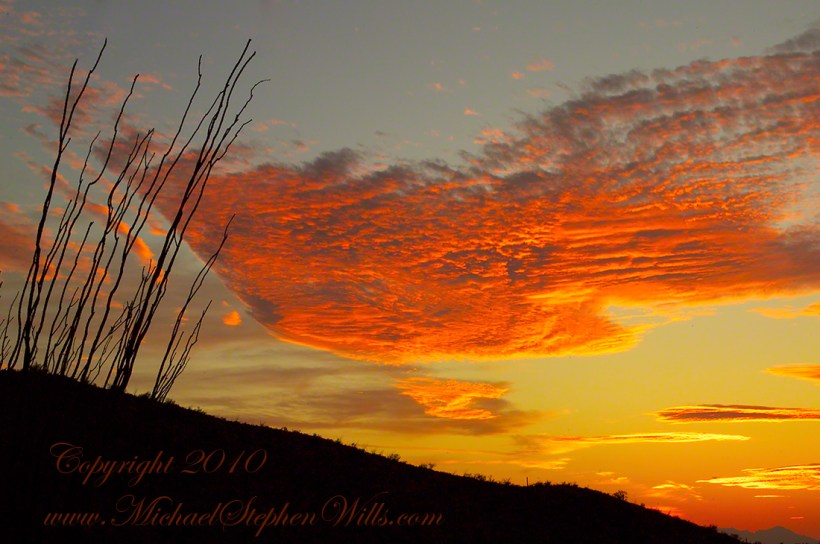
Ocotillo Sunset from Saguaro National Park, a diary Part 2

The creation of a photograph

A retrospective diary of the day I captured “Octillo Sunset, continued from PART 1


Moving to a Better Location

On the ground in Sabino Canyon, I rethought my plans for the afternoon, given the potential of an incredible desert sunset, and decided to seek the high ground east of Tucson up against the Rincon Mountains in the Saguaro National Monument. There was still plenty of time to travel there and set up.

On arrival at the monument I took the scenic “loop” road that meandered around the desert. The Lime Kiln Falls trail makes some elevation, so I hiked that to the end. In the 1800’s the rocks in the area were exploited for their mineral content by heating them, on site, to high temperatures that released a highly caustic (chemically reactive) “quick lime” that was in high demand. All that’s left of this work is some ground discoloration.

The Dry Water Fall and former Mining Site

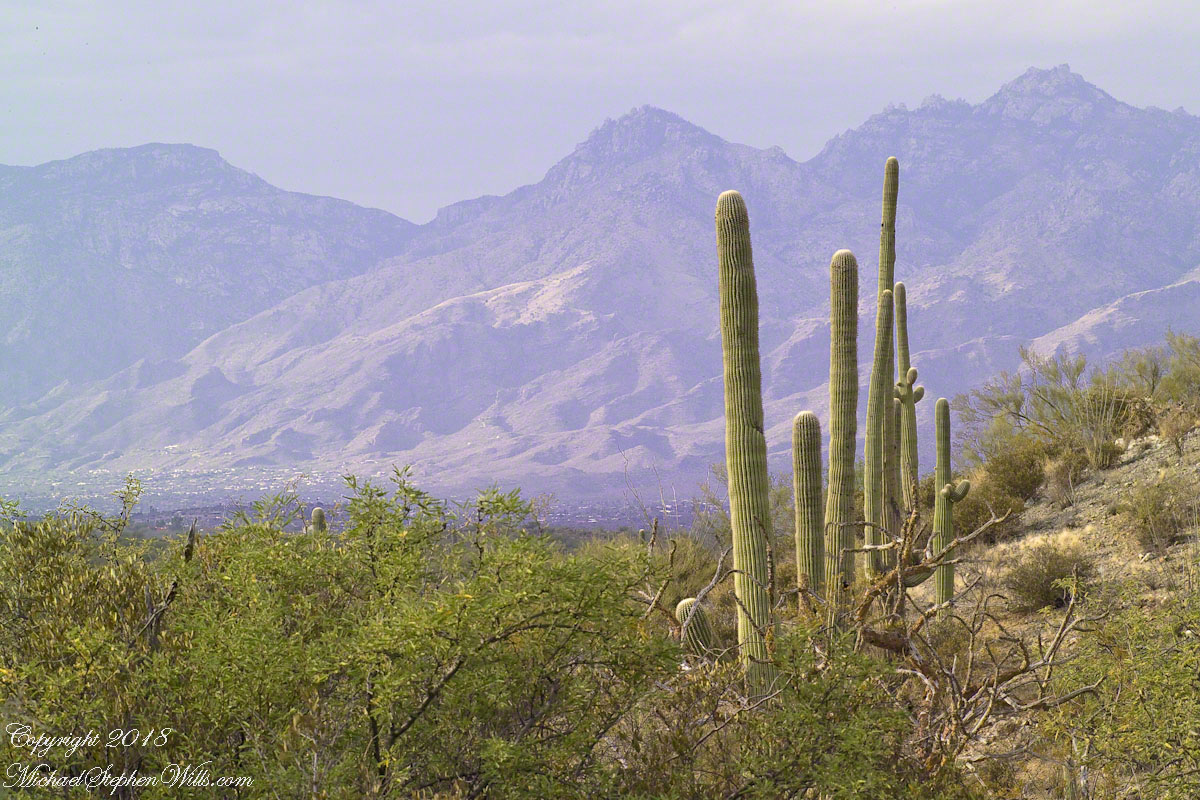
The “Falls” in question were a totally dry rock ledge that I climbed for these views. In the first photo, on the right in the distance, you can see the same mountain peaks I shared in Part One. I used the same 200 mm telephoto lens because that interesting stand of saguaros were over 100 feet away across a steep slope.

Young Saguaros

The saguaros are interesting, to me, because they are all so young and grouped together. As though s clutch of seeds from the same specimen landed together on the same spot. The saguaros are notable for their lack of arms which will form with the passing years.

A View of the Catalinas

Late afternoon is the perfect time to photograph the Catalinas in the distance and the high, thin gathering cloud cover made for dramatic shading of the peaks. I needed to wait for a perfect moment because the light and view changed, literally, second by second. If you look closely, the city of Tucson can be seen among the foothills, to the left.

Why the Distance Stands Out (high contrast)

The lens was fitted with a deep hood. Besides being black, the interior of the hood is surfaced with black felt, the same as used for large telescopes, to capture any stray light. Light falling across the lens surface causes reflections, which is what this hood prevents. The result is the amount of contrast I captured, using the appropriate exposure and other settings. For this photograph I used F14, 1/125 and ISO160.

Click any photograph to view Ocotillo Sunset Young Saguaros and the Catalinas – CLICK ME to view Ocotillo Sunset.
Another Catalina View

A bit further down the same trail, the desert view features an army of saguaros marching into Tucson.

Click any photograph to view Ocotillo Sunset Saguaros and the Catalinas – CLICK ME to view Ocotillo Sunset.
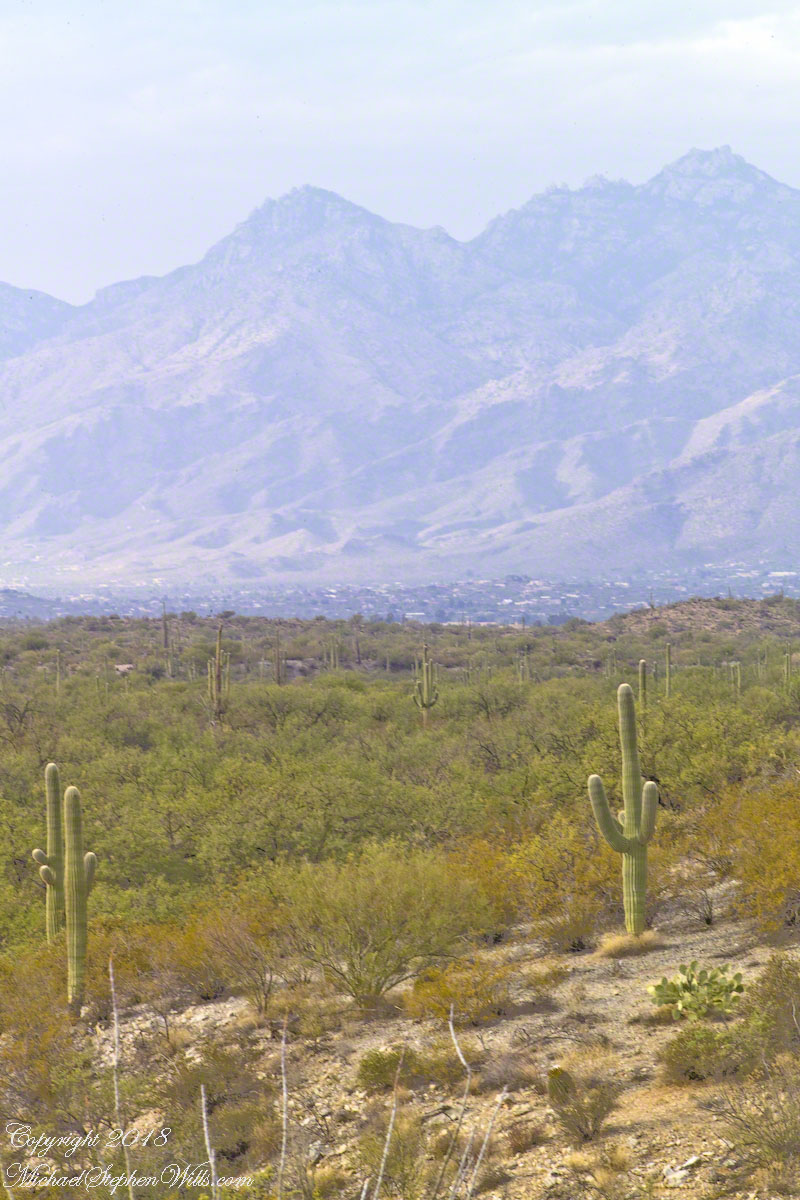
The Catalina Highway runs along the escarpment, in the distance, and to the top of Mount Lemmon, a 9157 foot peak. In season, you can ski in the morning, on the peak, and in an hour or so travel to the desert to sunbathe comfortably. From the trail to the top of the Rincon Mountains this view just keeps opening up farther and farther and farther. My wife, Pam, and I backpacked up there April 2011.

Click Me for the next post in this series.

Click Me for the first post in this series.
Copyright 2021 Michael Stephen Wills All Rights Reserved

Underground Railroad

Autumn Wonder

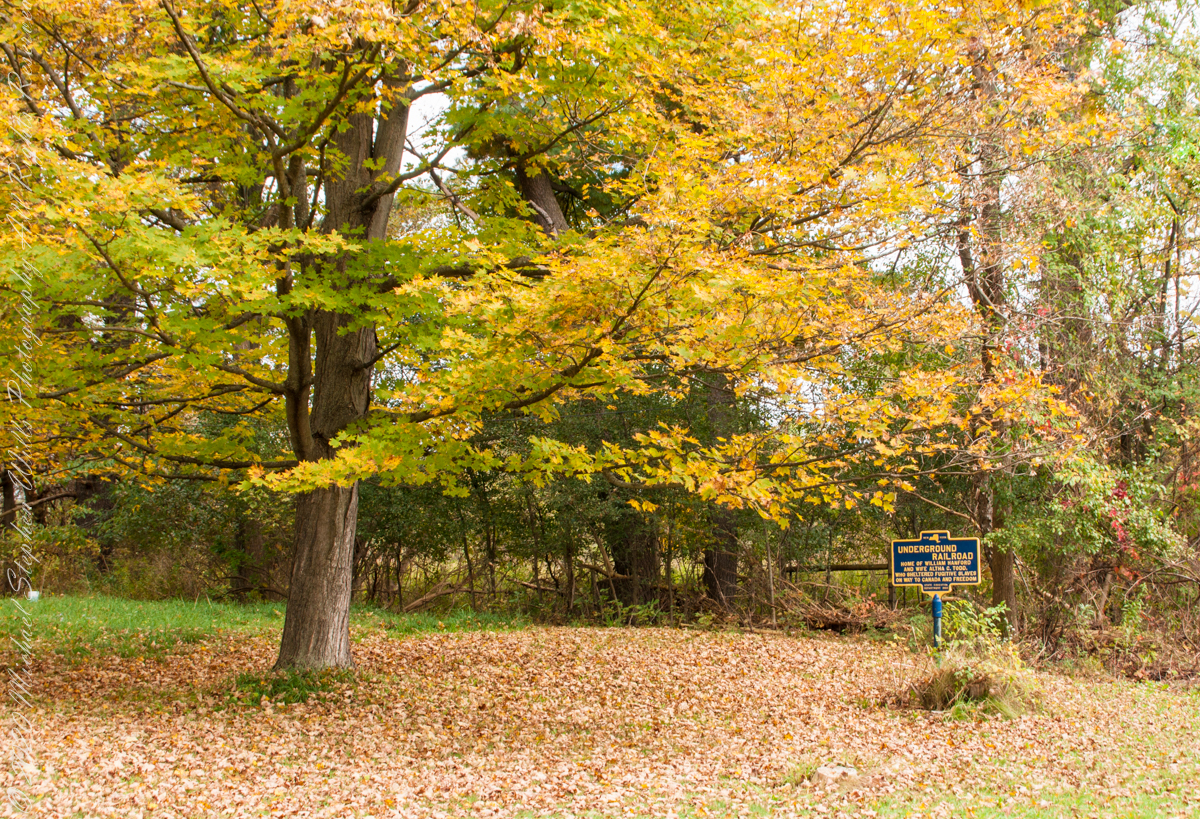
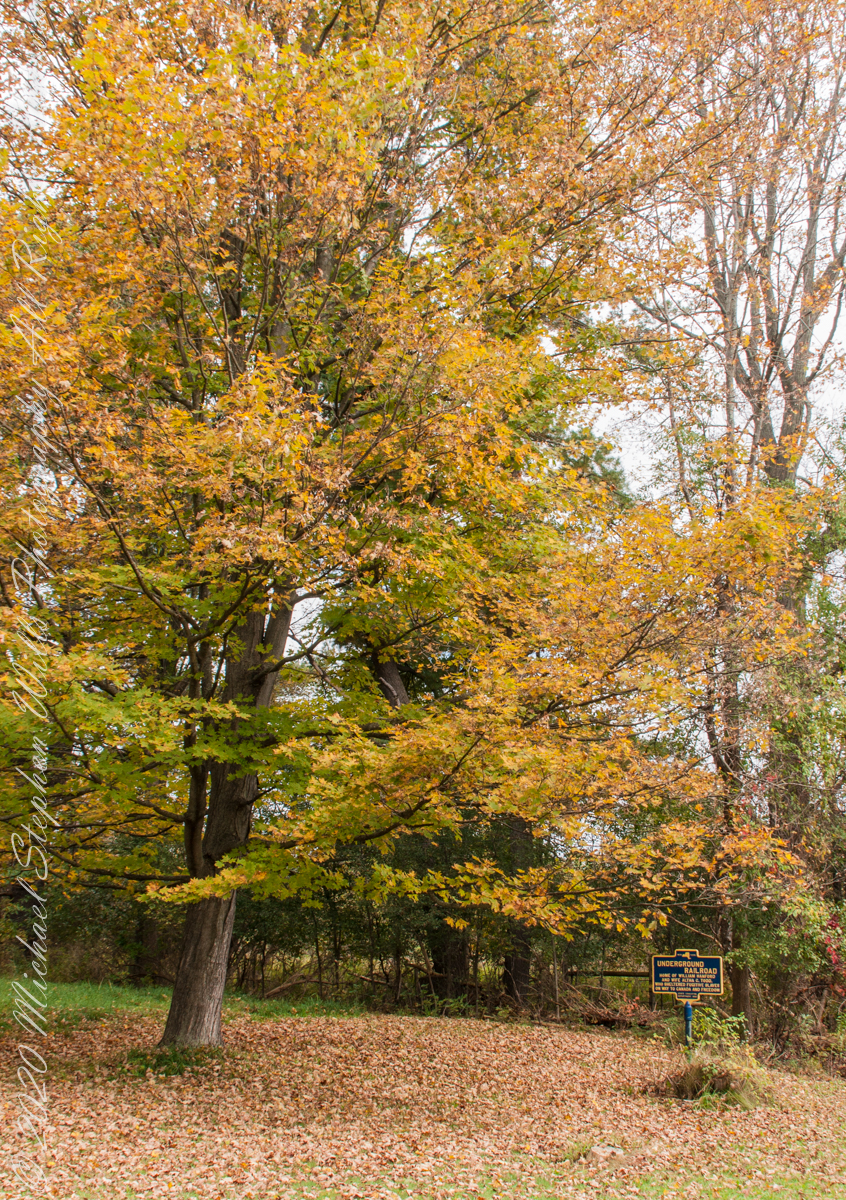
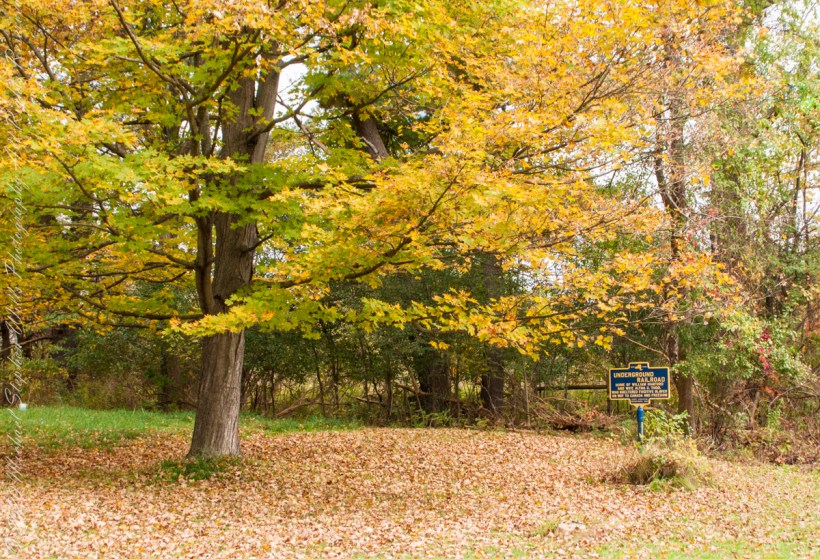
We have often travelled Lower Creek Road as an alternate route to visit my son and his family who live in Freeville, a village named for the activity of the Underground Railroad. After noticing this sign in passing for years, this week we stopped on a glorious autumn morning to capture it. I had packed the Sony Alpha 700 dslr for just such an opportunity.

Just off the road, under a maple tree in full autumn color (yellow), ground covered with fallen leaves (brown) on a fine early October morning, the sign reads, “New York, UNDERGROUND RAILROAD, HOME OF WILLIAM HANFORD AND WIFE ALTHA C. TODD, WHO SHELTERED FUGITIVE SLAVES ON THE WAY TO CANADA AND FREEDOM, STATE EDUCATION DEPARTMENT 1932”. These dark blue background, bright yellow letter signed are found throughout this region and much appreciated.

An added plus for me is the acceptance of both photographs by Getty Istock. Click this link to view a selection of my Getty photography in and around Ithaca, New York.

Copyright 2021 Michael Stephen Wills All Rights Reserved

Ocotillo Sunset, a diary

The creation of a photograph

This is a retrospective diary of the day I created my print “Ocotillo Sunset.”

On a Tucson November 2005 afternoon, after my volunteer work for the University of Arizona, CALS college, alumni board of directors, in the mid-afternoon I headed for Sabino Canyon with my photography kit.

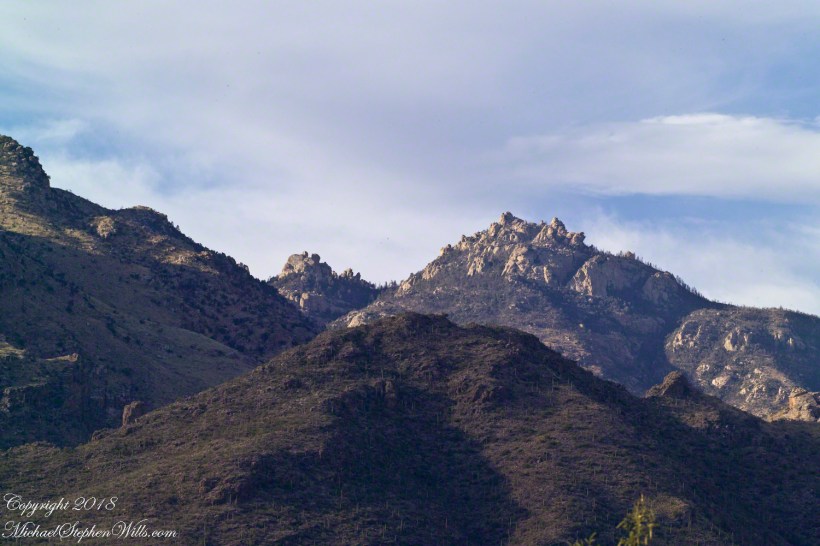
With a 25-pound pack on my back, walking from the parking lot I looked up at the incredible rock formations of the Santa Catalina mountains. It took some time to set up the tripod (at that time I was using a cheap swivel head on adjustable aluminum legs) with a 200mm telephoto lens (Canon L-series EF 200mm USM) I grabbed this shot of the hoodoo fringed peaks beyond the foothills (f16, 1/30, ISO160). The lower sun angle made the formations pop out.

Hoodoos in the Hills

You call those strange formations of upright rocks “hoodoos. Some people believe the fantastic shapes were created by spirits, today the explanation is wind, water and time create hoodoos from rock of the right stuff. It is a wonderful experience to wander among hoodoos, though unsettling because some of these large rocks are seemingly in danger of falling over at any moment.

Santa Catalina Hoodoos – CLICK ME to view Ocotillo Sunset.

Moving On

I have a mental list of photographic “to do’s” and the gathering clouds, typical for a Tucson November day, reminded me an awesome desert sunset was on this list, so I packed up to head for the east side of Tucson for a shot looking toward the Tucson Mountains (on the west side).

Clouds gather at sunset above a ridge serrated by saguaros.

Click any photograph to view Ocotillo Sunset Gathering Clouds – CLICK ME to view Ocotillo Sunset.

Sabino Canyon House

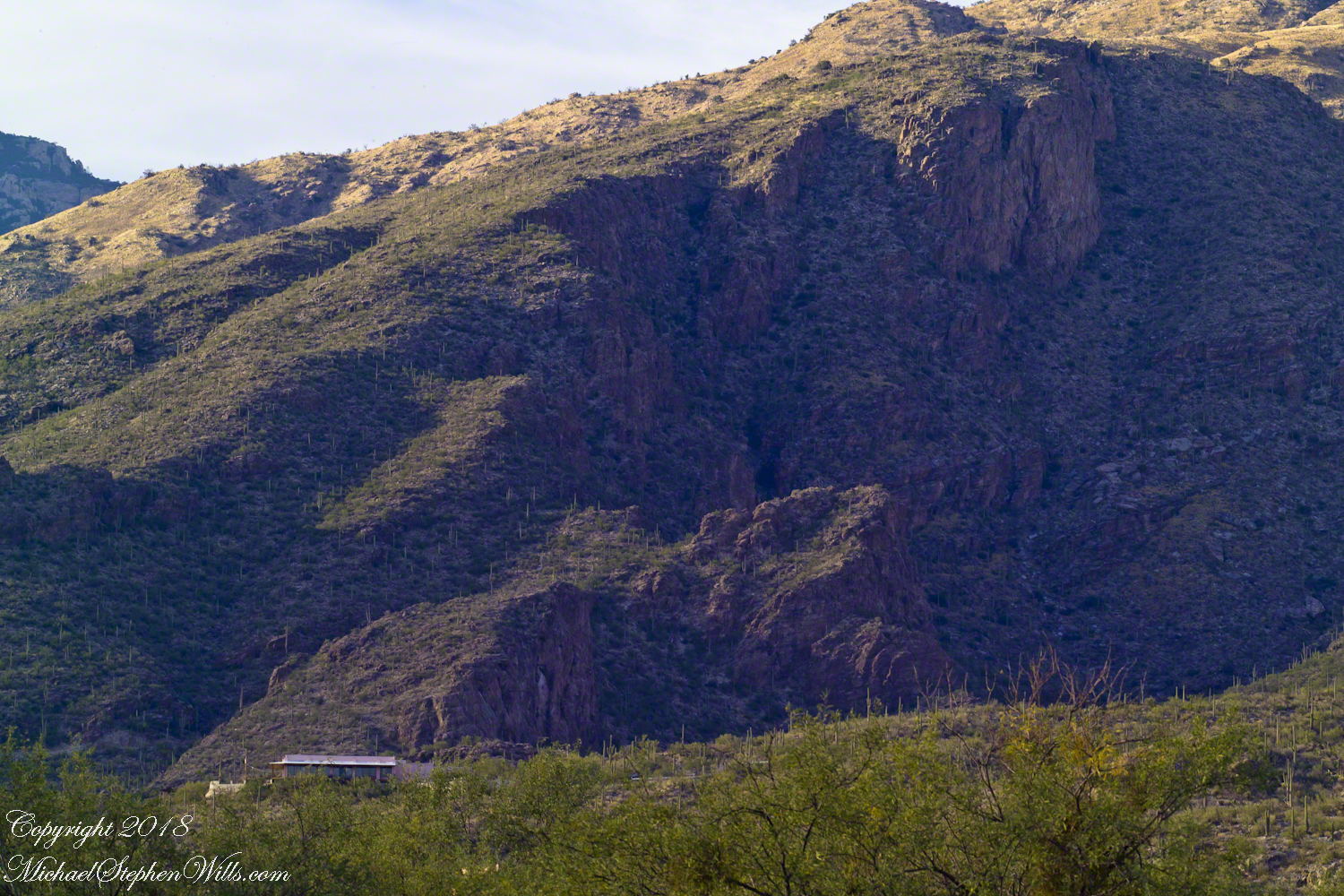
Before we move on, this is a fascinating image of a typical southern Arizona house perched on a ridge at the mouth of Sabino Canyon. In this image the viewer sympathizes because the telephoto lens gathers the majestic rocks around the tiny structure.

Desert Foothill Home – CLICK ME to view Ocotillo Sunset.

The house is perched on a Santa Catalina foothill ridge running east west, a wall of picture windows facing south with a view across the Tucson valley toward Mount Wrightson of the Santa Rita mountains, 42 miles distant. Summer thunderstorms gather on this peak, wreathing it with lightening. These times, evenings and night, the view pays for the inconvenience of this distant, hot ridge. Another time to be there is for sunsets.

Click Me for the next post in this series.
Copyright 2024 Michael Stephen Wills All Rights Reserved

Thin Crescent with McGraw Tower, Venus and Star

pre-dawn sky event

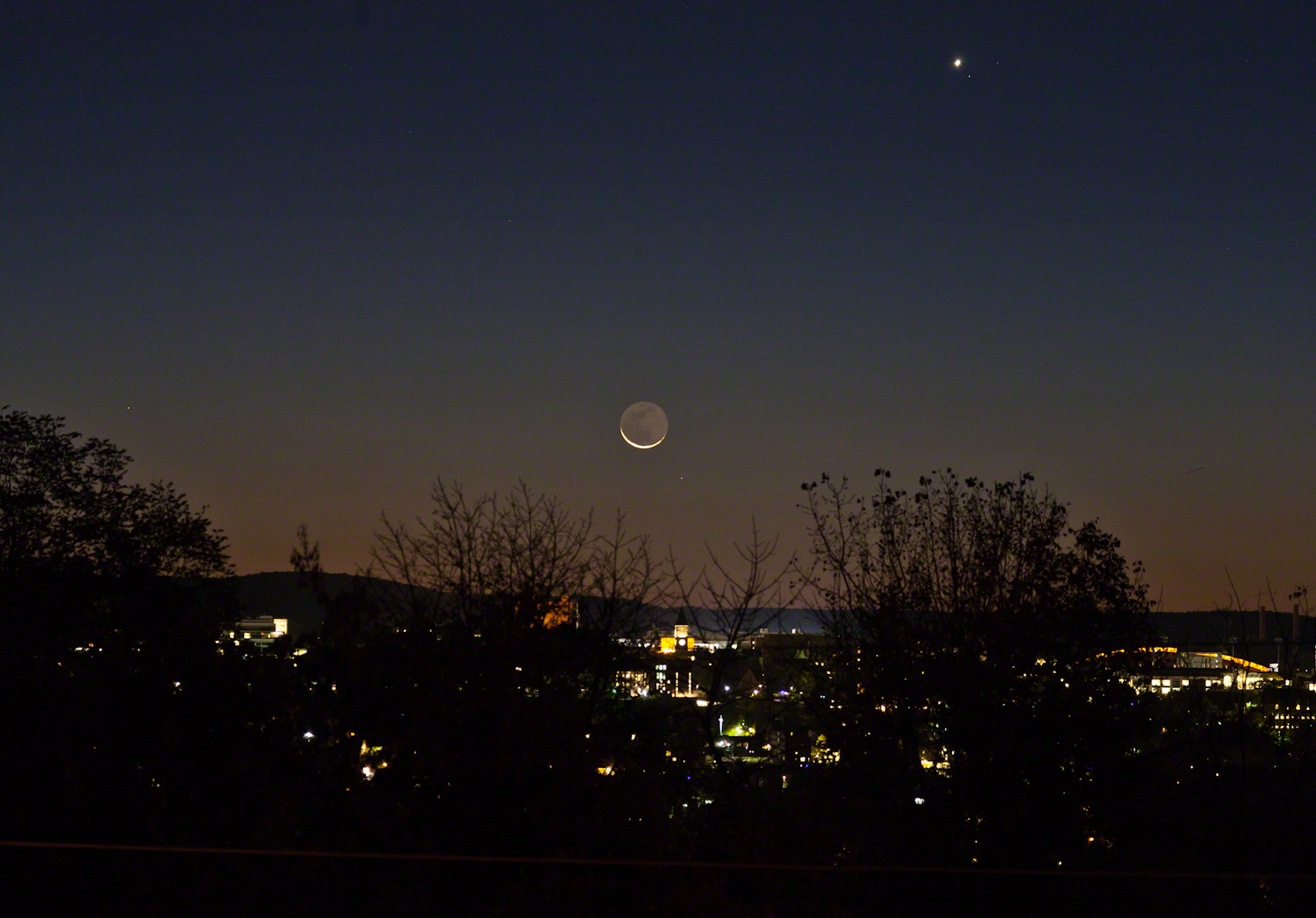
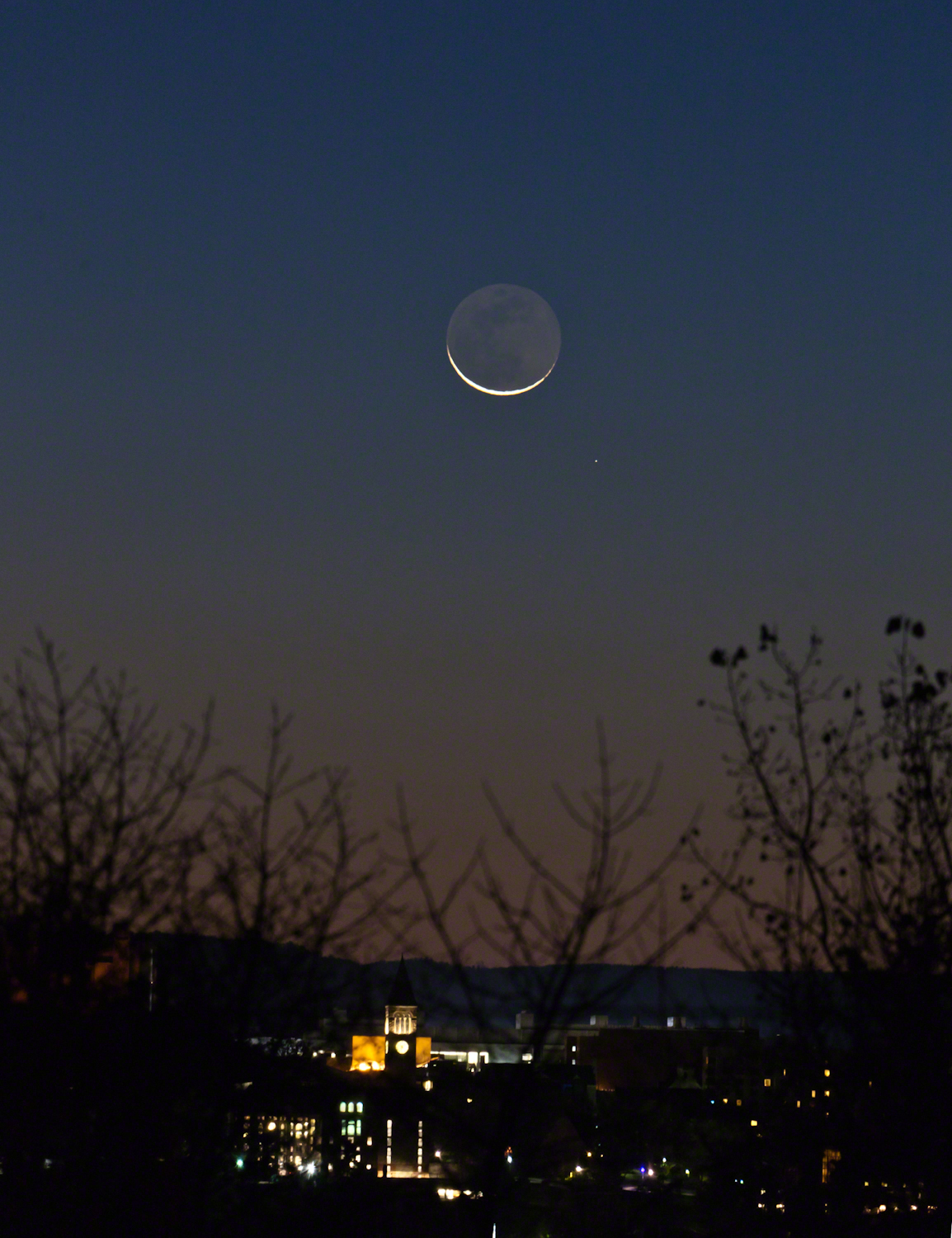
Here are two photographs taken about the same time, 6:30 am, October 18, 2017, companions to the photograph shared earlier this week.

The moon rises later each day, so these shots include a larger disk closer to Cornell University.  Both components, the crescent and earth-glow, were dimmer this morning.    In each photograph Jenny McGraw Tower is visible.

Crescent, McjGraw Tower, Regulus, Venus
The star is Regulus, the brightest in the constellation Leo, close below the moon.  I don’t know the star close to Venus.

Here the tower is slightly to the right of the crescent, the arch of Schoellkopf stadium further right.  Among the trees on left, is the baleful red glow of Bradford Hall.

Cresent, McGraw Tower, Regulus
Click for another view of McGraw Tower from my Online gallery.

The tower is outlined by the lights of Uris library, presumably filled with early rising students.

The light of Regulus (“small king”),  below and to the right, is a composite of four stars moving together through space.  The position of Regulus on the path in the sky of the moon, planets and asteroids (called the ecliptic) leads to the occultation of the star by the disks of the moon and, less regularly, the planets and asteroids.

Copyright 2021 Michael Stephen Wills All Rights Reserved

Thin Crescent Bowl filled with Earthglow

pre-dawn sky event

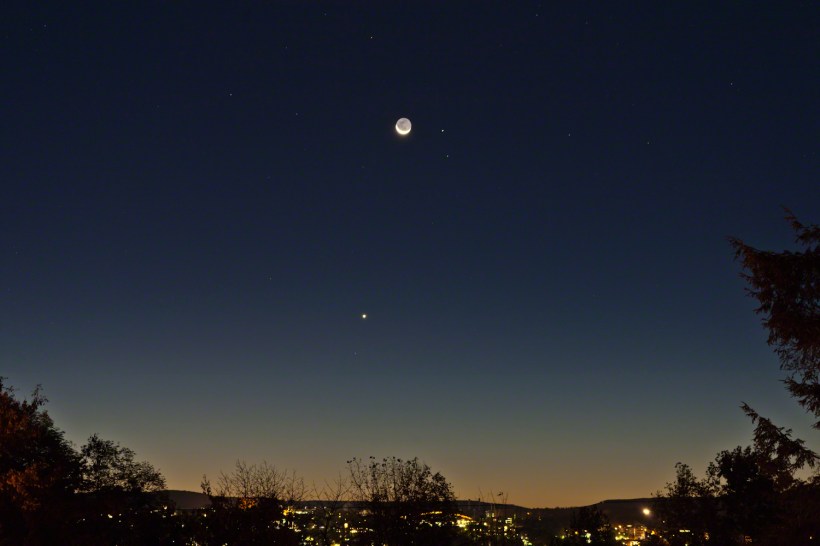
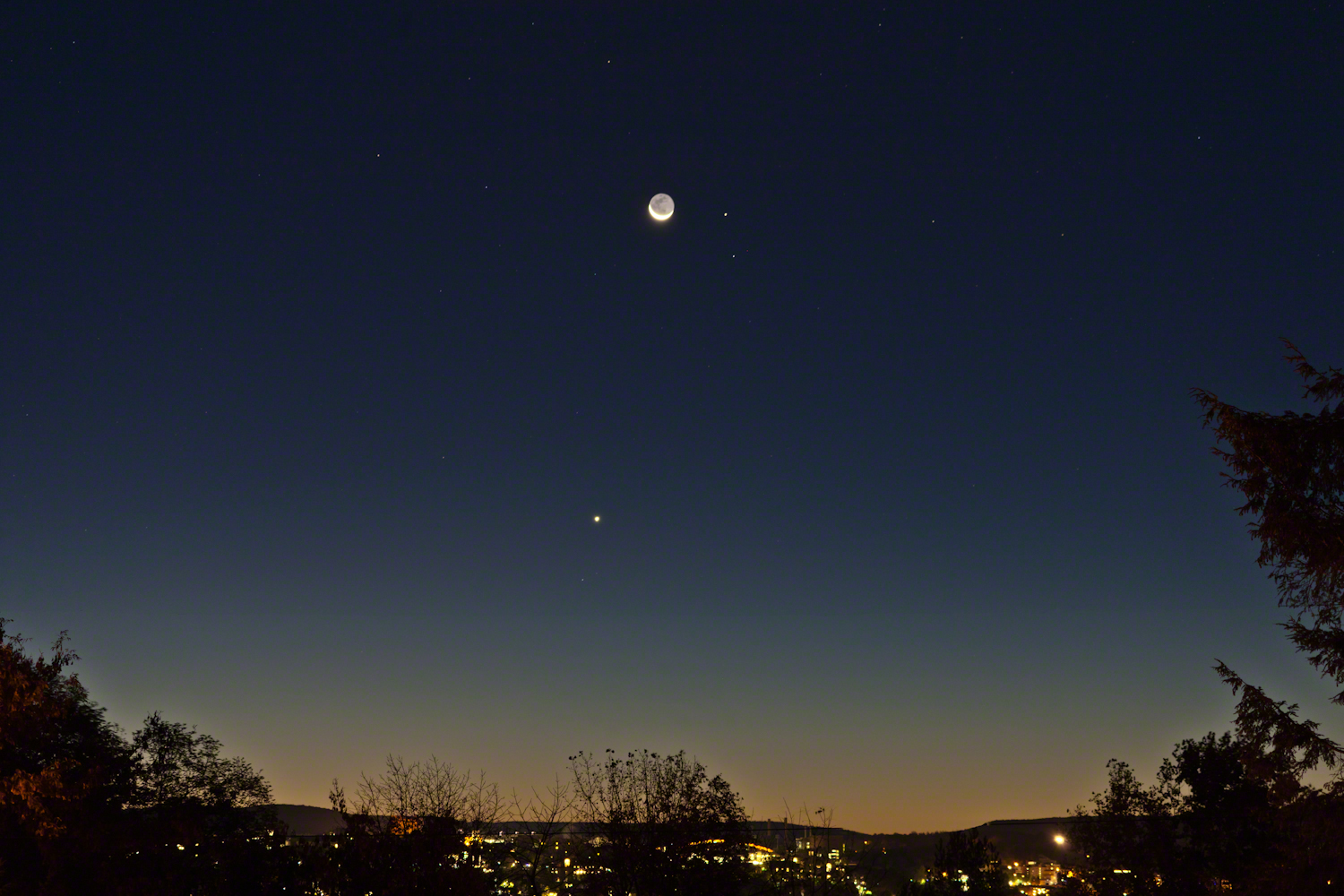
A thin crescent bowl filled with earthglow floating above the dawn attended by Venus, Mars, Virgo.

Thin Crescent with Planets, Stars, Dawn

This was the view from Ithaca, New York at the start of dawn this morning of Tuesday, October 17, 2017.  Mars is next to the moon, the stars of the constellation Virgo scattered around, Venus is the bright object below.  We had a bright, clear sky not unusual for September and October.

Want more? Click the link for my Online Gallery

In the city, an arch of Schoellkopf Stadium on the Cornell University campus.  Cornell is on east hill.  We live on west hill, across the valley.  It is quiet on west hill, away from the students.

Earlier this week the crescent was in the constellation Leo where the bright limb occulted the bright star Regulus, to reappeared from behind the dark limb, a brilliant spectacle that happened after dawn for New York.  It was cloudy, as usual, on October 14.

When I woke, the moon was shining through the trees, still full of just turning leaves. The crescent turned, cup like, above the horizon, to cradle the dark orb glowing from the reflected light of our earth. I did not recognize Mars, the disk was less red than usual. Research revealed the moon had two planets in seeming attendance. I also learned that, when the horns point right the moon is waning, moving toward a new, or un-illuminated, moon. When the phase moved from new it is also a crescent with horns pointing left.

This morning was a fortunate gift, I had never contemplated the moon in quite this form before.

Copyright 2021 Michael Stephen Wills All Rights Reserved

Zion National Park 2007

My Zion Photography on Getty

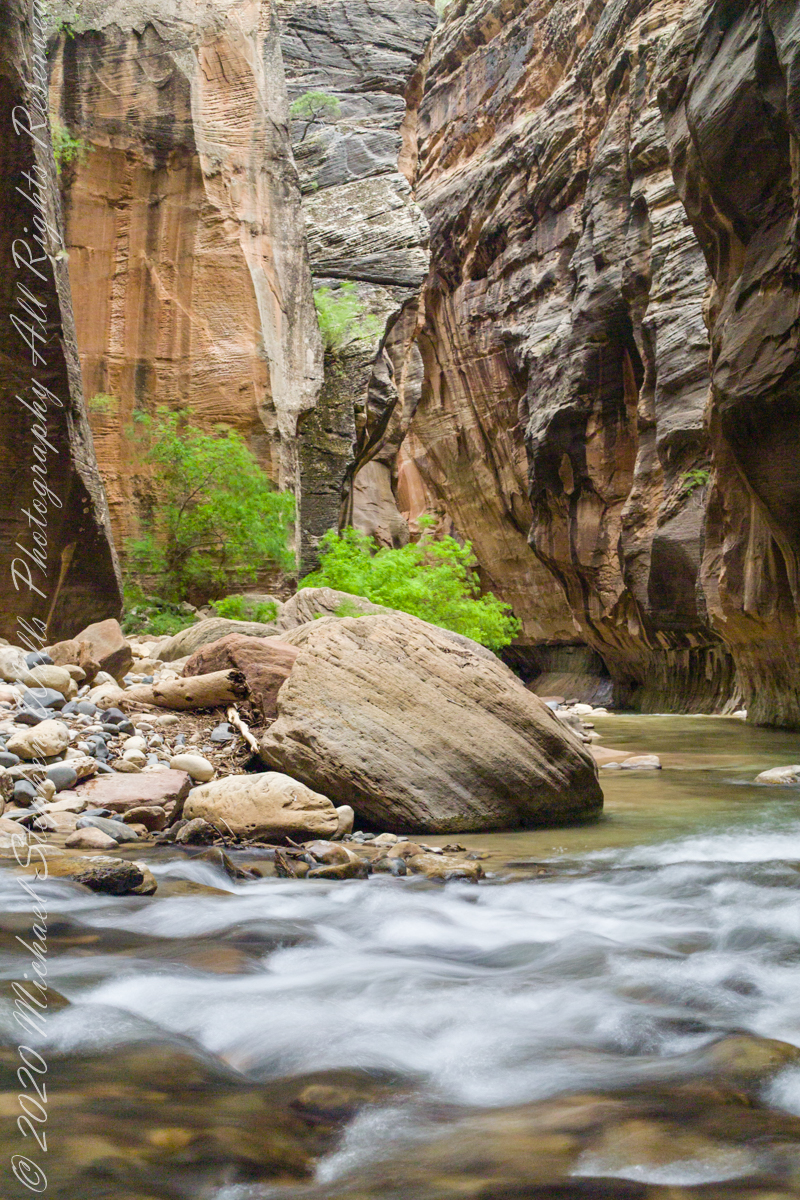
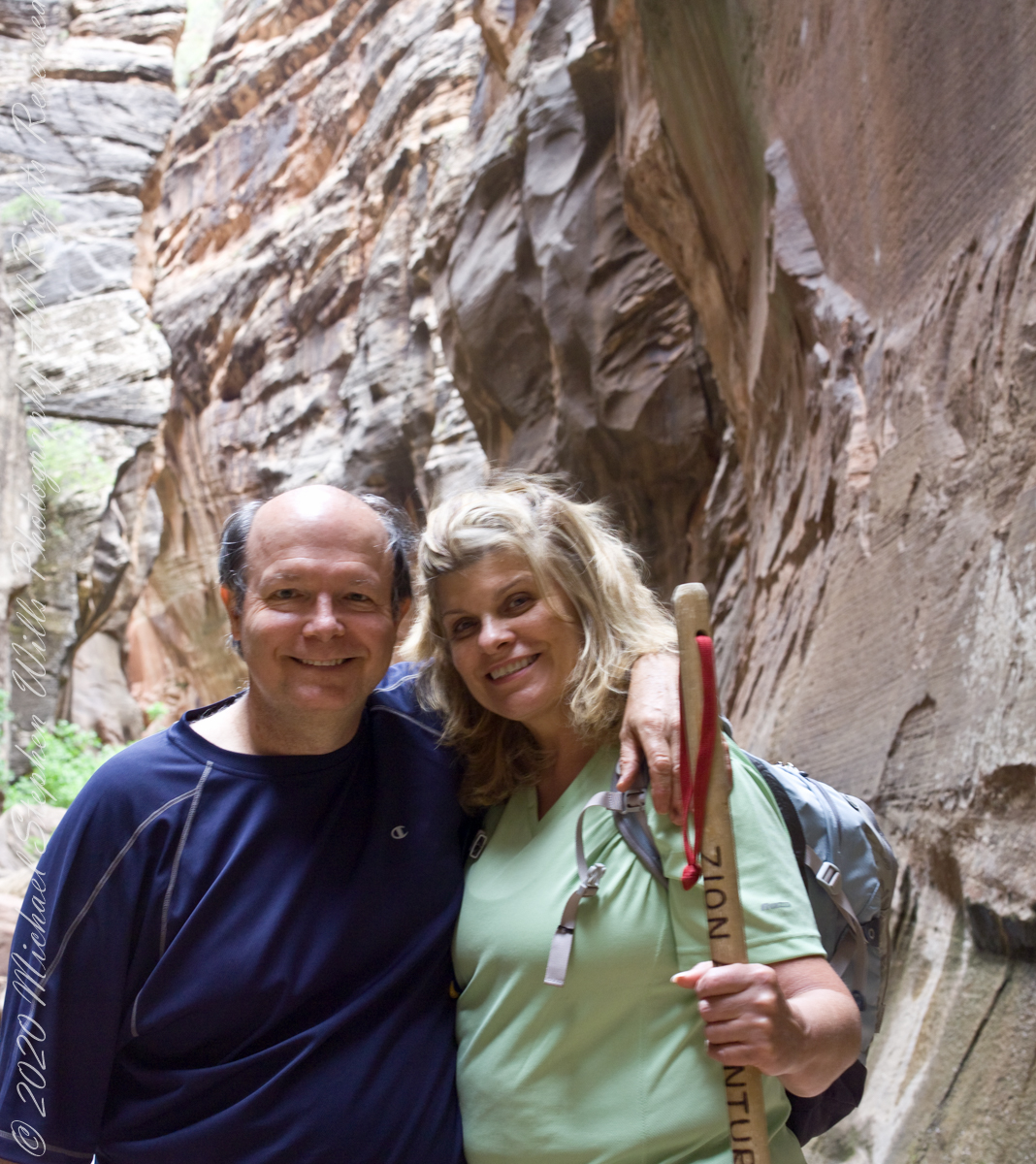
I finished my Zion photographs from oyr 2007 trip. Click this link for the 22 images accepted by Getty.

Copyright 2021 Michael Stephen Wills All Rights Reserved

Horse Trap on Inishmore

Travel at its best

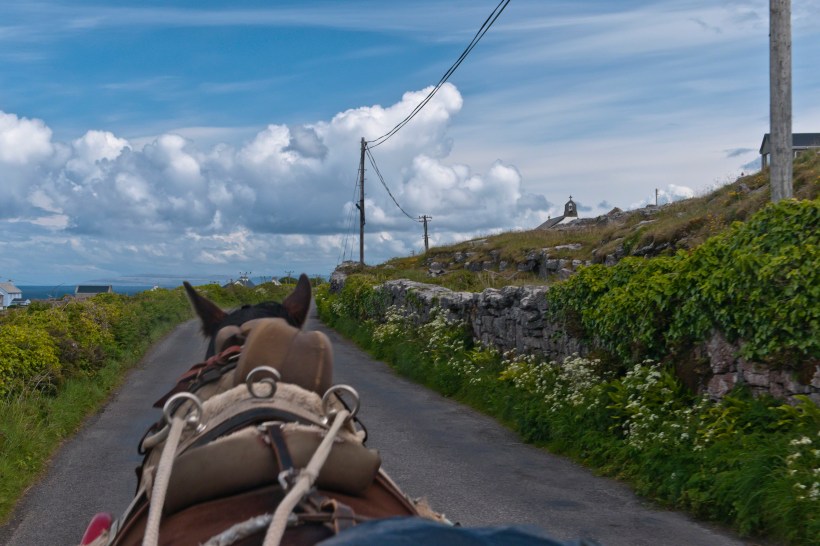
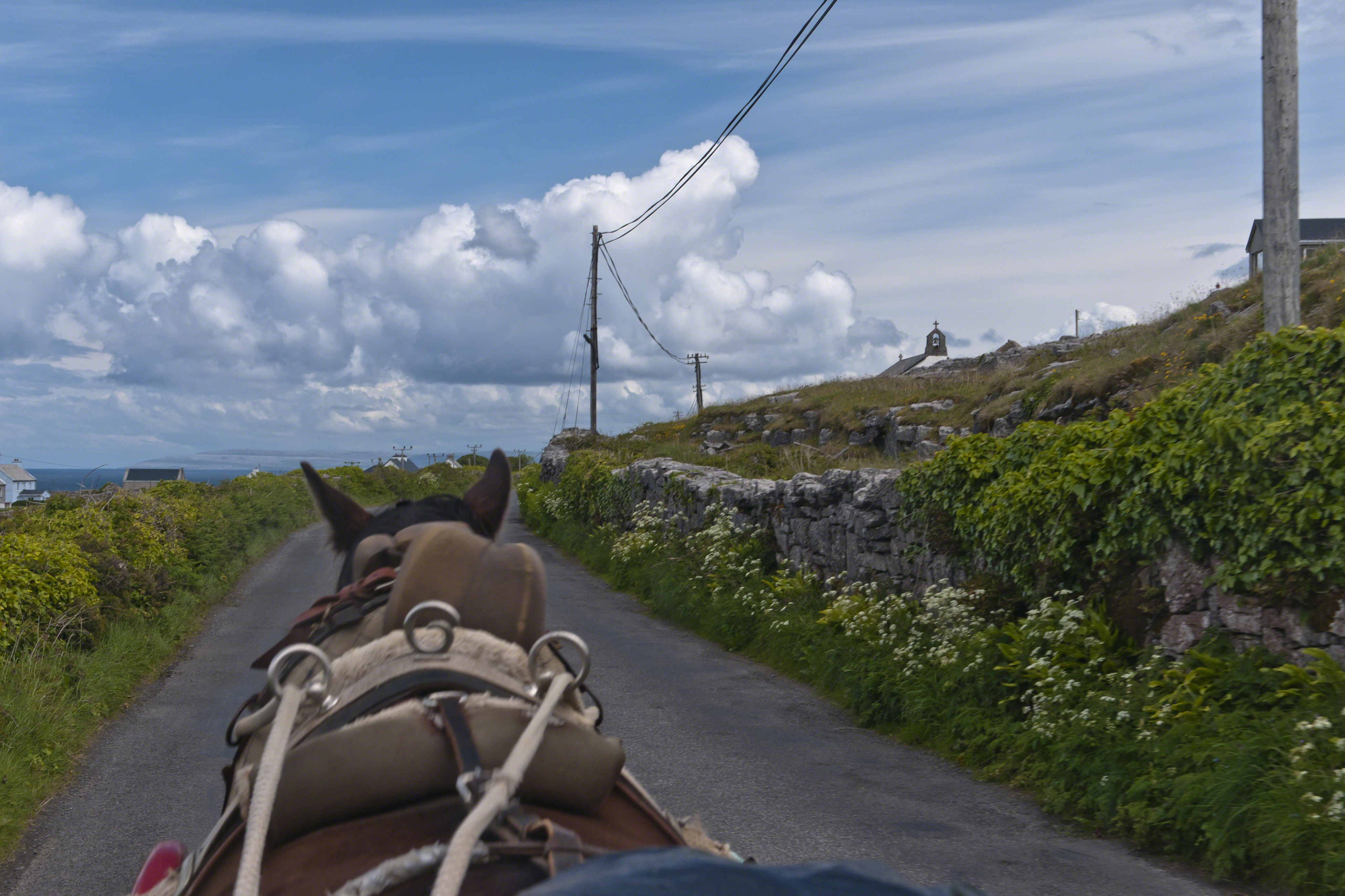
Enjoying travel on a horse trap, a type of carriage, on Inishmore (Inis Mór), the largest Aran Island in Galway Bay.

Click the link for my Getty IStock photography of the Aran Islands
View from Horse Drawn Trap on Cottage Road headed into Kilronan

Copyright 2019 All Rights Reserved Michael Stephen Wills

Pinelands Connections IX

What is a Collier?

Click for the first chapter “Pinelands Connections I”

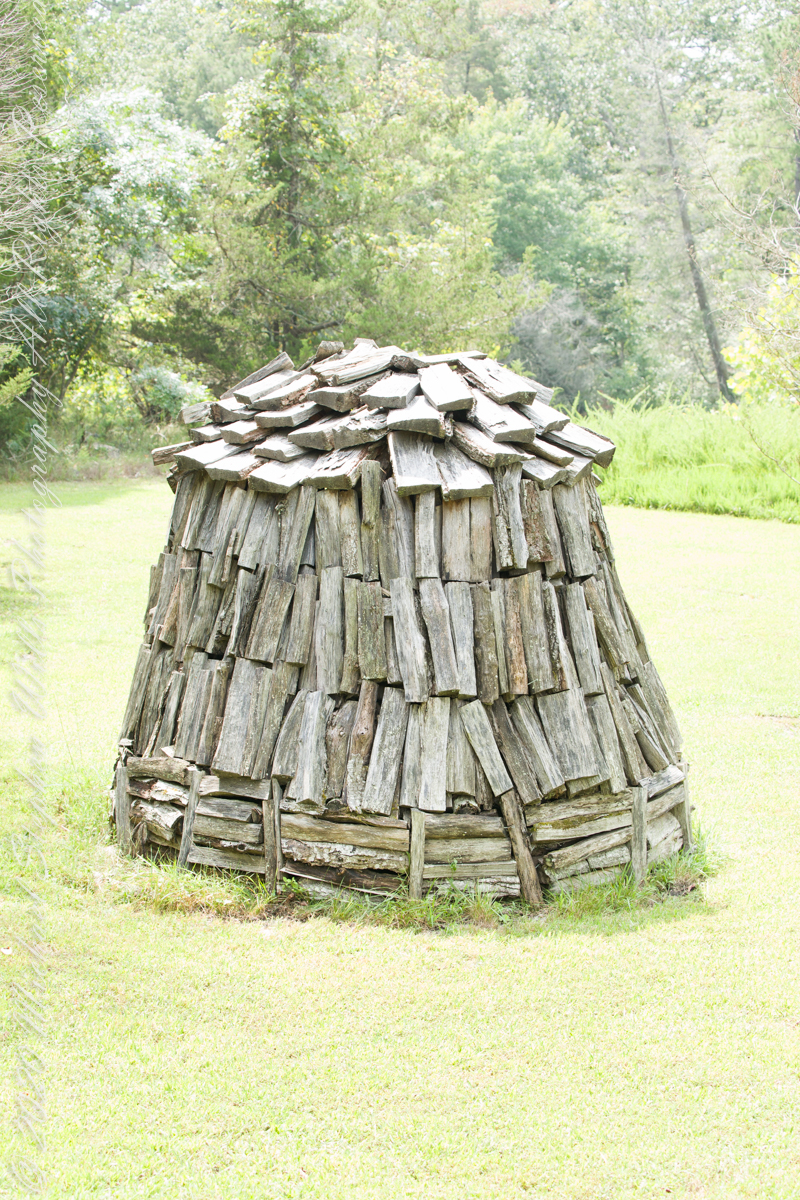
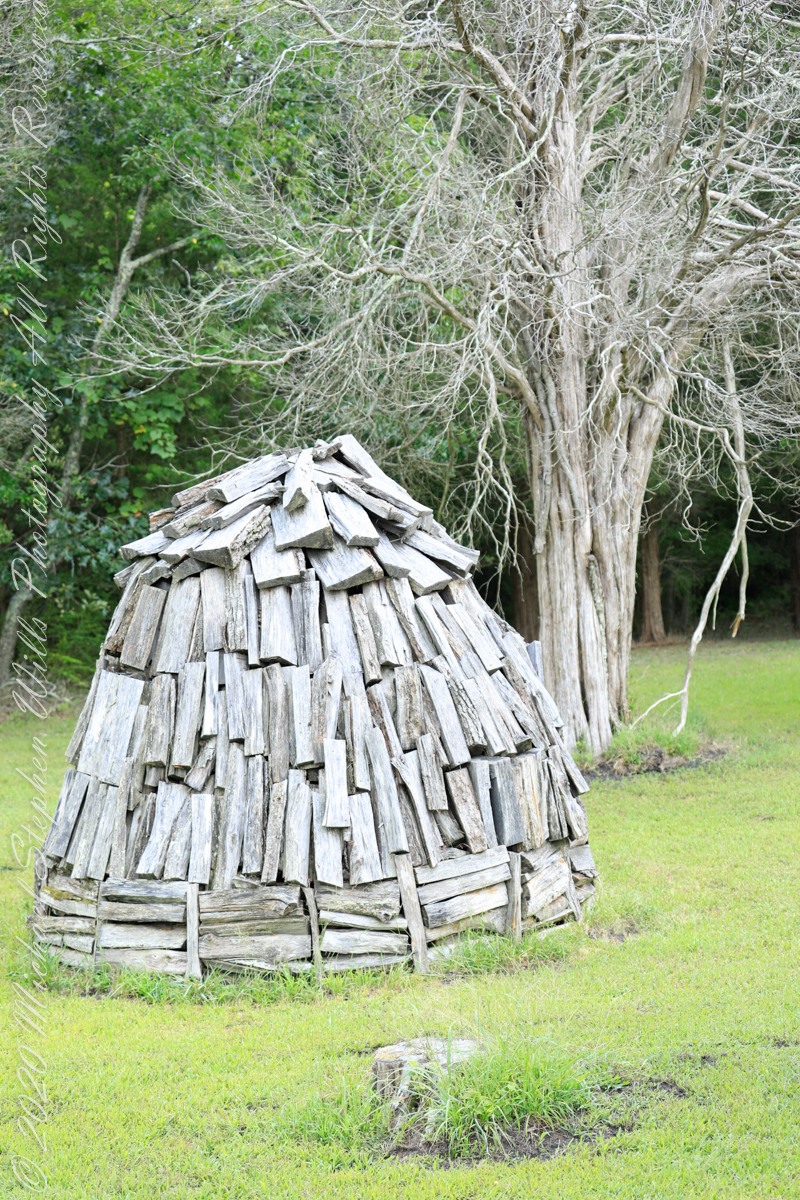
Here my exploration of Wharton State Forest, Pitch Pine Forest III, branches to the genealogical exploration of this landscape as my sister, Theresa and I, proceed along the humped, pitted sand road Goodwater through the wilderness to emerge in Batsto Village, a recreation of lives that touched my great great grandparents, James and Ann McCambridge among them. Ann saved money earned as a cook for Atsion furnace, the historical site at the start of the road to Quaker Bridge. Her husband James worked as a collier, supplying fuel for the iron furnaces at Atsion and Batsto, among other enterprises. During our Batsto Village visit we found these reproductions of charcoal clamps.

Since earliest times charcoal was used for cooking and heating. It was the best heat source for metal furnaces. Entire deforested regions are attributed to the demand for charcoal. Thomas Jefferson experimented with charcoal clamp designs, modifying air flow from the base.

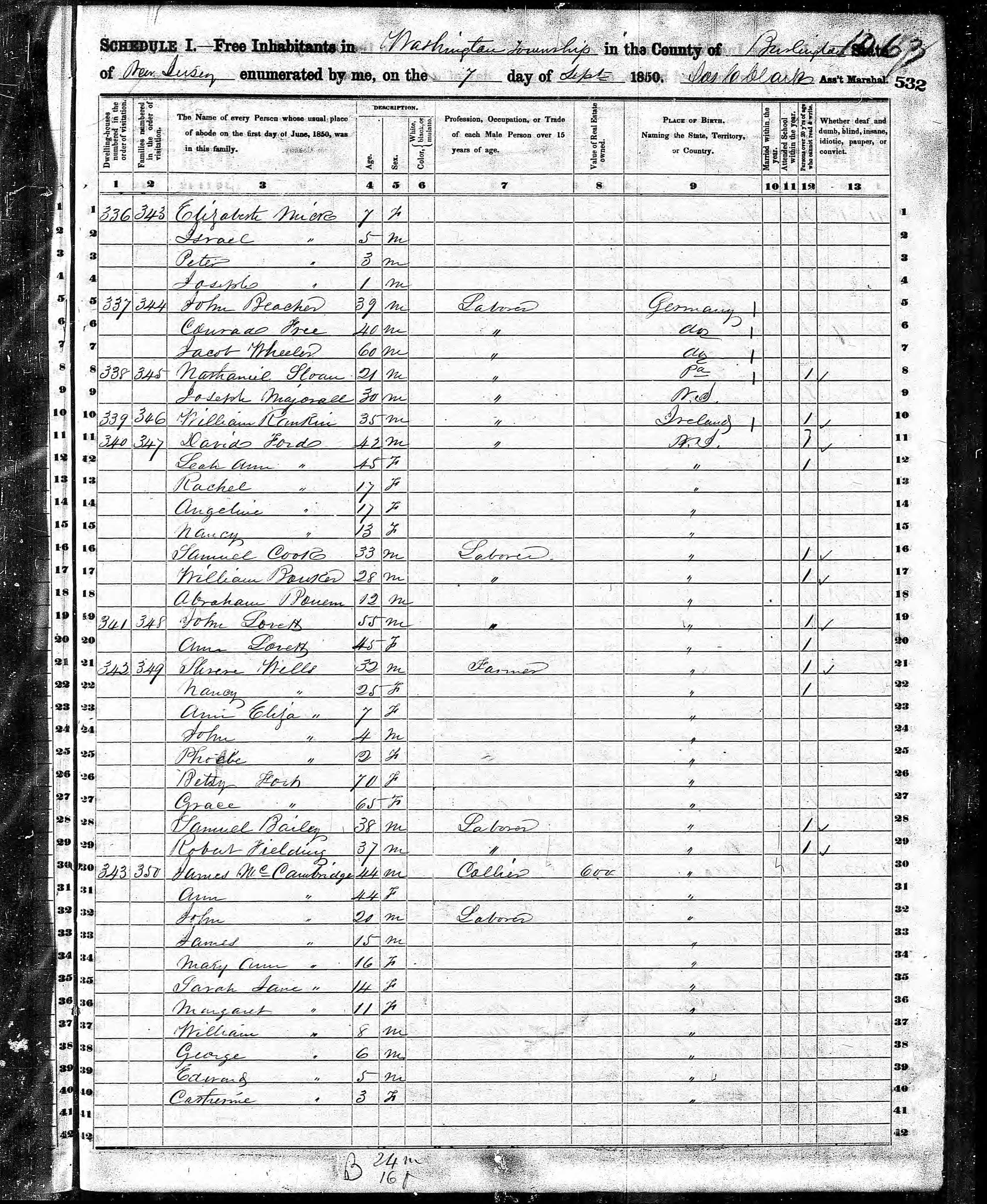
James and Ann lived on the land that provided a livelihood, enough to support themselves and nine (9) children. From September 7, 1850 is the US Census for this family of my second great grandparents. Great Grandmother Margaret was 11 years. James is listed as a Collier, the value of Real Estate owned was 6,000 (a fortune for the time).

Like his wife Ann, James had a savings account…..

Click for the next chapter, “Pinelands X”

Copyright 2021 Michael Stephen Wills All Rights Reserved

Keuka Lake Fall Winter

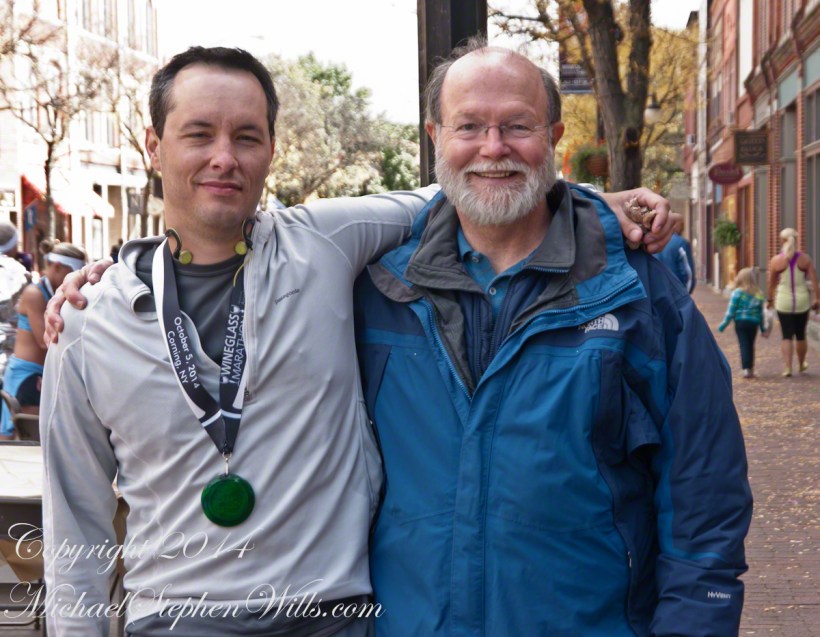
October 5, 2014 found Pam and I at Keuka Lake after my son completed the Wine Glass Marathon.  Here we are at the finish line in Corning, home of the Corning Glass Factory.  You may know it from your set of Correlle dinnerware.

Marathoner and his proud father

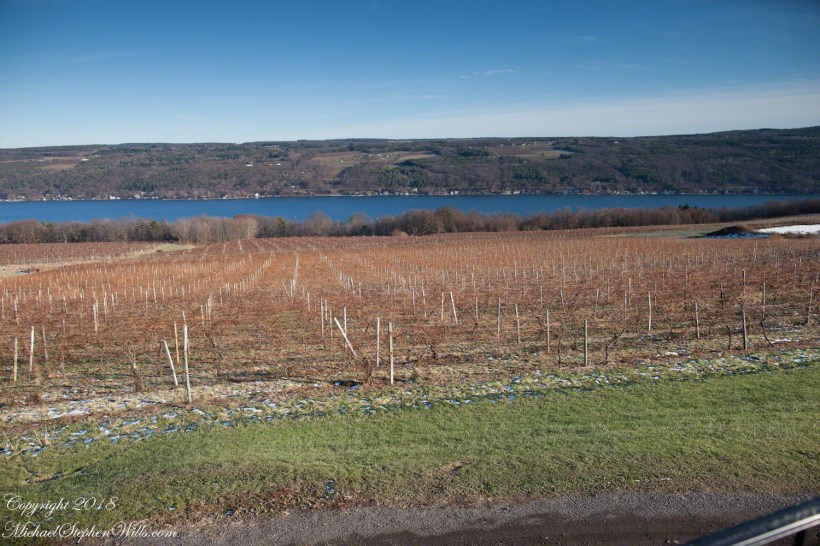
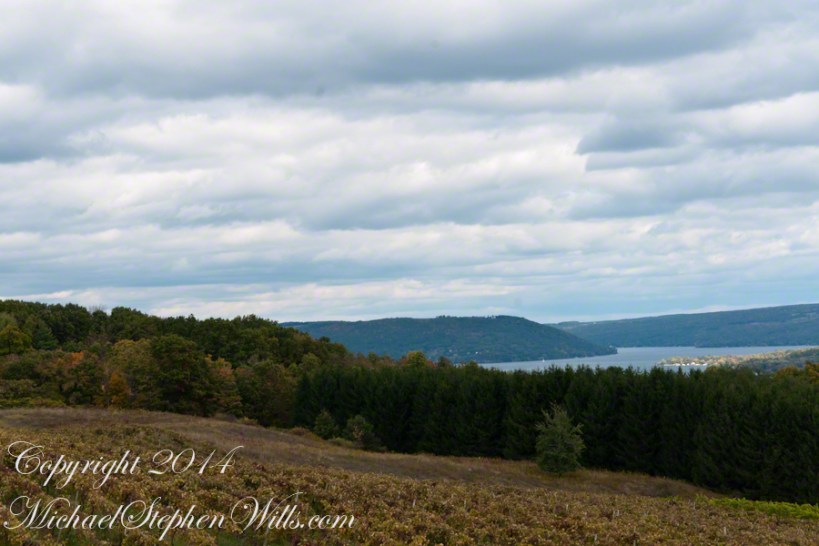
Afterwards, Pam and I made it up to the Dr. Frank Winery for a tasting followed by dinner at a local restaurant.  Here is a photograph from the same viewpoint, using the “zoom” setting of my Sony DSLR A700.  The view is more interesting than the winter shot of “Keuka Lake Winter I”  from the autumn clouds and the burst of late day sun on the eastern lake shore.

This is the juncture of the “Y” shaped lake where the two arms joint the long foot.  The pointed high headland is the point where the two arms meet.  We are looking north here.  The western arm, on the right, is unique in that the water is flowing down into the juncture.  In Keuka Lake the water flows in two directions.  The flow of lake foot and eastern arm is in the opposite direction, Keuka Lake empties at the top of the eastern arm, eventually reaching Lake Ontario.  

North View from Overlook using “Zoom” lens

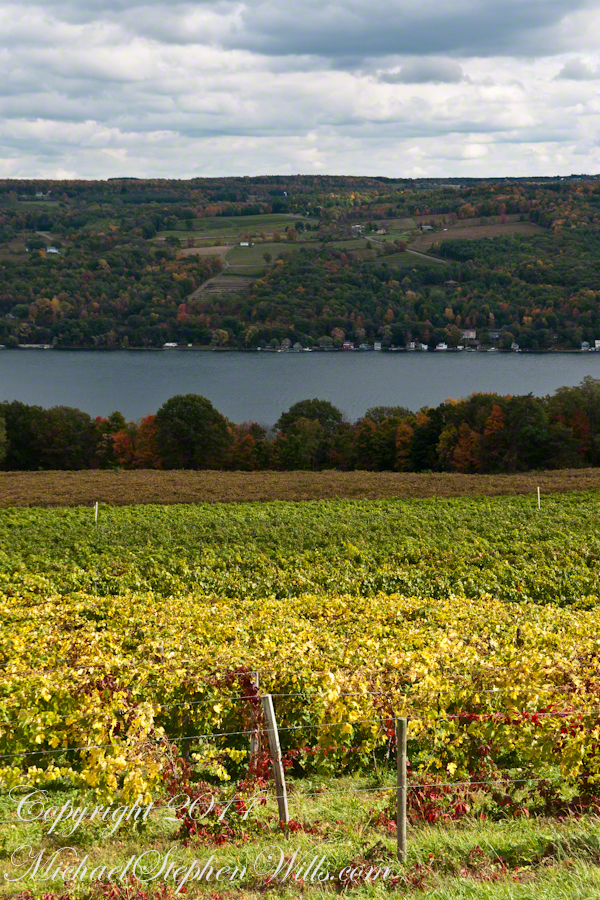
Here is the eastern view, from the overlook, looking over a vineyard ready for harvest, covered with fruit and leaves.  Every once in awhile there is a loud “bang” from a noisemaker used to discourage birds from feasting on grapes.  The buildings along the shore are summer cottages, Keuka is lined with them.

East View on an autumn afternoon

The same view, from our December 2018 visit.  The vines are bare, the fallen leaves cleared, the vine roots covered under banked earth to protect them from the cold.

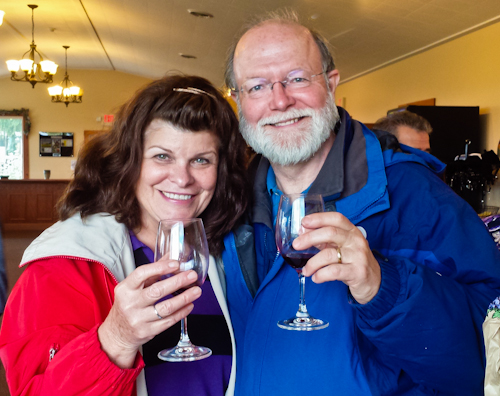
Pam and I, enjoying wine after the 2014 Wine Glass Marathon.  Cheers!!

Click this link for my Fine Art Photography Gallery.

Copyright 2018 All Rights Reserved Michael Stephen Wills

Pitch Pine Forest III

Road to Batsto

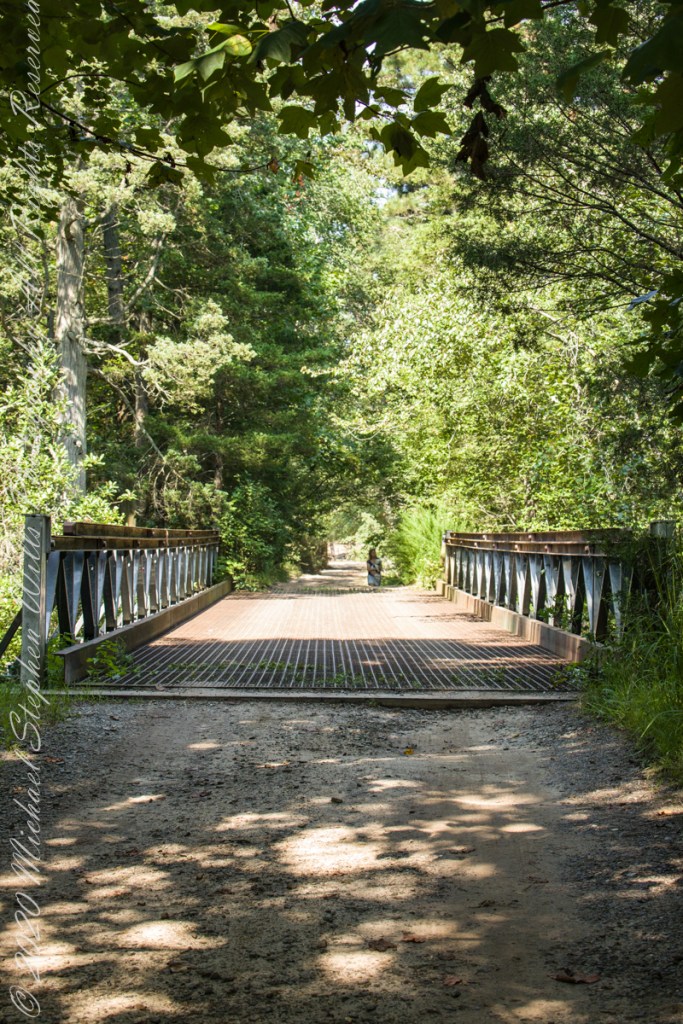
Leaving the jeep on the west side of Quaker Bridge, I walked over to inspect the structure and poke around the other side, carrying a Canon 5d Mark IV (camera body) / EF 70 – 300 mm f/4-5.6 L IMS (lens), shooting as I walked. My sister Theresa and Maxie, a little white dog, lagged behind taking in the surroundings. Here they are, in shadow, on the west side.

Click pic for larger view in a new browser tab. If you are in WordPress Reader, open the post to use this feature.

My work on the east side was shared in previous posts, “Pinelands Connections VIII,” I and II “Around Quaker Bridge,” and I and II “Pitch Pine Forest,” work interrupted by the sound of an approaching engine, a Humvee came into view. I waved my arm up and down, a sign to slow down, pulling alongside the driver looked up with dead eyes, no element of recognition of a fellow human, as I explained my sister was on the bridge. A stink of unfamiliar hydrocarbons, diesel fuel?, rose through the heat as they pulled forward with no acknowledgement of my request. Thankfully they slowed down as Theresa, Max in her arms, said, “hi.”

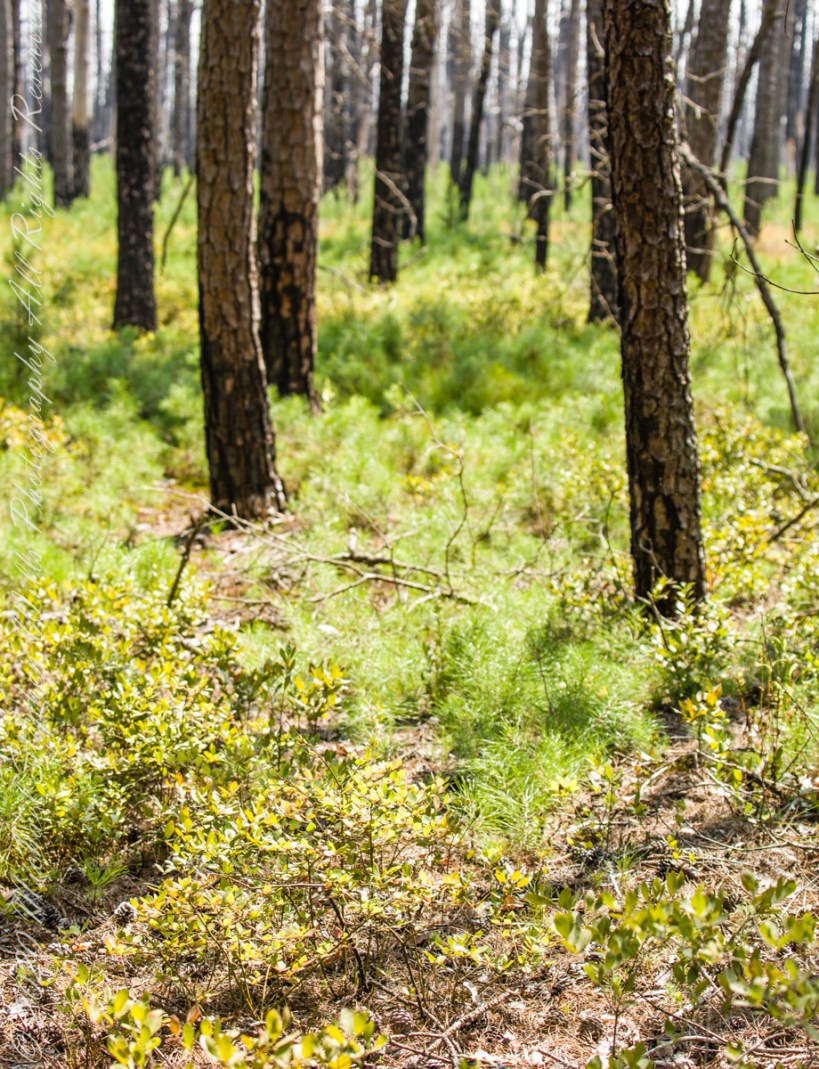
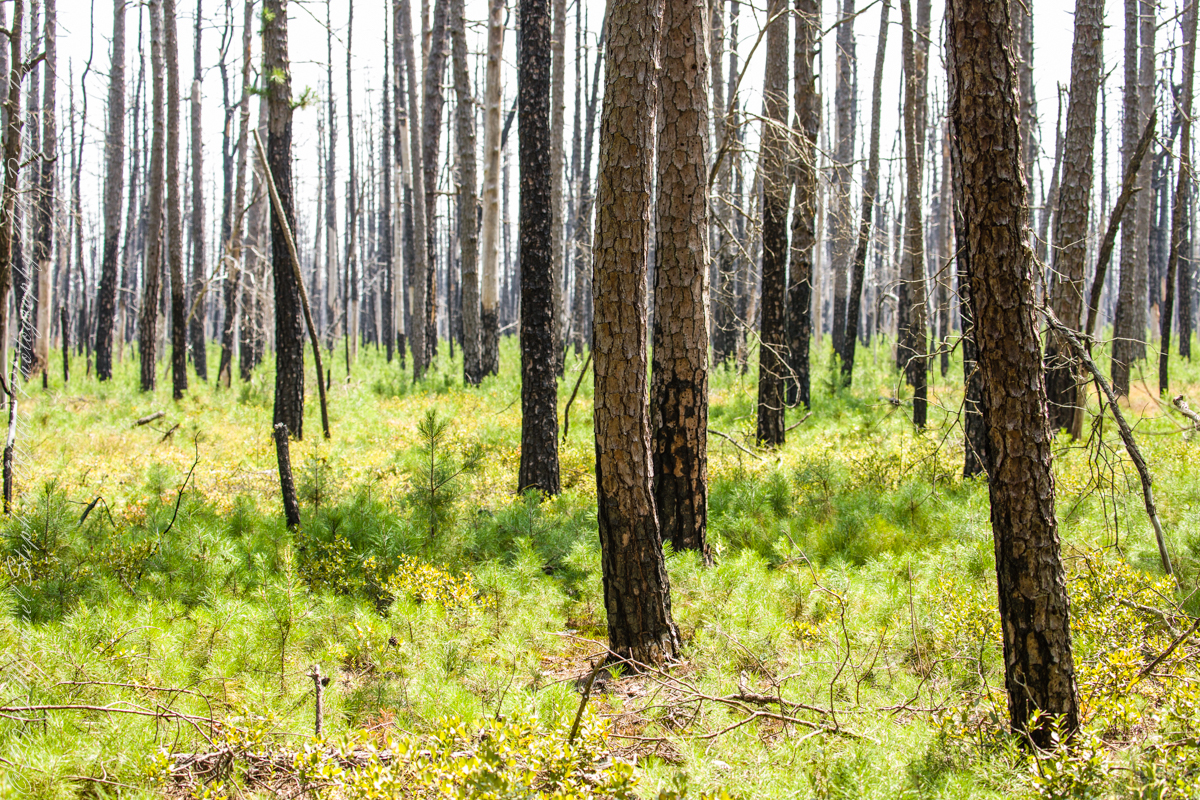
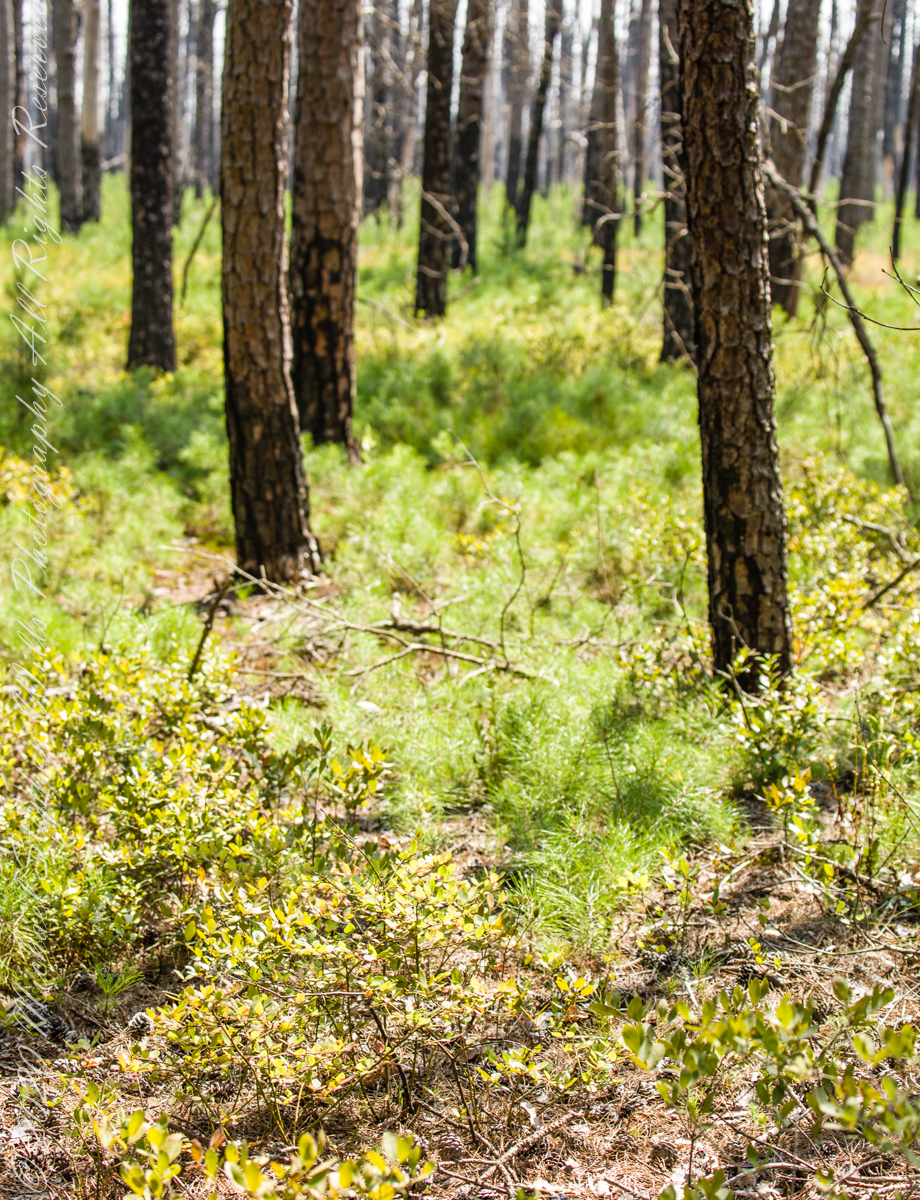
Multiple roads converge from all directions on Quaker Bridge, using GoogleMaps (surprising these unimproved, “jeep” sand roads were listed) I chose Goodwater Road as a route to Batsto Village, on the southern side of Wharton State Forest. The 6.1 mile road follows the east bank of Mullica River at a distance, a very rough passage through ancient Pitch Pine forest. Here are photographs of the enormous capacity of the pines to regrow after fire. Note a thick seeding growth among the mature pine trunks, lower portions fire blackened.

Copyright 2021 Michael Stephen Wills All Rights Reserved