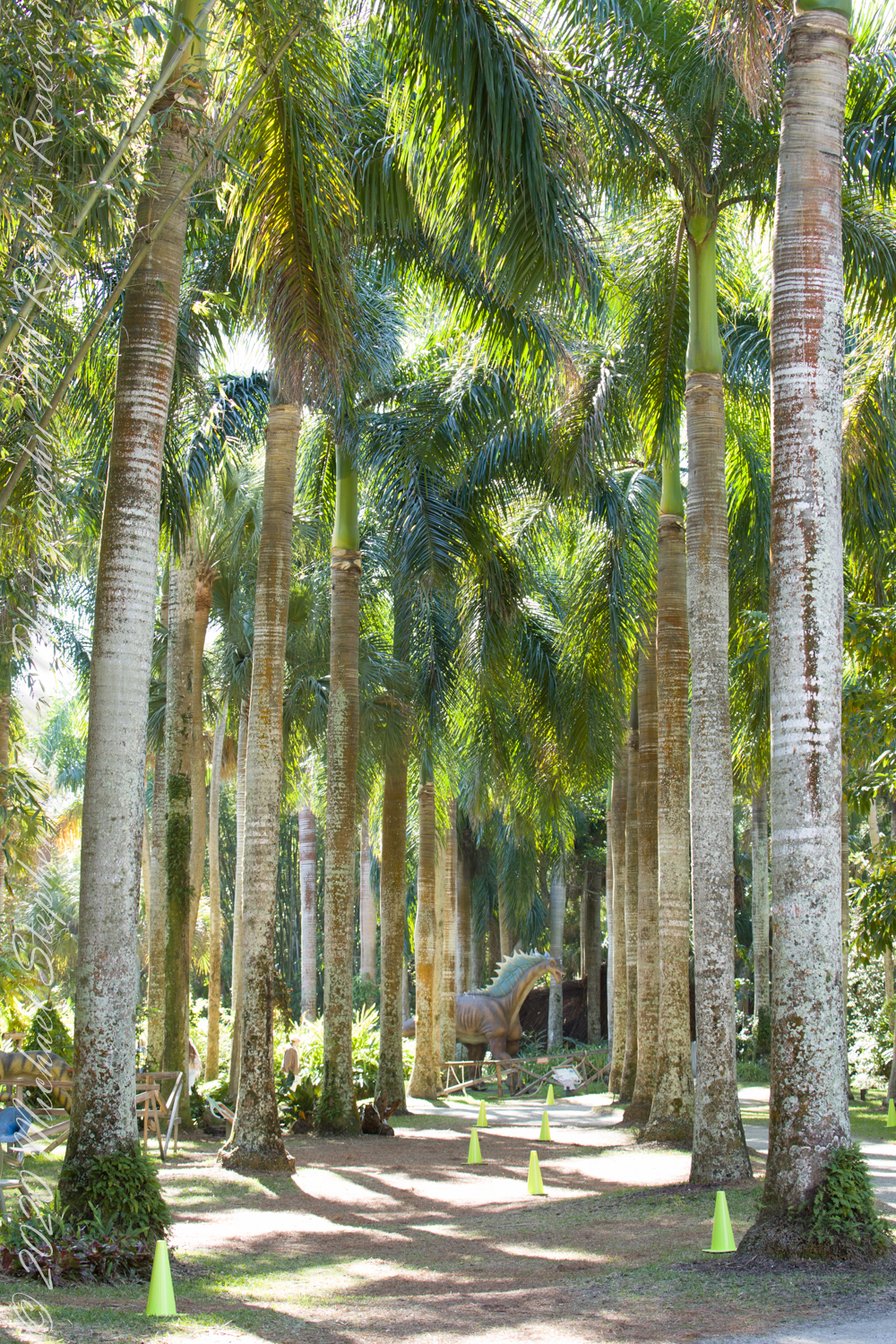
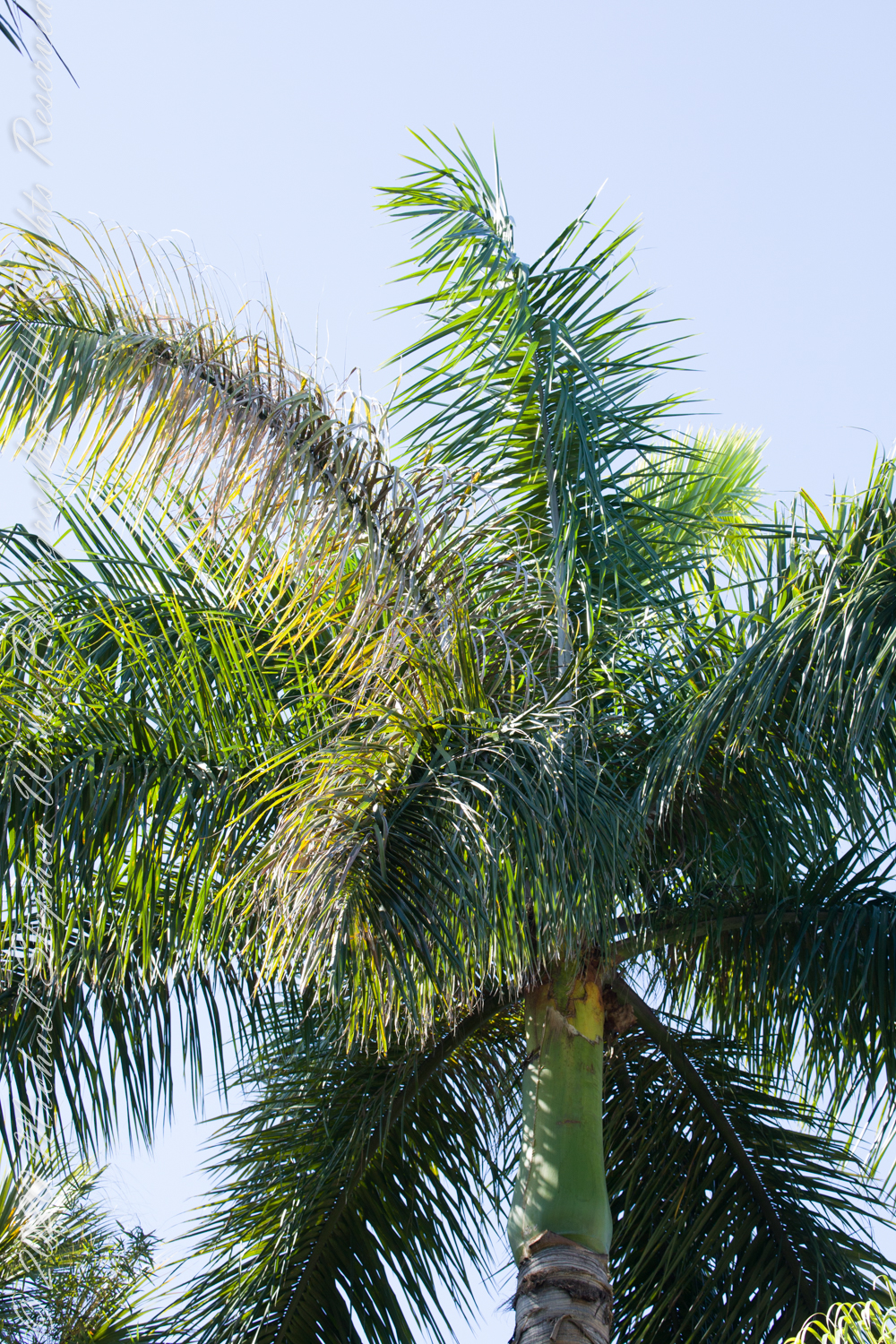
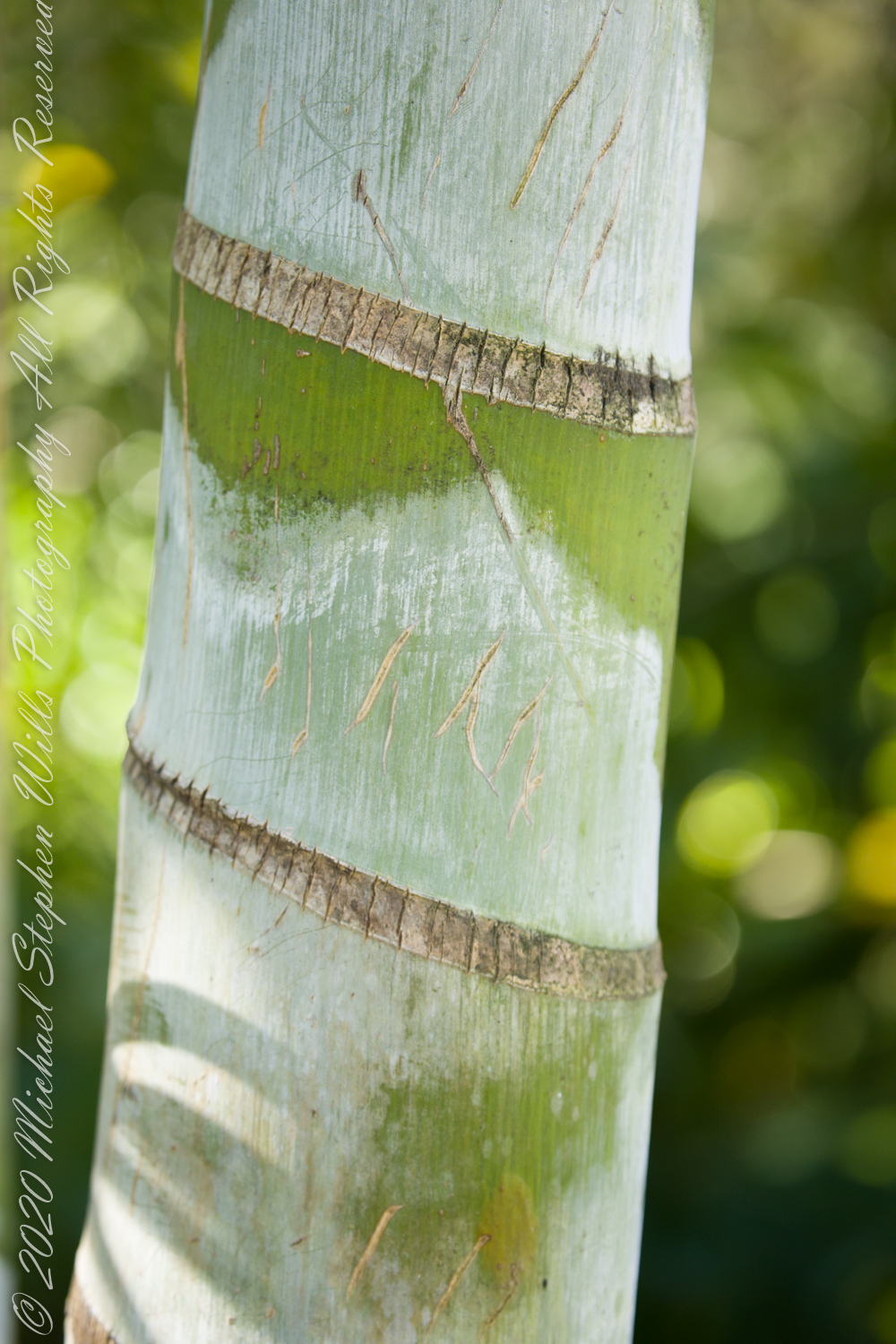
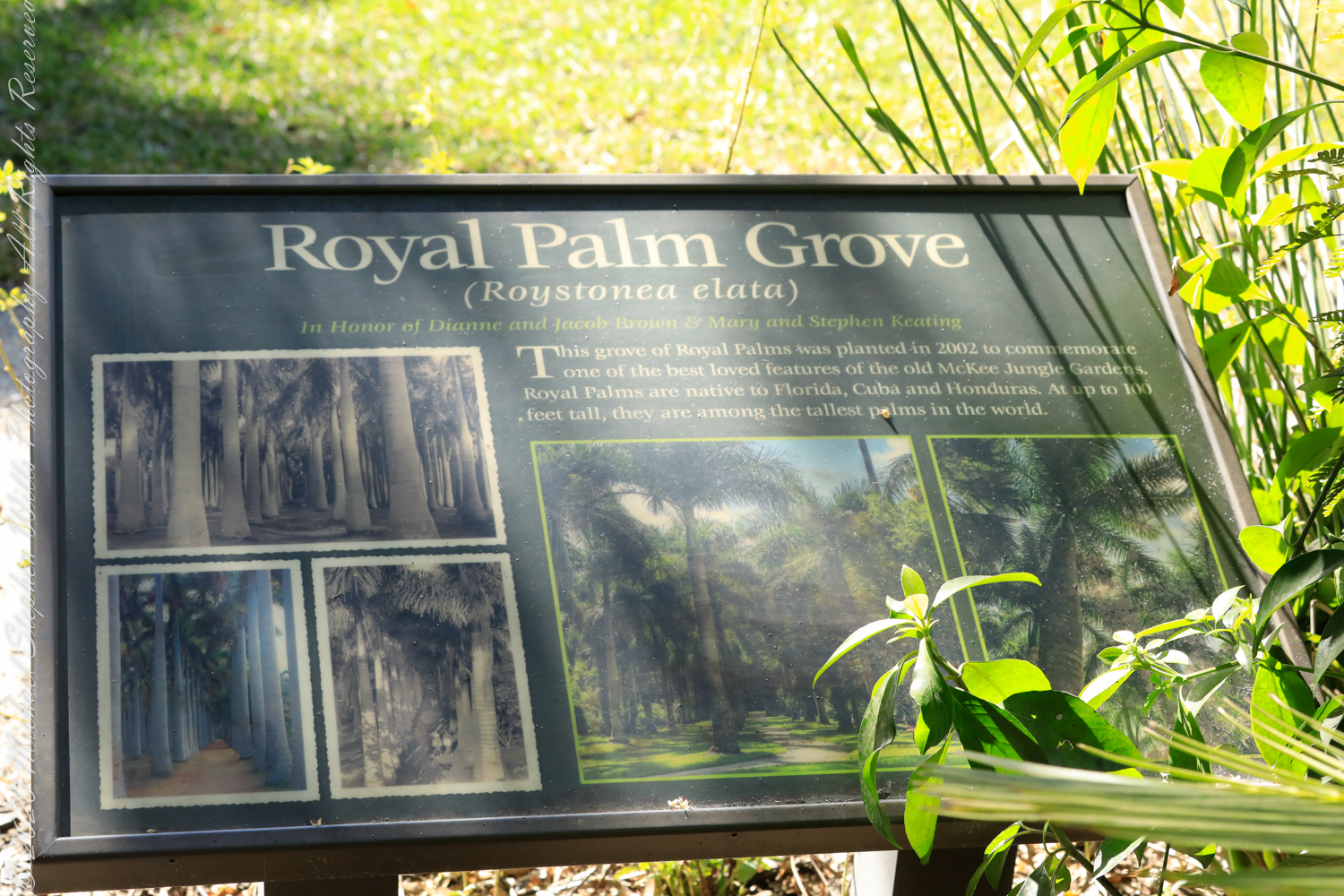
Royal Palm grove (Roystonea elata) in honor of Dianne and Jacob Brown and Mary and Stephen Keating. This grove of Roy Palms was planted in 2002 to commemorate one of the best loved features of the old McKee Jungle Garden. Royal Palms are native to Florida, Cuba and Honduras. They are among the tallest palms in the world.
Click link, below, for more information on the dinosaur
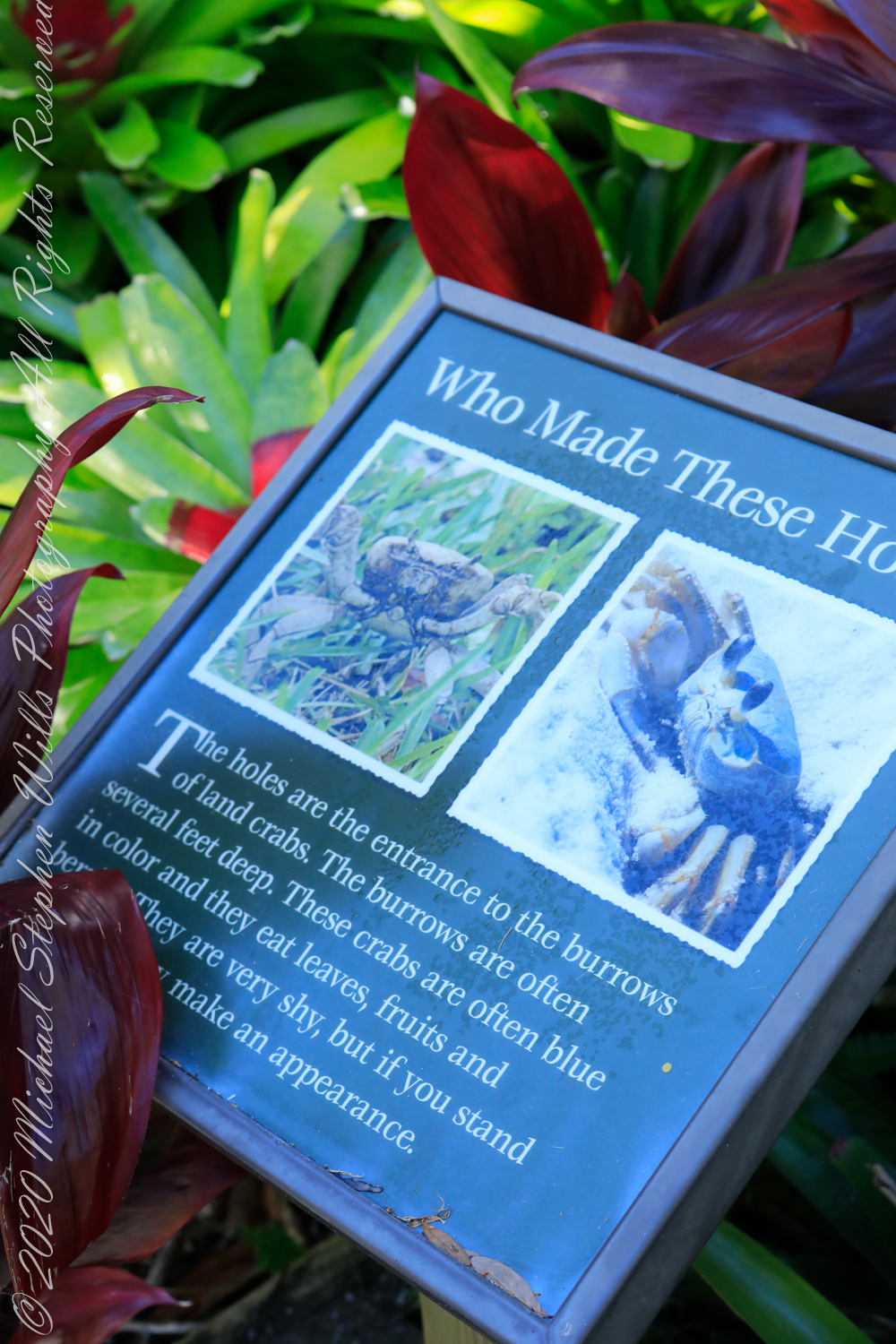
The holes are land crab burrow entrances. The burrows are often several feet deep. These crabs are often blue in color and they eat leaves, fruits and berries. They are very shy, but if you stand still they may make an appearance..
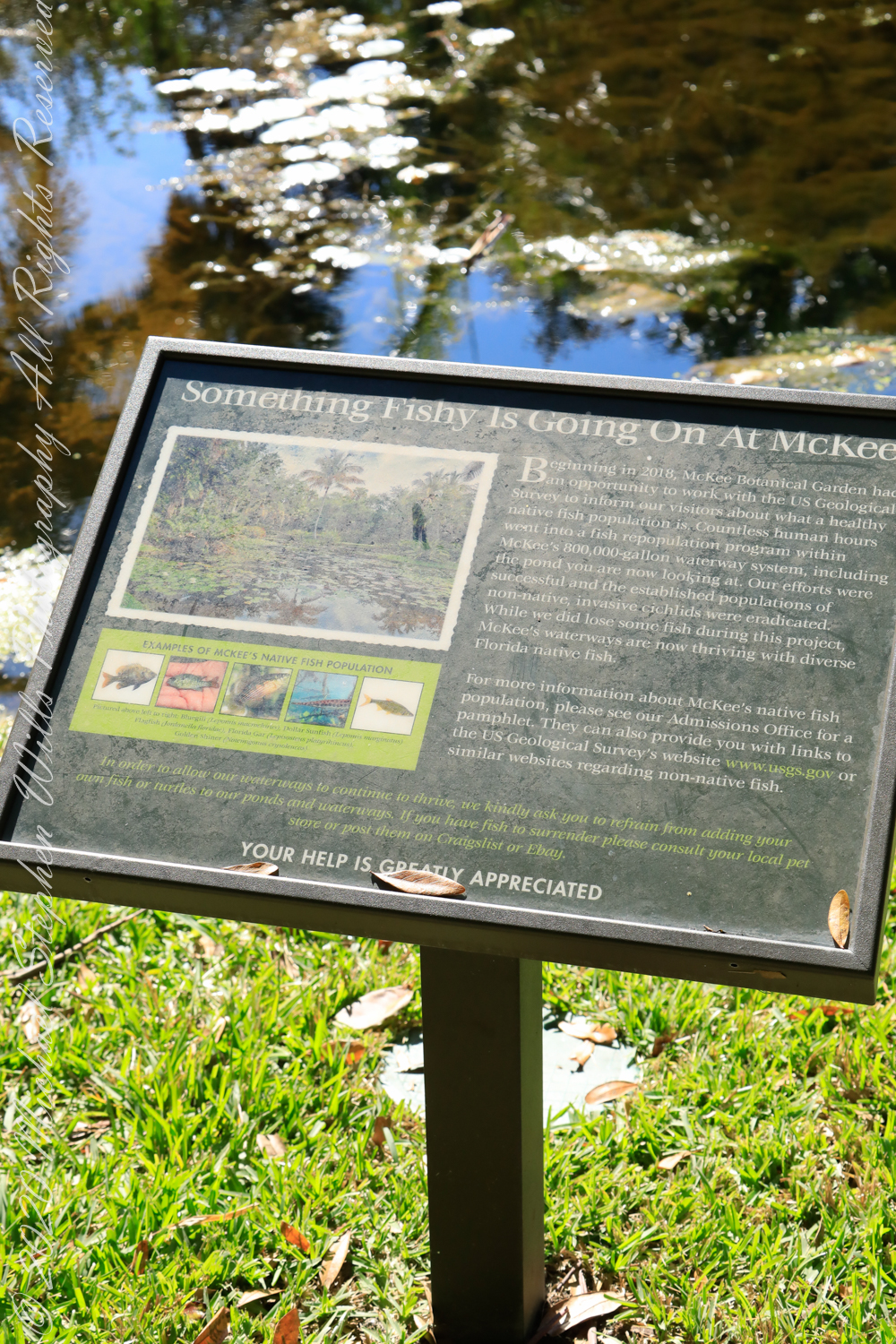
Beginning in 2018, McKee Botanical Garden had an opportunity to work with the US Geological survey to inform our visitors about what a healthy native fish population is. Countless human hours went into a fish population program within McKee’s 800,000-gallon waterway system, including the pond you are now looking at. Our efforts were successful and the established populations of non-native, invasive cichlids were eradicated. While we did lose some fish during the project, McKee’s waterways are now thriving with diverse Florida native fish.
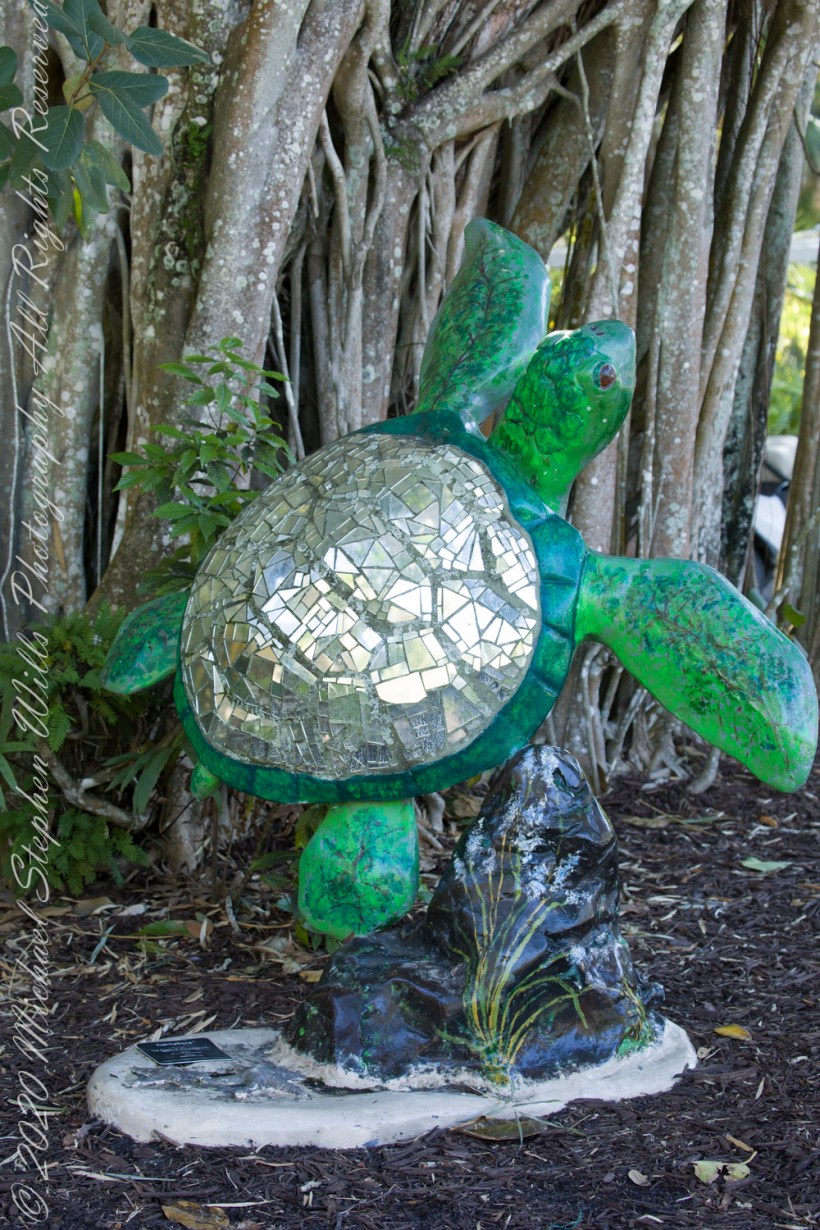
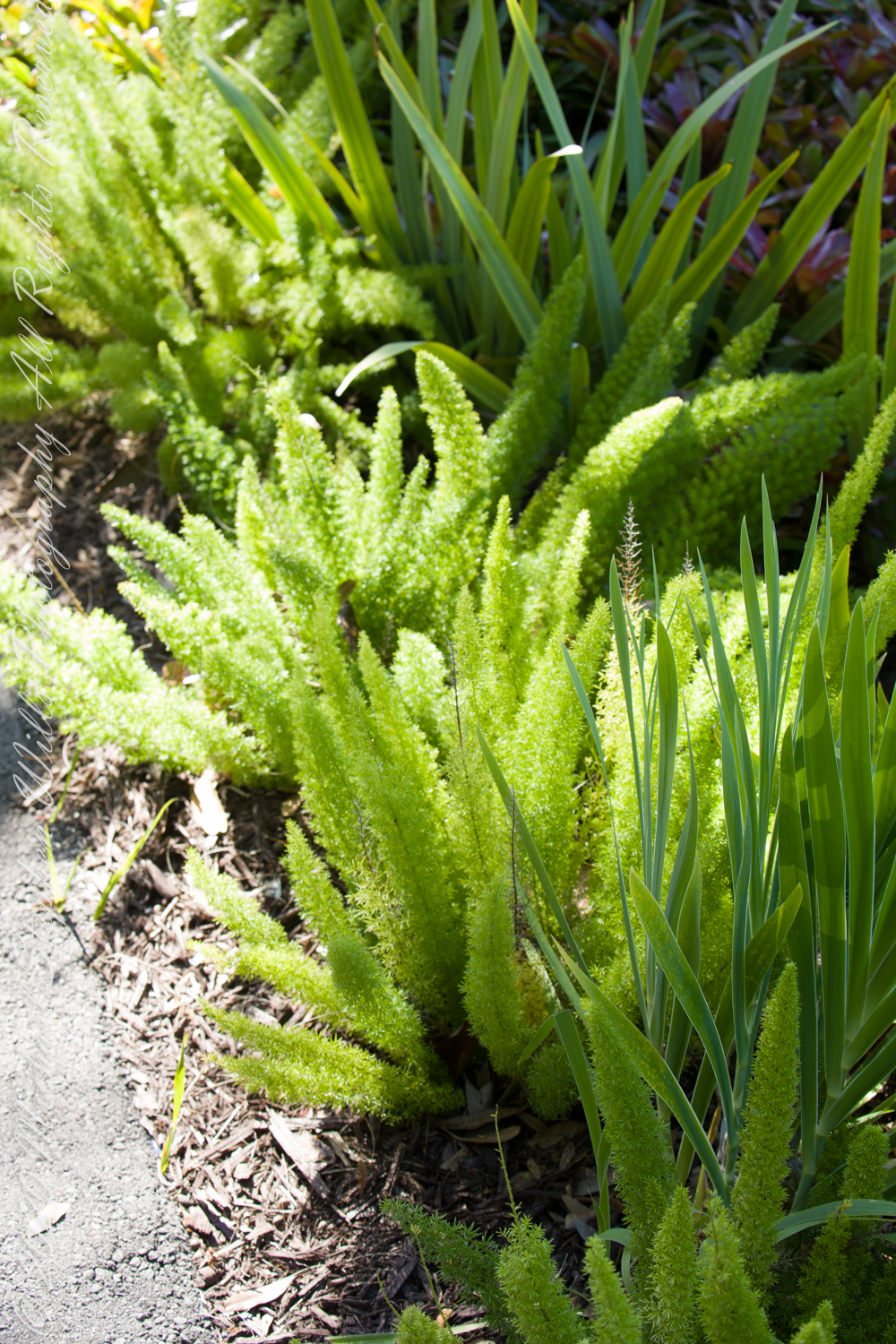
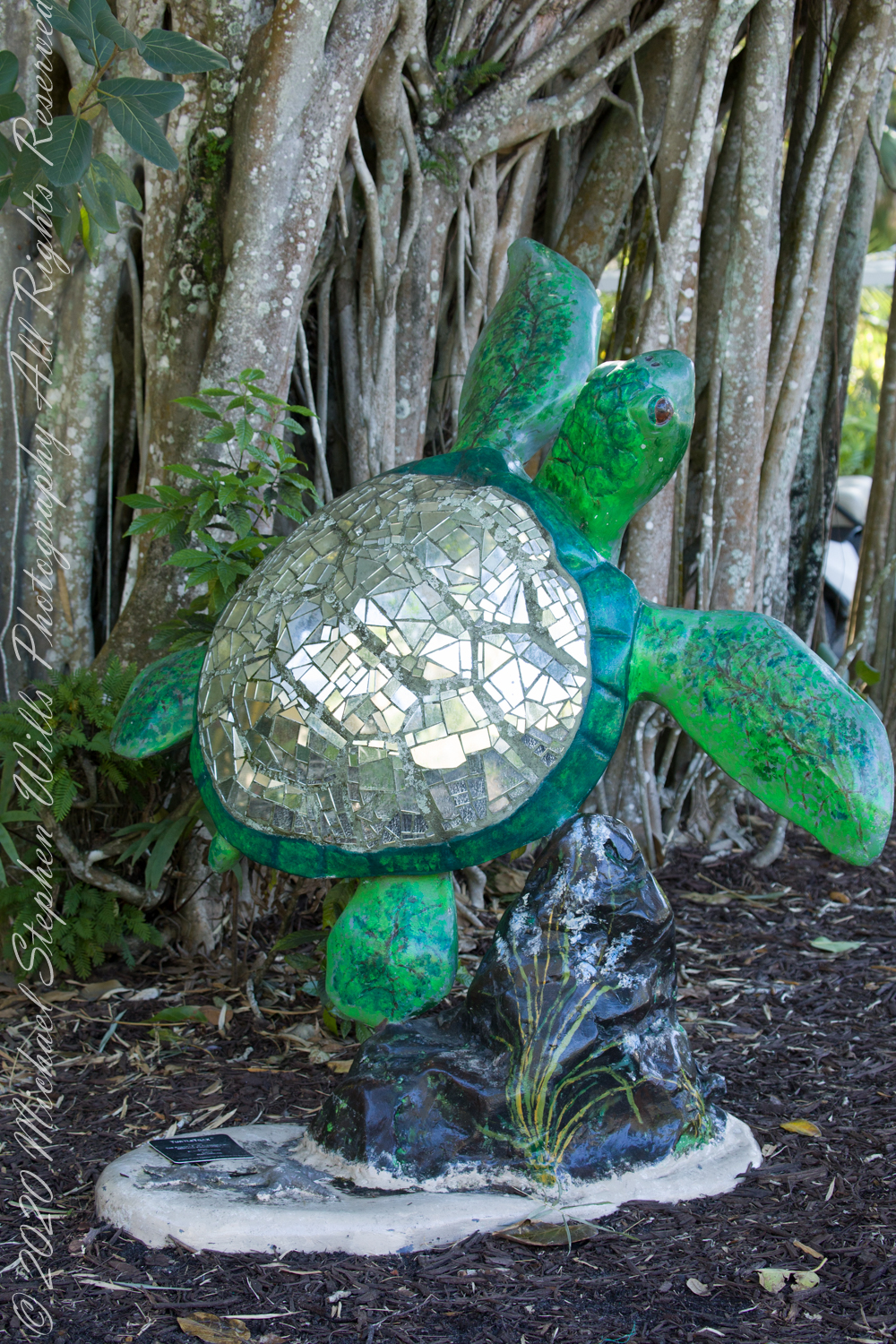
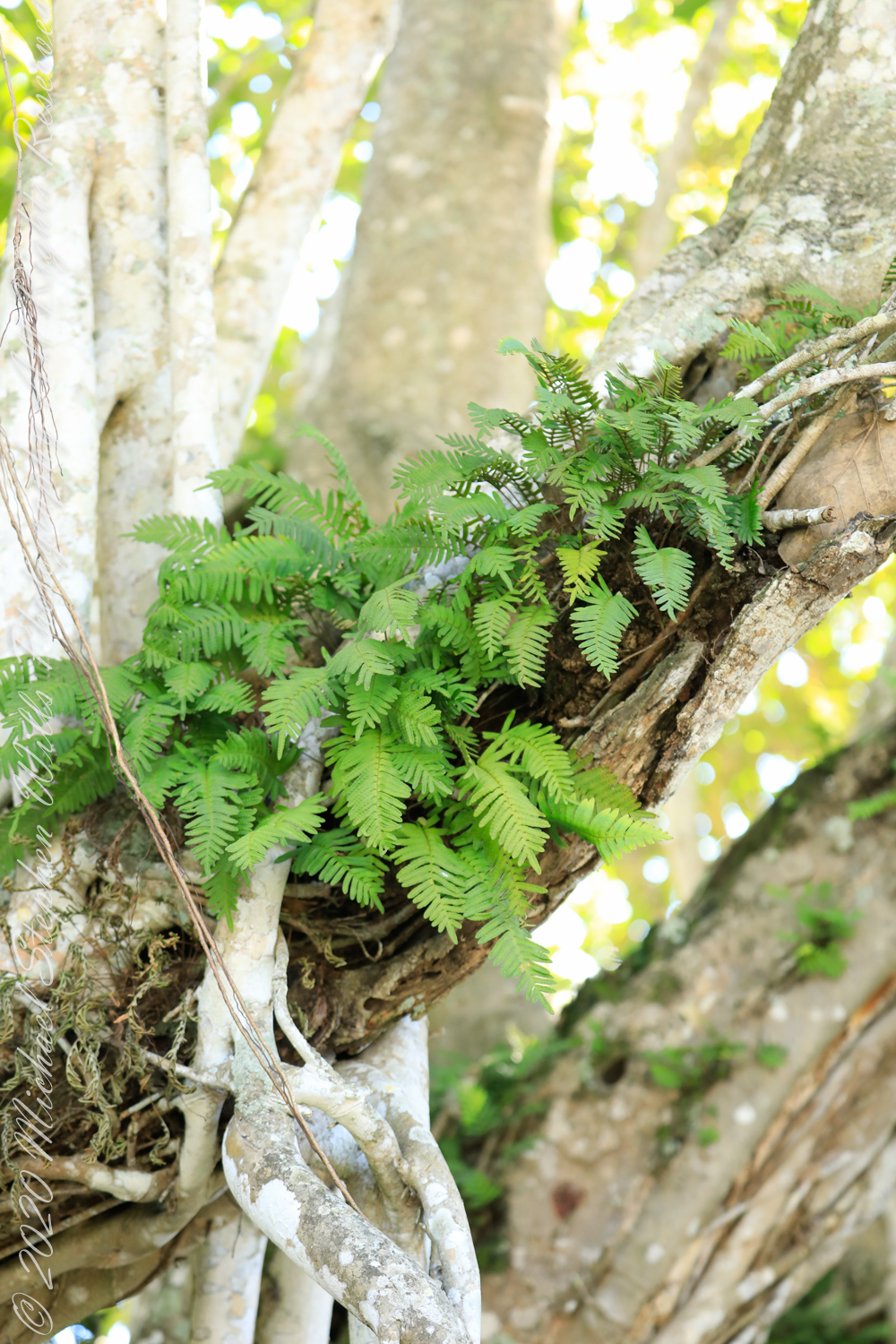
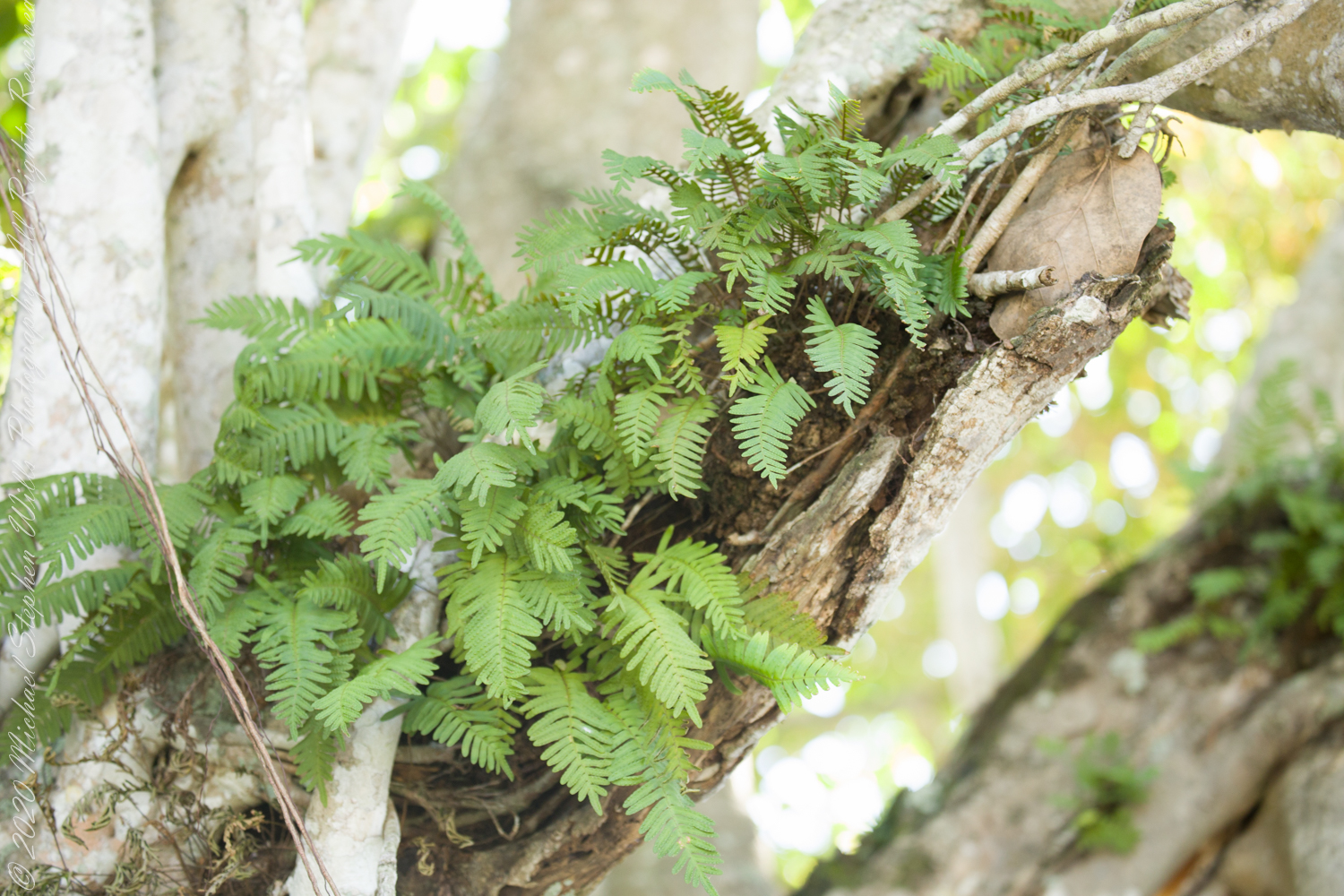
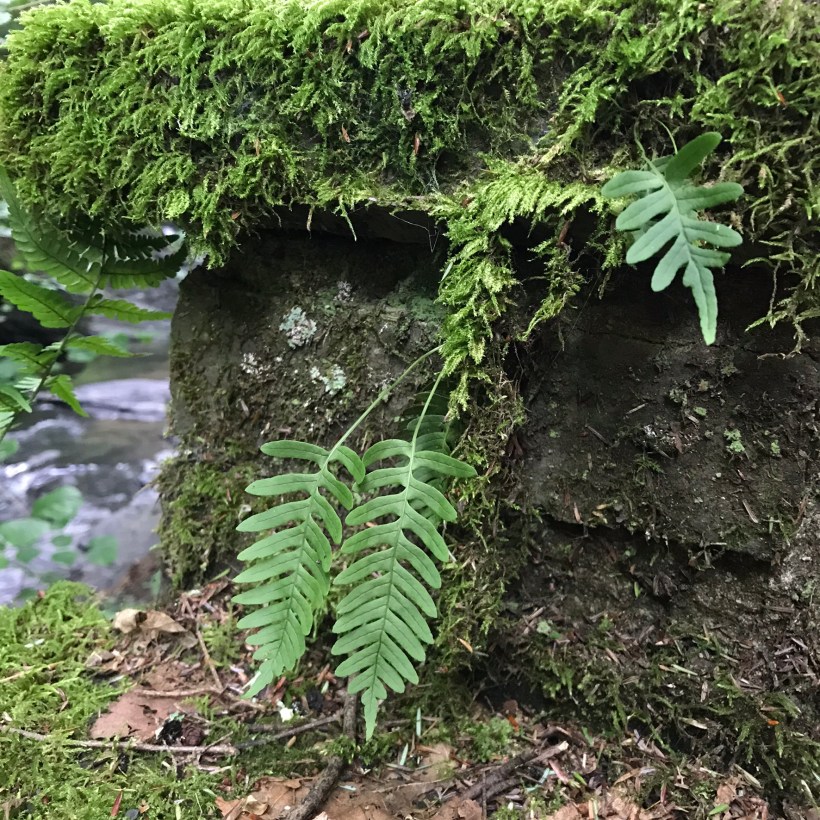
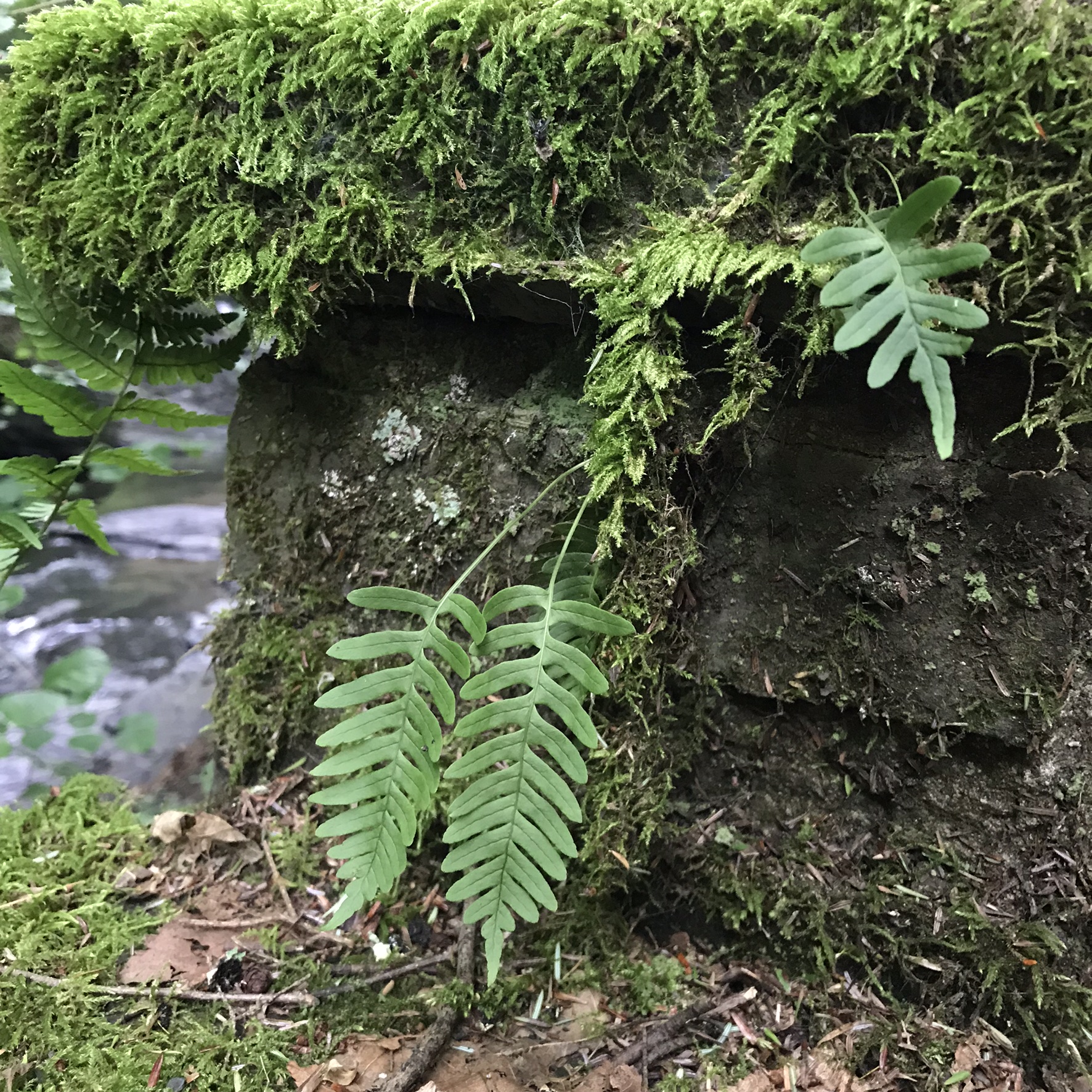
Thousands of tiny mirrors brighten the sea turtle’s shellfern growing on tree trunk
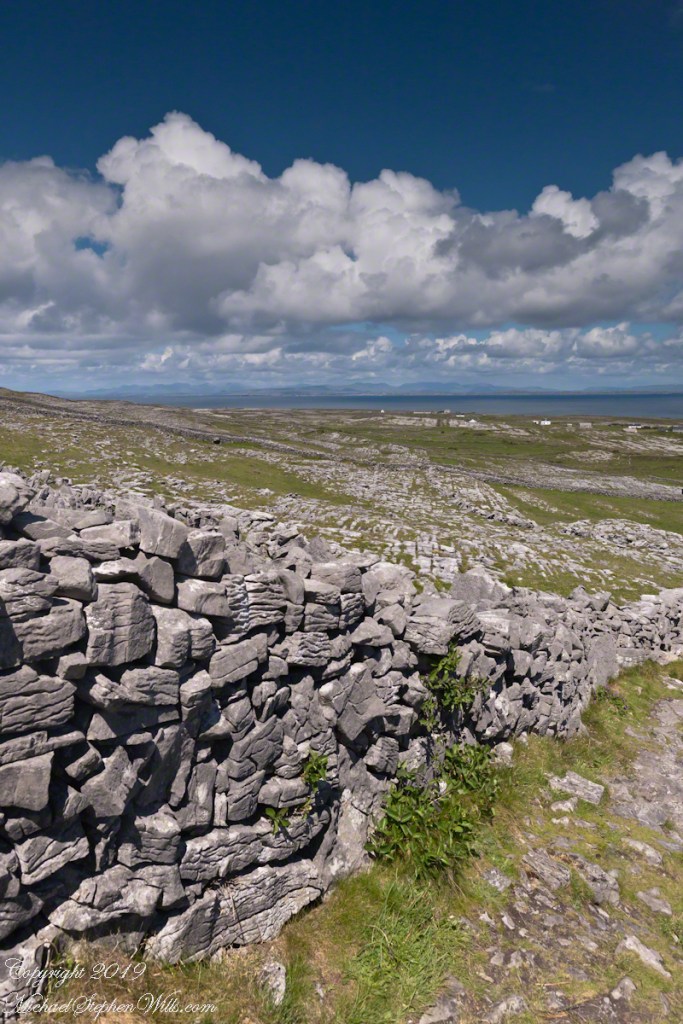
Modern stonework borders the 1/2 mile path to the inner Dún Aonghasa walls, keeping tourists off delicate plants, maintaining the integrity of this ancient site.
The view north, northwest over the walled path to Dun Aonghasa (Dun Aengus) looking across karst landscape, walled fields, farms, the North Atlantic Ocean, coast of Connemara and the 12 Bens (12 Pins) mountains. Aran Islands, County Galway, Ireland.
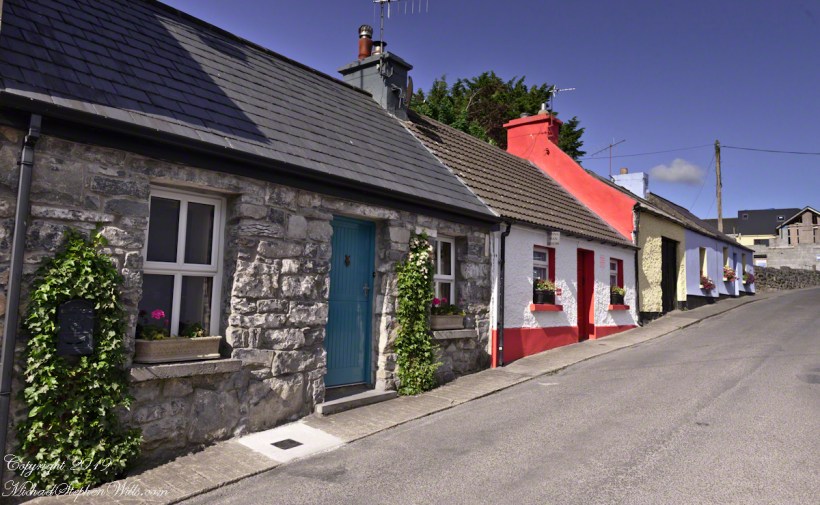
In Cong Village, County Mayo, Ireland, the Dying Man House on Riverview Street from “The Quiet Man” attracts visitors who share behind-the-scenes facts. The village remains quaint despite commercialization, with visitors enjoying film locations and historic buildings.
Cong Village, County Mayo Ireland. A scene from “The Quiet Man” has a man, on hearing a fist fight underway, jump from his death bed to run from this house on Riverview Street. This is the view heading east with the Cong River behind.
Dying Man House on Riverview Street is a popular photograph on my Facebook Photography page, to this day visitors leave comments with occasionally inside information about “The Quiet Man.” Here are some examples:
Edward James Soul The dying man in the film was actually, John Ford’s (the director) brother in real life. And the actor who played the young priest was, in real life, Maureen O’ Hara’s brother. The movie is definitely a classic.
Diane Benson Morrow And 2 other brothers were in the film. The older priest and the man who met John Wayne at the railway station at the beginning of the movie were brothers.
Edward James Soul,you are in the right church but the wrong pew. The older priest was Ward Bond. The man who met John Wayne was Barry Fitzgerald. In real life he was the brother to Arthur Shields, the actor who played the Protestant Minister, ” Rev. Playfare”. If you look at the two, you can see the family resemblance.
Edward James Soul, also remember the scene at the lnishfree race, where there were children sitting on a railing next to Maureen O’Hara? They were John Waynes children.
Pauline Ryan Grew up and around the village of Cong lovely wee place its swarming with visitors most of the time but it’s nice and quiet for a few months of winter. It’s getting very commercialized but thank God there is very little room for it to grow.
John Feeley The guided tour of Cong includes the tourists playing a scene from the movie. I got to play the part of Barry Fitzgerald. I had one line…”Where’s me pint?” Type-casting?
Jackie Smith Just watched that movie this weekend.
Greg Thompson Will never forget our singing tour guide and the most glorious artisan shop ever there in Cong…….
Ethel Beth Gallagher That was John Ford’s brother. He’s the man who referred to Seaneen as “tall man” in the Pub and got the coat thrown over his head.
Kolokea Kakiki I didn’t realize that film was made in 1950! I watched it in the 70’s and loved it!
Diane Eiden Been there, it was great to see after watching the movie all my life. I believe Maureen O’ Hara grew up close to Cong, and spent her final years there.
Marnie Rosé This is on my bucket list of places I want to go and I only live up north .. my favorite movie 🎥 ❤️
Robin Axler Kupfer We really enjoyed our visit to Cong. Got some great poses of my husband and me on the Stone Bridge. Enjoyed seeing where they filmed the race on the beach….charming town.
MichaelStephenWills Photography If you walk by the Abbey over the River Cong and forest path, you will recognize another shot from the film where Mary Kate and Sean walked along the river. 2
Ann McNamara Visited Cong a few MONTHS ago.Love taking photographs- so between Cong,the grounds of Ashford Castle,Ashford Lodge and Ballinahinch castle I was in 7th heaven.Lots of wonderful photos to use for my calligraphy + card making class in the Library over Halloween- if I can arrange it!!!!
Julie Dance I bet it is, my family are from co Clare, a little place called Kilkee, and I visit Killarney a lot got friends there.
Sky islands are isolated mountains surrounded by radically different lowland environments. The term originally referred to those found near the southern borders of the U.S. states of Arizona and New Mexico with the northern borders of the Mexican States of Chihuahua and Sonora such as the Dragoon Mountains featured in this post. The isolation has significant implications for these natural habitats. The American Southwest region began warming up between ∼20,000–10,000 years before the present-day and atmospheric temperatures increased substantially, resulting in the formation of vast deserts that isolated the sky islands.
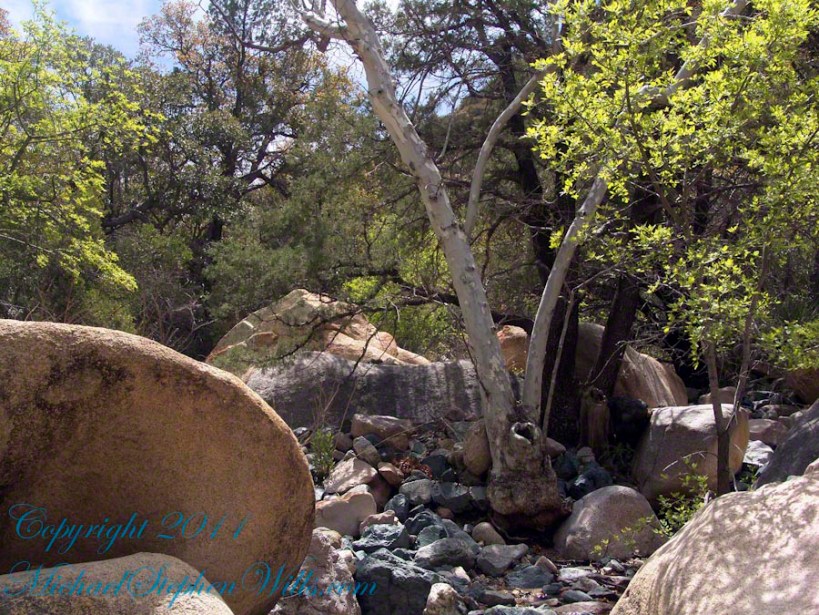
This sycamore tree survives life in this ephemeral stream of an Arizona “Sky Island” by allowing entire trunks to die off during extended dry spells. The tree is an Arizona Sycamore (Platanus wrightii).
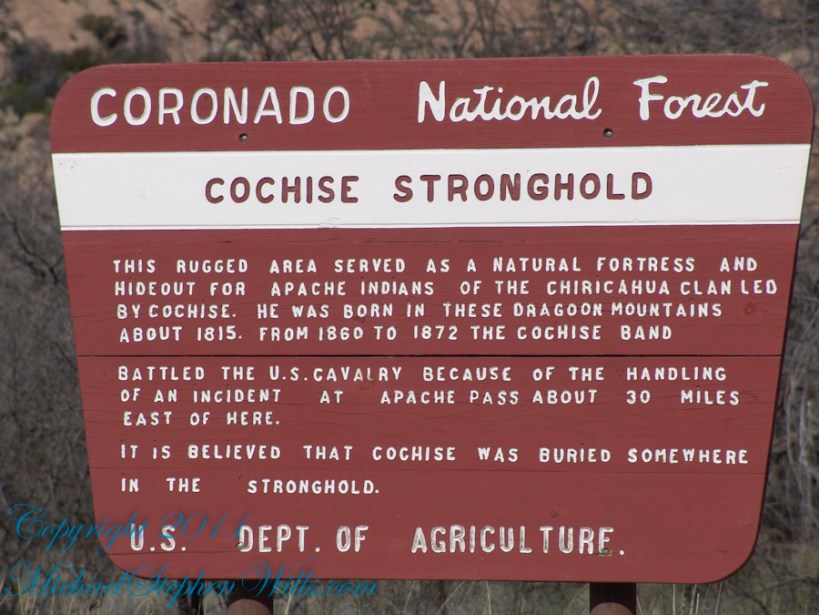
Informative sign at campsite
Reference: wikipedia article “Sky Islands.”
Copyright 2022 Michael Stephen Wills All Rights Reserved
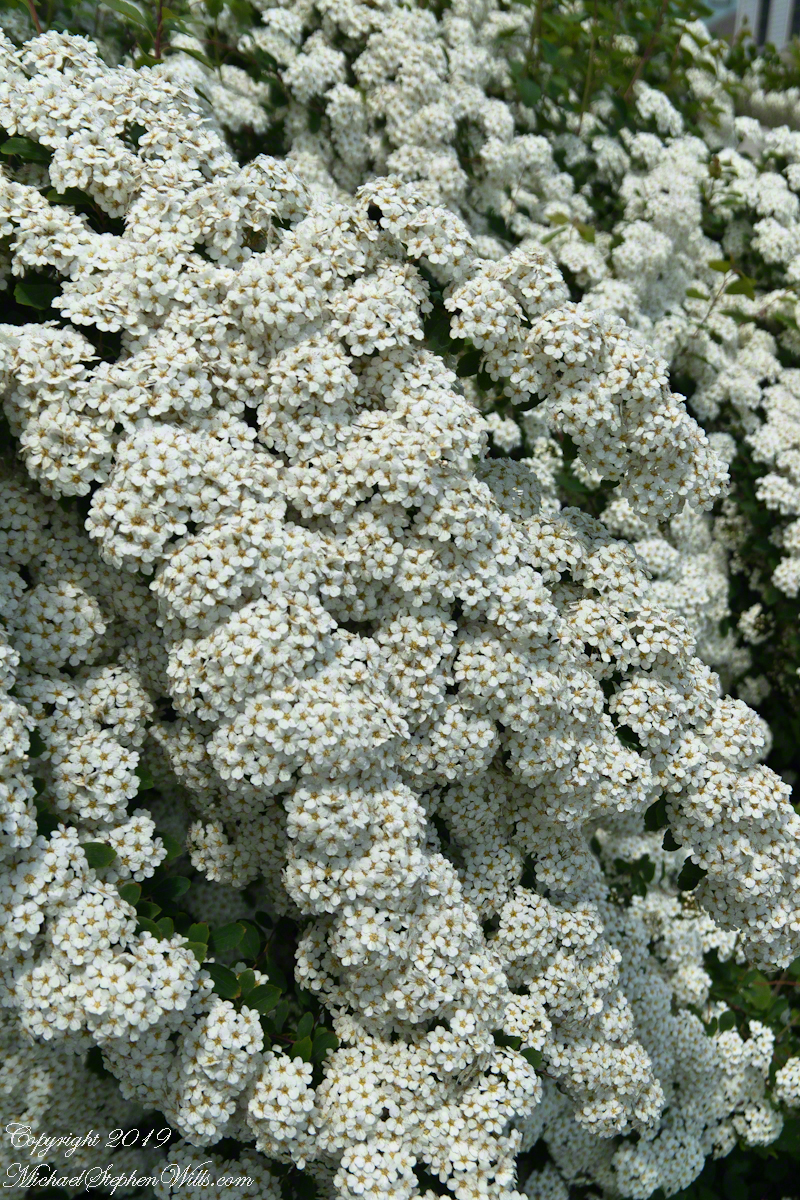
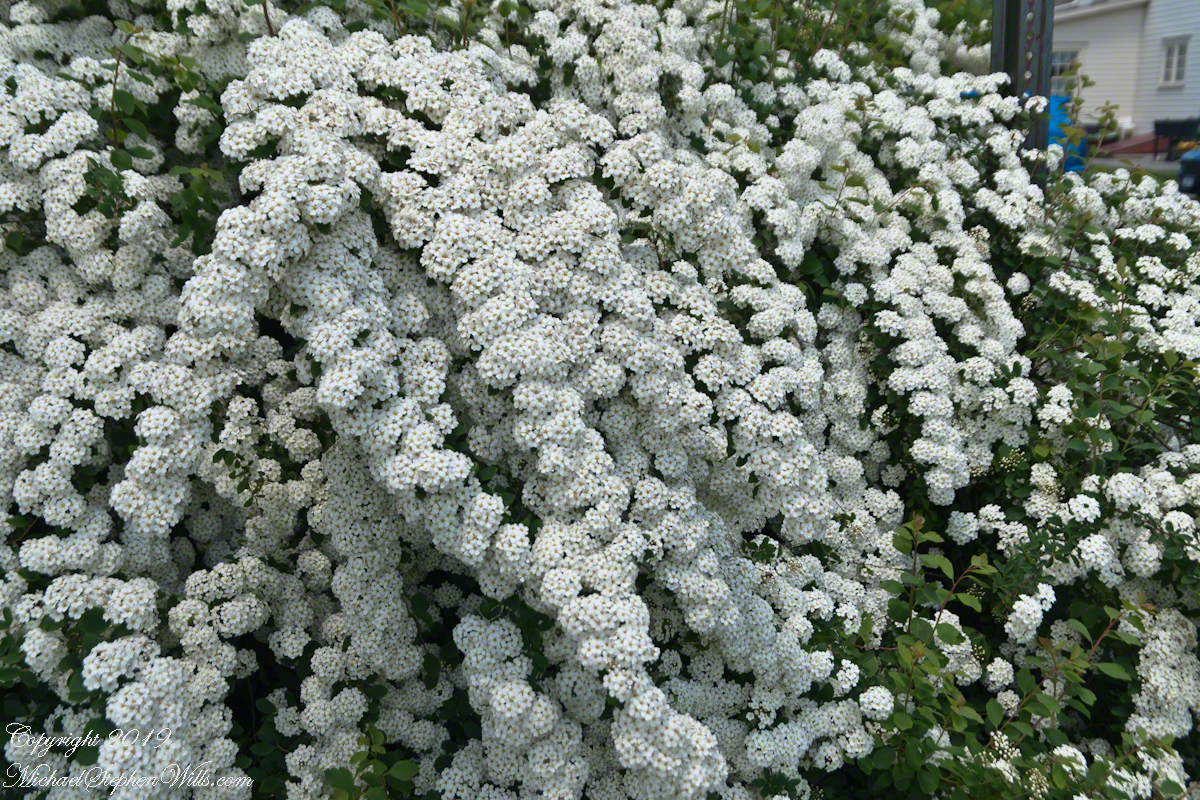
Spiraea bushes in full bloom flanked the Riverside Park along Water Street.
Click any photograph for a larger version
Well cared for…..
…..as are the urns across the street.
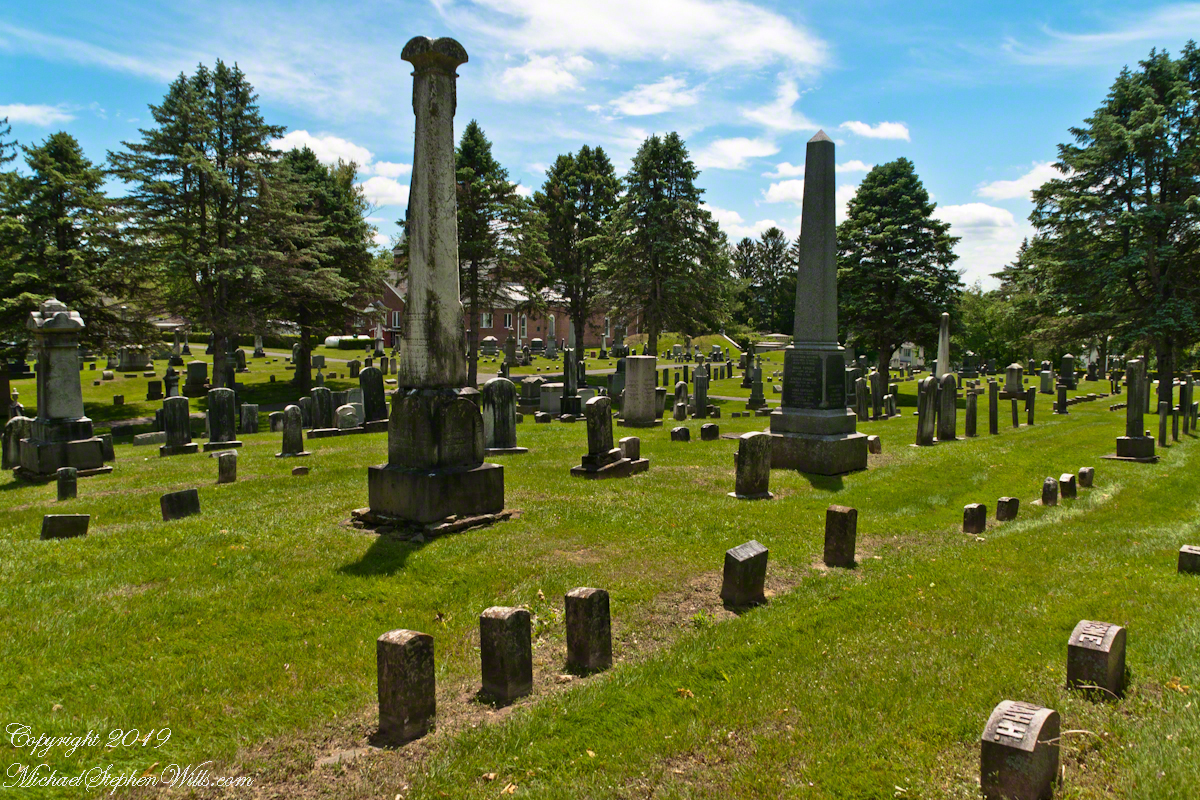
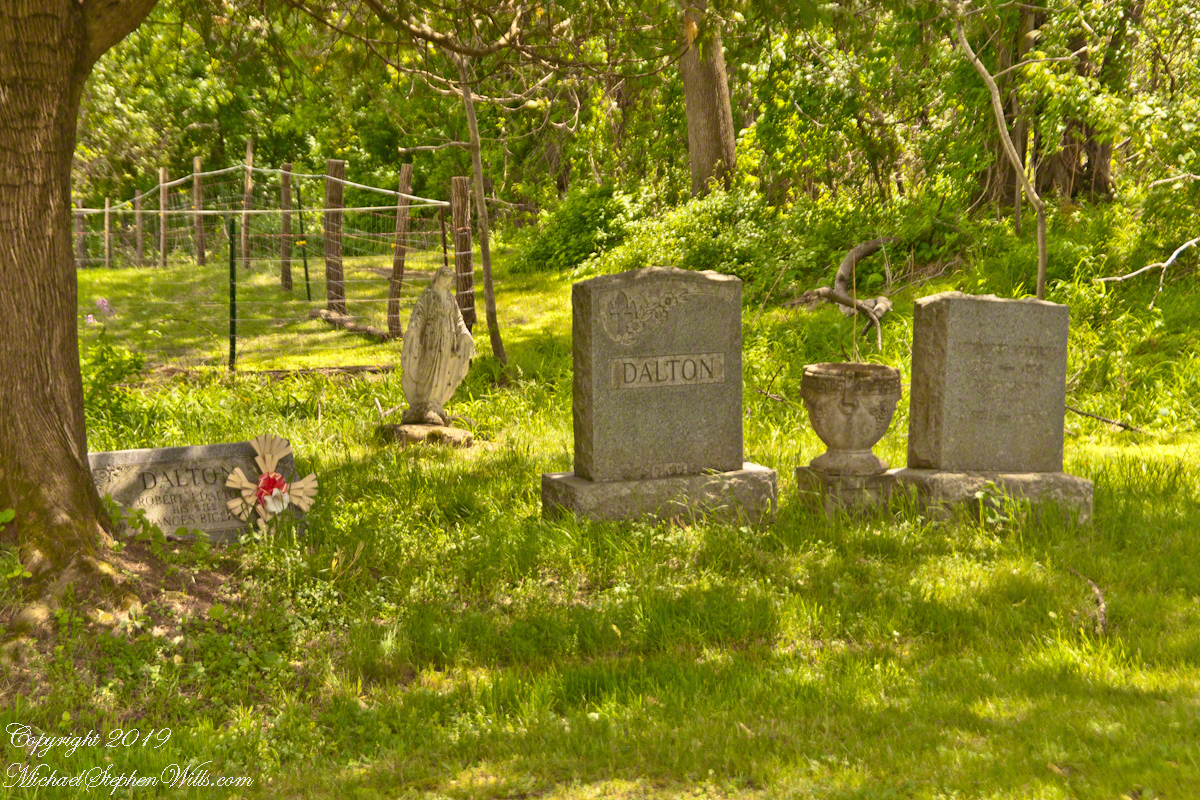
Athens Country Cemetery
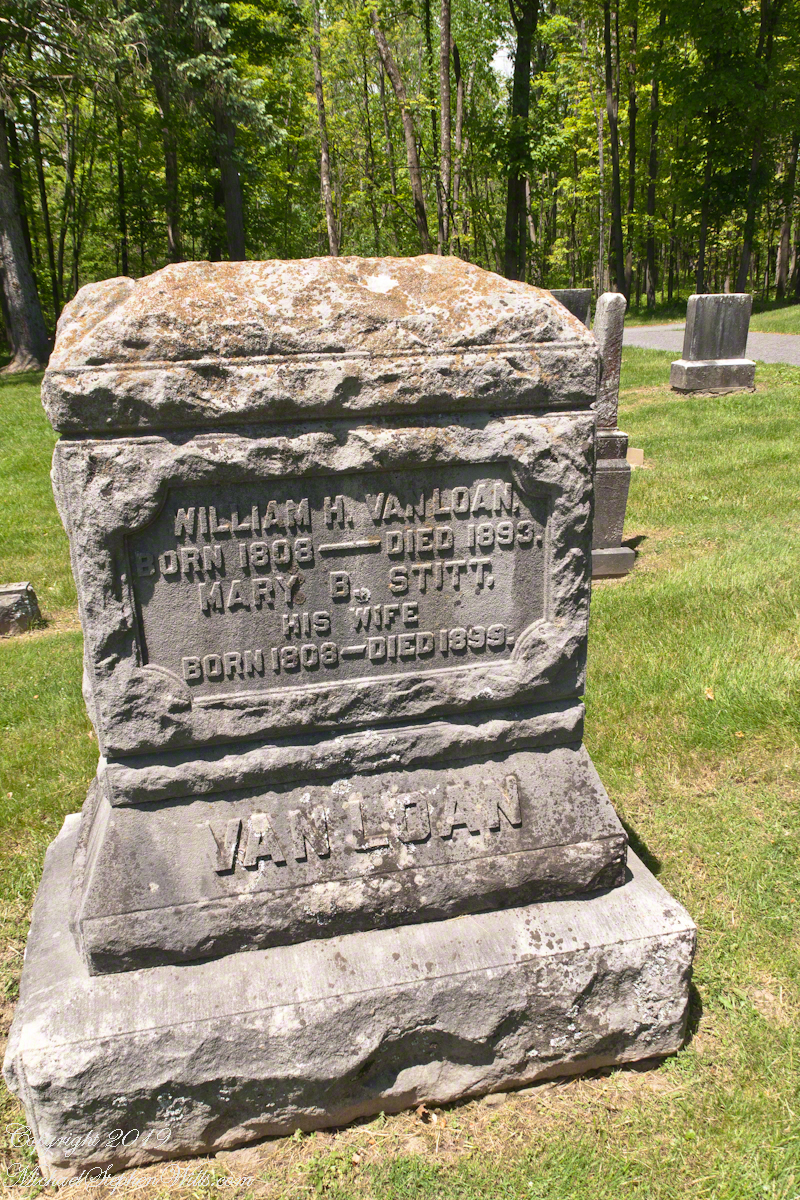
Our daughter-in-law and her Mom were a source of post-trip information. “Yan Van Loan” is how Jan Van Loon’s name is pronounced in Dutch, they kindly informed us.
Passage of political control from Dutch to English was decades old when Jan Van Loon acquired his land on the river. By the 19th century the name was anglicized (turned English) on the headstones, spelled as it was pronounced in English. In the 18th century Pam’s ancestors had moved west and south to what became Plymouth, Pennsylvania (Luzerne County). This was before the coal fields, in the 18th century agriculture was the primary industry. Pam’s branch of the Van Loons retained the Dutch spelling and anglicized the pronunciation, as “Van Loon” is pronounced in the English language.
The very old burials were marked with headstones of locally quarried slate, as was common in upstate New York. You can see slate headstones in this video of a Pioneer Cemetery near our home in Ithaca, New York.
In Athens the oldest stones were in the same condition, the lettering and decoration erased by the elements even when the stones are still standing. Some kind people researched the burials and erected a modern, white marble memorial stone with the names and dates of the ancestors named in the records. Jan Van Loon, Maria his wife, or any of Pam’s direct ancestors were not among them.
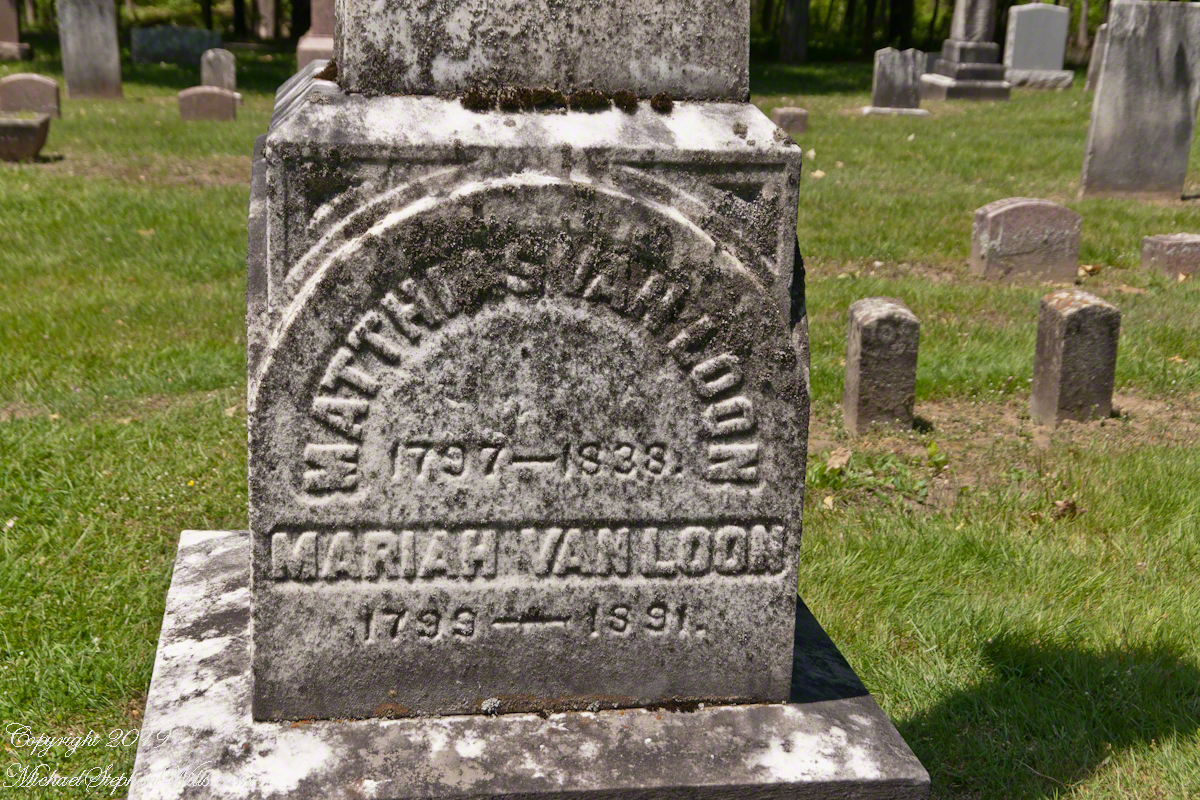
The Matthias Van Loon of this memorial obelisk was a descendant who remained in what became Athens, New York. The following two photographs are of the base and an overview. Matthias Van Loon’s is on the right.
This Catholic burial is on the very edge of the site, as though pushed off to the side. That is the yard of a private home in the background. I started this post with flowers because there was little evidence of familial devotions on these burials of previous centuries.
Capturing photographs and videos on the fly using an Iphone, we visited Fillmore Glen State Park, Moravia, New York with our granddaughter, Nia. This is the seventh post of this series. Click me for another springtime post.
Click any photograph for a larger view.
Growing up on Long Island provided limited exposure to the great variety of animal and plant life on planet earth. I remember Canesteo, a town just off the western edge of the Finger Lakes in Steuben County, after moving there in the 1980’s, had a marvelous abundance of different plants in the lawn. It was a welcoming feeling to notice this before the term “monoculture” was circulated.
These days the exuberant variety of ferns and mosses in the Finger Lakes are still alien in the sense noticing the small differences between species is still beyond me; or, rather, I have yet to know well all the later arrivals on the scene, the flowering plants and these command my attention.
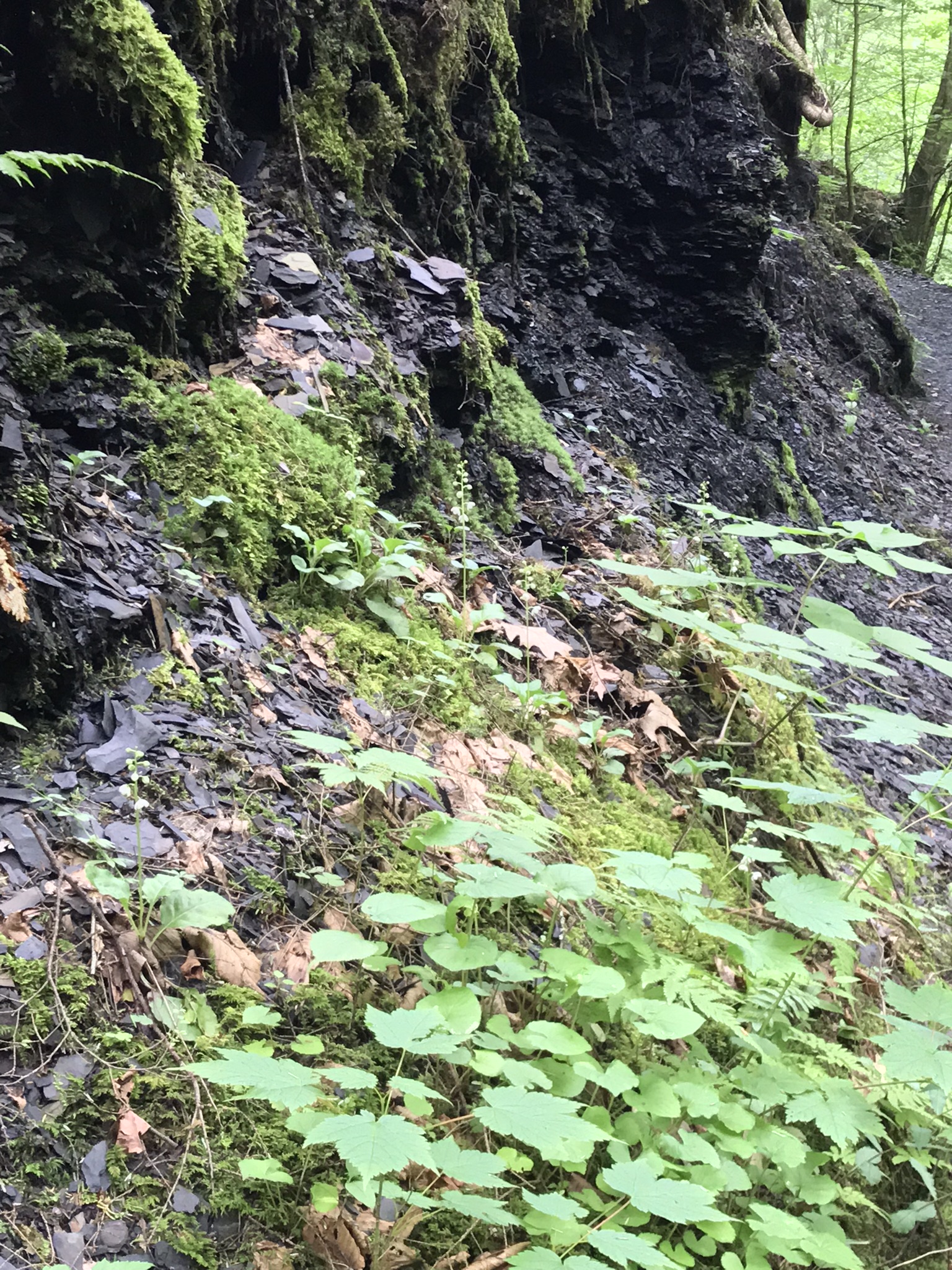
Close by the Sorrell of my post “Glen Shadows” is this inconspicuous flower, common name Shinleaf, seen here growing in spite of the the wet rip rap of shale at the base of the glen wall on the footpath. Much of the characterization of this plant is from the inconspicuous basal leaves from which the raceme of flowers springs.
Evergreen Pears
Moss and Shinleaf are associated in these groupings, I could conclude the moss provided a place for the tiny seeds of the plant to lodge and take root. The plant is a perennial and stays green throughout the winter, leading to another conclusion: there is a substance in the leaf cells that resists freezing. The latin meaning of the (scientific name) genus Pyrola means “Pear”, the shape of the leaf.
Look closely at the flowers to see the small flowers, the style extending beyond the petals like a bell clapper.
The common name, Shinleaf, is from England where the plant is credited with providing relief for minor injury. I am unclear on the grouping of this plant as a wintergreen. Shinleaf might be included as a wintergreen, and possibly attributed with healing properties, because “wintergreen” in the past was a synonym for “evergreen.”
There are species of wintergreens, in a different family, with leaves containing methyl salicilate that metabolizes (changed in our bodies) to a substance related to aspirin and more potent. I am reconsidering my identification of “cranberry” in the previous post “Red” to be a type of wintergreen high in methyl salicilate and growth close to the Shinleaf.
This abundance of life variety must be cherished and preserved, it can be a source of survival for the human species.
Copyright 2022 Michael Stephen Wills All Rights Reserved










 Michael Stephen Wills Photography