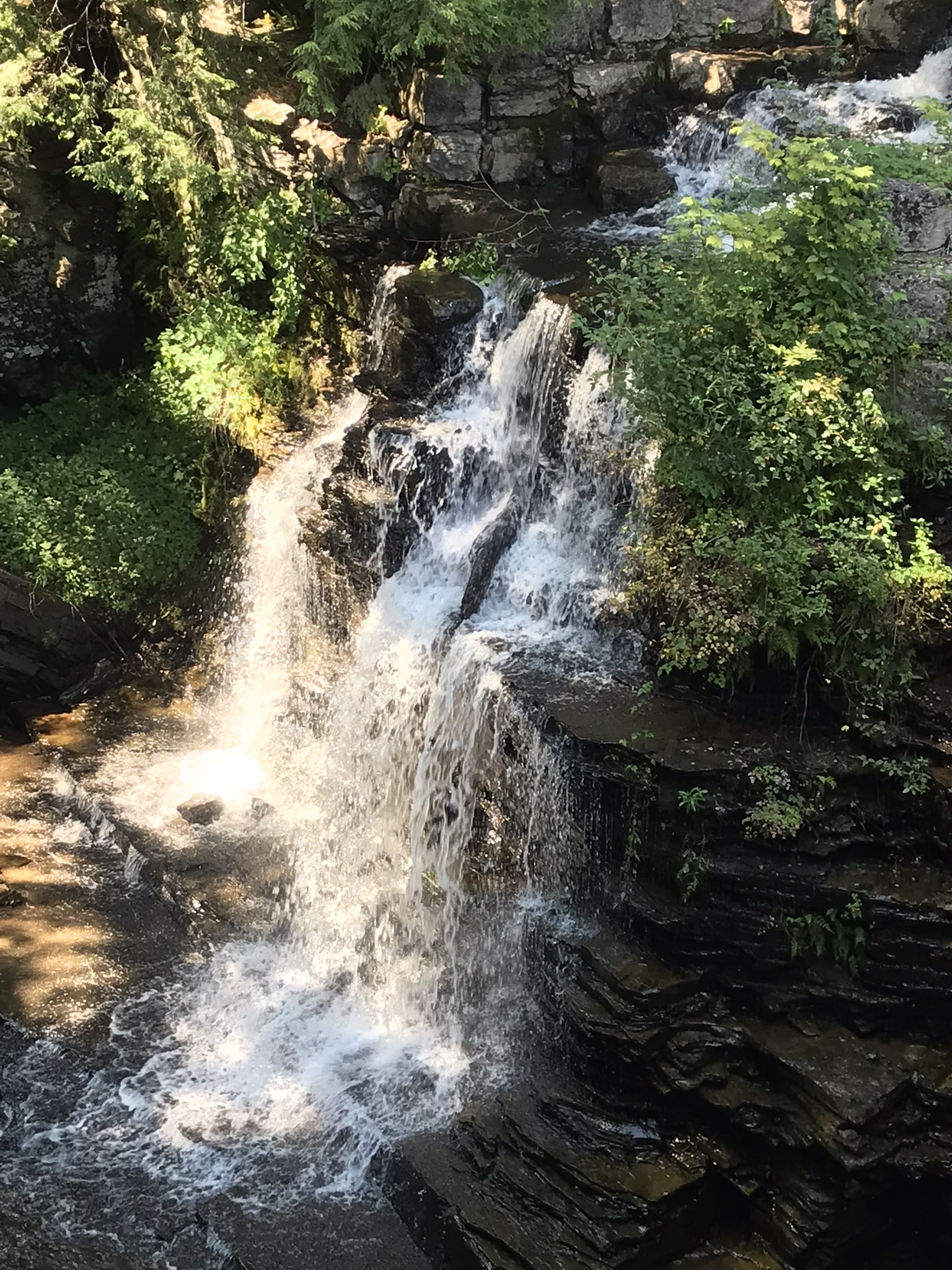
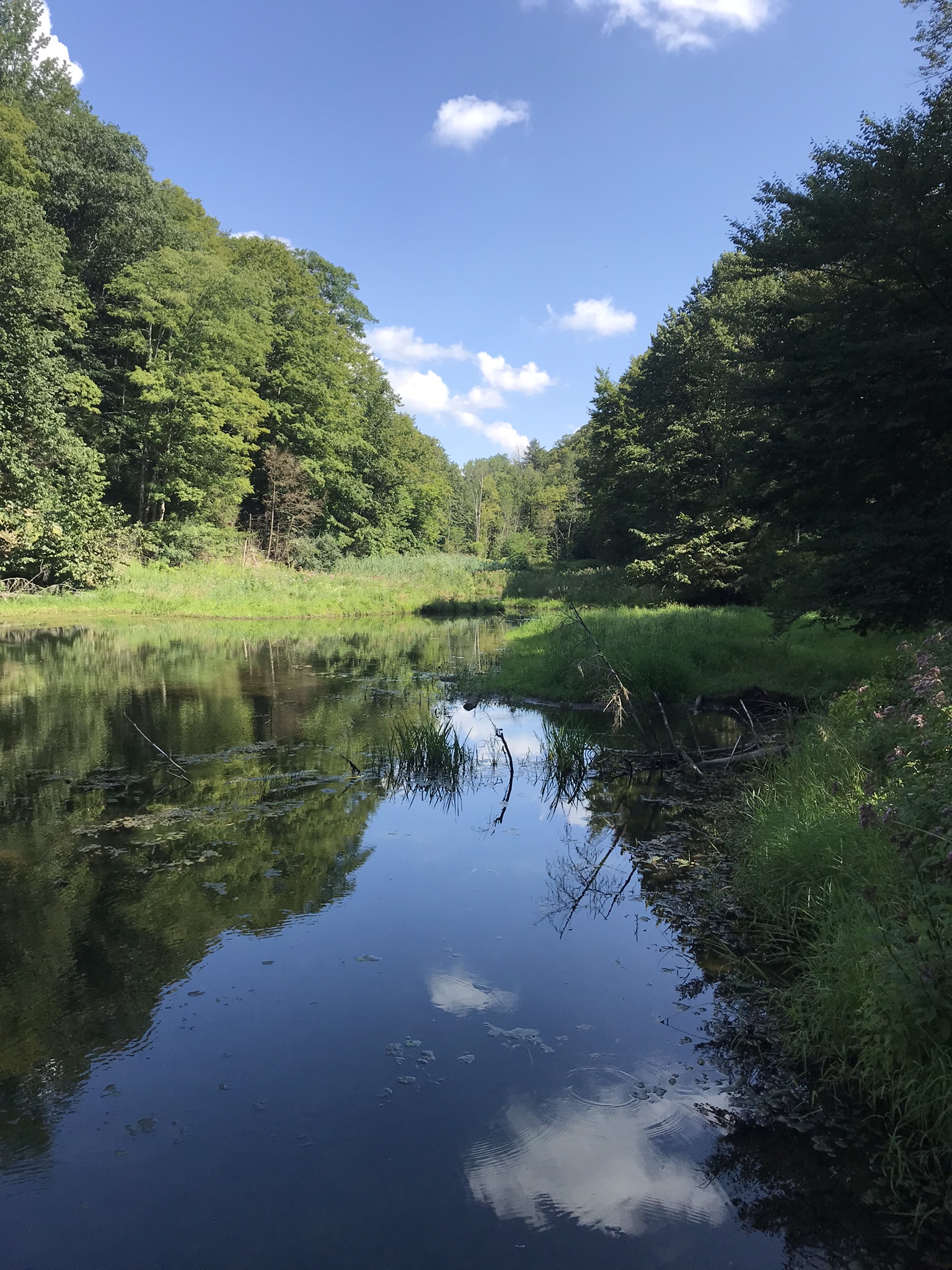
Anniversary Wildflower, crocus

The crocus has been known throughout recorded history, mainly as the source of saffron.

I found crocuses blooming beneath our magnolia tree on our 14th anniversary, Monday, March 20, 2023.

The following photograph is from the Apple IPhone 14 ProMax, raw format and perfected on the phone. The rest are from the Canon 5D Mark IV with the lens EF 100mm f/2.8 Macro USB.

Click Me for more photographic art from my OnLine Gallery, “Finger Lakes Memories.”
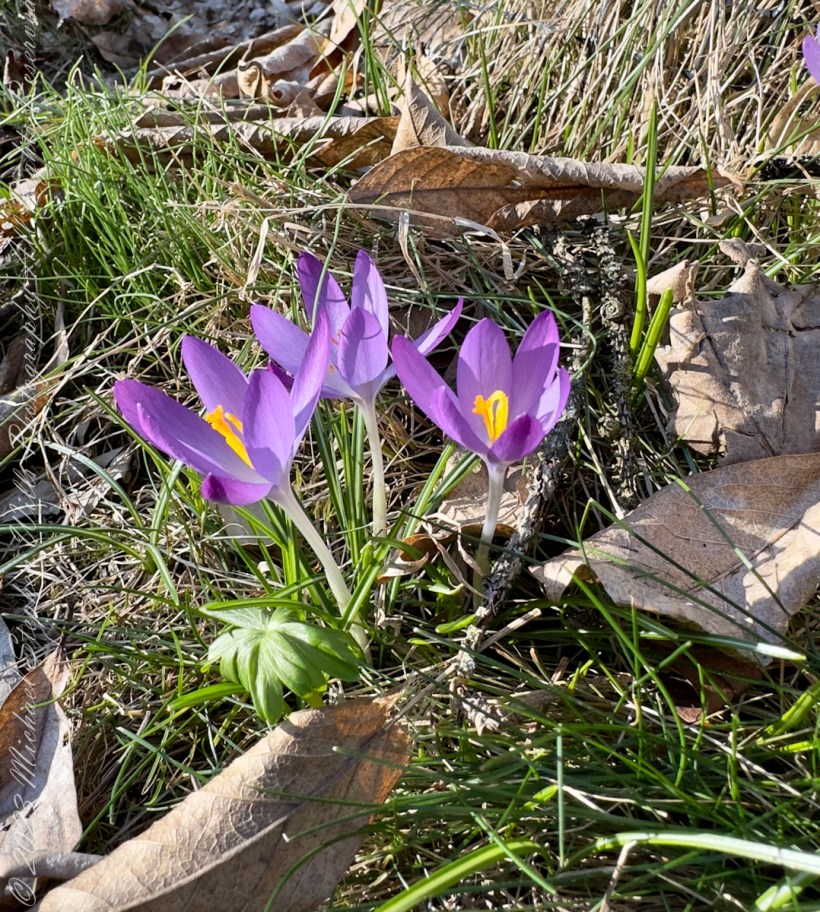
“Crocus is a genus of seasonal flowering plants in the family Iridaceae (iris family) comprising about 100 species of perennials growing from corms. They are low growing plants, whose flower stems remain underground, that bear relatively large white, yellow, orange or purple flowers and then become dormant after flowering. Many are cultivated for their flowers, appearing in autumn, winter, or spring. The flowers close at night and in overcast weather conditions.”

Here are partially closed blooms under the same magnolia tree on a very cold March 2020 afternoon.
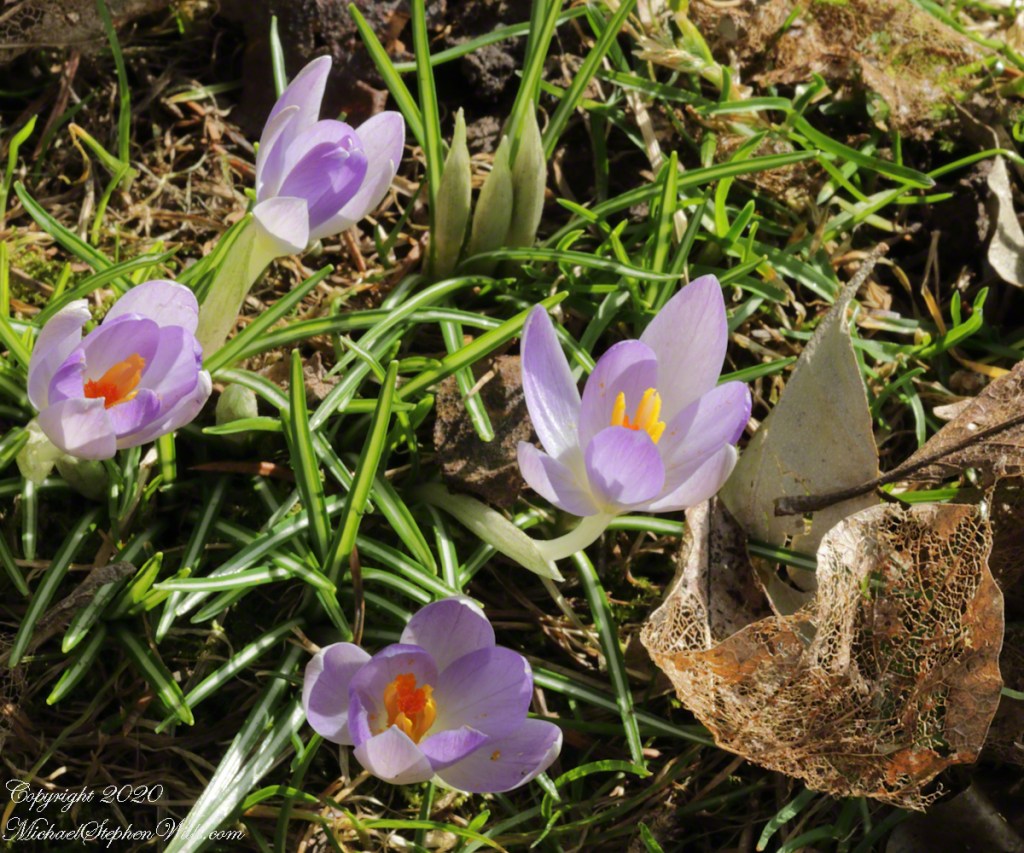
“The crocus has been known throughout recorded history, mainly as the source of saffron. Saffron is obtained from the dried stigma of Crocus sativus, an autumn-blooming species. It is valued as a spice and dyestuff and is one of the most expensive spices in the world. Iran is the center of saffron production. Crocuses are native to woodland, scrub, and meadows from sea level to alpine tundra from the Mediterranean, through North Africa, central and southern Europe, the islands of the Aegean, the Middle East and across Central Asia to Xinjiang in western China. Crocuses may be propagated from seed or from daughter cormels formed on the corm, that eventually produce mature plants. They arrived in Europe from Turkey in the 16th century and became valued as an ornamental flowering plant.” Source: wikipedia “crocus”

Copyright 2023 All Rights Reserved Michael Stephen Wills

Habitat

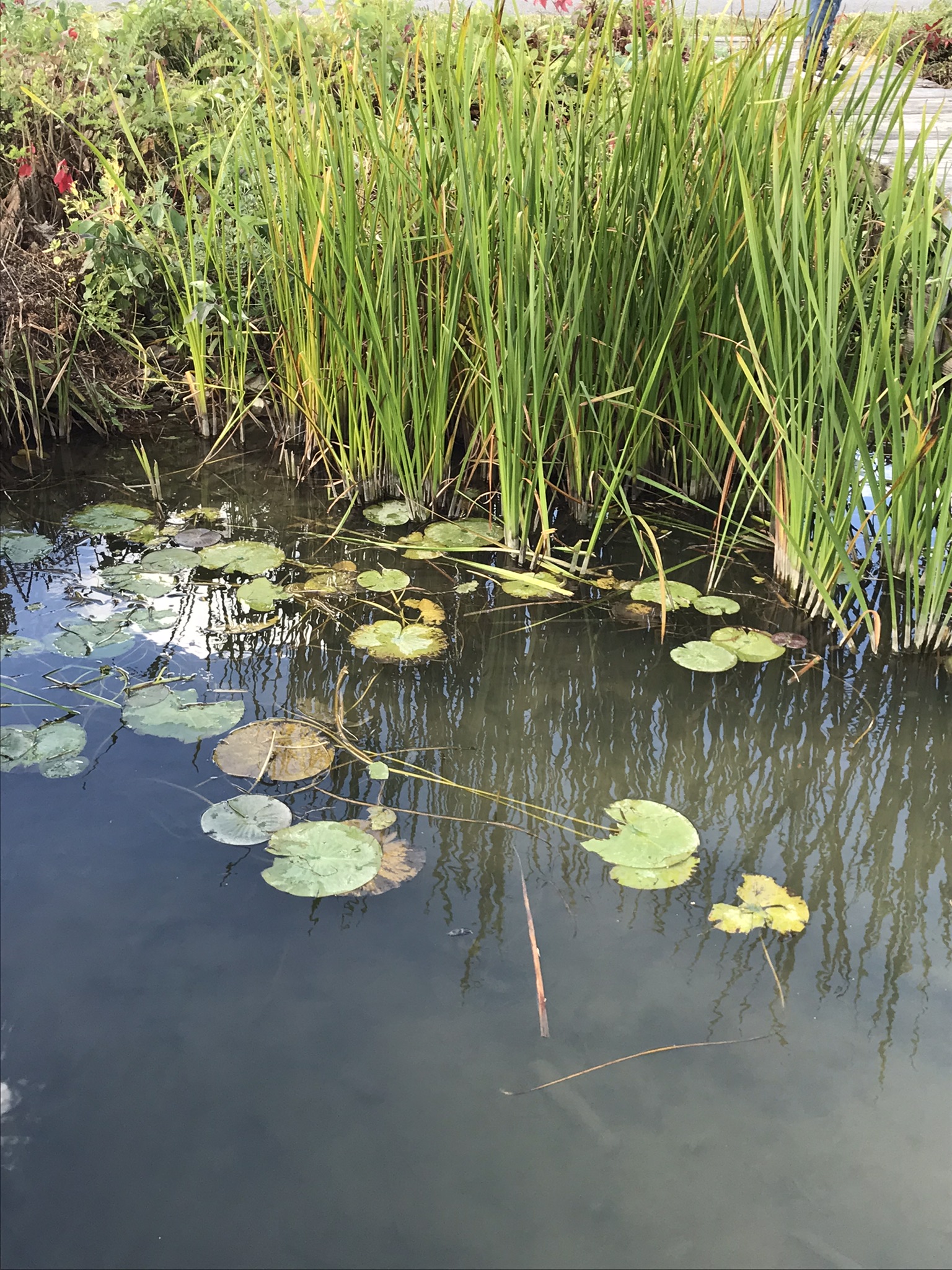
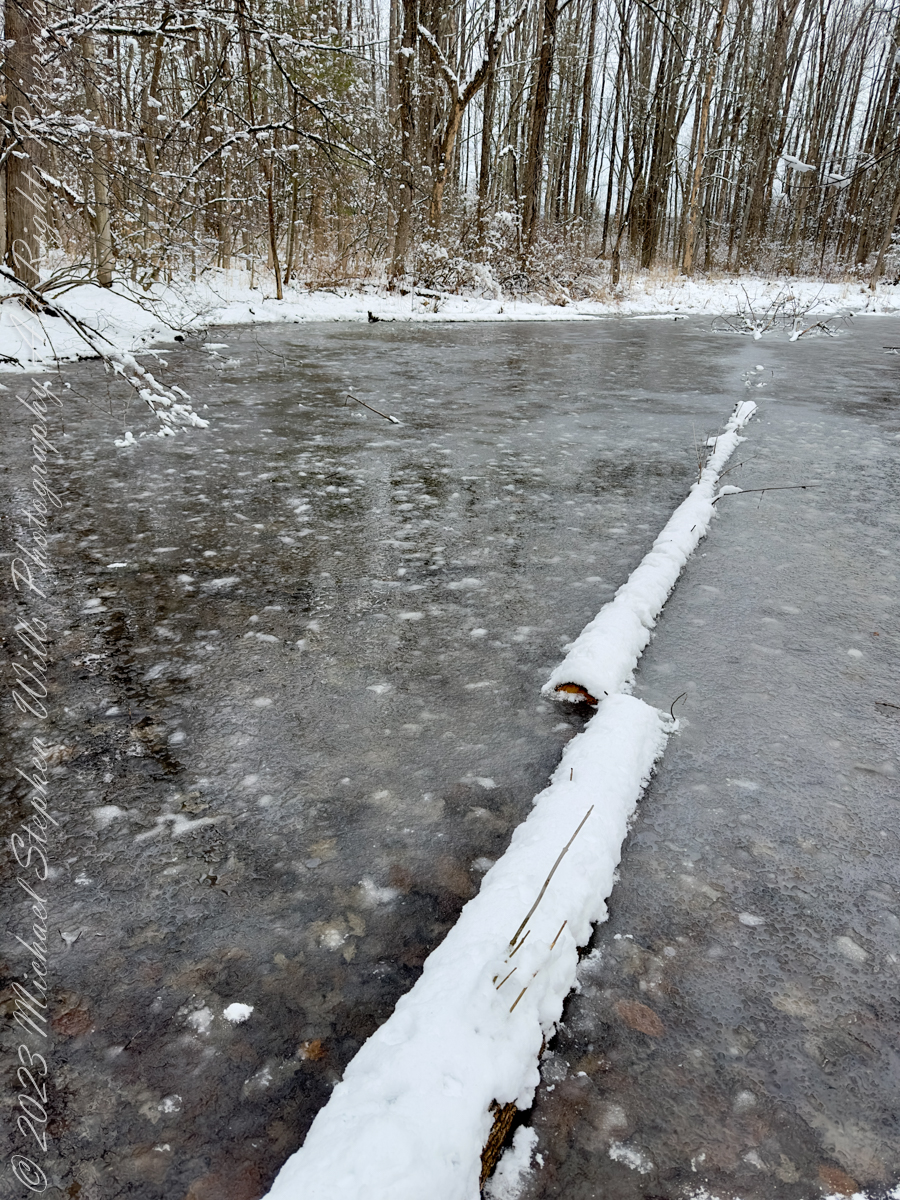
Home to frogs and turtles, this perennial pond is part of Sapsucker Woods of Cornell University Lab of Ornithology, Ithaca, Tompkins County, New York

Click Me for “Finger Lakes Memories” my online gallery.

Copyright 2023 Michael Stephen Wills All Rights Reserved

Thermogenic

Plant Identification

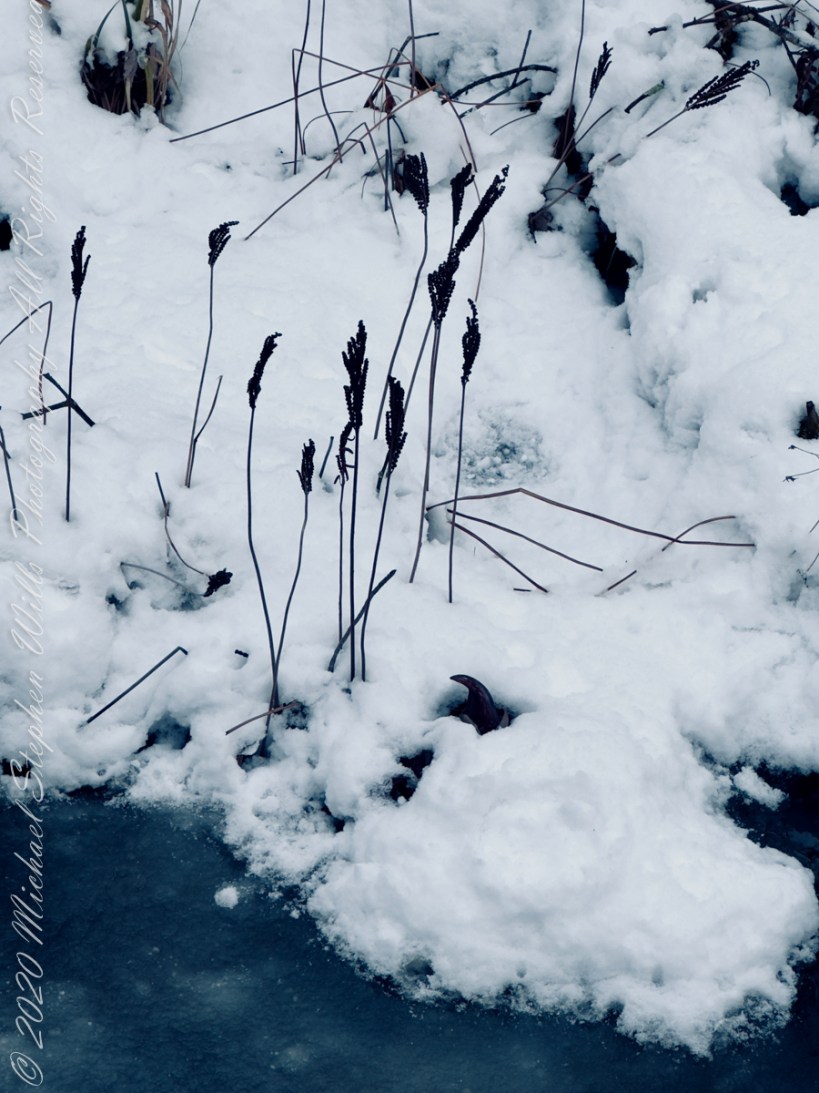
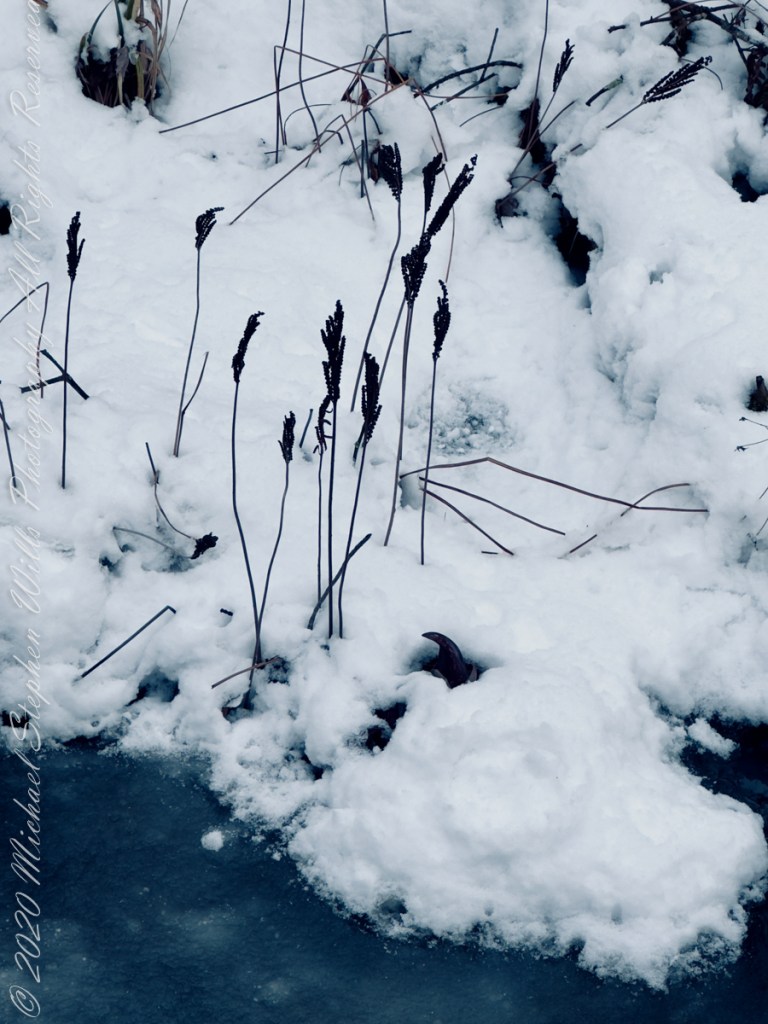
Can you spot the Skunk Cabbage (Symplocarpus foetidus)? Hint: the plant emits heat, melting surrounding snow.

I cannot remember, don’t recall (?), the identification of those long stalks. Dear readers: can you identify?

Eastern skunk cabbage belongs to a select group of thermogenic plants for its capacity to create temperatures of up to 15–35 °C (59–95 °F) above air temperature through cyanide–resistant cellular respiration (via alternative oxidase) in order to melt its way through frozen ground.

One mechanism behind maintaining heat around the plant is the thermogenic oscillation of the spadix: Independent of light, a precise thermal regulator is produced by an oscillatory temperature-sensing model in the spadix under dynamic external temperature variations. An equilibrium between heat production and loss, due to heat radiation, evaporation, conduction and convention is maintained in the spadix. Additionally, the airflow around the spathe effectively maintains heat generated by the spadix.

Click Me for “Finger Lakes Memories” my online gallery.
Reference on the thermogenic features: Wikipedia, “Skunk Cabbage.”

Copyright 2018 Michael Stephen Wills All Rights Reserved

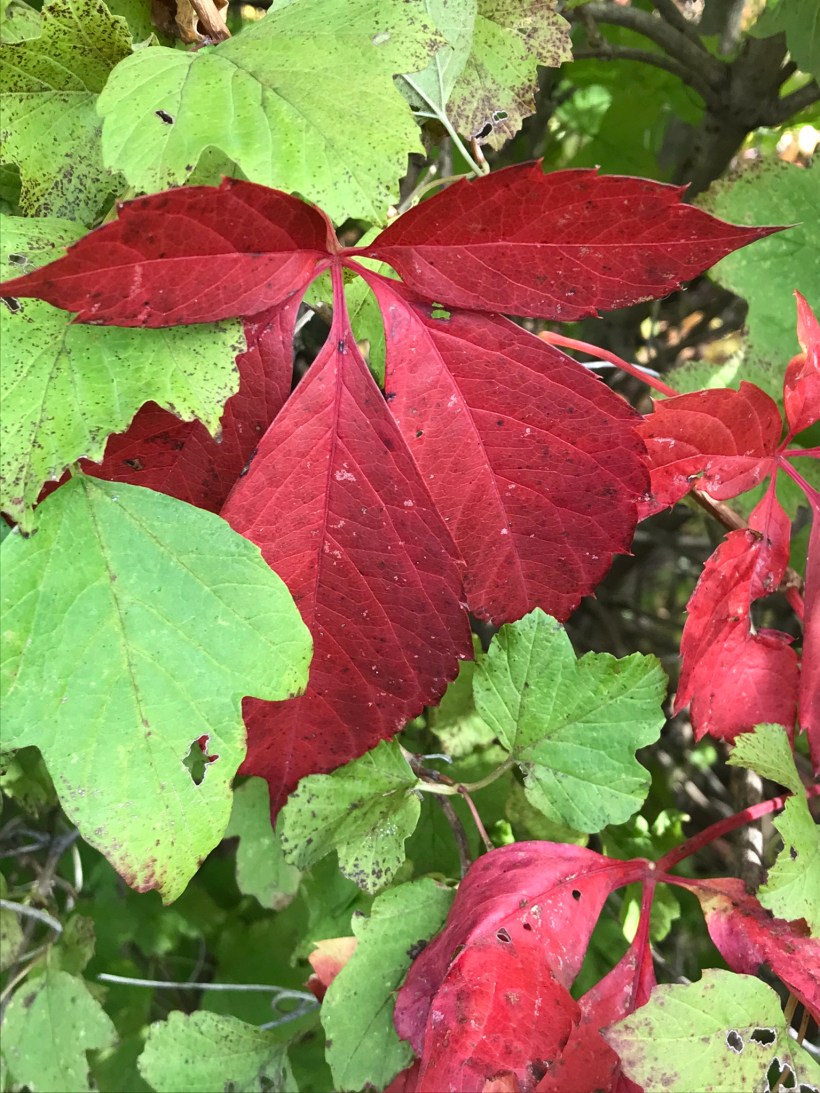
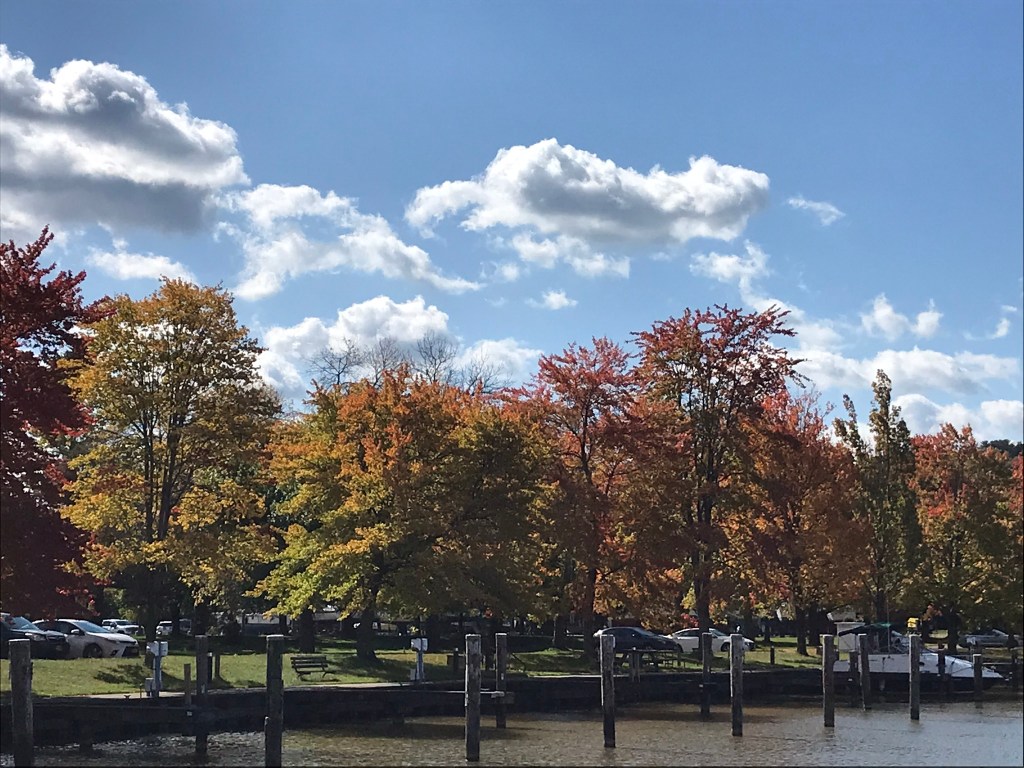
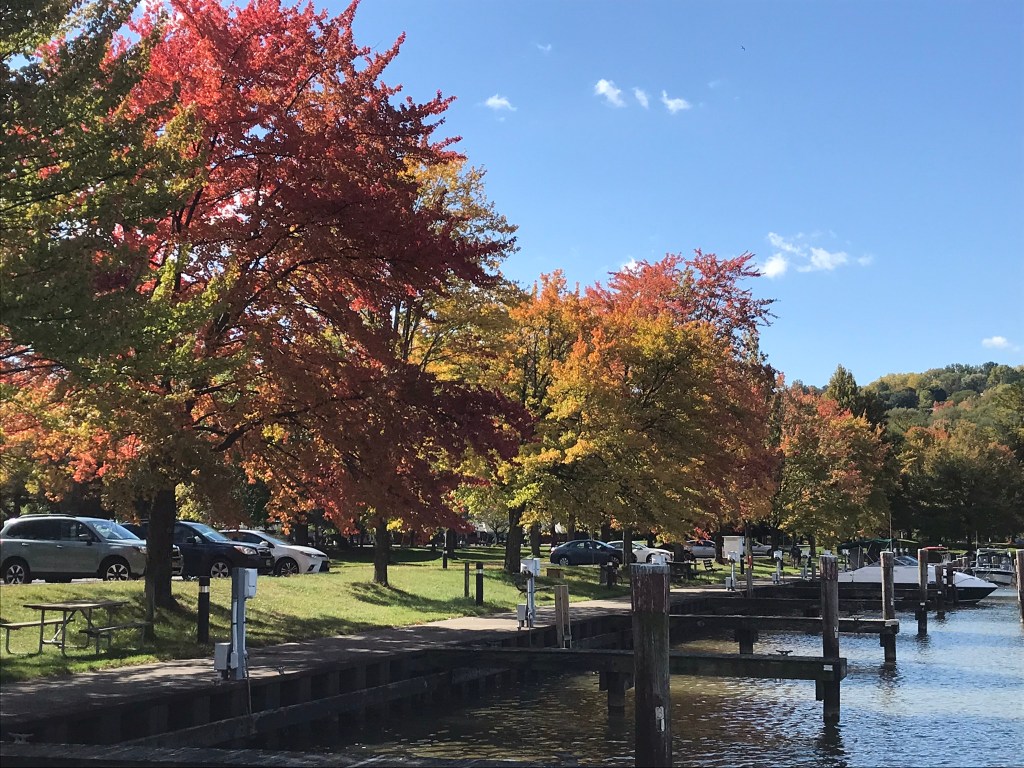
Autumn Ithaca

Cass Park

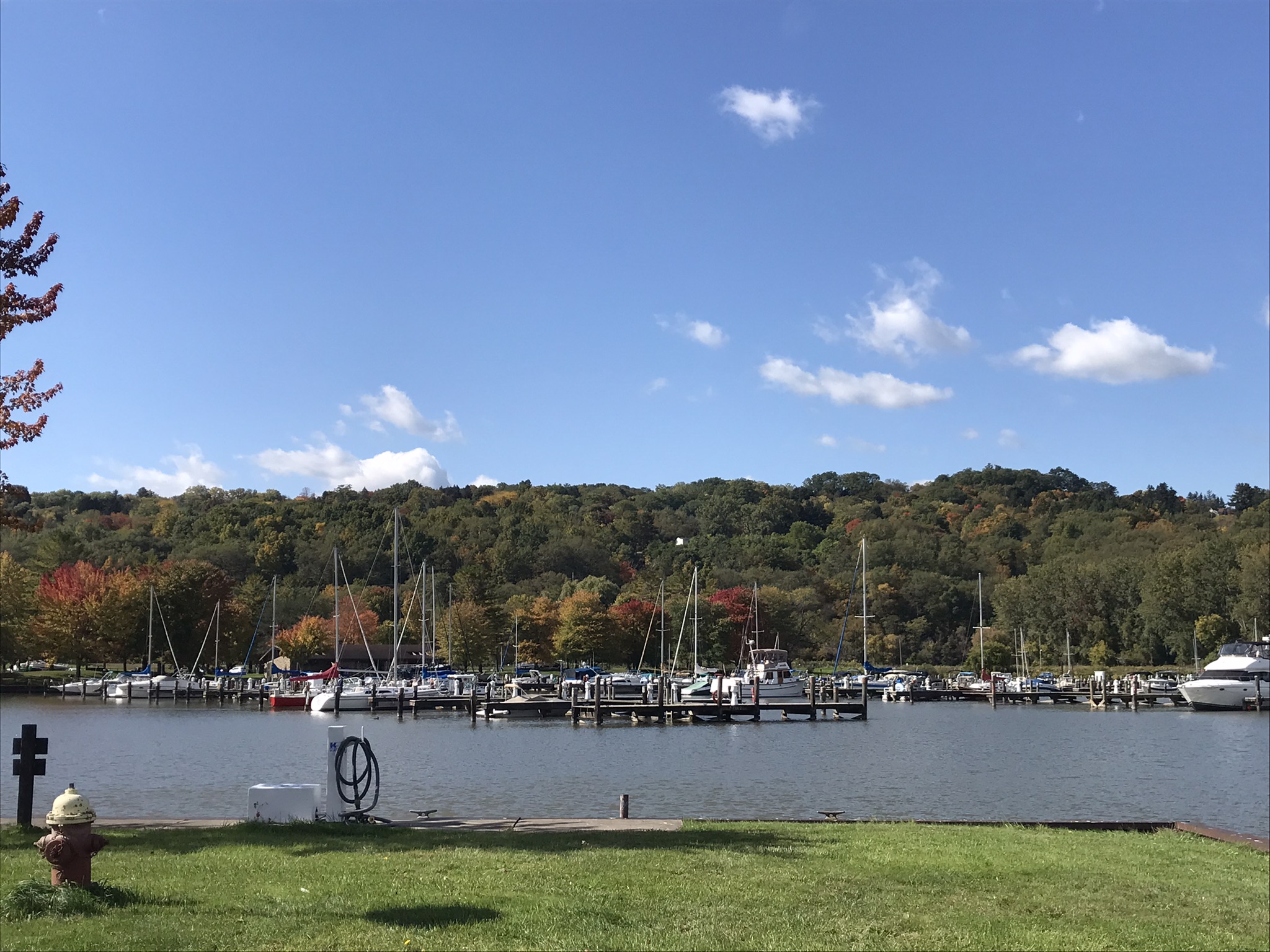
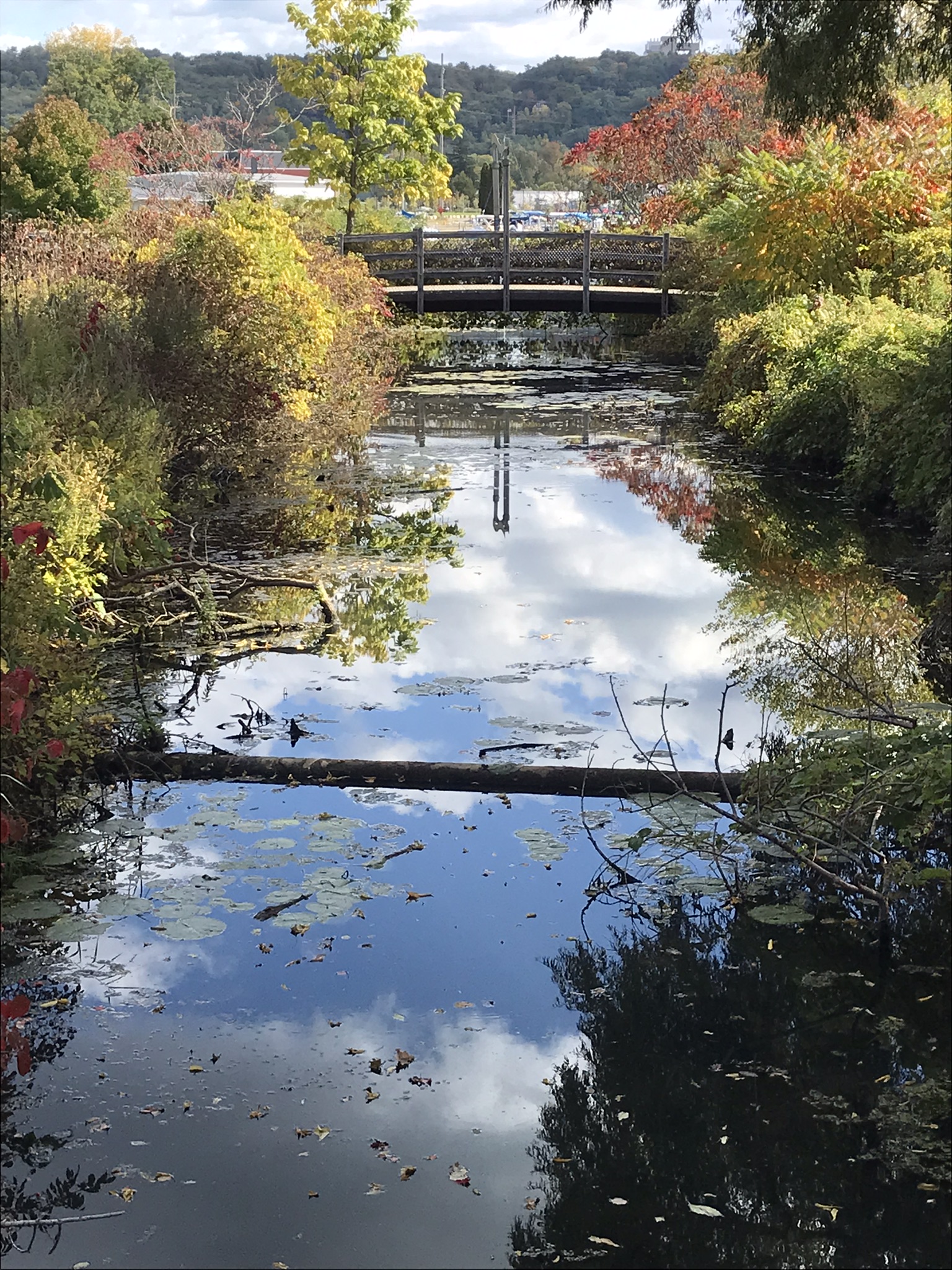
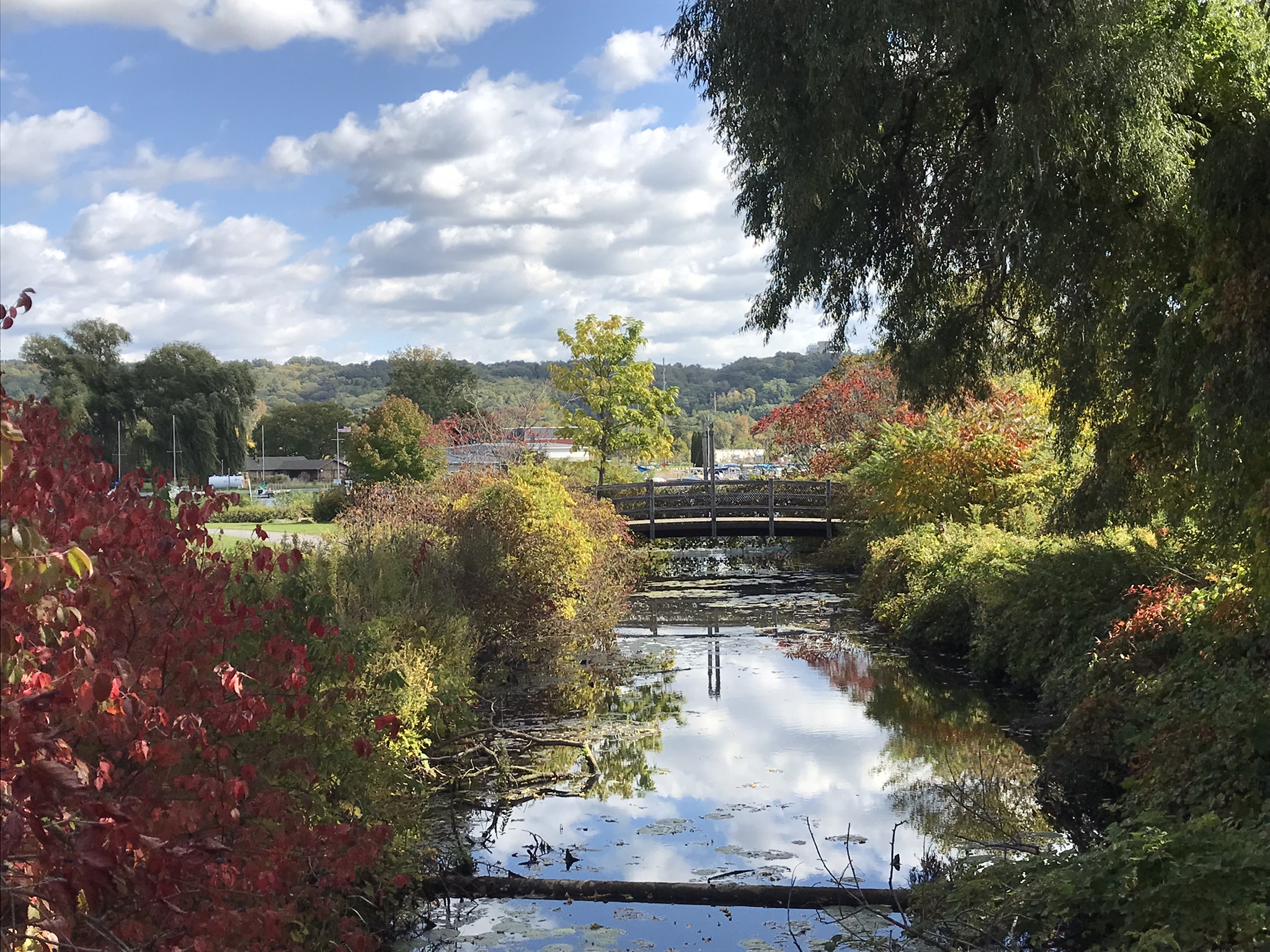
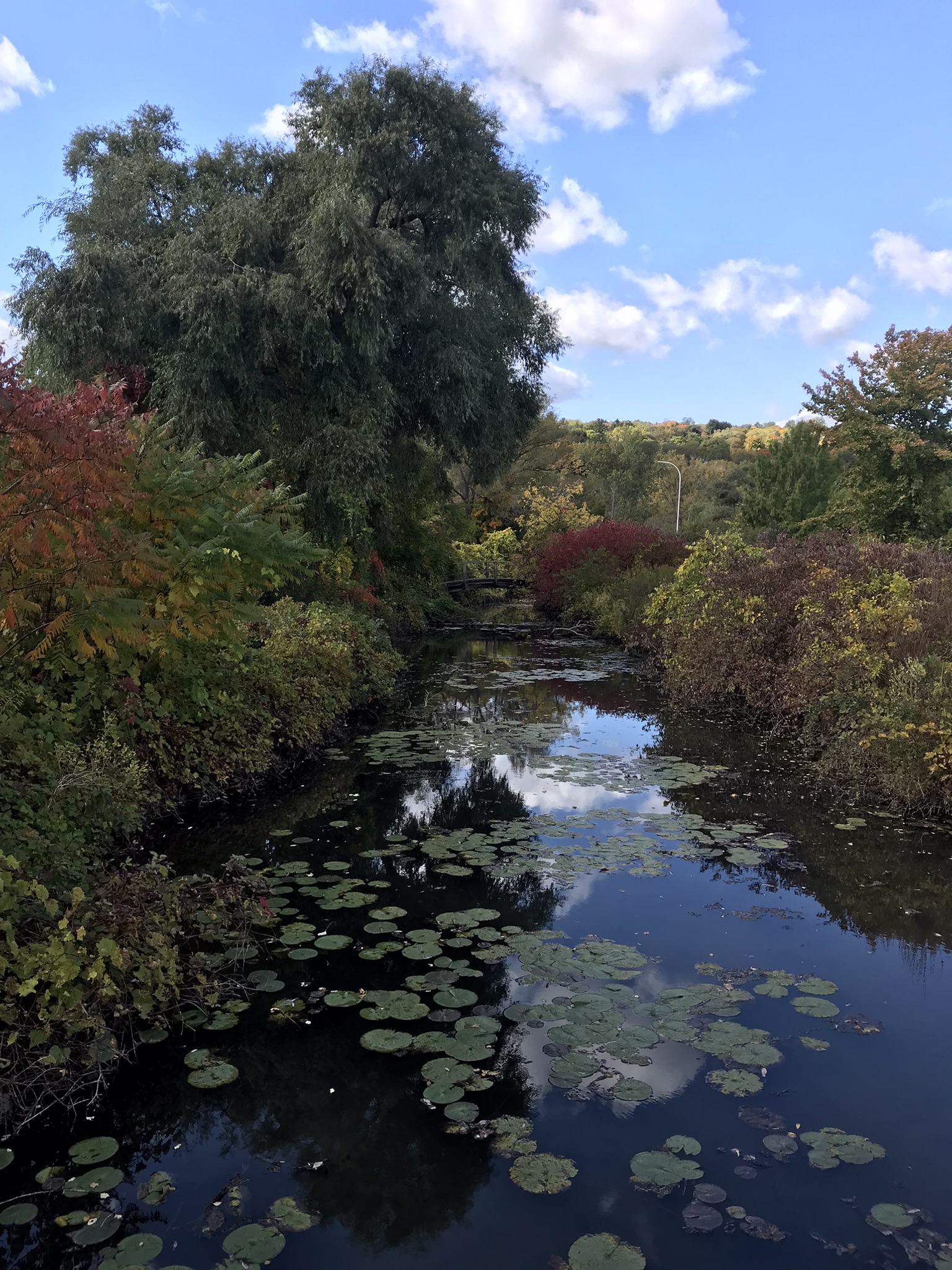
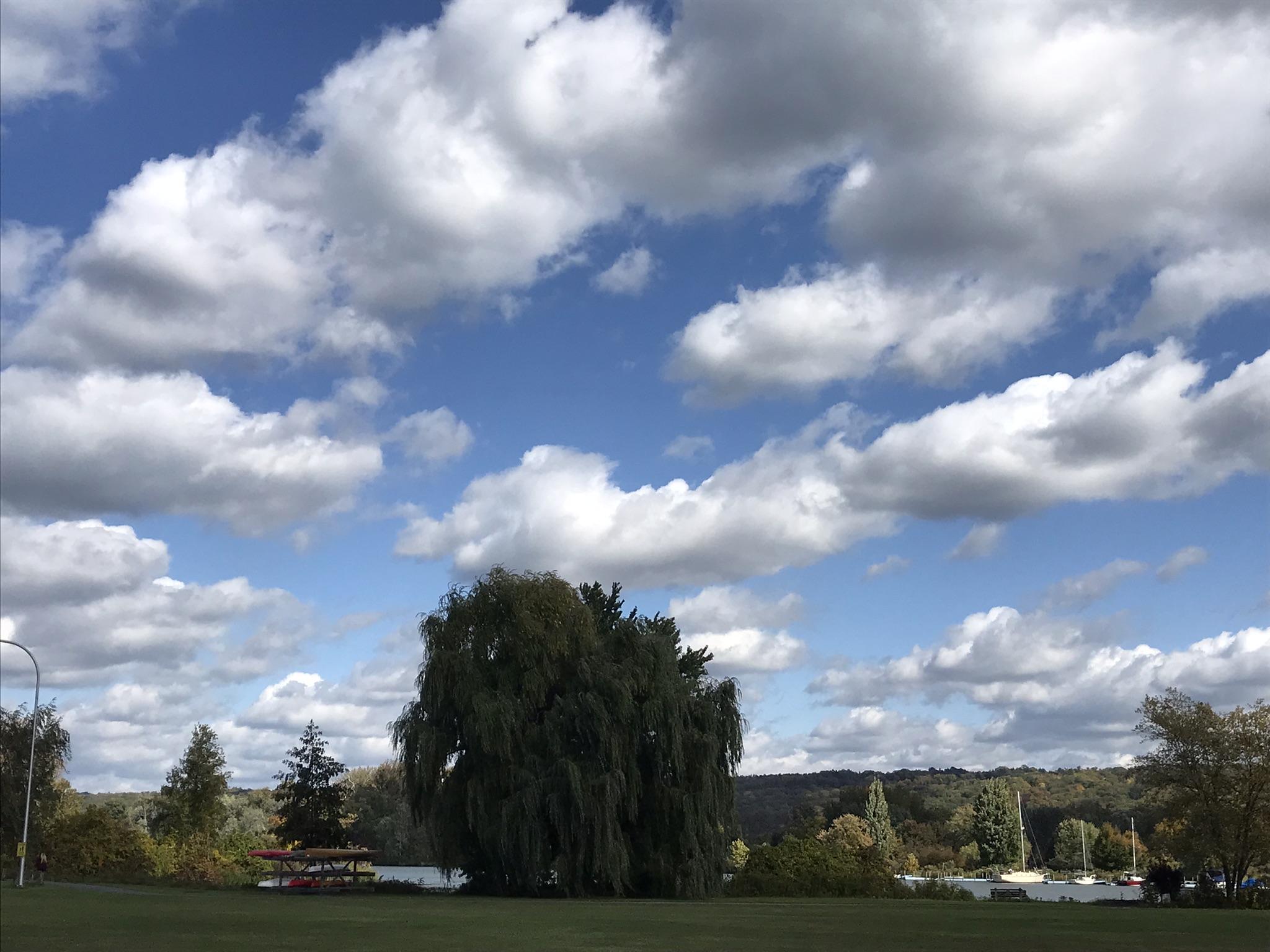
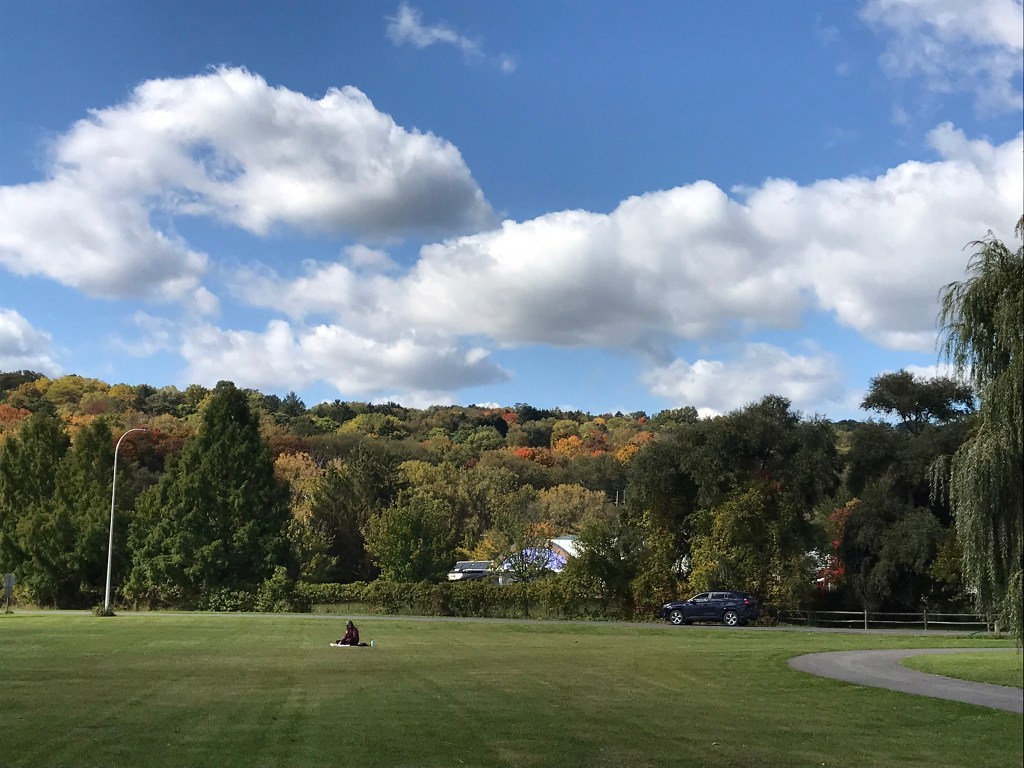
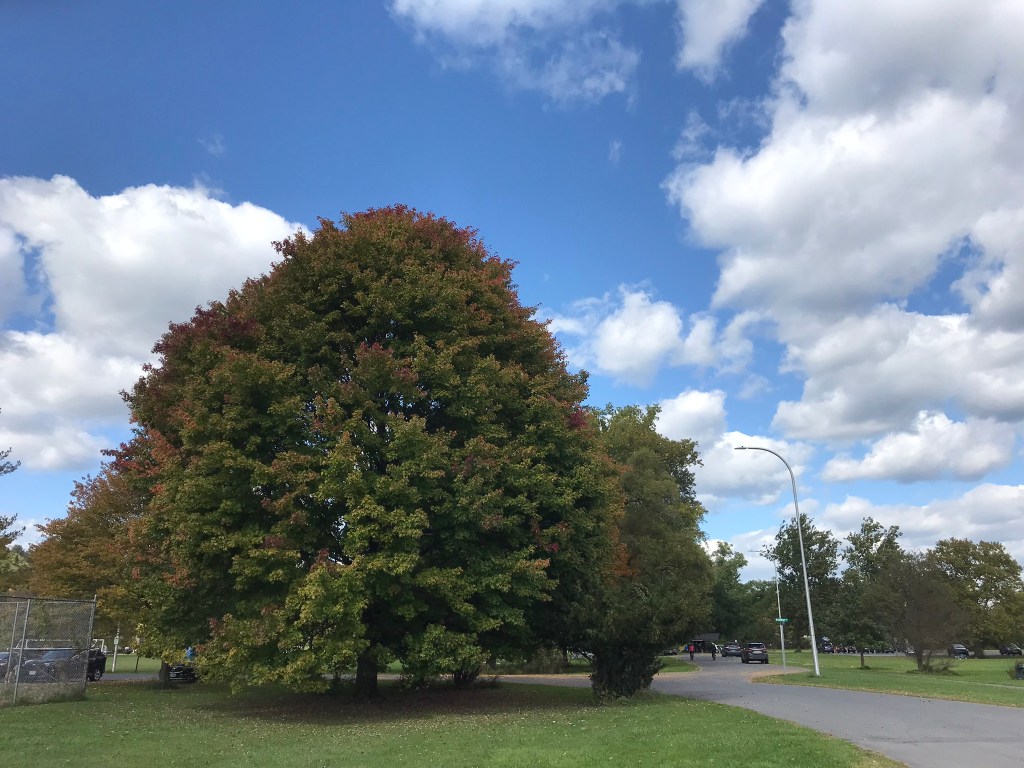
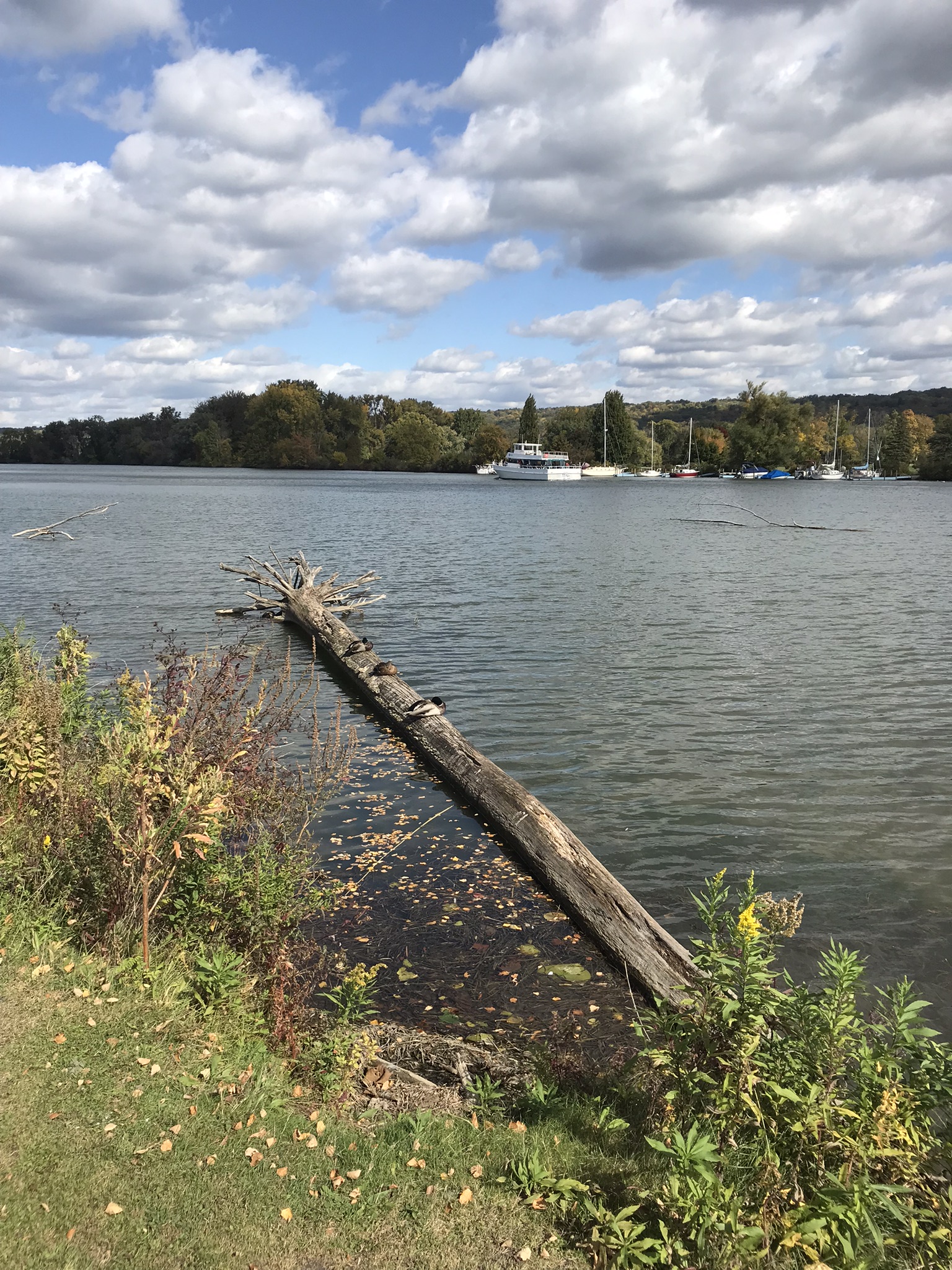
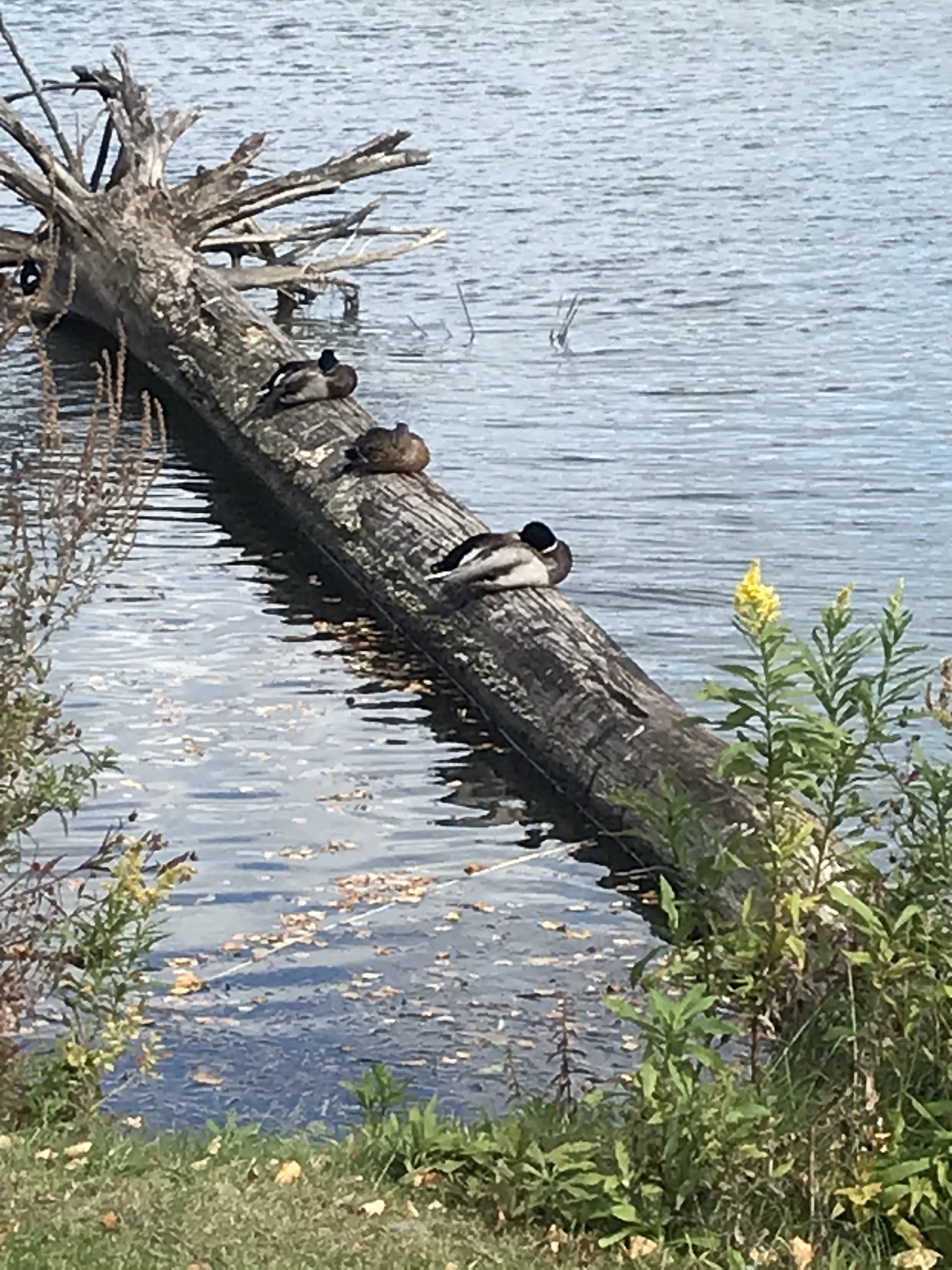
Pam and I arrived early to Cass Park for our grandson’s October afternoon soccer match, in time for a 2 mile walk on the generous footpaths. This is my impression of that time, from the IPhone 7’s camera.

A Packed Excursion Boat Under A Stunning Sky

This completes our Sunday afternoon walk around Cass Park, Ithaca, New York.

Copyright 2022 Michael Stephen Wills All Rights Reserved

Black Mountain

Million Dollar View

After a respite among the cool spring waters, we headed up Peters Trail for the top of Peter’s mesa where, for all we knew, there was no water.

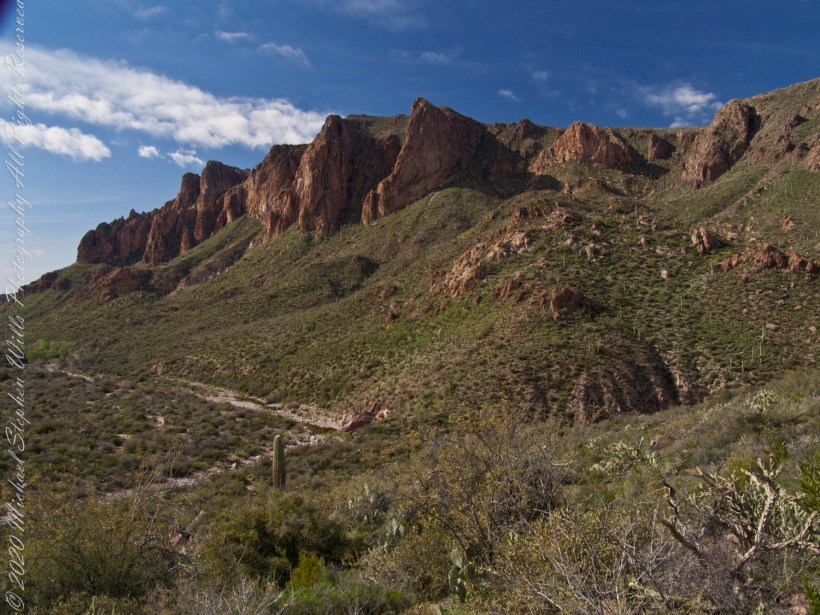
In this photograph I face northwest, looking down on Dutchman Trail. The peak, upper center left, is Black Mountain. The cleft of Charlebois Canyon is lower middle right. Stag Horn Cholla cactus is lower right with Prickly Pear cactus scattered in the brush. Poles of young saguaro cactus are scattered around the lower slopes. Look carefully and you can make out the pooled water of our rest stop.

Copyright 2022 Michael Stephen Wills All Rights Reserved

Around the Mountain

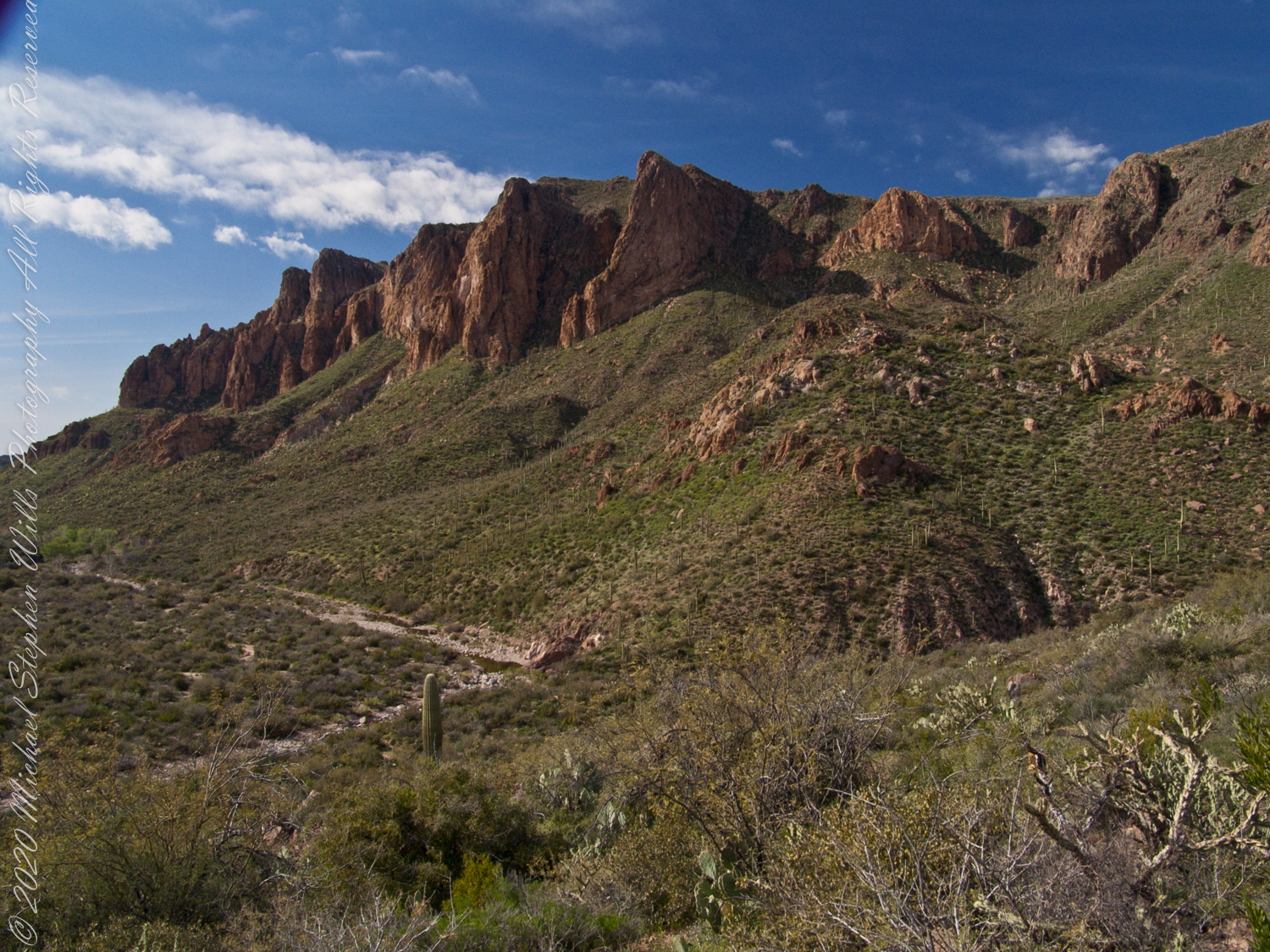
The beetling cliffs of Bluff Spring Mountain

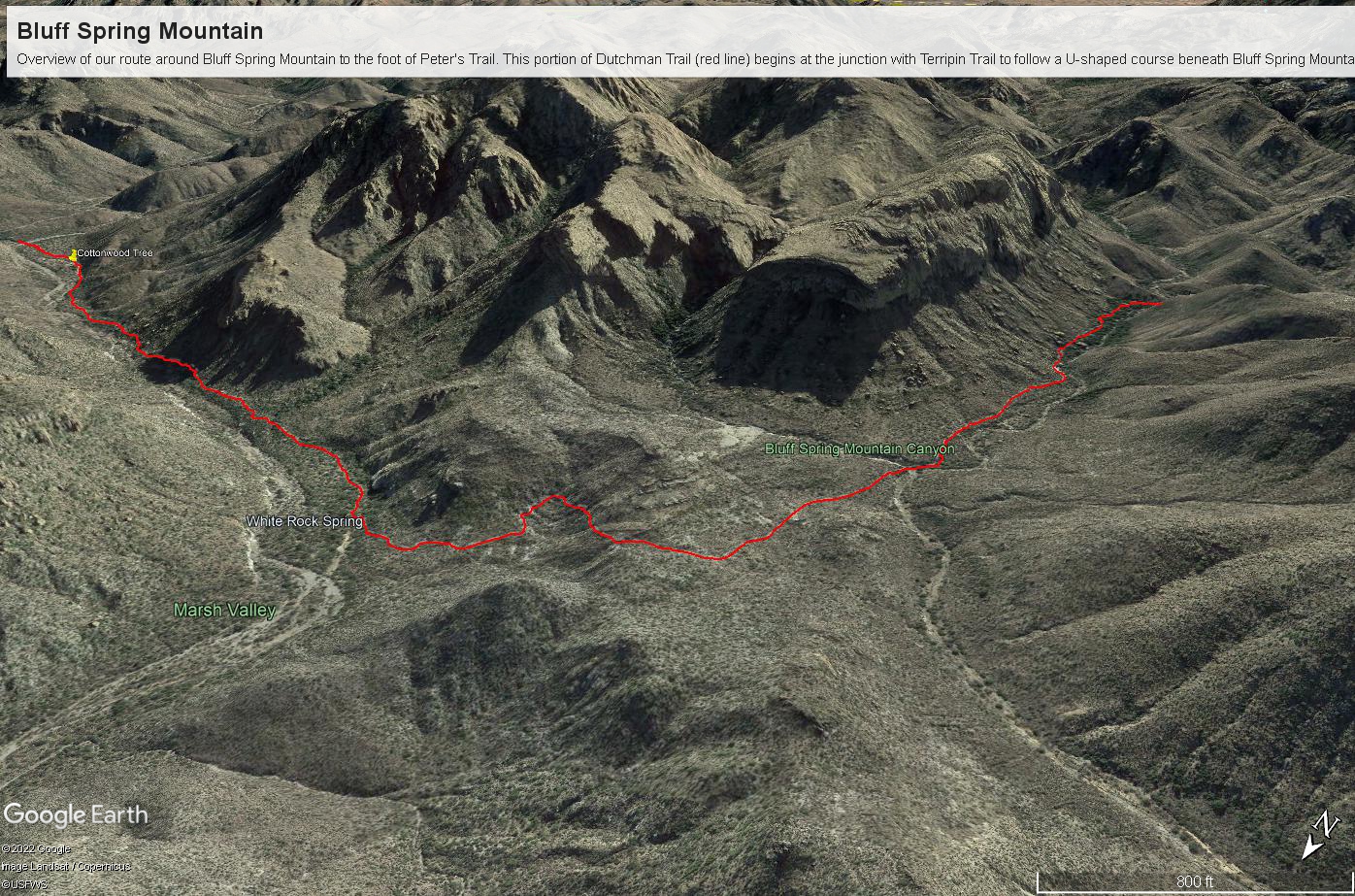
Here is a recap of the last few Superstition Wilderness posts. The expedition route, in red, starts on the right where Dutchman and Terrapin trails meet. The total distance is 2.6 miles. Photograph timestamps tell me about 2 hours passed — 1.3 miles per hour in this rough country.

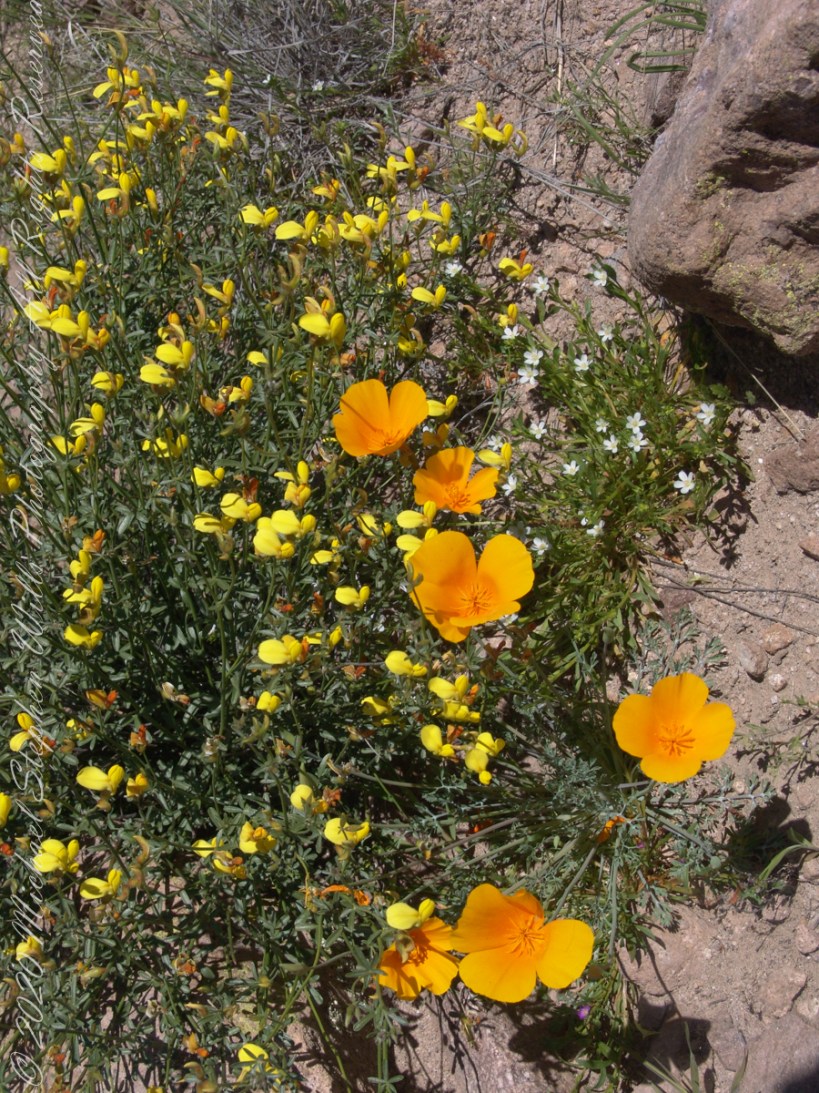
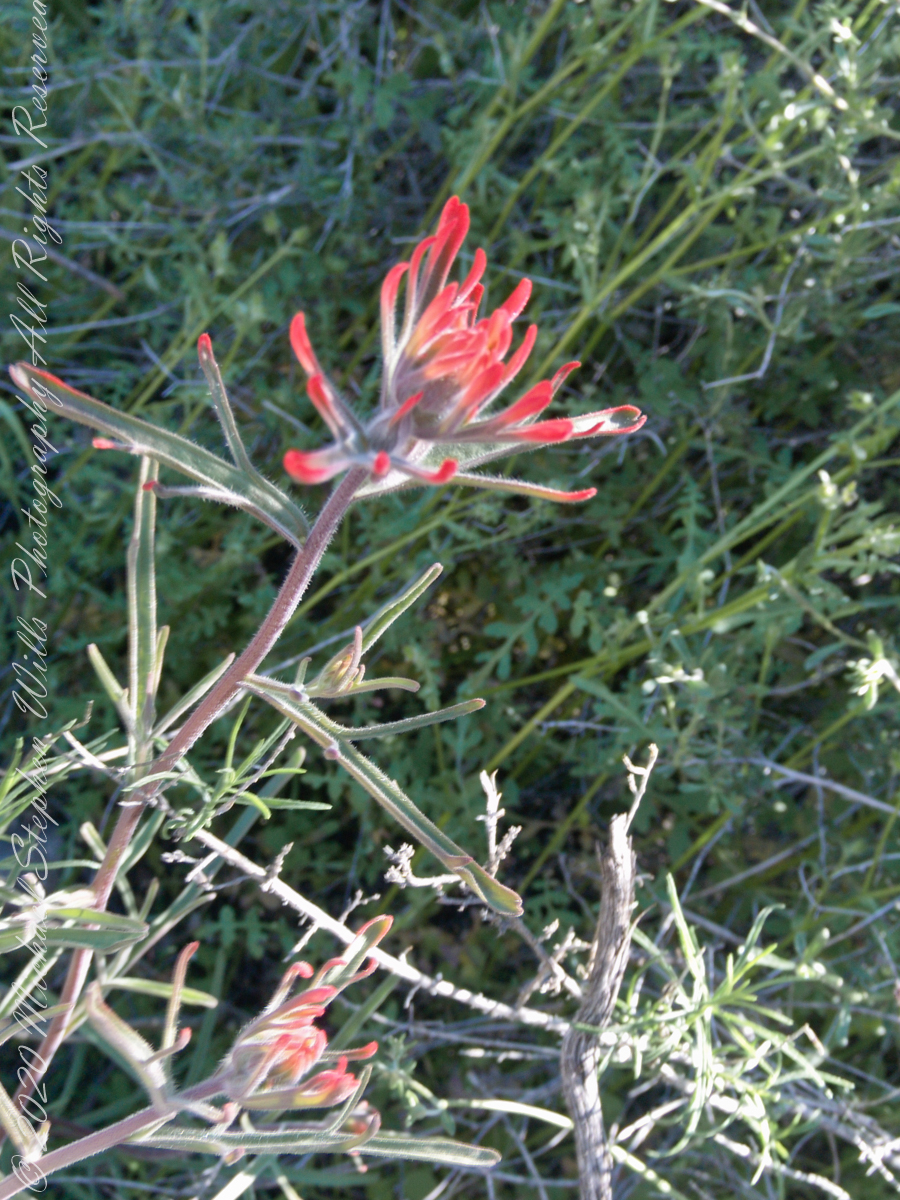
I came upon the wildflowers of “Desert Color” a few minutes after starting.

“Ominous Splendor” photograph was taken just before Bluff Spring Mountain Canyon (green text).

“Marked Saguaro” was encountered a few minutes before the Cottonwood tree of “Riparian,” marked with a pushpin.

“Spring Flow” is the endpoint on left.

Here is a gallery of photographs from this portion of our expedition.

Copyright 2022 Michael Stephen Wills All Rights Reserved

Spring Flow

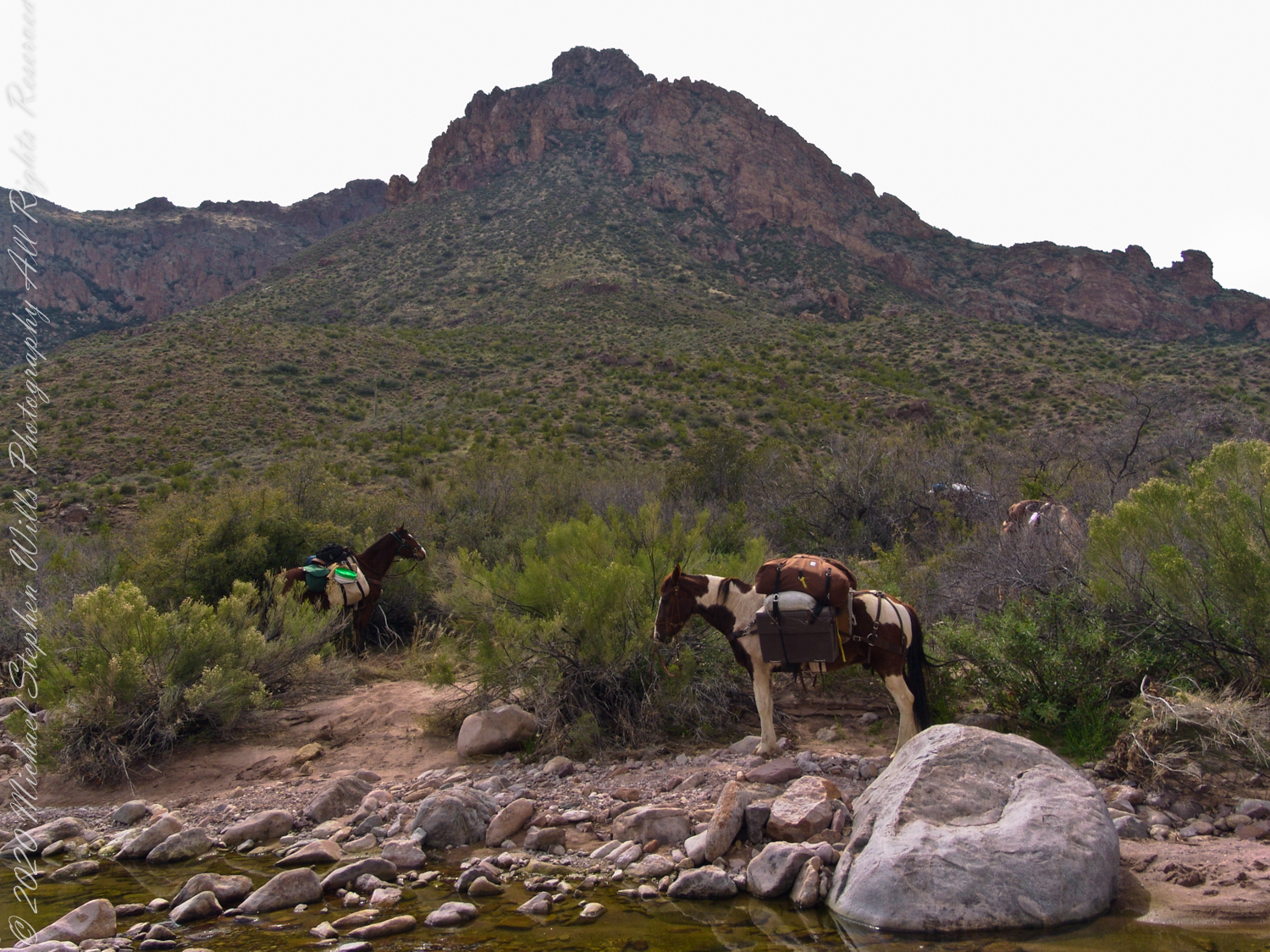
Rest Before A Climb

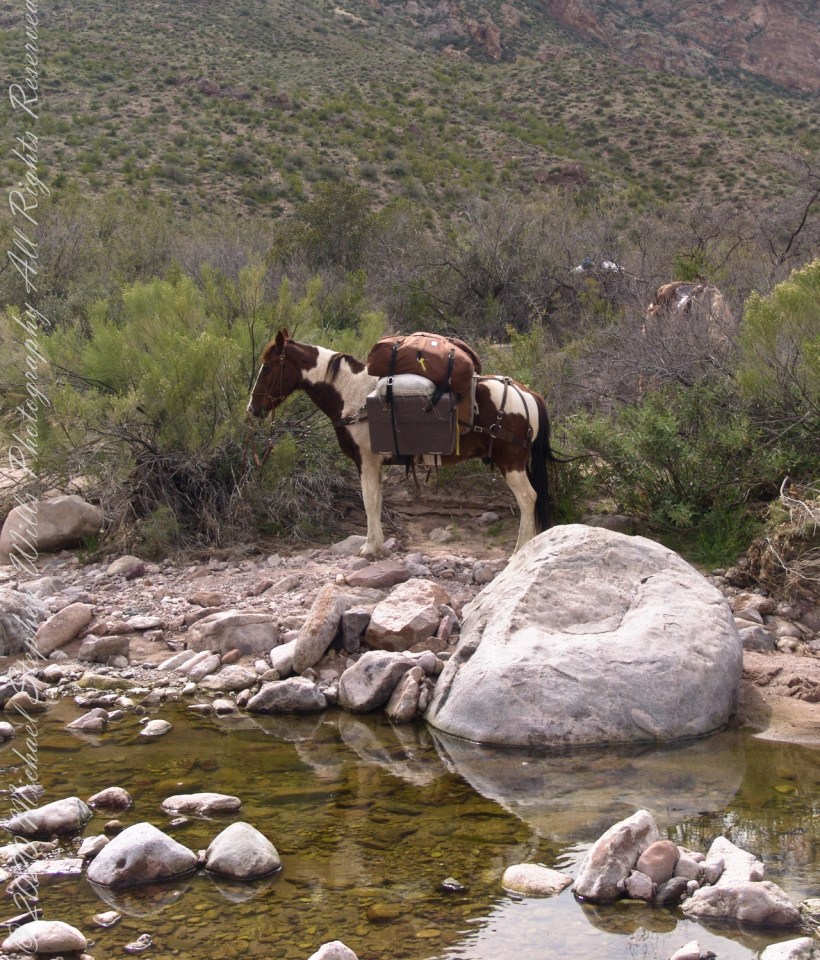
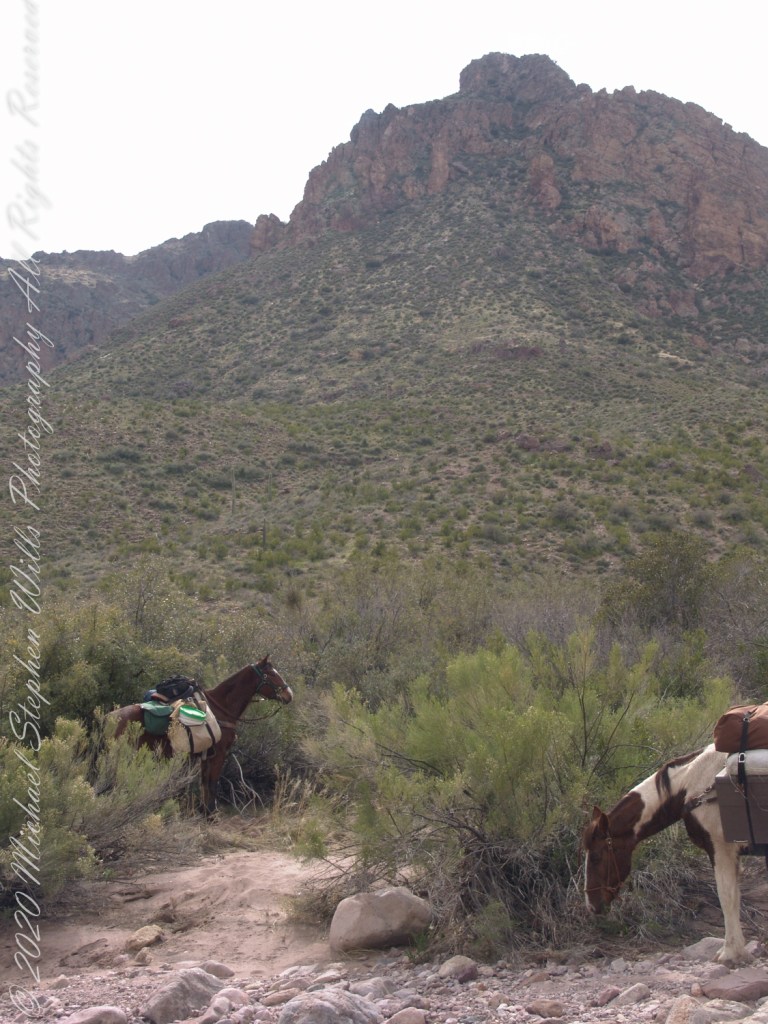
The expedition party rested where Dutchman Trail intersected the creek, full of flow from Charlebois Canyon, Music Canyon and LaBarge springs. We filled the water reservoirs in preparation for the climb up to the night’s camping spot on Peter’s Mesa, a 1,300 foot climb over 1.2 miles.

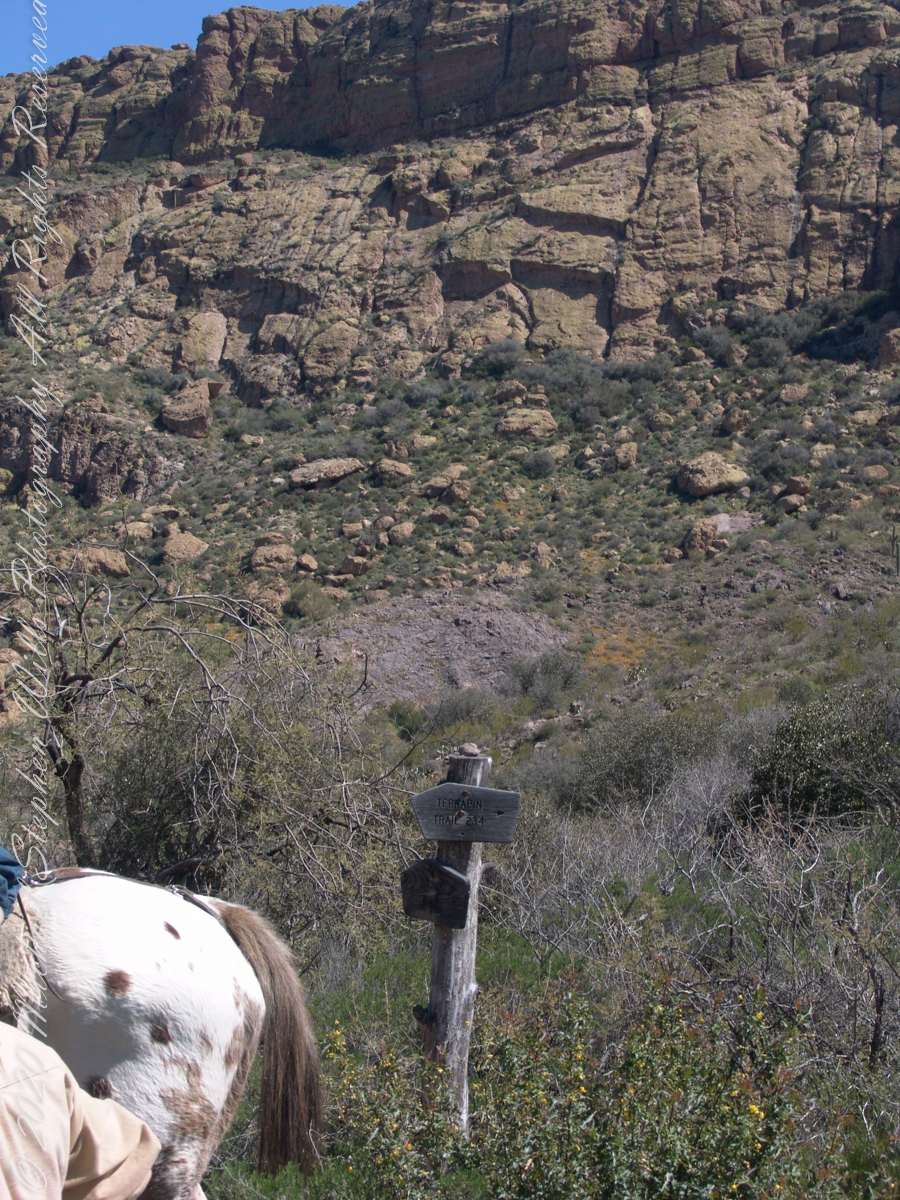
Behind Colorado and “Ed’s Horse” (don’t recall the name) is Bluff Spring Mountain.

Click Me for the first post in this series, “Bluff Spring Mountain.”

Copyright 2022 Michael Stephen Wills All Rights Reserved

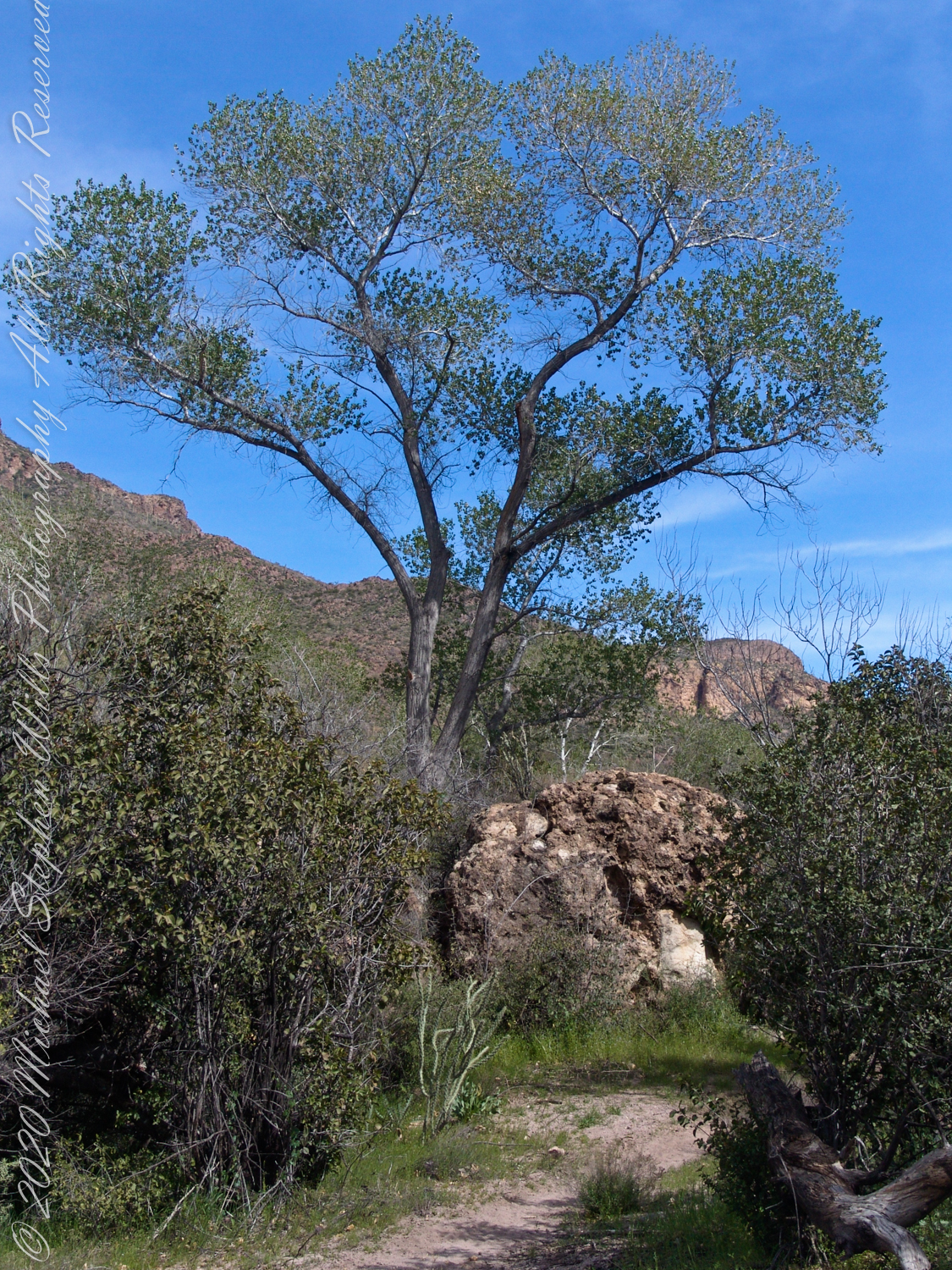
Riperian

Blessings of Water

A view to west on Dutchman Trail between Bluff Spring Mountain and Peter’s Mesa. The creek flowing from Charlebois, Music Mountain and LaBarge springs nourishes this Fremont’s Cottonwood (Populus fremontii) and other riparian flora. The tree is flanked by volcanic rock from an ancient eruption.

Click Me for the next Superstition Wilderness post, “Spring Flow.”

Copyright 2022 Michael Stephen Wills All Rights Reserved

Gorge Exploration

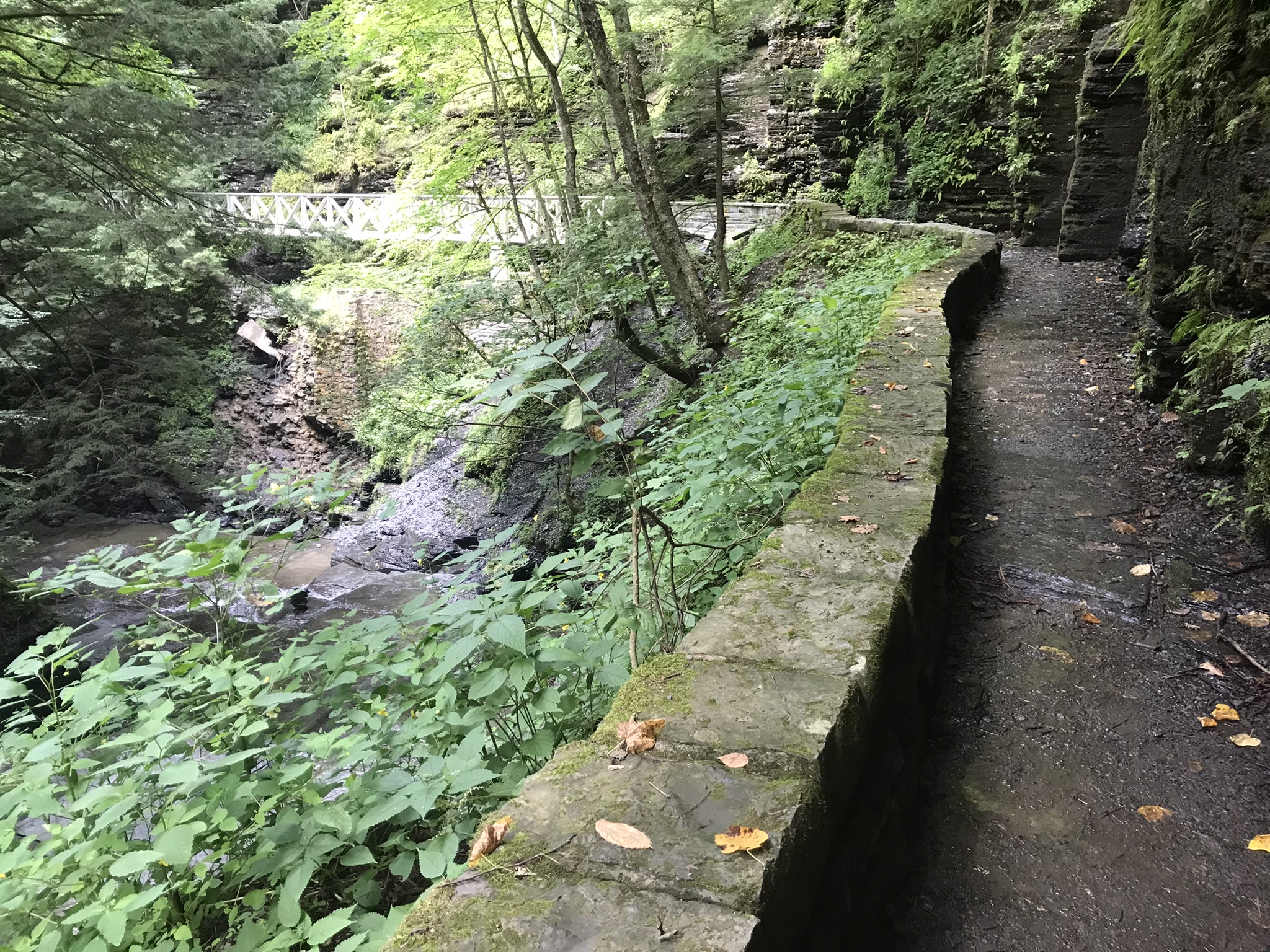
Fillmore Glen State Park, Moravia, New York

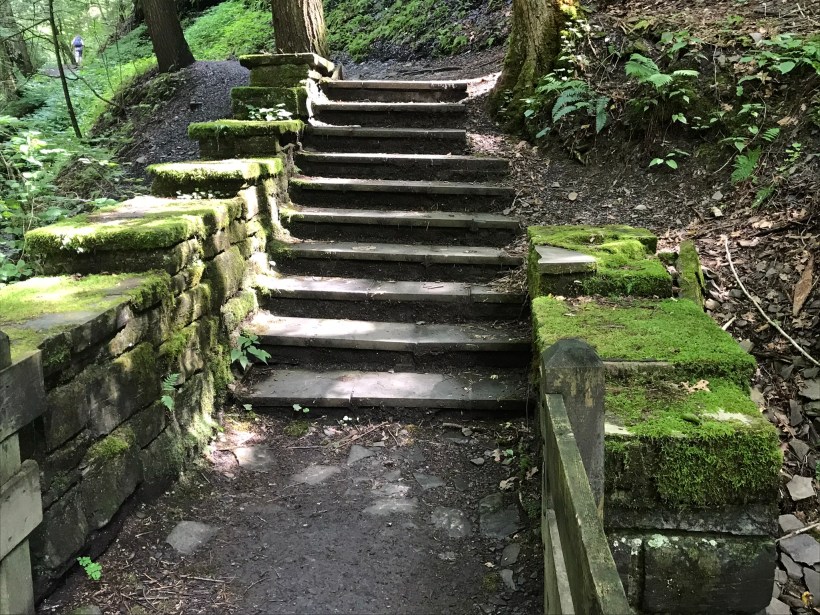
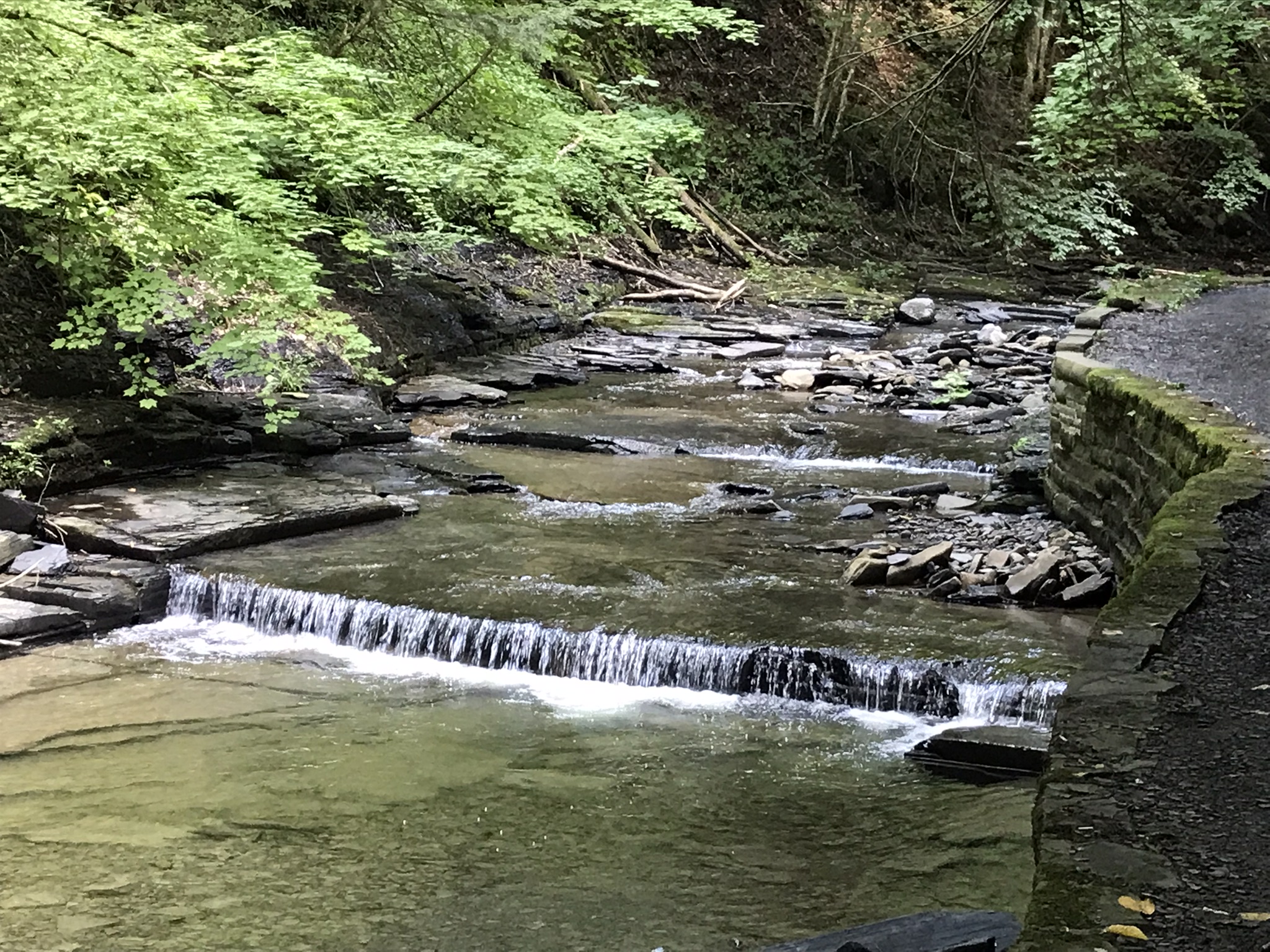
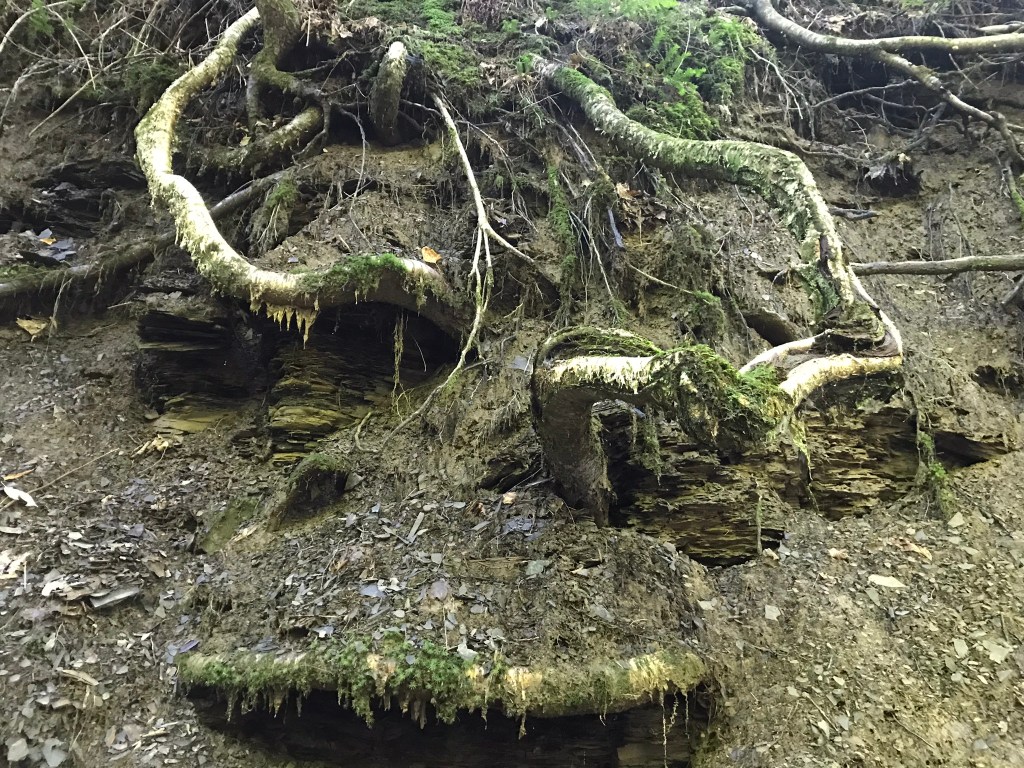
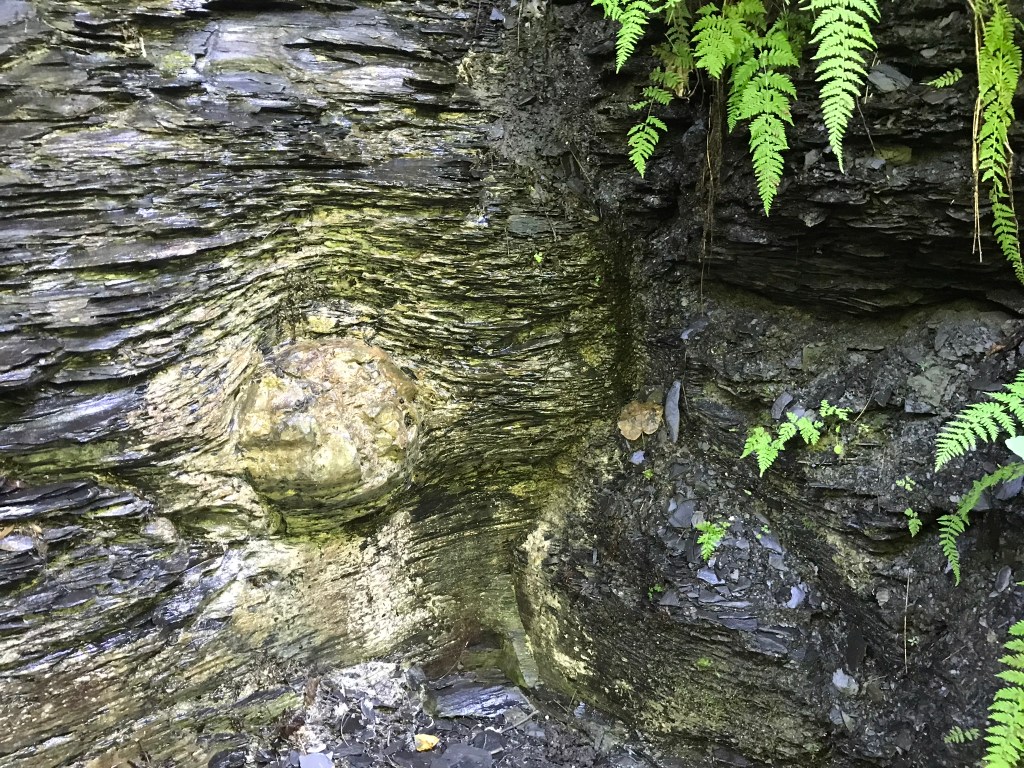
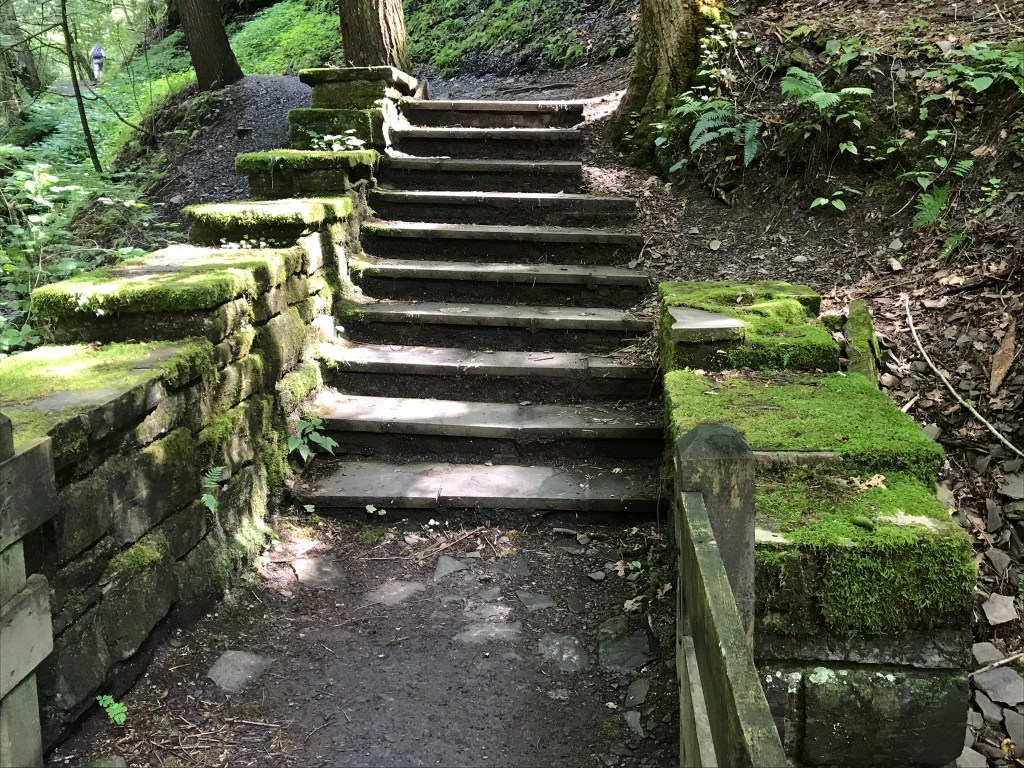
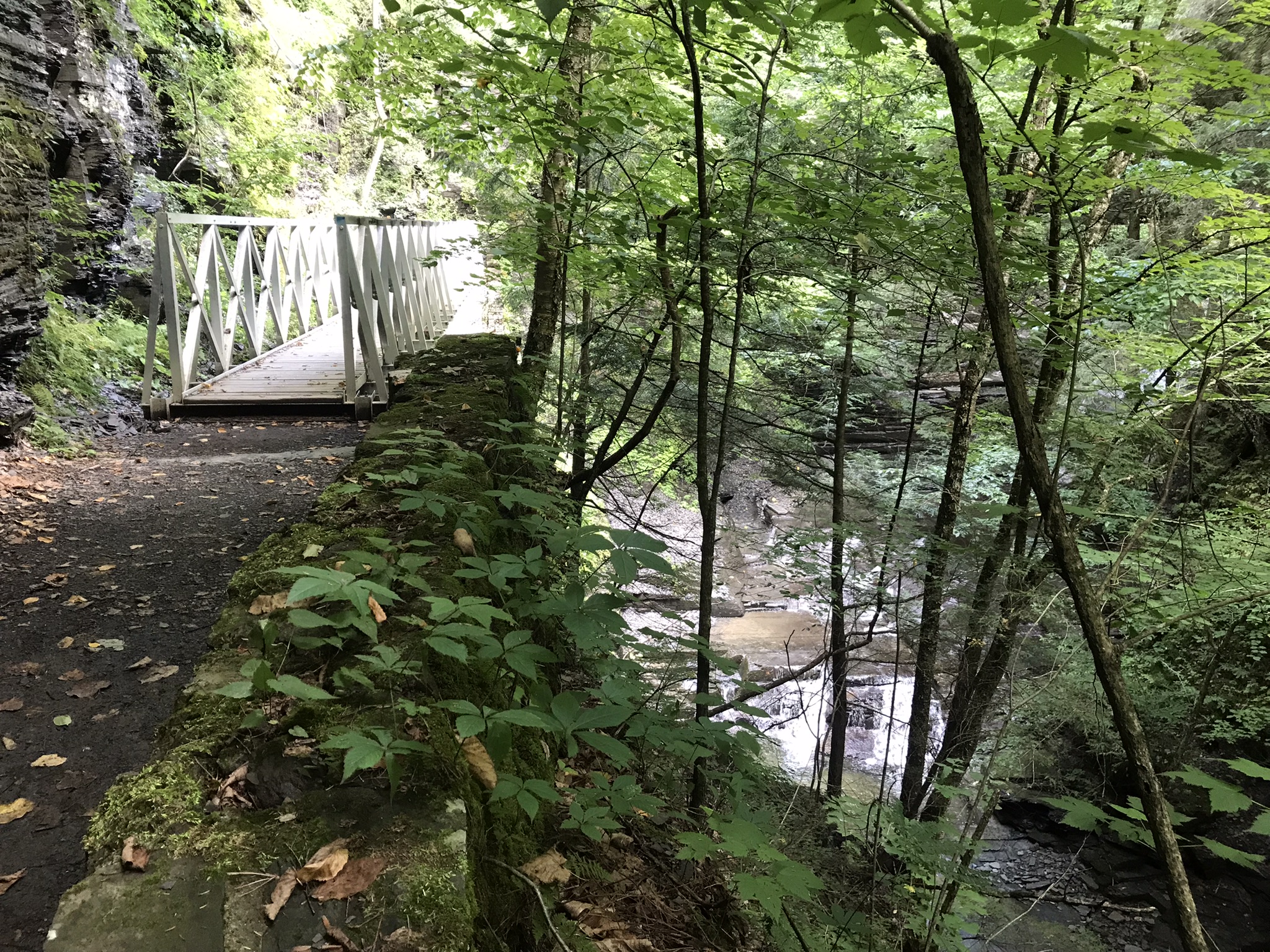
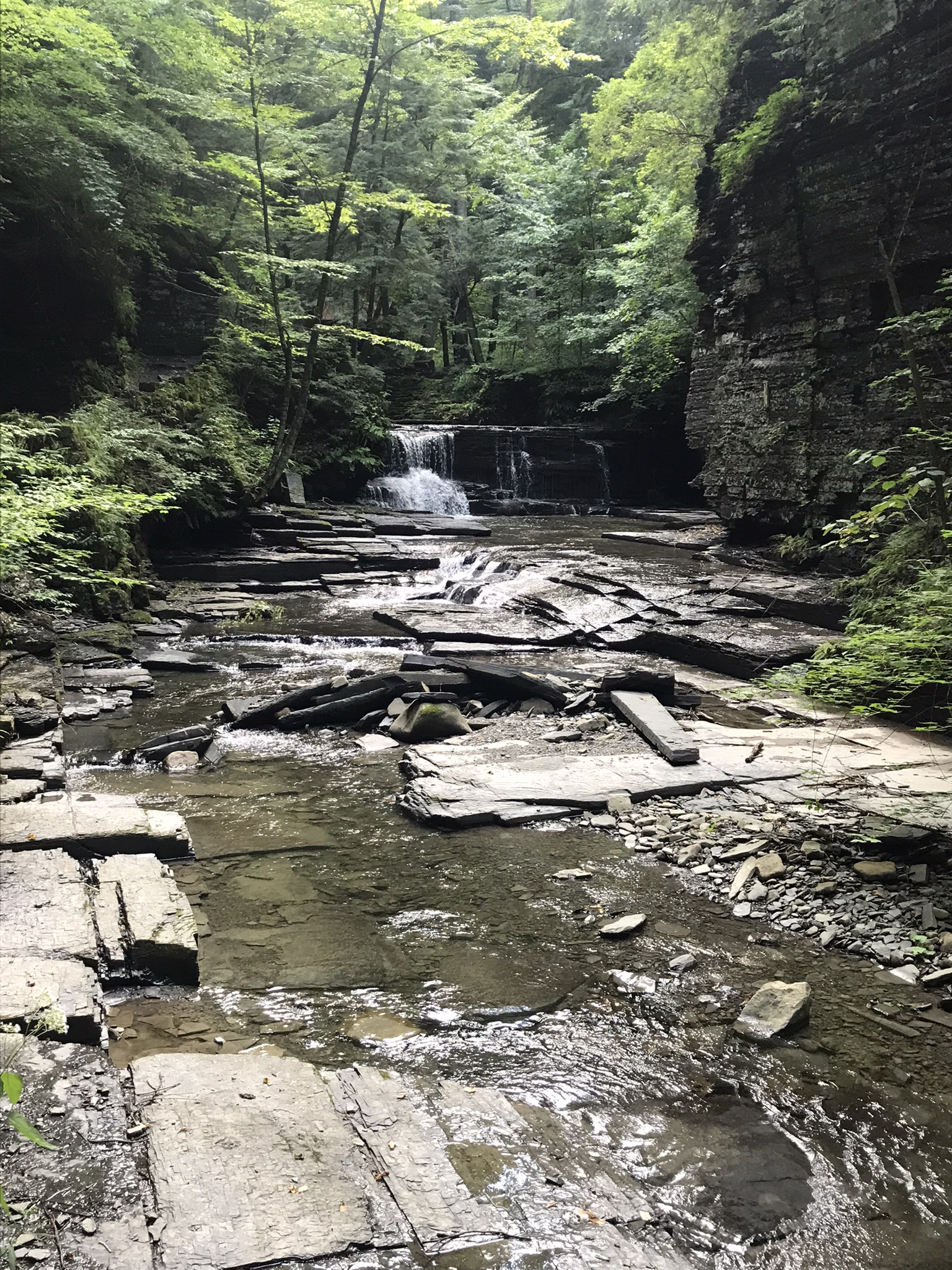
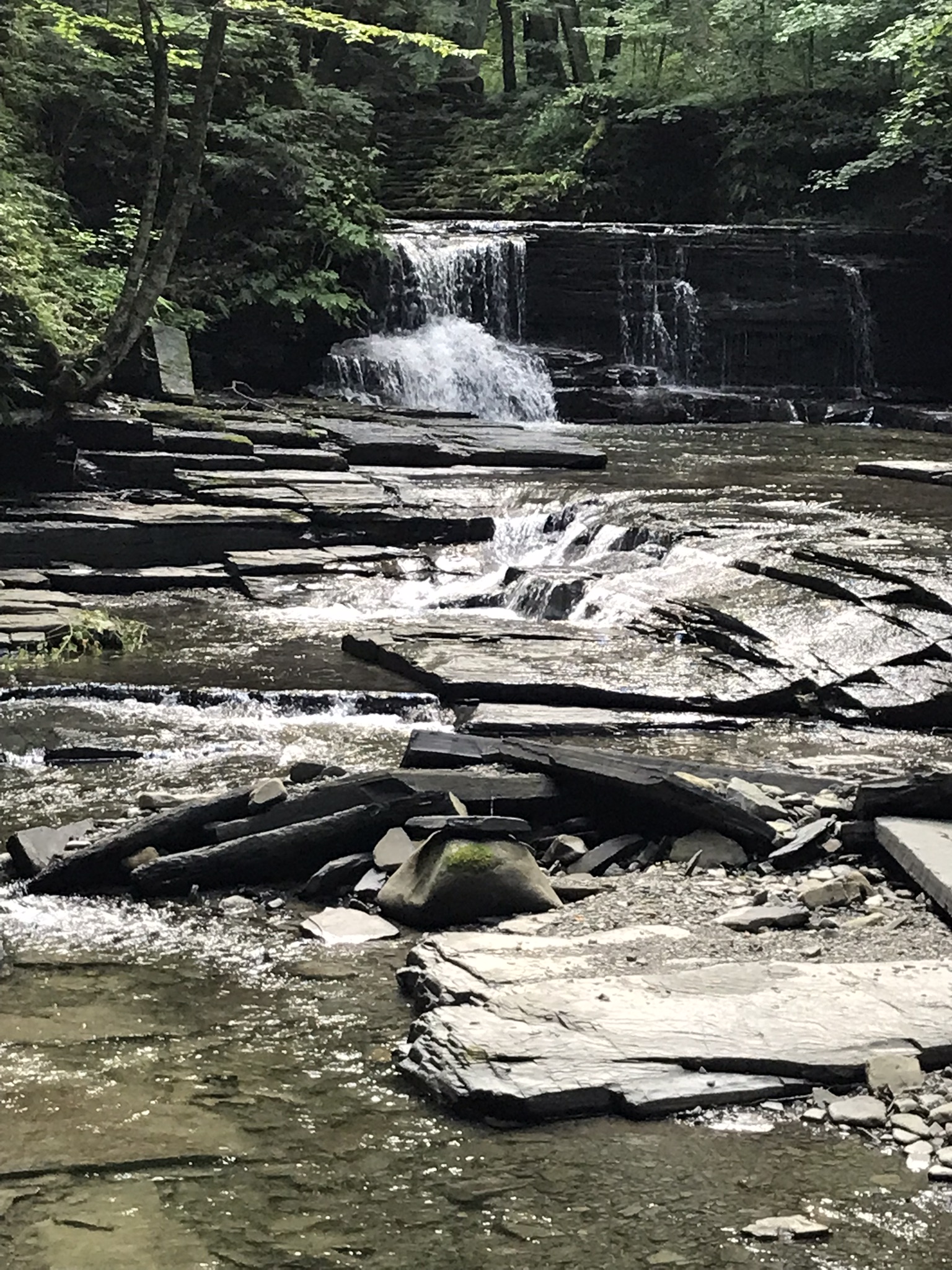
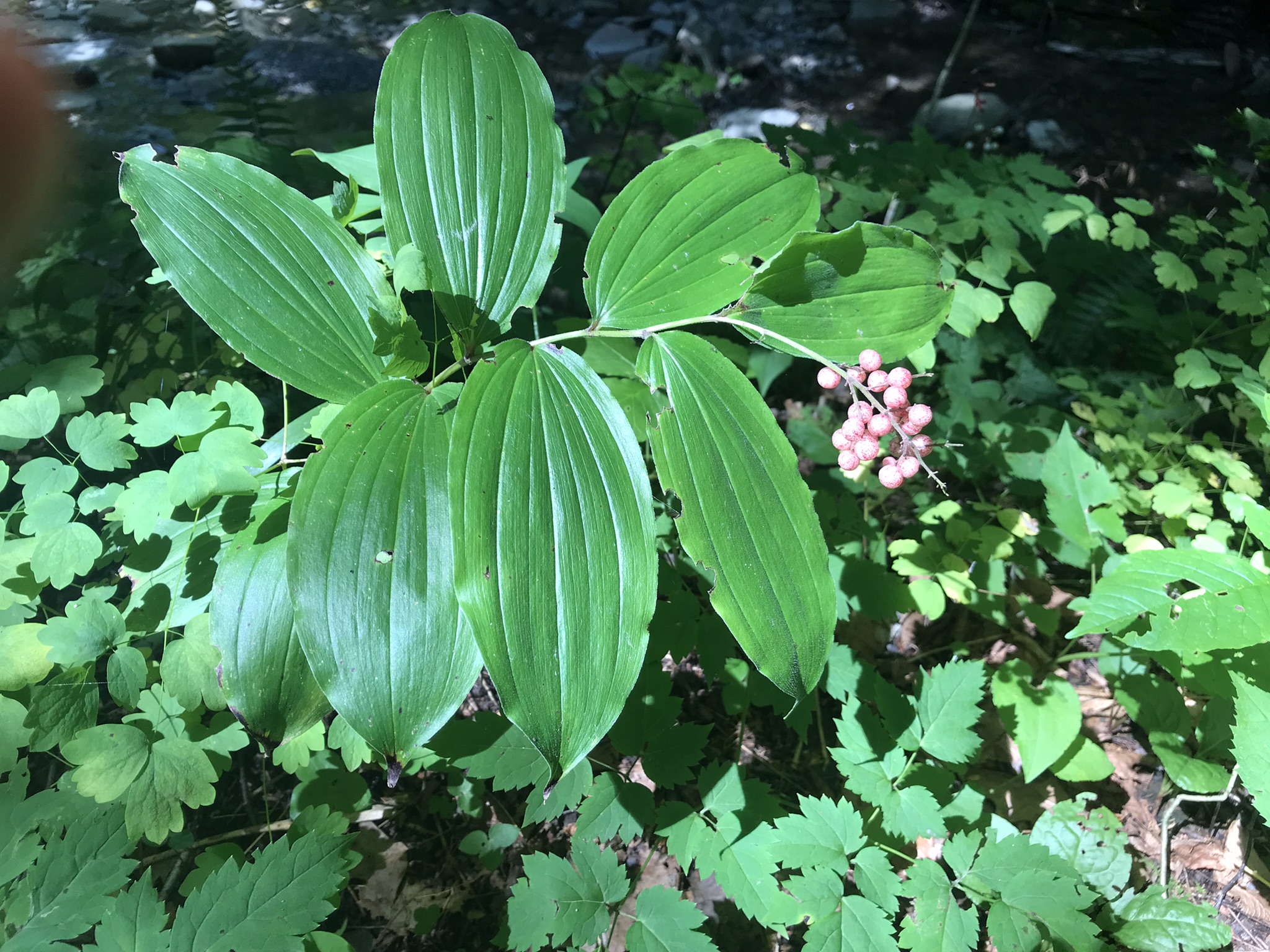
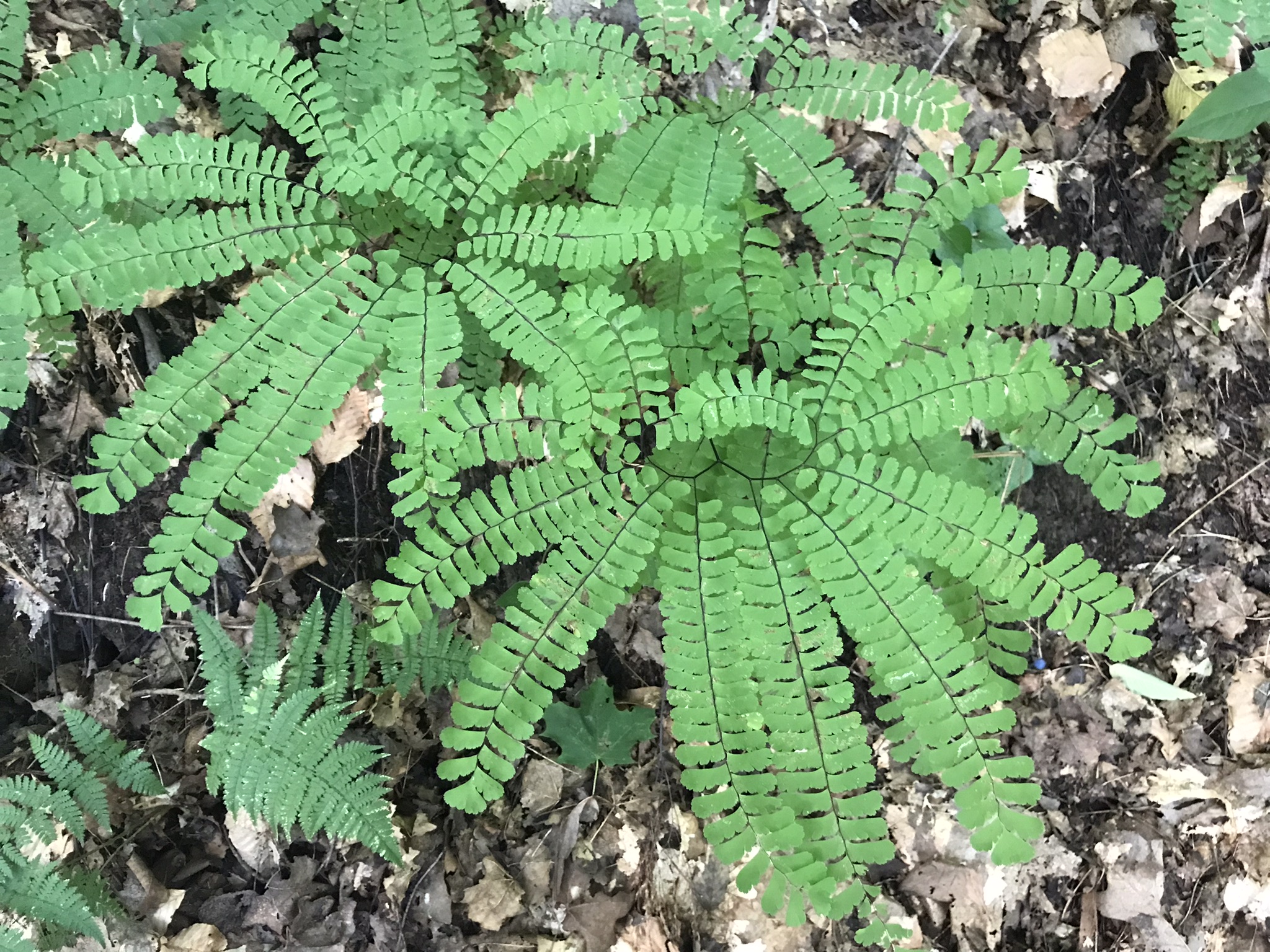
Late August last I captured these photographs and videos on the fly using an Iphone7 while Pam and I walked Fillmore Glen State Park, Moravia, New York. Click me for “The Space Station and the Waterfall,” another glen exploration.

Ephemeral Waterfall

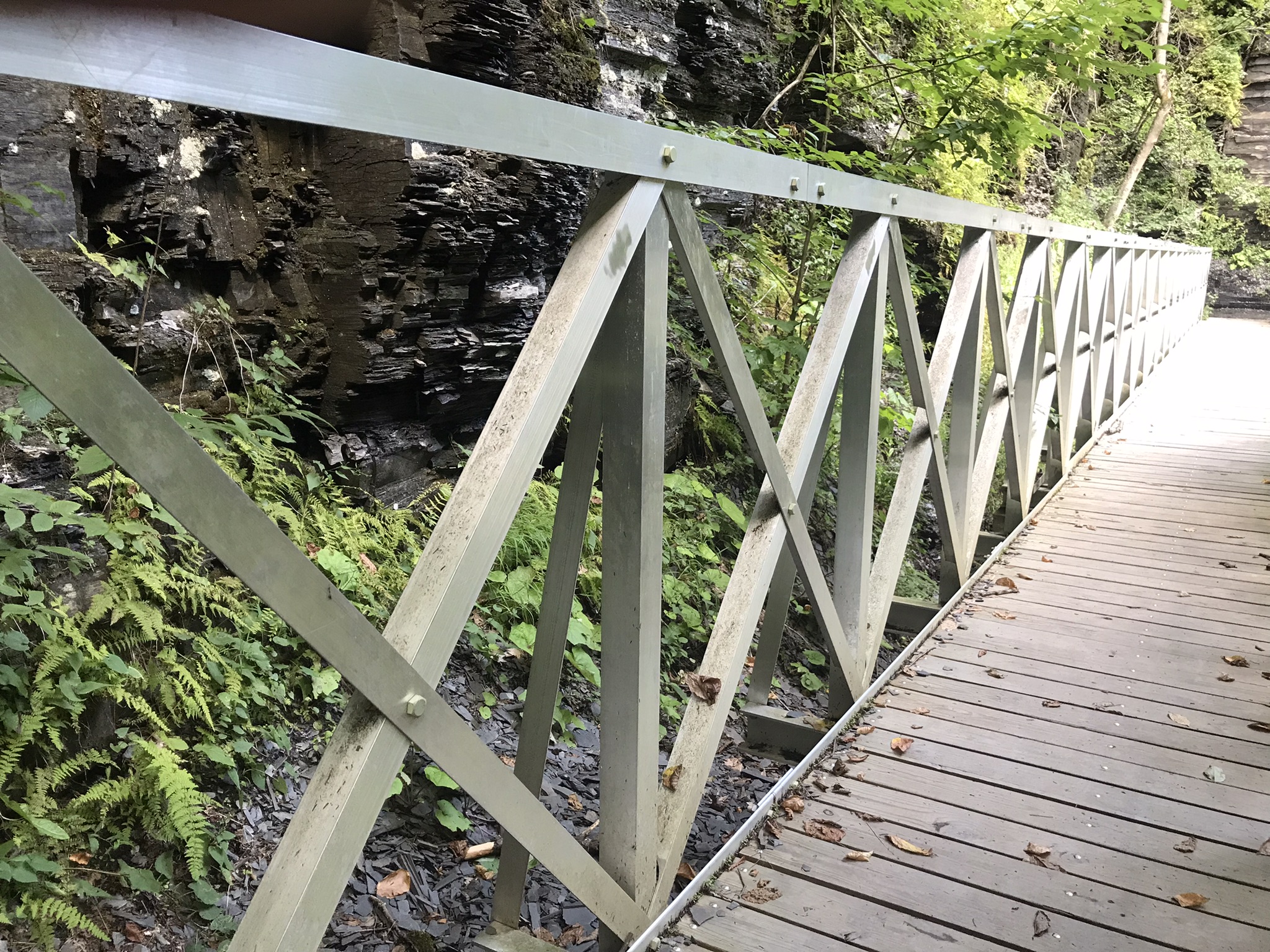
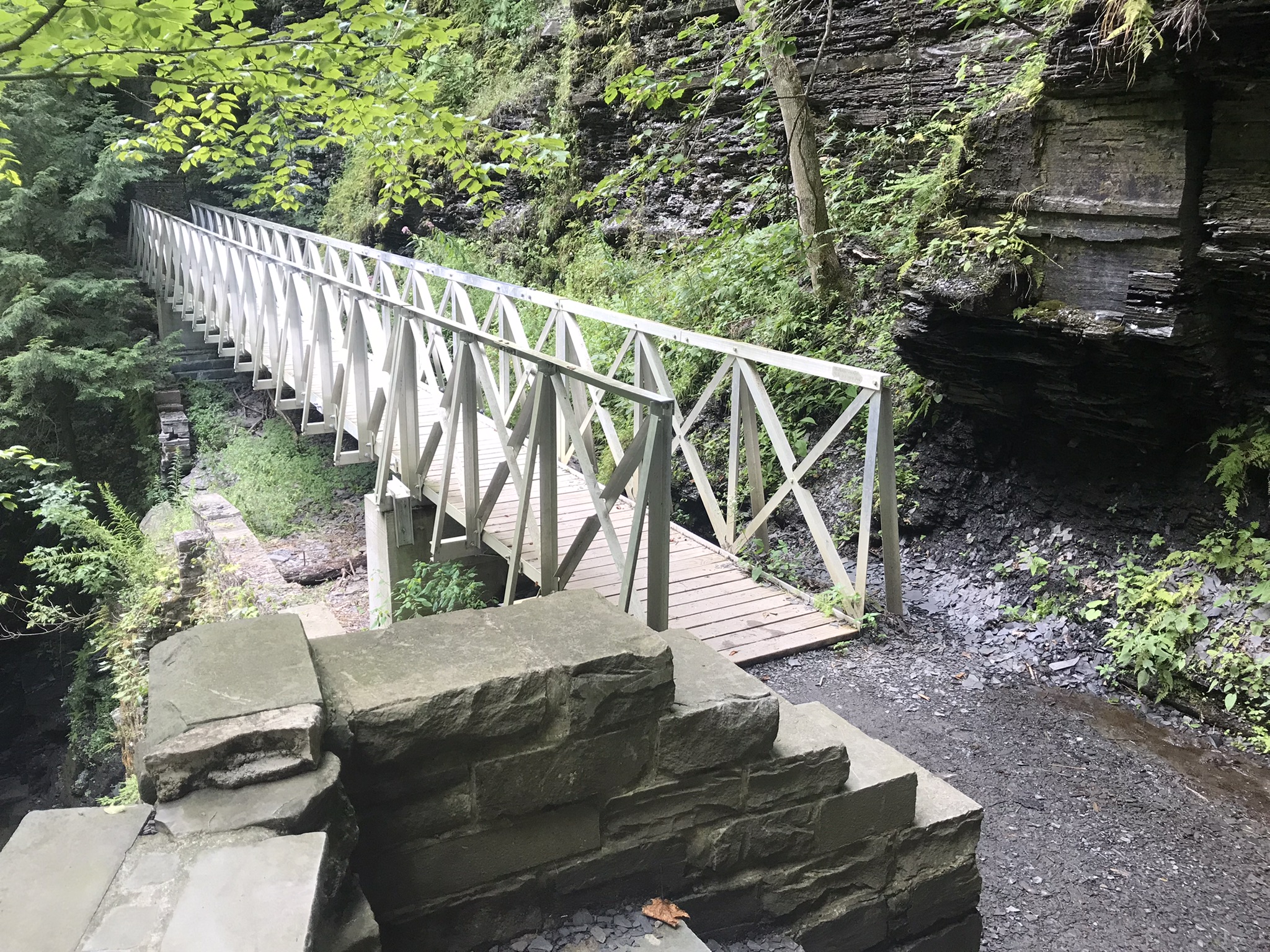
Metal Intrusion

Spring thaw washed away the gorge wall, this functional metal bridge will outlast all but the most catastrophic gorge wall disruptions.

Graceful Waterfall Overview

Flora

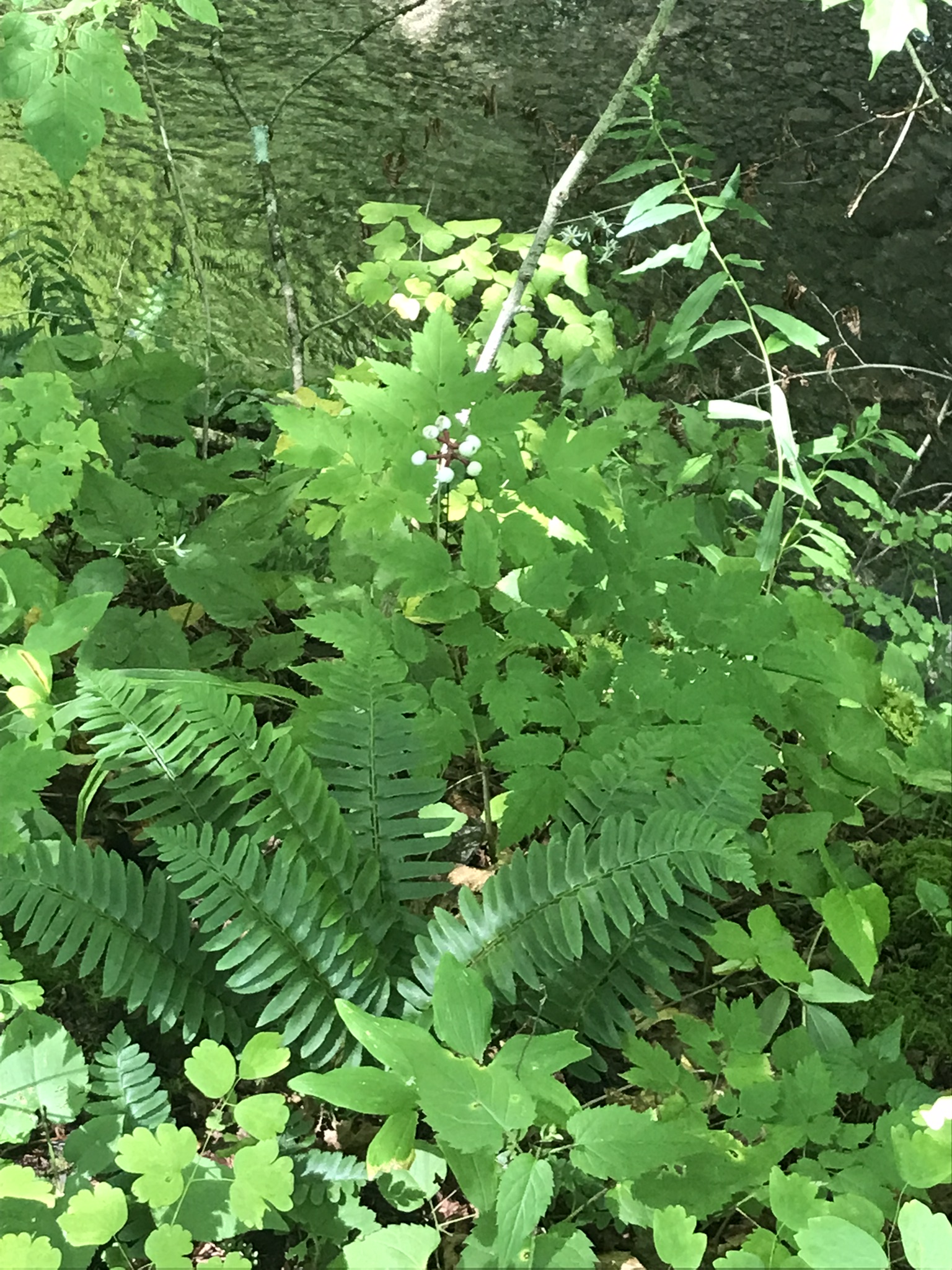
White Baneberry, aka “Dolls Eyes,” a fascinating plant, entirely poisonous.

All parts of all Baneberry varieties (red and white) are highly poisonous, the bane of Baneberry. The berries are deadly. Ingestion of as few as two berries by children will cause death from cardiac arrest. Six for an adult.

Landscape Features

Overview, Spillway and Pond

Copyright 2022 Michael Stephen Wills All Rights Reserved

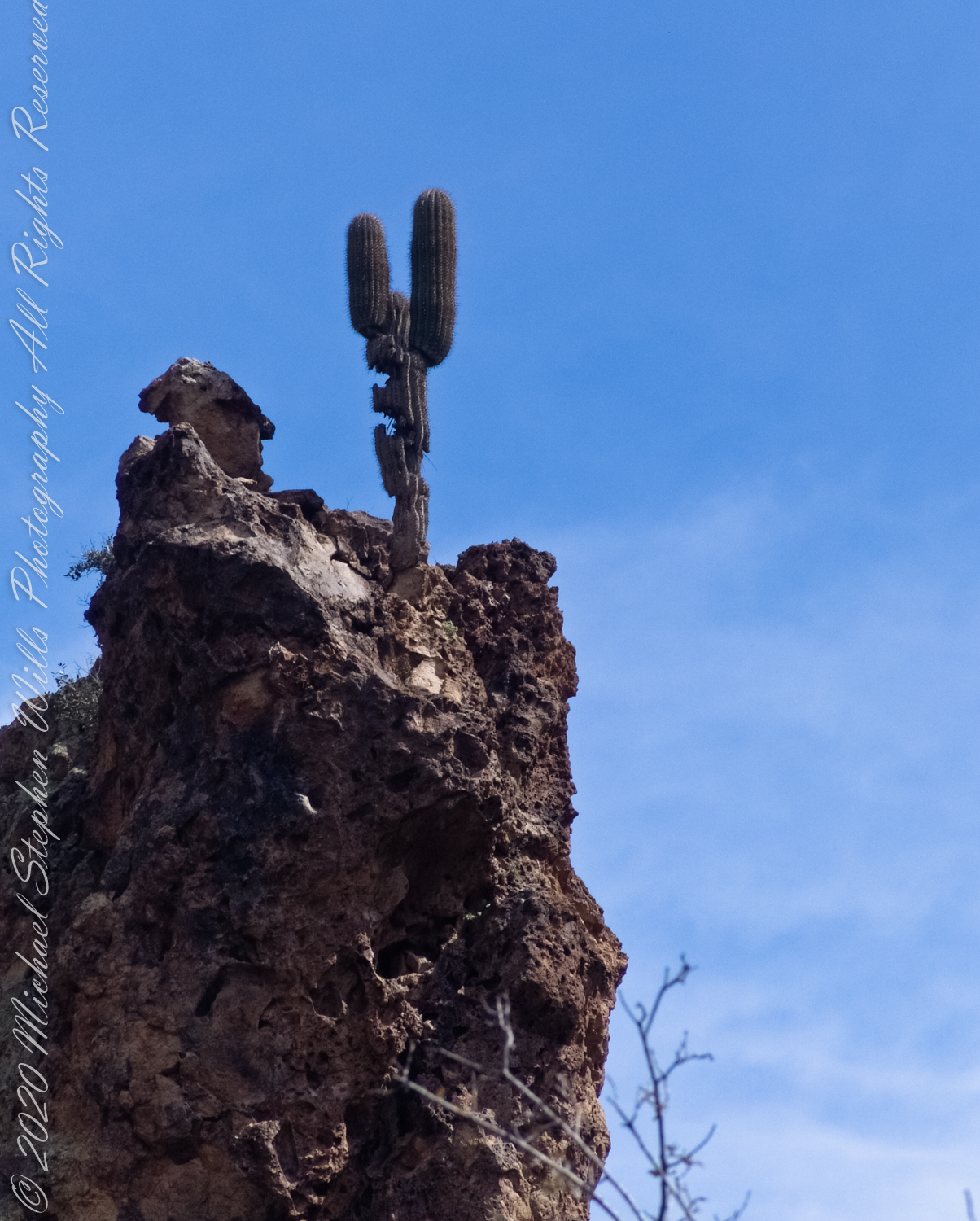
Marked Saguaro

Signpost to Gold?

Lost gold mine legends tell of Saguaros bearing secret markings leading to the hidden location of rich gold mines. This specimen, perched on an ancient volcanic boulder, lives in LaBarge Canyon along the Dutchman trail.

Click Me for the next Superstition Wildness post, “Riparian.”

Copyright 2022 Michael Stephen Wills All Rights Reserved