A Journey Through Autumn Colors at Taughannock Falls

Taughannock Falls State Park offers stunning autumn views, vibrant colors, and serene natural beauty.

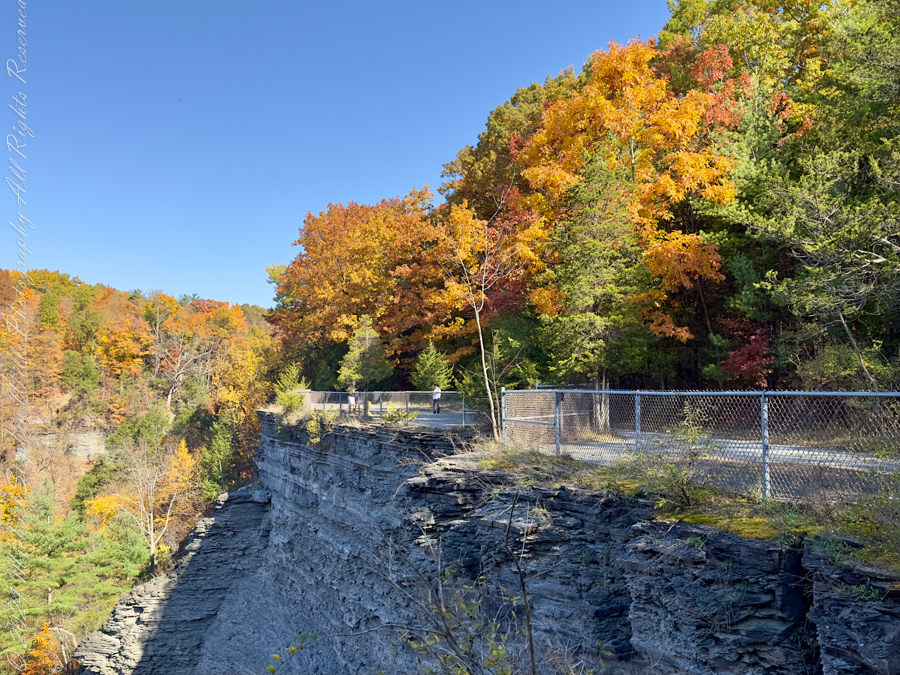
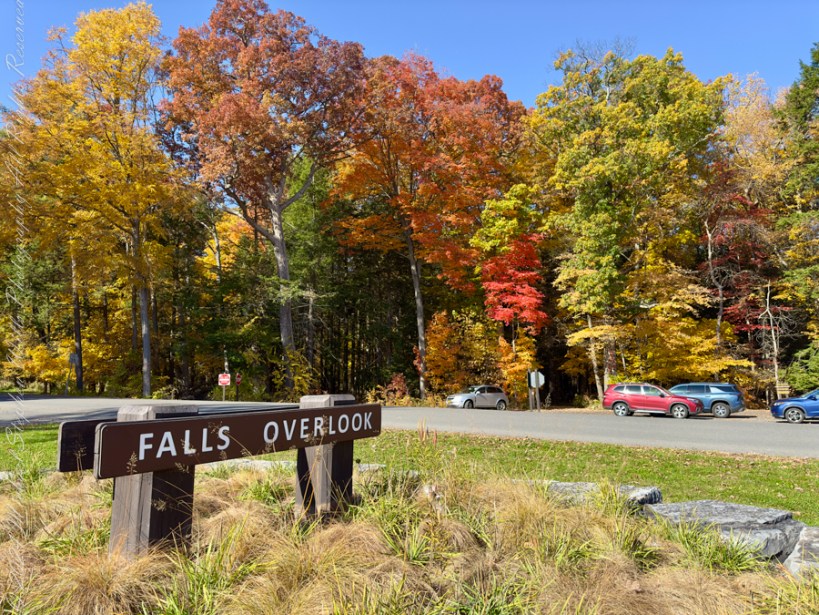
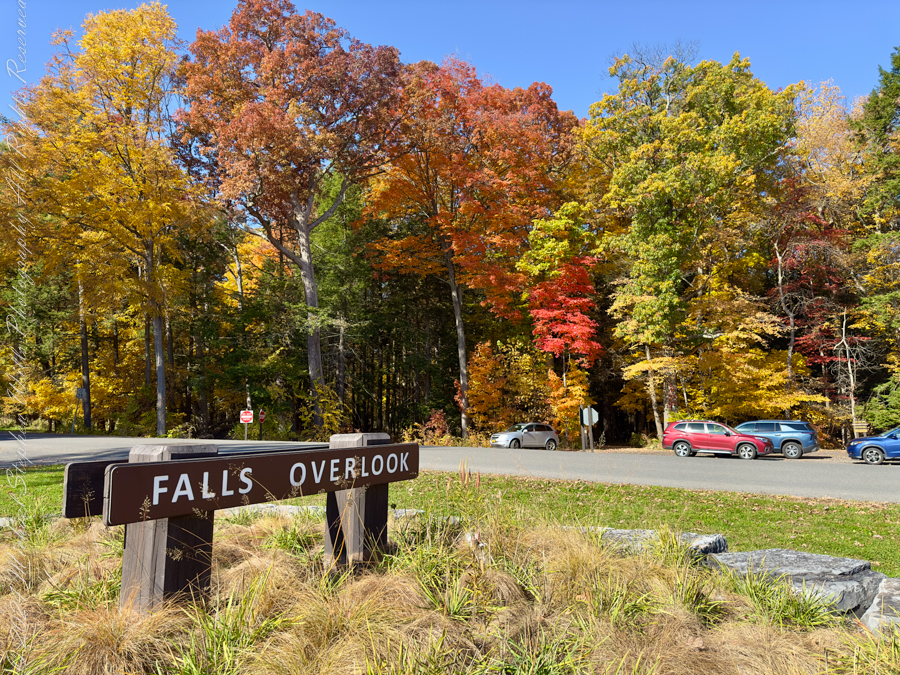
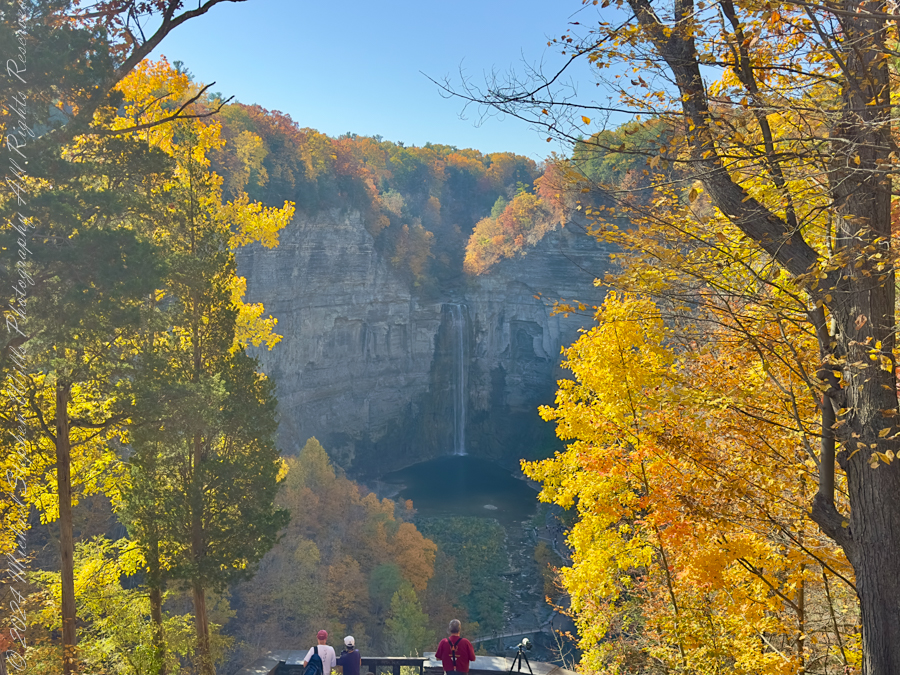
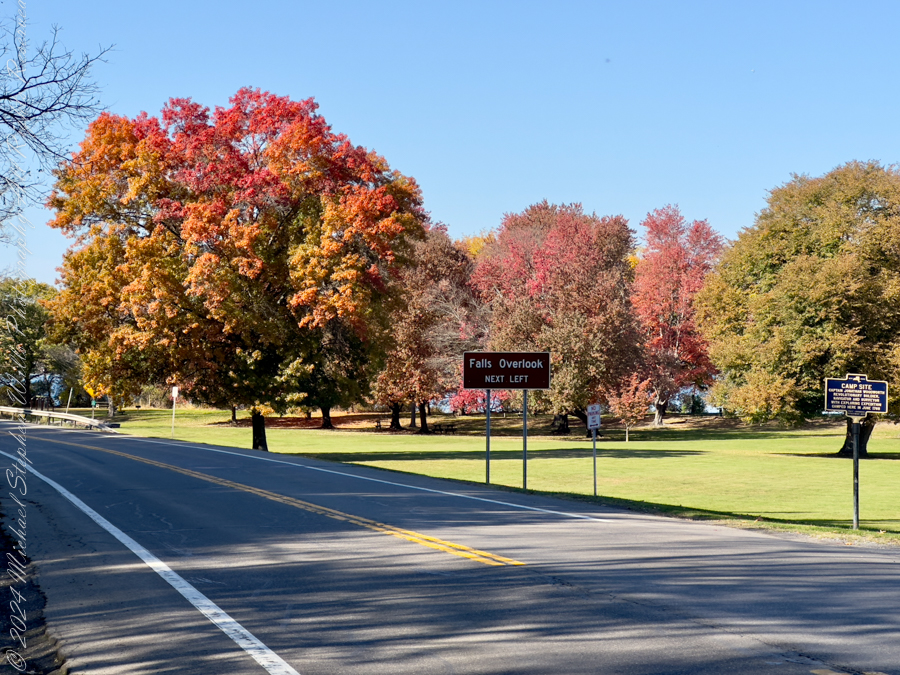
As I set foot on the Falls Overlook at Taughannock Falls State Park, I was greeted by a symphony of autumn colors in their full glory. The vibrant oranges, reds, and yellows of the trees framed the scene, setting the stage for a perfect fall day. I lingered, taking in the view of cars nestled among the foliage, their colors almost merging with the rich autumn hues surrounding them. The sign for the “Falls Overlook” hinted at the journey ahead.
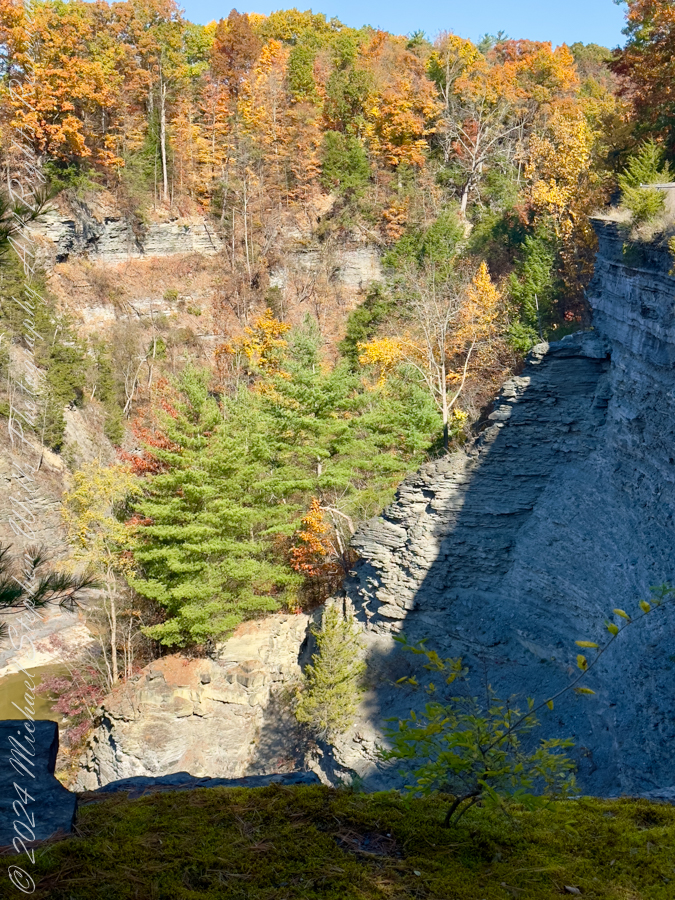
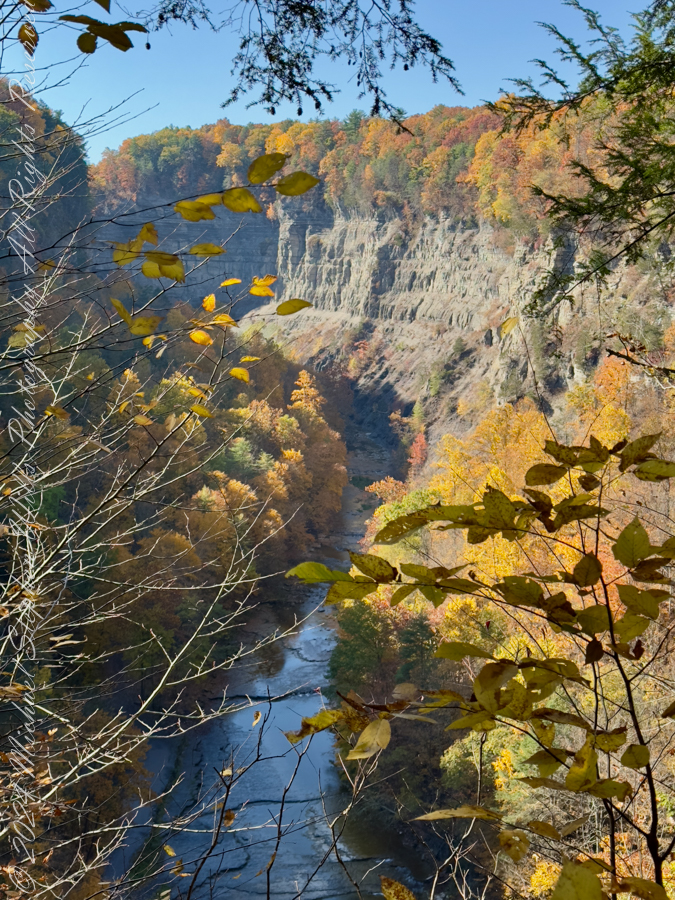
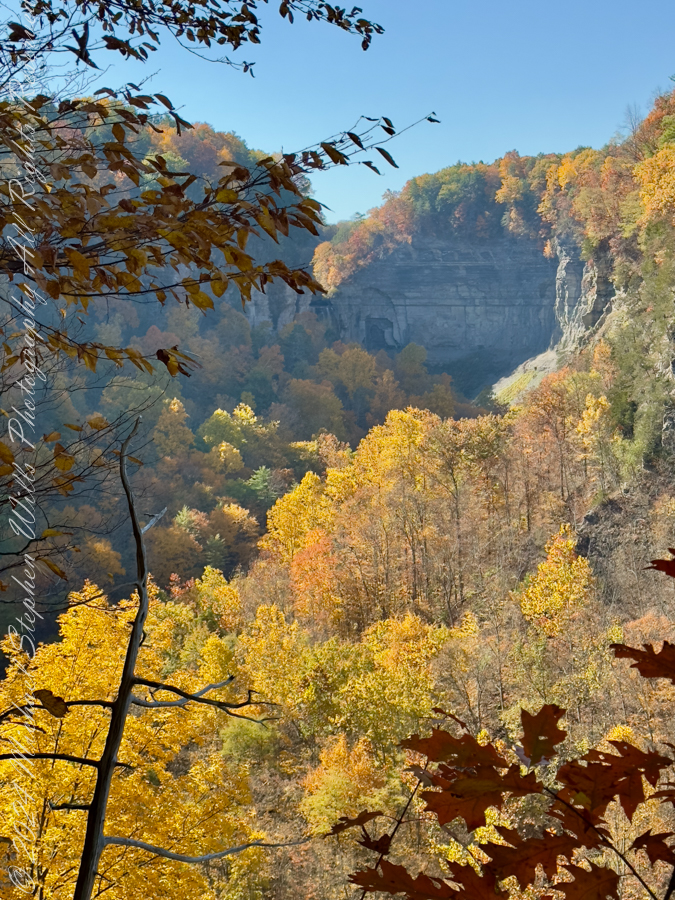
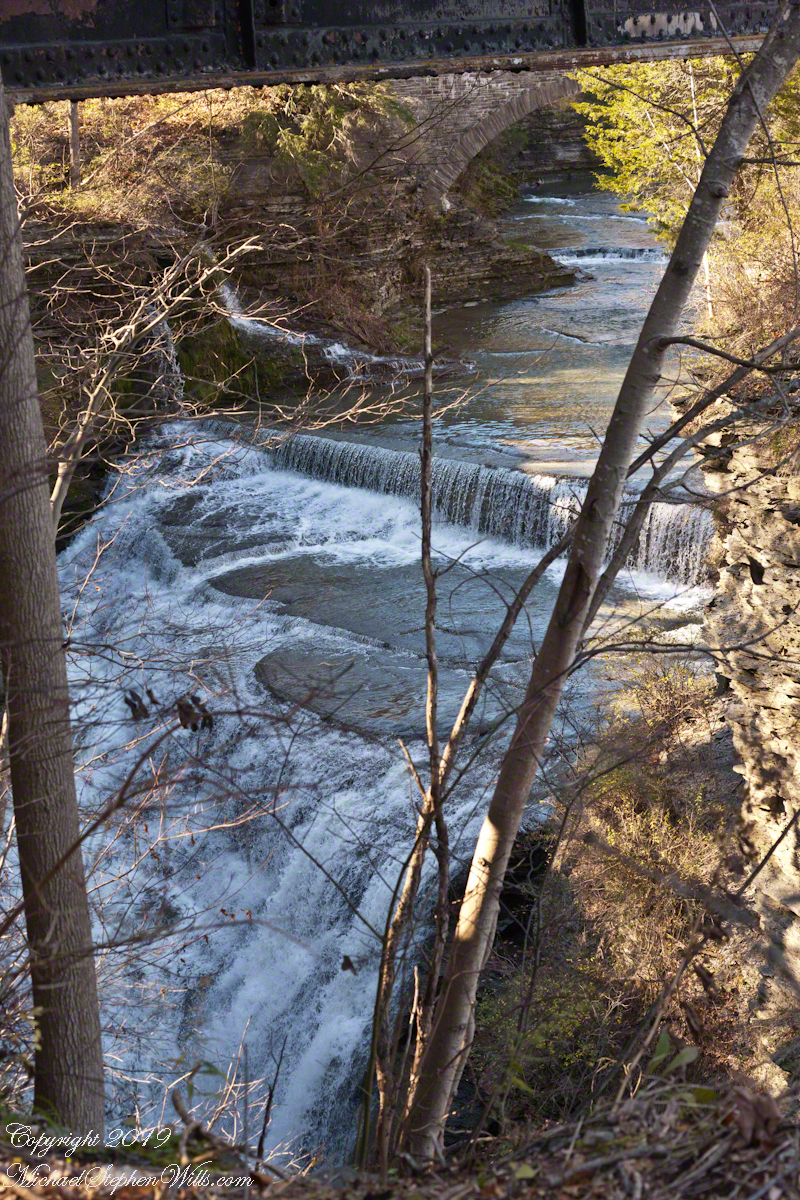
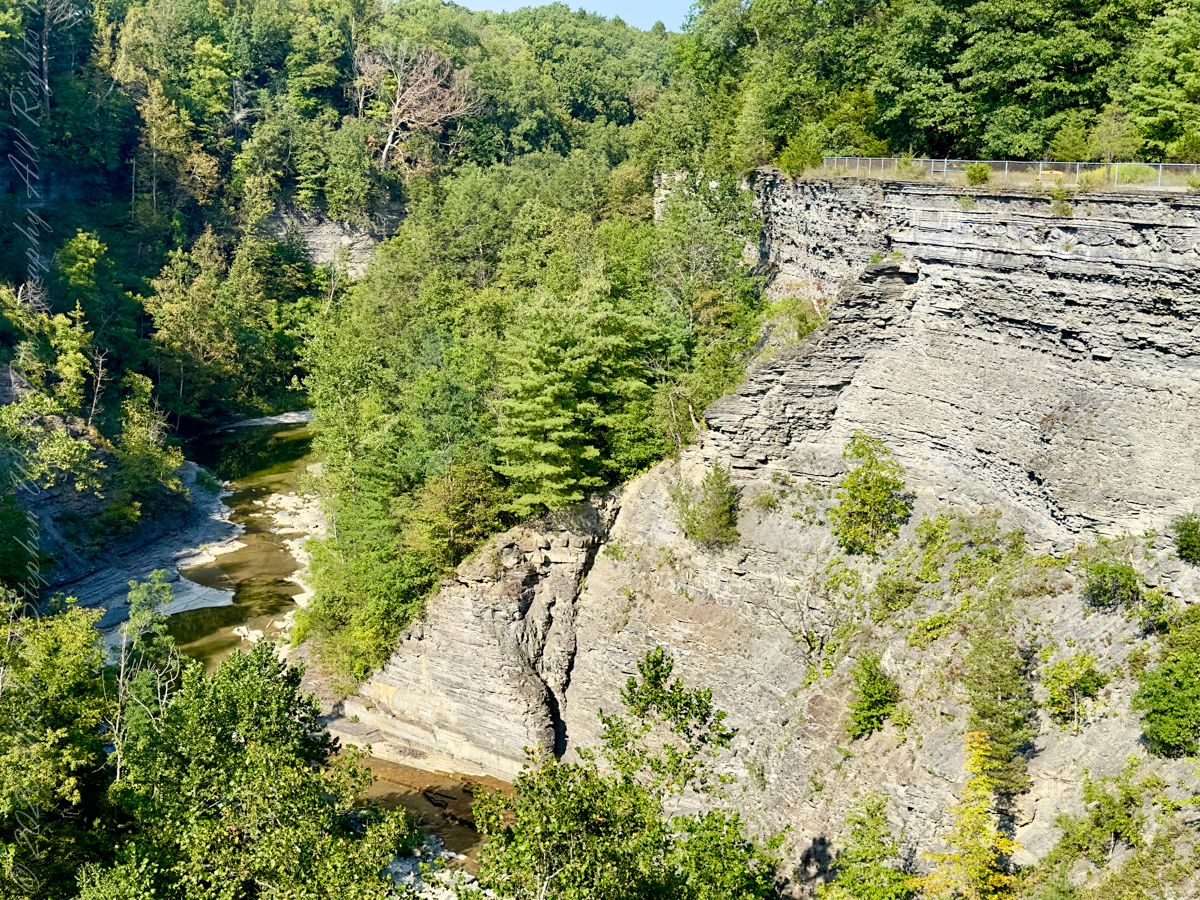
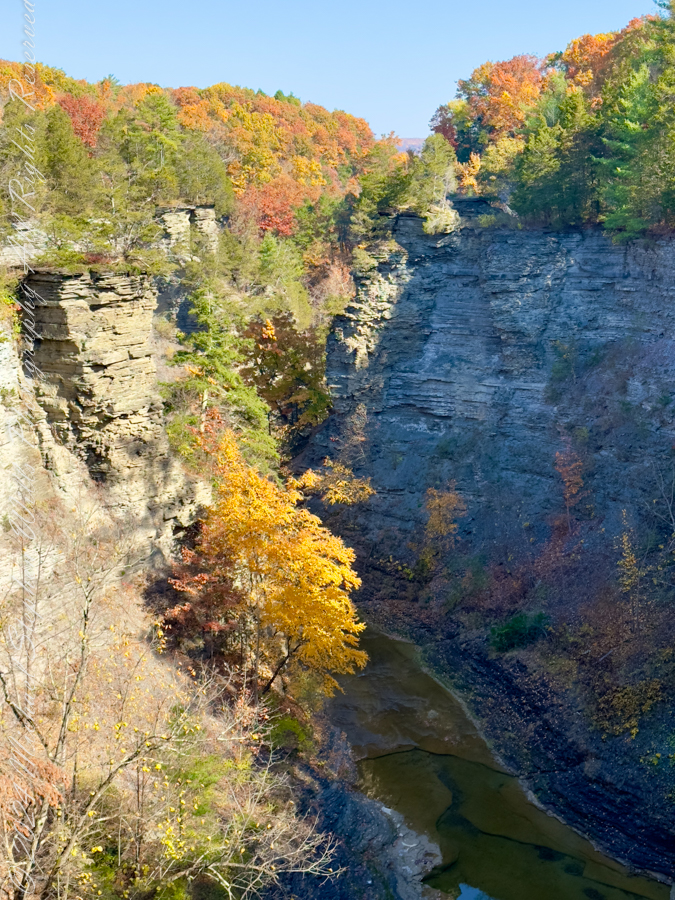
The overlook offered a breathtaking view, a gentle reminder of nature’s power as Taughannock Falls cascaded far below, framed by rugged cliffs and vibrant trees. Through gaps in the golden leaves, I could catch glimpses of the waterfall, a delicate white ribbon against the slate-gray rock. The sunlight filtered through the canopy, casting dappled shadows and illuminating leaves like stained glass, painting the landscape in a thousand shades.
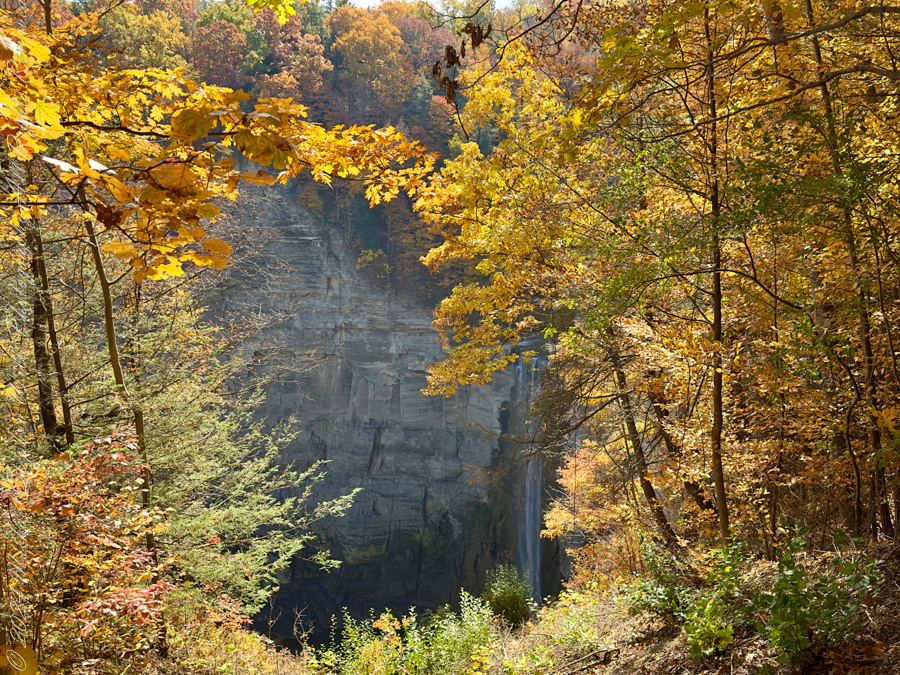
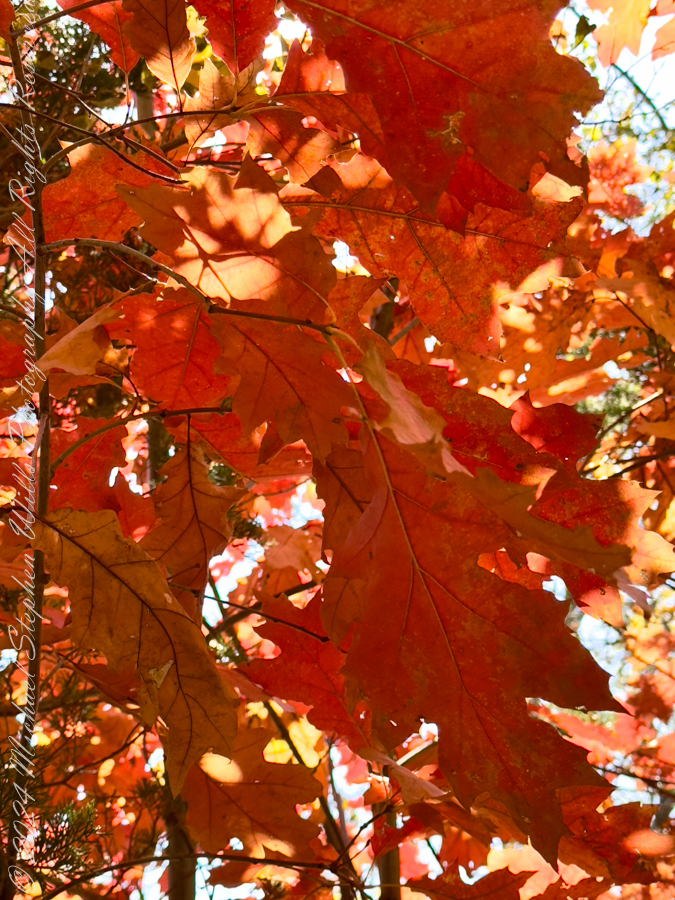
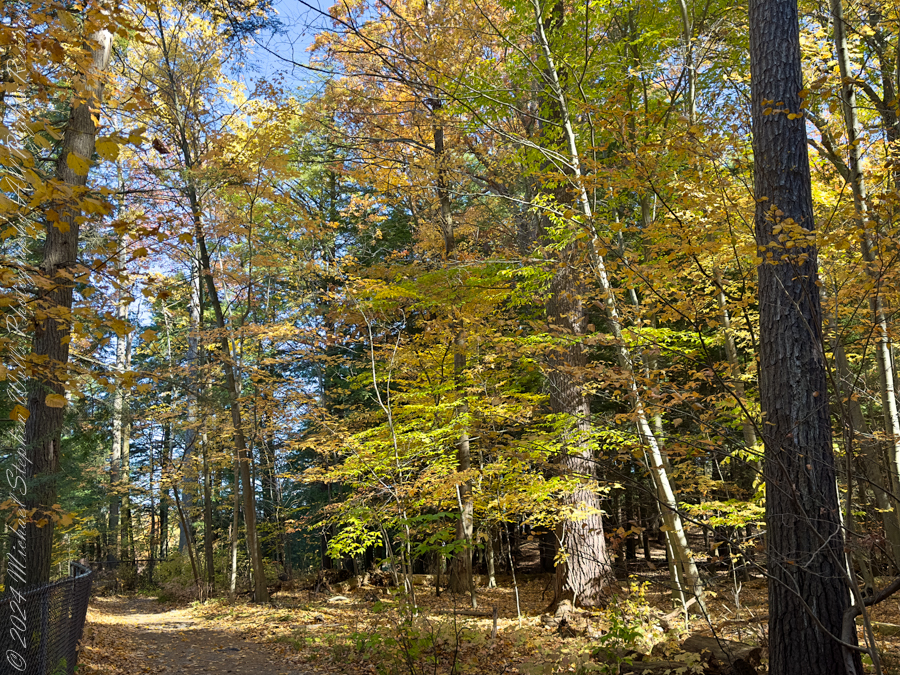
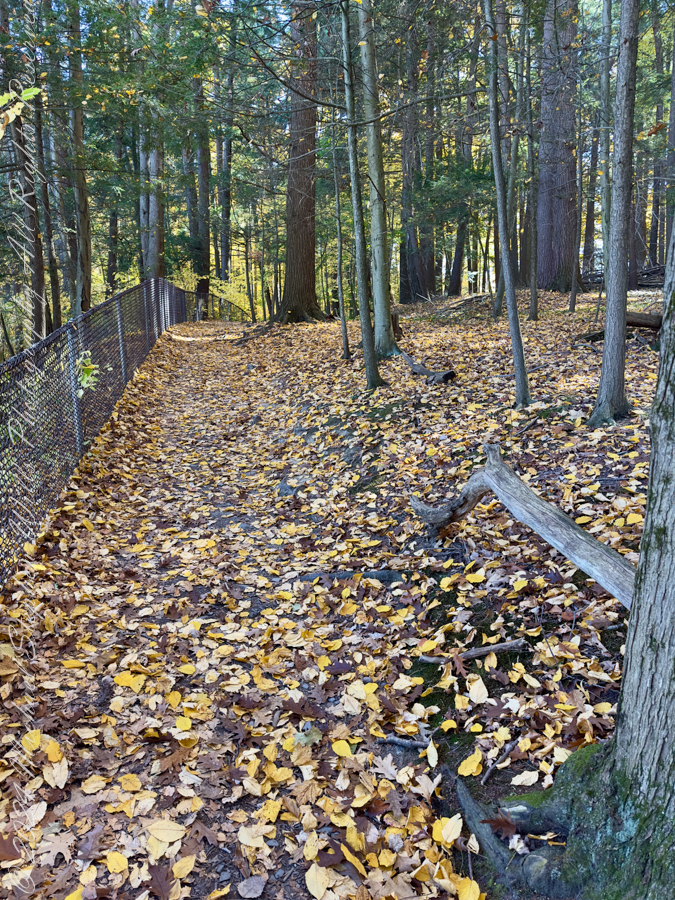
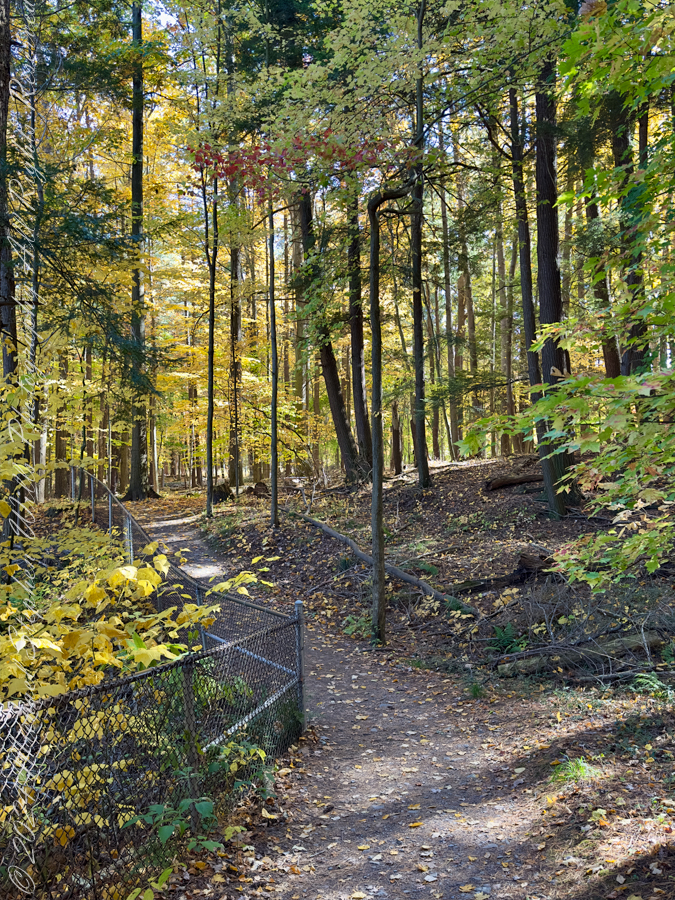
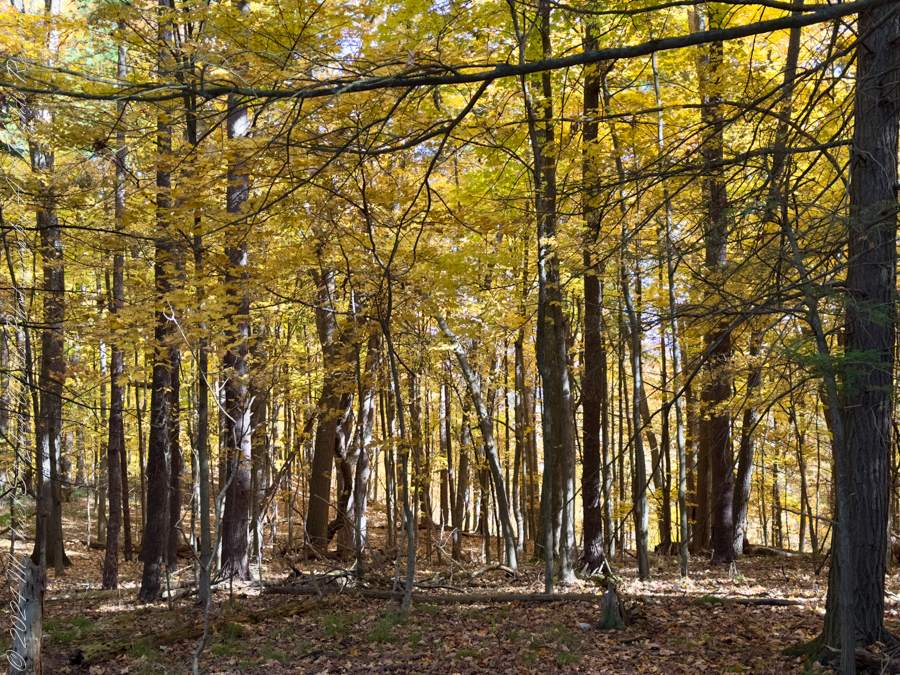
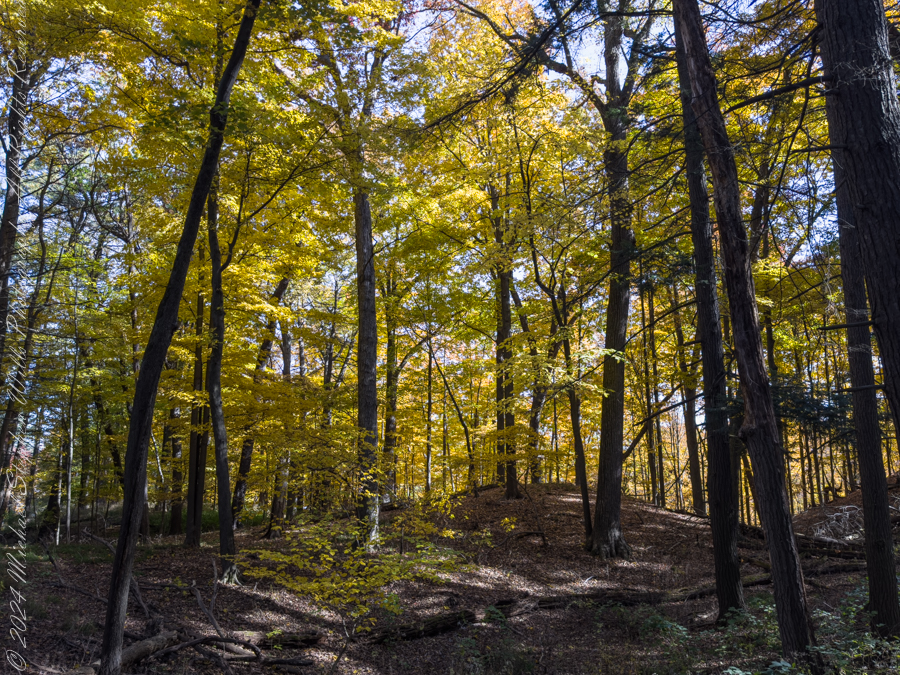
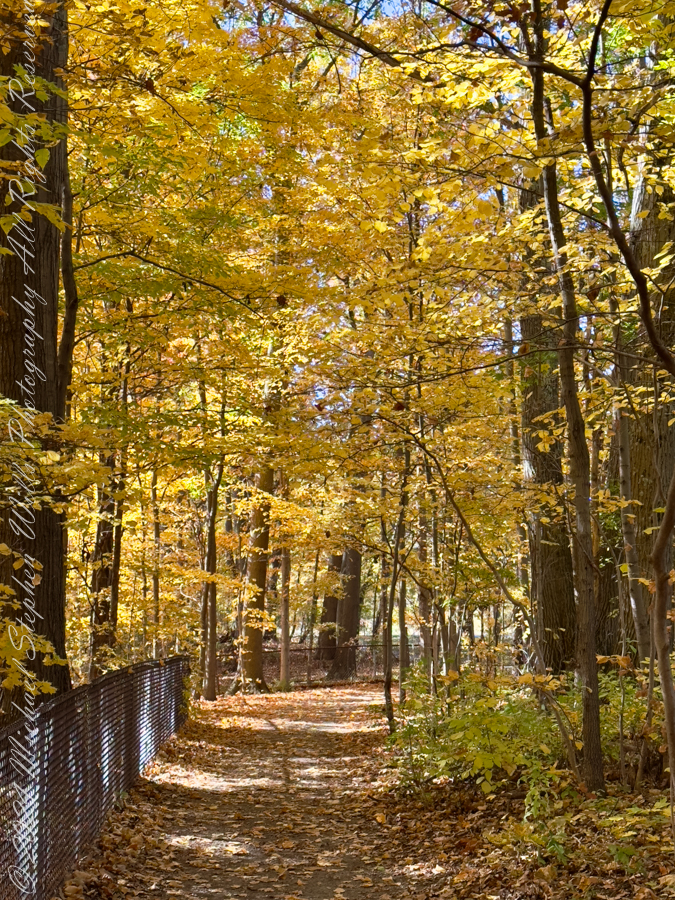
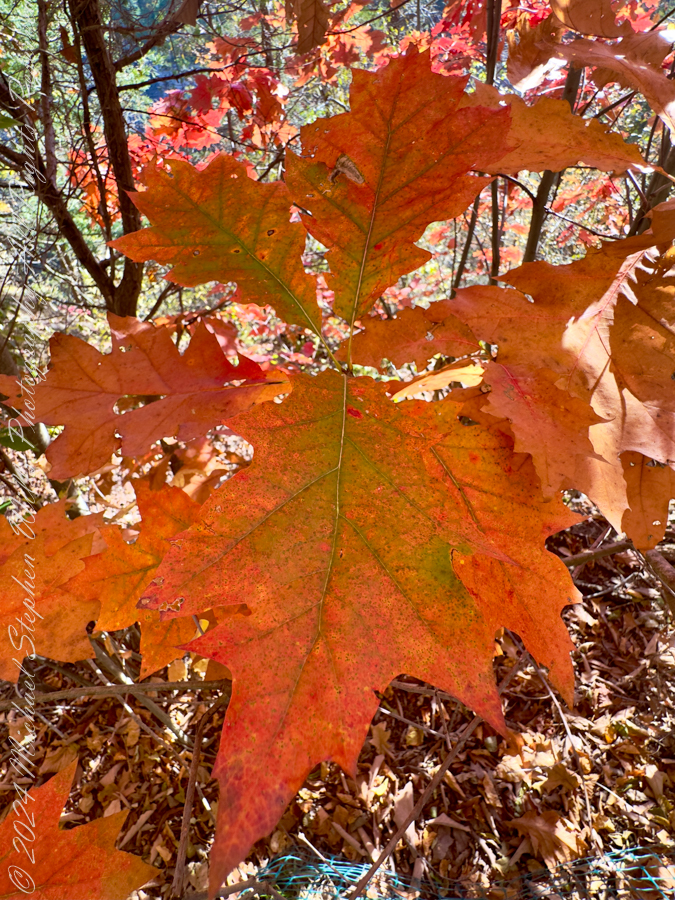
I began my ascent up the North Rim Trail, where the path twisted beneath a tunnel of golden branches. The trail was carpeted with leaves, crunching underfoot with each step. The air was crisp, filled with the earthy scent of decaying leaves and moist earth. Sunlight poured through gaps in the canopy, lighting up patches of ferns and casting long shadows on the rocky path. Here and there, the yellow and brown hues gave way to a burst of crimson, the leaves vivid and almost glowing in the sunlight.
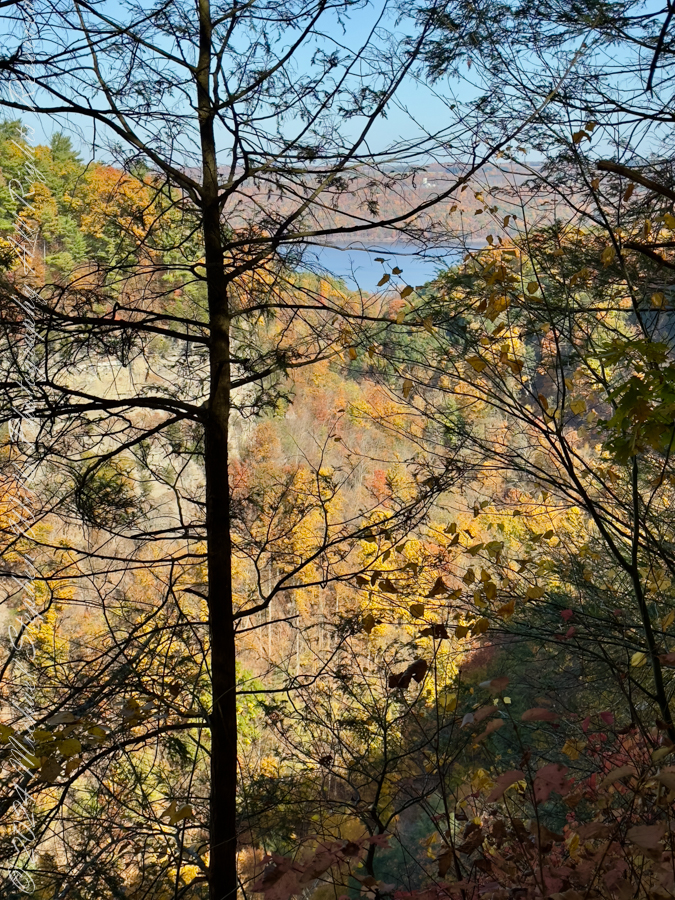
The trail led me along the cliff’s edge, where the river carved its path below. Pausing on the footbridge to the south rim, a former railroad, I looked out over the gorge, admiring the mosaic of colors stretching as far as the eye could see. In the distance, the sound of the falls drifted up to me, a soft, continuous roar that lent the forest an almost mystical air. It was hard not to feel a sense of awe at the raw beauty of the scene.
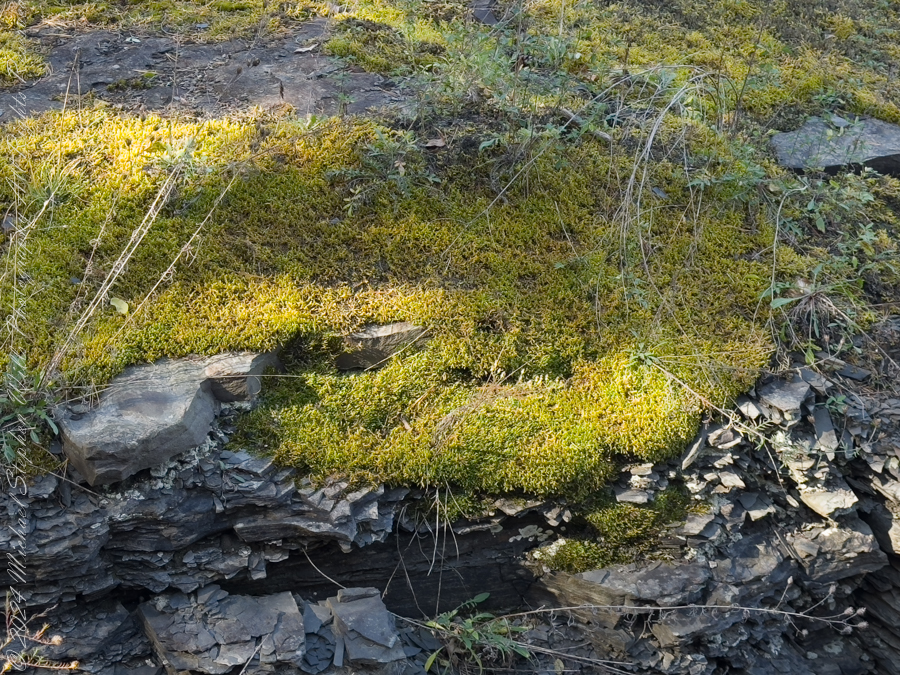
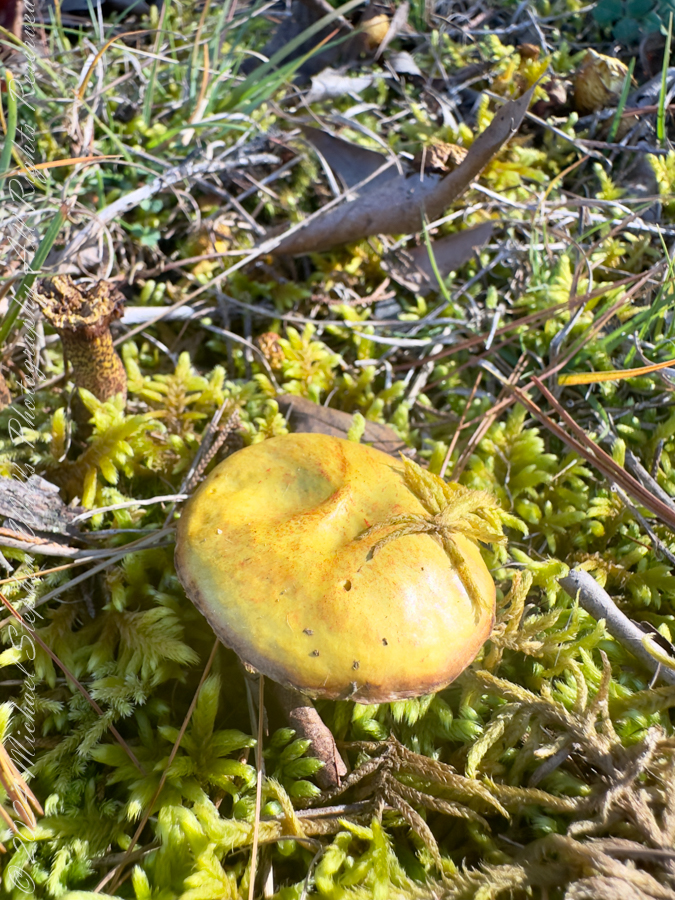
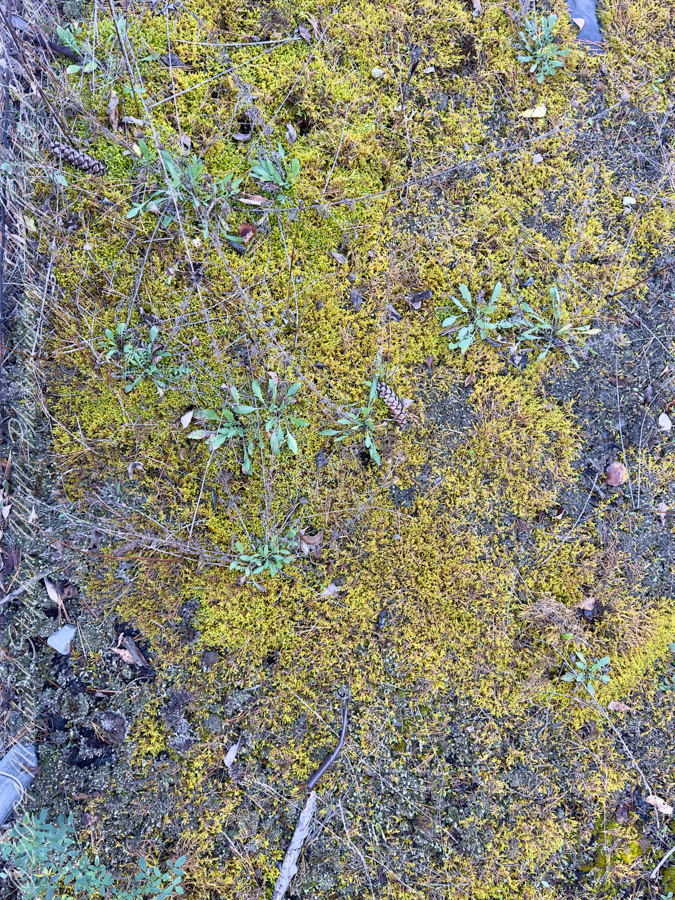
Eventually, I made my way down the South Rim Trail. There were ample distractions from the glorious foliage. A lone mushroom, golden and nestled in a bed of moss, caught my eye—a small reminder of the forest’s quiet life. I bent down to examine it, marveling at its delicate cap and the way it seemed to glow against the lush green moss. The trees here were denser, casting cool shadows that contrasted with the sun-drenched north side. The leaves here were thicker underfoot, their earthy scent more pronounced, grounding me in the moment.
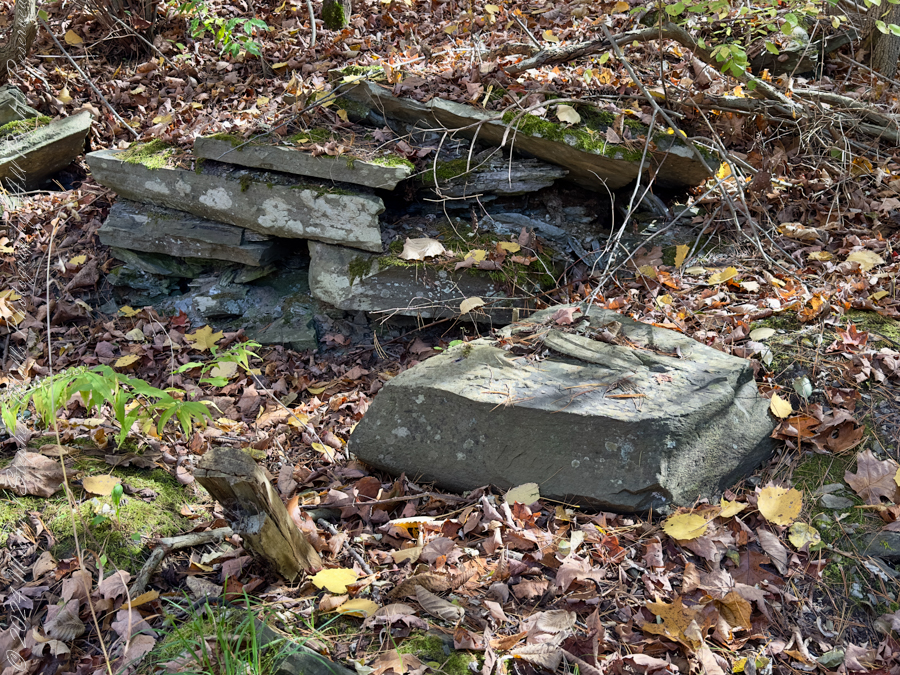
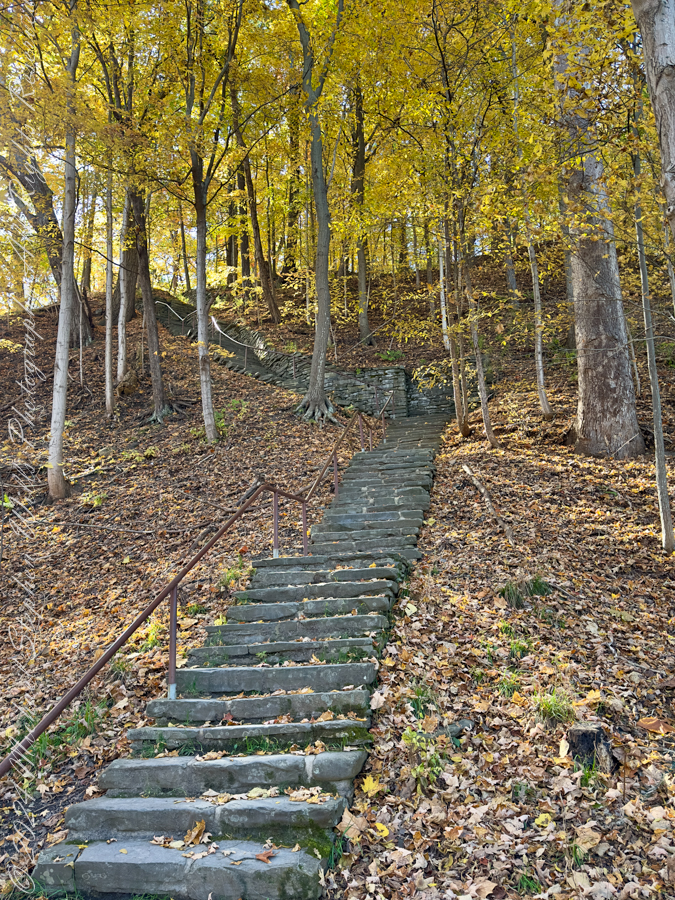
As I reached the lower section of the trail, I noticed an old stone staircase winding up through the trees to the north rim—a relic from another time, adding a touch of mystery to the path. Each step was worn smooth by countless feet, each one a reminder of the generations that had walked these trails before me. The stairs climbed through a cathedral of trees, each trunk tall and straight, as if standing guard over the trail.
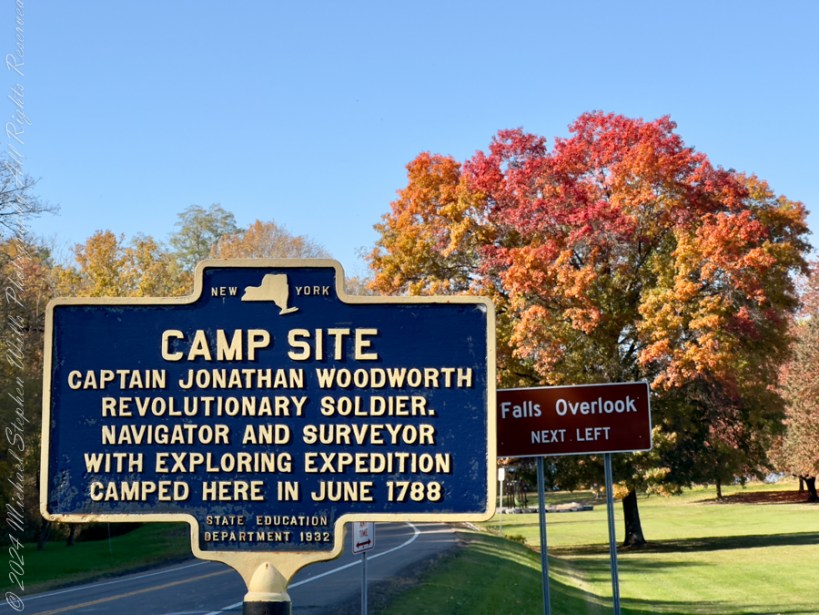
On my way around I passed by a historical marker, a blue and yellow sign commemorating the camp site of Captain Jonathan Woodworth, a Revolutionary soldier who camped here in June 1788. It was a reminder that these trails, this land, had been cherished long before my steps fell upon it.
After reaching the base of the South Rim Trail, I looped back up the North Rim. The trail now felt familiar, yet the changing light gave it a new character. The sun was lower, casting a golden glow across the tops of the trees.
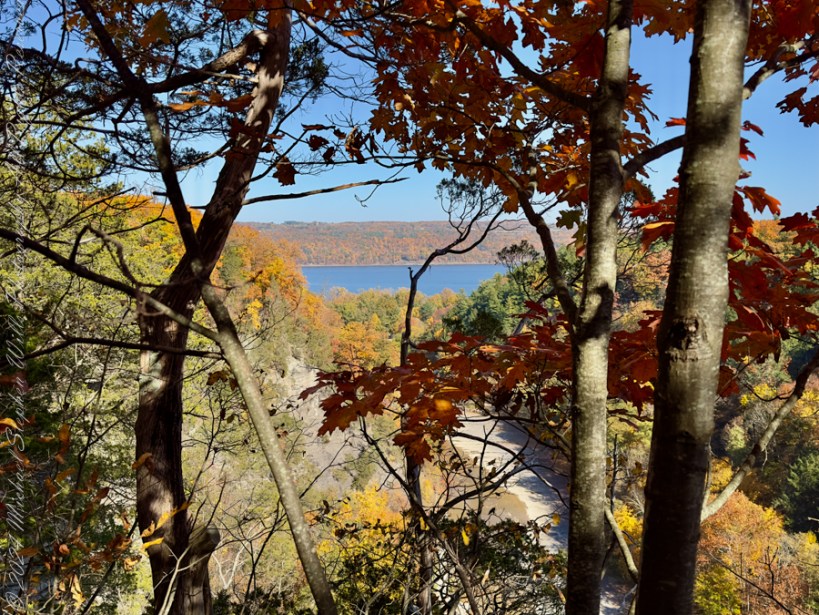
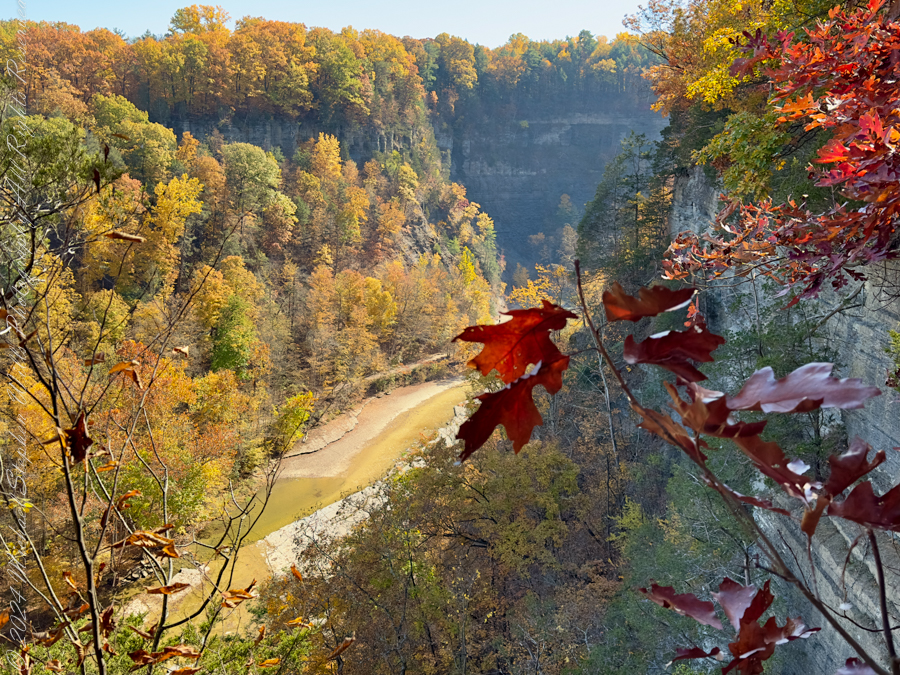
As I returned to my starting point, the sun cast a soft, warm light across the landscape, bathing the park in an ethereal glow. With one last look over the falls and the vivid tapestry of trees, I felt a sense of gratitude. Taughannock Falls State Park in autumn is an experience, one that leaves an indelible mark, reminding us of the beauty and timelessness of the natural world.
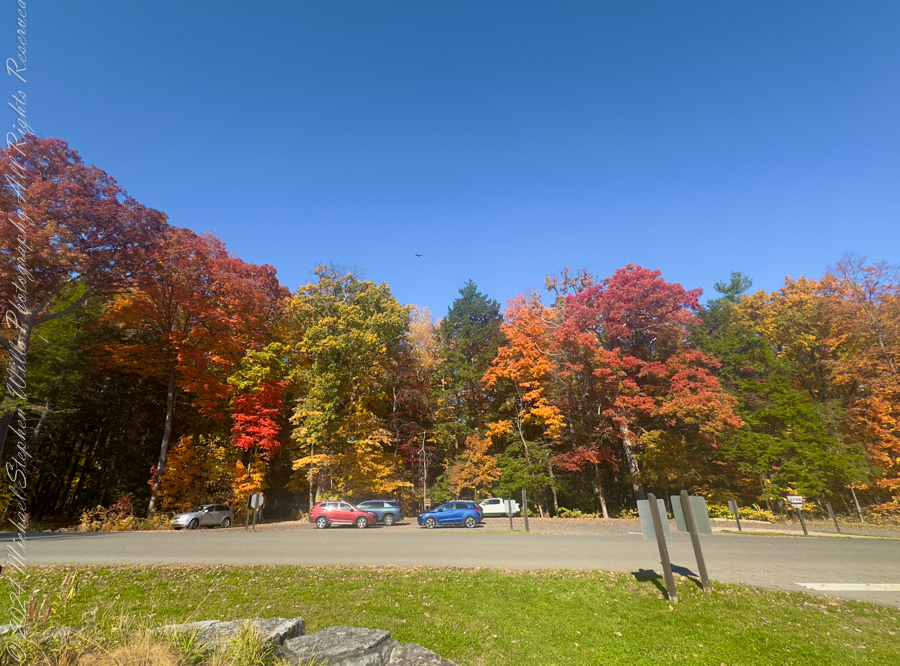
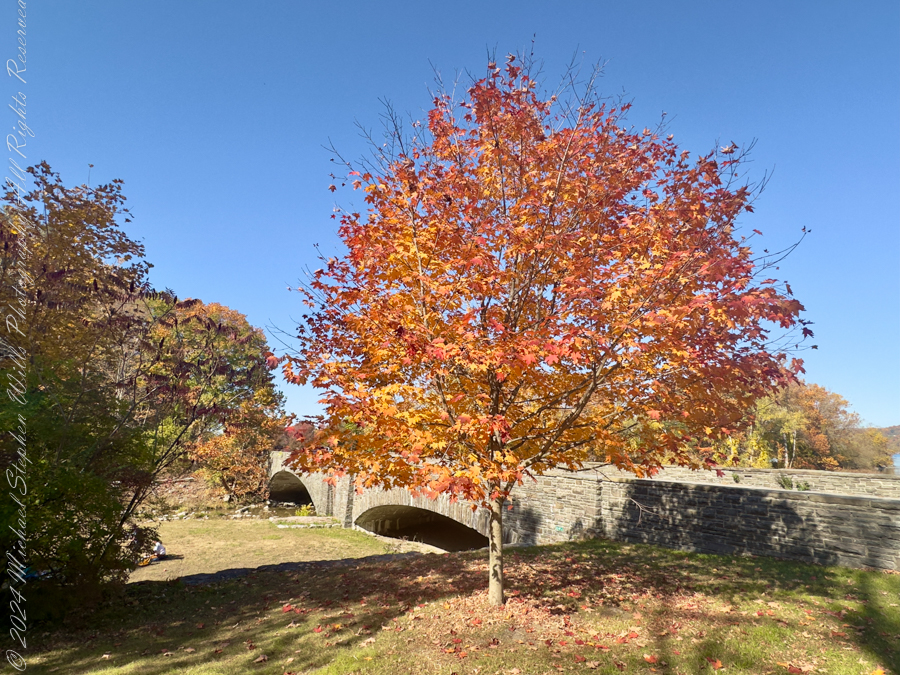
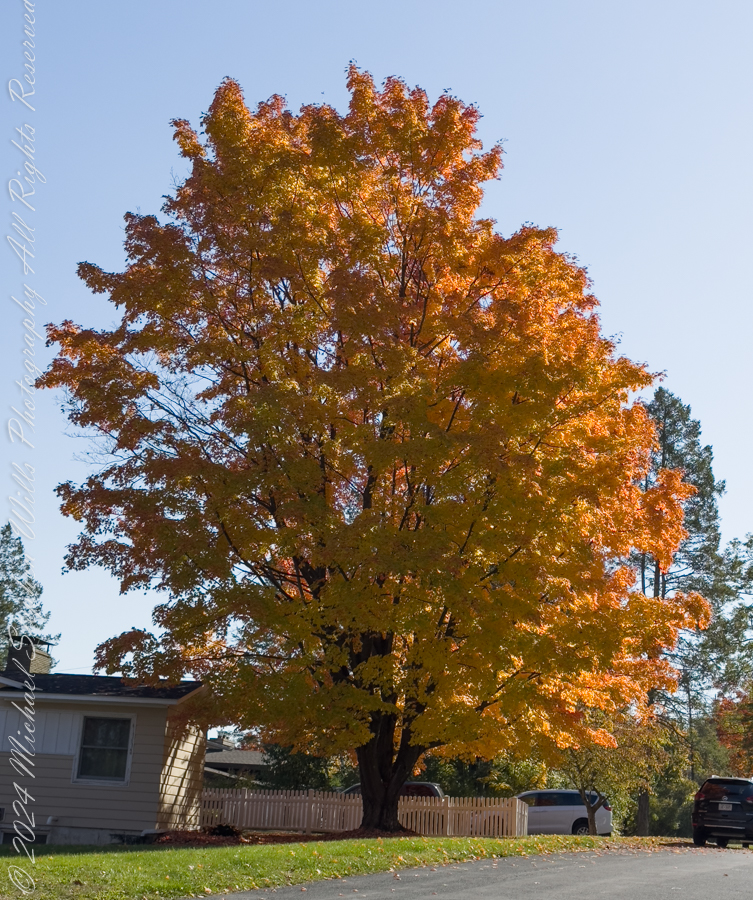
On the drive home I paused to admire a neighbor’s maple tree’s full autumn glory.
Enter your email to receive notification of future postings. I will not sell or share your email address.

Queen Anne’s Legacy: A Wildflower’s Role in the Finger Lakes Ecosystem and History

Amid the rolling hills and meadows of the Finger Lakes, Queen Anne’s Lace stands tall, its delicate white blooms weaving a tapestry of nature’s resilience and beauty. Discover the rich history, legends, and ecological importance behind this elegant wildflower.


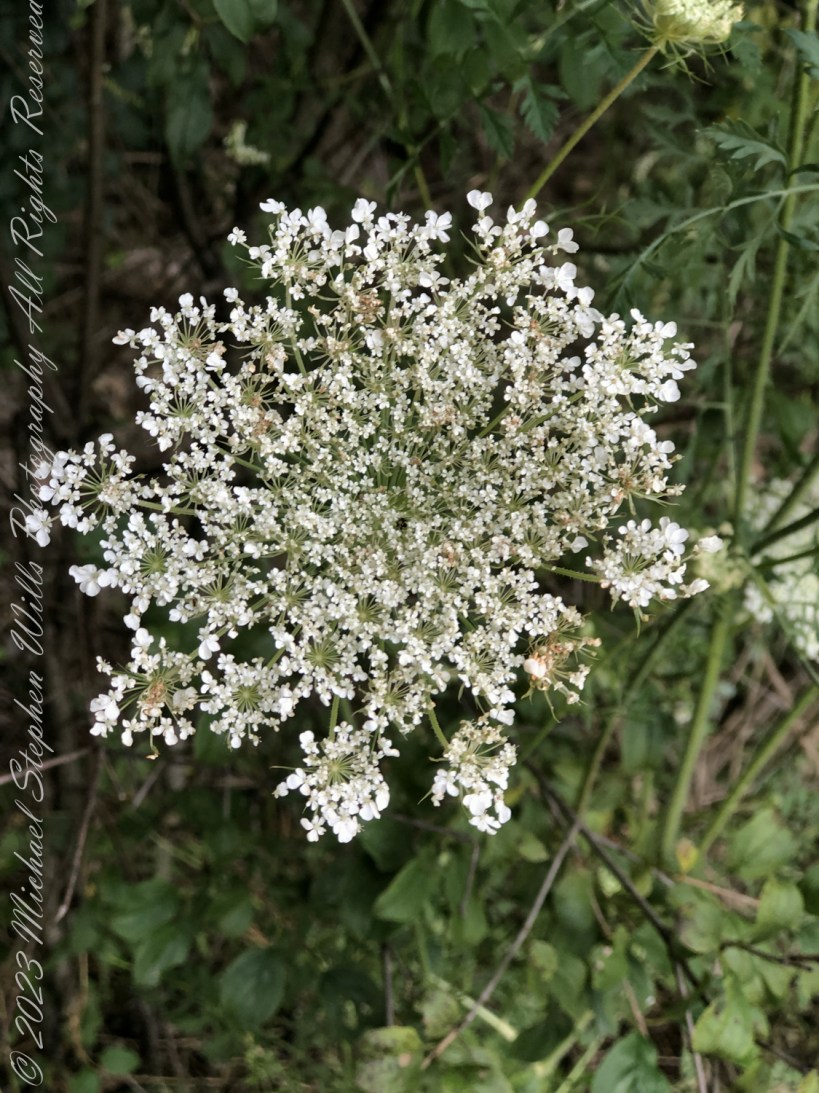
In the Finger Lakes region of New York State, fields come alive with the delicate beauty of Queen Anne’s Lace—a wildflower that embodies nature’s elegance. Scientifically known as Daucus carota, its flowering umbels resemble intricate lace, lending poetic charm to the landscapes it graces. Beyond aesthetics, the history and mythology behind Queen Anne’s Lace, combined with its ecological importance and cultural significance, reveal a plant deeply intertwined with both nature and human culture.

The Name and Its Myths


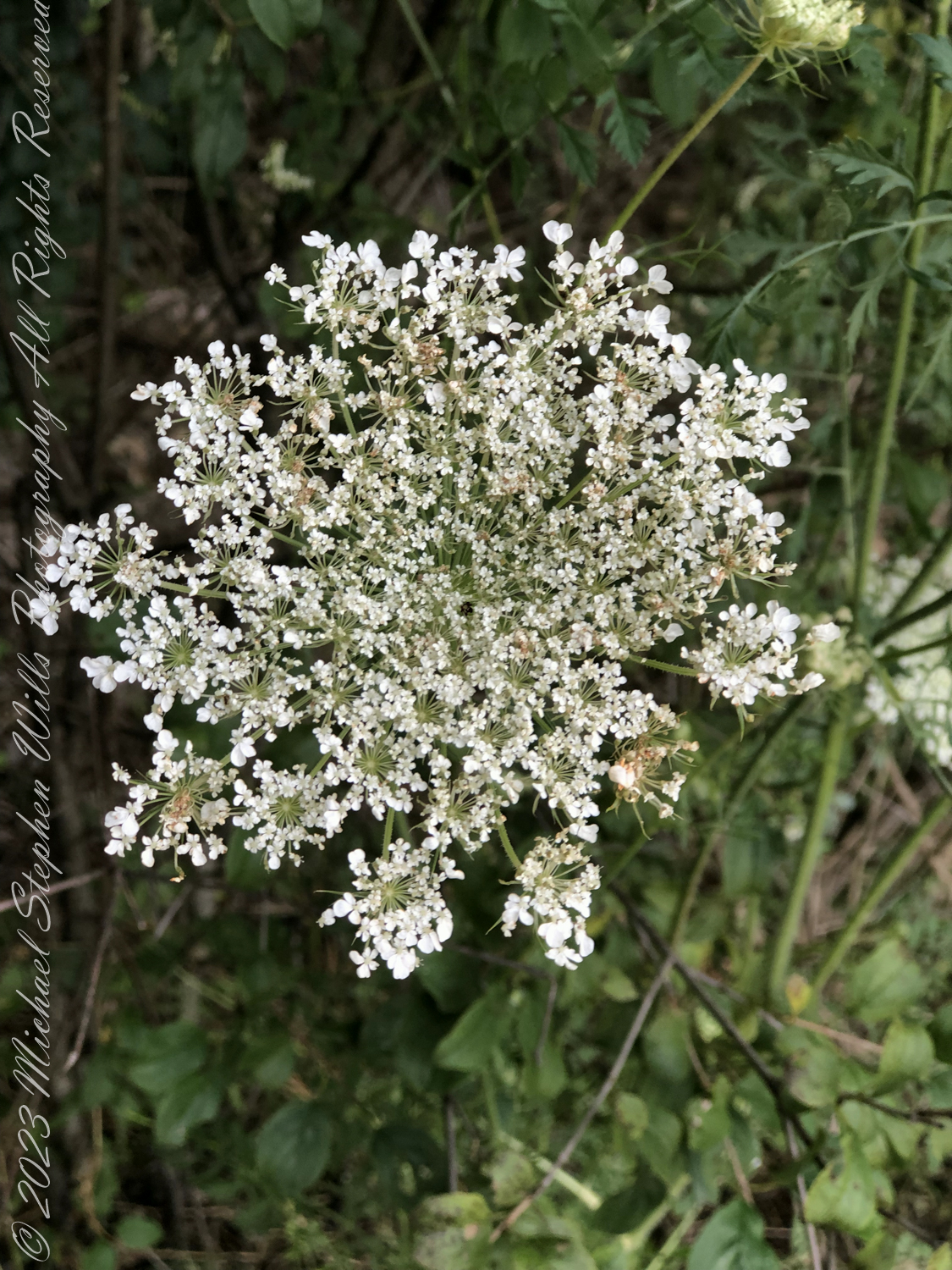
The name Queen Anne’s Lace derives from English legend. According to the tale, Queen Anne, consort to King James I, was challenged to create lace as beautiful as the flower. While sewing, she pricked her finger, and a single drop of blood stained the lace—represented by the tiny purple floret at the center of many Queen Anne’s Lace blossoms. This intricate network of white flowers surrounding a central floret mirrors the lacework attributed to Queen Anne, giving the plant a royal and historic association.

Scientifically known as Daucus carota, Queen Anne’s Lace is also known by several other common names, including wild carrot and bird’s nest, the latter inspired by the way the flower head curls inward as the seeds begin to develop, resembling a nest. The flower is closely related to the cultivated carrot, and its roots, though much smaller and woodier, share the familiar carrot scent. In fact, Queen Anne’s Lace is considered the wild ancestor of the domestic carrot, with a lineage stretching back thousands of years.

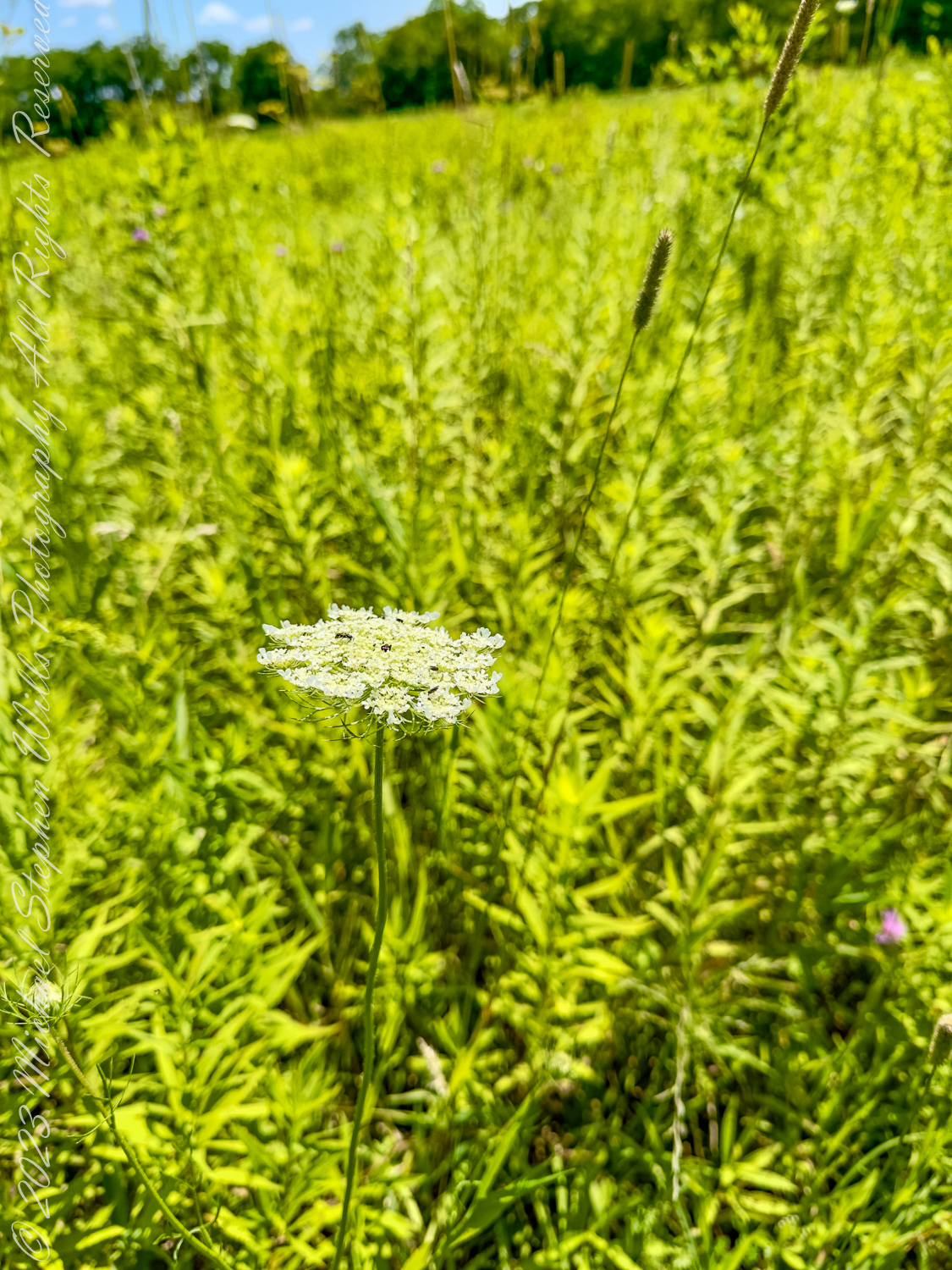
In the meadows of the Brock-Harvey Forest Preserve, Queen Anne’s Lace thrives among the native flora, showcasing its delicate beauty. The function of the central dark florets of D. carota has been subject to debate since Charles Darwin speculated that they are a vestigial trait. It has been suggested that they have the adaptive function of mimicking insects, thus either discouraging herbivory, or attracting pollinators by indicating the presence of food or opportunities for mating. Research conducted in Portugal suggests that the dark central florets of Daucus carota mimic insects, attracting pollinators like the varied carpet beetle (Anthrenus verbasci). Inflorescences with more dark florets experienced increased visitation, indicating these florets may enhance pollination efficiency.

Queen Anne’s Lace in Finger Lakes Ecology


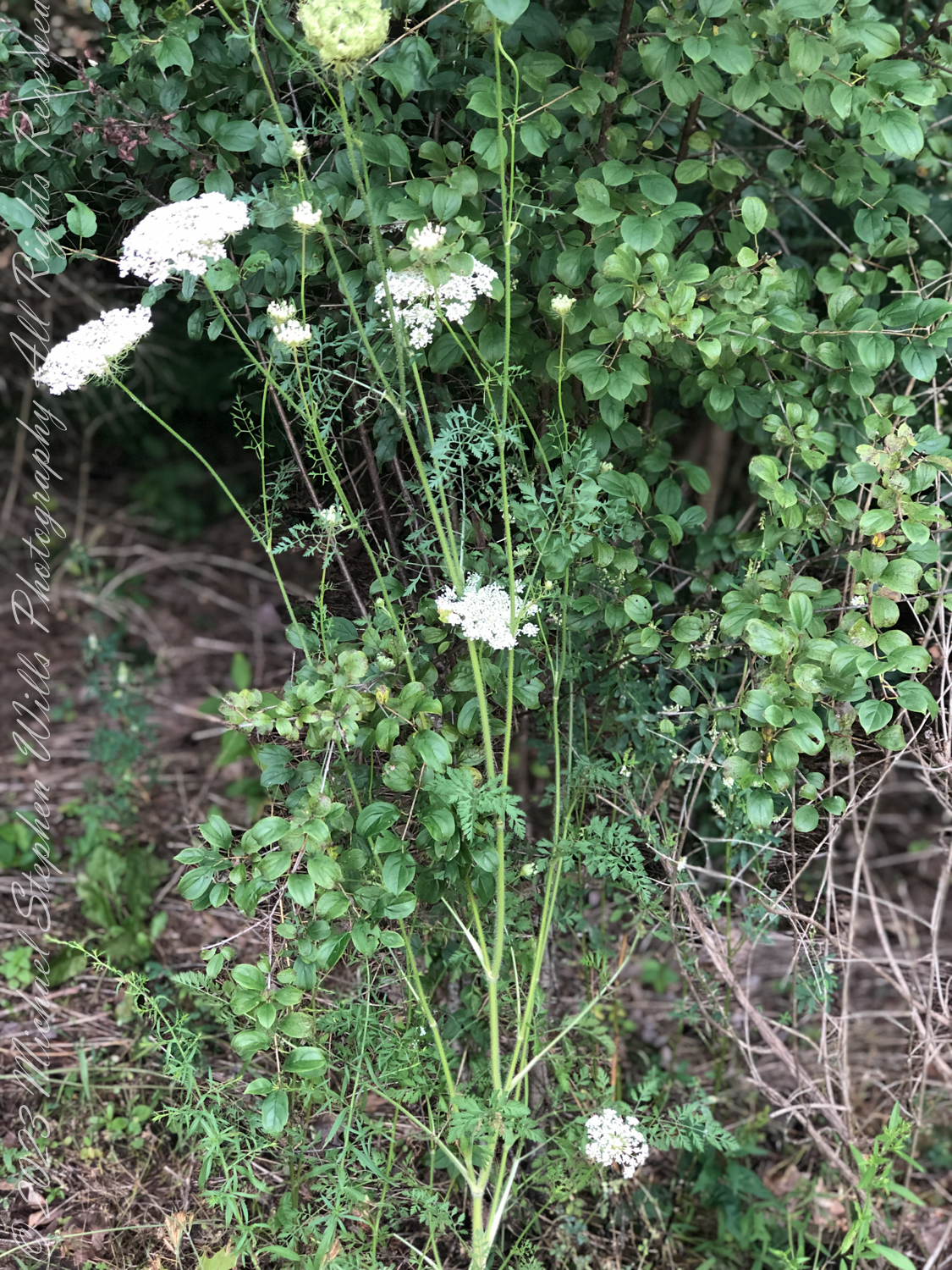
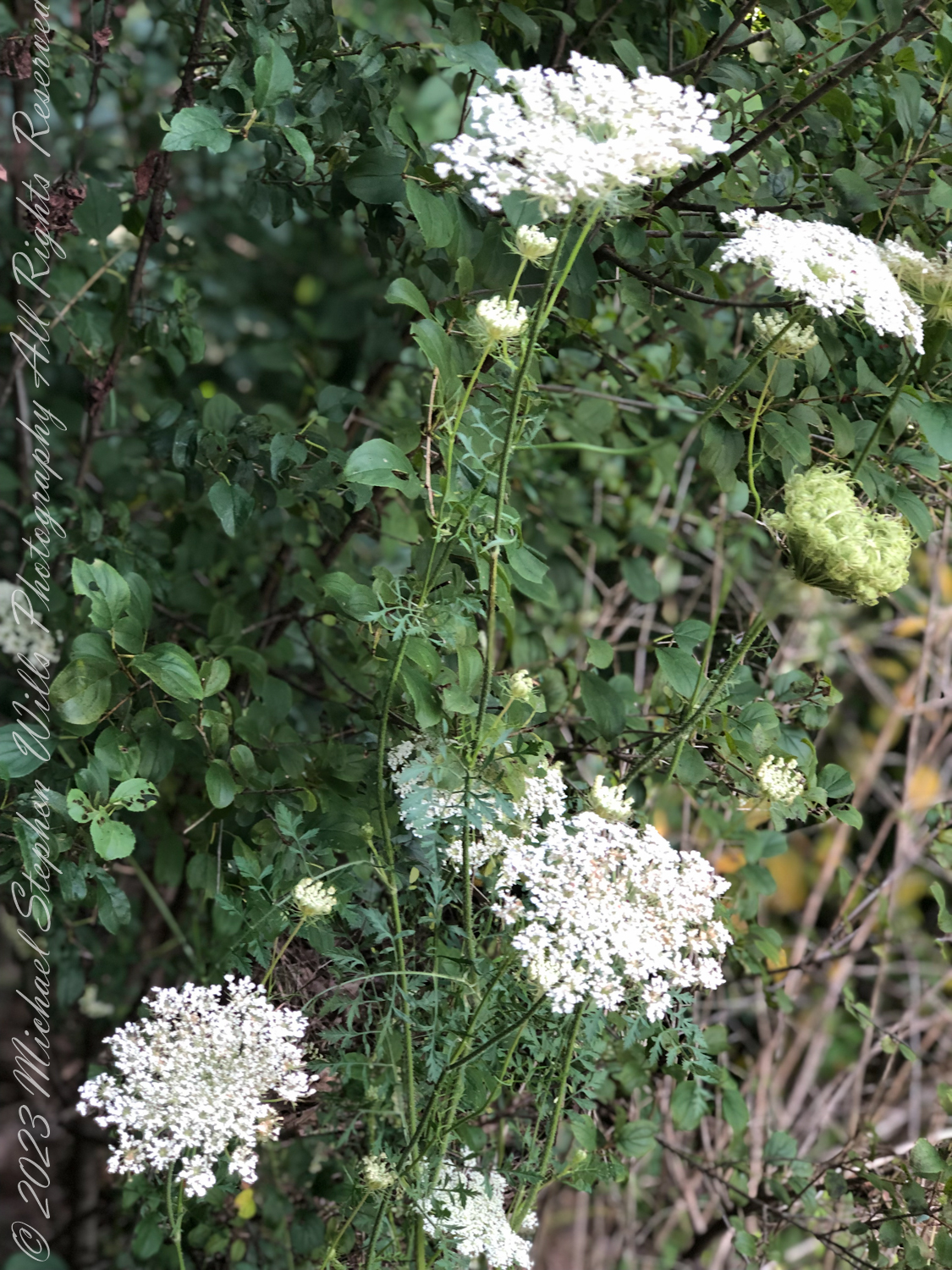
Beyond its rich mythology, Queen Anne’s Lace plays a significant role in the ecology of the Finger Lakes region. Throughout the expansive landscapes of the Finger Lakes, from lush meadows to roadsides, Queen Anne’s Lace stands tall, its delicate blossoms dotting the green with clusters of white. This wildflower can be observed in various stages of its life cycle, from budding umbels to the intricate ‘bird’s nest’ formation.

The fields around the Finger Lakes, often framed by rolling hills and ancient forests, offer the perfect habitat for Daucus carota. The plant thrives in well-drained soils and open sunlight, often outcompeting other flora. Its deep taproots, a characteristic inherited from its cultivated cousin, the carrot, allow it to flourish in the rocky soils of the region.

In these fields, Queen Anne’s Lace performs a vital ecological role. The plant attracts a variety of pollinators, including bees, butterflies, and beneficial insects like lacewings, which help to control aphid populations. The wide, flat umbels provide an ideal landing platform for these insects, who in turn pollinate the flowers, ensuring the plant’s continued spread.

A History of Use


The plant’s ecological importance is matched by its historical uses throughout human civilization. Queen Anne’s Lace has long been a part of human history, both for its beauty and for its practical applications. The plant’s medicinal uses stretch back to ancient times. The seeds and roots were used by the ancient Greeks and Romans as a natural remedy for a variety of ailments, including digestive issues and inflammation. The seeds, when chewed, were believed to prevent conception and were used as a natural form of birth control.

For Native American tribes in the Finger Lakes region, Queen Anne’s Lace was a valuable plant. The roots were often used in the preparation of poultices to treat minor wounds and skin irritations. Additionally, the seeds were used for their diuretic properties, often in teas to help with urinary tract issues. The plant’s close relation to the domestic carrot also meant that its roots could be used as food, though they required careful preparation due to their tough texture and strong flavor.

A Symbol of Resilience and Elegance


The symbolism of Queen Anne’s Lace is steeped in both the fragility and strength it represents. Like the lace it mimics, the flower appears delicate and ephemeral, yet it is a hardy species that thrives in even the most inhospitable conditions. Its deep taproot enables it to survive droughts and poor soil, symbolizing resilience and perseverance in the face of adversity.

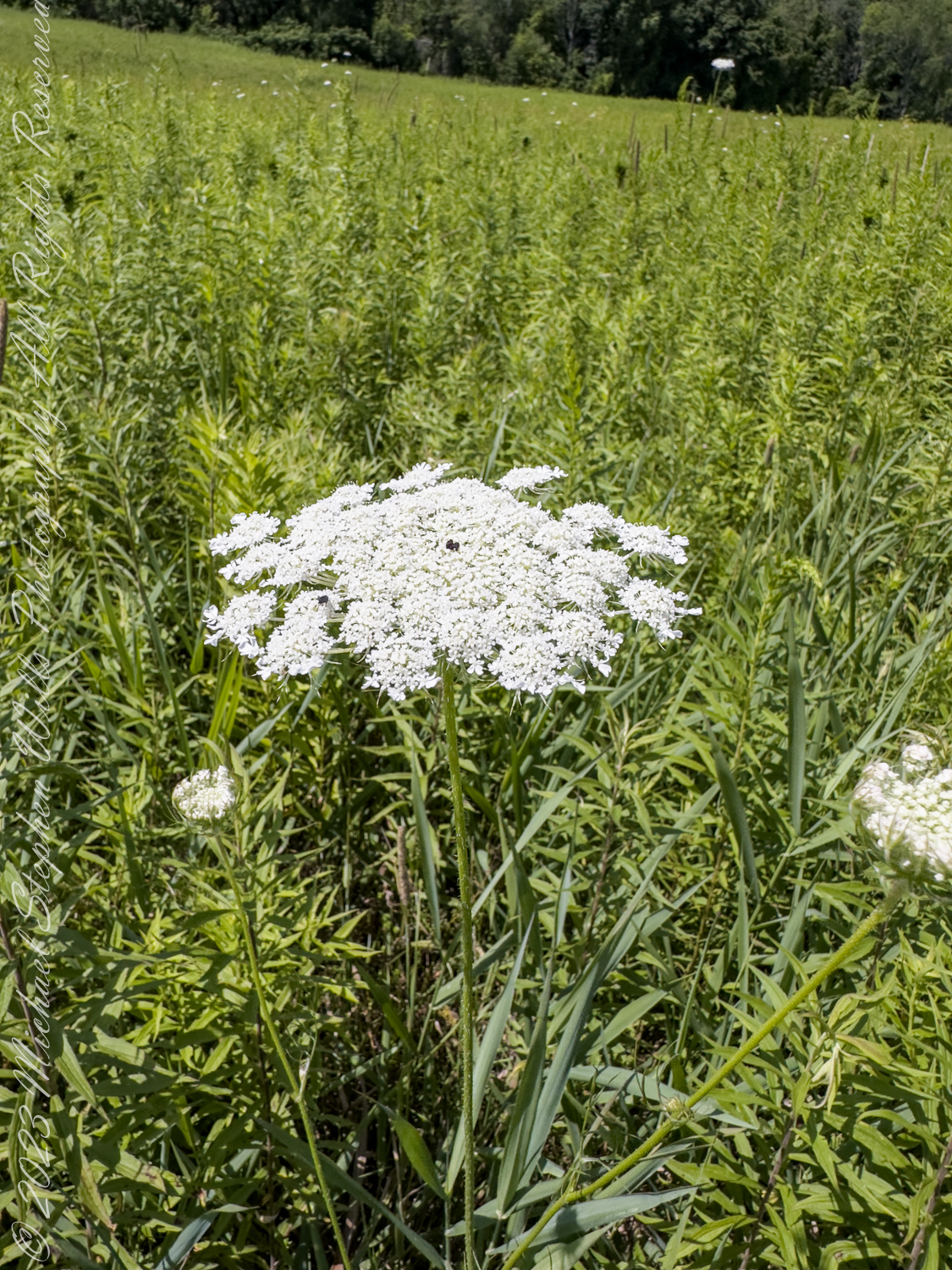
In Cayuga County, near Fillmore Glen State Park in Moravia, New York State, farm fields are often adorned with the intricate blooms of Queen Anne’s Lace.

Each summer, the fields of the Finger Lakes burst forth with Queen Anne’s Lace, their towering stalks reaching upward, crowned with intricate blossoms that sway gently in the breeze. As the season progresses, the once-flat umbels curl inward, forming a tight bird’s nest—a final act of elegance before the plant disperses its seeds to ensure future generations.

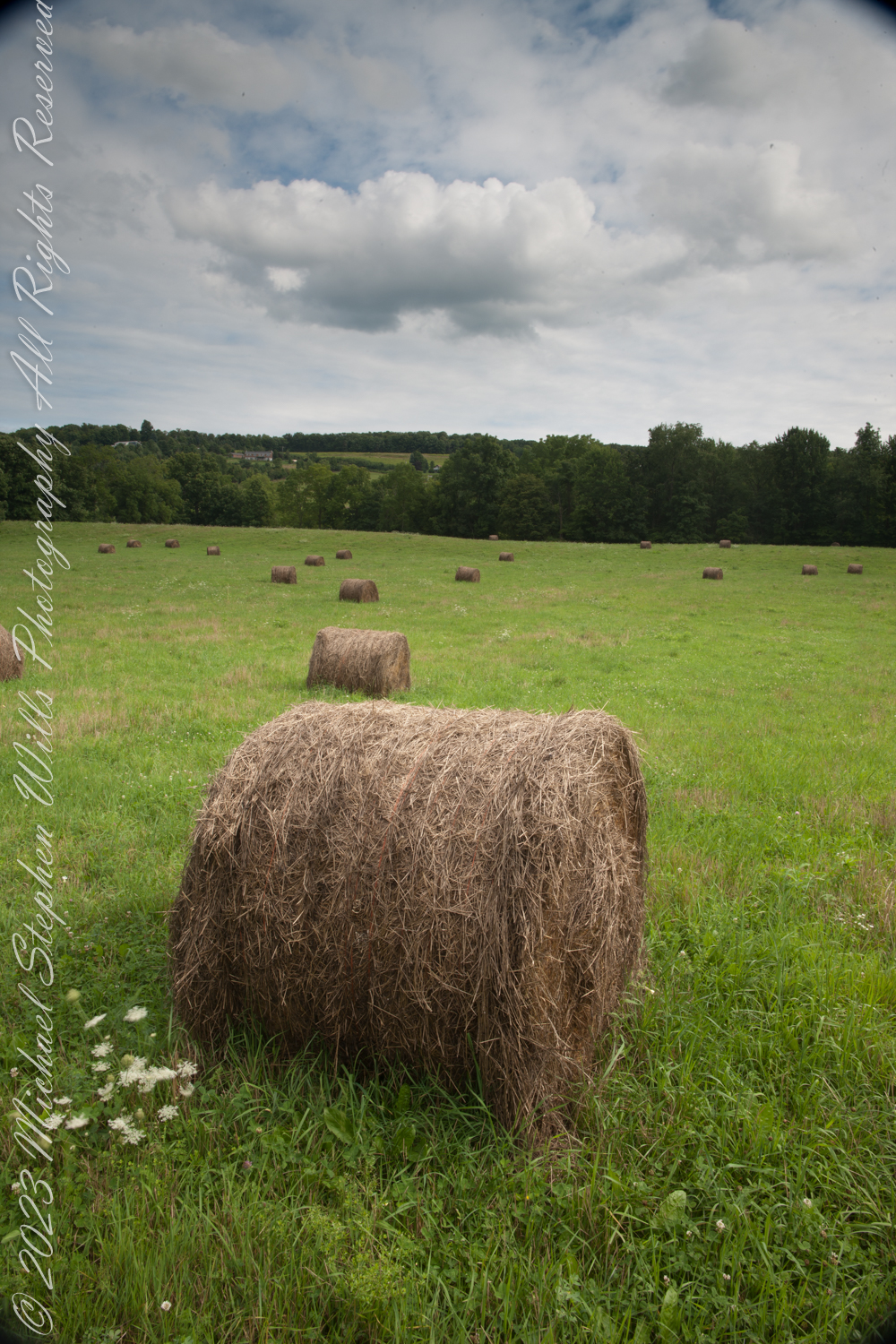
In capturing the essence of this flower in photographs that accompany this essay, the delicate yet persistent nature of Queen Anne’s Lace is evident. Whether standing tall against a backdrop of green hills, or growing alongside weathered hay bales, Queen Anne’s Lace offers a moment of reflection on the intersection of beauty, history, and nature. Its quiet presence in the Finger Lakes is a reminder that even the smallest, most unassuming plants can carry with them deep histories, enduring stories, and a legacy of utility and elegance.

As golden hues of sunset bathe the rolling hills of the Finger Lakes, the ethereal silhouettes of Queen Anne’s Lace stand as a testament to the region’s natural splendor. Whether admired for its aesthetics, revered for its medicinal uses, or simply appreciated for its ecological role, Queen Anne’s Lace remains an iconic and beloved part of the Finger Lakes’ wildflower tapestry.

Copyright 2024 Michael Stephen Wills All Rights Reserved

A Feast

Thanksgiving Comes Early

Continue reading “A Feast”

New Beginnings

Embark on a photographic journey with me, armed with a Canon EOS 5D Mark IV and a keen eye, as we navigate the challenges and beauty of Taughannock Falls. Experience the blending of history and art through my lens, capturing nature’s grandeur and the legacy of the land. Join me in this adventure.

Continue reading “New Beginnings”

Winter People Watching

Happy New Year’s Eve

Continue reading “Winter People Watching”