Between Dunes and Discovery: Embracing History at Kennedy Space Center

Explore Cape Canaveral National Seashore and Kennedy Space Center with us, where pristine beaches meet the legacy of human space exploration, and feel the awe of standing where history was made.

A Journey Through Time and Space: Our Visit to Cape Canaveral National Seashore and Kennedy Space Center

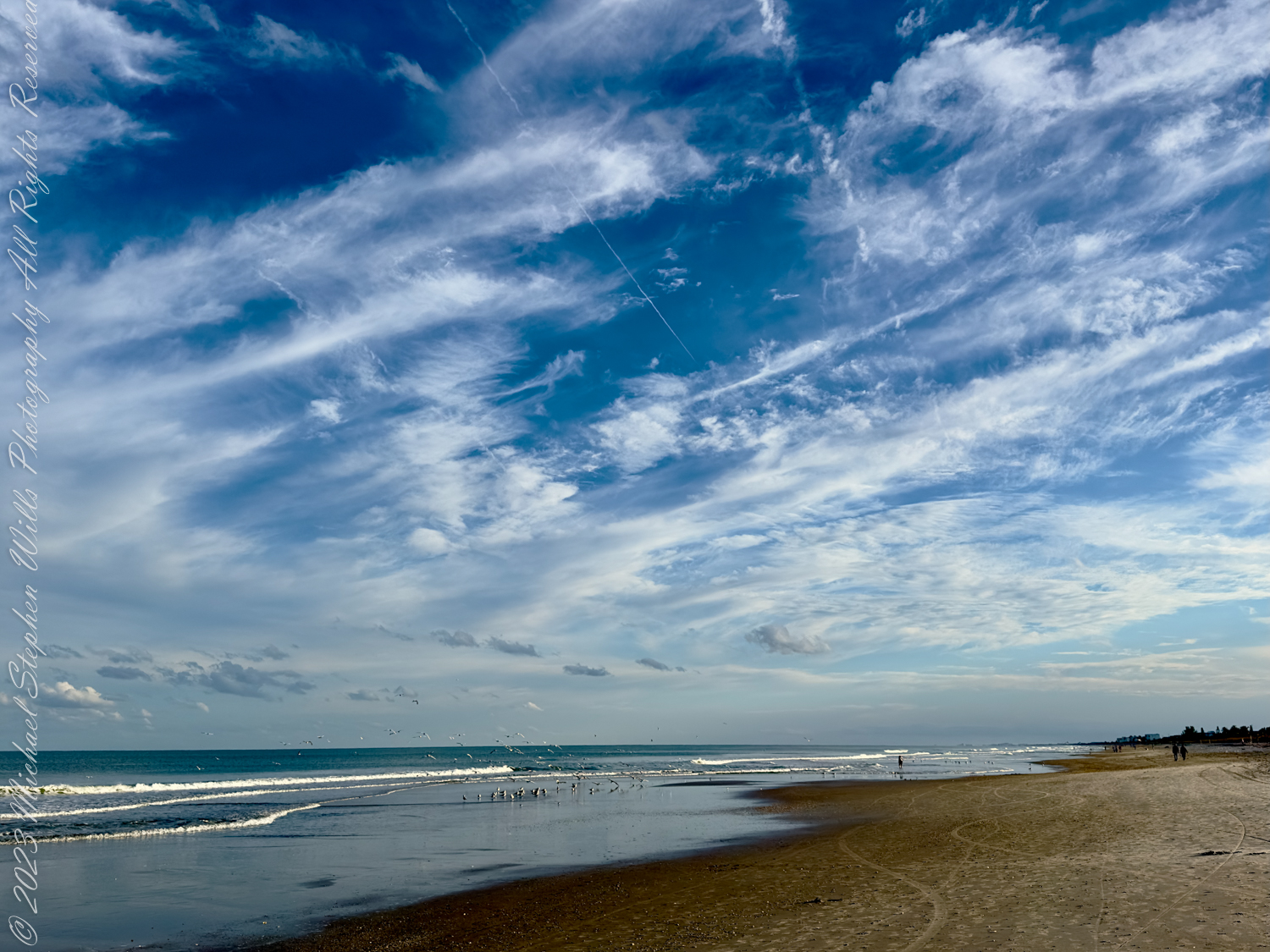
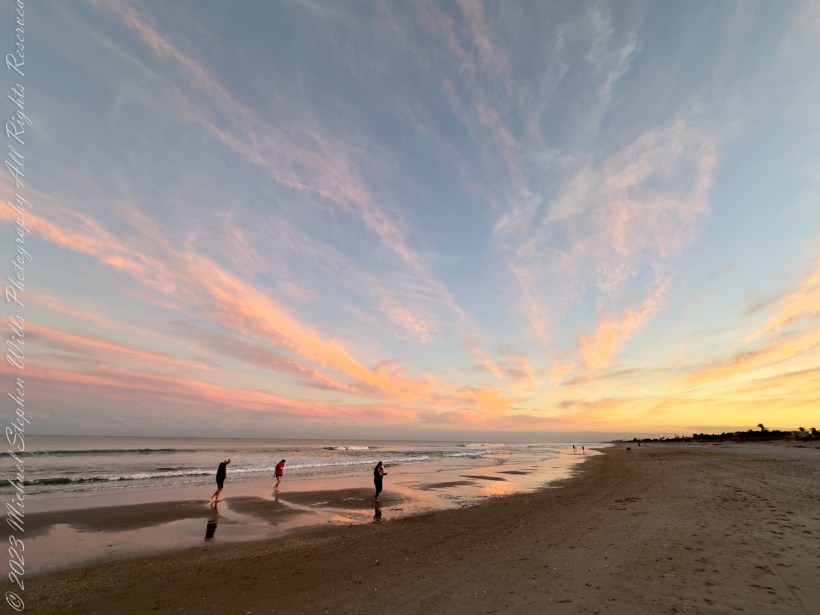
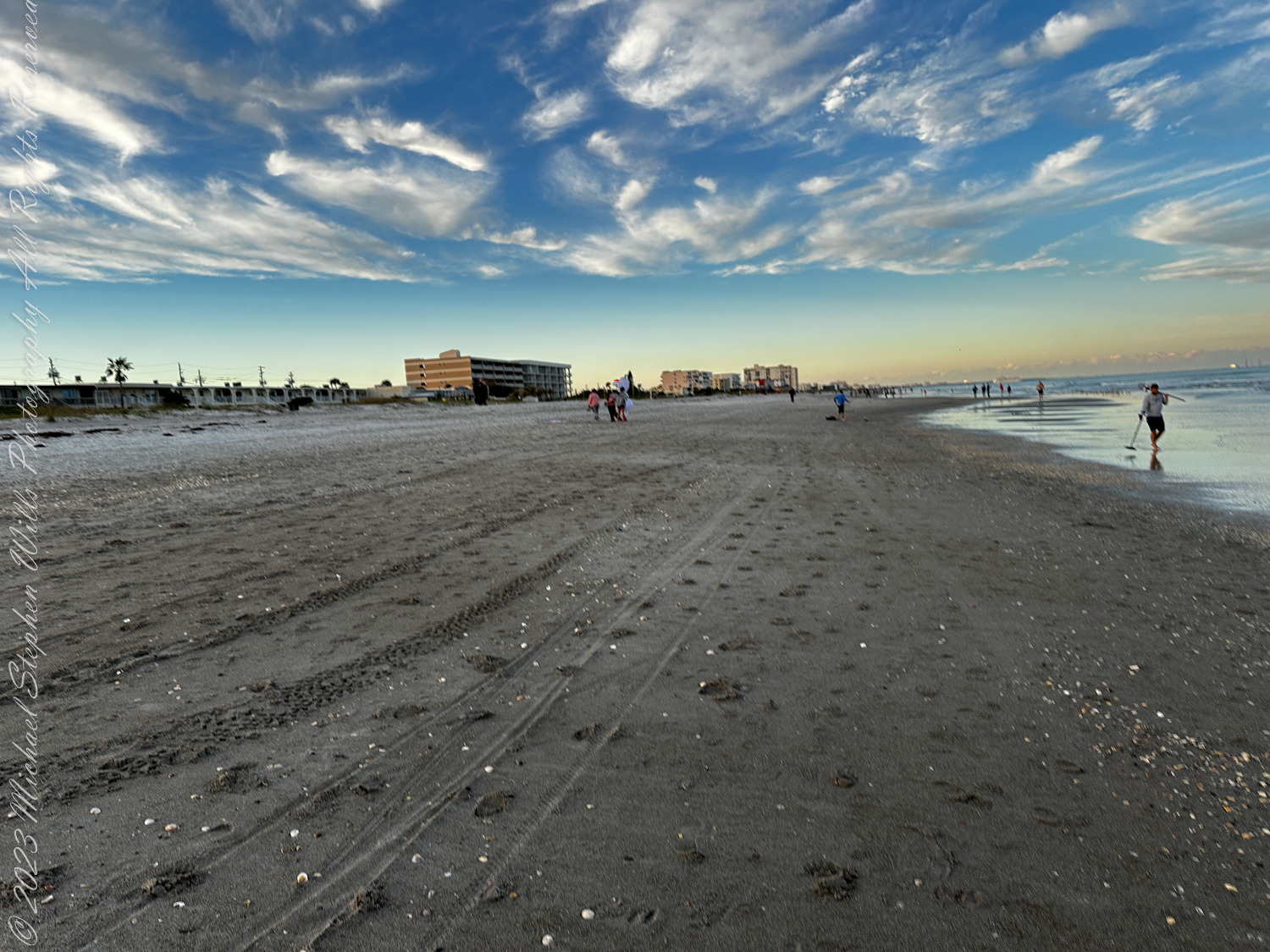
As we arrived at the pristine shores of Playalinda Beach within the Canaveral National Seashore, the gentle whisper of waves against the shoreline beckoned us. The sun kissed the horizon, casting a warm glow across the 24 miles of untouched, protected coastline that lay before us. Here, on the east coast of Florida, where crystal-blue waters embrace the shell-laden sands, we found ourselves at the intersection of natural beauty and human achievement.

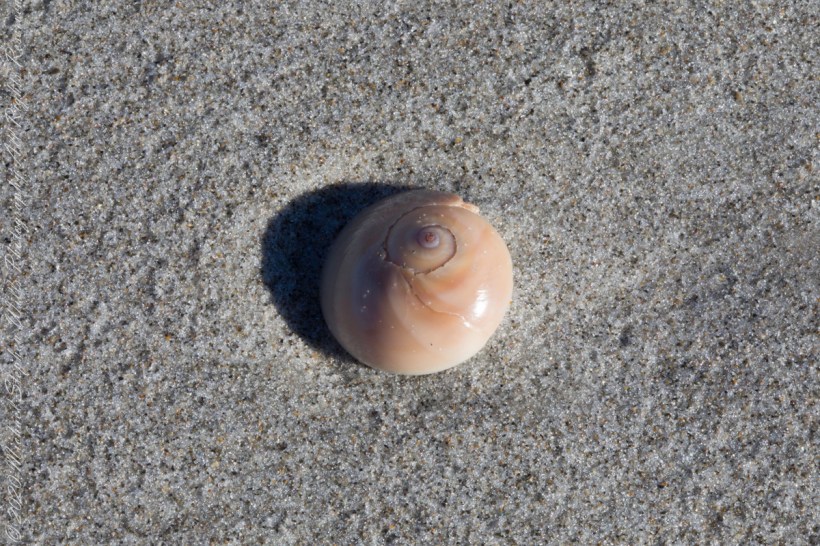
Shell of the Moon Snail (Naticidae) found in the surf wash.

The Serenity of Playalinda

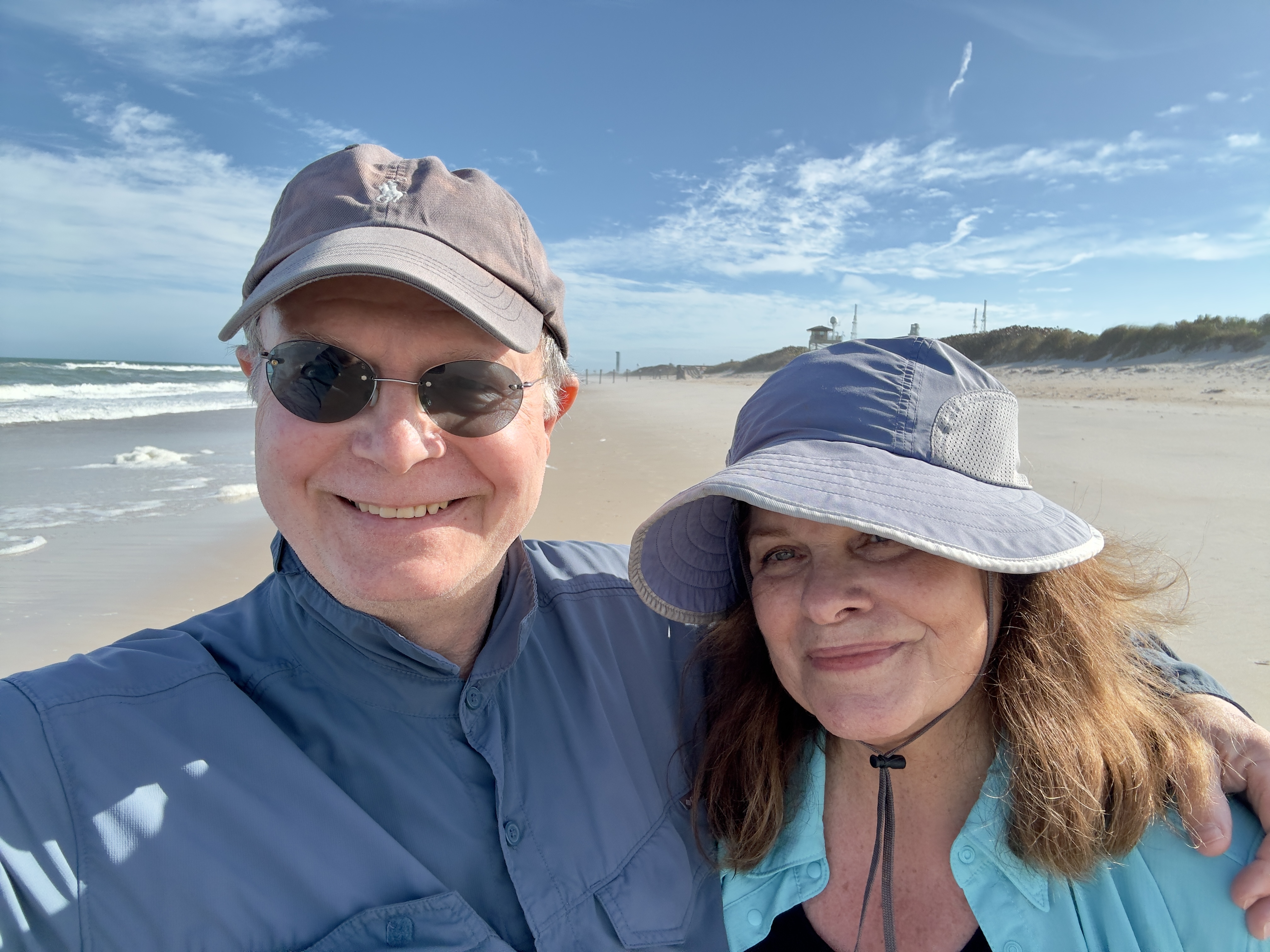
We strode along the boardwalk, passing through dunes adorned with sea oats, to find our spot upon the soft sands of Playalinda. The beach, known for its tranquility and the chance to observe a vibrant array of wildlife, offered us a moment of peace. With no distractions—no concessions, no showers, just nature—we were able to disconnect from the world and reconnect with the earth. From our vantage point, the Merritt Island Wildlife Refuge across the water was a haven for migrating birds, dolphins, and, with some luck and the right season, sea turtles nest on the beach itself.

Witness to History: The Apollo 11 Legacy

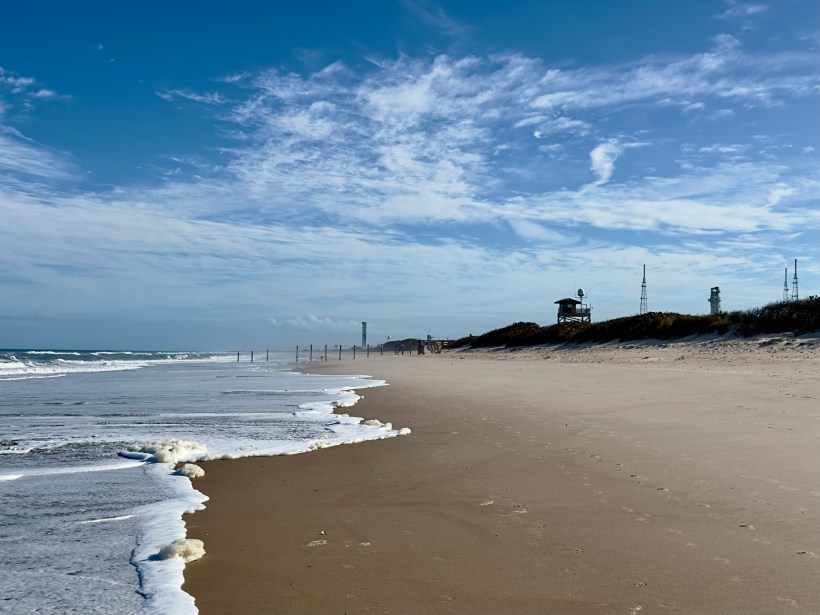
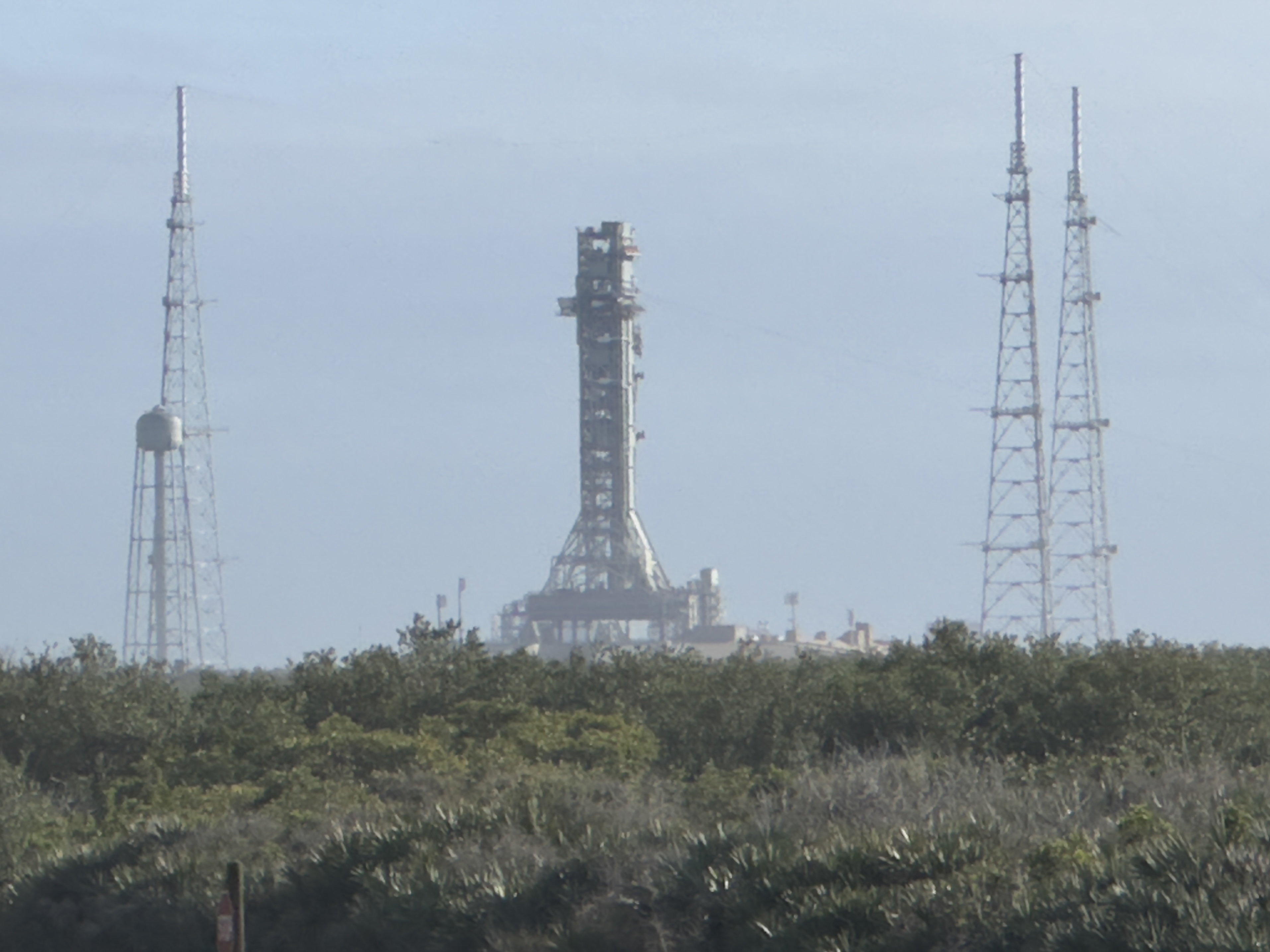
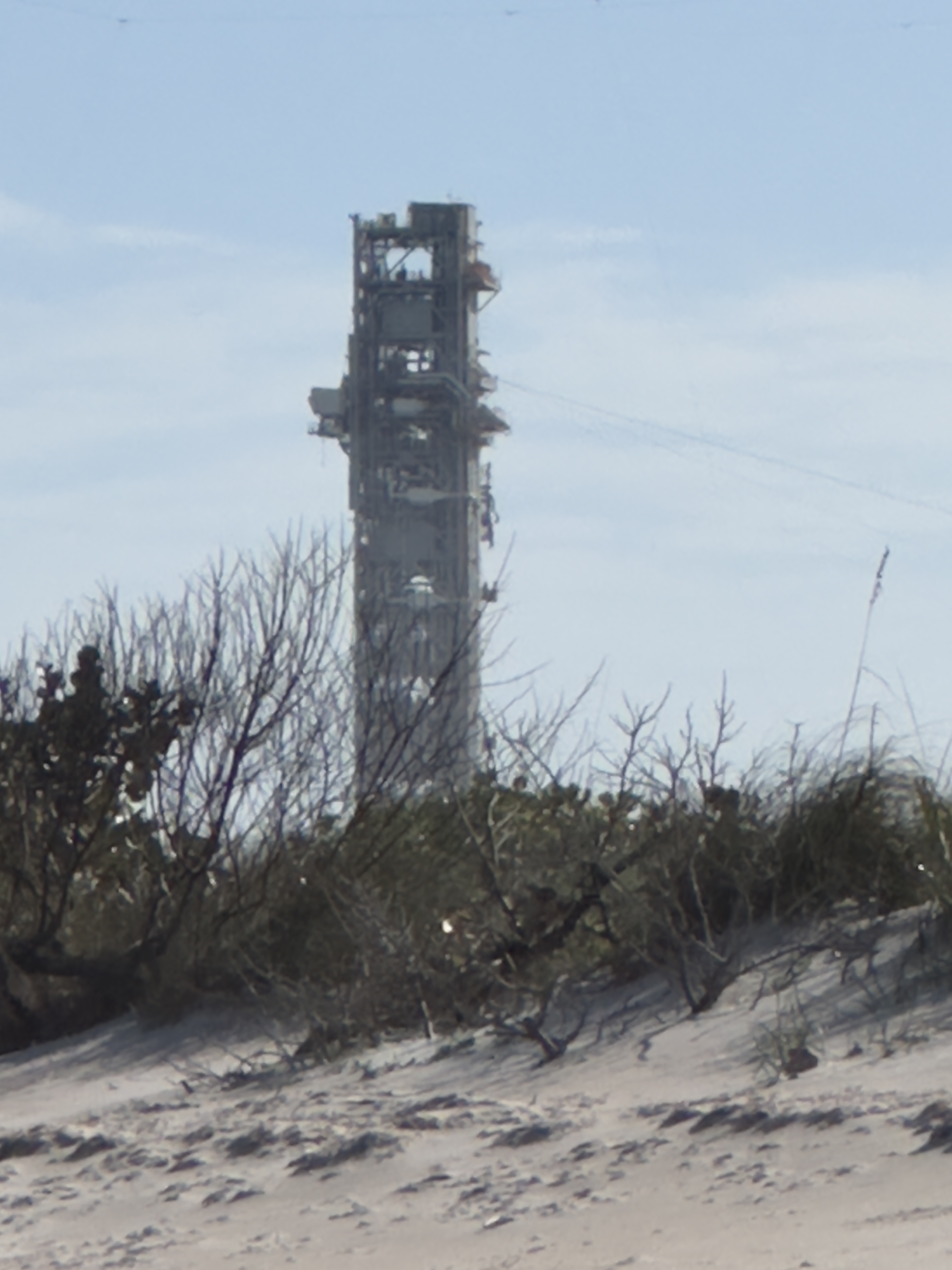
But it wasn’t just the natural allure that drew us here. Playalinda holds a unique position, offering an unobstructed view of the historic launch pads of Kennedy Space Center, where Apollo 11 began its monumental journey to the Moon. As we walked south towards the fence bordering the Space Center, the anticipation built within us. Here, we were tracing the footsteps of giants, those brave astronauts who dared to venture into the unknown.

The Vistas of Exploration

Each step brought us closer to the site where humanity took one of its most significant leaps. Gazing upon the launch complex from the fence, we were reminded of the powerful forces harnessed to break the bonds of gravity. Imagining the roar of the engines, the earth-shaking vibrations, and the fiery ascent of the Saturn V rocket, we felt a deep connection to the past and a sense of awe for the pioneering spirit that propelled us into a new era of exploration.

Reflections Amidst the Dunes

As we wandered back along the beach, the foam of the ocean’s edge lapping at our feet, we reflected on the duality of our surroundings. Here, in this place of quiet solitude, we also stood at the forefront of human innovation and ambition. The juxtaposition of the peaceful beach with the technological marvels just a stone’s throw away was not lost on us.

Our journey to the Cape Canaveral National Seashore and the Kennedy Space Center fence was more than just a visit to a beach or a historic site; it was a pilgrimage to a place where dreams materialize and reach for the stars. It was here that we came to understand the full spectrum of emotions that accompany great achievements—the hope, the fear, the triumph.

Conclusion

Our visit to the Cape Canaveral National Seashore and the Kennedy Space Center was an experience that will linger in our memories for years to come. It was a reminder of what we can achieve when we are united by a common goal, and it filled us with pride and optimism for the future. As we looked back one last time, the setting sun seemed to whisper a promise of the wonders yet to come, both here on the shores of Playalinda and in the vast expanse of space that awaits us.

Copyright 2024 Michael Stephen Wills All Rights Reserved

A January Encounter with a Moon Jellyfish

Walk with me through a narrative as translucent as the Moon Jellyfish itself, revealing the hidden connections between us and the vast ocean’s enigmatic creatures.

Initial Encounter


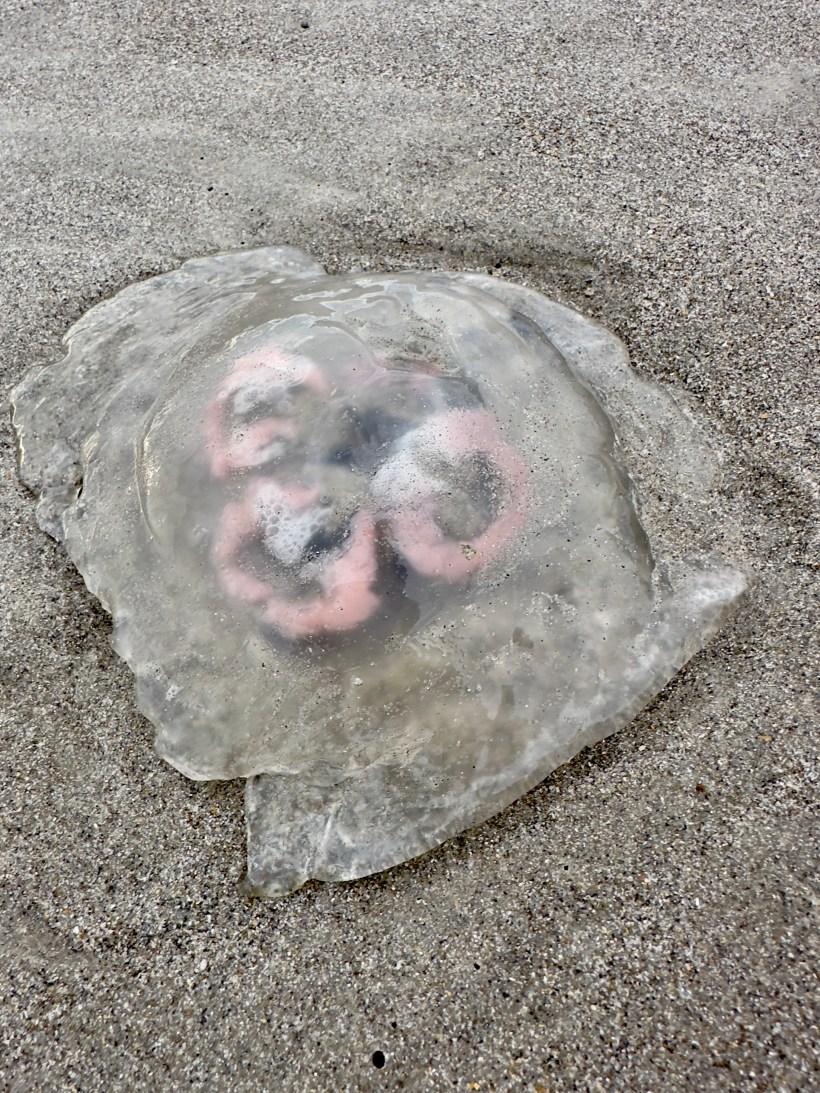
It was a cool January morning, and the southern winds were brisk as they tousled my sparse hair. I had made my way along Cocoa Beach, a place I often find solace in the rhythmic dance of the waves. Today, however, the ocean had a different story to tell. As I walked along the shore, my gaze fell upon a peculiar sight—a translucent, almost ethereal creature lay motionless on the sand. It was a Moon Jellyfish, or as scientists call it, Aurelia aurita.

The gelatinous being had been cast out by the unforgiving sea, its pinkish hue a stark contrast against the dull sands. This wasn’t an uncommon sight, as these creatures often end up on beaches due to wind patterns and water currents. But there was something about this particular Moon Jellyfish that captivated me. Perhaps it was the way it shimmered in the morning light, or how it seemed so peaceful, so out of place, yet exactly where it was meant to be.

Ecological Significance


I knew that the Moon Jellyfish played a crucial role in the marine ecosystem. These cnidarians are not just beautiful drifters; they are a vital part of the ocean’s food web. Small fish and other marine organisms often find shelter among the Moon Jellyfish’s tentacles, escaping predators and finding nourishment in the plankton caught by their host. In turn, the Moon Jellyfish themselves are prey to a variety of larger species, including sea turtles and certain birds.

Seeing the jellyfish on the shore, I contemplated the fragility of this balance. A change in wind direction, a shift in temperature, or human interference could easily disrupt this delicate ecological dance. It was a stark reminder of the interconnectedness of life and the responsibility we hold in preserving these intricate relationships.

Biological Wonders


The biology of the Moon Jellyfish is as fascinating as its role in the ecosystem. They are composed mainly of water, with a body that includes a bell-shaped top called the medusa, and short tentacles that hang below. These tentacles contain stinging cells known as cnidocytes, which they use to capture their prey—mainly tiny plankton.

As I observed the jellyfish before me, I couldn’t help but marvel at its simplicity and complexity. The Moon Jellyfish has a basic nervous system and lacks a traditional brain, heart, and blood. Yet, it thrives in the vast and challenging environment of the ocean. Its lifecycle, too, is a wonder, beginning as a polyp anchored to the seafloor, then transforming into the free-floating medusa I saw on the beach.

A Reflection on Nature and Humanity


The Moon Jellyfish’s unexpected presence on Cocoa Beach prompted a deeper reflection on nature’s course and our place within it. This creature, which had drifted with the currents and tides, led me to ponder the currents of our own lives. How often do we find ourselves washed ashore by the winds of change, feeling out of place, yet precisely where we’re meant to be?

In that moment, I understood that we, too, are like the Moon Jellyfish in many ways—adaptable, resilient, and part of a larger whole. We float through life, sometimes at the mercy of forces beyond our control, yet we possess the innate ability to navigate our environment and survive.

As I left the beach that day, the image of the Moon Jellyfish imprinted in my mind, I felt a newfound respect for these delicate yet durable denizens of the deep. The Moon Jellyfish, washed up by a southern wind onto Cocoa Beach, served as a silent teacher, reminding me of the beauty and fragility of life, the importance of our ecosystems, and the subtle threads that connect us all.

Copyright 2024 Michael Stephen Wills All Rights Reserved

The Majesty of the Saguaro: Sentinel of the Sonoran Desert

Step into the heart of the Sonoran Desert with me, where the saguaro cactus stands as a timeless giant, a symbol of resilience and beauty. This majestic sentinel of the Southwest is not just a plant; it’s a vibrant ecosystem and a cultural icon, embodying the spirit of endurance. Let’s explore its centuries-long journey, its role as a haven for desert wildlife, and its deep significance to the indigenous peoples. Join me in celebrating the saguaro’s enduring legacy, a narrative of survival and the profound beauty of life in the harshest conditions.

Continue reading “The Majesty of the Saguaro: Sentinel of the Sonoran Desert”

Harvest of Memories: A Finger Lakes Leaf Gathering Tale

A child and grandfather create lasting memories during a post-Thanksgiving leaf gathering ritual.

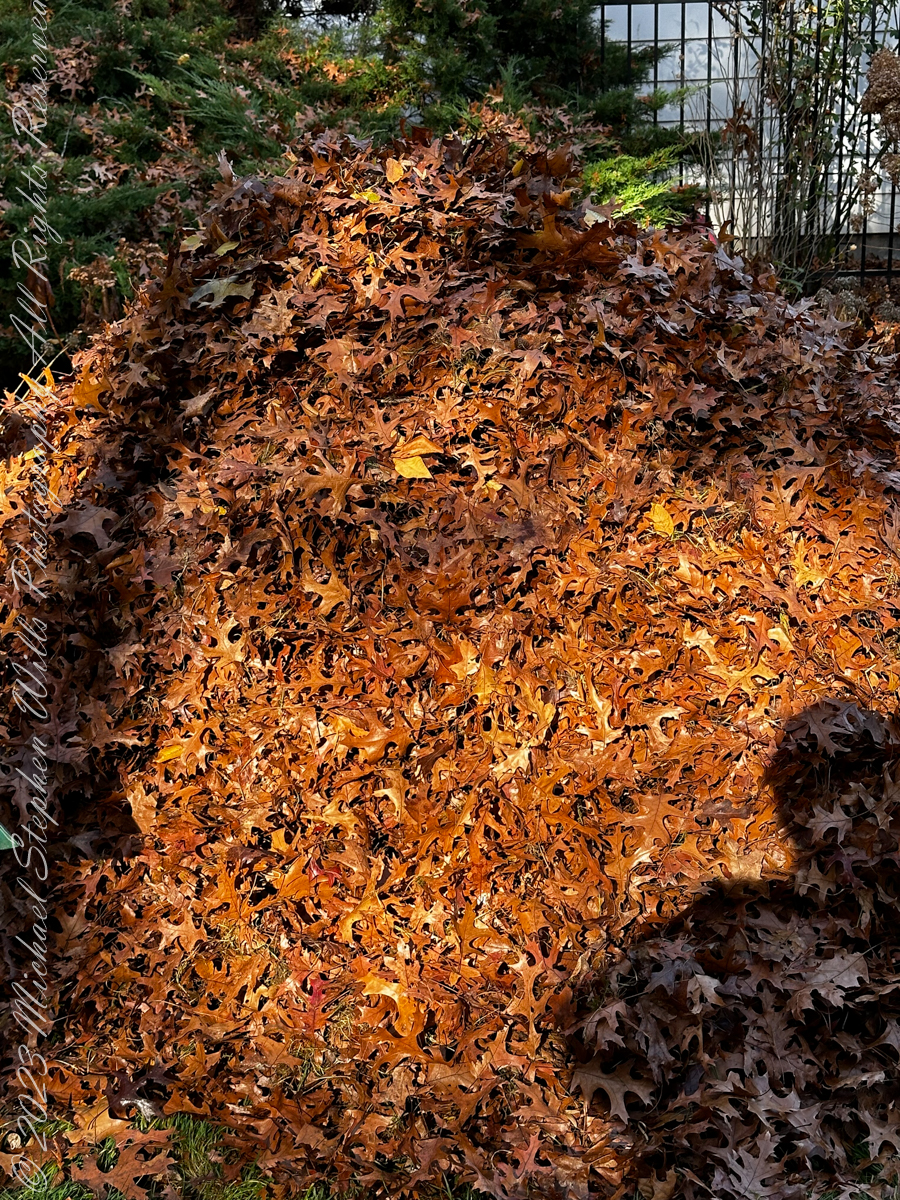
In the gentle embrace of the Finger Lakes region of New York State, the crisp post-Thanksgiving air is a mix of woodsmoke and the faint whisper of winter on the horizon. The earthy scent of fallen leaves, damp from the morning dew, begins to permeate the atmosphere, beckoning families outdoors to partake in the timeless ritual of leaf gathering.

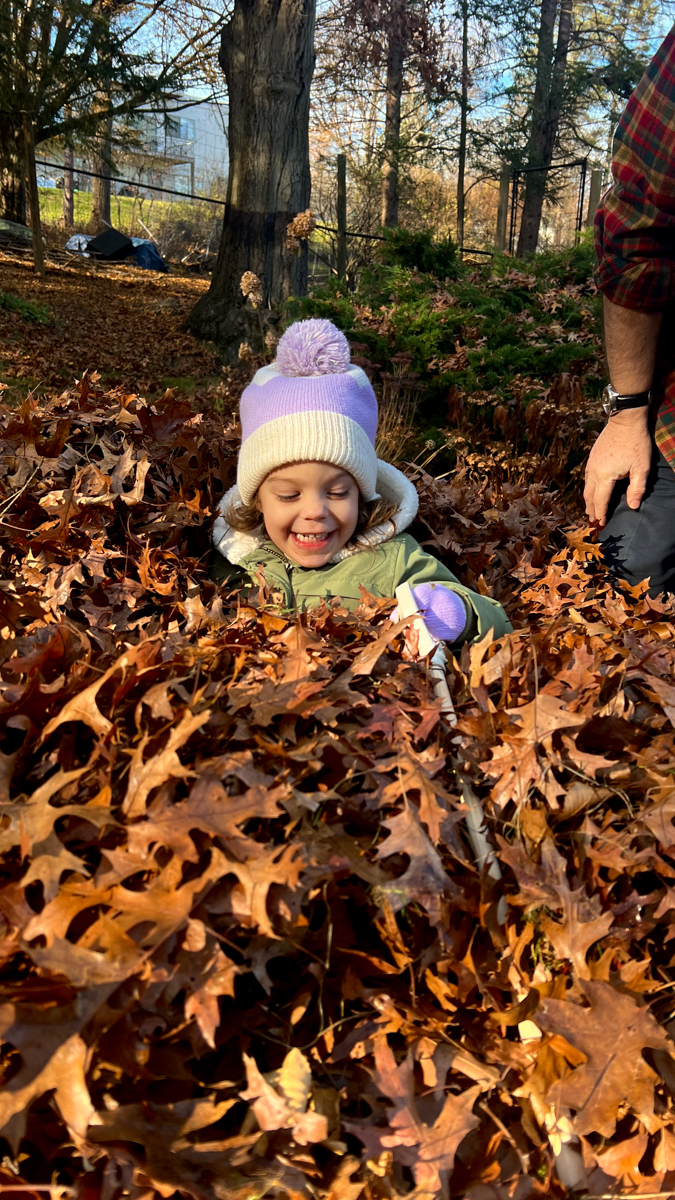
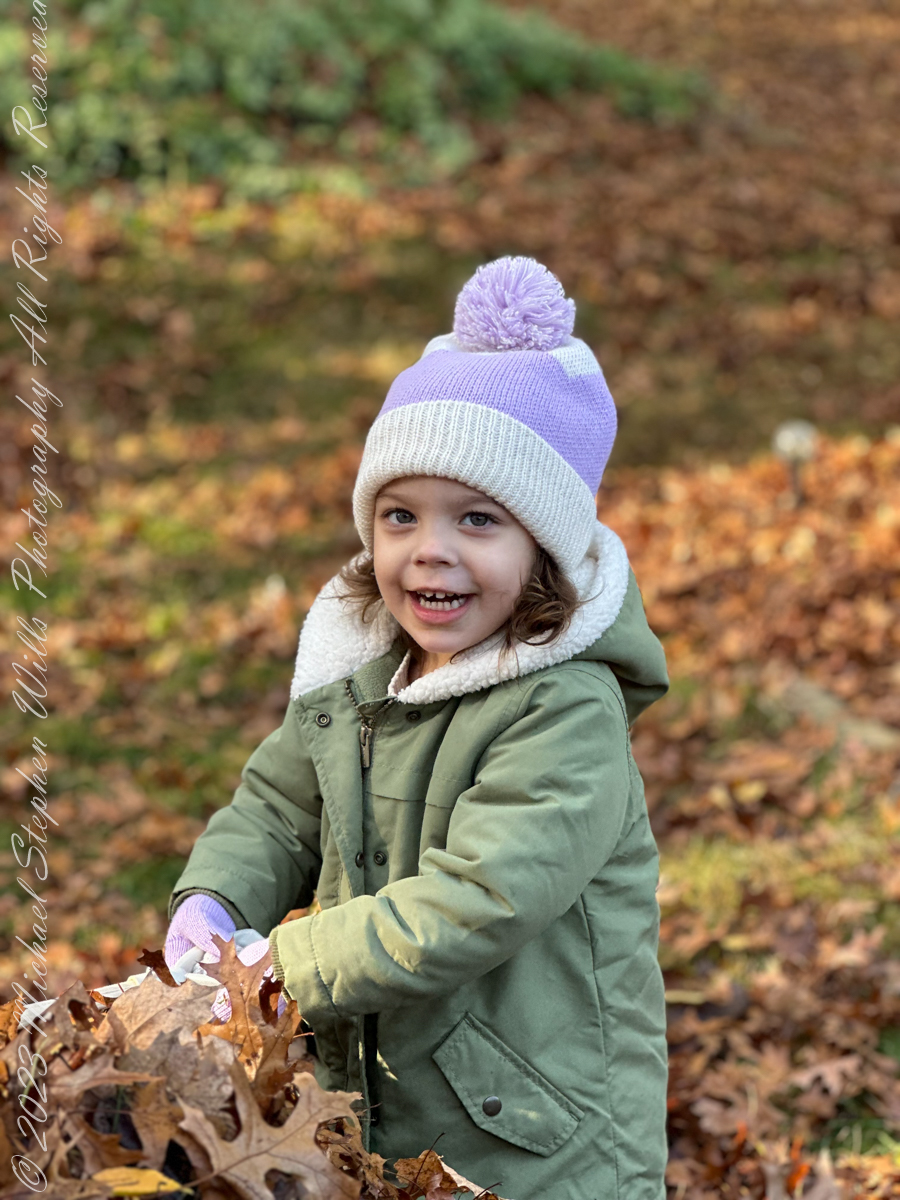
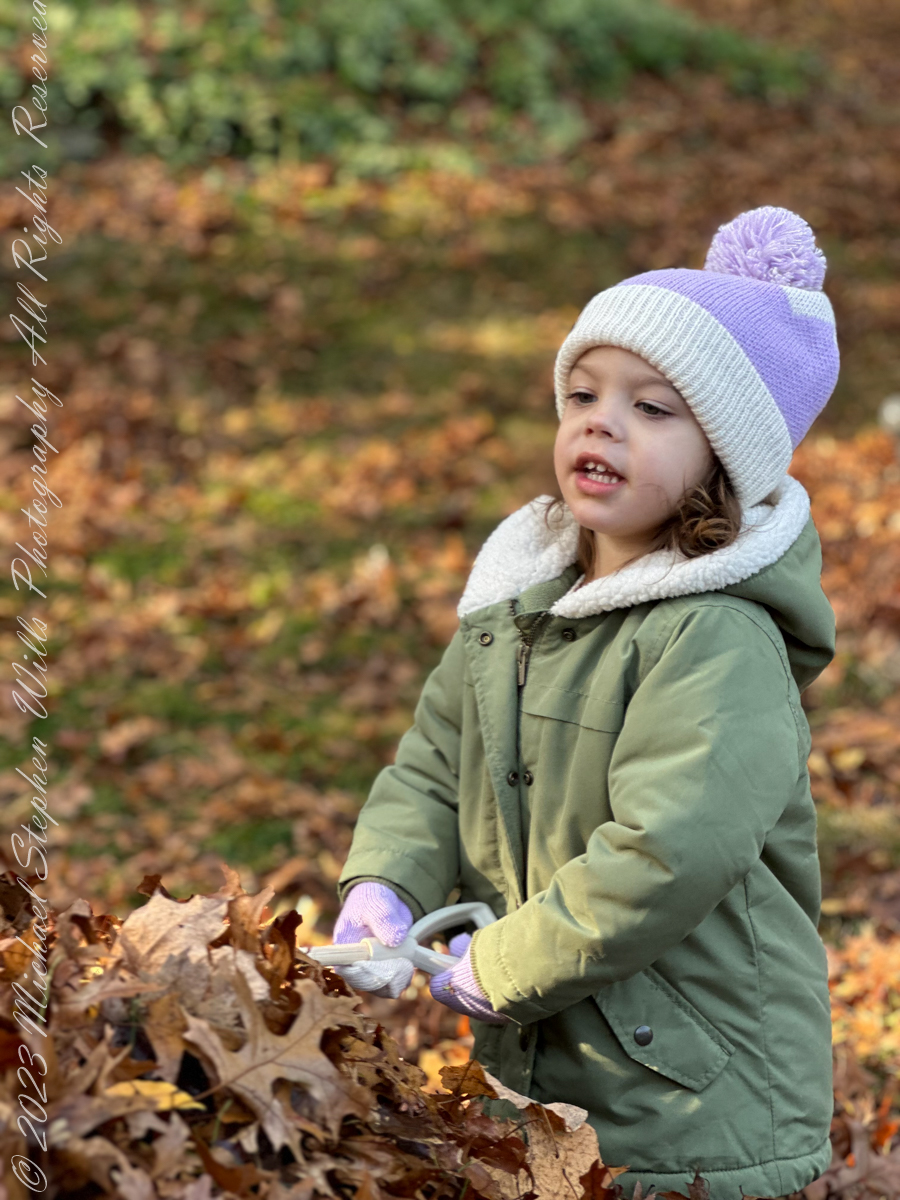
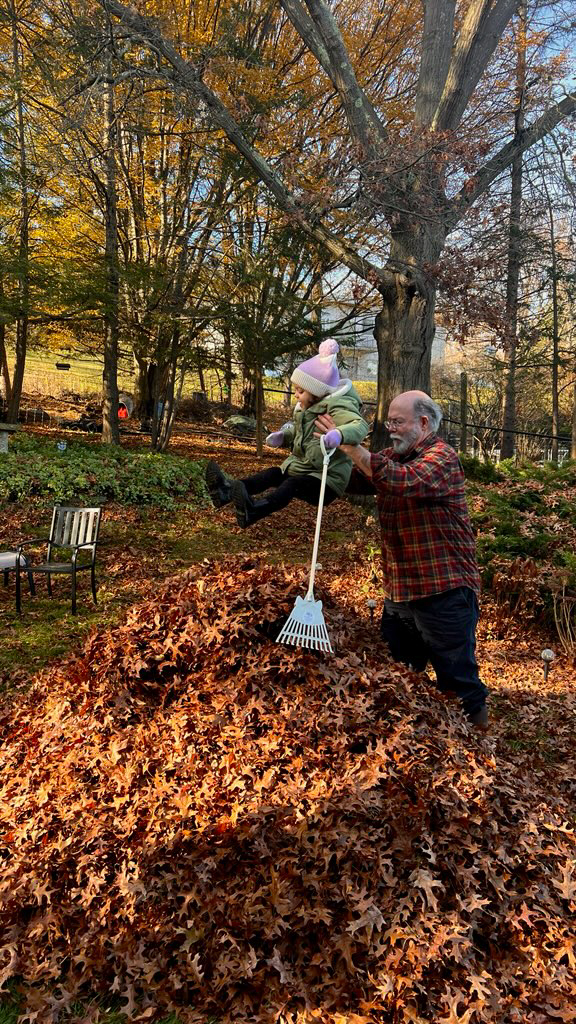
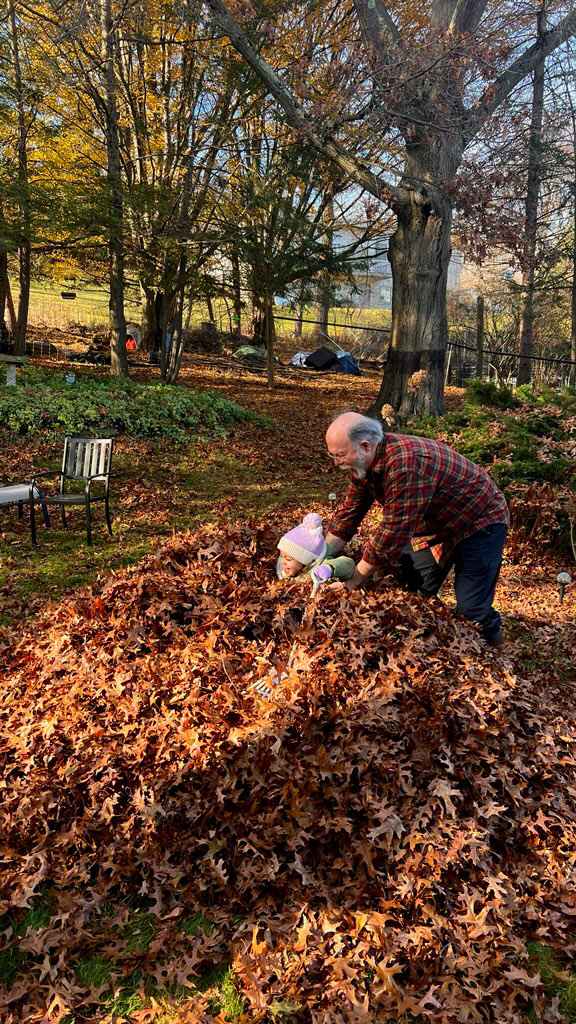
The landscape is a canvas of russet and gold, painted by the hands of autumn. In one of the many serene backyards, framed by the skeletal silhouettes of trees now slumbering after their fiery display, a mound of leaves becomes the center of joyous activity. Here, a child, bundled in the cozy layers necessary to fend off the chill, is immersed in the simple, yet profound act of play. The leaves, a tapestry of oaks and maples, become her castle, her sea, her world to explore.

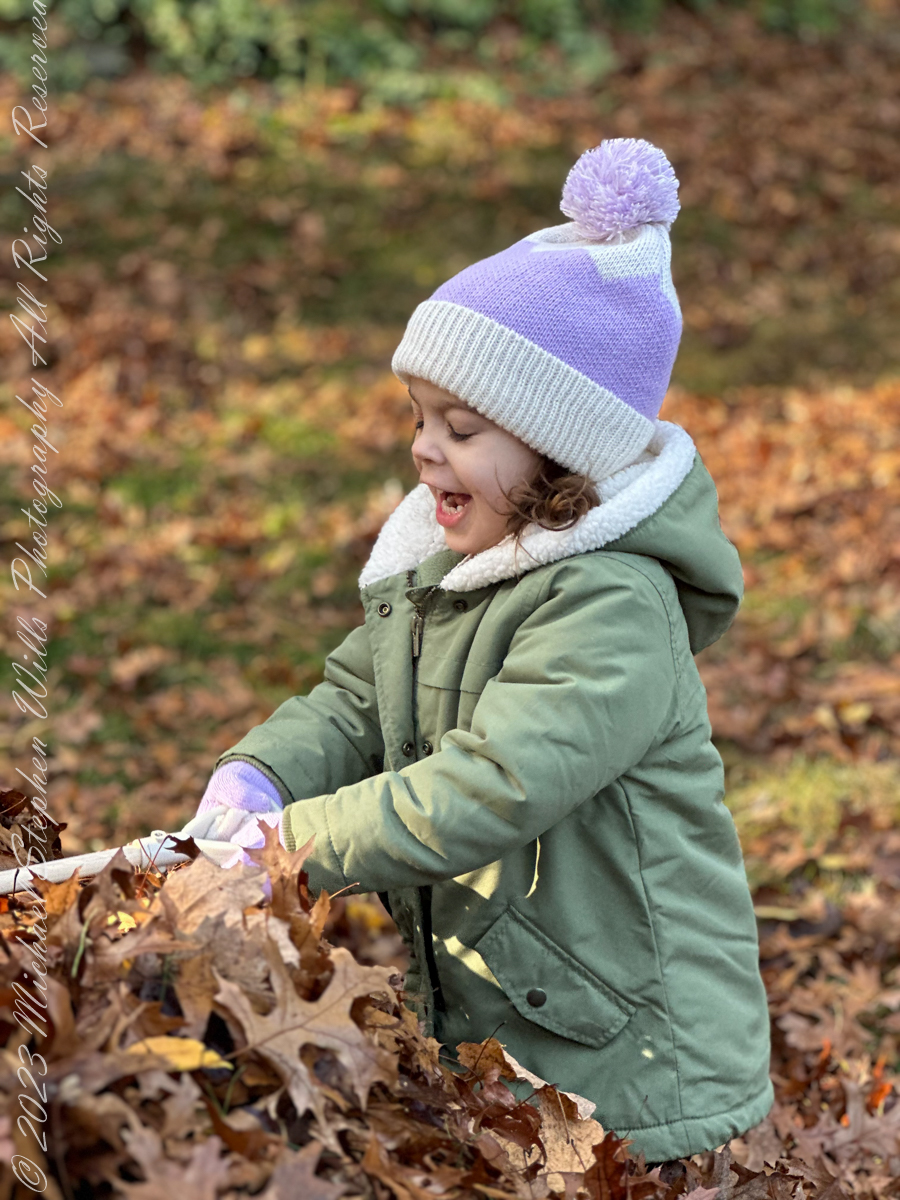
Her laughter rings clear, a melodic counterpoint to the rustling leaves as she is lifted high by loving hands only to descend into the crunchy embrace of her leafy playpen. A grandfather, his face etched with the smile lines of countless summers and autumns past, becomes the orchestrator of this joy. His flannel shirt, a patchwork of reds and greens, reflects the colors of the season, and his hands, weathered from years of tending to the earth and its cycles, now tenderly guide the child in her play.

The rake, usually a tool of labor, becomes a wand of magic, directing the leaves into heaps that rise and fall with each jump and dive. The child’s mittened hands grasp at the leaves, each one a different hue, a different shape, a different story. They fly up around her like a flock of birds taking flight, then settle back into their collective, creating a soft rustling symphony that speaks of the changing season.

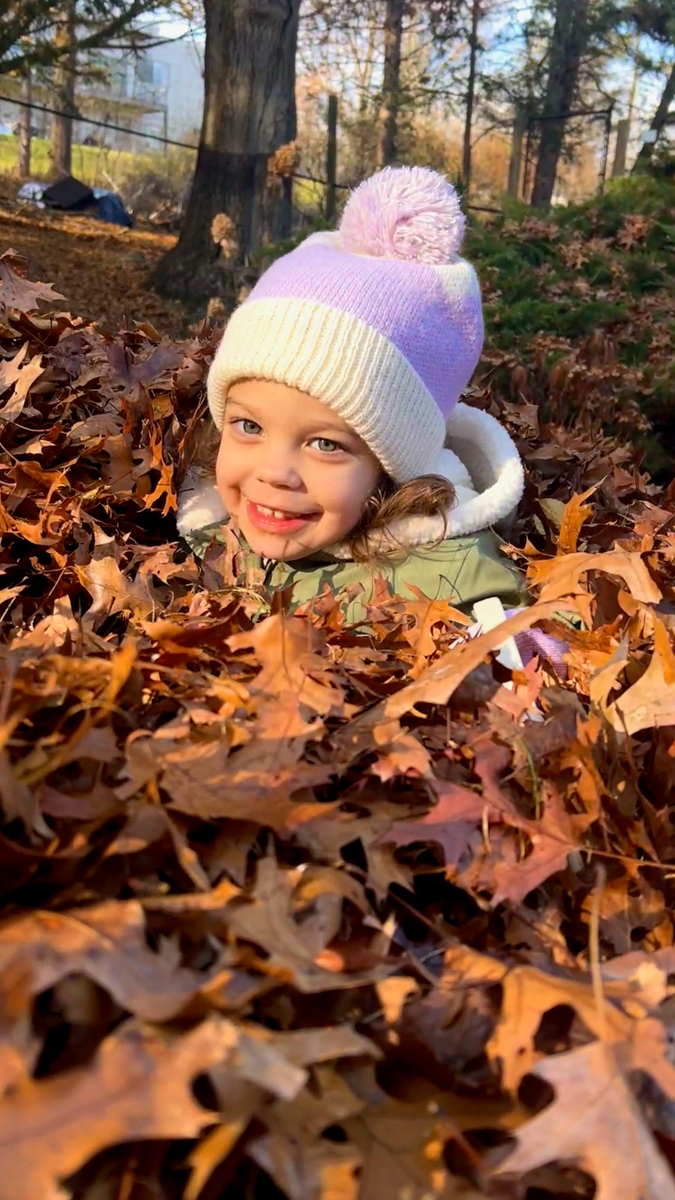
As the sun begins to dip lower, casting elongated shadows across the yard, the child’s energy wanes. The vibrant activity gives way to tranquil moments of rest, with the child now lying still among the leaves, her eyes reflecting the vastness of the sky above, clear and blue, a window between the earthly and the infinite.

The day wanes, and the leaf-gathering winds down. A final tableau shows the child, now indoors, cocooned in the warmth of a blanket that mirrors the plaid of her grandfather’s shirt, the same colors now muted and soft. Her eyes are heavy with the weight of a day well spent, her dreams surely filled with the laughter and the leaves and the boundless love that turns even the simplest act into a treasure of memories.

This is the essence of leaf gathering in the Finger Lakes after Thanksgiving – not just the collection of what has fallen, but the gathering of family, of joy, and of moments that will be cherished and recalled long after the last leaf has been tucked into the earth’s winter bed. It’s a time when the harvest is not just of the land’s bounty but of the heart’s. Each leaf, a reminder that even as the world prepares to sleep beneath the snow, life is rich, full, and evergreen in the hearts of those who share it.

Click Me to view my photographs on Getty.

Copyright 2023 Michael Stephen Wills All Rights Reserved http://www.MichaelStephenWills.com

for our father, Thomas Francis Wills, on Memorial Day 2023

a personal narrative

An excerpt from an interview by Diane Frances Wills of our father Thomas Francis Wills for a seventh-grade assignment about 1971.  I did some editing to correct the date based on historical records and my father’s military records (Michael Stephen Wills).

Thomas enlisted for the navy one day after his 24th birthday, September 25, 1939 and served 6 years and a few weeks until October 7, 1945 having experienced the Battle of the Atlantic (American Defense Medal) and liberation of the Philippines (WWII Victory Medal, American Campaign Medal, Asiatic Pacific Theater, Philippine Liberation Ribbon).  Here is his description of an incident from that time:

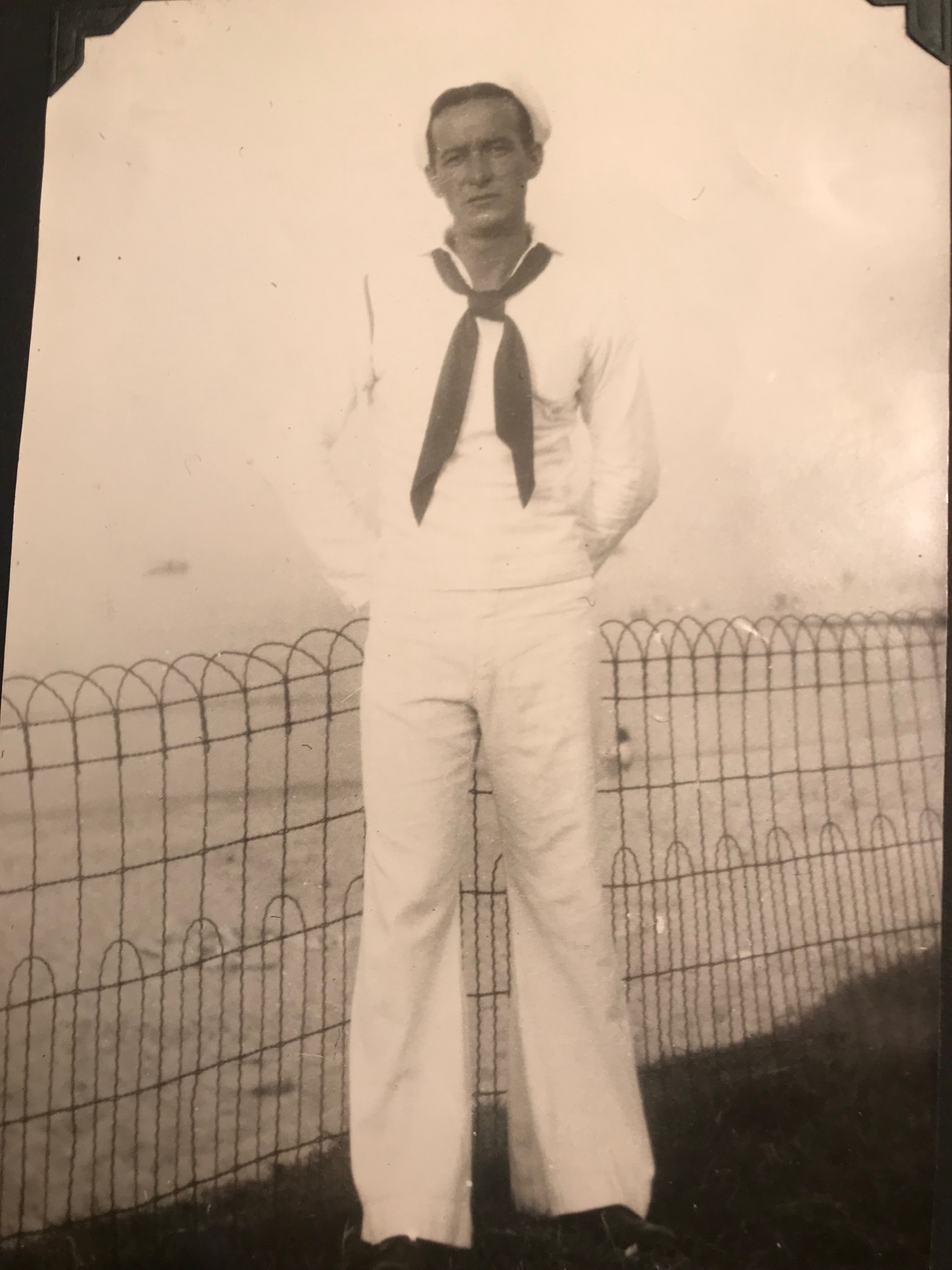
Thomas Francis Wills, Ocean View Beach, Virginia, 1940

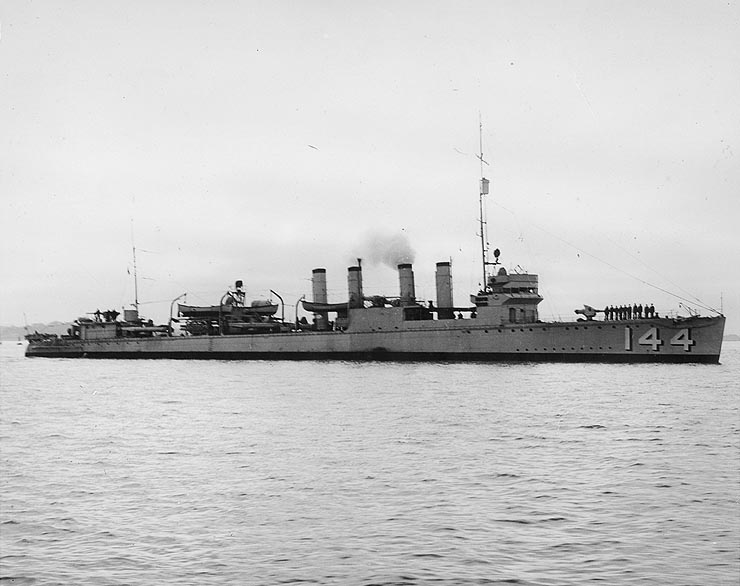
1 Year, 6 months after my enlistment in New York City, March 1941, on the USS Upshur two days out of Boston on its run to Reykjavik, Iceland delivering mail and supplies to the marines stationed to prevent the Germans from establishing a base.  Steaming north we got word there was a gale blowing in our path.  We all became apprehensive.  I asked Bill Rogers, the radioman, about the approaching storm.  “Say, Bill, I see by the weather report we’re heading info some rough weather.  How long do you think it will last?”

“Yeah, according to the latest weather report it is a regular Northeaster and we can expect a couple days of rough winds and high waves, also very cold weather.  We’ll have to secure everything topside so it won’t blow or be washed overboard.  We can also expect very little in the way of normal meals except for maybe coffee and sandwiches.”  On such a small ship the cooks can’t prepare meals in such weather.

USS Upshur, 1940, the ten-man crew, including Thomas Wills, is on the bow

As we approached the storm zone the sea got rough and the wind started blowing.  Soon we were well into a horrible storm.  The sky got dark and gloomy, full of dark bold clouds.  The ocean rough, choppy and black.  The rain started coming down sharp and harsh, cold and icy.  The rain cut through your body like piercing arrows, it chilled your bones.

Sometimes I thought the ship was going to sink, the waves and the wind were so strong.  The bow would go bluntly into the water.  The ship listed sideways, seeming to almost rolling over.  The waves carried our ship up, then go out from underneath sending us crashing down.  This happened over and over, endlessly.  

 I was on duty in the radio shack and had to walk the whole length of the ship from my sleeping quarters.  Many times, I almost went overboard, the wind was so strong.  I could lay on my stomach but it did not help because I could still slide through the railings.  I would freeze to death in five minutes in that water.  I hope I never had to go through that again, seems like yesterday.  All we had to wear was a sailor suit, not too warm.  I’d just get all soaked. 

My shipmates and I, a five-foot eight-inch boy of 25 with dark brown hair, had to be calm and keep doing our normal scheduled duties, because we learned you can’t get panicky or else you will put your whole ship out of order.

 The storm went on until the end of night.  I thought the storm would never end.  It felt as if it lasted a week.  At that time no other ships sailed with us, so there was no possibility of help.  Nobody fell over the side or was drowned.

After that, a German U-Boat launched a torpedo at us and missed.  We searched, tried to sink them without success. 

Copyright 2023 All Rights Reserved Michael Stephen Wills

Among the desert wildflowers

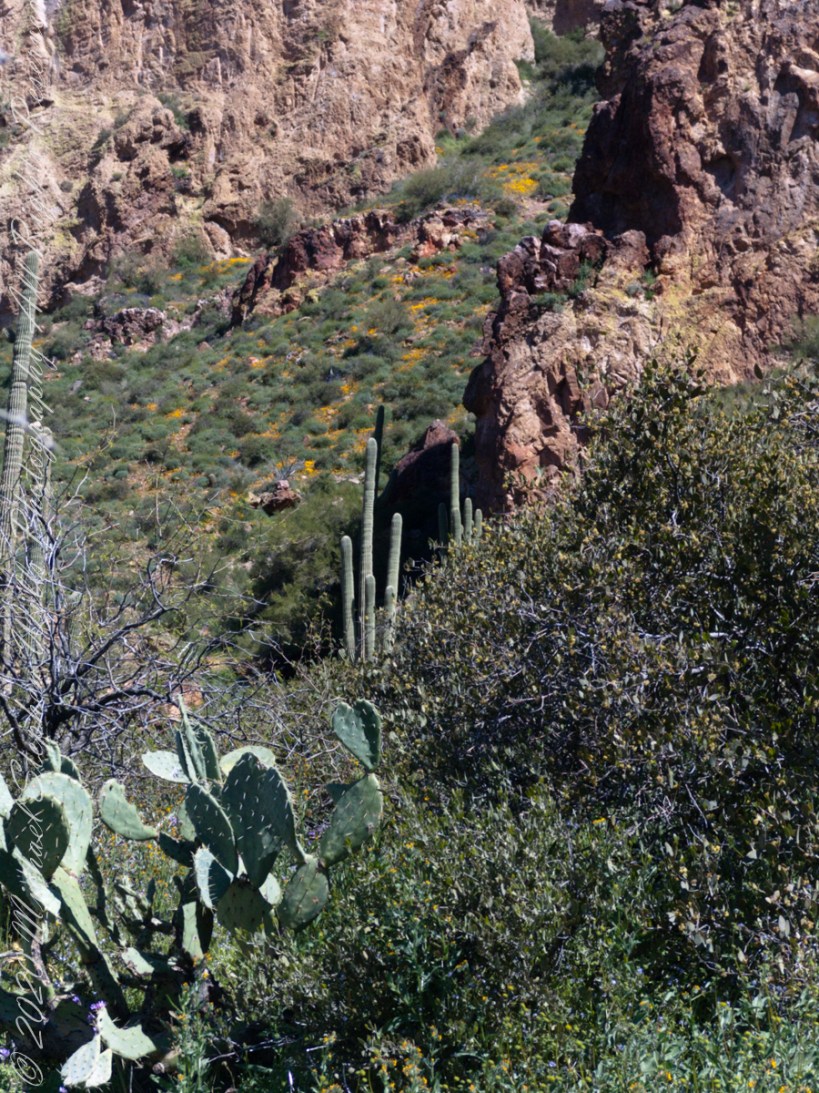
Among the grasses, cacti and lichen-covered rocks were many small wildflowers

See Evening on Two Bar Mountain for another chapter of my four-day solo expedition to Reavis Falls in the remote eastern Superstition Wilderness.

Campsite at Morning

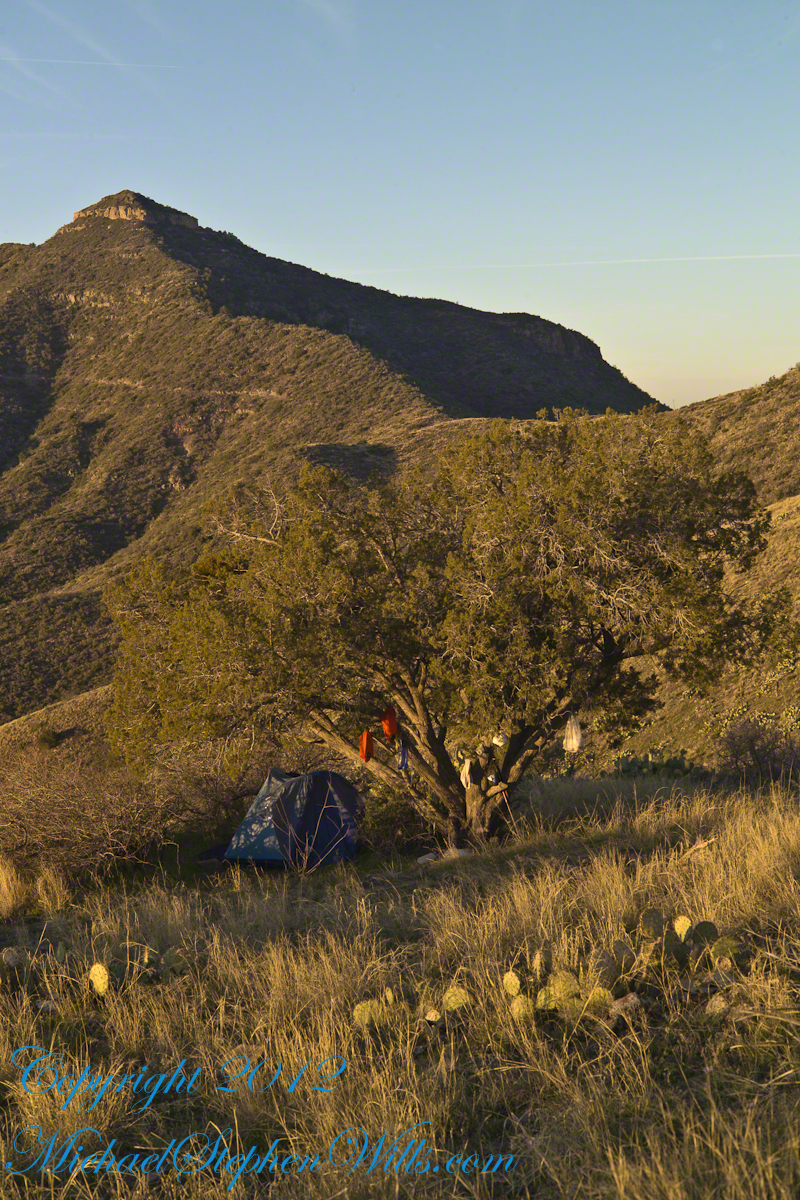
On the late-morning of day three I climbed out of the Reavis Creek valley to camp on the slopes of Lime Mountain.  There I watched the afternoon progress to evening, a full moon rise in a bright sky and other events featured in this blog.  All around my campsite under a lone juniper the mountain side was blooming.

Grasses, Cacti and Flowers

Among the grasses, cacti and lichen-covered rocks were many small wildflowers.  I was careful to avoid damaging them and otherwise enjoyed their beauty and plentiful blooms my entire stay.  I capture some of them in the early morning light and spent some time identifying them for you.

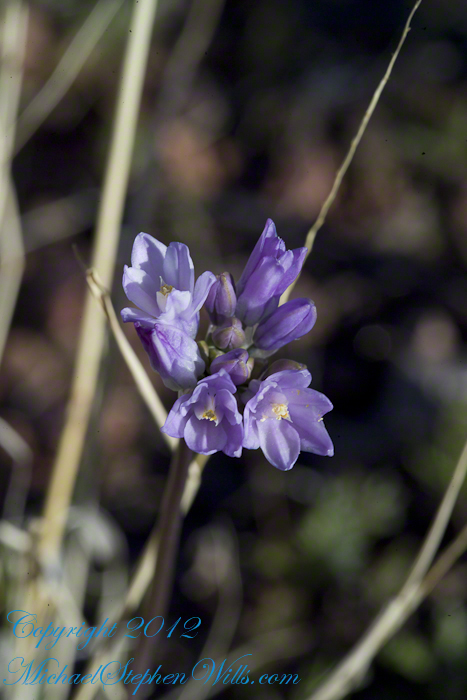
Desert Hyacinth is a perennial lilly (Liliaceae).

It grows from an onion-like bulb used for food by pioneers and Native Americans.  This lilly propagates through this bulb and, also, from seed that forms from these flowers.

The umbel-shaped flowers grow in clusters at the end of long, leafless stalks.  Each blossom is an inch across and has six segments that are like petals.

Also called Blue Dicks, bluedicks, Papago lily, purplehead, grassnuts, covena, coveria.

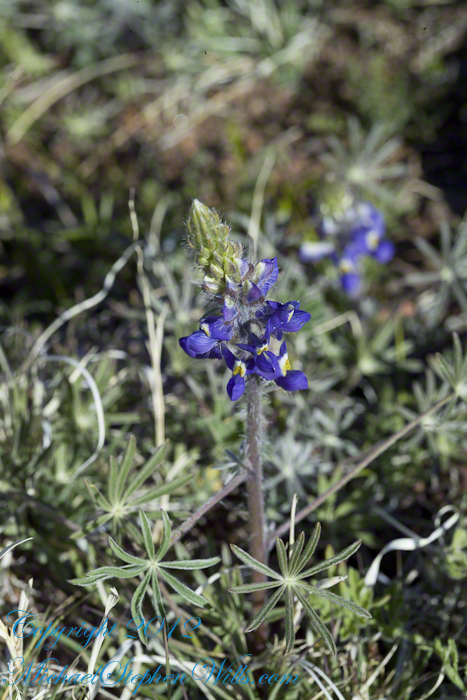
Lupine is a pea, a perennial herb and a favorite of bees. Like other lupines, it improves the soil.
Their root nodules, with the aid of certain bacteria, allow lupines and other legumes to absorb free nitrogen from the air.

A member of the Phlox family (Polemonium), this five (5) petal flower bloomed in small groups on erect stalks with sparse leaves. The stamen heads are notable for a bright blue color.

Copyright 2023 Michael Stephen Wills All Rights Reserved

Lime Mountain Morning

Superstition Wilderness of Arizona

This post features photographs from my solo expedition to Reavis Falls in a remote corner of the Superstition Wilderness of Arizona.

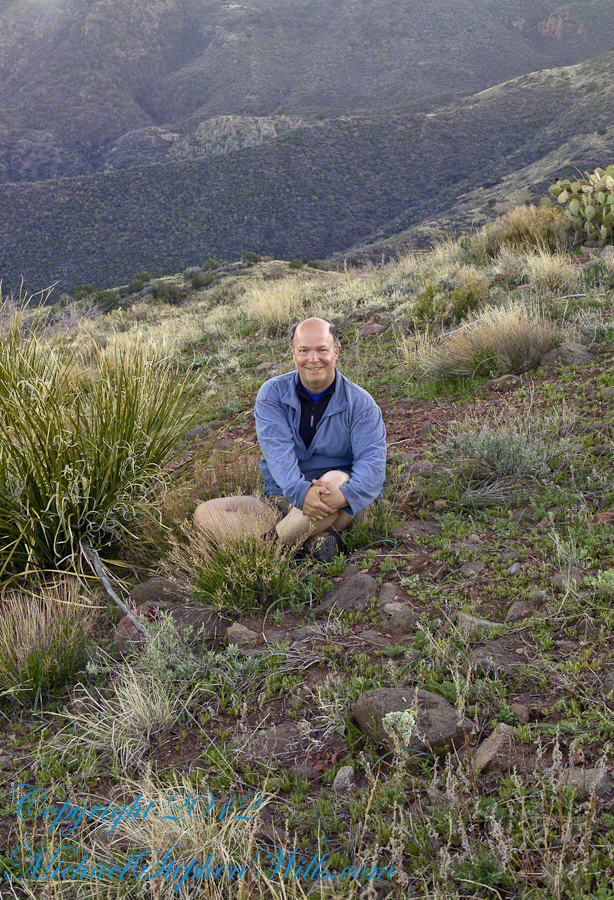
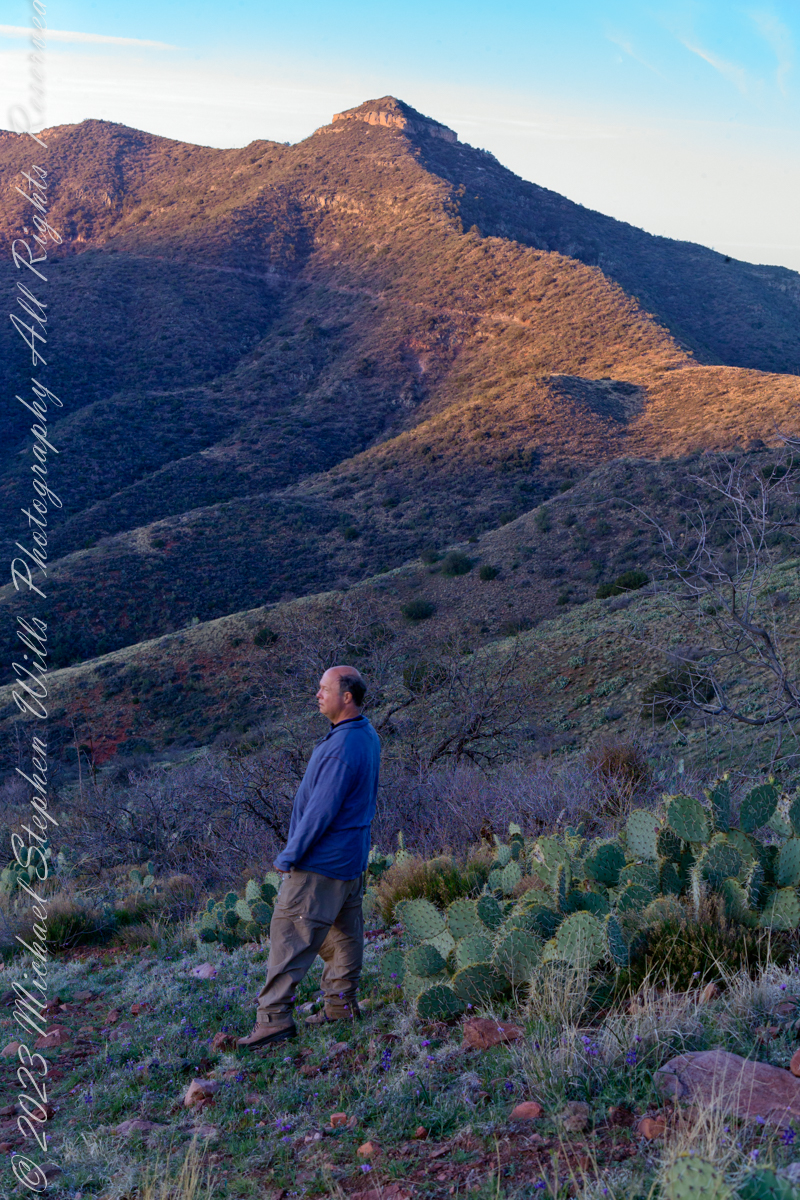
The morning of Day Four, my solo expedition to Reavis Falls in the Superstition Wilderness of Arizona. I camped on Lime Mountain, off the trail to Reavis Falls. That is Castle Dome behind me. The line sloping up the mountain is the Reavis Trail to Reavis Ranch.

My campsite.

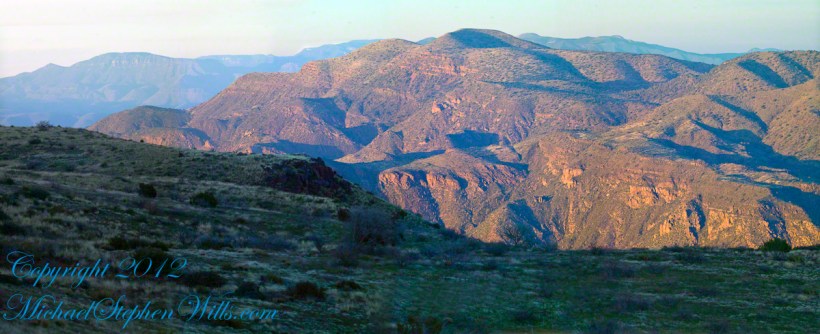
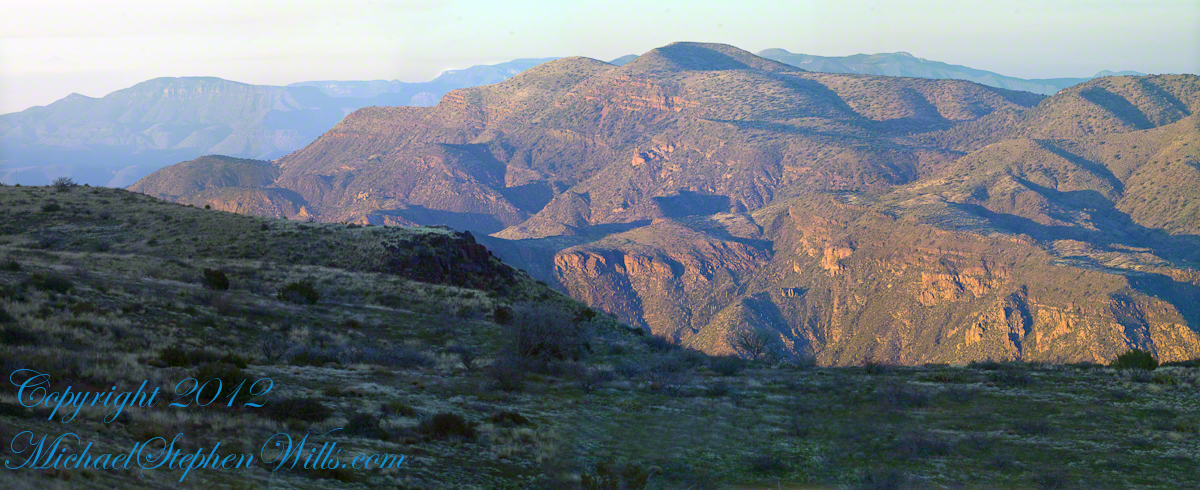
Looking toward Pinyon Mountain and the Arizona Trail (not visible) that fine morning.
Copyright 2023 Michael Stephen Wills All Rights Reserved

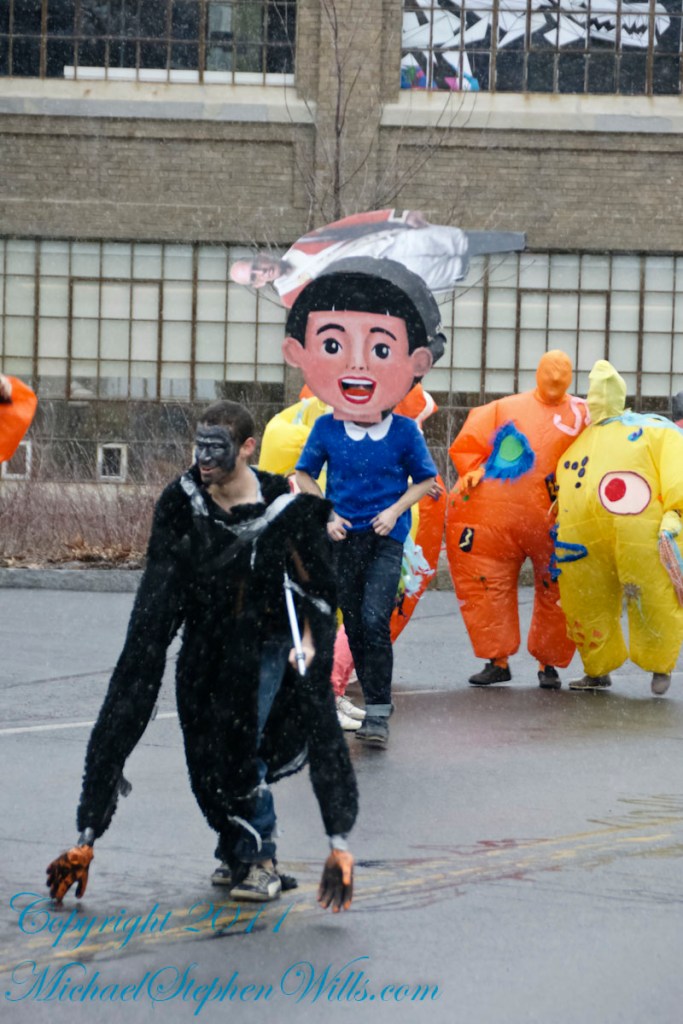
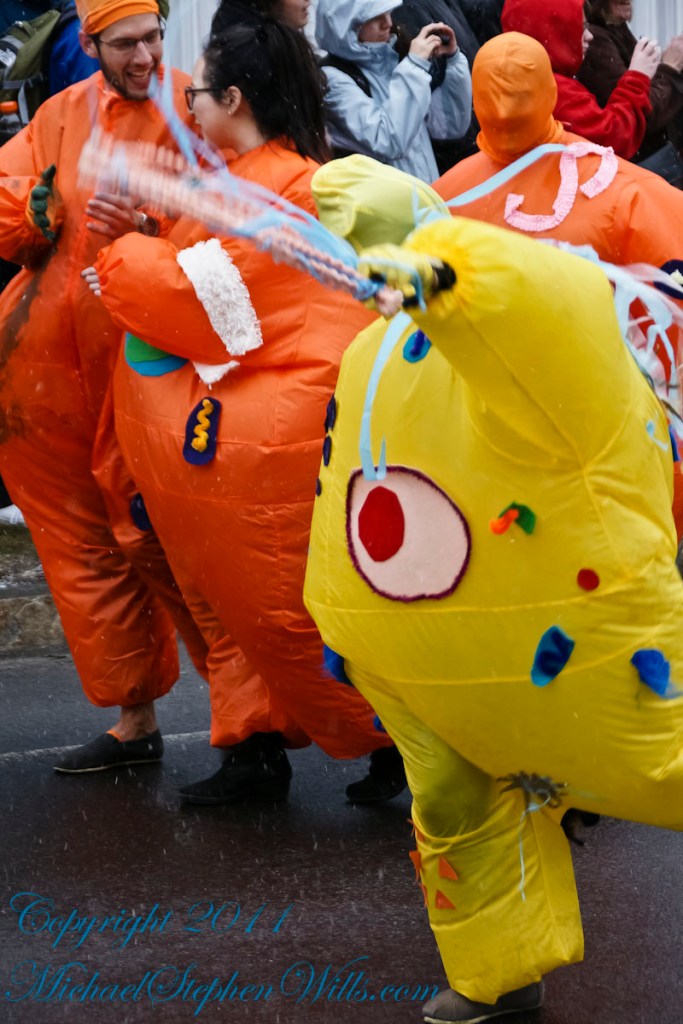
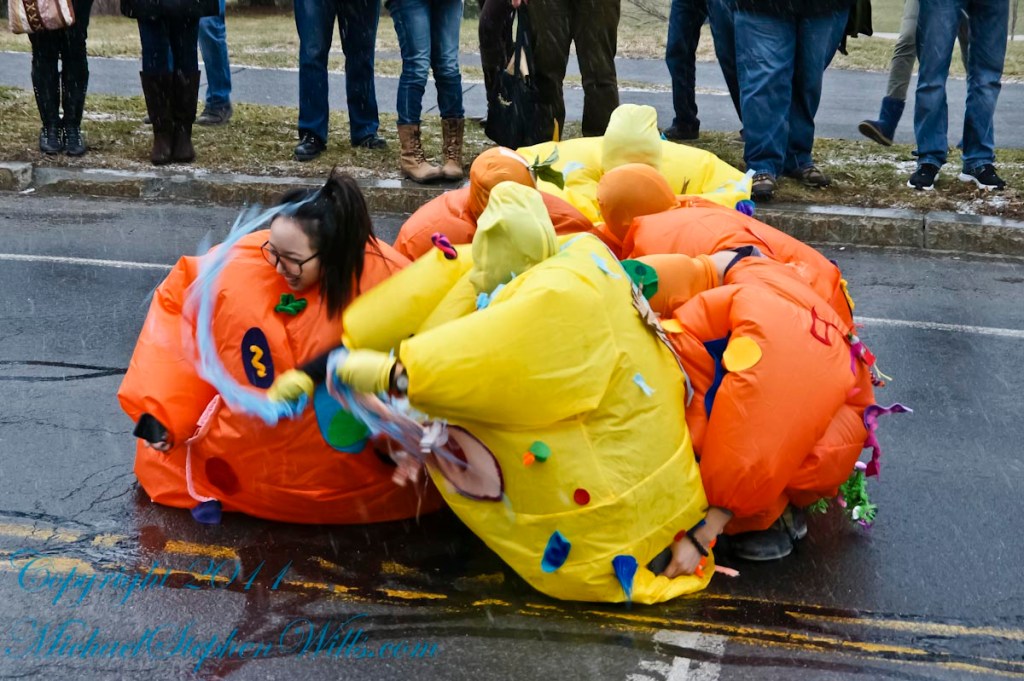
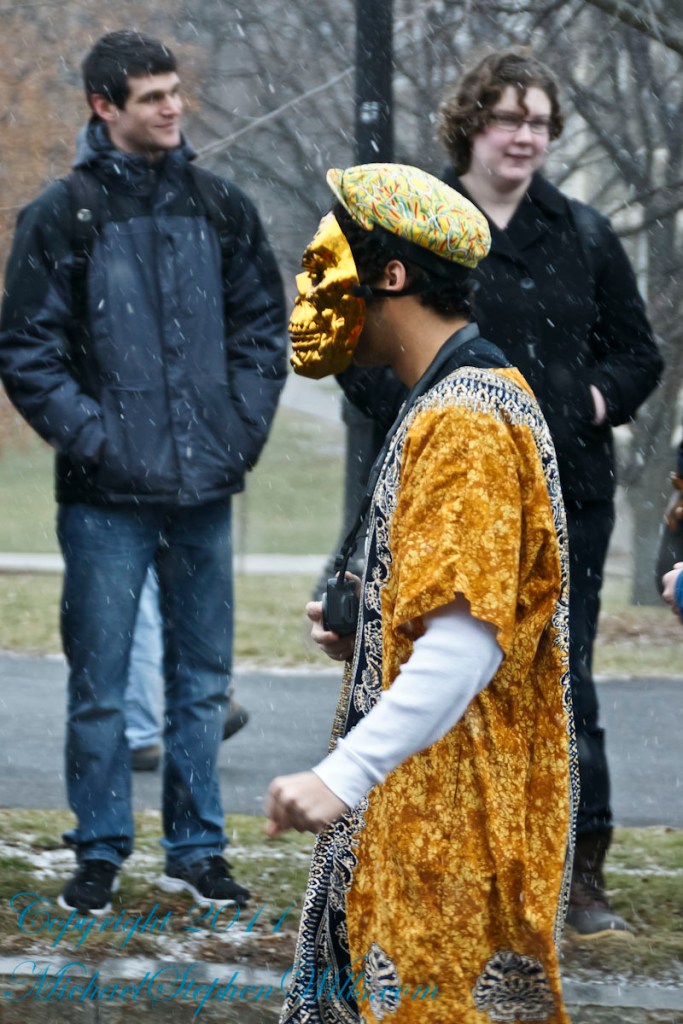
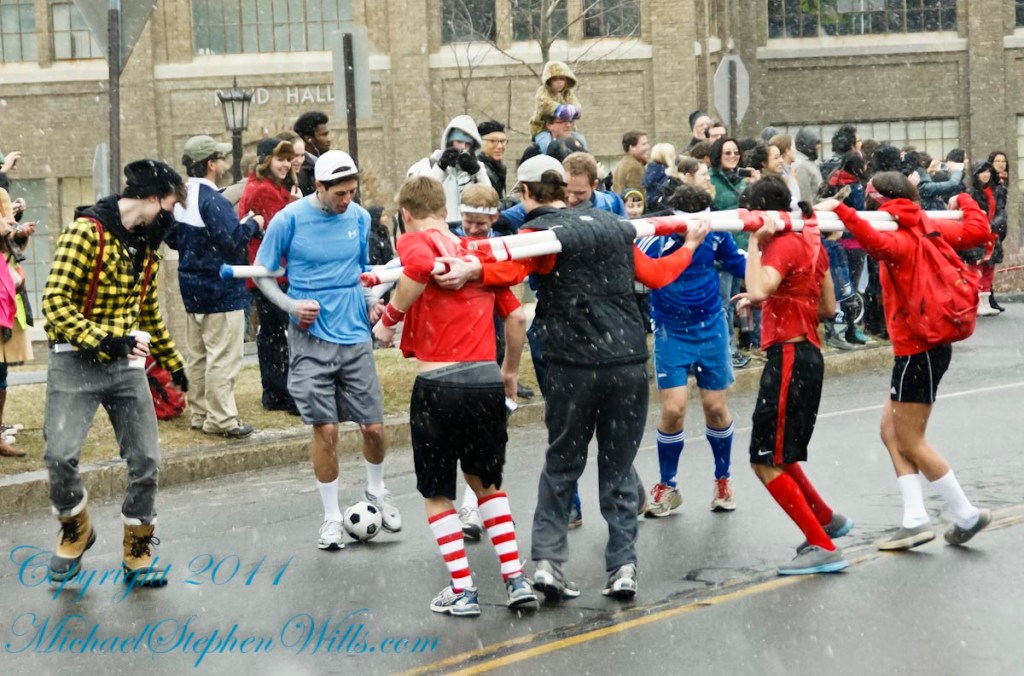
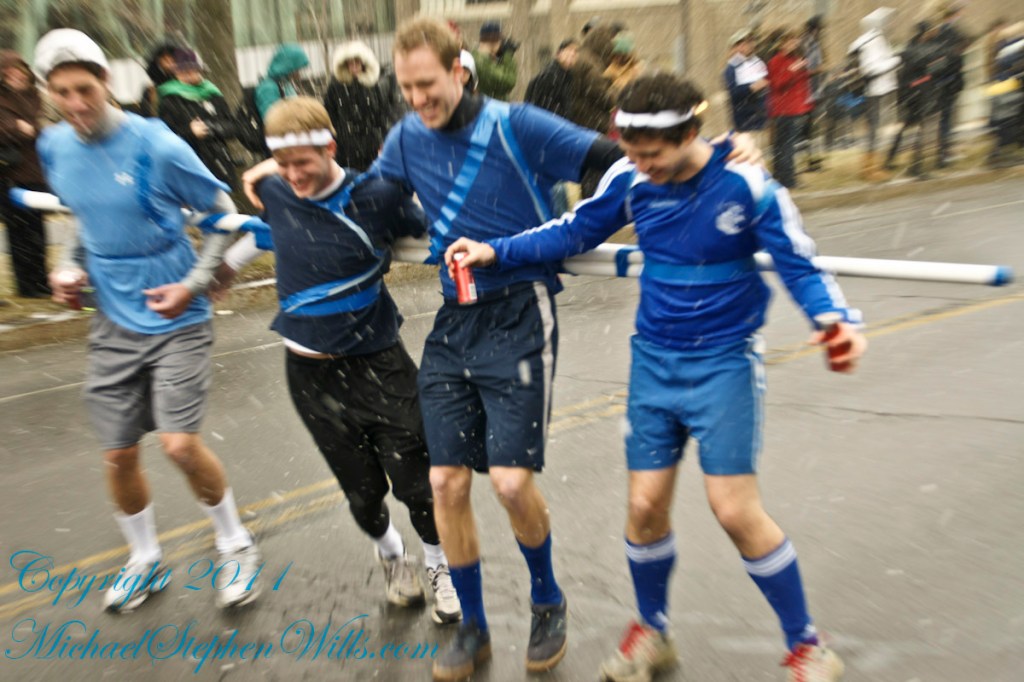
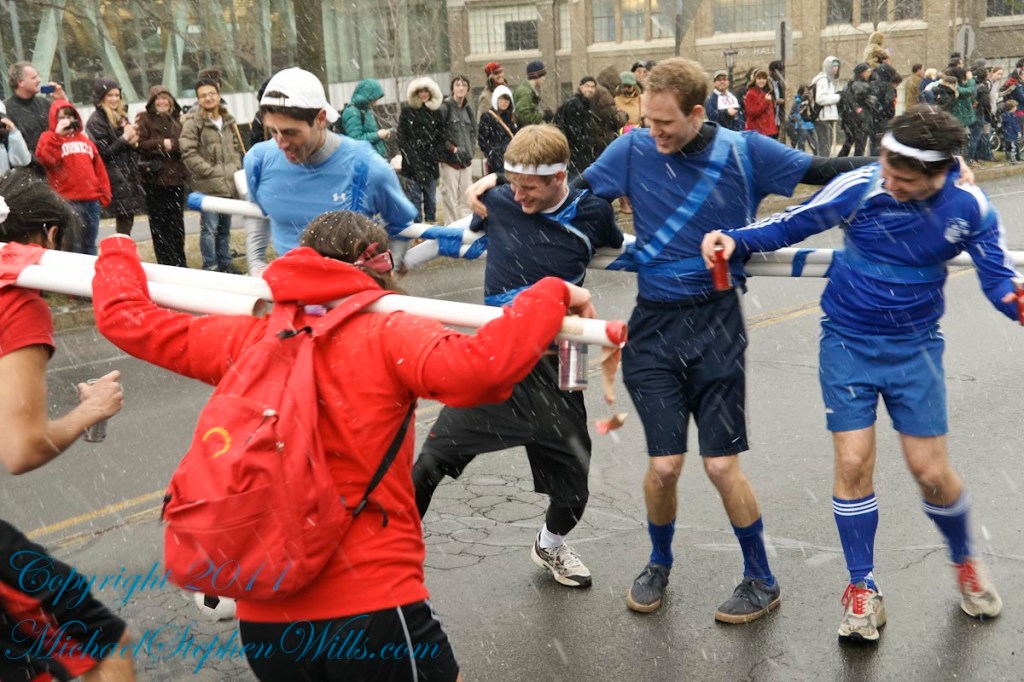
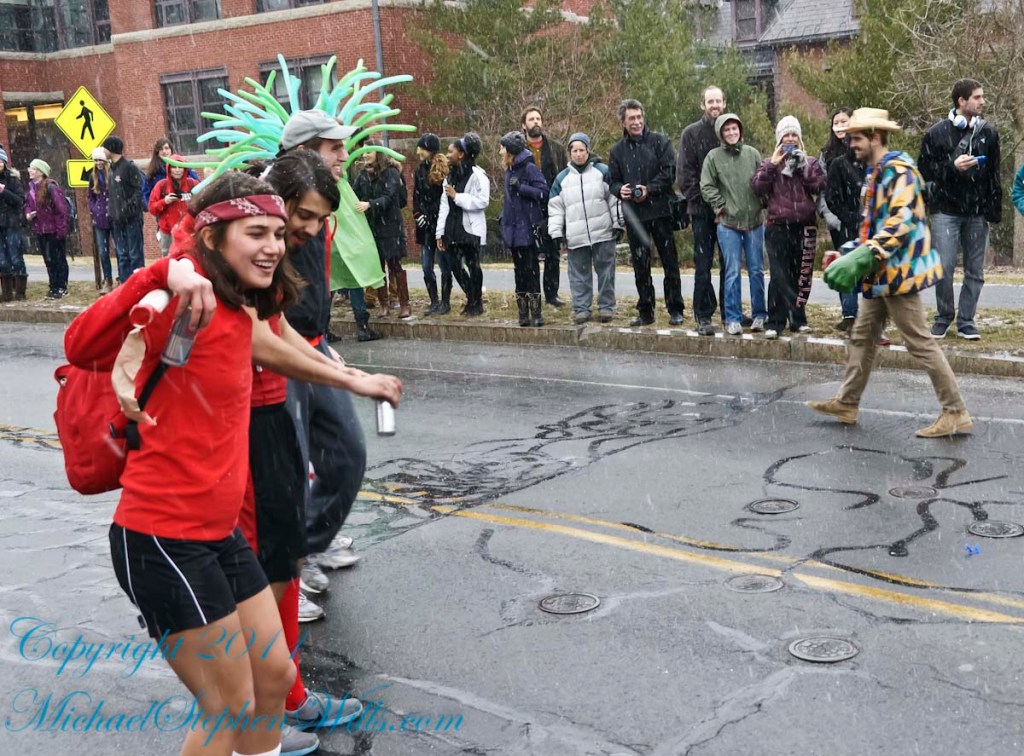
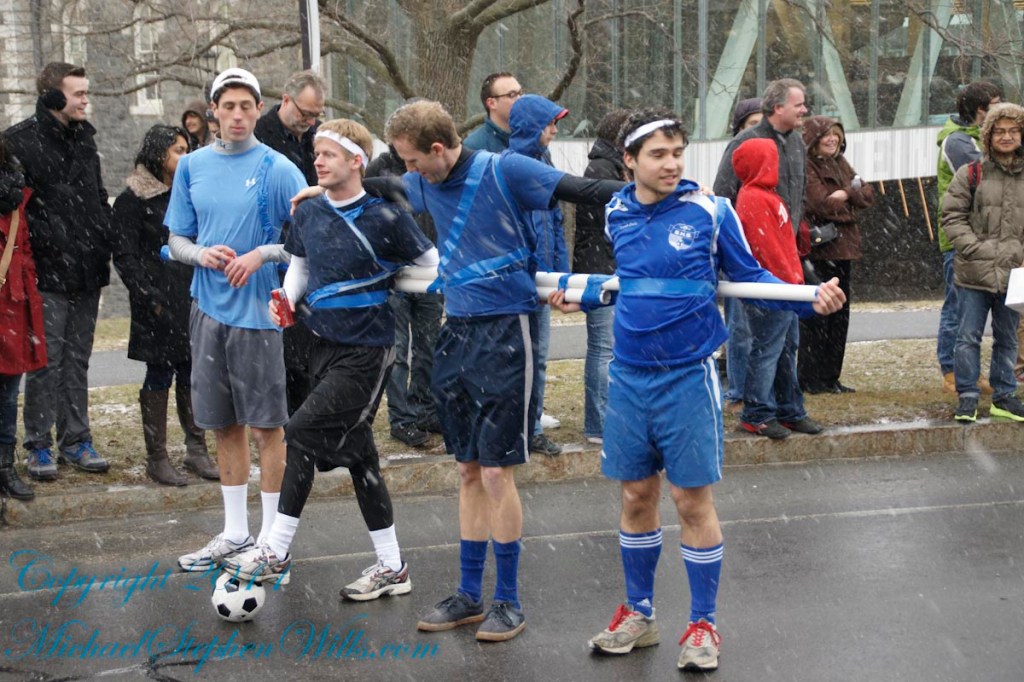
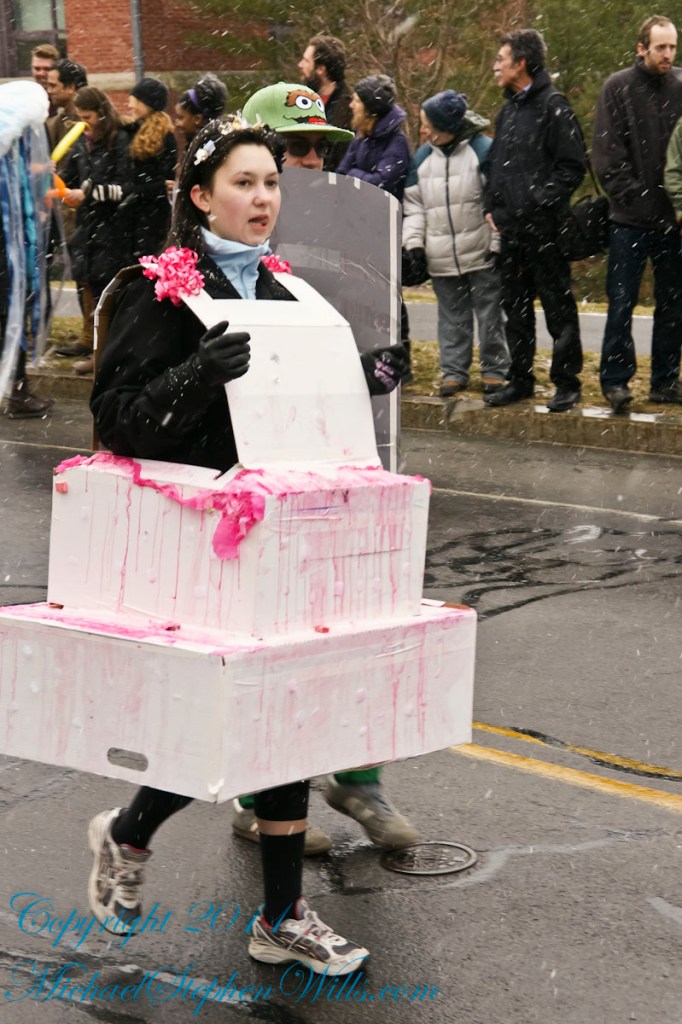
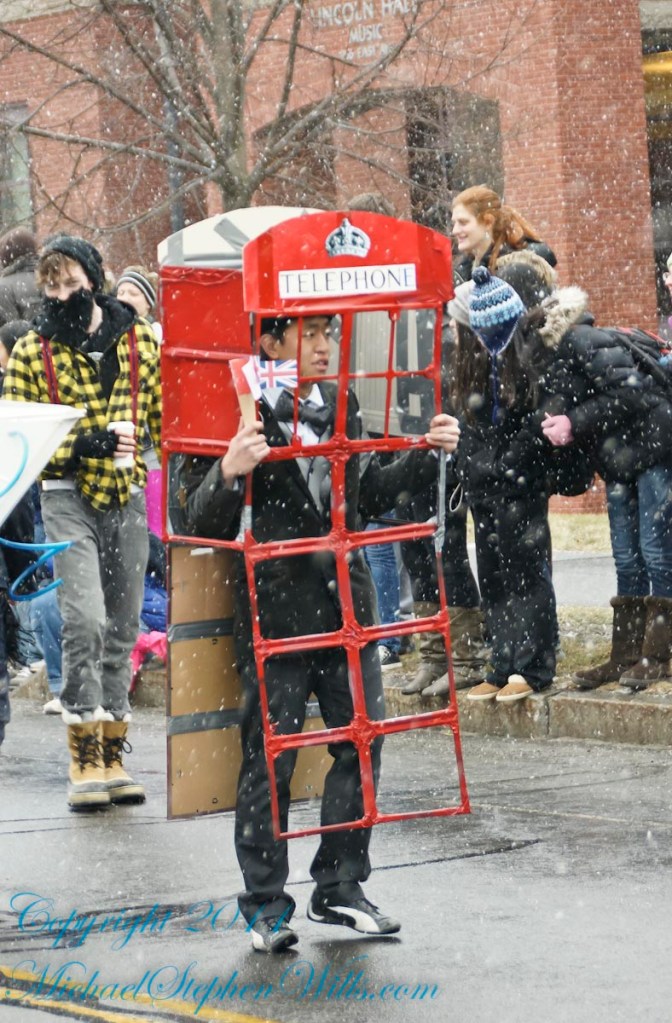
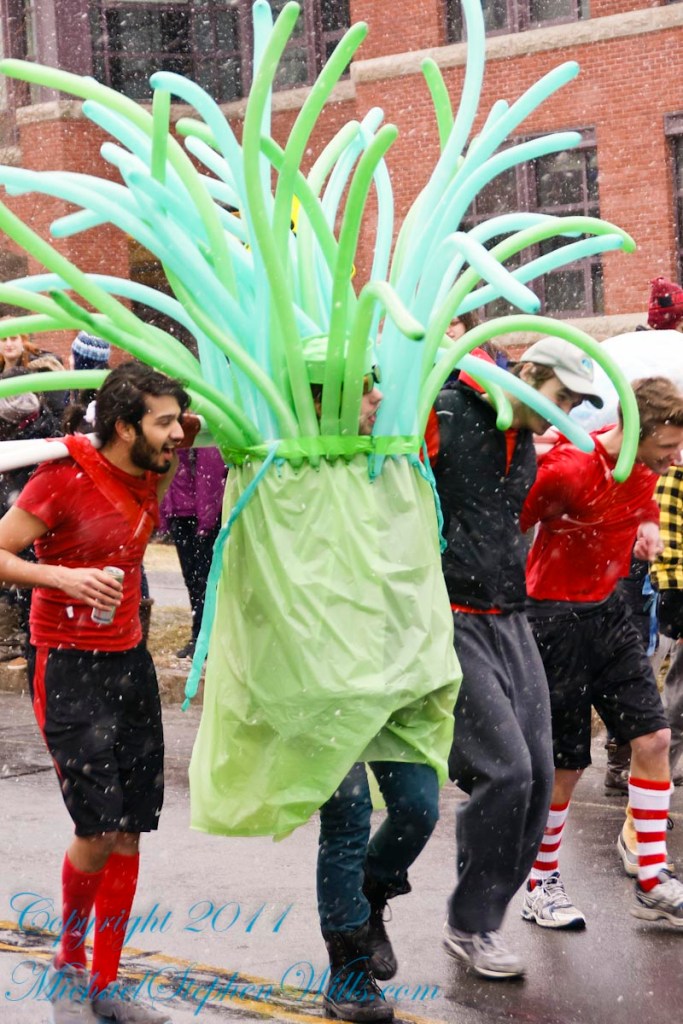
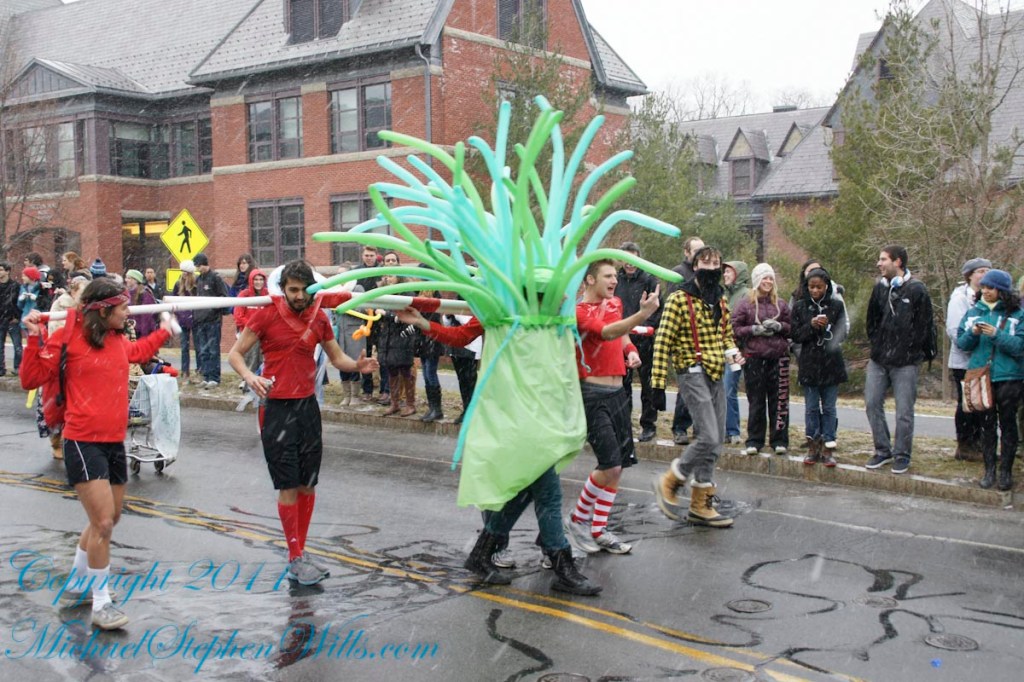
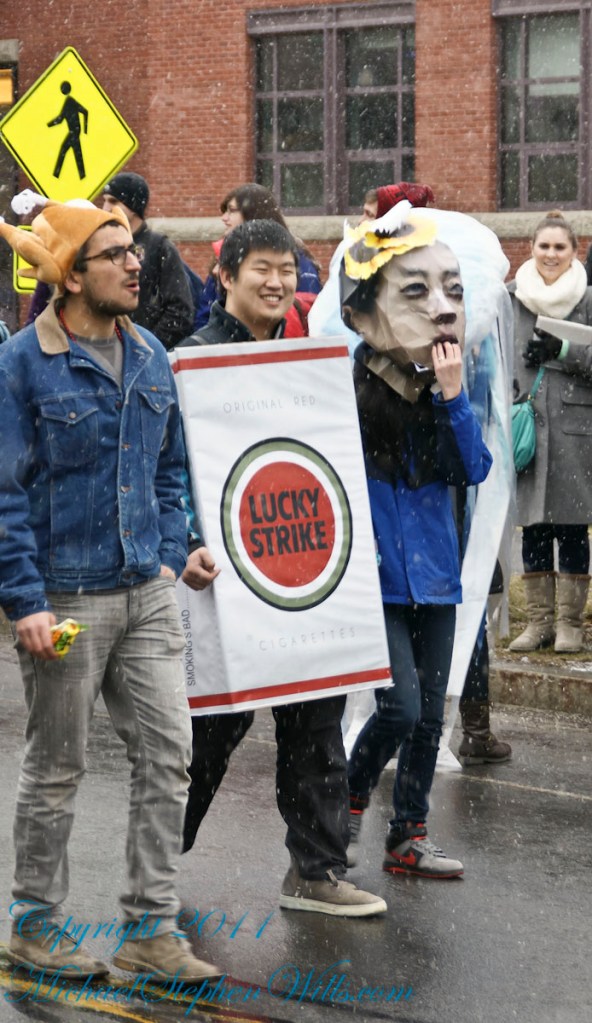
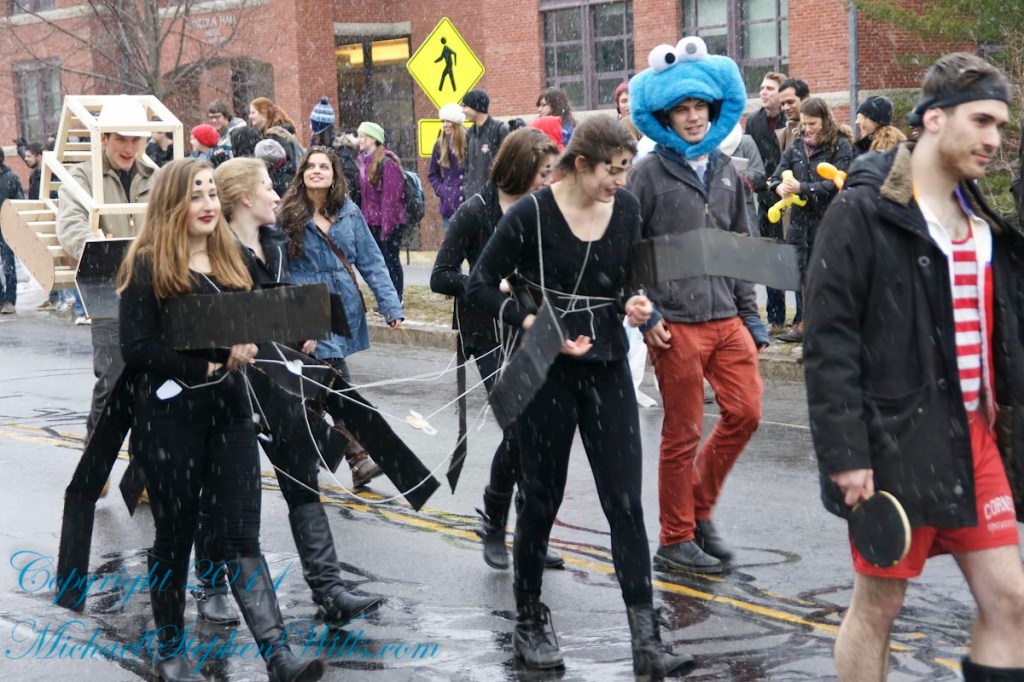
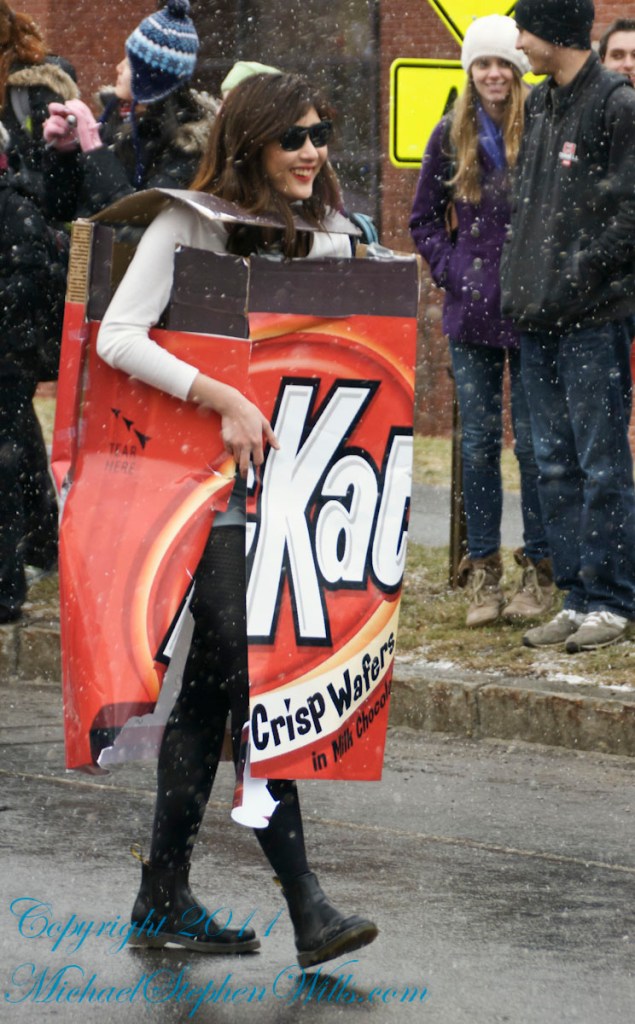
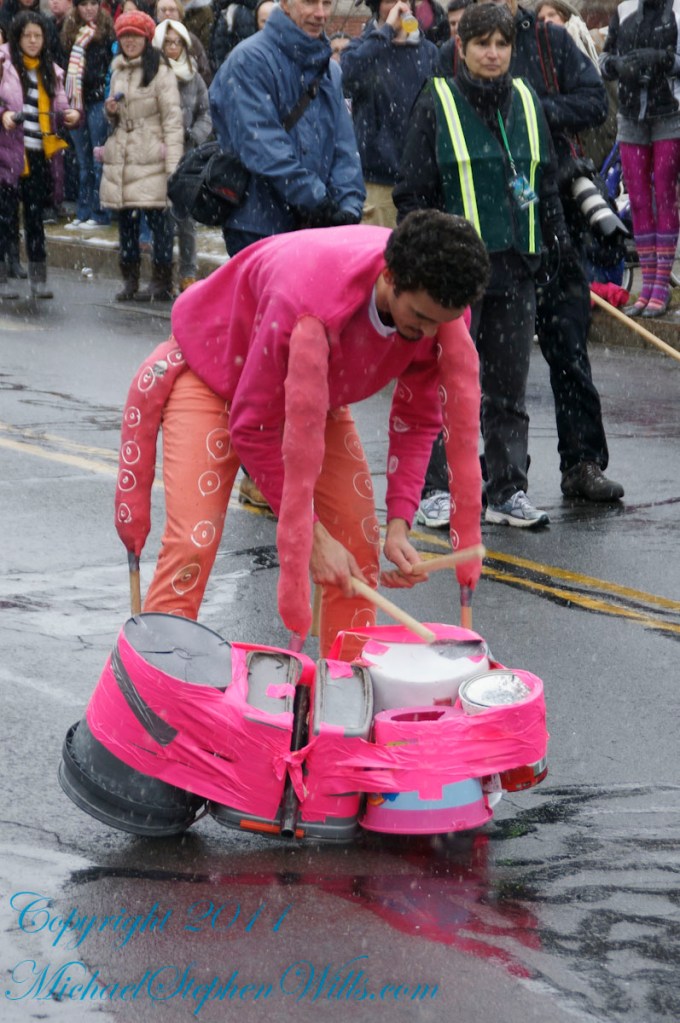
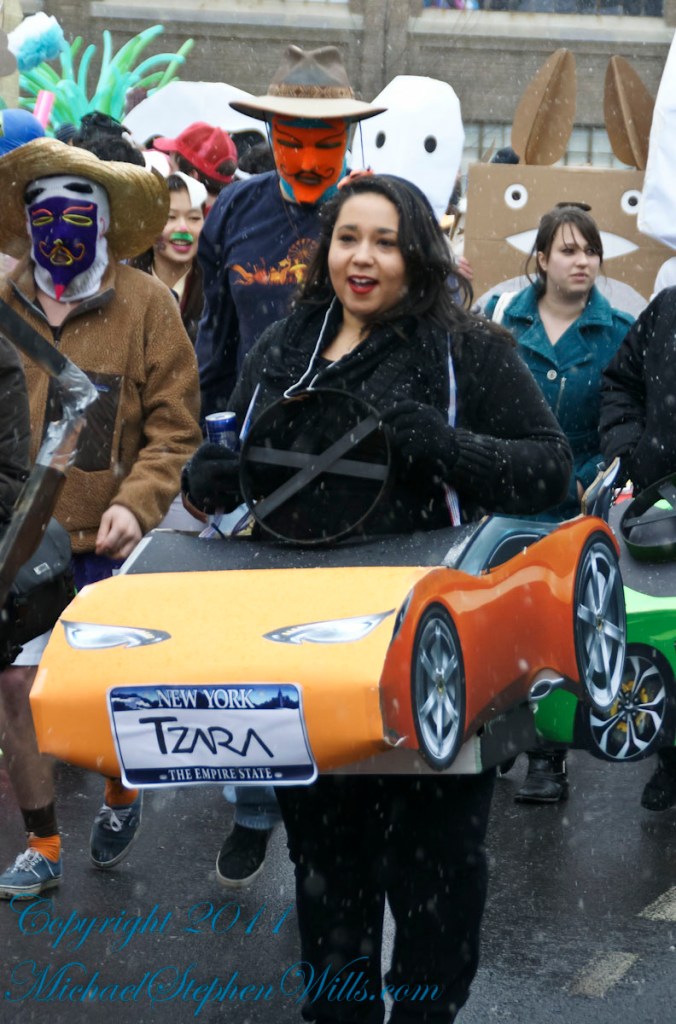
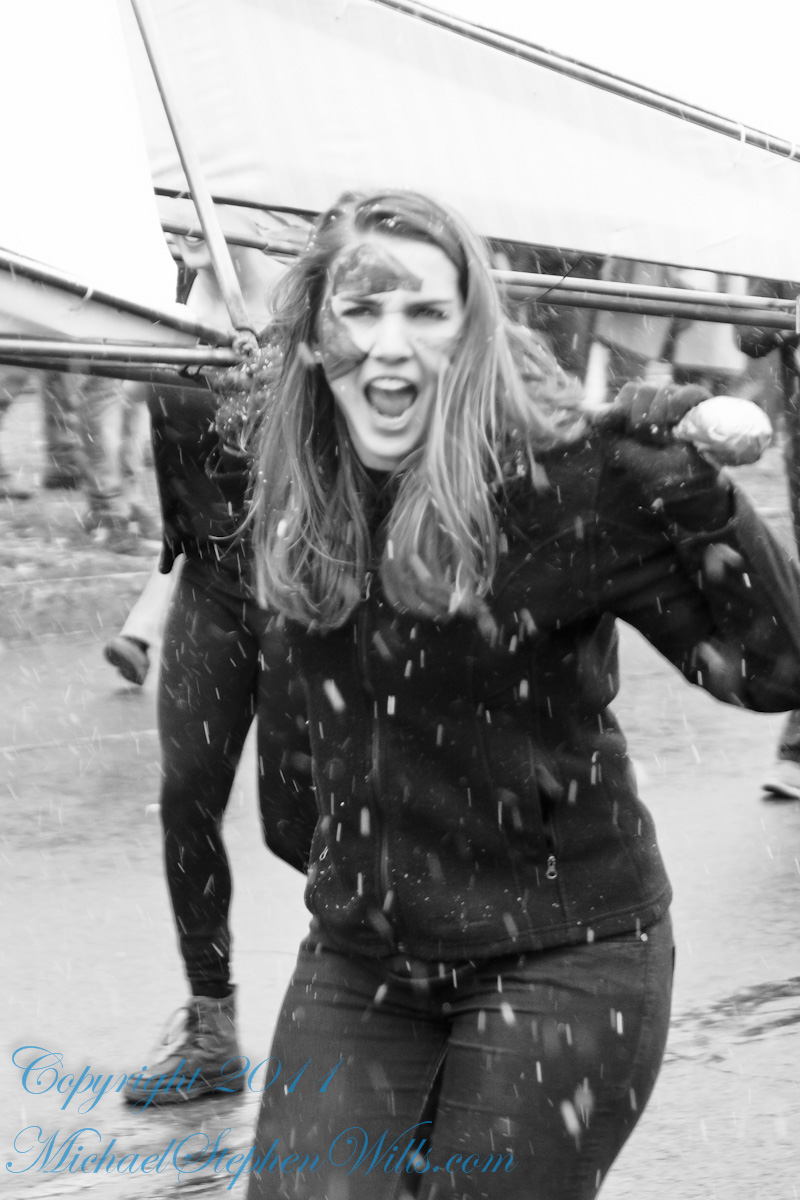
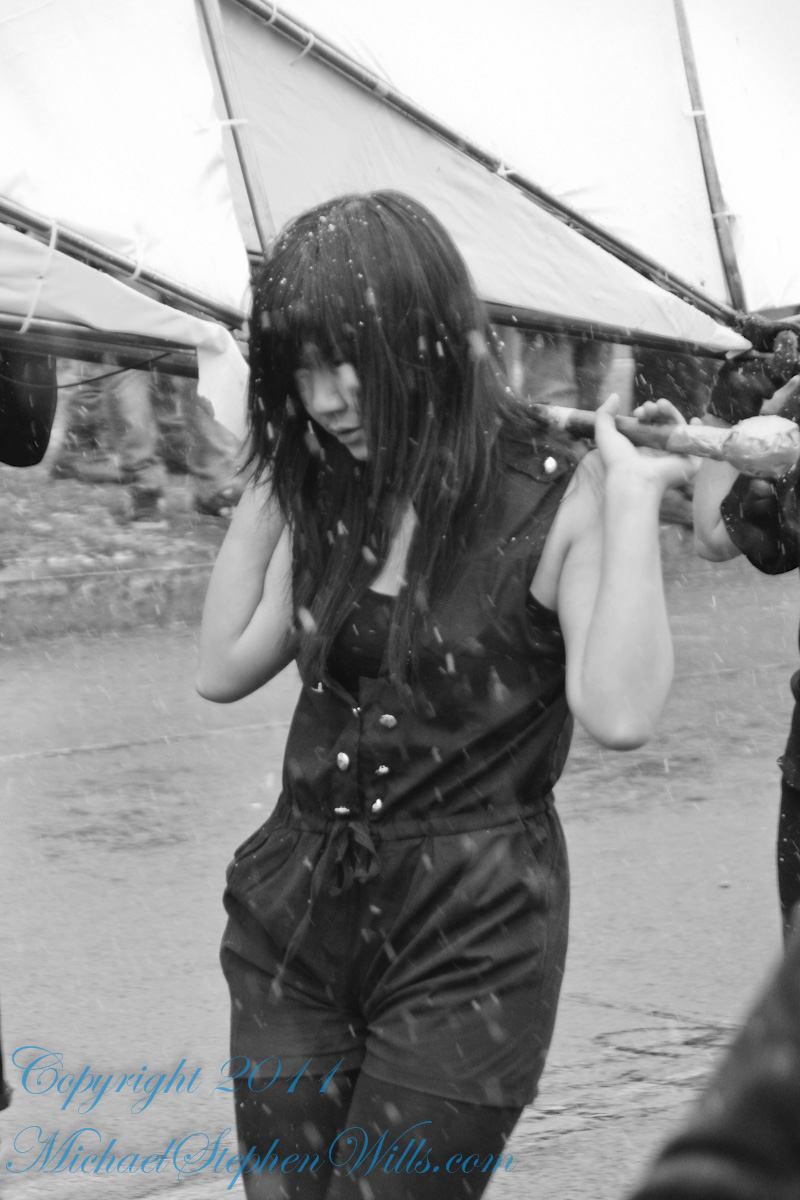
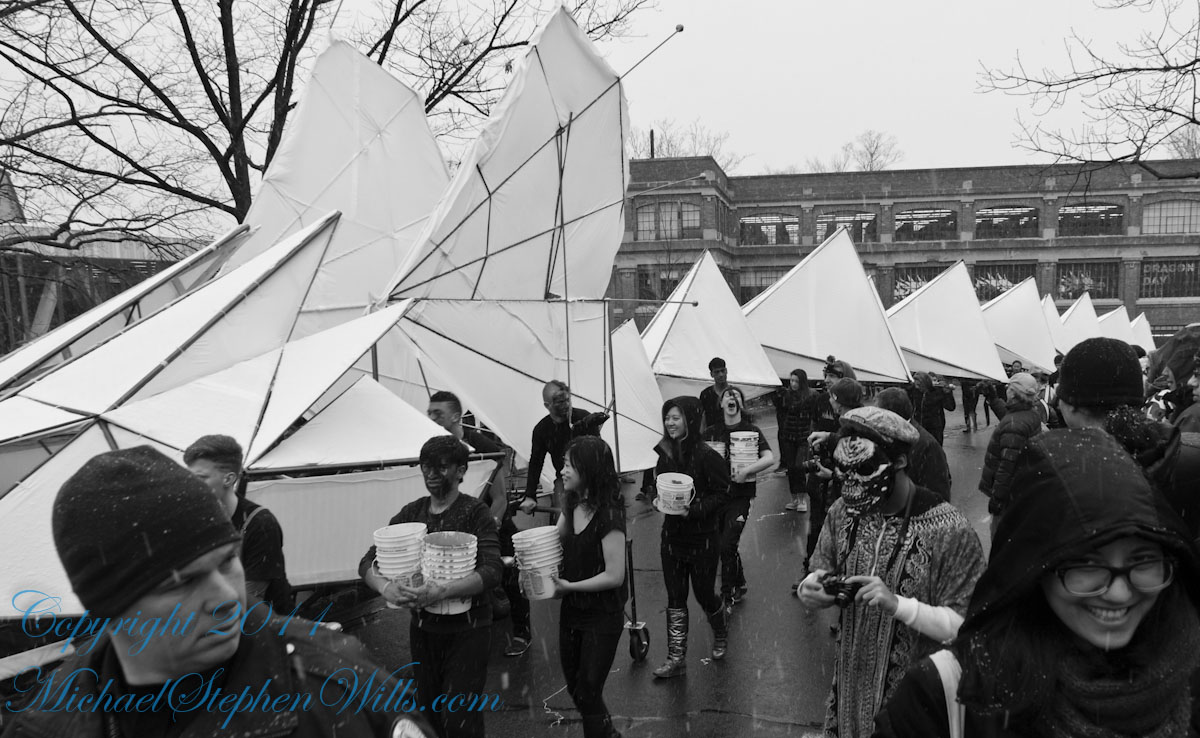
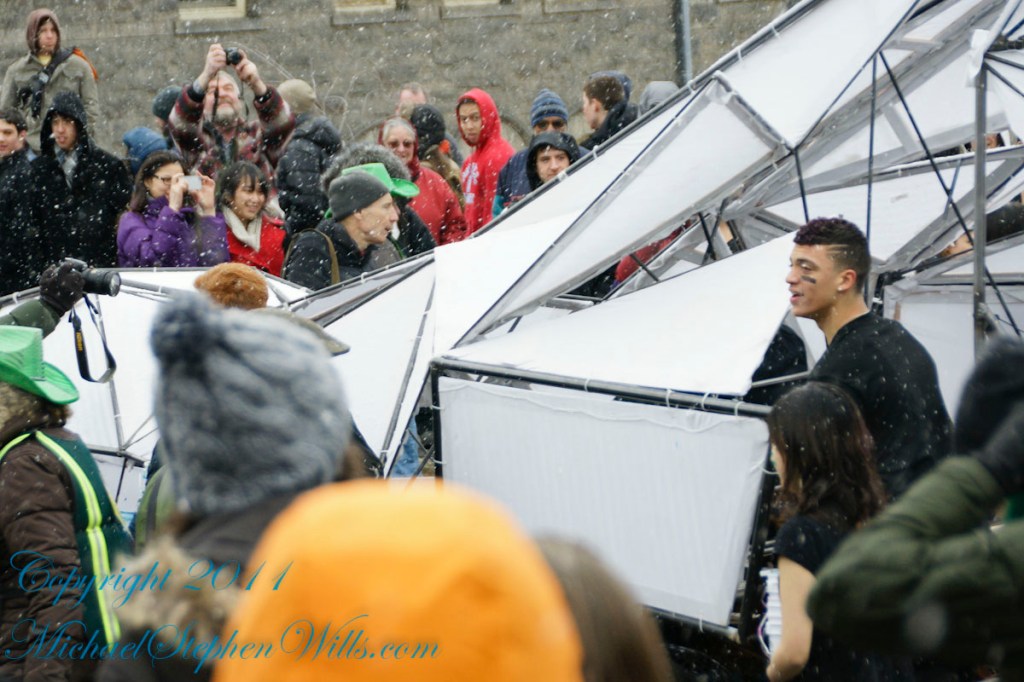
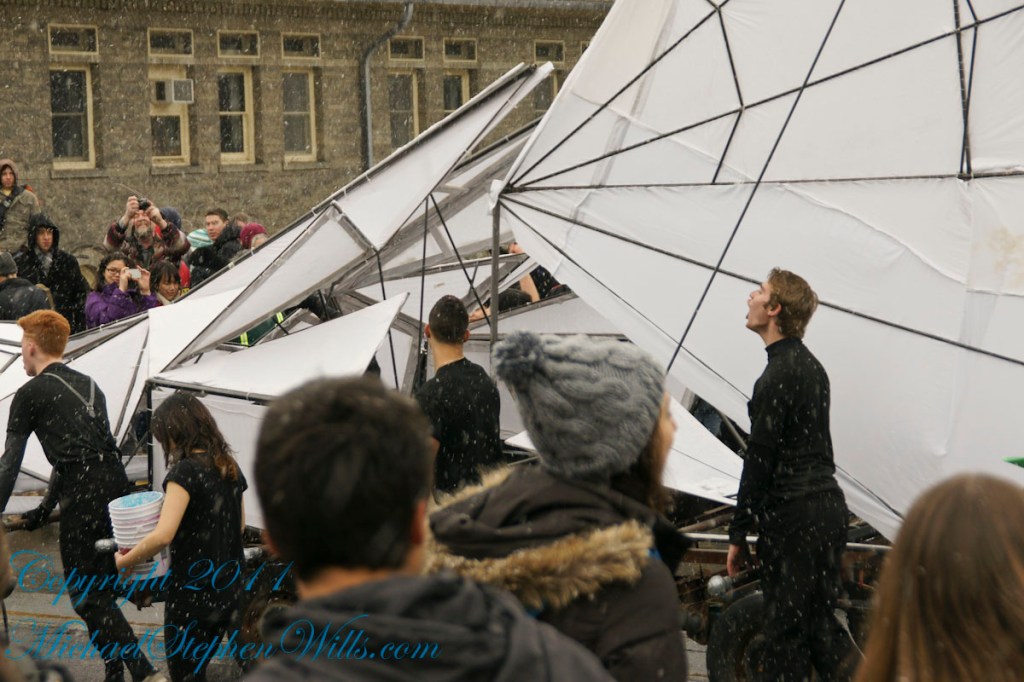
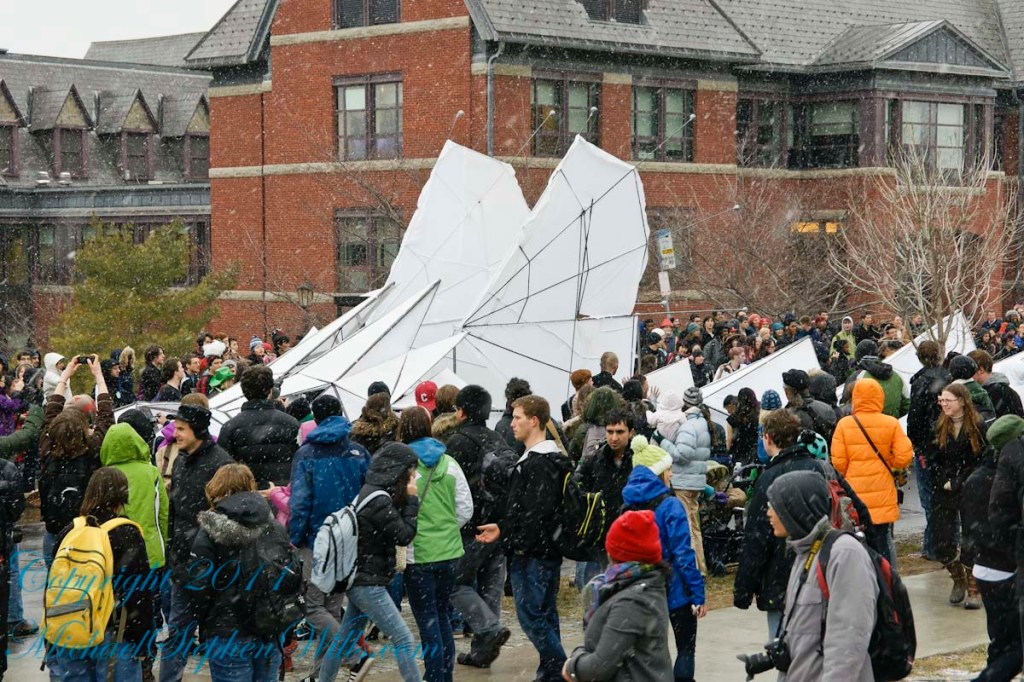
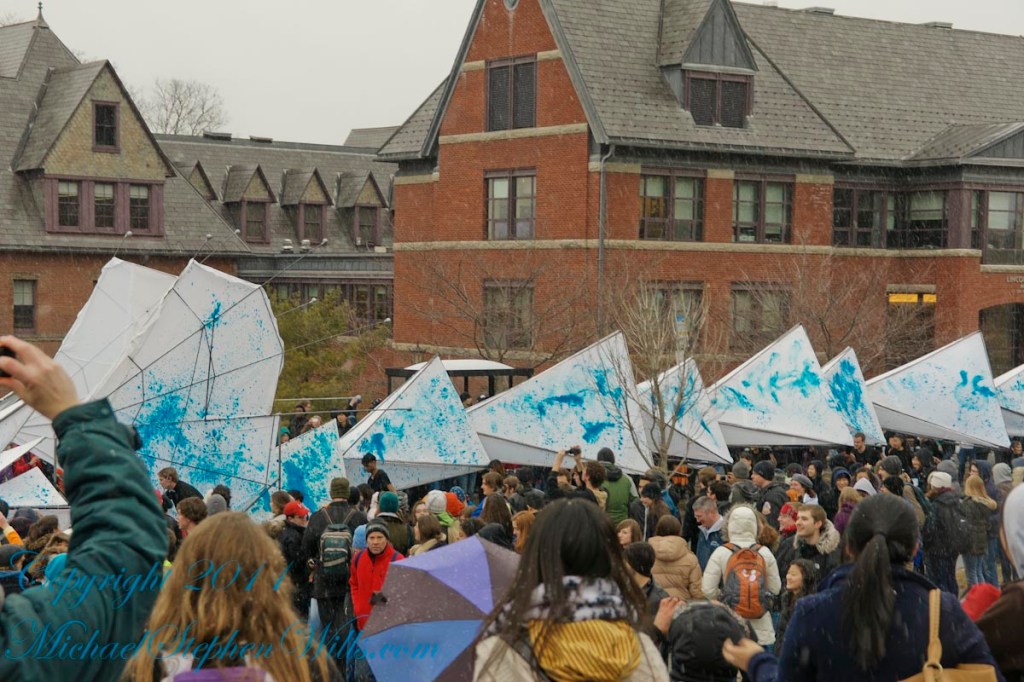
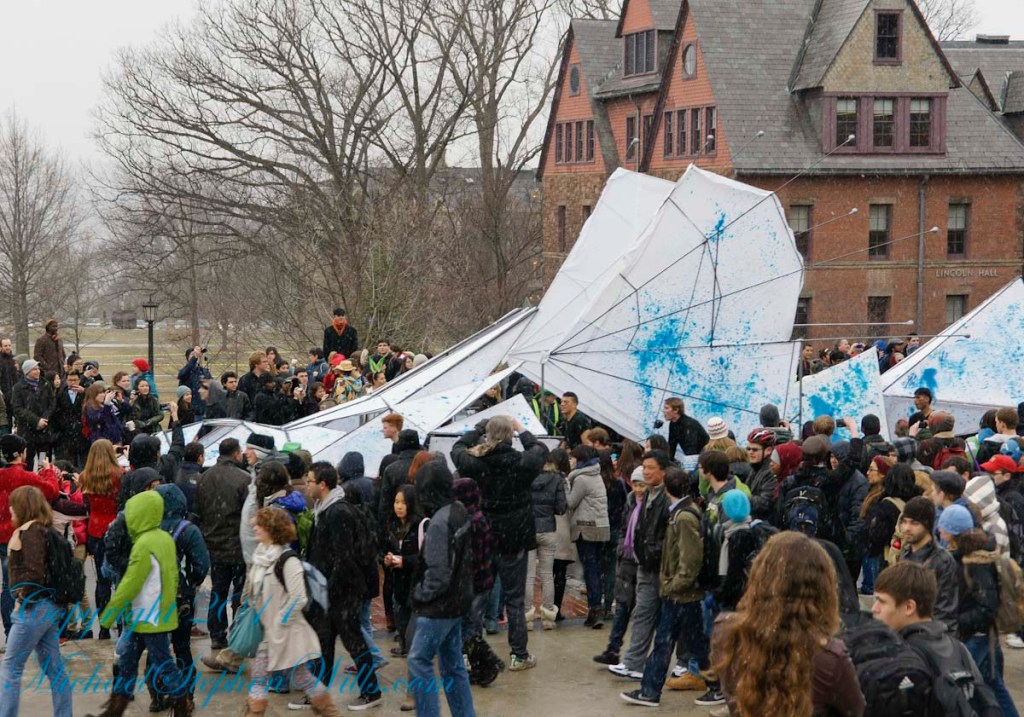
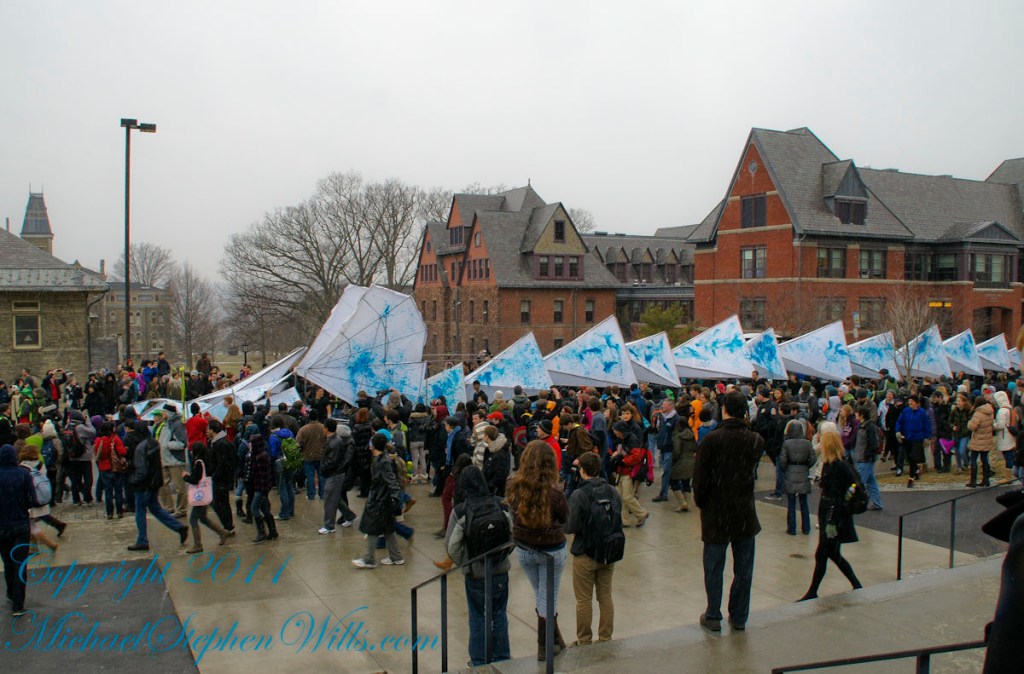
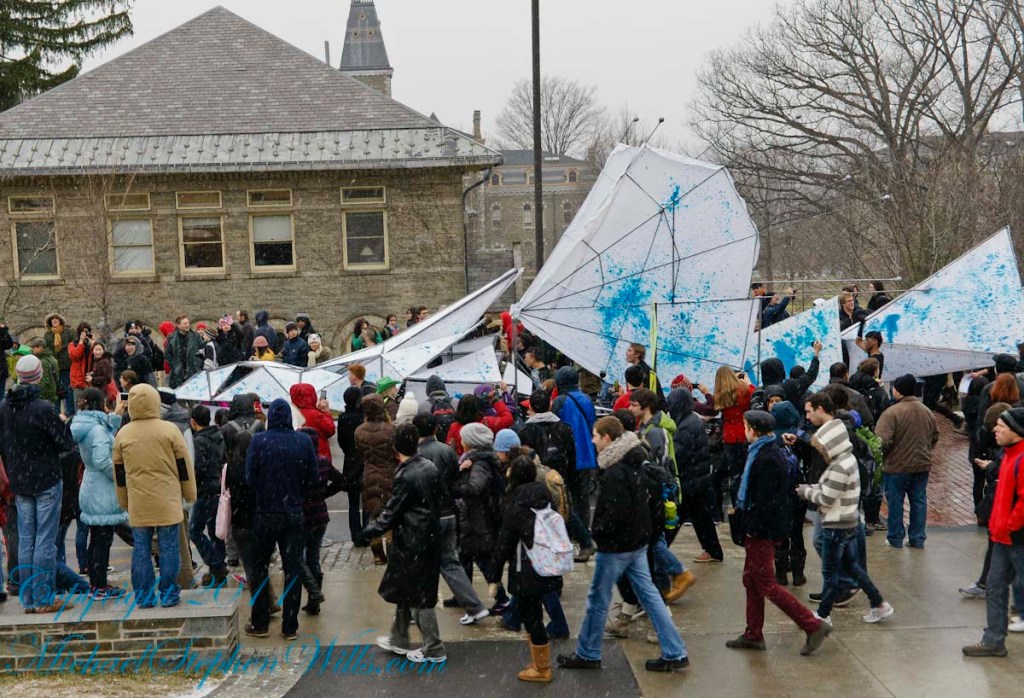
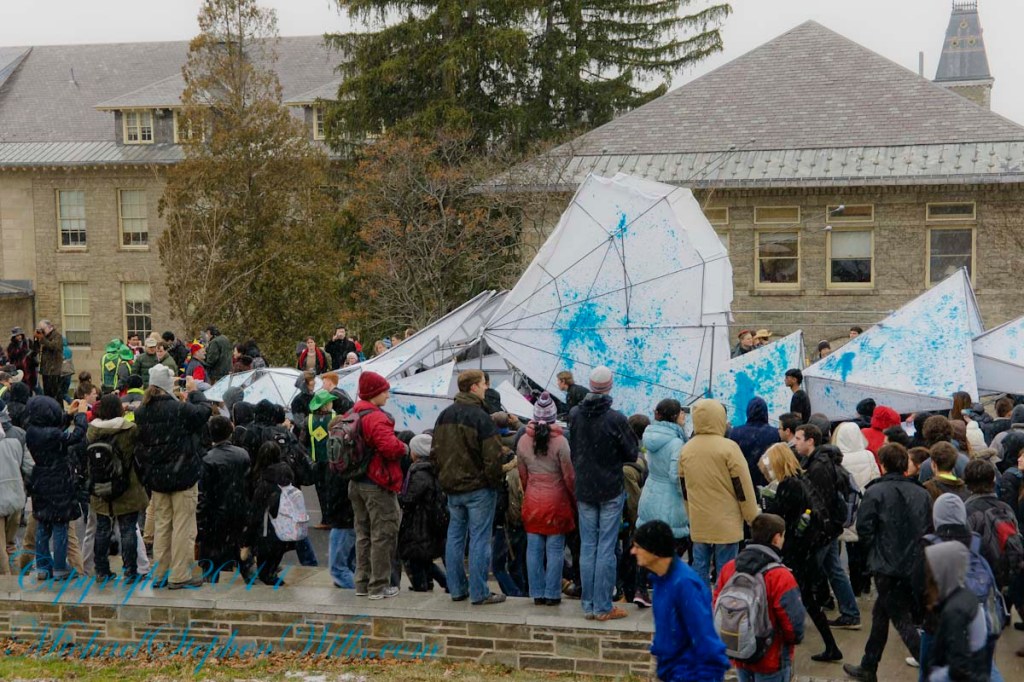
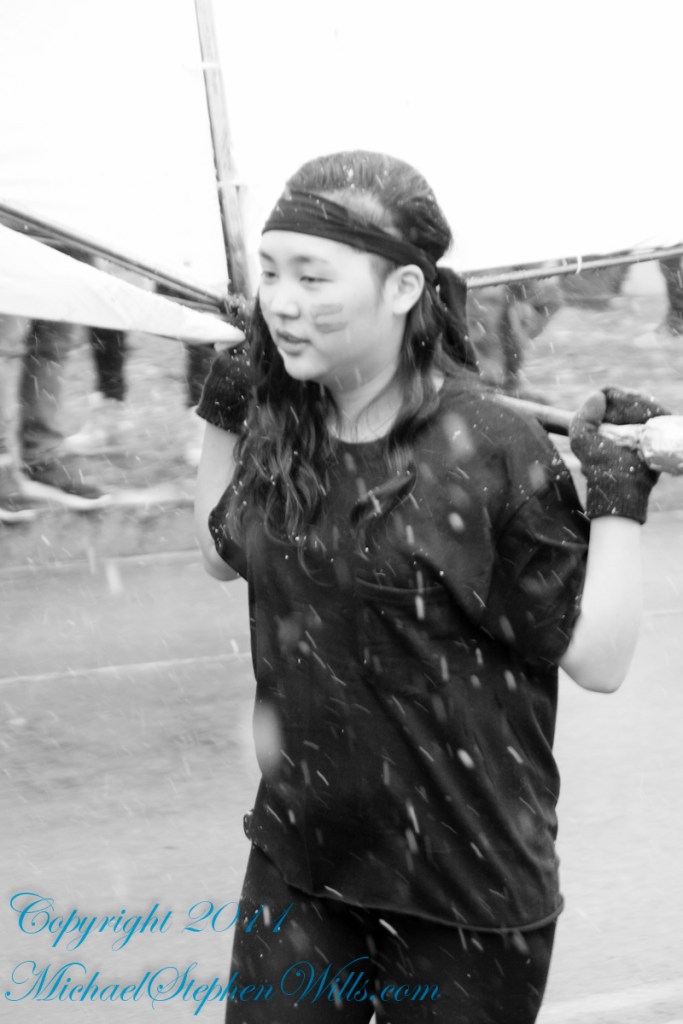
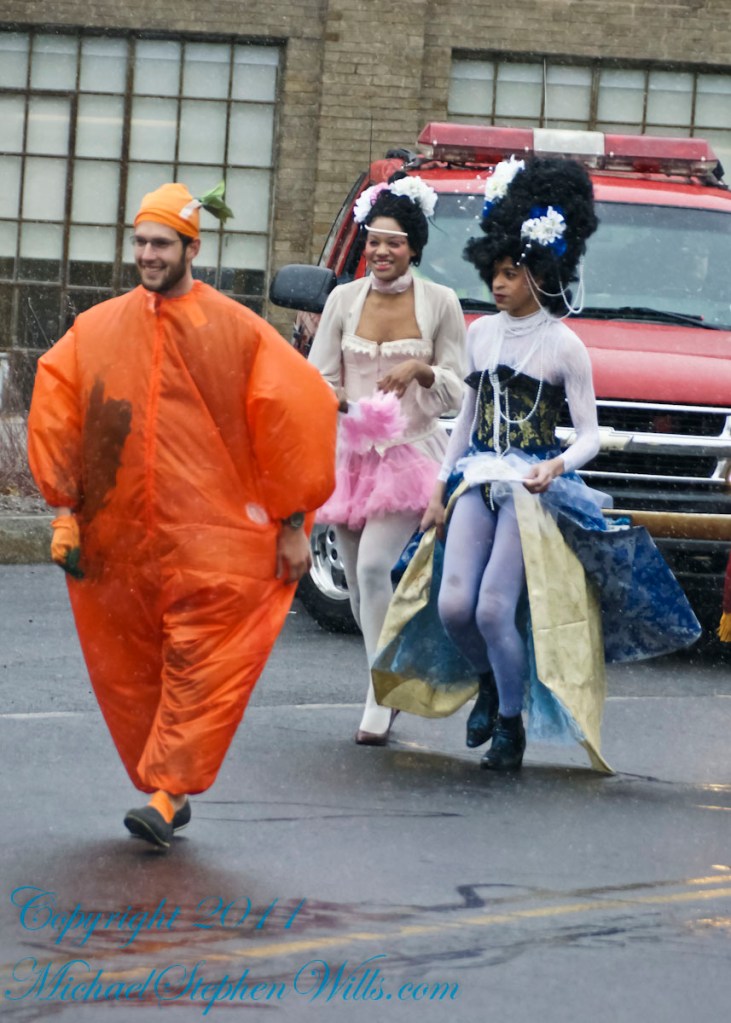
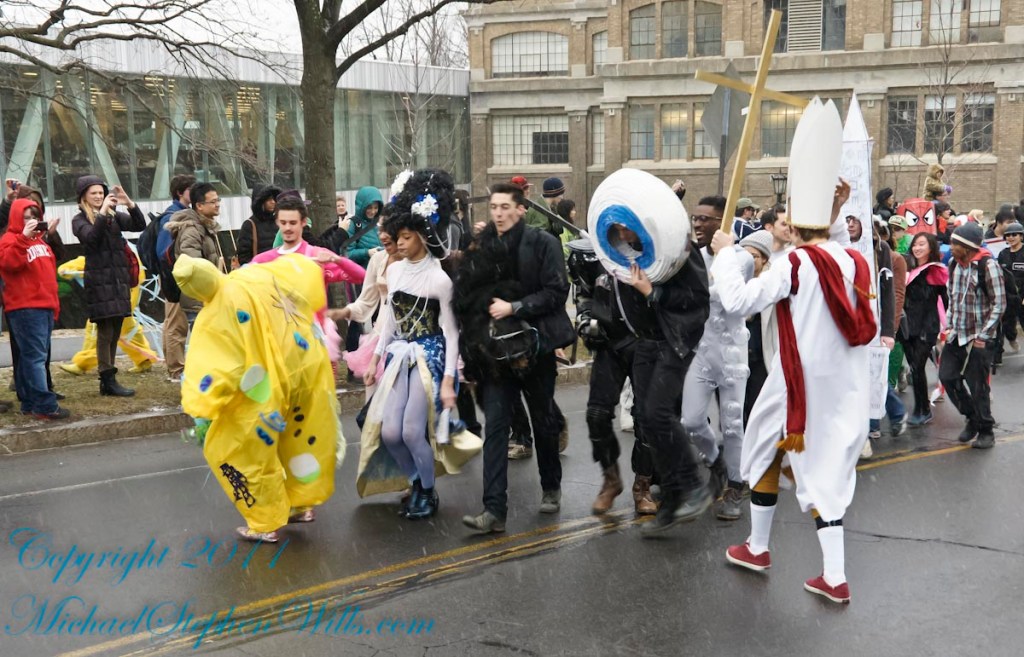
Dragon Day 2013 Cornell University

Dragon Day 2013

Cornell University Dragon Day 2013

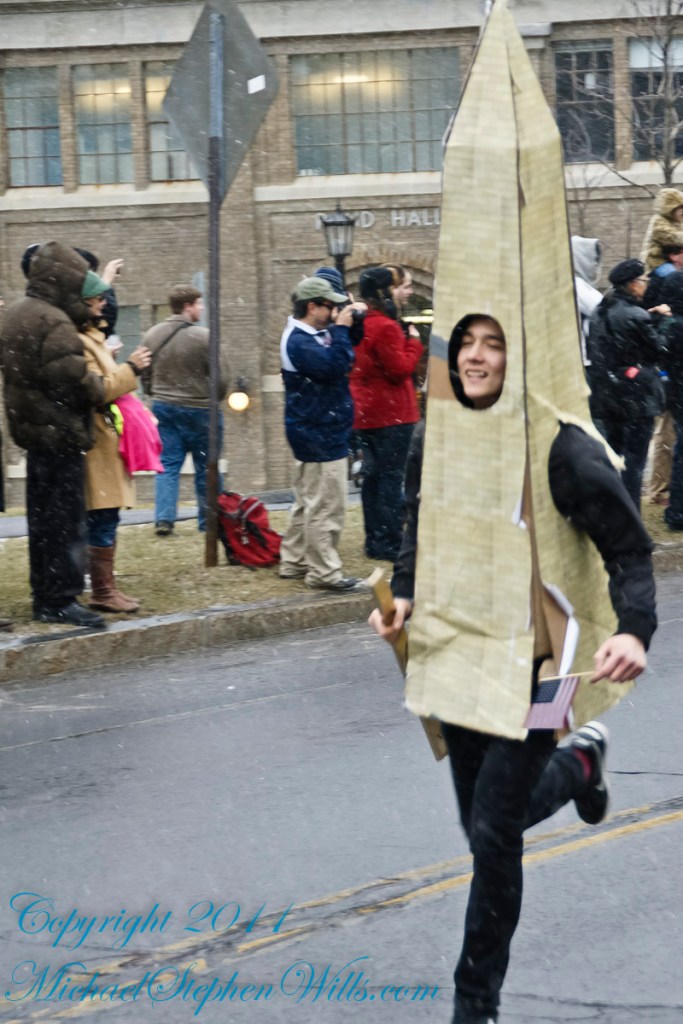
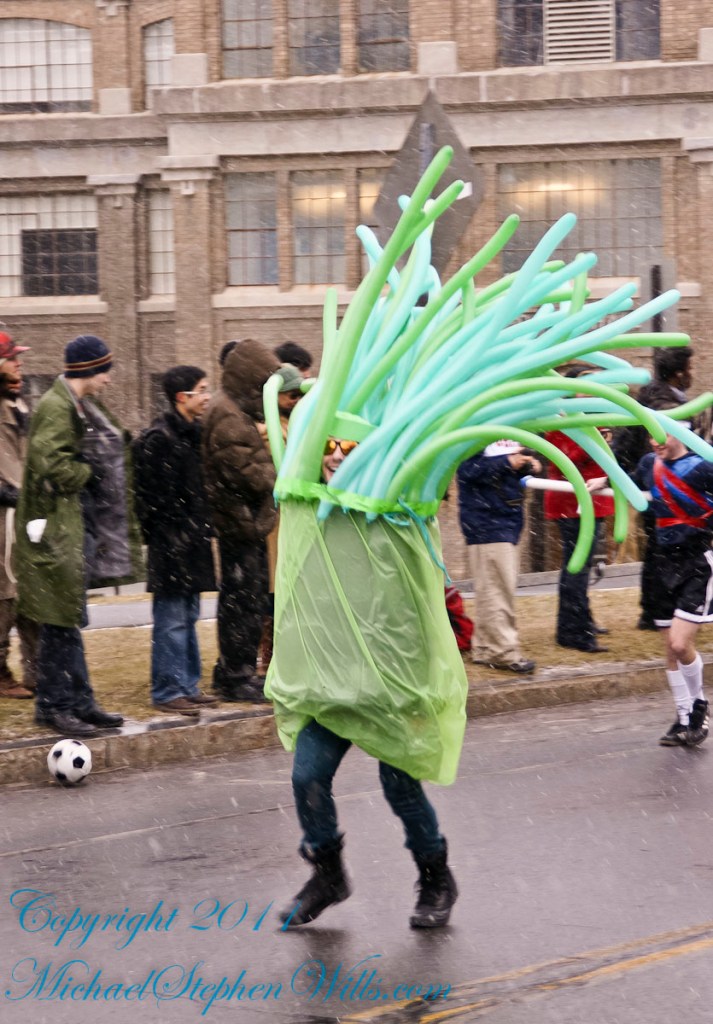
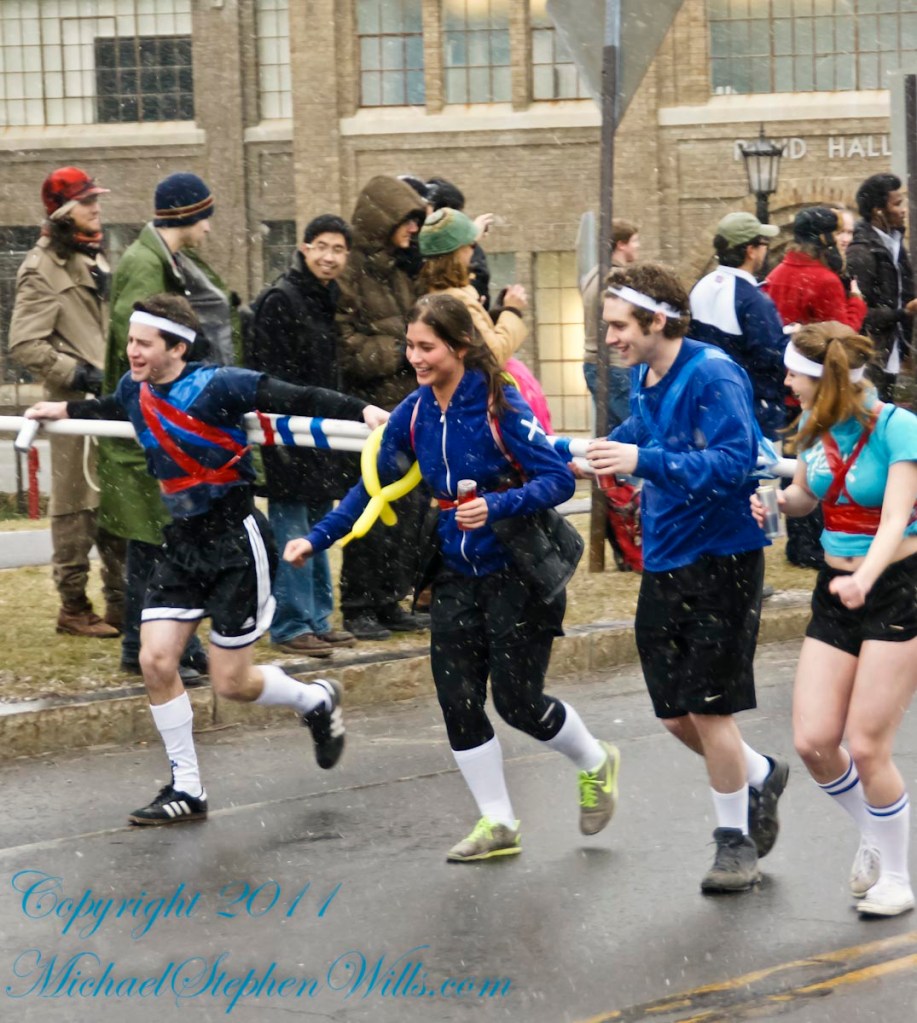
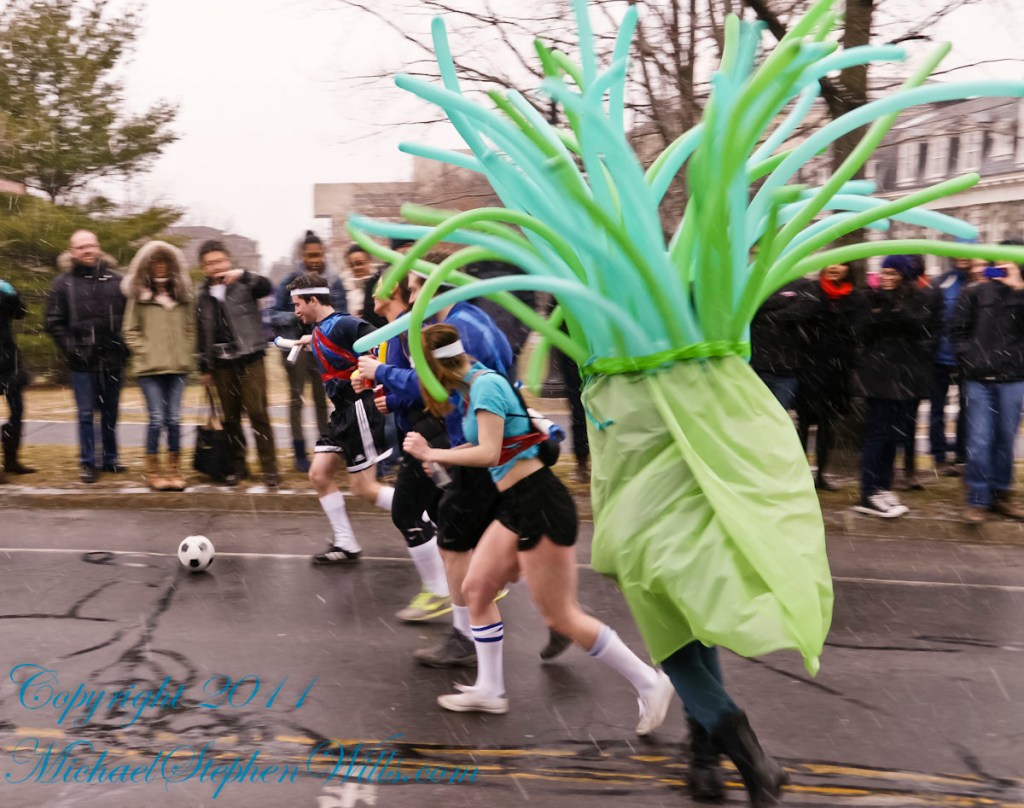
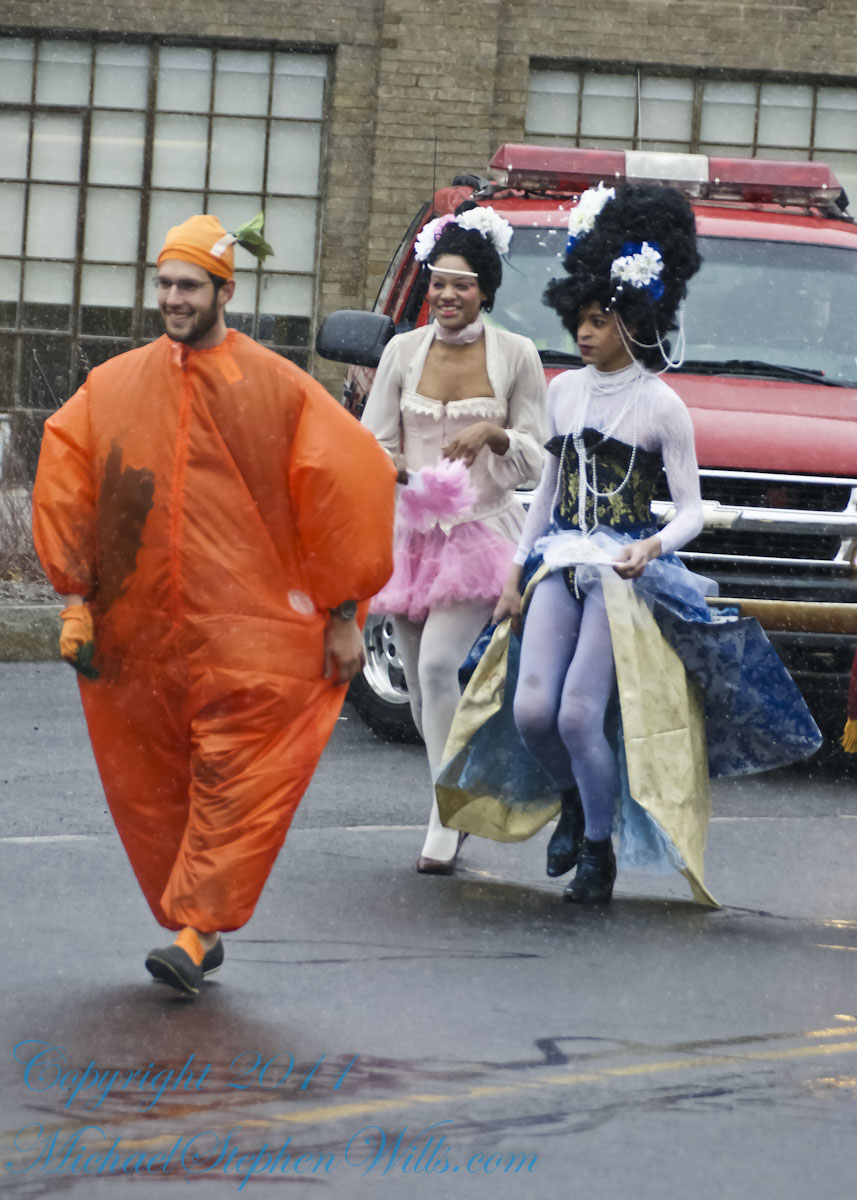
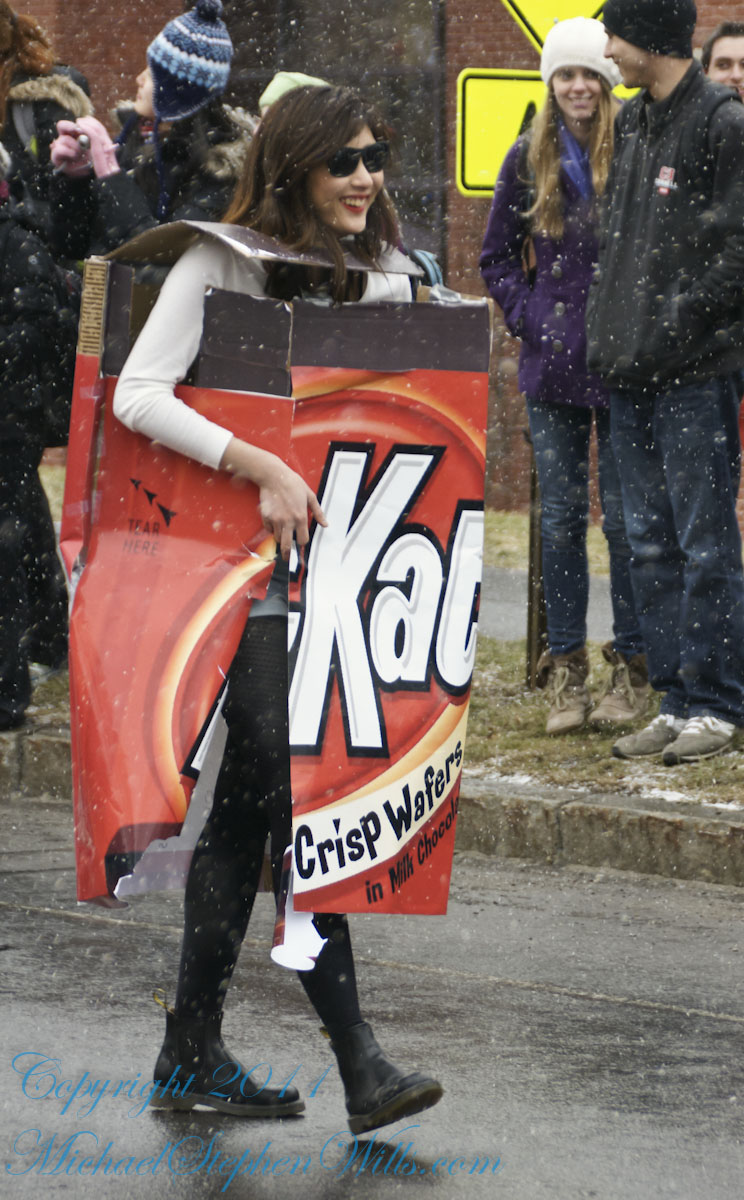
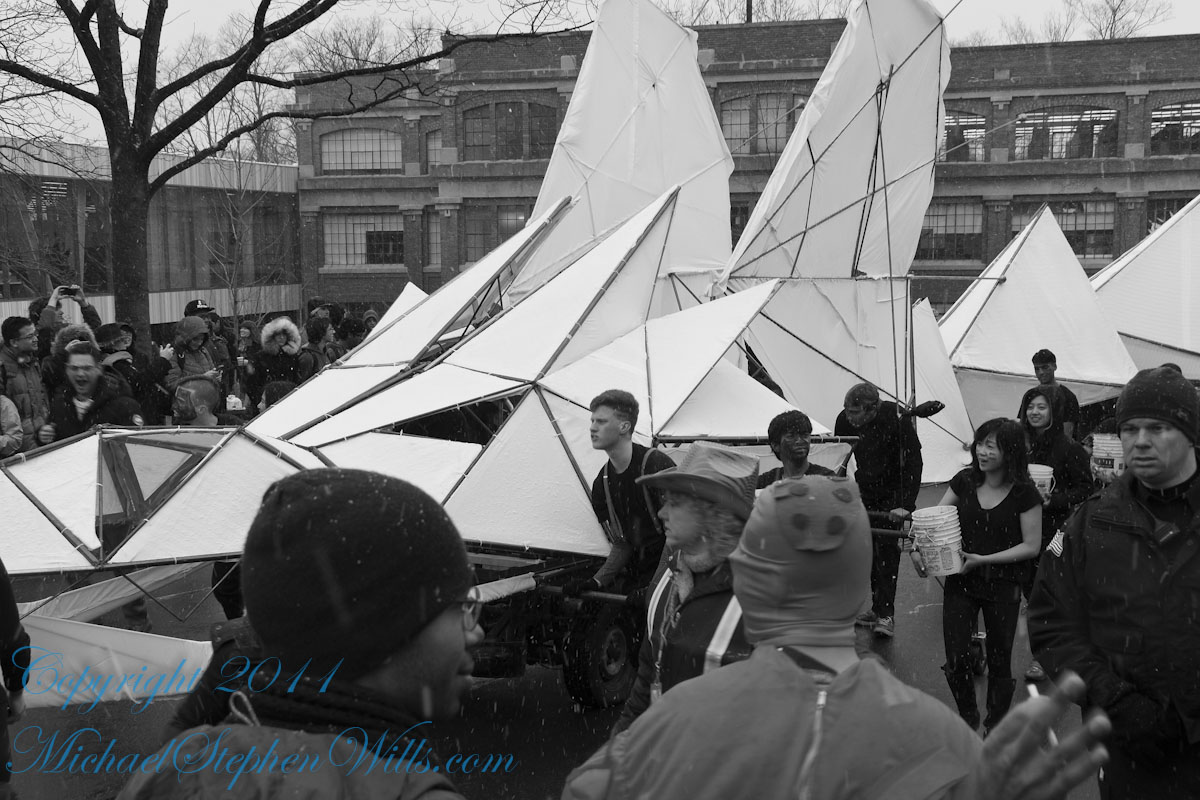
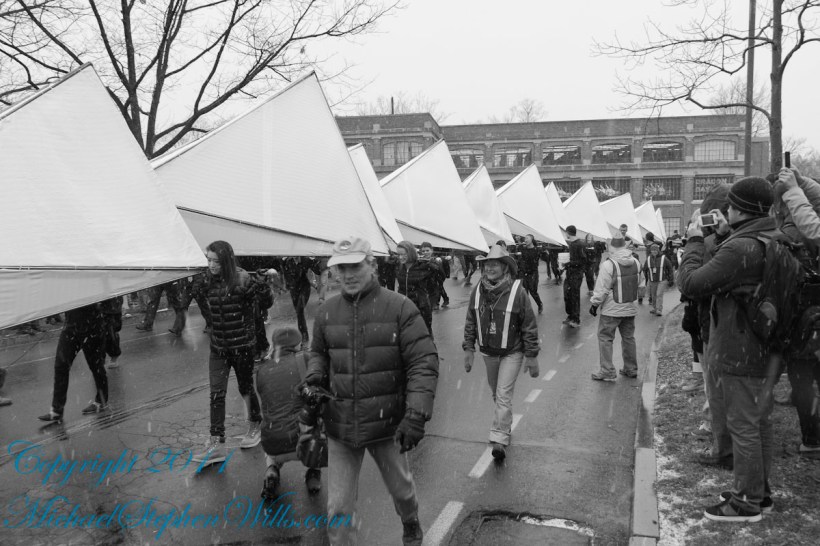
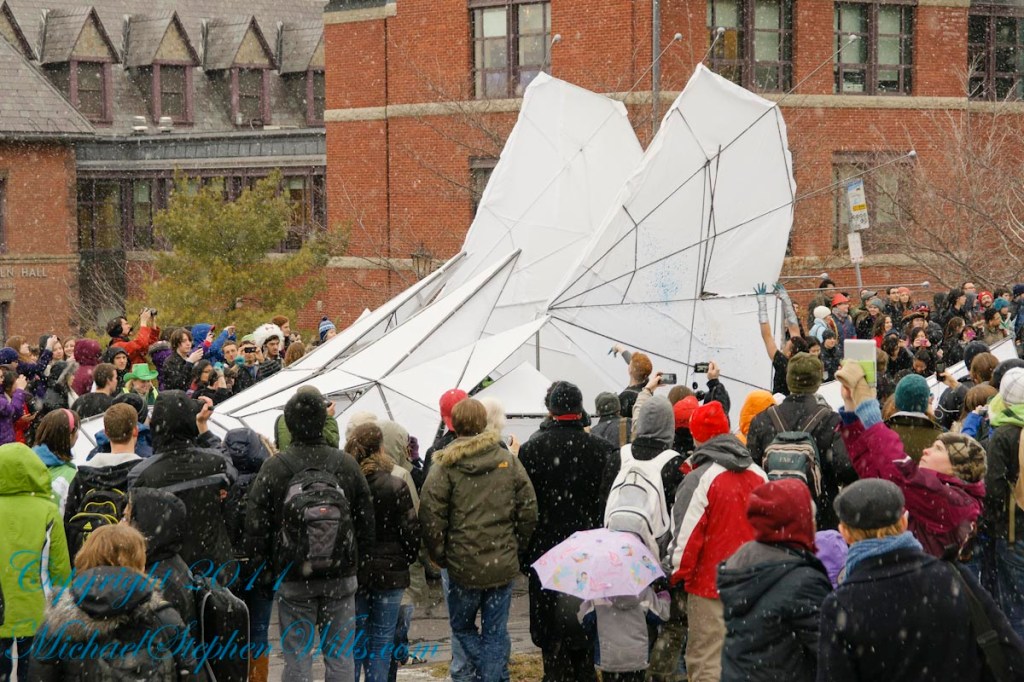
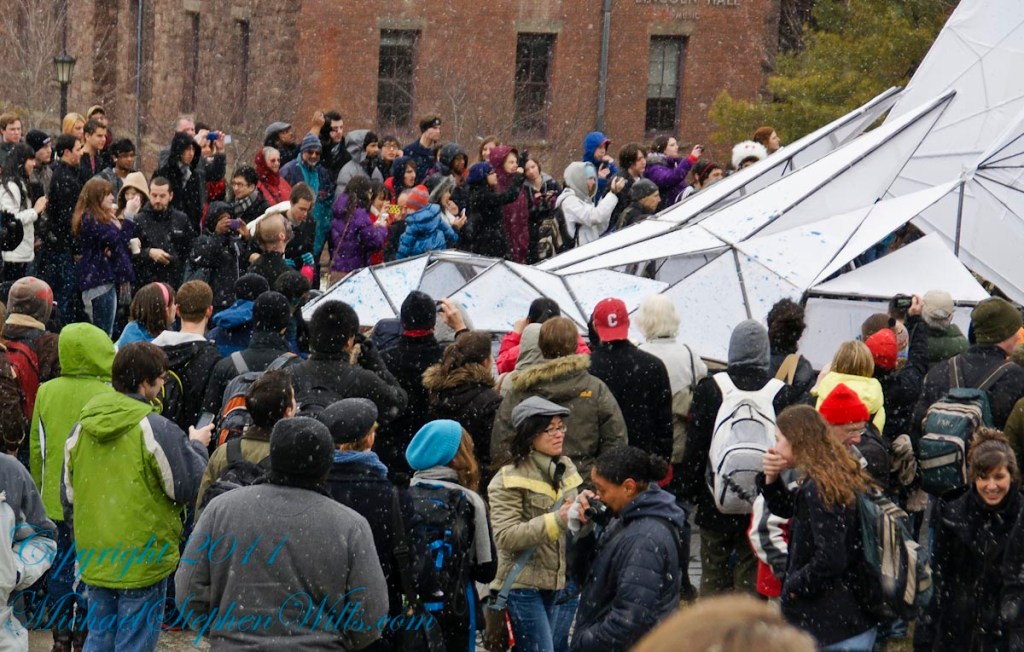
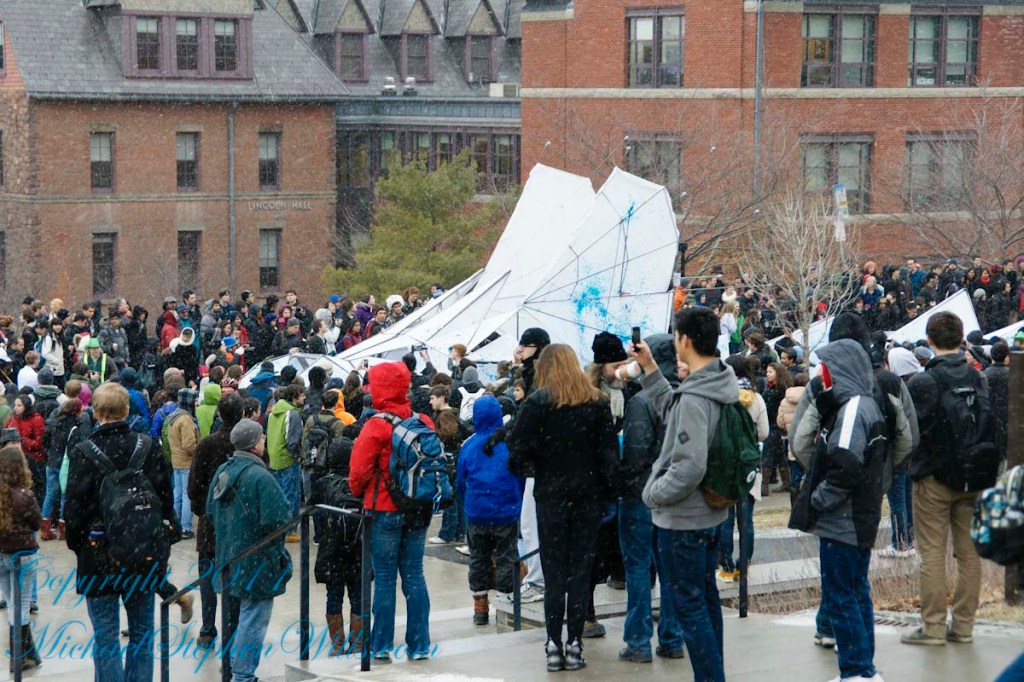
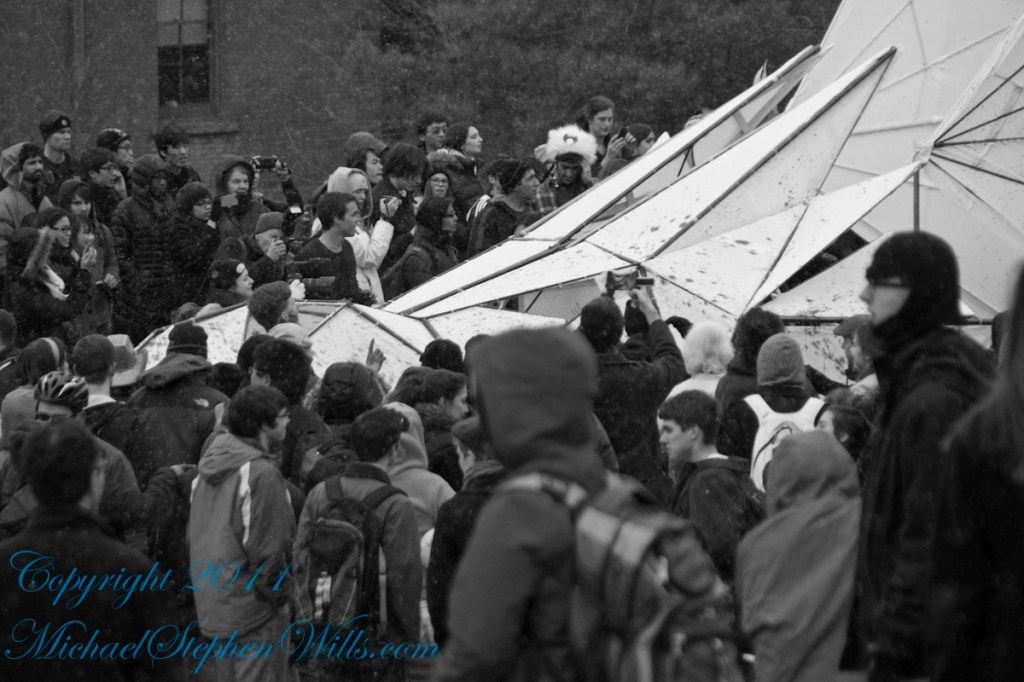
A series of group and individual portraits from the 2013 Dragon Day Parade on the Cornell University Campus. I am happy to report this tradition resumed 2022 after a 2-year pandemic enforced hiatus. This tradition was and is celebrated for over 100 years.

Cornell University Dragon Day 2013

Copyright 2023 Michael Stephen Wills

Gone Fish’in

Rory’s Third Birthday

Cake design and production by Grandma for Rory’s Third 3 Birthday. On the lead up to the special day, Grandmother phones Rory to interview him for his birthday cake wishes. Rice Krispy treats drizzled with melted colored chocolate to resemble a coral reef. Chocolate cupcakes with homemade buttercream icing.

This was three years ago at the start of Covid-19 pandemic. We drove up his long, snowy drive way……
Rory, Mom and brother Sam welcomed us.

Pam had Swedish fish and other fixings for Rory to put on the finishing touches.

Copyright 2023 Michael Stephen Wills All Rights Reserved