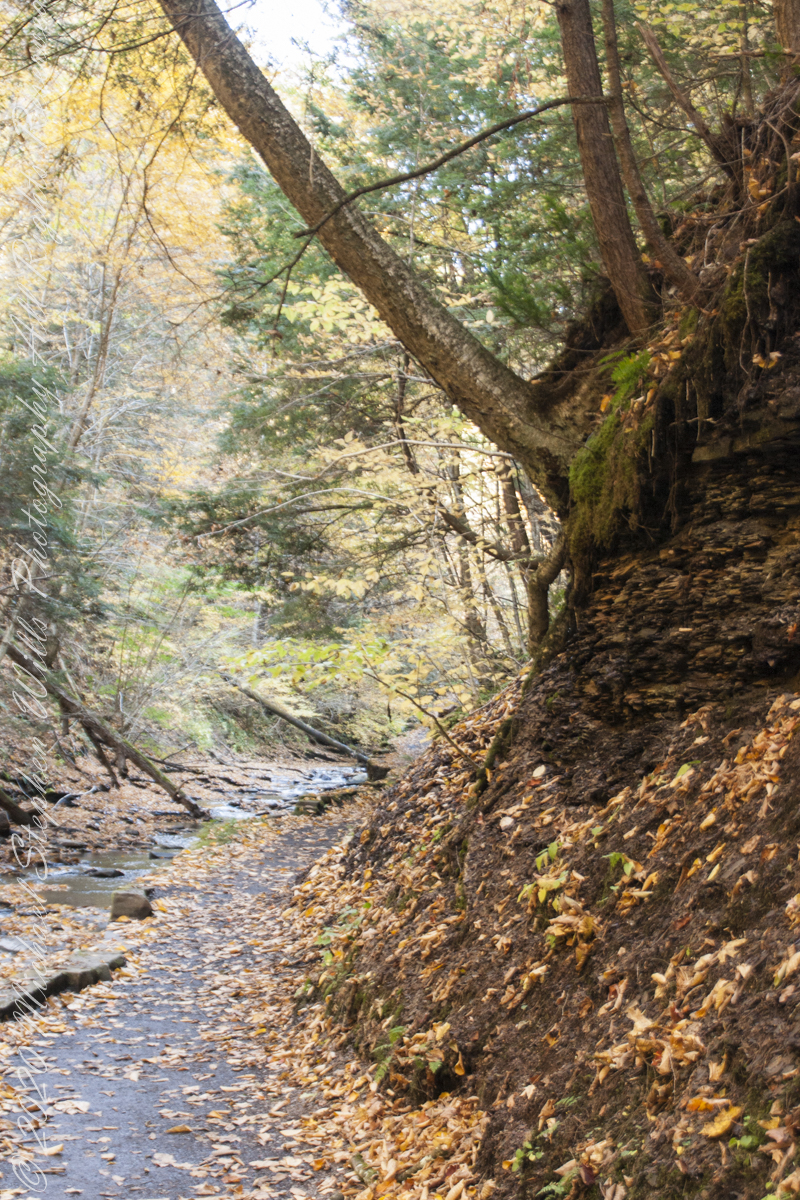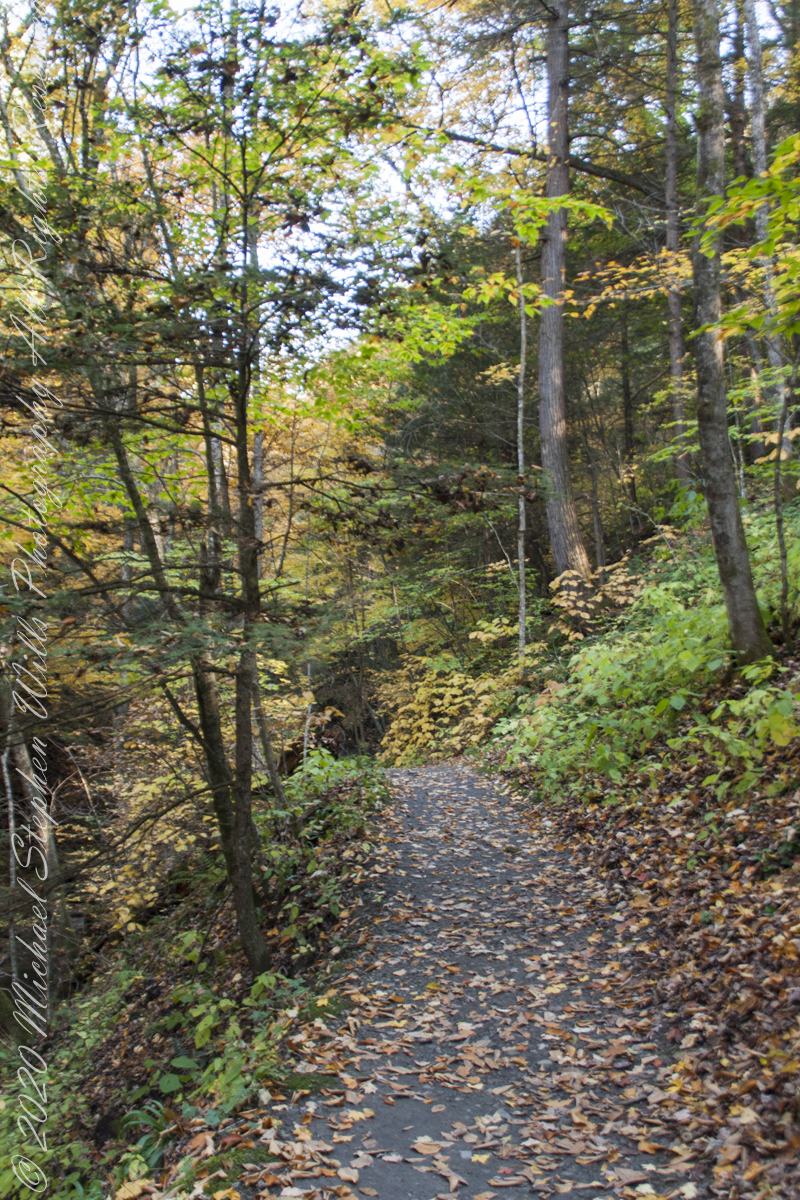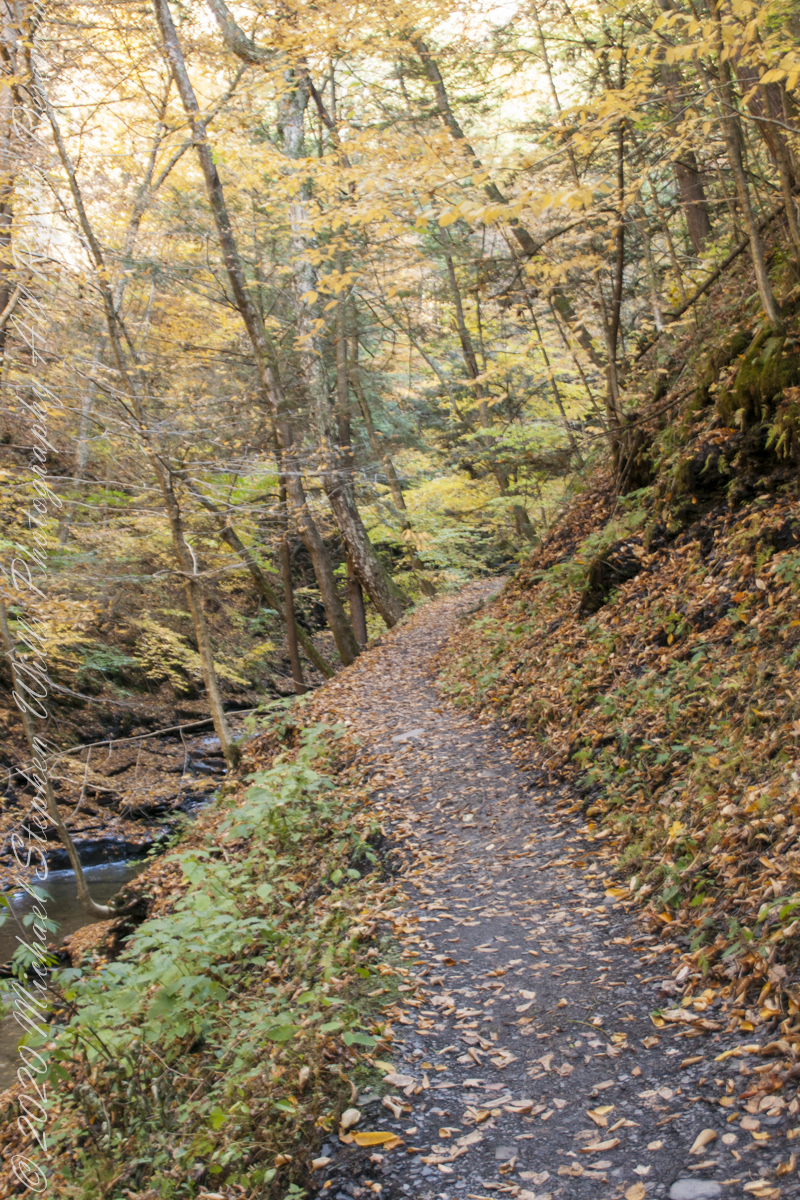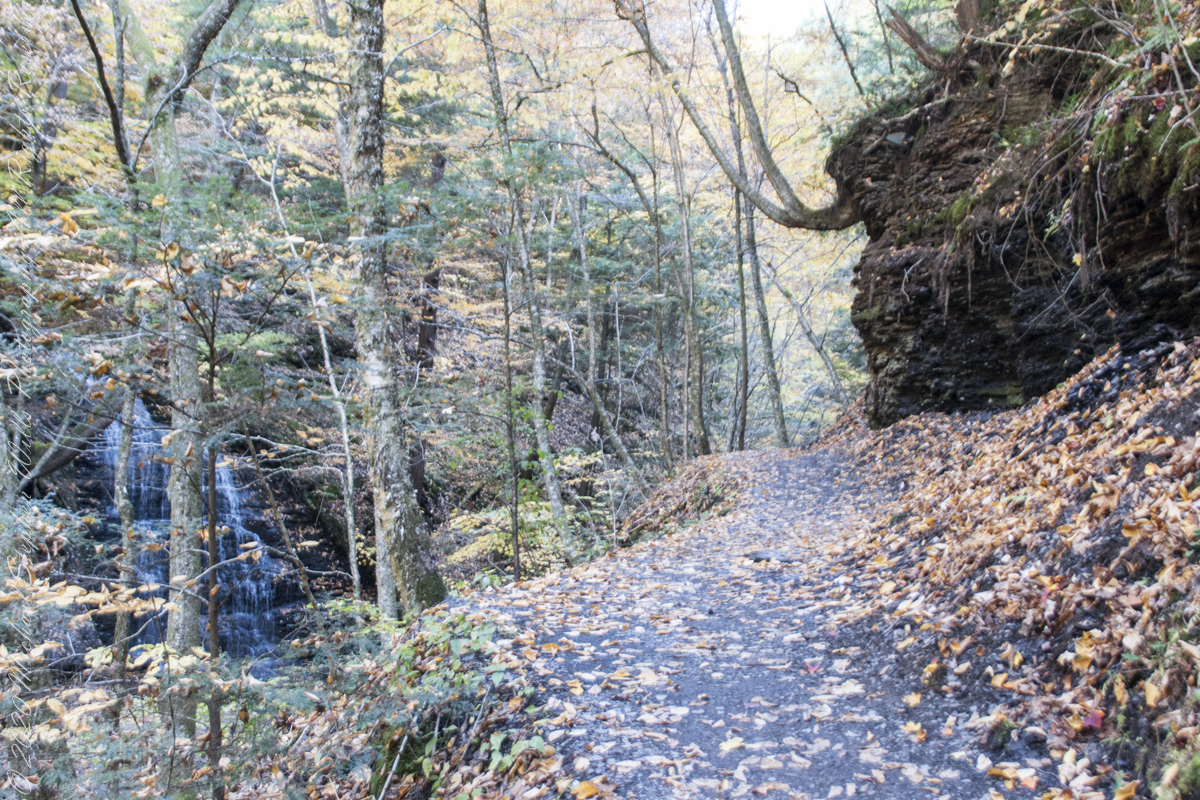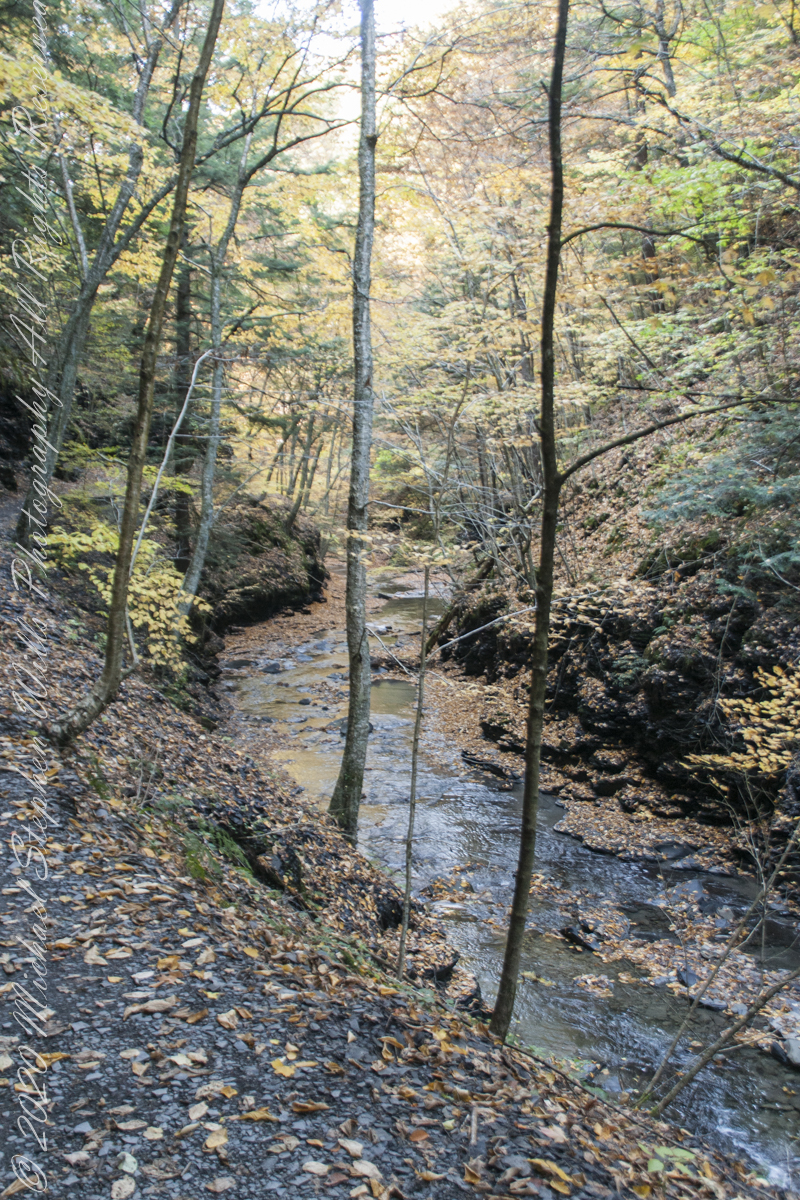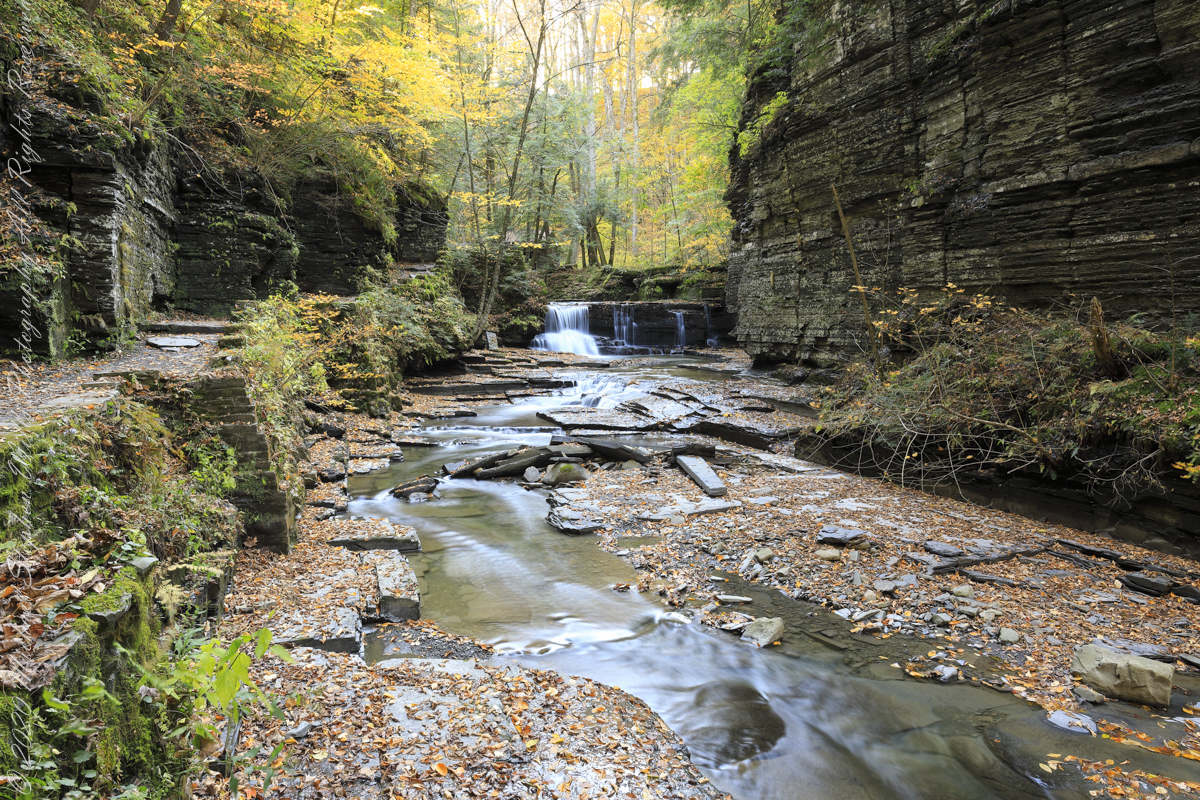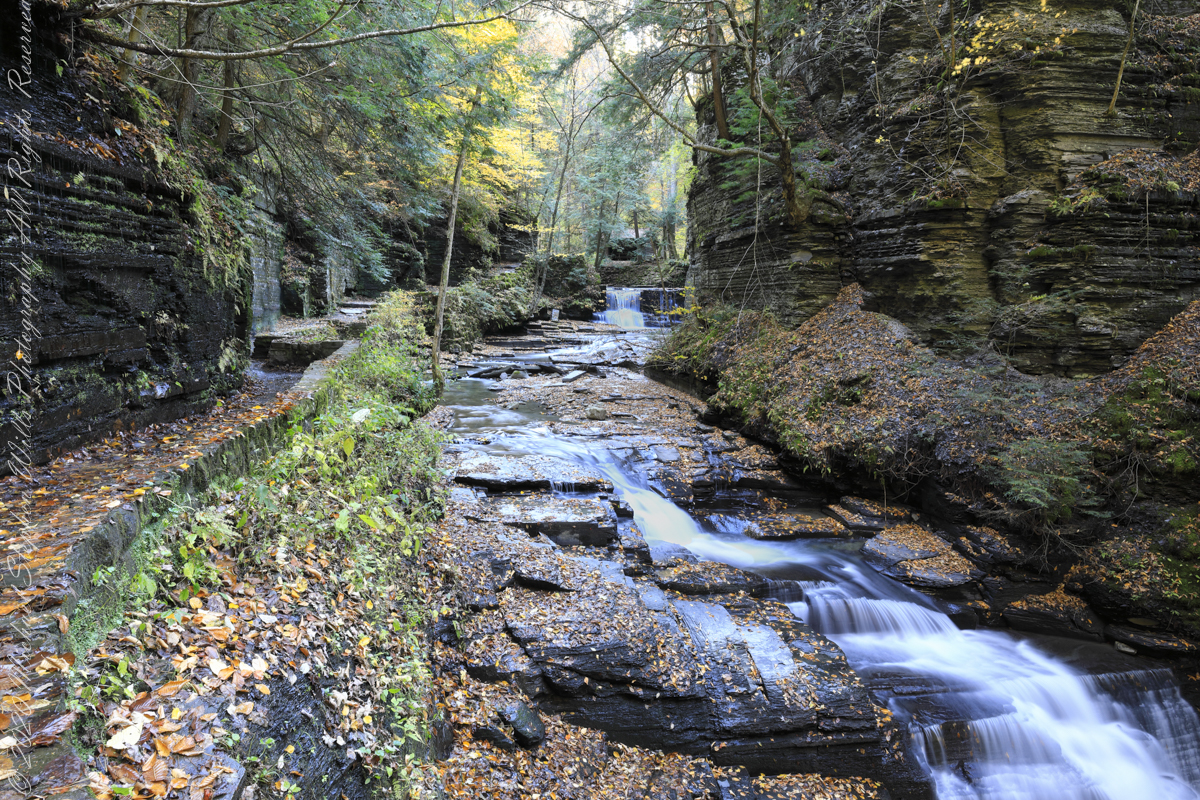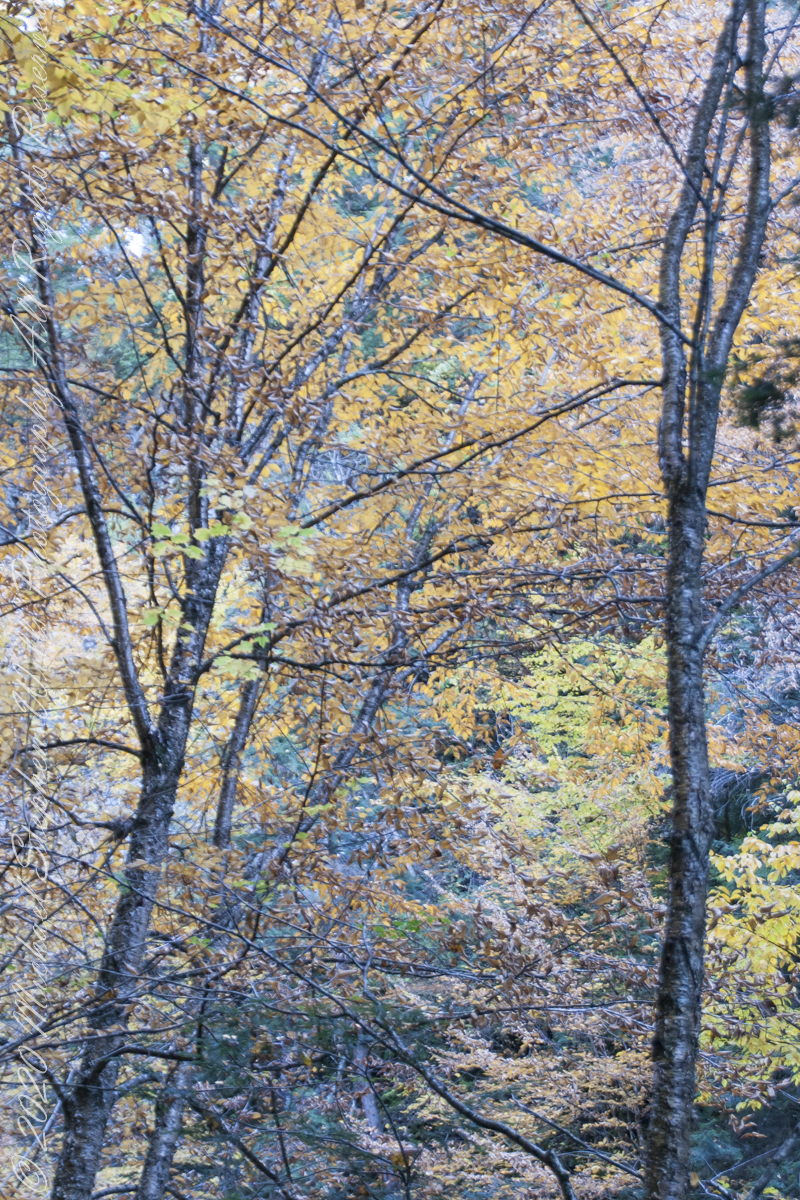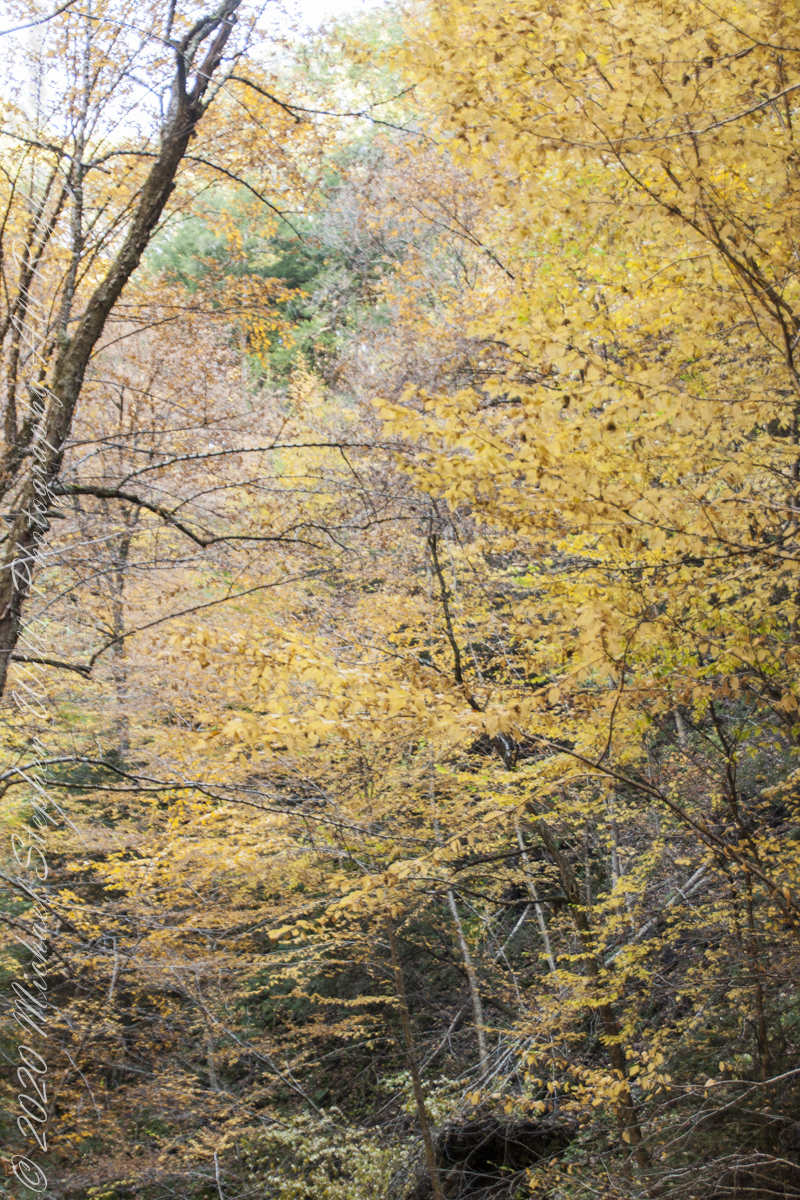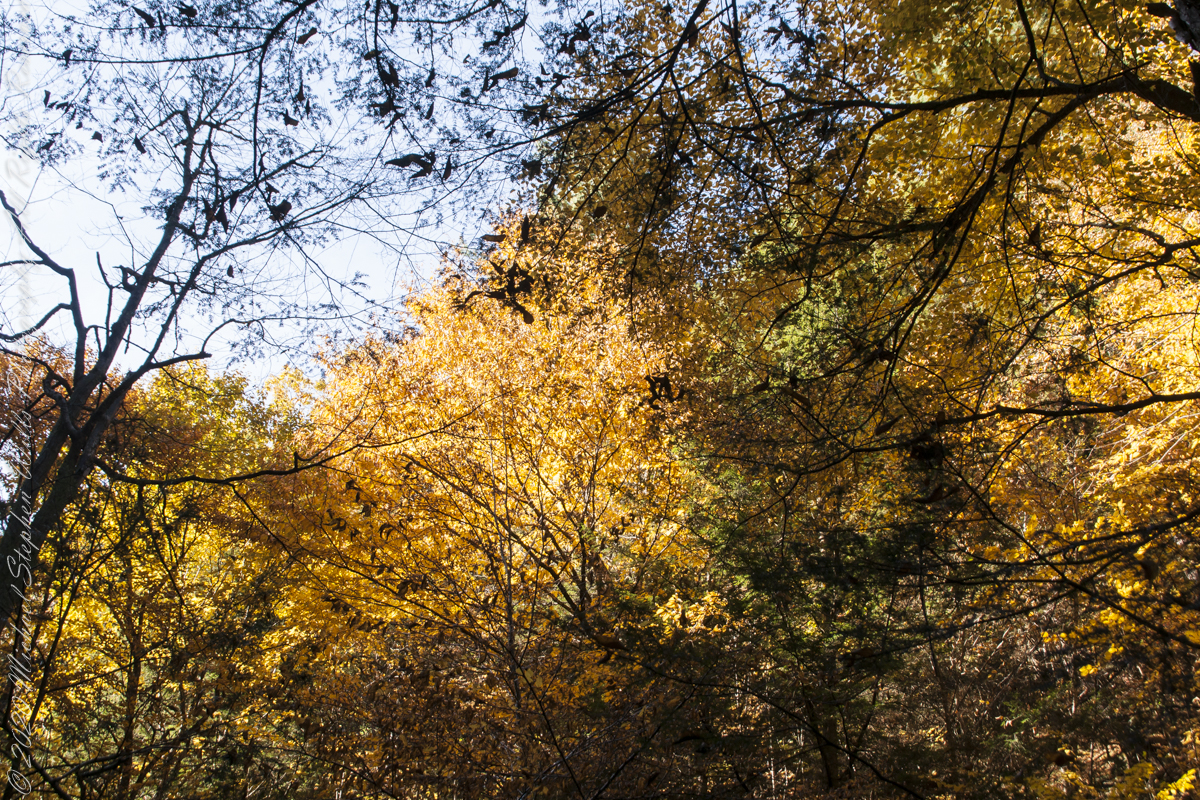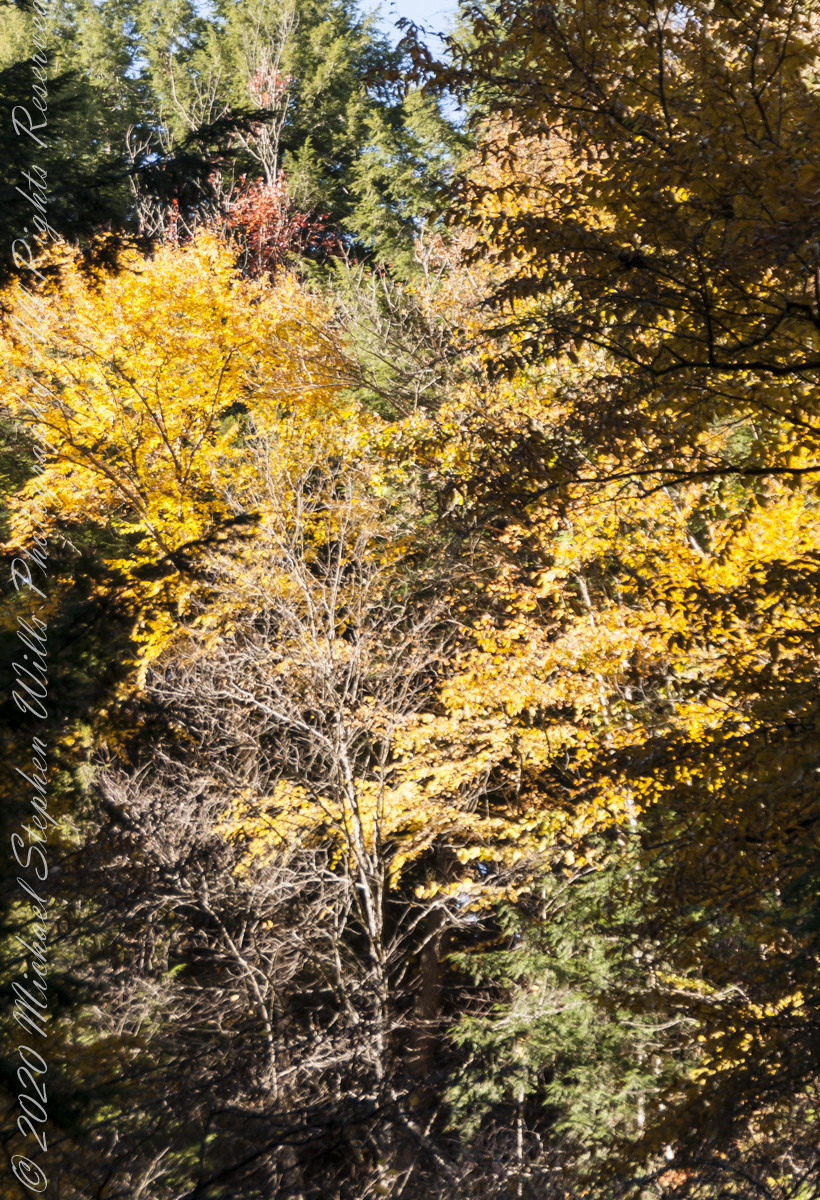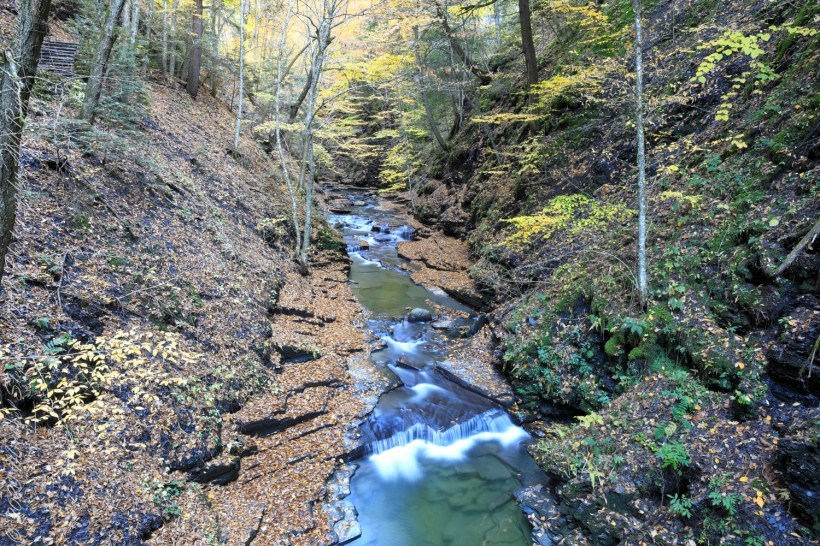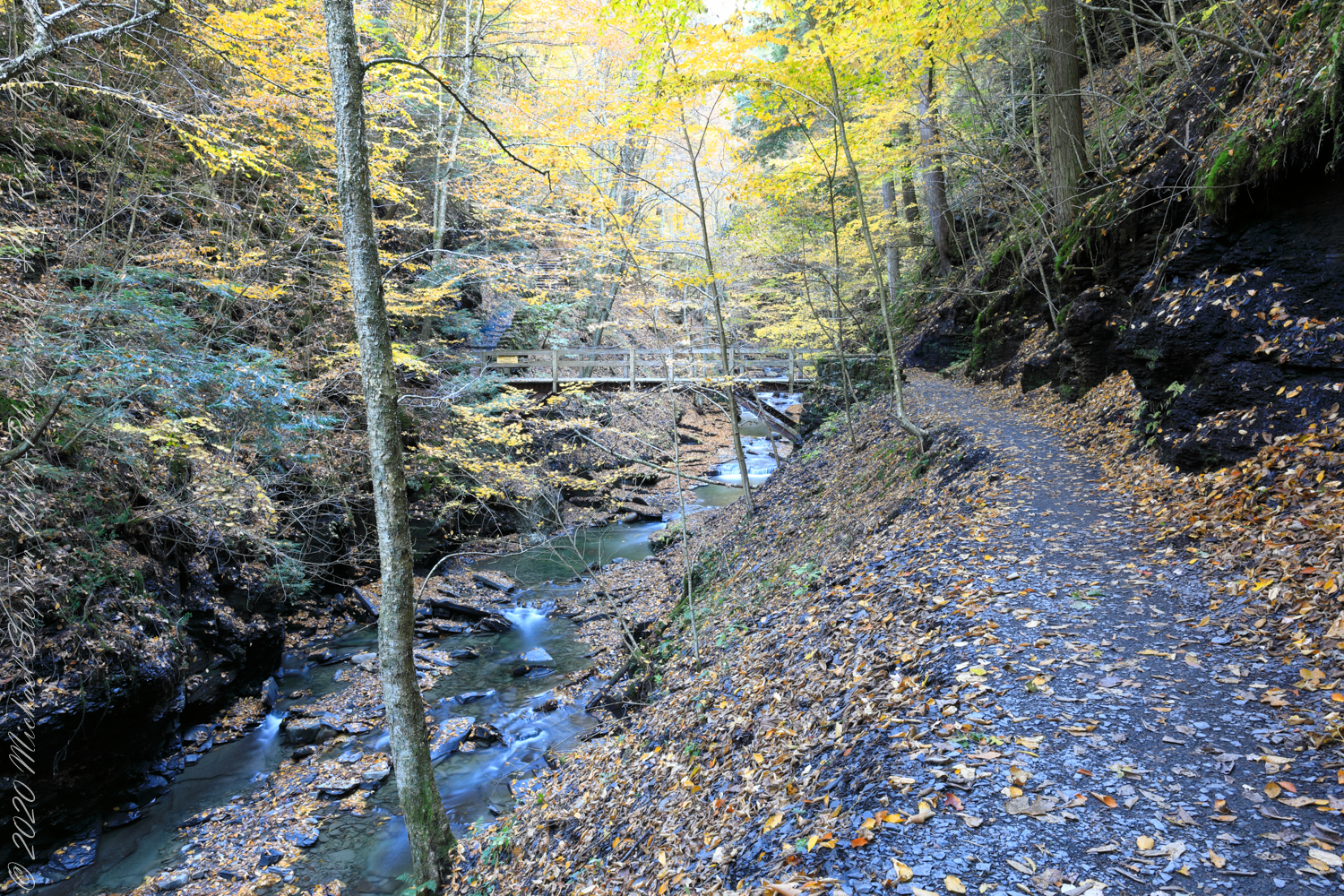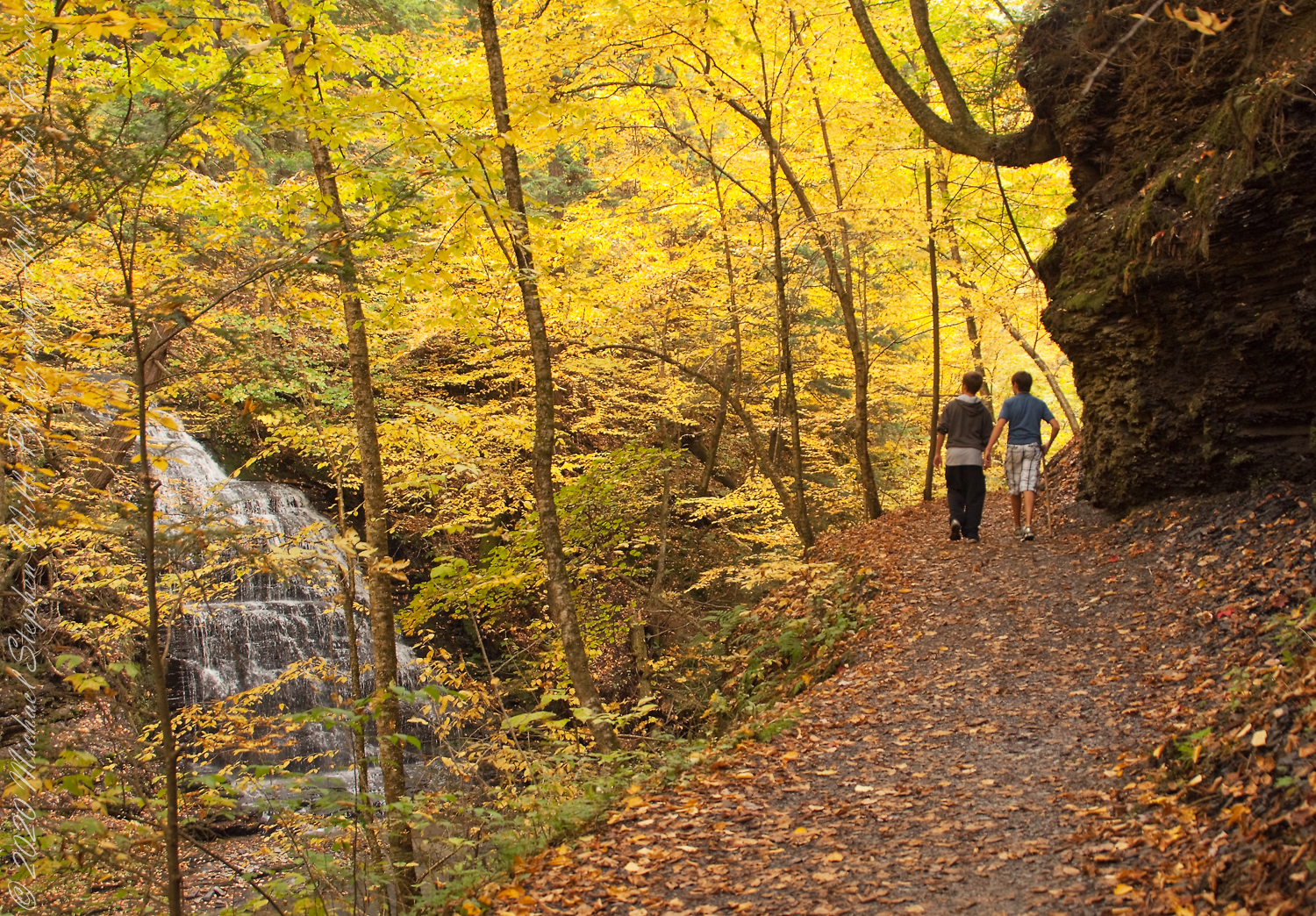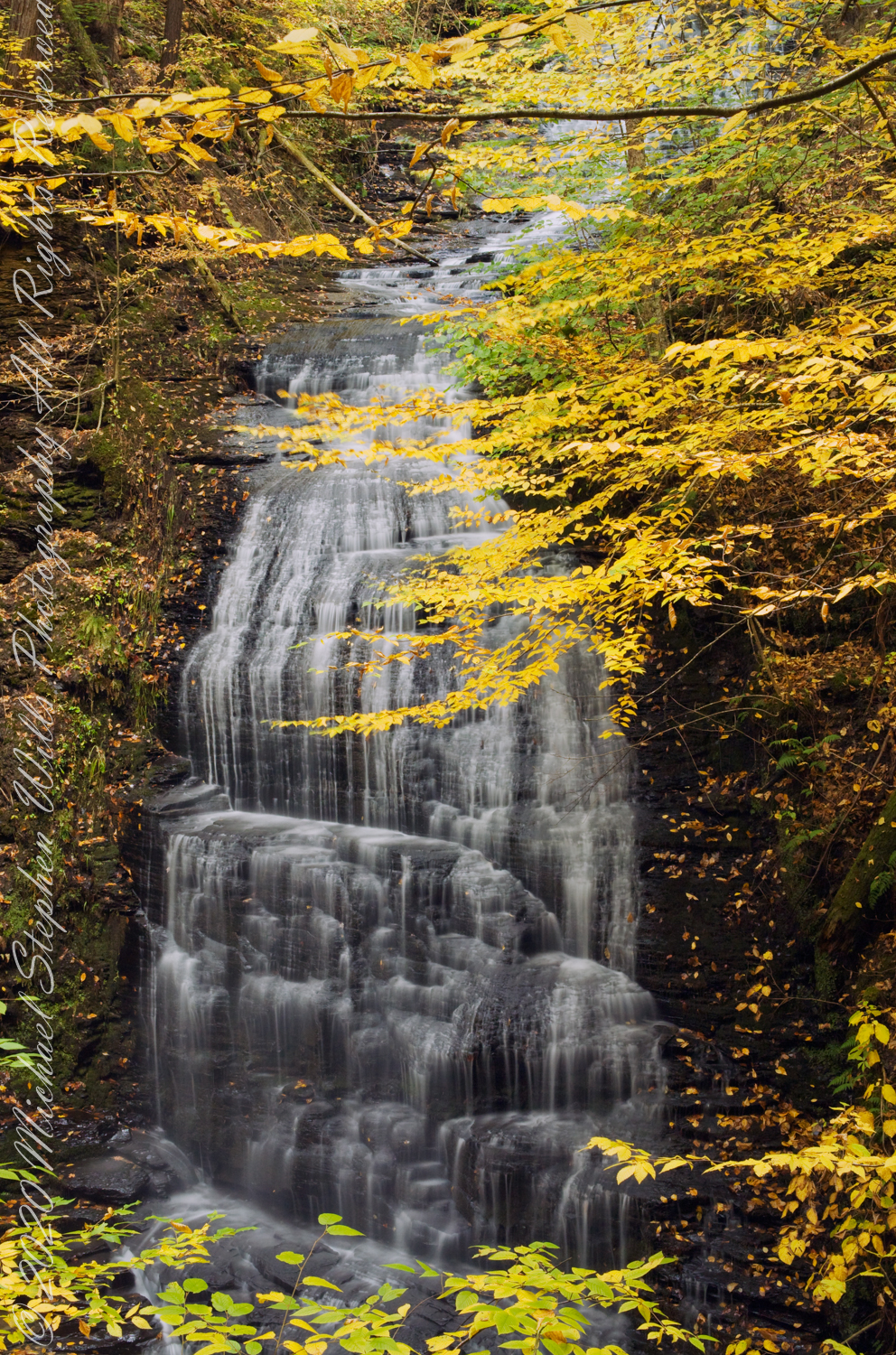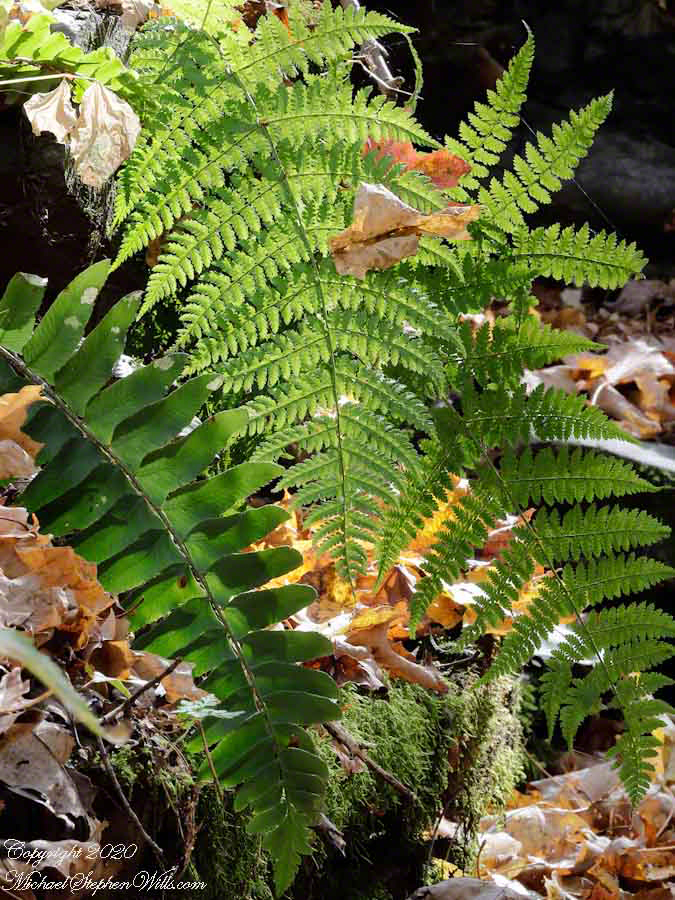
Backlit

Ferns, ancient plants with unique reproduction strategies and ecological significance, adapt to diverse environments while contributing to overall biodiversity and human culture.

In the vast tapestry of the plant kingdom, ferns occupy a unique and enduring place. These ancient plants, often overlooked in favor of their flowering counterparts, have a fascinating and seemingly eternal existence that spans millions of years. Ferns, with their lush green fronds and distinctive reproductive mechanisms, offer us a glimpse into the enduring legacy of life on Earth and the remarkable adaptations that have allowed them to persist through the ages.
Ferns belong to the group of plants known as Pteridophytes, which evolved more than 360 million years ago during the late Devonian period. Their evolutionary history predates the appearance of flowering plants, making ferns some of the oldest living organisms on our planet. This remarkable longevity raises the question: how have ferns managed to survive and thrive for so long?

One key to the success of ferns lies in their unique reproductive strategy. Unlike flowering plants that produce seeds, ferns reproduce via spores. These small, dust-like structures contain the genetic material necessary for ferns to reproduce. When mature, ferns release spores into the environment, where they can be carried by the wind or water to new locations. Once a spore finds a suitable environment, it can germinate and develop into a new fern plant.

The spore-based reproduction of ferns is not only ancient but also highly efficient. It allows ferns to colonize diverse habitats, from moist, shaded forests to arid deserts. Additionally, ferns can form extensive networks of underground rhizomes, which are creeping stems that give rise to new fronds. This vegetative propagation further contributes to their resilience and adaptability.

Ferns have also developed a range of adaptations that enable them to thrive in various environmental conditions. Some fern species, such as the resurrection fern (Pleopeltis polypodioides), can endure extreme desiccation. When conditions are dry, these ferns curl up and appear dead, but they can quickly revive and unfurl their fronds when moisture returns. Backpacking through mountainous Arizona wilderness I encountered small ferns growing in the shade of rock ledges, maybe this was Phillips Cliff Fern (Woodsia phillipsii). My guide called it “Ridgeline Fern” and claimed it was important for desert survival, could be eaten in extremis situations. This remarkable ability to withstand drought and promote human survival is a testament to the tenacity and usefulness of ferns.
Another intriguing aspect of ferns is their mutualistic relationship with mycorrhizal fungi. These fungi form symbiotic associations with fern roots, aiding in nutrient absorption and enhancing the fern’s ability to thrive in nutrient-poor soils. This partnership has likely contributed to the fern’s ability to colonize a wide range of habitats and compete with other plant species.

While ferns have proven to be resilient survivors, they have also played a crucial role in shaping Earth’s ecosystems. Ferns are often early colonizers in disturbed or newly formed habitats, and their presence can help stabilize soils and create conditions suitable for the establishment of other plant species. In this way, ferns contribute to the ecological succession and overall biodiversity of ecosystems.

Beyond their ecological significance, ferns have captured the human imagination for centuries. Their delicate and intricate fronds have inspired art, literature, and even garden design. Many garden enthusiasts cultivate ferns for their ornamental beauty and unique charm.

In conclusion, the eternal life of ferns is a testament to the remarkable adaptability and resilience of these ancient plants. Their longevity, dating back millions of years, serves as a reminder of the enduring nature of life on Earth. Ferns have evolved unique reproductive strategies, adaptations to various environments, and mutualistic relationships that have allowed them to persist and thrive. Whether they are serving as pioneers in newly formed habitats or gracing our gardens with their elegance, ferns continue to capture our fascination and enrich the natural world. Their legacy reminds us of the intricate and interconnected web of life that has persisted on our planet through the ages.

Copyright 2023 Michael Stephen Wills All Right Reserved MichaelStephenWills.com

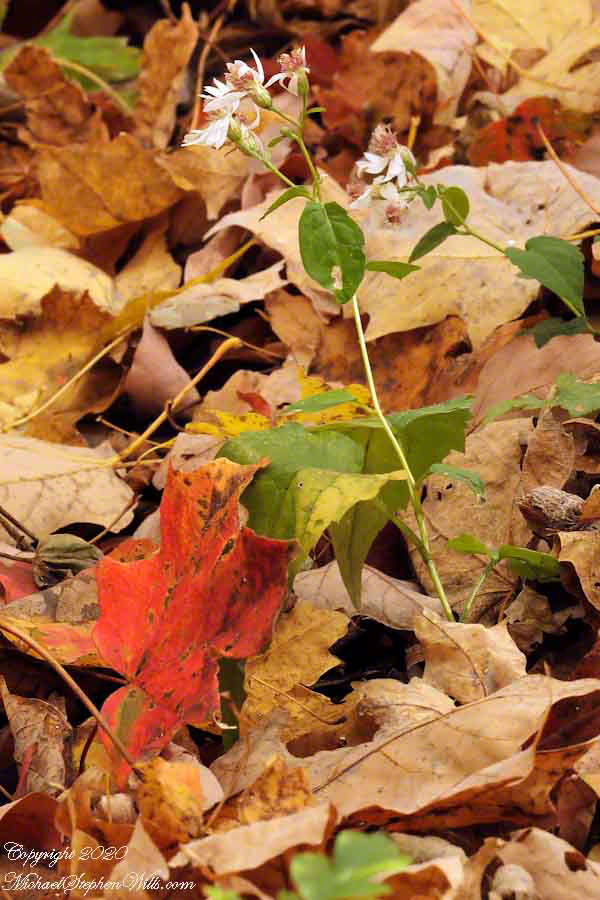
Among Fallen Leaves

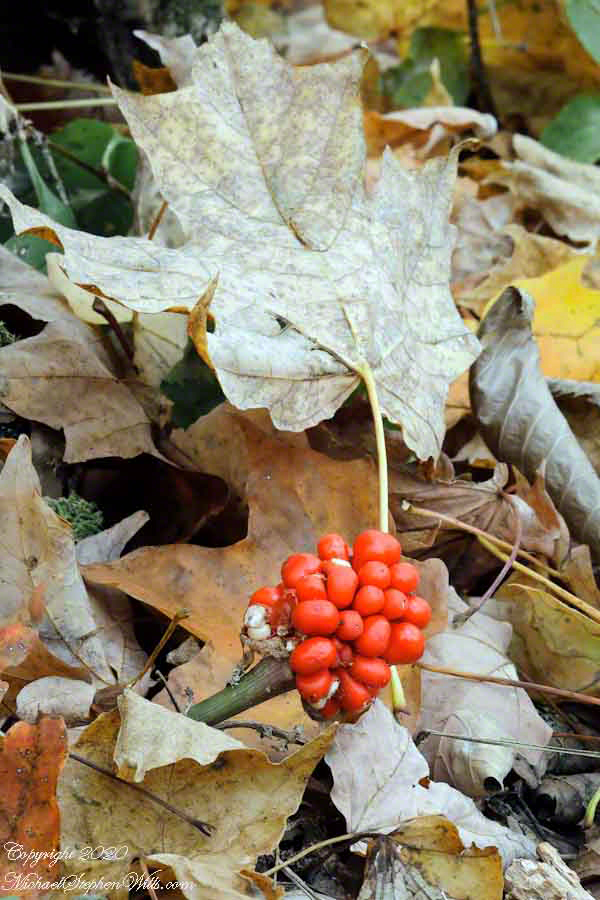
The red berries of the Jack-in-the-Pulpit plant play a key role in seed dispersion, wildlife sustenance, and fueling its energy storage organ, the corm.

As the crisp air of autumn settles in and the leaves begin their spectacular transformation into hues of red, orange, and yellow, the forest floor comes alive with a myriad of hidden wonders. Among these wonders, the Jack-in-the-Pulpit (Arisaema triphyllum) stands out for its striking red berries and the role they play in the fall glory of the woodland ecosystem. In this essay, we will explore the beauty and significance of these red berries and how they are intrinsically linked to the plant’s corm.

The Jack-in-the-Pulpit, a native perennial herbaceous plant of North America, is known for its distinctive appearance, featuring a hood-like structure known as the spathe and a tall, slender stalk called the spadix. It is during the fall season that the plant’s fascinating red berries make their appearance, contrasting vividly against the backdrop of autumn’s colors. These berries are the result of a process that begins in the spring, when the plant first emerges from its underground corm.

Throughout the growing season, the Jack-in-the-Pulpit devotes its energy to producing these striking red berries, which serve several important ecological functions. The red berries are not only visually appealing but also function as a means of reproduction for the plant. They contain seeds that, once mature, can be dispersed to establish new Jack-in-the-Pulpit plants. These seeds are often transported by animals that consume the berries, such as birds and rodents, which then disperse them in their droppings, contributing to the plant’s spread throughout the forest.

The bright red color of the berries is a key feature that attracts birds, making them an essential food source during the fall and early winter months. Birds like thrushes, cardinals, and robins are known to feed on the Jack-in-the-Pulpit berries, aiding in seed dispersal while benefiting from the nutrient-rich fruits. This mutualistic relationship between the plant and its avian dispersers showcases the interconnectedness of the forest ecosystem, where each species relies on the other for survival and propagation.

The significance of the Jack-in-the-Pulpit’s red berries extends to the corm beneath the surface. The corm serves as an energy storage organ for the plant, helping it survive through the harsh winter months when the above-ground parts of the plant wither and die. During the fall, as the plant directs its energy toward producing berries, it also transfers nutrients to the corm, ensuring its vitality and readiness for the following spring.

Furthermore, the corm itself can serve as an energy reserve for the production of future berries and the growth of new shoots. As the plant enters dormancy, it relies on the stored energy in the corm to fuel its growth when conditions become favorable in the next growing season. In this way, the corm and the red berries are intricately linked, with the berries representing the culmination of a year-long process of energy accumulation and reproduction.

In conclusion, the red berries of the Jack-in-the-Pulpit are a captivating and vital component of the fall glory that graces our woodlands. Their vibrant color and ecological role in seed dispersal highlight the plant’s contribution to the forest ecosystem’s richness and diversity. Moreover, these berries are a testament to the interconnectedness of nature, as they are not only visually stunning but also an essential food source for wildlife. As we marvel at the beauty of fall and explore the wonders of the natural world, let us take a moment to appreciate the significance of the red berries of the Jack-in-the-Pulpit and their role in the intricate web of life that surrounds us.

Copyright 2023 Michael Stephen Wills All Right Reserved MichaelStephenWills.com

Farewell to the Monarchs for 2023

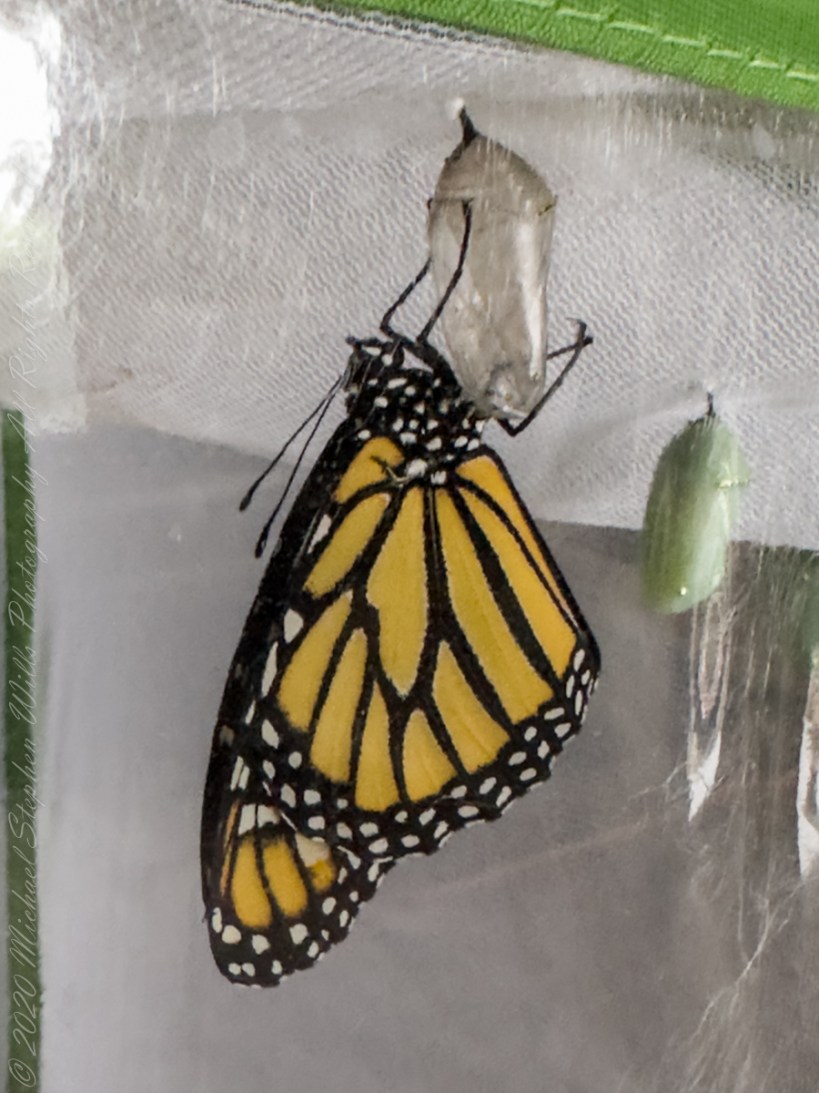
Monarch from caterpillar to chrysalis to butterfly

Here are two of the ten monarchs we release this year. In under three minutes this video shows a monarch caterpillar transforming into a chrysalis, emerging two weeks later as a butterfly. Music “Emotional Underscores Vol. 3” by Yuri Sazonoff (SOCAN) “Can You Guess” and “Blessing”

Migrating monarchs soar at heights of up to 1,200 feet. As sunlight hits those wings, it heats them up, but unevenly. Black areas get hotter, while white areas stay cooler. The scientists believe that when these forces are alternated, as they are with a monarch’s white spots set against black bands on the wings’ edges, it seems to create micro-vortices of air that reduce drag—making flight more efficient.

Monarchs begin leaving the northern US and Canada in mid-August. They usually fly for 4-6 hours during the day, coming down from the skies to feed in the afternoon and then find roosting sites for the night.  Monarchs cannot fly unless their flight muscles reach 55ºF. On a sunny day, these muscles in their thorax can warm to above air temperature when they bask (the black scales on their bodies help absorb heat), so they can actually fly if it is 50ºF and sunny. But on a cloudy day, they generally don’t fly if it is below 60ºF.

“Migrating monarchs use a combination of powered flight and gliding flight, maximizing gliding flight to conserve energy and reduce wear and tear on flight muscles.  Monarchs can glide forward 3-4 feet for every foot they drop in altitude.  If they have favorable tail or quartering winds, monarchs can flap their wings once every 20-30 feet and maintain altitude. Monarchs are so light that they can easily be lifted by the rising air. But they are not weightless. In order to stay in the air, they must move forward while also staying within the thermal. They do this by moving in a circle. The rising air in the thermal carries them upward, and their overall movement ends up being an upward spiral. Monarchs spiral upwards in the thermal until they reach the limit/top of the thermal (where the rising air has cooled to the same temperature as the air around it). At that point, the monarch glides forward in a S/SW direction with the aid of the wind. It glides until it finds another thermal and rides that column of rising air upwards again.”
Reference: text in italics and quotes is from one of two online articles. “The monarch butterfly’s spots may be its superpower” National Geographic, June 2023 and “Fall Migration – How do they do it?” by Candy Sarikonda, September 2014.

Copyright 2023 Michael Stephen Wills All Rights Reserved

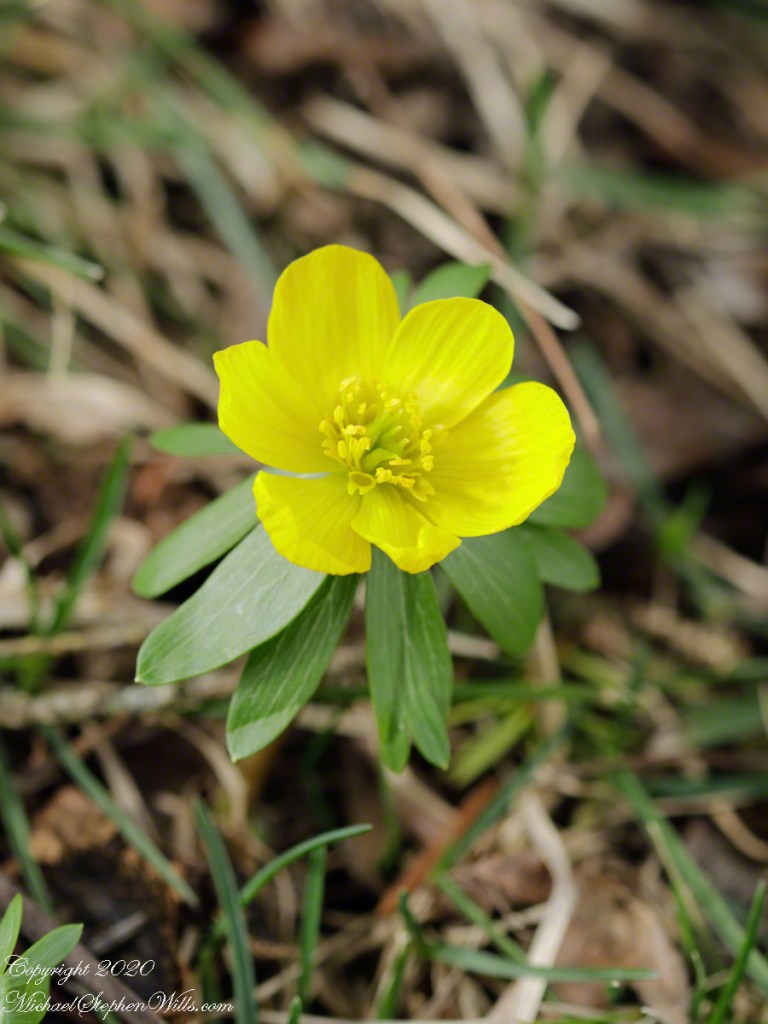
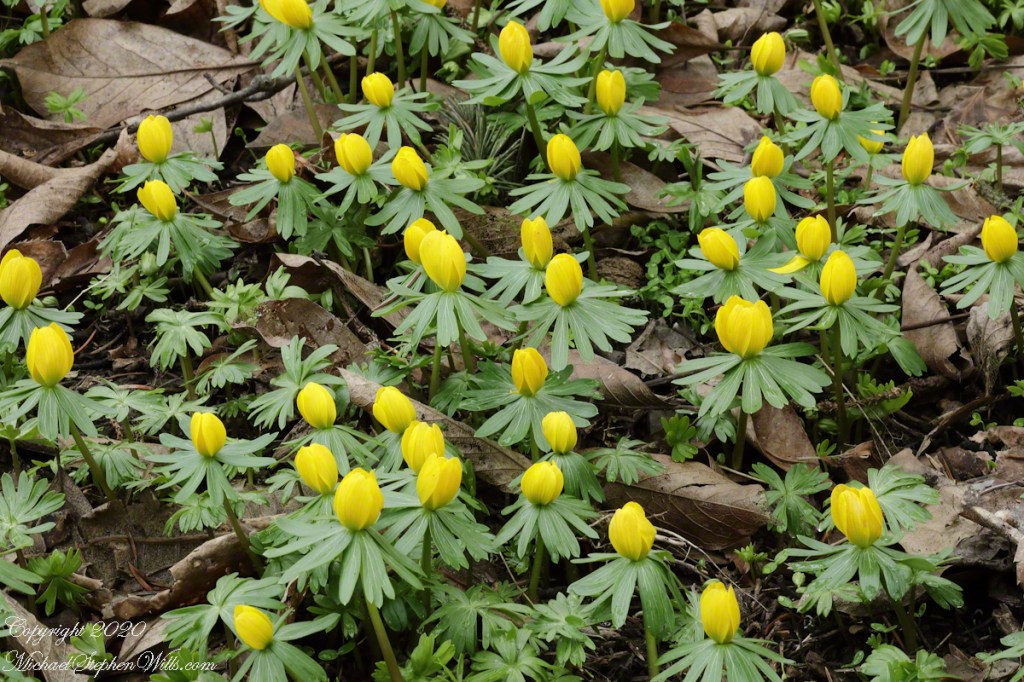
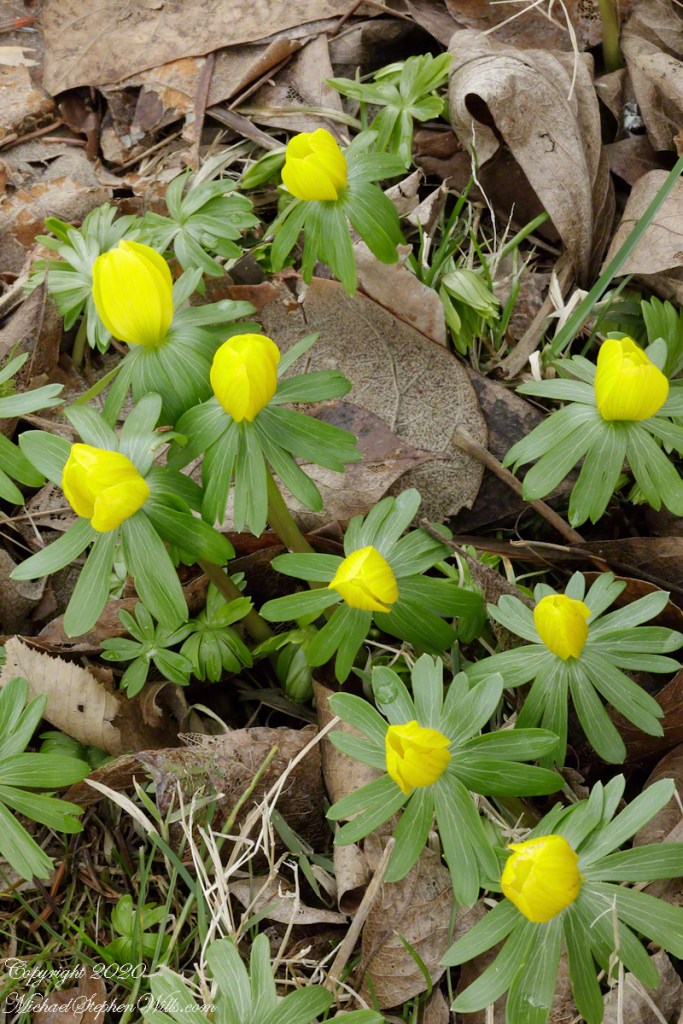
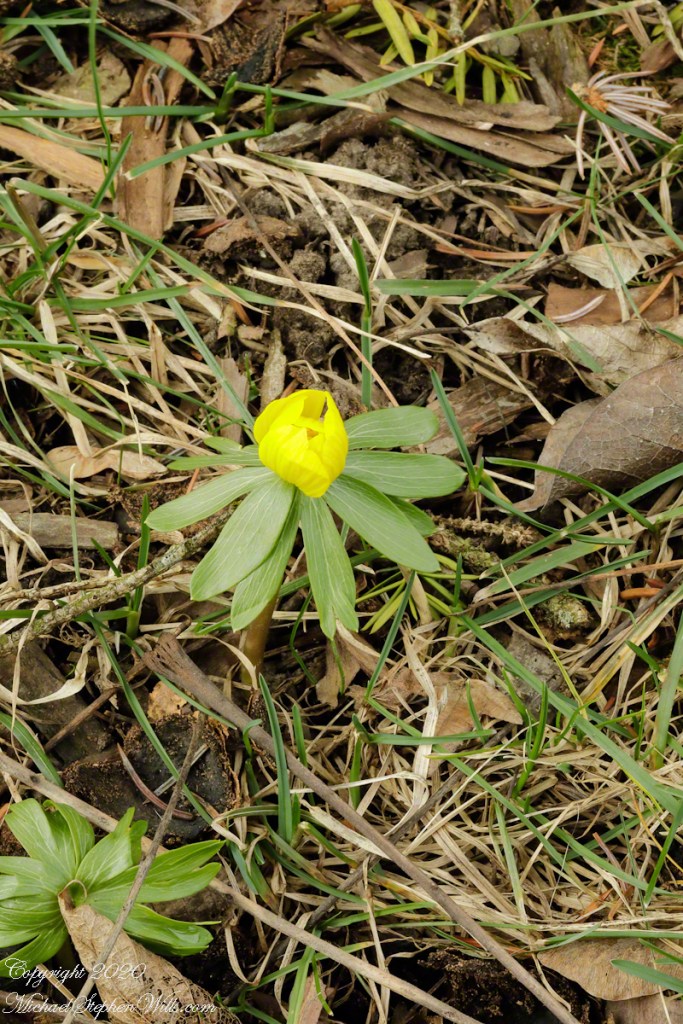
Anniversary Wildflower, aconite

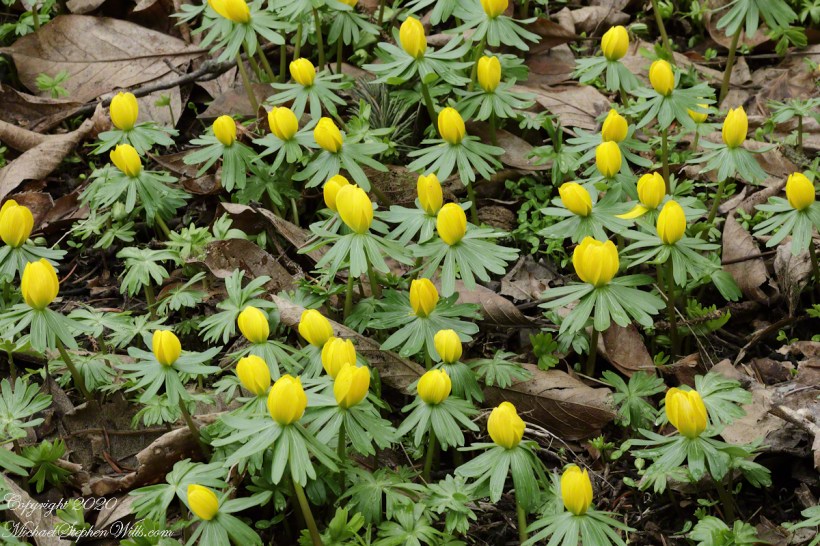
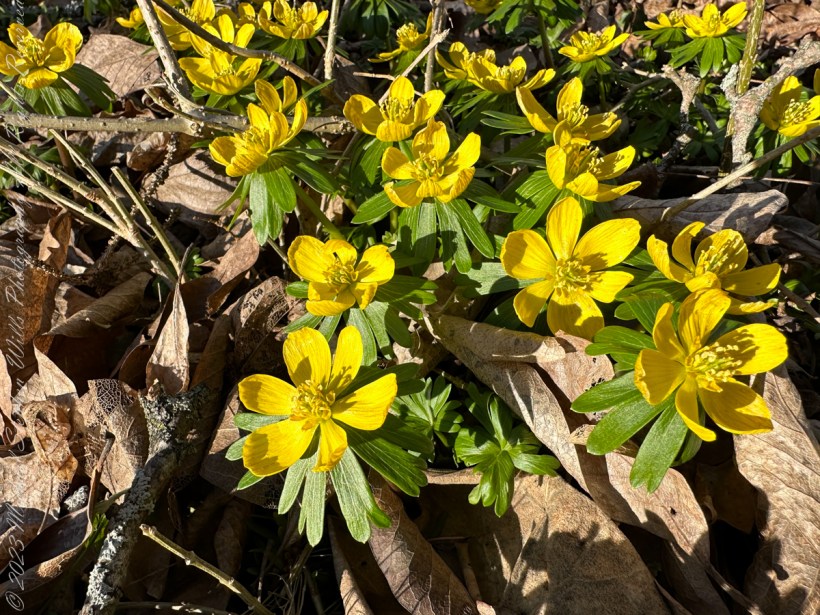
Our Winter Aconite started blooming around Valentines Day, February 14, 2023.

The following photograph is from the Apple IPhone 14 ProMax, raw format and perfected on the phone. The rest are from the Canon 5D Mark IV with the lens EF 100mm f/2.8 Macro USB.

Click Me for more photographic art from my OnLine Gallery, “Finger Lakes Memories.”

As a spring ehemeral plant, its life cycle exploits the deciduous woodland canopy, flowering at the time of maximum sunlight reaching the forest floor, then completely dying back to its underground tuber after flowering.

All parts of the plant are poisonous when consumed by humans and other mammals because it contains cardiac glycosides.

The species name Eranthis hyemalis proclaims the early nature of its flowering both in the genus, “Eranthis” – “spring flower”, and species, “hyemalis” – winter flowering. The genus encompasses eight species, all early flowering winter aconite.

Reference: Wikipedia “Eranthis hyemalis” and “Eranthis.”

Copyright 2023 All Rights Reserved Michael Stephen Wills

Anniversary Wildflower, crocus

The crocus has been known throughout recorded history, mainly as the source of saffron.

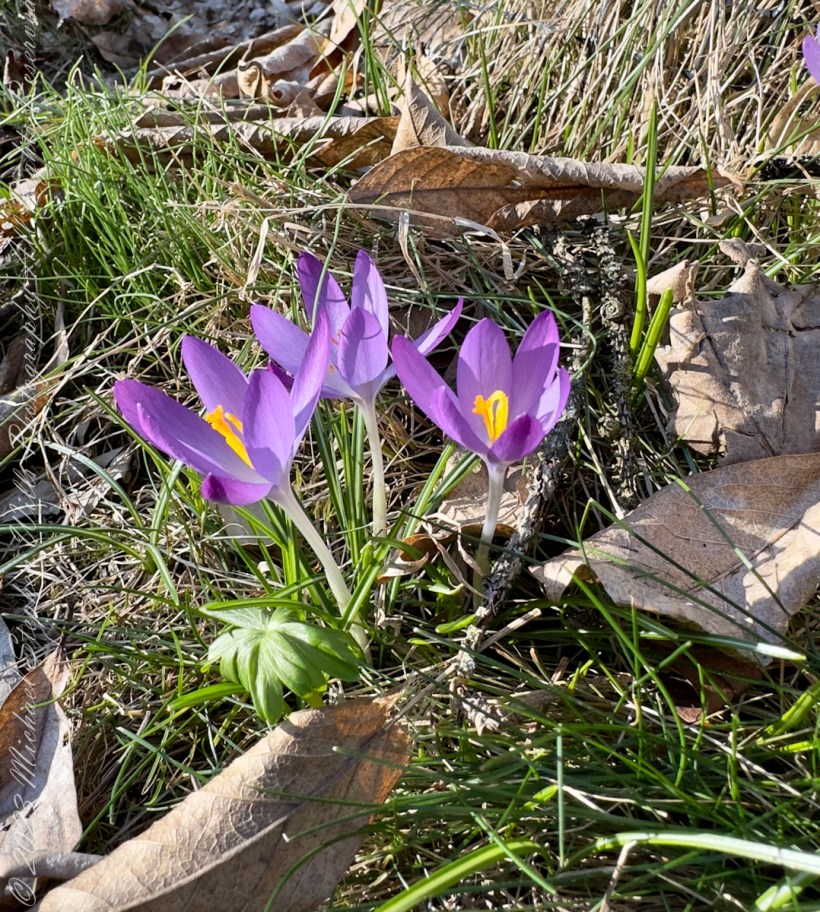
I found crocuses blooming beneath our magnolia tree on our 14th anniversary, Monday, March 20, 2023.

The following photograph is from the Apple IPhone 14 ProMax, raw format and perfected on the phone. The rest are from the Canon 5D Mark IV with the lens EF 100mm f/2.8 Macro USB.

Click Me for more photographic art from my OnLine Gallery, “Finger Lakes Memories.”

“Crocus is a genus of seasonal flowering plants in the family Iridaceae (iris family) comprising about 100 species of perennials growing from corms. They are low growing plants, whose flower stems remain underground, that bear relatively large white, yellow, orange or purple flowers and then become dormant after flowering. Many are cultivated for their flowers, appearing in autumn, winter, or spring. The flowers close at night and in overcast weather conditions.”

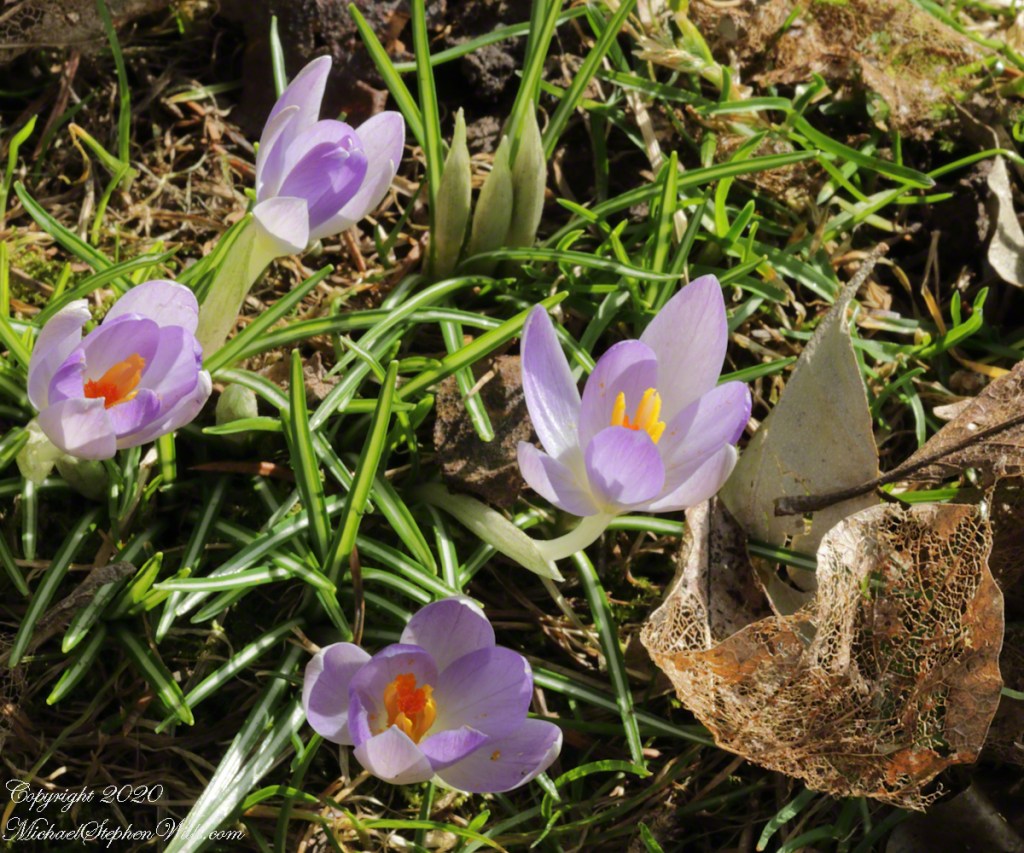
Here are partially closed blooms under the same magnolia tree on a very cold March 2020 afternoon.

“The crocus has been known throughout recorded history, mainly as the source of saffron. Saffron is obtained from the dried stigma of Crocus sativus, an autumn-blooming species. It is valued as a spice and dyestuff and is one of the most expensive spices in the world. Iran is the center of saffron production. Crocuses are native to woodland, scrub, and meadows from sea level to alpine tundra from the Mediterranean, through North Africa, central and southern Europe, the islands of the Aegean, the Middle East and across Central Asia to Xinjiang in western China. Crocuses may be propagated from seed or from daughter cormels formed on the corm, that eventually produce mature plants. They arrived in Europe from Turkey in the 16th century and became valued as an ornamental flowering plant.” Source: wikipedia “crocus”

Copyright 2023 All Rights Reserved Michael Stephen Wills

Last Bridge

Golden Road

Good news….Click Me for the link to my latest photographs accepted by Getty, from this series of 2022 Fillmore Glen. You may acquire reasonably priced rights to use these photographs in your work.

My Sony Alpha was in use during our October 16 drive to Fillmore Glen. As we traversed landscapes, autumn glory of Tompkins and Cayuga Counties was captured. Thank You, Pam, for driving.

Heading today’s post is a windshield shot, I’m loving the effect of a golden road.

During our walk, I used the Sony Alpha for a parallel series of shots to compliment the tripod mounted Canon. Here are some of those results.

Step up and over

Enjoy this collection of Fillmore Glen pathways

Fillmore Glen, New York State Park, Cayuga County, Moravia, New York

Copyright 2022 All Right Reserved Michael Stephen Wills

Waterfall Gallery

” I ventured up the gorge from bottom to this point where, blocked by an enormous shining emerald-colored ice wedge accumulated from the water pouring over the path in warmer months, I turned around”

Good news….Click Me for the link to my latest photographs accepted by Getty, from this series of 2022 Fillmore Glen. You may acquire reasonably priced rights to use these photographs in your work.

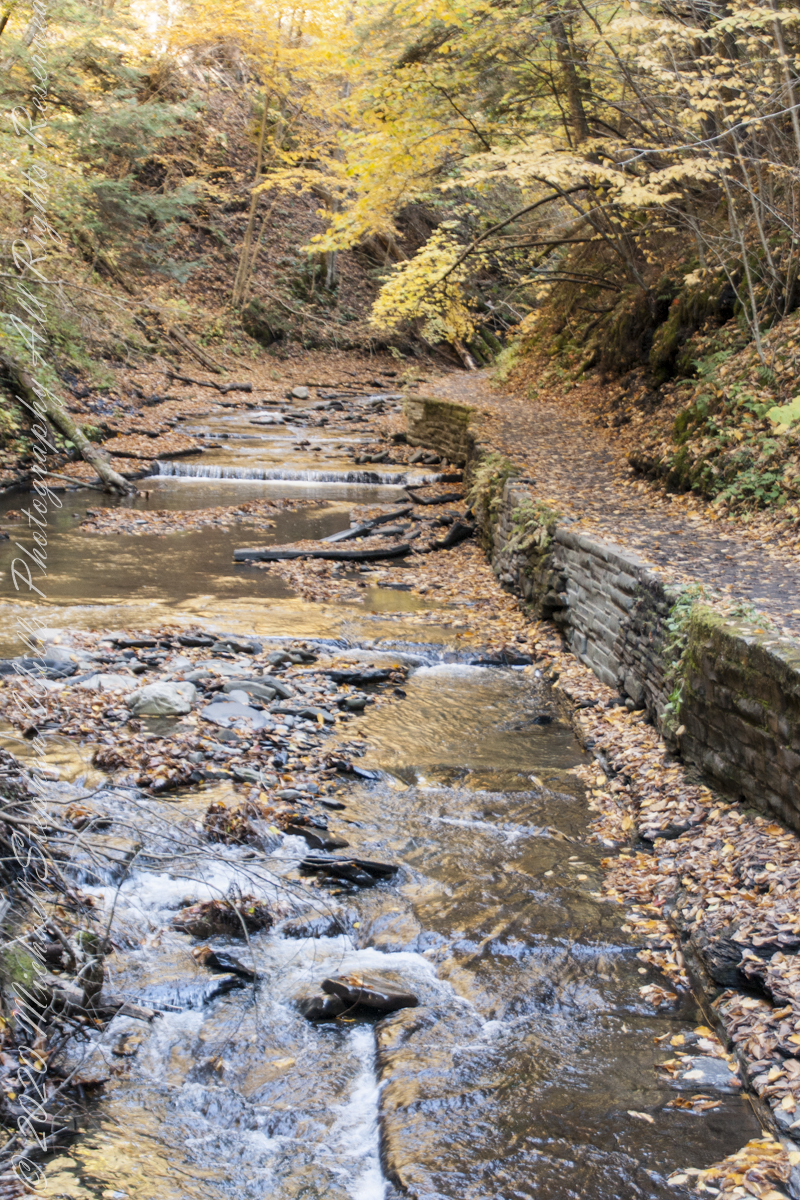
Between the metal walkway (see previous post) and the last numbered bridge, eight (8), the gorge narrows with sedimentary rock cliffs on either side, remnants of the forces that formed this rock in the form of water pouring from the porous stone flowing over the trail.

One February morning, equipped with climbing boots, crampons, gaiters, I ventured up the gorge from bottom to this point where, blocked by an enormous shining emerald-colored ice wedge accumulated from the water pouring over the path in warmer months, I turned around.

I call it a Waterfall Gallery for these walls bracing this wonderful collection of cascades in these photographs.

Waterfall gallery between bridges seven (7) and eight (8). Fillmore Glen, New York State Park, Moravia, Cayuga County, New York

A warm and cool versions of this spot.

Warm

Cool

Watch Your Step!!

Fillmore Glen, New York State Park, Cayuga County, Moravia, New York

Copyright 2022 All Right Reserved Michael Stephen Wills

Climb to Glory

New and Ancient

Good news….Click Me for the link to my latest photographs accepted by Getty, from this series of 2022 Fillmore Glen. You may acquire reasonably priced rights to use these photographs in your work.

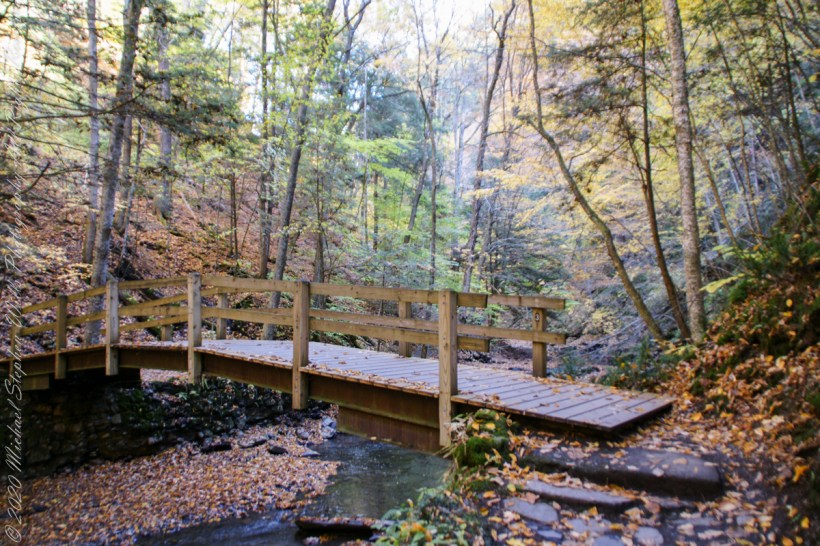
Crossing bridge seven (7), “Lovers’ Bridge, we encounter this passage, from the earliest work of the Civilian Conservation Corps of the 1930’s. Stairs carved into the Cambrian cliff. These images are a combination of handheld Sony Alpha dslr and tripod mounted Canon captures. Can you tell the difference (please comment on your insights).

View from the new walkway

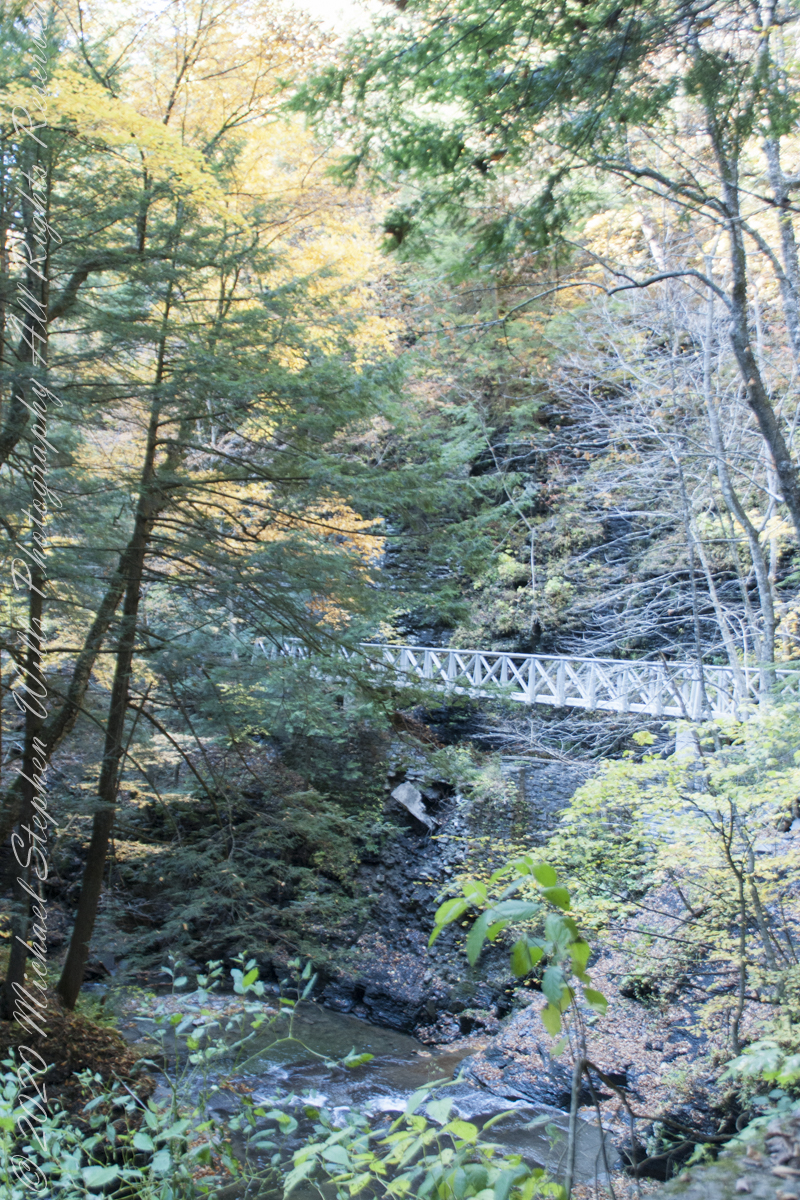
Looking back to the walkway installed this year. This span does not cross Dry Creek, is not included in the bridge count.

Overhead, the glorious autumn canopy

Fillmore Glen, New York State Park, Cayuga County, Moravia, New York

Copyright 2022 All Right Reserved Michael Stephen Wills

Lover’s Bridge

Lucky Seven

The remoteness of Gorge Trail bridge number seven (7) is a temptation to lovers.

View from Lovers’ Bridge

Fillmore Glen, New York State Park, Cayuga County, Moravia, New York

Copyright 2022 All Right Reserved Michael Stephen Wills

Gorge Wonder

Fillmore Glen Autumn

Ephemeral Waterfall Over the Years

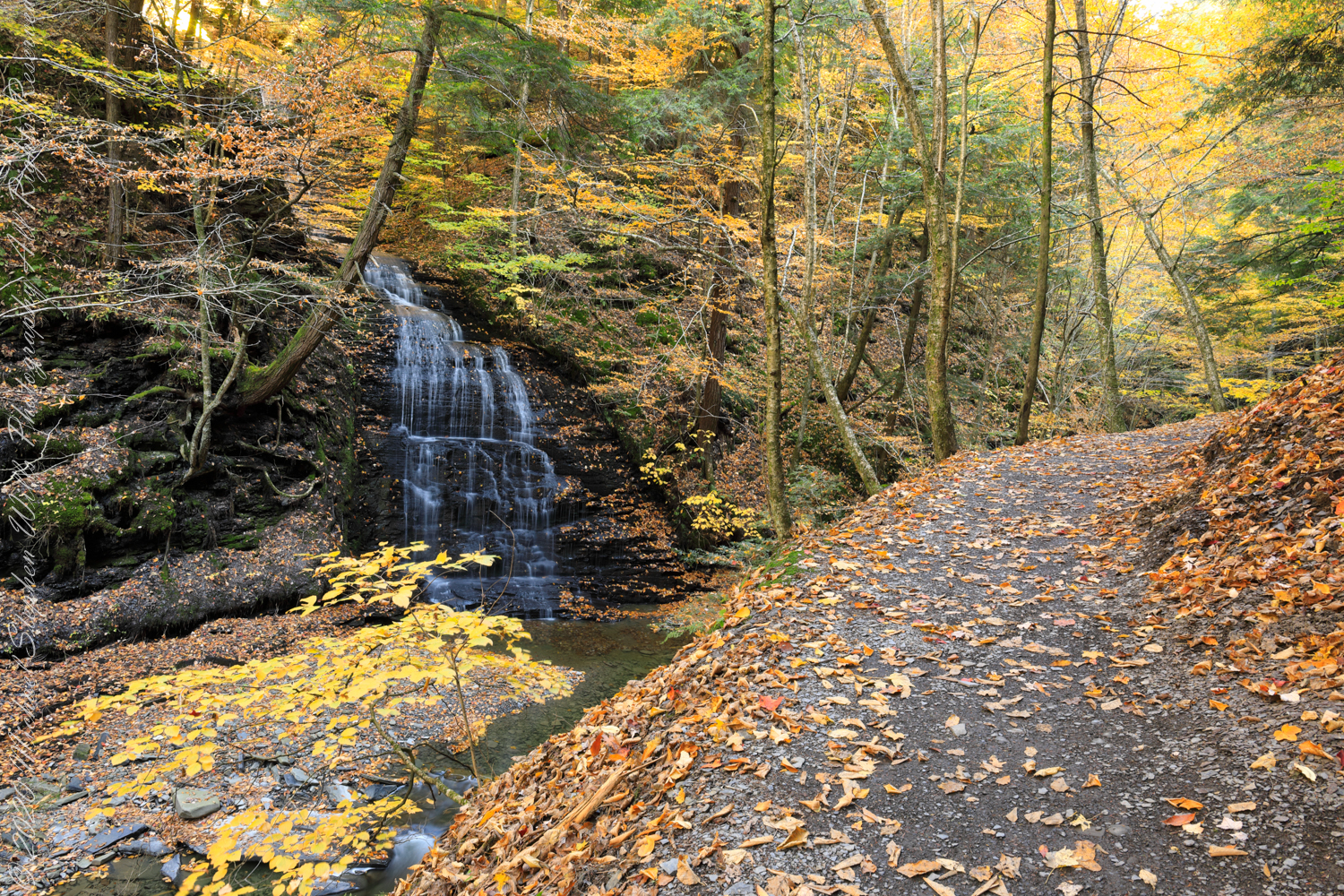
Between bridges six (6) and seven (7) on the Gorge trail a cascade comes down the canyon wall. Mid-summer this brook can dry out, the waterfall disappears leaving this spot naked of water.

Taken over a period of thirteen (13) years, the cascade was alive and well autumn-time. This year, after the summer drought our autumn rains were sparse, the flow is the lowest photographed.

Copyright 2022 All Right Reserved Michael Stephen Wills