Stones That Traveled: Glacial Erratics, Deep Time, and the Stories They Leave Behind

Glacial erratics are immigrant stones—carried south by ice, dropped without explanation, and left behind to challenge our sense of permanence, place, and deep time.

There are rocks that merely sit where gravity has placed them, and then there are rocks that arrive with stories already embedded—foreign syllables carried south on ice, dropped without explanation, and left for us to puzzle over. Glacial erratics belong to the second category. They are migrants with no passports, refugees of deep time, whose presence quietly contradicts the landscape that hosts them.

Long before anyone reached for a hand lens or an ice-flow diagram, people answered such contradictions with imagination. In Ireland, a boulder perched just so on a mountain side is not a geologic problem but a resting place. Leprechauns, we are told, favor such stones—high enough to observe human intrusion, solid enough to outlast it. Skepticism, as folklore reminds us, is not always a stable position. Kevin Woods—better known as McCoillte—found that out the hard way when doubt collided with experience on the slopes of Slieve Foye. What followed was not merely a conversion story, but an act of modern mythmaking: folklore translated into bureaucracy, imagination petitioning regulation, and “The Last Leprechauns” entering the unlikely language of conservation. Stone, story, and belief hardened together into something oddly durable.

Rocks such as this are a favorite perch for leprechauns to rest and contemplate the works of man who have invaded their world. Inhabitants of Carlingford who wander Slieve Foye have come upon them often enough, their stories and certitude in the existence of the Little People are resistant to manifold doubters with their reasons and arguments. Kevin Woods, aka McCoillte, was a doubter until worked on a stone wall on property he owned on Ghan Road, Carlingford. His belief did not arise on the discovery of the leather purse, covered with ages of dust and lime, nor with the gold coins inside. McCoillte pocketed the coins for luck. As luck would have it, McCoillte loved to walk on Slieve Foye. It was on one such walk he and his dog encountered Little People who paralyzed them to escape. His unexplained absence led to troubles with the wife. This experience brought McCoillte around to enough of a belief that he, with lots of help, succeeded in petitioning the E.U. European Habitats directive to recognize leprechauns a protected species. A reserve was establish on Slieve Foye to protect the “Last Leprechauns” and you can google this phrase to learn more about McCoillte’s stories.

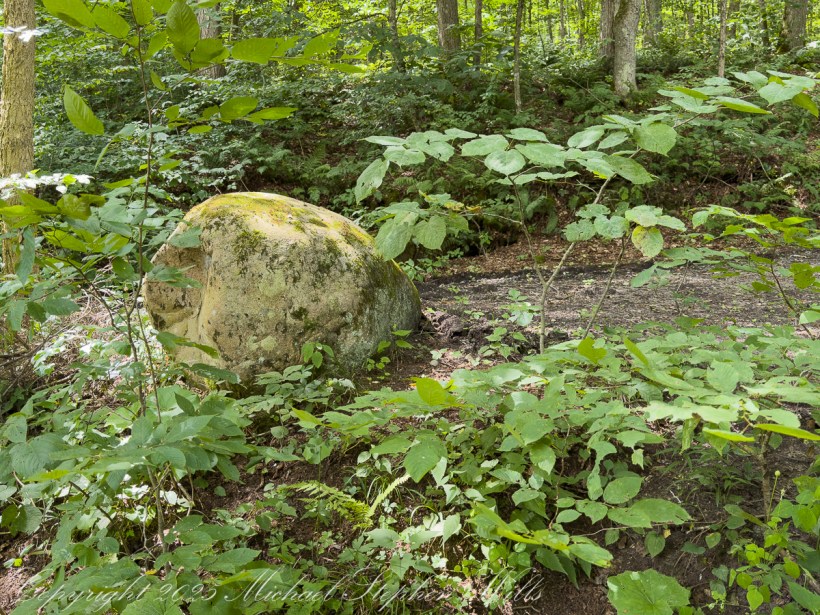
Back in the Finger Lakes, we tend to use a different grammar when confronted by an out-of-place rock. We name it, classify it, and trace its lineage northward. Erratics scattered across Tompkins County are geological sentences that begin somewhere else entirely. The bedrock beneath Ithaca—Devonian shale and sandstone—cannot account for crystalline intruders left behind like forgotten punctuation marks. These stones speak of ice sheets thick enough to erase valleys and decisive enough to transport mountains in fragments.

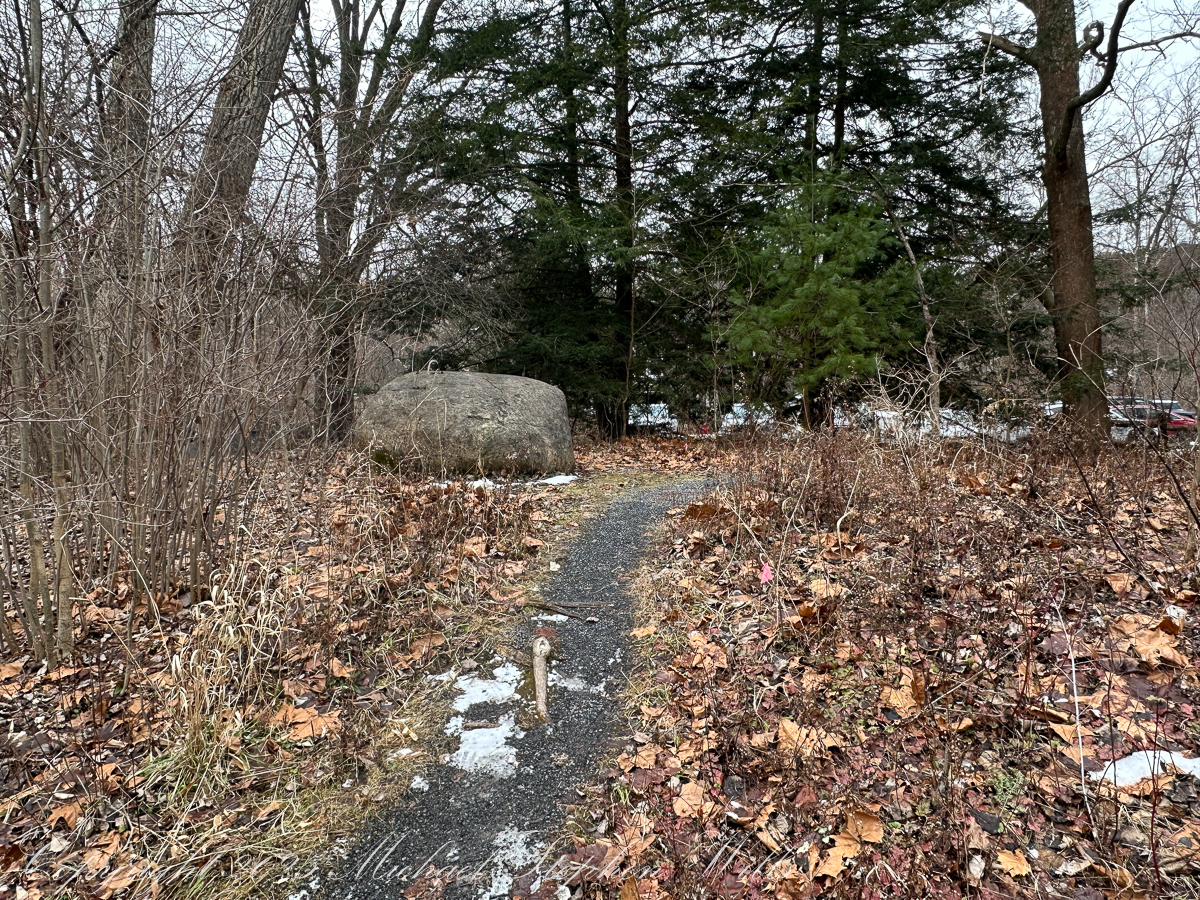
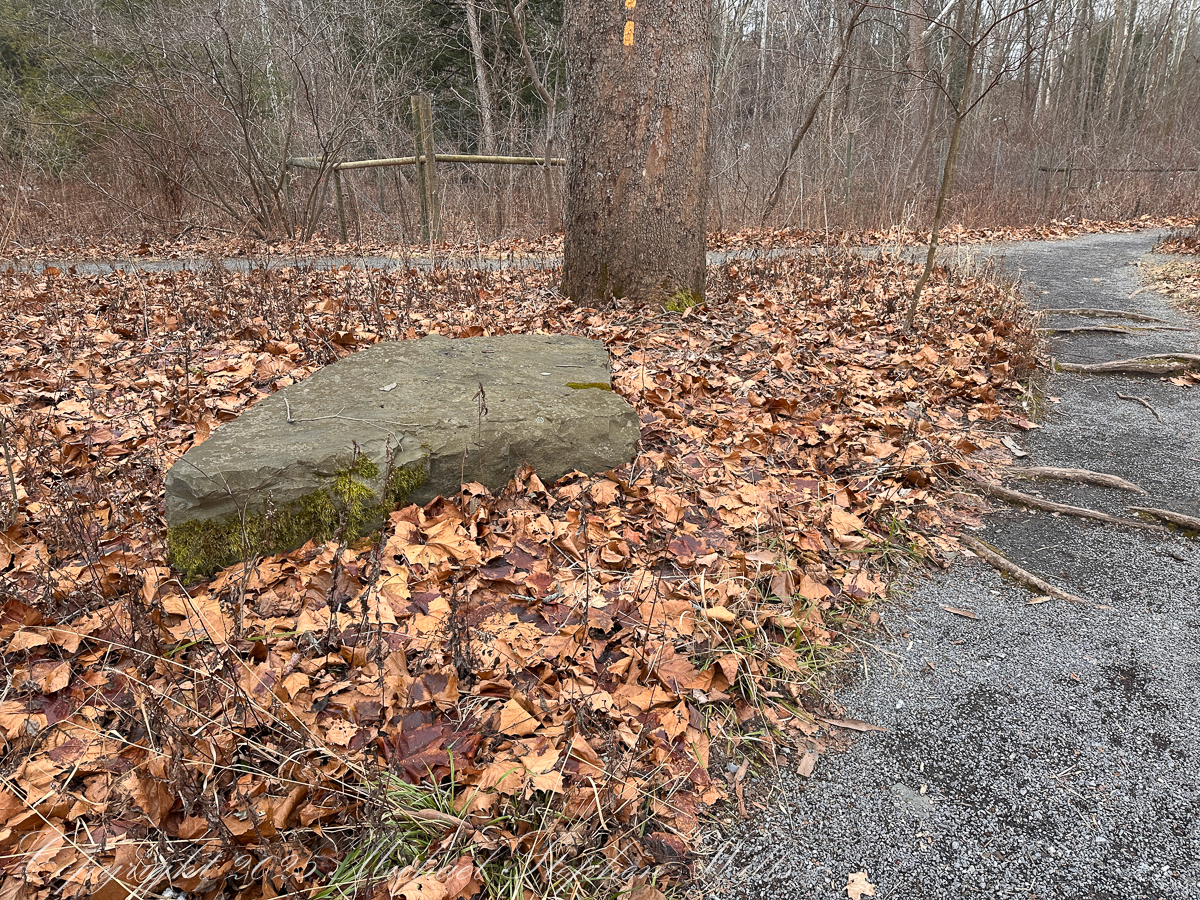
Some of those fragments have been domesticated. Cornell, for example, has never been shy about rearranging its stones. An unremarked erratic along the Allen Trail may once have been shrugged off as inconvenient rubble, while another—dragged from the Sixmile Creek valley—was carved into a seat and made eloquent. The Tarr memorial boulder, resting near McGraw Hall, transforms erratic stone into deliberate monument. It invites rest, contemplation, and perhaps gratitude for those who taught us how to read landscapes written by glaciers.
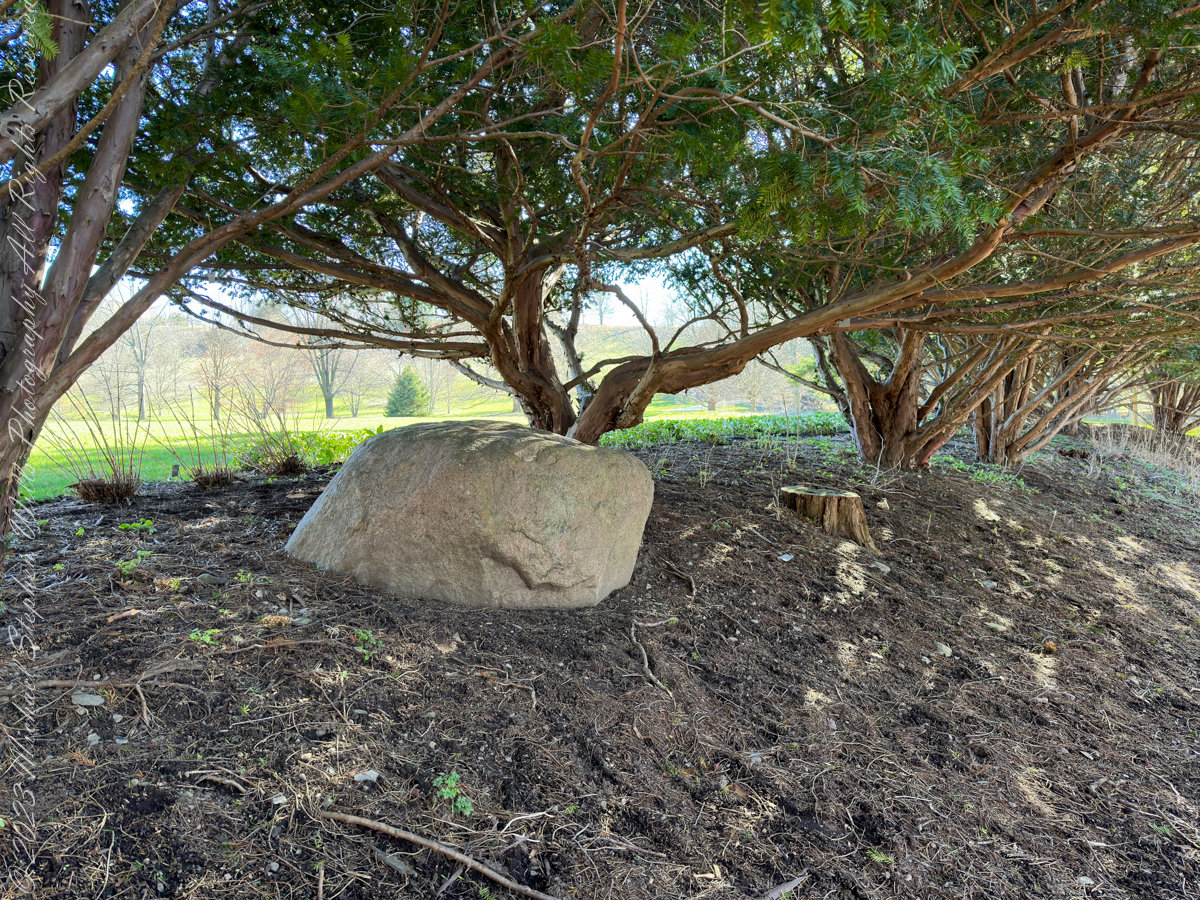
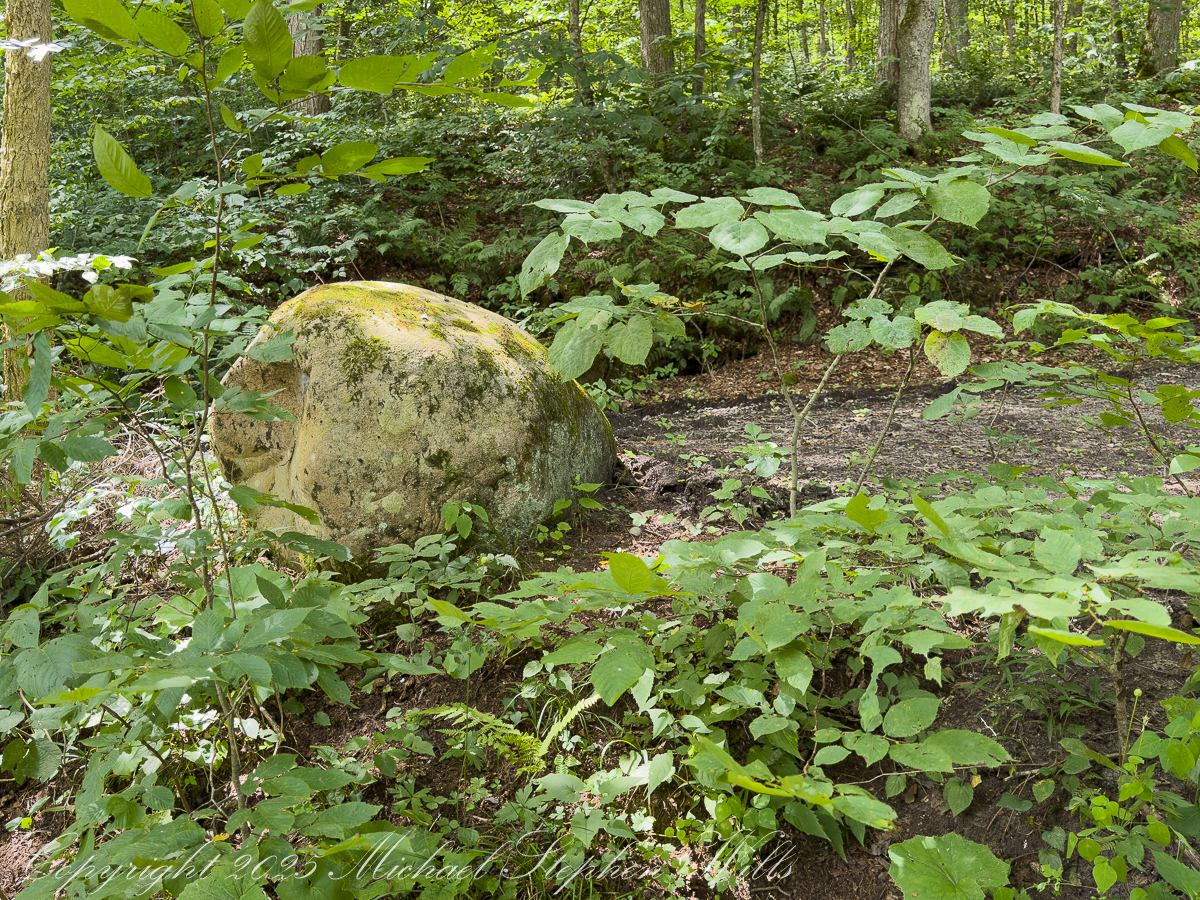
We find boulders of crystalline rock, commonly derived from Adirondack sources, left behind on the surface of ablation moraine, in the Finger Lakes Region. Cornell finds some and move them, maybe the case for this unremarked erratic found along the Allen Trail of FR Newman Arboretum. Another enormous erratic, brought in from the Sixmile Creek valley, was carved into a seat as a memorial to Professor R.S. Tarr who deciphered much of the glacial history of the Finger Lakes Region. Find it at the southwest corner of McCraw Hall on the Cornell University Campus. Reference: “The Finger Lakes Region: Its Origin and Nature,” O.D. von Engeln, Cornell University Press, 1961 page 106

Glacial Erratic, Fillmore Glen

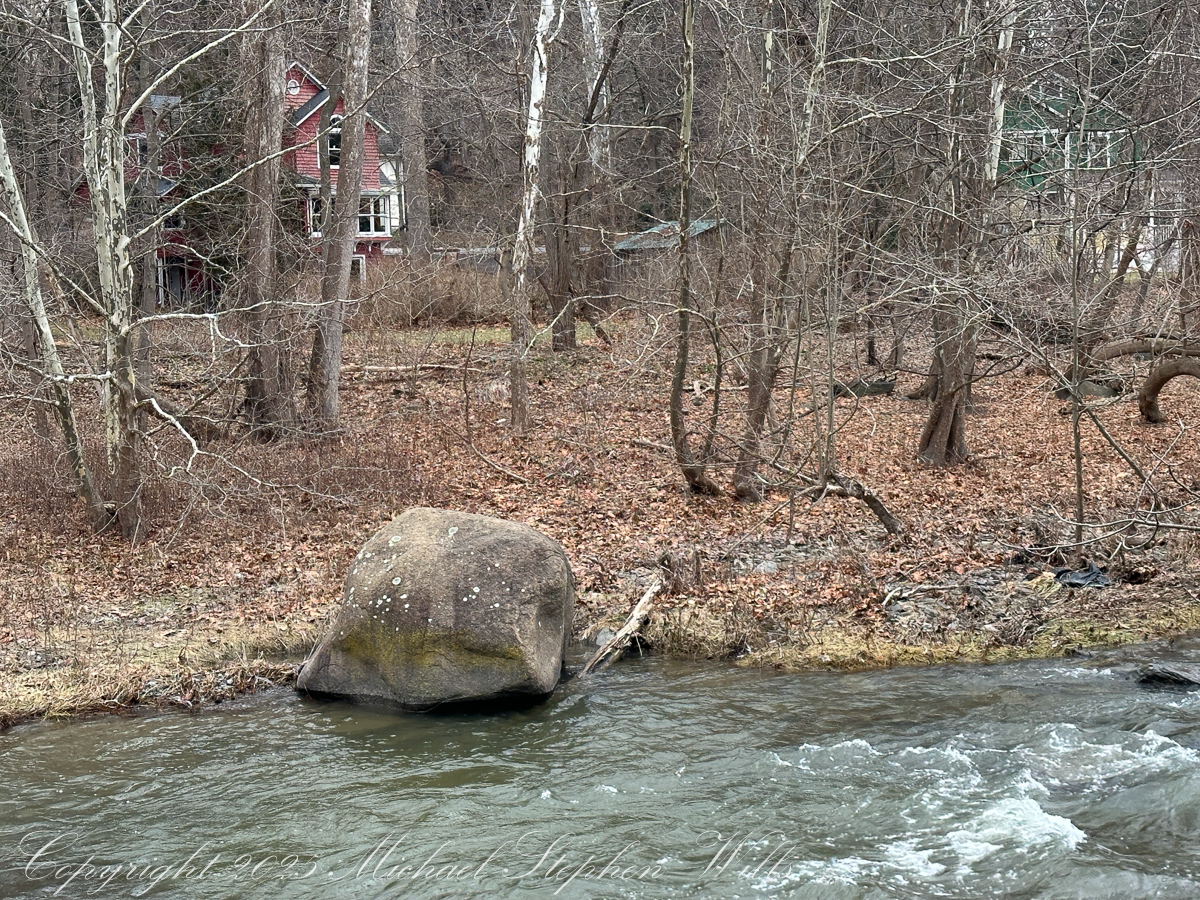
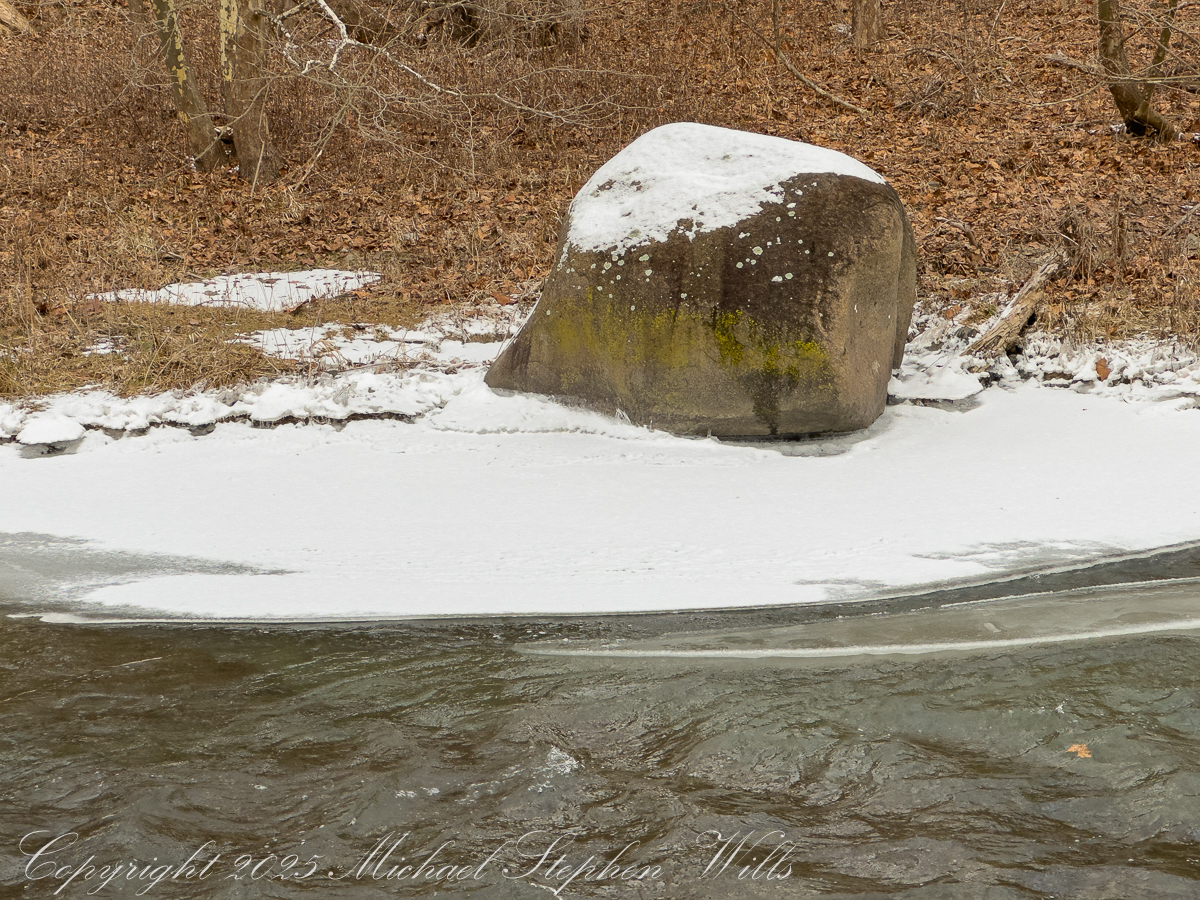
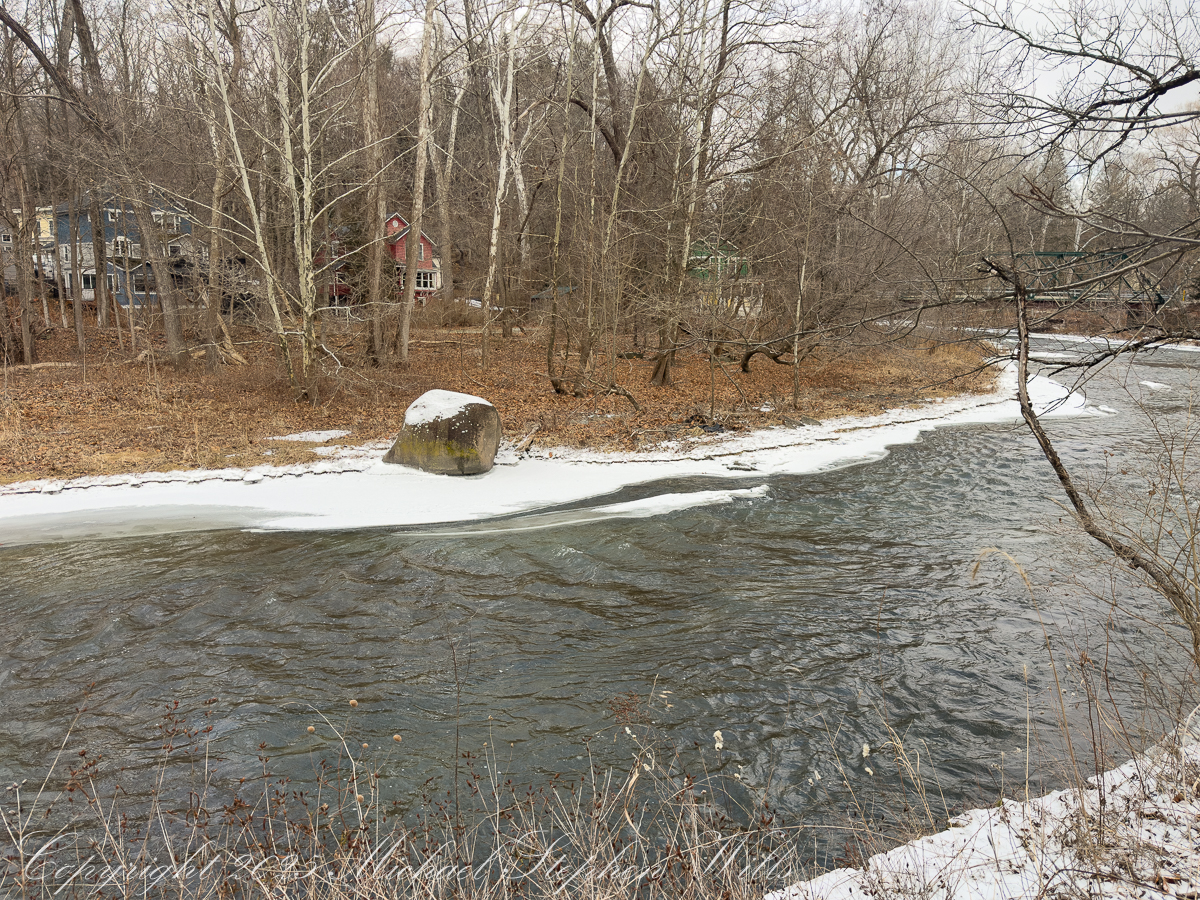
Elsewhere, erratics remain defiantly themselves. In winter, one along Fall Creek alternates between anonymity and revelation, depending on whether snow smooths its surface or retreats to expose lichen constellations. Bridges pass overhead, traffic flows, semesters turn over, yet the rock remains unimpressed. It has already endured pressure sufficient to rearrange its crystals; a passing academic calendar is not likely to trouble it.
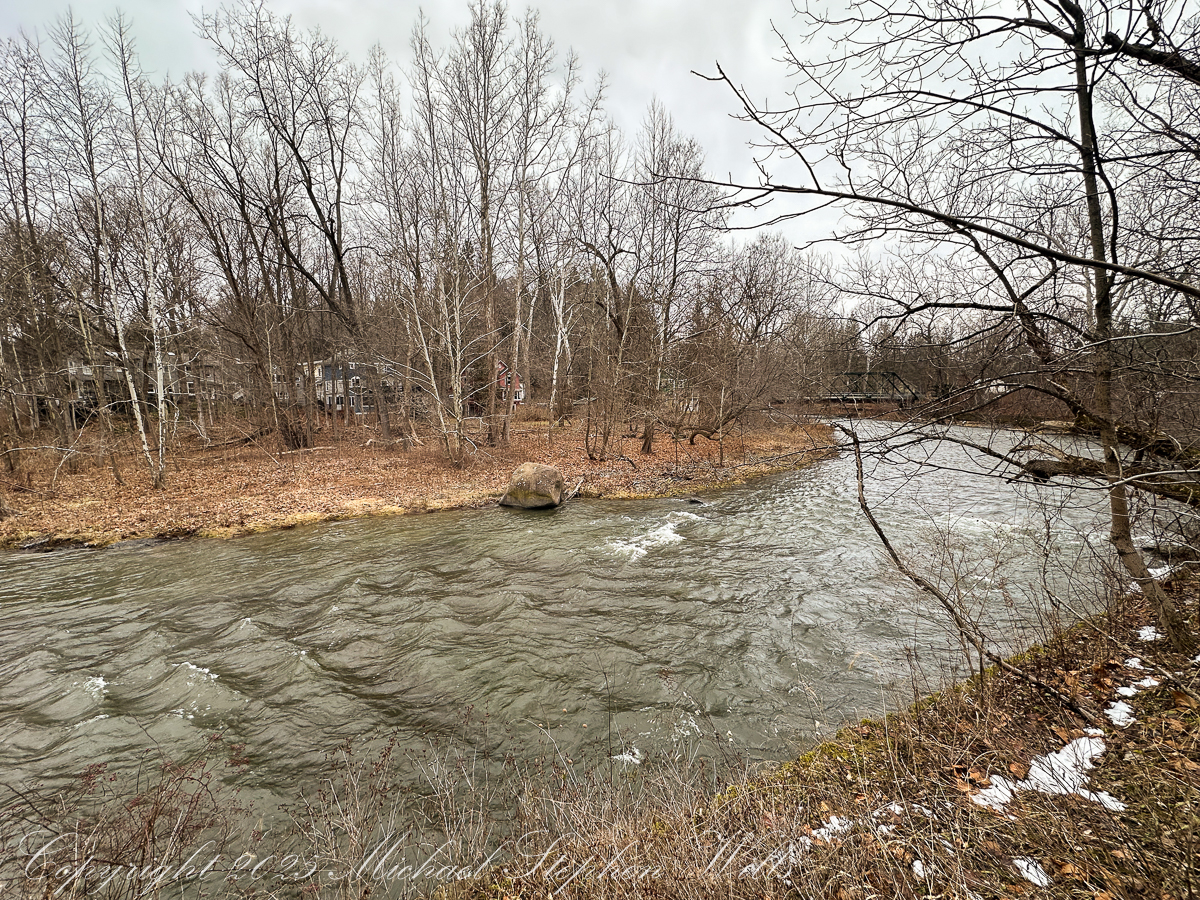
This boulder, a glacial erratic, was found near Fall Creek and the Cornell Botanic Gardens Horticulture Building. Cornell University, Ithaca, Tompkins County, New York State

This rock, a glacial erratic, was found near Fall Creek and the Cornell Botanic Gardens Horticulture Building. Cornell University, Ithaca, Tompkins County, New York State

Then there are the stones that confront us most directly—those we stumble upon in fields, pulled from soil by plow or frost, demanding explanation. A white, iron-stained marble boulder in a Tompkins County field is not subtle about its foreignness. It does not belong to the local vocabulary of shale and sandstone. Its pale surface, crystalline texture, and mineral scars point insistently north, toward the Grenville terrane of the Adirondack Lowlands. The Balmat–Edwards–Gouverneur marble belt offers the most persuasive origin story: metamorphosed carbonate rock carried south by Laurentide ice, released when climate and physics finally lost patience with one another.
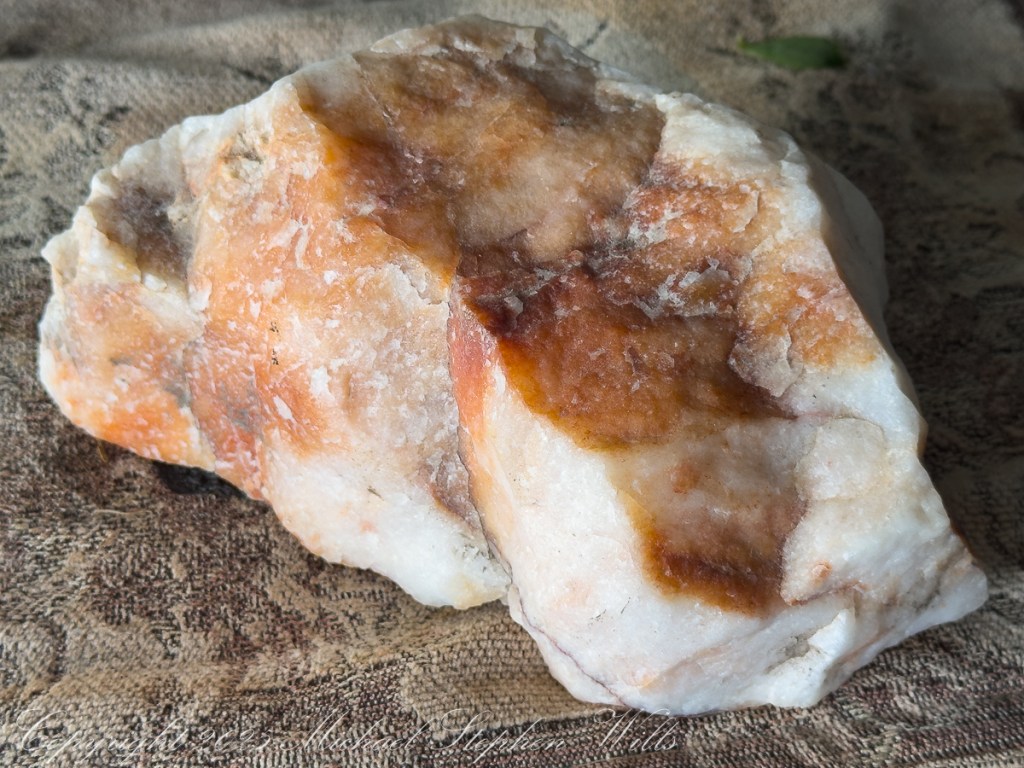
I found this white marble erratic in a Tompkins County field. The highest-probability source is Grenville marble from the NW Adirondack Lowlands / St. Lawrence County (Gouverneur/Balmat–Edwards marble belt), delivered by southward-flowing Laurentide ice. I say the most probable source is metamorphosed carbonate (marble) from the Grenville terrane to the north—especially the northwest Adirondack Lowlands / St. Lawrence County marble belt (the “Gouverneur Marble” and related Grenville marbles), transported south by the last Laurentide ice sheet. Why that’s the best bet: Ice-flow geometry favors a northern source. In the Finger Lakes, glacial ice advanced with a flow direction that was very close to due south, guided by the north–south bedrock valleys. Tompkins County erratics are “exotic” imports. Local bedrock around Ithaca/Tompkins is Devonian shale/sandstone, but the region contains many nonlocal (“exotic”) glacial erratics carried in from much farther north (including southern Canada and beyond). Marble isn’t local to the Ithaca area, but it is abundant in the NW Adirondack Lowlands. The Balmat–Edwards/Gouverneur area in St. Lawrence County is a classic Grenville Lowlands district with marble belts (the same province that yields cream/white building marble around Gouverneur).

What makes this particular erratic compelling is not just its provenance, but the improbability of its journey. Ice moved with purpose here, flowing south along bedrock valleys like Fall Creek and Cayuga troughs, turning the Finger Lakes region into a conveyor belt for distant geology. When the ice melted, it left behind evidence that refuses to blend in. Erratics are geological truth-tellers. They announce that this place was once unrecognizable, that what seems permanent is merely provisional.

Perhaps that is why folklore clings so naturally to stone. Whether leprechauns or Laurentide ice are credited, erratics insist on a larger frame of reference. They ask us to imagine landscapes in motion and beliefs under revision. A boulder can be a seat, a marker, a perch, or a puzzle—but never merely background. It waits, quietly confident, for us to catch up to its story.
Enter your email to receive notification of future postings. I will not sell or share your email address.

What the Resurrection Angel Symbolizes for Cork City

The Resurrection Angel at Saint Fin Barre’s Cathedral symbolizes hope and vigilance, reminding Cork’s citizens of life’s transience and resilience.

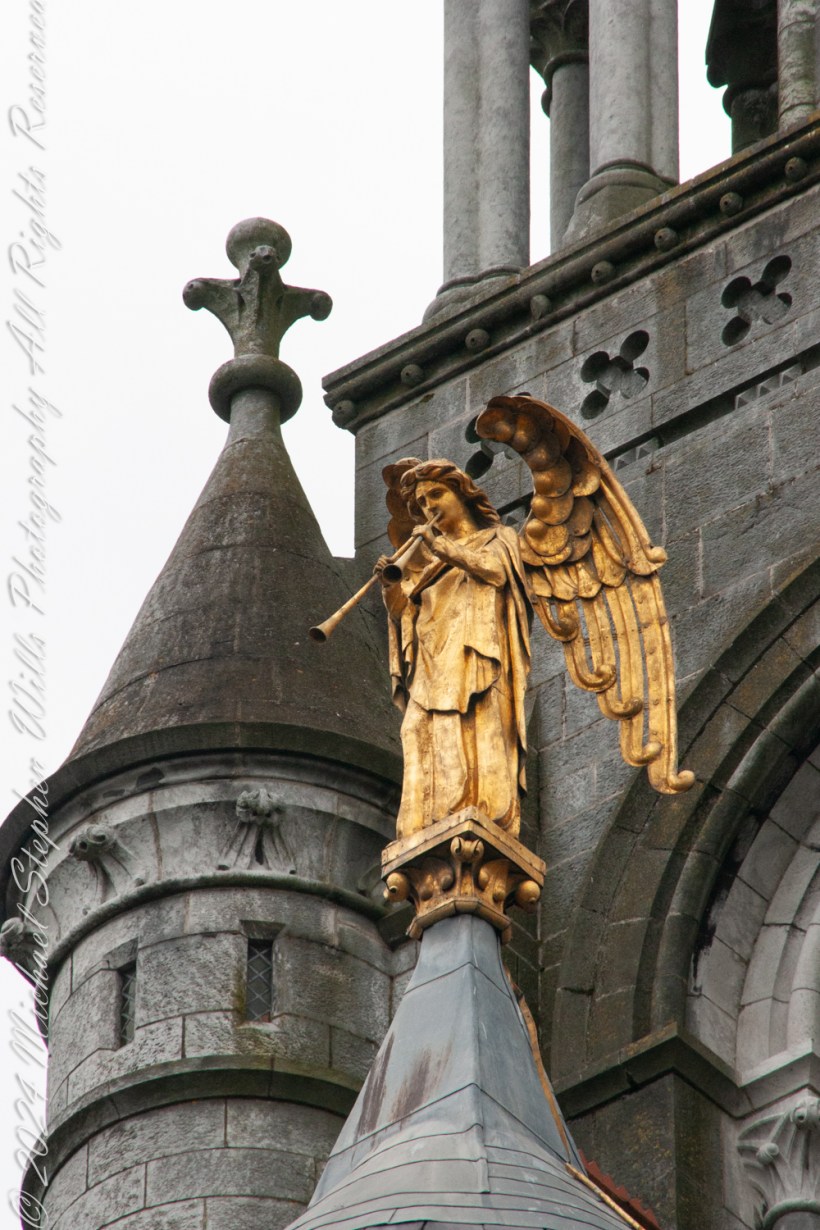
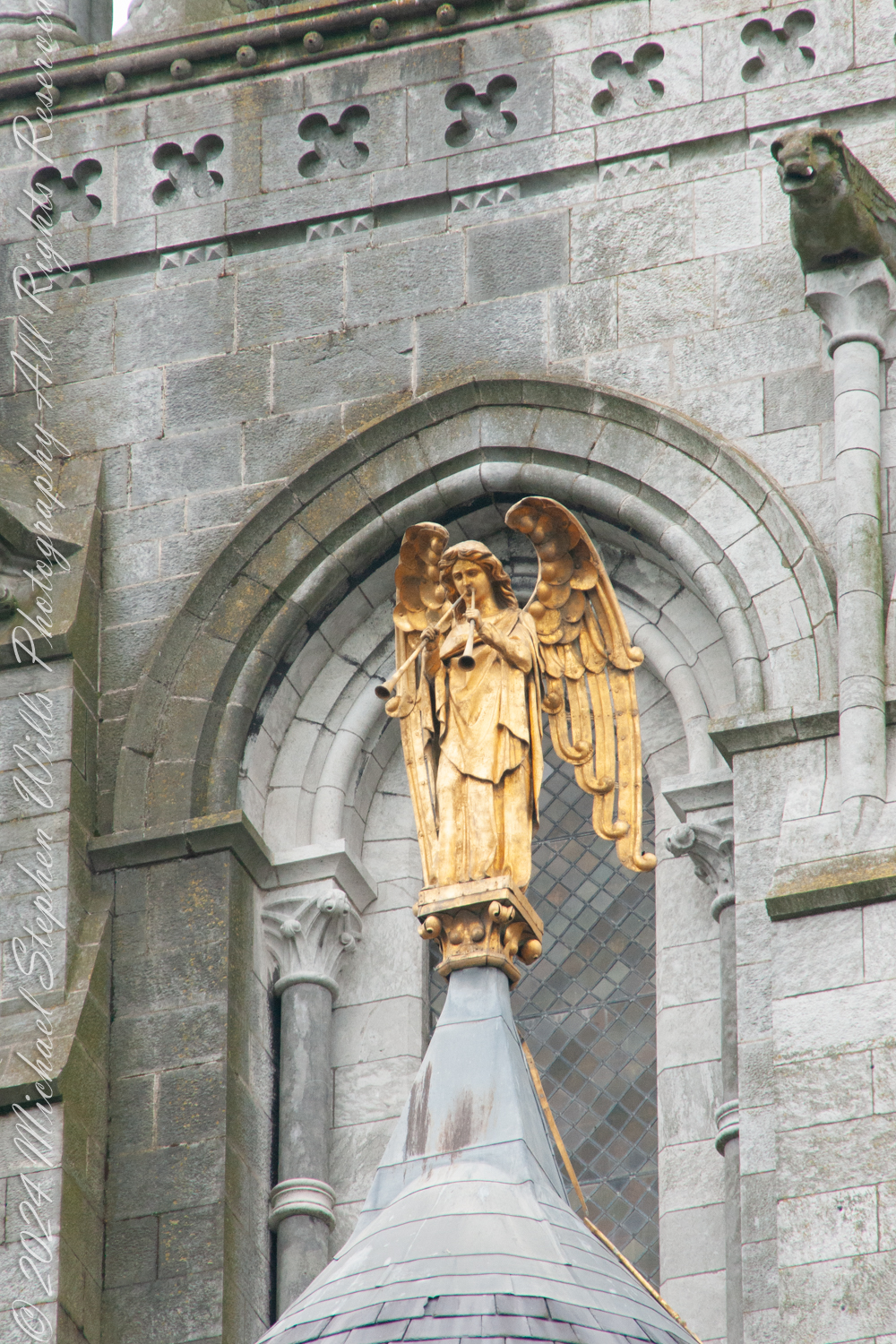
Standing on the east side of Saint Fin Barre’s Cathedral, I lift my gaze to the gilded angel high above the polygonal apse. Known as “The Resurrection Angel,” this radiant figure with its trumpet held aloft commands both awe and contemplation. As an enduring symbol of hope, renewal, and spiritual vigilance this angel carries a profound and dramatic promise: the sound of its trumpet will one day warn the people of Cork of the world’s imminent end, giving them the opportunity to be among the first to ascend to heaven.

The Resurrection Angel’s trumpet echoes the apocalyptic imagery of the Book of Revelation, particularly Revelation 11:15, where the seventh trumpet announces, “The kingdoms of this world have become the kingdoms of our Lord.” Yet in Cork, this celestial figure is imbued with a uniquely local significance. It stands as both guardian and guide, poised to fulfill its divine purpose when the end of days draws near. The legend elevates the angel’s presence beyond theology or art—it becomes a tangible connection between the celestial and the earthly, rooted in the lives of Cork’s citizens.

From an epistemological perspective, the Resurrection Angel poses fascinating questions about how we prepare for the unknown. What does it mean to live in the shadow of an angelic trumpet, one that might sound at any moment? Its silence is a paradox, a quiet yet profound proclamation of life’s transience. The legend suggests that the people of Cork, by virtue of the angel’s warning, are uniquely favored—a notion that intertwines faith with identity and imbues the city with a sense of divine guardianship.

The angel’s golden form shines brightly against the gray stone of the cathedral, a deliberate contrast that speaks to its otherworldly purpose. Gold, a symbol of purity and divine light, captures the eternal amid the temporal. The Resurrection Angel reflects the ambitions of the cathedral’s architect, William Burges, who intended every detail of Saint Fin Barre’s to serve as a testament to faith and artistry. This angel was the final piece installed, marking the cathedral’s completion and fulfilling Burges’ vision of a “perfect work.” According to lore, Burges himself declared that if the angel were ever to fall, it would signal the end of the world—a statement that deepens the mystique surrounding this celestial figure.

For Cork, the angel embodies the city’s resilience and collective spirit. Over centuries, Cork has weathered fires, floods, and rebellion, yet it has always risen anew. The angel, with its legend of warning and redemption, mirrors this cyclical journey of challenge and renewal. Its trumpet, silent but ever-present, reminds the people of Cork to stay vigilant, to hope, and to strive for goodness in the time they have.

As I stand beneath its watchful gaze, I feel the weight of the legend and its implications. If the angel’s trumpet were to sound today, would we be ready? It invites not fear but reflection—a challenge to live with purpose and awareness of the sacred in the everyday. And as I step away, the angel remains, steadfast and golden, a silent guardian over Cork, holding its promise and its warning aloft for generations to come.

Enter your email to receive notification of future postings. I will not sell or share your email address.

Winter Serenity at Cocoa Beach

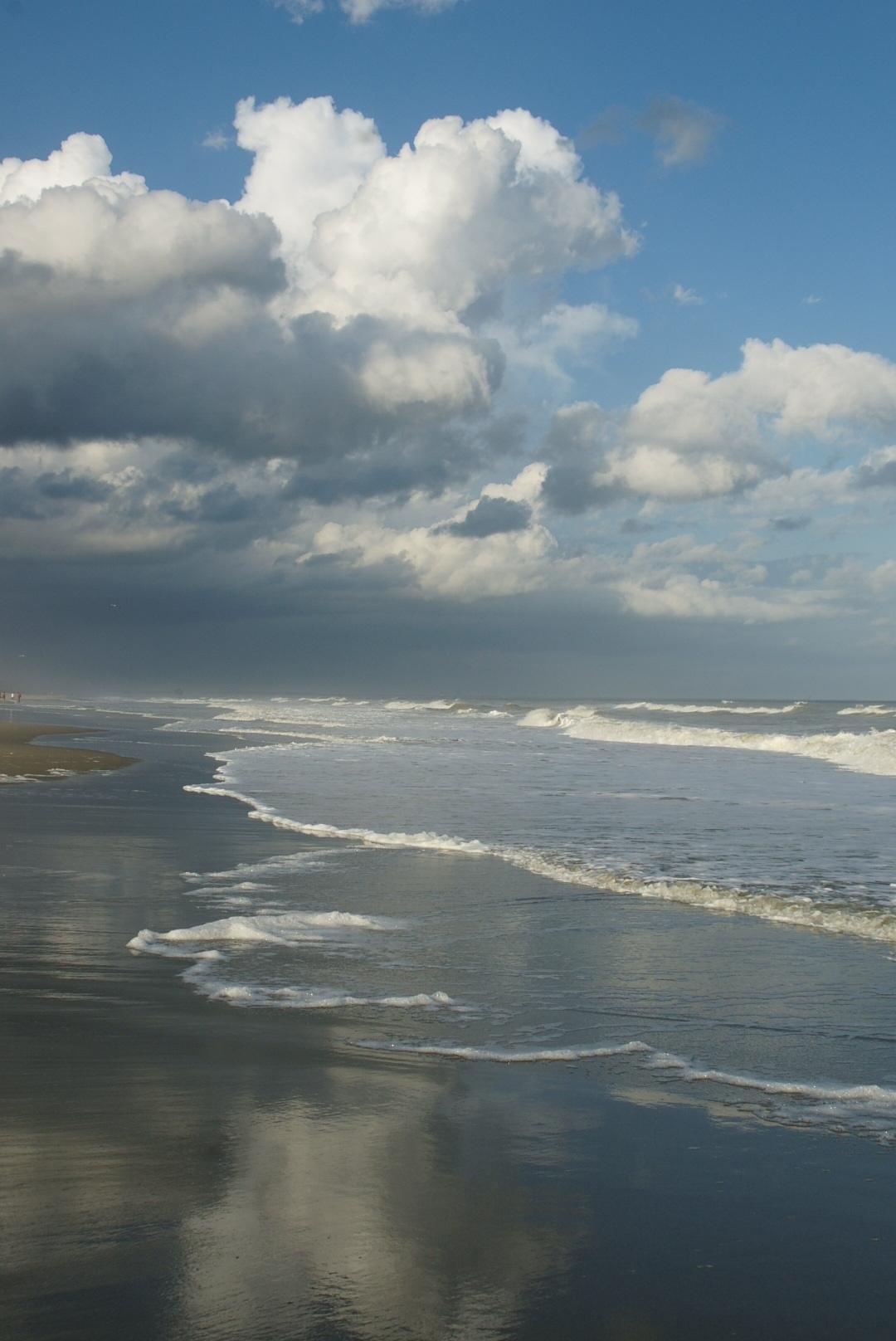
The wind carries the rhythm of the waves as clouds drift across the sky, their reflections shimmering on the sand. A lone feather lies half-buried, a quiet reminder of nature’s gentle yet untamed beauty. In the midst of winter’s rawness, there’s a peaceful stillness, inviting you to pause and take in the moment.


There’s a magic in the embrace of a winter afternoon at Cocoa Beach, where cold northern winds rush down, meeting the Atlantic’s gentle roar. A brush has stroked the heavens; a sky painted with clouds, each towering and shifting, soft yet mighty. With weight and grace, they hang in the sky; some laden with the promise of rain, others light and carefree, echoing the ever-changing rhythm of the sea below. As the sun dips, its rays break through, illuminating the clouds and casting reflections on the wet sand, where the ocean’s kisses linger before retreating back to the deep.

DSC05744Small

The wind tugs at my clothes, my hair, my thoughts. It whispers its secrets, telling stories of distant places, of journeys. With patterns chaotic yet somehow harmonized; waves, frothing and white, crash in sync with the wind’s song. They stretch their fingers onto the shore before retreating, playing an endless game of tag with the land. The sand, smooth and glistening, mirrors the clouds above, creating an ephemeral connection between earth and sky. Both are locked in a fleeting dance, destined to dissolve with the tide.

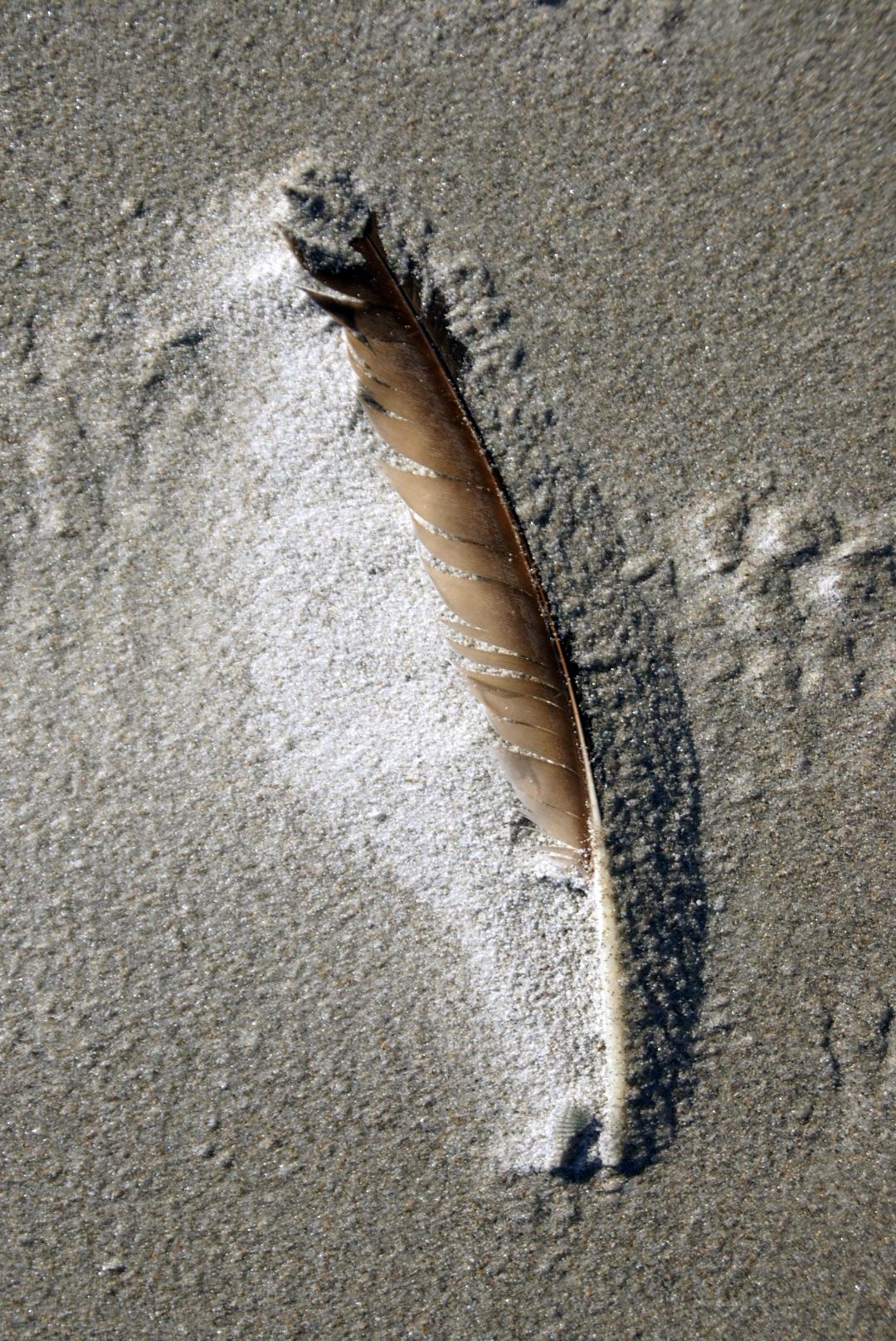
Amid the sound of wind and water, the sight of a lone feather caught my eye. Half-buried in the sand, its delicate barbs were still intact, though weathered by the elements. It was a remnant of life, a testament to the flight of some seabird now long gone. This feather, in its stillness, speaks volumes—of resilience, of the endless passage of time, of moments lost to the wind yet immortalized in the quiet present. Its grooves, like fine lines etched in sand, tell the story of its journey through the air, carried by forces unseen yet deeply felt.

DSC05792BeachFeathre

The feather, lying motionless yet deeply expressive, becomes a symbol of the paradoxes that fill this beach: the immensity of the ocean, infinite in its expanse, and the simplicity of a single object, caught and held for just a moment. The windswept beach feels vast, stretching endlessly before me, yet each step I take reveals intricate details, like the delicate curves and patterns of shells half-buried in the sand, or the ephemeral foam left behind by retreating waves. Each part of this landscape tells a story—the grand and the intimate, the eternal and the fleeting, all coexisting in perfect harmony.

Standing here, enveloped by the wind and the sea’s whispers, I am reminded of the power of nature to humble and uplift. It strips away the noise of everyday life, leaving only the raw, untamed elements that have been here long before us and will remain long after. There is something deeply spiritual about this place, this moment—where the only sounds are the natural rhythms of the world, unbroken by human intervention. The beach, with its vast openness, encourages introspection, a reflection not only on the external beauty but also on the inner landscapes of the mind.

The wind, relentless and free, stirs a sense of renewal in me. It is a force that clears the air, both literally and figuratively, sweeping away stagnant thoughts and opening space for new ones to emerge. The crispness of the cold air invigorates, reminding me that even in the depths of winter, life continues—whether in the ceaseless movement of the ocean or the endurance of the small feather resting in the sand. There is beauty in the starkness, in the way the beach in winter feels both desolate and alive, silent yet full of sound.

As I walk along the shore, I realize that this windy January afternoon on Cocoa Beach is an experience to feel deeply. The wind, the waves, the sky, the sand—all are part of a larger, connected whole, a living tapestry that, though ever-changing, remains constant in its presence. There is comfort in knowing that no matter how many times I return to this beach, it will always offer something new, yet familiar.

In the end, the beauty of this moment lies in its simplicity and grandeur, in the way it invites contemplation while remaining indifferent to whether or not we notice. The ocean will continue its dance with the shore, the wind will carry its stories, and the feather will eventually be swept away. But for now, in this moment, it is all here, waiting to be seen, felt, and cherished.

Click this link for my Fine Art Photography.

Copyright 2024 Michael Stephen Wills Photography All Rights Reserved.

Sunrise at Cocoa Beach: A Symphony of Colors on the Space Coast

Experience the breathtaking sunrise at Cocoa Beach, where the sky and sea blend in a symphony of colors. Discover the tranquility and beauty that awaits as the day dawns on Florida’s stunning Space Coast.

Click this link for my Online gallery

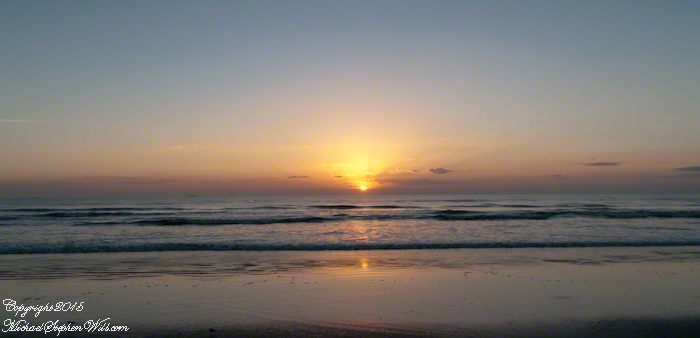
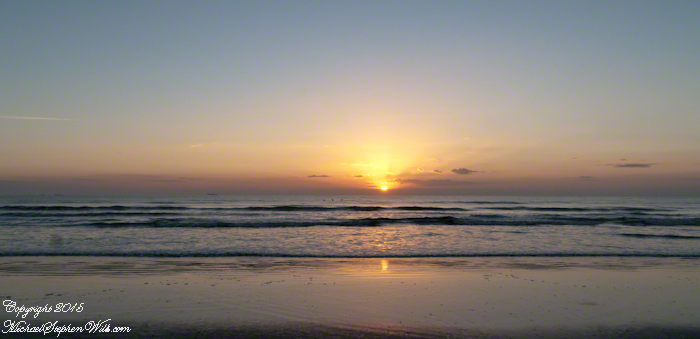
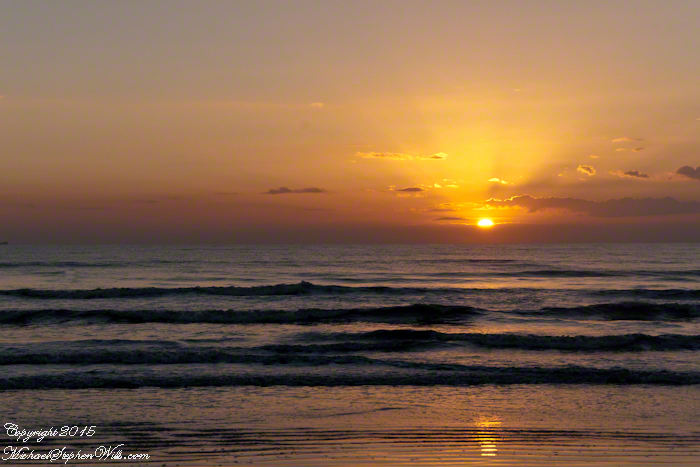
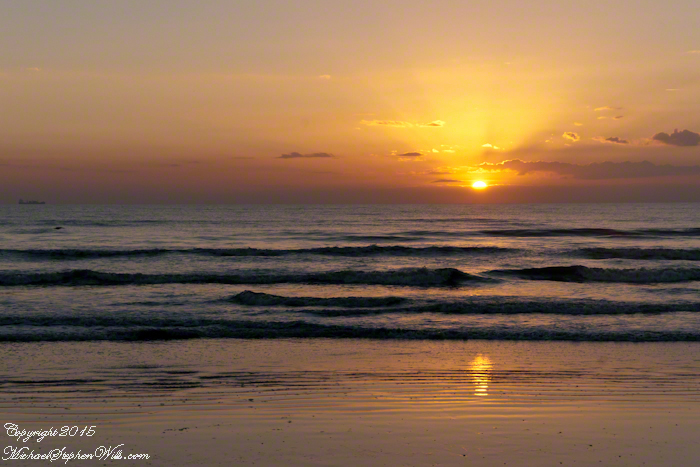
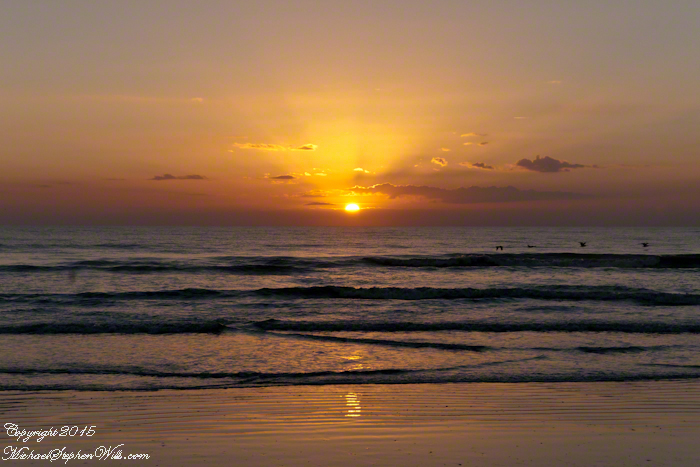
Cocoa Beach, nestled in Brevard County, Florida, is renowned for its pristine sandy shores and the rhythmic lullaby of the Atlantic Ocean. It’s a place where the day often begins with an awe-inspiring sunrise. On the Space Coast, the first light of day is a daily masterpiece, a silent symphony of colors that paints the sky and reflects off the water.

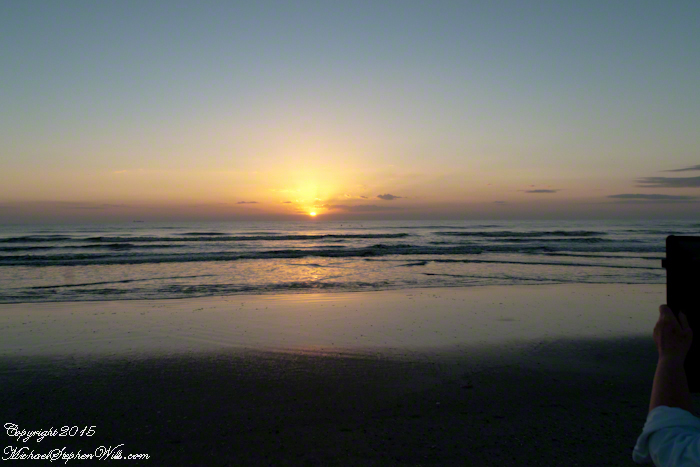
As dawn approaches, the eastern horizon begins to glow with a soft, pre-dawn light. This quiet time, when the world is still asleep, offers a unique tranquility. The beach, usually bustling with surfers, sunbathers, and families, is calm and serene. The sand, cool underfoot, stretches out like a vast canvas, waiting for the sun to begin its artwork.

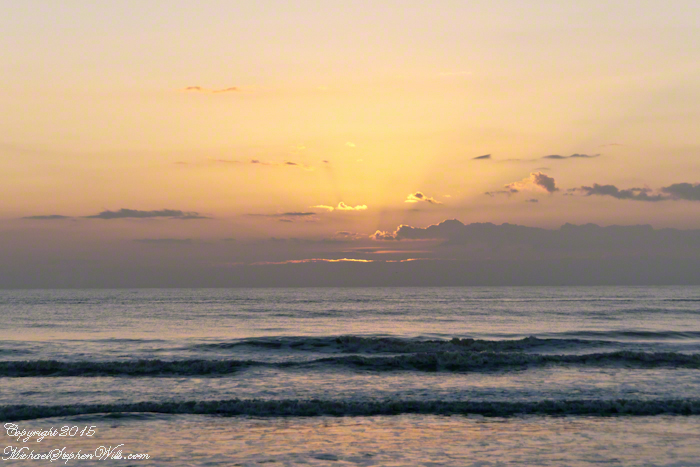
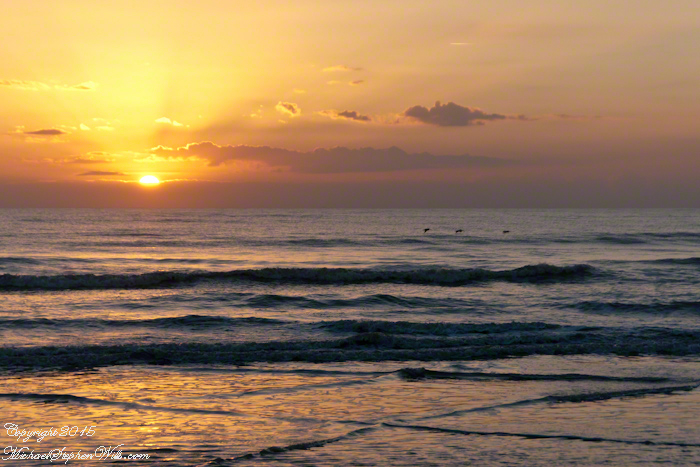
The first hues of sunrise start as a gentle blush, a hint of pink that softly caresses the sky. As the moments pass, this blush deepens into shades of orange and red, reminiscent of a painter’s palette. The ocean mirrors these colors, creating a breathtaking scene where sky and sea blend into one continuous expanse. It’s a moment that feels almost sacred, as if nature itself is preparing for a grand reveal.

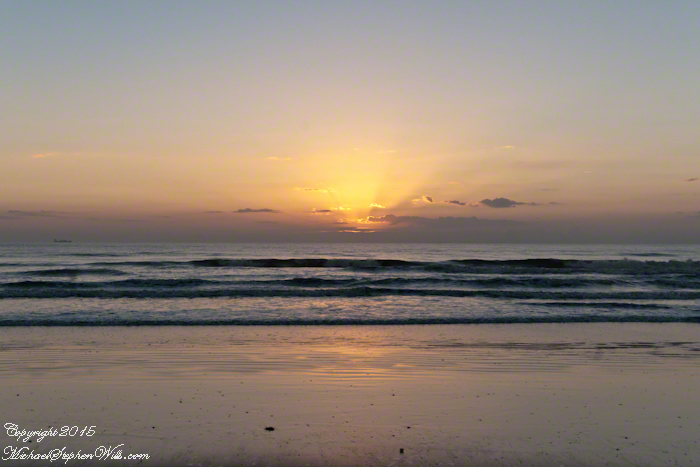
The sun finally peeks above the horizon, a fiery orb that illuminates the world in golden light. This is the crescendo of the sunrise, a moment that seems to hold the breath of the world. The rays of light stretch out across the water, casting a shimmering path that invites the eyes to follow. It’s a path that feels both real and ethereal, leading not just across the sea, but into a day full of possibilities.

As the sun rises higher, the colors in the sky shift and change. The deep reds and oranges give way to softer yellows and then to the clear, bright light of morning. The ocean, too, transforms, taking on a deeper blue as the sunlight penetrates its depths. The waves, which had been gentle ripples in the pre-dawn light, now dance and sparkle, as if celebrating the arrival of the new day.

For those fortunate enough to witness it, a sunrise at Cocoa Beach engages all the senses. The cool breeze carries the fresh scent of saltwater, a reminder of the ocean’s vastness and power. The sound of the waves, steady and rhythmic, provides a soothing background score, while the occasional cry of a seabird adds a touch of the wild to the scene.

Click on a photo for a closer look.

There is a sense of community among the early risers who gather to watch the sunrise. Strangers often share nods and smiles, united by the shared experience of witnessing something so beautiful and ephemeral. It’s a reminder that, no matter our differences, moments of natural beauty can bring people together, fostering a sense of connection and shared humanity.

Cocoa Beach, known for its proximity to the Kennedy Space Center and its surf culture, offers much more than meets the eye. The sunrise is a daily reminder of the simple yet profound beauty of nature, a beauty that exists beyond the man-made attractions and the hustle and bustle of everyday life. It’s a call to pause, reflect, and appreciate the world around us.

In a place where rockets soar into the sky, touching the very edge of space, the sunrise at Cocoa Beach brings us back to Earth, grounding us in the timeless rhythm of the natural world. It’s a moment of peace and renewal, a gift from the universe to start the day with a heart full of wonder and gratitude.

So, whether you’re a local or a visitor, taking the time to watch the sunrise at Cocoa Beach is an experience not to be missed. It’s a chance to witness the world waking up, to feel a part of something larger than oneself, and to start the day with a renewed sense of awe and possibility.

Copyright 2024 Michael Stephen Wills All Rights Reserved