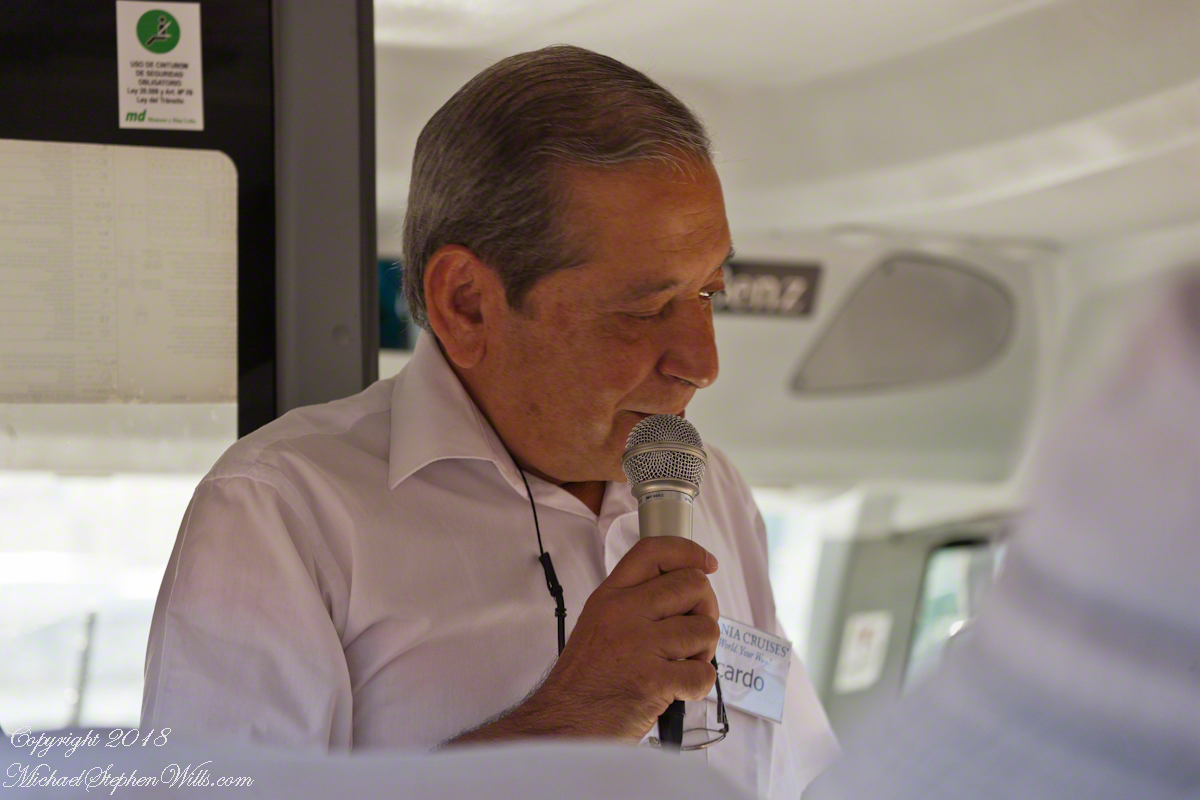
Ricaro’s name tag reads, “Oceania Cruises, your world, your way.” I began my two previous blogs with Ricardo, “Valparaiso Separation” and “Valparaiso Connections I.” There’s a lot to be said for the Oceania tours. Every one lead by a knowledgeable native of the host country, fluent in English, we became familiar, some more than others, with them personally, one non-representative example. As were progressed down the coast from Iquique to Cape Horn we met a cross section of Chileans. Unlike other countries, in Chile we met only unsmiling guards on the streets, no protest rallies.
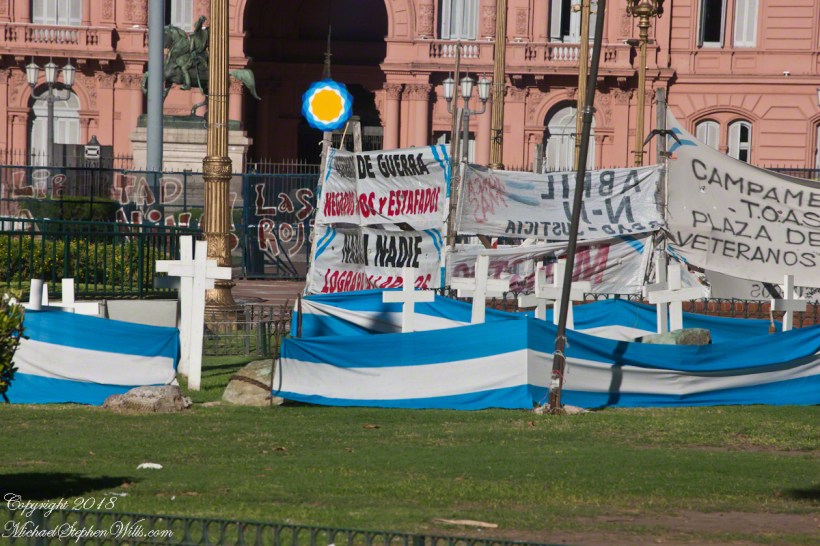
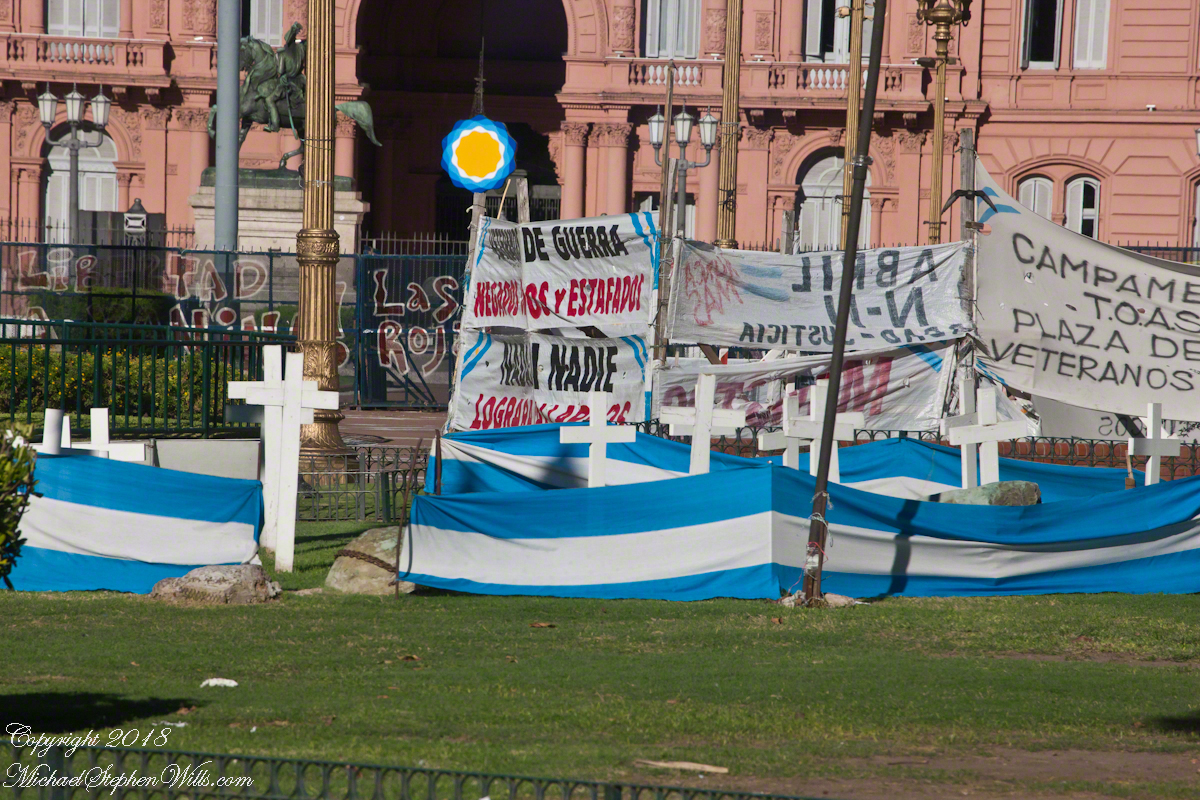
As the tour bus is about to turn down Varparaiso’s Argentina Avenue, here is a flash forward to an elaborate demonstration tableau in the Plaza de Mayo, the Casa Rosada as a backdrop, rose as in the color of bull’s blood used as pigment. The protest was in support for veterans and causalities of the ill considered 1982 Falklands War. We zoomed by the Parque De La Memoria, dedicated to the 30,000 people “disappeared” by the same military dictatorship of the Falklands War debacle.
Our entry to both Valparaiso and Buenos Aires was a cruise over the secret graves of thousands dropped, alive, into the ocean from military aircraft.
What is most chilling is the silence about this throughout our travels in Chile. No memorials, no protests, silence, only stone faced military guards.
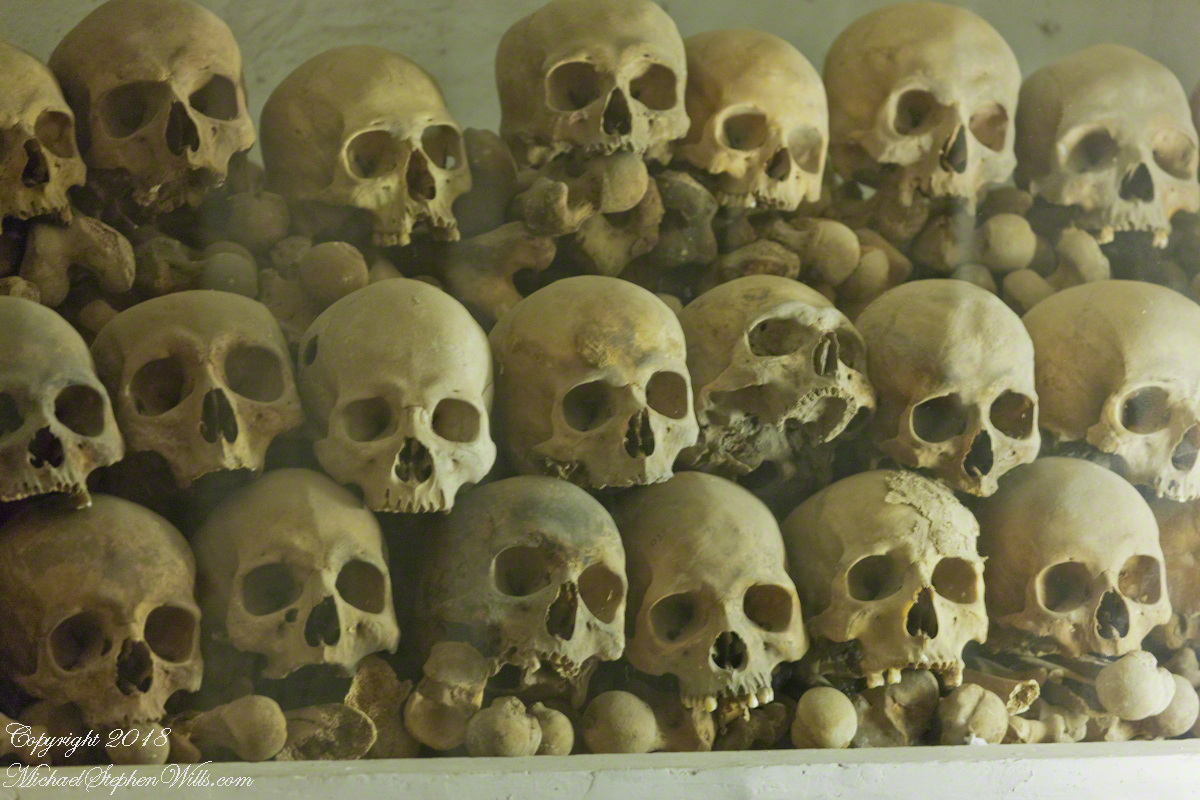
The following is from Basílica y Convento de San Francisco de Lima, beneath which are catacombs piled with disarticulated skeletons buried and cared for in the Catholic tradition .
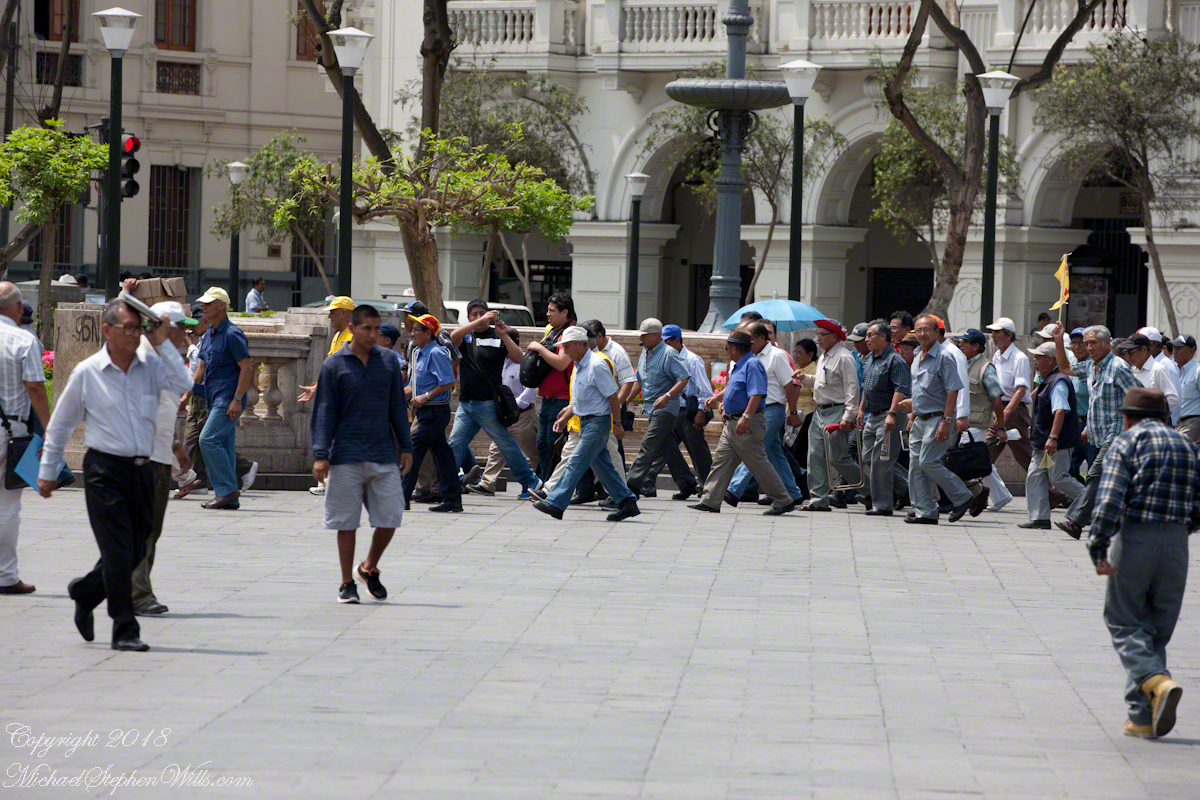
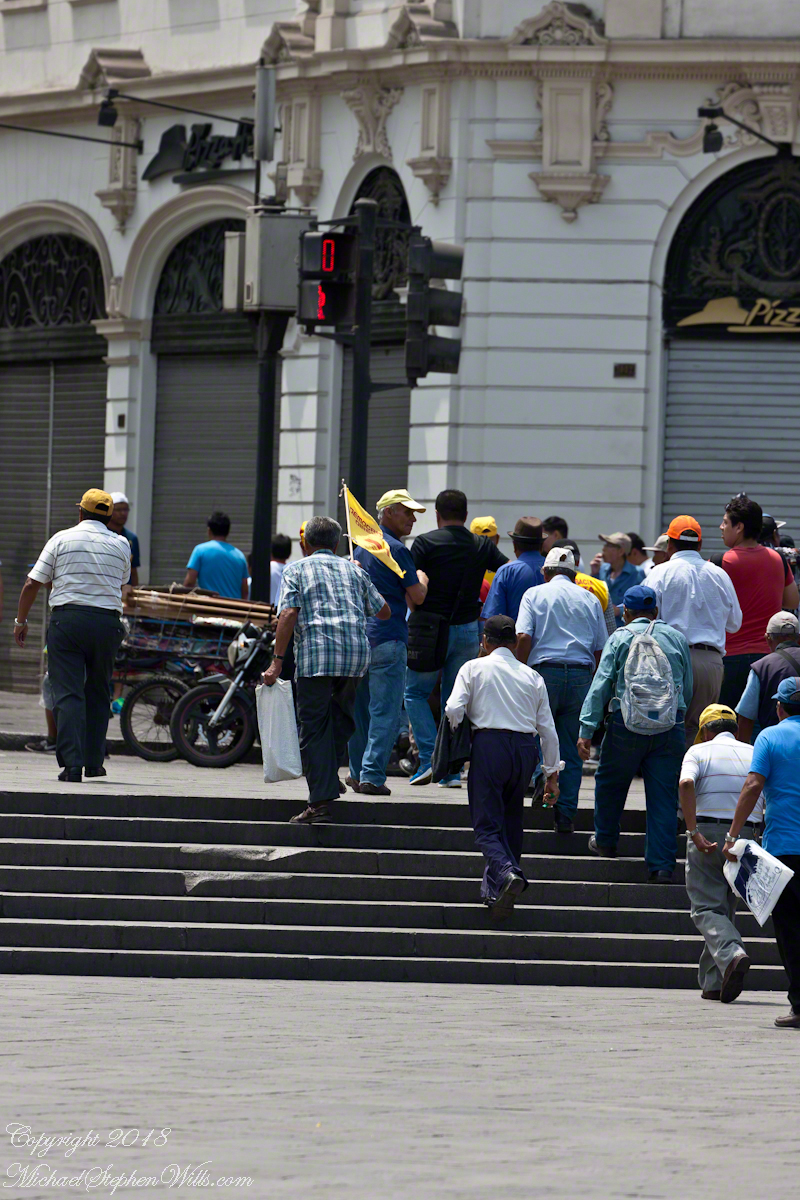
In Lima’s Plaza de Armas we witnessed this peaceful demonstration by pensioners protesting low payments. To be honest, around this time, in Chile, there were huge demonstrations, hundreds of thousands in Santiago, about the same issue.
The Lima crowd was peaceful.
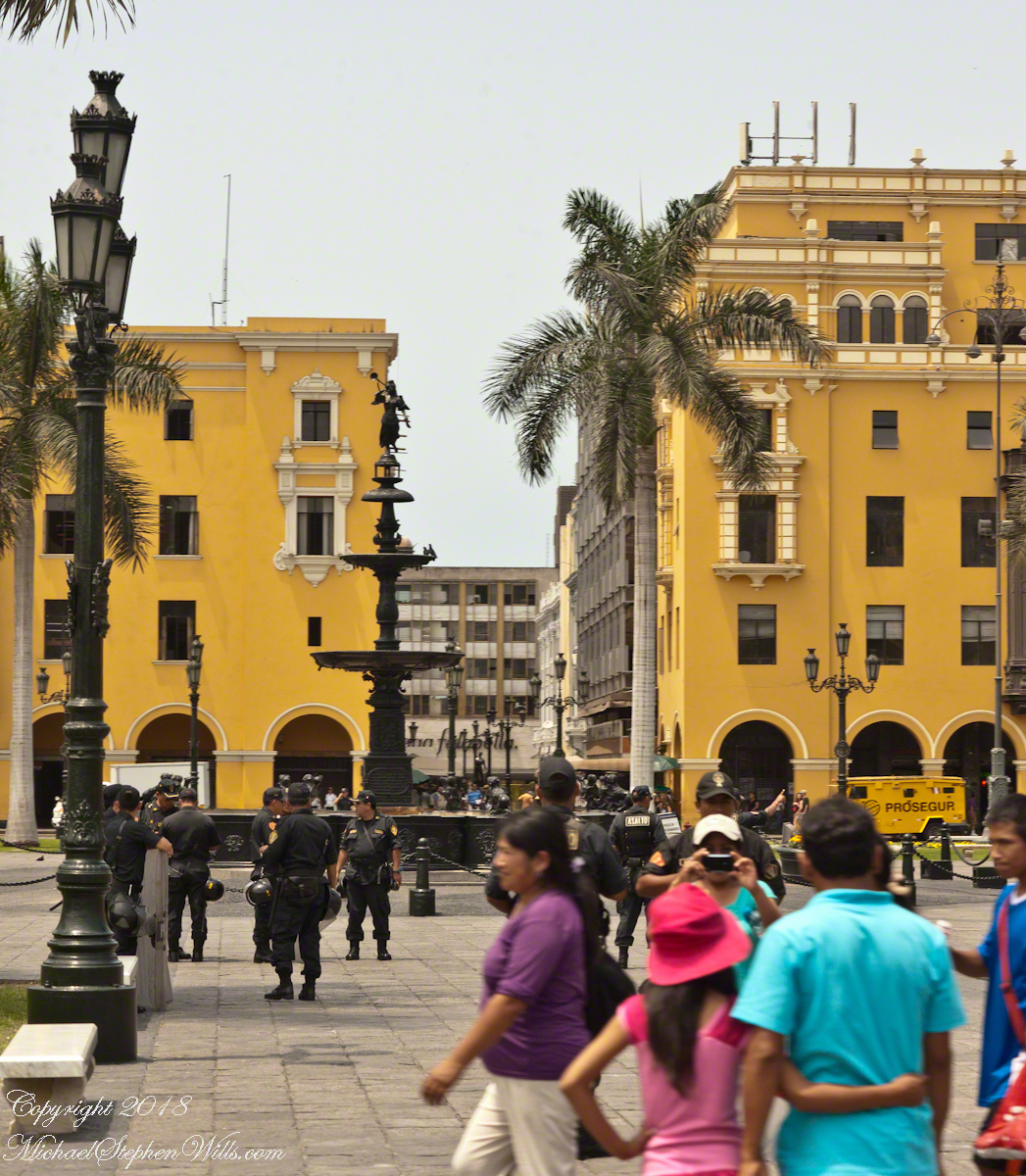
Watched by a heavy contingent of armed police supported by large “paddy wagons” to cart people away. The vehicle marked “Prodegur” (i.e., prosecution) was one of them. Given the history of government disappearances in the region, how brave the demonstrators must be.
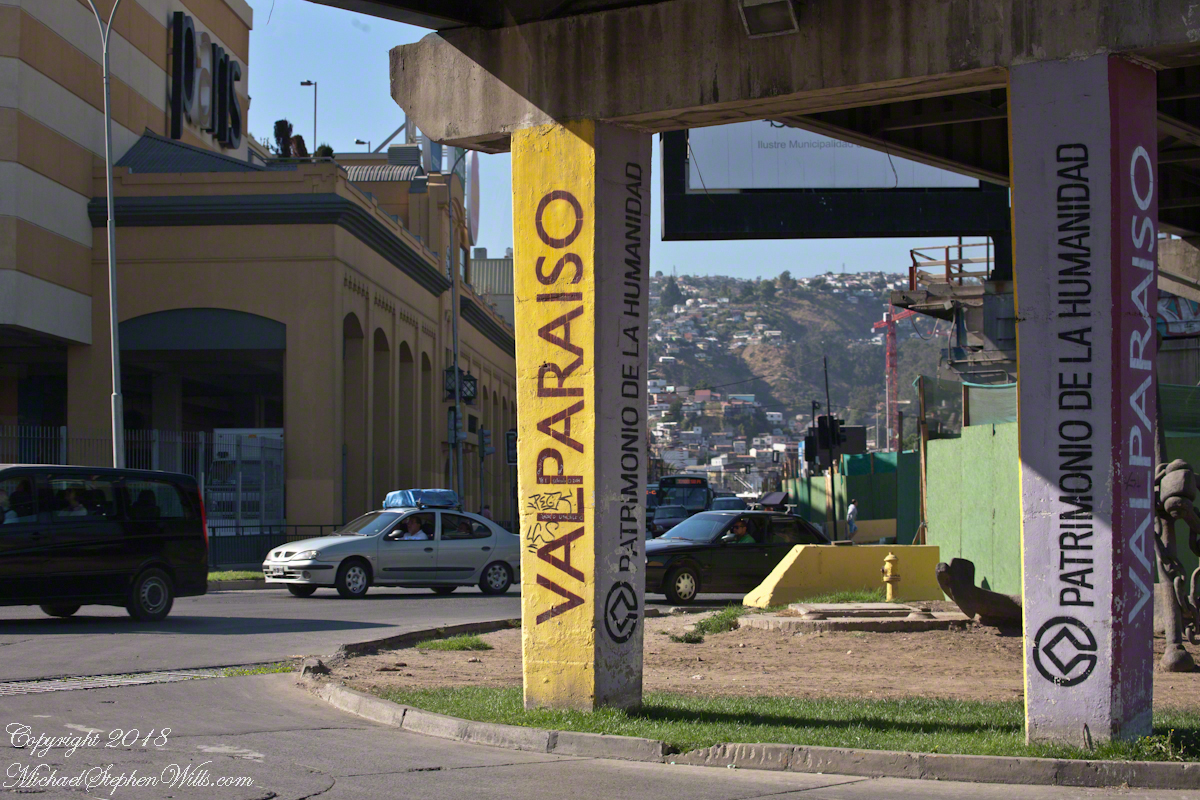
Our vehicle turns onto Argentina Avenue, passing under Spanish Avenue and these supports bruiting the “Patrimony of Humanity” status of Valparaiso.
Turning onto Argentina Avenue, the overpass support columns announce Valparaiso’s status as a World Heritage Site. It is the old city around the port which holds this designation.
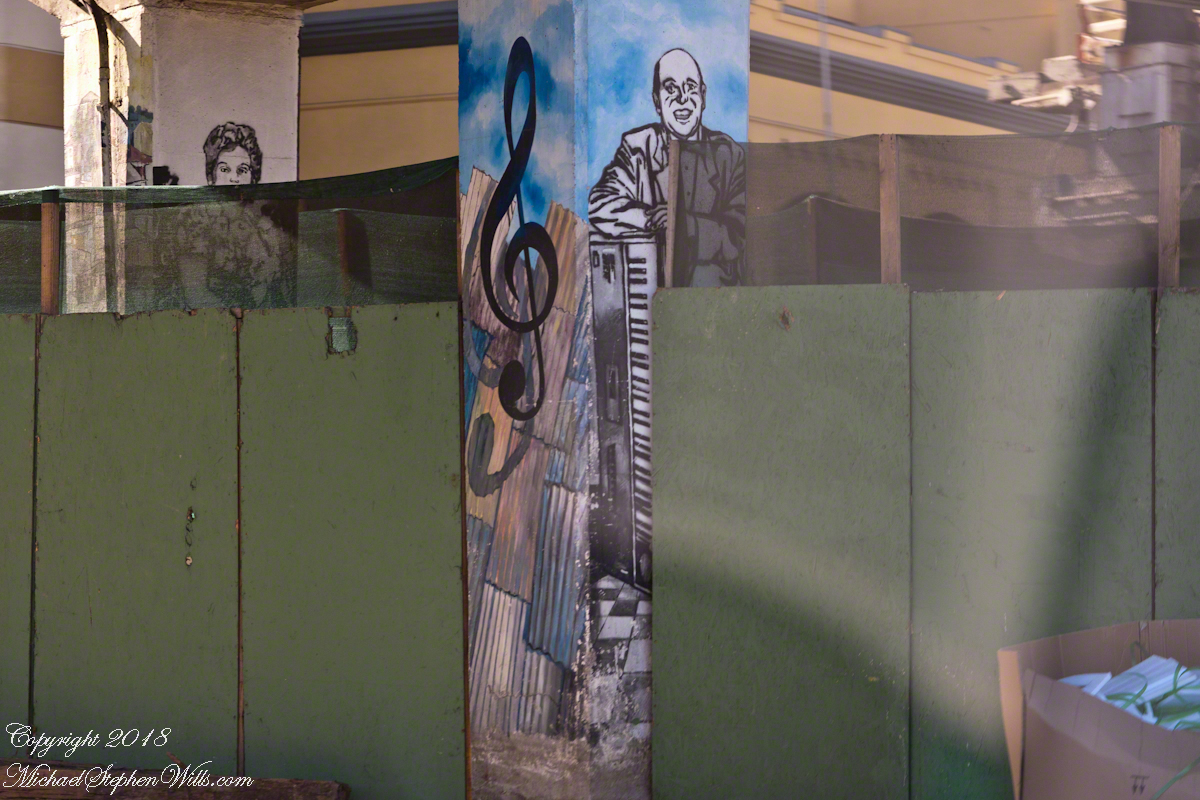
Other murals feature the zinc panels of the Old Town and cultural opportunities. I noticed the pictured flooring is identical that of Hotel Brighton, see “Our Fifteen Minutes of Fame on Conception Hill.”
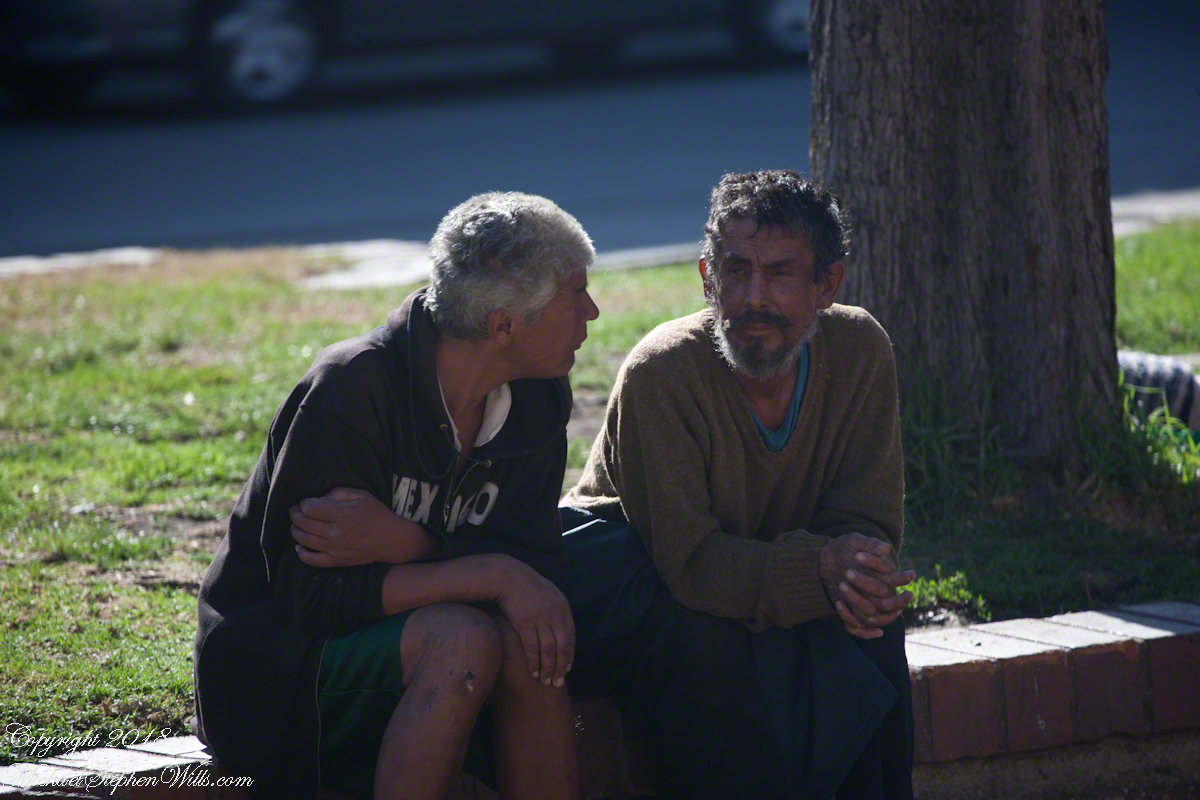
I wonder how a man of a certain ago scrapes his knees, these appear to be homeless people.
Two men carry on conversation on Avenue Argentina, Valparaiso during the weekend Avenue Argentina street fair.
They gives us big smiles and waves when they spotted me / us. The people were open and friendly.
Copyright 2018 All Rights Reserved Michael Stephen Wills
We’ll start in the parking lot of the Valparaiso Passenger Terminal, introduced in my last posting, “Valparaiso Old and New”. The terminal was our first stop in Valparaiso, it services cruise ship passengers, it was in the parking lot we met Ricardo, a guide and city native. In his late sixties, Ricardo lived through numbing changes: the political turn left and election of Allende, followed by a military coup d’état (called golpe de estado in Spanish) and rise of a military officer, Pinochet, to dictator. From the 70’s through 80’s Pinochet ruled, abolishing the congress in Santiago, enjoying ruthless suppression of opponents with the full support and assistance of the military. In the late 80’s Pinochet allowed a return to democracy, a new constitution with a bi-cameral (two houses) congress in Valparaiso and elected president. Ricardo was quiet about these times, as are most Chileans and we did not press him.
Click any photograph to open my Fine Art Gallery.
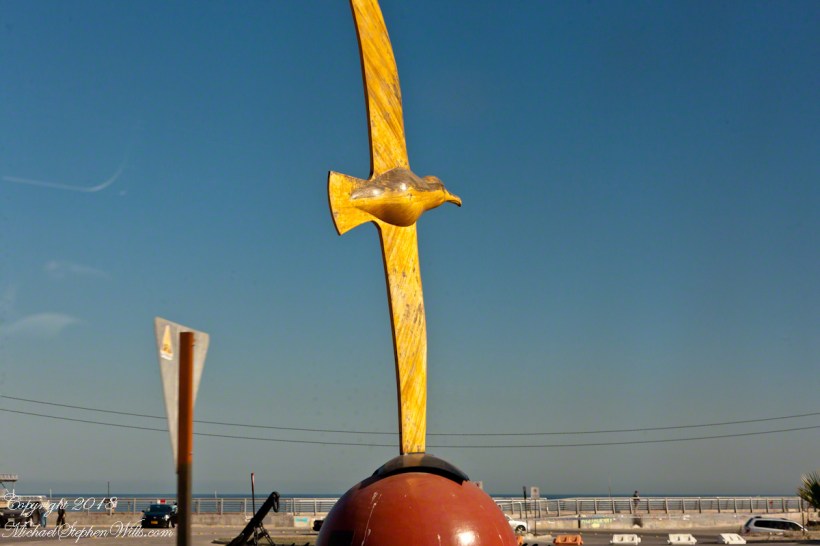
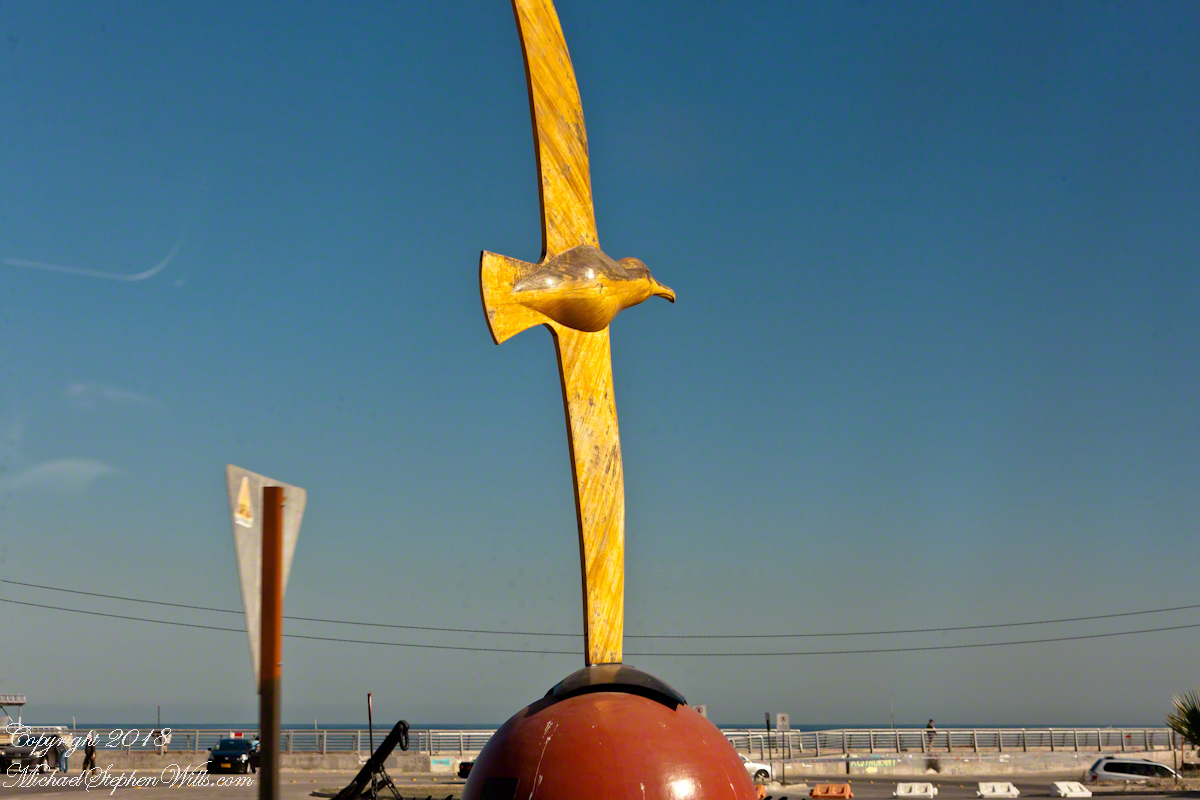
The bus passed a carved wooden statue of the albatross, near the terminal entrance. A bird of the southern ocean, familiar to mariners for the habit of following ships, this aspect of soaring the a familiar posture.
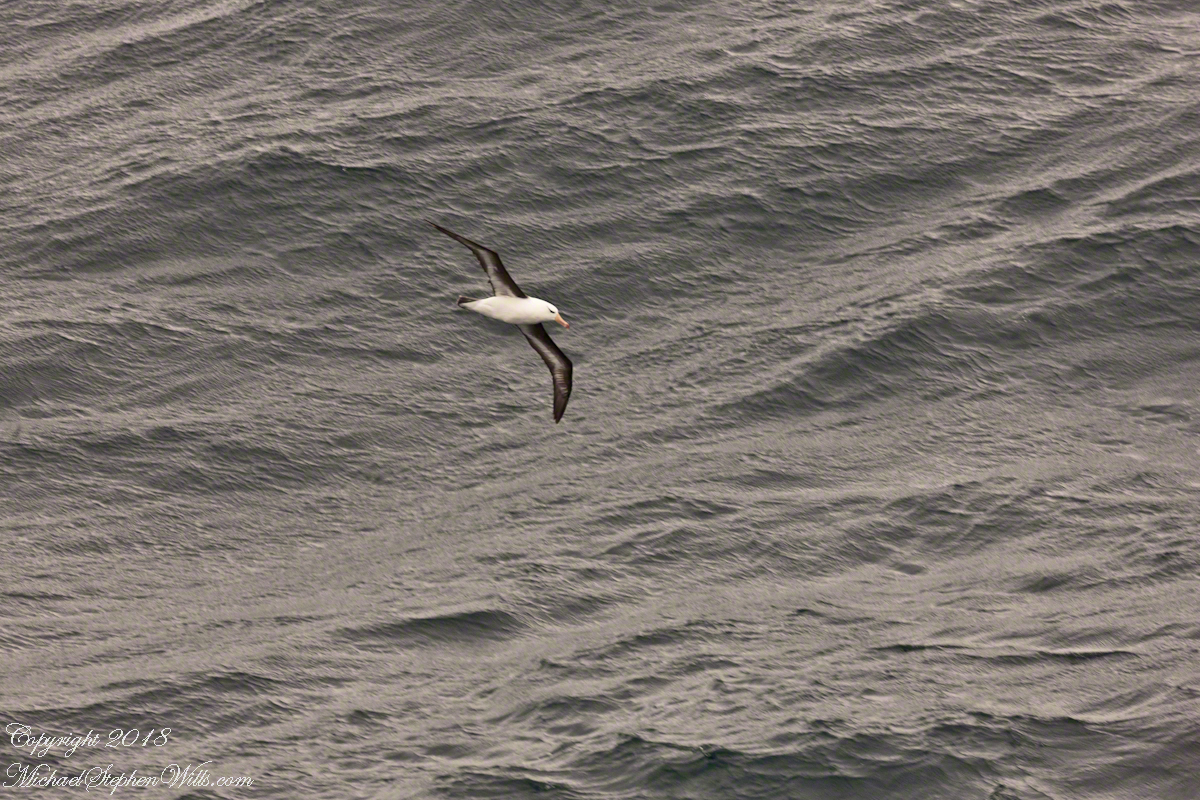
Here is a specimen in this posture following the Regatta on February 22 as we traversed the Southern Atlantic between the Falkands and Punta del Este. That day, many albatross soared among the 20+ foot waves, the wingtips very close to the water surface.
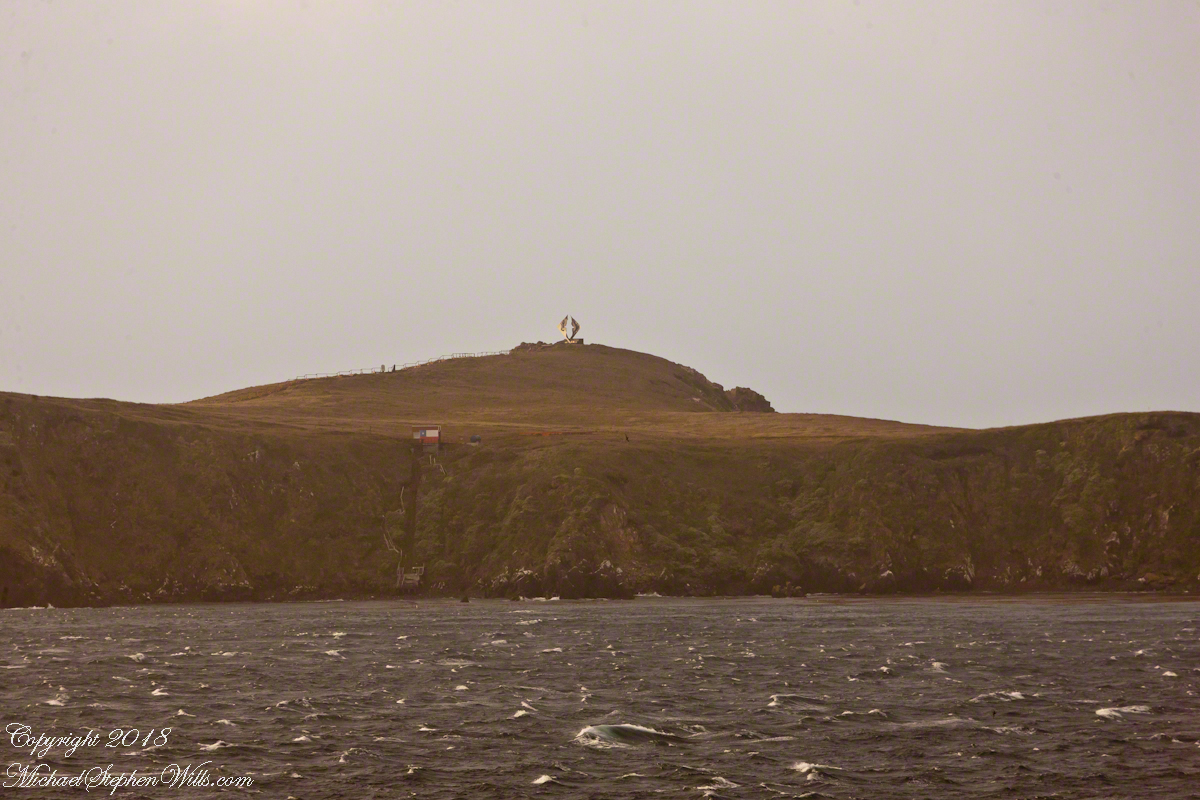
The day before, February 21, the Regatta approached the southern most point of the western hemisphere, Cape Horn, coming within a mile of the landing point and monument. At the top you can see the steel sculpture of the outline of an albatross set in a stone plinth.
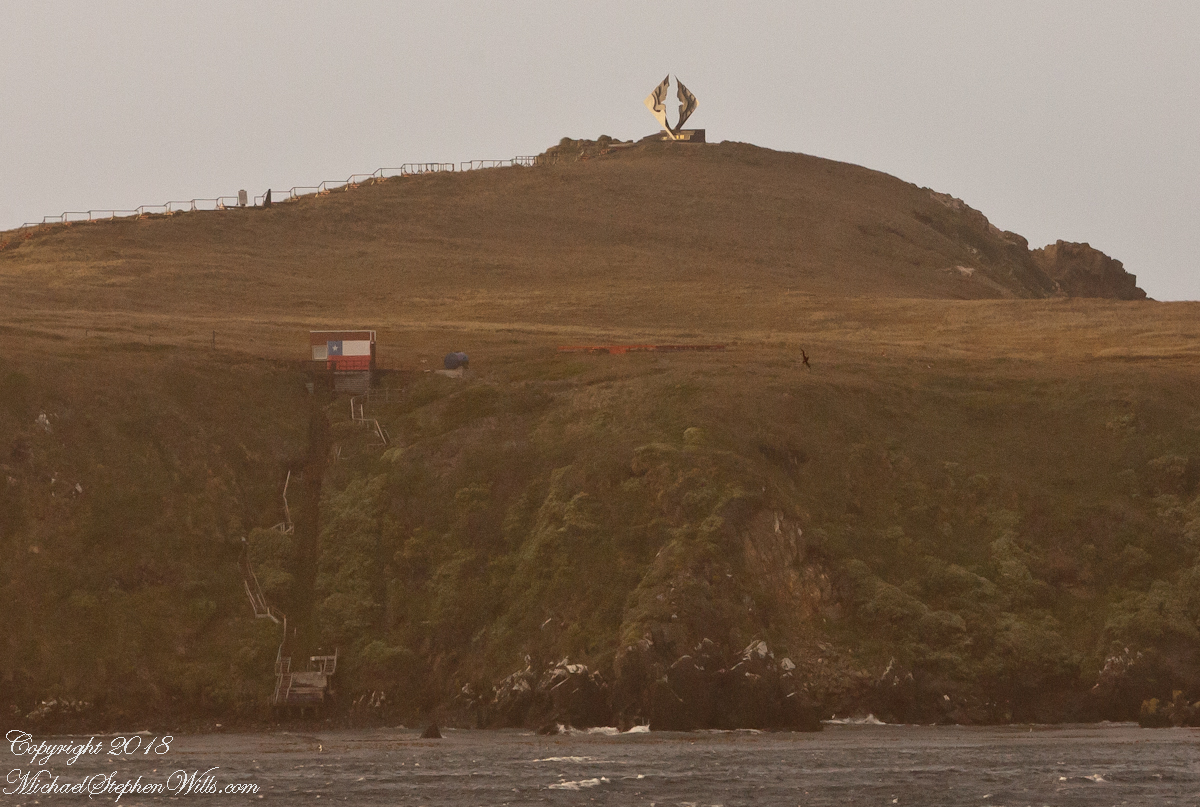
A cropped version of the above image, the albatross outline is easier to see. Also visible, at the cliff base, the landing, stairs, a platform painted as a Chilean flag, the railings leading up to the Albatross Monument.
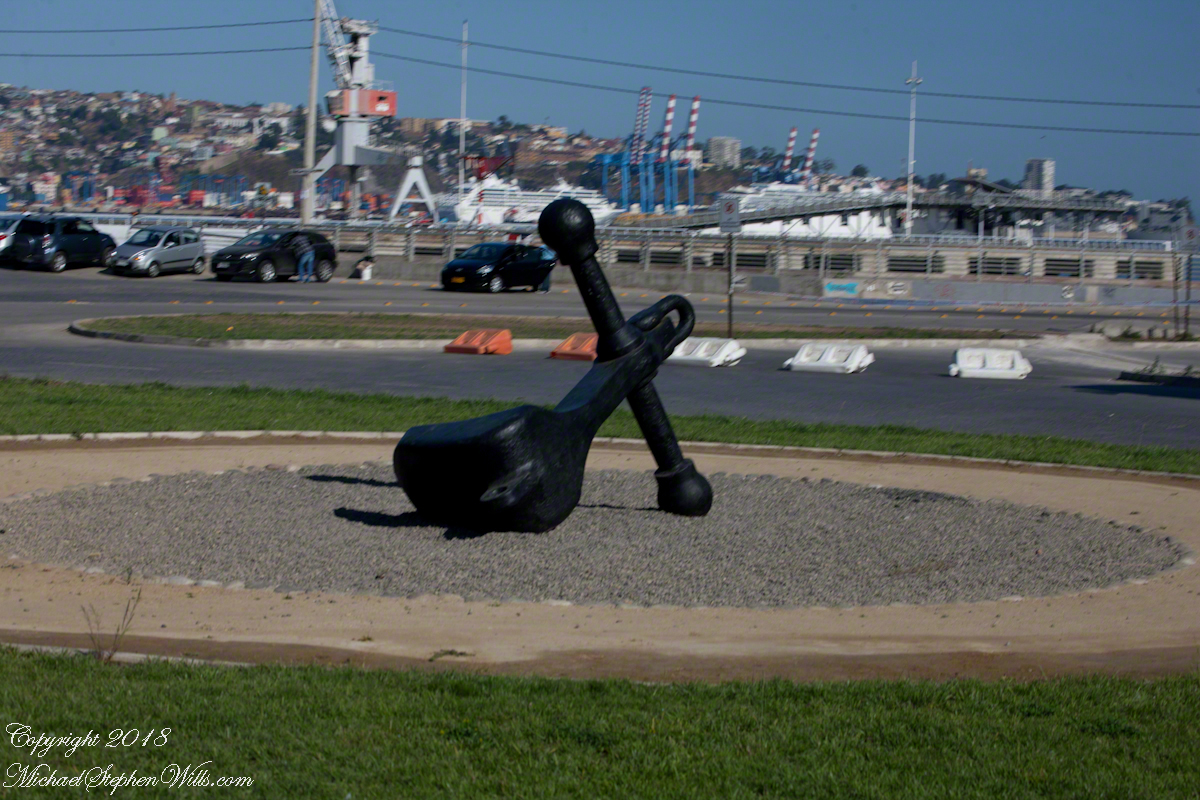
All of this to emphasize the unique position and reason for being of Valparaiso of the eastern South Pacific, made evident by the recurring motif of an albatross soaring among the waves. This retired anchor, close to the albatross sculpture, on our way to Argentina Avenue and the weekend street fair (to be continued).
Copyright 2022 Michael Stephen Wills All Rights Reserved
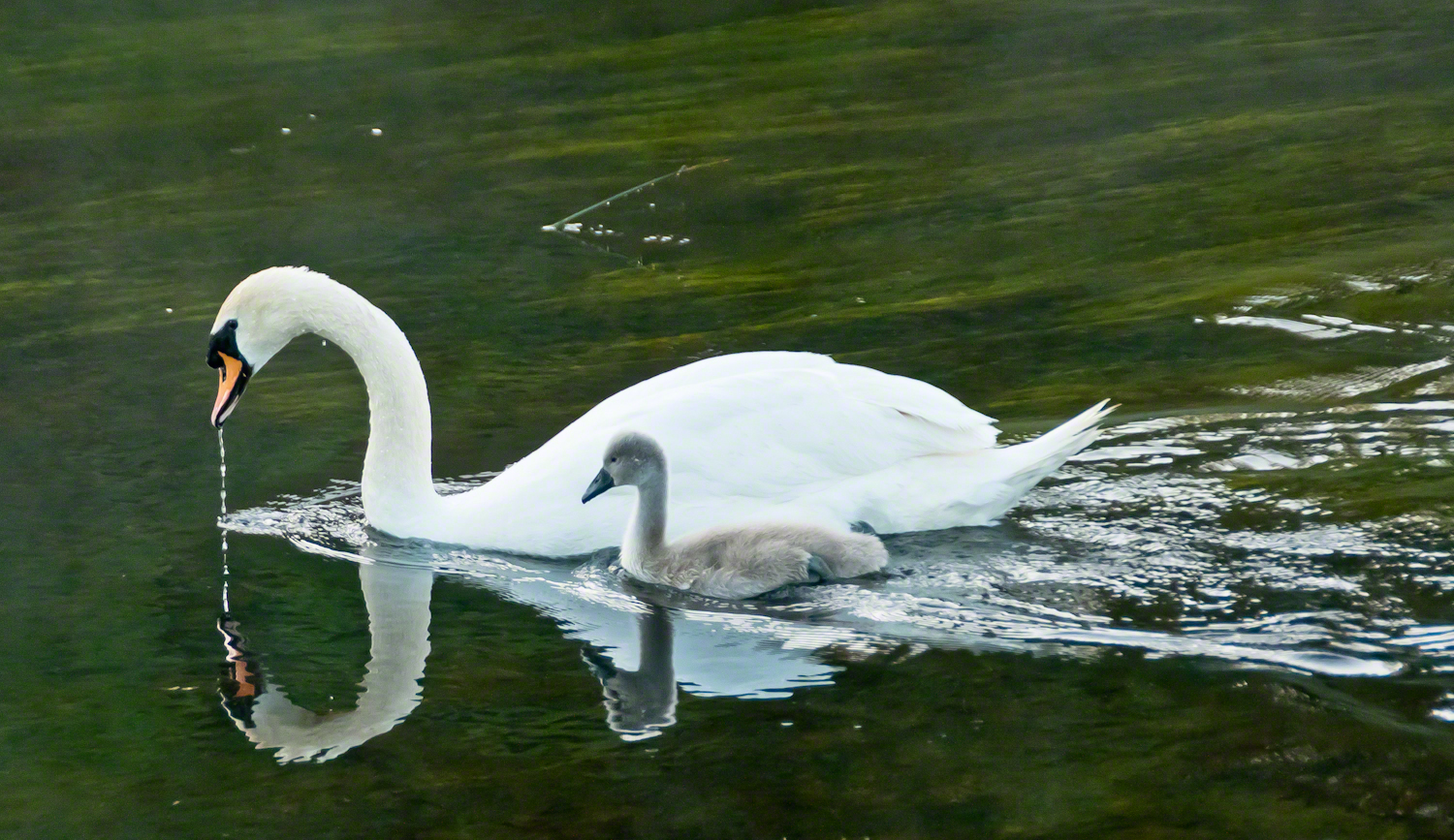
A parent swan and cygnet feeding on the River Cong outside the front door of Ashford Castle in County Mayo, in the west of Ireland. Click this link to read another Ireland story “The Cloigtheach of Glendalough.” Enter your email to receive notification of future postings. I will not sell or share your email address. […]
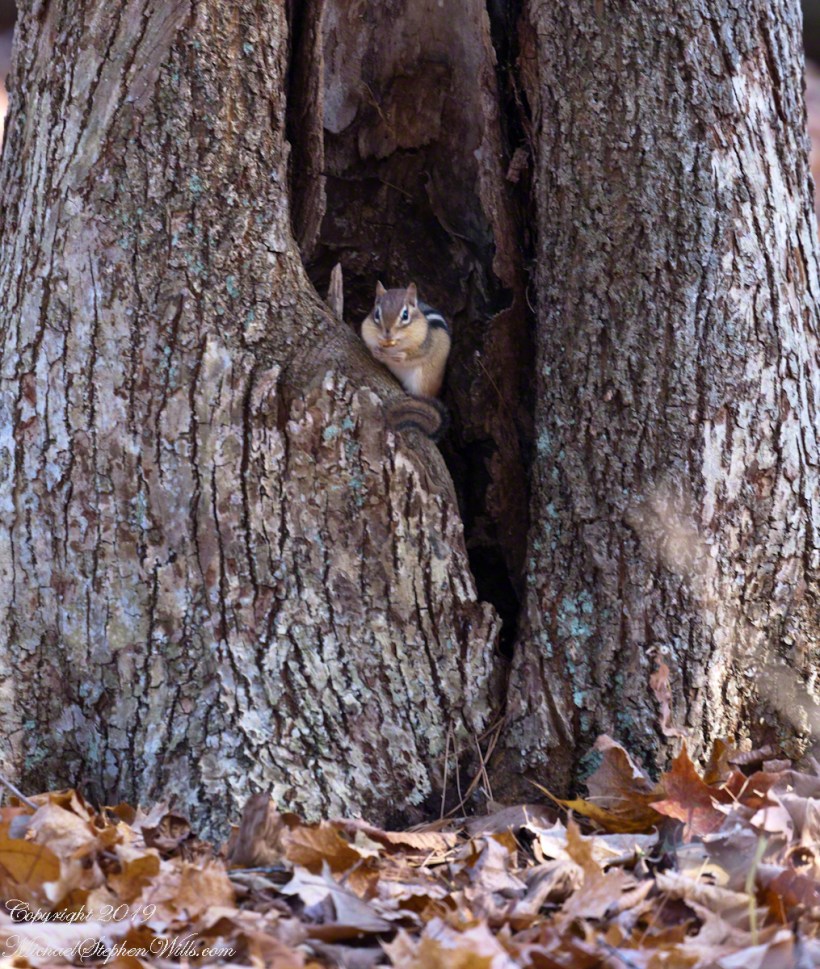
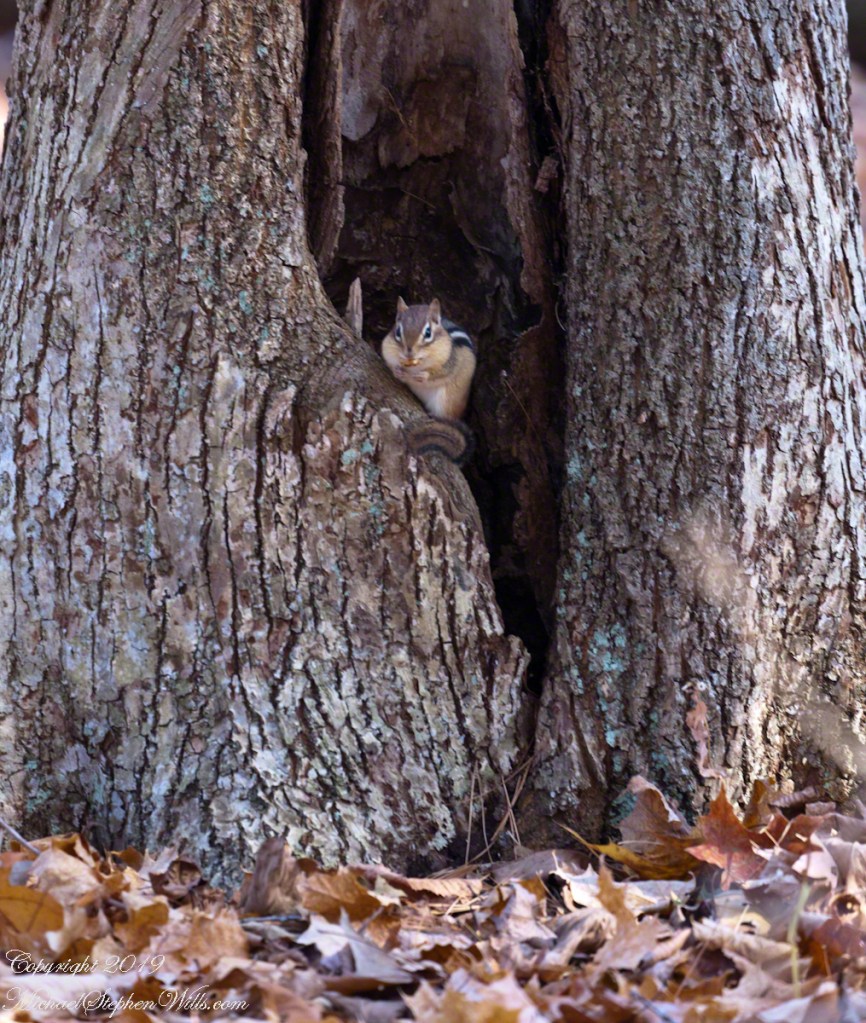
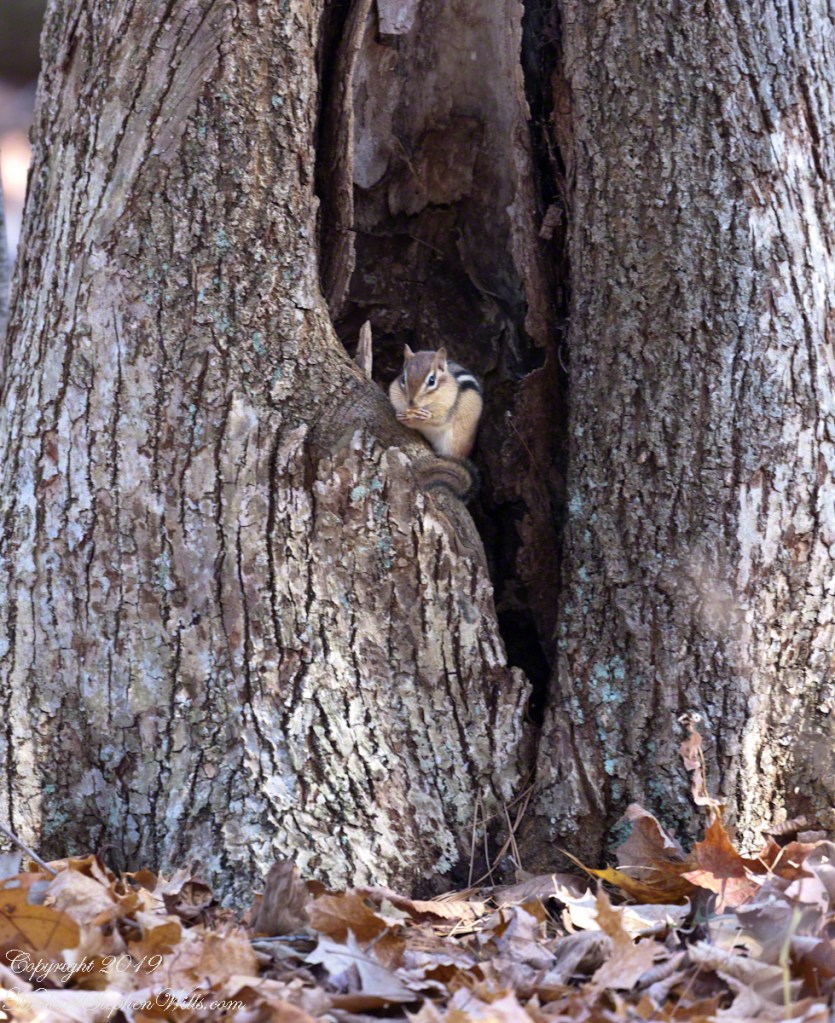
Perched on its doorstep, an Eastern Chipmunk gorges on an ample supply of acorns. These small rodents are omnivores. Here are two shots, each with an acorn in hand and full cheek pouches.
Wary Chipmunk with acorn
Chipmunk eating acorn
Copyright 2021 All Rights Reserved Michael Stephen Wills
For Father’s Day 2021 I received cages for raising Monarch butterflies. A large zippered door is a great feature, one side of the cage drops away for easier access and photography. Here are some photographs of the developing chrysalis and emergence.
In the first step of chrysalis development, the caterpillar climbs to a chosen location and weaves a silk pad from the abdomen. We are looking down on the caterpillar through the top of the woven material that forms our cage. The silk pad is a small white dot to the right.
Click photograph for a larger view and use Ctrl-+ (press down Ctrl, hold, then click plus sign repeatedly) to zoom in closer.
After the silk attachment pad is complete, the caterpillar releases itself to hang in a shape of the letter “J.”
The caterpillar sheds the outer skin as the chrysalis forms around it.
Four Monarch Butterfly Chrysalis.
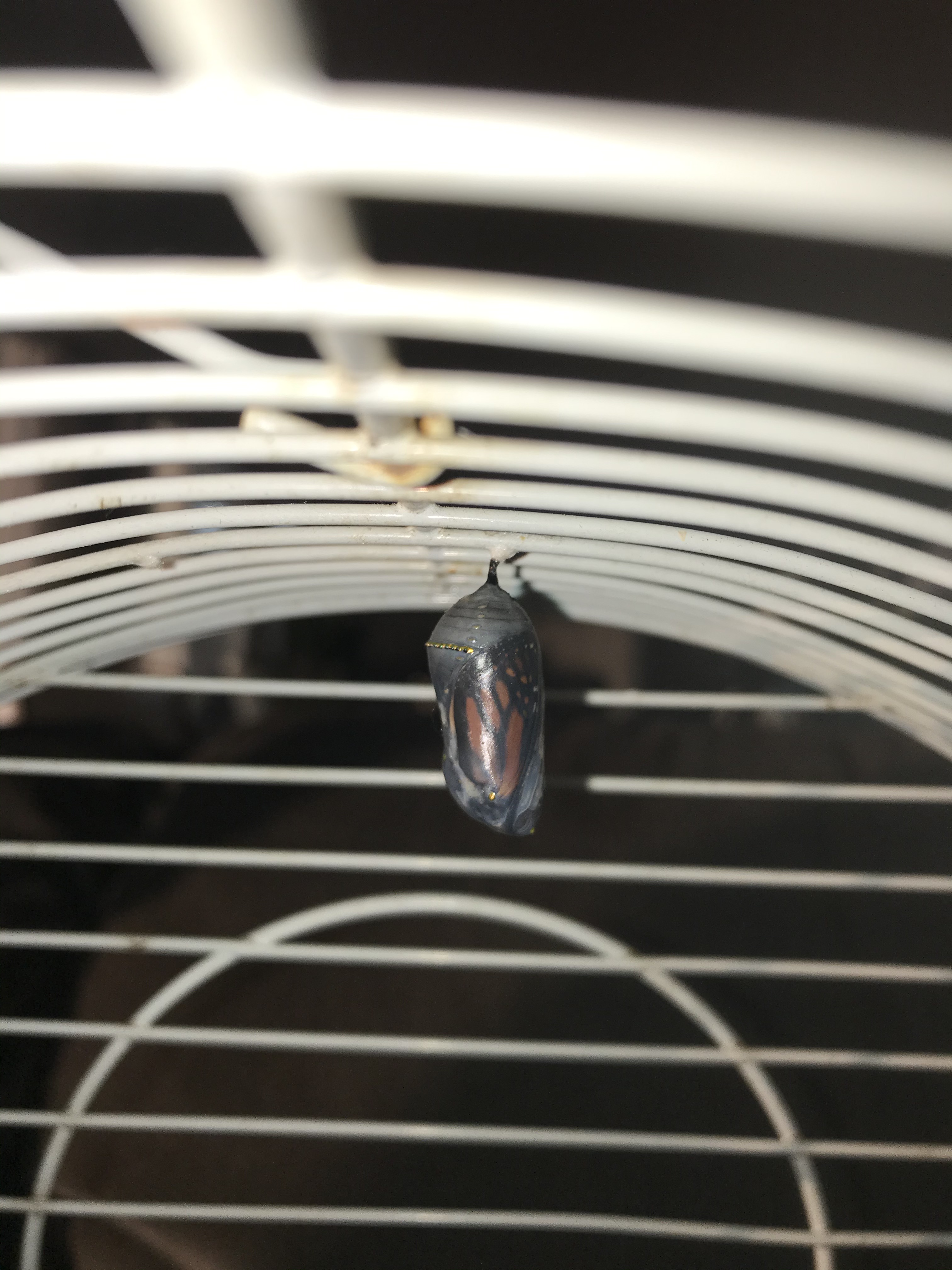
Macro of the Monarch butterfly chrysalis. The black stalk attached to the silk pad is call a cremaster.
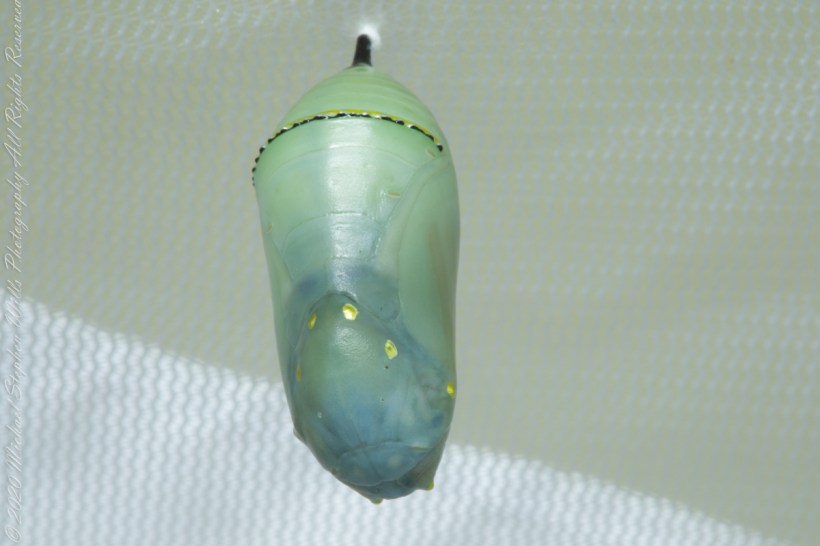
Just prior to emergence the chrysalis turns from opaque green to translucent Iappears dark). Here the wing pattern and body markings (white dots) are visible.
I used a Manfrotto tripod, the Canon EOS 5D Mark IV dslr (high resolution video capability) and Canon’s EF 100mm f/2.8 USB macro lens for the following up close coverage of a Monarch emerging followed by wing expansion.
One early morning, just after dawn, Cocoa Beach, Florida, I had a revelation. My wife and I walk the beach four or more miles each day we are lucky enough to be in Florida for the winter. Yes, we are “snow birds” who flee the snows of New York for a few weeks, now and then.
We love to catch the sunrise together, have breakfast, pull together a lunch for a long walk. We catch the passing beach scenery, find a place to enjoy our meal, and return late afternoon.
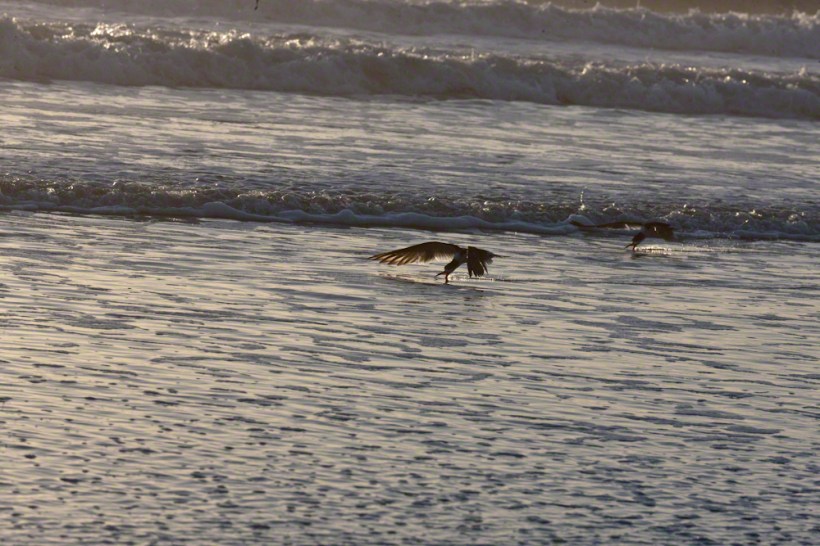
The Black Skimmer (Scientific Name: Rynchops niger) literally stands out from the gulls. The individuals gather together in a large group. If there is a wind, most group members face into it. They are aloof and dignified, unlike the gulls who grift for food, obnoxious and bothersome if you make the mistake of throwing a gull a morsel.
Black Skimmers are just as large a gulls. Slender, tern-like, black and white bodies. Recognize a Black Skimmer from the colorful red of the base of the bill. Click me for more of my Florida offerings.
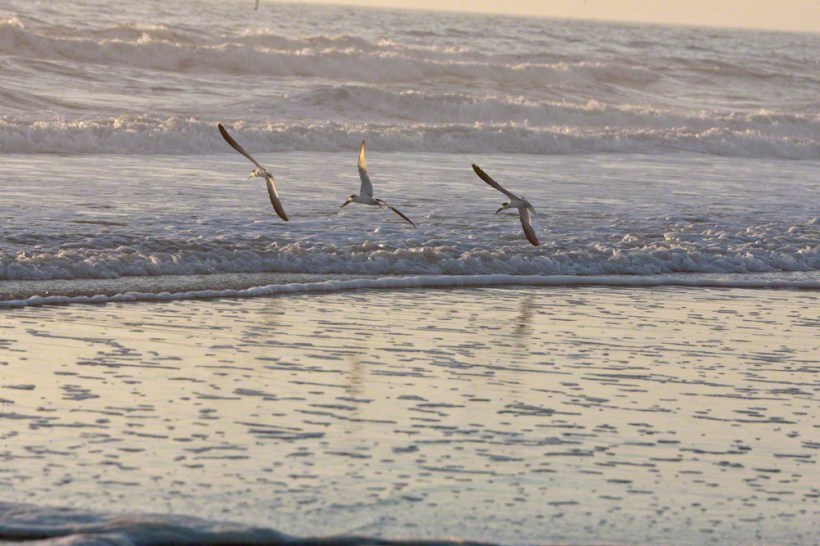
My early morning revelation was how the Black Skimmer feeds, flying just above the surf, the lower mandible extended to fish by feel. Unless you beach walk early mornings, you will be most familiar with the habit of grouping together, facing into the wind. I captured this individual, a member of a larger group, just after sunrise, on Cocoa Beach. It was just me and the Skimmers.
Their feeding is successful enough to allow them to longue on the beach most of the day. I have only seen them feed early mornings. Here is another part of their feeding behavior. They feed as a group in long sweeping lengths. At the end, they turn as a group and head the other way. Here are three Black Skimmers in a turn.
One morning, after our sunrise view, I pulled together my photography kit for this successful photo shoot. Enjoy!!
Enter your email to receive notification of future postings. I will not sell or share your email address.
Copyright 2025 All Rights Reserved Michael Stephen Wills
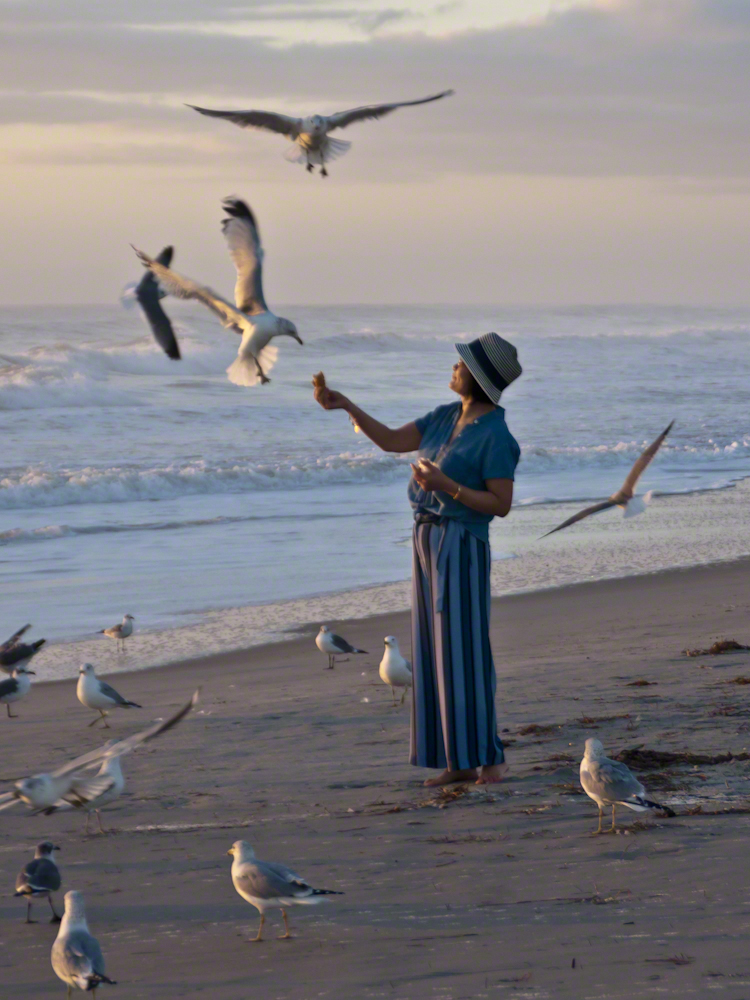
Gulls, an omnipresent element of any beach stroll. Pestiferous, abounding and incessant the gull is simple to deal with. Keep any and all foodstuffs under wraps.
Conversely, for those who adore a crowd of raucous opportunists simply pull out the food and offer it to the air. There is more about this photograph at this post, “Lady Feeding Gulls, Cocoa Beach Dawn.”
Click any photograph for a larger view.
Beach Walking
Pam and I developed a habit of hanging out in Florida during Finger Lakes Winters when the gorges are closed for safety and even walking the streets is perilous, stray black ice encounters abound. We trade icy falls for beach walks.
It is natural to become inured to the flight of gulls along the shore. For all my carting along the Sony Alpha 700 with a variable lens ( 18 – 200 mm) there is not a single photograph of a gull in flight. Yet, I have my eye on them until my blindness was lifted by a peculiar individual. It seemed to be a white gull, yet it had a watchful eye.
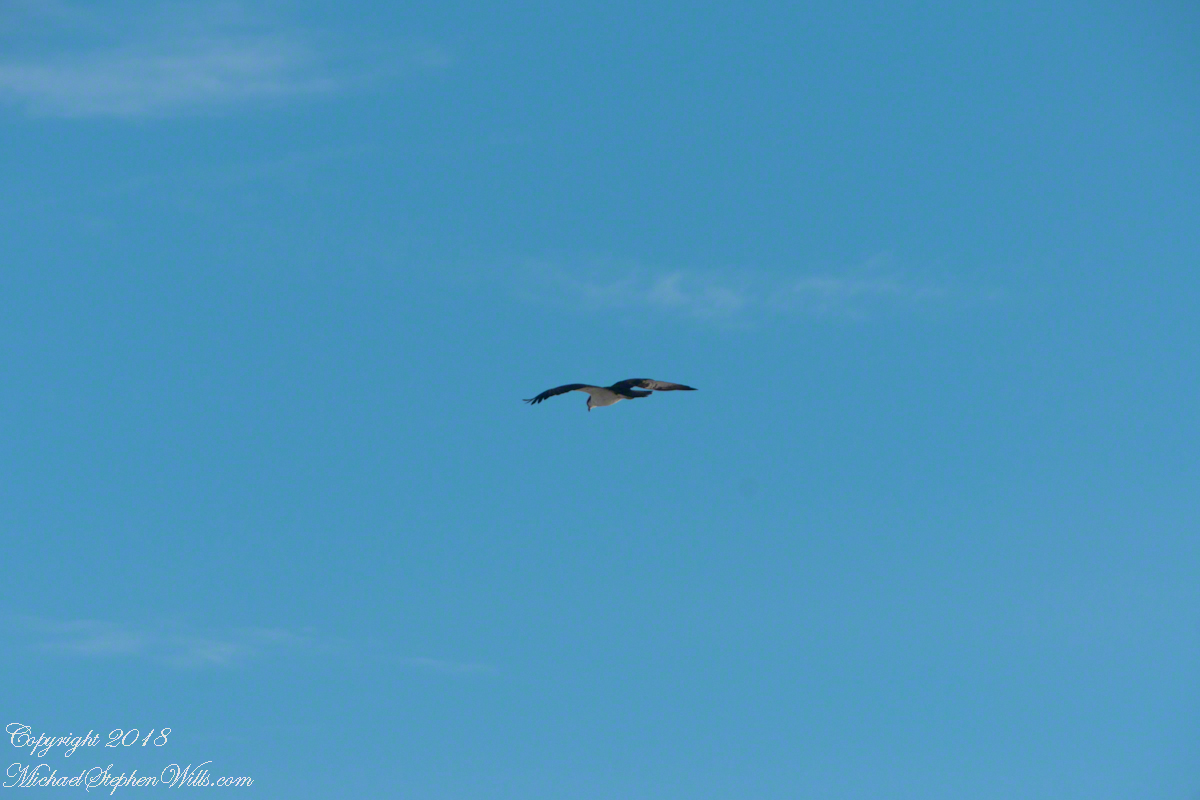
Gliding shoreline parallel with head down, how could I have mistaken it for a gull?
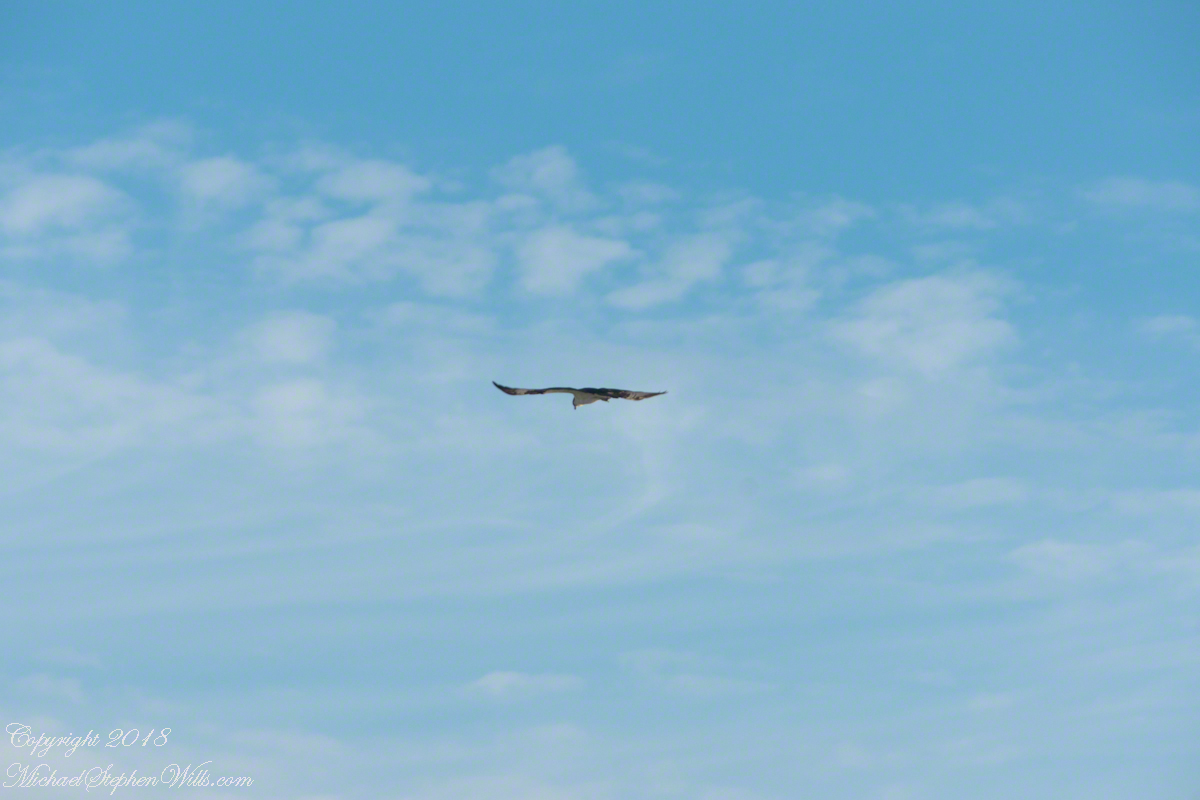
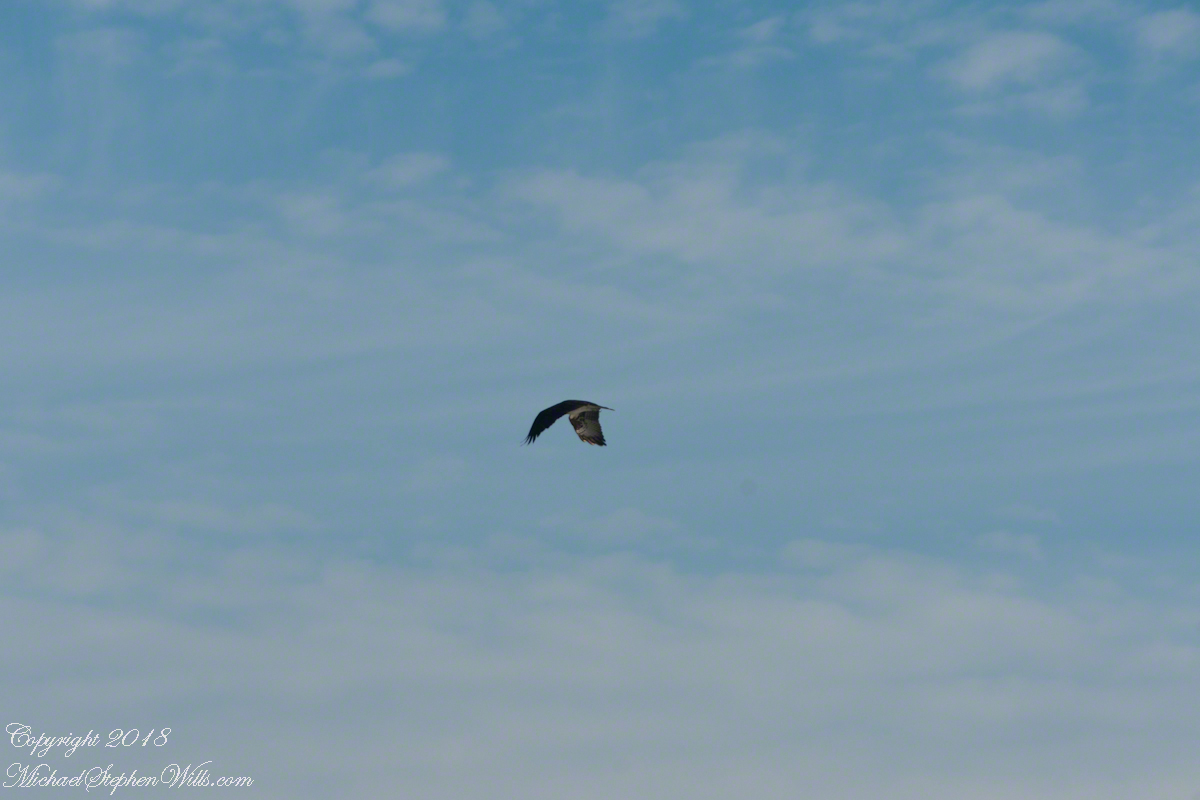
Osprey occupy an environmental niche along 700,000+ shoreline miles worldwide as a single species Pandion haliaetus. A unique bird with its own family, Pandionidae, and genus, Pandion, some experts recognize sub-species in geographic regions. Ours is the Western Osprey.
The following photograph is of a wing shape very different from the gull.
Osprey Stalking Behavior
IPhone 8 always in my pocket, I captured this clip of an Osprey stalking fish in the Atlantic Ocean surf. You will have a better viewing experience by clicking on the title of the embedded YouTube, then click on the Full Screen icon at the lower right.
Enter your email to receive notification of future postings. I will not sell or share your email address.
Copyright 2025 All Rights Reserved Michael Stephen Wills
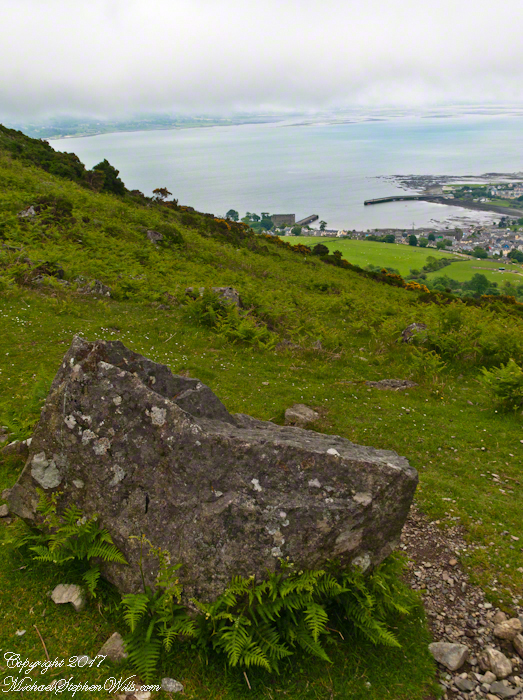
Rocks such as this are a favorite perch for leprechauns to rest and contemplate the works of man who have invaded their world. Inhabitants of Carlingford who wander Slieve Foye have come upon them often enough, their stories and certitude in the existence of the Little People are resistant to manifold doubters with their reasons and arguments.
Kevin Woods, aka McCoillte, was a doubter until worked on a stone wall on property he owned on Ghan Road, Carlingford. His belief did not arise on the discovery of the leather purse, covered with ages of dust and lime, nor with the gold coins inside. McCoillte pocketed the coins for luck. As luck would have it, McCoillte loved to walk on Slieve Foye. It was on one such walk he and his dog encountered Little People who paralyzed them to escape. His unexplained absence led to troubles with the wife.
This experience brought McCoillte around to enough of a belief that he, with lots of help, succeeded in petitioning the E.U. European Habitats directive to recognize leprechauns a protected species. According to a page on the Celtic Times web site, “The E.U. sent Madame Isobel Jeanne from Fecamp in Brittany France to Carlingford with the official letter declaring Carlingford Mountain (Note: otherwise known as Slieve Foye) protected, on the grounds that they could not prove or disprove their existence.” The page is titled “The Carlingford Leprechaun.” Google “Last Leprechauns” learn more about McCoillte’s stories.
I came upon this rock on June 9, 2014 on a day my cousin Sean Mills invited us to walk the Tain Way over Slieve Foye. It was such a finely shaped piece of what I suppose to be granite, the view of Carlingford, the lough and farmland so compelling, I spent time composing this landscape.
You can make out “King John’s Castle” just over the ridge and its yellow flowering gorse, on the margin of the blue lough. It is the boxy, grey structure; crenellations are visible on high resolution versions of the image. Carlingford is known for the castle, the popular name is for the English monarch who spent time there, although it was built by another.

















 Michael Stephen Wills Photography