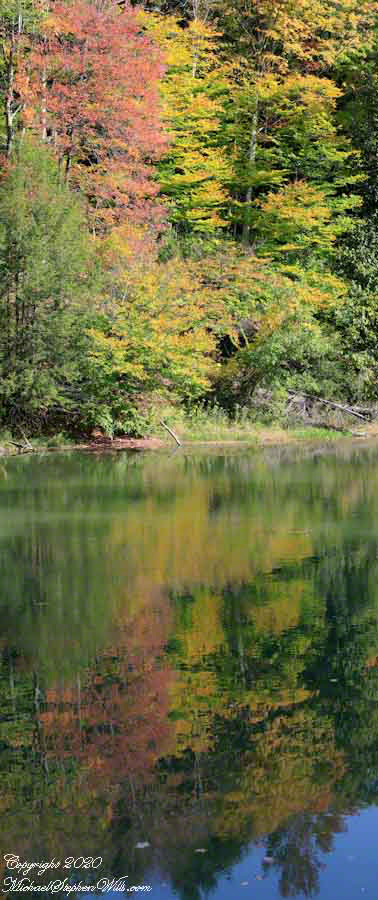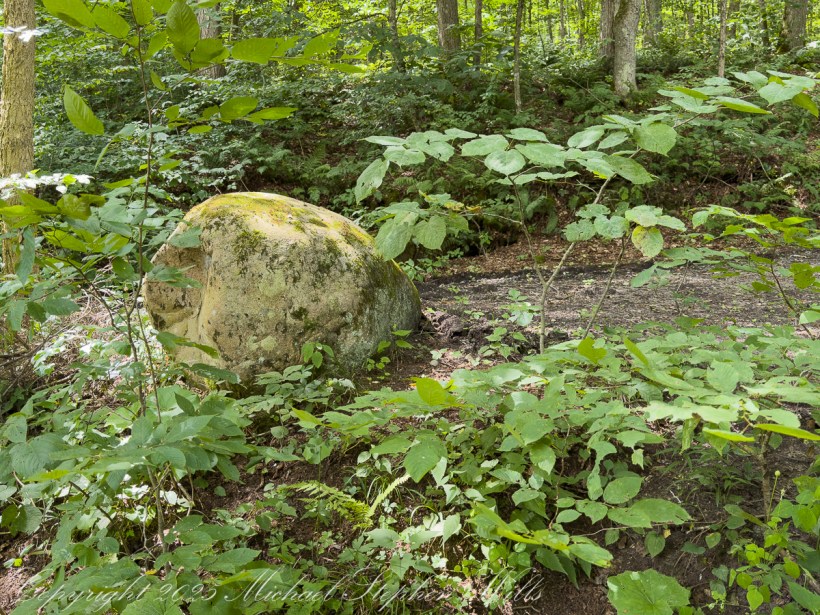
Discovering Trillium Species: Beauty in Diversity

A reflective springtime journey through Robert H. Treman and Fillmore Glen State Parks reveals the quiet beauty and botanical mysteries of red and white trilliums—exploring their species differences, color shifts, and the wonder of their ephemeral blooms.

Click me for my Getty flower photography.

Late April – Robert H. Treman State Park

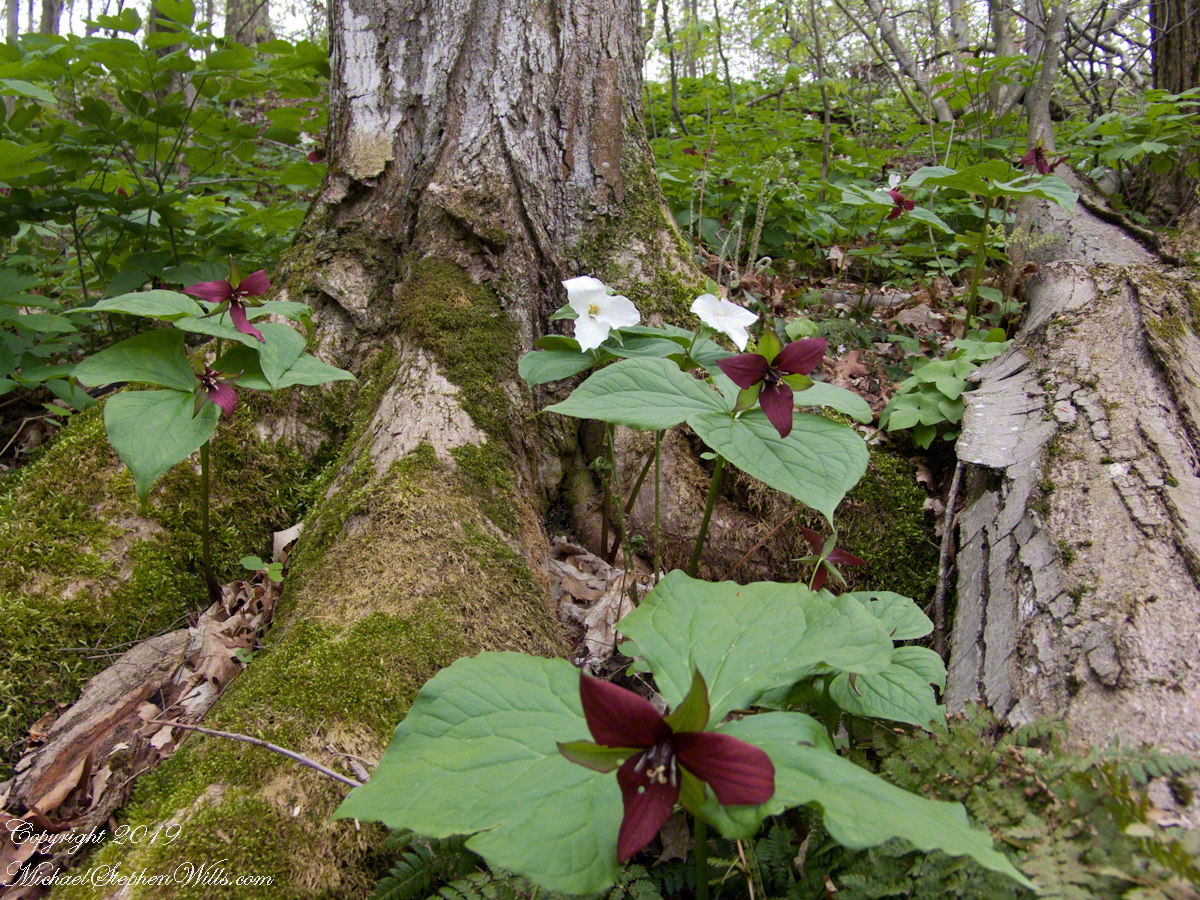
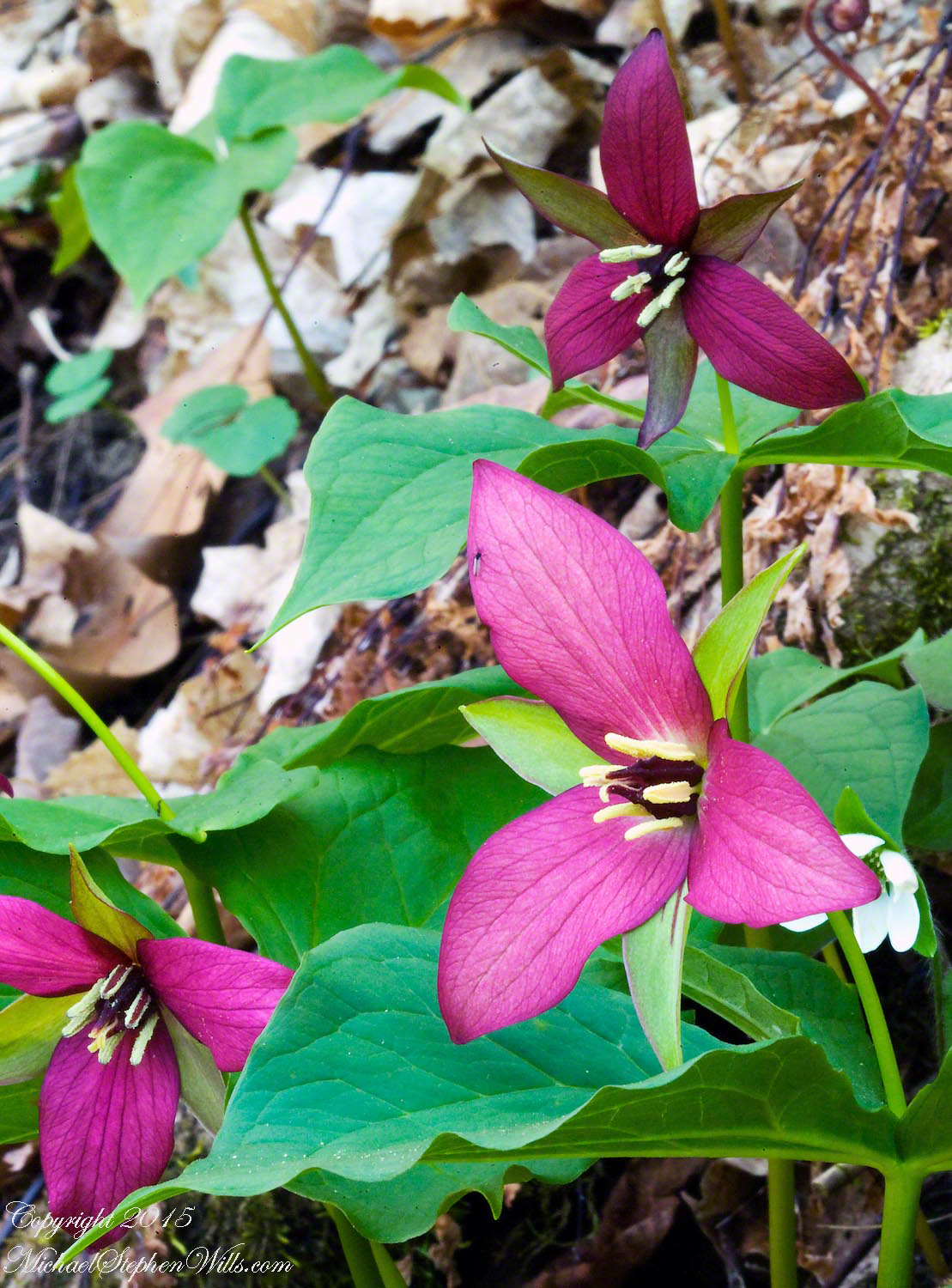
I follow a winding trail through hemlock and maple woods, the air cool and earthy after a spring rain. Under the canopy of budding leaves, I spot a flash of deep burgundy among the moss. Kneeling, I find a red trillium blooming at the base of an old oak. Its three velvety petals are a rich wine color against the green moss and damp leaf litter. A faint musky scent wafts from the flower – no wonder some call it “Stinking Benjamin.” Nearby stands another trillium, but this one is a pristine white star facing upward toward the light. Its broad petals have a gentle wavy edge and no noticeable odor. The red flower droops modestly while the white one opens itself to the sky. Different in color and posture, I realize these are two distinct species1 sharing the same springtime stage.

Red trilliums (Trillium erectum) and white trilliums (Trillium grandiflorum) thrive side by side on the mossy roots of a tree. The maroon “wake robin” flowers nod toward the earth, while the white blooms stand upright to catch the light.

Seeing the red and white blooms side by side feels like meeting two woodland siblings – each unique yet part of the same family. The white trillium is almost luminous in the forest gloom, while the red trillium blends into the shadows with its dark hues. Both emerge from the soil after long, cold months, timing their bloom for the brief sunny window before the trees fully leaf out. Knowing how slowly these perennials grow and how long they live makes their yearly return even more special to witness. Their resilience in coming back each spring fills me with quiet awe.

Early May – Fillmore Glen State Park

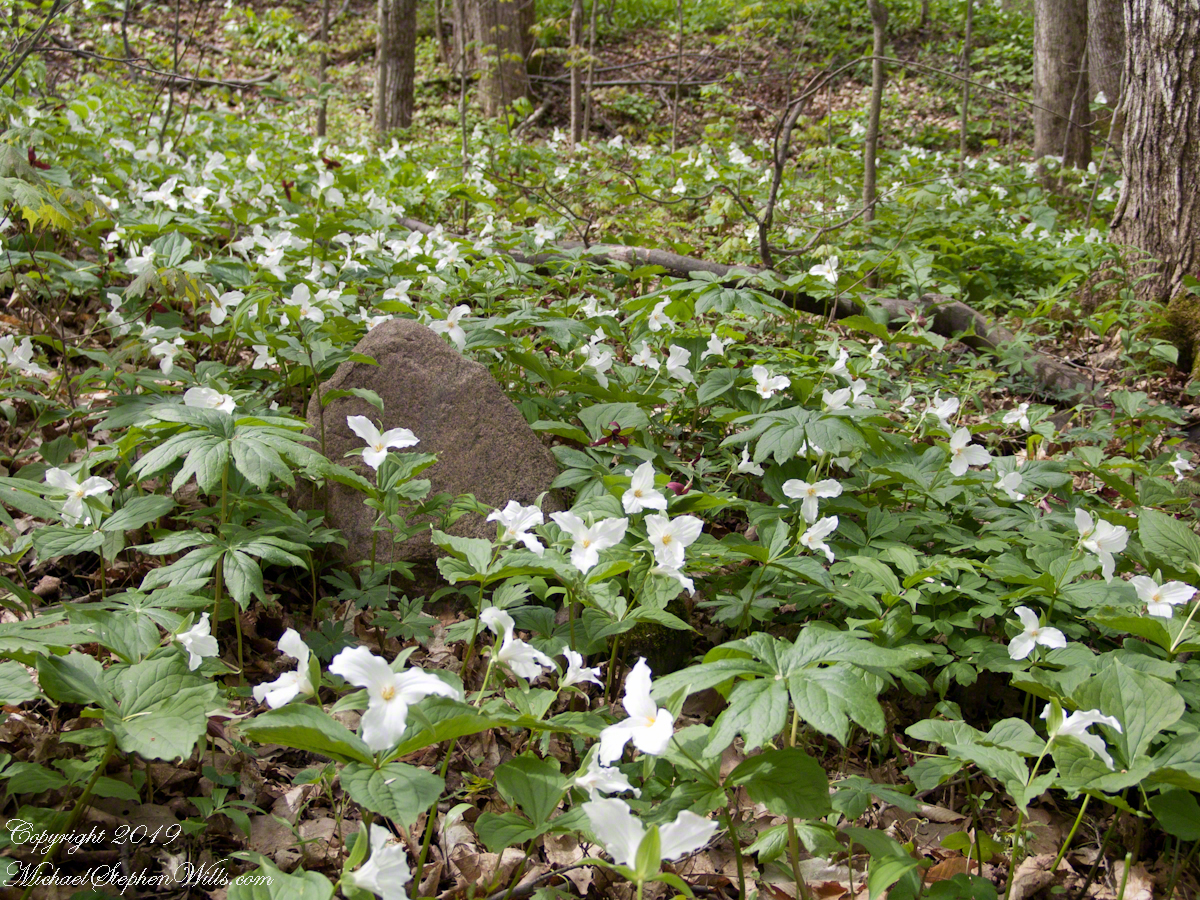
A week later, I wander the lush gorge of Fillmore Glen. The trail is alive with birdsong and the rush of a creek. Dappled sunlight slips through the greening canopy, illuminating patches of the forest floor. Rounding a bend, I catch my breath — the hillside ahead is blanketed with hundreds of white trilliums, a breathtaking constellation of blooms across the ground that feels almost sacred. Careful not to tread on any, I step closer to admire them at eye level.

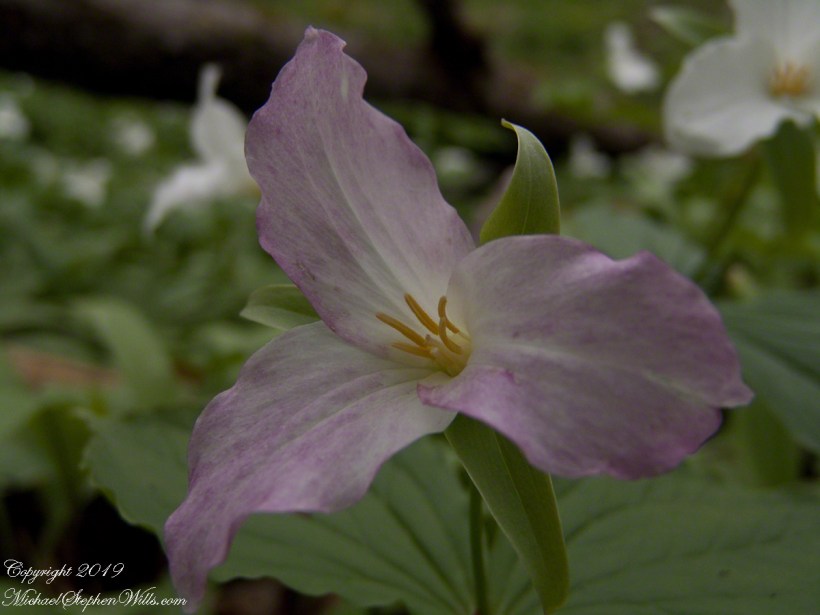
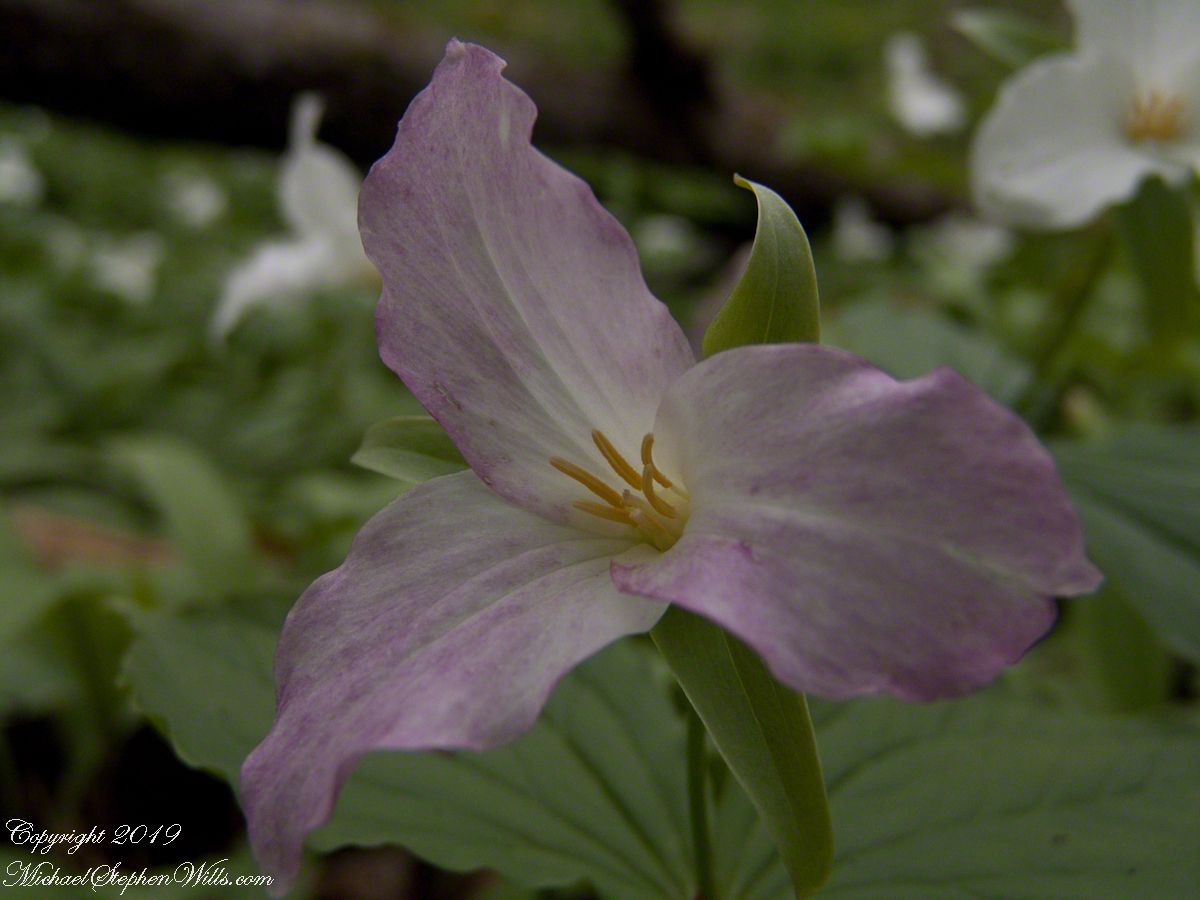
Up close, one large white trillium reveals a surprise: a delicate wash of pink across its aging petals, as if it were blushing. It’s known that after pollination the snow-white petals of Trillium grandiflorum often turn rose-pink with age2. Indeed, many blossoms here wear a faint pink tint, especially those that have been open for a while. This blush of maturity gives the colony a quietly celebratory air – fresh ivory blooms mingling with older siblings tinted softly rose.

The petals of a white trillium take on a soft pink blush as the flower ages, adding a new hue to the spring palette. Fresh white trilliums bloom in the background while older ones show a rosy tint.

In a shaded nook at the edge of the colony, a lone red trillium blooms among the white. I wonder if the red and white trilliums ever hybridize. I see no intermediate colors and recall that the white trillium rarely hybridizes with other species3. The red trillium, by contrast, can swap pollen with certain close relatives, yielding various forms elsewhere. But a true red–white cross never occurs here – each species keeps to its own.

Trillium bloom April through May in central New York State. I found these blooming on the rim of Fillmore Glen near Owasco Lake and the town of Moravia.

The red trillium even has a rare white-petaled form4 easily mistaken for its white-flowered cousin. I linger a bit longer among these graceful “trinity flowers,” my questions answered and my appreciation deepened. As I turn to go, a sunbeam breaks through and illuminates one last trillium by the trail, its white petals touched with pink. I smile, grateful for the chance to witness this woodland wonder.

Click me for another Trillium posting

Enter your email to receive notification of future postings. I will not sell or share your email address.

Footnotes

  1. Different species: Red trillium and white trillium are separate species (Trillium erectum and Trillium grandiflorum, respectively), distinguished by traits like flower orientation and petal shapeidentifythatplant.com.
  2. White petals turn pink: The large white trillium’s petals are pure white upon opening but gradually develop a rose-pink or purple tint as the flower agesnj.gov.
  3. Rare hybridization: Unlike some trilliums that hybridize readily, Trillium grandiflorum (white trillium) is not known to form hybrids with other speciesen.wikipedia.org. Trillium erectum can hybridize with its close relatives, but a red–white trillium cross is not observed in nature.
  4. White form of red trillium: Trillium erectum (normally red) has a variety with white petals, classified as T. erectum var. album, which can be mistaken for a white trillium at a glancemidatlanticnature.blogspot.com.

Early Spring I

transformation to seed

Afternoon, May 5th last week was spent in Fillmore Glen New York State Park, Moravia New York. Back in 2002, this was my first wildflower photography experience and repeated many times over the years (Click me for another Hepatica posting). Here is a follow-up showing the next step in the development of Hepatica blossoms, forming seed heads.

Here you see both flowers and a single seed head set in three bracts.

Click photograph for larger image. To do this from WordPress Reader, you need to first click the title of this post to open a new page.

Click for my “Finger Lakes Memories” Fine Art Photography Gallery.

Copyright 2024 All Rights Reserved Michael Stephen Wills

Early Spring IV

exploring Trillium habitat

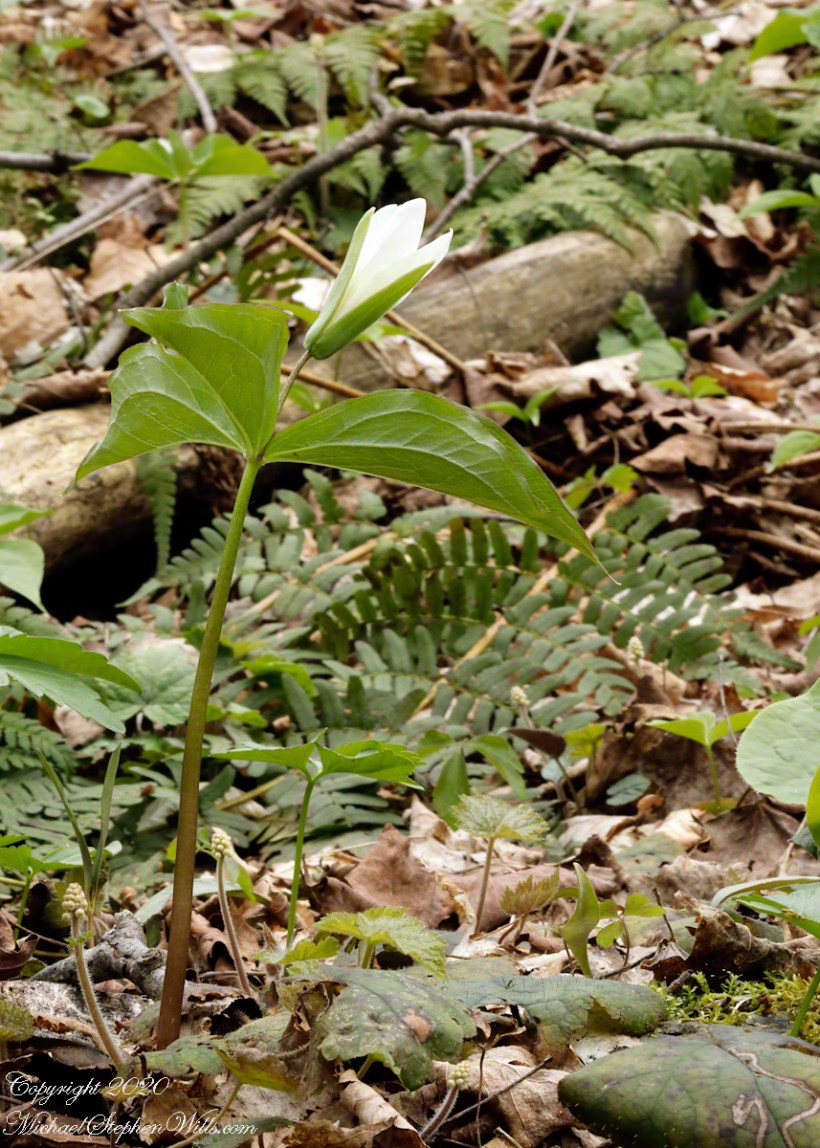
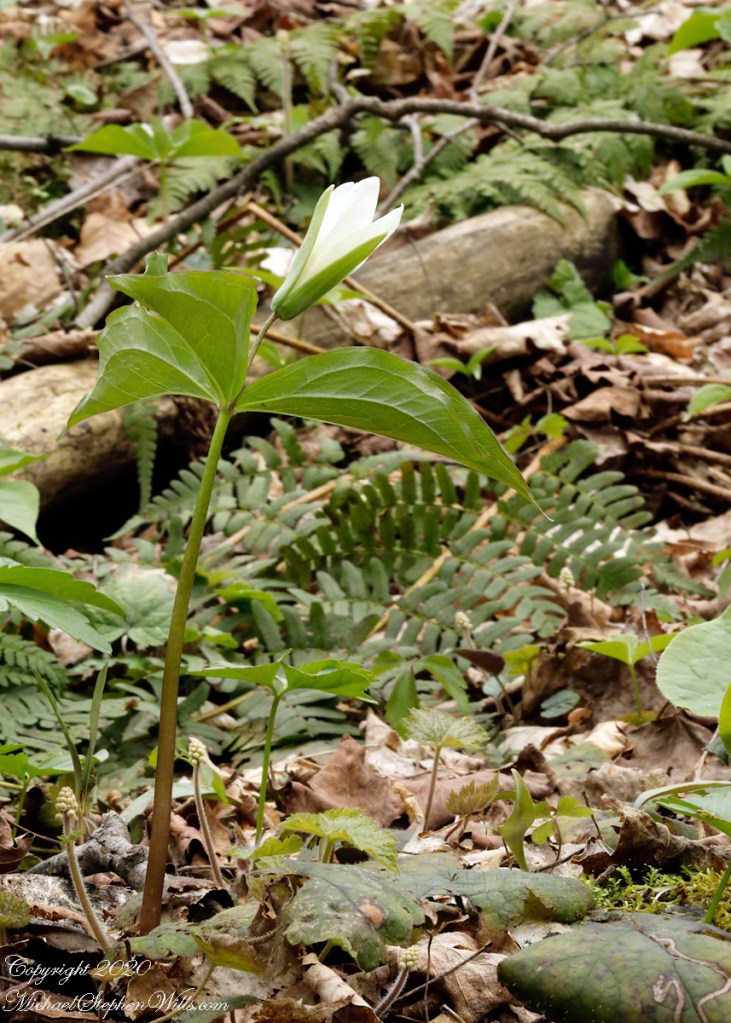
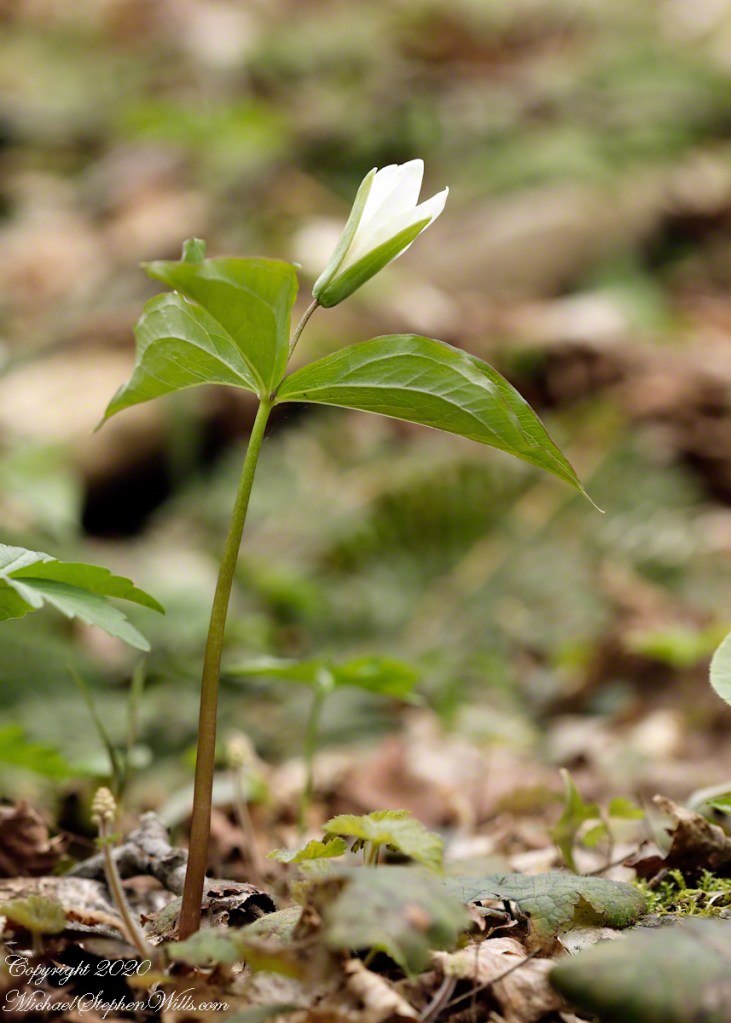
Trillium as subjects are a continual challenge to find the compelling composition. Click me for another Trillium posting.

This afternoon’s sky was overcast, perfect for photographing wildflowers: clouds thin enough for light to pour through. In the clouds’ shadow there is not enough light for the plant to cast its own distracting shadows. Compare an earlier trillium photograph (click me to go there).

For the following photograph is a study in habitat. At f32, focusing on the trillium, the surroundings are clearly identifiable: several budding Foam Flower heads (Scientific Name: Tiarella), fern, rotting wood, the forest floor hidden by leaf clutter.

I released the shutter (with a 2 second delay) during a break in spring breezes, the overcast lighting bright enough for a speedy 1/8 second exposure. The focus on the opening trillium bloom is just as crisp in this exposure as the next.

Click photograph for larger image. To do this from WordPress Reader, you need to first click the title of this post to open a new page.

At 4 f-stop, the entire plant is in focus while many habitat elements are a soft blur. An interesting point is the leaf on the left. It is in focus somewhat and is a distraction. This was an issue, in my opinion, for the first photograph.

Click for my “Finger Lakes Memories” Fine Art Photography Gallery.

Copyright 2024 All Rights Reserved Michael Stephen Wills

Ephemeral Waterfall

Fillmore Glen State Park in Moravia, New York, offers a changing landscape that serves as a living canvas, with the ironically named Dry Creek feeding its lush greenery. The ebb and flow of water from the creek creates a dynamic setting. Seasons dramatically alter the scenery, from tranquil springs to vibrantly colored autumns, beautifully captured through fine art photography.

Continue reading “Ephemeral Waterfall”

Autumn Hillside

Fillmore Glen Autumn

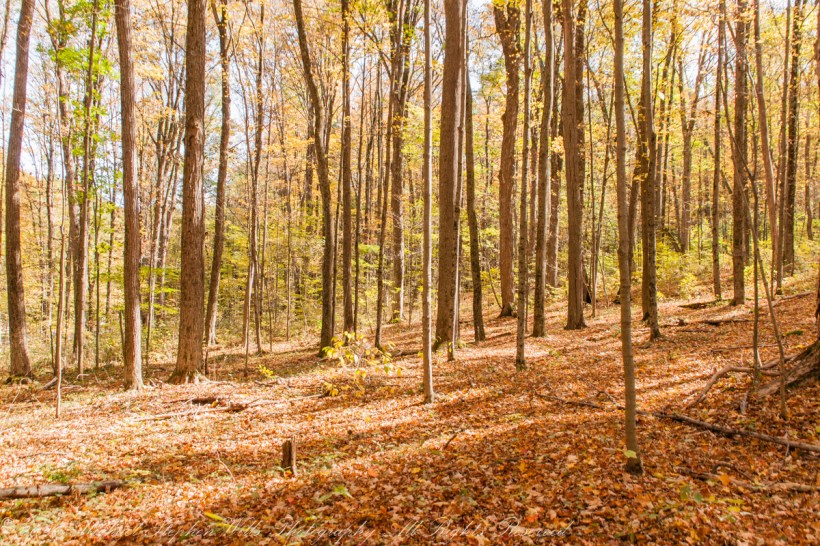
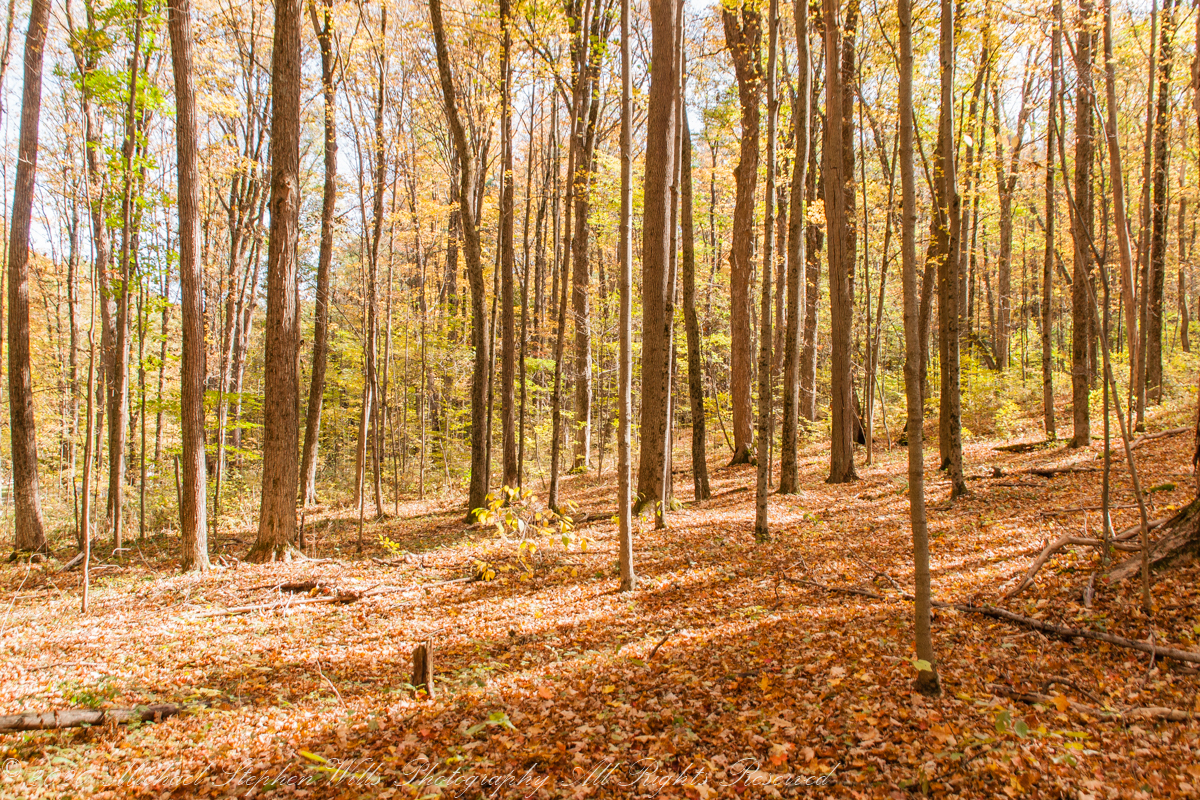
The first week of November 2023 I posted a series of photographs from Fillmore Glen from the Canon 5D Mark IV. Today, I present a series of photographs from the same day using the Sony Alpha 700 dslr using a variable 18-200 mm lens.

Hint: click image for larger view. Ctrl/+ to enlarge / Ctrl/- to reduce

Click Me to view my photographs on Getty.

Copyright 2023 Michael Stephen Wills All Rights Reserved http://www.MichaelStephenWills.com

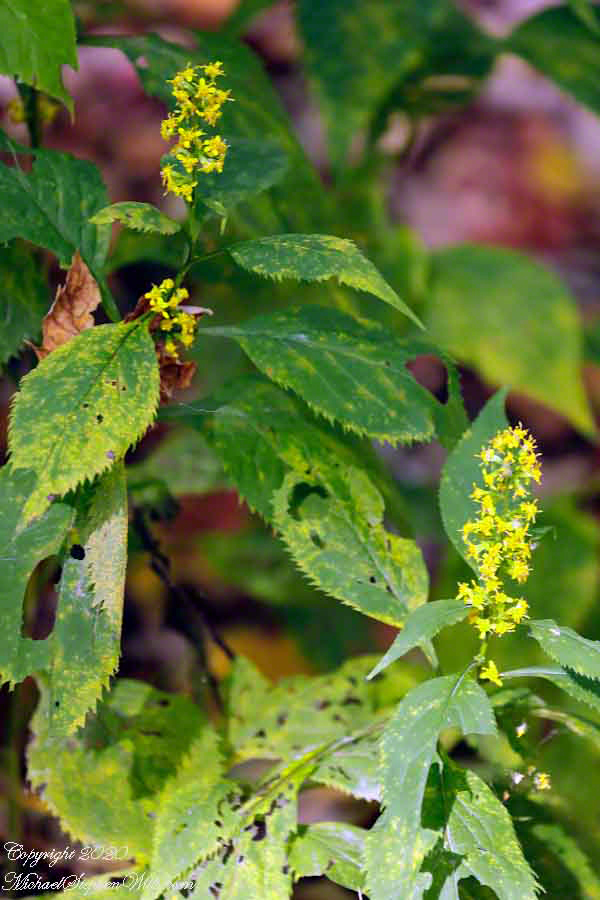
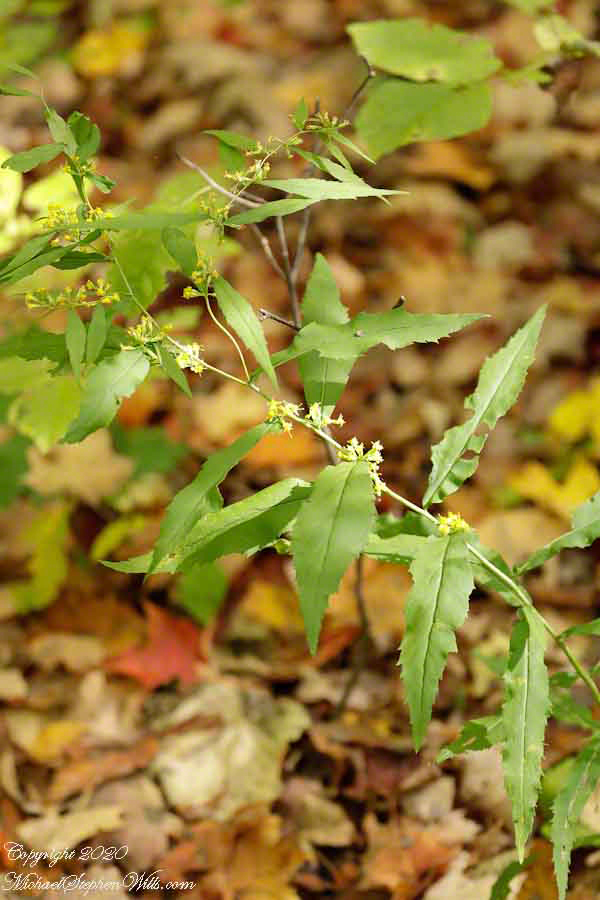
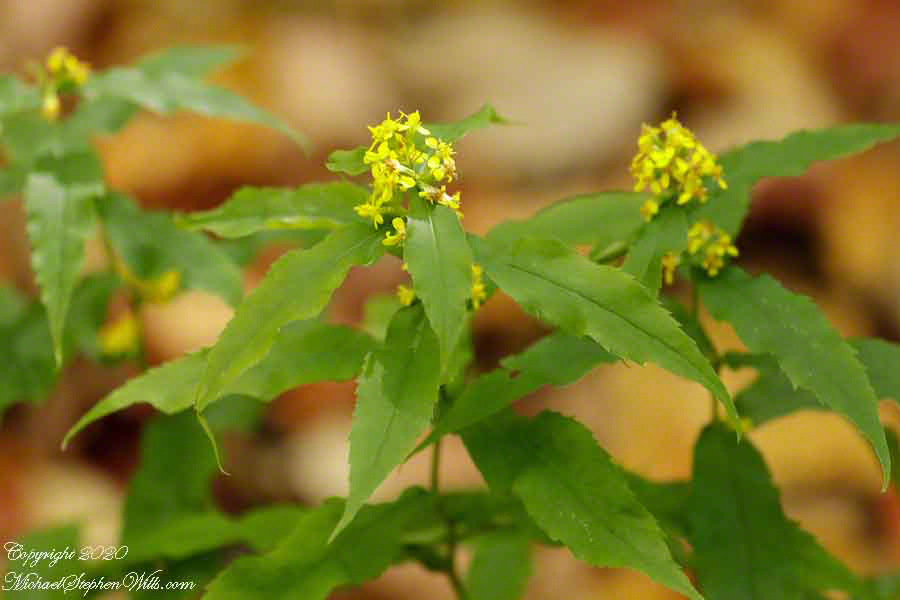
Woodland Goldenrods

Woodland goldenrods in the Finger Lakes Region contribute to ecosystem biodiversity and resilience.

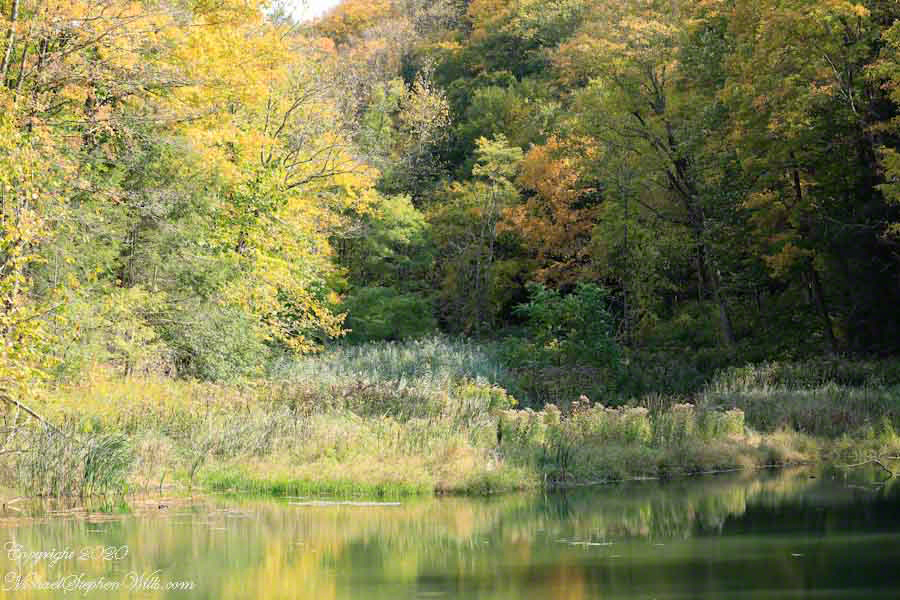
In the Finger Lakes Region of Central New York State, a tapestry of flora unfurls across the landscape, marked by the vibrant yellows of woodland goldenrods. These wildflowers are not just a visual spectacle; they are integral to the ecosystem, contributing to its biodiversity and offering a feast for pollinators.

Woodland goldenrods (Solidago species) are part of a larger genus that encompasses over 100 species, many of which thrive in the varied habitats of the Finger Lakes. This region, with its rich soils, ample rainfall, and diverse topography, hosts an array of goldenrod species, each adapted to specific niches within the woodland understory.
Hint: click image for larger view. Ctrl/+ to enlarge / Ctrl/- to reduce

Solidago caesia, commonly known as blue-stemmed or wreath goldenrod, is one species that graces these woods. Unlike the typical roadside goldenrods, this species thrives in the dappled shade, its delicate arching stems culminating in small bursts of yellow flowers that appear like beaded necklaces draped over the greenery.
Another species, Solidago flexicaulis, or zigzag goldenrod, earns its name from the characteristic bending pattern of its stem, which zigzags between leaf nodes. Its flowers are more clustered, favoring the shade and moist conditions of the forest floor. Its presence is often a sign of a healthy, undisturbed woodland.

Solidago odora, or anise-scented goldenrod, brings a sensory delight to the mix with leaves that emit a licorice-like fragrance when crushed. This goldenrod favors the edges of woodlands and clearings, where sunlight can reach its clusters of tiny, bright yellow flowers.

The downy goldenrod, Solidago puberula, is yet another species that decorates the region’s woodlands. It prefers dry, sandy soils, often found on the slopes and ridges that contour the Finger Lakes. Its name comes from the fine hairs that cover its stems and leaves, a characteristic that distinguishes it from its kin.

Each of these goldenrods plays a role in the woodland ecosystem. Their flowers provide nectar and pollen for a variety of insects, from bees and butterflies to beetles and flies. The seeds are a food source for birds, and the plants themselves offer habitat to numerous woodland creatures.

The presence of woodland goldenrods also indicates the health of the region’s forests. These plants are often pioneers in disturbed areas, contributing to soil stabilization and the natural succession process. They are resilient and adaptable, capable of surviving in a range of conditions from full sun to dense shade, though each species has its preference.

In the Finger Lakes Region, the goldenrods bloom from late summer into the fall, their golden hues a prelude to the coming autumnal display. They stand as a testament to the beauty and complexity of these woodlands, their very existence a reminder of the delicate balance within these ecosystems.
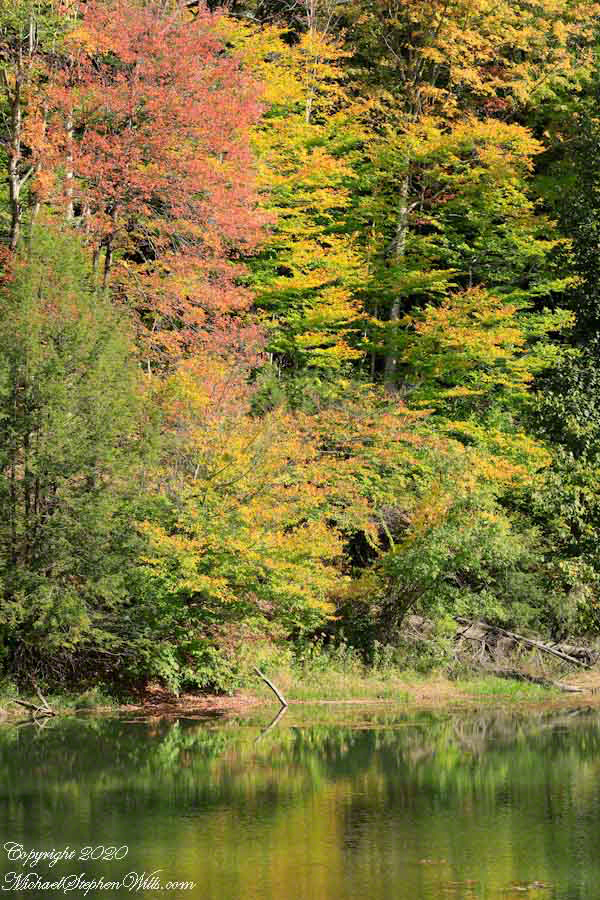
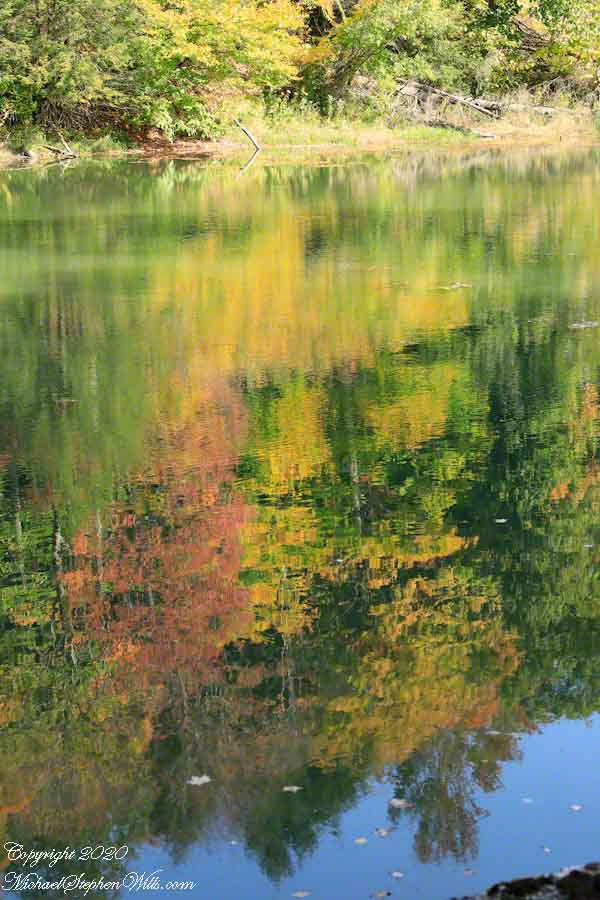
In conclusion, the woodland goldenrods of the Finger Lakes are more than just a splash of color in the verdant forests. They are a vital part of the ecological tapestry, contributing to the biodiversity and resilience of the region. Each species, with its unique adaptations and preferences, adds to the rich natural heritage of Central New York State, reminding us of the intricate web of life that thrives in these woodlands.

Click Me to view my photographs on Getty.

Copyright 2023 Michael Stephen Wills All Rights Reserved http://www.MichaelStephenWills.com

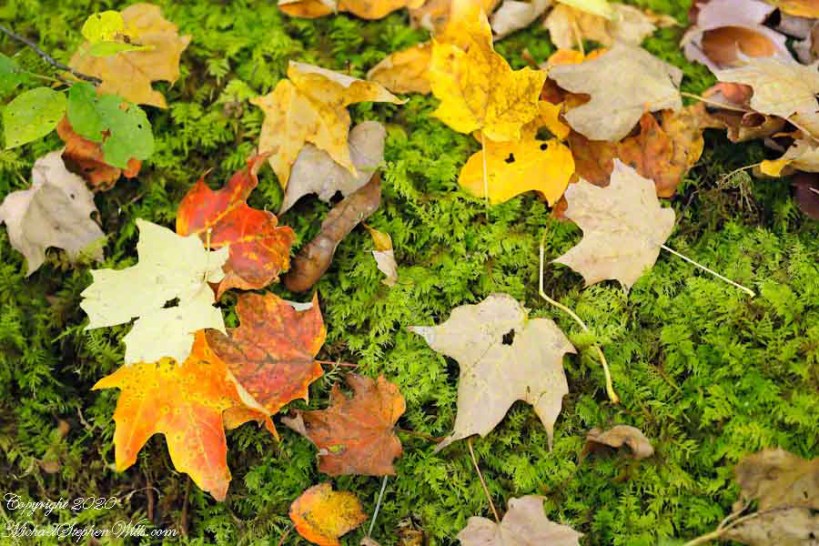
Maple Leaves and Us

The maple leaf is here portrayed as a symbol of life’s journey, intricacy, and impermanence, offering profound reflections on existence and human aspiration.

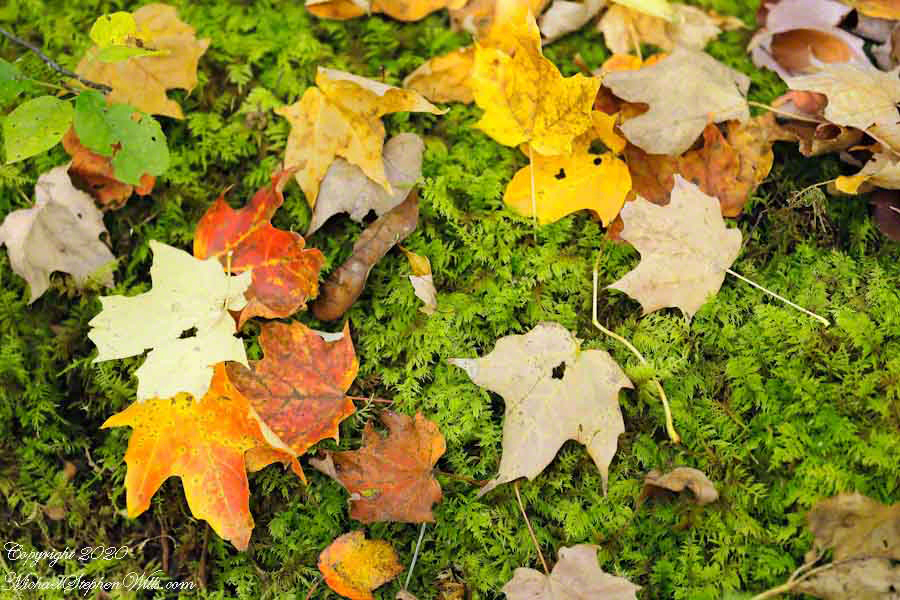
The maple leaf, a symbol cast from the arboreal giants that stand sentinel over the forests of the North, is an emblem woven into the very fabric of the natural world and the ethos of nations. In the hush of the woodland, where light dapples through the canopy, one might find the ground strewn with these deciduous gems, each a small testament to the grandeur of the cosmos and the cyclical poetry of life.

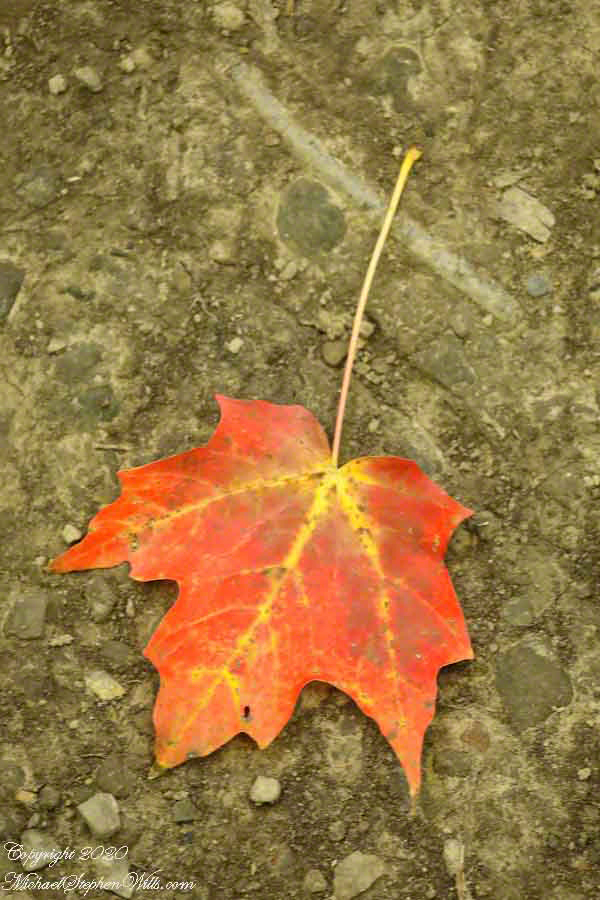
A maple leaf is an allegory for the human condition. The leaf, in its singular form, is a paragon of symmetry, its serrated edges a crown of nature’s meticulous artisanship. The veins that stretch across its surface, much like the lines upon an aged hand, speak of life’s intricate network, the invisible bonds that connect and sustain us. Each leaf, a verdant vessel, courses with the sap of existence, a lifeblood shared in the quiet brotherhood of the forest.

Hint: click image for larger view. Ctrl/+ to enlarge / Ctrl/- to reduce

Yet, as the seasons wheel from the halcyon days of summer to the mellowing glow of autumn, the maple leaf undergoes a transformation as profound as any in the human soul. It becomes a canvas upon which the twilight of the year is painted. Scarlet, amber, and gold – these are the hues of the leaf’s maturation, a visual sonnet to the passage of time. Mann may have mused on this metamorphosis, the leaf becoming an artifact of beauty at the very precipice of its own demise, a reflection on the bittersweet nature of all earthly endeavors.

Philosophically, the maple leaf’s journey from bud to decay is a microcosm of existence itself. In spring, it burgeons forth from the stark limbs of its parent tree, a symbol of rebirth and the perennial hope that accompanies new beginnings. In its zenith, it offers shelter and sustenance, an unheralded giver of life. But as it yields to the inevitable fall, swirling in the autumn winds to its rest upon the soft earth, it evokes a meditation on the impermanence of all things. The leaf, once the very emblem of vitality, now melds with the soil in quietus, a return to the elemental from which it sprung.

The maple leaf, then, is not merely an object of transient beauty, nor simply a token of the land it hails from. It is a narrative, a silent orator of the eternal truths that bind the soul of the artist to the canvas of the universe. It is a vessel for the musings of poets and philosophers, a simple yet profound cipher for the myriad complexities of existence.

I find maple leaves imbued with a weight of existential significance: its simple, pleasing shape a metaphor for the human aspiration towards beauty and the poignant inevitability of its corruption. For in the visage of the leaf, one might glimpse the duality of passion – the longing for the sublime, coupled inexorably with the sorrow of its fleeting grasp. Thus, the maple leaf, in its silent splendor, becomes a memento mori, a delicate reminder of the rapturous agony of life and the solemn peace of death.

Click Me to view my photographs on Getty.

Copyright 2023 Michael Stephen Wills All Rights Reserved http://www.MichaelStephenWills.com

Fungal…

Shelf fungi, known for their ecological role and unique physical features, hold significant cultural and practical importance in Native American traditions, medicine and art.

Overview

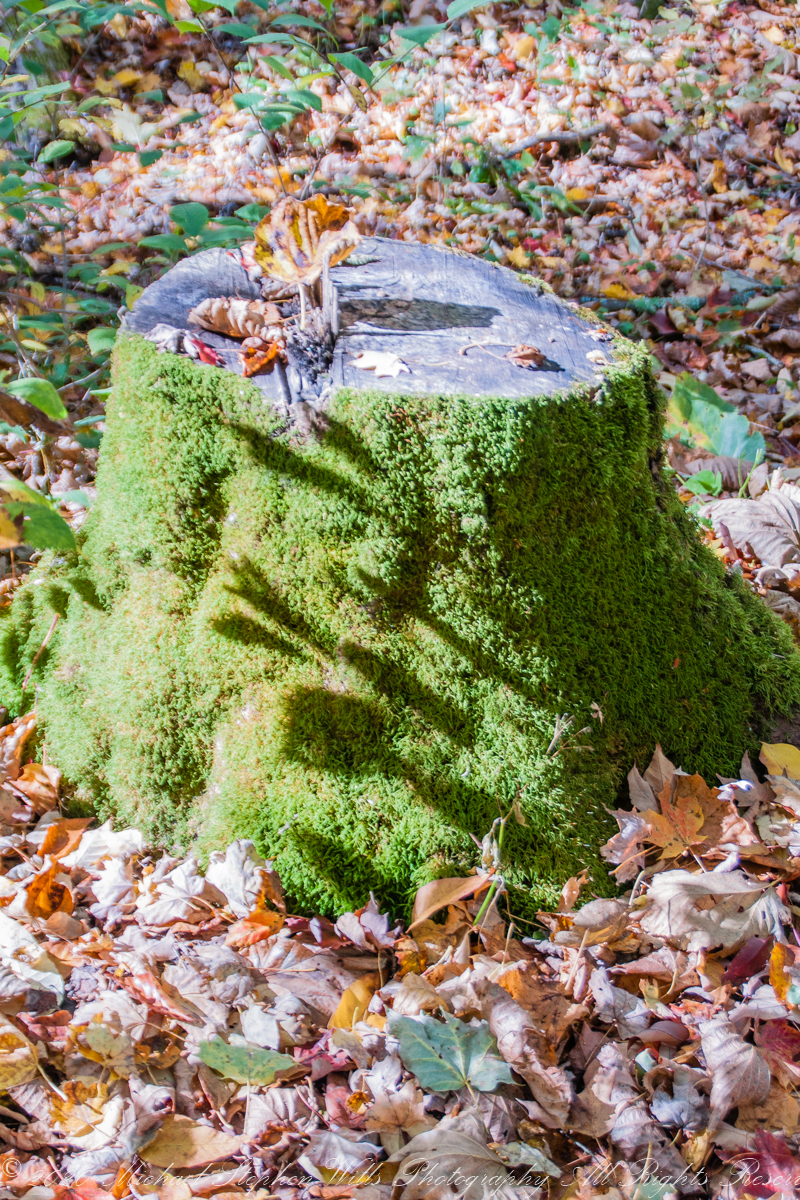
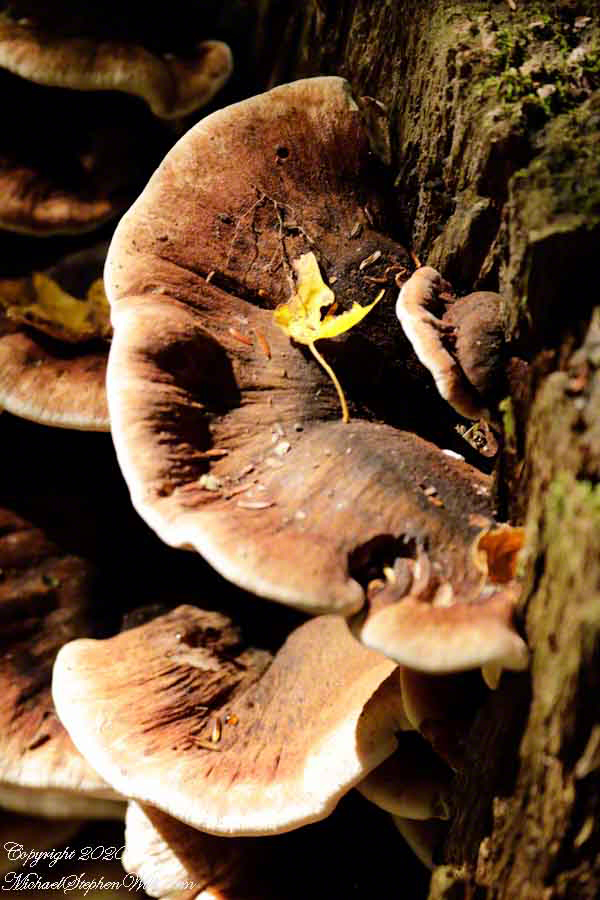
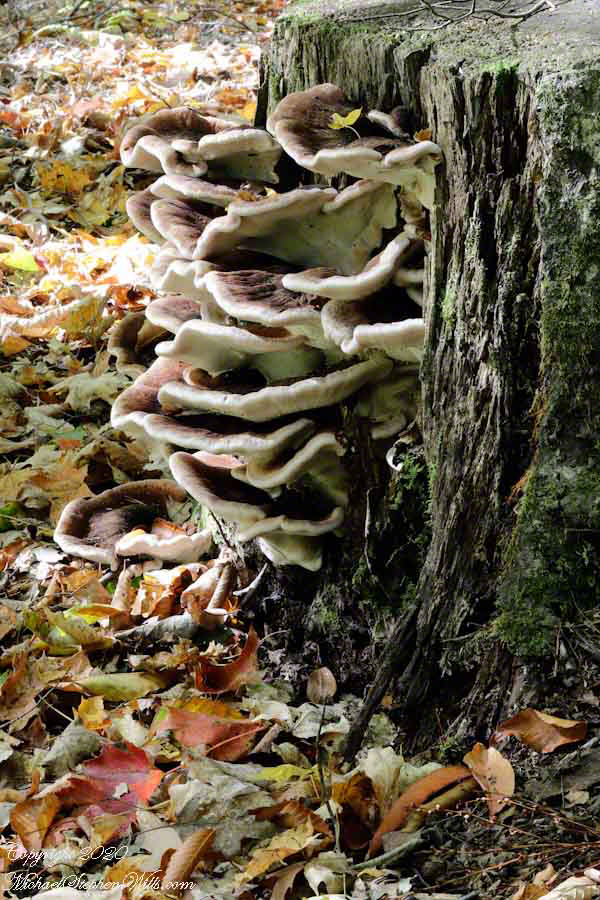
Shelf fungus, also known as bracket fungus, comprises various species of polypore mushrooms that grow on trees, logs, or branches, forming shelf-like structures. These fungi are integral to forest ecosystems, functioning as decomposers that break down the cellulose and lignin in wood, facilitating nutrient cycling. They possess a hard, woody basidiocarp — the fruiting body — which can persist for years. The spore-producing surface is typically on the underside, featuring numerous tiny pores where spores are released. Shelf fungi are diverse, with species ranging from saprophytic to parasitic, some contributing to tree diseases like heart rot.

Hint: click image for larger view. Ctrl/+ to enlarge / Ctrl/- to reduce

Poetically Fungal

Shelf fungi captivate me with their silent tenacity, perched like wooden sentinels on forest guardians. Their presence is a reminder of nature’s cycles, breaking down the old to nourish the new. Each time I spy their intricate layers and earthy hues, I’m reminded of life’s layered complexities. They are nature’s artists, painting decay with a purposeful brush, turning fallen timber into rich soil. To me, they symbolize resilience, a testament to thriving in place, despite the odds. In their quiet existence, they echo the beauty of transformation, an emblem of life’s perpetual motion within the stillness of the woods.

Natively Fungal

The relationship between Native Americans and shelf fungi is rooted in a profound understanding of the natural world, where every element has a role in the cultural and practical life of a community. Shelf fungi, with their sturdy, shelf-like projections from trees, have been an integral part of Native American tradition, utilized for both medicinal and practical purposes.

Medicinally, various tribes recognized the healing properties of certain shelf fungi. The Iroquois, for example, used bracket fungi in poultices to treat wounds and swelling. Other tribes found uses for shelf fungi as anti-inflammatory agents or as a means to stop bleeding, embracing the fungi’s natural anticoagulant properties.

In everyday life, the unique physical properties of shelf fungi lent themselves to multiple uses. The Piptoporus betulinus, commonly known as the birch polypore, was carried by the Otzi the Iceman, a natural mummy dating back to over 5,000 years ago, likely for its antiseptic properties and as a means to carry embers due to its ability to smolder without flame. This hints at a broader prehistoric and indigenous use of fungi for fire carrying.

The tinder fungus, a type of shelf fungus, was particularly valued for its ability to hold a flame. Native Americans often used this fungus to transport fire between camps. They would hollow out a section of the fungus, fill it with hot embers, and cover it to create a portable and long-lasting source of fire. This was an essential technology for survival, especially during long treks or in adverse weather conditions.

Moreover, the Ganoderma species, commonly referred to as the Artist’s Conk, served as a canvas for art. These fungi have a white pore surface that darkens when touched. Native American artists utilized this characteristic to etch drawings and messages, turning these fungi into storytelling and communicative tools.

The profound connection between Native Americans and shelf fungi illustrates a deep ecological wisdom where even a simple fungus is interwoven into the fabric of cultural and survival practices. This symbiosis underscores the importance of every organism within an ecosystem, a lesson that resonates with contemporary efforts to understand and preserve our natural world.

Copyright 2023 Michael Stephen Wills All Right Reserved http://www.MichaelStephenWills.com

Dam Pond

Fillmore Glen Autumn

As the season of harvest waned to the deep, fiery heart of November, I found myself beneath the boundless expanse of heaven’s azure, wandering the untouched expanses of the wilds. The sun, in its unwavering journey, cast its gaze upon the earth, illuminating the realm with a clarity that seemed to transcend the ages. It was upon such an afternoon that mine eyes beheld a vision of yesteryear’s industry, a relic from a time long since passed into the annals of history—an ancient dam and pond, nestled in the forest.

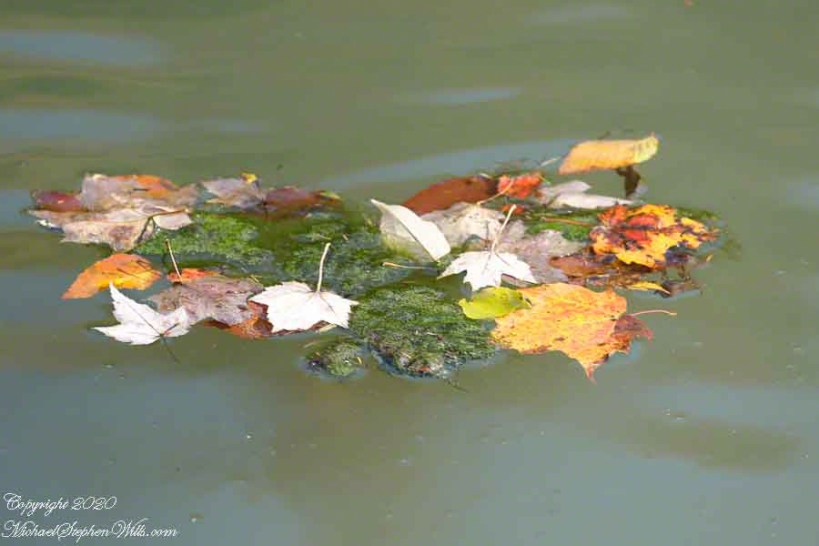
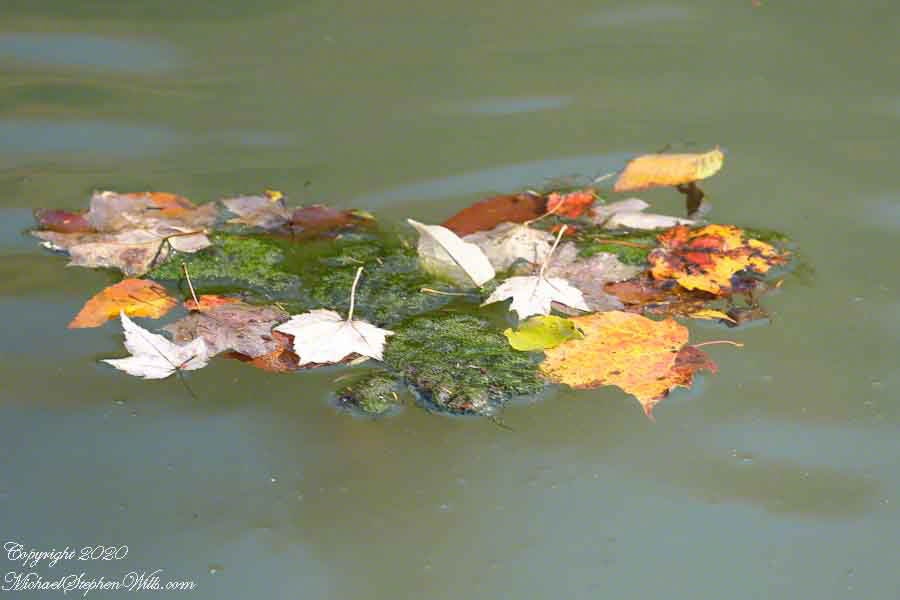
The water, a mirror to the sky, held within its embrace the autumnal celebration of the maples. Leaves, flames of red and gold, lay scattered upon the surface, drifting languidly atop the pond. Amongst this mosaic of nature’s final flourish, green tendrils of algae weaved patterns, as though the very spirits of the forest sought to lay claim to the waters with their verdant touch.

Hint: click image for larger view. Ctrl/+ to enlarge / Ctrl/- to reduce

The trees, mighty sentinels of maple, stood in grandeur around the pond, their boughs heavy with the weight of the season. Their leaves, caught in the throes of change, were painted with the brilliant hues of yellow and red, a testament to the time when the earth itself becomes an artist of unrivaled skill.

And there, frozen in the midst of this tranquil domain, stood the gears of the mill race, once alive with industry’s hum, now silent and immobile. They reached towards the heavens, their shadows etched upon the pond below, as if in a final, defiant stand against the passage of time.

Such a sight, in the clear, sunny afternoon of this November day in the year 2511, spoke to me of the enduring dance between man’s creations and the relentless, reclaiming hand of nature. It was a scene that stirred within me a profound reverence, a sense of communion with the generations that had walked these woods before. Here, in this hallowed place, time seemed to pause, allowing me a moment of solemn reflection in the ceaseless flow of eternity.

Copyright 2023 Michael Stephen Wills All Right Reserved http://www.MichaelStephenWills.com

Golden Paths…

Fillmore Glen Autumn

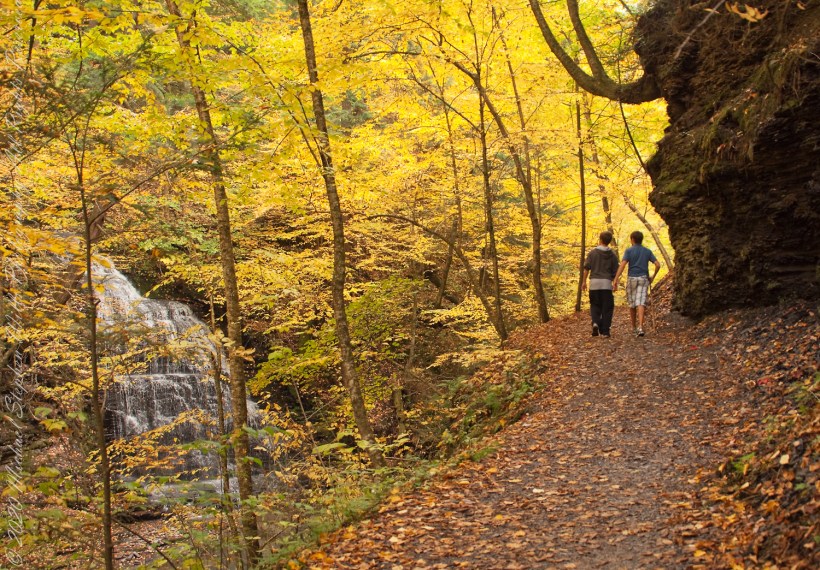
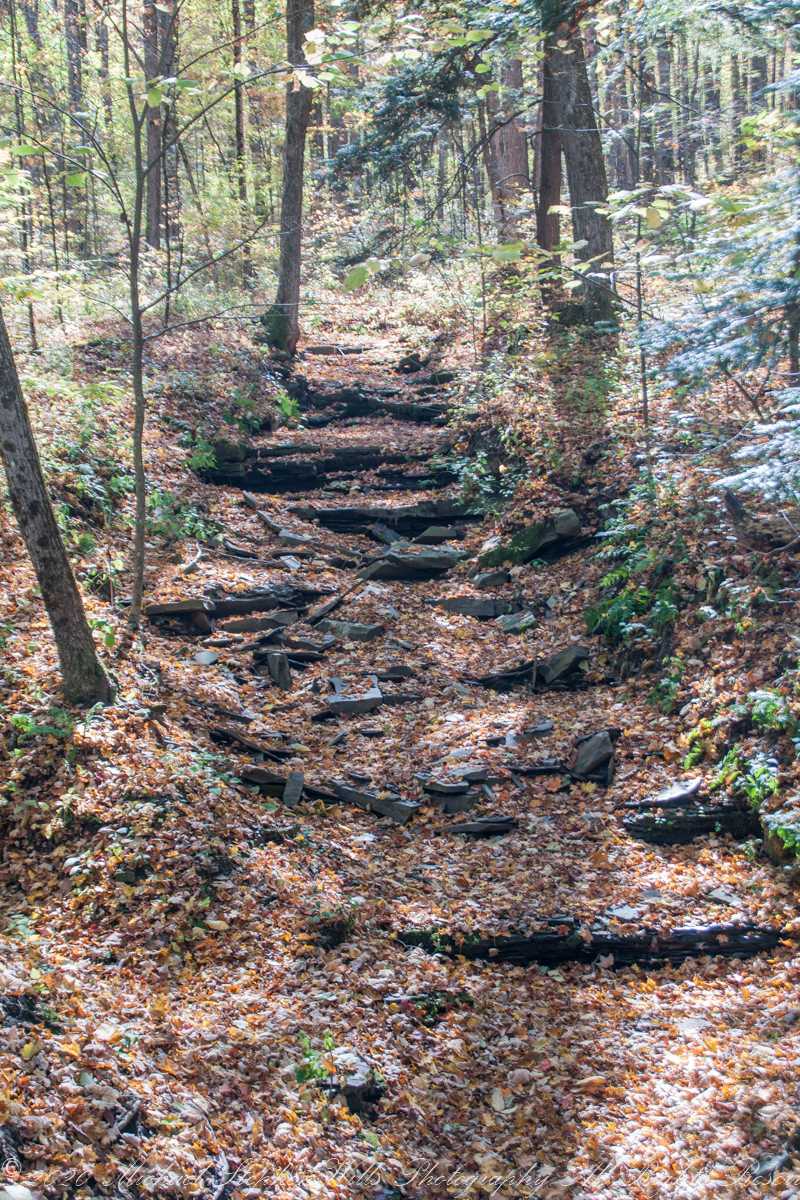
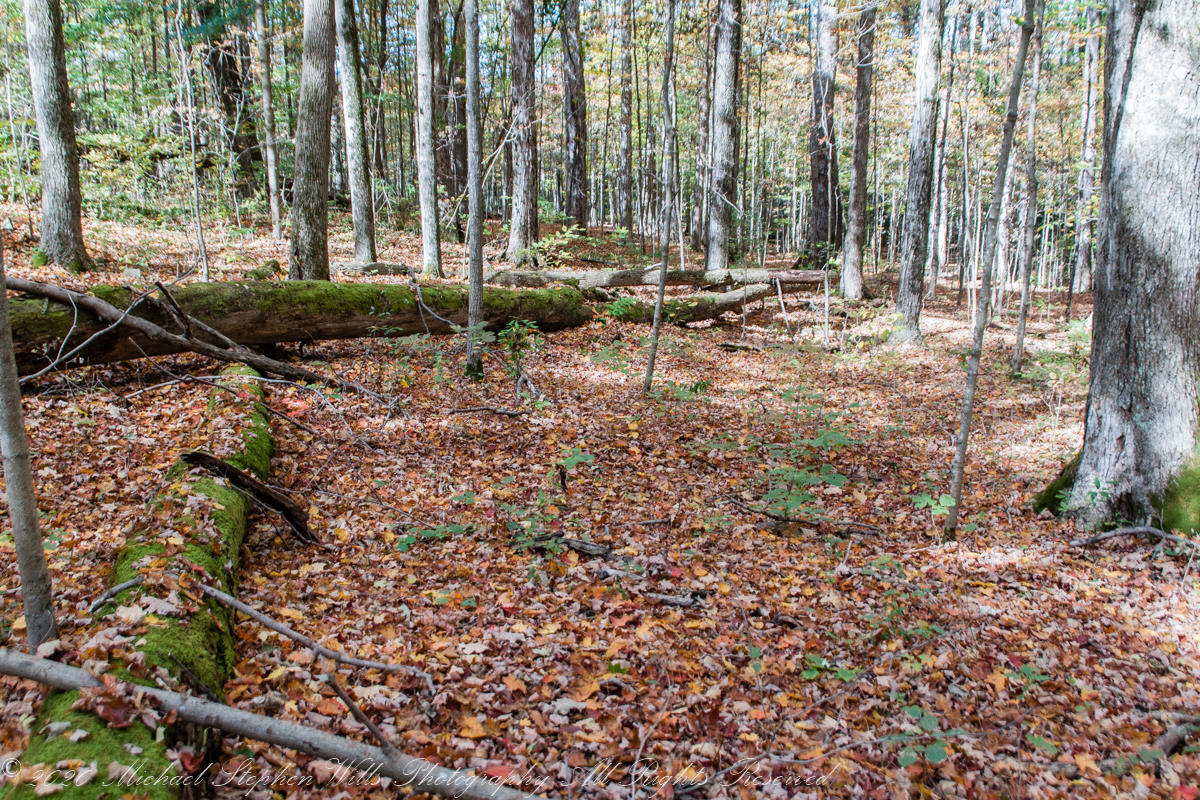
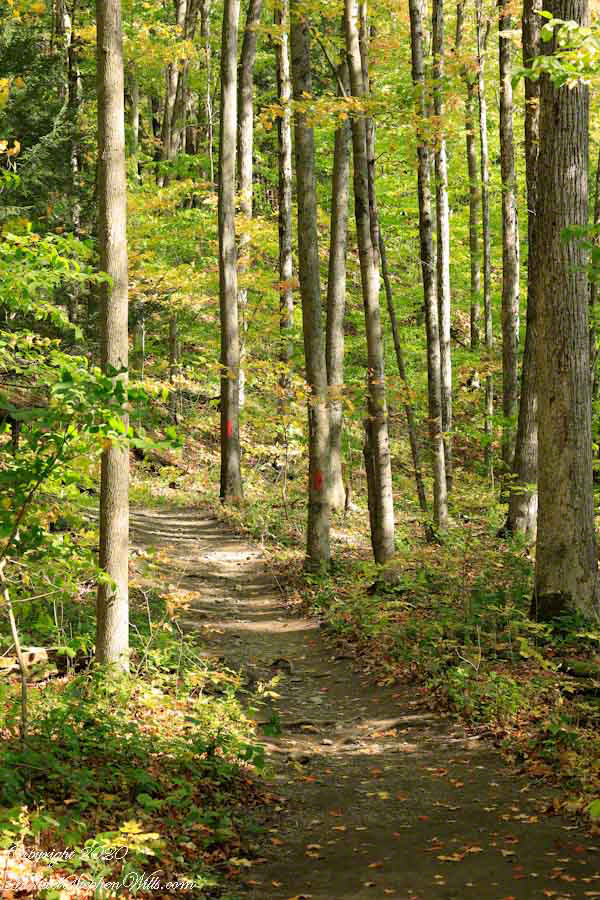
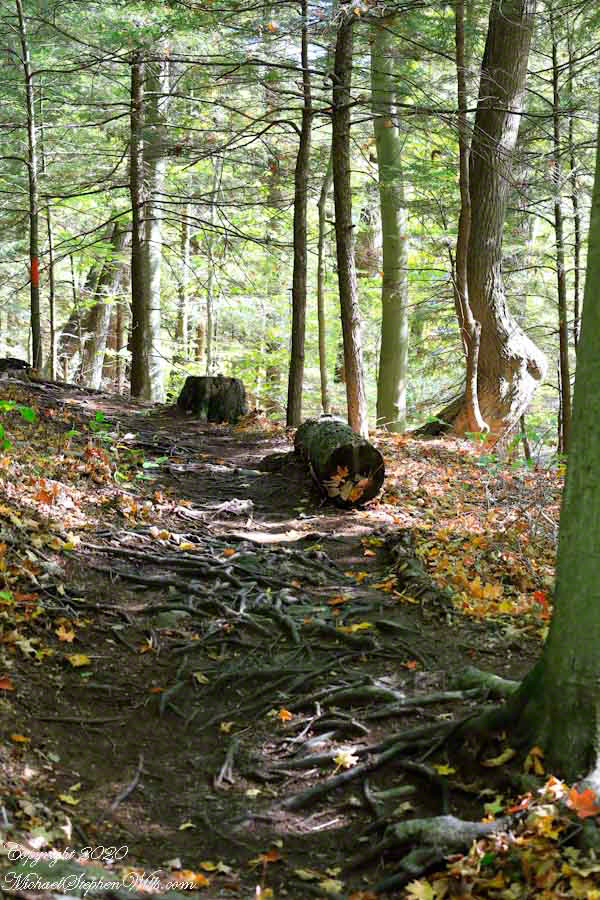
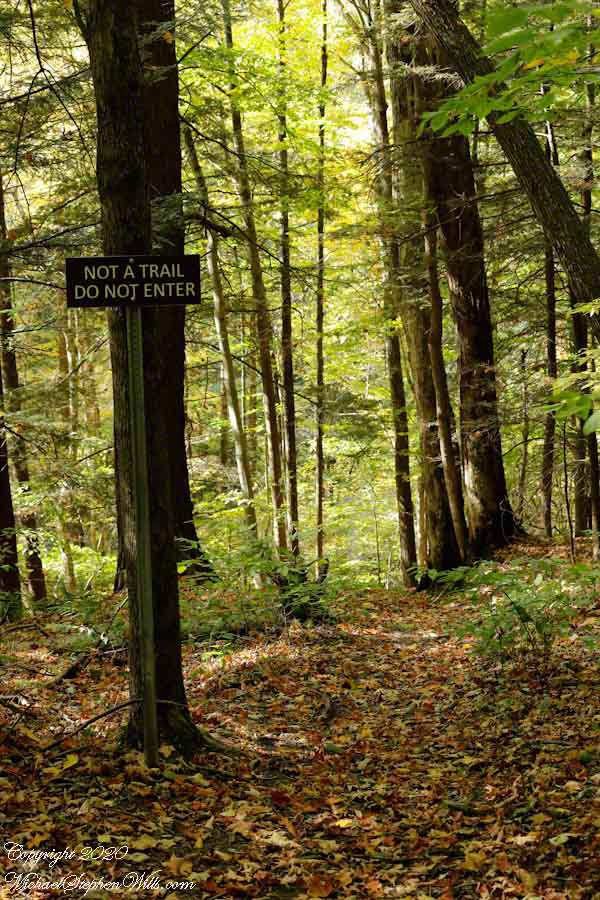
Within Fillmore Glen, as autumn unfurls its vibrant tapestry, there lies a path that seems to exist between the pages of an unwritten folklore. It is a trail not marked for travel, bearing a solitary sign, “Not a trail. Do not enter,” which stands like a silent sentinel amidst the riot of colors. Yet, the path stretches on, an irresistible lure, a golden ribbon that meanders through the heart of the wood, carpeted with leaves that have taken their final, graceful descent to create a mosaic of reds, oranges, and yellows.

Hint: click image for larger view. Ctrl/+ to enlarge / Ctrl/- to reduce

The path is a secret thoroughfare, known only to the whispering trees and the shy creatures that watch from the underbrush. The air here is thick with the scent of damp earth and the musk of decay that heralds the deepening of autumn. It is a place out of time, where the distant sound of falling water is a constant undertone, a reminder of the unseen river that carves its way through the glen, its voice rising and falling with the wind.

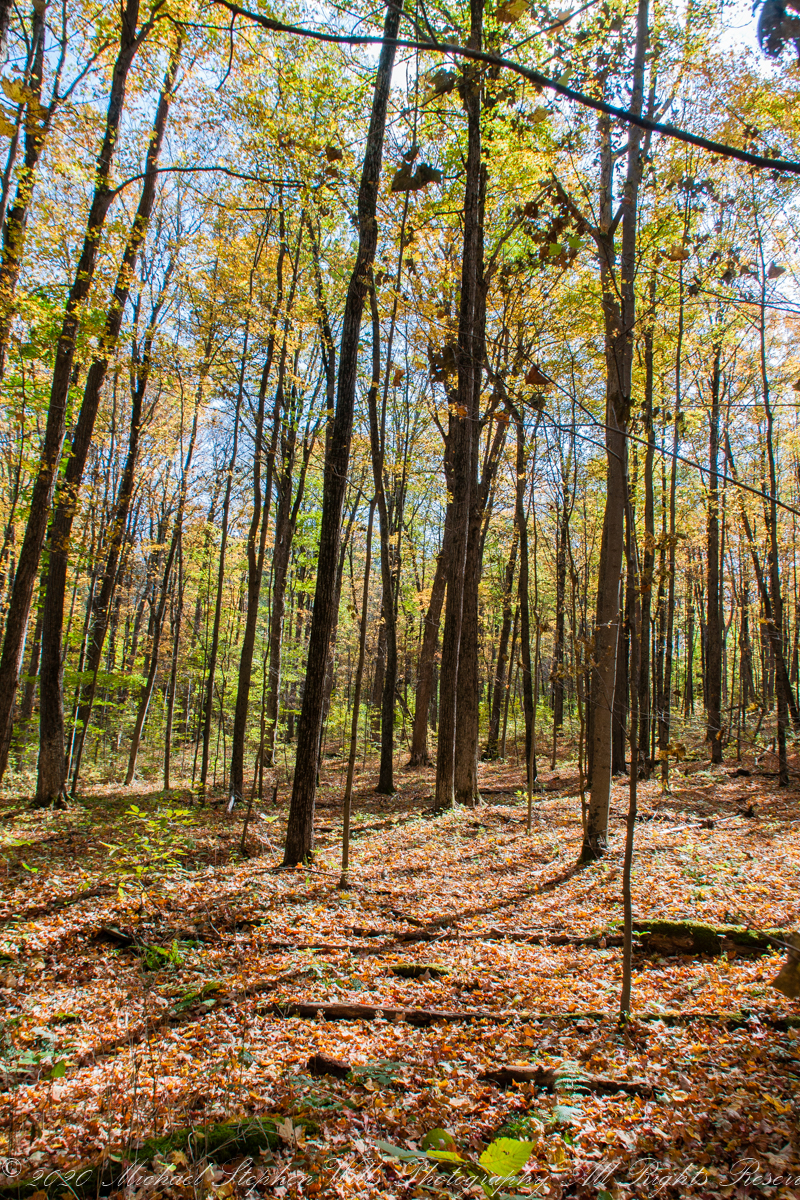
The leaves that blanket the path rustle with the passage of unseen feet—perhaps the fox, or the silent owl that hunts at twilight. The golden footpaths are corridors of light, as the sun filters through the thinning canopy, casting long shadows and illuminating patches of the forest floor with a warm, amber glow.

Here, one’s footsteps become a part of the glen’s own rhythm, a soft tread upon the sacred ground. The sign’s warning goes unheeded by the whispering woods, which seem to beckon with a voice as old as the hills, inviting the soul to wander and to wonder. In Fillmore Glen, the path is not just a physical journey but a passage through the soul of autumn itself, a dance with the ephemeral, a fleeting embrace of the golden, transient beauty of the fall. It is not merely a place to walk; it is a path to feel, to breathe, to exist in harmony with the quiet pulse of the earth.

Copyright 2023 Michael Stephen Wills All Right Reserved http://www.MichaelStephenWills.com