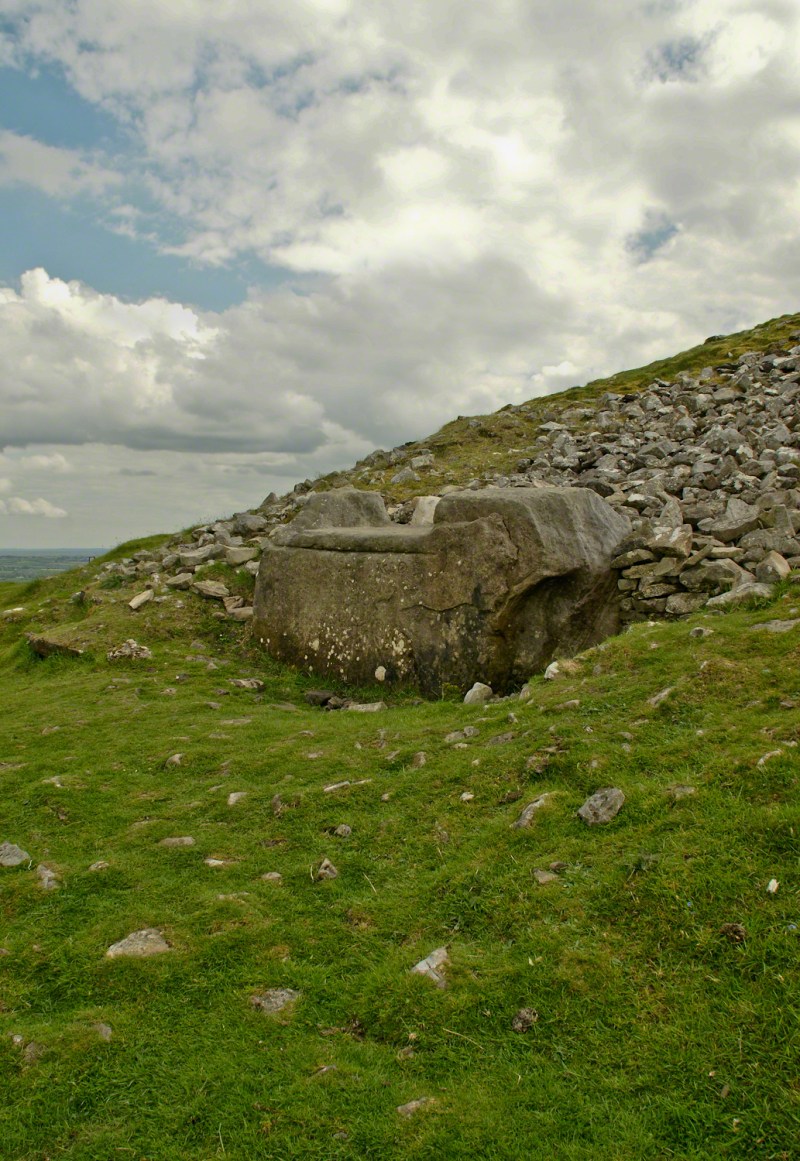
Hag’s Chair or Mass Rock?

Ancient Tradition

Part of our day in County Meath, Ireland  
Click the photograph to open a new window/tab of my Online Gallery.

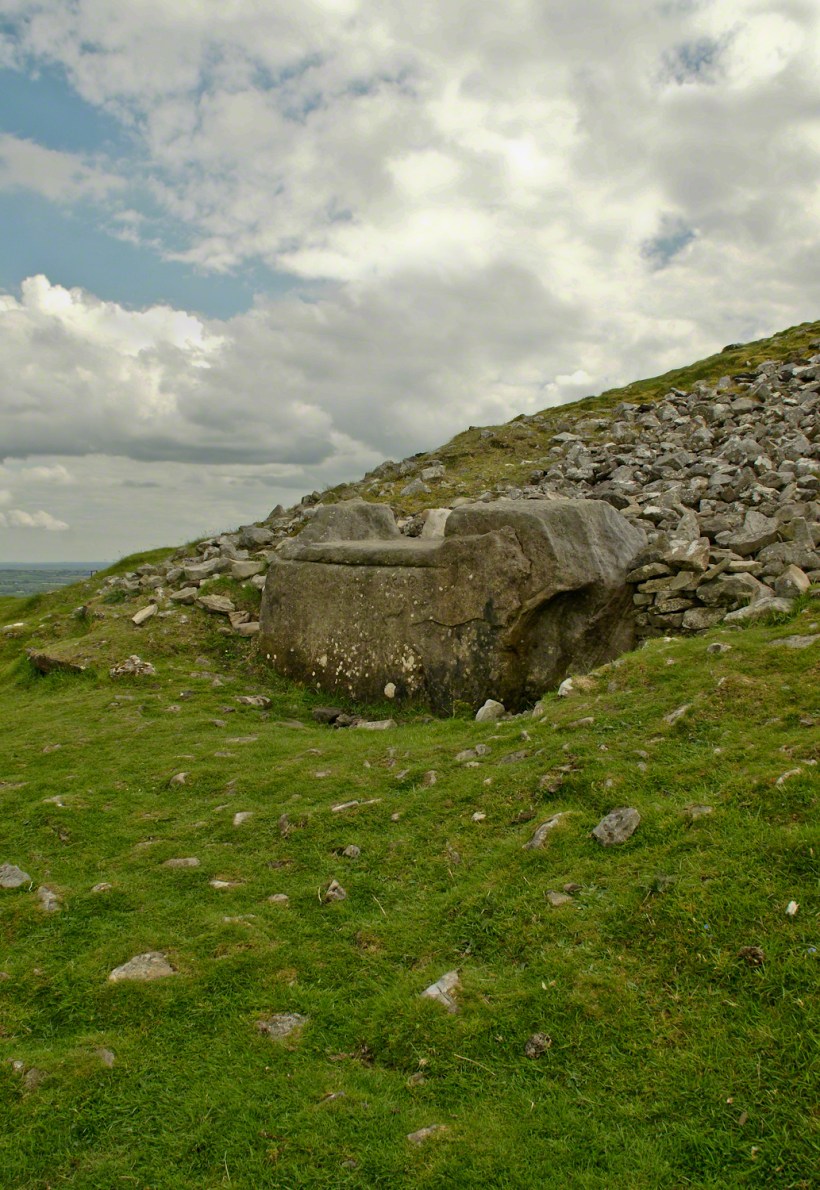
Known as the Hag’s Chair in some contexts, K29 or the Mass Rock, in others, set as a Cairn T, Loughcrew kerbstone thousands of years ago the carved symbols on front, rear and seat are very worn. There is no surviving record to inform us of the stone’s purpose. The upper side appears carved to enhance the form as chair.   Set to the north of Cairn T, not in front of the entrance as with Newgrange, even this is a mystery.  It is the third largest curbstone.

Hag's Chair– CLICK ME!!!!

The popular name refers to the hill itself, “The Hill of the Witch” (In Irish, Sliabh na Caillí).   In lore sites such as this are associated with The Others (“fairies”), living lives parallel to ours.

Tradition holds that, during times of the Penal Laws, Catholics gathers on for Mass using this curbstone as the altar.   By this it is known as the Mass Rock.

Click for another Ireland posting

Copyright 2021 Michael Stephen Wills All Rights Reserved

Red Berries

Jack-In-The-Pulpit one June Day

The many names for this plant are reflective of how wide spread it is. Called Arisaema triphyllum (scientific name), jack-in-the-pulpit, bog onion, brown dragon, Indian turnip, American wake robin, or wild turnip this secretive plant flourishes in moist soils across eastern North America, everywhere north to south. I say “secretive” because the varieties I am familiar with hide the flower under the leaves, three of them growing from a stalk.

Click this link to view my Online Gallery.

Lovers Lane Observation Platform– CLICK ME!!!!

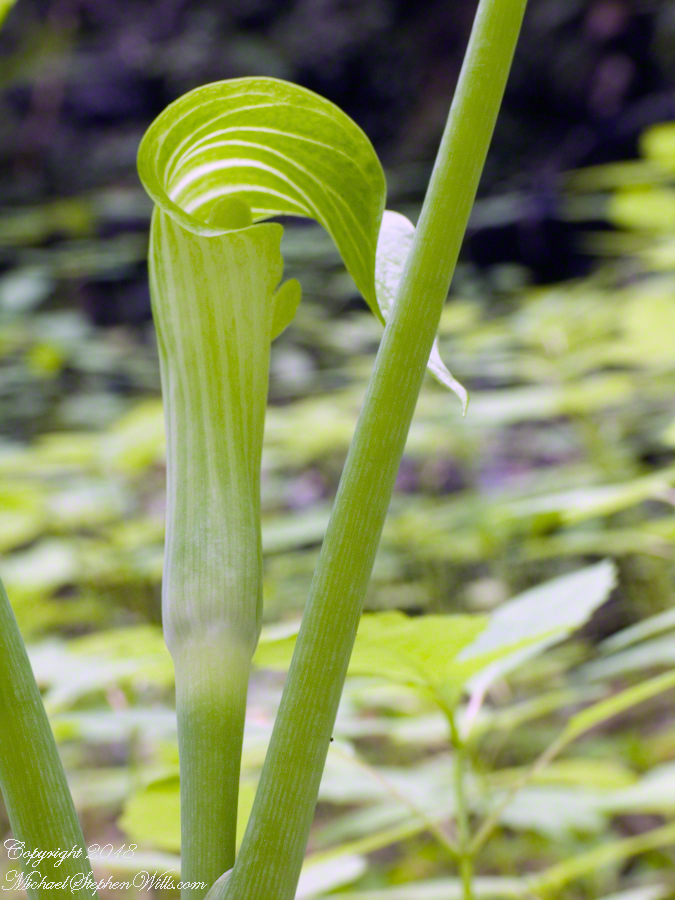
Those of you who know Georgia O’Keefe may be familiar with the form and coloring of Jack-in-the-pulpit from the series of six oil canvasses from 1930, her time in the east living near a spring. There is a spathe, the pulpit, strongly colored in dramatic vertical, flowing stripes, wrapped around a spandix, the “jack”, being a stem covered with male and female flowers.

Around the time my photography habit started in 2002 I was surprised by the jacks growing from the walls of Fillmore Glen, spying the distinctive forms flowing a bit above eye level under the three large leaves. Seeing them was like recognizing a friend in Halloween disguise, the exotic O’Keefe shapes in a known place.

From this gift, an awareness of the possibility lead me to recognize “jacks” in many other places. I have yet to exhaust the possibilities.

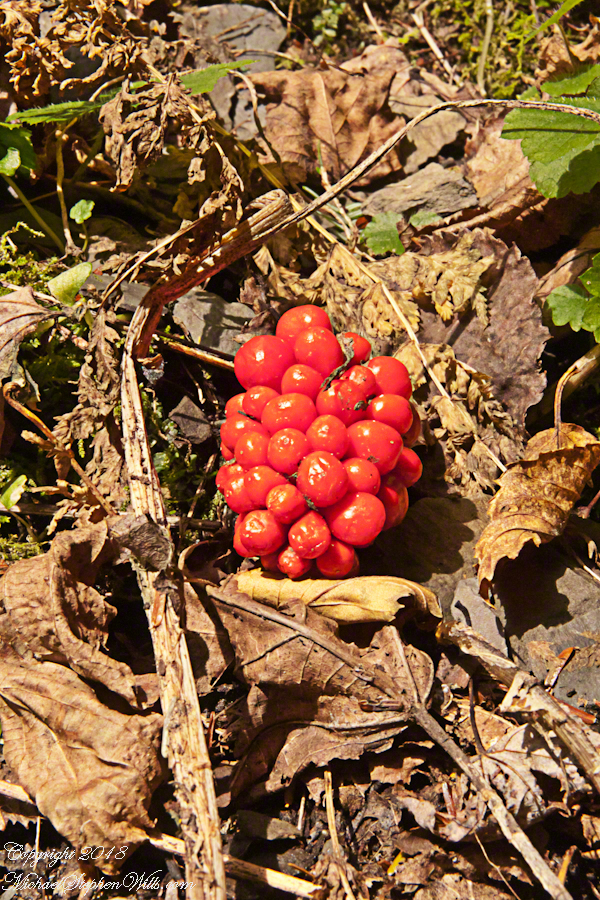
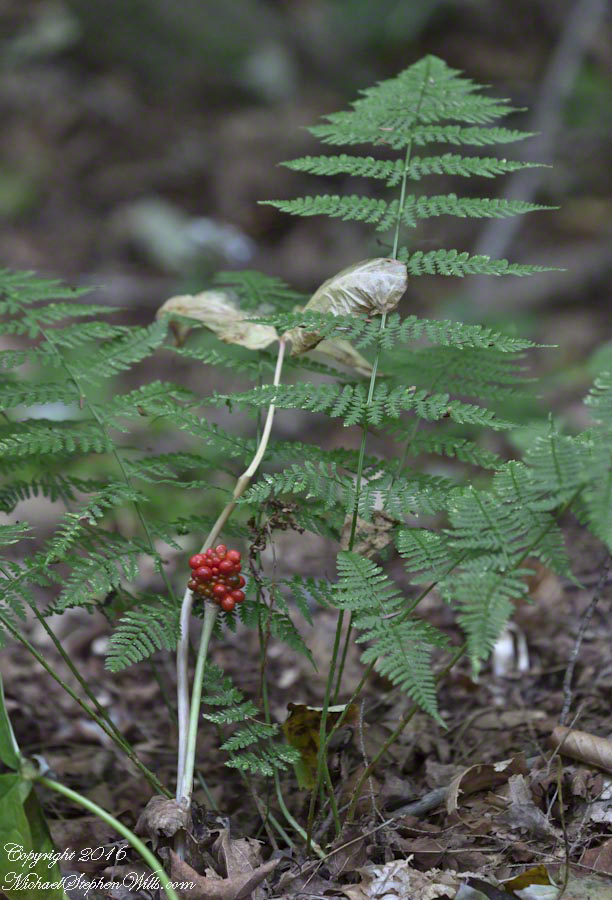
2015 I acquired a Canon EF 70-300mm f/4-5.6 L IS USM lens for our cruise around South American. It proved very useful for an unending combination of situations. Here, it allowed me to frame this specimen, the former covering of three leaves now sere brown and collapsed, the berries revealed in startling clarity among evergreen ferns, Christmas red and green. The strangely named Dry Creek, the driving force of Fillmore Glen, flowing below this humus layered shelf moist with a constant flow from the gorge walls.

The park trails make for a pleasant choice at the start of each excursion. This day, Pam and I visited Cowshed Falls at the foot of the glen, climbed the north rim trail to walk among the hemlocks, listening the leisurely calls of Hermit Thrust like breaking crystal. The time of mushrooms was past in late September, instead we enjoyed the Indian Summer sun and breeze safe in knowing it will not last.

“Jacks” are part of the known lore of the Native American woodland tribes. These berries are poisonous, so beware of handing them. Wikipedia tells me a ploy was to mix the berry juice with meat to leave for enemies. Hidden by the meat flavor, the heartily enjoyed poison lead to death. The plant grows from a thick root, a corm. Correctly dried and prepared, the corm is food. I can imaging these plants an entities haunting the forest, choosing to reveal themselves, or not, to knowing souls. Maybe this is was drew O’Keefe to these woodland shapes growing around the springs of her summer homes. Leisure and an open, wandering glance are important, anyway, for noticing them. Most strangers wander by, engrossed in conversations, memories, evanescent distractions.

Here are other “shots” from the same day.

Here is another posting about the Finger Lakes of New York State.

Copyright 2021 Michael Stephen Wills All Rights Reserved

Spillway Falls with Hemlock

hemlock grace and water

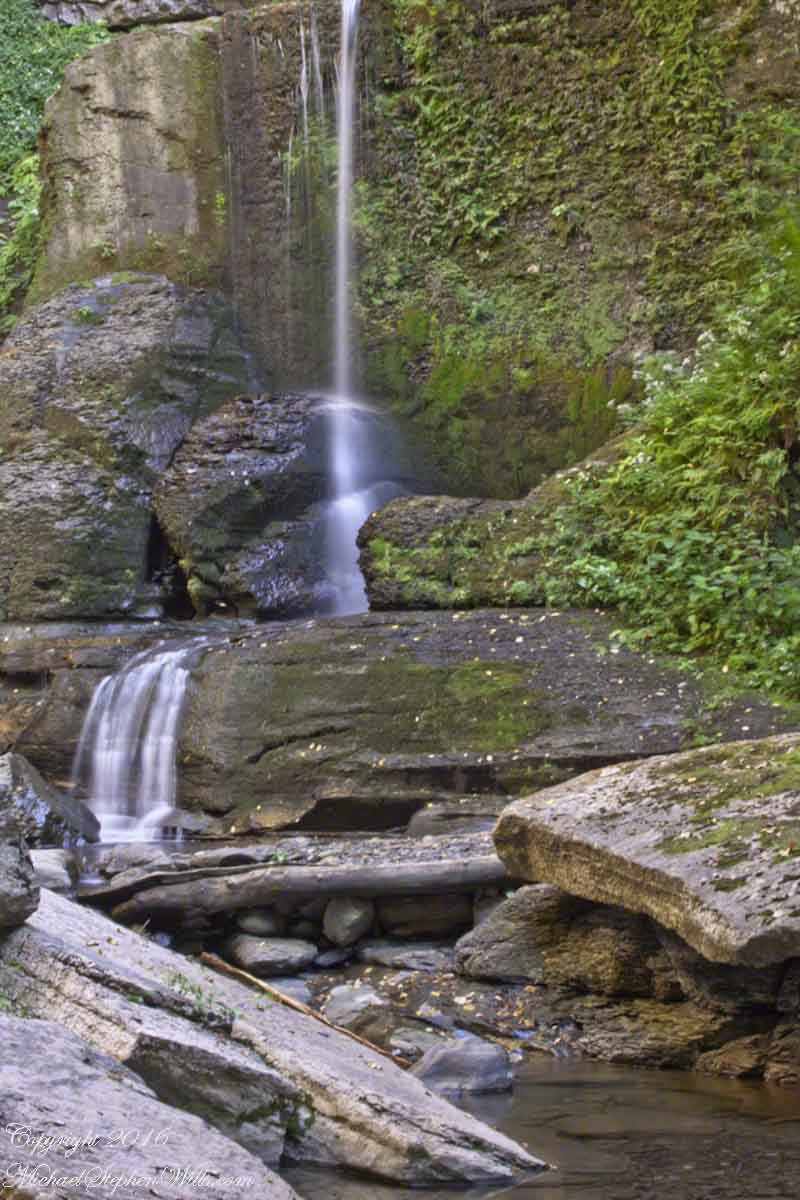
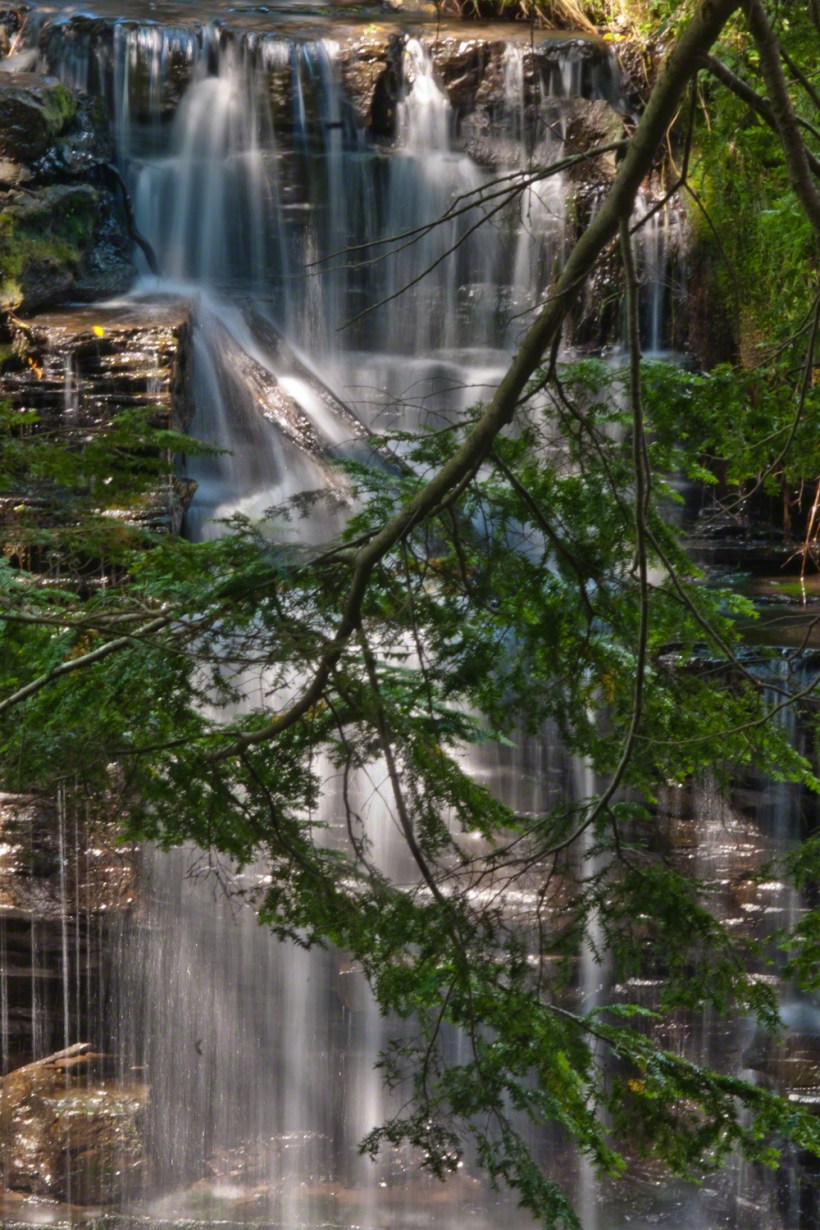
The Dry Creek dam is across the upper, eastern, end of Fillmore Glen. Historical records of the dam construction must exist someplace. My opinion is, somewhere in the federal bureaucracy there is a record proving this dam was constructed by Roosevelt’s Civilian Conservation Corps in the 1930’s. That is when the gorge trails were dramatically improved and it is logical a dam was necessary to control water flow during times of heavy rainfall and the spring thaw, to allow a full appreciation of the gorge beauty. It is a substantial concrete structure with cast iron controls, two spillways: one never, the second always flowing. This day the reservoir is full, frequented by beavers, stocked trout, herons, blue jays, crows, hermit thrush. The reservoir banks are thick with wildflowers of the season. This afternoon I noticed purple flowering raspberries: a past prime bloom or two, ripe fruit growing in the late afternoon shade on the south side of the dam.

Unlike its name, Dry Creek is perennial, fed by a broad drainage of pastures, cornfields and forests. Year round the spillway runs, feeding into the gorge a constant, reliable supply of water for the many waterfalls for which Fillmore Glen State Park is known. The very first waterfall is on the rocks supporting the north side of the dam, formed where water from the spillway flows over these rocks into a deep, east west gorge overhung on the south side by mature hemlock trees.

I first encountered Fillmore Glen in the 1980’s with my young son, Sean. On Sundays he and I walked as far as he tolerated, about half way to the dam site, where the gorge makes a turn to the south, the trail on an unstable clay bank against a crumbling shale cliff. Rediscovering the park in the early 2000’s, along with my interest in photography, I noticed the waterfall just below the dam many times and admired it for how the water caught late afternoon light over the many grace points created by rock crags like a wedding cake. The angle from the dam path is wrong for capturing this effect. Today was a first for me to leave the safety of the dam path to climb into the gorge, on the south gorge wall, for a shot.

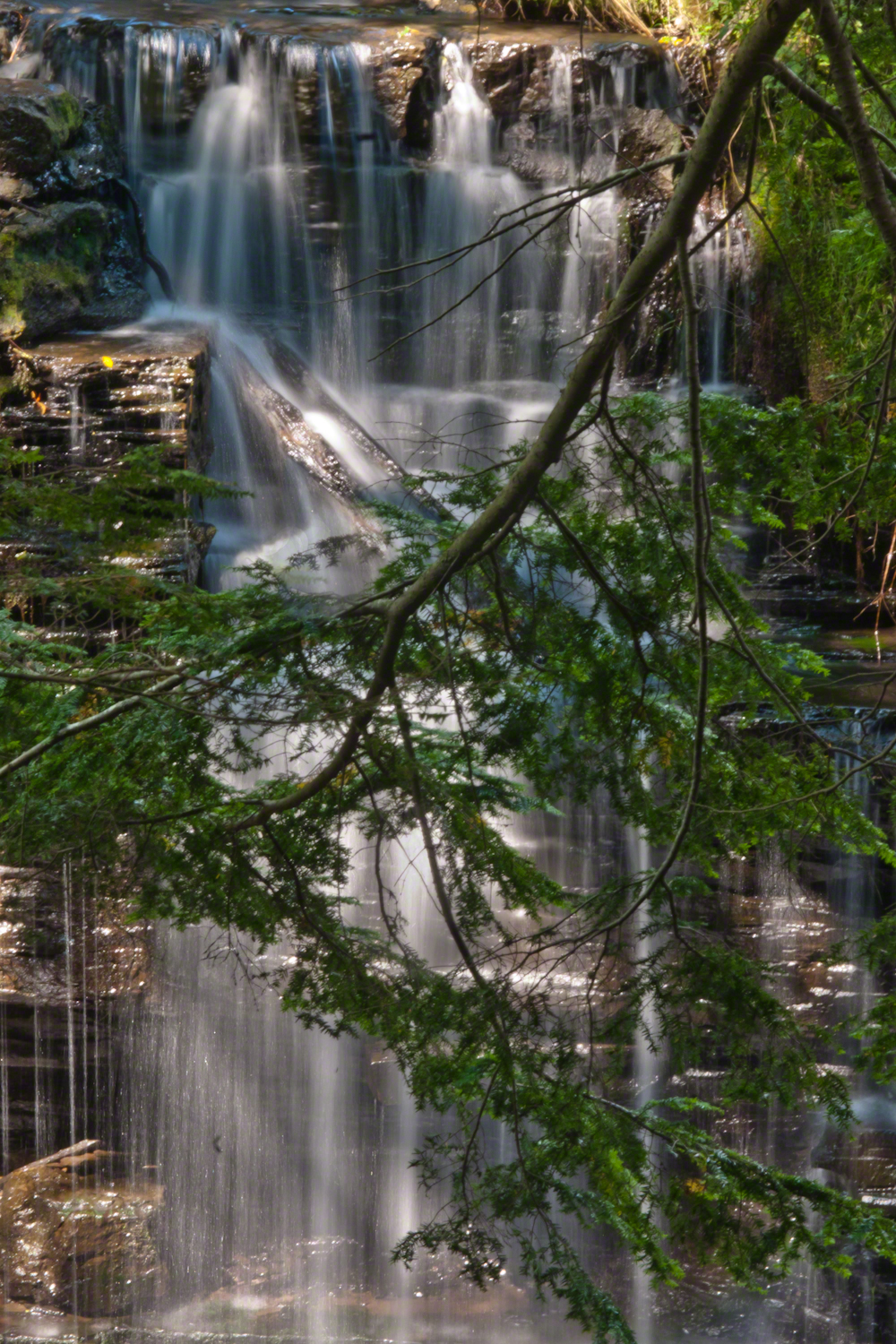
Here is a view of the spillway fall on a mid-August afternoon, 2017. My photography kit for this walk with my wife, Pam, was minimal: a Sony Alpha 700 with a variable lens, the flash and a Manfrotto carbon fiber tripod. For this version of the spillway I climbed into the gorge on the south wall, about 40 feet above the creek. A hemlock tree branch fell across the view, incorporated into the composition. These hemlocks are not a biological relative of the Socratic, poisonous, hemlock. The relationship is a similar aroma when the leaves are crushed. The f stop is cranked to 36, ISO set to 100 so slow exposure time to 1.6 second. Post shot processing via Photoshop.

Click this link or the photograph for my Online gallery of this offering
Spillway Falls and Hemlock Branch -- CLICK ME!!!!

Copyright 2021 Michael Stephen Wills All Rights Reserved

Jack-in-the-Pulpit Seed Berries

a forest secret

Click the link or photograph to view my Online Gallery.

The many names for this plant are reflective of how wide spread it is. Called Arisaema triphyllum (scientific name), jack-in-the-pulpit, bog onion, brown dragon, Indian turnip, American wake robin, or wild turnip this secretive plant flourishes in moist soils across eastern North America, everywhere north to south. I say “secretive” because the varieties I am familiar with hide the flower under the leaves, three of them growing from a stalk.

Lovers Lane Observation Platform– CLICK ME!!!!

Those of you who know Georgia O’Keefe may be familiar with the form and coloring of Jack-in-the-pulpit from the series of six oil canvasses from 1930, her time in the east living near a spring. There is a spathe, the pulpit, strongly colored in dramatic vertical, flowing stripes, wrapped around a spandix, the “jack”, being a stem covered with male and female flowers.

Around the time my photography habit started in 2002 I was surprised by the jacks growing from the walls of Fillmore Glen, spying the distinctive forms flowing a bit above eye level under the three large leaves. Seeing them was like recognizing a friend in Halloween disguise, the exotic O’Keefe shapes in a known place.

From this gift, an awareness of the possibility lead me to recognize “jacks” in many other places. I have yet to exhaust the possibilities.

Last year I acquired a Canon EF 70-300mm f/4-5.6 L IS USM lens for our cruise around South American. It proved very useful for an unending combination of situations. Here, it allowed me to frame this specimen, the former covering of three leaves now sere brown and collapsed, the berries revealed in startling clarity among evergreen ferns, Christmas red and green. The strangely named Dry Creek, the driving force of Fillmore Glen, flowing below this humus layered shelf moist with a constant flow from the gorge walls.

The park trails make for a pleasant choice at the start of each excursion. This day, Pam and I visited Cowshed Falls at the foot of the glen, climbed the north rim trail to walk among the hemlocks, listening the leisurely calls of Hermit Thrust like breaking crystal. The time of mushrooms was past in late September, instead we enjoyed the Indian Summer sun and breeze safe in knowing it will not last.

“Jacks” are part of the known lore of the Native American woodland tribes. These berries are poisonous, so beware of handing them. Wikipedia tells me a ploy was to mix the berry juice with meat to leave for enemies. Hidden by the meat flavor, the heartily enjoyed poison lead to death. The plant grows from a thick root, a corm. Correctly dried and prepared, the corm is food. I can imaging these plants an entities haunting the forest, choosing to reveal themselves, or not, to knowing souls. Maybe this is was drew O’Keefe to these woodland shapes growing around the springs of her summer homes. Leisure and an open, wandering glance are important, anyway, for noticing them. Most strangers wander by, engrossed in conversations, memories, evanescent distractions.

Here are other “shots” from the same day.

Here is another posting about the Finger Lakes of New York State.

Copyright 2021 Michael Stephen Wills All Rights Reserved

Around the Kiva

a fascinating lecture

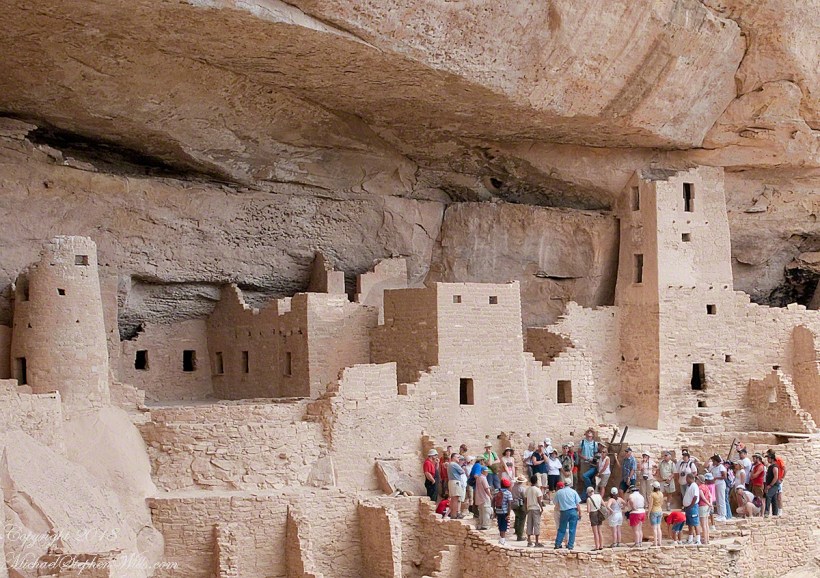
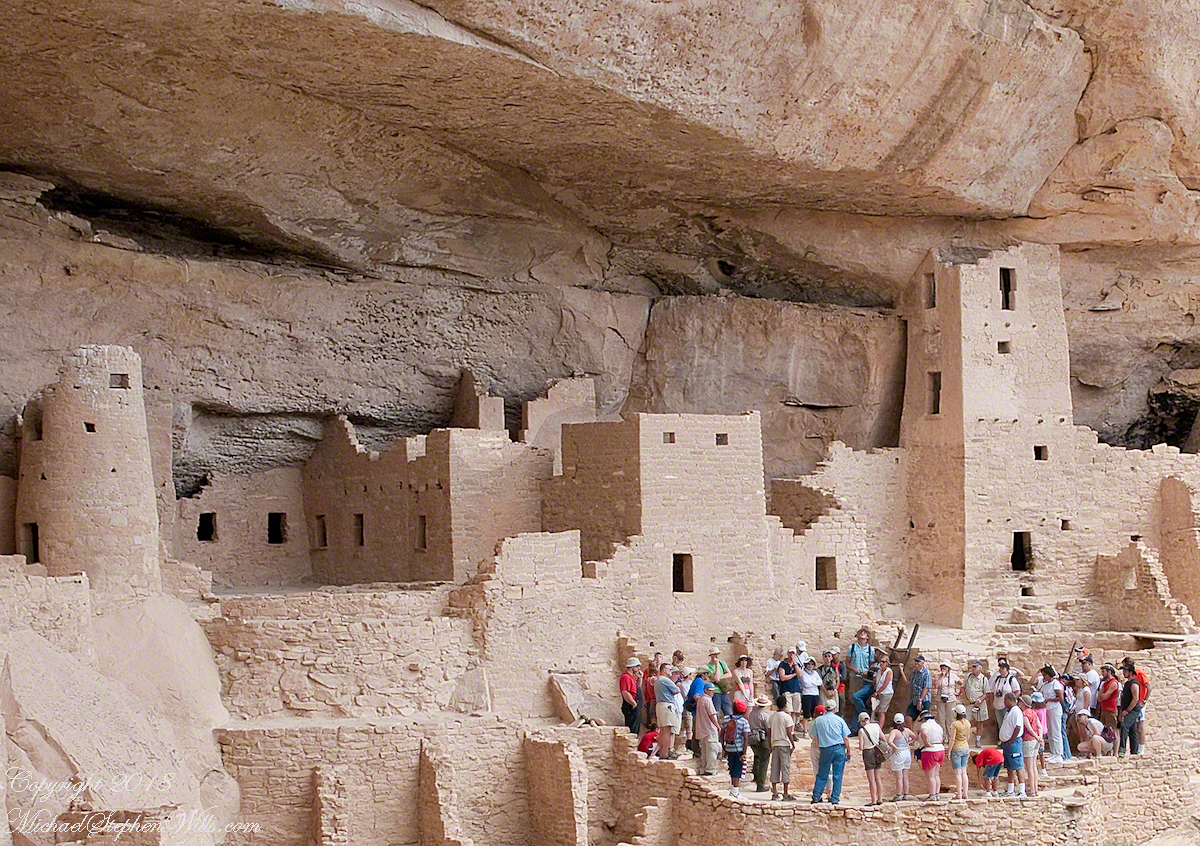
This diverse group of fifty three individuals are gathered around a kiva of the Mesa Verde Cliff palace on a July afternoon.

Click Link to view this work in my Online Gallery

Copyright 2021All Rights Reserved Michael Stephen Wills

Long Island Sakura (Cherry Blossoms)

Clouds of Blossoms

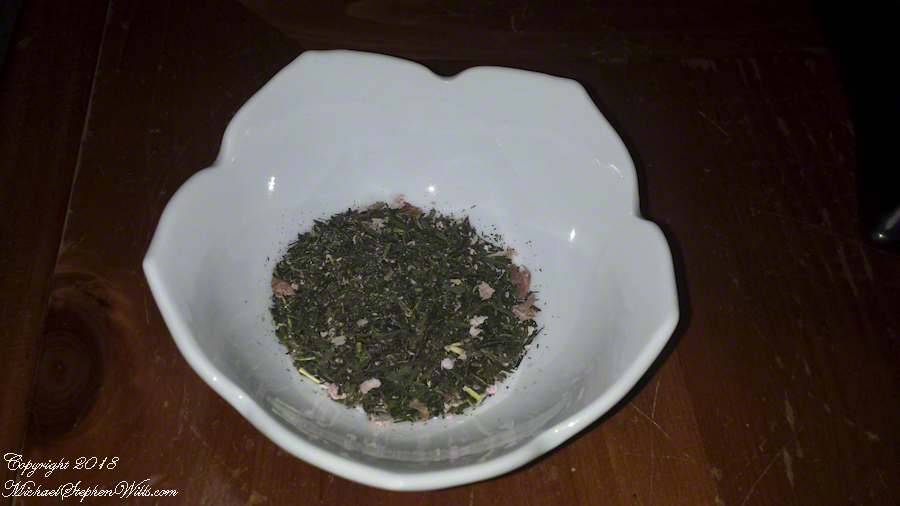
We have a selection of teas at home for brewing afternoons as a pick-me-up. Some brought back from travels, most from a local supermarket. This Japanese green tea brings to mind my childhood and our trips to Long Island to visit my Mom until she passed away June 2013.

As you can see from this photograph of the tea in a white lotus bowl, there are pieces of pink and white stuff mixed in. These are called by the Japanese “sakura”, cherry blossoms.

Click any photograph for my Getty portfolio.Japanese Sakura Sencha Green Tea – CLICK ME for my Getty Portfolio.
In Japan, since the 8th century, “Hanami” is the centuries-old practice of picnicking under a blooming sakura or ume tree. Here in the United States, the National Cherry Blossom Festival is celebrated commemorating the 1912 gift of Prunus serrulata Japanese cherry trees from Tokyo to the city of Washington.

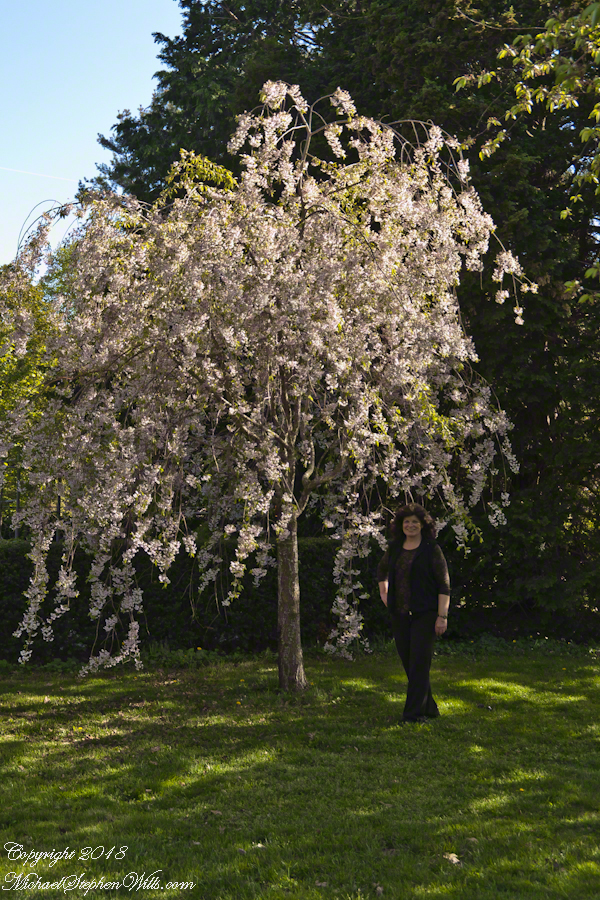
Traditionally cherry blossoms remind the Japanese of clouds, the blooms come out en mass, the tree changes shape with the breeze.  Viewing sakura brings to mind thoughts of the transience of existence, the fragility and transience of the exquisite blooms leads one to appreciate the moment.  The following photograph of Pam was taken a month before my Mother’s sudden decline and passing in 2013.  We’d travel to Long Island several times a year to visit her, then take in familiar sights.

The tree over Pam is called a Shirofugen (Scientific name: Prunus serrulata, of the Rosaceae family) and is one species planted around National Tidal Basin, Washington D.C. Shirofugen blossoms are described “Flowers double, deep pink at first, fading to pale pink.”


Click any photograph for my Getty portfolio.Pam with a Shirofugen Flowering Cherry in bloom – CLICK ME for my Getty Portfolio.
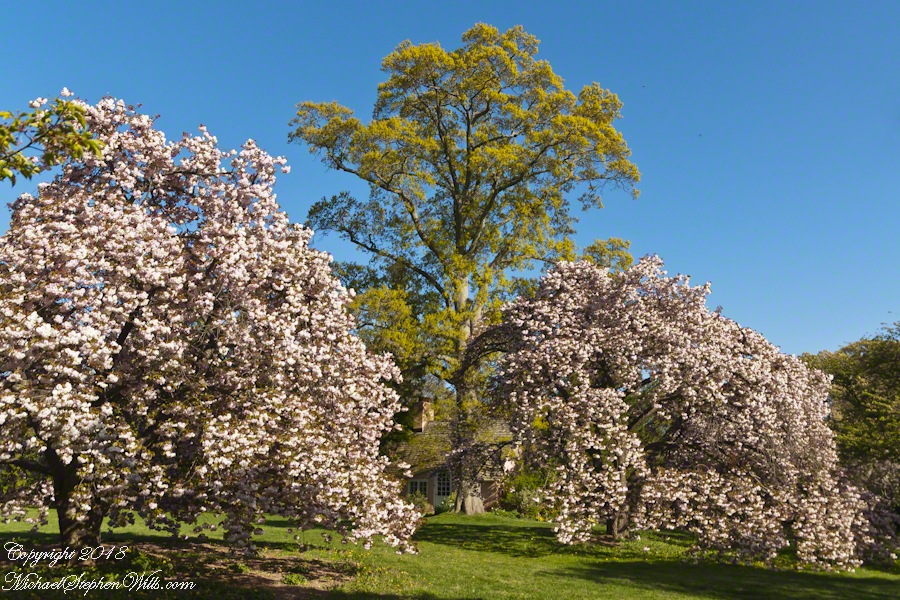
Growing up, our family visited the Planting Fields, a state park, several times in the spring and summer. As an adult with a growing family in Glen Cove, right around the corner, the Planting Fields were a welcome outing and visited several time times a year. The following photograph, taken that same May 2013 day, was a favorite park scene.

The two flowering cherry trees in the foreground are a type of Japanese sakura called Yoshino, one the most popular flowering cherries in temperate climates worldwide. All Yoshinos are clones from a single grafting and propagated throughout the world. The scientific name outlines the cross breeding of this variety, Prunus X Yeaoensis. Behind the cherries is an Oak tree, new leaves a bright green, and a pink child’s playhouse cottage.

A changing scene of the park is the now frequent visits by wedding parties and photographers, groups of Asian people, the bride and groom posing under the clouds of blossoms. By frequent I mean a steady stream, one after the other, when the blossoms are full.

Click any photograph for my Getty portfolio.Playhouse with Flowering Cherry and Oak trees – CLICK ME for my Getty Portfolio.
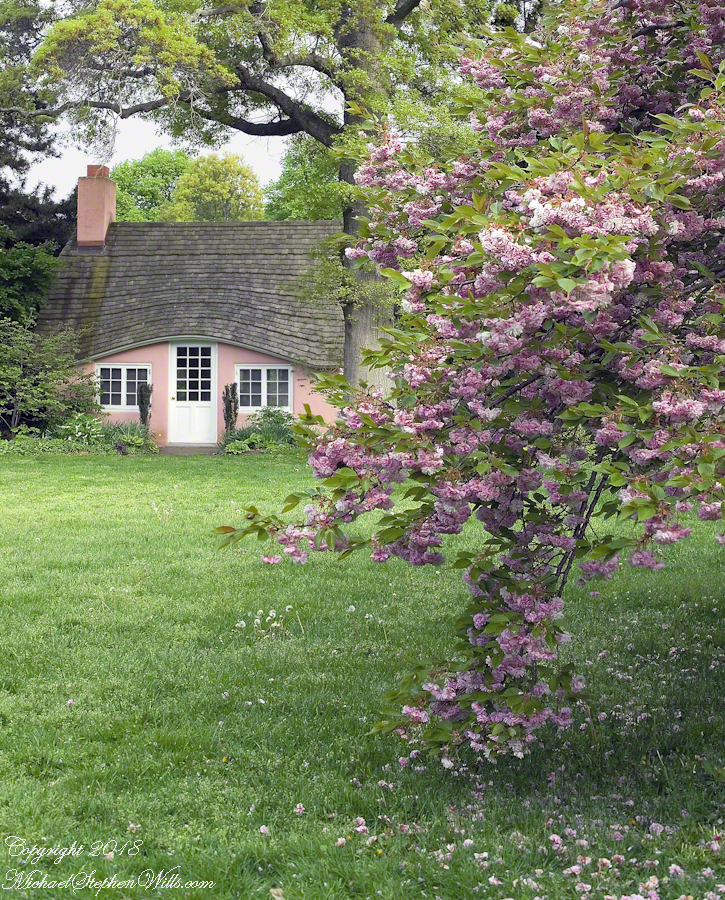
In 2007 I spent hours framing and capturing the following photograph on a Saturday, the day before Mother’s Day, during a visit to my Mother, who was widowed December, 1995. I used an inexpensive tripod, a Kodak DCS Pro slr/c camera body with the Canon 50mm f 1.4 USM lens, a UV filter and lots of time. There were no interruptions that day, at 5:30 pm I had the area to myself.

This child’s garden playhouse, framed by an ancient oak, pink Japanese cherry blossoms and gracious lawn was awarded a Photographic Society of American, Pictorial Print Division, Print of the Month award, published in the society magazine for that month.

My online gallery (see link below) “Memories, Dreams, Reflections”, has this print available for sale on high quality photographic stock with optional framing.

This week, I submitted the photograph for my Getty portfolio.  As of today, I have not received their decision.

Click any photograph for my Getty portfolio.Playhouse – CLICK ME for my Getty Portfolio.
Please browse my reasonably priced stock photography.  License a photograph, download and use it for your website or blog.  Click this link to browse all my Getty IStock Photography offerings.

Or click this link to purchase a print of “Playhouse” with optional custom framing from my Fine Art Gallery.
Loughan Bay Ruins, County Antrim

Deserted Cottages above the Irish Sea

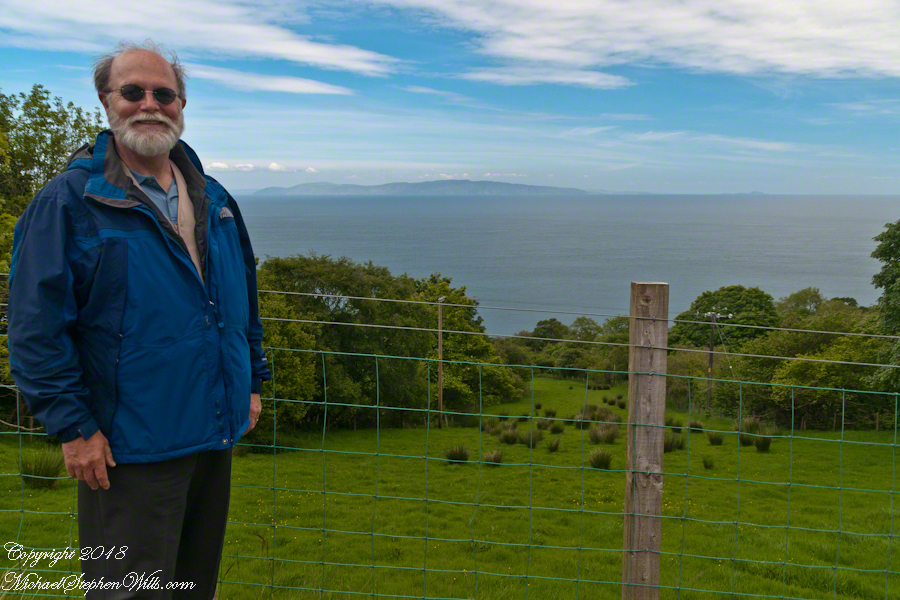
We pulled off the side of Torr Road for this fine view on the way to Torr Head to take in this view of the Irish Sea.  The steeply rising distant headland is the Mull of Kintyre. Loughan an Lochan, County Antrim, Northern Ireland.

Michael Wills – CLICK ME for my Getty Portfolio.

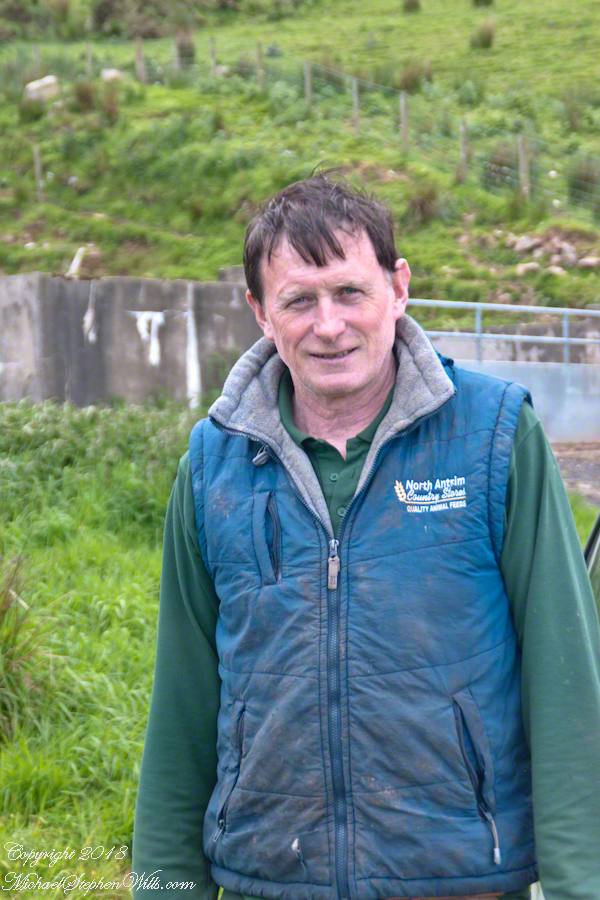
We parked on a turnout above the Loughan Cottages, near this farmer’s sheep pen.  He drove up in a huge tractor and conversed with Pam while I was below shooting the cottages. He made a good impression.

Loughan Bay Farmer – CLICK ME for my Getty Portfolio.

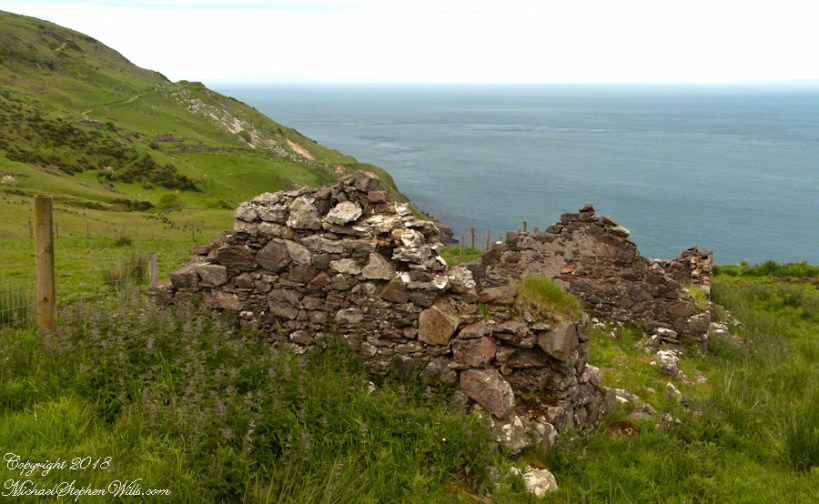
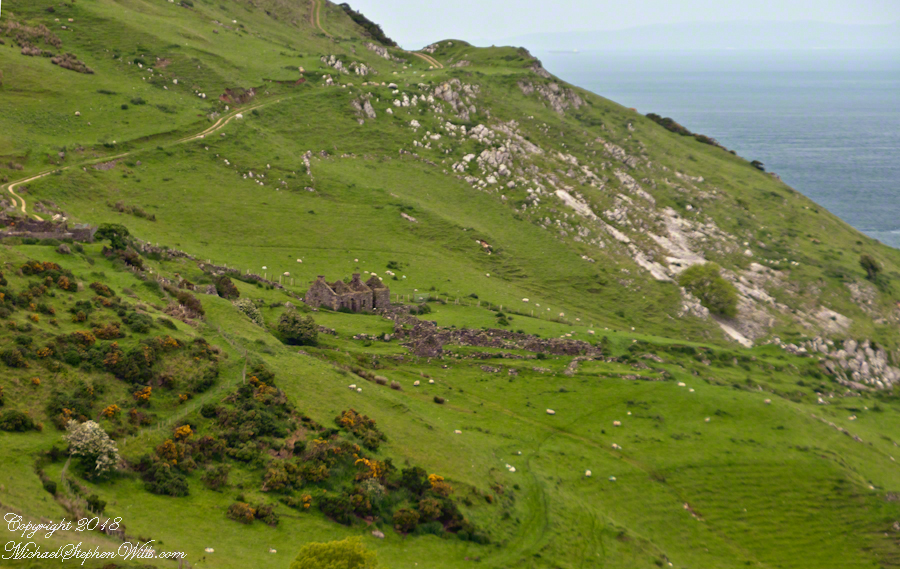
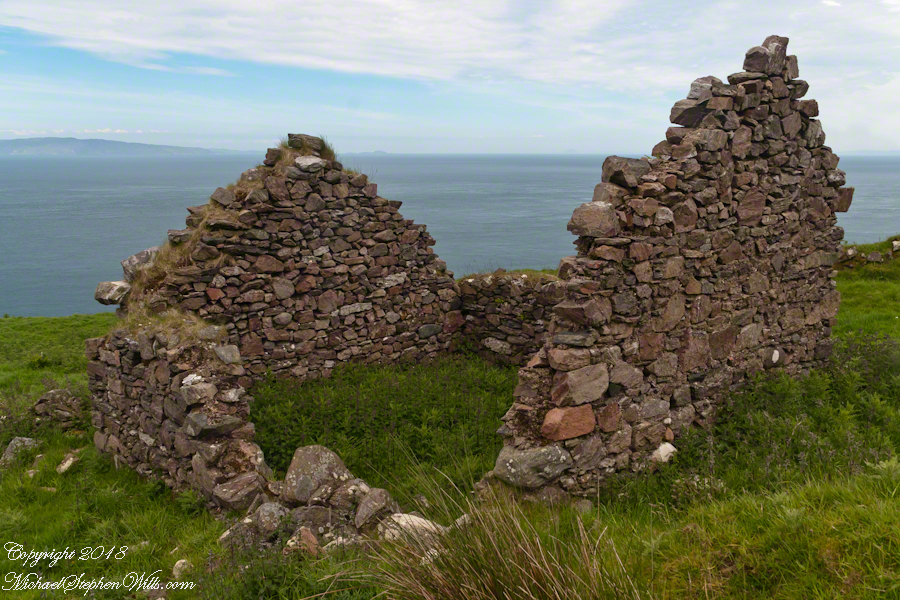
Roofless walls of a cottage more substantial than the other deserted ruins above Loughan Bay, with two fireplaces a walled porch with a view. A number of outbuilding foundations lay around. The integrity of the walls, chimneys and gables speaks to the quality of construction. A freighter in the North Channel of the Irish Sea is visible in the distance above the upper ridge. Beyond is the island of Islay, Scotland, about 30 miles distant. Loughan an Lochan, County Antrim, Northern Ireland.

I am happy to report a series of thirteen (13) photographs of these ruins were accepted for publication by Getty.  You can click any of the photographs in this posting for my Getty portfolio.

Loughan Cottages Ruins above Crockan Point – CLICK ME for my Getty Portfolio.

The land slopes steeply to a rocky beach.

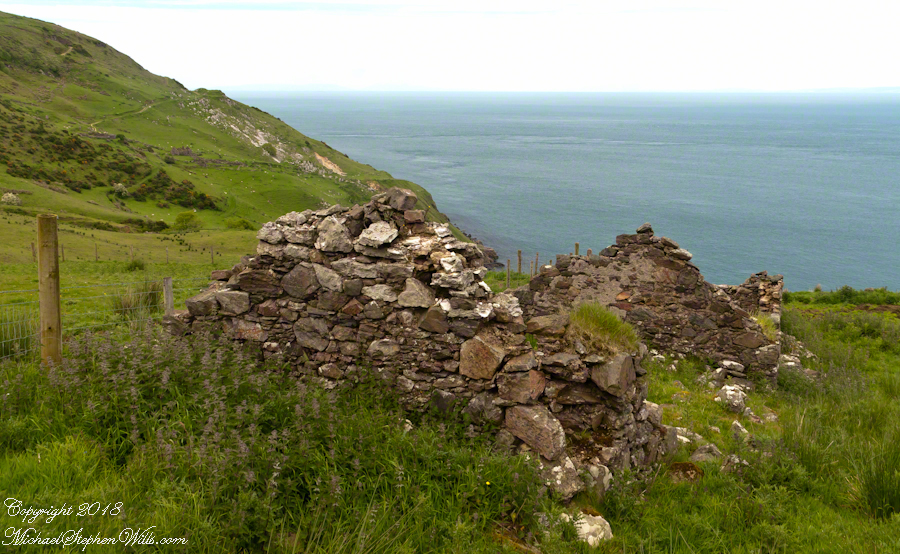
Ruin Above Loughan Bay – CLICK ME for my Getty Portfolio.

A thick growth of ferns, grass on the gable was once a home with a view of Scotland’s Mull of Kintyre 13 miles across the North Channel of the Irish Sea.  The Isle of Sanda just visible on the right of the far gable.  A landform named Alisa Crag is just visible in the distance, to the left of the nearest gable. 

Single Room Loughan Bay Cottage – CLICK ME for my Getty Portfolio.

Please browse my reasonably priced stock photography. License a photograph, download and use it for your website or blog. Click this link to browse all my Getty IStock Photography offerings.

Or click this link or any photograph or this link to select a print with custom framing from my “Ireland” Fine Art Gallery.

Interested in learning more about this site?  I have a series of postings on Loughan Bay.  Click for the first posting in this series.

Copyright 2021 Michael Stephen Wills, All Rights Reserved.

Late Autumn Ithaca 4

Past Eddy Gate

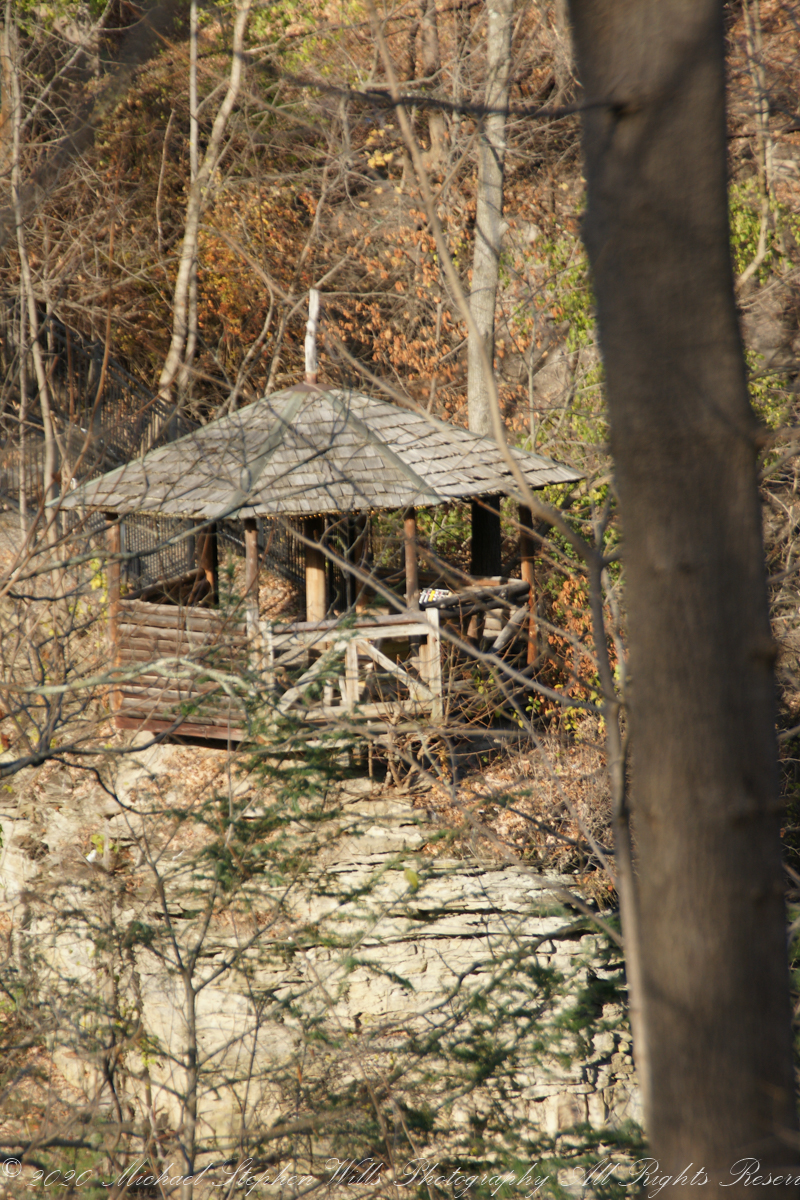
At this point most of the climb from downtown Ithaca is behind me and the Cornell Campus is underfoot. I pass the Eddy Gate, the former main entrance to Cornell University, where Eddy Street vaporizes to become a footpath along the rim of Cascadilla Gorge. This ramshackle hexagonal structure rest on the friable shale gorge rim. It does NOT look inviting and, over the years, I’ve not spotted a single person hanging out there.

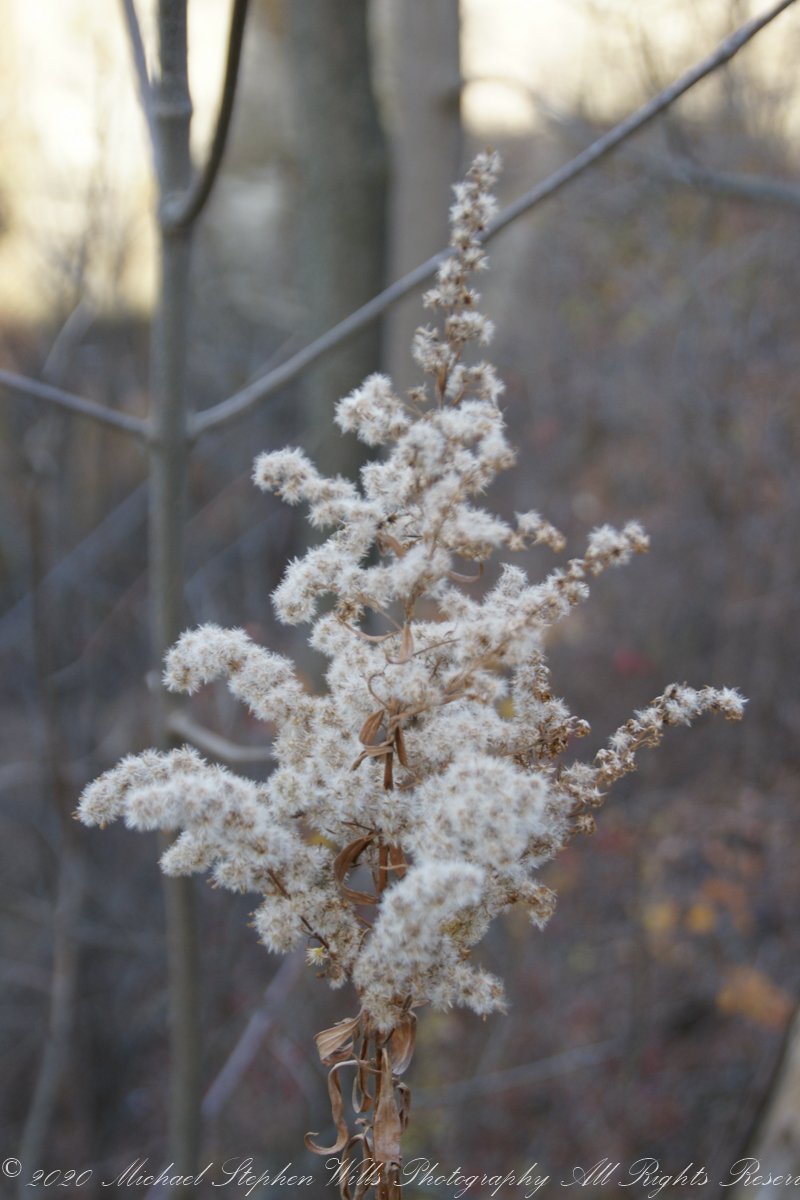
Fluffy gone-to-seed goldenrod on the gorge rim.

As I duck into the Upper Cascadilla Gorge Trail above College Avenue a poster visualizes an effective defense against crowd control munitions, the umbrella. Below the call to “Stand with Hong Kong” is another newsflash/movie review from outside the mainstream media, “Donnie Darko Makes No Sense.”

Copyright 2020 Michael Stephen Wills All Rights Reserved

Late Autumn Ithaca 3

Up East Hill

Today a large fox devoured a squirrel on our front lawn while I wrote this post. Further up Green Street is this mural, I do not find an attribution and assume it is from 2020.

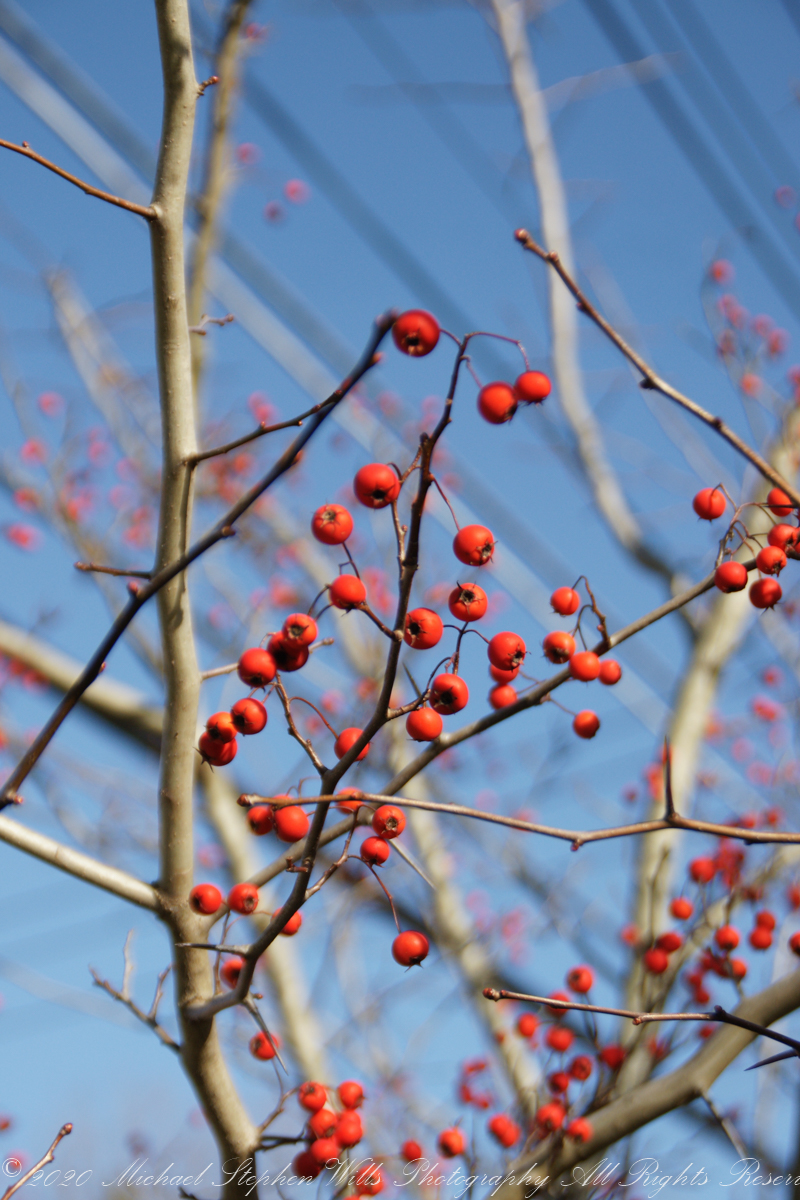
Continuing past all the new development in downtown Ithaca, I head up the steep sidewalk up east hill on Seneca Street, named for the Iroquois Confederacy tribe of the westernmost lands. Here is a flowering tree with attractive red haws growing on the corner of Seneca Street and Schuyler Place.

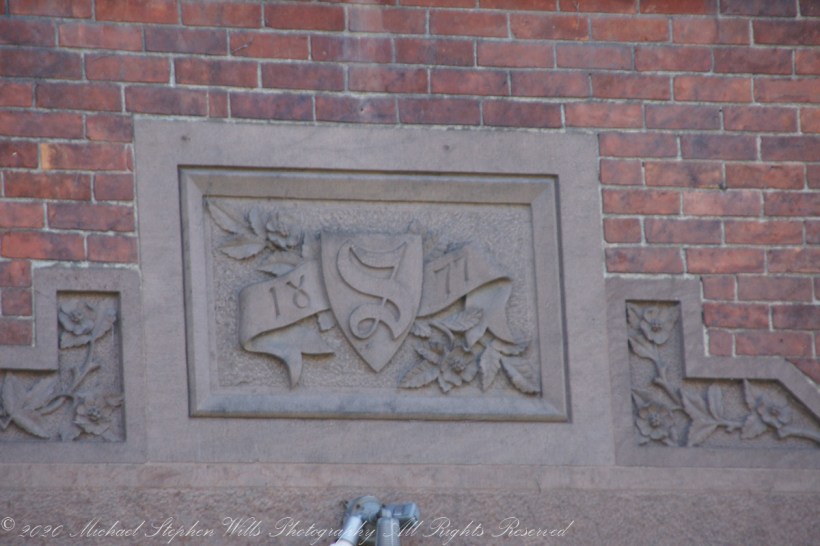
From the doorway of the former Henry W. Sage mansion at 603 E. Seneca St designed by William Henry Miller in1876. Today, it is broken into six apartments. This is the Sage of Cornell University Sage Chapel. Henry Sage was a supporter of admitting women to Cornell to the extent of donating $250,000 around the year 1870.

206 North Quarry Street, the northwest corner of Seneca and Quarry. It, too, once a single family home now broken into apartments.

Copyright 2020 Michael Stephen Wills All Rights Reserved

Late Autumn Ithaca 2

A family story and artistic expression

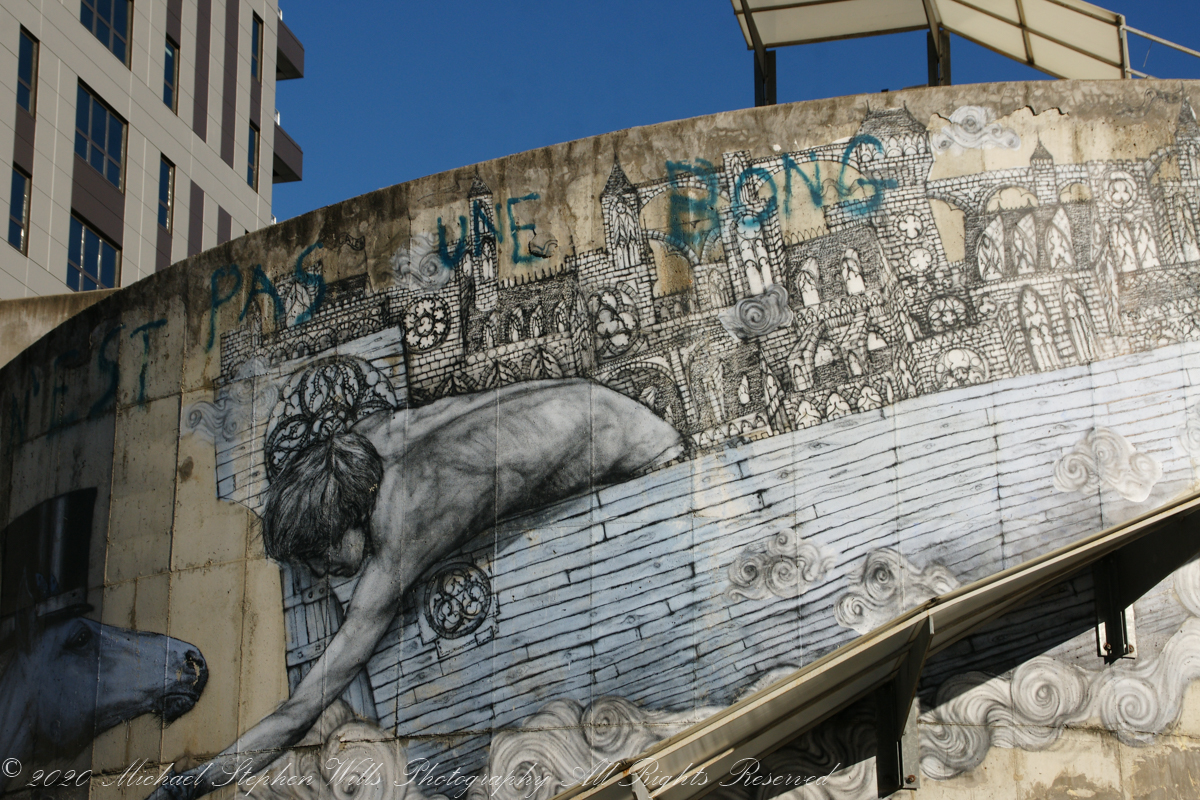
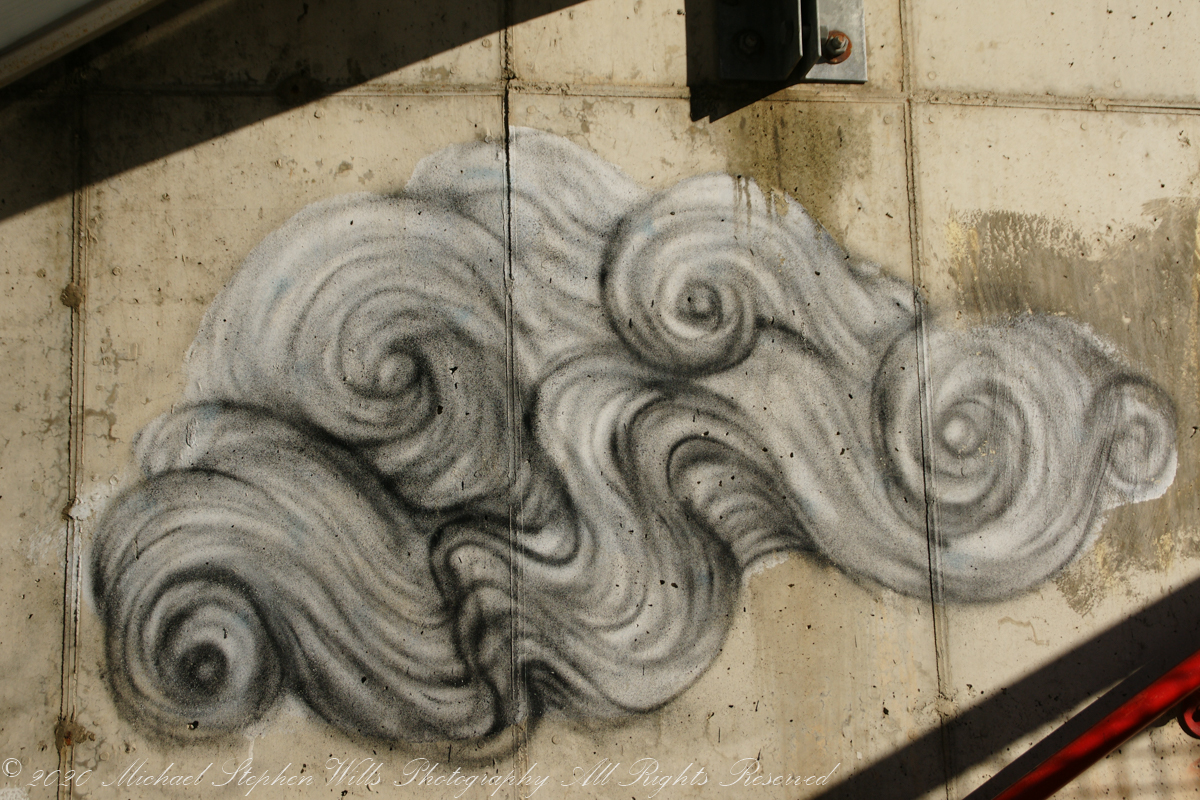
Across the street from Tompkins County Public Library, next to City Hall, is the Green Street Garage decorated with artistic graffiti by the French artist Amir Roti.

Completed during Fall 2012. This artist’s style is seen around town, black and white with touches of blue of inscrutable, dream inspired (?) scenes. The winters winds do whip through these streets.

A few steps away, some propaganda. I recognize the characters as Native Americans from the feather object. Doing some research I found it was completed in 2014 by Brandon Lazore here is some text from the artist, “”Women’s Nomination” is dedicated to all Haudenosaunee women. A silhouette of “Sky Woman” falls from Sky World. In moments, she will be caught by flying geese & put on turtle’s back – “Turtle Island.” In her hands she holds roots of the 3 sisters – corn, beans, & squash. The woman in green represents Clan Mother, grandmother, elder. The woman in purple is her daughter & the baby is her daughter’s daughter. The wampum belt is the Women’s Nomination Belt which represents, among other things, the right that Haudenosaunee woman have to give their child a clan, to chose names of children, & to choose chiefs. Strawberries represent medicine like mother’s love is medicine to a child. The moon represents fertility & how it’s cycle plays a huge role in every woman’s life. The Sky Domes are inspired by traditional art decorating our clothing for centuries. It represents the sky world & the plants that were given to us – corn, beans, squash, & tobacco.” Haudenosaunee are also known as Iroquois.

To counterbalance the sentimentality of the mural here is historical context, a family anecdote from George Washington Schuyler of Ithaca, New York from the life of his paternal ancestor, Peter Schuyler, known to the Mohawks as “Quidor,” as told to the author, John Fisk, in 1881. “After a severe tramp in the wilderness, half starved with hunger and cold, Quidor came on evening upon an encampment of Mohawks, where he was cordially welcomed. In a few moment he was seated before a bright blaze, with a calabash of hot soup, the most delicious he had ever tasted. Presently, when he dipped his rude ladle once more into the kettle and brought up a couple of parboiled human fingers, it gave him a queer turn, but he repressed all show of feeling and quietly asked a feathered chieftain, ‘What is this soup made of?’ The chief as calmly replied, ‘Of a Frenchman we killed this morning; isn’t it good?'” Words even more significant because I would soon walk past the grave of George Washington Schuyler, laid to rest 132 years ago.

References:

The Dutch and Quaker Colonies, Volume II, by John Fisk, The Riverside Press, Cambridge, 1899, p214 “Peter Schuyler and his influence over the Mohawks”.

The 2019 Ithaca Mural Map

Copyright 2020 Michael Stephen Wills All Rights Reserved