Autumn Reflections: The Majesty of Acer Rubrum

On a serene autumn afternoon by Beebe Lake, a solitary red maple stood out against the backdrop, showcasing its vibrant colors and resilience, symbolizing autumn’s fleeting beauty.

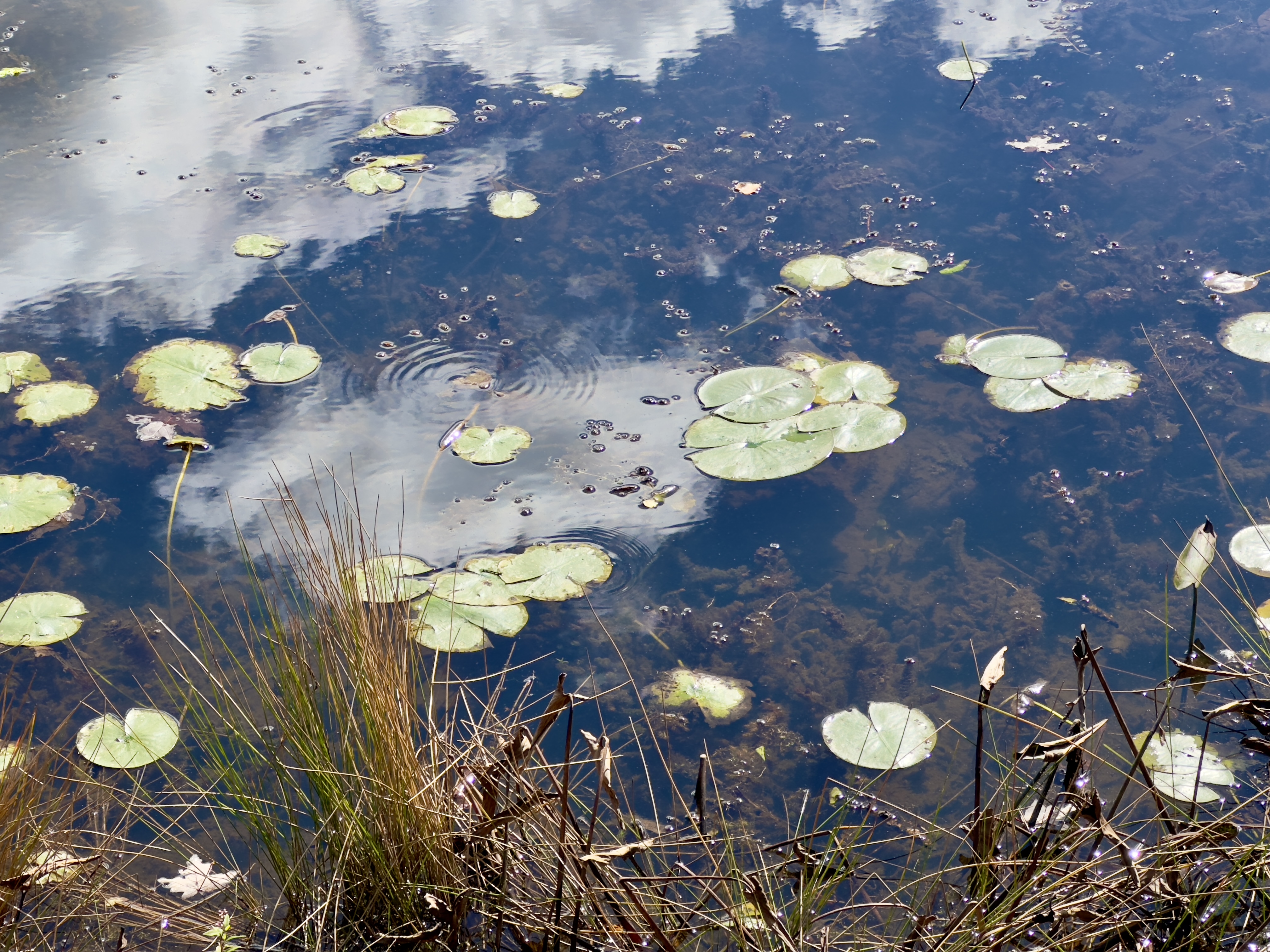
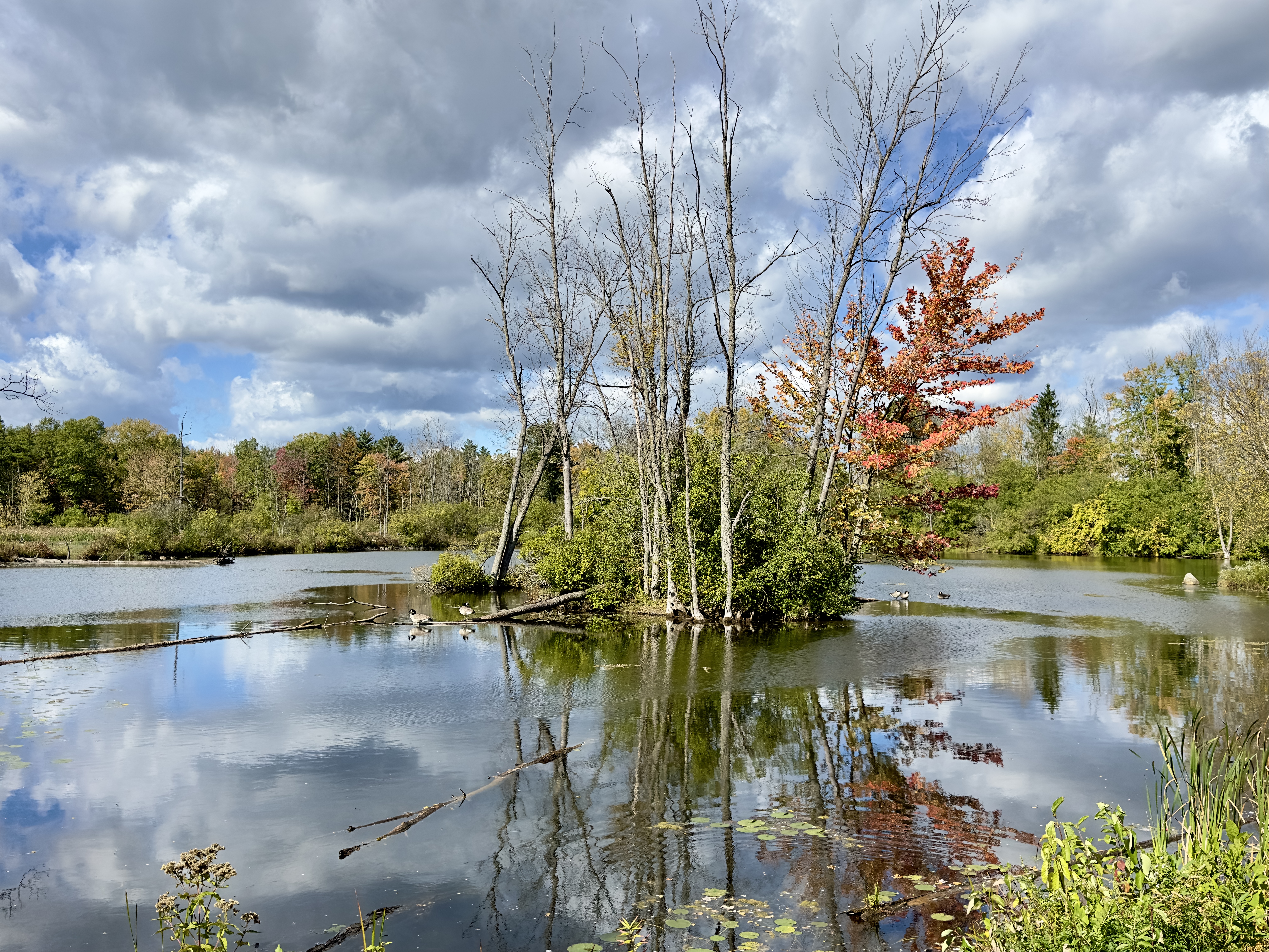
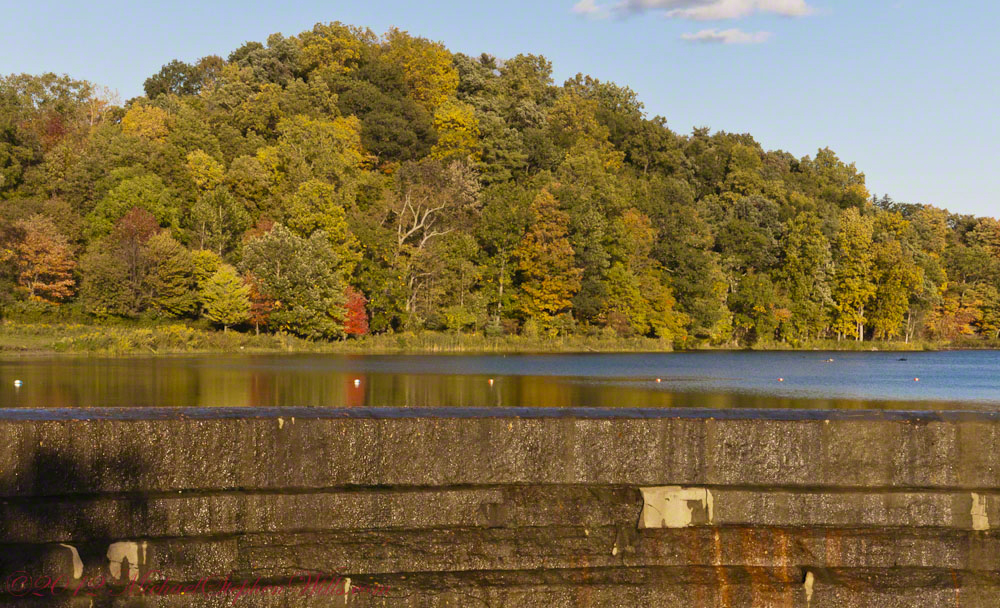
It was one of those serene autumn afternoons that linger in memory, the kind where the sky seems impossibly clear, the air crisp and gently scented with fallen leaves. I stood at the edge of Beebe Lake, my gaze first drawn to the textured concrete dam holding back the water, its weathered facade contrasting sharply with the soft reflections shimmering across the lake’s calm surface. Beyond, the wooded hillside rose gently, a tapestry woven with the warm hues of autumn—golds, greens, oranges, and reds mingling like brush strokes on a canvas.

An October Glory, turning before all others

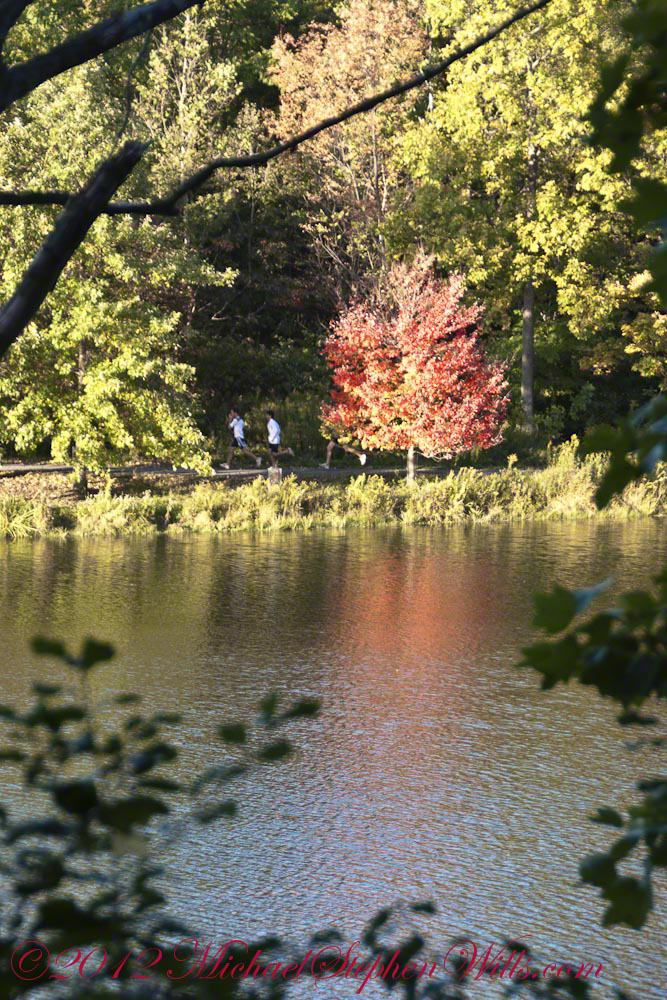
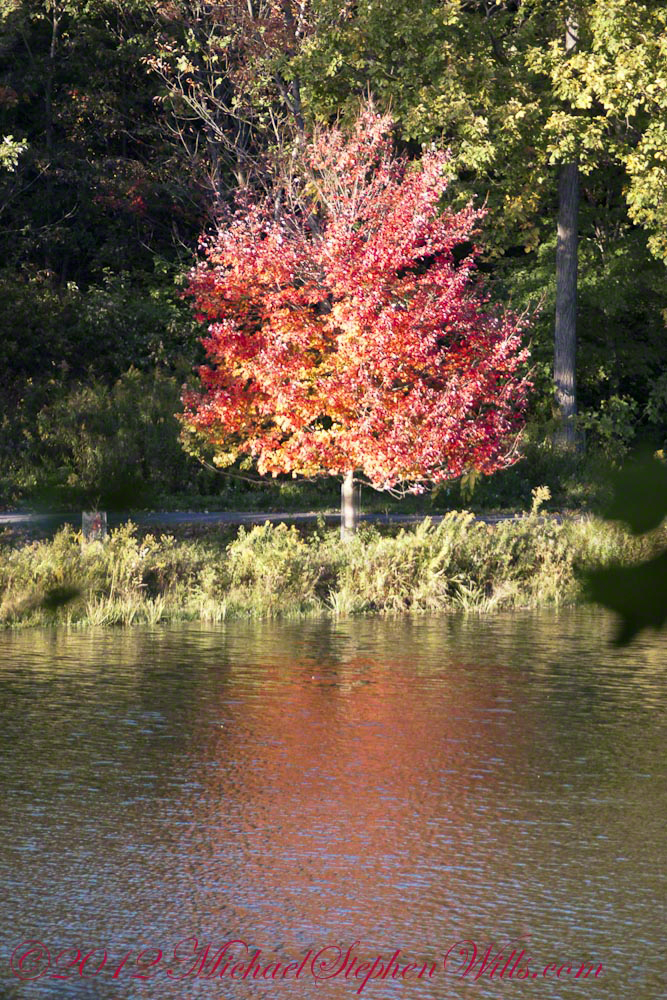
Yet amidst this collective beauty, one tree captured my attention, singular in its brilliance—a solitary red maple standing proudly on the lakeshore. Its leaves had turned a vivid crimson, blazing brightly as though defying the muted earth tones surrounding it. Even from a distance, framed and partially obscured by larger trees, its vibrant reflection cast a fiery echo on the water, rippling softly in the afternoon breeze.

The maple, Acer Rubrum, seemed perfectly at home here, thriving robustly at the water’s edge. I remembered reading how adaptable red maples are, able to flourish in conditions ranging from dry uplands to swampy shores. This spot, near the edge of the tranquil Beebe Lake, seemed to showcase its resilient character perfectly.

Up close, the maple’s glow was even more striking. Its leaves cascaded in fiery clusters, hues deepening from bright scarlet at the tips to a darker maroon closer to the branches. This dramatic gradient seemed symbolic of autumn itself—beautiful, fleeting, and subtly tinged with the melancholy reminder of winter’s approach.

The Red Maple (Acer Rubrum) to tolerant of diverse conditions, making it a perfect choice for this spot on the short of Beebe Lake.

A memory surfaced of early spring in the Finger Lakes region, a time when maples, including this red maple, generously share their sap. Though not traditionally tapped like its sweeter cousin, the sugar maple, this species’ sap can indeed be boiled down into syrup, a surprising sweetness hidden within its sturdy trunk. Standing in its shadow, imagining those early spring days, it seemed astonishing that the same tree could offer both the delicate sweetness of syrup and the fierce beauty now on display.

Curiously, the transformation of the tree appeared methodical yet whimsical—it changed colors from the top down, its upper branches already bare, exposing slender twigs pointing skyward. Like an artist carefully removing layers to reveal something deeper beneath, the maple unveiled its upper bare bones first, as though reminding observers of the quiet strength supporting its autumn splendor.
This Red Maple (Acer Rubrum) turns from the top down and has already bare for most top branches.

As I lingered, taking in this turning tree, joggers passed by along the path, their rhythmic footsteps a gentle percussion beneath the rustling leaves. Briefly, they glanced toward the vivid maple, perhaps drawn, like me, by its striking contrast to the surrounding foliage. It felt like we shared a secret admiration for this singular tree, recognizing in it a quiet assertion of individuality amidst conformity.

Eventually, I viewed the maple once more from afar, framed now by broader sweeps of branches and leaves, partially obscured but no less vivid. Through layers of leaves and dappled sunlight, it glowed like a distant flame, a beacon that seemed to encapsulate the entire mood of the season—warm yet cool, bright yet transient.
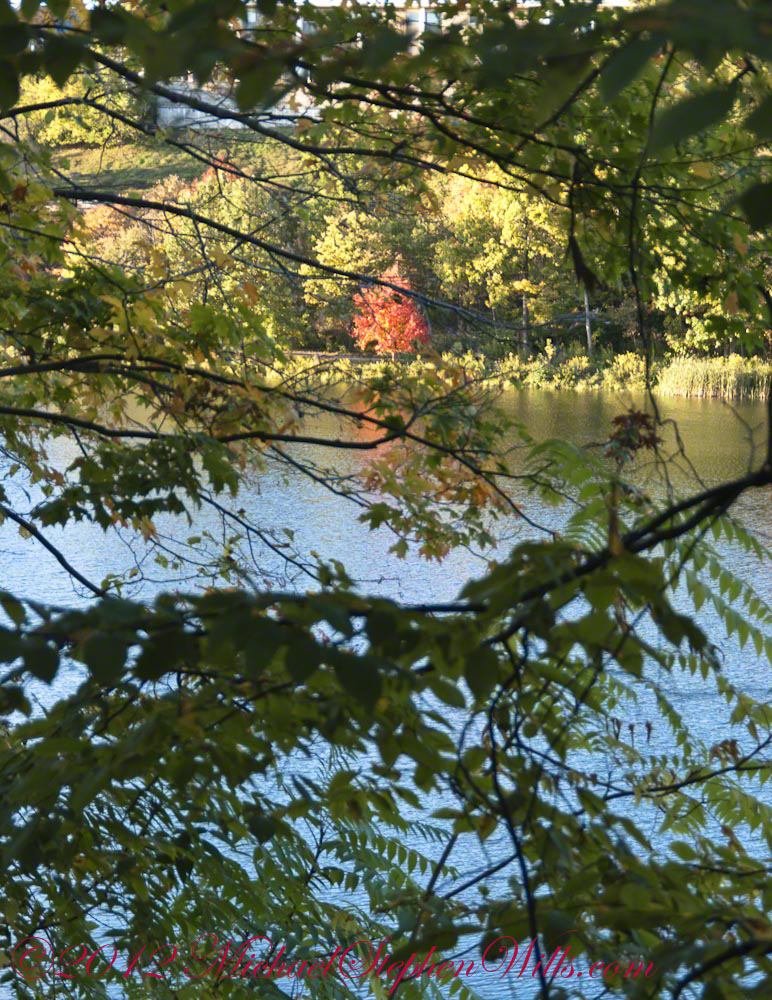
The Red Maple (Acer Rubrum) is the first to flower in spring and the first to turn in autumn.

Walking away, the image of that maple lingered, its reflection shimmering gently in the afternoon sun, a moment suspended between summer’s lush vitality and winter’s bare stillness. Beebe Lake had offered scenic beauty, a quiet meditation, a reflection mirrored not only on its tranquil surface but in the heart of an observer captivated by a single tree’s fleeting glory.
Enter your email to receive notification of future postings. I will not sell or share your email address.

The Enchantment of Autumn Over Cascadilla Gorge

Join me for a serene autumn walk in Ithaca, appreciating nature’s beauty, impermanence, and the calming rhythms of life.

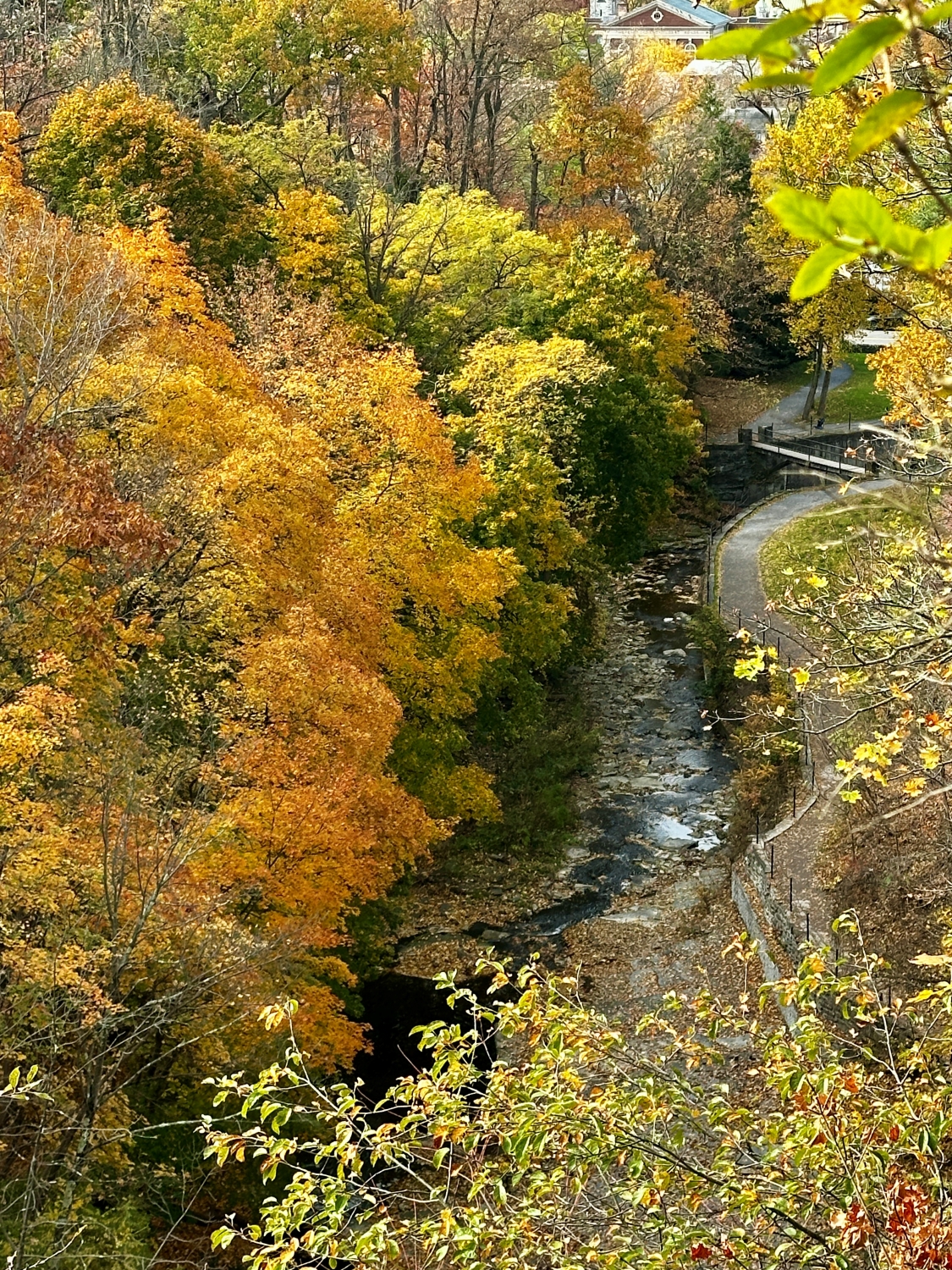
A few days before Halloween, I found myself on the rim of Cascadilla Gorge, Ithaca’s autumnal crown jewel. The air had that crisp October quality, each breath carrying a hint of the colder days to come yet still tempered by the lingering warmth of early fall. A breeze carried a scent of damp earth and decaying leaves, a rich, organic aroma that signaled the turning of the seasons. The path beneath my feet was a tapestry of fallen leaves—russet, gold, and burnt orange—a natural carpet leading me through a world suspended between vibrancy and rest.

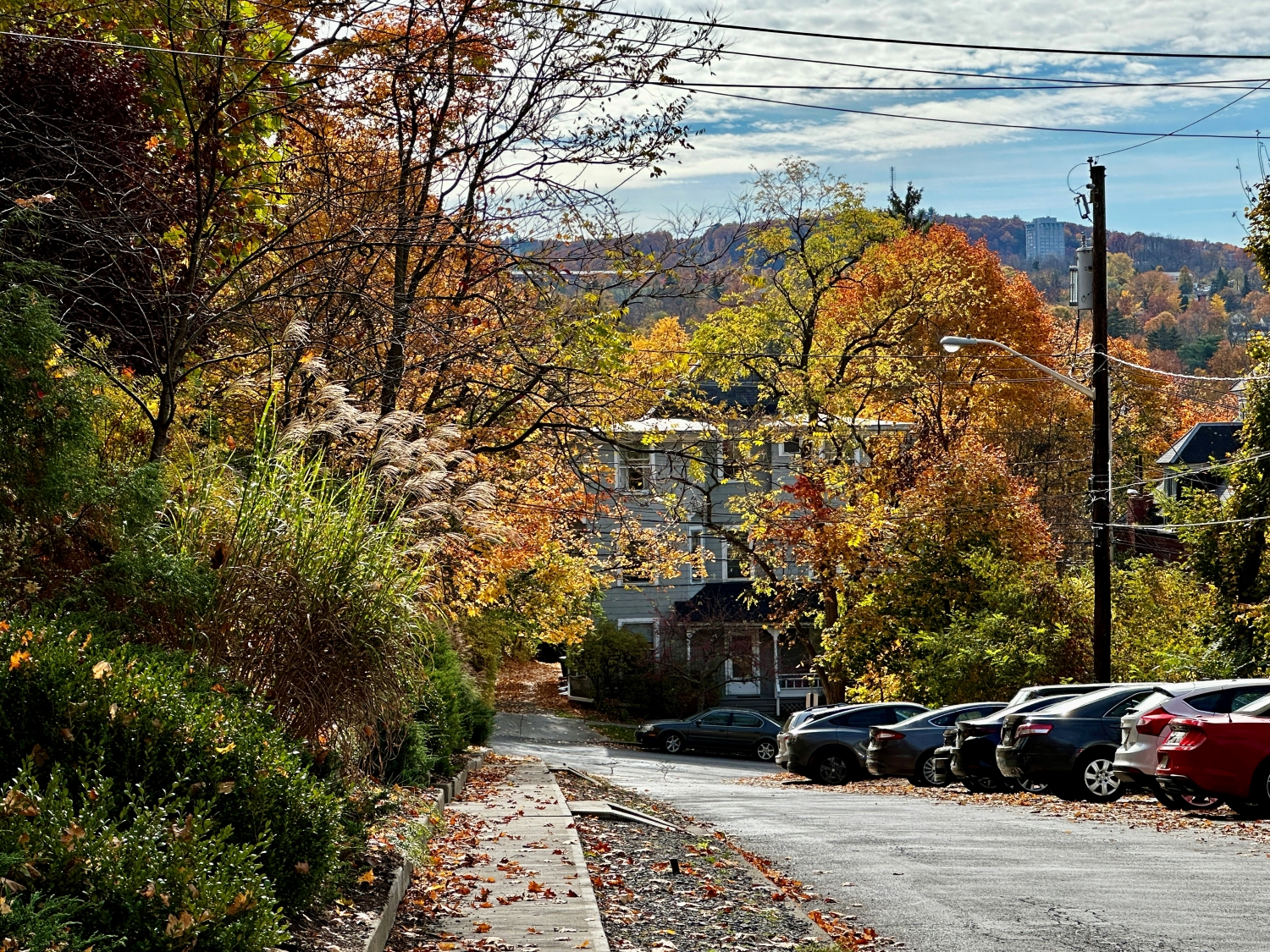
Golden Canopy over Buffalo Street Sidewalk

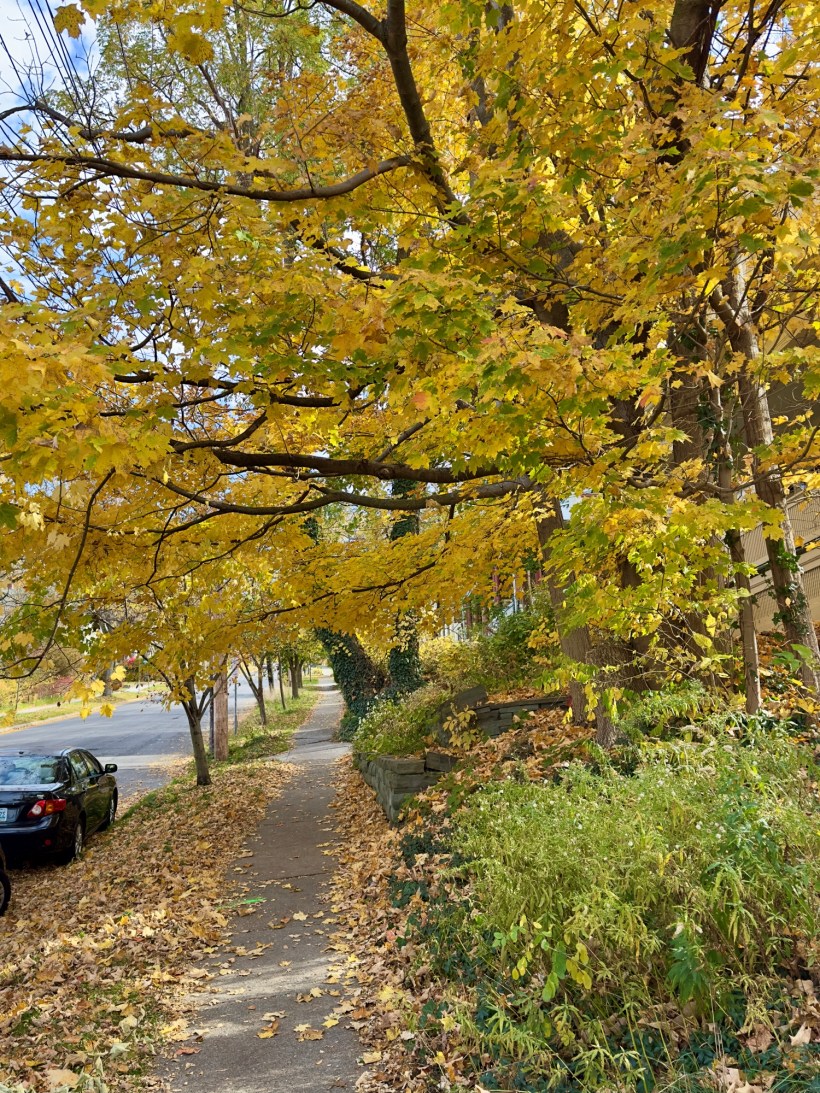
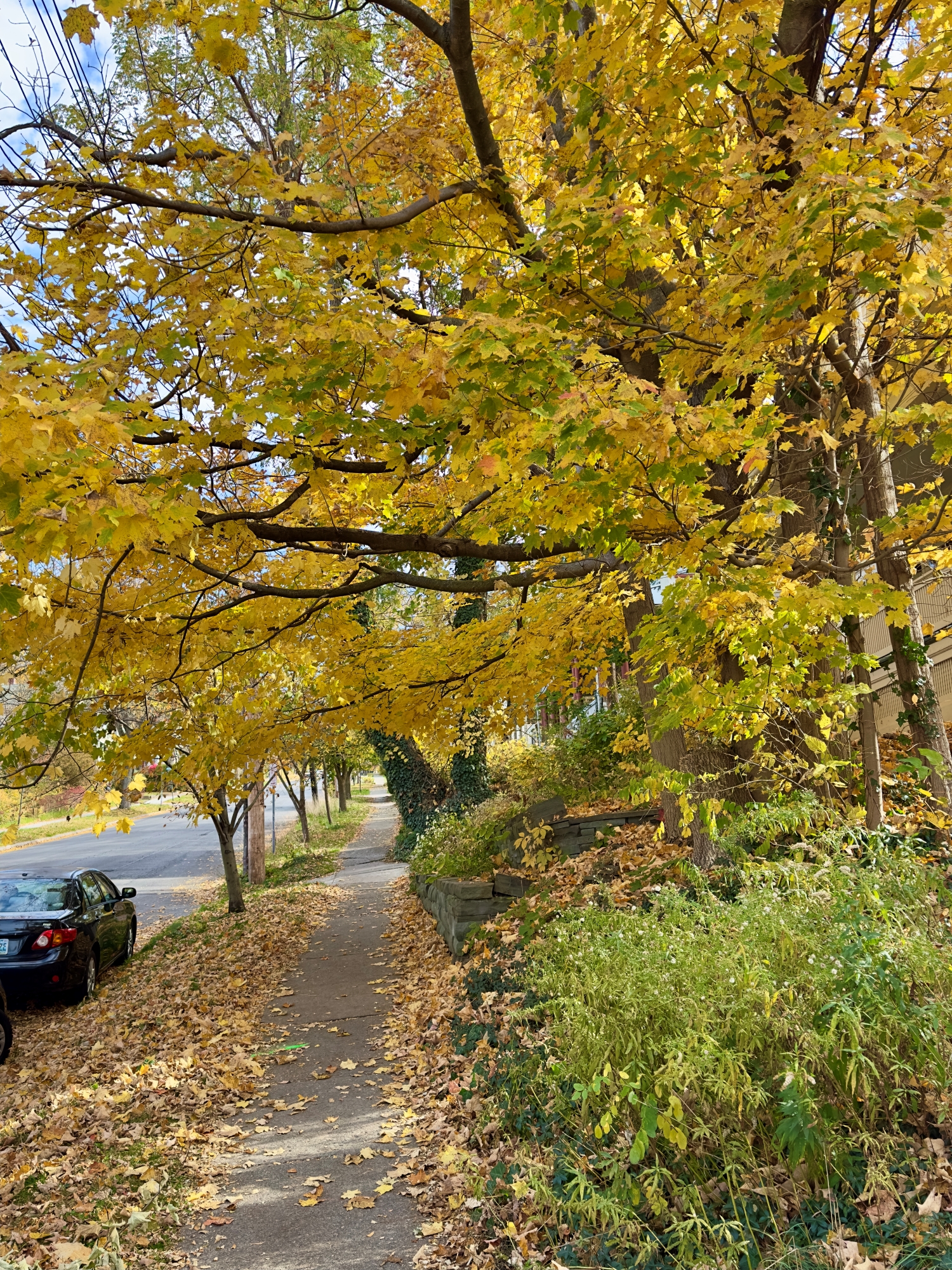
Continuing up Buffalo Street, I marveled at the trees, their branches thick with yellow and gold leaves, creating a canopy above. The leaves shivered with every gust, whispering the ancient secrets of the forest. The air was infused with the sweet, woody fragrance of maple and oak, mingling with the faint scent of chimney smoke from nearby houses. The sunlight filtered through, casting a dappled pattern on the sidewalk, a fleeting mosaic as the leaves danced in the wind. A sense of impermanence struck me; soon, these leaves would be gone, leaving bare branches silhouetted against a winter sky.

Scene from Dewitt Place toward South Hill and Ithaca College

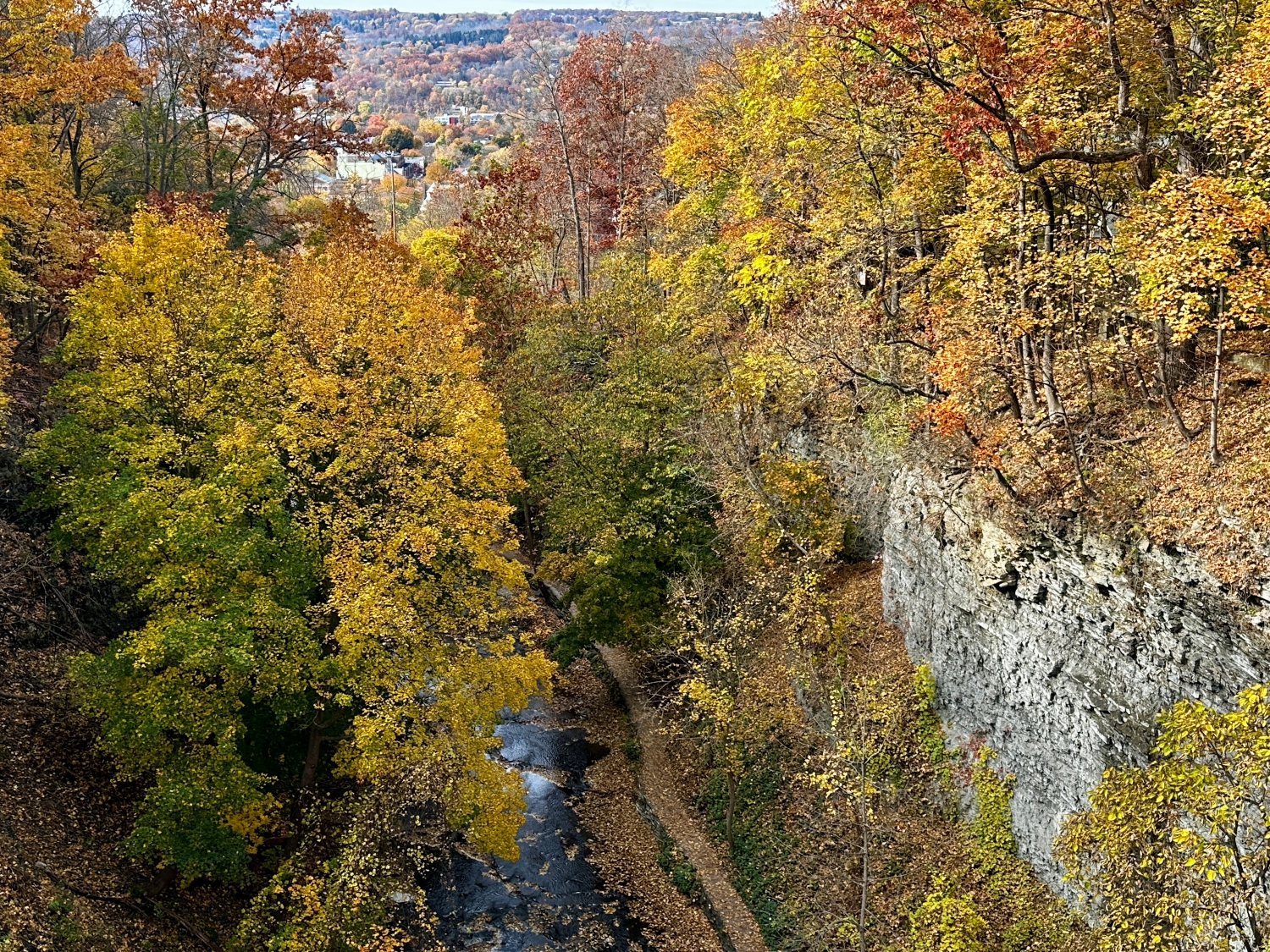
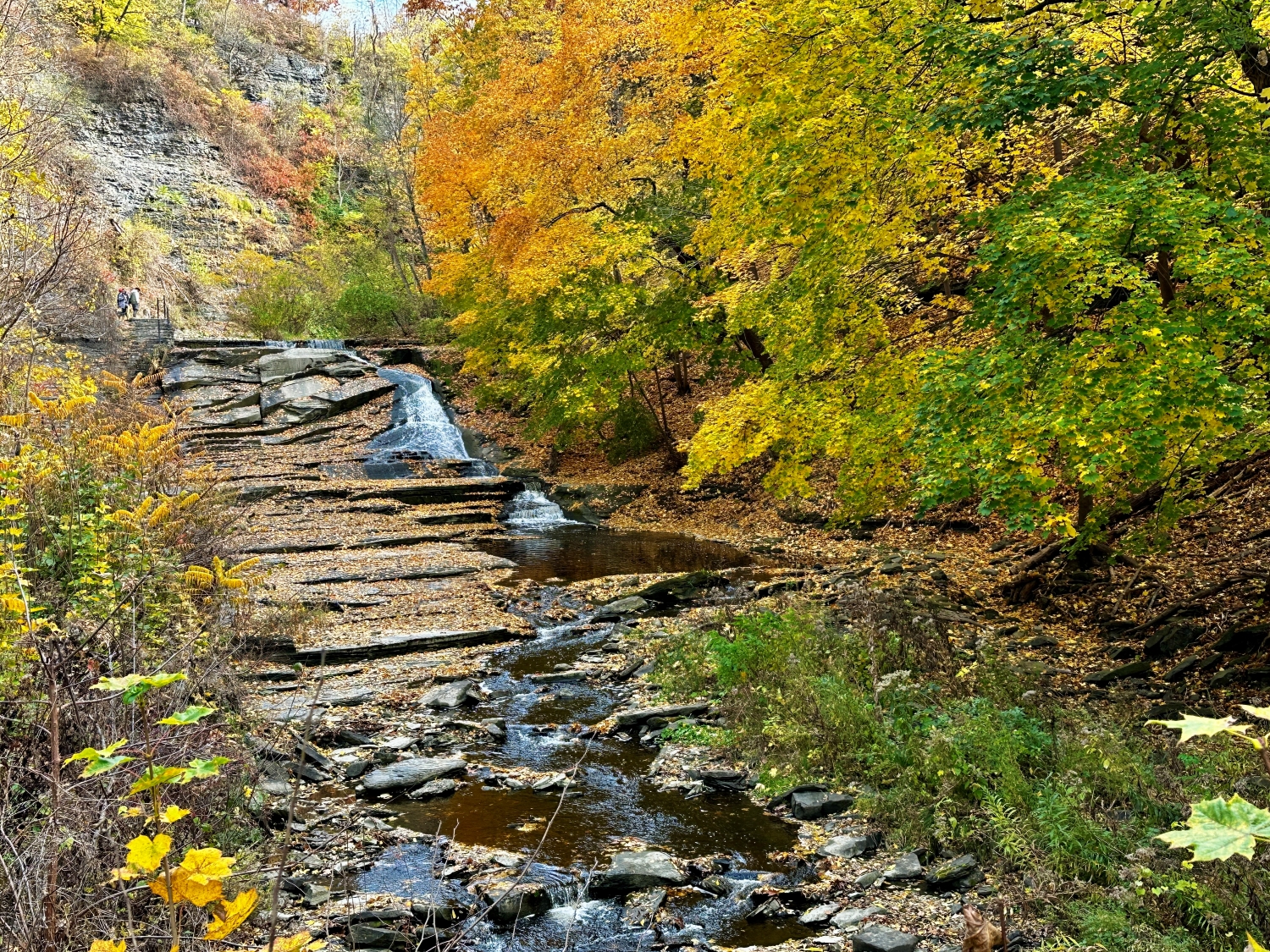
Crossing the Stewart Avenue bridge, the Cascadilla Gorge came into view, a steep wall of stratified rock layers standing guard over the gently flowing stream below. The contrast between stone and foliage was breathtaking—the hard, unyielding rock juxtaposed with the softness of leaves in full autumnal bloom. The earthy scent of wet stone mixed with the crisp aroma of the flowing water, creating a sensory tapestry unique to the gorge. The colors seemed to intensify against the gray and brown of the cliff, each leaf like a brushstroke on nature’s canvas, celebrating the season’s final flourish before surrendering to winter.

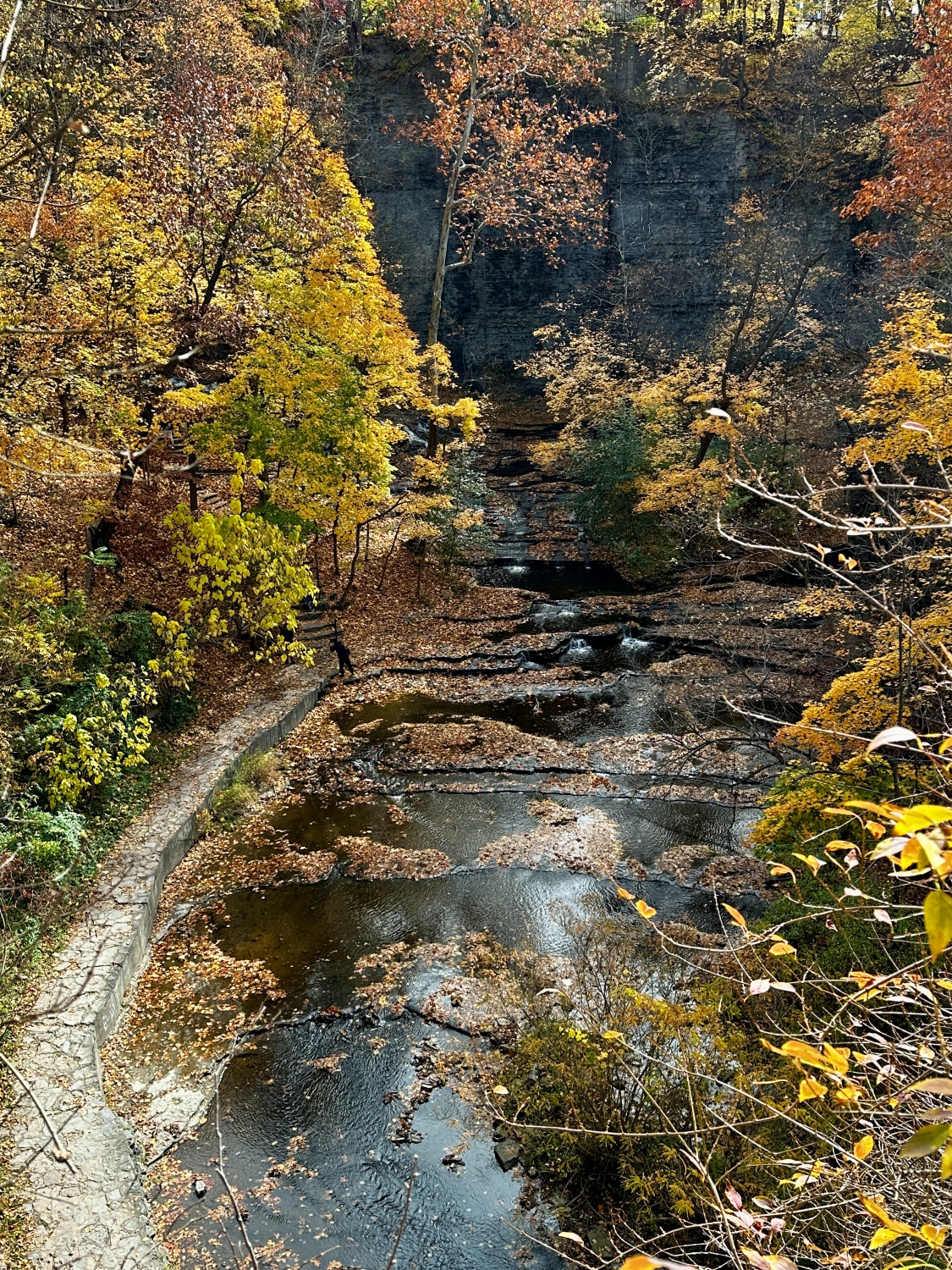
Below footpath along the gorge rim, the creek wound through, its banks littered with leaves that had completed their journey from branch to earth. They floated on the water’s surface, spinning gently in the current as though reluctant to leave this last dance. The sound of the water was a steady undercurrent, soothing and rhythmic, as it tumbled over stones and carved its way through the gorge. I paused to watch, entranced by the way water and rock, ephemeral and eternal, seemed to coexist in a kind of harmony.

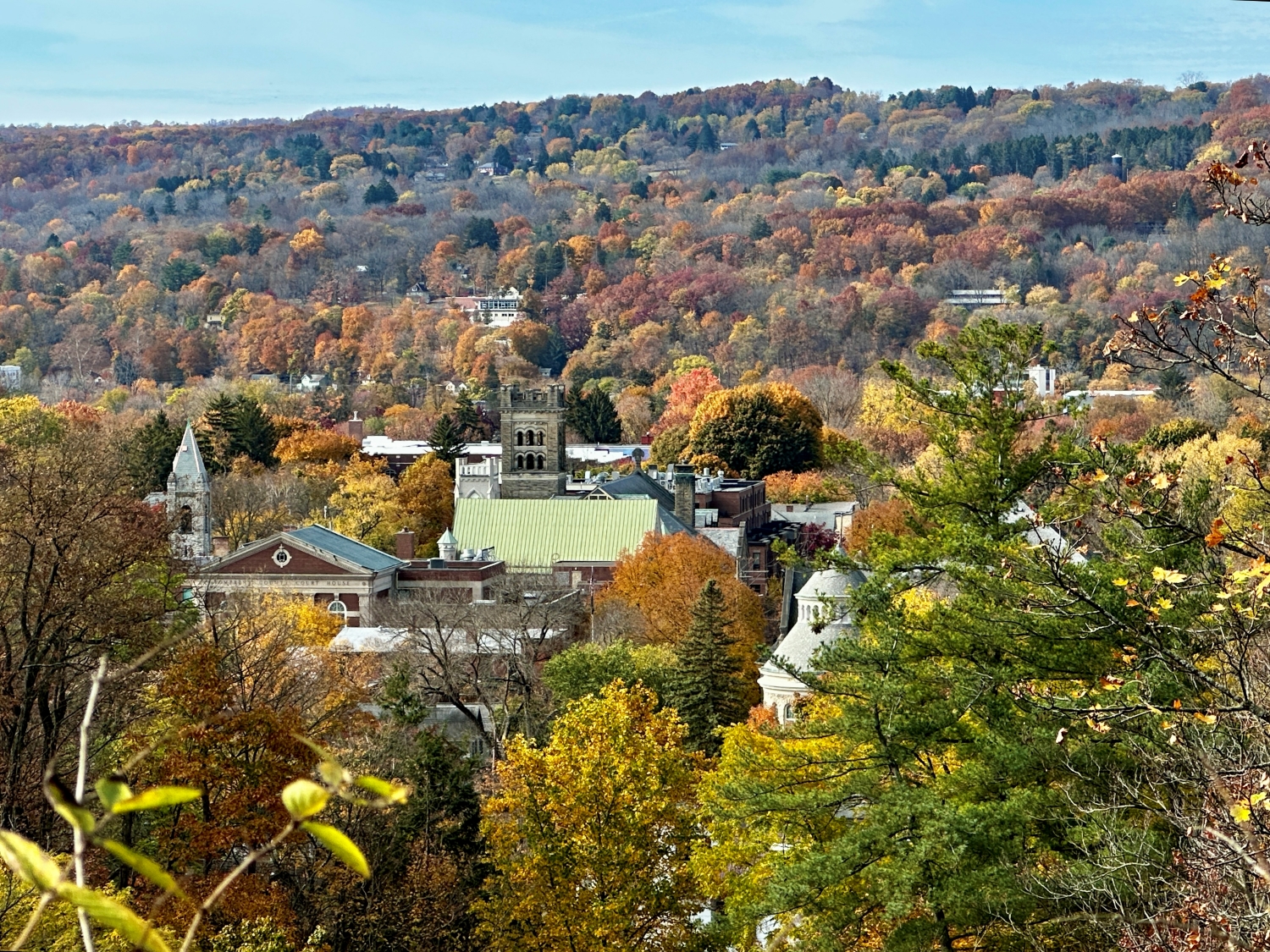
I stopped at a lookout point and surveyed the town sprawled out below, nestled amidst the fiery colors of the surrounding hills. The architecture of Ithaca’s buildings peeked through the trees, each roof and spire framed by the season’s palette. This was a town embraced by nature; its rhythm dictated as much by the seasons as by human hands. The sight stirred a sense of gratitude within me; here was a place that reminded you to slow down and observe, to notice the subtle shifts in light, in color, in the way a single gust of wind could change a landscape.

I continued along the rim, passing a small waterfall that spilled over the rocks with a quiet insistence. The water had carved smooth pathways in the stone, evidence of its long journey and persistent power. The sunlight hit the spray just right, casting a fleeting rainbow that shimmered and then disappeared as I moved. I felt a sense of companionship with the water—both of us moving forward, shaped by the paths we traverse, yet always adapting to whatever lay ahead.

The last part of the trail led me through a dense thicket of trees, their branches hanging low, forming a natural archway. The air was heavy with the musky scent of fallen leaves and the spicy aroma of pine needles underfoot. Here, the light was softer, muted by the thick canopy overhead. The quietness enveloped me, broken only by the occasional rustle of a squirrel in the leaves or the distant caw of a crow. It was the kind of silence that feels sacred, where each sound, no matter how small, becomes profound.

Entering Cascadilla Gorge from Linn Street

Emerging from the shaded path, I took one last look back at the gorge. The scene was both familiar and new—a blend of natural beauty and the nostalgia of seasons past. I felt a sense of peace, grounded by the cycles of the earth, by the ebb and flow of life around me. In this moment, on the brink of Halloween, the world felt both hauntingly beautiful and reassuringly steadfast, a reminder that even as the leaves fall and the days grow shorter, there is a promise of renewal in the quiet persistence of nature.

Enter your email to receive notification of future postings. I will not sell or share your email address.

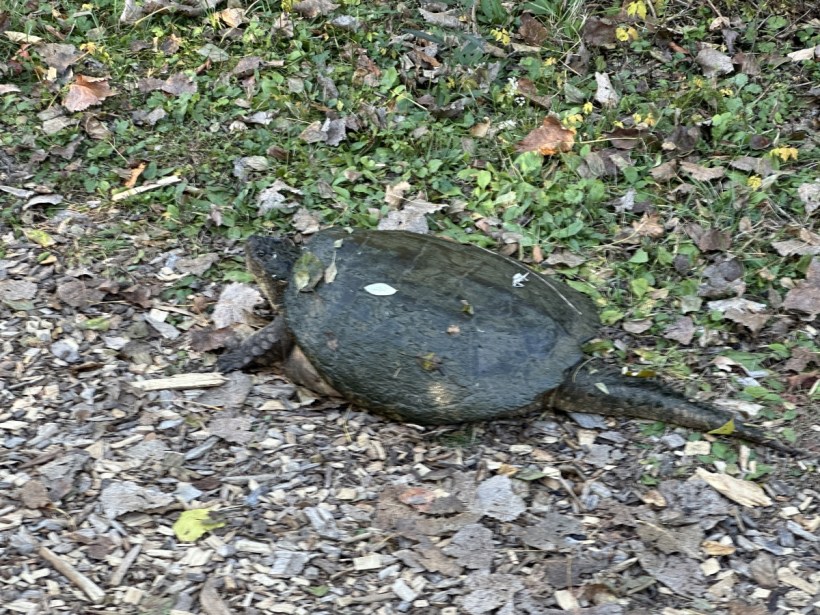
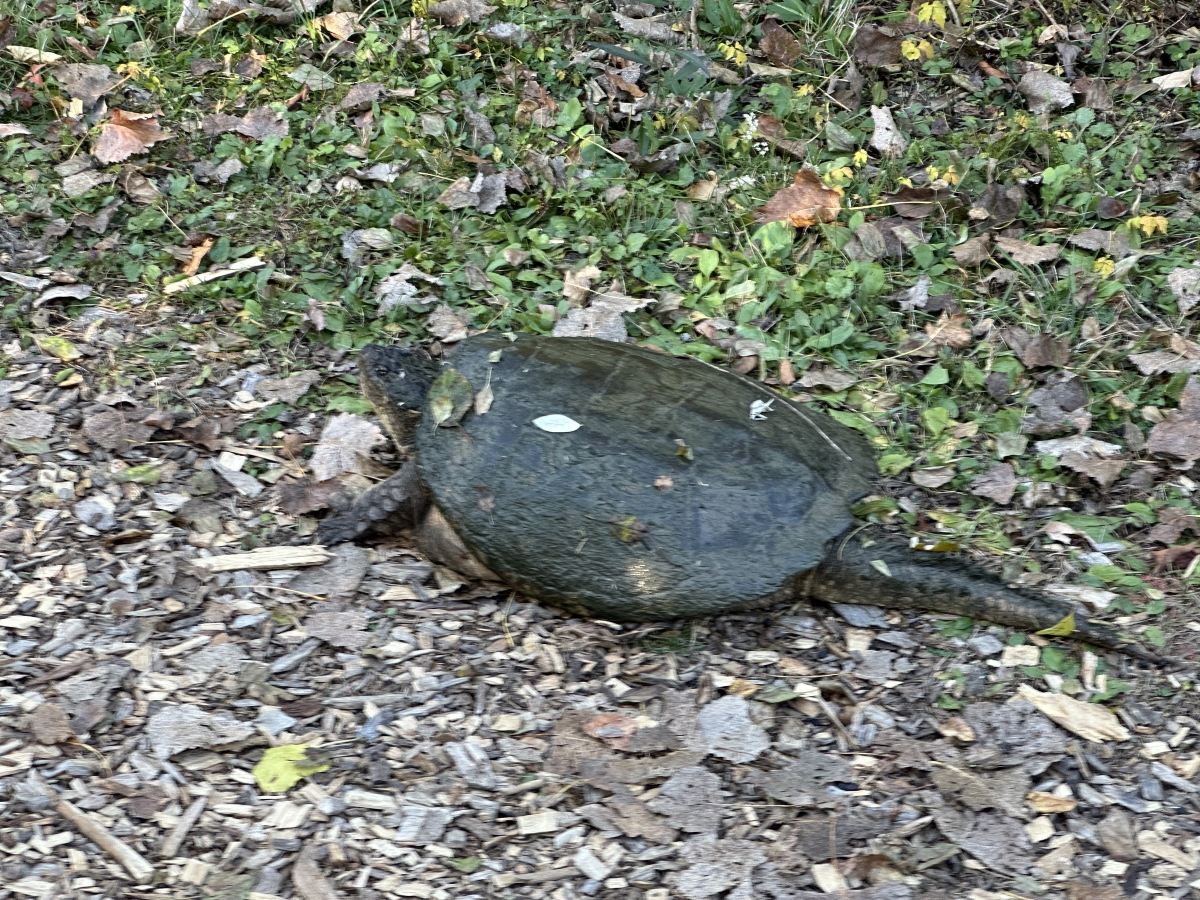
Ode to a Snapping Turtle

In homage to Pable Neruda and chance encounters

O ancient wanderer
of Sapsucker Woods,
armor-clad and quiet,
you lumber forth,
carved from the earth itself,
sculpted from mud
and pondweed dreams.

October’s afternoon light
paints you with golden shadows,
each leaf fallen,
each branch broken
a whispered testament
to the slowness
of your path,
steady as a heartbeat
unmoved by haste.

You bear the centuries
in the lines of your shell,
grooves and valleys
where stories settle,
tales of reeds and minnows,
and the deep-rooted knowing
that life is best met
with patience, with pause.

O creature of edges and silence,
you bridge water and wood,
the line between stillness and stride.
What weight you carry,
not of burden, but of presence—
a shell that holds
the weight of stars,
the bones of ancient rivers,
and the soft clay of Sapsucker’s floor.

In your slow, silent passing,
the trail bows to you.
Leaves make way,
and the earth beneath you
settles a little deeper,
reminded of the strength
that moves without noise,
the wisdom that crawls
in the path of shadows.

Turtle,
you who wear the world’s patience,
I watch you disappear,
an ambassador of ponds and pools,
a silent architect
of marsh and moss.
May your journey be long,
your pauses endless,
and your shell a testament
to the beauty of age,
carved by time,
blessed by the sun.

Enter your email to receive notification of future postings. I will not sell or share your email address.

A Visit with Tom and Hen Turkey

Happy Thanksgiving

The Catskill Mountains are not mountains. The Catskills started as a high plateau. Over eons, before the first humans, water, the sun, and wind carved high steep peaks: rounded, forested and teeming with life.


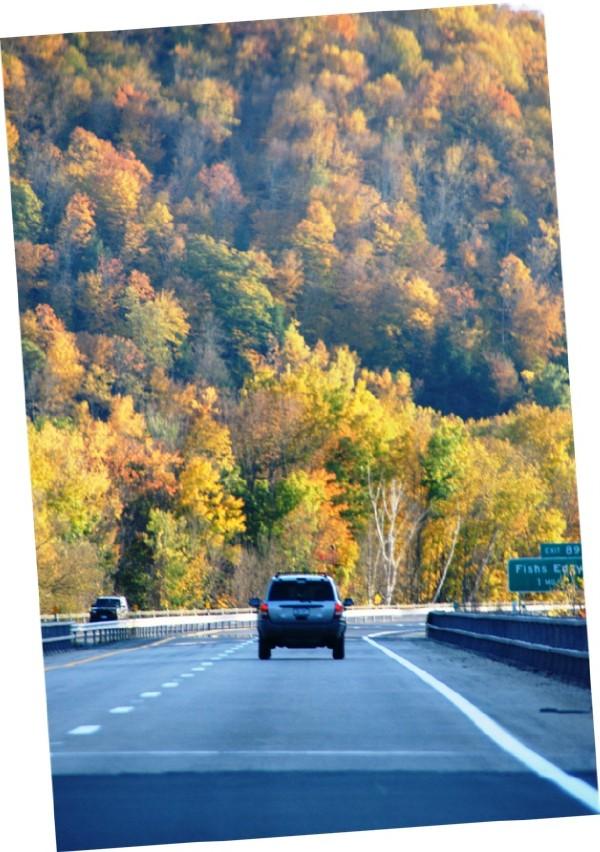
October 2008, on a return trip from family on Long Island, we traveled the winding road called “Route 17”, through the high autumn hillsides.

Route 17_FishsEddy_throughTheWindshield– CLICK ME!!!!

Click me for more Autumn Magic from my Online Gallery

Fishs Eddy

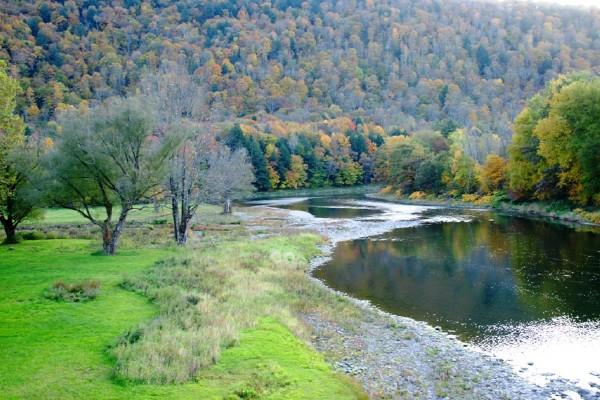
As the sun passed over the western hills we stopped to explore a place called “Fishs Eddy”, a town on the banks of the Delaware River.

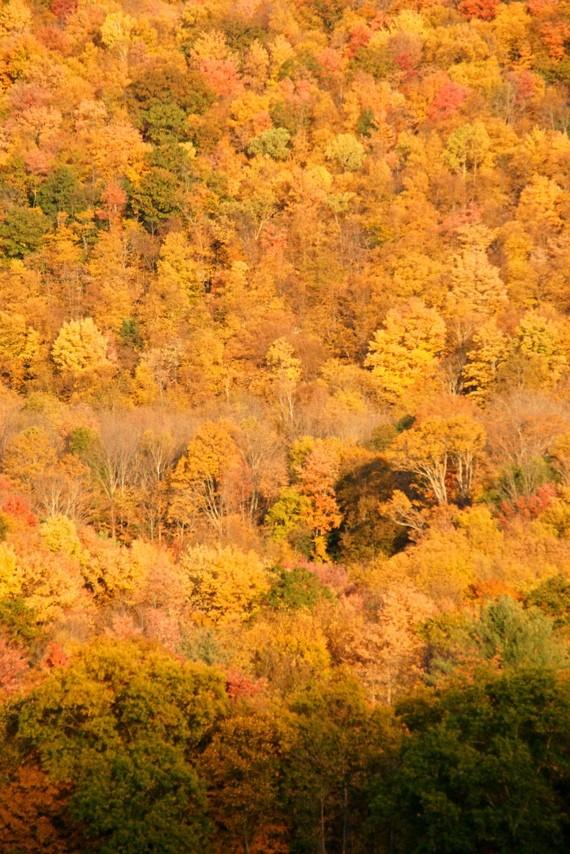
On the east side, facing sunset is a formation that would be a cliff if it was not for the hardwood trees growing from every available nook, crevice. Everywhere a root could be sunk, roots fed trees that, one late October afternoon, made a hill bright with autumn.

Turkey Habitat

Turkeys live in this type of habitat. We took a trail, barely a road that climbed past failed farms and hunting shacks.

Click me for more Autumn Magic from my Online Gallery

The Hens Flee

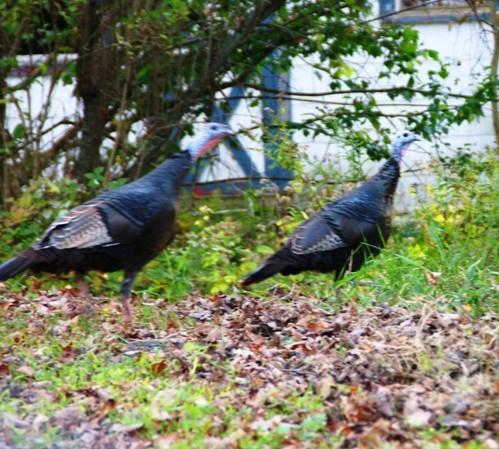
On a level place, in front of a ruined home, we came upon a Tom (male) turkey and his four hens. The hens fled at the sight of us.
With barely time to raise the camera I caught Tom and the last hen as she fled into the bushes.

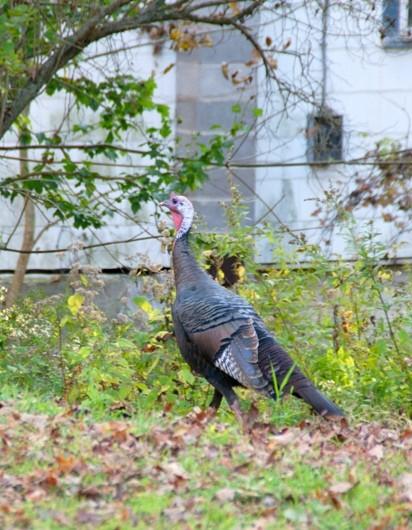
Tom Turkey Defiant

I say she, because Tom stayed behind. He stood erect, all three feet of him, defiant and strutting in a direction opposite from the hens.


This is the bird Benjamin Franklin proposed as the national emblem of the new United State of America (the bald eagle won that competition).


Hunted into almost oblivion, across the United States the wild turkey is making a dramatic comeback in many places, including the forests and farmland of rural New York State

This fellow made no noise. His strutting posture and head bobbing said it all.


We left Tom Turkey in peace to his domain and hens.

Click Me to view my photographs on Getty.

Copyright 2023 Michael Stephen Wills All Rights Reserved http://www.MichaelStephenWills.com

Among Fallen Leaves

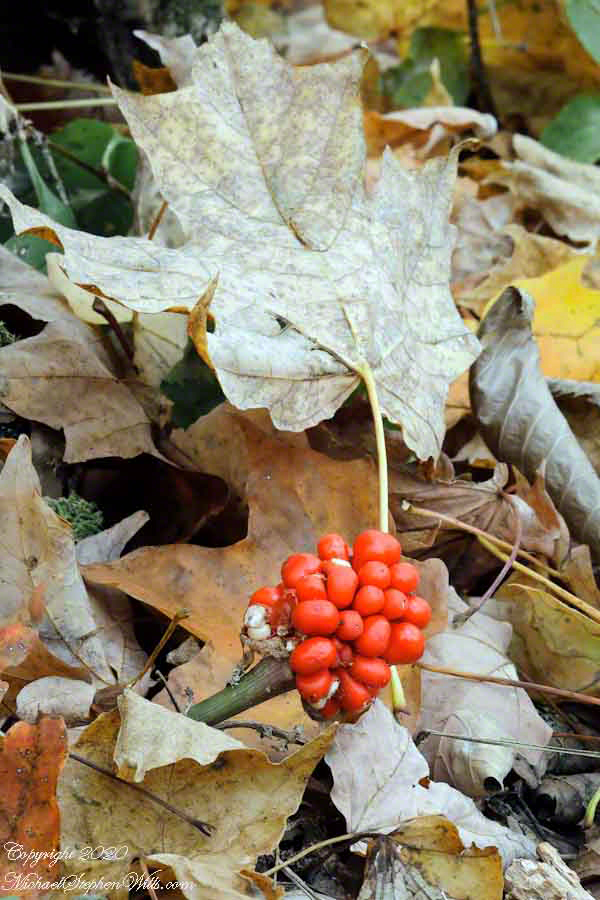
The red berries of the Jack-in-the-Pulpit plant play a key role in seed dispersion, wildlife sustenance, and fueling its energy storage organ, the corm.

As the crisp air of autumn settles in and the leaves begin their spectacular transformation into hues of red, orange, and yellow, the forest floor comes alive with a myriad of hidden wonders. Among these wonders, the Jack-in-the-Pulpit (Arisaema triphyllum) stands out for its striking red berries and the role they play in the fall glory of the woodland ecosystem. In this essay, we will explore the beauty and significance of these red berries and how they are intrinsically linked to the plant’s corm.

The Jack-in-the-Pulpit, a native perennial herbaceous plant of North America, is known for its distinctive appearance, featuring a hood-like structure known as the spathe and a tall, slender stalk called the spadix. It is during the fall season that the plant’s fascinating red berries make their appearance, contrasting vividly against the backdrop of autumn’s colors. These berries are the result of a process that begins in the spring, when the plant first emerges from its underground corm.

Throughout the growing season, the Jack-in-the-Pulpit devotes its energy to producing these striking red berries, which serve several important ecological functions. The red berries are not only visually appealing but also function as a means of reproduction for the plant. They contain seeds that, once mature, can be dispersed to establish new Jack-in-the-Pulpit plants. These seeds are often transported by animals that consume the berries, such as birds and rodents, which then disperse them in their droppings, contributing to the plant’s spread throughout the forest.

The bright red color of the berries is a key feature that attracts birds, making them an essential food source during the fall and early winter months. Birds like thrushes, cardinals, and robins are known to feed on the Jack-in-the-Pulpit berries, aiding in seed dispersal while benefiting from the nutrient-rich fruits. This mutualistic relationship between the plant and its avian dispersers showcases the interconnectedness of the forest ecosystem, where each species relies on the other for survival and propagation.

The significance of the Jack-in-the-Pulpit’s red berries extends to the corm beneath the surface. The corm serves as an energy storage organ for the plant, helping it survive through the harsh winter months when the above-ground parts of the plant wither and die. During the fall, as the plant directs its energy toward producing berries, it also transfers nutrients to the corm, ensuring its vitality and readiness for the following spring.

Furthermore, the corm itself can serve as an energy reserve for the production of future berries and the growth of new shoots. As the plant enters dormancy, it relies on the stored energy in the corm to fuel its growth when conditions become favorable in the next growing season. In this way, the corm and the red berries are intricately linked, with the berries representing the culmination of a year-long process of energy accumulation and reproduction.

In conclusion, the red berries of the Jack-in-the-Pulpit are a captivating and vital component of the fall glory that graces our woodlands. Their vibrant color and ecological role in seed dispersal highlight the plant’s contribution to the forest ecosystem’s richness and diversity. Moreover, these berries are a testament to the interconnectedness of nature, as they are not only visually stunning but also an essential food source for wildlife. As we marvel at the beauty of fall and explore the wonders of the natural world, let us take a moment to appreciate the significance of the red berries of the Jack-in-the-Pulpit and their role in the intricate web of life that surrounds us.

Copyright 2023 Michael Stephen Wills All Right Reserved MichaelStephenWills.com

Hayrolls

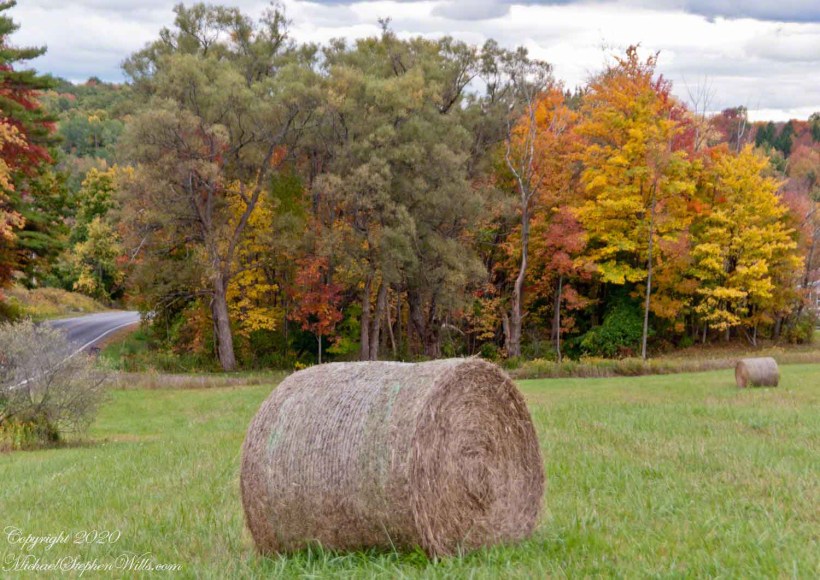
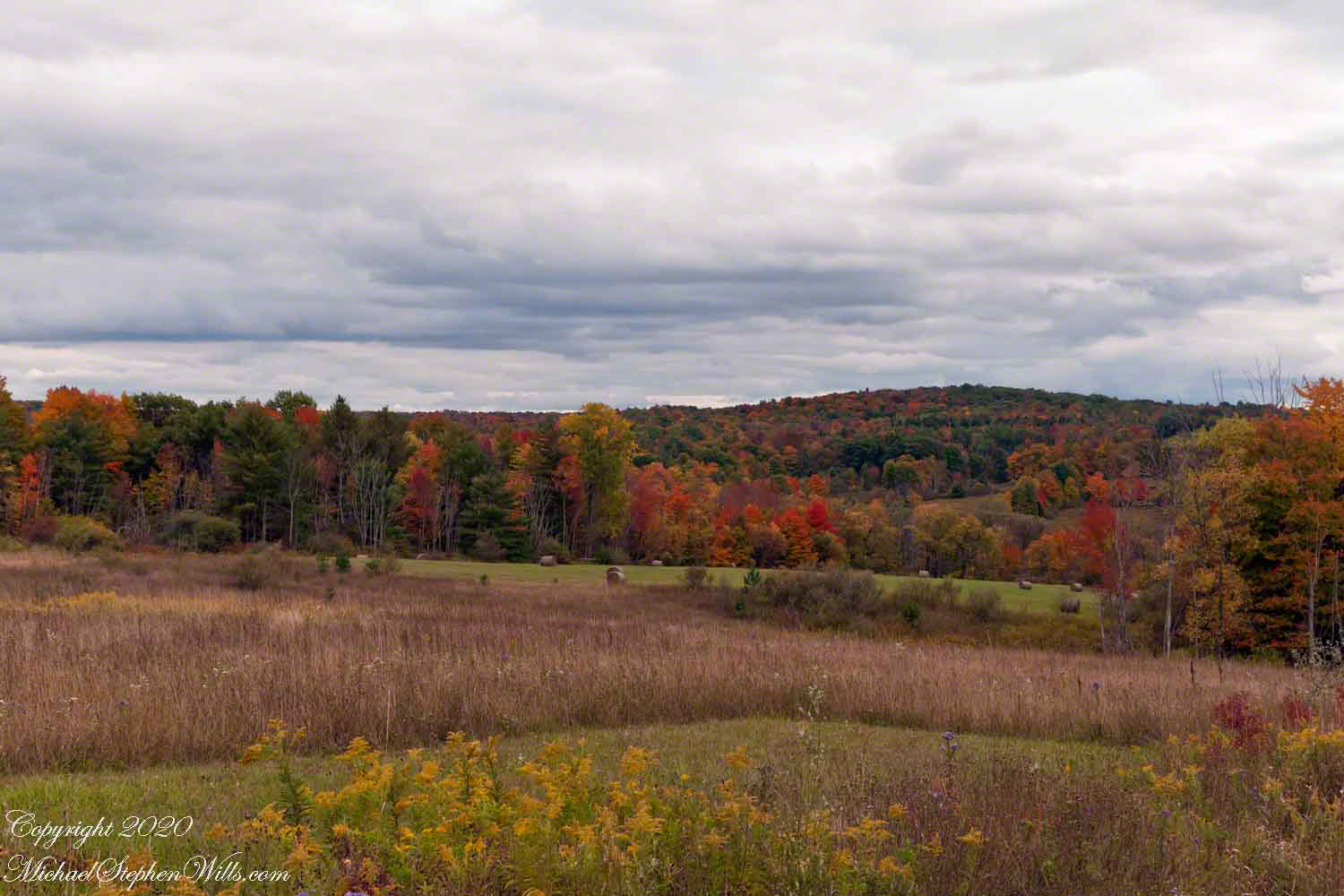
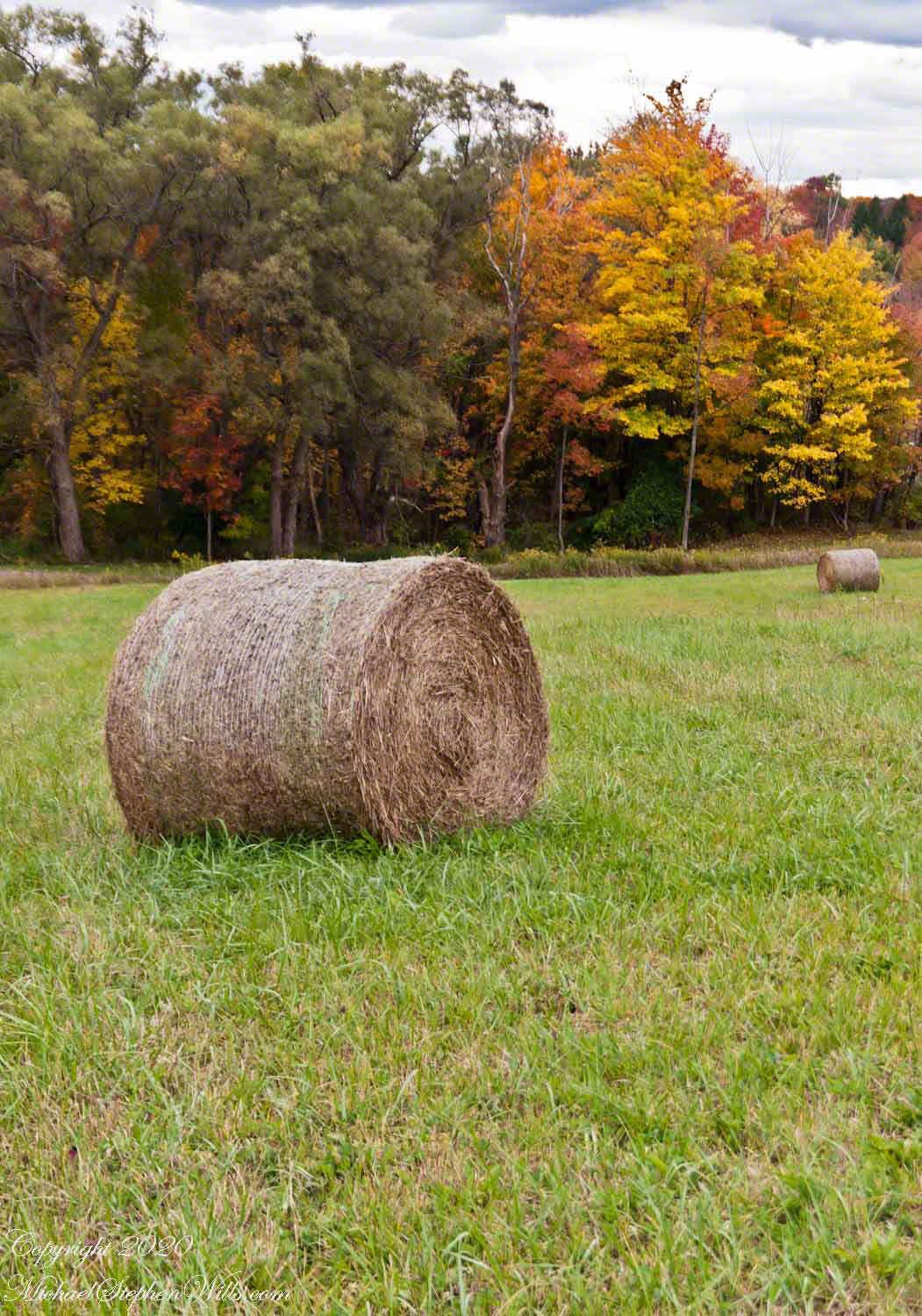
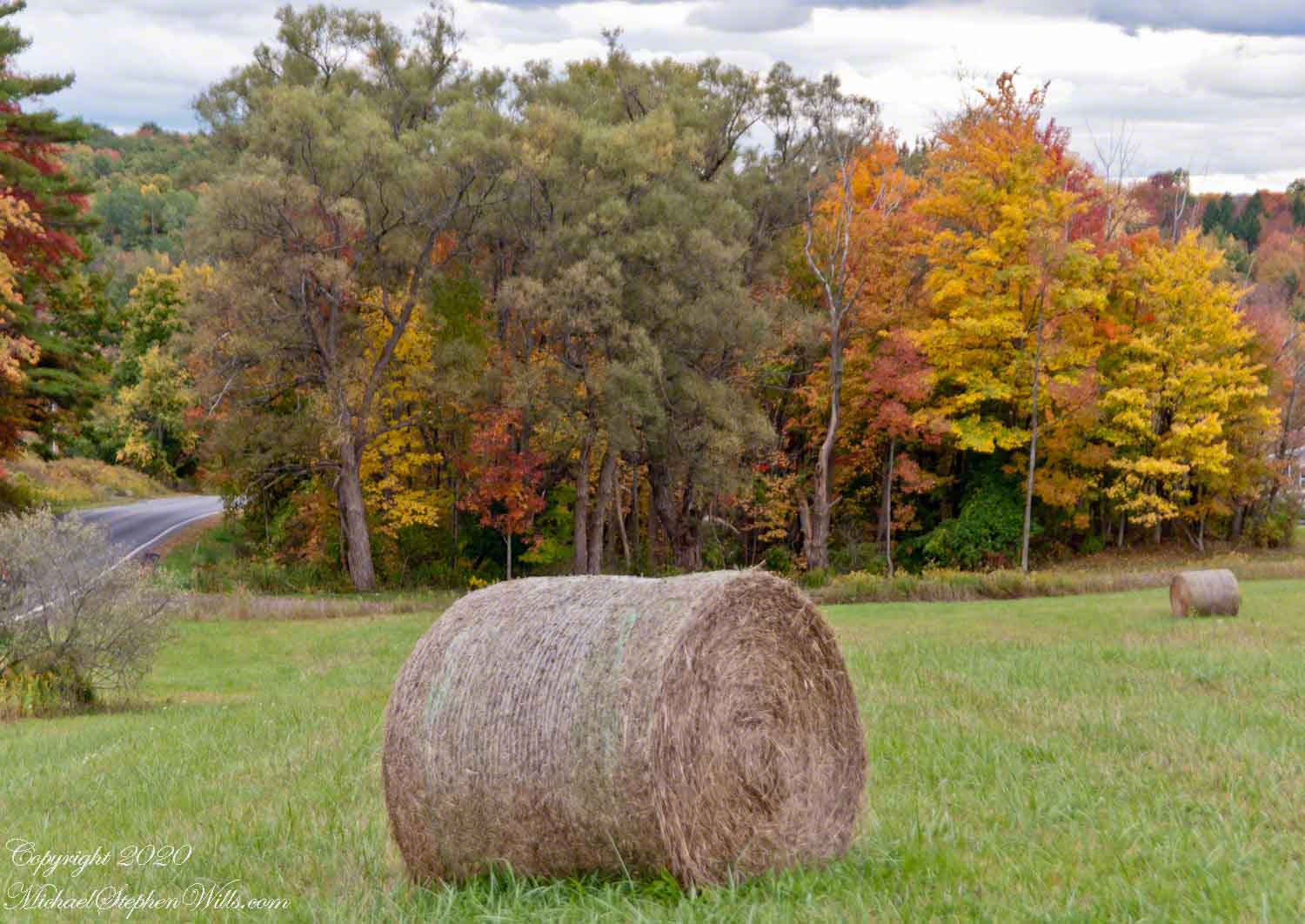
Haymaking, an ancient practice of harvesting and storing feed for livestock, faces modern challenges like climate change and urbanization.

Dry grass gathered for winter feed on Durfee Hill.

Click image for a larger version.

Haymaking, the age-old agricultural practice of harvesting, drying, and storing grasses and leguminous plants, has been central to sustaining livestock throughout history, especially during seasons when fresh pasture is not available. This practice, rooted in necessity and refined by tradition, embodies the intersection of human ingenuity with the rhythm of nature.

Origins of Haymaking

The origins of haymaking can be traced back to a time when early agricultural communities recognized the need to store feed for animals during lean seasons. While the exact timeline of its inception is hard to pin down, ancient texts and artifacts suggest that the process of drying and storing grass as hay has been practiced for millennia. Early haymaking was predominantly manual, relying heavily on the natural process of sun drying.

The Process of Haymaking

Haymaking usually begins with mowing, the act of cutting down the grass when it has reached its peak nutritional value, just before or as it starts flowering. After mowing, the grass is left on the field to dry, a process known as ‘tedding’. The drying process is crucial as it prevents the growth of mold and bacteria which can spoil the hay and make it unsafe for consumption.

To facilitate even drying, the cut grass is often turned over, or ‘tedded’, using specialized equipment or manually with pitchforks. This ensures that the moisture from the bottom layers of the grass is exposed to the sun and air. Once dried, the hay is raked into rows to prepare for the final stage of baling. Baling involves compacting the dried hay into bundles, making it easier for transportation and storage. Over the years, bales have evolved from simple tied bundles to more compact and uniform shapes, thanks to modern machinery.
The Importance of Haymaking

Haymaking is more than just a routine agricultural activity; it’s a lifeline for livestock farmers. Properly made hay provides essential nutrients to animals like cattle, sheep, and horses during winter months when fresh grass is scarce. Moreover, for dairy farmers, the quality of hay can directly impact the quality and quantity of milk produced.

Furthermore, the economic implications of haymaking are significant. A successful haymaking season can mean the difference between a profitable year and financial strain, especially in areas heavily dependent on livestock farming.

Modern Advances and Challenges

With the advent of technology, the haymaking process has seen numerous advancements. Modern machinery, from mowers to balers, has made the process more efficient, reducing the time and labor required. Advances in weather prediction tools have also assisted farmers in choosing the optimal time for haymaking, maximizing the chances of getting dry weather which is crucial for the process.

However, haymaking, like many agricultural practices, faces challenges in the modern era. Climate change and its resultant unpredictable weather patterns pose significant risks. Unexpected rains during the drying phase can severely affect the quality of hay. Moreover, urbanization and changing land use patterns are reducing the available land for hay cultivation.
Conclusion

Haymaking, as an agricultural practice, exemplifies the human endeavor to harness nature’s bounty for sustenance. From its ancient origins to modern implementations, it remains a testament to the farmer’s deep understanding of the land and its cycles. In a broader sense, haymaking underscores the importance of preparedness, of looking ahead and planning for the future, a lesson that resonates well beyond the confines of agriculture. As we face contemporary challenges, revisiting and valuing such practices can offer insights into sustainable and harmonious living.

P.S. Reader BigSkyBuckeye offered this insight, “Having lived many years in rural, ranching communities, one sees the lifeline of hay for winter feeding of cattle. One important note–most ranchers separate their stacks of bails with some distance, so a lightning strike doesn’t consume every bail.”

Copyright 2023 Michael Stephen Wills All Rights Reserved

Baker Lab with Autumn Trees

Double Irony

Baker Lab

Baker Laboratory dates back to World War I.  With 200,000 square feet of space, the lab is home to Cornell’s Chemistry and Chemical Biology Department, the Chemistry Research Computing Facility, the Nuclear Magnetic Resonance Facility, and the Advanced ESR Technology Research Center (whew!!).

Trees on a Knoll

On the right, on a knoll, is a European beech tree (Fagus sylvatica).  The Latin name holds a double irony. Standing, alone, high above East Avenue on the Cornell campus  (sylvatica means “of forests”) as a memory of the forests growing above Cayuga Lake is a being once worshiped as a god.   In Celtic mythology, Fagus is the god of beeches.

A maple is on the left, genus Acer of unknown species.  I recognize it from the shape.

Copyright 2023 Michael Stephen Wills All Rights Reserved

Little Red Maple

First to flower, first to turn

Red Maple (Acer Rubrum)

The Red Maple (Acer Rubrum) is tolerant of diverse conditions, making it a perfect choice for this  spot on the short of Beebe Lake.

Maple Syrup

Even though it is not a “Sugar Maple, early spring, the sap can be boiled down to syrup.

Turning Tree

The first to flower in spring and the first to turn in autumn.

From the Top Down

This maple turns from the top down and is already bare for most top branches.

Copyright 2023 Michael Stephen Wills All Rights Reserved

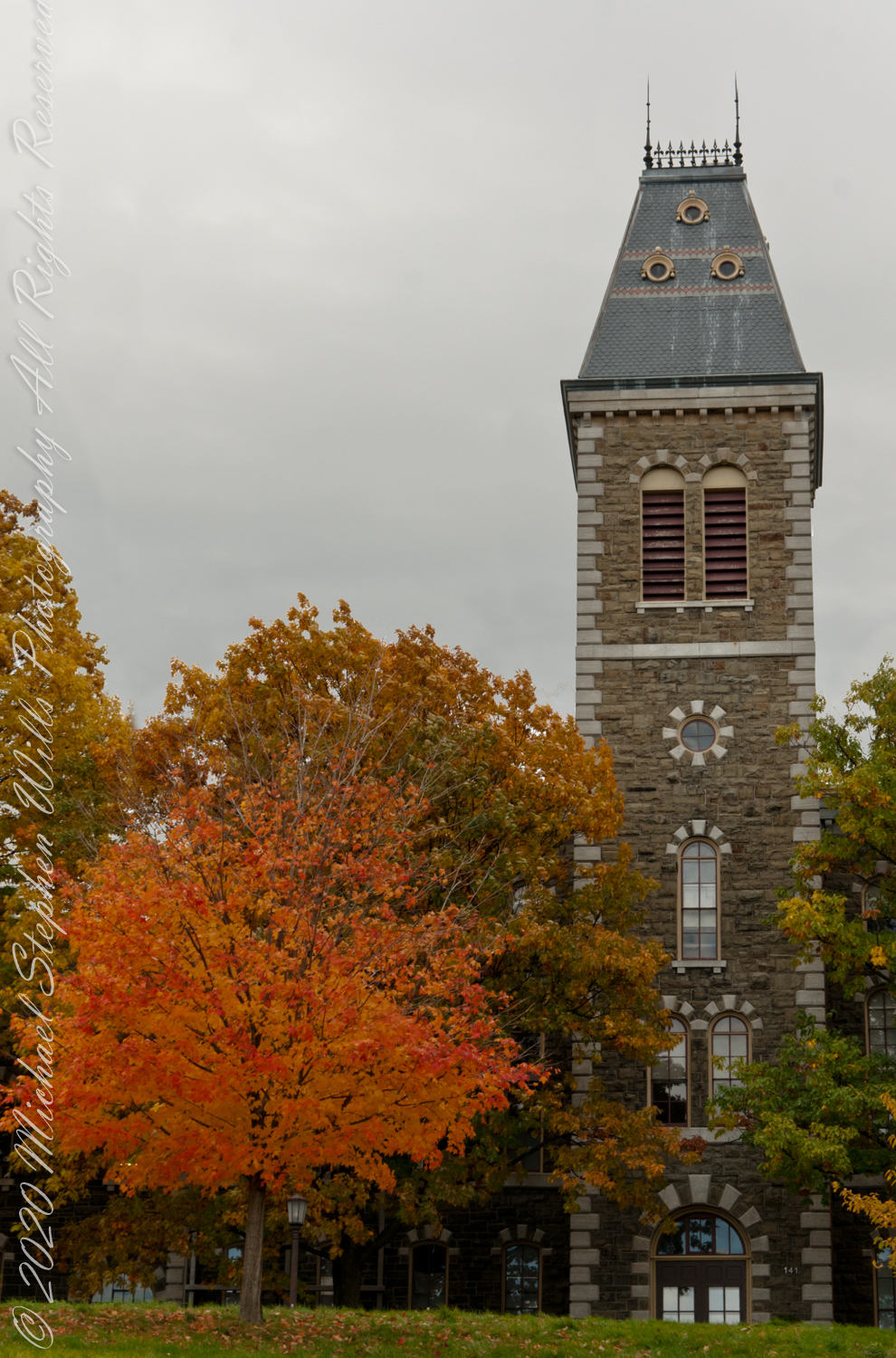
Tower of McGraw Hall from Libe Slope

The First Cornell Tower

Named for founding trustee John McGraw, who gave $120,000 for construction of the building, McGraw Hall, designed by architect Archimedes N. Russell, opened in 1872.

Built of an Ithaca stone known as Lenrock, the four-story building was the first on campus to include a tower and today is home to the American Studies Program, Department of History, Department of Anthropology, and Archaeology Intercollege Program.

Jennie McGraw, daughter of John McGraw, donated the chimes to be placed in the tower, where they stayed until McGraw Tower was built in 1891.

This year the College of Arts and Sciences inaugurated a comprehensive renovation of McGraw Hall.

Copyright 2023 Michael Stephen Wills All Rights Reserved

Autumn Survey

Across the land

Good news….Click Me for the link to my latest photographs accepted by Getty, from this series of 2022 Fillmore Glen. You may acquire reasonably priced rights to use these photographs in your work.

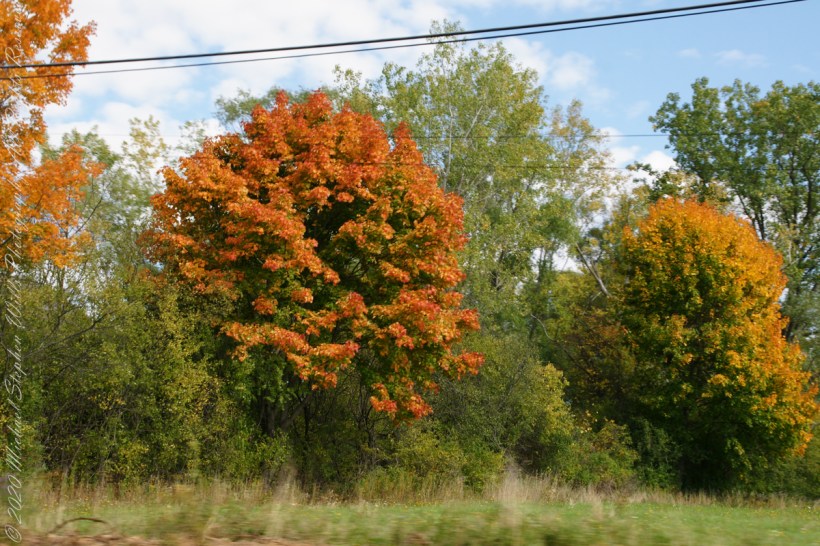
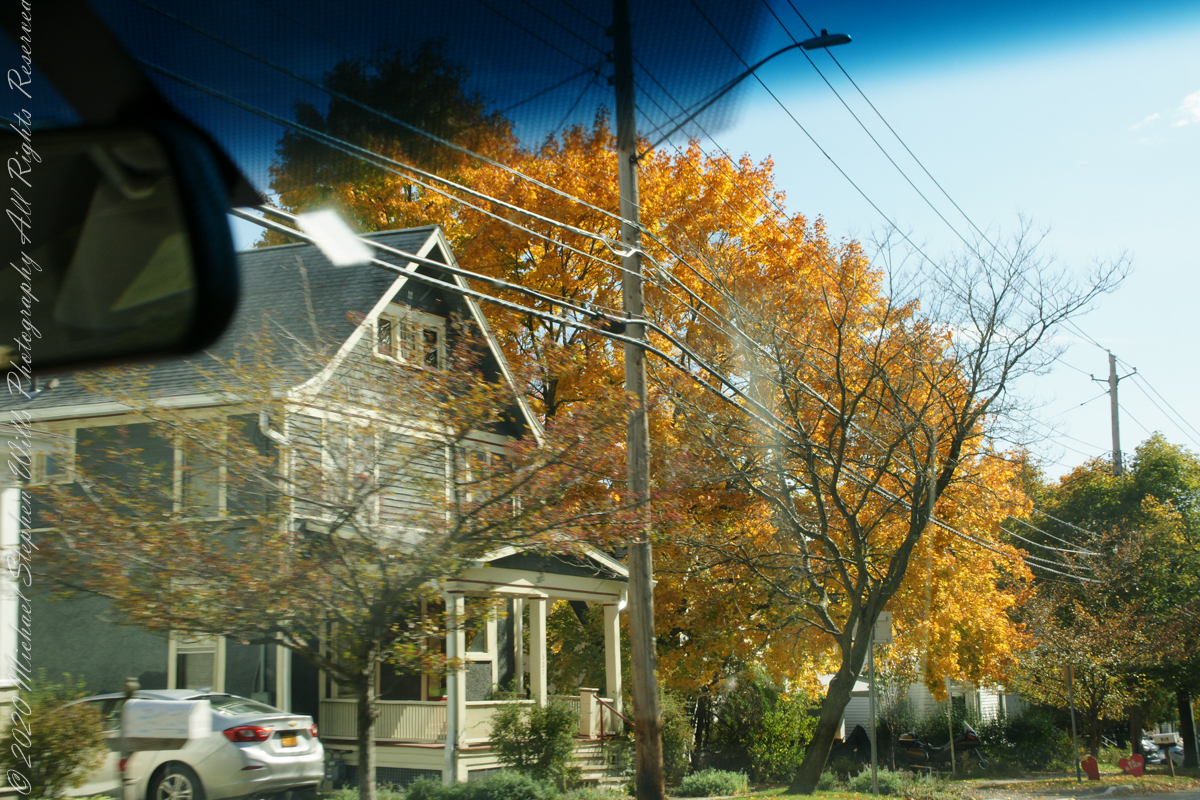
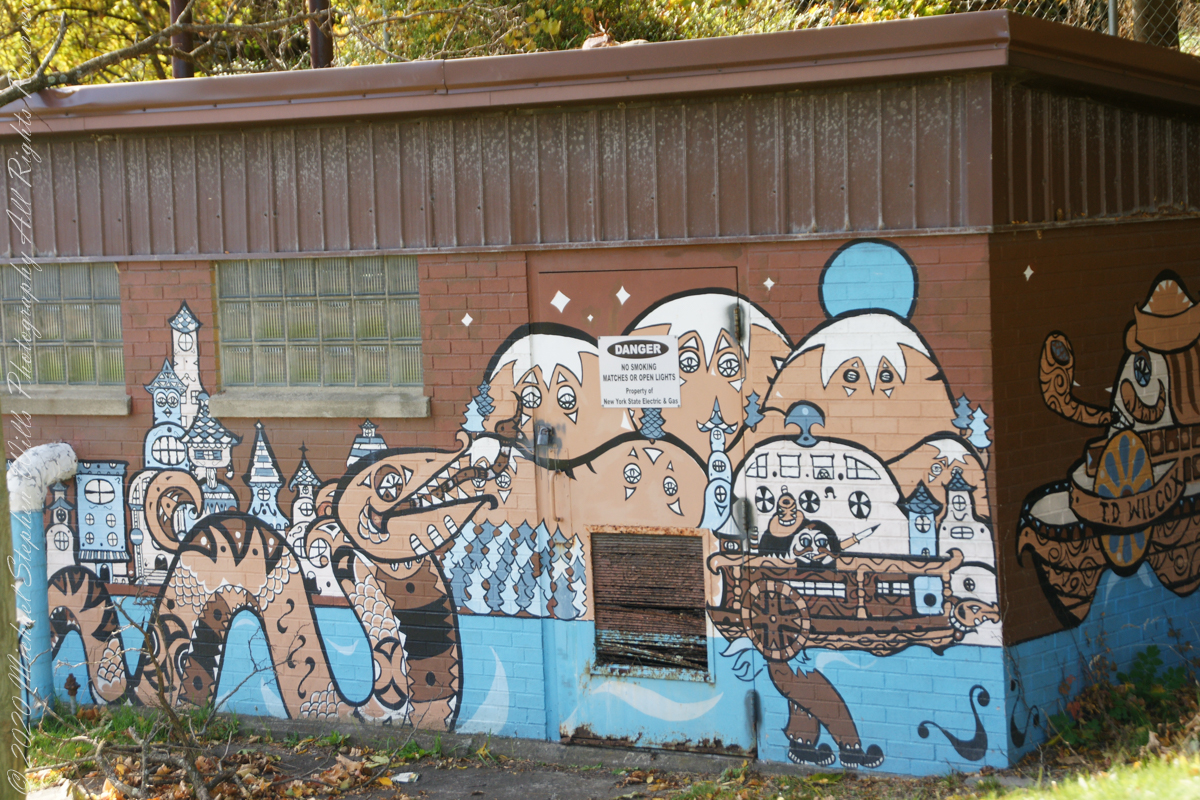
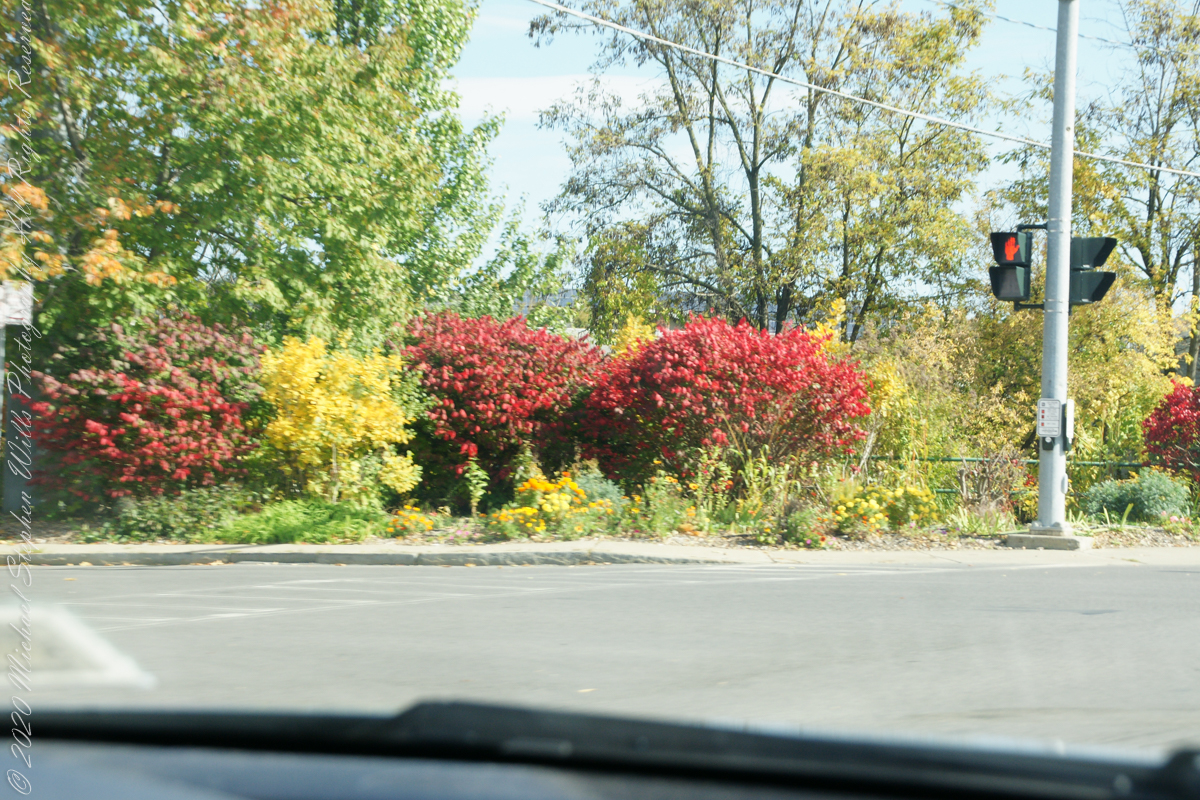
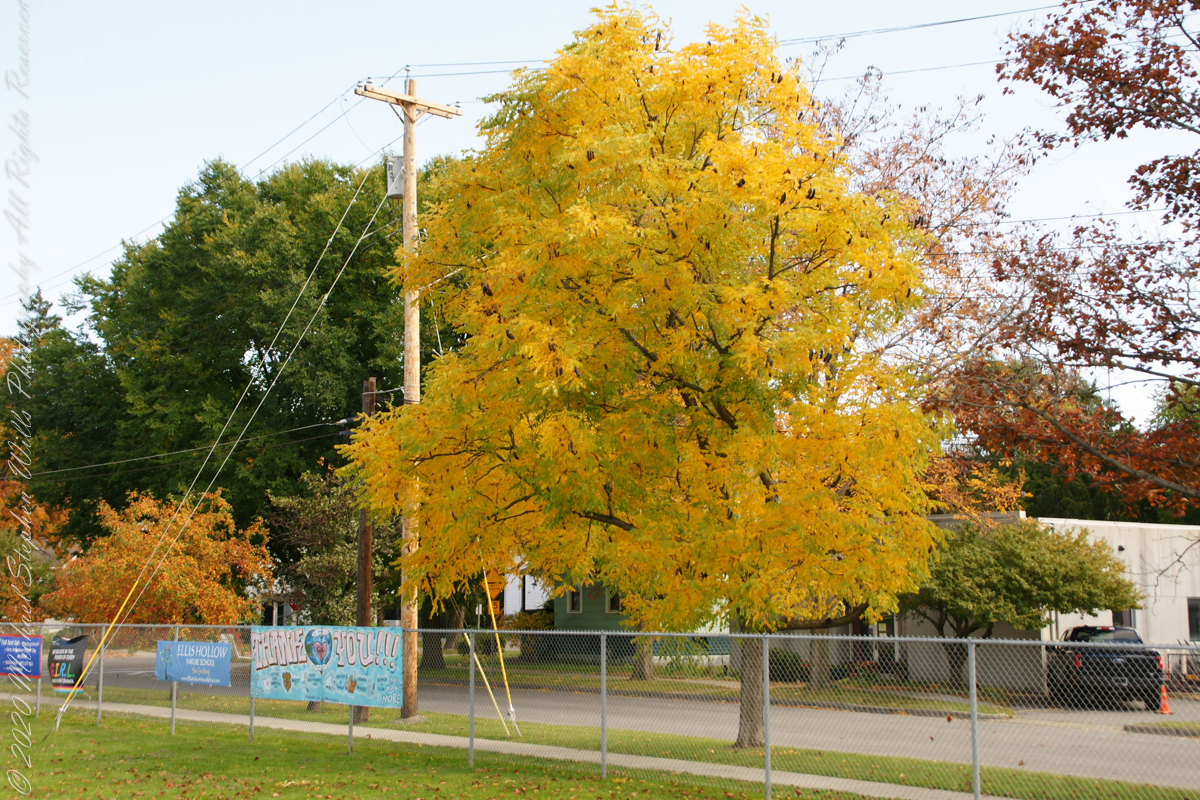
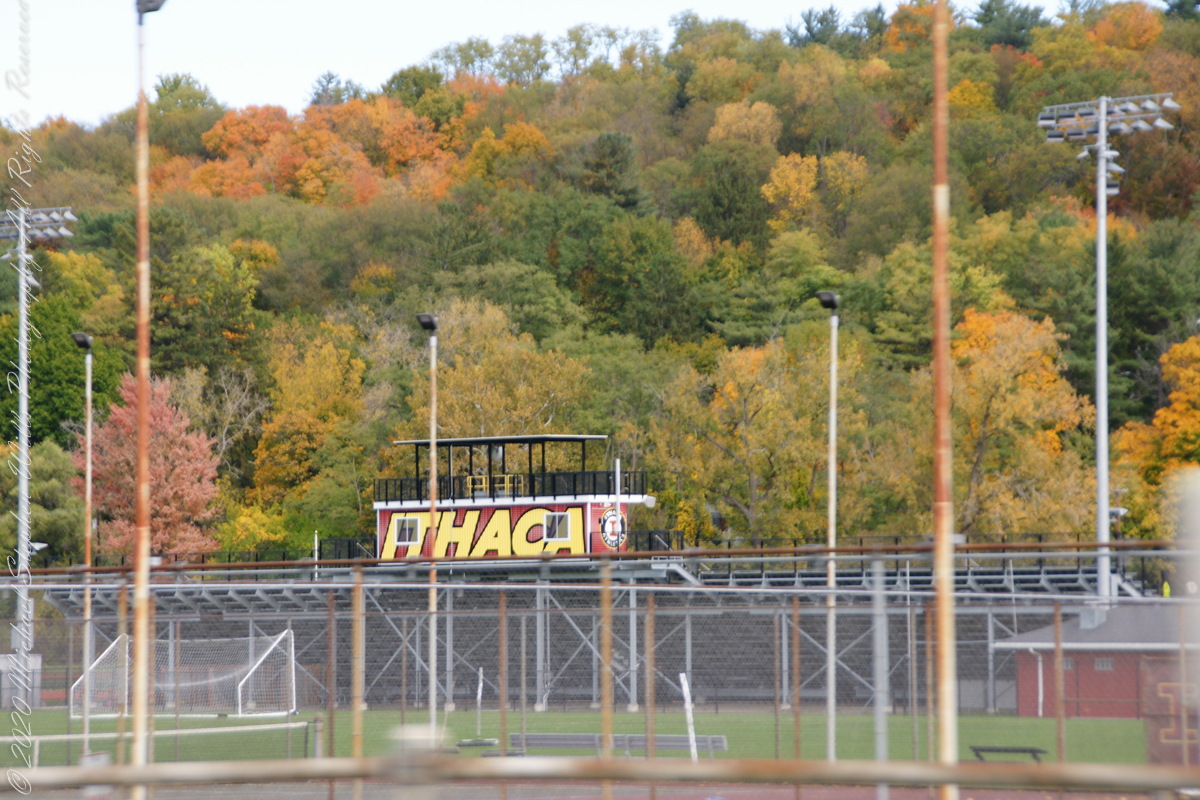
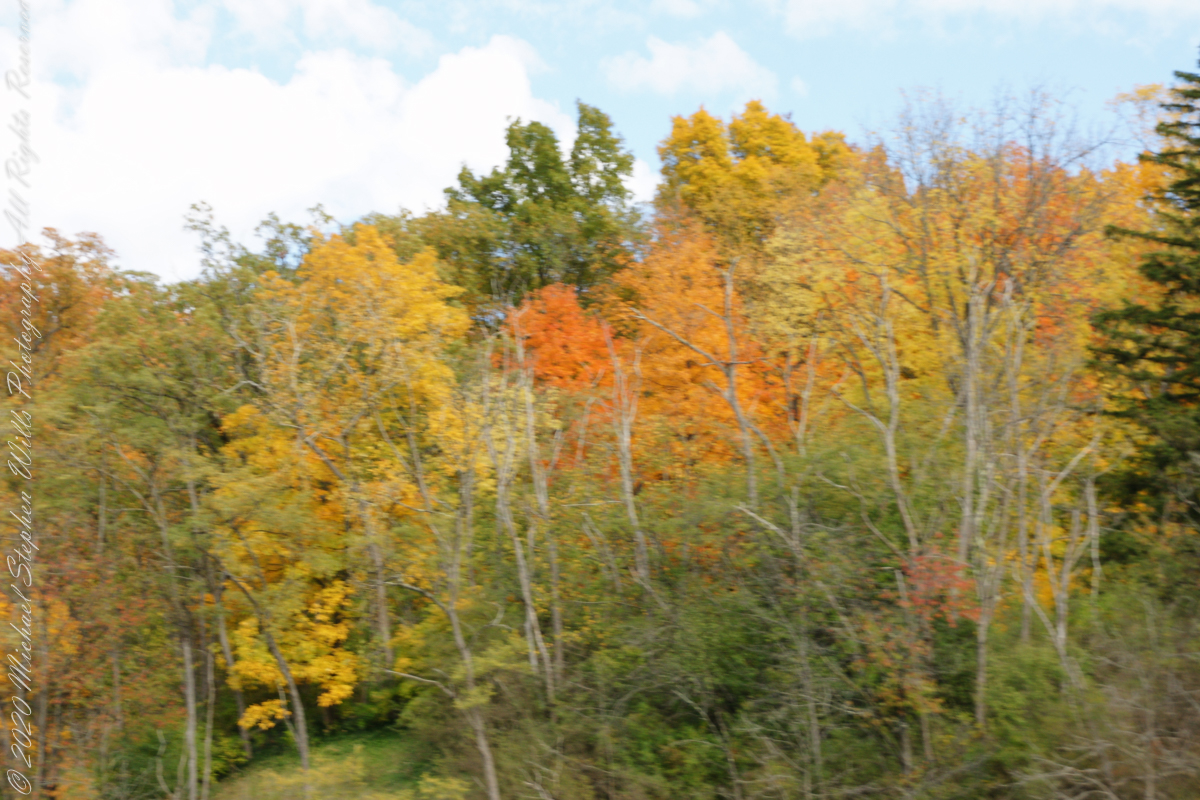
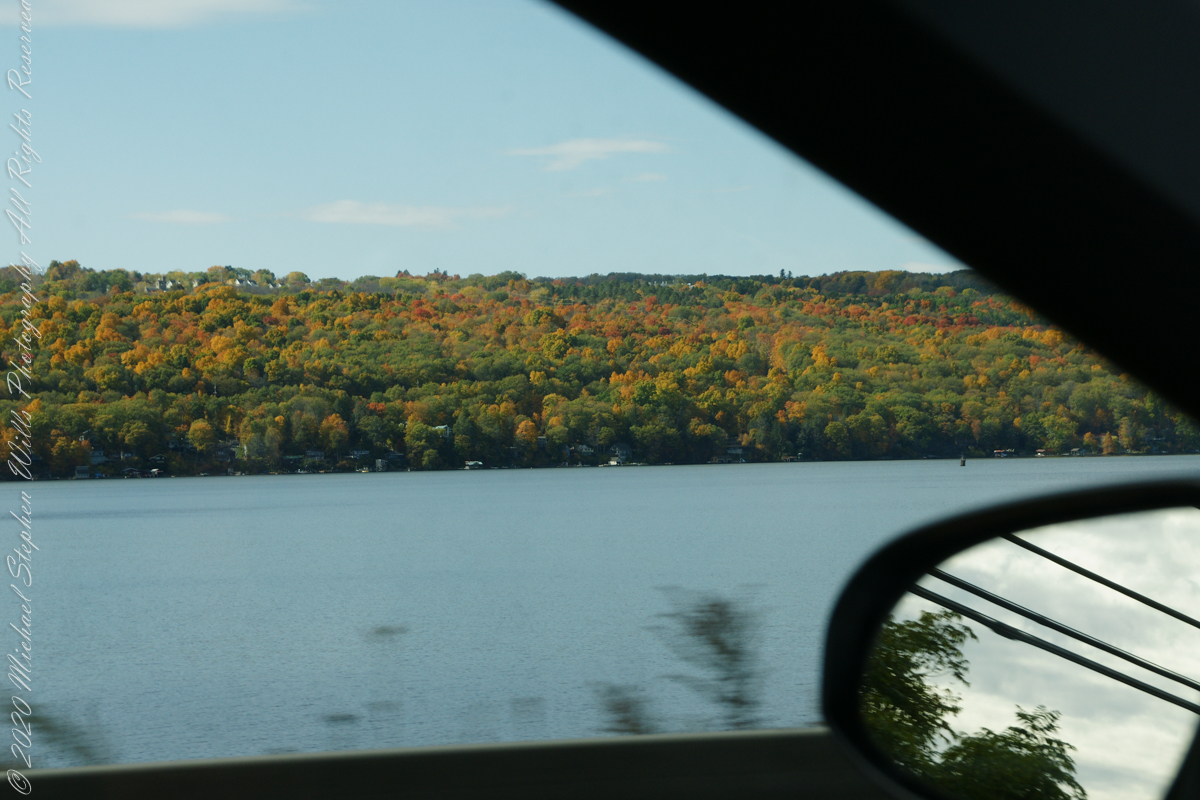
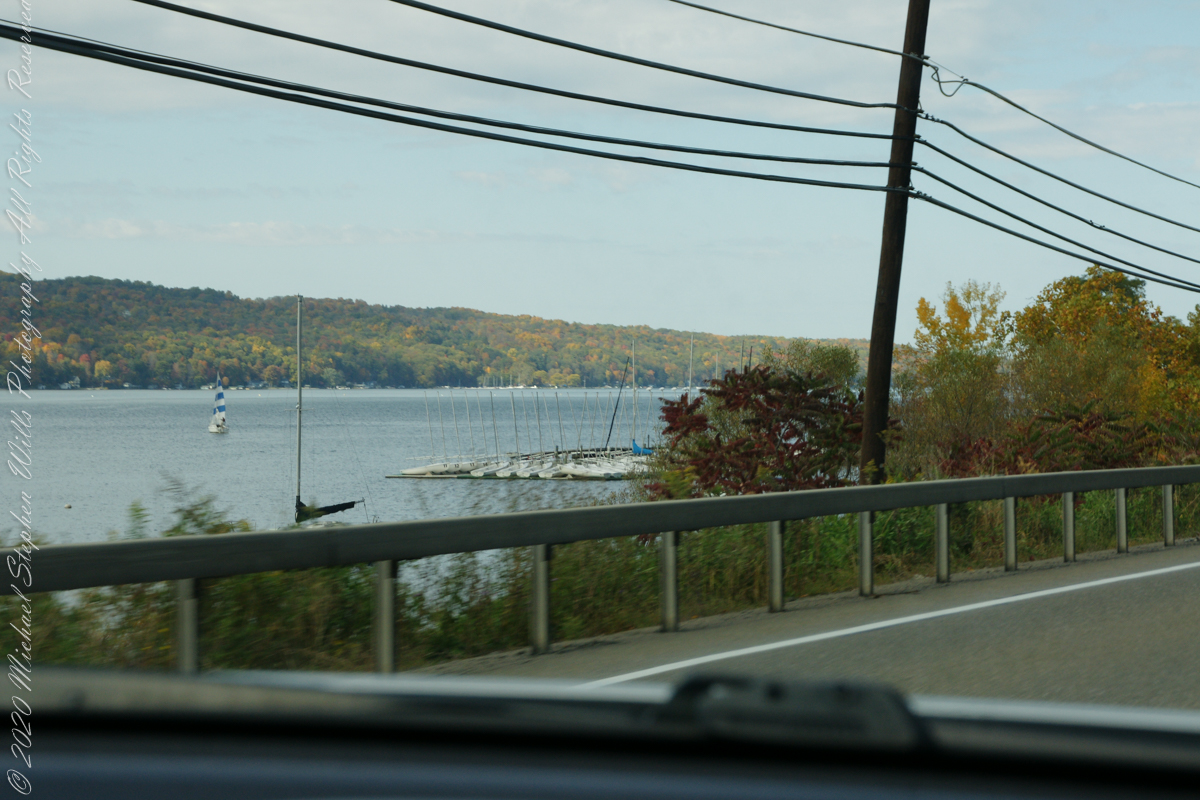
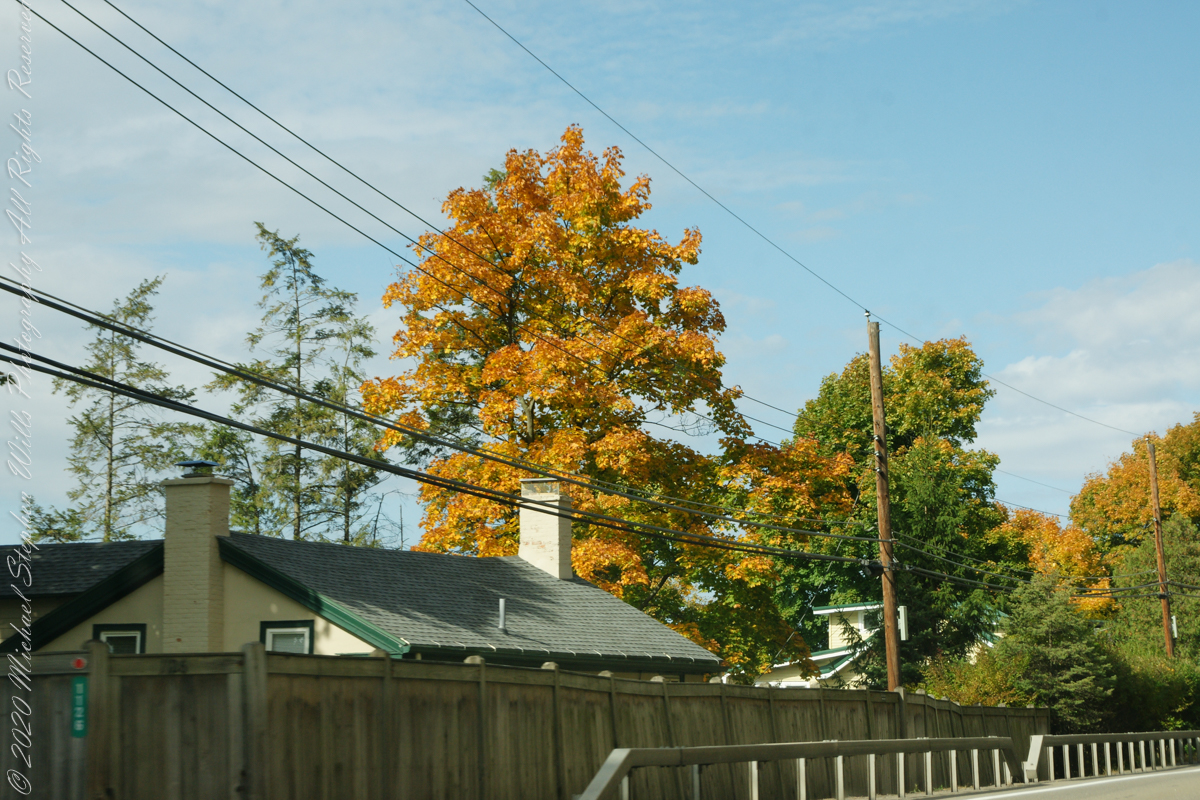
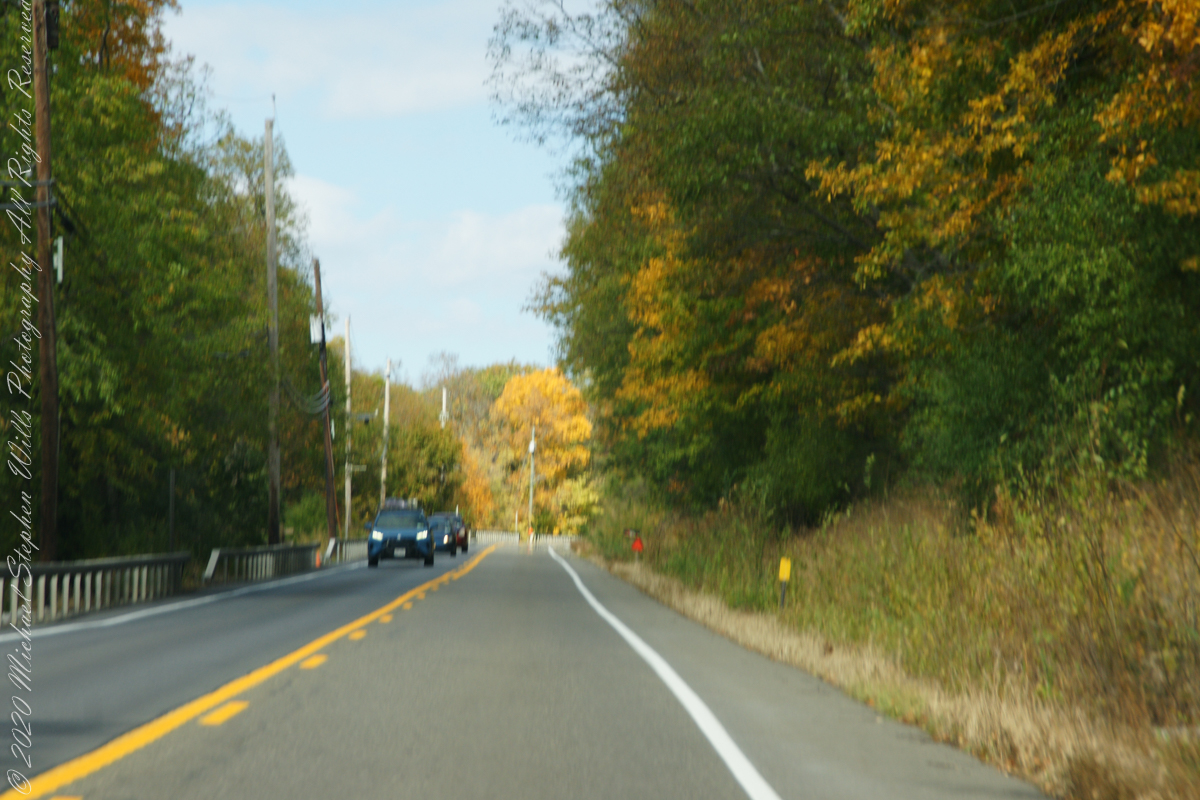
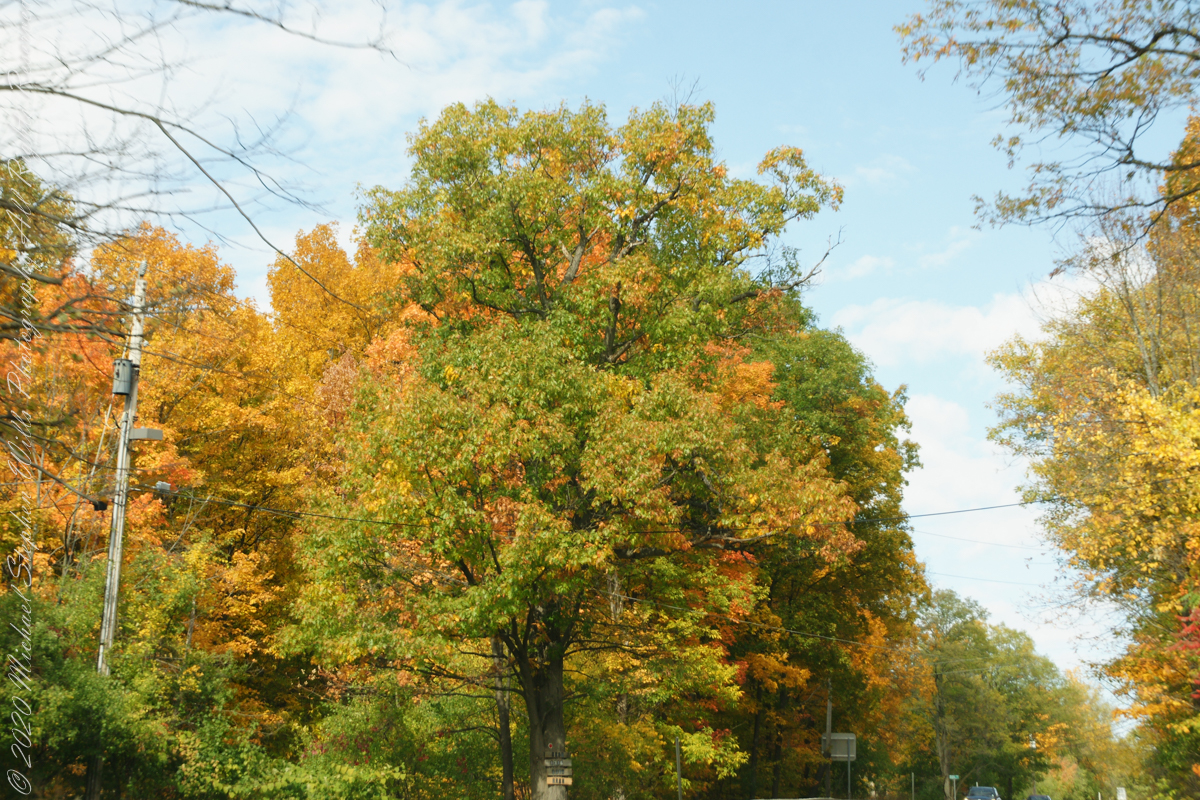
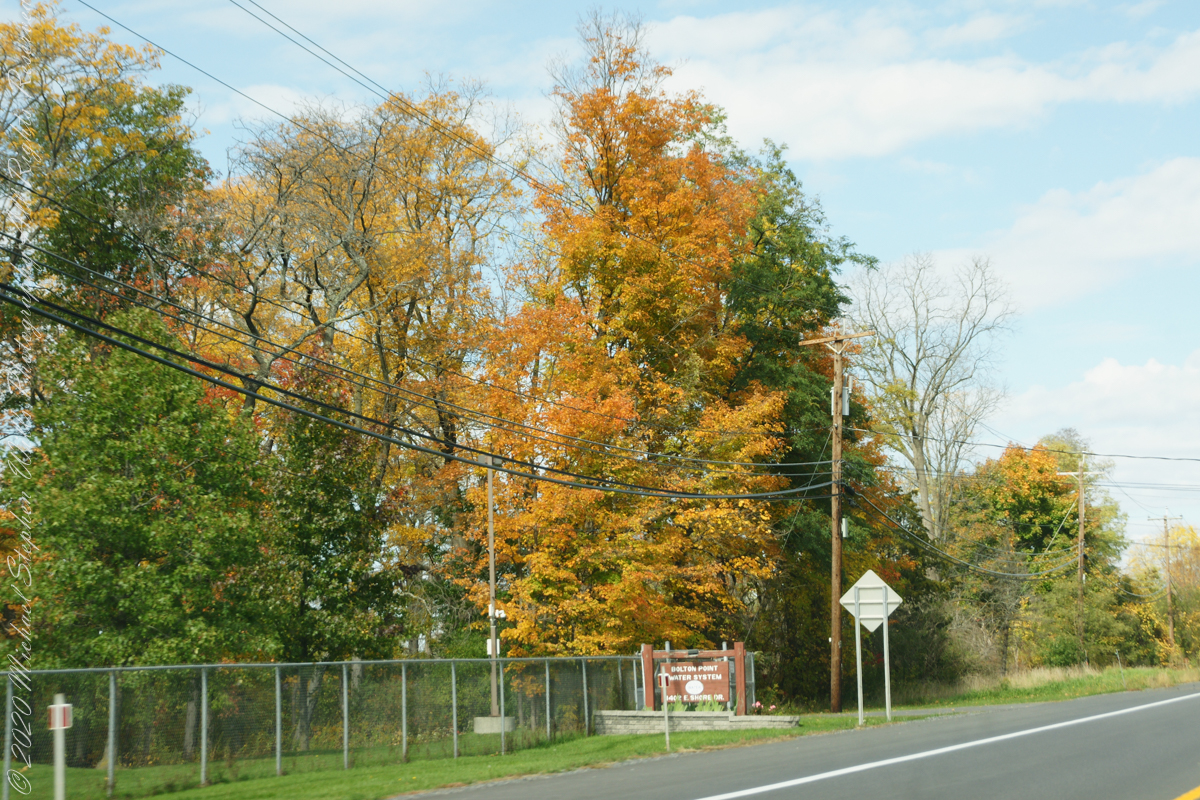
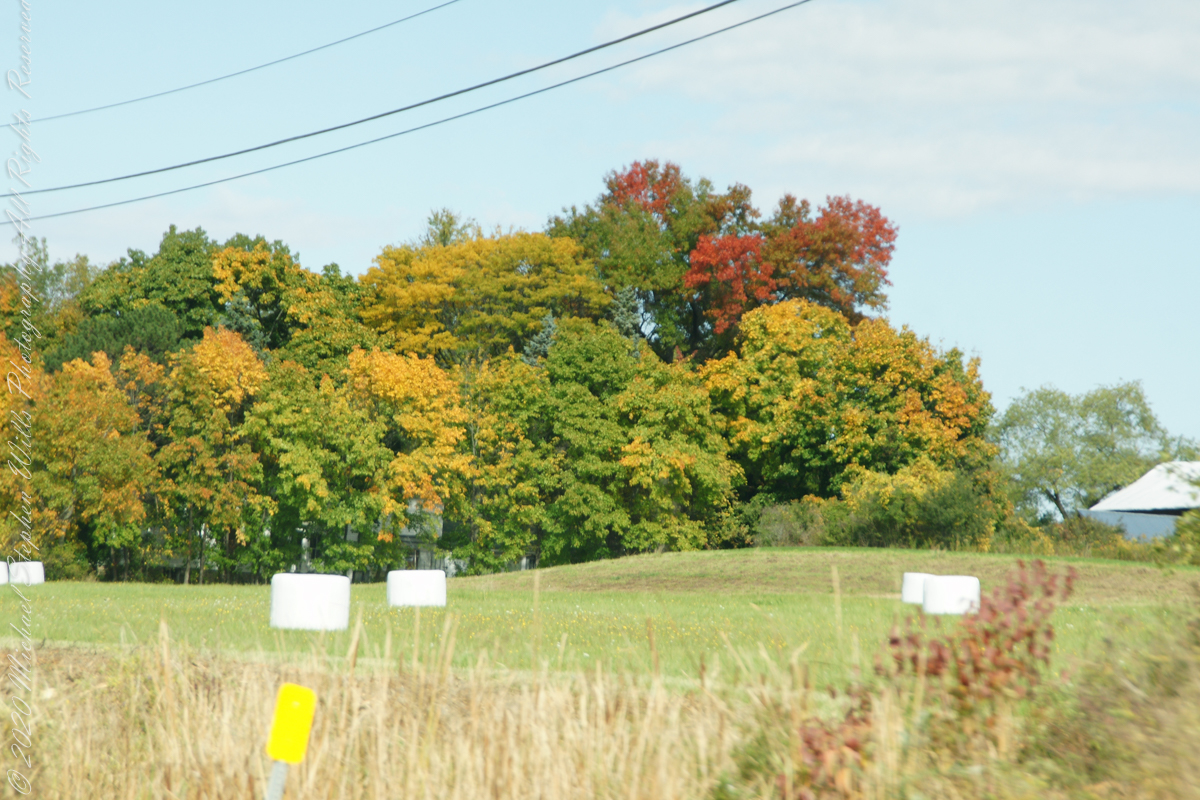
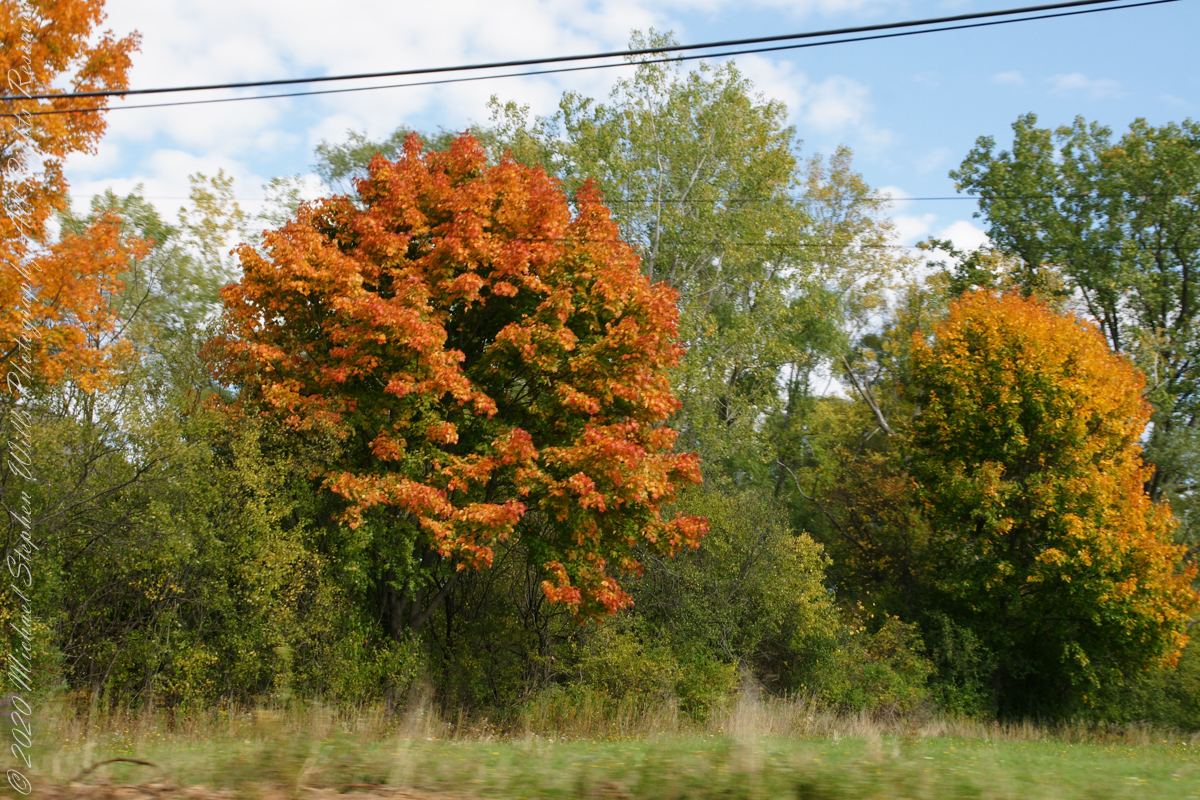
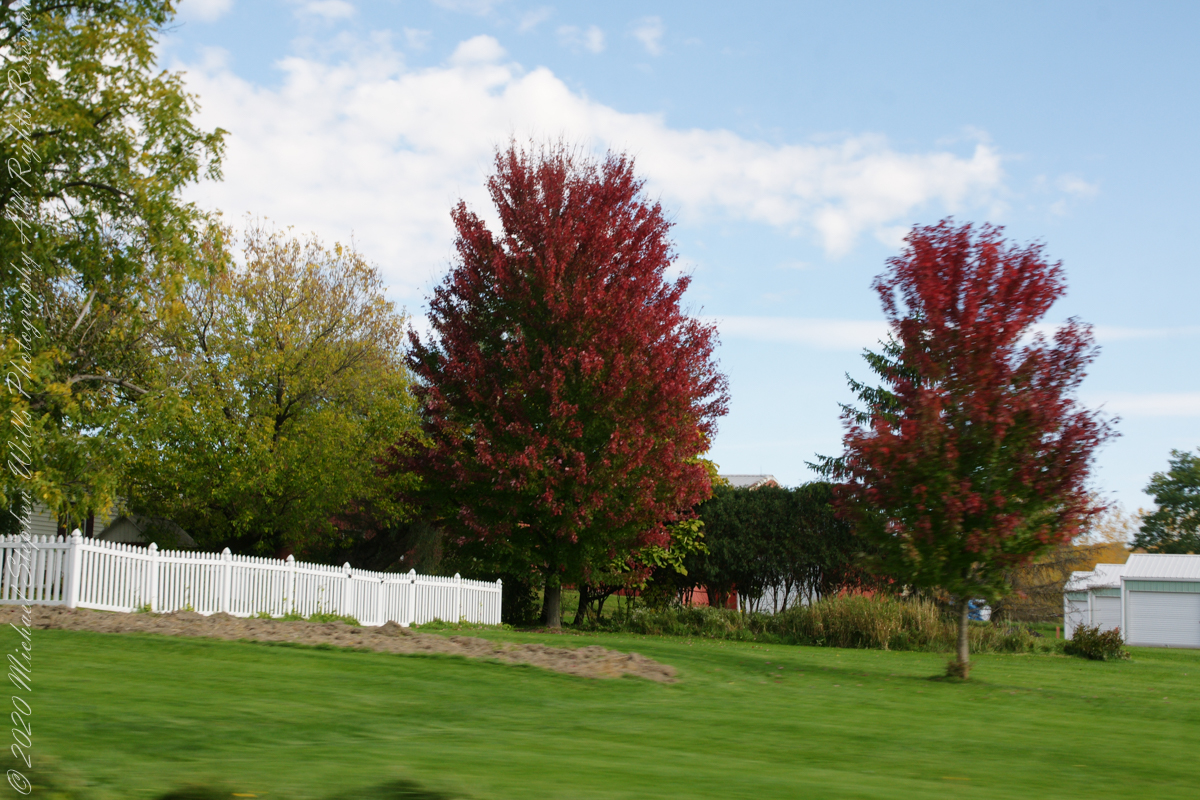
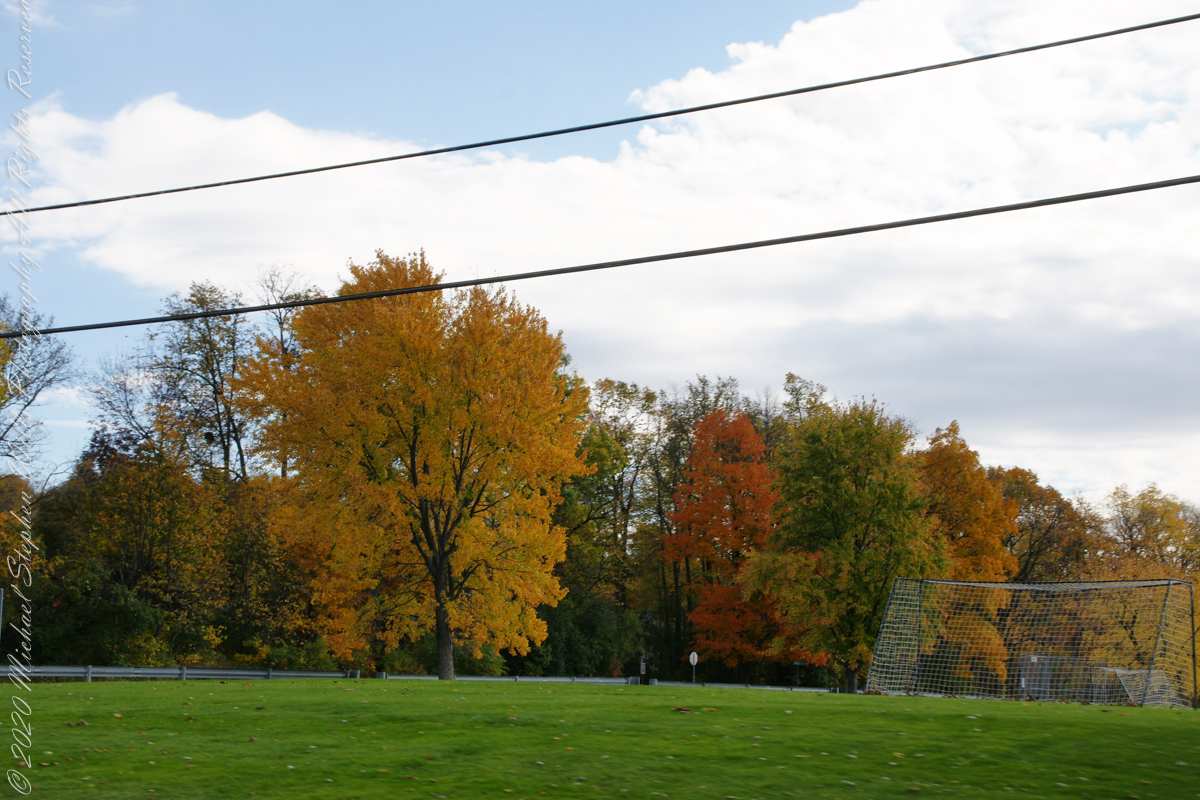
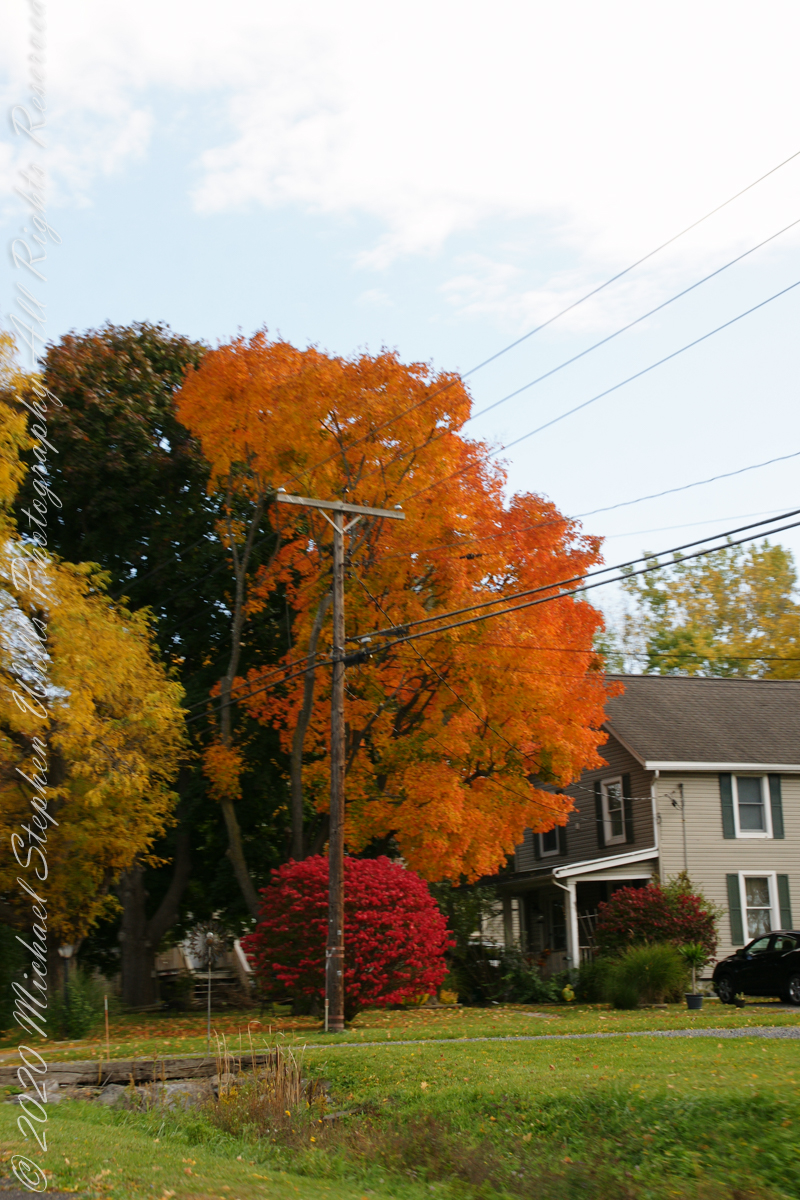
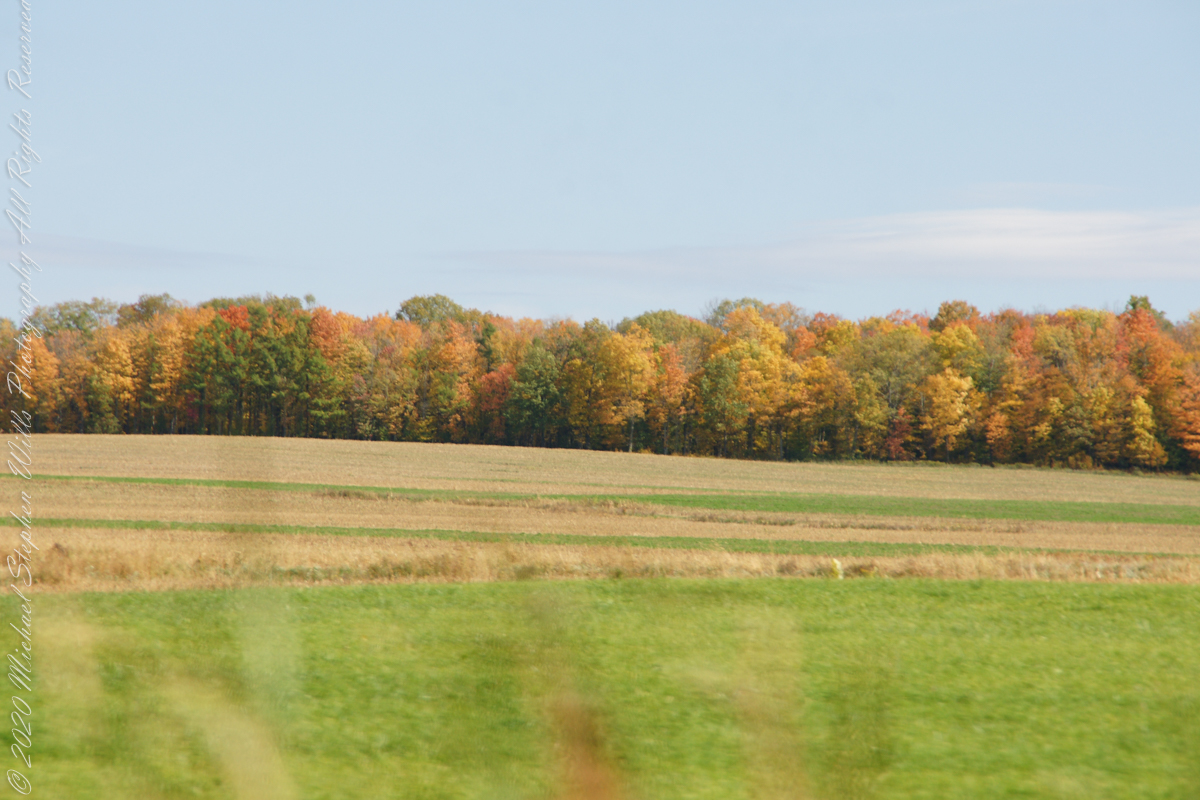
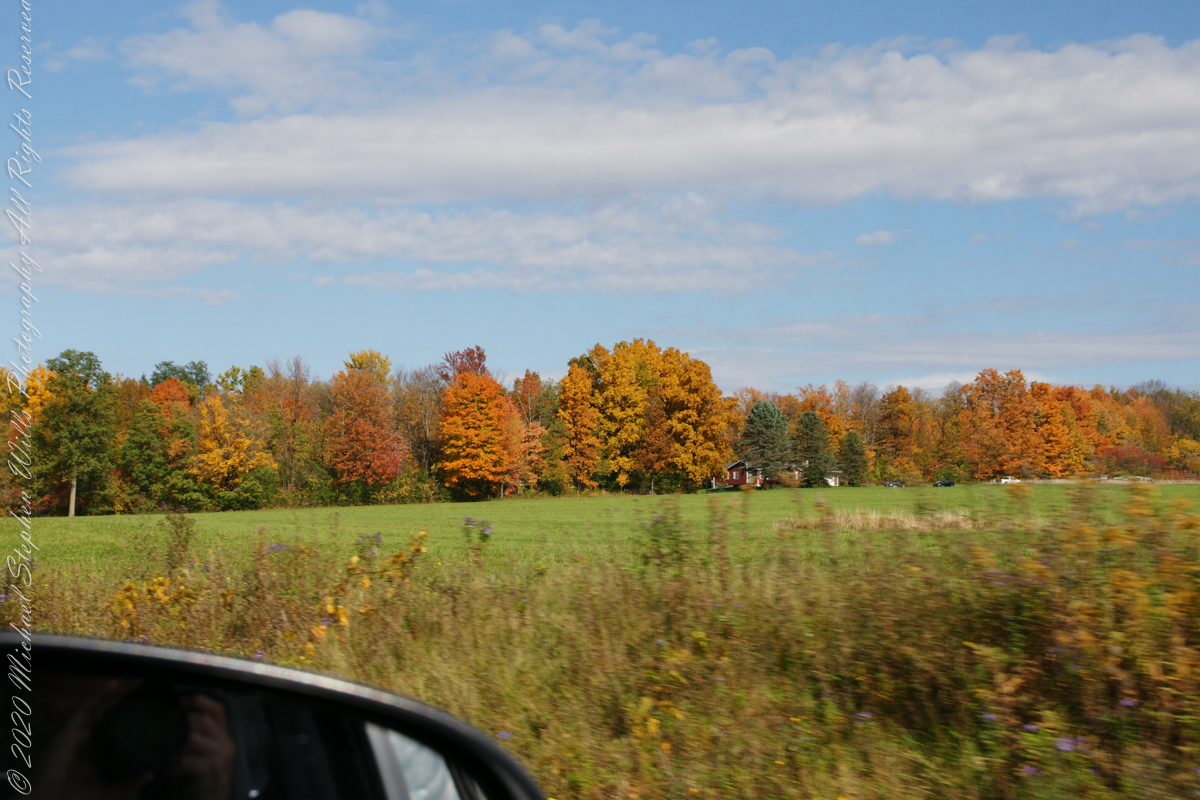
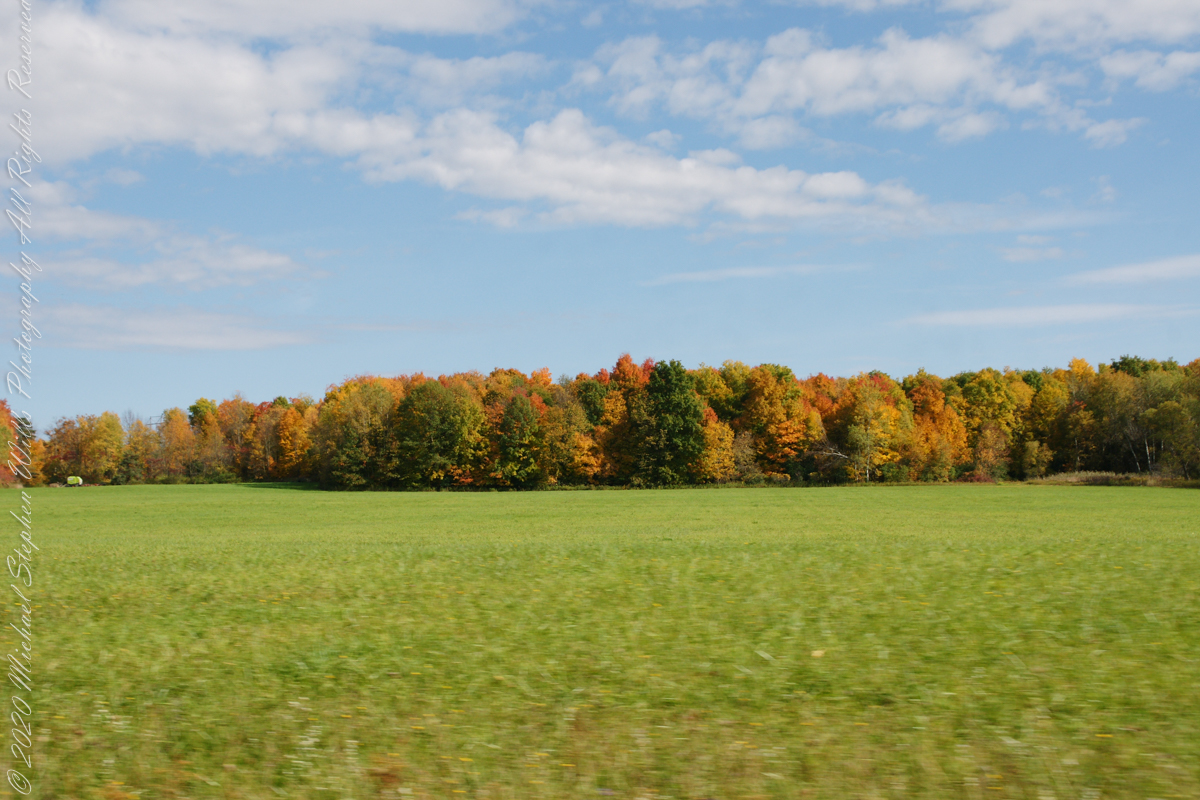
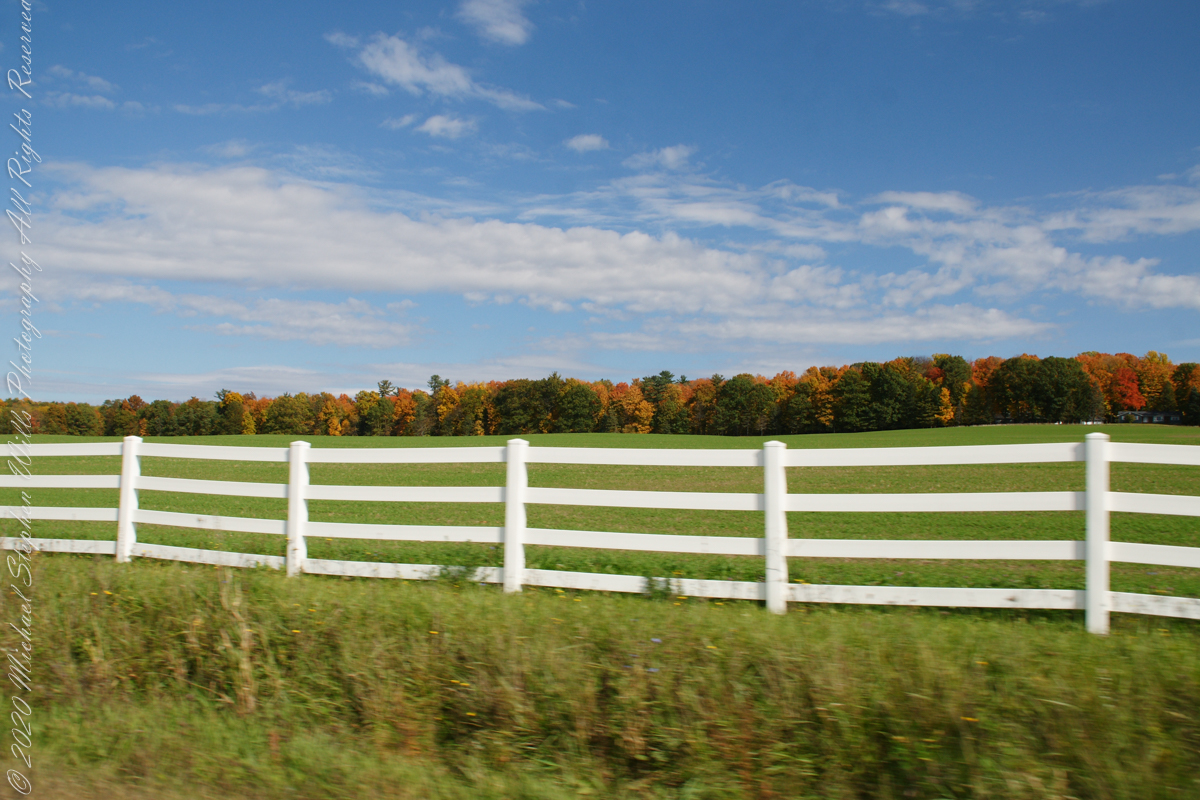
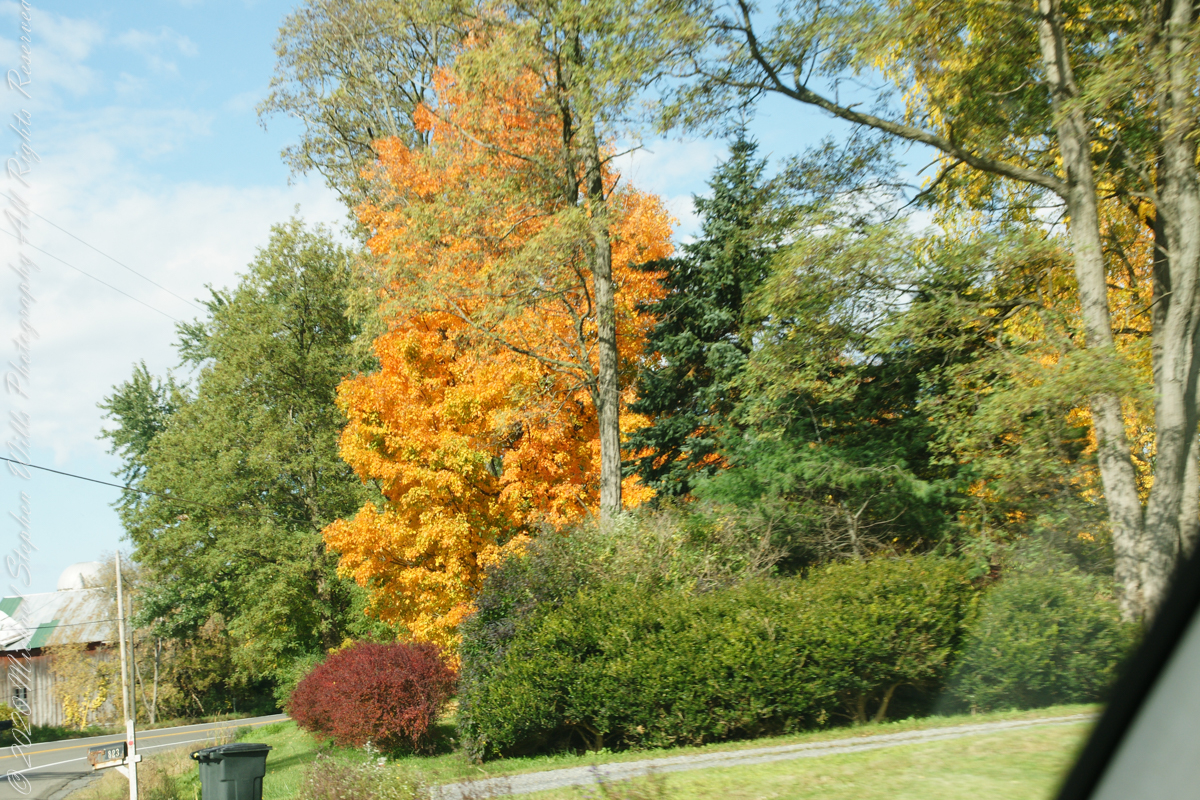
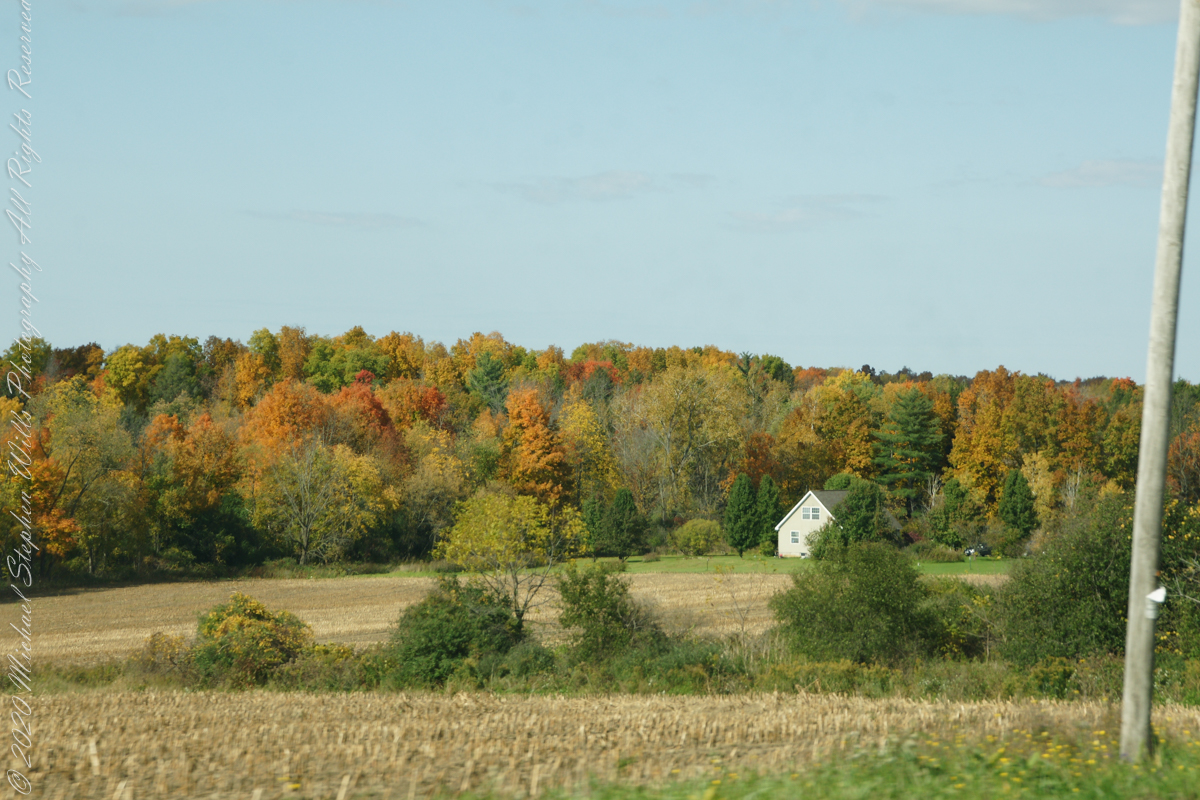
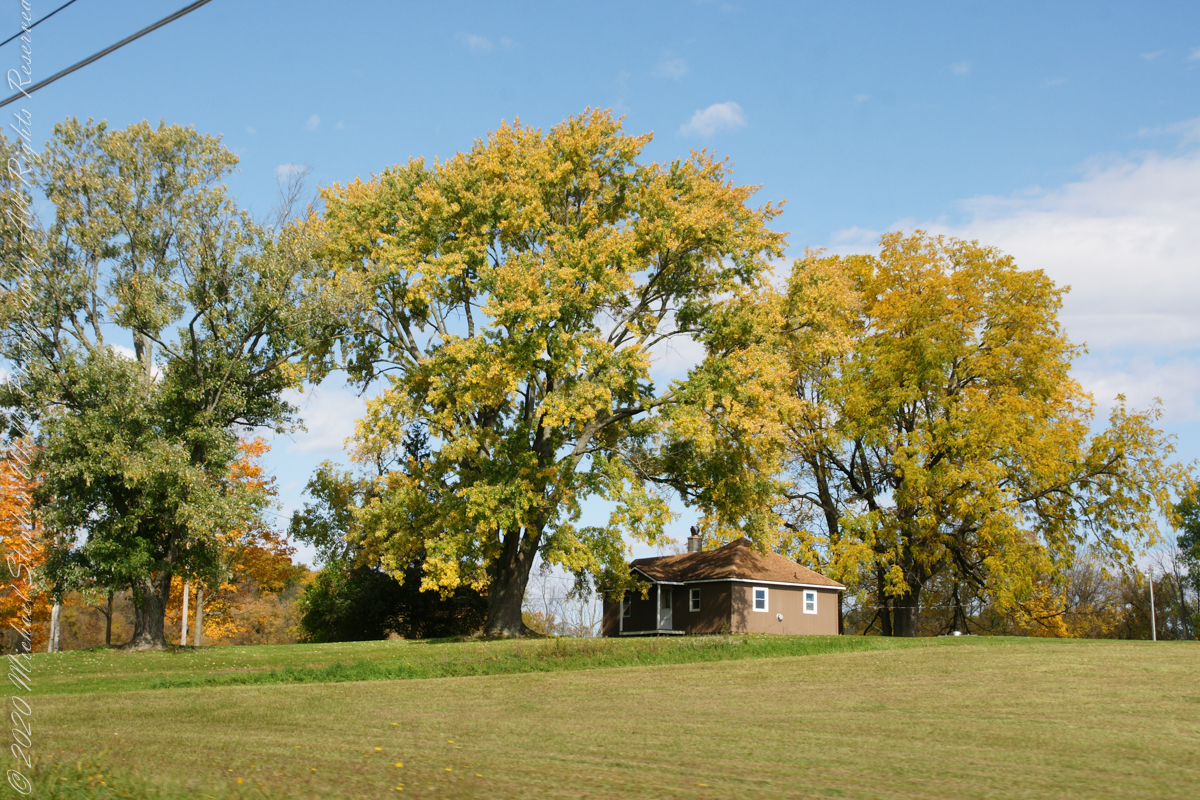
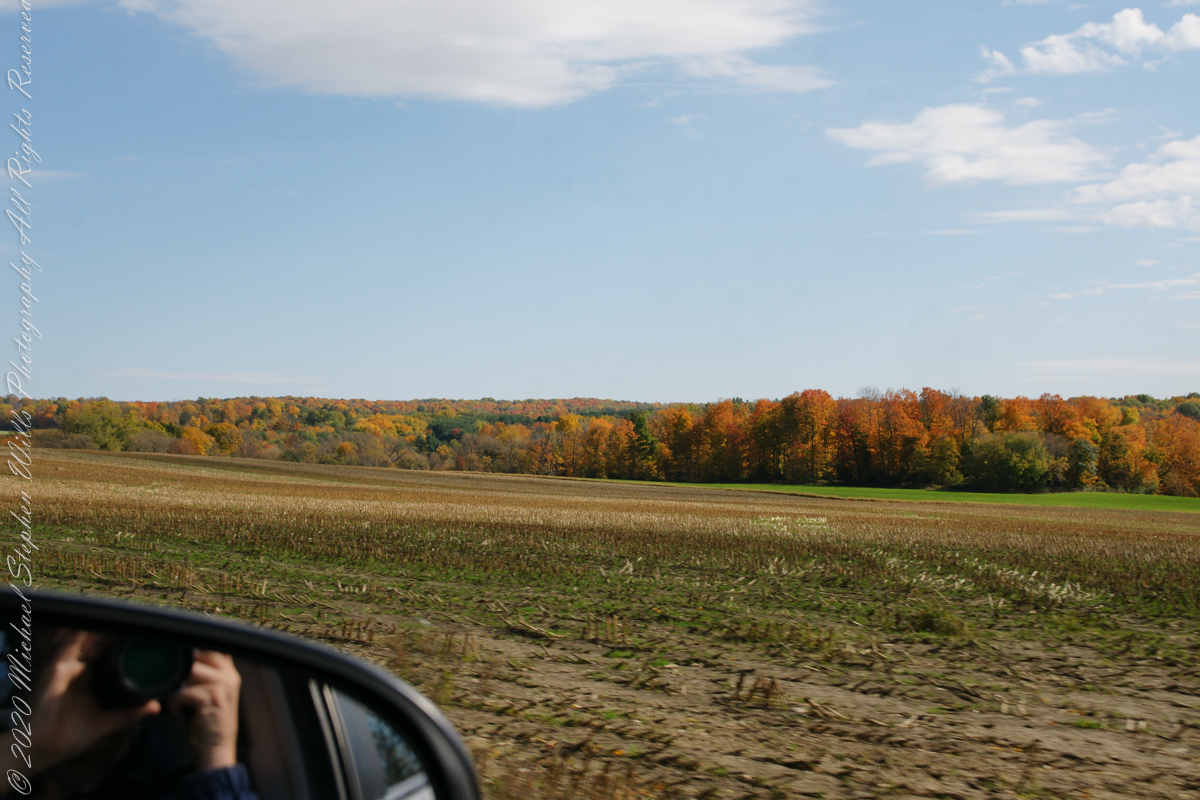
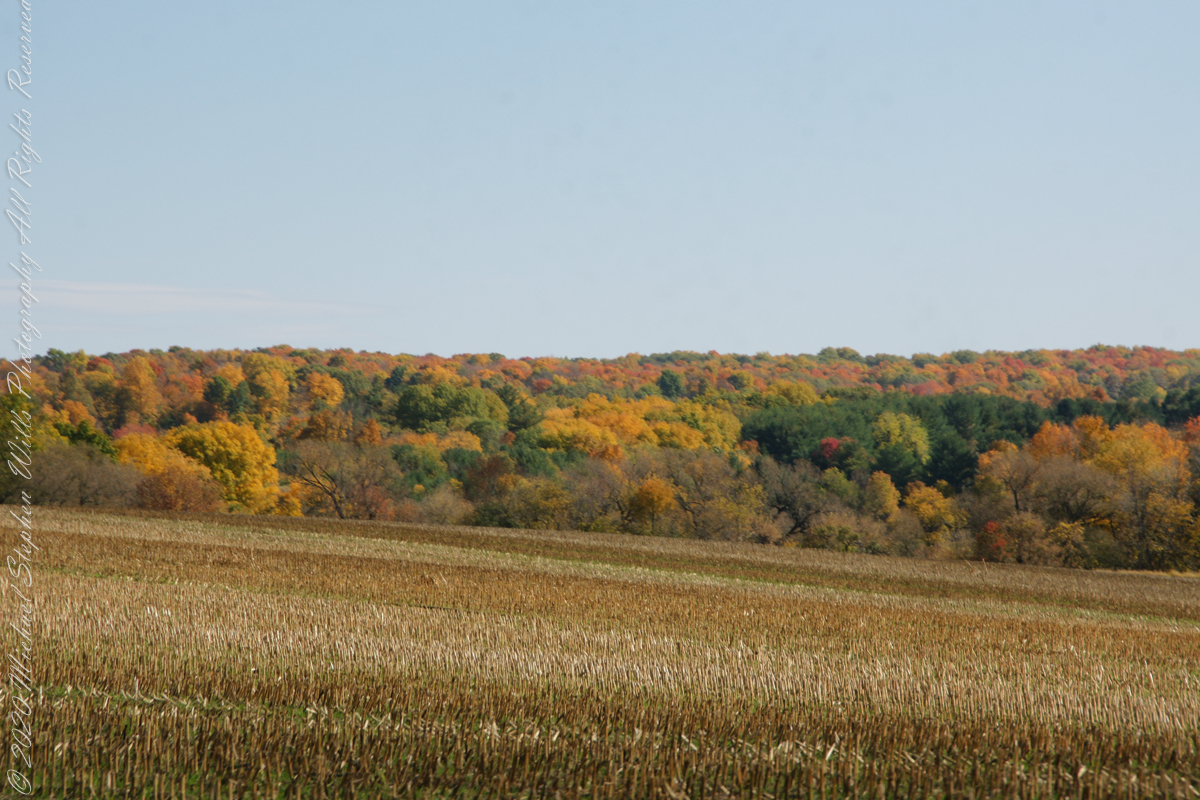
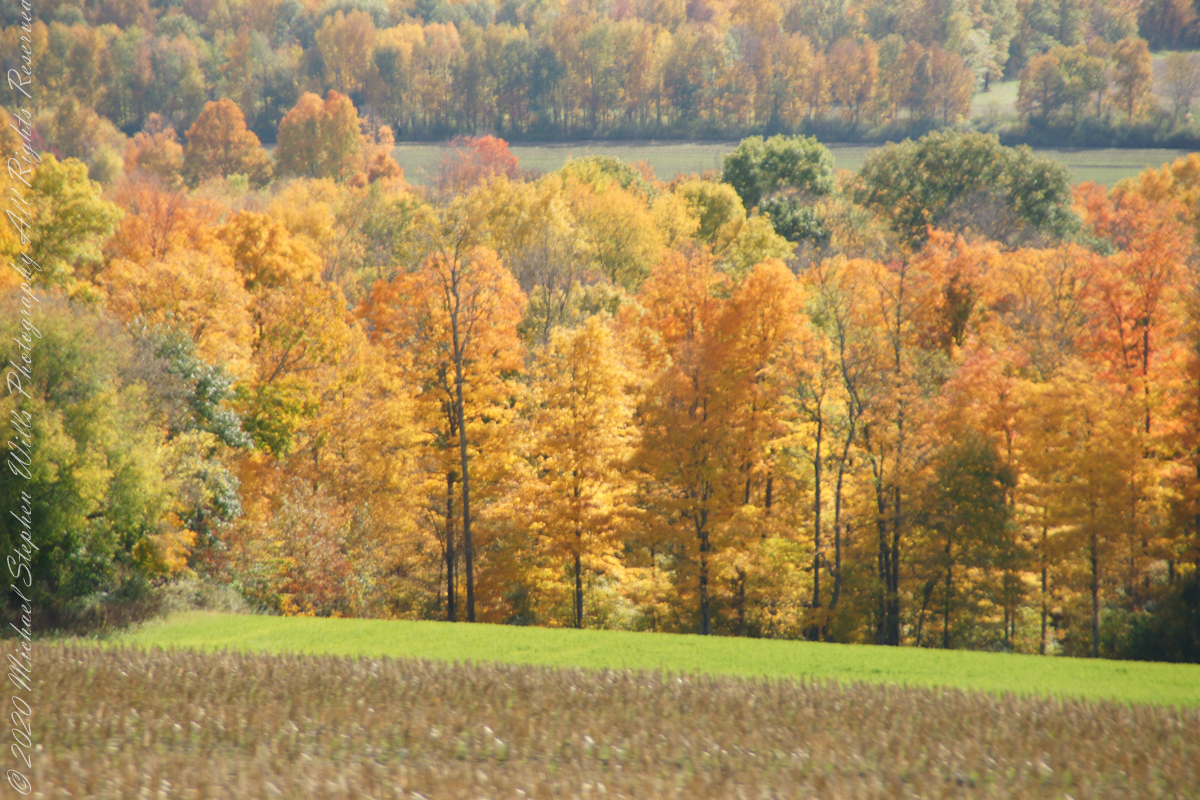
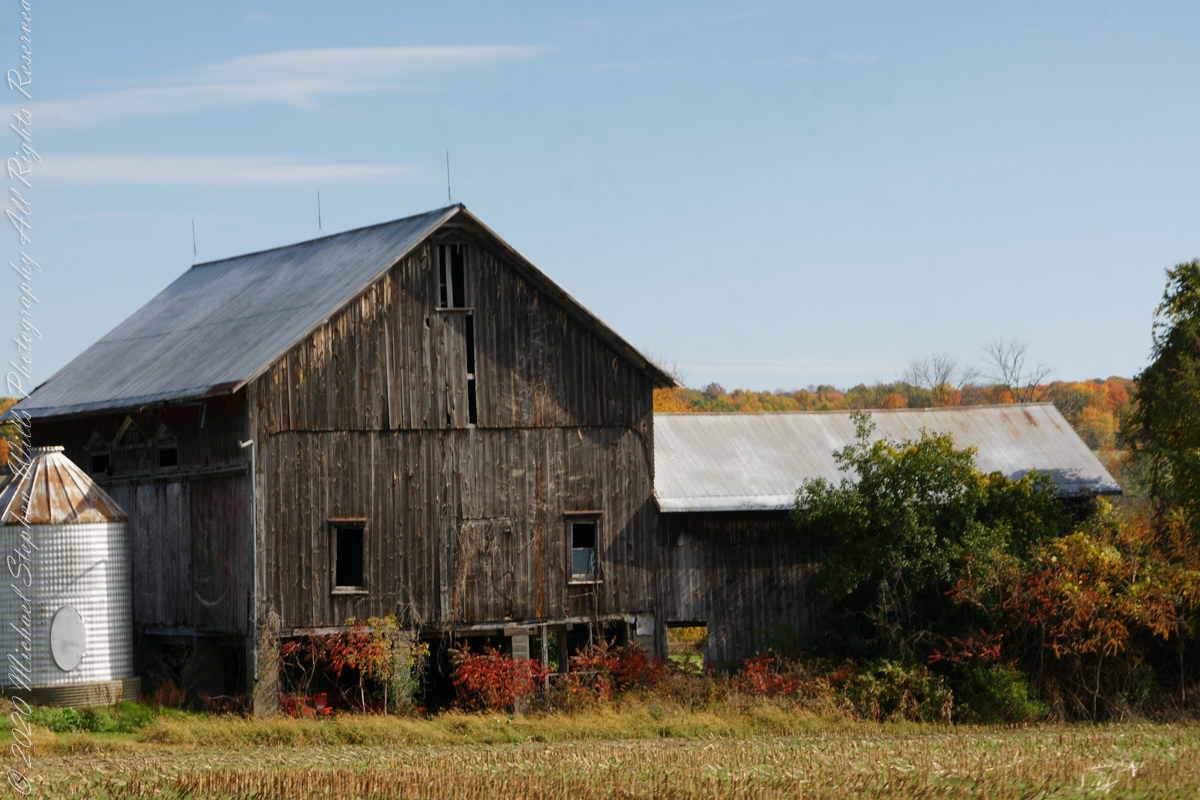
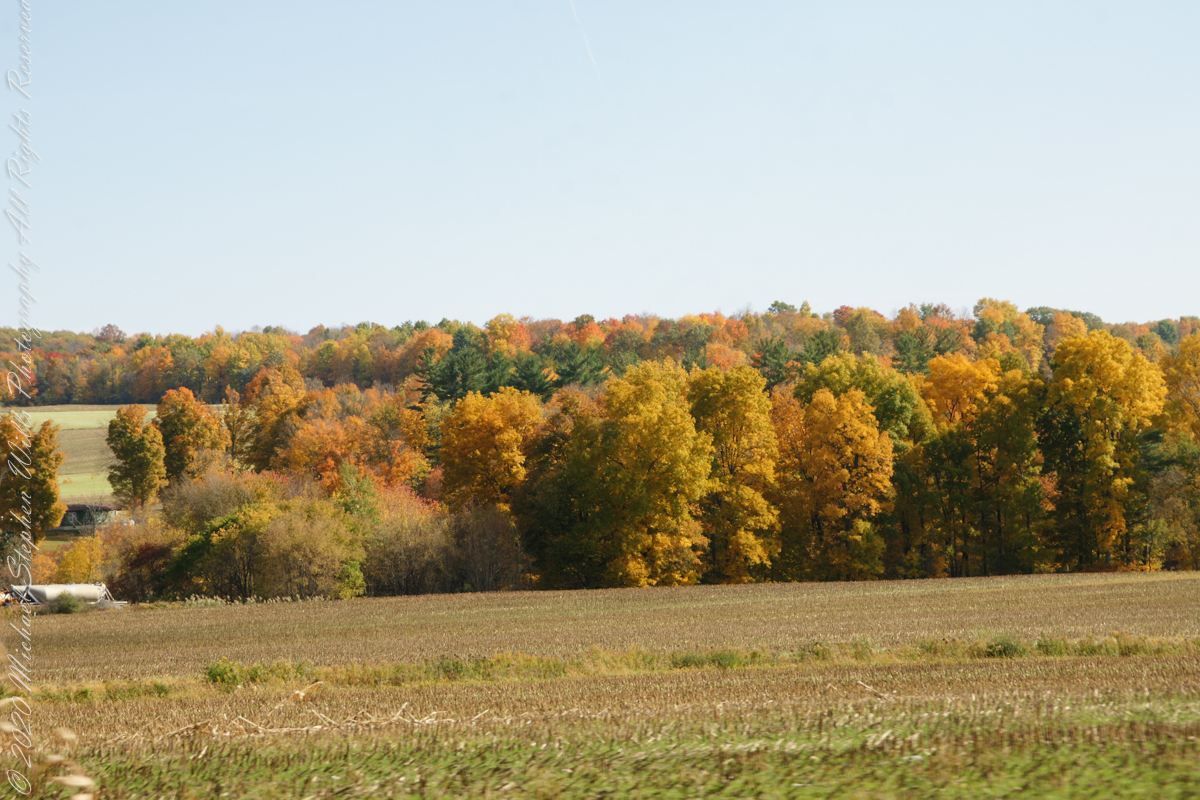
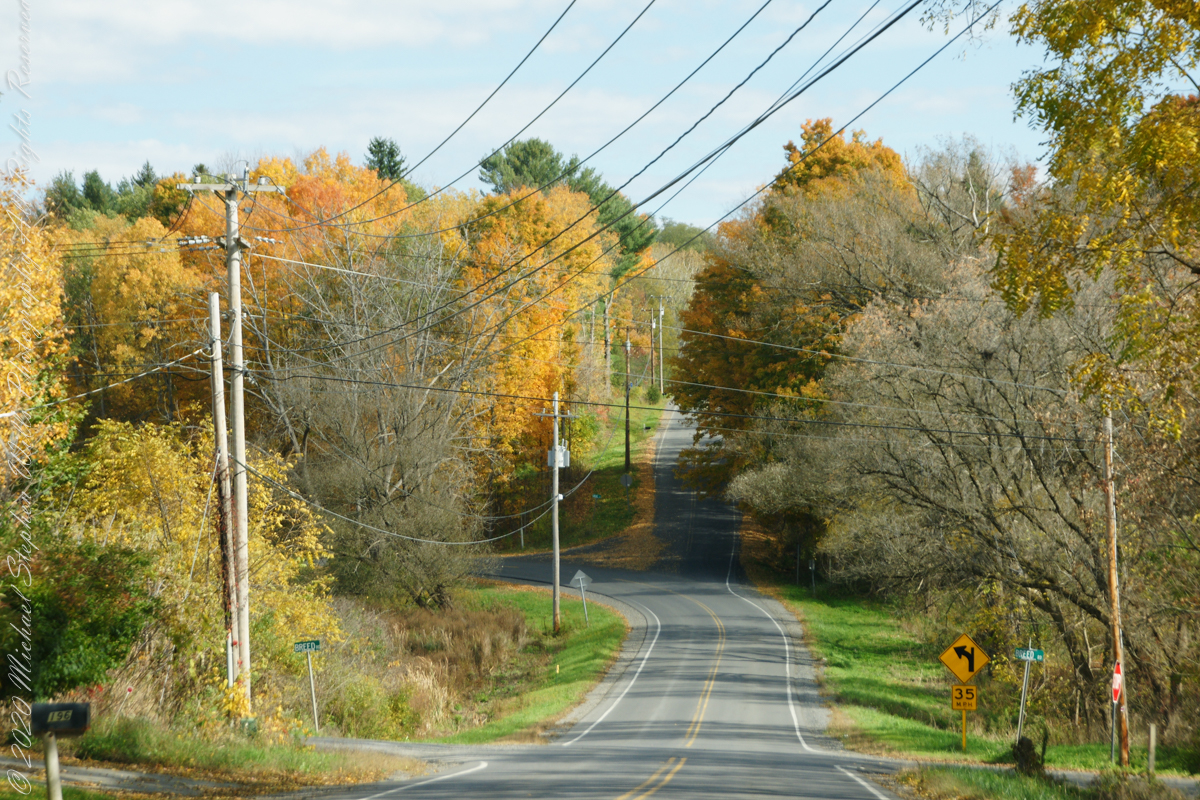
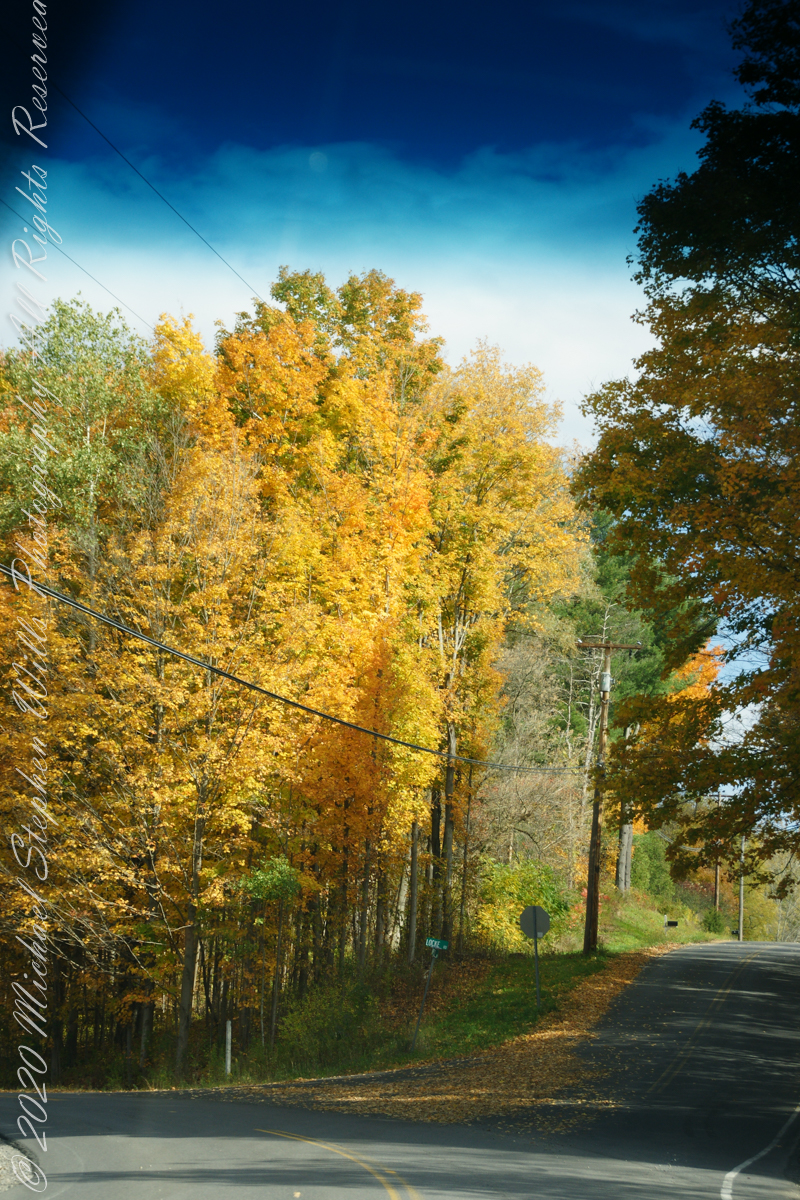
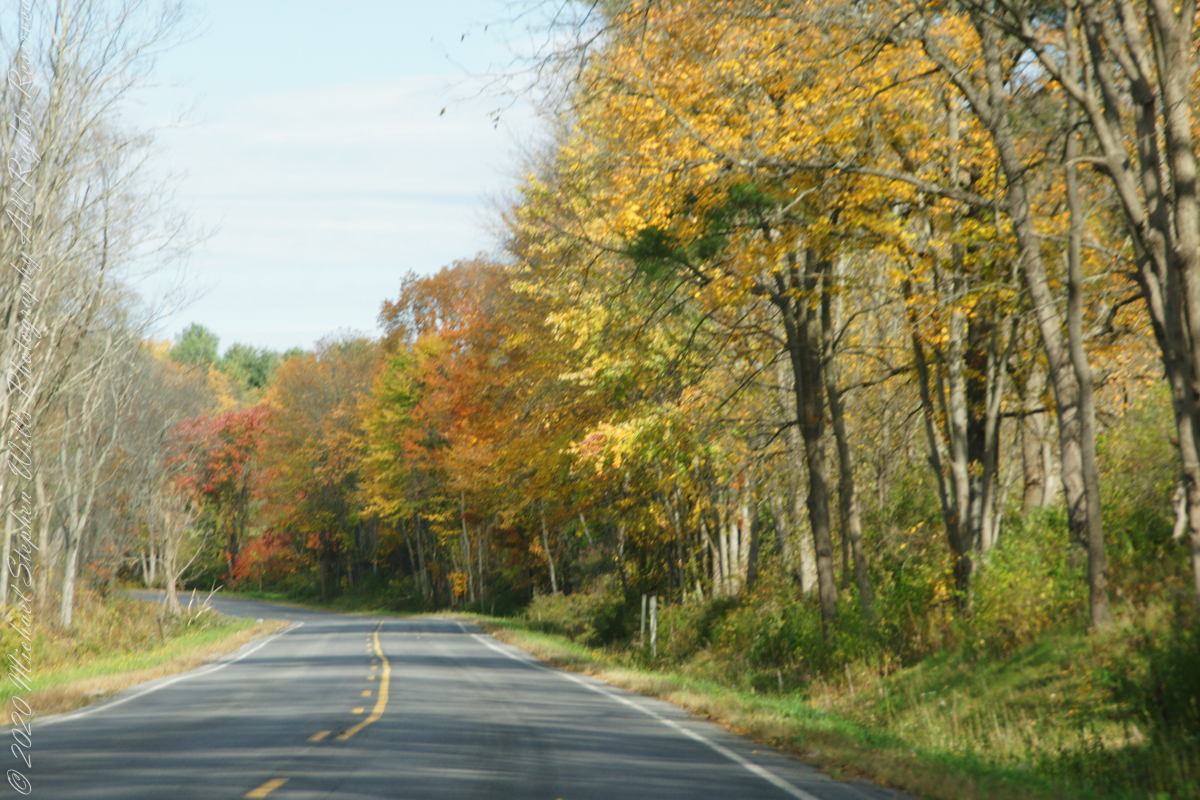
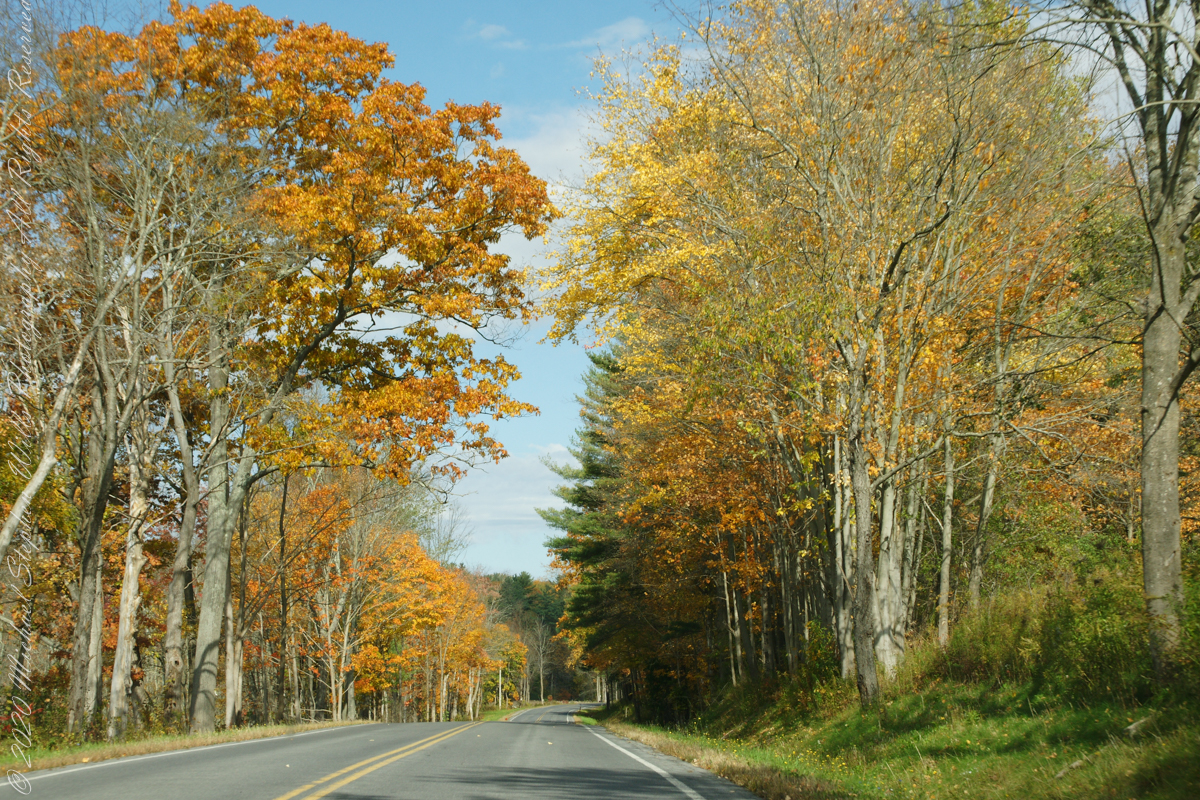
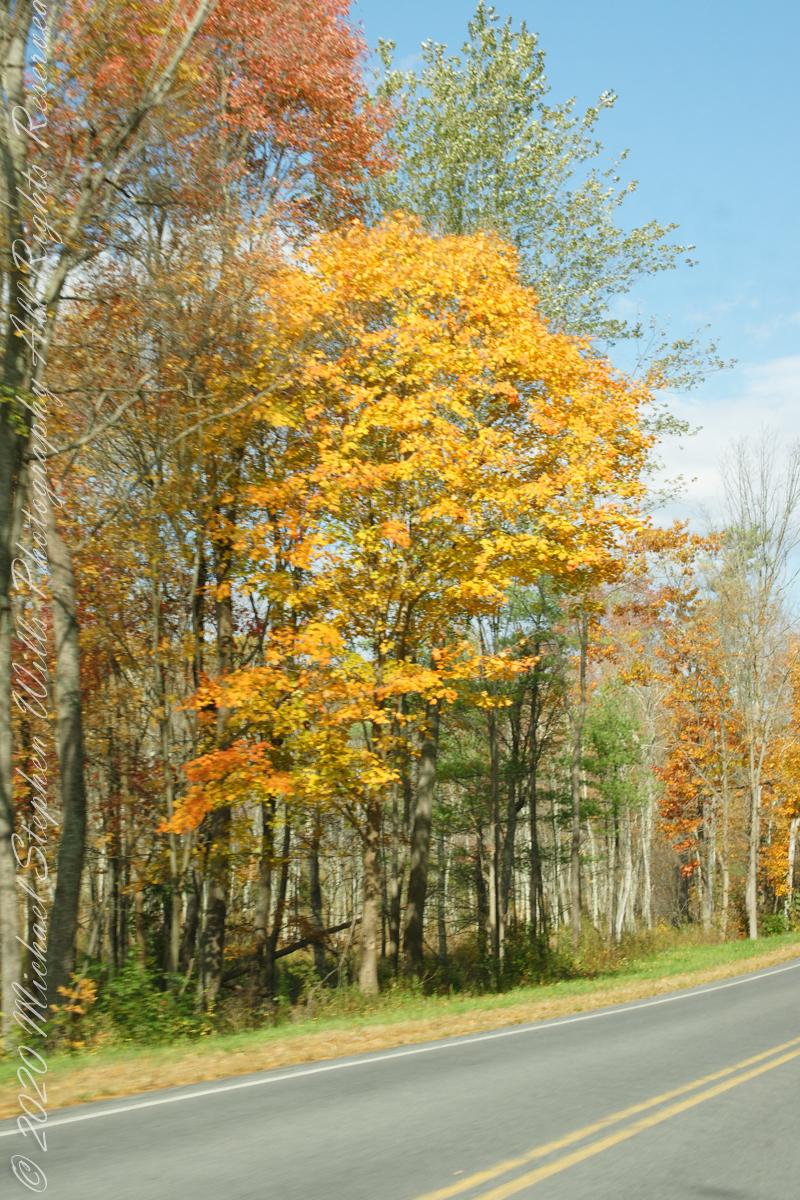
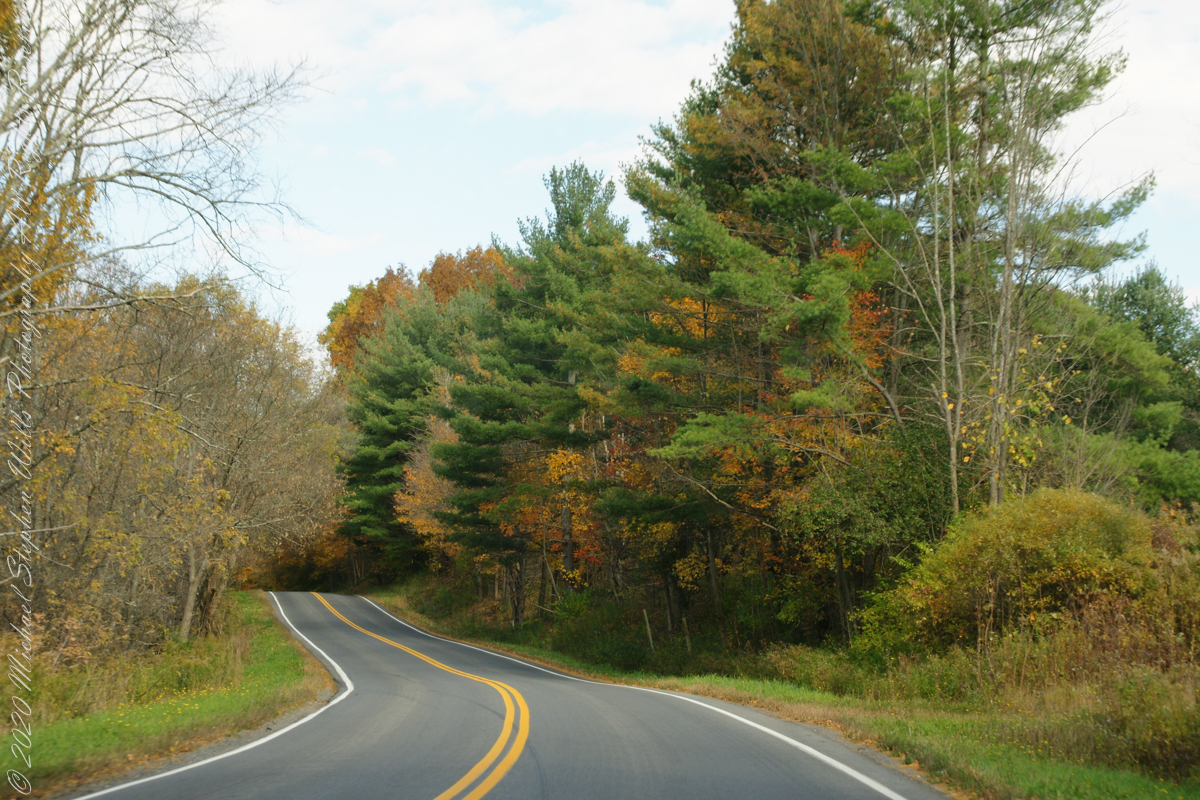
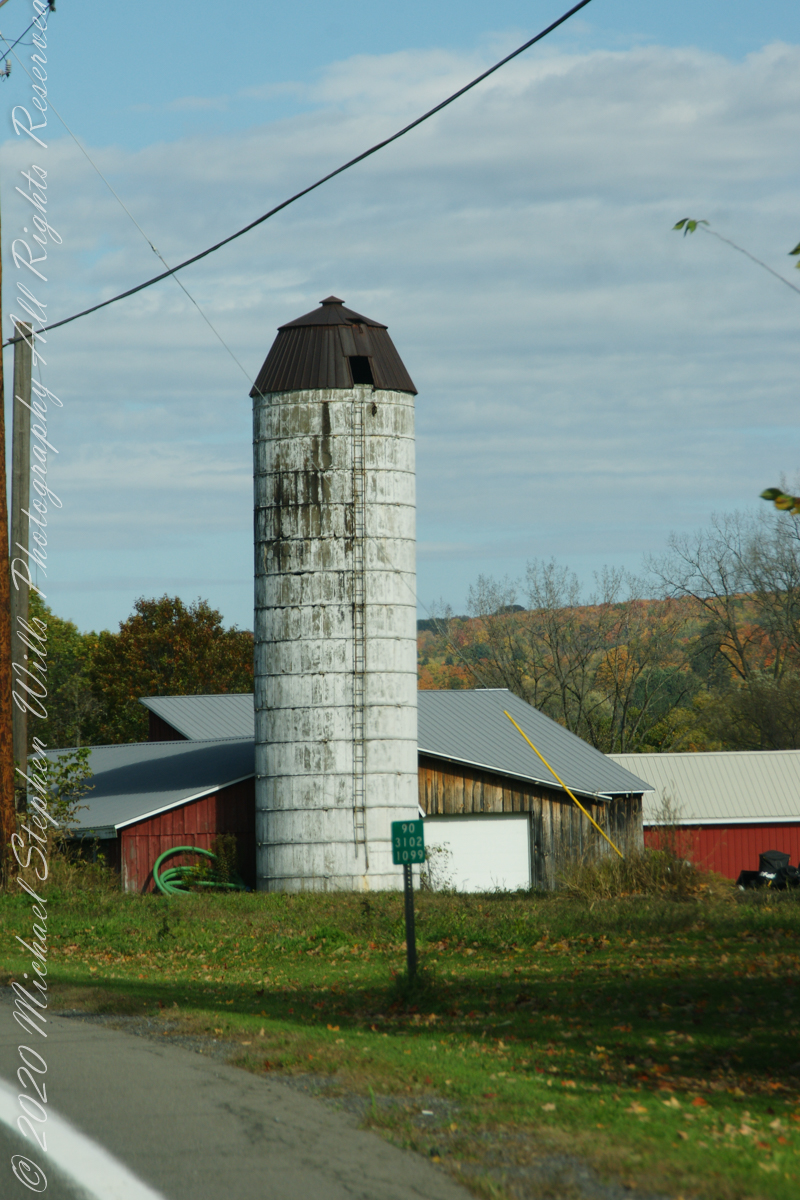
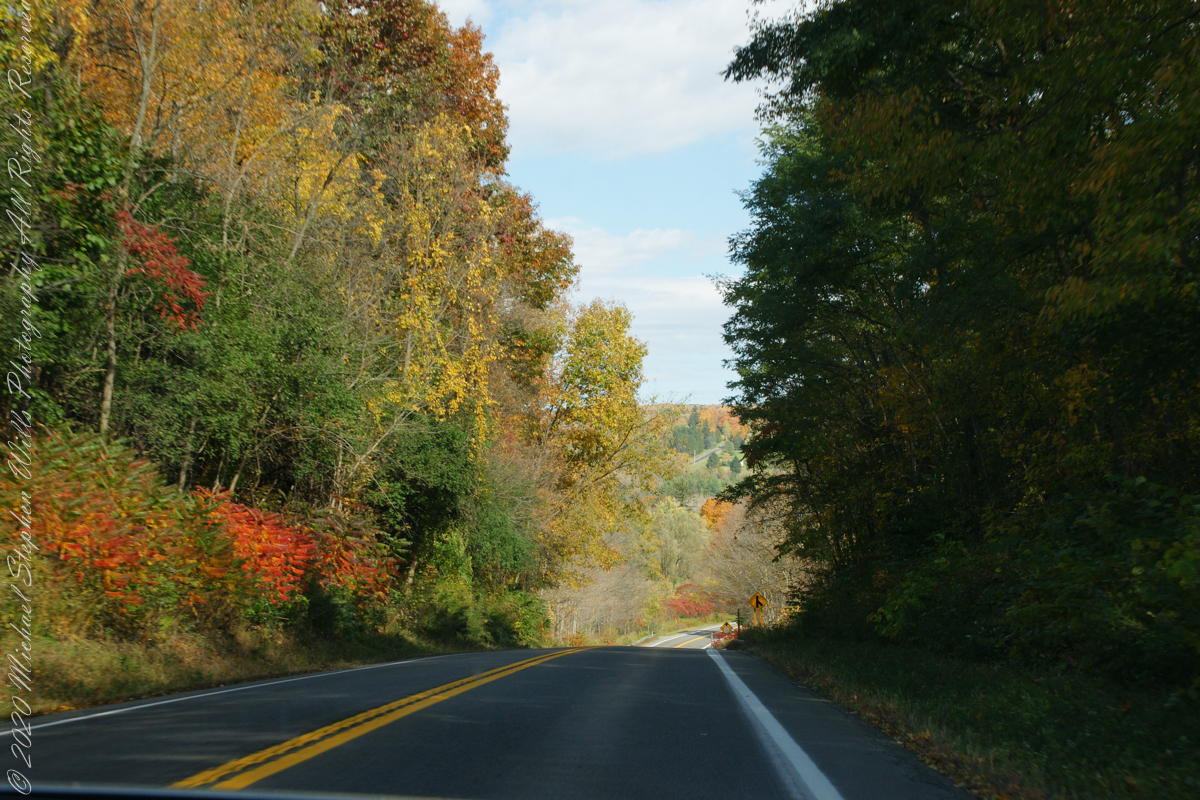
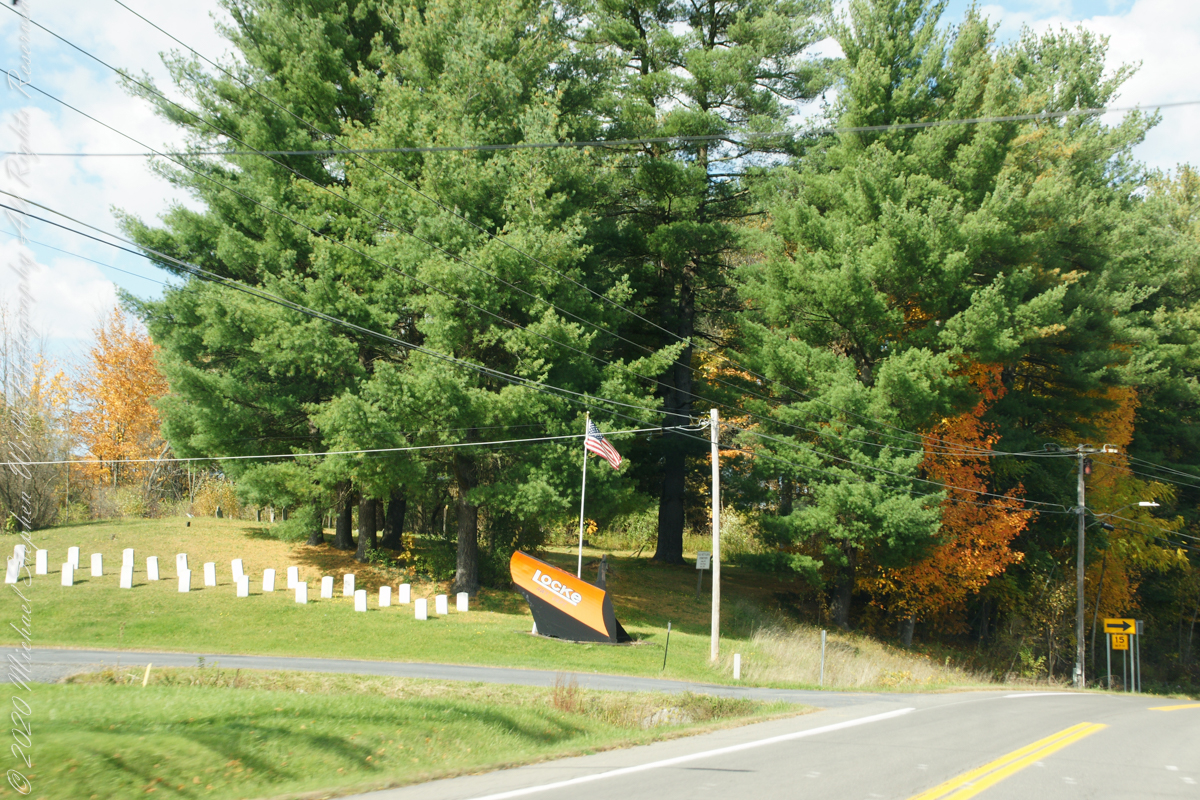
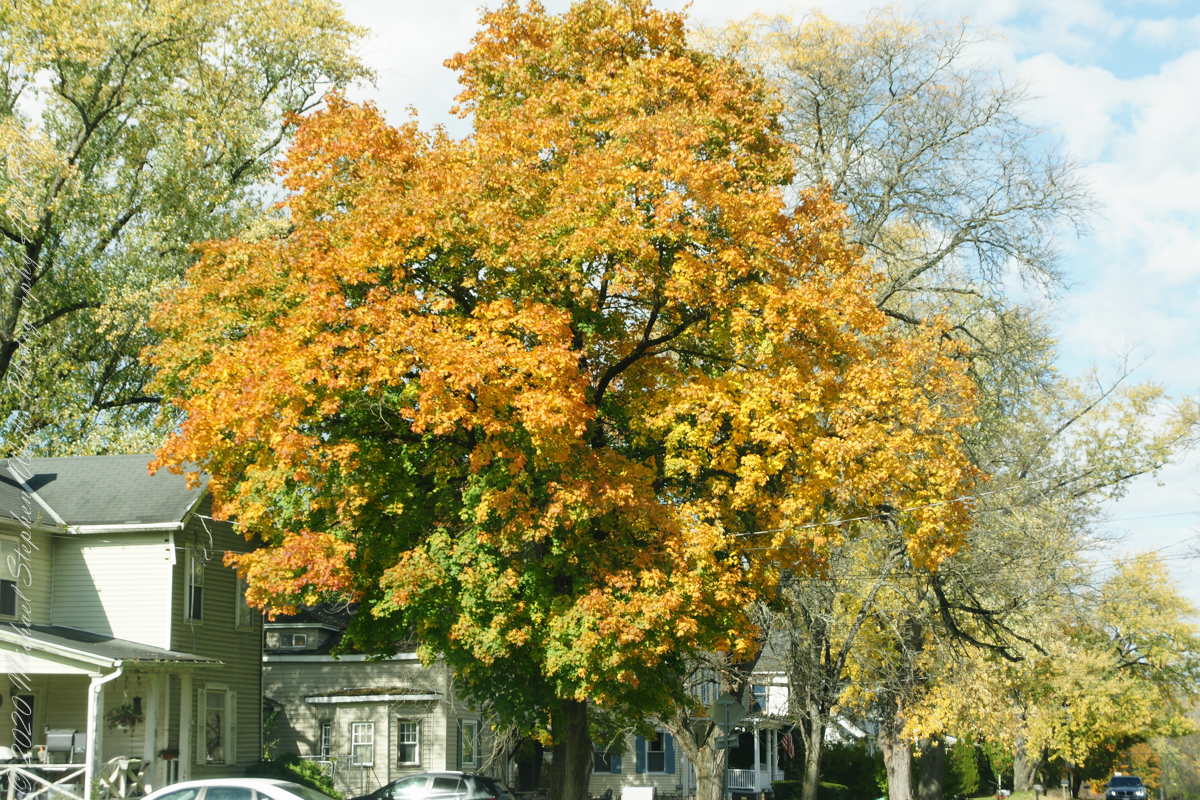
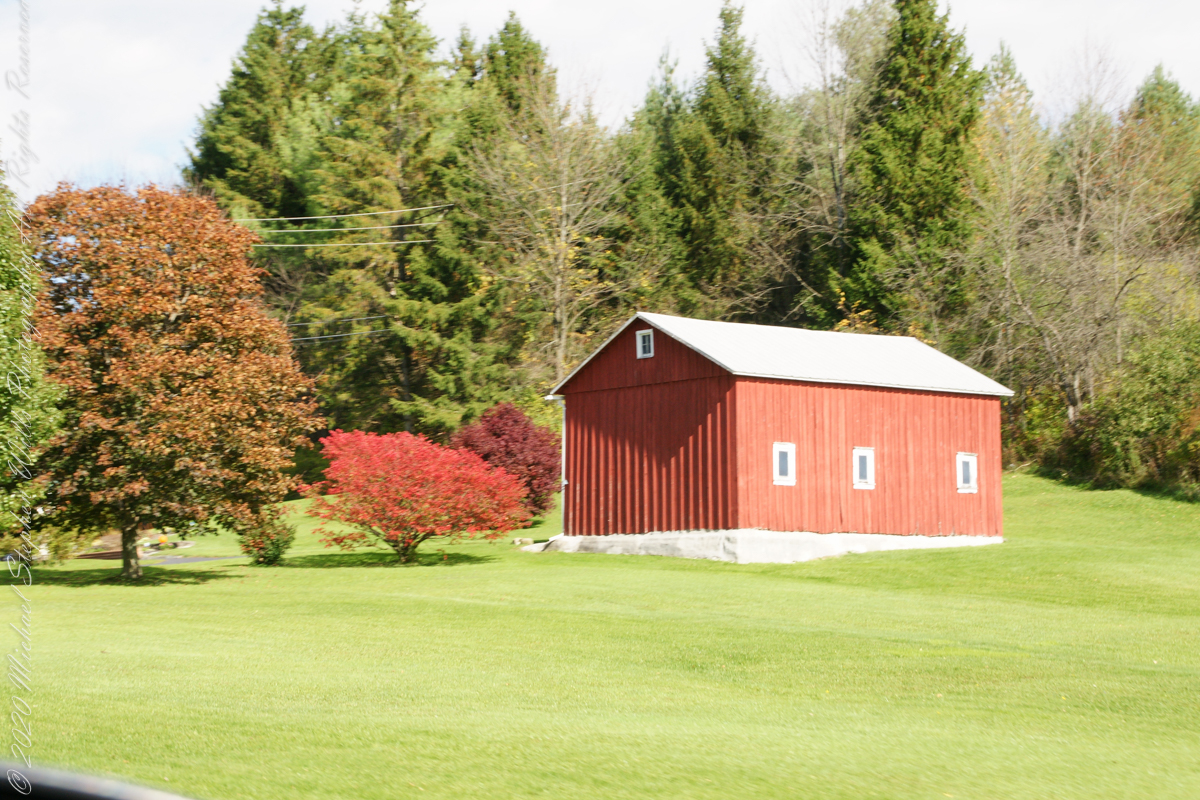
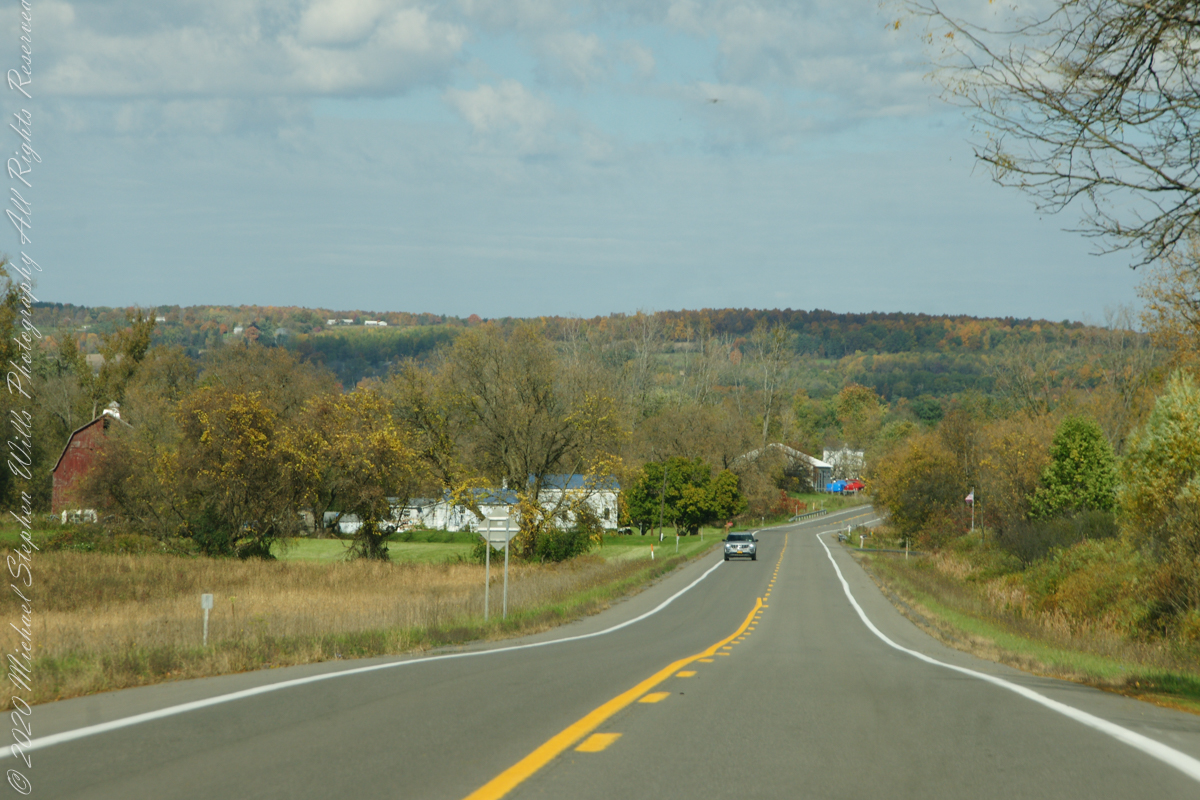
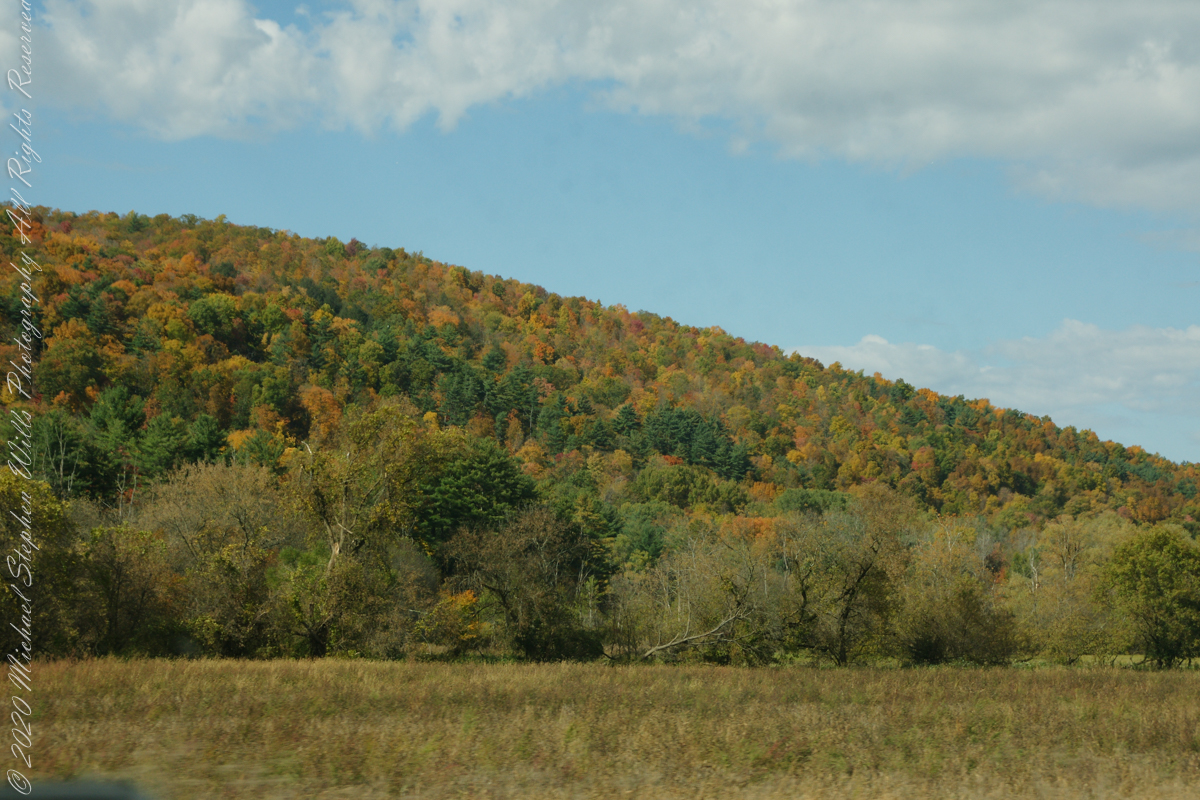
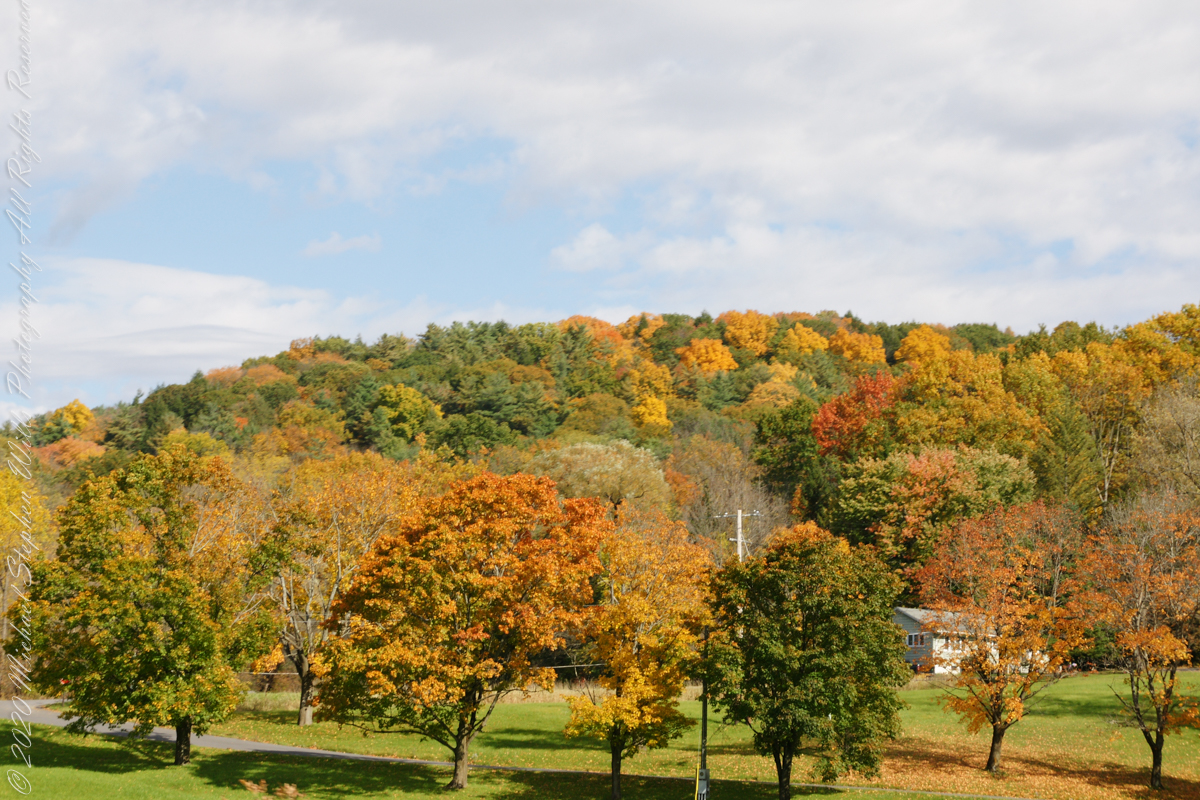
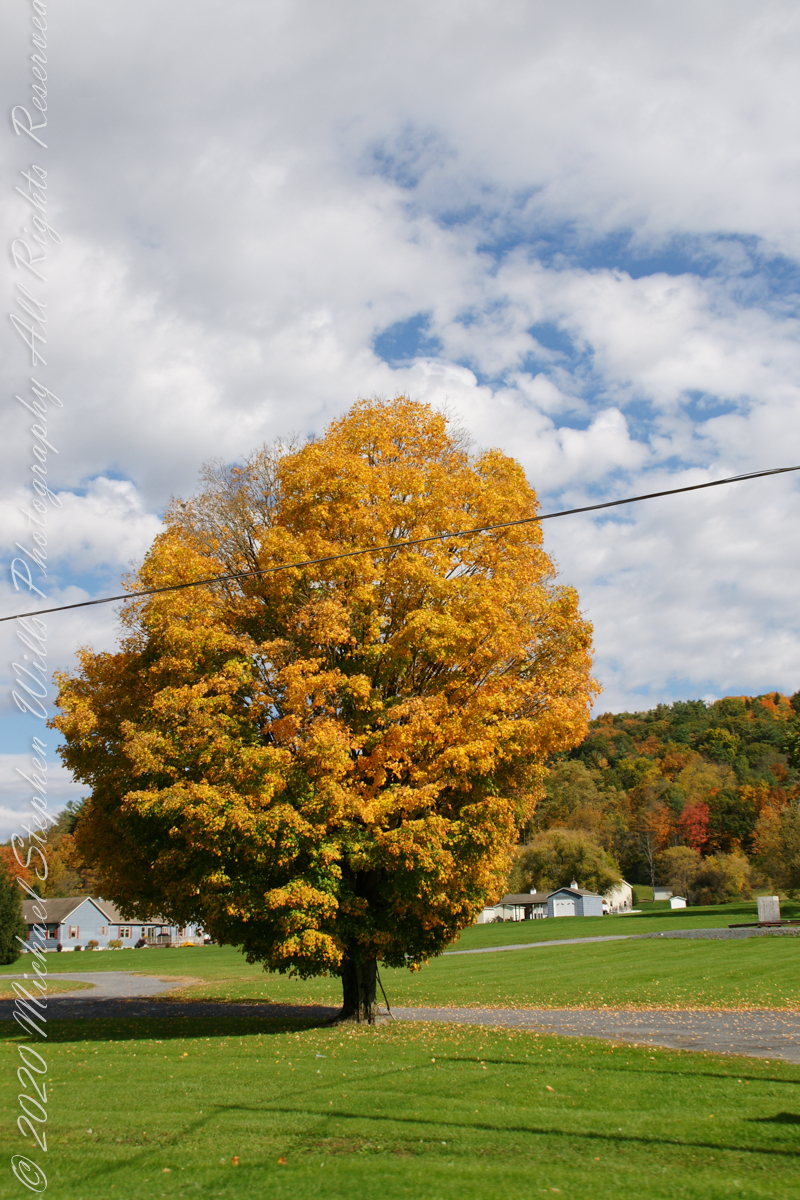
My Sony Alpha captured our October 16 drive to Fillmore Glen. As we traversed landscapes, the spectacle of Tompkins and Cayuga Counties autumn glory passed by the open passenger side window and, even, the front windshield. Thank You, Pam, for driving.

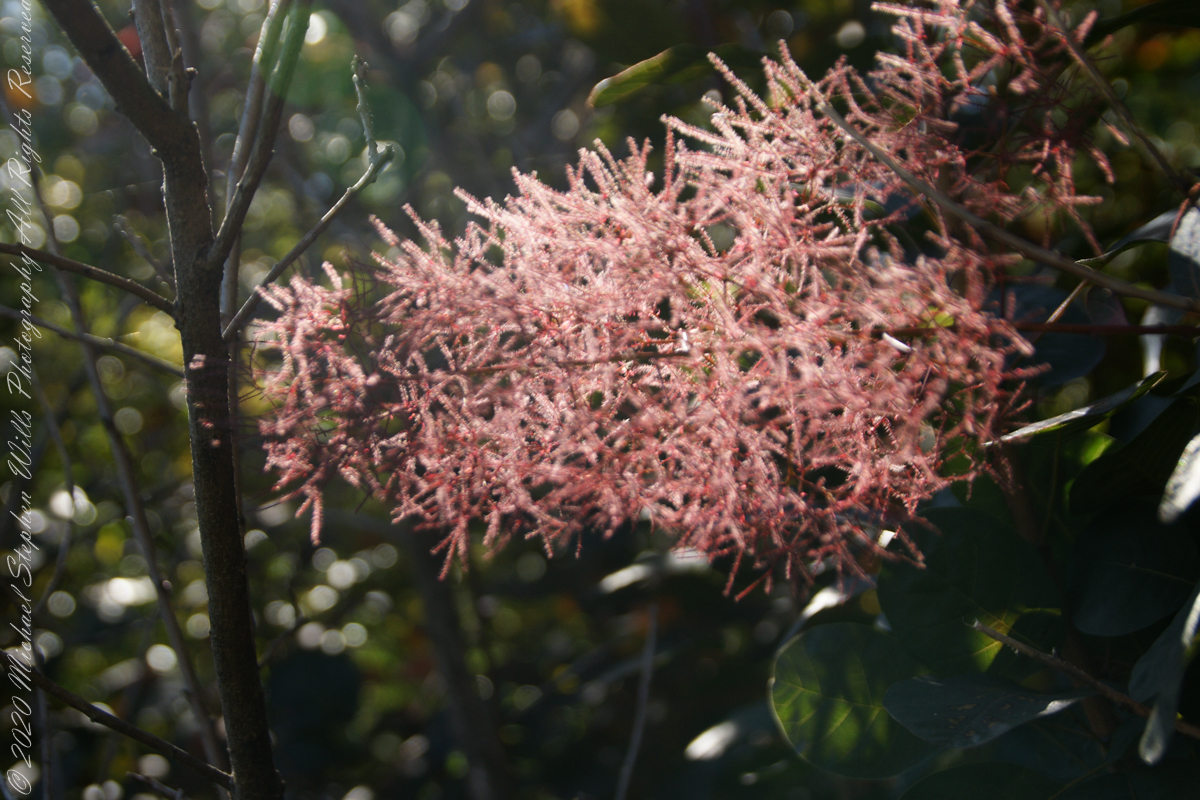
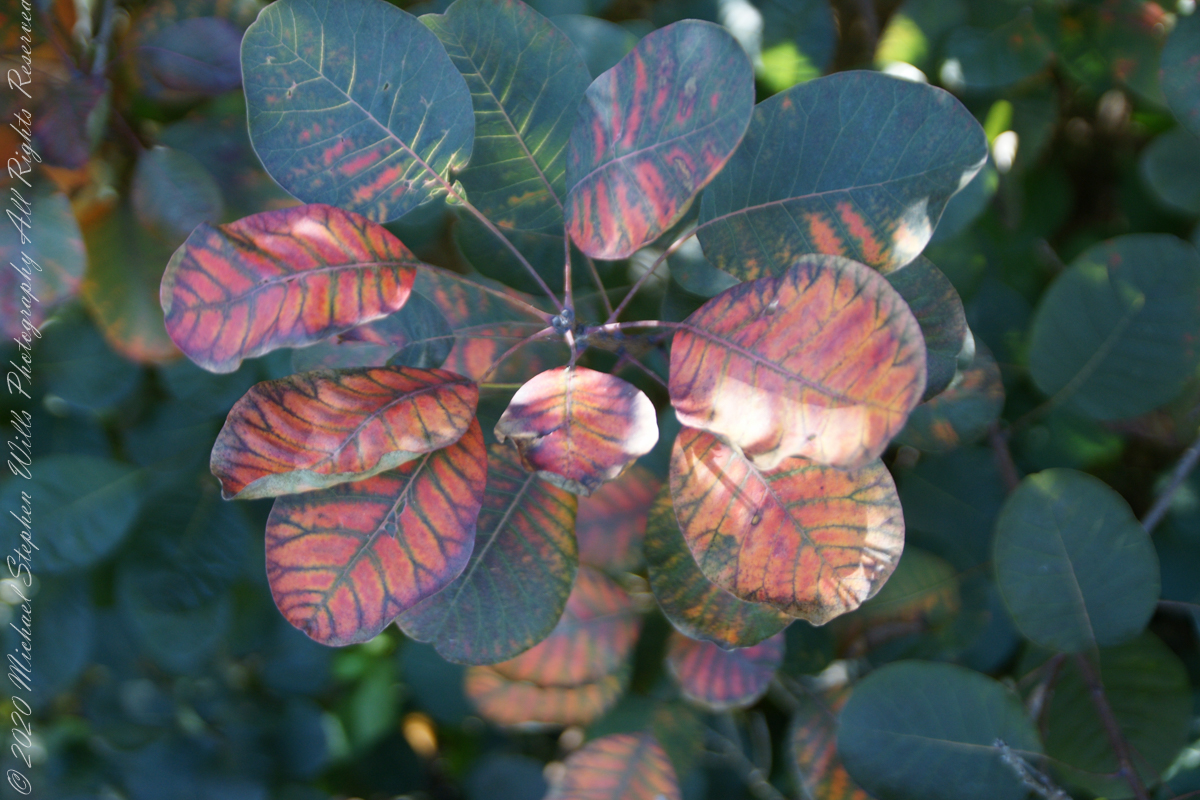
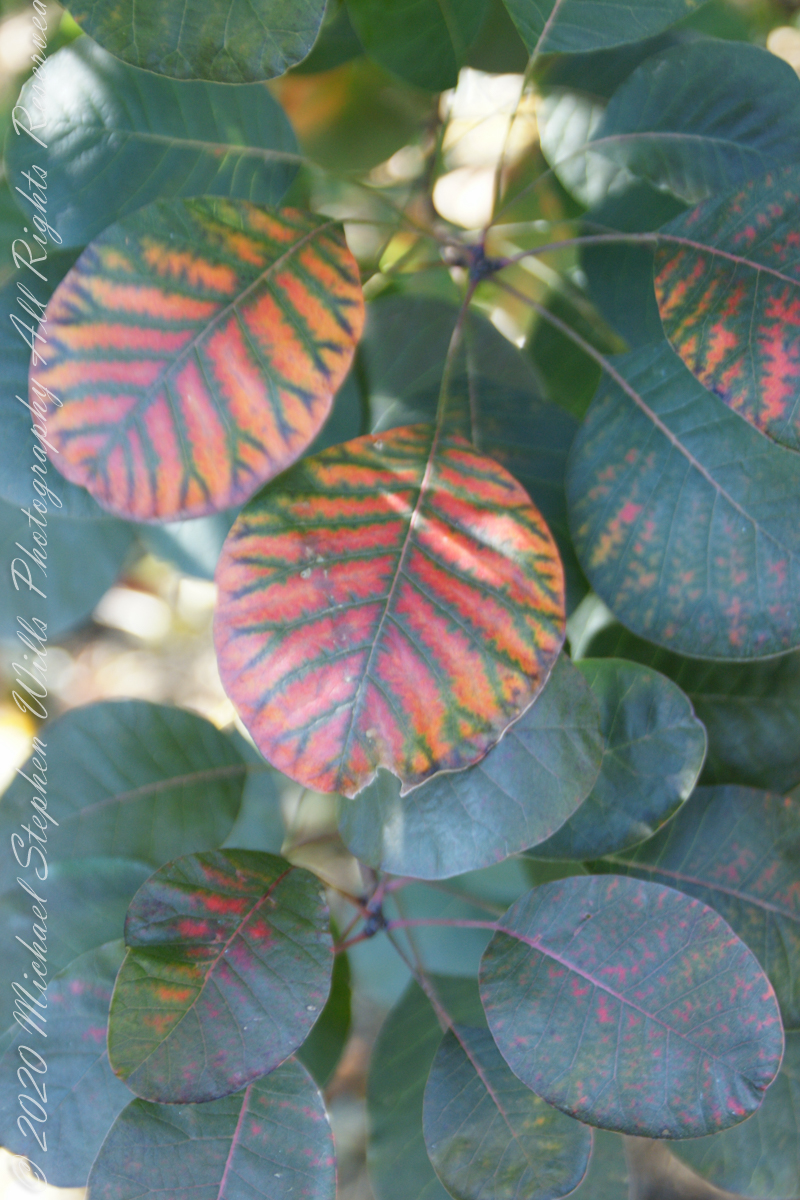
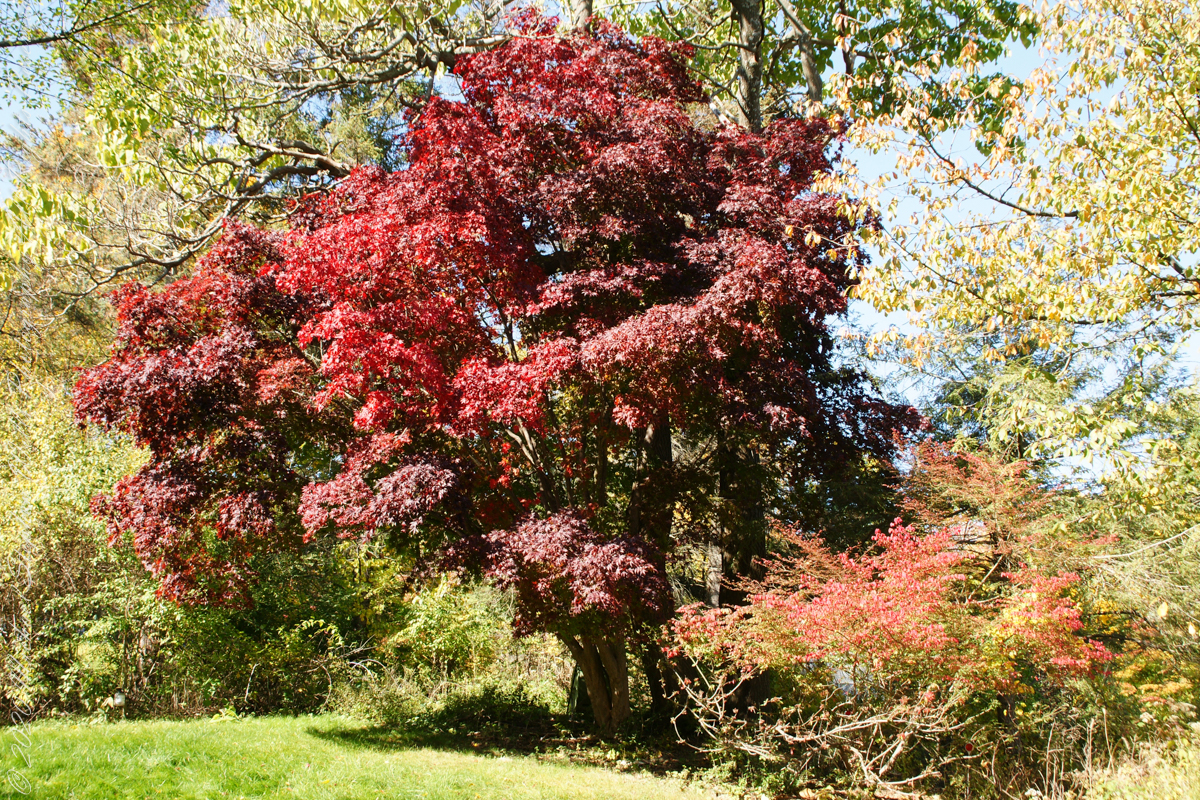
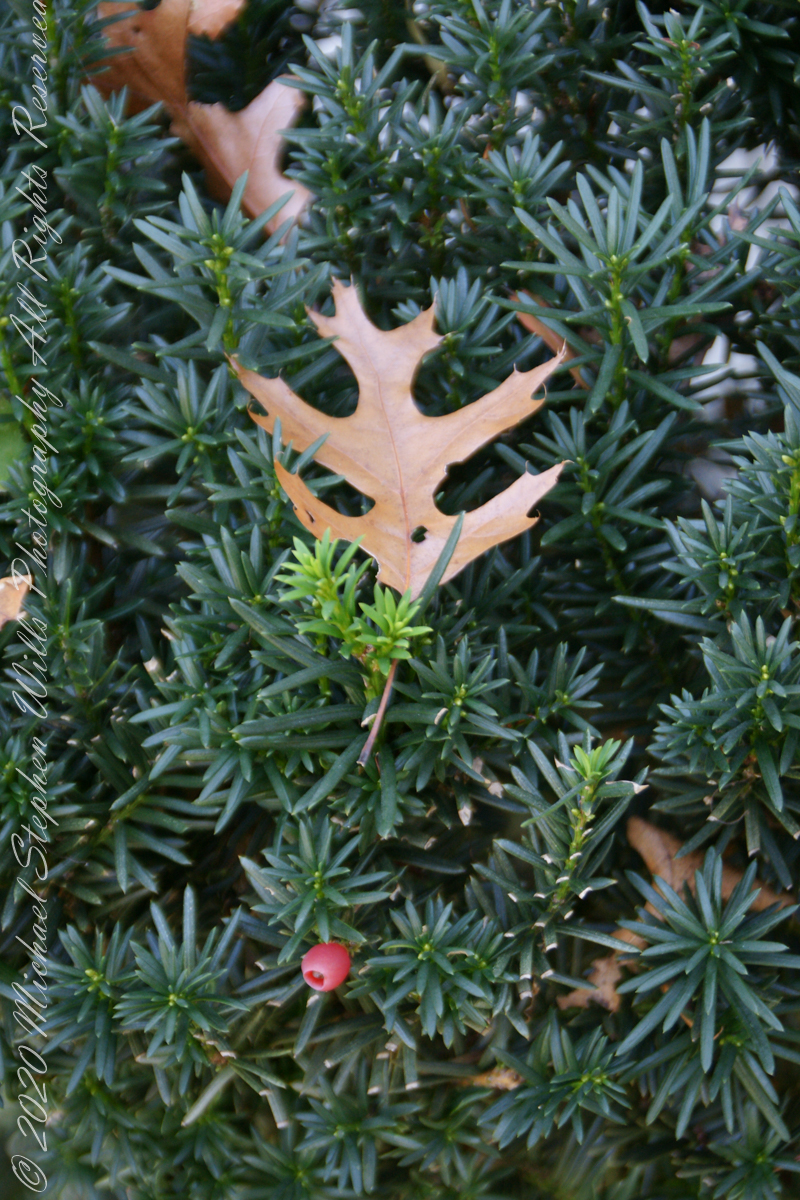
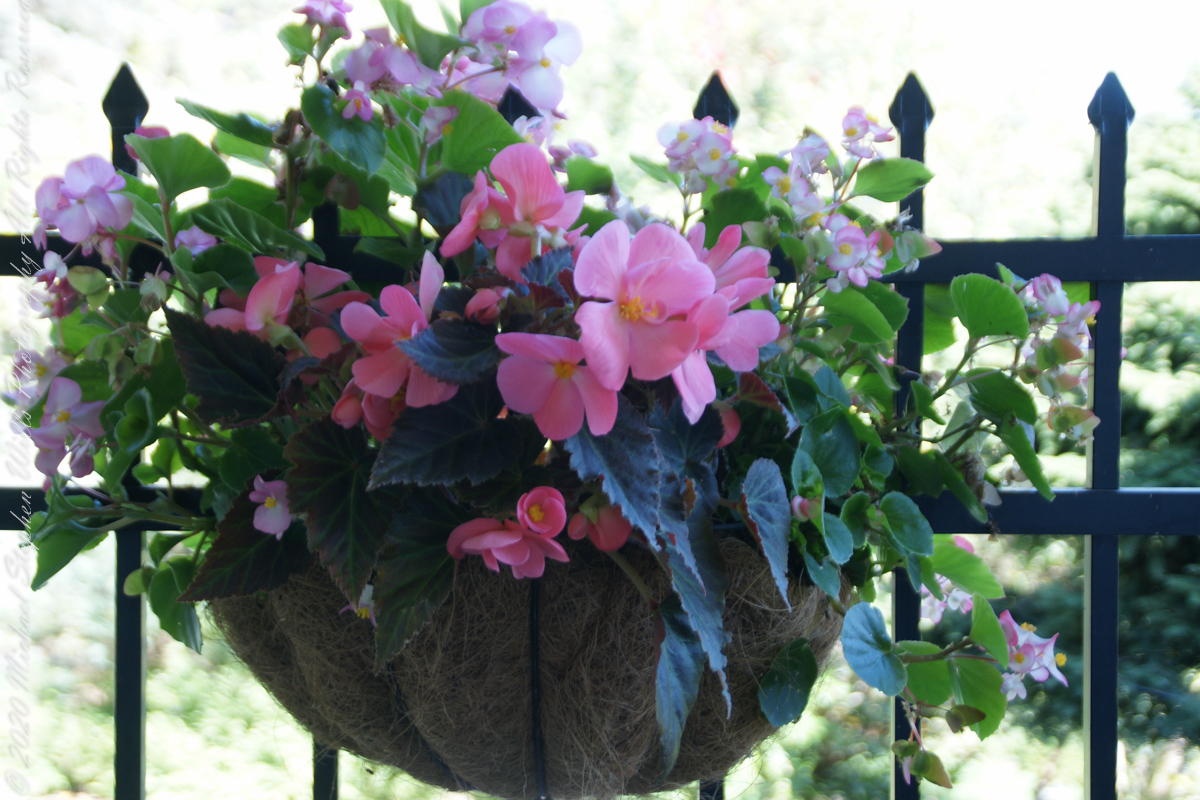
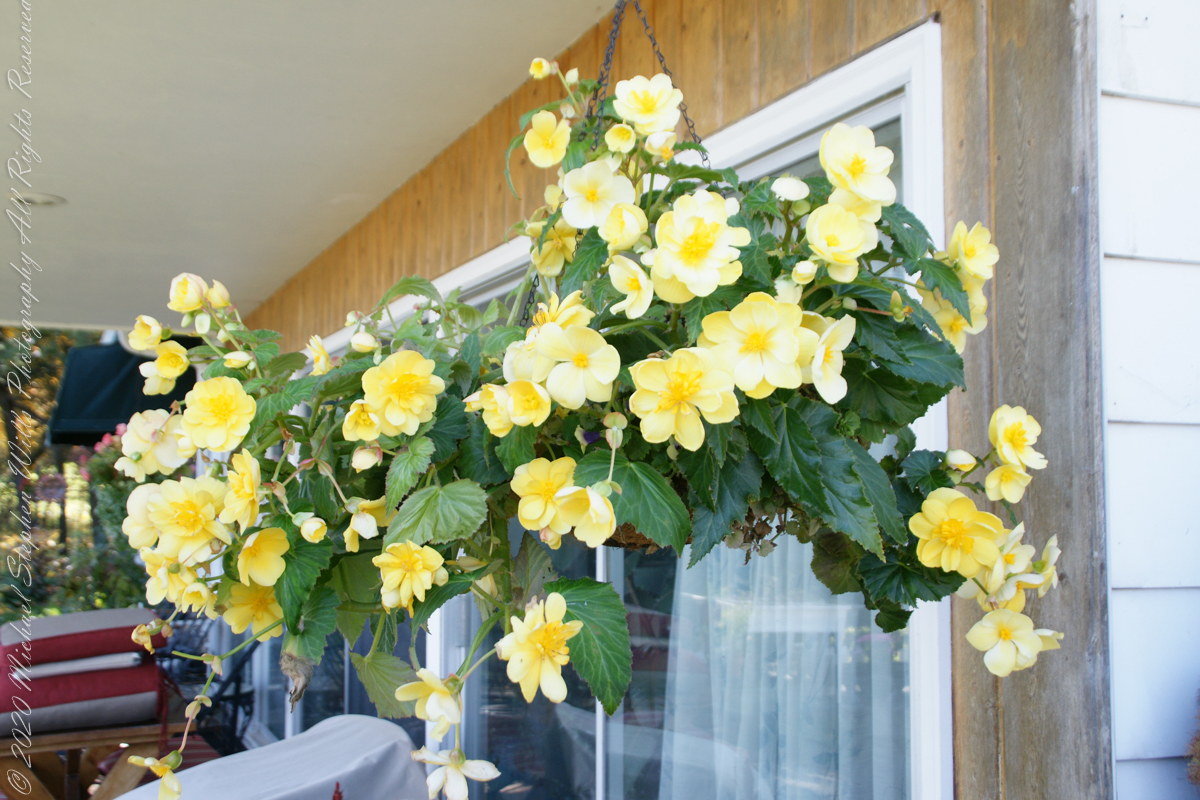
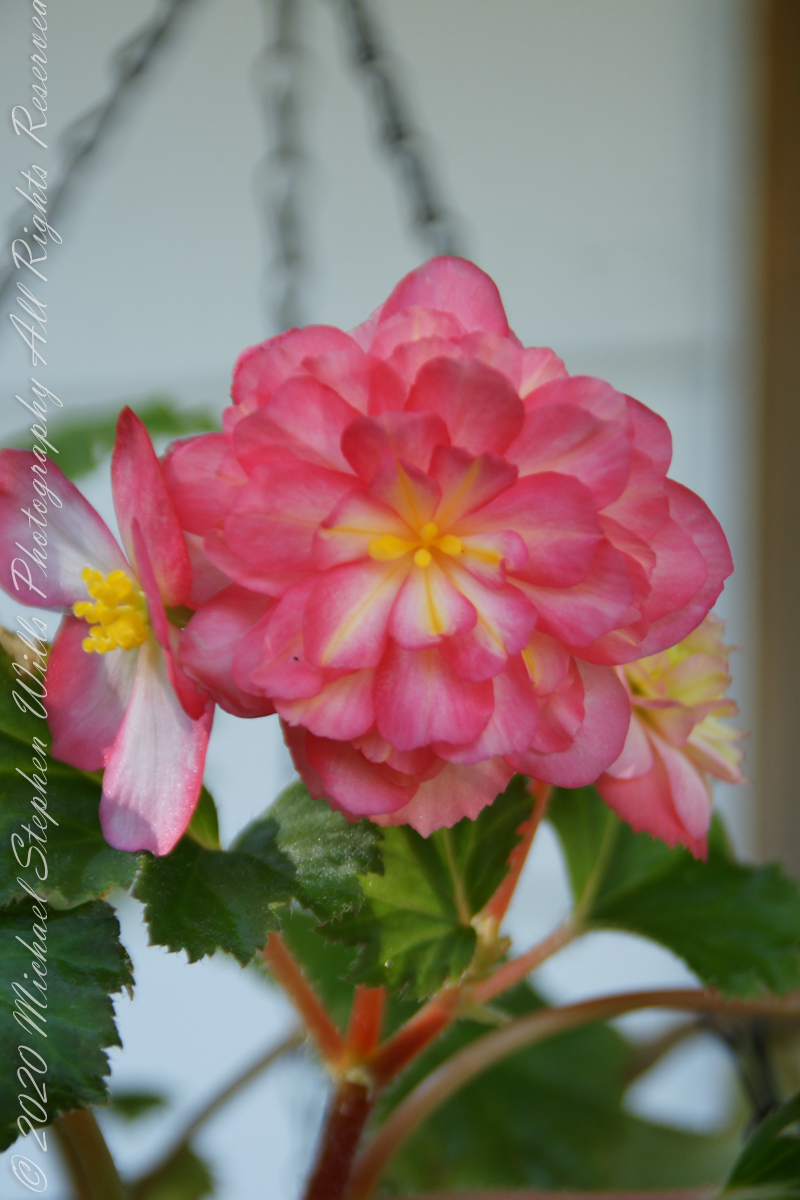
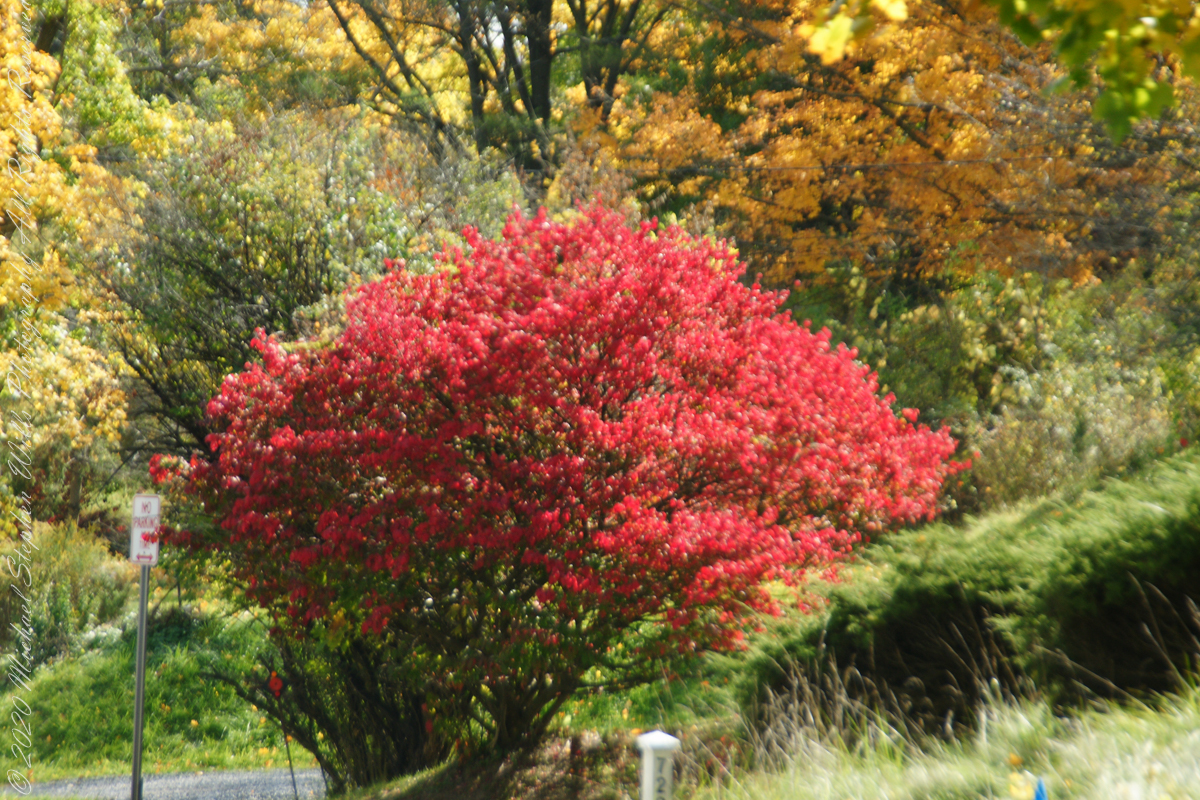
A turn around our home: Smoke tree, Japanese Maple, Pam’s flower baskets, fallen Oak leaves

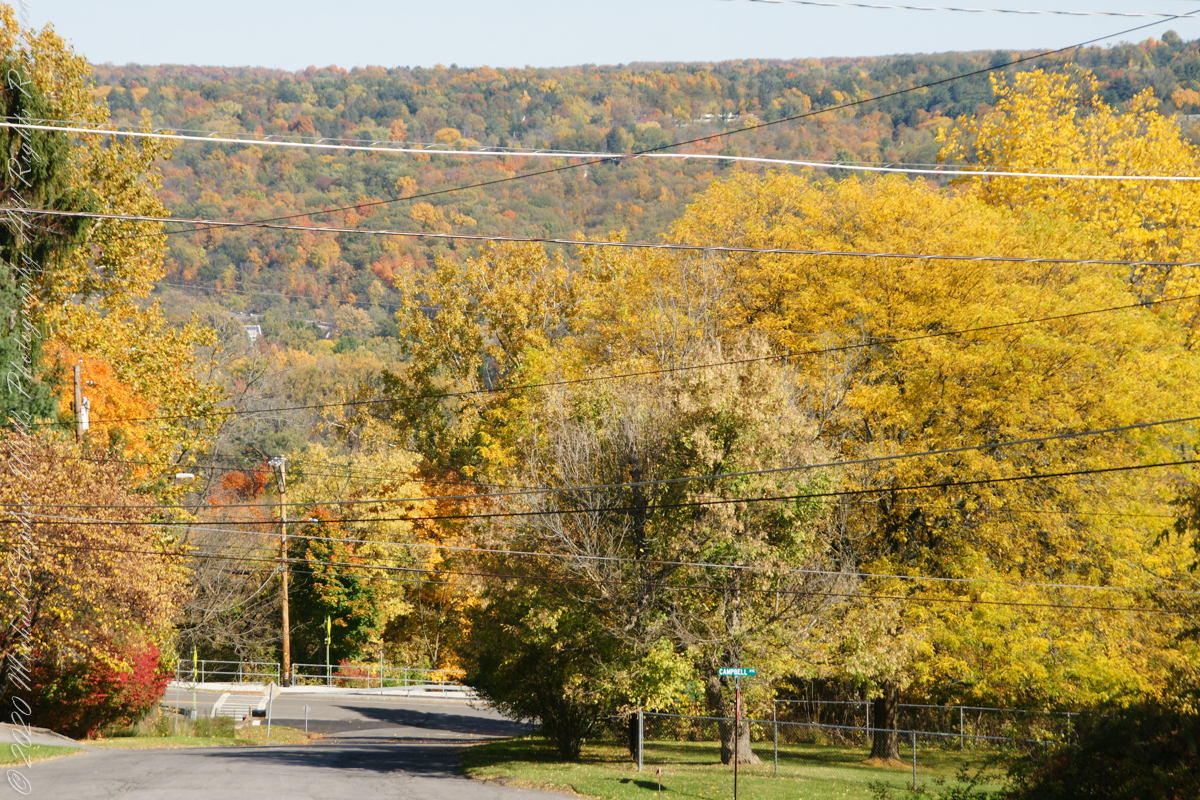
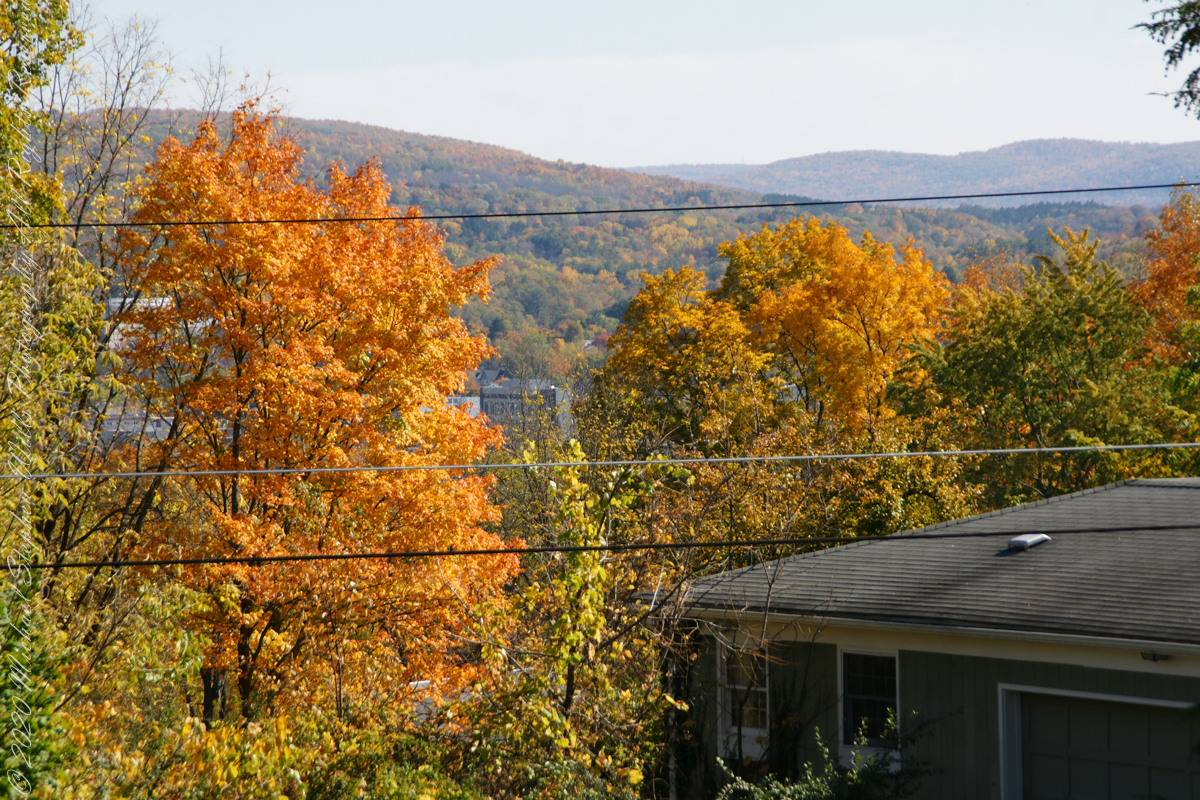
Panoramas from our front porch and on to Hector Street descending into and through Ithaca

Headed up Route 34 along Cayuga Lake, into “Farm Country”

Turning onto Locke Road and crossing from Tompkins to Cayuga County

Travelling through Cayuga County, the town of Locke, then Moravia and Fillmore Glen State Park

This is my farewell to “Fall” for now.

Copyright 2022 All Right Reserved Michael Stephen Wills