
Church Ruin on Inishmore
Join me on a journey through Inishmore, Galway Bay on a horse-drawn carriage. We’ll see a ruined church, horse pasture, and iron age fort, Dun Aengus, with reflections on the word ‘riven.’
Join me on a journey through Inishmore, Galway Bay on a horse-drawn carriage. We’ll see a ruined church, horse pasture, and iron age fort, Dun Aengus, with reflections on the word ‘riven.’
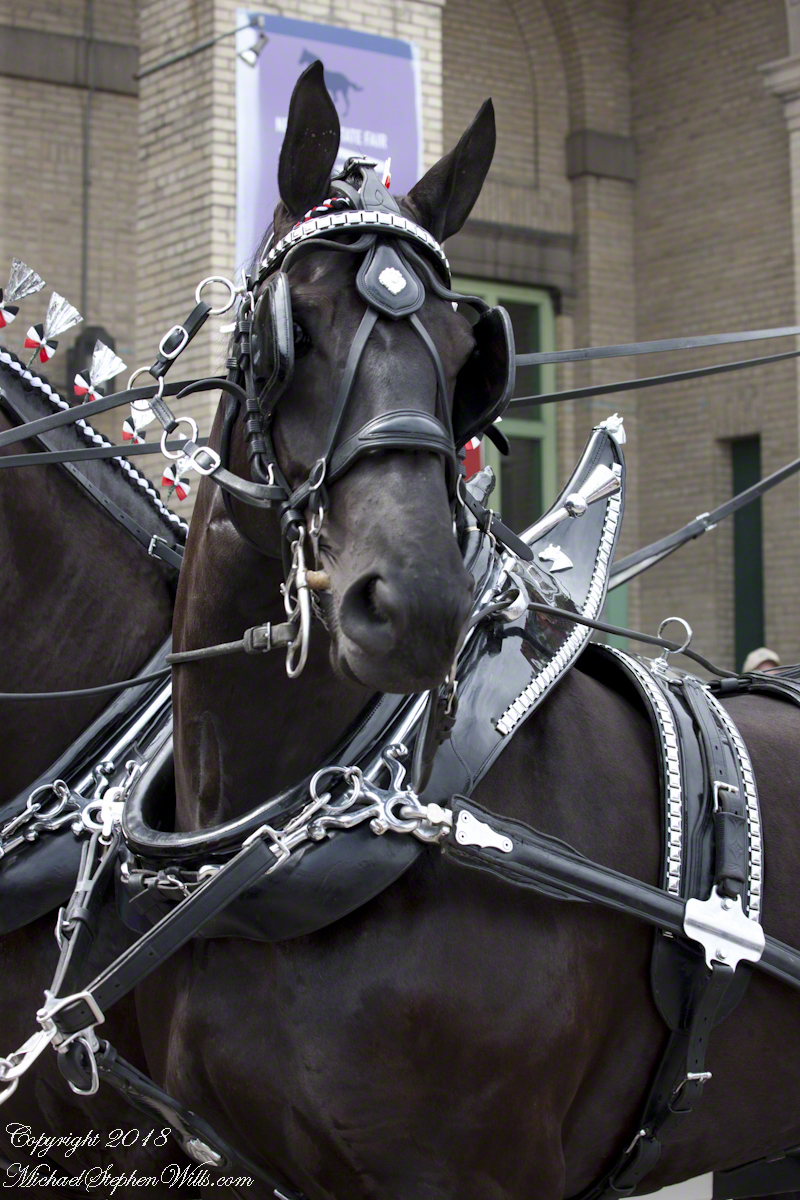
Enter to enjoy up-close portraits of the teams with competition action shots.

1975 University of Arizona alumnus recounts annual homecoming trips and an encounter with a haunted ranch.
In my Homecoming Parade 2003, I described my initial reconnection with the University of Arizona (U of A) as a 1975 graduate and alumnus. This personal project of involvement with U of A and Arizona continued through 2011 with annual autumn trips to coincide with Homecoming. The travel was as a CALS (College of Agriculture and Life Sciences) Alumni Board of Directors member, a primary responsibility was raising funds for scholarships.
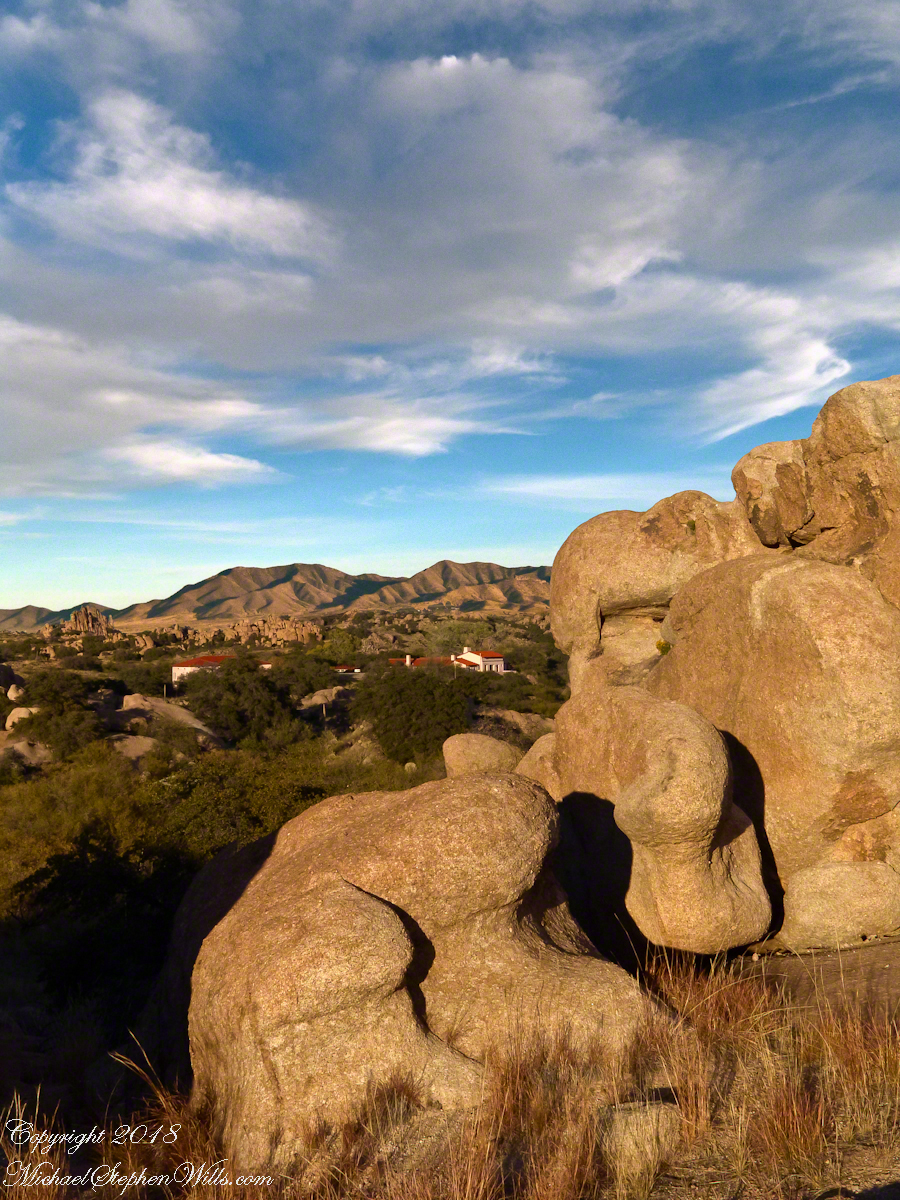
I met, Linda Kelly, the owner of the Triangle T Guest Ranch, while camping in the Chiricahua Mountains. I arrived a week before homecoming to photograph the landscape, nature and rock formations of the Chiricahua National Monument. Click this link for my Arizona Online gallery, including some work from that time. Linda and a friend were visiting that day and we struck up a conversation about the area and her Triangle T Guest ranch. The next day I was scheduled to guest lecture a class at the U of A, as an alumnus of CALS. The ranch was on the way and I needed a place to stay, so Linda gave me directions and I checked in.
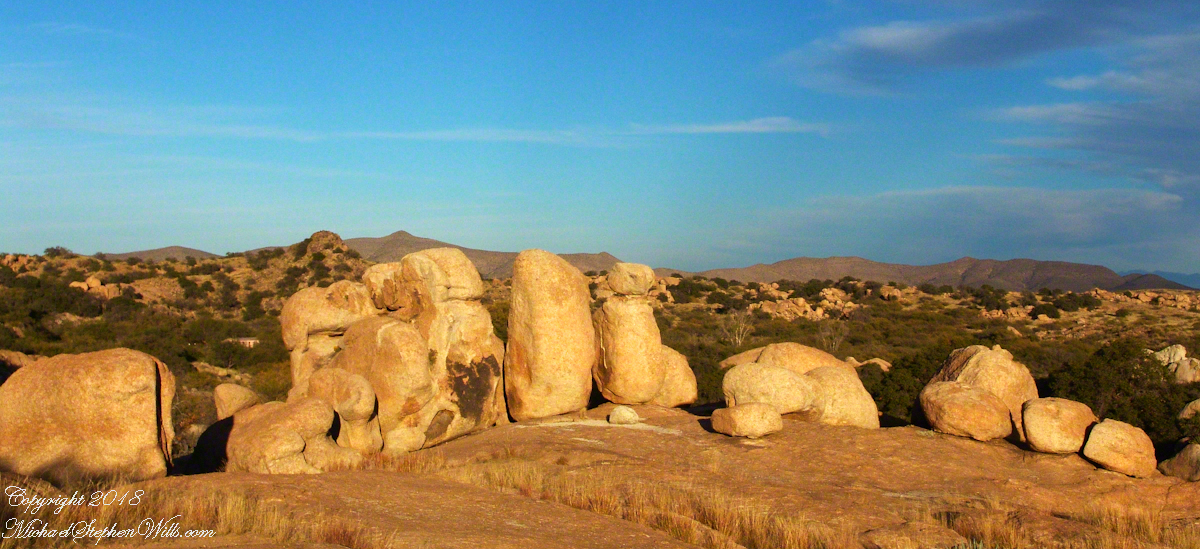
She gave me a tour of the incredible weather granite rock formations of Texas Canyon and, meanwhile, shared stories of the history of Texas Canyon. It is appropriate for the Amerind Foundation to be here (see first photograph), the winter camp of an Apache tribe for generations.
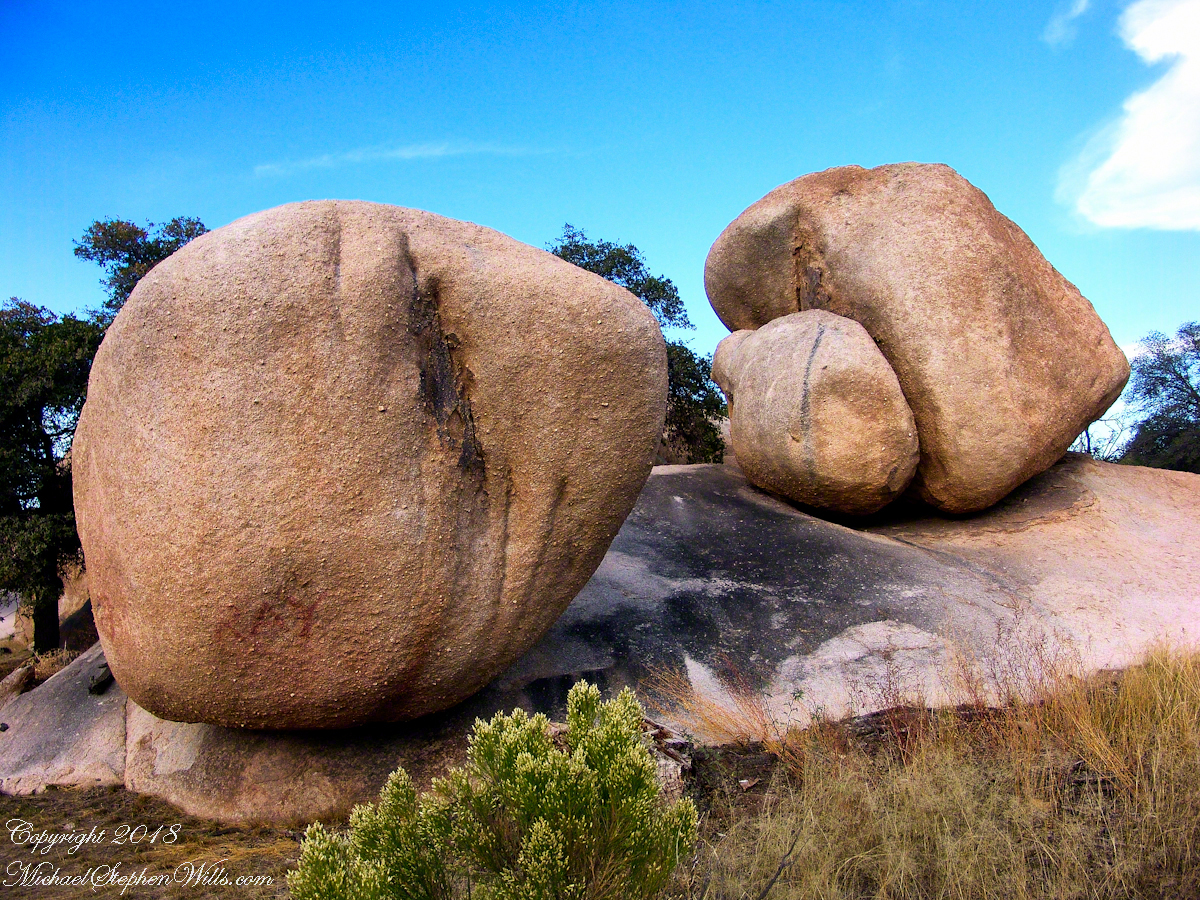
That night, my request was for a room storied to be haunted by a spirit they call “Grandma,” as in when her footsteps wake you from a sound sleep you say, “It’s all right, Grandmother.” She woke me that night, footsteps in the dark, hollow on the wood floor, the room filled with a hard cold. I talked to her, without a response, while swinging my legs out of bed to reach the gas heater in the wall. I turned on the heat and the sound of expanding metal heat fins lulled me to sleep.
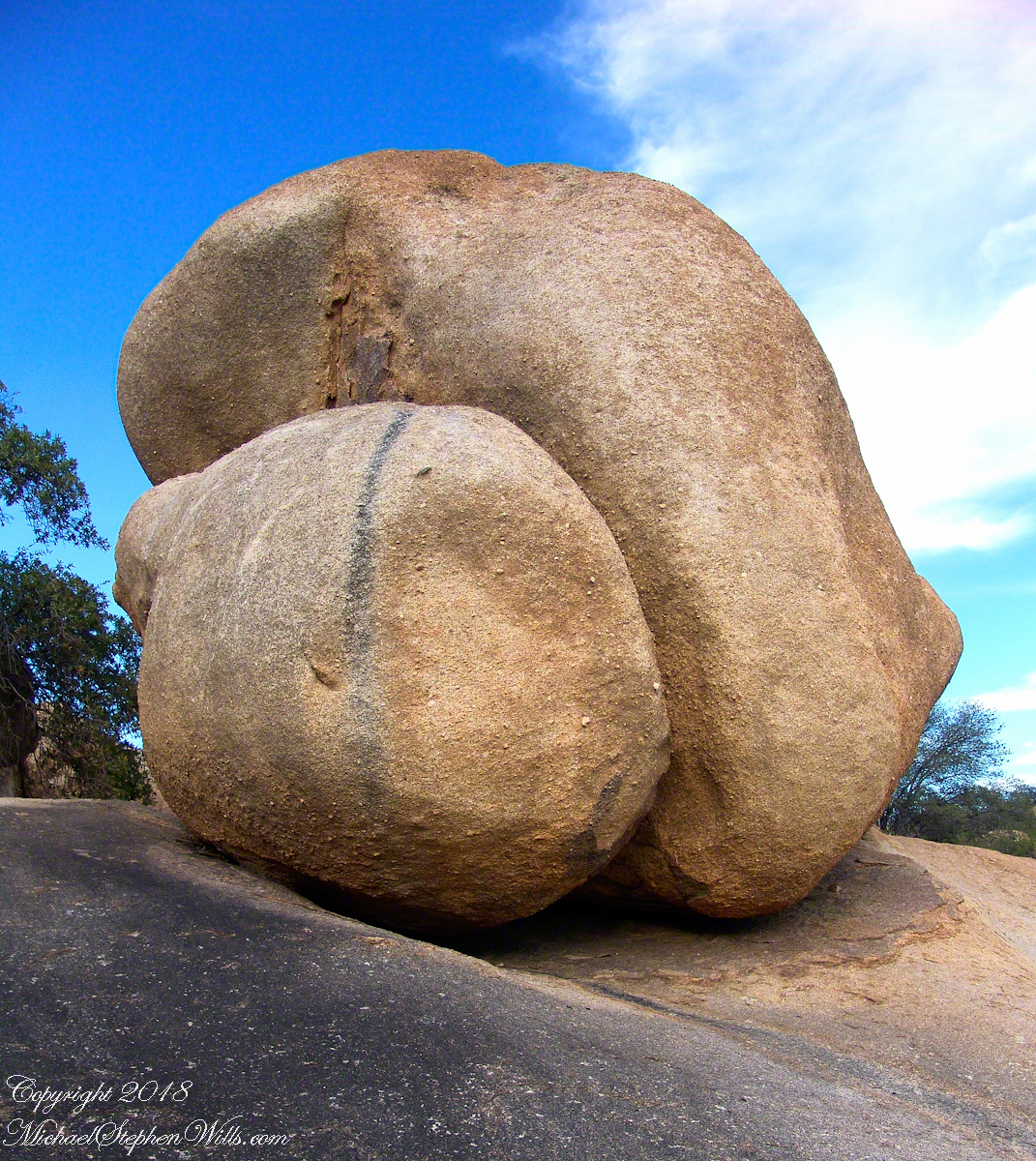
It made a good story for the students. They were surprised I could fall back asleep, but after all I had to be there the following morning.
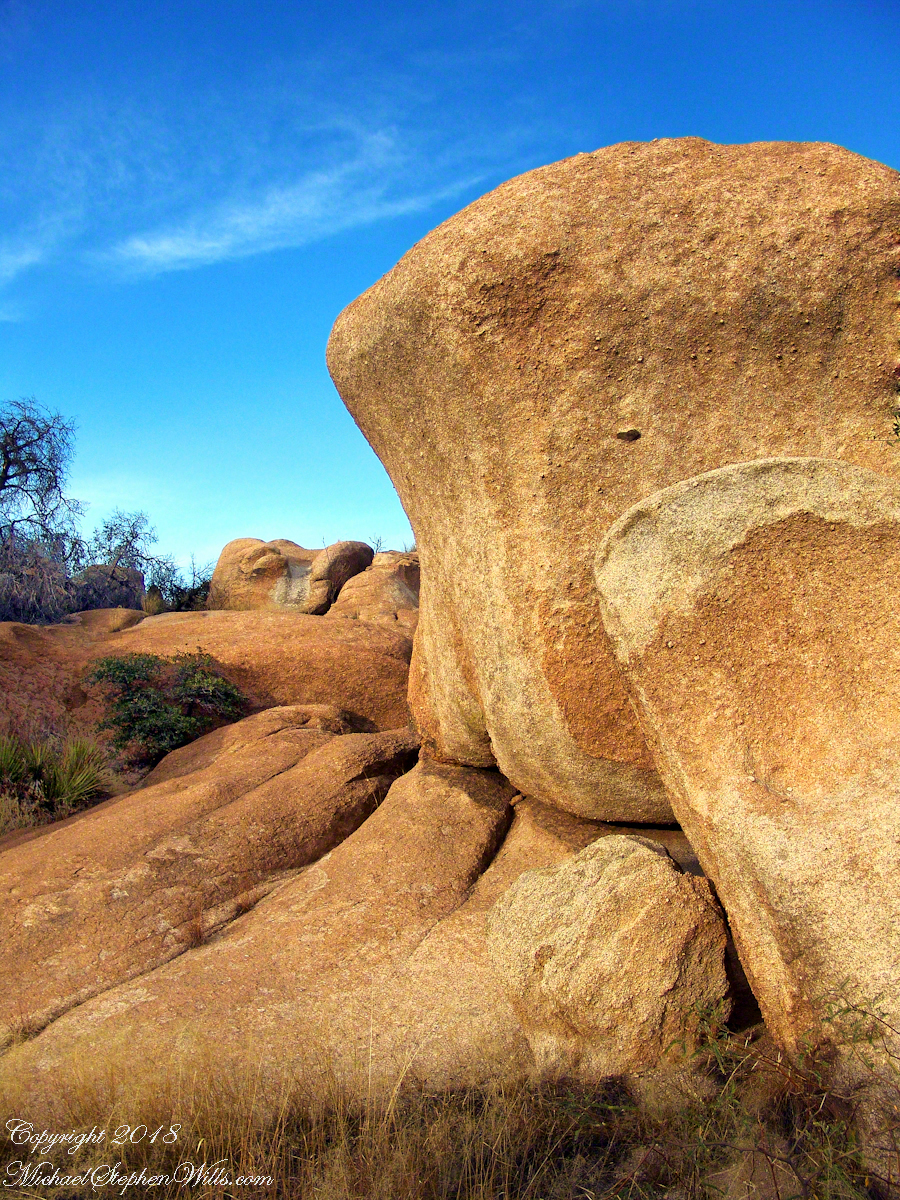
I gave Linda a few of my photographs from that day and we made arrangements for the Triangle T to supply a two night package for the CALS “Dean’s Almost World Famous Burrito Breakfast” silent auction during 2008 homecoming.
Marketing choices
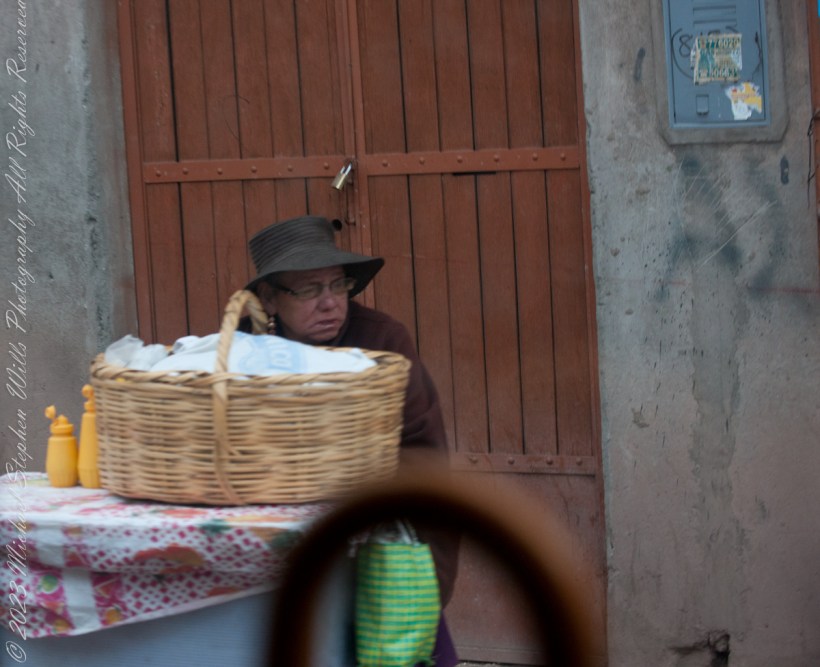
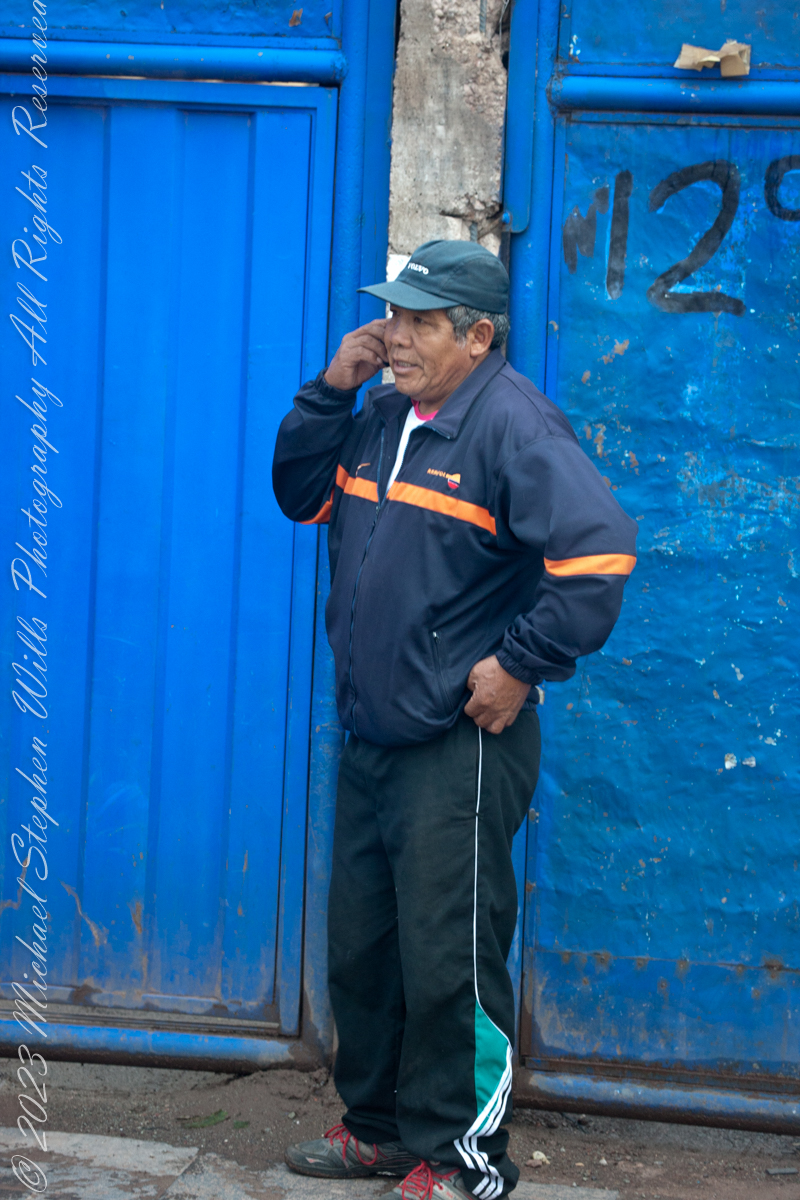
The scenes at Cusco’s Saturday Market were fascinating. The shooting was through a clean bus window using a handheld Canon EF 70-300 f/4-5.6 L IS USM lens mounted on the Canon dslr 1DS Mark III.
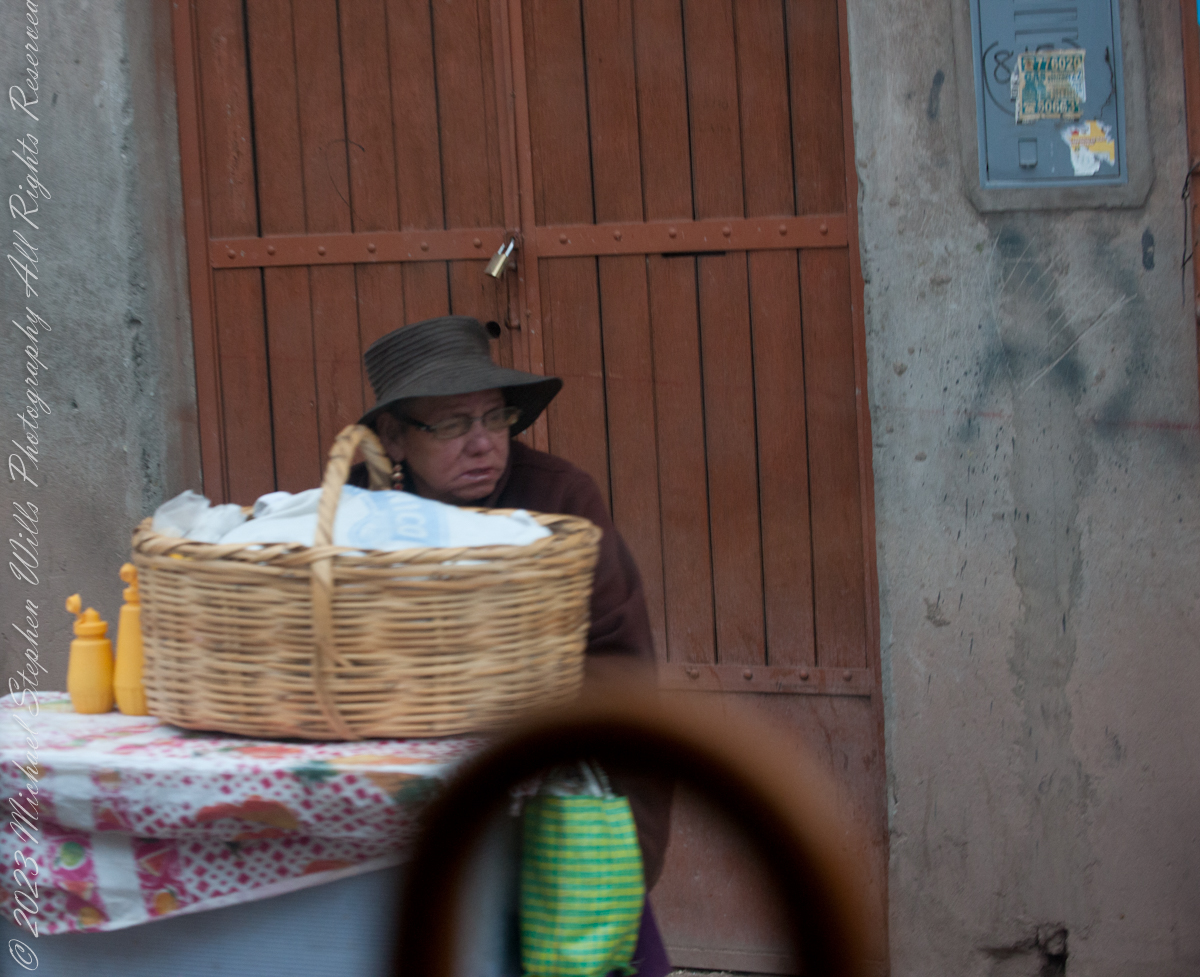
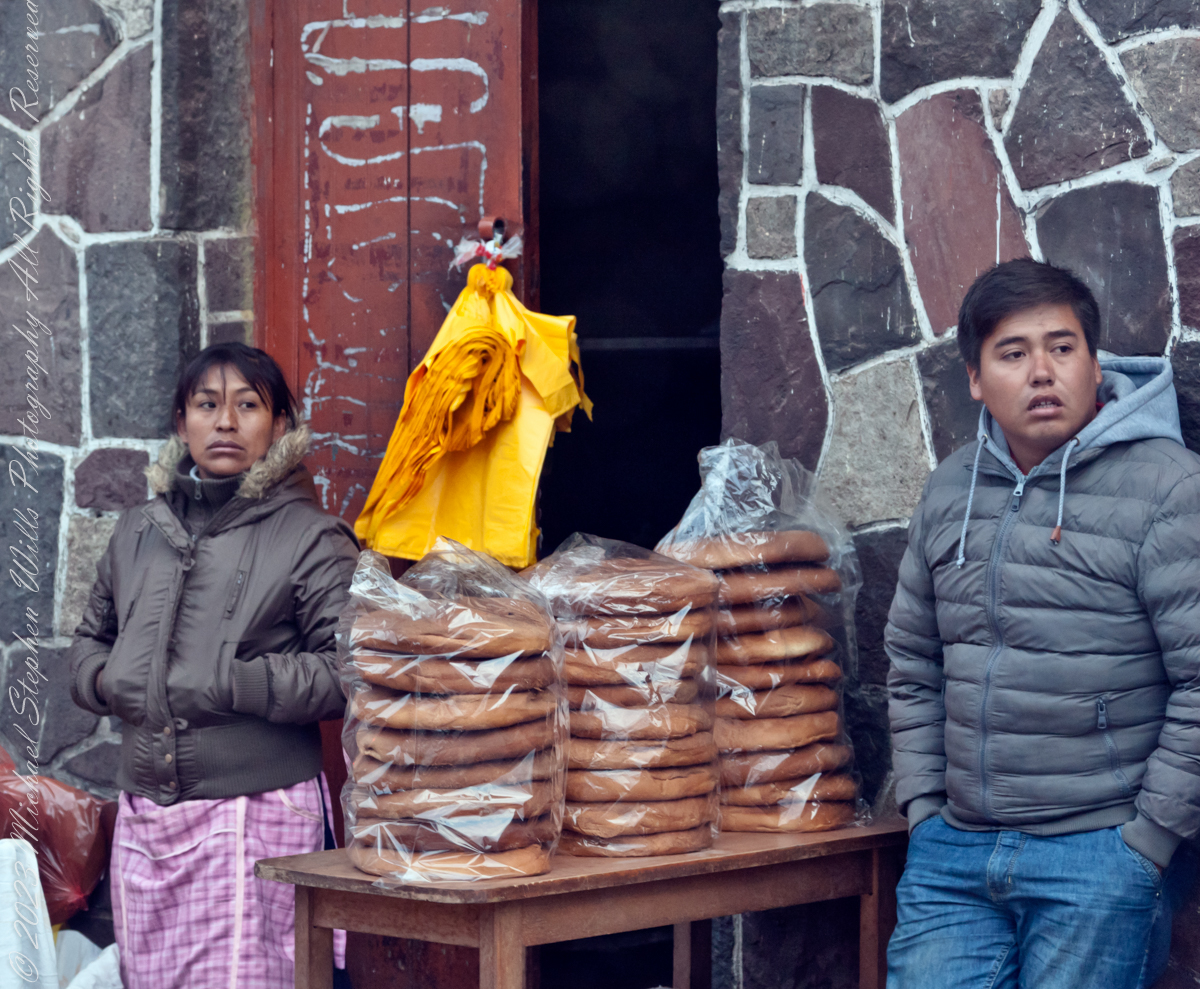
“Inka S.R.L.” is a agriculture company full name INDUSTRIA DE ALIMENTOS E INVERSIONES PERU INKA SRL specialized in ELAB OF OTHER PROD. FOOD.. It was created and founded on February 2, 2002.
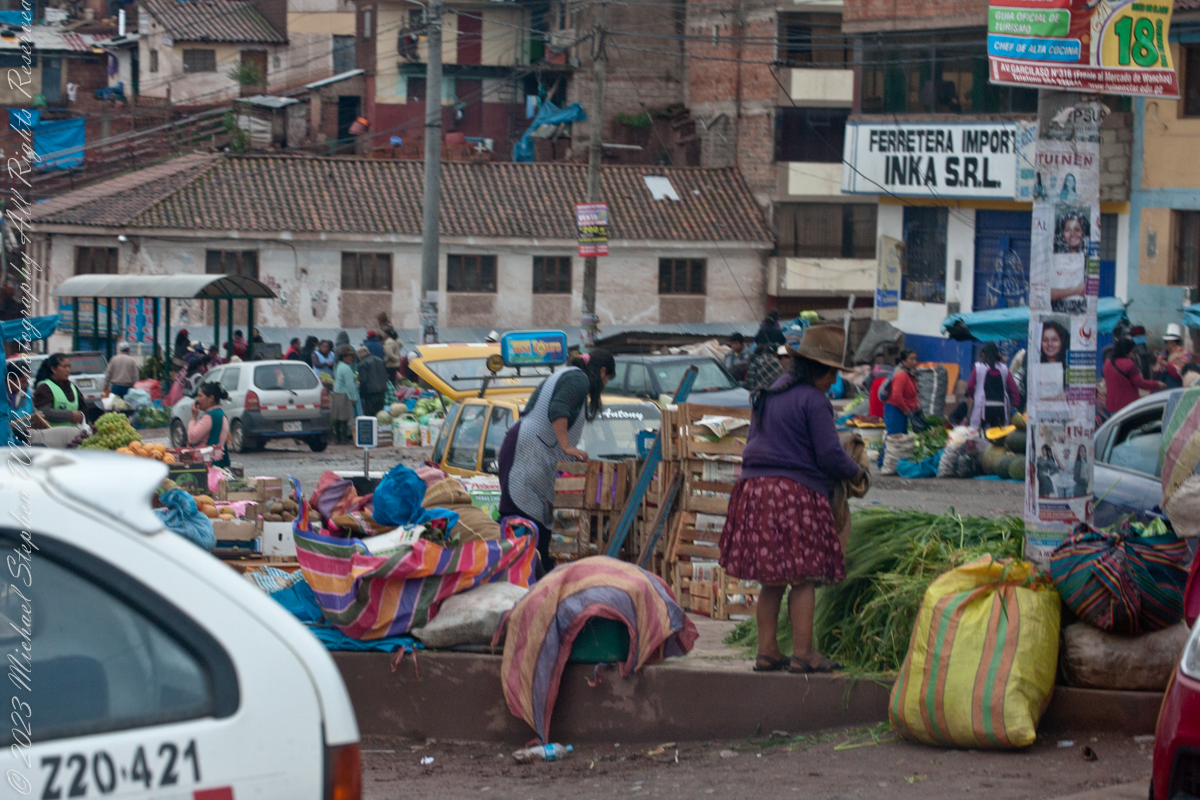
Very early for these children…
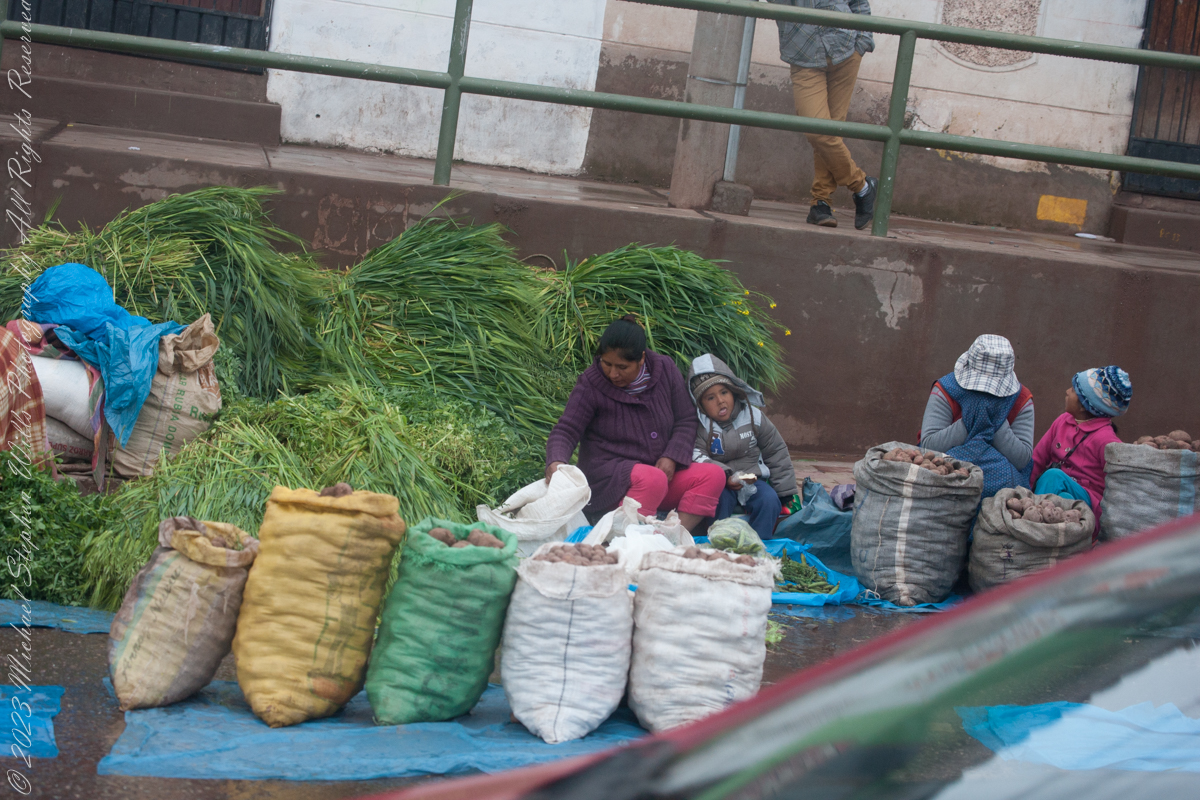
Quechua people or Quichua people, may refer to any of the aboriginal people of South America who speak the Quechua languages, which originated among the Indigenous people of Peru. Although most Quechua speakers are native to Peru, there are some significant populations in Ecuador, Bolivia, Chile, Colombia, and Argentina. The woman center left sports traditional fabrics of her pants and shawl.
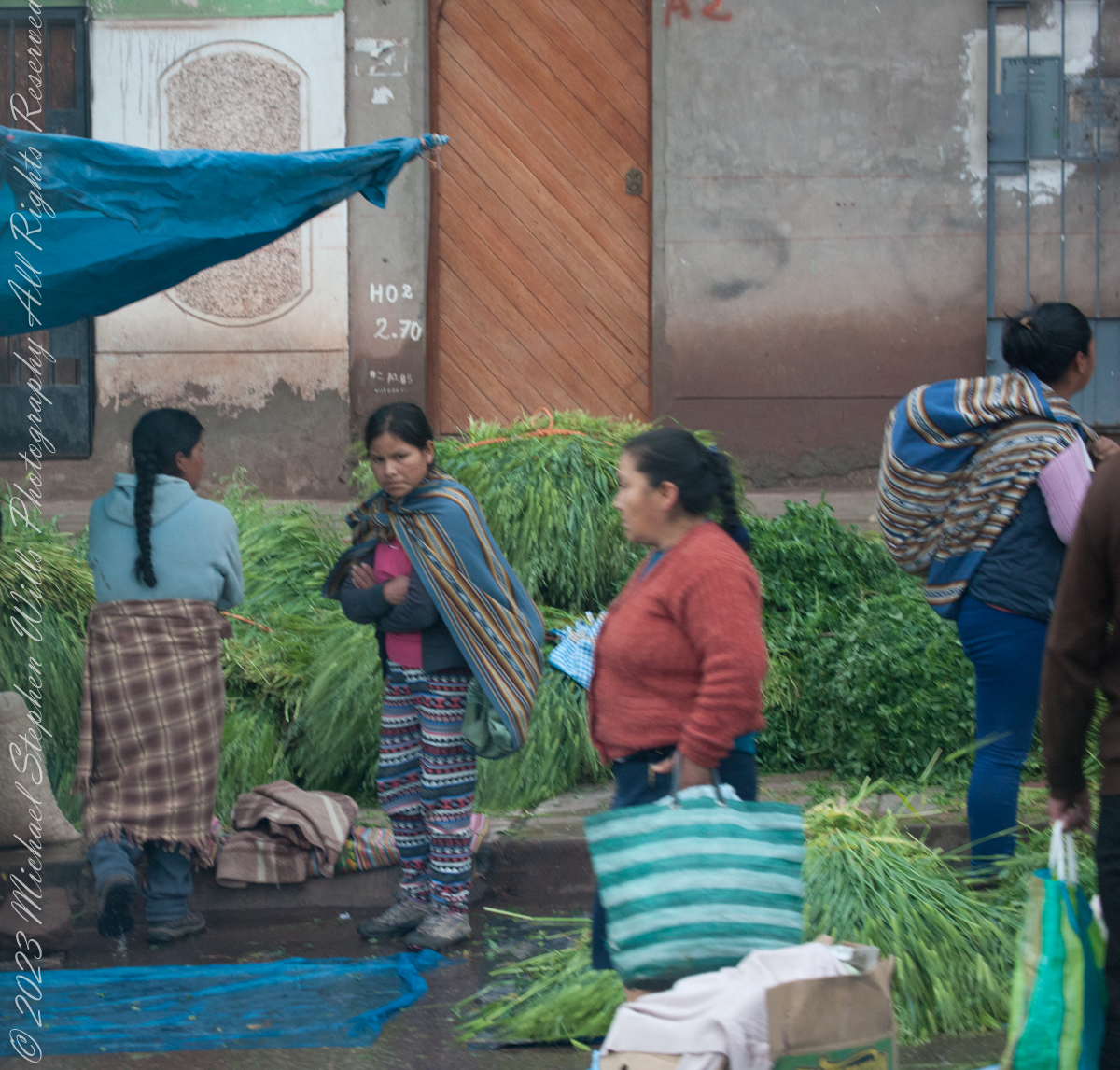
Onions and garlic, potatoes? Wild potato species can be found from the southern United States to southern Chile. The potato was originally believed to have been domesticated by Native Americans independently in multiple locations, but later genetic studies traced a single origin, in the area of present-day southern Peru and extreme northwestern Bolivia. Potatoes were domesticated there approximately 7,000–10,000 years ago, from a species in the Solanum brevicaule complex. In the Andes region of South America, where the species is indigenous, some close relatives of the potato are cultivated.
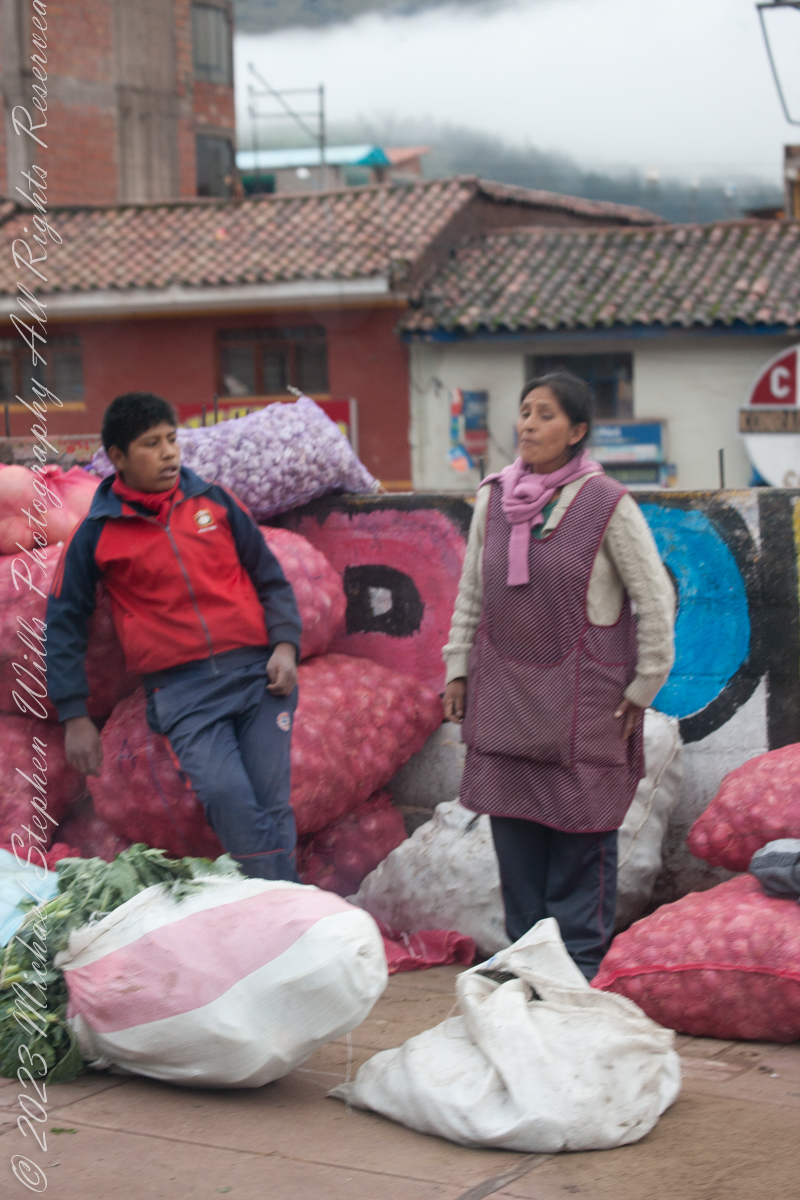
Potatoes!!
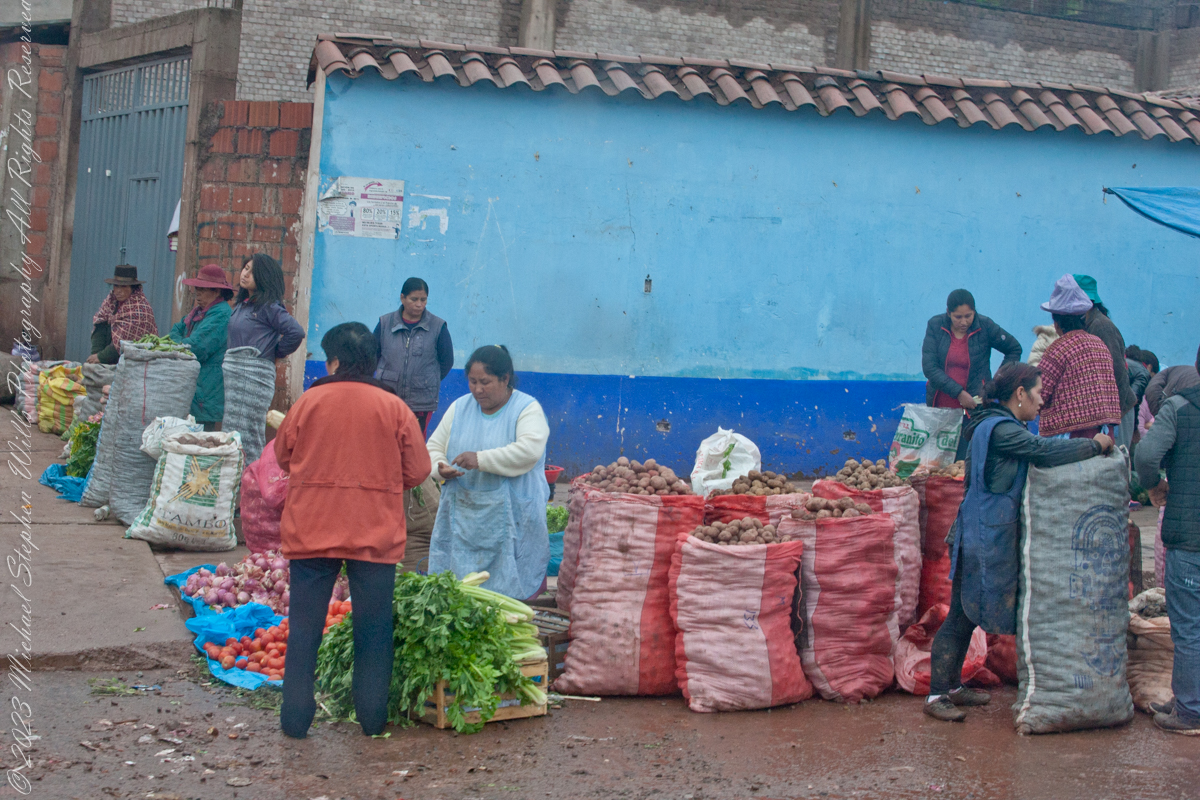
Maize, also known as corn in North American and Australian English, is a cereal grain first domesticated by indigenous peoples in southern Mexico about 10,000 years ago.
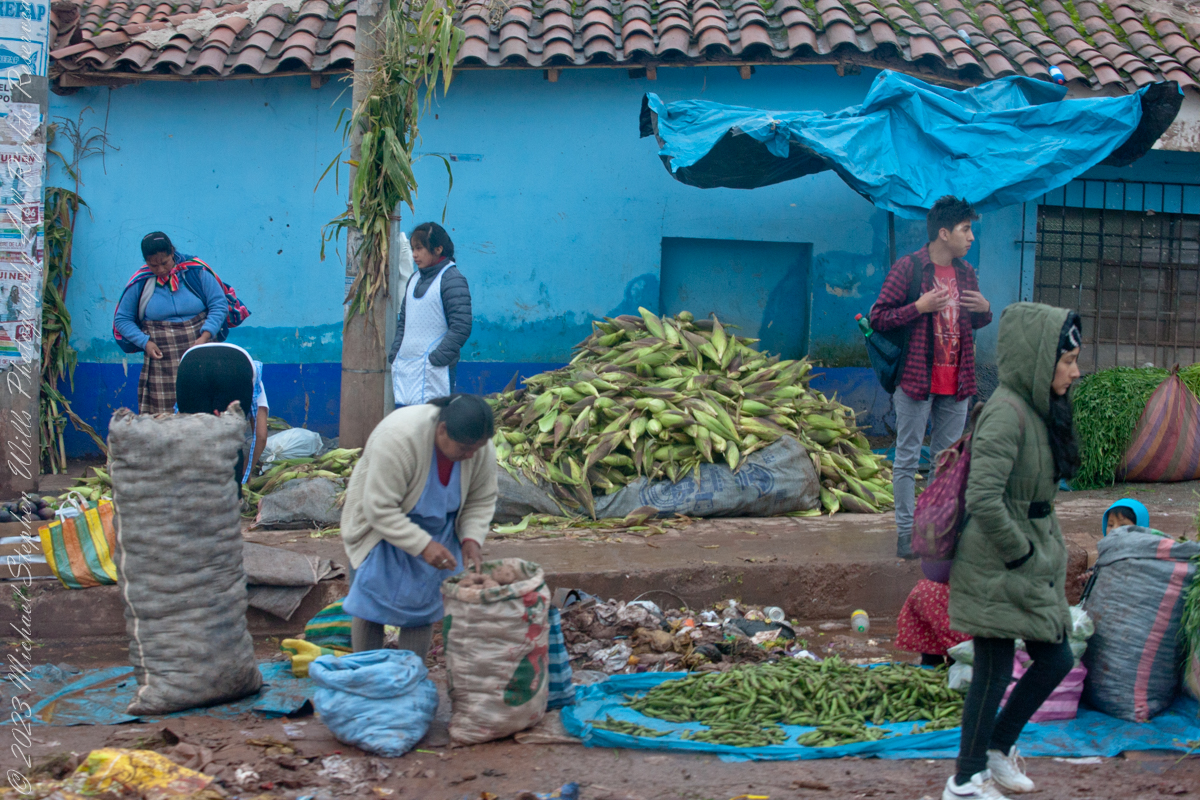
Marketing choices
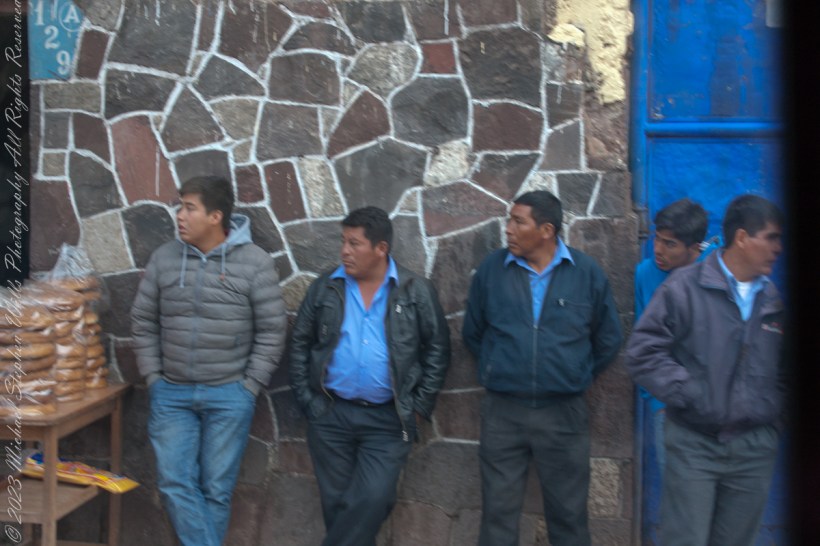
I caught these participants of the Cusco, Peru, Saturday Market as our bus progressed toward Machu Picchu during our daytrip to that ruin. The shooting was through a clean bus window using a handheld Canon EF 70-300 f/4-5.6 L IS USM lens mounted on the Canon dslr 1DS Mark III.
Several days supply of bread for a family.
Watching the world go by.
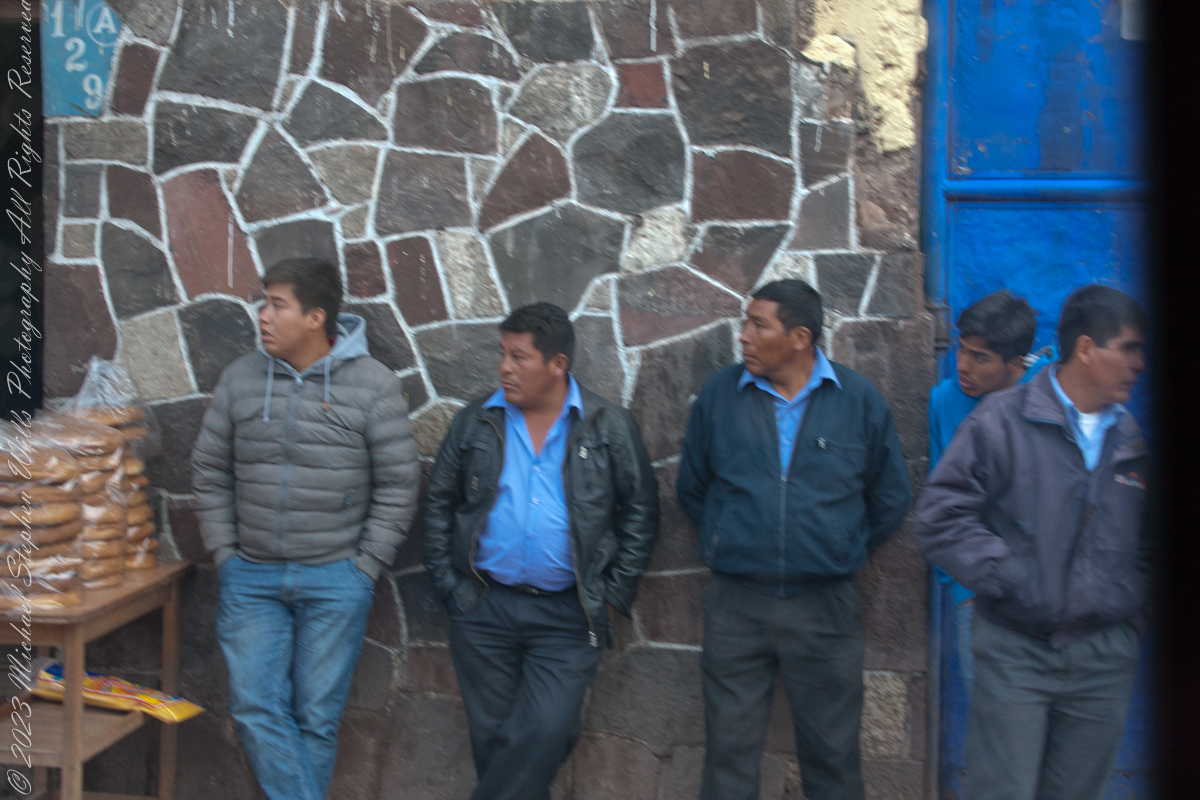
Transacting business
Driving to Cocoa Beach from Ithaca, Pam and I missed a horrendous storm because we did a side trip to Louisville, Kentucky, avoiding I95 January 4th and 5th and a rare and treacherous ice storm.
We met people who were stranded overnight near Savannah, Georgia while, on the same days, we drove Kentucky Hill Country for an overnight at Macon, Georgia all in excellent, dry, cold weather.
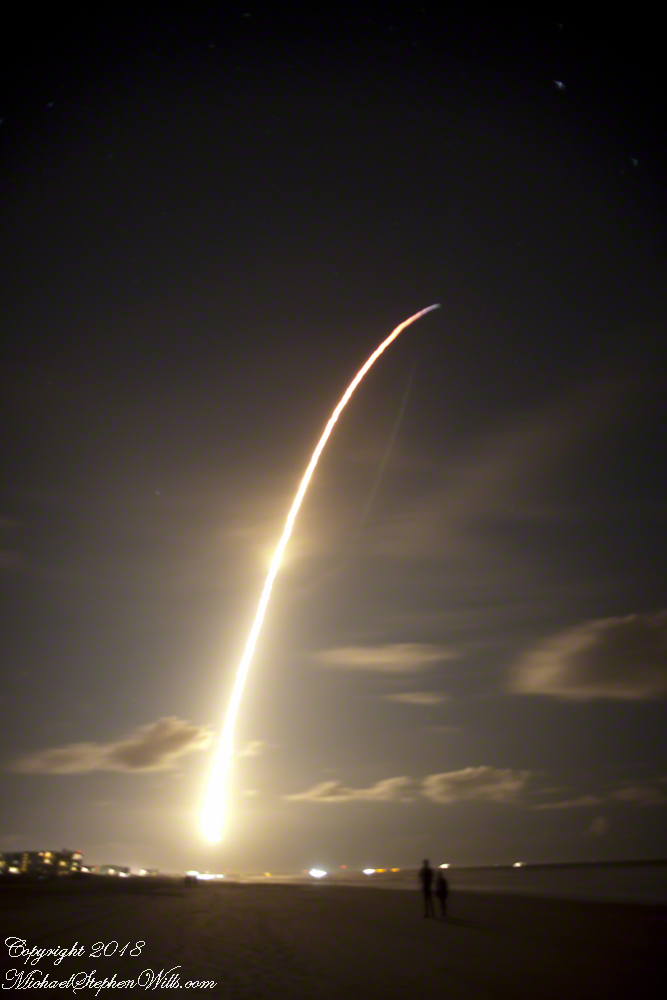
The storm itself, was a stroke of luck. The first Space X launch of 2018 was delayed by the weather until the evening of Sunday, January 7th.
I was in place, in the dark, on Cocoa Beach with my Canon DSLR on bulb mode, securely mounted on a travel tripod. My choice of lens was the 24 mm “wide angle.”
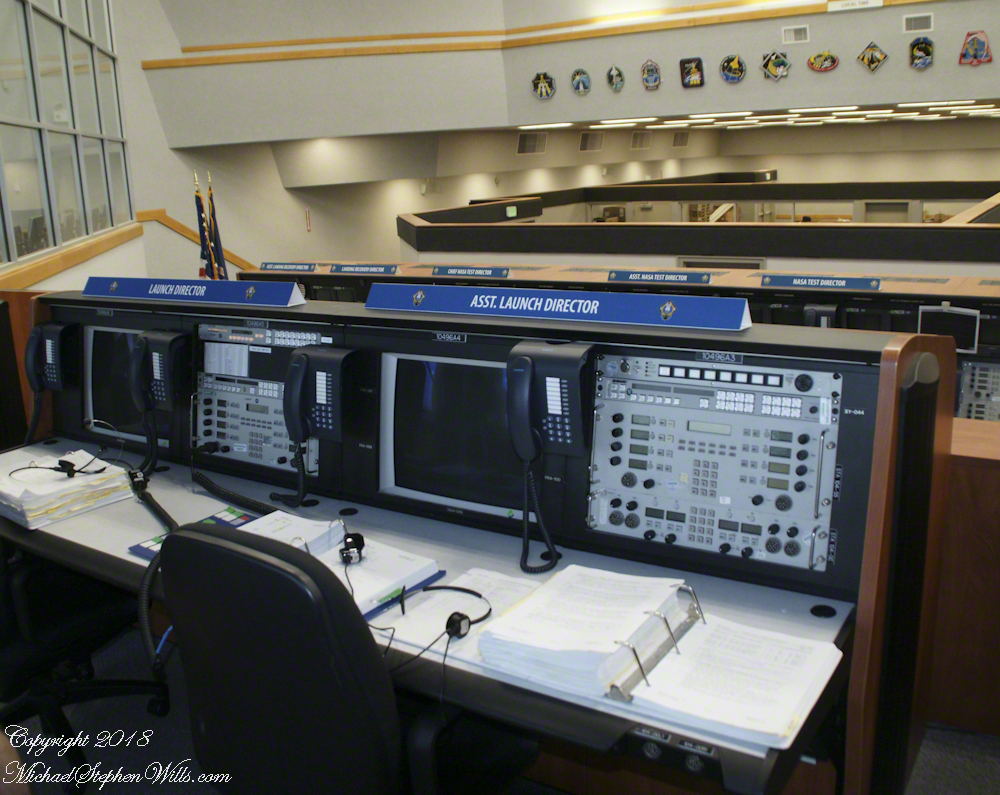
Proximity to the Kennedy Space Center is a reason we return to Cocoa Beach. A year ago, March 2007, we did the “Launch Director Tour” offered once a month (if at all) and had a fantastic day. I’ll need to blog about it.
For now, here is a shot from the former Space Shuttle launch room.
I planned camera placement well for this night launch. The view held the entire parabola of the trail. Camera placement was based on researching the launch complex, finding it on Google Earth, using the line feature to determine the orientation of the complex from my location on Cocoa Beach.
Live, the start of the launch is like a dawn in the northern sky. I broke off the exposure to somewhat capture the effect.
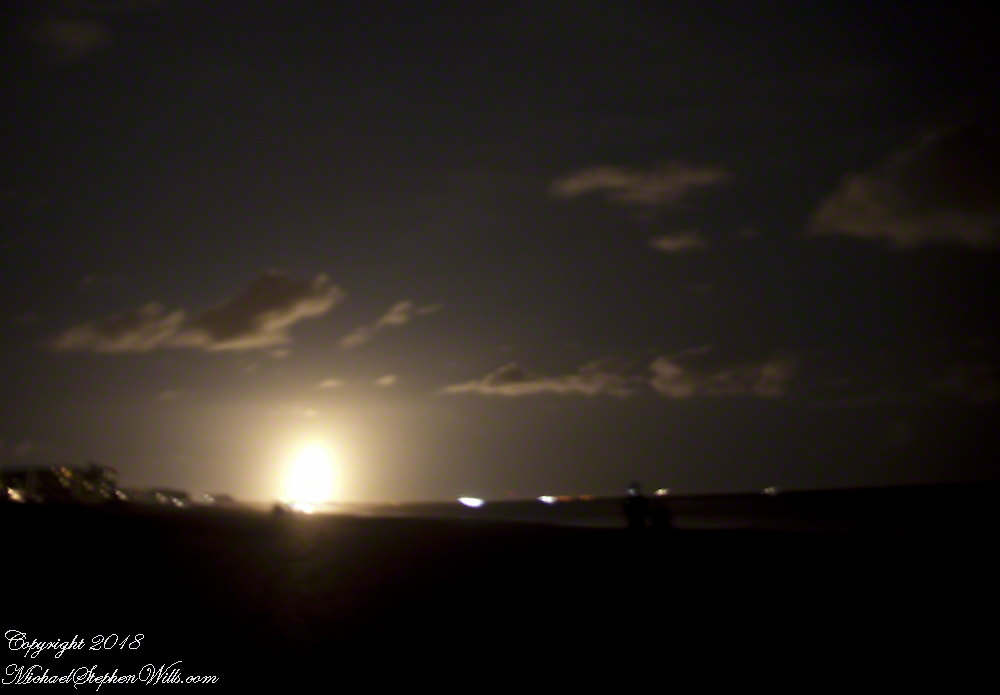
The human eye, only the Falcon 9 flame is visible, as a single point of bright light ever rising, lighting the beach and clouds in a soft glow.
The long exposure blends the flame into a bright parabola, at one point the rocket engines throttle back, eventually the color changed to reddish from bright white. I held the exposure until the rocket flame, in the image, turned to blue and faded away.
We waited for six (6) or so minutes, the camera mount and orientation unchanged, and then the incredible returning booster briefly lit up to land at Cape Canaveral Air Force Station. I missed the beginning of the burn. In retrospect, I should have timed the launch and opened the shuttle 5 minutes or so after “blast off.”
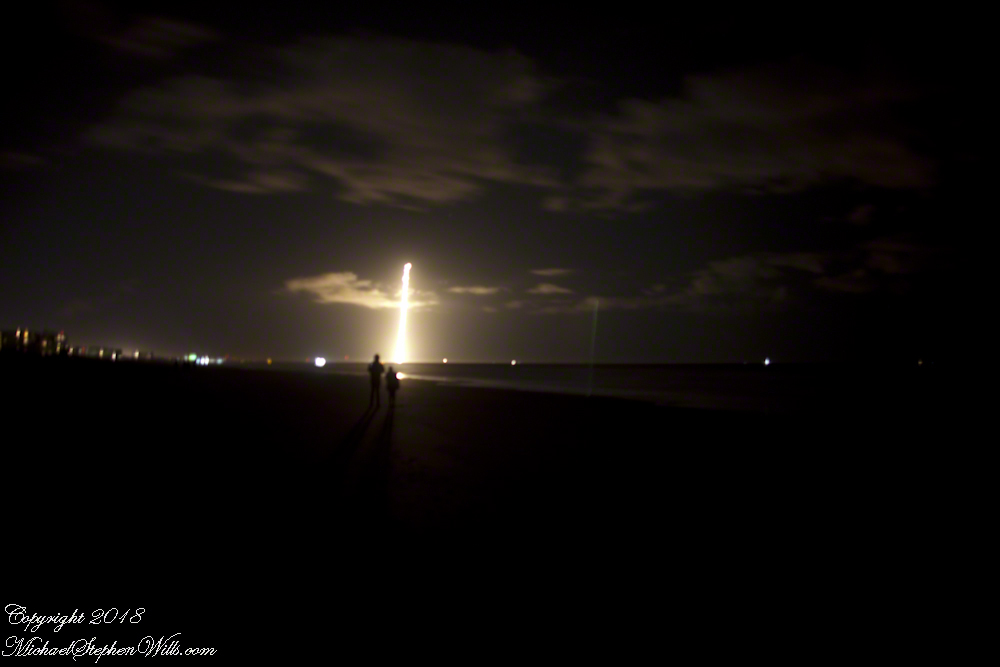
Followed by a TWO sonic boom finale. Kabooom….Kabooom.
We read in the news the secret military satellite, named “Zuma”, on top of the Falcon crashed into the Indian Ocean. SpaceX claimed the launch was a success (??), that the protective fairing jettisoned successfully. No mention was made of the secret payload. The failure was with the Northup Grumman built “Zuma” satellite? Hmmmmm.
part of the Irish landscape
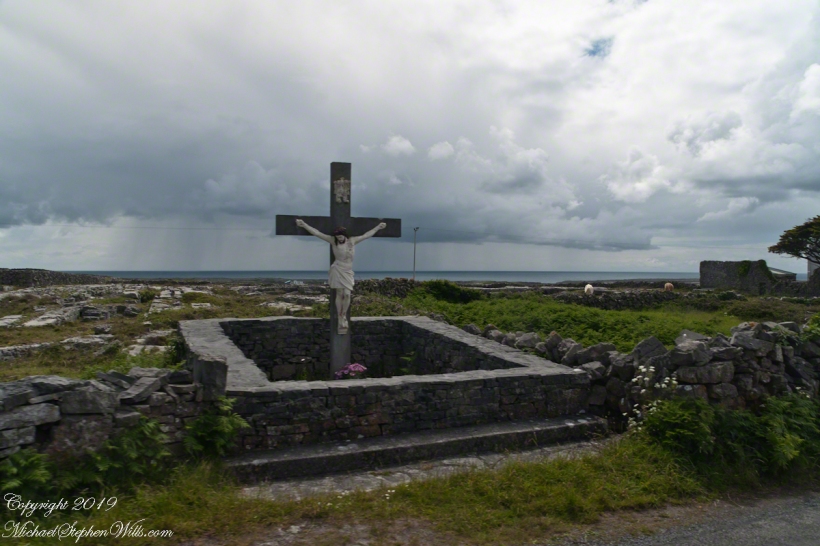
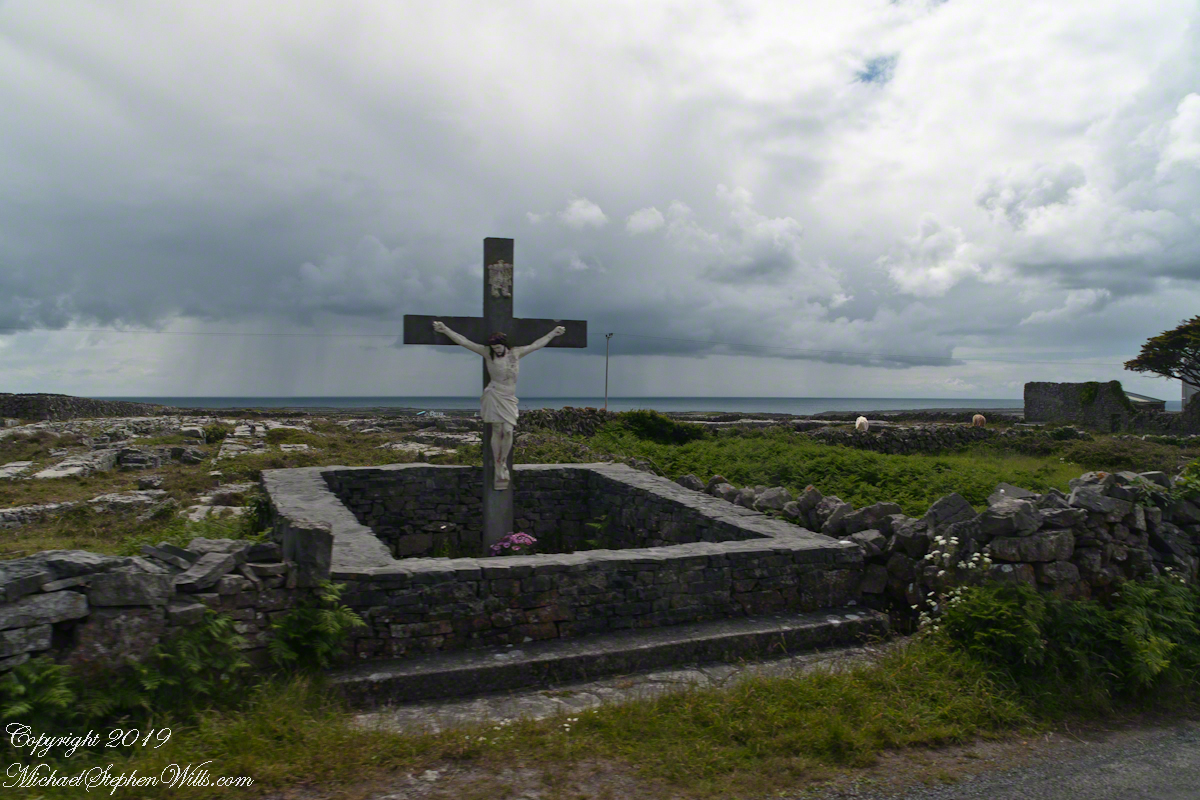
A roadside shrine on Cottage Road, Inishmore. The faith brought by the saints has deep roots here.
A large crucifix set with wet stone walls with cut flowers. The walls are the native limestone.
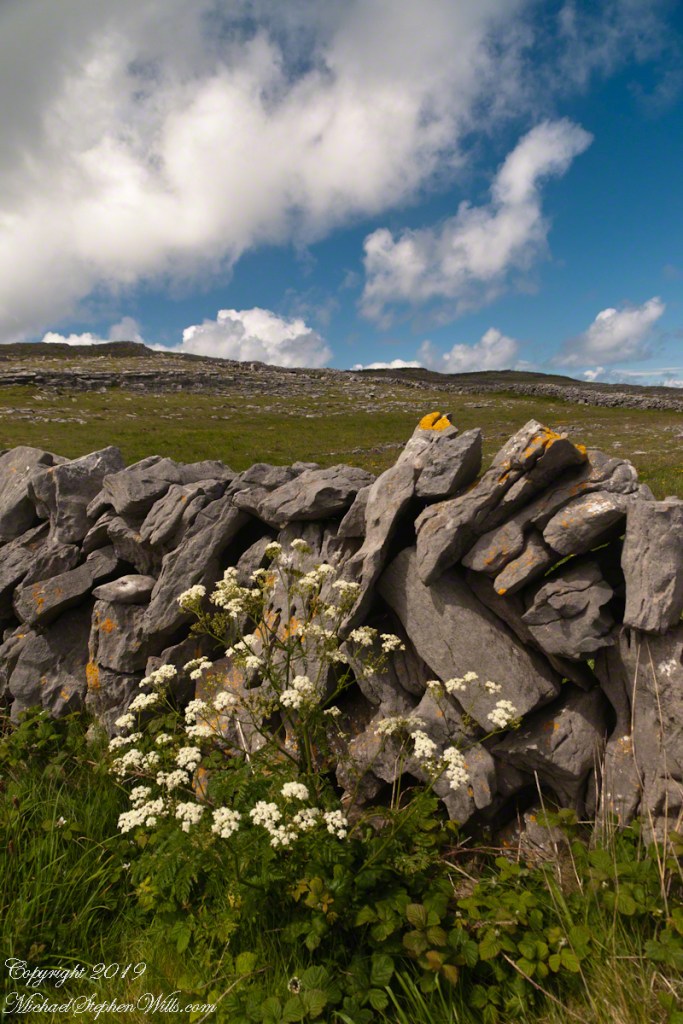
It is a spring (early June) afternoon and there are fern and wildflowers. The white flowers are Greater Burnet saxifrage (Scientific Name: Pimpinella major).
The existing dry stone wall was interrupted by the shrine. In the distance are dry stone walls around fields, a stone shed, feeding horses and the sea, being Galway Bay, storm clouds with distant rain.
Aran Islands, County Galway, Ireland.
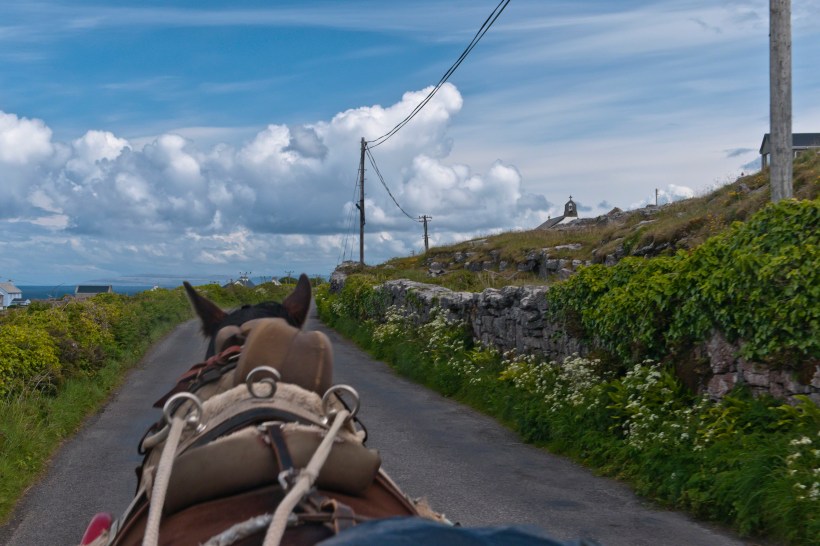
An Aran Island Revel
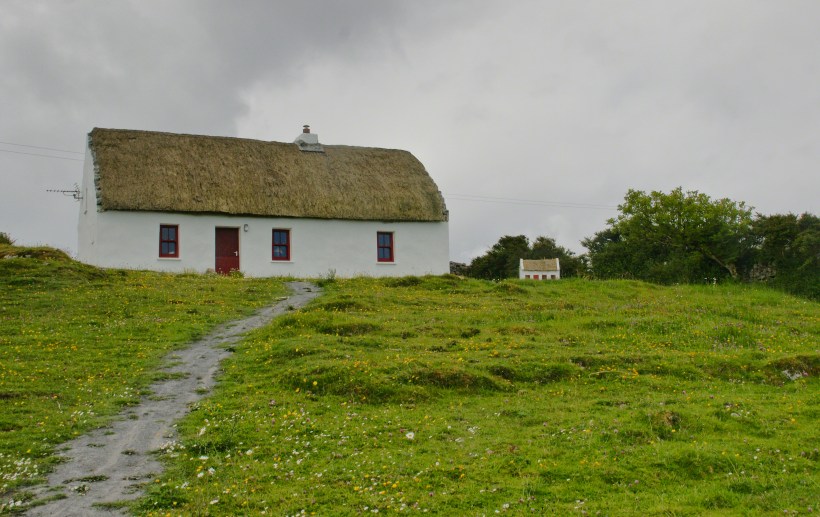
Imagine yourselves in an open cart exploring the island. Here are the photographs from my Inishmore exploration posts. Enjoy!!







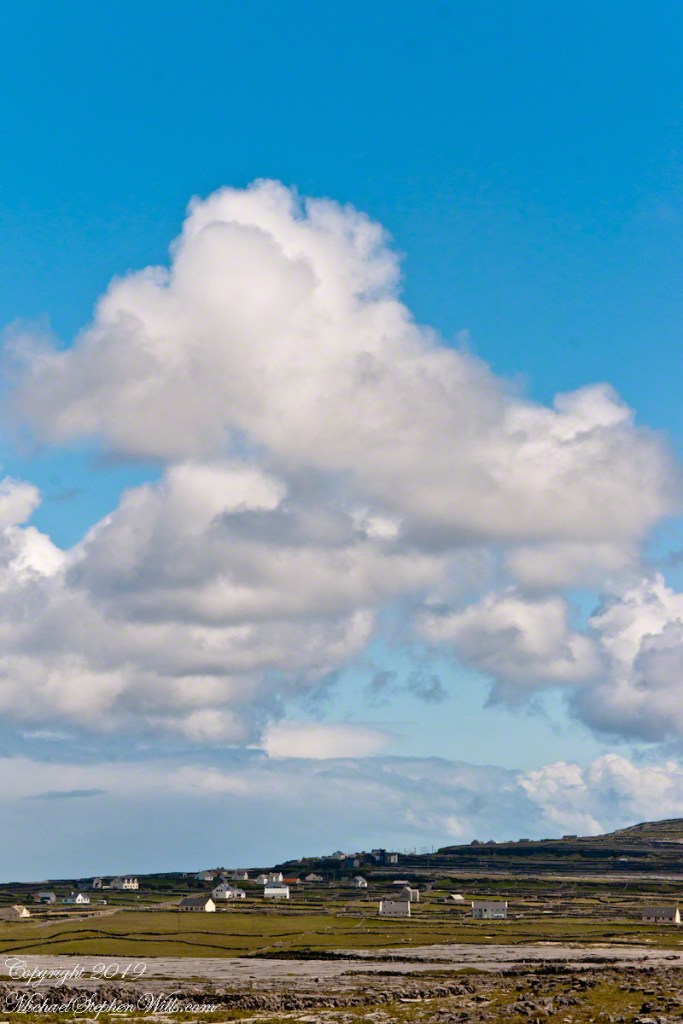

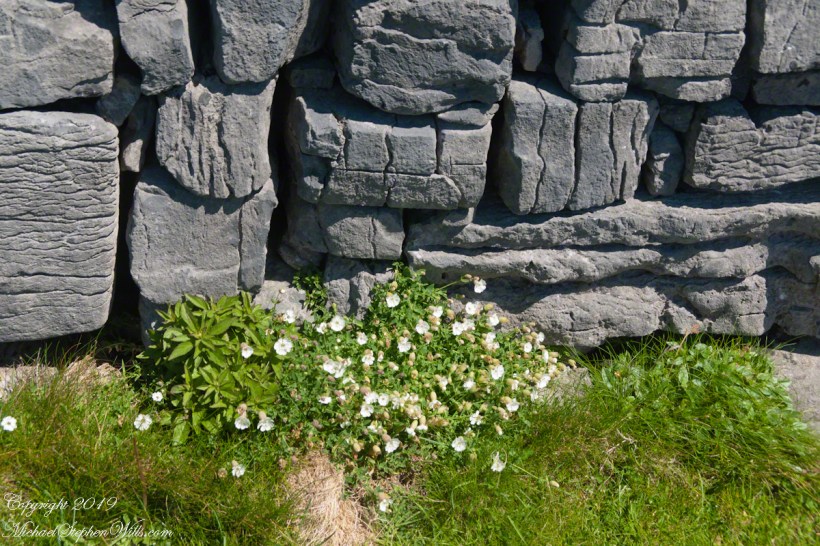
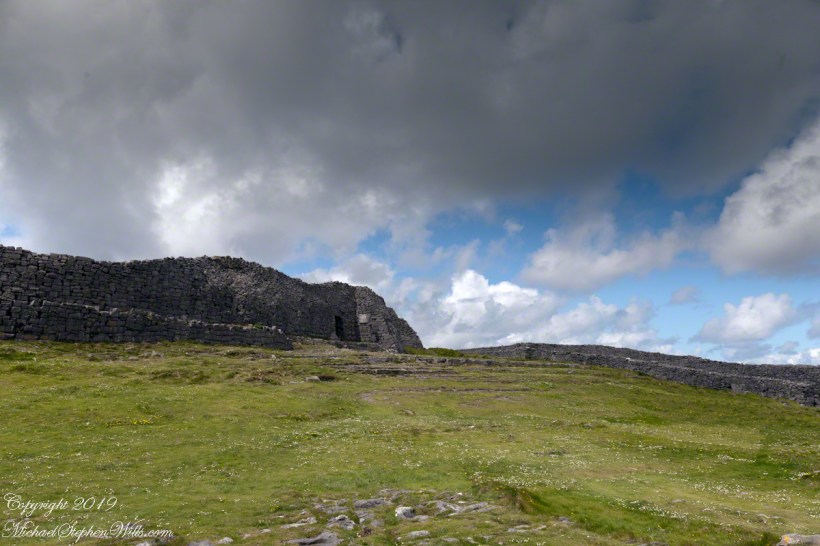
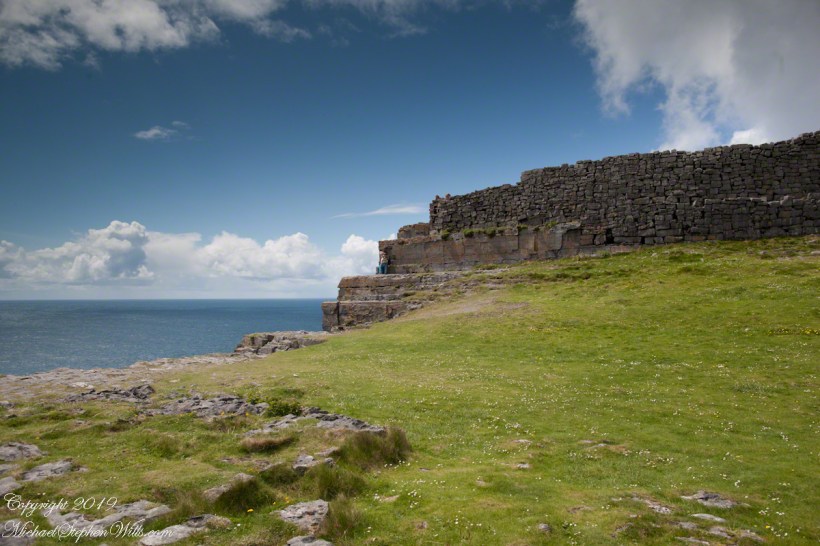


Flowers on the edge
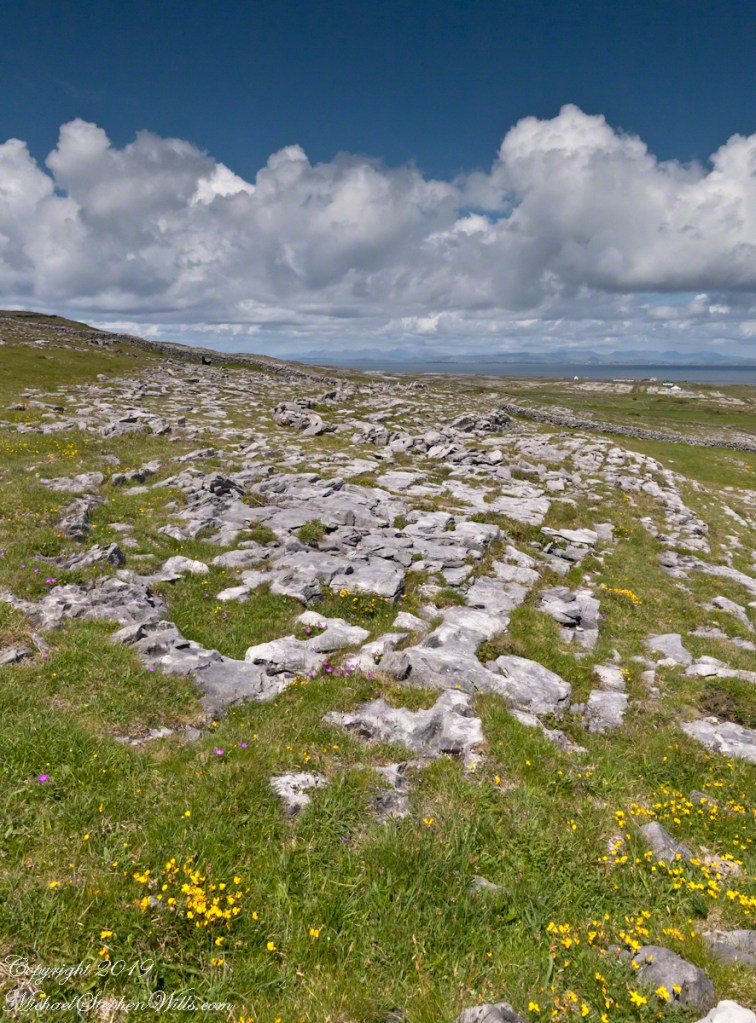
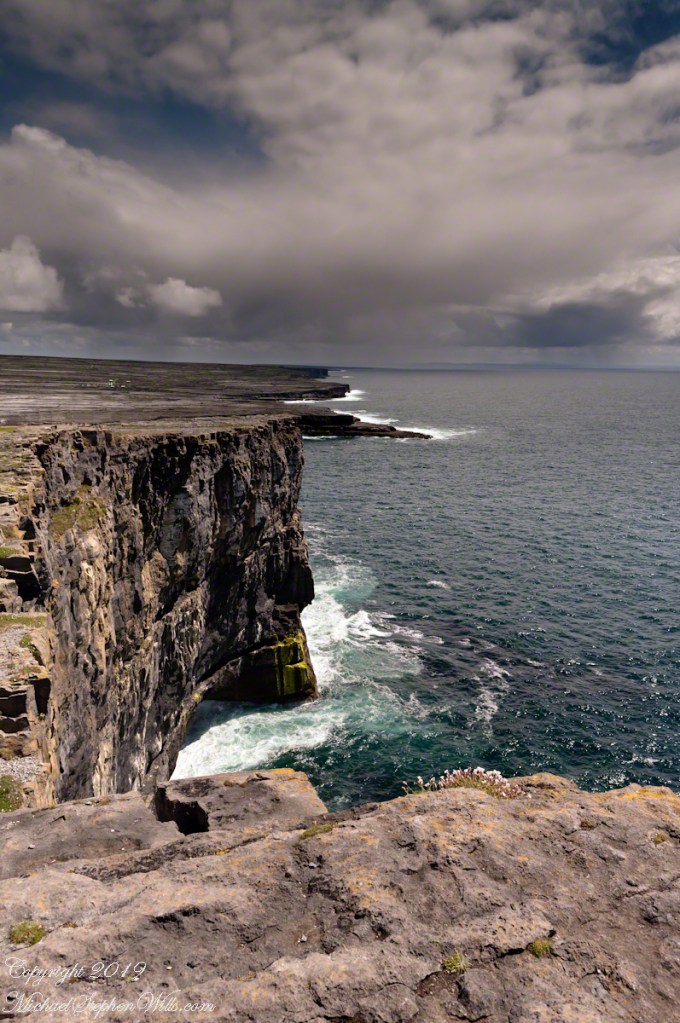
From the commanding location of Dun Aonghasa, looking northeast across Inishmore island, we can understand why the ancient builders chose this location.
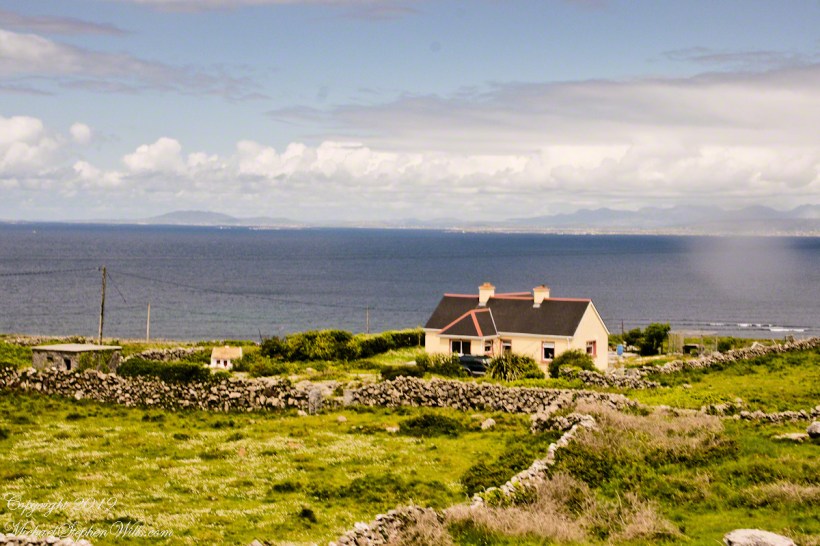
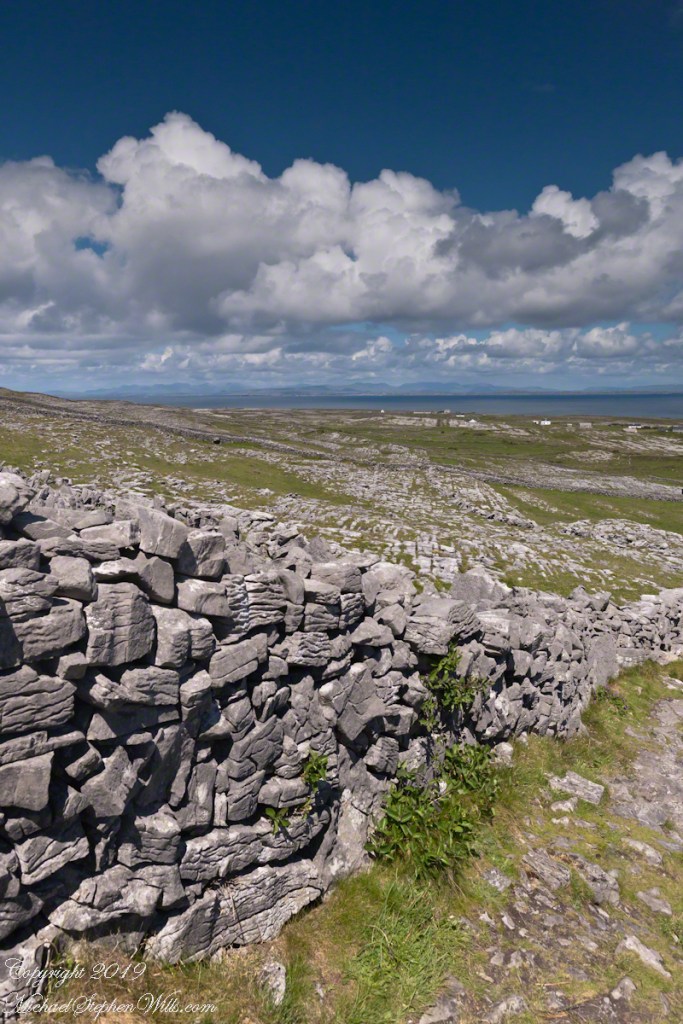
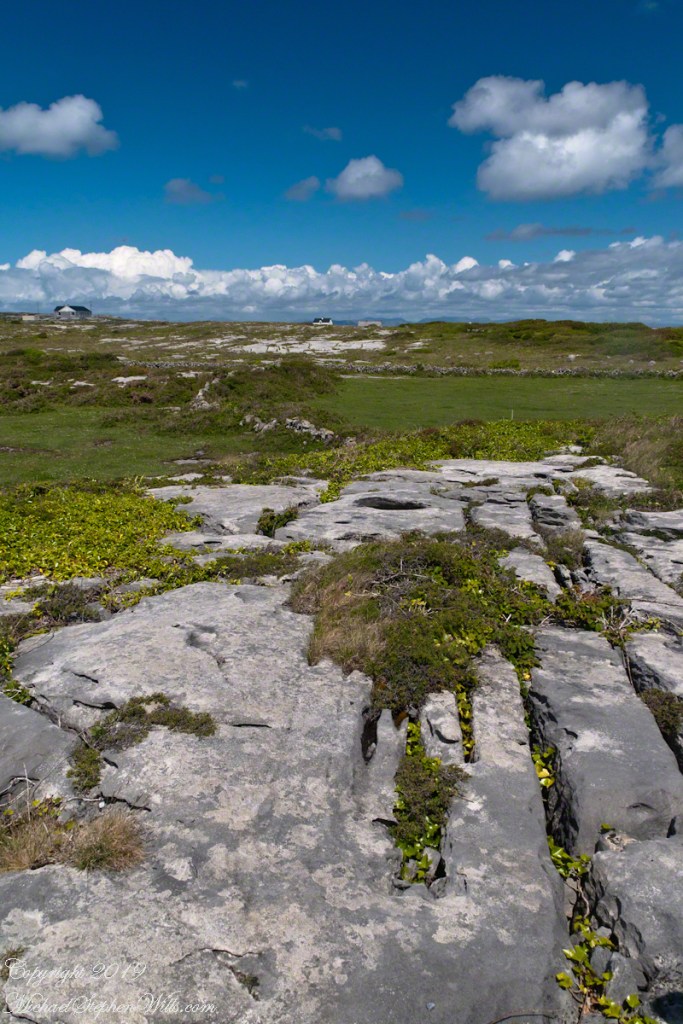
We also see the transition from exposed limestone to the fields built literally from the ground up (see my post “The How of Soil”). For a closer view of island houses see my posts “Settled In” and “Cottage Road Cottage.”
The field walls are described in my posts, “What is a rock, what is a stone?” and “Stone on Stone.”
Click the photograph for a larger view. Enjoy!!
Breaking waves, turquoise sea below the dramatic cliffs of the ancient fort Dun Aonghasa (Dun Aengus),
in the distance the karst landscape of Inishmore with clouds of an approaching storm over Galway Bay.
Sea Campion (scientific name: Silene uniflora) (irish name: Coireán mara) clings to the edge.
Inishmore, Aran Islands, County Galway, Ireland.

Wide enough
Enjoying travel on a horse trap, a type of carriage, on Inishmore (Inis Mór), the largest Aran Island in Galway Bay we headed up Cottage Road from Kilronan, the main island settlement. It was there we embarked from the Doolin ferry, hired the driver, his horse drawn trap. Our destination an iron age fort, Dun Aengus (Dún Aonghasa, the Irish language name) and the sights along the way.
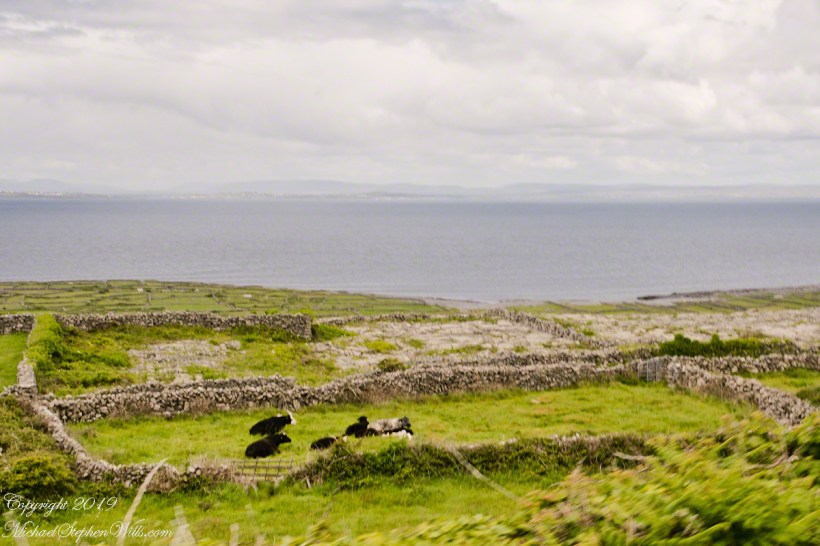
The feeling of this blurry photograph is too good to let lie. I just kept snapping away from the moving carriage, here we are descending a hill and moving a bit faster, the elevation provides this view of Galway Bay, Connemara and the Twelve Pins beyond.

There’s a gate in the cow field, though some fields with cows were gateless. There is a simple answer to the mystery. At one point our driver stopped by his field and and demonstrated how the wall is pulled down to make an opening, the rocks stacked to make this easy. When the cows are in, the rocks go back up, a matter of 10 minutes or so to make a cow-width passage.
 Michael Stephen Wills Photography