Myth and Art: The Sirens of Punta de las Salinas

At Punta de las Salinas, Lily Perkins’ sculptures embody siren mythology, merging art with the rugged beauty of nature’s edge.

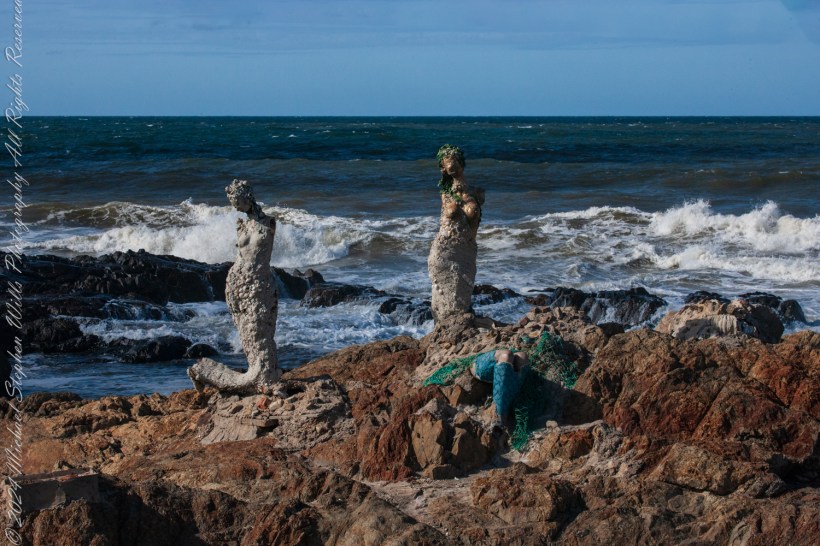
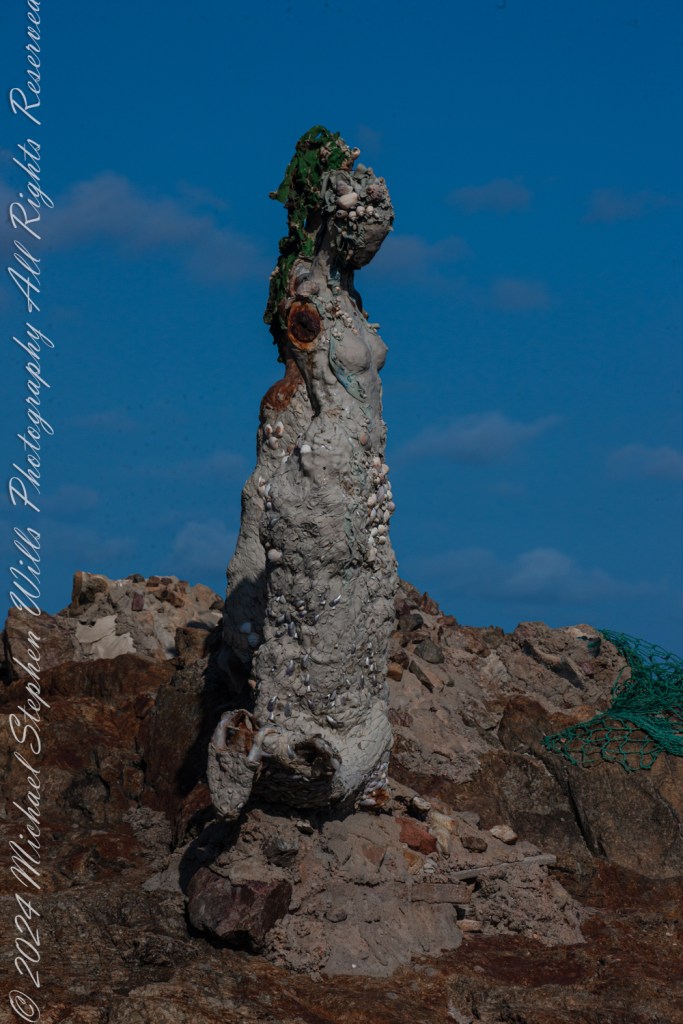
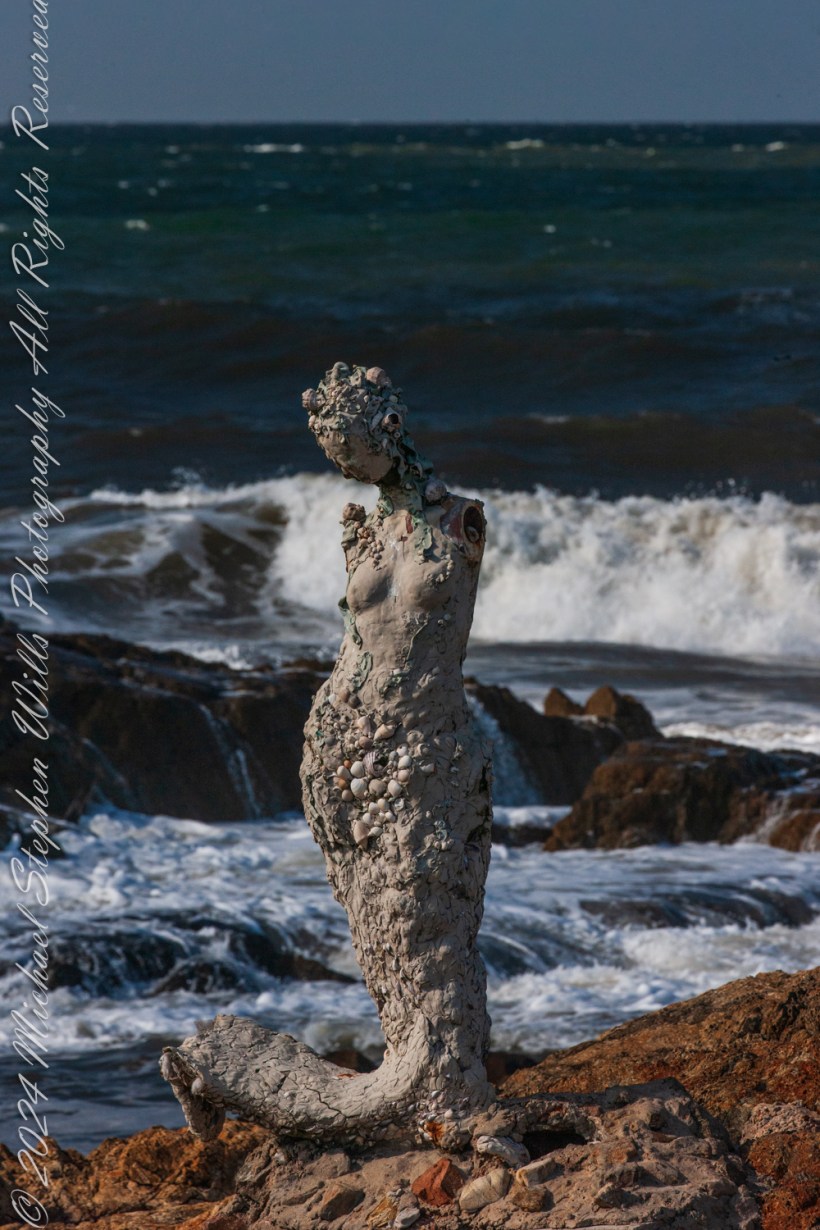
The wind carried the scent of the sea as we stood at Punta de las Salinas, the furthest tip of Punta del Este, Uruguay. This was a place of myth and mystery for us, where the Atlantic Ocean merged with the Río de la Plata, and where the rocks bore witness to the timeless interplay of water and stone. Here stood “El Canto de las Sirenas” (The Song of the Mermaids), an evocative art installation by Lily Perkins, first completed in 2012. The sculptures seemed perfectly at home here, their placement deeply intertwined with the mythology they evoked.

This is at Great Britain Square, Punta de las Salinas of Punta del Este. We are at the tip of the peninsula, the easternmost point of Uruguay. This is the art installation El Canto de las Sirenas” (The Song of the Mermaids) (2012) by the artist Lily Perkins. Punta del Este, Departamento de Maldonado, Uruguay

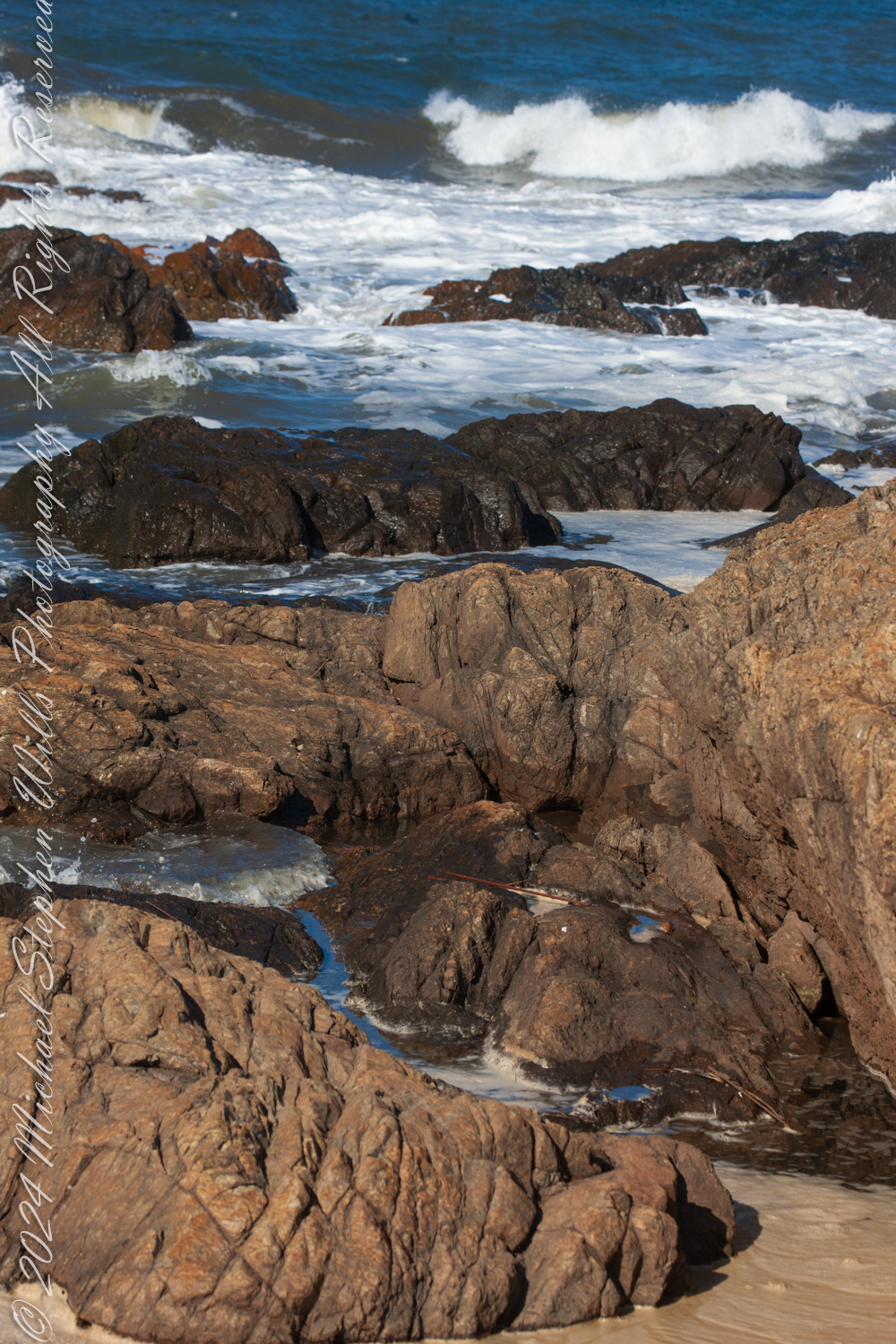
The sirens of ancient lore were said to dwell at perilous points where land met the untamed sea, luring sailors to their doom with haunting songs. These rocky outcrops, both a boundary and a threshold, have long held symbolic power as places where the natural world is at its most raw and elemental. Punta de las Salinas is such a place. Its jagged rocks and churning waves create an environment as beautiful as it is treacherous. It is easy to imagine mythical sirens choosing this very spot to weave their spellbinding melodies.
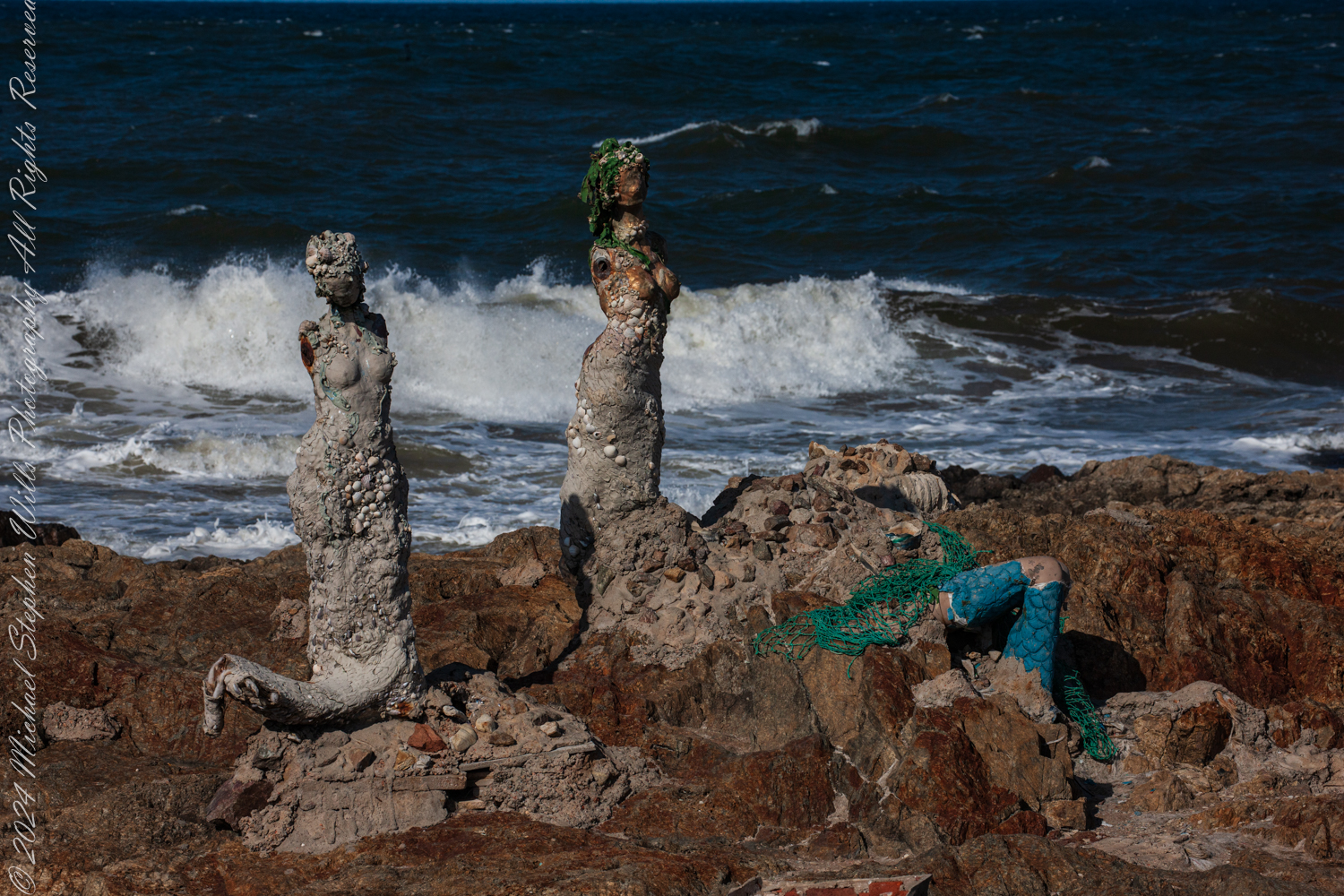
This is at Great Britain Square, Punta de las Salinas of Punta del Este. We are at the tip of the peninsula, the easternmost point of Uruguay. This is the art installation El Canto de las Sirenas” (The Song of the Mermaids) (2012) by the artist Lily Perkins. Punta del Este, Departamento de Maldonado, Uruguay

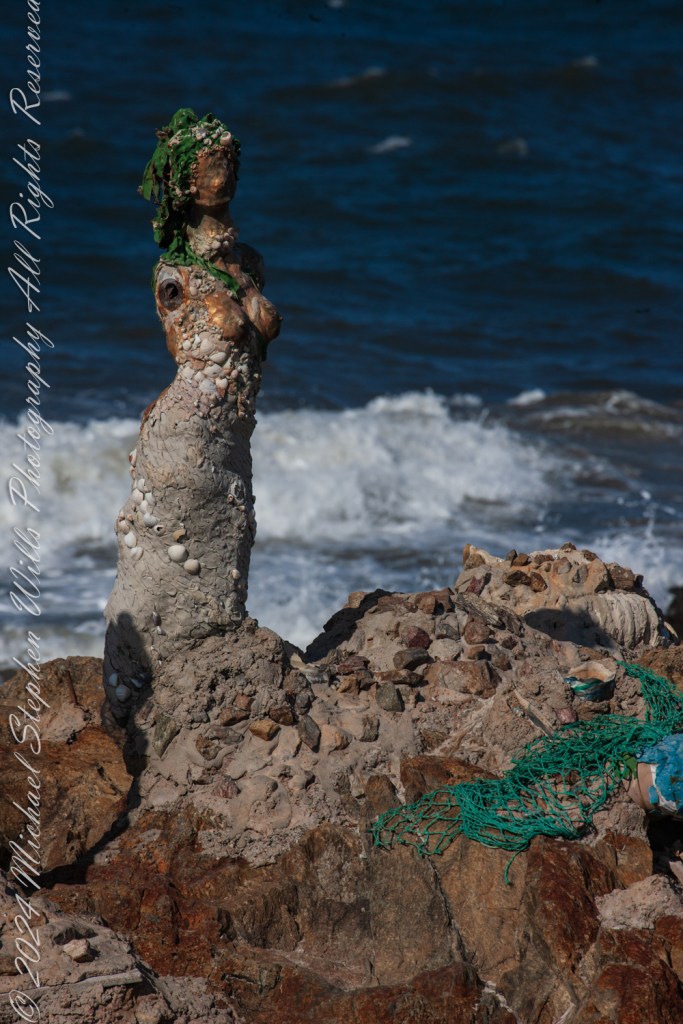
Lily Perkins’ installation captures this essence. The sculptures are not idealized depictions of mermaids; they are rugged and raw, encrusted with shells, stones, and marine debris. Their weathered forms mirror the harsh, untamed beauty of their surroundings. It is as if they have emerged from the ocean itself, born of the waves and the salt-laden air, to stand as sentinels at the edge of the world.
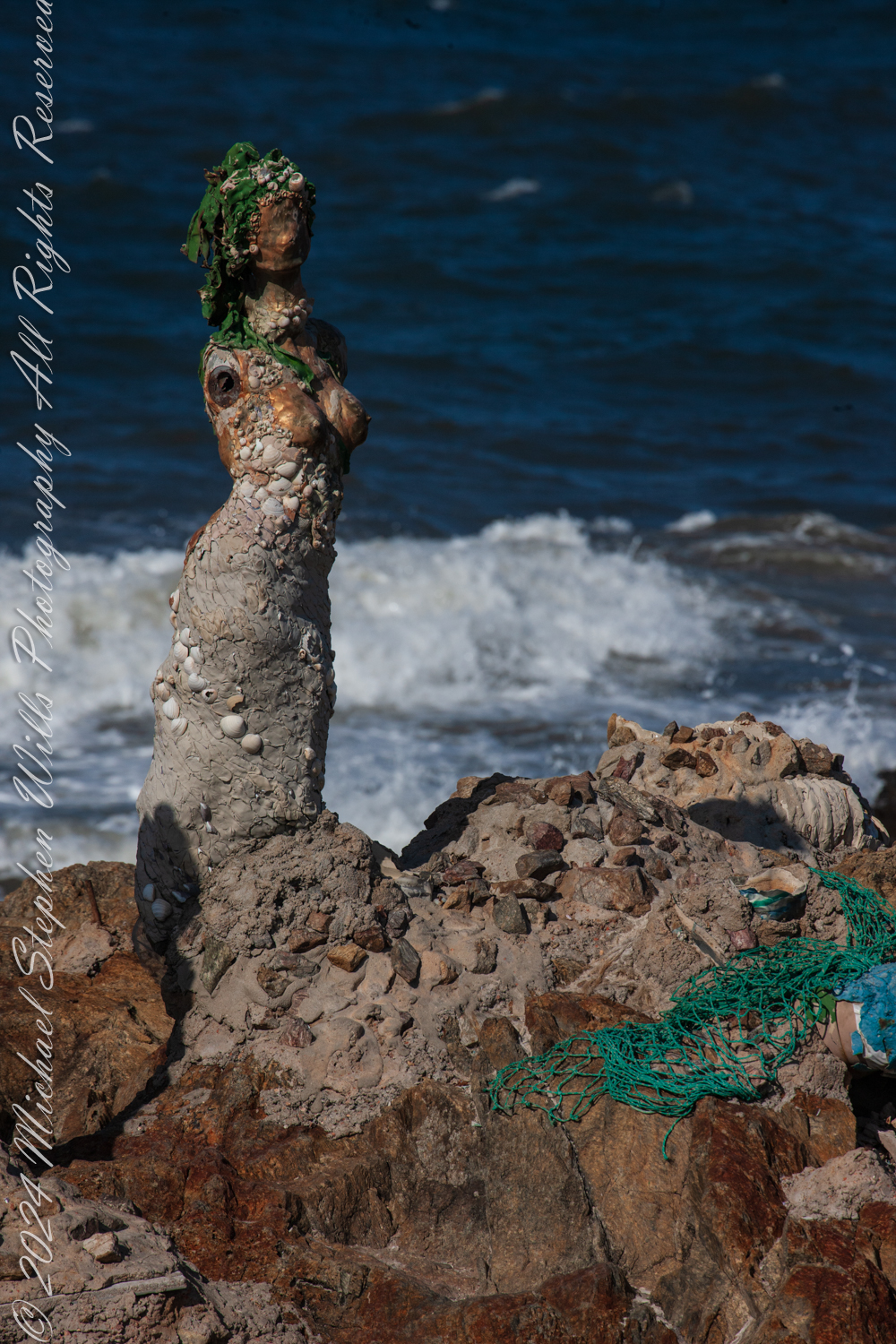
The central figure, with her face turned skyward, evokes the myth of the siren’s song—a melody so enchanting that it drove sailors to risk their lives against the rocks. Her posture suggests longing, perhaps for a connection beyond the horizon, or perhaps for the very mortals she is fated to ensnare. Nearby, a broken figure reclines against the rocks, her form partially encased in green netting and mosaic-like tiles. She seems more grounded, her siren’s call muted, as if weighed down by the realities of the modern world. The use of marine materials in her construction—a blend of natural and human-made debris—suggests an awareness of humanity’s impact on the seas.
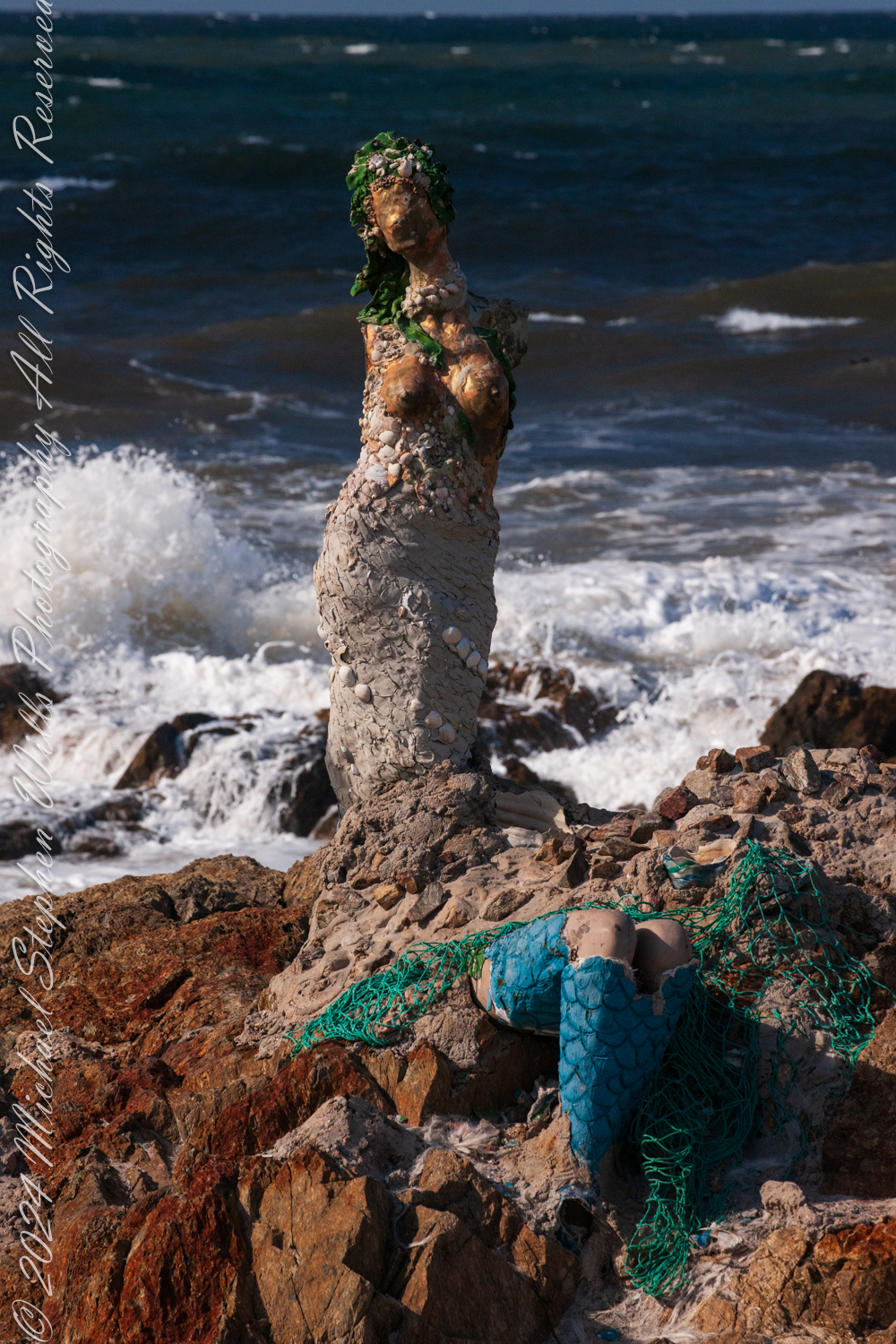
The third figure, slightly apart, is the most enigmatic. Encrusted with barnacles and weathered by the elements, she seems lost in thought. Her gaze is directed not toward the sea but toward the land, as if contemplating her place at this meeting of worlds. In mythology, sirens were liminal creatures, existing between realms—the sea and the shore, the mortal and the divine. This figure embodies that in-between state, rooted in the rocks yet shaped by the sea.
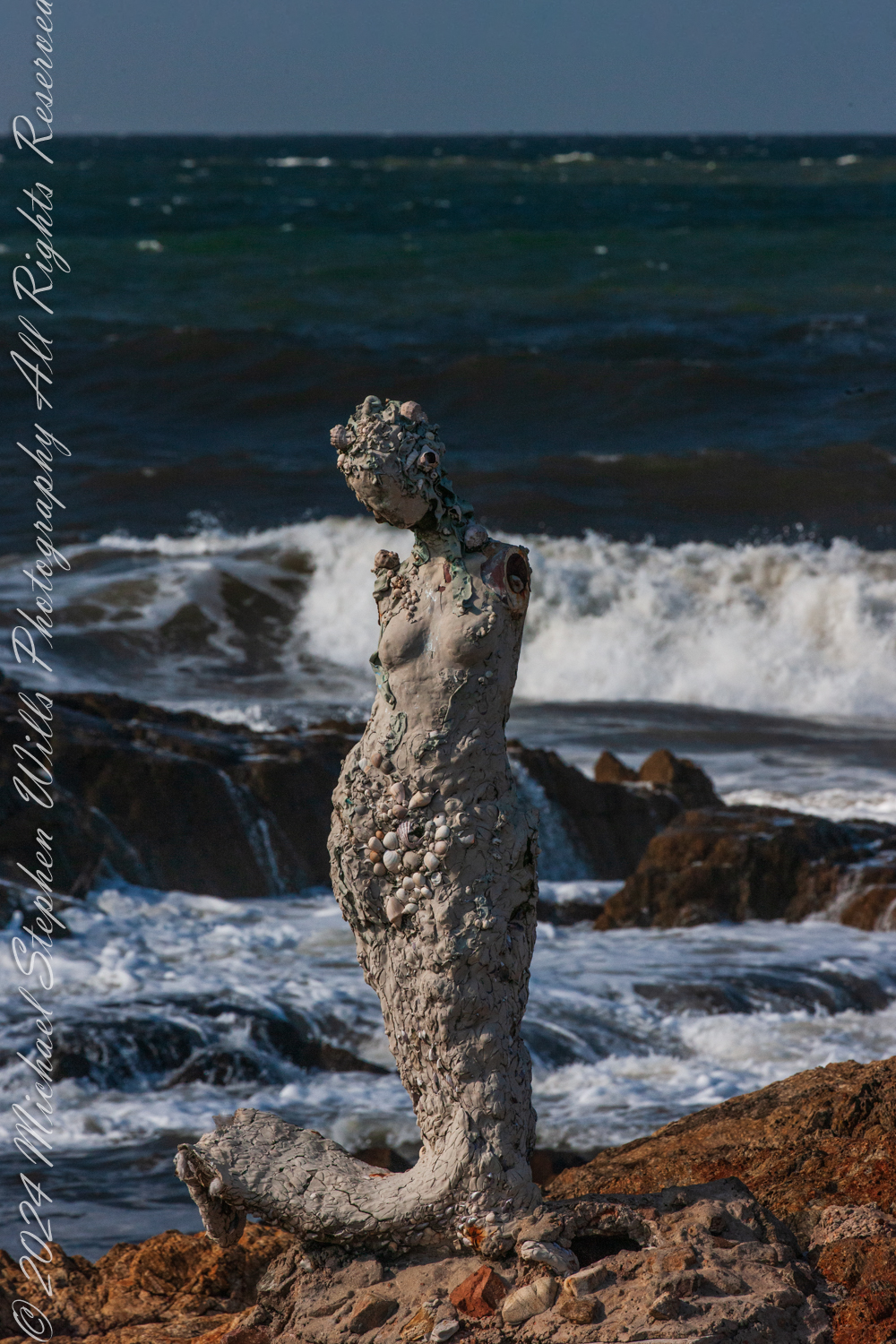
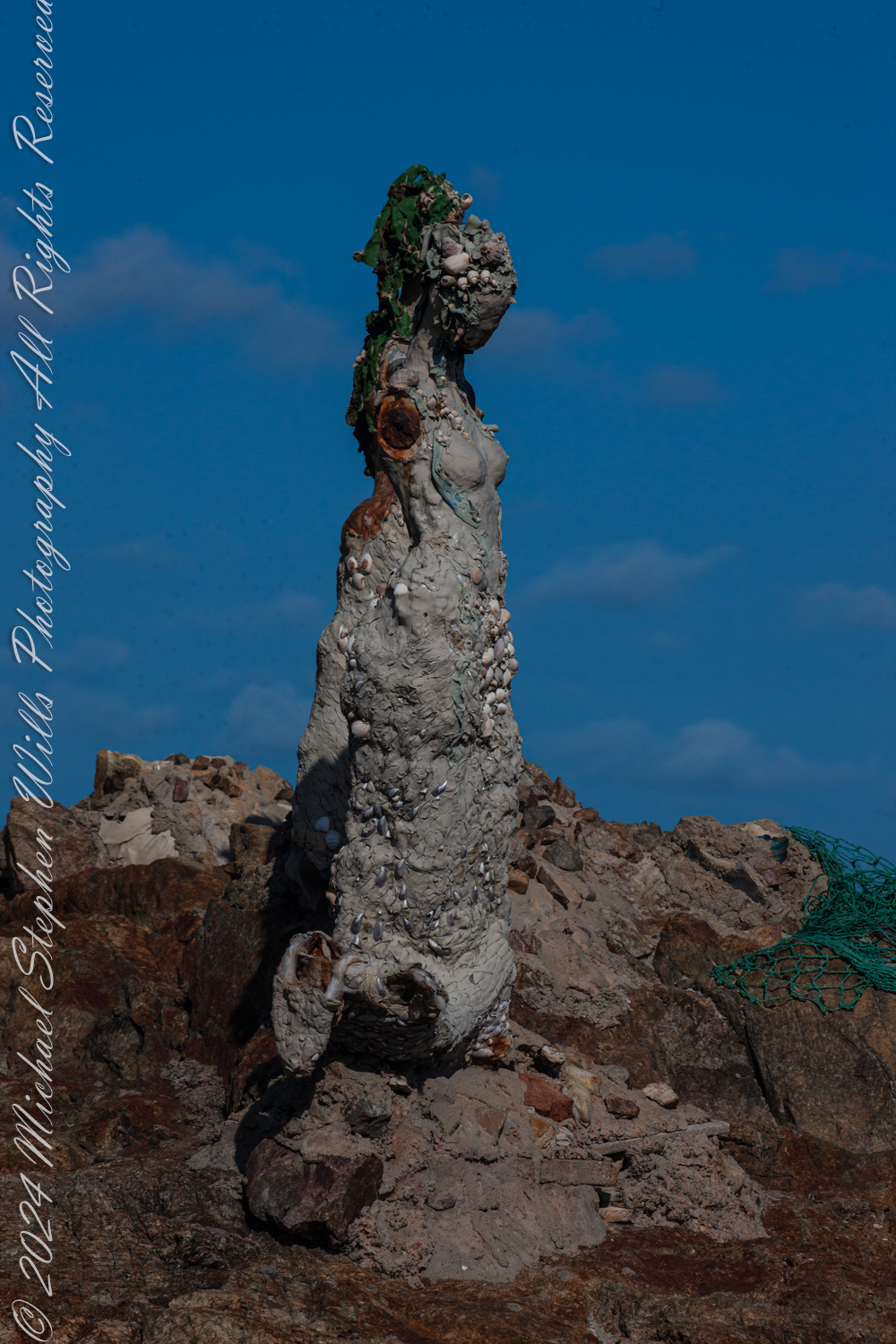
The placement of these sculptures at Punta de las Salinas is no accident. This headland is the easternmost point of Uruguay, a natural boundary and a crossroads where two vast bodies of water meet. For centuries, sailors navigated these waters, their journeys fraught with danger. The rocks here are unforgiving, and the waves crash with relentless power. To stand at this point is to feel the raw energy of the ocean and to understand why myths of sirens arose in such places. The sirens symbolize both allure and peril, a reminder of the ocean’s capacity to inspire and to destroy.

As I walked among the sculptures, the mythology seemed to come alive. The sound of the waves crashing against the rocks could easily be imagined as the sirens’ song—a hypnotic rhythm that draws you in and holds you spellbound. The figures, though silent, seemed to hum with an energy that echoed the sea’s eternal motion.
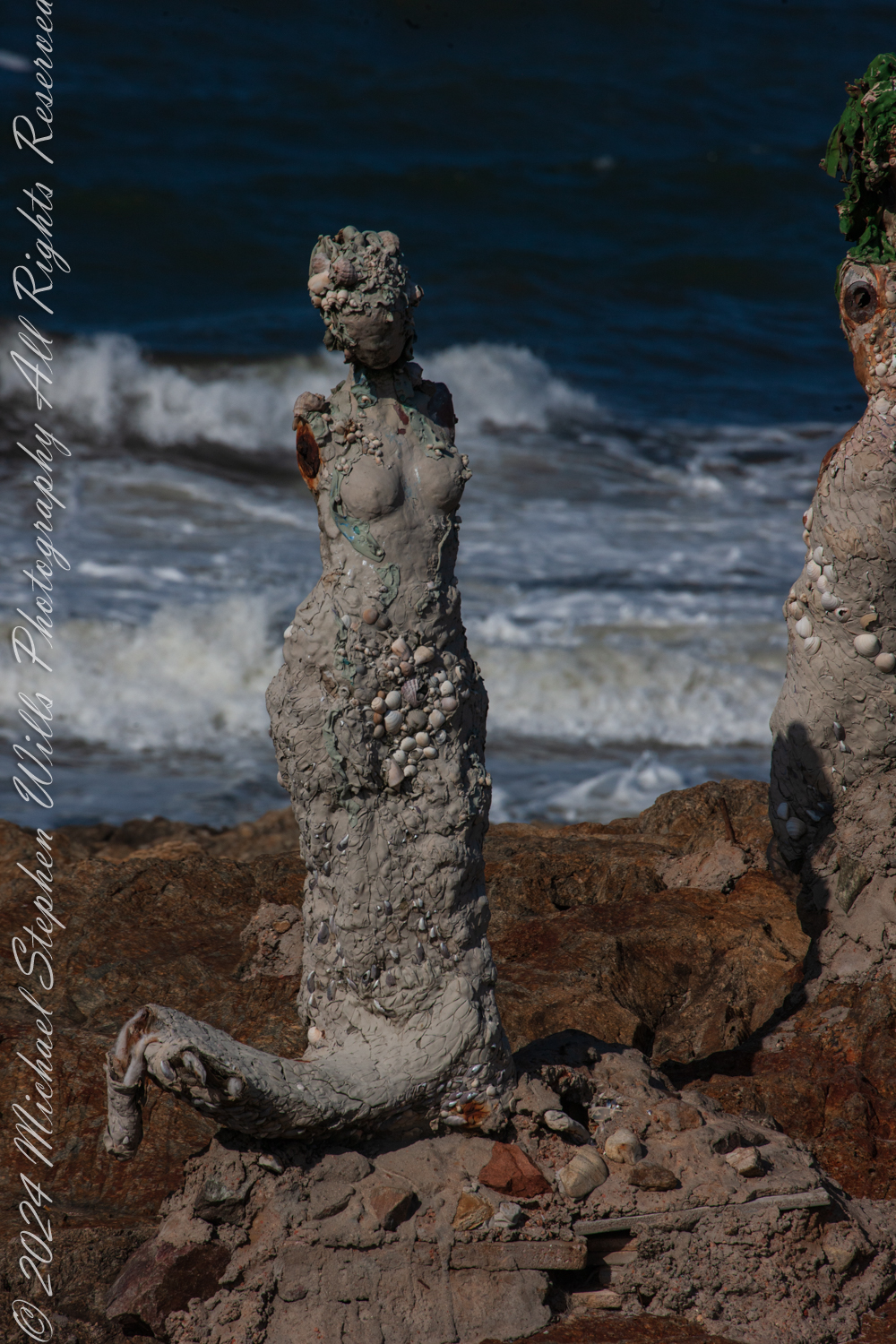
I feld these sculptures were not merely placed at Punta de las Salinas; but had emerged from it, their forms shaped by the same forces that shaped the rocks beneath our feet. The shells and stones embedded in their surfaces tied them physically to the sea, while their mythical resonance tied them spiritually to the place.

The mythology of the sirens speaks to the duality of the sea—its beauty and its danger, its capacity to give and to take away. Standing at Punta de las Salinas, surrounded by Perkins’ sculptures, I felt that duality in a profound way. The ocean stretched endlessly before us, a vast, unknowable expanse, while behind us lay the solid ground of the peninsula—a place of safety, but also a place that ended here, at this edge.

Lily Perkins sculptures are restored…..

As we left, the figures seemed to watch us go, their silent song lingering in my mind. The sirens of Punta del Este are more than art; they are a dialogue between myth and reality, between the natural world and the human imagination. In their weathered beauty, they remind us of the stories the sea has always told, and of the enduring power of those who give those stories form.

Enter your email to receive notification of future postings. I will not sell or share your email address.

The Myths and Beauty of Wood Anemones

The wood anemone, Anemone nemorosa, symbolizes beauty and resilience, captivating observers with its elegant blooms and rich folklore.

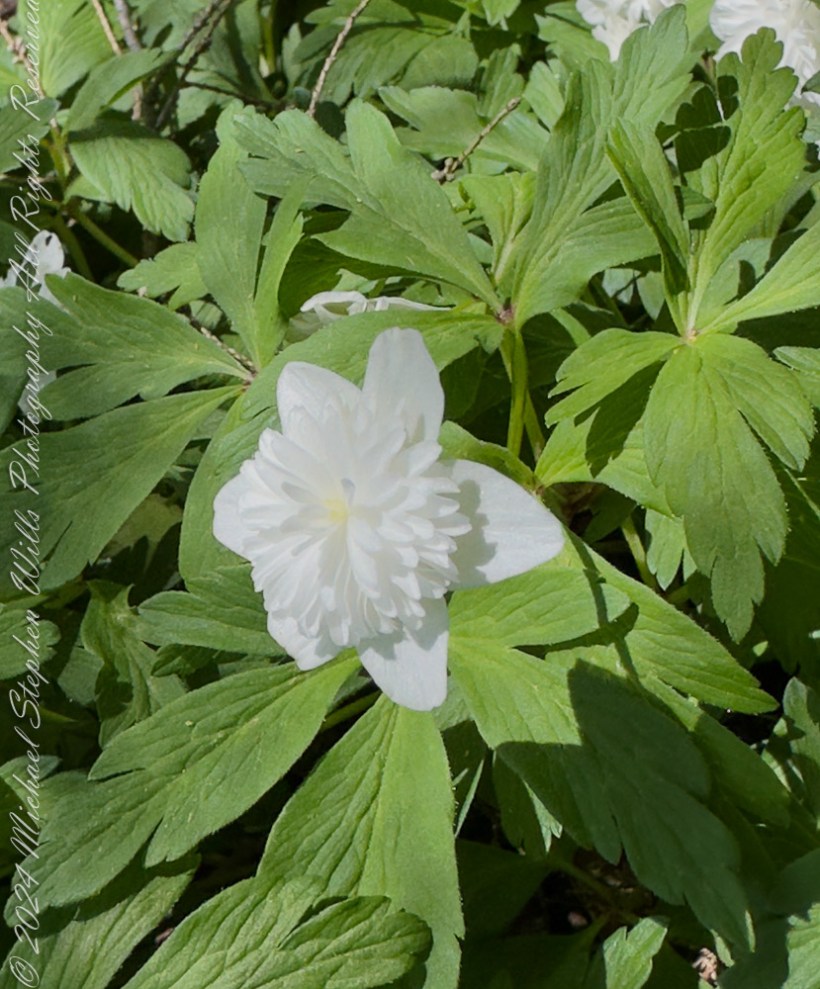
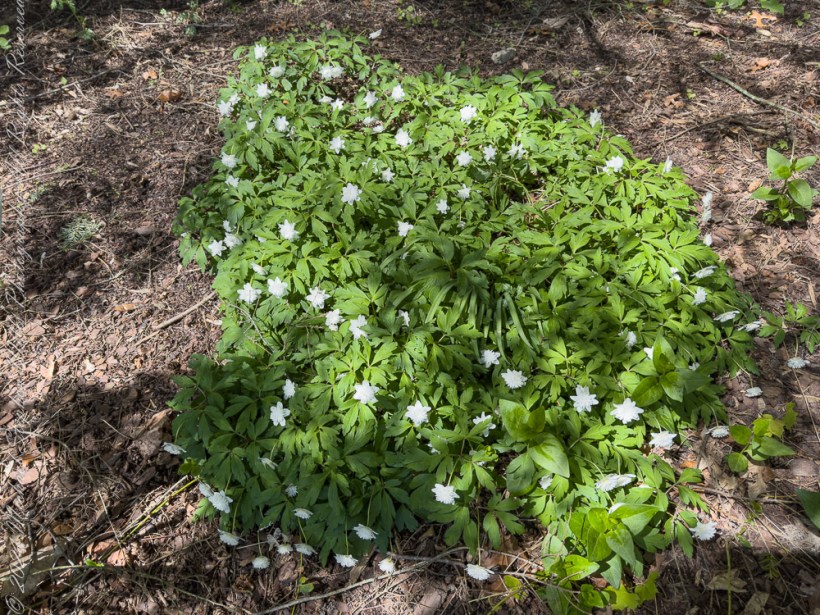
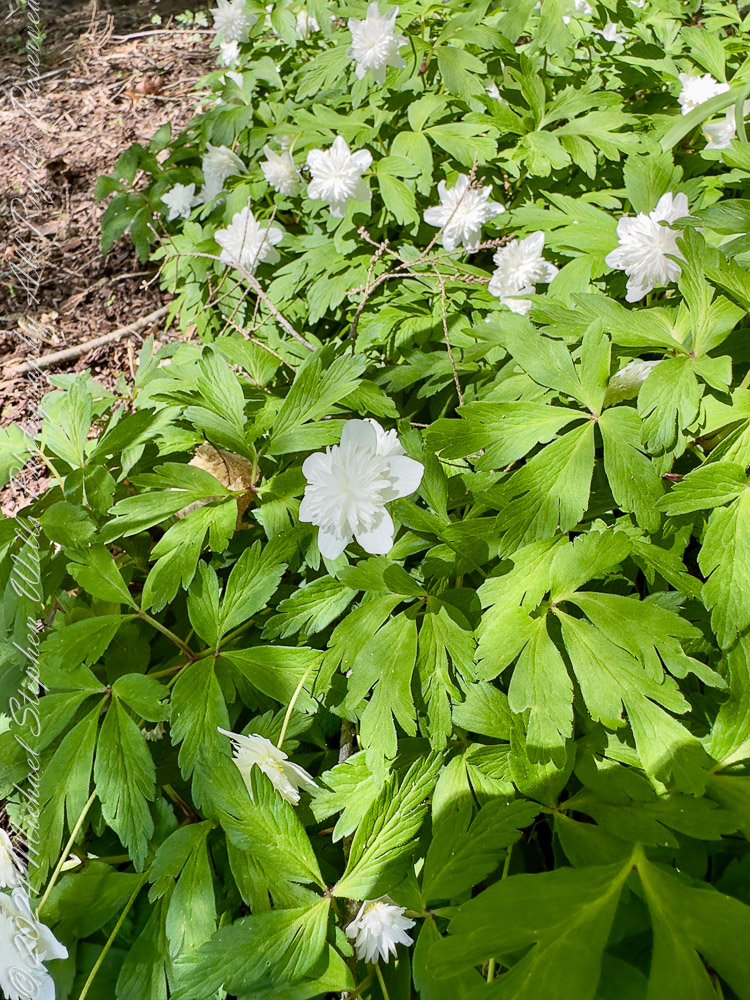
As I wander through our yard, my gaze is irresistibly drawn to a mesmerizing carpet of white blossoms, illuminated by the dappled sunlight filtering through the graceful boughs of our hemlocks. Each bloom, delicate and intricately ruffled, resembles a cluster of tiny, pure clouds resting gently atop a vibrant sea of green. These are Anemone nemorosa, affectionately known as wood anemone or windflower. This particular patch, adorned with a double-flowered variety, owes its presence to the thoughtful hands of our parents, who landscaped the property during the 1970s and 1980s. Their vision continues to bloom each spring, as the cascading petals exude an understated elegance that feels both luxurious and unpretentious—a living legacy woven into the fabric of this place we call home.

The wood anemone is a perennial plant, its rhizomatous growth weaving an intricate tapestry under the dappled sunlight of the forest floor. Each flower arises on its slender stem, surrounded by finely divided trifoliate leaves, their fresh green hue amplifying the purity of the blossoms. The flowers themselves, with their many layers of petal-like sepals, are a marvel of nature’s design, combining elegance and resilience.

The scientific name, Anemone nemorosa, carries echoes of ancient understanding. The genus name Anemone originates from the Greek word ánemos, meaning “wind.” According to classical mythology, these flowers were said to spring forth from the tears of the goddess Venus as she mourned the death of Adonis. The appellation of “windflower” ties to this myth, suggesting that the blooms open only at the bidding of the wind. The species name nemorosa comes from the Latin nemorosus, meaning “of a wooded grove,” aptly describing its preferred habitat.

There is a certain humility in the way the wood anemone thrives—spreading slowly but persistently through deciduous woodlands, forming colonies that greet the spring with their pristine blooms. While the double-flowered variety lacks the simplicity of the single-layered wild form, it retains all the grace that has inspired poets and naturalists alike. It is as if each bloom whispers its secrets to the passing breeze, stories of centuries gone by when druids and herbalists revered the plant as a symbol of protection and healing.

Culturally, the wood anemone has deep roots. In folklore, it was believed to bring luck to those who carried it, while others regarded it as a harbinger of illness if picked prematurely. The flowers were said to close tightly in response to rain, a trait lending them an air of sentience as they interact with their environment.

In medieval herbalism, the plant was thought to possess medicinal properties, though its potent compounds also rendered it toxic if mishandled. It was used cautiously to treat ailments such as rheumatism and respiratory issues. Modern understanding has largely relegated these medicinal uses to history, but the plant’s ability to captivate the senses remains undiminished.

Looking at this verdant patch before me, I am reminded of the transient beauty of spring. Anemone nemorosa emerges briefly, a fleeting celebration of life before retreating into its quiet dormancy beneath the soil. It thrives in the undisturbed spaces of the world, reminding us of the importance of preserving the ecosystems that allow such delicate wonders to flourish.

Today, as the soft May sunlight streams through the trees, illuminating each ruffled blossom, I am filled with gratitude for the enduring gift left by our parents, who lovingly planted these flowers decades ago. The wood anemone, whether viewed as a mythological symbol, a natural marvel, or a fleeting delight, offers a gentle reminder to cherish the beauty that surrounds us. Its ephemeral blooms, returning each spring, stand as a testament to nature’s quiet yet profound artistry—a living masterpiece and a poignant connection to the legacy of those who shaped this cherished landscape here in Ithaca, New York.

Enter your email to receive notification of future postings. I will not sell or share your email address.
Discovering La Sirena de la Garza at Punta de las Salinas

At Punta del Este, Uruguay, the beauty of the ocean and sculptures creates a profound connection between nature, art, and mythology.

As I stood at the edge of Punta del Este, Uruguay, I marveled at the wild beauty of the place. We were at Punta de las Salinas, the very tip of the peninsula, the edge of where the Atlantic Ocean meets the Río de la Plata. This easternmost point of Uruguay, where time feels suspended as restless waves crash against rocky shores. A sea breeze carries a distinct salty tang.

This is at Great Britain Square, Punta de las Salinas of Punta del Este. We are at the tip of the peninsula, the easternmost point of Uruguay. Punta del Este, Departamento de Maldonado, Uruguay

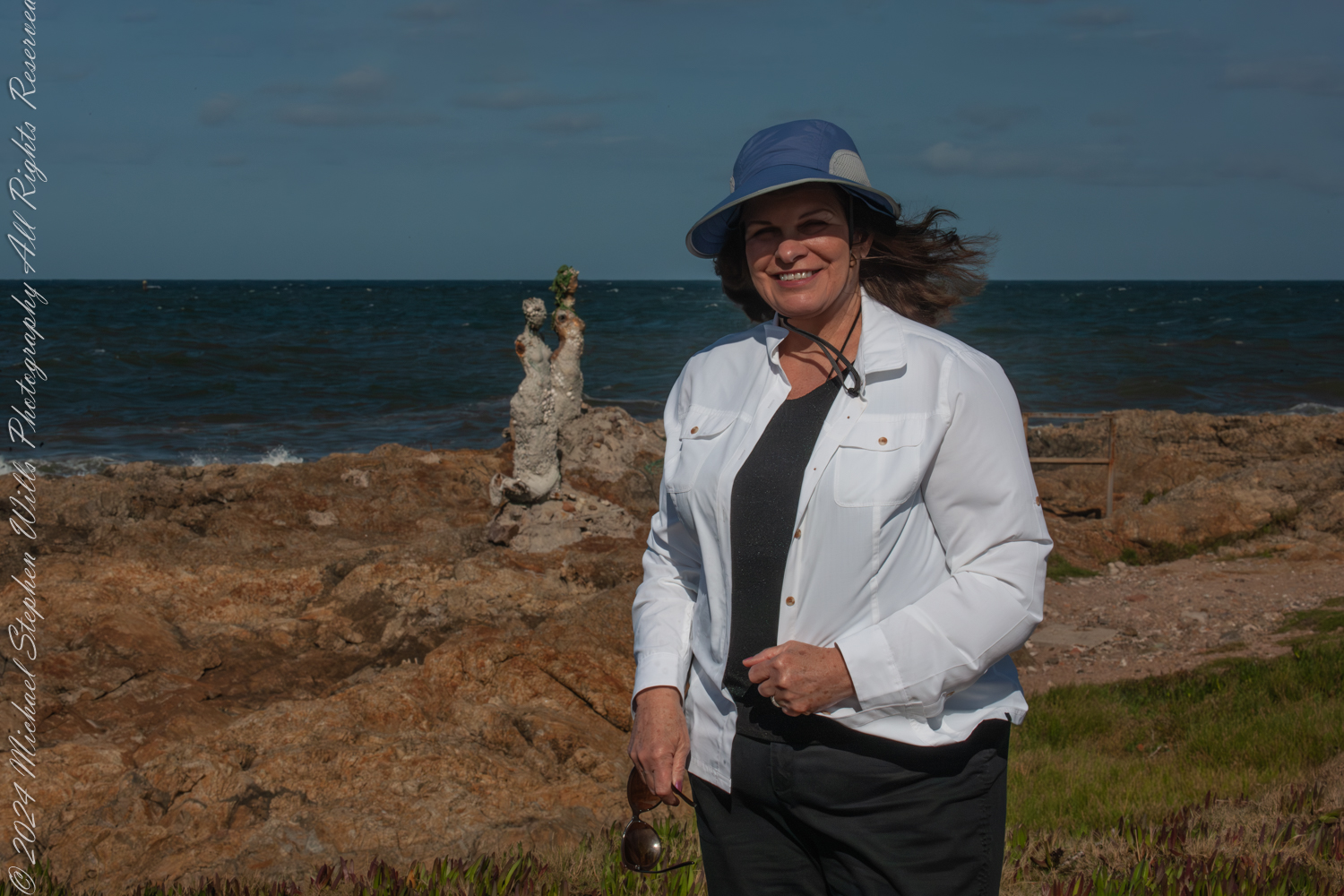
Pam, my wife, stood beside me, a bright smile on her face as the ocean wind tugged at her sunhat. Behind her, rising among the rocks, was an art installation that seemed to embody the spirit of the place “El Canto de las Sirenas” (The Song of the Mermaids). These sculptures by the artist Lily Perkins, their forms shaped and worn by the elements, appeared almost as though they were natural extensions of the rocky coastline. They gazed out to sea, their haunting beauty a poignant reminder of myth and humanity’s eternal connection with the ocean.

The sirens, crafted with an earthy texture and adorned with bits of marine debris, seemed to tell a story of resilience and adaptation. They stood stoically against the backdrop of the churning waves, their barnacle-like surfaces merging seamlessly with their rugged surroundings. I felt a strange connection to them, as if they were silent witnesses to the ever-changing dance of the sea and sky.

Pam during our 2016 South American tour. This is at Great Britain Square, Punta de las Salinas of Punta del Este. We are at the tip of the peninsula, the easternmost point of Uruguay. Over her shoulder is the art installation “El Canto de las Sirenas” (The Song of the Mermaids) (2012) by the artist Lily Perkins. Punta del Este, Departamento de Maldonado, Uruguay

The morning was perfect for photography. I adjusted my Canon camera, capturing the interplay of light and shadow across the jagged rocks, the turquoise waves, and the statues. The textures of the sirens came alive through the lens, each detail hinting at the passage of time and the endless conversations between water and stone. Pam posed in front of one of the sculptures, her presence adding a touch of humanity to the scene, as though she were part of this mythological tableau.

I took a moment to step back and absorb the scene. The coastline stretched out before me, rugged and raw, with the waves crashing in an eternal rhythm. The sirens belonged here, their forms shaped artist hands, then also by the elements. They merged into this unique place, much like the wind, the rocks, and the ocean.

As we walked along the rocky outcrop, the sound of the waves filled the air, drowning out any other noise. It was easy to lose oneself in the hypnotic patterns of the water, the spray catching the sunlight like tiny jewels. I found myself reflecting on the history of this place—Punta del Este, a meeting point of cultures and stories, a place where the natural world and human creativity converge.

Great Britain Square, where we started this journey, seemed an apt setting for such an installation. The name itself evokes a sense of exploration and connection across vast distances, much like the sirens that seem to call out across the waves. The symbolism was not lost on me as I thought about how we, too, were travelers, drawn to the edges of the earth by a desire to explore and understand.

Plaza Gran Bretana (Great Britain Square) is named for the World War II naval battle near here between the German battleship Graf Spee and the English ships Ajax, Achilles and Exeter. The plaza also has an anchor marking the boundary between Rio de la Plata and the Atlantic Ocean.

Pam and I lingered for a while longer, taking in the scenery and enjoying the peacefulness of the moment. The sculptures seemed almost alive, their forms shifting subtly as the light changed. They reminded me of the stories of sirens from ancient mythology—creatures that lured sailors to their doom with their enchanting voices. But here, they seemed more like guardians, watching over the waters and the land, their presence a testament to the enduring power of art and nature.

As the morning wore on, we made our way back, leaving the sirens behind to their eternal vigil. The experience stayed with me, though, a vivid memory of a place where myth and reality intertwine. Punta de las Salinas, with its rugged beauty and its mysterious sirens, had left an indelible mark on my heart.

Enter your email to receive notification of future postings. I will not sell or share your email address.
Kiva, Sipapu, Omphalos

Place Sense

Discovery

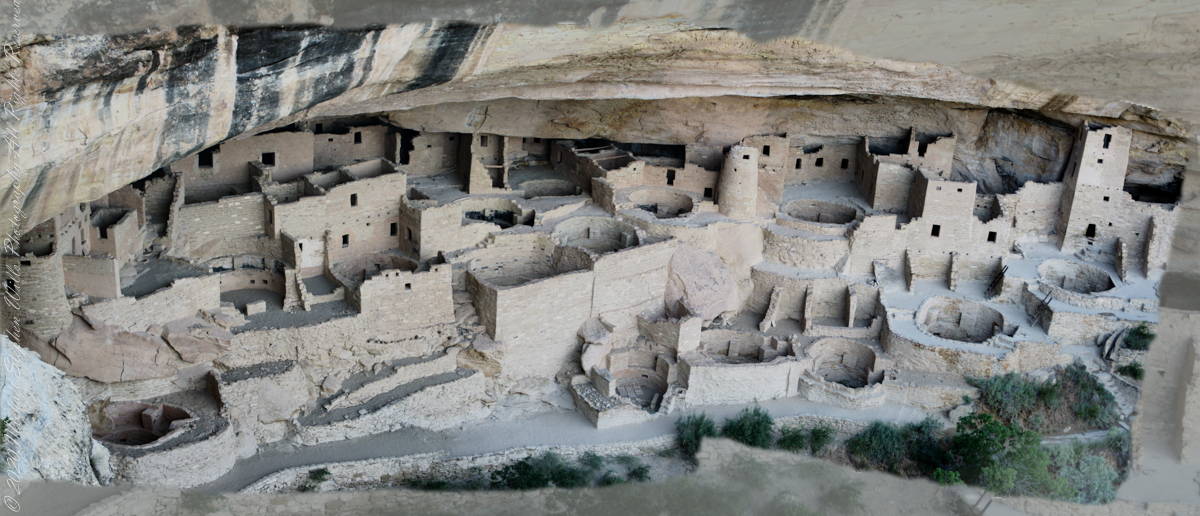
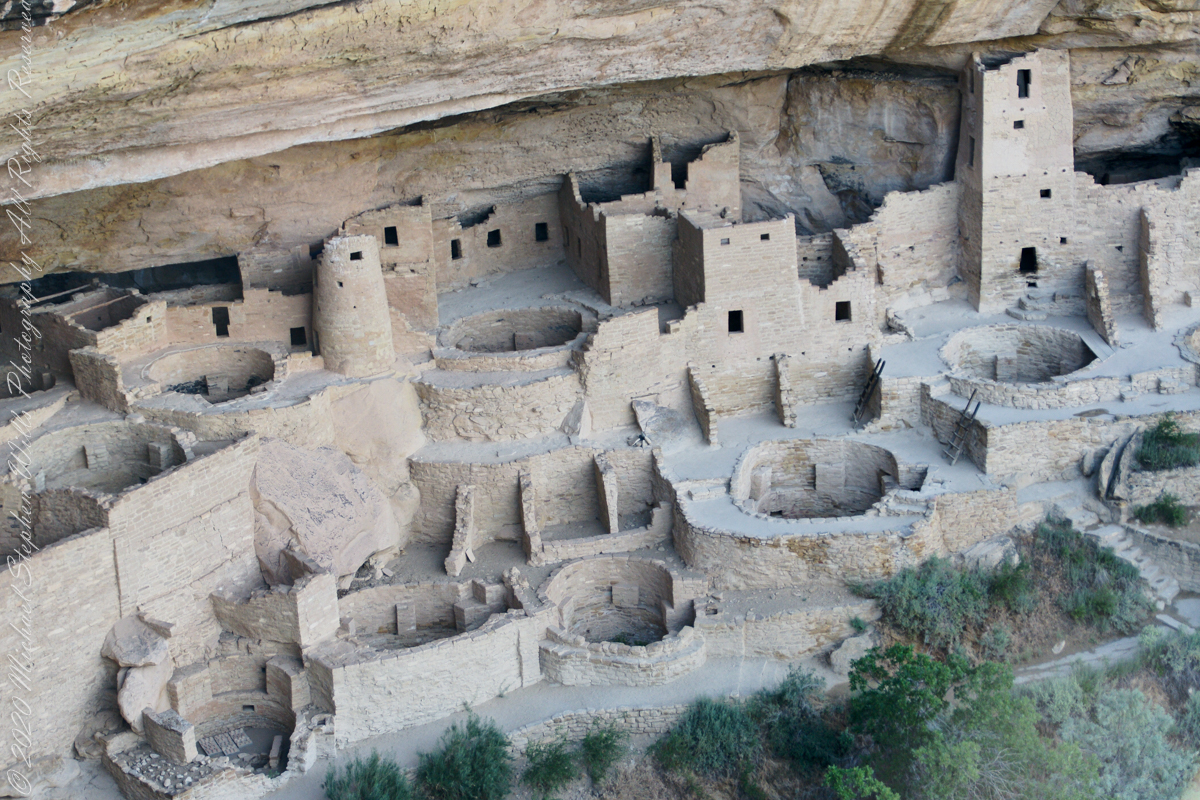
How many of the Mesa Verde 23 kivas can you identify in this panorama? You many need to read this post before answering.

Cliff Palace panorama from two images

Click me for more Mesa Verde works in my Fine Art Gallery

What is a Kiva?

A kiva is a space used by Puebloans for rites and political meetings, many of them associated with the kachina belief system. Among the modern Hopi and most other Pueblo peoples, “kiva” means a large room that is circular and underground and used for spiritual ceremonies.

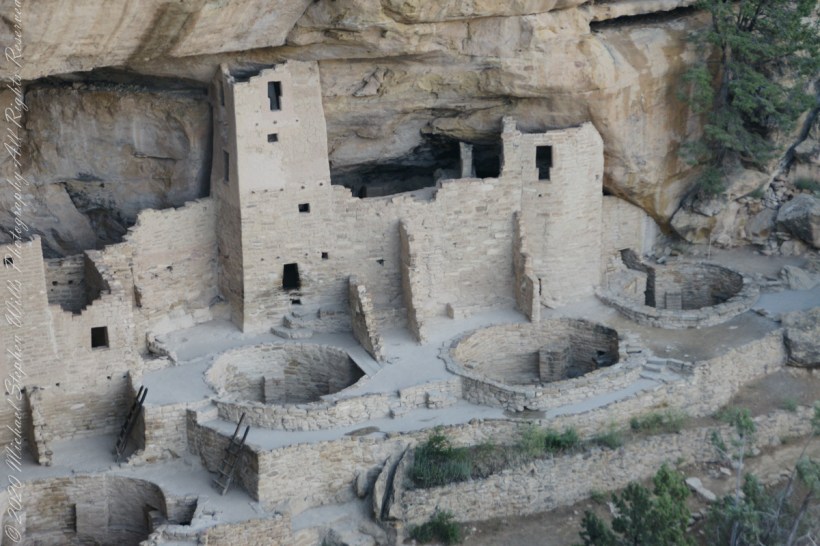
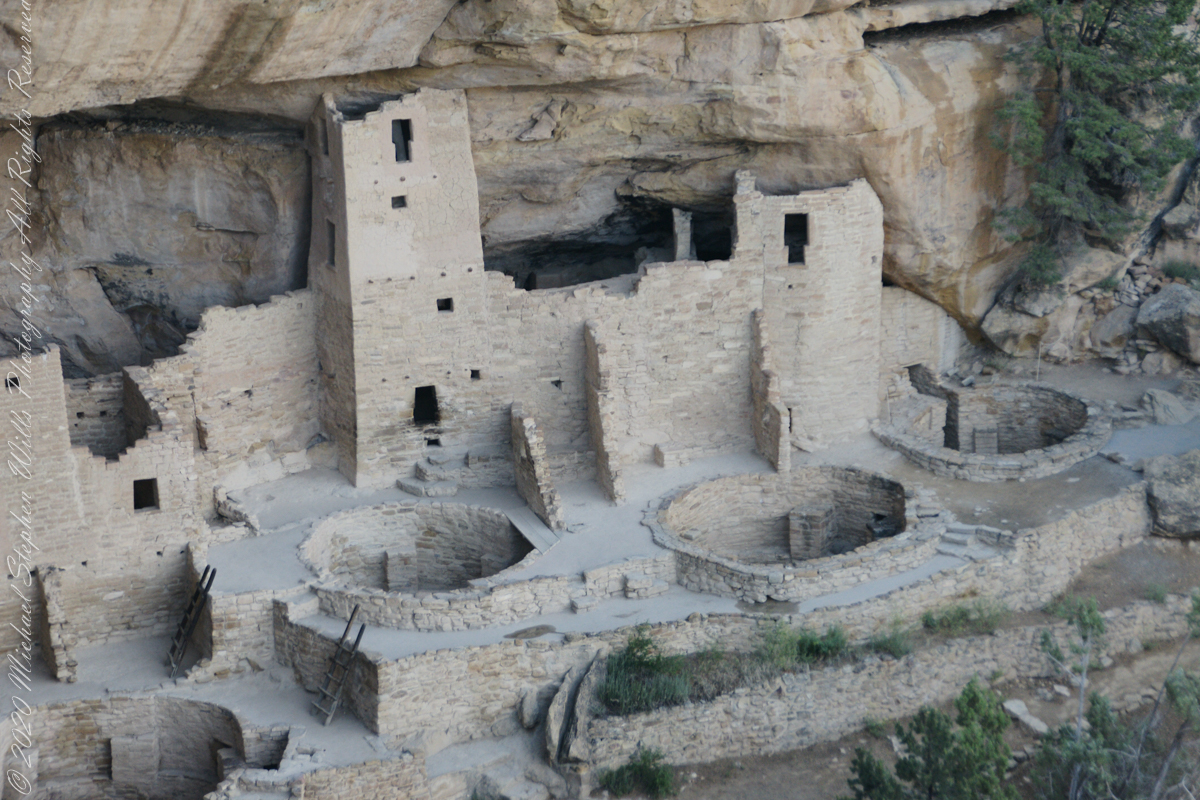
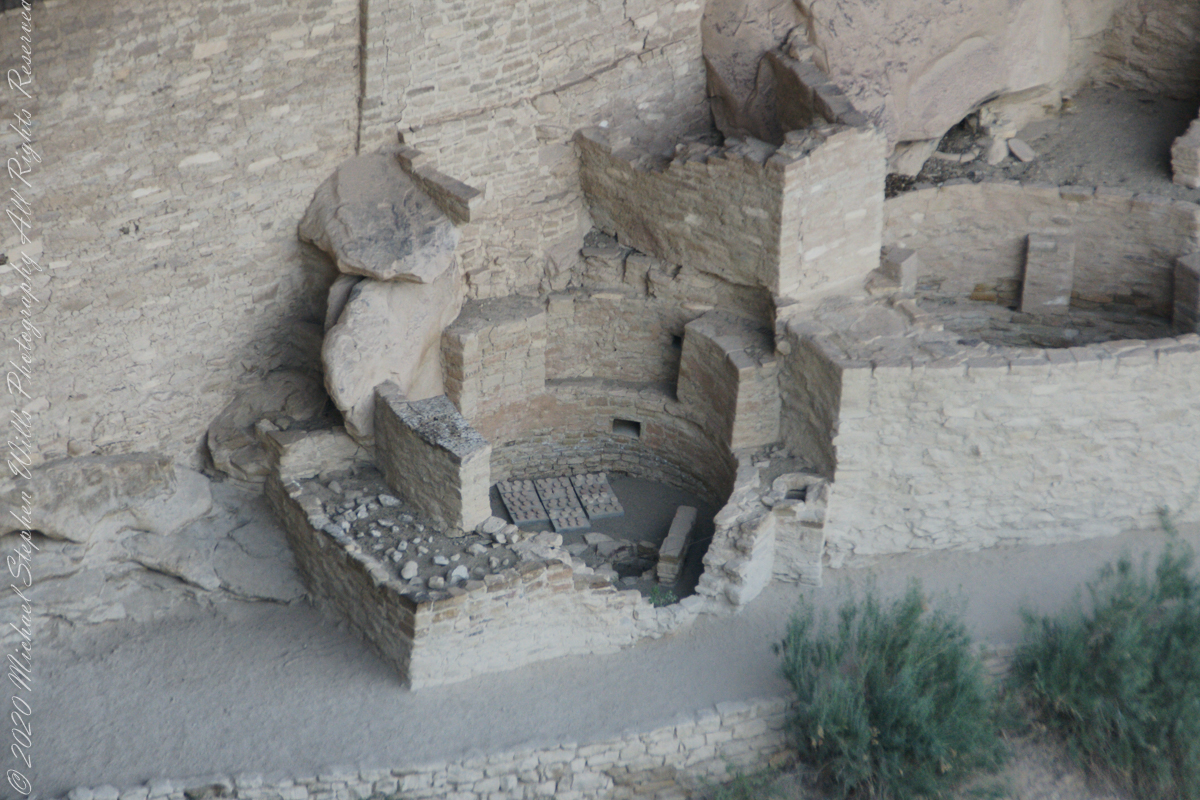
The Square Tower with four Kivas

Similar subterranean rooms are found among ruins in the North American South-West, indicating uses by the ancient peoples of the region including the ancestral Puebloans, the Mogollon, and the Hohokam.

A portion of Cliff Palace including many Kivas, the round and square towers.

Those used by the ancient Pueblos of the Pueblo I Period and following, designated by the Pecos Classification system developed by archaeologists, were usually round and evolved from simpler pit-houses.

Two Kivas, one with broken wall.

For the Ancestral Puebloans, these rooms are believed to have had a variety of functions, including domestic residence along with social and ceremonial purposes.

The entire Cliff Palace from the overlook, from a single wide-angle image.

During the late 8th century, Mesa Verdeans started building square pit structures that archeologists call protokivas. They were typically 3 or 4 feet (0.91 or 1.22 m) deep and 12 to 20 feet (3.7 to 6.1 m) in diameter. By the mid-10th and early 11th centuries, these had evolved into smaller circular structures called kivas, which were usually 12 to 15 feet (3.7 to 4.6 m) across.

Sipapu

Mesa Verde-style kivas included a feature from earlier times called a sipapu, which is a hole dug in the north of the chamber that is thought to represent the Ancestral Puebloans’ place of emergence from the underworld

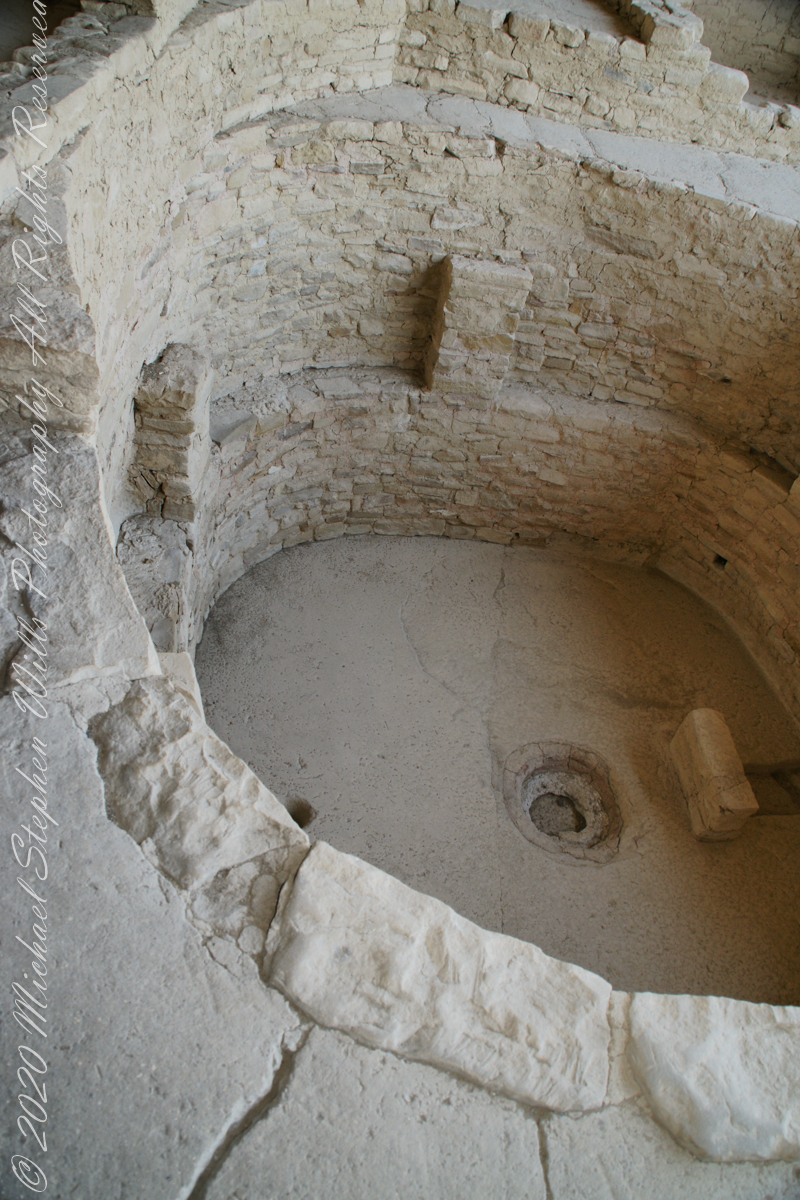
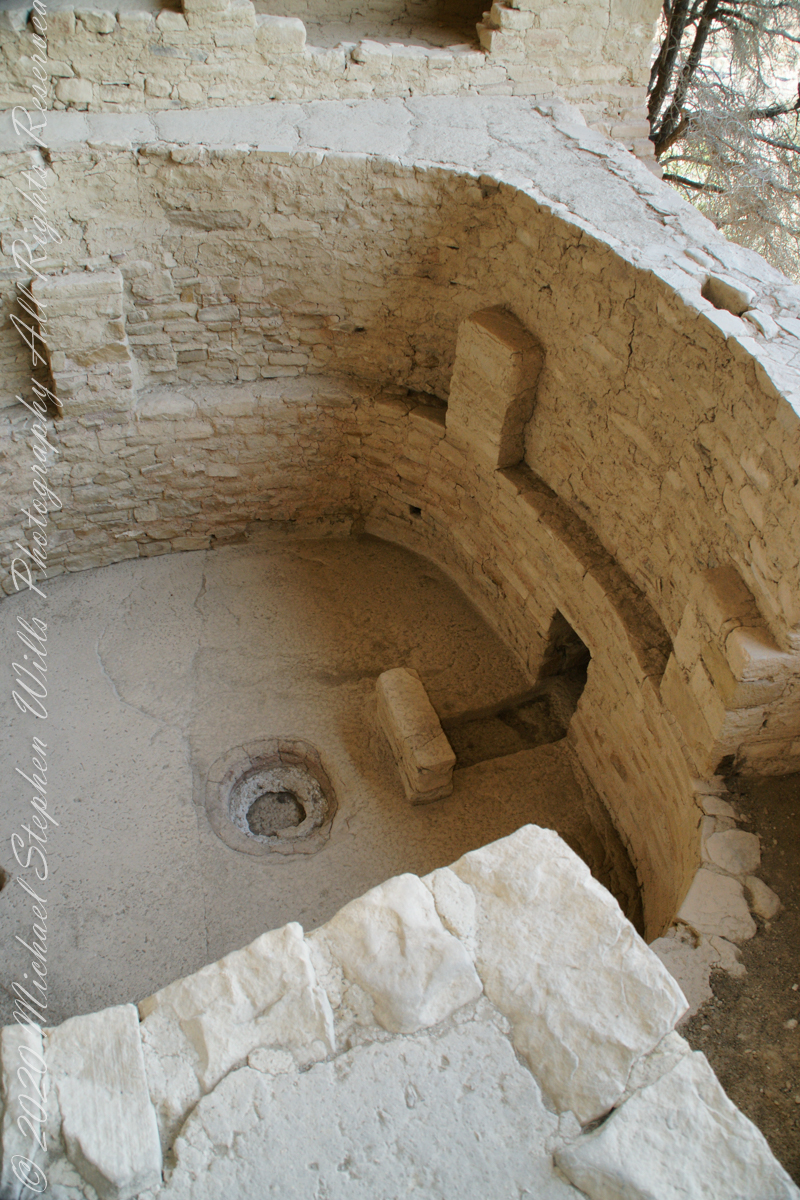
Here is a close-up of the kiva floor of the Balcony House. 

Balcony House Kiva

The sipapu is the smaller pit in the floor to the left (north side) and partially blocked by the kiva wall. The larger is a firepit. The small wall to the right is placed to deflect airflow from a floor vent.

Balcony House Kiva, to the right is the floor vent in wall and deflector stone. There is the firepit and a tiny portion of the sipapu at the left edge.
I count 14 Kivas in the Cliff Palace panorama, including some with broken walls.

What is the Connection, if any, between Omphalos and Sipapu?

The global coordinate system was known to ancient Greeks, in fact they are credited with the discovery a system to locate any place on earth, an insight contained in myths of how Zeus founded Delphi as the “center of the world,” the place from which divinity irrupts, by setting two eagles at opposing ends of the world to fly, starting at the same time, same speed, the central world point identified by where the eagles’ paths crossed.

Bronze Coin from the Ptolemaic Kingdom of Egypt, reign of Ptolemy VI 2nd Century BC with the head of Zeus on one side and double eagles riding a thunderbolt on the other

To signify Delphi as this center a religious stone artifact, called an omphalos, was placed.

Most accounts locate the Delphi omphalos in the adyton (sacred part of the temple) near the Pythia (oracle). The stone sculpture itself  (which may be a copy) is there to this day.  The surface is a carving of a knotted net, the center hollow and widening towards the base. The omphalos represents the stone which Rhea wrapped in swaddling clothes, pretending it was newborn Zeus, in order to deceive Cronus. (Cronus was the father who swallowed his children so as to prevent them from usurping him as he had deposed his own father, Uranus).

The omphalos stone was believed to allow direct communication with the gods.  Historians theorize the stone was hollow to allow intoxicating vapors breathed by the Oracle (priestess) to channel through it. However, understanding of the use of the omphalos is uncertain due to destruction of the site by Theodosius I and Arcadius in the 4th century CE.

That leaves us with the word, omphalos. In Greek the original meaning is navel, the anatomical reminder to humans of their source.

Comparing and contrasting these terms used by cultures separated widely by geography and time:

sipapu is a religious symbol of the place ancestral peoples irrupted, born, into this world, emerging from the earth. From my readings, the word sipapu is a direct reference to the symbol. There are many sipapu, small holes in the floor of kivas (timetimes a hole in a wooden plank), representing a single place.

omphalos is a religious symbol of where the divine irrupts into the world, from the earth, with direct linguistic natal (birth) associations. A single omphalos stone designates a single place.

Copyright 2023 Michael Stephen Wills All Rights Reserved

Bridging the Lethe

notes from November 2231 AD

Hook

Ancient legends speak of the River Lethe, crossed by departing souls.  The waters of the Lethe wash away memory, allowing for spiritual rebirth, reincarnation, a return to the world in new form.

SycamoreGrove20170404-10

This memory implant represents a bridge over the Lethe.

Footbridge over Enfield CreekFor those chosen to cross over to the new land in return for

Sycamore Grove

their treasure, lives and selves.

Sycamore Grove

Description

This virtual monoculture glade from the long time of forests,

Sycamore Grove

a place of happy gatherings, of families, plentiful food and water.

Sycamore Grove

These sycamores grew over centuries, through thousands of days, wider than 10 people,

Sycamores

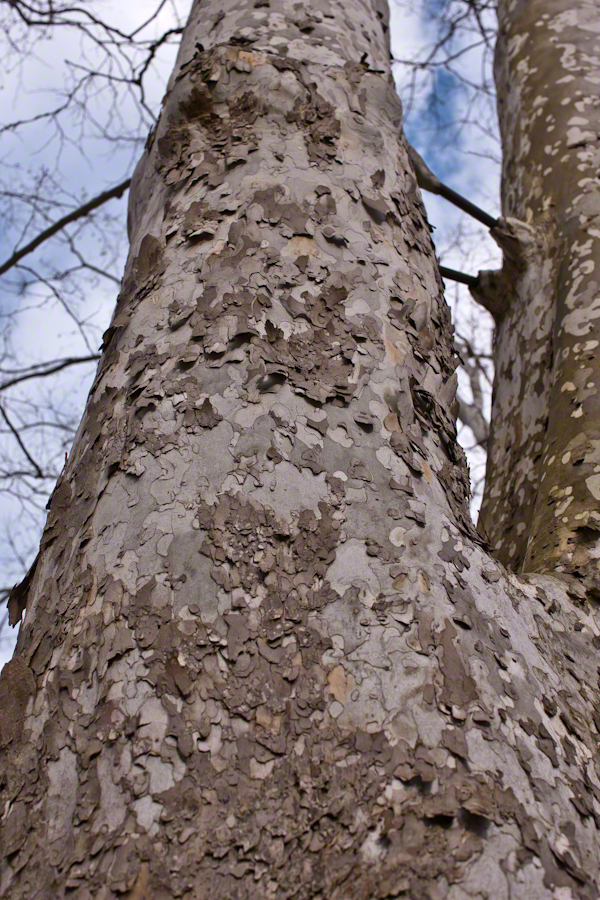
white with age as the outer covering, called bark, falls away.

Sycamores

forked, trunks

Sycamore Trunk

climbing to the sky.

Sycamore Sky
Copyright 2022 Michael Stephen Wills All Rights Reserved

Dreams, Stories and Things from the Vanderbilt Museum

a spring day on the former gold coast of Long Island

The Dreams

For 32 years dreams about work visited occasionally, then when retirement approached and overtook me these became an almost nightly visitation.

Click this link for my OnLine Photography Galleries

Last week, a few months into retirement, the haunting stopped, replaced by adventures by and on the ocean.  

Click this link for my OnLine Photography Galleries

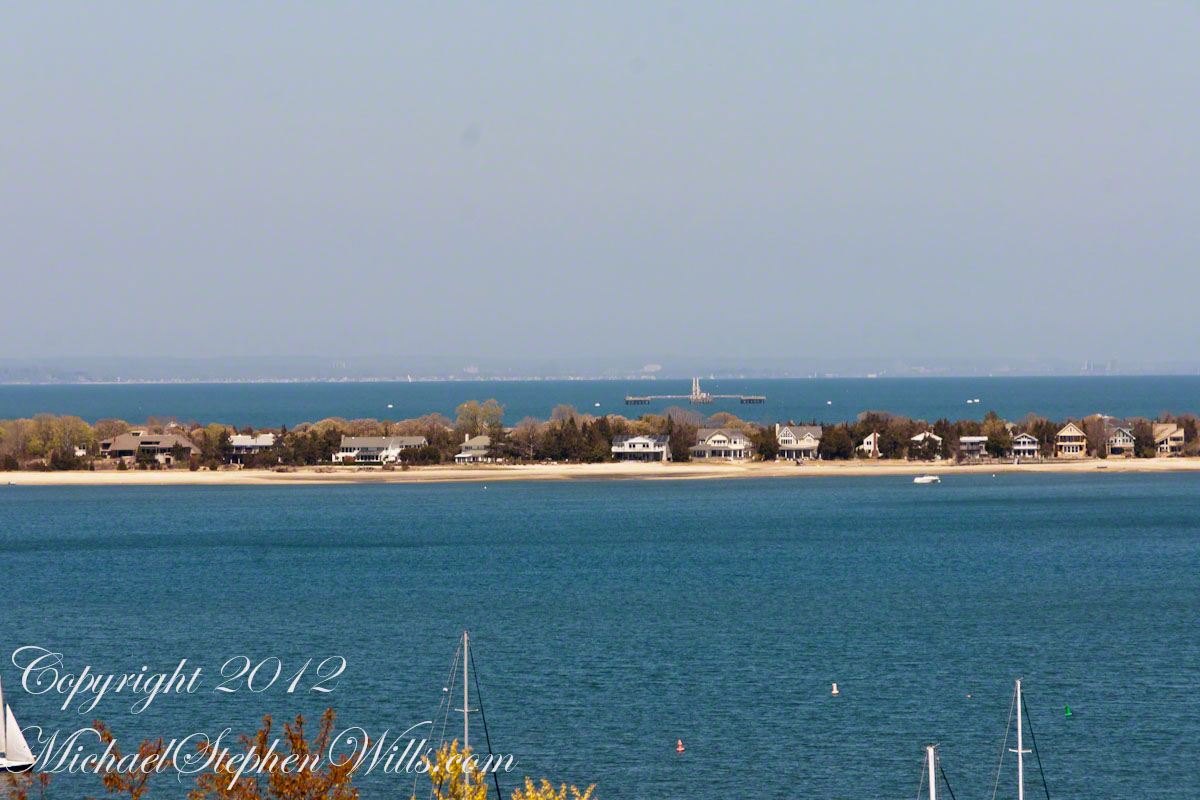
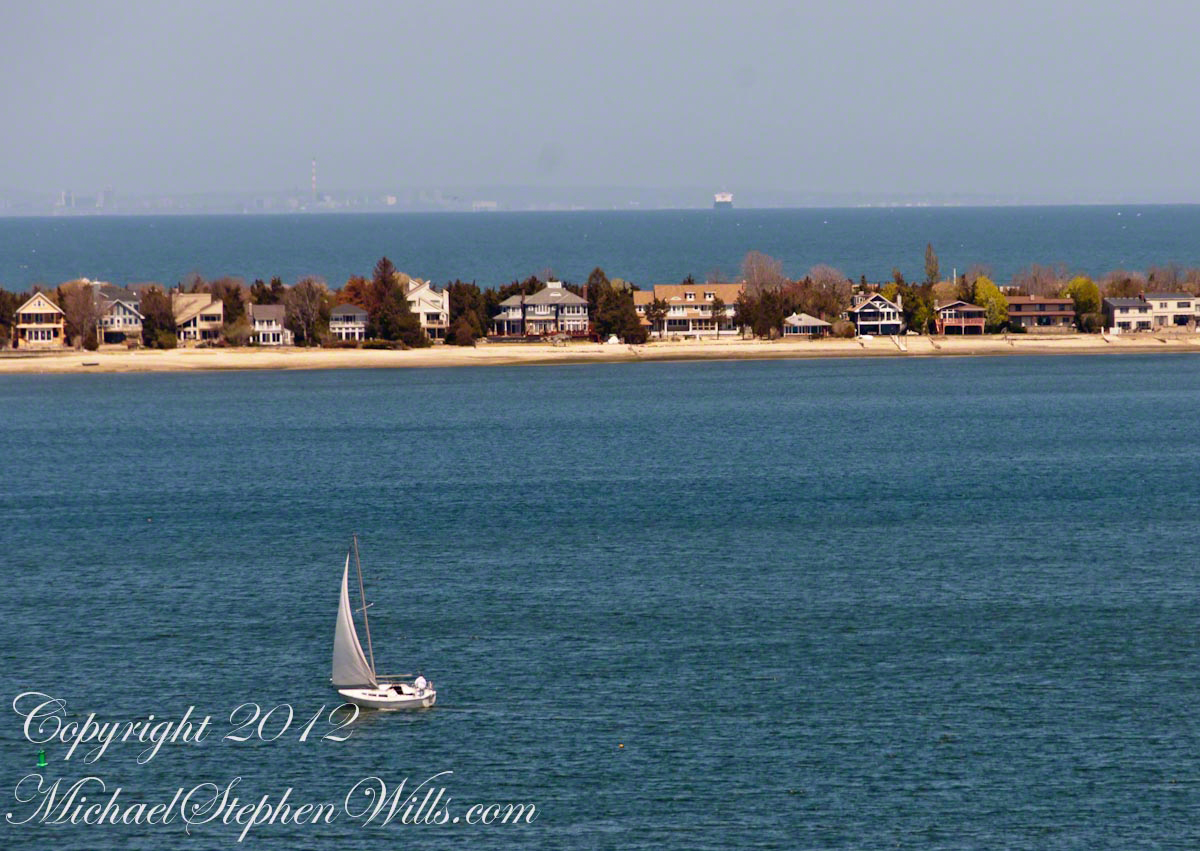
It brings to mind, a few years ago Pam and I took lessons at Cornell’s Merrill Family Sailing Center followed by several seasons of memberships.  We’d take out sailboats the size on the one enjoyed by the fellow above in Northport Harbor.

Click this link for my OnLine Photography Galleries

We’d spend entire days on the water, looking up at the people driving the hill up and down route 13.  “How lucky we are here and not there”, I’d say.

The Stories

Willy Vanderbilt named his Centerport estate “Eagle’s Nest” after his first yacht, “Eagle” that was anchored in Northport harbor along the estate shoreline.  In 1932 the German Krupp Germaniawerft company build a new yacht named Alva, after his mother.


Willy had a “thing” about the infant Baccus.  My first Vanderbilt Museum posting “A Taste of Gatsby: details from the Vanderbilt Museum”included the following depictions of the infant Baccus.  the name preferred by the Romans.

To the Greeks he was Dionysus.  Also known as the “twice born” from the myth of his being carried in his father Zeus’ thigh after Hera, the jealous wife, plotted the death of his mother, the mortal Semele.  

Click this link for my OnLine Photography Galleries

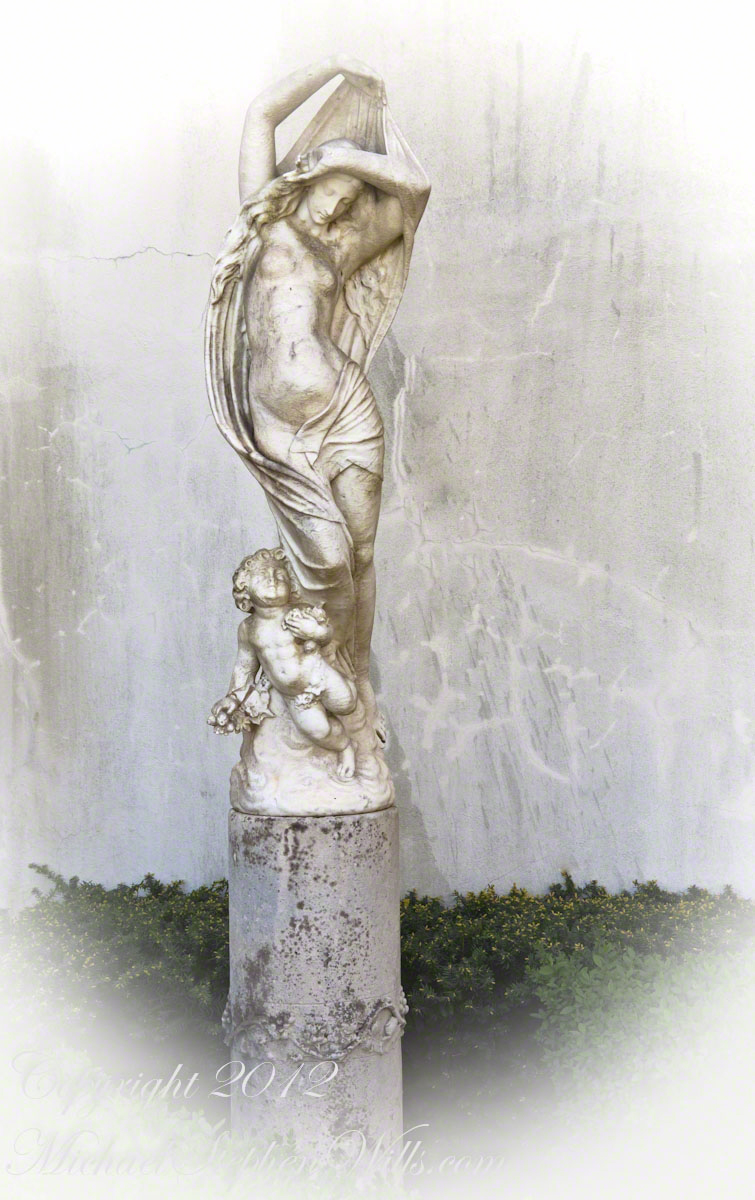
The infancy of Dionysus was perilous, with Hera plotting revenge Zeus found safe haven for the child at a place of earth called Mount Nysa, with beings named Rain Nymphs.  The fascination of Vanderbilt with the story continued with the acquisition and display of a statue of the infant Dionysus with a protective nymph.

The Things

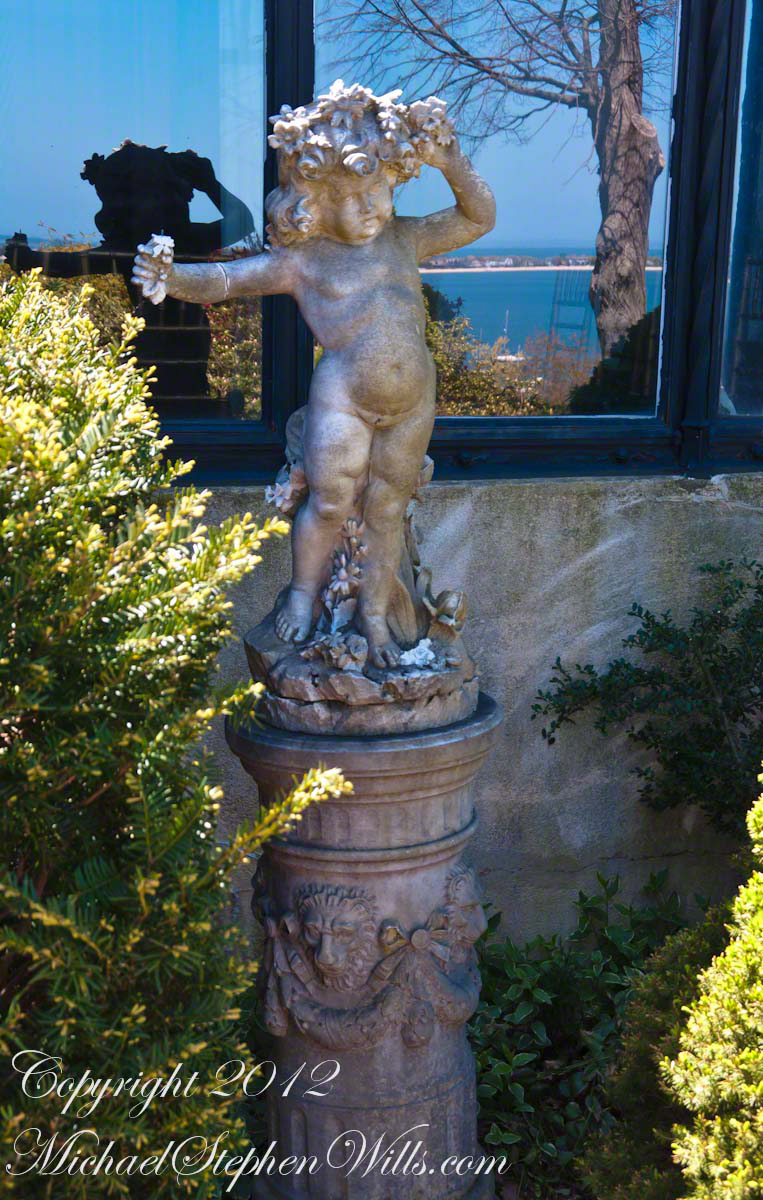
The statue and plinth are at the stairs into the garden.

Click this link for my OnLine Photography Galleries

Copyright 2021 All Rights Reserved Michael Stephen Wills

References
Wikipedia “Dionysus” and “Willy Vanderbilt”

Growth and Beauty

a exploration of logarithmic spirals and symmetry

Growth

An early thought of mine, as a child, was to wonder, “How large does a person grow?” If growth was perpetual, there was no end to how large I will become; yet, tested against observed reality, “Why was it the case this was unlikely?” Years later, when recalling this, I understood my intuition touched upon the logarithmic spiral and mollusk shell.

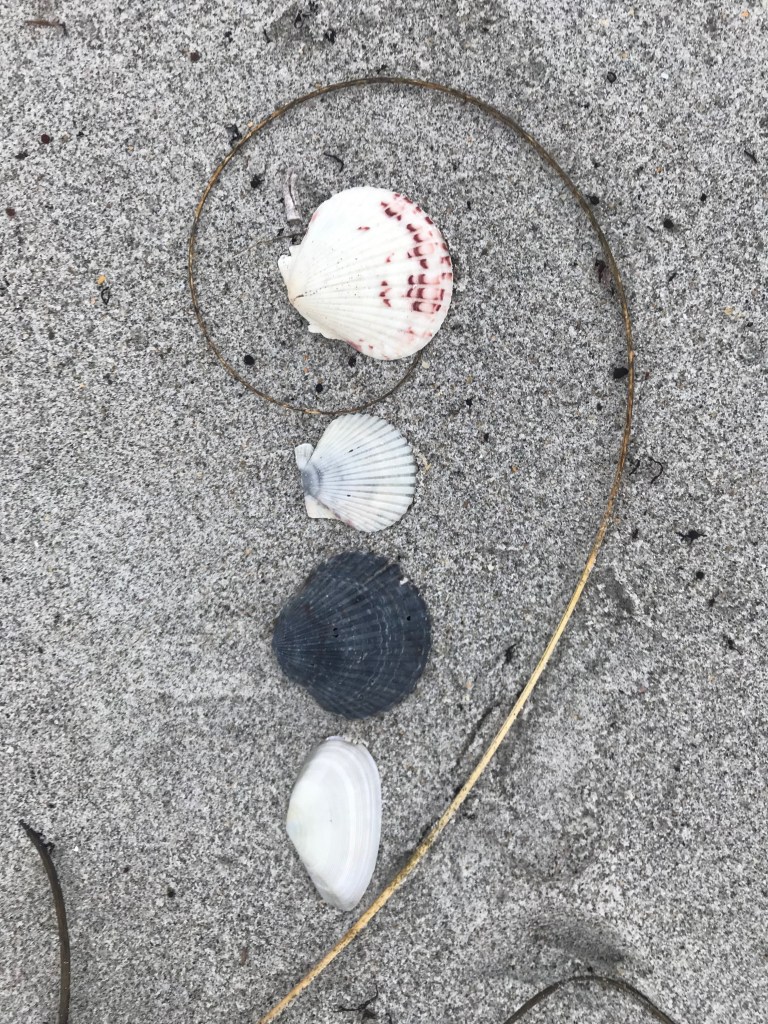
Three Scallops and One Tallin

Sea Oat stalk, photographed above, after it dries slowly in the sun and wind, curls into a logarithmic spiral. One two dimensional spiral may be compared to another by measuring the rate and direction of opening, the increase in distance between the part closer to the source and the outer swirl. The growth of all shells follow a logarithmic spiral in three dimensions where the progression from a staring plane, as well as the direction, up or down from the plane, is an element.

Sea shells give evidence to my question of “how large can one grow.” The size of each of the millions encountered on a beach is an example of a life ended. Each of record of the length and character of the organism. For example, a close inspection of the bottom shell of the above photograph, a tellin of the family Tellinidae, reveals the spiral is growing toward the surface of the sand. Imagine wrapping your hand around the outer edge of the tellin with your thumb pointed down.

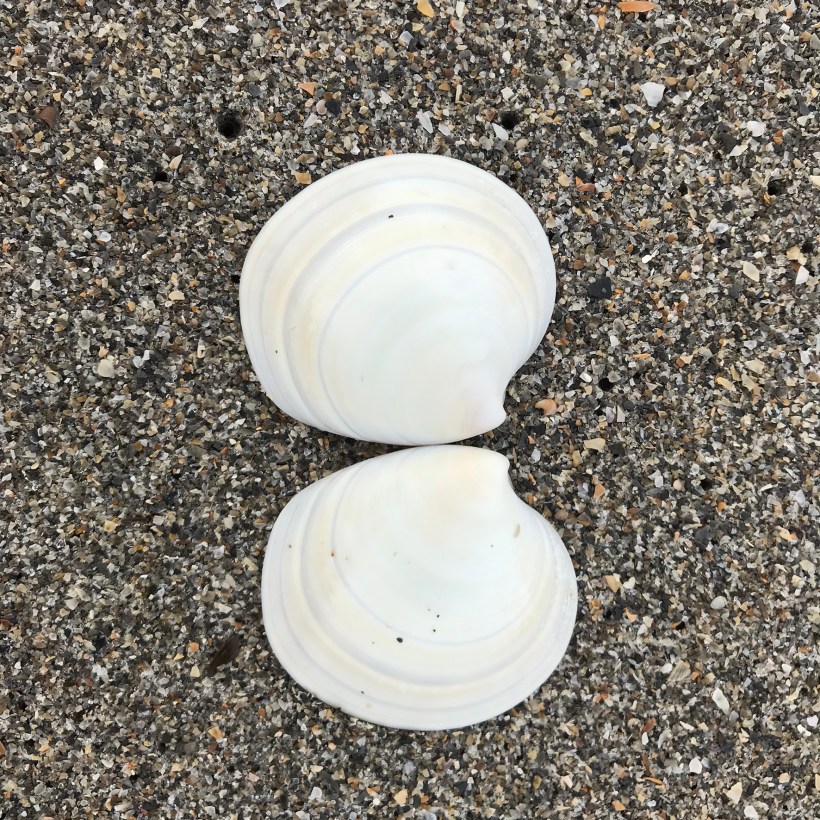
Each of the four shells of the above photograph had a mate, were one of a pair. Types of shells share characteristic pair symmetries. For example, a pair of tellins display a type of asymmetry called chirality, also called “handed-ness” after the same property of your right and left hands. One shell half (from the same individual) is the mirror image of the other, each unbalanced as the growth spirals toward opposite directions.

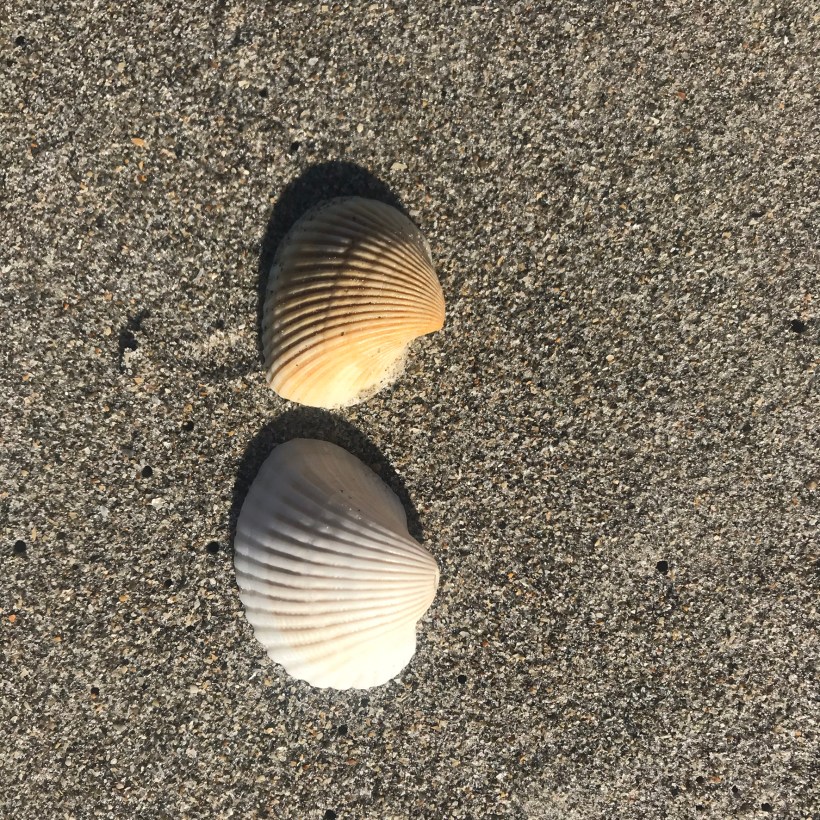
Asymmetry, halves from different individuals

When I started beachcombing, examining collected shells I did not have a pair from the same individual and incorrectly concluded direction of growth was unique to an individual. The ribbing of the above two shells illustrate three concepts: the logarithmic spiral growth pattern, chirality, as well as how I came to that wrong conclusion: that two individuals can grow in different directions. It was a logical hop to understand how, to make two shells hinged at the source of the growth spiral, each individual requires two halves, each a mirror image of the other. That every member of the species demonstrated the same asymmetry, each half grows in the opposite direction.

Asymmetry, attached matching halves

The above photograph shows attached matching halves. The attachment point was a surprise: the apparent source point is not attached to the ligament joining the halves? I have yet to understand this. Do you?

Beauty

The association of beauty with scallop shells bridges thousands of years. For example, a fresco of the Roman goddess Venus, born from the ocean riding a shell, was unearthed from Pompeii. The living organism is not part of the story, just the shell. Why the scallop? My answer is, “Each half is completely, in itself, symmetrical.”

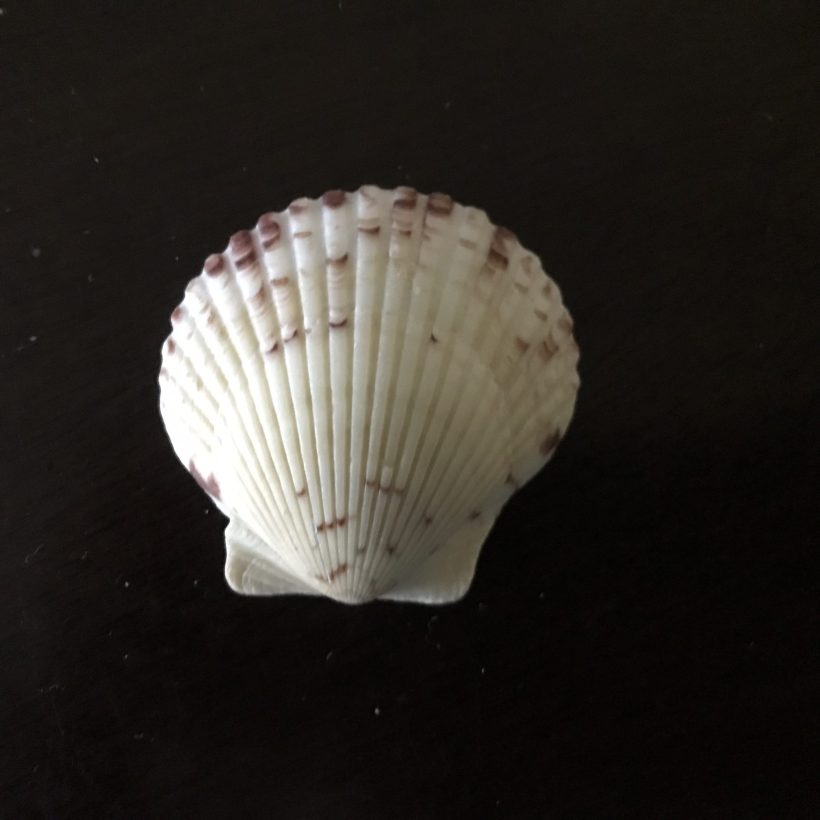
The top three shells of the first photograph are scallops. The first and last, broken by the waves, are missing parts. The middle scallop, small and off-white, is complete. Place an imaginary line down the center and each side is identical. Applying the real world (i.e., physics) to myth, a scallop shell allows the goddess to move forward in a straight line. Sailing an asymmetrical shell, she moves in an eternal circle.

An object with symmetry is visually complete unto itself, self-contained; functionality aside, one scallop does not required a partner. The paired shells are interesting in they do not match, one is deeper, it encloses more volume. The deeper side rests under the surface, allowing the top halve to present a lower profile the better to hide from predators.

Calico Scallop Shell

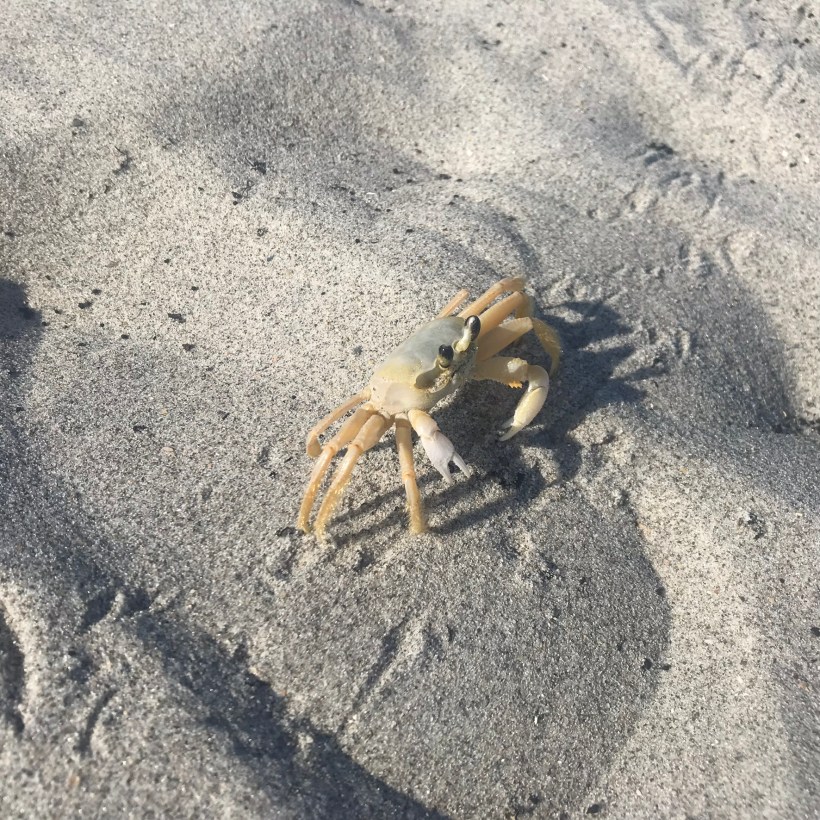
The scallop echoes the beauty of Venus. Symmetry enhances human features (earch “Venus (mythology)” for images of her face through the ages), though it does not define beauty. An overly symmetrical face seems strange. I will close with an extreme example, the other day I came upon this beach crab wandering around in the daylight. Symmetry does NOT enhance the alien eyestalks, menacing claws, a pallid, tough exterior. Safe travels, little one.