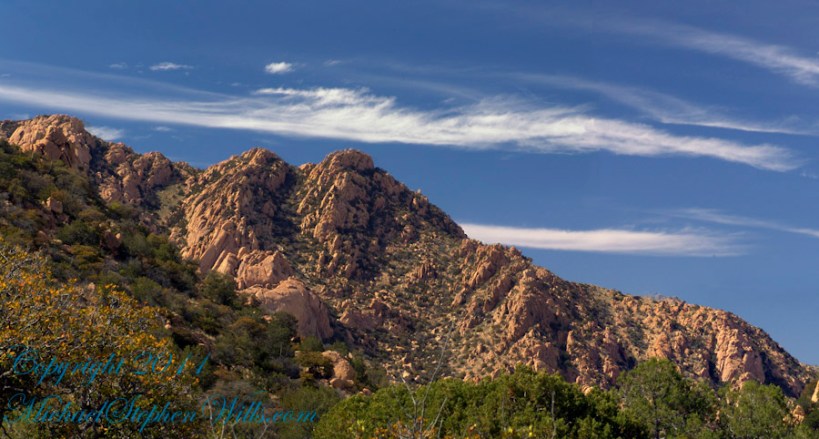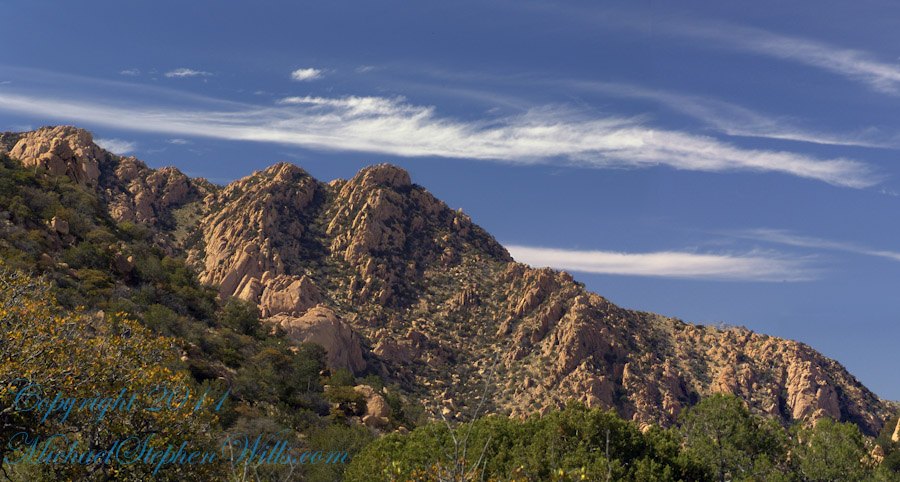
Interstate 10 between Benson and Wilcox ascends through a field of enormous, eroded granite boulders. Off to the west are the Dragoon Mountains, otherwise known as “Cochise Stronghold.”
Informative sign at campsite
Starting from the campsite is the “Sky Islands Traverse” hiking trail, leading up into the mountains. I wandered from the trail to follow a dry streambed to this residual pool of water, the time being early spring, and this is what remained from the winter rains.
A single butterfly of the genus Anthocharis generally called “Orangetip” for the colorful upper wing tips. These exist throughout the world, here in Arizona they migrate across the desert, obtaining refuge and nourishment from “Sky Islands” such as the Dragoon Mountains
Copyright 2022 Michael Stephen Wills All Rights Reserved
I was lucky enough to live near the site of these wild orchids back in the early 2000’s, close enough to enjoy serial visits, enough to find this perfect moment titled “After the Rain.” In recent visits there were no specimens to be found. The reasons for the disappearance are not clear.
Showy lady’s slipper, scientific name Cypripedium reginae, is also known as pink-and-white lady’s-slipper, and queen’s lady’s-slipper, is a rare lady’s-slipper orchid native to northern North America. Although never common, this plant has vanished from much of its historical range due to habitat loss. It is the state flower of Minnesota.
Cypripedium reginae grows in wetlands such as fens, wooded swamps, and riverbanks. Cypripedium reginae thrives in neutral to basic soils but can be found in slightly acidic conditions. The plants often form in clumps by branching of the underground rhizomes. Its roots are typically within a few inches of the top of the soil. It prefers very loose soil and when growing in fens it will most often be found in mossy hummocks.
It can tolerate full sun but prefers partial shade for some part of the day. When exposed to full sun, the flower lip is somewhat bleached and less deeply colored. It is occasionally eaten by white-tailed deer.
Cypripedium reginae can be found in Canada from Saskatchewan east to Atlantic Canada, and the United States from North Dakota east to the Atlantic and south to Arkansas and Tennessee.
Cypripedium reginae is quite rare. Its increasing rarity is attributable to destruction of a suitable alkaline habitat; it is sensitive to hydrologic disturbances, and is threatened by wetland draining, water contamination, habitat destruction and horticultural collectors. Browsing by an exploding deer population stunts or eliminates the plant’s growth.
Cypripedium reginae contains an irritant, cypripedin, a phenanthrenequinone. The plant is known to cause dermatitis on the hands and face. The first report of the allergy reaction was in 1875 by H. H. Babcock in the United States, 35 years before the term “allergy” was coined. The allergen was later isolated in West Germany by Bjorn M. Hausen and associates.
Reference: “Cypripedium reginae” wikipedia
Images and captions Copyright 2023 Michael Stephen Wills All Rights Reserved
Have you wondered, “What is ‘pileated’ about a Pileated Woodpecker? The Latin word Latin pileatus means capped, so the adjective refers to the red “cap” the bird wears. Pileated Woodpeckers mmainly eat insects, especially carpenter ants and wood-boring beetle larvae. They also eat fruits, nuts, and berries, including poison ivy berries. Pileated woodpeckers often chip out large and roughly rectangular holes in trees while searching out insects, especially ant colonies. They also lap up ants by reaching with their long tongues into crevices. They may forage around the sides of human homes or even cars and can be observed feeding at suet-type feeders, as you can see below.
Our Resident Pileated Woodpecker enjoying a suet meal one spring evening
Usually, pileated woodpeckers excavate their large nests in the cavities of dead trees. Woodpeckers make such large holes in dead trees that the holes can cause a small tree to break in half. The roost of a pileated woodpecker usually has multiple entrance holes. In April, the hole made by the male attracts a female for mating and raising their young. Once the brood is raised, the birds abandon the hole and do not use it the next year. When abandoned, these holes—made similarly by all woodpeckers—provide good homes in future years for many forest songbirds and a wide variety of other animals. Ecologically, the entire woodpecker family is important to the wellbeing of many other bird species. The pileated woodpecker also nests in boxes about 4.6 m (15 ft) off the ground. The large cavities made by pileated woodpeckers during their nesting process not only serve as a home for the birds but also play an essential role in the forest ecosystem by contributing to nutrient cycling. Woodpecker cavities can lead to increased soil nutrient levels and microbial activity, providing a nutrient-rich environment for other plants to grow.
A pileated woodpecker pair stays together on its territory all year round and is not migratory. They defend the territory in all seasons but tolerate floaters during the winter. Drumming is most common during courtship and to proclaim a territory. Hollow trees are often used to make the most resonant sound possible. The pattern is typically a fairly slow, deep rolling that lasts about three seconds.
Pileated woodpeckers have been observed to move to another site if any eggs have fallen out of the nest—a rare habit in birds. The cavity is unlined except for wood chips. Both parents incubate three to five eggs for 12 to 16 days. The average clutch size is four per nest. The young may take a month to fledge. The oldest known pileated woodpecker was 12 years and 11 months old. Predators at the nest can include American and Pacific martens, weasels, squirrels, rat snakes, and gray foxes. Free-flying adults have fewer predators but can be taken in some numbers by Cooper’s hawks, northern goshawks, red-shouldered hawks, red-tailed hawks, great horned owls, bald eagles, golden eagles and barred owls.
Reference: “Pileated Woodpecker” Wikipedia
Images and Video Copyright 2023 Michael Stephen Wills All Rights Reserved
Our home at Malloryville, New York has an orchard of three apple trees, seen here on early one spring morning in the year 2010. The varieties are Delicious, Cortland and McIntosh. Freeville, Tompkins County, New York State
The original wild ancestor of Malus domestica was Malus sieversii, found growing wild in the mountains of Central Asia in southern Kazakhstan, Kyrgyzstan, Tajikistan, and northwestern China. Cultivation of the species, most likely beginning on the forested flanks of the Tian Shan mountains, progressed over a long period of time and permitted secondary introgression of genes from other species into the open-pollinated seeds.
Chinese soft apples, such as M. asiatica and M. prunifolia, have been cultivated as dessert apples for more than 2000 years in China. These are thought to be hybrids between M. baccata and M. sieversii in Kazakhstan.
Among the traits selected for by human growers are size, fruit acidity, color, firmness, and soluble sugar. Unusually for domesticated fruits, the wild M. sieversii origin is only slightly smaller than the modern domesticated apple.
At the Sammardenchia-Cueis site near Udine in Northeastern Italy, seeds from some form of apples have been found in material carbon dated to around 4000 BCE.[20] Genetic analysis has not yet been successfully used to determine whether such ancient apples were wild Malus sylvestris or Malus domesticus containing Malus sieversii ancestry. It is generally also hard to distinguish in the archeological record between foraged wild apples and apple plantations.
There is indirect evidence of apple cultivation in the third millennium BCE in the Middle East. There was substantial apple production in the European classical antiquity, and grafting was certainly known then. Grafting is an essential part of modern domesticated apple production, to be able to propagate the best cultivars; it is unclear when apple tree grafting was invented.
The proverb, “An apple a day keeps the doctor away”, addressing the supposed health benefits of the fruit, has been traced to 19th-century Wales, where the original phrase was “Eat an apple on going to bed, and you’ll keep the doctor from earning his bread”. In the 19th century and early 20th, the phrase evolved to “an apple a day, no doctor to pay” and “an apple a day sends the doctor away”; the phrasing now commonly used was first recorded in 1922.
Reference: Wikipedia “Apple”
Copyright 2023 Michael Stephen Wills All Rights Reserved
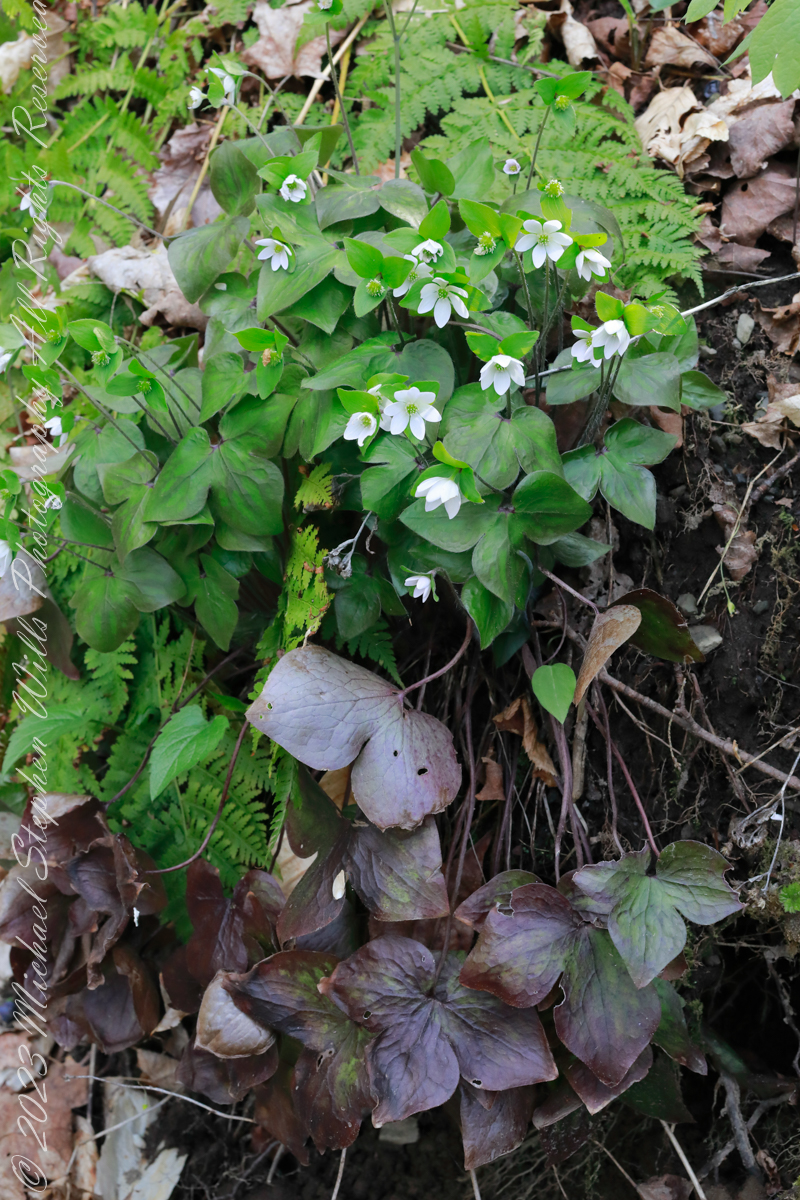
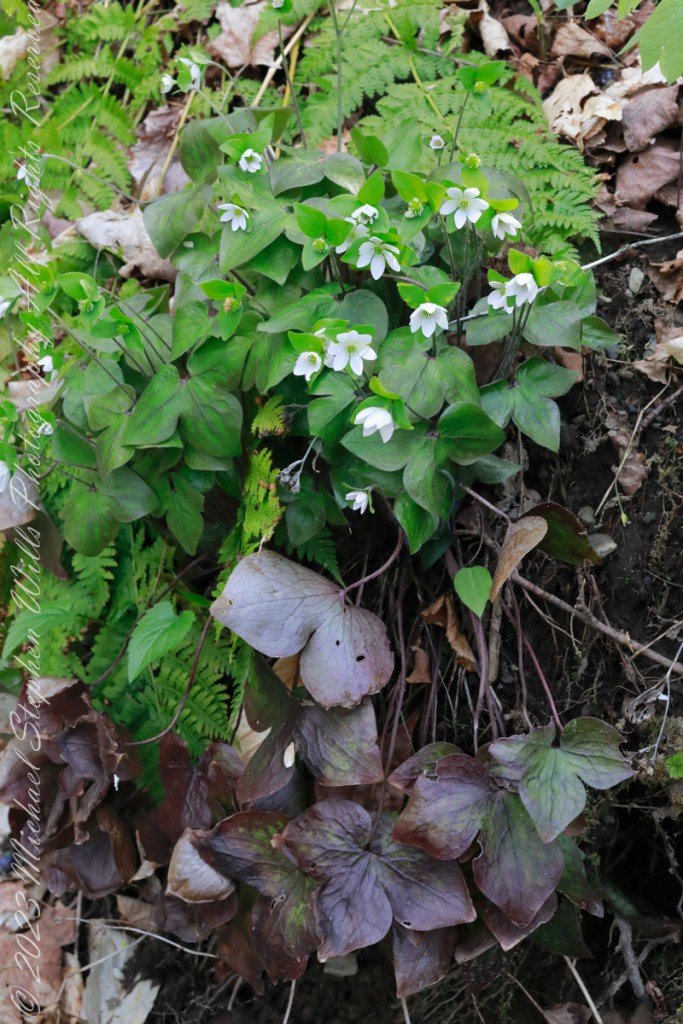
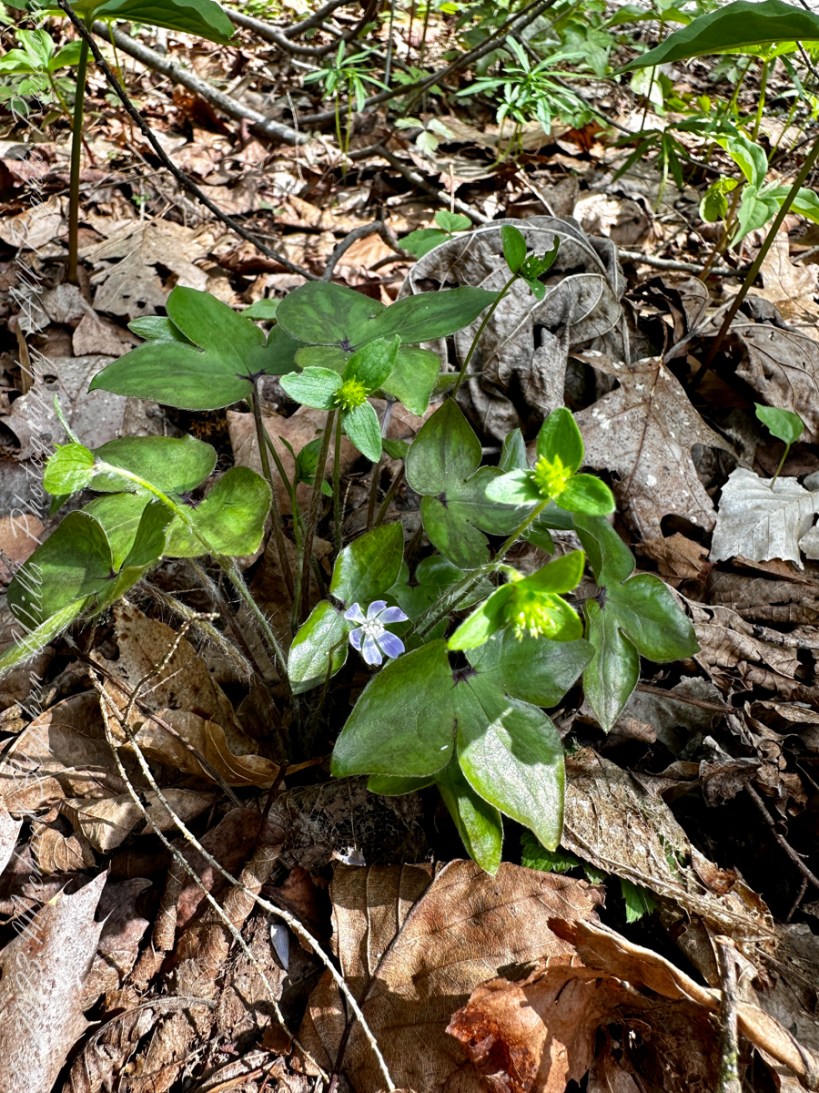
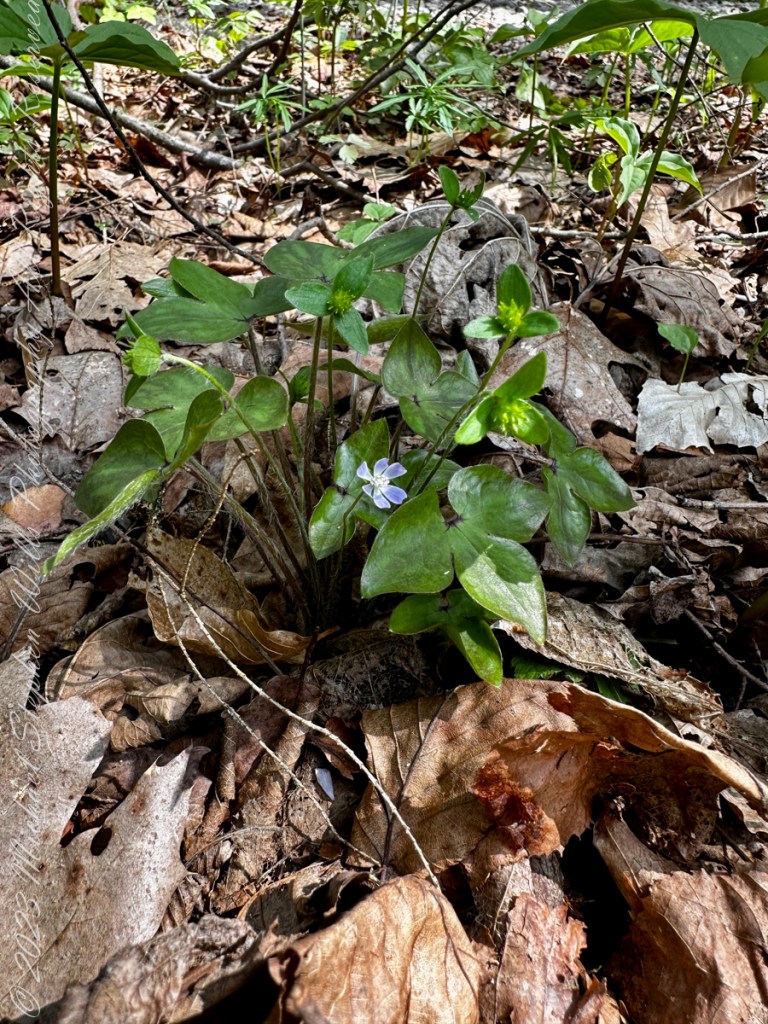
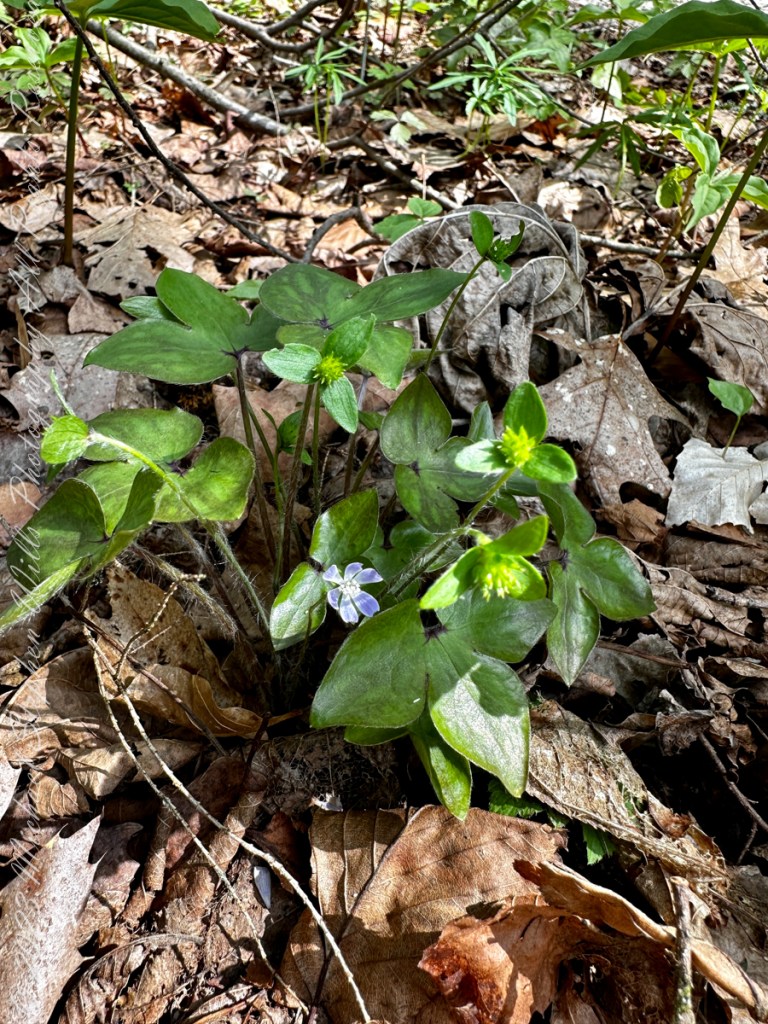
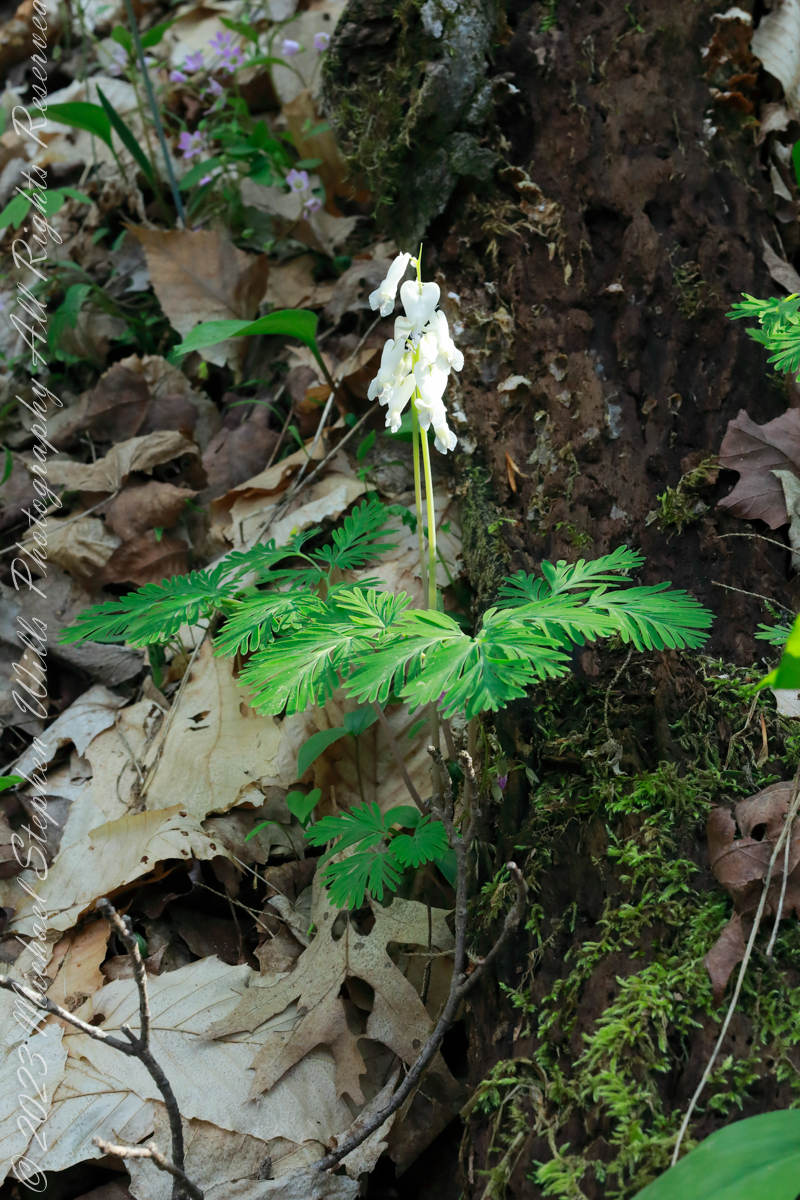
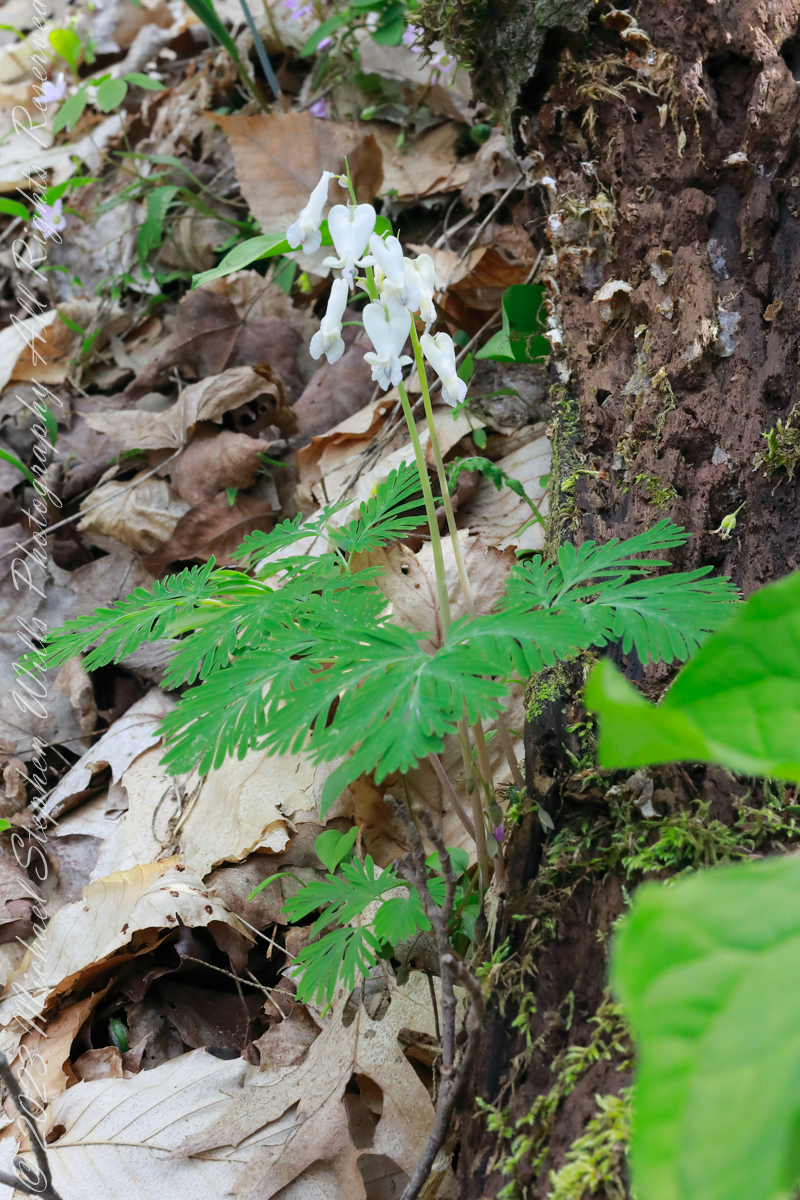
Unidentified wildflower growing on limestone ledge with mosses on aporil afternoon. Fillmore Glen New York State Park, Moravia, Cayuga County, New York
A large Fremont’s Cottonwood Offers shade and protection along the Pima Canyon Trail.
In the shade, a grapevine, offers a vain promise of grapes.
The cottonwood’s deep roots draw water from a mountain stream.
Native Americans in the Western United States and Mexico used parts of Frémont’s cottonwood variously for a medicine, in basket weaving, for tool making, and for musical instruments. The inner bark of Frémont’s cottonwood contains vitamin C and was chewed as an antiscorbutic – treatment for vitamin C deficiency. The bark and leaves could be used to make poultices to reduce inflammation or to treat wounds.
The Pima people of southern Arizona and northern Mexico lived along Sonoran Desert watercourses and used twigs from the tree in the fine and intricate baskets they wove. The Cahuilla people of southern California used the tree’s wood for tool making, the Pueblo peoples for drums, and the Lower Colorado River Quechan people in ritual cremations. The Hopi of Northeastern Arizona carve the root of the cottonwood to create kachina dolls.
Here are 8 flower bud growing from one cladode (pad). There is a 9th bud on a second cladode. What is interesting about these pads are the needle shadows. Although thin, each provides some protection from the sun.
Cactus Closeup
This delicate bud will develop into a flower and, then, into a cactus fruit (in spanish, tuna). The fruit retains those tiny spines, called glochids, which detach on the smallest contact. The pads are also covered with them.
Prickly pears are known for growing into thickets. The Cuban government created a “cactus curtain” of prickly pears around the Guantanamo naval base in the 1960’s, to prevent Cubans from escaping to refuge in the United States.
Cactus Flowers
Look closely at the anthers of these flowers. Each curls over when touched, depositing its pollen. The habit of prickly pears to grow together in thickets mean there are clusters of blossoms in springtime.
The canyon below 110 foot Reavis Falls is a wild place of transcendent beauty.
With the afternoon in front of me, the trip back to camp was a slow pleasure. On the way in, I noted several stopping points to capture photographs. Here a natural rock sluice offers a foot tall waterfall, mirroring Reavis Falls, bracketed by white igneous stone.
This same stone offers a screen, the bright spring sun throwing the sparse leaves into sharp relief.