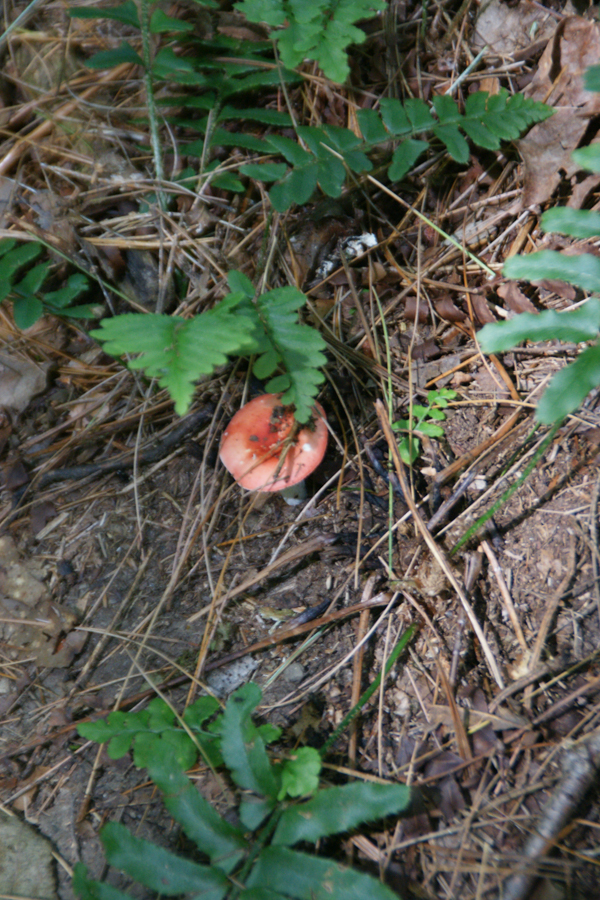
A red beauty growing along the Gorge Trail
It is 9:30 am on a July morning Robert H. Treman Park, Ithaca, Tompkins County, Ithaca, New York,
A red beauty growing along the Gorge Trail
It is 9:30 am on a July morning Robert H. Treman Park, Ithaca, Tompkins County, Ithaca, New York,
From the Greenlandian Age
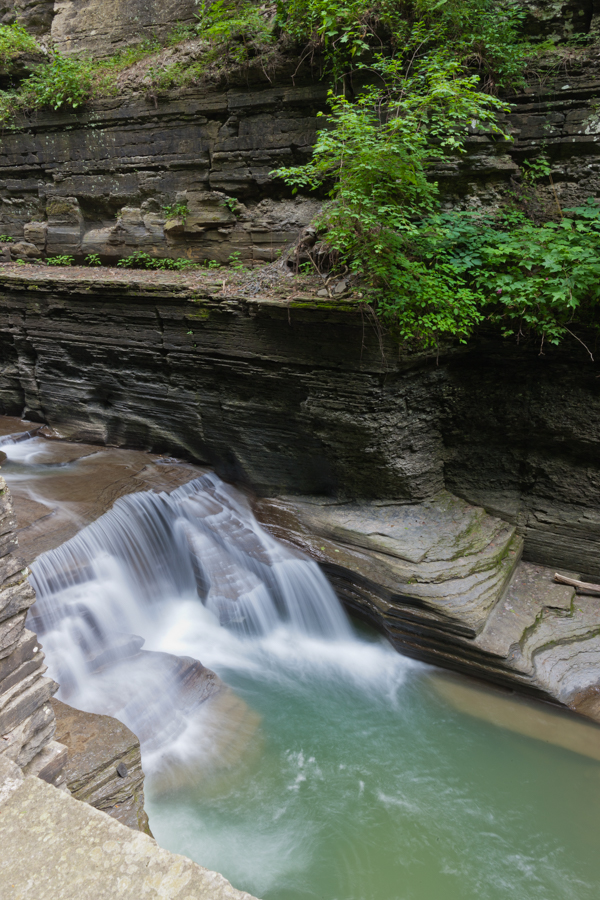
During this, the Greenlandian age, what we call Enfield Creek found a crack, widened it to form a gallery through a hill. This waterfall is emblematic of the process.
Here we see the north gallery wall, thin layers of sedimentary water-worn rock, the resistant limestone, characteristic right-angle faults worn away unevenly by flowing water.
It is 9:30 am on a July morning Robert H. Treman Park, Ithaca, Tompkins County, Ithaca, New York,
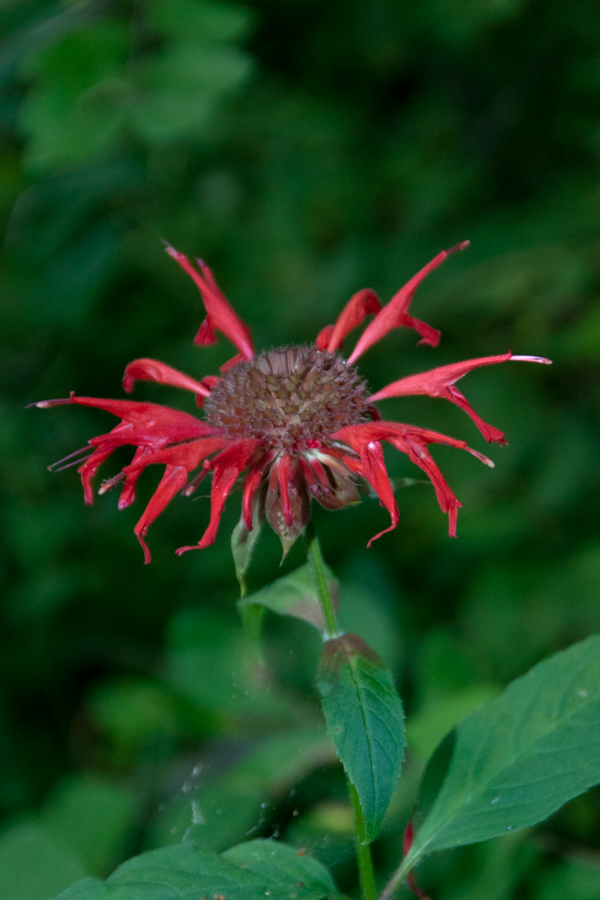
Use it to make a refreshing summertime tea.
Monarda didyma is also known as crimson beebalm, scarlet beebalm, scarlet monarda, Eau-de-Cologne plant, Oswego tea, or bergamot. A wildflower native to the Finger Lakes, Crimson beebalm is extensively grown as an ornamental plant, both within and outside its native range; it is naturalized further west in the United States and also in parts of Europe and Asia.
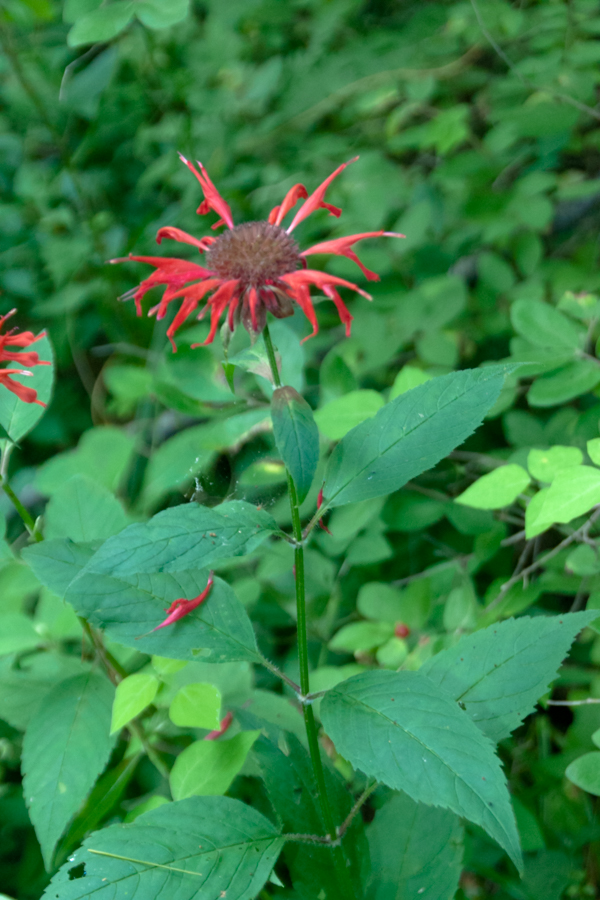
It grows best in full sun, but tolerates light shade and thrives in any moist, but well-drained soil. As suggested by membership in the Lamiaceae (mint) family, Beebalm, as an aromatic herb, has a long history of use as a medicinal plant by many Native Americans, including the Blackfoot. The Blackfoot people recognized this plant’s strong antiseptic action and used poultices of the plant for skin infections and minor wounds.
An herbal tea made from the plant was also used to treat mouth and throat infections caused by dental caries and gingivitis. Beebalm is a natural source of the antiseptic thymol, the primary active ingredient in modern commercial mouthwash formulas. The Winnebago used an herbal tea made from beebalm as a general stimulant. It was also used as a carminative herb by Native Americans to treat excessive flatulence. As a matter of local interest, Iroquois of Oswego, New York, made the leaves into a tea, giving the plant one of its common names.
It is 9:30 am on a July morning Robert H. Treman Park, Ithaca, Tompkins County, Ithaca, New York,
Wikipedia, “Monarda didyma”
“The Botanical Garden, Vol II” Roger Phillips and Martyn Rix, Firefly Books, 2002. Page 284
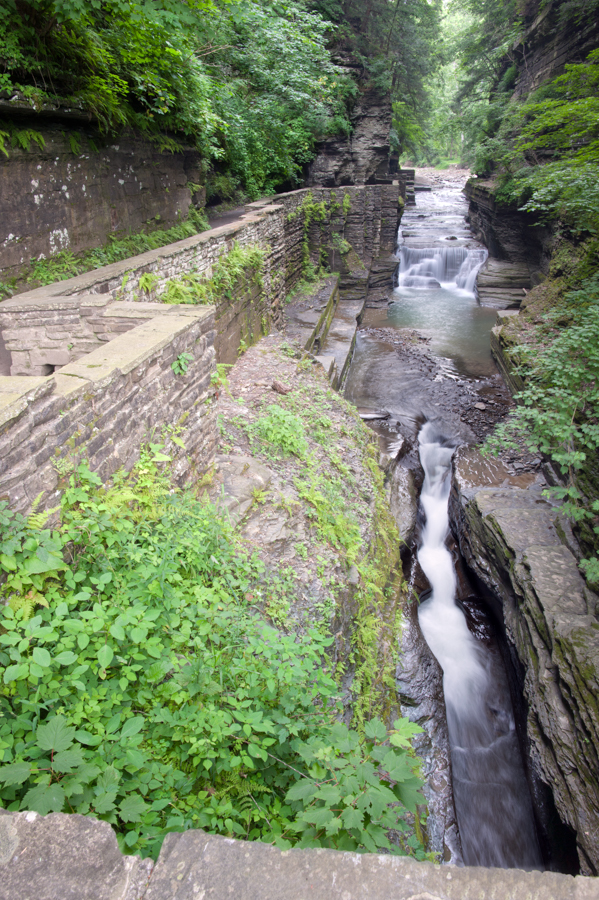
Under the Spell of Treman Gorge
View shared by generations of newlyweds standing on a stone bridge across Enfield Creek. I favor yesterday’s view, peering down into the flume plunging underneath is disconcerting. Readers: What do you think? Please post response as a comment. Thank You.
We are looking back on the place where Treman Gorge Trail from the Old Mill enters a narrow gallery looking here northwest along Enfield Creek.
It is 9:30 am on a July morning Robert H. Treman Park, Ithaca, Tompkins County, Ithaca, New York,
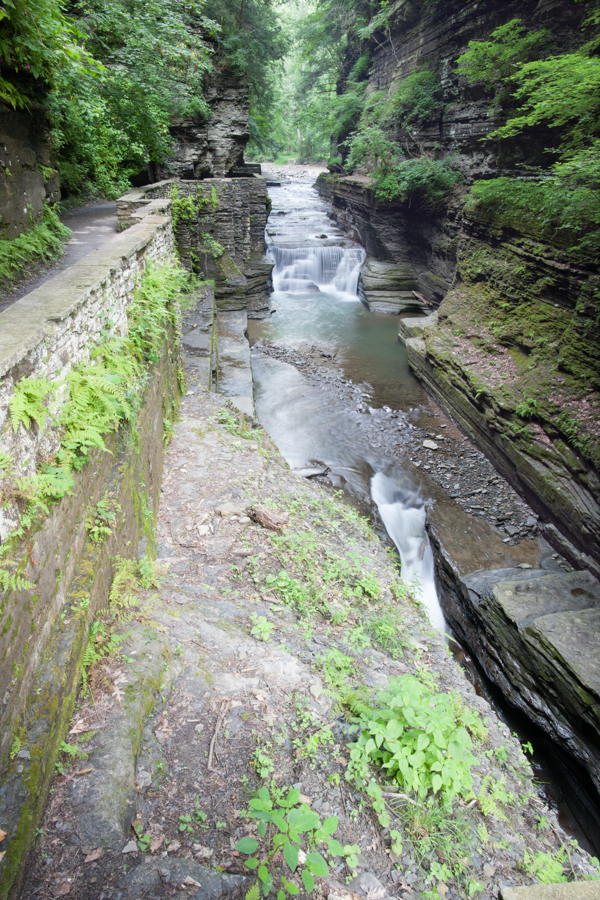
Under the Spell of Treman Gorge
View shared by generations of newlyweds standing on a stone bridge across Enfield Creek.
We are looking back on the place where Treman Gorge Trail from the Old Mill enters a narrow gallery looking here northwest along Enfield Creek.
It is 9:30 am on a July morning Robert H. Treman Park, Ithaca, Tompkins County, Ithaca, New York,
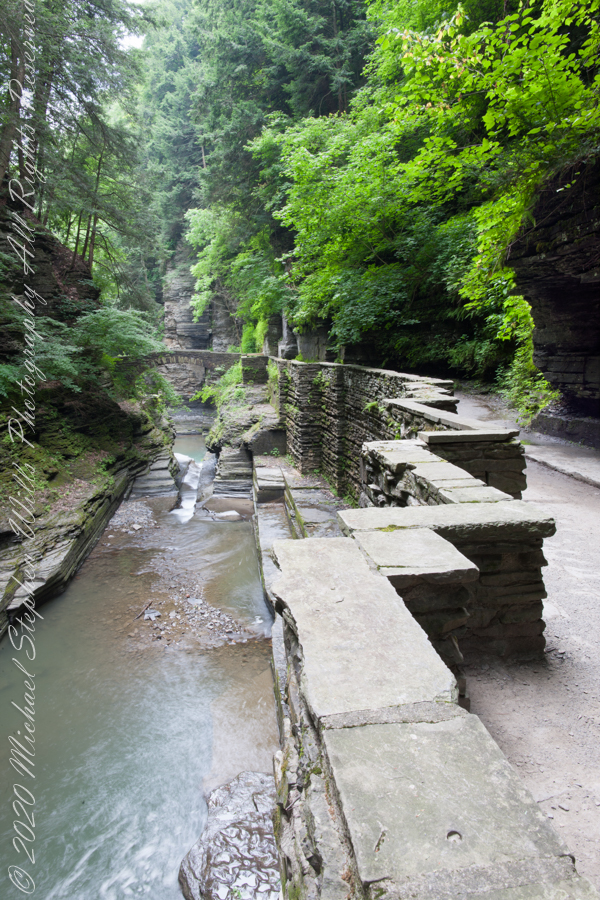
Under the Spell of Treman Gorge
First timers to Enfield Gorge realize it is special when a corner is turned and this faces them.
Treman Gorge Trail from the Old Mill enters a narrow gallery looking here southeast along Enfield Creek, passing over a stone footbridge.
It is 9:30 am on a July morning Robert H. Treman Park, Ithaca, Tompkins County, Ithaca, New York,
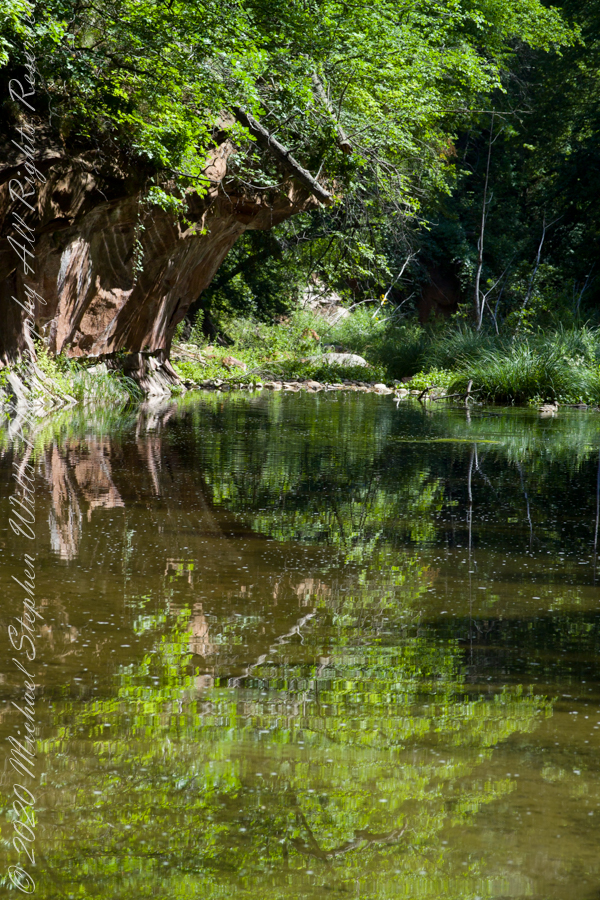
early one still morning
The fault of Oak Creek changes direction, here it turns east/west through Schnebly Hill Formation red sandstone for which Sedona is famous.
West Fork (108) Trail, Sedona, Yavapai County, Arizona
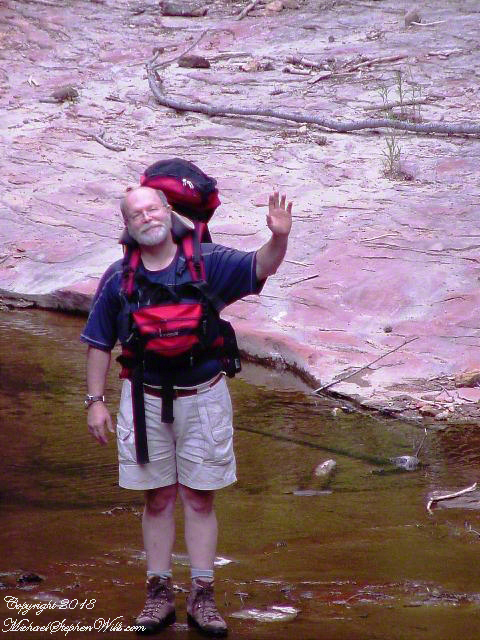
“Hello” from Oak Creek Canyon, “Photo by Pam Wills”
Click this link for my Fine Art Photography gallery. You can find Oak Creek Mandala in the Arizona gallery. The gallery description gives more information about the site.
Click this link for another Arizona post, “Cochise Dawn.”
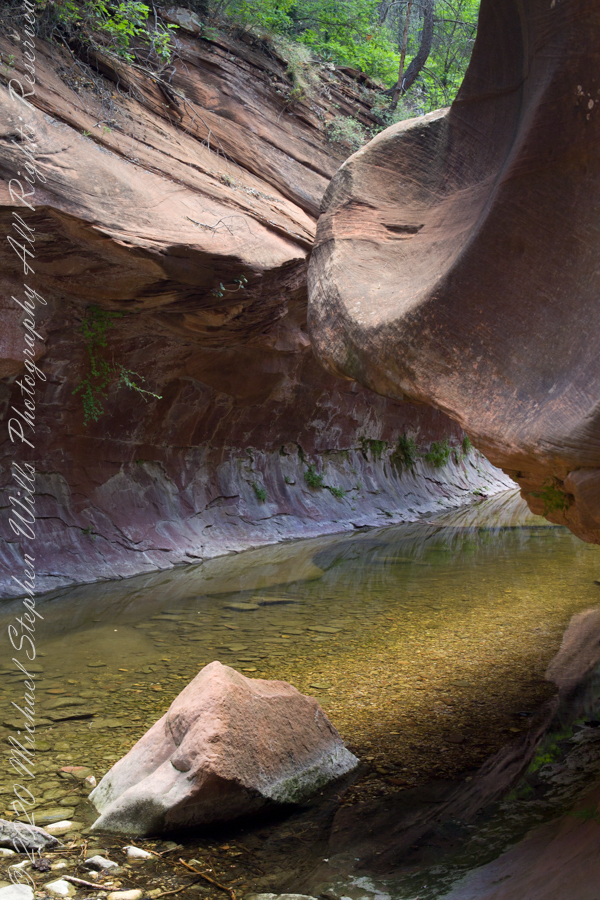
early one still morning
The fault of Oak Creek changes direction, here it forms a north/south gallery through Schnebly Hill Formation red sandstone for which Sedona is famous.
West Fork (108) Trail, Sedona, Yavapai County, Arizona
“Hello” from Oak Creek Canyon, “Photo by Pam Wills”
Click this link for my Fine Art Photography gallery. You can find Oak Creek Mandala in the Arizona gallery. The gallery description gives more information about the site.
Click this link for another Arizona post, “Cochise Dawn.”
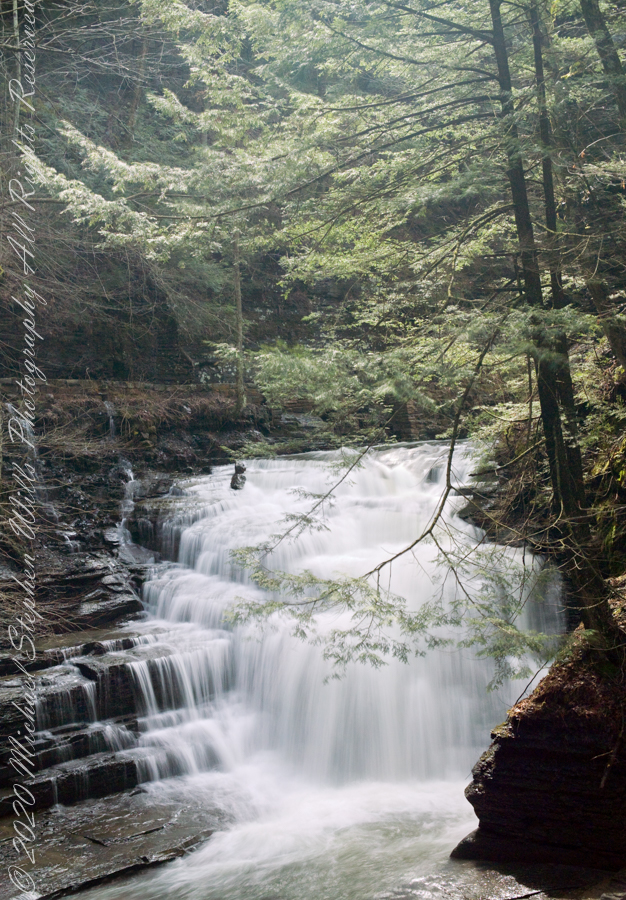
High Water
Here is the third waterfall in the Fillmore Glen Gallery of Waterfalls, shaded by hemlocks, below bridge eight (8) on an early spring morning of high-water volume.
A high dynamic range rendering from several exposures from a Kodak DSC Pro SLR/c with a Canon EF 50 mm f/1.4 USM all mounted on a very stable Manfrotto 468MG tripod with Hydrostatic Ball Head.
Fillmore Glen State Park Moravia, Cayuga County, New York.
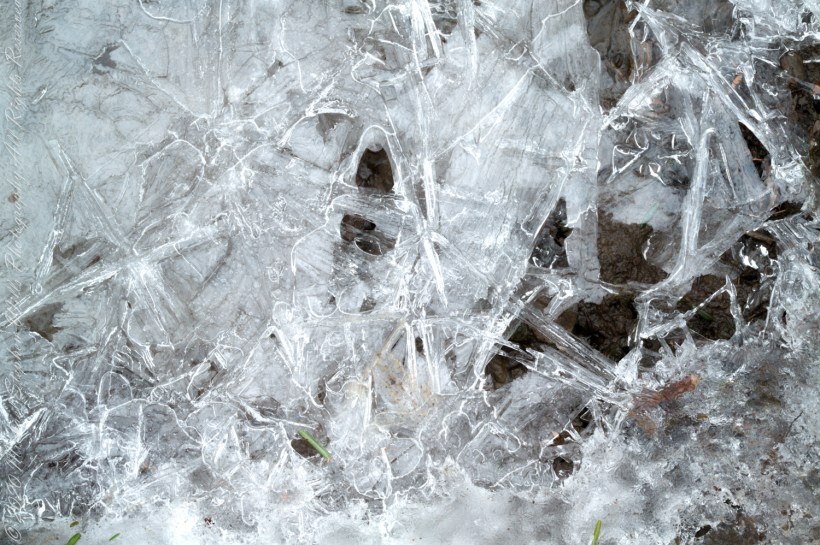
Light Plays
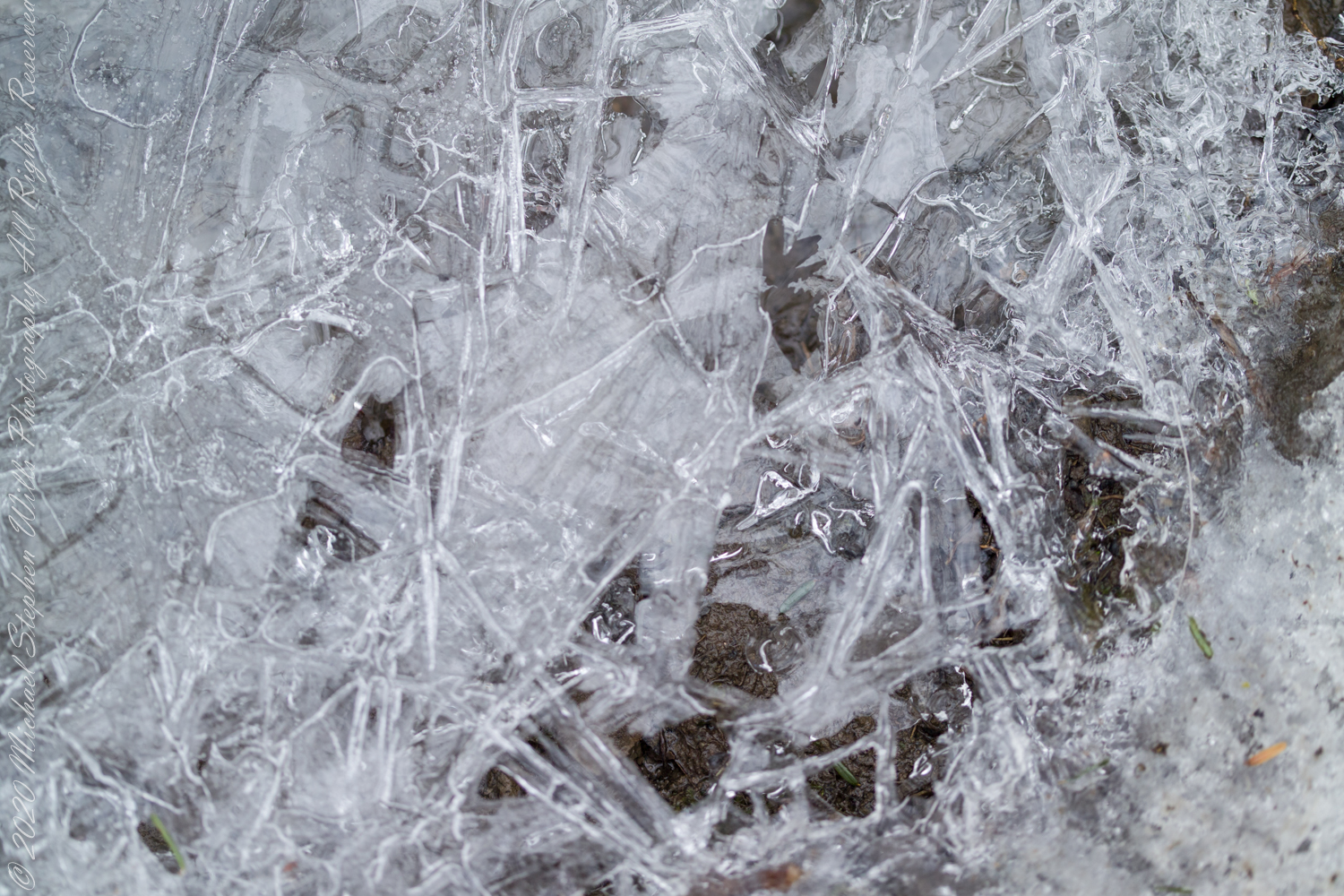
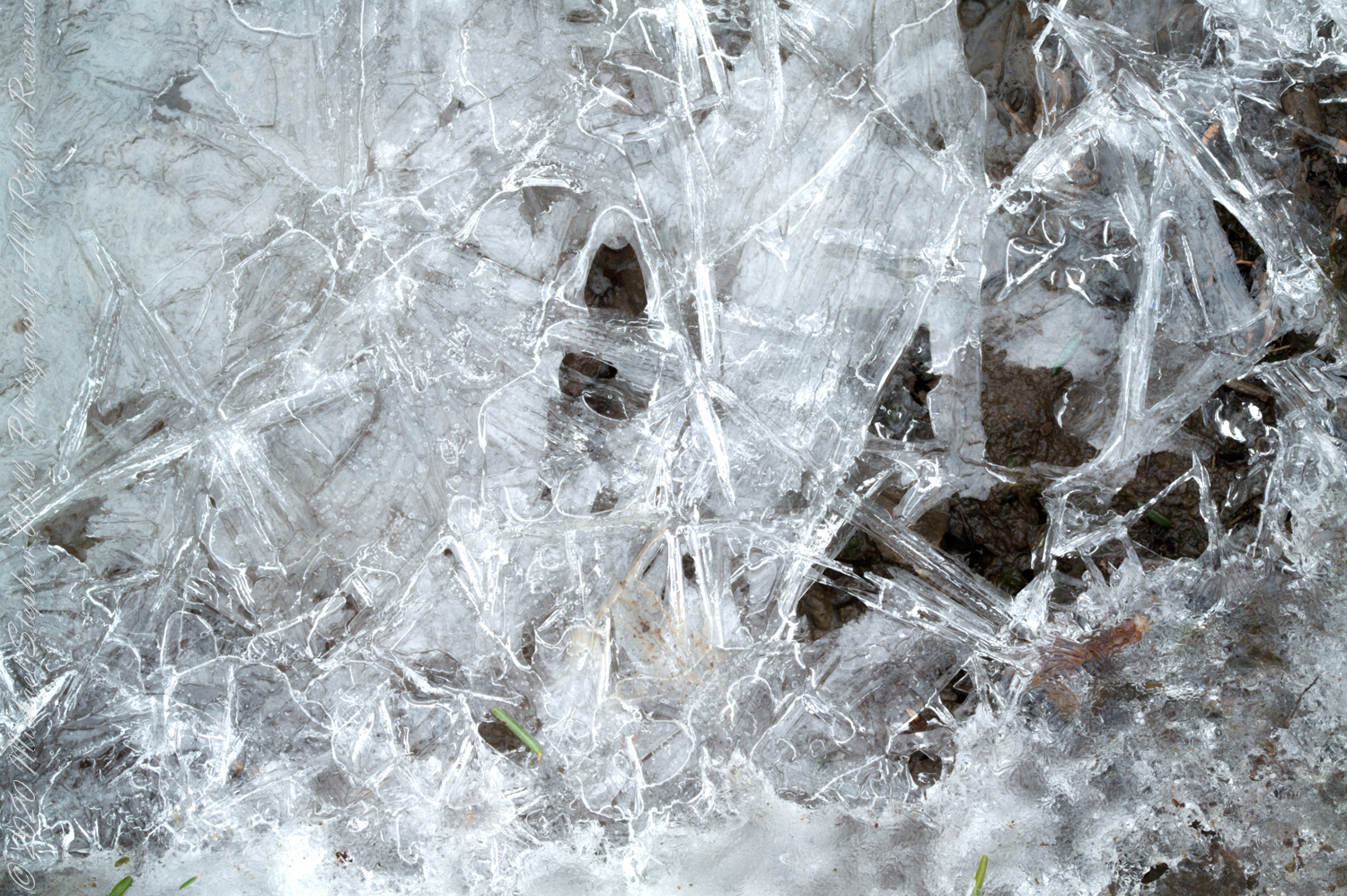
Surface of ice formed over a flowing creek. One is a HDR of three exposures, the other is a single exposure. Yes, that is dirt you see under the ice. How did that happen?
Readers: Can you tell which is the HDR? Please answer with a comment. Thank You
All are macros from a Kodak DSC Pro SLR/c with a Canon EF 100 mm f/2.8 Macro USM lens stabilized on a Manfrotto 468MG tripod with Hydrostatic Ball Head
Fillmore Glen State Park, Moravia, Cayuga County, New York.