Woodland Shelters…

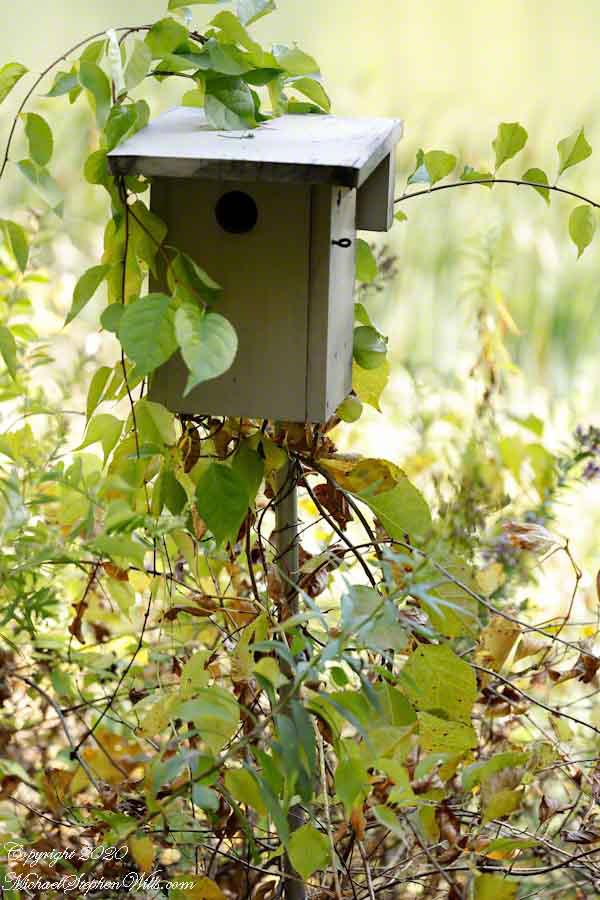
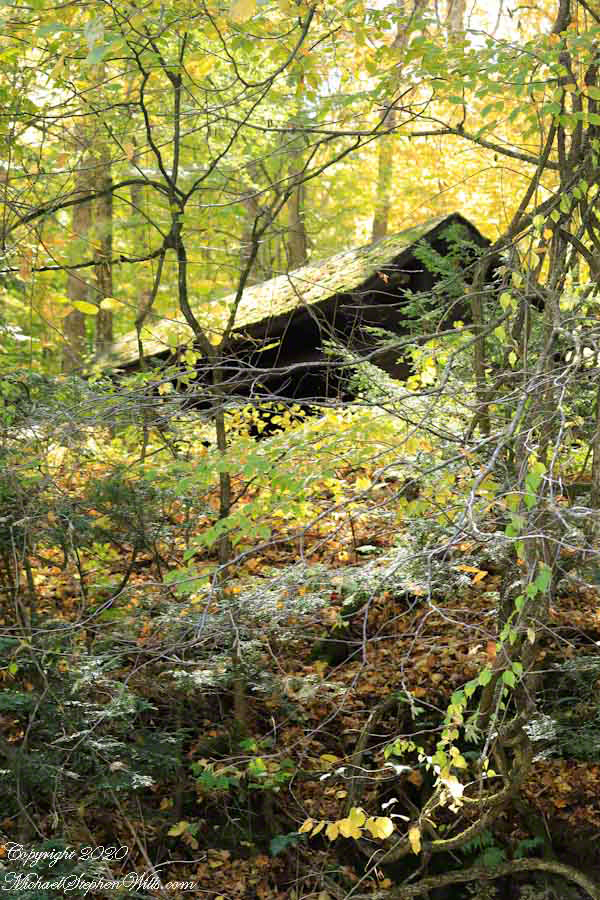
Here we have the harmony between humans and nature, represented through woodland shelters like lean-tos and birdhouses. It portrays these shelters as spaces of coexistence, mutualistic masterpieces blending function, form, and aesthetic in nature.

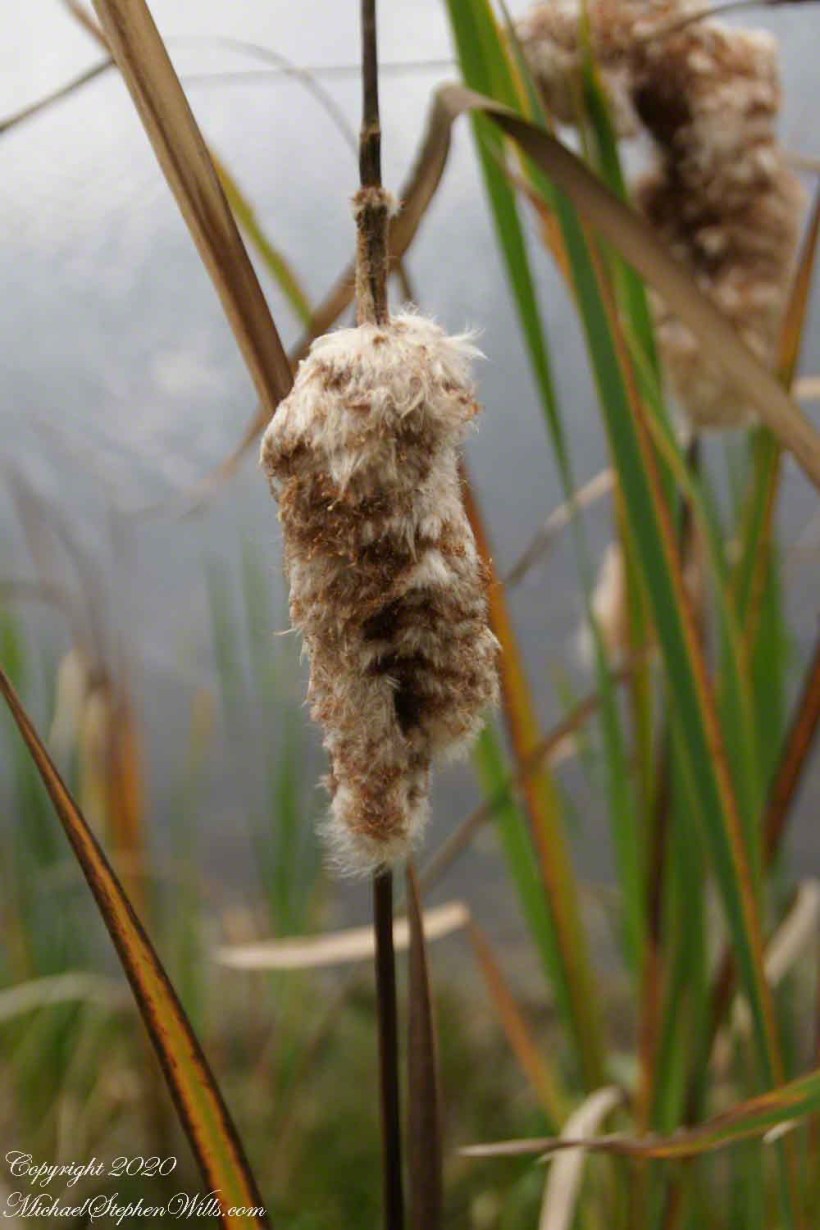
…on the Dam Pond at Fillmore Glen.

Hint: click image for larger view. Ctrl/+ to enlarge / Ctrl/- to reduce
…vines running free.
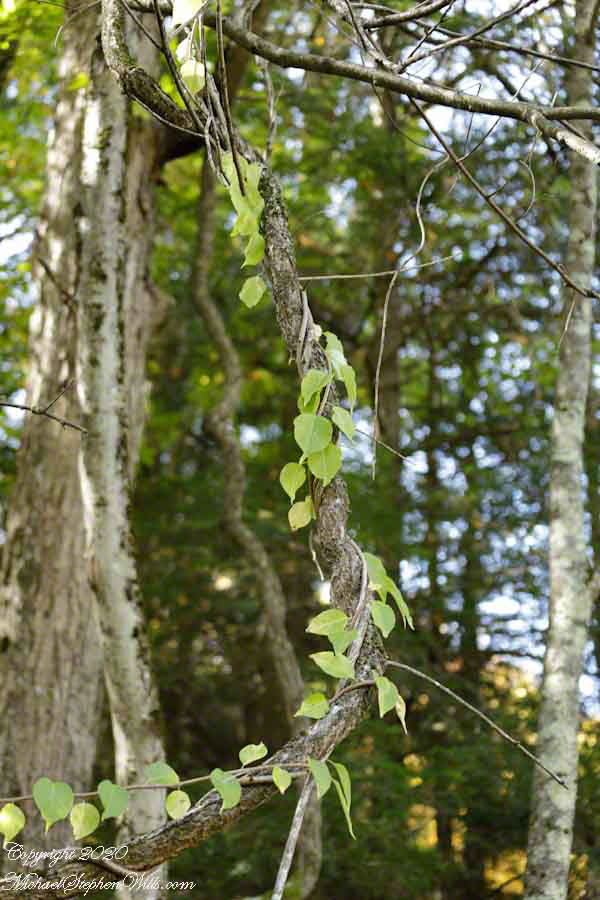
In the dappled sanctuary of the woodlands, where the rustle of leaves is a constant whisper and the breeze carries the secrets of the earth, there lies an unspoken harmony between the realm of the rooted and the realm of the roving. Here, the art of shelter is not just necessity but poetry—a dialogue between man and nature, bird and branch, leaf and sky. It is in the woodland shelters—those humble lean-tos and the charming birdhouses—that this conversation finds its most enchanting expressions.

A lean-to, a simple structure, a slant of sanctuary against the embracing trunk of a venerable oak or the crook of a steadfast pine, rises like an ode to minimalist refuge. It is both a testament to human ingenuity and a bow to the grandeur of the forest. Constructed from the very bones of the woods, with limbs that have fallen in the last tempest’s dance, it is clad in the textures of the wild—a tapestry of bark, a patchwork of leaves. It does not impose but rather suggests, whispering, “Here, rest awhile, where the earth holds you and the canopy cradles the sky.”

Within this woodland embrace, the lean-to is the hermit’s haven, the hiker’s pause, the dreamer’s alcove. It is the place where one can commune with the murmur of the brook, the chitter of the squirrel, and the silent flight of the owl at twilight. It is here that the smoke of a small fire mingles with the mist of dawn, where stories unfold to the rhythm of the crackling embers and the forest listens.

And what of the birdhouses, those quaint dwellings that pepper the woodland tableau? They are not mere shelters but the grand stages for the aerial ballet of wings and the morning serenades of feathered minstrels. Each is a mansion of possibility, an invitation etched in wood and lovingly placed among the boughs. They are the outposts of avian dreams, where the pulse of tiny hearts beats in time with the dripping of rain and the warmth of the sun’s caress.

The birdhouse is a symbol of the generosity of the woodsman’s spirit, a gift to the skyborne, a token of respect to the delicate denizens of the firmament. Here, the chickadee, the finch, the nuthatch, and the wren find respite and nurture the next generation of sky dancers. Each hole is a portal to a home, each perch a threshold to the warmth within, and every departure and return is witnessed by the vigilant trees, the silent sentinels of the forest.

Lean-tos and birdhouses, these woodland shelters, are the chorus of the sylvan symphony, the unseen chords that bind human to habitat, life to life. They are proof that in the quiet places of the world, where humanity treads lightly and the wild holds sway, there can be a beautiful coexistence, a mutualistic masterpiece painted on the canvas of the wilderness. They stand as symbols of the beauty that arises from the marriage of function and form, purpose and aesthetic, the innate and the crafted.

In the woodland shelters, there is a rhapsody played in the key of nature—a song of simplicity, of connection, of the perpetual dance between the earth and its many children. It is here, in the lean-tos and birdhouses, that the heart of the woods beats strongest, beneath the watchful eyes of ancient trees and the endless sky.
Copyright 2023 Michael Stephen Wills All Rights Reserved MichaelStephenWills.com

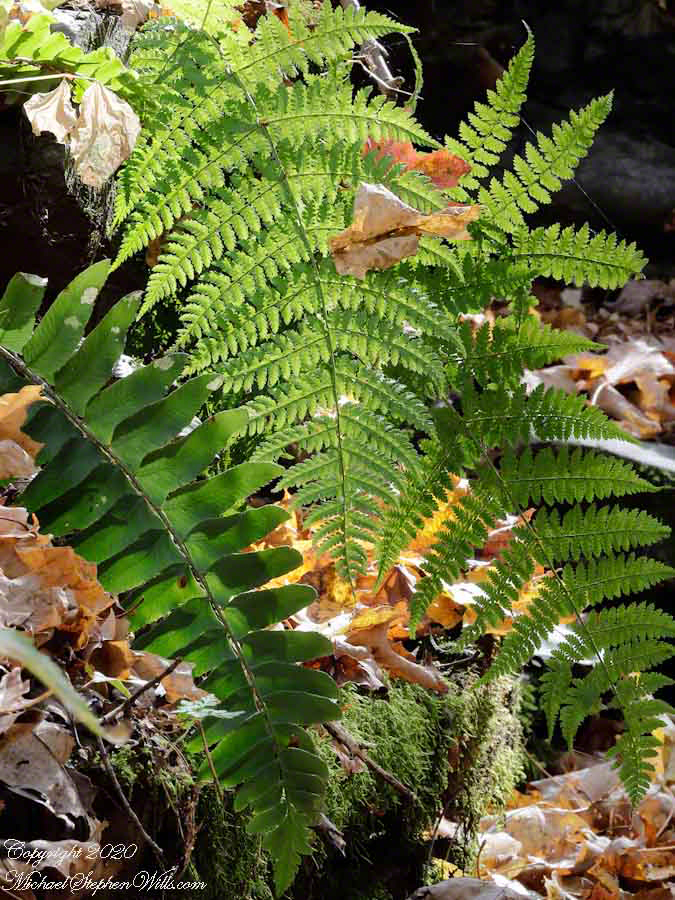
Backlit

Ferns, ancient plants with unique reproduction strategies and ecological significance, adapt to diverse environments while contributing to overall biodiversity and human culture.

In the vast tapestry of the plant kingdom, ferns occupy a unique and enduring place. These ancient plants, often overlooked in favor of their flowering counterparts, have a fascinating and seemingly eternal existence that spans millions of years. Ferns, with their lush green fronds and distinctive reproductive mechanisms, offer us a glimpse into the enduring legacy of life on Earth and the remarkable adaptations that have allowed them to persist through the ages.

Ferns belong to the group of plants known as Pteridophytes, which evolved more than 360 million years ago during the late Devonian period. Their evolutionary history predates the appearance of flowering plants, making ferns some of the oldest living organisms on our planet. This remarkable longevity raises the question: how have ferns managed to survive and thrive for so long?

One key to the success of ferns lies in their unique reproductive strategy. Unlike flowering plants that produce seeds, ferns reproduce via spores. These small, dust-like structures contain the genetic material necessary for ferns to reproduce. When mature, ferns release spores into the environment, where they can be carried by the wind or water to new locations. Once a spore finds a suitable environment, it can germinate and develop into a new fern plant.

The spore-based reproduction of ferns is not only ancient but also highly efficient. It allows ferns to colonize diverse habitats, from moist, shaded forests to arid deserts. Additionally, ferns can form extensive networks of underground rhizomes, which are creeping stems that give rise to new fronds. This vegetative propagation further contributes to their resilience and adaptability.

Ferns have also developed a range of adaptations that enable them to thrive in various environmental conditions. Some fern species, such as the resurrection fern (Pleopeltis polypodioides), can endure extreme desiccation. When conditions are dry, these ferns curl up and appear dead, but they can quickly revive and unfurl their fronds when moisture returns. Backpacking through mountainous Arizona wilderness I encountered small ferns growing in the shade of rock ledges, maybe this was Phillips Cliff Fern (Woodsia phillipsii). My guide called it “Ridgeline Fern” and claimed it was important for desert survival, could be eaten in extremis situations. This remarkable ability to withstand drought and promote human survival is a testament to the tenacity and usefulness of ferns.

Another intriguing aspect of ferns is their mutualistic relationship with mycorrhizal fungi. These fungi form symbiotic associations with fern roots, aiding in nutrient absorption and enhancing the fern’s ability to thrive in nutrient-poor soils. This partnership has likely contributed to the fern’s ability to colonize a wide range of habitats and compete with other plant species.

While ferns have proven to be resilient survivors, they have also played a crucial role in shaping Earth’s ecosystems. Ferns are often early colonizers in disturbed or newly formed habitats, and their presence can help stabilize soils and create conditions suitable for the establishment of other plant species. In this way, ferns contribute to the ecological succession and overall biodiversity of ecosystems.

Beyond their ecological significance, ferns have captured the human imagination for centuries. Their delicate and intricate fronds have inspired art, literature, and even garden design. Many garden enthusiasts cultivate ferns for their ornamental beauty and unique charm.

In conclusion, the eternal life of ferns is a testament to the remarkable adaptability and resilience of these ancient plants. Their longevity, dating back millions of years, serves as a reminder of the enduring nature of life on Earth. Ferns have evolved unique reproductive strategies, adaptations to various environments, and mutualistic relationships that have allowed them to persist and thrive. Whether they are serving as pioneers in newly formed habitats or gracing our gardens with their elegance, ferns continue to capture our fascination and enrich the natural world. Their legacy reminds us of the intricate and interconnected web of life that has persisted on our planet through the ages.

Copyright 2023 Michael Stephen Wills All Right Reserved MichaelStephenWills.com

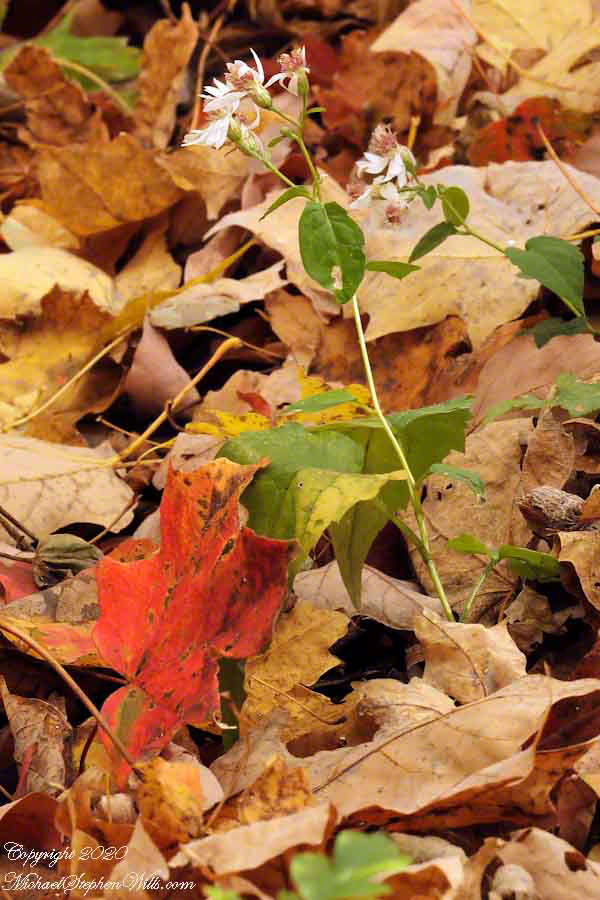
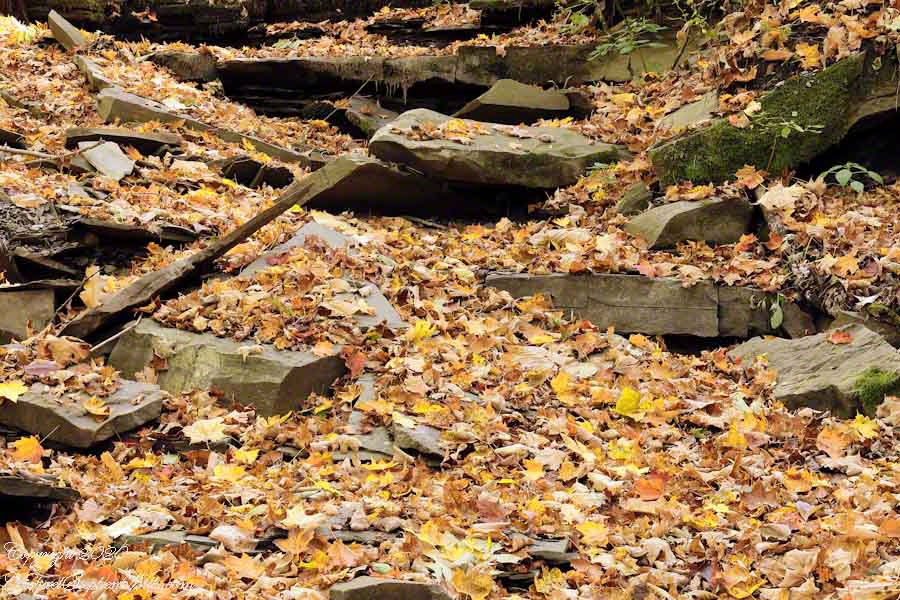
Among Fallen Leaves

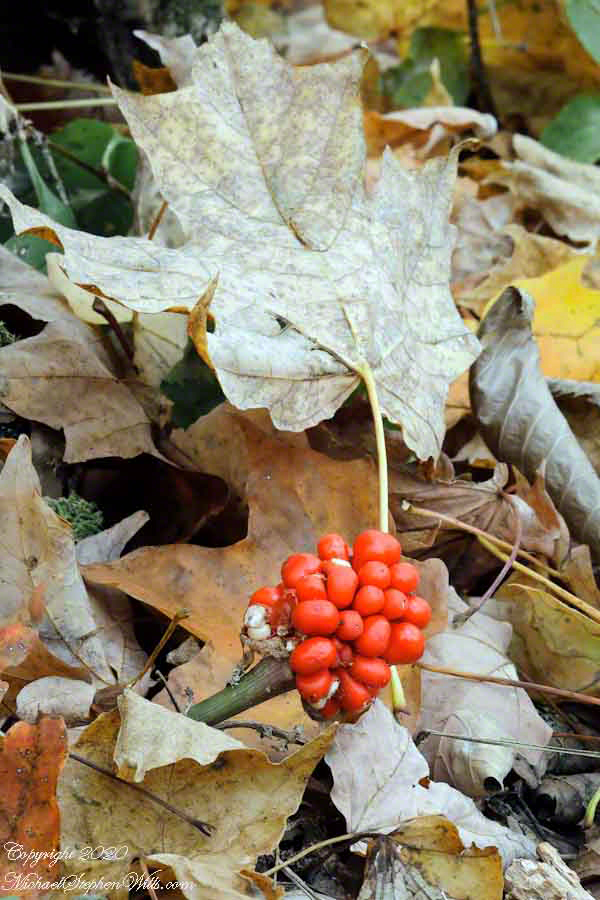
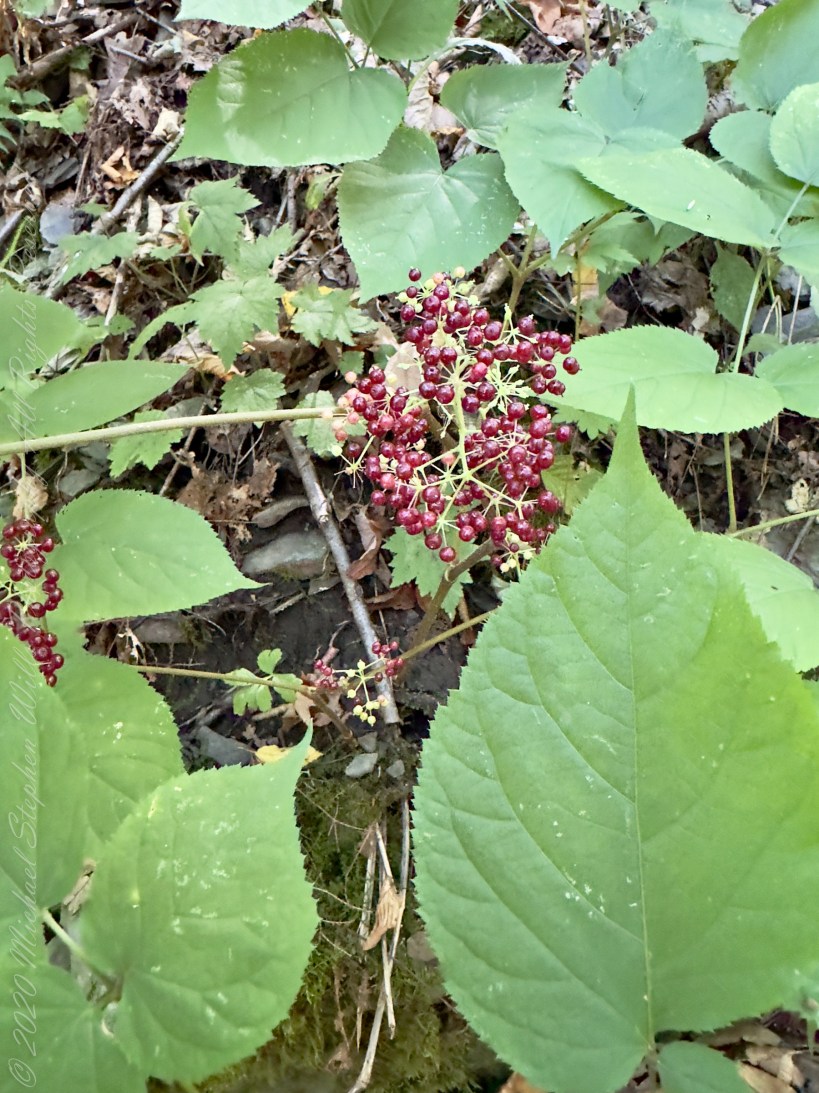
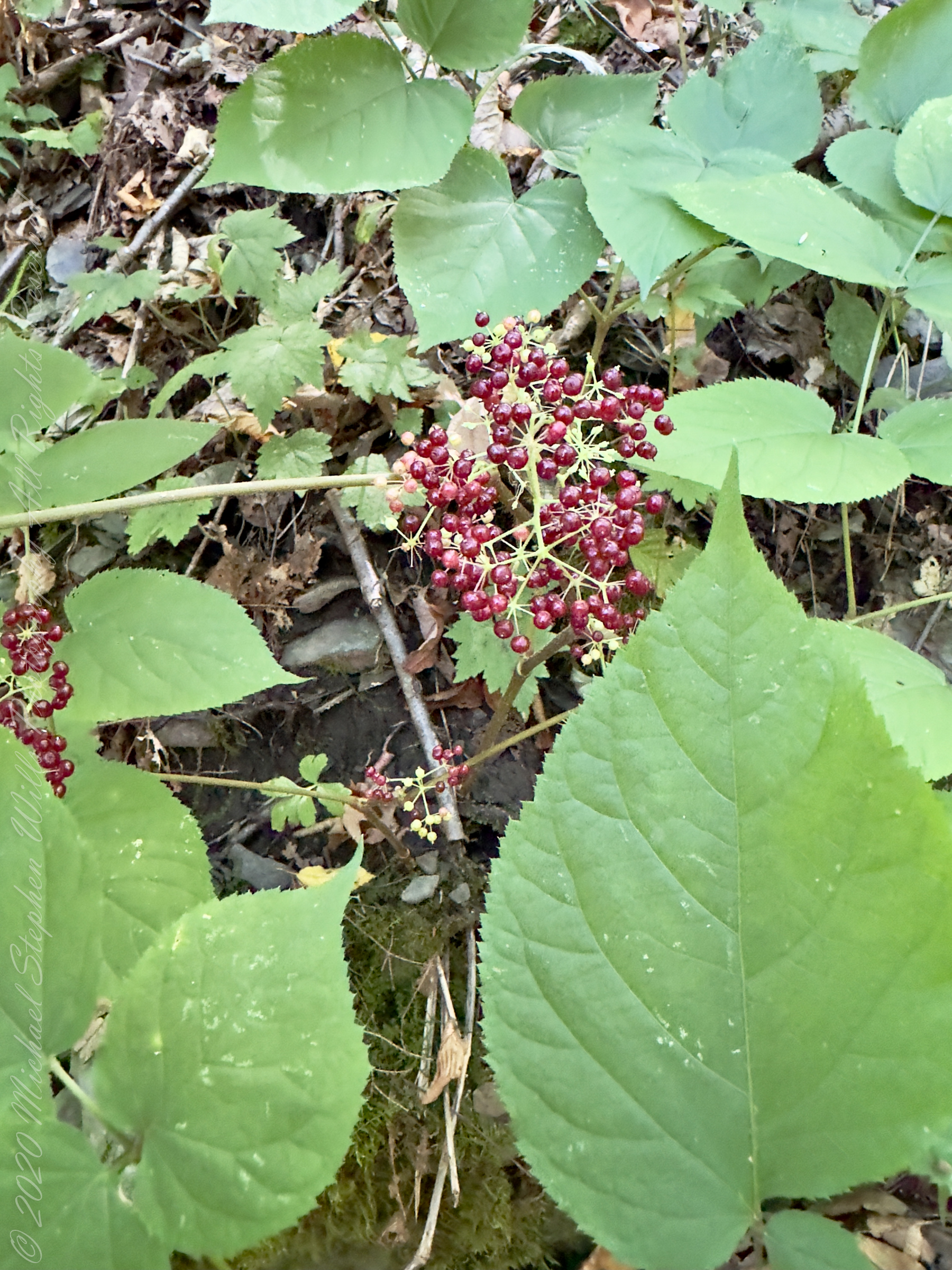
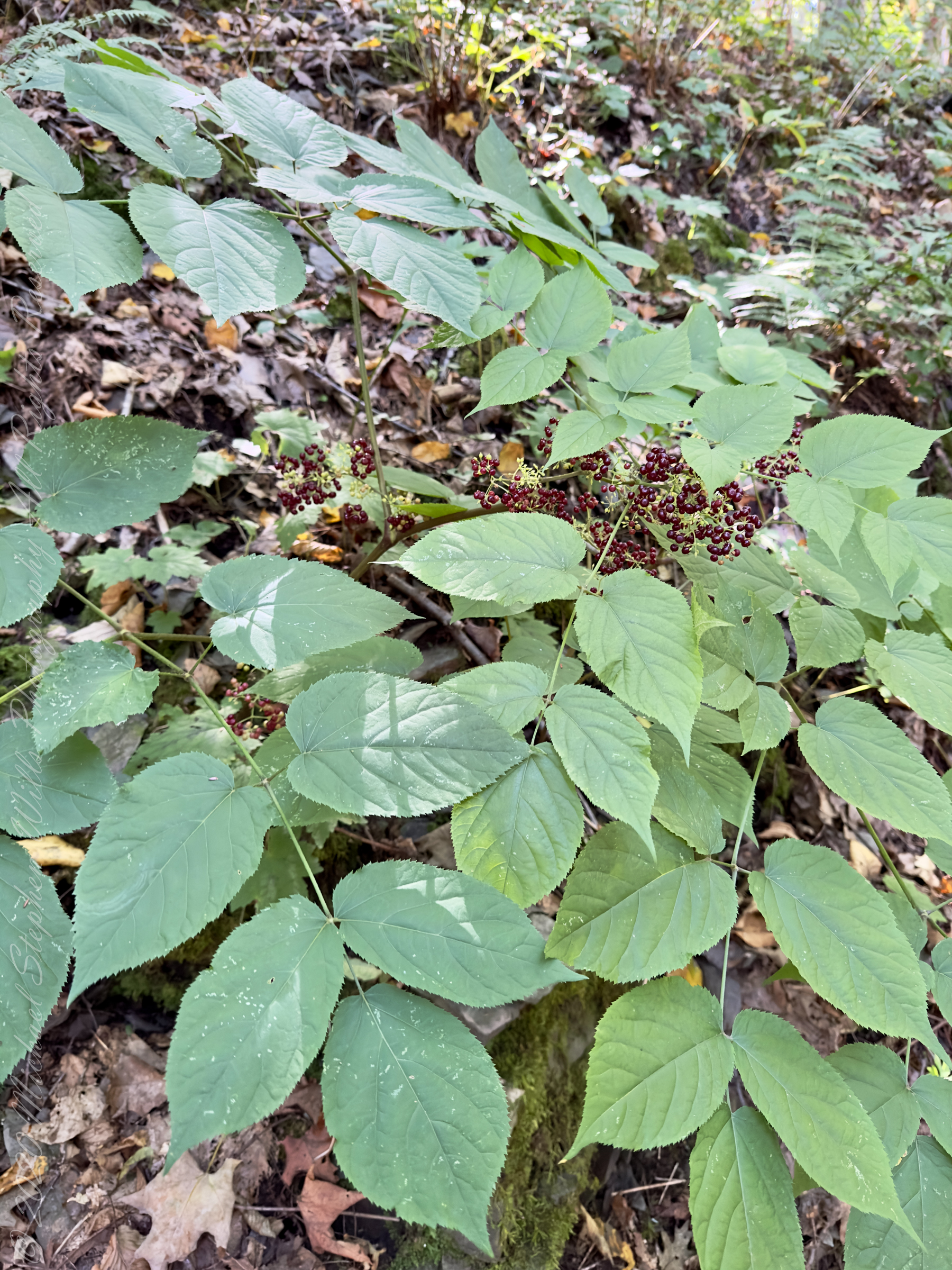
The red berries of the Jack-in-the-Pulpit plant play a key role in seed dispersion, wildlife sustenance, and fueling its energy storage organ, the corm.

As the crisp air of autumn settles in and the leaves begin their spectacular transformation into hues of red, orange, and yellow, the forest floor comes alive with a myriad of hidden wonders. Among these wonders, the Jack-in-the-Pulpit (Arisaema triphyllum) stands out for its striking red berries and the role they play in the fall glory of the woodland ecosystem. In this essay, we will explore the beauty and significance of these red berries and how they are intrinsically linked to the plant’s corm.

The Jack-in-the-Pulpit, a native perennial herbaceous plant of North America, is known for its distinctive appearance, featuring a hood-like structure known as the spathe and a tall, slender stalk called the spadix. It is during the fall season that the plant’s fascinating red berries make their appearance, contrasting vividly against the backdrop of autumn’s colors. These berries are the result of a process that begins in the spring, when the plant first emerges from its underground corm.

Throughout the growing season, the Jack-in-the-Pulpit devotes its energy to producing these striking red berries, which serve several important ecological functions. The red berries are not only visually appealing but also function as a means of reproduction for the plant. They contain seeds that, once mature, can be dispersed to establish new Jack-in-the-Pulpit plants. These seeds are often transported by animals that consume the berries, such as birds and rodents, which then disperse them in their droppings, contributing to the plant’s spread throughout the forest.

The bright red color of the berries is a key feature that attracts birds, making them an essential food source during the fall and early winter months. Birds like thrushes, cardinals, and robins are known to feed on the Jack-in-the-Pulpit berries, aiding in seed dispersal while benefiting from the nutrient-rich fruits. This mutualistic relationship between the plant and its avian dispersers showcases the interconnectedness of the forest ecosystem, where each species relies on the other for survival and propagation.

The significance of the Jack-in-the-Pulpit’s red berries extends to the corm beneath the surface. The corm serves as an energy storage organ for the plant, helping it survive through the harsh winter months when the above-ground parts of the plant wither and die. During the fall, as the plant directs its energy toward producing berries, it also transfers nutrients to the corm, ensuring its vitality and readiness for the following spring.

Furthermore, the corm itself can serve as an energy reserve for the production of future berries and the growth of new shoots. As the plant enters dormancy, it relies on the stored energy in the corm to fuel its growth when conditions become favorable in the next growing season. In this way, the corm and the red berries are intricately linked, with the berries representing the culmination of a year-long process of energy accumulation and reproduction.

In conclusion, the red berries of the Jack-in-the-Pulpit are a captivating and vital component of the fall glory that graces our woodlands. Their vibrant color and ecological role in seed dispersal highlight the plant’s contribution to the forest ecosystem’s richness and diversity. Moreover, these berries are a testament to the interconnectedness of nature, as they are not only visually stunning but also an essential food source for wildlife. As we marvel at the beauty of fall and explore the wonders of the natural world, let us take a moment to appreciate the significance of the red berries of the Jack-in-the-Pulpit and their role in the intricate web of life that surrounds us.

Copyright 2023 Michael Stephen Wills All Right Reserved MichaelStephenWills.com

more Jennings Pond IV

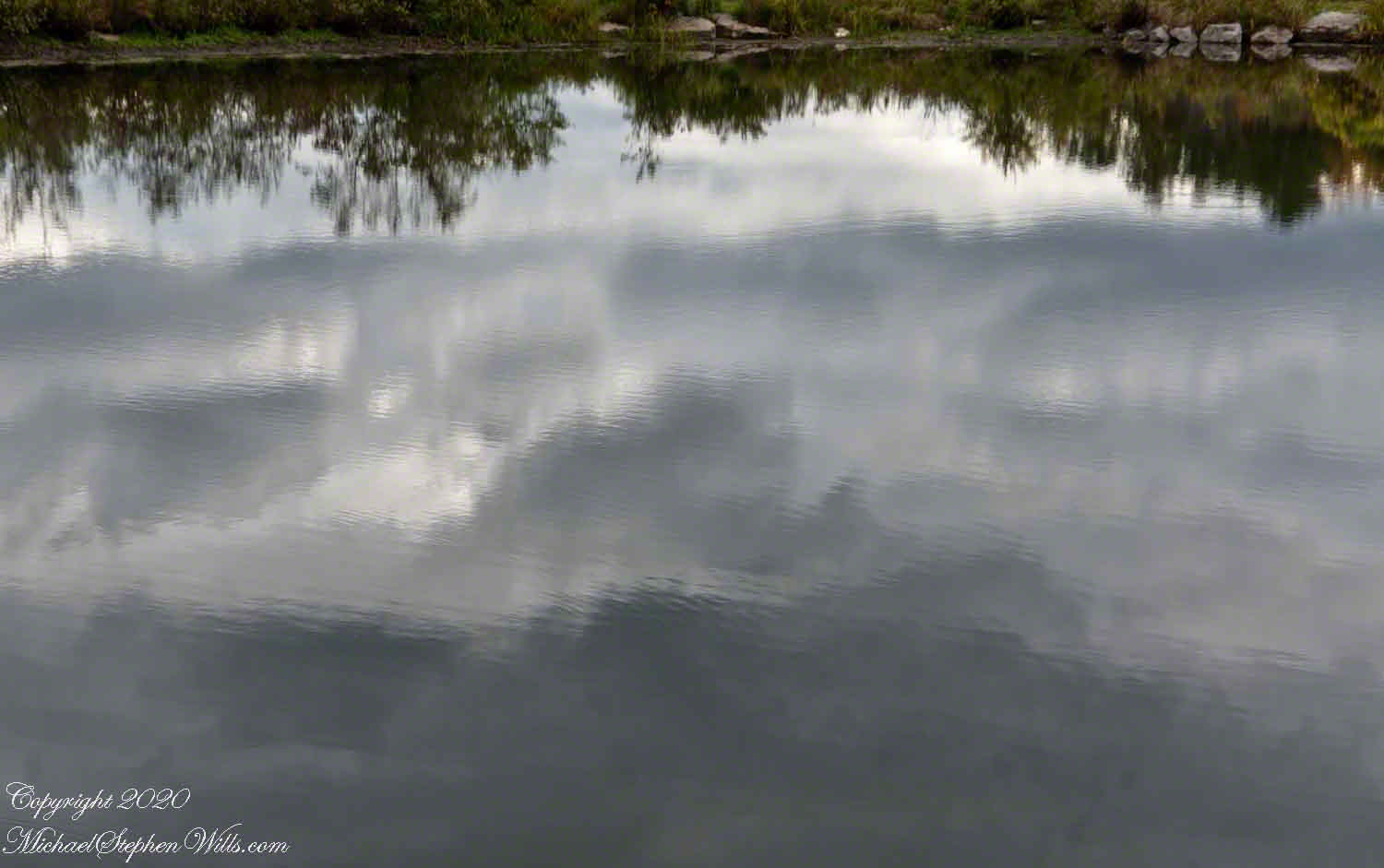
Still life and stillness

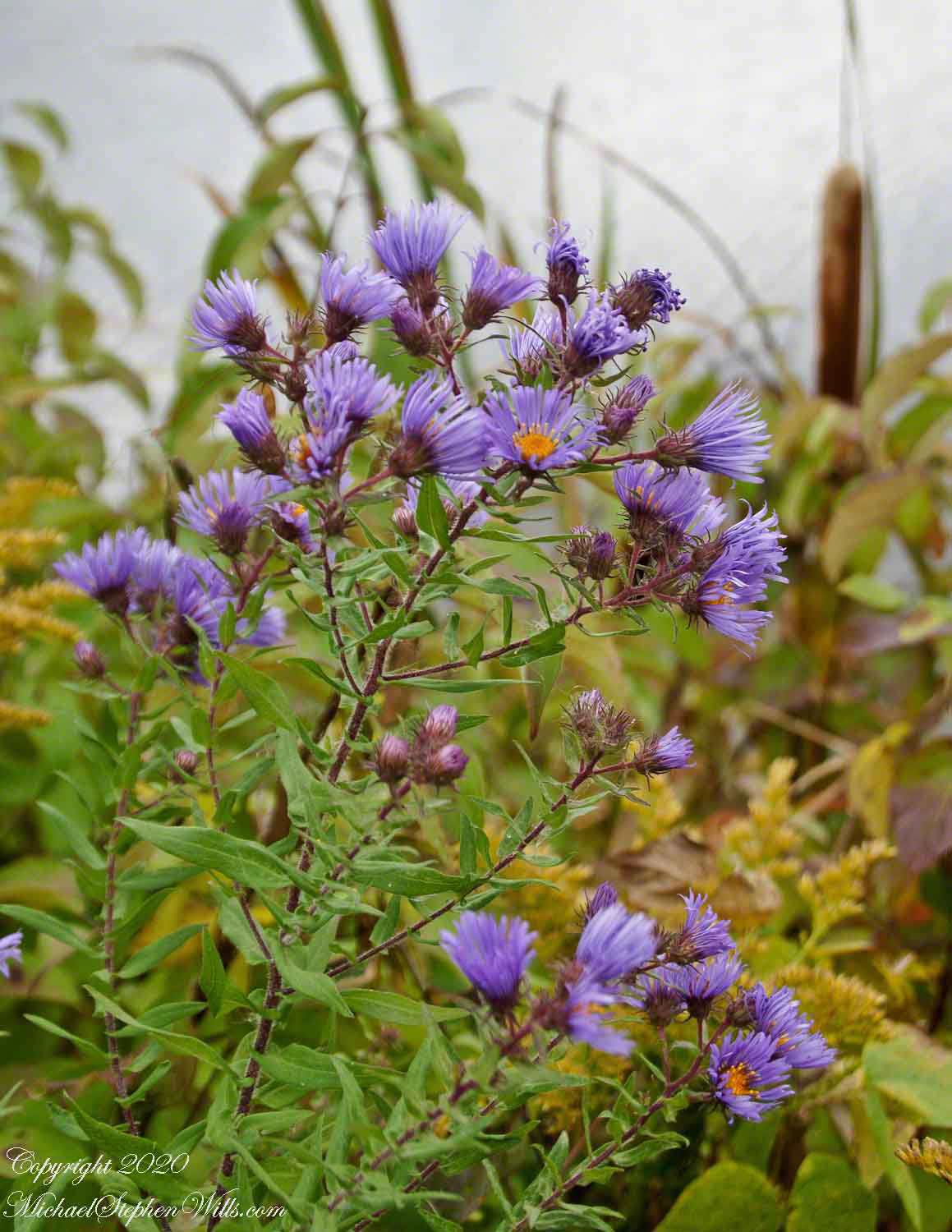
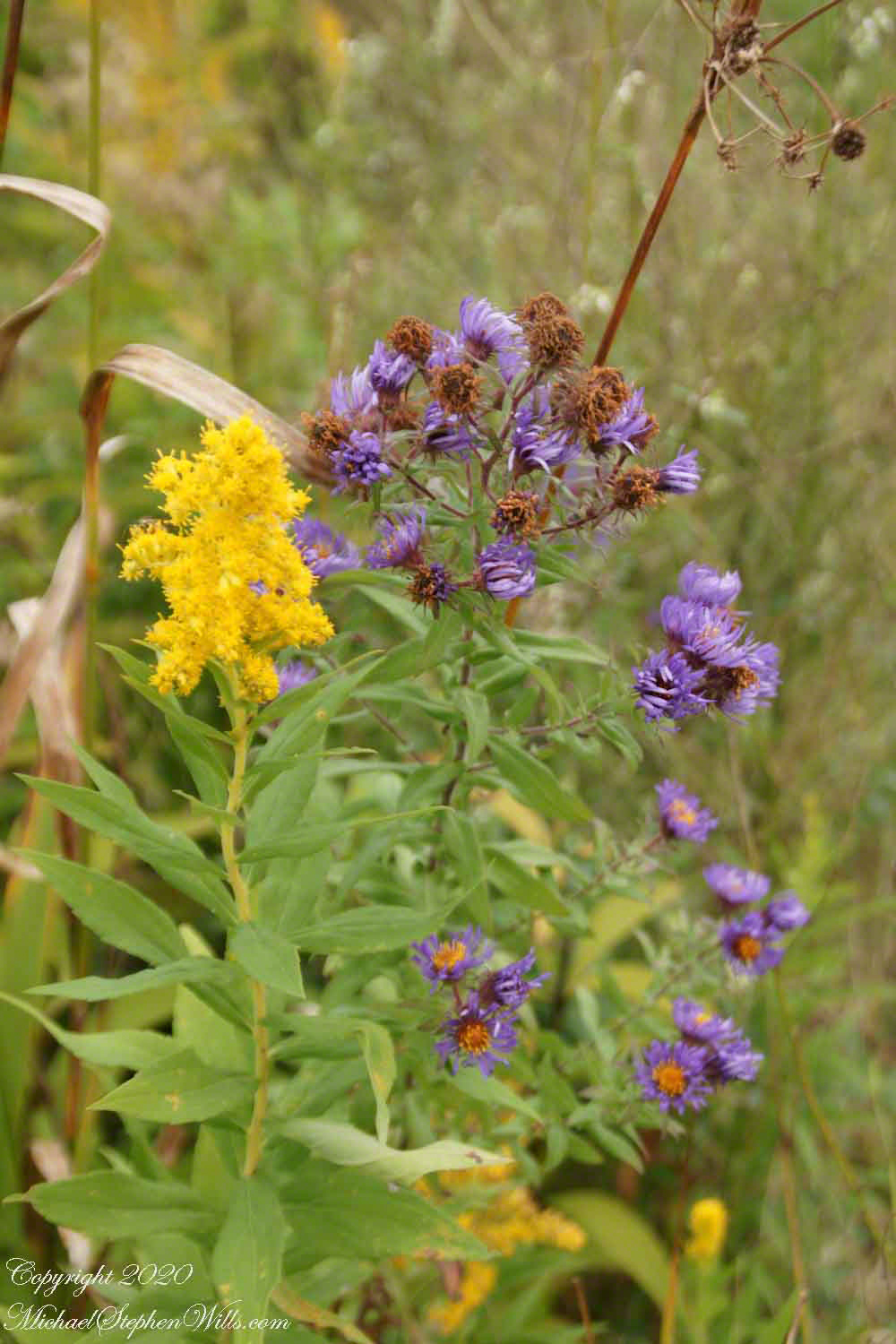
I described Jennings Pond to Pam and we returned together. Here is a photographic essay from that day, one of a series.

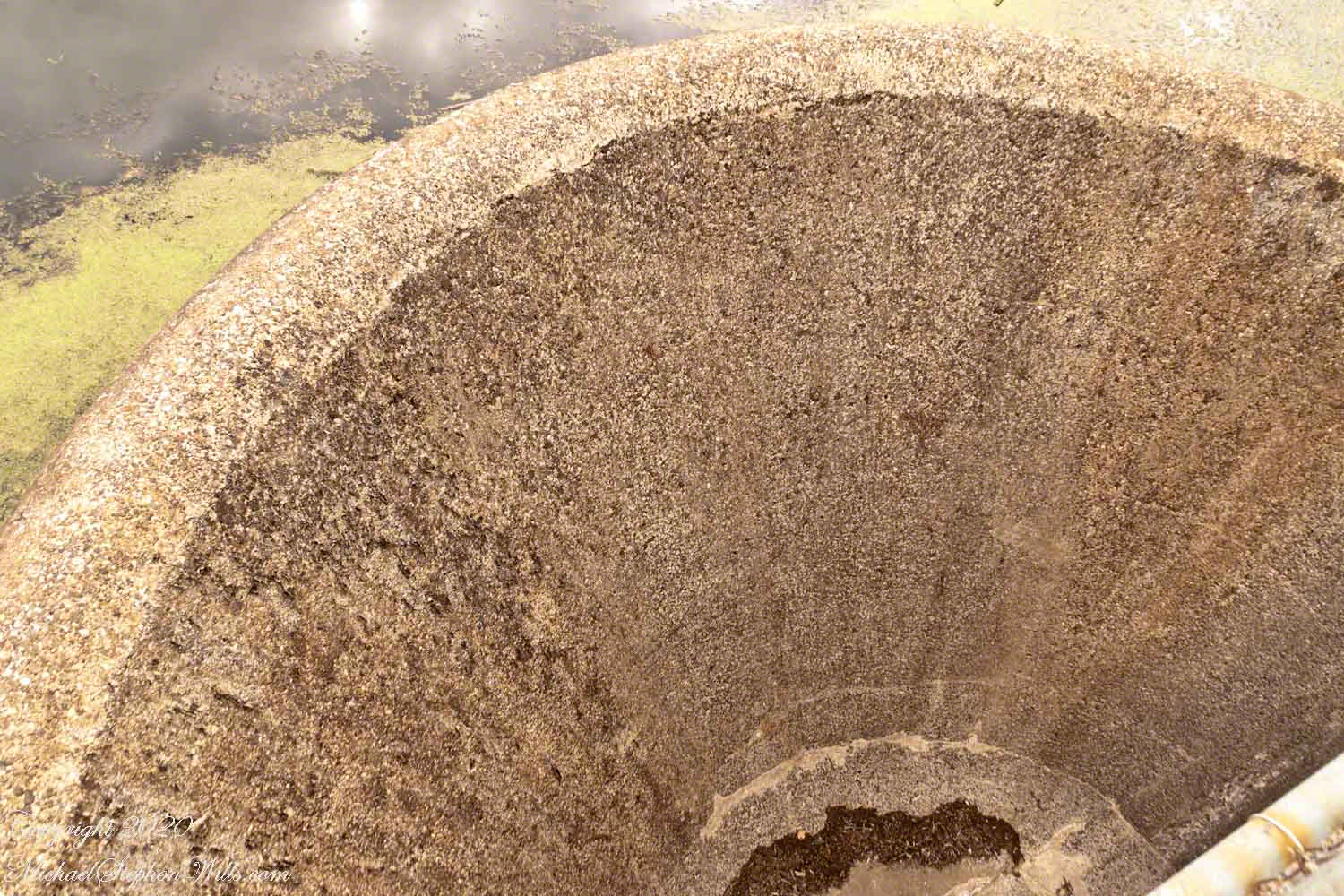
The first image is the small concrete dam, taken from the footbridge over the pond outlet, source for Buttermilk Creek.

Copyright 2023 Michael Stephen Wills All Rights Reserved

Newgrange VIII

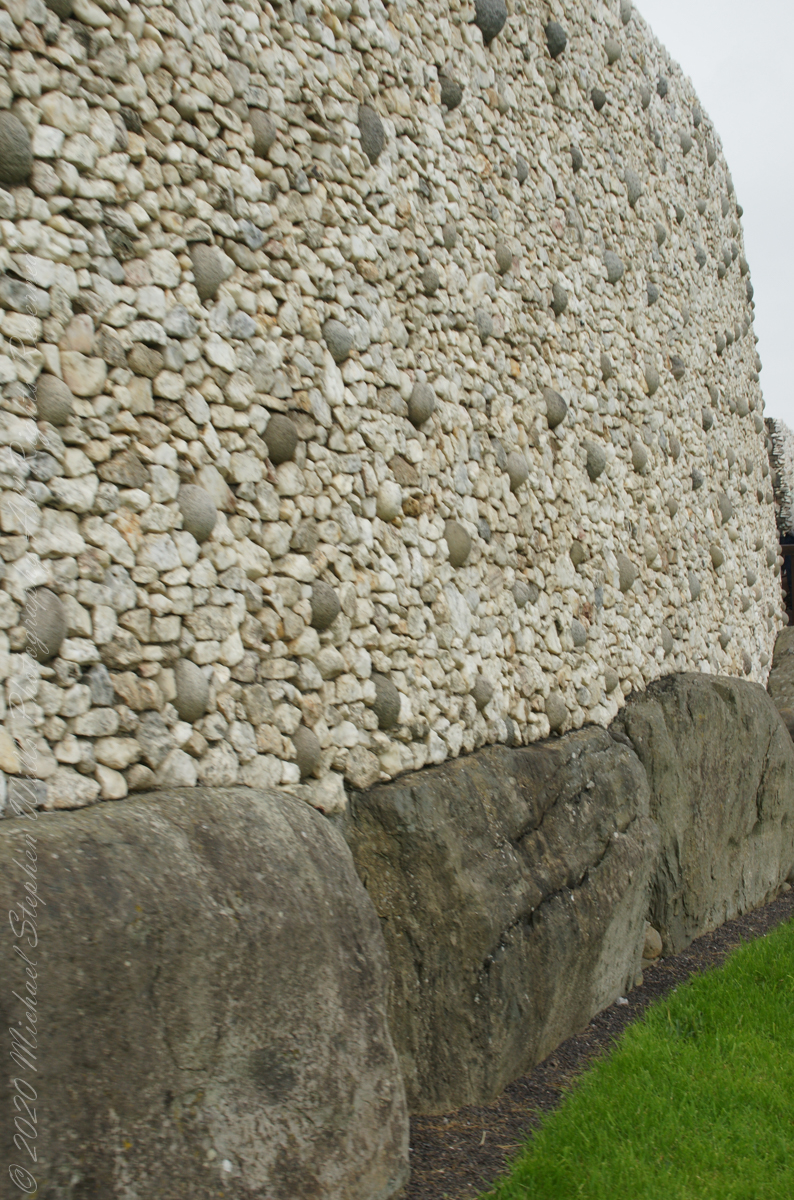
The Newgrange facade and kerbstones consists of stones from various locations, believed to be transported by sea and river.

The Newgrange façade and entrance of today is a creation from the large quantity of small stones unearthed and conserved during excavation given form by a steel-reinforced concrete retention wall. 

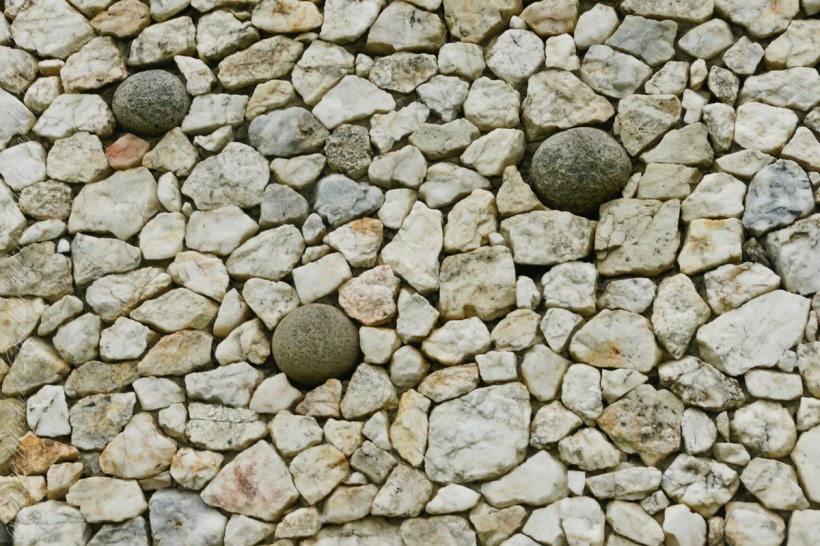
The brilliant white quartz cobblestones were collected from the Wicklow Mountains, 31 miles to the south.  Our guide called them “sunstones” for the way they reflect sunlight. In the following photograph is white quartz, the same excavated 1967-1975 from the Newgrange site and incorporated into the facade, I collected from “Miners Way” along R756 (above Glendalough).

You can also see in these photographs dark rounded granodiorite cobbles from the Mourne Mountains, 31 miles to the north.  Dark gabbro cobbles from the Cooley Mountains and banded siltstone from the shore at Carlingford Lough both locations on the Cooley Peninsula where my mother’s family still has farms.

The stones may have been transported to Newgrange by sea and up the River Boyne by fastening them to the underside of boats at low tide. None of the structural slabs were quarried, for they show signs of having been weathered naturally, so they must have been collected and then transported, largely uphill, to the Newgrange site. The granite basins found inside the chambers also came from the Mournes.

Geological analysis indicates that the thousands of pebbles that make up the cairn, which together would have weighed about 200,000 tons, came from the nearby river terraces of the Boyne. There is a large pond in this area that is believed to be the site quarried for the pebbles by the builders of Newgrange.

Most of the 547 slabs that make up the inner passage, chambers, and the outer kerbstones are greywacke. Some or all of them may have been brought from sites either 3 miles away or from the rocky beach at Clogherhead, County Louth, about 12 miles to the northeast.

Click Me for the first post of this series.

Copyright 2023 Michael Stephen Wills All Rights Reserved

Treman Early Autumn Walk XIV

The post discusses the Hepatica acutiloba plant, highlighting its characteristics, growth, historical medicinal use, and its natural habitat in central eastern North America. It also includes an observation made in Robert H. Treman Park.

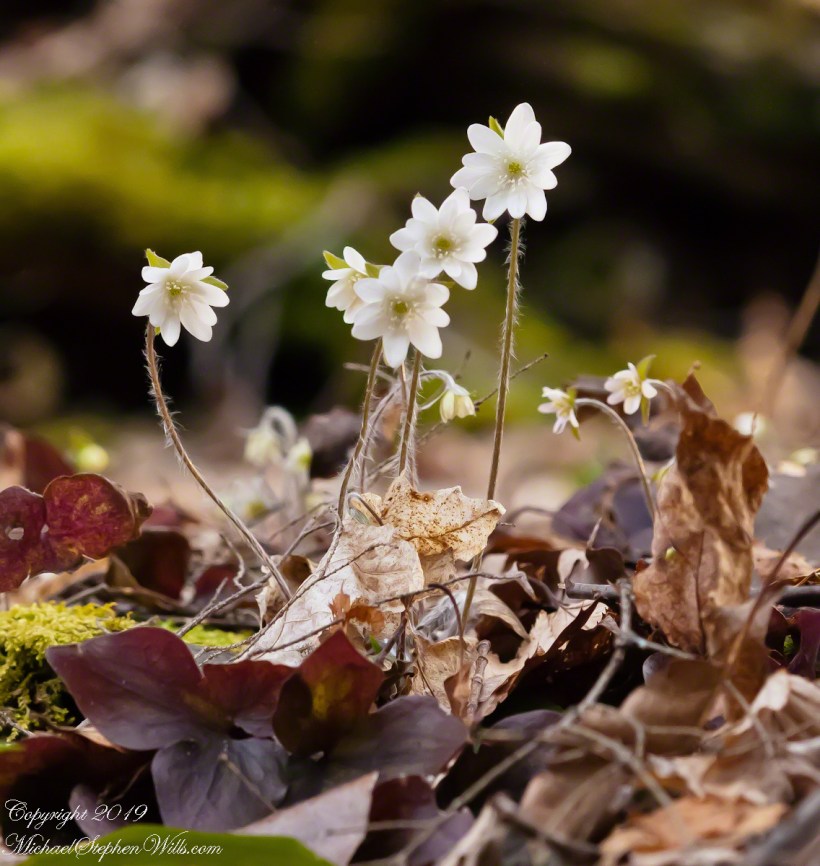
These characteristic leaves are Hepatica plants growing on the sun dappled southern rim of Robert H. Treman Park captured on a bright late September morning.

“Hepatica acutiloba, the sharp-lobed hepatica, is a herbaceous flowering plant in the buttercup family Ranunculaceae. It is sometimes considered part of the genus Anemone, as Anemone acutiloba, A. hepatica, or A. nobilis. Also generally known as Liverleaf and Liverwort.”


“The word hepatica derives from the Greek ἡπατικός hēpatikós, from ἧπαρ hêpar ‘liver’, because its three-lobed leaf was thought to resemble the human liver.”


“Each clump-forming plant grows 5 to 19 cm (2.0 to 7.5 in) tall, flowering in the early to mid spring. The flowers are greenish-white, white, purple or pinkish in color, with a rounded shape. After flowering the fruits are produced in small, rounded columned heads, on pedicels 1 to 4 mm long. When the fruits, called achenes, are ripe they are ovoid in shape, 3.5–4.7 mm long and 1.3–1.9 mm wide, slightly winged and tend to lack a beak.”

Hepatica Flowers in early spring on the Rim Trail

“Hepatica acutiloba is native to central eastern North America where it can be found growing in deciduous open woods, most often in calcareous soils. Butterflies, moths, bees, flies and beetles are known pollinators. The leaves are basal, leathery, and usually three-lobed, remaining over winter.”

“Hepatica was once used as a medicinal herb. Owing to the doctrine of signatures, the plant was once thought to be an effective treatment for liver disorders. Although poisonous in large doses, the leaves and flowers may be used as an astringent, as a demulcent for slow-healing injuries, and as a diuretic.”

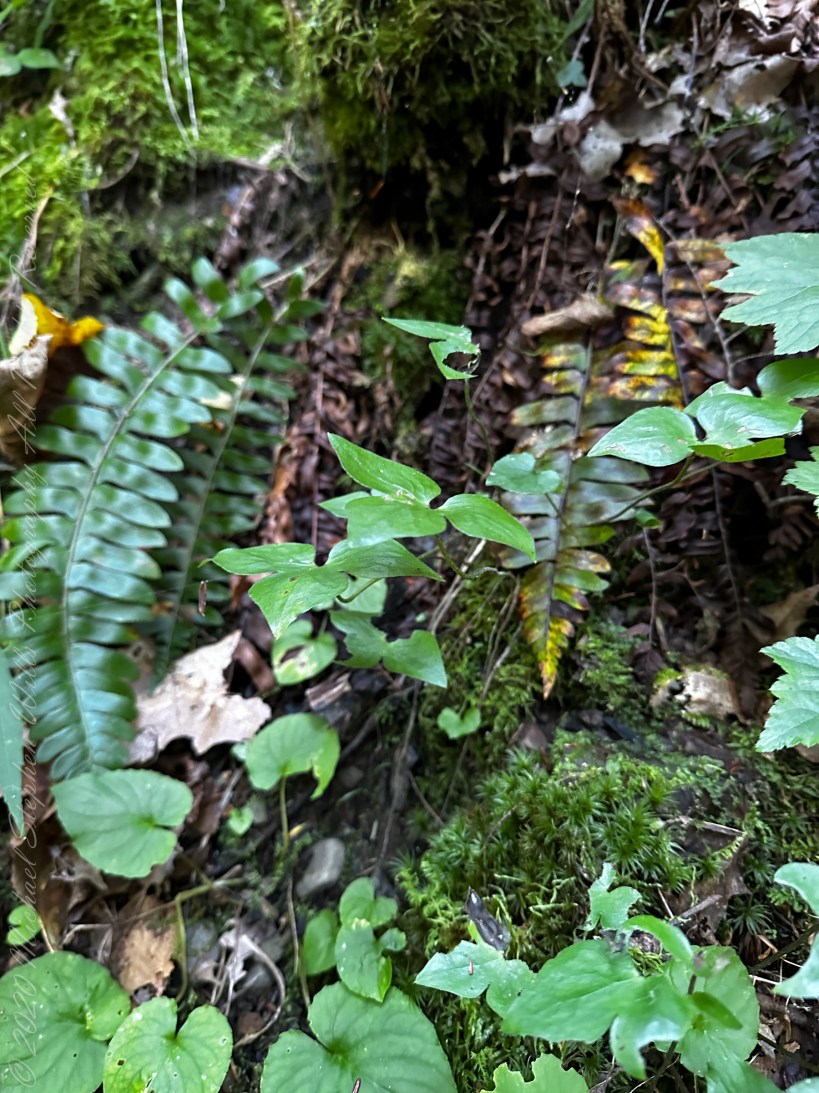
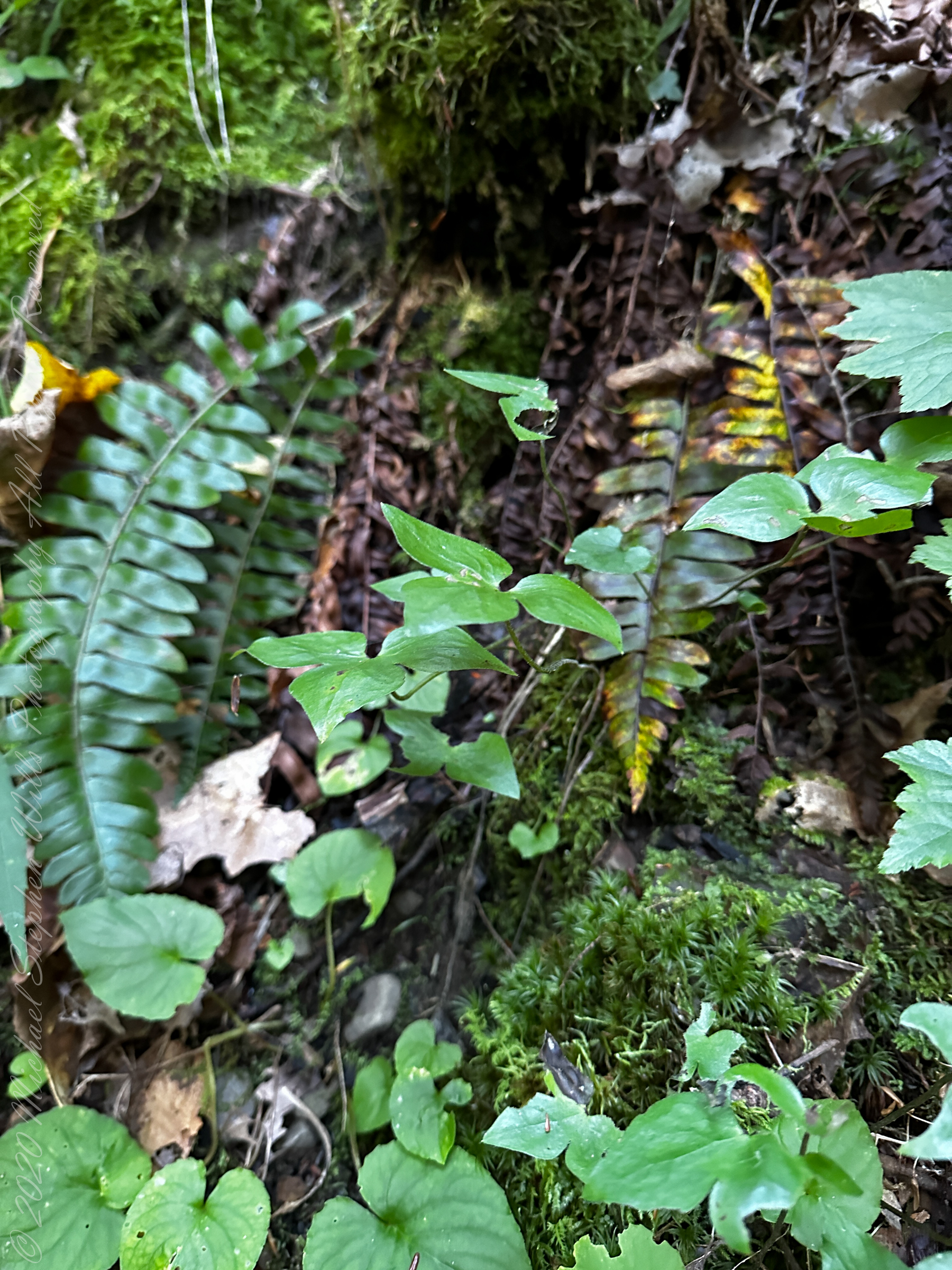
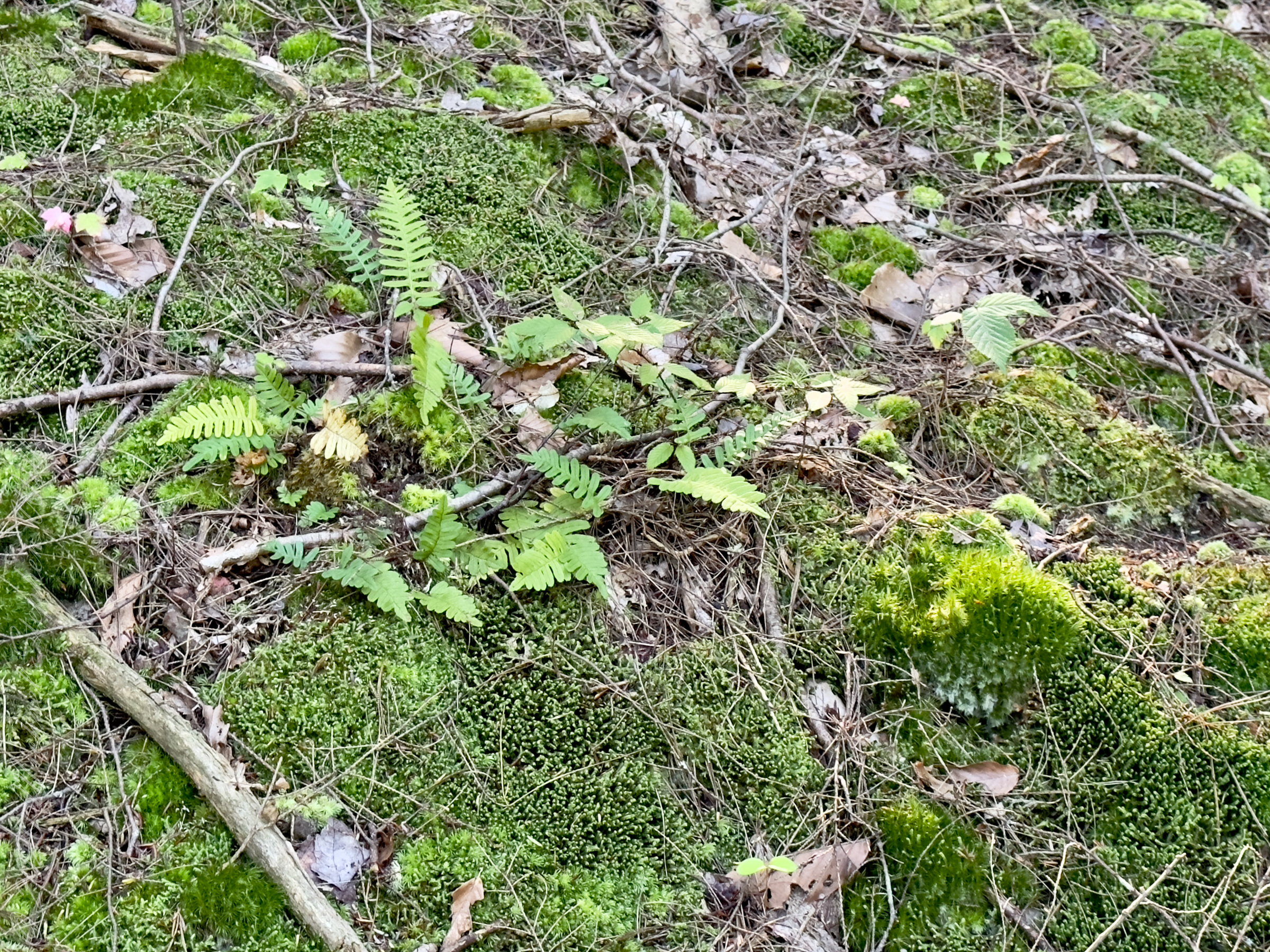
Ferns and Mosses growing beneath Red Pines

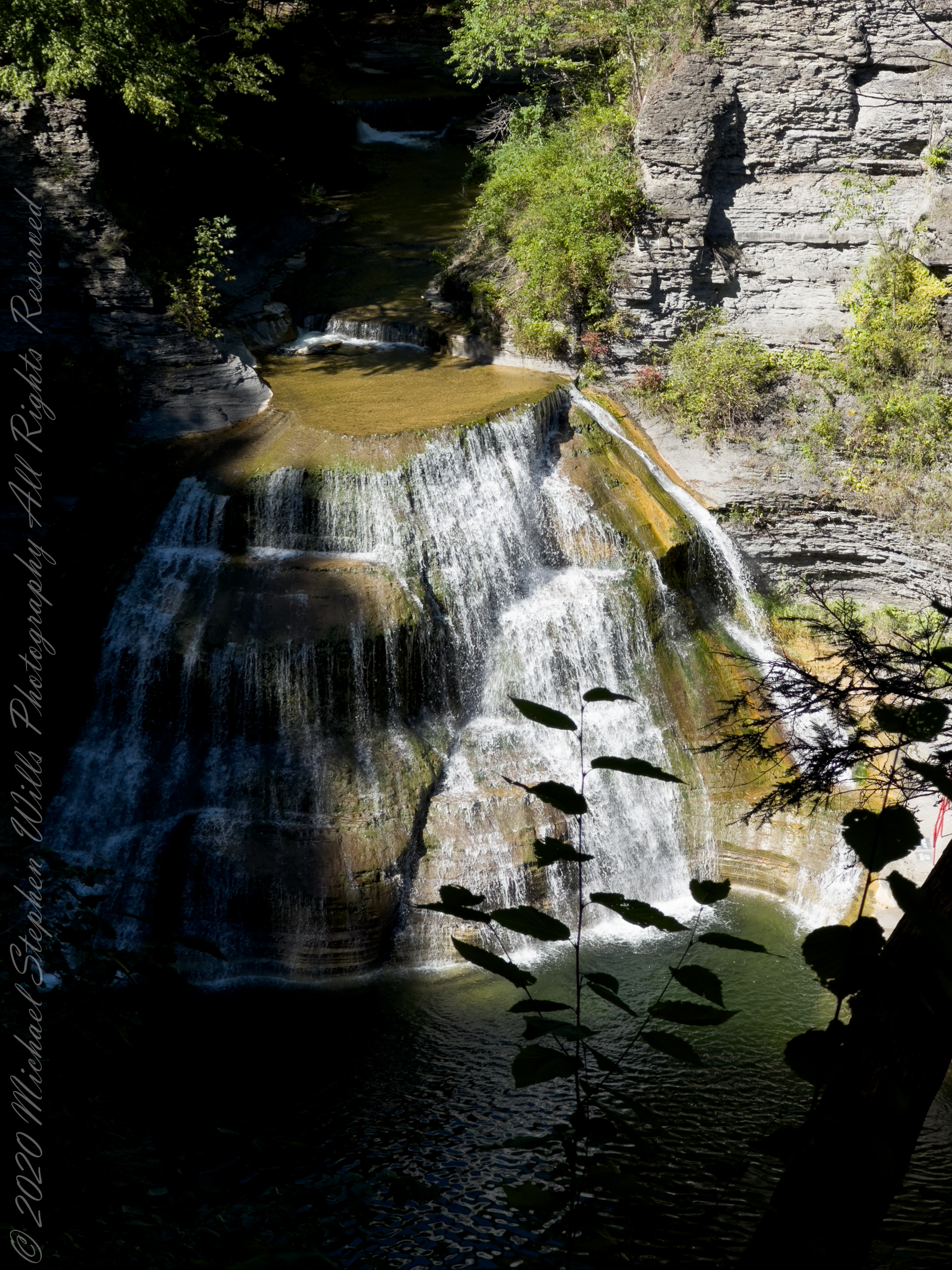
View of the lower falls and swimming hole from the Rim Trail

Click Me another post featuring Hepatica flowers

References
–text in italics and quotes is from Wikipedia, “Hepatica” and “Hepatica acutiloba.”
–“The Botanical Garden Vol II Perennials and Annuals,” Roger Phillips and Martyn Rix, Firefly Books, 2002.

Copyright 2023 All Rights Reserved Michael Stephen Wills

Treman Early Autumn Walk XII

Assistance sought for identification of a plant discovered in Robert H. Treman park, Enfield Gorge.

Can anyone identify this plant found growing on the south rim of Enfield Gorge within the Robert H. Treman park?

Click Me for the first post in this series.

Copyright 2023 All Rights Reserved Michael Stephen Wills

Treman Early Autumn Walk XI

Thomas Edison and Henry Ford innovatively used goldenrod to produce rubber, potentially counteracting rubber shortages.

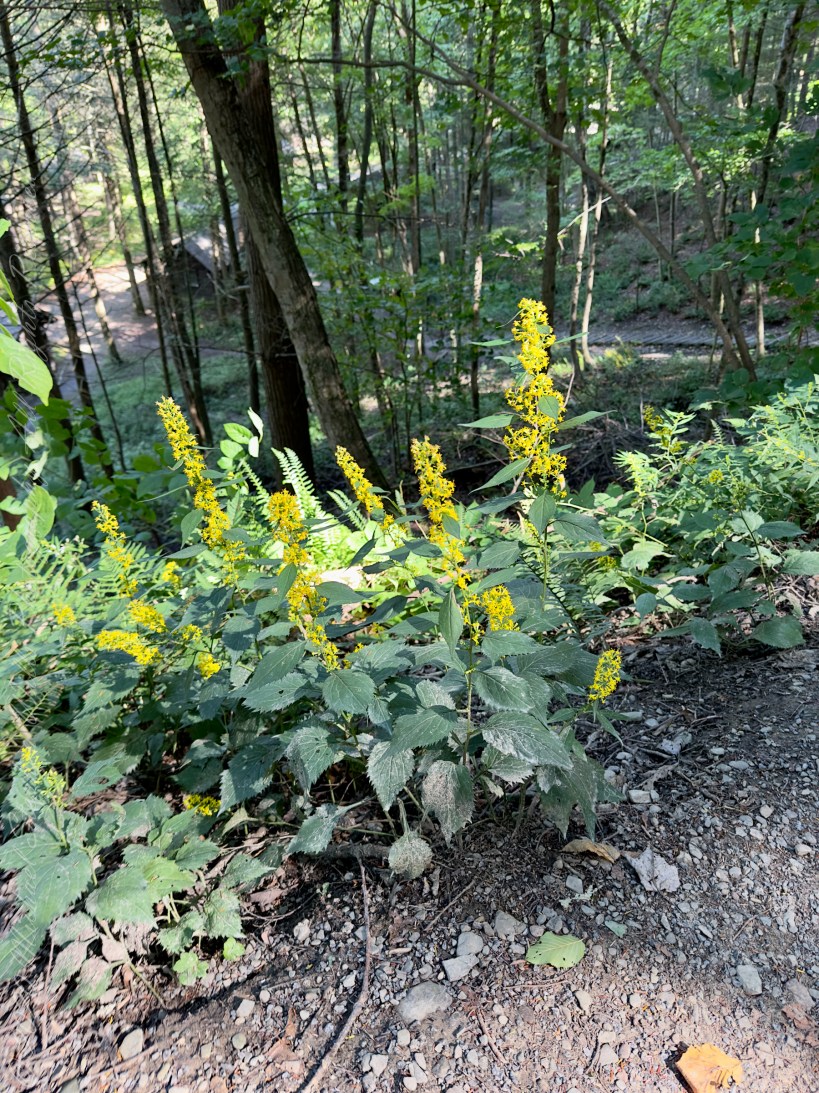
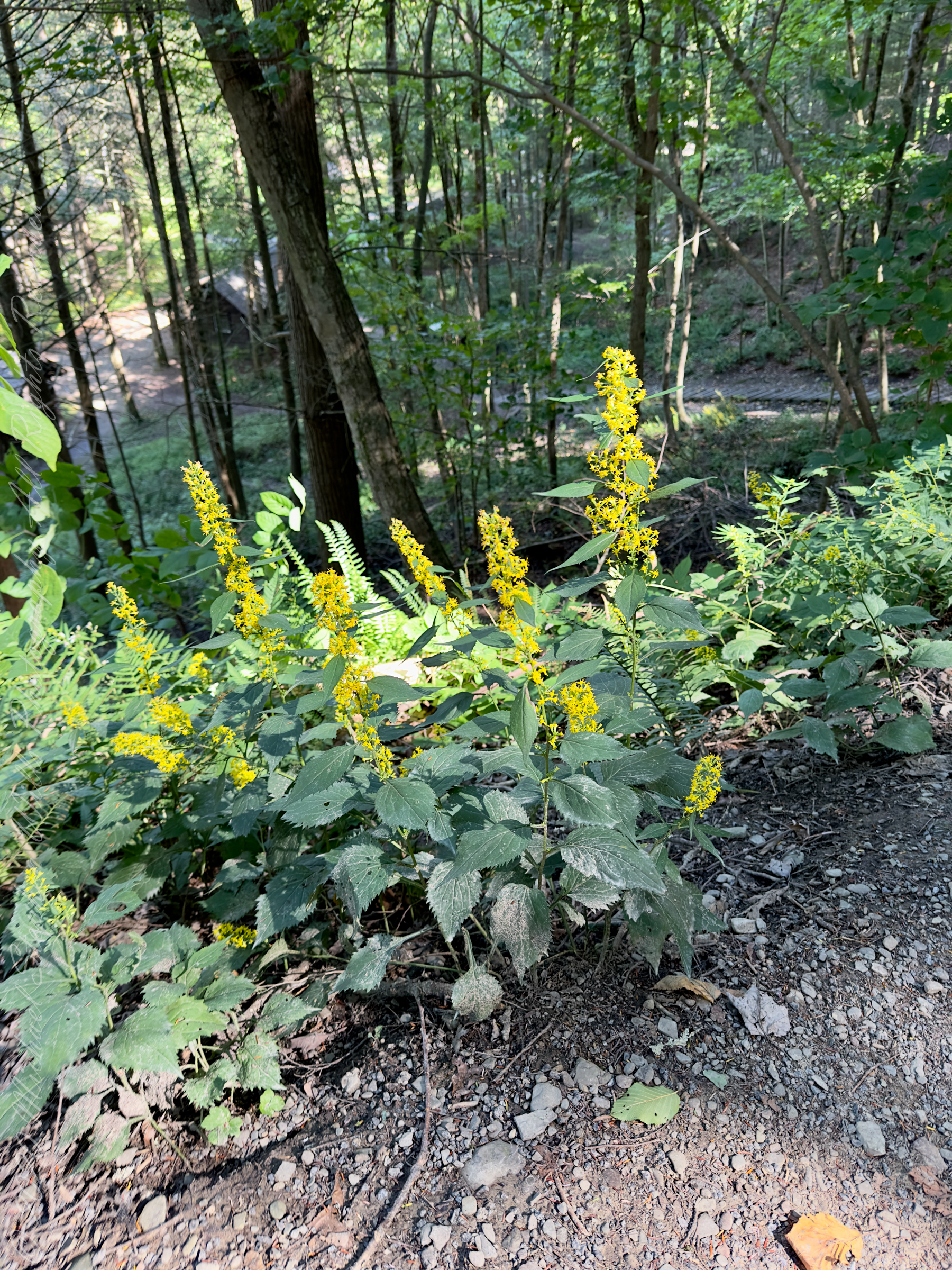
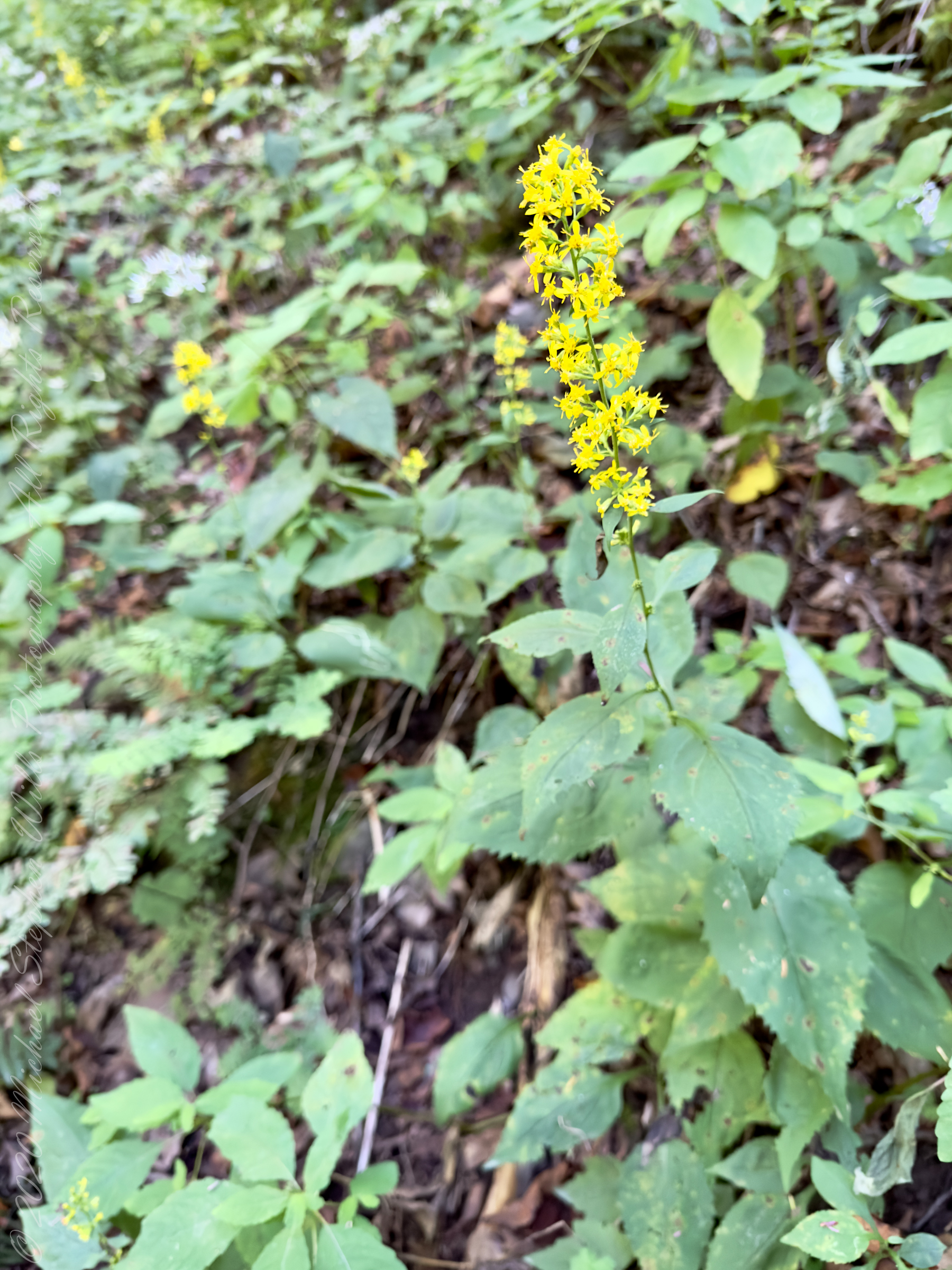
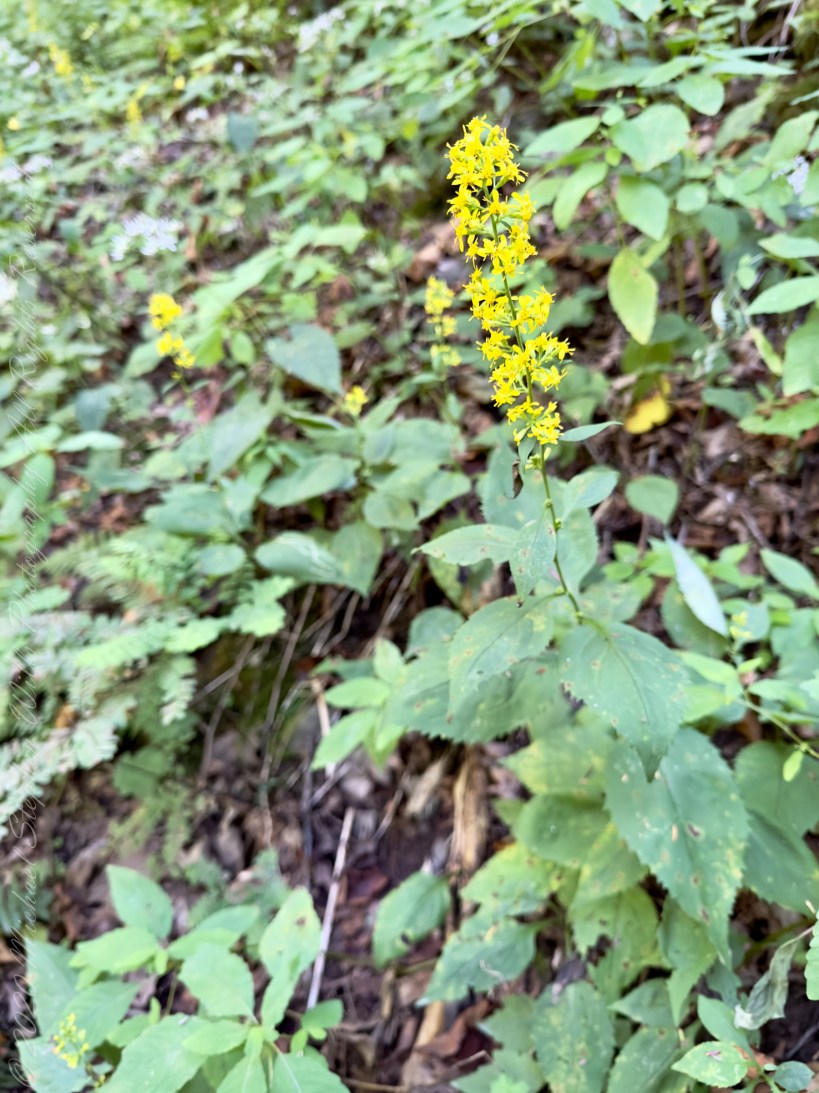
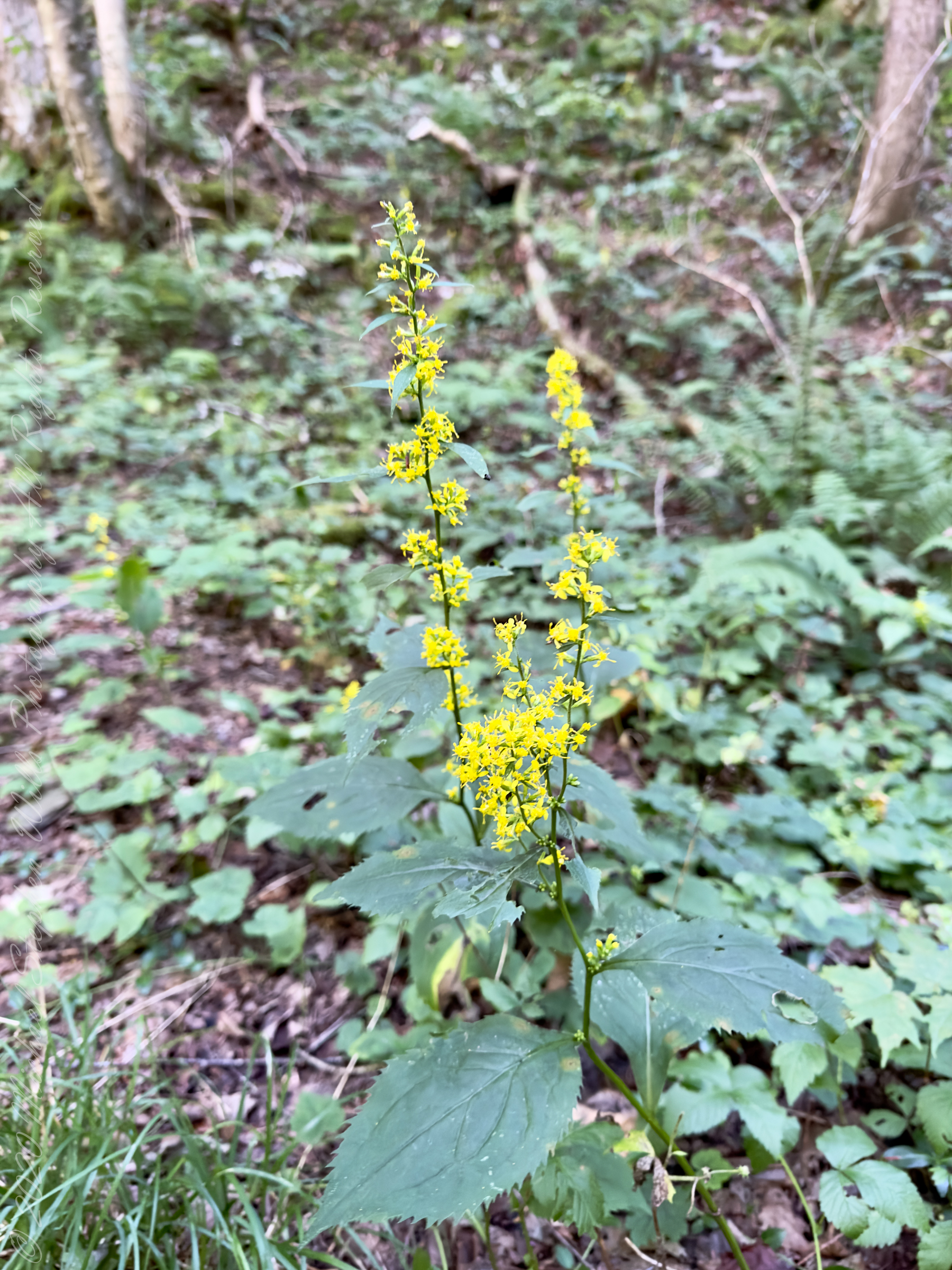
Where the Rim Trail descends to an ending on the Enfield Gorge floor a perennial patch of sunlight promotes an extravagant woodland growth of Zigzag goldenrod.

Solidago flexicaulis, AKA Broadleaf Goldenrod and Ziazag Goldenrod

“Inventor Thomas Edison experimented with goldenrod to produce rubber, which it contains naturally. Edison created a fertilization and cultivation process to maximize the rubber content in each plant. His experiments produced a 12 ft-tall (3.7 m) plant that yielded as much as 12% rubber. The tires on the Model T given to him by his friend Henry Ford were made from goldenrod. Like George Washington Carver, Henry Ford was deeply interested in the regenerative properties of soil and the potential of alternative crops such as peanuts and soybeans to produce plastics, paint, fuel and other products.  Ford had long believed that the world would eventually need a substitute for gasoline and supported the production of ethanol (or grain alcohol) as an alternative fuel. In 1942, he would showcase a car with a lightweight plastic body made from soybeans. Ford and Carver began corresponding via letter in 1934, and their mutual admiration deepened after George Washington Carver made a visit to Michigan in 1937.”

“By the time World War II began, Ford had made repeated journeys to Tuskegee to convince George Washington Carver to come to Dearborn and help him develop a synthetic rubber to help compensate for wartime rubber shortages. Carver arrived on July 19, 1942, and set up a laboratory in an old water works building in Dearborn. He and Ford experimented with different crops, including sweet potatoes and dandelions, eventually devising a way to make the rubber substitute from goldenrod, a plant weed commercially viable. Carver died in January 1943, Ford in April 1947, but the relationship between their two institutions continued to flourish: As recently as the late 1990s, Ford awarded grants of $4 million over two years to the George Washington Carver School at Tuskegee.”

“Extensive process development was conducted during World War II to commercialize goldenrod as a source of rubber. The rubber is only contained in the leaves, not the stems or blooms. Typical rubber content of the leaves is 7%. The resulting rubber is of low molecular weight, resulting in an excessively tacky compound with poor tensile properties.”

References: text in italics and quotes is from the Wikipedia, “Solidago.”

Copyright 2023 All Rights Reserved Michael Stephen Wills

Treman Early Autumn Walk X

The zigzag goldenrod is a crucial plant to North American pollinator biodiversity, hosting diverse insects.

After crossing the bridge at Swan Road I turned back down the gorge on the Rim Trail, climbing above the gorge where these interesting woodland goldenrod thrive.

“Solidago flexicaulis, the broadleaved goldenrod, or zigzag goldenrod,is a North American species of herbaceous perennial plants in the family Asteraceae. It is native to the eastern and central parts of the United States and Canada, from Nova Scotia west to Ontario and the Dakotas, and south as far as Alabama and Louisiana. It grows in a variety of habitats including mesic upland forests, well drained floodplain forests, seepage swamp hummocks, and rocky woodlands.”

“The plant is called the “zigzag goldenrod” because the thin, wiry stem zigs and zags back and forth, changing direction at each node (leaf attachment point). The plant bears sometimes as many as 250 small yellow flower heads, some at the end of the stem, others in the axils of the leaves. The leaves are very broad, almost round, but with an elongated tip at the end and large teeth along the edges.”

“Goldenrod is considered a keystone species and has been called the single most important plant for North American pollinator biodiversity. Goldenrod species are used as a food source by the larvae of many Lepidoptera species. As many as 104 species of butterflies and moths use it as a host plant for their larvae, and 42 species of bees are goldenrod specialists, visiting only goldenrod for food. Some lepidopteran larvae bore into plant tissues and form a bulbous tissue mass called a gall around it, upon which the larva then feeds. Various parasitoid wasps find these galls and lay eggs in the larvae, penetrating the bulb with their ovipositors. Woodpeckers are known to peck open the galls and eat the insects in the center.”

“Solidago flexicaulis is host to the following insect induced galls: Asteromyia modesta, a species of gall midges in the family Cecidomyiidae. Gnorimoschema gallaesolidaginis also called the solidago gall moth, goldenrod gall moth or goldenrod gallmaker, is a moth in the family Gelechiidae.”

References: text in italics and quotes is from the Wikipedia, “Solidago flexicaulis,” “Solidago,” “Asteromyia modesta,” and “Gnorimoschema gallaesolidaginis.”

Copyright 2023 All Rights Reserved Michael Stephen Wills

Still Blooming

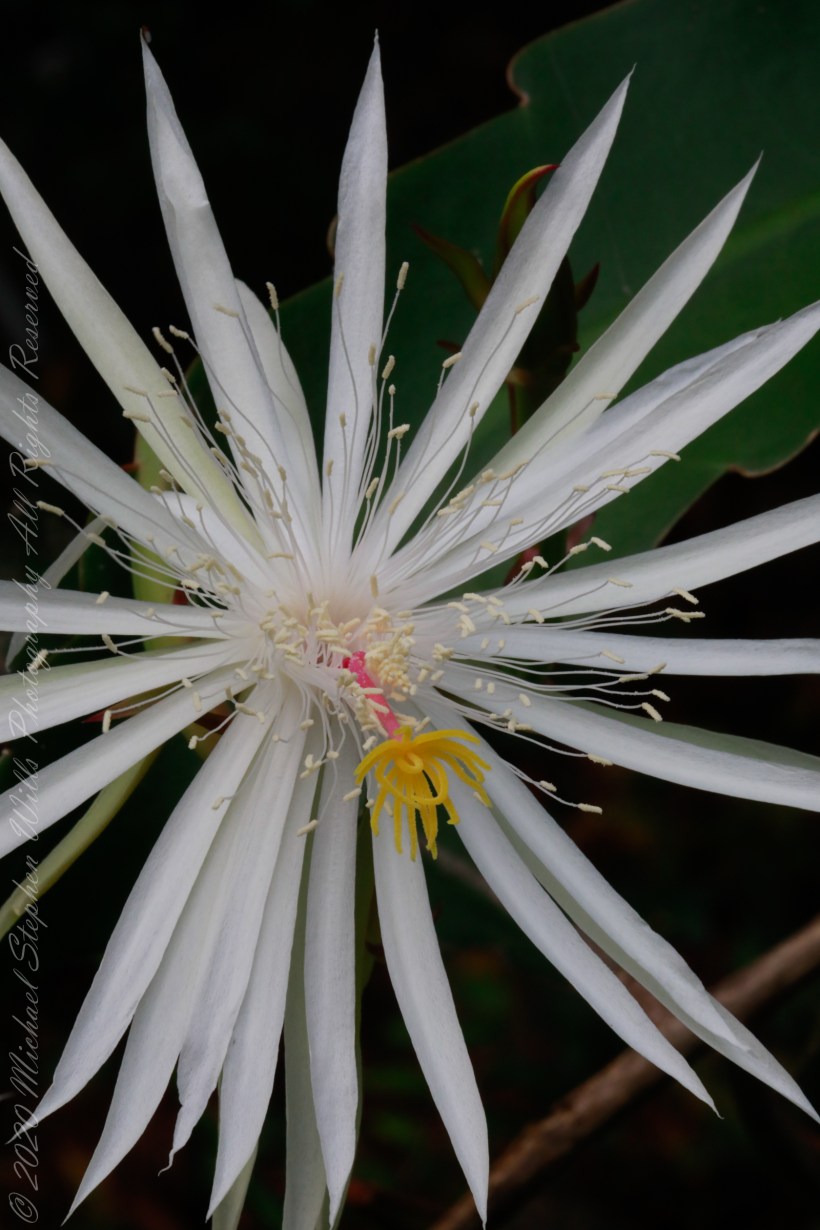
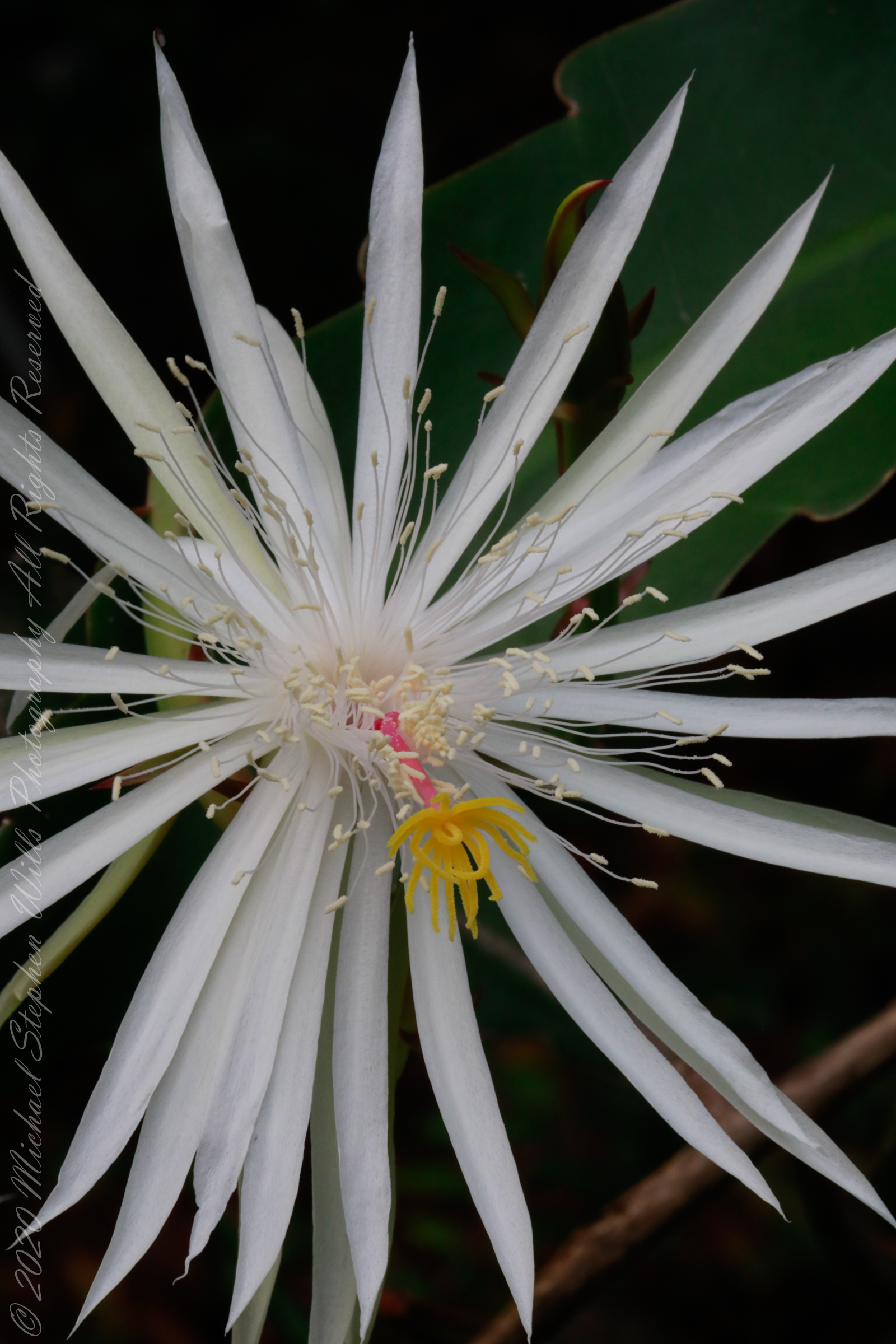
Though it is sometimes referred to as a night-blooming cereus, it is not closely related to any of the species in the tribe Cereeae

It was a quiet day, upping shutter speed via an increased ISO and both exposures are equally sharp.

These were captured with the Canon EOS 5D Mark IV dslr on a Manfrotto tripod.

“The flowers are nocturnal. They grow on flattened stems and are up to 30 cm (12 in) long and 17 cm (7 in) wide, and very fragrant. The principal odor components in the aroma are benzyl salicylate and methyl linoleate.[5] Pericarpels are nude, slightly angled, and green. Bracteoles are short and narrow up through ca. 10 millimetres (0.39 in) long. Receptacles are up through 20 cm long, 1 cm thick, brownish, and arching. The outer tepals are linear, acute, 8–10 cm long, and reddish through amber. The inner tepals are whitish, oblanceolate or oblong, acuminate, up through 8–10 cm long and 2.5 centimetres (0.98 in) wide. The stamens are greenish white or white, slender and weak. The styles are greenish white, pale yellow, or white, 4 mm thick, as long as inner tepals, and with many lobes.”

“The fruits are oblong, up through 12 x 8 cm, purplish red, and angled.”

“It is known to have medicinal properties in many Asian cultures, including India, Vietnam, and Malaysia. The plant is widely used in traditional medicine to treat respiratory ailments, bleeding conditions, and is also believed to have the property of reducing pain and inflammation.”

Click me for another “Cereus” Post.

Copyright 2023 Michael Stephen Wills All Rights Reserved