A Serendipitous Morning
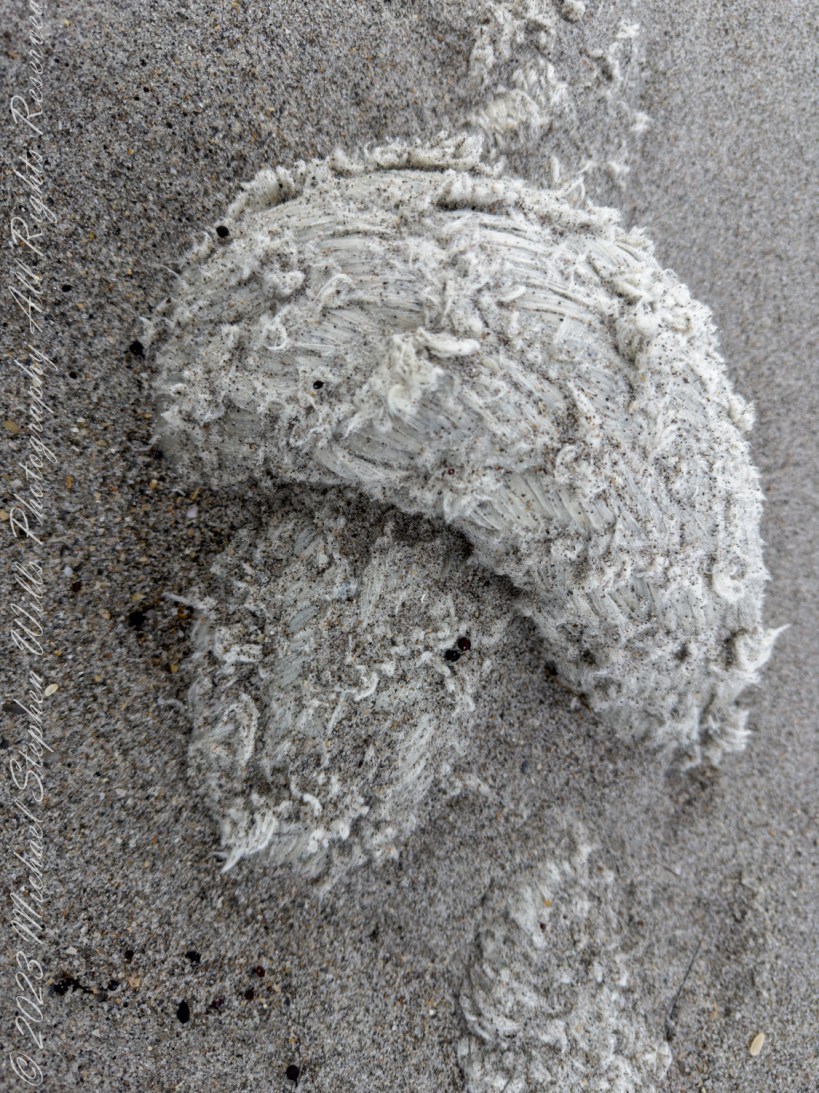
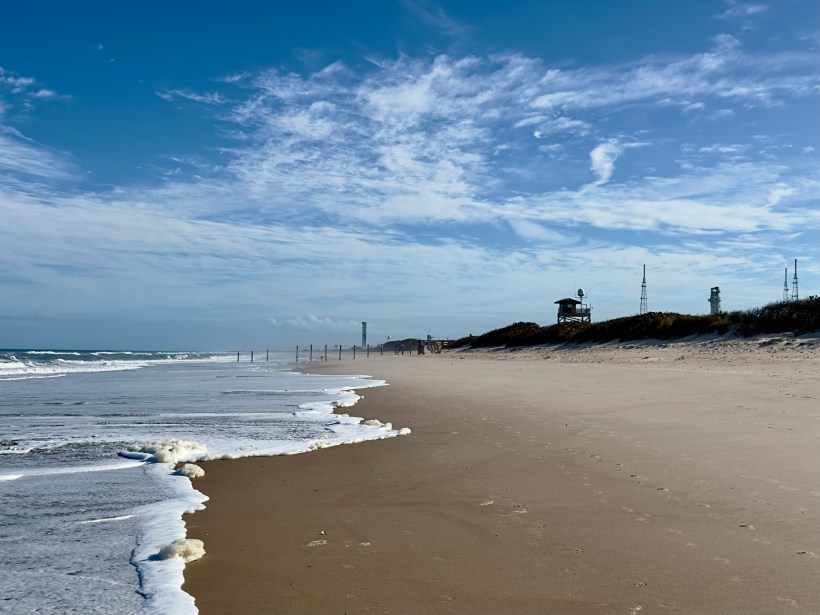
As I strolled along the familiar expanse of Cocoa Beach, a silver mist hung over the horizon, blurring the line where the Atlantic whispered to the skies. My footsteps, a quiet percussion against the hush of dawn, were the only sound until the waves added their chorus. I was here to greet the sunrise, a ritual that never failed to ground me, but today, the ocean had laid out a surprise – a hawser, heavy and worn, beached like a leviathan of the deep.
The Relic of the Sea
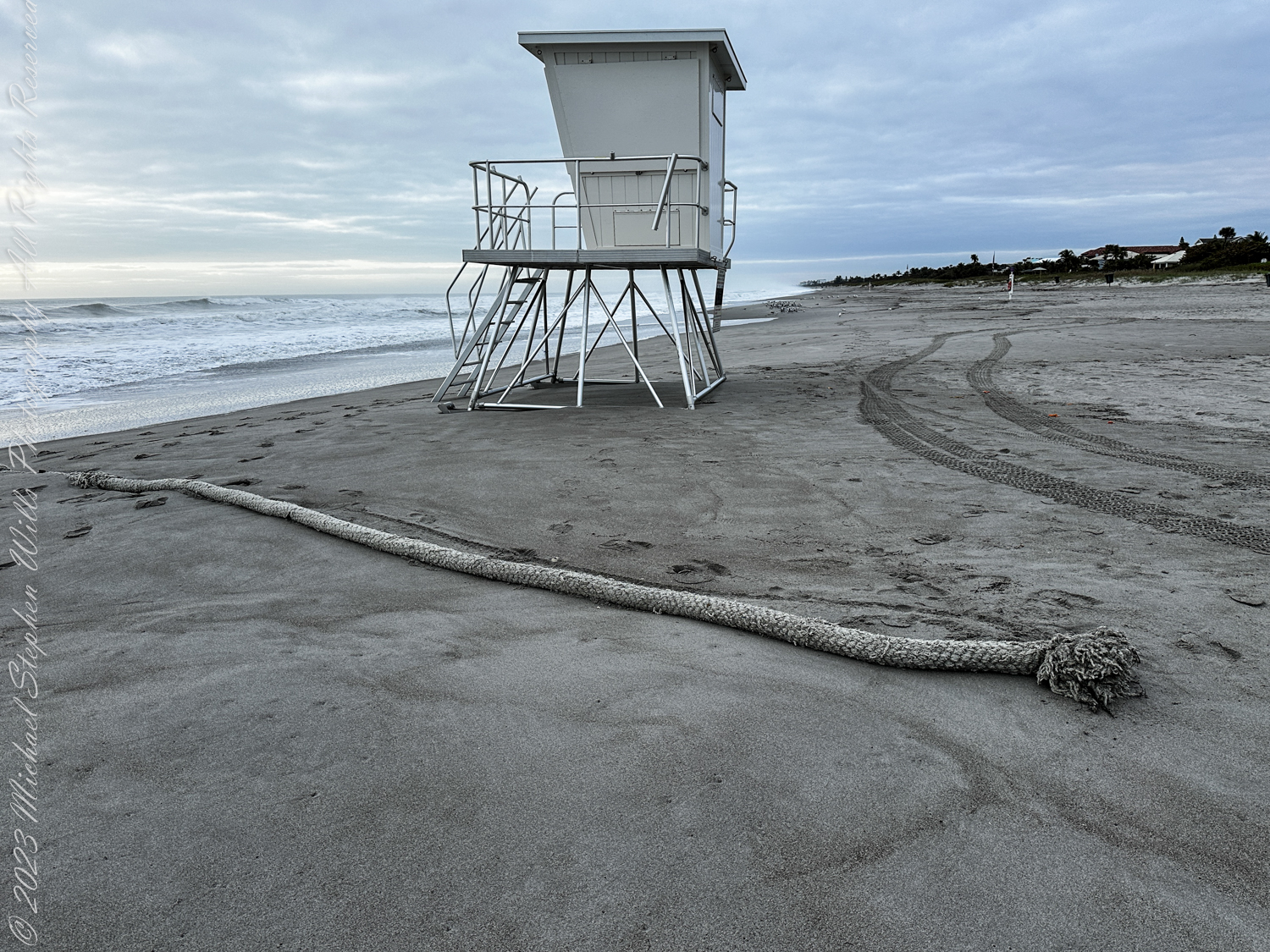
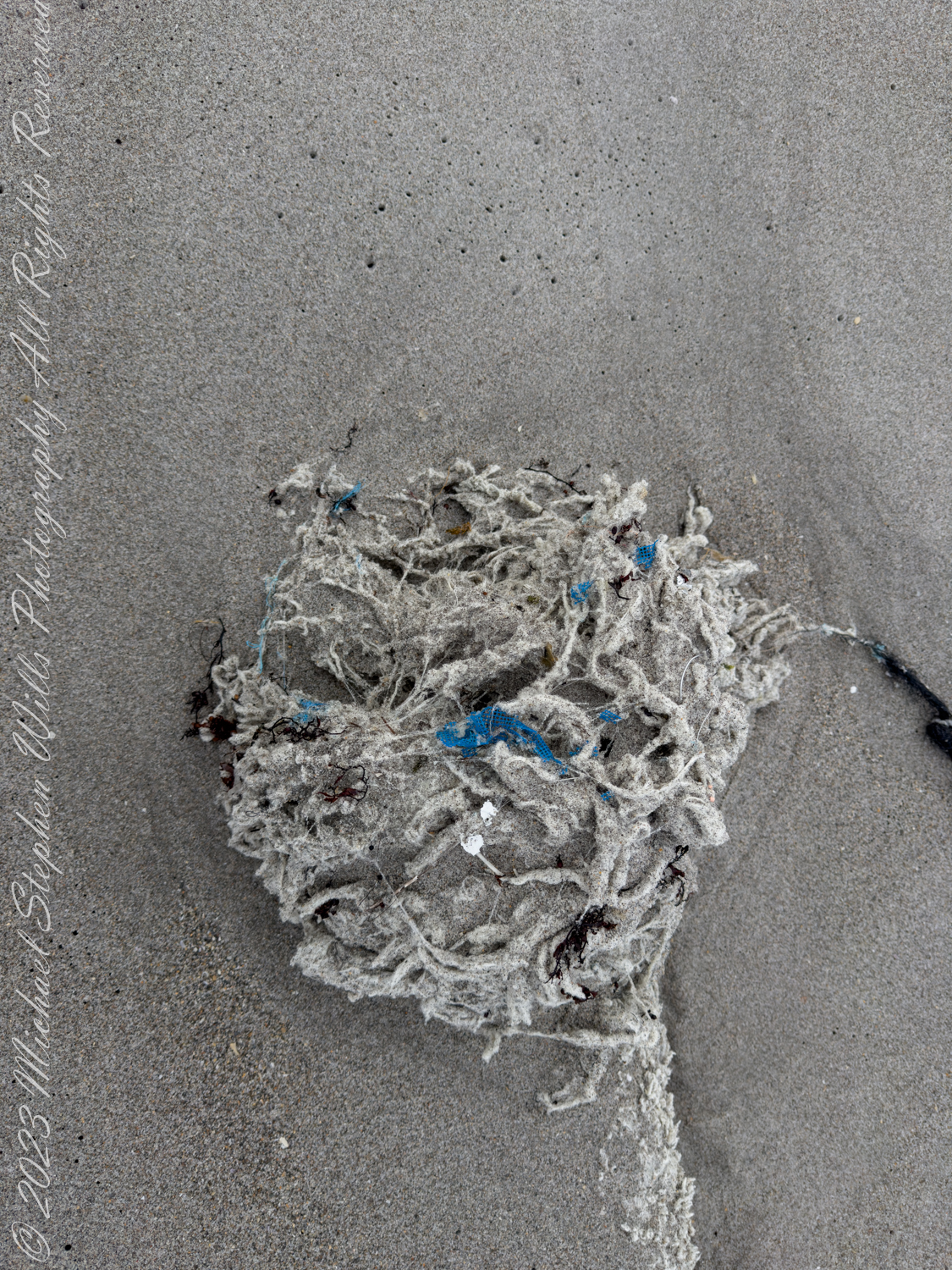
There it lay, a colossal rope, its many fibers frayed and clinging to sand, a testament to its battle with the ocean’s might. This hawser, a lifeline once to vessels that dared to navigate treacherous waters, was now at the mercy of the tides that once heeded its command. I approached, curious, reverence growing within me for this unexpected relic of human endeavor.
The High Tide’s Offering
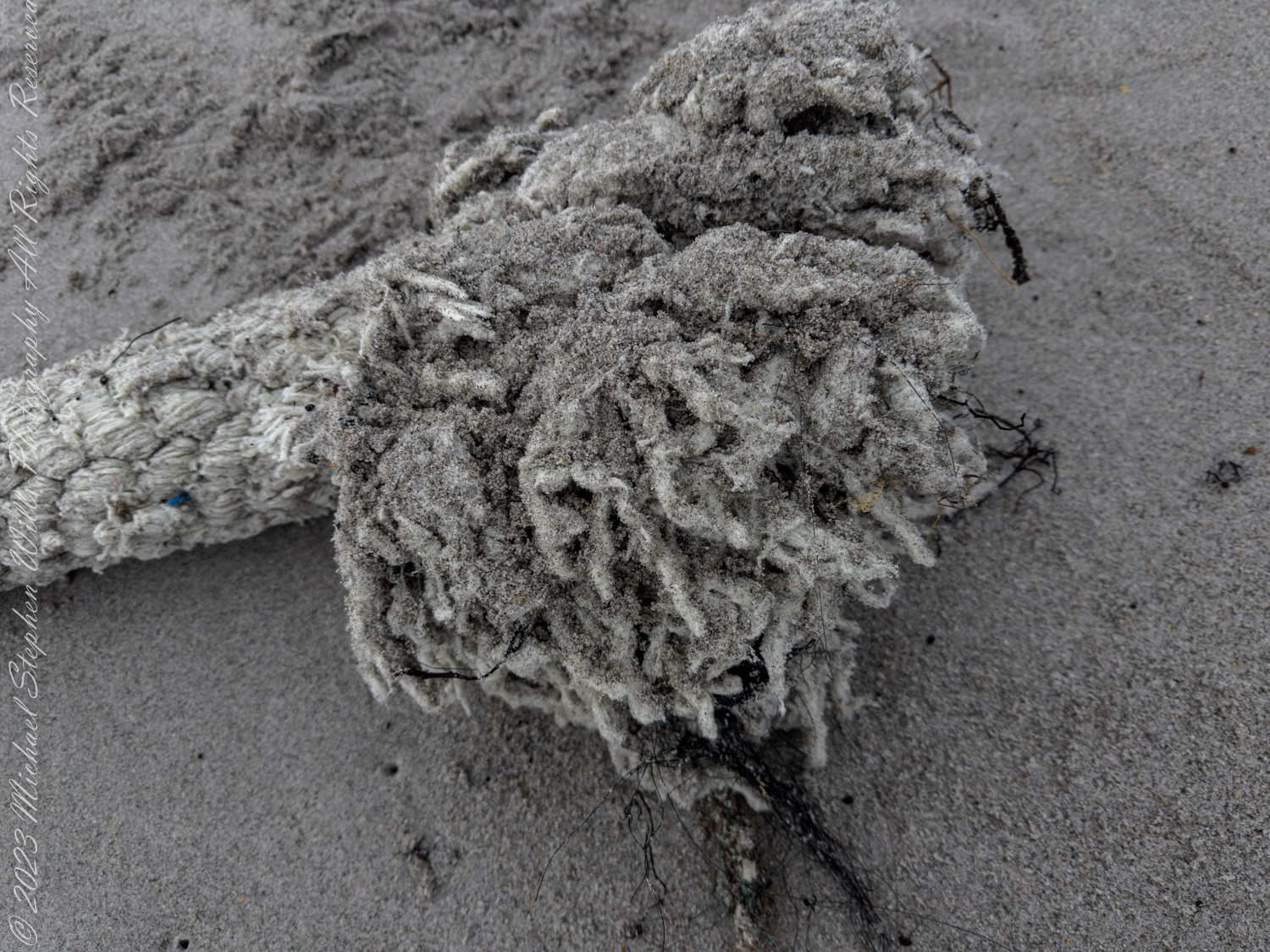
The hawser’s journey to my path was a story written in the ebb and flow of the tides. The high tide, under the pull of the moon’s invisible hands, had surged with purpose, pushing this massive rope to the shore as its offering. High tides are nature’s way of reaching out, touching the land, and sometimes, they bring gifts from the depths, each with a tale to tell.
A Tapestry of Experiences
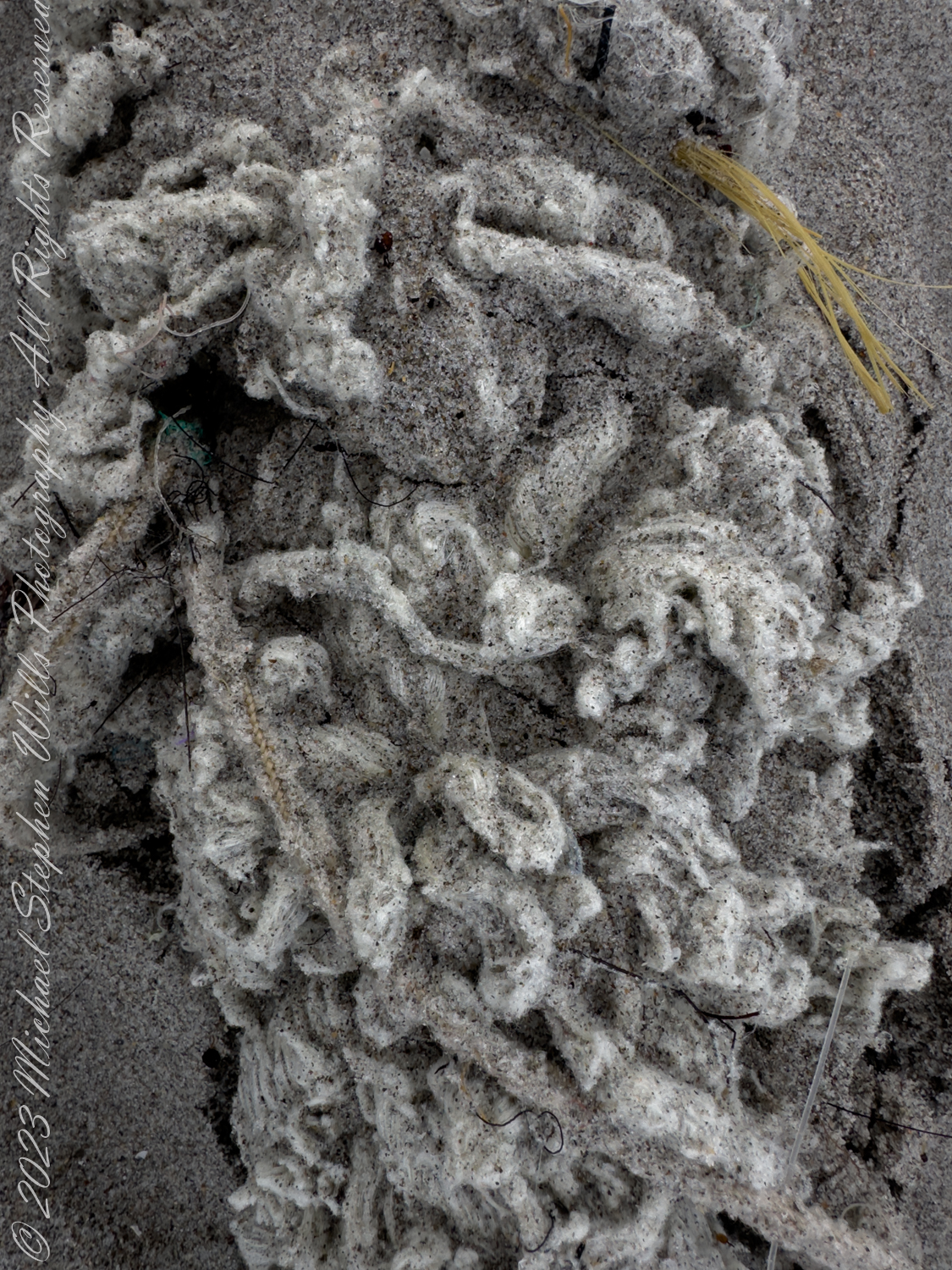
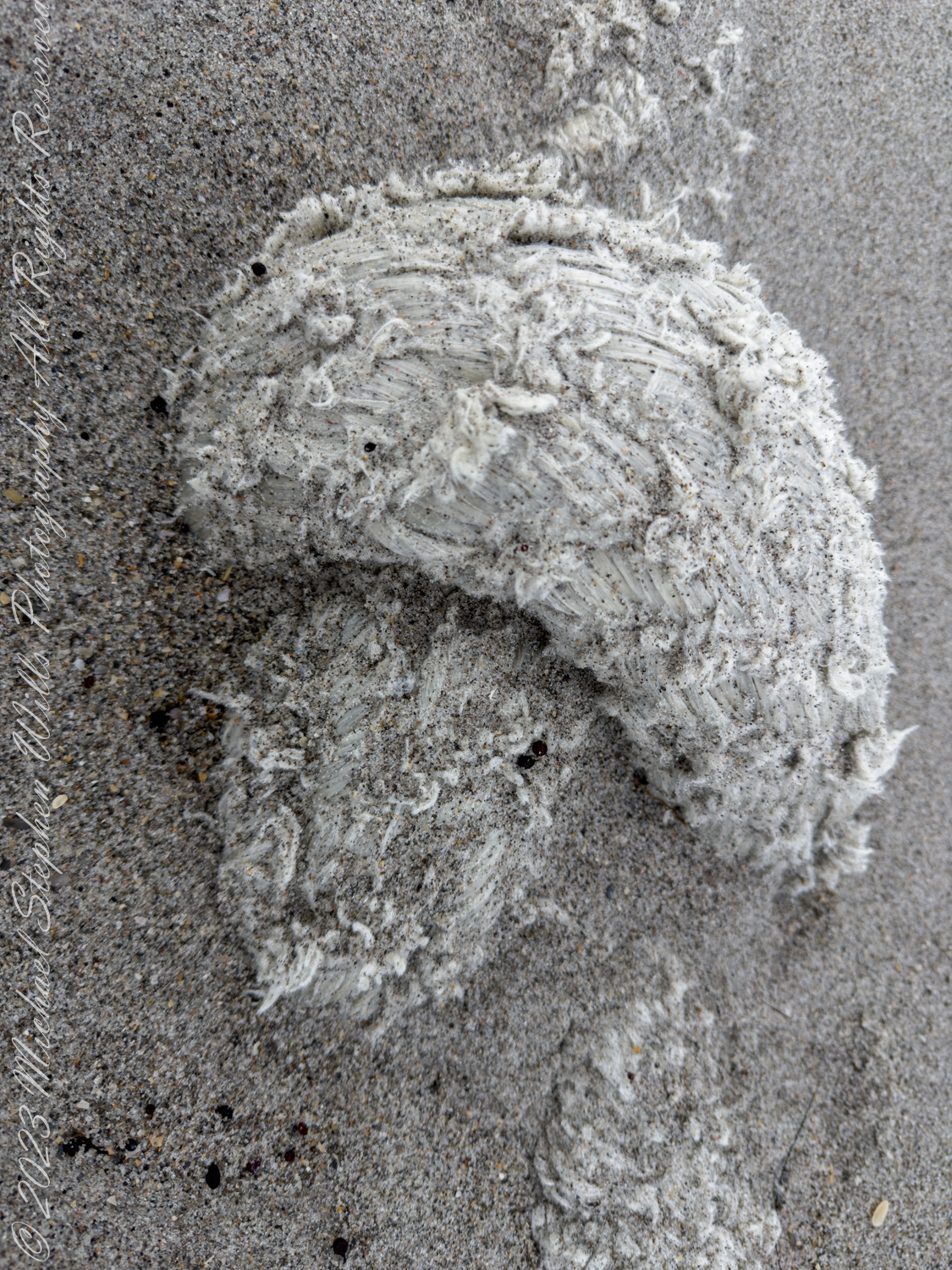
Touching the hawser, I felt connected to the lives it must have touched, the storms it weathered, and the unspoken histories it held. Each thread was a narrative, a voyage, a storm survived. The macro images of the hawser’s frayed ends resembled the intricate work of a natural tapestry – artful, chaotic, yet purposeful. It was a mosaic of experience, and now, it was a part of Cocoa Beach’s landscape.
The Dance of Man and Nature
The hawser at the foot of the lifeguard station stood as a symbol of humanity’s interaction with the mighty sea. We build structures, craft vessels, and forge hawsers, asserting our presence. Yet, the tides remind us of our place within the grand tapestry of nature. Tides dance around our creations, sometimes reclaiming them, other times presenting them back to us, reshaped, redefined.
Reflecting on the Tides
As I sat by the hawser, the sun broke free from the horizon, casting golden hues over the beach. The tide was retreating, pulling back into the ocean’s embrace, leaving behind patterns on the sand, and the hawser – a silent sentinel of the shore. It was a moment of reflection on the power of the tides, the constant cycle of giving and taking, and the marks they leave upon both the earth and our lives.
Conclusion: The Tides of Life
The tides had brought the hawser to Cocoa Beach, and with it, a moment of connection to the vastness of the sea and the shared journeys of all who traverse it. As I walked away, the hawser remained – a fixture until the tide would rise again, perhaps to claim it back or offer another token of the ocean’s depths. The power of the tides is a powerful metaphor for life’s ebb and flow, each wave a new beginning, each retreat a chance to reflect on the imprints left behind.





 Michael Stephen Wills Photography