Mother’s Day Amid the Blossoms of the Horse Chestnut

Explore the enchanting world of the Horse Chestnut, its vibrant spring blossoms, and its rich tapestry of historical and ecological significance, as I wander the slopes above Cayuga Lake on a serene Mother’s Day.


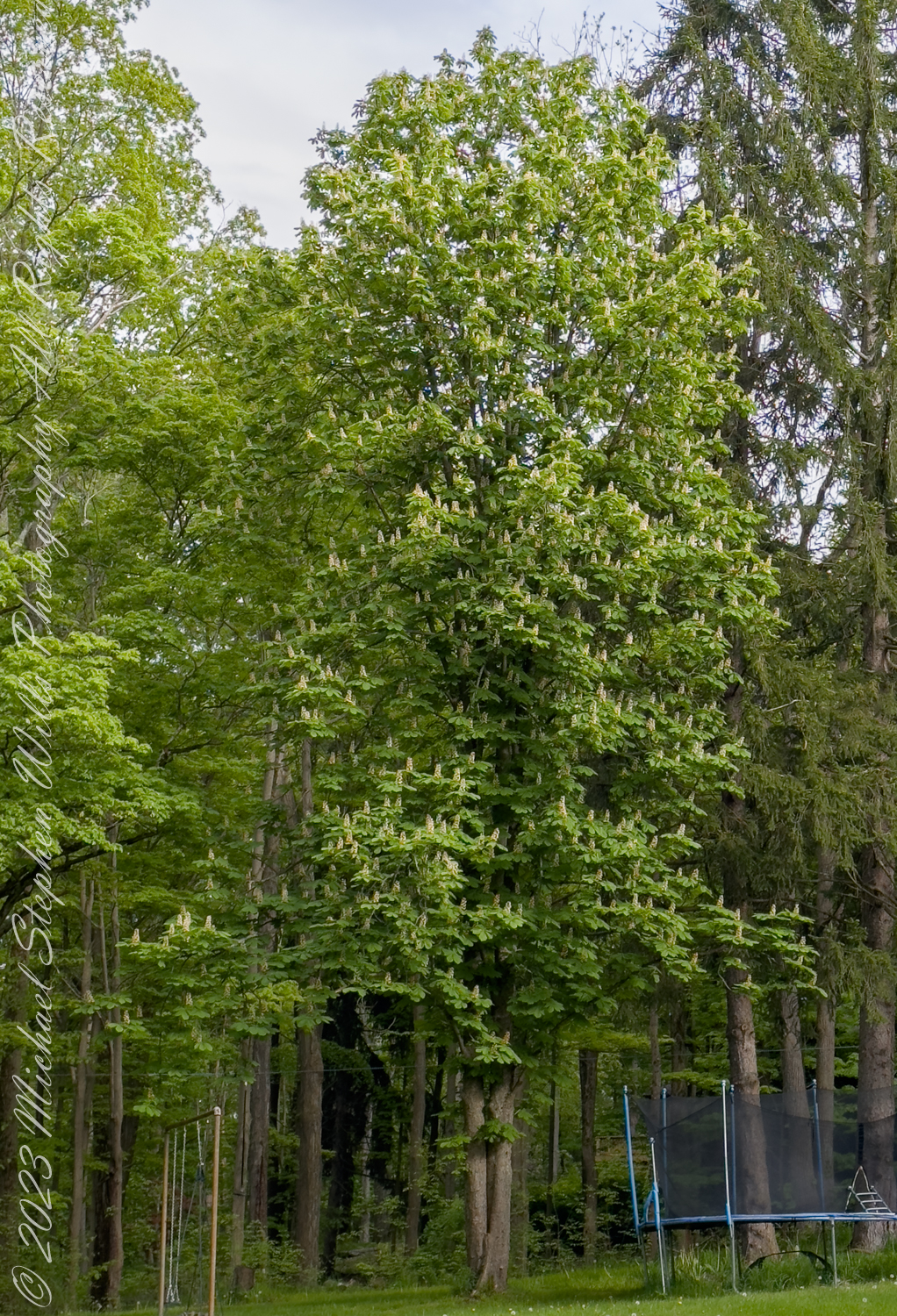
On a serene Mother’s Day in 2024, I found myself walking the slopes above Cayuga Lake, embraced by the spring warmth and the vibrant blossoms of the Horse Chestnut tree (Aesculus hippocastanum). This moment was a seasonal celebration and a deep dive into the botanical and cultural tapestry that this majestic tree weaves.

The Botanical Brilliance of the Horse Chestnut


The Horse Chestnut tree, with its robust stature and radiant floral displays, is a sight to behold, a study in botanical survival and adaptation. Originally native to a small area in the Pindus Mountains mixed forests and the Balkan mixed forests of Southeast Europe, this tree has traversed continents and histories to root itself into diverse landscapes, including the fertile grounds above Cayuga Lake.

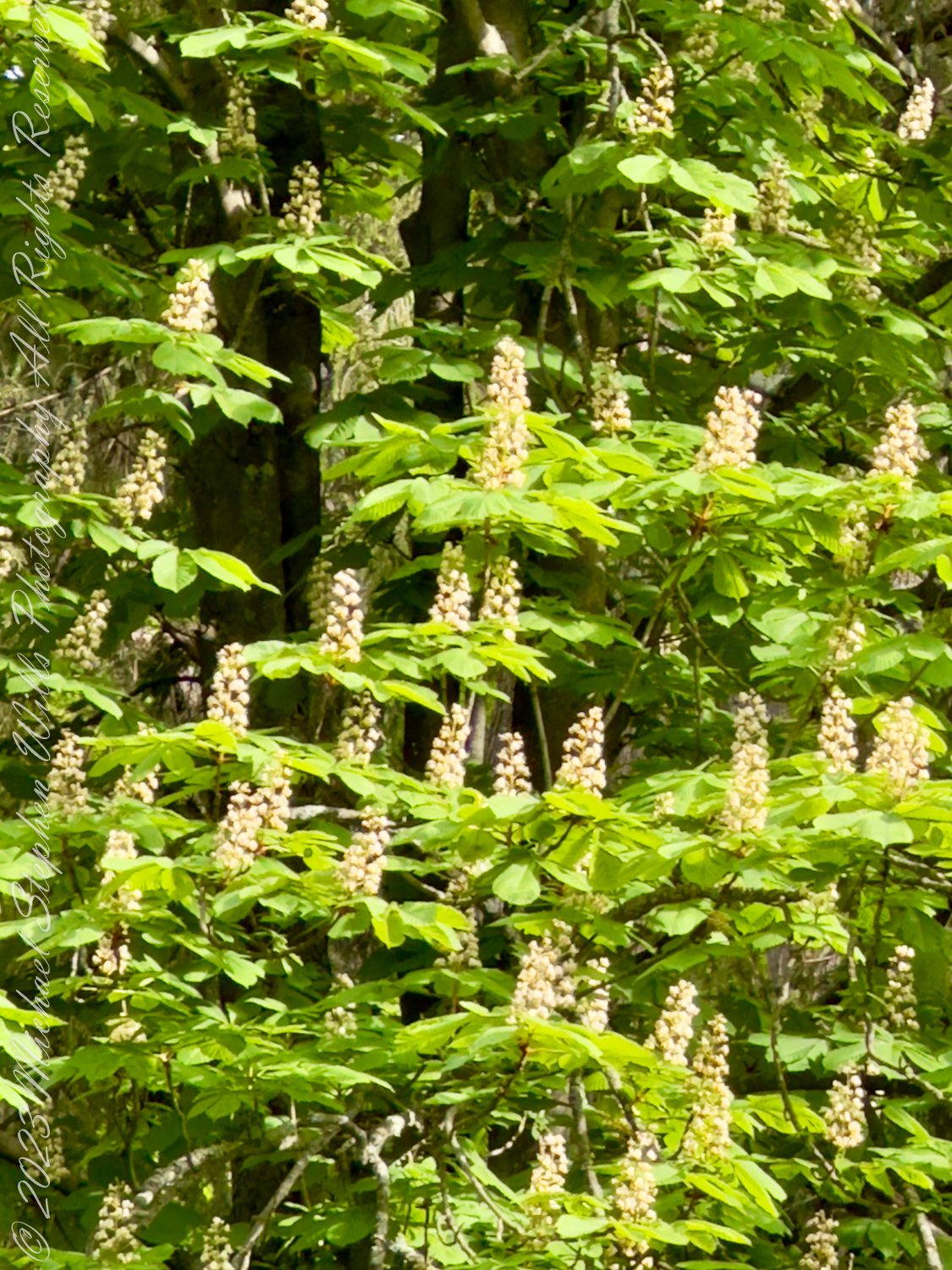
Each spring, the Horse Chestnut’s candle-like flower spikes, scientifically known as ‘panicles’, burst forth in a shower of whites and subtle pinks, each petal marked distinctively with a blotch of yellow or red. These blooms are structured to attract a variety of pollinators, playing a crucial role in the local ecological narrative by supporting biodiversity.

Historical Uses and Cultural Significance


The journey of the Horse Chestnut tree from its native lands to the Americas is a tale of practicality and reverence. Native Americans, prior to the arrival of European settlers, were keen observers of their environment but may not have had a direct historical use for the Horse Chestnut, as it was introduced later. However, the European settlers quickly discovered the tree’s multiple uses. The wood, known for its softness and workability, was used to make furniture and boxes, while the bark found its place in the tanning industry due to its rich tannin content.

Most notably, the seeds of the Horse Chestnut were ground and used as a form of laundry detergent and to treat various ailments, a testament to the tree’s utility in pioneering life. This aspect of the Horse Chestnut highlights a broader theme of how both Native Americans and European settlers utilized natural resources for survival and economic purposes, blending the lines between utility and conservation.

A Reflection on the Natural History and Ecology


As I strolled beneath the boughs heavy with spring’s bounty, the historical echoes of the Horse Chestnut’s uses merged with the present chorus of birds nesting in its branches. The tree’s role extends beyond human uses; it is a vital component of the local ecosystems. The dense canopy provides shelter and the flowers feed pollinators, which in turn support the broader food web.

Environmental factors, particularly those influenced by climate change, pose challenges to the Horse Chestnut. Issues such as leaf blotch and the conker tree moth threaten its health and longevity. Observing the Horse Chestnut’s current vibrancy, I am reminded of the resilience and adaptability that this species has demonstrated over centuries.

Conclusion: A Legacy Continues

As the day drew to a close and the sun cast long shadows over Cayuga Lake, the Horse Chestnut stood as a botanical specimen, a living monument to natural history and human ingenuity. The tree’s story is a powerful reminder of our intertwined destinies with the plant kingdom—how plants shape our cultures, sustain our environments, and continue to amaze with their ecological and aesthetic contributions.

Copyright 2024 Michael Stephen Wills All Rights Reserved

Whispers from the Rocks: The Vivid World of the Red Columbine

Discover the vibrant Red Columbine of Treman Gorge, a masterpiece of adaptation and survival nestled among ancient rocks. Explore how this delicate beauty thrives in the harsh cliffs of the Finger Lakes.

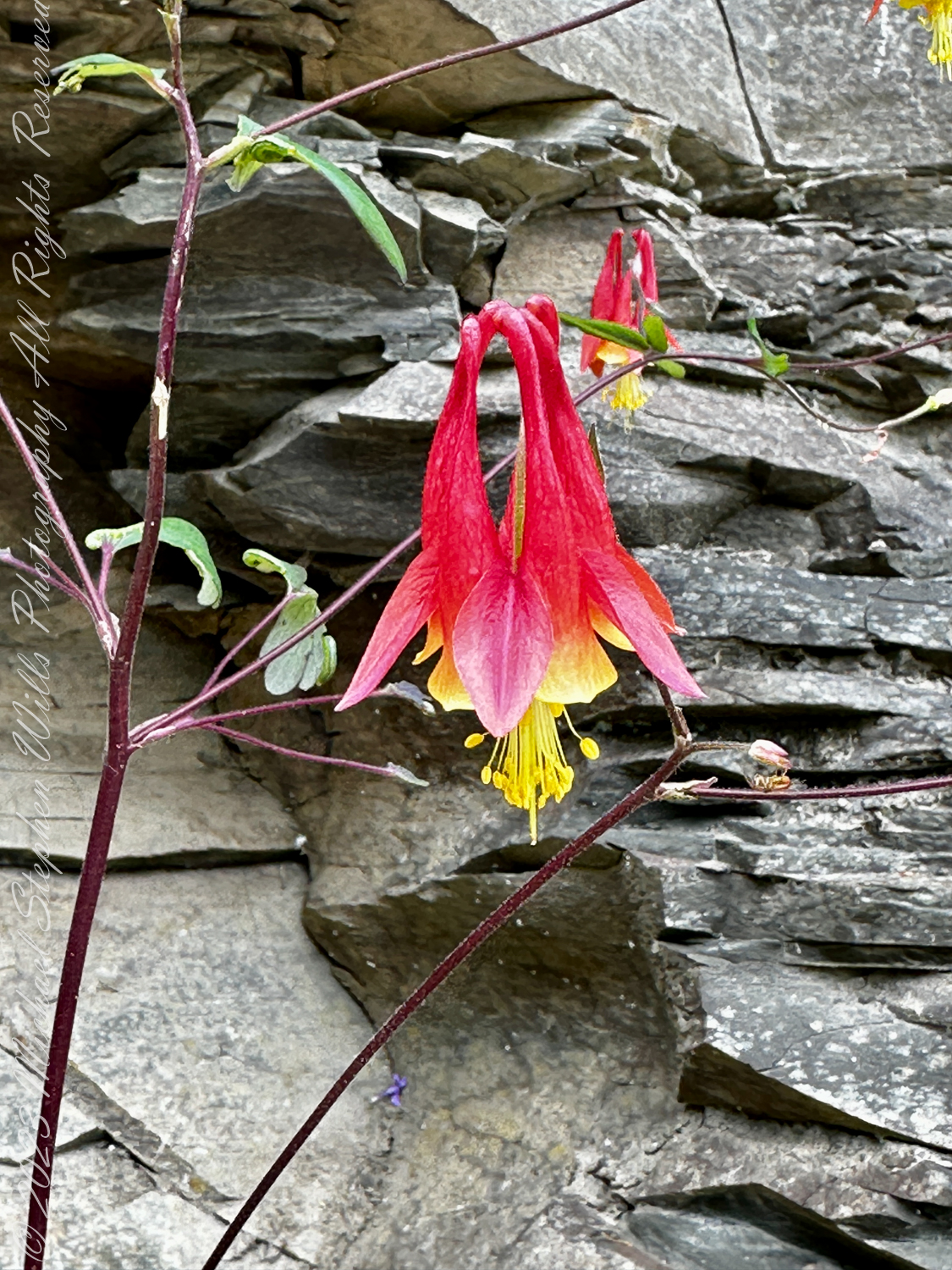
Wandering through the verdant paths of Treman Gorge, amidst the rough-hewn charm of the Finger Lakes Region, I find myself entranced by a striking botanical jewel, the Red Columbine (Aquilegia canadensis). Amid the prehistoric tapestry of shale and limestone, these delicate red and yellow flowers stand out with a vivacity that seems almost audacious against the stoic gray of their rocky backdrop.

The Red Columbine, with its unique, nodding bell-like flowers, is more than just a feast for the eyes. Each bloom is a masterclass in the art of survival and adaptation. The elongated, tubular structure of its flowers, splashed with a bold red that fades into a sun-kissed yellow, is nature’s perfect lure for its pollinators. The petals curve back, as if arching away in a graceful flare, exposing the stamens and pistils in an inviting display for hummingbirds, which, in their quest for nectar, become unwitting partners in the dance of pollination.

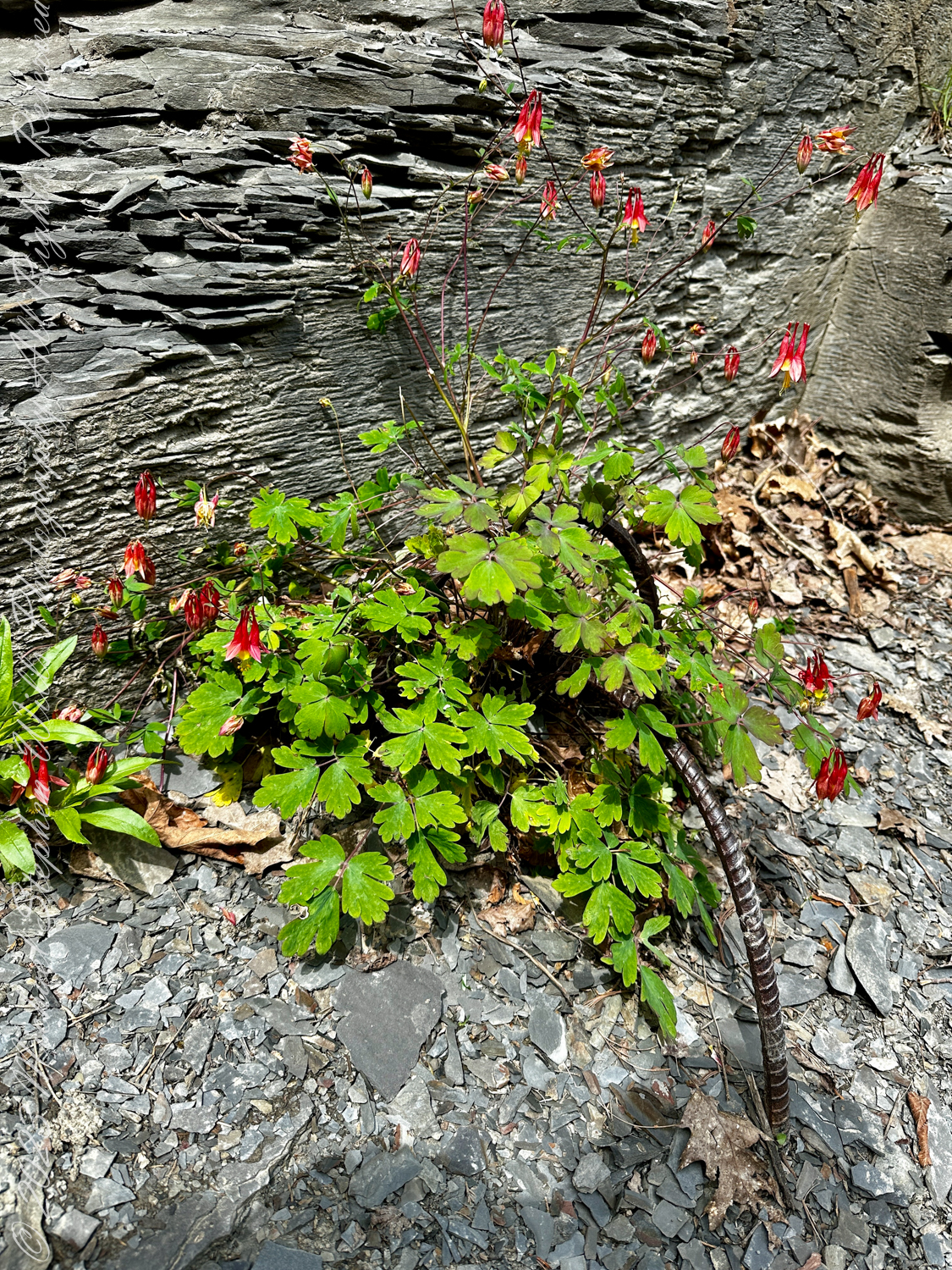
As I tread softly along the mossy stones, the sheer cliff faces of the gorge serve as a stark reminder of the relentless passage of time. Yet here, in this ancient cradle, the Red Columbine thrives in pockets of soil that seem to defy gravity. It’s a botanical ballet, with each plant performing its survival routine rooted in crevices that gather just enough humus to sustain life.

The air is cool and moist, the faint murmur of Enfield Creek a constant whisper beneath the chorus of bird calls. This is a place of subtle enchantment where every glance reveals the rugged beauty of nature intertwined with the delicate persistence of life. The columbines, with their whimsical spirals of spurs and lush, lobed leaves, appear almost otherworldly. They thrive here in the dappled sunlight, a testament to their resilience and a reminder of nature’s quiet defiance against the odds.

Red Columbine with steel rebar driven into the rock to anchor lifesaving lines. Found near Lucifer Falls, Robert H Treman New York State Park, Ithaca, Tompkins County

In this serene alcove, time slows. The Red Columbine’s pendulous blooms sway gently with the breeze, each movement a soft ballet in the verdant amphitheater of Treman Gorge. This flower, with its fiery hues and intricate form, embodies the spirit of the wild that surrounds us. It stands as a vibrant contrast against the somber stones, a living splash of color against the monochrome palette of the gorge.

As I pause to capture this moment, camera in hand, I am reminded of the fragile beauty that thrives in these hidden corners of the earth. The Red Columbine, with its enchanting flowers and rugged perseverance, is a symbol of the wild heart that beats strong within the quiet solitude of Treman Gorge. Here, in the heart of the Finger Lakes, beauty and resilience bloom in the most unexpected places, painting the landscape with strokes of floral brilliance.

Copyright 2024 Michael Stephen Wills All Rights Reserved
Cocoa Beach Dawn

In January 2024, I captured the tranquil beauty of Cocoa Beach at dawn, embracing the fleeting moments of peace and natural wonders.

The first blush of morning caresses the horizon, the palette of colors unfurling across the sky like a softly whispered promise of the day ahead. The soft pinks and blues deepen, brushing the clouds with strokes of lavender and orange, as the sun peeks just above the watery edge of the world. Today, I find myself strolling along Cocoa Beach, capturing the tender moments of dawn breaking over this tranquil Florida beachscape in early January 2024.

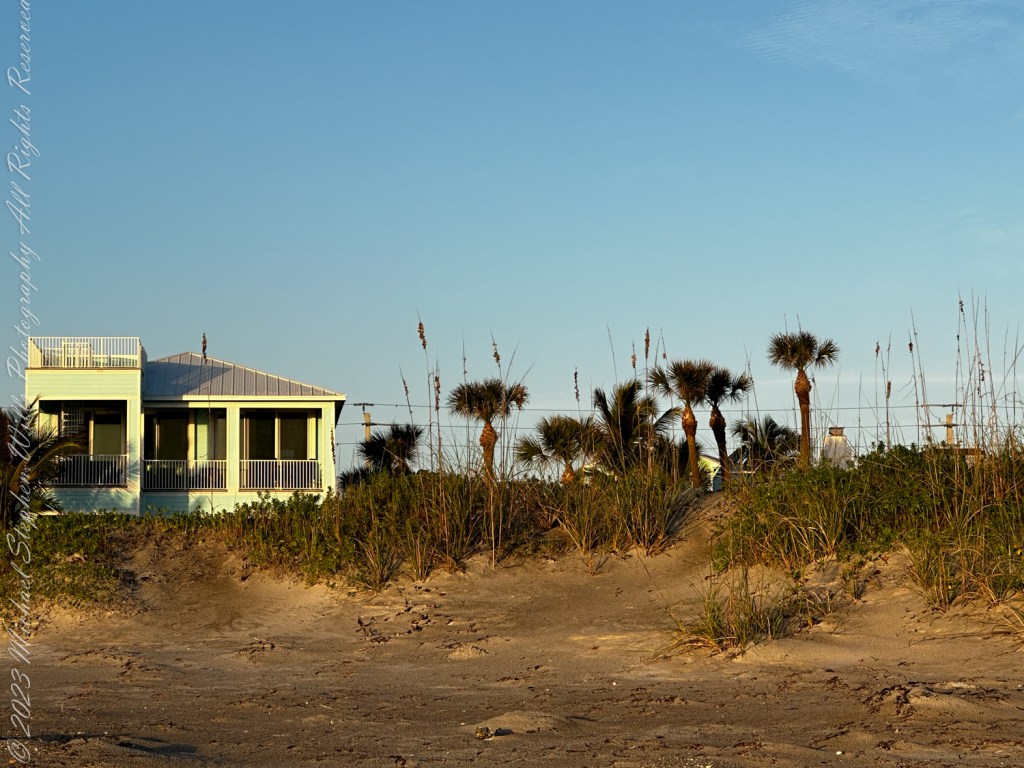
Each step I take along the sandy shores brings a new perspective, a new detail, revealed in the emerging light. To my right, a lone beach house sits nestled behind a veil of sea oats and palmettos, the sky behind it a canvas of warming hues. The house seems to slumber still, its windows reflecting the first golden rays of the sun. This dwelling, isolated and serene, hints at the countless summers of laughter and salty air, and the quiet winters of introspective solitude.

As the morning progresses, the sun asserts itself, climbing higher and burning off the last vestiges of night. I point my camera towards the ocean, capturing the waves as they roll in with rhythmic persistence. The sea is a creature of profound mystery in these early hours, its surface a moving mirror that catches the fire of the sunrise and dances with light. Each wave is a note in an aquatic symphony, played just for those who are awake to hear it.

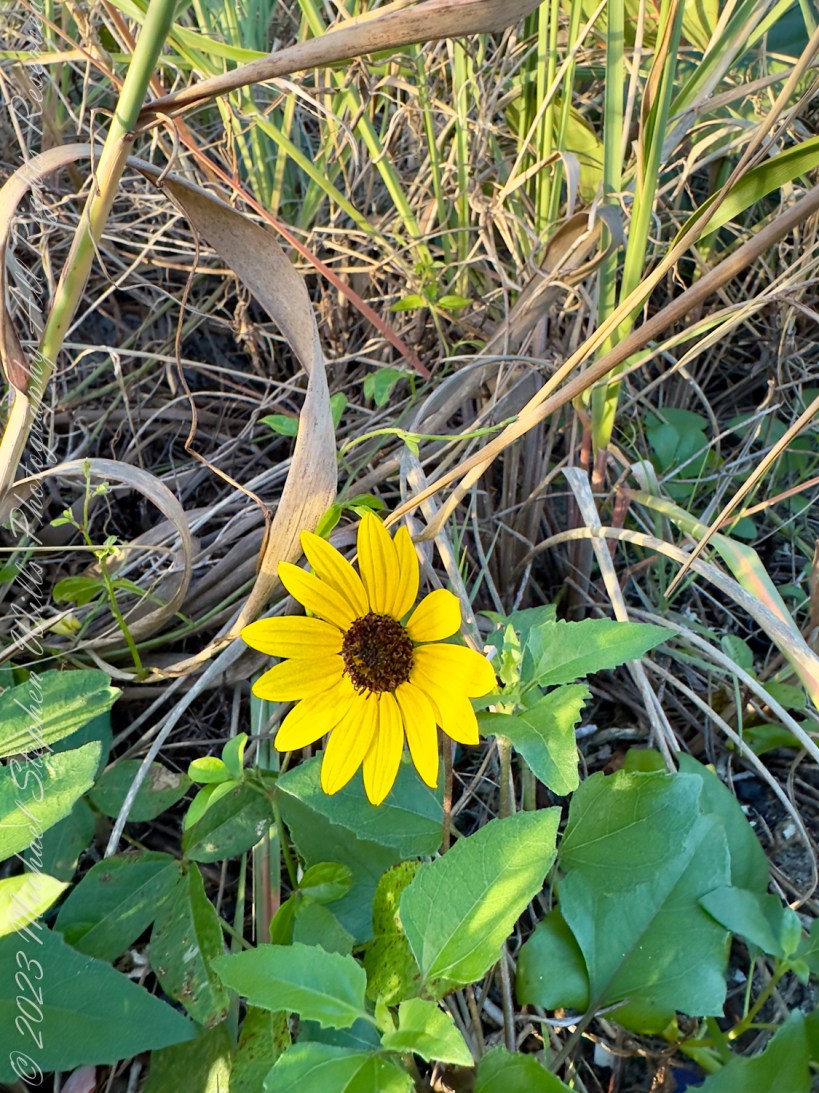
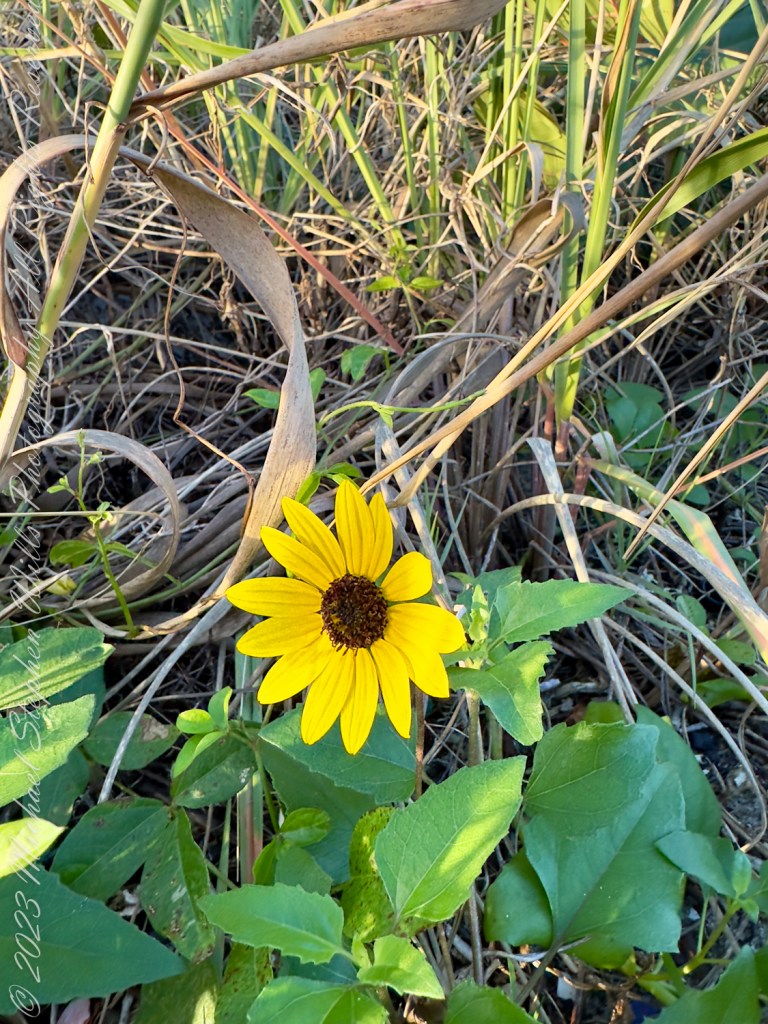
Turning my gaze down, I focus on the smaller, often overlooked inhabitants of the beach. A single flower, a stubborn and resilient dune sunflower, stands boldly above the sands. It’s an unexpected sight—this splash of vibrant yellow against the muted earth tones of the sandy beach. The flower turns its face towards the sun, basking in the glow, thriving in its own patch of the world. It’s a poignant reminder of the tenacity of life, of nature’s relentless pursuit of existence against the odds.

The beauty of Cocoa Beach at dawn is not just in its sweeping vistas or the dramatic play of light and shadow. It’s also in these small, intimate encounters: the texture of the sand, the whisper of the grass, the solitary bloom. Each element is a brushstroke in a larger picture, a note in a grander melody. As I walk, my feet leave temporary impressions on the wet sand, soon to be erased by the incoming tide. It feels symbolic, this transient mark-making, reflective of the fleeting nature of life and the enduring beauty of the world around us.

Cocoa Beach this morning is a place of peace and contemplation. As I capture these moments with my camera, I am also capturing them in my heart, storing them as a balm for busier, noisier days. The photographs will speak of quiet and calm, of the soft hush of dawn, and the gentle awakening of the earth. They will tell of a morning when the world seemed to pause, just for a moment, to revel in the simplicity and beauty of another beginning.

As the sun climbs higher, its light becomes too harsh for the soft magic of dawn photography. I pack up my camera, my heart full of the morning’s calm. The beach is waking up now, the first joggers and dog walkers appearing, their morning routines intersecting with the tail end of my photographic journey. I leave Cocoa Beach carrying the quiet joy of the morning, a joy found in the dance of light on water, in the solitude of a beach house, and in the vibrant defiance of a sunflower. Dawn here is not just a time, it’s an experience—a delicate, powerful reminder of the world’s wonders, witnessed at the edge of the day.

Copyright 2024 Michael Stephen Wills

The Hidden Songster of Ithaca: My Afternoon with a Gray Catbird

Amidst spruce needles, a Gray Catbird’s mew captivated me; a hidden minstrel whose dulcet mimicry and secretive charm turned my backyard in Ithaca into an amphitheater of nature’s most intricate symphonies.

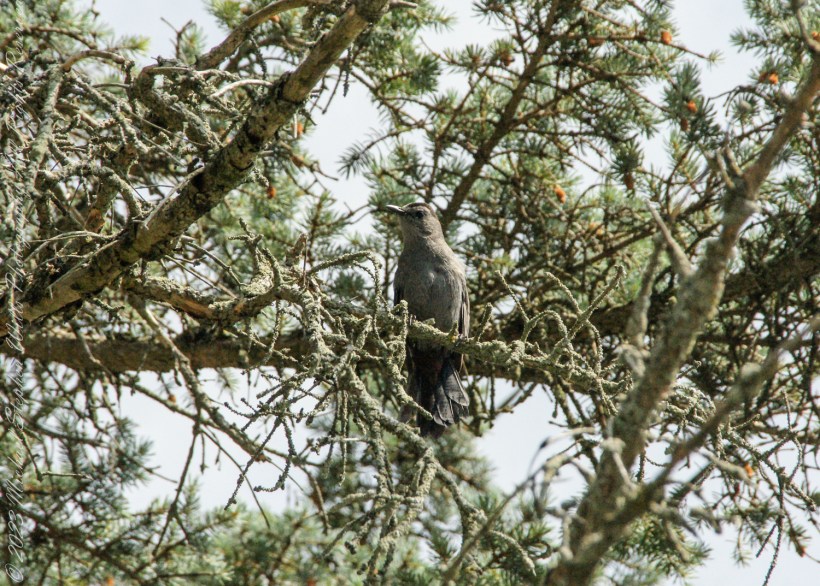
In my backyard, amidst the spruce trees that seem to touch the sky, I had a unique encounter with a little gray bird known as the Dumetella carolinensis, or more commonly, the Gray Catbird. I learned that “Dumetella” comes from the Latin word for “thorny thicket”, hinting at its penchant for skulking in dense underbrush, often hidden from sight. Its species name, “carolinensis”, pays homage to the Carolinas, though this bird has certainly made a comfortable home here too.

This particular visitor had a call reminiscent of a cat’s mew, a curious sound that first drew my attention. As I peeked through the window, I noticed it wasn’t just imitating felines; it was a veritable mimic, echoing the songs of other birds, even copying the croaks of tree frogs, and sometimes the mechanical noises of our own making. Its syrinx, a true marvel of nature, allows it to produce two sounds simultaneously – an impressive feat for such a small creature.

Unlike the showy northern mockingbird or the brown thrasher, which repeat their musical phrases several times, this Gray Catbird preferred to sing each of its phrases just once. Its song was a bit raspier, less melodic but still captivating in its own right.

It’s interesting that the Gray Catbird often chooses to remain hidden when it sings, favoring the inner sanctuary of bushes or trees like the spruce in my yard, a natural stage set by verdant leaves and branches. And while I watched, it seemed content in its concealment, a master of melody cloaked in foliage.

As I observed it, I recalled reading that the Gray Catbird’s diet is as varied as its repertoire of sounds. Fruits and berries make up about half of its diet. This little bird has quite the palate, enjoying a smorgasbord that includes mealworms, earthworms, beetles, and other insects, not to mention the bounty of summer offerings such as ants, beetles, grasshoppers, caterpillars, moths, and a selection of berries from holly, cherry, elderberry, poison ivy, bay, and blackberries.

I made a mental note of the date, captured in the metadata of the photograph I snapped: 2021, from my home in Ithaca. A simple image, yet it encapsulated a serene moment of connection with a creature so adept at concealment and mimicry, a moment I would treasure. The Gray Catbird, with its unique song and dietary habits, has become a beloved part of my backyard symphony.

Reference: wikipedia, Gray Catbird.

Copyright 2024 Michael Stephen Wills All Rights Reserved
Nature’s First Green….

…is gold, / her hardest hue to hold, / her early leaf’s a flower; / but only so an hour… Robert Frost

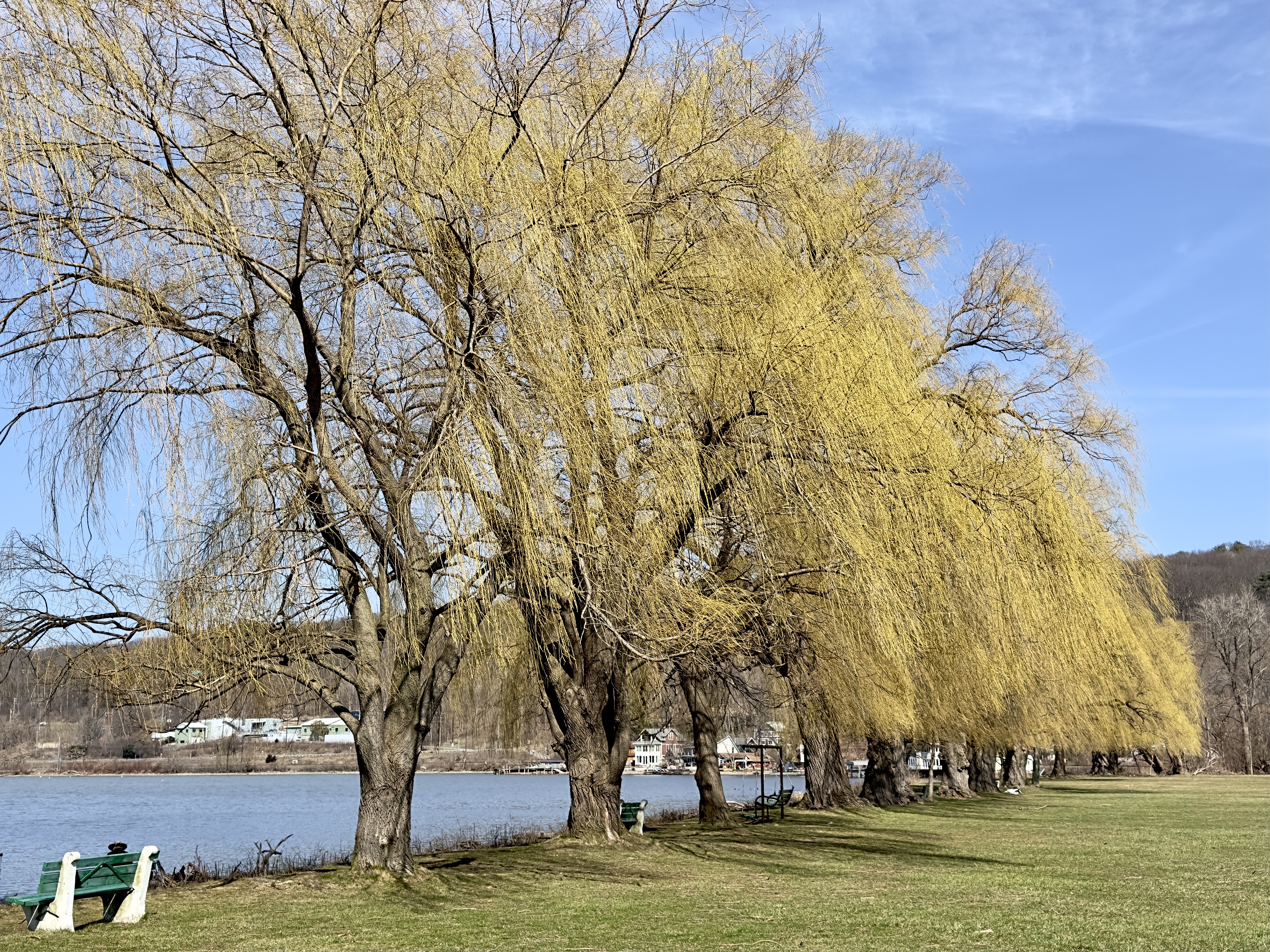
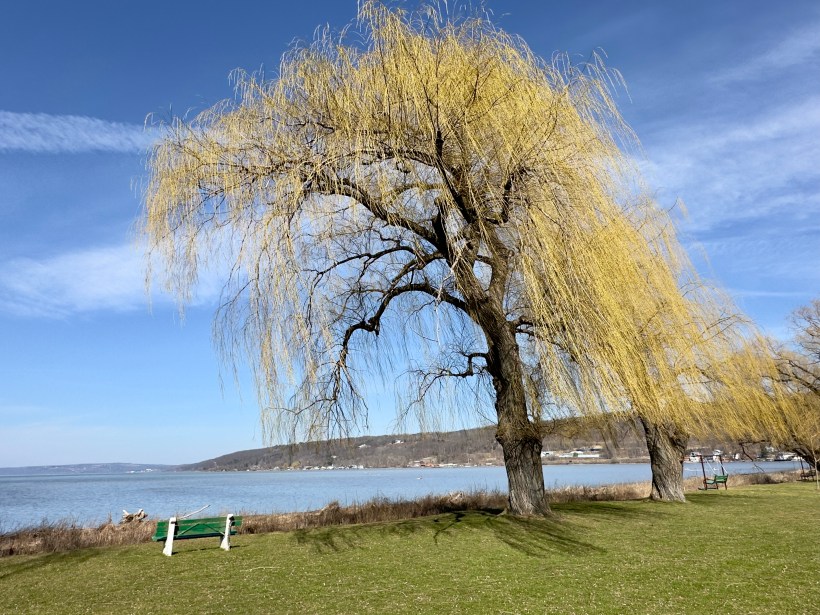
You walk alone by the waters of Cayuga Lake in Stewart Park, nestled in the heart of Ithaca’s Finger Lakes, where Salix alba, the white willow, stands proudly along the shoreline. You’re immediately drawn to the flurry of yellow flowers, a stark contrast to the still chilly early March air.

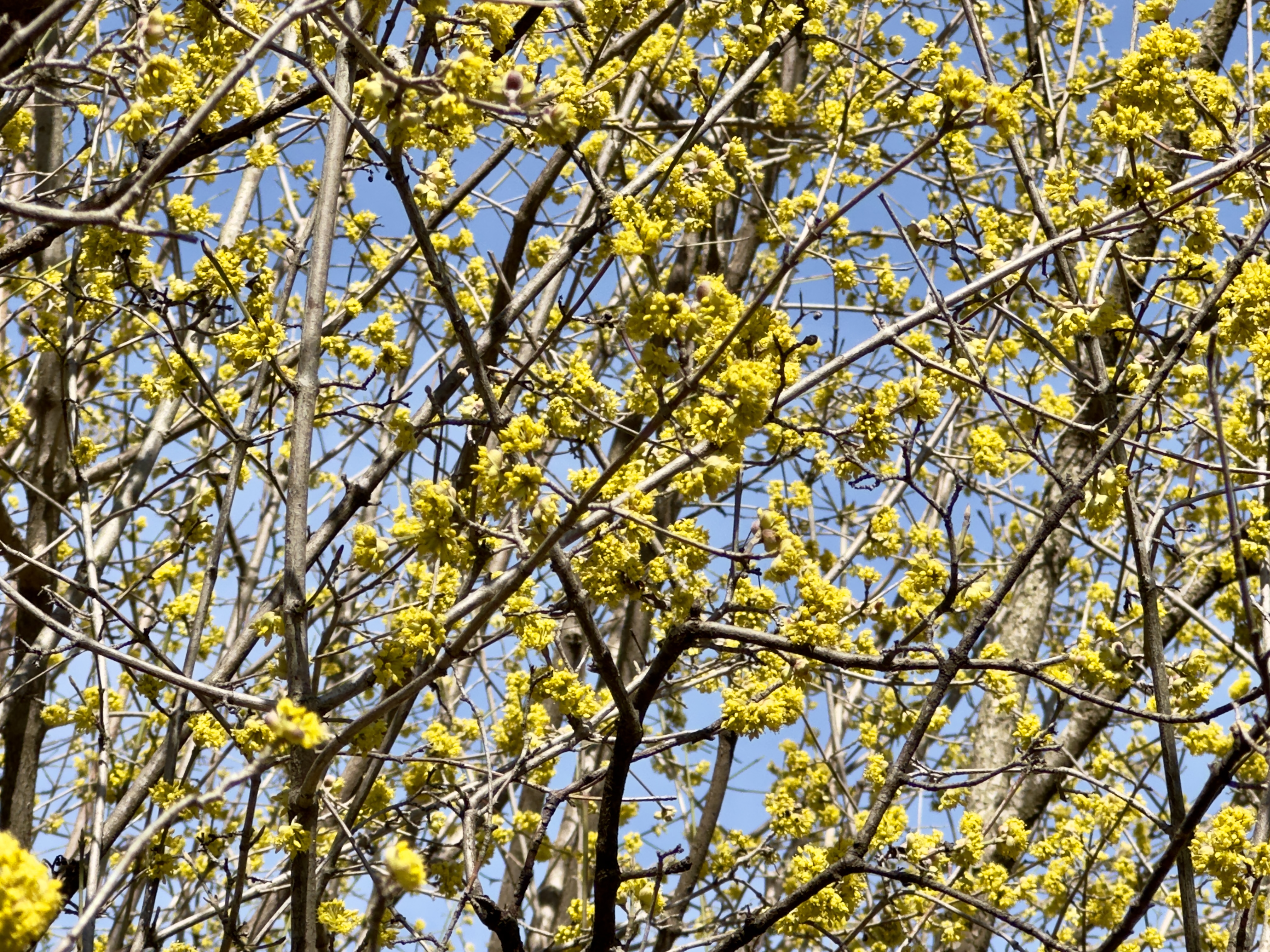
The white willow (Salix alba), with its rough, gray bark, is beginning to dress in its spring finery, its branches teeming with tiny, starburst-like flowers. Each one is a miniature sun, casting a glow against the intricate lattice of branches. These aren’t the soft catkins of the pussy willow but the yellow inflorescences that are characteristic of the white willow’s early bloom, a signpost that winter’s grip is loosening.

These trees, you learn, are dioecious, with separate male and female trees. The blossoms you see are likely the male flowers, their stamens dusting your fingers with pollen as you brush against them. It’s this pollen that will soon beckon the bees, urging them to emerge from their hives and begin the work that sustains the ecosystem. You can almost hear the faint buzz, a prelude to the symphony of life that summer will bring. Return in midsummer to find the female catkins comprise numerous small (4 mm) capsules, each containing numerous minute seeds embedded in silky white hairs, which aids wind dispersal.

As you wander further, you note the presence of the white willow’s kin, other deciduous companions some still bare and stretching into the sky and others leafing out. You stand there, at the cusp of seasonal change, where the slumbering trees are on the verge of awakening, and you feel a kinship with them. Like these trees, you have weathered the cold, dark months, and now you stand poised to greet the renewal that comes with spring.

The stark, knotted forms of the white willow branches against the clear sky speak to you of endurance and resilience. These trees have weathered storms and droughts; they have been companions to the lake, mirrors to its moods, and now they are beginning to celebrate the cycle of rebirth and growth.

You take a seat on a bench, the cool wood through your clothes a reminder of the lingering winter. You gaze out across the lake, the water reflecting the brilliance of the sun like a vast, rippling mirror, framed by the elegant silhouettes of the white willows. You feel the peace of the park seep into you, the slow, rhythmic lapping of the water syncing with your breath.

This is a moment of transition, from the sleeping to the awakening world. You think about the Salix alba, how its presence here is a testament to nature’s adaptability, thriving in the moist soil by the lake, offering shade in summer and shelter in winter, its branches a playground for the winds.

As you leave Stewart Park, you take with you the memory of the white willows in early March, the quiet guardians of Cayuga Lake. They remind you of the enduring beauty of nature, the seamless flow from one season to the next, and the quiet joy of standing witness to the first whispers of spring on the shores of the Finger Lakes.

Copyright 2024 Michael Stephen Wills All Rights Reserved

Watching with the Willows

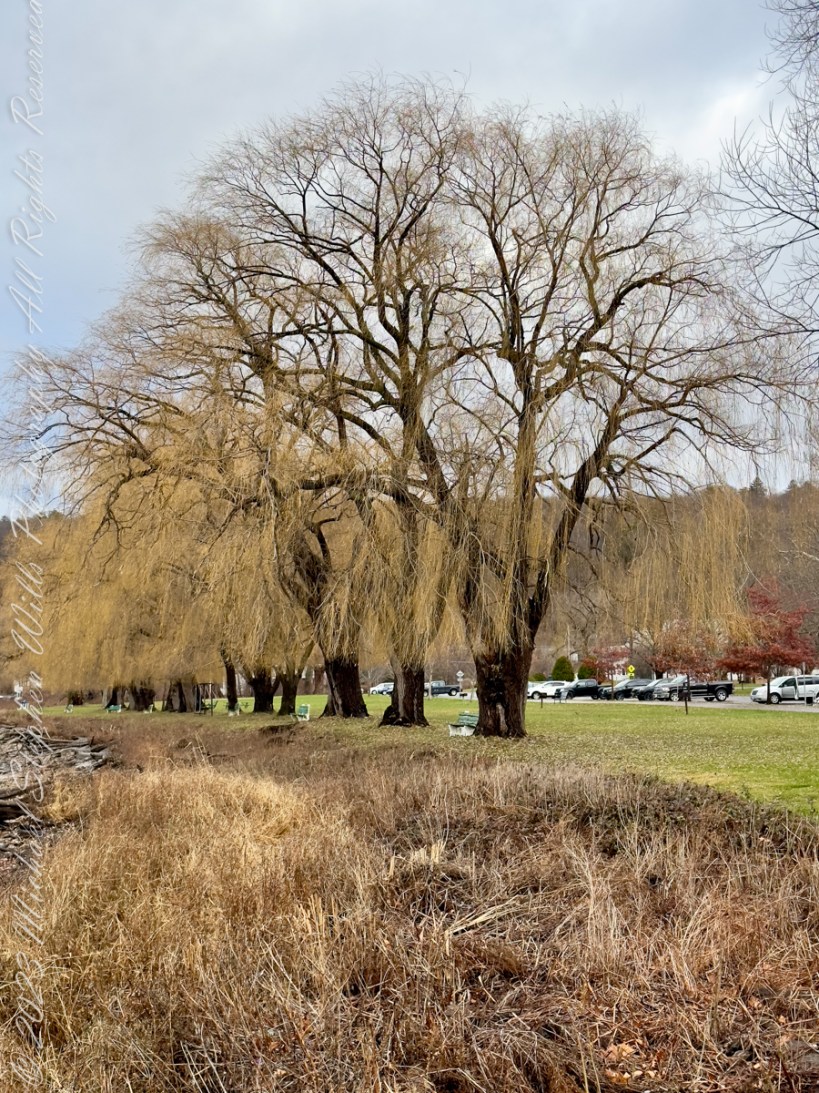
On a brisk day at Stewart Park, I stroll alongside Cayuga Lake, observing Canadian Geese and white willows. The tranquil, interconnected scene proves an enduring memory despite everyday worries.

Continue reading “Watching with the Willows”

Resilience and Beauty: The Ginkgo in Fall

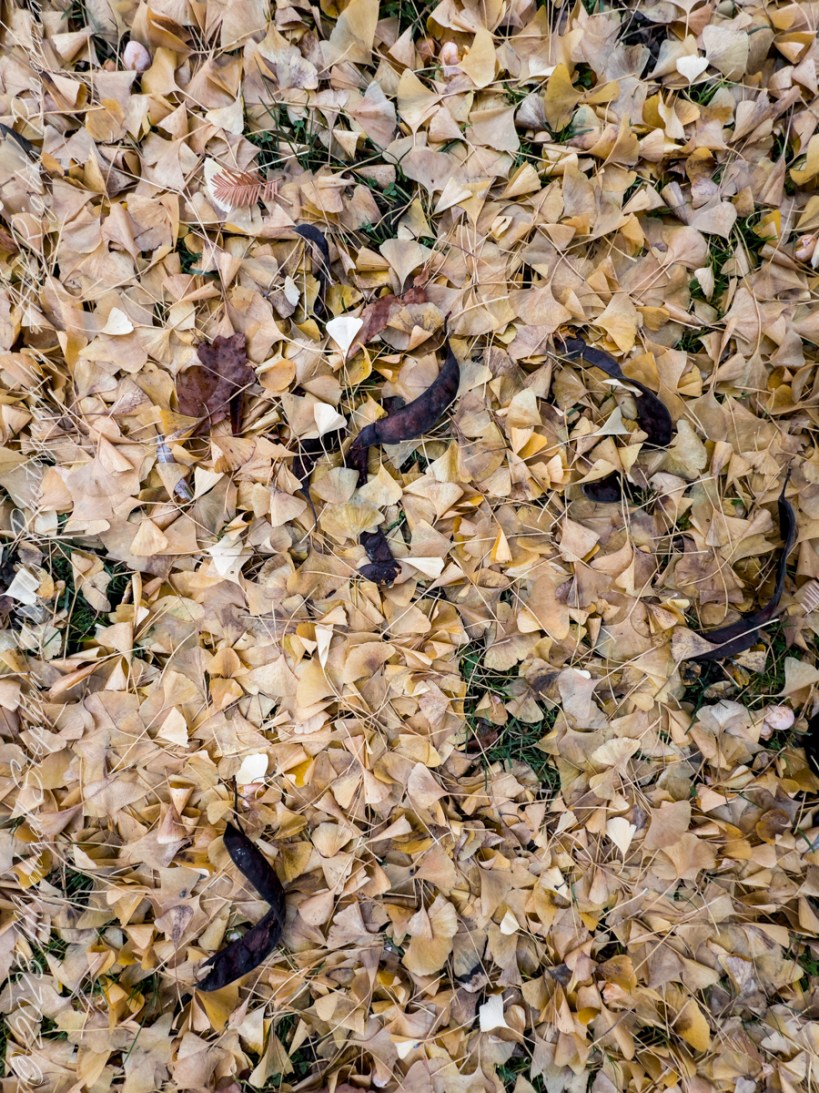
Naked branches reach,
Sky braces for winter’s kiss,
Earth turns, leaves embrace.

Continue reading “Resilience and Beauty: The Ginkgo in Fall”

White House Ruin

In 2003 and 2008, the author visited and photographed White House Ruin in Canyon de Chelly, observing changes in landscape.

In November 2003, my son Sean and I journeyed up Route 191 from Petrified Forest National Park, arriving in Chinle on a crisp autumn afternoon. My photography equipment at the time was modest: a Sony Point and Shoot 5 MP camera with filters, a purse-like over-the-shoulder bag, and a basic tripod from Kmart.

We reached the White House trailhead in Canyon de Chelly and began our hike. The trail was quiet, and as the sun set at 5:20 pm, we found ourselves virtually alone. A dense growth of Russian Olive trees dominated the wash at that time. In the dimming light, I captured a distant shot of the White House Ruin, whitewashed, set against the backdrop of autumn-hued Russian Olive foliage. Nearby, a grove of Cottonwoods, still green, stood near the canyon wall.

By the time Pam and I returned in July 2008, four years and nine months later, the landscape had changed. The invasive Russian Olives had been removed, and the White House Ruin was no longer painted white.

The same Route 191 that Sean and I had taken in 2003 led us through the Four Corners region of Northern Arizona. Pam and I had traveled from Colorado, arriving in the late afternoon. This time, the Navajo Reservation’s adherence to daylight savings time meant the sun wouldn’t set until 8:33 pm. My aim was to photograph the White House Ruin that I had missed years earlier.

That July day the sun set 8:33 pm as the Navajo Reservation observes daylight savings time. My goal was to photograph the White House Ruin I missed in 2003. We arrived at the trail head. My photography kit was expanded from 2003, now included a Kodak DSC Pro slr/C, the “C” meaning “Canon” lens mounting, a Sony 700 alpha slr (I only use a variable lens), Manfrotto tripod with hydrostatic ball head, and the backpack style Lowe camera case. With the tripod it is over 25 pounds.

With this on my back I was prepared to boogie down the trail. At the height of tourist season there were many more people at the trailhead. Pam, being a friendly person, started a conversation while I ploughed ahead along the flat canyon rim. It is solid red sandstone, beautiful, generally level with enough unevenness to require attention. When Pam saw how far ahead I was she tried to catch up, tripped, fell hard.

I backtracked to Pam and we decided what to do. She thought, maybe, the fall broke a rib. We decided to proceed and descended, slowly, together. Here we are in front of the ruin. The sun, low in the sky, is moving below the south canyon wall. This is a perfect time, and I used both cameras.

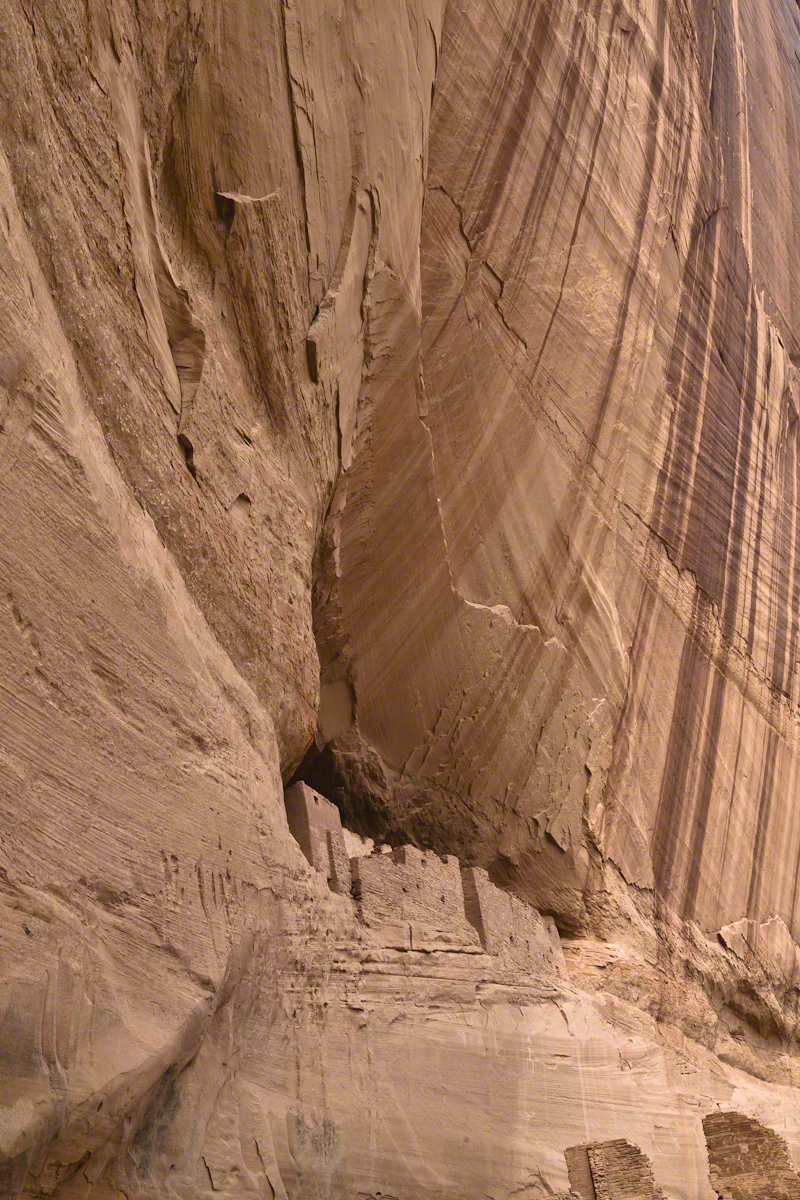
The sweep of cliff and desert varnish was my intent to capture. Here it is through the Canon 50 mm lens.

Click link for this White House photograph in my Online gallery.

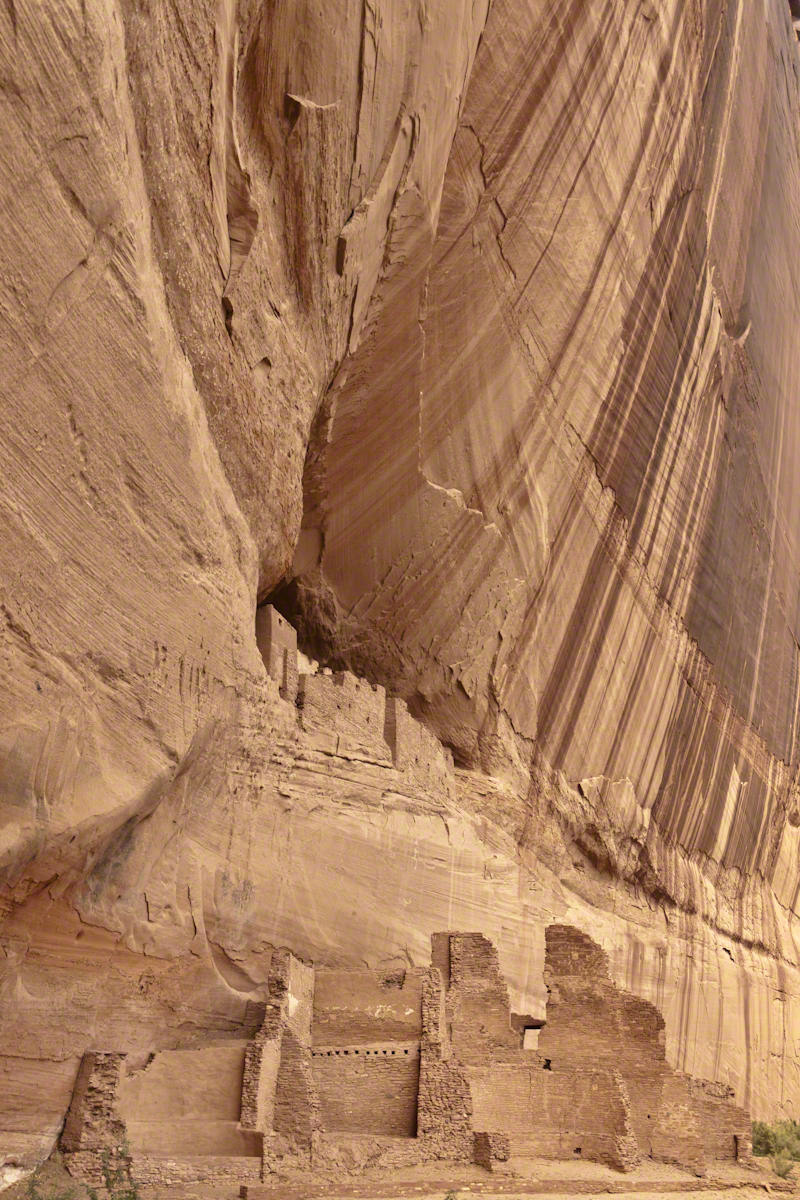
I captured this version with the Sony Alpha 700 slr, the variable lens set to widest angle.

Click link for this White House photograph from my online gallery.

Here the camera setup waits out the sun…..

Click Me to view my photographs on Getty.

Copyright 2023 Michael Stephen Wills All Rights Reserved http://www.MichaelStephenWills.com