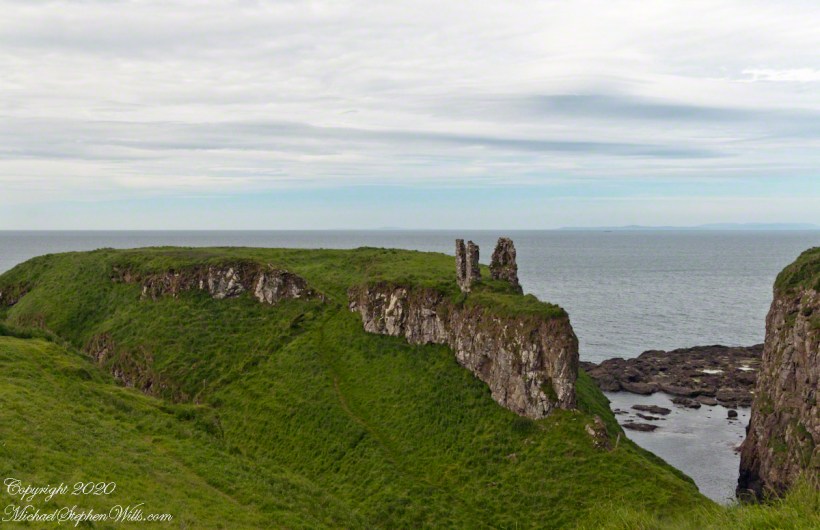
Dunseverick Castle Ruin
Join me in reminiscing about a memorable trip to Ireland, marked by the now-closed Breezemount House B&B and the scenic Dunseverick Castle Ruin. Dive into my journey and the advice that shaped it
Join me in reminiscing about a memorable trip to Ireland, marked by the now-closed Breezemount House B&B and the scenic Dunseverick Castle Ruin. Dive into my journey and the advice that shaped it
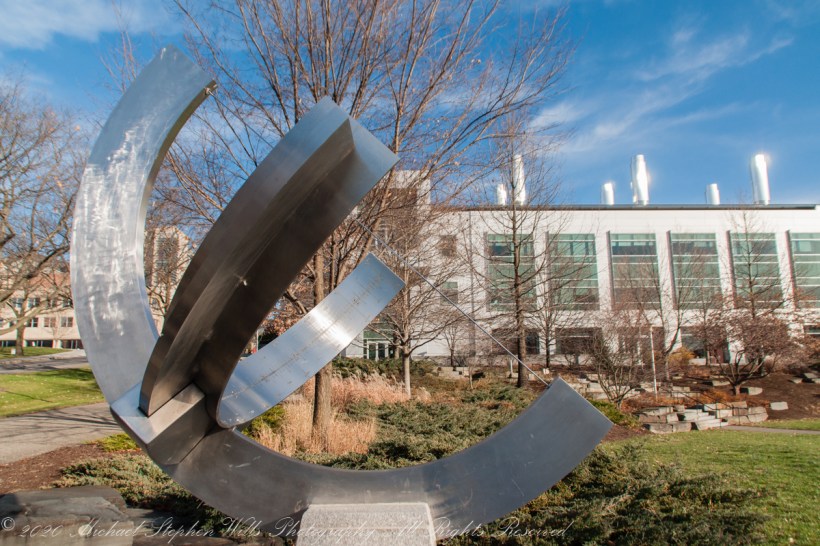
For the “Dead of Winter”

Come in and experience how humans are dwarfed by the eons

Green Promise
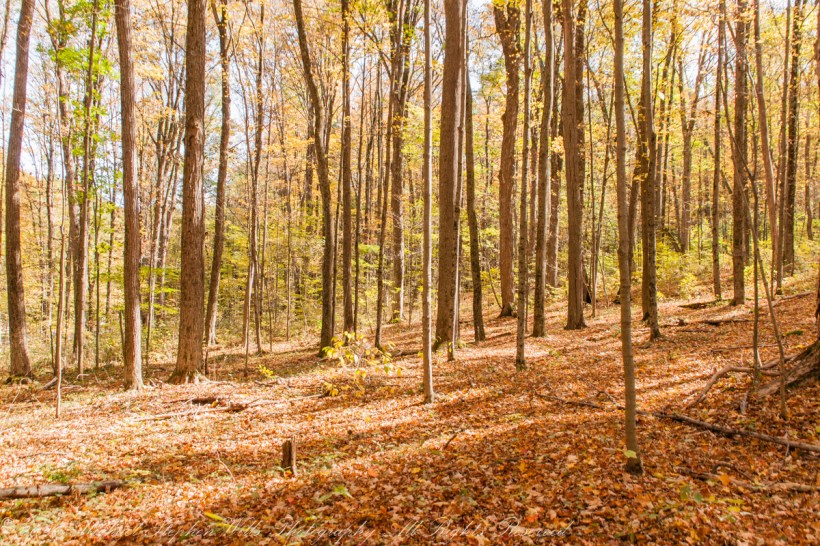
Fillmore Glen Autumn
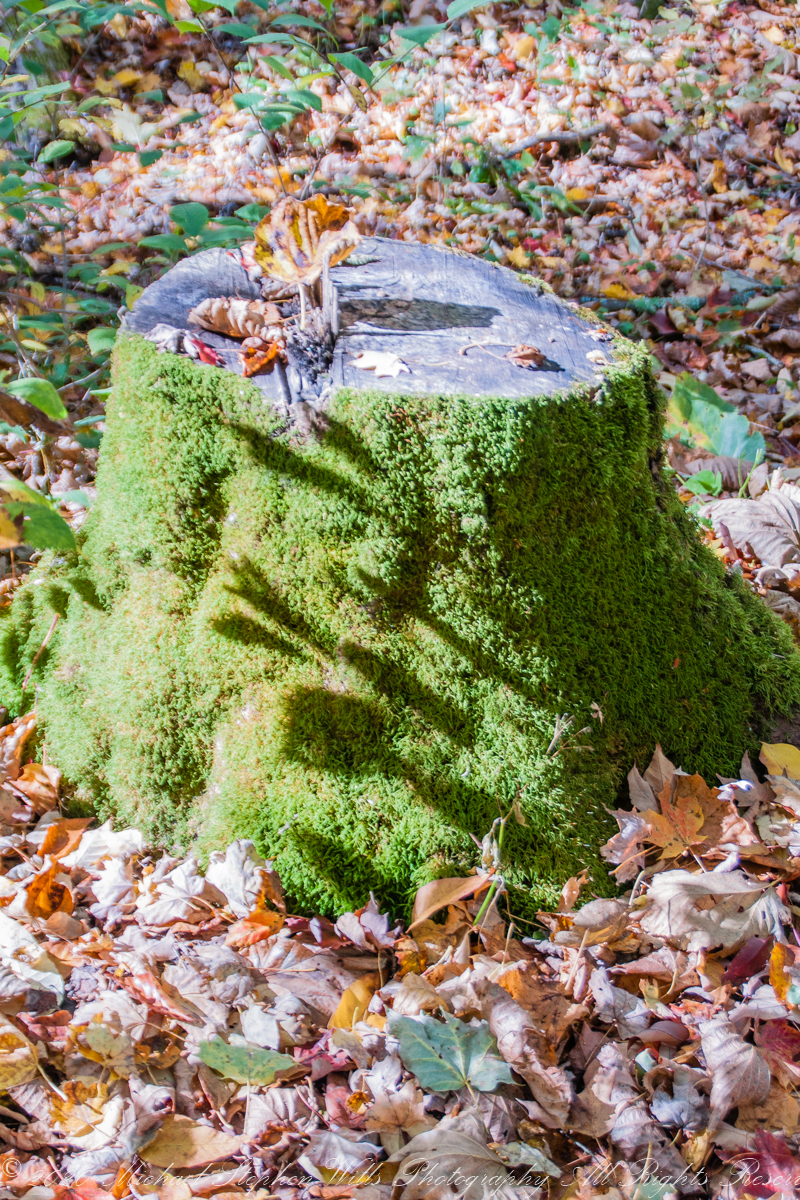
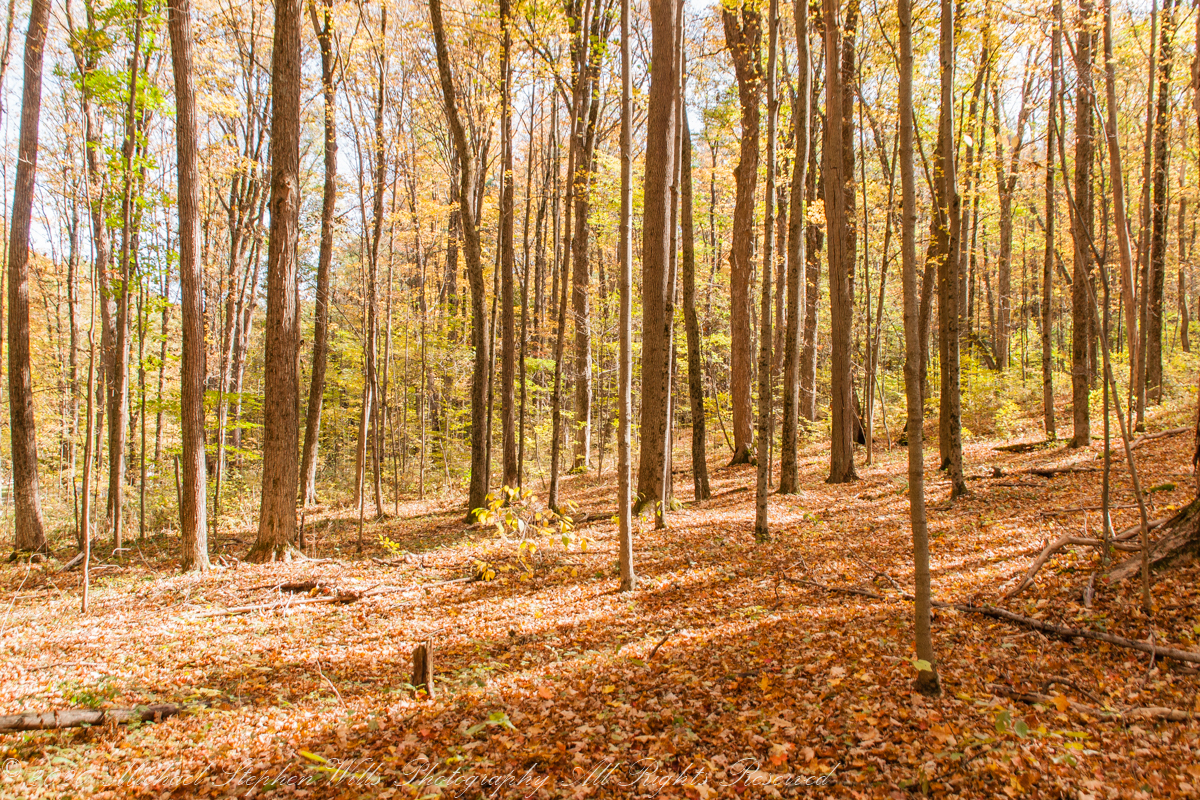
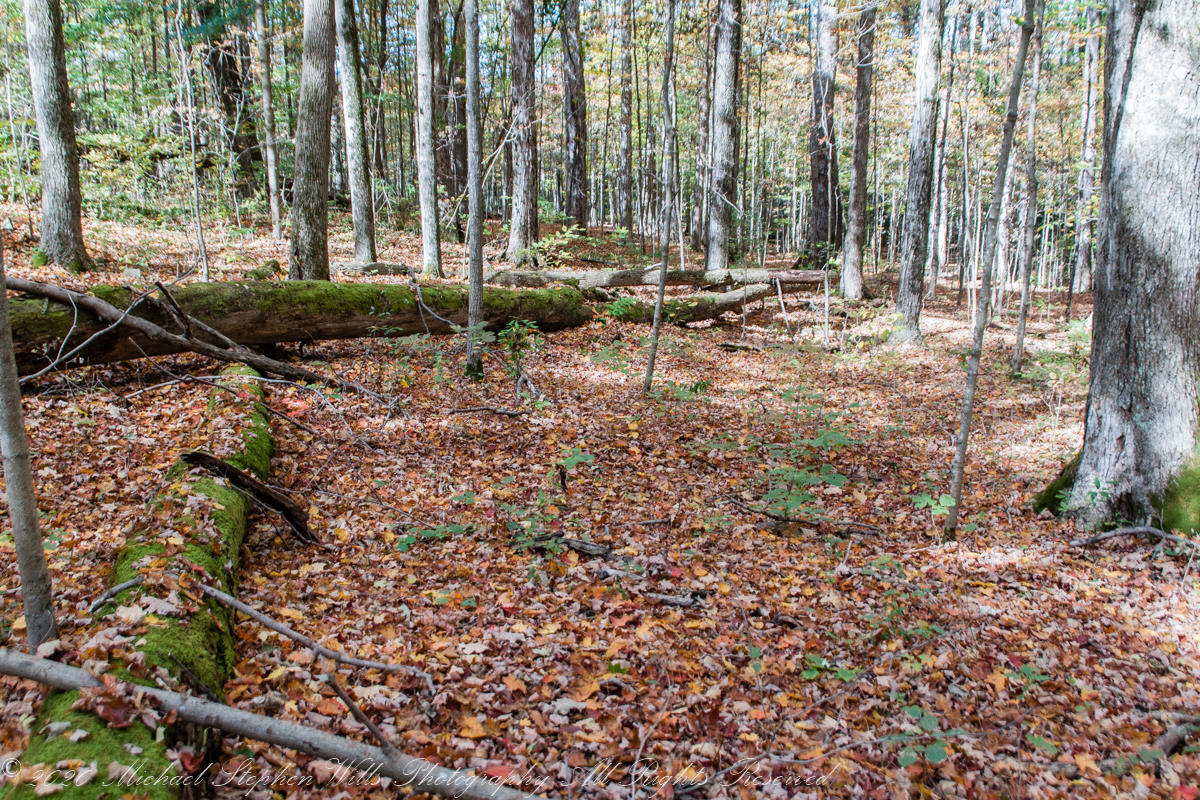
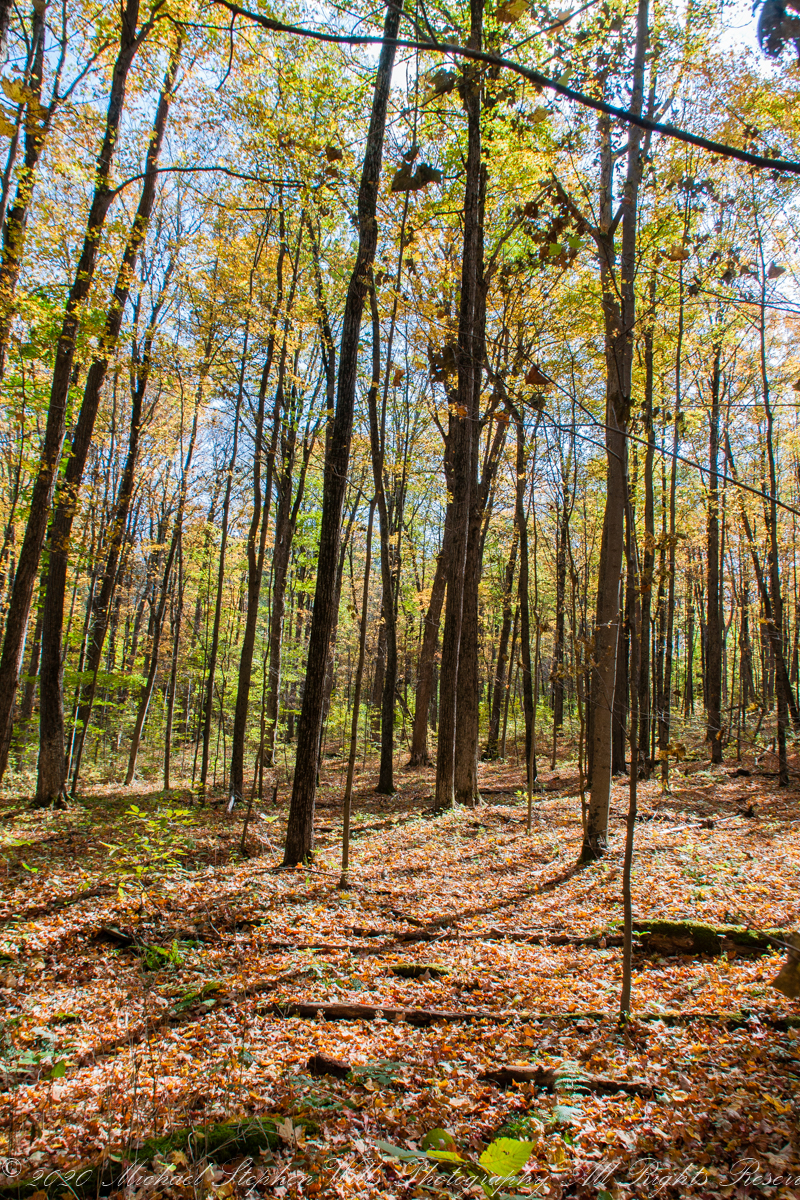
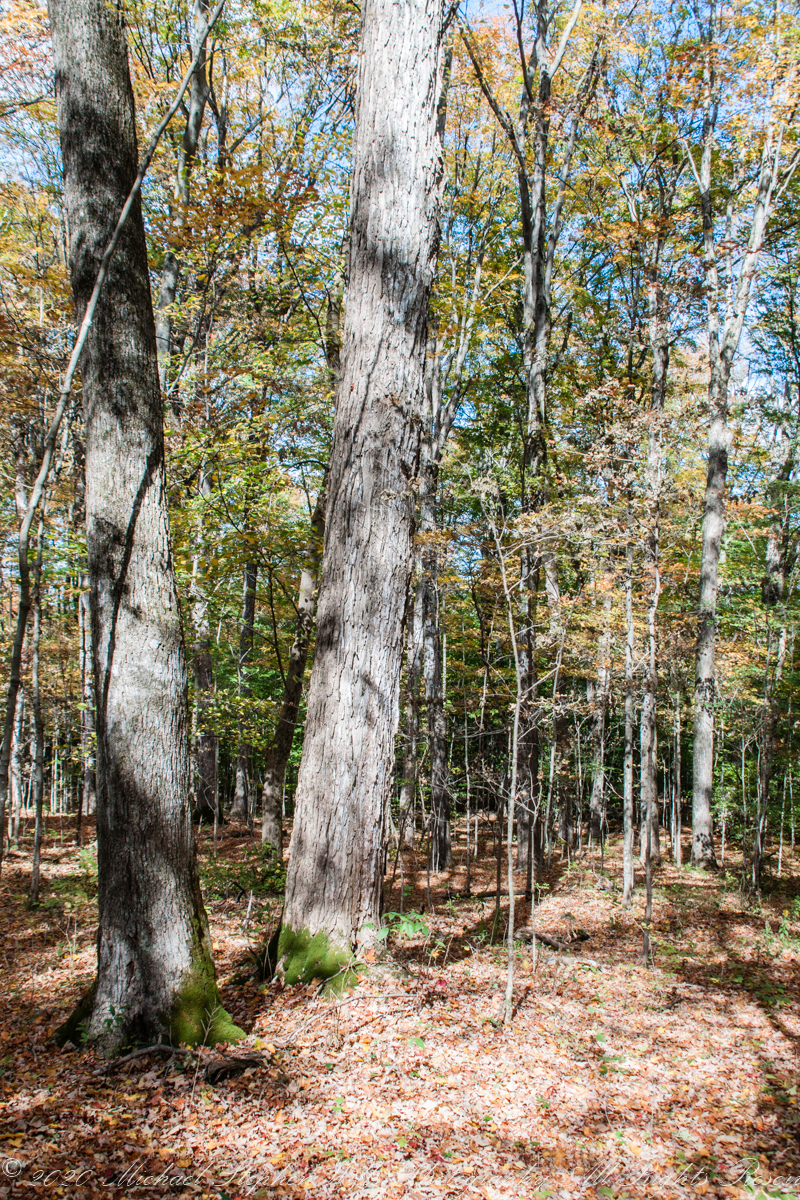
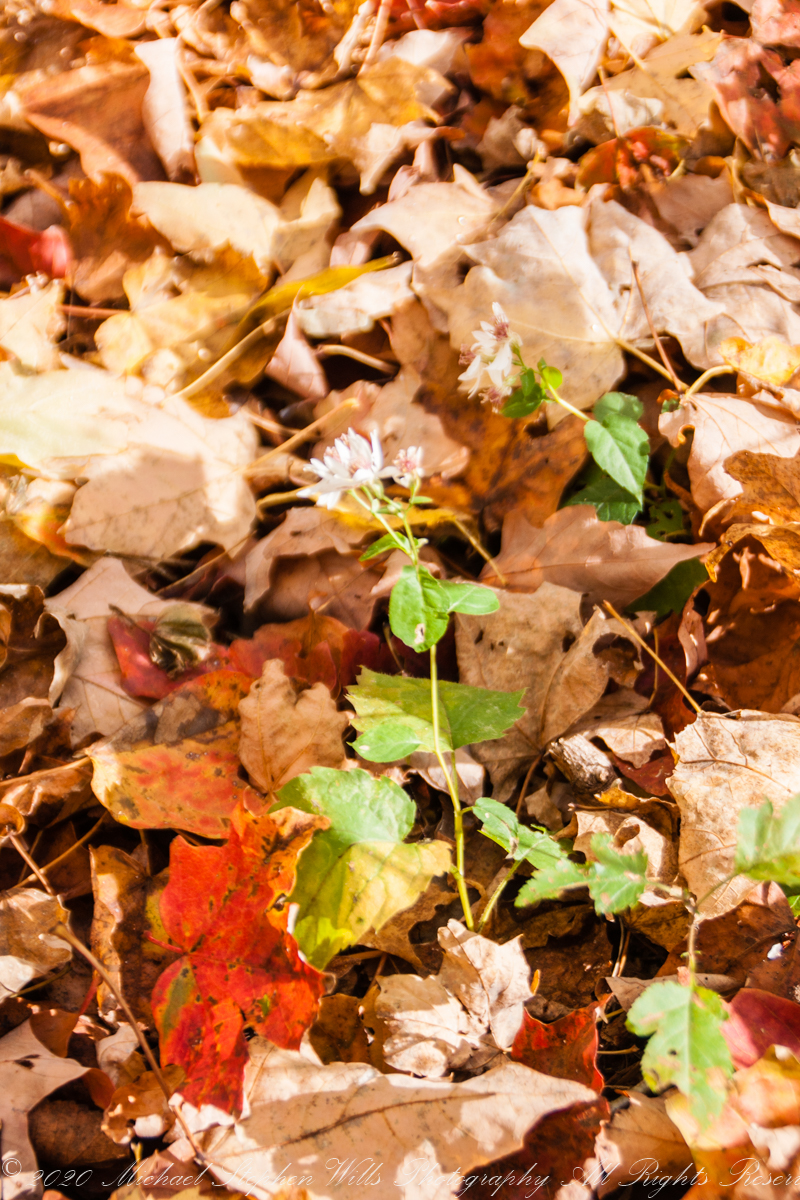
The first week of November 2023 I posted a series of photographs from Fillmore Glen from the Canon 5D Mark IV. Today, I present a series of photographs from the same day using the Sony Alpha 700 dslr using a variable 18-200 mm lens.

Double Irony

Baker Laboratory dates back to World War I. With 200,000 square feet of space, the lab is home to Cornell’s Chemistry and Chemical Biology Department, the Chemistry Research Computing Facility, the Nuclear Magnetic Resonance Facility, and the Advanced ESR Technology Research Center (whew!!).
On the right, on a knoll, is a European beech tree (Fagus sylvatica). The Latin name holds a double irony. Standing, alone, high above East Avenue on the Cornell campus (sylvatica means “of forests”) as a memory of the forests growing above Cayuga Lake is a being once worshiped as a god. In Celtic mythology, Fagus is the god of beeches.
A maple is on the left, genus Acer of unknown species. I recognize it from the shape.
Copyright 2023 Michael Stephen Wills All Rights Reserved
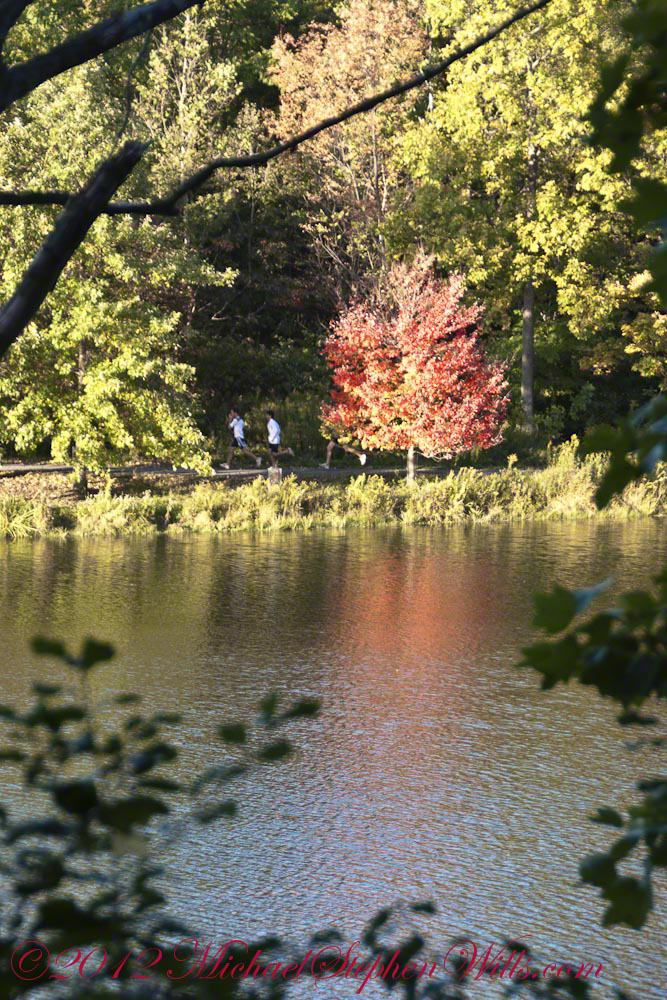
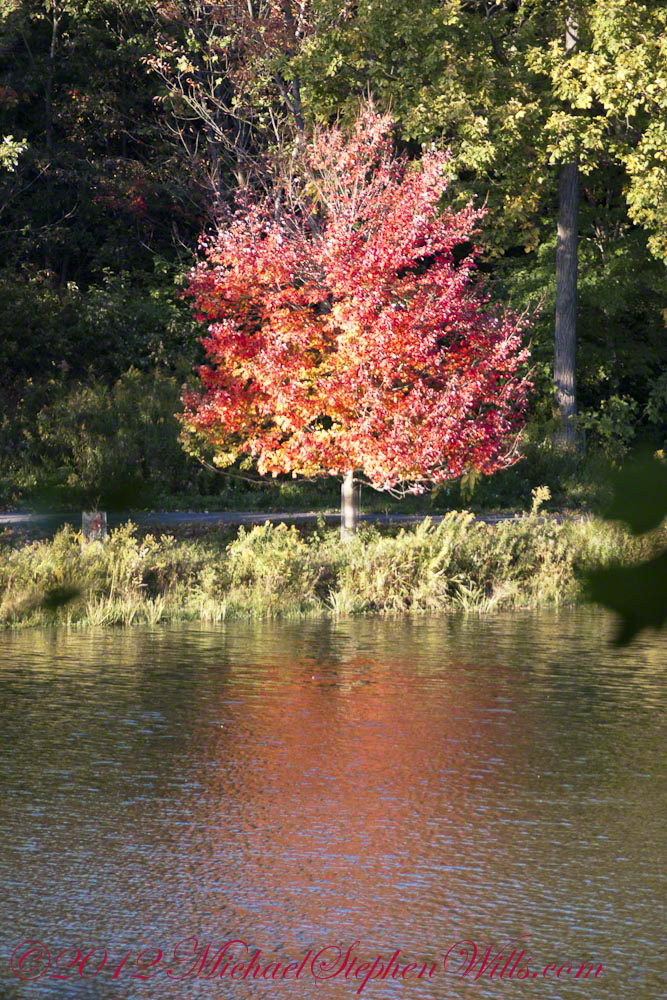
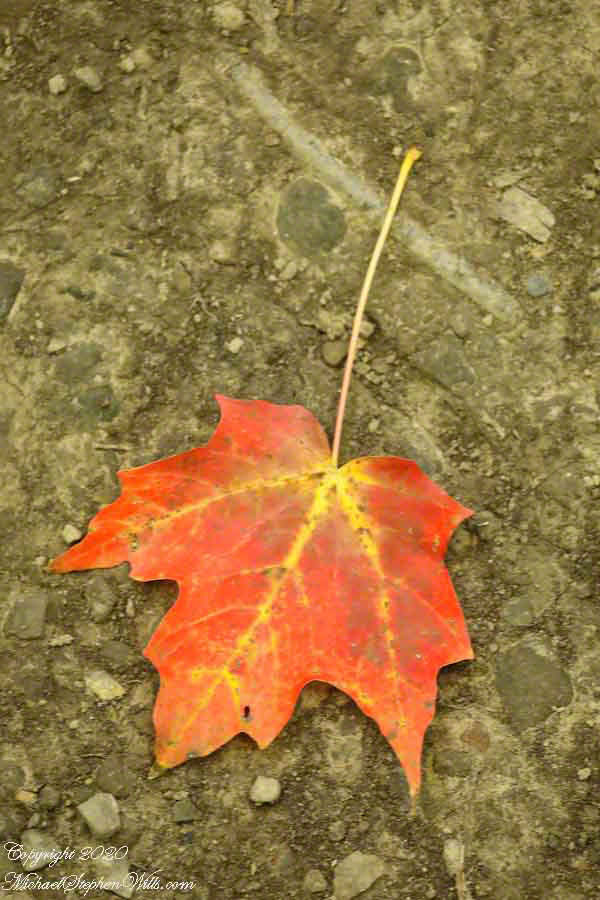
First to flower, first to turn
The Red Maple (Acer Rubrum) is tolerant of diverse conditions, making it a perfect choice for this spot on the short of Beebe Lake.
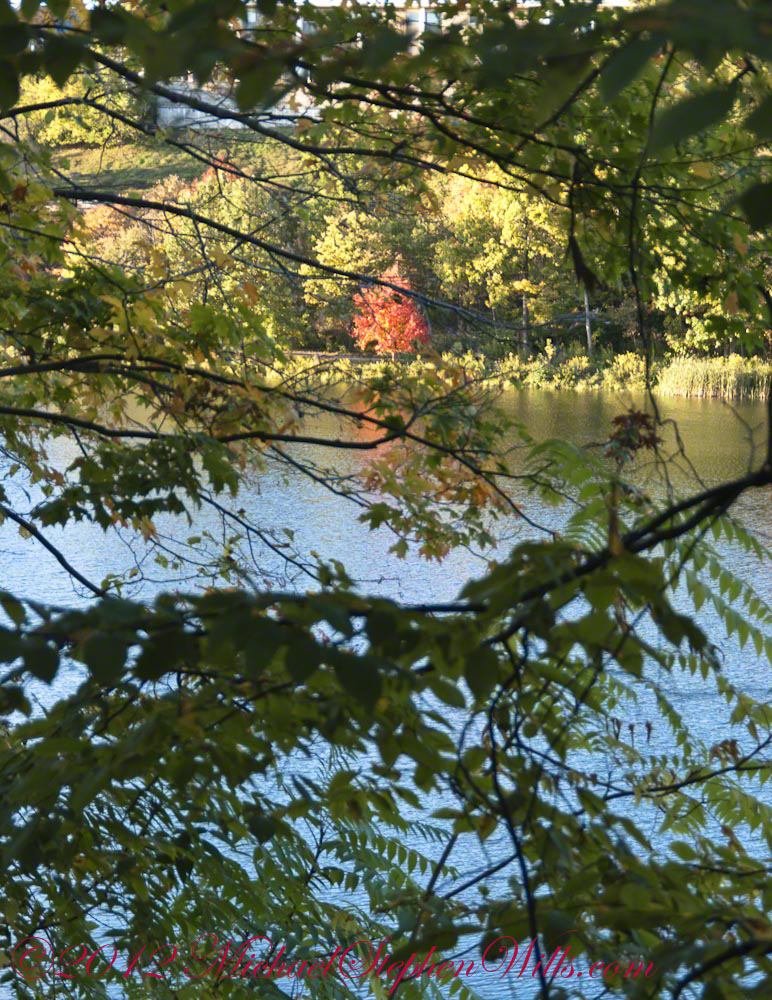
Even though it is not a “Sugar Maple, early spring, the sap can be boiled down to syrup.

The first to flower in spring and the first to turn in autumn.

This maple turns from the top down and is already bare for most top branches.
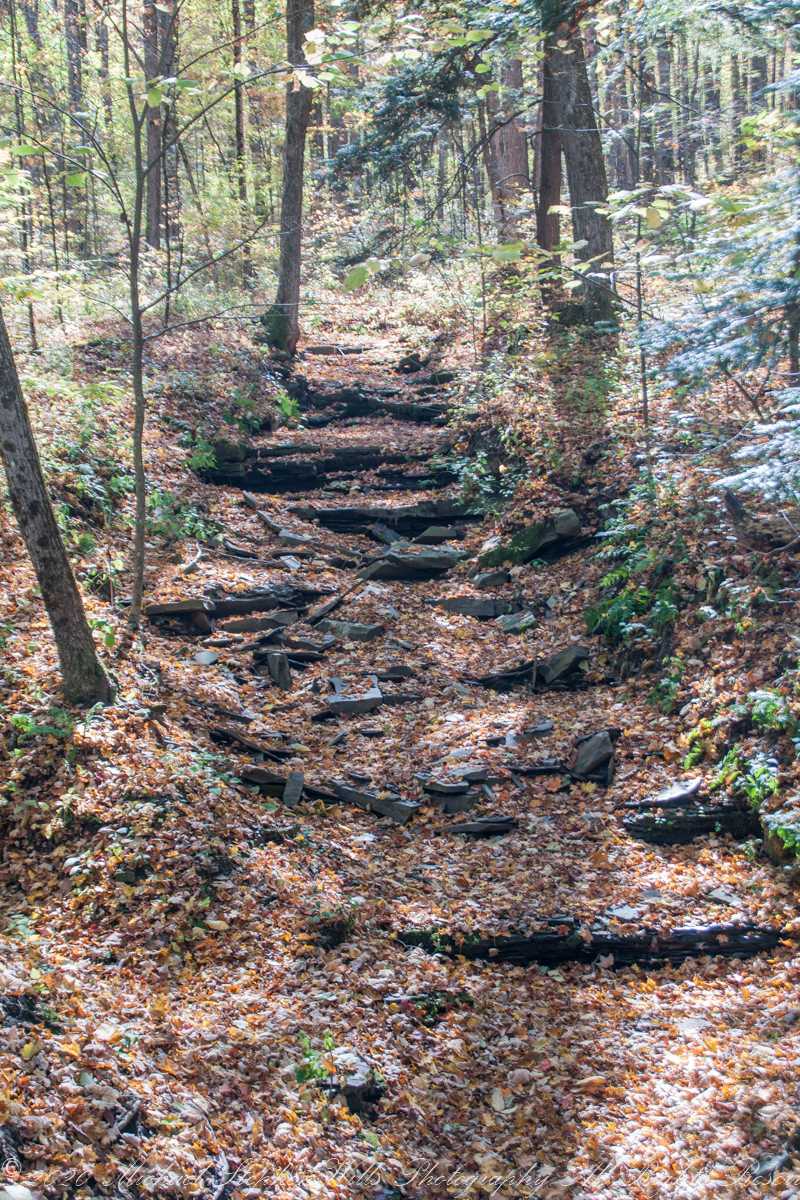
Autumn at Treman Park
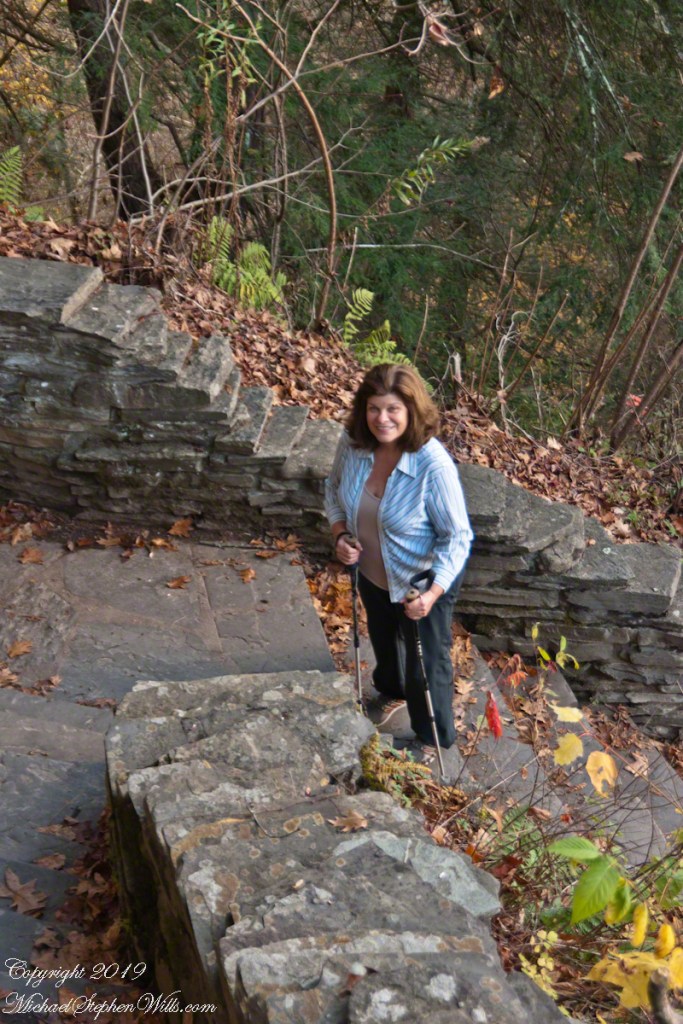
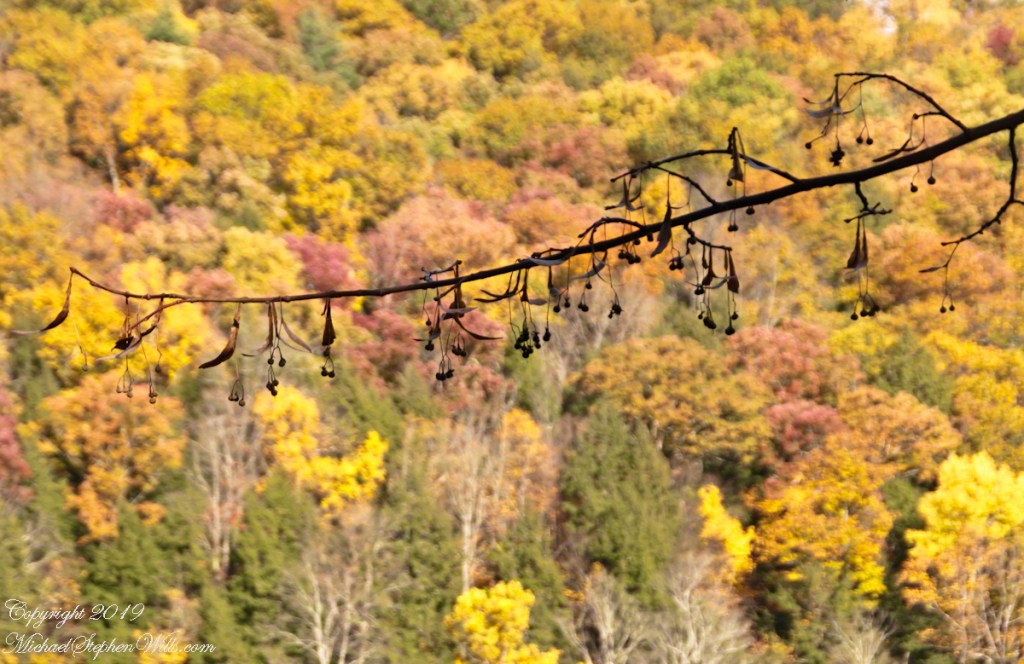
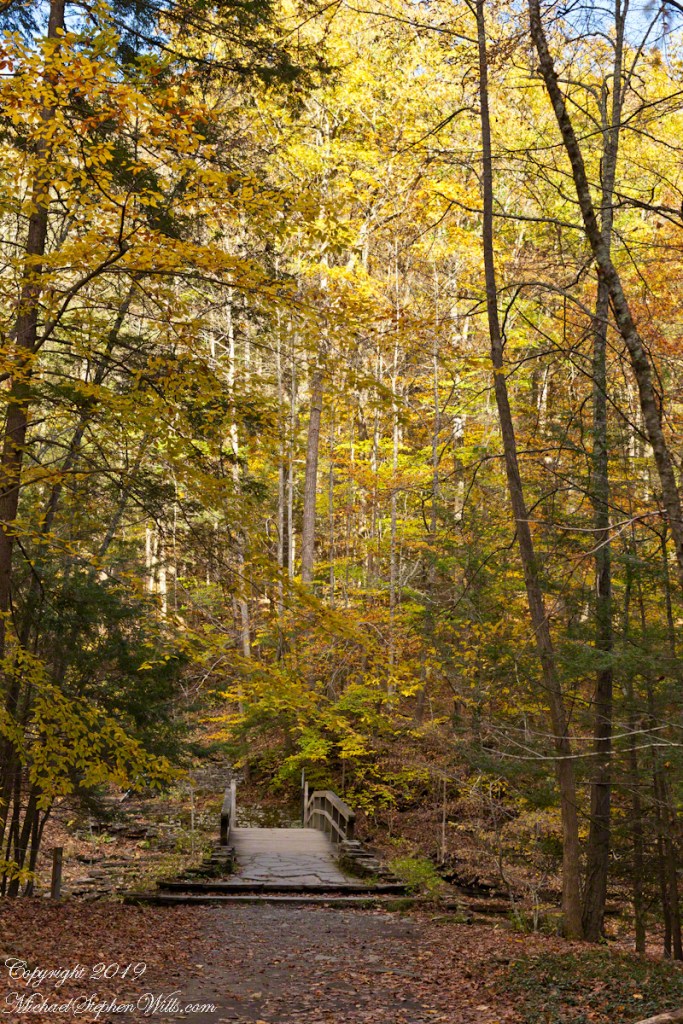
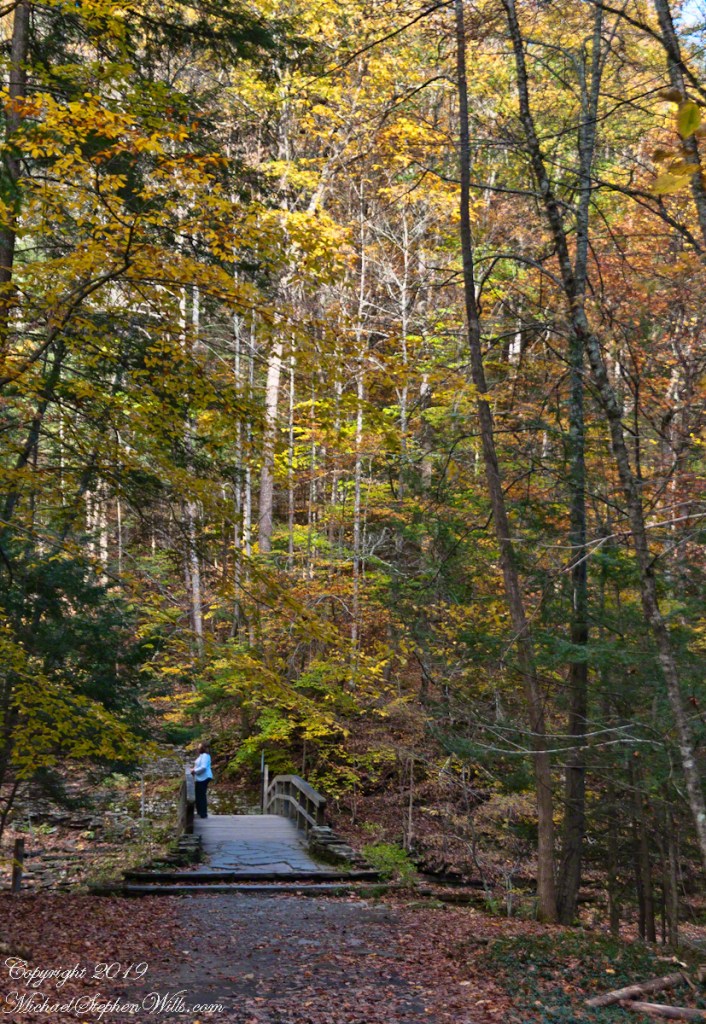
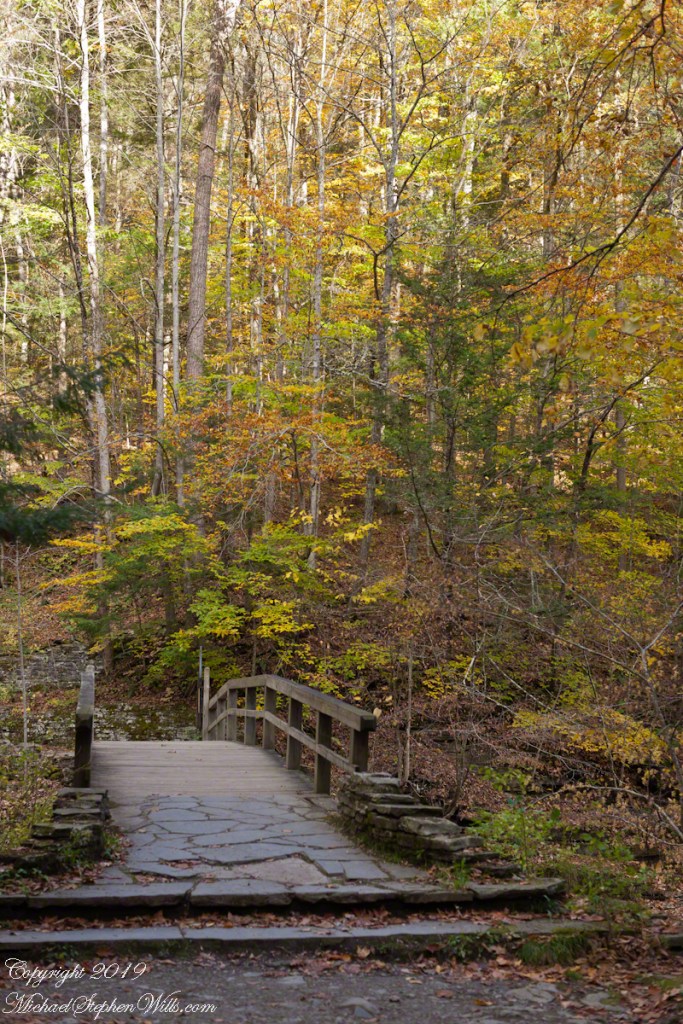
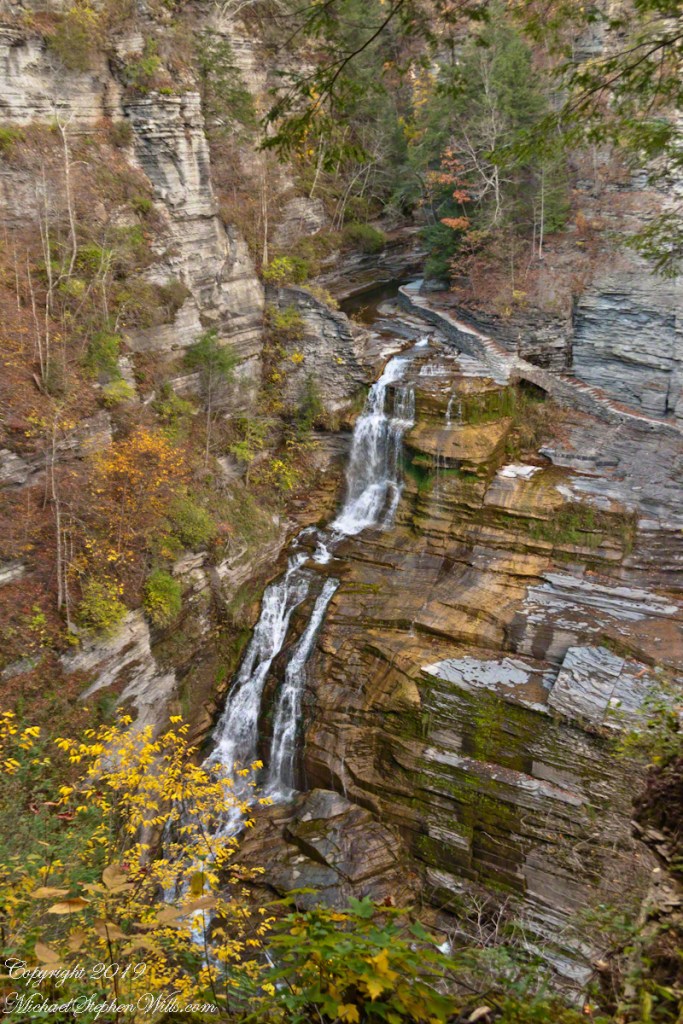
Pam and I visited Treman for our last visit of 2017. It was a bright, warm October afternoon. Here is a slide show of our experience, the details shared in recent postings. Enjoy!!
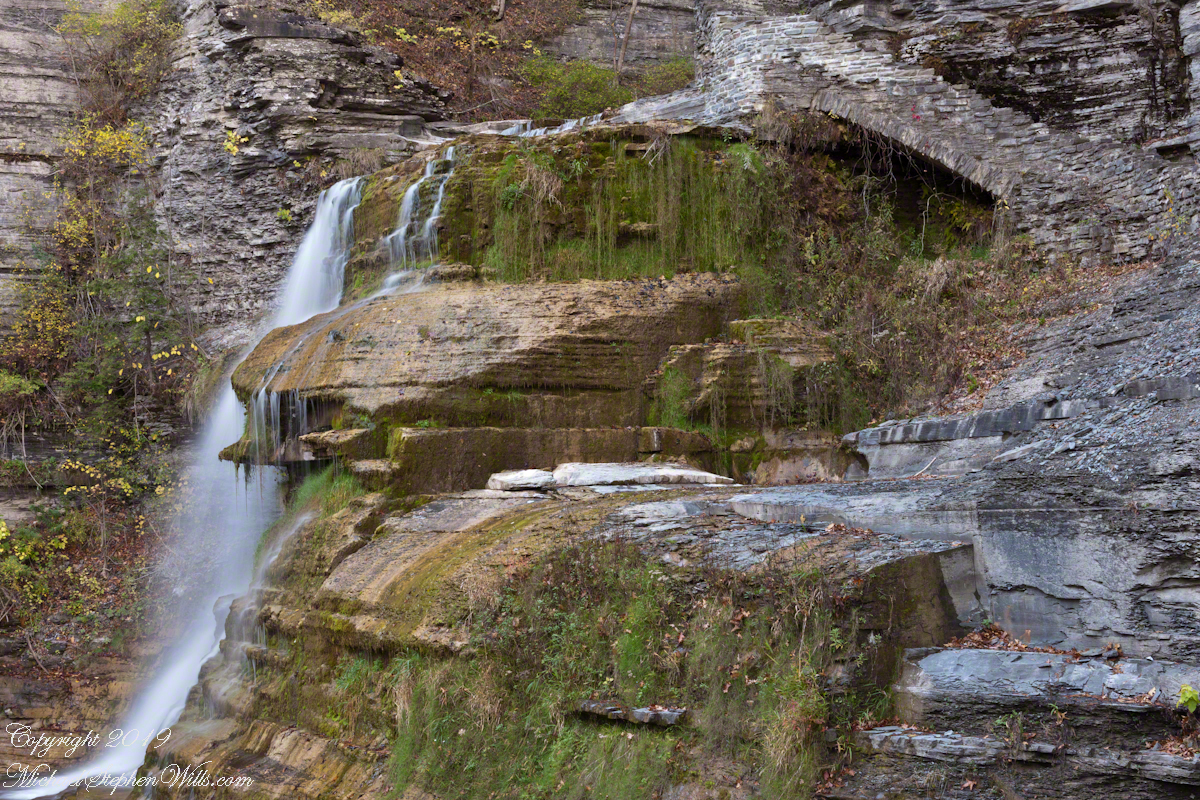
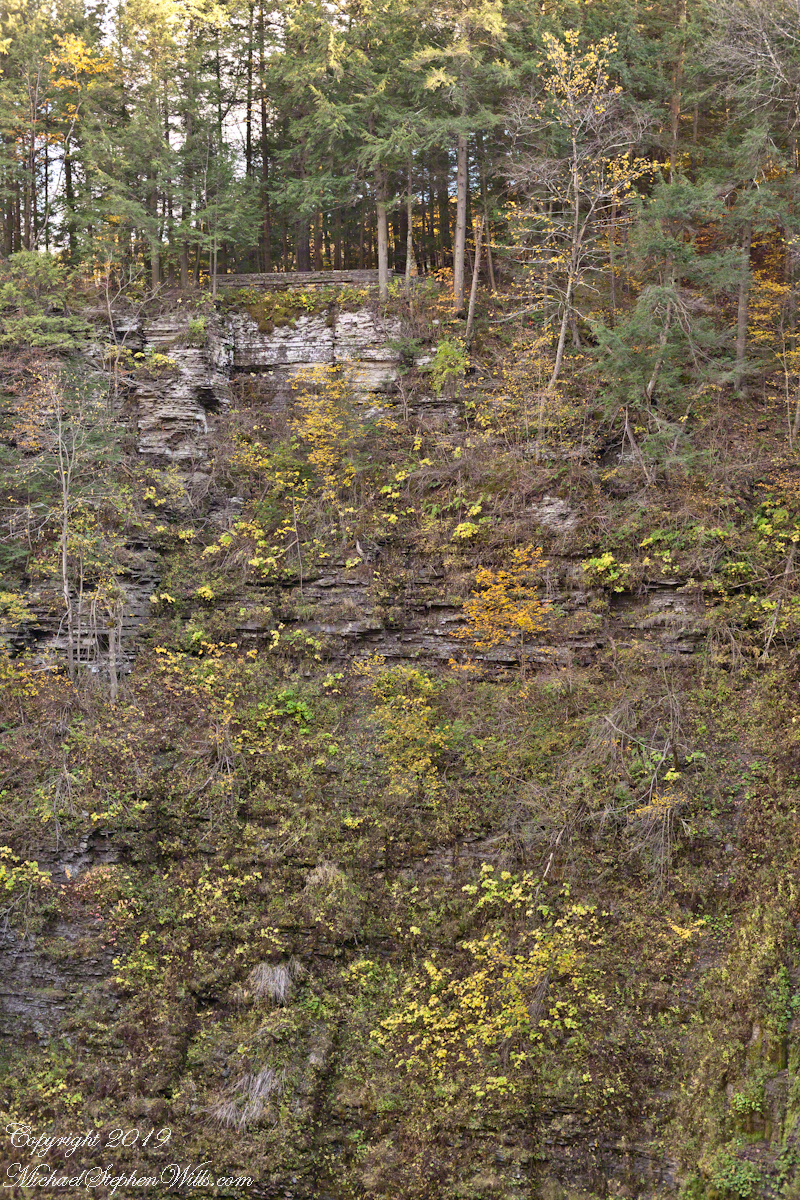
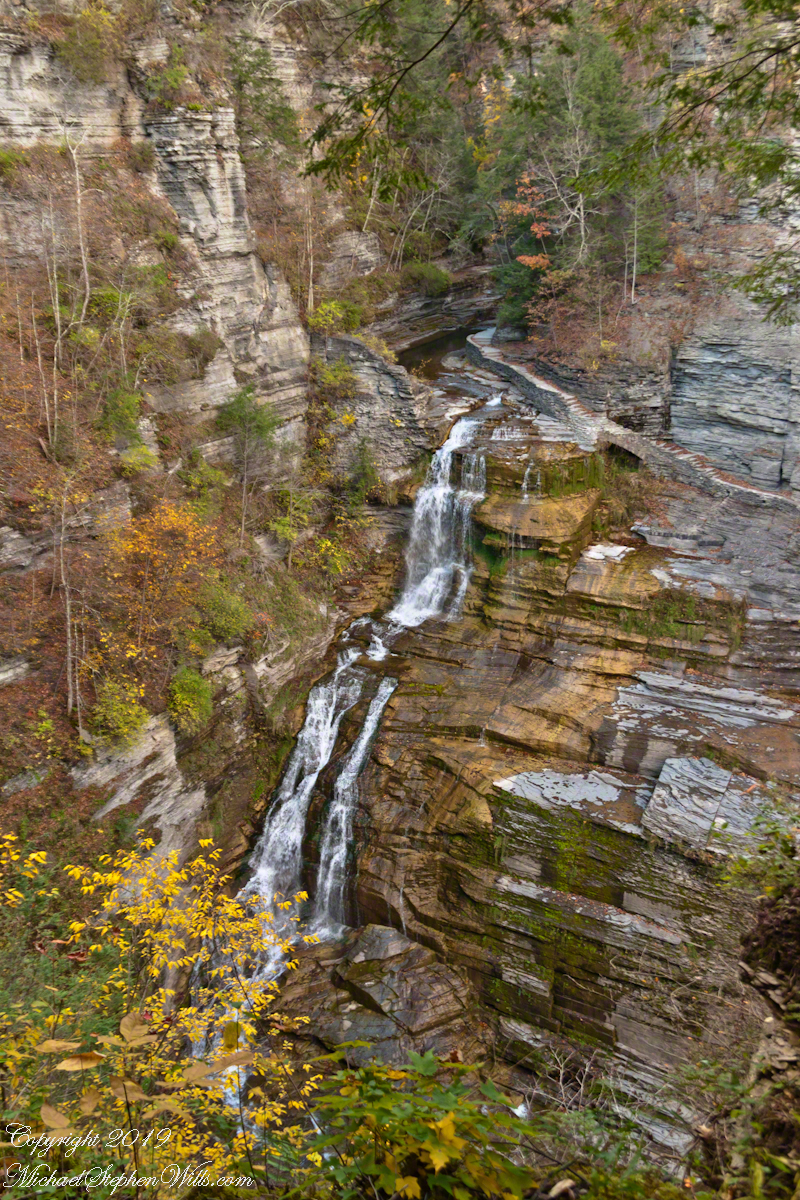
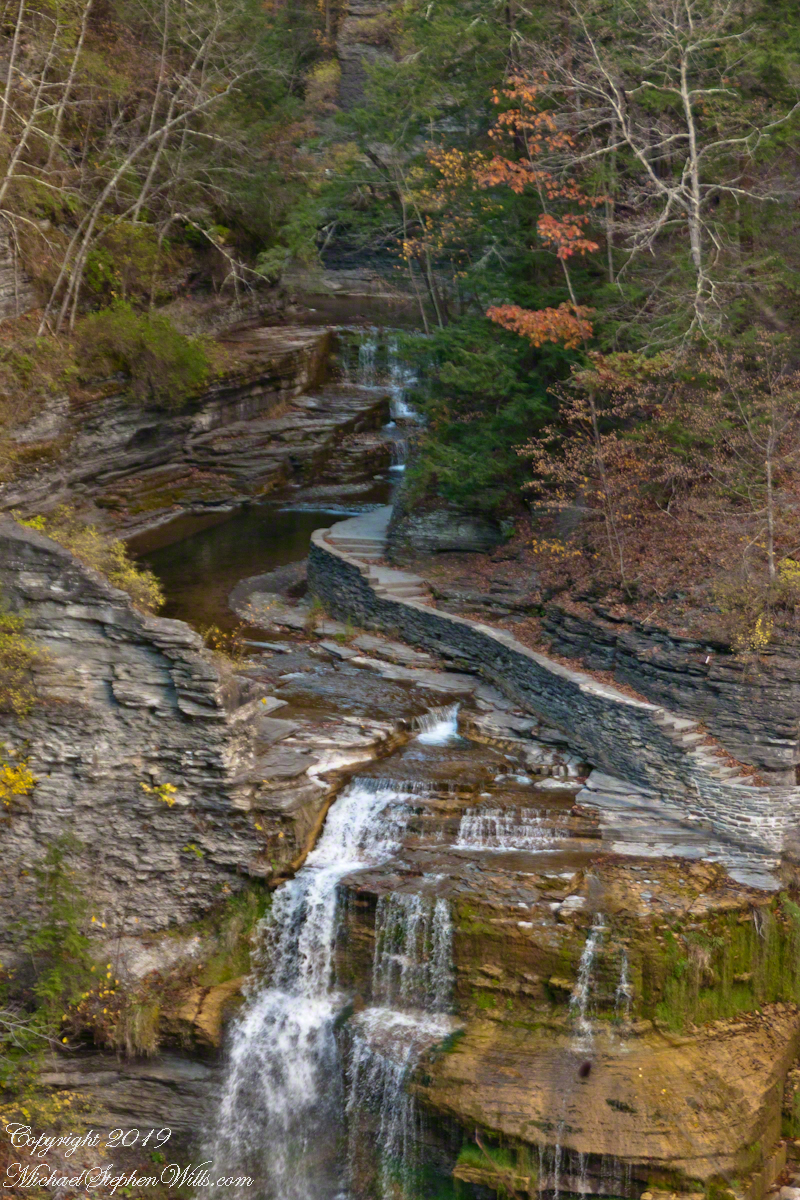
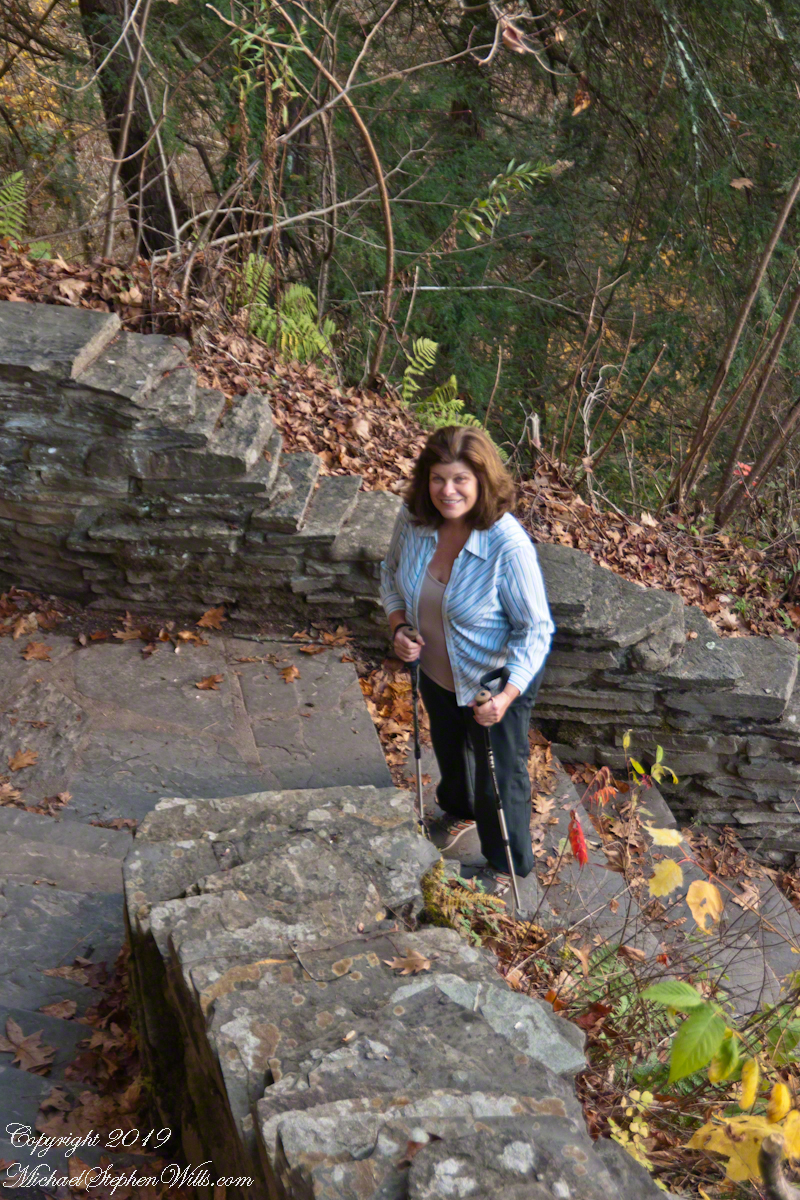
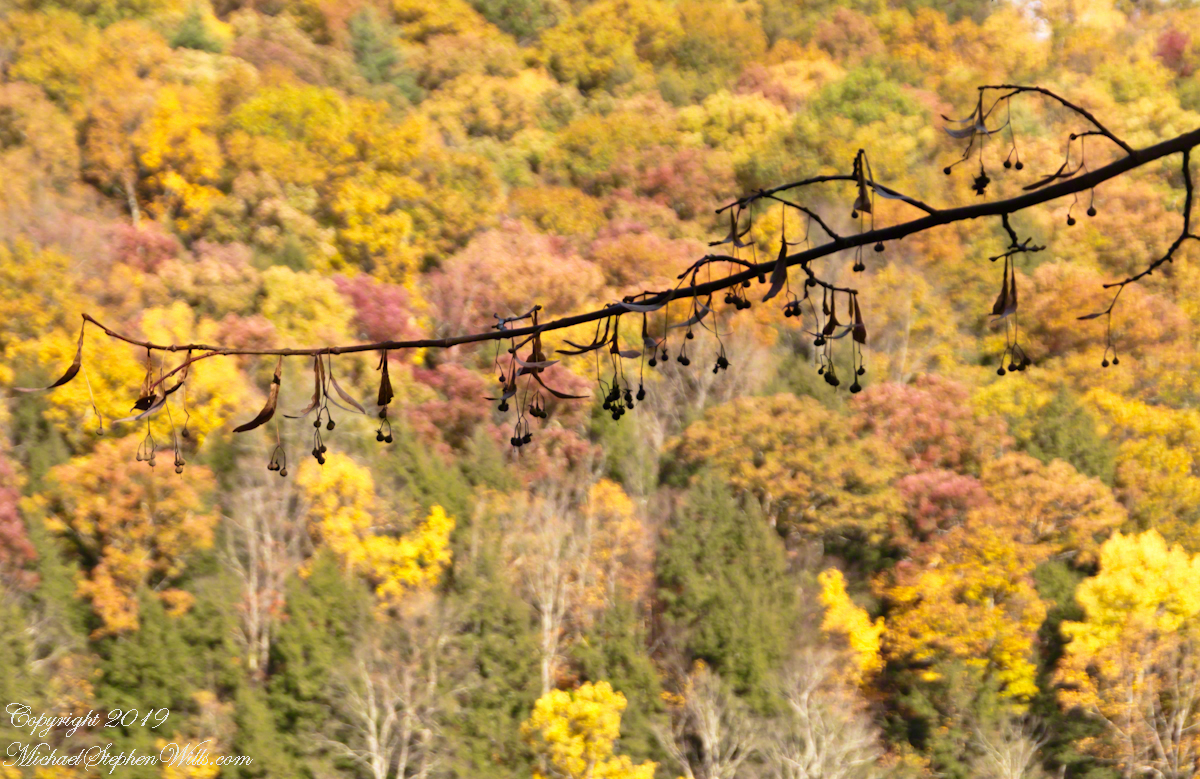
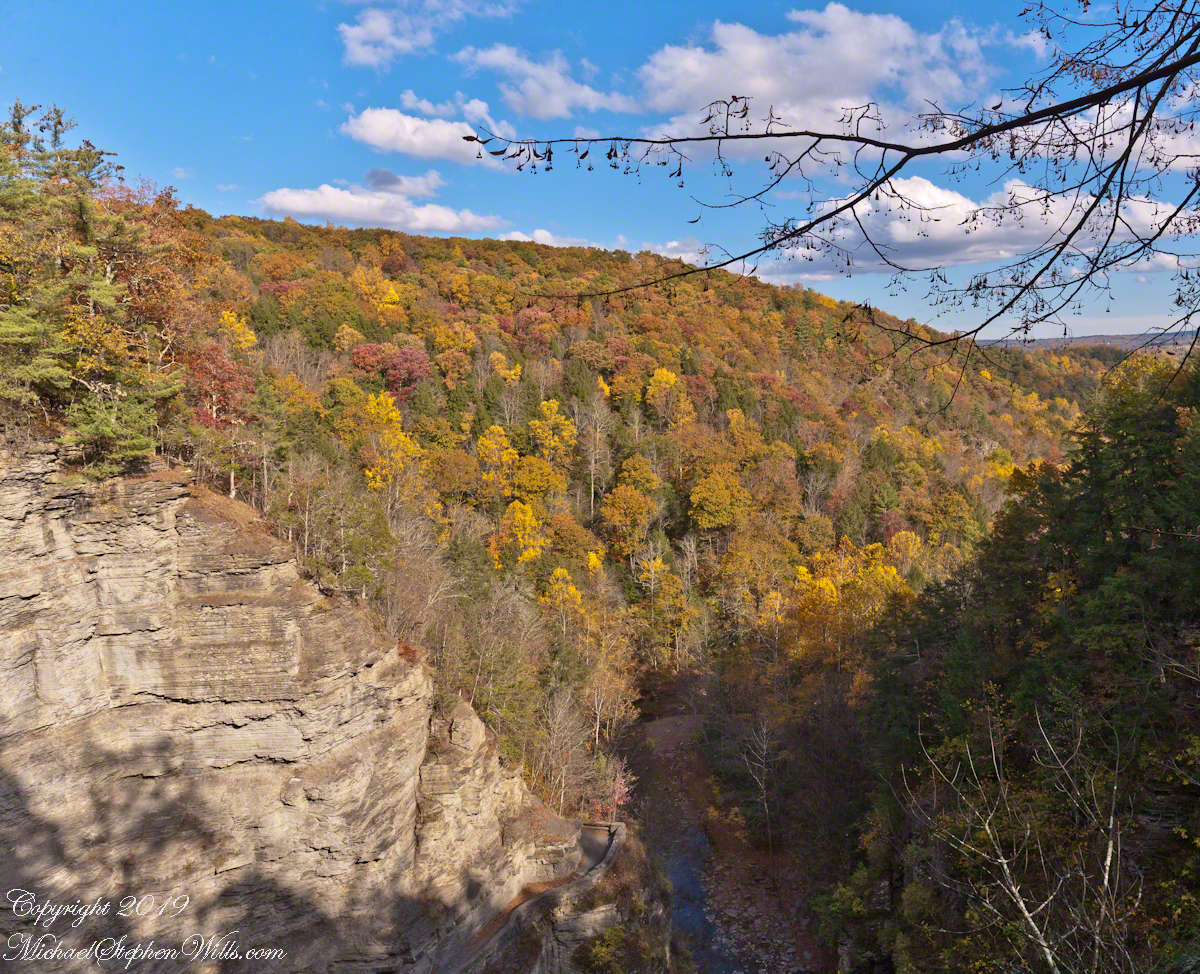
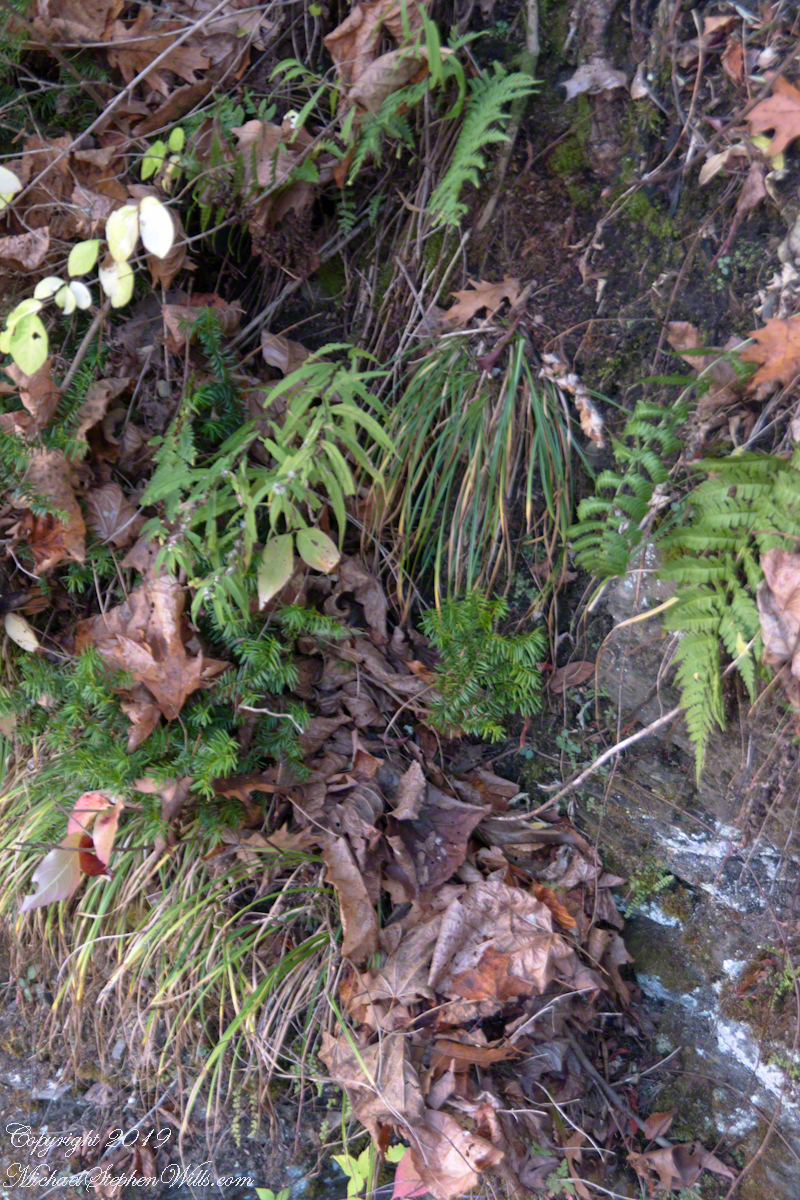
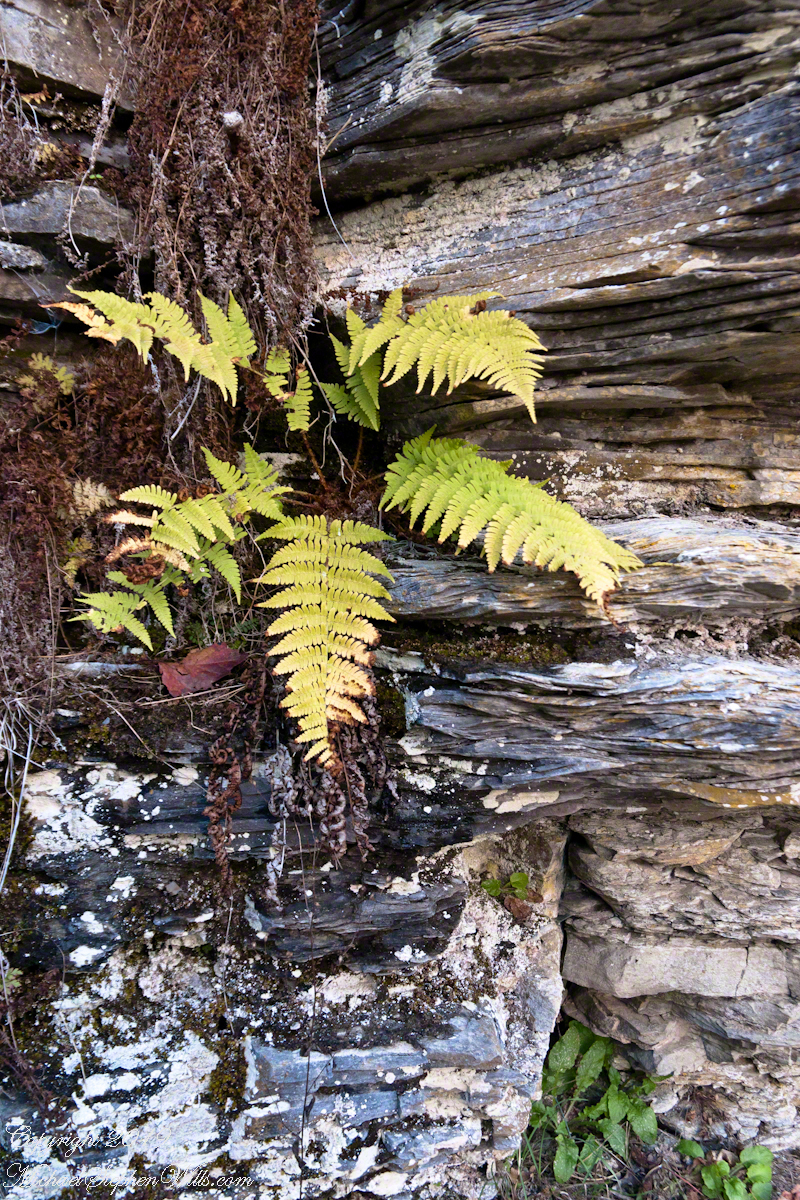
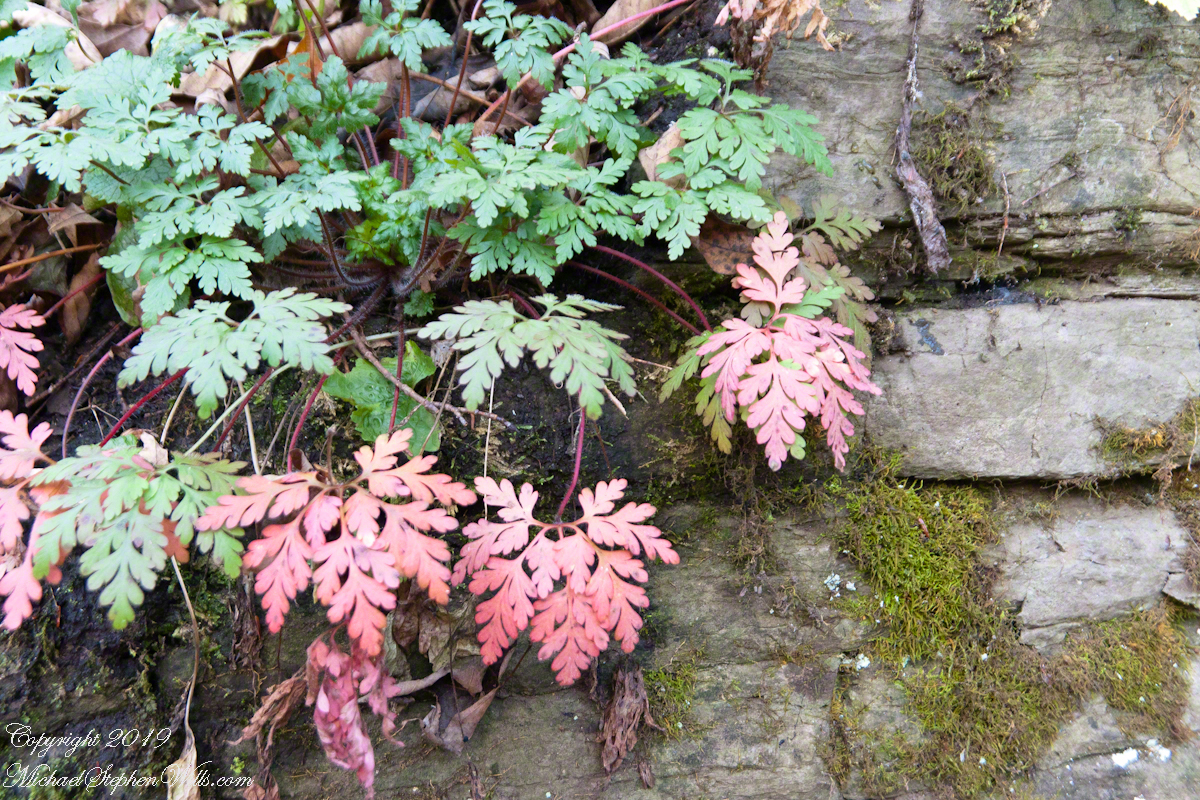
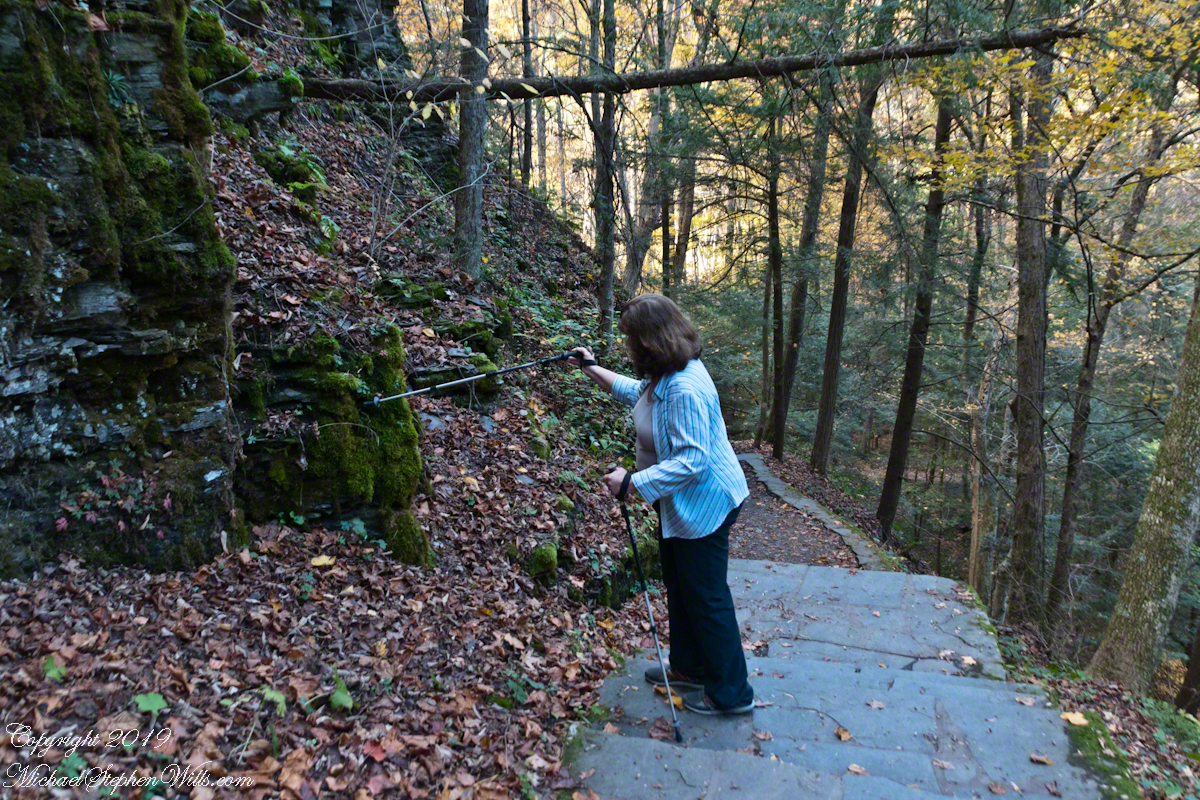
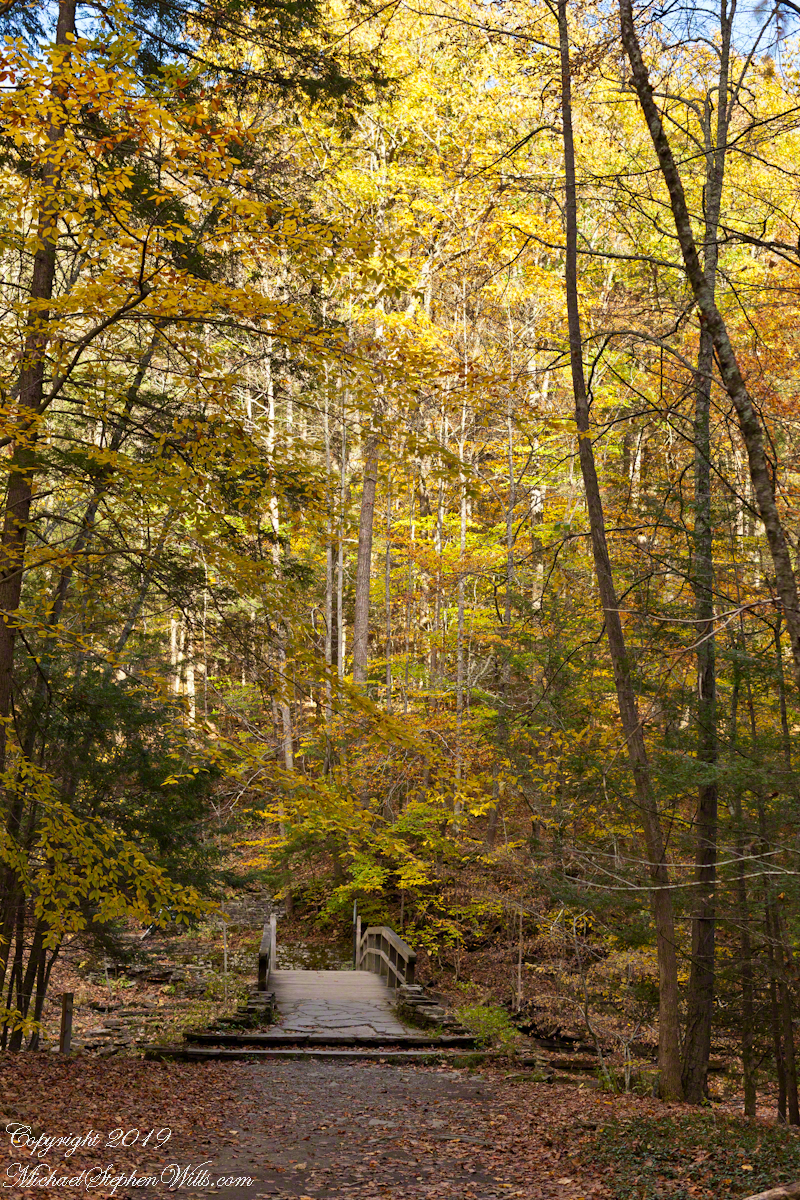
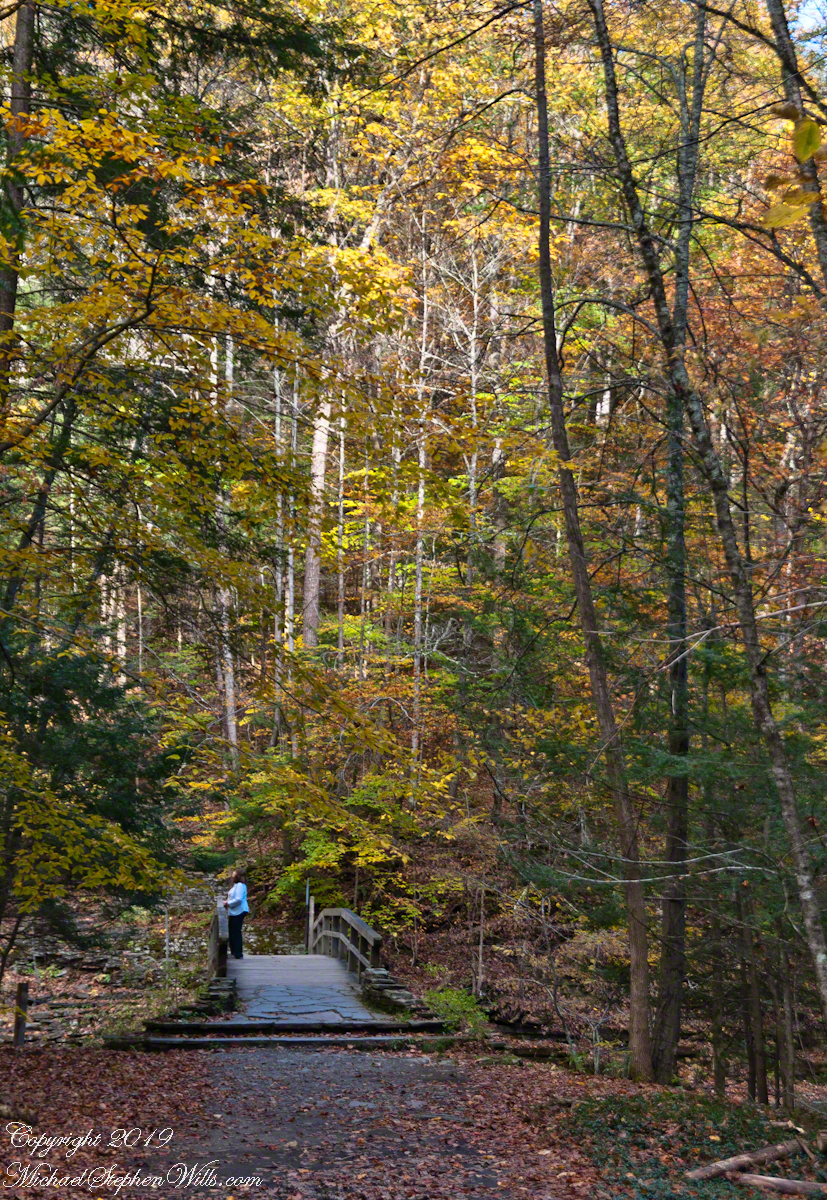
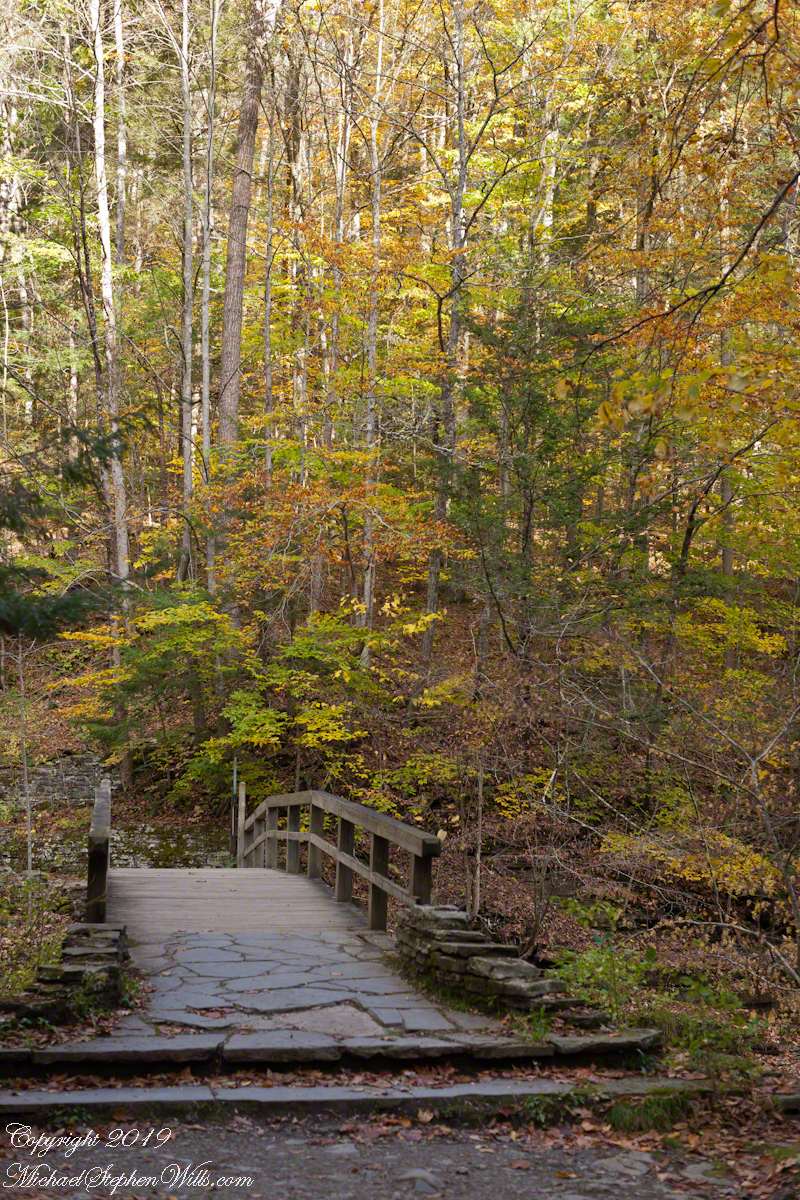
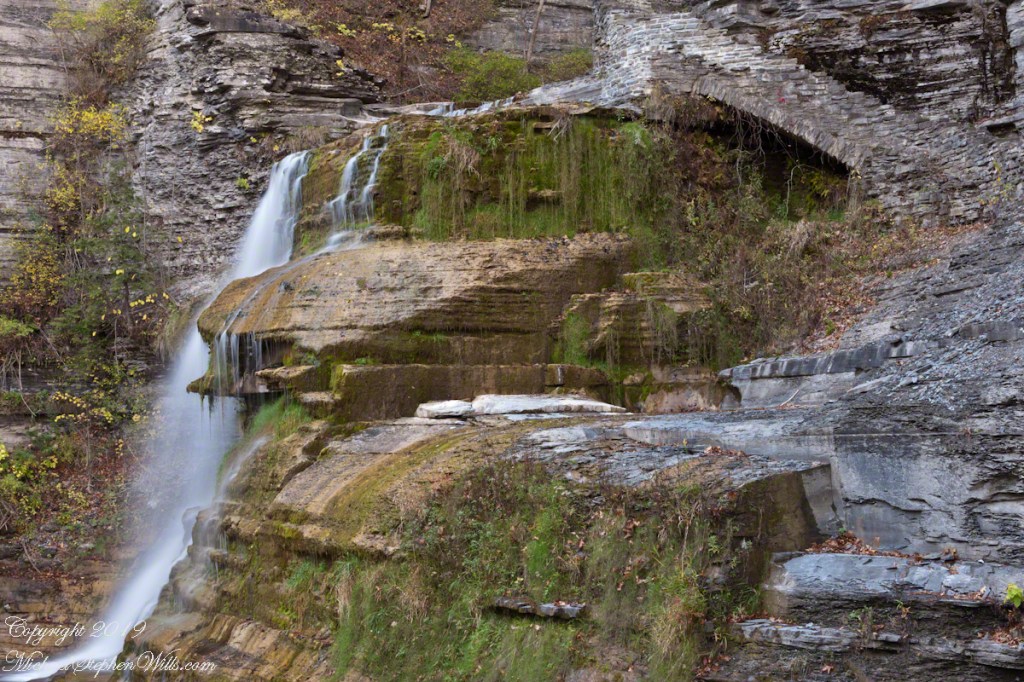
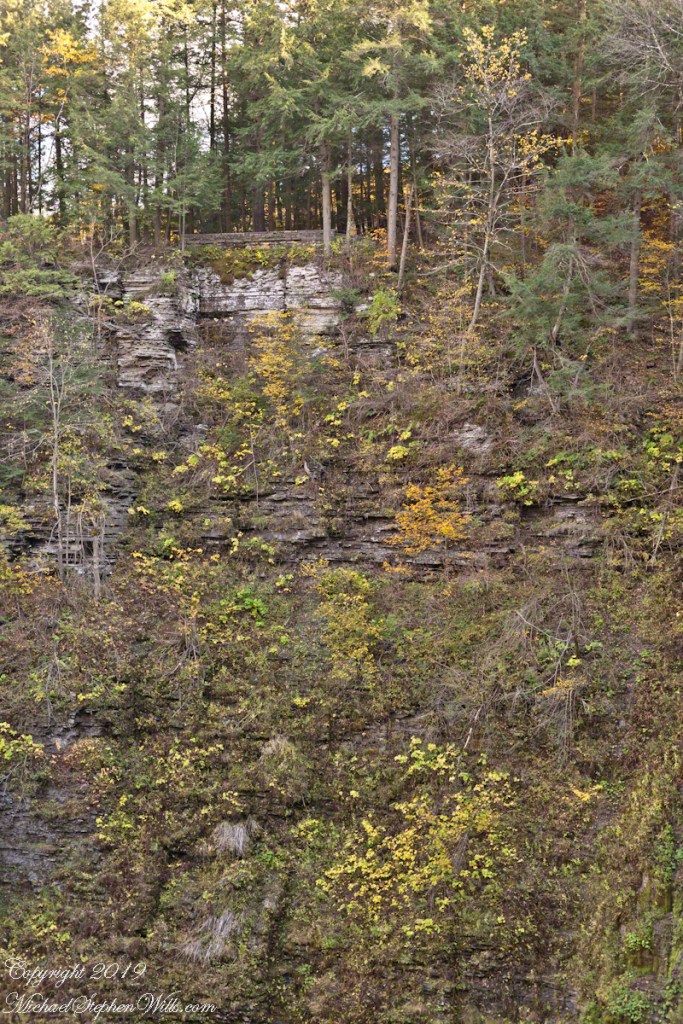
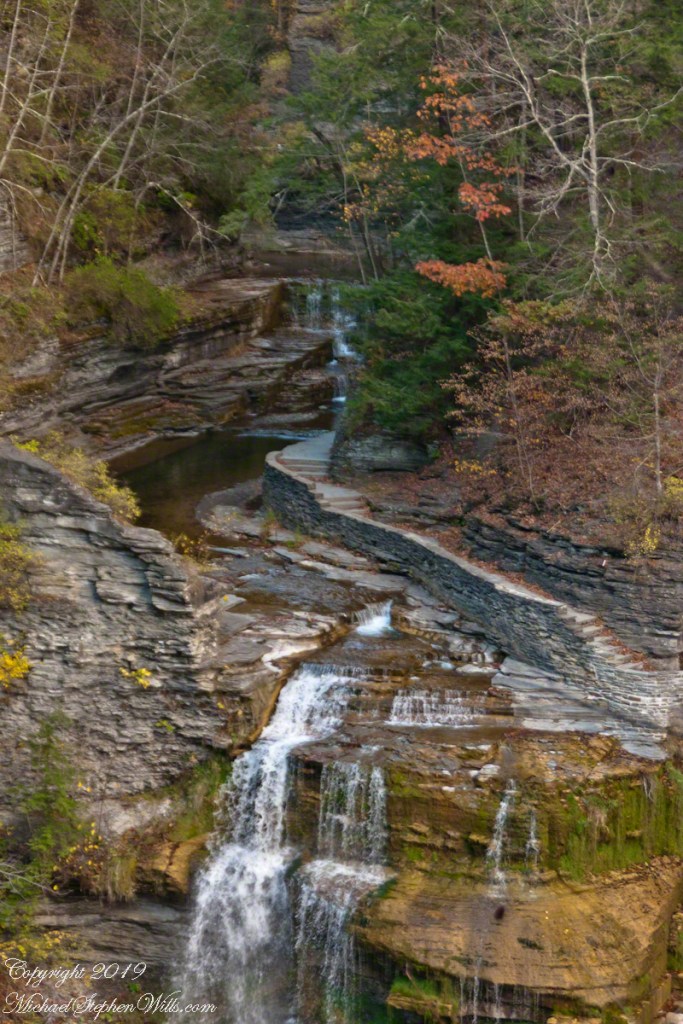
In November the gorge is closed for the winter due to dangerous conditions under the steep, crumbling walls. Robert H. Treman New York State Park.
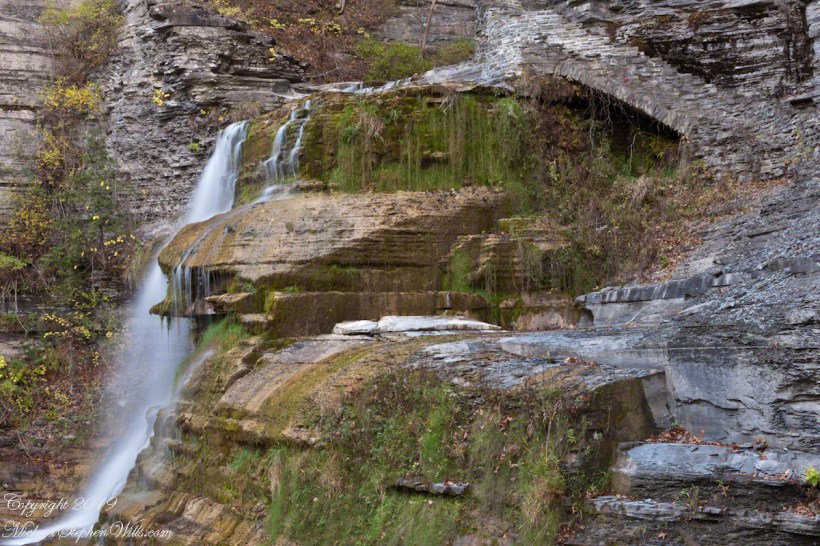
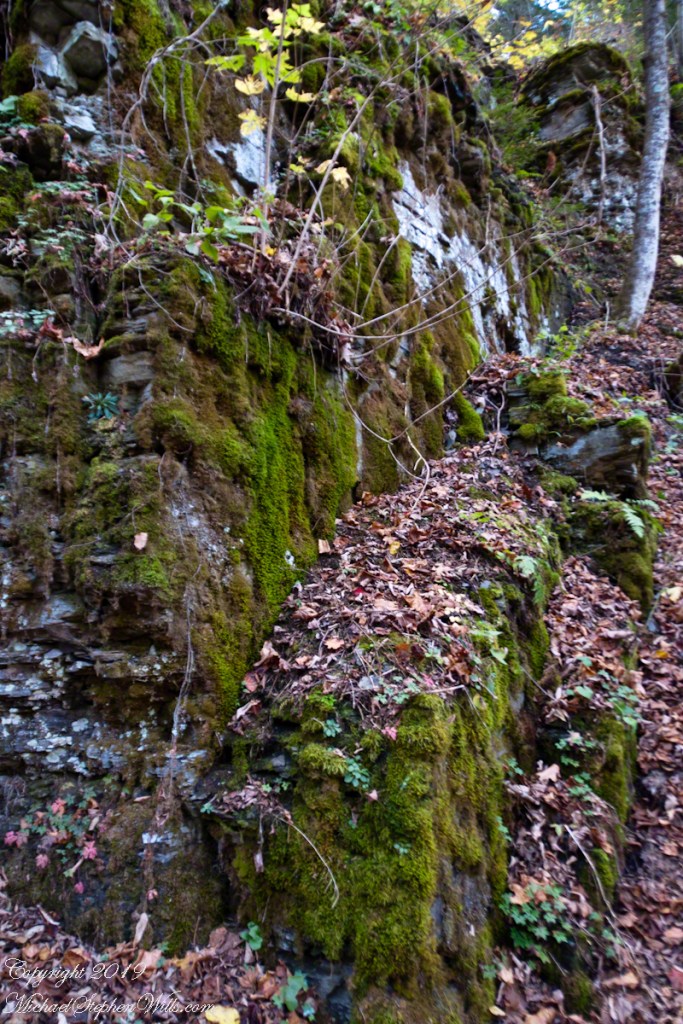
A Wall with Moss Padding
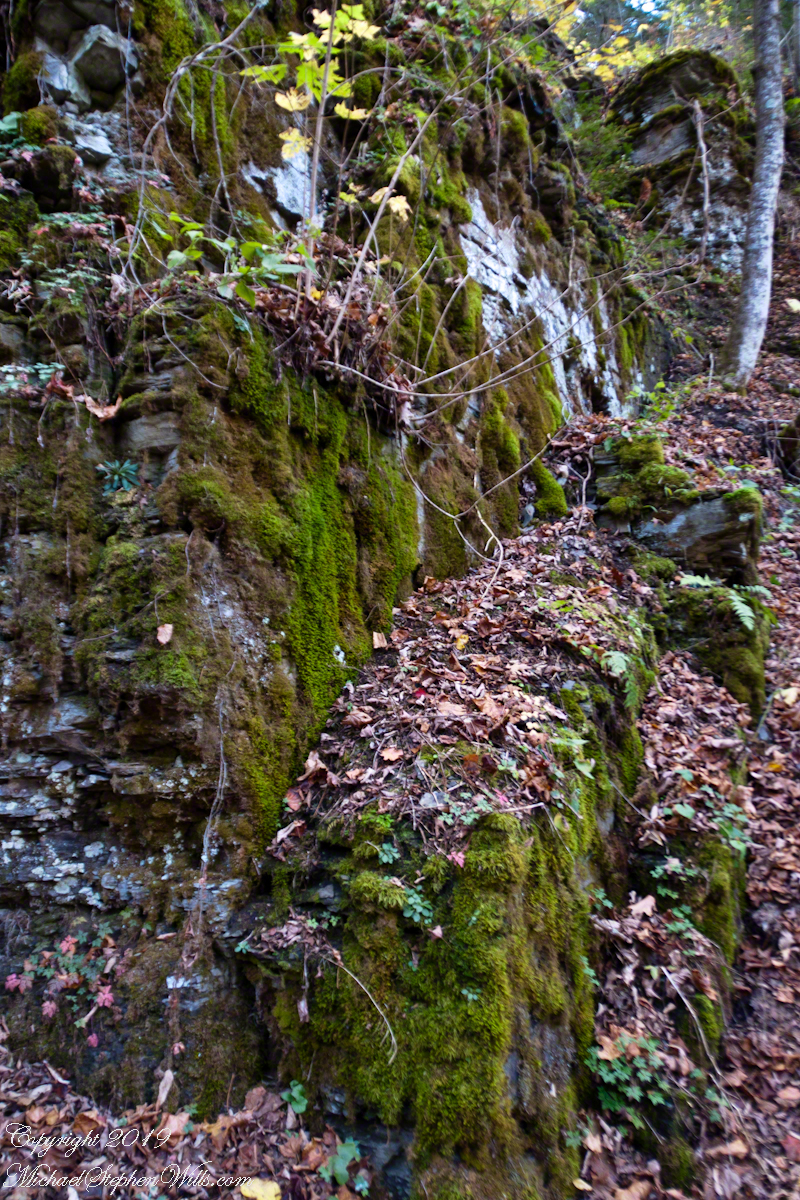
Pam examining thick moss growth on the sedimentary rock of Treman gorge. These layers of shale, sandstone, siltstone formed at the bottom of a broad, shallow sea over 380 million years ago.
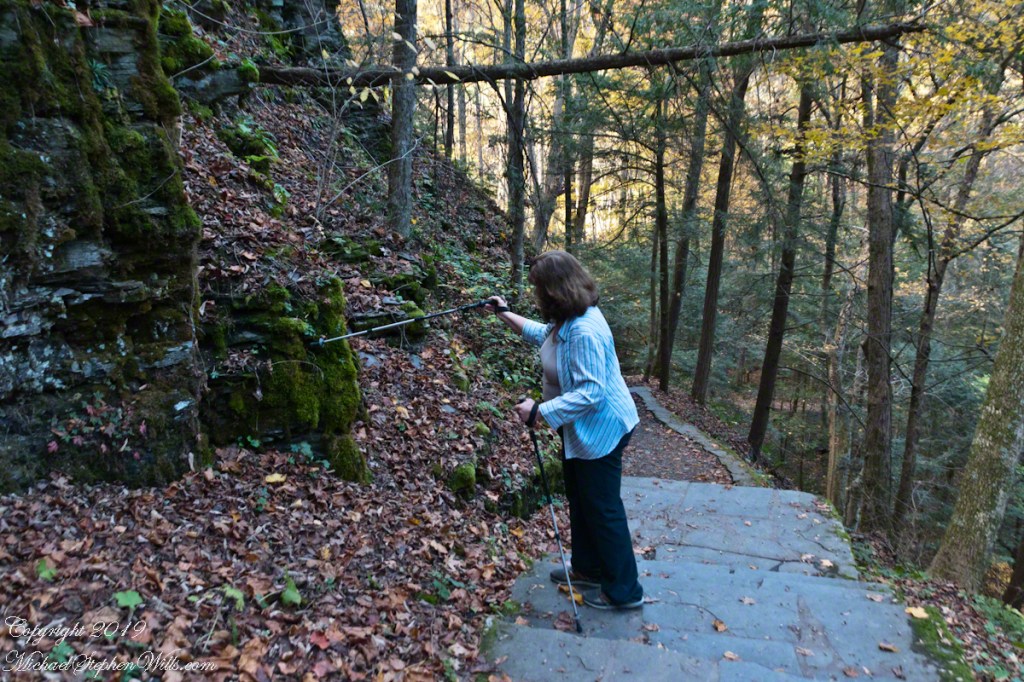
Towards the bottom of the 223 Cliff Stair steps moss takes over the Devonian shale of the cliff wall surface. Here, the cliff shelters the wall from sunlight 365 days a year.
Robert H. Treman New York State Park.
“Red-shanks”
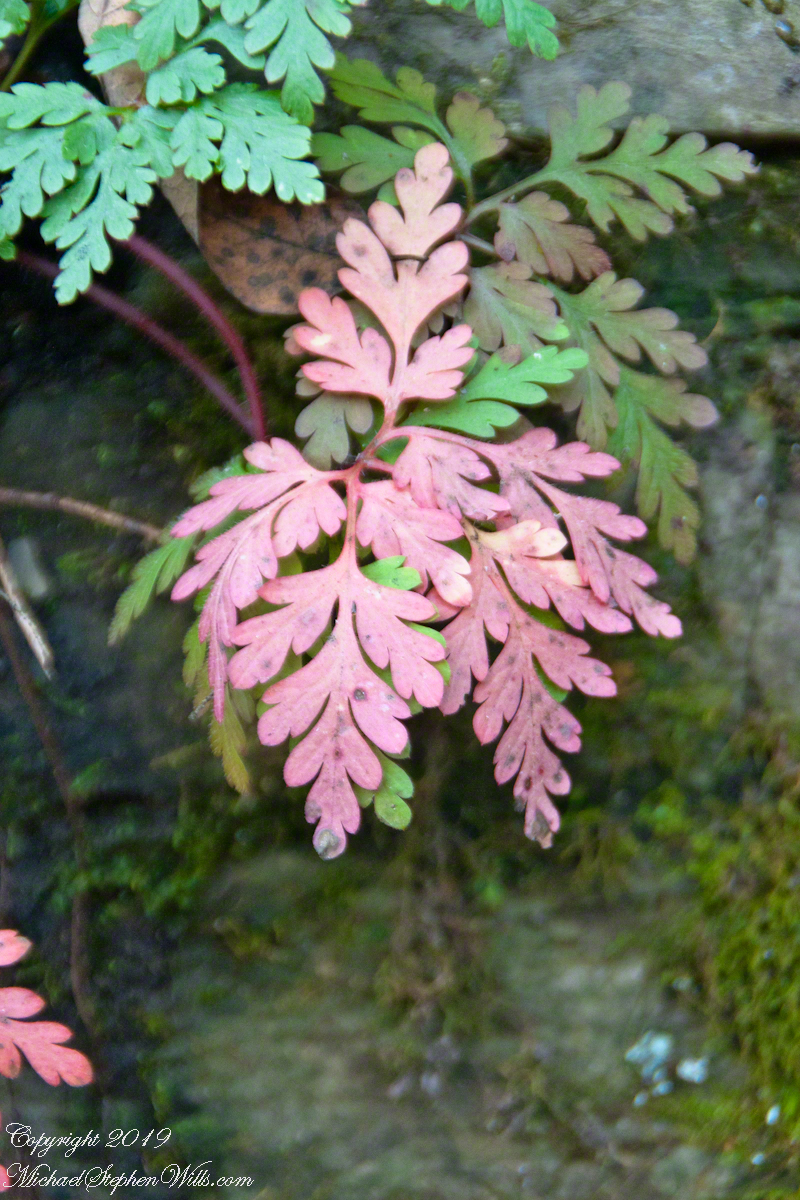
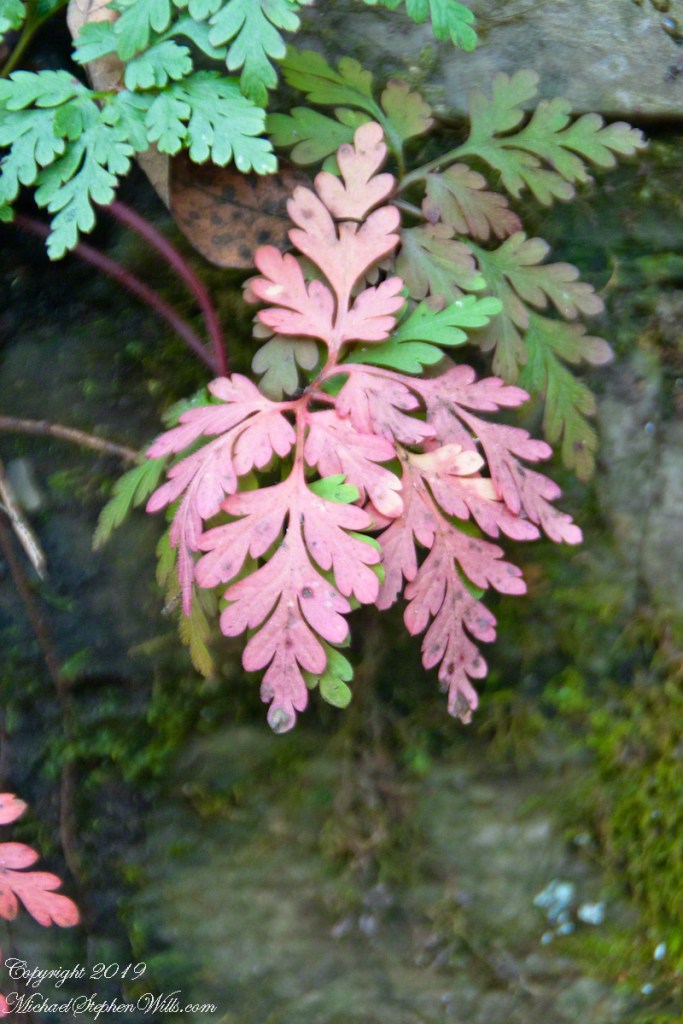
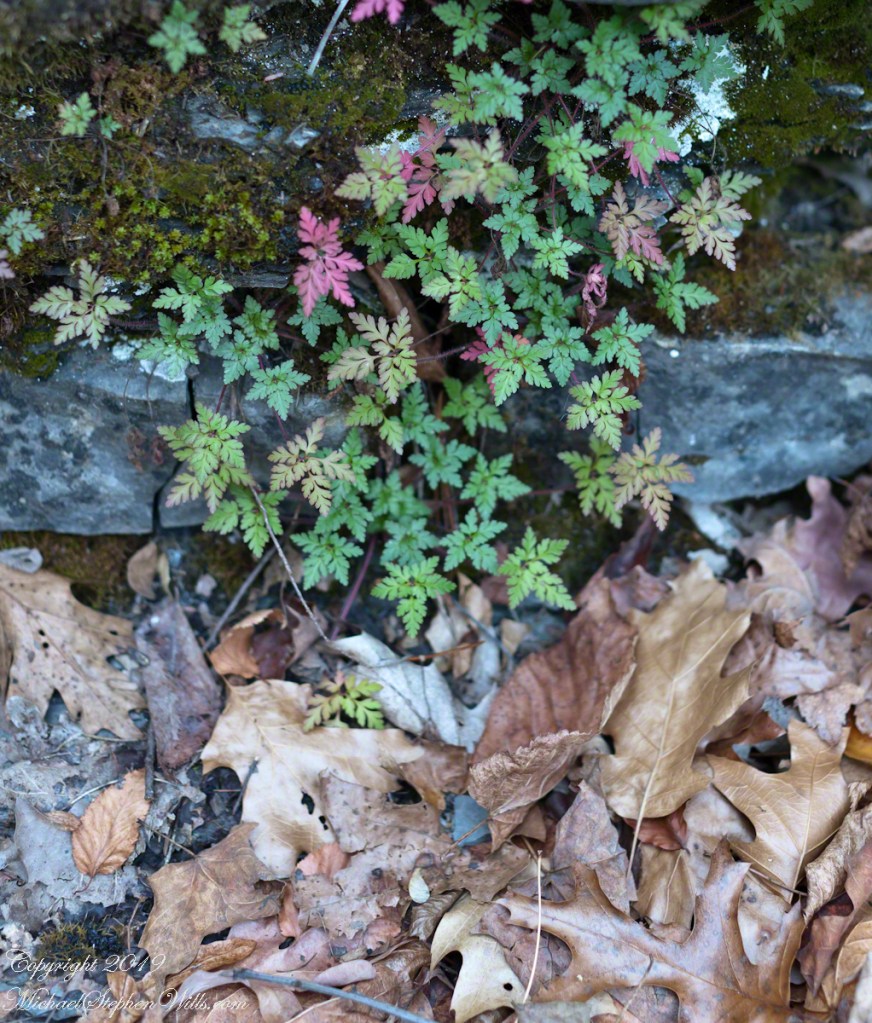
This geranium species (scientific name Geranium robertianum) are also called “Herb-Robert” for a reputed ability to ward off disease.
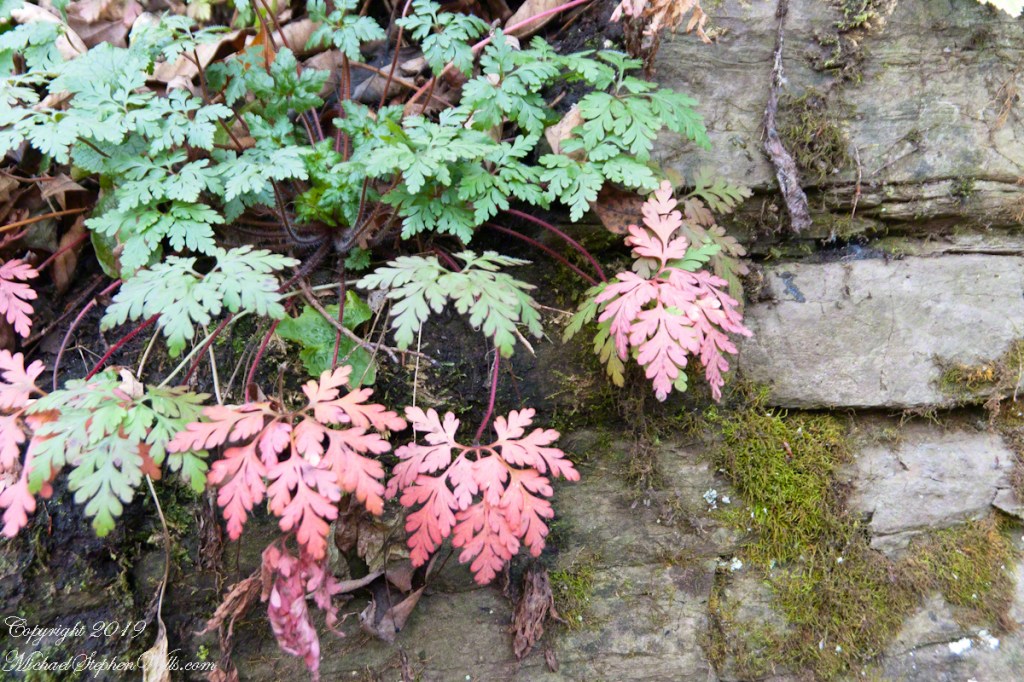
Scottish Highlands residents call these wild geraniums “red-shanks” for the deep red color of the stalks, seen in both photographs.
Robert H. Treman New York State Park.
Source, “How to Know the Wildflowers” by Mrs. William Star Dana, 1989, Houghton Mifflin, Boston.
 Michael Stephen Wills Photography