Peter’s Mesa Sunrise/Sunset

Can You Find the Eye of the Needle?

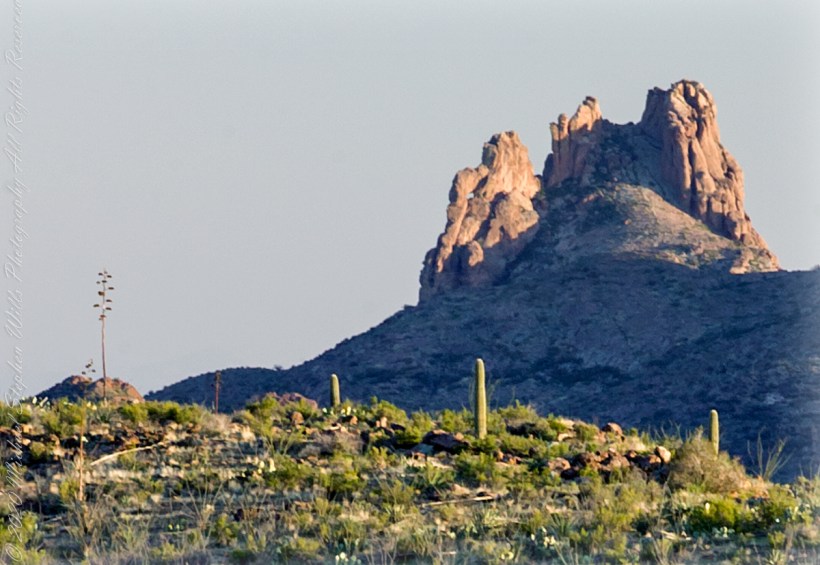
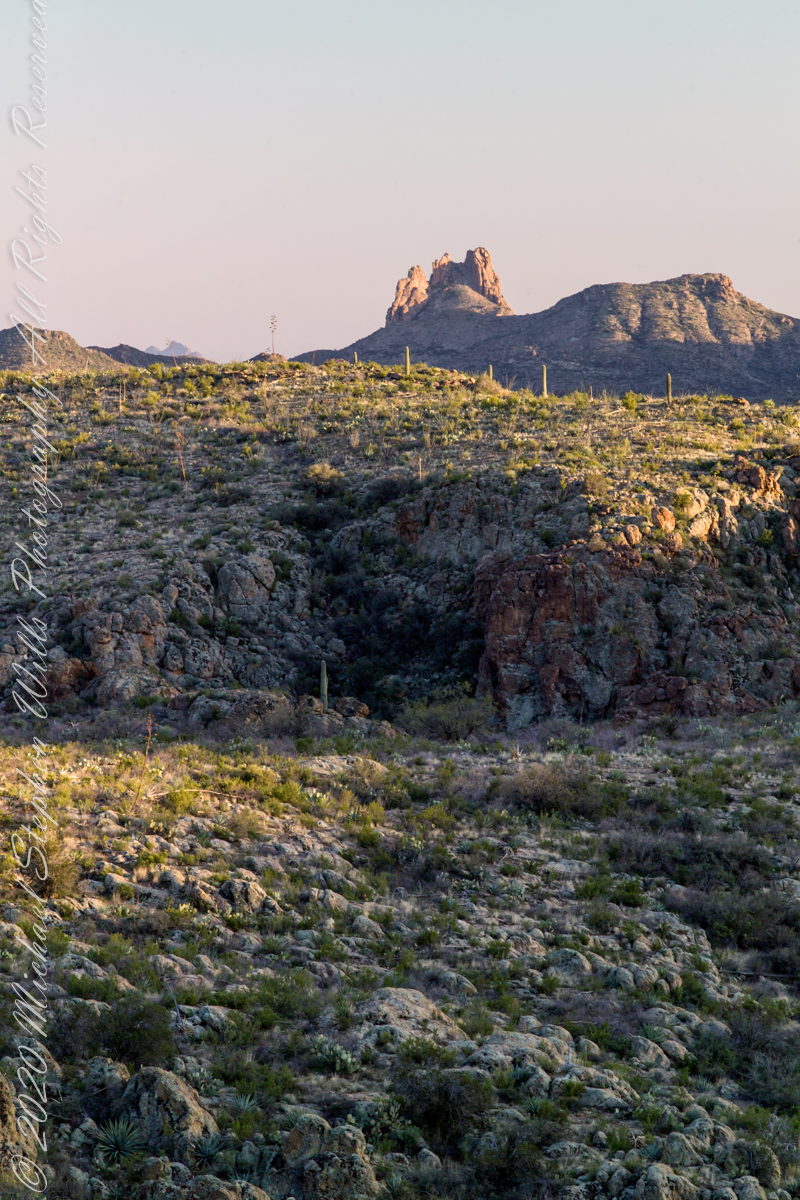
I was a member of an expedition to Peter’s Mesa March 2008, a place central to Superstition Wilderness treasure legends. This is a sunset view, looking south, southwest. Light raking across the desolation and Miner’s Needle creates a fascinating spectacle. Ancient volcanism, apparent throughout the Superstition Wilderness, is here seen in the texture, form and type of rock as well as the mineral deposits. Miner’s Needle, like Weaver’s Needle (not seen in this view), are eroded volcanic summits. Look closely for the “eye” of Miner’s Needle, easier seen in the cropped heading photograph. To this day, hopeful prospectors search for gold nuggets.

There is one form of volcanism present today as an eerie rumble or hiss, similar to an enormous distant jet engine heard now and then during our two days on the mesa, louder and closer than an overhead plane could produce. The view includes many notable Sonoran Desert plants. Many young Saguaro cactus are in the form of green poles. Catching the dramatic light, on the ridge is a tall single flower of an Agave, known as the “Century Plant” it flowers once in a long life and dies.

Click Me for my Online Gallery
Peters Mesa is named after “Old Pete” Gottfried Petrasch, father of Hermann and Rhiney Petrasch. Old Pete worked for Jim Bark for awhile in the 1890s doing odd jobs. Irregular employment gave Pete and Sons time to s searched for the Lost Dutchman Mine in the years following the death of the source of the legend, the “Dutchman” Jacob Waltz. The Petrasches were one of the first groups to search for the mine, and gold in general. They covered almost the entire Superstition range in their combined searches.
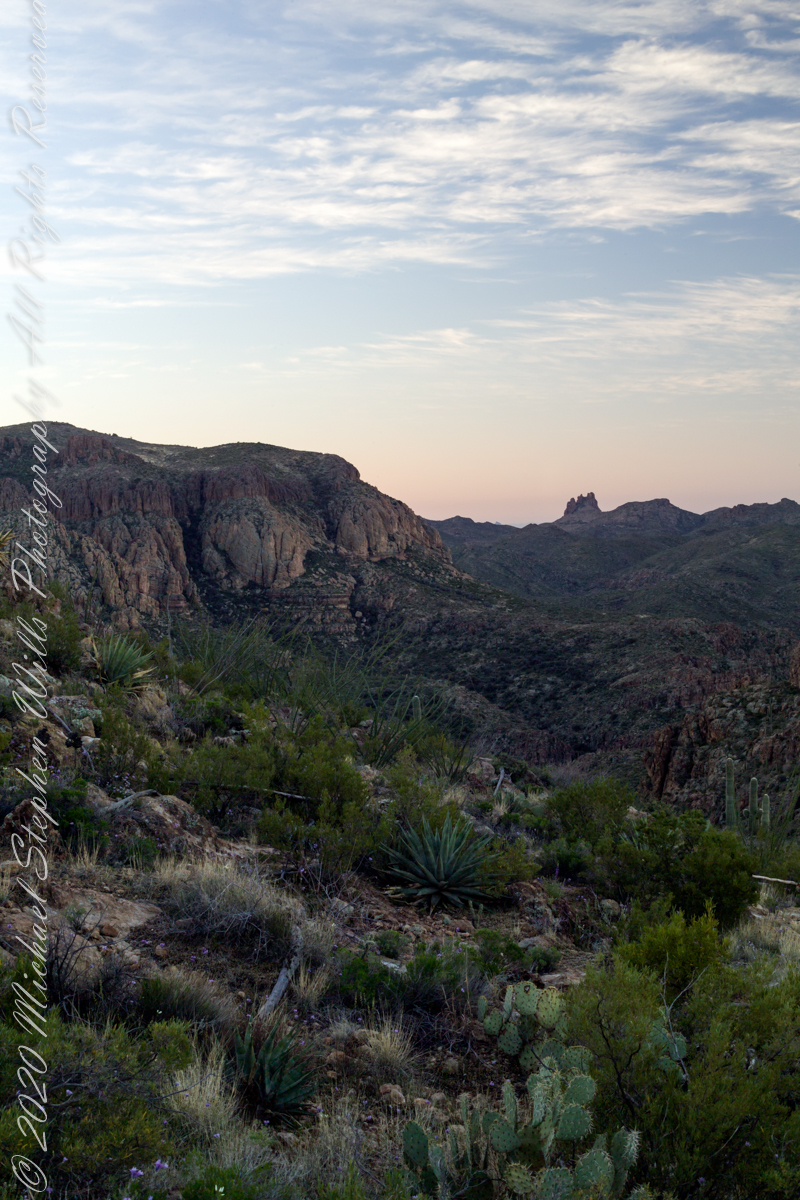
On our first day on the mesa, we came across the remains of one of these camps, on the top of Squaw Canyon, a deplorable junk pile discarded by searchers, presumably disappointed, too lazy to cart it out. That March, we were lucky to find the remnants of winter rains in the form of a meager trickle at the bottom of a shallow draw off Peter’s Mesa trail up from La Barge canyon. We had a good time of it until the trip was cut short by a storm front and torrential rains. We were back in Apache Junction before they hit.


Click me for another Superstition Wilderness Episode

Copyright 2022 Michael Stephen Wills All Rights Reserved
Balloon over Home

Waiting for the Whooooosh

Whoosh….whoosh. Taking out the garbage Monday evening, July 15th, 2019 I heard the unmistakable sound of a liquid propane burner. As the propane is gasified and ignited, the flame and exhaust are directed into the balloon, all under control of the human operator. What a sound!!

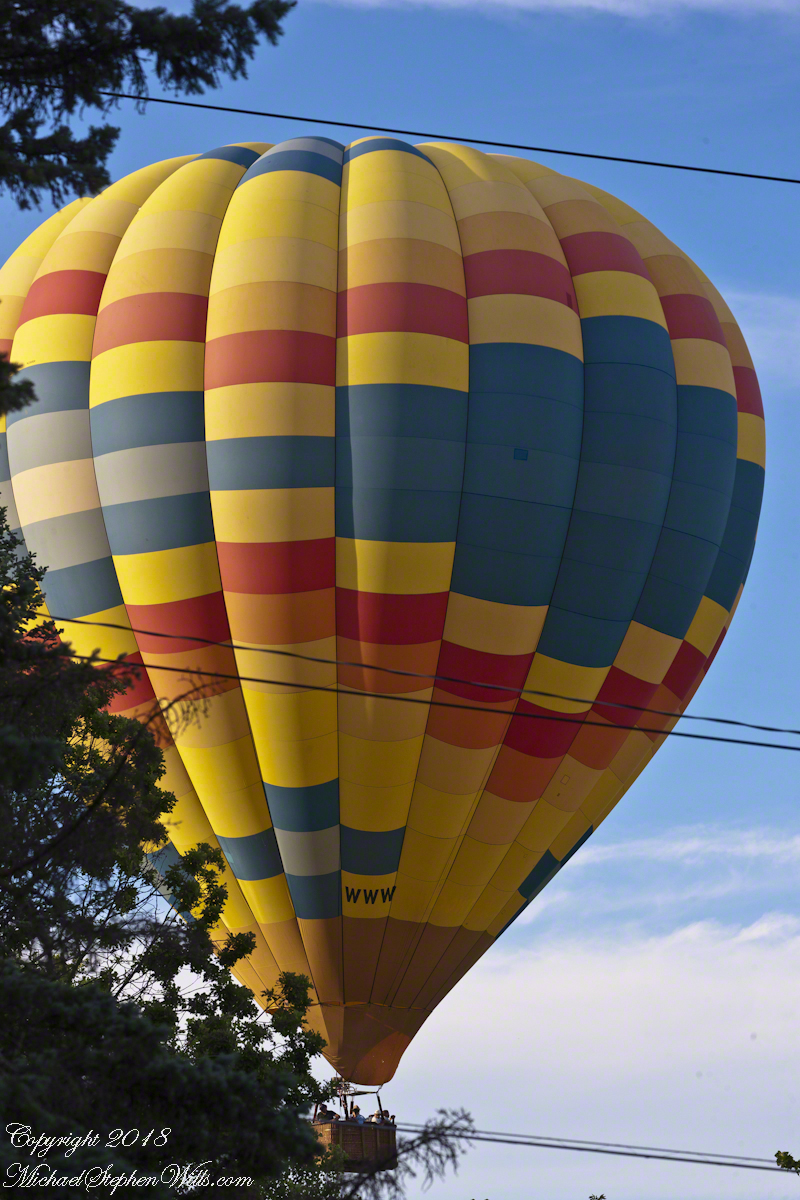
These past years, hot air balloons started launching from West Hill and, when the breeze (balloons never launch in winds, as far as I know) is right the balloon and gondola full of passengers drift in the direction of our home. More than one time, directly overhead, I estimate 200 feet away. We could clearly see and converse with the passengers. What fun.

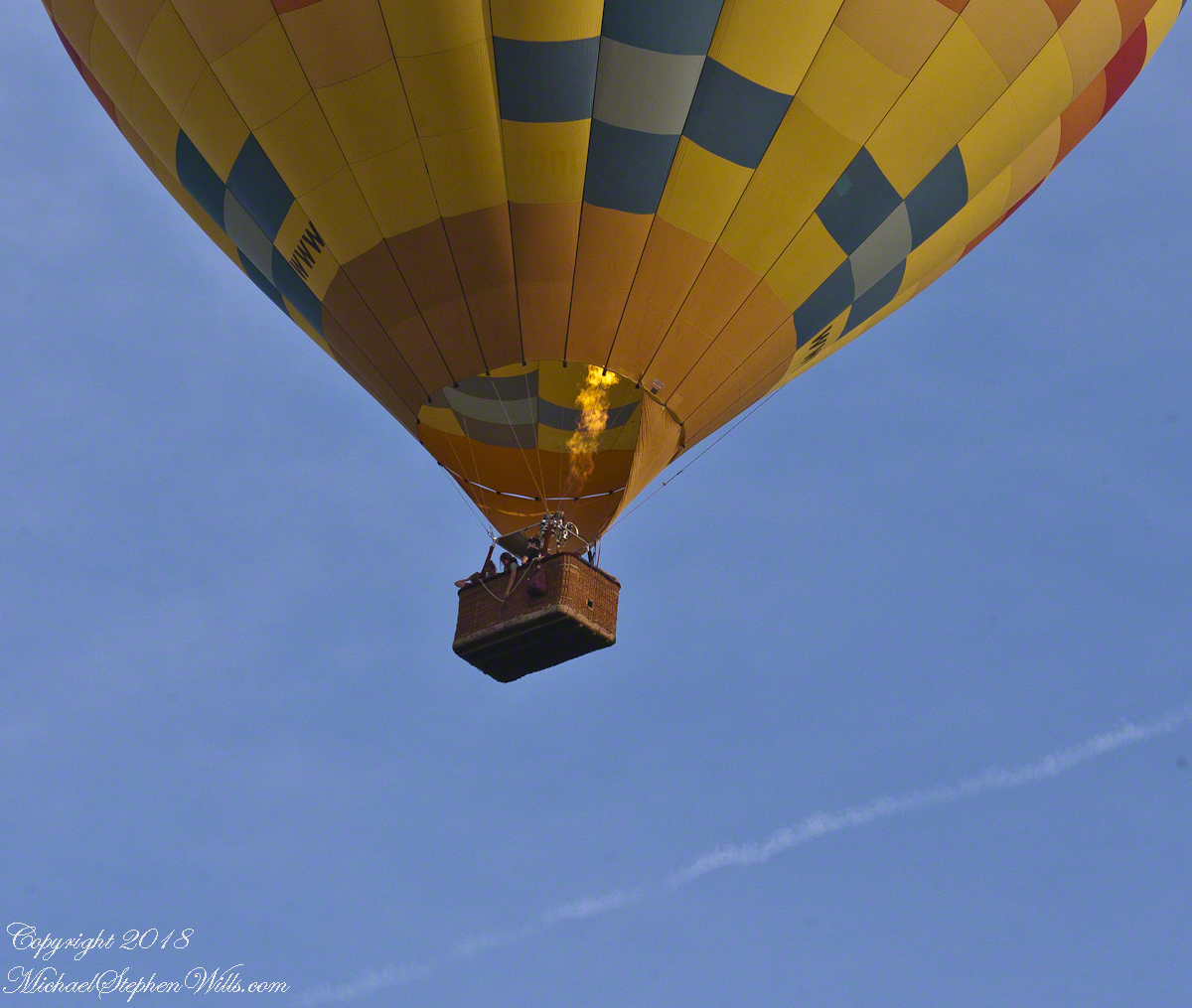
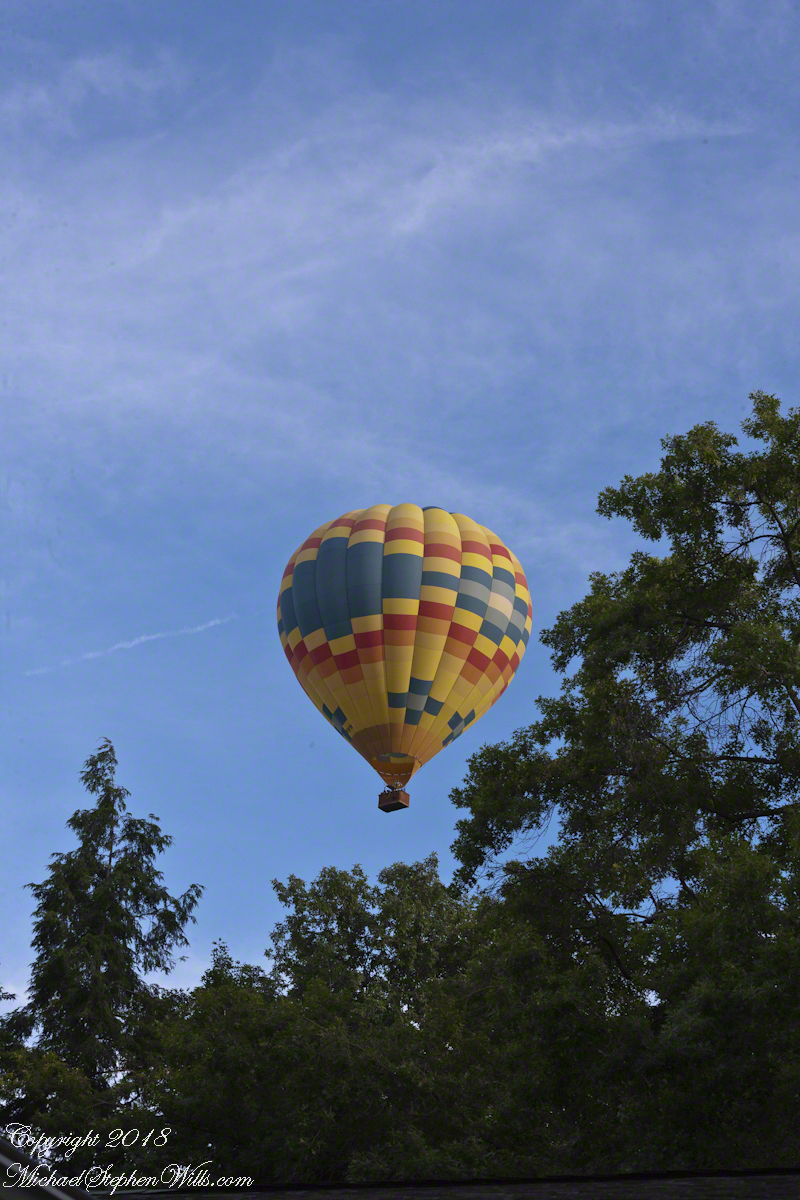
Each previous viewing I regretted not filming the balloon as the vision floated away. Last Monday, I dropped everything (not literally, I did leave the garbage in the bin), mounted the Canon lens EF 70-300mm f/4-5.6L IS USM on a EOS 1Ds Mark III body, returning to the north side of our property as the balloon emerged from the trees, only the envelope visible.

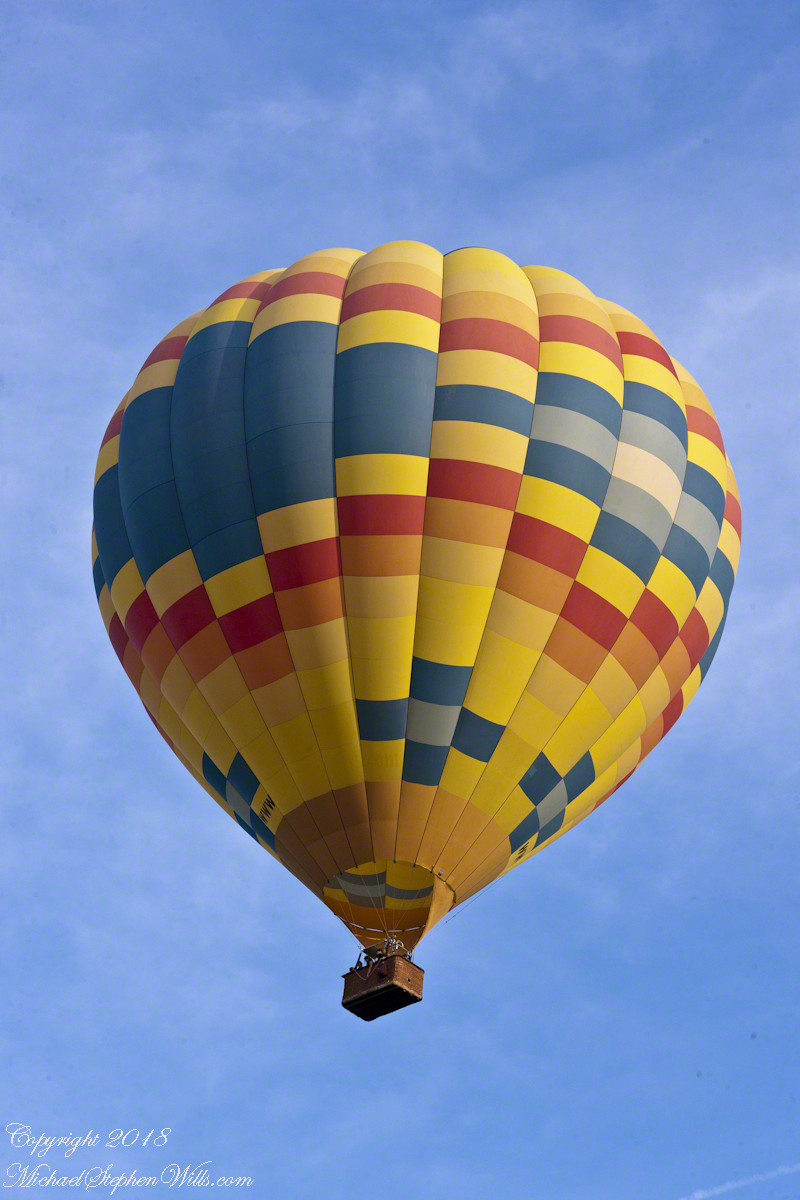
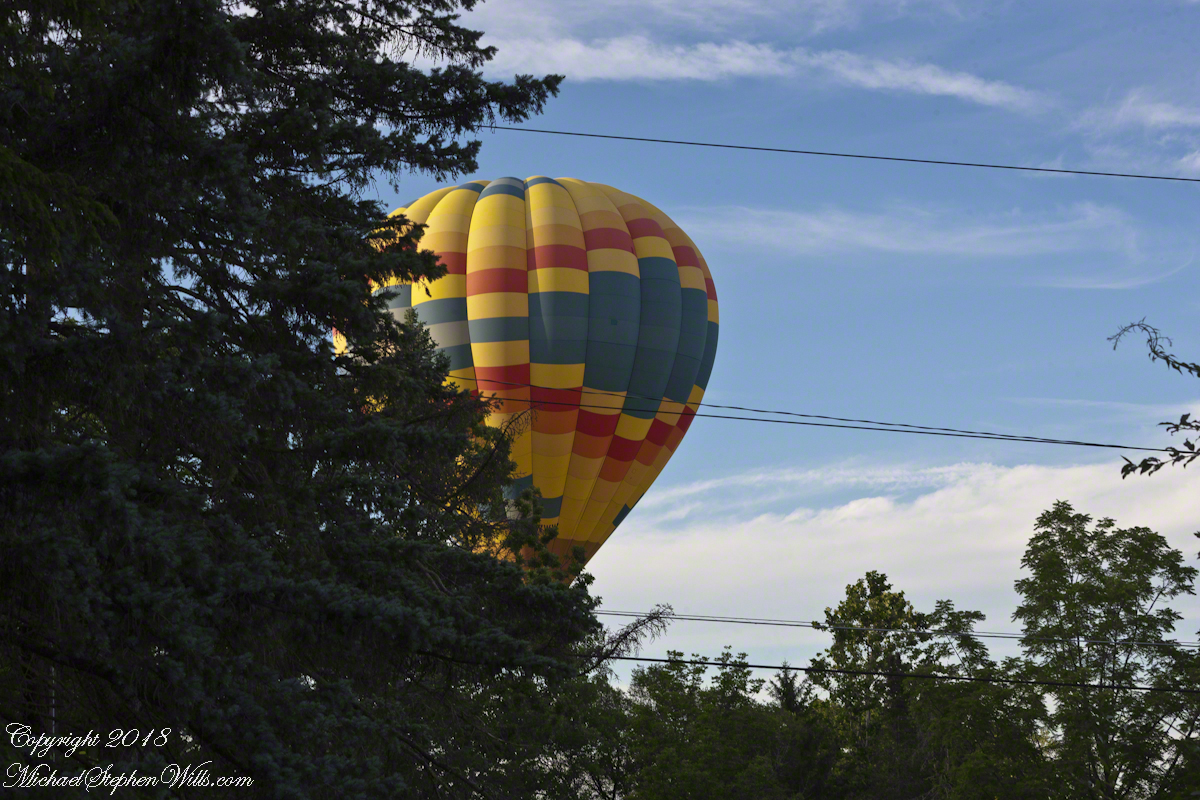
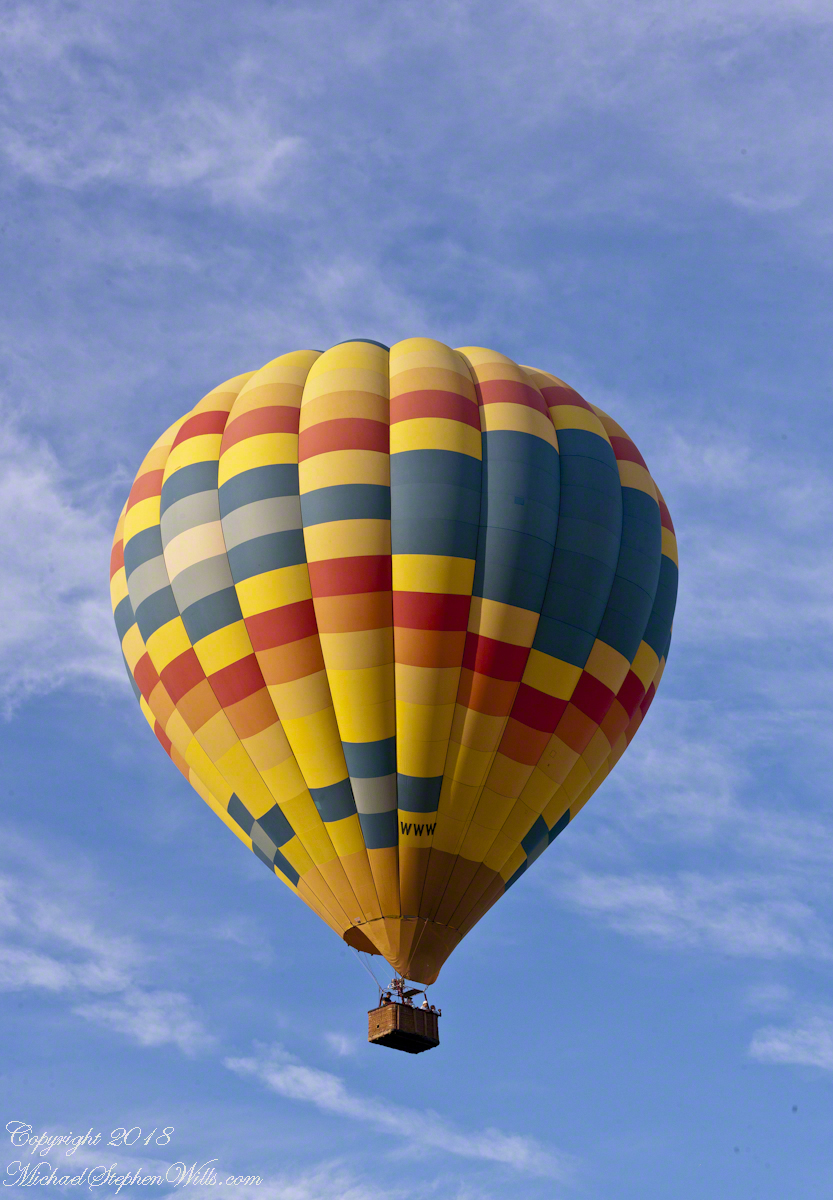
We have enjoyed this balloon before, the envelope pattern evokes a classic Navajo Rug, the colors really pop against the blue sky.

Why the Whooooosh?

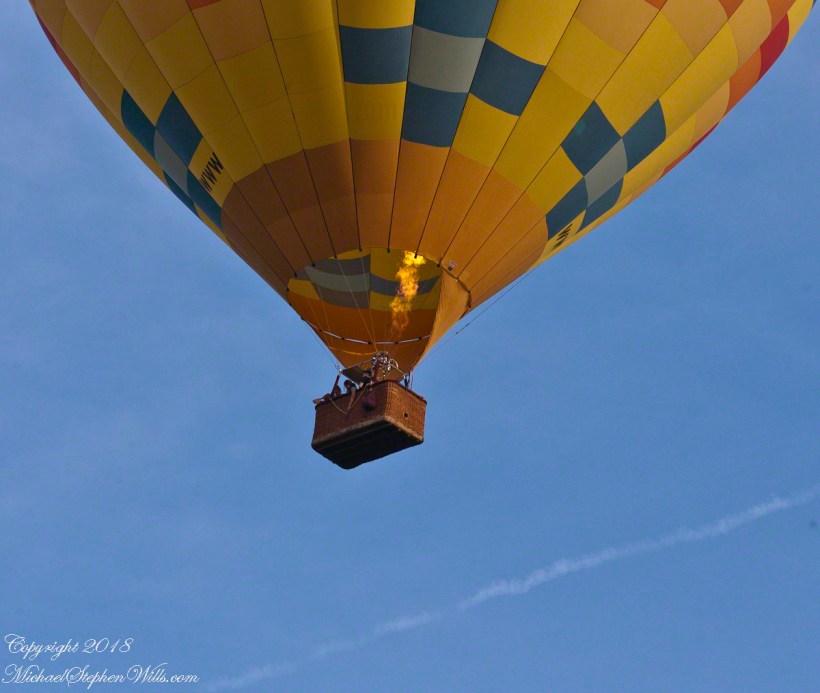
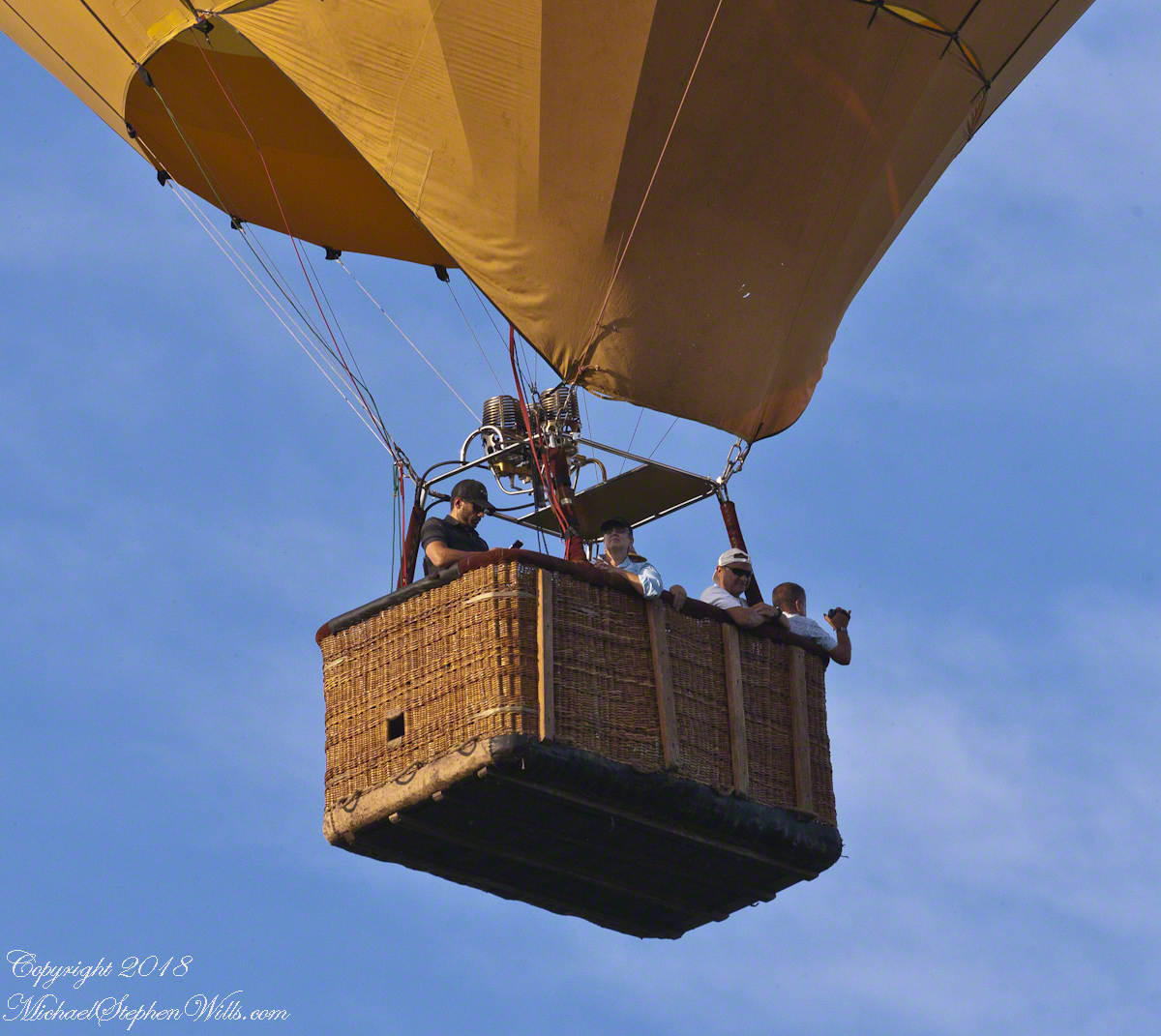
Tourists and local residents pay $230 per person for the experience of floating silently over Finger Lakes landscape with a launch from Trumansburg, ending up over Ithaca, in its valley surrounded by hills. Cayuga Lake is visible the entire flight, to the east, then northeast as the path reaches Ithaca. As they approached the balloon elevation was not so high relative to our home. You can see this clearly in the first photograph. With the zoom on 300 mm I was almost able to look into the basket, each of the four riders (the operation, looking at a cell phone, and three passengers) was recognizable.

There are three propane burners, two in front and the edge of a third just visible between the front pair.

Ethereal silence and reveres are broken when the burner lights up. Here it appears only one burner is running, sending the craft high above us.

Seven of the forty images are shared here. The duration was three minutes. With a goal of capturing the action, I had the camera on burst mode, with the shutter pressed the exposures run serially, in close succession.

I perfected these seven photographs to represent the perfection of this colorful event as it passed from the northwest, disappearing in the tree line to the southeast.

I am listening for the next event, camera and lens ready.

Post script….it was my usual early morning blogging time when I heard the familiar Whooooosshh, whoooosssshhh, grabbed my IPhone for a video and captured the following. You will hear the gondola occupants chatting. The burner was turned on at 1:03 when the balloon was fairly distant. The Whoooosssshhhh is low, but audible.

Today, they were headed North/Northwest in the opposite direction from Monday and are backlit. Enjoy!!

Copyright 2022 Michael Stephen Wills All Rights Reserved
Falcon 9 rocket puts satellite into orbit for Luxembourg

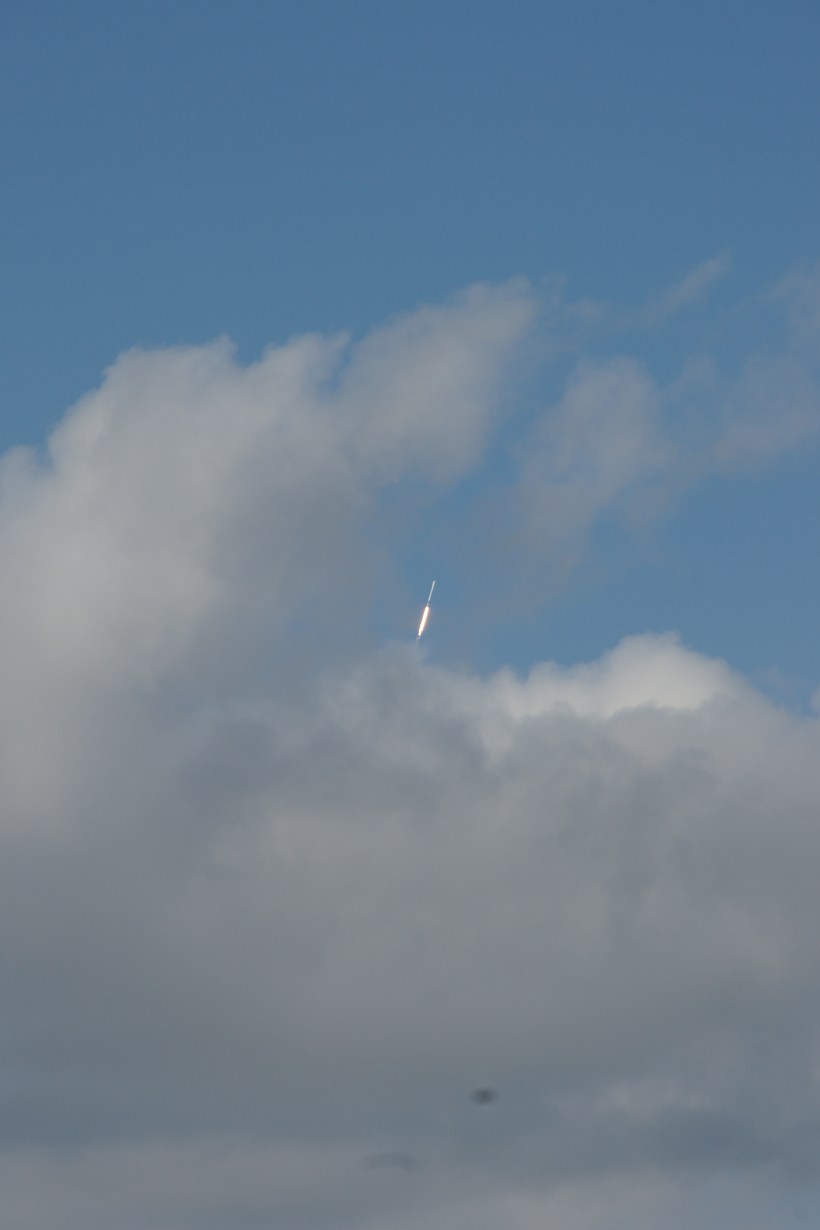
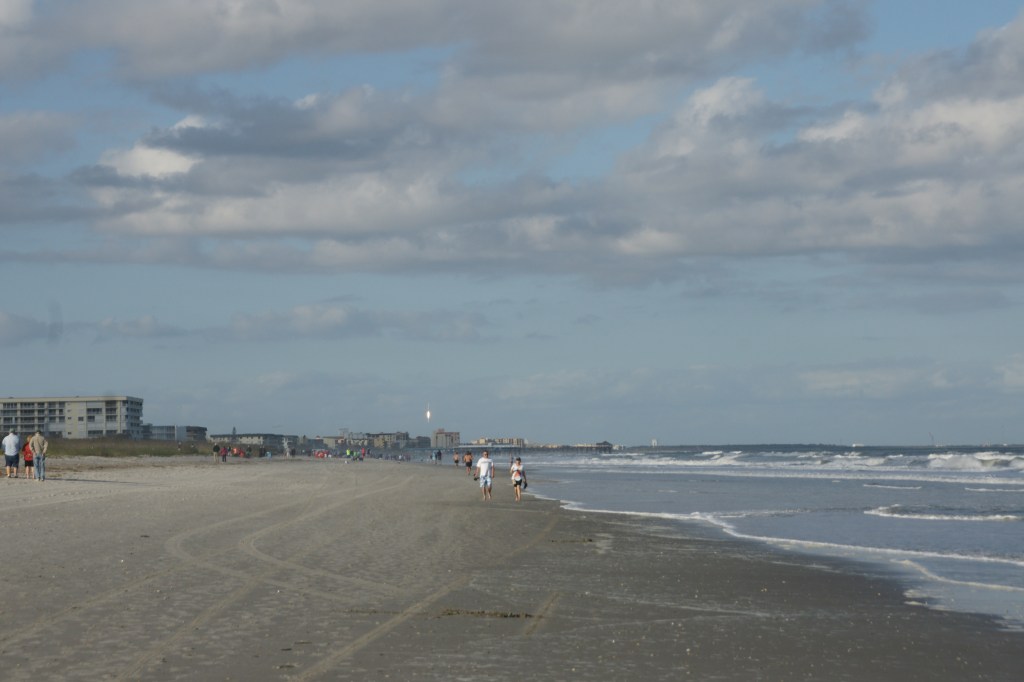
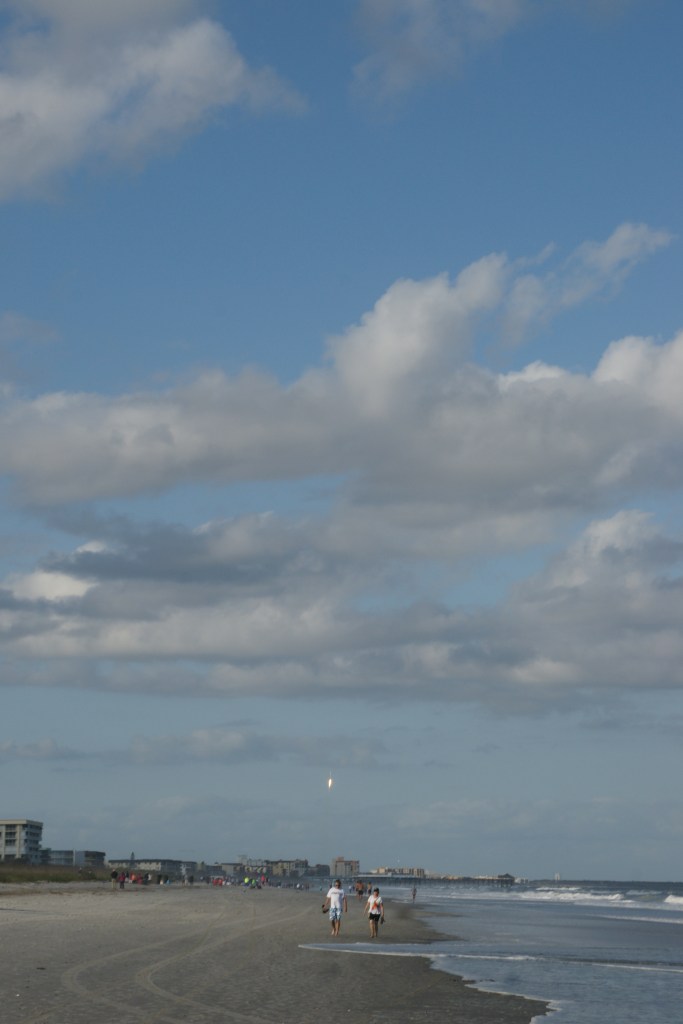
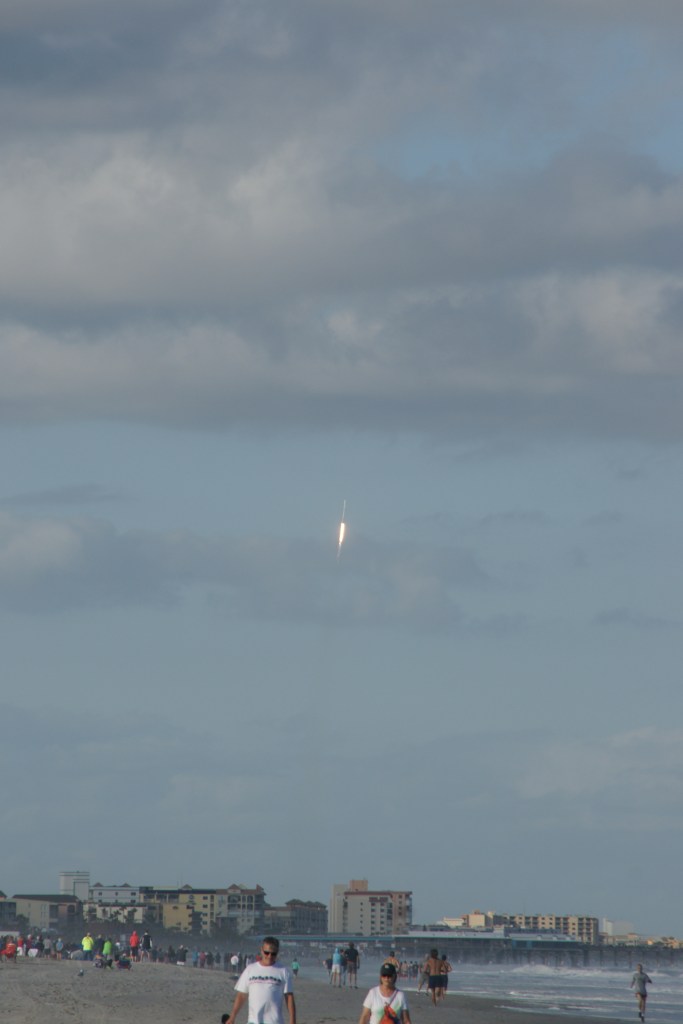
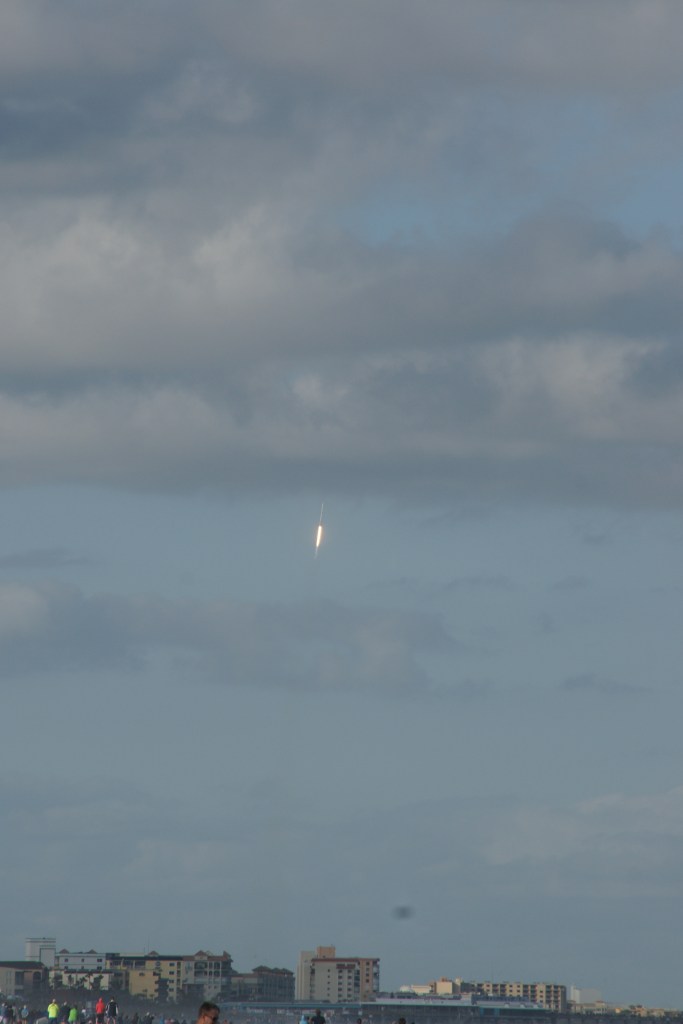
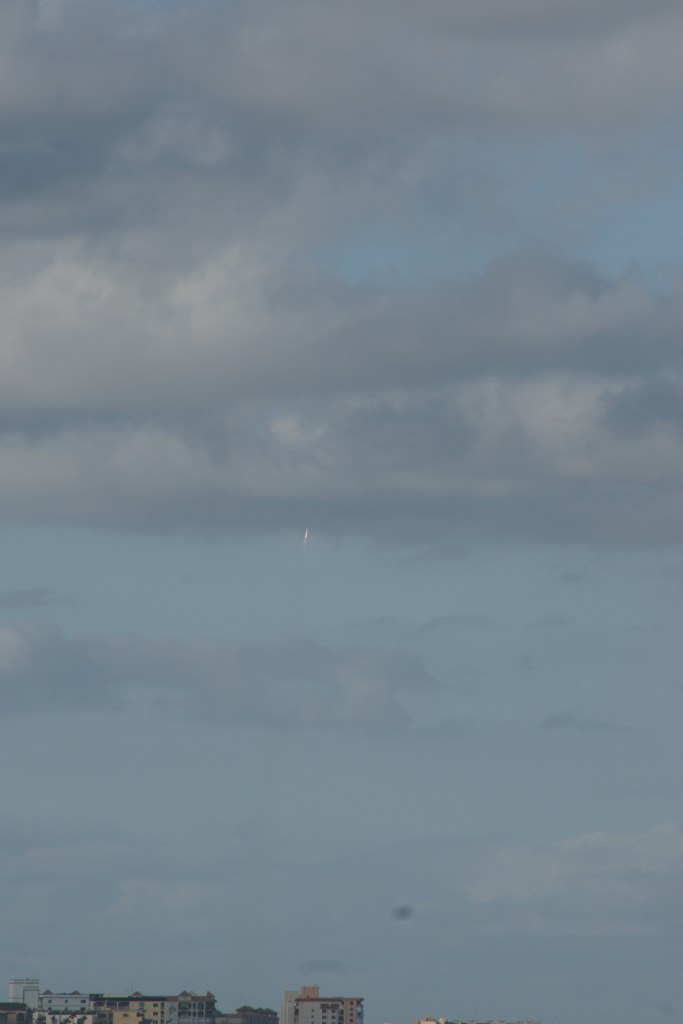
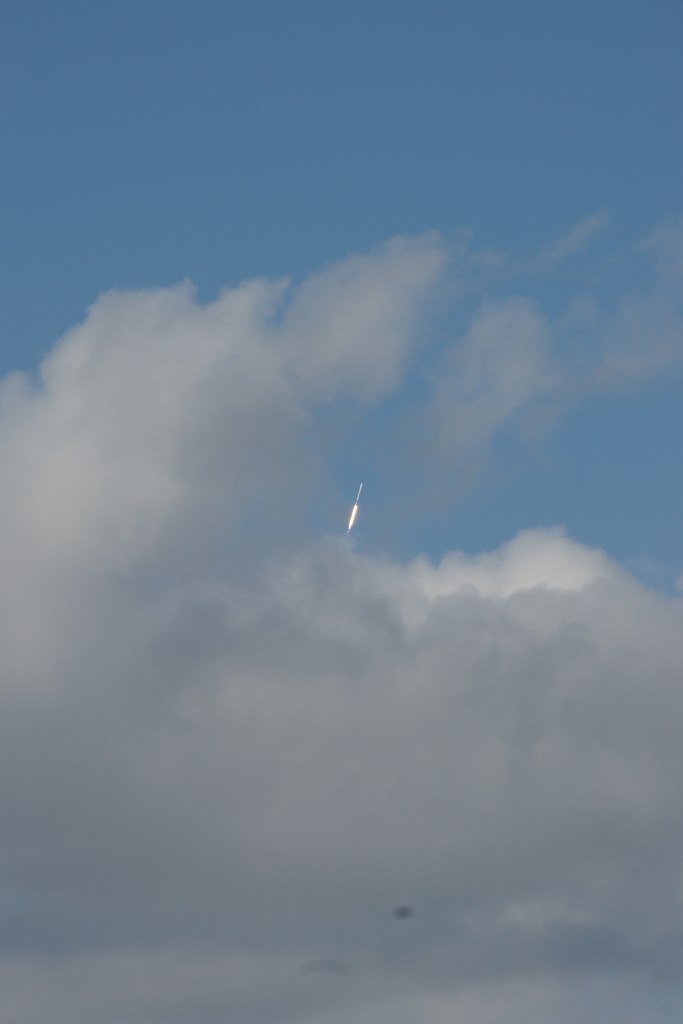
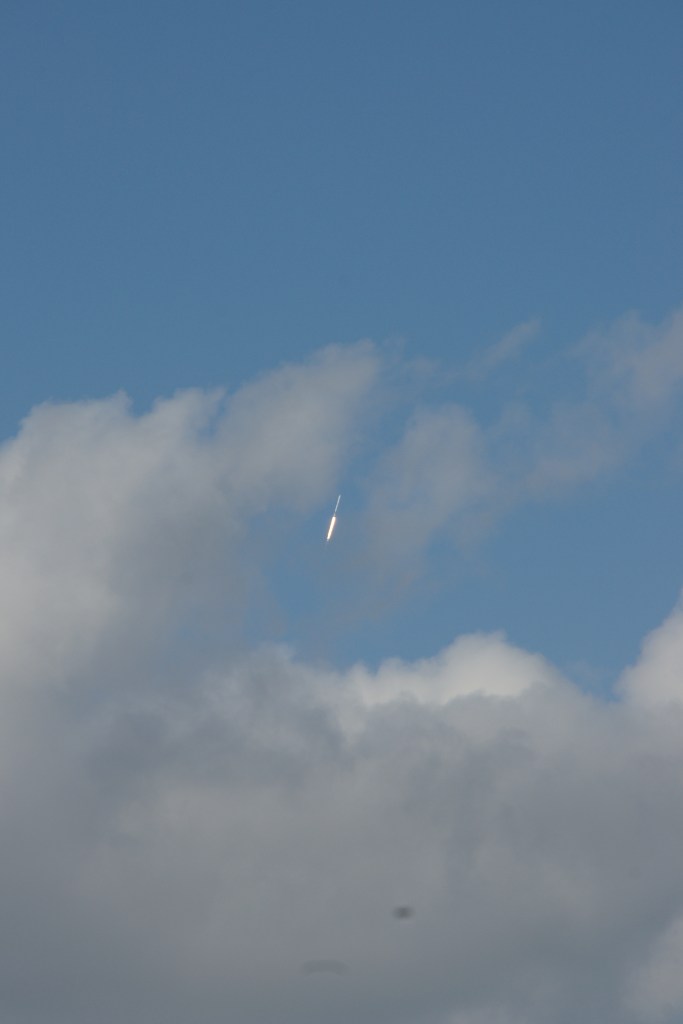
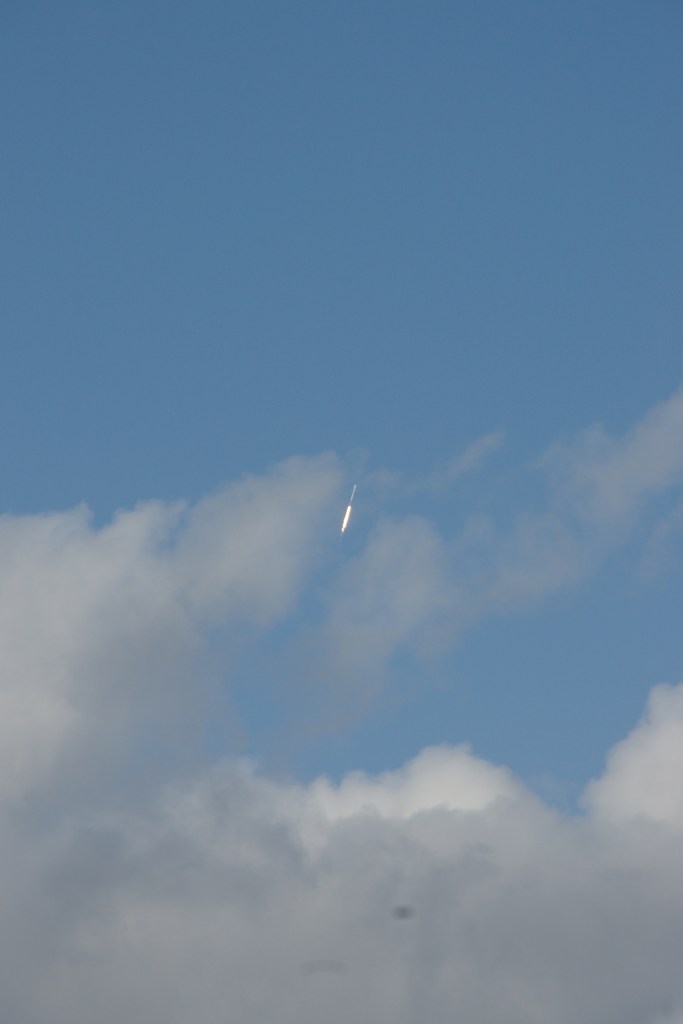
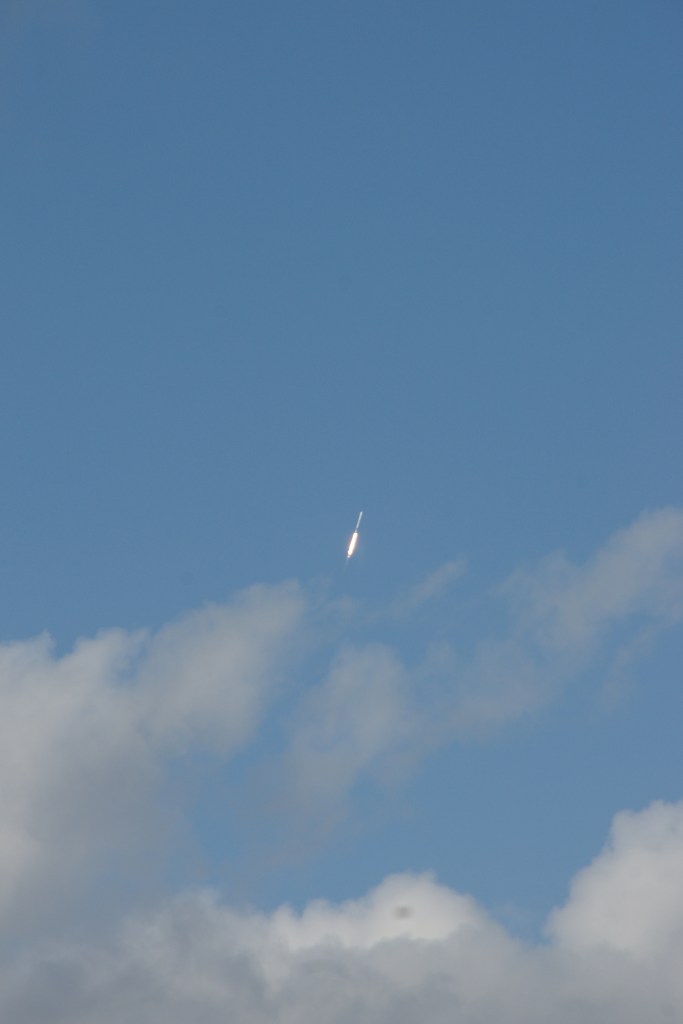
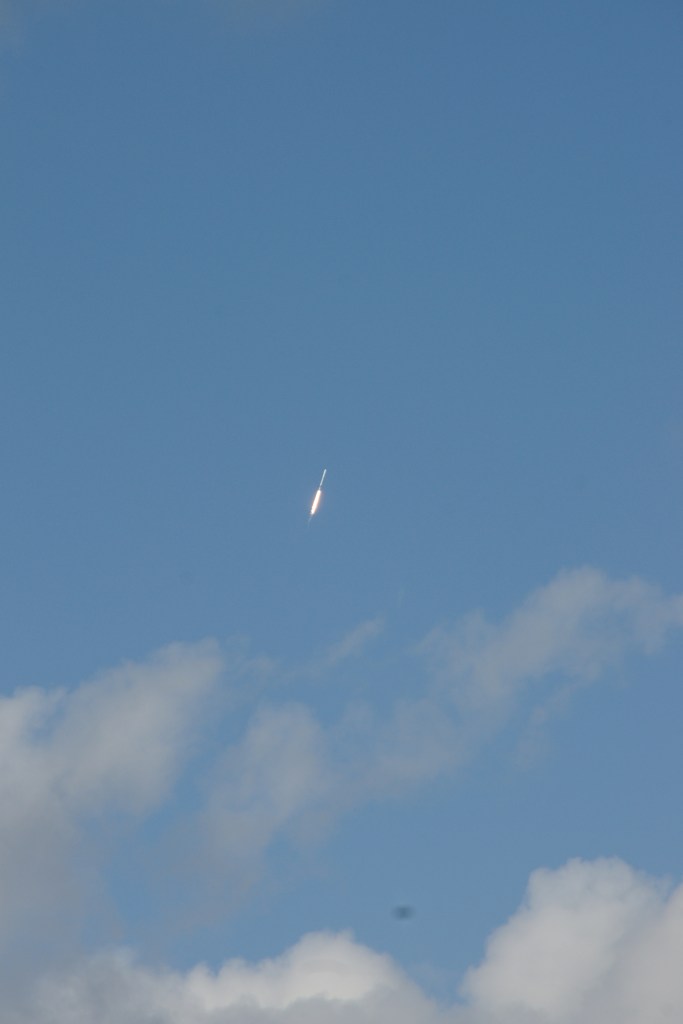
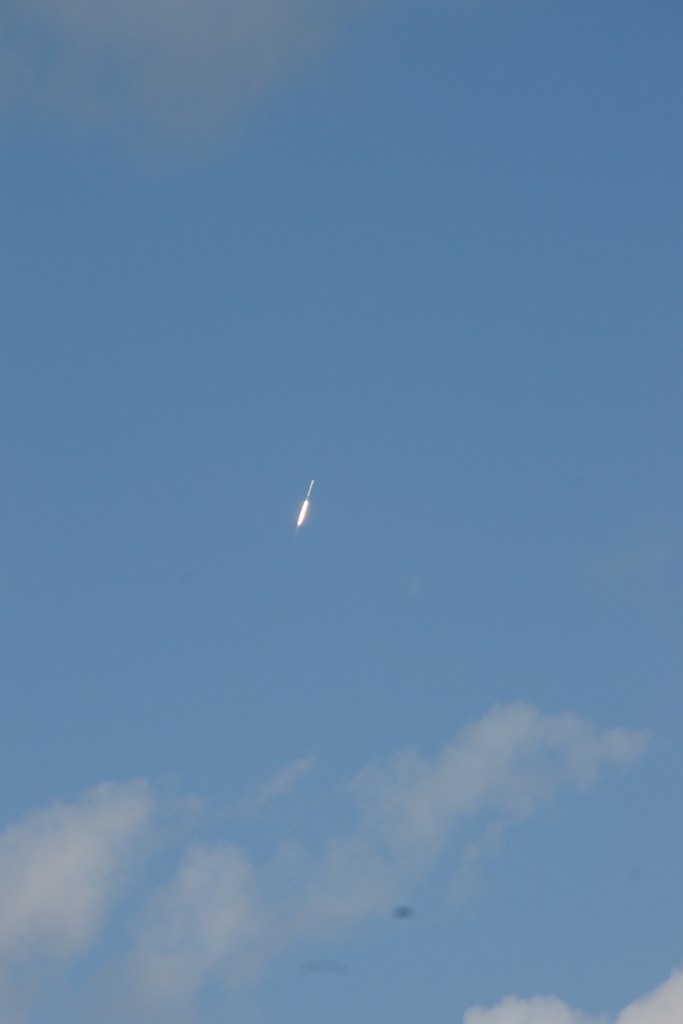
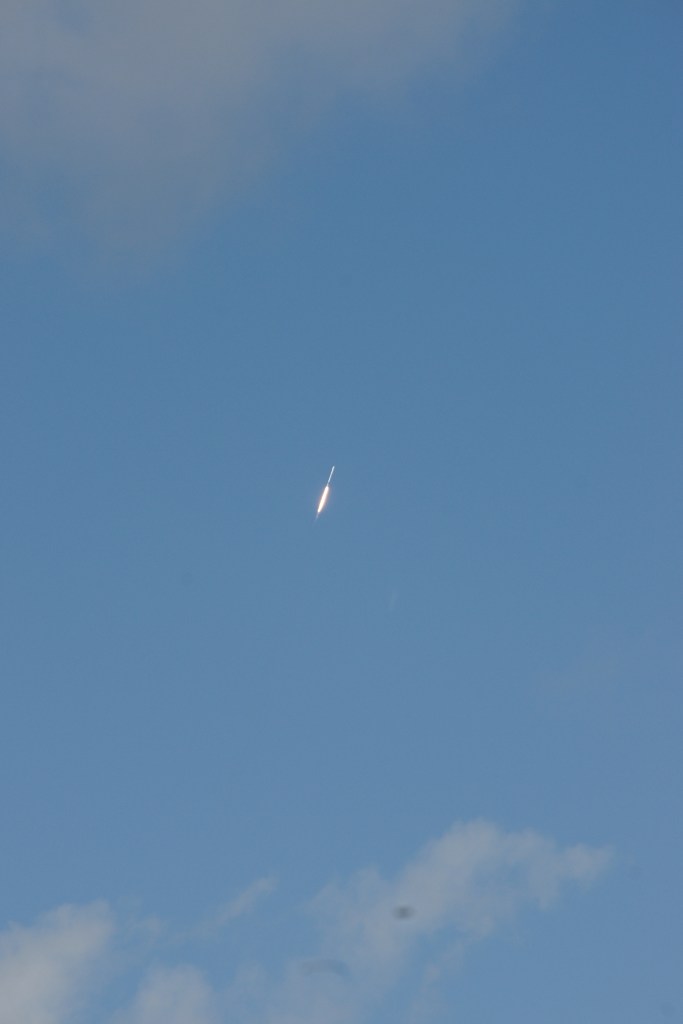
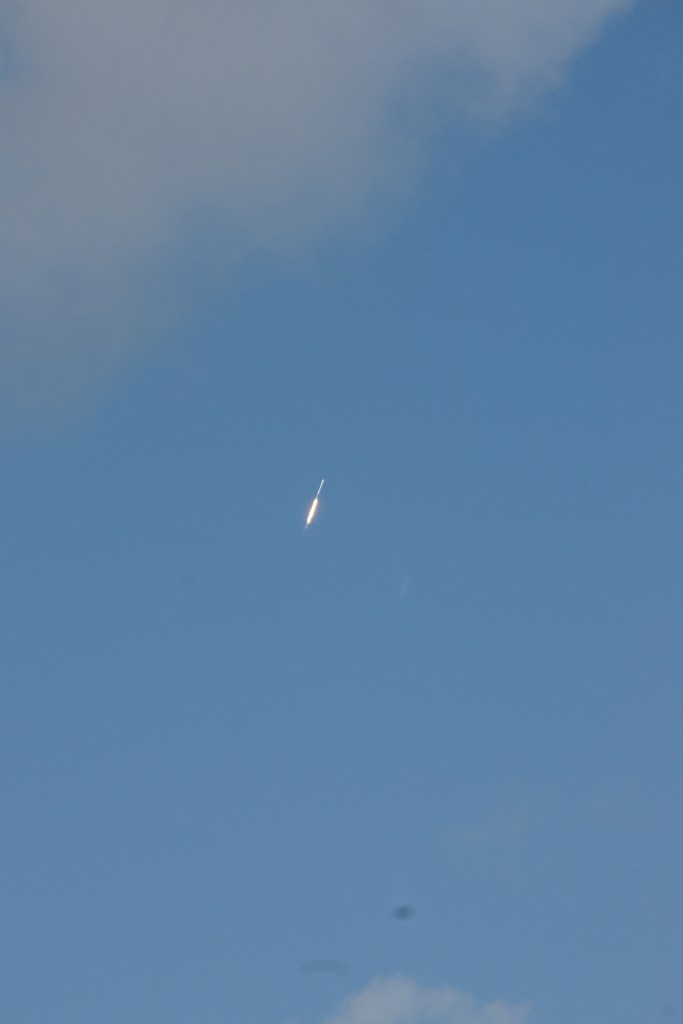
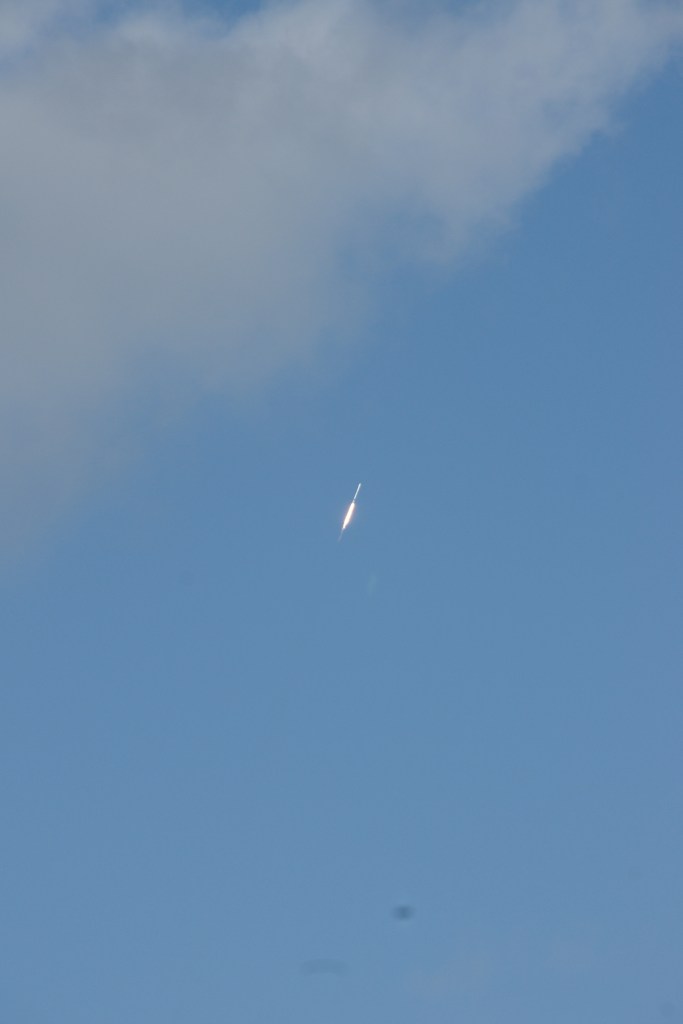
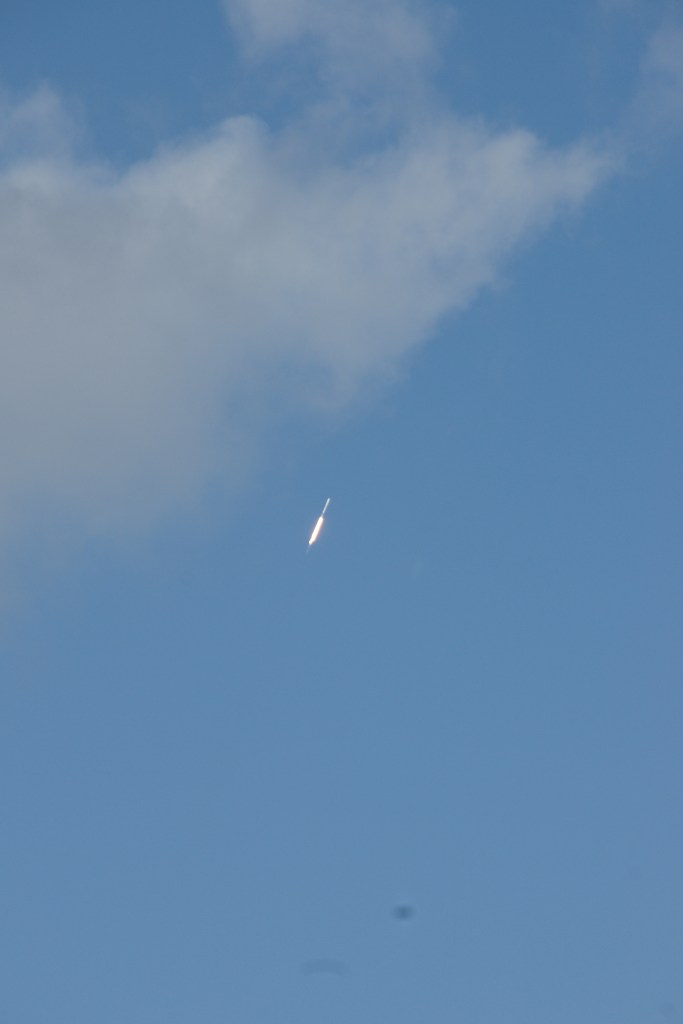
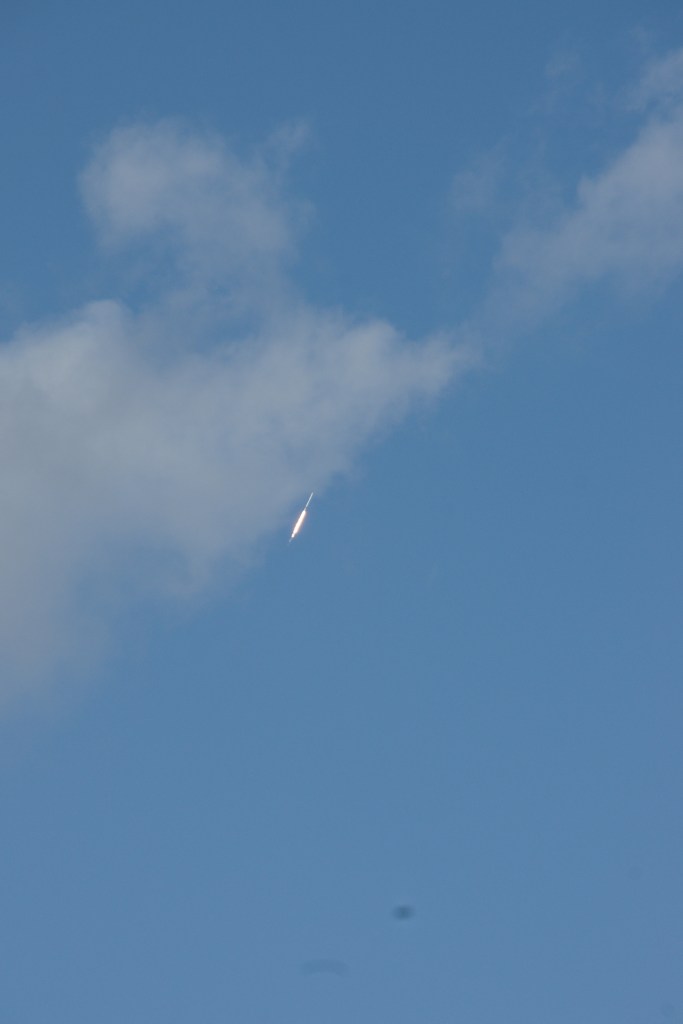
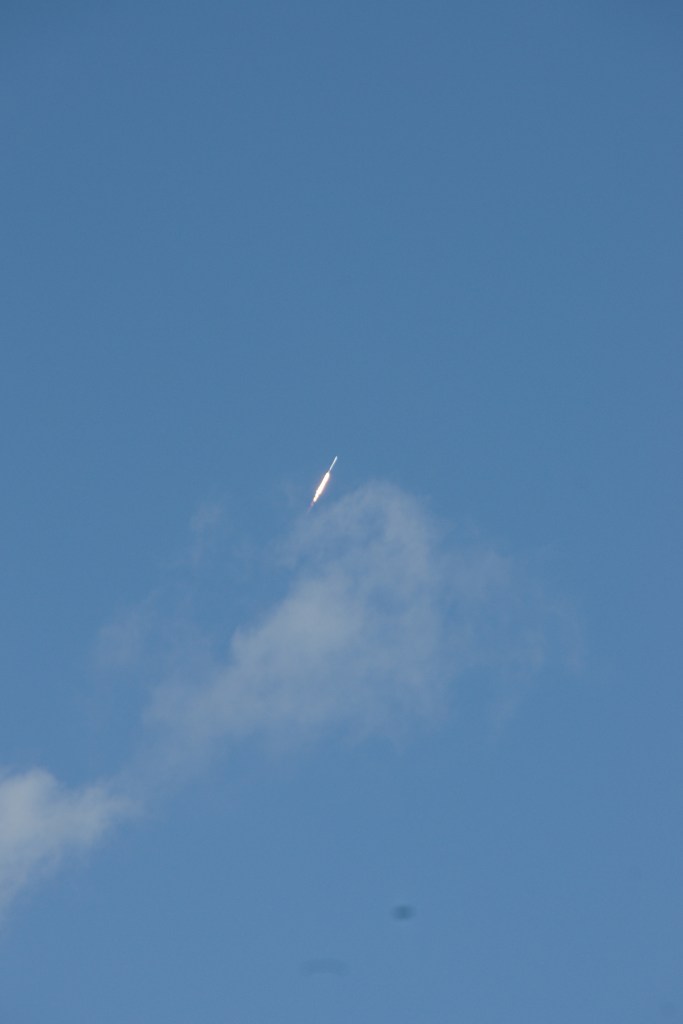
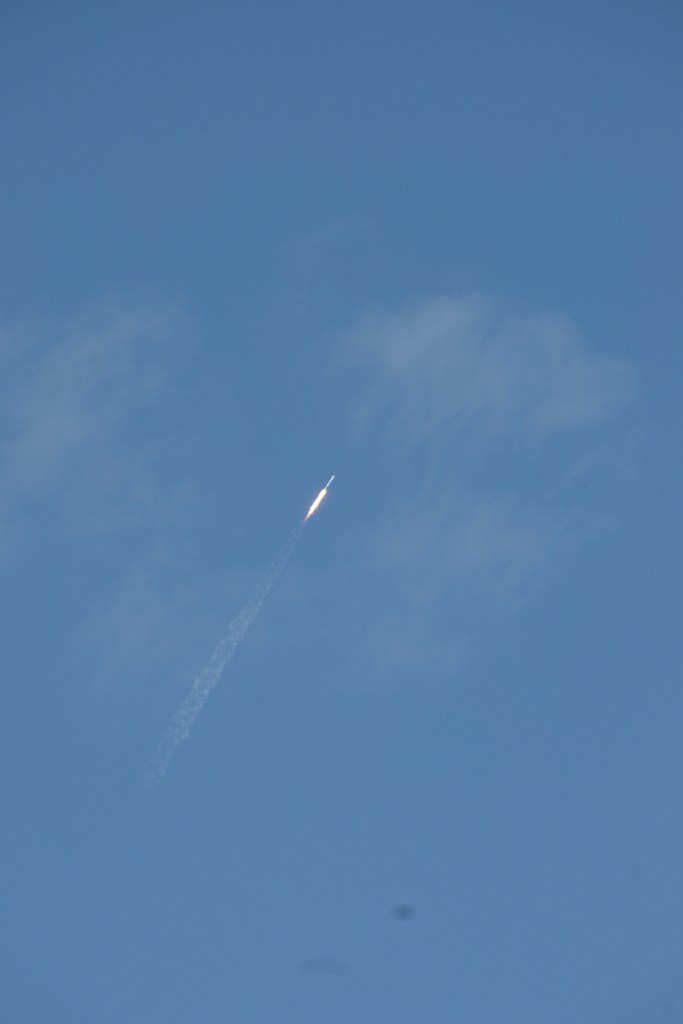
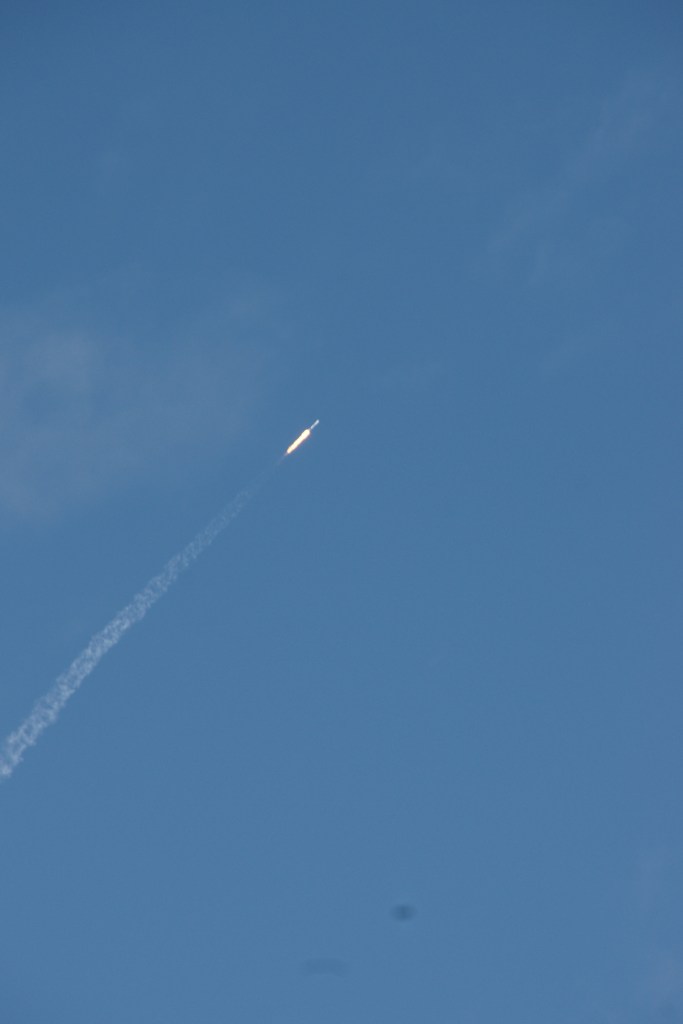
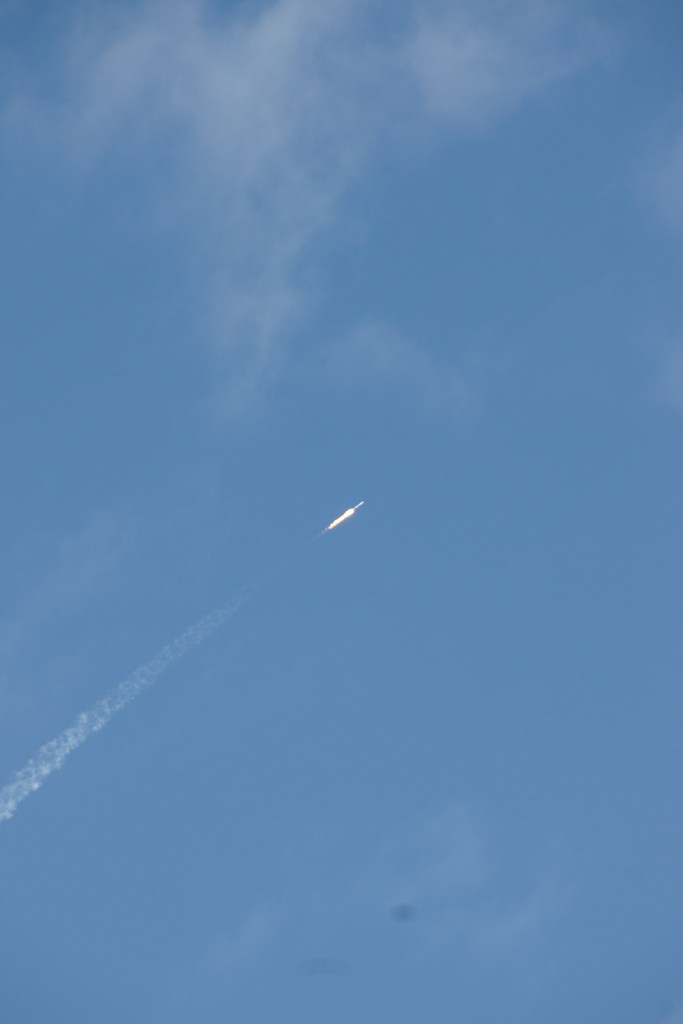
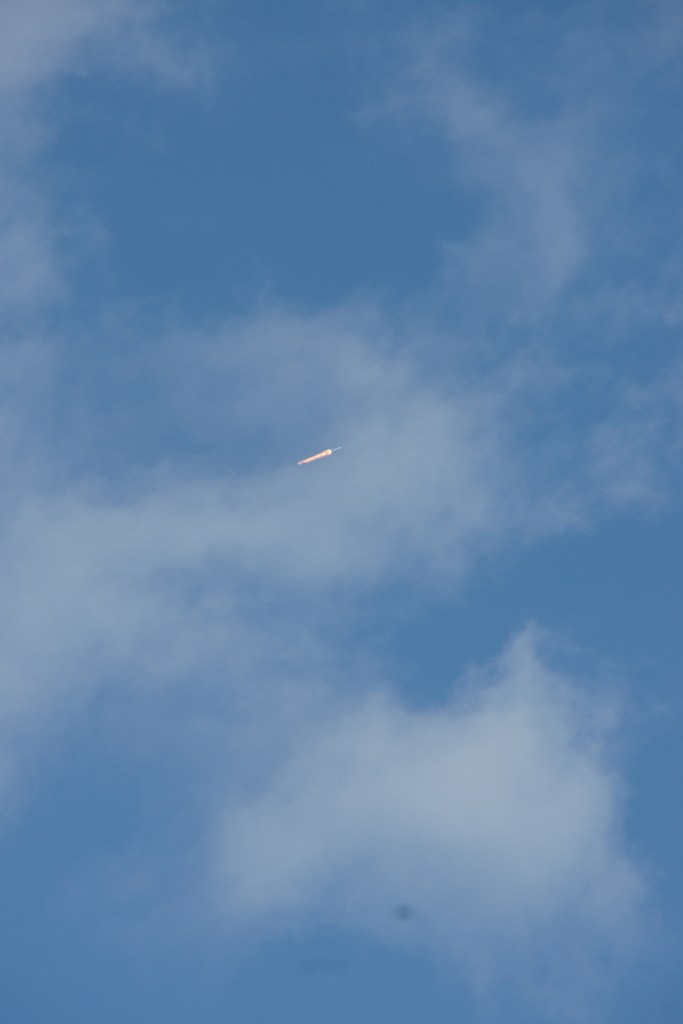
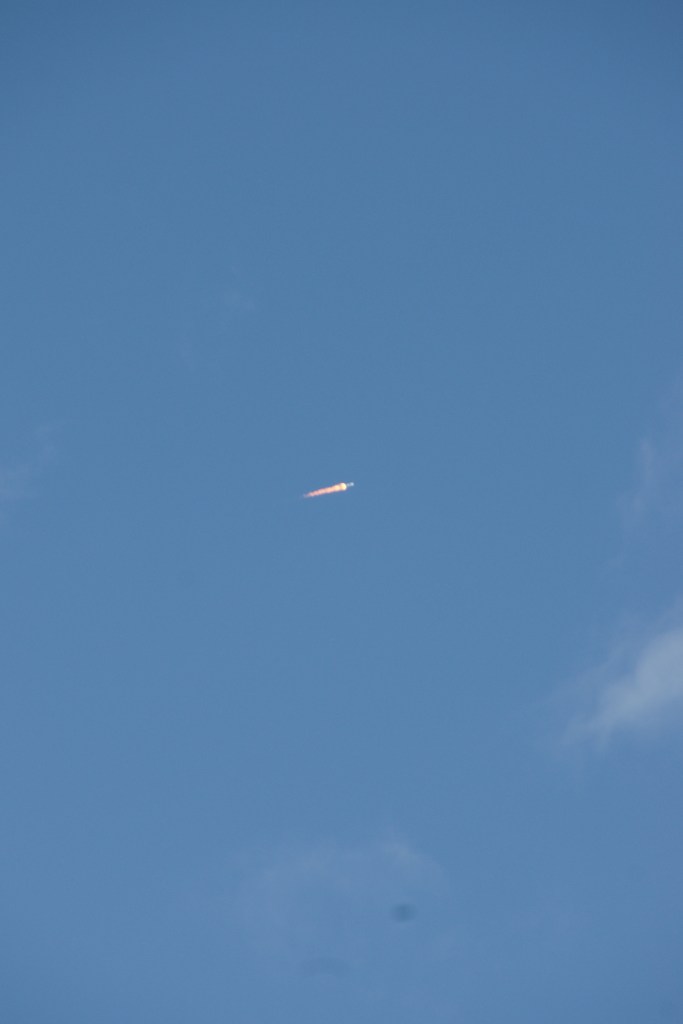
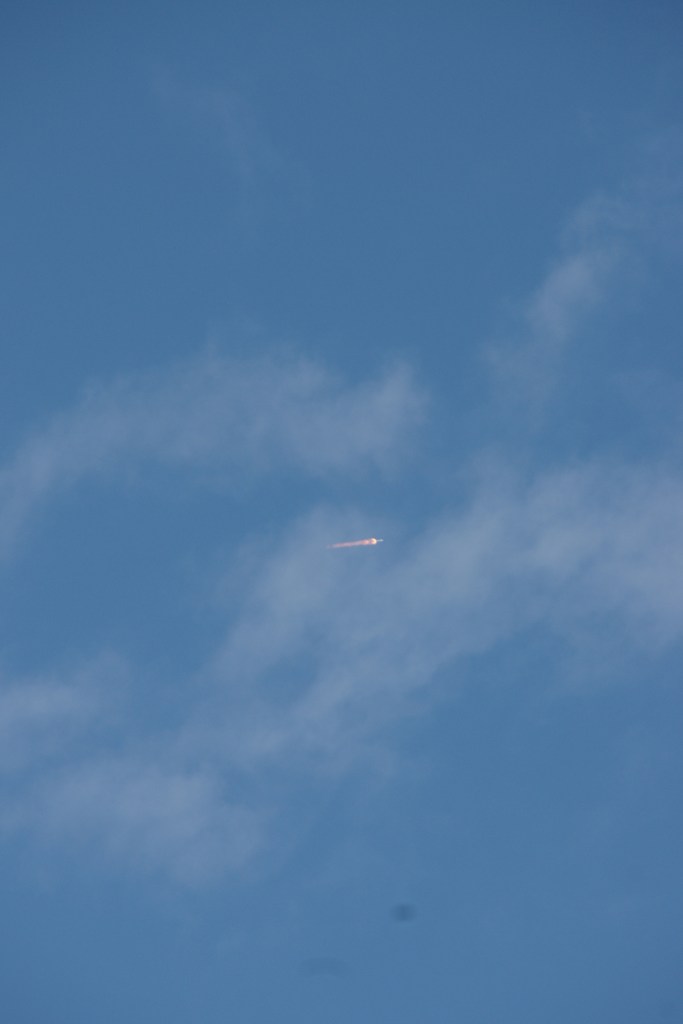
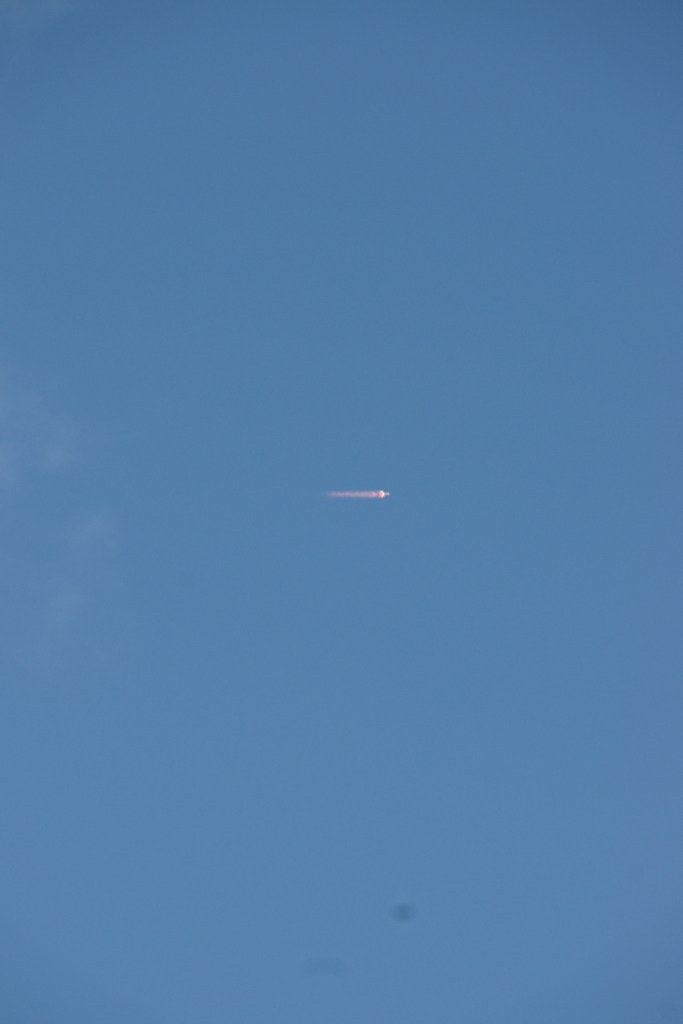
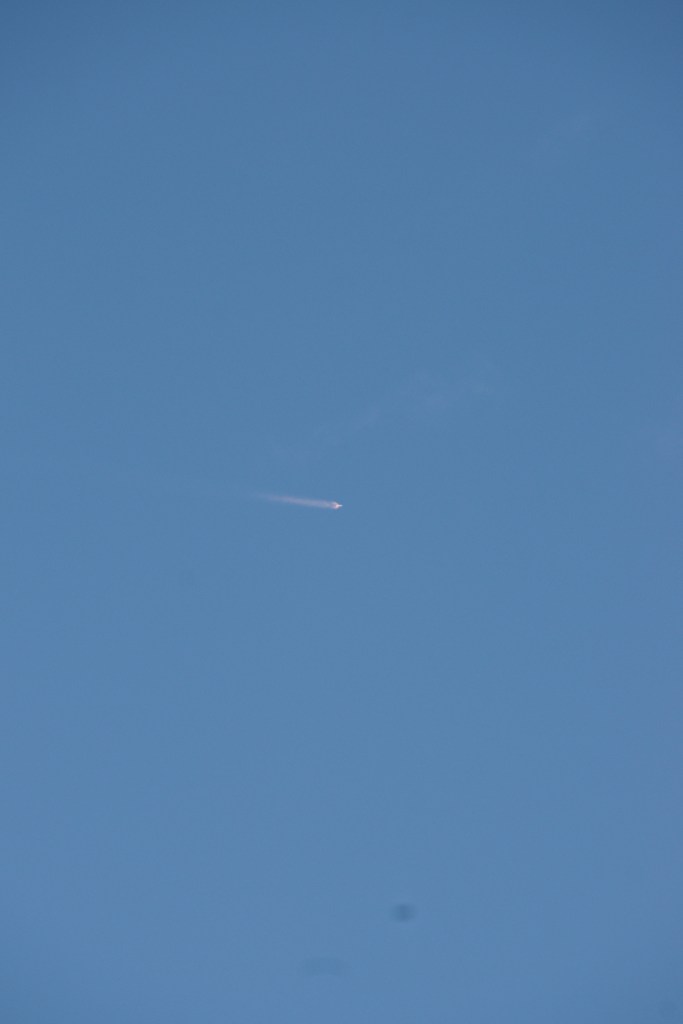
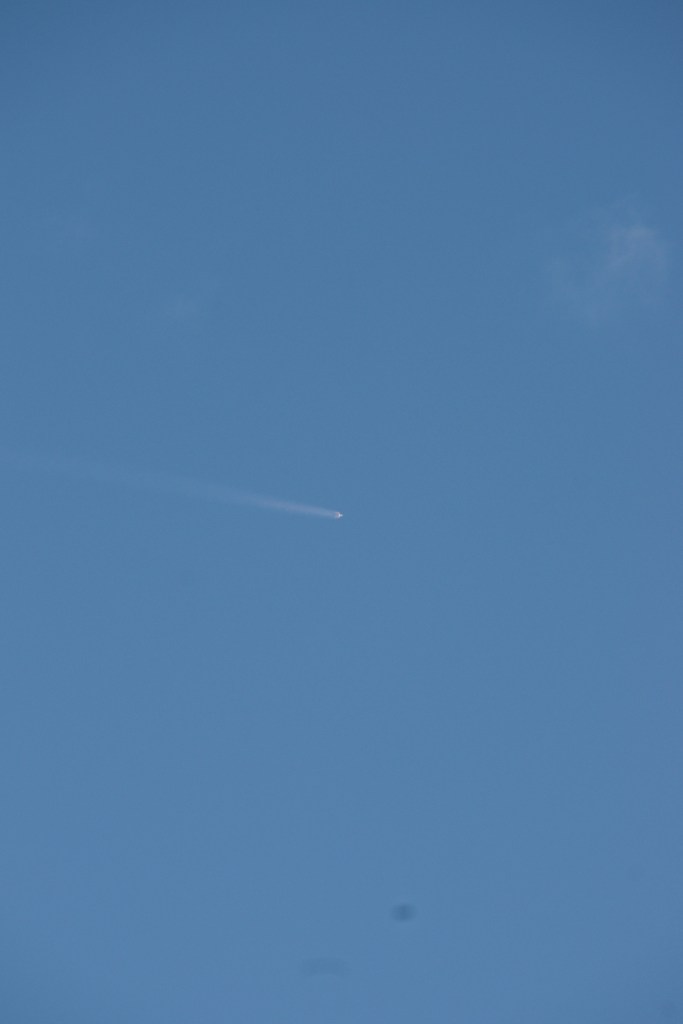
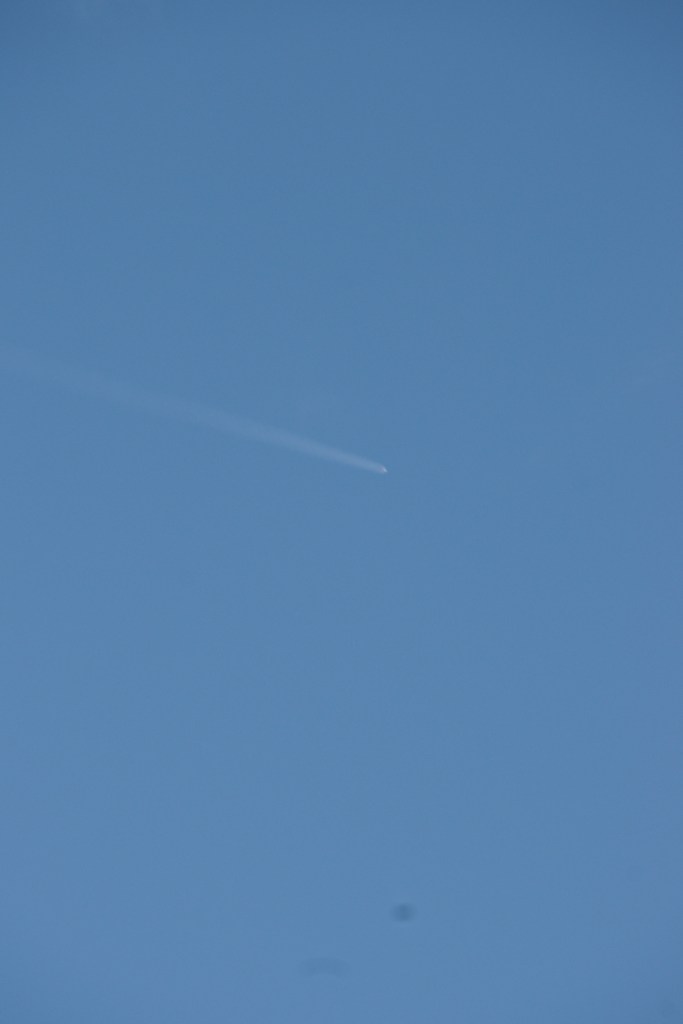
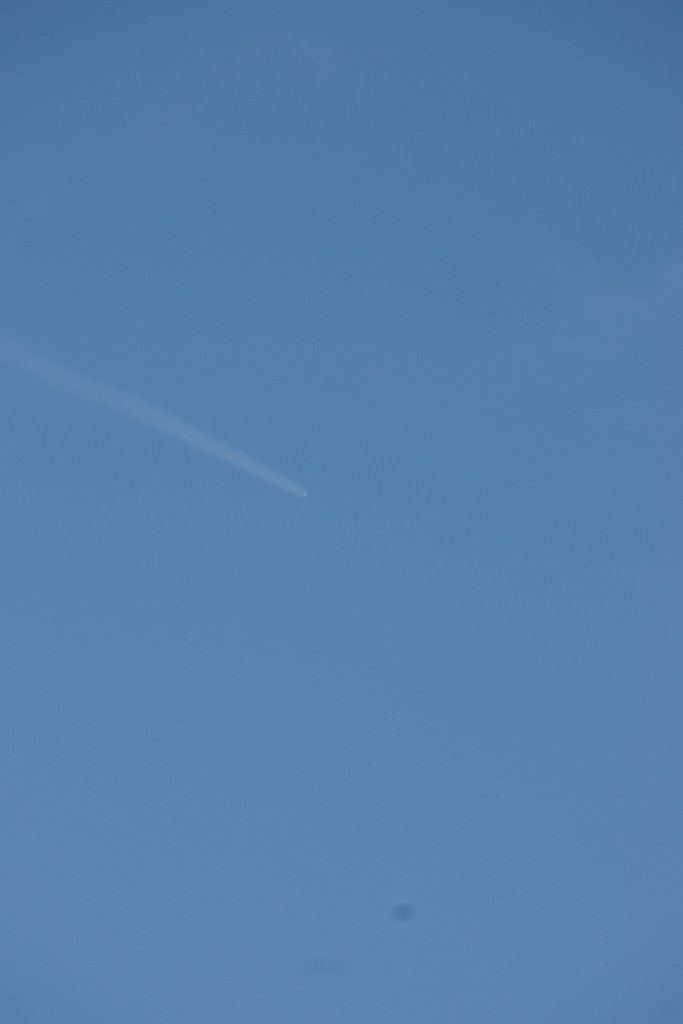
Here is a series of photographs of the January 31, 2018 SpaceX launch of a Falcon9 bearing a Govsat1 (aka SES-16) satellite for Luxembourg.  The re-used Falcon 9 was in expendable mode. The photographs, taken from Cocoa Beach, Florida show the rocket rising above the city and port of Cape Canaveral, through cumulous clouds and into space.

There are the unedited “jpeg” files from the series. I need to crop out the dust spots and such.

Click for complete mission details.

Copyright 2022 Michael Stephen Wills All Rights Reserved
Sunset Visions of Kite Surfing

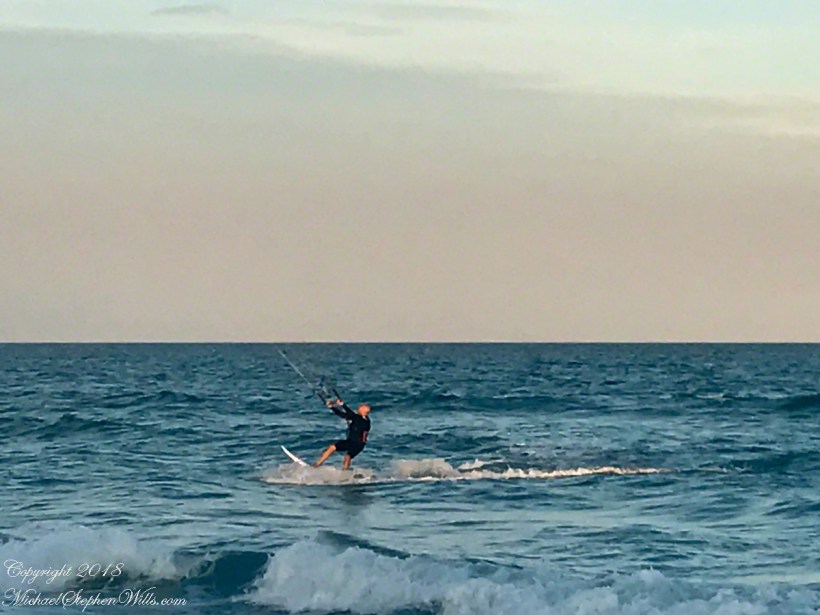
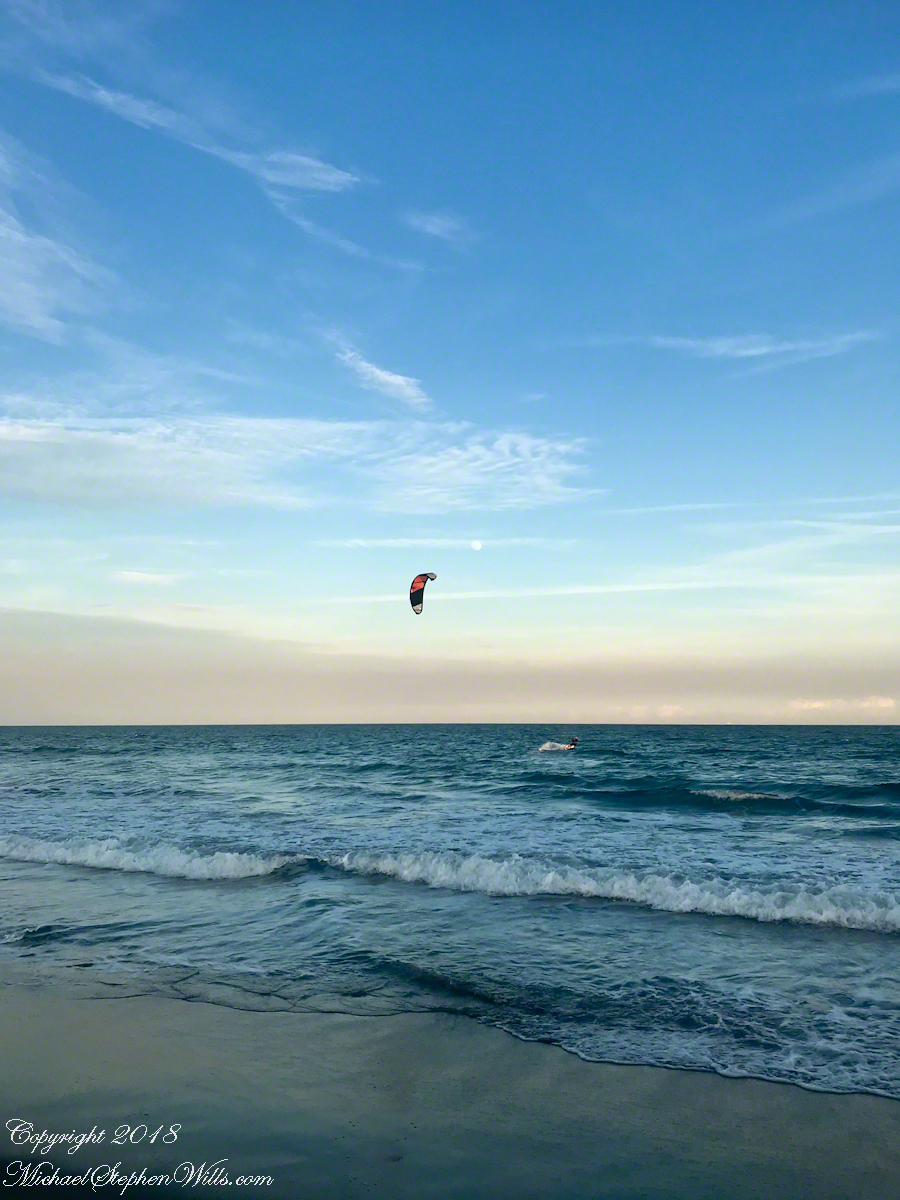
One day before the 2019 Total Lunar Eclipse a full moon rose 4:25 pm above the Atlantic Ocean off Cocoa Beach, the “Space Coast” of Florida. We saw a power kite to the south, with the southerly winds there was time before he was on us. I took the following photographs with what was at hand, an iPhone 8.

Risen Full Moon and Surf Boarder at Sunset

Click any photograph to visit my Online Fine Art Photography Gallery

At 50 minutes post moonrise, I included the orb in this frame as the rider tacked, rising a water crest.

Risen Full Moon and Surf Boarder at Sunset

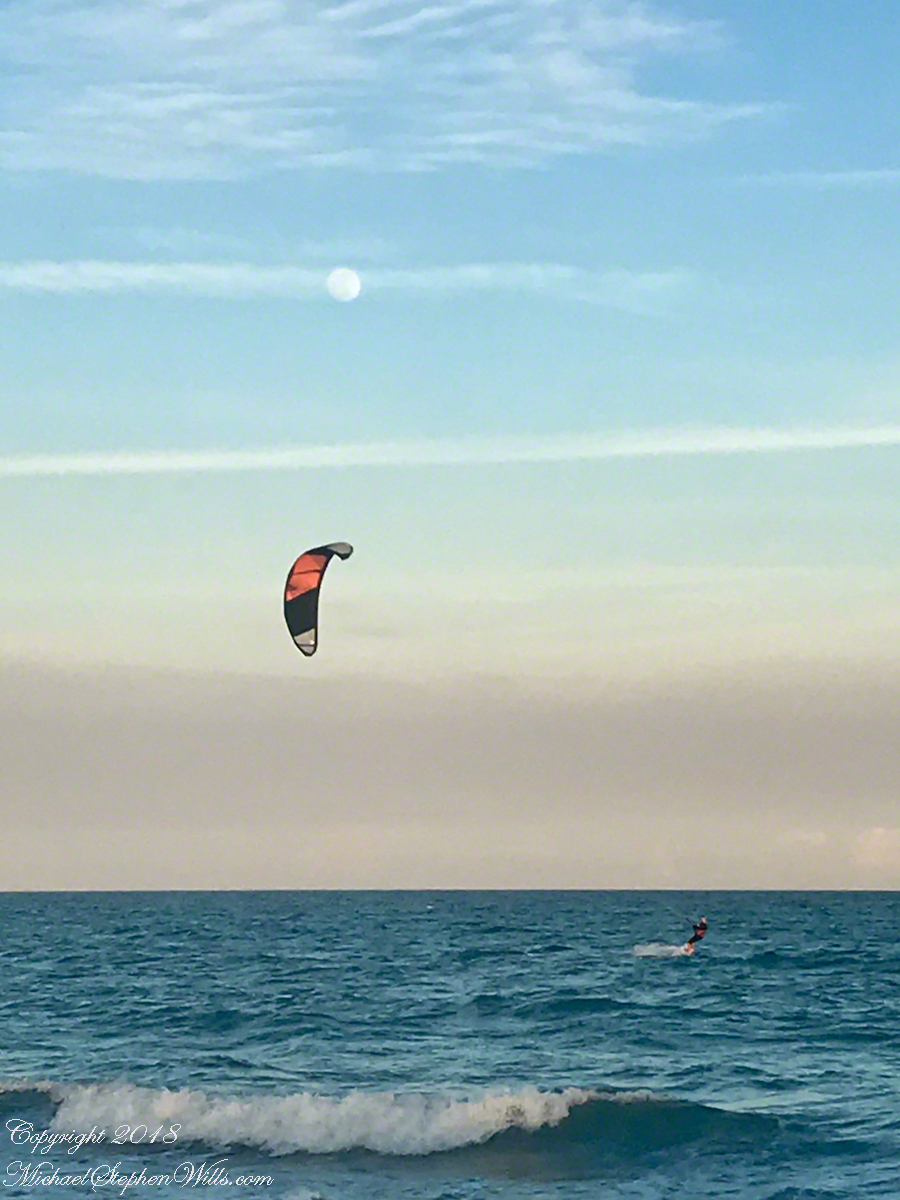
A flick of the fingers to zoom in, the moon and rider are together as he rides toward shore.

Risen Full Moon and Surf Boarder at Sunset with cruise ship

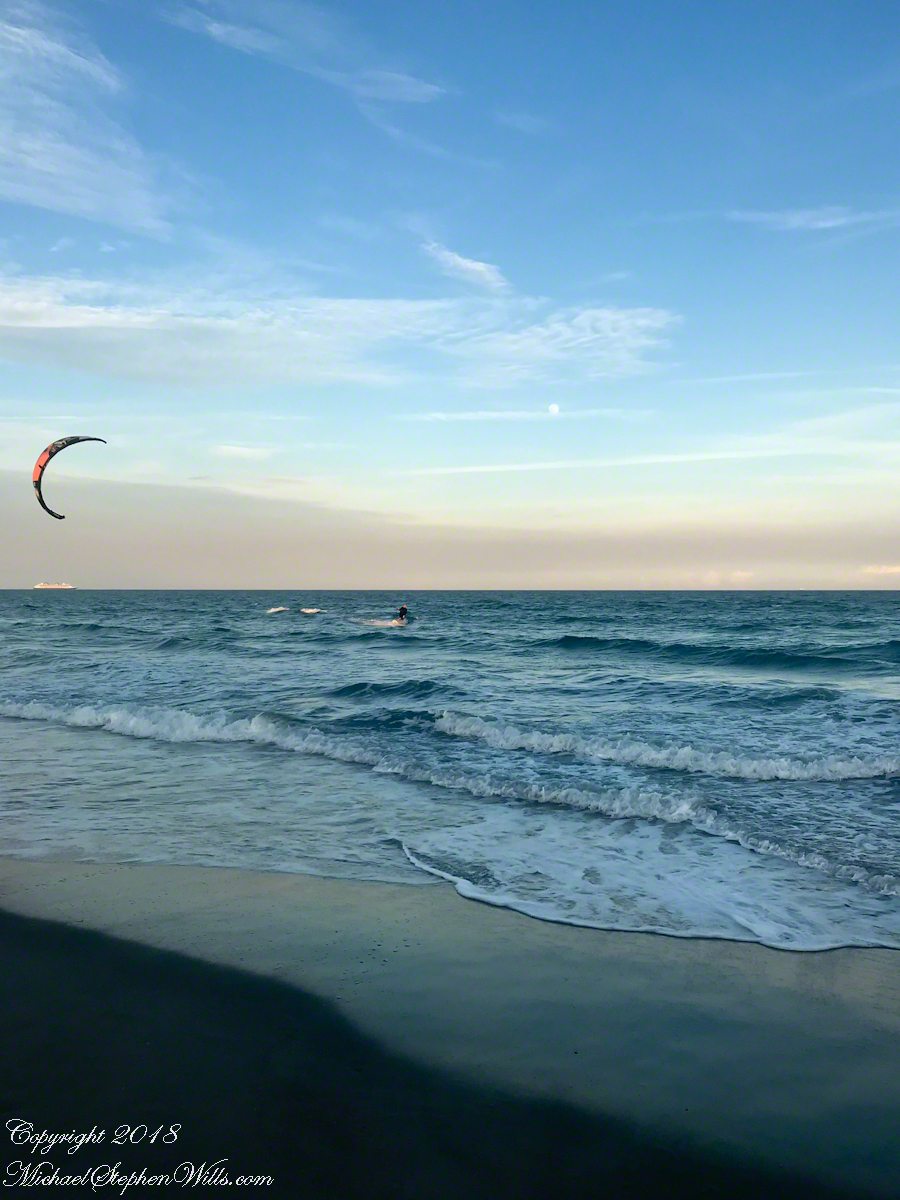
This time of, Saturdays, the cruise ships depart Cape Canaveral Port. The kite is above the distant ship. It is amazing the kite allows sailing into the wind, his heading is southwest. The shore limits his progress, forcing a tack towards a southeast heading.

Kite Surfer coming to shore at sunset.

Or not, it seems he plans to tack to the northeast, continuing progress north up the coast. I have to wonder how he will return to the starting point?

Copyright 2022 All Rights Reserved Michael Stephen Wills

Kite Surfing Action Series

three shots in one second

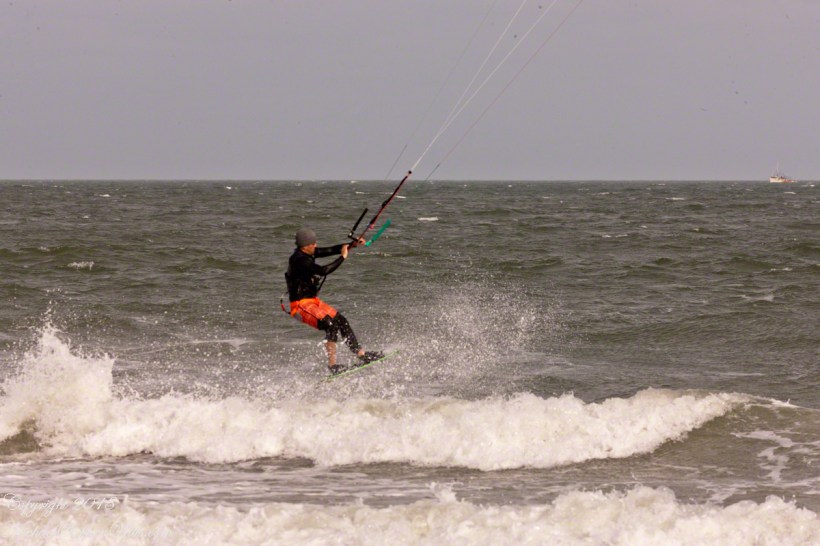
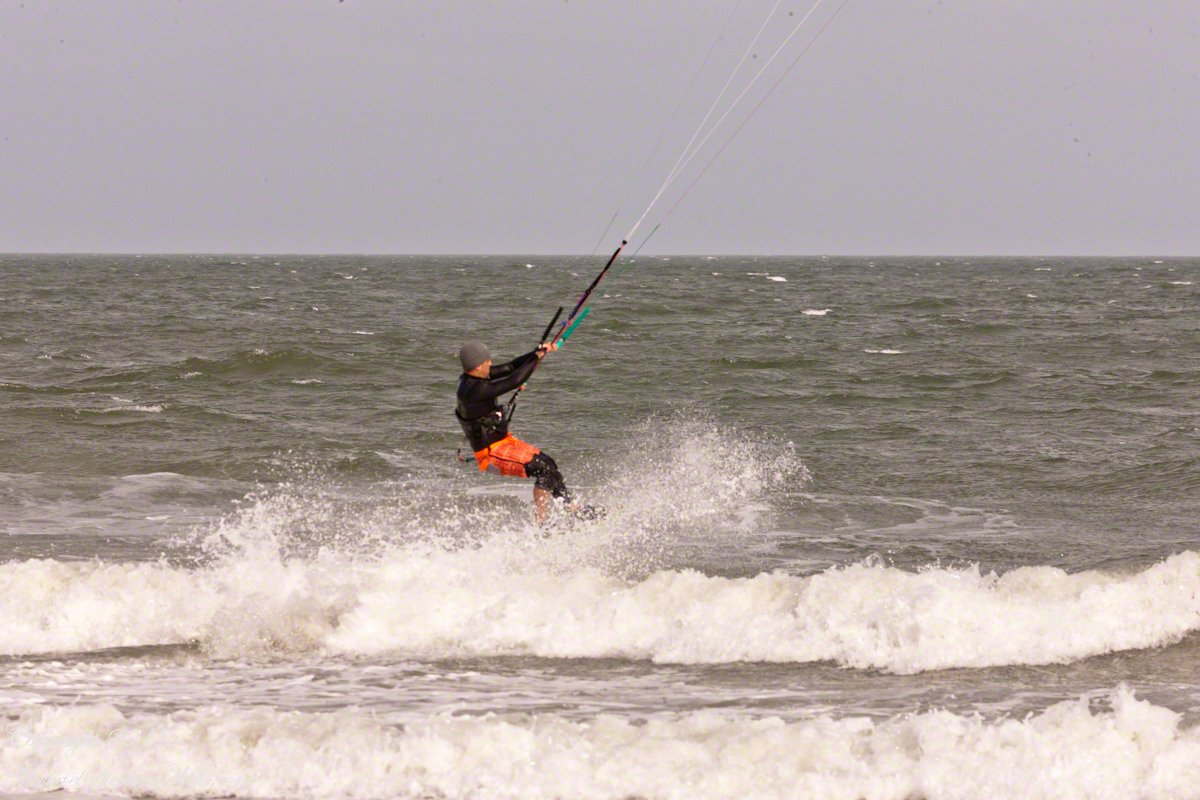
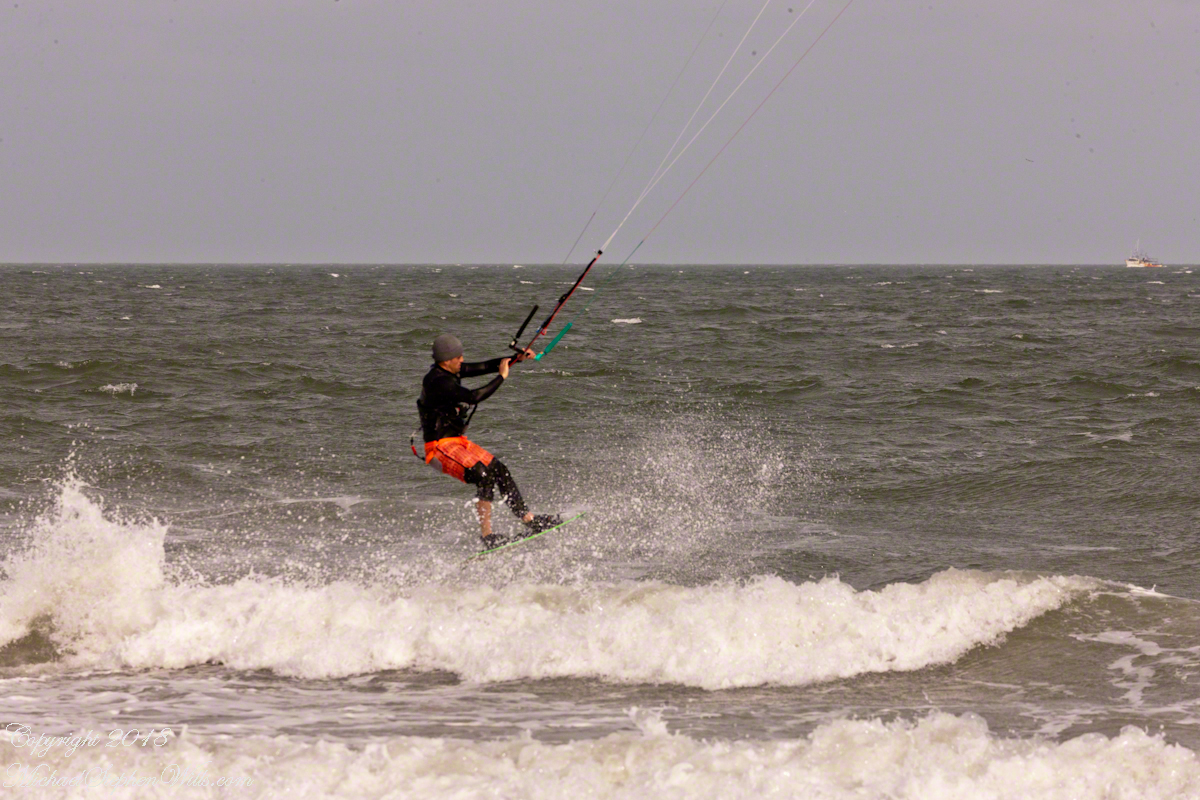
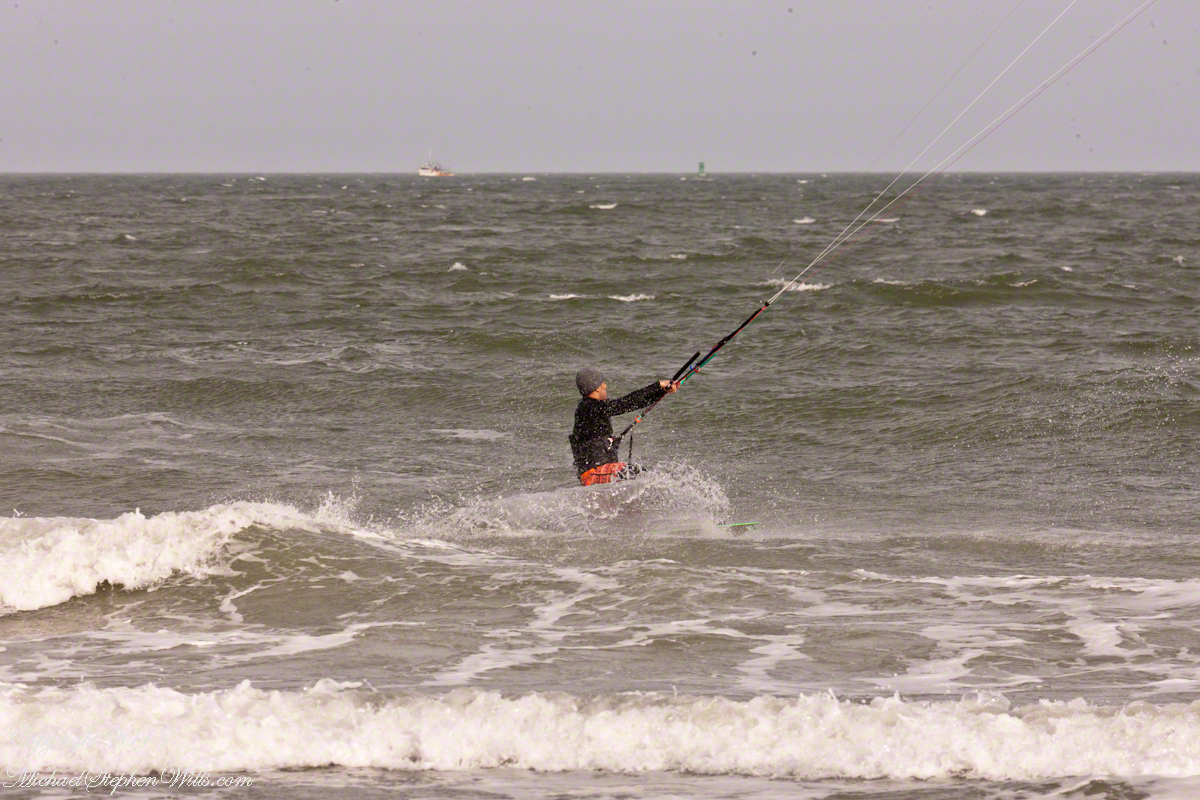
For a change of scene we visited Cape Canaveral, the beach at Cherie Down Park were an informal gathering of Kite Surfers was underway. Here is a series of action shots, one second elapsed from first to last.

Click the photograph for my Online Galleries
Click any photograph for my Online Galleries

Conditions were excellent: good northerly wind, the sun overcast and, it being afternoon, in the west. Surfers stayed relatively close to shore, near their starting point. I had packed the “heavy gun” camera with a tripod.

Click the photograph for my OnLine Galleries

Panning the scene (swiveling on the tripod), the camera in rapid exposure mode, I pressed the shutter release and held it down.

Click the photograph for my Online Galleries

The surfer was captured mid-jump to landing.


Copyright 2022 All Rights Reserved Michael Stephen Wills

Stalking Grey Herons

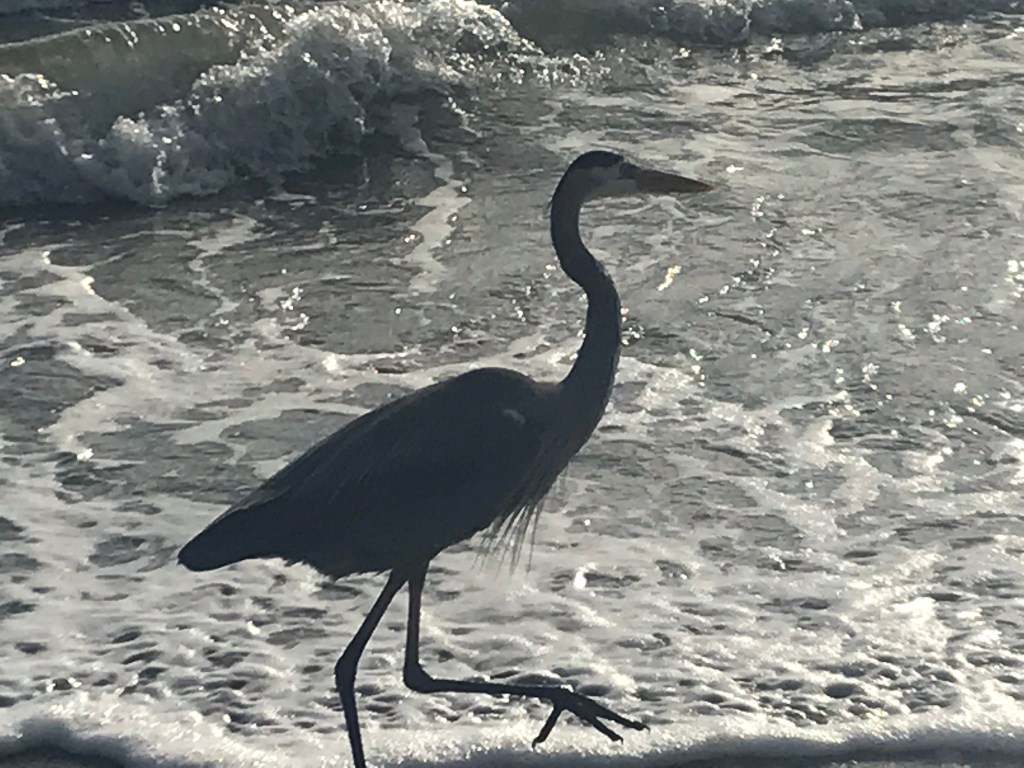
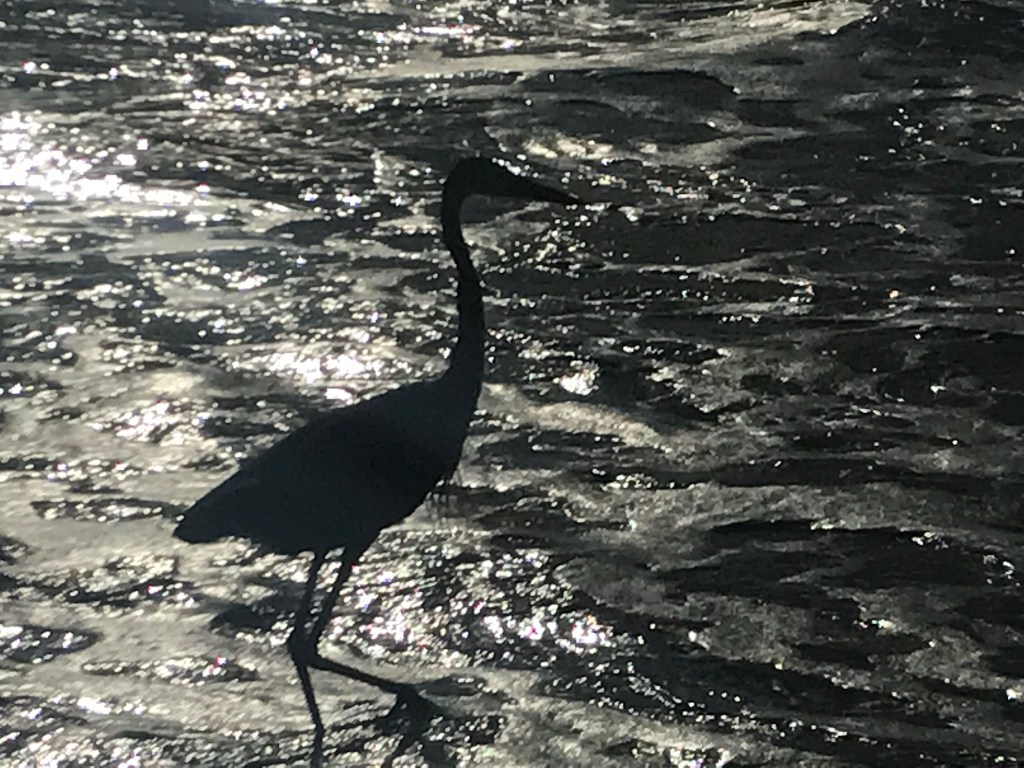
exploring the stalking style of young herons

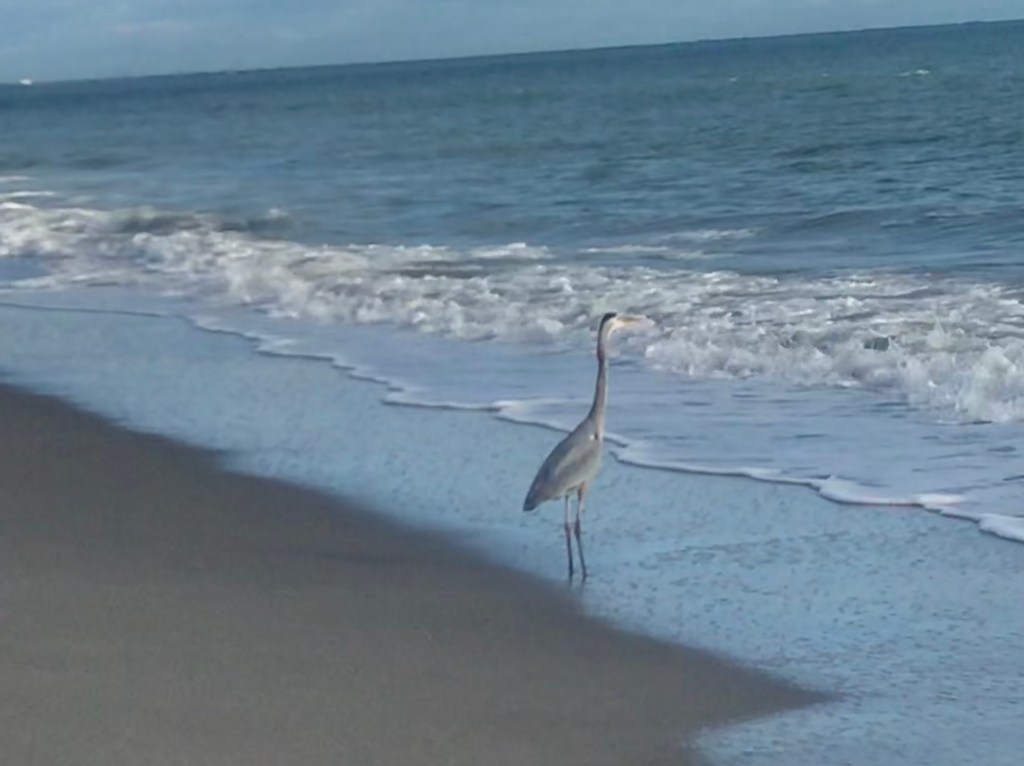
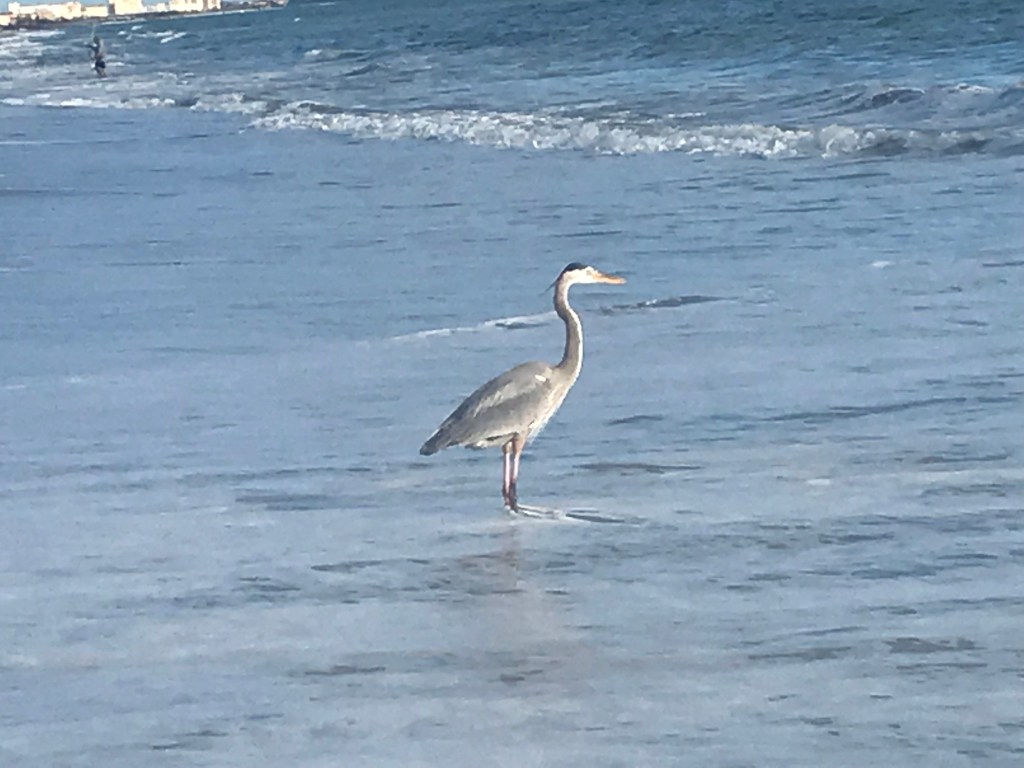
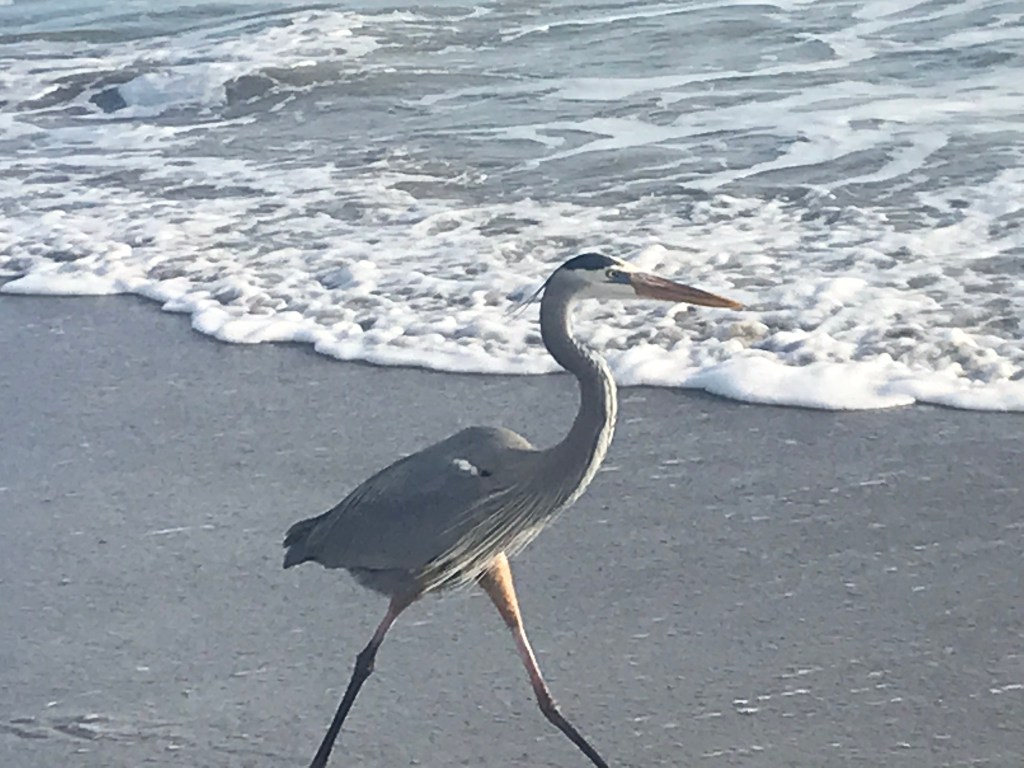
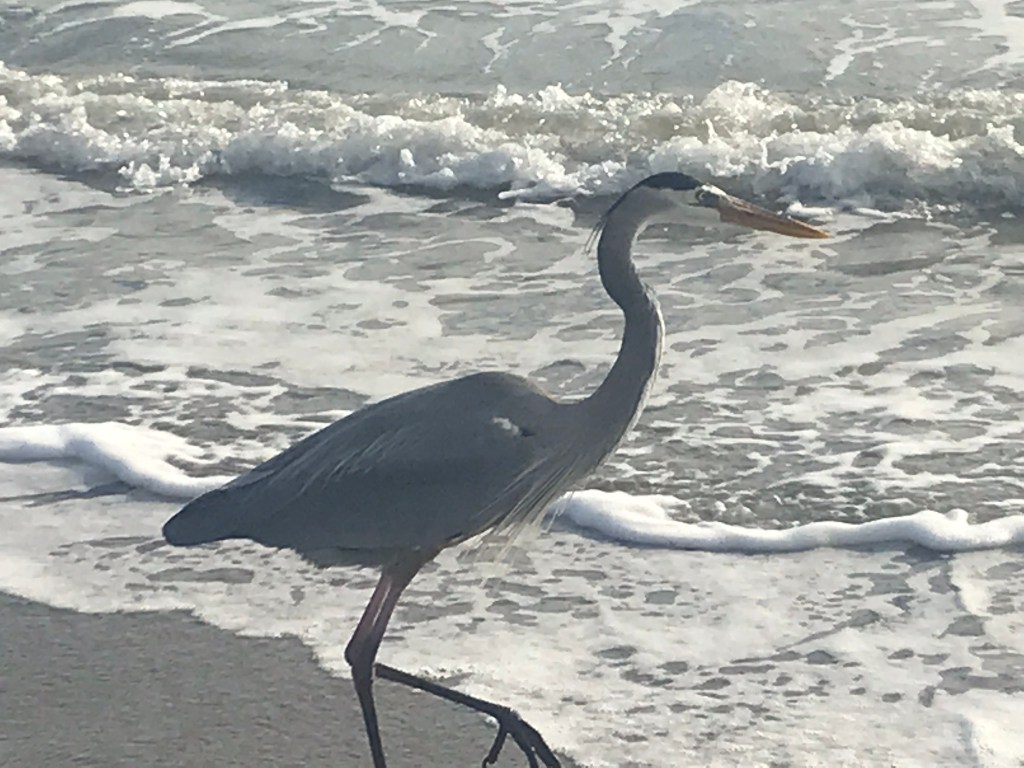
Time was on our side on these leisurely strolls on Cocoa Beach. depending on the weather, tides and the direction chosen, we encountered Herons.

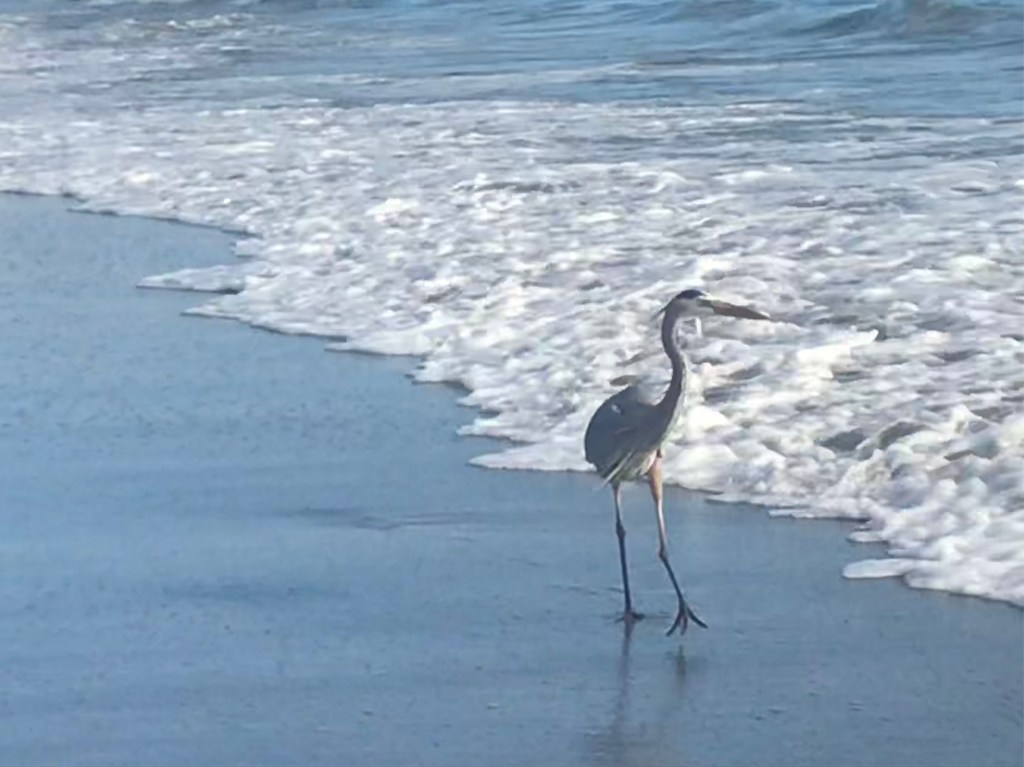
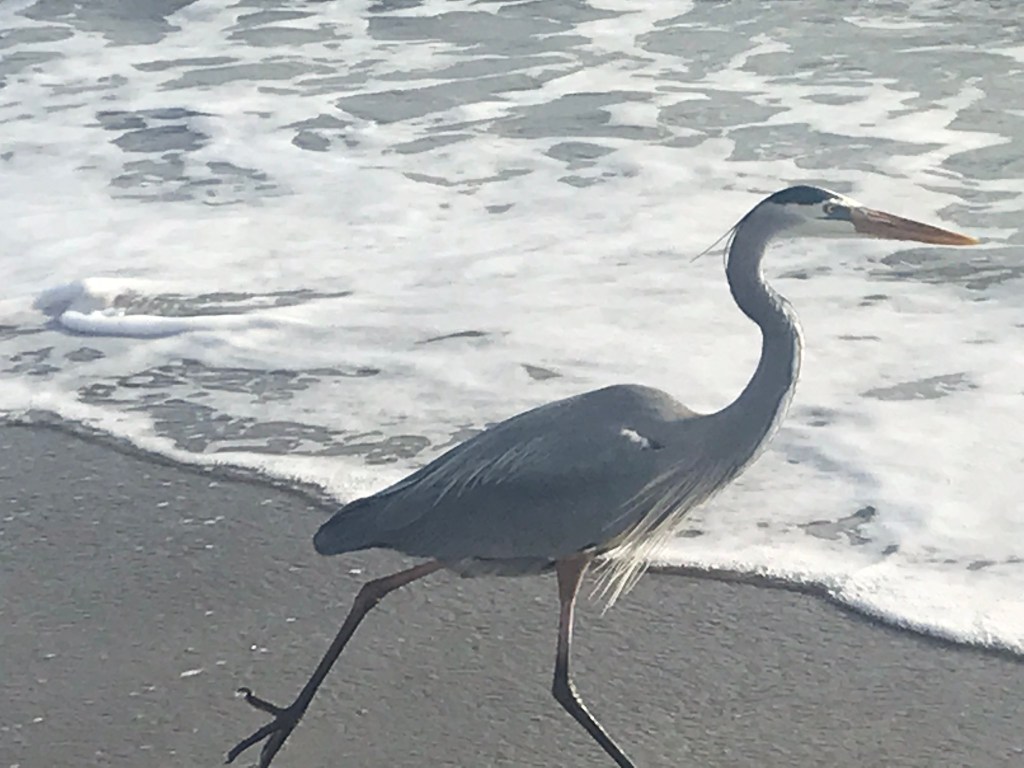
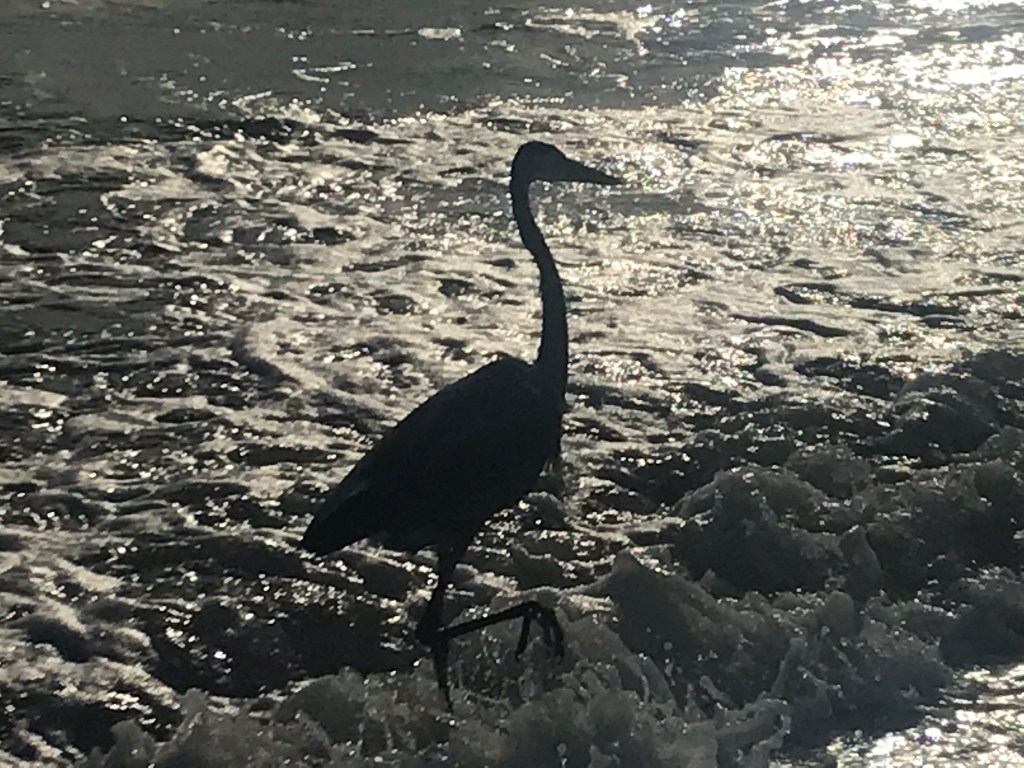
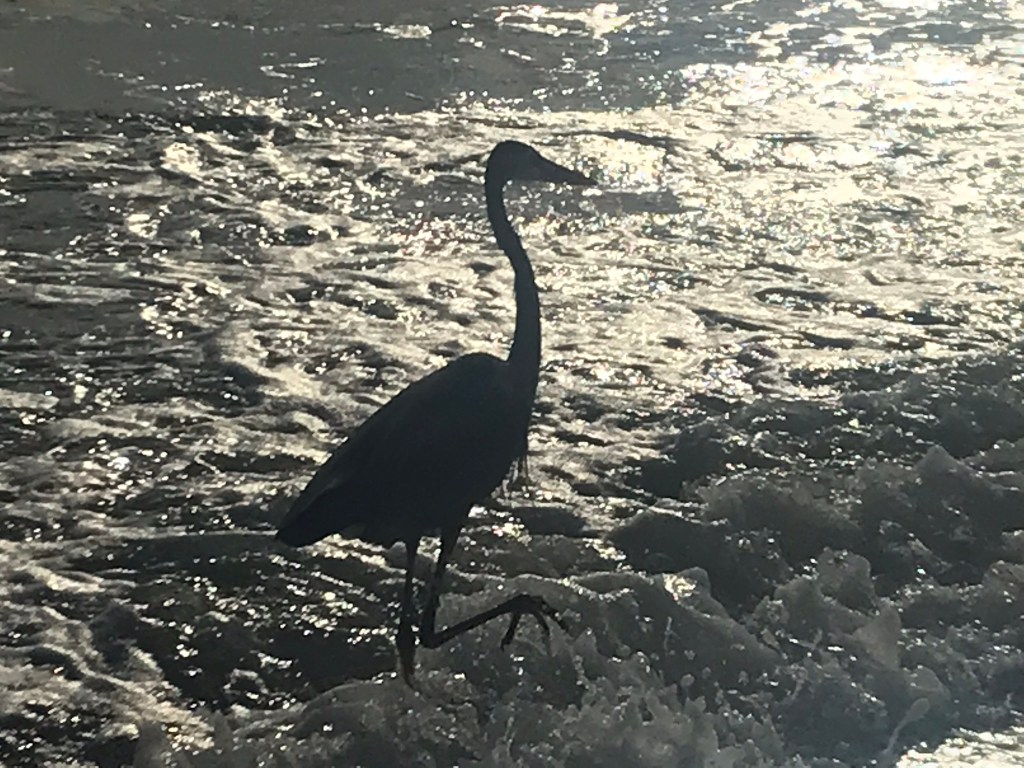
Here is a series of meetings with two individuals, both young. For the stills the larger approached from the north, working the surf. I experimented with standing very still with minimal hand/arm motions. Intent on the food search, this heron approached steadily without apprehension…..

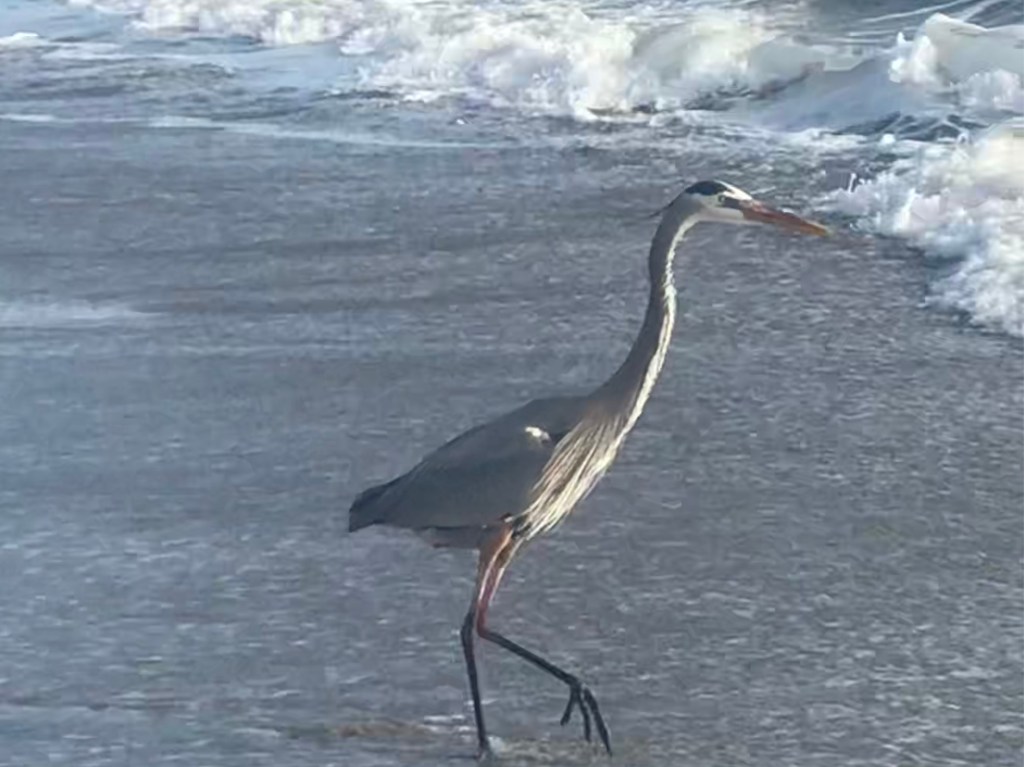
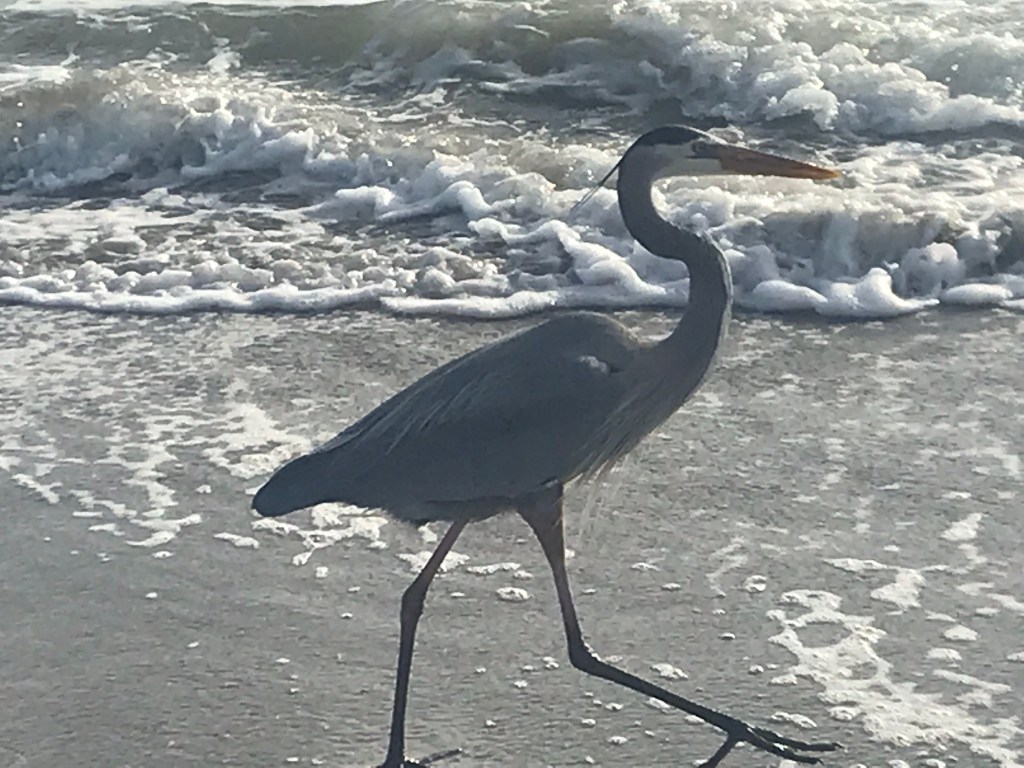
Until a distance of eight feet, then it stopped hunting proceeding at a slightly faster, though stately pace, to approach no more than four feet away. I chose a position in the surf, the Heron needed to either fly over or approach between myself and the final break of the waves. There is a sand bar near shore where the wave break, then continue to break again.

In approaching from the south, here in the norther hemisphere, the sun was to my back until the heron passed when the photographs changed from somewhat backlit, never in the full sun because this is the east coast of Florida, morning. On passing the photographs have a pronounced back lit aspect.

Here is brief video of a fully lit not fully grown individual at the prime time for photography, the evening golden hour with sun in the west.

I positioned closer this time, it is wary throughout the clip. It is possible to feel the strength of the surf, the slow unhurried pace of each stride.

Click for “Surfing Grey Herons,” the first series posting.

Copyright 2019 All Rights Reserved Michael Stephen Wills

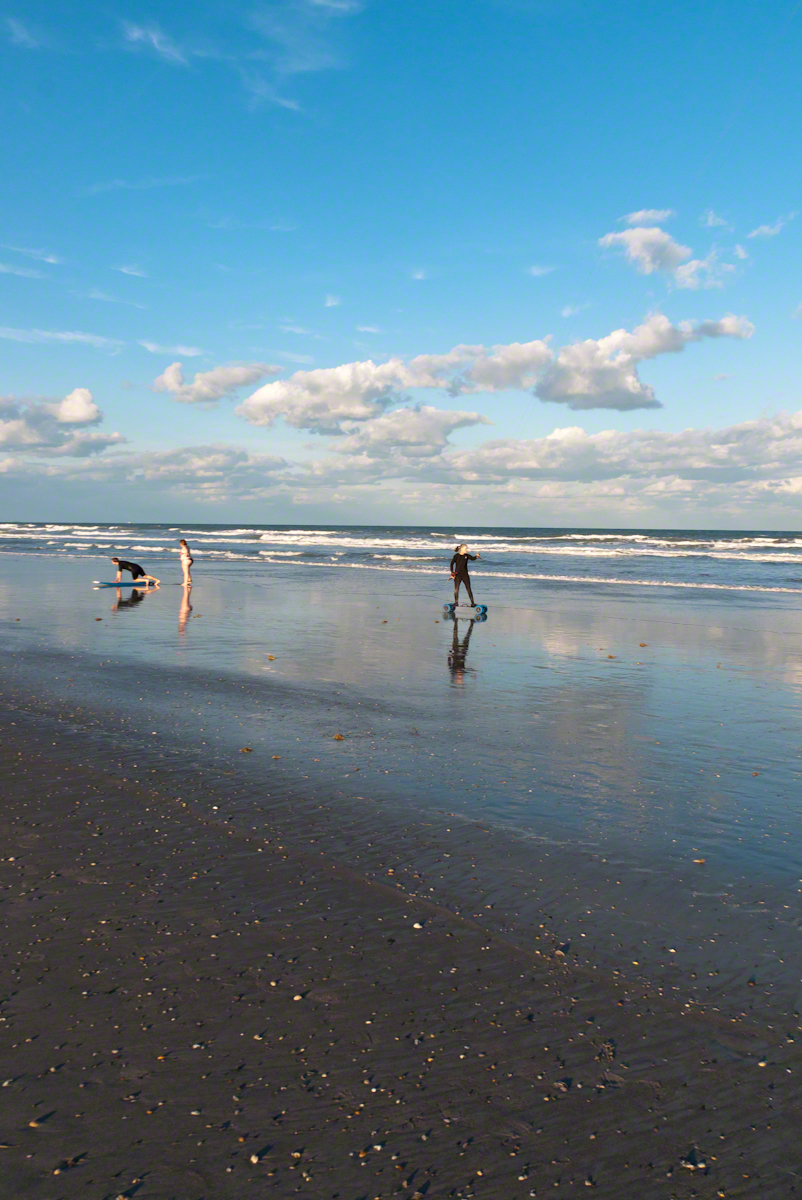
Cocoa Beach Kite Skating

Kiteskaters and Cruise Ships

In the early morning hours of Sunday, September 10, 2017 as Hurricane Irma approached the Florida Keys, I cannot sleep, worried about family members north of Miami and in Daytona Beach. To pass the time, I returned to the golden hours of March 4, 2017 evening.  On vacation, Pam and I walked Cocoa Beach starting from Lori Wilson Park, headed north.

The light was perfect when I decided to switch to Raw-Jpeg mode, feeling the extra space was worth it.  I don’t know why I don’t shoot Raw 100% of the time, as always, in retrospect, I regret using jpeg only. The camera was the Sony Alpha 700 dslr with a DT 18-200mm f3.5-6.3 lens purchased 2008 after an expedition to the Superstition Wilderness.

After capturing a wedding photo shoot and surfers there was this set of two Kite Skaters going at least 20 miles an hour. The Sony Alpha was quick enough to capture some of the action in raw mode, I am not satisfied with the sharpness of the images as the lens was not fast enough.

Click this link or a photo for my Online gallery
My Online Gallery– CLICK ME!!!!
Overview, Approaching Kite skater

We had never watched kite skaters before and were prepared to understand the vision from watching distant kite surfers out beyond the breakers. North winds are the best for any type of kiting on Cocoa Beach and, that day, the wind was northeast. These riders zipped by in less than a minute. The sport is low key, it does not exist on Wikipedia. Image that. These two are having a fantastic time and stayed upright, going on and on and on down the miles long beach.

My Online Gallery– CLICK ME!!!!
Sailskater Dreamview with Cruise Ship

1990 KiteSkate pioneers on the USA east coast experimented with four-line controllable parafoil kites powering in-line skates for exciting rides on asphalt surfaces.

My Online Gallery– CLICK ME!!!!
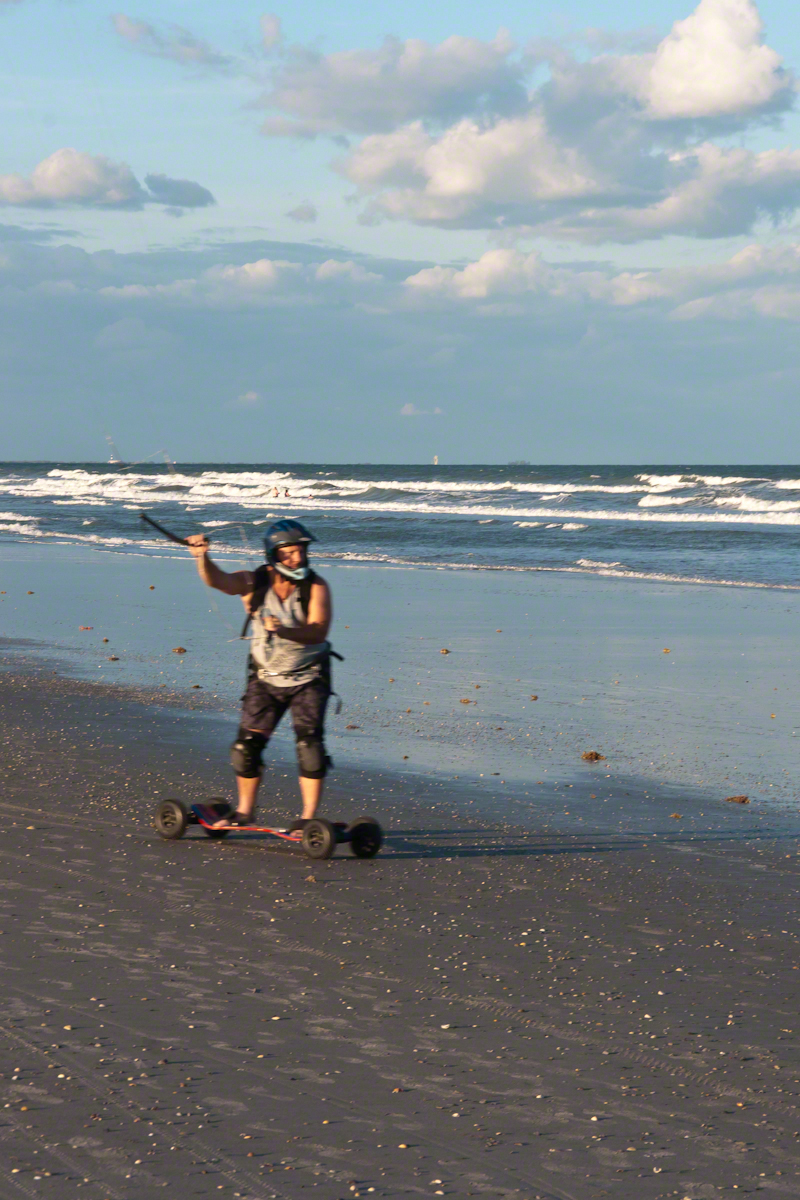
Her partner approaches

The name “Wheels of Doom” suggest the danger of going this fast over a hard, rough surface.

My Online Gallery– CLICK ME!!!!
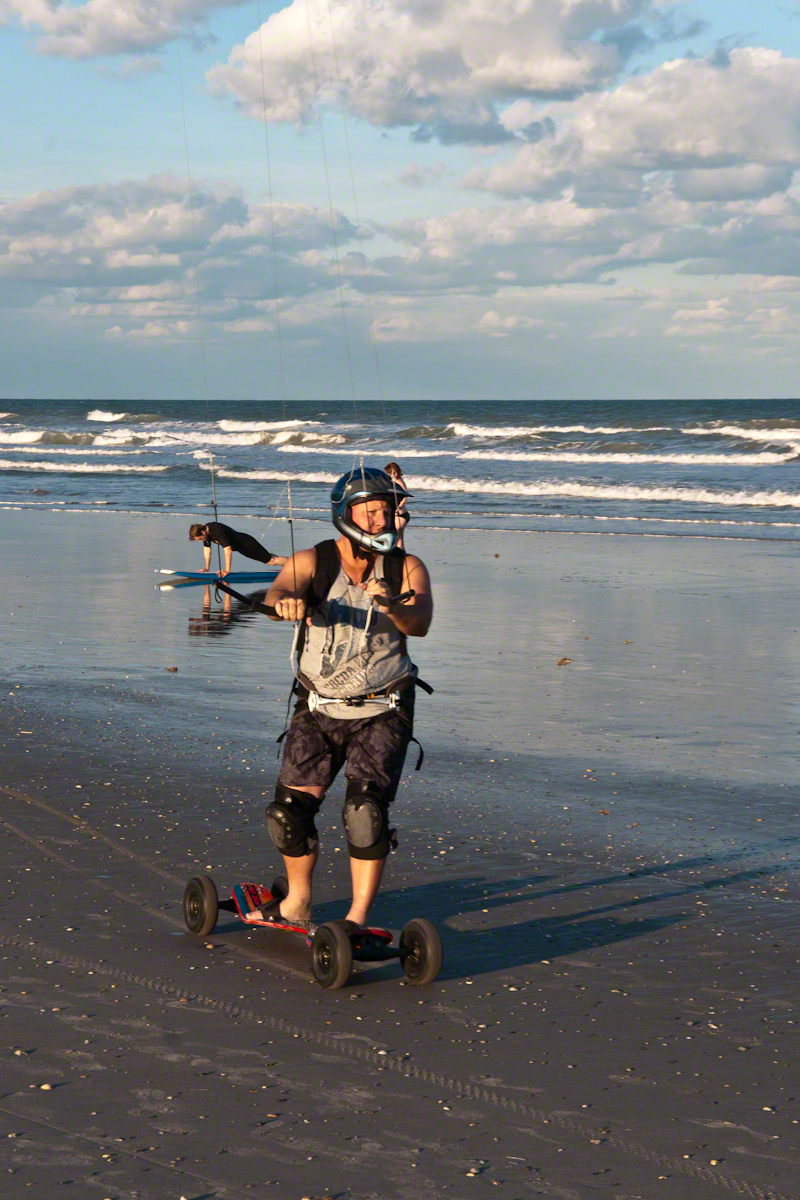
He makes it look easy

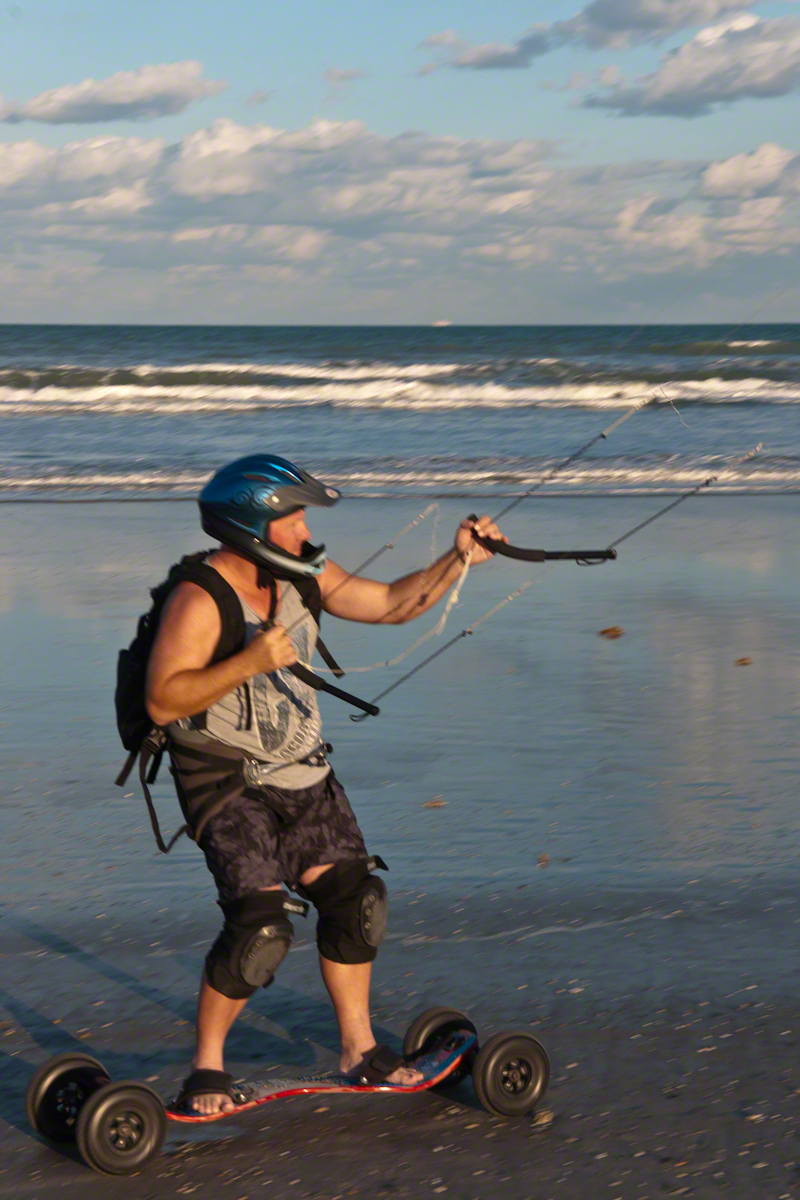
These Cocoa Beach riders are outfitted for speed and safety: pads, helmets.

My Online Gallery– CLICK ME!!!!
He maneuvers kite overhead to slow down.

Barefeet?? Unprotected skin? They must know how to dress, though maybe not.  He has never fallen?

My Online Gallery– CLICK ME!!!!
Full speed ahead with the kite positioned forward.

The beach within the tide line is solid, the pebbles, broken shells and such unforgiving as asphalt.

Click this link for another Cocoa Beach post
Click this link for a Kite Surfing post

Copyright 2022 Michael Stephen Wills All Rights Reserved
Queen Victoria Arrival

Little did they know what lay in store….

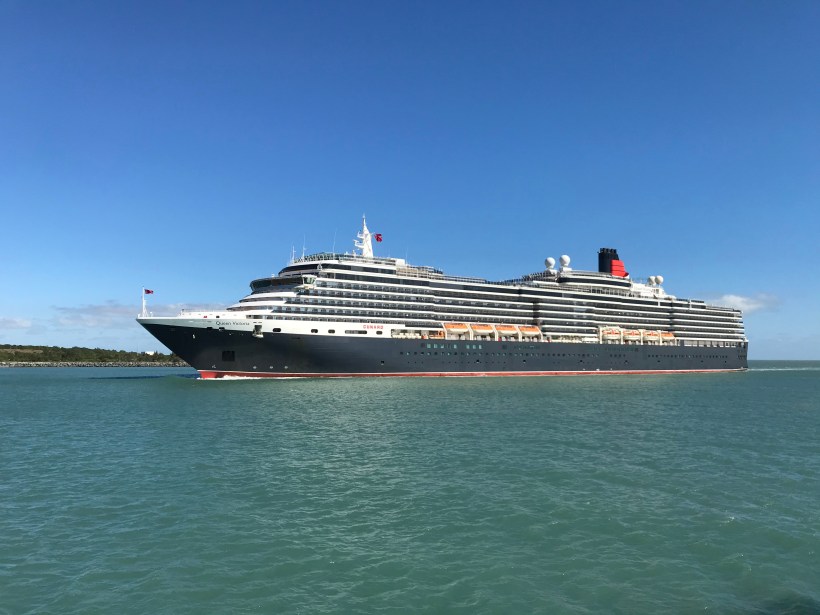
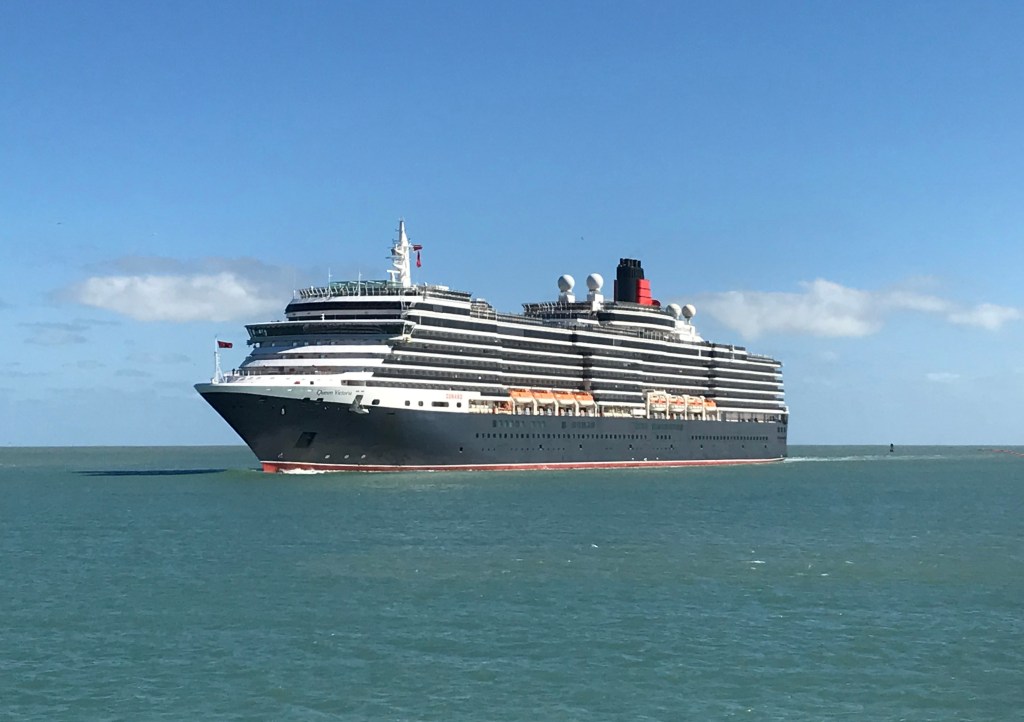
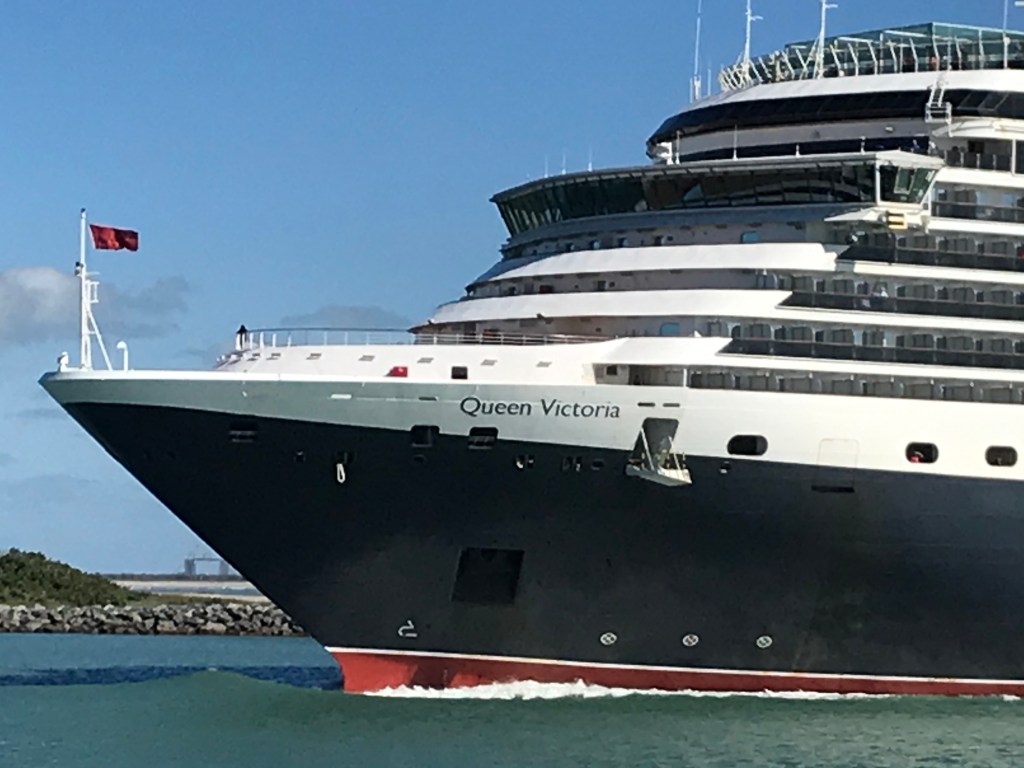
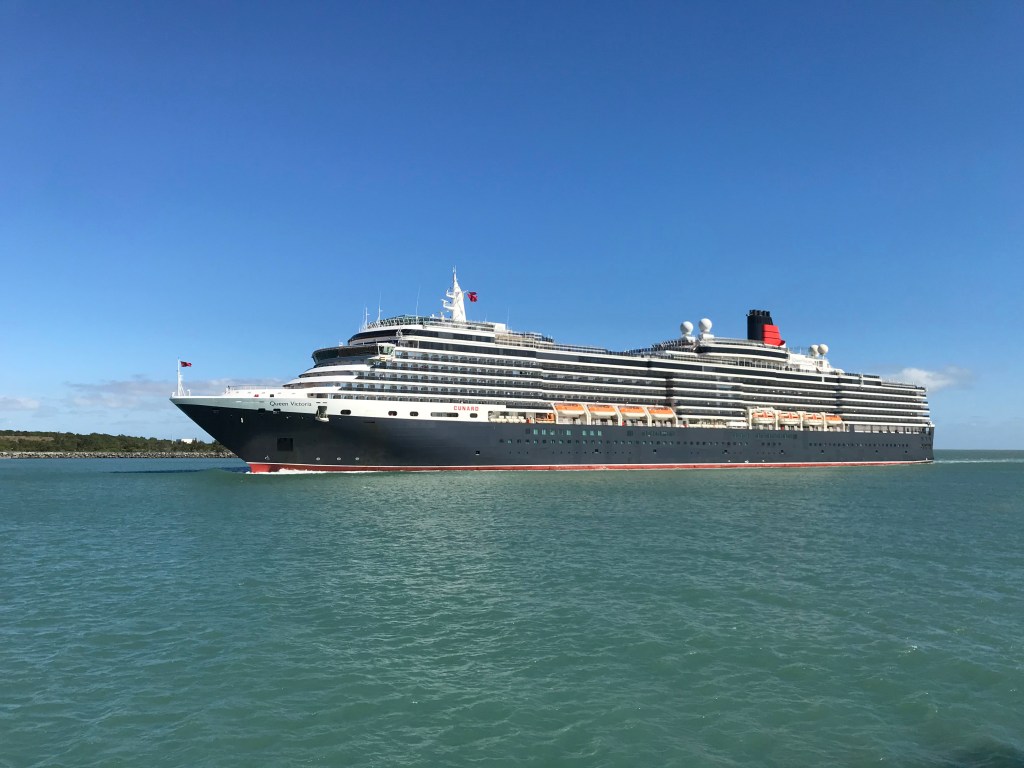
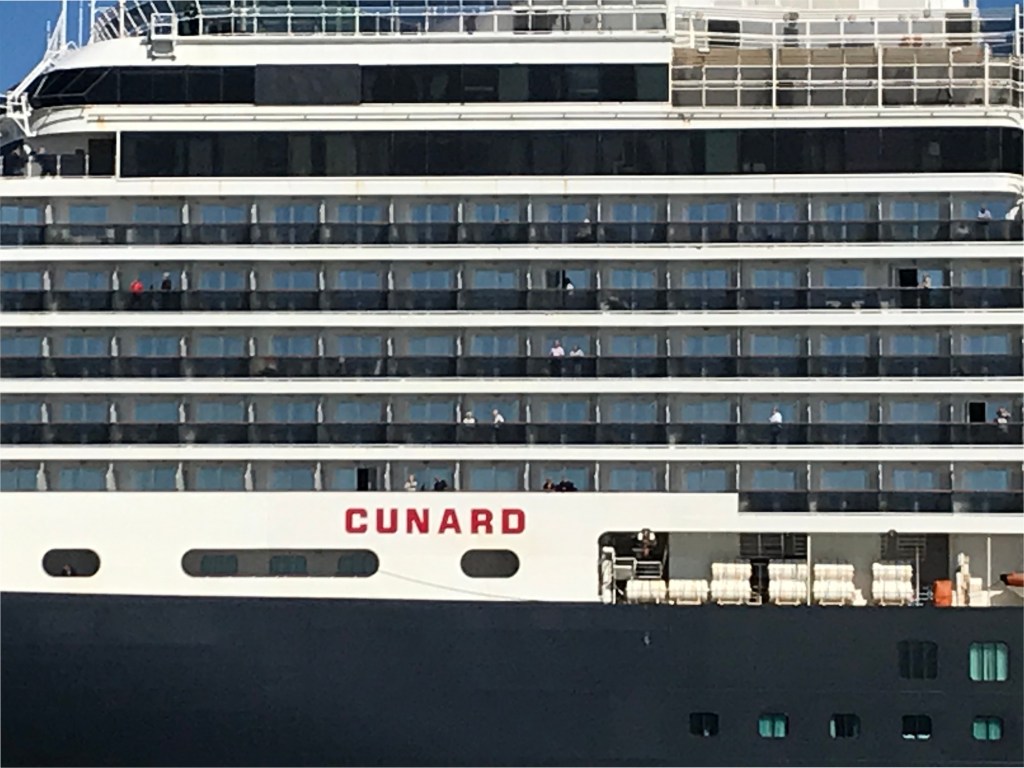
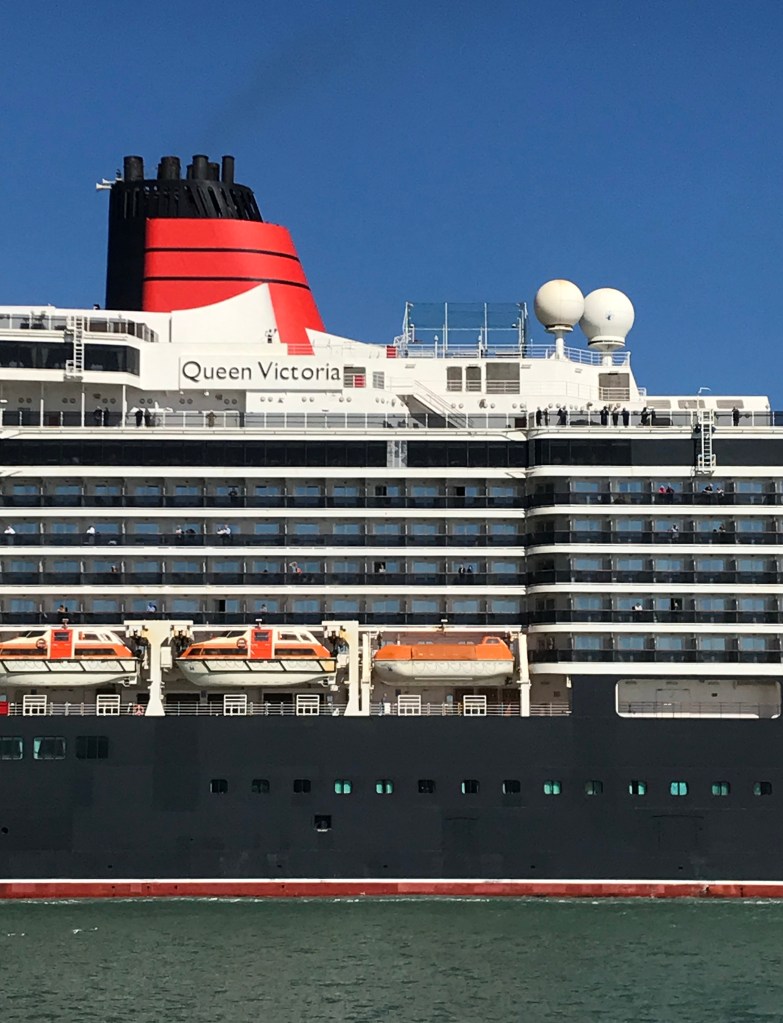
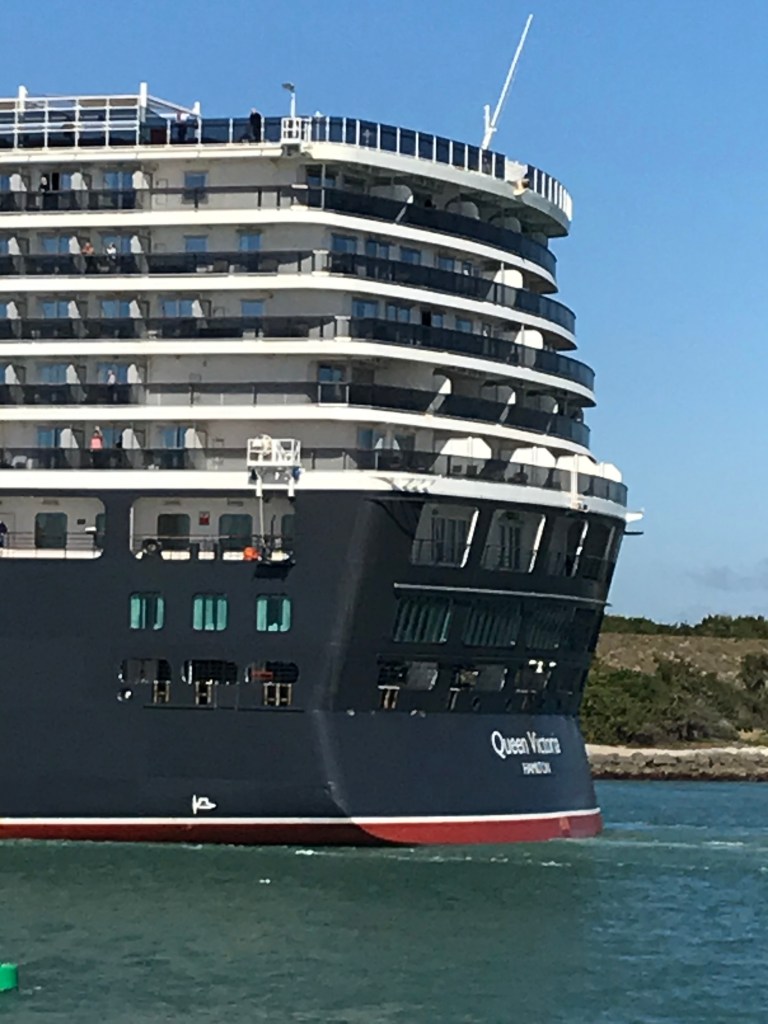
Pam and I walked from Cheri Down park this morning of February 2020 to Jetty Park where we were fortuitous witnesses to the arrival of the Cunard ship Queen Victoria on an 84-day cruise around South America.

Click video to start. To do this from WordPress Reader, for best results first click the title of this post to open a new page. Ditto for the photograph

I used my IPhone 7 to capture the event. Understanding the context of a ship’s arrival opens a whole new world. Standing on the pier I researched the voyage.

Here is the list of ports on the itinerary. These include the Caribbean, Central America and many of the same ports visited on the 2016 Oceania cruise Pam and I enjoyed from Lima, Peru to Buenos Aires, Argentina.

Hamburg, Germany
Southampton, England
Kings Wharf, Bermuda
Port Canaveral, Florida
 Fort Lauderdale, Florida
San Juan, Puerto Rico
Bridgetown, Barbados
Manaus, Brazil
Santarem, Brazil
Salvador de Bahia, Brazil
Rio de Janeiro, Brazil
Montevideo, Uruguay
Buenos Aires, rgentina
Puerto Madryn, Argentina
Ushuaia, Argentinia
Cape Horn, Chile
Punta Arenas, Chile
Puerto Montt, Chile
San Antonio, Chile
Coquimbo, Chile
Arica, Chile
Callao (Lima), Peru
 Manta, Ecuador
 Panama City, Panama
Panama Canal, Panama
Cartagena, Columbia
Willemstad, Dutch Antiles
Fort Lauderdale, Florida
Ponta Delgada, Azores
Southampton, England
Hamburg, Germany

Little did they or we know the happy voyage was destined to terminate and return.

Copyright 2022 All Rights Reserved Michael Stephen Wills

McMath-Pierce Solar Telescope – 3

Adaptive optics

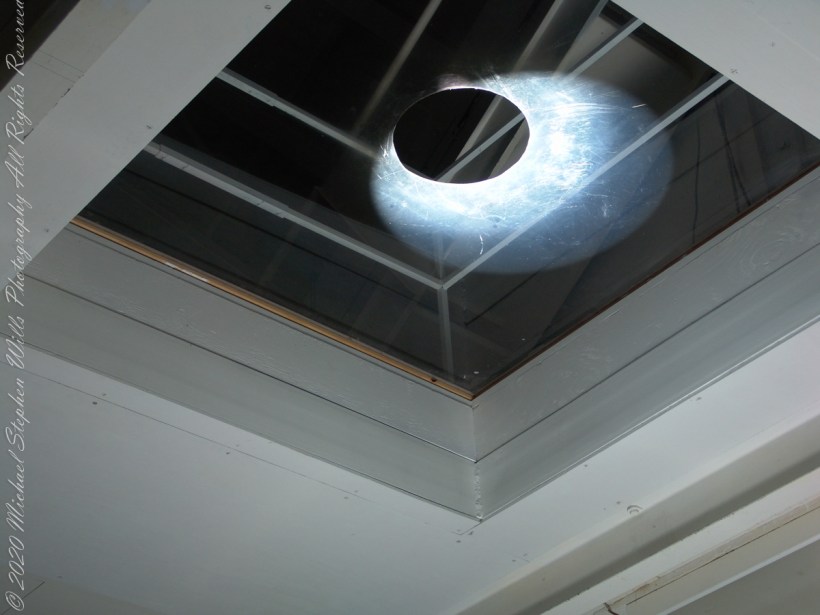
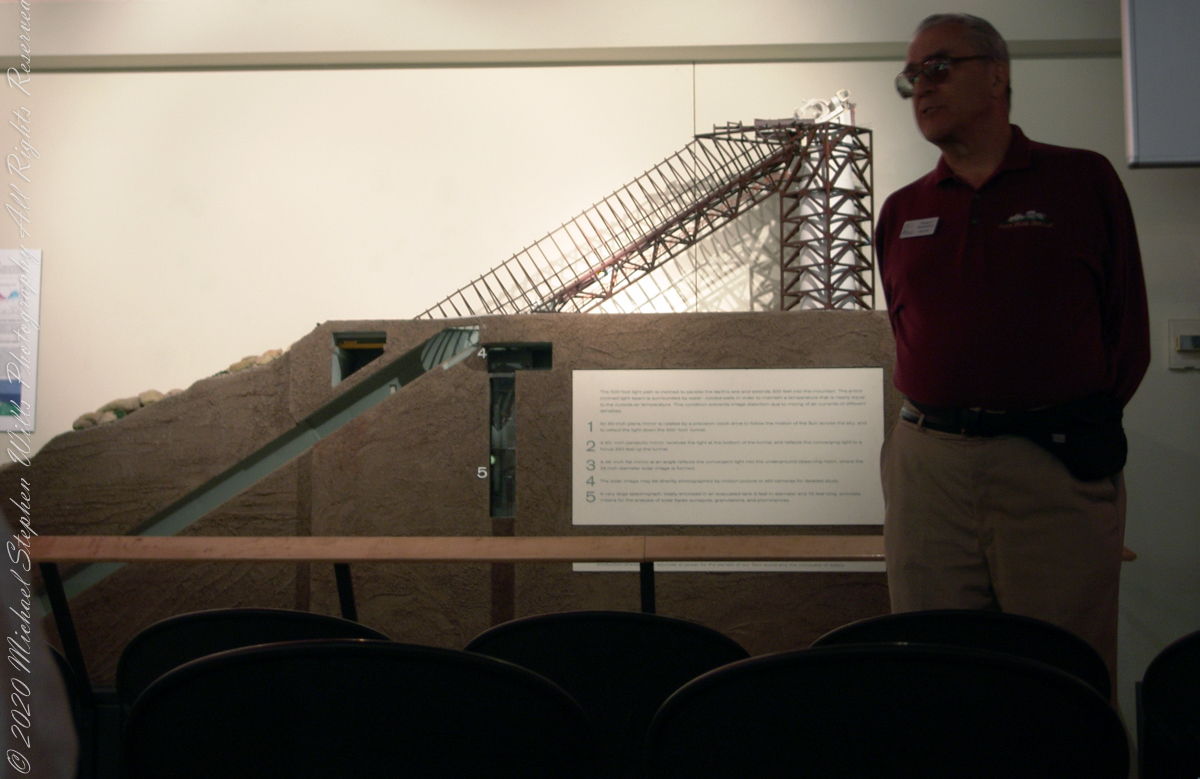
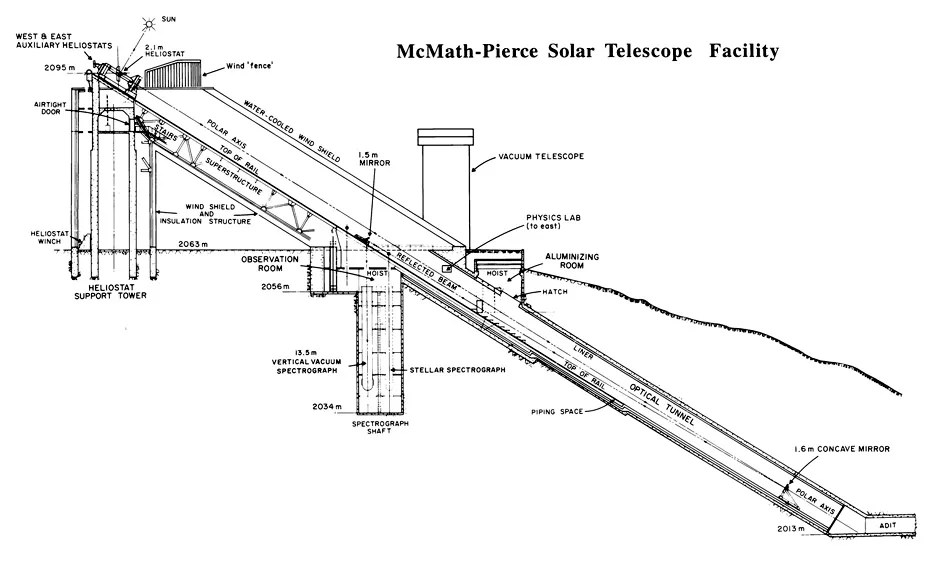
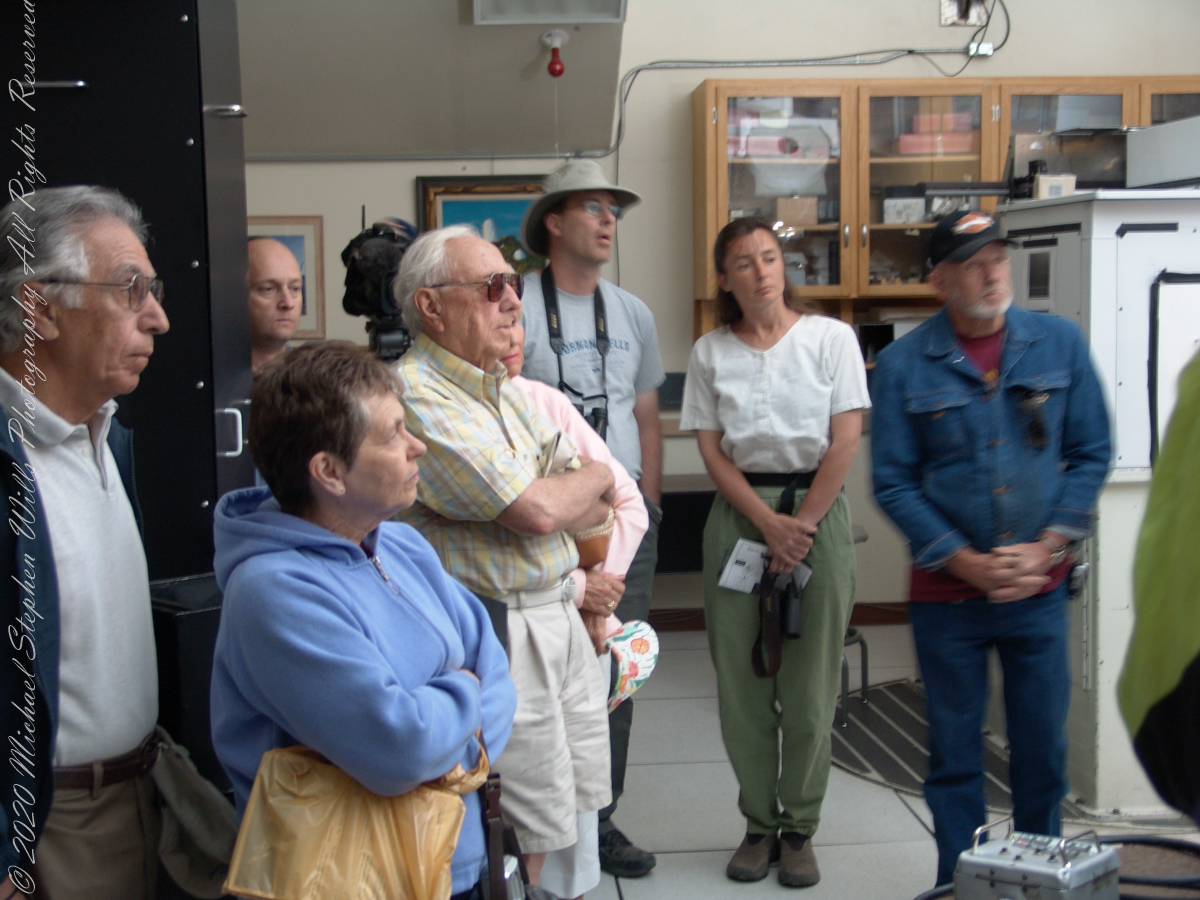
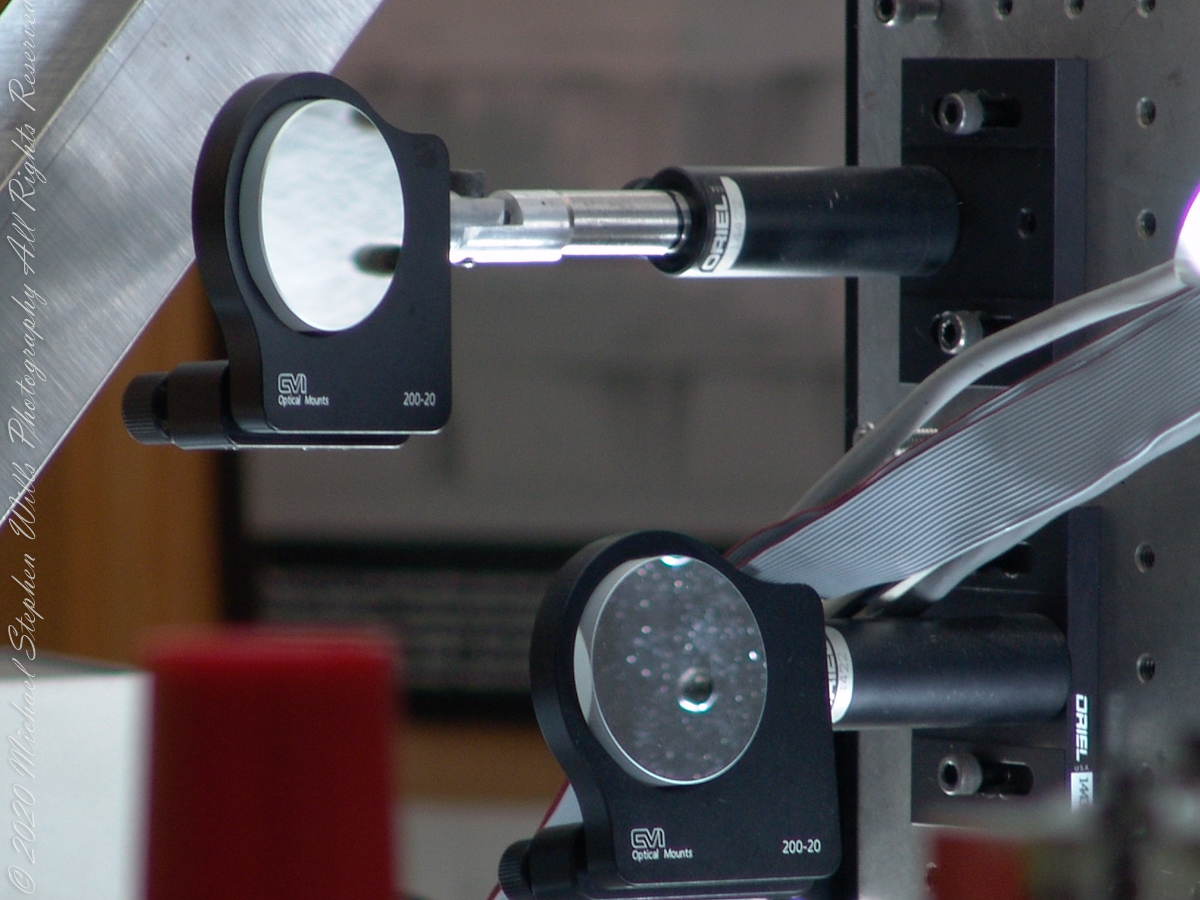
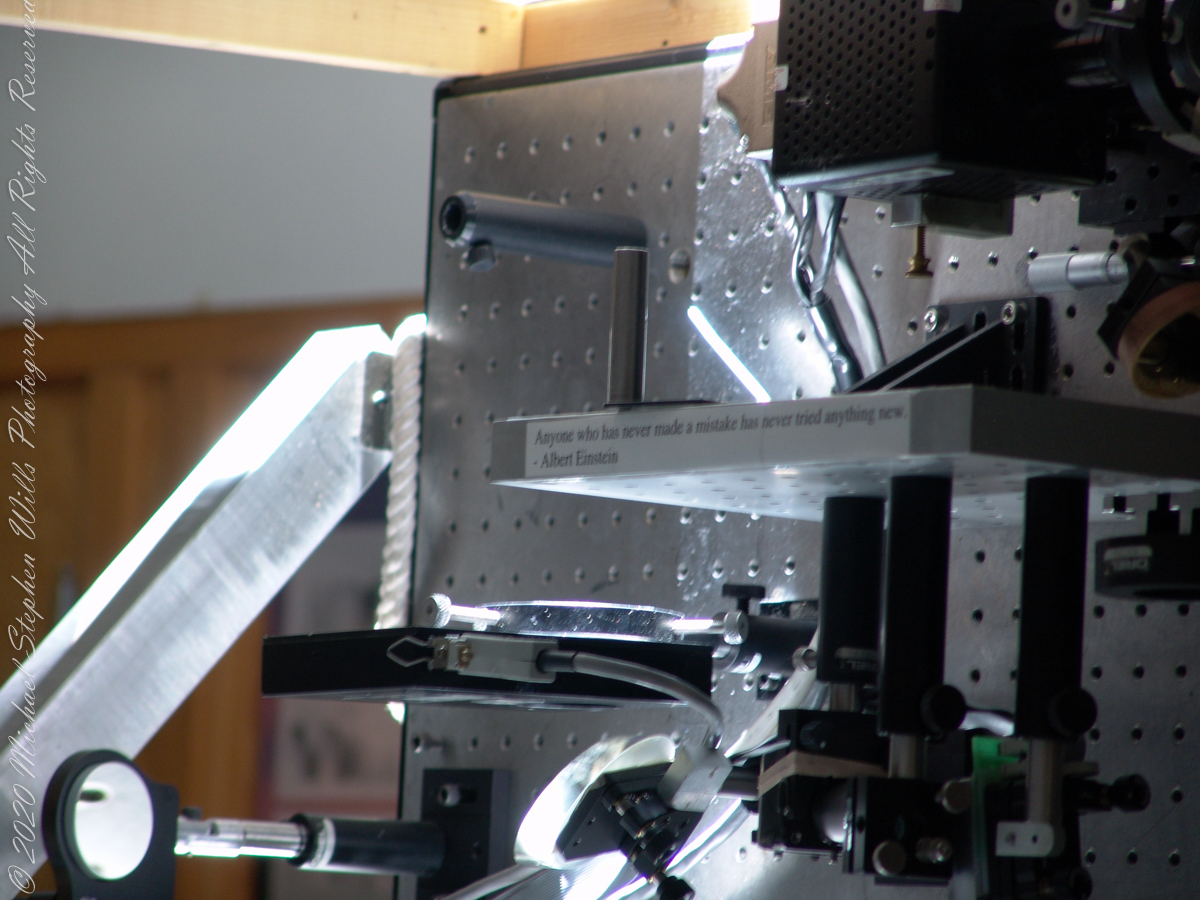
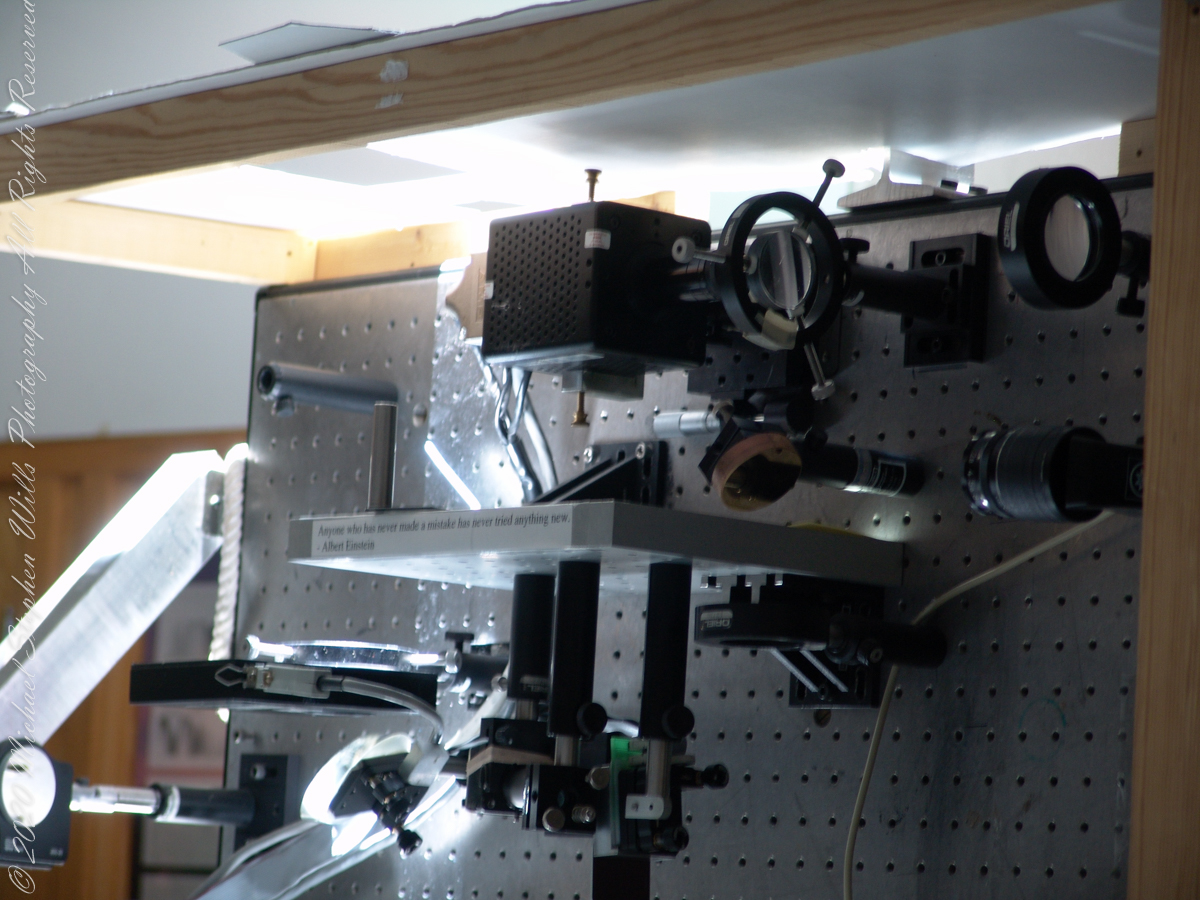
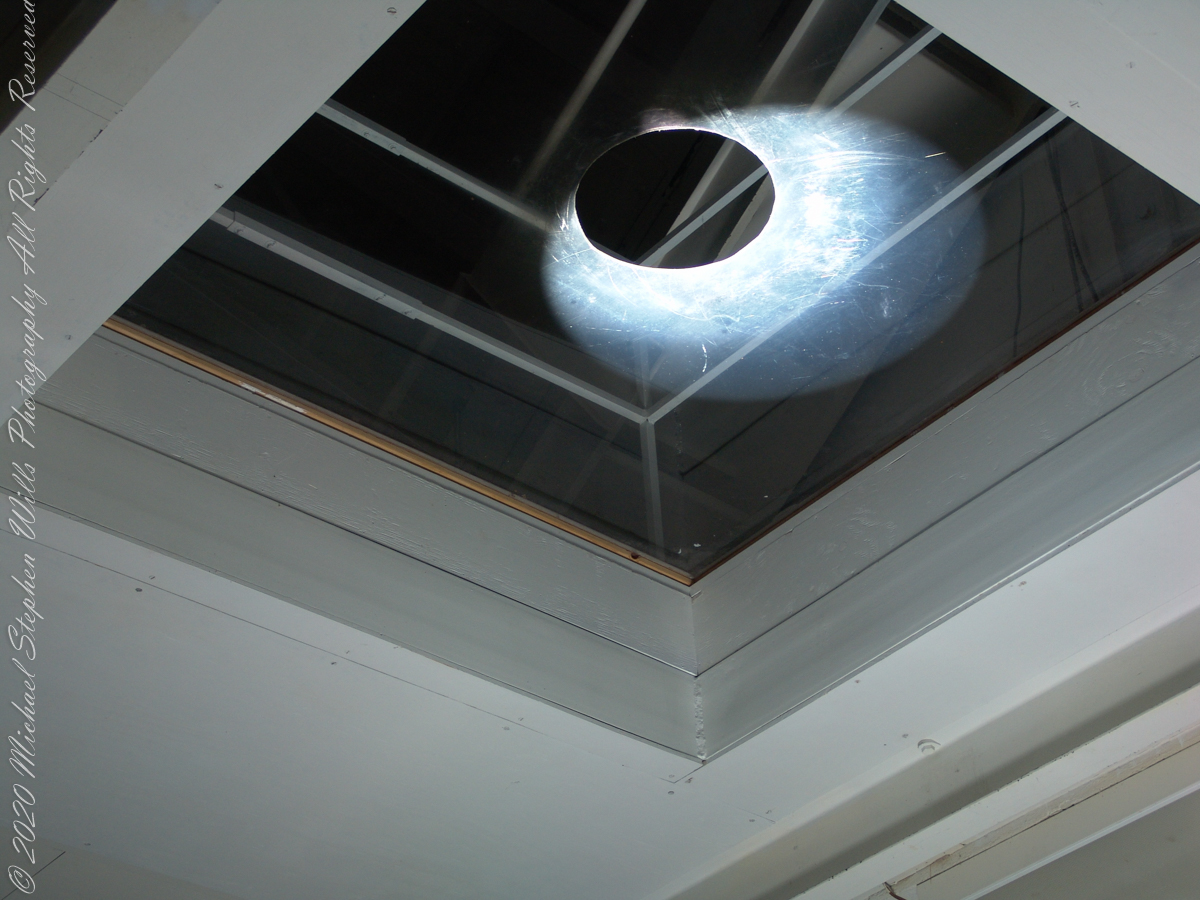
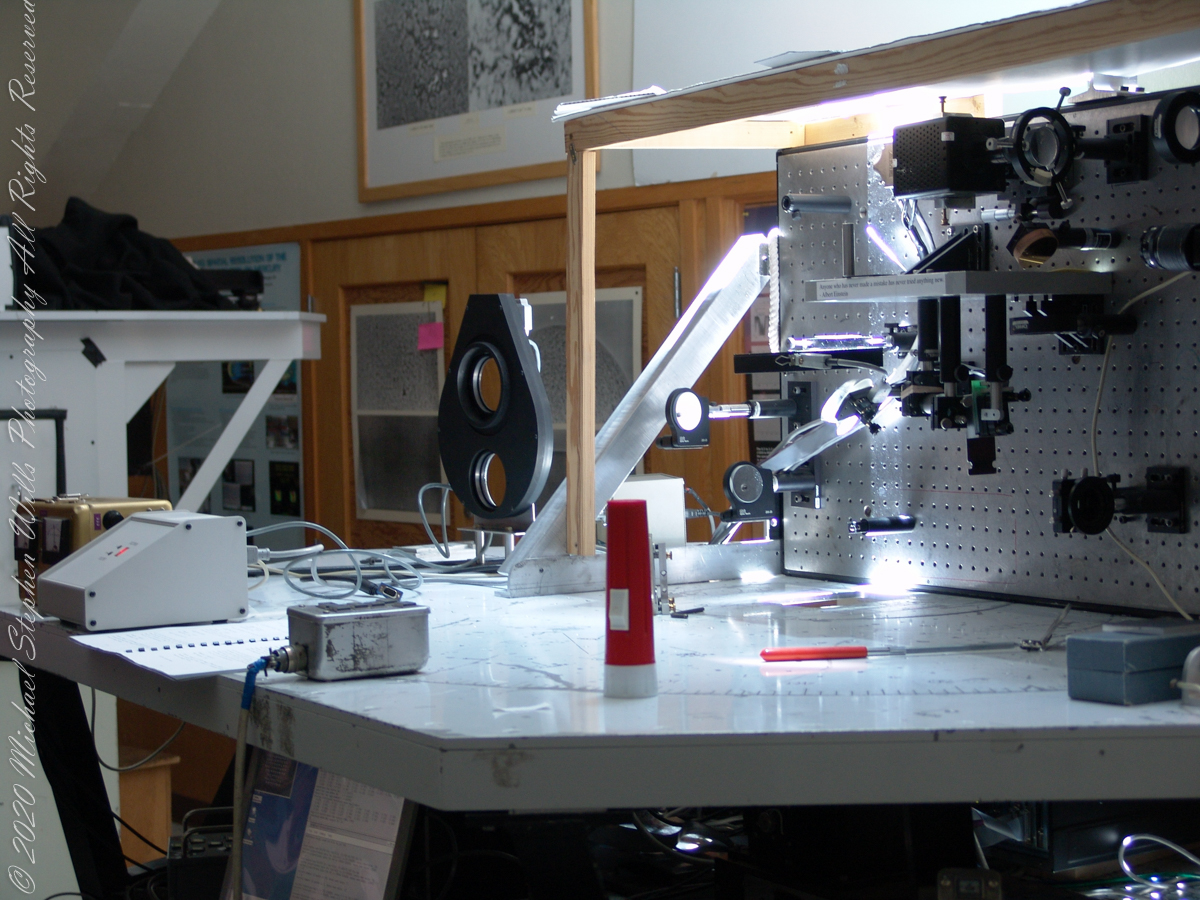
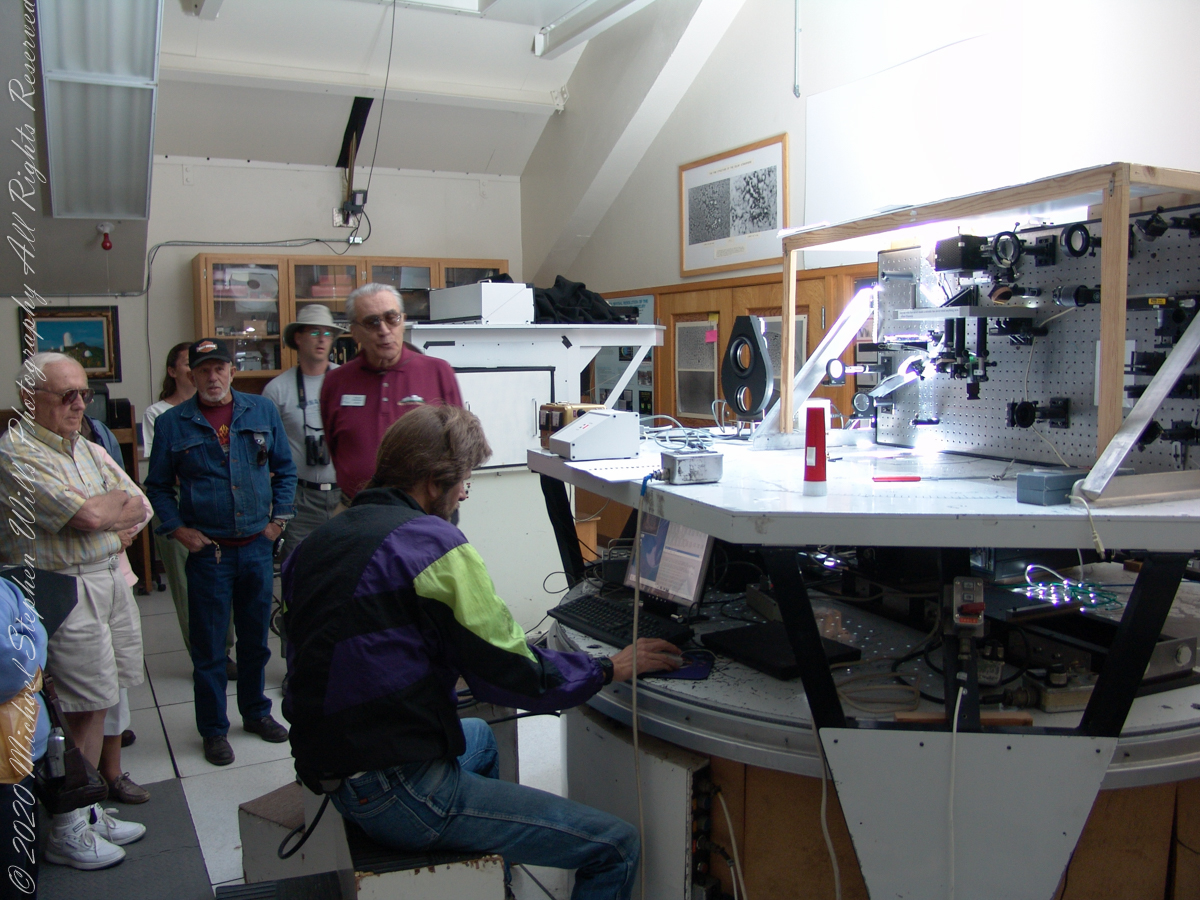
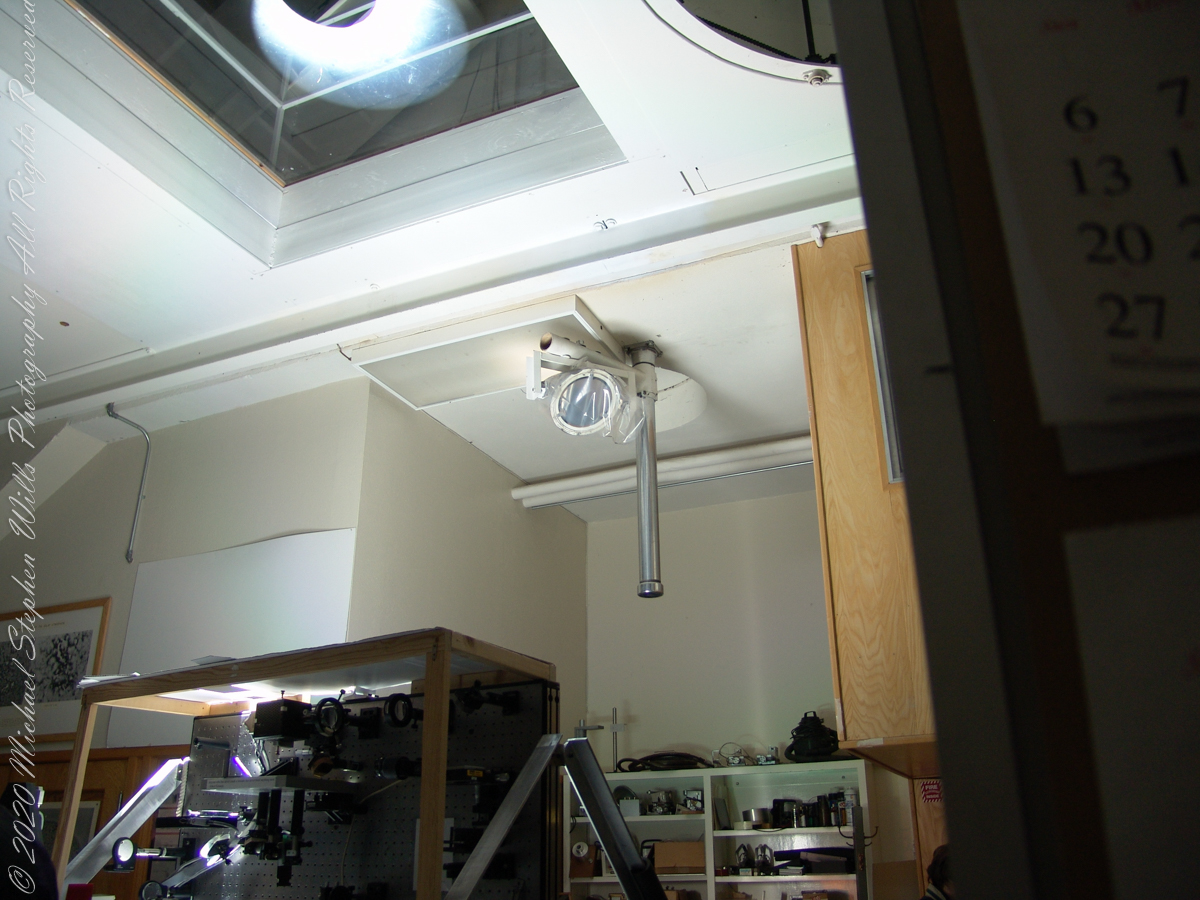
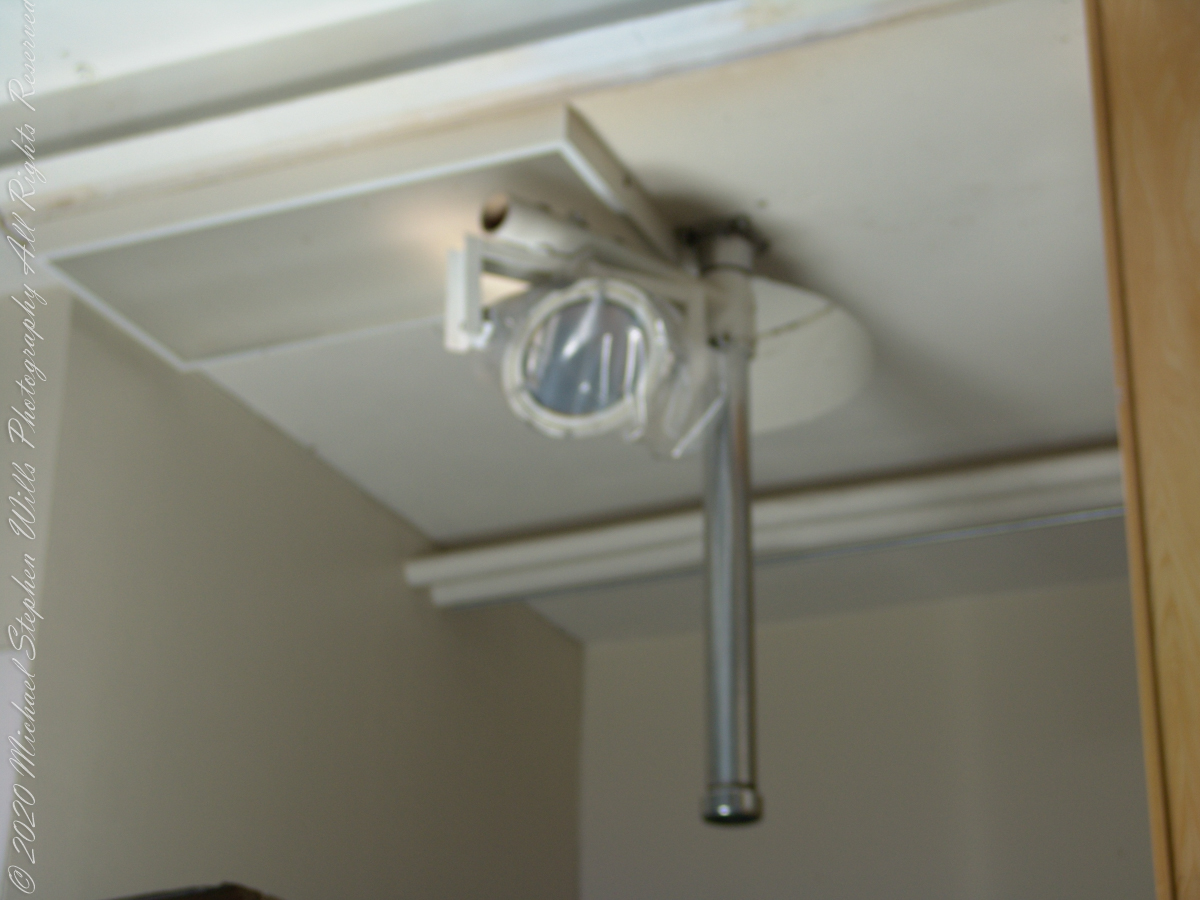
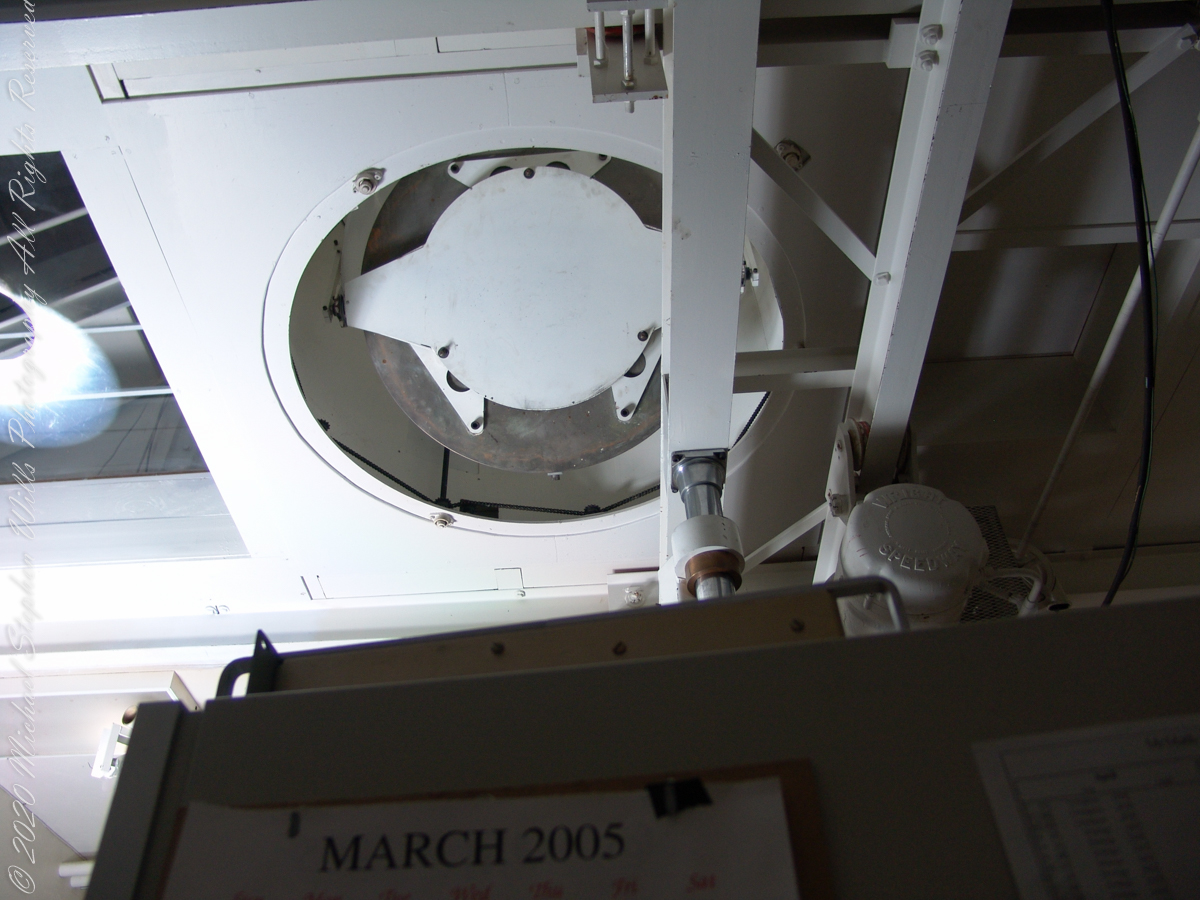
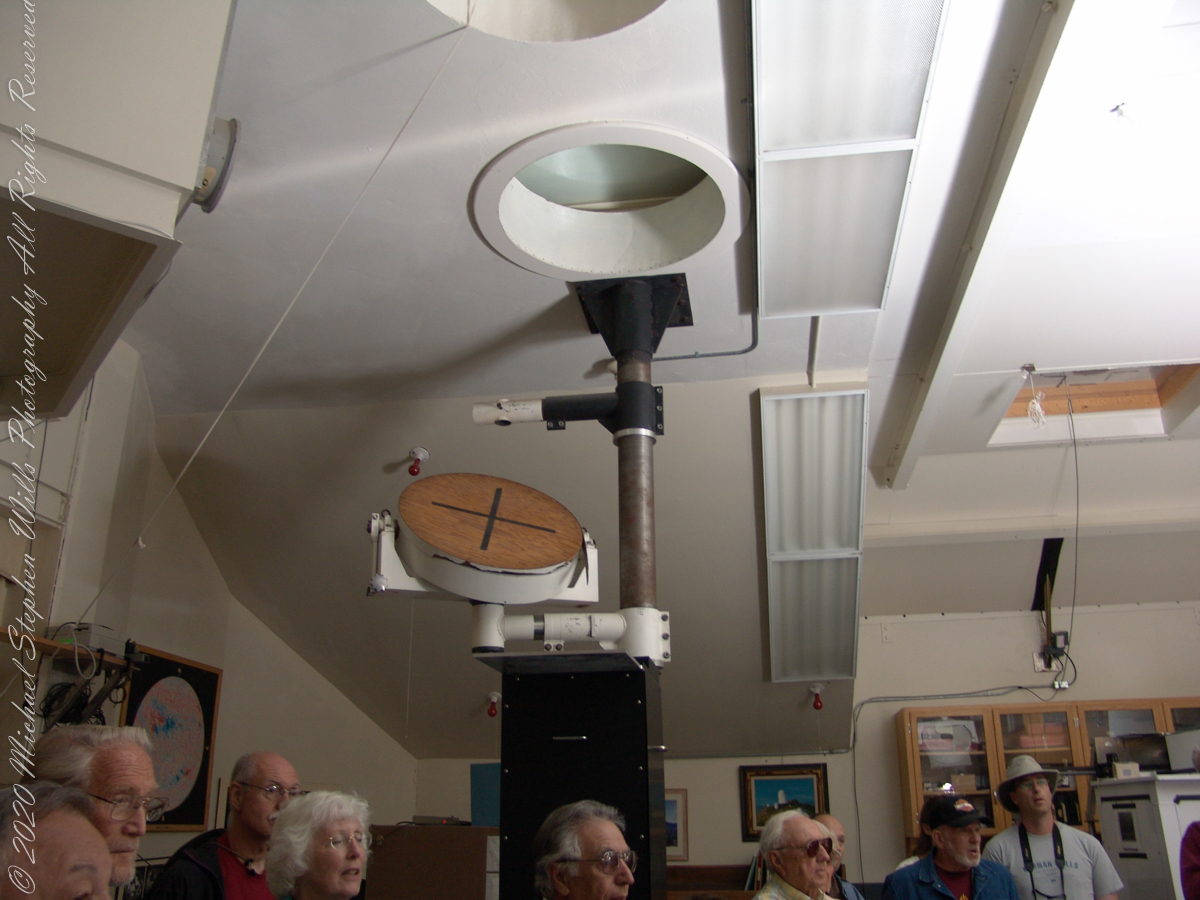
These views within the McMath–Pierce solar telescope enclosure were captured during a guided tour of the instrument, April 20, 2005. By way of orientation, the observation room we visited is near the location labeled “4” on the model of the following photograph or the “Observation Room” of the drawing.

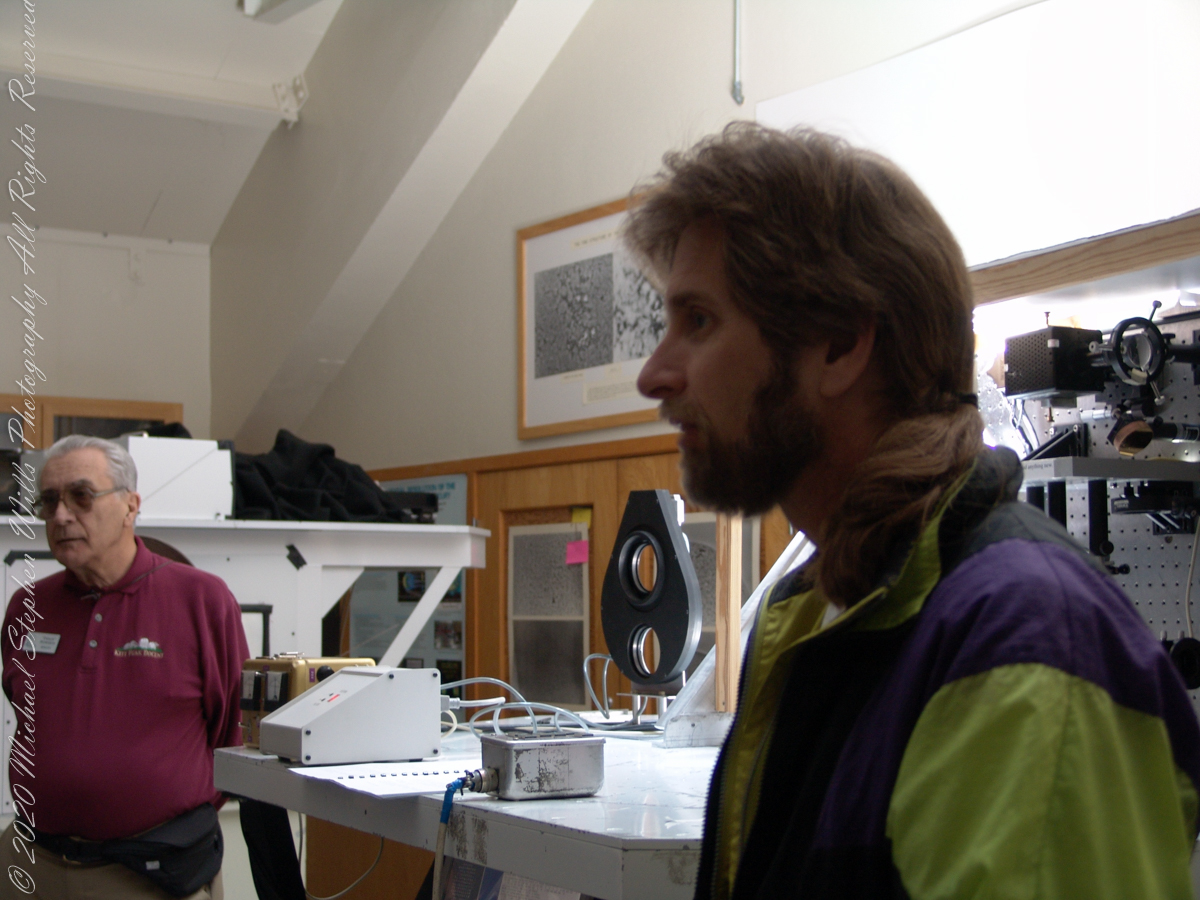
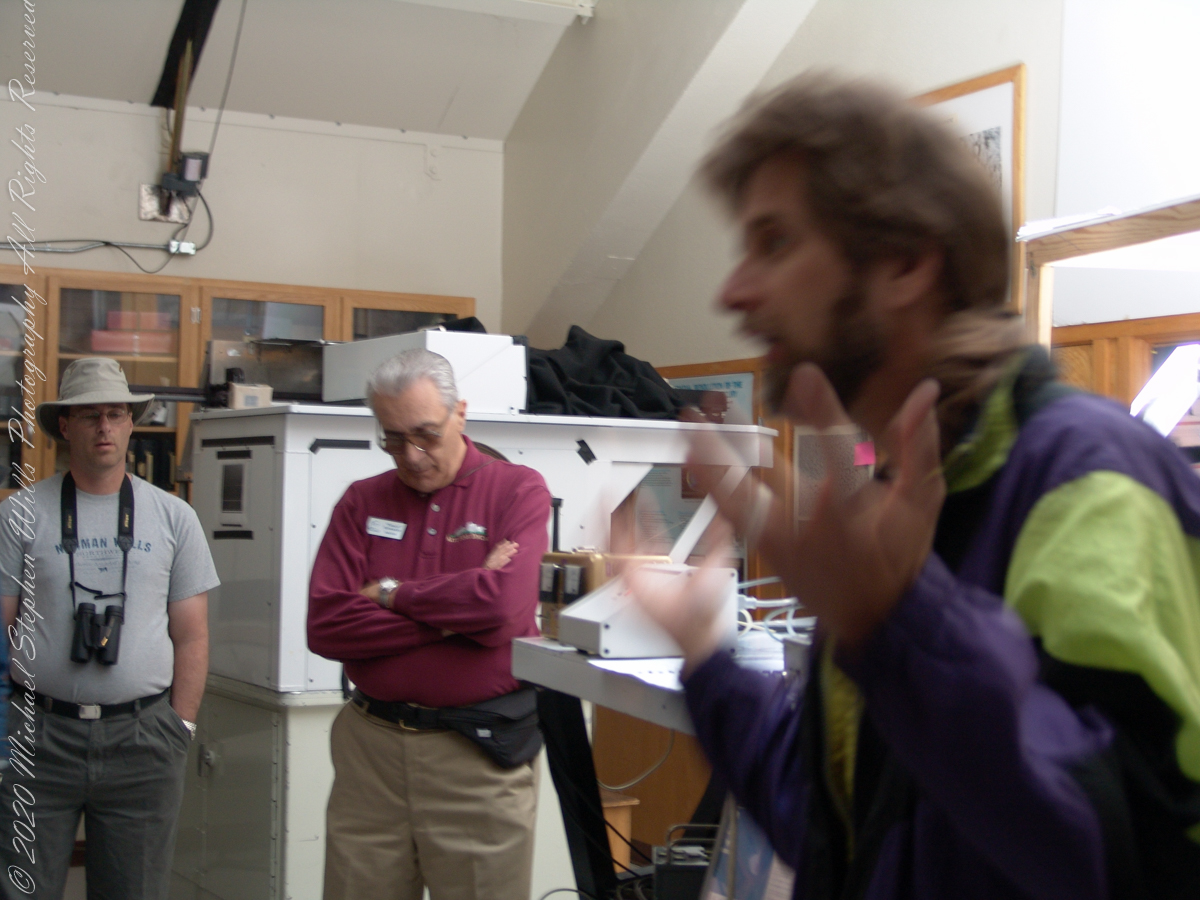
We learned each of the sets of mirrors is considered a separate telescope. The first step in designing the new solar telescope was to determine the optimal image scale. Working on the spectra of the solar granules, on the physical structure of the sunspots and their associated magnetic fields, requires a considerable image size. Past experience has shown that the optimal image of the sun should be approximately 0.91 meters. The highlight of our visit to the Main Observation room was meeting with the technician operating the recently developed low-cost adaptive optics system.

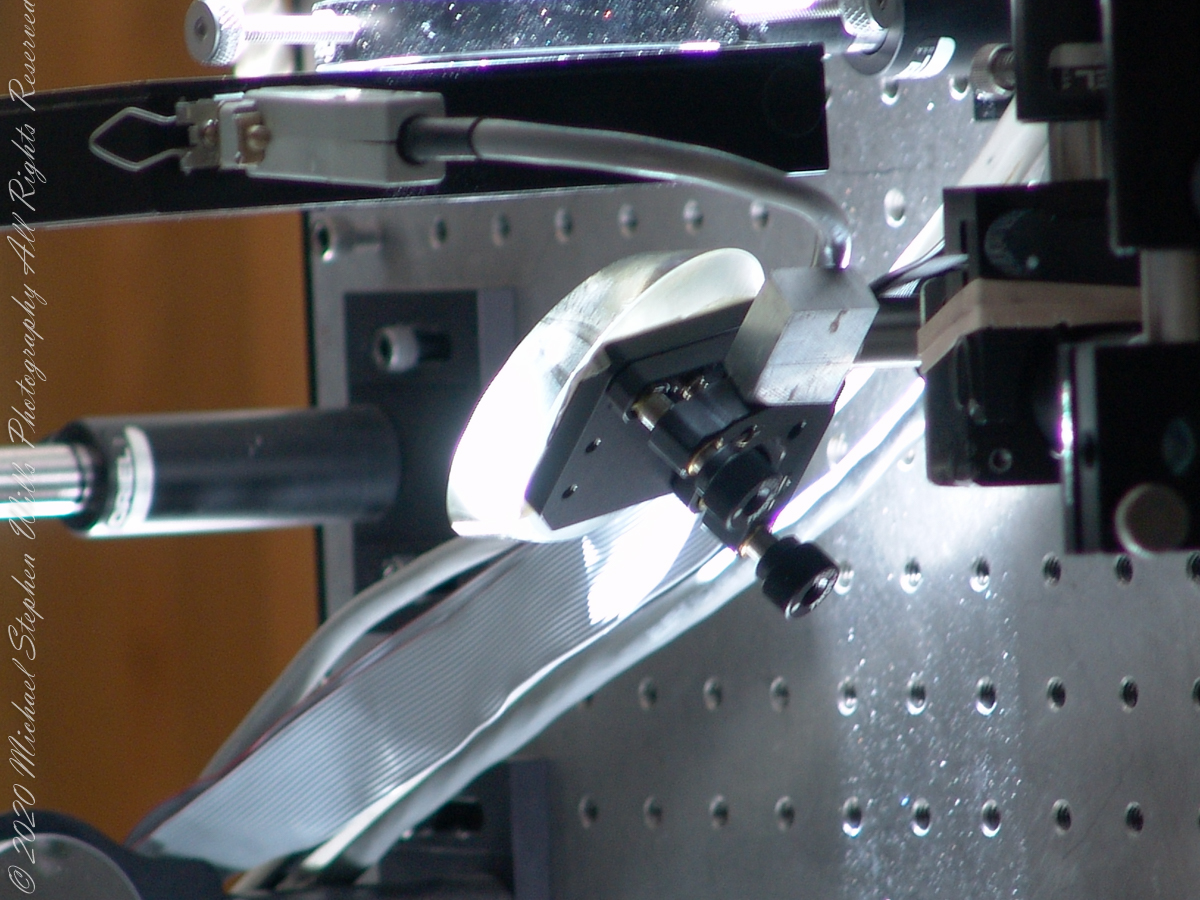
Tip-tilt correction and low order wavefront correction is available with a number of portable optical benches.  These are primarily used with the Main spectrograph and the Solar Stellar spectrograph on the Main telescope, but due to their compact mounting they could be used with other telescopes and instruments in the facility.

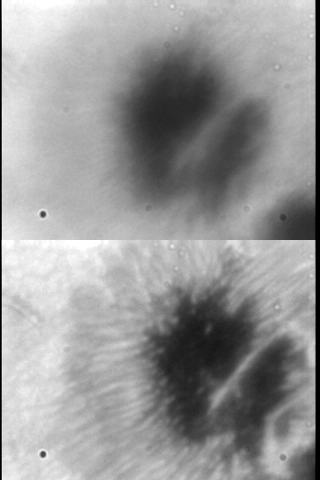
This configuration uses a rapidly deformable mirror to correct distortions introduced by the turbulent atmosphere. Using sensors to measure the degree of image distortion, the adaptive optics system adjusts the shape of the mirror accordingly and converts a blurred image into a clear one. The following image demonstrates the correction. “Low-cost” = $25,000 in 2003 US dollars. Under references is a link to a full description of the device by the creator.

A main area of ​​study in the observatory is the structure of sunspots, which are relatively cold, dark spots on the surface of the Sun created by intense magnetic activity.

Some of the most important discoveries made at McMath-Pierce include the detection of water vapor in the Sun, the measurement of kilogauss magnetic fields (thousands of times stronger than those on Earth) outside sunspots and the detection of a natural maser (like a laser, but with a microwave instead of visible light) in the Martian atmosphere.

Over the years and technological advances, the National Solar Observatory has moved its headquarters from Tucson to Boulder, Colorado. The organization abandoned its solar telescopes at Kitt Peak and in New Mexico for a larger instrument in Hawaii, the Daniel K. Inouye Solar Telescope on the island of Maui, which began operating in 1919.

References:
Wikipedia “McMath–Pierce solar telescope”

“Low Cost Adaptive Solar Optics” by Christopoher Kellar

Insights into the architectural design.

National Solar Observatory website..

Copyright 2022 Michael Stephen Wills All Rights Reserved
Bog Bodies

In the the long view

On this occasion we will explore a time machine found four miles south of Kells, County Meath, Ireland.

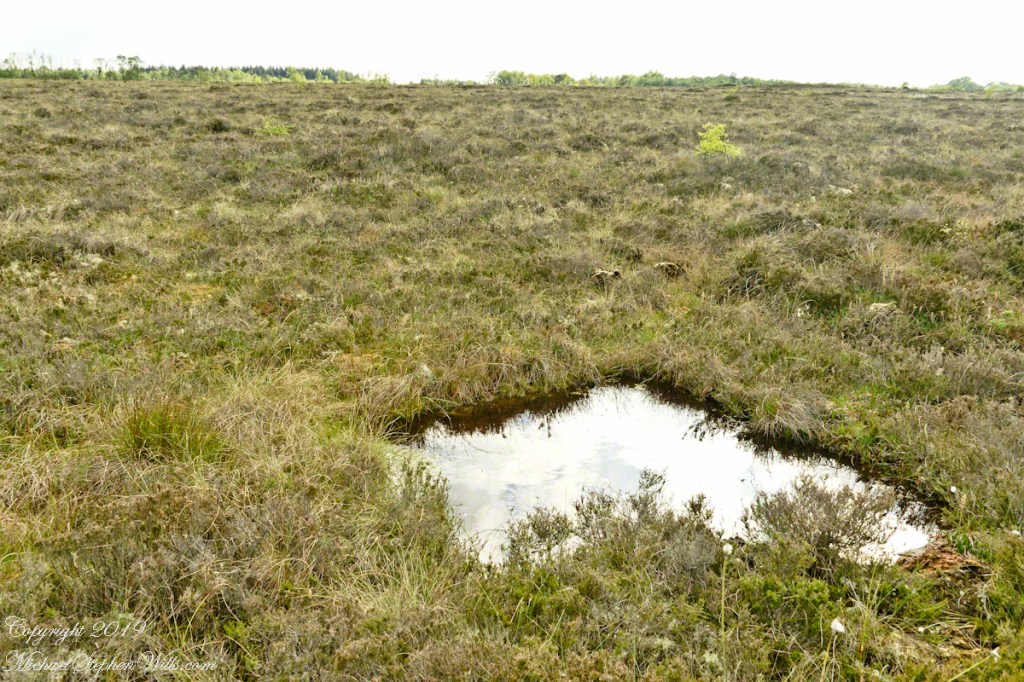
Step into this pool and you, too, can emerge 4,000-odd years later, skin intact, to achieve fame and fortune, a place in a museum and the record books if such exist 6019 AD. Reference the Cashel Man from Cúl na Móna bog near Cashel in County Laois, Ireland who now resides within the National Museum of Ireland.

Click photograph for the expanded view. To do this from WordPress Reader, you need to first click the title of this post to open a new page.

True, post mortem fame is hollow for the individual. Maybe, attaching your life story engraved on a gold plaque with a gold chain encircling your torso will offset the loss of your bones (dissolved in the acidic waters) and life itself.

The water of this pool is colored dark by long decayed vegetable matter. Beware of walking the bog surface, it is dangerous and destructive to the environment. Pam and I visited Girley Bog on our tour of County Meath, Ireland.

Copyright 2022 All Rights Reserved Michael Stephen Wills