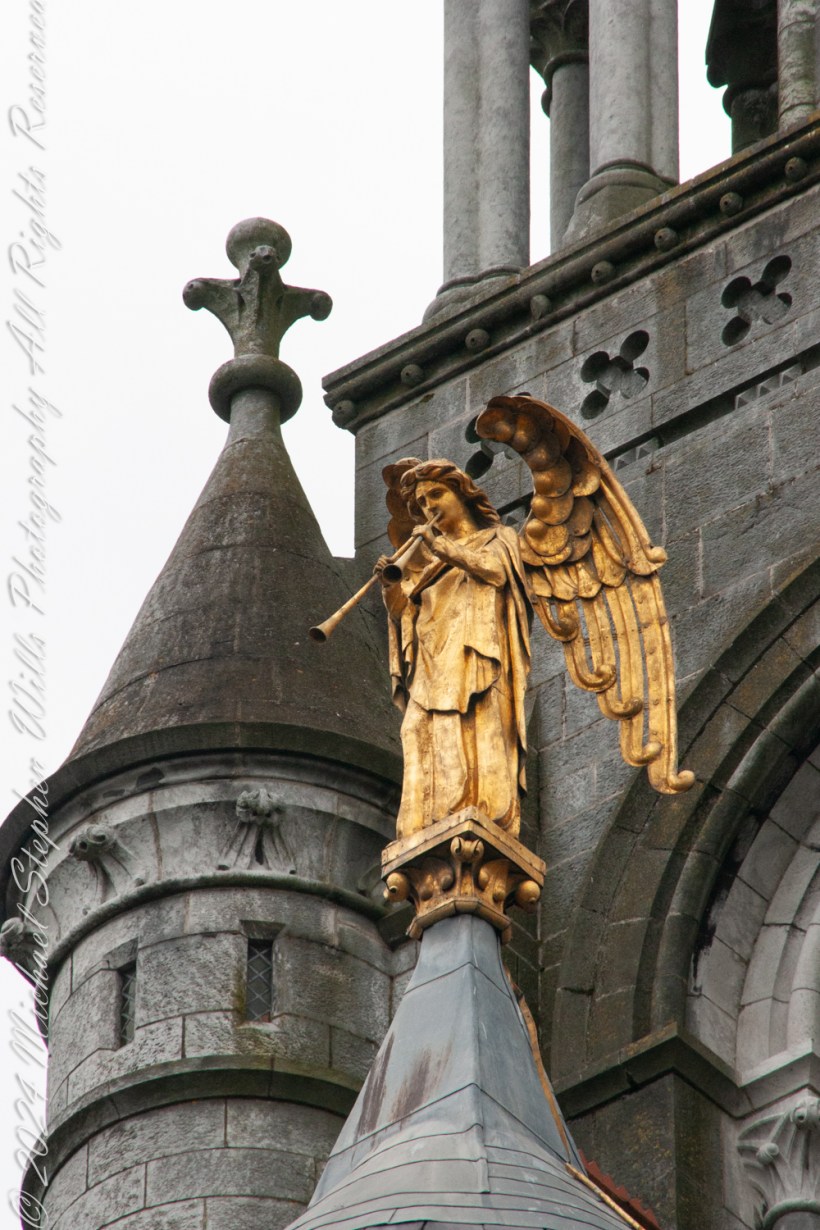
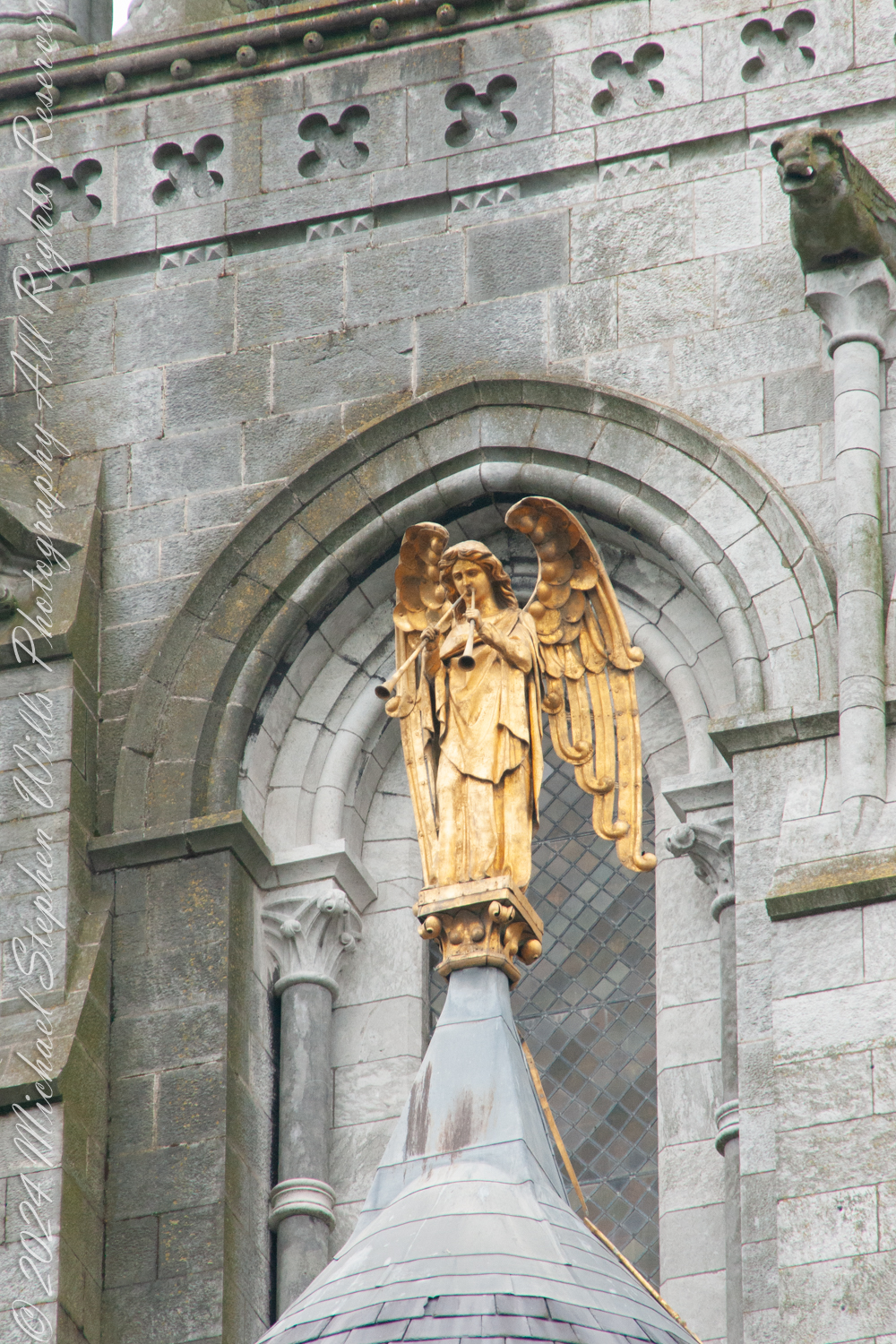
Standing on the east side of Saint Fin Barre’s Cathedral, I lift my gaze to the gilded angel high above the polygonal apse. Known as “The Resurrection Angel,” this radiant figure with its trumpet held aloft commands both awe and contemplation. As an enduring symbol of hope, renewal, and spiritual vigilance this angel carries a profound and dramatic promise: the sound of its trumpet will one day warn the people of Cork of the world’s imminent end, giving them the opportunity to be among the first to ascend to heaven.
The Resurrection Angel’s trumpet echoes the apocalyptic imagery of the Book of Revelation, particularly Revelation 11:15, where the seventh trumpet announces, “The kingdoms of this world have become the kingdoms of our Lord.” Yet in Cork, this celestial figure is imbued with a uniquely local significance. It stands as both guardian and guide, poised to fulfill its divine purpose when the end of days draws near. The legend elevates the angel’s presence beyond theology or art—it becomes a tangible connection between the celestial and the earthly, rooted in the lives of Cork’s citizens.
From an epistemological perspective, the Resurrection Angel poses fascinating questions about how we prepare for the unknown. What does it mean to live in the shadow of an angelic trumpet, one that might sound at any moment? Its silence is a paradox, a quiet yet profound proclamation of life’s transience. The legend suggests that the people of Cork, by virtue of the angel’s warning, are uniquely favored—a notion that intertwines faith with identity and imbues the city with a sense of divine guardianship.
The angel’s golden form shines brightly against the gray stone of the cathedral, a deliberate contrast that speaks to its otherworldly purpose. Gold, a symbol of purity and divine light, captures the eternal amid the temporal. The Resurrection Angel reflects the ambitions of the cathedral’s architect, William Burges, who intended every detail of Saint Fin Barre’s to serve as a testament to faith and artistry. This angel was the final piece installed, marking the cathedral’s completion and fulfilling Burges’ vision of a “perfect work.” According to lore, Burges himself declared that if the angel were ever to fall, it would signal the end of the world—a statement that deepens the mystique surrounding this celestial figure.
For Cork, the angel embodies the city’s resilience and collective spirit. Over centuries, Cork has weathered fires, floods, and rebellion, yet it has always risen anew. The angel, with its legend of warning and redemption, mirrors this cyclical journey of challenge and renewal. Its trumpet, silent but ever-present, reminds the people of Cork to stay vigilant, to hope, and to strive for goodness in the time they have.
As I stand beneath its watchful gaze, I feel the weight of the legend and its implications. If the angel’s trumpet were to sound today, would we be ready? It invites not fear but reflection—a challenge to live with purpose and awareness of the sacred in the everyday. And as I step away, the angel remains, steadfast and golden, a silent guardian over Cork, holding its promise and its warning aloft for generations to come.
Enter your email to receive notification of future postings. I will not sell or share your email address.
Copyright 2024 All Rights Reserved Michael Stephen Wills
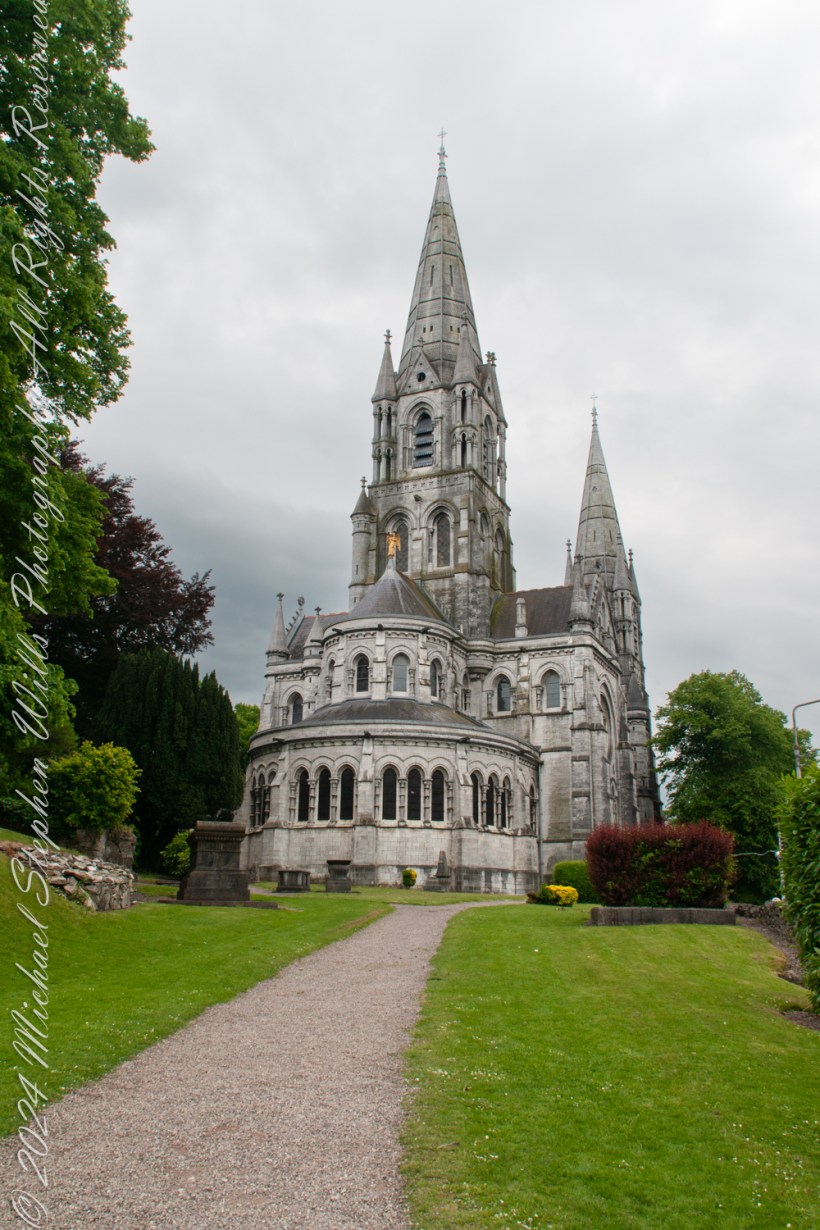
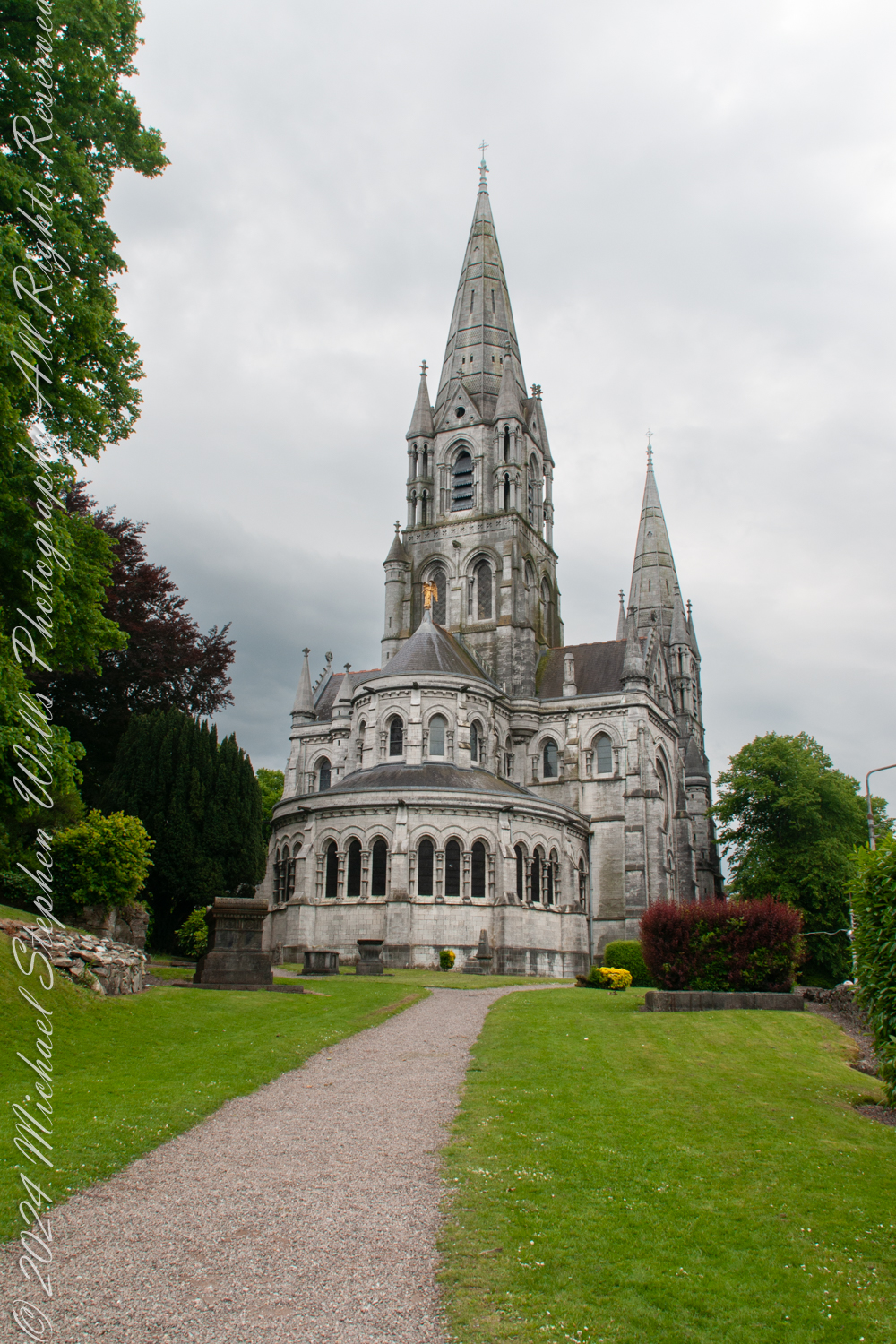
Approaching from the east, we see the polygonal apse at the eastern end houses the high altar and is a key liturgical and architectural feature. Each angular bay is delineated with tall lancet windows filled with stained glass, adding to the richness of the design. Saint Fin Barre’s Cathedral, a masterpiece of Gothic Revival architecture, stands as a beacon of faith and artistry in the heart of Cork, Ireland. Designed by the renowned Victorian architect William Burges, the cathedral is both a testament to the spiritual fervor of its time and a bold statement of artistic vision.
Approaching from the east, we see the polygonal apse at the eastern end houses the high altar and is a key liturgical and architectural feature
Commissioned in 1862, the cathedral replaced an earlier structure, marking a new chapter in Cork’s ecclesiastical history. William Burges, known for his theatrical approach to design, was the perfect choice for this ambitious project. His vision for Saint Fin Barre’s Cathedral blended medieval inspiration with Victorian ingenuity, creating a building that is as much a work of art as a place of worship.
Burges, a figure of eccentric brilliance, was deeply influenced by the principles of the Gothic Revival movement, which sought to recapture the grandeur of medieval European architecture. Drawing from this aesthetic, he designed the cathedral with meticulous attention to detail. Its three spires dominate the Cork skyline, with the central spire rising to an impressive height of 73 meters. These spires are not merely structural; they are symbolic, reaching heavenward in a gesture of devotion.
The exterior of the cathedral, constructed from Cork limestone and Bath stone, is adorned with intricate carvings and sculptures. These include depictions of biblical scenes, saints, and gargoyles, all painstakingly crafted under Burges’s watchful eye. Every detail reflects his belief that architecture should educate as well as inspire. Bishop Street, The Lough, Cork City, County Cork, Ireland
Enter your email to receive notification of future postings. I will not sell or share your email address.
Copyright 2024 All Rights Reserved Michael Stephen Wills
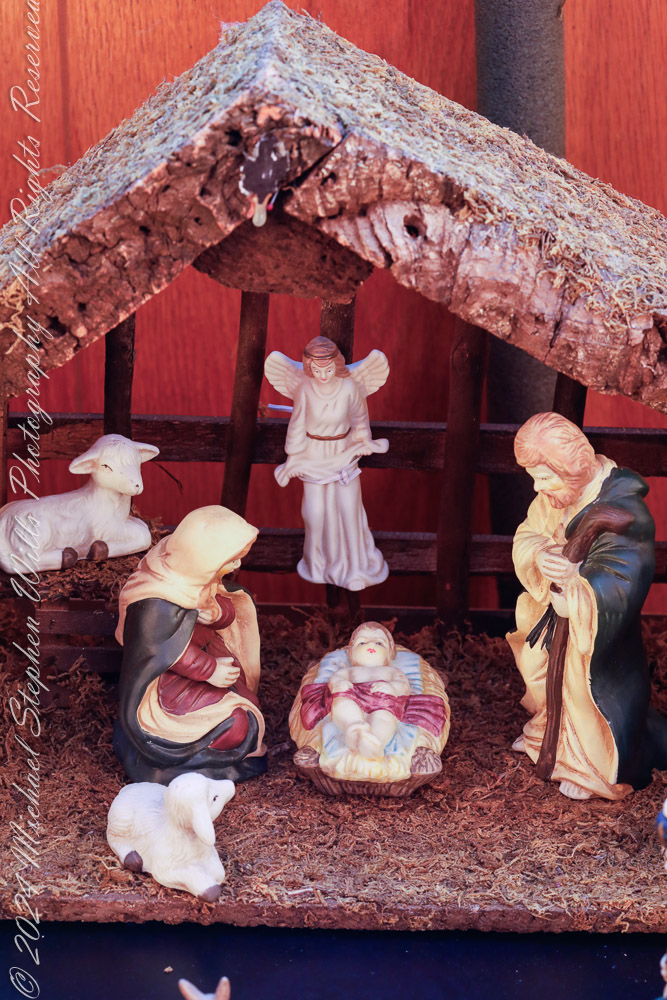
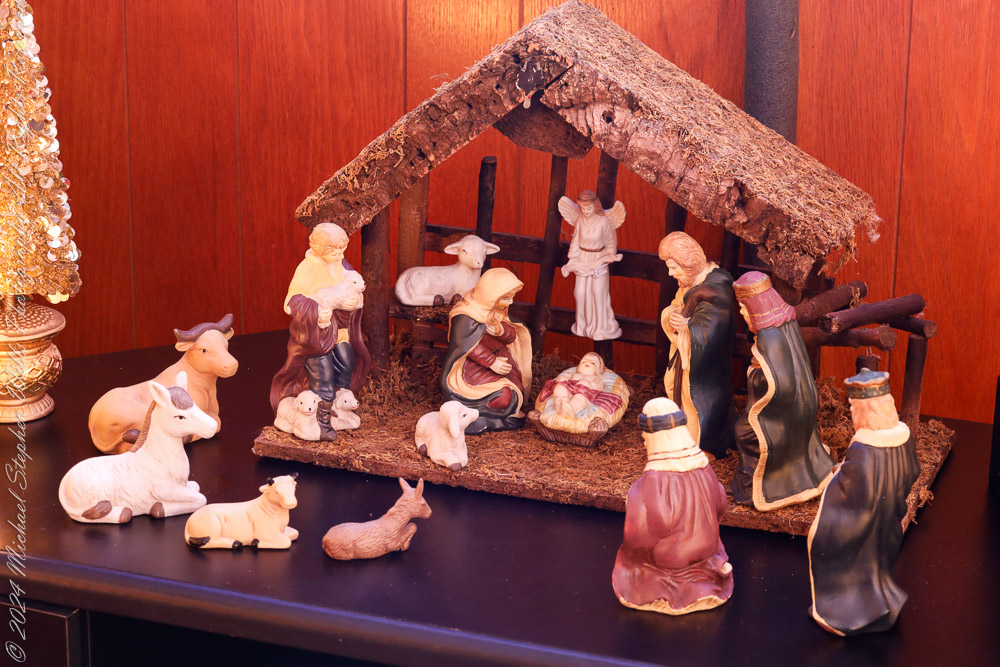
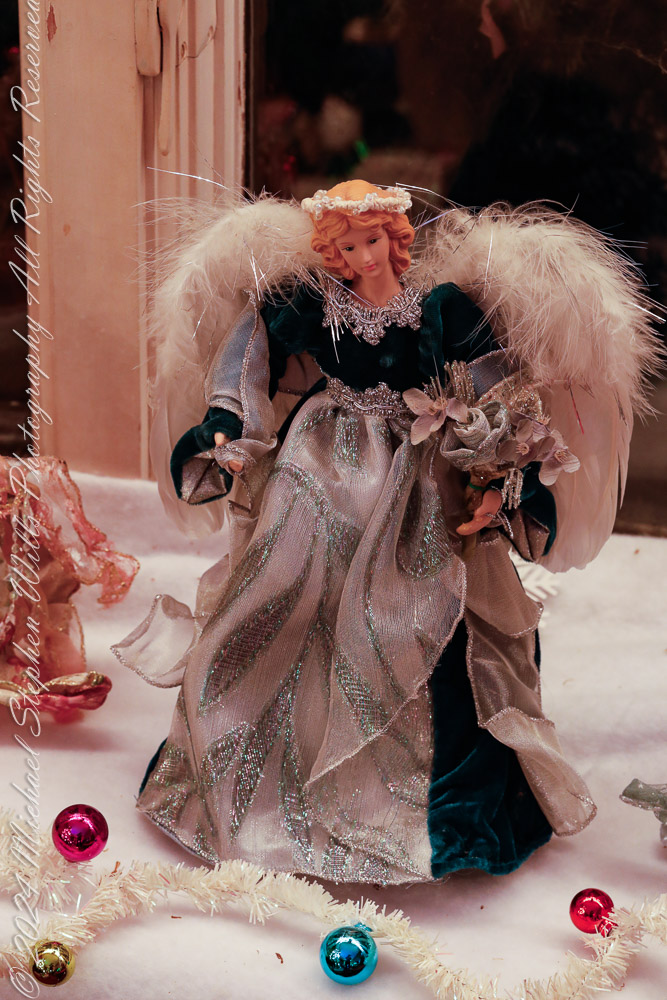
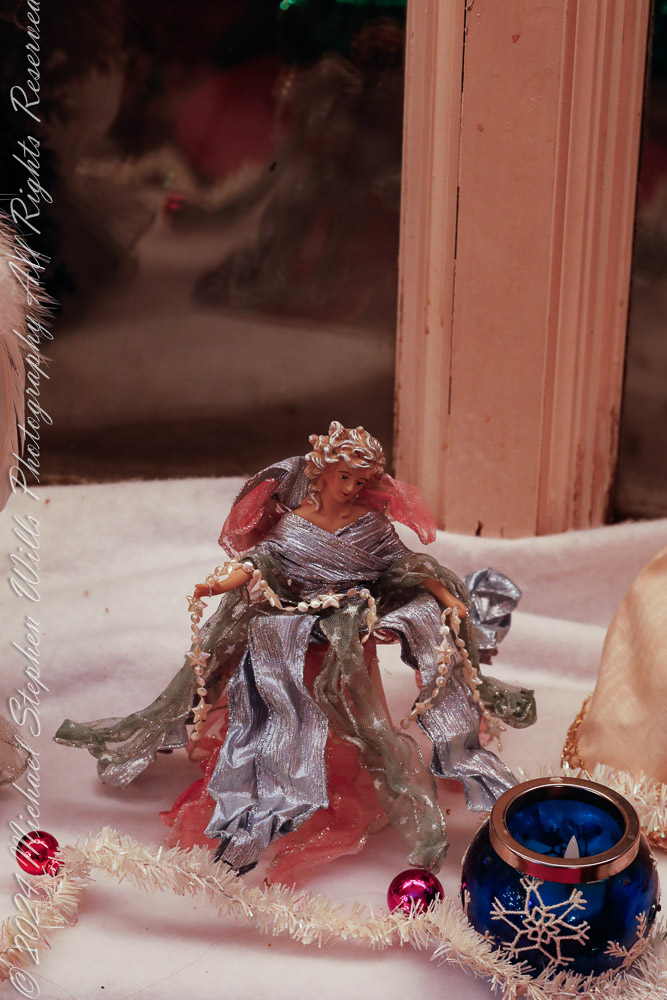
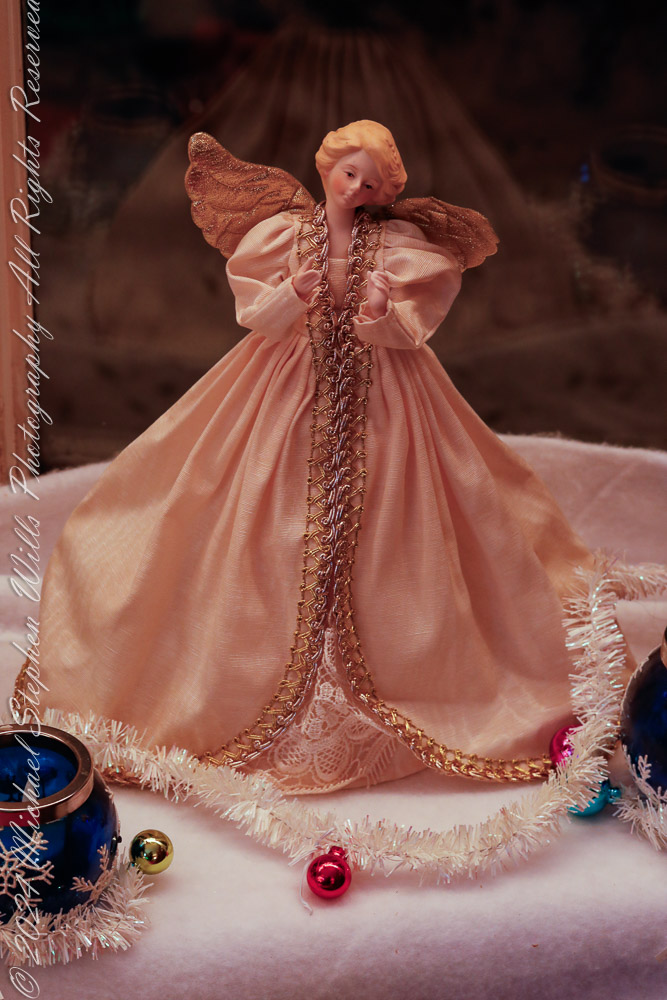
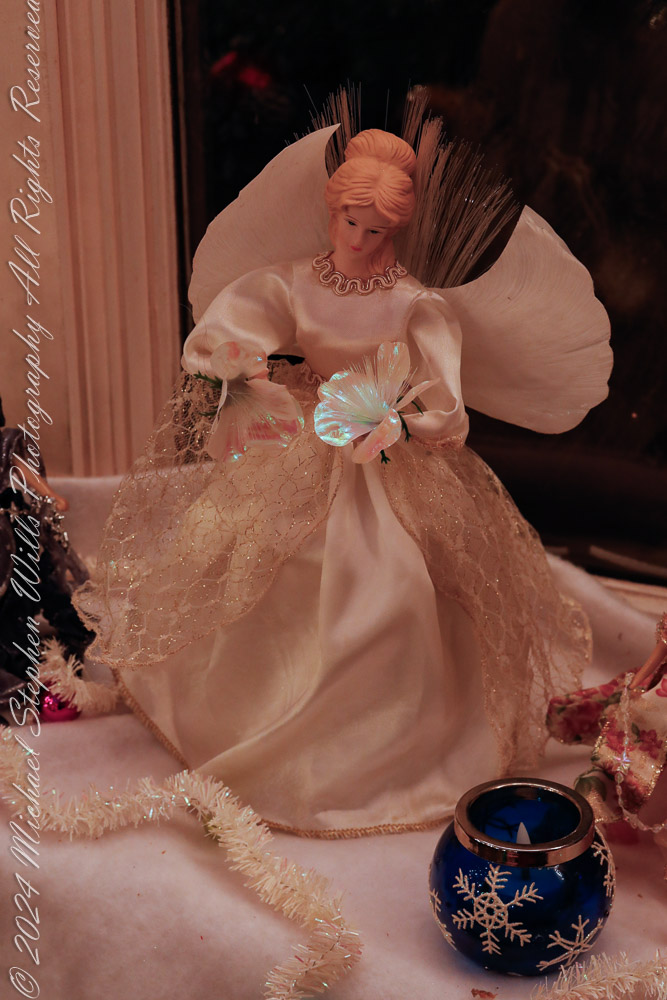
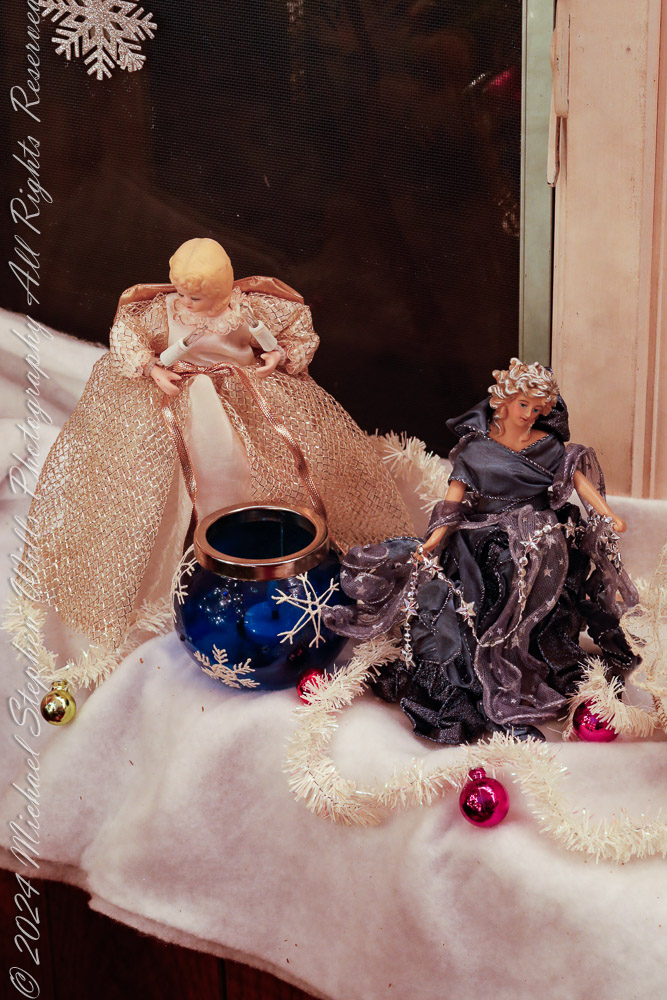
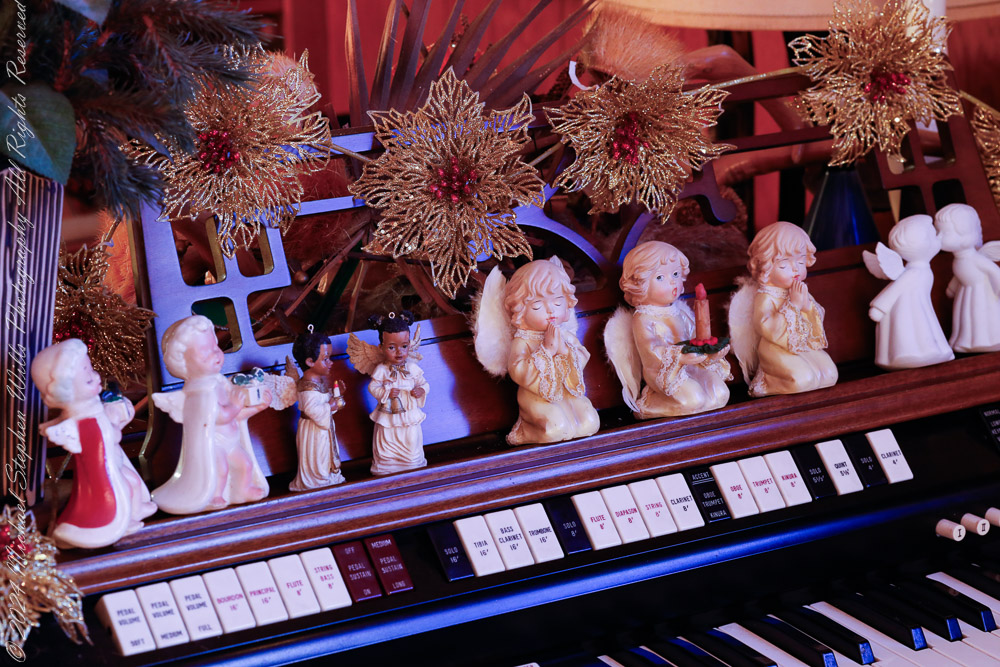
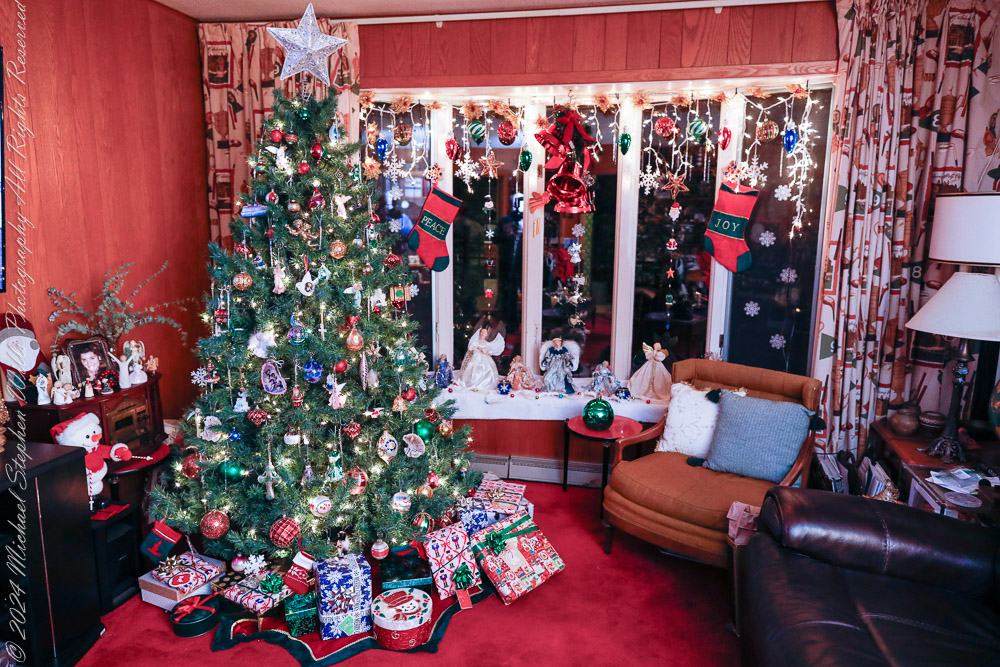
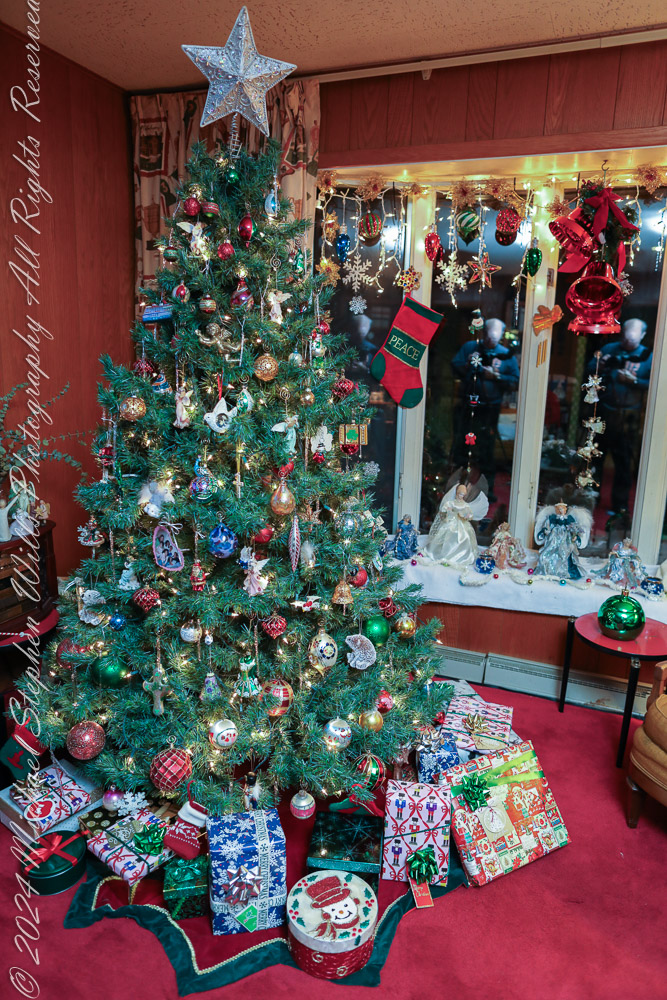
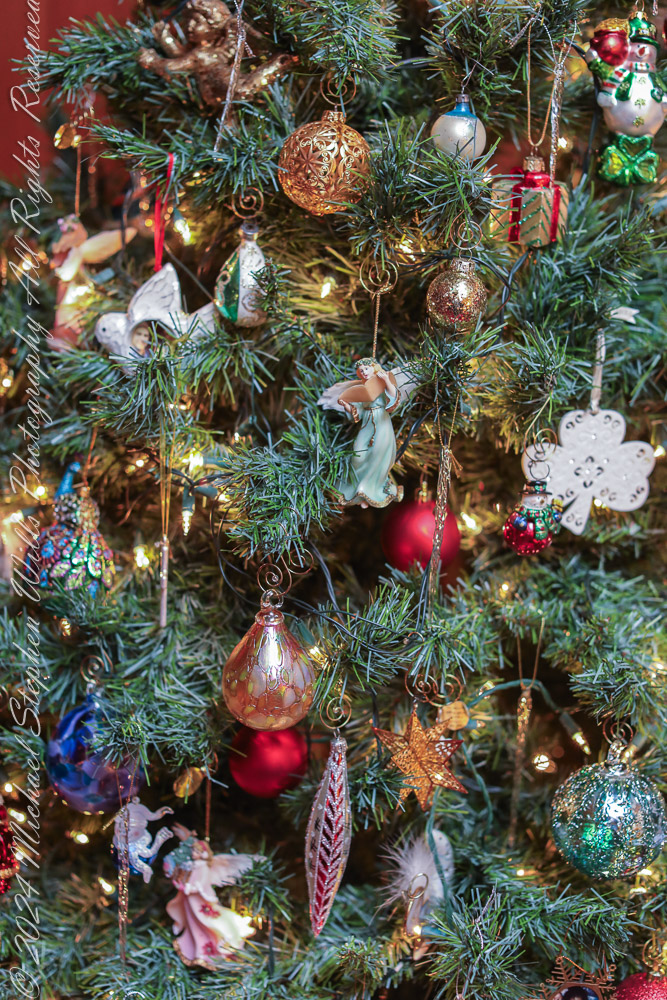
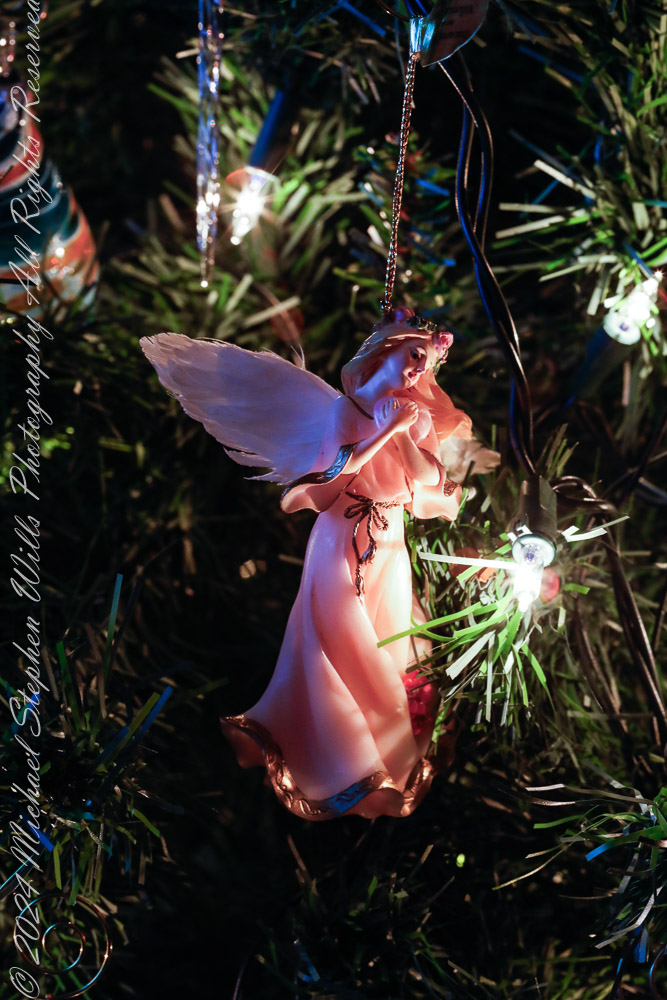
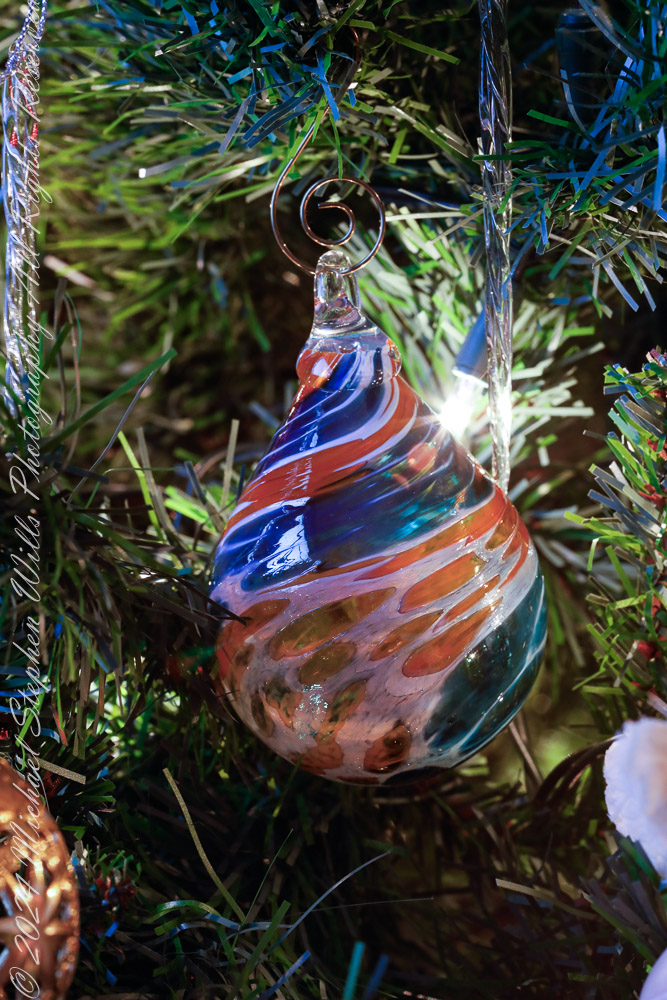
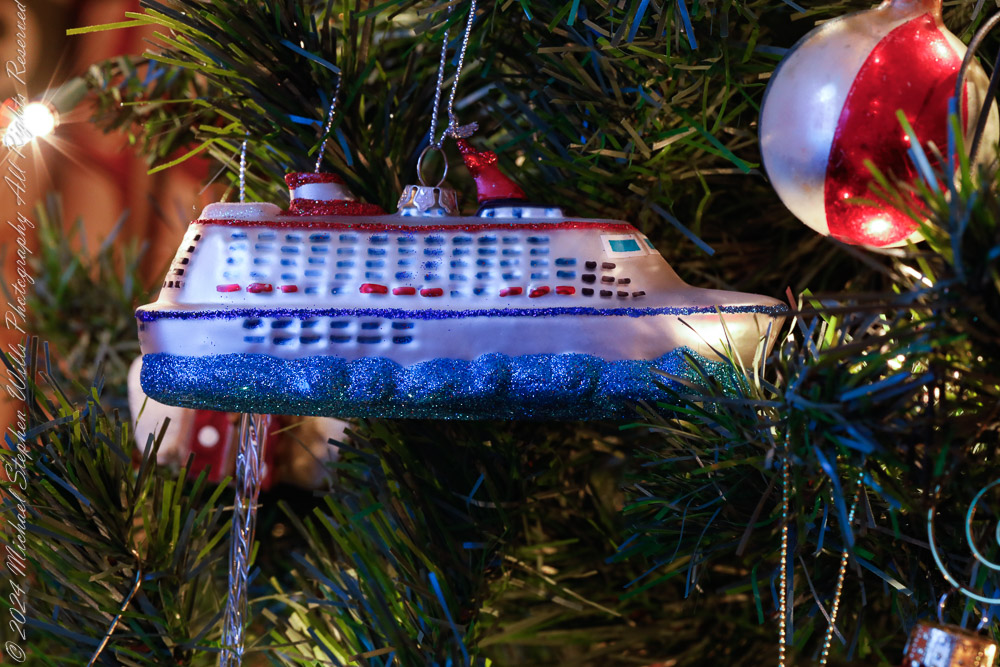
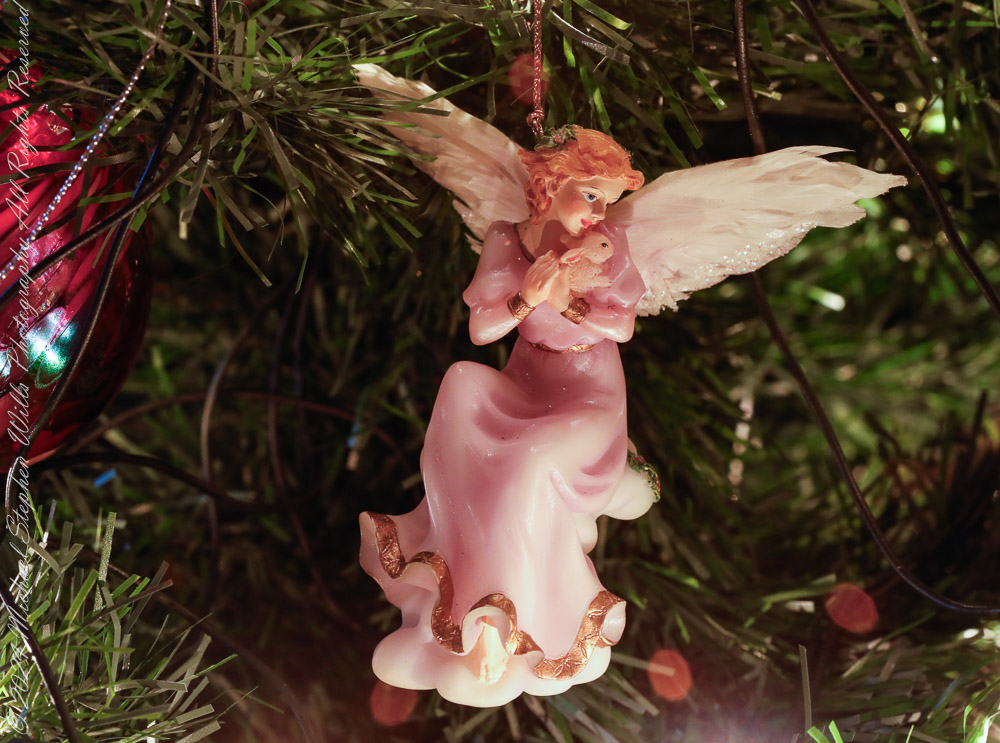
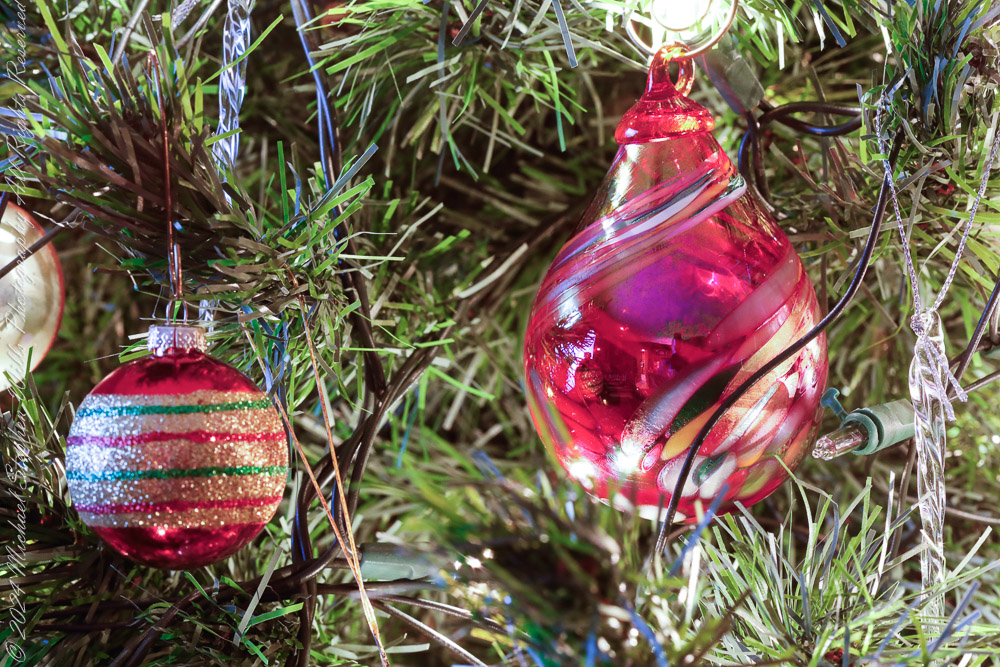
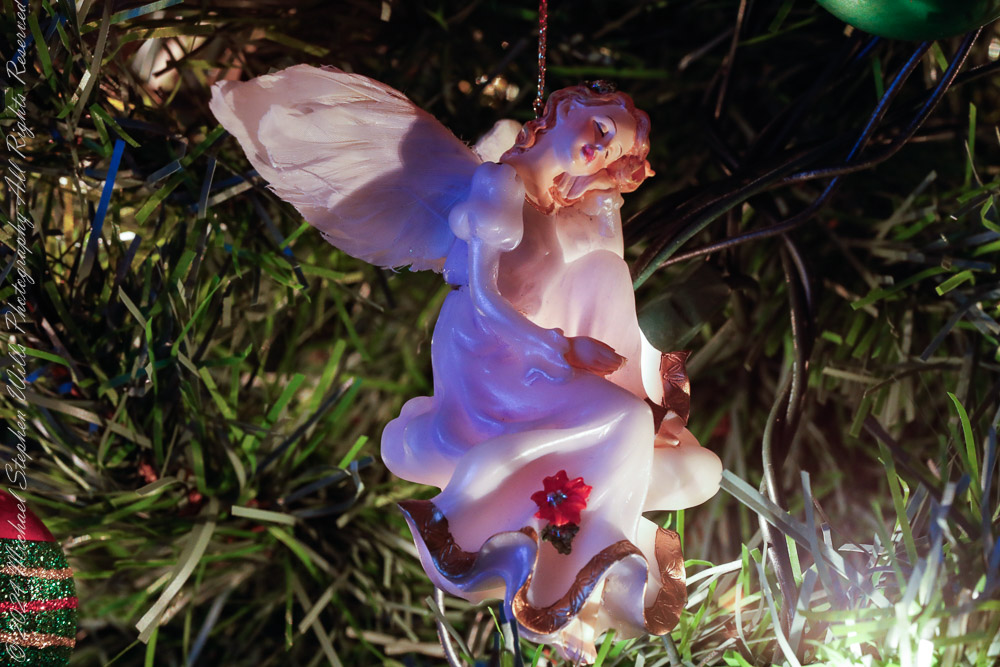
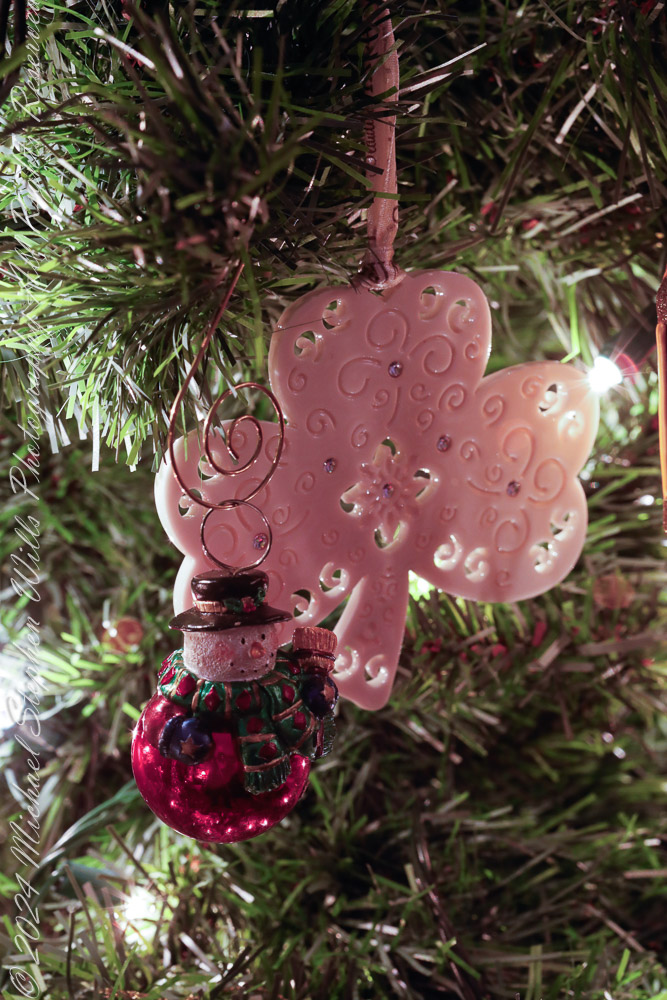
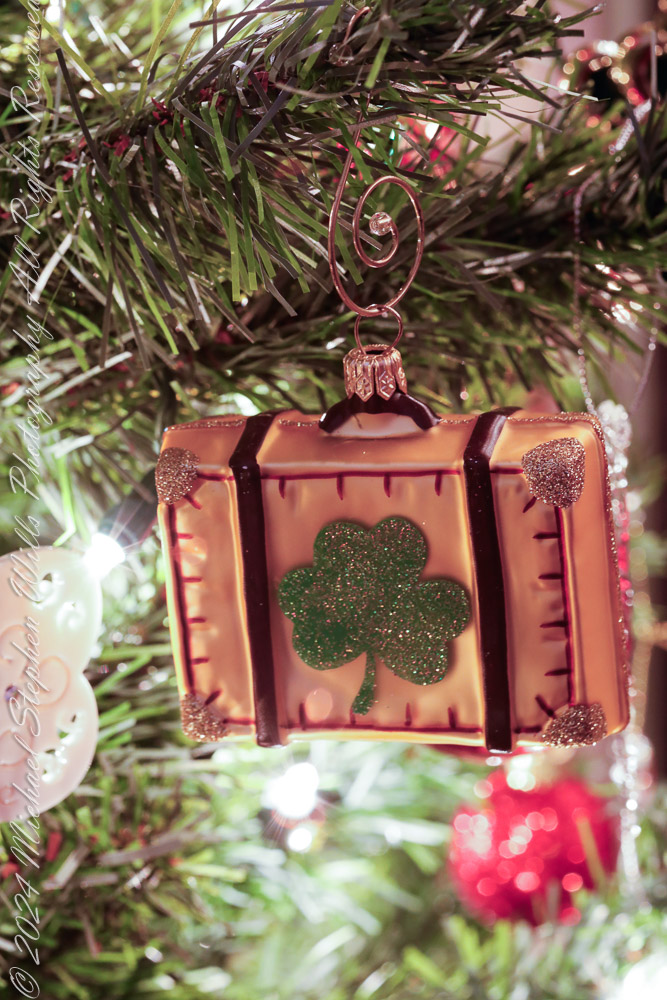
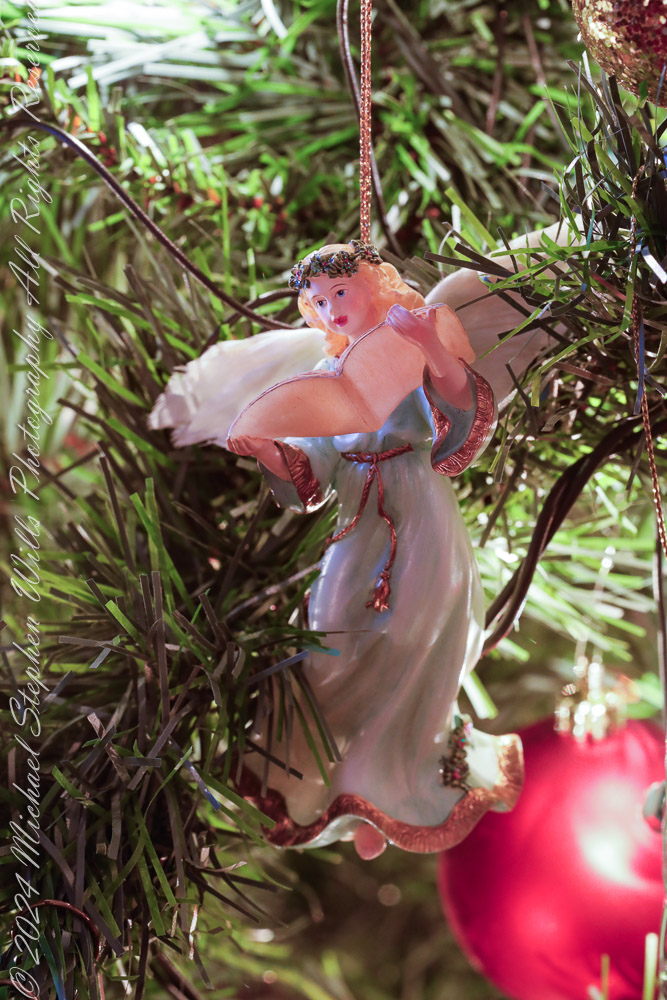
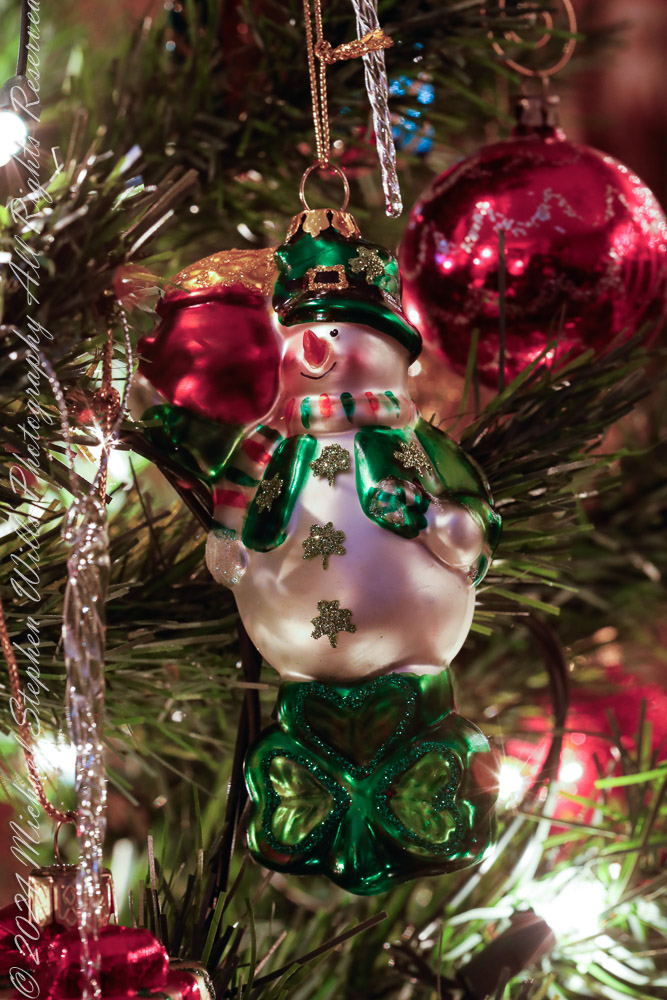
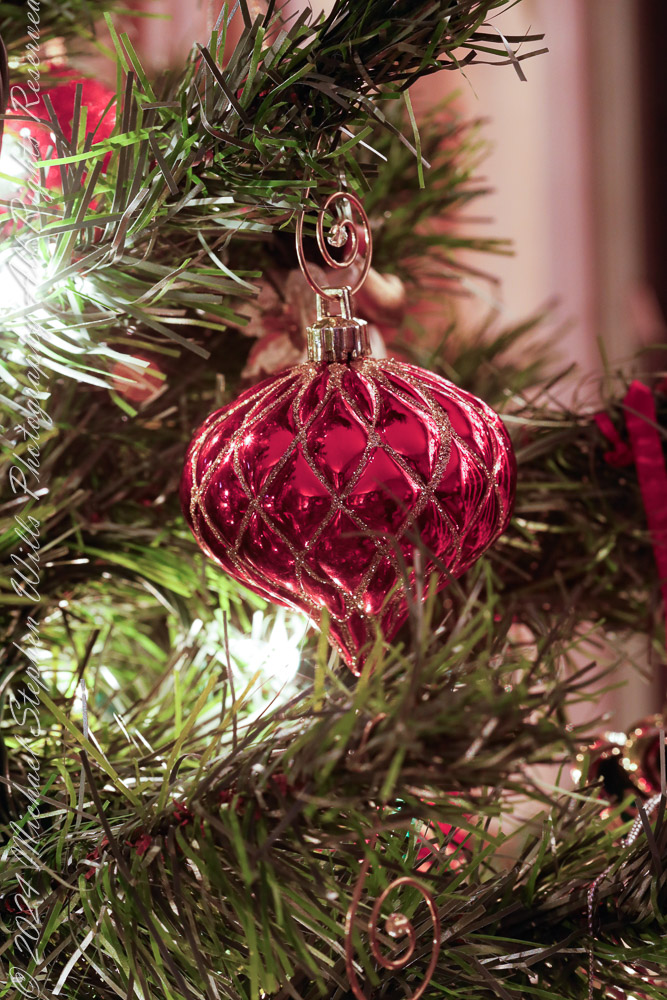
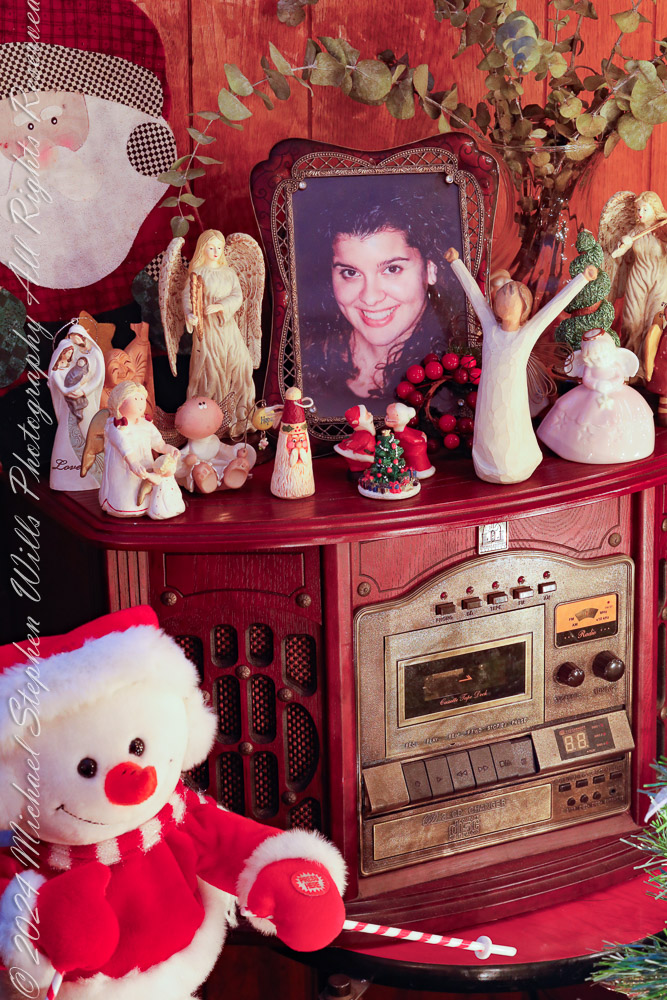
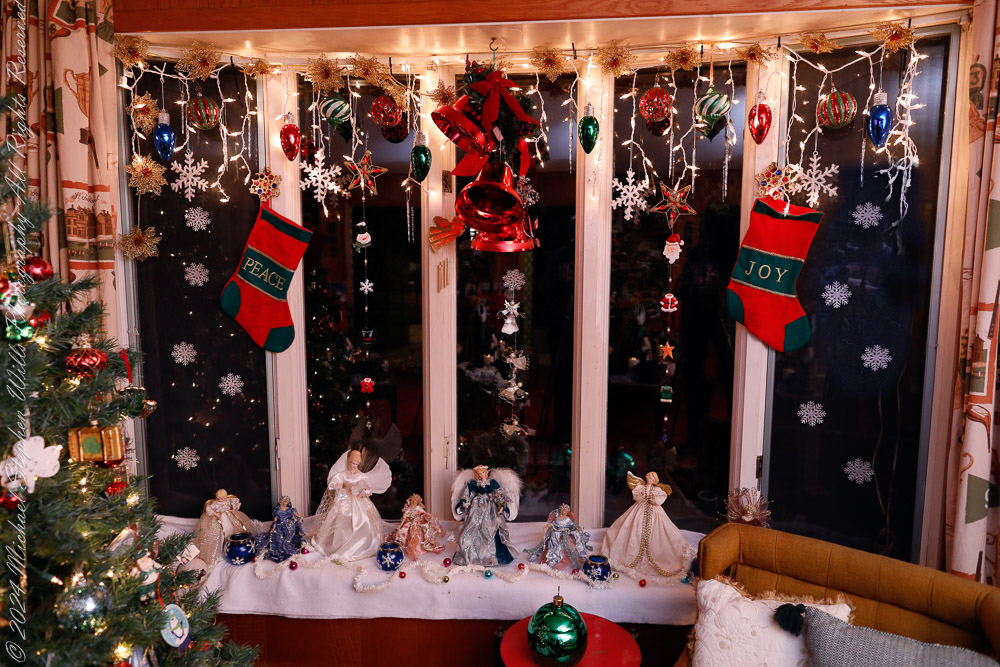
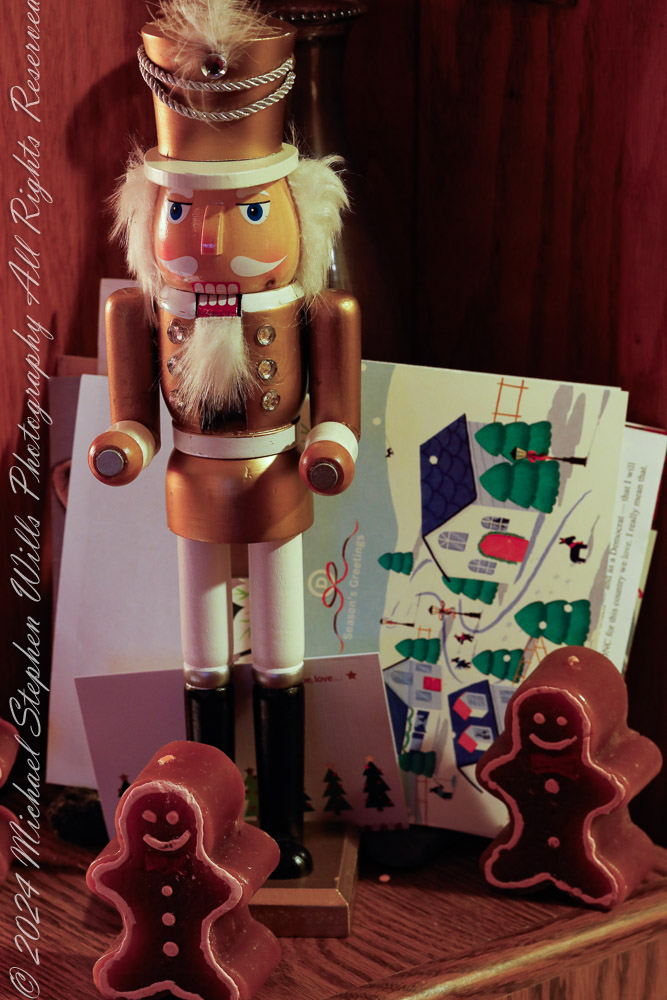
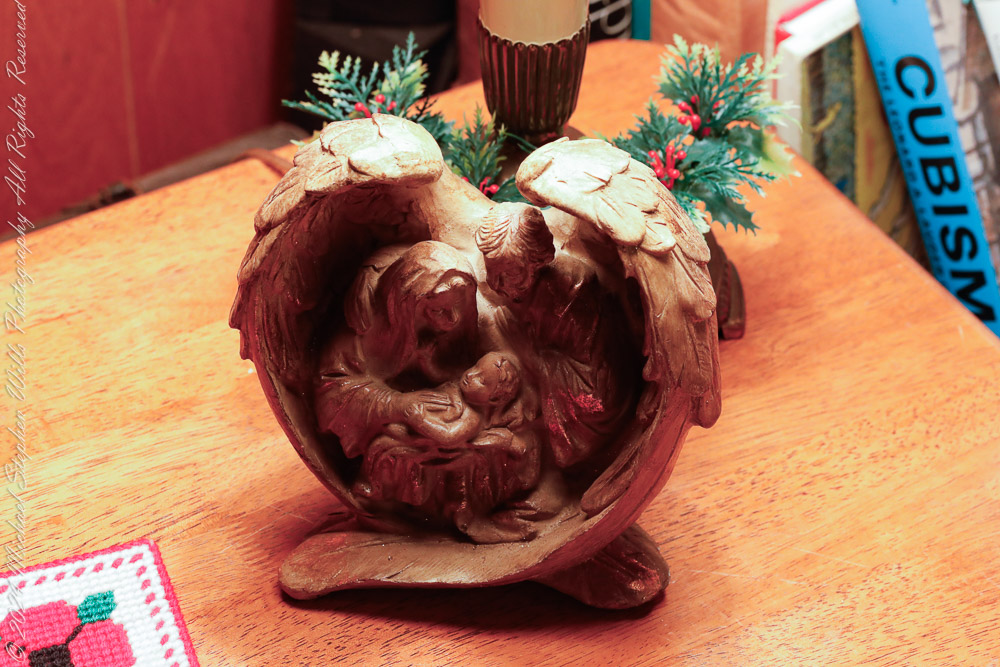
As the year draws to a close, our home is filled with the glow of lights, the shimmer of cherished ornaments, and the spirit of the season. Each decoration holds a memory, from angels watching over us to the Nativity scene that reminds us of the humble birth of Christ, our Savior.
This Christmas, we celebrate the greatest gift of all: God’s love made manifest through the birth of Jesus Christ. May the peace of His presence fill your hearts and homes, bringing comfort, joy, and hope that transcends all seasons.
As we gather with loved ones, let us remember the message of the angels: “Glory to God in the highest, and on earth peace, goodwill toward men.”
From our family to yours, may this holy season be a time of deep gratitude, boundless love, and renewed faith in the light that shines in the darkness.
Pam’s Christmas Decorations 2024
Enter your email to receive notification of future postings. I will not sell or share your email address.
Copyright 2024 All Rights Reserved Michael Stephen Wills
Discover the rich history and ecological significance of the American Basswood, a majestic tree that intertwines nature, culture, and human history. Uncover its beauty, versatility, and the fascinating pollinators that bring it to life.
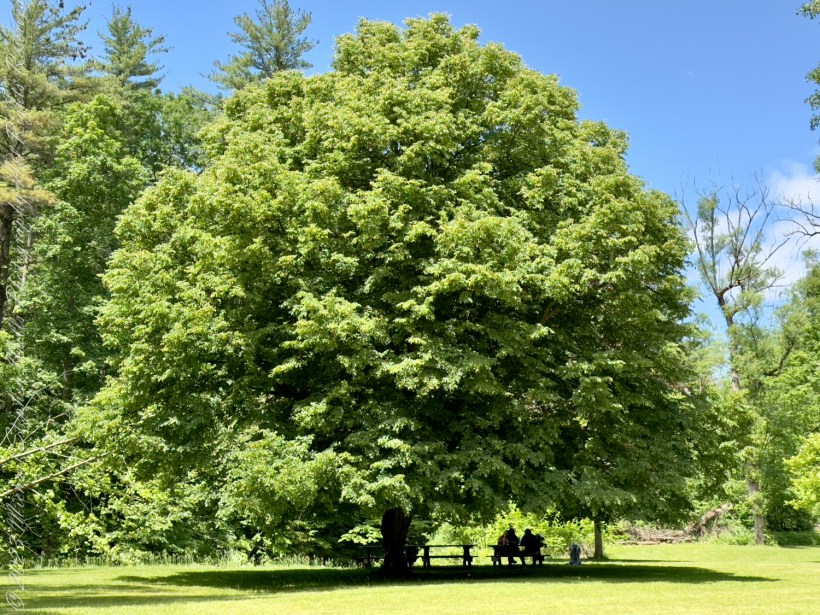
As I strolled through the sun-dappled glade, my eyes were drawn to a magnificent tree standing sentinel at the edge of the clearing. Its broad canopy spread like a green umbrella, casting a generous shade over the picnic bench below. Intrigued by its commanding presence, I approached, eager to unravel the secrets of this arboreal giant. Little did I know that this encounter would lead me on a journey through history, etymology, and the myriad uses of the American Basswood.
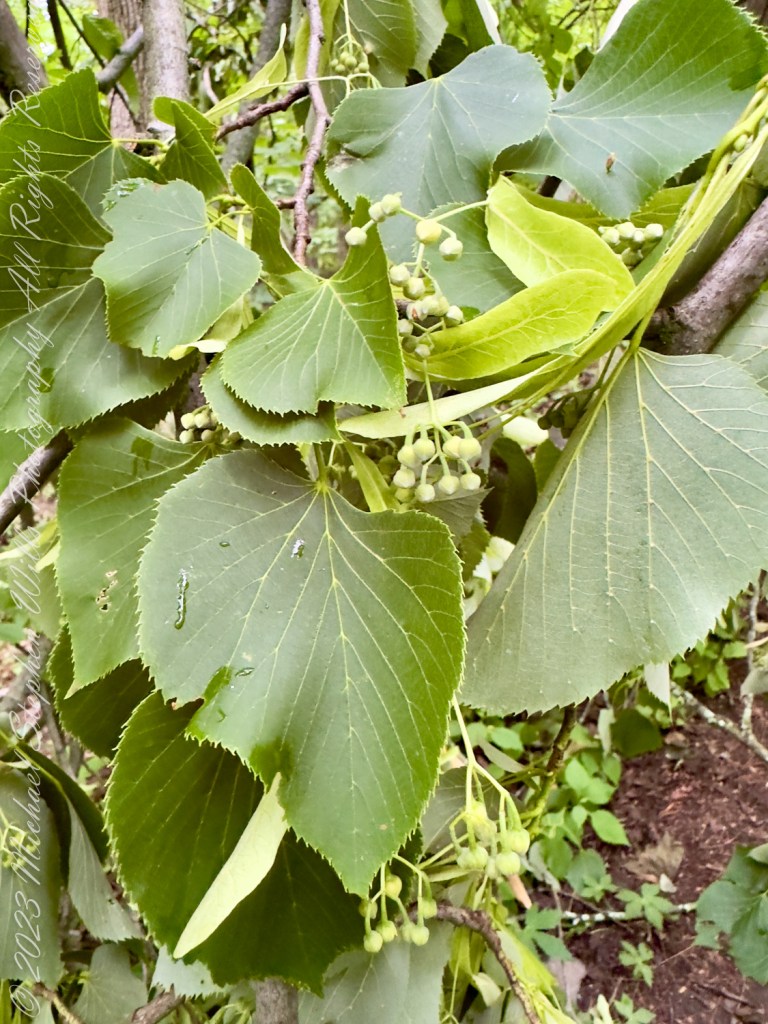
This photograph features the growth pattern for which the Basswood is known. Buttermilk Falls State Park, Ithaca, Tompkins County, New York State. The Finger Lakes Region.
The American Basswood, or Tilia americana, is a tree steeped in history and lore. Its name, “Basswood,” is derived from the word “bast,” referring to the inner bark of the tree, which is known for its fibrous and pliable nature. This etymology hints at the tree’s historical uses, which I would soon discover are as rich and varied as the foliage above me.
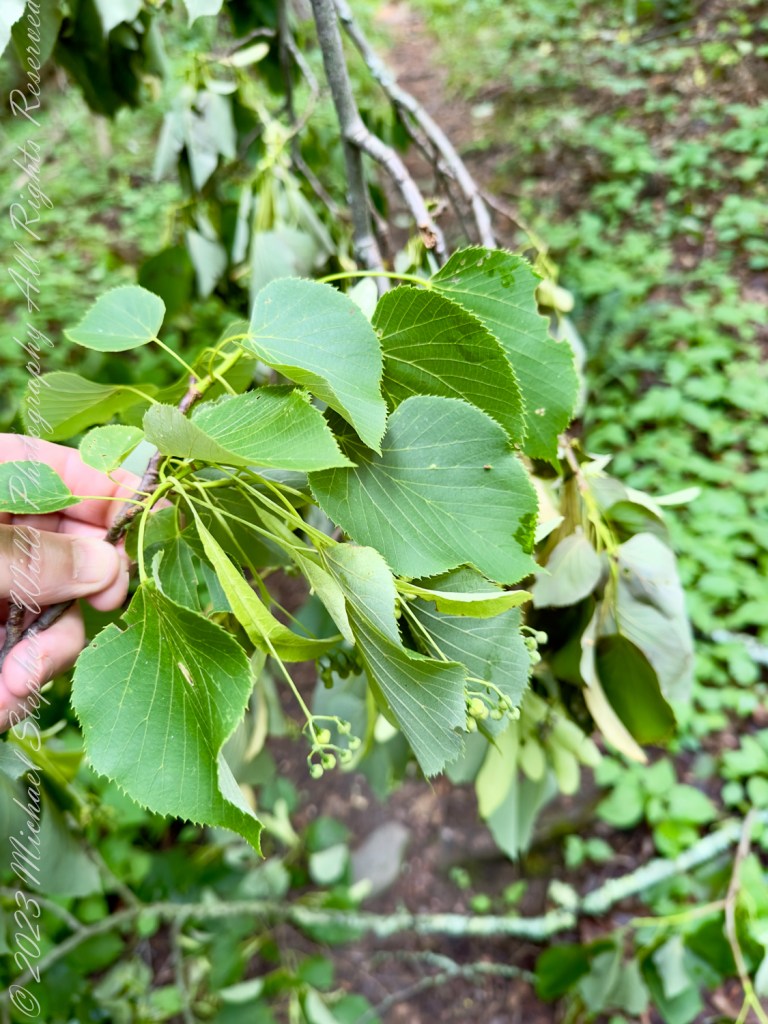
As I examined the leaves, I was struck by their heart-shaped form, a feature that has made the Basswood a symbol of love and romance in various cultures. The leaves were smooth and slightly serrated at the edges, with a deep green hue that seemed to capture the essence of summer. Hanging delicately from the branches were clusters of small, round buds, hinting at the tree’s flowering potential. These flowers, I would later learn, are not just beautiful but also aromatic, attracting bees and other pollinators with their sweet fragrance.
These are leaves from a branch broken by spring storms and fallen across the Finger Lakes Trail that follows the southern side of Treman Park above the South Rim Trail. Robert H. Treman New York State Park, Tompkins County, Ithaca. June 27, 2024
The history of the American Basswood in America is intertwined with the lives of indigenous peoples and early settlers. Native Americans valued the Basswood for its soft, easily worked wood and its inner bark, which they used to make ropes, mats, and other essential items. The tree’s wood, known for being lightweight and finely grained, was perfect for carving and crafting tools, utensils, and even ceremonial masks. This versatility made the Basswood an integral part of daily life and cultural practices.
With the arrival of European settlers, the uses of Basswood expanded. Settlers quickly recognized the tree’s potential, using its wood for a variety of applications. The soft, yet sturdy wood was ideal for making furniture, musical instruments, and even crates and boxes. Its workability and smooth finish made it a favorite among craftsmen and artisans. I imagined the hands of these early Americans, shaping and molding the wood, breathing life into their creations.
As I continued to explore the tree, I was drawn to the small, green fruits hanging from slender stems. These fruits, known as nutlets, are encased in a leafy bract that aids in their dispersal by wind. This ingenious natural design ensures the propagation of the species, allowing new generations of Basswoods to take root and flourish.
Curious about the tree’s name, I delved into its etymology and discovered an interesting linguistic journey. In England and Ireland, the Basswood is commonly referred to as the “Lime Tree.” This name does not relate to the citrus fruit tree but instead comes from the Old English word “Lind,” related to the German word “Linde.” Both terms historically referred to trees of the Tilia genus. Over time, “Lind” evolved into “Lime,” influenced by phonetic changes and regional dialects, solidifying the term “Lime Tree” for Tilia species in these regions. Despite sharing the same common name, the Tilia “Lime Tree” and the citrus “Lime Tree” belong to entirely different plant families.
The American Basswood’s significance extends beyond its practical uses. The tree has found a place in American culture and literature, often symbolizing strength, resilience, and longevity. Its towering presence and expansive canopy make it a popular choice for parks and public spaces, where it provides shade and beauty. I thought of the many people who must have sought refuge under its branches, finding solace and inspiration in its quiet strength.
In addition to its cultural and historical significance, the Basswood also plays a crucial ecological role. Its flowers are a vital source of nectar for bees, making it an essential component of local ecosystems. Beekeepers, in particular, value the Basswood for the high-quality honey produced from its nectar, known for its delicate flavor and aroma. The tree’s leaves and bark also provide habitat and food for various wildlife, contributing to the biodiversity of the area.
Pollination is a critical aspect of the American Basswood’s lifecycle, and a variety of insects are drawn to its fragrant, nectar-rich flowers. Honeybees (Apis mellifera) are among the most significant pollinators, their presence around the Basswood a testament to the tree’s importance in the ecosystem. These industrious bees not only gather nectar but also facilitate the pollination process, ensuring the production of seeds. Bumblebees (Bombus spp.) also play a crucial role, utilizing their unique buzz-pollination technique to effectively transfer pollen within the flowers.
These are leaves from a branch broken by spring storms and fallen across the Finger Lakes Trail that follows the southern side of Treman Park above the South Rim Trail. Robert H. Treman New York State Park, Tompkins County, Ithaca. June 27, 2024
Additionally, native bees such as sweat bees (Halictidae), mining bees (Andrenidae), and leafcutter bees (Megachilidae) are frequent visitors, drawn by the abundant nectar and pollen. Butterflies, while not as significant as bees, contribute to the pollination process, adding a touch of grace as they flutter from flower to flower. Moths, particularly those active in the evening, are another group of pollinators, their nocturnal activity complementing the daytime efforts of bees and butterflies. Hoverflies (Syrphidae), also known as flower flies, are attracted to the nectar and aid in the pollination, showcasing the diverse array of insects that rely on the Basswood.
Reflecting on my discovery, I realized the American Basswood is a living testament to the interconnectedness of nature and human history. Its presence in the landscape is a reminder of the many ways in which plants and trees shape our lives, providing resources, inspiration, and a connection to the natural world.
As I left the shade of the Basswood and continued my walk, I felt a deep sense of gratitude for the opportunity to learn and connect with this remarkable tree. Its story is a reminder of the importance of preserving and cherishing the natural world, ensuring that future generations can continue to discover and appreciate the wonders of the American Basswood.
Copyright 2024 Michael Stephen Wills All Rights Reserved
To continue my posting “Climb Hill of Tara” my first submission of three Hill of Tara photographs to Getty Istock had two of the photographs returned for revision.
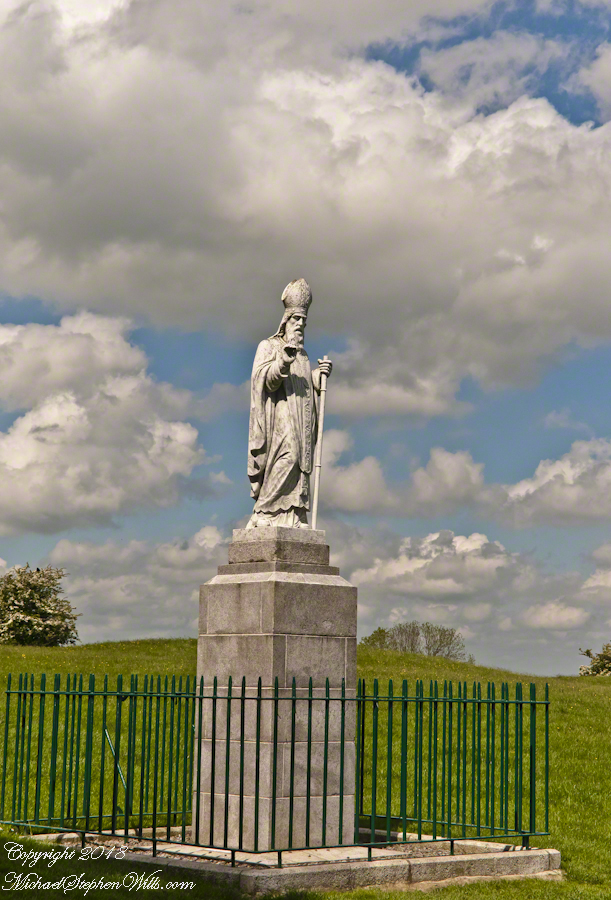
A statue of Saint Patrick fittingly welcomes visitors to the Hill of Tara, County Meath, Ireland. This statue of cast concrete was an existing statue donated by the Sisters of Charity, moved from an existing installation to the Hill of Tara in the year 2000 AD. The creator is anonymous, the is no plaque or other attribution on or around the statue.
The original statue was erected on the summit of the Hill of Tara shortly after Catholic emancipation in 1829, commemorated the events of 433AD when St. Patrick lit a bonfire on the nearby hill of Slane on the eve of Easter Sunday.
Lighting such a fire was contrary to the pagan laws of the time which dictated that the first fire lit that night be in Tara. Observing St. Patrick’s bonfire from afar, the chief druid of the ancient Gaelic capital predicted that if the flame were not extinguished that night, Christianity would never be extinguished in Ireland. The saint’s bonfire continued burning and the next morning, Easter Sunday, St. Patrick entered Tara to convert the king and his followers to Christianity.
For the fenced statue of Saint Patrick the revieweR wrote:
Please provide a full description for the work of art featured in this image. Include the artist, date of creation, location, etc. Works of art created by someone other than yourself must be free of copyright protection to be considered. If this work of art is indeed under copyright protection, a property release signed by the copyright holder will need to be provided.
Hmmmm….What I do while capturing a photograph of a statue is take photos of any plaque, sign, whatever to acquire the name of the creator, how it came to be there, community connections. There was nothing around the statue nor the very informative Office of Public Works placards at the entrance. I was proud to submit the statue photograph, as it turned out so well, and hoped for the best.
Last week, I put in a query to Ireland’s Office of Public Works (OPW), the agency responsible for the Hill of Tara, and did not receive a response when, for other queries, they were helpful. This Saturday and Monday mornings, several hours of internet research revealed this history.
The original statue was placed on Tara sometime after the 1829 Catholic emancipation. It was molded concrete, created by Thomas Curry of Navan at his own expense to honor the connection of Saint Patrick to Tara.
The OPW removed Curry’s statue 1992 for repair of a century of wear. During the removal the statue was damaged beyond repair and, afterwards, was further damaged by vandals who decapitated and used it for target practice.
Initially, the OWP decided not to replace Saint Patrick citing the “pagan” nature of the place. After an angry meeting of local people at the Skryne Parish Hall. In this meeting the local Rathfeigh Historical Society formed the “Committee to Restore St. Patrick to Tara.” In turn, pressure was put on Michael D. Higgins, Minister for Arts, Culture and the Gaeltacht (and the OPW). It was decided a new statue was to be created, based on a competition, and instead of it former place at the hill summit (called Rath na Rí), it was to be near the entrance, outside the Interpretative Center, to offer a Céad Míle Fáilte to visitors and be seen on departure.
The outcome was the competition winner was rejected by locals. The winning entry, by sculptor Annette Hennessy, did not follow competition rules that specified the statue incorporate traditional features to include shamrocks, harp, miter, a crozier and, perhaps, fleeing snakes. Hennessy’s design was of a shaven headed teenage boy in a short (“mini-skirt”) kilt, a handbag-shaped bell in hand. She agreed hers was “not a traditional style statue” saying it “acknowledges our Pagan Celtic history.”
The rejection included a statement from Dr. Leo Curran, chairman of the Rathfeigh Historical Society, “We agreed that most of the monuments in Tara are from the pre-Christian era, but St. Patrick should be at the uppermost layer, representing Christian tradition extinguishing paganism.”
By this time, a new government and minister were in place. The decision was made to search Ireland to find a suitable, existing, replacement statue. By 2000 the present statue, donated by the Sisters of Charity, was in place at the Hill of Tara entrance.
At the end of this post I provide the two references from my internet research and from which many facts and all the quotes were used here. I concluded the statue author was anonymous without copyright protection and submitted a revised image description, attaching a copy of my research.
What happened to my IStock photograph of Saint Patrick on the Hill of Tara? Getty accepted my application, published the photo and it is one of my top downloads, and earners.
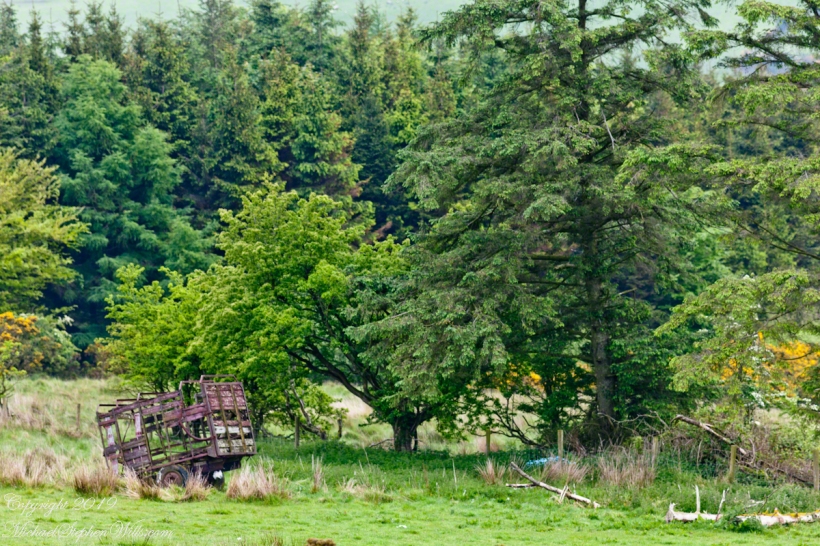
In the early dawn, I walked the path to Killen, drawn by the legacy of my mother’s Irish youth. An abandoned hay wagon stood, a relic amidst the whispers of history and myth. Join me in uncovering the roots that intertwine family and the enduring Irish land.
In twilight’s hush, embraced by oaks,
A well of stone, with stories etched in lace,
Now table made, where others’ whispers weave,
And time’s soft hands a tapestry conceive.
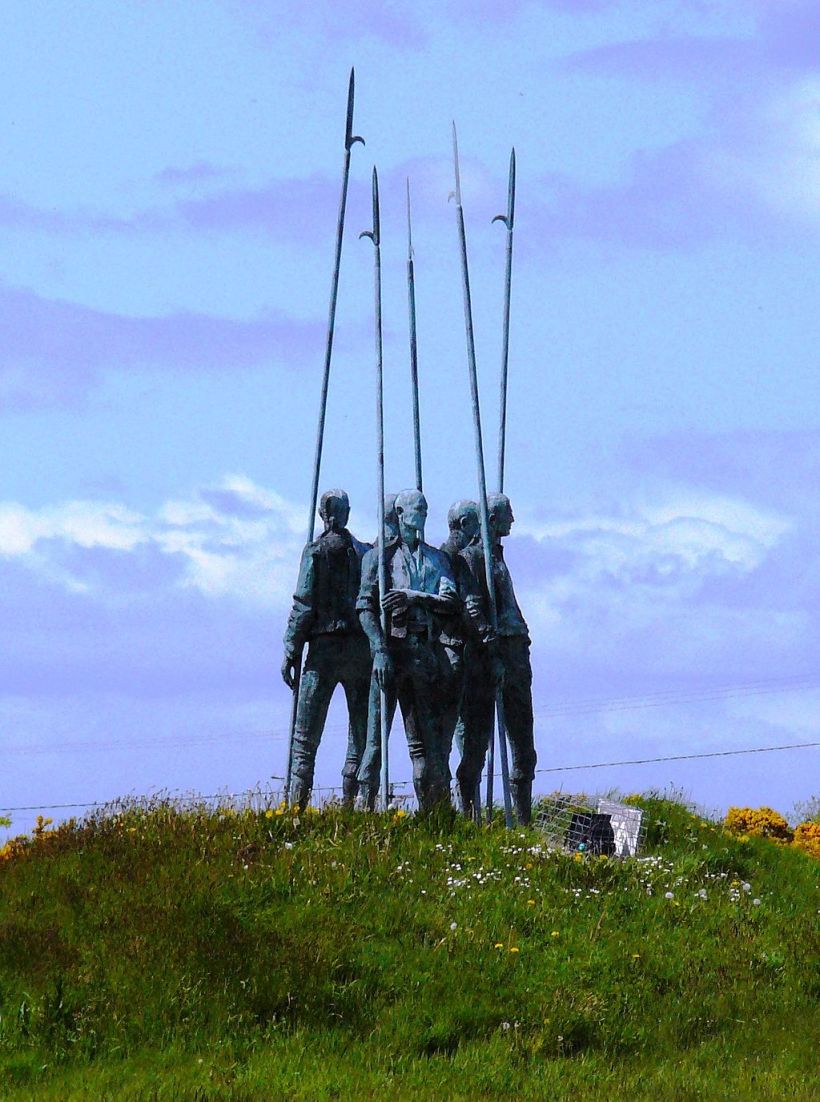
Step into the 1798 Irish Rebellion in County Wexford, a fight for independence. Experience intensity and sacrifice through the story of this historic uprising.




 Michael Stephen Wills Photography